The landscape of Westbridge town centre was forever changed yesterday morning with the official opening of “Cocked ‘n Loaded”, a gymnasium and fitness centre located in prime position on Williamson Memorial Park.
The gymnasium is the brainchild of Sean Hitchcock, son of local business magnate Dyson Hitchcock, whose accomplishments in football, rugby, and basketball (among others) have brought much prosperity to Westbridge Academy’s growing athletic prominence.
“We’re very proud of what Sean has achieved,” said Murray Hamilton, headteacher of Westbridge Academy. “His accomplishments have galvanised the students and we’ve seen a noticeable spike in interest in our extensive physical education programme thanks to his influence”.
The event, which attracted neighbouring businesses and keen gym enthusiasts alike, was also attended by local tycoon James Dickinson (pictured with Sean Hitchcock), who had this to say: “I’ve always believed in the maintenance of a healthy body and Sean’s motto of “Go big or go home” really resonated with me. You can be assured that I will be keeping my eye on this young man going forward”.
Sean Hitchcock, who led Westbridge Academy’s football team, the Westbridge Wanderers, to championship gold two years in a row, topped the leaderboards for most touchdowns scored in a season for the school’s rugby team, the Buccaneers, and has taken home trophies and awards for “Man of the Match” and “Most Valuable Player” ever since he first laced up his boots, beamed with pride as Cocked ‘n Loaded opened its doors yesterday. He vowed that the gymnasium would offer competitive, affordable membership plans, a variety of classes and facilities, and that he would be working closely with Westbridge Academy to help encourage the “next generation” of players. “Teamwork makes the dream work,” he said during my brief time with him. “When you’re the best you can be then good things are bound to happen”.
Hitchcock’s father, Dyson, who amassed his fortune on the stock market, was particularly proud of his eldest son. “This is a chance for Sean to grow both as a person and a businessman in his own right,” he said. “I’ll be taking a very hands-off approach to the gym; it’s his baby [emphasis mine] and I’m just happy to be here to witness its birth”.
The gymnasium has caused something of a stir amongst some in the community, who find its name to be vulgar, but that hasn’t stopped hundreds of youngsters and enthusiasts from signing up and, judging by the crowd in attendance yesterday, it seems that this unique branding has paid off for Westbridge’s most valuable player.
Released: 12 September 2012 Developer: WayForward Technologies Also Available For: Nintendo Switch, PC, PlayStation 3, Xbox 360
The Background: Double Dragon (Technōs Japan, 1987) was a pioneer of the sidescrolling beat-‘em-up genre; an incredibly popular arcade title upon release, the game was equally popular when it was ported to home consoles, with the Nintendo Entertainment System (NES) version being particularly noted for both its difficulty and addictiveness. While a number of sequels followed throughout the nineties, the series pretty much died out for some time and was mainly represented by ports and remakes. Developers WayForward Technologies revived the franchise in 2012 for this part-sequel, part-remake, part-parody that replaced traditional 2D sprites with a 2.5D, cel-shaded style and a heavy eighties-inspired soundtrack and aesthetic. I first played the game on the PlayStation 3 and remember enjoying it well enough, despite a troublesome difficulty curve, so I was excited to try the Xbox 360 version out on the Xbox One when I recently got the chance.
The Plot: Under the direction of the cosmic sorcerer lich Skullmageddon, the Shadow Warriors gang kidnap Marian once again and, true to form, the martial arts brothers Billy and Jimmy Lee must journey across, and beyond, the world in order to rescue her!
Gameplay: Double Dragon Neon is a 2.5D sidescrolling beat-‘em-up with light platforming elements in which players assume control of either Billy or Jimmy; while both characters look and control exactly the same (except for a palette swap), players cannot select which of the Lees to control (player one is Billy and player two is Jimmy and that’s all there is to it). Still, whereas the Lee brothers were a bit clunky and awkward to control in the original videogame, they have a lot more versatility this time around; players can tap X for a quick combo, Y for a stronger attack (and mix and match for more diverse combos), jump with A, and press B to grab enemies when they’re stunned or to pick up and throw weapons and objects.
Though they look practically identical, the Lees have a lot of moves at their disposal.
Unfortunately, control is still quite sluggish in a lot of ways; walking speed is painfully slow and players have to hold RT to sprint ahead but there’s quite a delay between pressing RT and your avatar actually breaking into a run. Luckily, you can duck with LT and, with a well-timed press of this trigger, you’ll successfully pull off a “Gleam” dodge and briefly increase your attack power. You’ll notice under your health bar another bar, represented by lightning, that slowly refills over time; pressing RB will allow you to pull off a “Sosetsitsu” special moves at the cost of draining this bar. These are equipped by finding and purchasing cassette tapes and equipping them in the sub menu and there are many different special moves available, from a fireball to a whirlwind kick and a screen-clearing dragon attack, all of which can be upgraded and cost more of your Sosetsitsu energy to perform.
While you can find health and power-ups, you can also buy them with the cash you earn from fights.
Double Dragon Neon sees you exploring stage stages (referred to as “Missions”) and battling a variety of enemies, from thugs to sorcerers and robots. When you start the game, you get two lives but can acquire more if you destroy objects (barrels, vases, crates and the like) found in the stages. If you lose all your lives, you can continue but, while you have infinite continues, you’ll have to restart the mission right from the beginning. Thankfully you can, occasionally, find cans and bottles of fizzy drink (“Crystal Dragon Kick”) to partially or fully replenish your health. As you defeat enemies and smash objects, you can also pick up cash, which can be spent in a handful of shops to purchase health, extra lives, and cassette upgrades.
A variety of environmental hazards dog your progress but can also be used against your enemies.
While the majority of the gameplay involves running right and beating up endless waves and different palette swaps of enemies, you’ll also have to deal with a number of stage hazards; the classic Double Dragon pit and conveyor belts make a return, which allow you to toss or lure enemies to their death, but you’ll also have to contend with falling platforms, arrows and missiles raining from the sky, and even avoid being sucked out of an airlock! Unfortunately, the clunky nature of the game’s controls, movement speed, and the very noticeably button lag can make this annoyingly difficult, especially in the graveyard stage which is littered with rolling spiked logs! You also need to be wary when breaking open containers as some, especially those in Skullmageddon’s palace, contain grenades that will explode in your face if you’re not careful! Double Dragon Neon also includes the standard “moving elevator” stage but greatly expands upon the difficulty of this trope by placing you precariously on a platform as it flies down an icy slope and bombarding you with a near-endless slew of enemies!
Graphics and Sound: “Neon” is a pretty apt descriptor for this game as Double Dragon Neon is a neon-drenched, cel-shaded spectacle to be sure! The game features large, brightly colourful graphics and models that are full of character and an absolutely bonkers aesthetic that is heavily inspired by some of the most popular eighties movies and cartoons. Die hard fans of the original Double Dragon may, actually, be a little put off by this as, while the game features an extremely faithful recreation of that game’s first stage, it quickly ends up blasting off into outer space and dropping you into hidden genetics laboratories.
The game’s stages and graphics have a striking cel-shaded quality to them.
To be fair, though, my experience with the original game/s is quite limited and vague so maybe this was a thing in the first game but Double Dragon Neon sees you battling on the streets, into a futuristic dojo that doubles as a space ship (complete with Death Star-like throne room), butting heads with a particularly annoying helicopter and tank in the countryside of what appears to be feudal Japan, traversing a haunted graveyard, and working your way through Skullmageddon’s elaborate fortress before battling him in another dimension entirely! A lot of the environments are quite dark and dreary at times, which allows the character models and more garish aspects of the game to pop more, while others are brighter and more visually pleasing, but all of them are fairly elaborate and have a lot of depth to them. If you explore within the limited confines of the screen, you may also find a few hidden areas, shops, or Tapesmiths to improve your odds against the game’s increasingly tough difficulty spike.
The game is a fantastic homage to the arcade games, music, and style of the eighties.
While the graphics are attractive and help to make up for the occasionally clunky gameplay and lag, Double Dragon Neon’s soundtrack is one of the most appealing aspects of the game. Embracing its eighties aesthetic, the game features pop and rock music heavily inspired by bands of the time as well as rockin’ remixes of classic Double Dragon tunes to give it a real energetic beat and a catchy ambiance that you can’t help but hum along to as you wade through countless Williamses. Double Dragon Neon also features some limited voice acting, mainly clips and quips from the Lees (who speak in a “surfer dude” style that was popular in cartoons at the time) or their enemies, but it is Skullmageddon who really takes the cake! An elaborate pastiche of the likes of Skeletor, Mumm-Ra, and Shao Kahn, Skullmageddon is an over-the-top, flamboyant, Saturday morning cartoon of a villain who takes the game into absolutely ludicrous territory but he’s cheesy in the greatest way possible and I absolutely loved it!
Enemies and Bosses: Double Dragon Neon has a decent amount of enemy variety going on; while, for the most part, you can expect to battle palette swaps and reskins of most of the enemies you’ll encounter in the first Mission, enemy models are large and colourful and have some personality to them thanks to their tendency to shout insults your way. Generally, you’ll come up against denim-clad street thugs but you’ll also encounter some more prominent, named enemies, such as the cartwheeling Williams, whip-wielding Linda, and a couple of robotic foes called “Hoverbizzles”. Of course, one of the more physically imposing enemies is the muscle-bound Abobo; these massive freaks of nature often come crashing through walls and can deal heavy damage with a few meaty swings or grapple moves and can take quite a bit of punishment before they’ll be stunned enough to knock over.
The teleporting, ranged attackers that you fight can be some of the more annoying enemies.
Just when you’ll feel like you’ve gotten the hang of these guys, you’ll encounter palette swapped variants, multiple Abobos at once, and then reskinned versions, Bimmy and Jammy, who are failed attempts at cloning the iconic Lee twins. You’ll find that enemies such as these act as mini bosses, of sorts, since the game is actually quite light on actual boss encounters. Other troublesome foes include the likes of Shun, the incredibly annoying Geishas, and Bao Boshi, who all have a frustrating tendency to teleport around the screen (usually either right in your path or irritatingly out of reach) and toss projectiles at you while other enemies attack you from behind or clobber you with weapons. One of the more annoying things about the game’s enemies is how they often continue to launch their attack animations even after they’ve been hit, meaning you can easily get hurt even though the enemy should be stunned but, thankfully, stage hazards will damage them just as much as they do you so it’s recommended that you use everything at your disposal to take them out.
The Killacopter and Giant Tank are two of the more frustrating bosses you’ll encounter.
As mentioned, Double Dragon Neon is surprisingly light on bosses but you won’t really notice as Missions tend to end with either you facing a slew or gauntlet of enemies or battling guys like Abobo. When you hit Mission 5 and 6, however, you’ll have to contend with the “Killacopter”, an indestructible helicopter that constantly hovers just out of reach, fires missiles at you, spawns wave-upon-wave of enemies, and tries to skewer you with its blades. The Killacopter hounds you throughout Mission 5 and lends air support to the Giant Tank boss of Mission 6, which is easily one of the game’s more frustrating boss encounters. You are constantly bombarded with bombs, missiles, and explosions and have to painstakingly make your way up the tank, destroying its cannons, to toss explosive barrels into its one weak spot. Considering how tough Mission 6 is, this can be a really maddening experience and had me raging on more than one occasion.
The game is full of homages to other franchises and pop culture.
Another boss you’ll battle is the Mecha Biker, who is a clear rip-off of Mega Man; the Biker blasts across the screen on his futuristic, Akira (Otomo, 1988) inspired bike trying to run you down or burn you with its flames, before resorting to his blaster and slide attack after you destroy his ride. He’s probably the easiest of the game’s bosses once you get him off his bike as it’s pretty simple to avoid his shots by either dodging them with your roll or standing right next to him at the edge of the screen, which lets you pummel away without fear of injury, but I especially enjoyed how his death animation was a clear homage to Mega Man’s explosive death. You’ll also fight a giant, genetically engineered, mutated plant, Marian II (a clear homage to Little Shop of Horrors’ (Oz, 1986) Audrey II); Marian II attacks either by spitting acid, bones, and other projectiles in a spray from its mouth or, primarily, by trying to stomp and bash you with its pod-like appendages. It’s best to concentrate on attacking one of these at a time as, after they’ve been damaged enough, they’ll burst open to reveal a ravenous shark head and a fire-breathing Tyrannosaurs rex! With these come new, more damaging and frustrating attack patterns as you’ll have to try and move your clunky ass out of the way of screen-covering flames or dash attacks. Though the fight is helped somewhat by Marian II’s rare tendency to drop health and other recovery items, you absolutely cannot rely on this so it’s best to concentrate on one pod at a time (I recommend the right pod, which is the shark head) unless you’re trying to earn the “Jawsome!!!” Achievement.
Skullmageddon is a cheap spam artist who deals huge damage and can take a hell of a beating!
Naturally, your ultimate challenge comes in the form of Skullmageddon; you’ll battle this bony bastard three times, with each fight being similar but getting progressively harder each time. The first time you face him, he’s not too difficult as long as you have mastered the Gleam dodge and you avoid his teleport surprise attack as this deals massive damage. The second fight is largely the same but made more troublesome by the fact that he’s supported by an evil, brainwashed version of Marian who fires projectiles at you and causes stage hazards to keep you from attacking Skullmageddon. Skullmageddon’s attacks are much faster and more frequent this time around and he and Marian will power up an ultimate attack if you don’t deliver a good kick to Marian to disrupt her.
Giga Skullmageddon is the game’s greatest challenge so it’s best to upgrade and equip your tapes!
After freeing Marian from her brainwashing, she transports you through a portal for the final battle against Skullmageddon’s strongest form yet (and the most frustrating boss by far): Giga Skullmageddon! For this battle, you’re transformed into a “Rob-Bro” but, while this allows you to one-shot the handful of enemies in the area (including Abobo), it’s just a skin that really doesn’t help you in the fight against Giga Skullmageddon. This time around, Skullmageddon is relentless and can significantly drain your health, or kill you out-right, if he lands a blow from his massive sword when he’s teleporting around the screen unless you have the right cassettes equipped. Skullmageddon still stops to gloat at times and launches a slew of projectiles that you can dodge to get some good hits in but, after he’s absorbed enough damage, he’ll start raining fire down into the arena (which, occasionally, includes much-needed power-ups and extra lives), dashing around at lightning speed, protecting himself from damage, and dramatically increasing in speed and ferocity. You’ll need to swap between different Sosetsitsu tapes throughout the battle to help tip the odds in your favour but, even with that, this is, without a doubt, one of the toughest boss battles I’ve ever experienced and, to make things worse, if you lose you have to replay through all of Mission 10 right from the start to even attempt it again!
Power-Ups and Bonuses: As mentioned above, you can refill your health with Crystal Dragon Kick and also acquire extra lives, either by searching around, defeating enemies, or buying them from shops but you can also collect batteries to refill your Sosetsitsu faster. Many enemies will also carry weapons that you can pick up and use; these range from baseball bats to whips, knives, and hairpins but you can also grab boomerangs and fans for useful ranged attacks and explosive jars and grenades (but be careful with these last two as they can hurt you as well!) You can also tackle the game with another player and, by pressing in the right analogue stick, perform a high five for a temporary power boost.
Be sure to upgrade your Stance and special move tapes to have a greater advantage in battle.
As you explore, you’ll find cassette tapes that allow you to equip different special moves and “Stances”; each of these can be upgraded by a Tapesmith for some Mythril, which can only be acquired by beating bosses. Each special move deals more damage and takes away more Sosetsitsu energy as you upgrade it; I found I mostly relying on the Spin Kick or the Fire Ball but an upgraded version of the Dragon Swarm can be useful when fighting Giga Skulmageddon. The Stance tapes affect your stats and come with a few useful benefits, such as increasing your health, attack, or defence or allowing you to absorb some health or become more powerful with every blow you land. It helps to mix and match them depending on the situation but, for the most part, you can stick to a set layout…at least until the final boss, which will require you to have better health and defence.
Additional Features: Double Dragon Neon has thirty Achievements for you to earn. These are quite random and diverse and range from mundane stuff like grabbing two enemies at once or grabbing enemies in mid-air ten times to using every weapon, throwing hairpins at every enemy, and finishing every Mission with the Ro-Bro skin (which requires a code to unlock). Easily the most difficult Achievements involve beating the game on its higher difficulty settings or in two-player co-op with friendly fire enabled but there’s also one that requires you to hit a punching bag eighty-seven times to access a secret area filled with swarms of the game’s hardest enemies! As you clear each mission, the game map opens up so you can revisit previous stages, which is fine, but you’ll have to start a whole new game if you want to try a different difficulty setting. When fighting through some stages, you will come across keys that can be used in shrines to get extra cash, tapes, and power-ups but you may have to endure some particularly frustrating areas to reach these shrines. Similarly, gigantic Tapeworms will sometimes burst through walls and beating on them allows you to grab some extra goodies, a hidden area can be found right before fighting Giga Skullmageddon that can give you a slight (slight!) edge in the fight, and defeating him unlocks a concept art gallery, if you like that sort of thing.
The Summary: Double Dragon Neon is a pretty decent upgrade of a classic beat-‘em-up title; with an amazing soundtrack, some impressive graphics, and decent gameplay mechanics, the game is a lot of fun as a throwback to the eighties and traditional sidescrolling beat-‘em-ups. Unfortunately, it also suffers from some annoying enemies, hazards, and has a very prominent difficulty spike that is only exacerbated by the noticeable input lag and sluggish controls. As great as the game looks and sounds, this can be a real turn off as it leads to some cheap deaths and hits and needless frustration rather an a fully polished experience; yet, as challenging as the game can be, it’s also a lot of fun and very satisfying to playthrough so I’d say it’s well worth your time and probably even better with a friend in tow.
My Rating:
⭐⭐⭐
Rating: 3 out of 5.
Pretty Good
Have you ever played Double Dragon Neon? If so, what did you think to it and how do you think it compares to other Double Dragon games and beat-‘em-ups? Were you a fan of the game’s neon-drenched, eighties-inspired aesthetic and soundtrack? How did you find the game’s difficulty and input lag? Did you enjoy the game’s many references to other Double Dragon games, franchises, and pop culture? Did you ever beat the game in two-player mode? Would you like to see another Double Dragon game released in either this style or a more traditional aesthetic? What’s your favourite beat-‘em-up franchise? Whatever your thoughts on Double Dragon Neon, or Double Dragon and beat-‘em-ups in general, feel free to leave your thoughts in the comments.
Released: 8 February 2016 Director: Tim Miller Distributor: 20th Century Fox Budget: $58 million Stars: Ryan Reynolds, Morena Baccarin, Ed Skrein, T.J. Miller, Gina Carano, Brianna Hildebrand, and Stefan Kapičić/Andre Tricoteux
The Plot: After mercenary for hire Wade Wilson (Reynolds) contracts terminal cancer, he turns to Francis Freeman/Ajax (Skrein), who subjects him to round-the-clock torture to activate his latent X-Gene. The experiment is a success, transforming Wade into a near-immortal Mutant but also horrifically disfiguring him and leading him on a bloody quest for revenge.
The Background: Deadpool was created by Fabian Nicieza and Rob Liefeld back in 1991; originally an antagonist who featuring in the duo’s New Mutants comics, the self-styled “Merc With a Mouth” gained significant popularity over the years, especially once he became self-aware and began breaking the fourth wall. This popularity eventually led to his own solo title, a series of team-ups with other Marvel heroes, appearances in Marvel/X-Men-related videogames, and even a cameo appearance in the beloved X-Men animated series (1992 to 1997). Deadpool made his live-action debut in the much-malignedX-Men Origins: Wolverine(Hood, 2009); here, the character was expertly portrayed by Ryan Reynolds (who had been eyed for the role as far back as 2004) and his inclusion was intended to setup a solo spin-off for the character. After X-Men Origins was critically panned and following the poor reception of the Reynolds-led Green Lantern (Campbell, 2011), however, 20th Century Fox (who had bought the film rights to the X-Men franchise some time ago) got cold feet about producing an expensive superhero film full of violence and cuss words. Yet, after director Tim Miller’s early test footage mysteriously leaked online to an overwhelmingly positive response, Fox committed to releasing the film as the director and actor wished but with a much smaller budget than traditional superhero films. As it turned out, however, the studio was wrong to be apprehensive and right to produce the film on a tighter budget as Deadpool eventually brought in over $780 million in worldwide gross which, alongside it’s overwhelmingly positive critical reception, more than justified the greenlighting of a sequel and a continued investment in the character on their part.
The Review: As described by Deadpool himself, Deadpool is, at its heart, a traditional love story of boy meets girl, boy contracts terminal cancer, boy acquires superhuman powers, boy gets girl. It’s the classic, age-old tale we’ve all come to know and love…just with more crotch shots and gratuitous violence than you might remember. Right off the bat, Deadpool opens with an impressive slow-motion shot right in the middle of Deadpool unleashing the carnage on a busy highway while Juice Newton’s “Angel of the Morning” plays and numerous sight and visual gags fill the screen (the majority of them poking fun and the cast and crew of the film and setting up Deadpool’s trademark crude humour). This highway sequence acts as a bridging device as Deadpool, directly addressing the camera and through the power of voiceover, explains his origin up to that point and we continuously return to the highway to see Deadpool blowing the brains out of Ajax’s men and skewering them with his blades.
Seriously, who wouldn’t fall in love with Morena Baccarin?
It turns out that Deadpool was just as childish and sadistic before he acquired his powers; as a mercenary for hire, Wade took on a variety of jobs issued to him by his kind-of-sort-of friend/business acquaintance Weasel (Miller). While he is characteristically coy about the exact specifics of his past, using dark humour to twist the exact truth of his background, he openly admits to having a “soft spot” and wishing to make some kind of small difference to people’s lives. It’s in the midst of this cavalier lifestyle that he meets Vanessa (Baccarin), an absolutely gorgeous woman who appears to be just as snarky and unhinged as he. The two immediately hit it off and spend an entire year doing little other than screwing like animals and falling in love. Right as Wade begins to feel alive again, though, he (literally) falls ill with terminal cancer and, unwilling to drag Vanessa into that “shit show” (as he calls it), packs up and leaves to die alone.
Thankfully, Ajax isn’t just another “guy in a suit”; he’s a sadistic bastard through and through.
For a character who is known for little more than cutting people’s heads off, spouting crude jokes and nonsensical one-liners, and engaging in mindless violence, Deadpool is a surprisingly tragic and relatable character even after he has become a nigh-unstoppable one-man-army. Reynolds excels in the role and I literally cannot imagine anyone else bringing as much humour, heart, and snarky bad-assery to the role. It’s easily the part he was born to play and you can tell that he relishes every last blood-soaked moment of it. Opposing Deadpool is Ajax, a role that demands little more from Ed Skrein than to be a stereotypical “British villain” but which he brings such a slimy arrogance to that you can’t help but want to see Deadpool get his hands on him. A former patient of the same facility Wade ends up in, Ajax’s mutation leaves him incapable of feeling pain (or anything else) and not only superhumanly strong but completely sadistic as well. As a result, he’s not only the perfect kind of amoral asshole but also a formidable threat in his own right since he can’t feel pain and Deadpool can heal from any injury, allowing the two of them to just go absolutely nuts on each other once they finally face off.
Negasonic Teenage Warhead is ballsy enough to match wits with Deadpool.
Ajax is joined by Angel Dust (Carano), a Mutant who is superhumanly strong; as is the crutch of the majority of the henchpeople in X-Men films, the role doesn’t really require much from Carano other than to stand around looking intimidating and bring the pain when required but it’s refreshing to see a woman in the role of the “muscle”. Her presence is inoffensive enough and she even manages to work in a few subtle character traits of her own here and there (she constantly chews on toothpicks and is even somewhat flustered in her fight against Piotr Rasputin/Colossus (Kapičić/Tricoteux)). Speaking of Colossus, this isn’t the underutilised character you know from previous X-Men films as portrayed by Daniel Cudmore; instead, Colossus is a colossal (pun intended) fully computer-generated character and always shown in his organic steel form. Sporting a true Russian accent and portrayed as a veteran of the X-Men, Colossus acts as Deadpool’s conscious and would-be-mentor figure as he attempts to persuade Wade away from the blood-soaking path he has put himself on and become a true hero as an X-Man. Joining Colossus is an entirely new character to these films, the preposterously-named Negasonic Teenage Warhead (Hildebrand); a typical moody, anti-social, and rebellious teenager, Negasonic mainly exists to be the butt of Wade’s numerous pop culture references, to spout equally-mean comments back to him, and to explode in atomic bursts for the film’s finale. While they could have used any other teenage X-Man for this role, the filmmakers specifically selected the character based on her striking name and had to negotiate with Marvel Studios in order to include her. While her powers may be different, she’s a decent enough character in her own right, especially coming into her own in the battlefield.
Deadpool‘s violence is just part of the film’s appeal.
What separates Deadpool from other superhero films, though, is its presentation. Superhero films have been violent before; they’ve had swearing and killing and blood but they’ve never quite been like Deadpool. The film is an action/comedy, full of visual gags, constant one-liners and insults, and more violence than you can shake a stick at. Deadpool is relentlessly brutal in his methods, blowing brains out, splitting guys in two, and even cutting his own hand off to escape custody. He’s an insatiable killing machine, full of righteous anger but also with a surprising amount of pathos built into his character. While it’s hard to believe that the damage done to his face is enough to truly turn off any woman, much less one as devoted to him as Vanessa, the way his monstrous appearance affects his usual bold-as-brass confidence is affecting and it’s easy to buy into his quest for revenge against Ajax.
The Nitty-Gritty: Deadpool is a brisk, non-stop action piece; the film hits the ground running and even in its slower, more poignant moments, it never drags or feels extraneous. Rather than worry itself with the disastrous continuity of the X-Men films, Deadpool exists instead in its own bubble that is adjacent to, and directly inspired by, the existing X-Men franchise but very much its own thing and it never shies away from poking fun at the films that have proceeded it or the mess Fox made of their continuity.
Deadpool is full of clever and entertaining references.
Speaking of which, the film goes out of its way to not only mock the treatment of Deadpool in X-Men Origins (Deadpool clearly acts as though that film never happened or was some kind of awful nightmare) but also Reynolds’ experiences on Green Lantern. Very little escapes the film’s humourous grilling, either; Deadpool references having to perform sordid act on Logan/Wolverine (Hugh Jackman) in order to get his own film, regards Brian Mills (Liam Neeson) as a bad father for always allowing his family to get taken, stages its entire finale on what is clearly the remains of a S.H.I.E.L.D. Helicarrier, and features two incredibly fun “cameos” from Jackman himself.
Deadpool‘s CGI and budget is put to good use and never overwhelms the film’s action or story.
Having a smaller budget really benefitted Deadpool; it meant that what little money it had had to be put to good use rather than on elaborate special effects and gratuitous CGI. It also allows the film to tell a far more grounded and focused story; the spotlight is on Deadpool the entire time, as it should be, and though it does include the X-Men they are used sparingly and in service of the film’s greater narrative rather than clogging the film’s runtime up with pointless cameos and fan service. Deadpool’s wise-cracking nature, jokes, and violent actions are fan service enough and, thankfully, remain the central hook for the film from start to finish.
The Summary: I wasn’t really the biggest fan of Deadpool going into this film; I find X-Men comics very dense and nearly impenetrable so I hadn’t really read too much about him beyond what I saw online. This actually benefitted me in a lot of ways; it meant I wasn’t too bothered by how badly 20th Century Fox neutered the character in X-Men Origins: Wolverine and it meant that I would be seeing the film without high expectations. And, yet, Deadpool exceeds those expectations continuously the more I see it. I honestly find it difficult to talk about Deadpool; comedies are a difficult genre to really describe at the best of times, I find, and the only way you can really appreciate Deadpool’s humour and appeal is to just watch it for yourself. It really is an impressive and incredibly enjoyable action romp; even if the film hadn’t been full of gratuitous violence or swearing, there would still be loads left over to enjoy, I think, but the fact that the filmmakers just went in balls deep and decided to do an unapologetically true adaptation of Deadpool’s unique character is truly admirable. I honestly thought that the one-two-punch of Deadpool and Logan (Mangold, 2017) would open the doors for R-rated action films to once again be successful in Hollywood. That resurgence didn’t really come to pass, unfortunately, but we did get a pretty decent sequel out of it (I honestly struggle to pick my favourite of the two and often settle for just watching both back to back) and that doesn’t dilute the fact that Deadpool is an incredibly bad-ass and hilariously enjoyable experience from start to finish.
My Rating:
⭐⭐⭐⭐⭐
Rating: 5 out of 5.
Fantastic
What are your thoughts on Deadpool? Do you feel it did a better job of capturing the character’s essence than X-Men Origins: Wolverine or were there parts that disappointed you? What did you think of Ryan Reynolds’ portrayal and can you think of any other pitch-perfect castings in films? What was your first introduction to Deadpool and what do you think of him as a character? How are you celebrating Deadpool’s debut this month? Whatever your thoughts on Deadpool, and the X-Men, drop a comment below.
Released: July 1998 Director: Kunihiko Yuyama Distributor: Toho Budget: $5 million Stars: Veronica Taylor, Philip Bartlett, Rachael Lillis, Eric Stuart, Madeleine Blaustein, Ikue Ohtani, and Kouichi Yamadera
The Plot: Cloned from the genetic material of the rarest Pokémon of all, Mew (Yamadera), and enraged at its mistreatment at the hands of humans, the Psychic Pokémon Mewtwo (Bartlett) lures Ash Ketchum (Taylor) and his friends to its island to witness its plan to enact revenge against all humanity.
The Background: So, by now, you’re well aware of Pokémon (Nintendo/Creatures/Game Freak, 1995 to present), a role-playing videogame in which you capture, raise, and battle little monsters and which dominated playgrounds and friendships in the late nineties. After rushing out to purchase Pokémon: Blue Version or Pokémon: Red Version, kids soon became engrossed in every piece of Pokémon merchandise there was, and that included the still-ongoing Pokémon (1997 to present) anime series. Though somewhat removed from its videogame source material, the anime was popular enough to warrant the release of a feature-length animated movie that revolved around one of the most powerful and popular Pokémon, Mewtwo, and its ever-elusive biological counterpart, Mew. Mewtwo represented the ultimate challenge in the original videogames; capturing it meant you had easily the strongest Pokémon the game had to offer and the creature was seemingly tailor-made for the game’s Master Ball, which captured any Pokémon without fail. In comparison, Mew wasn’t actually available in the original videogames outside of Japan, resulting in a slew of wild theories on how to capture it and kids either breaking their games with glitches or buying a Game Genie to get their hands on the mysterious little critter. For me, Pokémon: The First Movie has never been matched by other Pokémon movies in terms of its spectacle and hype. This was peak Pokémon, when the games and anime were at their most popular for my generation (matched only by the release of the follow-up titles), and the appeal of Mewtwo and mystery surrounding Mew was at the forefront of my mind and the minds of my friends and peers. Best of all, hints and glimpses of Mewtwo had been peppered throughout the anime: Giovanni (Ted Lewis) had used it in a battle against Ash’s rival, Gary Oak (James Carter Cathcart), and we’d seen it escape from Giovanni’s headquarters in explosive fashion. Never again would the anime so explicitly tie into one of the movies and the hype for Pokémon: The First Movie was palpable as a result.
The Review: Pokémon: The First Movie opens with Mewtwo questioning its memories, its identity, and the reason for its creation. These issues haunt Mewtwo throughout the film and are the reason for its rage against, and hatred of, humanity; cloned from a single cell of the mythical Pokémon Mew, Mewtwo is tormented by visions from a life it doesn’t remember and feelings it can’t reconcile. Add to that its “awesome Psychic powers” and Mewtwo doesn’t waste any time in breaking out of its containment tube and demanding answers from the Team Rocket scientists that created it. Incensed at the their lack of care for its feeling or condition, Mewtwo flies into a rage, destroying the lab and killing everyone within. This opening sequence effectively sets the tone for what is to follow; although the film is rated U for everybody, it’s a far darker and more sombre affair than the usually fun-loving anime series thanks, largely, to the changes made to Mewtwo’s motivations by producer Norman Grossfeld. This involved cutting an entire opening sequence which made Mewtwo a far more sympathetic figure and changing the Pokémon from a more ambiguous and tragic figure and into one that is clearly evil and motivated by anger.
Mewtwo’s hatred for humanity makes it an aggressive and dangerous foe.
However, this doesn’t make it any less a tragic figure; Mewtwo suffers nothing but abuse and betrayal in its short life and its outrage is completely understandable. Determined to take revenge against the human world, Mewtwo organises a Pokémon tournament on its island; after winning a Pokémon battle against a random trainer (in unbelievable fashion), Ash, Brock (Stuart), and Misty (Lillis) are invited to attend but soon find themselves opposed by a sudden storm. This world-covering tempest is actually a result of Mewtwo; in the dub, Mewtwo causes a storm that threatens all life on Earth rather than to simply cloak its island and, while debating how to brave the storm, Ash and his friends hear a story that is also exclusive to the dub. They are told of a time long ago when a storm wiped out countless lives; so heartbroken by the devastation, the surviving Pokémon’s tears “somehow restored the lives lost in the storm”. Though it obviously has many holes, this ridiculous premise actually works to help justify what happens at the end of the film and simplifies the film’s events for the younger viewers that made up the majority of its audience. Regardless, Ash and his friends manage to reach Mewtwo’s island thanks not only to their Pokémon (despite them being described as being “too weak” to brave the storm) and, partially, to assistance from their long-time enemies from Team Rocket, Jessie (Lillis), James (Stuart), and Meowth (Blaustein), all of whom largely fulfil their usual roles as comic relief.
Mewtwo plans to replace life with its genetically superior clones.
Once they reach the island and encounter Mewtwo, Ash immediately opposes Mewtwo’s plot to wipe the planet clean of all life, human and Pokémon alike, and replace it with its genetically superior clone Pokémon. What follows is an inevitable conflict between the naturally born and trained Pokémon of the trainers present and Mewtwo’s clones and a debate about the merits of fighting and the difference between nature and nurture. Now, obviously, the dub makes these aspects so on the nose and in your face that you’d be hard-pressed to miss them; the characters literally have an entire conversation in the middle of a no holds barred fight between the clones and the originals where they simply repeat “fighting is wrong” over and over. As a kid, this was a frustrating experience as those who didn’t understand Pokémon or who thought it was stupid would criticise this moment as all Pokémon ever seem to do is fight but I would argue that there is a clear difference in the games, anime, and in this movie and its subsequent sequels between battling for sport and in the name of friendly competition and fighting to the death.
Both Pikachu and Meowth refuse to fight their clones.
No one exemplifies the refusal to take part in such a pointless fight more than Pikachu (Ohtani); seeing it pointedly refuse to fight its clone and getting smacked around as a result was utterly heartbreaking but it serves to drive the point home extremely well. Even Team Rocket come to realise the pointlessness of such conflict, with Meowth also refusing to fight its clone and musing that individuals have more in common than they might think. Of course, all this surprising character growth and development is then rendered completely mute when Mewtwo wipes all of their memories, meaning that the only one who really learns a lesson is Mewtwo but, given that it was hell-bent on destroying all life on Earth, I guess that’s preferable. Even after all this time, and despite some of its flaws, Pokémon: The First Movie is still a great film for me. Of all the Pokémon movies released, this, in my opinion, is still the best one; nostalgia obviously plays a large part in this but, while I enjoyed some of the later movies, none of them had quite the same appeal as this one. It introduced a few new Pokémon from the upcoming sequel games, showcased my favourite Pokémon (Mewtwo), and brought Mew into the spotlight for the first time. It’s telling that every single Pokémon movie that has followed has featured either a Psychic Pokémon or a Pokémon capable of speech/communicating and that they often have similar themes of an evil or misguided, stupidly powerful Pokémon having to be quelled. Pokémon: The First Movie did it first, and best, in my opinion, though.
The Nitty-Gritty: I mentioned just now that the film has some flaws and, yeah, it would be ignorant not to address them. Compared to later movies in the series, Pokémon: The First Movie isn’t quite as crisp or as smoothly animated; indeed, the animation is clearly a step up from the regular anime but far from the gorgeously slick rendering of later films. While you could argue that the producers really didn’t need to replace certain aspects with computer-generated images (doors, some camera movements and effects and the like), I didn’t actually mind this; sure, it sticks out a bit but it’s harmless enough.
The dub changes Mewtwo’s motivations but it’s still a complex character.
Of course, the changes made to the script, specifically Mewtwo’s origin and motivations, irked many people but it was never really an issue for me; sure, I’d like to see it either redubbed or subtitled in the original Japanese format but I grew up with the dubbed anime and this version of the movie. It’s all I’ve ever known and I’ve always been happy with it despite how unapologetically the script hammers home its obvious themes. It is a bit weird, though, how the script makes a few errors in identifying Pokémon; it makes an ironic sense that lifetime bunglers like Team Rocket would mistake Sandshrew for Sandslash (even though they look very different) but it is a bit odd that a trainer would misidentify his own Pokémon. Mistakes like these are surprising but hardly a deal-breaker; it smacks of laziness and a lack of quality control but hardly derails the movie.
Mewtwo and Mew clash in a test of will and power.
Frankly, they could have screwed the names of all the Pokémon and I still would have been happy just to see the long-awaited fight between Mewtwo and Mew. Apparently evenly matched in terms of raw power, their fight disappointingly descends into them simply ramming into each other’s protective shields but it’s nonetheless quite brutal and exciting. It’s even quite surprising how vicious Mew is; it is portrayed the entire movie as this mischievous little pixie but, when push comes to shove, is more than happy to trade energy blasts with its monstrous counterpart and fight to prove its point.
Still a heartbreaking moment all these years later…
This, of course, brings me to one of the most heartbreaking moments you could experience as a kid; Ash, desperate to stop the fighting, leaps between the two and is inexplicably turned to stone. The moment is shocking (even for me…and I’ve never been that big a fan of Ash) but quickly becomes absolutely heartwrenching when Pikachu, confused and in despair, tries to rouse its master with little pushes and shock after shock. The fighting stops; friend and foe alike gaze in disbelief as Pikachu fails to awaken Ash and bursts into tears of grief. It’s absolutely heartbreaking even now just seeing Pikachu in such a desperate state. Luckily, that “tears of life” story pays off and the collective tears of all the Pokémon restore Ash but I never expected the movie to have this sudden, abrupt turn into the feels and it still gets me to this day. Pokémon: The First Movie was a rousing success, earning over $170 million at the box office and kick-starting a slew of movies to follow. The producers circled back around to Mewtwo a couple of times after this, first in the direct-to-DVD sequel, Pokémon: Mewtwo Returns (Sonoda, 2000), which answered a few lingering questions from this film, and then Mewtwo and Mew also appeared in Pokémon: The Mastermind of Mirage(Yuyama and Fujita, 2006). Mewtwo also featured in Pokémon the Movie: Genesect and the Legend Awakened (Yuyama, 2013), though that film inexplicably and quite ridiculously featured an entirely different Mewtwo, and Pokémon: The First Movie was remade entirely in CGI in 2019 around about in time for the first film’s twentieth anniversary and, of course, who else but Mewtwo would feature as the principal antagonist in Pokémon: Detective Pikachu (Letterman, 2019), a film that explicitly referenced Pokémon: The First Movie when discussing Mewtwo’s origins.
The Summary: Never doubt the power of nostalgia; it can make even the crappiest polygonal graphics seem timeless and the most outlandish movies memorable. I still like Pokémon but I don’t really play the games anymore and am nowhere near as invested in the franchise as I was when Pokémon: The First Movie came out; I would scour magazines and comic books for glimpses of the film and the mysterious new Pokémon we knew nothing about and went out of my way to get a bootleg VHS of the movie just so I could watch it and see my favourite Pokémon in action. I admit that nostalgia plays a large part in my affection for Pokémon: The First Movie but it is still a really solid entry in the Pokémon movie series and a decent animated feature in its own right. It’s not as action-packed as the later entries and nowhere near as well animated or scripted but the hype was real and seeing Mewtwo and Mew go at it in this classic will never got old. It got me then and it still gets me now.
My Rating:
⭐⭐⭐⭐⭐
Rating: 5 out of 5.
Fantastic
What did you think of Pokémon: The First Movie? Where does it rank for you compared to the other Pokémon films? Do you think it still holds up to this day or do you think it’s seen better days? How are you celebrating Mewtwo’s birthday this year? Whatever you think about Pokémon: The First Movie, Mewtwo, and Pokémon in general, leave your thoughts in the comments below
Released: 2 May 2012 Originally Released: 21 March 2000 Developer: Nintendo R&D1 Also Available For: Game Boy Color
The Background: After his debut in Super Mario Land 2: 6 Golden Coins (ibid, 1992) Mario’s dastardly doppelgänger, Wario, quickly usurped Nintendo’s portly plumber as the face of Mario’s handheld sub-series. After the critical and commercial success of Wario Land II(ibid, 1998), Wario’s adventures continued on the Game Boy Color, a long-awaited colour upgrade to Nintendo’s popular handheld console. Wario Land 3 continued the tradition of expanding upon its predecessors, featuring far more emphasis on backtracking, exploration, and experimentation and would be the last in the series to release before Nintendo released the technically-superior Game Boy Advance console. Still, Wario Land 3 was a much-laudedsuccess upon release and was eventually brought to the Nintendo 3DS Virtual Console some twelve years after its debut, which is the version I’ll be looking at today.
The Plot: After Wario’s plane crash lands in a dense forest, he stumbles upon a mysterious cave and is sucked into a magical music box . An enigmatic hidden figure beseeches Wario to find five other music boxes to free him from his imprisonment and, excited at the prospect of finding more rare treasure, Wario dutifully sets out to satiate his lust for riches.
Gameplay: Like its predecessors, Wario Land 3 is a sidescrolling action/platformer in which players take control of Wario, Mario’s mischievous and greedy lookalike. As in Wario Land II, Wario is functionally immortal; though he takes significant knockback from enemy attacks, he cannot ever be killed and faces no consequences for being attacked except being knocked from a platform or into another hazard. As a result, the player never needs to worry about replenishing Wario’s health or lives or being penalised for being attacked as long as they are patient enough to climb back up to where they were when they were knocked back. Wario begins the game noticeably less capable than in previous titles; he can still jump (shocking, I know!) and can barge into enemies with a shoulder charge but he can no longer pick up enemies and throw them…at least, not from the start. Instead, Wario must find power-ups in coloured treasure chests hidden throughout the game’s many levels to reacquire many of his usual skills, such as the butt stomp and the ability to pick up and throw enemies. Wario can, however, still roll into a ball when pressing down on a slope or coming off a zip-line to pass through narrow passageways.
Wario needs to re-learn some of his patented and basic abilities from the last games.
The main objective of the game is to visit each of the twenty-five levels found at each compass point on the overworld; each one contains four coloured keys and four chests of the same colour which house treasures, power-ups, and key items. Wario must collect each one to open up new areas of the overworld and progress further; this means that each level must be revisited multiple times with Wario’s new abilities and new areas opened up with the treasures and each compass point will only be fully accessible once all treasures have been collected. This makes the game much bigger and more confusing than even its predecessor, which featured branching story paths depending on the choices you made during gameplay; here, you constantly have to backtrack to old levels in order to open up new ones and, someti s, key items will affect multiple levels at once. Thankfully, Wario can return to the mysterious figure in the Temple at any point for a hint on which level to go to, though it’s up to the player to figure out what’s changed in that level or which of Wario’s new abilities needs to be used to progress. The game’s overworld is split between the four compass points (North, South, East, and West) and Wario can quickly travel to each one by pressing the “Select” button on the overworld. From here you can also check on which treasures you have acquired, reactivate key items to remind yourself of where to go, and, eventually, trigger the game’s day and night cycle (which, otherwise, automatically switches to one or the other every time you finish a level, with the time of day also affecting the levels in certain ways).
You’ll need all the Coins you can find to beat the annoying golfing mini games.
Within each level, you can also find a number of Coins, including eight large Musical Coins; unlike previous games, though, the amount of Coins you have doesn’t affect the game’s ending and Wario’s capacity is capped at 999 Coins. Instead, Wario uses Coins to play a number of hidden golf mini games found in each level, which is necessary to open previously blocked paths and find more keys and chests. The golf mini games help to break up the gameplay a bit but is needlessly frustrating when you first play it since you’re not really given any direction on what to do. Basically, by moving the screen to the right, you can see where Wario’s shot will land on the field; you need to press A and then quickly press it again when the slider reaches a power level high enough to avoid getting stuck in water, lava, or the rough grass and then quickly press it again when it hits the blue area of the slider to take your shot. You get four shots at hitting the Para-Goom and, if you fail to sink it in the goal, you’ll have to pay some more Coins to try again. When I first played this, I was frustrated by the finicky controls and vague directions but, once you play it a couple of times, it’s not so hard to get the timing down and the 3DS’s save state feature really helps speed the process up.
Wario’s “Reactions” will allow him to find more treasure and reach new areas.
As in the previous game, Wario can still change forms when hit with certain attacks; these will briefly alter Wario in strange and amusing ways to help him break through previously impassable blocks, reach higher areas, or pass through small spaces and figuring out how to use these different transformations (or “Reactions”, as the game calls them) is key to finding all the keys, chests, and Musical Coins. When in a level, you can also save your progress at any time, see which keys you currently hold, which chests you’ve opened, how many Musical Coins you’ve collected, and even return to the overworld map all with an appreciated ease. Compared to the last two Wario Land games, Wario Land 3 is much more difficult and time consuming; thanks to the abundance of backtracking and vague hints, it can be very difficult to know where you need to go and what you need to do. Thus, you are encouraged to experiment; if you see something blocking your path, try using all of Wario’s abilities as some will affect the obstacle or possibly even destroy it. When exploring a level for the first time, try to take note of your surroundings and out of reach areas as you may need to return later with different abilities to access these parts of the level, and be sure to visit the Temple if you ever forget the levels your key items have affected or opened up. For the most part, though, I found Wario Land 3 best played in short bursts of about an hour or so tackling each level in turn as they opened up or changed rather than trying to slog through it in extended sittings, which may have contributed to my more annoying experiences with the game as it never seemed to end.
Graphics and Sound: Wario Land 3 was easily the best looking entry in the series at that point; thanks to being made exclusively for the Game Boy Color, the game is full of bright, vibrant colours that really pop out at you. While Wario is actually a little more subdued in his colouration, appearing almost monochrome, this actually helps him to stand out against the colourful backgrounds and, as you’d expect, he’s full of life and character, falling asleep if left idle for too long and scratching his butt when left halfway up a ladder. There is a lot of level variety on offer in Wario Land 3; each compass point of the map is home to at least six different levels and, rather than each compass point having a fixed theme, every level looks different and has different gimmicks contained within.
Levels are more varied, detailed, and colourful than ever and change as you progress.
You’ll explore standard platforming levels such as forests, deserts, volcanoes, and ice levels but also explore ruins, swamps, towns, castles, and caves. Each one has at least two different colour palettes thanks to the day/night cycle and, though they start off relatively small and restrictive, each one is quite large, with many different layers and areas to explore as you gain new abilities and affect the overworld. Wario Land 3 has a bit more emphasis on story this time around, with short cutscenes playing whenever Wario acquires a new item to show how it has affected the overworld map. When you find new power-ups, a short tutorial will play showing you how to use Wario’s new ability (which can be revisited at any time from the pause menu) and there are a few instances of dialogue, primarily from the hidden figure, to relay the game’s simple plot. As you’d expect from a Mario/Wario title, the soundtrack is suitably chirpy and catchy, though I can’t say that it really made much of a lasting impression on me.
Enemies and Bosses: Since the game’s plot does not involve the Black Sugar Gang this time around, you’re faced with a whole slew of all-new enemies, many of which behave very similar to those from the last two games. Accordingly, you’ll come across spear-wielding Spearhead’s who will prick you with their sharp weapons, Para-Gooms who descend from the air and shield themselves with spiked umbrellas, puffer fish-like Haridamas which sprout spikes when they get close, and annoying birds that fly across the screen and stun you but can make for a boost to higher areas if you can time your jump correctly. You’ll also come up against a bunch of enemies that will change Wario’s form with their attacks or abilities; Appleby and Doughnuteers throw delicious apples and doughnuts your way, Fire Robota’s spout flames, Hammer-bots relentlessly try to squash you with their giant hammers, floating jellyfish try to sting you, and Zombies constantly spring out when it’s most inconvenient to hurl their heads at you. For the most part, these enemies are placed in or near areas where you’ll need the accompanying Reaction to progress further but, equally as often, they’re simply placed to be annoying so if you don’t need a specific transformation be sure to avoid them.
Often, the direct approach is insufficient to defeat Wario Land 3‘s bosses.
Wario has a tough battle ahead of him this time around as he must battle eleven different bosses in his quest for the five magical boxes; because of the nature of the game, though, it’s entirely possible to battle these bosses out of order depending on what abilities you have and key items you’ve found, which can mix up subsequent playthroughs of the game. With the exception of the final boss, each of Wario Land 3’s bosses requires three hits to defeat and, like in the last game, each one will expel you from the boss arena if you get hit or mess up, changes up their attack patterns as the fight progresses, and requires quite a bit of skill on your part to defeat. The Doll Boy, for example, sits atop a totem pole tossing hammers at you; you must avoid these and destroy his totem pole to bring him down to ground level then frantically avoid his hammer swings to jump on his head and finish him off with a shoulder barge. Similarly, Wormwould pops out of the ground to spit rocks at you that will send you tumbling off the platform if they hit you so you need to use your ground pound on his head before he gets the chance. Each boss is unique and requires different strategies to get around their attacks; Wolfenboss has to be knocked out of the air by ricocheting a Kuri at the right angle, for example, while Mudee is fought while you’re clinging to a net and requires you to time a ground pound onto its body while avoiding its spiked tail. Anonster, meanwhile, can only be brought down to ground level by throwing its own web balls up at it, which can be tricky because it’s hard to judge the angle of your throw.
Wario’s final challenge is a gigantic, demonic clown that is actually capable of killing him.
Some bosses are more unique and frustrating than others, though: Jamano plunges the arena into darkness, forcing you to quickly navigate around the small area hitting four skulls to bring the exorcising light and Wario needs to avoid Helio’s infectious stings and ground pound a pump to inflate and explode the boss. Easily the two most frustrating bosses, for me, though were Pesce and Shoot; Pesce, a weird rat/piranha hybrid, can only be defeated by poisoning it with mouldy cheese but it’s really tricky to time the dropping of the cheese so the damn thing actually eats it. Shoot is similar to Dunk from Wario Land II in that you must beat him at a ball-based game, in this case football. You need to avoid being squashed by Shoot but it’s not made clear exactly how you’re supposed to smash him into the goal; the easiest way I found was to lure him near to the goal (but not too near) and then barge him when he’s bouncing in the air as I could never get him into the goal when the goalie was stunned by a ground pound. After finding all five musical boxes, Wario returns to the hidden figure, who reveals himself to be a demonic clown entity and the game’s final boss. This is the only time in the game that you can get a game over as Wario will instantly be defeated if the clown grabs a hold of him. You need to jump over, or duck under, his hands and stun his fists with a ground pound and then jump and throw the fist into the clown’s face four times to win. Honestly, the most difficult part of this boss was getting the timing of my attacks and jumps right as his fists swing at you pretty fast and it’s easy to lose your grip on the stunned hand if you’re not fast enough.
Power-Ups and Bonuses: As mentioned before, Wario can acquire upgrades for his abilities and relearn classic skills from various treasure boxes. This includes an upgrade to his shoulder attack and ground pound to break through tougher blocks, being able to charge up an enemy before throwing it to throw it higher and further, the ability to swim (and then swim through currents), smashing objects from below, and performing a high jump by pressing up and jump at the same time.
Many of Wario’s Reactions return from Wario Land II and function in the same way.
Wario also assumes a number of different forms upon being hit with certain attacks or encountering certain hazards. Many of these return from Wario Land II, such as Fat Wario (who destroy enemies by touching them and can smash through special blocks), Fire Wario (who, after running around with his butt on fire for a while, eventfully becomes engulfed in flames to break through special blocks), Flat Wario (who is small enough to squeeze through tiny gaps but extremely difficult to control, with the game forcing you to desperately try and float him through gaps in vertical areas), Zombie Wario (who passes through thin platforms when jumping on them), and Puffy Wario (who relentlessly float upwards until he hits a ceiling or block). You can also become Ice Skatin’ Wario when frozen (more of a hindrance than a help), Snowball and Ball o’ String Wario to become an unstoppable ball and break through special blocks, Bouncy Wario (helpful to reach high areas but difficult to control), Bubble Wario (which can let you pass through directional currents to reach goodies but is often just an annoying hazard), Invisible Wario to get past Seeing-eye Doors, and Vampire Wario. This last one is pretty cool as you become a Dracula-type figure and can turn into a vampire bat by pressing B and fly up to new areas but, since this latter mechanic is the only useful thing about this Reaction, I’m not sure why Wario doesn’t just become a bat by default.
Additional Features: There are one hundred treasures to find in Wario Land 3; you’ll need all of Wario’s abilities and certain key items to find them all as some are not only hidden in previous levels but also in hidden levels on the overworld map. Thankfully, you don’t need to find them all to complete the game and you don’t get a different ending for having them all but collecting all one hundred does unlock a time attack mode. There are also, as mentioned, eight large Musical Coins to be found in each level; collecting all of these opens up a fourth golf mini game if you just can’t get enough of that particular gem. Of course, if you’re playing the 3DS version of the game, you can also make liberate, unapologetic use of the save state system to make the game a little easier on yourself.
The Summary: Wario Land 3 really surprised me; I kind of expected the series to get a bit simpler as it progressed but, if anything, the Land sub-series just got bigger and more ambitious as it went on. This is easily the biggest of this sub-series both in terms of graphics and its scope which is great for a classic handheld title and I can’t fault the game for being packed full of content but…man, is this a long, convoluted game. Wario Land 3 really kicked my ass as I went into it expecting quick, easy, pick-up-and-play gameplay and was, instead, forced to constantly backtrack and explore all over the game’s vast overworld and numerous levels. This was great for expanding the depth and range of the sub-series and makes for an addictive and engaging handheld experience; I tried to limit my play time to short bursts of a few hours or so but often found myself getting sucked into the game as I tried to track down one more treasure chest or unlock one more level for my next session.
My Rating:
⭐⭐⭐
Rating: 3 out of 5.
Pretty Good
Have you ever played Wario Land 3 before? How did you find it compared to the other Wario Land videogames? Were you a fan of how big the game was and its emphasis on backtracking and exploration or did you find it maybe to be a bit too ambitious for its own good? What are your thoughts on Wario as a character and his wacky sub-series? Would you like to see more of him and his unique gameplay mechanics or do you think he’s better suited as a side character relegated to mini games? Whatever thoughts you have on Wario and Wario Land 3, feel free to drop a comment below.
Long the hotspot for socialites and the youth of Westbridge, Fluxx was the site of a mysterious break-in and property destruction that has left local police baffled.
Owner and proprietor Blake Harte, who took ownership of the once-dilapidated nightclub just over a year ago and has since turned it into a hive of debauchery and excess for those fortunate enough to make it onto Harte’s coveted guest list.
Eyewitnesses claim to have seen a mysterious individual forcing his way into the club late last night and also report to have heard a great deal of noise as the unknown individual caused what one source stated was sure to be thousands of pounds worth of damage.
Chief Inspector Andrew Louis, however, was unable for comment regarding the bizarre occurrence, which one eyewitness claimed was perpetrated by a masked vigilante he dubbed “Nightshade”: “It was like the night came to life!” he declared. This reporter reached out to Blake Harte for a comment; however the response was not appropriate to be printed. The investigation is noted to be ongoing.
Released: 10 June 2009 / 9 September 2009 Originally Released: 2 February 1994 / 18 October 1994 Developer: Sonic Team Original Developer: SEGA Technical Institute Also Available For: Gamecube, Mega Drive, Nintendo DS, Nintendo Wii, PC, PlayStation 2, PlayStation 3, PlayStation 4, PlayStation Portable, SEGA Saturn, Xbox, Xbox 360
The Background: Sonic the Hedgehog 2 was a blockbuster hit for SEGA; thanks to the title selling over 400,000 units in its first week alone (and over six million during the Mega Drive’s lifespan), SEGA was able to catch up to Nintendo in the “Console Wars” of the mid-nineties, raising their stake in the home console market by 40%. Anticipation was high for the release of the third Sonic game, which saw development split between two teams: a Japanese team and an American team, with Yuji Naka, Hirokazu Yasuhara, and Roger Hector at the heart of the game’s development. Sonic 3 introduced a new antagonist character for our heroes; numerous designs were submitted before the team settled on Takashi Yuda’s concept of a super strong red echidna eventually dubbed “Knuckles”. However, thanks to a combination of a strict deadline to release in time for a major McDonald’s marketing campaign, and Naka’s wish for the game to vastly expand upon the gameplay, mechanics, and lore of the previous two games, Sonic 3 proved to be too big for a single 34-megabite cartridge so the decision was made to split the game in two to hit their projected release date. While this proved to be an expensive decision for us gamers, both Sonic 3 and Sonic & Knuckles became two of the Mega Drive’s best-selling titles, with both games selling over one million copies in the United States. Both games received critical acclaim praising both the graphics and Sonic & Knuckles’ innovative “Lock-On” technology. Sadly though, the game (particularly Sonic 3) has run into some legal troubles over the years, mainly regarding Sonic 3’s soundtrack, which meant not only was a combination cartridge of the two games cancelled but a remaster for mobile devices was shot down and Sonic 3 (and, consequently, Sonic 3 & Knuckles) is frequently missing from modern-day compilations.
The Plot: Doctor Eggman’s Death Egg space station has crash-landed on the mythical floating Angel Island, home to the Master Emerald and Knuckles, the sole surviving member of the legendary echidna race. Eggman has tricked the gullible and hot-tempered Knuckles into thinking Sonic and Miles “Tails” Prower wish to steal the Master Emerald, making recovering the seven Chaos Emeralds and putting a stop to Eggman’s diabolical schemes twice as hard for our dynamic duo!
Gameplay: As you might expect, both Sonic 3 and Sonic & Knuckles are 2D, sidescrolling action/platformers in which you travel across a total of twelve stages (known as “Zones”): six in Sonic 3 and six more in Sonic & Knuckles. Just like in Sonic 2, the majority of the game’s Zones are split into two “Acts” but, in a twist, you’ll now have to battle a boss at the end of each Act (with the second Act typically featuring a showdown against Eggman in one of his deadly contraptions). Just as Sonic 2 took everything about its predecessor and improved upon it considerably, so too does Sonic 3 & Knuckles expand upon the options available to you; Zones are now bigger than ever, featuring numerous different paths and mechanics all geared towards having you blast through faster than ever before. Even better, the games are designed with each character’s specific abilities in mind; each character can run, jump, roll into a ball, and blast away in a Spin Dash but they all have different unique abilities as well, meaning that some paths are only available to Knuckles, for example, or some areas can only be reached using Tails’ unique (if limited) flying and swimming mechanics.
Each character has their own abilitiesto help them take different paths in Zones.
Sonic 3 & Knuckles still keeps its controls simple, though, and each of these different abilities is easily activated simply by pressing a button twice; press A twice as Sonic and you’ll be surrounded by his “Insta-Shield” (a brief flash of lightning that can protect Sonic from projectiles and extend the reach of his spin attack to cause damage). Press A twice as Tails and you’ll be able to fly or swim by then rapidly tapping the same button; Tails can even carry Sonic up to new areas but he does get tired rather quickly so, while this is useful for skipping large portions of the game’s Zones, it does have its drawbacks. Knuckles, meanwhile, is probably the most versatile character; he can glide, climb up walls, and bash through certain walls to reach entirely new areas (and bosses) that are unique to him. He is, however, the game’s “hard mode” as he is noticably slower than his two counterparts and his jump is much shorter. As in Sonic 2, the game gives you the option of selecting how to play, this time from its innovative and unique save state menu; while you’re limited to choosing between either Sonic or Knuckles in Sonic & Knuckles, Sonic 3 (and Sonic 3 & Knuckles) allows you to pick between Sonic, Tails, Knuckles, or Sonic and Tails (who, thankfully, is far more useful this time around thanks to his expanded moveset and the game’s new Special Stages). As always, though, you can collect Golden Rings to protect you from harm, earning extra lives for every one hundred and activating Starposts to create a checkpoint and enter the new Bonus Stages if you’re holding a certain number of Rings.
Every Zone is packed with gimmicks but none were more infamous than Carnival Night’s barrel!
Speed is a far greater aspect of Sonic 3 & Knuckles; while the first game heavily promoted how fast and powerful it was, it really wasn’t until Sonic 3 & Knuckles that Sonic Team actually delivered on that promise. Zones are massive, filled with slopes, loops, springs, and all kinds of nifty, unique new mechanics to rocket you forwards. You’ll jump from crumbling (or disappearing) platforms, swing from vines, rush down waterways, bash through walls, teleport across the Zone, and be transported through the air through a number of fast-paced and exciting new mechanics. Each Zone has a unique gimmick to it that is implemented in a far more impressive and engaging manner: Angel Island Zone catches fire halfway through, Marble Garden Zone sees you using pulleys and spinning tops to navigate vertically and desperately trying to outrun the collapsing environment, Sandopolis Zone features a variety of new sand-based mechanics before having you frantically search out for light switches to scare off ghosts, and Sky Sanctuary Zone has you teleporting around, jumping from crumbling platforms, and bouncing from fluffy clouds. Every Zone is densely packed with features and innovative gimmicks, far more than any previous Sonic title, and perhaps none so infamous as Carnival Night Zone’s notorious barrel. I won’t be arrogant enough to say that this barrel wasn’t an obstacle for me back in the day but I don’t have nearly as many bad memories of it as some do; through trial and error, I think I slipped past it easily enough but the solution is simplicity in itself: simply stand still and press up and down alternatively until it lowers enough for you to continue on.
Zones are huge, with multiple paths and areas exclusive to certain characters.
Although the games do have a far greater emphasis on speed, there are still a few slower sections and small puzzles for you figure out; generally, these are as simple as pressing a switch to lower water, reverse gravity, or open doors but, other times, you’ll be blocked off by unbreakable walls or tossed to new areas by Knuckles. There’s always another way around in Sonic 3 & Knuckles, though, no matter who you’re playing as or what you’re up against; balloons allow you to bounce yourself to higher areas in Carnival Night Zone, for example, and you can cause sand to fill the pyramid tomb of Sandopolis Zone Act 2 to progress further (though be careful as you’re just as likely to get crushed if you dawdle). Additionally, you have some returning concerns to be aware of, such as spikes, bottomless pits, and drowning if you linger underwater too long without a shield or grabbing an air bubble. Gameplay is fast and full of variety thanks to the dense nature of the Zones and their many gimmicks but there are a few aspects from Sonic 2 that don’t make the cut, unfortunately; Sonic’s biplane, the Tornado, only shows up in cutscenes, for example. However, things do get mixed up considerably when you reach Lava Reef Zone; not only is this Zone a mixture of lava-based hazards and a crystal-infested cave, it also wildly differs depending on which character you play as. Sonic and Tails will have to play through two Acts, culminating in the reactivation of the Death Egg and a tense battle against Eggman, before proceeding on to the long-awaited Hidden Palace Zone to go head-to-dread against Knuckles. Play as Knuckles, though, and you’ll face no boss in Lava Reef and Hidden Palace is little more of a transitional Zone to take you to Sky Sanctuary Zone, where Knuckles’ game culminates in a final showdown with Mecha Sonic.
There are some bugs and glitches that can see characters reach areas they shouldn’t.
Indeed, the narrative of Sonic 3 & Knuckles differs depending on which game you play; if you play the combined game, the story is far more cohesive, tracking Sonic and Tails across Angel Island, battling Eggman, dealing with (and eventually allying with) Knuckles, and finally returning Angel Island to the sky. Knuckles’ story, though, takes place after the end of the game no matter which version you play; this means his Zones are presented slightly differently, with the background changing to show the island is in the sky, and he faces a vengeful Eggrobo and the aforementioned Mecha Sonic rather than Dr. Eggman. This, in addition to the myriad of different paths Knuckles’ abilities afford him, means that playing as Knuckles offers a slightly different experience in a variety of ways since you won’t face the same obstacles as Sonic and Tails (or you will, but in different ways). Obviously, no game is perfect and Sonic 3 & Knuckles is no exception; occasionally, you’ll go so fast that you’ll out-run the camera, potentially falling victim to one of Eggman’s “secret traps” (or, more accurately, running into a kill zone or causing the game to soft-lock). You can also use glitches and manipulate the game to have characters enter areas they normally can’t but, personally, I never really ran into anything like this in a normal playthrough. Thanks to Sonic 3 and Sonic 3 & Knuckles’ unique save feature, you were able to have multiple save states back in the day, which made completing the game and collecting the Chaos Emeralds easier than ever as you could just jump into any Zone whenever you liked. This feature was, unfortunately, missing in Sonic & Knuckles, which did make that game a bit more difficult back in the day as you would have to complete it in one sitting, but, while the Xbox Live version of the game doesn’t recreate the expansive save state features of Sonic 3 & Knuckles, you do get three save slots for each game to, at least, reduce Sonic & Knuckles’ difficulty a bit.
Graphics and Sound: For my money, Sonic 3 & Knuckles is not only the best 2D Sonic game of its time but also the best looking and sounding; Zones are absolutely huge and full of life and little elements to really make them stand out. No two Acts of any Zone are the same as the environment will change (sometimes subtly, sometimes explicitly) between Acts: Angel Island Zone bursts into flame, Mushroom Hill Zone changes seasons, Ice Cap Zone switches from a mountain top to a frozen sea, the Death Egg looms in the background of Launch Base Zone Act 1, takes off in Act 2, and sits ominously in Lava Reef Zone Act 2 (notably it is missing when playing as Knuckles since his story takes place after Sonic and Tails’s), and Death Egg Zone has been ungraded from a mere elaborate corridor to a twisting, mechanical nightmare of futuristic paths and technology and gravity-shifting mechanics.
Sonic 3 & Knuckles‘ level variety is second to none!
No doubt about it, Sonic 3 & Knuckles features some of my favourite Zones ever; from the aforementioned Marble Garden Zone to Ice Cap Zone, with its unique and breathtaking snowboarding sequence, to the bouncy goodness of Mushroom Hill and the exciting dread of Lava Reef Zone. Even Zones that are more annoying, like Hydrocity Zone, are fun to play through since they look great, are fast-paced, and are filled with interesting gimmicks to keep you moving forward. The game expands and improves upon numerous mechanics from its predecessors, too; while Wing Fortress Zone was decent enough in Sonic 2, Flying Battery Zone takes everything that worked in that Zone and expands upon it, making it feel much more alive and engaging. While Carnival Night Zone isn’t quite as iconic as Casino Night Zone, I actually prefer it for its music, presentation, changing landscape, and better implementation of gimmicks. It’s not like the “casino” theme was completely abandoned either as it shows up, merged expertly with the rotating Special Stage mechanic of the first game, in one of the game’s two all-new Bonus Stages.
Cutscenes and Act/Zone transitionstell the game’s story and help connect its world.
Additionally, Sonic 3 & Knuckles has, hands down, my favourite Special Stage design ever. Gone are the annoying, rotating mazes and cumbersome half-pipes of its predecessors, replaced with an eye-catching spherical design that has you collecting Blue Spheres, avoiding Red Spheres, and, despite some noticeable slowdown and the Stages increasing in speed and difficulty the more you play, these Stages are, by far, the easiest of the classic 2D Sonic titles, which only increases their appeal to me. Probably the best thing about Sonic 3 & Knuckles is its heavy inclusion of cutscenes, all of which perfectly convey the game’s simple (but far more detailed) story through the simple use of pantomime and music. The game opens immediately after the ending of Sonic 2, with Super Sonic flying alongside the Tornado and crashing head-first into Knuckles, who swipes the Chaos Emeralds and runs off with a chuckle. Knuckles reappears at numerous points throughout Sonic and Tails’ story to cause them havoc, activating switches and traps to cause them to fall or be blasted into the next Zone. Even when he’s not present, there is usually a means for the characters to progress to the next Zone, which really makes it feel as though the games (and the island) are linked together in a cohesive way. Not only that but, when you clear Act 1, the next Act immediately loads from that spot without cutting away, giving a sense of the scale of the game’s Zones.
Sonic 3 & Knuckles has probably the best soundtrack of the classic 2D titles.
Characters and sprites are more detailed than ever; Sonic is easily the most noticeably different, now far pudgier and sporting adorably oversized hands and feet, but each has their own idle animation to encourage you to get back to the game and the game’s Badniks and bosses are some of the most impressive and detailed yet, with each taking full advantage of their unique environment. And then there’s the soundtrack; originally composed by famed pop star Michael Jackson, the soundtrack was hastily reworked after SEGA cut their ties to Jackson but similarities between the games tracks and Jackson songs can still be identified. Regardless, both Sonic 3 and Sonic & Knuckles have fantastic soundtracks, full of energy and unique themes not only for the Zones and bosses but also for Knuckles. Sadly, Sonic 3 & Knuckles utilises Sonic & Knuckles’ soundtrack rather than Sonic 3’s (which is superior, in my opinion), and the game’s music is often altered when it is ported for other systems, but that doesn’t stop it from being easily the best and most memorable of all the classic 2D Sonic games.
Enemies and Bosses: As always, you’ll have to contend with Eggman’s Badniks; although still quite cute to look at, these Badniks look more dangerous than ever but are, in actual fact, no more aggressive or dangerous than in previous games. Their placement is much improved over Sonic 2 and their level of difficulty both escalates and drops as you progress due to the nature of Sonic 3 & Knuckles being two games spliced together.
Badniks and hazards are more deadly than ever, often using the environment against you.
This means that you’ll be merrily bouncing off of Rhinobots in Angel Island Zone, dodging Turbo Spiker’s rocket-powered spike in Hydrocity Zone, and timing your attacks to bust open Pointdexter when playing through Sonic 3 and then back to smashing open relatively harmless enemies like Butterdroid and Madmole once you land in Mushroom Hill Zone before you frantically try to smash apart Toxomister before its Ring-draining cloud chokes you to death. As if that isn’t enough, many Badniks and hazards use your enivonment against you; Cluckoid blows a wind to keep you back (often trapping you in a nearby sticky vine in the process), hazards can freeze you into a block of ice, Rock’n can only be damage with a Spin Dash attack, and Chainspikes will try to impale you on their razor sharp chains. Additionally, you’ll also encounter ghosts in Sandopolis Zone that grow increasingly aggressive as the lights dim darker and can only be dissipated by turning the lights up full. Helpfully, though, the game’s many shields (and Sonic’s Insta-Shield) can not only repel enemy projectiles but you’ll also be able to use Spiker’s spikes as a spring to bounce away from danger.
To mix things up a bit, you’ll have to face a mini boss at the end of every first Act.
In a change of pace from the previous two games, you’ll also have to battle a mini boss at the end of every first Act before you can reach the goal post and clear the Act. These range from a hovering, flame-spewing tank to a tree-chopping robot and a sentient animal capsule. Perhaps having learned something from the unique bosses of Sonic the Hedgehog CD(SEGA, 1993), these mini bosses (and the game’s main bosses) require a little more thought that just ramming head-first into them; Hydrocity Zone’s mini boss, for example, rockets around the arena and sucks you up in a whirlpool and can only be damaged when its rockets stop spinning, and Launch Base Zone has you take on two mini bosses at once, each one attacking you (and protecting itself) with a mace-like chain that only speeds up with its partner is destroyed.
Mini bosses generally require a bit more strategy than just “jump and attack”.
Similarly, if you try to blindly attack Sandopolis Zone’s golem, you’ll just get hurt, so you need to attack its head and force it into quicksand to dispose of it, and you’ll find the only way to destroy Flying Battery Zone’s mini boss is to trick it into attacking itself. Probably the game’s most troublesome mini boss (at least, for me) is the mechanical Cyclops you battle in Death Egg Zone; essentially an upgraded version of the Wing Fortress Zone boss, this mini boss has you ramming a giant eye, watching out for explosive spikes, and avoiding spinning spiked platforms while it tries to fry you with is deadly laser.
After he eludes you in Launch Base Zone, you finally confront Knuckles in Hidden Palace Zone.
When playing as Sonic and Tails, you’ll also have to contend with Knuckles; however, Knuckles only appears in cutscenes to cause you grief and you won’t actually get to go blow-for-blow against him until you reach Hidden Palace Zone. Here, Knuckles with glide, Spin Dash, and jump at you much like the battle against Mecha Sonic from Sonic 2. Simply jump on Knuckles’ head or smack him out of the air a few times and he’ll soon be beaten; afterwards, he is enraged to find Eggman has stolen his coveted Master Emerald and, though, wounded, assists you in reaching Sky Sanctuary Zone. Finally, you have the prerequisite showdowns with Dr. Eggman himself; again, though, Knuckles never actually battles Dr. Eggman; barring glitches, Knuckles will, instead, battle against an Eggrobo but, with a couple of exceptions, battles the same bosses as Sonic and Tails. Eggman isn’t messing around this time; rather than try to smack you with a wrecking ball or run you over in the first battle, Eggman will hide behind a waterfall in Angel Island Zone, blasting at you with flame cannons and generally hovering over a bottomless pit.
The direct approach rarely works in this game as Eggman isn’t playing around this time.
After that, you’ll have to mix up your attack strategies a bit, using whirlpools and explosions in the water to ram into Eggman’s craft in Hydrocity, flying around the screen (or dodging spiked chains) to ram into Eggman’s drill machine in Marble Garden Zone, trying not to get sucked into an electrical field in Carnival Night Zone, watching out for blasts of chilled air in Ice Cap Zone, and dodging massive weighted balls in Launch Base Zone. Eggman’s flame machine returns in Mushroom Hill Zone, this time in a chase boss battle that sees you avoiding spiked hazards and jet blasts in what was, probably, the inspiration for the boss battles of Sonic Advance 2 (Dimps/Sonic Team, 2002). Dr. Eggman’s contraptions are even more formidable as you play through Sonic & Knuckles: he swings around at you in Flying Battery Zone, trying to fry and skewer you at the same time; hides behind a massive laser-spouting golem in Sandopolis Zone; and is completely protected from your standard attacks in my favourite regular boss battle of the base game, the Lava Reef Zone boss. Here, you have to jump from platform to platform, avoiding spiked bombs and trying not to fall into lava as Eggman tries to tip you towards him. The Flame Shield really helps in this battle as it allows you to stand on the lava and just hop over the bombs until they send Eggman packing.
Eggman hops into his deadliest Death Egg Robot yet for the penultimate battle!
When playing Sonic 3, you’ll face something of a gauntlet in Act 2 as you’ll have to battle Eggman in Launch Base Zone, knock the smirk of Knuckles’ face in a cutscene, before facing Eggman in two separate contraptions on the outskirts of the Death Egg. The first machine is pretty simple (dodge his lasers and ram him when the little electric ball isn’t blocking your attack) but the second is one of my favourite boss battles of 2D Sonic (with a kick-ass, ominous track to boot). This sees Eggman jump into his “Big Arm” Egg-O-Matic and fly across the screen trying to land on you, grab you, and pound the Rings (or life) out of you. He also flies along the bottom of the screen trying to skewer you with his spikes and the only way to damage him is with a well-timed jump to his cockpit but, once you do, the Death Egg will crash again (this time in the Lava Reef Zone’s volcano) and you can move on to the Sonic & Knuckles portion of the game. Note that when Knuckles faces this boss, it’s in the actual Launch Base Zone as, in his story, the Death Egg is completely absent from the Zone since it’s already been destroyed. When playing as Sonic and Tails, you’ll travel to the Death Egg Zone and battle Eggman in a far bigger, more intimidating and dangerous version of his Death Egg Robot mech. This is, essentially, a three-stage boss battle; first, you have to avoid being squashed by its fingers, destroying them one (or two, if you time your jumps right) at a time. Once its fingers are destroyed, it chases you from the left side of the screen, destroying the platform you’re on and trying to fry you with flames from its nostrils. You’ll have to jump over these flames and smack it in the nose to expose its Master Emerald power core (and weak spot); however, Eggman also charges a screen-filling laser blast from the Master Emerald that you’ll have to watch out for and you’re constantly at risk of falling or slipping to your death.
Although Sonic and Tails battle him three times, it’s up to Knuckles to put down Mecha Sonic.
Once you’ve landed the final hit, be sure to angle your jump back to the platform; now, you have to chase after Eggman as he flees with the Master Emerald, ramming him as you go until he is defeated while desperately trying to not bounce or fall as the platform crumbles behind you. If you’re playing as Knuckles, though, you won’t get to experience this battle or the game’s final Zone; instead, you face Mecha Sonic in Sky Sanctuary Zone. Mecha Sonic acts as Sonic and Tails’s mini boss in Sky Sanctuary Zone, appearing three times; in the first, he’s in Eggman’s wrecking ball machine from the first game, then he jumps into the Metropolis Zone bubble machine from Sonic 2, before essentially recreating the battle against his namesake from Sonic 2. Knuckles, though, has to face a powered-up Mecha Sonic, who absorbs power from the Master Emerald to turn into Super Metal Sonic; faster, invulnerable, and blasting both large energy bolts and weird ring-things at you, Super Mecha Sonic can only be damaged when he reverts to his base form, which gives you a small (very small) window to ram him once (maybe twice) before he powers back up.
Grab all of the game’s Emeralds to pursue Eggman through the atmosphere as Super/Hyper Sonic!
Collect all seven Chaos Emeralds in Sonic & Knuckles (or all seven plus the seven Super Emeralds in Sonic 3 & Knuckles), and you’ll get access to the game’s true final Zone, the Doomsday Zone. Here, Super/Hyper Sonic must fly through the asteroid-littered atmosphere in pursuit of Eggman, who fires missiles and bullets at you, all while racing against the clock as your Rings are continuously drained in these forms. Luckily, Rings are scattered throughout the atmosphere and you can dash ahead by pressing A but it can be very tricky to manoeuvre as not only are asteroids blocking your path, Eggman’s bullets and missiles can send you flying back a ways and Eggman can only initially be damaged by causing his homing missiles to crash into his cockpit. Once you’ve done this enough times, he’ll escape in his Death Egg Robo mech and be finally vulnerable to your head-on attacks but, again, you have to be careful to not let asteroids and projectiles slow you down and be sure to grab any Rings you see or else you’ll fall to your death in seconds.
Power-Ups and Bonuses: As is the tradition in Sonic titles, numerous computer monitors are scattered throughout the game’s Zones. Smashing these monitors will award you with such rewards as ten extra Rings, an extra life, a speed up, or an invincibility but don’t go blindly rushing in to break every monitor you see as there are special new Eggman monitors which, when broken, will damage you.
While all the characters can grab the elemental shields, only Sonic can utilise their full potential.
Sonic 3 & Knuckles mixes things up with the inclusion of three elemental shields; the Water Shield (which keep you from drowning), the Flame Shield (which protects you from flames and lava), and the Lightning Shield (which attracts Rings to you and protects you from electrical hazards). In an interesting piece of realism, the latter two shields will be lost if you jump into water and, while all three characters can acquire these shields, only Sonic can get the most out of them. Grabbing each one as Sonic replaces his Insta-Shield with a new ability (the bounce, flame burst, and double-jump, respectively) which more than makes up for his inability to fly, climb, or swim.
Additional Features: While both Sonic 3 and Sonic & Knuckles come with a handful of Achievements to earn, you sadly don’t get to earn any additional Achievements for playing Sonic 3 & Knuckles. Still, these Achievements are pretty standard fare for the Xbox Sonic ports, featuring such requirements as finishing the game, reaching certain Zones, collecting one (and all) of the Chaos Emeralds, or collecting a certain number of Rings. Thankfully, there are no timed Achievements this time so you don’t have to worry about finishing the game in under an hour or beating certain Zones in a certain time, but this does make getting all of each game’s Achievements incredibly easy As is the tradition, each character can access the game’s Special Stages to try and earn one of the Chaos Emeralds.
Every character gets a flashy Chaos power-up this time around.
You may be tempted to leap into the sparkling halo found when you pass a Starpost with certain Rings but this simply brings you to one of three Bonus stages (where you can earn extra Rings, lives, shields, continues, and bump up your score); instead, hidden throughout the game’s Zones are a number of Giant Rings. Once you find one of these Rings and jump into it, you’ll have to collect every single Blue Sphere to earn a Chaos Emerald. These Blue Sphere Special Stages speed up the longer you’re inside them to make things more difficult and increase in difficulty as you progress, throwing more maze-like constructions in your way and peppering your path with instant-fail Red Spheres. Still, there’s no time limit to worry about and Tails doesn’t cause you any trouble like he did in Sonic 2; plus, there’s only a few Special Stages where a wrong move can cause you hassle and, thanks to the game’s save state feature (in all versions of the games), you can easily return to one of the earlier Zones and retry for a Chaos Emerald as often as you need. Because of this, Special Stages are only really difficult when playing the base Sonic & Knuckles as Sonic since there was no save feature in the original version and, even now, it’s harder to find the elusive Giant Rings with Sonic’s more grounded moveset. Once you collect all seven Chaos Emeralds, both Sonic and Knuckles can transform into Super Sonic or Super Knuckles after collecting fifty Rings and jumping. This will make them invincible and super fast but will drain their Rings over time (and, of course, they can still drown, be crushed, or fall to their deaths). Once you clear Launch Base Zone, you’ll be stripped of your Chaos Emeralds and will have to power them up into Super Emeralds by clearing seven more Special Stages. This allows Sonic and Knuckles to become Hyper Sonic and Hyper Knuckles and allows Tails to become Super Tails. In these forms, characters are even faster and have additional abilities (Hyper Sonic also glows like a rainbow and can dash ahead, Hyper Knuckles can shake the screen to destroy Badniks by gliding into walls, and Super Tails is surrounded by similarly-powered-up Flickies that home in on enemies and bosses to deal additional damage).
Compete in the game’s somewhat-improved multiplayer mode or access addition features with the”Lock-On” feature.
Sonic 3 also comes with a multiplayer component that allows a second player to play as Tails alongside Sonic, as in Sonic 2, or two players to go head-to-head as Sonic, Tails, or Knuckles in the game’s split screen mode. While this is nowhere near as awful as Sonic 2’s thanks to the screen not being stretched to ugly proportions, it is very zoomed out and Knuckles is missing his moveset, though you are able to play through five unique Zones in three different match types (Grand Prix, Match Race, and Time Attack). Sadly, though, this mode (and a playable Tails) is absent from Sonic & Knuckles. As mentioned before, the Xbox Live version of these games doesn’t allow for the original save feature but it does come with three save states for each game and access to online leaderboards. Owning both Sonic 3 and Sonic & Knuckles not only allows you to play Sonic 3 & Knuckles but also gives you access to the “Blue Sphere” mini game to take on a near-infinite number of the game’s Special Stages and, best of all, if you also purchase Sonic 2, you’ll be able to play as Knuckles in that game too.
The Summary: I love Sonic 2, don’t get me wrong, but Sonic 3 is worlds better in every single way and Sonic 3 & Knuckles is just about as perfect a 2D Sonic game as you can get. Certainly, for me, this combined title is the quintessential 2D Sonic title, with only Sonic Mania Plus(PagodaWest Games/Headcannon, 2018) coming close to matching the scope and entertainment offered by Sonic 3 & Knuckles. With massive Zones, loads of gimmicks and tweaks that pretty much perfected Sonic’s gameplay, a fantastic soundtrack, some of the most detailed and animated graphics of the 16-bit era, and a simple but wonderfully well told story, Sonic 3 & Knuckles is the complete package for any self-respecting Sonic fan. Blisteringly fast, with loads of replay value and additional features to keep you coming back for more, the only thing keeping Sonic 3 & Knuckles from being infallible is SEGA’s inability to release a proper remaster of the title for a new generation of players.
My Rating:
⭐⭐⭐⭐⭐
Rating: 5 out of 5.
Fantastic
How do you feel about Sonic 3 & Knuckles? Which of the two games did you prefer? What did you think about Sonic & Knuckles’ “Lock-On” technology? Where do you rank the games against Sonic’s other 2D titles? Perhaps you prefer a different 2D Sonic game; if so, which is it and why? How did you feel about Knuckles upon his debut, the new Super forms introduced in this game, and would you have liked to have played as Sonic and Knuckles or Tails and Knuckles? Would you like to see a remaster of the title? How are you celebrating the anniversary of Sonic 3’s release today? Whatever your thoughts, please feel free to share them and your memories of Sonic 3 & Knuckles below.
Story Title: “The Beginning of the End” Published: February 1991 Writers: Rob Liefeld and Fabian Nicieza Artist: Rob Liefeld
The Background: By the 1980s, the X-Men had become one of Marvel Comics’ most successful publications, prompting then-chief editor Jim Shooter to call for a series of X-Men-related spin-off titles. The New Mutants, a team of teenage students from Professor Charles Xavier’s School for Gifted Youngsters, came out of this need for fresh new X-Men titles; created by Chris Claremont and Bob McLeod, the first team of New Mutants debuted in September 1982 before graduating to an ongoing title that was first published between 1983 and 1991. The original team, comprised of far younger characters than those in the ongoing X-Men comics and representing a number of diverse ethnicities, eventually fell under the command of the time travelling Mutant known as Nathan Summers/Cable and was transformed into more of a mercenary team and, ultimately, reformed into X-Force. In 1991, however, Fabian Nicieza and Rob Liefeld introduced a new antagonist for this team of hot-headed youths, the mercenary known as Deadpool, and inadvertently created one of Marvel Comics’ most popular anti-heroes in the process.
The Review: The New Mutants #98 introduces us to Gideon in the midst of a training program at Shaw Industries. Gideon is quite the enigma; possessing powers of “super human enhancement manipulation” and a very…unique sense of style, to put it mildly, he easily overcomes Sebastian Shaw’s combat modules in what appears to be a bastardised version of the X-Men’s famous Danger Room. Having wowed his underlings with his incredible performance (which mostly consists of a bit of dramatic jumping about and throwing his assailants into walls; nothing I would particularly describe as “impressive”), he runs through his itinerary for the day, paying particular emphasis on his vague plans for one Emmanuel da Costa.
Cable tries to push Cannonball’s powers to their limit.
Gideon’s plot will have to wait, however, as an impressively Liefeld-esque splash page introduces us to the actual Danger Room, where Cable is engaging in a training exercise alongside Samuel Guthrie/Cannonball. Despite Cable’s rugged insistence that he doesn’t require any help, Cannonball pulls him from the grip of some giant, ugly green machine and justifies his actions by explaining that he’s supposed to be practicing at perfecting his Mutant abilities. Eager to put these to the test, Cable initiates a more aggressive counter-attack sequence and even takes pot shots at Cannonball himself with his incredibly versatile cybernetic arm. Despite failing to balance his focus on multiple threats at once, Cable commends Cannonball’s abilities and wishes for him to expand his kinetic abilities to shield the rest of the team in battle.
Rictor is determined to get Rahne back from Genosha.
Cannonball then points out that the “team” is shy a few members and Cable conveniently runs down the reasons as to why; it seems Warlock died in the line of duty recently and Rahne Sinclair/Wolfsbane’s loyalties are in question but, in any case, Cannonball takes umbrage to him and his team mates being thought of as mere soldiers rather than family but Cable, rugged and war-ravaged as always, is steadfast that the reality of their situation is that all Mutants are soldiers in the world they live in. At the Da Costa International residence, a suspicious redhead hands the aforementioned Emmanuel da Costa a fresh cup of hot coffee that proves to be his last! Just one sip Emmanuel collapses to the floor in fatal convulsions while his assassin watches with glee. Back at the New Mutants’ bunker beneath the X-Mansion, Julio Richter/Rictor and the stupidly-named Tabitha Smith/Boom-Boom are arguing about having been forced to leave Rahne back in Genosha some weeks ago. While Rictor is all for leading a full-on assault against Genosha to rescue her, Boom-Boom is against it not least because such action would undoubtedly be suicide but also because Rahne chose to stay on the island. Undeterred, and temperamental, Rictor rushes out to help his team mate with or without Boom-Boom’s assistance or Cable’s permission.
Cabel is saved from certain death by Cannonball.
Speaking of Cable, everyone’s favourite time travelling poster boy of nineties excess is suddenly attacked while browsing the library. His attacker? None other than a mercenary known as Deadpool; sporting unique speech bubbles and a quick wit, Deadpool immediately reveals that he was hired by the mysterious “Mister Tolliver” to find, and kill, Cable (though he insists that the job is nothing personal). I’m not really sure what the beef is between Cable and Tolliver but it’s enough for the man to have hired an assassin despite Cable claiming that he wasn’t to blame for “what went down”. Without any real effort, Deadpool is in a position to end Cable right then and there with a clear headshot but the time traveller is saved just in the nick of time by Cannonball. Impressed with Cannonball’s abilities, but no less unprepared for them, Deadpool quickly disables Cannonball and returns to the task at hand; a swift blow from Cable breaks Deadpool’s jaw as the Mutant states: “You talk too much” and he’s not wrong. Deadpool has been jabbering a mile a minute since his explosive entrance and, while he doesn’t directly address the reader or break the fourth wall and is a far cry from his rude, crude, wise-cracking self we know now, he’s still full of the quips, words, and even gets side-tracked talking to himself.
Deadpool is shipped back to Tolliver and the issue ends on something of a cliffhanger…
Despite claiming that Cable has broken his jaw, Deadpool continues to assault his target with both words and attacks and is again in position to finish off his foe when Rictor, Roberto da Costa/Sunspot, and Boom-Boom join the fray. This, however, is of little worry to Deadpool, who easily subdues Rictor and is primed to finish the others off when he is suddenly felled from behind by Neena Thurman/Domino. Cable’s demeanour is noticeable changed by Domino’s presence (the New Mutants believe he is smitten with her) and they easily restrain Deadpool, deciding that the best course of action is to send him back to Tolliver to face the consequences of his failure. With that, Deadpool is gone from the story as Cable gives Domino the rundown on what is left of his team; while Rictor makes good on his promise to go and try to save Rahne and Cable states that he has a plan to bolster his ranks, the issue ends with Gideon delivering the news of Emmanuel’s death to his son, Sunspot, ending the issue on a bit of a cliffhanger.
The Summary: “The Beginning of the End” is a perfect of example of why I tend to shy away from X-Men comic books; the lore is so dense and impenetrable, with so many characters and stories and things to remember and keep track of, that it can be very difficult to pick up an issue, even a first issue, and know exactly what is going on. As much as I love the group and its wide variety of characters, this does sour me on trying to read more X-Men adventures as things are constantly shifting and changing all the time. Having said that, though, this is obviously issue ninety-eight so it’s geared more towards a dedicated readership than a first-time reader, so those who have been following The New Mutants since their introduction are likely to get a lot more out of this.
Cable is every fanboy’s wet dream, sporting more powers than you can shake a stick at!
Even with that, though, there is some truly ugly artwork on display here; I love the excess and elaborate art of the nineties (which was all impossibly-defined characters, pouches, guns-upon-guns, and an abundance of unnecessarily dark grittiness) but even I struggle a bit with Leifeld’s signature style. Cable looks like a man-mountain in most panels, then dramatically shrinks or grows as the page dictates, and is a hodge-podge of every fanboy’s fantasy: he’s gritty and stoic, he’s got a metal arm that shoots lasers, and a bionic eye! Thankfully, he’s largely (uncharacteristically) under-equipped in this issue and is bereft of his trademark guns and pouches. He’s even caught on the back foot by Deadpool and seemingly unable to defend himself without the assistance of others, which kind of goes against the few things I know of Cable’s reputation as a “Gary Stu”. The team’s newest villain, Gideon, is equally hideous; garbed in a tight waistcoat and wearing weird gold/bronze armlets, he sports a frankly ridiculous little white ponytail on an otherwise bald head and exhibits what I am supposed to believe are exceptional physical talents in his little training simulation. As a puppet master, Gideon is clearly positioned as a kind of anti-Charles Xavier, favouring manipulative subterfuge over the more direct methods of the X-Men’s usual foes. Whatever his grand plans are, though, I find myself apathetic thanks to his uninspired presentation and little to know explanation of the scope of his powers of influence.
Deadpool is easily able to subdue the New Mutants and instantly makes an impression.
As a result, it’s pretty damn easy for Deadpool to steal the show. Looking like a twisted version of Peter Parker/Spider-Man, he (literally) explodes onto the scene and immediately looks like a formidable threat by how easily he takes Cable off-guard and overwhelms not only him but his team as well. Deadpool comes well-prepared, able to counter all of the New Mutants’ powers and abilities, and seemed poised for victory before the untimely intervention of Domino. Though he’s clearly a far cry from the self-aware, hyper-violent anti-hero we know these days, it’s clear that Deadpool has far more charisma and appeal than the likes of Gideon. We know nothing about him or his abilities and yet, through his undeniable skills and his unique style of speech, he instantly makes an impression, even more so when compared with the issue’s primary big bad. Clearly the writers thought they had something there with Deadpool as well as he is spared from execution and his storyline is left up in the air, leaving him ripe for a comeback and a brighter spotlight in subsequent issues. All-in-all, there isn’t really much to this issue of The New Mutants. Obviously Deadpool made an impression on readers at the time but I can only view the issue in retrospect and, for me, he was clearly the stand-out part of this issue and the only real reason to read this story unless you like seeing Mutants prancing around in training simulations and prattling on about their current situation. Remove Deadpool from this issue and it’s pretty much a nothing story but, thanks to his inclusion, there is at least one bright spark amidst the angst and it’s just a shame that we didn’t get to see more of him throughout the issue rather than wasting time on uninspiring nobodies like Gideon.
My Rating:
⭐⭐
Rating: 2 out of 5.
Could Be Better
Did you ever read “The Beginning of the End” or The New Mutants back in the day? If so, what did you think of the team and the comic’s direction? What were your first impressions of Deadpool back when he debuted? Did you ever think he’d become as popular as he is today or were you, perhaps, unimpressed with his debut? If you were to assemble a team of New Mutants today, who would you pick and why? How are you celebrating Deadpool’s debut this month? Whatever your thoughts on the New Mutants, Deadpool, or X-Men in general, feel free to leave a comment below.
Released: 20 July 2018 Director: Antoine Fuqua Distributor: Sony Pictures Releasing Budget: $62 to 79 million Stars: Denzel Washington, Pedro Pascal, Ashton Sanders, Melissa Leo, Jonathan Scarfe, and Bill Pullman
The Plot: Robert McCall (Washington) has been operating as “The Equalizer” for some time, righting wrongs and offering his unique services to those in need while still living a relatively quiet, unassuming life. However, when his friend and former colleague is killed, McCall soon finds himself putting his methodical abilities to use against former teammates of his turned rogue mercenaries.
The Background: Having begun life as a late-eighties American crime drama starring starred British actor Edward Woodward, the idea for a live-action reinterpretation of The Equalizer was first kicked around in 2010 but didn’t really come to fruition until star Denzel Washington and director Antoine Fuqua came onboard in 2011. Though not quite as intense or exciting as films of a similar nature, like Taken(Morel, 2008) and John Wick (Stahelski, 2014), The Equalizer was a decent enough box office success, making over $190 million worldwide against its $73 million budget, and production of a sequel began some seven months after the first film’s release. Notably, The Equalizer 2 was the first time Washington had ever starred in a sequel to one of his movies, however the film earned around about the same as its predecessor at the box office and received somewhat mixedreviews for essentially only offering more of the same content as the first film rather than anything new or substantial.
The Review: While the original TV show was a bit before my time, I actually quite enjoyed the first Equalizer movie; it wasn’t quite as intense or engaging as Taken or John Wick but it was a pretty decent, more cerebral and methodical tale of an aged, former government operative reluctantly putting his long-retired skills to good use and taken on a bunch of Russian mobsters. However, while that film ended with McCall advertising his services as “The Equalizer”, the second film takes a bit of a left turn in that, rather than following McCall as he rights wrongs and fights injustice for those who contact him, we’re back to a slower, systematic film that is more a character study than anything else.
McCall is just as methodical and practical as ever.
As before, the star of the show is, obviously Denzel Washington; though Denzel now has hair for 95% of the film (which actually makes him look younger and less distinct as McCall), he still retains that same quiet, sombre, haunting feeling about him while exuding a general good-naturedness to all around him. Now supplementing his income as a Lyft driver, which allows him to meet and learn about a wide variety of people, McCall is just as disciplined as before and all of his little quirks and OCD-like routines return (he still carries his own tea bag, utensils, and tackles both cleaning apples and repainting a wall of graffiti with the same meticulous focus).
McCall’s combat skills are virtually unmatched throughout the film.
Denzel has a natural, likeable charisma about him; he doesn’t just resort to violence for the sake of it and always offers his target the chance to walk away and/or do the right thing. However, his uncanny ability to “read” people, to notice things others wouldn’t, and to absorb information about those around him and his environment allows him to not only take out rooms full of armed men in seconds with quick, precise strikes, but also to know what people are thinking/feeling or have gone through with a minimum of input and to predict how each situation will go, allowing him to still be a nearly robotic, efficient combatant that can easily overwhelm gis opponents, breaking arms and dislocating limbs without breaking a sweat and not even being short of breath afterwards.
McCall goes to extreme lengths to dissuade Miles from the wrong path.
Given that McCall is in a new location with a new life, we have to not only become reacquainted with him but are also introduced to a handful of new characters; chief amongst them is Miles Whittaker (Sanders), an aspiring artist who is tempted into a life of easy money, crime, and violence. McCall acts as a positive influence on Miles, encouraging him to stick with his studies and follow his passion for art but is eventually forced to violently confront a bunch of gangsters on their home turf to convince Miles not to get caught up in that life. McCall strikes with a precise fury, busting in on the gang with two guns, and goes to extreme lengths (forcing a gun into Miles’s hand and daring him to shoot him and then holding him at gunpoint and getting uncharacteristically emotional about the gang life, guns, and violence that Miles seems to find so attractive) to deter Miles from that life.
Susan and Brian are two of the last links to McCall’s mysterious former life.
However, there are some returning characters to the film, namely McCall’s former colleagues Susan (Leo) and Brian Plummer (Pullman); these two, particularly Susan, are the only ones that are aware of his double life and with whom he can open up to about his dead wife and former life. His interactions with both allows us to see, more explicitly, McCall’s more human and vulnerable side and learn a little bit more about who he used to be. Susan regularly feeds him information and resources to help keep him busy but encourages him to return home, the suggestion being that he is hiding from confronting his loss in this new city and new vigilante-style life, and her sudden and violent death clearly affects McCall’s characteristically stoic and disciplined demeanour.
McCall’s former partner, Dave, turns out to be the film’s underwhelming antagonist.
Putting his unique set of skills to use to quickly identify the two responsible for Susan’s murder, McCall reaches out to another of his former colleagues, Dave York (Pascal). York initially appears to be a close friend and former partner of McCall’s but it doesn’t take long for McCall to piece together that York has betrayed everything he stood for and, alongside their entire former team, has become little more than a mercenary. This sets York up as the film’s primary antagonist quite late into the film as, before this revelation, it appears as though Resnik (Scarfe) is to be the main antagonist. While you might think that York would be a formidable opponent for McCall, given that they (and their team) are cut from the same cloth, he fails to properly match up to enforcer Teddy Rensen (Marton Csokas) from the last film, being less of a physical or formidable threat despite escalating the personal nature of the film’s final act.
The Nitty-Gritty: Rather than go for a “bigger, better” approach for the sequel, The Equalizer 2 is more of the same meticulously paced, cerebral character study as the first film rather than being a much more action-packed and fast-paced affair. Indeed, I expected to see McCall taking on various cases, especially in the film’s early going, but his alias of “The Equalizer” is never used or referred to, even in passing, and, instead, McCall simply acts when he observes injustice in the lives of those around him; he wrecks a bunch of wealthy shit-heads for abusing a young intern out of the kindness of his heart and for her sake rather than any kind of payment or recognition and rescues the young daughter of his preferred bookstore owner’s just because he can and it is the right thing to do.
McCall’s interactions with those around himreveal more about his motivations.
Of course, more time spent with McCall means we learn a little bit more about who he is and why he does what he does. Once again, this is delivered in snippets, hinting at his former life and what motivates him to help others: whilst cleaning up the gang graffiti on his building, McCall intimates that it is because no one else will and plenty of people are happy to complain or let someone else take care of problems but no one ever does, so he does it. Similarly, as if the personal stakes McCall has in this film aren’t enough, during his tense confrontation with York, McCall admits that he deserves to die “many times over” for the sins he has committed in the past, showing that he is equally motivated by atonement as much as anything else.
McCall’s so good he can win fights whilst driving at high speeds!
We also get to see a bit more of McCall’s wide array of skills; his unique observational abilities and insight also allow him to correctly recreate the murders Resnik perpetrated to get a sense of how he thinks and operates, all of which not only help McCall piece together more details on the murders. Additionally, his combat proficiency is at such a level that he’s even able to emerge the victor (relatively unscathed) in a fight with an armed man while he (McCall) is driving a car!
Despite having the upper hand on numerous occassions, York is constantly outwitted by McCall.
As an antagonist, York (sadly always referred to as “Dave” throughout the film, which isn’t that intimidating of a name for your main bad guy) falls a little short; his motivations are essentially the same as Alec Trevelyan’s (Sean Bean) in that he killed for his country and blindly followed orders only to be screwed over by the system and his superiors and cast aside, and that the entirety of their unit has gone rogue in the same way as a result. McCall, however, is less than impressed or intimidated and simply vows to kill each of them to avenge Susan and for betraying her/him/everything they once stood for and is easily able to get Brian to safety, guide Miles to a hidden panic room in his (McCall’s) apartment, and to evade York’s attempts to take him out.
Superior numbers and armed opponents are of little consequence to McCall.
Even when York takes Miles as a hostage and baits him into a final confrontation at his seaside hometown (which Susan eludes McCall has been actively avoiding returning to due to the lingering history he has there and which is also under siege from a hurricane, with the tumultuous storm both representing the animal within McCall and contrasting with his stoic implacability), McCall uses his superior knowledge of the town and stealth tactics to pick them off one by one through a series of deadly traps and efficiently brutal kills, similar to how he picked off Rensen’s men at the conclusion of the first film but on a decidedly larger, more dramatically elaborate scale thanks to the raging storm that covers the town.
Even with every advantage, and putting up a good fight, York is no match for McCall.
Despite York’s superior numbers and weaponry (McCall heads to the town unarmed and only utilises the weapons he acquires or liberates from his surroundings/targets), and him and his goons taking up defensive positions and assuming a tactical advantage through their numbers and placement (with York himself taking the high ground and a sniper position to cover the entire downtown area), McCall easily picks them all off with methodical precision. Accordingly, the film culminates in a showdown between McCall and York; York has Miles bound and gagged in the boot of his car and threatens him to draw McCall out of hiding. McCall, however, is too smart for that and, despite York having the high ground, engages him in a fist fight. Thanks to a lucky cut from a knife, and being the main antagonist, York puts up the only fight McCall has to deal with throughout the film, landing a few hits on McCall, but it’s over almost as soon as it starts and ends with McCall the victor thanks to his brutal efficiency, McCall again assuming that stoic blank slate of cold, unemotional precision
The Summary: Rather than going in all guns blazing, bigger and better than before, or even following McCall as he solves various problems for a number of different people and gets tangled up in a bigger issue as a result, the film emulates the pace of the original as we follow McCall’s generally quiet life and the people he interacts with, absorbing ourselves in his world, and the action comes in short, sharp waves, escalating over time to the finale similar to the first film. Since McCall is in a whole new place with a new life, we need to become reacquainted with him rather than just picking up where we left off. However, the action/pacing doesn’t exactly kick up a notch after Susan’s death, like you might expect; instead, a methodical pace is retained and things gestate and build, which is great for becoming absorbed in McCall’s world/mindset and does keep the film from just becoming another big, loud action movie, but it is a tad surprising as you would expect things to speed up a bit once McCall is directly affected. Things do, however, pick up a bit once McCall makes things equally personal and targets his former team mates; we’ve seen what he’ll do for complete strangers so this gives us a chance to see just how far he will go, how focused he can be, when someone close to him is caught in the crossfire. The result is the same dogged determination and meticulous approach but with a tinge more aggression, a shade more brutality, and a touch of the raw, animalistic emotion that clearly boils beneath McCall’s surface and that he channels to be such an efficient operative. It can’t be denied, though, that it’s largely more of the same as we saw in the first film, if not somewhat more subdued, making it no better or worse than the original but just as appealing in its execution thanks to Washington’s stoic performance and the fast, brutal, calculated fight scenes.
My Rating:
⭐⭐⭐
Rating: 3 out of 5.
Pretty Good
What did you think of The Equalizer2? How do you feel it compares to the first film and the original television series? Would you like to see more films in the series? How do you feel this film holds up to others of its kind? Which film did the “retired hitman called into action” concept better? No matter what you think about The Equalizer 2, and similar films in this sub-genre, go ahead and leave a comment below.
Released: 2010 Developer: Treyarch Also Available For: Nintendo DS, Nintendo Wii, PC, PlayStation 3
The Background: It’s the final week of “CoD Month” here on my site. So far, I’ve played all three titles in the Call of Duty: Modern Warfare Trilogy (Infinity Ward/Sledgehammer Games, 2016), Call of Duty 3(Treyarch, 2006), and Call of Duty: World at War(ibid, 2008) and I’ve been less than impressed with what I’ve seen so far. For the longest time, I’ve never been much of a fan of the Call of Duty titles (Various, 2003 to present), mainly because I don’t really get on with first-person shooters (FPS) at the best of times. The perspective can be difficult to judge, enemies shoot at you from nowhere, and I just find them (especially military shooters) quite generic and uniform and, so far, the Call of Duty games I’ve played haven’t done much to change my views. World at War was probably the one I enjoyed the most and, it turned out, spawned a spin-off series for the Call of Duty franchise that continued with this title. Black Ops was another title that happened to come with the Xbox 360 I bought a while back and I’ve heard a lot of positive things about this title, especially, among all the Call of Duty games. So, one last time, I sat down to plough through one more Call of Duty game simply for the Achievements and to see if my personal bias could be swayed.
The Plot: Sixteen years after the events of World at War, the United States and the Soviet Union are locked in a “Cold War” that moved warfare away from the trenches and towards more clandestine operations. Black Ops revolves around the discovery of “Nova-6”, a deadly chemical weapon that is in the hands of several Russian sleeper agents placed across the globe, and the race against time to locate, isolate, and destroy it before it can kill millions.
Gameplay: Call of Duty: Black Ops is a first-person shooter that sees you in the role of SAD/SOG operative Captain Alex Mason; unlike the other Call of Duty games I’ve played so far, you primarily control Mason throughout the game’s campaign but, at various times, you’ll also play as CIA paramilitary operations officer Jason Hudson. Also in a change from the previous Call of Duty titles I’ve played, Black Ops’ protagonists are actually vocal, talking during gameplay and in cutscenes, which is a nice change of pace.
Call of Duty‘s control scheme was pretty standard by this point.
When it comes to the controls, you know the story by this point and nothing is really different here: you reload with X, jump with A (still as useless as ever unless you’re vaulting over walls), switch weapons with Y, and sprint for a bit by holding in the left analogue stick. Grenades and other explosives are tossed with the Left and Right Buttons, you aim and shoot with the Left and Right Triggers, respectively, and can shoot wildly from the hop or try to be a bit more accurate but pulling on the Left Trigger to aim down your sights. Pressing B allows you to assume one of three stances: standing, crouching, or prone, each of which alters your aim and ability to be stealthy or open to enemy fire.
There’s no regenerating your haz-mat suit so stay out of gunfire!
Health still automatically replenishes when you avoid enemy fire, and you still get a generous amount of checkpoints to help you reload when you’re inevitably blown up by a random grenade but Black Ops mixes things up a bit by having a few missions where your health “bar” doesn’t really mean shit: the first is when you pilot vehicles (such as the Mi-24 Hind attack helicopter and an attack boat) and the vehicle’s damage doesn’t auto-repair and the second is when you (as Hudson) must walk through a cloud of Nova-6 in a haz-mat suit. As you take damage, the suit cracks and doesn’t auto-heal so you’re at risk of being exposed to the deadly nerve agent if you linger too long or rely on the traditional auto-heal mechanics, which is actually a nice touch and harkens back to FPS games of old where auto-healing wasn’t a thing.
Mason’s plight is a central part of the game’s narrative.
A helpful mini map is located at the top left of your heads-up display (HUD); this shows your location, the location of your allies, enemies, and the direction of your objective. Maybe I’m just used to them by this point but I actually found this mini map quite useful as it actually gives you a far better idea of the layout of your current area and where you need to go. As always, the game isn’t all just mindless shooting; in fact, story plays a major role in Black Ops. Having a vocal protagonist really helps with this and Mason is right in the middle of the Russian’s plot to gas their Capitalist enemies as he was captured and brainwashed by the Soviets; the narrative is framed by several cutscenes wherein Mason is interrogated by US personnel regarding his actions and the action frequently cuts away to more of these scenes. Sadly, these cutscenes can’t always be skipped; sometimes, you’re able to skip them by holding the A button but you’ll have to sit through a fair few which is annoying on repeated playthroughs.
Black Ops also sees you piloting helicopters and driving attack boats.
Also breaking up the action are a variety of other gameplay sections; there’s the vehicle-based ones I mentioned above which are basically similar to the tank- and helicopter-based missions of previous games but actually much more enjoyable. When controlling the Hind, you both pilot the craft and shoot with a machine gun and missiles; while it’s quite difficult to manoeuvre and get a good bead on targets (especially other helicopters), it’s still quite fun to be up in the air and have a greater field of view. The boat mission is pretty much exactly the same as a tank-based mission from World at War except you’re on a boat, in the water, and it’s night-time in the jungle; the boat is still a bit slippery and awkward to control but it’s fun just wrecking shit up with its armaments.
Guide your ground team from the air and then infiltrate with stealth.
One mission also sees you inside of an SR-71A aircraft; from here, you’ll use a thermal radar to direct your ground forces and then switch down to them to clear out the opposition. Once the mission switches to the ground proper, you’ll have to rappel down to a facility and utilise the same stealth tactics seen in the previous games to progress further. Stealth also plays a big part in another mission where you must first avoid an overhead helicopter, silently dispatch of two guards, and then infiltrate a Soviet missile based while wearing their uniforms. As dark and grave as World at War was, Black Ops is even more so. The game opens with Mason escaping from a desolate Soviet prison where he reconnects with Viktor Reznov from the previous game; Reznov’s edict is literally burned into Mason’s mind as he finds himself compelled to assassinate a number of Axis scientists throughout the game’s narrative. Oh, and did I mention that you end up going to Vietnam? Well…you do. Similar to how the Japanese elements made the last game more brutal and affecting, seeing the Viet-Cong charge blindly into gunfire and try to slice your throat out is legitimately jarring, almost as much as them capturing Mason and his comrades and forcing them to play Russian Roulette!
Graphics and Sound: Building upon the level of detail seen in World at War, Black Ops is probably the darkest, grittiest, and most detailed of the series thus far (at least, of the ones that I’ve played). Character models continue to be the weakest aspect but it’s easily forgiven when you realise how detailed and elaborate many of the game’s locations are: the Vorkuta Gulag isn’t just a desolate, rust-filled prison; it’s a desolate, rust-filled prison in the middle of a snow-swept landscape that is perfect for a high-speed motorcycle escape to a train. Khe Sanh, and Vietnam in general, is rendered with a horrifically affecting realism that really captures the humid and horrific conditions of that particular conflict and stands in start contrast to the dark urban landscapes you run through in Kowloon City.
The game’s attention to detail and voice cast is just as good as ever.
Voice work is even more important than ever to Black Ops because it actually features a speaking protagonist; Sam Worthington (remember when he was a thing?) takes centre stage as the tortured and haunted Mason, Gary Oldman returns as the revolutionary Reznov, and even Ed fuckin’ Harris shows up to voice Hudson. I also took much greater note of the music in this Call of Duty title; there’s a foreboding, heavy feel to the tunes of this game alongside the traditional stirring military melodies and, in true Apocalypse Now (Coppola, 1979) fashion, the troops stationed in Vietnam like to blast the Rolling Stones’ “Sympathy for the Devil” at full volume in their base camp and when blowing enemy encampments to smithereens.
Enemies and Bosses: Like World at War, Call of Duty: Black Ops has far more enemy variety than in the previous titles. Rather than simply gunning down Nazis, you’ll mostly be clashing with Soviets, Vietnamese, and even British Commandos. As always, these enemies are formidable thanks to their flagrant use of cover, melee, and explosives to whittle your health to nothing in no time at all.
Storm the Rusalka to end the threat of Nova-6.
While bosses aren’t really a thing in Black Ops, when flying the Hind, you’ll come up against a couple of enemy attack choppers that must be destroyed before you can progress and, when in your attack boat, you’ll specifically have to trade shots with another boat to complete the mission. When joining the assault on the Rusalka, you’ll have to provide cover fire from your attack chopper and also bring down another enemy Hind, before eventually confronting and killing Nikita Dragovich, one of the key minds behind Nova-6, in a quick-time event.
Power-Ups and Bonuses: As with other games in the series, Black Ops is going for realism over the more flamboyant aspects of other FPS titles so the closest thing you’ll get to upgrades is when you are able to call in air strikes, take control of armoured vehicles, or happen across an armoury.
Blow enemies into flaming chunks or cut them down with duel pistols.
Despite this, and the setting of the game, Black Ops has some pretty nifty weapons on hand for you to use; though you’re still limited to only having two at a time, some of the stand-outs for me were the Franchi SPAS-12, a pump-action shotgun that can also fire incendiary rounds, the Python (a high impact .357 Magnum), and the Beretta Model 682, all of which are great for close-quarters dismemberment. You can also grab a crossbow (that can also fire explosive arrows) and a couple of nifty grenade and rocket launchers, like the “China Lake” and the M72 LAW, and even duel-wield pistols and smaller submachine guns at various points.
Additional Features: As with the other Call of Duty titles, you can choose to play on a number of different difficulty settings and earn a fair amount of Achievements. These are generally earned after clearing missions in the main solo campaign but also pop with when find all of the Intel hidden throughout the game, complete certain missions with certain weapons, kill a certain amount of enemies in certain ways, or slaughter some poor, innocent test monkeys as quickly as possible. Multiplayer returns in Black Ops but, this time, you’re able to set-up a multiplayer match against computer-controlled opponents, meaning I was actually able to experience a Call of Duty free-for-all deathmatch for the first time. When in this mode, you can select or create a class where you customise your weapon loadouts, perks, and other aesthetics, which is a nice touch, and you can tweak the level of difficulty of your computer-controlled foes but I was absolutely owned by the computer even on the easiest setting and found it was little more than a standard deathmatch.
The “Zombies” modes continue to be a lot of fun.
Returning from World at War is the “Zombies” sub-game wherein you must try to survive for as long as possible against endless waves of zombies in a variety of maps; one of these has you playing as John F. Kennedy, Richard Nixon, Robert McNamara, and Fidel Castro in a fantastic piece of ridiculousness that is massively at odds with Call of Duty’s more serious tone…and I love it! The more zombies you kill, the more points you earn to spend on fortifying your defences, unlocking new areas, or accessing better weapons but the best part about the “Zombies” mode in this game is the inclusion of Dead Ops Arcade, a top-down arcade title that plays very similar to Smash TV (Williams, 1990) and Dead Nation (Housemarque/Climax Studios, 2010) and was honestly the most fun I’ve had playing a Call of Duty title.
The Summary: Call of Duty: Black Ops was far more enjoyable for me than any of the Modern Warfare titles and a fine follow-up to World at War but I still find myself largely unimpressed. If anything, it’s annoying that it took this long for the series to feature a speaking protagonist right from the get-go but, while the game is better for it, I didn’t find Mason particularly compelling; you can see the big twist in his narrative coming a mile away (thanks in no small part to the constant cutscenes that jerk you abruptly from the gameplay to slap you in the face with the twist before it’s revealed), it’s outrageous to me that he was allowed back into active service after the big reveal, and the idea of chemical attacks or sleeper agents isn’t exactly new by any stretch of the imagination. Still, by taking everything that worked in the Modern Warfare games and in World at War and applying them in a more intimate story with greater stakes, Black Ops actually worked for me on a level the other Call of Duty titles didn’t. It helped a lot that areas were far more recognisable, varied, and interesting, that the locations were unique and engaging, and that the developers included Dead Ops Arcade and so many recognisable political figures happily blowing holes in zombies.
My Rating:
⭐⭐⭐
Rating: 3 out of 5.
Pretty Good
What did you think of Call of Duty: World at War? Where does it rank for you compared to the other Call of Duty titles? Do you think I have committed the ultimate sacrilege by besmirching the good name of the Call of Duty franchise or do you agree that the series is somewhat over-rated and stagnated? Whatever you think, please do leave a comment below and come back for more content and reviews in the near future.




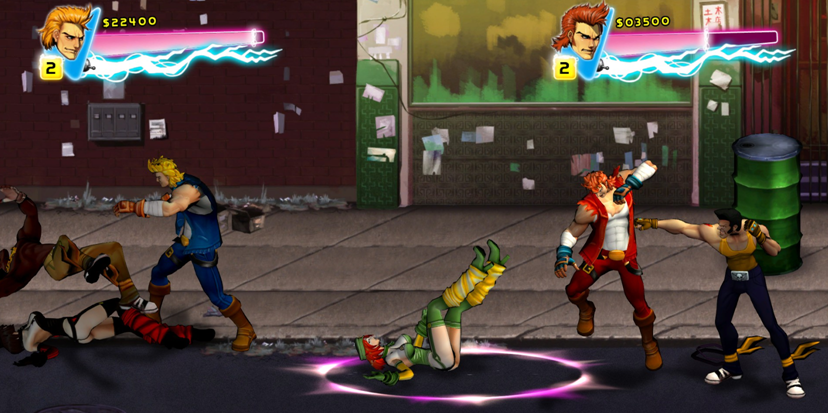
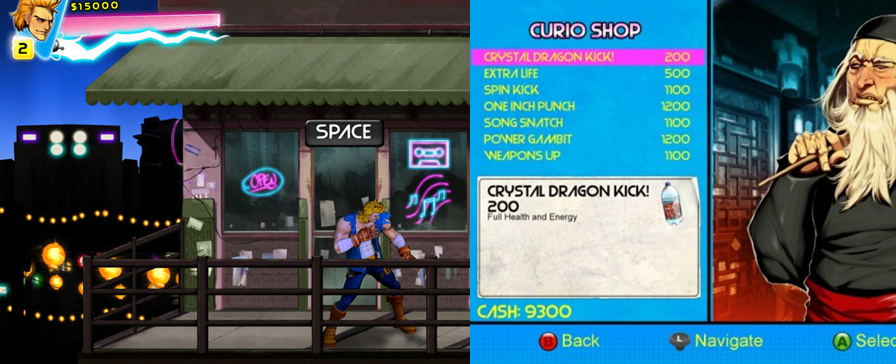
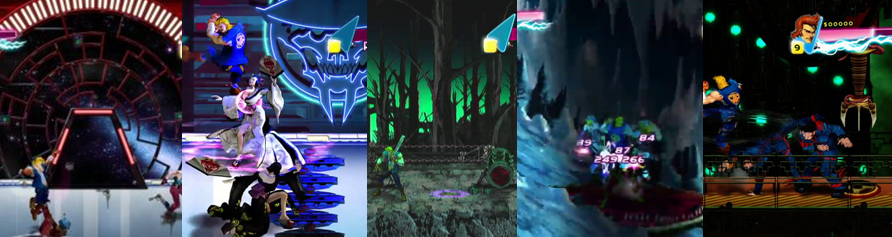
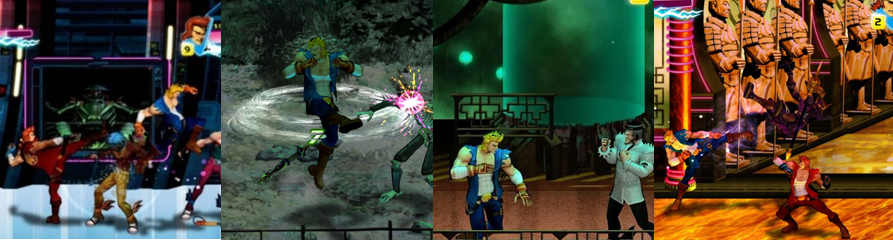
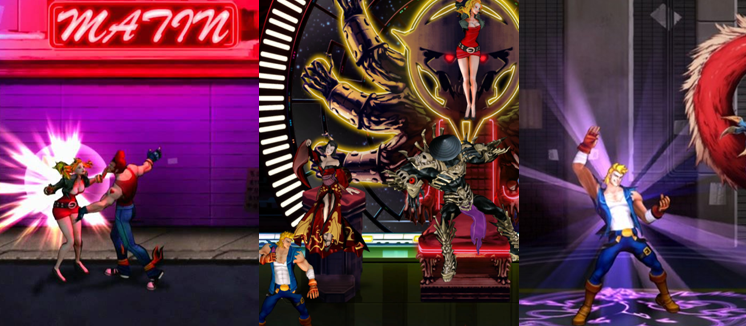
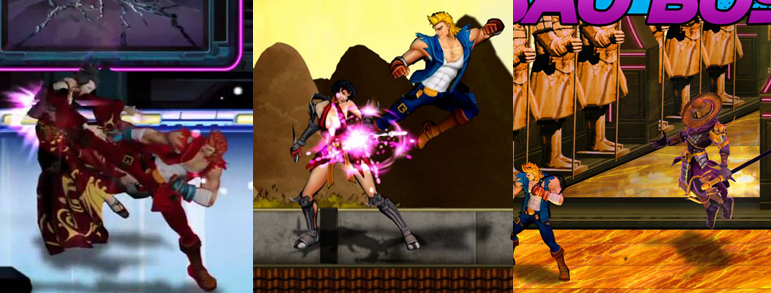
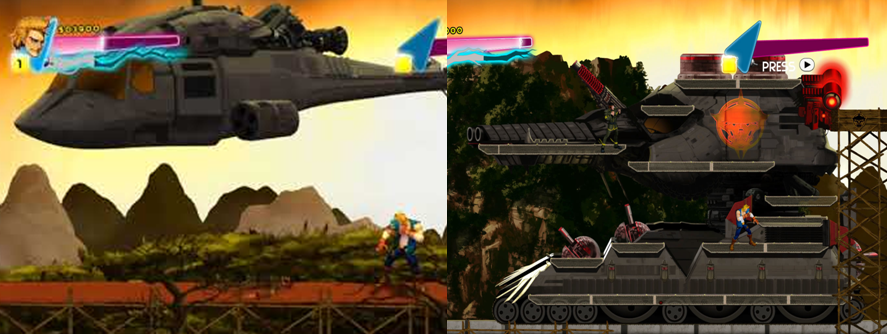
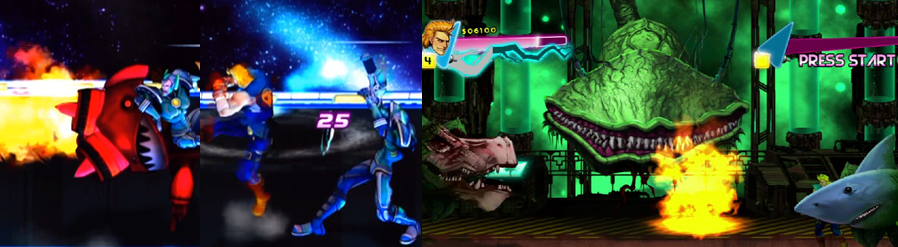
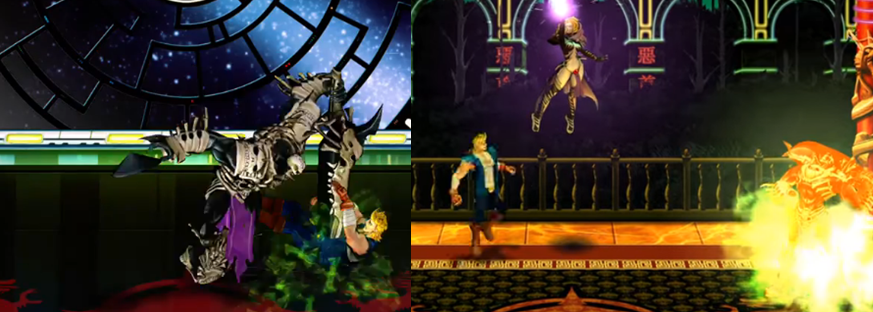
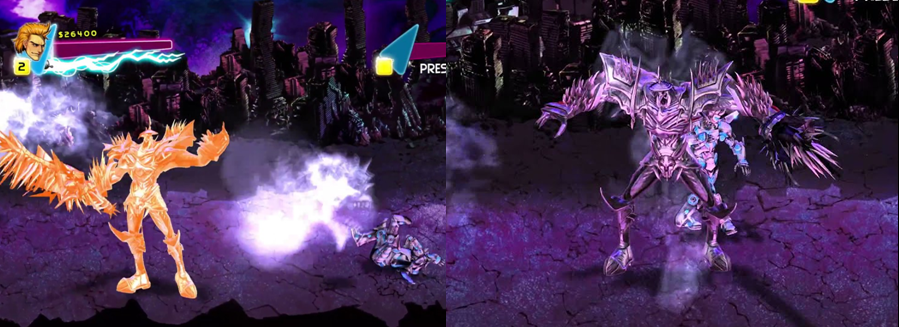
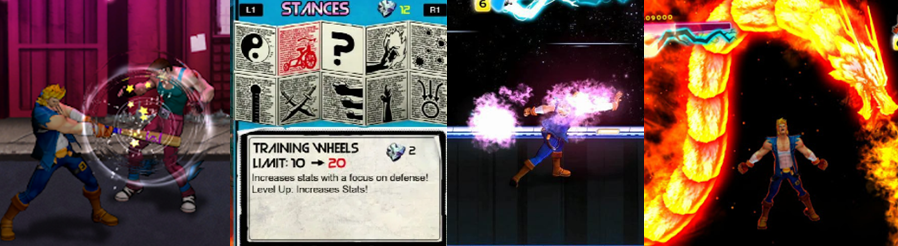
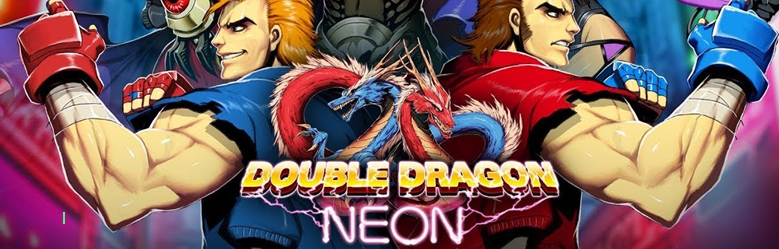





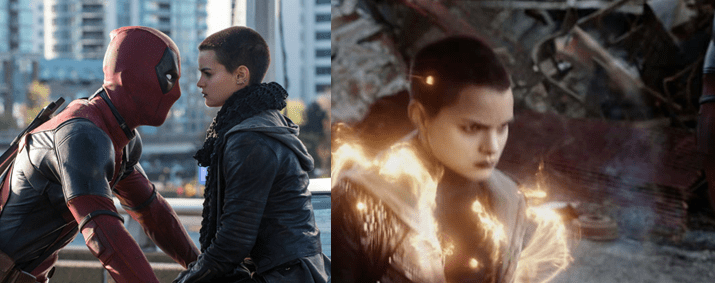
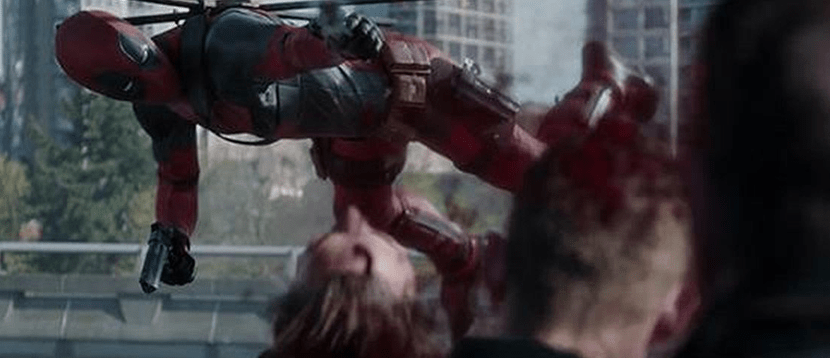
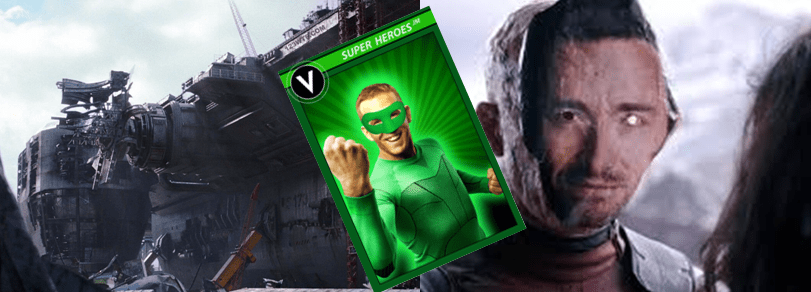
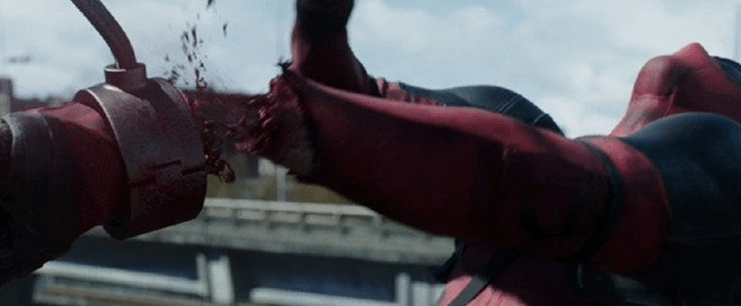



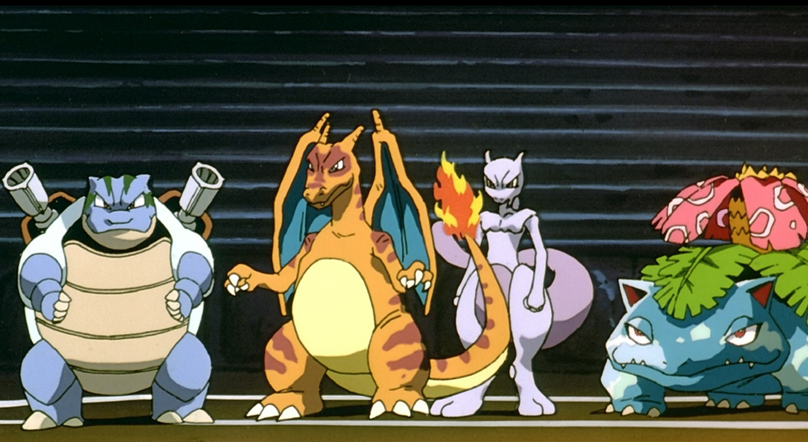
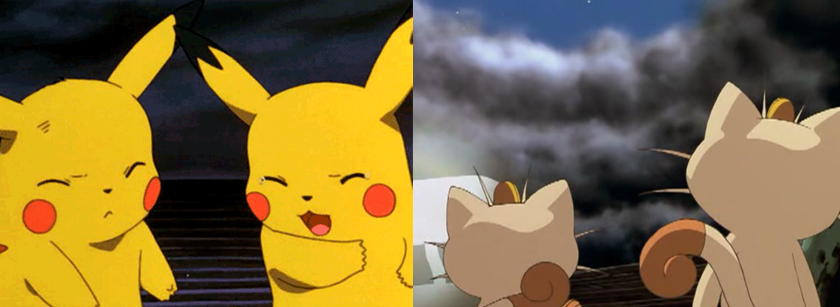
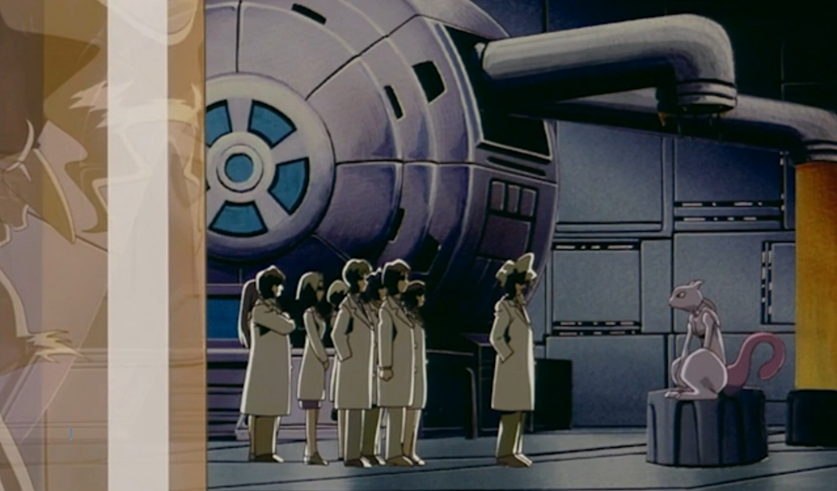

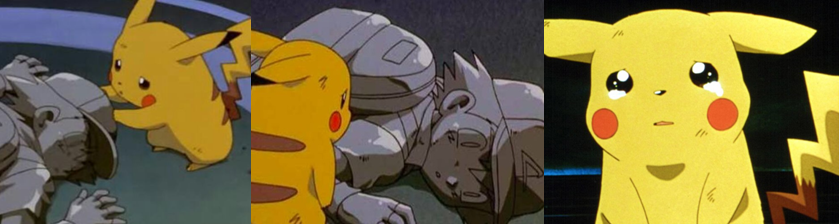



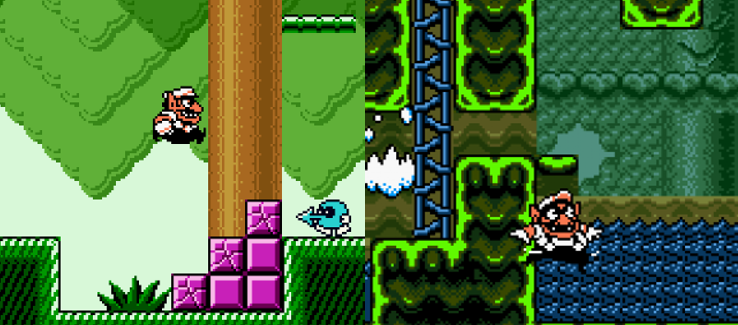
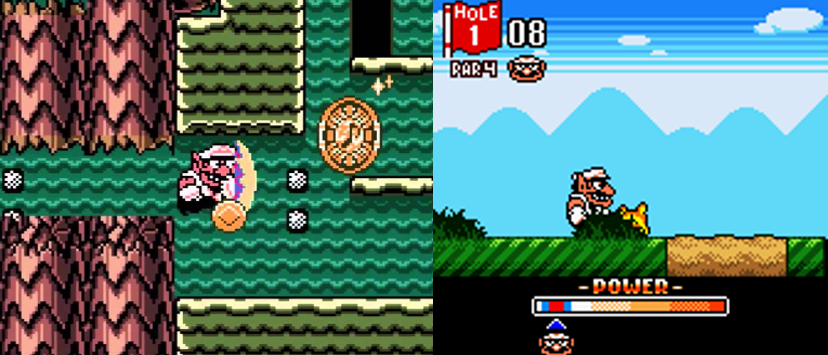
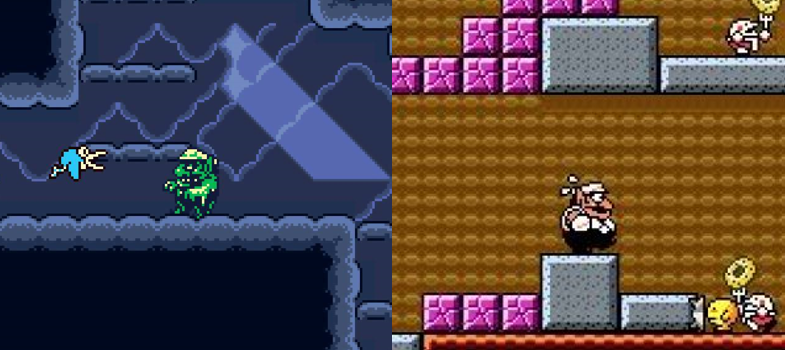
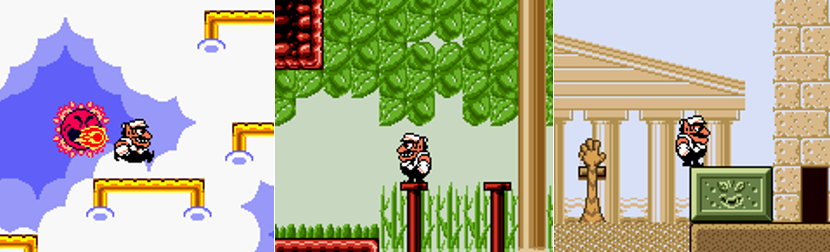
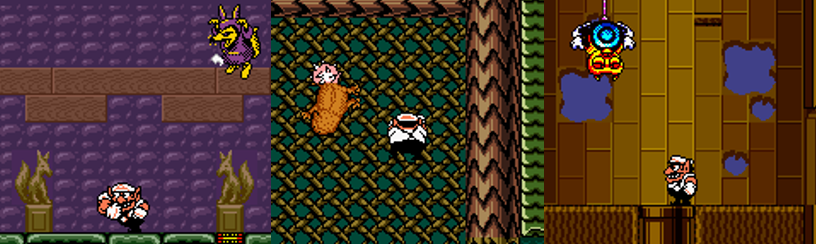
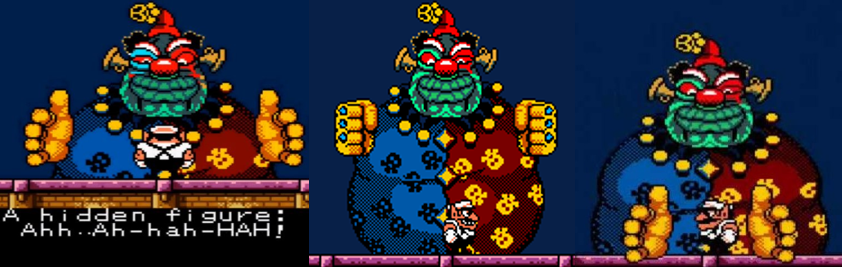
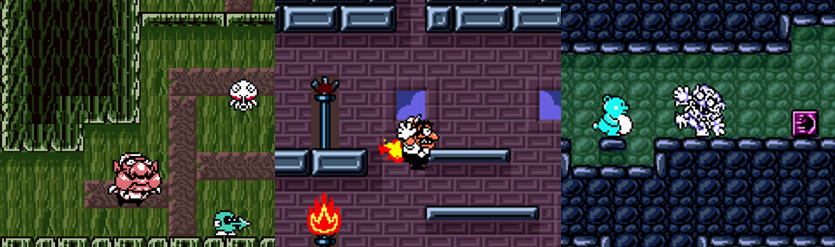






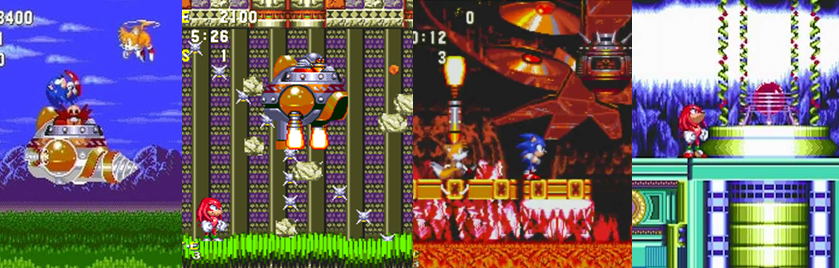


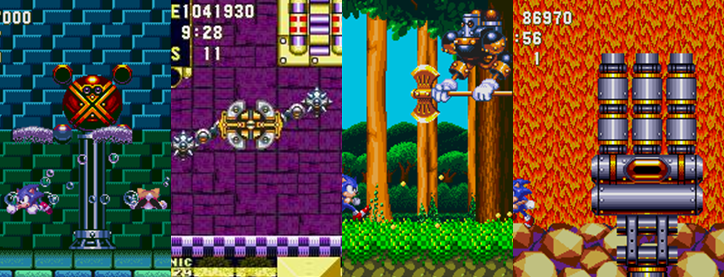
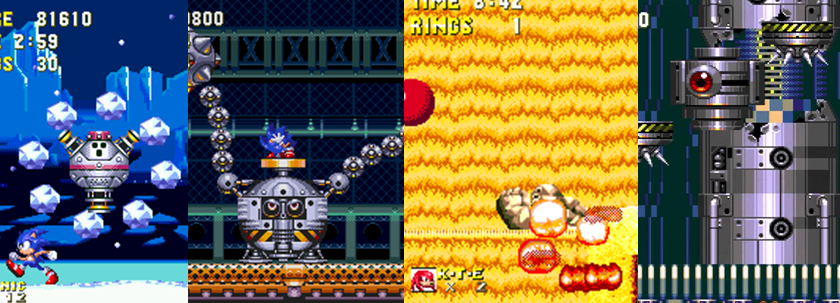


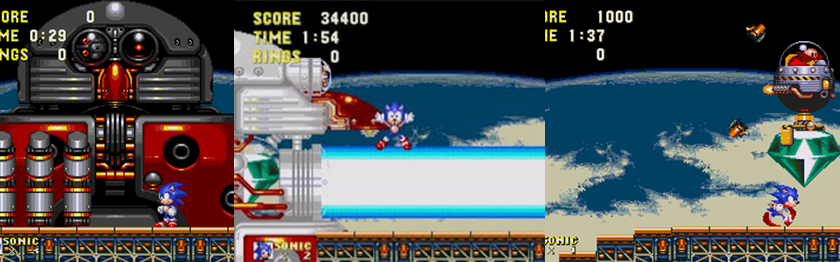


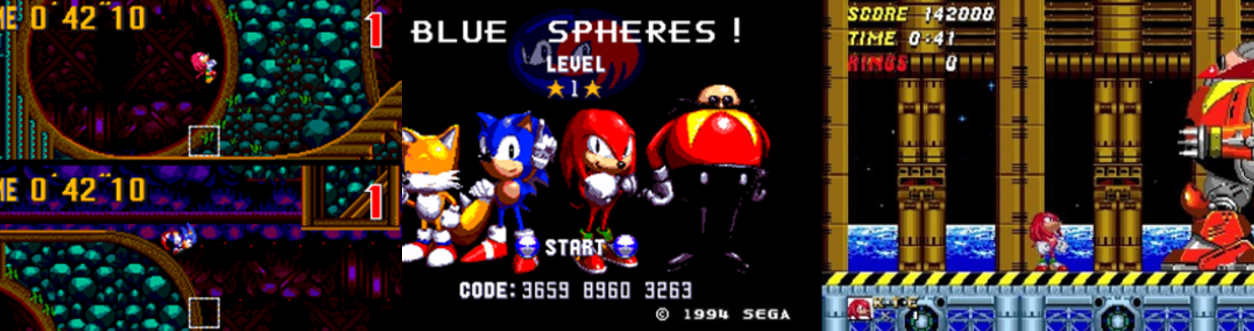



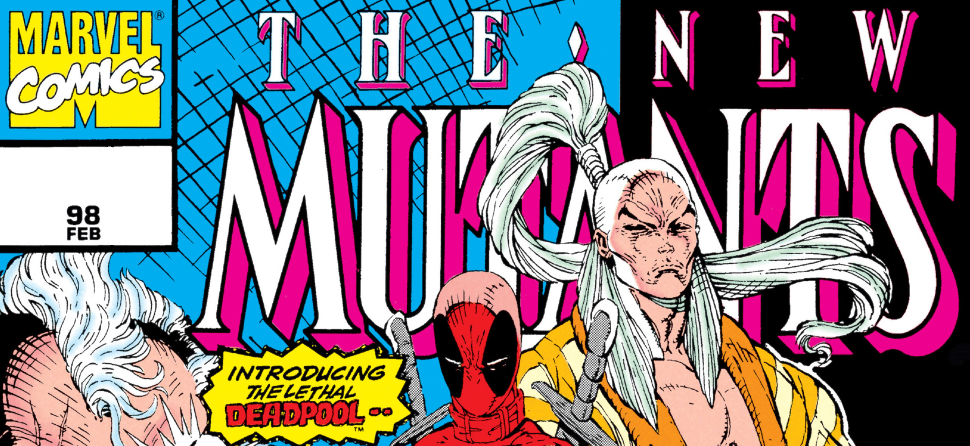
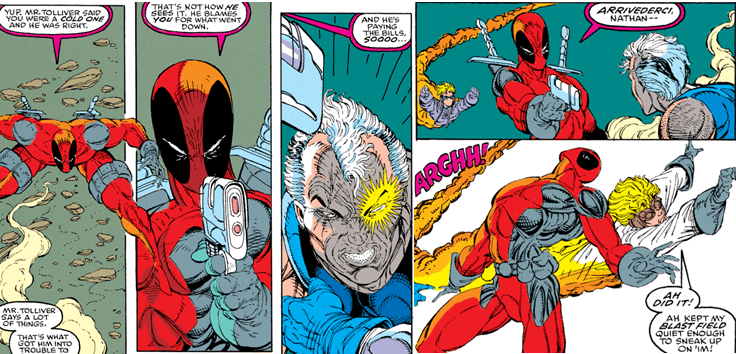
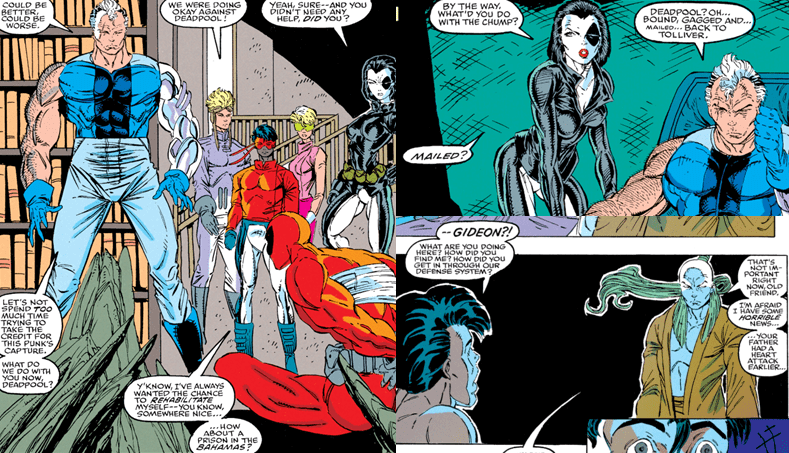
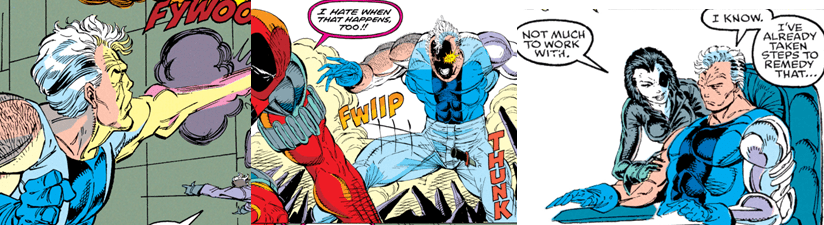
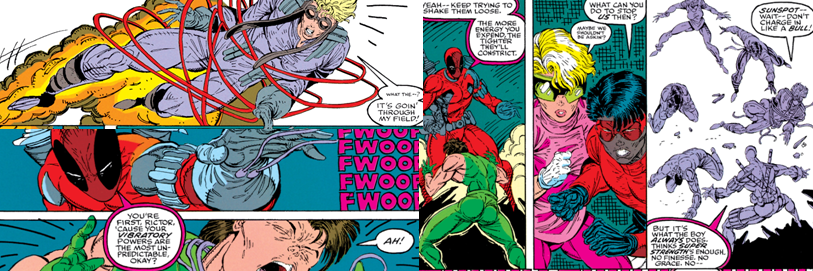











 Dr. K's Waiting Room
You must be logged in to post a comment.