So, for no better reason than “Mar.10” resembling Mario’s name, March 10th is widely regarded as being “Mario Day”, a day to celebrate Nintendo’s portly plumber, an overalls-wearing mascot who literally changed the videogame industry forever and shaped the home console market of the nineties. To commemorate Mario Day this year, I’m making March “Mario Month” and celebrating everyone’s favourite Koopa-flattening plumber every Wednesday from today.
Released: September 2018 Originally Released: 9 September 1983 Developer: Nintendo R&D1 Also Available For: Amstrad CPC, Apple II FM-7, Arcade, Atari, Commodore 64, Game & Watch, Game Boy Advance, ZX Spectrum, Nintendo 3DS (Virtual Console), Nintendo Entertainment System (NES), Nintendo Wii (Virtual Console), PC-88
A Brief Background: Mario made his inauspicious debut in Donkey Kong (Nintendo R&D2/Ikegami Tsushinki, 1983); in that game, the avatar formally known as “Jumpman” would die from the briefest of falls and was originally a carpenter. However, after playing with the concept and exploring other gameplay mechanics, creator Shigeru Miyamoto redesigned Mario into a format where he would be capable of carrying his own arcade title (fitting, considering Miyamoto originally intended for Mario to be Nintendo’s go-to, catch-all character to feature in numerous titles and roles). Released in Japan on 14 July 1983 and in North America on the 20th, Mario Bros. featured Mario (and introduced his palette-swapped brother, Luigi) knocking over baddies in the sewers of New York. Though the arcade cabinet was only modestly successful in Japan, the NES port sold over 1.60 million copies and, despite the title being massively overshadowed by its NES follow-up, the title has been ported to numerous systems, the most recent of which being the Nintendo Switch, which is the version I’ll be talking about today.
The Review: Mario Bros. is a wraparound platformer in which players take control of either Mario or Luigi and venture through thirty-five largely-similar stages (called “Phases”); the stages are set within the sewers of New York City and, as was popular in arcade games, players and enemies can exit on the left side of the screen and emerge on the other (or vice versa) to endlessly loop around the one-screen stages. In Donkey Kong, Mario’s only defence was to jump over hazards or grab a hammer and smash them to pieces; in Mario Bros., the hammer is gone and titular brothers still can’t dispatch enemies by jumping on them. The only way to take out the game’s handful of enemies is to attack them from below; as they pass overhead, jump at the platform above you and you’ll either topple the enemy over or deal some damage to get them prepped to be knocked over, and then you can run into them to kill them off and earn some points. Dispatch all onscreen enemies and you’ll have cleared that Phase and can move on to the next; wash, rinse, and repeat. This is easier said than done, however; one of the biggest complaints I have with playing Mario videogames (especially the 2D titles) is how slippery and unwieldy Mario can be and Mario Bros. is no different. The characters slip and slide all over the place, meaning it’s pretty easy to run head-first into an enemy or miss-time a jump as you fly right past the platform edge.
Bop enemies from underneath to tip them over and dispatch them all to clear the Phase.
At the same time, Mario’s jump is nerfed; it’s literally like trying to run on ice and jump underwater as the moment you press the jump button, gravity does everything it can to make vertical movement difficult for you. You simply lose all momentum and easily miss a jump even when you’re standing right next to it, which can be frustrating when you’re just trying to make a simple jump upwards or across. Luckily, Mario and Luigi don’t take fall damage but, like a lot of titles at the time, it’s one-hit kills and there is no health bar or health power-ups. As you might expect, then, the objective is to defeat enemies and collect Coins in order to earn the highest score possible, earning more points for taking out enemies simultaneously. There’s not a lot to the game; Phases remain largely the same but enemies and hazards increase in speed and difficulty as you progress and you are invited to collect as many Coins as possible in the game’s timed Bonus Stages every now and then in order to increase your score. It’s hard to get a more classic, pure-blood 8-bit title than Mario Bros.; it belongs in the same conversation as titles like Donkey Kong, Pac-Man (Namco, 1980), and Space Invaders (Taito, 1978) for traditional, 2D arcade action. By utilising a far more stripped back aesthetic and stage layout compared to Donkey Kong, the developers seem to have freed up some space for slightly more detailed sprites and enemy variety but it can’t be denied that it lacks the big, bold sprites of Donkey Kong.
The graphics are simple but there is a lot happening onscreen as things speed up.
While the Phases don’t change very much as you play, there are far more sprites onscreen at any one time (including two simultaneously playable characters if you have a friend to play with) and much more enemy variety compared to Donkey Kong. Luigi might be a simple recolour but it’s better than nothing and indicative of the hardware limitations of the time. What probably lets the game down the most beyond the lack of stage variety has to be the music as there’s no really memorable tunes here and it’s easy to see why this game would be forgotten compared to its big brother. Mario and Luigi will primarily be faced with little turtles known as Koopas Shellcreepers; though relatively harmless and predictable compared to the game’s other enemies, they’ll still kill you if they touch you so bump them from underneath to turn them on their shells and kick them out of there! You’ll also encounter Sidesteppers (which are basically just crabs and require two hits before they’ll tip over), and Fighter Flies (which hop around the stages) as you progress through later Phases. As if that wasn’t bad enough, red and green fireballs emerge from the pipes and sides of the screen, as does Slipice (which slides around and will transform platforms into literal ice unless you shatter them from beneath). Mario Bros. contains no boss battles or primary antagonist to test your skills against; instead, you’ll encounter more and more and increasingly-faster versions of these enemies. Each enemy will react to others or to Coins and change their direction, as well, meaning it can require a bit of strategy and forethought to topple them all when the Phases hit their highest difficulty.
Enemies increase in their frequency and difficulty but there are no bosses to fight here.
There is very little to aid Mario and Luigi in their quest to clear up the sewers; there are no power-ups to pick up or weapons to obtain, meaning you’re forced to rely on your skills and ability to work with the game’s dodgy physics and controls. You can, however, attack a “POW” block to flip every onscreen enemy in one screen-shaking hit. The “POW” block can only be hit three times, however, and once it’s gone you’ll have to wait until the next one spawns in after a Bonus Stage so it’s best to save it for the game’s harder Phases. As a conversion of an 8-bit arcade title, the primary objective of the game is to achieve, or beat, a high score. You can pick from four different modes: two are for a single player and two are for two players but, since I don’t have anyone to play with, I could only play the standard ‘Game A’ game. If you do have a friend, though, you have the option of playing as Mario and Luigi in two player co-op, which I’m sure increases the replay value to the game exponentially. Even better, the Nintendo Switch provides a few extra options to make things easier for you; using the Switch’s ‘suspend menu’ mode, you can create a save point at any time and rewind the game so you can correct any mistakes you might have made.
The Summary: Mario Bros. is a decent enough port of the original arcade game. Unfortunately, there wasn’t really a lot to the game to begin with and the NES version doesn’t really add or improve upon the format very much. However, as fun a distraction as Mario Bros. is and as attractive as the old school 8-bit sprites look, it definitely wears out its welcome a lot faster than Donkey Kong or its follow-up title. Within the first three or five stages, you’ve basically seen everything there is that the game has to offer and, though the game increases in speed and difficulty, there’s just less to it compared to other arcade titles or even Donkey Kong, which requires far more skill to get through. As a videogame, Mario Bros. is much better as a mini game to be included in other Mario titles (as it was on the Game Boy Advance) rather than a full game in and of itself and it’s not surprising that Nintendo was able to improve upon this formula when the bar was set so low.
My Rating:
⭐⭐
Rating: 2 out of 5.
Could Be Better
Did you ever play Mario Bros. back in the day, on NES or out in the arcade? What did you think to it compared to other Mario titles and arcade games of the time? Which of the two brothers did you always play as and what was your best score in the game? How are you celebrating Mario Day this year? No matter what you think about Mario Bros. or Mario games in general, leave a comment below and pop back next week for another review as part of Mario Month.
Blind lawyer Matt Murdock first made his debut in Daredevil #1 in April of 1964 and was co-created by writer/editor Stan Lee and artist Bill Everett, with input from the legendary Jack Kirby. While perhaps not as mainstream as characters like Peter Parker/Spider-Man, Daredevil has become one of Marvel Comics’ greatest creations and has featured in a number of ancillary media and merchandise, included a questionably-received big-screen adaptation in 2003 and a critically-successful Netflix series. Still, he’s one of my favourite Marvel characters so what better excuse to pay homage to the “Devil of Hell’s Kitchen” than by dedicating a few days to celebrating his auspicious debut.
Story Title: The Origin of Daredevil Published: April 1964 Writer: Stan Lee Artist: Bill Everett
The Background: The 1960s were a golden age for Marvel Comics; in collaboration with such legendary names as Steve Ditko and Jack Kirby, Stan Lee created some of the most iconic superheroes, including such names as the Fantastic Four, Doctor Bruce Banner/The Incredible Hulk, and Spider-Man. At this point, Marvel were largely beyond introducing their new superheroes in the pages of other, unrelated or obscure comics and tended to debut them in a first issue devoted solely to Lee’s newest brainwave. Created by Stan Lee and artist Bill Everett (with some influence from Jack Kirby), Matt Murdock/Daredevil debuted on 1 April 1964 in his own, self-titled comic (which, judging by the cover, actually seems to be titled Here Comes… Daredevil – The Man Without Fear!) that blatantly leeches off the success and popularity of Lee’s other creations Spider-Man and the Fantastic Four on its front cover. Though Daredevil produced numerous challenges for Lee as a writer and editor since he was the first superhero Lee had a hand in creating with a physical handicap (in this case blindness), Daredevil would go on to be one of Lee’s most popular and enduring characters, featuring in numerous other media and adaptations over the years.
The Review: Daredevil #1 leaves nothing to the imagination by immediately proclaiming that Daredevil is destined to be the next big comics character in the same vein as Spider-Man and that his debut issue is sure to be as much a sought-after collector’s item as The Amazing Spider-Man #1 (of course, these boisterous and flamboyant claims turned out to be true as this issue is now worth up to several thousand dollars).
Daredevil exhibits his superhuman agility (and biting wit) in his search for the Fixer.
If you’ve watched the Netflix series, or only have a cursory knowledge of Daredevil, you might be surprised to find that the colourful masked crimefighter is on the hunt for a mob boss known only as “the Fixer” rather than Wilson Fisk/Kingpin. To that end, Daredevil interrupts a poker game being played by a bunch of the Fixer’s goons, easily taking them out with his incredible agility and physical strength, all while spouting exposition (comics characters loved to narrate what they were doing as they were doing it back in the sixties) and quips very much in the same manner as Spider-Man (only without the webs and constant referral to his superhuman strength and abilities).
Matt promises his Dad to focus on his studies rather than sports to make something of himself.
After depicting Daredevil thoroughly trouncing his opponents and impressing the reader with his fighting ability, the story then flashes back to 1950 where a young Matt Murdock is basically ordered by his father, Jack Murdock, to put aside sports or other physical pursuits in order to dedicate his every waking moment to studying and books. Jack, an over-the-hill boxer who performs under the name “Battling Jack Murdock”, promised Matt’s mother before she died that he wouldn’t let Matt throw away his education as Jack did and, desperate to please his father, Matt heeds Jack’s advice, despite believing that he would be just as good as the school’s best players.
It turns out Matt has a natural aptitude for fighting and weight training.
Watching with envious eyes from his bedroom window as the neighbourhood kids play and wrestle in the streets, Matt soon becomes frustrated when the local kids taunt and jeer at him, giving him the derogatory nickname “Daredevil”. In his anger, Matt strikes one of his Dad’s punching bags so hard that he knocks it clean off the chain and begins a vigorous training session involving both weight training and cardio in order to stay in shape when he isn’t studying. Because physical strength and aptitude can, apparently, be passed down genetically, Matt excels at his workout as well as he excels in his studies, developing both body and mind in order to both please his father and indulge in his desire to engage in physical activities. While Jack is proud of his son’s dedication to his studies, he’s facing hard times as he’s been unable to get a fight for some time due to his age; in his desperation, he signs a contract to become one of the Fixer’s hired fighters and is promised that he won’t have to throw a fight. Overjoyed at what he perceives to be his big comeback, Jack hurries home to share the news with his son only to find that Matt isn’t home.
Matt heroically saves an old man’s life and ends up blinded by radioactive waste as a result.
Matt, it turns out, had been studying at the library like a good little nerd but, on his way home, spots an old blind (and, presumably, deaf) man wandering into the path of an oncoming truck! Reacting with “the speed of thought” (another common colourful statement of comics from this time), Matt rushes to the man’s aid, pushing him clear of the truck but is subsequently blinded when a canister of radioactive waste falls from the truck and splashes across Matt’s face. Though Jack is despondent at his son’s condition, Matt remains optimistic and cheerful; he’s even told (in a minor, throwaway line that I feel is often forgotten and overlooked) that an operation may be able to restore his sight in a few years’ time. Matt continues both his studies (by switching to Braille, which he apparently learnt to read with little issue) and his training unabated; in fact, while exercising, he notes that his remaining senses now seem to function at a near superhuman level.
Blindness is little more than an inconvenience for Matt and actually improves many of his abilities.
After successfully graduating from high school, Matt ends up sharing his college dormitory with Franklin “Foggy” Nelson, who is in awe of Matt’s intelligence and ability. While Matt credits this to his father and his years of study, he also goes into a long internal monologue detailing how the radioactive substance may also have played a part since his hearing is now so acute that he can hone in on heartbeats, his sense of smell is so finely tuned that he can recognise and remember people on scent alone, his sense of touch is so keen that he can judge the weight of objects, read ink through skin contact, and perform all manner of superhuman acrobatics without fear, and his sense of taste is so augmented that he can tell “exactly how many grains of salt are on a piece of pretzel”. Perhaps most astounding, however, is that Matt has developed a kind of built-in radar, a sixth sense of sorts that allows him to be acutely aware of his surroundings at all times. Similar to Spider-Man’s spider-sense, Matt can tell where objects and hazards are and instinctively move to avoid them, meaning he’s far more aware and perceptive of his surroundings than fully-able people. This isn’t portrayed that well in this debut issue and would be refined over the years into something more akin to echolocation that effectively allows Matt to “see” through a sonar effect that registers movements and sounds to his mind’s eye.
Matt constructs a masked persona to honour his father and put his skills to good use.
Meanwhile, Jack’s many victories over the years have resulted in him earning a fight against the number two contender; although the Fixer orders Jack to take a dive in the first round, he is determined to make his son (who is in the audience with Foggy) proud and, spurred on by this motivation, he manages to overwhelm his foe and score the surprise victory. However, for defying the Fixer, Jack is killed by gunshot later that night, leaving Matt devastated but nonetheless determined to graduate as class valedictorian. Thanks to Foggy’s father, Matt and Foggy quickly set themselves up as attorneys at law in New York City, even hiring an attractive secretary, Karen Page. However, Matt is tormented by his need to see his father’s killer brought to justice but torn between the promise he made long ago to use his head, rather than his fists, to solve his problems. It’s then, in a flash of madness inspiration, that Matt decides to put his superhuman senses to work in creating a costume and a masked persona through which he can put his skills to use while still honouring his promise to his father. Rather than constructing the iconic red suit that has long been associated with the character, Matt uses primarily yellow and black fabrics for his first suit and takes the name Daredevil to turn the jeers of his neighbourhood kids into a moniker to strike fear into evil-doers everywhere. If you thought Matt’s sewing skills were implausible, you won’t believe his ability to take something as normal and unassuming as a walking stick and turn it, with relative ease, into a versatile combat device. Thanks to just a few hinges and a flexible handle, Matt’s stick becomes an all-purpose weapon, doubling as a billy club, a hook to swing from, and to give him a bit more leverage when he’s jumping and flipping about.
Daredevil is nigh-unstoppable in a fight and can even tell when someone is lying.
The only lead Matt has is a name, the Fixer, so he debuts his new costumed persona at the gym his father frequented, which brings the story back to where we left it in the opening, with the Fixer’s goons all beaten up. The Fixer immediately and unceremoniously walks in and Daredevil demands answers from him about Jack Murdock’s death, which causes another fight to break out. This fight goes about as well for the Fixer and his mooks as the first fight did, with Daredevil using his uncanny senses and heightened physical abilities to easily wipe the floor with them all. It’s also in this part of the story that we learn that Daredevil’s radar sense is so acute that he can tell when a person is lying simply by listening to the changes in their heartbeat. As great as Daredevil’s senses are, though, his emotions get the better of him and he is abruptly (and hilariously) shoved out of an open window (…funny, I honestly didn’t realise/couldn’t tell that they weren’t on the ground floor). Luckily, though, he’s able to use his fast reflexes and trusty cane to swing back up into the room from a convenient flag pole. Having identified that the Fixer’s goon Slade was the gun man working on the Fixer’s orders, Daredevil shoos out the other goons and attempts to get one (or both) of the men to confess to the murder of Jack Murdock but, in his overconfidence, is completely felled when the Fixer suddenly (and literally) pulls the rug out from underneath him!
*shrug* A fitting end for his kind, I guess…
Although the Fixer and Slade escape out on to the streets, and Daredevil has “wrenched” his arm in the fall, Matt is easily able to track them from the smell of the Fixer’s cigar smoke. Quickly switching back into his Daredevil costume, Matt confronts the two one last time down in the subway, tripping Slade with his billy club and using a trash can to race after the Fixer. However, the stress and excitement of it all is too much for the Fixer, who collapses from a fatal heart attack…which Daredevil is surprisingly nonchalant about. Daredevil then leads the transit police to Slade and tricks him into spilling his guts, finally ensuring that his father’s death won’t go unavenged and making his debut as a costumed crimefighter before (a division of) New York’s finest. I, personally, love how the cops are immediately accepting and trusting of Daredevil upon sight; the Marvel universe is really weird like that in that cops and the public are fine with guys like the Avengers and the Fantastic Four but cannot stand Spider-Man and the X-Men half the time, as though there’s anything about them that’s really different enough to warrant such a response.
Matt has no time for the guilty, apparently…
Satisfied, Matt returns to his office and his friends where Foggy reveals that he’s already turned down an offer to act as Slade’s defence attorney since he (as in Foggy) was convinced that Slade is guilty. Matt is, obviously, perfectly fine with this but it seems a bit unethical to me; surely lawyers are duty-bound to represent anyone and everyone to ensure that they get a fair and just trial? Plus, the implication seems to be that without Matt or Foggy acting as his council, Slade will definitely be prosecuted to the fullest extent of the law, which is a bit of a stretch when we haven’t even seen these two in a court room yet!
The Summary: “The Origin of Daredevil” is a pretty sub-par and by-the-numbers story, if I’m brutally honest. It’s bright and colourful, as comics tended to be back the, and full of near-endless exposition, dialogue, thought- and speech-balloons, and long-outdated slang and clichés but it’s appealing enough. I guess, at the time, readers hadn’t really seen anything quite like it as, while Daredevil acts and even looks, to a degree, like Spider-Man (even borrowing one of Spidey’s most recognisable abilities), he’s still a distinctive and unique character in his own right. Daredevil is, clearly, the stand out character of this story (and rightfully so given it’s his debut and origin issue) but I can’t say that I actually find Matt to be that appealing or interesting a character. Thanks to his Dad, he’s a massive swot, a well-read bookworm who thus excels at almost everything since he’s so smart. Not only that but he’s immediately fantastic at boxing, weight-lifting, and other exercise, attractive and charming enough to appeal to and win Karen over after barely sharing a panel with her, and is seemingly infallible in every respect.
Daredevil is pretty much infallible even with his handicap, which only augments his abilities.
Obviously, you probably don’t want to debut your new character as a flawed or unlikeable individual but Daredevil only makes mistakes when the plot requires it and that’s purely just to show off his quick reflexes and physical aptitude. It does help separate him from his closest counterpart, Spider-Man, who is also a massive nerd who loves to flip all over the place dropping quips and one-liners, though. In that regard, Murdock seems like a more adult character since he is a little older than Peter Parker and has an actual, stable job and Daredevil seems to be his way of releasing all of his tension and pent-up adrenaline. There’s a lot of unique aspects to the character thanks to his blindness affording him near-superhuman abilities but, to be honest, that’s not really focused on all that much in his debut issue; blindness seems to be little more than an inconvenience for Matt as we never seem him struggle to adapt to it and, instead, he revels in the heightened abilities it affords him. Again, this does little to endear me to his character as it just makes him seem like a braggart and an annoyingly foolproof, flawless character but, thankfully, later writers would bring a dark, gritty edge to Daredevil that helped to make him far more appealing while still retaining his more impressive attributes.
My Rating:
⭐⭐⭐
Rating: 3 out of 5.
Pretty Good
Have you ever read “The Origin of Daredevil”? Do you, perhaps, still own a copy of Daredevil #1 and, if so, could you sell it and send me the money? What did you think of Daredevil’s dynamic debut and how do you think the story has aged after all these years? What do you think of Daredevil as a character and which storyline of his do you think is the best, or the worst? How are you celebrating Daredevil’s debut this year? Whatever you think about Daredevil, drop a comment below.
The Background: As I detailed in my review of the first game, The Legend of Zelda(Nintendo EAD, 1986) was an extremely popular title when it released on the Nintendo Entertainment System (NES) and sold over 6.5 million copies. This, of course, was only the beginning for the series, which has become one of Nintendo’s most lucrative and popular franchises of all time, which made a successful jump to 3D with The Legend of Zelda: Ocarina of Time(ibid, 1998) and has largely aimed to be bigger and better with each successive entry. Development of Breath of the Wild began sometime after the release of The Legend of Zelda: Skyward Sword(ibid, 2011), a commercial success that was easily the largest and most complex Zelda title released at that time. For the next title, though, series producer Eiji Aonuma wanted to completely rethink the conventions of the franchise and create a much bigger, more interconnected world. After developing an 8-bit prototype to experiment with physics-based puzzles, Aonuma encouraged his team to rethink the game’s approach to puzzles and to create a grand, open world adventure more akin to The Elder Scrolls V: Skyrim (Bethesda Game Studios, 2011). To further separate it from other entries in the franchise, it was also the first Zelda title to use voice acting in cutscenes (though Link remained unnervingly silent), the physics were purposely built to be the most realistic yet, and the game was specifically designed so that players were free to explore and experiment (they could even skip the story entirely, if skilled enough). Breath of the Wild proved immensely popular upon release; many reviewers considered the game to be a “masterpiece” and one of the most immersive videogames ever made. Breath of the Wild also won numerous awards, was the third-bestsellingZelda title at the time, and earned itself a direct sequel after Aonuma’s team found they had too many ideas for the game to be limited to downloadable content (DLC).
The Plot: After a botched resurrection attempt leaves Ganon little more than a calamitous force of nature, Princess Zelda and Link, the warrior chosen to wield the legendary Master Sword, found their forces overwhelmed when Calamity Ganon corrupted the machines they built to repel him. After Link was gravely injured, Zelda placed him in suspended animation and magically sealed herself within Hyrule Castle to hold Calamity Ganon at bay. One hundred years later, Link awakens, his memories fragmented, and begins a quest to rediscover his destiny and end Calamity Ganon’s threat once and for all.
Gameplay: The Legend of Zelda: Breath of the Wild is a massive open-world adventure game in which players are once again placed into the role of Link, the elf-like hero who continually finds himself resurrected and reborn time and time again throughout the ages to oppose Ganon’s evil. Unlike the vast majority of Zelda titles, players have no option to rename Link, making Breath of the Wild one of the few games in the series to actually use the name “Link” as the character’s name; similarly, Link forgoes his traditional Peter Pan garb of green tunic and hat in favour of a multitude of different clothing options and these are the first indicators that the game is very different from traditional Zelda games.
Link’s combat options are simple but quite varied and rely on timing and strategy.
If you’ve played a 3D Zelda title before, particular Ocarina of Time, you’ll be immediately familiar with most of Breath of the Wild’s controls: players can target nearby enemies by holding ZL (sadly, there’s no option to target without holding the bumper), which will cause Link to immediately raise whatever shield he is carrying to block enemy attacks or reflect certain attacks back by pressing A. Pressing Y will allow Link to attack with his equipped weapon and pressing ZR sees him whip out his bow and shoot arrows for a ranged attack. Returning from Skyward Sword is the stamina wheel, which depletes when you hold B to sprint or when swimming, gliding, or climbing one of the game’s many hills and mountains. In a major addition to the series, Link can now jump whenever he wants with a press of the Y button or charge up a spin attack by holding down X and perform some jumping strikes and dodges just like in the Nintendo 64 games; he can also throw his weapons and perform a flurry attack by dodging incoming attacks at just the right moment.
You can’t just rush into battle or areas as your weapons will break or burn up if you do.
The biggest addition to the combat is the inclusion of destructible weapons; every single melee weapon, shield, and bow you acquire in the game has a limited number of uses and, the more you use them, the more you’ll wear them out. Weapons that are made out of wood will also catch fire (causing Link to catch fire and take damage in the process) as well and many shatter in only a single use, meaning that Breath of the Wild’s combat is much more about strategy and it is often far better to simply avoid or run away from battles rather than break your more powerful weapons. Honestly, it’s an annoying and frustrating system that means you’re almost constantly worrying about the status of your weapons and being prepared for the game’s more challenging obstacles. I feel like there could have been a middle ground where there are some weapons (wooden ones, for example) that break and some situations where you lose them (enemies could knock your shield out of your hands with larger weapons, for example, and weaker steel swords could shatter on stronger rocks) but, instead, every single weapon has a finite number of uses, which made me very anxious and made combat more exasperating than enjoyable. Combat is made all the more troublesome by the fact that Link is the weakest he has ever been; as always, you begin the game with three hearts of health and, because the game is so big (even the relatively enclosed opening area), it’s very easy to be overwhelmed by even the bog standard Bokoblin enemies. Unlike in previous Zelda titles, defeated enemies will never drop health-restoring hearts, meaning the only way you can replenish your health is by picking up edible items (apples, acorns, meat, and so forth) and eating them. Indeed, the key to bolstering Link’s stamina, health, and attack prowess is to make use of the game’s cooking mechanic, whereby Link can toss up to five items into a cooking pot and brew up dishes or elixirs to increase his maximum hearts, his stamina, attack and/or defence, his stealth prowess, or resist certain elemental conditions. The only way to permanently increase your hearts is to conquer the game’s four dungeons (known as “Divine Beasts”) or acquire Spirit Orbs from the many Ancient Shrines scattered (and, often, hidden) throughout Hyrule.
Track down and complete Shrines to earn Spirit Orbs and increase your health and stamina.
You’ll want to hunt down and visit these Shrines on a regular basis as, since the game has only a handful of traditional dungeons, these make up the bulk of your concern and are the only way of increasing your maximum health and stamina and, thus, your chances of success. Each Shrine also acts as a fast travel point once activated, allowing you to quickly teleport all across the vast kingdom of Hyrule from the main menu, but their primary function is to bestow Link with four (technically five, I guess) Shiekah Runes that are used to conquer puzzles both in and outside of the Shrines. These puzzles may be simple things such as activating switches, creating ice platforms to cross water, lifting metallic objects, creating electrical currents, or floating along on updrafts but they can also be extremely challenging combat scenarios against spider-like Guardian Scouts. As you progress and explore further, you’ll come up against some truly head-scratching puzzles that force you to freeze objects and attack them to build up kinetic energy, navigate through mazes, retrieve orbs from dangerous environments, and make full use of your inventory and abilities in order to solve them. Thankfully, the Shrines don’t need to be beaten to activate them as fast travel points but it’s highly recommended that you beat as many as you possibly can as you’ll refill your health upon successful completion and move one step closer to increasing your maximum health and stamina. And you’ll definitely need to do this as, while you can head straight to Hyrule Castle to take on Calamity Ganon without tackling the game’s story, I really wouldn’t recommend it as I had a great deal of difficulty taking on even minor enemies and puzzles with the game’s mechanics. Breath of the Wild throws absolutely everything in your path to keep you from succeeding: at night, Stalfos and similarly-skeletal enemies will rise from the ground to chase you down; every so often, gameplay is rudely interrupted by the rising of the Blood Moon, which resurrects all enemies you’ve defeated since playing; and you’ll even be beset by a variety of environmental hazards.
Rupees are hard to come by and items have a steep cost, keeping you on the back foot.
When climbing higher, the air temperature will drop, causing Link to shiver uncontrollably; when exploring Death Mountain, the air becomes unbearably hot, causing his wooden items to combust; and Hyrule is plagued by wind, rain, and thunderstorms that will causing Link to be struck by lightning if he’s got anything metal equipped! In many of these situations, Link will steadily lose hearts and be at great risk, meaning that you need to cook up something to stave off these debilitating effects or acquire, or buy, clothing to resist the elements. As in all Zelda games, Link can purchase new items using Rupees; however, similar to how enemies don’t drop hearts, it’s very rare that defeated enemies will drop Rupees. As a result, the main way you’ll earn Rupees is by finding them in chests (usually after defeating an enemy encampment) or selling some of the many items and minerals you pick up along the way. Sadly, the best armour and more useful elixirs and weapons carry a high price tag, meaning it’s quite difficult to save up enough to buy what you want (it doesn’t help that the four Great Fairies, who will upgrade your clothing using monster parts, charge up to 10,000 Rupees just to “restore their power”). As a result, like with the combat, it feels like you’re constantly on the back foot as you never have enough money, never have enough ammo, and your weapons could break at any moment, all of which makes it a very stressful experience at times as you might spend Rupees to replenish your health at an Inn only to be decimated by a random Guardian out in the field.
Paragliding and climbing are two pivotal mechanics in the game and essential for traversal.
While Link can pick up a great many items, ingredients, and monster parts, his weapon inventory is extremely limited; sometimes, you may have to discard or use up a weapon to grab a better, more powerful one and the only way to increase your inventory slots is to randomly find Koroks hidden all over Hyrule. Each one you find gifts you with a Korok seed, which can be used to buy one extra slot at a time, with the cost of these inventory slots increasing each time. Two of the game’s more prolific mechanics are the paragliding (which I believe is a carry over from Skyward Sword) and climbing mechanics; once you acquire the paraglider, you can jump from higher areas or use air currents to glide along, covering vast distances (for as long as your stamina holds out), which is great for spotting Shrines or avoiding dangerous areas. Climbing is also heavily dependant on your stamina but it’s generally better to get to the high ground to find secrets and survey the area and you’ll have to climb up a number of Sheikah Towers in order to painstakingly map out the massive overworld map. Since Hyrule is the biggest it has ever been, Breath of the Wild can be extremely daunting; travel is helped not just by the fast travel system but also the inclusion of horses and other ridable animals. When you come across a horse, you should press the left analogue stick to make Link crouch and take slow steps to approach it undetected, then you can mount the animal and sooth it with L. Once you’ve calmed the horse, you can ride it to one of Hyrule’s many stables to register it (for a price, of course); while your horse can’t follow you everywhere (they can’t cross the Gerudo Desert, water, or rockier areas, for example), you can call it by pressing down on the directional pad (D-Pad) to whistle and recover them from a stable (so, if you’re in the far West but left your horse in the far East, you can visit a stable and they’ll bring your horse to you). Horses can be named and have different statistics that determine how tough and fast they are but there are a couple of things to consider: thanks to the game’s dodgy physics, it’s easy to fall into water with your horse, which will cause it to become trapped if there’s no way for it to return to shore, and horses can also be killed if they take too much damage (usually by Guardians), though a Great Fairy will resurrect them if this happens. Similarly, as I mentioned, you can’t take your horse into the desert, but you can temporarily commandeer a Sand Seal to quickly traverse the temperate sandstorms.
A number of NPCs have side quests and missions for you, which can earn you a few nifty rewards.
Link’s journey involves a great many side quests and interactions with the largest number of non-playable characters (NPCs) ever seen in a Zelda title; even when journeying from one town to another you may stumble across NPCs who have side quests and missions for you, ranging from collecting a number of items, photographic objects, defeating enemies, or bringing them something. In the game’s larger towns, you’ll find more substantial side quests, many of which are tied into the game’s main objectives; you can’t just climb up Death Mountain to reach the Divine Beast Vah Rudania, for example; you first have to cook up an elixir to resist the heat or complete a side quest to earn heat-resistant armour, rescue a Goron from captivity, and then make your way up the mountain shooting at the Divine Beast while defeating enemies and taking out drone-like Guardian Skywatchers first, all of which can take a good few hours. Every time you complete a main or side quest, you’ll be gifted with access to Rupees, weapons, or other items so it can be worth it to veer away from your main objective and help out the multitude of NPCs in their often strange and convoluted requests. There is, honestly, almost too much to do and see in Breath of the Wild: wild animals roam the countryside as often as enemies, many of which will randomly attack you but all of which can be killed off for ingredients; camp fires are scattered around, which allow you to advance time to avoid night-time attacks and weather; Beadle wanders around to give you the chance to buy supplies; NPCs randomly get attacked by monsters and will reward you with cooked dishes; towers can be climbed to find chests; enemies camp out all over the place; rafts often sit near bodies of water for you to sail to far off islands by using a Korok Leaf; chests must be magnetically pulled out from water, sand, and snow; and it’s super easy to stumble into ruins, small villages, and other areas of desolation or civilisation when trying to follow the main story. It can get a bit daunting at times: you’ve got the cooking, the breakable objects, and the Shrines to worry about, keeping you constantly on edge. Even when you conquer the Shrines, you need to travel to a town or village and find a Goddess Statue to pray at in order to receive your Heart or Stamina Container and, thanks to how easy it is for enemies to overwhelm you and defeat you, you’ll be seeing the “Game Over” screen over and over again without boosting your odds through food or clothing. Autosaves are frequent, however, and you can manually save whenever you like and it’s very easy to reload a previous save if you make a massive blunder along the way.
Graphics and Sound: Full disclosure, the last 3D Zelda game I played with The Legend of Zelda: Twilight Princess (Nintendo EAD, 2005), which was the biggest Zelda adventure at the time so to say that Breath of the Wild blew my mind is an understatement. Without a doubt, the game is absolutely gorgeous to look at; the overworld is gigantic, ranging from wide, seemingly endless fields to the explosive, lava-filled region of Death Mountain, to the desolate wastelands of the Gerudo Desert and snowy mountain peaks, with some areas featuring more than one weather and seasonal effects to worry about (the Gerudo Desert, for example, can be boiling hot in the day and freezing cold at night).
Hyrule is full of the remnants of lost civilisations and the ruins of a time long forgotten.
As soon as you step out of the Shrine of Resurrection, you can see the vastness of Hyrule but it’s not until you paraglide down into Hyrule proper that you see just how huge Hyrule now is. Without a horse or fast travel, it can take many actual, real-world minutes just to travel from one point to another and you’ll be beset by all manner of dangers along the way. Winds blow, rain falls, lightning strikes trees (and you…), and day turns to night turns to day in a constant cycle, all of which brings Hyrule to life as, perhaps, the most lively and realistic gaming environment I’ve ever seen. The remnants of Hyrule’s past glory and iconic locations from the Zelda series are everywhere, including destroyed outposts, the overgrown wreckage of the Temple of Time, and scattered, destroyed Guardians (be cautious when approaching for loot, though, as they’re often playing possum).
Each race of Hyrule lives in a distinct environment, which only adds more life and depth to the game.
Like any good Zelda game, variety is the name of the game when it comes to Breath of the Wild; a degree of traditional society is retained throughout Hyrule thanks to places like Kakariko Village and Hateno Village but you can also visit the rock-eating Gorons, the sea-faring Zoras, the woodland imps known as Koroks, the desert-dwelling Gerudos (a society comprised entirely of women), and the man/bird hybrids the Ritos. Each one has their own visual style and a lives in a distinct area: the Gorons dwell in and around Death Mountain, working in mines nearby; the Zora’s live in the gorgeously ornate Zora’s Domain, which is full of water and waterfalls; the Rito are surrounded by snow and mountains; the Koroks are hidden deep within a dense, misty forest that will kick you out if you wander in unaided; and the Gerudo dwell within a desert town and set the guards on any males who dare intrude.
Dialogue is given through text boxes and voiced cutscenes, though Link stays eerily silent.
Character models are of equally high quality; they don’t necessarily move all that much but they are generally quite varied and full of life and personality. Each of Hyrule’s races can be found all over the land as well, with Gorons wandering around selling wares, Zora’s popping up in bodies of water, and Korok sprouting out of the most random of locations. Each one communicates using speech bubbles and text but, when the game switches to its higher quality cutscenes, characters will also talk as well. Link, however, remains silent which, to be honest, is a bit weird as the game’s story and script is often geared towards characters specifically addressing him or asking him questions, which makes his silence really stand out. Oddly, many conversations you have with NPCs give you the option of one or more answers, implying that Link can speak so it just feels like the game could have been tweaked a little to cover for his silence in speaking cutscenes. Cutscenes come in a variety of forms, from in-game graphics, higher quality cinematics, and distorted flashbacks to Link’s past as he uncovers more of his memories. Thankfully, you can speed up text scrolling with B and skip cutscenes if necessary and, often, the game skips over them for you (such as if you fall to a dungeon boss, for example). Musically, Breath of the Wild is the most elaborate of the series I’ve ever seen; a lot of the time, music gives way to ambient effects and slowly creeps in or suddenly kicks up to set the tone of an area or emphasise an enemy attack. It’s a grandiose, operatic score that escalates as you conquer the four Divine Beasts, defeat Ganon’s underlings, and take on the calamitous King of Evil himself in the finale, when the traditional Zelda theme kicks in with suitably dramatic impact.
Enemies and Bosses: Hyrule is, as always, also populated by a wide variety of enemies, all of which freely roam its fields, mountains, and wastelands and will attack you on sight if they spot you, often calling for reinforcements if near an enemy camp, and all of which will drop weapons and monster items for your use. Some of the basic enemies include gelatinous Chuchus and bat-like Keese, which can be protected by elemental conditions, but, primarily, you’ll be fighting different varieties of Bokoblins. These goblin-like creatures like to set up camps, shoot at you from on high with arrows, and attack with spears and swords; they’re the most basic of enemies but are formidable through their sheer numbers and your comparative weakness and even rise from the grave to attack you in skeletal forms. They’re often accompanied by the much larger Moblins, which attack with kicks and bigger, longer weapons, but you’ll also have to contend with a variety of Lizalfos, who are often camouflaged or leap out at you from hiding, damn annoying Octorocs, who pop out from water to spit rocks at you that always seem to hit, and robe-clad Wizzrobes, who dance around mockingly shooting elemental magic at you and teleporting all over the place. Easily the most daunting of the regular enemies are the Lynels; these centaur-like creatures are basically like mini bosses and you won’t actually be able to defeat one for a long, long time as they’re just too tough. Once you get a healthy stock of hearts, food, and more powerful weapons (particularly the Master Sword), though, you’ll stand a much better chance of besting these ridiculously powerful enemies.
Guardians are a significant threat and extremely difficult to destroy or escape from.
However, there are only a handful of Lynels to worry about; the Guardians are far more frequent and troublesome as they often sit amongst the wrecked shells of their kind and fire what basically amounts to an instant-kill laser in your direction. At first, you have no chance of destroying these bastards and they’re only found in a handful of places but, once you conquer the Divine Beasts (and when you storm Hyrule Field on the way to Hyrule Castle), they’ll start to scuttle around the overworld in regular patrols. If they spot you, do everything you possibly can to avoid them, even if it means going far out of your way, and don’t even think about trying to outrun them without a horse! They can be defeated using special weapons and by targeting their limbs and eyes but, most of the time, it’s a fool’s errand and it’s simply easier to flee for your life! The flying variants are much easier to take out in comparison but once you see they’ve got a lock on, make sure you pace yourself to sprint away at the last second or else you (and your horse) will be toast.
The Divine Beasts need to be quelled before you can explore and restore them.
As there are only four dungeons in the game, Breath of the Wild is quite light on actual bosses; you will, however, have to do battle with Master Kohga of the desert-dwelling Yiga Clan in order to reach Vah Naboris, the Divine Beast of the Gerudo Desert. Kohga likes to hurl boulders your way but you can easily stun him with arrows and use Magnesis to repel his attacks in the brief windows of opportunity you get; honestly, sneaking through the clan’s hideout was more troublesome than the fight itself. The reverse is true of the dungeons, which focus on annoying puzzles and are largely devoid of enemies and populated mainly by “Malice”, a health-draining black/red goo that must be dispelled by shooting an eyeball. Just getting to the Divine Beasts and, thus, their bosses is like a boss battle in itself; each one can be tackled in any order and all of them must be quelled before you can enter them. I took on the Divine Beast Vah Ruta first, which spits ice projectiles at you that must be smashed with your Cryonis ability before using the bow and a special Zora outfit to swim up waterfalls and destroy the cannons on the Divine Beast. Similarly, Divine Beast Vah Rudania needs to be shot at by loading cannons with your bombs and a particularly hardy Goron. To bring down the Divine Beast Vah Medoh, you must protect yourself from the frigid cold and use the paraglider to destroy cannons on the Beast’s sides with Bomb Arrows while the Rito, Tiba, draws its fire away from you. Easily the most difficult of the Divine Beasts to bring down, though, was Vah Naboris, which forces you to stay within a protective field and surf, almost uncontrollably, across the sand using a Sand Seal while shooting a limited supply of Bomb Arrows at its feet.
Waterblight Ganon attacks from a distance with a deadly spear and ice blocks.
Inside each of the Divine Beasts, you must first rotate, tilt, and manipulate the gigantic structures to activate five terminals and then you’ll do battle with a “phantom” aspect of Ganon, each of which sports two attack phases that will truly test your mettle, especially in the early going and if you’re underequipped. I first took on Waterblight Ganon and it was like hitting a brick wall! Teleporting around the arena and attacking with a long spear, Waterblight Ganon can be hurt with Bomb Arrows but can end you pretty quickly with just a couple of hits. In the second phase, the arena floods and you’ll need to shatter Waterblight Ganon’s ice blocks with Cryonis and dodge its thrown spear, again using Bomb or Shock Arrows (or Ancient Arrows if you manage to get some) to deal the most damage. This was a tough hill to climb for me and the first time I had to go off and cook up some defensive food to give me an edge as its attacks were too much at the time. Next, I took on Thunderblight Ganon, who was also quite the formidable foe thanks to his incredible speed! Thunderblight Ganon throws a few electrical balls your way, which are easy to dodge while firing arrows at him, but you have to have your shield up pretty quick when he dashes in for the attack or else you’ll miss your best opportunity to strike him. In the second phase, he drops a number of metal pillars into the arena and then electrifies them; you need to stay the hell away from these, grab one with Magnesis, and move it near him so he shocks himself, all of which is really hard to do as the camera and controls really get in the way here. This only stuns him, though, and he then follows up with even faster, more frequent attacks and you absolutely must make sure that you don’t have any metal weapons or armour equipped or else you won’t last long at all and eat or drink some concoctions to increase your defence, attack, and resistance to electricity.
Fireblight Ganon wields a massive sword and tosses a huge fireball your way.
I then decided to give myself a break and tackle Fireblight Ganon next; this battle takes place in a much bigger arena, making it a bit easier to keep your distance and catch your breath, though Fireblight Ganon wields a massive sword so it helps to stay up close to him. In the second phase, he launches a massive fireball your way so be sure to hide behind the main terminal in the arena; you should also use this for cover if he busts out his Guardian laser and be sure to unequip any wooden weapons and utilise any Ice Arrows or ice-themed weapons you have to hand (though I also did some decent damage with Shock Arrows when I ran out of Ice Arrows). Finally, there’s Windblight Ganon which, again, takes place in a much bigger arena that is full or destructible columns that you can use for cover. Windblight Ganon hovers out of reach of your sword strikes and rapidly shoots at you with a laser pistol but you can bring him down using air currents to glide upwards and fire a few Bomb Arrows at him. In the second phase, he throws out tornados to wreck the arena and also sends out four drones to heavily magnify his laser attacks but I found it easier to simply concentrate on attacking him whenever possibly, scoffing down food as and when necessary, rather than be distracted by the drones.
Calamity Ganon is a massive, spider-like monstrosity that borrows attacks from other bosses.
With the four Divine Beasts restored and taking aim at Hyrule Castle, you must then storm the Malice-ridden castle itself, which acts as a quasi-dungeon of sorts and is full of Guardians, enemies, and treasure, with only one Shrine for fast travel. There is, however, a shortcut up the West-side waterfall that takes you to the inner sanctum, where Calamity Ganon dwells. A monstrous, nightmarish amalgamation of the four phantoms, Calamity Ganon is the most horrific form I’ve ever seen Ganon in but this fight can be tipped greatly in your favour by defeating the other bosses as the Divine Beasts will drain half of Calamity Canon’s health. If you are stupid enough to go straight to the final boss without conquering the dungeons, or with less than four beaten, you’ll have to fight Ganon’s phantom forms before you can even take on Calamity Ganon so I really wouldn’t recommend going into this with just a stick and your undies. Calamity Ganon mixes and matches attacks from the other bosses, swinging a gigantic, flaming sword at you, causing flames and fireballs the scatter across the arena, throwing a spear at you, and blasting at you with a Guardian laser. I rushed up close and went to town on him as quickly as possible with the Master Sword (which doesn’t lose its charge in Hyrule Castle), dodging and hitting flurry attacks if I was lucky enough, and shooting at him with Ancient Arrows when he scuttled up the walls. In the second phase, Calamity Ganon protects himself in an impenetrable, flaming shield and is completely immune to your attacks; he ups his fire game with Fireblight Ganon’s fireball and also conjures Windblight Ganon’s tornados.
Ganon transforms into a rampaging beast and must be put down with some well-placed arrows.
In this phase, you really need to have mastered the “Perfect Guard” move (hold ZL to target and, right before an attack hits, press A to knock it away/back with your shield) as the only way to stun Calamity Ganon and thus damage him is to reflect his Guardian lasers back at him, which I found to be incredibly difficult to get right. Once defeated, Calamity Ganon transforms into a gigantic, Malice-infused, boar-like creature, Dark Beast Ganon, and rampages across Hyrule Field! Similar to the final boss of Twilight Princess, this battle takes place on horseback and the hardest thing about it, really, is keeping control of your horse as the camera and controls make manoeuvring around Ganon troublesome at times; touching Dark Beast Ganon will hurt you and cause you to be knocked from your horse so keep your distance and stay away from his face to avoid his big laser attack. When Zelda gives you the nod, golden symbols will appear on Ganon’s body and you must shoot at them with the Bow of Light (which, thankfully, has infinite ammo). When Dark Beast Ganon’s health is down to one sliver, a glowing weak spot appears on his forehead; now you must use the updraft from Ganon’s laser attack to glide into the air and use your arrows to strike the Malice eyeball and finally defeat Ganon and be treated to the game’s anti-climatic ending.
Power-Ups and Bonuses: Breath of the Wild has an abundance of items, weapons, pick-ups, and power-ups for you; an overabundance, it seems at times, as you can pick up a variety of monster parts, minerals, food, and weapons to be equipped, sold, or cooked for a variety of effects. With all the food, meat, and fish (thankfully there’s no fishing mini games this time around) in the game, you can either eat some of them for a quick health boost or cook them up in a variety of combinations for stat boosts and extra help. I may have missed something but it doesn’t seem like there’s a way to keep track of your recipes so I kind of just tossed them in a pan and hoped for the best. When around a Great Fairy Fountain, you can sneak up on fairies and grab them, which is super helpful as they’ll restore your health a bit when all your hearts are empty. As you explore, defeat enemies, and open chests, you’ll acquire different melee weapons; these come in all shapes and sizes, from simple branches and torches, to skeletal arms, to rusty swords, double-handed blades and axes, and even elemental weapons. You can also grab Magic Rods for limited elemental attacks and a lot of these weapons have buffs applied to them that increase their attack and durability. Each handles differently as well; bigger weapons will deal more damage and break tough rocks but are painfully slow and you can’t use your shield at the same time. Eventually, you’ll be able to acquire the legendary Master Sword but, to even pull it from its pedestal, you’ll need at least thirteen permanent hearts (temporary hearts are no good) to yank it free and, though it’s the only weapon in the game that doesn’t break and you can shoot beams of energy if you have full health, it does run out of energy and become unusable for a few minutes.
Sadly, no shield or bow is as durable as the Master Sword as they’ll all eventually break.
Still, it’s doing better than the game’s shields; again, these come in all shapes, sizes, materials, and with different buffs but the difference is that you can’t ever acquire a permanent shield. The best you can hope for is to liberate a powerful shield from Hyrule Castle but I found I was too afraid to equip it in case I wasted it defending against a regular Bokoblin attack. You can also acquire a number of different bows; some of these shoot further than others or even shoot multiple arrows at once, which I found to be more of a hinderance than a help as I was constantly running low on arrows. You can pick up elemental arrows (Fire, Ice, and Shock), which are super useful against water and fire enemies, Bomb Arrows (which are great for rock-based enemies and bosses), and the super powerful Ancient Arrows. Any Ancient gear is the most powerful in the game, especially against bosses and the Guardians, but they’re extremely rare and expensive. You’ll also acquire various items of clothing, each of which has different benefits; some protect you from extreme cold, heat, and lightning, some allow you to swim faster or up your defence, attack, or stealth, and others are more cosmetic or needed to enter specific areas. You can mix and match them, pay to dye them different colours (which is largely pointless), and upgrade and strengthen them at a Great fairy Fountain. Some are acquired through Shrines and side quests and the only way you’ll ever get Link’s trademark outfits is if you’re patient, skilled, and dedicated enough to conquer all one hundred and twenty Shrines (or fork out for special Amiibos).
The various Runes replace traditional magic and allow you to progress and solve puzzles.
Your first task at the start of the game is to power up your Shiekhah Slate (an obnoxious device that resembles a tablet or Nintendo Switch) with four Runes: the Remote Bomb allows you to throw or place either a spherical or square bomb; Magnesis allows you to push, pull, and move around magnetic metal objects; Stasis freezes certain objects in place and allows you to attack them to build up kinetic energy and move them about; and Cryonis allows you to form and shatter ice blocks. Later, you learn another Rune ability, Camera, which allows you to take photographs to solve side quests and such and each of these can be upgraded to make them more powerful or useful. Since Breath of the Wild is one of the few Zelda games to not give you a magic meter or other actual items (like the hookshot), these Runes take their place and the bombs are especially helpful for dealing some extra damage and saving your melee weapon from wearing out as you can throw an infinite supply and a limited only by a brief bit of cooldown.
Link earns helpful temporary abilities by taking down the Divine Beasts.
Similarly, every time you conquer a Divine Beast, you are awarded with a Heart Container and a key item that will greatly assist you in your quest: Mipha’s Grace is one of the best as it will completely restore your health and award you with additional temporary hearts upon death; Urbosa’s Fury allows your spin attack to unleash an electrical blast, which can be great for stunning enemies; Daruk’s Protection protects Link with a protective aura for as long as ZL is held down and will parry incoming attacks to give you a window to attack; and Revali’s Gale allows you to charge up a jump by holding down Y and blast you high into the air with an air current. You can activate and deactivate these at any time but, honestly, I don’t know why you would do that; each also comes with a limited number of uses and a cooldown period, meaning you have to wait about ten minutes before you can use them again.
Additional Features: As I mentioned before, there are numerous side quests in Breath of the Wild and one hundred and twenty Shrines to find and conquer. The rewards for these vary from a few Rupees to new weapons and armour and, generally, it’s not always worth your time completing every single one of them unless you’re aiming for one hundred percent completion (which you thankfully don’t need to finish the game). However, the only way you’re going to see Link in his traditional outfit (or unlock the Dark Link outfit) is if you complete each of them; primarily, though, the side quests are there to emphasise how big and alive this version of Hyrule is and to strengthen your immersion in the game, so it’s entirely up to you, but it can lead to you acquire stronger weapons, armour, and some unique riding companions. Some of the Shrine challenges are very unique, though, like the one on Eventide Island that sees you stripped of all of your weapons and left to fend for yourself with whatever you can find as you strive to recover three orbs all without being able to save. Three others see you navigating labyrinths and one particularly long side quest sees you visiting specific areas of Hyrule to recover Link’s lost memories.
A number of sub-bosses and gigantic creatures can be found prowling around Hyrule.
Hyrule is also populated by a number of gigantic sub-bosses; be wary when you approach a big stone as it will probably come to life as a Stone Talus, which can only be felled by bringing it to its knees and climbing up it to attack the weak spot on its “head”. Far more frequently, you’ll come across the massive cyclopean Hinox; these are much easier to take on and defeat as you can stun them with a shot to the eye and attack them at will but they do have a tendency to rip up trees to swing at you and chase you almost relentlessly. Out in the desert, you’ll also encounter the Graboid-like Molduga, which burrow under the sand to attack you and are best tackled with your bombs. While you’ll also encounter three elemental dragons in your travels, these cannot be defeated and are simply there to cause destructive weather occurrences and to be mined for rare materials. I mentioned before that the ending is very anti-climatic and it’s true; it’s much more sombre and reflective than the massive celebration seen at the end of Ocarina of Time, for example, and it kind of felt like the developers either ran out of time or didn’t put much effort into the ending as the journey was the primary focus. When you finish the game, your save file gets a star marked on it but that’s it; you can return to your last save (which should be an autosave right before the final fight) so you can go after anything you’ve missed along the way but the only way you’re going to get additional content is if you shell out for the DLC. The expansion pass adds new gear, enemies, and challenges to the game and also includes an even harder story mode to play through but, since I struggled so much with the base game, I don’t think I’ll be paying for this any time soon.
The Summary: There’s no denying that The Legend of Zelda: Breath of the Wild is a stunning achievement for the series, and in videogaming; the game is massive, full of life and variety and things to do, and will keep you busy for hours on end (it took me at least thirty days just to clear the main story objectives). Never has Hyrule been bigger and more immersive; just travelling a short distance can be an adventure in itself and you’ll find yourself fighting tooth and nail against even the most basic of enemies for the smallest rewards but even a bundle of five arrows can be a blessing when you’re running short on supplies. The graphics are more than impressive, bringing the Zelda concept truly to life in a way that titles like Ocarina of Time and Twilight Princess hoped for but could never quite achieve; it never feels like anywhere or anything is off limits and you can travel to the highest, furthest points as long as you’re properly equipped and prepared without worrying about barriers or invisible walls. And yet…Breath of the Wild is one of the most frustrating an inaccessible videogames I’ve ever experienced. There really is far too much going on, way too much to think and worry about, and the simplicity and accessibility of earlier Zelda titles has been lost in service of appealing to fans of games like Skyrim. I think if Breath of the Wild had focused on one or two mechanics, or tweaked some of them a bit, it would have been much more enjoyable for me; as I said, not having every weapon break would be a good start, as would putting less focus on cooking and eating food to survive. In many ways, it feels like the most Zelda game ever but also, paradoxically, the least Zelda game ever as all the recognisable elements are there but they’re so drastically different, and the game is so dramatically difficult at times, that it was actually a turn off. I was expecting an epic, sprawling, immersive adventure and Breath of the Wild delivers but every battle is a stress as you can easily die or break your coveted weapons in the smallest of skirmishes, some mechanics like jumping, the frustrating instances of forcing you to use motion controls, and climbing can be a bit janky, as can the in-game camera and physics, and I just felt like the game was punishing me over and over again. To make matters worse, I didn’t even feel a cathartic sense of accomplishment after beating the game since the ending was so anti-climatic; I just felt drained and relieved and I’m hoping that approaching the remainder of the game’s Shrines and side quests in a more casual manner will allow me to think more highly of the game in time.
My Rating:
⭐⭐⭐
Rating: 3 out of 5.
Pretty Good
What did you think to The Legend of Zelda: Breath of the Wild? Where would you rank it amongst all the other Zelda titles, specifically the 3D adventures? Were you a fan of the new elements introduced in this game, the breakable weapons, and the difficulty and challenge offered by the game? Did you every conquer all the Shrines and which was your most, or least, favourite? What order did you tackle the Divine Beasts in and which of Ganon’s phantoms was the most difficult for you? Which area and/or race of the game was your favourite and what was your preferred clothing and weapon load out? What did you name your horse? Which Zelda game is your favourite and why? Whatever your thoughts on Breath of the Wild, drop a comment down below.
Upon the release of Pokémon: Blue Version and Pokémon: Red Version(Game Freak, 1996), a new craze swept through playgrounds across the world. An entire generation grew up either playing Pokémon, watching the anime, playing the trading card game, and watching the feature-lengthmovies as clever marketing and a co-ordinated release and multimedia strategy saw Nintendo’s newest franchise become not just a successful videogame franchise but a massively lucrative and popular multimedia powerhouse that endures to this day. Accordingly, February 27th is now internationally recognised as “National Pokémon Day” and a day for fans of the long-running and beloved franchise to come together in celebration of all things Pokémon.
Released: 15 November 2019 Developer: Game Freak
The Background: I’ve talked about Pokémon a few times but, until now, I haven’t actually sat down and done a proper review of one of the games; as I’ve indicated previously, Pokémon was an instant cultural phenomenon back when the games first dropped, taking playgrounds by storm and dominating almost every aspect of my generation through a slew of merchandise. I remember being so adamant about purchasing Pokémon: Blue Version that I bought it brand new rather than getting a cheaper copy of Pokémon: Red Version and my friends and I routinely played the game at break times at school or on the Nintendo 64 thanks to Pokémon Stadium (Nintendo EAD/HAL Laboratory, 1999). Although the developers originally intendedmy favourite games/generation of Pokémon, Pokémon: Gold Version and Pokémon: Silver Version(Game Freak, 1999) to be the final entries in the series, Pokémon videogames continued to be developed, with new features, improved graphics and mechanics, and a whole bunch of new Pokémon being introduced in each generation.
Pokémon‘s home consoles gameslargely diverted from the RPG formula of the main series.
However, in all that time, we never really got a proper version of Pokémon on home consoles; they were always spin-offs, battling games, or neutered versions of the main role-playing experience, which remained exclusive to Nintendo’s handhelds. Nintendo’s development of their Switch console changed that, however; thanks to the Switch’s unique ability to be both a handheld and a home console, players were finally able to experience a main series Pokémon game in glorious high definition with the release of Pokémon: Let’s Go, Pikachu! and Pokémon: Let’s Go, Eevee! (ibid, 2018) Though remakes of the first Pokémon games, the Let’s Go games (like pretty much all Pokémon games) proved both successful and popular and, eager to keep their unstoppable cash-cow afloat, Game Freak began developing an original main series Pokémon title for the Nintendo Switch. This time, much to my interest and appreciation, the games would be set in a new region that was heavily inspired by locations in the United Kingdom, featured the return of mechanics from previous Pokémon games alongside some all-new ones, and would later expand upon its limited roster of Pokémon through a number of expansion packs.
The Plot: After years of waiting, the time has come for you and your childhood friend, Hop, to receive your very own Pokémon from Professor Magnolia. After Hop’s brother, Pokémon League Champion Leon, endorses your entry into the Gym Challenge, you prepare to journey across the region of Galar to earn a spot in the Pokémon League but, after a fateful encounter with the legendary Zamazenta, you also stumble upon a plot to use Galar’s precious Wishing Stars to cause Pokémon to enter a rampaging Dynamax state and bring about the apocalyptic “Darkest Day”!
Gameplay: I had (have? It’s honestly hard to tell these days) a friend once who told me that the reason he fell out of playing Pokémon was that the games hadn’t really changed since the days of Blue and Red. Personally, I find that a comfort; it means that if you haven’t played a Pokémon game in some time, perhaps years, you can still pick up a title like Pokémon Shield and know exactly how to play as the core gameplay mechanics are basically identical to how you remember them. Accordingly, Pokémon Shield is a role-playing game (RPG) in which you play as a young, up-and-coming Pokémon Trainer; as you explore Galar with your chosen Pokémon, you’ll encounter wild Pokémon which must be fought and defeated (or captured to be added to your team) and other Pokémon Trainers.
Battle other Pokémonto level-up, learn new moves, and increase your Pokémon’s stats.
Battling other Pokémon earns your Pokémon both experience points (EXP) and effort value points (EVP); you can track your EXP using a handy gauge beneath your Pokémon’s hit point (HP) bar and, once it is full, your Pokémon will grow a level and its statistics (Attack, Defence, Speed, and the like) will grow depending on what sort of Pokémon you battled and the otherwise-hidden EVP you gained from each battle. When your Pokémon level-up, they may learn new moves; since each Pokémon can only know four moves at a time, it pays to think ahead about what moves you want your Pokémon to have. For example, you might have a Pokémon with a high Special Attack stat; if this is the case, it’s probably better to not load it up with Attack moves as it won’t deal as much damage. Conversely, your Pokémon may have a low Defence or Speed stat so you might want to invest in a few moves that raise these stats in battle (Iron Defence, Dragon Dance, etc). Through proper EVP training, though, you can tailor Pokémon to battle how you wish but it does take more effort; personally, I like my Pokémon to be proactive and aggressive, with a range of attacks suited to their strengths rather than worrying about raising stats. In the course of levelling-up, your Pokémon may also evolve; this process allows some Pokémon to assume an entirely new form, gaining significant stat boosts at the same time. Evolution is sometimes tied to other factors, such as using special stones, bonding with your Pokémon, having them hold a special item, the weather and time of day, or through trading them with a friend. Battling, capturing, and levelling-up Pokémon is essential not just to making your team stronger and earning Pokémon Dollars to spend on various items but also to complete the PokéDex. Each time you encounter a Pokémon, some of its data will be recorded so you know where to find it and what “Type” of Pokémon it is but you’ll only complete its PokéDex entry by capturing it yourself.
Always ensure that you have the type advantage and make full use of your Pokémon’s abilities.
I mentioned Pokémon “Types” just then so I’ll get into that now; each Pokémon can be either one or a combination of two types and using type advantage is key to becoming a stronger and more capable Pokémon Trainer. Because of the tried-and-tested type mechanic, Pokémon battling is, essentially, like a game of rock, paper, scissors: Fire-type Pokémon are super effective against Grass- and Ice-types, for example, while Grass-types have the edge over Water- and Rock-types, and Water-types will make short work of Fire- and Ground-types. It’s a simple system that you can usually gauge by considering the colour and location of the Pokémon you encounter (a blue-coloured Pokémon on or in water is probably going to be a Water-type, for example) but one neat addition to this game is that the next time you encounter a Pokémon, whether you’ve caught it or not, the game will tell you which of your moves are effective or ineffective against it, making battling much less a case of trial, error, and experience. Being that Game Freak love to mix things up with each new generation and region, familiar Pokémon have also been given new typings in Pokémon Shield (Rapidash, for example, is traditionally a Fire-type Pokémon but is now a duel Psychic/Fairy-type Pokémon so it’s better to use Ghost- or Dark-type attacks) and, as is the standard now, Pokémon also come with different “Natures” and “Abilities” which give them slightly different traits or abilities in battle (such as raising stats causing or removing weather effects, or powering up certain moves).
Inflate your Pokémon to giant size with the new “Dynamax” mechanic.
Pokémon Shield’s big new thing is the “Dynamax” mechanic and the game’s Wild Area; normally in Pokémon games, you travel from town to town using “Routes”, passing through caves and forests and such along the way and, while you still do that here, Pokémon Shield introduces a vast open area filled with a variety of wild Pokémon and shifting weather patterns. Here, you can catch and train up your team but you’ll also encounter glowing Pokémon Dens; if these have a shaft of red light coming from them, you can participate (alone or with computer-controlled or online players) in a “Max Raid Battle” against a Pokémon that has entered the Dynamax state and grown to gigantic size. In these battles, which also occur in each of the game’s Gym Leader battles, you have the opportunity to Dynamax one of your own Pokémon; essentially the same thing as “Mega Evolution” from the previous games, Dynamaxing may allow you to perform more elaborate moves but it only lasts a few turns and you can just as easily defeat a Dynamax Pokémon with a normal Pokémon. It adds a slight wrinkle to the usual gameplay, though, as you’ll earn better rewards from such battles, like Technical Machines (TMs) and Technical Records (TRs) to teach your Pokémon new moves, special stones and items, and Watts (which is, annoyingly, a separate form of currency).
It’s easier than ever to find, battle, and capture wild Pokémon.
I glossed over it earlier but, as always, one of the main aims of the game is to capture Pokémon; you won’t get very far without a diverse team of at least four different Pokémon types (though it is conceivable) so it’s highly advised that you catch a variety of Pokémon and teach them diverse moves to make things easier on yourself. Thankfully, you can now see wild Pokémon on the map, meaning random battles are a thing of the past; you can choose to avoid or run past wild Pokémon, sneak up on them to battle rarer ones, or whistle or ring your bike’s bell to attract them, which is all very helpful if you’re in a rush or want to grind for levels. Pokémon are caught in the usual way; you battle a wild Pokémon until its HP is low (preferably in the red and with a status effect (paralyse, sleep, etc) inflicted upon them) and then throw one of the game’s many different Poké Balls. The lower the level of the Pokémon, the easier it is to catch and you’ll be able to catch higher level Pokémon as you defeat the Galar Gym Leaders; however, it has to be said that capturing Pokémon has become pathetically easy over the years. Back in the day, I would waste my entire stock of Poke Balls on some Pokémon but, now, you can often capture a Pokémon with your first ball without even weakening it, which severely reduces the fun and challenge of the game.
There’s so much hand-holding that it’s almost insulting.
Speaking of which, Pokémon Shield has to include some of the most annoying and unnecessary hand-holding I’ve ever experienced; Pokémon games have often employed mini tutorials and hand-holding techniques but Pokémon Shield really takes the cake as you’ll be constantly lectured on how to battle, how to capture Pokémon, what each building is in a town, where to go, and what to do. There’s never any danger of you getting lost or not knowing where to go next as characters spell it out for you, force you where you need to go, block your exit until you’ve fulfilled an objective, and your handy-dandy map constantly displays your current objective and where you need to go. I’m sure it’s helpful for young or new players but I’ve been playing Pokémon since the start so it would have been nice to be able to turn this feature off.
Graphics and Sound: Thanks to the power of the Nintendo Switch, Pokémon has never looked better; no longer forced into the classic top-down RPG perspective, the game makes full use of its engine to display a number of dynamic camera angles (even giving you full camera control in the Wild Area), and every time you visit a new town or area, you get a nice little look at what the location has to offer.
Locations draw heavily from the varied architecture and landscapes of the UK.
Locations are based on those from right here in the UK; accordingly, there’s a lot of beautiful countryside (most of it barraged by ever-changing weather conditions), farm land, little towns and villages, and large, industrial towns based on the likes of London. Like the UK, Galar is united through a comprehensive rail system that allows you to quickly travel between towns; the stations are reminiscent of those here in the UK and you’ll also see other similar landmarks and familiar elements, such as a clock tower, an ostentatious ferries wheel, red phone booths, and Victorian/Gothic architecture. I guess because of this UK-influence, there’s a heavy emphasis on football and football-inspired iconography, meaning you’ll take on the Gym Leaders in massive stadiums packed with cheering crowds which really helps up the scale of these battles. The whole game has the usual anime-inspired aesthetic that Pokémon has been known for only now it’s heavily infused with some steampunk influences because of the nature of the region as well as being sleek and modern when in Galar’s bigger towns and featuring crystalline mines and more fantastical locations like Glimwood Tangle. Characters are all well modelled and expressive; while the game still doesn’t use voice acting, their personalities are all expressed through their dialogue boxes (featuring an abundance of British slang which really appealed to me; characters often casually call each other “Mate” or “Luv” and speak with recognisable British quirks and expressions) and their body language.
We’ve got some funky Pokémondesigns, as is to be expected at this point.
Though the base game “only” features four hundred of the eight hundred available Pokémon, each one has their own fully-rendered model with unique animations; add to that the various different regional forms, new evolutions, and the Dynamax and Gigantamax forms and you have plenty of little critters to choose from and keep you busy. As mentioned, they all appear on the overworld as well, making the Pokémon world finally feel large and alive, and they all have their own unique cries (with Pikachu still being the only one to speak its name, such is its popularity and appeal) and the new Pokémon and forms available here aren’t too bad. We’ve got such things as a football-loving rabbit, a bongo-drumming ape, fluffy sheep, cute little electric puppies, chubby chipmunks, and anthropomorphic lumps of glowing coal. Then there’s weird shit like a haunted teapot, an animated apple, and penguins with ice cubes on their heads! I have to say, though, that I remain unimpressed with a lot of the names for these new Pokémon; I mean, come on, a Fire-type rabbit and you call it “Cinderace” instead of “Hareblazer”!? The legendary Pokémon aren’t all that much to shout about either; the mascots, Zacian and Zamazenta, are okay, I guess, and Eternatus is pretty bad-ass but the majority of the other legendaries are locked behind the pay wall of the game’s expansion pass. In terms of sound, not much really jumped out at me; the classic Pokémon games were full of catchy little tunes that brought Routes, towns, and battles to life and while that is true of Pokémon Shield, none of it really stuck with me…with the exception of the Gym Leader battle theme! This rocking, energetic piece changes tempo depending on how well you are doing and ramps up once the Gym Leader busts out their Pokémon’s Dynamax form; this theme alone really got the blood pumping for those battles and worked with the stadium setting and roaring crowd to really make the stakes feel high for a change.
Enemies and Bosses: As you explore Galar, you can choose to battle the various Wild Pokémon that are wandering throughout the overworld; these will hide in grass or underwater, run out into the street, chase you (or run from you), or more powerful variants may pop up in the Wild Area. In each instance, you have much more flexibility about engaging or fleeing from these battles; when you battle, you’ll still earn EXP even if you capture the Pokémon and, in a change that I’m sure irked many, all of your Pokémon will gain some EXP from every battle (but only those that actually participate will gain the most and the EVP from each battle). Like all Pokémon regions, Galar is also populated by other Pokémon Trainers; these days, the game clearly shows you a fellow Trainer’s line of sight so you can try to sneak past or avoid them but I recommend battling every one you come across to level-up your team faster and earn more money. Pokémon Trainers are generally armed with only one or two Pokémon in the early going but eventually have more (and far stronger) Pokémon in their team.
Team Yell are not Team Rocket, that’s for sure; they’re just a bunch of try-hard fanboys.
When battling, be sure to keep an eye on the Power Points (PP) of your Pokémon’s moves; each move has a certain amount of PP and, when it’s spent, you can’t use that move anymore and may be reduced to literally struggling to survive. Similarly, as with many Pokémon games, you may have to battle two trainers at once in a double battle either alone (with two of your Pokémon) or with a computer-controlled partner (usually Hop). In these battles, it’s important to consider the effect your attacks may have on your partner and the game encourages players to use moves like Helping Hand or Wide Guard to help protect or buff your partner (of course, because I adopt an aggressive approach to battling, I don’t do this). As in every other Pokémon game, you’ll also run afoul of a team; in this case, it’s the punk-rock-inspired Team Yell. Unlike other teams, though, Team Yell aren’t out to steal or manipulate Pokémon or to destroy the world; instead, they are the cheerleaders and groupies for one of your rivals, Marnie. Led by Marnie’s older brother (and Gym Leader), Piers, Team Yell generally cause a nuisance by blocking your path or forcing you into a single or double battle at various points but are little threat compared to the likes of Team Rocket or Team Magma/Aqua.
Hop, your childhood friend and rival, makes up for his lack of skill with enthusiasm.
As I alluded to above, the game also includes the standard rival mechanic; for the most part, your rival is Hop, your childhood friend, with whom you have a friendly rivalry with. Hop will accompany you into new locations and areas, often battling alongside you or while you’re battling someone else, and is extremely enthusiastic in following in his brother’s footsteps and besting the Gym Leaders before you. As a result, when you encounter Hop he will generally challenge you to a Pokémon battle but, as the plot eventually reveals, Hop is no Blue or Silver; hell, he isn’t even a good substitute for May! You’ll have no trouble at all wiping the floor with Hop each and every time you battle him and he actually drags you down in double battles since he’s so useless; the only time he’s a threat is right at the end of the post-game when he’s captured Zacian and, even then, it is that legendary Pokémon that causes you the most trouble as opposed to Hop himself. Marnie and Bede are also two of your rivals, though you encounter and battle them far more infrequently than Hop. Both share the same desire as you and Hop to conquer the Gym Challenge and, though Bede is disqualified from the Challenge after he steals a bunch of Wishing Stars, he returns to interrupt the finals of the Champion Cup to battle you once more. However, if you have a well-balanced team at a high level, neither of these rivals will really cause you much of a headache.
Before you can take on the Gym Leaders, you’ll have to complete their various missions…
That strategy also applies to the game’s Gym Leaders, who act, as always, as the closest thing Pokémon has to “bosses”. You must defeat each of the eight Gym Leaders to earn Badges and qualify for the Champion Cup; each time you defeat a Gym Leader, they award you with a TM, some clothes to wear, and you earn the right to capture and own Pokémon of a higher level. There’s a pretty big gap between the start of the game and your first battle against Milo, meaning that, if you’re anything like me, you run the risk of your Pokémon being over-levelled and thus ignoring your commands so, again, it’s best to have a diverse team at different levels to ensure that doesn’t happen until you have acquired the right badge. Before you can battle a Gym Leader, you’ll have to take on their Gym Mission; before, you used to just walk into the Pokémon Gym and battle the Gym Leader’s disciples, maybe solving a puzzle or two, but the games have increased the puzzles and requirements to reach the Gym Leader over the years and Pokémon Shield is the culmination of that. As a result, you’ll be herding Wooloo around, solving a water puzzle, earning points in double battles while your partner tries to scuttle you, navigate a maze, answering questions and battling a gauntlet of Trainers like it’s a stage audition, battle members of Team Yell down a dingy alleyway block by Mr. Mimes, and having to conquer three Trainers in double battles. The challenge of these missions varies and ranges from ridiculously easy to unnecessarily annoying but the end result is the same; eventually, you’ll get dressed into your special stadium attire and head out onto the Gym Leader’s stadium to challenge for a Gym Badge.
Even with their Gigantamax Pokémon, the Gym Leaders are easily bested.
When battling Gym Leaders, the battles are given more variety thanks to the use of more dynamic camera angles which alternate between shots of the battle and the crowd and include televised shots. Again, though, anyone who has played Pokémon before has a distinct advantage in these battles; if you’re anything like me, you’ll grind and train between Gym battles and ensure that your team is as strong as possible to take full advantage of each Gym Leader’s chosen type. Milo uses Grass-types, Nessa uses Water, Kabu uses Fire, Allister uses Ghost-types, Opal and Bede favour Fairy-types, Melony uses Ice-types, Piers and Marnie use Dark, and Raihan uses Dragon-types. You always know which type each Gym Leader uses before you challenge them and the game smartly places wild Pokémon in the nearby region that will give you an advantage in battle that, and your training, means that you can easily sweep through each of the Gym Leaders without breaking a sweat even when they bust out their Gigantamax Pokémon. Of course, it wouldn’t be a Pokémon game without some kind of nefarious deed going on; in this case, Rose, president of Macro Cosmos and the chairman of the Galar Pokémon League, has been gathering the Wishing Stars than enable Dynamaxing in order to bring about the fabled Darkest Day through mass Dynamaxing and the awakening of the legendary Pokémon, Eternatus. Before you can stop him, you’ll have to battle his co-conspirator and secretary, Oleana, who leads you on a wild goose chase that sees you battling corrupted League Staff in order to get a key to confront Rose; you’ll then have to battle Oleana herself who, despite the diversity of her team, is easily bested if your team is well-trained and varied enough to match her Pokémon.
When Rose awakens Eternatus, only you (and some Legendary Pokémon) can quell the beast.
When you finally confront Chairman Rose deep within the Hammerlocke Energy Plant, you won’t be faced with much of a challenge since all of his Pokémon are Steel-types; this means that he is easily decimated with a Fire-type Pokémon but, after he is defeated, you are forced to battle the enraged Eternatus after Leon fails to capture it. Eternatus appears in two forms, its regular form and its horrific Eternamax form; you can’t capture it in its base form or use Dynamax when battling either of its forms and you’re forced to team up with Hop, Zamazenta, and Zacian to whittle its HP down and capture it (with, again, a ridiculous amount of ease; time was that legendary Pokémon were nigh-on impossible to catch but modern Pokémon games make them a breeze!) After all that palaver is taken care of, you finally get to finish off the Champion Cup; in a change of pace, rather than tackling the Elite Four of the region and the regional champion, Pokémon Shield has you participate in a three round, single-elimination tournament against the other Gym Leaders to earn the right to face Leon. This is a bit disappointing as, rather than facing off with Galar’s best and brightest Trainers, you end up doing what is, essentially, a “boss rush”. On the plus side, Leon can actually be a tough battle thanks to the strength and variety of his Pokémon (though, to be fair, I only found this because I started with the wrong Pokémon in the lead of my team). Once you defeat Leon and become the Champion, the credits play pretty much right away (there’s no Hall of Fame ceremony here) and you move on to the post-game.
Some of the game’s toughest challenges await in the post-game.
In the post-game, you have to travel all around Galar revisiting the Pokémon Gyms to quell the anger of various out-of-control Dynamax Pokémon; for the first few battles, you’ll fight alongside Piers, Hop, and another Gym Leader but, for the rest, you go it alone. Luckily, though, by this point your team should be well in the late-level-fifty or early-sixties so these battles aren’t much of a hassle. You’re also introduced to two new antagonists, the ridiculously-named Sordward and Shielbert, who see themselves as the rightful kings of Galar and are actually pretty tough since their Pokémon are at level sixty. It’s actually beneficial, for the first time ever, when you battle them alongside Hop, and once you defeat them you’ll get to battle and capture Zamazenta. Unlike Eternatus, Zamazenta is not so easily caught in the usual assortment of Poké Balls but, luckily, you can just toss your Master Ball at it to snag it without any effort at all.
Power-Ups and Bonuses: As you explore Galar, keep an eye out for red and yellow Poké Ball-like items on the ground and twinkles of light; picking these up will award you with items, TMs, ingredients, and other helpful pick-ups to aid you in your battles. You can also use for Pokémon Dollars and Watts to spend in various ways; Poké Marts are now a thing of the past, with these shops now being located inside of Pokémon Centers, but you can also spend your money at various travelling merchants across the map and in clothing stores. You can buy and pick up helpful items that will heal a certain amount (or all) of a chosen Pokémon’s HP, restore their PP, revive them from fainting, or heal them of any detrimental status effects. You can also acquire different types of Poké Balls; the standard variant is decent enough in the early going but you may need to utilise the Great and Ultra Balls to capture higher-level Pokémon or use special balls to increase your chances (Dive Balls for Pokémon caught while fishing, for example, or Net Balls for Bug-types). You can also get your hands on items that increase your Pokémon’s level, Dynamax level, stats, PP, and EXP or which can be used once in a battle to raise certain stats or increase certain abilities.
You have many different options for travelling around Galar.
These days, Hidden Machines (HMs) aren’t really a thing anymore so you don’t need to worry about wasting a move slot or a member of your team with moves like Surf or Fly. Instead, you can call upon a Flying Taxi to fly around the map and upgrade your Rotom Bike to cross over water; the Rotom Bike is far faster than your usual jog, as well, and can be further upgraded to go even faster. You can still get TMs, though, which can be used multiple times to teach new moves to your Pokémon. TRs are a new addition and are primarily earned through Max Raid Battles and spending Watts; these break after use, though, so be sure to spend your Watts wisely.
Dynamaxing is cool but somewhat limited and hardly a requirement.
Your biggest power-up in Pokémon Shield, besides the usual evolution mechanic, is the new Dynamax mechanic. However, Dynamaxing is quite limited; unlike Mega Evolution, you can only Dynamax at certain specific points in the game and it is, honestly, rather pointless. It’s impressive to see and fun to behold two giant, goofy-looking Pokémon butting heads but, as I mentioned, you can defeat Dynamax Pokémon with a regular Pokémon as long as you’re strong enough and have the type advantage. Some Dynamax Pokémon make things difficult by putting up a barrier that must be whittled down but, otherwise, it’s a fun and interesting new feature that, I feel, is a bit squandered and wasted because of its limitations.
Additional Features: It’s a Pokémon game so, naturally, there is a lot to do; most of these additional features are holdovers from previous Pokémon games: battling, capturing, and evolving Pokémon; any Poké Ball having a random chance of capturing a Pokémon without fail; leaving Pokémon at the Day Care to breed new Pokémon; customising your avatar’s gender, hair style, and clothing at the start of the game and throughout by buying new clothing; meeting the game developers in a hotel; using the menu screen to save, view items and your map; and customising your Pokémon team placement, moves, and markings, and acquire various items through the online Mystery Gift function.
I must have skipped or missed the point of collecting League Cards…
There are, however, some changes, as you might expect; characters will award you with their League Cards (though I’m not sure of their purpose; it seems you can swap and trade them online, though) and you can also customise your own League Card using the PC in the Pokémon Center. You’ll also find the Name Rater, Move Deleter, and Move Reminder non-playable character (NPC) in the Pokémon Center; amalgamated into one character, you can change your Pokémon’s nickname and delete and relearn moves as often as you like with this NPC. Furthermore, you can press Y during battles to see what your moves will do and get a snapshot of any status and type ailments you need to be aware of and press X to throw a Poké Ball without having to access the in-game menu; your PokéDex even offers you recommendations for Pokémon to catch in the immediate area to help you take on upcoming Trainers and Gym Battles and every time you acquire an item for the first time, a little text box tells you what it is in another case of helpful hand-holding. Some of the game’s additional features are more fun and useful than others; when it’s your birthday, the Pokémon Centre NPCs will make a big fuss of you, which is a nice touch, but then you can also sit on chairs and benches for absolutely no reason or benefit other than immersion. You eventually acquire the ability to access your PC boxes remotely so you can swap your team out on the go, which is useful, and, while you can retake the Champion Cup over and over and even invite specific characters to compete against you in it, you still can’t rebattle previously defeated Pokémon Trainers.
Toss it all in a pan, whip up a curry, and get a fancy medal for your troubles.
There is a startling amount of online connectivity in Pokémon Shield; when connected to the internet and in the Wild Area, other players will spontaneously appear to join you in Max Raid Battles and offer helpful items. You can also battle and trade with others players online, as usual, but you’ll need to pay for the Switch’s online service to do any and all of these things, which is a real greedy move on Nintendo’s part as you never had to do that in the previous games! You can also set up a tent at any time, and may encounter other player’s Pokémon Camps; here, you can “speak to” and play with the Pokémon in your team to improve your bond with them. Doing this, and being a good, consistent trainer, means your Pokémon try harder in battle and will land more critical hits, keep themselves from fainting, or even shake off status effects to please you. In the Pokémon Camp, you can also take part in the game’s newest mini game: curry making. By exploring the overworld and shaking trees, you’ll acquire a variety of berries and other ingredients to throw into a cauldron and whip up a variety of curries. While camping gains your team some EXP by default, curry will provide them with a lot more EXP and also restore their HP; certain NPCs will also rate and reward your curry-making skills and you can make curry with other players if they join you in a camp. Furthermore, by accessing the PC, you can send your Pokémon off on jobs to earn them some EXP outside of battling (though I never actually bothered with this).
To get the most out of the post-game, you’ll need to pay for the expansion pass…
You can also acquire rewards by using the Lotto ID on any PC, which will randomly check the identification numbers of your Pokémon and award a prize if it matches, take part in the Rotom Rally to race through the Wild Area collecting balloons for boosts and time, or visit the various cafés across Galar once a day to compete in a double battle for additional rewards. As you conquer the Gym Leaders, you’ll also acquire fans; NPCs will cheer you on when you roll into the stadium and congratulate you after each victory, which is nice, and you are often given the choice of a couple of responses to in-game dialogue but it doesn’t really affect the story in any meaningful way so go nuts and tell that loser Hop what you really think about him! As mentioned, Pokémon Shield also continues the tradition of featuring some post-game content; this sees you revisiting the Galar Gyms to battle Dynamax Pokémon, opposing Sordward and Shielbert, and mainly exists to give you the chance to capture Zamazenta. While you can still use fossils to resurrect long-extinct Pokémon, there are no roaming legendaries to be found in the base game and the closest the game has to a powerful Super Boss is the aforementioned battles against Zamazenta and Hop. Once you clear the post-game, the Battle Tower opens up and you can take on its level-capped challenges to rise up the ranks, earn Battle Points (BP), and acquire rarer items but I’ve never liked the Battle Tower so I didn’t spend much time there. Honestly, Pokémon Shield’s post-game is severely lacking, especially compared to other Pokémon games; this may be because Nintendo are charging players £20 to expand the Galar region with new areas, Pokémon, forms, and challenges with their expansion passes, which is a bit of a piss-take and I am honestly shocked at how greedy Nintendo have become!
The Summary: It’s been a while since I played a main series Pokémon game; I was pretty happy to be all but done with the franchise before I got my Nintendo Switch but revisiting the world of Pokémon is like meeting an old friend you’ve lost touch with. While there are a few new mechanics here and there to make things interesting for long-time players, Pokémon remains as accessible as ever thanks to the core gameplay mechanics staying largely the same even all these years later. All that’s really changed is the presentation and, to be fair, Pokémon Shield looks fantastic and really increases the scope and size of its world to make you finally feel totally immersed in a live, breathing environment. Unfortunately, for every good idea Pokémon Shield has, there are a few nitpicks that drag it down a bit: Dynamax is an interesting mechanic and I do prefer it to Mega Evolution in a lot of ways but it’s far too limited, there’s way too much hand-holding for my tastes, you still cannot have rematches with NPCs and, while you can encounter other players in the Wild Area, Nintendo still refuse to let you download an NPC of your friends into the game to act as a rival, and the game is maybe too helpful with all of its new features, meaning that there really isn’t much challenge for veterans of the franchise. Still, the presentation is great, especially in the way the game handles battles against Gym Leaders, and it is a top-class game in its own right…I just wish Nintendo hadn’t gotten so greedy and forced you to pay for the online features and post-game content.
My Rating:
⭐⭐⭐
Rating: 3 out of 5.
Pretty Good
What are your thoughts on Pokémon Shield? Perhaps you bought Pokémon Sword instead; if so, why was that and which of the two do you prefer? Which starter did you pick and why, and who made it on to your final team? What did you think to the Dynamax mechanic and the way the game presented Gym battles? What features did you like, or dislike, or would you like to see return to the series? Were you also annoyed at the hand-holding in the game or do you like always knowing exactly what to do and where to go? What did you think to Hop and the post-game content? Are you planning on buying the expansion pass? Which Pokémon game, generation, and creature is your favourite and why? How are you celebrating National Pokémon Day today? Whatever your thoughts, drop them in the comments below.
Released: 29 October 2020 Originally Released: 30 October 1998 Developer: Double Fine Productions Original Developer: LucasArts Also Available For: Mobile, Nintendo Switch, PC, PlayStation 4, PlayStation Vita
A Brief Background: Grim Fandango was the brainchild of noted creator Tim Schafer, whose success with Full Throttle(LucasArts, 1995) allowed him to pitch a surreal, Day of the Dead-inspired concept that LucasArts hoped would revitalise the declining graphic adventure game genre. Despite initially being a PC-excusive title, Grim Fandango received widespread critical acclaim. For my part, I had been aware of the game thanks to gaming magazines and its enduring reputation as a much-loved title but it wasn’t until the Remastered version of the game became available on Xbox One that I actually got the chance to play, and finish, it for myself.
First Impressions: Grim Fandango Remastered is a truly unique videogame with an equally unique concept; taking place in the Land of the Dead, players control a Grim Reaper, Manuel “Manny” Calavera, who is actually more like a corporate travel agent who inhabits a very film noir-style version of the afterlife. The game takes a very bare-bones approach to its mechanics and interface; with no heads-up display (HUD) clogging up the screen, the game’s unique graphical style gets a chance to shine front and centre. Like the early ResidentEvil titles (Capcom, 1996 to 2000), Grim Fandango utilises 3D models over static, pre-rendered backgrounds that must be interacted with to find objects, acquire clues, or advance the story. Unlike in those games, though, there’s very little in the way of onscreen prompts to point you in the direction you need to go, meaning that you have to interact with non-playable characters (NPCs) to figure out what’s going on.
Dialogue and character interactions are an important part of the game.
The world of Grim Fandango is populated by a wide variety of 1940/1950-inspired clichés, such as molls, femme fatales, gangsters, and the like, all of whom are skeletons within the Land of the Dead. When you talk to them, you are given a wide variety of dialogue options and conversations can drag on (…and on) for some time, fleshing out the world and the characters and delivering important exposition that you need to pay attention to or else you’ll end up wandering in circles. Helpfully, you can skip these dialogue sequences with the push of a button to speed things up, which is very useful on replays or if you make a mistake but can easily mean you miss out on vital information (as I did).
Manny’s scythe is easily his most versatile, if sparingly-used, item.
Perhaps fittingly, there’s no danger of losing, dying, or getting a game over here; there’s only a handful of moments where Manny takes any kind of damage or gets into a fight so you don’t need to worry about searching for health, power-ups, or extra lives. Unfortunately, a great deal of the game’s focus is on obtuse puzzles, which are solved either by acquiring and using certain items and bringing them to NPCs, performing frustrating time-sensitive tasks, and a lot of experimentation and trial-and-error puzzle. Manny can hold a wide variety of objects in his suit or cloak but the most useful and versatile of these is his scythe, which can be used to hook out of reach objects and interact with the environment. However, I found that, a lot of the time, I was holding objects with no idea of how to use them and questioning whether I would actually have been able to figure out how to progress without a guide.
My Progression: To be fair, I did complete the game but, to be brutally honest, I didn’t enjoy it all that much and I was forced to turn to a guide soon into my play time. I managed to recruit the demon Glottis as my driver, visit the living world (which was a surrealist nightmare), and get into the office of Manny’s boss using the window but then found myself running around in the lobby and the few rooms available to me trying to figure out what to do with the assortment of balloon animals I had on me. As a result, I turned to a guide and, following it, proceeded to skip and rush though all of the game’s dialogue, story, and sequences in order to earn all of its Achievements. When I first started the game and saw that it was much different to what I expected (I thought it was a noir-style murder mystery but it turned out to be much more about Manny’s existential crisis and misadventures), I wasn’t expecting to actually enjoy or finish the game but, thanks to this approach, was able to blast through it in a day or so.
As great as the game looks, its puzzles can be needlessly frustratingly and vague.
Of course, the downside was that I largely missed out on the story and the more immersive aspects of the game but I found that it wasn’t really gripping me from the start, to be honest. As impressive as the game looks and as unique as its aesthetic style and concept is, I found the story a bit more convoluted than I expected and I was incredibly put off by some of the more frustrating puzzles. As I mentioned, there are times when it seems impossible to figure out what to do, like when you’re running around in a desolate forest trying to place a road sign in a pixel-perfect spot, or the puzzles were just needlessly annoying, such as lugging a giant axe around in a bathroom or desperately trying to move locks on a safe door or sing along with some literal worker bees.
I went into Grim Fandango Remastered excited to experience this cult classic of a game, was impressed by is visuals and unique concept, but quickly became overwhelmed by the lack of direction and confusing elements. I’m all for being given a lot of leeway with exploration and experimentation but Grim Fandango was a little outside of my comfort zone. I can definitely see what people liked about it and I’m sure that fans of this genre of game were probably well in their element but, for all its impressive voice acting, innovation, and imagination, I can’t say that I was inspired to come back to the game after earning all of the Achievements. Are you a fan of Grim Fandango? How do you feel the Remastered version holds up to the original? What did you think to the game’s unique visual style and concept? Did you also struggle with the puzzles and figuring out what to do or were you fully immersed in the experience? Would you recommend that I revisit the game someday and play it properly to actually get a better idea of the story and characters or did you, too, simply blast through it to grab some easy Achievements? Whatever your thoughts on Grim Fandango, feel free to leave a comment down below.
Balamb Parkway was the site of a violent break-in and robbery late last night as a number of Teamos employees were left traumatised when a gang of masked individuals forced their way into the Teamos Superstore, erected some five years ago during the supermarket giant’s expansion across the Midlands.
Some time after midnight, a number of masked and armed thugs smashed their way into the supermarket, which was named “Supermarket of the Year” last year, and forced the nightshift employees (many of whom refused to be named) to remove their footwear and surrounded them with shards of glass.
Alerted by the alarm, Westbridge’s police arrived some time later to take control of the situation, though one of the hostages told this reporter than the situation was actually defused by Westbridge’s resident vigilante, Nightshade: “The cops showed to take the glory,” the employee (who requested to have their name omitted) stated. “It was Nightshade who took those [censored] down”.
However, Chief Inspector Andrew Louis was quick to downplay the involvement of the elusive Nightshade: “We have no solid evidence to link this vigilante to this, or any other report,” he maintained. “Regardless, the real story here is the arrest of one of Westbridge’s most wanted thugs”.
Louis went on to name this individual as Blake Harte, also revealed to be the son of notorious underworld gangster Gregory Harte and the owner and proprietor of Fluxx Club, which was targeted by Westbridge’s resident vigilante some weeks ago. per Louis’ official statement, Harte has been summarily as one of the key figureheads of the infamous “Cougars”, a gang of hooligans and criminals whose graffiti has been spotted all over town and who have been linked to dozens of cases of violence, criminal damage, and property damage.
“With Harte in custody,” Louis continued, “I can confidently say that we’ve made real headway into breaking through the cycle of violence that has long plagued Westbridge”. Another of the victims from last night’s abhorrent act of brutality, though, was quick to contend this statement: “The only [censored] who’s changing anything is Nightshade”.
Released: 1993 Developer: Capcom Also Available For: Mega Drive
The Background: Frank Castle, Marvel’s resident one-man army, first debuted in the pages of The Amazing Spider-Man #129. Though originally depicted as an assassin with a specific code of honour, the character went on to become one of Marvel’s most popular anti-heroes; thanks to his tragic backstory and unwavering commitment to the permanent eradication of crime, a mission that he fully admits is a never-ending battle that will (andhas) result in his death, the Punisher has subsequently seen some success outside of his comic book origins. Although far from the first videogame to feature the character in a starring role, the arcade version of The Punisher stands a cut above its predecessors thanks to being developed by Capcom and heavily borrowing from classic arcade beat-‘em-ups likeFinal Fight(Capcom, 1989) and Captain Commando (ibid, 1991). Directed by Noritaka Funamizu, who would go on to be heavily involved in the Street Fighterseries (ibid/Various, 1987 to present) The Punisher is notable not only for its classic arcade-style action but also for being the first title in a long and successful partnership between Marvel Comics and Capcom.
The Plot: After his family is gunned down by mobsters in Central Park, Frank Castle swears revenge and begins a one-man war on crime as the Punisher. Joining forces with Strategic Hazard Intervention Espionage Logistics Directorate (S.H.I.E.L.D.) agent Nick Fury, Frank enacts bloody vengeance on New York’s criminal element, leading to an inevitable clash with the Kingpin of Crime himself, Wilson Fisk!
Gameplay: If you’ve played Final Fight or any oneof a slew of sidescrolling, 2D beat-‘em-ups, then you know exactly what The Punisher is all about. If you’re player one, you control the titular Punisher while player two controls Fury but, in either case, you’re tasked with making your way from the left side of the screen to the right through six action-packed stages filled with a variety of mobsters and other scumbags for you to beat the shit out of. The differences between the two characters are aesthetic, at best; both are capable of punching, jumping, and jump-kicking enemies, grabbing and throwing them when they’re up close, and utilising a slew of weapons to cut down their foes. Pressing punch and jump at the same time will see the two unleash a super move to deal massive damage at the cost of some health and the two are also capable of performing an impressive roll to cover large distances quickly and dash into enemies. The only real difference I noticed between the two is that Fury feels a little faster to control but, whichever character you pick, you’ll be more than capable of taking out anyone that stands in your way.
There’s not much to distinguish the Punisher and Nick Fury beyond cosmetic differences.
Of course, it wouldn’t be the Punisher if you didn’t get to shoot some fools and, whenever armed enemies pop up on screen, your character will pull out their pistol and the mayhem will begin. A targeting reticule appears and automatically targets the enemy closest to you and, as you have unlimited ammo, all you have to do is press attack to riddle your victim full of bullets. This comes in handy during encounters with the game’s tougher enemies and in boss battles but can be a little unreliable as a dependable ranged attack as you can’t safely camp out of range and take shots at your enemies since your bullets only travel so far. Luckily, there are other weapons available to make up for that. Being an arcade game, one of the many objectives you’ll also have is wrecking the game’s large and detailed environments to find bags of cash, gold bars, weapons, and items to not only increase your score, increase your chances at dishing out punishment, but also to restore your health. All the standard goodies are on offer here, from roasted meat dinners to pizza to pudding, and I recommend grabbing them as soon as possible to keep your health bar topped up. As if the swarms of enemies and large, formidable bosses weren’t enough, you’re also battling against a time limit so it pays to make quick work of your enemies wherever possible.
Grab as many points as you can and rosted meat dinners for health.
Naturally, you can pick up and throw a variety of objects at your enemies (from arcade machines to barrels), toss them off moving stages, and set up explosive traps to clear them away. Some enemy and boss attacks also seem to damage other enemies, which is helpful if you can set things up in the right way to take advantage of this feature. Every now and then you’ll also be taken to a bonus stage to mix things up a bit and earn yourself some extra points; here, the Punisher and Fury are pitted against each other to see who can shoot the most barrels under a time limit. At the end of every stage, you’ll also receive a detailed score tally that awards bonus points for how many items you used and your remaining vitality and grenades. Of course, it’s an inevitability that you’ll probably lose all of your lives and be taken to a continue screen where Microchip and fellow S.H.I.E.L.D. agents attempt to revive your character; input another coin, though, and you’ll helpfully be dropped right back into the action where you fell to continue on.
Graphics and Sound: The Punisher is a gorgeous example of classic arcade, beat-‘em-up action. Sprites are large and detailed and, while the Punisher and Fury don’t have idle animations, they do breathe heavily when you leave them standing and Fury is constantly smoking on a cigar, which is a nice touch. Additionally, some enemies will stop and mock you with laughter and there is an incredible amount of detail applied to the game’s sprites to emulate the look of the comic books as closely as possible.
Cutscenes move the game’s simple plot along at a brisk pace.
While the game’s music is nothing to shout about (and there are some laughably distorted and grainy voice samples to be heard throughout the game), the sound effects carry a decent amount of kick to them. You’ll also be treated to a few pretty decent cutscenes; still images and text relate the game’s story in the opening, in-game graphics and dialogue (which changes depending on which character you’re playing as) feature as transitions between stages, and large, comic book sound effects pop up onscreen as you attack enemies for extra emphasis.
Stages are full of destructible elements and little quirks to bring them to life.
Stages are pretty standard fare (you’ll fight out in the streets, in a sewer, and, of course, on a moving elevator) but quite large and detailed and full of interesting little touches; there are numerous destructible elements to every stage and all sorts of little things to see in the background to bring some life to the stages, like harmless rats running around in the sewers and a dog tied up on the streets. The game also features a decent amount of blood effects, too (fitting considering the carnage onscreen and the violent nature of the Punisher) but this is taken to the next level when you find you can attack and destroy mobster’s cars, leaving a chargrilled skeleton behind!
Enemies and Bosses: For the most part, you’ll be punching or gunning down a slew of generic street thugs and mobsters; these guys will attack with punches, grab and hold you, or carry melee weapons which you can retrieve after defeating them. While many enemies can swarm the screen at any one time, you’ll generally not have much of a problem against the usual cannon fodder as you’re more than capable of grabbing them or hurling them into one another. Very quickly, though, you’ll come up against armed mobsters who can attack from a distance. You’ll also encounter sword-wielding ninjas who teleport all over the place, fly into a whirlwind of blades, send you crashing down to the ground from the top of the screen, and can even deflect your bullets back at you!
Do battle with some of the Punisher’s most recognisable enemies.
Faster martial artists can also pose a greater threat but perhaps the game’s most troublesome enemies are the Pretty Boys, cyborgs who can take a licking and keep on ticking, attacking with extendable arms, explosive heads, and continue to be a threat even with their torsos blown off. Bosses feature a few names that will be familiar to fans of the Punisher; you’ll encounter Bonebreaker (little more than a cannon-wielding, Mohawked punk fused with a tank), Bushwaker (who can transform his limbs into devastating armaments), and even Jigsaw (though, sadly, he’s more of a mini boss and isn’t too indistinguishable from other machine gun-toting enemies).
Bosses are accompanied by swarms of enemies to keep the action fast-paced and frantic!
You’ll also encounter the Kingpin’s laser-spewing Guardroid on a couple of occasions and have to deal with large, but low level, mooks in the game’s early stages. Each boss battle comes with wave-upon-wave of the game’s regular enemies to help whittle down your health and drag the battle out, though you can often find weapons and health-restoring items in the boss arenas and invariably also have access to your gun to help tip the odds in your favour.
Dodge the Kingpin’s dangerous attacks to topple to rotund mastermind!
Once you reach the Kingpin’s hotel, though, you’ll come face to face with the Kingpin himself. Rendered as a humongous sprite, the Kingpin takes up a good chunk of the screen with his sheer mass and deals devastating damage with just a swipe of his hand to say nothing of his laser-firing cane and…fire breath (…?)….all of which take away a massive chunk of your health. Kingpin is also swarmed with constantly-respawning enemies to distract you and he can hurl you clear across the screen if you get too close but, luckily, he takes damage just like any other boss or enemy and doesn’t appear to have any cheap invincibility frames so you’ll soon be leaving him to crumble alongside his hotel with enough patience and pocket change.
Power-Ups and Bonuses: There are no invincibility or speed/power-ups to be found in The Punisher; instead, you’ll find a variety of different foods to eat to restore your health or gain access to a slew of additional weaponry to exact justice on New York’s criminal scum. You’ll be wielding the standard beat-‘em-up fare like knives, baseball bats, axes, hammers and pipes but you’ll also get to use throwing stars, boomerangs, M-16 assault rifles, Uzis, fire extinguishers, and even a flamethrower. Every time you pick up a weapon, the amount of uses it has is displayed next to it on the lower left of the screen so you always know how much “ammo” you have left; if you’re running low, you can toss the weapon in a diagonal arc by jumping and pressing attack, leaving you free to switch to a fresh weapon. The Punisher and Fury can also pick up grenades as they progress through the game’s stages; these are also tallied in the bottom left and are best saved for bosses or to clear the screen of enemies. By jumping and pressing jump and attack, you’ll toss a grenade downwards, which explodes to deal massive damage and help to thin out the herd.
Additional Features: Being a coin-operated, arcade beat-‘em-up, the sole thing to play for is that coveted high score. Aside from that, the game allows for two player simultaneous play, which slightly alters the game’s cutscenes and dialogue and gives you another good reason to play through it.
The Summary: As far as arcade beat-‘em-ups go, The Punisher is just as iconic and enjoyable as the likes of Final Fight. It doesn’t necessarily add anything new to the genre, or anything you haven’t seen before if you’ve played any of the many beat-‘em-ups released by the likes of Capcom and Konami back in the day, but it shines a little bit thanks to its unique licensing of the Punisher character. With large, detailed, comic book-like sprites, environments that are full of destructible elements and fun little inclusions, and by fully embracing the larger than life aesthetic and hyper violence of its source material and title character, The Punisher is a great way to spend an hour or so. Fast-paced and action-packed, the game is a joy to play through; the music isn’t very memorable and, while the game is quite short at only six stages, it’s well-paced and well-balanced enough that it never begins as tedious and monotonous as some beat-‘em-ups.
My Rating:
⭐⭐⭐⭐
Rating: 4 out of 5.
Great Stuff
Did you ever play The Punisher out in the wild? Perhaps you are lucky enough to own the Mega Drive port of the game; if so, how do you think it holds up compared to the arcade original? Which character did you prefer to play as? Can you think of a better character to partner up with the Punisher or do you think Nick Fury fit the role nicely enough? What is your favourite beat-‘em-up game? Whatever your thoughts, feel free to leave a comment below.
On 21 February 1986, The Legend of Zelda (Nintendo EAD, 1986) was first released in Japan. The creation of legendary game designer Shigeru Miyamoto and Takashi Tezuka, The Legend of Zelda launched one of Nintendo’s most popular franchises, with its silent protagonist, Link, and his vast fantasy world of sword and sorcery not only enduring over time but constantly evolving and improving as the series progressed.
Released: 7 June 2011 Originally Released: 21 February 1986 Developer: Nintendo Original Developer: Nintendo EAD Also Available For: Family Computer Disk System (Famicom), Game Boy Advance, GameCube, Nintendo Entertainment System (NES), Nintendo Switch, Nintendo Wii, Nintendo Wii U
The Background: The Legend of Zelda was created by designer Shigeru Miyamoto (the man responsible for Nintendo’s popular mascot, Super Mario) and Takashi Tezuka; in fact, Zelda and Super Mario Bros. (Nintendo EAD, 1985) were developed simultaneously and so, to separate the two games, Zelda was purposely made far less linear and based around both exploration and experimentation, with Miyamoto drawing inspiration from his childhood love of exploring forests and caves. Although players are free to name the game’s protagonist, he was dubbed “Link” to suggest an emotional “link” between the player and their avatar and his story was framed as a “coming of age” tale that would allow the player to grow alongside their silent, but by no means less iconic, game character. The Legend of Zelda was hugely successful for Nintendo, with the game selling well over 6.5 million copies and Nintendo even commissioned a special gold cartridge variant for its North American release. The game was met with universal praise during its release and is stillregarded as one of the greatest adventure game of all time. Although I was aware of the franchise thanks to the much-maligned animated series, being a SEGA kid growing up I didn’t play a Zelda title from start to finish until I got The Legend of Zelda: Link’s Awakening (ibid, 1993). This was enough to hook me on the franchise, however, which grew to a deep affection thanks, of course, to The Legend of Zelda: Ocarina of Time(ibid, 1998). The original title, though, had always eluded me so, with this year marking the game’s thirty-fifth anniversary, I figured now was as good a time as any to sit down and give it a go.
The Plot: The peaceful kingdom of Hyrule is suddenly invaded by the malevolent Ganon (or “Gannon”, as he’s referred to in-game) and his monstrous army. Having already stolen the Triforce of Power, one part of the legendary Triforce, he kidnaps Princess Zelda to acquire the Triforce of Wisdom. However, after she separates the Triforce of Wisdom into eight fragments, it’s up to Link, a plucky young boy from the forest, to journey across the land, recover the Triforce fragments, and put an end to Ganon’s dreams of world conquest.
Gameplay: The Legend of Zelda is a 2D, top-down action/adventure game set in the fantasy land of Hyrule. One of the few NES titles to feature a battery back-up save feature, players can create one of three save files and save their progress whenever they die in the game, which is a necessary feature given how large the game is. Unlike the majority of Zelda games, though, the name you give to your save file isn’t reflected in-game; when you rescue Princess Zelda at the game’s conclusion, she refers to you as “Link” no matter what you title your save file, making this original adventure one of only a handful of Zelda titles to actually use that name to refer to its green-garbed protagonist.
Defeat enemies with your trusty sword, which shoots out beams when you’re at full health.
Once you’ve created your save file, you are immediately dropped into Hyrule and left to fend for yourself. Link moves in a grid-like pattern across the map and comes complete with a shield that will block most enemy projectiles as long as he is facing them. If you enter the cave at the top of the game’s first screen, you’ll acquire a sword, allowing you to dispatch most enemies in one of two ways: the first is a tried-and-tested sword swipe and the second is an energy bolt that fires from your sword as long as you are at full health, which really helps to clear the screen of enemies from a safe distance. Defeated enemies may occasionally drop hearts or fairies to refill your health, bombs to allow you to deal explosive damage to enemies and uncover secret passageways, or Rupees (or “Rupies”/”Rubies”), the in-game currency. Link can hold a maximum of 255 Rupees and will sporadically stumble across merchants hidden in dungeons or caves who will sell him a variety of items, weapons, and power-ups.
The majority of Hyrule and the game’s dungeons are accessible right from the start.
As you might expect from a Zelda title, the game’s overworld is pretty expansive, covering forests, mountains, and beachfronts. A mini map is present in the top-left of the game’s heads-up display (HUD) but, out in the overworld, is next to useless since all you can see is a little green dot (representing you) on a blank, grey background. In dungeons, you can collect a Dungeon Map to make navigation a lot easier but, again, it’s not as helpful as it could be since there’s no distinction between floors, meaning it’s very easy to get lost or turned around or to wander around Hyrule with no idea of where you are or need to go. Your goal in the game is to visit eight dungeons (referred to in the game as “Levels”) and retrieve the eight pieces of the Triforce of Wisdom; you can track your progress towards this goal from the game’s inventory menu and non-playable characters (NPCs) can offer you (extremely) vague hints about how to progress but, otherwise, much of the game’s adventure is in your hands. As a result, pretty much the entirety of Hyrule is available for you to explore and visit as long as you have, at least, some bombs available to you. This means that it’s very easy to wander around the overworld and stumble into the game’s harder dungeons before you’re ready, which can add an additional layer of challenge to the game if you’re brave enough to attempt to tackle these tougher levels out of sequence. It also means that you can acquire some of the game’s more powerful and useful weapons early, at the very least, though some can be useless without others (I, for example, acquired the Book of Magic long before I got the Magic Rod, making said book all but useless).
Zelda‘s dungeons are largely indistinguishable beyond their colour palette and enemy placements.
Given that I played through 90% of this game blind and without a guide, I have to say that that this is all-but-inevitable as, while the game’s first two dungeons are easily found almost right next to each other, it’s entirely up to you to explore your surroundings so it’s pretty easy to stumble into the harder levels when you only have three of four hearts in your health bar. As big as Hyrule is, though, many of the dungeons are actually quite small; inside, you’ll be tasked with defeating enemies and solving very (very) simple puzzles (generally as taxing as pushing a certain block or bombing a certain wall) to open doors, or collect keys to open doors, grabbing a new weapon or item, Dungeon Map and Compass to aid with your navigation within the dungeon, and then defeating a boss to extend your health bar and retrieve a piece of the Triforce of Wisdom. One interesting feature I was surprised to see was that you can carry keys from one dungeon to another, which can give you an edge with the game’s harder dungeons and allow you to take shortcuts here and there. Gameplay follows a very simple formula from start to finish: explore the immediate area, uncover secrets, find a dungeon, and retrieve a piece of the Triforce of Wisdom. The only time the gameplay is changed up is when you descend down hidden staircases inside the dungeons and enter a short 2D area where the level’s weapon or key item can be found. Otherwise, gameplay variety comes from utilising different weapons to battle enemies and bosses or factoring in the erratic patterns of the game’s enemies, who like to attack in something resembling a co-ordinated effort or en masse, requiring both some strategy on your part and a healthy supply of hearts in order to survive the damage put out by the game’s later enemies. As a result, Zelda’s difficulty is, largely, up to you; if you clear Level-1 and then stumble into Level-8, it’s probably best to leave that later dungeon and seek out Level-2 to 3 to give yourself a better chance of success.
Graphics and Sound: The Legend of Zelda is a very basic 2D adventure; like Super Mario Bros. and many videogames of that era, the graphics are extremely simplistic and, largely, require quite a bit of imagination and suspension of disbelief on the part of the player. Link is immediately and instantly recognisable against the game’s many different backgrounds and compared to the enemy sprites thanks to his green tunic and cute little sword and shield but, obviously, you’re not going to see many frames of animation or layers of detail in this game. Additionally, I found that the game struggled a bit when there were a lot of sprites onscreen and/or sounds playing at the same time; the iconic Zelda theme plays constantly on the overworld and, when Link is low of health, the game emits a constant beeping to inform you and enemies make little noises when they shoot at you or are destroyed and all of these sounds can blend into each other and the game slows down noticeably when a hoard of Lynels incessantly shoot projectiles at you.
Though limited by the hardware of the time, Zelda is a vast and ambitious adventure.
Despite the game’s limited graphical capabilities, Hyrule is surprisingly vast, varied, and detailed at times; the entire land is surrounded by sea that you cannot cross and made up of forests, mountains, beaches, and icy regions. You’ll have to navigate a series of repeating, identical screens in a maze-like puzzle, dodge boulders as they rain down from Death Mountain, explore a haunted graveyard, cross the water using a raft, enter a waterfall, descend into caves, and cross beaches while Leevers randomly pop out at you as you explore looking for merchants, additional items and weapons, and the elusive dungeon entrances. Dungeons are generally recognisable in the overworld but, sometimes, you’ll enter what appears to be a dungeon only to find a merchant or other NCP. When you do find a dungeon, you’ll be treated to a different in-game tune, which is refreshing, but will find that most dungeons are aesthetically very similar just with a different colour palette. Dungeons get progressively bigger as you progress, though, and are filled with more enemies; you’ll also find that you’re required to visit different floors using staircases and bomb walls more frequently to access different areas and properly progress, which adds an additional layer of challenge to the game. Each dungeon also has its own unique layout and appearance as seen on the map screen to help distinguish them but, for the most part, they’re quite similar and not themed around elements like later Zelda dungeons would be.
Zelda uses text and (very) simple and vague dialogue to convey its plot and your objective.
For an adventure game, The Legend of Zelda is extremely light on story and dialogue; the game’s story is told through some text when you wait around on the title screen but, beyond that, you’ll need to read the game’s instruction manual to learn more about the plot and the lore of Hyrule since the NPCs offer only cryptic clues and vague statements. Dialogue and character interaction is practically non-existent in The Legend of Zelda, which I find a bit surprising given how prominent it would become in the series and how heavy it featured in more traditional role-playing games (RPGs) released around the same time, such as Final Fantasy (Square, 1987). However, given the amount of grammatical errors and incongruous dialogue contained within the first Zelda this is, perhaps, a good thing; it also means that the onus is on the player to explore every nook and cranny and to experiment with every weapon on every screen on the game to uncover secrets and new areas, placing an emphasis on exploration and player immersion rather than hand-holding.
Enemies and Bosses: Link will have to contend with a wide variety of enemies on his grand quest; the overworld is alive with numerous enemies, some of which are specific to certain areas and each of which presents a different challenge thanks to their attack patterns and difficulty. It’s very rare that you’ll take on just one or two enemies at a time and, generally, you’ll have to battle about four or five at once and often a mixture of different enemies, requiring a certain amount of strategy on your part as you can’t always take the direct approach in battle. One of the most common enemies in the game are the Octorocs (octopus-like creatures that spit projectiles at you), Peahats (bulbous vegetation that hover in the air and can only be destroyed when briefly stationary), Tektites (spider-like enemies that hop around the screen), aforementioned Leevers (spiked globs that burrow in and out of sand), and the Keese (bats that flutter around the screen). While you’ll encounter different coloured variants of most of these (and other enemies) that are tougher, these are the most common enemies and are easily dispatched with one sword swing.
Zelda‘s tougher enemies can be a real headache thanks to their numbers and attack patterns.
As you progress, though, you’ll encounter far more formidable enemies: Moblins launch spears at you, Goriyas toss boomerangs your way, Ropes (why they’re not called “snakes” is beyond me) charge at you head-first, and Wallmasters will drag you back to the first screen of the dungeon you’re in if you’re not careful. Some of the game’s toughest and most annoying enemies include the Wizzrobes (who constantly teleport around the screen, often directly into where you’re walking, and fire energy bolts that can easily drain your health if you’re caught in a crossfire), Darknuts (who can only be attacked from behind and wander around in an unpredictable pattern), and the aforementioned Lynels. You’ll also have to be careful about getting too close to seemingly harmless Armos statues in case they spring to life, avoid getting eaten by a Like-Like lest it take away your shield upgrade, and make sure you have plenty of health or arrows to make battling the Poe’s Voice that much easier.
The Dodongo might be pretty pathetic but the Manhandla was a pain in my ass!
The game features nine dungeons to explore, which means nine bosses to contend with; make sure you familiarise yourself with each of these bosses, though, as you’ll encounter all of them on multiple occasions as sub-bosses in the game’s later dungeons. Technically, you can battle them in whatever order you like as long as you’re tough enough to survive the dungeon and their damage output but it’s best to try and take them on in sequential order to give yourself the best chance at success. This means that the first boss you fight should be Aquamentus, a horned dragon that spits out three projectiles that you must dodge between. This boss is fought in Level-1 and Level-7 and is made all the easier if you have the energy to use your sword beam or ammo enough to shoot arrows at it, which will make short work of it. The Dodongo, in comparison, is a pretty pathetic excuse for a boss; it lumbers around the screen doing little to nothing and is easily dispatched by placing bombs before its mouth. Later on, you’ll have to contend with three of these at once but, since they don’t make any effort to attack you, they’re easily the weakest of all the game’s bosses. Unfortunately, the same can’t be said for the Manhandla boss; this piranha-like bastard was the bane of my life since it popped up three times throughout the quest. It slowly bounces around the arena firing projectiles at you and is very tricky to hit thanks to the limited reach of Link’s depowered sword and Link’s restricted range of movement; it’s much faster and more efficient to use bombs to deal massive, successive damage to the Mandhandla but be wary as, the more parts of it you destroy, the faster its movements become.
Bosses range from frustratingly awkward to ridiculously easy depending on how equipped you are.
One of the toughest bosses in the game, for me, was the multi-headed dragon Gleeok; this monstrosity sports two, three, or four heads, spits projectiles towards you that are difficult to avoid, and is only able to be damaged by awkwardly slashing at its neck or, more effectively, shooting arrows at it. Be careful, though, as when the Gleeok’s heads are severed they will float around the arena shooting projectiles at you and cannot be harmed. Compared to Gleeok, Digdogger and Gohma are a walk in the park, especially once you have acquired the recorder and the bow; Digdogger is completely invulnerable until you play the recorder and reduce it down to its core but, once you do, you can just whack it until it’s defeated. Similarly, Gohma can be a bit of a pain with its sporadic movements and projectiles but a few well-timed shots to its exposed eye will put it away without any real issues; the most difficult thing about many of these bosses is having enough health, the right weapons, and being able to navigate the arena when projectiles are being fired at you from both the boss and the nearby statues.
Despite his fearsome appearance, Ganon isquite a pushover once he’s out in the open.
Of course, the main objective of the game is to assemble the eight pieces of the Triforce of Wisdom, battle through Level-9 (which is accessed by bombing a specific rock formation on Death Mountain and features swarms of the game’s toughest enemies and a new sub-boss, the Patra, which can only be destroyed after first taking care of the tiny little eyes it shields itself with), and confront the evil Ganon. For the final boss of the game, Ganon isn’t that much of a challenge; he turns invisible and fires a series of projectiles at you, forcing you to swipe somewhat blindly around the screen until you hit him. Land four this and he appears in all his monstrous glory…and is easily destroyed with one hit from a Silver Arrow for a disappointingly anticlimactic end to the game.
Power-Ups and Bonuses: Link begins the game with three hearts’ worth of health which, very quickly proves to be far too little to get past the game’s tougher enemies and dungeons. Fortunately, every time you defeat a dungeon boss, you expand your maximum hearts by one and can find additional Heart Containers hidden on the overworld or for sale from certain merchants, which will increase it to twenty units. Certain weapons also have similar limitations; for the majority of the game, you can only carry six bombs at a time until stumbling across a merchant who will allow you to carry double that amount (…for a small fee), the only way to get arrows is to buy them, and your usage of the Red Candle is restricted. Thankfully, the Blue Candle and Magic Rod are not so restricted, allowing you to light up dark areas and deal damage to enemies (but watch out because the flame you conjure can also hurt you!)
A number of key items and upgrades will vastly improve your chances at success.
As you might expect from a Zelda title, Link has access to a decent variety of weapons and items: enemies sometimes drop a clock (which causes enemies to freeze in place and gifts Link with invincibility for a brief period), the boomerang allows him to attack from a distance, the stepladder lets him cross one tile of water, the raft allows him to drift across water at certain points on the map, and he can also find a Power Bracelet to move blocks and upgrades for his sword and shield to block more projectiles and deal additional damage. Eventually, you’ll also be able to purchase health-restoring medicines and other expensive items to aid your quest: one such item is a Magic Key that renders all other temporary keys redundant and a piece of food to get past Goriyas (though you’d never know that you need to use this item). You can also buy a Blue Ring and find a Red Ring, both of which significantly reduce the amount of damage you take while also changing Link’s tunic to blue and red, respectively.
Additional Features: Whereas later Zelda titles placed significant emphasis on a variety of side quests, I only really came across one in this first title (barring the hidden Heart Containers on the overworld) which involved taking a letter from one NPC to another to be able to purchase medicines. After finishing the game, you will unlock the “Second Quest”, which replaces your save file sprite to one of Link holding his sword aloft and overwrites your save file from the beginning but mixes up the locations of dungeons, enemies, and items and also increases the difficulty of the game’s enemies. You can, however, jump straight into this mode by naming for save file “ZELDA” and also make frequent, fragrant, and continuous use of the 3DS version’s save state ability to make beating this difficult and finicky first Zelda title much less of a headache.
The Summary: After years of hearing so much hype about how good The Legend of Zelda is and having experienced a number of 2D and 3D Zelda titles, I was excited to finally experience the first in the series and, for the most part, The Legend of Zelda lived up to the hype. It’s definitely a product of its time and suffer somewhat from the limitations of the NES hardware and the simplistic graphics, gameplay, and sound but it’s still an ambitious little action/adventure title that was both offering something unique at a time largely dominated by space shooters and platformers. Everything on offer in The Legend of Zelda was expanded upon and improved as the series progressed but, for this first entry, the player is required to utilise a lot of exploration, experimentation, and utilise the bare minimum of information to find the pieces of the Triforce of Wisdom. I went in mostly blind and did okay, for the most part, and only had to turn to a guide for the last two dungeons and to track down a couple of the game’s more elusive items so it’s definitely do-able but the game is handicapped somewhat by this format since it’s very easy to just get lost and end up wandering around in circles or being absolutely bludgeoned by the game’s tougher enemies. Honestly, I have nothing but respect for those who managed to get through this game back in the day without the benefit of save states since it’s a deceptively tough title, one that I’m sure kept many kids busy for many hours or even days with its vast landscape and tricky bosses.
My Rating:
⭐⭐⭐⭐
Rating: 4 out of 5.
Great Stuff
What are your thoughts on The Legend of Zelda? Did you own this on the NES back in the day or did you, perhaps, discover it later on a different console? How do you feel it holds up these days, especially against later Zelda titles? Which Zelda game, character, or dungeon is your favourite and why? Would you like to see a return to the top-down style of gameplay for Zelda or do you prefer to more action-orientated, open world approach? How are you celebrating The Legend of Zelda’s debut today? Whatever your thoughts, memories, or opinions of The Legend of Zelda, and the Zelda franchise overall, feel free to drop a comment below and check in next Sunday for more Zelda content.
Air Date: 2 October 2013 WorldwideNetwork: Pokémon TV Original Network: TV Tokyo Stars: Bryce Papenbrook, Lucien Dodge, Jamieson Price, Kirk Thornton, and Kyle Hebert
The Background: The brainchild of executive director Satoshi Tajiri, Pokémon began life as Capsule Monsters (later changed to Pocket Monsters and rebranded as Pokémon for the games’ worldwide release), a role-playing game inspired by Tajiri’s childhood days wandering through forests and collecting bugs. Thanks largely to the decision to produce two versions of the game, each with different Pokémon to collect and encouraging gamers to battle and trade with their friends to catch every Pokémon, the games sold very well in Japan and were soon localised for a worldwide audience. Fearing that American audiences would struggle to connect with the game’s cute concepts and creatures, Nintendo apparently spent well over $50 million localising, rebranding, and marketing the games for their international release. It turns out, however, that Nintendo were wrong to doubt Pokémon’s appeal; still, when Pokémon: Blue Version and Pokémon: RedVersion released in 1998, they were accompanied by an anime, a trading card game, and more advertisements and media coverage than you could shake a stick it. Of course, history shows us that this aggressive strategy paid off; Blue and Red sold over 30 million copies worldwide, birthing one of Nintendo’s most popular and enduring videogame franchises ever, and the anime continues to air to this day, with feature-lengthmovies and television specials being regularly produced.
Thanks to a co-ordinated marketing campaign, Pokémon dominated an entire generation.
In short, Pokémon was not just some short-lived fad of one generation but a multimedia blockbuster franchise that has spanned multiple generations and shows no signs of stopping. By 2013, there were over 720 Pokémon to be found, battled, and traded in comparison to the 150 regularly-obtainable Pokémon of the original videogames. The anime was well into its sixteenth season, having aired over 780 episodes, the sixteenth feature-length movie had just been released, the excellent ongoing Pokémon Adventures manga (Various, 1997 to present) was entering its eleventh chapter, and Pokémon was celebrating its fifteenth anniversary that year. This was also the year that Production I.G, Xebec, and OLM, Inc. produced a ninety-minute animated special, split into four parts, which retold the events of the original games in a way that was more faithful to the source material than the regular, ongoing anime. First broadcast on TV Tokyo ten days before the release of Pokémon X and Pokémon Y (Game Freak, 2013), the episodes were dubbed into English with a new voice cast and made available both on home media (in some countries) and to watch on various online platforms, including Pokémon TV.
The Plot: Red (Papenbrook) and his childhood friend and rival, Blue (Dodge), have been chosen to select their first Pokémon from Professor Oak (Hebert). Tasked with completing Oak’s lifelong dream of capturing and recording data on all Pokémon, they set out into the region of Kanto, battling both Gym Leaders and the nefarious Team Rocket in a quest to not only capture every Pokémon but also become Pokémon League Champion.
The Review: Pokémon: Origins is split into four parts, “File 1: Red” (Kawasaki, 2013), “File 2: Cubone” (Kuroda, ibid), “File 3: Giovanni (Takahashi, ibid), and “File 4: Charizard” (Tomiyasu, ibid). The animation style is quite different to that of the existing Pokémon series; for one thing, Origins looks much more professionally rendered and of a higher quality than even some of the Pokémon feature films. For another, many episodes feature music inspired directly from the videogames, with the classic Pokémon battle theme playing during Pokémon battles and the iconic, creepy Lavender Town theme playing when the story reaches the haunted Pokémon Tower. Of course, the anime did feature remixed versions of some recognisable Pokémon themes but nowhere to the degree of Origins; Origins also opens and closes each episode with a game save/load screen and includes dialogue boxes ripped right from the videogame.
Origins includes many aspects and mechanics from the videogames.
This closer fidelity to the source material brings Origins more in-line with Pokémon Adventures, which recreated many of the gameplay mechanics of the videogames with a surprising amount of detail and loyalty compared to the anime but also took the source material a bit more seriously as well, featuring blood, much higher stakes, and even Pokémon dying. While Origins doesn’t go fully down this path, it does go out of its way to stay closer to the source material than the anime: Red receives Technical Machines (TMs) and Hidden Machines (HMs) in the form of floppy discs, just like in the game; Pokémon battles (while generally much faster and glossed over thanks to Origins’ short runtime) are much more intense and closer to how they go down in the games (there’s no bullshit strategies like sprinkling water on an Onix to make it weak to electric attacks); and many of the items (such as the PokéFlute, the fishing rods, and the Silph Scope) from the videogame make an appearance, albeit a brief one.
Sadly, Origins glosses over many of the game’s important battles and plot points.
Something that lets Origins down, though, is the brevity of its narrative and the way it devotes the focus of each of its four episodes. “File 1: Red” begins in standard fashion, with Red and Blue beginning their Pokémon journey, establishing their rivalry (which is much friendlier than portrayed in the games or the early days of the anime), and Red learning the basics of Pokémon battling and capturing from Brock (Johnny Yong Bosch). However, from “File 2: Cubone”, each subsequent episode begins, and includes, a recap and a montage of sorts that glosses over what I consider to be some very important story beats: Red tells us about, and we briefly see, how he defeats the majority of the Gym Leaders (we only see him battle two in full throughout the course of the series), acquires the aforementioned fishing rods, captures the majority of his Pokémon (again, we only really see him capture a handful in any kind of detail), the evolution of his Charmander (Shin’ichirō Miki), and even his battles against the Elite Four and, most egregious of all, some of his most important encounters with the villainous Team Rocket.
Red and Blue begrudingly team up but Team Rocket are easily defeated despite their reputation.
Obviously, there are only four episodes of this mini series so the story cannot cover everything from the videogames but, for me, glossing over Red’s first meeting with Team Rocket and his eventual vendetta against them is a bit of a mistake. Take “File 2: Cubone”, for example; sure, it features Team Rocket having overtaken the Pokémon Tower, but it’s far more concerned with the trauma the group caused Cubone (Cristina Vee) and the ghost that haunts the tower. Red and Blue begrudgingly team up to solve both problems but Team Rocket is easily defeated first off-screen by Blue and then with a ridiculous amount of ease by Red, who successfully scares them off after defeating one of their Pokémon. Considering how the townsfolk were so afraid of Team Rocket’s power and threat earlier in this episode, this is more than a little disappointing and I would have preferred to see Red’s journey through Mt. Moon and his battle against Lieutenant Surge to help properly establish Team Rocket’s threat in this world. On the plus side, at least the group isn’t portrayed as largely ineffectual bunch of goofballs and Red takes his opposition to their plot a lot more seriously than Ash Ketchum (Veronica Taylor/Sarah Natochenny).
Although he stumbles in the first episode, Red quickly becomes a competent and capable trainer.
When comparing Red to Ash, it’s like comparing night to day or apples to oranges. There are some similarities but these are generally due to the fact that both characters are based on the avatar from the games and therefore follow the same path the player forges in the source material. While both are big Pokémon fans and excited to become Pokémon trainers and both start out knowing very little about the actual mechanics of Pokémon battling, capturing, and the scope of their journey, it takes Red a bit more time to learn that a close bond with his Pokémon is required to grow stronger and succeed in battle. While Brock does help to teach him these lessons, Red’s bond with Charmander is nowhere near as intense as Ash’s with Pikachu (Ikue Ōtani) yet he quickly becomes a far more competent trainer than Ash; in a surprising amount of restraint, Pikachu only appears in a brief cameo and, to separate Red from Ash even more, Red not only uses a far more competent Electric-Type Pokémon in Jolteon (Unknown) but only captures a Pikachu after he has become the Pokémon League Champion! Granted, most of this is implied, seen in montages, or takes place between episodes but Red captures way more Pokémon (mainly because he’s much more committed to completing the PokéDex than Ash), easily defeats pretty much every trainer and Gym Leader he comes up against, and has a far more well-balanced and well-trained team than Ash has ever had. Hell, Red even ends up with Articuno (ibid) in his squad and, generally speaking, has much more in common with his counterpart from Pokémon Adventures, who was also a far more competent and capable trainer compared to Ash.
Blue is humbled in defeat, realising Red’s bond with his Pokémonhas made him superior.
One thing that helps separate Origins from the anime is the relationship between Red and Blue; in the games, and the anime, these two had a largely antagonistic relationship throughout the story until facing off in the Pokémon League. Here, though, while Blue is arrogant and a blowhard and determined to complete the PokéDex before Red and become a more powerful and capable trainer than him (he picks Squirtle (ibid) not because it matches his name but specifically because it will give him the type advantage over Red’s Charmander), he and Red have a much more friendly rivalry than one based on actual animosity. Blue sees himself as Red’s superior and seems to both be motivated to beat Red to the punch wherever possible and happy to walk away from confronting the likes of Team Rocket when it doesn’t suit him but the two are generally more about ribbing on each other and winding each other up about their progress and abilities than actually hating each other. Sadly, though, because of the brevity of the mini series, Red and Blue only battle head to head twice in this story; the first time, Red is soundly defeated as his strategy of mindlessly attacking without having properly developed trust and partnership with his Charmander prove his downfall. Brock specifically uses Blue as an example of a trainer who has established this bond and it is from both of them that Red learns to put his love and trust into his Pokémon, which are treated as his beloved partners and allies rather than mere tools. However, when they face-off again in “File 4: Charizard”, the tables have turned; though Blue has already become the Pokémon League Champion, he falls to Red despite having amassed a team powerful and diverse enough to conquer any and all opponents not because of his lack of strength but because he had failed to maintain the bonds of trust and friendship between himself and his partners. Humbled by his defeat, Blue nevertheless congratulates Red on his victory and accomplishments and the two retain a friendly rivalry for the final episode of the anime, one based on Blue’s desire to one-up Red at any opportunity while still acknowledging his skill and capability.
Battling with Red awakens a passion that Giovanni had long forgotten.
Despite much of Origins being reduced to quick montages, there is still a strong sense of Red’s capability throughout the anime; after learning valuable lessons from Blue and Brock, Red goes from strength to strength, easily defeating other trainers and Gym Leaders even when he has a massive type disadvantage. Not counting that initial battle against Blue, Red only runs into two roadblocks throughout his journey, the first being his showdown against Giovanni (Price). Though Red’s first meeting with the Team Rocket boss is glossed over in a recap, his battle against him for the Earth Badge is a significant part of the aptly-named “File 3: Giovanni”. The strength of Giovanni’s Rhyhorn (Unknown) alone is enough to wipe out all of Red’s team even when Red has the type advantage but Red’s determination and passion for both battling and towards his Pokémon awakens something in Giovanni he had long forgotten. Exhilarated by the thrill of the battle (even though it’s ridiculously one-sided in his favour for the majority of the time), Giovanni is impressed, humbled, and even grateful to have been defeated by such a zealous trainer. So touched is Giovanni that he disbands Team Rocket and wishes Red well on the remainder of his journey, urging Red to follow the path that he (Giovanni) strayed from long ago and pledging to carve a new path for himself going forward.
Mewtwo represents Red’s final, and greatest, challenge.
The second obstacle Red encounters is hinted at in “File 2: Cubone” and forms the central focus of “File 4: Charizard” and it is, of course, Mewtwo (ibid). Mewtwo’s threat is immediately established by how badly, and easily, it overwhelms Blue, leaving him badly injured and putting the wind up the usually arrogant trainer. Nevertheless, motivated by the desire to finally complete Oak’s PokéDex, Red heads to Cerulean Cave to confront the creature, which is still a genetic copy of the mythical Pokémon Mew (Christine Marie Cabanos) but, unlike in the anime and manga, it never speaks or communicates in any way other than brutal, aggressive battle. Far from the nuanced, tortured character in other media, Mewtwo is portrayed more as simply an extremely powerful Pokémon to be captured like any other, which is much more in-line with its position in the games as a “super boss” of sorts rather than a pivotal plot point. However, even Red is unable to match Mewtwo’s monstrous power; luckily, though, he was gifted two Mega Stones by the mysterious Mr. Fuji (Kirk Thornton) in “File 2: Cubone” and, even more helpfully, they just so happen to react to the close bond between Red and Charizard (Shin’ichirō Miki) and allow Charizard to mega evolve into Mega Charizard X (did I mention that Origins came out around the same time as Pokémon X and Y?) This is enough of a power boost to allow Red to overwhelm Mewtwo faster than it can react and capture it with a ridiculous amount of ease; seriously, Red throws two Ultra Balls and captures Mewtwo with the second, which is some serious bullshit when you think about how many damn balls it can take to snag Mewtwo in the games. I would have liked to see Red use a Master Ball but, sadly, he never acquires one in Origins as it’s merely an unfinished prototype in this story.
Origins ends with Red eager to find morePokémon, starting with the mythical Mew.
Regardless, Red is successful and captures all 150 Pokémon but his mission is far from over as, while celebrating with Oak and Blue, he remembers that Mewtwo was created from Mew and rushes out a bundle of excitement and anticipation at the prospect of encountering and capturing still more Pokémon. It’s here, and in Red’s steadfast determination in battle, that we see the closest links between Red and Ash: both are stubborn in battle and endlessly excited about capturing and finding new Pokémon. However, Red ends Origins a far more accomplished and experienced trainer; he’s the Pokémon League Champion, for one thing, and now has numerous Legendary and incredibly powerful Pokémon in his possession. In this regard, Origins ends exactly as a standard game of Blue or Red would end, with the character having numerous Pokémon at their disposal and ridiculously overpowered. While Ash does also grow and become more accomplished as a trainer, this takes…what? A hundred episodes? Two hundred? And even then he still makes rookie mistakes; no such foibles befall Red but, to be fair, much of his growth as a trainer and a character is implied, rushed through in montages, or takes place between episodes and relies heavily on the viewer’s familiarity with the videogames to fill in the blanks whereas the anime is able to use many (many) episodes to show Ash’s numerous lessons and growth.
The Summary: Pokémon: Origins is an extremely enjoyable, gorgeously-animated anime; everything from the character designs, Pokémon battles, and sounds is fantastic to look at and closely reminiscent of the source material. Unlike the anime (and a lot of Pokémon media), Pokémon do not constantly speak their names and instead have more realistic, animal sounds like in the games; Japanese text is also left unaltered, which is refreshing, and while many elements, mechanics, and important plot points from the games are glossed over, at least they’re actually included here rather than either being ignored or significantly altered. As much as I enjoy the anime (specifically the films because of their focus on Legendary Pokémon), it can be grating at times to follow a character as annoying and unreliable as Ash and, because of that, Red is a breath of fresh air. Like his manga counterpart, Red is competent, brave, and determined; he starts out as a rookie, knowing very little about the basics and nuances of Pokémon battling, and quickly matures to the point where he can defeat Gym Leaders with ease, single-handedly brings down Team Rocket (something Ash is still struggling to do), and not only captures Legendary Pokémon but casually uses them as part of his team just like the player would. His fidelity to the player’s character and journey is commendable; he learns the same lessons that the player does throughout the game while still being his own distinct character separate from the player’s avatar, Ash, and even his manga counterpart.
Origins‘s fidelity is impressive, though it rushes through many usually-important plot points.
It’s this fidelity to the source material that elevates Pokémon: Origins and makes up the majority of its appeal; the anime strayed too far from the gameplay mechanics and spirit of the games for my taste, as much as I enjoy it, so it’s refreshing to see such a well-crafted and well-animated series tell a very similar story to the anime but in a way that is so much closer to the source material. The only thing that lets Pokémon: Origins down is the brevity of its narrative; limiting its story to just four episodes means so much of the game’s story gets glossed over and the focus can be a bit skewed at times. While, at its core, it focuses on Red’s journey and his mission to complete the PokéDex and his ongoing rivalry with Blue and Team Rocket, I can’t help but feel like this would have benefitted from being more like ten episodes to spend a bit more time on Team Rocket, Red’s battles against the Kanto Gym Leaders, and, specifically, his battles against the Elite Four.
My Rating:
⭐⭐⭐⭐
Rating: 4 out of 5.
Great Stuff
What did you think about Pokémon: Origins? How do you think it holds up when compared to the anime and numerous feature films? Did you enjoy how faithful it was to the source material or do you feel that it was weighed down by focusing on fidelity over telling a more unique story? Do you agree that certain parts were rushed or were you happy with the story it told? Which character, or Pokémon, is your favourite and why? How did you capture Mewtwo when you first played Pokémon? Whatever you think, do please leave a comment below and join me next Saturday for National Pokémon Day!
Story Title: The Punisher Strikes Twice! Published: February 1974 Writer: Gerry Conway Artists: Ross Andru, Frank Giacoia, and Dave Hunt
The Background: By February 1974, Marvel’s iconic web-slinger had become a mainstay of the publication since his 1962 debut in Amazing Fantasy #15. Having earned his own ongoing title, The Amazing Spider-Man, the following year and already running afoul of the likes of Doctor Otto Octavius/Doctor Octopus, Flint Marko/The Sandman, and, of course, Norman Osborn/Green Goblin, who had recently played a pivotal role in the death of Parker’s long-term girlfriend, Gwen Stacy. It’s into this tumultuous and emotional time of Spidey’s life that Gerry Conway and Ross Andru introduced not only the Jackal, a crazed scientist whose cloning technology would later result in one of Spider-Man’s most infamous storylines, but also the Punisher. Inspired byThe Executioner (Pendleton, et al, 1969 to present), designed by Gerry Conway, and named by Marvel mastermind Stan Lee, the Punisher was a hit with readers, despite being introduced in more of an antagonistic role, and began to appear in other Marvel comics, as well as his own self-titled series in 1986, with each subsequent appearance adding more layers and motivations to his character.
The Review: The Punisher, and the Jackal, are first seen in the Jackal’s hidden laboratory where the goblin-like villain expresses great admiration for the Punisher’s ability to shoot a stone statue of Spider-Man…as though destroying a static target is any indication of the Punisher’s prowess against a moving target, especially one as acrobatic as Spider-Man. The Punisher echoes these sentiments, stating that he’ll need his “Mechanic” to look over the Jackal’s concussion rifle before he takes on the real thing. While the Jackal also describes the Punisher as “[liking] the death – the killing – the joyful revenge”, Punisher rebukes this and claims that he only kills those who deserves to die….and that Spider-Man deserves such a fate.
Spider-Man is just as angst-ridden and burdened by guilt and responsibility as ever.
Speaking of Spider-Man, we join our heroic web-head in the midst of breaking up an armed robbery; it’s pretty standard fare for Spider-Man, showcasing his impressive agility, strength, and dexterity with his web-shooters as he stops the crooks and leaves them at the mercy of New York’s finest. Still, even with the prospect of earning some coin from his action-packed photographs of the bust, Spidey is tormented not only by the fact that the entire city is convinced that he killed Norman Osborn but also by the death of his beloved Gwen Stacey and the fact that he cannot bring himself to reveal Norman’s identity as the Green Goblin out of fear of devastating Norman’s son, Peter’s best friend, Harry Osborn (oblivious that Harry is already aware of this fact).
The Punisher lands the first strike against Spider-Man!
After flirting with J. Jonah Jameson’s secretary Betty Brant, Peter tries to sell his newest pictures to Jonah and is made aware of the Punisher’s one-man war against the mob. Chomping at the bit for a piece of “the most newsworthy thing to happen to New York since Boss Tweed”, Jonah orders Peter to bring him pictures of the Punisher yesterday! Switching to Spider-Man, Peter has barely enough time to worry about how he’s going to track the Punisher down when he is immediately fired upon by the skull-garbed mercenary! Saved by his patented spider-sense, Spider-Man confronts the Punisher on a rooftop where the hitman momentarily ensnares Spidey in a titanium alloy wire, brands Spidey a murderer, and expresses his hatred of criminals no matter what form they take.
The Punisher is angered and insulted by the Jackal’s interference.
Breaking free of his bonds, Spidey begins to pummel the Punisher but is attacked from behind by the Jackal; disorientated and stunned by the Jackal’s “negatively-charged electro-prods”, Spidey tumbles from the rooftop (much to the Punisher’s dismay) but manages to save himself on instinct. After recovering and returning to the scene of the battle, Spidey discovers a clue on the Punisher’s discarded weapon but returns home, exhausted, to repair his damaged costume and catch his breath, unaware that an increasingly paranoid and disturbed Harry is eavesdropping at his door. After a brief segue to Mary-Jane Watson (who is still in her annoying, flaky “party girl” mindset at this point), the story dramatically cuts to the Punisher swatting the Jackal and berating him for interfering in his battle against Spider-Man. Punisher is angered at being roped into the Jackal’s murderous ways as Frank desires the complete destruction of crime, not the deaths of innocents.
Spider-Man subdues the Punisher and reveals the truth of the Jackal’s deception.
Later that day, Spider-Man follows through on his clue and arrives at the Punisher’s armoury on to find his “Mechanic”, Reiss, dead on the floor. The Punisher manages to get the drop on him (no spider-sense to save Spidey this time) and immediately pins the crime on Spider-Man. Refusing to believe Spider-Man’s pleas of innocence and yet unable to counteract his superhuman speed, strength, or agility, the Punisher is eventually subdued and forced to listen to reason when Spidey shows him the all-too-familiar claw marks on Reiss’ body and reveals that the Punisher’s gun was labelled up specifically to incriminate him. Realising that he has been manipulated by the Jackal, the Punisher swears revenge and heads off into the night. Spider-Man beats a hasty retreat as the police arrive and the Jackal looks on, vowing to destroy them both and ending the issue on a cliff-hanger that would later lead to Spider-Man doubting his very identity!
The Summary: “The Punisher Strikes Twice!” is a fairly run-of-the-mill Spider-Man story, indicative of the story style of Marvel Comics back in the day; there’s a lot of extraneous dialogue, text boxes, and thought balloons that constantly keep the reader up to date with where we are and what characters (specifically Spider-Man) are thinking and feeling. It’s not necessarily a bad thing but it hasn’t aged well for me and I often find it a bit of a chore to read through some of the older Marvel stories because of their tendency to favour stilted writing, exposition-heavy dialogue, and antiquated narrative devices. Still, it’s quite a pivotal issue, introducing one of Spidey’s most nefarious foes in the Jackal and continuing his sense of guilt and dismay over the whole Gwen Stacey/Green Goblin/Harry Osborn saga. The Jackal isn’t much to shout about here in his debut, being little more than a monstrous ghoul who manipulates the Punisher into trying to kill Spider-Man presumably so that he can take over New York as the top crime boss. The issue does a decent job of establishing the Jackal as a manipulative asshole but we learn almost nothing about him beyond his desire to want Spider-Man dead; considering the Green Goblin has only just been taken off the board, it might have been a little too soon for another mysterious, imp-like puppet master enemy whose identity is a secret to crop up.
The Punisher is pretty durable and parts ways with Spidey on…partially amicable terms.
Yet, the issue is exciting and action-packed thanks not only to Marvel’s distinct, eye-catching colours and Spidey’s dynamic versatility when in action but also due to the inclusion of the Punisher. Introduced with a bang (despite how lame destroying a statue is…), the Punisher wastes no time trying to kill Spider-Man, believing him to be a murderer and little more than a masked criminal thanks, no doubt, the Jonah’s numerous news stories in the Daily Bugle and the city’s belief that he killed Norman (and, as I recall, Gwen and George Stacey as well). We don’t learn much about the Punisher in his debut appearance but we learn enough; he’s decked out in his iconic skull costume (which makes an immediate impression) and his aggressive, focused mindset separates him from the usual hired guns seen in Marvel Comics at the time (who were generally little more than just generic thugs with guns). As the issue progresses, we learn that the Punisher has a strict moral code (he is angered when the Jackal’s interference nearly causes Spider-Man’s death in a dishonourable way), an intense hatred of crime and criminals, and that he was a Marine for three years. The Punisher is also quite a sturdy and formidable opponent; not only is he a crack shot and loaded with little gadgets and tools to help give him the edge in battle but he’s also fast and strong enough to get the drop on Spider-Man, take blows from Spidey, and to cause the web-head pain when he lands a good, solid kick.
It’s a fairly standard Spider-Man story elevated by the debut of the Punisher.
In the end, he remains tight-lipped about his past and his exact motivations but is satisfied enough that Spidey isn’t the true enemy and returns to his endless war on crime maybe not on “friendly” terms with the web-head but certainly on far more amicable terms than they began at the issue’s start. Overall, it’s a pretty decent story; it’s standard sixties/seventies Spider-Man fare, with all the angst and action you can expect from this era of Marvel and Spider-Man, with the added bonus of a mysterious, intriguing new anti-hero at a time when violent anti-heroes weren’t as played out as they would come in later years. Thanks to Spidey’s endless internal monologue, it’s easy to pick up the issue and get right into the story and catch up with where the characters are and the art is both simple and yet beautifully detailed at the same time. Obviously, this was just the tip of the iceberg for the Punisher but Marvel certainly had a way with introducing dynamic, complex new characters as antagonists and then fleshing them out later on and I’d say they did just as good a job with the Punisher in his debut as they did with other characters who got a full-blown origin story in their first appearance.
My Rating:
⭐⭐⭐⭐
Rating: 4 out of 5.
Great Stuff
Did you read “The Punisher Strikes Twice!” when it was first published? What did you think of the Punisher’s dramatic debut? What do you think of the Punisher as a character and which storyline of his do you think is the best, or the worst? How are you celebrating the Punisher’s debut this year? Whatever you think about the Punisher, drop a comment below.


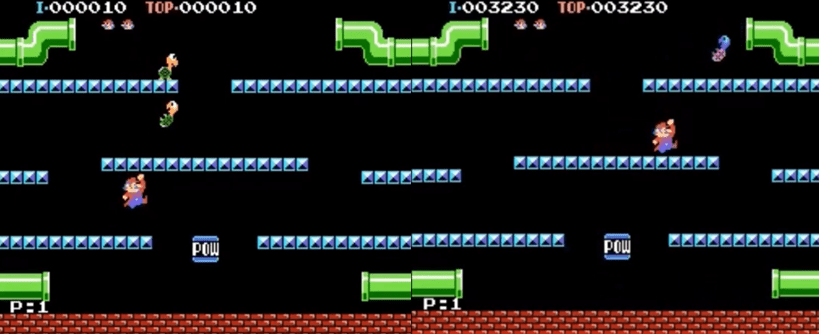




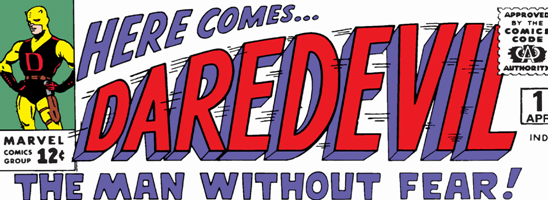
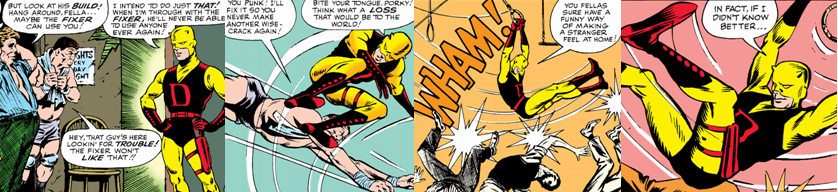
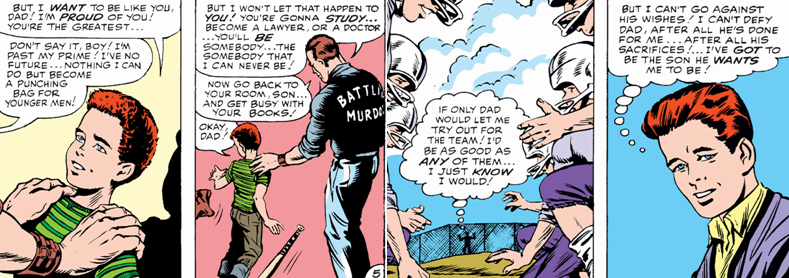
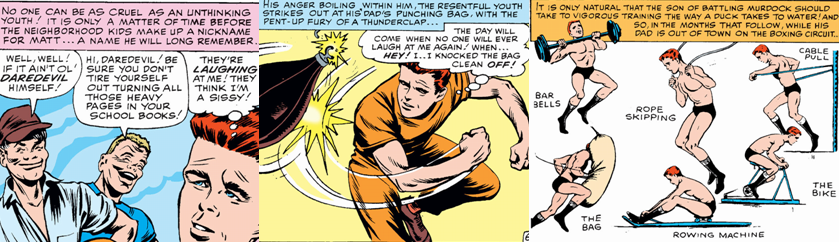
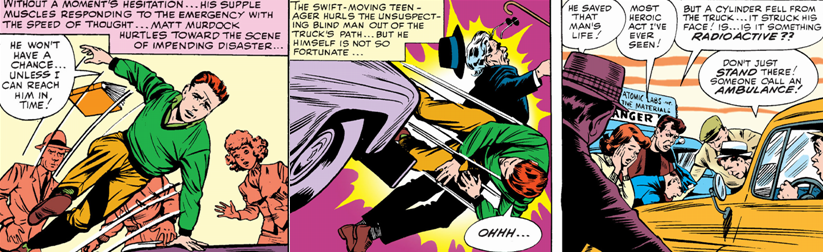
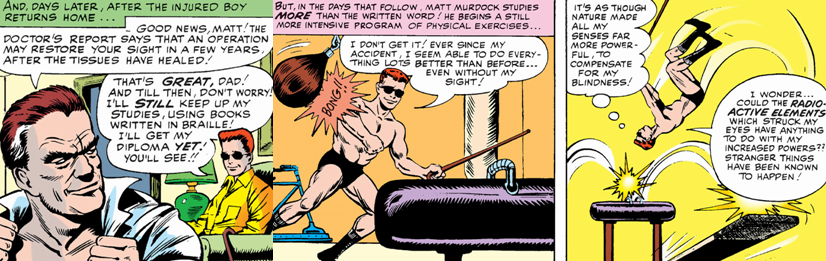
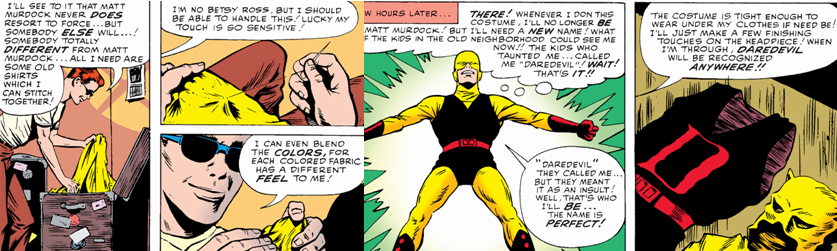
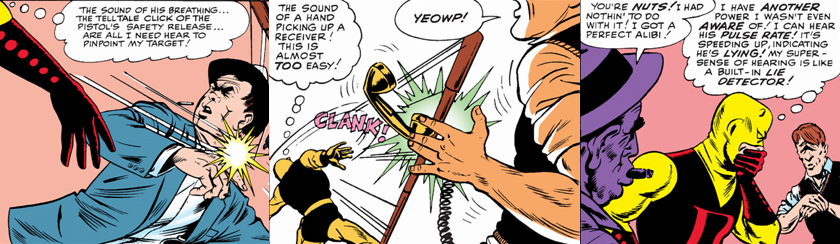
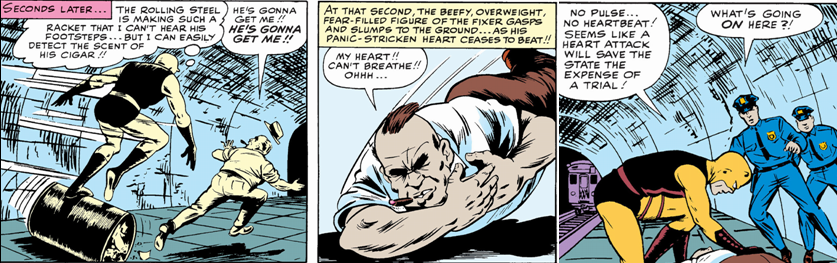
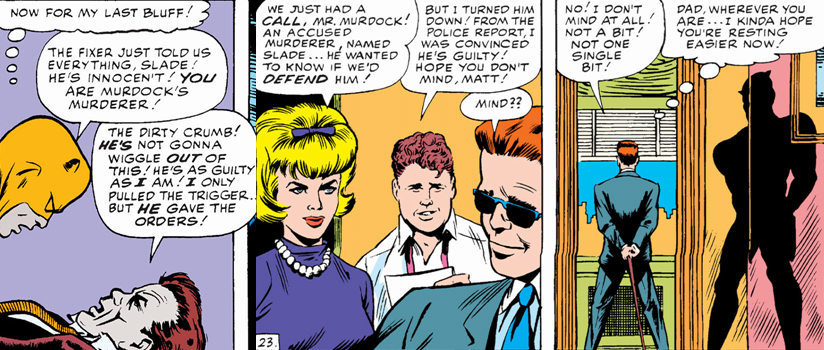
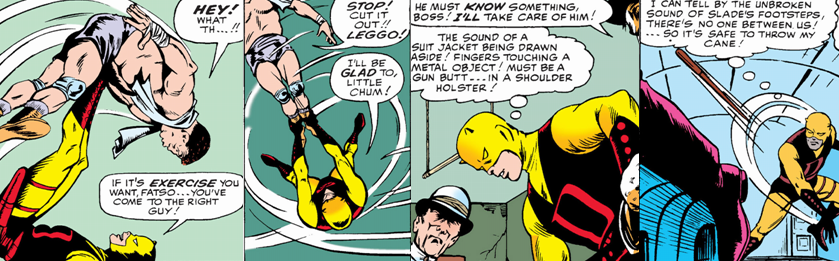


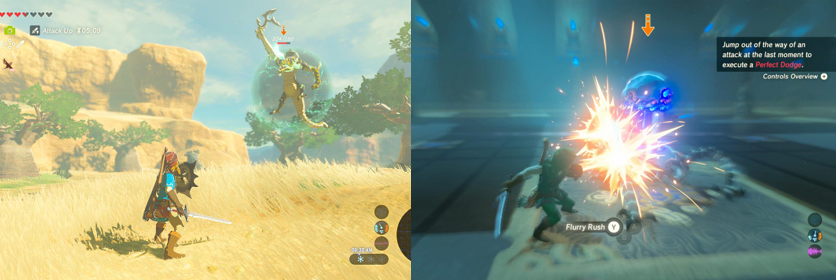
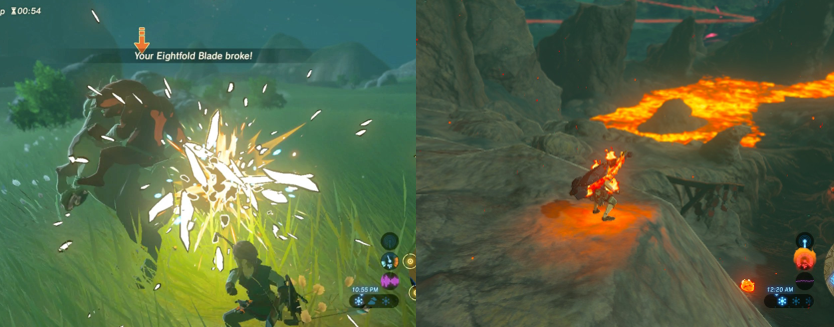
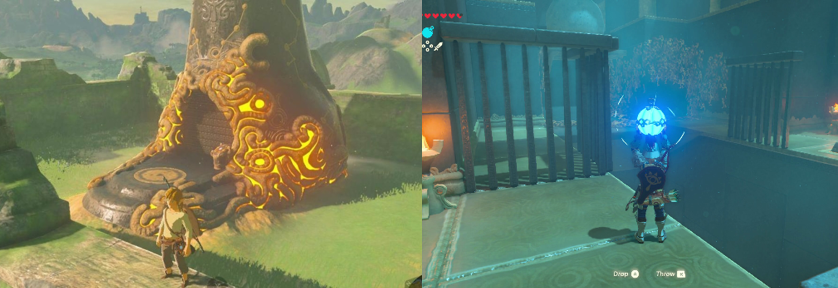
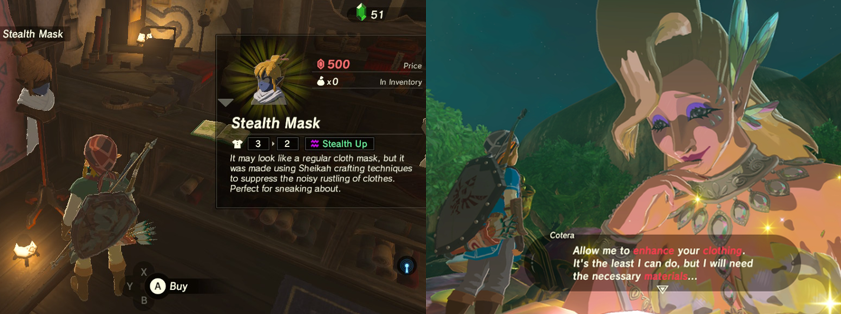
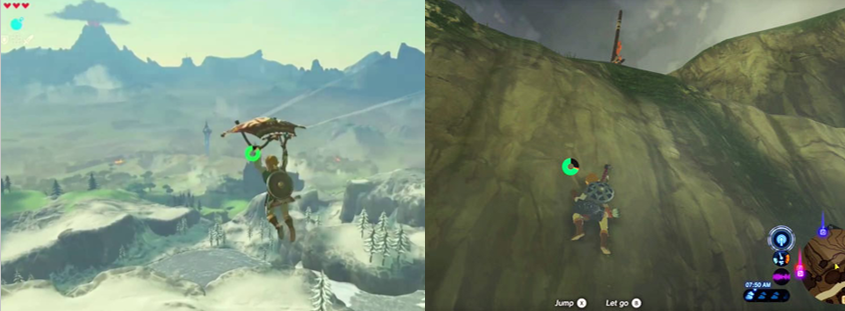
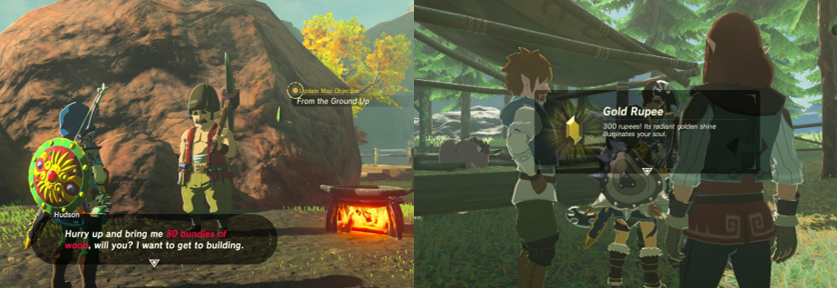
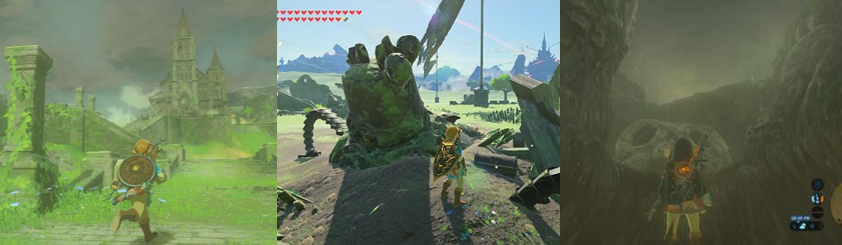
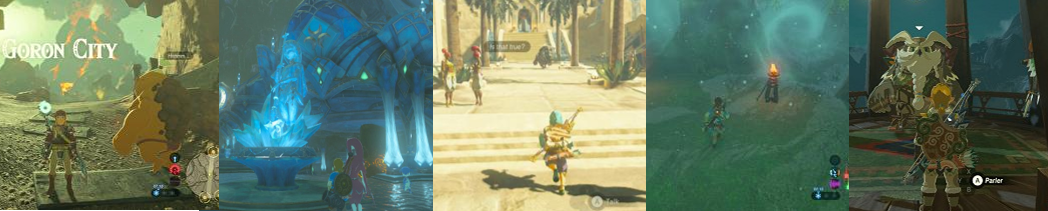
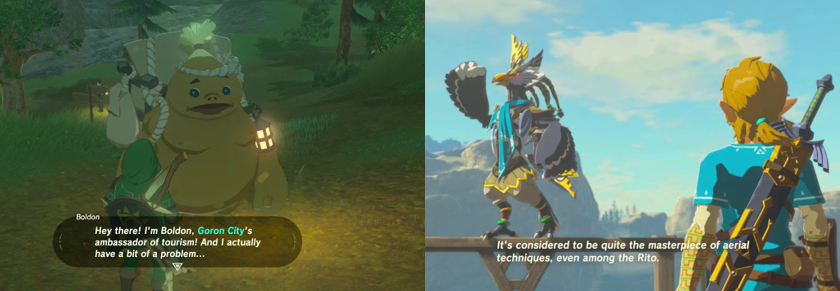
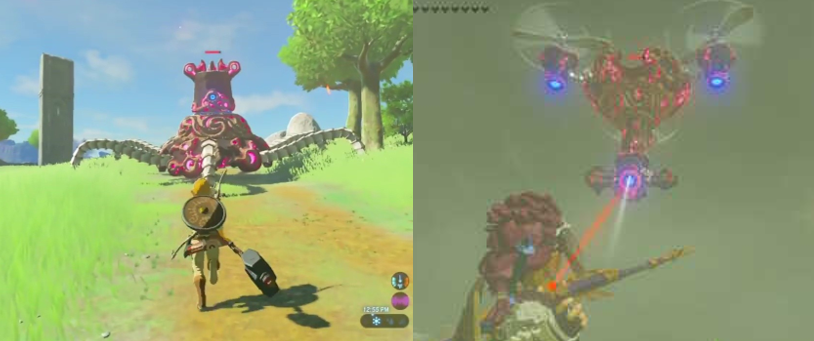

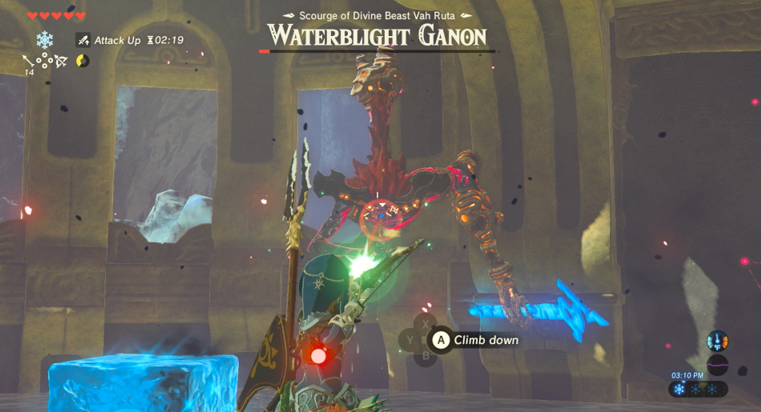
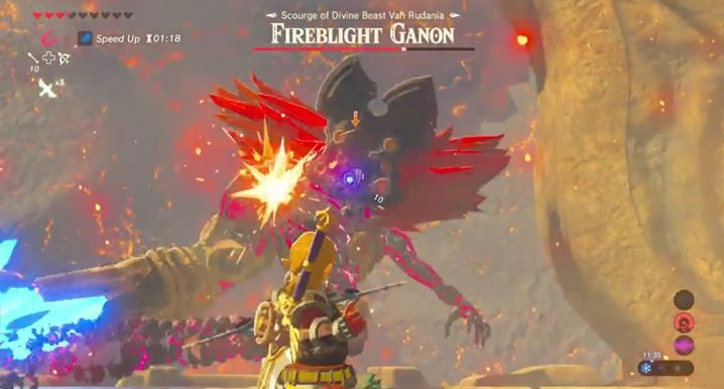
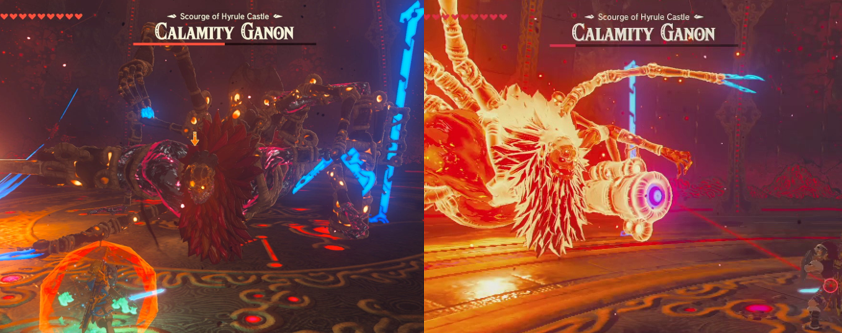
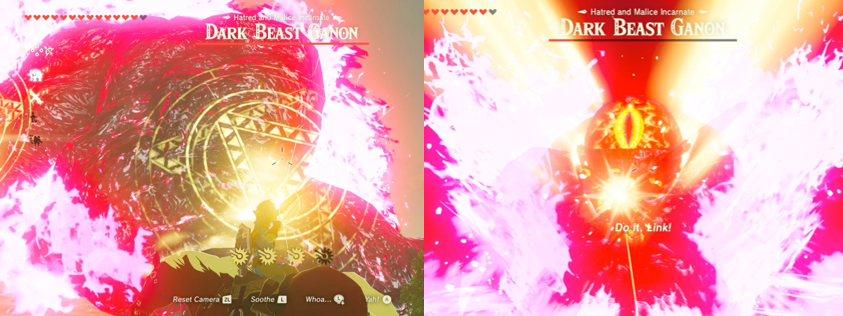
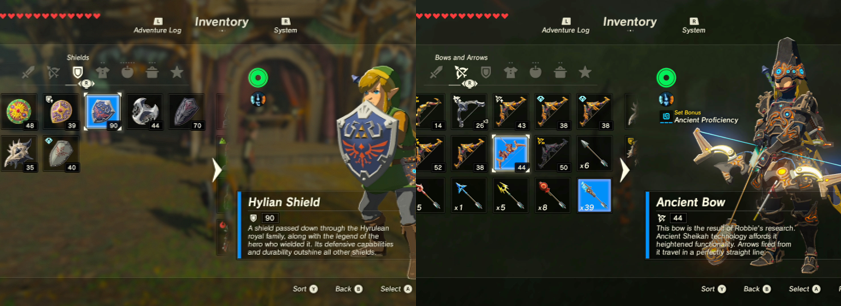
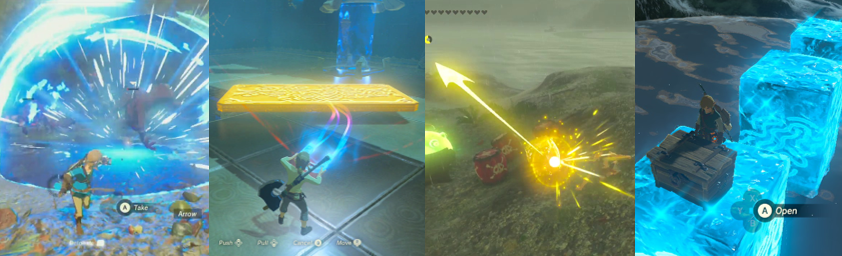
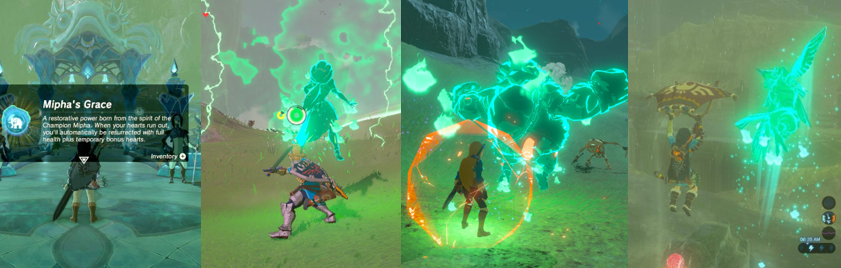
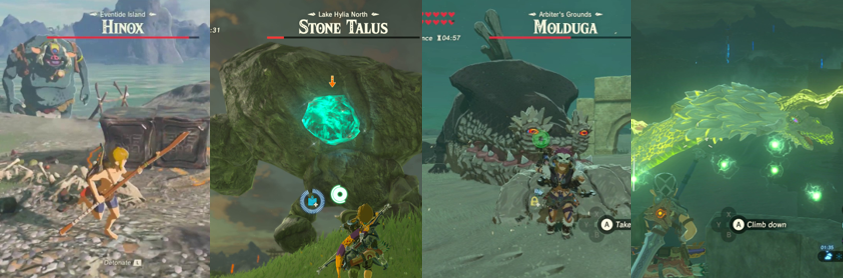





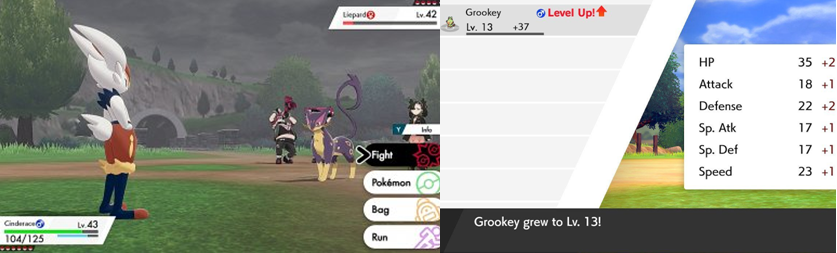


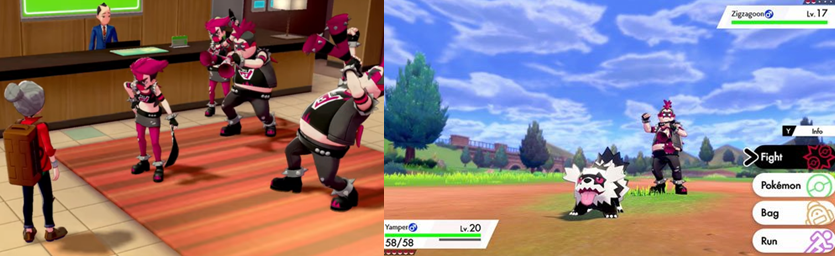


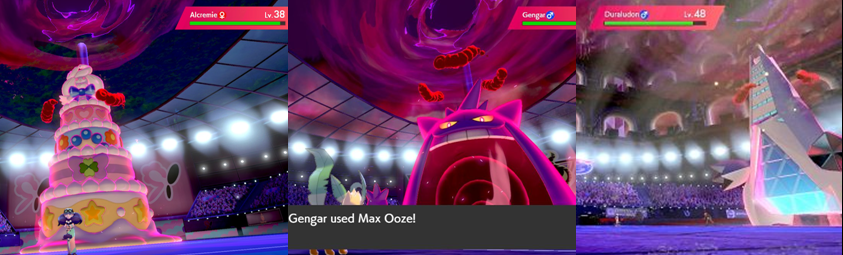
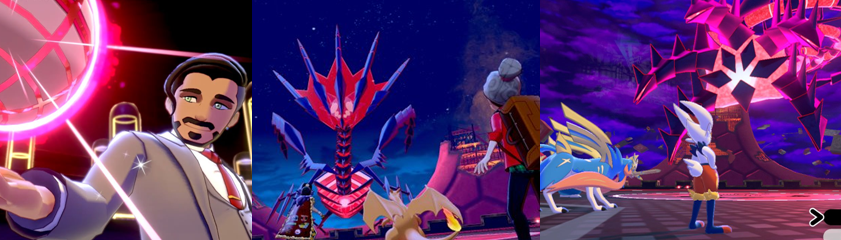


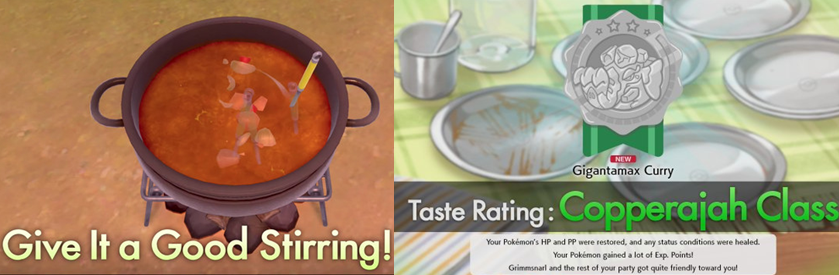
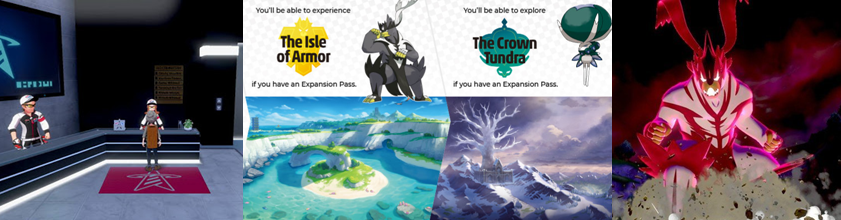


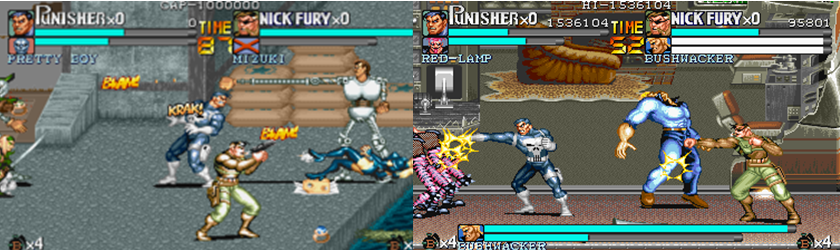
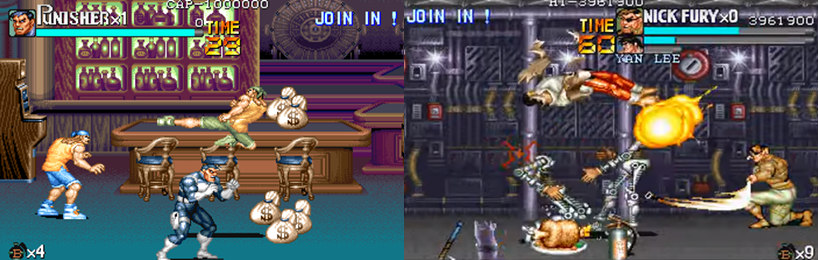











 Dr. K's Waiting Room
You must be logged in to post a comment.