I’m a bit late with this but NetherRealm Studios’ Mortal Kombat 11 will be coming later this year and, as with every Mortal Kombat, fans have immediately started asking several questions: What characters will be returning? What new characters will be included? What will the story be? What new, or returning, gameplay mechanics can we expect? Just how brutal will the Fatalities be? And, of course, the question of guest characters. After the inclusion of Freddy Krueger in Mortal Kombat(ibid, 2011), Mortal Kombat X(ibid, 2015) featured four guest characters from outside the franchise: Jason Voorhees, Leatherface, Alien, and Predator. This may have been a bit of overkill; I would argue that it would have been enough to just have Alien and Predator and that the other two DLC spots could have gone to some classic Mortal Kombat characters but it does set a tone for what we can potentially expect from Mortal Kombat 11.
The question of guest characters has been brought up to me in conversations about the videogame so I figured I would talk about a couple of characters I’d really like to see turn up as DLC in Mortal Kombat 11.
Pennywise would be my first choice.
The first is Bob Gray, better known as Pennywise the Dancing Clown, the eponymous “It” from Stephen King’s classic 1986 novel. Honestly, I would argue that it’s extremely likely that we could see Pennywise in Mortal Kombat 11 as NetherRealm Studios is a subsidiary of Warner Bros. Interactive Entertainment, which is itself a subsidiary of Warner Bros., the studio behind It: Chapter One(Muschietti, 2017), It: Chapter Two(ibid, 2019), and Stephen King’s It (Wallace, 1990). As a result, the rights shouldn’t be any more of an issue than they were to get Freddy or Jason into the game. While it’d be nice to bring in Bill Skarsgård to voice the character, NetherRealm Studios would most likely do what they did with Freddy and simply have It chuckle, roar, and growl as It attacks. Given that Mortal Kombat 11 is set to bring back character variations, which allows each character to have three slightly different playstyles, each one associated with a different costume, I would hope to see NetherRealm Studios continue what they did with Leatherface when it comes to Pennywise’s variants.
Seeing It’s different looks would be an essential inclusion.
Each of Leatherface’s variants was modelled on a different outfit from one of the Texas Chainsaw Massacre (various, 1974-2017) movies. Since DLC characters tend not to have the same amount of additional costumes as regular fighters, I’d do the same for Pennywise; have one variation be modelled after Pennywise’s 2017 look, one after his 1990 look, and one more closer to his depiction in the books (a shiny, silver suit with big orange pompoms and a bow tie, as illustrated above by Mikael Quites).
Make use of Pennywise’s warped sense of humour.
Next, for Pennywise’s general moveset and depiction, I see Pennywise as a very grounded all-rounder. It would have an average jump height, speed, and recovery and could clash at opponents with claws, fangs, and tentacles. I would look back to what NetherRealm Studios did with Shang Tsung in Mortal Kombat and the Joker in their Injustice titles (NetherRealm Studios, 2013; 2017), specifically in Injustice 2, where the Joker was depicted as a nightmarish clown. Just imagine seeing Pennywise morph through some different forms or holding a balloon (or a bunch of balloons) in front of Its face while taunting Its opponent, perhaps while munching on a child’s arm. Pennywise’s special moves could be as varied as you want; I remember being really disappointed with how limited, boring, and weak Freddy’s special moves were in Mortal Kombat and NetherRealm Studios really made up for this with Mortal Kombat X’s guest characters.
Mesmerise a foe or just chew on their flesh!
Pennywise could warp from one side of the screen to another in a cloud of orange smoke or a burst of orange light, stun or screw up an opponent’s controls with a Deadlight Gaze similar to Quan Chi’s Trance from MKX, and chomp away at the opponent’s face and neck with those big old vampire teeth like Mileena’s Pounce from MKX or Reptile’s Fatality from Mortal Kombat 4 (Midway Games, 1997). I’d also like to see Pennywise dart towards the opponent with spider legs like in the 2017 movie and similar to D’Vorah’s attacks, maybe summon a bunch of drowned dead kids to hold the opponent in place, and grab the opponent whilst spewing toxic bile over them in Its Leper form. I would avoid using balloons in any of Pennywise’s moves and save them for the intro and outro animations but I guess It could use them as explosive traps to propel the opponent into the air.
You can’t have Pennywise and not do the Spider…right?
As for the X-Ray moves, I’d like to see Pennywise morph into a gruesome variant of the Frankenstein Monster and the Mummy and perform a move similar to Jason’s Back Breaker/Tight Squeeze and have It crush the ribcage of the opponent, and use those razor-sharp fangs to crush the opponent’s shoulder blade. For Pennywise’s Fatalities, you have to go back to the Spider-It; take inspiration from the 1990 version, yes, but I would also either incorporate anything used in It: Chapter Two (if this form even appears) and both the Alien’s Killer Queen Fatality and Scorpion’s transformation from Mortal Kombat 4. Have Pennywise contort and twist into a giant, crazed spider; have It impale the opponent through the chest/stomach, tear their upper body off, and then drop their still screaming form into its salivating jaws.
The Deadlights could melt foes to their bones!
It’s other Fatality could be based on the depiction of the Deadlights in It: Chapter One; have Pennywise grab the opponent and Its head split open, mesmerising the opponent so they float up to the Deadlights that then melt the flesh off their bones similar to Nightwolf’s Ascension Fatality from Mortal Kombat. Brutalities are generally quite standard but you could have Pennywise rip the opponent’s head or limbs off and start gnawing away, slice the opponent’s legs off at the knees with Its spider legs, maybe toss a balloon at the opponent’s face that explodes in a burst of Deadlights and has the opponent’s head explode. As for Pennywise’s story and ending…well, these are never that strong or defined for Mortal Kombat’s DLC fighters; Pennywise’s status as a transdimensional being means that It could easily be sucked into the Mortal Kombat universe and want to compete for chance to dine on new fears and new flesh. Its ending would simply be to accumulate the power necessary to spread Itself over the multiverse and feast for all eternity, or perhaps even eat Itself to death, or, maybe, some kind of hint towards King’s interconnected multiverse.
Spawn’s no stranger to being a guest fighter.
The other guest character I think is perfectly suited to Mortal Kombat is, of course, Spawn. If he hadn’t already appeared in Injustice 2, I would have also suggested Hellboy but Spawn also has a high probability of appearing as Todd McFarlane, the character’s creator, has all-but-guaranteed that his violent anti-hero will make the cut later this year. While McFarlane is known for blowing a lot of smoke when it comes to his most popular creation, it cannot be denied that Spawn would be a great fit for Mortal Kombat; Spawn was also previously a guest fighter in the Xbox version of SoulCalibur II (Project Soul/Namco, 2002) so a lot of his moveset could be drawn from that title. His story would also be just as simple as him being transported across dimensions and fighting to get back home, though I’d have his ending be suitably dire and angst-ridden, like he ends up displacing Malebolgia and becoming an evil despot intent on conquering the multiverse.
Spawn’s brute strength and magic could pummel foes.
Spawn also has a few distinctive looks that could be used for his variations; the classic Spawn look is a must, as is his tattered-and-torn look, and maybe Medieval Spawn, Angel Spawn, the Redeemer, or some other look could be incorporated into his last variant. Spawn could emerge through a hellfire portal like Freddy, or simply teleport himself in a burst of Necroplasm, and you could even bring in the legendary Keith David to reprise his much-lauded role as the character’s voice artist. Spawn is a great opportunity to carry over some of the superhero-stylings of Injustice 2 thanks to his vast and varied moveset; Spawn could do variants of Superman’s Flying Punch, Lockdown Launch, and/or Rising Grab while teleporting in a manner similar to Scorpion, use his cape to float over the battlefield and launch himself down at opponents, and blast out energy bolts or beams (similar to Doctor Fate) that could set the opponent on fire.
Go back to Kratos for an idea of Spawn’s moveset.
Spawn also has the added bonus of being well-known for his cape and chains; he could incorporate a Cape Parry similar to Batman’s, or wrap his opponents up in it like Sindel used to with her hair, and whip his chains around in a flurry like Takeda in MKX, Kratos in Mortal Kombat, and Scarecrow in Injustice 2. Spawn is also known for using heavy-duty firearms so could bust out a machine gun or rocket launcher like Jax did in MKX, or these could possibly be saved for his grabs and throws.
Spawn should definately send his foes to Hell!
For his X-Rays, Spawn could grab his opponent’s head in both hands and crush their skull, or use his chains to draw them in close and snap their joints. I did have an idea for one Fatality that, similar to the Killer Queen, would see Spawn summon Malebolgia but, rather than repeat myself, I think it might be better to do something like the stage transition from Injustice: Gods Among Us and Cyborg’s Super Move from Injustice 2, which sees the opponent launched to Apokolips and assaulted by Darkseid and Parademons, respectively, only replace Apokolips with hell similar to that seen in Scorpion’s Fatalities/outros and Darkseid and the Parademons with Malebolgia, the Violator, and other Hellspawn.
Spawn’s powers would allow for some gruesome Fatalities.
As for his second Fatality, Spawn could wrap his cape around the opponent’s head and suffocate them, or crush it, but that’s a bit lame; perhaps something similar to Reptile’s Weight Loss Fatality from Mortal Kombat or Scorpion’s Super Move from Injustice: Gods Among Us would be better and a good way to reincorporate some brutal moves previously used by other characters in other games. I’d also look back to Kratos, Takeda, maybe even Kabal for inspiration for Spawn’s Brutalities, which could be anything from detonating a grenade or energy blast in an opponent’s mouth to tearing their limbs off with his chains. In the end, Mortal Kombat 11 is sure to have its fair share of guest characters; for me, drawing from horror movies and violent superheroes/comics is a great starting point as certain characters just fit the franchise. NetherRealm Studios might seek to incorporate faces more familiar to their franchise, which I wouldn’t be adverse to (I’m looking at you, Rain!), or to other franchises (perhaps Chucky or Michael Myers, maybe even someone really obscure like Pumpkinhead!) but, for me, using Pennywise makes sense as It is a natural inclusion, is basically owned by the studio already, and has a big movie coming out this year so it all ties together as a marketing move, and Spawn is as natural an inclusion as someone like Hellboy or Kratos. You’d be hard pressed to find a more violent anti-hero, who still retains a lot of the popularity he had in the mid-nineties, without alienating the kids who might force their parents to buy them this super-gory game just because Batman has been included.
Time will tell who will make the cut but let me know in the comments what you think of these picks, who you would like to see show up, and your opinion of guest characters and Mortal Kombat in general.
I had a plan. It was a simple plan. I would buy up all the videogames I hadn’t yet played for Xbox One at a rate of about one a month, complete them, maybe review them, and get as many Achievements as possible, all so that I could justify buying Resident Evil 2 (Capcom R&D Division 1, 2019) on release day. As you have gathered, that plan got a bit side-tracked as I ended up with every single Resident Evil title for Xbox One; though I managed to get through four of these (I didn’t actually do a review of Resident Evil 4(Capcom Production Studio 4, 2005)…my bad), I’ve had to put the last two on the back-burner to play this highly anticipated game. And it really was highly anticipated, especially by me. Resident Evil 2 (Capcom/Rockstar San Diego/Factor 5, 1999) was my gateway into the franchise; an essential purchase during my Nintendo 64 days and I used to waste entire weekends blasting through the different story modes as quickly as possible thanks to the infinite health and ammo cheats made available in the N64 version. I had an equally enjoyable time with the GameCube remake of Resident Evil (Capcom, 2002) and segued into playing the titles without the aid of cheats but the question remained as to whether I would actually be any good at the Resident Evil 2 remake without infinite health, ammo, and factoring in the new graphics, layout, and over-the-shoulder perspective.
Safe to say these two have had better days…
Resident Evil 2’s story is largely unchanged from the original; rookie cop Leon S. Kennedy and college student Claire Redfield arrive in Racoon City just as the entire population is turned into zombies due to exposure to the Umbrella Corporation’s new G-Virus. Taking shelter in the police station, both characters are pursed by a hulking Tyrant variant (“Mr. X”), encounter a constantly mutating creature (“G”), and run into various other characters as they try to survive the horror and escape the city with their lives. First of all, as you may have heard, read, or seen, Resident Evil 2 is an incredibly gorgeous creation; graphically, the game has no equal right now and the characters, environments, and creatures of the franchise have never been more realistic and frightening. The game’s use of light is fantastic; there’s hardly any areas of the game fully lit, so Leon and Claire are dependant on their torch to scan their environment for resources and enemies.
Tension is high as you explore your envionment.
This makes simply exploring rudimentary areas incredibly tense in a way that is so beyond the original game’s fixed camera angles; this tension is expanded further through the winding, claustrophobic nature of the environments. The police station has very few open areas and those it does have are either poorly lit or eventually become hazardous when Mr. X comes plodding along; the cell area, sewers, and laboratory are all equally closed in, meaning that you’re never quite sure what will be waiting around the next corner. Resident Evil 2 is a fantastic return to form when it comes to item management and conservation of resources; fresh off of three of the more modern titles, the sudden return to having very little in the way of ammo and health was jarring. Leon and Claire have a very limited inventory, so you’ll want to make use of the magic Item Boxes and multiple pouches to expand your inventory wherever possible. You should also take every opportunity to combine herbs and gunpowder for additional ammo as you’ll definitely need it in the game’s later stages. Because of this, you can’t just run around blasting zombies like fish in a barrel; the game actively discourages this as these zombies are built to last! A headshot may, if you’re very lucky, result in a one-hit kill but, nine times out of ten, you can empty an entire clip into a zombie’s head and it’ll still get up and keep coming for more. Discretion is definitely the better part of valour in Resident Evil 2 but you’ll be forced to make some tough choices when Mr. X starts chasing you through pitch-black corridors filled with zombies or Lickers!
Don’t even try fighting this guy; just run, quickly!
Fortunately, there are other methods at your disposal; you can board up windows to stop zombies breaking into the station and counterattack any enemy with a knife, flash grenade, or hand grenade. These can also be used as regular weapons but the knife won’t last forever, so you can’t just go stabbing away without a care in the world. None of these weapons have a hope of killing Mr. X, though; unlike in the original game, he can only be momentarily stunned and will pursue you, even through doors, until you manage to give him the run-around.
Use your wits to out-manuevure “G” and blast his weak spot!
You’ll also encounter a few boss battles, mainly against different forms of “G”; in the more modern games, these may have included quick-time events or button mashing sequences but, here, you are forced to go old school, dodging his attacks and waiting for the right moment to shoot his massive eyeball. It’s an exhilarating return to form as you’ll only have yourself to blame for not conserving your ammo or stocking up on healing items. Other boss battles, such as the one against the giant alligator and when you face “G” in the sewer, require you to set traps to win the day to help mix things up, while disgusting G-Virus monsters take the place of the giant spiders and appear as tougher enemies in the sewers.
A myriad of puzzles will test your skills.
Also returning from the original game, but greatly expanded upon here, are the classic Resident Evil puzzles; as a former museum, the police station is full of weird shit, items, and mysteries that you’ll have to find, solve, and piece together in order to progress. One thing that is a bit odd is that, unlike every single Resident Evil title ever, you do not automatically discard items or keys once they’re no longer needed; instead, you have to do this manually, which is the only negative thing I have to say about the game and it’s purely because this has never been necessary in the past, but it’s an extremely minor complaint really. Navigation is pretty easy thanks to the map screen, which clearly shows you rooms you’ve been in, doors that are locked, and other points of interest, though it doesn’t hold your hand like some of the later titles and you’ll be required to use your brain and remember the layouts pretty well to get around obstacles or Mr. X and reach new areas. There’s a lot of variety at work in the game; at certain points, you’ll switch to playing as either the mysterious Ada or the adorable Sherry, both of whom play very differently to each other, not to mention Leon and Clear. Completing the game also unlocks variant costumes (including classic attires) and the “Second Run” mode, which tells the story from a different perspective, swaps around a lot of the item locations, and features different boss battles. Completing the game on each of these playthroughs is essential to battling the true final boss and seeing the game’s true ending; it’ll also unlock the “Fourth Survivor” mode, where you take an Umbrella commando through an infested police station, and the “Tofu Survivor” mode (…where you play as a piece of tofu) makes a welcome return.
If you want the best, you’ll have to be at your best!
You can also unlock in-game models, concept art, Achievements, and even infinite weapons if you dare take on some of the game’s more challenging options. Resident Evil 2 has three difficulty settings: Assisted (aim assist, weaker enemies, health recovers a little bit), Standard (no aim assist, no health regeneration, normal-strength enemies), and Hardcore (no aim assist, no health regeneration, tougher enemies, Ink Ribbons are needed to save at Typewriters, no auto-save points…basically the classic Resident Evil formula, meaning all of us old school gamers must be Hardcore by default!). To get the best weapons and reap the best rewards, you’ll be required to beat the game under a strict time limit on Hardcore mode but, with trial and error (or a handy online guide), you will find that the game can be beaten in under three hours. However, this doesn’t make Resident Evil 2 any less desirable to play; the tension and atmosphere alone are worth the price of admission as the game finally returns the franchise to its survival-horror roots. Newer gamers may struggle with this; enemies don’t drop gold or resources, you can’t punch boulders, and there’s very little hand-holding throughout the game. Either you stay sharp and be smart with your resources and pick your battles, or you get injured, waste your ammo, and die in short order, just like in classic Resident Evil tradition. Resident Evil 2 is nothing less than a masterpiece, from the graphical quality of the game to its gore, soundtrack, and the amazing job it does staying faithful to the original title, and the time period it was made, while still bringing everything a quantum leap forward using modern gameplay mechanics and capabilities. The game is a solid five-star effort and I can only hope that, going forward, Capcom leans more towards this formula for future Resident Evil titles and away from their more action-orientated approaches.
Continuing my ongoing slog through a backlog of Resident Evil titles, I recently played through, and completed the main campaign of, Resident Evil: Revelations 2 (Capcom, 2015) on Xbox One. After struggling a bit with some aspects of the first game, I had hoped to be more comfortable going into Revelations 2 but Capcom made a few changes that make this title almost unrecognisable from its predecessor. Firstly, unlike its predecessor, Revelations 2 was released for main consoles right from the start, rather than being a HD port of a Nintendo 3DS game. However, rather than being a complete package, this title was released in episodes, presumably to encourage players to become immersed in its storyline; whether this actually worked or not is beyond me as I played the Xbox One version, which contains the entire game on one disc.
Never has a skill tree been more unnecessary…
Revelations 2 brings Barry Burton and Claire Redfield back to the franchise; like the first game, each is lumbered with a new character who acts as their partner as they fight to escape from an island that is crawling with infected monstrosities. Claire, partnered with Barry’s daughter Moira, attempts to find her way off the island while Barry, teaming up with Natalia, a young girl suffering from amnesia, arrives at the island some six months later in search of his daughter. Like many of the Resident Evil titles released around this time, Revelations 2 plays from a third-person, over-the-shoulder perspective; as in its predecessor, players have complete freedom of movement, can shoot and reload while moving, and can use healing items at the touch of a button. Well, not quite a touch; this time, players must hold down the R trigger to use these items rather than simply pressing one button. This mechanic is directly tied into the game’s unnecessary and largely pointless skill tree; completing each of the game’s chapters and meeting certain objectives earns the player with BP, which can be spent upgrading certain skills, such as how long it takes to use a herb, how effective they are, and other actions tied in to combat and the player’s partner.
Natalia will point at enemies…it’s super useful…
Unlike in Resident Evil: Revelations (ibid, 2012), players can switch between the two team-mates and even play the game with a friend in co-op mode. Unfortunately, whether you’re partnered with Moira or with Natalia, you’ll find the partners to be next to useless. Neither of them can use firearms; Moira can blind and stun enemies with a torch and bash them with a crowbar while Natalia can sneak around unnoticed and throw bricks at zombies. One of the things I disliked about the first game was the “Genesis” device that forced me to constantly scan enemies and the environment for resources. A similar function exists here, unfortunately, as players can only find hidden items with Moira’s torch or Natalia’s convenient “sixth sense”, which means that you’ll have to jump back and forth between your two characters to find everything in each area. While the first game featured some unique enemy designs tied directly to its water-based environment, Revelations 2 opts for the more traditional zombie-like enemies and mutated creatures favoured by the series after Resident Evil 4(Capcom Production Studio 4, 2005). The major difference here, though, is that these creatures appear to be made of sponge; they will soak up your bullets and still keep coming and some of the larger and more violent enemies may require other tactics to get around.
Seriously, fuck this fucking thing!
Barry, for example, can sneak up on enemies and dispatch them in one move but the Glasp, for example, is invisible, requiring players to switch to Natalia and point out and target the creature so Barry can kill it, which is extremely frustrating when involved in combat. In fact, too many of the game’s enemies have instant kill moves; the reoccurring and extremely annoying bullet-sponge first encountered in the junkyard will have you tearing your hair out as you struggle to hit its weak point and avoid its insta-kill move. Once again, players can use Part Boxes to upgrade their weapons; the game’s extensive (and yet restrictive) crafting system also allows players to craft explosive bottles and helpful items to stop bleeding and wipe away gunk, two new status effects that really add to the game’s frustrations. Personally, I found myself loading tourniquets, wipes, and healing items on the partner character, who will automatically use them when you get stuck in a bind.
This bitch has plans, man…lots of plans!
The game’s narrative is pretty engaging; across four chapters, you’ll attempt to escape from a dire situation and uncover the fate of the characters. In true Resident Evil fashion, though, the plot is far from simple; while it doesn’t jump around as many different places and points in time as its predecessor, it can still be confusing trying to figure out what the mysterious Overseer is up to and uncover the mystery behind the island. On top of that, the game has two potential endings depending on how you deal with the now-traditional “huge tentacle mutating creature” boss battle. This (and the different medals available in each chapter, hidden emblems, and the Achievements) may entice players to revisit chapters from the story once again but, honestly, each chapter is so long that playing casually is not as easy as it was in the first game. Revelations 2 also features a couple of other game modes; Raid Mode returns, this time as a kind of virtual reality simulation that allows players to play as some classic Resident Evil characters in settings that closely resemble those of older games and battle swarms of enemies. Additional side stories also flesh out the main campaign; “Little Miss” sees players control Natalia and her dark doppelganger, sneaking past monsters in an effort to find her bear, while “The Struggle” sees Moira having to hunt animals to survive and clear previous areas of enemies to stay alive.
This bastard alone is enough to convince me to put this game down.
I wasn’t massively blown away by Resident Evil: Revelations; it was a bit awkward in places, the story was all over the place, and the enemies were way too aggressive and annoying. A lot of this is the same here; for everything Revelations 2 does better (graphically the game is superior and the locations are a lot easier to navigate; the story is arguably more engaging as well, if a lot more confusing), it also suffers from some of the same drawbacks as well as some all new ones. Forcing players to switch to their partner, who is as good as dead against many of the game’s monstrous enemies, just to solve puzzles, find items, and get through areas is tedious and annoying; the chapters are also too long, making repeated playthroughs a bit of a slog, and any game that makes a regular mid-level boss more difficult than the final boss is one that irks me, especially when this enemy constantly keeps showing back up and can easily one-shot you no matter how well you’re playing.
For me, the Console Wars extended well past the 16-bit era of videogaming. Unlike a lot of my friends, I did not have the income to justify doubling down so, while they were all off playing PlayStation and PlayStation 2 while alsoa playing Nintendo 64, I stuck with the Nintendo 64 and GameCube since SEGA were no longer in the business of making consoles. As previously detailed, this means that I didn’t have much exposure to Resident Evil (Capcom, 1996 to present) apart from the Nintendo 64 port of Resident Evil 2 (ibid/Rockstar San Diego/Factor 5, 1999). Although I enjoyed the GameCube remake (Capcom, 2002) and Resident Evil Zero (ibid), I yearned for the chance to take up arms as Leon S. Kennedy once again. Resident Evil 4(Capcom Production Studio 4, 2005) changed that while simultaneously changing the franchise significantly. Slowly, as Capcom released more and more titles with newer control schemes and gameplay mechanics, Resident Evil shifted away from being a survival-horror series, where supplies were limited and caution was the preferred choice, and became far more action-orientated. Resident Evil 4 laid the groundwork for this, moving the camera behind Leon’s shoulder and allowing full 360-degree movement, and changed the franchise’s focus away from zombies and the machinations of Umbrella and more towards parasites and mutations.
Gone are the days of collecting medieval-themed keys.
Staying the course, Resident Evil 5 (Capcom, 2009) took these aspects and ramped them up to eleven. Returning Chris Redfield to the series, Resident Evil 5 dropped players into a complex plot revolving around Albert Wesker’s attempts to destroy the human race with the Oroburos virus. Teamed with Sheva Alomar, Chris finds himself on a path towards not just saving the human race but also of vengeance; prior to the game’s events, Redfield’s partner, Jill Valentine, was presumed dead at Wesker’s hands and Chris, having bulked up to stand a better chance against Wesker’s superhuman abilities, is determined to have his revenge.
Think of Sheva as a walking Item Box…
Unlike Leon, who was lumbered with protecting and rescuing Ashley Graham in Resident Evil 4, Chris and Sheva operate as a unit. Two players (or one with the CPU) can progress side-by-side throughout the main campaign; Chris and Sheva each have their own limited inventory slots meaning that, with no Item Boxes present in the game, trading and combining items is essential to survival, similar to the partner system of Resident Evil Zero. Ideally, you’ll want to play Resident Evil 5 with a friend as the CPU is extremely basic; your partner will shoot at enemies, pass you ammo, and heal or resuscitate you when necessary but is just as likely to be found stuck behind objects or running against a wall. They also seem incapable of using any weapon other than the one assigned to the top of their inventory, meaning you’ll probably end up using them as a walking, talking storage system.
Use your hard-earned gold to buy and upgrade weapons.
Supplies are plentiful, however, even more so than in Resident Evil 4; dispatched enemies will often drop herbs, ammo, gold, or other trinkets while breakable pots, chests, and other objects will yield similar provisions. Other treasures can also be located throughout the story and can be sold at the end of each chapter to purchase new weapons; while it is sad to see the Merchant absent from the title, this does make inventory management a lot simpler and easier. In terms of gameplay, the control scheme of Resident Evil 4 remains intact here, with some additions; at certain points, the player must command their partner to pull levers, open doors, or otherwise assist with various, simple puzzles. Quick-time events still pepper certain cutscenes, meaning you have to remain on your toes the entire time whilst playing, which adds a nice level of spice and interaction to otherwise passive gameplay moments.
It’s safe to say that Wesker’s lacking calm in this entry.
The enemies in Resident Evil 5 are many, varied, and plentiful; the first mission alone sees Chris and Sheva swarmed with a seemingly endless horde of Majini and the number of enemies onscreen at any one time is easily double that seen in its predecessor. Beyond the regular zombie-like enemies, players will also face the hulking Executioner, spear and shield wielding foes, the return of the Lickers and chainsaw Majinis, and even a gigantic troll-like creature. The ultimate confrontation comes against Wesker, who faces the player at first largely unarmed except for his superhuman abilities and, ultimately, in a mutated form that closely resembles that of a Tyrant. Beyond the main campaign, players can also take part in the Mercenaries mode (where they must eliminate as many enemies as possible within a strict time limit) and a Versus mode (where players take part in online battles as part of one of two factions) . The story is further fleshed out in two DLC campaigns, ‘Lost in Nightmares’ and ‘Desperate Escape’, which sees players once again back in control of Jill Valentine.
Resident Evil 5 is very enjoyable when playing with a friend.
When I first played Resident Evil 5, I remember being quite underwhelmed and disappointed; I had enjoyed Resident Evil 4 quite a lot, despite the hindrance of Ashley’s dead-weight, and it felt as though something had been lost in trying to do more and more. I don’t really mind the added emphasis on action or co-op as it makes the game a breeze to play; checkpoints and autosave locations are plentiful, meaning you can get a good feel of how to progress past more difficult sections and the freedom of movement is unparalleled. Since playing the HD remake on Xbox One, though, I have found that the title is a lot more fun and interesting than I previously believed. Admittedly, a great deal of my enjoyment has come from playing online co-op with a friend of mine but, even when playing alone, I have found myself returning to the game’s campaign, earning Achievements, stocking up my inventory, and earning more BP to spend on costumes, figurines, and upgrades for my weapons.
Relish the opportunity to wipe that smug smirk off Wesker’s face.
All-in-all, Resident Evil 5 is a great action-horror title; it is not the classic Resident Evil formula but, should you wish to play a game that is, there are plenty of previous titles that are readily accessible. I think the game may have gotten a bad reputation back in the day for straying so far from the survival-horror genre but, now, with the benefit of hindsight and subsequent titles, I can appreciate the faster pace of the title and Capcom’s attempts to keep the franchise relevant in a difficult market.
How powerful is nostalgia? That is the question Yooka-Laylee (Playtonic Games/Team17, 2017) poses. The spiritual successor to one of the greatest 3D platrformers/collect-a-thons ever, and one of my personal favourite videogames, Banjo-Kazooie(Rare, 1998), Yooka-Laylee once again throws players into a vibrant world full of colourful, squawking characters but, released some twenty years after Banjo’s heyday, is it enough to satisfy modern gamers? Obviously, this is a question many have debated and answered long before I got around to playing Yooka-Laylee and, if you listen to those opinions, you’ll largely hear a sense of apathy, disappointment, and frustrating with some of Yooka-Laylee’s design choices and gameplay mechanics. It amuses me, however, to imagine the same people who criticised Yooka-Laylee’s gameplay are probably some of the same people who were disappointed that Banjo-Kazooie: Nuts & Bolts (ibid, 2008) was just a kart-constructor and not a fully-fledged 3D platformer. But then, as I’ve always said, you can’t please everyone. Luckily, my needs are far simpler: all I wanted was a throwback to all the things I loved about the Banjo games on modern consoles and, in that sense, Yooka-Laylee delivered.
Yooka and Laylee must search high and low for their missing Pagies.
Rather than the classic bird and bird duo of yesteryear, Yooka-Laylee sees players taking control of the titular Yooka (a green lizard capable of rolling, attacking with his tail, and spitting fire, ice, and grenades) and Laylee (a purple bat who allows a degree of flight and whose sonar highlights secrets and acts as a protective shield) who must fight against the minions of the nefarious Capital B, who plans to use a magical book to take control of the world. Yooka and Laylee happen to be in possession of the book and, when its pages are scattered across various worlds, they take it upon themselves to journey far and wide to collect the missing Pagies and put an end to Capital B’s plans. The world of Yooka-Laylee is both familiar and new; boosted by the power of modern consoles, Yooka and Laylee are able to traverse diverse worlds that are tall, deep, and wide, with numerous side quests, hidden treasures, and additional content that keeps them busy. Worlds are accessed from the game’s central hub, Hivory Towers: Yooka and Laylee can jump into Grand Tomes and enter any of the game’s five worlds, each with a familiar theme (ice, space, casino, etc).
Yooka-Laylee‘s worlds have many hidden secrets.
Once they have collected a certain number of Pagies, players have the option of using some of their Pagies to expand each world, opening up new areas and, in some cases, adding entirely new sections to existing worlds where more collectables can be found. In order to reach Capital B, players have to collect a set number of Pagies but, in order to complete the game fully, players must find all 145 Pagies, each of which is protected by either a boss battle, a puzzle of some sorts, mandatory on-rails kart sections, races, and retro-style arcade games. Players can also find and collect various other objects; Quills can be collected to purchase new moves from Trowzer, a shady sales-snake (and finding all 1010 is necessary to obtaining every Pagie), Power Extenders extend your power meter and allow you to use the duos abilities for longer, butterflies can be eaten to restore health and your power meter and there are Health Extenders to get an extra hit point, and five hidden pieces of pirate treasure are also hidden within each world.
You can purchase new moves and abilities.
To assist with their exploring and collecting, players can access a wide variety of moves upon their purchase. Eventually, players will be able to fly, turn invisible, absorb the properties of beehives to access new areas (eating fire-flies to light dark areas, for example), and even encase themselves in a bubble to walk underwater. Completing certain objective will also allow players to assign one of Vendi’s tonics, which all grant the duo certain buffs (such as an extra hit point, a faster regenerating power meter, or removing damage from falls).
A variety of wacky transformations are at your disposal.
Furthermore, Dr. Puzz can be found in each world and will transform Yooka and Laylee into a variety of other forms, similar to Mumbo-Jumbo in Banjo-Kazooie. Players can become a plant, a snowplough, a helicopter, a swarm of piranha, and an adorable little pirate ship; each transformation allows players to solve puzzles and earn new Pagies as well as access other areas of their respective world. Yooka and Laylee also have to contend with a boss battle in each world, each more ridiculous than the last (they range from a giant ice block and a lovesick, anthropomorphic asteroid). While most of these aren’t particularly difficult and can be bested with a combination of skill, memorisation, and having enough health and power, some can be quite tricky and frustrating, with the final boss battle in particular proving quite the headache. Similar to the final confrontations with Gruntilda in the Banjo games, Capital B takes numerous forms and requires the uses of all of Yooka and Laylee’s skills to win the day.
Even Shovel Knight shows up. How indy is that!?
One of the criticisms I heard about this game long before finally getting it was that the worlds are perhaps too large and too sparsely populated and, in truth, it feels like there could have been ten very distinct worlds instead of five that are extended further and basically force the player to remain in each one for extended periods of time with little reprieve. However, each world is alive with gorgeous, colourful characters and locations; they stretch far up, deep down, and right across and each one has so much to see, do, and explore. The downside to this is that there is so much ground to cover and so many areas and sub areas in each world that it can be difficult to know where to go, where things are, and how to proceed. This is a good thing, in that the game doesn’t hand-hold the player, but it does make finding the game’s many collectables (especially those damn Quills) very difficult and frustrating, especially when you have searched every square inch numerous times. However, each world has a lot packed into it and their own unique theme; players will find themselves completing a variety of mini games in capital Cashino, for instance, in exchange for coins that can be further exchanged for Pagies but, in Moodymaze Marsh, have to traverse a murky swamp filled with spiked plants.
Seriously, screw this guy and his damn kart sections!
Playing Yooka-Laylee is, mostly, a breeze; Pagies can be found and collected without too much difficulty but, if you want to get everything in the game, you’re going to have to endure some frustrating sections. Kartos, the anthropomorphic kart, can be found in each world and beating one of his increasingly-difficult on-rails kart sections is mandatory for earning all Pagies. Similarly, Rextro the Dinosaur’s arcade-style mini games must be beaten twice to earn two Pagies; these are nice, fun distractions but can be annoying to have to play due to the controls, janky hit boxes, and equally-janky controls. It’s nothing you can’t get through with time and patience, though, and adds some variety, if nothing else.
There’s lots to see, do, and collect. What more could you want?
Honestly, it annoys me that Yooka-Laylee wasn’t more praised upon its release. Sure, there could be a lot more available in the game, but for a crowd-funded, independently-produced title, it has a lot going for it and is more than a worthy successor to Banjo-Kazooie. I would love to see the Platronics guys get folded back in to Rare and a true Banjo-Kazooie sequel be produced but, until then, Yooka-Laylee scratches that particular itch quite nicely with its large worlds, gorgeous visuals, fun gameplay, biting wit, and some brilliant new tunes from Grant Kirkhope. In the end, nostalgia was powerful indeed, certainly enough for me to have a great time with this fun little throwback to an era sadly neglected in modern day videogames.
Despite my affinity for the Resident Evil (Capcom, 1996 to present) franchise, my love for the series actually began with the Nintendo 64 port of Resident Evil 2 (ibid/Rockstar San Diego/Factor 5, 1999) because, as a kid, I was too poor to ever own a PlayStation and hedged my bets on the N64 instead. While this means I had to retroactively catch up with the original title and was forced to play catch-up ever since with each subsequent release, I have attempted to keep the series at the forefront of my videogame library. However, considering I prefer to stick to the main series titles, Resident Evil: Revelations (Capcom, 2012) passed me by. Originally released for the Nintendo 3DS, a HD port of the title was released for Xbox One in 2013 and, fresh off of Christmas, a copy of this version recently landed in my lap. Set between Resident Evil 4 (Capcom Production Studio 4, 2005) and Resident Evil 5(Capcom, 2009), Revelations took main series stars Jill Valentine and Chris Redfield, saddled them with new partners, and dropped them in the deepest of shits on two cruise ships.
Revelations jumps back and forth between many characters.
The story, in true Resident Evil fashion, is both complex and simple: a viral outbreak has occurred on the Queen Zenobia and Jill and Parker Luciani have been sent in to investigate and find Chris and his partner, Jessica Sherawat. Things quickly become far more complicated when the terrorist organisation Veltro seemingly re-emerges, monsters and mutations stalk the corridors and extravagant interiors of the Zenobia, and twists, turns, and betrayals start to take shape. Additionally, the story jumps between three teams of two characters (the two already mentioned and a couple of BSAA hot-heads conducting a further investigation) and various different time points; players will take Jill through the Zenobia at one moment, before flashing back to events prior to the game’s story and taking control of Parker, before jumping into Chris’s shoes at another end of the ship. It all gets very confusing and annoying, especially when you’re trying to put the narrative in some kind of order, but I appreciated the variety in characters, who all play slightly different and have different missions, weapons, and enemies to encounter. Revelations adopts the over-the-shoulder, action-orientated approach popularised by Resident Evil 4 and yet still returns the series to its claustrophobic, atmospheric roots through the effective use of narrow hallways and the isolation offered by the ships being adrift in the middle of the ocean. Therefore, weapons, ammo, and health are in plentiful supply (especially by Resident Evil standards) but you still can’t go in all guns blazing.
Revelations’ enemies are as unique as they are dangerous.
The Queen Zenobia is swarming with monsters the likes of which have never been seen before in Resident Evil; as with all titles after Resident Evil 4, Revelations moves away from the traditional shambling zombies and more towards mutations and monstrosities. Given the naval setting of the videogame, Revelations sees players battling against weird aquatic creatures that sprout tentacles at a moment’s notice or throw spear-like claws at you, bulbous atrocities with fuckin’ buzzsaws for hands, and even a gigantic, mutated octopus.
The scanning mechanic was quite obtrusive.
The enemy design is very unique and makes for far more formidable monsters to fight to the point where even bog-standard enemies will soak up your bullets like a sponge. Luckily, players are equipped with a device called the “Genesis” which allows them to scan enemies and the environment to locate hidden items and build up a percentage score; once this hits 100%, you are awarded with a health item. Unfortunately, this device is cumbersome and you cannot attack while using it; I assume it worked a lot better with the 3DS’ touch-pad capabilities but, on the Xbox One, it reminded me of the scanning mechanics that I remember dragging down Ghostbusters: The Video Game (Terminal Reality, 2009). On the plus side, though, player control has never been better or more fluid; in Revelations, players can move and shoot (or reload) at the same time and healing items can be used at the push of a button without equipping them from a menu screen (in fact, I hardly ever had a need for the menu at all!), making combat much faster, easier, and fluid. The map is pretty poor, especially compared to the one in Resident Evil 5, and it’s pretty easy to get lost on the ship’s many floors and increasingly grandiose locations but, to be fair, that is part of the charm of a Resident Evil title.
Whoever designed these swimming sections needs to be shot!
There are also a couple of fun on-rails sections where players use Gatling Guns to blast at giant tentacles and even bigger bosses. One new feature I did not enjoy, however, were the sections that force you to endure the game’s terrible swimming mechanics. I can only assume that this was originally something players controlled with the 3DS’ gyroscopic feature, which would have made it even more nauseating and difficult to control. Revelations’ single player campaign is broken down into numerous chapters and acts, making the game very easy to pick up and play in short bursts; I often find Resident Evil titles very intense and absorbing and have to play them in long sessions but Revelations was a lot less stressful in this regard and you can play as much or as little as you like. The better you do in each chapter, the more points and rewards you will receive; these can be used in the game’s Raid Mode, which is a pretty nifty little feature similar to the Mercenaries mode of previous Resident Evil videogames.
Raid Mode offers a variety of bite-sized challenges.
In Raid Mode, players can pick a character (usually one of the main story protagonists), assign them weapons, buffs, and items, and take on a series of short missions based on the single player levels. Although these missions will be much shorter, they can be quite tough; players encounter enemies of varying levels (the higher the level, the tougher the enemies are), far less items (and no access to the Genesis device as far as I have seen), and are also encouraged to finish each mission in a decent time while also shooting at tokens for bonus points.
The sea provides some gigantic bosses to battle!
Overall, Revelations was a pretty good time; it was a blast to see some classic Resident Evil characters and enemies recreated and the story, while over-the-top even by Resident Evil standards, was tolerable and entertaining. It’s fun to blast through the main story mode and take on these new, unique enemies even if a lot of them are frustrating and annoying, especially when you’re low on ammo and can’t be bothered to waste time scanning with the Genesis to get more health. While I found myself getting lost quite a lot due to the poor map and would rather bite a limb off than ever take Jill swimming again, I otherwise really enjoyed the more action-orientated combat and the tense, claustrophobic atmosphere afforded by the game’s narrative and setting.
Released: 16 June 2011 Originally Released: 21 November 1998 Developer: Grezzo Original Developer: Nintendo EAD Original Version Also Available For: GameCube, Nintendo 64, Nintendo Switch, Nintendo Wii, Nintendo Wii U
The Background: I’ve talked before about how my first introduction to the Legend of Zelda series (Nintendo EAD/Various, 1986) was with The Legend of Zelda: Link’s Awakening(ibid, 1993) on the original Game Boy, but even that brief experience was enough to suck me into the hype that surrounded Zelda’s highly anticipated jump to 3D. Development of Ocarina of Timebegan alongside other Nintendo 64 launch titles like Super Mario 64(Nintendo EAD, 1996) and was originally planned for the ill-fated 64DD add-on and was originally conceived to use a similar painting-based world progression as Super Mario 64. While series co-creator Shigeru Miyamoto spearheaded the development of an expansive world and versatile combat, it was director Yoshiaki Koizumi who championed the use of the Z trigger to target enemies and Takumi Kawagoe who crafted the cinematic cutscenes to convey the game’s epic narrative. Initially released alongside some limited edition gold cartridges, Ocarina of Time was a phenomenal success, regularly amassing perfect review scores. Reviews were unanimous in their praise and the game became an instant classic that has stood the test of time. Ocarina of Time was ported numerous times over the years but development of a remake for the Nintendo 3DS was first hinted at in 2010, with the team taking the time to meticulous recraft the game for a new generation of players. The project was undertaken by Grezzo, who purposely left some of the original bugs in the game as fan service and not only included but reworked the rarely-seen “Master Quest” mode to be more challenging for even seasoned players. Like the original, Ocarina of Time 3D was met with universal critical acclaim; reviews praised the graphical overhaul and timeless gameplay, and the sales and perfect scores were more than enough to justify Nintendo and Grezzo collaborating to remake its sequel.
The Plot: Kokiri boy Link is ecstatic to finally be assigned a fairy companion. However, Navi’s presence begins a sprawling adventure that sees Link realise his destiny to oppose the evil Gerudo King, Ganondorf. To do this, Link journeys through time to collect the mystical artifacts needed to rescue Princess Zelda and confront the King of Evil in his foreboding lair.
Gameplay: The Legend of Zelda: Ocarina of Time 3D is a remastered version of the classic Nintendo 64 action/adventure game. Players assume the role of Link, a young elvish child in a green tunic whose name they can customise when starting a new save file, of which there are three. Link’s journey takes him all across the land of Hyrule, and through time itself, and the Nintendo 3DS version of the game makes this quest more accessible than ever thanks to some much-needed improvements to the control scheme. Although Young Link starts out with only the ability to automatically jump from ledges, crawl through gaps, lift and toss puts with A, and roll along to smash crates with the same button, he soon acquires his first sword, which is mapped to the B button. The jump to 3D vastly improves Link’s combat prowess; not only can you hold B down or rotate the control stick to unleash a Spin Attack, but Link will also swipe with a series of slashes and can even duck and jab at foes. To make combat even easier, Link is joined by a fairy companion, Navi, who will target any enemies, non-playable characters (NPCs), or points of interest with a press (or hold) of the Left bumper. You can consult Navi for advice on an enemy’s weakness, chat to NPCs from long distance, or use the control stick, B, and A to hop, back flip, and leap at enemies to deal additional damage. Once you acquire a shield, this is mapped to the Right bumper, allowing you to press and hold R to block incoming attacks (and, later reflect certain elemental beams). In place of the Nintendo 64’s C-buttons, players can now map items to the X and Y buttons or to two additional item slots on the touch screen. Similarly, Link’s ocarinas, camera controls, and inventory and map options are also displayed on the touch screen, giving you greater ease of access to everything you need.
Link’s world, arsenal, and options have been blown open by the expansive 3D engine.
The touchscreen also displays a map of the current area, a miniature version of which also appears on the main heads-up display (HUD), though you can toggle this on and off with the directional pad; his health (represented by hearts), magic meter, and current Rupees (the currency of Hyrule) are also displayed on the touchscreen, significantly decluttering the HUD. Key items you collect to advance the narrative will appear in your ‘Gear’ menu, while equippable items appear in the ‘Items’ menu, which you can customise to suit your preference. In addition to acting as your companion and aiding you in combat, Navi will frequently chime in to remind you of the plot of where you need to head next, ask if you need to take a break, or offer other hints. This can be annoying, especially for seasoned players, as are the constant interruptions from the mysterious owl Kaepora Gaebora, who pops up throughout Young Link’s journey to offer encouragement and advice. Thankfully, you can skip through their dialogue (or ignore Navi entirely, shutting her calls down by entering new areas) with the B button, though this version of the game also includes the ability to receive “visions” from special, obnoxious Sheikah Stones if you ever find yourself stuck. Thankfully, despite this handholding, the game remains as enjoyable as ever; now a fully realised 3D world, Hyrule is large and expansive and you’re free to explore as much as possible depending on what equipment you have. Link can enter water to swim along, for example, but won’t be able to dive until he acquires the Zora Scales, Zora’s Tunic, and Iron Boots. Similarly, destructible blocks, high temperatures, and impassable bridges will block your way until you find specific items or travel through time, though you can still explore much of the overworld field and surrounding areas right from the start.
The ocarina is part of the game’s time travel mechanic, which affords Link greater options as an adult.
One of the game’s biggest gimmicks is the titular ocarina; by touching the bottom screen, players can play magical tunes to talk to Link’s childhood friend, Saria, for more tips, warp across Hyrule, open new paths, or even make blocks appear or disappear. As you explore and talk to NPCs, such as the mysterious Shiek, you’ll learn more songs that allow you to change the environment, such as turning day to night or causing rain. Link’s quest is split into two distinct parts: first, as a child, he needs to locate the three Spiritual Stones. Then, after awakening as an adult, he can explore new regions of Hyrule in search of five Sage Medallions, all of which are necessary to first access the Temple of Time and then confront Ganon in the desolate future. Link will need to both fight, sneak, and talk his way to these goals; one of your first objectives when you leave Kokiri Forest is to sneak into Zelda’s Castle, a task accomplished only by staying out of sight of her inept guards. When in Kokiri Forest, Link will have to bypass a rolling boulder to get the Kokiri Sword and slap down some Rupees for his first rudimentary shield, before putting these weapons to the test to try and save the Great Deku Tree. Indeed, the first three dungeons lay the ground work for the puzzles and actions you will need to overcome throughout the game; you’ll be lighting Deku Sticks on fire to burn away cob webs, climbing walls and plunging to new levels, hopping to moving platforms, hitting, standing on, or weighing down switches, and defeating all enemies to acquire keys, maps, and compasses all with the goal of acquiring the dungeon’s weapon and defeating its boss. Young Link is eased into all this quite well; the challenge increases with each dungeon he enters, putting new obstacles such as a raging volcano, destructible walls, a hungry fish deity, and a stubborn Zora princess in his path. Although his options are limited as a child, Young Link is key to forging relationships in the future; you’ll only tame the wild Epona by visiting Lon Lon Ranch as a child, for example, navigating the confusing maze of the Lost Woods is far easier as a child, and it’s only by returning to the past that Link can complete a brain-melting paradox, venture into a spooky well, and acquire the Lens of Truth.
You’ll need both Links’ attributes to beat the game’s dungeons and enemies.
After acquiring the three Spiritual Stones, Link is sealed within the Light Temple until he’s old enough to wield the legendary Master Sword. Upon waking, he’s now older and tougher, but unable to use some of his childish items like the slingshot or boomerang. Adult Link, however, has access to a far greater arsenal of weapons, in addition to NPCs taking him seriously as a hero, though this is countered by the Temples he must conquering being longer and far tougher. Adult Link will explore strange winding corridors, rescue imprisoned Gorons, continuously alter water levels, hop to invisible platforms, and redirect sunlight in his quest for the Sage Medallions, frequently having to travel back to the past to help solve specific puzzles. He’ll also need to collect Silver Rupees to open gates, dissolve red ice, pound rusted switches, lift gigantic blocks and columns, and dodge spinning blades to progress. Adult Link also has the benefit of being big enough to ride Epona, who greatly speeds up foot travel; you can call Epona at any time when in Hyrule Field and mount her with A, speeding her up with taps of A for as long as you have carrots available and clearing fences with ease. If you ever need a break from all the adventuring, there’s a fishing hole available, shooting galleries to earn Rupees and weapon upgrades, a fun (if erratic) variation on bowling, and numerous side quests to complete to keep you playing.
Graphics and Sound: When it first released on the Nintendo 64, Ocarina of Time was the pinnacle of what the console could achieve; a large open(-ish) world with many varied locations, a sprawling narrative, and numerous NPCs and enemies to interact with. It had a day and night cycle, with skeletal enemies and ghosts spawning at night, areas changed as you journeyed through time, and Link was at his most expressive yet, swinging his sword, shivering and sneezing, or gasping when low on health. Unfortunately, the Nintendo 64 version hasn’t aged all that well; the graphics were quickly surpassed by its successor, which fixed multiple issues with Link’s model and other textures, and the presentation was soon noticeably lacking against subsequent games, though the performance and sheer impressiveness of the original still holds up overall. This version of the game gives Ocarina of Time a much-needed graphical overhaul; not only are the menus made far more intuitive, allowing you to quickly apply tunics and boots to Link, but all the character models (especially Link’s) have been given an upgrade to be more expressive and detailed, even on the Nintendo 3DS’s smaller screen. Speaking of which, there’s obviously the option to enable the 3D features of the system, though I’d recommend leaving it off as it can really make your eyes hurt after a while and it distracts from all the funky new textures and colourful revamp given to Hyrule, the text, and basically every aspect of the game.
Hyrule’s colourful and ever-changing locales have been given a much-needed graphical boost.
Unfortunately, this hasn’t extended to expanding upon the admittedly barren Hyrule Field; while an impressive overworld, bolstered by a triumph theme song, Hyrule Field quickly becomes annoying to cross through even with the benefit of Epona and there’s not much happening there even in the grim future. Thankfully, the game’s towns and regions make up for this, Hyrule Market, Kakariko Village, and Goron City are all bustling urban environments with lots of back alleys, houses, and nooks and crannies to explore and you’ll marvel at the beauty of Zora’s Domain and the magical wonder of Kokiri Forest. Even better, every area always has ore toit; each opens up when you acquire new equipment or return as an adult, allowing you to brave the intense heat of Death Mountain, dive to the bottom of Lake Hylia, and tackle to hazardous Gerudo Desert. Each area is full of lively NPCs, from condescending guards to overbearing monarchs and mischievous forest imps. Each will flesh out the world and offer clues, both vague and explicit, on how to progress, with some even tasking you with fetching or delivering an item for them and others, like Mido, showing outright aggression towards you. Over the course of your adventure, the lives of Hyrule’s inhabitants and the nature of the world will noticeably change; in the seven-year time jump, the grotesque Dampé will die, Hyrule Market will fall into desolate ruin, construction work will be completed, Lake Hylia will dry up, and Zora’s Domain will be irreversibly frozen. Sometimes, you can impact these events, such as restoring the waters to Lake Hylia, reducing the windmill operator to tears, and restoring the family in the House of Skulltula, and other times monuments to Ganon’s evil will remain in the world, like the deceased Great Deku Tree and boiling lava pit where Zelda’s Castle once stood.
Dungeons are more distinct than ever and the cutscenes and models have been nicely retextured.
Link’s journey also takes him into a variety of dungeons; the first three are visually very distinct, with you exploring the cobweb-infesting insides of the aforementioned tree, venturing into a dangerous rocky cavern, and trudging through the insides of Lord Jabu-Jabu while carrying (and tossing) the self-entitled Princess Ruto. Puzzle elements such as switches, platforms, and gated areas are personalised in these dungeons and noticeably more uniform when tackling the elemental Temples as Adult Link, though these make up for this by being bigger, more challenging, and no less visually distinct. Each dungeon has a memorable theme assigned to it, whether strangely upbeat or darkly ominous, and Link must utilise all his arsenal to best them, including returning as a child to solve puzzles or acquire new items. No two Temples are the same here; you’ll be tracking down naughty Poes and pushing puzzle blocks together in the Forest Temple, hopping over lava and vertically traversing the Fire Temple to free Gorons, desperately sinking, swimming, and altering the water level in the Water Temple (something made much easier by this version’s colour-coded areas), crossing an eery river on a large barge and uncovering invisible hazards in the Shadow Temple, and using sunlight and time travel to overcome the Spirit Temple. In addition, there are many smaller challenges to overcome; you can uncover fairy fountains to gain helpful buffs, endure the frigid dangers of the Ice Cavern, sneak around Gerudo’s Fortress sniping the all-female guards from afar to rescue the construction workers, and push gravestones to uncover secrets. While characters (and especially Link) will grunt, laugh, and make rudimentary sounds, all of the game’s dialogue and story is told through text, though it’s no less engaging, and each cutscene grabs your attention, with the tale of the three Goddesses, Link’s triumphant rescue of Epona, and the emotional reunion between him and Zelda being just three standout moments.
Enemies and Bosses: Almost all of the franchise’s classic enemies make their 3D debut here, with Link slashing at bat-like Keese, dropping bombs to destroy crazed Armos statues, reflecting projectiles back at Octoroks, avoiding the squeeze of Wallmasters, frantically chasing down Leevers, and cutting Tekties in two. Many of Link’s enemies are memorable for their disturbing nature; Gibdos and ReDeads, for example, will shamble and crush you with their embrace, screaming to freeze you in place, while disgusting Like Likes will shallow you (and your shield and optional tunic) whole, and Cuccos will take a spiteful revenge if attacked. Many enemies are specifically designed to take advantage of Link’s new combat abilities; you’ll engage the formidable Stalfos, Lizalfos, and Dinolfos in sword combat, striking when their guard is down and defending against their sword swings, and similarly only be able to attack the Wolfos when they’re not defending against your sword strikes. Likewise, you must wait for the Skulltula’s to show their bellies to destroy them, Poes will only be vulnerable for a short time, club- and lance-wielding Mobiles cannot be attacked directly and require the use of stealth and your ranged weapons, which will also keep you from getting shocked by Biris, and be temporarily unable to use your weapons upon touching bubbles. Other enemies, such as Fire Keeze and Dodongos, can set you on fire, burning any wooden equipment you have attached, freeze you in place, or are disguised as regular objects like doors to keep you on your toes.
Young Link’s dungons and bosses will expertly teach you ky gameplay mechanics.
Young Link will have to defeat three bosses to obtain the Spiritual Stones which, like the dungeons themselves, set a precedent for the game as they are best fought with the weapons you obtain in their lair. First up is Queen Gohma, a massive, slobbering spider-like creature that scuttles about on the ceiling, drops Gohma Larva to attack you, and lurches or drops on you. Fortunately, you can shoot a Deku Seed at her big, glaring eye to stun her, easily allowing you to destroy her with a few sword swings. King Dodongo is a little tougher as he’s much bigger and rolls around an arena with lava in the middle. When he pauses to breath fire at you, you need to toss a bomb in his mouth to stun him for an attack, with the biggest issue here being avoiding his cannonball-like rolling. After chasing a Big Octo around a rotating spiked platform and slashing at its ass, you’ll battle Barinade within Lord Jabu-Jabu. This pulsating, electrical monstrosity protects itself with Giant Biri, which must be destroyed to expose its core, and blast of electricity from its artery-like appendages. Your best bet is to hang back with your guard up and continuously toss your boomerang to take care of Barinade’s defences, then leap in sword attacks when its stunned. Later, Young Link will need to venture to the Bottom of the Well to retrieve the Lens of Truth, which is guarded by the unsettling Dead Hand, which teleports in a burst of dust and holds you in place with a field of disembodied hands while it closes in to take a bite. Similarly, Young Link will battle an Iron Knuckle in the Spirit Temple, though this fight is both slightly easier and slightly harder than battling them as an adult. It’s easier because Young Link can completely hide under his Hylian Shield, but harder because his Kokiri Sword does way less damage; you also can’t get too close as the Iron Knuckles deals massive damage with its axe, though it can be tricked into destroying nearby columns to restore your health.
Thankfully, the versatile combat system is capable of tackling even the most monstrous bosses.
Adult Link has a far greater challenge ahead of him as he must battle five monstrous bosses to acquire the Sage Medallions, with each Temple also sheltering at least one mini boss. The four Poe Sisters will give you the runaround in the Forest Temple before leading the way to Phantom Ganon, an apparition of the King of Evil who randomly appears from paintings strewn around the arena. Pick the right painting and fire an arrow at him until he ditches his steed and then engage in a game of dead man’s volley, smashing his magical projectiles back at him to bring him to his knees, but make sure you keep your distance as these exchanges intensify very quickly. After chucking bombs at the Flare Dancer and avoiding its explosive demise in the Fire Temple, you’ll take on the fire-spewing dragon Volvagia. Volvagia will fly around the small island, diving into and bursting from pools of magma strewn about; when it does, you’ll need to avoid its flame-like whips and smash it with the Megaton Hammer, then take shelter on the climbable walls of the island as Volvagia causes rocks to rain down. In the Water Temple, you’ll have a surreal encounter with Dark Link that’s easily won with the Megaton Hammer or Biggoron’s Sword before taking on the most annoying boss of the game, Morpha. Morpha is a sentient nucleus that brings the arena water to life, sprouting tentacles that will grab and throw you into the spiked walls that line the room, and which can only be damaged by snagging to with the Longshot and pummelling it before it can hop away. After besting another Dead Hand in the Shadow Temple, you’ll battle perhaps the strangest boss of the game, Bongo Bongo, a grotesque beast that can only be seen with the Lens of Truth. This battle is made tricky by the arena floor, which will vibrate as Bongo Bongo hits it, ruining your aim as you shoot arrows at its hands to stun them or its eye to open it to a more meaningful counterattack,
All of Link’s weapons and skills will lead him to a climatic confrontation with the King of Evil!
After overcoming another Iron Knuckles as Adult Link (revealed to be Nabooru in disguise), Link will battle Ganon’s surrogate witch-mothers, Kotake (who controls ice) and Koume (who controls fire). As they fly well out of range, you’ll need to use the Mirror Shield to reflect one element back at the other to bring them down; after enough hits, they’ll fuse together into the strangely alluring Twinrova and wield both elements. This time, you need to absorb three consecutive hits of each element on your Mirror Shield to blast them with a flame or ice burst, all while avoiding being charbroiled or frozen solid. Once you have all the Sage Medallions, the Six Sages will create a magical bridge for you to enter Ganon’s Castle, which contains mini challenges themed around each Temple, more Iron Knuckles, and a two-stage showdown with the King of Evil himself. In the first phase, you need to hang right back and avoid falling down to the lower levels as it’s a long journey back up to his throne room; Navi is useless here but you can still L-Target Ganondorf, reflecting his bolts back at him in another game of dead man’s volley that’s actually easier than when fighting Phantom Ganon as Ganondorf is largely stationary (though he does have a more powerful multi-blast attack). Damage Ganondorf enough and he’ll bring the whole castle down, forcing Link to run for safety as Princess Zelda magically opens gates, before transforming into the gargantuan, rampaging pig-beast, Ganon. This fight is ridiculously easy, though, even with the scripted loss of the Master Sword; simply roll between Ganon’s legs when he swipes at you and attack his tail with either the Megaton Hamme or the Biggoron’s Sword until you can retrieve the Master Sword. Eventually, Zelda will hold him in place with her magic, meaning all you have to do is land the final blow with the Master Sword to banish Ganondorf and restore peace to Hyrule.
Power-Ups and Bonuses: As ever, you can replenish Link’s health using hearts, fairies, or potions; enemies, crates, and bushes will drop hearts to restore your health bit by bit or you can assemble four Heart Containers by searching about, or gain an extra heart with each boss you defeat. Fairies and their larger variants will also restore your health and you can even capture them in one (or all, as I do) of the game’s bottles to restore some health when you’re defeated; similarly, potions will also replenish your health in the same way. You’ll also find Magic Jars to refill your magic meter, which drains as you cast spells, and Great Fairies will increase your meter just as they teach you these spells. These power-up your Spin Attack, allow you to cast a blaming attack, let you setup a mid-dungeon teleport that’s super useful in the Water Temple, and surround you with a temporary protective shield. Some weapons, like the elemental arrows, and items like the Lens of Truth also drain your magic, so use them sparingly to avoid being caught short.
Link’s weapons, gear, and magic can all be upgraded to counter new enemies and areas.
Many of Link’s trademark items and weapons are featured here, either in chests, gifted to you by NPCs, or bought from shops. You can fire Deku Nuts and arrows with the slingshot and Fairy Bow, respectively, with the latter also able to fire flaming, freezing, and light arrows for additional damage, retrieve items, hit switches, and stun or damage enemies with the boomerang, and cross distances by latching onto special surfaces with the handy-dandy Hookshot. The Megaton Hammer will activate rusted switches, the iron Boots let you sink to and walk on the bottom of lakes, the Hover Boots let you briefly run on thin air at the cost of your traction, and you can toss bombs, let loose Bombchus, or stun enemies with a blinding Deku Nut. Link can also earn (or buy) coloured tunics to withstand extreme heat and breath underwater, dive deeper with Zora Scales, and acquire swords so powerful they need to be held with both hands. Additionally, Link can acquire three different shields and upgrade his wallet, ammo, and the range of the Hookshot by completing mini games and exploring dungeons, as well as use bracelets and gauntlets to heave large objects with ease. Secret grottos and areas can be sought out once you earn the Shard of Agony by destroying Gold Skulltulas, Link can rescue Epona from the greedy Ingo by outracing him as an adult, and Young Link can buy and plant Magic Beans that will sprout into floating leaf platforms in the future to find yet more goodies.
Additional Features: There are thirty-six Heart Containers to find here, which will increase your health to twenty hearts. This can then be doubled by visiting a Great Fairy outside Ganon’s Castle, who will effectively half the damage you take from enemies. There are also 100 Gold Skulltula’s hidden all over the game and they’re well worth seeking out, at least to start with, as destroying increments of ten will restore the family in the House of Skulltula and award helpful gear like a bigger wallet, the Shard of Agony, and a Heart Piece, though the final reward of a Huge Rupee is very disappointing. Both Young and Adult Link can choose to complete trading quests; Young Link’s is based around trading masks with various NPCs, sometimes being stiffed on the sale, all to acquire the Mask of Truth so he can talk to Gossip Stone, while Adult Link’s trading sequence is tougher, but yields a far better reward; by racing across Hyrule without warping, often against a tight time limit, and trading items back and forth, you can eventually acquire the unbreakable, super powerful Biggoron’s Sword that makes mincemeat of enemies and bosses. If you can’t be bothered and don’t mind wasting your Rupees, you can buy the destructible, nigh-useless Giant’s Knife instead, but this is a complete waste of time. It’s also worth completing the shooting galleries, even though the Gerudo one can be tricky due to being an auto-shooter and the tight window for landing bullseyes, as these will increase the ammo for your ranged weapons. Similarly, you can take on the Gerudo Training Ground, solving puzzles and besting enemies for keys to grab the Ice Arrows, but this is entirely optional and mainly for completion’s sake.
Hunt down Gold Skulltulas, test yourself against the bosses, or take on the “Master Quest” challenge!
This version of the game comes with some lucrative additional features; while it unfortunately doesn’t add back in the Sword Beam or Unicorn Fountain, Ocarina of Time 3D includes a “Boss Challenge”, accessible from Link’s house after clearing the Forest Temple, which is essentially a boss rush against all the game’s bosses against a time limit and with limited health and items. However, a far more substantial inclusion is “Master Quest”, which is unlocked upon first beating them game. Although previously included in the “limited edition” releases of The Legend of Zelda: The Wind Waker (Nintendo EAD, 2002), this much tougher version of the game has been tweaked here to mirror the entire game. “Master Quest” also noticeably mixes up the puzzles and enemy placements, offering a substantial challenge even for seasoned players as tougher enemies and more difficult puzzles appear as early as Kokiri Forest; even the Gold Skulltula locations have changed, and you can also test yourself against the “Boss Challenge” for this mode, too, which stands as a much appreciated inclusion for long-time players of Ocarina of Time. Finally, you can still teach a friendly scarecrow a custom song, win yourself a cow by racing Ingo, hunt down the Big Poes haunting Hyrule Field, try and snag the elusive Hylian Loach, and this version of the game gives the option of using the Nintendo 3DS’s gyroscopic controls (which, again, I wouldn’t recommend), and removes and changes some of the blood effects.
The Summary: When I was a kid, there were a handful of games everyone owned for the Nintendo 64 and Ocarina of Time was one of time. Although I’d only had a brief flirtation with the franchise when Ocarina of Time released, I knew it was a big deal as all the gaming magazines hyped it up and it was exciting to delve into this sprawling, action-packed, nuanced adventure. I replayed Ocarina of Time over and over, finding every secret and obtainable item possible, even exploring it with an Action Replay to wring more out of it. It was a seminal title, one that hooked me on the franchise forever more, and this 3DS revamp is everything the original was plus more. The graphical overhaul is very much appreciated, to the point where I’m sad that this port is stuck on the 3DS’s small screen because Ocarina of Time has never looked better. The quality-of-life features offered by the touchscreen and the additional hints are great, addressing every issue gamers had with the original version and offering even more content, including the fabled “master Quest” challenge. While I would’ve liked to see the game tweaked and expanded like its successor, Ocarina of Time 3D is still the definitive version of this classic game in my eyes. Being able to play on the go, reliving those memories and conquering those challenges and losing myself in this immersive fantasy adventure is a thrill that’s only gotten better with age. Everything from the memorable NPCs, the fun side quests, then intuitive and surprisingly deep combat, to the massive bosses, the quirky humour, and the entertaining time travel mechanics keep me as hooked now as they did as a teenager, and I still regularly plug this cartridge in to relive those memories. Honestly, you don’t need me to say it; Ocarina of Time has more than earned its flowers and all I’ll say here is that I highly recommend you add this version to your library as soon as possible, or dust off your Nintendo 64 and start a new playthrough today!
My Rating:
⭐⭐⭐⭐⭐
Rating: 5 out of 5.
Fantastic
Have you ever played the Nintendo 3DS remaster of Ocarina of Time? If so, what did you think to the graphical overhaul and additional features included? Would you like to see this version ported to the Nintendo Switch to make it more accessible? Did you own Ocarina of Time back in the day? If so, which of the game’s bosses and dungeons was your most or least favourite? What did you think to “Master Quest”; did you manage to beat it? Which Zelda titles would you like to see remade in the future? I’d love to hear your memories of Ocarina of Time so leave a comment below or on my social media, and be sure to check out my other Zelda content across the site!
Surprising no-one, I’m sure, but I have been a big, big fan of South Park (Stone and Parker, 1997 to present) since it first started airing on television. Over the years, the show has gone from strength to strength and, even though the last couple of seasons haven’t been as good as others (the show’s fascination on giving Randy such a large role at the expense of the kids is a little annoying), I still make an effort to tune in when new episodes air and appreciate how Matt Stone and Trey Parker have tried to do new things with their controversial series to spice things up a bit. South Park has, however, had a tumultuous history when it comes to videogame adaptations. Back in the day, for some unknown reason, the show was first adapted into a first-person shooter; South Park (Iguana Entertainment/Acclaim Entertainment, 1998) allowed players to control Stan, Kyle, Kenny, or Cartman as they traversed a number of landscapes practically swamped in fog as they battled against a slew of enemies inspired by the first series of the show. It was…okay…but hardly evocative of what the series was known for. Following this, South Park dabbled with a videogame genres, including a quiz/party game in South Park: Chef’s Luv Shack (Acclaim Studios Austin/Acclaim Entertainment, 1999) and a pretty entertaining kart racer with South Park Rally (Tantalus Interactive/Acclaim Entertainment, 1999), before striking gold with the fantasy/RPG genre in South Park: The Stick of Truth(Obsidian Entertainment/Ubisoft, 2014).
Stick of Truth was a great title let down only by its length.
Stick of Truth benefitted from three very simply ideas: simple but surprisingly deep controls and turn-based gameplay mechanics, a close collaborating with Stone and Parker on the content of the title, and presenting itself as a continuation and extension of the show. If there was one thing going against Stick of Truth, it was that it was too short; I was perfectly happy with how easy the videogame was, as it meant playing through as a breeze and extremely fun, but it definitely felt like it ended a few hours too short. Luckily, Stick of Truth was received well enough to justify a sequel; it took a while but we finally saw this in the form of South Park: The Fractured But Whole (Ubisoft San Francisco/Ubisoft, 2017), which was directly tied into season twenty-one of the show. Picking up pretty much the very next day from the ending of Stick of Truth, Fractured But Whole sees the boys ditch the fantasy game they were playing in favour of creating their own superhero franchise; your avatar, the New Kid, is then drafted into Coon and Friends and charged with proving himself (or herself…) once again.
When Scrambles goes missing, Coon and Friends assemble!
The Coon and Friends have a simple objective: find the lost cat, Scrambles, and be the most successful superhero franchise in town. Opposing them are the Freedom Pals, who want exactly the same thing but refuse to follow Cartman’s lead, and various other enemies such as the Sixth Graders, the malevolent Crab People, homeless bums, ninjas, and waitresses from Raisens. However, due to the New Kid’s very real superpowers and mysterious origins, the kids soon become embroiled in a plot by Mitch Conner to take over the town using cat pee and end up travelling through time in order to set things right.
There’s plenty to do in South Park.
Technically speaking, Fractured But Whole isn’t much different from Stick of Truth; all of South Park is once again available to explore, with some new additions like SoDoSoPa, the Shi Tpa Town, and Mephisto’s laboratory, and some exclusions, such as the South Park Mall and Canada. The town is full of non-playable characters, including all of the recognisable and familiar faces from the show, and you are encouraged to interact with them all to gain access to side quests or take a selfie to post on Coonstagram, increase your followers, and therefore improve the reputation and reach of Coon and Friends.
Combat now involves navigating a grid.
The turn-based mechanics of Stick of Truth return but with a twist; the awkward move wheel and restrictive battlefield are gone, replaced with a simple horizontal interface and a grid that players can freely move about. The party has also increased from two to four (or even five or six, in some cases), allowing for more varied combat, and attacks can be targeted against groups of enemies across the grid to deal additional or knockback damage. It’s a great overhaul that allows for a real sense of strategy and thought to be put into early battles; once you have levelled up enough and mastered the game, however, battling becomes less about strategy and more about using the most powerful attacks to sweep the opponent as quickly as possible. The gameplay remains as simple as before but, as with Stick of Truth, the mechanics cane be surprisingly deep. Players can pre-emptively fart on or strike enemies for a turn or combat advantage, inflict bleeding, burning, vomiting, freezing, or confusion upon opponents, and are encouraged to use a variety of different abilities to win battles. Some enemies, for example, are immune to status afflictions; some bosses cannot be attacked directly and must have enemies hit into them to damage them; and some battles involve the player being pursued by an invincible opponent.
You can mix and match from a variety of superhero classes.
As before, players can choose from a number of classes, now based on popular superhero tropes; the New Kid can be a Brawler or a Speedster, or maybe you’d prefer to be a Cyborg or a Psychic. Each brings different abilities to the combat and results in a funny little training simulation in which Cartman amends and expands upon your simple and crude backstory. Eventually, as you progress, you can dual and even multi-class, gaining access to every available class and all the moves associated with each. You can only assign three moves and one super move, however, so choosing what suits your play style is key. Battling earns you experience points, a handful of cash, items, Artefacts and DNA Strands. As you do no equip weapons like in Stick of Truth, these last two can be equipped to the New Kid to increase or decrease certain attributes (Strength, Health, etc) or affect your abilities, and those of your party, in combat. Eventually it comes down to equipping the most powerful of these but your experience may vary; I always favour boosting attack power and health over speed, but there’s plenty of choice here.
Gotta find those Yaoi pictures.
You can also buy and/or pick up various items and junk all around the town to be used in the game’s deep crafting system; this is where you will craft health, revives, power-ups, mission-specific items, and even Artefacts. It’s fun to explore and pick up everything you see and the cost of crafting these items decreases the more you play and the more you invest. You can search every square inch for yaoi pictures of Tweek and Craig, which replace the Chinpokomon collectables from Stick of Truth, unlock buddy assist moves to clear lava (red Lego bricks) and reach new areas, and learn new fart techniques to assist you in opening new areas, advancing the plot, or for use in combat,
You can change your profile at any time, that’s fine.
The player is given complete freedom to design their avatar from the ground up; the New Kid, silent as always, is completely customisable, from the type of hair or headwear you want to the superhero outfit and gloves. You are also tasked with filling out the character’s profile; this involves talking with Mr. Mackey at various points to determine your gender, race, phobias, and sexual orientation; while these don’t necessarily massive impact how the game is played and can be altered at any time, choosing to have a black avatar is set to be the game’s Hard mode, which is fitting for South Park’s controversial sense of humour. Fractured But Whole is a big, involved title, easily answering my desire for a long gameplay experience through the main story campaign. While the plot is arguably not as strong near the end (the finale just kind of…happens…and the game ends), the story is an enjoyable and fun experience. Just wandering around town, looting through people’s houses and playing the toilet mini game is a blast and, like before, it really is like playing an episode of the show.
There’s some decent DLC available.
This time around, we also got some quite substantial downloadable content; not only can you unlock addition costumes and gear from Ubisoft’s Club, you can also pay to download a combat simulator and two additional story-based campaigns. One sees you uncovering a mystery at Lake Tardicaca, the other sees you battling vamp kids at Casa Bonita. Both are lengthy and involved, bringing new character classes and abilities to the entire game, and well worth the purchase. Also, if you’re lucky enough to buy the game with the code inside of it, you can download a digital copy of Stick of Truth when you purchase the title, making this a no-brainer for any South Park fan.
Once again, a solid experience overall.
In the end, Fractured But Whole is everything Stick of Truth was and more. Some things are missing or not as prominent but the additions far outweigh the exclusions; the environments, characters, and writing are all classic South Park, making for an extremely fun experience, especially if, like me, you prefer your RPGs to be a brisk stroll rather than a jungle expedition. This is the way videogame adaptations or tie-ins should be produced, being as close to the source material as possible while still being accessible to all players, making for a win/win experience all around.
In many ways, this review is very redundant; by this point, I’m sure that everyone has heard everything there is to say about Alien: Isolation (Creative Assembly/SEGA, 2014). The title has been heaped with praise and accolades and, since it’s been out for a while now, there’s been plenty of reviews and opinions out there in the world so I guess this would now qualify as a retro review?
Whatever you do, don’t let that bastard see you!
Anyway, Alien: Isolation does a lot of firsts for the Alien franchise (Various, 1979 to present); like many standard Alien-branded videogames, Alien: Isolation adopts a first-person perspective and, rather than controlling a marine or series protagonist Ellen Ripley (Sigourney Weaver), the player is put in control of Ripley’s daughter, Amanda. Also, not only does Alien: Isolation take place fifteen years after Alienand therefore closely resemble Alien’s low-tech, seventies-sci-fi aesthetic, it also emphasises survival over combat.
It’s a nice touch to feature Ripley’s daughter.
As I said, the player takes control of Amanda Ripley, who has grown up most of her life wondering what happened to her mother, who went missing fifteen years prior when all contact was lost with the Nostromo. When the Nostromo’s flight recorder is recovered, Amanda heads to Sevastopol, a massive space station in orbit around a gas giant, to investigate and find closure. However, a few catastrophes have befallen Sevastopol; many of the systems are offline or busted, the synthetic Working Joes are malfunctioning and attacking humans on sight, and an all-too-familiar alien organism is loose on the station and picking off the few human survivors. Quickly, Amanda is left alone (isolated, you might say) and with only her wits and a few resources to survive the ordeal and make it to safety.
Even saving the game is ripped straight from the movie!
Like Ridley Scott’s original classic, Alien: Isolation is all about atmosphere; sampling the movie’s look, feel, and soundtrack, the player is immersed in an unnerving silence or the ominous sense of hidden dread. A lot of the time, nothing especially engaging is really happening; you’re simply investigating, collecting items and gear, and making your way towards various objectives. Soon, though, Amanda encounters armed humans, who are liable to shoot you on sight or if they feel threatened, and the malfunctioning Working Joes, who make a bee-line for Amanda and attempt to choke or pound the life out of her. This is the player’s first taste of Alien: Isolation’s purposely-limited combat system; Amanda can pick up a pistol (but there is very limited ammunition and its not very effective against the androids), hit enemies with a wrench, or craft other useful items (pipe bombs, EMP mines, etc) to help take out or disable her opponents.
These bastards don’t go down without a fight!
However, most forms of attack will make a lot of noise, potentially attracting more enemies, and all of them are very hit-and-miss. Try and beat a Working Joe to death with a wrench, for example, and you’re gonna have a bad time; shoot a human and you better make sure to aim for the head and you have to consider whether it’s worth wasting your extremely limited ammo. Therefore, it is far more beneficial to distract enemies with a flare or a noisemaker and slowly creep past, using a vent if available, rather than engage in direct combat. This is quite a creative approach as not only does it make every encounter feel like a real struggle for survival and make the player carefully weigh their chances and inventory, but it also prepares you for your first and subsequent encounters with the Alien. Once the Xenomorph makes its grand debut, you’ll be relying more on your motion tracker and the various lockers and cover mechanics to hide because the Alien is completely invulnerable to harm.
Once the Alien appears, get used to this view!
The Alien also has its own independent artificial intelligence, meaning that, while it does follow certain traits, it acts differently each time to encounter it and appears to learn the more you engage with it. In the early going, it will stalk around trying to sniff you out and give up pretty soon and is easily chased away by a burst of flamethrower but, nearer the end of the story mode, it will stick around for quite a while and shrug off the flamethrower’s blasts. You can use flares and noisemakers to distract the Alien and lure it towards your human enemies, and it is very satisfying to watch/hear the Xenomorph slaughter a bunch of people and clear the way for you, but you must remain hidden or else it’s liable to sneak up behind you.
Fuck about and you’ll get this a lot, too!
Additionally, as you progress further, you have to make your way past or battle Working Joes while the Alien is nearby. Any noise made by running or attacking, or from your other enemies, will instantly alert the Alien, drawing it out from a vent or other area. You may find, as I did, that you spend agonising minutes hiding in a locker, holding your breath, and sporadically checking the motion tracker, only to have to dart right back into hiding despite the coast appearing to be clear. Using the motion tracker also attracts attention if enemies are nearby and it doesn’t make a distinction between floors; so, if the Alien is above you, you get a blip and waste a lot of time in hiding but, if you venture out, it’s likely to drop down on your ass from above without warning.
Crafting items is essential to your survival.
In addition to picking up pre-made weaponry and tools, Amanda can collect various bits and pieces to craft items; blueprints will allow the player to create more effective items but you can’t afford to waste any of them. Pipe bombs, for example, are extremely effective at scaring off the Alien or blowing up the androids, but they have a high craft cost; Molotov cocktails will also scare off the Alien and burn most other enemies but are also likely to explode in your face if you throw them too close. Crafting is quite fun and really puts you on edge; Amanda relies on crafting to create medkits and, when you don’t have enough gear to create one when you really need it, it can be extremely tense.
The difficulty really ramps up once you reach the nest!
One of the best aspects of Alien: Isolation is how well it re-enacts the look and feel of Alien; the attention to detail in the locations is amazing and everything looks exactly like it did in Alien. There’s even a great part where you flashback to LV-426 and investigate the crashed Engineer ship, which is recreated in astonishing detail. Later, when you venture into the Alien’s nest, the game wisely draws inspiration from Aliens (Cameron, 1986) and the latter parts of Alien to recreate the slimy, biomechanical look associated with Xenomorph lairs. The game also hints at the presence of an Alien Queen somewhere in the station’s reactor and/or the idea of “eggmorphing” from a deleted scene from Alien. This, accompanied by the fantastic use of Alien’s unnerving soundtrack, really makes the player feel absorbed in the narrative. However, this is almost to the videogame’s detriment; Alien: Isolation is a draining, occasionally frustrating experience. Every encounter is tense and a struggle; every time your motion tracker beeps, you’ll be on edge and scratting around to craft necessary items of find a suitable hiding place; and every time you think you’ve reached a mission objective, a door or path will be blocked and you’ll be redirected elsewhere or have to either hack or cut through doors, clamber up ladders while the room explodes around you, or space walk while the station disintegrates. As someone who grows increasingly paranoid when my resources are low, the path ahead is fraught with danger, and no save points are nearby, this as a constant source of frustration for me but even I have to admire how completely it immersed me into the experience.
The shit really hits the fan by the end!
In the end, all the praise that has been heaped upon Alien: Isolation is completely worth it. You’ll be constantly on edge when the Alien is about, and probably die more than once, but this is easily one of the best attempts at recreating the look and feel of a movie while still logically and smartly continuing the narrative in a dead zone between movies. Parts of the game are annoying, tedious, or repetitive but it all adds towards the atmosphere of the situation; Amanda is at her wit’s end and with very little resources or chances of survival, so obviously the game shouldn’t be a cake-walk, and there’s nothing like the cathartic feeling of reaching a save point or, even better, flushing that Xenomorph bastard out into space!
Given that Warner Brothers bought Midway back when they were forced to shut up shop, it should have been seen as inevitable that a videogame would be made that mashed together characters from the Mortal Kombat series with those of the DC Universe. Of course, Mortal Kombat vs. DC Universe(Midway Games, 2008) was quite the barebones, lacklustre effort compared to the spiritual successor, Injustice: Gods Among Us (NetherRealm Studios/Warner Bros. Interactive Entertainment, 2013).
Brainiac is coming to collect the Earth!
Injustice was generally applauded not only for its graphics, gameplay, and competitive fighting mechanics but also its story mode; NetherRealm Studios have seemingly perfected the art of infusing their fighters with an in-depth and genuinely captivating single play story and Injustice 2 (ibid, 2017; 2018) continues this trend. After the Justice League travel to a parallel world to help end the reign of a dictator-like Superman and his regime of similarly-evil former heroes, the Injustice-world faces a new threat in the form of Brainiac. Though Batman attempts to rally a new generation of heroes against Brainiac, they have no choice but to free Superman from his red sun prison cell in order to combat the threat and enter into an uneasy alliance.
A good roster, bogged down with one-too-many Batman characters.
A fighting game is only as good as its roster; like Injustice, Injustice 2 has an unhealthy obsession with Batman characters – Batman, the Joker, Robin, Poison Ivy, Red Hood, Scarecrow, Bane, Catwoman, Harley Quinn, and Deadshot bloat out the roster. While it is a little disappointing that this appears to have caused other, unique characters such as Booster Gold or Doctor Sivana miss the cut, Injustice 2 does bring some welcome new faces to the game; Firestorm, Blue Beetle, Atrocitus, Gorilla Grodd, and Doctor Fate are just some of the new heroes and villains available to play as. The Legendary Edition also includes some fantastic downloadable characters, such as Hellboy, Black Manta, and even the Teenage Mutant Ninja Turtles!
Every character has a unique play style.
Every character boasts their own unique combos, special moves, and super moves and plays a little differently; Darkseid, for example, is slow and methodical, Supergirl is a much faster character, while characters like Green Arrow and Batman rely more on their gadgets and skills to succeed. Successfully pulling off combos, counters, and landing attacks allows players to build up their super meter and power up their special moves or execute a world-ending super move. Each character starts with three loadout slots, which can be increased to five, that allow you to gear up Aquaman, for example, to have one loadout the favours attack, one that favours health, one that favours special moves, and so on, depending on the gear you apply. You can also apply this gear to AI Loadouts and have them fight for you, which is kind of weird and I’m not sure why you would want to do that rather than play the game yourself but it is useful for the game’s Endless and Survival modes.
Injustice 2‘s stage selection levels much to be desired.
While Injustice 2 has a decent roster, it doesn’t have much in the way of stages; there are only twelve stages to pick from and they’re not really that dynamic or interesting. You can still send characters flying to other parts of the stage, which is fun, but it seems there’s a lot less opportunities to do this than in Injustice. There are also some fun stage interactions to be had, like smashing Swamp Thing over the head with a crocodile in Slaughter Swamp, but, again, it seemed that there were more and better stage interactions in Injustice. The primary selling point of Injustice 2 is the Gear System; winning matches not only earns experience points for each character and the player’s profile but also awards numerous gear. Players can then apply this gear to each character to boost their attributes, gain performance buffs (such as greater attack strength against Metahumans), alter the character’s costumes, and even unlock different special moves. Winning matches also earns the player coins and crystals, which can used to buy Mother Boxes and unlock more gear, transform or combine gear to make it stronger, or unlock Premier Skins for certain characters.
Premier Skins are available…at a price.
Premier Skins allow you to play as new characters; Cheetah, for example, has a Premier Skin that turns her into Vixen and Raiden’s Premier Skin is Black Lighting. This is great, as it effectively adds even more characters to the game’s roster; the only downside is that, to purchase Premier Skins, you need Source Crystals, which are few and far between. You’re therefore forced to grind over and over, levelling up your profile and characters, to earn a pittance of Source Crystals or spend real money. This latter appears to be what NetherRealm Studios want you to do as it is extremely difficult to earn enough Source Crystals as the Premier Skins carry a hefty price tag, and only the best Mother Boxes and rewards can be earned through spending real money, it seems, making the in-game currency all but worthless. Unlocking gear and applying it to characters is fun but, let’s be honest, you won’t be applying all of your gear to every character as some characters are better than others and some or just dead weight. The biggest downside to the Gear System is that, unlike in Injustice, it is the gear that determines what your character will look like; therefore, you can’t just select Green Lantern and choose to play as Yellow lantern, you have to unlock the correct gear and colour palette (which also require Source Crystals), which is quite disappointing and annoying.
The clash mechanic as as annoying as ever.
In terms of gameplay, Injustice 2 is very similar to its predecessor with a noticeable increase in AI competency; I played the entire game on Very Easy and, on more than one occasion, noticed that the AI doesn’t take any shit. If you spam moves or favour a certain tactic, the AI calls you out on it and gives you a competitive match more often than not. The story mode is fun to play through but a breeze; I finished it in within two casual days of gameplay and only went back to it to finish off the branching paths. The clash mechanic returns from Injustice and it’s just as annoying as ever; as you take damage, you can spend your super meter initiating a clash and pressing a button in a rock/paper/scissors type of mini game, which will either deal additional damage or restore your health. It seems that the AI always busts out a clash at the worst or most annoying opportunities and it’s easily to most frustrating part of the game.
Take on the entire Multiverse…once you’re levelled up enough…
Similar to Mortal Kombat X (ibid, 2015), Injustice 2 utilises an ever-changing Multiverse mode that allows players to fight a number of opponents and obtain better rewards. These change hourly, daily, weekly, and monthly and often carry certain themes that will be familiar to DC Comics fans; you can also use the Battle Simulator to play traditional tournament modes or battle endless opponents. One thing I will praise about Injustice 2 is that every battle is different; I don’t think I ever fought the same version of a character twice as it seems every match sees random gear and colour schemes applied to the opponent. You can also join a Guild and take part in Guild Multiverses and challenges to unlock even more Mother Boxes and rewards; these are far more challenging than the regular Multiverse modes and, similarly, the best Multiverse rewards are only available when you’ve levelled a character up to level twenty or thirty, meaning that you’re going to have to play again and again and grind over and over to reap the benefits. Honestly, maybe I’m a bit jaded, but I don’t find myself particularly enthusiastic about stepping up to this challenge; Injustice 2 features a wealth of Achievements, many you can sweep through regular gameplay, but the more specific ones (such as maxing every character’s level out) just seem like too much of a chore. I really don’t like that I have earned so many in-game coins and yet I cannot use them to purchase Premier Skins or extra colour palettes; I don’t really want to spend my actual money buying them, was disappointed to see that they weren’t already unlocked in the Legendary Edition, and am not sure I can be bothered to grind over and over to unlock them.
Want the best stuff? You better have deep pockets!
In the end, Injustice 2 is good; it’s fun to play, the story mode is decent, and the graphics are very impressive but there’s not too much calling me back to it. I played Injustice pretty much to death working my way through the challenge mode but you have to put some serious effort in to challenge the best Multiverses and the motivation is severely lacking this time around just because the best gear and rewards are either really rare or too expensive. Maybe, next time around, NetherRealm Studios should limit the in-game currency to two forms (one to buy stuff, one to upgrade stuff) and move away from forcing players into spending their real-world money on additional extras, especially if they’re going to bring out a Legendary Edition after the initial versions.



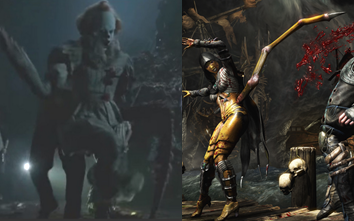


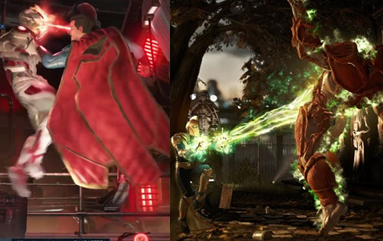
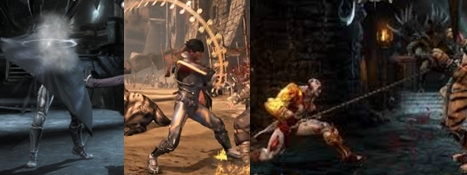
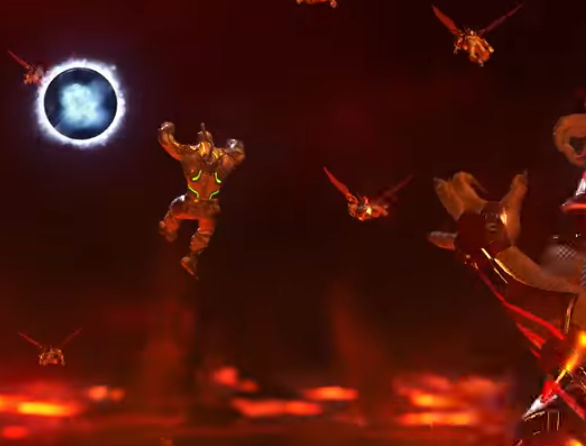
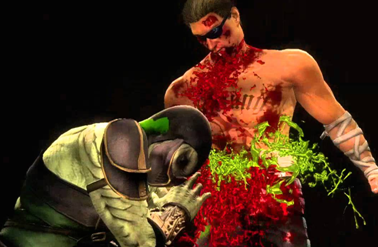


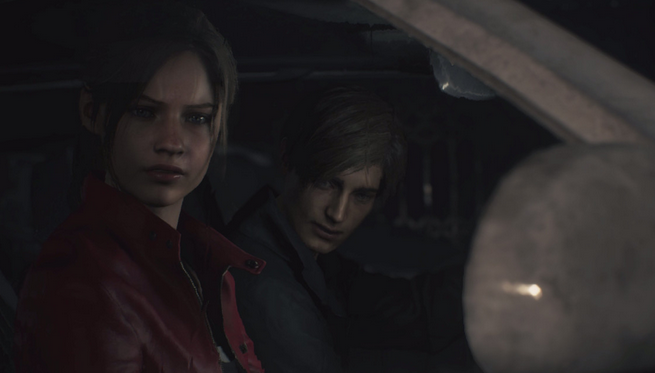
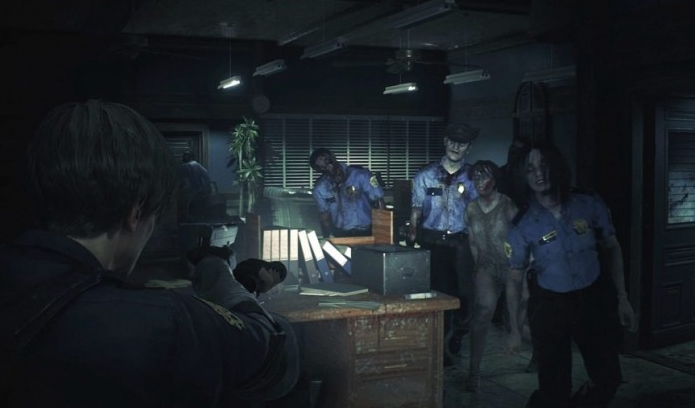
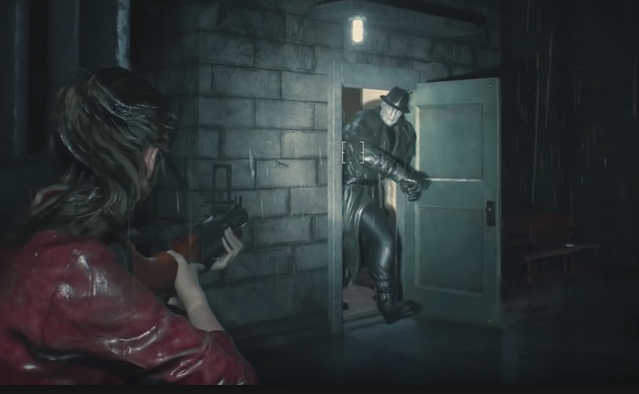
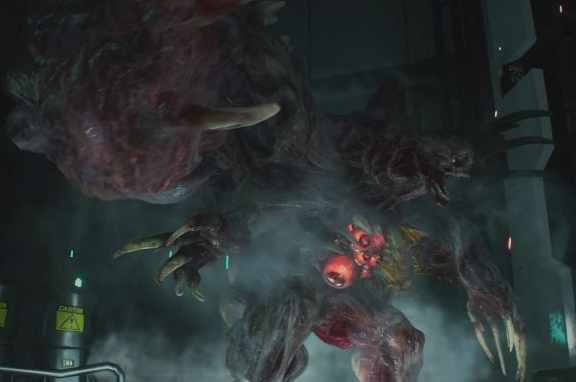
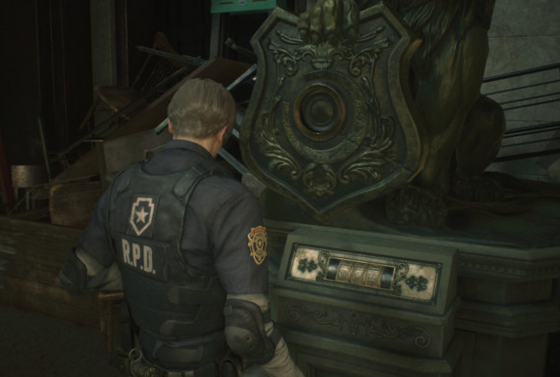
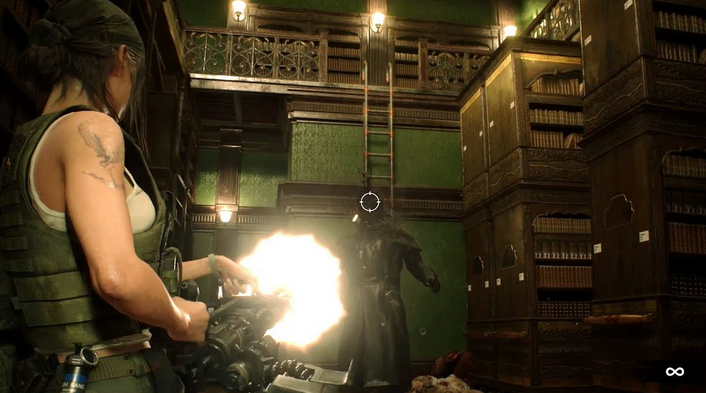




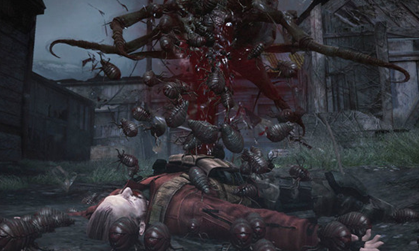


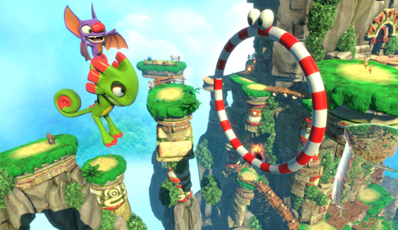
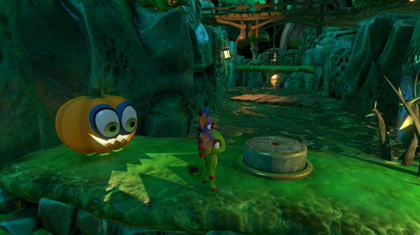
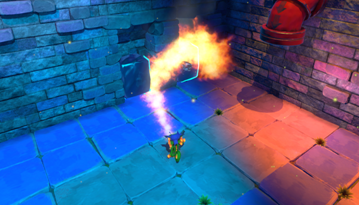

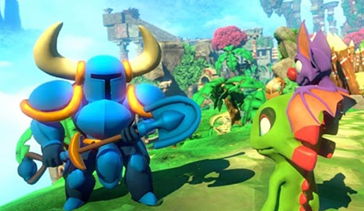
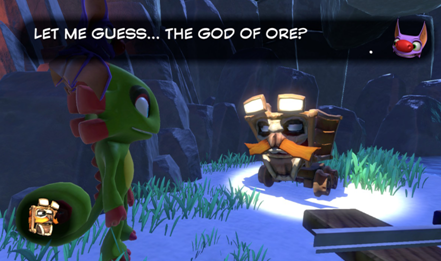
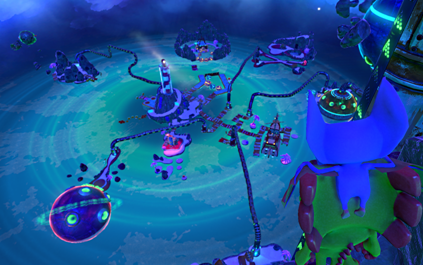

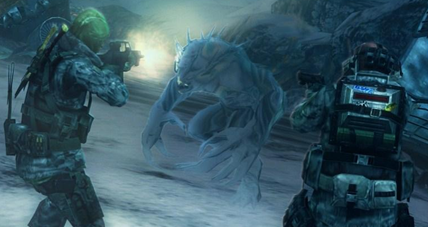
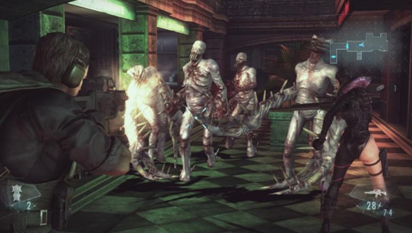
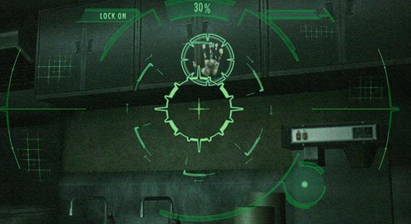
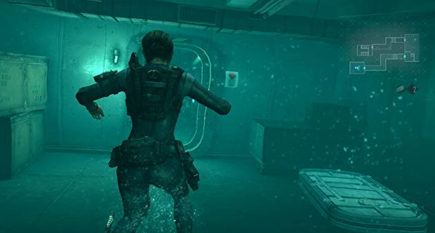
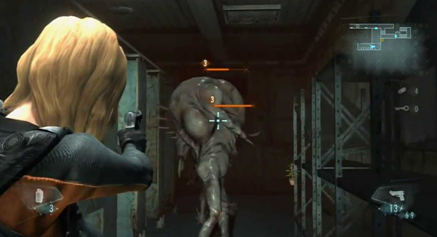
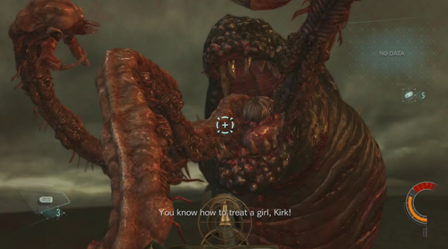



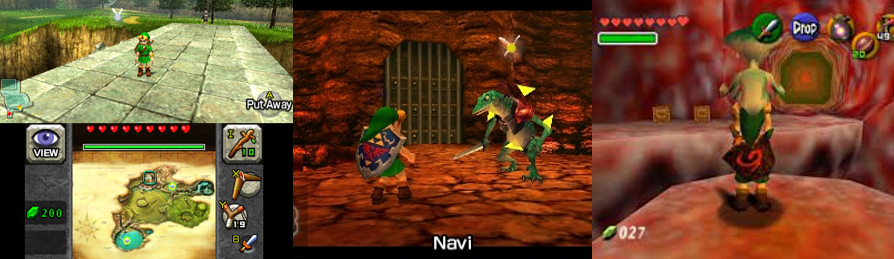
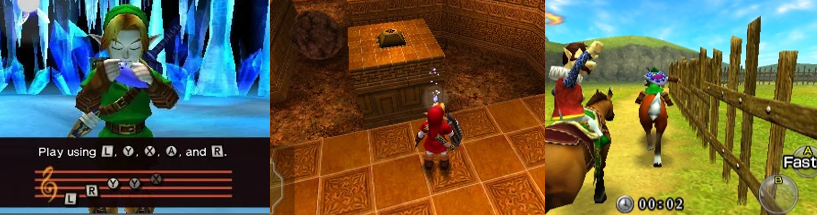
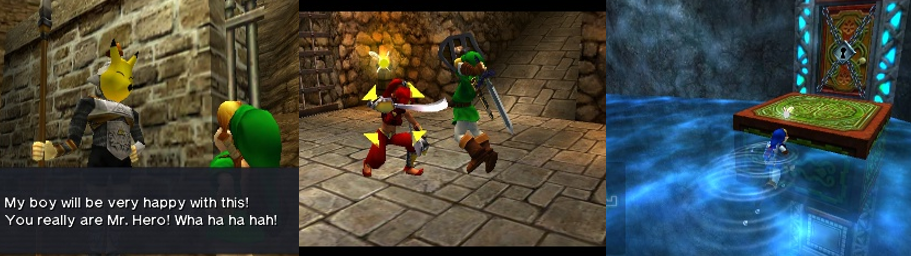
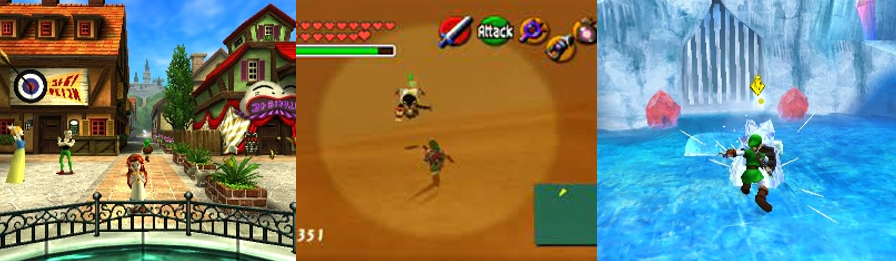
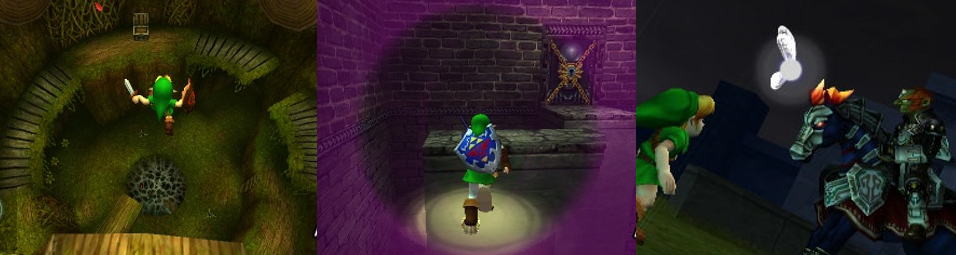
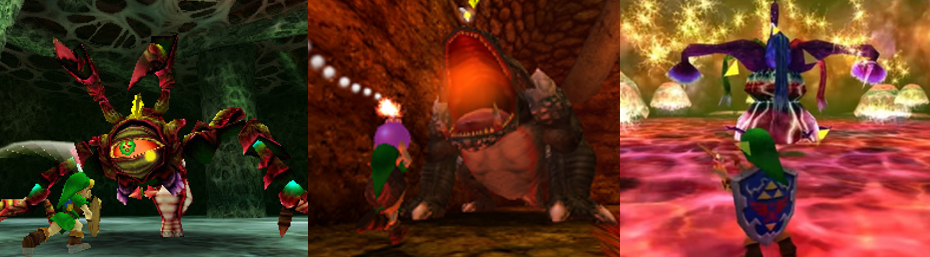
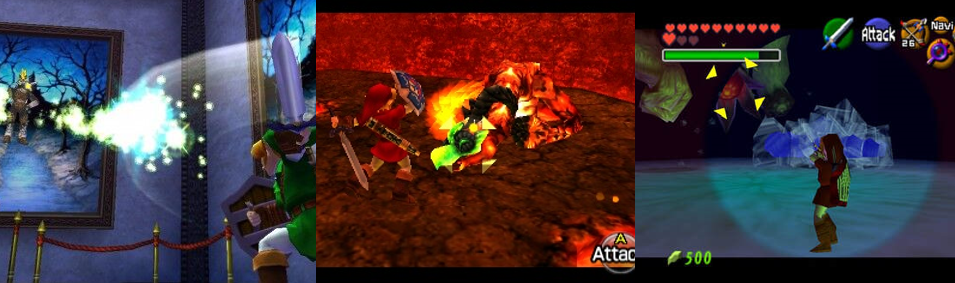
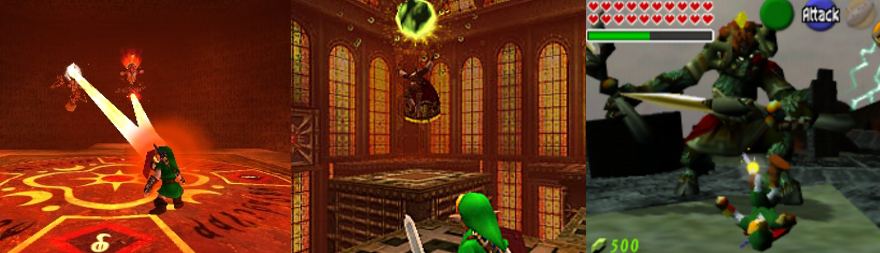
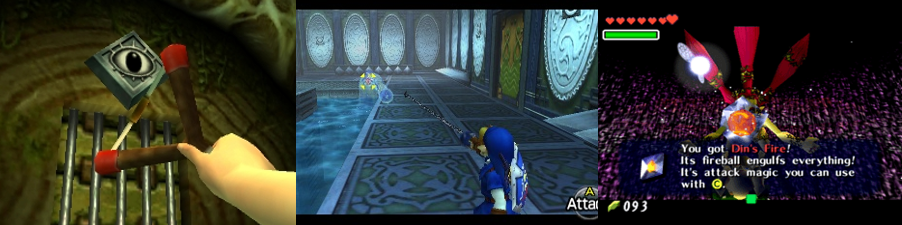
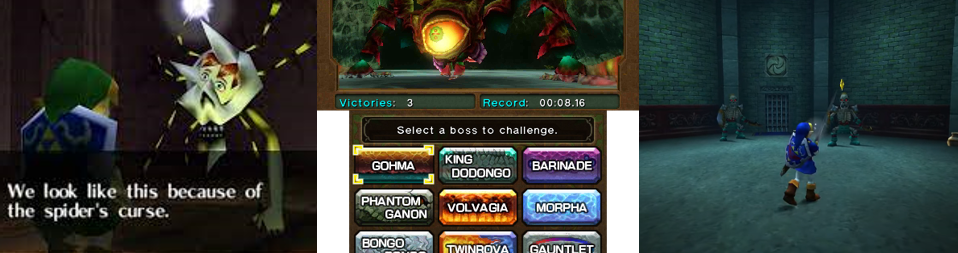


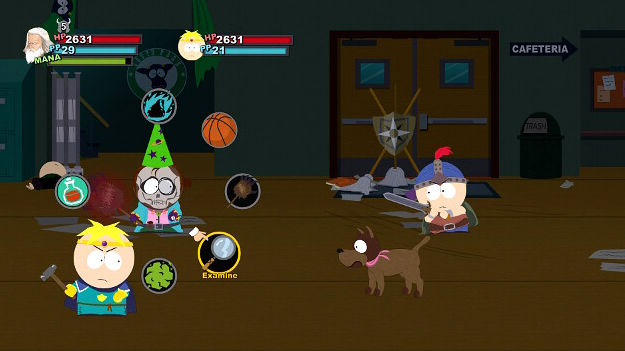


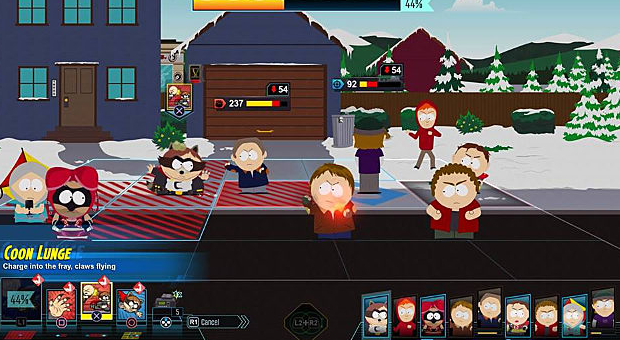









You must be logged in to post a comment.