This review has been supported by Chiara Cooper. If you’d like to support the site, you can do so at my Ko-Fi page.
Released: August 1985 Developer: Atari Games Also Available For: Amiga, Amstrad CPC, Apple II, Atari ST, Commodore 64, DOS, MSX, ZX Spectrum
The Background: In 1981, director Steven Spielberg joined forces with George Lucas and Harrison Ford to bring Indiana Jones to life in Raiders of the Lost Ark (Spielberg, 1981), a critical and financial success that launched one of cinema’s most beloved franchises and expediated Ford’s rise to superstardom. The movies soon led to a wealth of multimedia merchandise, including toys, comic, a spin-off television series, and videogames, beginning with an extremely basic 8-bit adventure for the Atari. Although Spielberg’s sequel, Indiana Jones and the Temple of Doom(ibid, 1984) made slightly less than its predecessor at the box office and attracted controversy for its performances, potentiallyinsensitive cultural depictions, and its darker aspects, it too was accompanied by a videogame. Thanks to a graphically superior version being released in arcades, Temple of Doom was allegedly the first Atari System 1 game to include digitised speech, voice clips, and even John Williams’ iconic music. Seen as a marked improvement over its predecessor, Temple of Doom was also reportedly the fourth-most-successful upright arcade unit of August 1985 in Japan and has been noted as being one of the best videogame adaptations of a movie at that time.
The Plot:Archaeologist and adventure-seeker Doctor Henry Jones Jr., better known as “Indiana Jones” (or simply “Indy”), infiltrates a Thuggee cult to free the children they’ve kidnapped as slaves, recover the mystical Sankara Stones, and defeat the cult’s leader, Mola Ram.
The Review: Anyone who actually makes a habit of reading my reviews will notice that this review is laid out a little differently from my usual ones and there’s a very good reason for that: there’s honestly not enough to Indiana Jones and the Temple of Doom to warrant a more extensive analysis. Considering the accolades it apparently received at the time, I was left very disappointed by the barebones presentation and mechanics offered by the game, which is a simple 2D adventure that takes place entirely in the lava-and-ladder-infested caves of the Thugee cult. Players, obviously, take control of Indy, in an extreme basic control scheme that allows him to whip in multiple directions, including diagonally, but unable to jump. Indy’s whip will only stun the Thugee enemies who relentlessly pursue him, however; to actually kill them, you’ll need to whip an explosive barrel or knock them to their deaths. Luckily, the snakes and weirdo, dinosaur-like bats can be killed but this is a small consolation considering how many enemies swarm you at any one time.
Whip, swing, and explore to reescue the children from their cages.
Upon starting the game, you’re presented with a pretty decent piece of sprite art depicting Indy and one of the game’s handful of voice samples from the film, which are muffled and painfully basic. From there, you select to play with either three or seven lives (which you’d ever pick less is beyond me) and pick from the Easy, Medium, and Hard difficulty setting and are tasked with rescuing several captured children from cages scattered all around the looping screens. Here, you’ll need to run up ladders, avoid slipping from platforms, swing over gaps using your whip, and try not to fall into lava as you rescue the kids and allow access to the minecart that acts as the level’s exit. Unfortunately, Indy is not only extremely limited in his abilities, being unable to jump, duck, punch, or shoot, but he’s extremely fragile, too. One touch from an enemy or spikes will do him in and, while he can drop from small heights, a high plummet will also kill him and the game’s clunky, slippery controls make it very easy to fall to your death and end up being asked to enter your initials on the high score table. Luckily, you’ll be granted an extra life after accumulating a set number of points and the only time you’ll face a time limit is when picking your difficulty setting; however, the amount of kids you need to rescue, and the hazards and enemies you’ll face, increase with each playthrough and it doesn’t matter how many credits you have, once you get a game over you’re done, so I recommend playing on an emulator to make liberal use of save states.
Even if you somehow best the minecarts and acquire the stones, you still have to face Mola Ram…
Gameplay is broken up a bit by two other sections; after reaching the minecart, you’ll race along a track just like in the film, leaning this way and that to avoid dead ends, and using your whip to dispatch enemies or set off explosives. At this, these sections are quite fun but, by the end, they feature such fast-paced, winding, and hazard-filled tracks that I have no idea how you’re supposed to legitimately get past them. After each of these, you’ll need to snag one of the three Sankara Stones from Mola Ram’s volcanic altar. You’ll need to quickly cross a wooden bridge, avoiding the trapdoor that leads to the lava, or swing across from the far ends of the room while fending off Thugee enemies. Once you have all three and conquered one final, vertically inclined cave section with ten children to rescue and more enemies than you can shake a stick at, you’ll reach the wooden bridge from the finale of the film for a final confrontation with Mola Ram. Mola Ram randomly appears during the game’s other stages, teleporting in and sending a flaming heart that is very difficult to hit and follows you around incessantly, and he represents the game’s most frustrating challenge here. Thugee will constantly spawn in from behind as you clunkily cross the bridge, forcing you to quickly whip them to the deaths and then turn the other way to smack Mola Ram’s projectiles out of the air, which requires split second timing and more luck than this game sees fit to gift you. If you somehow do get close enough, a cutscene will play showing Indy collapsing the bridge and you’ll get to play through a bonus round in the cave section where you run, climb, and slide about whipping golden statues for extra points until your lives are exhausted.
The Summary: I was excited to play Indiana Jones and the Temple of Doom; I love old arcade games, and even got to play it in the wild at an arcade place a short drive from where I live. Technically, the game’s presentation is pretty good; sprites are large and colourful, if a bit crude and repetitive, and the handful of environments certainly are faithful to the movie. If you were a fan of anything other than the temple scenes, minecart chase, and the final, though, and characters other than Indy, Mola Ram, and random Thugee cultists, you’re shit out of luck as the entire game is built around these few individuals and locales. The classic Indiana Jones music is barely included, playing only as a celebratory jingle, and the voice samples, while cute, aren’t really worth praising. The main issue with the game is its crippling, unforgiving difficulty; this is another rare arcade game where credits mean nothing, a clearly conscious decision to account for the game’s limitations and short length. Indy is depressingly fragile, crumbling from the lightest touch, and the weird, quasi-isometric perspective our untimely death makes it far too easy to slip from platforms to your untimely death. It’s a shame as Indiana Jones could easily have worked as a fun, mindless run-and-gun (or run-and-whip) adventure, with thrilling minecart chases and button mashing sequences sprinkled throughout. Instead, the developers went for the cheapest, easiest route to force kids to waste their hard-earned pocket money trying to shift Indy’s useless ass around the cave and make blind, near impossible decisions in the minecart, making for a frustrating experience that looks far more appealing than it actually is.
My Rating:
⭐⭐
Rating: 2 out of 5.
Could Be Better
Have you ever played the arcade version of so Indiana Jones and the Temple of Doom? If so, what did you think to it and were you also put off by its unrelenting difficulty? Were you impressed by the visuals and the voice samples? What did you think to Indy’s limitations and vulnerability? Did you enjoy the minecart and Sankara Stone sections and were you ever able to best Mola Ram? Which Indiana Jones videogame is your favourite and why? Whatever your thoughts on Indiana Jones and the Temple of Doom and classic arcade games, feel free to share them in the comments or on my social media.
This review has been supported by Chiara Cooper. If you’d like to support the site, you can do so at my Ko-Fi page.
Released: 1991 Developer: Data East Also Available For: Amiga, Amstrad GX4000, Atari ST, Commodore 64, Game Boy, Nintendo Entertainment System (NES), ZX Spectrum
The Plot: Detroit is being over-run by gangs, crime, and corruption thanks to the machinations of Omni-Consumer Products (OCP) and only cybernetic police officer RoboCop can hope to maintain law and order on the city streets.
Gameplay: Like its predecessor, RoboCop 2 is a 2D, sidescrolling action shoot-‘em-up in which players once again assume control of Alex Murphy, cybernetic police officer RoboCop, and are tasked with cleaning up the streets of Detroit. Much like every RoboCop title I’ve ever played, RoboCop remains a sluggish, clunky, and awkward playable character. The controls couldn’t be simpler; you move RoboCop left and right with the joystick and can fire his iconic Auto 9 either directly ahead or directly behind him, allowing you to blast at enemies quickly and efficiently (though I did have some trouble remembering which button corresponded to which direction, and you can’t just hold down the fire button like in other run-and-gun games). RoboCop can’t duck but he can still haul his metal butt into the air to jump; thankfully, you won’t be required to do any kind of platforming and this is purely to allow you to hit certain bosses in their weak point with a “Jumping Shot” since you can’t aim your Auto 9 in any direction but the one you’re facing.
RoboCop must blast away thugs both horizontally and vertically, and chase them down on his bike.
You’ll have to contend with quite a few onscreen enemies at once, as well as a time limit, but each credit you enter will give you two lives and RoboCop is far more durable this time around. When enemies get up close, RoboCop will unleash a few piston-like punches and toss them away, which is super useful not just for clearing enemies off you but also dealing damage as enemies can take quite a few shots before going down but seem weaker to your melee attacks. You won’t really have to worry about anything except battling your way ever onwards, no matter how different the environment around you gets; you’ll occasionally get to fire at barrels or crates for power-ups or smash through pipes and doors, but I found these often just blinked out of existence rather than exploding. Gameplay is mixed up a little bit with a brief instance where you must frantically mash the fire button and waggle the joystick to overpower a car and, more consistently, when the perspective shifts to a vertical shooter and you have to pick off goons when they pop out from behind columns like a shooting range and in first-person bonus stages where you’re riding on a motorcycle or in a car for a bit of rail shooting.
Graphics and Sound: One area where RoboCop really takes a hit is in the sprite work; sure, RoboCop and the enemies he encounters are much bigger and more detailed than in the last game, but they’re lacking in personality and animations. There might be a few voice samples from the films included but RoboCop doesn’t have an idle animation anymore; he just stands there like a statue until you get him plodding along. He’ll twirl and holster his Auto 9 after clearing a stage, which is all very well and good but, ironically, he only seems at his most alive when he’s being knocked down or killed. He scrambles to his feet and is rendered a smouldering mess of limbs upon death, which is a nice touch, but sadly this kind of detail is missing from his active sprite.
Sprites and environments are big, detailed, and accurate but lack animation and personality at times.
Thankfully, the recognisable bosses and areas from the movies fare much better in this respect; you start off on the graffiti-stained wreckage of the Detroit streets, passing behind wrecked cars and battling through the arcade past arcade machines and an air hockey table and into the Nuke production factory, and eventually end up at the OCP building. Like the gun shop and the Nuke factory, this area is ripped straight from the movie (it even has the little model of Delta City in the background) and you’ll battle through its hallways, up a lift, and fall from the rooftop to the streets below just like in the movie’s finale. Various pixelated shots from the movie are incorporated into the game’s opening sequence and the title screen, though the ending is related using only simple text; however, if you’re playing the Japanese version of the game, you’ll be treated to a pixel-art recreation of the first film that plays before and during a whole new opening stage that recreates RoboCop’s showdown at OCP headquarters from the end of that movie.
Enemies and Bosses: Detroit’s finest scumbags are out in force in RoboCop 2; these mohawk-wearing punks initially attack with knives and guns but are soon busting out axes and large mallets to pummel you with. They’ll also race around on motorcycles, sport some nifty karate moves, and whip out heavier ordinance when you reach the gun shop. Soon, you’ll match wits with OCPs security droids, have arcade machines tossed at you, and be shot at by laser rifles and rocket launchers. Punks will also take shots at you from the backs of vans and from helicopters in the rail shooter sections, and you’ll find the enemies get mixed and matched as you reach the end of the game.
Despite Cain having a gang of thugs in the movie, they don’t really show up as the game’s bosses.
Each stage ends in a boss battle that’s made all the more tedious by the fact that each once can absorb a great deal of damage before being put down. Even the first stage boss, which is just a frog-footed motorcycle thug swinging a chainsaw around, doesn’t go down easy, and things quickly escalate when you come across a goon in a mechanised suit. This bugger flies around dropping mines everywhere and blasting at you with a machine gun and missile launcher, and even crops up again later in the game for a rematch; be sure to shoot at the pilot when he ejects, if only for a bit of catharsis. In the Nuke factory, you’ll encounter some mutated enemies clearly inspired by the first film’s “Melting Man” effect, and even battle a monstrous version of Catzo after dunking him in a vat of the stuff. You’ll also have to contend with a massive hopping cannon than leaps about the place blasting at you with its main weapon, tosses grenades at your head, and fires a machine gun at you. While you won’t take damage if you touch it and the main cannon can be put out of commission, it’ll become more erratic and aggressive when near defeat.
Battle ED-209 and then take on your would-be replacement in a multi-stage battle!
When you get to the OCP building, you’ll finally face off against one of the franchise’s most memorable foes, the Enforcement Droid 209/ED-209. Of course, you initially battle against this in the prelude in the Japanese version, but both battles are the same; you must avoid ED-209’s machine gun fire and missiles and shoot at its big domed head with your jumping shot. This is all you really need to worry about as ED-209 doesn’t really move that much or have other attacks but, while you’ll employ the same strategy against RoboCain, you’ll find this final boss much more formidable and mobile. First, the battle against RoboCain takes place over three phases; in each phase, RoboCain gains more health and adds additional attacks to its arsenal. At first, RoboCain plods about blasting at you with its machine gun arm and swiping at you with its metallic talon, then it gains its extending arm attack and flails its arms around like a whirlwind, and then it attacks with its electrical claw up close and fries homing missiles at you. When you crash to the ground outside the OCP building, RoboCain will lose some of its armaments the more your pour on the attacks, eventually crumbling to its knees and leaving itself wide open for RoboCop to rip its brain out and end its threat once and for all.
Power-Ups and Bonuses: Health is extremely scarce in RoboCop 2, but you can occasionally grab pills to refill your health bar. Your main in-game upgrade, however, will be the additional, extremely temporary weapons you can grab here and there as you battle through each stage. You can grab such state-of-the-art bang-bangs as the Cobra Assault Cannon, a mini gun, and a bazooka, all of which deal heavy damage but are only good for a few shots before you lose them, which is extremely disappointing.
Additional Features: Your main reason to replay RoboCop 2 will, of course, be to beat your high score. However, the game can be played in two-player co-operative mode, with player two taking control of a blue chromed RoboCop for twice the action. As mentioned, the Japanese version also features an additional opening stage so it’s probably best to play that version of the game so you can wring a little more game time out of it.
The Summary: RoboCop 2 is very similar to its predecessor in a lot of ways; it remains a simplistic, action-packing shoot-‘em-up with a little variety thanks to the first-person and vertical shooter sections. While RoboCop is far more durable this time around, so are his enemies and, although there’s far less onscreen hazards to have to worry about, RoboCop remains as unwieldy as ever. The game features some nice big, detailed sprites and environments that are ripped straight from the movie, but the lack of personality and animation frames makes it all the clunkier to play. It’s a decent enough way to spend about forty minutes of your life, but it really doesn’t bring anything new to the table and is, in a way, a little less appealing than the first game due to the lack of enemy variety and entertaining action sequences. RoboCop 2 just about saves itself with an impressive amount of attention to detail, especially in recreating the brawl between RoboCop and RoboCain, and the additions found in the Japanese version absolutely make that the definitive version of this game, but you’re not really missing out on much if you skip this one or only play about ten minutes of it.
My Rating:
⭐⭐⭐
Rating: 3 out of 5.
Pretty Good
Did you ever play RoboCop2 in an arcade? Which RoboCop videogame is your favourite? Would you like to see a new RoboCop game; if so, what genre do you think would best fit the source material? Which RoboCop movie is your favourite? Either way, leave your thoughts about RoboCop2 below, or drop a comment on my social media.
Sonic the Hedgehog was first introduced to gamers worldwide on 23 June 1991 and, since then, has become not only SEGA’s most enduring and popular character but also a beloved videogame icon and, in keeping with tradition, I will be dedicating the entire month to celebrating SEGA’s supersonic mascot.
This review has been supported by Chiara Cooper. If you’d like to support the site, you can do so at my Ko-Fi page.
Released: 20 June 2013 Originally Released: 22 September 1995 Developer: SEGA Original Developer: Aspect Also Available For: Game Gear, Gamecube, PC, PlayStation 2, PlayStation 4, PlayStation 5, Xbox Series S/X, Xbox One
The Background: Thanks to SEGA largely ignoring them these days, many people forget that Sonic’s iconic and much-lauded Mega Drive titles were accompanied by a fair few videogames for their 8-bit consoles. The 8-bit versions of Sonic the Hedgehog (Ancient, 1991) and Sonic the Hedgehog 2 (Aspect, 1992) were considerably different from the 16-bit counterparts, featuring entirely different Zones, gameplay gimmicks, and features, and this continued to Sonic’s other8-bit titles, which tended to be more experimental compared to the mainline games. This is best evident in Sonic’s long-time kid sidekick, Miles “Tails” Prower , getting a few spin-off titles of his own, with this particular game facing criticism upon release for its slower pace and only really finding its fans later in life as retrospective reviews appreciated the role-playing elements of the game, though the back-tracking and inventory management was seen as a downside. Since Tails Adventure was a Game Gear exclusive title back in the day, I didn’t play it until it was featured in Sonic Adventure DX: Director’s Cut(Sonic Team, 2003) and, even then, I never actually sat down and put effort into playing through it until I picked up this Nintendo 3DS port of the game.
The Plot: Before Tails met Sonic the Hedgehog, the two-tailed fox cub used his various gadgets and inventions to travel across Cocoa Island to liberate it from the Battle Kukku Empire, an evil empire that sought to conquer the world using the legendary Chaos Emeralds.
Gameplay: Tail Adventure (oddly referred to as “Tails Adventures” in-game) is a 2D, sidescrolling action/adventure game that emphasises slow-paced exploration and backtracking, making it more like a “Metroidvania” style game than a high-speed platformer. Players are placed into the role of cute little two-tailed fox Tails, who plods along a number of fairly samey island environments tossing bombs, acquiring new gadgets, and using his twin tails to fly to new areas. Although you don’t have to contend with a time limit when playing, Tails’ flight is restricted by a meter, which drains the longer you fly; rather than tapping A to gain height, this will cancel the flying state so you need to use up on the directional pad (D-pad) to get higher and you can extend your flight meter by finding the six Chaos Emeralds across the game’s stages. The B button sees you make use of your currently equipped item; Tails starts off with a regular bomb, which can be tossed when standing still or dropped when flying, but can carry up to four at once and you can switch between them from the pause screen by pressing left or right on the D-pad. Tails can look up and duck down to scroll the screen vertically, which is useful for spotting enemies just out of sight or spikes, and can even toss bombs while ducking to take out smaller enemies. He will also automatically clamber up small ledges and walls when near to or jumping to them, but his default walking speed is incredibly slow and you’re not able to perform signature Sonic moves like the Spin Dash or Super Sonic Spin Attack without a specific gadget.
Tails embarks on his own solo adventure with his trusty bombs and helicopter tails.
As ever, Golden Rings are your life source; however, this time around, you lose a certain number of Rings depending on how you take a hit and they act more like traditional hit points in a role-playing game. You can pick up Rings from defeated enemies or find them either lying around a level or behind destructible walls and they’ll respawn when you leave the area, allowing you to farm them if need be, and Chaos Emeralds will also increase your maximum Ring count. Once you clear a stage (each of which is generally comprised of about three different screens with different paths accessible by your different gadgets and skills and capped off with a boss battle), Tails can navigate across Cocoa Island using a map screen. From here, you can jump back to Tails’ House at any time to swap out your gadgets, review your password (necessary to continue your game when you get a game over), or kit out Tails’ submarine, the Sea Fox. When in the Sea Fox, the game becomes a sidescrolling shoot-‘em-up of sorts as Tails explores new areas underwater, blasting at enemies and blocks with missiles and mines to reach new areas on and around Cocoa Island. Like Tails, the Sea Fox can be equipped with up to four different gadgets but it also comes with a drill appendage to plough through walls, though you’ll need to manually turn the submarine around with the A button, which can be a bit clunky.
Hop in the Sea Fox and explore your environments to find new gadgets and solve puzzles.
The bulk of the game is focused on exploration; at first, you’re somewhat limited to where you can go and will be teased by upgrade pods and areas of each stage that you can’t reach yet. Tails can blow through blocks and walls, push rocks and springs to climb and get higher, and often has to contend with blasts of wind that either hold him down, push him back, or blast him upwards. Many stages are rife with spikes, fireball-spewing lava pits, or in pitch black darkness, requiring careful navigation or new gadgets to get through; others are slightly maze-like and contain multiple exits, with some depositing you back on the map screen rather than advancing you forwards. Each time you get a new item or gadget, it’s worth equipping and experimenting with it to see how it might open new paths to new upgrades or stages in places you’ve already explored, and this is actively encouraged as it’s the only way to complete the game. You’ll be revisiting many areas but especially returning to Lake Rocky as you upgrade the Sea Fox, and a number of stage hazards will slow you down; you’ll have to redirect conveyor belts with your wrench, blow through walls with your bombs or napalm, dodge missile turrets, press switches to lower electrical barriers, and send your little Remote Robot through small gaps to grab items or solve puzzles. Occasionally, you’ll need to perform some tricky platforming, often with enemies hovering right in the way, making your way upwards on drafts of air and watching for ceiling spikes; other times, you’ll be hopping around on rapids and being blasted around under water (with no fear of drowning, thankfully), and returning to Tails’ House again and again if you get halfway through a stage and realise you don’t have the right item equipped (though there is a teleporter than makes this much faster than going back through the whole stage).
Graphics and Sound: If you’ve played any of the other 8-bit Sonic videogames, Tails Adventure will look and sound very familiar to you; many of the sounds (such as Ring collection and boss hits) are recycled from those games and the music is right in line with the jaunty chip tunes of those often overlooked titles. While the heads-up display is very sparse, even for an 8-bit Sonic title, the game does suffer from noticeable slowdown when there’s a lot happening onscreen. Not only does the game include include the signature “SE-G-AA!” jingle during the opening and a brief opening sequence in which Tails and Flickies are panicked by the Battle Kukku Empire, other cutscenes play when bosses appear or when Tails hops into the Sea Fox. Tails also has a cute idle animation where he digs in the ground or fiddles with his wrench, his flying sprite changes and becomes more dynamic as his meter increases, and he even has a pretty spectacular death animation that sees him sent flying.
While the environments can be a bit bland, the sprites and animations are pretty good.
There are twelve stages in Tails Adventure, though many are quite similar, with recycled foregrounds and sprite elements being recoloured and shuffled about. There are some interesting visuals considering the limited hardware, however; Volcanic Tunnel is full of flickering fire, and lava pits, and Cavern Island is beset by water rapids. While the second part of Polly Mountain is similar to Volcanic Tunnels except requiring the Night Vision item to cope with the darkness, the first part is very vertical, with a pretty impressive landscape in the background and gusts of wind to contend with. Green Island sees you venturing through hollow trees, Caron Forest has a big waterfall in the background, vines hanging down, and tree trucks as bridges. When in the Sea Fox, you’ll explore underground coral reefs and hop around on rapids above water as you blast at enemies and, after conquering all of the main stages, the Kukku Empire’s Battle Fortress rises from the map and you end up exploring a purely mechanical location that recalls classic Sonic stages like Scrap Brain Zone.
Enemies and Bosses: The Battle Kukku Empire is made up of heavily-armed birds and robotic enemies not unlike Doctor Eggman’s Badniks; the Battle Kukku Empire’s birds pilot little hover pods and mechanical walkers, firing projectiles or flamethrowers at you, or fly around dropping bombs on you. Smaller ones can be harder to hit and move a lot faster, quickly being spawned in from gates, and the Kukkus will pilot their own submarines and even snipe at you from behind the environment by the end. You’ll also have to contend with robotic bats and mice, but probably the worst enemy in the game is a simple beehive that keeps spawning in bees until you destroy it, which causes the queen to pop out and chase after you, so it’s best you use your Napalm Bomb to quickly dispatch these little buggers.
A number of mechanical bosses will test your bomb-throwing prowess.
There are eight bosses to contend with throughout Tails Adventure, with one fought twice and some new upgrades being acquired after defeating them, and the first one you’ll battle with is the Bird Walker amidst the flaming background of Poloy Forest. This is a pretty simple boss that stomps and hops towards you and tries to fry you with its flamethrower; you can toss your bombs at it, or fly over it and drop them, but it’s worth noting that it can also shoot flames from behind. At the end of Cavern Island, another mechanical boss awaits: Mecha Golem (5-gou), which attacks with a swinging arm, causes boulders to rain from the ceiling, and takes a few more hits to destroy as you have to first blast off its cockpit to expose the pilot, and then continue attacking to finish it off. A similar boss is faced at the end of the Volcanic Tunnel; entirely stationary, it sits there firing a whole mess of projectiles at you. Some of these can be destroyed and you can avoid others by flying behind it and attacking the cockpit, but this was actually the most difficult boss in the game for me because of the sheer number of projectiles onscreen and the slowdown they caused. After finally getting the Sea Fox upgraded, you’ll encounter the Kukku Cruiser in Lake Rocky, which is a pretty simple and non-threatening boss battle as you simply avoid the depth charges it drops and unload on it with your Anti-air Missile until it goes down in flames.
The Battle Kukku Empire’stop dogs offer some diverse challenge.
The Battle Kukku Empire’s executives are somewhat more memorable boss battles; the first one you face is Battle Kukku XVI (or “Speedy”), a green rooster who initially confronts you on Polly Mountain in what amounts to a race. While you can throw bombs at Speedy and it registers as a hit, you’re actually supposed to avoid him (and the ceiling spikes) as you fly up without the restriction of your regular meter. Speedy will dart down at you like an arrow and can be tricky to avoid but gives up a Chaos Emerald once you reach the top. You’ll fight him properly on the Battle Fortress at the end of the game, however; this time, Speedy travels around the arena and fires a big projectile bolt at you. You need to anticipate where he’s going to appear or come around next and toss a bomb at him before quickly dodging his projectile and being hit by him as he barges past you, which can be tricky. Doctor Fukurokov also awaits on the Battle Fortress, though you don’t battle him directly; instead, he drops you into a mechanical arena full of lasers and spikes but these won’t harm you as you’re directing your Remote Robot through a narrow maze and having it drop a rock on the doc’s head. Finally, after besting Speedy, you’ll fight with the final boss, Great Battle Kukku XV; this large bird grabs and throws you if you get too close and tosses bombs at you. While you can fly over these, and him, to avoid many of his attacks, he becomes much more aggressive as you deal damage, spewing out bombs and walking across the arena to make himself a more difficult target to hit.
Power-Ups and Bonuses: To begin with, Tails is quite limited in his abilities; he can throw a regular bomb and replenish one Ring of his health with each Golden Ring he picks up, but he won’t become more versatile without exploring high and low for Chaos Emeralds to increase his flight meter and maximum Ring count and acquire additional gadgets to progress further and increase his attack repertoire. Tails can acquire new bombs that help him progress in different ways; the Remote Bomb can be rolled through small gaps and remotely triggered to destroy anything blocking your progress, the Large Bomb destroys all onscreen enemies and bigger obstacles, the Napalm Bomb sends a burst of flames out for wide coverage and to get past dense grass, and the Triple Bomb sends a spew of explosions out. You can also acquire Night Vision goggles to light up dark areas, Speed Boots to dramatically increase Tails’ walking and flying speed, a Hammer for a close-range attack, and a Helmet to deflect enemy projectiles.
Tails has a variety of gadgets and upgrades available to him to help him fight and progress.
Tails can use his Wrench to reprogram conveyor belts, teleport back to his house with the Teleport Device to save you backtracking, and lift heavy objects with the Super Glove while the Item Radar helps you find hidden items and the “Raido” lets you change the in-game music, Probably Tails’ most useful item is the Remote Robot, and indestructible little robot that you can direct, hop, and fly through narrow passageways to solve puzzles, and you can also grab Sonic, Fang, and Knuckles items to perform a Spin Attack, increase your chances of finding Rings, and punch enemies, respectively. The Sea Fox can also be upgraded with new weapons, such as mines and Anti-air Missiles to clear enemies or blocks below and above you, respectively, and the Vulcan Gun and Proton Torpedo to shoot down enemies in front of you. You can speed yourself up, gain the ability to jump up rapids by holding A and releasing it at peak charge, destroy all onscreen enemies with the Spark, and use Extra Armour for an invincibility that protects you until you leave the current screen.
Additional Features: There are six Chaos Emeralds and a total of thirty-four gadgets to be found in Tails Adventure. While you’ll naturally come across many of these, especially the ones that are necessary to progress, others are more hidden and optional. When you finish the game, you’ll be told your percentage of items found, but it appears as though you can’t return to your cleared save file as selecting ‘Continue’ simply restarted the game for me. Naturally, this 3DS version of the game allows you to save at any point with its save state feature, but you can also apply borders to the game, including a Game Gear border to recreate the original gaming experience.
The Summary: Although I never owned a Game Gear growing up, Tails Adventure has been on my list for a long time. I’ve dabbled with it, generally on Sonic Adventure DX: Director’s Cut, but never actually sat and properly played it until now. It’s definitely a curio amongst Sonic’s vast library of videogames and obviously very different from its mainline titles. That’s not necessarily a bad thing, though; if you like Metroidvanias then there’s a bit of that flavour here, if maybe a little dumbed down for kids. The game has a very slow, deliberate, whimsical pace, feel, and aesthetic to it that makes it very visually appealing, if not necessarily too challenging or action-packed. It can be tricky and an obstacle to try and figure out what gadgets you need to progress and which stages to revisit and when to get everything you need, and a lot of the environments are a bit bland and repeated, but it was fun discovering new pick-ups and upgrades for Tails and his cool little submarine. I enjoyed how it wasn’t just Dr. Eggman and his Badniks and that the villains were visually interesting and quirky and I’d love to see the Kukku Empire crop up again in a videogame some time. Tails fits this genre of videogame very well so I could totally see this getting a revisit or a new coat of paint similar to Captain Toad: Treasure Tracker (Nintendo EAD Tokyo, 2014) if SEGA ever actually decided to dust off their sadly forgotten 8-bit titles. With some fun, cartoony sprites, a variety of interesting weapons to and secrets to find, and some wacky boss battles, Tails Adventure more than makes up for it slack of challenge and the limitations of its hardware with its presentation and tight gameplay.
My Rating:
⭐⭐⭐
Rating: 3 out of 5.
Pretty Good
Are you a fan of Tails Adventure? Did you enjoy the emphasis on exploration and item usage as opposed to high-speed adventuring? Which of Tails’s gadgets was your favourite to use? What did you think to the Battle Kukku Empire and their quirky bosses? Did you ever own this on the Game Gear or did you play it in a later compilation or port? Would you like to see the Sonic franchise dabble in other genres using their many characters such as this? Whatever your thoughts on Tails Adventure, leave them below or drop a comment on my social media and be sure to check out my other Sonic content!
Throw on your proton pack and get ready to bust some ghosts because June 8th is, officially, “Ghostbusters Day”! Ghostbusters (Reitman, 1984) was first released on this day back in 1984 and, since then, has become a majorpopculture franchise that includes comic books, a popular cartoon and line of action figures, and videogames and it is, easily, one of my favourite films and franchises from that era.
This review has been supported by Chiara Cooper. If you’d like to support the site, you can do so at my Ko-Fi page.
Released: 30 June 1990 Developer: SEGA / Compile
The Background: Ever since Ghostbusters was released and became a bighit, the concept of four somewhat-bumbling New York parapsychologists snagging troublesome spirits has developed into a pretty significant franchise. We’ve had the under-ratedsequel, a questionablereboot, and a decent enough modern follow-up, a couple of popular cartoons, a whole slew of action figures and comic books, and, naturally, videogames. The first Ghostbusters-branded videogame was a multi-platform release from Activision that was a huge success despite being wildly different across each home console and containing humourous grammatical errors. Although the much-loved cartoon spin-off failed to replicate its success at the arcades, Japanese developer Compile made up for this with a much-sought-after Mega Drive title in 1990. The game, which was oddly missing Winston Zeddemore from its roster, was largelypraised for its graphics and addictive gameplay, but criticised for its music and sound design. Although ranked highly among Ghostbusters videogames, the Mega Drive title is also seen as one of the strangest titles in the franchise for its unique art style and gameplay mechanics.
The Plot: After saving New York City (and the entire world) from Zuul, business is slow for the Ghostbusters. However, when ghosts and ghouls rise again, the three supernatural exterminators rush to help (and earn some cash in the process) and solve the mystery of an ancient stone tablet.
Gameplay: Ghostbusters is a 2D, sidescrolling run-and-gun with light platforming elements and an emphasis on exploration, purchasing upgrades, and choosing which missions to undertake. Players can pick from one of the three Ghostbusters, and there are slight differences between each character: Doctor Peter Venkman is the allrounder, with normal speed and stamina; Doctor Ray Stanz (referred to as “Raymond”) compensates for his slow speed with a higher stamina; and Doctor Egon Spengler is fast on his feet but has less health than his fellow Ghostbusters. In this case, I guess it makes some sense to leave Winston out of the game as his stats would inevitably mirror one of the others, but it’s still a kick in the teeth that all four Ghostbusters aren’t playable. Despite the fact that Ghostbusters was very much an ensemble movie and focused on the camaraderie between the main characters, the videogame is a single player experience, and once you pick a Ghostbuster, you can’t switch to another one mid-way through the game.
Explore a number of locations zapping and trapping ghosts to earn cash.
Regardless of which Ghostbuster you pick, the game’s primary controls and mechanics remain the same; pressing A will see you toss one of your limited supply of bombs to deal damage to or defeat enemies, B will fire your current weapon from your proton pack, and C allows you to jump. Oddly, you cannot change these controls, which is a bit of a shame as I’d much rather have A be fire, B jump, and C throw bombs but it’s not too difficult to adapt to the controls. Pressing Start brings up the game’s inventory screen, where you can select a different weapon, activate a shield, use items such as food or the infrared scope, and view the grid-like map. The map gets coloured in as you explore and will give you a vague idea of where the “middle ghosts” and bosses are in each level, but it’s a very barebones map screen not unlike those seen in the early Metroid videogames (Various, 1986 to present). The heads-up display (HUD) will show your stamina (basically your health bar), proton pack energy, remaining lives, the number of bombs you have left, and how many ghosts are left for you to catch in the stage you’re in. When you start the game, you can pick from one of four different locations in New York City; each building has a different number of spooks that you need to catch and will net you a different cash pay-out, and basically the amount of money you can earn determines how difficult the stage will be. Once in the location, you need to seek out the ghosts and try to catch them; along the way, you’ll encounter some basic enemies that’ll you need to blast and hazards to avoid or hop over. The Ghostbusters can fire while moving and shoot both upwards and diagonally, which is extremely helpful; they can also crouch through small gaps and vents and swim without worrying about drowning. Your goal is to “encounter” the stage’s resident ghosts, which act as sub-bosses; once the ghost has been defeated, its spirit will float around the immediate area and you’ll have to hold down fire button (or tap it, it’s not very clear) to snag the spook in your proton stream and try to drag it over the ghost trap to capture it. If you manage to do this (and it’s easier said than done sometimes), you’ll see some of your health and energy restored and get a cash bonus; if you fail, either due to running out of energy or taking too long, the ghost will run away and you’ll lose out on these bonuses.
There’s some freedom to level and item selection, and the difficulty shifts accordingly.
However, you don’t actually need to capture these ghosts in order to progress; you just need to battle and defeat them and tick them off in the HUD in order for the boss ghost to appear on the map. You can freely navigate your way back to the start of the stage to exit back to the Ghostbuster’s headquarters and purchase additional health, items, and gear if you need to and you’ll have a limited number of continues at your disposal to carry on playing if you lose a life. The game can be played in either Easy, Normal, or Hard mode; I played on Easy and had nine continues, but I imagine the harder modes limit your continues (possibly your lives as well) and potentially make enemies more aggressive. Enemies will respawn when you leave the screen, or sometimes when you hang around too long, and you’ll encounter such hazards as spikes, lava, limited visibility due to lack of lighting, swinging axes, and projectile-spitting barriers that block your progress. Thankfully, there’s no time limit to worry about so you can take your time exploring each location, and you’ll need to search all over to track down the ghosts and figure out how to progress further. This can be confusing at times, thanks both to the map and how familiar some of the stages are laid out and appear, and the screen sometimes doesn’t scroll up fast enough for you to see temporary platforms or ladders that lead to a new area or the final boss. There are also no checkpoints in the levels so, if you exit or lose all your lives and have to continue, you’ll have to play through the entire stage from the start again but, on the plus side, you won’t have to capture the middle ghosts again.
Graphics and Sound: I’ve played the 8-bit Ghostbusters videogames, and the arcade shooter, and I have to say that I have long been intrigued by screenshots and gameplay footage of this title. The game immediately stands out by utilising a charming chibi-style aesthetic than compresses the characters down to squat, cartoonish sprites with comically oversized heads! This gives the Ghostbusters a great deal of personality and expression, especially when hit, dying, or left idle; you’ll even see their breath in the frozen apartment stage, and you’ll be treated to a 16-bit rendition of the iconic Ghostbusters theme alongside some jaunty and catchy tunes to keep you invested in even the more uninspiring locations. While the bog standard enemies aren’t much to shout about, the sub-bosses and bosses are extremely creative and unique in terms of their appearance; the game even includes some fun homages, such as a giant man-eating plant not unlike Audrey II (Levi Stubbs, et al) from Little Shop of Horrors (Oz, 1986), alongside familiar enemies like Slimer and the Stay Puft Marshmallow Man.
Though the locations are a bit bland, the sprites are comical and expressive and the story’s told well.
Indeed, Mister Stay Puft will be a constant presence in the high-rise building stage, leering in through windows and punching through the background as you progress upwards. The game’s main four stages are all quite similar in terms of their basic layout, containing doors to pass through, ladders to climb, and spikes to avoid, but the more profitable stages are noticeably bigger and more maze-like. The “Home Sweet Home” stage is a haunted mansion that just about separates itself from the high-rise building with dining tables and falling (and candle-tossing) chandeliers; the apartment stage grows increasingly frozen as you progress, with falling icicles dropping from above (but, thankfully, you don’t have to worry about the ground being slippery); the woody house requires the infrared scope to cast some light in the darkness and is filled with lava and narrow (or temporary) wooden log platforms. Once you’ve beaten the main four stages, you’ll head to a mossy, dungeon-like castle and, finally, descend into a deep hole full of diamond-like glass and damaging globs. The story is told through text boxes and pixelated renditions of the characters and their clients as they discuss the mysterious tablet pieces they acquire and the dialogue captures that amusing Ghostbusters banter that made the film so memorable; some limited sprite animations also help progress the story, but the majority of the cutscenes take place in these small box windows that somewhat limit their appeal.
Enemies and Bosses: Each stage is filled with some minor enemies who dog your progress and don’t offer any pick-ups or cash upon defeat; you’ll encounter leaping slime balls, possessed cutlery and tablecloths, ice-like golems, big jellyfish, bouncing orbs, flaming bat-like spooks, gaunt zombies, and demonic teddy bears. Each of these can be dispatched in just a few hits but, as enemies will respawn and have a tendency to follow you, it’s quite easy to get caught off-guard or swamped with enemies at times, and this can be frustrating as you’ll experience some knock-back upon taking damage with can cause you to drop to a lower area or fall onto some spikes or lava.
You’ll need to wait for a lot of the middle ghosts to reveal themselves so you can properly damage them.
There are ten middle ghosts that need to be fought (and, ideally, captured) in order to refill some of your health and energy, snag a cash bonus, and unlock the stage’s boss battle. These “encounters” take place in an isolated area in each stage and, since you can take on the main four stages in any order, their difficulty can vary depending on which route you take. I played “Home Sweet Home” first, which sees you battling Silk Hatton, a headless gentleman ghost who resists your projectiles; you can only deal damage to this spirit when its demonic, dog-like “head” pops out of its top hat. You’ll need to avoid (or shoot) Silk Hatton’s projectiles and, once you deal enough damage, it’ll split into two disembodied parts that need to be blasted to reduce it to a catchable spirit. You’ll battle the ice giant Crystarobo in the apartment stage; this crystalline monster lumbers and hops about, blasting lightning that spawns small minions, swinging overhead, and even detaching its limbs to attack you and it can only be damaged by shooting its head. You’ll also need to battle the Siren, a witch-like entity that flies about at the top of the screen shooting a three-way projectile at you and splitting into three to fire large shots your way; it’s invulnerable when flying overhead and you’ll need to shoot the correct Siren in order to whittle her health down and snag her spirit. In the woody house, you’ll encounter the Fire Dragon and Fire Giant; while the “giant” is anything but and leaps all over the place spitting embers at you and is comparatively weak, the dragon is a pain in the ass as it randomly pops up through the floor to breathe a long plume of fire at you that is very difficult to dodge.
Monstrous creatures, possessed Ghostbusters, and even Death itself must be conquered to progress.
In the high-rise building, you’ll come across the 100-Eyed Centipede that worms around in mid-air and splits into separate, sweeping parts as you damage it; the 3-Way Shot upgrade is super useful here as the creature spreads itself across a large area and can be tricky to dodge as a result. You’ll also battle the Shell Beast, a green, glob-like ghost that shields itself from attacks with a pink shell and bounces around the arena; you must fire up at it when it cracks open, but can blast its projectiles to make this one of the easier encounters in the game. Finally, in the castle, you’ll battle the massively annoying Broccoli Worm that’s a bastard to jump over and splits into separate parts, the Grim Reaper himself (who flies about swinging his scythe at you and sending flaming blades spinning around the arena, and who can only be damaged by hitting his head), and even possessed versions of your kidnapped Ghostbuster pals! These two will mimic your currently-equipped weapon and match you shot for shot but, oddly, cannot damage you on physical contact; equally, the only way you can free them from their possession is to get around them to blast the spirit floating around near them, and I recommend equipping the Phaser Shell weapon as it’s slow and easier to dodge than other shots.
Bosses can take quite a bit of punishment, and love hopping about and firing projectiles.
Once you’ve captured the middle ghosts in each stage, you’ll be able to fight the boss can acquire a piece of the tablet or other key item to progress the story. There are five main bosses, one for each of the main levels, and four of them will need to be battled again in the “Deep Hole” stage before you can tackle the game’s final boss. In the apartment stage, you’ll find Scalon, a reptilian creature that rolls and hops about and is protected by its scales. When it attacks, it sends its scales flying off its body, exposing its true form and leaving it vulnerable, but you’ll need to fend off these projectiles and try to hop over or run under it as it moves back and forth across the arena. The frozen apartments are home to a demonic Snowman; this frosty customer floats above your head and spawns smaller versions of itself that shoot their carrot noses at you, but is pretty simple to take out, especially if you have the 3-Way Shot equipped. One of the more laborious bosses for me was the Wall Man from the woody house; in the first encounter, this massive projectile-spitting face is fought over a gap that leads to a lava pit, but this obstacle is missing in the “Deep Hole” stage, making the battle a lot easier. Basically, you need to fire diagonally upwards or jump-shoot at the eye that appears on the Wall Man’s forehead or chin, avoiding the enemies and projectiles he spits out, but he appears (seemingly at random) on either side of the screen, making this an exercise in trial and error.
After defeating a couple of familiar foes, you’ll face the newest God of Destruction on the block!
On the roof of the high-rise building, you’ll have a rematch with Mr. Stay Puft; this joyous kaijiu looms in the background firing lasers from its eyes, will-o’-the-wisp-like flames from its mouth, and trying to punch you from either side of the screen. However, it’s surprisingly simple to just blast away at Mr. Stay Puft’s grinning visage and put him down for the count. Easily the most difficult boss you’ll encounter before the finale is the Insect Trapper, a huge man-eating plant and fires a large laser from its gaping mouth and constantly spawns fines and snapping plant minions to attack you. I couldn’t quite tell if he creature was immune to my shots when its mouth was closed, so I simply poured on the firepower non-stop and kept low to the ground, switching to 3-Way Shot to dispatch the smaller minions. Once they’re all defeated, you’ll face off against Janna in a two-stage encounter; first, the massive, armoured monstrosity sits stationary and tosses an easily-avoidable bouncing heart at you and launches a spinning scythe that you need to race all the way to the left to avoid. Damage her head (her one weak spot) enough and she’ll detach from the background and float around, constantly hovering just out of reach of your attacks and tossing her scythe at you; however, if you stay on the move, duck and crawl when necessary, and take to the high ground when she exposes herself, you can take her down without too much trouble.
Power-Ups and Bonuses: In-game power-ups and pick-ups are few and far between, making this a tough experience at times; you’ll come across Slimer in every stage (sometimes more than once, and usually right before or after an encounter) and can blast him for a health or energy boost, but he won’t respawn unless you lose a life or use a continue. If you’re extremely lucky, you might stumble across a 1-Up in a stage, which is massively useful, but you’ll generally be dependent on capturing ghosts or defeating the boss to refill your health and energy meters outside of buying items. You’ll find safes in each level that can be destroyed to gift you bags of cash (or damaging bombs) and you can spam-collect these by entering and exiting stages over and over so you can buy everything you need.
Slimer will drop power-ups, but you’ll need cold, hard cash to purchase new weapons and gear.
There are two shops at Ghostbusters HQ; an item shop and a weapon shop. At the item shop, you can buy health-restoring items, bombs, and infrared scopes but these items will sell out pretty quickly so be sure to use them sparingly in stages. At the weapon shop, you can purchase new weapons and shields to make things easier on yourself; I found the most useful weapon to be the 3-Way Shot but you can also get the Phaser Shell (which fires a slow, but powerful, burst of energy), the Bubble Projectile (a slow, floaty bubble that I had little use for), and an explosive shot to damage multiple enemies at once. These additional weapons do drain your energy meter a lot faster, however, which can limit their use and your ability to capture ghosts. You can also upgrade and extend your energy meter and buy protective gear like the Special Suit that reduces the amount of damage you take for a limited time and the Barrier, which renders you temporarily invincible at the cost of draining your energy meter. Each of these items and weapons can be equipped from the inventory menu, carries a hefty price tag, and often can only be used once per life.
Additional Features: Although Ghostbusters is a fairly lengthy game for its era, there’s not too much extra material to spice things up. As mentioned, there’s no two-player mode and there isn’t even a high score to try and beat. Instead, the replayability comes from the addictive gameplay, the option to play as a different Ghostbuster, and the freedom in picking which order you play the first four stages.
The Summary: I have to admit that I was a little intimidated and concerned when I finally sat down the play Ghostbusters; the game is so expensive and so hard to come by that I was worried that it wouldn’t live up to the hype I’d built up for it or the promise of its graphics. Thankfully, the game definitely delivers a solid experience; the controls are tight and responsive and blasting ghosts and enemies is a lot of fun, despite how difficult I found it to be to actually capture the little buggers. The graphics are charming and amusing, especially the sprite work on the main characters and the enemies, which more than makes up for some lacklustre environments. I actually really enjoyed earning cash to purchase new items and weapons; while you will need to grind a bit if you want to buy everything on sale, you don’t necessarily need to have every item the game offers to you and can fare well enough with the default weapon and setup. While it’s a shame that the game doesn’t include some kind of two-player mechanic or the ability to play as Winston or drive Ecto-1, Ghostbusters is easily the best videogame adaptation of the film I’ve played from this era of gaming; it’s tough but fair, presented wonderfully, and kept me engaged from start to finish. The only real drawback is how hard it can be to get your hands on a physical copy; I got lucky with mine, but it’s probably best you emulate it to save your money and also take advantage of save states to make things even easier on yourself.
My Rating:
⭐⭐⭐⭐
Rating: 4 out of 5.
Great Stuff
Have you ever played Ghostbusters on Mega Drive? If so, what did you think to it and how does it compare to other Ghostbusters videogames from that era? Which of the Ghostbusters did you play as, and were you disappointed by Winston’s absence? Which of the bosses was your favourite and did you also struggle with capturing spooks for cash? What memories do you have of Ghostbuster merchandise like cartoon and action figures? How are you celebrating Ghostbusters Day today? Whatever your thoughts and memories of Ghostbusters, go ahead and share them below.
The first issue of Kevin Eastman and Peter Laird’s Teenage Mutant Ninja Turtles (TMNT) was published in May of 1984. Since then, the TMNT have gone on to achieve worldwide mainstream success thanks not only to their original comics run but also a number of influential cartoons, videogames, and wave-upon-wave of action figures. This year, I’m emphasising third entries and time travel shenanigans in the popular franchise every Tuesday in May!
Released: 30 August 2022 Originally Released: 11 December 1992 Developer: Digital Eclipse Original Developer: Konami Also Available For: Mega Drive, Nintendo Switch, PC, PlayStation 4, PlayStation 5, Xbox One, and Xbox Series S
The Background: Kids in the late-eighties and early-nineties were enamoured by the Teenage Mutant Ninja Turtles (known as Teenage Mutant Hero Turtles here in the UK), with the game-changing cartoon dominated the airwaves years before Mighty Morphin’ Power Rangers(1993 to 1996) and Pokémon(1997 to present). Though the cartoon was far tamer than the original Mirage Comics, the TMNT’s popularity not only spawned a series of live-action movies (of varying quality), comic books, a whole slew of action figures, and numerous videogames. Konami’s laid the foundation for some of the franchise’s most memorable videogames with their original TMNT arcade game and the developers only expanded upon those efforts with the much-beloved sequel, Teenage Mutant Ninja Turtles: Turtles in Time(Konami, 1991). Not only was Turtles in Time bigger and better, while still retaining the simple pick-and-and-play mechanics of an arcade beat-‘em-up, it also gained further popularity thanks to a surprisingly faithful home console port. In addition to an unfairly criticised 2.5D remake in 2009, Turtles in Time served as the basis for this Mega Drive title, though there were some notable differences between the two versions, particularly regarding their length. Indeed, while The Hyperstone Heist was praised for its graphics and gameplay, its difficulty was criticised at the time. For decades, gamers were forced to pay through the nose for ridiculously expensive physical copies of the game, or resort to emulating the title, but that all changed when The Hyperstone Heist was included in this Cowabunga Collection alongside a host of other games and quality of life features.
The Plot: The Turtles leap into action when their archnemesis, Oroku Saki/The Shredder, uses the power of the mysterious Hyperstone to shrink and capture half of Manhattan Island, battling through waves of Foot Soldiers to put an end to the Shredder’s bid for world domination.
Gameplay: If you’ve played Turtles in Time then The Hyperstone Heist will be immediately familiar to you; the game is, essentially, a stripped down and patchwork reordering of the classic arcade time travel jaunt. Just like the two arcade titles that preceded it, The Hyperstone Heist is a 2D sidescrolling beat-‘em-up that allows up to two players to battle side by side across five stages, with each comprised of a number of different areas unlike Turtles in Time and even including some entirely new stages and bosses. Since I’m playing this version on the Xbox Series X, it should be no surprise that this game can now be played both on- and offline co-operative play, and you can even opt to turn friendly fire on or off to make things a little harder, or easier, on yourself when playing with a friend. Players can once again select from one of the four Ninja Turtles; each one controls exactly the same and are defined primarily by the reach of their weapons (putting characters like Leonardo and Donatello at an advantage). Gameplay couldn’t be simpler; you go from the left side of the screen to the right using X to pummel baddies with some simple combos, B to jump, and X in mid-air to pull off a couple of jumping attacks depending on how high you are when you press it. If you press B and X together, you’ll pull off a power attack at the cost of some health, and you can press Y to dash ahead. While you can pull off dash attacks in this way, it can be a bit clunky as I find the dash works better as a double tap of the directional pad and, while you can no longer toss enemies at the screen, you can still slam them by attacking up close and fend off enemies attacking from behind with a back attack.
Gameplay is ripped from Turtles in Time but includes some new stages and mechanics.
Although The Hyperstone Heist has less stages than Turtles in Time, they’re much longer and even include transitions between different screens/areas; so, while you start in the sewers in this game, you hop up to the streets and play through a section of Alleycat Blues before dropping down into an alternative version of the Sewer Surfin’ stage. As ever with these TMNT arcade titles, there are a few opportunities to interact with the environment; traffic cones, candlesticks, barrels, explosive drums and boxes of fireworks and fire hydrants can all be used to take enemies out. While the game is lacking some of the more memorable stage hazards like Krang’s giant android body and the wrecking balls, many of these still crop up throughout certain stages; you can fall down holes, without fear of damage, to avoid attacks, step on loose planks, and injury your toes on spiked hazards. Turrets will pop up to freeze you solid, enemies can still grab and hold you for a beating, and electrical bolts and lasers will also still fry you to your skeleton. While you’ll still hop onto a rocket-powered board to fend off enemies across the ocean, these autoscrolling sections are limited to just the one instance here; things are mixed up a little with a high abundance of health-restoring pizza, flying Mousers, and lots of wreckage from the ghost shop to dodge and interact with, however. The Hyperstone Heist also includes the Technodrome stage that featured in the home console port of Turtles in Time, complete with the traditional elevator gauntlet section (only now the elevator goes down instead of up), but also shows its limitations and laziness by dedicating an entire stage to a boss rush (without any pizza to heal yourself up).
Graphics and Sound: On a base level, The Hyperstone Heist is functionally very similar to the home console port of Turtles in Time, sporting the same heads-up display, similar sprite work, and the same environments and enemies, but it can’t be denied that the whole game has suffered a visual downgrade. This is evident right from the title screen, despite a unique new introductory sequence, and the far less impressive voice clips and limited animation frames. The TMNT even seem to be slightly out of proportion compared to their enemies, something I never noticed in the two versions of Turtles in Time, and the game is far more reliant on text, with dialogue featuring before and after each boss encounter. Still, everything looks and feels very true to the game’s arcade roots and continues to capture the quirky, slapstick nature of the animated series with its cartoony presentation and sound effects. The gameplay is noticeably slower, however, thanks to the lack of a turbo mode and it feels like a longer, far more tedious experience thanks to the levels dragging on a bit and the sheer number and aggression of enemies at any one time.
Some new areas, a new ending, and reshuffling of stages help the game stand out.
For the most part, the game’s levels are ripped right out of Turtles in Time, specifically the home console port; Sewer Surfin’ has been reduced to an on-foot stage (though the Pizza Monster still somehow jump out of the water), Alleycat Blues is a transition between the two sewer stages, and the pirate ship has been redesigned into a ghost ship, with the cave from Prehistoric Turtlesaurus now a transition to the Shredder’s secret lair thanks to the lack of a time travel plot. The game has supplanted the time travel stages of Turtles in Time with entirely new environments, with this most apparent in Scene 3 where you battle across a cliff top into a Japanese temple and a dojo where Shredder trains his disciples. Turtles in Time’s more visually interesting stages, like Prehistoric Turtlesaurus and Neon Night Riders, are replaced by a simple damp cave and a less thrilling water chase sequence, though the Technodrome remains largely unchanged. The final stage is also largely the same, though the Statue of Liberty has been replaced by this weird eldritch abomination of a machine in the background. Some of Turtles in Time’s cutscenes are also included, though altered to fit the slightly changed plot, and an entirely new ending sequence and defeat animation for the Shredder has been included that features some decent sprite work and partially animated sequences.Finally, the game’s soundtrack is largely the same as Turtles in Time’s but noticeably sped up and lacking in the oomph heard in the arcade release.
Enemies and Bosses: As far as I could tell, every enemy you face in The Hyperstone Heist is ripped right out of the home console version of Turtles in Time. This means you’ll be fending off an endless swarm of robotic Foot Soldiers, each sporting different coloured pyjamas and different weapons, including throwing stars, swords, nunchaku, daggers, and tonfa. There is one new variant, however; a magenta-coloured ninja who breaths fire at you! Also returning are the Mousers (which scurry about and bite your hand), Roadkill Rodneys (which electrocute you with whips and fire lasers at you), these little laser firing spider-bots, and the Xenomorph-like Pizza Monsters. The Rock Soldiers also make an unwelcome appearance, generally in groups of at least three, to charge at you and fire heavy-duty ordinance right in your face. While many of the stage hazards return from Turtles in Time, you’ll spot a couple of new ones in Scene 3 thanks to this being an entirely new stage; these include a spiked ceiling, spiked bamboo canes that pop up from the floor, and ceremonial armour that fires electrical lasers at you.
After two copy/paste boss battles, Tatsu is a welcome, if easy, addition.
Every stage ends in a boss battle, with all of the bosses but one being repurposed from the two previous TMNT arcade games, though each sport a helpful life bar like in Turtles in Time’s home console port. After battling through the sewers and the city streets, you’ll face off against the monstrous Leatherhead. While the arena might be different, Leatherhead’s strategy is exactly the same as in Turtles in Time; he hops and scurriesabout, punching you or swiping with his tail up close and tossing daggers from across the screen, and basically sets the template that’ll work for every boss in the game which is get in there, land a quick combo, and jump away before you take a hit. After fighting through the decidedly unhaunted ghost ship, you’ll fight Rocksteady; sadly, there’s no Bebop in this game and this is basically just a copy/paste of his solo fight from the original arcade game as he charges at you, fires a machine gun in a spread, and tosses a few grenades into the arena, leaving himself wide open for your attacks in the process. Thankfully, the game does include a new boss battle at the end of Scene 3; here, you’ll face Tatsu from the first two live-action movies. Although he threatens that you’ll have to defeat his minions first, the Foot Soldiers actually fight alongside him, but it’s pretty simply to focus on him, avoiding the darts he fires across and rains down the screen, and pummelling him when he stands still.
Although the final bosses can be challening, the boss rush was a lazy addition to the game.
As mentioned, The Hyperstone Heist drops the ball somewhat with Scene 4, which takes place entirely in a dank cave and forces you to battle all three bosses again, one after the other, in what is fittingly called “The Gauntlet”. To be fair, the Pizza Monsters do show up again and all of the enemy sprites now have a new colour palette, and there’s no health here or in the final stage to help you through, but it’s pretty damn lazy to just shoehorn in a boss rush like this. On the plus side, it does culminate in a battle against Baxter Stockman that’s again ripped from the first arcade game; Baxter hovers about in this craft dropping Mousers on you and generally being a hard target, but I would’ve preferred to see an original stage ending in this boss fight. Similarly, you’ll again face Krang in the Technodrome but its in an adapted version of the Neon Night Riders battle rather than him being in his UFO; Krang’s android body dashes at you with a kick, smacks you with a clap attack, fires missiles from his chest, and rains bombs into the arena, but he still likes to gloat and leave himself an open target. Finally, you’ll take on the formidable Super Shredder in the game’s last stage just like in the home console version of Turtles in Time. While Super Shredder’s attacks and strategy remain the same, he’s been tweaked slightly; his projectiles and aura are now coloured coded, with blue bolts freezing you, green fireballs instantly killing you by reverting you to a normal turtle, and red flames hurting your toes.Additionally, I was only able to land a hit on Super Shredder when he was firing his freezing shot and he still hovers and dashes about to make himself an annoying target.
Power-Ups and Bonuses: The Hyperstone Heist features exactly the same power-ups as those seen in Turtles in Time, namely the odd pizza to restore your health and one single, solitary Pizza Power item that sends you into a short-lived frenzy. You will also be awarded an extra life at every 100, 300, 500, 700, etc points, which is useful if you find yourself struggling.
Additional Features: Similar to the home console version of Turtles in Time, The Hyperstone Heist features a few options you won’t see in the arcade releases; you can play on three different difficulty levels (Easy, Normal, and Hard), with different endings assigned to each one, set your lives and continues to anywhere from one to five, enable or disable back attacks, and make use of a sound test. The game may have taken a further graphical hit during the conversion, and there’s no versus or time trial mode, but you can still pick between two colour schemes, “Comic” and “Anime”, which gives the TMNT new colour palettes in a nice touch. As you’d expect, the Cowabunga Collection adds some extra features to the game; you’ll earn a 70G Achievement for completing each game on any difficult level, rewind the gameplay with the Left Bumper, and use the Right Bumper to access save states and display options. You can also choose your starting level and enable some additional lives using the collection’s enhancements, flick through a strategy guide, choose between the American and Japanese versions (with minimal differences that I could see), view the game’s box art and manuals, or simply watch the game play itself.
The Summary: Naturally, there’s a lot to like about Teenage Mutant Ninja Turtles: The Hyperstone Heist, specifically because it’s built on and is essentially a rejigged version of one of the most beloved TMNT arcade games ever made. However, while the gameplay and presentation owes pretty much everything to Turtles in Time, there’s just enough here to allow The Hyperstone Heist to stand on its own two feet. The new stages, environments, and the way it shuffles Turtles in Time’s stages around to fit its slightly changed narrative makes for a fun and action-packed gameplay experience that’s both similar and altogether very different. Most noticeably is the face that Turtles in Time was a short, sharp arcade style experience that never outstayed its welcome, but The Hyperstone Heist certainly drags on thanks to its long stages. While this is great for longevity, it equals not just unnecessary padding but also highlights just how repetitive the beat-‘em-up gameplay is and draws undue attention to the graphical hit the game has taken in the conversion to the Mega Drive. The same trappings that restricted its two arcade predecessors remain but are more glaring as there’s only one Pizza Power power-up and the inclusion of a lazy boss rush and lack of additional gameplay options and mechanics certainly makes it inferior to its arcade and Super Nintendo counterparts. However, it’s easily the best and most entertaining TMNT videogame on the Mega Drive; it’s not quite as good as Turtles in Time but it’s good enough to be a decent brawler for the system and, while the additional features in this version are somewhat lacking compared to other games in the Cowabunga Collection, it’s great to see this rare and expensive gem of a fighter readily available for a new generation of gamers.
My Rating:
⭐⭐⭐⭐
Rating: 4 out of 5.
Great Stuff
Did you ever own Teenage Mutant Ninja Turtles: The Hyperstone Heist on the Mega Drive? How do you think it compares to both versions of Turtles in Time? What did you think to the redesigned and additional stages? Were you disappointed by the artificially enhanced length of the game and the lack of new boss battles? Which of the characters was your go-to and what did you think to the additional features added to the Cowabunga Collection? Whatever you think, feel free to share your memories of The Hyperstone Heist down in the comments or on my social media.
The first issue of Kevin Eastman and Peter Laird’s Teenage Mutant Ninja Turtles (TMNT) was published in May of 1984. Since then, the TMNT have gone on to achieve worldwide mainstream success thanks not only to their original comics run but also a number of influential cartoons, videogames, and wave-upon-wave of action figures. This year, I’m emphasising third entries and time travel shenanigans in the popular franchise every Tuesday in May!
Released: 30 August 2022 Originally Released: March 1991 (Arcade) / 24 July 1992 (SNES) Developer: Digital Eclipse Original Developer: Konami Also Available For: Arcade, GameCube, Nintendo Switch, PC, PlayStation 2, PlayStation 4, PlayStation 5, Super Nintendo Entertainment System (SNES), Xbox, Xbox 360, Xbox One, and Xbox Series S
The Background: Back in the late-eighties and early-nineties, the Teenage Mutant Ninja Turtles (or Teenage Mutant Hero Turtles for us Brits) took the lives of children everywhere by storm. Before Mighty Morphin’ Power Rangers(1993 to 1996) and Pokémon(1997 to present) dominated playgrounds, Christmases, and birthdays alike, kids were transfixed by the Teenage Mutant Ninja Turtles (1987 to 1996) animated series. A toned down version of the original, far darker Mirage Comics publications, the “Heroes in a Half-Shell” were so popular that they spawned not just a series of live-action movies (of varying quality), but also additional comic book spin-offs, a beloved line of action figures, and a whole host of videogames. It was Konami’s efforts with the original TMNT arcade game that laid the foundation for some of the franchise’s most influential gaming ventures and the developers sought to expand upon those efforts with this equally beloved sequel. Bigger, better, and longer than its predecessor, much of Turtles in Time’s impact can be attributed to the surprisingly faithful home console port that wowed SNES gamers back in the day, and the game was so memorable that it received an unfairly lambasted 2.5D remake in 2009. Though ports of Turtles in Time have been sporadically available, its remake was de-listed from digital stores for the better part of eleven years, meaning Turtles in Time was (ironically) lost to time until it was included in this Cowabunga Collection for modern consoles alongside a host of other games and quality of life features. As both the arcade and SNES versions are included in this collection, and the differences between the two don’t really warrant two separate reviews, I’ll be including both versions in this review.
The Plot: The Turtles leap into action when Krang steals the Statue of Liberty, only to be sent hurtling through time courtesy of a time warp activated by their archnemesis, Oroku Saki/The Shredder, forcing them to fight Shredder’s army in both the past and the future in order to get home.
Gameplay: Like its predecessor, Teenage Mutant Ninja Turtles: Turtles in Time is a sidescrolling beat-‘em-up that supports up to four players; supposedly, two-player arcade cabinets were released and the arcade version never made it over to Japan, but this version of the game allows both on- and offline co-operative play, though the SNES version of the game is limited to two player simultaneous co-op. As ever, players can select from one of the four Ninja Turtles who all control exactly the same but play slightly differently depending on the reach of their weapons (putting Raphael at a disadvantage). Gameplay is limited to two primary buttons, with X allowing you to attack and string together basic combos and B letting you jump; you can press X in mid-air for a flying attack and press X and B together to perform a power attack that doesn’t seem to drain your health meter. Once again, you have no dash options or dashing attack, but you can now slam and hurl enemies about by hitting X when up close to them and you can pull off a “back attack” to fend off enemies attacking from behind.
Despite a dip in graphics, the SNES version holds up surprisingly well to its arcade counterpart.
Turtles in Time is much bigger and longer than the last game, sporting nine levels to play through, each of which being far livelier and with more opportunities to interact with the environment. You can hit traffic cones, hydrants, explosive barrels, and boxes of fireworks to take out enemies but, even better, onscreen hazards like wrecking balls can also damage enemies. Hazards like these are far more plentiful this time around, including loose floorboards, mines, and electrical bolts from turrets and Krang’s massive exosuit so it pays to keep your wits about you and not just charge blindly ahead. Gameplay is mixed up a bit with two levels dedicated to fast-paced, autoscrolling action, first on a hoverboard in Sewer Surfin’ and then on a floating disk in Neon Night Riders; your combat options remain the same here, but some enemies are a little harder to hit as they’re floating above you and you’ll need quick reflexes to dodge hazards like the spiked gates and mines. The SNES version offers not only an additional score bonus for these stages but even includes an extra level, complete with a traditional elevator gauntlet.
Graphics and Sound: Visually, the game is very similar to its predecessor; I’m pretty sure the sprites are all exactly the same, bar maybe a few additional animations and enemy variants, but they’re just as colourful and full of life as before. Every character pops against the background, has some limited idle animation, and the likes of Splinter and April O’Neil (depending on which version you’re playing) will appear to hurry you along if you dawdle. Voice clips are used to great effect, especially in the arcade release, with the Turtles shrieking, “My toes! My noes!” when hurt by spikes and ending every stage with a triumphant cry of “Cowabunga!” alongside a victory animation. Voice samples are far sparser and more dulled in the SNES version, naturally, which relies more on subtitles and its own sound effects, but both games still perfectly capture the quirky and slapstick nature of the cartoon. The SNES version also presents a different version of the Neon Night Riders stage, with the action taking place from behind the characters and the stage tweaked to make use of the console’s “Mode 7” features.
The game is noticeably bigger than before, with the SNES version even boasting new features.
Environments are far more varied this time around; thanks to the time travel plot, the TMNT don’t just fight through the streets and sewers of New York City but are also transported back to a prehistoric jungle (complete with shimmering heat effects from the lava and a cave full of falling stalactites), a pirate ship full of loose planks, a speeding train in the Old West, and the neon streets of the far-flung future! Levels are noticeably longer and with more enemies, with no visible slowdown, though the SNES version is automatically slower since you can’t activate a “Turbo Mode” to speed things up. The SNES version of the game does add a whole new Technodrome level, however, and swaps some bosses around, even replacing one entirely with one of my favourite villains from the series. Both versions of the game use big, colourful art to tell their story, with the SNES version offering different endings depending on the difficulty setting you played on. Finally, while the SNES version features some popping tunes and a decent rendition of the TMNT theme song, the arcade version impresses with its funky, adrenaline-pumping soundtrack and even boasts a rendition of “Pizza Power” for its introduction sequence.
Enemies and Bosses: As is tradition for a TMNT videogame, you’ll primarily be fighting your way through hordes of robotic Foot Soldiers; these come in all different colours and variants, from the regular, easily dispatched purple ones to weapon-wielding goons garbed in red, silver, or yellow. These guys will toss shuriken at you, stab at you with spears and swords, toss giant bombs, or swing axes; they also come flying in on dinosaurs, charge at you on fire-breathing Velociraptors, and pilot flying machines. Robots also return as notable enemies, with one wildly swinging its boxing gloves at you, though you’ll only encounter Mousers in the SNES version of the game. There are some new enemies in Turtles in Time, too, including the Xenomorph-like Pizza Monsters and the Rock Soldiers, who charge at you and wield high-powered weapons of their own.
Bosses are more visually varied, especially in the SNES version.
Also, as is to be expected, some of the TMNT’s most recognisable foes return to dog you as end of level bosses. The first you’ll encounter is Baxter Stockman, now mutated into his human fly form; Baxter hovers overhead firing at you with a machine gun, only to switch to sending out plasma fists after you’ve damaged him enough. At the end of Alleycat Blues, you’ll battle Metalhead, who attacks from a distance with his extendable arms and legs and flies at you courtesy of a rocket-powered kick, though he has a tendency to stop and gloat and leave himself open to a counterattack. Sewer Surfin’ doesn’t feature a boss in the arcade version, instead forcing you to fend of a swarm of Pizza Monsters, but you’ll take on the Rat King in the SNES version, which is much more interesting and exciting as he’s in his little hovercraft and fires missiles and mines at you. Similarly, you face the underwhelming Cement Man in the arcade version of the Prehistoric Turtlesaurus level, with the mud-like goon sliming about the place and trapping you in mud, but the SNES version replaces him with Slash! This deranged doppelgänger is far more formidable, slashing at you with his jagged blade and spinning about the place as a whirling shell of bladed fury, making him a far worthier adversary.
Boss battles feature different phases and more formidable attack patterns this time.
After battling across the deck of a pirate ship, you’ll face both Tokka and Rahzar; while they simple charge, swipe, and hop about in the arcade version, they’re much more formidable in the SNES version, where they appear in the new Technodrome stage and sport flame and freezing breath and act as sub-bosses. In the SNES version of the pirate ship level, Bepop and Rocksteady take Tokka and Rahzar’s place; garbed in theme-appropriate attire, they attack you with a whip and sword, respectively. The hulking Leatherhead awaits at the end of the train stage, scurrying about the place, lashing at you with his tail, and tossing daggers your way, while you’ll go one-on-one with Krang while racing through the futuristic streets of 2020 A.D. Krang’s a lot less of a threat compared to the last game, dashing at you with a kick, smacking you with a clap attack, and firing missiles from his chest, but he resurfaces in the Technodrome stage. Now flying a UFO, he drops Mousers into the arena and teleports about to avoid your attacks, but the SNES version also adds a bubble-like projectile to his arsenal and has him more erratically which, in conjunction with his height, can make him a difficult target.
The Shredder is far more persistent and dangerous in the SNES version of the game.
Naturally, you’ll also do battle with the TMNT’s mortal enemy, the Shredder. However, in the SNES version of the game, you actually battle him twice and the final battle is noticeably different in both versions. The first time you face him is at the end of the new Technodrome level, where he hops behind the controls of some unseen giant mech and blasts at you with bullets while swiping with a retractable claw arm in perhaps one of the game’s most memorable boss battles. To defeat the Shredder, you need to avoid his targeting reticule and hurl Foot Soldiers at him in a fun bit of innovation, though this can be tricky to do due to poor visibility and the sheer number of enemies and projectiles. The Shredder awaits in the final stage of the game, too, where the Statue of Liberty looms in the background; in the arcade version, he attacks with his sword and martial arts skills while also sending out plasma hands similar to Baxter and once again sporting an instant death regression blast that turns you back into a regular turtle. In the SNES version, Shredder immediately transforms into his far more formidable Super Shredder form; protected by a flaming aura, Super Shredder sends fireballs flying your way, shoots flames along the ground, and fires bolts into the air while dashing about the screen at breakneck speed.
Power-Ups and Bonuses: Unfortunately, for all the additions Turtles in Time sports, power-ups are not one of them. You can still replenish your health with the odd pizza box but the only other power-up available to pick up is a bomb pizza item that sends you into a frenzy for a few seconds.
Additional Features: As is to be expected, the arcade release is limited in its options; you can play with up to four other players both on- and offline and try to out-do your last high score, but there’s not much else on offer beyond playing through this awesome game as a different character. The SNES version might have taken a graphical hit but actually boasts a few interesting additional features: you can go head-to-head against a friend in versus mode, take on three courses in a time trial mode, pick from three difficulty settings (with different continues and endings assigned to each), set your maximum number of lives, and enjoy the benefits of a sound test. You can also pick between two colour schemes, “Comic” and “Animation”, which gives the TMNT new colour palettes, which is a nice touch. Naturally, the Cowabunga Collection adds a number slew of extra features to the list, however; first, you’ll gain a 70G Achievement for finishing each game, you can use the Left Bumper to rewind, and use the Right Bumper to access save states and display options. The arcade version can be further enhanced with a level select, God Mode (which makes you invincible and allows one-hit kills on most enemies and bosses), the removal of the penalty bombs that kill you if you linger about, and the ability to activate the far harder “Nightmare Mode” and speed things up with Turbo Mode. The SNES version isn’t lacking in similar options, boasting a level select and additional lives, while also providing every boss with a helpful life meter. Even better, you’ll still get your Achievements even with these enhancements activated and you can again peruse a strategy guide, switch between the American and Japanese versions (with minimal differences that I could see), view the game’s box art and manuals, and even choose to simply watch the game play itself.
The Summary: There’s a reason Teenage Mutant Ninja Turtles: Turtles in Time is remembered so fondly; it really was the quintessential TMNT videogame at the time, taking everything that was so good about the original arcade release and expanding on it with larger, more varied stages and far more interesting boss battles. While the gameplay remains very much the same and there’s a distinct and disappointing lack of power-ups, the game is much more enjoyable than its predecessor, offering more enemies and more visually interesting environments to battle through. The SNES release, while noticeably lacking in visual and audio quality, is a surprisingly faithful recreation of its arcade counterpart; sporting some nifty additional features and new levels and bosses, it’s easy to see why it was a must-have game for the system back in the day. The Cowabunga Collection only adds to the appeal of both games, offering numerous quality of life options to make gameplay a breeze and preserving these two classic arcade beat-‘em-ups for a whole new generation. There may be better beat-‘em-up titles out there, with more gameplay variety, more power-ups, and more options available, but Teenage Mutant Ninja Turtles videogames didn’t get much better than Turtles in Time when it was released and it’s a joy to see it more readily available so others can experience the fast-paced, action-packed pick-up-and-play thrill of these simplistic brawlers.
My Rating:
⭐⭐⭐⭐
Rating: 4 out of 5.
Great Stuff
Did you ever play Teenage Mutant Ninja Turtles: Turtles in Time out in the wild? How do you think it compares to other TMNT videogames and similar arcade fighters? Did you own the SNES version? If so, what did you think to the new levels and bosses and were you impressed with the conversion from the arcade original? Which of the characters was your go-to and which of the game’s bosses was your favourite? What did you think to the additional features added to the Cowabunga Collection? Which of the four Turtles is your favourite (and why is it Raphael?) Whatever your thoughts, I’d love to hear your memories of Turtles in Time down in the comments!
To commemorate, the culmination of their long-running and successful X-Men movies, 20th Century Fox declared May 13th as “X-Men Day”, a day to celebrate all things Mutant and X-Men and celebrate Marvel’s iconic collection of superpowered beings who fight to protect a world that hates and fears them.
Released: 16 May 2006 Developer: Z-Axis Also Available For: Game Boy Advance, GameCube, Nintendo DS, PC, PlayStation 2, Xbox
The Background: Ever since Stan Lee and long-time collaborator Jack Kirby created the X-Men in 1963, Mutants have featured prominently in Marvel Comics and grew to greater mainstream prominence thanks to the influential animated series from the nineties, the success of which led to 20th Century Fox purchasing the film rights and producing a successful long-running live-action franchise. The X-Men have also have a storied history in pixels and polygons; the Mutant team first came to life on the Nintendo Entertainment System in what was essentially a vertical shooter, but the characters arguably saw the most success in their numerous arcade ventures and team-based brawlers. To coincide with the release of X-Men: The Last Stand (Ratner, 2006), publisher Activision was tasked with creating a tie-in videogame to be released across all available platforms and bridge the gap between X2: X-Men 2 (Singer, 2003) and the third entry. However, just as X-Men: The Last Stand was critically panned, X-Men: The Official Gamefailed to impress with its poor enemy A.I., repetitive gameplay, and for being little more than a shameless cash-in.
The Plot: Still reeling from the death of Doctor Jean Grey, James “Logan” Howlett/Wolverine, Bobby Drake/Iceman, and Kurt Wagner/Nightcrawler battle radical terrorist group known as Hydra and their gigantic, Mutant-hunting Sentinels, encountering some of their worst enemies in the process.
Gameplay: X-Men: The Official Game is a third-person action game with three distinct gameplay styles split across its three playable characters, Wolverine, Iceman, and Nightcrawler, who embark on an adventure that takes place soon after the events of X-Men 2 and fills the gap between that film and X-Men: The Last Stand to explain why Nightcrawler is missing from the team in the third movie. While the levels in X-Men: The Official Game are pretty linear, the developers furnished players with a helpful mini map which indicates friendly non-playable characters (NPCs), enemies, and points you in the direction of your next objective/s. There are a few branching paths you can sometimes take, either by smashing through walls and windows as Wolverine or teleporting to higher areas as Nightcrawler, but these generally just lead to a collectible and it is actually pretty easy to get turned around as everything looks very similar. Although each character has a distinct way of playing, there are some similarities between all three: both Wolverine and Nightcrawler can jump with A and dish out attacks and combos with X and Y, Nightcrawler and Iceman can both target foes with the Left Trigger, and all three will automatically heal from minor wounds (though Wolverine and Nightcrawler and able to dramatically speed this up by holding the Left Bumper or pressing the Right Bumper, respectively, whenever it’s safe to do so, though any movement at all will cancel out this healing boost).
Slice through enemies as Wolverine, teleport about as Nightcrawler, and slide around as Iceman.
Wolverine’s gameplay is very much that of a hack-and-slash brawler; however, fans of genre-defining titles like the God of War series (Various, 2005 to present) will be left disappointed as Wolverine is quite a clunky and limited character thanks to the presentation and camera angles offered by this game. With a tap of LB, Wolverine can sheath and unsheathe his claws (which is more of an Easter Egg than anything), which he can use to slash at the multitude of minions who come charging at him in any given level. Using combinations of X, Y, and B (which pushes enemies away), Wolverine can string together some basic combos; he can also block incoming attacks by holding the Left or Right Trigger (and you can flick the analogue stick while blocking to pull off an awkward dodge roll to try and get away from sticky situations), and successfully landing attacks will build up his “Fury Meter” which, when full, powers up your attacks and healing for a short time with a press of the Right Bumper. Nightcrawler has similar capabilities in combat, but his levels are much more focused on platforming with his signature teleport and a bit of semi-stealth. Nightcrawler can also string together punches and kicks for combos, but you’re best served using his relocation attack; pressing B sees him automatically teleport behind the nearest enemy to pummel them with X or smash them with Y, which is great for taking out groups of enemies quickly. RT allows Nightcrawler to teleport to a variety of surfaces, from pipes to bridges and walkways, and is great for quickly traversing areas and getting to consoles or control panels which need rewiring with X. Of the three, Iceman is the most unique as he’s constantly moving forwards on an ice slide and his levels play much more like chasers or dogfight simulators. Holding A lets Iceman boost ahead, while RT brakes and RB allows him to flip around quickly to retarget enemies. X unleashes an ice beam, which is great for freezing up pipes or putting out fires, while B tosses out his Hailstorm attack and Y puts up a temporary frost shield. You’ll need to constantly tap LT and B when faced with multiple targets, but Iceman’s levels are much more geared towards preventing catastrophes or reaching a goal and are often accompanied by an anxiety-inducing time limit.
Whether you’re fighting a gauntlet, repairing consoles, or facing a time limit, things get very tedious.
The game’s story mode is laid out in a linear mission-based structure; at various points, the narrative branches off to follow each of the three characters and, prior to starting a mission, you can pick from three difficulty settings: “Novice”, “Hero”, and “Superhero”. These will dictate how tough the enemies are, with enemies on “Superhero” able to whittle your health to nothing in just a few hits or under sustained gunfire, but there are perks to completing the mission on higher difficulties as you earn more “Mutation Evolutions” on these settings. These power-up each character’s stats, raising such attributes as their overall health, the damage their attacks deal, and their health and energy recovery, and the only way you’ll only be able to max out your abilities is by beating every mission on “Superhero” mode. This, however, is easier said than done; the game is very stingy with its checkpoints, meaning that failure to complete some of the game’s more monotonous tasks requires you to start the mission over right from the beginning. Following glorified training missions for each character, you’ll be thrust into the game’s story mode and, very quickly, will see everything X-Men: The Official Game has to offer. Wolverine will pretty much always be tasked with clearing away all enemies, with wave upon wave teleporting in or rushing in through doors, though he sometimes has to dodge hazards such as flaming vents and cages or destroy something in order to progress. Nightcrawler almost always has to teleport about the claustrophobic environments, activating panels or rewiring stuff, and occasionally luring exploding probes to power nodes or Sentinels to open doors. Iceman is either racing towards something or fending off attacks, often against a time limit; this means you’ll be dousing fires and cooling down nuclear reactors with your ice beam or chasing down an enemy or towards a goal before time runs out. Occasionally, another X-Men appears to help out; Ororo Munroe/Storm accompanies Wolverine and Nightcrawler you can have her instantly kill all enemies with her lightning by pressing in the left stick, while Nightcrawler also has to deactivate shields so that Piotr “Peter” Rasputin/Colossus can destroy some power generators, but Iceman has no such help when desperately trying to stop Giant Sentinels from marching on the downed X-Jet. Sometimes Iceman will have to slide through “nav points” (essentially glorified rings) and avoid laser hazards and mines, sometimes Wolverine’s locked in a room and forced to fight a gauntlet of enemies, and sometimes Nightcrawler has to destroy glowing crystals to keep enemies from spawning, but it’s all very repetitive and your objectives tend to be to do something once and then repeat it three or four times until the mission abruptly ends.
Graphics and Sound: In all honesty, X-Men: The Official Game doesn’t look all that bad; the in-game graphics are pretty decent, with stylistic versions of the film characters well represented for the most part, though the range of animation offered by the three is somewhat lacklustre. Of them all, Nightcrawler looks the best; I love his little coat and how he spins around on poles with a flourish and sometimes gallops on all fours, and it’s a stark contrast to Iceman, who is either relatively static due to his gameplay or ragdolling all over the place when knocked from his slide. Wolverine looks good, but his gameplay is tedious and clunky and severely hampered by the lack of a lunge attack, though he does gain some extra animation frames when in Fury Mode or trying to pounce on larger enemies. The game’s music is pretty decent; it’s mostly all ripped from X-Men: The Last Stand, and many of the film’s cast return to voice their respective characters. In fact, the vocal work may be one of the best things about this game; it’s great hearing Hugh Jackman and Patrick Stewart not only reprise their roles but do it without the lifelessness and boredom that so often accompanies videogame tie-ins.
While the game’s later locations become more visually interesting, the cutscenes are a cheap let down.
Sadly, the same praise can’t be levelled at the game’s environments and cutscenes. Cutscenes are accomplished using a motion comic aesthetic not unlike those employed at various points in games by NetherRealm Studios; these painted pictures have a very limited range of movement, no lip synching, and the cutscenes come off as cheap and rushed and quite unsightly as a result. The in-game environments are okay, but disappointingly bland; the whole game makes a clear effort to evoke the grey, grounded, semi-sci-fi aesthetic of Singer’s films but there’s generally not really much to see since areas are so linear and empty. You’ll get to fight on the Statue of Liberty in a call-back to the first film and revisit the surprisingly unflooded Alkali Lake facility from the second film and the Weapon X laboratory, all of which are very well realised interpretations of the film locations but are so grey and drab that even cheeky references to Wade W. Wilson/Deadpool can’t save them. Thankfully, once the game gets away from recreating areas from X-Men 2, locations become a bit more visually interesting; the Sentinel factory is great, with a massive Sentinel head looming in the background, as are the colourful levels that take Wolverine to an elaborate Japanese palace and garden grounds, but the game really shines once you get into the Master Mold’s control centre, a gigantic airship full of electrified wires and ominous dread that evokes the Borg Cube. Iceman’s chase through the streets of Hong Kong is similarly a visual spectacle thanks to the neon signs, bridges, and skyscrapers, all of which helps to really elevate the game’s presentation after the first few drab missions and despite the tedious gameplay.
Enemies and Bosses: With such varied and colourful characters as the X-Men and the Brotherhood to work with, it’s no surprise that the developers chose to mainly have you wade through an endless supply of generic and boring Hydra thugs. These guys come packing machine guns, electrified axes and lances, and claws and can mostly be taken out with some quick combos but some will block your attacks. For Wolverine, things get a little more interesting as he gets to battle the Hydra “Wind Unit” (who are basically ninjas with two katana), while Iceman is often blasting at smaller Sentinels or fire dragons conjured by John Allerdyce/Pyro. Nightcrawler will also have to deal with Sentinels but he can only take them out by teleporting to them and luring explosive drones to them before the robots can blast him off with a shockwave. Later, Nightcrawler is placed in a nightmarish illusion by Jason Stryker and forced to battle off teleporting demonic entities, and you’ll also encounter Hydra goons packing bazookas and heavy cannons in some levels. For the most part, the enemy AI is pretty dumb; they’ll easily lose track of you and won’t think to go around certain obstacles, but in wider, more open areas they can be incredibly annoying and persistent, catching you in a crossfire or swarming around you to deplete your health in seconds while you desperately try to escape to safety.
No matter who Wolverine faces, the same hit-and-run tactics will always serve you well.
Each character also has to deal with a number of bosses, with some fought multiple times in different forms. During Wolverine’s first training mission, you’ll battle against Victor Creed/Sabretooth to learn the basics of combat; Sabretooth makes a return as the final boss of the game, too, where he’s fought within the decaying remains of the Master Mold facility and significantly more powerful even against your upgraded stats. Sabretooth charges at you with a shoulder barge, can hit slow but powerful combos, grabs and lunges at you, and even has his own Fury Mode that speeds him up and makes him more aggressive. Still, the best thing to do is to avoid his attacks, hit a quick combo, and then stay out of his reach to build up your Fury Meter before unleashing it (avoiding pressing Y as this lunge isn’t effective against him) to whittle down his health bar. Halfway through the fight, Sabretooth flees to a lower level, where debris is a concern for both you and him, and you’ll also have to worry about his health slowly replenishing if you take too long, but he’s not especially difficult to put down. Yuriko Oyama/Lady Deathstrike makes a return in this game and you’ll battle her a couple of times, too; the first time you fight her, it’s within the eye of a hurricane and you have to be careful of being blasted about by the winds while also pushing her into the hazard, and the second time is within a Japanese temple and forces you to fend off waves of enemies between rounds. Still, Lady Deathstrike may be faster and nimbler than Sabretooth, but the same hit-and-run tactics work well against her and it’s much easier to get her trapped in a corner and just go at her full pelt until she goes down. Wolverine’s toughest foe is easily the Silver Samurai; this hulking armoured bastard can teleport about, has great reach with his broadsword, doesn’t get stunned by your attacks, and can send out both energy blades and electrified shockwaves and forces you to fight his minions between bouts. Once again, simply run or dodge about to avoid the brunt of his attacks and build up your Fury Meter and then just tank him as he’s a bit of a damage sponge and can easily cut you down with just a few swipes of his sword.
Nightcrawler and Iceman generally have to fulfill other objectives while fighting their bosses.
Nightcrawler only gets one boss to fight against, but it’s one of the more frustrating ones in the game; while on the rainswept Brooklyn Bridge, he and Storm must fend off clones of James Madrox/Multiple Man while teleporting about the place and defusing his many bombs against a time limit. Afterwards, Nightcrawler has to battle him alone and more directly; the “prime” Multiple Man will occasionally set an explosive charge and, if enough of them go off, the bridge will be destroyed and you’ll lose the mission but try and disarm them and you’ll be beaten to death in seconds by his ceaseless doubles. Your best bet is to stay on the move, dashing to safety and healing when you can, and hoping that he doesn’t set any of these charges (or quickly interrupt him before he can). The hardest thing about this battle, though, is actually dealing damage to Multiple Man; he seems either impervious to your attacks or only hurt after you take out his clones, which can be hard to do as they swarm around you, making for a boss battle more about luck than anything. Iceman primarily battles against Pyro; first, Pyro tries to burn down and destroy a fission plant, then he tries to overload a nuclear reactor, and then he conjures a gigantic fire serpent to target the toxic waste canisters. If enough of these are destroyed, the mission ends so make sure you’re rapidly switching target locks and throwing out your Hailstorms to take out the fire dragons. The serpent itself is also quite a damage sponge, and can set you ablaze if you get too close, but if you power-up Iceman’s Hailstorm attack that makes things a lot easier. Definitely his hardest challenge is stopping a seemingly endless army of Giant Sentinels from destroying the X-Jet in Hong Kong; these huge armoured hulks can only be destroyed by targeting six yellow power nodes, but the ones on the front are super hard to hit not just because of aiming difficulties but also because of their high-powered lasers. Destroy one, and another drops soon after, and another, and this was the first mission where I actively had to drop the difficulty down to “Novice” to get past it and even then it was a pain in the ass!
Power-Ups and Bonuses: Unfortunately, there are no collectible power-us available here. Wolverine and Nightcrawler can built meters (either by landing attacks or waiting for it to charge, respectively) to speed up their healing but the closest Iceman gets is destroying Sentinels to gain extra time until fifteen are taken out. As mentioned, Storm and Colossus will accompany you for some missions; Storm can unleash her lightning, but you’ll need to wait for her meter to fill up too, and you’ll also need to get back to help Colossus fend off the Hydra goons before they deal too much damage to him.
Additional Features: There are sixteen Achievements up for grabs here, with three insulting 0G Achievements awarded after clearing each character’s training mission, three more being rewarded for completing the story mode’s three vaguely defined acts, and three more earned after fully upgrading each characters Mutations. You’ll no doubt notice a few collectibles in each level of the game; every mission hides five Sentinel Tech files and one Weapon X file, and collecting all of these for each character will award another three Achievements and also unlock a bonus costume for each character and a “Danger Room Challenge” for each. Unfortunately, while these collectibles aren’t too difficult to find even without a guide, the rewards you get are pretty pathetic; the costumes are little more than street clothes variants and just having one each is more than a disappointment, it’s a travesty. The Danger Room Challenges amount to timed obstacle courses and challenges used to test your character’s gameplay and abilities, but you earn nothing for completing them so there’s no point in them even being there. Aside from all that, your only other option is to try and beat every mission on “Superhero” to fully upgrade every character, something you won’t really be motivated to do since the gameplay is so uninspiring that even the promise of cutting down goons dressed in Wolverine’s signature wife-beater won’t be incentive enough to ever play this game again.
The Summary: I tend to go into movie tie-in videogames with pretty low expectations; while I’ve played a fair amount that are pretty good, there’s no denying that they’re generally very rushed, lacking in content, and don’t have a lot going for them. On the plus side, they can sometimes be quite cheap and have some easy-to-snag Achievements, and that’s basically what you’re getting here with X-Men: The Official Game. There’s some decent stuff on offer here; Nightcrawler, especially, is pretty fun to play as and I enjoyed teleporting about the place and pummelling enemies with his attacks, and even Iceman was quite fun in the few missions where you weren’t forced to battle against an arbitrary time limit. Sadly, and most confusingly, it’s Wolverine’s gameplay that really drags this one down; he’s very restricted in his offense and the lack of checkpoints really makes getting through some missions, but especially his tedious gauntlets, a frustrating chore. Awful cutscenes aside, the presentation is pretty good; the game makes a decent attempt at recreating iconic locations from the first two films while infusing a more comic book aesthetic and storyline into the movie timeline, but locations are far too bland and repetitive to really be all that interesting, even in the latter parts of the game. Bosses battles are equally uninspiring; thanks to Wolverine getting the bulk of them, they’re hardly a selling point of the game’s few strengths and, overall, there are far better superhero and action videogames out there for you to put your time into. A serious lack of options, unlockables, and replayability hamper this title; while it’s not too difficult to blast through it in about four to six hours, it’s unlikely you’ll be motivated to try and get everything you miss the first time around and, despite a few entertaining aspects, it remains a cheap cash grab designed solely to leech off the popularity of Fox’s X-Men films rather than actually trying to be an entertaining videogame experience in and of itself.
My Rating:
⭐⭐
Rating: 2 out of 5.
Could Be Better
Did you enjoy X-Men: The Official Game? Which of the three characters was your favourite? Did you enjoy the game’s effort to bridge the gap between X-Men 2 and X-Men: The Last Stand? Which of the game’s missions and bosses was your favourite and do you feel like Sentinels are a little overdone in Marvel games? Did you ever fully upgrade the characters and find all the collectibles? Were you disappointed by the lack of options and unlockable extras? What’s the worst (or best) videogame tie-in you’ve ever played? Which X-Men videogame is your favourite and how are you celebrating X-Men Day today? Whatever you think about X-Men: The Official Game, and X-Men in general, feel free to share your thoughts below.
The first issue of Kevin Eastman and Peter Laird’s Teenage Mutant Ninja Turtles (TMNT) was published in May of 1984. Since then, the TMNT have gone on to achieve worldwide mainstream success thanks not only to their original comics run but also a number of influential cartoons, videogames, and wave-upon-wave of action figures. This year, I’m emphasising third entries and time travel shenanigans in the popular franchise every Tuesday in May!
Released: 30 August 2022 Originally Released: 25 November 1993 Developer: Digital Eclipse Original Developer: Konami Also Available For: Game Boy, Nintendo Switch, PC, PlayStation 4, PlayStation 5, Xbox One, Xbox Series S
The Background: The Teenage Mutant Ninja Turtles were almost unrivalled in popularity back in the late-eighties and early-nineties; known as Teenage Mutant Hero Turtles here in the UK, the “Heroes in a Half-Shell” dominated an entire generation with their comics, cartoon, extensive toy line, and videogames. Konami’s efforts not only proved a hit at arcades but also took 16-bit gamers by storm and helped to make Nintendo a household name in the UK. Additionally, Konami produced three handheld TMNT titles for Nintendo’s ground-breaking portable console, the Game Boy; though restricted by the Game Boy hardware, the firsttwo games impressed in their ambition and even tried to incorporate elements from the arcade releases. However, for this third game, Konami chose to completely overhaul not just the graphics and gameplay, but the genre too; unlike the previous two handheld efforts, Radical Rescue was a “Metroidvania” title with a heavy emphasis on exploration rather than mindless brawling. This resulted in mixed reviews, with some criticising the decision due to the Game Boy’s hardware being insufficient for such a genre and others praising the genre shift as a means to improve upon its predecessors. Either way, Radical Rescue remained a Game Boy exclusive title for nearly thirty years before it was finally re-released in the 2022 Cowabunga Collection alongside a host of other TMNT games and quality of life features.
The Plot: When their arch-nemesis, Oroku Saki/The Shredder, strikes again by kidnapping their master and father-figure, Splinter, the TMNT leap into action one turtle short. Now Michelangelo must venture into the Shredder’s hazardous mine to rescue his brothers, and their master, and put a stop to their enemy’s latest scheme.
Gameplay: As mentioned, Radical Rescue is a 2D adventure game with a heavy emphasis on exploration as much as combat; it thus falls under the “Metroidvania” banner and will have you constantly consulting a barely useful grid-like map to discover new paths and areas to explore in your quest to locate the other TMNT. This means that, unlike every other TMNT game I’ve ever played up to this point, you can’t select a character from the start; instead, you’re stuck with Michelangelo and must defeat bosses to acquire keys to free his brothers and then hunt down key cards to access new areas, using each turtle’s unique skills to get past enemies and obstacles. Each turtle controls the same; you use X to attack and A to jump and press X while jumping to do a flying kick. Unlike in the TMNT’s last two Game Boy outings, you can neither throw shurikens or perform a slide kick with down and X, though you can toss shuriken when climbing ladders and you’re able to switch to one of the other turtles at any time from the pause menu and each one not only has their signature weapons but comes with different abilities to get past hazards and access new areas of Shredder’s diabolical mine. Mikey actually ends up being one of the most useful characters; I found myself defaulting back to him a lot as he can perform a helicopter-like glide with his nunchakus when you press and hold A while jumping, which is great for drifting past spike pits or reaching out of the way platforms.
Each turtle has their own unique abilities to aid with exploration as well as combat.
While I can’t be certain, I’m fairly sure that the game forces you to rescue each of Mikey’s brothers in a specific order; I definitely found myself following a particularly path but then my logic was based simply on going for whichever boss and key card was closest to where I was. Thus, the first turtle I rescued was Leonardo, who’s given the bizarre ability to burrow through certain blocks by pressing down and A, effectively turning him into a living drill. Next, I rescued Raphael who can pop into his shell with down and A to pass harmlessly over spikes (until you inevitably have to jump up to a platform) and through small gaps and tunnels; this also makes him immune to certain attacks, which is helpful. Finally, I rescued Donatello, who can cling to and scale walls by jumping at them, which is basically required to access the final areas of the mines. Naturally, each turtle has their own strengths and weaknesses in combat, with Raph and Mike limited in their reach compared to their brothers, but I found myself favouring Mike since there’s more emphasis on jumping than any of the turtle’s other abilities. Every time you defeat a boss, your health will be fully restored, which is useful; rescuing a turtle (and, later, Splinter) grants you a password that you can jot down from the pause screen to continue if you fail in your quest, but your main enemy here will be trying to find your way around the mine and surviving its mechanical trap rooms.
Exploration and backtracking are greatly emphasised to find secrets and rescue your allies.
Radical Rescue all takes part in one large interconnected map; you start on the outside of the main area and venture out here a couple of times to reach other otherwise inaccessible parts of the mine, and will go through doors (either using a key card or passing through from a certain direction) to enter mechanical areas where a boss lurks. These areas, and the mine itself, and crawling with respawning enemies and numerous hazards; we’ve got falling boulders, spike pits, wall lasers, bursts of flame, ceiling spikes, Foot Soldiers trying to run you down in giant mine carts, and extremely annoying bubble-like projectiles that clog up the screen and follow you incessantly. The Cowbunga Collection allows you to activate “helpful map icons” and I’d definitely recommend doing this; it doesn’t help the basic nature of the map but it’s useful to know that you’re heading to a boss, key card, or captive in need of rescue. This will serve you well when it comes to exploration; naturally, you’re somewhat limited in how far you can go in the mines when you only have one or two turtles on hand but, when you have them all, it’s very easy to get turned around because the map is so simplistic and many of the game’s environments all look the same. Because of this, it’s not uncommon to locate a captive turtle but not have a key or to run into a door that requires a key card you haven’t gotten yet, or to have to backtrack halfway across the map to get an item you require. Once you get used to the map and have all four turtles rescued, exploration gets a little easier; you can take shortcuts by climbing or digging down certain areas, for example, but a quick travel system to the four compass points of the map would’ve been much appreciated.
Graphics and Sound: To be fair, Radical Rescue is a step up from the TMNT’s last two Game Boy titles. Sprites are smaller now, but actually benefit from it; you get more screen space to work with and the game runs much smoother by default. As a trade-off, though, the game’s taken a step back in some areas; Leo and Raph only hold one of their weapons again, there are no idle animations, and the common Foot Soldiers simply wander about the place. However, the TMNT are far more versatile this time around; their new abilities help them to be more unique and offer up some new ways to play and some new animations and the boss sprites are far bigger and more visually interesting. Additionally, the story cutscenes are the best yet for a TMNT Game Boy title; text and large sprite art are used to convey the general plot and whenever you rescue an ally and, while these barely contain any frames of animation, they’re much more detailed than in the previous games.
The visuals are far better but environments are too similar to impress all that much.
The game’s music isn’t bad, either; while sound bites are at a minimum this time around, Radical Rescue still features a pretty good version of the classic TMNT theme and each area of the game has different music associated with it. However, where the game falters, for me, is in the variety of its presentation; while it’s nice to not be ploughing through the sewers, streets, and Technodrome again, I question the logic of setting the entire game in a drab, repetitive mine. Sure, there are ladders, lanterns, and some different rocky formations here and there but the Game Boy simply isn’t powerful enough to make this large and boring environment visually interesting. When you’re outside, it’s a different story; the background is still quite plain and generally just shows clouds or mountains, but it’s a nice change of pace from rocks and shit. The mechanical areas do help to break things up as well, but these all look and feel the same as well; it’s way too easy to get lost because most of these areas are largely indistinguishable from each other. I think it would’ve helped to theme them after the elements; have one take place under water or covered in snow, one have more lava pits and fire hazards, maybe implement a wind theme…anything but the same screens over and over. In this way, while Radical Rescue is easily the biggest and most involved of the TMNT’s Game Boy adventures, it also paradoxically feels the least innovative because it’s just not very engaging to plod from one dark cave to one mechanical hellscape and back again.
Enemies and Bosses: As is to be expected, the Shredder’s Foot Soldiers are all over the place. Unlike in the TMNT’s last two Game Boy games, they’re a little bit more competent here; they mostly just wander around but the greater emphasis on horizontal and vertical exploration means they’re often in awkward places and the fact that they constantly respawn can make traversal a bit difficult at times. The Foot Soldiers will toss grenades at you (which you can destroy), wield pickaxes, and fly overhead with jetpacks to drop bombs on you, as well as try to run you down in large mine carts. You’ll also encounter little laser firing spider-like robots, these weird rock-like humanoids, and mechanical frog-like enemies that hop about and fire at you. Traditional TMNT enemies like Mousers and Roadkill Rodneys are absent here, replaced by swooping bats and an abundance of environmental hazards, such as homing missiles and spikes. Another area where Radical Rescue is a step back from its predecessors is its bosses; the game boasts only five boss battles, with all but one being some of the TMNT’s more obscure enemies (at least for me). Each one sports a health meter and each boss fight takes place in an enclosed arena that’s ripped right out of the Mega Manseries (Capcom, 1987 to present).
Bosses are fought in enclosed arenas and will test your patience at times.
The first boss I thought was Scratch, who jumps about, swipes at you up close, and hurls a ball and chain at you from a distance. Scratch very much sets the standard for Radical Rescue’s bosses in that they have quite large hit boxes, deal quick, heavy, and nigh-unavoidable damage up close, and you need to get into a bit of a rhythm to land an attack; rather then simply tank through their hits and whittle their health down, it’s better to keep your distance and play things smart, something that serves you well in the fight against Dirtbag. This mining mole dashes at you with a super annoying uppercut and swipes with his pickaxe, but will also leap into the air and stun you if you’re touching the ground when he is. It’s pretty hard to avoid him as he always aims to land on top of you, so you need to jump away and then quickly double back to hit him and then jump away again to avoid taking damage. I was probably getting the hang of the game by the time I fought the Triceraton as he actually seemed a bit easier; for this fight, stay out of his crosshairs and avoid the lighting bolt he fires out while being mindful of his charge attack, but otherwise he’s not too dissimilar from the Rocksteady and Bebop bosses of previous TMNT games.
As if battling these tricky bosses wasn’t bad enough, you’re forced into a boss rush before the finale.
Lastly, you’ll battle with Scale Tail, probably the most difficult of the four main bosses; Scale Tail lashes at you with his tail when you’re up close and spits a projectile at you that becomes a plume of fire. If you manage to avoid this, the snake will try to blow you into the hazard, though this is actually your best chance to attack him providing you can fight against the rush of air and avoid taking damage from his large hit box. After battling through the hazardous final section of the game, you’ll have to fight all four bosses again, one after the other, with no health items or reprieve between each bout! While this is easily one of the laziest gameplay mechanics of any game, I actually found the bosses a little easier the second time through, probably because I was more aware of their attack patterns and had a tried-and-tested strategy in mind for beating them. After defeating them all again, you’ll get to take on “Cyber Shredder” in a two-phase boss battle where he gets a whole new health bar after the first round while you get nothing, making for easily the toughest segment of the game. Shredder flies across the screen with a knee attack, levitates overhead and spams a diving kick, throws kicks at you up close, and launches an orb-like projectile that becomes a plume of fire. In the second phase of the fight, these flames are bigger, the Shredder gains an aerial projectile, and his attacks become faster and more aggressive.
Power-Ups and Bonuses: Unfortunately, despite being a Metroidvania adventure, Radical Rescue doesn’t offer anything that new in terms of pick-ups and power-ups. Each turtle acts as a power-up in a way, offering new traversal options, but the best you’ll hope for in any tangible way is the odd slice of pizza dropped by defeated enemies to refill your health. Two new aspects though, are the ability to pick up and store a whole pizza, which will replenish your health bar when it’s drained (a literal lifesaver in boss rooms) and the ability to permanently extend your health bar by picking up hearts hidden throughout the game.
Additional Features: Another way Radical Rescue is a bit of a step back is the lack of any in-game options; there are no difficulty settings here, no bonus games, and the only real option available to players is to continue their progress with the password system. When playing the Cowabunga Collection, you’ll net a sweet 70G Achievement for completing the game; you can also check out the game’s box art and manuals, switch between the Japanese and American version, apply various borders and display options (including an LCD display to recreate the feeling of playing on the Game Boy’s eye-watering screen) and make use of a strategy guide for some helpful tips. While the only enhancement on offer is to activate helpful map icons, you can still rewind the game with the Left Bumper and access save states using Right Bumper, both of which are incredibly helpful during the game’s trickier platforming and boss sections.
The Summary: I was completely caught off-guard by Teenage Mutant Ninja Turtles III: Radical Rescue; I was not expecting it to be this sprawling Metroidvania-style game and it took me some time to come to terms with the dramatic genre shift compared to the more action-oriented TMNT games I’ve played. That’s not to say there’s a lack of combat here; you’ll still be busting plenty of heads, but the emphasis is much more on exploration, back-tracking, and thinking about how to get past obstacles and progress to new areas. In some ways, this is much appreciated; the game is surprisingly big, definitely offers something different from the TMNT’s usual games, and I liked that the TMNT each had their own abilities to help differentiate them. While I appreciate that it’s offering something different, it’s pretty tough to find your way around the repetitive environments and I’m unimpressed by the mine setting, as large as it is. There was also little incentive for me to switch between turtles, the bosses were unnecessarily troublesome at times, the inclusion of a boss rush was beyond lazy, and I don’t think the enemies, environments, or bosses really captured the depth of the TMNT license. Still, the gameplay wasn’t bad and it’s clear that Konami had finally come to grips with the Game Boy’s capabilities by this point so it’s probably worth another go-around as long as you play this version of the game, with all the handy features to get around its more frustrating aspects.
My Rating:
⭐⭐
Rating: 2 out of 5.
Could Be Better
Did you have Teenage Mutant Ninja Turtles III: Radical Rescue in your Game Boy library back in the day? What did you think to genre shift towards exploration and Metroidvania mechanics? Which character’s ability was your favourite and which one did you play as the most? What did you think the the game’s presentation and the boss battles? What’s your favourite Metroidvania title? Whatever you think about Teenage Mutant Ninja Turtles III: Radical Rescue, feel free to share them in the comments below or leave your thoughts on my social media.
The first issue of Kevin Eastman and Peter Laird’s Teenage Mutant Ninja Turtles (TMNT) was published in May of 1984. Since then, the TMNT have gone on to achieve worldwide mainstream success thanks not only to their original comics run but also a number of influential cartoons, videogames, and wave-upon-wave of action figures. This year, I’m emphasising third entries and time travel shenanigans in the popular franchise every Tuesday in May!
Released: 30 August 2022 Originally Released: 12 December 1991 Developer: Digital Eclipse Original Developer: Konami Also Available For: Nintendo Entertainment System (NES), Nintendo Switch, PC, PlayStation 4, PlayStation 5, Xbox One, Xbox Series S
The Background: The Teenage Mutant Ninja Turtles (or Teenage Mutant Hero Turtles here in the UK) were the in thing for kids like me back in the eighties or nineties thanks, largely, to the popularity of its influential cartoon and extensive toy line. After helping to define the term “NES Hard” with their original, incredibly successfulTMNT title for the NES, developers Konami turned to the equally popular arcade game for the sequel, which proved to be a hit thanks to its ambitious recreation of its far superior arcade counterpart. By the end of 1991, Konami had mastered the art of bringing the TMNT to the arcades with the smash titleTeenage Mutant Ninja Turtles: Turtles in Time(Konami, 1991), which also took 16-bit gamers by storm with its home console port. NES players weren’t forgotten in this time, however, with this 8-bit expansion of the previous NES title being critically lauded despite it never actually being released in the United Kingdom. Although TMNT III: The Manhattan Project was never ported or re-released to other consoles or digital services, the 2022 Cowabunga Collection remedied that for modern gamers by including it alongside many other TMNT games and quality of life features
The Plot: While vacationing at the beach, the TMNT leap into action when their archnemesis, Oroku Saki/The Shredder, kidnaps April O’Neil and hijacks the entire borough of Manhattan, turning it into a floating island and daring them to challenge him.
Gameplay: If you’ve played any of the TMNT’s arcade efforts, especially Teenage Mutant Ninja Turtles II: The Arcade Game (ibid, 1990), you’ll be immediately familiar with the controls, features, and gameplay of The Manhattan Project. As in those titles, the game allows up to two plays to pick from one of the four titular turtles and battle their way through waves of enemies in a variety of locations, many of them drawing from tried and tested environments such as the sewers and the Technodrome. The Manhattan Project offers two options for two players, one that allows friendly fire to be activated for an extra level of difficulty and one that disables it so you can play like a normal person. The controls couldn’t be simpler; you press X to attack and A to jump, with your chosen turtle pulling off a mid-air kick when you press X when jumping. Each turtle control exactly the same and is defined primarily by their colour scheme and the range of their weapon, with Raphael at an obvious disadvantage and Donatello having a longer reach. You can toss enemies overhead by pressing down and X, which seems to do greater damage, or pull off a power attack at the cost of some health by pressing X and A together. Each turtle has their own power move, with Michelangelo performing a handspring kick, Donatello barrelling across the screen in a cannonball, Leonardo flying into a sword cyclone, and Raphael performing an M. Bison-like torpedo attack, but I found actually getting them to execute these power modes to be surprisingly unreliable since all you have to do is press two buttons together.
The TMNT have more attack options and the game is decidedly more akin to its arcade brethren.
Overall, gameplay and combat is basically exactly the same as in the previous NES title and naturally lacks some of the additional animations and options seen in the superior 16-bit titles, with no dashing, elaborate combos, or throwing options available to you, but as a simple pick up and play arcade brawler it does the job pretty well for those who were stuck with the NES. Additionally, gameplay is once again mixed up slightly with a sidescrolling chase sequence in Scene 2 that sees you slashing across the ocean on a surfboard; there are also times when you’re asked to travel diagonally and where you can jump up to a higher level to avoid certain hazards. As ever, the TMNT need to watch out for holes and barrels, which will squash them flat, and new hazards like explosive pipes in the sewer and conveyor belts on the floor of the Technodrome, though you can switch to a different character when you run out of health. The Manhattan Project also includes an elevator section, as is the staple [https://www.digitiser2000.com/main-page/10-weird-rules-for-every-scrolling-beat-em-up] of any good beat-‘em-up, with this one taking you up the outside of a skyscraper like it’s Street of Rage (SEGA, 1991), but also includes some unique fighting stages that in themselves act as hazards. You’ll be fighting on top of a submarine, on a bridge strewn with holes, and on the aforementioned lift; in these areas, you need to be careful not to jump or be hit into the water or down the gaps as it’ll cost you some health. However, you can awkwardly manipulate your enemies into falling to their deaths in your place and, if you simply walk near the edge, you’ll hang on rather than simply slipping off as in most 2D games from this era.
Graphics and Sound: On the surface, The Manhattan Project really isn’t all that much different from the TMNT’s last NES title; however, the environments and overall presentation is far better. For starters, the game ambitiously recreates the cartoon’s iconic opening sequence and the game even includes a few sound bites here and there to evoke its technically superior arcade and 16-bit counterparts. While TMNT’s sprites don’t seem to be all that different, they have been tweaked a bit: Leonardo now holds two katana, for example, and there’s some animation on Donatello’s bo staff as he walks; even their idle animations have been expanded a little bit to include foot tapping and such. Although you can again remove the slowdown and sprite flickering, these elements are still somewhat present, with the same minor screen tearing and the screen still struggling to scroll properly; you’ll find yourself walking right at the edge of the screen and needing to hop back to get things moving less jerkily. The enemies are a little more diverse this time around; not only do they pop up from manholes, out of the water and sand, and from behind parts of the environment, but Foot Soldiers will scurry down poles, burst out of vehicles, and your turtle can get blinded by gas and sand this time around.
The Manhattan Project is undeniably graphically superior to its predecessor.
Environments are much improved over the TMNT’s last NES game; though still a far cry from the arcade and 16-bit titles, there’s much more detail, colour, and even a bit of animation here and there (such as the tide coming in on Scene 1). This is best seen in the Technodrome stage, which is far more visually interesting than before, and in the sewer, where you now cross through waist-high water rather than just being in a simple brick environment. There are some new stage types on offer here, such as the beach that opens the game and includes a pier, the aforementioned submarine, and even generic stages like the bridge are spruced up with large holes to avoid. Perhaps the most impressive environments are the subway, where enemies will jump out of subway trains, and those set on the rooftops of the floating city as you can see skyscrapers and other buildings in the background. Cutscenes and music are much improved this time around as well, with the TMNT transitioning between stages on their blimp more sprite art, voice samples, and speech bubbles being included, and even the heads-up display has been changed up to give it a more distinct visual identity.
Enemies and Bosses: As ever, your most persistent enemies will be the robotic Foot Clan and their many variants; these guys will toss large shuriken at you (though you can deflect these with you weapons), burst up from the ground, blast at you from hovercrafts, hover about on floating discs, wield whips, and ride around on large rolling balls. The Foot also toss balls and weights at you to squash you, attack with swords, toss daggers in a spread, throw lances and boomerangs at you, and you’ll find two working in tandem to fry you to your shell with an electrical beam. The Rock Warriors are also back, though thankfully without their annoying charge attack; now, they still fire machine guns and heavy ordinance but can also temporarily stun you with gas grenades and send you flying across the screen with a swing of a girder! Robots also dog your progress, with flying bugs diving at you in a kamikaze run, humanoid robots firing projectiles at you, spider ‘bots dropping from the ceiling as rocks, and Mousers clamp down on your hands.
Familiar villains and accompanied by some newcomers as bosses and mini bosses.
As The Manhattan Project is a much bigger and longer game than the TMNT’s last outing on the NES, you’ll have to contend not only with a few more bosses but also a mini boss or two, all of whom come complete with a helpful life bar and will be immediately familiar both to fans of the franchise and anyone who’s played any of the TMNT’s arcade outings. As is often the case in these types of TMNT games, the first boss you’ll fight is Rocksteady and he’s not really changed his attack pattern up all that much; in addition to kicking and punching you when you’re up close and charge at you from a distance, he comes armed with a harpoon gun to launch projectiles your way. The second boss, Groundchuck, represents not just a rare venture into different villains but also an increase in difficulty as he charges around the screen erratically and swings a pipe at you after you deliver enough damage to him. Halfway across the bridge, you’ll get attacked by my favourite TMNT villain, Slash; this dark turtle jumps about the place, spins around on his spiky shell, and (appropriately) slashes at you with his jagged sword. He’s merely an appetiser for Bebop, who now comes equipped with a spiked mace that he twirls over his head and whips at you in a horizontal line. Down in the subway, you’ll fittingly do battle with Dirtbag, who comes rolling in on a mine cart and fires rings from his miner’s helmet; although he also wields his trademark pickaxe, he leaves himself wide open for an attack when it gets stuck in the ground.
Since the game’s bigger, it only makes sensethat there’s more bosses and that they’re a bit tougher.
When you reach the end of the sewers, you’ll have to fend off the Mouther Mouser mini boss (a Foot Soldier on a larger Mouser who spits out fireballs and smaller Mousers) before finding yourself on a narrow path surrounded by rising water and once again doing battle with Leatherhead, who not only whacks at you with his tail but also fires a shot gun spread your way. Rahzar and his ridiculously disproportionate head is the mini boss of the Technodrome and again charges at you, swipes with his claws, and can freeze you into a block of ice with his spit. Defeating him sees you facing off with the Shredder, with April held hostage nearby; a cheap spam artist who can kick you clear across the screen, the Shredder slashes with his sword and has a devastating throw, but is thankfully lacking in his de-evolution powers this time around. Tokka attacks you on the rooftop; carrying a shield to block your flying attacks and able to uppercut you into the electrifying neon sign in the background, Tokka also likes to take a bite out of your face and punch at you. The Mother Mouser reappears on Krang’s ship, which is also where you’ll naturally battle Krang; again, his sprite leaves a lot to be desired but he’s a bit tougher this time around thanks to the electrical hazard in the arena, his rocket punch, missile barrage, and tendency to electrify his body while taunting. Krang can also split his android body into two, with his torso floating about firing eye beams at you as his legs stomp about trying to kick you. You’ll immediately face Super Shredder after this fight; Super Shredder can teleport and dash about, send you flying with a swipe, summon a lightning strike and even turn you into an ordinary turtle with a fireball…although this is now a temporary ailment rather than an instant death move.
Power-Ups and Bonuses: Unfortunately, The Manhattan Project doesn’t expand on the available pick-ups in any way; the only power-up you’ll find here are the all-too-rare instance of some health-restoring pizza, which is a bit of a shame considering Turtles in Time had added a new power-up item.
Additional Features: There aren’t any in-game options available to you in The Manhattan Project beyond picking between the two different two-player options unless you enter the legendary “Konami Code”. This means that your only options for replay here are to pick a different turtle or play with friendly fire on and off rather than setting different difficulty levels. The Cowabunga Collection does offer some additional features, however; first, you’ll earn yourself a respectable 70G Achievement for completing the game and you can the game’s box art and manuals, switch between the Japanese and American version, apply various borders and display options, and listen to the game’s soundtrack. The enhancements also allow you to remove slowdown and sprite flicker, allow for “easy menu navigation” (which I found no use for), and offer a super useful infinite lives and an easy mode if you’re struggling. Finally, you’re still about to rewind the game with the Left Bumper, access save states using Right Bumper, and watch the game play itself if you fancy it.
The Summary: Teenage Mutant Ninja Turtles III: The Manhattan Project isn’t much compared to its arcade and 16-bit counterparts, for sure; it’s undeniably graphically inferior, the sound and music isn’t anywhere near as clear, and the gameplay and combat remains restrictive and clunky thanks to the limitations of the NES. However, it’s quite obviously a step up from the TMNT’s previous outing on the NES; not only are the sprites a little more alive, the environments are far more detailed and the game is almost double the length of its predecessor, meaning that it’s a pretty decent 8-bit alternative to the likes of Turtles in Time. It’s unfair to be too harsh on it considering the power of the NES simply can’t compete with its bigger brothers, but it’s a far more impressive effort that its predecessor and felt much more like a complete, concentrated effort rather than a downgraded port. The addition of mini bosses was a nice touch and I liked how the bosses had second phases or upped their attack strategies after you dealt enough damage. The cutscenes and story are far more impressive this time around, though the lack of additional options, power-ups, and gameplay mechanics keeps it from really being all it could be. Giving each turtle their own power move was a nice touch and I liked the additional animations and stage variety on offer here; in some ways, it’s like a remix and expansion of its predecessor, but it’s clearly the superior of the two so I had a pretty good time playing through this one.
My Rating:
⭐⭐⭐
Rating: 3 out of 5.
Pretty Good
Did Teenage Mutant Ninja Turtles III: The Manhattan Project make it into your NES library back in the day? What did you think to the gameplay and presentation of the game, especially compared to its predecessor and arcade counterparts? Which character’s power move was your favourite and what did you think to the new bosses and mini bosses? What did you think to the new, longer stages and the additional tweaks made to the visuals? Did you play with the additional features added to the Cowabunga Collection? What’s your favourite NES game? Feel free to drop your opinions on the TMNT’s third outing on the NES in the comments section down below or share them on my social media.
In 1995, Marvel Comics created “National Superhero Day” and, in the process, provided comics and superhero fans the world over with a great excuse to celebrate their favourite characters and publications.
Released: 24 October 2006 Developer: Raven Software Also Available For: Game Boy Advance, Nintendo Wii, PC, PlayStation 2, PlayStation 3, PlayStation 4, PlayStation Portable (PSP), Xbox 360, Xbox One
The Background: Perhaps few videogame publishers are as synonymous with Marvel Comics than Activision; the publisher has been spearheading adaptations of some of Marvel’s most popular properties since the year 2000. They weren’t all smash hits, of course, but some of their titles have been praised as among the best for characters like Peter Parker/Spider-Man and Marvel’s resident Mutant team, the X-Men. In 2004, the publisher teamed with developers Raven Software and saw big success with X-Men Legends, a team-based brawler that incorporated role-playing elements and simultaneous co-op gameplay. Following similar success with the sequel, Activision’s partnership with Raven Software expanded to incorporate much of the rest of Marvel’s line-up with this title, which was built on Vicarious Visions’ Alchemy engine. The game also greatly benefitted from utilising the Havok physics engine; in addition to including many of Marvel’s most popular characters alongside those added as downloadable content (DLC), Nintendo staples Link and Samus Aran were initially planned to be Wii-exclusive characters before being nixed. Marvel: Ultimate Alliance received generally favourable reviews; critics praised the game’s presentation and for improving and expanding upon its predecessors, and the game was successful enough to warrant an equally-successful sequel three years later and (eventually) a Nintendo Switch-exclusive third entry that received mixed reviews. Sadly, despite a remastered version being developed for PC, PlayStation 4, and Xbox One in 2016, Marvel: Ultimate Alliance is currently delisted from digital storefronts and quite difficult to come back for an affordable price as a result.
The Plot: When Doctor Victor Von Doom and his Masters of Evil launch an attack against the Strategic Hazard Intervention Espionage Logistics Directorate (S.H.I.E.L.D.), Colonel Nick Fury sends out a distress call to all available superheroes for assistance. Steve Rogers/Captain America, Spider-Man, Thor Odinson, and Logan/Wolverine respond to the call and must soon join forces with a myriad of other Marvel heroes in order to put a stop to Dr. Doom after he attains incredible cosmic powers from Odin Allfather.
Gameplay: Marvel: Ultimate Alliance is a top-down, team-based brawer peppered with some very light puzzle solving, opportunities for exploration, and role-playing mechanics. Players can (eventually) assemble a team of four from around thirty available superheroes and journey across a number of recognisable Marvel locations battling against the nigh-on endless minions of the Masters of Evil. Up to four players can play at once, though a single player is able to battle on alone, using the Left Trigger and directional pad (D-pad) to direct their computer-controlled team mates or switching to another superhero by pressing a corresponding direction on the D-pad. Players are given two primary attack options: A for a quick attack and B for a stronger attack, which can be charged up, and alternating between these commands will allow you to string together a few simple combos that will stun, trip, or blast your foe into the air, which can be essential to breaking through some enemy’s guards. X is the “action” button, allowing you to open doors, activate consoles, turn levers, or grab enemies to pummel, throw, or relieve them of their weapons, and Y allows you to swim and jump (you can also double jump, web-sling, or fly by double pressing and holding the button, respectively). Players can block incoming attacks by holding the Left Bumper or tap it to dodge out of the way entirely and each character has their own special abilities, which are accessed by holding the Right Trigger and selecting either A, B, X, or Y. Special powers can only be used if you have another energy, which is represented by glowing blue orbs dropped by enemies or uncovered from smashing crates or opening chests, and allow you to fire energy beams, toss projectiles, entrap enemies (by freezing or webbing them up, among other options), boost you (and your team mate’s) defense, attack, and other attributes, and cause status effects to your enemies like stunning, burning, or electrocuting them. While many of the effects are largely shared amongst the roster, each character pulls them off in their own unique way; Tony Stark/Iron Man’s Repulsor blasts are different from Mark Spector/Moon Knight’s projectiles, even though both can ricochet around the environment, and each character has a variety of special powers that you can power-up and assign to the face buttons from the “Hero Management” menu.
Assemble a team of four superheroes and battle the endless forces of the Masters of Evil.
Each character also has a big, character-specific attack that can be performed when your energy gauge is completely full and you press Y while holding RT this will see them unleash a huge, screen-clearing attack specific to them and each character will perform these in succession if their energy gauge is full. You’ll also earn additional bonuses if certain characters pull off their special moves at the same time, and this also happens if your team is formed of characters who have a history together, like the X-Men or the Fantastic Four. The game’s story mode is comprised of five “Acts”, which drop your team in a variety of locations that should be familiar to Marvel Comics fans. After clearing the first mission, which has you retaking a S.H.I.E.L.D. Helicarrier from Dr. Doom’s forces, you’ll be dropped into one of five hub areas where you can interact with Nick Fury, Natasha Romanoff/Black Widow, and other non-playable characters (NPCs) to learn more about your current or next mission, gain insight into the heroes and villains, and be given side quests to perform. In the hub area, and scattered throughout each location, are S.H.I.E.L.D. Access Points where you can save or load your game, change up and upgrade your team, or revive fallen teammates. Just as blue energy orbs can be acquired during gameplay, so too can red health orbs, but some environmental hazards or bottomless pits will see you or your teammates taken out of action. It can take about three minutes for your fallen ally to be ready for revival, but they can only be brought back into the fight from one of these save points. As you defeat enemies, you’ll earn experience points (XP) and level-up once you’ve gained enough XP, which will improve both your individual and team stats and unlock additional special moves for you to utilise. From the Hero Management screen, you can switch your character entirely, change their costume (which affords different abilities), equip gear to boost their stats, and name and improve the competence of your team to increase your odds when in a fight.
The tedious combat is broken up by some simple puzzles, QTEs, or short bites of variety.
Gameplay in Marvel: Ultimate Alliance quickly grows quite repetitive; you can charge through most missions by repeating the same combos and special moves over and over, and opportunities for exploration are quite limited as areas generally only give the illusion of being large and multi-pathed. Combat doesn’t get much deeper than tripping, stunning, or blasting enemies, or avoiding using physical or energy-based attacks, and it’s surprisingly easy to get turned around in areas even with the presence of a mini map as one dark, grey corridor looks the same as the last. Puzzles aren’t much of a head-scratcher here; you’ll generally fight your way to a console or power generator that needs to be activated or destroyed, though sometimes you’ll need to activate two switches at once with the either of a partner, and you’ll sometimes have to perform these tasks against a time limit. You’ll need to push or pull heavy objects onto pressure pads, redirect sunlight to free Balder Odinson, defend Dum Dum Dugen in a glorified escort mission, perform character-specific motions to activate statues, or complete quick-time events (QTEs) to open doors or take out larger, otherwise-invulnerable bosses. You’ll jump behind the controls of an anti-aircraft cannon, be joined by NPCs like Major Christopher Summers/Corsair, and have to rescue characters like Doctor Bruce Banner and Prince Namor McKenzie/The Sub-Mariner, though some of these are optional side quests. These optional missions appear during the main campaign and often having you searching for items for a specific character, or destroying certain targets along the way, and sometimes you’re faced with an impossible choice between two options which will fundamentally alter the multiple endings. Gameplay really gets interesting, though, when you end up in Murderworld, a twisted funfair featuring bumper cars, a giant pinball set, a hedge maze, and even an old-school Atari-style mini game that sees you awkwardly swinging from ropes and collecting Golden Tickets to rescue Doctor Jean Grey/Phoenix from Arcade’s clutches.
Graphics and Sound: Marvel: Ultimate Alliance is largely an impressive looking title, despite how old it is now, thanks to the zoomed out, almost isometric camera perspective. This means that the in-game character models, while hardly the most detailed, pop out nicely against the various backgrounds and I liked how they all had their own unique flourishes, like Spider-Man being able to web enemies up when he grabs them and Norrin Radd/The Silver Surfer floating around on his cosmic surfboard. Unlike some similar team-based brawlers, this really helps it to feel as though each character plays a little differently since they don’t just share the same animations and have a little individuality to them; you’ll need a stronger character to move certain objects, for example, and it’s much easier to explore the environment with a character who can fly. While your customised team won’t appear in the pre-rendered cutscenes, they do all have a lot of unique dialogue during the game, and when talking to or fighting against other characters; dialogue trees exist so you can ask a number of questions to NPCs or pick different options, which either helps you answer trivia questions, kicks off a side mission, or has you picking to team up with or save a different character, and villains like “Lester”/Bullseye or Quinten Beck/Mysterio. Unfortunately, the music isn’t really on par with the voice acting; it’s all very generic superhero-y or militaristic themes, and the in-game tracks often awkwardly loop, which is very jarring; the music’s also very loud, so you might want to adjust the sound settings in the options.
While the cutscenes aren’t great, the in-game graphics are decent enough and there’s a lot of dialogue variety.
The pre-rendered cutscenes also often let the game down a bit; they haven’t aged too well, and have a very rubbery and surreal quality to them (though they are pretty epic, especially when the Masters of Evil are discussion their evil lot and when Galactus and Uatu/The Watcher enter the story) that I’d criticise more if I could actually see them but the cutscenes are very dark and the only way to brighten them is by changing your television’s settings. The game’s environments often don’t fare much better, either; while it’s fun visiting places like the Sanctum Sanctorum and Valhalla in the hub worlds, the actual mission locations quickly become confusing and boring. While there’s a lot to destroy and see in each area, and even some hidden paths to uncover, rooms, corridors, and sections all start to blend together and the levels themselves can outstay their welcome at times, which only makes the monotonous combat more glaring. That’s not to say that there aren’t some visually interesting locations, though; you’ll swim through the depths of Atlantis, travel to Hell itself, battle across the length of the Bifrost Bridge and through the frozen wastes of Niffleheim, and infiltrate the gothic, regal stone walls of Castle Doom. Easily the most impressive area you’ll visit, though, is the Skrull home world, which is currently under attack by Galactus. The World-Devourer is seen lumbering around in the background between the futuristic skyscrapers and even pursues your across the walkways in an exciting (if frustrating) sequence, though the gameplay and visual variety offered by Valhalla is equally fun as you can visit the Warrior’s Hall (where NPCs are enjoying revels) and hop across Viking ships amidst a cosmic backdrop.
Enemies and Bosses: Since a gaggle of Marvel’s most notorious villains has joined forces in Marvel: Ultimate Alliance, you can expect to come up against a bevy of disposable goons during your adventure. It doesn’t take long for you to basically have seen everything the game has to offer in this regard, but each location does at least change up the appearance, dialogue, and some of the attacks of the enemies you face; you’ll battle Ultron’s minions, Loki Laufeyson’s trolls, and soldiers from the Shi’ar Empire and the depths of Atlantis, all of whom can be defeated using your standard combos or special powers. You can set your team mates to follow, attack, or defend formations, but I always like to choose an aggressive approach to overwhelm the hoards of enemies that can flood each area. Some of these carry weapons, either melee armaments like axes, spears, and swords which you can appropriate, or laser rifles for long-range attacks; others shield themselves and need to be attacked from behind or stunned. Some, like the imp-like demons from Mephisto’s Realm, leap onto you and drain your health, while others fly above taking pot-shots at you, and some are resistant to physical or energy attacks or need to be tripping, stunning, or blasted into the air. Some are larger, dealing and taking more damage, while others regenerate their health (or their allies), sap your health or energy, or boost the attack of other foes, so it’s best to take those guys out first.
A whole host of Marvel villains stand in your way, though most can just be beaten into submission.
The Masters of Evil have assembled quite the smorgasbord of allies; you’ll do battle with almost every single villain from Marvel Comics throughout the course of the game, sometimes more than once, as various underlings dog your progress throughout each mission. Often, you’ll battle at least two of these sub-bosses at a time; sometimes they flee after an initial encounter and need to be fought again, other times they’re powered up to be more formidable, and in other cases they’re able to heal or shield each other from your attacks by working together. However, defeating the likes of Mac Gargan/The Scorpion, Bullseye, James Buchanan “Bucky” Barnes/The Winter Soldier, Chen Lu/Radioactive Man, Valentin Shatalov/Crimson Dynamo, Aleksei Sytsevich/The Rhino, Herman Schultz/The Shocker, Doctor Curt Connors/The Lizard, Hussar and Neutron, Paibok, and even the corrupted superheroes you eventually fight really don’t require much more than you constantly attacking them with combos and special powers. Indeed, while it’s impressive that so many villains appear in the game, very few actually offer much in the way of a challenge beyond being a little tougher than the regular enemies you encounter, with even the likes of notorious villains like Ultron and Titannus proving quite disappointing encounters as, while they keep you at bay with laser blasts or destroy everything in a rampage, respectively, both can be similarly put down without any complicated strategies. Many of these villains are fought in teams, however, and they can also reappear in the simulator missions you unlock by finding discs, allowing you to battle them with different characters and in different situations, but as long as you string together your usual combos and unleash your best special attacks they go down pretty easily, even when bolstered by disposable minions.
Some of the best sub-bosses require a bit more strategy and forethought to put them down.
Other villains, however, do bring a little bit more to the table: Mysterio uses illusions to throw you off and, while Paul Pierre Duval/Grey Gargoyle can disable you by turning you to stone, Baron Carl Mordo, Kl’rt/Super Skrull, and the Mandarin disable you with elemental attacks to encase you in ice or send you flying with a blast of wind. The Mandarin also ends up being a particularly annoying boss as you need to lure his spider-like robots into teleporting to his safe spot to destroy his endless supply of Ultimos and actually bring him down for good. Mental/Mobile/Mechanized Organism Designed Only for Killing/M.O.D.O.K. challenges you to a trivia quiz to get closer to him, then brings in waves of Advanced Idea Mechanics (A.I.M.) minions to annoy you in addition to firing lasers and shockwaves at you. When battling Byrrah Thakorr-So and Krang, you also need to destroy sonic emitters to progress the mission, while Attuma and Todd Arliss/Tiger Shark can be difficult to hit as they’re swimming all over the place, making for a more aggravating encounter. Dragon Man randomly drops in as a tough obstacle to bypass since he’s capable of dishing out some formidable damage, while Blackheart employs multiple versions of himself to attack you and you’ll need to take on all three members of the Wrecking Crew at once (though they fall pretty easily if you’re wielding an axe or other weapon). Amora the Enchantress can allure you and your teammates into not attacking her, and will heal her brutish ally, Skurge the Executioner, Ulik and Kurse can only be defeated by attacking one with melee attacks and the other with energy attacks, and you’ll need to lower the shields protecting the likes of Kallark/Gladiator, B’nee and C’cil/Warstar, and Cal’syee Neramani-Summers/Deathbird (who flies around the arena tantalisingly out of reach and swooping down to grab you otherwise).
The bigger, more formidable bosses offer a bit more variety and spectacle.
Luckily, the game claws back a bit of challenge and intrigue by its large and engaging end of Act boss battles. After fending off Dr. Doom’s attack on the Helicarrier, you’ll battle Fing Fang Foom on the main deck; this gigantic alien dragon blasts fireballs at you from the air, covers the ground with shockwaves when it lands, and can only be brought down by firing anti-aircraft cannons at it and making good use of your ranged attacks. After making it past his robots and death traps, you’ll battle Arcade’s massive mech in a circus tent, which you need to fire yourself at using cannons and succeed at QTEs in order to have it damage itself in frustration. The eldritch Kracken is one of the ore frustating bosses as you can’t damage it directly and must lure it into attacking the nearby columns so you can complete a QTE sequence, but it seems completely random when it’ll actually smash into these columns, meaning the fight drags a bit. Fittingly, Mephisto awaits you in the depths of Hell; this demonic villain spews hellfire at you, protects himself from attacks with a shield, and can even screw up your controls with his powers, though you can disarm him and use his Hellsword to damage him. You’ll have to take extra care when Mephisto compels Kurt Wagner/Nightcrawler or Jean Grey to attack you, however, and will lose that character forever when they sacrifice themselves to stop Mephisto. At first, Loki isn’t really too much of a threat; sure, he’s got lightning attacks that stun you and is assisted by his Frost Giant minions, but he goes down pretty easily. However, it’s all a ruse as he then poses s Nick Fury to have you activate the indestructible Destroyer, which you must flee from while desperately searching for the ice-shielded Loki; once you find him, simply attack him until his shield breaks and the fight is ended. Galactus, however, is a threat far too big for you to tackle head-on; instead, you must desperately flee from him (destroying his drills if you have time) and then avoid his massive fists to activate three consoles and blast at him as the Silver Surfer in a QTE sequence. Finally, you must take on Dr. Doom himself; however, despite stealing Odin’s power to become a literal God, the mad doctor really isn’t too difficult to defeat even with the corrupted Fantastic Four acting as his personal guard. Simply destroy the four generators powering his shield, chase him down as he dashes and teleports across his throne room, mashing buttons when he grabs you, and pummel him as you would any other enemy or boss and, eventually, he’ll be defeated without too much problem regardless of his electrical attacks or shockwaves.
Power-Ups and Bonuses: As mentioned, you can refill your energy and health by collecting blue and red orbs, which are dropped by enemies or found by destroying crates or opening chests. While some hazards can whittle your health down pretty quickly, or kill you immediately, health is pretty easy to come back, and you can also grab weapons to dish out greater damage to enemies (in fact, this is highly recommended as weapon attacks easily cut down even the most intimidating Super Soldiers and Doombots). You will also acquire S.H.I.E.L.D. Credits from enemies and the environment, which can be spent on upgrades to your character’s powers, costume-specific abilities, and upgrading your team’s stats; you cans et these to auto-upgrade, but they increase in cost each time you boost them so you can burn through Credits pretty quickly. Defeating the game’s many sub-bosses and bosses will also yield special gear that you can assign to each character; this will boost your attack, XP, or gauges, resist or inflict elemental damage, and offer numerous other perks but you can only equip one item to each character and your inventory has limits, meaning you’ll need to sell some to make way for new pick-ups as you come across them. Finally, as mentioned, you’ll get boosts to your stats and performance for forming teams of related characters, and performing special moves with certain characters, so it can be beneficial to experiment with different combinations and search around the environments for chests for more loot.
Additional Features: There are forty-six Achievements on offer in Marvel: Ultimate Alliance, with the majority of them popping after clearing each Act and defeating bosses. Other Achievements include tossing enemies to their deaths, performing a certain number of finishing moves, defeating a certain number of enemies, unlocking every character and costume, and finishing the game on Hard mode, among others. Since the only difficulty-based Achievement you get is finishing on Hard, you may as well play through on Easy unless you’re going for that Achievement, and you’ll also get Achievements for finishing missions with another human-controlled character and upgrade every character’s special moves. Throughout each level, you’ll find a number of collectibles scattered about; art books unlock artwork to view, action figures allow you to unlock T’Challa/Black Panther and Matt Murdock/Daredevil as playable characters (and you can play a claw mini game in Murderworld to unlock Eric Brooks/Blade as well), and you can unlock Nick Fury by finishing the game once and the Silver Surfer by earning at least a Bronze medal in the game’s bonus simulator missions. These are unlocked by finding S.H.I.E.L.D. Simulator discs and recreate key moments and battles from each character’s history in a series of tough challenges. You can also take on five sets of trivia questions in each hub world for additional XP and Achievements, replay and revisit any Act, hub, and mission once you’ve finished the game, view movies and other unlocks in the gallery, and go head-to-head with your friends batting for points in an “Arcade” mode. By defeating numerous enemies with each character, you’ll eventually unlock up to four different costumes for each one, with these offering slightly different abilities that you can upgrade. Unfortunately, you can no longer purchase the two additional DLC packs, which added eight new characters to the roster in addition to twelve extra Achievements, none of which can be accessed on home consoles any more, which is a shame as I wanted to have Eddie Brock/Venom on my team and had to settle for symbiote Spider-Man.
The Summary: I’d played Marvel: Ultimate Alliance before on the PlayStation 3 and, while I’d enjoyed it, I remember being put off by the lack of Trophies to earn and the fact that the DLC was only available on the Xbox 360 version. When I finally bought an Xbox 360, this game was on my buy list and, coincidentally, was a bit more expensive than I’d like and the DLC was still unobtainable, unless I wanted to shell out ridiculous amounts for an imported version. When I finally got it again, I enjoyed getting back into it; the game is very action-packed and chock full of playable characters, cameos, and villains to fight, but there’s really not a great deal to the combat, graphics, or the story. It’s fine and enjoyable enough, but things get repetitive very quickly and you’ve basically seen everything the game has to offer (apart from a few bells and whistles) after the first Act. You’ll beat on the same generic goons with the same tedious combos over and over, solving simplistic puzzles and spending your Coins on upgrades, but very rarely will you actually find much t set this apart from other, similar brawlers. The character selection and variety is great, and I like how they feel distinctive despite basically all being the same, and I enjoyed how some stages were more visually interesting than others, allowing you to swim or venture onto the hull of a space craft. While the sub-bosses weren’t up to much, the bigger bosses offered a bit more challenge and entertainment, but it feels a bit like the developers maybe crammed a little too much into the game without trying to make each villain a unique encounter. Overall, it’s a decent enough team-based brawler that’s probably more fun with a couple of friends to play with; there’s some decent replay value on offer with the different endings you can get based on your decisions and the extra missions and unlocks to find, but it does feel a little lacking in presentation and overall content to really score much higher.
My Rating:
⭐⭐⭐
Rating: 3 out of 5.
Pretty Good
Have you ever played Marvel: Ultimate Alliance? If so, what did you think to it and who made it into your team? What did you think to the combat, character selection, and the overall gameplay? Were you disappointed that the boss battles were mostly just a tedious slog? Which of the characters, villains, and locations was your favourite? What endings did you get and did you ever unlock all of the costumes and characters? Did you ever play as the DLC characters? Where would you rate this game against its sequels and other similar games? How are you celebrating National Superhero Day today? Whatever your thoughts, sign up to leave a comment below or leave a comment on my social media, and be sure to stick around for more superhero and comic book content throughout the year.


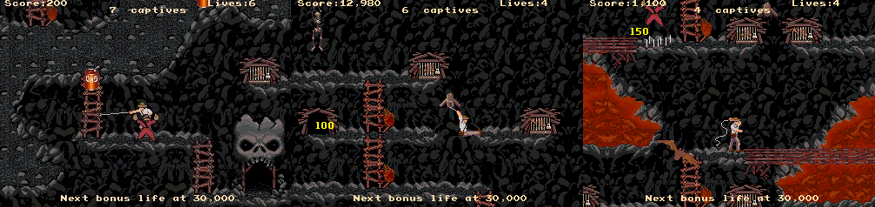
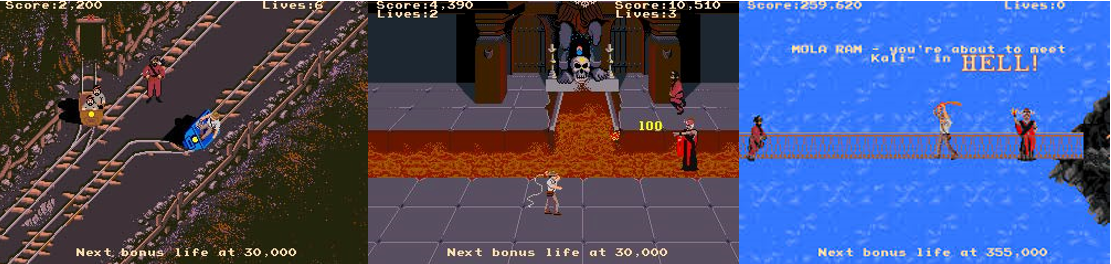




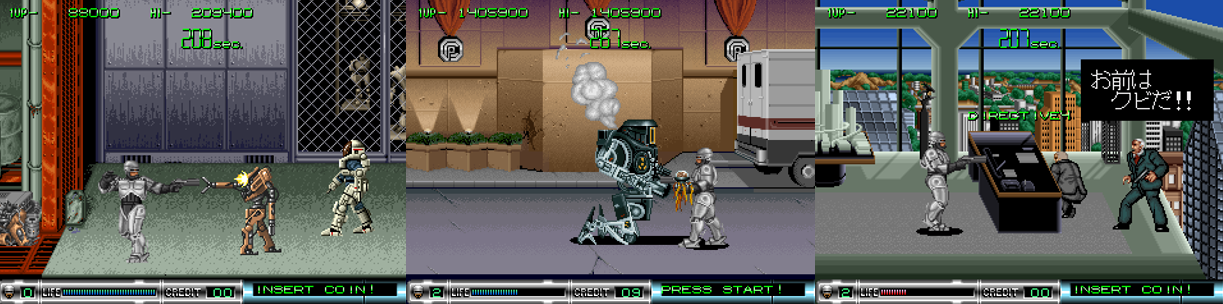

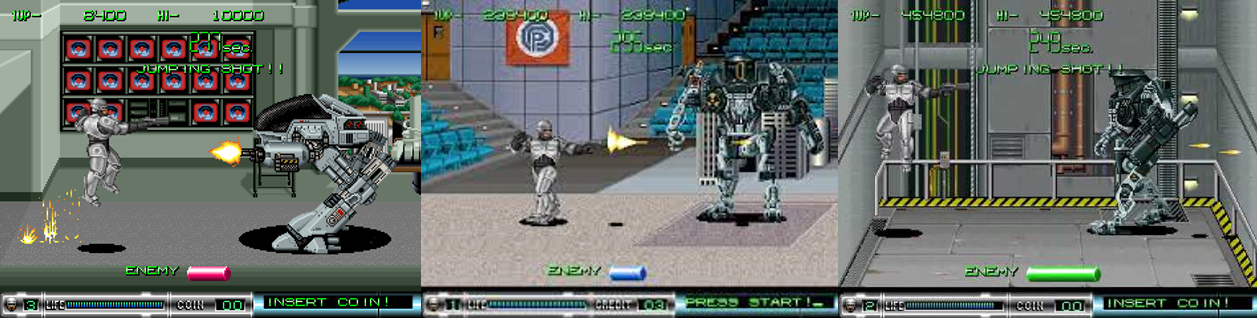




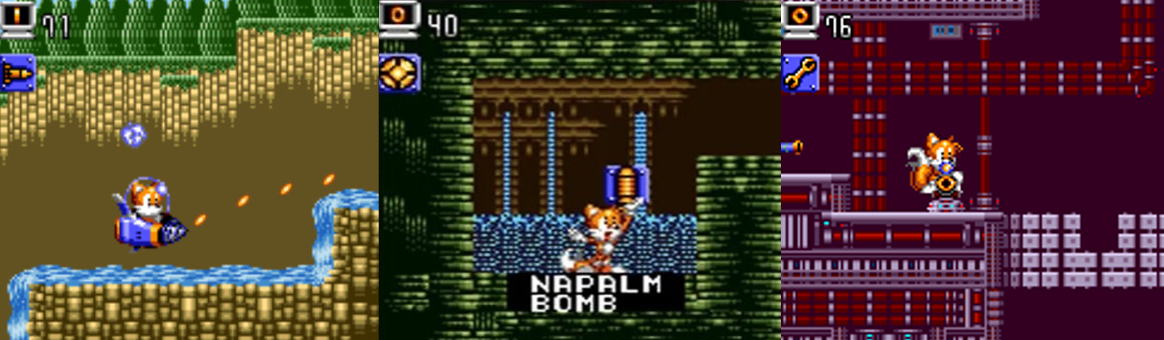
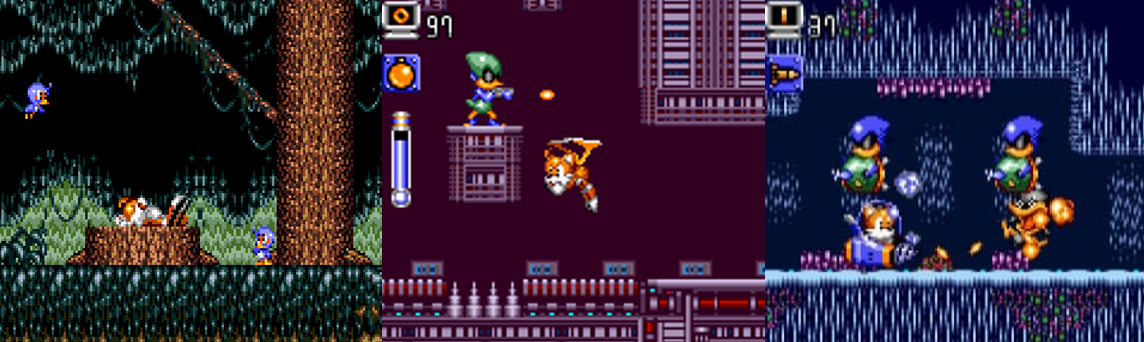
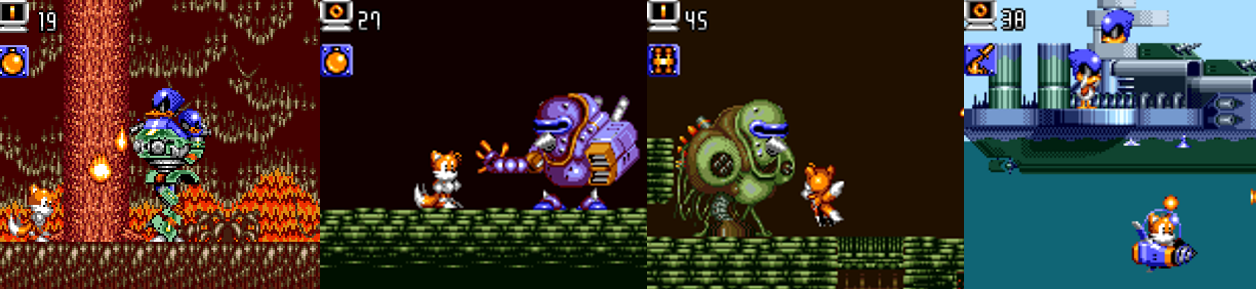
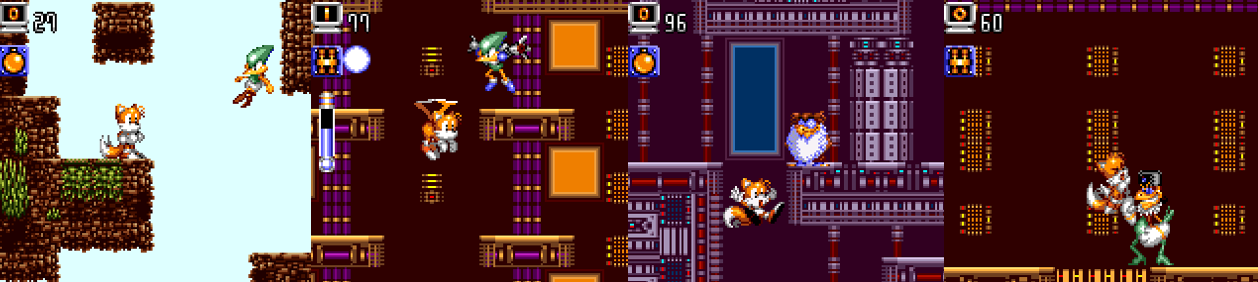
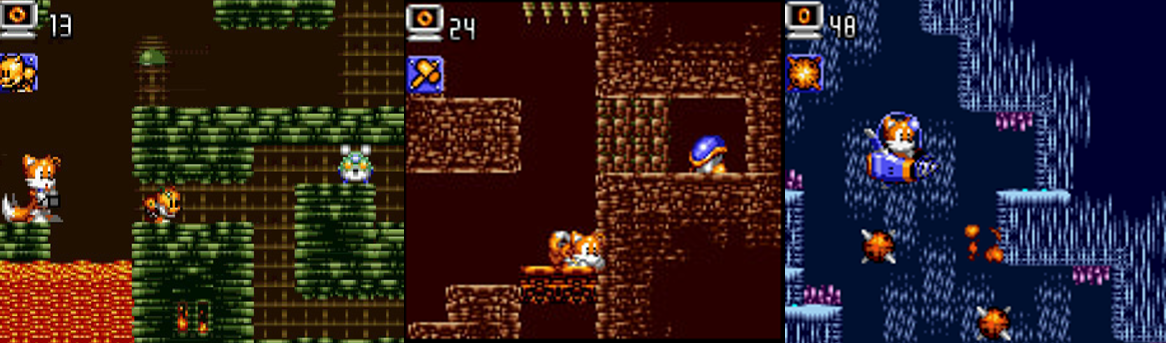



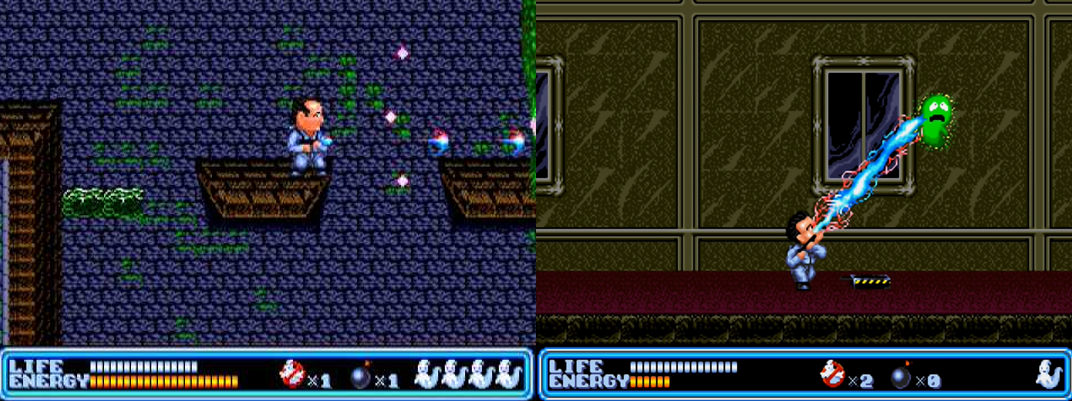
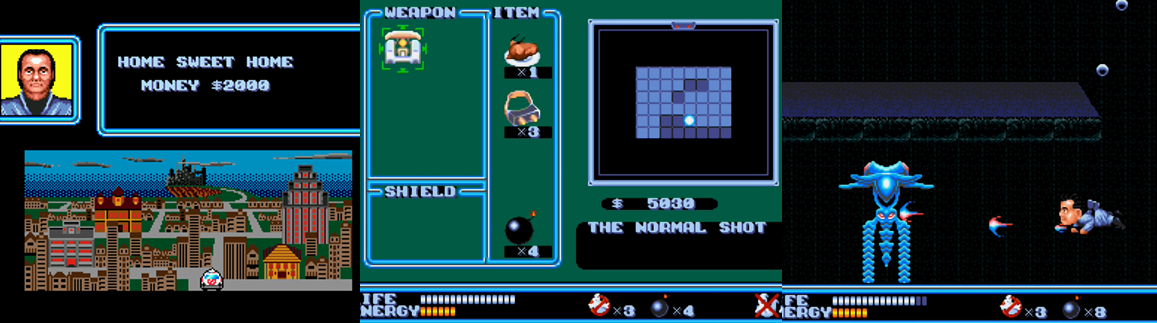
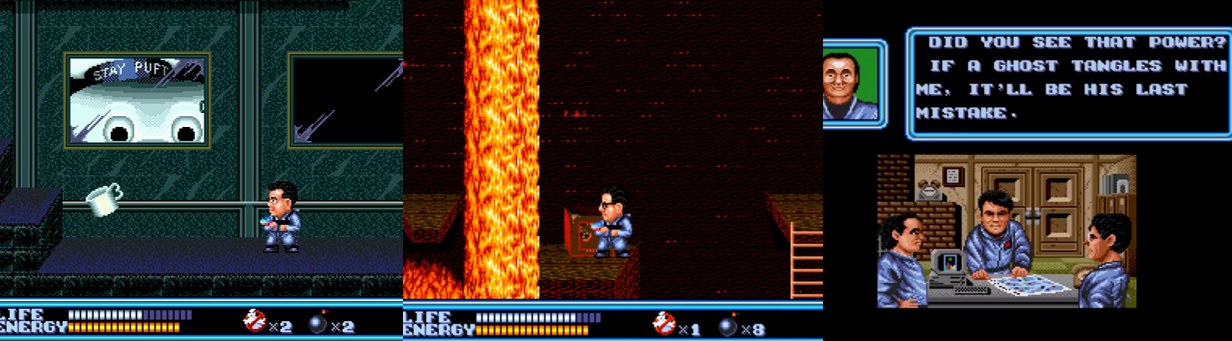


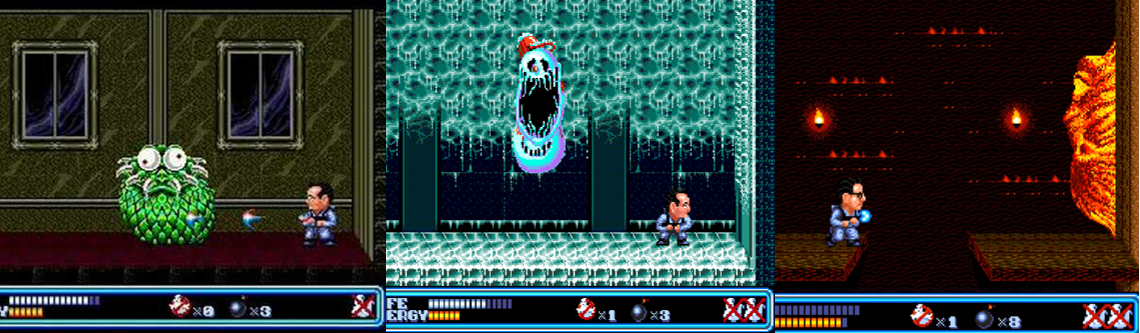
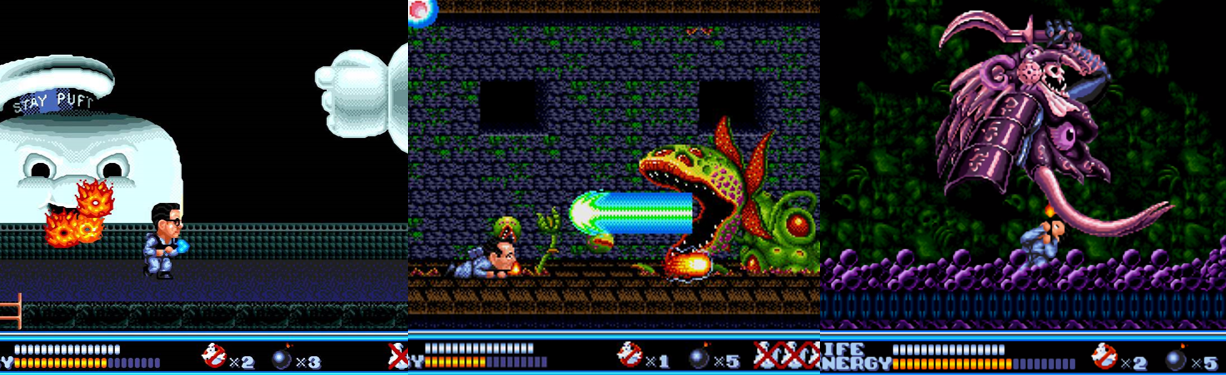
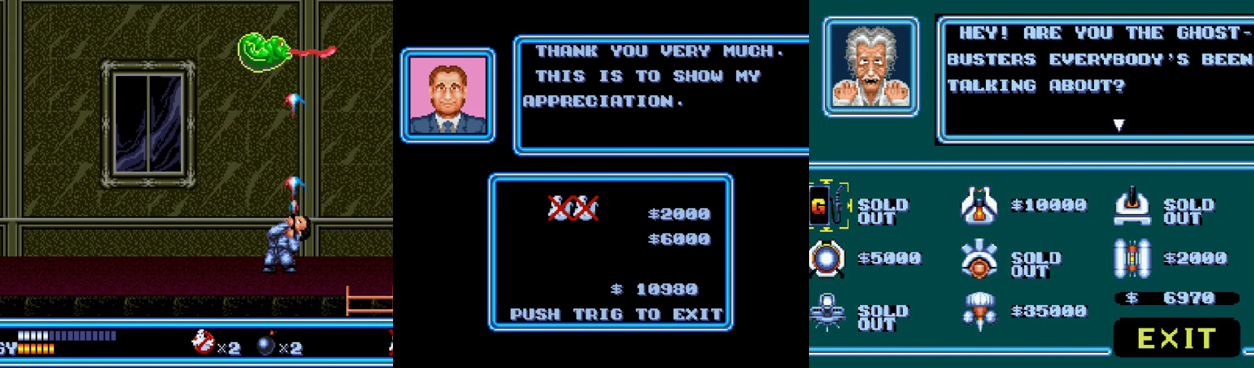




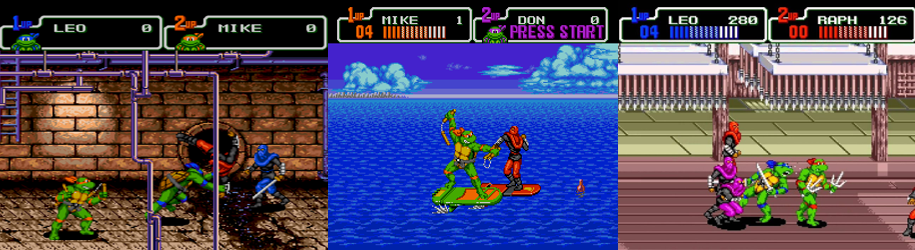
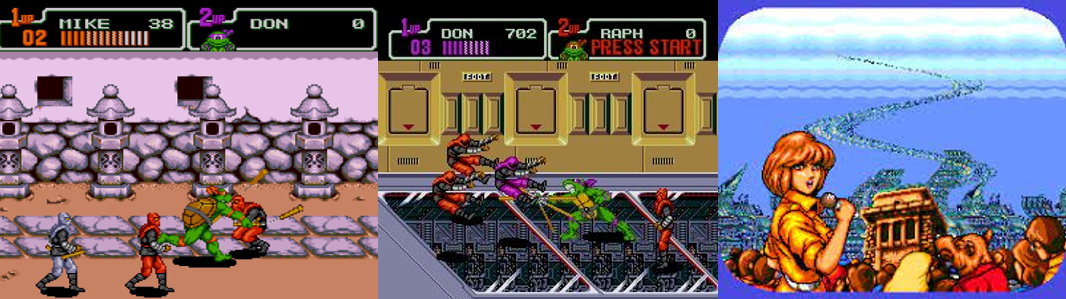
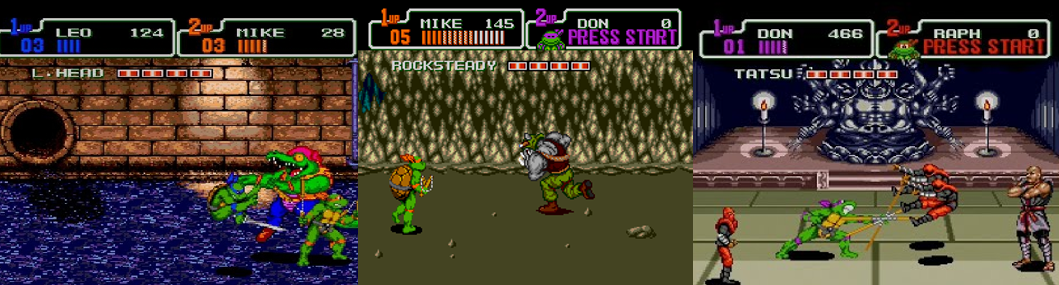







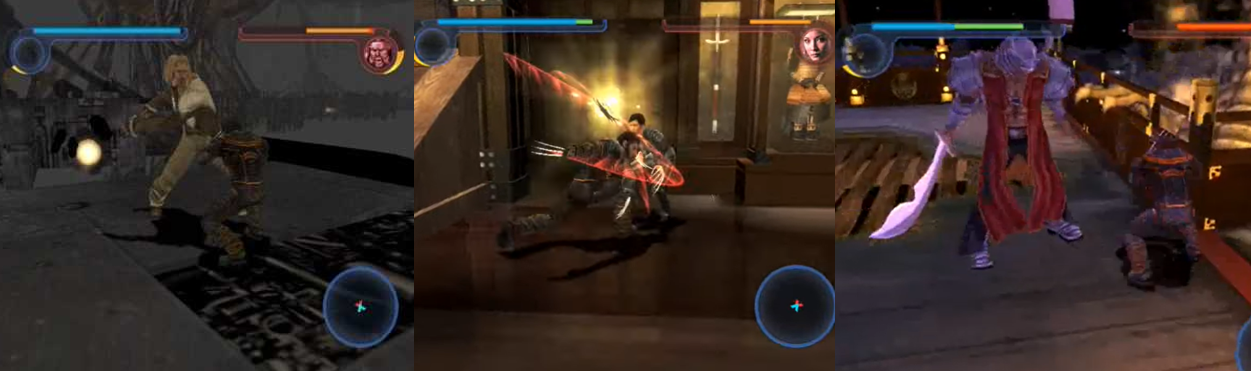


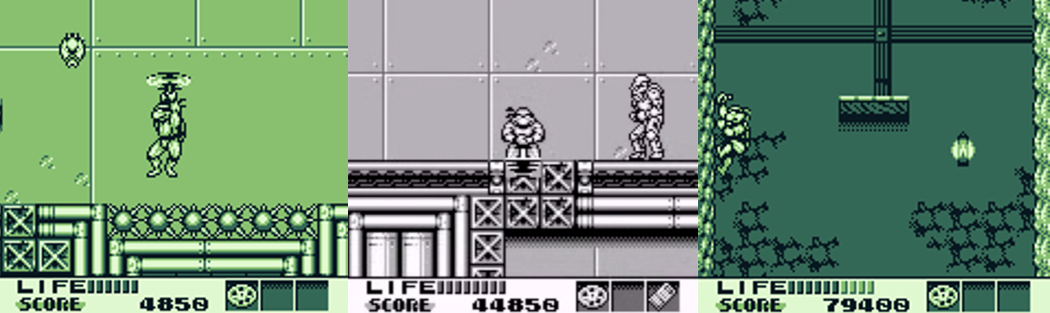

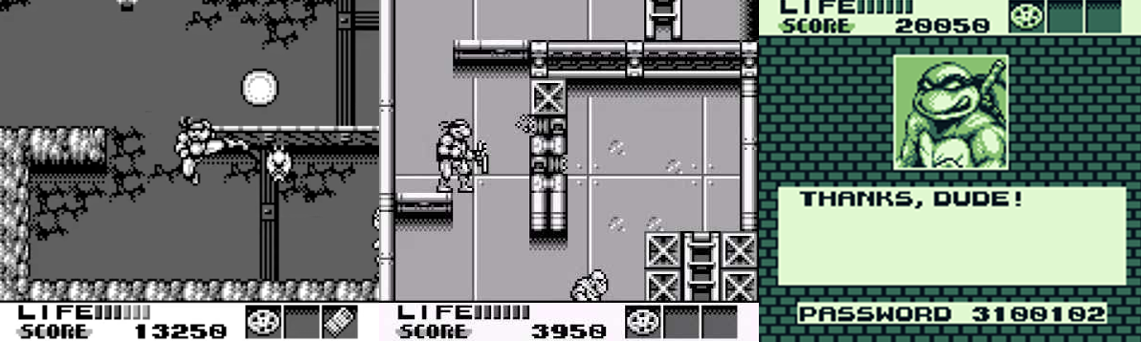
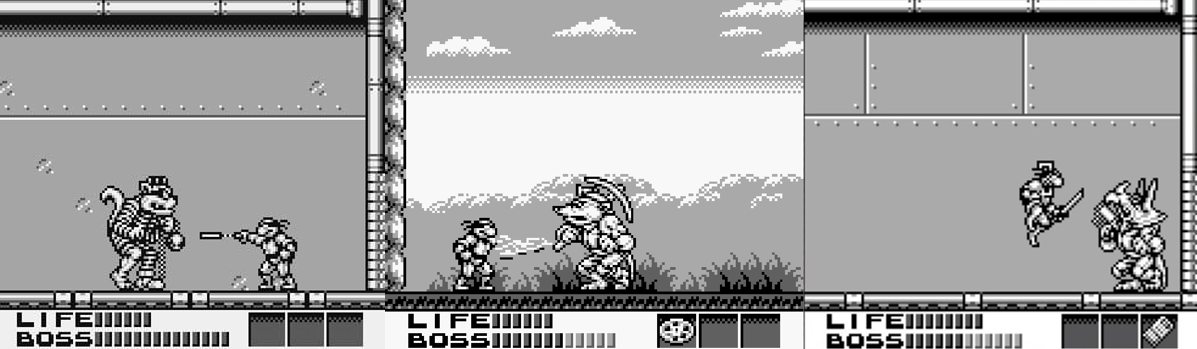



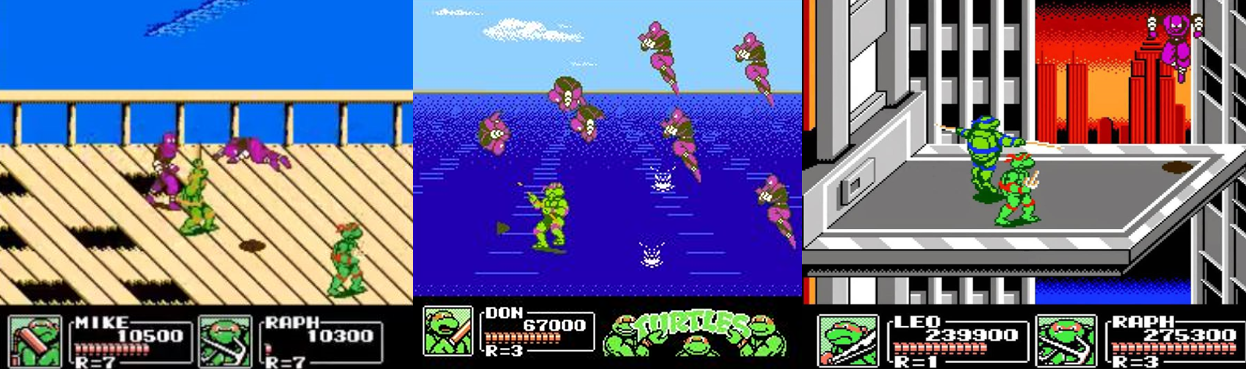
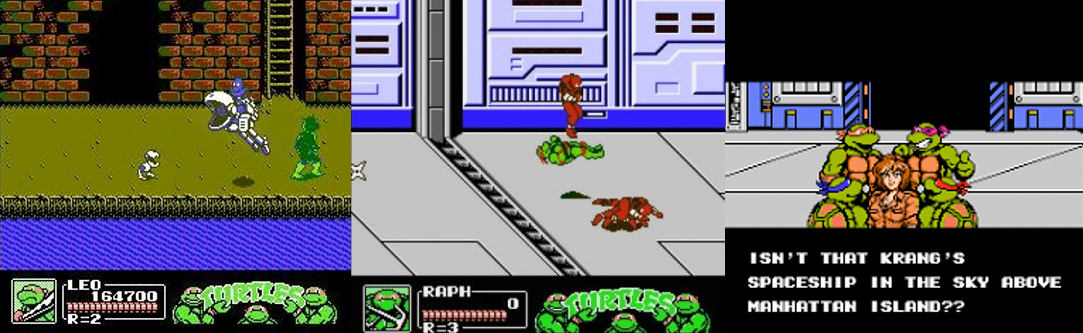
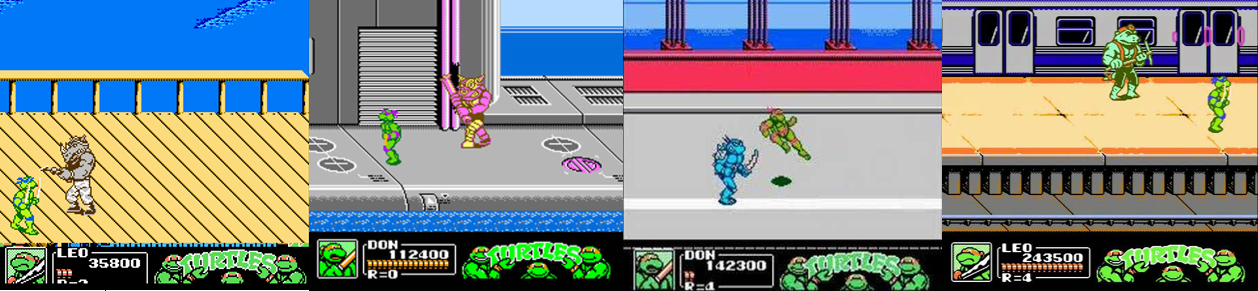








You must be logged in to post a comment.