The first issue of Kevin Eastman and Peter Laird’s Teenage Mutant Ninja Turtles (TMNT) was published in May 1984. Since then, the TMNT achieved worldwide success thanks not only to their original comics run but also influential cartoons, videogames, and wave-upon-wave of action figures.
Released: 10 September 2009 Developer: Ubisoft Singapore Also Available For: Xbox 360
A Brief Background: Back in the late-eighties and early-nineties, the Teenage Mutant Ninja Turtles (or Teenage Mutant Hero Turtles for us Brits) took kids by storm long before Mighty Morphin’ Power Rangers(1993 to 1996) and Pokémon(1997 to present) dominated playgrounds. Kids were as transfixed by the Teenage Mutant Ninja Turtles (1987 to 1996) cartoon (a toned down version of the far darker Mirage Comics) as they were by all the toys and videogames. While Konami’s original TMNT arcade gameset the standard for some of the franchise’s most influential gaming ventures, the equally beloved sequel, Turtles in Time(Konami, 1991),wowed gamers both in the arcades and at home. So beloved was Turtles in Time that license holders Ubisoft decided to atone for the mediocre reception of their TMNT (Munroe, 2007) tie-in game (Ubisoft Montreal, 2007) with a digital-only, cel-shaded Turtles in Time remaster for home consoles. Sadly, despite impressing with its new coat of paint, Re-Shelled was met with mixed reviews. Critics praised the online functionality and multiplayer but were left disappointed by the difficulty and lack of replay value, and the game was sadly delisted when Ubisoft lost the TMNT license in 2011, never to be seen again.
The Review: I’ve reviewed the original arcade release of Turtles in Time before, including its Super Nintendo port and the heavily altered version that came to the Mega Drive, so this review will be a bit shorter and focus on what’s similar and different rather than being massively in-depth as, fundamentally, Re-Shelled is the same game as Turtles in Time but with a new coat of paint. Turtles in Time Re-Shelled is a 2.5D arcade-style beat-‘em-up, just like the original, in which up to four players battle across nine stages, from the streets of New York City to the prehistoric past and the far future, bashing seven kinds of shit out of waves of robotic and rainbow-coloured Foot Soldiers and taking on some of their most recognisable enemies in a bid to recover the Statue of Liberty from their archenemies, Krang and Oroku Saki/The Shredder. After selecting your difficulty level and altering some of the usual in-game settings, you pick your character. Each Turtle has different attributes, though perhaps not in the way you’d expect (Raphael is strangely the fastest while Donatello is the toughest, for example), and different weapons that change their special moves and their reach in combat. While Re-Shelled now allows you to attack in eight directions rather than the original’s two, the TMNT’s abilities aren’t that varied. You attack with Square, pulling off simple combos with subsequent button presses, jump with X (executing a jump attack when in the air), press X while running for a dash attack, and pull off an energy-draining special attack with Triangle. This ranges from a lacklustre spin kick for Raph, a wide sword swipe for Leonardo, and a screen-crossing pole vault for Don, with Raph and Michelangelo really drawing the short straw in this aspect. Health is replenished by pizzas scattered throughout each level and you can temporarily enter an invincible spin mode when you grab some pizza power to clear out any enemies, though I never played this game with a friend so I can’t say if there are any team attacks.
The classic TMNT arcade game got a cel-shaded glow up that retains much of the original mechanics.
As before, you can also grab and slam Foot Soldiers or hurl them at the screen, which is always fun, and hit barricades, traffic cones, explosive items, and fire hydrants to help with crowd control. Some onscreen hazards like wrecking balls can also damage enemies, but you must watch out for loose planks, spiked mines, crushing gates, and freezing panels as they’ll all hurt you and momentarily slow you. The TMNT’s recovery time is a bit of a joke; if you get knocked down, it takes a while to get back up, which caused me to get pummelled when fighting Leatherhead. You’re given nine lives on “Easy” mode and the game autosaves as you play, allowing you to continue where you left off or jump to any completed stage in “Quick Play” mode. If you’re feeling extremely sadistic, you can take on the “Survival” mode, which challenges you to finish the entire game with just one life, something I wouldn’t recommend. The TMNT battle an assortment of colourful Foot Soldiers, including blue variants with swords and axes, green ones who fire arrows, and yellow ones who carry bombs. They swarm the screen, occasionally jumping from the background and comically struggling with their hoverboards, but are easy cannon fodder. The Technodrome’s robotic forces are a bit more annoying, teleporting in and stunning you with energy blasts, as are the various hulking Rock Soldiers who stomp around with massive cannons or girders. You’ll visit all the same locations from the original game, with a familiar enough remixed soundtrack and the enjoyable voices of the 2003 to 2009 voice cast keeping you entertained, though cutscenes are limited to simple motion comic-like sequences with a sprinkling of text and voice acting.
The new visuals work, for the most part, but the game is distinctly barebones at times.
Graphically, the game looks pretty decent. It uses a cel-shaded art style somewhat akin to a mixture of the classic cartoon, the aforementioned 2003 revival, and the original comics, but a lot of the colour and vibrancy is lost in some levels. When things are brighter and more open, like in Alleycat Blues or Bury My Shell at Wounded Knee, the game pops quite admirably. While the TMNT have only limited idle poses, they celebrate with vigour when clearing a stage and show a lot of personality when hurt by stage hazards, and I really liked the comic book-style sound effects that appeared with every attack. Stages have a decent amount of detail and depth, including graffiti, Krang’s giant robot body, a bubbling lava pit within a dark cave, a neon-drenched futuristic city, and a speeding Old West train carrying crates and circus supplies. It’s basically everything from the original game, but with a 2.5D twist. Very little has been added to each environment and there’s been no attempt to add new elements like additional power-ups or even bosses from the Super Nintendo version. At times, the gameplay feels very sluggish and unresponsive. The TMNT are both slippery and very heavy, awkwardly performing dive attacks and lumbering around and then breaking into a sprint, which can mess up your attacks. As before, it’s not all mindless button mashing; two stages are autoscrollers where you race around on surf- and hoverboards. This can be fun as long as you avoid the hazards and don’t try to jump attack the hovering Foot Soldiers, respectively (just use your regular attacks, it’s oddly much more accurate). Additionally, this is a bit of a barebones package as, while you can earn Trophies and tackle harder difficulties, there are no new skins, characters, or features to unlock, which actually puts it a step behind the Super Nintendo version.
Bosses are largely unchanged and simple, until you reach the formidable Shredder.
For me, the highlight of the game are the titular foursome and the bosses they encounter at the end of each stage. These are the same as in the arcade version, unfortunately (so you won’t see Slash in Prehistoric Turtlesaurus, for example), and can be beaten fairly easily on “Easy” if you stay on the move and land quick combos. Doctor Baxter Stockman battles you in his fly form in Big Apple, 3.A.M. flying overhead and firing an uzi or his weird goo gun. Again, it’s better to just use your ground combos than to try and land jumping attacks, especially when he’s on the ground. Metalhead comes crashing in at the end of Alleycat Blues, sporting extendable arms and a rocket kick, but he’s quite slow and clunky so you can easily overwhelm him. Sewer Surfin’ sadly retains the gauntlet against the Xenomorph-like Pizza Monsters rather than the more impressive Rat King; simply jump-kick them when they pop from the water and you’ll soon be warped to the past by the Shredder. Cement Man is where the boss difficulty ramped up a bit for me; he turns to goo and slimes about the place, which can quickly whittle down your health. Similarly, the duo of Tokka and Rahzar can be troublesome, especially alone, as they can charge, swipe, and grind at you with a spinning shell attack. As mentioned, Leatherhead was a bit of a pain for me; not only does he toss and stab with daggers but he spams this scuttle move that can stun lock you if you don’t jump over him fast enough. In comparison, the fights against Krang are much easier. His robot body is easily attacked in Neon Night Riders, despite his rocket kick and double-hand slap, and his regular form is simple enough to combo to death in Star Base, though his teleport is annoying and I did struggle to avoid being smashed into a pancake by his slam. You’ll face the Shredder in the finale; armed with a sword and some mystical energy, he can seemingly regenerate his health, kick and swipe at you, levitate and fire projectiles, and unleashes an energy burst if you get too close. He’s by far the toughest boss, tanking damage like a brick wall, but you can get into a good routine of jumping in, landing a quick combo, and jumping away without too much trouble.
The Summary: I was genuinely upset when I finally said goodbye to my PlayStation 3 as it had my copy of Turtles in Time Re-Shelled installed on it. When the game first released, it was the only affordable way to experience the arcade classic and I had a lot of fun playing it then, and for this review. I’m a big fan of the TMNT and arcade beat-‘em-ups so there’s a lot to like in Re-Shelled in that regard as it plays just like an arcade beat-‘em-up, warts and all, and nicely updates the original to then-modern times in a way that I think works pretty well. Sadly, it is a bit of a barebones experience and there’s barely anything new added to the game beyond its cel-shaded glow up. It’s lacking additional features, unlockables, and gameplay modes, and I was disappointed not to see elements from the Super Nintendo version incorporated to further expand on the original game. While it’s perfectly fine to play, the gameplay is clunky and chaotic at times, especially the controls. It’s hard to judge where your attacks will land and how fast you’ll move, meaning I couldn’t decide if it was better to use the directional pad or the analogue stick, and it’s easy to get caught by attacks and hazards because of how haphazard the controls can be. Ultimately, this was a great alternative for players at the time; Turtles in Time wasn’t readily available to play so this was a decent compromise. Since then, Turtles in Time has been re-released and I’d definitely recommend picking up the Cowabunga Collection (Digital Eclipse, 202) for the definitive Turtles in Time experience (although, honestly, I would’ve liked to see this included in that collection as well, just for the sake of game preservation).
My Rating:
⭐⭐⭐
Rating: 3 out of 5.
Pretty Good
Did you ever play Teenage Mutant Ninja Turtles: Turtles in Time Re-Shelled? How do you think it compares to other TMNT videogames and the original versions? What did you think to the new graphics and voices? Which of the characters was your go-to and which of the game’s bosses was your favourite? Would you like to see this game re-released? Which of the four Turtles is your favourite (and why is it Raphael?) Whatever your thoughts, I’d love to see your memories of Turtles in Time down in the comments!
Although May 4th is known the world over as Star Wars Day, many also choose to celebrate the popular, generation-spanning science-fiction saga on May 5th as a play on the word “Sith”. This can extend Star Wars Day into three day celebration of the influential science-fiction series and, as a result, is another great excuse for Star Wars fans to celebrate the beloved franchise in a variety of ways.
Released: 2 December 1996 Developer: LucasArts Also Available For: PC
The Background: Now known as a nigh-unstoppable multimedia juggernaut that encompasses movies, toys, cartoons, books, videogames, and comics, the original Star Wars trilogy was initially continued in the “Legends” novels. Accordingly, Lucasfilm’s publishing director, Lucy Autrey Wilson, tapped Bantam editor Lou Aronica and author Steve Perry to develop a Star Wars crossover multimedia event in 1994. The project wouldn’t include a movie but would involve all the media and marketing of a film release, all to coincide with the upcoming release of the 1997 Special Editions of the Original Trilogy. Shadows of the Empire took place between Star Wars: Episode V: The Empire Strikes Back(Kershner, 1980) and Star Wars: Episode VI: Return of the Jedi (Marquand, 1983) and was comprised of Perry’s novel, a comic book, an extensive toy line, and this divisivevideogame. The game focused on Han Solo-proxy Dash Rendar and was built on a modified version of the Star Wars: Dark Forces (LucasArts, 1995) engine. The decision to focus on Nintendo 64 development led to some issues in properly coding for the system, Nintendo legend Shigeru Miyamoto weighed in on the camera and Dash’s characterisation, and all the animations had to be redone manually after Industrial Light & Magic’s motion capture work proved unusable. As mentioned, Shadows of the Empire garnered mixed reviews that noted a strong start let down by subsequent levels. The dodgy camera, clunky controls, and tedious gameplay were also criticised, though it developed a cult following over the years and the PC version was said to iron out some of the kinks. Unfortunately, Shadows of the Empire was de-canonised after Disney purchased the franchise, though Lucasfilm president Kathleen Kennedy once stated that characters like Dash Rendar have come up during discussions about Star Wars projects.
The Plot: Hired to protect troubled Jedi Luke Skywalker and assist in rescuing Han Solo, rogue mercenary Dash Rendar finds himself embroiled in pitched battles with not only the Galactic Empire, but a criminal organisation looking to usurp the Dark Lord of the Sith, Darth Vader.
Gameplay and Power-Ups: Star Wars: Shadows of the Empire is primarily an action/platformer videogame that released early into the Nintendo 64’s lifecycle and takes place between The Empire Strikes Back and Return of the Jedi. After picking and naming one of four save files (with no need for a memory pak) and selecting their level of difficulty, players assume the role of mercenary for hire and Han Solo-proxy Dash Rendar and journey across ten levels to defend the Rebel Alliance from the evil Galactic Empire, safeguard young Jedi Luke Skywalker, and oppose the mischievous ambitions of the Black Sun criminal empire. Once you’ve chosen a difficulty level, you can’t change it so you’ll need to start a new save file if, say, “Medium” is too difficult for you. You can enter the “Options” menu to customise the heads-up display (HUD), which displays your current health and weapon energy or ammo, as well as toggle the option to switch to following your heat-seeking missiles and customise the game’s controls. Shadows of the Empire maps different buttons to different functions depending on the level you’re playing; while six levels see you control Dash on foot, two take place in space, one sees you controlling a Snowspeeder, and another has you racing around on a swoop bike. When on foot, you can change your viewpoint with the Left trigger, directional pad (D-pad), or C-right, switching between a standard third-person view, a first-person perspective, a top-down view, and a dynamic “movie” angle that hampers the already cumbersome controls. The Right trigger opens doors and activates consoles and you can hold it to strafe which, when used alongside the Z trigger, gives you better aiming accuracy. You jump with A and, when you have a jetpack, can burn rocket fuel by holding this button. B fires your weapon, with Dash’s standard blaster automatically recharging but growing weaker the more you use it. You switch weapons with C-up, crouch to take cover or avoid incoming hazards with C-down, and hold C-right to activate the “Leebo Scanner” (if you collect enough “Challenge Points”), which essentially functions as a map.
Press switches, uncontrollably fly across gaps, and wrestle with Dash’s jetpack to clear levels.
While Dash’s default blaster and jetpack automatically refill if given time, you must blast crates and search around the environment for additional ammo. You get a useful heat-seeking shot that are good for taking out groups of enemies at mid-range, a flamethrower for close encounters, a quick-fire pulse cannon that’s annoyingly erratic, a stun shot to freeze enemies, and a powerful disruptor blast that’ll damage you if you’re not careful! Health packs of different sizes can be found if you open nooks and crannies, search around, or blow open crates. You’ll also find the odd extra life and invincibility if you look hard enough, and you’ll earn additional extra lives for every Challenge Point you find. Much of your time in Shadows of the Empire is spent running around narrow corridors, samey environments, or the odd slightly more open areas. Every time you control Dash on foot, you’re charged with exploring, gunning down enemies, and activating a butt-load of switches. These open doors, release Wampas to attack enemies (and you!), allow you to take elevators to other floors, and lower barriers so you can progress. Dash is ridiculously awkward to control, lumbering about as though you were using tank controls, and easily slipping off ledges. His jump is unnecessarily floaty and carries his momentum forward, meaning it’s easy to miss platforms and overshoot your jumps and be sent plummeting to your doom. This is especially aggravating in the Ord Mantell Junkyard, where players must jump between trains and duck under hazards, switching tracks and hoping they don’t overshoot their landing. It’s equally tough controlling Dash with his jetpack, not just because he flies around as if covered in grease, but you must constantly land to recharge your thrusters and the game doesn’t make it clear which way you need to go, meaning it’s easy to get turned around. Although the jetpack doesn’t run out underwater, you’ll drown if you stay submerged for too long. Dash also takes fall damage, must use floating and/or spinning platforms to progress, and must avoid hazards like icequakes, wall and ceiling turrets, spinning blades, and rotating cogs.
While vehicle sections are a nice change of pace, they’re too short or aggravating to be that enjoyable.
Things aren’t much easier when you’re playing the game’s handful of vehicle sections. You start off recreating the battle of Hoth in a Snowspeeder, using L or R to decrease your speed, A to speed up, B to fire upon Imperial Probe Droids and All-Terrain Scout Transports (AT-STs), and snagging All-Terrain Armoured Transports (AT-ATs) with your tow cable with Z. Though you can switch perspectives with C-right and the D-pad, it’s best to stay in third-person mode here as the Snowspeeder is surprisingly heavy and unresponsive. It’s hard to make tight turns and easy to accidentally plough into enemies or catch yourself on an AT-AT’s legs as you circle them to bring them down. Dash escapes Hoth in the Millennium FalconOutrider, getting caught in an asteroid field just like in The Empire Strikes Back. This level is more like a bonus round where you blast waves of Twin-Ion Engine (TIE) Fighters and TIE Bombers with A or B, take out asteroids for Challenge Points, and waiting for your stock of missiles to recharge so you can blow up groups of TIEs with C-down, C-left, R, or Z. Using C-right or L to switch to the cockpit view can be advantageous here, though you can’t replenish the Outrider’s shields so don’t dawdle too long. In the final stage, you repeat this section in the first half and then race away from the exploding Skyhook, using A to accelerate and tilt your craft to avoid obstacles and R to decelerate. Finally, when on Tatooine, Dash must race against and take out a swoop bike gang looking to assassinate Luke, a task easier said than done since the swoop bike is a nightmare to control! You blast off at break-neck speed at the mere touch of A or C-left, crashing into anything and everything in your way and awkwardly reversing with B when you inevitably get caught on environment. You can switch viewpoints with C-right or the D-pad and must use L or R (or Z) to ram into the other bikers to keep them away from Luke. Even if you take them out in Mos Eisley, it’s easy to crash and burn in Beggar’s Cannon thanks to the high-speed action and narrow passages.
Dash’s simple objectives are compounded by clunky controls and frustrating gameplay.
Each level has a specific mission, related by Luke or Dash’s robot partner, Leebo, though gameplay mainly amounts to blasting enemies and activating switches. In the first and final stages, Rogue Squadron fight beside you and you must be careful not to hit them, or the shield generator on Hoth, or you’ll be penalised. An onscreen radar helps guide you in the flying and chase sections but, by default, you have no such help when on foot so it’s best to follow the bodies you leave behind if you get lost. Dash must take lifts and cross bridges, watching his step to reach new areas and activate switches, often while being forced to complete platforming challenges that look easy but are made far too frustrating thanks to his janky jump. As if this wasn’t bad enough in the Ord Mantell Junkyard, you also have to blast targets to lower barriers and hop onto carriage roofs to progress, and you’ll often be flying blind in Gall Spaceport thanks to the awful fog effects. This level is where ethe gameplay loop really starts to become tiresome and claustrophobic, maze-like locations like the Imperial Freighter Suprosa and Xizor’s Palace don’t make this any easier. You’ll find Stormtroopers and tough-as-nail robots lurking around every corner, shootouts in narrow corridors, switches that open alternating doors, forked paths, spinning turbines, and a labyrinth of cargo bays. This even carries through to the dank sewers of the Imperial City, where spiral chasms lead to murky sewage water that hides Dianogas and yet more switches! You must navigate this ugly-ass brick and filth maze to acquire an access key and force field deactivator, shooting targets in spinning tunnel to progress and dodging spinning spokes in narrow pipe to reach the end. Bottomless pits dog you throughout Hoth and the Gall Spaceport, but also return in Xizor’s Palace as a cheap way to up the difficulty of the end game. While you get infinite lives on “Easy” mode, “Medium” or higher limit your lives to make the game even tougher, though it’s a challenge and a half even on “Easy due to the clunky controls, Dash’s overly enthusiastic jump, and his struggles to aim upwards!
Presentation: As Shadows of the Empire was an early Nintendo 64 title, your mileage may very regarding the presentation. There’s no question that the PC version had better, crisper graphics, especially for the game’s cutscenes, however I do like the artwork used for these cutscenes in the Nintendo 64 version. They’re incredible basic, barely having any animation and relying entirely on text to convey the story, but they’re beautifully rendered and capture the likenesses of familiar characters like Luke and Han really well. As the main character, Dash gets more time to shine here than in the comic book, showcasing an arrogant bravado and his commitment to aiding the Rebellion (for the right price). The game is divided into “parts”, which each part using the traditional Star Wars scroll to give an overview of the story, and is bolstered by samples of John Williams’ many Star Wars compositions. The “Imperial March” is mixed into the boss theme, for example, and “The Asteroid Field!” blares during the Outrider segments, but original compositions such as “Xizor’s Palace” also impressed despite some getting repetitive. While Shadows of the Empire does use some limited sound bites (Dash grunts and Stormtroopers yell basic demands), Dash is an awful polygonal model with little character beyond occasionally firing his blaster like a six-shooter. Many of the enemies don’t fare much better, being a mess of childish polygons from even mid-view and proving why the game relies so heavily on obscuring fog. This is at its worst in the Gall Spaceport and when navigating the murky sewer waters, where visibility is near zero, though the game doesn’t exactly make up for it in the Outrider sections, opting to use a plain black void or a distinctly blurry asteroid skybox. Yet, the game performs fairly well (save for some instances where you get a peak outside of the game map), with enemy bodies remaining visible, the HUD changing colour as you take damage, and some fun Easter Eggs.
Despite being visually faithful to the films, the game’s visuals struggle, even on the PC.
These are mainly seen in familiar locations. Echo Base, for example, sports the shield generator, sees the Millennium Falcon flee for the asteroid belt, and even includes the captive Wampas from a deleted scene. You’ll spot Imperial shuttles waiting in shuttle bays, Star Destroyers loom in the background in space (though they pose no threat), Mos Eisley spaceport and market rushes past in impressive detail, and Imperial locations like the Suprosa and their multiple outposts recreate the aesthetic of the various Star Destroyers and the Death Stars with an impressive fidelity. There are some fun moments, like exploring inside the Outrider (which echoes the interior of the Falcon) and being sent away by Leebo, and opportunities to find goodies if you explore a little bit. You’ll also see the same walkways, lifts, doors, control panels, and switches as in the movies, and visit locations previously only spoken about, like Ord Mantell. Sadly, Ord Mantell is one of the weaker levels; it’s a mess of brown and junk, with rivers of sludgy water and numerous walkways to avoid. Star Fox 64 / Lylat Wars(Nintendo EAD, 1997) did a similar level far better and the same is true when comparing the space sections. The Outrider is too limited and clunky to be all that manoeuvrable and is nothing compared to the slick controls of the Arwing, with Star Fox 64 even doing Shadows’ finale far better and it didn’t release that long after this game! Unfortunately, while Shadows of the Empire goes to great lengths to recreate and build upon the visuals of the movies, everything is painfully generic at times. If you’ve seen one claustrophobic, toxic sewer full of crud, you’ve seen them all…and you can barely see this one because of the fog! I liked the sense of scale in Xizor’s Palace, however, which was very grandiose and gothic, and that the game’s performance wasn’t affected by slowdown even when large polygonal models were onscreen.
Enemies and Bosses: There isn’t much enemy variety in Shadows of the Empire, which plays things very safe for the most part. Every enemy has a % life meter that gets tougher to whittle down the bigger they are and the more you progress, and they fall into four camps: ground troops, automatons, robots, and ships. Ground troops include Stormtroopers (and their Snowtrooper variants), Imperial Commandos, and Train Guards. The Storm- and Snowtroopers blast at you haphazardly, plummeting to their deaths with a familiar scream if you shoot them just right and occasionally manning turrets to dish out greater damage. Imperial Commandos are more heavily armoured and more likely to take cover, while Train Guards are far less formidable and simply stab you with their lances. Automatons include Imperial Probe Droids, Seeker Droids, and Interrogator Droids. These float about, often rising from chasms, and blast at you, with some being harder to hit and tougher to destroy than others. You’ll also get blasted by turrets and IG Drones, which are always on hand to chip away at your health. While the Empire employs Sentry Droids (essentially killer versions of R2-D2), IG-88 and Xizor love to dog your progress with some tough-ass humanoid robots. Not only can these fire very rapidly but they can tank your basic blaster, meaning you may have to expend your better ammo to down them, ammo best saved for the game’s bosses. As for craft, you’ll blast at AT-STs in your Snowspeeder and bring down AT-ATs with your tow cable and shoot countless TIE Fighters and TIE Bombers from the void in the Outrider. These attack in groups, firing lasers or bombs, but are mere cannon fodder compared to Xizor’s more nimble Space Vipers. These are far harder to track and hit and charge up bombs that lock onto you, easily reducing the Outrider to scrap metal thanks to their seemingly endless numbers.
Some recognisable crafts and characters appear as troublesome boss encounters.
Every level but the vehicle stages ends in a boss battle (and, even then, you could classify the AT-ATs as bosses) that Dash must face on foot and with the heat-seeking function of his seeker shot disabled. The first boss you fight is an AT-ST that’s entered Echo Base. It stomps about firing its forward guns and absorbing your shots unless you target its “head”. You can use the crates and upper walkways to take the high ground and grab some resources, but your best bet is to run underneath it, aim upwards, and unload. Another AT-ST awaits in the Gall Spaceport, though this time there are no upper walkways to flee to, no resources nearby, and the jetpack is barely an advantage as it’s so slippery to control. If you manage to make it past the aggravating train section in Ord Mantell, you’ll battle the mechanical bounty hunter IG-88 in a literal scrapheap. IG-88 leaps about the place, rapidly firing his pulse cannon and being difficult to track since he disappears behind and blends into the environment. Your best bet is to stay on the move, corner him, and unload with seekers but you must watch your step or else you’ll fall into a furnace! At the end of the Gall Spaceport, you enter into a two-phase battle with Boba Fett, who flies about using his own jetpack, firing from his blaster and sending out a seeking missile. You can try chasing him, but you risk running out of jetpack thrust and taking fall damage so it’s better to take cover and wait for him to stay still. After enough hits, Boba Fett hops into Slave 1 and rotates in the centre of the arena firing his main cannons. Like with the AT-ST, you can just camp underneath him and fire upwards for an easy win. The Suprosa’s super computer is guarded by a Loader Droid that seems intimidating due to its size and the big shuttle bay devoid of resources, however it’s a bit of a joke. It’s very slow, meaning you can easily run circles around it and avoid its extendable arms, and unload with your seekers.
If you’re not playing on at least “Medium”, all your battles are seemingly pointless.
Upon reaching the end of the sewers, Dash is attacked by a giant Dianoga. This titanic, octopus-like creature is fought in the murky sewer water, so it’s very difficult to see and target its tentacles. Thankfully, its only attack is to bash you with its spiked appendages, which you can destroy with a few shots, and its main eye is an easy target. However, because you’re forced to manoeuvre with the clunky jetpack and mainly underwater, your greatest hazards will be the controls and reaching the surface to take a breath. After battling through Xizor’s Palace, you’ll face off against his mighty Gladiator Droid in a three-phase battle that can be a troublesome encounter. While the first phase is ridiculously easy (simply run around the cumbersome droid, avoiding its eye lasers and missile barrage and blasting it to 0% health), the second phase ups the ante. Here, the droid’s torso separates, and you’re dropped into a maze full of a handful of resources and dead ends. The Gladiator Droid hovers overhead firing eye lasers, missiles, and a rapid-fire pulse cannon but, again, you can avoid most of its barrage by staying beneath it and unloading with any seekers you have. In phase three, the boss’s head tries to finish you off and you must stay away from it (utilising your jetpack when allowed since it starts to malfunction) and fire any remaining disrupter blasts you have to finish it. This is the last on-foot section so don’t be shy and just go for it! Finally, Dash takes to the Outrider to join the assault upon Prince Xizor’s Skyhook. In this final stage, you must ignore the Star Vipers and TIE Fighters and destroy the Skyhook’s turrets, flying in and blasting them before they can shred you. Take them all out and you must carefully get the Outrider into the Skyhook itself, dodging obstacles to land shots on the main core. Make a few passes and hit it enough times and the Skyhook will burst into flames, forcing you to retreat before you’re caught in the explosion.
Additional Features: There are four difficulty levels on offer in Shadows of the Empire, with each one offering a different stock of lives (from infinite to three) and changing the challenge offered by the enemies. It’s recommended that you play on at least “Medium”, however, as that’s the only way to see the true ending and learn that Dash survived the finale. Every level contains an assortment of “Challenge Points” to either find or earn. These are either out in the open, hidden behind certain doors, down certain paths, or in hidden cervices, or earned by defeating AT-ATS or destroying special red asteroids. Collecting them all on each difficulty level unlocks some fun additional extras, such as the Leebo Scanner, invincibility, and the ability to pilot an X-Wing or TIE Fighter in the final battle. If you’d rather take the quick and easy path, however, you can give your save file a specific name and activate some useful cheats, such as skipping any sections that aren’t on-foot missions, viewing the credits, accessing every level, and an extremely useful debug mode that grants a host of cheeky abilities. You can also use these same cheats to play as enemy characters, from Stormtroopers to Wampas and even an AT-ST! Finally, your completion time is recorded for each level, so speedrunners or those seeking an extra challenge can try to beat their best times if they like.
The Summary: When I was a kid, everyone who had a Nintendo 64 had Star Wars: Shadows of the Empire. It was one of the most common games in our libraries and this is the third time I’ve owned it, though not the first I’ve beaten it. I was also a huge fan of the book, the Shadows of the Empire concept, and the comic book. Does that mean the videogame is any good, though? Well…no. Shadows of the Empire is an incredibly basic and clunky experience, even for an early-days Nintendo 64 title. Everything it does was done better in other games, even ones that released not long after it, with Star Fox 64 being the far better alternative. As much as I like Dash Rendar, he’s a painfully redundant and awkward character, floating through the air and slipping to his death with the slightest twitch of the control stick. It seems the developers didn’t know how best to use the Nintendo 64 control pad and insisted on mapping useless functions to every button but neglected to inject anything interesting into the gameplay beyond dodgy platforming and switch pressing. The vehicle sections were okay, but more akin to bonus stages, and I enjoyed some of the bosses, though the difficulty spike is all over the place. Tightening the focus onto gunplay, simple puzzle solving, and some shoot-‘em-up sections would’ve definitely made this a more enjoyable experience as the platforming and exploration is arduous and aggravating. There are some fun Easter Eggs and additional features here, and the story is a decent accompaniment to the books and comic, but Shadows of the Empire is only going to appeal to die-hard Star Wars fans…and even then it comes with a lot of caveats. You’re better off playing Star Fox 64 or one of Factor 5’s excellent Star Wars shoot-‘em-ups if you need a 64-bit Star Wars fix.
My Rating:
⭐⭐
Rating: 2 out of 5.
Could Be Better
Was Star Wars: Shadows of the Empire in your Nintendo 64 library back in the day? If so, did you enjoy it? Which of the different gameplay modes was your favourite? What did you think to Dash Rendar and his clunky-ass controls? Which of the boss battles was your favourite? Did you ever see the true ending and collect all the Challenge Points? Which Star Wars videogame is your favourite? How are you celebrating Star Wars this May? Whatever your thought and memories of Shadows of the Empire, feel free to leave a comment below, support me on Ko-Fi, and check out my other Star Wars content across the site.
May 4th is known the world over as Star Wars Day thanks to being one of the most fitting and amusing puns ever devised (“May the Fourth be with you” in place of the traditional “May the Force be with you”). The first and most popular of what can easily become a three day celebration of the influential science-fiction series, the day stands as the perfect excuse for Star Wars fans to celebrate the beloved franchise!
Published: 1 May 1996 to 2 October 1996 Writer: John Wagner Artist: Kilian Plunkett
The Background: Nowadays, Star Wars is a nigh-unstoppable multimedia juggernaut the includes not just live-action movies, but cartoons, toys, videogames, books, and comics. Following the completion of his Original Trilogy, George Lucas licensed the property to continue in a series of novels, later dubbed “Legends”. Later, in 1994, Lucasfilm’s publishing director Lucy Autrey Wilson met with Bantam editor Lou Aronica and author Steve Perry to discuss a Star Wars crossover multimedia event that would feature the all media and marketing of a film release without producing a movie, all to tie-in with the impending release of the 1997 Special Editions of the Original Trilogy. Shadows of the Empire would take place between Star Wars: Episode V: The Empire Strikes Back(Kershner, 1980) and Star Wars: Episode VI: Return of the Jedi (Marquand, 1983) and was comprised of Perry’s novel, a divisivevideogame, an extensive toy line, and this six-issue comic published by Dark Horse Comics. Excerpts from the comic featured in Nintendo Power magazine and two separate mini-comics accompanied the Micro Machines and Ertl toys. Reviews largely praised the comic, though it was noted to be just one part of a larger whole. Still, Perry returned to write a follow-up two years later and characters and elements featured, to different degrees, in Legends media and Star Wars videogames. Unfortunately, Shadows of the Empire was another casualty of Disney’s acquisition of the franchise as they de-canonised Legends media, though Lucasfilm president Kathleen Kennedy was stated that characters like Dash Rendar have come up when discussing additional Star Wars projects.
The Review: Like the movies, Shadows of the Empire begins with the traditional open text crawl that brings readers up to speed with the story so far. Set between The Empire Strikes Back and Return of the Jedi, the story begins with the Rebel Alliance still reeling after being forced from their Hoth base, young Jedi-in-training Luke Skywalker struggling with the knowledge that the evil Dark Lord of the Sith, Darth Vader, is his father, and Princess Leia Organa and the mighty Chewbacca grieving the loss of charismatic scoundrel Han Solo, who was frozen in carbonite and spirited away by bounty hunter Boba Fett. Whilst the Rebel fleet is traversing the vast void of space, they’re detected by the malevolent Galactic Empire) and, eager to get back into action, Luke moves to aid Wedge Antilles and Rogue Squadron against the threat. However, he is convinced by Leia and his service droids, C-3PO/Threepio and R2-D2/Artoo, to rest and become properly acclimatised to his new robotic hand. Wedge and his team engage the Strike Cruiser and its Twin Ion Engine (TIE) Fighters, outmanoeuvring the clunky craft and blasting the cruiser to smithereens. However, the victory makes General Crix Madine wary and leads to him altering the fleet’s course, delaying their arrival on the desert planet of Tatooine, a necessary precaution that Leia believes will buy Luke more time to heal, both physically and psychologically. Though she’s unaware of the revelations Luke learned, she can sense something’s amiss but gives Luke his space to work through whatever’s bothering him. Meanwhile, across the galaxy, Darth Vader is chastised by his master, Emperor Shev Palpatine, aboard his flagship, the Executor, for failing to turn Luke to the Dark Side. When Palpatine questions Vader’s motives, the Dark Lord affirms his allegiance to his master and vows to track down the wayward Jedi, though Palpatine brings the conversation to a close to attend to more pressing matters: namely, the construction of the Death Star II. Thus, Palpatine orders Vader to meet with Prince Xizor on Coruscant to arrange his services in delivering essential materials to the construction.
While Xizor conspires to gain favour with the Emperor, Fett tries to deliver his quarry.
Xizor’s ties to the Black Sun criminal organisation and distrustful nature make Vader wary, concerns Palpatine shoots down as foolhardy. Upon ending the communication, it’s revealed that Xizor is already in attendance with the Emperor. A regal, lizard-like figure, Xizor questions whether Vader’s emotions are clouded by his feelings for Luke but Palpatine assures Xizor of his minion’s loyalty and his commitment to the Death Star II’s construction. Following the meeting, Xizor orders his beautiful android aide, Guri, to arrange a separate meeting with crime lord Jabba the Hutt and contact bounty hunters to intercept Luke and gain further favour with the Emperor. Elsewhere, Boba Fett arrives at Tatooine with his quarry, the aforementioned frozen Solo, gloating that the once cocksure smuggler is now little more than a work of art to be displayed. After disposing of a homing beacon placed on his ship while he was on Cloud City, Fett detects and destroys a probe sent by his bounty hunter rival, the malicious robot IG-88. Although Fett’s ship, Slave-1, is badly damaged by IG-88’s sneak attack, the Mandalorian blows his rival out of the stars and limps his way to nearby Gall, reasoning that it’s too dangerous to land on Tatooine. Word of Fett’s detour reaches an enraged Darth Vader, who orders his unscrupulous agent, Wrenga Jixton/Jix, to integrate himself into Jabba’s cut-throat swoop bike gang and await Luke’s inevitable arrival on the desert world and capture him alive, on pain of death. Although we don’t see the meeting between Vader and Xizor, Xizor relates to Guri how he did everything that was expected of him short of kissing the Dark Lord’s boots to keep him placated and form a business relationship with the Empire. Xizor’s goal is the exact opposite of Vader’s; he wishes to kill Luke and make it seem like the Empire, if not Vader himself, is responsible to diminish the Emperor’s faith in his apprentice in favour of the crime lord.
As if Dash’s unreliability wasn’t bad enough. the Rebels are threatened by a bounty on Luke’s head.
Meanwhile, Lando Calrissian (co-piloting the Millennium Falcon alongside Chewbacca and still atoning for betraying Han) arrives at Gall alongside Rogue Squadron, where Luke is finally back at the controls of his X-Wing, having been tipped off about Fett’s detour. Since Gall is home to an Imperial enclave, Lando has enlisted the aide of mercenary Dash Rendar, who flies alongside them in his Falcon-esque Outrider and is very much a stand-in for Han, both visually and in terms of his cavalier attitude. While Leia is wary of trusting such a man, Lando vouches for him, mentioning Dash aided their escape from Hoth. While Luke, Wedge, and Rogue Squadron engage the Star Destroyer and its TIE Fighters, Dash leads the Falcon to the spaceport where Slave-1 is docked, only to abandon them since he was only paid to be a guide. As if that wasn’t bad enough, one of Rogue Squadron goes haywire and opens fire on Luke amidst a tough dogfight, though Luke’s connection with the Force allows him to disable his comrade. On the planet’s surface, Fett meets with fellow bounty hunters Bossk’wassak’Cradossk and Zuckuss, who bid for a share of Fett’s bounty, a request that leads to a good, old fashioned bar fight. This is merely a distraction, however, so that 4-Lom and his minions can break into Slave-1. When Fett’s alerted to this, he dispatches the bounty hunter and takes off while Rogue Squadron make a tactical retreat and the Falcon engages with the TIE Fighters defending the Gall spaceport. Unfortunately, the Falcon is damaged and forced to land, meaning Fett slips through their fingers once more. Reconvening on the planet, the Rebels learn that a technician was bribed to tamper with Rogue Six’s X-Wing, which Leia theorises is the work of Black Sun. Although Lando and Chewie advise against tangling with the criminal organisation, Leia insists they send someone in to prove that Xizor is out to assassinate Luke and arranges for Luke to hide with Artoo at Obi-Wan Kenobi’s old shack on Tatooine. His travel plans coincide with Jix’s successful infiltration of the swoop bike gang, which he accomplishes by challenging their leader, “Big Gizz” Gizman, to a race and impressing the backwoods biker with his cutthroat attitude and dirty tactics.
Though Luke’s helped by Dash, Fett must rely on his wiles to outsmart his bounty hunter rivals.
The gang is called to Jabba’s palace and begrudgingly accepts the new recruit after Big Gizz vouches for him. Jabba then orders the bikers to head to Kenobi’s shack and kill Luke and, though Jix questions this since he knows Vader wants Luke alive, Big Gizz isn’t fussed and leads his riders off to a big payday, unaware that Dash is listening in on their boastful ranting at the bar. At the shack, the bikers attack Luke just after he completes his new lightsaber. Though not expecting to test his new weapon so soon and so violently, Luke cuts down one of the bikers and steals his ride, leading to a merry chase through Beggar’s Canyon. Jix is forced to fake an error with his bike to keep Big Gizz from shooting Luke, breaking his leg and then bashing Gizman’s brains in following their crash. Though Luke impresses with his riding and lightsaber skills, the bikers are driven off when Dash unexpectedly arrives to help. The two then find a message from Koth Melan, head of the Bothan spy network, that speaks of the Empire’s secret project. With Leia on Rodia infiltrating Black Sun, Luke meets with Koth on Bothawui alongside Dash, who tags along to “earn [his] pay”. At the Imperial Palace on Coruscant, Vader objects to Palpatine’s plan to deliver the Death Star II’s computer to Bothawui via a lone, unguarded freighter; an objection summarily dismissed by his dark master and overheard by Xizor. Against Guri’s objections, Xizor orders that the freighter’s movements be provided to the Bothans to ensure that Black Sun benefits no matter which side wins the war. Meanwhile, Boba Fett is suddenly ambushed by his fellow bounty hunters while in an asteroid field thanks to 4-Lom repairing itself and signalling help. Though literally disarmed by a laser shot, 4-Lom disables Slave-1’s weapons before being executed, leaving Fett at the mercy of Bossk’s boarding party. Though Fett tries to weasel his way out by taking Zuckuss and the others hostage, Bossk demonstrates his ruthlessness by opening fire on Slave-1, confident that Solo’s carbonite block would survive the ship’s destruction. Thus, Fett surrenders but easily gives his one inexperienced guard the slip and rearms himself, offing the others and forcing Zuckuss to lull Bossk in. Fett then dumps the bodies on Bossk’s ship and sets off an explosion before blasting to hyperspace.
The alluring Xizor conspires to humiliate Vader and manipulate the Emperor.
While Jix and the other bikers are reprimanded by Jabba for their failure, Xizor discusses Luke’s threat with the Emperor, where it’s revealed that the plot to leak the Death Star II’s plans to the Rebels was conjured by Xizor in order to lead them into a trap. Unaware of this deception, Luke meets with the surviving Bothans, who are working to crack the Imperial’s code and discover their secret, only for their stronghold to be attacked by lizard-like bounty hunters under the command of Skahtul. Despite having great respect for the Jedi, Skahtul captures Luke and reveals that there are two bounties out on him, one that wants him dead and one alive, and they’re waiting to get the best deal before deciding what to do with him. Palpatine orders Vader retrieve Luke, reasoning his presence will only further convince the Rebels of the validity of the Bothan’s data, however Luke uses the Force to coerce his guard into releasing him. Luke quickly retrieves his lightsaber and uses it to cut down the bounty hunters when he’s discovered, only to be saved by Lando’s timely intervention thanks to a tipoff from Dash. While they escape in the Falcon, Leia assumes the identity of deceased bounty hunter Boussh and Chewie is dressed up as Snoova, courtesy of Guri, and meets with Xizor on Coruscant, where Leia finds herself strangely attracted to the enigmatic crime lord. While conversing over tea, Leia is enamoured by Xizor’s allure and ends up kissing him, only regaining her composure when Chewie intervenes. Once back in Xizor’s chamber, Leia keeps her distance and distracts herself with tea while Chewie manhandles his guards in an escape attempt, breaking Xizor’s spell by kneeing him in the crotch. Angered that his pheromones and sexual lusts have been thwarted, Xizor has Guri confine Leia to her room. While Fett makes his way back to Tatooine, Vader interrogates Luke’s captors. He’s impressed by Luke’s advancing skills with the Force and angered to learn that Black Sun wants Luke dead, realising that Xizor wishes to embarrass him by killing his son. Back on the Executor, Jix tells Vader that Xizor has implicated Vader in the death warrant, so Vader heads to Coruscant to bring his evidence to Palpatine.
Though Dash is lost, Leia is rescued, Vader obliterates Xizor, and Fett claims his reward.
Speaking of Coruscant, Lando, Luke, and Dash gingerly navigate the Falcon past the Imperial blockade surrounding the city planet and land on its surface, where they navigate the putrid sewers to reach Xizor’s palace. Although Chewie slips and alerts the guards, the group easily guns their way through. Xizor sends Guri to get Leia, leading to her being knocked out when the princess escapes, but seems largely nonplussed by the attack since it’s all part of his grand plan. Reuniting with Leia, Luke leads them to the rooftops, only to run head-first into an unwinnable blaster fight with Xizor and his men. Thus, Luke pulls out a thermal detonator and threatens to blow them all up unless they’re given safe passage. Though Xizor calls his bluff, Lando reveals the bomb has a five minute delay and dumps it in the garbage chute, forcing Xizor to flee. Everyone escapes just before the palace explodes and Xizor flees to his skyhook space station, ordering his ships to attack the Falcon. Luckily, Dash offers some firepower from the Outrider. All our stories converge as Rogue Squadron and the Rebel fleet engage with Xizor and the Empire as Vader converges on the skyhook, leading to a momentary alliance between the Rebels and the Empire in an impressive space battle. Enraged, Xizor threatens to tell on Vader to the Emperor but Vader risks his master’s reprimand and obliterates both Xizor’s fleet and his skyhook. Unfortunately, while the Falcon makes it through the skyhook’s debris, Dash isn’t so lucky and is unceremoniously killed off panel during the escape. In the aftermath, Jix is spared execution at Jabba’s hands when Fett finally arrives with Han, only to be ambushed by the bounty hunters. Jix slips away in the fracas and Fett fools his rivals with 4-Lom and Zuckuss, allowing him to deliver Jabba his prize and claim his reward. Finally, Vader arrives at Endor, where the Death Star II is in orbit, still determined to sway Luke to the Dark Side and overthrow Palpatine.
The Summary: I’ve wanted to read Shadows of the Empire for a long time, ever since I played the Nintendo 64 game (which it seemed everyone owned back in the day). It’s not easy to come by, with the Dark Horse omnibus being out of print and Marvel Comics sneaking their reprint into one of their Essential collections. To this day, I really enjoy the concept and am annoyed that we haven’t seen something, either a live-action or animated venture, that officially fills the gap between The Empire Strikes Back and Return of the Jedi. It’s important to note, however, that each piece of merchandise in the Shadows of the Empire experience tells a different part of the story. The videogame focused on Dash Rendar and his adventures, the novel is similar to the comic and touches on some of the same story beats but mostly focuses on Luke and Leia, and the comic places greater emphasis on Boba Fett. You really need to experience all three to get the complete story, which is a bit of a shame, and it does impact the narrative here. For example, Lando mentions that Dash was on Hoth, something we play through in the videogame but gets no further context here. Dash, especially, comes out of nowhere and dips in and out of the narrative with little characterisation beyond being a Han Solo knock-off. It’s a shame as he has an awesome ship, a cool look, and a mercenary attitude that’s very appealing. I liked the idea of Leia hiring him to be Luke’s bodyguard, but it barely factors into the plot here. I’d also wager Luke could’ve handled the swoop bikers without Dash and infiltrated Coruscant without his smuggling contacts (especially as they have Lando on side). Dash is also abruptly killed right at the end of the story, off panel no less, and Luke barely even acknowledges it. If you’ve played the game, you’ll know that Dash faked his death, but he’s just snuffed out here after barely getting a chance to do much and disappearing in the background of some panels. This really bothers me as I liked Dash in the book and the game and he was set up as one of the principal supporting characters of the Shadows of the Empire experiment so it’s kind of insulting to see him done away with so callously.
New characters aren’t as fleshed out as in the book but Fett gets a lot of the spotlight here.
That leaves us with our other new character, Prince Xizor. Xizor also gets way more backstory in the novel, which is the be expected; it delves into his background, his pheromones and abilities, and his true motivations for manipulating the Emperor and Vader. Most of that is still here but it’s very shallow and one-dimensional; he has a unique look and alluring presence but seems to be playing both sides simply for the fun of it. He tries to sow the seeds of doubt into Palpatine regarding Vader and seeks to humiliate the Dark Lord by killing Luke and framing him for it, thereby denying the Emperor a new apprentice, all with the vague idea that he and Black Sun will profit in the end. It’s a wonky plan, one immediately undone the moment Vader interrogates Xizor’s underlings, and Xizor’s vast criminal network and resources, as impressive as they are (in the book, anyway) are nothing compared to Vader’s raw power. Thus, we’re left following an unusually loquacious Boba Fett as he desperately tries to deliver Han Solo to Jabba the Hutt and is constantly attracting the wrath and jealousy of his fellow bounty hunters. Fett’s monologuing reveals his hatred of Solo and his keen guile; he’s seen to be resourceful and adaptable, surrendering, setting traps, and fooling his opponents to get out of scrapes and come out on top. It’s ancillary media like Shadows of the Empire that really fleshed Boba Fett out, I feel, and added to his surge of popularity at the time. In the films, he’s visually interesting but otherwise unimpressive, portrayed as a klutz and a cry-baby. But here, he’s regarding as “the best” of his kind and shown to be a wily and capable bounty hunter. Luke, Leia, Lando, Threepio, and Artoo are more like supporting characters here. There’s some rumination on Leia’s part regarding Luke’s demeanour but he doesn’t dwell much on Vader’s revelation and we don’t get much insight into how he’s feeling. You’ll need to read the book for that, which also covers the construction of his new lightsaber in far more detail. The comic briefly touches upon Xizor’s effect on Leia but it’s a brief sequence, though one that does show how fiery she can be in a fight, and the droids may as well be absent since they don’t do much of anything save for a comedic sequence at the end where they fly the Millennium Falcon.
The comic fills an essential gap in the lore, but suffers from being one piece of a larger story.
Visually, Shadows of the Empire is very appealing. I’ve found the art in the Dark Horse Star Wars comics to be a bit hit and miss but Kilian Plunkett captures the likenesses of the actors well. He really shines in his depictions of space battles and armoured characters like Boba Fett and Darth Vader, who are intricately detailed and get all the dynamic “hero shots”. The writing is…okay, except for Vader. I don’t feel John Wagner really captured the essence and awe of Vader, especially in his conversations with the Emperor. Palpatine fared much better in this regard, taunting and questioning his apprentice throughout, as did Fett, though I could’ve done with his soliloquys being rendered as thought bubbles. Shadows of the Empire is an essential story to Star Wars canon; it shows the lengths the Rebels went to try and retrieve Han, how Luke recovered from his duel with Vader, and fills in a few blanks in the narrative between The Empire Strikes Back and Return of the Jedi. This is why it irks me so much that it’s been disregarded as canon and hasn’t been replaced with something else or re-adapted into a new, similar story. I feel there’s a lot of potential to explore this period and that Shadows of the Empire should be re-canonised to fill that void, especially as this adventure with Xizor and Dash has a lot of intrigue behind it. It explores Vader’s conflicting feelings regarding Luke, his desire to reunite with his son and overthrow the Empire, and gives him a rival for the Emperor’s affections in Xizor. I like the cat and mouse game between Vader and Xizor, though it’s not as prominent in the comic, and Xizor manipulating different parties to target Luke. It’s nice to spend more time with Boba Fett and explore his motivations and abilities, and it’s fun touching upon little things like Luke making a new lightsaber and the Emperor’s leaking of the Death Star II plans. Unfortunately, the comic is very disjointed and suffers from the story being spread across different media. It’s decent enough but it’s merely an appetiser, or a small piece of a larger puzzle, meaning you need to read the book and/or play the videogame to get the whole story.
My Rating:
⭐⭐⭐
Rating: 3 out of 5.
Pretty Good
Did you enjoy Star Wars: Shadows of the Empire? Which of its media productions was your favourite? Were you a fan of Dash Rendar and Prince Xizor? What do you think to Darth Vader’s portrayal and his rivalry with Xizor? Were you happy to see Boba Fett get more time in the spotlight? Which Star Wars comic was your favourite? How are you celebrating Star Wars Day today? Whatever your thoughts and memories of Shadows of the Empire, feel free to leave a comment below and be sure to check out my other Star Wars content across the site.
Released: March 2009 Originally Released: 14 September 2005 Director: Tetsuya Nomura Distributor: Square Enix Holdings Budget: Unknown (potentially up to $100 million) Stars: Steve Burton, Rachael Leigh Cook, Steve Staley, Fred Tatasciore, Dave Wittenberg, Wally Wingert, and George Newbern
The Plot: Two years after Final Fantasy VII(Square, 1997), Cloud Strife (Burton) exiles himself to avoid spreading the Geostigma disease he and many children are suffering after Sephiroth (Newburn) contaminated the Planet’s core. However, when three Remnants of Sephiroth – Kadaj (Staley), Loz (Tatasciore), and Yazoo (Wittenberg) – kidnap the diseased children to resurrect Sephiroth, Cloud reunites with his friends to defend the world once more.
The Background: After decades of being largely exclusive to Nintendo’s 8-bit and 16-bit titles, the genre-definingFinal Fantasy franchise was given new life when developer square shifted focus to the PlayStation with the award winning, incredible success that was Final Fantasy VII. This success eventually led to a whole host of spin-off media that didn’t just include new games, but Square’s second crack at a feature-length CGI movie following Final Fantasy: The Spirits Within(Sakaguchi, 2001), a critical and commercial disaster that nearly bankrupted Square. Final Fantasy VII: Advent Children began as a short film by Visual Works, the company behind Square’s CGI cutscenes, designed to pitch a new game. Instead, Final Fantasy VII character designer Tetsuya Nomura joined the team and helped them develop the concept into a feature-length film, one that would focus primarily on Cloud Strife and Tifa Lockhart. While motion capture technology helped map out the character’s movements, the team struggled to bring the more complex action sequences to life and many characters were redesigned to make the animator’s lives easier. Accompanied by an anime tie-in and selling over 700,000 copies in Japan in its first three weeks, Advent Children garnered mixed reviews. While some praised the animation and action scenes, the confusing plot and reliance of audience familiarity with Final Fantasy VII turned many mainstream reviewers off. Regardless, the film was enhanced and extended for its Blu-ray release with this “Complete” edition, which was specially screened in Japan, increased the violence, and was largely receivedmore positively upon release.
The Review: If you’re a newcomer to Final Fantasy VII or it’s been a while since you played the game, Final Fantasy VII: Advent Children Complete has you covered in more ways than one. If you want a more comprehensive catchup on the events leading up to the film, there’s a “reminiscence” included in the special features that includes key cutscenes from the videogame. This edition also includes an expanded reminiscence for the entire Compilation of Final Fantasy VII which, while lengthy in its own right, is a fun way to relive the videogame without pouring fifty-odd hours of your life into it. Beyond that, the movie includes an opening narration from Marlene Wallace (Grace Rolek) that summarises the videogame from a child’s perspective, greatly truncating events but quickly setting the tone for what’s to come. For the better part of forty years, the Shinra Electric Power Company sucked Mako energy from the lifestream of the Planet, using it to power the vast cities and equip their lite fighting force, SOLDIER, with the best weapons and technology. SOLDIERs were genetically enhanced super soldiers infused with cells from Jenova, an alien lifeform that fell to the Planet on a meteor many years ago. When he found out about his true origin, Sephiroth (Shinra’s elite SOLDIER) went mad and tried to destroy the world, though he was ultimately thwarted by Cloud, a confused Mako-infused mercenary, and AVALANCHE, an anti-Shinra group who regularly destroyed their Mako Reactors. Many lives were lost in the battle, which reduce the Midgar slums to ruins and saw Cloud’s love, Aerith Gainsborough (Grace Rolek) murdered by Sephiroth, but the group eventually stopped him at the Northern Crater, with the very Planet itself helping to repel the massive meteor summoned by Sephiroth. Unfortunately, though his body was destroyed, remnants of Sephiroth’s consciousness and poisonous influence seemed into the lifestream, afflicting many inhabitants of Edge, a city built on the outskirts of Midgar’s ruins and which contains a gigantic monument to the lives lost during “Meteorfall”. Cloud’s ally and love interest, Tifa Lockhart (Cook), owns a bar and delivery service in the city and cares for various orphans, including young Denzel (Benjamin Bryan), as well as looking after Marlene while her father, passionate ecowarrior Barret (Beau Billingslea), travels to find alternatives to Mako energy.
Burdened by guilt, Cloud isolates himself to protect others but is soon dawn back into the fight.
The Geostigma disease afflicts many of Edge’s children, appearing as an unsightly blemish on the skin and causing nausea, vomiting, and a violent death. Since there’s no known cure, those afflicted are shunned and the citizens live in fear of contracting the disease, which has also manifested in Cloud. Accordingly, the troubled mercenary has isolated himself in the wastelands outside Edge and taken shelter in the dilapidated church where Aerith once tended to her flowers. Fearing he’s ad anger to those around him and unfit to help others, Cloud continues to be wracked with guilt for failing to save both Aerith and his best friend, Zack Fair (Rick Gomez), an elite SOLDIER who died saving Cloud and who’s memories and abilities Cloud inherited. Though conflicted and dejected, Cloud continues to carry his cell phone, listening to but ignoring the many calls he receives from the worried Tifa and his former allies, who continue to try and reach him despite his best efforts. It’s while brooding in the wastelands that Cloud is attacked by the three Remnants of Sephiroth and driven to begrudgingly take up Reno’s (Quinton Flynn) offer for work. Since Reno and his hulking partner Rude (Crispin Freeman) are Turks, Shinra’s special forces, Cloud’s naturally wary of him and, when he discovers Shina president Rufus Shinra (Wingert) inexplicably survived being caught in a massive explosion, Cloud’s ready to walk away from Shinra’s representatives. However, intrigued by Kadaj demanding to know the location of his “mother” and bothered by the notion that the Remnants are seeking to resurrect Sephiroth, Cloud reluctantly becomes embroiled in the investigation, though he strictly acts alone. Thanks to Rufus, Cloud heads to the Forgotten City to rescue the infected children, only to find the Remnants have brainwashed the kids into mindless puppets. Saved by his even dark and more stoic gothic ally, Vincent Valentine (Steve Blum), Cloud discusses and ruminates on his disposition. Constantly distracted by memories and messages from Zack and Aerith, who’s face is always hidden from his eyes, Cloud struggles to let go of his guilt and move on from his past. Seeing Vincent as a dark mirror of himself, Cloud resolves to try and atone for his sins, gaining new strength from his friends and his those he cares for. With this, Cloud’s already formidable superhuman abilities only increase, allowing him to defy physics and pull of his more powerful Limit Breaks, all with the aid of his fancy (if impractical) Fusion Sword, which separates into pieces and easily allows him to fend of multiple enemies at once.
With the exception of Tifa and Vincent, Cloud’s other allies are relegated to glorified cameos.
Stubborn, melancholy loner that he is, Cloud leaves the beautiful Tifa behind at Seventh Heaven and shuns his responsibilities as her point man and his relationship with her. Despite this, Tifa continues to care for and pine for him, keeping the businesses ticking over in his absence and promising Marlene that they’ll give him a “lecture” when he inevitably shows up. Realising that Cloud’s sick, Tifa’ hurt that he chose isolation rather than asking for help but gives him a stern talking to once they reunite, chastising him for “dilly-dallying” and outright demanding that he choose between a “memory [and] us”. While she’s no super soldier, Tifa is an incredible formidable fighter; she goes toe-to-toe with Loz, matching his brutish power and augmented speed, and instinctively leaps to Marlene’s defence whenever she’s in danger. Advent Children is largely an exploration of Cloud and Tifa’s relationship, meaning the other members of AVALANCHE are largely sidelined. Barret, Cait Sith (Greg Ellis), Cid Highwind (Chris Edgerly), Yuffie Kisaragi (Christy Carlson Romano), and Red XIII/Nanaki (Liam O’Brien) are all absent the battle with Bahamut SIN, meaning only Vincent gets significant screen time. Sporting supernatural abilities and whisking Cloud to safety with his ragged cloak, Vincent gives Cloud a lot of intel on the Remnants and their plot but initially refuses to get involved since he’s also burdened by his past sins. Unlike Cloud, Vincent doesn’t even have a phone and is a true loner, though he’s inspired by Cloud’s conviction to aid in battling Bahamut SIN. This fight sees Cloud reunite with all his allies and all of them get in on the action, giving him the physical and motivational boost to take down the rampaging Summon and allowing him to draw additional strength from their support. While they’re all ready to help Cloud in his subsequent battle with Kadaj and the reborn Sephiroth, Tifa orders them to stand down so Cloud can literally and figuratively exorcise his demons.
Enemies become allies in the face of a larger threat and help protect Edge’s infected children.
Having nearly caused worldwide destruction, the critically injured Rufus Shinra resolves to make amends for his past misdeeds and the selfish actions of his company. Thus, Rufus dispatches his Turks – Elena (Bettina Bush), Tseng (Ryun Yu), Reno, and Rude – to investigate the Northern Crater, only for them to be attacked by the remnants. Thanks to Vincent’s timely intervention, Elena and Tseng were spared death and, at Rufus’s insistence, Reno and Rude actively aid Cloud and his allies. Naturally suspicious of the three, Cloud initially gives them the brush off but Reno and Rude continue to aid him whether he likes it or not. Though largely portrayed as comic relief, Reno and Rude are determined to atone for their past and even take on the Remnants (despite being severely outmatched) and seemingly ready to sacrifice themselves to both aid Cloud and try to defeat the three Remnants. When faced with Kadaj, who demands to be handed Jenova’s remains, Rufus remains impassive and defiant, using the opportunity to learn more about the Remnants and hiding both the extent of his injuries and the fact that possesses the calamity’s head. Cloud and the others come to respect Reno and Rude and bury the hatchet with their former adversaries, especially after the two both try to help take down Bahamut SIN and actively save lives during the beast’s attack. In the two years since the end of Final Fantasy VII, Cloud has become a reluctant father figure to both Marlene and Denzel and a figure of inspiration to Edge’s orphans. While this makes him uncomfortable since he doesn’t feel he’s strong or capable enough to protect the children, they constantly pine for his return and have an unwavering belief in him. Though a new character whose background is further explored in the On the Way to a Smile – Episode: Denzel short (Ishihara, 2009), we learn that Denzel was orphaned when the Sector 7 plate crushed the Slums and stumped upon Aerith’s church in a bad way. Afflicted with Geostigma and increasing worn down by his condition, Denzel willing goes along with the other children when the Remnants promise to cure them, only to become another mindless puppet thanks to Kadaj’s corrupted water. It’s only when his maternal figure, Tifa, is injured during Bahamut SIN’s attack and Cloud arrives to save the day that Denzel snaps out of his malaise. Reinvigorated by his hero’s return, Denzel takes a page out of Cloud’s book to save others from the Remnant’s Shadow Creepers.
The unstable Remnants desperately seek to resurrect Sephiroth so he can continue his plot.
Birthed at the Northern Crater and appearing as manifestations of Sephiroth’s personality and spirit, the Remnants are like angry, defiant teenagers lashing out at a world they feel has mistreated them. Though similar and largely interchangeable, they are separated by some unique characteristics: Kadaj is the composed eloquent leader and wields a doubled-blade sword, Loz is the child-like brute whose punches and speed are augmented by a wrist gauntlet, and Yazoo…well, Yazoo largely disappears for me since he gets the least screentime and only stands out because he carries a gunblade and regularly mocks Loz for “crying”. While all three are passionate and emotionally unstable individuals, Loz is the most erratic of the three, desperate to be reunited with his mother and descending into anger or tears whenever he feels he’s let her down or been denied her. Seeing Cloud as their older “brother”, the Remnants mindlessly target him, Rufus, and anything remotely related to Shinra in a bid to retrieve Jenova’s head and complete their metamorphosis into Sephiroth. The Remnants summon Shadow Creepers to act as their minions and have no hesitation in using children as human shields to gain leverage. When they steal Cloud’s cache of Materia, Kadaj gleefully Summons Bahamut SIN to ravage the Meteorfall monument and attack the citizens to cause chaos and uncover Jenova’s remains. At times, Kadaj relates his despair at being a mere puppet, one with no true purpose other than to facilitate Sephiroth’s resurrection, yet he remains nonetheless determined to do this, mirroring Sephiroth’s anger at the world and his desire to destroy everything. Though he doesn’t fully appear until the climatic finale, Sephiroth looms over Advent Children Complete like a dark shadow. People are only sick because of him, much of Cloud’s guilt is because of Sephiroth, and the Remnants only exist to bring Sephiroth back. Once he does return, Sephiroth wastes no time in renewing his rivalry with Cloud, relishing the battle and taunting his foe, and using his vast powers to shroud the world in darkness, presumably in preparation for another meteor. Sprouting a single black wing and wielding the lengthy Masamune Blade, Sephiroth is effectively untouchable and attacks with a superhuman vigour, savouring his resurrection and the chance to torture Cloud both physically and mentally.
The Nitty-Gritty: Guilt is a major theme in Final Fantasy VII: Advent Children Complete. Despite being powerless to help Zack, Cloud carries tremendous guilt about his death and struggles to live up to his promise of being the SOLDIER’s “living legacy”. Despite Zack spirit encouraging him and guiding him (both as a human and as a wolf), Cloud cannot let do of his insecurities, which are only exacerbated by him having indirectly caused Aerith’s death. Similarly, Aerith doesn’t blame or judge Cloud for this and only encourages him to move on and fight harder, but uncertainty weighs heavily on Cloud’s troubled mind and causes him to distance himself from his allies. This is best evidenced in Cloud abandoning Zack’s Buster Sword and leaving it to rust at the spot where his friend died, almost as if the weight of carrying Zack’s legacy was too much for him to carry, and isolating himself from his friends. Eventually, Cloud resolves to at least try and atone for his sins and returns to the fight, emboldening his allies and drawing strength from them in turn. The need to atone is another strong theme here, with Rufus trying to pay penance for Shinra’s part in ravaging the world and Vincent so troubled by his past that he’s even more isolated than Cloud. This need to atone sees Cloud and his friends set aside their differences with Shinra against a common foe and to try and rebuild their world for the better, all of them having been humbled at how close to complete annihilation they came. Unlike Final Fantasy: The Spirits Within, Advent Children is so intrinsically linked to its source material that it may alienate newcomers. Anyone who’s played the game should be delighted to see almost everyone return and many of them pulling off their signature Limit Breaks during the film’s exhilarating fight scenes. It certainly adds to the emotional weight of the film to see Midgar in utter ruins after the events of the game and to see the survivors struggling with the fallout of Sephiroth’s defeat, and I loved seeing AVALANCHE given more personality through voice acting, even if some of my favourites (Barret and Cid) were sidelined. The film’s bolstered by remixes of Nobuo Uematsu’s iconic tunes, with new versions of “Fight On!” and “Jenova” punctuating the action and easily my favourite version of “One-Wing Angel”, a hard rock remix that really adds to the emotional gravitas of the final battle.
The impressive and detailed CGI delivers some brutal and breathtaking action scenes.
As impressive as the photorealistic CGI was in Final Fantasy: The Spirits Within, it’s not only much better here but strengthened since it brings these beloved characters to life. Cloud greatly benefits from this effort, sporting a brooding, dark redesign that mirrors his conflicting demeanour. Riding a bad-ass new motorcycle and wielding an unnecessarily complex sword, Cloud’s insecurities and guilt are as perfectly portrayed as his superhuman abilities. Similarly, Tifa has never looked better than here; not only is she gorgeous, she moves with a fluid, powerful grace that recreates her martial arts skill in stunning detail. Vincent also makes a hell of an impression with his flowing cape, numerous buckles, and gothic demeanour. I loved Barret’s redesigned gun arm and the detail in Red XII, despite him having the least screen time. The level of detail in the locations is equally stunning, with the game’s pre-rendered backgrounds being brought to life with an impressive attention to detail. We see recognisable locations, such as Aerith’s church and the plate that hung over the Slums, and the finale takes place entirely around and on the remains of a Mako Reactor and the Mako Cannon. The film goes to great lengths to recreate the more bizarre gameplay elements of the Final Fantasy VII in a way that makes some sense. Limit Breaks are largely shown to be physical attributes, though Barret does charge energy through his gun arm and Cloud gains an ethereal aura when he powers up. Everyone defies gravity and endures tremendous punishment, surviving brutal wounds and cutting through the air with ease. This results in some spectacular fights, such as Tifa and Loz beating the hell out of each other in Aerith’s church, a high-speed motorcycle chase down the ruined highways and, of course, the devastating battle against Bahamut SIN. Though more closely resembling the Final Fantasy X’s (Square Product Development Division 1, 2001) version of Bahamut, this creature is an immense, aggressive, biomechanical monstrosity that devours civilians and obliterates everything in sight with Petaflare (100055). Though the team throws everything they have at it, their attacks barely scratch Bahamut SIN’s hide and it takes Cloud’s Climhazzard attack (strengthened by his friend’s support) to finally destroy the creature. While we’re sadly denied seeing the rest of Yuffie’s armful of Materia in action, Kadaj regularly summons Shadow Creepers and the remnants exhibit magical abilities as they fight, with Loz moving at superhuman speed and the characters deflecting bullets with ease.
Cloud defeats Sephiroth, literally and figuratively exorcising his demons and curing Geostigma.
After Bahamut SIN is destroyed, Kadaj retrieves Jenova’s head from Rufus and makes a run for it. Yazoo and Loz are seemingly killed thanks to Reno and Rude and Cloud desperately battles Kadaj on the remains of the Mako Cannon, only for the Remnant to merge with Jenova’s head and Sephiroth to be reborn. Sprouting his black wing and flying through the air, Sephiroth attacks Cloud with a cold, clinical aggression, taunting him at every turn and mocking both his attachments to his friends and his fractured memories. Though he holds his own, Cloud’s noticeably overwhelmed by his rival, who slashes him to ribbons with a version of Octoslash and once again impales Cloud on his impossibly long sword to torture him. Weakened from blood loss and stunned by Sephiroth’s plot to eradicate all life on the Planet and use it as a vessel to travel to a new world, Cloud’s encouraged by Zack’s spirit and flies at his foe, determined to protect the ones he loves at any cost. In this version of the film, that translates into an all-new version of Omnislash, which sees Cloud fly at Sephiroth with each of his blades before delivering the final blow. Though defeated, Sephiroth vows to “never be a memory” and dissipates, leaving only the exhausted Kadaj, who reconciles with Cloud before rejoining the lifestream. Though victorious, Cloud is mortally wounded by the persistent Yazoo and Loz before that also disappear, though thankfully his life is saved when his friends bring him to Aerith’s church. With Sephiroth and the Remnants gone, Aerith’s spirit conjures a healing rain that cures everyone of their Geostigma and restores Cloud to full health. Surrounded by grateful children and his friends, Cloud spots Aerith and Zack’s spirits as they bid him a final farewell and he realises that he’s not alone, seemingly ready to let go of his guilt and embrace the present rather than dwelling on the past. This is further reinforce din a post-credits scene, which shows the restored Buster Sword how sitting in the flower patch in Aerith’s church.
The Summary: I was really ass-backwards with Final Fantasy VII. I watched this movie first, a year or so before I got to play the game and have to confess that I had a lot of questions as a result. The film does a decent job of getting audiences up to date and is clearly aimed at fans of the videogame, but it can be a bit overwhelming for those who haven’t played Final Fantasy VII (either ever or for a while). Still, Final Fantasy VII: Advent Children is an exhilarating and impressive visual rollercoaster, one that holds up incredibly well today and set a new standard for Final Fantasy’s cutscenes and action-orientated battles. While it can get a bit deep with Cloud’s existential crisis and exploring his feelings of guilt and self-doubt, the film never fails to visually impress, and the battle sequences are a real highlight. I love how it translated the Limit Breaks and physical attributes of its characters to the screen, staying faithful to the source material but still keeping things largely grounded so the more elaborate and supernatural elements (such as the Shadow Creepers and Bahamut SIN) make a greater impact. While it’s disappointing that the supporting characters are relegated to glorified cameos, I liked the development of Cloud’s relationship with Rufus, Reno, and Rudo, the depiction of Cloud drawing strength from his friend’s encouragement was spot on, and the emphasis on Cloud’s relationship with Tifa explored his character in interesting ways. Cloud’s a guy whose entire life turned out to be a lie and he’s been wrestling with his identity for years, so it’s gratifying to see him realise he has so much to fight for and throw his all into opposing Sephiroth. This climactic fight, with its infection hard rock remix of “One-Wing Angel” and brutal, intense action, steals the show even from the battle with Bahamut SIN. It’s amazing seeing these two heated rivals clash with such detail, brutality, and grace and this battle alone clearly informed the more modern, action-orientate gameplay seen in the Final fantasy games (to say nothing of its all-action spin-offs). While every version of Advent Children is a blast, Advent Children Complete is the best way to watch the film with its extended scenes and improved visuals. Overall, Final Fantasy VII: Advent Children Complete is the Final Fantasy movie series fans deserved, being both a loving homage to the source material and a worthy follow-up to perhaps the greatest game in the franchise.
My Rating:
⭐⭐⭐⭐⭐
Rating: 5 out of 5.
Fantastic
Did you enjoy Final Fantasy VII: Advent Children Complete? What did you think to the additions made to this version? Were you disappointed that some of the supporting cast got less screentime? What did you think to Cloud’s character arc and the guilt that weighed so heavily on him? Were you impressed by the CGI and the high-octane battles? What did you think to the remnants and the final battle with Sephiroth? Which Final Fantasy game would you like to see get a sequel or adaptation like this? Leave your comments down below, go support me on Ko-Fi, and check out my other Final Fantasy content.
The Background: For decades, few videogame publishers were as synonymous with Marvel Comics as Activision, who produced adaptations Marvel’s most popular properties. While some were better than others, Activision’s efforts were largelypraised, especially after they partnered with Raven Software on the X-Men Legends games (2004; 2005). Activision and Raven Software expanded their scope to the rest of the Marvel universe with Marvel: Ultimate Alliance (2006), a largely successful team-based brawer praised for improving upon its predecessors. Though now delisted, it was followed by a sequel three years later, courtesy of Vicarious Visions, which tweaked the gameplay with team-based attacks to encourage experimentation. Though Marvel: Ultimate Alliance 2(2009) was praised for its branching storyline, the stripped down roleplaying mechanics were criticised. While it was also delisted in 2020, fans were clamouring for a follow-up and, just ten years later, Team Ninja stepped in to work alongside Marvel in reviving the franchise. Seeking to place additional emphasis on combat, the developers explored the cosmic scope of the Marvel universe by including the Infinity Stones and lesser-known characters and chose to make the title a Nintendo Switch exclusive after developing a close relationship with Nintendo. Although Marvel: Ultimate Alliance 3: The Black Order was the sixth best-selling game in its first week and was later bolstered by extensive downloadable content (DLC), it was met with mixed reviews that praised the colourful action but criticised its lack of innovation.
The Plot: While battling Nebula and Ronan the Accuser, the Guardians of the Galaxy stumble upon a plot by the mad titan, Thanos, to collect the six Infinity Stones. Although they scatter the Stones, Thanos’s acolytes, the Black Order, pursue the gems, prompting an alliance of Earth’s mightiest heroes to retrieve them first.
Gameplay and Power-Ups: Like its predecessors, Marvel: Ultimate Alliance 3: The Black Order is a team-based action role-playing game in which players assemble a squad of four heroes from across the Marvel universe to battle various nefarious baddies, primarily the titular Black Order, who are hunting the six all-powerful Infinity Stones on behalf of their master, Thanos. The game offers five save slots, two initial difficulty levels, and a base roster of thirty-six playable characters, with many being encountered as you play through the story and joining your alliance either after fighting alongside you or being freed from some kind of mind control. Marvel: Ultimate Alliance 3 offers three controller configurations, thankfully none of which involve motion controls, and allows you to toggle overlays, notifications, tips, and other onscreen elements from the “Settings” menu. These include altering the camera placement, which enables a lock-on feature by pressing in the right stick, though the camera generally remains more focused on whichever character you’re controlling rather than offering a bird’s eye view as in the last two games. Although you can fight alongside friends either locally or online, you switch between your teammates with the directional pad (D-pad) when playing alone and your computer-controlled partners are very useful in a fight, attacking, enabling team attacks, and reviving defeated characters without any input from you. Pressing A sees you interact with the environment to activate consoles, pick up or move certain objects, and talk to other characters. You jump with B, executing a double jump, swinging from webs, or flying depending on which character you’re playing as, and throw light attacks with X and heavy attacks with Y. These can be strung together to perform basic combos and you can also perform a mid-air attack and throw objects (like bombs and missiles) by pressing Y. You block incoming attacks by holding the Z trigger and tap it to dodge, and collect glowing red orbs from defeated enemies or smashed crates to restore health, blue orbs to refill your Energy Point (EP) gauge, and credits to spend on upgrades.
Combat is thick, fast, chaotic, and constant thanks to loads of enemies and character abilities.
As in the last two games, each character has specific abilities tied to their superpowers or superhero traits. You activate these by holding the Right trigger and selecting an icon using the D-pad; using Abilities drains your EP, however, and each Ability comes with a different cost. However, these attacks allow you to stun, stagger or deal elemental damage to enemies using Peter Parker/Spider-Man’s webs, Thor Odinson’s lightning, and Doctor Robert Bruce Banner/The Hulk’s incredible strength. Many characters have projectile attacks in their arsenal, such as Wade Wilson/Deadpool firing guns and Scott “Slim” Summers/Cyclops blasting his eye beams, while others cause splash damage or specific buffs, like Piotr Rasputin/Colossus being able to reflect projectiles and Wanda Maximoff/The Scarlet Witch healing her allies. Some, like James “Logan” Howlett/Wolverine, have passive abilities that allow them to automatically regenerate health as they walk around; others, like Johnny Blaze/Ghost Rider and Ororo Munroe/Storm, specifically deal in elemental damage. Character’s Abilities can also be mixed and matched by holding ZR and pressing one of the face buttons (or pressing A when prompted); this sees two characters attack in a combo for additional damage. As you dish out and take damage, you’ll also build the Extreme (EX) Gauge). Once full, you can press L and R up to three times to have two to four of your teammates perform a devastating combination attack that’s great against bosses. While the various cannon fodder you fight are easily dispatched, larger commanders and bosses need their “stun” meter drained before you can really put a beating on them and others (and certain treasure chests) require specific combination attacks to breach their shields. Defeating enemies sees your characters gain experience points (XP) to level-up, increasing their statistics (attack, defence, etc), though you can also use the various Orbs you find to manually level-up. Each character’s special Abilities can also be further enhanced using Ability Orbs and credits, reducing the EP cost and increasing their damage, among other benefits. You can also earn “Team Bonuses” depending on your team selection: pick a group of X-Men, for example, and your strength or resistance stat will increase, while picking characters of royalty ups your maximum energy stat.
Search for chests to gain currency and other expendables to upgrade and buff your alliance.
Although you can’t equip gear to your characters, the boss battle against the Destroyer armour sees you temporarily empowered by Asgardian magic and you can eventually equip your team with “ISO-8” crystals, coloured stones that enhance their attack power, resistance to elements, or critical hit ratio, among others. You can further upgrade these with credits and ISO-8 capsules, though some of the rarer ones will also debuff you (for example, your attack my increase but your defence will decrease accordingly). You’ll also inevitably gain access to the Strategic Hazard Intervention Espionage Logistics Directorate (S.H.I.E.L.D.) Lab, which acts as the game’s skill tree. By spending credits and Enhancement Points (EP), you can further increase your team’s overall attack, defence, resistance, vitality, and such and even unlock additional ISO-8 slots (with more being earned by levelling-up). You can also enter the S.H.I.E.L.D. Depot from the main menu to purchase additional costumes and social icons by spending S.H.I.E.L.D. Tokens. Marvel: Ultimate Alliance 3 is pretty forgiving (on the “Friendly” difficulty, at least), with multiple checkpoints in each area. When you activate a S.H.I.E.L.D. checkpoint, your team is fully healed, and you can swap or enhance them if you wish. If a teammate is defeated, you can hold A to revive them, but I wouldn’t recommend it unless you absolutely have to. Not only are revives limited, but downed characters will eventually return to full health even before you reach a checkpoint so it’s not worth risking another character taking damage by healing a partner. Exploration generally leads you to treasure chests or special walls that require a special combination attack to open, or to a “Rift” challenge that takes you away from the main game to tackle a special challenge (usually a boss rematch or enemy gauntlet) for extra rewards. Your path is incredibly linear most of the time, hence why there’s no map, and the game’s primary focus is on chaotic combat and visually manic team-based attacks. Unlike in the last two games, you can no longer grapple or throw enemies (though you can still send them flying off certain platforms) and there are no character-specific team-up moves, meaning the action can quickly get quite tiresome.
Sadly, puzzles are practically non-existent, with only Rifts offering additional challenges.
Because of its focus on hectic combat, there’s even less room for puzzles than there is for exploration in Marvel: Ultimate Alliance 3. Puzzles boil down to activating a console to open a door or making a platform move and that’s it. Sometimes, you’ll hold A to move a block and avoid lasers or cannons, but mostly you’ll be timing jumps between said lasers to progress and simply hurling missiles at those cannons. Sometimes, you’ll rotate statues or press switches to progress; others, you’ll be avoiding toxic ooze in Hel or solving door puzzles at the Raft or in Avengers Tower. After hopping across the rooftops of New York City, you’ll infiltrate the heavily fortified fortress of the Hand, dealing with ninjas that drop from the sky and hidden arrow hazards. When in Wakanda, Advanced Idea Mechanics (A.I.M.) corrupt T’Challa/The Black Panther’s defences, leading to an exasperating section where you must avoid snipers and being roasted by a giant panther statue’s energy blast. When transported to the Dark Dimension, you must use portals to reach new areas and defeat waves of demonic enemies to lower magical barriers and progress. Some attacks also screw up your controls or temporarily freeze you; some enemies are best defeated by tossing explosives at them; and many missions have an additional character fighting alongside you who’s often unlocked afterwards. However, a lot of the additional features of the previous games are missing; you can talk to other characters, but there are no dialogue options or character-specific interactions. There are no trivia quizzes, no optional side missions beyond the Rifts, and no character specific challenges to unlock extra stuff for each character. There aren’t even hub areas, in the traditional sense, with characters just appearing around S.H.I.E.L.D. checkpoints at times, though you can destroy a fair bit of the environment, and some encounters have you fleeing towards the camera as bosses chase you or present you with unwinnable battles.
Presentation: Whereas the last two games primarily based their aesthetics on the comics books, especially the Ultimate comic line, Marvel: Ultimate Alliance 3 adheres very closely to the Marvel Cinematic Universe (MCU), especially in the visuals of its locations. I was hard pressed, for example, to tell the difference between Asgard here and the Asgard to the MCU, with both the golden city and the rainbow bridge, the Bifrost, appearing almost exactly as they’re depicted in the films. The same is true for Wakanda, the Dark Dimension, and Knowhere, all of which are virtually indistinguishable from how they appear in the MCU. There are some differences, of course: Taneleer Tivan/The Collector’s museum, for example, uses coloured cube cages and Wakanda leans much more into traditional architecture than the pseudo-futuristic science of the films (likely because Black Panther(Coogler, 2018) released a year before this game was made). Xavier’s School for the Gifted is lifted almost exactly from the 20th Century Fox X-Men movies (Various, 2000 to 2020), however, including a hedge maze, 1:1 Cerebro room, and basketball court that doubles as a landing pad for the Blackbird. While the Dark Dimension and the cosmic mind trip that is Sanctuary also heavily borrow from the bizarre cosmic imagery of the MCU, the Raft and Avengers Tower are much more akin to their comic book counterparts, though they’re comparatively bland locations, lacking fun areas like the Danger Room or Wakanda’s Necropolis (though you do pass through Anthony “Tony” Stark/Iron Man’s Hall of Armours in the tower). Although you only make a brief stop in Attilan to try and get help from the Inhumans, the architecture is far more visually interesting than that awful television show, seemingly being comprised of Celestial technology, and I enjoyed the ominous gothic presentation of Hel, with its restless Viking warriors and damaging sludge. Unfortunately, Marvel: Ultimate Alliance 3 continues the trend of having disappointingly bland and forgettable music, opting for generic themes for each location, event, and character that are lost amidst the constant fighting.
A visually impressive brawler that takes obvious inspiration from the MCU films.
The game also opts for an almost cel-shaded, action figure-like aesthetic for its colourful cast of characters. While many again both look and sound like their MCU counterparts, there are some exceptions: Peter Quill/Star-Lord, for example, looks nothing like Chris Pratt and the X-Men are far closer to the comic books than Fox’s films. Despite you assembling a custom team of heroes, cutscenes depict either everyone or characters specific to the location you’re in (the corrupted Doctor Stephen Strange in the Dark Dimension, for example) as they’re better suited to advance the plot against the local baddies. With the game shifting to a more third-person perspective, you’re closer than ever to the action and can see more of the environment than in the previous games. However, this comes with some drawbacks: mainly, there are far less opportunities or incentives to explore. Second, environments are painfully linear, with dead ends or locked doors barring your progress. Third, and most frustrating, is the camera, which easily loses track of your opponent/s and often lumbers you with wireframe representations when the foreground blocks the view. Thankfully, you won’t be falling down pits and rarely have to worry about onscreen hazards, but it can be aggravating trying to figure out which platforms and crates can be jumped on and which can’t. Marvel: Ultimate Alliance 3 offers a diverse cast of characters, each with their own idle poses and quips, though these do inevitably repeat. The game’s also surprisingly light on Easter Eggs: you’ll spot Deadpool singing away as he makes tacos in the X-Mansion, but not much else, and there are no optional missions or choices to encourage replaying missions. It’s a far cry from the first game, where there was always something to collect or an additional character to help out. Instead, it’s basically all combat, all the time in Marvel: Ultimate Alliance 3. Luckily, the game looks pretty good (everything’s very colourful and true to its inspirations) and performs really well, though there are some long load screens and it is annoying being forced to continue your game every time you challenge a Rift.
Enemies and Bosses: All the usual suspects appear here as disposable cannon fodder for you to endlessly beat up, with many of the game’s goons sharing traits across the various locations. You’ll encounter Kree, Ultron Drones, agents of A.I.M., and Doombats who all pack various energy blasters. Ultron’s clones are the worst for this, relentlessly firing energy blasts and crashing through windows. The Raft’s unscrupulous prisoners attack in large groups, as do the restless Viking warriors who populate Hel, tossing axes from afar and luring you into toxic goop. Gargoyle-like Fire Demons also dwell here, offering a greater challenge with their swoop attack and fire breath, not unlike the monstrous Outriders and Mindless Ones who make up Thanos and the dread Dormammu’s forces, respectively. Alpha Primitives, Hydra goons, and towering Sentinels also appear, with the latter firing huge energy blasts from the palms and best attacked by throwing their explosive energy cores back at them. No matter where you are and what enemies you fight, more powerful commanders will also appear. Larger, tougher, and sporting a stun meter, these commanders should be your top priority as they’ll charge across the screen, cause shockwaves, and generally offer a far greater challenge even when you’re at a higher level. These minions often fight alongside their masters, generally so you can recover some health and EP to better damage the bosses, and will endlessly spawn in one of the additional modes unless you destroy their teleporters. Some of the game’s challenges or story-based missions charge you with defeating a certain number of enemies to progress. Other times, bosses appear in these waves, and you must occasionally flee or purposely lose some fights. This happens when Cain Marko/The Juggernaut comes tearing through the X-Mansion, for example, and in early encounters with the Black Order, who cannot be beaten or will chase you, raining lightning or other attacks from the sky and across the ground.
Few bosses require more than just hit-and-run tactics, even when augmented by an Infinity Stone.
There are loads of bosses to fight in Marvel: Ultimate Alliance 3, with some returning from the previous games, some teaming up, some having a couple of phases, and all boiling down to whittling down their stun bar, unleashing an EX attack and/or your most powerful Abilities, and avoiding damage until you can repeat this. The first ones you’ll face are Nebula and Ronan the Accuser, who often appear as a duo in optional challenges. Nebula is faster and more nimble, wielding blades where Ronan uses a massive warhammer. Both set a standard all bosses follow, which is that they’ll use either a jumping slam or an explosion of energy (or both) to send you flying. While quelling the riot in the Raft, you’ll encounter a version of the Sinister Six, with some unique variations to each battle. Flint Marko/The Sandman, for example, flings waves of sand and erupts his big sand fist from the ground as a large sand creature. You must use A to mount the nearby cannons and unload on him to chip away at his stun meter. Maxwell “Max” Dillon fights alongside Eddie Brock/Venom, raining lighting and electrocuting you with bursts of electricity, before he’s eaten by Venom and starts busting out electrically-enhanced symbiote powers. Venom joins the team after this fight and is tested against Quentin Beck, who first brainwashes Mile Morales/Spider-Man, Gwen Stacy/Spider-Woman, and Kamala Khan/Ms. Marvel to fight you and then unleashes a poisonous mist, teleports about, and confuses you with duplicates, Doctor Otto Octavious/Dr. Octopus is fought in a two-stage fight where you must first avoid his tentacles and scurry charge and then attack each arm to stun him. Finally, you’ll battle Norman Osborn/The Green Goblin for the Time Stone. The Green Goblin swoops overhead and lingers slightly out of reach, peppering the arena with his pumpkin bombs, charging at you, and freezing time to bombard you. He’s noticeably weak to his pumpkin bombs, however, so try and toss them at him before they explode in your face! After battling into the Hand’s fortress, you must first free Elektra Natchios from the Hand’s influence and then face Lester/Bullseye and Wilson Fisk/The Kingpin in separate fights. You must take out the ninjas feeding Elektra power, avoid Bulleye’s spread of razor sharp and explosive cards, and dodge the furniture and massive energy beam thrown by the Power Stone-enhanced Kingpin. The Kingpin also charges like a rhino, leaps at you to cause shockwaves, and even rips up stone columns to use as melee weapons!
Gigantic bosses and the quirkier villains help mix-up the otherwise tedious combat.
Avengers Tower is then attacked by Ultron and his drones, who assist him in battle. Not that he needs it as the Mind Stone allows Ultron to mess up your controls, to say nothing of his signature face and palm beams. Ultron then grows to gigantic proportions, sweeping the area with his eyebeams before Clint Barton/Hawkeye intervenes and Ultron merges with Ultimo. This is the first giant boss battle in the game and sees you blasting Ultimo with cannons and avoiding his massive swipes. The Infinity Sentinel is comparatively smaller, but no less dangerous thanks to its own face beam and missiles. Though you can damage it with Sentinel cores, it’s finished in a cutscene by Erik “Magnus” Lehnsherr/Magneto, who then tosses debris and throws you off balance with magnetic pulses while Juggernaut pummels you and Raven Darkholme/Mystique tosses daggers. After surviving Mystique’s Danger Room trials, you face Magneto, now even tougher thanks to the Power Stone, before being chased away and banished to the Dark Dimension by the Black Order. There, you battle past Loki Laufeyson (who boasts elemental attacks and duplication tricks) to eventually face the dread Dormammu, who wields the Reality Stone and is the second giant boss. You must subdue his minions and avoid his flame bursts, whittling down his magical barrier either directly or be destroying three nearby orbs, all while dodging his giant fists and ground spikes. The brief fight with Maximus Boltagon is far easier, even though the mad Inhuman carries a massive energy cannon and you must take cover in Thane’s energy bubble to avoid Maximus’s barrage of lasers. Ulysses Klaue/Klaw awaits in Wakanda and his sound-based energy blasts and waves must be overcome to rescue and recruit James Buchanan “Bucky” Barnes/The Winter Soldier. You then fight past A.I.M. to confront their master, George Tarleton/Mental Organism Designed Only for Killing (MODOK), who uses the Soul Stone to turn the Dora Milaje against you and attacks with a slew of appendages, from buzzsaw arms, poison gas, failing tentacles, and his signature forehead blast.
Battles with the empowered Black Order, Thanos, and Thane offer some of the most enjoyable challenges.
Though your goal in Hel is to confront Hela, you’ll actually battle the fire demon, Surtur, in another giant boss battle. This was a bit of a difficulty spike for me as Surtur’s flaming sword has a long reach and he causes the ground to erupt in flames, to say nothing of stun locking you with repeat sword strikes! Best him and Hela sets Johann Schmidt/The Red Skull on you, with the Nazi madman firing a powerful revolver and sapping your health with his “Dust of Death”. Hela gives the Red Skull a boost, protecting him with a shield and allowing him to fire a Bifrost-like laser, before placing his consciousness into the Destroyer armour. Though bolstered by Hydra forces and boasting a sweeping face beam, you can get a power-up from glowing crystals to overcome this destructive force. Finally, you venture to Knowhere and must run the Black Order gauntlet to retrieve the Infinity Stones, with checkpoints between each fight. Ebony Maw is first, firing a spread of projectiles and rocks and using the Soul Stone to create portals to trip you up. Supergiant tosses dark spheres and a golden homing shot that messes up your controls, though you can toss explosive cores from her minions to deal big damage. Cull Obsidian infuses his battleaxe with the Power Stone, sending out waves of purple energy and massive purple shockwaves, though he’s far slower and also susceptible to the nearby bombs. Corvus Glaive is much faster, landing multiple hits with his lance and using the Reality Stone to spring spikes form the ground and conjure duplicates who fill the arena with energy waves that can stun lock you. Finally, Proxima Midnight takes her fellow’s teleportation trick to the next level with the Space Stone and fills the arena with lightning bolts and strikes. All these powers are then recycled when you face Thanos, who gathers the six Infinity Stones into the Infinity Gauntlet to rain meteors, teleport, mess up your controls, freeze time, and fire his signature eyebeams. Thanos then joins you to battle Thane, who usurps him and boasts similar powers, though also upgraded by the Infinity Armour. Thane exhibits superhuman speed, traps you in a cube, fills the arena with portals and flames, and explodes in fury, though both battles were fun challenges rather than impossible tasks.
Additional Features: Unlike in the previous two games, you won’t be finding data logs, action figures, or meeting certain requirements to unlock new attacks or costumes. You just fight over and over, earning whatever you need to unlock, buy, or upgrade whatever you wish and finding some concept art in treasure chests. A far harder (but more rewarding) “Superior” difficulty unlocks upon clearing the game alongside an additional “Nightmare” mode, accessible via the “Curse of the Vampire” campaign. You also unlock Thanos and can freely replay any mission on any difficulty (though you must start a new save to play on “Superior”) to grind and enhance your characters and ISO-8. Dimensional Rifts transport you to special challenges (not unlike the S.H.I.E.L.D. Simulator discs from the first game) that are often rematches with bosses or gauntlet challenges, though far tougher and gifting better rewards if you succeed. There are also three additional modes; however, though you can play a taster of each, you must purchase the expansion pass to fully unlock them. “Curse of the Vampire” adds vampiric enemies to the main story in “Nightmare” mode and offers a “Gauntlet” mode where you battle waves of enemies and bosses against both a time limit and a range of debuffs (including limited health restoration and draining EP). You can also tackle an “Endless” mode that’s pretty self-explanatory, and unlock additional characters like Frank Castle/The Punisher and Eric Brooks/Blade…if you buy the DLC. “Rise of the Phoenix” sees you form a four-person team and go head-to-head with a friend or the computer in three-round Danger Room scenarios. These see you tackling bosses again or wiping out hordes of enemies, awarding additional buffs and effects if you meet certain criteria (such as using any Ability or Synergy attack four times). You can only tackle the first challenge without the DLC, so I didn’t get very far, but this could be a fun distraction for those looking to test their skills against a friend. “Shadow of Doom” adds an epilogue story campaign that sees you return to Wakanda to oppose Doctor Victor Von Doom’s invasion. Dr. Doom’s Doombots endlessly spawn unless you destroy their teleporters, and you even battle the arrogant dictator in the recycled Necropolis, with him teleporting, firing lasers form his palms, and having his health restored by his Doombots. You’ll add Marvel’s First Family to your roster (alongside an alternative Thanos and other characters) by buying the expansion pass and battle Annihilus, a gigantic Celestial, and even “God Emperor” Doom!
The Summary: I quite enjoyed the first two Ultimate Alliance games. They were mindless and largely repetitive, but I liked the large cast of characters and all the different references and locations from the comic books. Still, I put off Marvel: Ultimate Alliance 3: The Black Order for some time, mainly because I was annoyed by it being a Nintendo Switch exclusive; however it turned out to be a decent enough brawler. Despite the different development team, a few tweaks, and an apparent disconnection from the previous games, Marvel: Ultimate Alliance 3 offers a lot of the same gameplay and enjoyment as its predecessors, which is great for long-time fans of the franchise. Unfortunately, it doesn’t improve on these elements in a meaningful way and actually removes some content that I found enjoyable from the last two. There are no optional missions, for example, no alternative endings, no choices, and no character-specific challenges beyond fighting and levelling-up. I found this made the tedious combat even more aggravating after a while as I wasn’t being rewarded with gear or costumes or anything other than stat boosts. Even the skill tree was limited since you must grind to acquire enough credits and expendables to enhance your team, and I found the ISO-8 mode to be more confusing than engaging. The game also does little to improve the boss battles. Very few were very innovative or required more of you than to strike fast, avoid shockwaves and projectiles, and unleash your Extreme attack. The giant bosses were more of a challenge and I liked the final fight against Thanos and Thane, but I was hoping for a bit more complexity, especially given the possibilities offered by the Infinity Stones. There is a fun selection of characters, but they don’t offer much more than what we saw in the last two games and actually offer less as there are no character-specific team-up moves. While I enjoyed the visual influence from the MCU and the variety, I feel like Marvel: Ultimate Alliance 3 played things a little too safe by relying so heavily on combat and not mixing up the gameplay with a few other puzzles and challenges. Overall, it’s a good enough game and a worthy entry in the series, but it’s a shame that the developers didn’t try to be a bit more innovative and offer some more incentive to keep slogging away in endless fights.
My Rating:
⭐⭐⭐
Rating: 3 out of 5.
Pretty Good
Did you enjoy Marvel: Ultimate Alliance 3: The Black Order? How do you think it holds up against the previous two games? Which characters did you choose for your team? Were you disappointed that the combat was so similar to the last two games and the bosses so repetitive? Did you ever conquer all the Rift challenges? What did you think to the MCU influences and the final battle with Thanos and Thane? Did you ever play through the DLC? Would you like to see another Ultimate Alliance game? Whatever your thoughts, leave a comment below, support me on Ko-Fi, and go check out my other superhero content across the site.
Released: 20 October 2000 Developer: Argonaut Games
A Brief Background: The Alien films (Various, 1979 to present) have had a tumultuous history with videogames, with adaptations ranging from pixelated garbage to first-person shooters, real-time strategies and crossover titles, to survival/horror experiences. In 1997, Jean-Pierre Jeunet was given the unenviable task of resurrecting the franchise after what seemed to be a definitive end, resulting in Alien Resurrection, a minor success that was met with mixedreviews. Like its predecessors, Alien Resurrection was accompanied by tie-in comics, novels, and a videogame, one that was initially asked to simply be a miscellaneous Alien title before 20th Century Fox gave the go-ahead to retool it into a Resurrection tie-in. Argonaut Games were supplied with scripts, storyboards, and raw footage from the film as reference materials but lost numerous team members when they decided to scrap a year’s worth of development in favour of building a third-person game engine. After struggling for another year to adapt to this new engine, the concept was reworked into a first-person shooter (FPS) and Alien Resurrection became one of the first FPS titles to utilise twin stick moving in its gameplay. Ironically, the game was criticised for this decision at the time; further criticism focused on the harsh difficulty, frustrating gameplay, and inferior options compared to the likes of Quake II (id Software, 1997). Thanks to selling only 250,000 units, Alien Resurrection was deemed a failure and Argonaut Games went out of business soon after, though the pioneering title has developed a cult following over the years.
The Review: Alien Resurrection is an FPS title that sticks somewhat faithfully to the main plot of the film upon which it’s based. Consisting of ten missions with three difficulty settings (with the hardest setting limiting you to just one save point), the game sees you explore the Xenomorph infested USM Auriga and escape on the mercenary ship, the Betty, controlling one of four characters depending on which mission you’re on. Mostly, you’ll be in control of “Ripley 8”, an Alien/human clone of the Lieutenant Ellen Ripley, or Annalee Call, a female android. Other missions have you play as Call’s shipmate, Gary Christie, or Private First Class Vincent DiStephano, a soldier stationed aboard the USM Auriga. No matter which character you’re playing as, the controls and basic gameplay remain the same. You can pick from a bunch of different control settings, alongside toggling the crosshair and camera sway, and the game offers the unique option to move with the left stick and aim with the right! With the setup I chose, X allowed me to crouch and squeeze through vents and gaps, Square and Triangle cycled through whatever items I had on hand, Circle used whatever item I had equipped, and pressing in the right stick performed a quick turn. L1 and L2 cycled through my available weapons, R1 fired, and R2 allowed me to interact with the environment, turning handles and activating consoles to open doors or activate lifts and such. The only real difference between the four characters is in the weapons they use; Christie, for example, gets dual pistols (with infinite ammo like the other pistols) while Ripley gets an electric gun that charges a powerful shot. Other weapons include a shotgun, the iconic Pulse Rifle, a laser cannon, a flame thrower, and a grenade and rocket launcher, though some of these are limited to certain missions and won’t carry over between characters.
There’s little to differentiate the characters as they meander through the dark environments.
You’ll find ammo for these weapons (and the weapons themselves) strewn about the game’s dark, oppressive environments alongside helpful items. First aid kits replenish some health, flashlights light up the area (but only for a limited time and you must wait for them to recharge), security cards open doors, and the motion tracker alerts you to nearby enemies. The most useful item you’ll find is the mobile extraction unit, a super helpful bit of kit often conveniently placed near Alien eggs. You’ll need this if when a Facehugger latches onto you as it’s the only way to keep yourself from being instantly killed by a Chestburster and to open certain security doors that remain shut whenever “non-human lifeforms” are detected. Each mission has an objective tied to it, related through the pause menu and text dialogue between the characters between missions, and you’ll have to make a note of your surroundings as there’s no map and things get very samey very quickly. To make matters worse, Alien Resurrection is very dark (the game even recommends playing is the dark to heighten the immersion), so you may want to adjust your brightness settings to aid your exploration. Missions generally involve getting from point A to point B, generally a communications device to switch characters, activating consoles and disabling security systems as you go. Flickering lights, corpses, cries for help, and blood are as commonplace as explosive crates and you must watch for bursts of electricity, manual save points, and locked doors. These are often unlocked by finding vents or alternative routes to control panels but it’s pretty easy to get lost or muddle about in the dark. Things are pretty linear for the most part, but you’ll occasionally hit a wall. In just the second mission, for example, Call has just ten minutes to locate four detonator coils, which must be found and installed or it’s an instant mission failure. Later, you’re charged with destroying Ripley’s other clones, disabling forcefields, avoiding corridors lined with laser traps, finding five key cards to escape the maze-like maximum-security wing, and releasing the Betty’s docking bay clamps.
Sadly, the game’s short on bosses and its enemies are limited in their attacks.
Naturally, you’ll be attacked by Aliens as you accomplish these tasks. Regular drones go down pretty easily, and their blood doesn’t seem to hurt, but they can bleed out of the shadows and deal decent damage with their claw swipes and bites. You’ll want to blast any Alien eggs on sight as the Facehuggers are difficult to hit and your session will end pretty quickly if they latch onto you. You can use this to your advantage, however, as you can’t be double impregnated but you only have a short time before the Chestburster breaks free. The Aliens are all fully 3D models with such limited animation frames that they’re barely superior to their 2D predecessors, though they do sometimes barge through doors and scurry about on the environment. You’ll also have to battle soldiers, especially in the first few missions. These guys use cover tactics and get set upon by nearby Aliens, but their numbers dwindle as the game progresses. Like in the movie, Ripley’s failed clones merely lay on beds or are suspended in tubes for you to destroy so you’re far more likely to be disabling systems and avoiding short circuited machinery than battling elaborate Alien variants. Similarly, Alien Resurrection is disappointingly short on boss battles. You’ll face General Martin Perez, who’s flanked by flamethrower soldiers and wields a rocket launcher and shotgun, making for a particularly tough battle since the controls are so sluggish. You’ll also battle a Xenomorph Queen in a large arena completely devoid of resources. The Queen Bitch is a large target, easily strafed around and pumped with shots, but she also absorbs a great deal of punishment, though she’s limited to simple charges, headbutts, and slashes. You’ll also have several encounters with the horrific “Newborn” Alien/human hybrid, which appears multiple times in the penultimate mission. It’s also extremely limited with its attacks, though does move a bit faster so stay back and unload with the electric gun and it’ll eventually flee. While aboard the Betty and preparing your escape, it’ll reappear, completely invulnerable and confined to the ship’s narrow corridors. You must stun it with your shots and run through the Betty’s narrow, confusing tunnels, eventually taking a ventilation shaft to a control room where you suck it out into space like in the movie.
Despite its fidelity, the game is too dark and clunky to really impress.
Alien Resurrection somewhat impresses with its presentation, but only if I’m being very generous. As a PlayStation title, you can expect long load and save times, texture warping and pixelated environments as standard but the game chugs along at a snail’s pace, with none of the characters moving past a lethargic stroll. This was doubly disappointing as it would’ve been a great way to further differentiate the characters, such as having the synthetic Call and the now-superhuman Ripley move faster. Alien Resurrection does a commendable job of recreating the rusty, lived-in aesthetic of the movie, however, featuring callbacks to the first two films and recognisable areas from the film, such as the gym, the laboratory, and the flooded kitchen. This is quite a large area, full of swimming Aliens and annoying button puzzles; you must also watch your oxygen meter to avoid drowning. While you’ll hear announcements from Father, the omnipresent computer that controls the USM Auriga, voice acting is mostly limited to screams and cries for help, at least until the finale. Janky, pre-rendered cutscenes occasionally appear between missions, recreating certain scenes from the movie, though in a heavily truncated form. Aliens can be dismembered, their blood splatters on the environment, and you’ll disable flame bursts and electrical hazards to acquire key cards or progress. Unfortunately, the game is just way too dark; there’s not much variety once you’re in a mission and you’re sometimes left wandering in circles because you missed a vent or got turned around because everything looks the same. The game mostly uses ambient sounds, making for a largely dull experience, though I did like seeing corpses with holes in their chests slumped over desks, blinking monitors, and Aliens dropping from vents. There is no multiplayer option here, though you can utilise a comprehensive cheat menu to overcome the game’s difficulty and unlock a “Research Mode” that allows you to alter the appearances of the Alien models.
The Summary: I’d heard so much good press for Alien Resurrection that it almost seems as though the game is better regarded than the movie. However, I think most of those reviews rate the game because it was the first first-person shooter to use twin stick controls and it’s a surprisingly solid and faithful recreation of the movie. However, these accolades only carry it so far; behind it all, there needs to be a solid gaming experience and, sadly, there just isn’t. Alien Resurrection is essentially just another, run-of-the-mill first-person shooter, with little to differentiate it from other, more enjoyable games in the genre except the 3D models and new-fangled control scheme. It’s kind of inexcusable to have four playable characters and nothing to differentiate them except the weapons they use, something you won’t even notice if you’re playing with the cheats enabled. The gameplay cycle gets very tiresome very quickly; characters meander around as if bored and you’ll be activating the same switches and consoles over and over. There are seldom more than a handful of enemies onscreen at any one time, the selection of bosses was painfully limited, and the variety, in general, is sorely lacking. Alien Resurrection is relatively short and the environments are quite large and annoyingly labyrinthine, making it a chore to play through since it’s difficult to see what’s going on thanks to the murky graphics and overuse of shadows. In the end, Alien Resurrection is a decent enough first-person shooter with some enjoyable moments but there are far better FPS titles out there and far better Alien-adjacent videogames you could be spending your time on.
My Rating:
⭐⭐
Rating: 2 out of 5.
Could Be Better
Have you ever played Alien Resurrection? If so, where does it rank for you against the other Aliens videogames? Were you also disappointed that there wasn’t more to differentiate the characters and that the game was short on bosses? What did you think to the dual stick controls and maze-like gameplay? Which of the Alien movies or videogames is your favourite and why? Whatever your thoughts on the PlayStation’s videogame adaptation of AlienResurrection, drop them below and be sure to check out for my review of the film that inspired the game.
Released: 11 July 2001 Director: Hironobu Sakaguchi Distributor: Sony Pictures Releasing Budget: $137 million Stars: Ming-Na Wen, Alec Baldwin, James Woods, Ving Rhames, Steve Buscemi, Peri Gilpin, and Donald Sutherland
The Plot: In 2065, alien “Phantoms” have driven humanity behind barricaded cities. When Doctor Aki Ross (Wen) and her mentor, Doctor Sid (Sutherland), discover a way to defeat the Phantoms, she enlists her former flame, Captain Gray Edwards (Baldwin), and his squad to save “Gaia”, the planet’s life force.
The Review: In Final Fantasy: The Spirits Within, the Earth is a post-apocalyptic wasteland. About forty years before the start of the movie, the planet was hit by a meteor carrying a highly aggressive, largely invisible alien invasion force that swept across the world. People suddenly dropped dead for no reason and, when the reason was discovered, went to war with these invaders (dubbed “Phantoms” since they’re invisible and can pass through solid objects). Battling the Phantoms was no easy task as physical contact with the creatures sees a person’s spirit removed from their body. However, the United States Military Force (USMF) developed semi-effective means to protect from and combat the creatures thanks to the painstaking research of Dr. Sid. Dr. Sid discovered that the Phantoms were comprised of a bio-electric life force that mirrored our own, a tangible power source that the USMF used to power their barriers, weapons and other assorted, suitably sci-fi technology. Thus, the USMF can seemingly kill or dismember the creatures, though their numbers are seemingly endless so humankind has been forced to shelter in “barrier cities”. Unfortunately, the barriers (effectively a form of electrical shielding) aren’t always reliable and can fail, whether due to the technology developing a fault or the Phantoms’ attack being too relentless, resulting in many lives being lost over the many decades and the planet’s surface left a wasteland of discarded vehicles, corpses, and dilapidated cities. Although a man of science, Dr. Sid is a deeply spiritual person. While his research enabled humanity’s survival, his ideas regarding humans have souls (or “spirits”) and the very planet itself having a tangible life force (dubbed “Gaia”) are seen as unpopular, fairy tale stories that don’t aid with defeating the Phantoms. His theories certainly earn him the ire of the hostile General Douglas Hein (Woods), a military man through and through who has a personal grudge against the Phantoms for killing his family and is literally obsessed (thanks in no small part to James Woods’ suitably grandiose voice work) with obliterating the clear and present danger, rather than indulging fantasies about spirits.
Infected by the Phantoms, Aki’s determined to gather the eight spirits and save her doomed world.
Thus, Dr. Sid has been forced to work covertly to scour the planet for eight spirits; life forms with unique energy patterns that directly feed Gaia and enable her to grow. It’s Dr. Sid’s belief that gathering these eight spirits will produce an energy wave that will dissipate the Phantoms. However, since General Hein would rather fire his massive orbital Zeus Cannon and willingly risk damaging the life force of the world, Dr. Sid works in secret. His first major breakthrough in Gaia research was his protégé, Dr. Aki Ross, who was accidentally “infected” by the Phantoms, something that’s normally a death sentence. However, Dr. Sid’s Gaia research saved her, safely containing the Phantom infestation in her chest, and she’s helped him by gathering six of the spirits through unsanctioned trips to the wastelands. These experiences have taken their toll on Aki as she’s encountered animals driven to the brink of extinction, lone weeds, and even a dying child who all contained the necessary spirits. To make matters worse, the infection is slowly killing her and Aki has regular nightmares of a doomed alien civilisation, one stuck in perpetual war, which she regularly records and studies as she believes it’s the Phantom’s way of communicating with her. All this leads her to distance herself from Captain Gray Edwards, commander of USMF’s “Deep Eyes” squad, since she didn’t want to hurt him with her short lifespan. The two cross paths when Aki secures the sixth spirit and she saves him from a similar infection by utilising focused surgical lasers. Although Gray is a sceptic and a pragmatist, he’s not some deluded warmonger like General Hein and at least entertains Aki and Dr. Sid’s theories, even if he doesn’t believe them. A driven and stubborn individual, Aki’s determined to gather the eight spirits and save her world and fully believes in Dr. Sid’s research, even exposing her infection to prove to the command council that there’s an alternative to the Zeus Cannon and merit to Dr. Sid’s beliefs. Naturally, this causes General Hein to become deeply suspicious of her. Believing she poses a threat and may even be manipulated by the Phantoms, he orders Gray and Deep Eyes to watch her for any abnormal behaviour. However, Gray’s feelings for Aki lead him to save her and them all to be branded as traitors, forcing Deep Eyes to team with the doctors in securing the last spirit before it’s too late.
The loyal Deep Eyes squad give their lives to protect Aki and gather the remaining spirits.
Gray’s a very by-the-book commander. He’s strong and loyal, for sure, and acquits himself well in combat, but he’s a bit of a blank slate. It’s clear that war has taken its toll on him and that he was hurt when Aki pushed him away. When his squad drops off one by one in their mission to save Aki, Gray reacts with anger and grief each time, showing he truly cares for his team. Indeed, Deep Eyes are a very likeable bunch, often bantering and acting like seasoned allies rather than simple grunts who blindly follow orders. Sensing the lingering feelings between Aki and Gray, mechanic and comic relief Neil Fleming (Buscemi) and stoic Corporal Jane Proudfoot (Gilpin) give the two some private time to work through their feelings. It’s abundantly clear that, for all his smart mouth, Neil has a crush on Jane, one he’s too awkward to express out loud and instead resorts to grand gestures to try and win her affections. Unfortunately for him, this results in his death when a gigantic Phantom sneaks up on him during their escape from the barrier city. While she’s largely dismissive of Neil and scolds him like a child at times, Jane’s incensed by Neil’s death and flies into a rage, only to ultimately embrace the same end when it’s clear she can’t defeat the Phantom. They’re joined by surly Master Sergeant Ryan Whittaker (Rhames), a soft-hearted brute who follows his commander out of blind loyalty. After being mortally wounded during the escape from the barrier city, Whittaker demands that they leave him behind with a gun and covers their escape, ultimately dying and leaving Gray fully ready to make his own desperate last stand to cover Aki and Dr. Sid’s journey to the Northern Crater Phantom Crater. Luckily for Gray, Aki won’t let him foolishly throw his life away and Gray joins her in descending into the crater, only finally realising that Dr. Sid’s seemingly mad theories are all-too true and that he, not Aki, holds the key to stabilising the life force of their fractured and doomed world.
General Hein refuses to believe the Phantoms are alien ghosts and is undone by his delusions.
The Phantoms come in all shapes and sizes, from humanoid warriors to gigantic, Lovecraftian creatures that defy description. Largely insectile, sporting tentacles and stingers and carrying weapons they never seem to fire, the Phantoms emerge from the ground and pass through walls with ease. Though they can be cut down and seemingly killed, hundreds more rise in their place and, since they’re largely invisible, they easily get the drop on the unprepared. Even when Aki and the Deep Eyes use technology to detect the Phantoms, fighting even one of them is a lost cause as they kill with a touch and just being near them can be infectious. As if their name (“Phantoms”) wasn’t enough of a clue, the creatures turn out to not be an invasion force, but the tortured spirits of a long-dead world who were carried to Earth via a meteor. Having waged war on their world and ultimately destroyed their planet, the restless alien spirits rise again as dangerous ghosts alongside the other creatures that inhabited their world. Their motivation is revealed to not be conquest, but simply that they cannot rest, though they remain no less dangerous after this revelation. As if an endless swarm of ghostly aliens wasn’t bad enough, Aki’s efforts to recover the eight spirits are undermined by General Hein. A brash, delusional, and paranoid military man, General Hein genuinely believes that the only logical course of action is to slaughter the Phantoms at their source using the Zeus Cannon, an orbital laser powered by the same energy emitted by the creatures. Cold and callous, General Hein relishes publicly humiliating Dr. Sid and throws his authority around with reckless abandon, happily branding even his own troops traitors if they dare question his orders. General Hein is so sure that the Zeus Cannon will work and so desperate to avenge his losses that he orders the city’s barrier to be partially lowered to let in some Phantoms, believing his troops can contain them before realising that he’s doomed the entire city. While this seems to bring him to his senses for a moment, it actually tips him over the edge into full on megalomania. Believing Aki is under the influence of the Phantoms, he refuses to entertain her revelation about them or acknowledge her warnings and orders the Zeus Cannon to be fired, even personally re-routing power and ultimately undoing himself due to his obsession.
The Nitty-Gritty: My advice to any Final Fantasy fans coming into Final Fantasy: The Spirits Within is not to expect a movie that reflects the source material. You’re much better off watching the film as a sci-fi alien invasion movie than a Final Fantasy adaptation; doing this makes it much more enjoyable, even if it does tend to drag in the middle. However, while the movie has little resemblance to the videogames, there are some loose familiar elements. Dr. Sid is the most obvious example, taking the recurring name from the games (why Biggs and Wedge weren’t also used is beyond me), a Chocobo gets a brief cameo, and you could even argue that the Zeus Cannon is a technological stand-in for the mythical “Summons” usually seen in the games (though calling it the “Odin Cannon” would’ve been a stronger link). While the film isn’t set in a medieval fantasy land, has no magical Crystals, and features no magic, there are some thematic parallels that mirror the games, specifically Final Fantasy VII(Square, 1997). The planet having a life force, for example, is very similar to the “Lifestream” from that game; the steampunk-like technology is also similar, with the barrier city resembling Midgar; Deep Eyes and their uniforms kind of resemble SOLDIER; and the finale at the Phantom Crater reminds me of the descent into the Northern Crater to confront Sephiroth. The idea of the Phantoms spewing from this singular point isn’t a million miles away from the “Lunar Cry” of Final Fantasy VIII(ibid, 1999) and the planet’s sprit is called Gaia, a recurring name for the planet in Final Fantasy games. Yet, the movie features none of the music from the games, no returning characters, and is as far removed from the source material as Final Fantasy VII was from the first Final Fantasy, so I can understand why long-time fans of the games were disappointed by the film, which changes so much of the source material that it’s almost unrecognisable.
As visually impressive as the film is, it suffers from being nothing like the source material.
However, put that aside and watch it as a sci-fi alien invasion movie, and it’s not that bad a watch. Sure, there’s a lot of existential musings on the soul, the nature of the planet, and the difference between logic and reason and abject aggression but there’s a fair amount to like here. The Phantoms are very intriguing; I loved how they all looked so different, from flying snakes to massive Eldritch abominations. I liked the sheer hopelessness that was evoked whenever even a handful of the humanoid Phantoms showed up and how desperate the situation was for all involved since humanity is on the brink of extinction. The performances were all solid throughout as well. Steve Buscemi and James Woods, especially, stole every scene they were in with their comical, over the top delivery that was perfectly mirrored in their character’s performances. And this is, naturally, where Final Fantasy: The Spirits Within shines the brightest. It’s a technical marvel, there’s no doubt about it, showcasing dramatic and cinematic camera angles never seen before in CGI animation and providing the most photorealistic CGI “actors” the world had ever seen. The detail put into Aki, especially, is staggering and you can really feel every emotion, doubt, and strength of conviction through her. Gray doesn’t get quite the same nuance, but General Hein is suitably menacing, Dr. Sid fittingly portrayed as a disheartened but no less enthusiastic grandfather, and the technical achievements of the film can’t be understated. It still holds up really well today, even if technology has advanced so far that most modern videogame cutscenes are now technically superior. Unfortunately, everything does come across as very bland and bleak. This makes sense considering the context, but it’s clear that the darkness and griminess was a conscious choice to hide imperfections in the CGI. The Phantoms are the most colourful thing in The Spirits Within, giving them an ethereal presence that’s bolstered by the fear and desperation of the characters and the creatures’ death touch to make them incredibly ominous. I do wonder what a more traditional, medieval fantasy setting would’ve looked like with this same technology and if it would’ve aged as well, but it is impressive to see CGI characters brought to life so realistically, even if they spend most of the film just standing or sitting and debating beliefs.
Gray’s sacrifice allows Aki to dispel the Phantoms and restore Gaia to full health.
As Aki’s condition worsens, her visions become more intense and detailed, finally allowing her to figure out what anyone with a brain could’ve told her: the Phantoms are alien ghosts, not an invasion force. Unfortunately for her, she and the Deep Eyes must escape the barrier city, which has been compromised thanks to General Hein’s arrogance, resulting in the loss of Gray’s entire squad. Realising the eight spirit is at the Phantom Crater, Aki, Gray, and Dr. Sid head there to retrieve it, finding the infectious spirit of the Phantom’s world threatening Gaia. Unfortunately, General Hein takes his obsession to its logical conclusion and bombards the site with the Zeus Cannon. Although Aki tries to reason with him, General Hein balks at her words and orders the assault to continue, destroying the eighth spirit and, ultimately, himself when he refuses to let go of his vendetta. To make matters worse, the Zeus Cannon also penetrates Gaia, wounding her and leaving her susceptible to the Phantom Gaia’s influence, which seeps in as a tangled mess of red roots. Left defenceless and with the Phantoms closing in on them, Aki has one last vision that makes her realise that the Phantom particles within her have been changed by her spirit and transformed into the eighth spirit. Though sceptical, Gray allows Aki to take the power node from his weapon and broadcast the energy wave, which pushes back the Phantoms. However, when this proves insufficient in restoring Gaia, Gray makes the ultimate sacrifice and acts as a medium between the planet’s corrupted life force and the spirit resting with Aki, dissipating the Phantoms and returning Gaia to normal at the cost of his life. With the Phantoms having finally been laid to rest and Dr. Sid finally seeing his lifelong beliefs with his own eyes, a despondent Aki returns to the surface cradling Gray’s lifeless body and sees a world finally free from the invading spirits.
The Summary: I was a SEGA kid growing up, so I didn’t get to play the Final Fantasy games (legitimately, anyway) until I was in my twenties and got a PlayStation 3. I knew of the franchise thanks to gaming magazines and such, but I believe my first real experience of it was Final Fantasy: The Spirits Within. I think that ignorance, my personal lack of nostalgia for the traditional videogames, and my love of sci-fi films has always contributed to me having a soft spot for this movie. It’s nothing like any of the games; it has none of the characters you know, none of the tropes, and only surface-level similarities in its themes. As an adaptation, it’s very poor and has little fidelity to the source material. However, that doesn’t mean it’s necessarily bad; it just means you have to view it differently. As a sci-fi alien invasion film, it’s pretty decent. The Phantoms are a really interesting twist on the formula (even if the “twist” can be seen from a mile away) and I loved how they were so dangerous and unstoppable. I like the post-apocalyptic setting and the delusional General Hein, who stole the show for me, and the desperation faced by everyone to combat this threat. The existential themes at work were a bit obnoxious at times, the pacing felt very off and it does drag in the middle, and I would agree with arguments that many of the characters were wooden and underdeveloped. Aki gets the most screen time and the most development, which makes sense, but isn’t always the most interesting character, and the Deep Eyes squad quickly descend into one-dimensional (if enjoyable) characterisations. Of course, the most impressive aspect of Final Fantasy: The Spirits Within is the CGI, which still holds up today. The level of detail in the characters is extraordinary and it’s clear that a lot of time, effort, and money went into the project. Unfortunately, I think it was largely squandered. By being so removed from the source material, the filmmakers alienated their target audience, and bogging the film down with a dull pace didn’t help cover for this decision. I still like it and still defend it, but even I don’t watch it all that much and I can see why both die-hard Final Fantasy fans and even casual audiences would be disappointed as, once you get past the technical achievements of the film, there isn’t much left to sustain your engagement.
My Rating:
⭐⭐⭐
Rating: 3 out of 5.
Pretty Good
Did you enjoy Final Fantasy: The Spirits Within? If so, what did you like and, if not, how annoyed were you by the changes made to the source material? What did you think to the premise, Aki’s character arc, and the characterisation of the Deep Eyes squad? Were you also a fan of James Wood’s performance? What did you think to the Phantoms, and did you also guess their true nature ahead of time? Would you like to see another big screen Final Fantasy movie? Which Final Fantasy game is your favourite? I really want to know everyone’s thoughts on this one so leave a comment below, support me on Ko-Fi, and check out my other Final Fantasy content.
15 April has been designated National Anime Day to celebrate the stylistic genre, which achieved mainstream success thanks to animators like Osamu Tezuka.
Released: 21 March 1994 to 21 July 1994 Directors: Rintaro, Naoto Kanda, and Tomohiko Ohkuda Distributor: Madhouse Budget: Unknown Stars: Matt K. Miller, Sherry Lynn, John DeMita, Kate T. Vogt, Michael Sorich, Julia Fletcher, and Barbara Goodson
The Plot: 200 years after Final Fantasy V (Square, 1992), the malevolent Ra Devil (Sorich) arrives from the Black Moon and seeks the four elemental Crystals and only a quartet of unlikely heroes – headstrong Prettz (Miller), timid Linaly (Lynn), bumbling Valkus (DeMita), and mischievous Rouge (Vogt) – can stop him.
The Background: In the mid-1980s, developer Square entered the Japanese videogame industry with simple role-playing games (RPGs), racers, and platformers for the Nintendo Famicom but, fearing low sales, forbade Hironobu Sakaguchi from developing a more complex RPG. That all changed with the success of Dragon Warrior (Chunsoft, 1986), prompting Square to reconsider their stance. Thus, Sakaguchi formed a small team to develop what he saw as his last chance at success in the industry. Of course, Final Fantasy (Square, 1987) was a huge hit that not only popularised the genre, but led to a slew of sequels and spin-offs over the following years. By 1994. the series spanned five games (with a sixth, arguably one of the greatest entries, due that same year). Final Fantasy V was a big hit upon release, despite not receiving an English translation, and Square sought to capitalise (and expand beyond videogames) by partnering with NTT Publishing on an original video animation (OVA) based on the title. The first direct sequel to a Final Fantasy game, Final Fantasy: Legend of the Crystals was originally released in Japan across four episodes on VHS before being dubbed into English and released in two volumes some three years later. At the time, the OVA was warmly received and praised for its visually engaging mixture of action and adventure. While some have criticised it as a poor adaptation and for its more comedic aspects, Final Fantasy: Legend of the Crystals became notorious for its scarcity. The OVA has never been re-released on any other media and is essentially lost to time, known only to a handful of die hard Final Fantasy and anime fans.
The Review: 200 years ago, the Warriors of Light (or “Valiant Ones”, as they’re referred to here) defeated the mad ambitions of Exdeath (dubbed “Exodus” here) to use the four elemental Crystals of Planet R to plunge all life into an everlasting void of darkness. Since then, Bartz Klauser (here called “Batz”), Lenna Tycoon, Galuf and Krile Baldesion, and Faris Scherwiz have passed into legend, with only Batz leaving behind a legacy in his descendants, the elderly Hassam (John Hostetter) and his brave but timid daughter, Linaly. Hassam operates alongside an unnamed Blue Mage (Unknown) as a spiritual advisor to Queen Lenna (Goodson), monarch of Tycoon, who learn from the wind itself of an oncoming danger. Despite his age, Hassam is adamant about journeying to the Wind Temple to investigate, determined to live up to the standard set by his ancestor. When Linaly offers to go in his place, the two reach a compromise to travel together, but Hassam refuses to allow boisterous Prettz to tag along as Linaly’s “bodyguard”. Believing the hot-headed youth would desecrate the sacred Wind Temple (and suspecting that Prettz just wants to impress Linaly), Hassam refuses to divulge their destination or let him on their boat, despite Linaly having a soft spot for the boy. Undeterred, Prettz follows on his bitchin’, steampunk-esque motorcycle, ultimately saving them from a gigantic, insectile desert monster when his nodachi proves more effective than the gaunt, featherless Chocobo Linaly summons. Despite severing the creature’s head with one dramatic slash, Prettz fails to impress Hassam who, too injured and exhausted to continue, insists that Linaly continue by herself. With Hassam returning to their village to rest and offering spiritual guidance to his granddaughter through a mystical talisman, Prettz continues to follow Linaly, whom he has an obvious crush on. Though she steadfastly refuses his offer for a ride since she wants to honour her grandfather’s wishes to go alone, Linaly soon changes her mind when threatened by a massive airship. Piloted by treasure-hungry pirate Rouge and her all-female crew, the pirates accost them, looking to steal their bike and possessions. Although Prettz manages to elude the pirates using his riding skills and one of his trademark spiked bombs, he makes an enemy of Rouge, who vows to hunt him down and make him pay for the humiliation.
Prettz insists on accompanying Linaly and gets mixed up with a magical Crystal.
While taking refuge in a forest, Linaly reveals the true nature of her quest to Prettz and uses her talisman (and telepathic advice from Hassam) to guide them to the Wind Temple, leading them to a raging sandstorm which Prettz rushes head-first into while Linaly allows her faith to guide her. Upon reaching the Wind Temple, however, they find the shrine out of reach. Hitting upon an idea, Prettz doubles back and forces Rouge and her crew to pilot her airship into the temple valley, threatening to blow them all sky-high unless they agree. Begrudgingly, Rouge agrees and, despite her annoyance and doubts that her ship will even fit through the canyon, successfully brings Prettz to the temple’s entrance…where he finds Linaly waiting! While he was off being a show-off, Linaly investigated the area and solved the puzzle to open the way to the Wind Temple and she ventures inside with Prettz while Rouge is distracted by an incoming airship. Braving the temple’s interior, the duo locate the Crystal, which, upon contact, bombards Linaly with visions of the past and a malevolent figure and the spirits of the long-dead Valiant Ones crying for aid. Overwhelmed by the barrage, both Prettz and Linaly are powerless to keep the Wind Crystal from entering her body, where it glows ominously from her perky little butt (leading to much raunchy leering throughout the OVA). Desperate to help his friend, Prettz races from the Wind Temple, reasoning that the Blue Mage would be able to help her, only to be confronted by Valkus, the heavyset commander of the Iron Wings, the same airship that caught Rouge’s attention. Having learned that the other three elemental Crystals have been stolen and their nations have descended into chaos, Valkus and his crew flew to the Wind Temple to secure and protect the remaining Crystal. Naturally, Valkus believes Prettz and Linaly to be thieves and fires on the two when they not only refuse to return the Crystal but when Prettz also pushes his disrespectful attitude too far. Despite the Iron Wings’ bombardment and Valkus shooting at the two with his pistol, the duo topple Valkus and attempt to escape. After being grazed by one of Valkus’ shots, however, Prettz flies into a rage, only to have his sword blocked by the commander’s bare hands and the hostilities between the group ended when Rouge (who had been eavesdropping the entire time) knocks them all unconscious with gas and kidnaps them, lusting after the mysterious Crystal she heard them talking about.
The lovelorn Valkus is locked up with the duo and learns of the impended threat from Mid.
Elated to have captured not only the kids who humiliated her so badly but also the captain of the Iron Wings, Rouge spirits her quarry to her personal island and threatens them with torture. Defiant to the end, Prettz scoffs at her threats, maintaining his insolent attitude even when Rouge subjects him to a tickle machine. When Rouge threatens to snap Linaly’s neck with her whip, Prettz attacks in a fury, only to receive a beating that renders him unconscious. The three are thrown into a cell while Rouge ponders her next strategy. Though Prettz desperately tries to break out, he receives little help from Valkus, who finds himself confused by his attraction to Rouge. While Valkus’s crew frantically search for their lost commander, following sporadic energy spikes emitted by the Wind Crystal, the prisoners are stunned when the Crystal suddenly emerges from Linaly’s chest, and the spirit of Mid Previa (Fletcher) appears before them. The grandson of Cid, an ally of the Valiant Ones, Mid’s restless spirit ignores Prettz’s insolence and drops a bunch of exposition on the captives. Sometime after defeating Exodus, Mid was heartbroken when his beloved grandfather died, taking all his secrets of the Crystals with him since he’d come to realise it was foolish to meddle with their divine power. While mourning at Cid’s grave, Mid was suddenly attacked by the same dark figure that’s been haunting Linaly’s dreams and barking orders at his robotic subordinate throughout the OVA. This demonic being, later identified as Ra Devil, desecrated Cid’s grave, stealing his brain to absorb the old man’s knowledge, and murdered Mid simply for witnessing the act. Unable to rest, Mid pleads with Linaly to keep the Crystal safe within her and reveals that the three of them (and Rouge) have been chosen by the Wind Crystal to be the new Valiant Ones destined to save Planet R from destruction. Despite Prettz’s scepticism and continued hostility towards Mid because of their shared feelings for Linaly, the group soon set aside their differences when Rouge takes Linaly to forcibly remove the Crystal from her. Thanks to spurring Valkus on with promises that he can see Rouge again if they escape, Prettz finally breaks free from the cell and is forced to follow Mid’s lead.
The rag-tag Valiant Ones must awaken a dragon to confront Ra Devil on the Black Moon.
Although Rouge implied that she would surgically remove the Crystal, Prettz is stunned to find the pirate queen serving his friend laxatives! After fighting past Rouge’s guards, Prettz rescues Linaly and reunites with his bike, thanks to Mid, discovering a massive cavern filled with explosives. When their escape threatens to turn violent, Valkus intervenes to try and make peace, only for Ra Devil’s Deathgyunos forces to attack. Prettz lures the alien creatures away, claiming that he possesses the Wind Crystal and allowing the others to flee to the Iron Wings. Prettz leads the creatures to the cavern of explosives and sets off a massive explosion that leaves Rouge’s island in flames, distraught at the sight, Rouge is offered some comfort by the blushing Valkus and Linaly is overjoyed to see Prettz inexplicably survived the explosion despite being at the heart of it. Reunited on the Iron Wings, Rouge is initially outraged when Valkus is forced to put her in chains to appease his loyal crew. However, she’s soon freed per a decree from Queen Lenna, whom the group meets in person upon reaching Castle Tycoon. Queen Lenna echoes much of Mid’s earlier exposition, explaining that the rag-tag group are the last hope for the world, which will be torn apart if Ra Devil acquires the last Crystal and absorbs their powers. Although Mid confirms the villain’s threat, the group remains sceptical: Linaly doesn’t believe she’s special, Prettz refuses to believe he’s been chosen by an inanimate object, and Rouge scoffs at the idea of a pirate like her being crucial to saving the world. Only Valkus accepts his destiny and the challenge of confronting Ra Devil on his base, the Black Moon, though the others are soon coerced into helping when Queen Lenna promises Rouge a treasure trove of riches and Prettz volunteers to protect Linaly, who quietly accepts her calling to save the world. However, to reach the Black Moon, the group must first venture into the depths of Castle Tycoon to awaken their guardian deity, the flying dragon (or “Hyriuu”). While Valkus and Rouge fend off the attacking Deathgyunos forces, Prettz, Linaly, and Mid head into the catacombs beneath the palace, fending off Ra Devil’s soldiers and taking a plunge through the clouds to a hidden stone shrine to the dragon. Prettz is dismayed to find the creature is represented only by murals and a tiny, flightless lizard (though Linaly is instantly enamoured by the cute little dragon). However, when Ra Devil appears in the chamber and kidnaps Linaly, shrugging off Prettz’s attack and terrifying Mid, Prettz finds himself astride the legendary dragon when it undergoes a dramatic transformation into a titanic winged deity ready to spirit the group to the Black Moon.
The Nitty-Gritty: Although I haven’t played Final Fantasy V yet, Final Fantasy: Legend of the Crystals is no less enjoyable both as an adaptation/continuation of the game and as an anime. Setting it 200 years after the videogame is a good way to tell a brand-new story with some original characters, though I do wonder if this may alienate or disappoint fans of the game, who only get to see familiar characters returning as spirits. The visual, action, and humour are all far more reminiscent of Dragon Ball(1986 to 1989), focusing more on touches of lewd humour (mainly with everyone staring at Linaly’s glowing butt) and a fantasy land that’s less medieval and more disparate. I’d wager some of the locations will be familiar to fans of the videogame, especially Castle Tycoon and the Black Moon, and the OVA does a decent job of recreating a few of Final Fantasy’s gameplay mechanics. The group engage in random battles, for example; Linaly is a summoner (albeit not a very accomplished one); Queen Lenna is advised by a Blue Mage; and elements of the iconic Final Fantasy theme are sprinkled throughout the soundtrack. Airships are also few prominent and Linaly’s shown to be able to summon Chocobos. They don’t resemble the cute, furry beasts from the games, but this is attributed to Linaly not having fully realised her power. Each of the new Valiant Ones also has a “class” just like in the classic games, with Prettz being a swordsman, Linaly a mage, Valkus a marksman, and Rogue basically being a thief. Finally, there’s the obvious plot point of them safeguarding magical Crystals (specifically the Wind Crystal), which are so powerful and integral to Planet R that their absence causes nations to fall into ruin. Indeed, Queen Leena warns that simply protecting the Wind Crystal isn’t enough and that the world will end if the other three aren’t recovered, much less if their powers and corrupted by Ra Devil.
The OVA is bolstered by some fun action and amusing moments between the heroes.
Ra Devil is an indistinct and vague threat who spends the first three parts of the OVA barking orders from his Black Moon base and resembling little more than a shadowy, vaguely cybernetic/demonic figure. When he appears before Mid and Linaly, he cuts an intimidating if generic and stoic figure, conveying his menace through desecrating Cid’s grave, murdering Mid, and kidnapping Linaly. Rather than being Exdeath Exodus reborn, Ra Devil is a seemingly alien threat who leaves the heavy lifting to his Deathgyunos soldiers, a nigh-endless swarm of demonic creatures who have the numbers advantage but are routinely cut down by Prettz and Valkus. There’s some enjoyable anime action in this OVA, especially when Prettz blasts about on his motorcycle or busts out his sword (something that, sadly, doesn’t happen all that often). The airships are suitably impressive, being immaculately detailed, and I enjoyed the mixture of action and comedy in most action scenes. Rouge’s “torture” turning out to be tickling and prune juice was amusing, as was Mid constantly winding Prettz up by comparing him to a dog and being immune to his physical reprimands. Although the attraction between Prettz and Linaly isn’t dwelled on all that much and is mainly conveyed through his willingness to endure any hardship to protect her, I enjoyed Valkus’ adoration of Rouge, which left the big man a blushing mess whenever the sultry pirate was around. The mismatched Valiant Ones make for quite the odd partnership; they’re often plagued by doubts or bickering between each other rather than battling Ra Devil’s forces. While only Valkus and Mid (and, to a degree, Linaly) understand the true scope of Ra Devil’s threat, even Rouge is convinced to help save the planet when she’s presented with riches. Prettz may be a sceptic and have an unruly demeanour, but he’s loyal to Linaly almost to a fault, volunteering for dangerous missions without truly understanding what he’s up against and taking on foes and even natural disasters with only his moxie and bombs to back him up. Though he knows when to flee a confrontation, Prettz is quick to join a fight if insulted or if Linaly is in danger and impresses with his defiant spirit. This contrasts with Linaly’s more subdued characterisation and leads to some fun interactions between him and his rag-tag cohorts.
Ultimately Linaly bests the God-like Deathgyunos, saves the world, and honours her ancestors.
Despite none of their airships being protected against the vacuum of space, the flying dragon hauls Valkus and Rouge’s crafts into the void, leaving Rouge and her crew stunned to discover Planet R is round rather than flat. Upon spotting the Black Moon, Mid is dismayed to find that Ra Devil’s plot is already underway. After wandering the universe in search of the ultimate power, the half-crippled demonic entity built an ominous base on the Black Moon and hooked the three Crystals up to an elaborate machine. With Linaly in place alongside Cid’s severed brain, Ra Devil begins siphoning the Crystals’ energy to channel the cosmic power of the universe into his very being! While his minions cry out in joy as Ra Devil slowly absorbs the power and knowledge of the universe, a lightning bolt causes our heroes to crash to the Black Moon’s surface, which is both hospitable and strewn with debris. After ordering her crew to repair the damage and nurse the dragon back to health, Rouge joins Prettz, Valkus, and Mid in tracking Linaly using her talisman (which Prettz retrieved in the dragon’s chamber) and Cid’s desperate pleas. When Ra Devil completes his transformation into Deathgyunos, the “God of Oblivion” (a titanic Eldritch abomination of organs and metal), Valkus and Rouge return to their airships to counterattack his forces, leading to Valkus flying into a rage when Rogue is wounded and his ship to be destroyed in an ultimately futile attempt to bring the behemoth down. Although Prettz rescues Linaly, he’s attacked by her thanks to Deathgyunos’ influence and it’s only through Mid’s intervention that the girl is brought to her senses. After Valkus’s men retrieve the other three Crystals and Mid reunites with his grandfather’s brain, Mid stalls Deathgyunos’ advance to allow his newfound friends to escape. Undeterred and seemingly unkillable, Deathgyunos continues, relentless in its desire for complete obliteration and torturing Prettz after the Wind Crystal joins with him. Though Valkus destroys the abomination’s hand, Linaly’s left to confront the creature alone when it subdues her friends with its energy blasts. Summoning a flock of Chocobos, Linaly rips Deathgyunos to shreds, leaving it vulnerable to Prettz’s final sword slash. Victorious, the newly formed Valiant Ones bid a fond farewell to Mid, who crosses over to be with his grandfather and friends, before returning home. Linaly relates their adventure to Hassam, who reacts with awe and pride, and the OVA ends to show Vulkus joining Rouge’s pirates to be with his sultry queen.
The Summary: It’s a shame that Final Fantasy: Legend of the Crystals isn’t more readily available. The best you can hope for are poor transfers on video streaming sites or maybe a battered VHS copy. It really should be more widely available and I’ve never understood why it isn’t, especially as Final Fantasy and anime fans would probably lap it up. This is a really fun OVA with a lot of amusing moments and memorable characters. I really liked how hot-headed and brazen Prettz was, how he treated everyone except Linaly with such a smart-mouthed disdain and how he impressed with his defiant, never-say-die attitude. He charges into situations without thinking, full of piss and vinegar, and never betrays his friends, no matter the situation. Linaly was probably my least favourite character since she’s so sombre and laid back. Though I enjoyed the relationship between her and Prettz, I would’ve liked to see more of her struggling with her ancestry. Valkus and Rouge were also great; I loved how the big, bossy oaf was left a blushing schoolboy whenever Rouge sauntered about and how mischievous and roguish the pirate queen was. Mid also proved an enjoyable foil for Prettz, even if he’s mostly there for exposition and as a link to Final Fantasy V. Again, I suspect the large gap between the game and the OVA may be disappointing to fans of Final Fantasy V as it may as well have just been a standalone Final Fantasy story since it’s so far removed from Final Fantasy V. I suspect the biggest issue from this is with Ra Devil, a painfully generic threat compared to Exdeath, though he at least visually makes up for it by transforming into a nigh-unstoppable Lovecraftian monstrosity at the end. I would’ve liked to see more from Ra Devil, perhaps have him physically interact with the heroes a bit more, and maybe create a link between him and Exdeath based on their shared desire for destruction. Similarly, while I enjoyed that much of the conflict came from the mismatched Valiant Ones learning to co-operate, it would’ve been nice to see a few more action scenes to show off the gorgeous animation. Otherwise, Final Fantasy: Legend of the Crystals is a lot of fun and has a lot to offer. It’s definitely worth seeking out and petitioning for an official release for, if only to drag it out of obscurity so I can stop thinking of it as a “hidden gem”.
My Rating:
⭐⭐⭐⭐
Rating: 4 out of 5.
Great Stuff
Have you ever seen Final Fantasy: Legend of the Crystals? Were you disappointed that it was set 200 years after Final Fantasy V or did you enjoy the new characters? Which of the new Valiant Ones was your favourite and what did you think to their interactions? Did you like Ra Devil and how do you think he compares to Exdeath? Would you like to see the OVA be more widely available or do you think it deserves to be forgotten? What was your introduction to anime and how are you celebrating National Anime Day today? Whatever your thoughts on Final Fantasy: Legend of the Crystals, or anime in general, feel free to share them in the comments, support me on Ko-Fi, and go check out my other anime and Final Fantasy content.
Released: 20 June 2023 Developer: Tindalos Interactive Also Available For: PC, PlayStation 4, PlayStation 5, Xbox One, Xbox Series S
A Brief Background: The Alien franchise (Various, 1979 to present) has had a long and complex history with videogame adaptations over the years. The films have been adapted into everything from primitive pixelated messes to crossover titles, survival/horror experiences, and first-person shooters. We even got a real-time strategy title back in 2003, one that garnered a lukewarm reaction from critics. While it may be surprising that Tindalos Interactive chose this genre for their adaptation of Aliens(Cameron, 1986), there was precedent for this given their success in the genre with Battlefleet Gothic: Armada (2016). While there isn’t much information about the game’s development available online, I can tell you that Aliens: Dark Descent was received rather favourably and that critics praised the foreboding atmosphere and immersive gameplay while criticising its performance and the unwieldy nature of certain control options.
My Progression: Aliens: Dark Descent is a real-time tactics games that borrows many visual cues, dialogue, and audio from Aliens. Played from a top-down, isometric perspective, the game has players control a squad of four Colonial Marines and take on various missions on Lethe, a planet they’re stuck on following a Xenomorph outbreak on an orbiting Weyland-Yutani space station. Initially, you learn some of the basics by controlling a single character, Deputy Administrator Maeko Hayes, who’s responsible for them being stranded on Lethe. While nowhere near as capable as the Marines, controlling Hayes teaches you the basics of character and camera movement, the interactions you’ll need to progress, and the importance of stealth in later missions. She also tours the downed USS Otago between missions, promoting Marines, assigning Physicians to heal injured troops, and deploying missions across Lethe. When on a mission, you press X to have your Marines move to a point on the environment. You can also double tap X to have them run, though they’re inexplicably unable to shoot and run at the same time. Y allows them to interact with the environment, activating consoles, calling lifts, extracting samples from downed Xenomorphs, and repairing sentry guns or healing teammates. You can also hold Y or press in the right stick to activate a flashlight, which is super useful for exploring the game’s dark, ominous areas. A confirms your menu selections, B cancels them, and the Xbox’s ‘View’ button opens a full-sized map (though I found the smaller mini map, with built-in motion tracker, more useful). From the map screen, you can select any security cameras you’ve activated, see primary and secondary objectives, and call the M540 Armoured Reconnaissance Carrier (ARC) for some heavy ordnance support or to extract your team. The Left Trigger allows a grapnel function, though I never utilised this so I can’t comment on it, and you can focus on your team leader or reload your weapons by using the directional pad.
Assemble a team of Marines to investigate and exterminate the Alien infestation.
Your squad will automatically open fire on any nearby targets or if manually directed by your inputs. They don’t have infinite ammo, however, so you must loot corpses and crates to boost your stock, though your inventory is limited. You can select a Marine with Y to apply first aid or give them a booster to calm their nerves as your troops will grew more and more anxious as you engage in combat. The Right Trigger opens the “Skill Menu”, allowing you to utilise additional weapons (such as a shotgun spread, suppressive fire, a flamethrower, and a grenade launcher) at the cost of “Command Points”. Command Points regenerate over time, but you can fully restock them, calm down your squad, and manually save the game by welding shut doors in enclosed spaces to create a “Shelter”. This can only be done as long as you have “Tools” points and will not refill their health, unfortunately, but it gives you a chance to catch your breath. Each Marine has a personality trait that affects their gameplay; they may be cowardly, or quick to panic, or clumsy. These negatively impact their performance, reducing accuracy, increasing the chances of exhaustion, and lessening their attack power. Even if your Marines survive their mission, they are left traumatised by several afflictions. While some are cured by a Physician, others escalate, especially as you pass days to give them time to recuperate. You can level-up and Promote your Marines, however, adding additional buffs such as increasing their armour or their build/health speed. You also spend points in the workshop purchasing new weapons, such as the Smart Gun and mines, and accessories like the sentry guns and tactical analysis, which can be lifesavers out in the field. While you can heal, save, and often carry downed Marines to safety, any you lose are gone forever and memorialised on the USS Otago, forcing you to strategize and make smart use of your resources and surroundings to keep them healthy and alive.
Alien hoards will wipe out or traumatise your squad if you’re not careful.
This adds a level of tension and dread to Aliens: Dark Descent that’s exacerbated not just by the foreboding visuals and obscured map but also the game out-right warning you of its difficulty. You can adjust the game’s difficulty settings and the enemy intelligence before starting a campaign, though the standard settings were challenging enough for me. Lethe is crawling with Xenomorphs who scurry about on walls and ceilings and burst from pipes and the shadows. Aliens swipe with their claws and tails, attack with their little mouths, spit and bleed acid, and abduct your Marines and non-playable characters (NPCs) to be cocooned elsewhere. You’ll occasionally free these victims, though most die from a Chestburster, and encounter numerous Alien eggs and Facehuggers, which must be dispatched before they impregnate your troops. Even bog standard Xenomorph drones can take a lot of firepower to put down, especially if your squad is weak, injured, or panicked. Your best bet is to either use cover or stay back, laying down suppressive fire or deploying sentry guns in a kill box to thin out the Aliens. While they usually attack in small groups, their aggressiveness will increase, they will actively hunt you, large swarms spawn in for a short time, and their numbers and aggression only increase the more days you waste recuperating. Eventually, you’ll encounter a larger Alien variant, a “Charger”, that…well, charges at you like a rhino. Though big and cumbersome, the first encounter in the slaughterhouse isn’t too bad as long as you stay back and rest your troops, but they spelled disaster for my repeated excursions into the mine. An Alien nest is found here, with cocooned scientists and eggs everywhere, and sheltering a gigantic Xenomorph Queen. Ironically, this battle was easier than exploring the mines! I laid down suppressive fire, unloaded with the grenade launcher and flamethrower, and placed a sentry gun or two and she went down on my second try, though I think the strength of my squad had a lot to do with that as I had to extract and heal up to even reach her lair. It seems like you’ll also battle malfunctioning synthetics as well; this happened once during my playthrough so I imagine they, and other Aliens, crop up later in the game.
A tactical retreat to heal and regroup is often necessary to win the day.
Aliens: Dark Descent certainly looks the part. The perspective obviously makes the game far less detailed than FPS or third-person Alien titles, but the environments are all ripped right out of Aliens and I loved how all the tech and readouts aligned with what we saw in the first two films. Character models are very basic, however, often disappearing into the dark environments and not featuring much variety unless your troops are limping from wounds. They express themselves more through dialogue, shamelessly stealing the best lines from Aliens and commenting on every situation, and through the many pre-rendered cutscenes. Hayes’ time on the USS Otago recalls similar third-person sections from Aliens: Fireteam Elite(Cold Iron Studios, 2021) and sees her meeting new recruits, prioritising her troops, and being assigned side missions by other NPCs. If you choose not to deploy your squad, the infestation increases and your troops suffer; oddly, demanding they rest causes them to become exhausted, which was very strange. Passing the time often gives you the option to undertake offscreen missions for additional resources, though at the cost of a deployment, meaning you have to weigh the pros and cons of obtaining additional bonuses versus increasing the Alien resistance. Eventually, I got into a routine of deploying, accomplishing a mission or two, and fleeing Lethe with more of my squad, meaning the bulk of my gameplay was focused on repetition, trial and error, and revisiting the same locations with a bit more experience. It took everything I had just to clear the first mission, which took a good few hours, which tells me that Aliens: Dark Descent has a lot of play time in it, likely focused on grinding and exploration to nab all those hidden Achievements, though it’s possible those better versed in this genre of game may have better luck than I did during my frustrating play time.
When I first started Aliens: Dark Descent, I was expecting a game akin to the Command & Conquer games (Various, 1995 to present) I dabbled in as a kid. This turned out to not be entirely true as it’s much more focused on stealth and action rather than building bases and such, though the Shelter mechanic masquerades as a base, I suppose. This genre of game isn’t really one I’ve had that much experience with; it seems more geared to mobile players or fans of “roguelike” titles, and therefore was quite a chore and a challenge to play. I was hoping for a mission-based title where you strategically place troops and build forces to hold off the Xenomorphs, and instead was beaten over the head with a moody, difficult, and often tedious gameplay experience. The visual fidelity to the first two movies is amazing; the atmosphere is perfectly foreboding and the dread of every encounter, however minor, definitely echoes the dire straits faced by the Marines in Cameron’s sci-fi classic. Aliens: Dark Descent can be very unforgiving, though; even if you take the time to heal and prepare, the odds are always against you. Just one Xenomorph can wipe out your squad, especially if they are injured or fresh-faced recruits, and it’s very easy for the tide to turn against you, even if you set up a well-armed kill box and farm nearby resources. I can see that Aliens: Dark Descent is going to demand a lot of my time as the first mission took me most of an afternoon to get through, meaning it’s a game I will likely revisit in the same manner I played: “short, sharp bursts” to whittle away at each objective, no doubt to be wiped out by some unforeseen new Alien variant. But maybe I just suck. Maybe you had a better strategy. Maybe you found all the data pads and creamed this game. If so, tell me about it in the comments, tell me your favourite Alien game, and check out my other Alien content.
Upon the release of Pokémon: Blue Version and Pokémon: Red Version(Game Freak, 1996), a new craze swept through playgrounds. An entire generation grew up with Pokémon, as clever marketing saw it become a massively lucrative and popular multimedia powerhouse. Accordingly, February 27th is recognised as “National Pokémon Day”, which I expanded to an entire month of Pokémon this February.
Released: 13 July 2002 Director: Kunihiko Yuyama Distributor: Toho Budget: Unknown Stars: Veronica Taylor, Megan Hollingshead, Lisa Ortiz, Megumi Hayashibara, and Tara Sands
The Plot: Ash Ketchum (Taylor) and his friends visit the beautiful Alto Mare and befriend its protectors, Latias and Latios (Hayashibara), just as the city is targeted by two formidable thieves, Annie (Hollingshead) and Oakley (Ortiz).
The Review: By the time of Pokémon Heroes, the Pokémon movies had well and truly established a formula and were sticking with it. After a brief introduction to “The World of Pokémon”, we find Ash and his friends – his trusted companion, Pikachu (Ikue Ōtani), and former Gym Leaders Misty (Rachael Lillis) and Brock (Eric Stuart) – visiting the distinctly Venice-inspired Alto Mare. Ash is primarily there to take part in the annual water race, where he’s rocketed through the narrow canals by Totodile (Kayzie Rogers) and competes against Misty (oddly wearing a lifejacket despite her status as a Water Pokémon expert) and other locals while Brock cheers on from the sidelines. It’s all fun and games and gives us a sweeping overview of the city, bolstered by some questionable CGI sequences, until Ash catches the eye of a mysterious, invisible Pokémon later revealed to by the smitten Latias. Though she tries to aid him in the race, Ash ends up being dragged away from the course and the race is ultimately won (by a gnat’s wing) by Misty. While taking a gondola tour of Alto Mare courtesy of former race winner Ross (Michael Sinterniklaas), Ash and the others learn that Latias and Latios are revered as the city’s enigmatic protectors and their image adorns statues and medals across the town, which is kept peaceful thanks to their presence. While Misty and Brock get ice cream, Pikachu is sidetracked by a nearby fountain and encounters a local girl who acts strangely around Ash. Although he shrugs off the encounter, Ash jumps to her defence when he later finds her being accosted by Annie and Oakley and their Espeon (Kayzie Rogers) and Ariados (Unknown). Ash also later races after her through the laneways and into a secluded spot hidden deep within the city. It’s here that Ash and Pikachu meet Bianca (Sands), a girl who looks exactly like the girl he’s been chasing, and her grandfather, Lorenzo (Wayne Grayson), and, crucially, the city’s legendary protectors. After being set upon by the overprotective Latias, cooler heads soon prevail and Ash is stunned to learn that the Eon duo can not only turn invisible but also assume human form. Since Latias and Bianca are best friends, the Pokémon likes to take her form and delights in playing with Ash, with the two soaring through the skies of their secret garden before long.
Ash is stunned when a strange girl turns out to be a Legendary Pokémon in disguise!
Ash learns the history of Alto Mare from Lorenzo, who relates how the city was once terrorized by an Aerodactyl (Unknown) and a Kabutops (Eric Stuart) before a Latios came to town and drowned the two beneath a torrent of water, giving his life to protect the inhabitants. Latias left behind its two babies, Latias and Latios, whom Lorenzo practically raised, and the “Soul Dew”, a glowing orb said to contain Latios’s spirit. The Soul Dew also powers an ancient machine, the Defense Mechanism of Alto Mare (DMA), a powerful amalgamation of ancient and modern technology that can both protect and destroy the city. Lorenzo and Bianca have dedicated themselves to keeping the Soul Dew, the Eon duo, and Alto Mare’s secret from falling into the wrong hands, a secret that Ash promises to guard to keep his newfound friends from harm. Ash also experiences the Eon duo’s other unique ability, “sight sharing”; using his psychic powers, Latios can share what he sees with his sister, who then projects it to those they trust, allowing for a unique and awesome view of the world. With the night drawing in, Ash leaves a sad Latias and her brother to their hidey-hole and heads back to his friends alongside Bianca, who’s stunned to learn that Latias was being pursued by Annie and Oakley. The duo, celebrated agents of the nefarious Team Rocket, are in town specifically to investigate its local legends but even they are stunned to learn of the DMA and the Soul Dew. Unlike the bungling Jessie (Rachael Lillis), James (Eric Stuart), and Meowth (Maddie Blaustein) – who pratfall their way through the feature as background players – Annie and Oakley are capable and formidable antagonists. Equipped with hi-tech gear like drones, zip wires, and even binoculars that let them see through Latias’s disguise, they run rings around the Rocket Trio and even manage to capture Latios. While the two weren’t affiliated with Team Rocket in the original version of the film, the dub positions them as two more far more competent members of the organisation. Their depiction as sisters delighting in mischief and mayhem directly parallels the Eon duo, where Latios takes a more protective and mature stance compared to his more curious and child-like sister.
Annie and Oakley are far more capable and formidable agents of Team Rocket.
Alto Mare provides one of the more visually interesting locations for the Pokémon features thus far. Made up of stone buildings, bridges, and canals, the city certainly stands out, though it does little to make itself unique from its real-world inspiration beyond the Pokémon aesthetic. The city mixes traditional architecture with near-magical modern technology, one with a decidedly steampunk styling and represented by the DMA, a machine apparently capable of controlling water and enforcing a lockdown by sprouting impassable barriers and gates around the city. There’s a lot of history in Alto Mare, which was terrorised by prehistoric Pokémon and maintains its serenity thanks to Latias and Latios, a peace thrown into chaos when Annie and Oakley steal the Soul Dew, capture Latios, and activate the DMA. Oakley eagerly takes the controls of the ancient machine and immediately becomes obsessed by the near-limitless power it offers, believing she could conquer the entire world with its ridiculously vague abilities. The DMA allows Oakley to bring Aerodactyl and Kabutops back to life and order them to seek out Latias, cage the inhabitants behind magical barriers, and conjure tidal waves and even hurricanes. With her brother imprisoned and the city under siege, Latias races to Ash for help and he reveals his new friend to Misty and Brock, who end up trapped behind Oakley’s barriers, leaving the city’s fate in Ash’s hands. Ash is particularly aggrieved by Aerodactyl and forced to once again race through the city’s canals courtesy of Latias and a water chariot. Quite how Ash survives such an ordeal is beyond me, but Latias is a great help with her supersonic speed and psychic powers. While she’s younger and far weaker than her brother, Latias is capable of powerful feats when stressed or her friends are in danger, though using these abilities exhausts her. Her abilities are also volatile and potentially dangerous; when she shields Ash from harm, Latias accidentally deals critical damage to the DMA and causes it to go haywire. While Oakley’s brought to her senses, the entire city is threatened by the machine’s wild nature, forcing Latias and Latios to follow in their father’s footsteps and defend the town and its inhabitants.
The Nitty-Gritty: The stakes are decidedly low in Pokémon Heroes, somewhat akin to the stakes in Pokémon 3. Annie, Oakley, and the DMA threaten Alto Mare first and foremost and, though Oakley boasts that the machine could allow her to control the entire world, there’s little evidence to suggest this is true. Like all good Team Rocket agents, Annie and Oakley’s main aim is pleasing their master, Giovanni (Ed Paul), and profiting from the city’s secrets. Unlike the bungling Rocket Trio, Annie and Oakley largely succeed in their goals; while Annie simply covets the beautiful Soul Dew, the two capture Latios and torment him with their electrified ring cage. Oakley then takes the pilot’s seat in the DMA and threatens to flood the town, even almost drowning Ash and Pikachu at one point before Latias intervenes. Pokémon Heroes is one of the few feature-length Pokémon productions to present Legendary Pokémon who cannot communicate, either verbally or through their psychic powers. Latias and Latios are powerful Psychic-Type Pokémon and Latias can assume human form, but neither communicate through words and instead use squeals, squeaks, and body language. It works really well and is a nice change of pace from the usually loquacious Legendary Pokémon and the dynamic between the two is unique, with Latios being the overprotective older brother and Latias being a shy, smitten child trying to make new friends. This does, however, lead to a strange relationship between her and Ash where she visibly blushes in his presence and seems to have a crush on him. Largely, this is presented as her need to make friends and play rather than hiding away, but it seemingly goes a step further in the finale when Latias appears to take Bianca’s form once more and gingerly peck Ash on the cheek (much to Brock’s dismay).
When the DMA goes out of control, Latios sacrifices himself to save the city and his new friends.
With Aerodactyl and Kabutops running wild and the city on lockdown, Ash desperately races to the museum alongside Latias to end the threat to the city. There, he and Latias push themselves to injury trying to free Latios, only for Latias to finally break her brother’s cage, at great strain to herself, and damage to DMA in the process. While Oakley was seemingly ready to lay waste to the entire city anyway, the DMA rages out of control without even her tentative influence, threatening to swamp the city with a destructive tidal wave after the Soul Dew is shattered. The waters recede and rear up in a massive tsunami and the Eon duo are left with no choice but to face it head-on, just as their father did years prior. As before, the threat is dispelled and the city is saved, but at great cost. Already injured from Annie and Oakley’s torture, the strain of dispersing the tsunami costs Latios his life and he bids an emotional farewell to his sister before turning into a beam of light. As the waters rush in and the city’s inhabitants are freed, Ash and the others take a gondola out to sea to look for the Eon duo and find only an exhausted and heartbroken Latias. However, they all receive one final gift as Latios’s disembodied spirit shares his sight with them one last time, allowing them to view the world from afar; his soul also crystallises into a new Soul Dew. A sombre and thankful Lorenzo and Biana place the new Soul Dew back in the secret garden and Ash and his friends say their final goodbyes as they leave to continue their journey across Johto. As they leave, they’re surprised by a strangely quiet Biana, who gifts Ash with a sketch of him and Pikachu and a kiss on the cheek, with it left ambiguous whether it was Bianca or Latias that flagged them down. The three then spot Latias proudly flying through the sky alongside the spirit of her brother and father, while the finale further reveals that Lorenzo is hard at work repairing the DMA and Annie and Oakley have been apprehended and imprisoned for their crimes.
The Summary: Pokémon Heroes is a strange entry in the long-running franchise, one between generations and seemingly afraid to commit to focusing entirely on Hoenn as the anime wasn’t quite there yet. It’s a bit of a shame as we don’t get any new Pokémon featured here other than the titular Latias and Latios; even Annie and Oakley simply use Johto Pokémon rather than teasing use with more from the third-generation games. Latias and Latios are the highlights of the film, deviating from many of the other featured by being incapable of communicating beyond noises, but I feel their potential was squandered somewhat. I think more could’ve been made from Latias’s ability to change forms; like, why not have both assume human form and perhaps be unruly, cheeky teenagers who must learn to live up to their father’s legacy? Or perhaps more could’ve been made of Latias assuming Bianca’s visage, like her getting into trouble in town or the two being raised as sisters. Instead, it’s just an excuse for a lot of forced whimsy; Ash and friends must giggle and exclaim “Cool!” at things that really aren’t that impressive. Sure, Alto Mare is beautiful and visually unique but it’s grating seeing Ash and the others so enthusiastic about local traditions and such. I’m not saying they should disrespect them or anything; just act a bit more normal and leave the awe for things that deserve it, like the high-octane canal race. I quite liked Annie and Oakley, and their juxtaposition with Jessie and James and the Eon duo, but they weren’t really all that different from Domino/Agent 009 (Kerry Williams) and the Iron Masked Marauder (Dan Green) in that they were more capable and threatening agents of Team Rocket. In fact, one has to wonder why the film didn’t just re-use Butch (Eric Stuart) and Cassidy (Megan Hollingshead), though the answer is simply that them being associated with Team Rocket was a dub addition. Still, I liked Oakley’s descent into madness once she piloted the DMA, but it’s weird that this machine can do so much without any real explanation. It would’ve been nice to see the evil Pokémon it resurrects being something a bit more formidable, like Armaldo and Salamence, or to at least factor into the finale to up the ante a bit. The emotional gut punch of Latios’s sacrifice lands well, but it’s not enough to save the film, which meanders through a very predictable formula and offers very little not seen in the last two movies.
My Rating:
⭐⭐⭐
Rating: 3 out of 5.
Pretty Good
Are you a fan of Pokémon Heroes? What did you think to Alto Mare and its Venetian aesthetic? Did you like the relationship between Latias and Latios? Do you think the film squandered the potential of the form change gimmick? What did you think to Annie and Oakley? Were you disappointed by the lack of third-generation Pokémon? Which Pokémon game, generation, and creature is your favourite and why? How did you celebrate National Pokémon Day this year? Whatever your thoughts, drop them in the comments below and go check out my other Pokémon content.



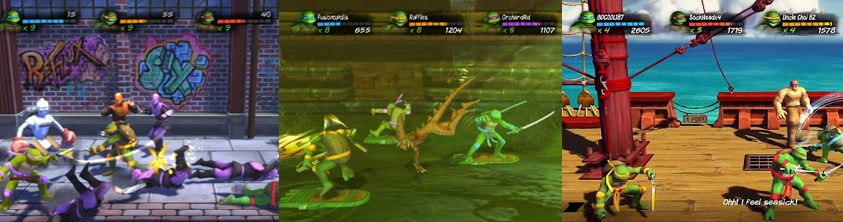
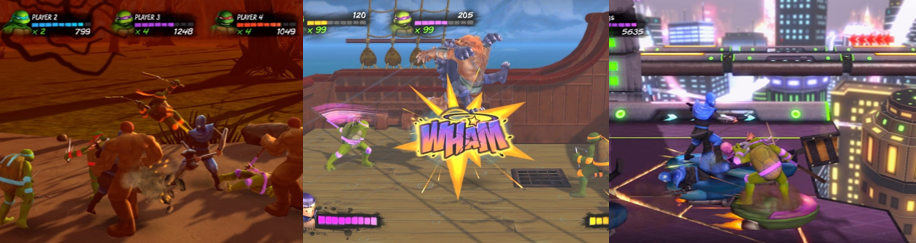
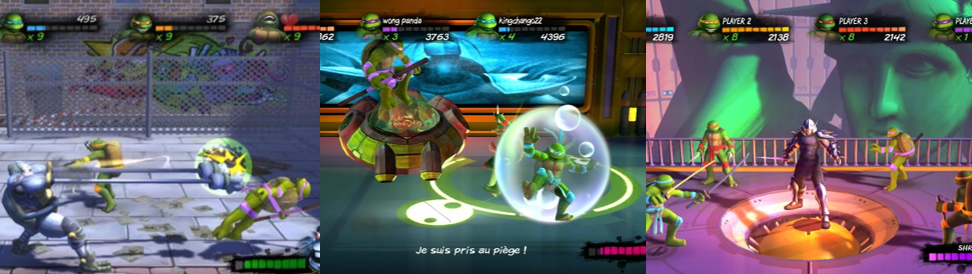


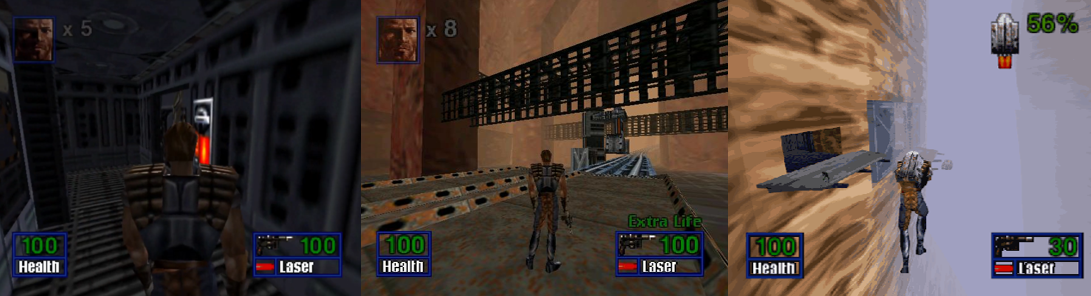
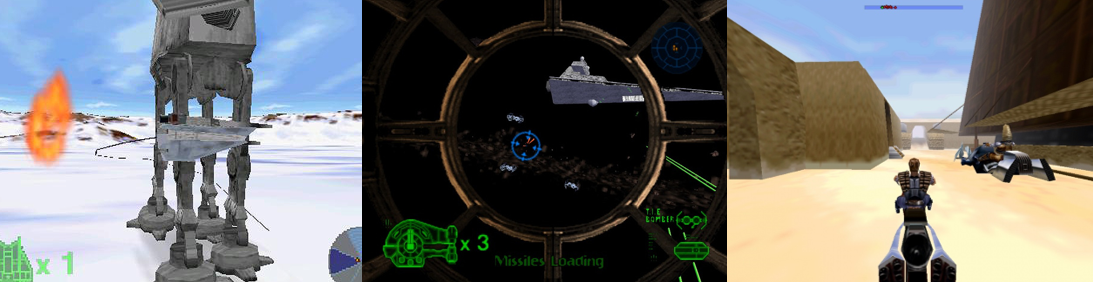
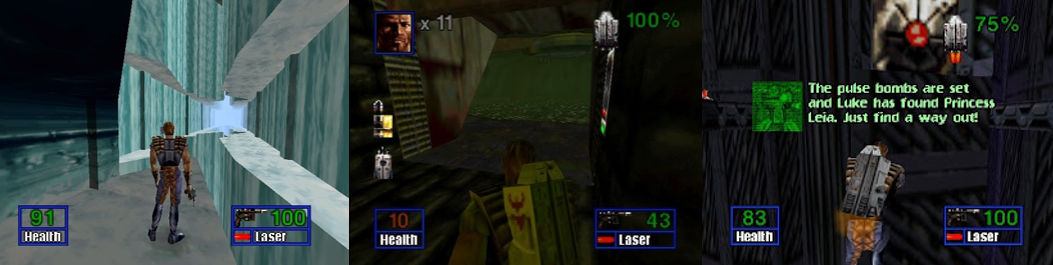
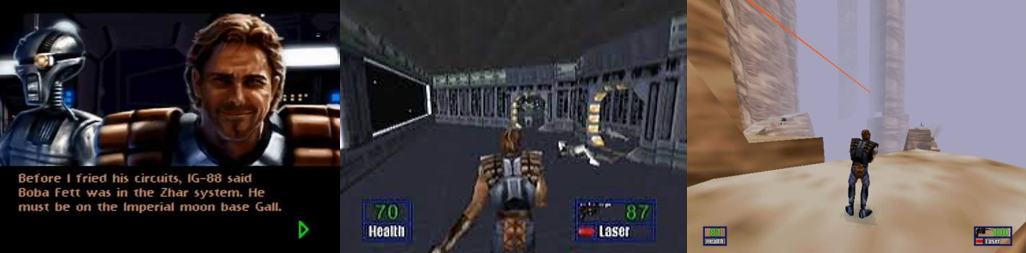
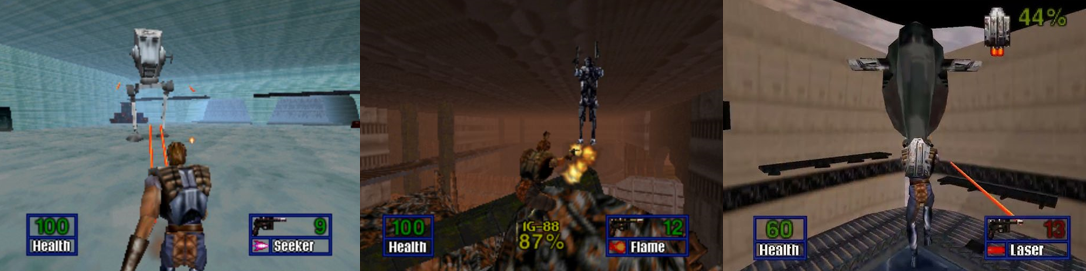
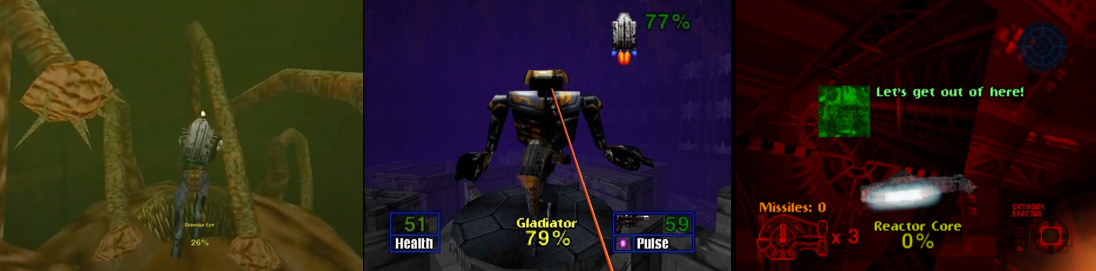




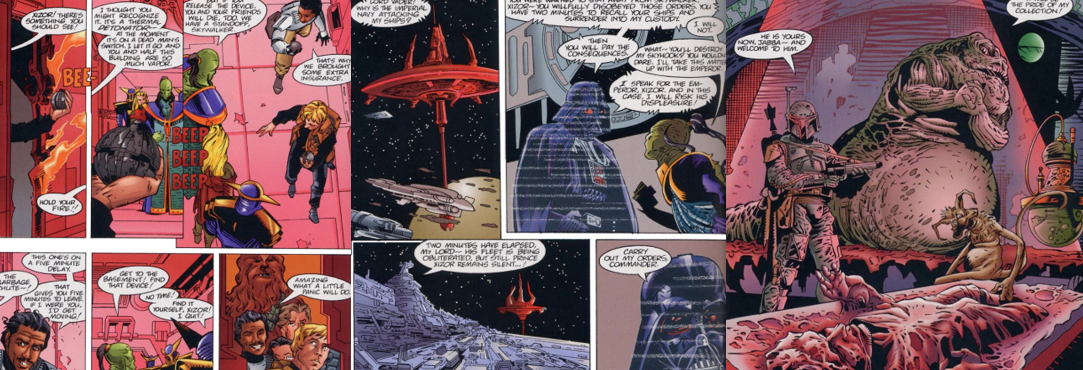

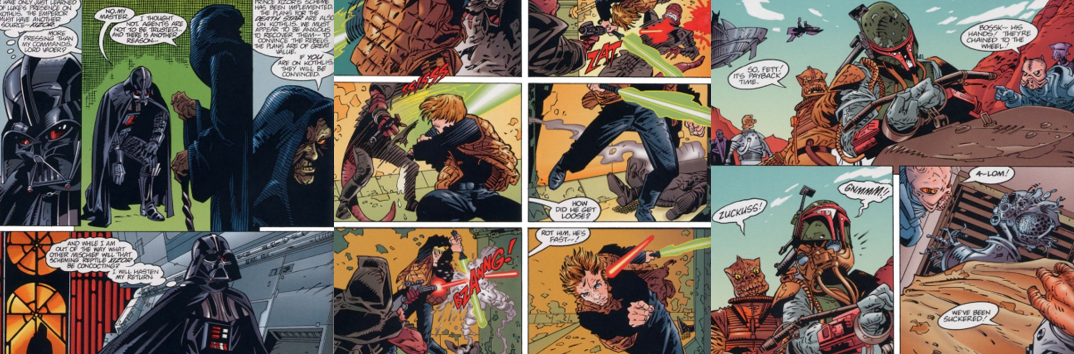



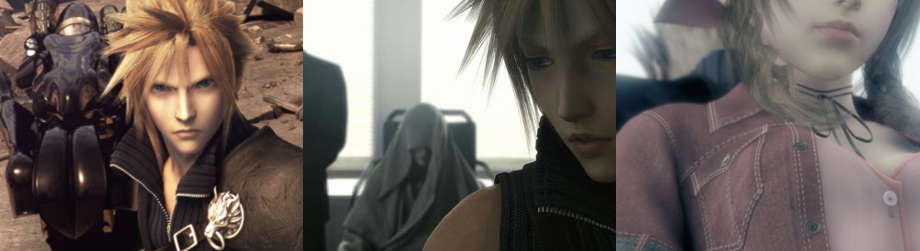
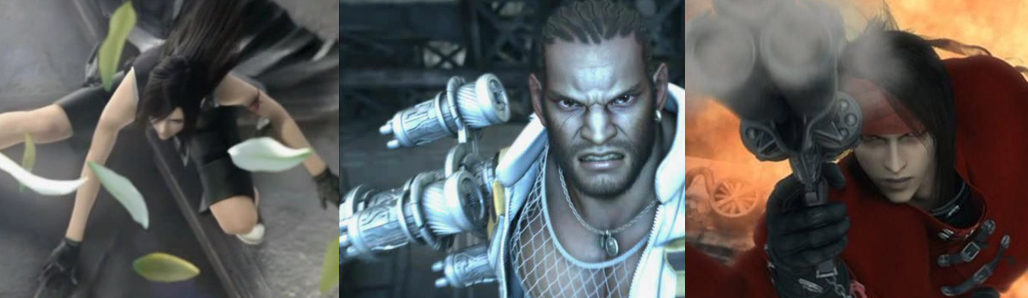
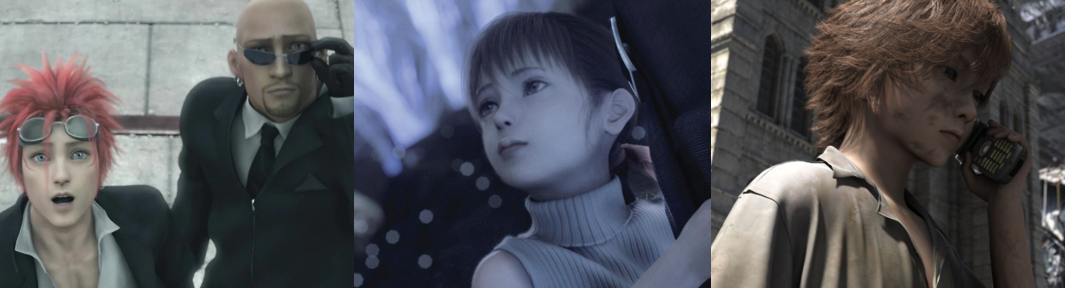
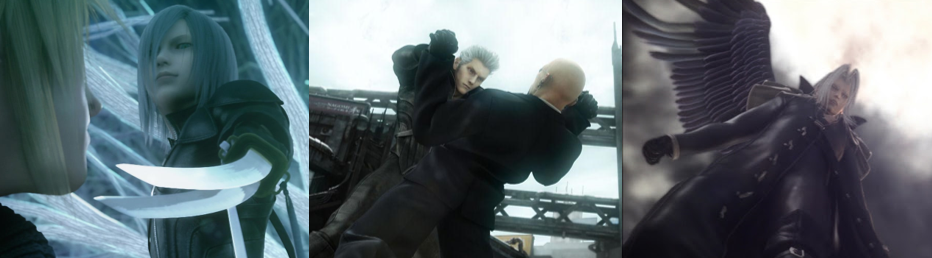
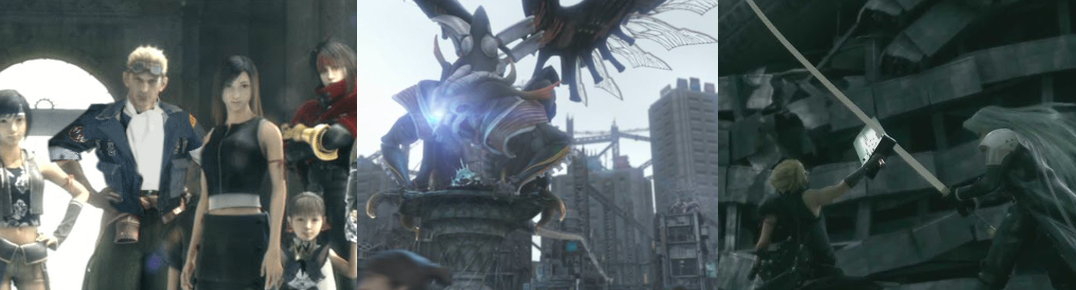
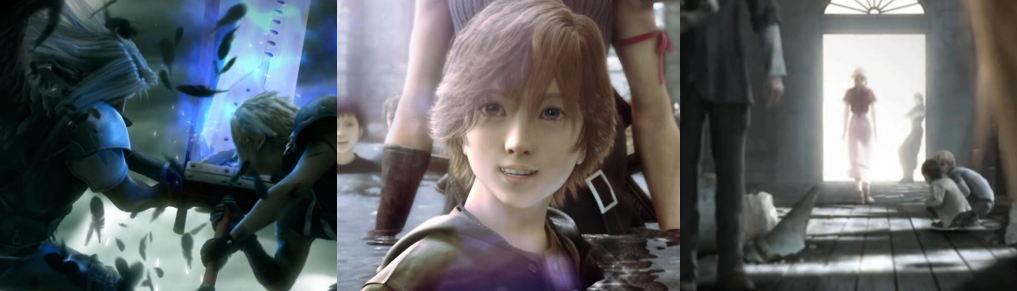






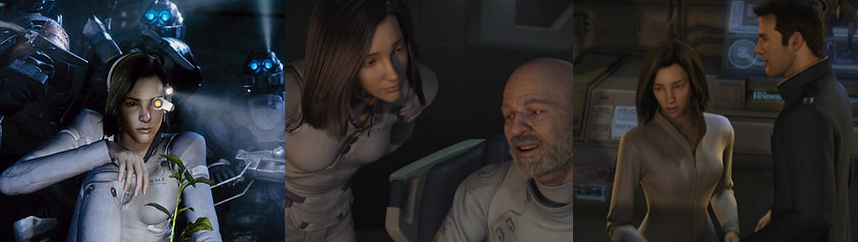

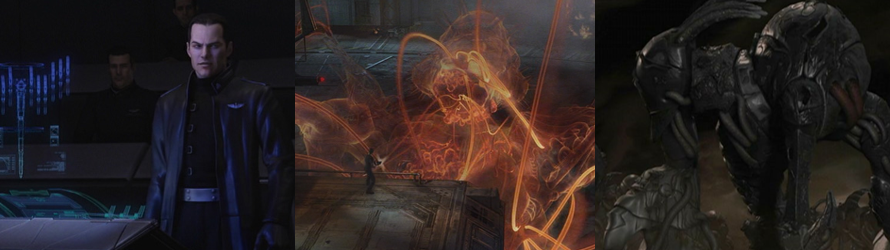

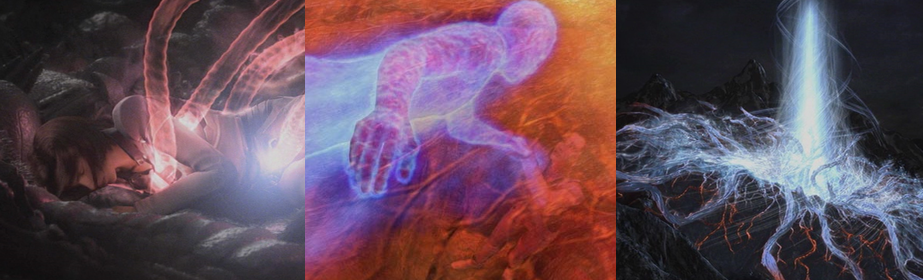













You must be logged in to post a comment.