When Sonic the Hedgehog 3(SEGA Technical Institute, 1994) released on this day in 1994, gamers were introduced to Knuckles the Echidna. Takashi Yuda’s mischievous, dreadlocked antagonist is my favourite of Sonic’s supporting cast so excuse me while I celebrate his debut throughout February.
Published: 9 November 1995 (cover-dated: January 1996)
Story Title: “The Chaos Effect” (Part 1 to 3) Writers: Mike Kanterovich and Ken Penders Artist: Art Mawhinney
Story Title: “Tag! You’re It!” Writer: Ken Penders Artist: Harvey Mercadoocasio
Story Title: “The Hunt is On!” Writer: Ken Penders Artist: Ken Penders
The Review: “The Chaos Effect” sees the Knothole Freedom Fighters (reckless point man hog Sonic the Hedgehog and his enthusiastic, two-tailed buddy Miles “Tails” Prower, fearless leader Princess Sally Acorn, tech guru Rotor the Walrus, the partially roboticized Bunny Rabbot, and officious Antoine D’Coolette) invited to what was then known as the Floating Island, a near-mythical hovering peninsula held aloft by a Chaos Emerald and known to dislike intruders. When Sonic and his friends arrive, they find a fully decked out carnival theme park populated by their fellow Freedom Fighters (including Sonic’s number one fan, Amy Rose, and his rival, Geoffrey St. John). Surprised that the island’s guardian, super strong loner Knuckles, would invite them much less host such an extravagant attraction, Sonic and the others are introduced to the brains behind the carnival: Renfield T. Rodent, who invites them to try out the Hall of Mirrors. Inside, while the others are startled (or amazed) by their warped reflections, Sonic’s suspicions about the whole thing immediately turn out to be true when the Freedom Fighters are trapped within the mirrors! Knuckles’ shock is doubled when Doctor Ivo Robotnik, the cruel-hearted despot who has conquered and polluted most of Mobius, reveals the entire thing was an elaborate trap to dispose of his hated enemies. When Knuckles attacks, he finds the light has stripped him of his natural abilities and that Dr. Robotnik spared him so Knuckles could witness the madman’s ultimate victory.
When Dr. Robotnik captures Sonic and co, Knuckles reluctantly teams with some new allies to rescue them.
With his dreadlocks pruned and his fists lacking spikes, the handicapped Knuckles ponders how he’s going to save his allies, only for a hyperactive little honeybee, Charmy Bee, to suddenly fly by and offer some advice. Both are startled when Espio the Chameleon reveals he’s been hanging out, while invisible, in the forest and all three ready themselves for a fight when a ruckus storms their way. When this turns out to be music loving, wannabe rap star Vector the Crocodile, Espio relieves him of his headphones before being knocked on his ass, along with the others, when powerhouse Mighty the Armadillo bursts through the mountainside. Although Knuckles is suspicious to see that Mighty is accompanied by two robots, Heavy and Bomb (strangely sporting very different appearances to their videogame counterparts), the duo explain that the “power gems” installed into them by Dr. Robotnik allowed them to develop sentience and a conscience. When they learned of Dr. Robotnik’s carnival-themed plot, they came to help, bringing a cache of power gems and experimental weapons to disrupt Dr. Robotnik’s mad scheme. Encouraged, Knuckles sets to work rescuing the Freedom Fighters and Dr. Robotnik is alarmed when his theme park attractions and rides suddenly activate. As they’re all powered by separated control mechanisms, the semi-cybernetic tyrant correctly surmises that Knuckles must’ve had help to bring them all online. However, Dr. Robotnik quickly adapts and uses his “material transport system” (because “teleporter” would be too simple, I guess) to bring in some reinforcements.
Despite its immense size, Mecha Sonic is reduced to scrap metal by an enlarged Knuckles.
This comes in the form of Metal Mecha Sonic, Sonic’s deadly, robotic doppelgänger. Greatly enhanced since its last deployment, the ever-loyal Mecha Sonic is sent after Knuckles and his new allies and immediately locates them in the heart of the carnival. Immediately taking charge, Knuckles commands they attack preemptively, which sees Charmy Bee fly around Mecha Sonic to little effect and Espio turning invisible to lure the super-fast robot into crashing into a building. Utilising a ring-like tether wielded by Vector, Knuckles dives at his foe, only for Mecha Sonic to switch to infra-red (seems tactically dangerous in the daytime, but whatever…) and snag the energy beam connecting the two rings. However, Vector apparently uses the mysterious rings to teleport or switch places with Knuckles (the art isn’t very clear…) and toss Mecha Sonic towards Mighty, who sends it crashing through a few buildings. While still recovering, Mecha Sonic is surprised when Bomb explodes next to him, only to shrug it off and grow to immense size thanks to a power gem. To face this Kaiju-sized, red tinted goliath, Knuckles utilises one of Heavy’s power gem’s to also become a giant, battling Mecha Sonic Kai on equal ground. Dr. Robotnik’s fears about the volatile nature of the power gems comes to fruition when Knuckles smacks Mecha Sonic Kai into the Hall of Mirrors, freeing the Freedom Fighters and restoring Knuckles. Rather than ponder why he didn’t smash the mirrors when he was in there (could’ve just tossed a rock or something…), Knuckles smashes Mecha Sonic Kai to pieces with his renewed strength. However, Dr. Robotnik makes a hasty exit on a rocket-powered rollercoaster, leaving Renfield to take the fall. Although Sonic encourages Knuckles and his “chaotic” new friends to form a super-team, they all comically disagree and refuse to entertain such an idea.
Once again, Archie wastes time on pointless backup stories that are largely disconnected from the game.
This not-team then appear in the special’s two back-up stories. The first sees Charmy Bee kick off a game of “tag” between the group. While Mighty’s initially reluctant, he quickly participates by shoving Vector into a pool since he doesn’t have anything better to do. Vector’s frustration doubles when Charmy Bee deftly avoids him and Mighty knocks over a tree to fend him off. While hopping aside, Vector trips over the sleeping, invisible Espio, who he quickly tags before racing off. Annoyed, Espio tries to pounce upon Vector, only to crash and burn and briefly meet a mysterious fire ant who quickly disappears in a puff of smoke. When Charmy Bee flutters by to check on Espio, he unwittingly leaves himself open for a tag and the story ends with the game said to continue. “The Hunt is On!” continues Knuckles’ issues with the elusive and mysterious Archimedes, a hitherto-disembodied voice who’s been testing the guardian’s abilities (and patience) over the past few months. The story begins with Knuckles frantically running from an explosive barrage and stumbling upon Charmy Bee, Mighty, and Vector, who are confused by the attack. While gathering his wits, Vector stumbles down a hole and, when the others try to get him out, they’re suddenly attacked by more explosive orbs, which put Charmy Bee down for the count. Knuckles and Mighty are joined by Espio, who’s amazed that Knuckles spotted him during all the commotion. While Knuckles discusses Archimedes with a confused Espio, Mighty is suddenly attacked by a strange robot on treadmills. Relishing a “challenge worthy of [his] matchless strength”, Mighty battles his mechanical attacker, with the two beating each other into submission. Knuckles urges Espio to find the puppet master behind these events, only for a shadowy figure to quietly abduct Espio (since he’s not a ninja yet). When Knuckles notices his friend is gone, Archimedes challenges him to decide whether his friends are more important to him than safeguarding the Floating Island. This ends the story on a cliffhanger that would finally be resolved in Knuckles’ first miniseries the following year.
Final Thoughts: Archie Comics strikes again with another meandering, borderline insulting 48-page special that has little to do with the source material and wastes its pages on forgettable backup stories and the asinine Archimedes sub-plot Ken Penders was pushing. As ever, the art in the main story is passable and mirrors the popular cartoon on which the comics were partially based, though things appear much more rushed than usual here, with many characters being bloated and off-model. Things are far worse in the backup stories, with Knuckles appearing like liquid at many points and Charmy Bee seemingly growing and shrinking between panels. “The Chaos Factor” is further hampered by Knuckles magically being physically altered by Dr. Robotnik’s technology (removing his dreads, spikes, and super strength) and the introduction of colourful new characters. It’s bizarre to me that Heavy and Bomb look so widely different; I wonder if Archie had seen any screenshots or artwork of the two when writing this special? Regardless, Art Mawhinney seems to be struggling with the Chaotix, which I kind of understand as they’re more complicated designs than Sonic’s regular crew. Vector and Espio, especially, appear warped throughout and the group’s characterisation is painfully one-dimension. Charmy Bee is playful, Espio turns invisible, Mighty is super strong, and Vector likes music. That’s about all we get here, apart from the random inclusion of the tether rings (which appear without explanation and are only used once, just like in Fleetway’s Knuckles’ Chaotix adaptation). On the plus side, the story seems to insinuate that the Chaotix live on the Floating Island (Espio and Charmy Bee seem to know each other) and the group expands Knuckles’ character, taking him from a loner who protects his residents as part of his duties to a team leader rallying his troops.
The main story pays partial lip service to the videogame but is a poor representation of the source material.
That’s about where the praise for Knuckles’ Chaotix ends, though. Like many of Archie’s videogame adaptations, the story is a disservice to the source material, taking place entirely in and around the amusement part that acts as the hub world in the game. This barely resembles Newtrogic High Zone, however, and is much closer to Carnival Night Zone or a standard amusement park. Rather than capturing Espio, Dr. Robotnik captures (presumably all) the Freedom Fighters with bizarre mirror technology that’s easily undone by breaking the mirrors (though Knuckles is apparently powerless to do this at first). The story does include Mecha Sonic, which is cool, and I quite liked its fight with Knuckles and the Chaotix as it was a good way to show their powers and test their mettle. Sadly, the group don’t overcome Mecha Sonic Kai with the “real superpower of teamwork”. Instead, Knuckles just grows to gargantuan size and fights Mecha Sonic Kai, somehow toppling the monstrous machine despite him lacking his super strength. None of the stories feature the Zones (or “Attractions”) from the videogame which is, again, a massive disappointment. Why not spend the entire 48-pages following Knuckles as he fights through a few locations (like Botanic Base and Speed Slider) slowly learning to co-operate and accept the Chaotix before reaching Dr. Robotnik’s secret base in Techno Tower? Or, at the very least, produce two, far better backup stories set in locations like Marina Madness or Amazing Arena, perhaps including some of the Badniks and bosses from the game. Instead, once again, it seems Archie Comics only had access to a few screenshots and the basic details of the game, meaning the cover art is the best thing about this let-down of a special that’s only notably for half-assing the introduction of the Chaotix.
My Rating:
⭐
Rating: 1 out of 5.
Terrible
Did you enjoy the Chaotix’s debut Archie’s Sonic comics? Were you also disappointed by how badly represented Knuckles’ Chaotix was? Did you enjoy the fight between the enlarged Knuckles and Mecha Sonic Kai or would you have preferred to see the team tackle the titanic terror? Whare some of your favourite Chaotix adventures and moments from the Archie comics? How are you celebrating Knuckles this month? Whatever you think about Archie’s Sonic comics, and especially Knuckles and the Chaotix, comment below, support me on Ko-Fi, and check out my other Knuckles content!
Story Title: “The Brotherhood of Metallix (Part 1 to 4)” Published: 1 September 1995 to 13 October 1995 Writer: Nigel Kitching Artist: Richard Elson
The Background: After Sonic the Hedgehog became a mainstream success and SEGA usurped Nintendo’s position at the top of the videogame industry, SEGA quickly capitalised on Sonic’s popularity not just with videogames but a slew of ancillary merchandise, including cartoons and comic books. About six months after Archie Comics started publishing a weird amalgamation of the Adventures of Sonic the Hedgehog (1993 to 1996) and Sonic the Hedgehog/SatAM (1993 to 1994) cartoons, United Kingdom publisher Fleetway Editions Limited started “Britain’s Official SEGA Comic”, Sonic the Comic (StC), a fortnightly publication that was a favourite of mine until its unfortunate end. Though StC pulled much of its lore from the now defunct Mobius and Doctor Ovi Kintobor storyline that was prevalent outside of Japan, StC quickly veered from the source material, portraying Sonic the a mean-spirited leader of a gang of Freedom Fighters comprised of videogame characters and anthropomorphic original characters. Like Archie’s comics, StC included some very loose adaptations of the videogames that truncated or adapted the source material to fit with its noticeably different lore. When StC adapted Sonic CD, they reimagined Metal Sonic as “Metallix” and told a self-contained time travel story. However, some years later, a second Metallix appeared and teased a “brotherhood” of Badniks, which was paid off in these issues and solidified Sonic’s robotic doppelgänger as one StC’s more dangerous and persistent secondary antagonists.
The Review: “The Brotherhood of Metallix” takes place in the middle of Doctor Ivo Robotnik’s merciless rule over the planet Mobius. Having conquered the entire world thanks to a time dilation, Dr. Robotnik has become all powerful save for the efforts of Sonic and his friends, who’ve been driven from their homes and roam the Zones disguised as Bob Beaky’s Travelling Circus. The story begins with Porker Lewis, the technical support of the team, activating a security field around their caravan while the Freedom Fighters investigate reports of a new Badnik in Metropolis City, which is essentially Dr. Robotnik’s headquarters. Expecting some all-powerful death machine, the cocksure Sonic is incredulous by the clown-like Mister Blobnik (a thinly veiled parody of British television icon Mister Blobby). A ludicrous Badnik who staggers about blowing bubbles and fumbling with its weaponry, Mr. Blobnik nevertheless proves more durable than regular Badniks and Troopers, withstanding a Sonic Spin Attack and trapping Sonic in a an inescapable bubble upon defeat. Having successfully fooled the Freedom Fighters with a variation of the “Drunken Fist” technique, Mr. Blobnik’s head detaches from its remains and carries Sonic to Citadel Robotnik. However, rather than being tortured, transformed into a Badnik, or executed, Sonic is stunned when a panicked Dr. Robotnik reveals he needs to join forces with Sonic to oppose the “Brotherhood of Metallix”. While Sonic battled Mr. Blobnik, Dr. Robotnik was shocked when a Metallix teleported into his citadel via a corrupt version of the Omni-Viewer (a sentient television screen that resides in the Special Zone) and kidnapped his long-suffering assistant, Grimer. After learning that the Metallix, who were set to automatically replicate and improve themselves in Dr. Robotnik’s abandoned Egg Fortress base in the Special Zone, have gained sentience and are now ruled over by a gigantic Emperor, Grimer’s forced to aid their scheme for true autonomy.
When the Metallix mysteriously return, Sonic’s forced to join forces with Dr. Robotnik to investigate.
Although Sonic’s sceptical of Dr. Robotnik’s claims, he remembers his last encounter with an upgraded Metallix mentioned a “brotherhood” and reluctantly agrees to use his super speed to enter the Special Zone via a Star Post and investigate. Sonic arrives to find the Egg Fortress heavily damaged and seemingly abandoned, until he explores further and witnesses Grimer handing the Emperor Metallix a mechanical staff, the “Alpha Device”. With this in hand, the Emperor Metallix and its troops prepare to teleport to the Miracle Planet via their Omni-Viewer, only for Sonic to attack, reasoning that the Badniks are obviously up to no good. The Emperor Metallix silently commands two minions to attack. While they land a few good blows on the Blue Blur, Sonic dispatches them far easier than their predecessors by tricking one into blowing its fellow up with its chest cannon and simply smashing the other into junk with a swing of the Alpha Device. Sonic’s victory is short-lived, however, when the Emperor Metallix takes Grimer hostage and threatens to crush the life out of him unless Sonic hands over the Alpha Device. With no choice but to acquiesce as he can’t allow even his enemy to be killed, Sonic can only watch as the Emperor Metallix departs. Luckily, since the Miracle Planet has arrived in orbit once again, Sonic and his friends follow the Brotherhood of Metallix using the massive magic chain that binds the planetoid to Mobius. Despite their temporary truce, Sonic refuses to allow Grimer or Dr. Robotnik’s forces or weaponry to go with the Freedom Fighters, meaning we’re denied a true team up between the long-term allies. Instead, the Freedom Fighters witness the Emperor Metallix preparing to usher in a “new age” for its brotherhood via the Alpha Device, which has been created to reshape the mysterious Miracle Planet into Metallix’s form and provide them with the near-limitless power to conquer the world.
Thanks to Porker’s bravery and ingenuity, the Metallix are seemingly foiled on the Miracle Planet.
Detected by the Metallix, Sonic leads his friends into an immense network of caves (where, it’s revealed, he hid from Amy Rose for two days when they were trapped there some years ago). A Metallix stalks them through the tunnels and easily shrugs off Johnny Lightfoot’s attack. A Super Sonic Spin stuns the robot, however, allowing Amy Rose to take it out with a well-aimed crossbow to its neck (its one weak spot, as identified by Dr. Robotnik). The distraction is enough for the Emperor Metallix to enact its plan, however, and the Alpha Device begins transforming the Miracle Planet into a world of metal. The Emperor Metallix gloats when one of its troops arrives with Sonic, Johnny, and Amy, but is too late to notice that the unit has been tampered with by Porker Lewis. Porker presses a button on his remote and causes the Metallix to self-destruct, taking out all the emperor’s troops and severely damaging the big red overlord. For his efforts, Porker receives a kiss on the cheek from Amy Rose and even kudos from Sonic, traditionally a more hard-assed character in StC. Unfortunately, the Alpha Device is still functioning and rigged to explode if it’s tampered with. Thus, Porker steps up again, navigating the booby traps to shut down the Alpha Device and undo the damage being done to the Miracle Planet. With Mobius fading, Sonic ushers his friends down the magical chain, only for the Emperor Metallix to lurch to life and reactivate the Alpha Device before collapsing. With no other choice, Porker bravely returns to the Miracle Planet to shut the Alpha Device down once more, trapping himself on the magical world for a month and leaving Sonic with no choice but to wait and see if his friend was successful.
The Summary: “The Brotherhood of Metallix” has one very obvious positive going for it right off the bat: it’s illustrated by Richard Elson, easily the best artist in Sonic the Comic’s all-too-short history. He brings Sonic and StC’s original characters to life with such a peerless flair and stories always felt more important when his name was attached to them. Unfortunately, it appears Elson was rushed during this particular story as I saw a lot of repetition in “The Brotherhood of Metallix”. Some panels during Sonic’s battles with the Metallix, for example, are directly lifted from Elson’s work in “The Sonic Terminator” (Kitching, et al, 1994) and many of Sonic’s poses looked familiar, too. It’s a minor thing and it’s not like every panel is like that, but it was noticeable and a little odd considering the detail seen in Mr. Blobnik and the Emperor Metallix. The story also suffers from promising a team up between Dr. Robotnik and Sonic and failing to deliver on almost every level. They don’t join forces or oppose the Metallix as a team; instead, Dr. Robotnik simply warns Sonic of the threat, tells him of the Metallix’s weak spot, and that’s it. It’s pretty disappointing as this could’ve been a longer, multi-part story where Sonic shuns his usual allies to team up with Dr. Robotnik instead, making his friends question his decision and having the mad dictator betray him to seize the Miracle Planet for himself. The cliff-hanger of Porker Lewis being left behind was resolved in a later story and expanded into a full-on nervous breakdown for the character, but it could’ve easily been Dr. Robotnik who rigged that Metallix to blow and was left trapped on the Miracle Planet. Consequently, as amusing as the Mr. Blobnik stuff was, I feel these panels were wasted and could’ve been better served showing a proper, awkward team up between Sonic and Dr. Robotnik where they battle at least one Metallix together.
As great as the art is, Metallix is strangely inconsistent and the story squanders its potential.
Speaking of which, the Metallix are a bit hit and miss here. In his first encounter with his robotic double, Sonic struggled to compensate for Metallix’s super speed, power, and armaments. This was taken one step further in Sonic’s second encounter with the robot, which was so powerful that it made mincemeat of Knuckles the Echidna and Sonic was forced to transform into his demonic, unstoppable alter ego, Super Sonic, to destroy it. Metallix has always shrugged off Sonic’s best shots and has always been depicted as being, as the kids say, “built different” from Dr. Robotnik’s other creations. While that’s somewhat true here, it’s pretty inconsistent: sometimes they shrug off the Super Sonic Spin Attack, sometimes it stuns them, sometimes they barely flinch when struck and sometimes Sonic shatters them with a glorified pole! To make matters worse, Porker Lewis easily blows a bunch of them up with a single explosion, severely diminishing their threat despite one or two of them being framed as formidable and menacing robots when they’re pursuing the Freedom Fighters. I did enjoy seeing Metal Sonic Kai from Knuckles’ Chaotix(SEGA, 1995) reimagined as the brotherhood’s emperor. It’s a fantastic design and almost resembles Davros at times, with the gigantic emperor floating about in its throne and spearheading the creation of a Metallix army to take over the world. The Emperor Metallix’s plot is somewhat vague and generic – it wants to transform the Miracle Planet and use its mysterious energies to produce more troops – but it’s at least framed as a threat in its large and menacing stature…until it’s easily disabled by Porker’s explosion! In the end, this was a decent enough follow-up to “The Sonic Terminator” but didn’t live up to its full potential, in my opinion. We didn’t get to see anything new from the Miracle Planet, we lost out on a proper Sonic/Dr. Robotnik team up, and the whole story seems to be more set up for future stories rather than properly standing on its own two feet.
My Rating:
⭐⭐
Rating: 2 out of 5.
Could Be Better
Have you ever read “The Brotherhood of Metallix”, or any issues of Sonic the Comic? If so, what did you think of the story and the return of this version of Metal Sonic? Were you also disappointed that we didn’t get a true team up between Sonic and Dr. Robotnik? What did you think to the Emperor Metallix and the depiction of the Metallix in this story? How are you celebrating Sonic CD’s anniversary this year? Whatever your thoughts on Sonic CD, or Sonic in general, feel free to leave a comment below, support me on Ko-Fi, and check out my other Sonic content.
Released: 1 September 2019 Developer: SEGA Also Available For: Arcade and Mobile
The Background: Super Mario and Sonic the Hedgehog engaged in a fierce “Console War” during the nineties as Nintendo and SEGA battled to be the top dog of the videogame industry. In the end, thanks largely to wasting money on expensive peripherals and the pressures of an ever-changing marketplace, SEGA withdrew from the home console market. On the plus side, their supersonic mascot appeared on his rival’s consoles, prompting discussions of a long-awaited crossover began between their respective creators, Shigeru Miyamoto and Yuji Naka. Surprisingly, the two came together in the spirit of friendly competition once SEGA obtained the 2008 Beijing Olympic licence. Essentially a collection of Olympic-themed mini games, Mario & Sonic at the Olympic Games (SEGA Sports R&D, 2007) saw Mario and Sonic characters co-existing for the first time and its commercial success led to subsequent titles releasing annually to promote different Olympic events across the world. This year, to coincide with the Special Olympics World Winter Games, I’m looking at the 2020 iteration (and currently last) of the series. Released following a significant gap between entries and the first to appear on the Nintendo Switch, the game including story elements and events that incorporated sprites from both franchise’s classic 2D games. Retaining its branding despite the delay to the Olympic games, Mario & Sonic at the Olympic Games Tokyo 2020 attracted mixed reviews that praised the nostalgic feel of the 2D mini games but criticised the tedious story mode and limited options.
The Plot: When Bowser, King of the Koopas, and Doctor Eggman are trapped inside an 8-bit videogame console alongside Super Mario and Sonic the Hedgehog, Luigi, Miles “Tails” Prower, and all their extended supporting characters must compete in the Tokyo 2020 Olympic games to free them.
Gameplay and Power-Ups: If you’re familiar with the Mario & Sonic series of Olympic game tie-ins, you probably won’t be surprised to learn that Mario & Sonic at the Olympic Games Tokyo 2020 is a collection of Olympic-themed minigames starring the biggest names from both franchises. As ever, Mario and Sonic’s worlds are mashed together with our own, allowing these anthropomorphic and comical characters to wander around real-world locations (courtesy of not one but two overworld maps) and learn interesting facts about both franchises, the Olympic games, and Tokyo. You start the game by selecting your region, being bombarded by pop-up notifications that tell you basic stuff like what the sound settings do, and customising your player profile, assigning icons and such. From there, you have a few gameplay choices: you can jump into a quick game solo or against other players, picking from every event as they’re all unlocked from the start and setting the difficulty of each, or tackle the game’s story mode. Regardless of which option you pick, your gameplay experience will change depending on which character you play as. While the Story Mode forces you to play as certain characters, you can pick almost any character for any event in Quick Match, but you’ll need to consider their capabilities. These are pretty simple: some characters are faster, some are all-rounders, some do better with Super Moves. It doesn’t get more complicated than that and I’m not sure how much of a factor they are as basically every game comes down to how fast you can tap buttons or work the various controls. There are thirty-two characters to choose from, though twelve are only selectable in certain events (like Jet for Football and Ludwig for Fencing) and, when playing the 2D-styled “Dream Events”, your choices are limited to just eight characters.
Up to four players can tackle the game’s 3D, nostalgic 2D, and chaotic “Dream” events.
There are twenty-one Olympic events to play, ten 2D Events set during the 1964 Olympic games, and three special challenge “Dream Events”. You’ll get a chance to review the controls and success criteria prior to each event, though it’s worth pressing X during one of the many introductory scenes or after pausing to review any additional controls. Players can choose from three different ways to play, including flailing around with the motion controls or using the buttons like a normal person, though some events (like the Discus Throw and Javelin Throw) force you to use motion controls to angle your shot, making them some of the more aggravating events. Generally, you can hold the Right trigger or A at the start of an event to build power and must tap A to run or move. B is usually reserved for jumping while R or A execute a Super Move (such as a burst of speed or dancing flourish). The simplest events, like the 100m Race and 110m Hurdles, have you tapping A to run to the finish line, with players hitting B at the right time to clear hurdles and gain a boost in the latter. Most events have a foul line that will disqualify you if you cross it, some of the trickier ones have an optional practice mode beforehand, and your objective is to win every event to set a best time (or break a World Record) and earn gold medals or the top spot on the podium. If you fail an event three times in the Story Mode, you can choose to skip the event, progressing the story with no consequences, something I eventually did quite often when the events became too laborious or finnicky. I was fine with the challenge offered by, say, the Long Jump where you tap A to run, hold B to adjust your jump angle, and complete a series of button presses akin to a quick-time event (QTE), even if it took some practice. Similarly, Sport Climbing was tricky but not too taxing. You press the Left trigger and R at the start to latch on, aim your jump with the left and right control sticks, and hop to hand-holds against a time limit, avoiding spiked balls and replenishing your stamina with hearts. I also had a fair bit of fun in Boxing and Fencing, where you must time button presses and build combos, guarding against incoming attacks and frantically tapping A (in the latter) to avoid being counted out.
Skill and character choices can help with the game’s harder events, which include team-based sports.
Things took a turn whenever the events became a bit more complicated, however. It’s not too difficult timing your button presses in the Triple Jump event or pulling off gnarly tricks in the Surfing – Shortboard and Skateboarding – Park events, but you need to be on point to win those gold medals as a poor score will cost you and you often have to complete a few rounds to win, making it even more annoying. Archery was a similar issue; here, you have to think about the wind direction, the distance of the targets, and the angle of your shot. It’s a far cry from Shooting – Trap, where you just pick a square and hit a button to shoot clay discs. The Judo event also caused me a lot of headaches; you have to mess about trying to keep your balance to toss the opponent, which I just couldn’t figure out. I didn’t mind completing increasing difficult QTEs in the 10m Platform and Vault events, but tilting the left stick to match your partner’s strokes in Canoe Double (C-2) 1000m and frantically rotating the control stick to chase to the goal in Kayak (K-1) 1000m was a pain in the ass. You even play team games, like Volleyball, Football, and Rugby Sevens. I couldn’t figure out the Volleyball event; no matter how well I timed my presses of A and B and how often I hit the ball over the net, I couldn’t score a point. Rugby Sevens was a touch more enjoyable; here, you press A to pass and score a try, B to evade, and race around a pitch tackling other players and scoring a conversion by timing a press of X as a meter goes back and forth. And then there’s the aforementioned Discus Throw and Javelin, where I could just about figure out the motion controls in practice and then kept screwing up my throws when it came time to compete. If the option had been there to just use the left stick to direct my shot, it would’ve been far more enjoyable!
The minigames are some of the best parts of the game, often outshining the main Olympic events!
When playing Story Mode, you’ll alternate between moving Luigi around the 3D world of the 2020 Olympic games and Mario around the 2D world of the 1964 Olympic games, with Tails and Sonic following each. You’ll chat with other characters and non-playable characters (NPCs) like Toads and Omachao to obtain passes to other areas and compete in additional events and find glowing tickets to learn fun facts. For such small overworld maps, there’s a hell of a lot of backtracking and dialogue to skip through, and it quickly gets a bit tedious slogging through the twenty-chapter story to reunite the two groups. Occasionally, characters will ask you to complete one of ten minigames to advance the plot; these are then unlocked for free play in the Game Room. These minigames are some of the best parts of Mario & Sonic at the Olympic Games Tokyo 2020 and see you flying through the Tokyo skies in a sidescrolling shooter like in Sky Chase Zone, chasing down a bullet train, painstakingly searching Shibuya’s Hachiko Square for specific characters in a game of Where’s Wally?, and chasing down (and attacking) Dr. Eggman’s taxi in what’s somewhat similar to Rad Racer (Square, 1987). You’ll be bouncing on Cheep-Cheeps as you chase after Bowser’s river boat, sneaking through a museum, avoiding Koopas and other Mario enemies as you collect keys, and desperately trying not to fall as you scale Tokyo Tower. Other times, you’ll be beating up waves of Shy Guys or shooting Egg Pawns before they throw spiked balls at you, both options that are far more enjoyable than the game’s odd depiction of Badminton that’s essentially just a rhythm game, just press the button when prompted, using the left stick to aim your shot, and your character moves by themselves (though I found the doubles partner screwed up more than I did). You’ll also dash around an obstacle course in Equestrian – Jumping, building speed to jump fences and puddles, knock a ball back and forth in table tennis until you can hit your Super Shot, and throw hands and feet in Karate – Kumite, toppling your opponent to earn extra points. Most of the events are pretty fun but some of them are way too short and others outstay their welcome very quickly. It’s also pointless trying to master the difficult ones as you can just skip them in Story Mode, unless you’re aiming for 100% completion.
Presentation: In keeping with the tradition of this spin-off series, Mario & Sonic at the Olympic Games Tokyo 2020 is a bit of a mixed bag in this area. None of the familiar tunes from either franchise appear, leaving the game to plod along on the strength of a weak-ass, generic soundtrack that barely eases the pain of a failure. Things start off strong with a beautiful pre-rendered cutscene that showcases many of the new and returning events and shows these two franchises co-existing side y side, a visual that never gets old even if I’ll never forgive either company for not doing a more suitable crossover. It’s a bit downhill from there, though, as prerendered cutscenes are eschewed in favour of partially animated 2.5D models, endless dialogue boxes, and a parade of pop-ups. The 2D sprites and environments ease this pain a bit, but the developers limited themselves by using the sprites from Mario’s debut title, meaning he and his fellow characters have very few frames of animation. Sonic and his cohorts fare slightly better in this regard but the aesthetic is all over the place since Knuckles the Echidna’s sprites are obviously more detailed than Sonics, leading to some weird moments when the sprites are awkwardly depicted holding items. It even looks weird when they celebrate their victories or react to their failures since the developers didn’t create any new animations, so you’re left with Sonic looking annoyed and Mario flipping on his ass. Overall, I did enjoy the 2D environments and events, though; they reminded me of the many 8-bit sports games on the Nintendo Entertainment System (NES). I would’ve liked to see some 16-bit ones thrown in, even if just as additional “Dream Events”, but these retro-styled sections were the best parts of the game, despite my complaints.
The limited 3D visuals are decent but it’s the retro-styled aesthetic that really impresses.
The 3D sections hold up well, for the most part, but aren’t that dissimilar from what we’ve seen in the previous Mario & Sonic titles. You can hold B to run and characters are far more animated in 3D, spouting gibberish and sound bites and even wearing different outfits for every event. Strangely, every area felt very bland and empty, despite often being populated by at least a handful of NPCs. Eventually, larger crowds of Sonic’s Animal Friends, Chao, Shy Guys, and Toads fill certain areas and populate the stands, but they don’t help to make the areas feel very lively. Still, you’ll see NPCs like Charmy Bee and Lakitu serving as referees and other side characters operating cameras; these NPCs even get in on the action in the atrocious Marathon event. The 2D sections sported an announcer I either missed or ignored in the 3D parts and characters all gain a suitably dramatic glow and flourish when executing Super Moves. However, while event locations and interiors are far more interesting to look at, the game’s let down by its painfully bland overworlds. You can visit many real-world locations in 1964 and 2020, seeing planes fly overhead and learning their history, but it’s all stuck on a rather uninspired overworld map. This is especially disappointing considering how interactive and varied previous overworlds in the series have been, and the fact that you visit these areas time and again to find passes or charge this magical battery created by Doctor Eggman Nega. Many of the minigames again steal the show in terms of visuals, incorporating additional sprites to serve their needs and being visually akin to lost titles from Nintendo’s 8-bit heyday, which only adds to their replay factor. The game also performs really well; I noticed no slowdown or texture warping or anything like that. However, there are a lot of menus to navigate, lots of instructional text to read, and replaying events after a loss can be tedious as you have to skip a bunch of introductory scenes.
Enemies and Bosses: As you might imagine, every character in Mario & Sonic at the Olympic Games Tokyo 2020 is your enemy at some point though, luckily for you, there’s very little to distinguish them. Computer-controlled opponents have the same abilities as you, charging power, getting a starting boost, and attacking and defending just as you would. Their individual classes do become a factor, however (you may struggle to win a race against Shadow the Hedgehog when playing as Wario, for example), though you can certainly overcome these if you mash buttons faster enough or don’t screw up when playing the event. I did notice some characters seemed to be unfairly good at some events; Vector the Crocodile never struggled to toss his discus, for example, and I could never hope to match Bowser Jr. in the Javelin Throw. Admittedly, the fact that I struggled with these events probably has a lot to do with that. however, I did notice my opponents would charge their Power Gauge much faster than me, or would sprint past me at the last minute even if I had a commanding lead. The general advice here is to simply do better the next time around, something that’s easier said than done when you have to restart a Table Tennis match after playing to deuce and match point for God-knows how many rounds! Unlike in some of the previous Mario & Sonic titles, there are few examples of what could loosely be called “boss battles” here. It’s generally seen as a big deal when you challenge Dr. Eggman or Bowser, but then a lot of those events aren’t that difficult to win…to start with… Bosses (and Badniks) do appear in the Tokyo Sky Flight minigame, however, including Mecha Sonic and a variation on the classic Egg Wrecker fight, which were fun inclusions.
A handful of quasi-boss battles and harder events test your skills…and patience…
There are some exceptions, however. The Metropolitan Goal Kick minigame, for example, has you tackling Egg Pawns to grab a rugby ball and then timing a button press to kick it up the length of the Metropolitan Government Building and deal damage to Metal Sonic. As far as I could see, Eggrobos only appear in the Volleyball event, while you must tackle Boom Booms in Rugby Sevens and score penalties against Egg Pawns in Football. The twelve guest characters can only be challenged or controlled in specific events, as well, and you must best them (or skip the event) in Story Mode to unlock them. This means you’ll only see Zavok and Zazz of the Deadly Six in Boxing and Table Tennis, respectively, Diddy Kong only appears in Rugby Sevens, while Eggman Nega and Rosalina must be challenged in games of Karate – Kumite and Surfing, respectively. Depending on your level of skill, these can be difficult events; it took me a couple of tries to clear the Sport Climbing event and unlock Rouge the Bat, for example. When playing Story Mode, other playable characters challenge you to events before helping you or joining your team, meaning you must best Knuckles and Shadow in a game of Badminton (Doubles) and win a canoe race against Wario and Waluigi to gain their help. You must also defeat Bowser’s Koopalings to charge up that stupid battery and deal with Bowser, Dr. Eggman, and their minions stealing your gold medals in 1964. Both baddies challenge you to various events, with Dr. Eggman easily being overtaking in a straight-up race or in the Vault event. Once you reach the final chapter, you must pick to play as either Mario or Sonic and race Bowser in the dread Marathon. In this event, you must tap A to run, which depletes your stamina. Hitting other runners, the walls, swarms of bees, or puddles also depletes your stamina and will eventually knock you over, costing you valuable time. You can grab water with B and ride slipstreams to regain stamina, charging up for a boost or using boost pads, but this is a hell of a final ask that I ended up skipping as I never had enough stamina to beat Bowser to the finish.
Additional Features: There are 122 pieces of trivia to find in Mario & Sonic at the Olympic Games Tokyo 2020, spread out across both 1964 and 2020. You’ll get trivia by inspecting glowing tickets and talking to other characters, who’ll either ask a question or offer titbits about the characters, the Olympic games, and Tokyo. These are all saved in the Trivia section so you can re-read them if you wish or see which ones you’re missing. There are also eighty hidden “Challenges” to complete, with the obscured list available from the main menu. These are mainly tied to setting new World Records, finishing events on the hardest difficulty, scoring a set number of points, and clearing Story Mode. Finishing the Story Mode, you’re returned to the overworld upon loading your file, now able to replay all previous events and take on additional challenges in the “Dream Events”. Though there are only three of these, they’re pretty enjoyable and interesting, featuring additional power-ups and gameplay mechanics that make them perfect for multiplayer games. Dream Racing sees you racing through a mainly half-pipe-like course, performing tricks and hopping rails not unlike in the Sonic Riders series (Sonic Team/Now Production, 2006 to 2010) and attacking with items similar to the Mario Kart series (Various, 1992 to present). Dream Shooting sees you running around, awkwardly aiming your weapon with motion controls, and blasting targets, grabbing multi-shots and shooting down gliders in an arena shooter that reminds me of the Splatoon games (Various, 2015 to 2022). Finally, in Dream Karate, you attack with combos, kicks, and throws to toss your foes around and colour the floor panels, grabbing springs and Super Stars for temporary buffs. Beyond that, you can challenge the computer on harder difficulties, aim to get gold medals and break World Records, and play alongside up to four players…if you can find anyone to play with.
The Summary: As a lifelong Sonic fan (and a pretty big fan of the Super Mario games), I’m basically obligated to pick up the Mario & Sonic games whenever they release. I believe I’ve played all of them, but only on portable devices, which I think made the already aggravating gameplay all the more vexing. Free from the restrictions of the small size of Nintendo DS and 3DS screens, Mario & Sonic at the Olympic Games Tokyo 2020 is easily the most visually impressive of all the Mario & Sonic games I’ve played, offering relatively attractive 3D models and worlds that show a decent amount of personality. I can never shake the feeling like these games are just soulless cash grabs, however, and that’s reflected in how empty a lot of the arenas seem, despite the NPC crowds. Mario & Sonic at the Olympic Games Tokyo 2020 impresses with its nostalgic 2D sections, which harken back to the NES days and capture a lot of the magic of Nintendo’s 8-bit glory days. While the sprites are fun to see, they’re extremely limited and a bit difficult on the eyes because of the mishmash of 8- and 16-bit sprites. I was glad to see the game allowed for traditional controls, though the forced motion controls for some events were more jarring as a result; however, it’s a bit disappointing that so many of the events play the same. Thankfully, the various minigames offered a great distraction from the main events, which were either too short or too annoying. I honestly could’ve done with a few more of these minigames, and the “Dream Events”, as there wasn’t enough of these to offset the more annoying Olympic events. With a half-assed approach to cutscenes and some of the dullest unlockables in all of videogaming, Mario & Sonic at the Olympic Games Tokyo 2020 does little to shake the franchise’s stigma of being a collection of nonsense minigames, even with its few good points. It’s easily the best of the series I’ve played, but that’s not a very high bar and I remain bitter that we never got a more traditional crossover between the two nineties icons.
My Rating:
⭐⭐⭐
Rating: 3 out of 5.
Pretty Good
Did you enjoy Mario & Sonic at the Olympic Games Tokyo 2020? Did you also play without the motion controls? What did you think to the 2D sections and events? Were the minigames also the best part for you, or did you prefer a different Olympic event? Would you like to see more games in the series, or a proper crossover between Mario and Sonic? Which country are you rooting for in the Special Olympics World Winter Games this year? Whatever your thoughts, leave a comment below, support me on Ko-Fi, and go check out my other content for both franchises!
Sonic the Hedgehog was first introduced to gamers worldwide on this day back in 1991 and, since then, has become not only SEGA’s most enduring and popular character but also a beloved videogame icon and, in keeping with tradition, I have been dedicating the entire month to celebrating SEGA’s supersonic mascot.
Released: 7 October 2010; 15 May 2012 Developer: Dimps / Sonic Team Also Available For: Mobile, Nintendo Wii, Ouya, PC, PlayStation 3, PlayStation 4, PlayStation 5, Shield, Xbox One, Xbox Series S, Xbox Series X
The Background: In 1991, after much development and strategic planning to create a mascoticonic enough to rival Super Mario, SEGA introduced gamers to Sonic the Hedgehog. Sonic’s initial success (thanks, largely, his debut game being bundled with the Mega Drive) exploded into mainstream popularity with Sonic the Hedgehog 2 (SEGA Technical Institute, 1992) and, from there, the sky seemed to be the limit. So big was Sonic’s blockbuster third outing that it was split into two parts to save costs and meet deadlines; nevertheless, Sonic 3 & Knuckles(ibid, 1994) is widely regarded as one of the best of the classic 2D Sonic games, though SEGA strangely followed this success with several lacklustre spin-offs before transitioning to 3D in 1999. By 2010, Sonic had appeared in around sixty titles, with SEGA outsourcing their supersonic mascot to Dimps for the Sonic Advance series (2001 to 2004), which seemed to be the closest fans could hope for a Sonic 4. Conscious of the demand for a classic Sonic experience, SEGA again teamed with Dimps for a secret project originally codenamed “Project Needlemouse” in a nod to Sonic’s origins. Sonic 4 was conceived of as a throwback title, one that would mix modern elements with the classic formula, and incorporate gyroscope functions for mobile players. Episode I released to mixed reviews; despite criticisms of the poor physics, the game was a commercial success and development began on Episode II, with the specific intention to introduce new elements. With the digital re-release of the celebratedSonic the Hedgehog CD(SEGA, 1993) looming, Episode II was developed to tie up loose threads from that game, as well as introducing team-based mechanics by including Sonic’s sidekick, Miles “Tails” Prower. Episode II was also met with mixed reviews; while largely seen as an improvement over Episode I, the boss battles and level designs drew criticism. Although players could access a side story with both titles, Episode Metal, plans for a third entry were mysteriously abandoned and the game has largely been discarded by all, especially after more fitting throwbacks to the classic era were laterreleased.
The Plot: Doctor Eggman is back, having refined some of his past creations and seeking to conquer new lands with the Chaos Emeralds. When Sonic inevitably arrives to stop him, Dr. Eggman calls in Metal Sonic to hold off his foe while he again works to harness the power of Little Planet.
Gameplay: In the tradition of the classic Sonic titles, Sonic the Hedgehog 4 is a 2.5D, sidescrolling action platformer in which players blast through ten levels (known as “Zones”), with most having three stages (or “Acts”) each, culminating in a boss battle against Dr. Eggman or Metal Sonic. Fundamentally, the basic controls are as familiar as ever; players can pick up speed to blast through Acts, spinning to crash through Badniks, walls, and acquire power-ups with the A or B button, or charge up a Spin Dash by pressing down and either A or B. Oddly, the Spin Dash is actually quite nerfed and doesn’t give you the usual speed boost you’d expect compared to simply running, and Sonic uncurls when flying off curves and springs, leaving him vulnerable to attack. However, this is somewhat explained by the incorporation of the Homing Attack; by pressing A or B after a jump, Sonic will fly towards the nearest target (“helpfully” indicated by an onscreen reticule and targeting sound), which is all-but required as you chain together Homing Attacks to cross gaps. In Episode II, the controls are slightly expanded; here, Tails constantly follows you around, snagging Golden Rings and bopping Badniks, and can be called to your side at any time by pressing the Right Trigger or performing one of the three new Tag Actions with X. Sonic and Tails can either curl up into a massive ball to break through walls with the Rolling Combo or Tails can indefinitely swim Sonic around underwater with the Submarine Combo or briefly carry him with his helicopter tails with the Copter Combo. Each has different strengths and weaknesses; the Rolling Combo is quite fast and unwieldy, the Submarine Combo can be a bit slippery to control, and the Copter Combo only allows for a short burst of flight, though it’s very handy to use to save you from one of Episode II’s many bottomless pits.
Episode I poorly apes the original classics, marrying bad physics with wonky mechanics.
The basic gameplay mechanics are also very familiar; players must collect Golden Rings to stave off death, with the Rings scattering when you’re hit so you can snag them to protect yourself, in addition to swallowing air bubbles to keep from drowning. Acts are played against a ten minute time limit, after which players will lose a life, though you can earn extra lives by racking up points, collecting 100 Rings, or breaking open 1-up monitors. The more points you acquire, and the faster you finish Acts, the more likely it is you’ll earn continues to carry on playing after you’ve exhausted your lives, and you can respawn from checkpoints by running past Star Posts. Zones are filled with robotic enemies and cheap obstacles to sap your Rings and lives, however, from spikes jutting out of floors, walls, and ceilings, to bottomless pits, crushing hazards, and a massive wall-like drill machine that relentlessly chases you down. In Episode I, you’ll play through Zones heavily inspired by the classic Sonic games, meaning you’ll run through loops, mobius strips, jump to moving or temporary platforms, press switches to open doors, and ricochet all over the place on bumpers, springs, bouncers, and steam vents. A few new gimmicks are also present, though; Sonic can swing from vines and zip lines in Splash Hill Zone, ride playing card bridges and cross flipping cards in Casino Street Zone, awkwardly run on giant cogs in Mad Gear Zone to cross tracks, and light dynamite and ride mine carts in Lost Labyrinth Zone. It’s this latter Zone that has some of the most frustrating elements of Episode I, however; not only is it full of water that threatens your life and slows you down and all the same gimmicks as Labyrinth Zone, but you must also run across giant balls in Act 1, carry a flaming torch to light the way in Act 2 (including an annoying light puzzle that can easily cause you to time out if you don’t light the torches in the right order), and struggle with an underwater maze and some bizarre tilting mechanics in Act 3. Indeed, Episode I suffers greatly by its reliance on the original games, especially the first two, and its obnoxious use of Homing Attack chains; every Zone is simply a remix of those seen in Sonic 1 and 2, with a few things shuffled about and some sluggish, clunky physics thrown in to sour the experience.
Episode II expands the gameplay to include tag-based mechanics and fun flying sections.
Episode II addresses many of the issues with Episode I, providing more unique gimmicks and reimagining of old gameplay mechanics along with new elements that can be both enjoyable and frustrating. The Spin Dash pads from Marble Garden Zone are back, for example, and there are now warning signs alerting you to bottomless pits; tilt mechanics are gone, replaced by platforms you can hit with the Homing Attack to make horizontal or springs, and there’s less reliance on Homing Attack chains and more emphasis placed on the Tag Actions. This is especially true in White Park Zone, where you’ll need to make ample use of the Submarine Combo to navigate the ice-cold waters, and Sky Fortress Zone, where you’ll have to expertly use both the Homing Attack and carefully-planned execution of the Copter Combo to cross gaps and avoid spiked ceilings. This Zone also sees the return of the Tornado in a very Sky Chase-inspired sequence; Sonic can now perform the Homing Attack from the Tornado’s wings and you can barrel through obstacles with X, though this’ll leave Tails dizzy for a few seconds. This was a fun autoscrolling section that focused more on avoiding Metal Sonic’s attacks and minions and trying to not get crushed by hazards but, like much of Episode II, it does go on for some time. Zones are much bigger with more varied paths, which is a good thing, and give you lots of options to use the Tag Combo or roll snowballs or take oil slides to different areas, but things can get quite aggravating due to their length and the eventual number of cheap instant deaths. Some Zones uses their gimmicks in interesting ways; Oil Desert Zone, for example, mixes together elements of Oil Ocean and Sandopolis Zone, including quicksand, rising sand you must outrun, and the aforementioned oil slicks but you’ll also lose traction on oily surfaces and these can even briefly be set alight! Sky Fortress Zone makes liberal use of propellers and wind to blow you about, rocket boosters to fry you, and chain-link fences littered with explosives for you to run across. White Park doesn’t just see you swimming through icy water, ploughing through snowdrifts, or snowboarding on avalanches but also includes a rollercoaster aesthetic, which sees you racing along at high speeds and springing to the foreground and background in a fun (if, at times, disorientating) mechanic, while Sylvania Castle Zone makes use of destructible ruins, water, springs, rotating platforms, and shortcuts across the water’s surface like in Hydrocity Zone.
Graphics and Sound: Sonic the Hedgehog 4 opts to ditch the classic sprite art (except, bizarrely, for loading screens and certain icons) and go for a sleek, plasticine aesthetic that seems to be trying to bridge the gap between the classics and the then-modern games but ultimately ends up being quite an unsightly, unnecessarily shiny, and cluttered mess of colours, especially in Episode I. Sonic takes far too long to get to top speed here and looks daft when he does; every movement feels like you’re underwater and the screen is zoomed in a little too close, making it difficult to see what’s ahead of you. Sonic has his usual idle poses and looks up cheerfully enough, but this is also slow and doesn’t even scroll the screen; the sound effect of his Spin Dash is also wrong, with the “release” sound used for the ”wind up” and vice versa, and all of the game’s story is told through the in-game manual and a couple of simple, pantomime-like cutscenes that are just ripped off from the first game. Although many of the same sound effects are recycled for the in-game action and menus, the soundtrack is actually pretty good; it’s stronger in Episode II, but even Episode I has some catchy tunes going on, especially the boss theme. Each Act also has slightly different gimmicks and colour palettes to mix things up, and there’s even a world map where you can freely choose which Zone and Act to play, though I disliked that the game automatically returns you to this screen after you clear an Act unless you press Y to play the next Act.
Episode I can be quite cluttered and fundamentally cripples Sonic’s momentum.
Episode I is, however, an unsightly mishmash of conflicting effects and colours. There is a lot going on in the foregrounds and backgrounds, especially in Mad Gear Zone, which takes Metropolis Zone and ups the ante to eleven, with pistons and gears and steam vents and moving parts cluttering up the screen and making it difficult to see enemies, hazards, and even the way forward. It’s a shame as I quite like the redesign given to classic Zones like Green Hill and Labyrinth Zone, with a greater level of detail and lighting applied to make them pop and feel “busier” than before with the inclusion of waterfalls and crumbling effects. However, that doesn’t change the fact that it looks and feels like you’re playing with toys or plasticine; everything is unnecessarily busy and lacks the charm of traditional sprite art, meaning there’s no “weight” to anything. This isn’t helped by the dreadful physics; Sonic is constantly struggling against gravity, loses all momentum when hitting the ground after flying through the air, and can easily walk up slopes and loops without fear of falling. If you play fast and hard, you can avoid much of this, but Zones like Lost Labyrinth force you to slow down, and Casino Street Zone’s curved surfaces lose all their appeal when you can just trot up them without curling into a ball or using the Spin Dash. The Homing Attack is also finicky, stuttering when multiple targets are onscreen and sometimes causing you to drop to your death with it fails to lock-on. Finally, Episode I just feels like a cheap and thrown together knockoff; five Zones and one playable character, with no two-player options and very few new gameplay options, make it feel less like a continuation of the classics and more like a reimagining for the mobile generation (indeed, I argued at the time – and even now – that the game might’ve been better served being titled Sonic the Hedgehog HD).
Episode II is visually far more interesting and unique, and handles far better.
Episode II is, technically, a vast improvement over its predecessor; the menu screens are more detailed and lively, the physics are far more polished (Sonic doesn’t always uncurl off a ramp and no longer feels floaty and heavy), and the soundtrack is even better, boasting catchy tunes and a remixed boss theme that kept me invested even at the game’s most frustrating sections. The world map has been cleverly expanded, Sonic’s running animation is far better, and the addition of Tails really adds to the gameplay. Unfortunately, Zones are still quite cluttered; White Park Zone, especially, can be very busy with all the foreground and background elements overlapping, but I enjoyed how they retained different times of day and the looming presence of the mechanised Little Planet or Metal Sonic in the background of many Acts. In fact, every Act has something interesting happening in the background; you can see the rollercoaster and theme park in the background of White Park Zone: Act 1, drilling platforms and machinery at work in the background of Oil Desert Zone, and holographic screens and foreboding machinery all over the gravity-skewing Death Egg mk. II Zone. Episode II incorporates far more cutscenes, with them being similar to those of Sonic 3 & Knuckles, but to the game’s detriment; you’ll have to sit through numerous unskippable scenes of Sonic and Tails being taunted by Metal Sonic or Dr. Eggman getting his newest mech ready to battle you, which can make replaying these sections after failing a real chore. However, I really liked the way Episode II presented far more unique Zones; yes, there are influences and borrowings from previous mechanics here, but it feels like some actual effort went into giving the new Zones distinct identities rather than being rip-offs of previous efforts, and the gameplay experience was far more enjoyable here, even if the difficulty has spiked somewhat as a payoff. Indeed, hazard and enemy placement and Zone construction seems to take a leaf out of Sonic CD’s playbook, with many high-speed paths running you head-first into danger and awkward platforms, though it’s nowhere near as slapdash as in Sonic CD and seems like a balanced marriage of all five of the classic 2D Sonic titles.
Power-Ups and Bonuses: If you’ve ever played a Sonic game before, you’ll know exactly what’s on offer here. In addition to the life-preserving (and granting) Golden Rings, you can break open monitors to earn an extra ten Rings, grab a bubble that will protect you from one hit, a temporary speed up, and a briefly period of invincibility, as well as the odd extra life monitor. Sadly, none of the elemental shields appear here, neither does Sonic’s insta-shield, and there are no new or returning additional power-ups with the exception of Episode II’s “Special Combination” item box. These are pretty rare (I only found two throughout my entire playthrough) but see Sonic and Tails bounce across the screen, racking up points and destroying all onscreen enemies as you tap A and being showered with Rings, not unlike the “Team Blast” function of Sonic Heroes (Sonic Team USA, 2003). Episode II’s Special Stages also include the new “Combination Dash” pickup, which tethers Sonic and Tails together to allow them to pickup more Rings, a clunky mechanic that relies on momentum as much as your current speed.
Enemies and Bosses: When playing Episode I, you may be equal parts excited and disappointed, depending on your nostalgia for the classics and desire for fresh Sonic content, by the enemy selection on offer. Every Badnik encountered is ripped straight from Sonic 1 and 2, with only the Batbot and Bubbles returning from Sonic 3 & Knuckles. This means you’ll be bopping Motobugs, smashing Buzzers, dodging spiked balls thrown by Orbinauts, and cursing with frustration when you run head-first into Shellcracker’s clawed fist or Slicer’s annoying bladed projectiles. Episode II continues this recycling of classic Badniks, primarily focusing on enemies encountered in the old Wing Fortress Zone, but also includes a bunch of brand-new Badniks for you to go up against. Some of these are intimidating in their size; Snowy the massive mechanical polar bear is almost akin to a mini boss as it takes a couple of hits to destroy while giant robotic Sandworms will burst from the sand in a surprise attack. Others, however, are more aggravating: Flamers can set fire to Oil Desert Zone’s oil slicks, the dung-beetle-like Scarabesque always seem to sap your Rings with their explosive balls, and the seal-like Steelions will be the bane of your life in White Park Zone’s waters as they flash-freeze the nearby area and cause you to drown. Each Badnik you destroy releases a furry woodland critter, with a whole bunch being freed after boss encounters, nets you some points, and can be used to cross gaps with your Homing Attack but don’t get too cocky as some will sprout spikes to ruin your chain and send you plummeting to your death.
Episode I recycles classic bosses, adding new attack patterns and strategies to them to mix things up.
After clearing each Act of every Zone, you’ll have to do battle with Dr. Eggman (and/or, in Episode II, Metal Sonic). In Episode I, there are five boss encounters, with all of them being recycled battles from Sonic 1 and 2 but with a new coat of paint and an extra “pinch” mode after you deal enough damage. First up, you’ll once again battle Dr. Eggman in his classic (and overused) Egg Wrecker; as before, you need to attack Dr. Eggman’s craft while avoiding his massive wrecking ball, which is a lot easier now that you have the Homing Attack and a higher rebound after landing a hit, meaning it’s simple to put him down even when he spins around and tries to crush you with the ball. Casino Street Zone revisits the Egg Claw boss; again, you need to run up the pinball table-like arena or use the bouncers to attack Dr. Eggman, this time while avoiding a claw-like appendage and an electrical shield that will damage you on contact. In Lost Labyrinth, you’ll again have to chase after Dr. Eggman’s Eggmobile, avoiding spikes and drowning, until he locks you in an enclosed arena. Here, he summons a series of horizontal and vertical columns that will crush you if you’re not careful, forcing you to quickly hop up and target him as he hides in a safe corner for easily the most aggravating boss of the game. Finally, in Mad Gear Zone, Dr. Eggman busts out a new version of the Egg Bouncer; as in Sonic 2, you’ll need to watch out for the mini Dr. Eggman bubbles that detach from his craft, which become a deadly hazard in the second phase. In this section. The game takes a page out of the Sonic Advance 2 (Dimps/Sonic Team, 2002) bosses and forces you to run at Dr. Eggman, avoiding spiked balls and his erratic duplicates to land hits. As if that isn’t bad enough, you’ll have to battle all four bosses in their “pinch” phases again in the secret final Zone, E.G.G. Station, in a boss rush. Luckily, there are Rings and checkpoints between each bout, though they’ve also got added hazards thrown in, such as moving platforms in the Egg Wrecker section and additional projectiles in the Egg Bouncer section.
Episode II‘s bosses are larger and more complex but long-winded and tedious at times.
Episode II is once again a double-edged sword when it comes to bosses; while they’re largely far more unique and offer more of a challenge, they’re long, tedious, and involve a lot of waiting around. Episode II takes inspiration from Sonic CD for its bosses, giving them complex attack patterns and more visually interesting and tricky pinch phases, which is either a good or a bad thing depending on how patient you are. In Episode II, you’ll battle Dr. Eggman twice; in Sylvania Castle Zone, he pilots the Egg Serpentleaf, a massive plant-like mech that tries to swat you with its many tentacles and shields him behind a spiked bud. You’ll need to use the Copter Combo to avoid being smacked and land a few hits on Dr. Eggman, which will eventually cause more tentacles to appear and the mad scientist to blast the arena with a massive cannon. You’ll next encounter him in Oil Desert Zone in an even more irritating boss battle; Dr. Eggman assembles a massive mech out of scrap metal and you must pursue him up a garbage disposal, dodging his buzzsaws and the crates he drops (which thankfully aren’t instant-kill hazards but can contain spikes or bombs) and smacking his cockpit when he appears. When you reach the surface, the Egg Scrap Mech rapidly jumps between the foreground and background before trying to crush you; you’ll need to hit its feet with the Rolling Combo to stun it and finish off this pain in the ass boss. The other two boss battles are against Metal Sonic; like Sonic CD and Sonic Advance 2, these are auto-runners and autoscrollers. In White Park Zone, you must race towards Metal Sonic and attack him, then dodge his charge attack (either by jumping or springing to the foreground or background) and hop over the electrical traps he lays for you. After a few hits, he’ll start destroying the rollercoaster track so you’ll have to take care not to fall when attacking him. In Sky Fortress Zone, Metal Sonic pesters you in his Metal Carrier and then battles you directly, blasting electrical bolts that you need to dodge to smack his cockpit. He’ll then face you head-on, firing energy beams that you need to avoid and then jettisoning booster rockets that can crush you if you’re not careful. This can be a very annoying boss battle if you fail as there’s a lot of downtime at the start and between phases; while you can easily amass 100 Rings for an extra life, it doesn’t help with the frustration that can build in this encounter.
Sonic’s return to the Death Egg is either overly familiar or erratically tough, but always an uphill battle.
Once you’ve cleared every Zone and bested Dr. Eggman’s boss rush in Episode I, you’ll face a final confrontation with the mad scientist in a refurbished Death Egg Robot. This is easily the most tedious and frustrating boss battle of Episode I as the Death Egg Robot takes nearly thirty hits to destroy and the battle involves a lot of waiting around. To start with, it’s exactly the same as in Sonic 2 but easier thanks to you having Rings and the Homing Attack; simply stay away from the mech, attacking its torso and avoiding its rocket arms, until it starts to malfunction. In this phase, the Death Egg Robot cannot be directly attacked; you need to quickly dash under it as it hops about and then use the Homing Attack to blast one of its rocket arms back at it, avoiding the sporadic laser blasts as you go, to land a few precious hits. Once you’ve done this enough, Dr. Eggman will try one last attack, forcing you to quickly dodge out of the way and land the finishing blow before you’re dropped to your death. In Episode II, you’ll rush at Dr. Eggman and Metal Sonic aboard the Death Egg mk. II; you need to get past the invulnerable Dr. Eggman and ram Metal Sonic a few times, avoiding the giant energy balls unleashed, before racing against your robotic doppelgänger like in Stardust Speedway, only this time with more doors to bash through. Finally, you’ll battle Dr. Eggman’s Egg Heart at the heart of the mechanised Little Planet; this battle is fought on constantly rotating mechanical rings that will burst with electricity, forcing you to quickly hop between them and ram Dr. Eggman’s cockpit. The more damage you do, the more erratic the rings move and the more dangerous the hazards become; Dr. Eggman even erects an energy shield that you’ll need to break with a Rolling Combo, making for a far more unique but equally frustrating final boss encounter.
Additional Features: There are twenty-four Achievements to earn in Sonic 4, twelve for each Episode, and they’re pretty basic, for the most part. You’ll get an Achievement for clearing the first Act of each game’s first Zone, one for clearing each game, one for completing first Act of each game’s first Zone in a strict time limit, and one for collecting first one and then all the Chaos Emeralds. In Episode I, you’ll get an Achievement for defeating 1000 enemies and accumulating 99 extra lives, while in Episode II you’ll add to your Gamer Score by playing as Tails fifty times and performing the Rolling Combo. Each Act in Episode II also hides a Red Star Ring; collect them all and finish the game for another Achievement, and upload your best scores in each Episode for another. I mentioned Chaos Emeralds just now and, as you’d expect, the seven gems are collectible in each Episode. You’ll earn them by beating Special Stages, which are accessed by finishing Act 1 to 3 with fifty Rings and entering a Big Ring, but the Special Stages vary drastically between each Episode. In Episode 1, they’re based on Sonic 1’s Special Stages, featuring a floating maze filled with Rings, bumpers, and exit pads; you need to collect Rings to lower barriers and reach the Chaos Emerald before the time runs out, collecting time bonuses and making use of the ‘Retry’ option in the pause menu if you’re sensing failure. As bad as Sonic 1’s Special Stages were, these are far worse; you rotate the maze here, not Sonic, which is extremely awkward and disorientating. Sonic can also jump but all this does is shake the screen in a nauseating way and, while you can replay the Special Stages from the world map, you can only retry those you’ve beaten and you must enter a Special Stage from a different Act to get a different Chaos Emerald.
Conquer the aggravating Special Stages or take on a harder challenge in Episode Metal.
In Episode II, the Special Stages are redesigned and now influenced by the half-pipe stages from Sonic 2. Here, Sonic and Tails must collect a set number of Rings to progress, dodging bombs and electrical hazards and making use of the awkward tether mechanic in the final two Special Stages. While these are a lot more enjoyable and it’s much easier to retry if you’re struggling, they can get really annoying as the difficulty increases; you’ll need pixel-perfect timing and to make good use of the boost and momentum to snag all the Rings and the Chaos Emeralds here. In both Episodes, collecting the seven Chaos Emeralds allows you to transform into Super Sonic once you collect fifty Rings and double press A or B. this makes you super fast and completely invincible unless you’re crushed or drop down a pit, though it only lasts for as long as you hold Rings. Unlike Episode I, Episode II also features a multiplayer component; you and a friend can play the game in co-op like in Sonic 2, either locally or online, though this is strangely the only way you can play as Tails alone. Finally, completing Episode II unlocks Episode Metal, a side story in which you play as Metal Sonic and work your way backwards through remixed versions of Episode I’s Zones with all new cutscenes setting the stage for Metal Sonic’s return. Despite some new animations and sound effects, Metal Sonic is simply a reskin of Sonic and doesn’t have any new attacks; he also has to smash Badniks as well, which is a bit odd but I guess speaks to his superiority complex. There are no Achievements tied to Episode Metal, which is significantly harder then either Episode I or II; enemies, hazards, instant-death traps, and Act layouts have all be increased, altered, and made far more challenging, though there are sadly no bosses to contend with here, meaning this is more of a distraction for players who have mastered the base games.
The Summary: Honestly, calling any title Sonic the Hedgehog 4 was going to be asking for trouble; Sonic the Hedgehog HD or Sonic Returns or Sonic Redux would’ve been far more appropriate titles and would’ve tempered expectations for these sadly unfinished titles. It just baffles me how SEGA thought it was acceptable to go from the sprawling, multi-character epic that was Sonic 3 & Knuckles to this tame, cheap, stripped down bastardisation of the first two games. Playing Episode I alone is a joke; the game is functionally playable but visually a mess, with wonky physics, a lack of replay value, and too many recycled gimmicks and elements from Sonic 1 and 2. Thank God for Episode II, which fixes many of these issues; Sonic controls a lot better, the Zones are far more visually interesting and unique, and the bosses have more effort put into them. The team-based mechanics were fun; they could’ve easily been overused but they were enjoyable when you weren’t being asked to fly over bottomless pits, though I’m confused as to why there’s no option to play as Tails in the lead. The inclusion of Episode Metal was also a nice touch, though I think more could’ve been done with this. At least give Metal Sonic his electrical boost or some new gameplay mechanic, or have him face off against Sonic, rather than just being relegated to a hard mode add-on. Truthfully, I am sad we never got the planned Episode III as it’s possible that more unique elements would’ve been added in, including a playable Knuckles the Echidna and other more engaging elements, but sadly we’ll never know. As a complete package, Sonic the Hedgehog 4 is widely inconsistent; in addressing errors from Episode I, the game just feels like a disjointed mess, even when it’s doing something new and enjoyable. It’s obvious the developers tried to address these issues in Episode II, providing a more challenging and versatile gameplay experience, but at the cost of upping the difficulty in some areas and making it equally as frustrating as Episode I but in different ways. Ultimately, Sonic the Hedgehog 4 is a disappointment; it not only fails to live up to its title, but also fails to match the quality of Sonic’s Game Boy Advance titles. I can understand why SEGA distanced themselves from it (though not its hefty price tag), though luckily these mistakes were atoned for in the years to come with better, more enjoyable throwbacks to Sonic’s heyday being released.
My Rating:
⭐⭐
Rating: 2 out of 5.
Could Be Better
Are you a fan of Sonic the Hedgehog 4? Which Episode did you prefer and what did you think to the presentation and stripped down mechanics? Were you disappointed by how much Episode I drew from the original games and the poor selection of Zones and modes? What did you think to the team up moves in Episode II and the return of Metal Sonic? Which of the game’s bosses and Zones was your favourite, and would you have liked to see an Episode III tie everything up? How are you celebrating Sonic’s anniversary this year, and what are some of your favourite Sonic games? Whatever you think, leave a comment below or on my social media and go check out my other Sonic content across the site!
Story Title: “The Death Egg Saga Book One: Scrambled” Published: September 1996
Story Title: “The Death Egg Saga Book Two: Poached” Published: October 1996
Story Title: “The Death Egg Saga Book Three: Over Easy” Published: November 1996
The Background: When Sonic the Hedgehog blasted onto the videogame scene in 1991, he was an immediate hit thanks to his debut title being bundled with the Mega Drive and SEGA’s aggressive marketing campaign. His popularity exploded with Sonic the Hedgehog 2 (SEGA Technical Institute, 1992), however, and Sonic merchandise was suddenly everywhere; not only did he feature in the Macy’s Day Parade and in cartoons but he also starred in a number of comic books. Following the initial four-part miniseries, which mashed together narrative elements of Sonic’s cartoon adventures, Archie Comics began regular publication of what would become the longest-running videogame comic book ever. In time, to capitalise on Sonic’s continued popularity, a number of spin-off comics were produced, including limited issue releases such as this one designed as adaptations of various Sonic videogames. While the videogame lore often clashed with Archie’s unique continuity, and later led to a series of convoluted retcons, these did introduce popular franchise characters like Knuckles the Echidna into the comics and helped to broaden Archie’s continuity.
The Review: Since I wasn’t able to get my hands on Archie’s Sonic comics over here in the United Kingdom, I’ve always had a bit of a fascination with them, despite how complex their narrative eventually became with a whole mess of original lore and characters clogging up the pages. Still, one of the first priorities for me when these comics were collected in mini volumes was to pick up the “Death Egg Saga”, which was published in one of those Sonic the Hedgehog Select collections, primarily because Sonic 3 & Knuckles is my favourite of the classic Sonic games but also because I was intrigued to see the Death Egg, and Knuckles, looped into Archie’s quasi-continuation of the notoriously popular Sonic the Hedgehog/SatAM cartoon (1993 to 1994). For context, “The Death Egg Saga” picks up shortly after the long-lost King Maximillian Acorn was finally rescued from the Zone of Silence after being trapped there around about the same time Doctor Ivo Robotnik conquered Planet Mobius. While the Freedom Fighters celebrated their liege’s return, this would come to upset the balance of power and focus of their crusade against Dr. Robotnik as the out of touch King Acorn undermined the authority of his daughter, Princess Sally Acorn, and favoured the likes of the abrasive Geoffrey St. John over Sonic. Consequently, the story begins with St. John (one of my least favourite Archie characters) skulking around the Freedom Fighter’s hidden haven, Knothole Village, at the crack of dawn; he’s spotted by Sonic and the two get into a war of words that almost comes to blows before Sally intervenes and reveals that her father is slowly losing his mind and body to a bizarre crystalline infection.
When Sonic and Tails look for Magic Rings to help the King, they stumble upon the Death Egg!
As best as Knothole’s resident physician, Doctor Horatio Quentin Quack, can figure, this is a result of the King’s extended stay in the mysterious Zone of Silence; in order to keep the Freedom Fighters from panicking, King Acorn’s condition has been deemed top secret and Sally orders St. John to stand guard over the King while they explore their options. Their trusty mechanic and science expert, Rotor the Walrus (occasionally called “Boomer”), is at a loss but rookie Freedom Fighter Miles “Tails” Prower hits upon a possible solution when he observes that the King’s crystalline skin resembles the texture of Chaos Emeralds. This prompts Sonic to retrieve his recently-acquired “one-billionth Magic Ring” to try and use its Chaos Emerald powers to reverse King Acorn’s condition, though it proves to be a fleeting solution. Rotor theorises that the Ring is unique to Sonic and suggests gathering as many others as possible to try again, prompting Sally to send Bunnie Rabbot and Antoine D’Coolette out to the mysterious Lake of Rings in the forest and Sonic and Tails to the Ring Grotto outside Robotropolis, Dr. Robotnik’s industrial, mechanical city. This area has been irrevocably changed and damaged following a recent fight between Super Sonic and Hyper Knuckles, and Dr. Robotnik’s attacks, and the two are stunned to find the Ring Grotto has been sealed beneath an impenetrable steel dome. Sonic leaves Tails to watch over the area while he races off to recruit a bruiser named Carl Condor to help bust it open, and the young fox-boy is shocked when the dome suddenly opens up and the Grotto’s entire supply of Magic Rings is sucked up into the clouds courtesy of a giant vacuum tube, which also takes Tails along with it! At the Mobian Cliffs, Sonic is shocked by a sudden and unnaturally faster solar eclipse, almost as if something artificial were crossing the Sun’s path, and horrified to find that Carl has been robotocised; caught off-guard, Sonic is rendered unconscious by the mechanical vulture and carried into the sky towards an ominous, egg-shaped superstructure.
Knuckles and the Chaotix are aghast when the Death Egg tries to submerge the Floating Island!
This is, of course, the Death Egg, Dr. Robotnik’s newest and most dangerous creation. After leaving his nephew and whimpering subordinate Snively in charge of overseeing Robotropolis’s reconstruction (a position he immediately and amusingly abuses), the cybernetic dictator revels in his glory as he powers up the Death Egg with the Magic Rings and prepares to use it to roboticise every living thing on the planet! However, while the Magic Rings ensure that the Death Egg is effectively invulnerable to external attack, Dr. Robotnik still needs a Chaos Emerald to bring the station to full power; additionally, he sucked up some unwanted additional weight that’s keeping it from reaching its proper orbit, but has no idea that Tails is in amongst the trees and debris. Thinking quickly, Tails jams himself into the discarded wreckage of a disobedient SWATbot so he can explore the space station undetected, while Sonic escapes the talons of the Condorbot and defies the laws of physics to pinball his way onto the Death Egg just as Tails jettisons the crap that was weighing it down. With the Death Egg scrambling their communications signal and the King’s condition worsening, Dr. Robotnik guides the Death Egg towards the Floating Island (as it was then known), which naturally attracts the attention of the island’s hot-headed guardian, Knuckles. Swooping up to intercept the Death Egg, Knuckles is hit by a laser blast from the satellite’s “eye”; luckily, this simply stuns him and he falls into the arms of his friends, the Chaotix (Mighty the Armadillo, Vector the Crocodile, Charmy Bee, Espio the Chameleon and…*sigh* Archimedes the Fire-Ant). The group watch as Dr. Robotnik drops a squadron of gigantic Burrobots to dig up the island’s Chaos Emeralds, which they race to stop to keep the island from plummeting from the sky. While the Chaotix attack the massive drilling mechs, Sonic tears his way through the Death Egg but arrives too late to keep Dr. Robotnik from ramming the satellite into the Floating Island! The Chaos Emerald is able to keep the island aloft, but the sheer weight and thrust of the Death Egg causes it to tip to one side and forces it into the sea below!
Thanks to repurposing Dr. Robotnik’s mechs, Sonic and Tails are able to destroy the Death Egg.
Naturally, Sonic leaps into action, only to end up attacking Tails by accident. To make matters worse, Dr. Robotnik shields himself from Sonic’s attack with a thick wall of plexiglass and then chokes him out with a spew of poisonous gas. Luckily, Tails recovers from his assault and uses his SWATbot suit to break through Dr. Robotnik’s defences and destroy his control panels, saving Sonic from suffocation and sending the satellite uncontrollably hurtling into space. Thanks to a “stabilising field” built into his “Gravi-Gauntlet”, Dr. Robotnik staves off the sudden drag of inertia and escapes to his auxiliary control room; he then sics a massive robotic Sonic doppelgänger on the two. While a far cry from his sleeker, more popular counterpart or even Sonic’s more versatile Mecha Sonic form, this “Silver Sonic” has the muscle and armour to shrug off Sonic’s attacks and manhandle (or should that be hoghandle?) him with punches, kicks, and slams but proves disappointingly susceptible to an electric shock from some conveniently-placed severed cables. Despite the failure of his Silver Sonic, Dr. Robotnik resorts to another back-up plan, donning his “most sophisticated battle armour ever”, the Eggs-O-Skeleton, which augments his physical strength by drawing power from the Death Egg itself! Sonic evens the odds by (…somehow…) commandeering Silver Sonic’s mechanical body and battling the rotund dictator on equal ground. The melee escalates but, ultimately, Sonic hurls Dr. Robotnik up through the ceiling and out of the Death Egg; during the fight, Tails was somehow able to rig the Death Egg to explode and the two beat a hasty retreat, swiping the stolen Magic Rings and making it safely to the surface before the Death Egg’s destruction (which, while somewhat anti-climactic on paper, is “seen and felt” all around the planet). While Snively faces the wrath of his uncle and master and the mad cyborg swears revenge upon Sonic and the Freedom Fighters, Sonic and Tails race back to Knothole to see if the Rings will cure the King, which is a plot thread left unresolved in this miniseries.
The Summary: As ever, one of the main appeals of Archie’s attempt at a Sonic 3 & Knuckles adaptation is the artwork; Archie Comics, especially at this time, did a great job of emulating the character designs and locations seen in SatAM, with Patrick “Spaz” Spaziante being their standout artist. Manny Galan is no slouch here, though, and there are times when his version of Sonic evokes the character’s more dynamic and streamlined Japanese presentation; Archie’s original characters, like St. John, don’t fare too well but SEGA’s characters all hold up quite nicely, though I’m not massively onboard with the artistic shortcuts taken to basically show Sonic and Knuckles flying simply because they need to get up to the Death Egg. Everything is still early Archie, though, meaning the Floating Island doesn’t look that great, the Death Egg has an ugly and needlessly “busy” design, and there’s an element of daft childishness in some areas as the comic still hadn’t quite shaken off the influences from SatAM’s more slapstick sister series. As if often the case, the first few pages are bogged down with recapping the events from previous issues and even prior Archie stories, but it’s not too invasive.
While there’s some decent build up to the Death Egg, it feels secondary to King Acorn’s plight.
The biggest issue with Sonic Quest is that it’s not much of an adaptation of Sonic 3 & Knuckles. Much like in their other videogame tie-ins and those seen in Fleetway’s publications over here in the UK, Archie’s writers pick and choose elements from the videogames to incorporate, almost as if they were drip-fed footage and details of SEGA’s upcoming games rather than being privy to full details ahead of time. Thus, elements of Sonic 3 & Knuckles are spread out across different stories and one-offs, such as introducing Knuckles and even the Chaotix before the Death Egg. While the Death Egg is at the centre of Sonic Quest, it’s not really the narrative focus; the satellite doesn’t appear until the end of issue one and is destroyed before it can really do anything other than steal some Magic Rings, blast Knuckles, and almost submerge the Floating Island. On the plus side, the story does a great job of building the threat of the Death Egg; hiding it, seeing it on computer monitors, and especially the “eclipse” sequence all add to the anticipation of the space station’s big reveal and it’s portrayed (on paper) as being a serious threat as it’s allegedly capable of roboticising the entire planet. However, since it lacks a Chaos Emerald, it cannot actually do this and it’s one attack is enough to simply stun Knuckles, significantly diminishing its menace. I think the story would have benefitted from being five or even six issues long and seeing Dr. Robotnik successfully attack the Floating Island with the battleship and steal a Chaos Emerald to robotoicise large areas of Mobius, which would have greatly raised the stakes of the narrative.
Things pick up when Silver Sonic appears but the story wastes a lot of its more interesting elements.
As presented, Sonic Quest doesn’t even require Sonic to begrudgingly join forces with his hot-headed rival; Knuckles’ involvement is more of a glorified cameo and, while he and the Chaotix do fend off the gigantic Burrobots, he does nothing to help destroy the Death Egg. Indeed, since Sonic and Tails do all the work from inside the space station and sabotage its controls, there was never any danger of Dr. Robotnik acquiring a Chaos Emerald so Knuckles could’ve been entirely absent from the story. Additionally, we don’t really get a sense of the interior of the Death Egg; we only see a few corridors and rooms, with the bulk of the story taking place in a confined control room, and the main concern of the plot is more about getting the Magic Rings to cure King Acorn, with the Death Egg presented as more of an inconvenience since that’s where the Rings are being held. Things pick up a bit once Dr. Robotnik unleashes Silver Sonic but, while I enjoyed this fight and the artwork here, this mechanical monstrosity is defeated with a ridiculous amount of ease, exhibits no personality, and is somehow easily controlled by Sonic after it’s defeated. Even the showdown between Sonic and Dr. Robotnik ends up being quite disappointing; not only is Dr. Robotnik’s Eggs-O-Skeleton a weak design and a poor substitute for his more imposing Death Egg Robot, we never get a sense of what he’s capable of while wearing it beyond “being stronger” and he’s easily trounced by Sonic piloting the remains of Silver Sonic. There’s almost an intriguing element to this in the panels where Sonic is so fixated on ending Dr. Robotnik that he briefly considers risking his life, but it’s swept under the rug by a quick word from Tails and wouldn’t really resurface until the comic’s fiftieth issue. In the end, this was an enjoyable three-issue adventure; the art is good, the writing isn’t too hammy, and there’s some fun visuals whenever the Death Egg is looming over the Floating Island. However, it just reads like another Archie Sonic adventure; the Death Egg should’ve been a massive event, one stretching across multiple issues, but just comes across as another of Dr. Robotnik’s many maniacal schemes. As soon as we see it, it’s destroyed without really doing anything except threatening the Floating Island, something easily solved by Tails being a bit trigger happy, and there’s never a sense that this is truly the final victory for Dr. Robotnik in his war against the furries. It’s a shame, really, as this could’ve been a great way to build bridges between Sonic and Knuckles or even have the Chaotix team up with the Freedom Fighters, but it just comes across as a throwaway tie-in with little impact on the ongoing narrative beyond finding a cure for the King.
My Rating:
⭐⭐
Rating: 2 out of 5.
Could Be Better
Did you enjoy Sonic Quest? Did you collect the miniseries when it first released or, like me, did you pick it up in a later collection? What did you think to the depiction of the Death Egg? Do you agree that it was neutered compared to the videogames or were you impressed with its appearance? Were you disappointed that Sonic and Knuckles didn’t team up to fight at and by how easily it was brought down? What did you think to Silver Sonic and Dr. Robotnik’s Eggs-O-Skeleton armour? Which of Archie’s videogame tie-ins was your favourite? How are you celebrating the anniversary of Sonic 3’s release today? Please feel free to share your memories of Archie’s Sonic comics and Sonic 3 & Knuckles below or on my social media.
After the release of Sonic the Hedgehog (Sonic Team, 1991), Sonic firmly established himself as the hot new gaming icon and catapulted SEGA to the forefront of the “Console Wars”. Anticipation was high for a sequel and, in keeping with their aggressive marketing strategies, SEGA dubbed November 24, 1992 as “Sonic 2sday”, a marketing stunt that not only heralded the worldwide release of the bigger, better sequel but changed the way the videogame industry went about releasing games for years to come.
Story Title: “Attack on the Death Egg” Published:7 August 1993 Writer:Nigel Kitching Artist:Ferran Rodriguez
Story Title: “Super Sonic” Published:21 August 1993 Writer:Nigel Kitching Artist:Richard Elson
Story Title: “Megatox” Published:2 October 1993 Writer:Nigel Kitching Artist:Richard Elson
Story Title: “Casino Night: Part 1/2” Published:22 January 1994/5 February 1994 Writer:Nigel Kitching Artist:Richard Elson
Story Title: “Hill Top Terror” Published:19 February 1994 Writer:Nigel Kitching Artist:Ferran Rodriguez
Story Title: “Pirates of the Mystic Cave” Published:2 April 1994 Writer:Nigel Kitching Artist:Richard Elson
The Background: Sonic the Hedgehog was a massive success for SEGA; thanks to an aggressive marketing campaign and including it with their 16-bit Mega Drive, SEGA saw sales of over 15 million copies upon its release. However, all was not right at SEGA as Sonic mastermind Yuji Naka quit for the California-based SEGA Technical Institute. After bringing in many of his own Japanese staff, Naka spearheaded the creation of a sequel while an entirely separate, Japan-based team worked on Sonic the Hedgehog CD(SEGA, 1993). Though mired by an influx of ideas, another internal contest decided Sonic’s new sidekick, Miles “Tails” Prower, and improved graphics and gameplay saw Sonic 2 become incredibly successful; 400,000 copies were sold in its first week alone, with over 6 million units during the Mega Drive’s lifespan. SEGA’s control of the home console market shot up by 40% as a result of Sonic 2; the game was widely praised upon its release and is still held in high regard, with many claiming that it is the best in the series. This, more than anything, helped catapult Sonic to mainstream success and saw SEGA briefly usurp Nintendo’s position at the top of the videogame industry and SEGA were quick to capitalise with a slew of merchandise, including cartoons and comic books. About six months after Archie Comics began publishing a weird amalgamation of the Adventures of Sonic the Hedgehog (1993 to 1996) and Sonic the Hedgehog/SatAM (1993 to 1994) cartoons, United Kingdom publisher Fleetway Editions Limited brought us “Britain’s Official SEGA Comic”, Sonic the Comic (StC), a fortnightly publication that I collected diligently until its unfortunate end. Though pulling much of its lore from the now-defunct Mobius and Doctor Ovi Kintobor storyline that was prevalent outside of Japan, StC quickly veered away from the source material to recast Sonic the a mean-spirited leader of a gang of Freedom Fighters made up of both videogame characters and anthropomorphic characters adapted from the videogames. Like the Archie comics, StC often included a few very loose adaptations of the videogames, though these were often heavily truncated and adapted to fit with its noticeably different lore. Sonic 2 was no different, with many elements of its plot and gameplay being loosely peppered throughout the comic’s early issues.
The Review: So, as I mentioned, StC often included truncated videogame adaptations. Sometimes these stretched over a few parts, or a handful of separate parts; sometimes they carried on through spin-off strips. But, quite often, StC simply adapted the general sense of the source material over various issues and stories, and that’s very much the case with their adaptation of Sonic 2. From issue one, StC quite clearly takes place after the first videogame, with Sonic generally sticking to the Green Hill Zone and other locations from the first game but also visiting or at least referencing events from the second game, if only because Tails was regularly included as Sonic’s sidekick. I suppose you could argue that Sonic 2 takes place between issues, but I always assumed that the first two games happened, and the comic went from there. All this is to say that, initially, I was simply going to review “Attack on the Death Egg” but I decided to make things more difficult for myself and review a bunch of StC stories that are clearly pulling from the second game, while also inserting their own lore. One of the most prominent bits of original lore in StC was their version of the Kintobor origin; in StC, the kindly Doctor Ovi Kintobor was transformed into the evil Doctor Ivo Robotnik after an accident involving a rotten egg and a massive dose of chaos energy from the six unstable Chaos Emeralds. Somehow, Dr. Kintobor’s consciousness was imprinted onto a Golden Ring and then transferred to the computer and acted as a guide, warning system, and information network for Sonic and his gaggle of Freedom Fighters, and an occasional emphasis was placed on Sonic carrying or hiding his guilt for his role in the creation of Mobius’s power-hungry dictator.
Sonic and Tails return to the Death Egg to stop it from destroying the Emerald Hill Zone.
I offer this context because “Attack on the Death Egg” opens with Sonic operating the Kintobor Computer and Tails expressing childish curiosity about the kindly doctor’s holographic face, which acts as an interface to make the machine easier for Sonic to use. The computer reveals that Dr. Robotnik’s all-powerful Death Egg space satellite is not only still in one piece after Sonic 2 but is currently on a collision course with the Emerald Hill Zone, so Sonic has Tails fly them to Dr. Robotnik’s “flying fortress” (obviously the Wing Fortress Zone), though Tails is clueless as to why they’re heading there and not to the Death Egg. While the fortress is largely abandoned, it’s not without some recognisable defences; Sonic dodges a Cluck’s cannonball and ends up battling the laser cannon boss from the videogame (though Sonic’s dialogue and inner monologue implies he’s never encountered this before). Similarly, Tails is completely clueless about the Wing Fortress; he doesn’t even realise it has a spaceship there, which is a bit odd as the Sonic 2 cutscene clearly showed him helping boost Sonic onto the same craft. One quick stomach-churning trip to space later and the two are back onboard the heavily damaged, egg-shaped space station; there, Sonic is…not surprised, more excited and insulted…to see Mecha Sonic is still operational, albeit badly damaged. Sonic makes short work of his chunky robotic doppelgänger, ramming it with a Super Sonic Spin Attack and then kicking its head off, before ordering Tails to take the one and only escape pod while he (as in Sonic) manually redirects the Death Egg to plunge into the ocean rather than destroying the Emerald Hill Zone (which I believe causes a continuity issue for later in StC when Knuckles the Echidna makes his debut). Although Tails weeps for his friend and vows to tell tales of Sonic’s heroics, Sonic obviously escapes certain death and appears to bask in the glory of his bravery.
A near-death experience in the Oil Ocean Zone sees Sonic briefly become the enraged Super Sonic!
StC returned to Sonic 2 in the very next issue, which saw Sonic and Tails help with a raging inferno at the Oil Ocean Zone; while original character Red and the other firefighters have battled the blaze for three days with little success, Sonic easily disperses the burst of flaming oil by creating a “Sonic-Cyclone” with his super speed. However, the dangers of the gigantic oil refinery remain and Red implores Sonic to help them clean the place up with his unprecedented knowledge of the many traps placed around the Zone. Naturally, Sonic agrees without hesitation, but is surprisingly caught off-guard by a lone Aquis; this robotic seahorse singes him with its flame shot and forces him into one of those slippery oil slides, apparently incinerating him alive in a pool of oil! Thankfully, Sonic survives but the stress of the anticlimactic near-death experience transforms him into Super Sonic! Now, this is something else StC took major liberties with; in StC, Super Sonic is a mindless, enraged, demonic entity hell-bent on destruction and chaos and much more akin to Doctor Bruce Banner’s green-skinned alter ego than a conscious, Super Saiyan-like power-up. Sonic first transformed into this being after absorbing a massive dose of chaos energy from the volatile Chaos Emeralds, and then again after collecting too many “Mobius Rings”, and he would undergo the transformation whenever pushed too far, such as here. Now faster than light and able to fly, Super Sonic ploughs through the Aquis in a fit of rage but is so consumed by hatred and evil that he then tries to murder the little woodland critter than pops out of the Badnik! Thankfully, Tails talks some sense into the rampaging, invincible hedgehog, calming him down before his temper got the best of him, returning him to normal and allowing him to make good on his promise to clean up the Oil Ocean Zone.
A daring rescue mission to the Chemical Plant Zone sees Sonic battling the vile Megatox.
After a two-issue gap, StC tapped into Sonic 2 for inspiration for one of the most memorable stories of the comic for me, “Megatox”. This one has special meaning to me as, when I was a kid, before we could afford to buy StC on the regular, I only had two issues; one was issue two, and one was issue ten, so I read “Megatox” to death back in the day. By this time, Dr. Robotnik has overtaken Mobius thanks to taking advantage of a time dilation a few issues back; his Badniks and military Troopers are everywhere and Sonic and his friends have been forced on the run in disguise as Bob Beaky’s traveling circus. This is why Sonic infiltrates the Chemical Plant Zone dressed in a massive snow suit and hat and pretending to be Bob Beaky, loyal servant of Dr. Robotnik’s; this allows him to get into the toxic facility, where Troopers are working woodland critters to exhaustion and disciplining them with energy whips. Disgusted at the Trooper’s mistreatment of innocent Mobians, Sonic quickly abandons his disguise and trashes Dr. Robotnik’s goons; since they don’t use animals as power sources, Sonic doesn’t have to worry about holding back and literally bursts through them to lead a desperate escape attempt through a tunnel full of a strange, pink, toxic gunk. Although Sonic gets the critters to safety (and even frees another from a Grabber), he’s startled when the toxic gunk (known as “Mega Mack”) suddenly comes to life and attacks him, assuming a sentient, corporeal form called Megatox. Once a scientist charged by Dr. Robotnik to create a poisonous chemical to kill Sonic, he was transformed into living Mega Mack after a freak laboratory accident and wastes no time in fulfilling his objective by choking and poisoning Sonic with its toxic body. Already feeling the effects of the poison, and unable to directly attack Megatox since it is essentially living water and incapable of being destroyed through conventional means, Sonic instead burrows through the ground and disperses Megatox all over the countryside (no doubt indirectly polluting the nearby environment in the process) using a vortex, ending the strange creature’s threat…for a time.
Sonic ends up captured during his mission to liberate the Casino Night Zone.
Eight issues later, Sonic 2 was used as the basis for a two-part story; these weren’t uncommon in StC, and a lot of Sonic’s stories were two-part tales. This one takes place in the Casino Night Zone, here realised as a gigantic fun park adorned with Dr. Robotnik’s visage. The Casino Night is also home to a number of…well, casinos. Sonic and his buddy, nervous but tech-savvy Porker Lewis, sneak into the Zone and are disgusted to find the Dr. Robotnik has not only rigged all the games to strip guests of their money and worldly possessions but is turning them into compulsive gamblers using hypnotising beams from a massive, garish statue in his image. Dr. Robotnik (here still sporting his sadly underused videogame design and spitting out egg puns aplenty) has left the Casino Night in the hands of three original characters knock-off villains, the Marxio Brothers – cigar-chomping leader Grouchio, underappreciated stooge Chicio, and the mute trumpet-honker Harpio – thinly-veiled composites of the Marx and Super Mario Brothers from the never-seen (but, assumedly, terrible) Marxio World. When Porker’s specially-created disruptor fails to work from a distance, a frustrated Sonic resolves to get closer so he can put a stop to Dr. Robotnik’s diabolical scheme and, afraid of the hedgehog’s wrath, Grouchio orders Chicio to unleash a swarm of laser-firing Troopers into the Zone. Although Sonic fights them, the sheer numbers cause him some concern and see him fall into a trap; more specifically, a giant pinball machine that batters him about and almost ends with him becoming a hedgehog kebab…until he simply gets out of it with relative ease. Unfortunately, Sonic is forced to surrender when Porker gets captured and tied up by the Marxio’s, ending the first part with him admonishing his nerve-wracked friend even as they await certain death tied to rollercoaster tracks.
After winding up Porker, Sonic humiliates his captors and ends Dr. Robotnik’s casino plot.
“Casino Night” continues in the next issue, picking up right where the first part left off and, thankfully, sparing us any flashbacks or wasted time recapping the previous events. StC was great like that; they just did the smallest text box or a bit of dialogue and that was it. Another thing it was good at was painting Sonic as an absolute prick; like, he was heroic and brave and all that, but Goddamn was he an abrasive, self-absorbed, egotistical bully sometimes. Mostly, he threw his insults at Tails, but he wasn’t above tormenting Porker either, and he does that in this issue, driving the poor pig into a panic by pretending like they’re doomed to die. After getting his kicks from Porker’s abject terror, Sonic vibrates the ropes that bind them at super speed and breaks them free seconds before their gruesome demise. Spotting the Marxio’s nearby, now in possession of the disruptor device, Sonic pursues them into the nightmarish pinball machine that functions as the heart of the Casino Night Zone and runs rings around them as they try to smash and bash him with their metal pole…things (a weapon Sonic’s ill-fated ally, Johnny Lightfoot, would later take as his own). Although Grouchio smashes the device, Sonic is far from perturbed; in fact, he was simply stalling for time to allow Porker to reprogram the Casino Night’s main computer and cause all of the machines to pay out bucketloads of cash. As an exclamation point, Sonic has Porker destroy the head of Dr. Robotnik’s statue, disrupting his hypnotic rays and delivering a decisive victory in the ongoing war against the egg-shaped tyrant.
Sonic’s efforts to save a Hill Top Zone village see him becoming the maniacal Super Sonic once more.
Super Sonic made a return in the very next issue, which took place at one of my favourite Sonic 2 Zones, the Hill Top Zone. “Hill Top Terror” sees Sonic and Tails assist a small village at the base of an active (and very close to erupting) volcano. Before landing, Sonic has to take out a small group of Turtloids, oddly seeming to fly at superspeed and then observing that he can’t actually fly and needs Tails to rescue him with his biplane (which earns the two-tailed fox what can be loosely called a compliment). Sonic and Tails meet the bird-like tribe and their leader, Chief Kordon, who explains that the Mountain of Destiny threatens to wipe them out, claiming it to be the wrath of the Gods, which Sonic dismisses with a casual flippant comment. Racing to investigate, Sonic and Tails are surprised by a Rexxon dwelling in the boiling lava of the mountain; with Tails struggling to keep them from falling to their deaths, the stress of the situation causes Sonic to transform into his demonic other half once more. After taking his anger out on the Badnik, Super Sonic is left hungry for something to destroy and therefore unimpressed by Dr. Robotnik’s seismatron, which causes the volcano to violently explode and spells doom for the village. Thankfully, Tails hitches a ride out of there on Super Sonic’s leg and then manipulates the malevolent creature into stopping the volcano by questioning his power and ability. The effort of creating a “Super Sonic fan to cool the lava” is enough to not only save the villagers from a horrible death but also to return Sonic to normal; though he has no memory of his time, actions, or the threats he made towards Tails as Super Sonic, just enough of his personality remained to carve an effigy of himself on top of the mountain for the villagers to admire.
Sonic encounters the greedy Captain Plunder deep in the Mystic Cave Zone.
Finally for today, we have “Pirates of the Mystic Cave”; this story is actually something of a prelude to StC’s later adaptation of Sonic CD and introduces readers to one of StC’s more annoying recurring original characters, Captain Plunder and his Sky Pirates. The story sees Sonic, Tails, Porker, and Johnny exploring the Mystic Cave Zone in search of Amy Rose, Sonic’s lovelorn number one fan who joined the Freedom Fighter team some issues prior and had a knack for getting herself in trouble. While there, they’re attacked by the caterpillar-like Crawltons but, unlike usual, these Badniks are empty of helpless woodland critters. Sonic and Tails are soon cut off from Porker and Johnny by a massive steel door and summarily attacked, and knocked out, by electrical bursts courtesy of a gaggle of Flashers. When they awaken, they find themselves in a cove where Amy is held prisoner in a wooden cage by the hulking, warthog-like Captain Plunder. Desiring Sonic’s cache of Chaos Emeralds, Captain Plunder first threatens Tails with walking the plank and then ruthlessly kicks him down a chasm, but Sonic reminds his young friend that he can fly and therefore the attempted murder is easily thwarted. While Sonic is unable to hurt Filch, Captain Plunder’s resident poltergeist (whom the captain himself murdered for being greedy with the biscuits), he is able to fight the hook-handed warthog. However, far from a mere meek damsel in distress, Amy talks sense into the two and convinces them to join forces against Dr. Robotnik; although Sonic can’t surrender the Chaos Emeralds, he can offer information which of Dr. Robotnik’s air freighters are worth robbing and the cutthroat crew offer the Freedom Fighters some much-needed backup in the fight against the dictator. Although Captain Plunder agrees to the deal and the Freedom Fighters are allowed to leave unharmed, he vows to use the situation to his advantage regardless and steal the Chaos Emeralds at the first opportunity.
The Summary: There’s a real variety in these six (technically seven, I guess) stories; none of them are a direct adaptation of Sonic 2 by any means and, indeed, the comic plays fast and loose with the game’s continuity at the best of times. One thing I enjoy about Sonic’s comics is how the game locations are actually used and expanded upon, becoming intricate cities, populated areas, and really feeling alive and part of this diverse and often wacky fictional world. The cartoons and movies really struggle with this aspect; occasionally, Zone names and locations are referenced, seen, or somewhat evoked, but it’s never as explicit as in the comics, where anthropomorphic characters live and work and struggle like in the real world. Other concepts, like gameplay mechanics such as Golden Rings and such, were never quite as easily translated in the comics; like the cartoons, these were downplayed or ignored, with stories largely focusing on the Chaos Emeralds and using Rings very sparingly, as though this mechanic were something that only existed in the context of the videogames and wasn’t quite the same thing in this new fiction.
The stories do a great job of bringing Sonic 2‘s locations to life.
Regardless, these stories tell quite a few fun and interesting tales in just a few pages. All but two of these were illustrated by the great Richard Elson, the premier artist of StC who always delivered some of the best, dynamic, and visually interesting sequences and panels. However, this isn’t to discredit Ferran Rodriguez; while his art style is noticeably less detailed than Elson’s and far more simplistic, his characters and locations evoke the anime aesthetic channelled in the manuals and advertisements for the games, especially over in Japan, therefore bringing a more “SEGASonic” version of the character to StC. While some of the writing is a little off (Sonic’s constant heckling of Tails and Porker can make him out to be more of a bully) and it’s a little weak that Super Sonic’s first big appearances were a result of mediocre Badniks like Aquis and Rexxon, the visual representation of the Zones used is absolutely spot on. StC rarely, if ever, took much inspiration from the actual plots of the videogames beyond Dr. Robotnik enslaving animals and polluting the environment, but they always did a bang-up job of bringing the game’s Zones to life in their adaptations, and all of these look great. Sure, Wing Fortress and Death Egg are a little lifeless and dull and Hill Top Zone is less of a lush mountainscape and more of a barren, rocky volcano, but Elson’s depictions of the bustling, pollution-spewing Oil Ocean and Chemical Plant Zones is a joy to behold. There’s so much detail there, with elements from the games (like the oil slides, the toxic gunk, the pinball arena, and the ominous caves) tweaked to become somewhat believable and fully flesh out environments. This is probably best evident in the Casino Night Zone, which takes more from the bustling city you see in the background of the Zone but still includes the bounce springs and bumpers, though Oil Ocean Zone really came off incredibly well, too.
Some unique supporting characters and world-building bolster these stories.
Like basically all external Sonic media, StC was rife with original characters; many, especially those in Sonic’s gang, were adapted from the Mobius lore but others, like Captain Plunder, were a little more surreal and yet fit quite well with this version of Sonic’s world. Few of them make much impression in these stories beyond Captain Plunder and, I guess, the Marxio Brothers for being parodies of SEGA’s rival, Nintendo. One thing you may notice is that Dr. Robotnik doesn’t show up much in these stories and Sonic doesn’t actually fight him directly; this was actually quite common, especially after Dr. Robotnik took over Mobius and became virtually untouchable, and much of the ongoing story was about striking victories and disrupting his operations, not unlike what we saw in SatAM, casting Sonic firmly as the underdog despite him always coming out on top. For those who were hoping to see a traditional Zone-by-Zone adaptation or a bigger, more dramatic showdown on the Death Egg, these stories will probably be a disappointment; indeed, the Death Egg wouldn’t be properly explored or seen as a real threat until later, after Knuckles’ introduction, so I can understand why “Attack on the Death Egg” might fall a little flat in that regard. Still, I think these stories collectively do a decent job of capturing some of the essence of Sonic 2 and recontextualising the Zones and gimmicks into something that would actually work as a living, real place. Many of the elements seen in these stories would return in later issues, with Captain Plunder, Megatox, and the Marxio Brothers becoming recurring villains and anti-heroes, and basically all of Super Sonic’s unique characterisation as this out of control, destructive force was established here. Naturally, there’s a lot of bias on my part; I grew up reading these stories and was an avid collector of StC and really enjoy how they adapted the source material into something recognisable, but still distinctive in its own right, and I definitely think their efforts to incorporate and expand upon Sonic 2 resulted in some fun and visually engaging stories here.
My Rating:
⭐⭐⭐⭐
Rating: 4 out of 5.
Great Stuff
What did you think to Sonic the Comic’s adaptations of Sonic the Hedgehog 2? Did you read StC as a kid and, if so, what did you think to its unique take on the source material? Which of these stories was your favourite and what did you think to the StC version of Super Sonic? Would you have liked to see a more direct adaptation of the games in the comics and how would you compare with StC did with the American comic books? What are some of your favourite stories, characters, and moments from StC? How are you celebrating “Sonic 2sday” this year? Whatever your thoughts on Sonic 2, and Sonic comics in general, share them below or join the discussion on my social media.
Story Title: “Go Ahead…Mecha My Day!” Published: August 1995 Writer: Mike Gallagher Artist: Patrick Spaziante
The Background: SEGA were quick to capitalise on Sonic’s popularity once he catapulted to mainstream success and helped them to usurp Nintendo’s position at the top of the videogame industry. Following Nintendo’s success with DiC, SEGA licensed a series of cartoons that were soon accompanied by a four-part miniseries published by Archie Comics. Archie’s Sonic the Hedgehog comics went on to become the longest-running videogame comic book ever and, amidst continuing the adventures of the Knothole Freedom Fighters, the Archie comics weaved in storylines, characters, and elements from the videogames, often changing them to fit their unique narrative. Although a mechanical version of Sonic had featured in Archie’s comics prior to this story (and many more would follow over the years), Sonic’s most recognisablerobotic duplicate debuted in the comic’s twenty-fifth issue as part of a loose adaptation of Sonic CD and would go on to continuously plague the hedgehog and his allies even when IDW swept away Archie’s continuity in favour of their own.
The Review: I didn’t grow up reading Archie’s Sonic the Hedgehog comics; as far as I know, there was no way for us to get hold of them here in the United Kingdom back in the day, so I’m not entirely sure I was even aware of them until late into my teens. I did watch Sonic the Hedgehog/SatAM (1993 to 1994) though and, like many kids from my generation I was, deeply invested in the series and frustrated when it ended on an unresolved cliff-hanger. Although the Archie comics never actually resolved this cliff-hanger and were more like a spin-off than a true continuation, they were the closest thing we’d ever get to an official follow-up to that successful cartoon and, in the years since, I’ve read through the entire Archie Comics run. It has its good points and many bad points, but I found myself enjoying it well enough, especially once they started to incorporate more elements from the source material and veer away from the comedic slapstick that muddled the narrative tone of the first fifty-or-so issues. I’ve already explored how awkward the incorporation of these videogame elements was to the series; the same was true of the UK’s Sonic the Comic (1993 to 2002) and is to be expected when you’ve gone off on your own pretty complex tangent and then have to shoe-horn in official canon into the narrative, but there’s an appeal to the series nonetheless thanks to nostalgia and my love for Sonic.
While Sonic tests Rotor’s new device, Dr. Robotnik plans to lure him into a deadly trap.
“Go Ahead…Mecha My Day!” (great pun, by the way) begins with Sonic impatiently enduring the hooking up of a video camera to his sneaker; developed by Knothole’s resident mechanic and tinkerer, Rotor the Walrus, the “Sonicam” sends a direct feed back to the Freedom Fighter’s computer so they can keep track of where Sonic is and any potential dangers they need to be aware of. Princess Sally Acorn, leader of the Knothole Freedom Fighters, is particularly pleased with this new technology given that a “new Zone portal” just opened up and is in need of exploration. Sally’s fears about this situation are well founded as it turns out that the Collision Chaos Zone is the creation of Mobius’s mad cybernetic dictator, Doctor Robotnik. However, while he looks like the SatAM Dr. Robotnik, at this point Archie’s version still has quite a bit of his bombastic and foolish variant from the Adventures of the Sonic the Hedgehogcartoon (1993); this means he breaks the fourth wall, chuckles maniacally to his bumbling Badniks, and lacks the grim menace of the SatAM version. However, there’s enough of that interpretation of the character in Dr. Robotnik to order his latest, most mysterious creation to kidnap Sonic’s number one fan, Amy Rose, and then issue a direct challenge to Sonic, daring him to test his speed and skill in his Collision Chaos Zone to rescue Amy. Naturally, Dr. Robotnik plans to stack the deck against Sonic by having his long-suffering, snivelling nephew and head minion, Snivley, struggle into an elaborate Robotnik costume and burn up the road behind Sonic to force him into an even deadlier trap.
Racing to save his friends, Sonic is confronted and challenged by his metallic doppelgänger.
Naturally, Sonic wants to leap into action right away; determined to prove himself and to rescue one of his greatest fans, he thinks nothing of jumping head-first into such an obvious trap, such is his confidence. However, Knothole is a democracy and, as a result, he’s forced to heed to Sally’s more level-headed orders; to get a better sense of what dangers lie ahead, Sally has Miles “Tails” Prower fly on ahead to scope out the area…and he’s immediately captured by Dr. Robotnik’s Swatbots. Fed up with waiting, Sonic races out to the Zone portal and, despite Dr. Robotnik struggling with his lines, is brought abreast of the escalating hostage situation; thanks to the Sonicam’s slow-motion function, Sally and Rotor are able to look in as Sonic races through the bizarre environment while Snively incinerates the path behind him, all to force Sonic into a confrontation with Mecha-Sonic (also referred to without the hyphen). Oddly, Mecha-Sonic’s dialogue seems to indicate that the two have met before, but this was the character’s first appearance; however, it wasn’t uncommon for the videogame’s events to happen off-panel and between stories throughout Archie’s run, even though that doesn’t really align with the narrative presented here, making this allusion confusing, at best. Anyway, Mecha-Sonic challenges his rival to prove his speed in a race through the Stardust Speedway Zone, with Tails and Amy as the prize and Snively pursuing them in Dr. Robotnik’s craft
Sonic’s speed is too much for Mecha-Sonic and Dr. Robotnik’s plot is easily foiled.
Of course, Sonic takes the bait and “engages” with Mecha-Sonic, much to Dr. Robotnik’s glee; while Amy wails at the engagement pun and Rotor scrambles to account for interference from the Stardust Speedway Zone, we’re treated to a nice two-page spread of the two rivals exchanging taunts and shoving past each other in a pretty neck-and-neck dash through the Zone, which is brought to life by the unrivalled Patrick “Spaz” Spaziante and is certainly faithful both to the level layout from the videogame and the anime sequences that accompanied it. However, Sonic has no idea that Dr. Robotnik has set up a failsafe at the finish line; a massive weighted door that will crush Sonic when he passes under it (which Dr. Robotnik demonstrates by crushing Crabmeat, though this doesn’t kill the woodland critter tapped within him since that wasn’t really a thing in this continuity). Although Sonic gains the lead, Mecha-Sonic uses holograms and environmental hazards to distract and trip him for an unfair advantage, meaning tensions are high as they race down the final stretch. Here, Sonic debuts his new “Figure Eight Super Peel-Out” for a burst of acceleration that pushes him into “warp speed” and Mecha-Sonic summarily melts itself in half by overexerting its thrusters. Sonic is even spared a gruesome end thanks to the timely intervention of Princess Sally but, when Dr. Robotnik throws a tantrum over the loss, volunteers to give the dictator a chance to squash him. When Sonic easily dodges out of the of the trap, he invites Dr. Robotnik to inspect the mechanism for faults and then encourages the reader (represented by a literal on-panel finger) to activate the trap and crush the cyborg madman beneath it. The comic the ends with Tails and Amy free, Dr. Robotnik squashed under his own trap, Mecha-Sonic left sparking on the racetrack, and the heroes celebrating the comic’s first twenty-five issues.
The Summary: I went to great pains at the start of my review to try and prepare you for the fact that Archie’s Sonic comics weren’t exactly known for their 100% fidelity to the source material when they started adapting more elements from the videogames into their plot but, even considering that, “Go Ahead…Mecha My Day!” is even less of a Sonic CD adaptation than its Sonic the Comic counterpart. Both plucked only the most iconic elements of the videogame (Amy, Metal Sonic, and parts of the environments) and shoe-horned them into their unique narrative, choosing to focus more on the battle between Sonic and Metal Sonic than the time travel plot. While the Sonic the Comic adaptation benefitted slightly from being a multi-part story told over a few issues, both adaptations have about the same level of substance thanks to the first two parts of the story simply setting up for Sonic’s adventures on the Miracle Planet. This location doesn’t even appear here, however; instead, we get two of Sonic CD’s more recognisable areas (Collision Chaos and Stardust Speedway) but they’re presented as being “creations” of Dr. Robotnik, existing in another dimension, of sorts, rather than being on the Little Planet. The Time Stones are also completely absent, as are any elements of time travel or Dr. Robotnik’s plot to conquer the Little Planet, meaning the plot is all about the race between Sonic and “Mecha-Sonic” to rescue Amy (and Tails).
It’s a bit slapstick and barely has anything to do with Sonic CD but at least the art is nice.
Even when you get past the fact this this isn’t really an adaptation of Sonic CD, “Go Ahead…Mecha My Day!” is a bit weak overall; the story’s far too short, Dr. Robotnik lacks the menace of his SatAM counterpart, and there’s never really a sense of danger even when Mecha-Sonic makes its appearance. Like in the Sonic the Comic version, Mecha-Sonic can talk; here, it seems to have been programmed to ape Sonic’s snarky attitude as much as his speed as the two trade quips and grandeur during their confrontation. Though it demonstrates none of its videogame’s other powers, Mecha-Sonic is shown to be a wily antagonist and fully prepared to cheat to gain an advantage, but it’s ultimately handicapped by its mechanical construction and thus falls apart when it tries to match Sonic’s near-limitless speed. Still, the art used to render Mecha-Sonic and the race is impressive; Spaz was always Archie’s best artist when it came to Sonic and he does a great job on the title character, his robotic rival, and Dr. Robotnik. Given that it takes place in this quasi-SatAM continuity, the story also features appearances from the Knothole Freedom Fighters; Tails wasn’t yet the genius mechanic we know him today so Rotor fulfils that role and his Sonicam keeps them up to date with Sonic’s situation while Antoine D’Coolette is simply there to spout nonsense and oppose Sonic out of spite. Since she was always portrayed as Sonic’s equal in the field, it’s obviously Sally who drops in to lend a hand in the finale, emphasising the camaraderie that was so important to this interpretation of Sonic, though it’s made explicitly clear that he didn’t actually need any help. In the end, this was a decent enough story with lots of great art and fun, engaging action but it’s let down by its brevity, the awkward goofiness permeating throughout it, and the fact that it basically has nothing to do with Sonic CD beyond some extremely basic elements.
My Rating:
⭐⭐⭐
Rating: 3 out of 5.
Pretty Good
Have you ever read “Go Ahead…Mecha My Day!”, or any of Archie’s Sonic the Hedgehog comics? If so, what did you think of the story and the way its focus on the race between Sonic and Metal Sonic? Were you disappointed by the lack of any other elements from Sonic CD? Which of Archie’s original characters was your favourite and what did you think to their award-winning run? How are you celebrating Sonic CD’s anniversary this year? Whatever your thoughts on Sonic CD, or Sonic in general, feel free to leave a comment below.
Story Title: “The Sonic Terminator (Part 1 to 5)” Published: 29 April 1994 to 24 June 1994 Writer: Nigel Kitching Artist: Richard Elson
The Background: After Sonic the Hedgehog catapulted to mainstream success and helped SEGA to usurp Nintendo’s position at the top of the videogame industry, SEGA were quick to capitalise on Sonic’s popularity not just with videogames but also a slew of merchandise, including cartoons and comic books. About six months after Archie Comics began publishing a weird amalgamation of the Adventures of Sonic the Hedgehog (1993 to 1996) and Sonic the Hedgehog/SatAM (1993 to 1994) cartoons, United Kingdom publisher Fleetway Editions Limited began publishing “Britain’s Official SEGA Comic”, Sonic the Comic (StC), a fortnightly publication that I collected diligently until its unfortunate end. Though pulling much of its lore from the now defunct Mobius and Doctor Ovi Kintobor storyline that was prevalent outside of Japan, StC was its own beast entirely and quickly veered away from the source material to recast Sonic the a mean-spirited leader of a gang of Freedom Fighters made up of both videogame characters and anthropomorphic characters adapted from the videogames. Like the Archie comics, StC often included a few very loose adaptations of the videogames, though these were often truncated or took the very basic idea of the source material and adapted it to fit with its noticeably different lore. Their adaptation of Sonic CD was no different, renaming Metal Sonic to Metallix and introducing one of the comic’s more dangerous and persistent secondary antagonists.
The Review: “The Sonic Terminator” begins with the dramatic and violent death of Sonic the Hedgehog! Not to worry, though, this is simply a “practice robot” that was trashed by a blindly fast, electrically-charged figure that is kept in the shadows and only vaguely hinted at. Both Doctor Ivo Robotnik (who, at this point, was directly modelled on the character’s look from Adventures of Sonic the Hedgehog) and his assistant, Grimer, are pleased as punch with the results of this final test and prepare to send their new creation out to kill the real Sonic. Speaking of whom, Sonic is currently in the Emerald Hill Zone, where Robotnik’s Troopers (basically StC’s version of Swat-Bots in that they are humanoid robots that Sonic is able to smash without holding back as, unlike Badniks, they’re not powered by woodland critters) are arresting an entire village. Despite the concerns of his fellow Freedom Fighters (Porker Lewis, Johnny Lightfoot, Amy Rose, and Miles “Tails” Prower), Sonic rushes in to save the villagers and the entire gang winds up captured as a result, much to Johnny’s chagrin. Sonic, however, retains his steadfast cocky attitude; even when they come face-to-face with Trusk, the captain of the prison ship, and are told that they are being taken directly to Robotnik’s Badnik processing plant at the Veg-O-Fortress, Sonic simply yawns with boredom.
The first two issues are more concerned with a side plot involving the Sky Pirates.
This turns out to be because Sonic has some formidable backup on hand in the form of Captain Plunder and his Sky Pirates, a group of mercenaries and…well, pirates…who Sonic encountered in the Mystic Cave Zone in a previous issue. Thanks to Captain Plunder, Trusk is captured and the prisoners are freed but Porker accidentally lets slip to Filch the Poltergeist where Sonic’s cache of Chaos Emeralds is hidden and the pirates speed off the steal the booty. However, Sonic and the gang are easily able to follow them to North Cave and a fight breaks out; although Sonic is able to incapacitate most of Captain Plunder’s crew using his Super Spin Attack and both Amy and Tails are able to fight them off with their crossbow and a rock, respectively, Captain Plunder gets the upper hand when he takes Tails hostage. This, of course, earns Tails Sonic’s exasperated disdain (not only is StC-Sonic incredibly arrogant, pig-headed, and rude, he also has a tendency to insult his closest friends and constantly degrades Tails with the nickname “Pixel Brain”. It’s actually pretty fantastic to see him be such a snarky asshole all the time) and he is forced to allow Captain Plunder to take the six Chaos Emeralds.
Metallix is immediately established as a fearsome and merciless opponent.
Amusingly, however, rather than the evil energy of the Chaos Emeralds augmenting the Sky Pirates’ disreputable demeanours, they actually have the opposite effect since they absorb evil rather than radiate it and, as a result, Sonic is easily able to retrieve the gems from the now docile (and hippy-like) thieves. This happy ending, however, is mired in the dramatic reveal of StC’s version of Metal Sonic, Metallix, which attacks the Emerald Hill Zone with destructive energy blasts from its stomach laser and demands Sonic’s presence for “extermination”. “Part 3” of the story continues this threat and finally gets around to actually adapting the story of Sonic CD by having Metallix kidnap Amy to lure Sonic the Never Lake; although Sonic is busy playing Marxio Brothers, and despite his grouchy nature, he immediately rushes over to Never Lake and is shocked to find the forest that is usually growing there is gone and that the Miracle Planet has been transformed into a mechanical hellscape. After rescuing Amy from atop a steep column of rock, he snaps at her to cut out the hero worship and tell him what’s been going on. She manages to tell him that Dr. Robotnik has chained the Miracle Planet to Never Lake and transformed it into his newest base before any further exposition is rudely interrupted by Metallix.
Metallix takes Amy to the Miracle Planet and they are trapped there, cut off from greater Mobius.
Over the course of a few action-packed panels, a fight breaks out between Sonic and his unusually loquacious doppelgänger. Metallix tosses boulders at Sonic, all of which he is able to expertly hop over and burrow through, but he is surprised by the robot’s chest laser. The two them battle so fast and so aggressively that neither Amy, nor the reader, are able to make out the action. In the aftermath, Metallix emerges from the dust and smoke as the apparent victor before collapsing into shutdown. Sonic, battered and weary, still finds the energy to insult Amy but, while he appears to have defeated his robotic counterpart, Metallix hits him with a cheap shot and takes Amy to the Miracle Planet as “live bait” and the unimpressed Sonic races off in pursuit. By the time the Freedom Fighters arrive to help, they’re already too late as the Miracle Planet disappears before their eyes, trapping all on its surface in another dimension for an entire month. On the miniature world, Sonic quickly reunites with Amy (much to his dismay) in what appears to be the Bad Future of Metallic Madness. Both characters question how Dr. Robotnik was able to convert the Miracle Planet so quickly, given that the previous month showed no signs of his influence, but their conversation (and the prospect of them being marooned there for a month) is soon interrupted by Metallix. Uncharacteristically, Sonic chooses to flee rather than fight but, as Metallix charges its laser to kill Amy, he comes flying back in with a big Spin Attack after running around the entire planet in a few seconds. Metallix, however, is able to draw additional power from the mechanical surface of the planet; this allows him to erect an electrical shield and charge up a kill shot for his prey after Sonic trips on a loose cable.
Thanks to time travel shenanigans, Metallix is soundly defeated…for now..
Sonic and Amy are saved, however, by the sudden appearance by another Sonic, this one diminutive in stature and holding a grey stone. Sonic #1 is immediately suspicious of the newcomer but Sonic #2 forces him into an energy beam that turns him into a midget as well. Sonic #2 is able to tell Sonic #1 about the grey object he’s holding; it’s the Time Stone, a relic able to transport the holder back into the past and, while Sonic #2 distracts the recovered (and now, from their perspective, gigantic) Metallix, Sonic #1 races off to the past. Arriving in what appears to be Palmtree Panic before Dr. Robotnik polluted the Miracle Planet with his machinery, Sonic’s shock over the sudden disappearance of the Time Stone gives way to his awe at the presence of a massive piece of mechanical hardware. This is StC’s version of the Robot Transporter from the game, which is in the process of transforming and polluting the environment; thanks to having been shrunk, Sonic is easily able to hop inside of the machine and remove its power source, the Time Stone. Having destroyed the machine, Sonic uses the Time Stone to travel back to the present and, in the process, becomes Sonic #2 as he saves his past-self from Metallix, gifts him the Time Stone, and orders him to race off just as he was directed in order to continue the time loop. Although Metallix attacks Sonic with all its power, the environment begins to change around them as his actions in the past catch up to the present; as a result, not only is Dr. Robotnik’s influence erased from the Miracle Planet and Sonic returned to his normal height but Metallix is wiped from existence and the story ends with Sonic facing an entire month alone with Amy.
The Summary: Now remember, I read Sonic the Comic religiously as a kid; for me, it was one of three influential factors into my fandom for Sonic (the others being the cartoons and, of course, the games themselves) so there is not only a lot of nostalgia there whenever I revisit the comic but quite a bit of bias as I was a big fan of the original stories StC told, its characterisations, and the way they included some elements from the videogames. As a result, I remember enjoying “The Sonic Terminator” as a kid but, as an adaptation of Sonic CD, it’s definitely lacking in many areas. Perhaps the biggest drawback to the story is that it spends two issues messing about with a side plot involving Captain Plunder. At the time, each story in StC was about five pages long so right away the writers have wasted ten pages of story on something that has nothing to do with Sonic CD, though it also appears as though the writers and artists had very little to work with when putting this story together.
Metallix steals the show and comes across as a formidable new villain for Sonic.
Indeed, they must have seen the opening video and maybe a few screenshots and had a rudimentary understanding of the game but there is next to nothing from Sonic CD included beyond the absolute bare minimum. There is only one Time Stone, for example; hardly any locations from the game are used, no enemies or Badniks beyond Metal Sonic appear, and Dr. Robotnik is practically non-existent for the entire story. One benefit of this, however, is that it means Metallix takes centre stage as the primary antagonist. Unlike other interpretations of Metal Sonic, Metallix is very chatty; it taunts Sonic, constantly calculates the odds of success and failure, and comes across as a very threatening and formidable foe not only in its array of attacks and blinding speed but also in its durability. It’s not often in StC that Sonic is unable to trash his robotic foes in one hit and Metallix was certainly the most persistent enemy he has encountered at this point. Even though this story seems to spell the end of the character, Metallix would return with a vengeance later down the line as part of the Brotherhood of Metallix and would be a formidable recurring adversary for Sonic, his friends, and even Dr. Robotnik.
The story’s art is incredible and elevates it despite lacking fidelity to Sonic CD.
What really makes “The Sonic Terminator” shine is the excellent artwork from the always incredible Richard Elson. Elson was to StC what Patrick “Spaz” Spaziante was to the Archie comics and he always delivered on portraying Sonic and the other characters in such a dynamic way. His rendition of Metal Sonic is fantastic and the way he conveys Sonic’s speed is brilliant, allowing for some action-packed panels that really sell the gruelling nature of Sonic’s clash against his doppelgänger. While there isn’t much for the other Freedom Fighters to do, this is at least in keeping with the solo nature of Sonic CD and, while the story isn’t a direct one-to-one adaptation of the source material, StC pretty much never did this when producing the few adaptations they did do over the years. As a result, “The Sonic Terminator” is a great story in the StC canon and perfectly sets Metallix up as a frightening adversary (and therefore a significant story in the large StC lore) but is maybe not so great for those expecting a more literal adaptation of Sonic CD.
My Rating:
⭐⭐⭐
Rating: 3 out of 5.
Pretty Good
Have you ever read “The Sonic Terminator”, or any issues of Sonic the Comic for that matter? If so, what did you think of the story and the way it introduced its version of Metal Sonic? Were you disappointed by how few elements from Sonic CD were present in the story or were you just happy to see Sonic and Metallix go at it? Which of StC’s original characters was your favourite and what did you think to Sonic’s characterisation? How are you celebrating Sonic CD’s anniversary this year? Whatever your thoughts on Sonic CD, or Sonic in general, feel free to leave a comment below.
Sonic the Hedgehog CD (Sonic Team, 1993) released on this day back in 1993. Produced alongside the blockbusterSonic the Hedgehog 2(SEGA Technical Institute, 1992), Sonic CD expanded upon the Blue Blur’s original debut title with lush graphics, a time travel mechanic, gorgeous anime cutscenes, and introduced players to Metal Sonic (one of Sonic’s most popular and enduring rivals) and Amy Rose. Considered by many to be one of the best of the classic Sonic titles, Sonic CD might not be one of my favourites but it’s still a classic in it’s own right and it’s worth looking back on today of all days.
Released: 14 December 2011 Originally Released: 23 September 1993 Developer: Christian Whitehead Original Developer: Sonic Team Also Available For: GameCube, Mega-CD, PC, PlayStation 2, SEGA Mega Drive Mini II (Original); Mobile, PlayStation 3, PlayStation 4, PlayStation 5, Xbox 360, Xbox Series S/X (Remaster)
The Background: Sonic the Hedgehog (Sonic Team, 1991) was specifically created and marketed as SEGA’s Nintendo-beater and, thanks to selling over 15 million copies, succeeded in its goal. Naturally, SEGA were eager to produce a sequel but, rather than create one game, they ended up making two! With Sonic creator Yuji Naka having moved to America to work on Sonic 2, Sonic’s designer, Naoto Oshima, spearheaded an entirely separate title built on the bones of the first game that would be exclusive to SEGA’s ill-fated CD add-on for the Mega Drive.
Sonic CD is largely known as one of the best Sonic games and was made widely available in 2011.
With Sonic 2 more focused on speed, Oshima placed Sonic CD’s focus more on platforming and exploration with its speed-based time travel mechanic (which was cut from Sonic 2) and included gorgeous anime cutscenes from Toei Animation (which would later be the basis for the feature-length original video animation). Artist Kazuyuki Hoshino designed Sonic’s metallic doppelgänger and biggest fan, Amy Rose (though that character actually debuted, in a slightly different form, in a 1992 manga), both of which were as pivotal to the game as the time travel elements. Despite the game’s U.S. release being delayed for an entirely new soundtrack, Sonic CD was met with widespread critical acclaim but, for many such as myself, the game was somewhat elusive since no one I knew had a Mega-CD and it just wasn’t the same playing the PC version. I first played the game properly when it was included in Sonic Gems Collection (Sonic Team, 2005) but jumped at the chance to play the HD remaster when it first dropped on the PlayStation 3. Developed by Christian Whitehead, this new version of the game was widely available, included Achievement support, numerous bug fixes, and a whole host of new elements that make it the definitive version of this cult classic entry in the franchise.
The Plot: When the mysterious Little Planet has makes its annual appearance, Sonic travels to Never Lake but finds the planet has been overtaken by Doctor Eggman’s Badniks! When Sonic’s number one fan, Amy Rose, is kidnapped by his robotic doppelgänger, Metal Sonic, Sonic must race across time itself to keep Eggman from polluting the past, recover the seven Time Stones, and ensure a good future for Little Planet!
Gameplay: Sonic CD is a 2D, sidescrolling action platformer that once again sees you guiding the titular blue hedgehog across seven stages (known as “Zones”), each split into three parts (simply called “Zone 1” to “Zone 3” rather than being called “Acts”). At the end of each third Act, Sonic must battle Eggman in one of his contraptions but there’s quite a twist this time around. This time, as well as passing Lampposts to create a checkpoint, Sonic will also run past special signposts; once one of these has been triggered, Sonic will begin to sparkle as he runs and, if he builds up enough uninterrupted speed, he will travel to the past or the future depending on which post he activated. While the general layout of the Zone remains the same in the past, present, and future, there are numerous aesthetic and difficulty differences in each one. The past is generally much more lush and vibrant, lacking many of Eggman’s traps and Badniks; the present is a standard-fare Sonic stage; and the future is a pollution and hazard-infested mechanical hell. When in the past, Sonic must search high and low for a Robot Transporter and a holographic projection of Metal Sonic; destroying both in Zone 1 and 2 ensures that Zone 3 earns a good future, which strips it of all Badniks and hazards and even makes the boss battles noticeably easier.
Sonic CD‘s biggest gimmick is the speed-based time travel mechanic.
If you’ve played the first Sonic game then you’ll be immediately familiar with Sonic’s controls and physics. Sonic’s speed, jumping power, and abilities all carry over, making him as tight and responsive as ever, but he is afforded two new abilities. One is a variation on the Sonic 2 Spin Dash (it’s not quite as useful or as fast as in that game, though) and the other is Sonic’s Super Peel-Out manoeuvre, which sees Sonic rev up his legs until they become little more than a blurry figure eight and then rocket ahead at full speed, which is perfect for the few instances where you have the room to travel fast enough to time travel. Sadly, there’s not always the opportunity to do this; like in the first game, Sonic has to earn his breakneck speeds and, all too often, you’ll go running or rolling ahead in a blur of spikes only to slam head-first into a wall, a pit, a bumper, or poorly-placed enemies and hazards. This makes the time travel much harder to pull off than it needs to be as you’ll constantly be fighting to find a long enough stretch of ground or the right opportunity to build up your speed only to accidentally screw up the attempt at the last minute. Similarly, there’s a much greater emphasis on exploration and platforming this time around; every Zone feels like a mixture of speed, loops, and obstacles and the level design is questionable at best and haphazard at worst, with Golden Rings floating inside of the environment and your progress to the many alternate paths either blocked or protected by dead-ends and endless loops. As a result, when you travel back to the past, it can be extremely difficult to navigate through the Zones to find the Robot Transporters and projectors even in the more linear Zones; the bigger, more complicated Zones like Wacky Workbench and Metallic Madness make it nearly impossible to do without a guide or copious amounts of trial and error.
There’s still plenty of opportunities to be bounced around despite the many stage hazards.
Still, speed is a prominent factor in the game; thanks to the Super Peel-Out and new gameplay mechanics, Sonic is much faster than he was in the first game and is still bounced all over the place like a pinball in Zones like Collision Chaos. Indeed, there are technically two ways to play; the slow, methodical Sonic CD way which has you hunting down objects in the past or the faster, more Sonic 2 way which has you racing through Zones as fast as possible and completing them holding fifty Rings or more to enter the game’s Special Stages. Once again, Golden Rings act as your protection from damage; they’ll scatter everywhere when you’re hit and, as always, Sonic is in danger of drowning when underwater in the distinctly Labyrinth Zone-like Tidal Tempest but, thankfully, you don’t seem to spend anywhere near as much time underwater in this Zone. As is to be expected, every Zone has different gimmicks (such as moving or crumbling platforms, tubes, conveyor belts, bumpers, and the like) but these actually change when you travel through time, meaning different routes become accessible in each time period. Zones also take on more and more gimmicks (most of them very dangerous) as you progress but even the first Zone, Palmtree Panic, is crammed full of different ways to navigate. As a result, you’ll be bouncing all over the place in Wacky Workbench but fighting against treadmills and cogs in Quartz Quadrant, racing along tunnels and vast stretches of ground in Stardust Speedway, and dodging spikes, buzzsaws, and a bevy of hazards in Metallic Madness (which also features a unique shrinking mechanic). Thankfully, bottomless pits are a rarity in Sonic CD but crushing weights, sudden spikes, electrified coils, and falling boulders and stalactites more than make up for that! Also, Sonic CD is as difficult as you make it be; if you choose not to try and take the higher, easier, and faster routes or purposely visit the bad futures, then you’re going to have a much tougher time of it than if you actively try and create a good future. This places much more emphasis on your actions actually having consequences as, normally, you only restore (or fail) the world when you lose all of your lives or fail to collect all the jewels but, in Sonic CD, you can actively affect and improve each Zone on a case-by-case basis by collecting the Time Stones or destroying Eggman’s machinery in the past.
Graphics and Sound: Thanks to the graphical enhancements of the Mega-CD, Sonic CD may very well be one of the most visually striking and vibrant games in the franchise, especially amongst the classic titles. Every Zone is awash with colour and life and full of little details and background elements; every time you travel to the past or future, the Zone gets a complete facelift and takes a much more verdant or ominous light depending on how well you play which really adds to the replayability of the game as every Zone has, essentially, four parts to it (past, present, good future, and bad future) that all present a different aesthetic and challenge while still maintaining the basic structure of the Zone.
Zones are packed full of details and vibrant colours but can look a little busy at times.
Zones have a real depth to them, allowing you to see into the distance and take in just how badly Eggman has affected each environment. You might see a vast sea full of ruins in the past of Palmtree Panic but all you’ll see is pollution and machinery in the bad future; similarly, Tidal Tempest is an unblemished cave in the past but has been transformed into a mechanical base in the future. Zones are also full of interesting and unique graphical mechanics, such as the pseudo-3D ramp at the start of Palmtree Panic, the Mode-7-like Special Stages, how a certain tube in Palmtree Panic will send Sonic smashing through the background and leave a Sonic-shaped hole in his wake, and the way graphics change size as you bounce and run all over the place. Unfortunately, though, I often find Sonic CD’s Zones to be a little too busy; there’s a lot going in the background and foreground, a lot of competing, clashing colours (especially in the garish pink of Collision Chaos), and it can be difficult to keep track of where you are and what’s going on sometimes.
The power of the Mega-CD makes for some gorgeous and well-animated sprites.
The sprites have, however, benefitted greatly from the graphical upgrade; Sonic has more animation frames and a more dynamic moveset and seems far more lively and energetic despite the majority of his assets being lifted from the first game. Sonic also speaks a little bit, shouting out “Yes!” when he grabs and extra life and “I’m outta here!” when left idle for a few minutes (which causes an instant game over). Other sounds, however, are not quite as appreciated, such as the sound Sonic makes when he jumps (which is decidedly squeakier and much more annoying and it also bugs me when it is recycled in both fan-made and official Sonic games). The bosses, too, are bigger and more elaborate than in the first game, requiring actual strategy on your part to defeat and even Amy Rose gets a lot of personality as she follows Sonic around like a love-sick puppy, desperately trying to hug him while love hearts adorably fly from her head.
The anime sequences really bolster the game’s appeal and capture Sonic’s essence.
Of course, you can’t talk about Sonic CD without mentioning the anime cutscenes and the soundtrack. The opening and ending of the game features gorgeously animated anime sequences that showcase Sonic at his best, in my opinion; I loved that these were expanded upon in Sonic the Hedgehog (Ikegami, 1999) and I would absolutely be over the moon if they were brought back for future Sonic games. Sonic CD’s soundtrack is also one of the most beloved and contested in the franchise; many prefer the original Japanese soundtrack and, while that is good, it’s much more peppy and vibrant and happy-go-lucky than Spencer Nilsen’s version for the U.S. As a result, while I prefer some tracks from the Japanese soundtrack, overall I prefer the U.S. one; the invincibility music is better, the boss theme is better, and the U.S. soundtrack is much more in the style of rock and metal than anything else, which I prefer.
Enemies and Bosses: Once again, Sonic must contend with Eggman’s Badniks; unlike in the majority of the classic Sonic titles, Badniks don’t drop cute woodland critters and, instead, blossom flowers upon defeat (again tying into the game’s overall theme of restoring Little Planet to health) and, honestly, they’re far less prominent than in other 2D Sonic titles. Indeed, Sonic CD’s Badniks mainly exist to screw up your run-up to a time travel attempt and cost you your hard-earned Rings right before the goal and they’re probably some of the most unremarkable in the original games. Eggman’s theme this time around is definitely geared more towards bugs than anything else as needle-nosed Mozzietrons try to skewer you from above, Arachnisprings jump out at you, Damsiltron and Buzz Bomber 2s hover overhead and take shots at you, and Poghoppers bounce around the place on their springy bases. Probably the worst enemies are the Snail-Spikers due to their spikes, Motherbombs (which are invulnerable to your attacks and explode into a shower of projectiles), and the Flashers, which must be hit at just the right time to avoid taking damage from their laser beams. Your main opponent, though, will be the abundance of spikes, springs, bumpers, and other obstacles that mess up your momentum and cost you valuable Rings.
The first boss is, quite possibly, the easiest of any of the classic Sonic videogames.
The bosses, though, are a completely different story. Sonic CD features some of the biggest and most unique and interesting boss battles of all the classic games and, while each boss only takes three hits to defeat, they all require different strategies on your part and are affected by whether you battle them in a good or bad future. The first time you battle Eggman, he’s inside of his EGG-HVC-001 mech, which is either a striking pink or an ominous red and sports spikes on the feet. Eggman protects himself from attacks with two bumpers but, after a couple of hits/bounces, these will break off and allow you to land the decisive blow. It’s, quite possibly, the easiest first boss in any Sonic game as even Sonic 2’s Eggmobile took eight hits to defeat.
Bosses require a bit of strategy on your part but are extremely fragile once you get your hits in.
In Collision Chaos, Eggman hides at the top of a giant pinball table and drops weighted balls down at you that can force you to drop down to the lowest level or into some annoyingly-placed spikes. The whole battle is structured very similar to the Star Light and Casino Night Zones and is a clear precursor to Sonic the Hedgehog Spinball(SEGA Technical Institute, 1993) in that players must make use of the flippers to bounce Sonic up each level of the arena, ricocheting off of bumpers and such to ram into Eggman’s machine three times. Your enjoyment of this boss may vary as it all depends on how well you get on with the pinball-based Zones and mechanics of Sonic games; for me, this meant it was quite an annoying boss as it can be tricky to get the angle of your trajectory right to go where you need to. At the end of Tidal Tempest Zone 3, you’ll have to chase Eggman around a short maze similar to the end of Labyrinth Zone; unlike in that encounter, though, this time it’s a simple loop that repeats until you land a few hits and you don’t need to worry about spikes or other hazards. Also, after Eggman flees, he floods the area and surrounds his craft with air bubbles and shoots projectiles at you; in order to finish Eggman off, Sonic has to suck up a couple of the bubbles to make a gap in his defences, which is certainly a unique spin on Sonic’s notorious underwater mechanics.
Compared to some of the other bosses, the final battle is a walk in the park!
Probably one of the more frustrating bosses is encountered in Quartz Quadrant; here, Eggman hides behind a giant piston and Sonic is forced to perpetually run on a treadmill lest he be skewered by spikes on the far left of the arena. Unlike the other Eggman bosses in Sonic CD, this boss isn’t about attacking but surviving as Eggman drops bombs onto you, which must be avoided, and you have to wait for the friction of the treadmill to destroy Eggman’s machine and defeat him. Because of how difficult it can be to maintain your speed and footing when avoiding the bombs and their projectiles, this can be a particularly challenging boss for your patience, if nothing else. In comparison, the final boss is a fairly anti-climatic and simple affair; Eggman surrounds his craft with four blades and hovers in a slow pattern around the arena, shooting them at you or occasionally spinning your way. However, it’s ridiculously easy to attack between the blades and, each time you land a hit, he loses one of them so, even though he speeds up and becomes more erratic, he’s made more vulnerable to attack and, honestly, this final boss is easier than the one in the first game!
The race against Metal Sonic might be Sonic CD‘s most iconic, and annoying, boss battle.
Of course, the most iconic boss battle of Sonic CD comes in Stardust Speedway where you’re forced to race against Metal Sonic! This is a thrilling, if frustrating, experience as Eggman flies along behind you firing an instant-death laser and it can be difficult to get up a good run of speed because, again, of spikes, obstacles, and sudden drops or edges in the path. Metal Sonic is completely invulnerable to harm and will charge at you full-speed or electrify its body, which is helpful for breaking spikes and clearing a path for you. Because of the way the screen is locked, though, this isn’t quite the fast-paced experience it’s often thought and interpreted as and is, instead, a strangely-paced, annoying affair that generally comes down more to luck than anything else. The best thing to do is to stay ahead where you can, jump over Metal Sonic, and then blast past it at every opportunity so that you’re on the right side of that wall when it comes crashing down.
Power-Ups and Bonuses: As is the standard for most Sonic games, a number of power-up monitors are scattered throughout the game’s Zones. Unfortunately, though, there are no new or exclusive items to be found in Sonic CD; instead, you’ll have to make do with either ten Rings, a shield that protects you from damage for one hit, an extra life, speed-up shoes, or a brief invincibility just like in the first two games.
Additional Features: Sonic CD has twelve Achievements for you to earn, some of which are pretty simple; you’d be hard-pressed to play through the game without travelling through time, for example, and you’re guaranteed to get a hug from Amy after defeating Metal Sonic. Others, though, are a bit trickier, requiring you to collect two hundred Rings rather than the usual one hundred, or to find the upper goal signpost in Collision Chaos 2 and a hidden angel statue in Wacky Workbench. Probably the most troublesome Achievements, though, involve beating Metal Sonic without being hit and destroying all of the Robot Transporter and holograms in the past.
Conquer the seven psychedelic Special Stages to get the Time Stones and the best ending.
As in the first game, finishing every Zone except the third with fifty Rings or more allows you to enter a Special Stage by jumping through a Giant Ring. These Special Stages are much more elaborate than in the first game, though, and arguably a bit more forgiving than in the second; here, you must race around a flat area against a tight time limit, avoiding water and other obstacles as you hunt down and destroy a number of UFOs. If you land on water, or similar surfaces, your time will drain exponentially so be sure to avoid these at all costs but don’t go too fast on the booster pads as it can be very difficult to make tight turns. As you destroy UFOs, you can earn Rings and even a time bonus, which is helpful, but while fans can be used to float into UFOs, spiked grates will cost you valuable time. Depth perception is a real issue here as you have to be very precise with your jumps but, if you see your time is about to run about (when it hits, say, ten seconds), you can pause and quit to the main menu and then retry the Special Stage from your save slot, meaning you basically have unlimited tries at each Special Stage and can easily grab all seven Time Stones and get the best ending.
The Xbox Live version of the game includes a host of bonus features, including a playable Tails!
I mentioned before that this was the definitive version of the game and it’s true; you can pick from a variety of display options in the menu, choose between the U.S. and Japanese soundtracks (but can’t mix and match, unfortunately), choose which Spin Dash you want (I recommend the superior Sonic 2 one), and have access to four save slots. Unfortunately, these don’t work like in Sonic the Hedgehog 3(SEGA Technical Institute, 1994), meaning you can’t pick and choose a Zone to replay, which is disappointing. You can, however, unlock a stage select, D.A. Garden (basically a sound test which you can also use to enter a variety of cheats, though Achievements can’t be earned this way), and “Visual Mode” (a gallery for viewing the anime scenes) by completing the “Time Attack” mode fast enough. Perhaps the most notable addition to this version of the game is that you unlock Miles “Tails” Prower after beating the game in any way; Tails controls exactly like he did in Sonic 3, meaning he can fly and swim, but Achievements are disabled when playing as Tails as it’d be too easy to get around Sonic CD’s more annoying level layouts.
The Summary: Sonic CD is an absolutely gorgeous game; it took everything that worked about the first game and expanded upon it wonderfully, bringing a much greater sense of speed and liveliness to the core gameplay and really utilising the power of the Mega-CD to its fullest with its anime sequences, animations, music, and unique time travel mechanic. Yet, as much as I love how visually appealing the game is, I find it lacking in a lot of ways; it’s frustrating at times, the level layouts are massively annoying for a game whose main mechanic is based on speed, and the amount of exploration and trial-and-error needed can get annoying at times. Still, I love how every boss battle is unique and how your actions have actual, visible consequences as you play; it really invites multiple playthroughs to see what each Zone looks like in different situations but, similar to the first game, I find myself less excited to replay Sonic CD and more aggravated as it can be a chore at times. When it shines, it shines brightly and I’d love to see more of this style of 2D Sonic in the future but its more irritating features and mechanics definitely need polishing up first.
My Rating:
⭐⭐⭐⭐
Rating: 4 out of 5.
Great Stuff
Did you enjoy Sonic CD? Did you own this, and a Mega-CD, back in the day or did you first experience it on PC or through some other port? What did you think to the game’s presentation and which of the two soundtracks is your favourite? Were you a fan of the level layouts and time travel gimmick or, like me, do you think they could have been better implemented? Which of the game’s Zones and bosses is your favourite? Are you a fan of Metal Sonic and Amy Rose? How are you celebrating Sonic CD’s anniversary this year? Whatever your thoughts on Sonic CD, or Sonic in general, feel free to leave a comment below.
If there’s one thing any hero can count on it’s that, at some point in their illustrious career, they’re going to have to face off against themselves. Sometimes, like with the classic Demon in a Bottle (Michelinie, et al, 1979) this is a metaphorical battle against their own inner demons and foibles but. More often than not, it’s a literal battle against an evil version of the themselves. Sometimes they’re from another world or a parallel dimension, perhaps they’ve used stolen technology or been cloned from the hero; other times, they are of the same race or seek to replicate the hero’s powers and usurp them. Whatever the case, I’ve always enjoyed a good doppelgänger, generally because they’re just like the hero but dark and edgy or more violent and, being as I grew up in the nineties, I like that kind of stuff. An evil version of a hero can help to elevate the hero by allowing them to overcome their failings and, sometimes, will even edge out of villain territory and become either a full-fledged hero in their own right or a line-towing anti-hero. In either case, today I’m going to run through ten of my favourite dark doppelgängers; evil versions of heroes who are just cool through and through.
10 Dark Link / Shadow Link
First appearing in Zelda II: The Adventure of Link(Nintendo EAD, 1987) this shadowy version of the heroic Link gets the number ten spot purely because he isn’t really much more than a glorified henchmen for main series villain, Ganon. In true Peter Pan (Barrie, 1902) fashion, Dark Link often takes the form of a pitch-black shadow or a dark, distorted reflection and is able to perfectly mirror all of Link’s attacks and abilities. In recent years, he’s appeared more as a phantom and been given more definition but he’s generally relegated to being a sub-boss for a game’s dungeon and never the true threat to the land of Hyrule.
9 Wario
Debuting in Super Mario Land 2: 6 Golden Coins(Nintendo R&D1, 1992), this bloated, disgusting, twisted version of Mario is everything Nintendo’s cute and cuddly mascot isn’t: he’s rude, crude, mad, bad, and dangerous. Where Mario jumps on blocks and Koopa heads to save a delightful Princess, Wario barges through walls and tosses his enemies at each other to steal, loot, or recover treasure. Wario even has his own version of Luigi, Waluigi (who exists more for the sake of existing, I would argue) but, while he crashed onto the scene in a big way by taking over Mario’s castle, Wario has softened over the years. He’s transitioned from an anti-hero and begrudging ally to simply a master of ceremonies as Nintendo moved him away from being the star of his own series of unique games and more towards party games and mini games.
8 Black Adam
Created by Otto Binder and C. C. Beck, Teth-Adam was originally gifted the magical powers of the wizard Shazam and chosen to be his champion, Mighty Adam. After being bewitched and corrupted, however, Adam was stripped of his powers and withered away to dust but, centuries later, was reborn when his ancestor, Theo Adam kills Billy Batson’s parents to lay claim to Adam’s power. Black Adam possesses all of the same powers as Captain Marvel/Shazam but is also gifted with a pronounced mean streak and tactical genius; he briefly reformed for a time, even joining the Justice Society of America and building a family of his own, but his quick temper and deep-seated contempt for humanity generally always drives him into a murderous rampage that few heroes can hope to oppose.
7 Alec Trevelyan / Janus
Appearing in what is still probably the best James Bond film ever made, GoldenEye (Campbell, 1995), Alec Trevelyan (masterfully portrayed by Sean Bean) was one of MI6’s top 00 agents. However, wanting revenge against the British government for the death of his family and comrades during World War Two, Trevelyan faked his death and formed a criminal organisation named after his new alias, Janus. Trevelyan makes the list because he’s everything James Bond (Pierce Brosnan) was but twisted towards villainy; he and Bond were close friends and partners and his “death” weighed heavily on Bond’s conscious for nine years, making his betrayal even more sickening. In facing Trevelyan, Bond not only faces his biggest regret and mistake but also himself and what he could easily become if the fates were different.
6 Slash
First appearing in ‘Slash, the Evil Turtle from Dimension X’ (Wolf, et al, 1990), Slash was originally an evil violent mirror of the heroic Teenage Mutant Ninja Turtles who often appeared in Turtles videogames and merchandise as a sub-boss for the Turtles to fight. For me, his most iconic look is when he’s sporting a black bandana, some spiked apparel, razor-sharp, jagged blades, and a heavy, armour-plated, spiked shell. Slash’s look and characterisation have changed significantly over the years as he’s gone from a somewhat-eloquent villain, to a rampaging monster, to an ally of the Turtles depending on which version you’re reading or watching.
5 The Master
Originally (and, perhaps, most famously) portrayed by Roger Delgado, the Master was a renegade Time Lord who rebelled against his overbearing masters to freely wander through time and space. While this closely mirrors the story of his childhood friend, the Doctor (Various), the Master was the Doctor’s exact opposite: evil where the Doctor was good, malicious where the Doctor was kind, and wanted nothing more than to extend his lifespan, conquer other races, and destroy (or break) his oldest rival. Though sporting a deadly laser screwdriver and able to hypnotise others, the Master gets the number five spot simply because he’s been overplayed to death in recent years. Time and time again we’ve witnessed the Master at the end of his regeneration cycle, or destroyed forever, only for yet another incarnation to appear and wreck more havoc. He’s even redeemed himself and turned good before, and yet still returns to his wicked ways to plague the Doctor even when his threat should long have ended.
4 Metal Sonic
Speeding onto the scene in Sonic the Hedgehog CD(SEGA, 1993), Metal Sonic stands head-and-shoulders above all over robot copies of Sonic the Hedgehog simply by virtue of his simplistic, bad-ass design. A fan favourite for years, Metal Sonic has made numerous appearances in multiple Sonic the Hedgehog (Sonic Team/Various, 1991 to present) videogames, comic books, and other media. Sporting a sleek, aerodynamic design, chrome plating, and a massive jet engine on his back, Metal Sonic did something no one had done at the time of his debut and not only matched Sonic’s speed, but outmatched it on more than one occasion. While Sonic CD is far from my favourite Sonic title, it’s hard to downplay the iconic race against Metal Sonic in Stardust Speedway or his impact on the franchise.
3 Reverse-Flash
Versions of the Reverse-Flash have plagued DC Comics’ speedsters over the years, most notably Edward Clariss (The Rival), Eobard Thawne (Reverse-Flash), and Hunter Zolomon (Professor Zoom). Sporting a yellow variant of the classic Flash suit and shooting off sparks of red lightning, the Reverse-Flash is generally characterised as using his powers to torture the Flash out of a twisted desire to make him a better hero. Reverse-Flash’s threat is increased by his tendency to travel through time, evading death and plaguing different generations of the Flash; Professor Zoom was even able to manipulate the Speed Force to jump through time and appear to be faster than the Flash. Reverse-Flash has also been the cause of numerous agonies in the lives of multiple Flashes; he’s killed or threatened those closest to him (including Barry Allen’s mother) and delights in bringing the Flash to the brink of his moral code.
2 Judge Death
Hailing from an alternate dimension where life itself is a crime (as crimes are only committed by the living), Judge Death is the dark counterpart to no-nonsense lawman Judge Dredd. First appearing in 1980 and created by John Wagner and Brian Bolland, Judge Death assumes the appearance of the Grim Reaper and uses his demonic powers to kill with a touch. Rocking a metal design (recently evoked by the Batman-Who-Laughs, another contender for this list), Judge Death takes Dredd’s uncompromising enforcement of the law and ramps it up to eleven. Alongside his fellow Dark Judges, he once slaughtered over sixty million citizens of Mega City One and, despite his corporeal form being destroyed or trapped, has returned time and time again to bring judgement upon the living.
1 Venom
Perhaps the most popular (or, at least, mainstream) of all dark doppelgängers is the alien symbiote who, when bonded to Eddie Brock (or others), is known as Venom. Created by David Michelinie and Todd McFarlane, Venom began life as a black alien costume that absorbed Spider-Man’s powers and abilities and sought to permanently bond with him. When Spidey rejected it, it turned to Brock and, through their mutual hatred of Spider-Man, Venom was born. Sporting a super simple design (pitch-black with a white spider logo, emotionless white eyes, deadly fangs and claws, and a long, drooling tongue), Venom plagued Spidey for years. Immune to Spidey’s Spider-Sense and sporting all his powers, but double the strength and viciousness, Venom has evolved from a sadistic villain, to an anti-hero, to all-out hero over the years but, thanks to their equally violent offspring, has been the source of much death and woe to Spider-Man since day one.
What dark doppelgänger is your favourite? Were there any I missed off this list, or do you, perhaps, feel the evil copy is a played out trope? Drop a line in the comments and pop back for more lists and articles.

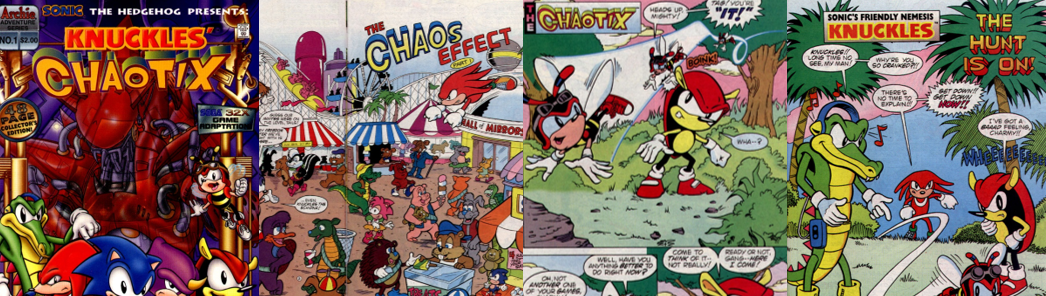
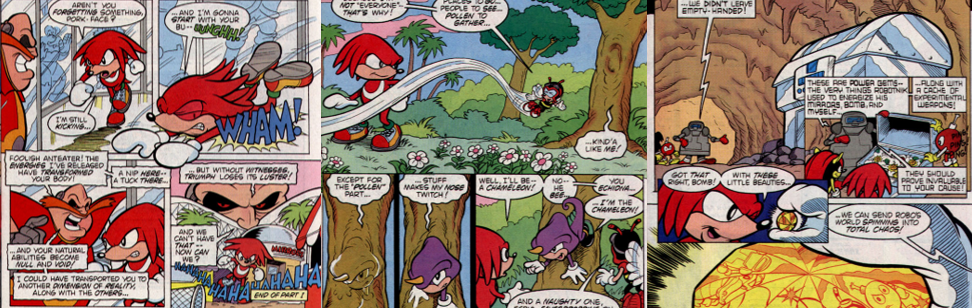
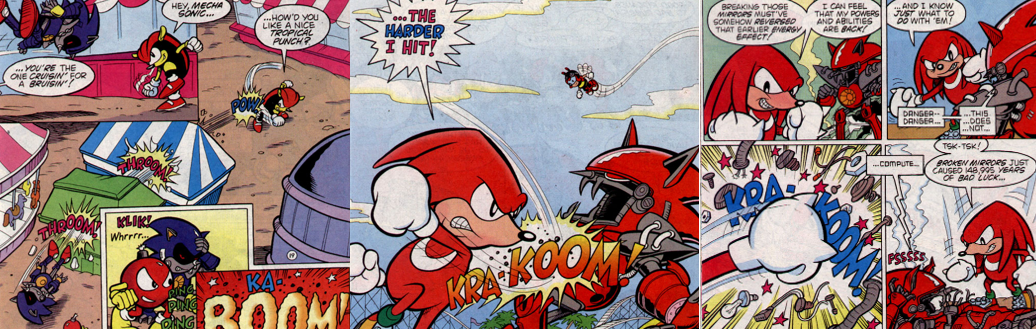
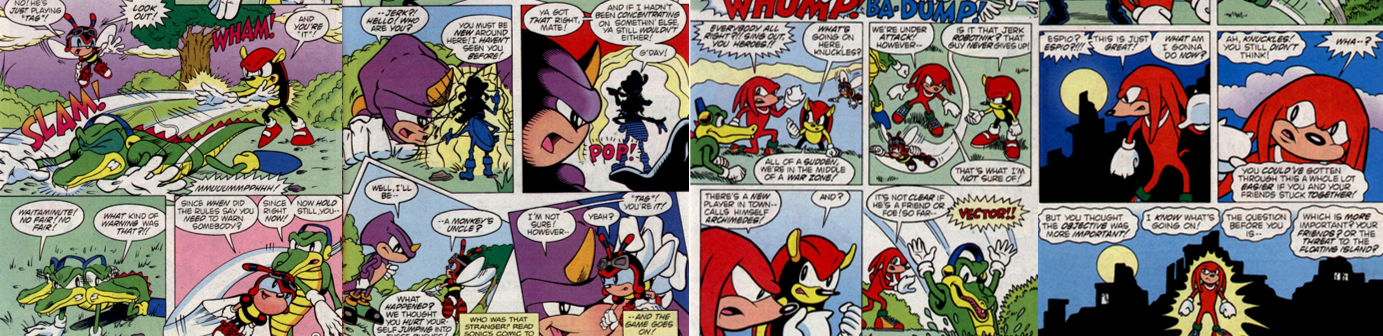
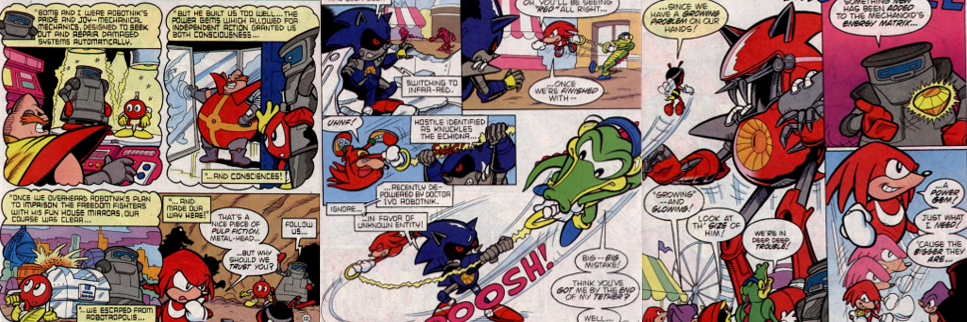


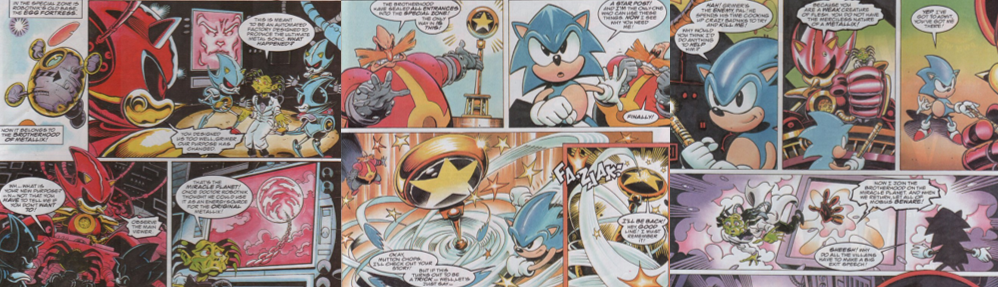
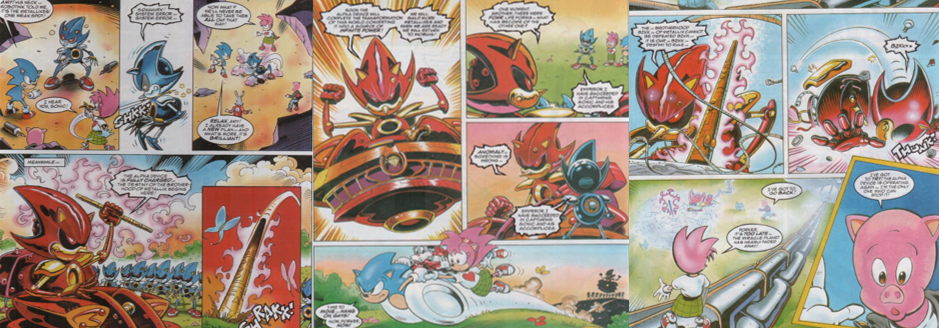
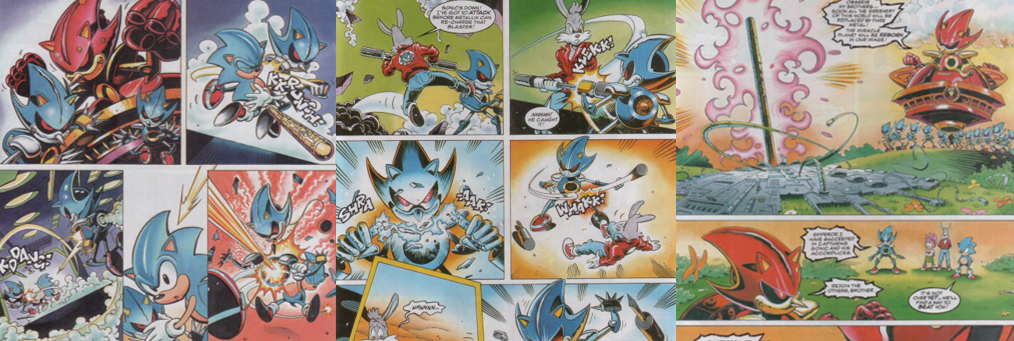


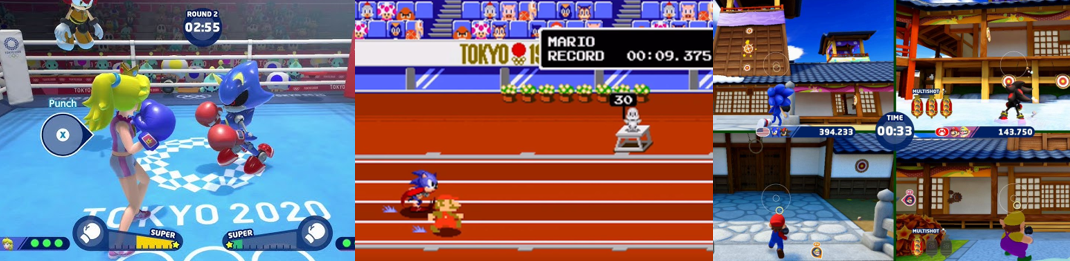
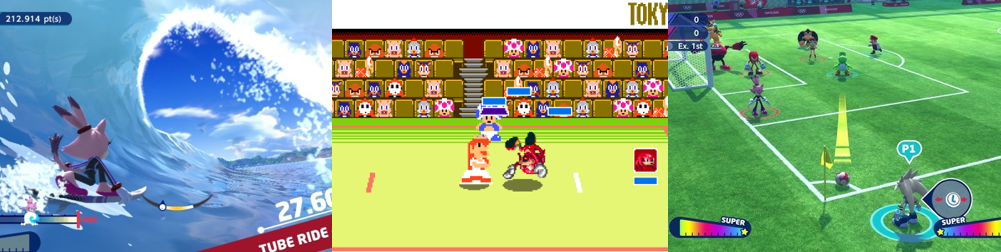
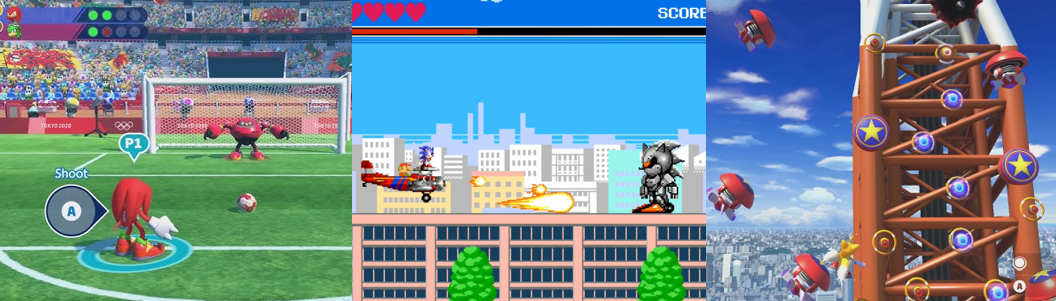
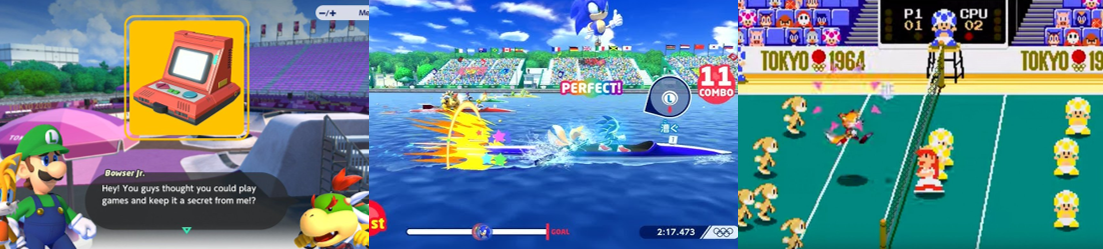
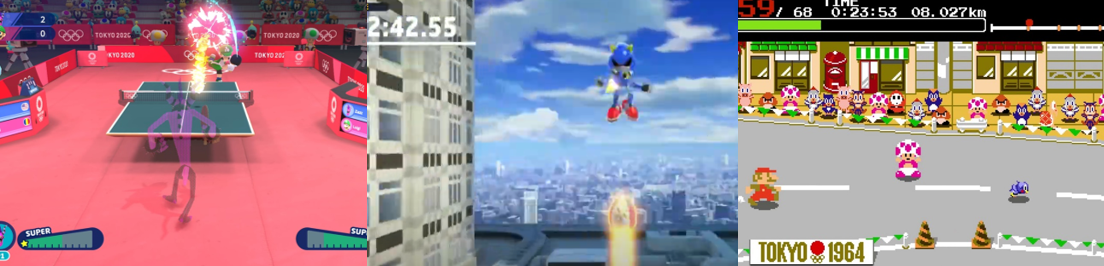


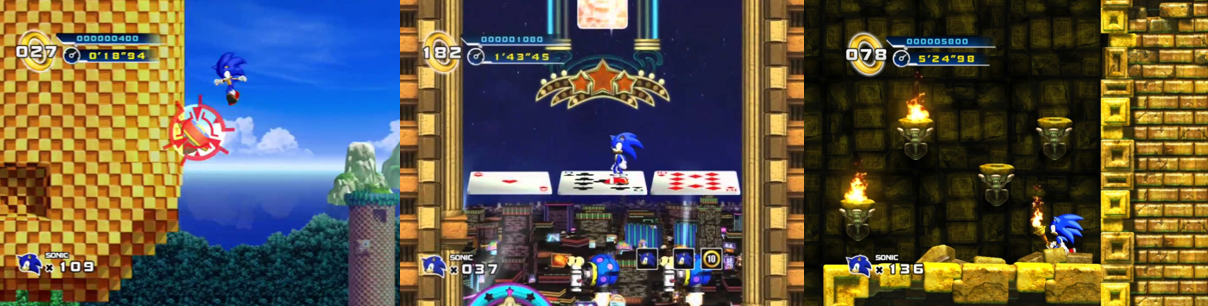
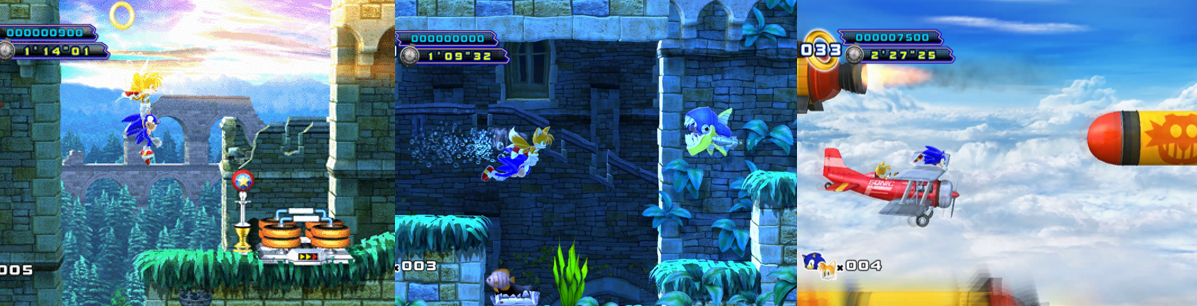
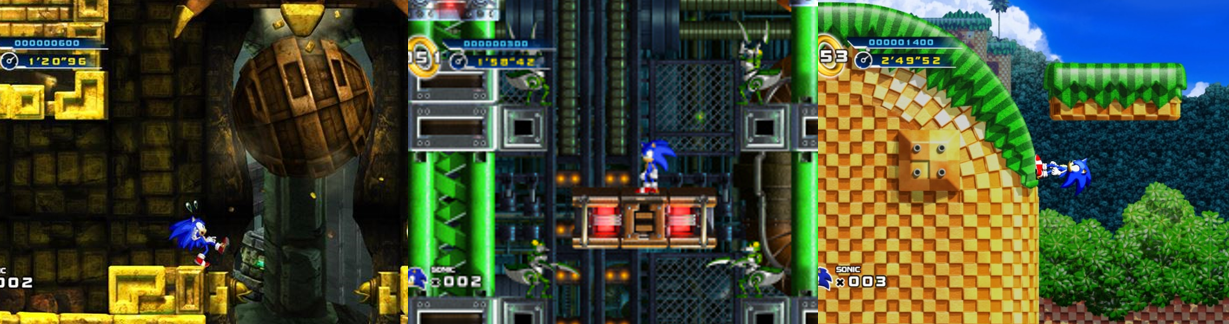
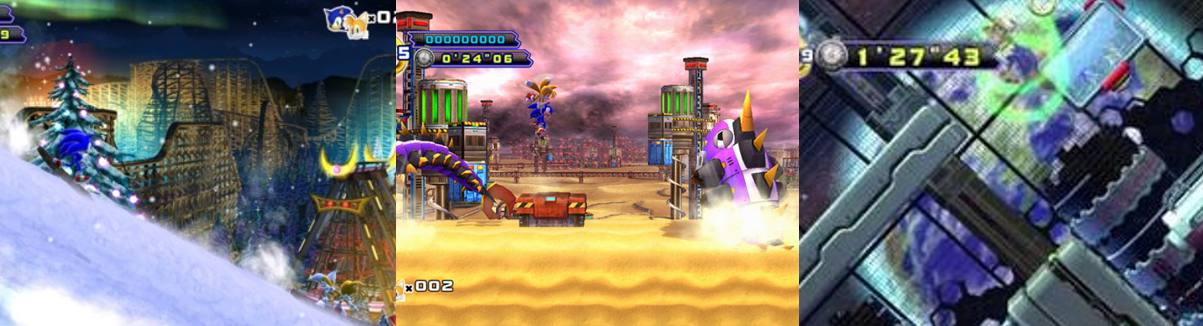
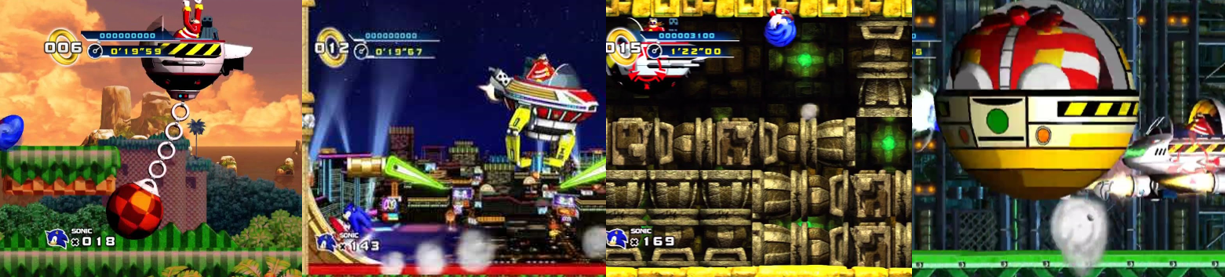
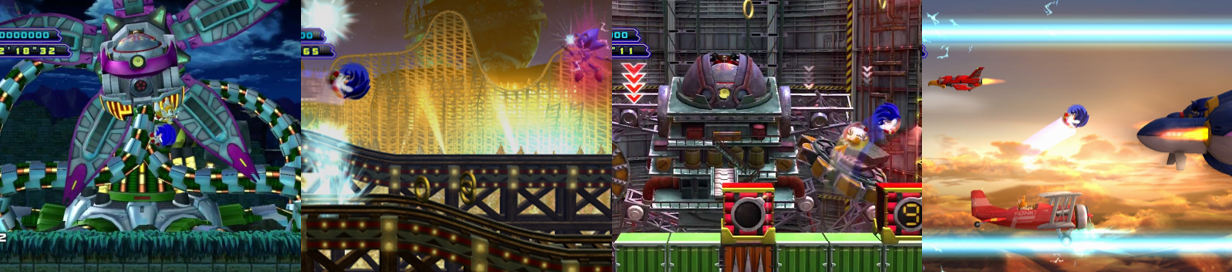
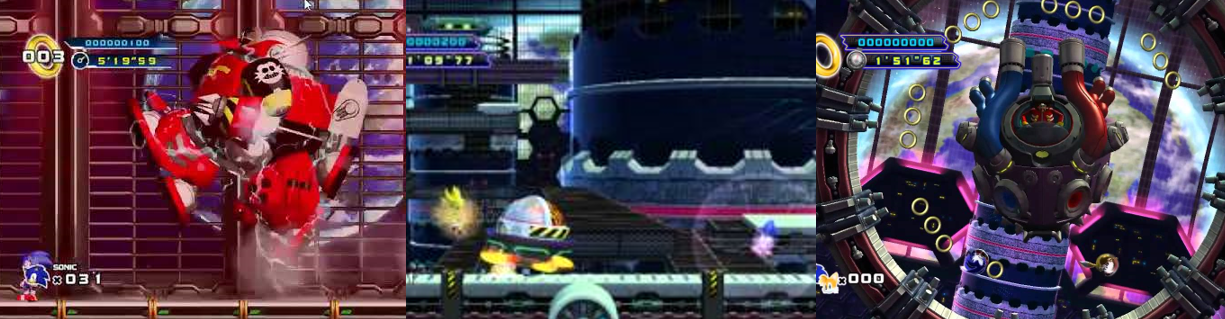
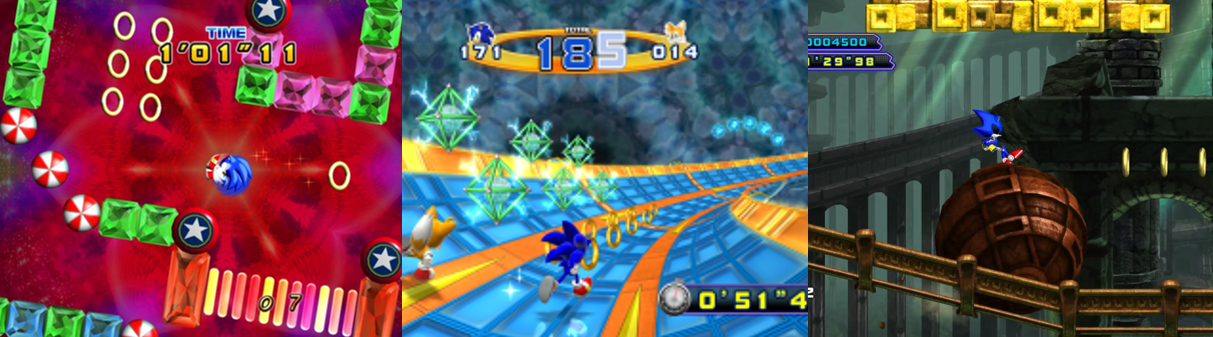



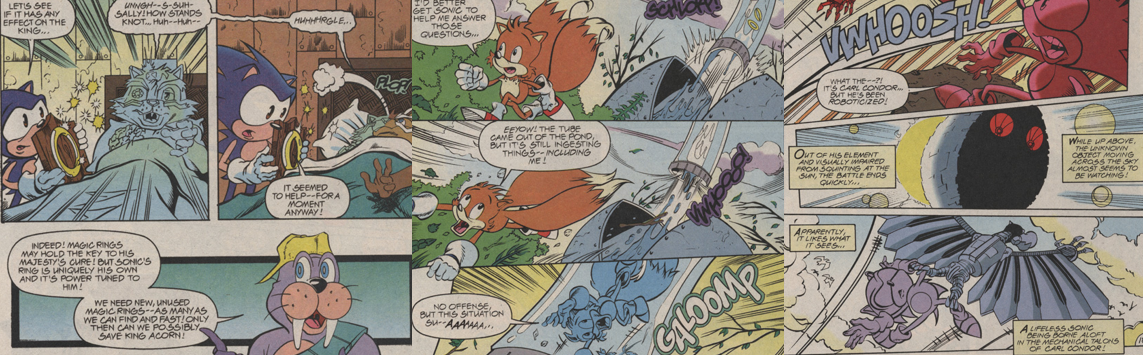


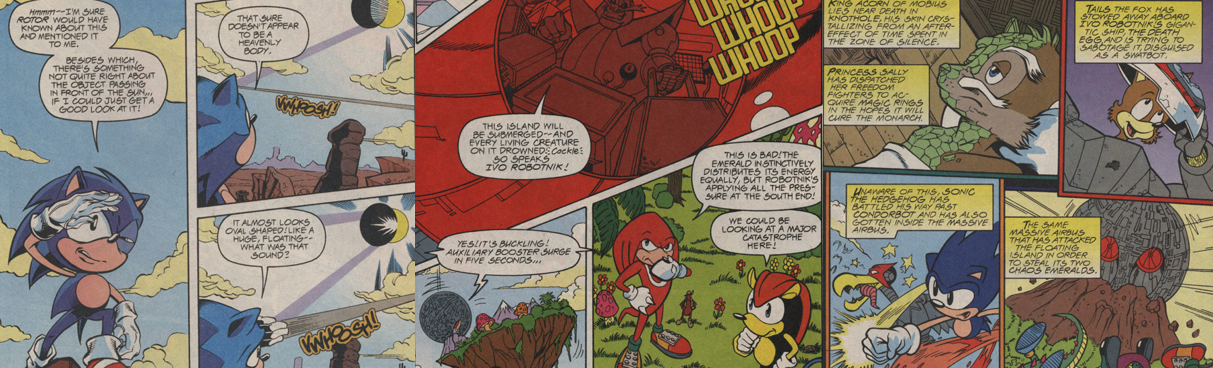
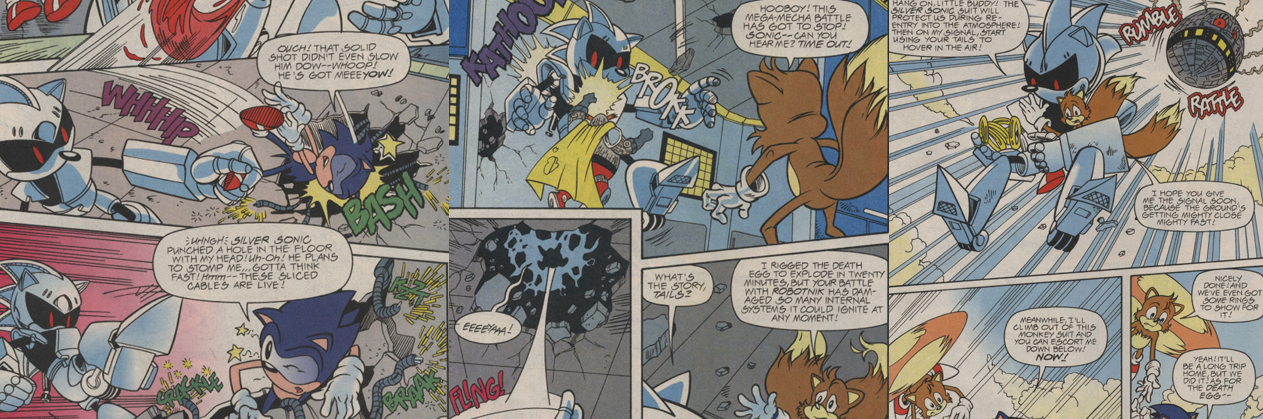


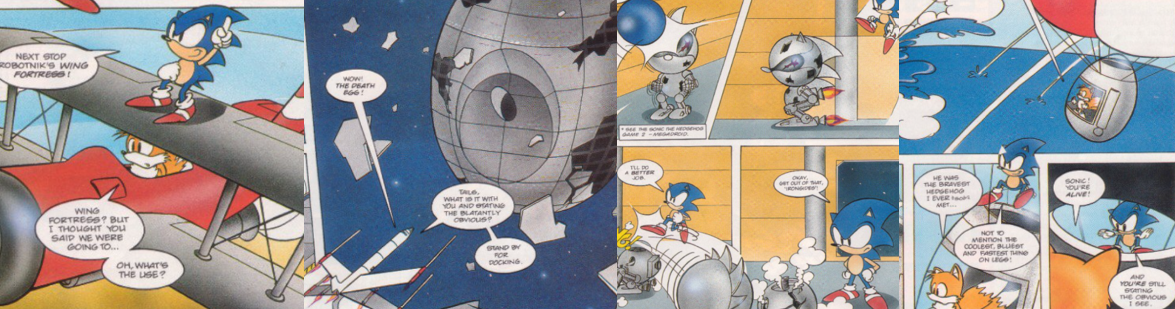

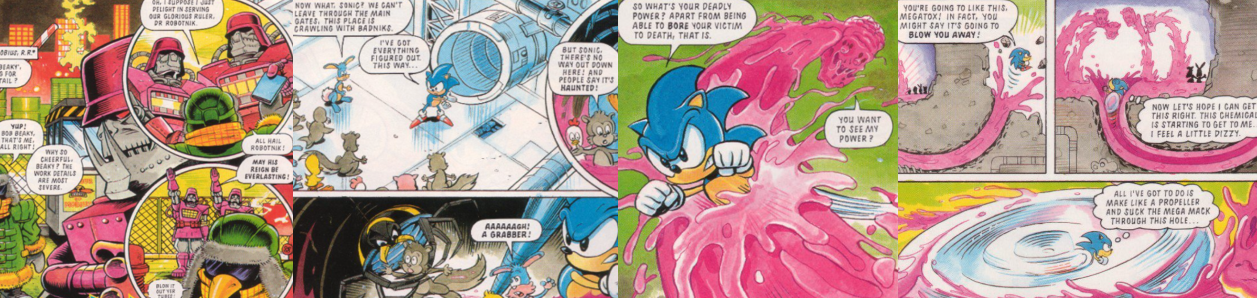

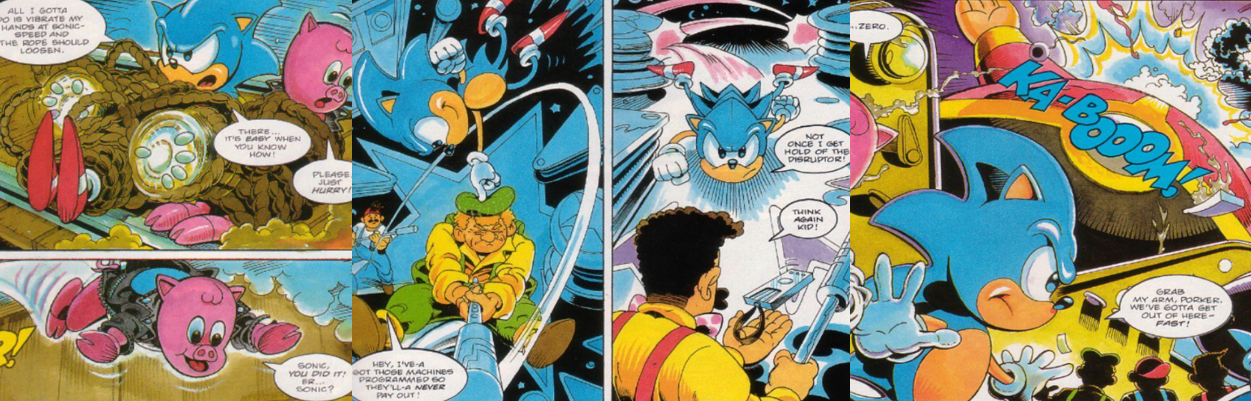
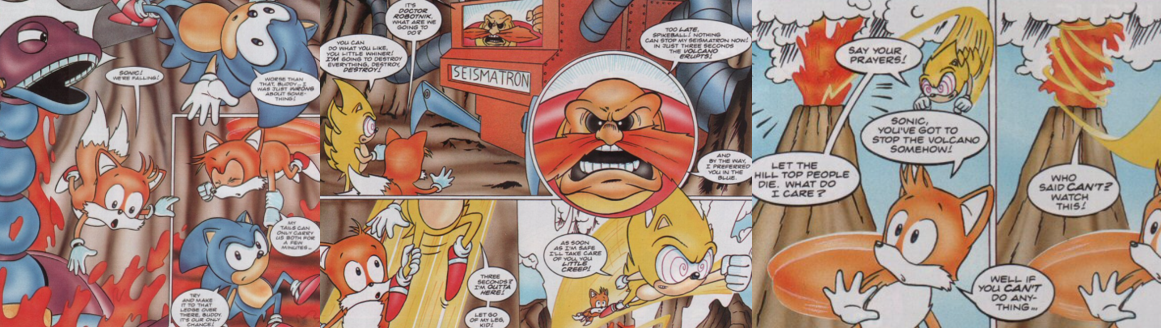
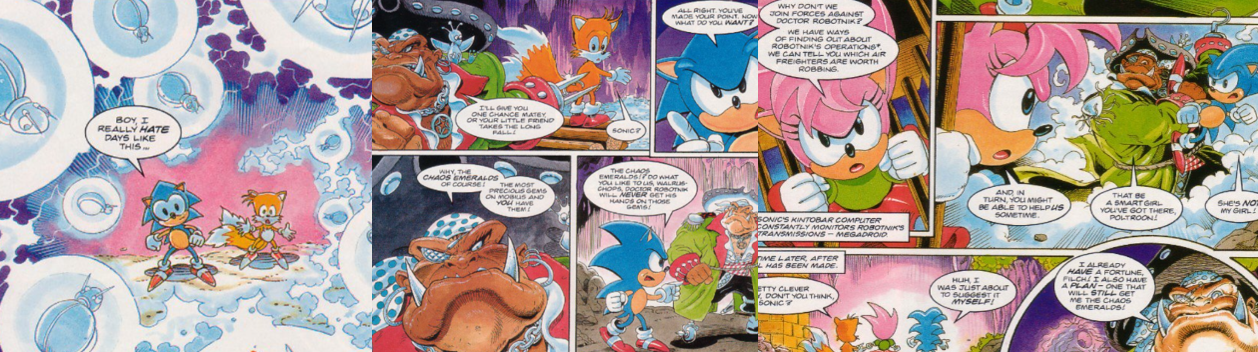


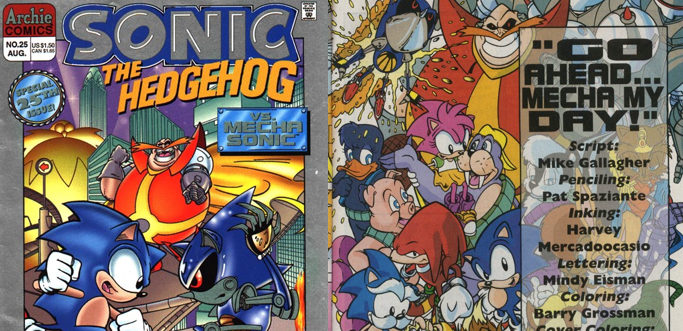
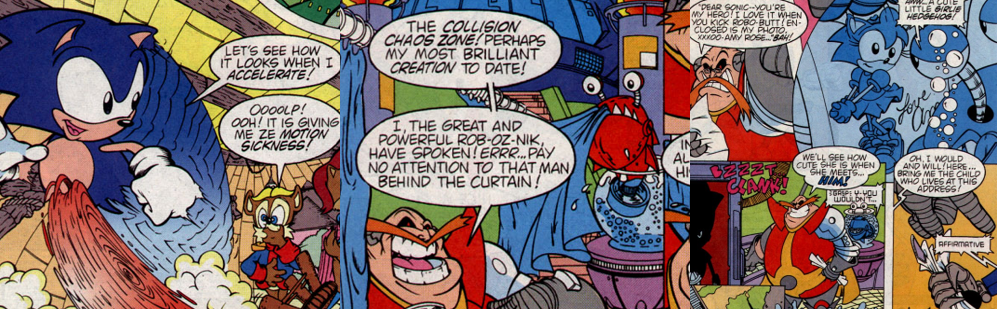

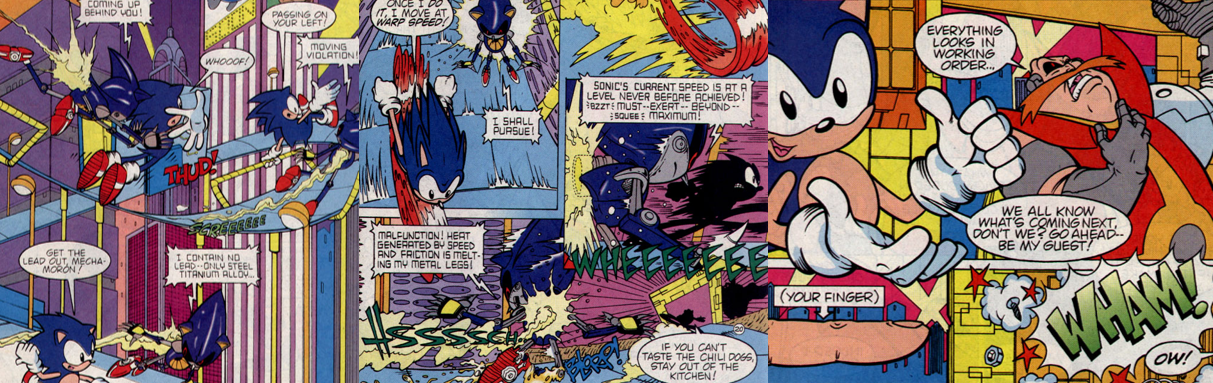




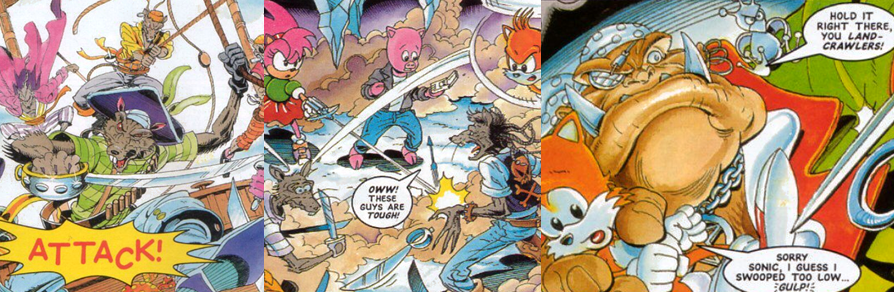


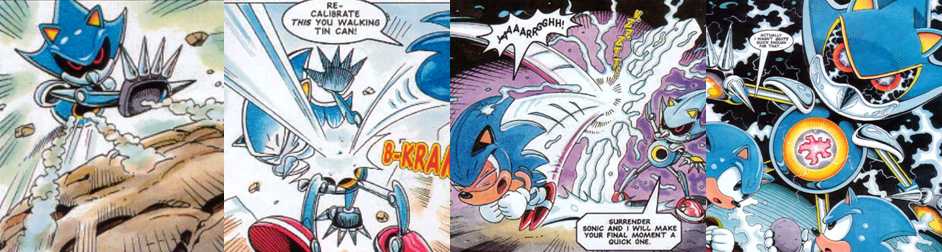
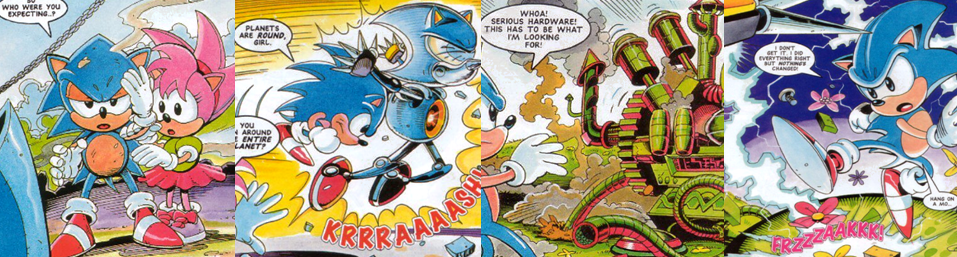




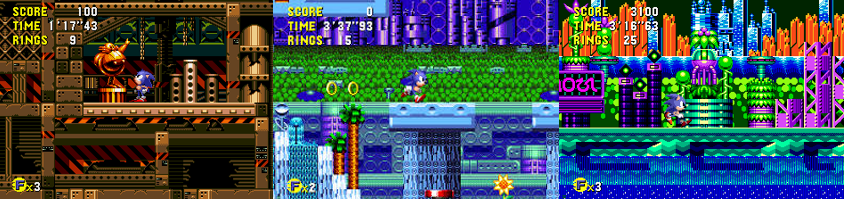

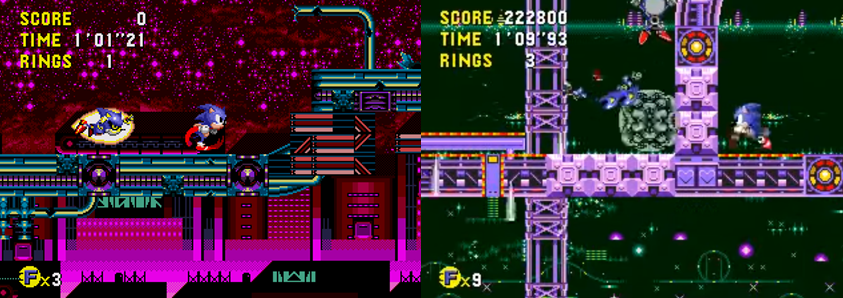






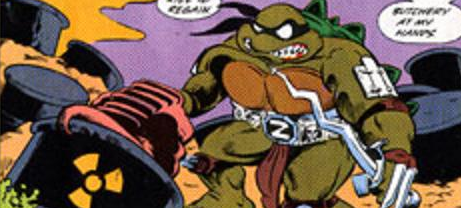




 Dr. K's Waiting Room
You must be logged in to post a comment.