January celebrates two notable dates in science-fiction history: “National Science Fiction Day” on January 2 to coincide with the birth of world renowned sci-fi writer Isaac Asimov, and 12 January being when Arthur C. Clarke’s HAL 9000 was created. Accordingly, I dedicate January to celebrating sci-fi in all its forms.
The Review: Bucky O’Hare is a 2D, sidescrolling beat-’em-up that essentially acts as a series finale for the cult classic cartoon. In it, up to four players battle across eight stages, fighting the Toad Empire, who have conquered planets in the “Aniverse”, imprisoned their inhabitants, and stolen the life force of the worlds for nefarious purposes. Players can pick from titular space rabbit Bucky, four-armed Dead-Eye Duck, Bucky’s strangely alluring first-mate, Jenny, and boisterous robot Android First Class/AFC Blinky, each voiced by the voice actors from the cartoon. While each is armed with a different pistol and has a different special attack, all four play exactly the same and your options are naturally limited to three buttons: attack, jump, and special. You can float for a short time by holding the jump button, occasionally hold fire to rapidly shoot (or melee attack up close), press jump and attack together for a jumping kick, and activate your character’s special move as often as you like. Bucky tosses a bomb, Dead-Eye surrounds himself with a temporary energy field, Jenny tosses an energy wave, and Blinky unleashes a flame-like blast. You cannot dash and, as far as I can tell, there are no co-op moves, but temporary power-ups, health restoring orbs, and extra life gold bars occasionally spawn from special doors. These briefly power-up your standard shot or your bomb to deal greater damage, though there are no other weapons to pick up, no objects to throw, and no explosive barrels or destructible objects to mix-up the gameplay. Two stages see you flying around on a jetpack and one has you barrelling through the Toad mothership on a spacebike, avoiding barricades and blasting enemies, though there are no bonus rounds to break up the monotony.
Sadly, there’s little innovation or to differentiate the characters in this mindless brawler.
Bucky O’Hare mimics the cartoon to an impressive degree, featuring fully voiced, partially animated cutscenes that include cameos from Willy DuWitt and Mouse (who never appeared in the show). Cutscenes progress the story and raise the stakes between each stage and the sprites are full of life and character, with the Toads fleeing in fear, marching along or saluting, and each playable character sporting colourful idle poses or being scorched by flaming hazards. Everything looks ripped right out of the cartoon and there’s generally always something happening in the background, from battleships looming by or burning up, to Toad tech filling the horizon or the mechanical depths of the heavily fortified Toad Star. Things are a tad clunky, however, as your sprite often disappears when respawning (though this might’ve been an emulation issue) and characters are quite sluggish to control. While most stages simply have you travelling from the left to the right, gunning down nigh-endless enemies, Stage 4 is an autoscroller that forces you along an unstable asteroid belt. You must jump when prompted to avoid falling when the asteroids crumble and fight to rescue Mouse, who makes traversing the level much easier by spawning grassy platforms (though you’ll still have to watch out for meteor showers). When jetpacking in Stage 3, you’re hard pressed to avoid the electrical hazards filling and darting across the screen, and bursts of flame or erratic burning rods often dog your progress when on the ground. Stage 2 introduces diagonal, sloping paths and sees you freeing captive rabbits before fending off enemies and wall-mounted missile turrets in a rising elevator section. Turrets attack from the background or rise from the sand, giant cannons fire explosive shots from behind barricades, electrical hazards sometimes creep across the floor, and enemies occasionally spawn from pods or leap in from passing ships to add to your troubles.
A colourful and fitting finale to the cartoon, but largely forgettable as an arcade game.
It’s quite impressive seeing how many enemies fill the screen in Bucky O’Hare. The Toad Empire use laser rifles, knives, grenades, and jetpacks and are bolstered by mechs, robots, mines, and starships. Most bosses are cumbersome and simple to defeat, however, such as Al Negator who fires a pistol and whips with his cybernetic tail. Toad Borg appears in Stage 2 and Stage 7, where electricity hazards add a bit more danger to his jumping punch, extending fist, and energy wave attack. After bringing down Stage 3’s climate convertor and taking out a gigantic, rock-like fish-thing, you battle the crazed Total Terror Toad. This dude jumps all over, blocking your shots, tossing a meat cleaver, and comically falling down the screen upon defeat. A handful of slippery, rock-hardened Toads guard Mouse in Stage 4, which is cleared by destroying a heavily armed Toad attack craft, which blasts across the screen and fills the arena with various laser blasts. After making short work of a strangely archaic, gear-tossing tank-like vehicle, Stage 5 culminates in a disappointingly simple fight against the Cyborg Spider, who wanders about firing energy bolts from its abdomen and summons web pillars. Although the race through the Toad mothership is exhilarating and includes a fight against a mechanical, shark-like submarine over boiling lava, the stage ends with a largely forgettable fight against a deadly Toad tank. This thing may be a huge target and might sport a second phase, but that’s just the gear mech again and it simply uses lasers and drill appendages to attack. Although you first encounter the Air Marshall on Stage 5, he flees after you destroy his fortified cockpit and largely avoids the fight in Stage 7. Instead, he floats about in his hovercraft and lets his minions fight for him, which is a bit of a letdown. The game then ends with a three-phase confrontation with Komplex-2-Go. At first, it stomps about causing splash damage with its energy bombs, then it loses its legs and causes flaming rods to rain down, before finally careening about the central core spewing debris and bursting into flames.
Final Thoughts: Bucky O’Hare may be a sadly forgotten beat-’em-up title and franchise, but you’re not missing out on all that much if you’ve never played this mindless brawler. While the presentation is top-notch, with the game perfectly aligning with and providing a fitting conclusion to the cartoon, the gameplay is needlessly tedious and simple. It’s mindboggling to me that the developers didn’t try to differentiate the characters more, like making Jenny faster or Blinky slower or Dead-Eye hit harder or shoot faster (he fours have four arms, after all!) It might’ve helped if the game had more power-ups, perhaps allowing you to call in other allies or the Righteous Indignation for assistance, or included a bonus game or two to rack up your score and compete against friends. While the sprites look fantastic and are full of life and colour, the backgrounds are painfully bland until the late game, with only a few memorable moments springled throughout (the asteroid belt, for example, and the Toad Star). I liked that the bosses sported text boxes and voice clips and were huge sprite, but they were disappointingly simple for the most part (though this may have been intentional to balance how grossly outnumbered players will be in this obvious coin-muncher!) Fans of beat-’em-ups will likely find Bucky O’Hare lacking compared to others in the genre, though it has a colourful appeal and is a decent enough way to waste about an hour of your time, especially if you’re a big fan of the cartoon and wanted some closure on it. It can’t be denied that it’s not as good as it could’ve been, though, or that it’s noticeably lacking compared to other brawlers of the time.
My Rating:
⭐⭐
Rating: 2 out of 5.
Could Be Better
Have you ever played Bucky O’Hare out in the wild? How do you think it holds up compared to other beat-’em-ups and the Nintendo title? Were you also disappointed that the characters all played the same? Which of the boss battles was your favourite? Do you agree that the game is lacking compared to other beat-’em-ups? Were you satisfied with how the game concluded Bucky’s story and would you like to see him back a comeback? What are some of your favourite sci-fi-orientated videogames? Feel free to share your memories of Bucky O’Hare in the comments and then donate to my Ko-Fi to suggest other sci-fi content for the site.
January celebrates two notable dates in science-fiction history: “National Science Fiction Day” on January 2 to coincide with the birth of world renowned sci-fi writer Isaac Asimov, and 12 January being when Arthur C. Clarke’s HAL 9000 was created. Accordingly, I dedicate January to celebrating sci-fi in all its forms.
Released: 8 August 2017 Originally Released: 17 December 1996 Developer: Capcom Metacritic Score: 6.9
Also Available For: GameCube, Nintendo Switch, Nintendo Switch 2, PC, PlayStation, PlayStation 2, PlayStation 4, PlayStation 5, SEGA Saturn, Xbox, Xbox One, Xbox Series S
Gameplay and Power-Ups: Mega Man’s debut on the PlayStation and SEGA Saturn sticks so closely to the original 8-bit games that it could easily have been released on a 16-bit console with a few graphical adjustments. Aside from some visual changes and some voice acting and anime style cutscenes, the core gameplay is as familiar as ever, and actually a step back from Mega Man 7 (Capcom, 1995) and even some of the NES titles. Still rendered as an anime-style hero and wielding his “Mega Buster” arm cannon, Mega Man must tackle four new Robot Masters in whichever order the player chooses, then challenge four additional stages, and finally storm Doctor Albert Wily’s newest base, the Wily Tower. You’ll find Mega Man 8 more challenging if you tackle the Robot Masters at random as each one is vulnerable to another’s Special Weapon, which you acquire after defeating them and can, in some instances, be used to better traverse the environment. Like Mega Man 7, Mega Man 8 features an opening stage to learn the game’s controls, which can be customised but remain as simple as ever. The default setup sees you jumping with A or Y, firing your regular shot with X (or holding X to charge a bigger, more powerful shot), and utilising your currently selected Special Weapon with B. Mega Man can slide beneath enemies, projectiles, and through narrow passages by pressing down and A and can now swim by tapping A or Y. This does offer greater control when underwater, but it can be finicky as Mega Man’s quite an erratic swimmer! The Left and Right Bumpers let you quickly cycle through the Special Weapons you acquire by defeating Robot Masters, and these are manually selected from the in-game menu with the “View” button. Your Mega Buster comes with unlimited ammo and can even be fired in conjunction with your Special Weapons, but you’ll need Weapon capsules to replenish your Special Meter to use them. There are no Energy and Weapon Tanks this time, but you can still activate different shots and call upon Mega Man’s canine companion Rush from the main menu after defeating certain bosses.
Mega Man’s Special Weapons have more use but autoscrolling gimmicks make for irritating sections.
You can visit Doctor Thomas Light’s laboratory between stages to buy gear from Mega Man’s sister, Roll, using Bolts. These allow you to immediately exit any cleared stage, speed up your shots, slide, and ladder climbing, replace your regular shot with a piercing arrow or laser, reduce the cost of Special Weapons, and negate the pushback you receive when taking damage. Rush is significantly different here, allowing you to ride him like a motorcycle, gift random items, perform an airstrike, or continuously drop restorative items while his meter lasts. You can still use him to fly across stages, but only in specific areas, finally adding an autoscrolling shooter mechanic at the cost of keeping you from freely flying past hazards or springing to higher areas. Though Auto, Beat, and Eddie help blast incoming enemies when freed from capsules, Rush Health and Rush Item can only be summoned once per stage and I really felt the loss of Rush Coil and Rush Adapter as Mega Man 8 includes some dodgy platforming. There are eight new Special Weapons in Mega Man 8 and, in a change of pace, they’re surprisingly unique. The awkward Mega Ball can be kicked to ricochet around or bounced on to get higher, the Thunder Claw snags hooks to swing you across chasms, the Flash Bomb destroys enemies and illuminates dark areas, the Ice Wave freezes enemies and lava so you can briefly bypass hazards, the Tornado Hold allows you to float and move certain objects, the Homing Sniper locks on to nearby enemies, the Astro Crush rains meteors to clear the screen or break certain barriers, the Water Balloon damages anything caught in its bubbles, and the Flame Sword delivers fire damage up close and melts ice blocks. While I mainly saved these for the Robot Masters, they’re invaluable in Sword Man’s tomb and the Wily Tower as you’ll need them (mostly Thunder Wave) to progress. Finally, Mega Man 8 features aggravating jet-powered board sections, jumping gaps and sliding under obstacles, in some of the most frustrating sections! The screen scrolls awkwardly, making it very difficult to see what’s ahead, you’re giving little time to react, and your button presses often fail (though Astro Crush can help a little as you’ll briefly float when using it).
The usual hazards and gimmicks are compounded by janky controls and cheap-ass insta-death traps.
Naturally, all the usual hazards return, including various insta-kill spikes on walls, ceilings, and floors, insta-kill flame bursts that must be frozen, and giant mallets that knock you to your doom. Disappearing and reappearing platforms also return, fading in and out of reality at the worst times, as do various moving and spinning platforms and even ones that you must press switches to move. There are more switches than usual, too, activating Dr. Wily’s teleporters and moving weighted blocks out of the way. You’ll loop around maze-like catacombs, navigate past spiked mines in fragile bubbles, frantically jump and climb a mechanical tower as it descends into sand, and hop to timed explosive platforms up narrow shafts. Platforming is quite the chore in Mega Man 8, especially without Rush’s usual abilities. Some platforms are just out of reach or quickly fall out from under you, sometimes you must make pixel perfect jumps to precarious platforms, sometimes the Thunder Claw passes through hooks, and sometimes you must risk instant death by sliding and jumping for extra momentum. Ladders are sometimes just out of reach, you sometimes must force dangerous platforms to respawn alongside turrets and enemies to try again, and those autoscrolling sections move far too quickly to ever be fair. You’ll battle on rising elevators, get rid of destructible blocks (watching for pits and spikes as they appear), catch a ride off toy trains, fight against (or be aided by) blowing wind, and avoid crushing hazards as you go. Unlike previous Mega Man games, Mega Man 8 uses a save feature when you clear each stage, though it seems to force you to re-do the entire Wily Tower if you head back to the map screen between these stages. You can replay any stage using your new Special Weapons to find hidden paths and goodies, usually a Bolt to spend at Roll’s shop, though there are no hidden encounters with Proto Man or upgrades to find here.
Presentation: Without a doubt, Mega Man 8 is the best looking 2D Mega Man game I’ve played so far. While Mega Man loses a few frames of animation compared to Mega Man 7, his body short circuits when he takes damage and he moves far smoother and has more personality than ever thanks to voice clips. The sprite-based cutscenes now bolstered by partially animated profile pictures and an infamous English dub that I found amusing and somewhat charming. The quality of these cutscenes might still be very outdated but they add a lot to this world and bring it even more in-line with its anime aesthetic, finally giving these iconic characters voices and personalities beyond story text. Mega Man sounds a little too young at times and Dr. Light sounds like he’s on the verge of a stroke, but these were fun and kinetic sequences that placed more emphasis on story than ever before. Mega Man’s rival, Bass, returns, with the two no closer to settling their differences, and even Proto Man helps in sticky situations. Sadly, the little tutorials and conversations between Mega Man and Dr. Light every time you get a new Special Weapon are gone, replaced by a somewhat impressive 3D model of Mega Man and some congratulatory text. Equally, while Mega Man 8 boasts a jaunty and unique techno-synth soundtrack, I can’t say I found any of the tunes all that memorable. I did like that the Robot Masters’ introductions featured voice clips and that they spawned into their arenas in a unique way, such as Aqua Man (not that one) emerging from the water and producing a rainbow displaying his name, Swords Sword Man cutting his way out of a statue, and Grenade Man blasting into the arena. However, while the game performs very well, with no slowdown due to the in-game action, screen and stage transitions are a bit jerky thanks to the PlayStation’s loading times.
Despite its laughable anime cutscenes, Mega Man 8 impresses with tis visuals, if nothing else.
While there’s little on offer in Mega Man 8’s stages that wasn’t done to death in the previous games, Mega Man 8 offers the benefits of 32-bit hardware by…slapping some 3D models and prerendered textures in the backgrounds. To be fair, this does give stages more depth, colour, and life than ever, with overgrown wreckage seen in the background of the introductory stage, more foreground elements, and far more vibrant and detail environments in general, with blinking lights and moving parts prevalent. Grenade Man’s stage is a dangerous weapons factory, with giant 3D mallets swinging, explosive blocks everywhere, and even dynamite blocks that you must race across to avoid falling to your death. Frost Man’s stage is a flash-frozen city, with you traversing an icy highway (strangely with no loss of traction), ploughing through snow, and blasting past the bright city at night. Tengu Man’s stage is a series of floating pillars held aloft by propellers that features a wind gimmick. As you fly along on Rush Jet, a gigantic bird-like battleship sporting turrets looms through the clouds and you must gingerly fly through this to reach the Robot Master. Clown Man is fittingly in a wacky fairground stage where balloons float in the foreground, you fight through a toy factory so littered with moving foreground elements that they become distracting, and eventually navigate through a pirate ship attraction. After a brief interlude where Mega Man first encounters Duo in a rocky cave, it’s off to Astro Man’s surreal stage with its M.C. Escher-like backgrounds, giant mechanical sunflowers, and ladder maze. Aqua Man’s stage is almost entirely underwater, with a domed underwater city seen on the horizon, while Sword Man’s takes place inside a boobytrapped temple where you must utilise different Special Weapons to overcome obstacles and clear a path to the volcano-like interior. Search Man’s stage features a jungle theme, while the Wily Tower naturally mixes every gimmick and hazard and makes them ten times worse. Here, jet board sections are nearly impossible, walls and ceilings damage you on Rush Jet, and aggravating, often instant-kill hazards are everywhere in this mechanical hellhole that almost had me snapping my controller in two!
Enemies and Bosses: As any long-time Mega Man player might expect, a fair few of Mega Man’s most recognisable enemies return here, in more detail and with improved animation cycles. There’s the Metalls, for example, who appear in the standard variant and a flaming version to spark dynamite fuses. The Bunby Tank returns from Mega Man 7 alongside Battons (with the vampire bat-like Succubatton draining your health with its bite) and a new Sniper Joe. These jump, hide behind their shields, shoot, and toss grenades, though they’re few and far between and easier to take out than previous Sniper Joes. Mega Man 8 also throws ice skating rabbits at you, bird-like robots that fly in swarms, grasshopper-like enemies that often hop between small platforms to mess up your jumps, and little toy soldiers that also drain your health when they latch onto you or hop from hot air balloons. Robotic snakes drop near-endlessly from holes, large flying whale-like battleships hover in the skies dropping Metalls and ice blocks, and three gorilla-like robots toss bombs, spiked balls, or giant boulders that double as makeshift platforms. Crocodile-like robots snap at you from holes in the floor, robotic dragons snake through the air, and shellfish-like robots float about underwater alongside oyster-like enemies that shield their vulnerable cores with their shells. Large cylinders float about dropping bombs and armoured rhinoceros-like Sydeckas fire missiles, but they’re nothing compared to the mini bosses that pop up. A floating mechanical eye awaits in Grenade Man’s stage, surrounding itself with and flinging debris not unlike Junk Man, the central core of Tengu Man’s battleship doubles as a laser cannon, a strange spinning disk with a lion’s face bounces around in Clown Man’s stage firing doubles of itself and little robots, a large fish-like robot emerges from a waterfall to ram you and destroy your log platforms in Aqua Man’s stage, and a gigantic, cog-like robot shoots fireballs in Sword Man’s stage as you desperately avoid a plunge into lava.
The Robot Masters continue to be fun, challenging opponents with some unique attacks.
Your first test comes from a giant robot crab that requires you to awkwardly kick your Mega Ball into his weak spot (though Astro Crush basically one-shots it). Your best bet at tackling the game’s Robot Masters is to fight Grenade Man first as he’s very simple, using wall jumps, a dash, raining debris, and firing his signature Flash Bomb and being particularly weak to the Mega Buster. His Flash Bomb makes short work of Frost Man, a large but clunky robot who delivers a shockwave punch, tosses his Ice Wave, and whimpers when damaged. While the Ice Wave is very effective against Tengu Man, it’s tough to freeze him since he’s always flying and floating about, dashing in and flinging you into the sky for a somersault kick with Tornado Hold. This Special Weapon snatches Clown Man mid-swing and deals damage when he drops to send his Thunder Claw under the ground to grab you, though it might help to slide under his wild trapeze swings. Thunder Claw works pretty well against Grenade Man but I fought Astro Man next, who’s best fought with the Homing Sniper but the Flash Bomb is also good. Astro Man teleports about, flings small orbs to whittle down your health, and fills the screen with his signature Astro Crush. Despite its limited uses, this Special Weapon decimates Aqua Man, who fires a shot of living water that tracks across the screen, conjures waves, and shoots his destructible Water Balloon. These are great at taking out Sword Man, provided you aim at his torso. Sword Man leaps about swinging his Flame Sword, which cuts through the elusive Search Man, who hides behind bushes and takes cheap shots with his Homing Sniper. As ever, all eight Robot Masters are fought in the Wily Tower, this time in more unique arenas, though you’re also tested by Duo during the interlude. He sports a charged, explosive fist slam and ricochets about but is fought to a standstill as Proto Man interrupts the battle.
As familiar and aggravating as some of the late-game bosses are, they’re at least beatable this time!
When in the Wily Tower, four additional mini bosses await, the first being a robotic penguin that requires the aggravating Mega Ball as you must perfectly position yourself to ricochet your shot up the shaft where Atetemino appears, avoiding the crates and missiles it drops. The Bliking aircraft is fought while on Rush Jet, so be sure to grab your other robo buddies to help. This thing fires screen-filling lasers and destructible mines and missiles, and can only be damaged (preferably with Astro Crush) when its wings are fully extended. Bass and Treble combine for a rematch, one far less taxing than Mega Man 7’s as he flies about, charges at you, fires his Mega Buster, and blasts a concentrated beam from above. The Yellow Devil is evoked by the Green Devil, who can only be damaged by blasting a hole to its mechanical core and firing your Flash Bomb or Thunder Claw. Thanks to it constantly deconstructing, summoning green waves and floor spikes, and filling the screen with its pieces, this is another exercise in tedium as you have such a small window of opportunity to strike. Success once again sees you battle Dr. Wily in a two-phase boss fight that’s far easier than the brick wall I ran into in Mega Man 7. Dr. Wily’s newest skull-like machine advances with a buzz-saw like appendage that it flings across the ground. This is easily jumped over, as are its charged laser beams and even its projectiles if you time your jumps right. You need to be quite close to hit it with the Flame Sword but the Water Balloon reportedly works quite well, too. True to form, Dr. Wily mans a UFO-like hovercraft for the final phase, one that teleports about the place and sends purple orbs out in a spiral or spread. While he’s often just out of reach, some of his shots home in, and he can rain Dark Energy into the arena, you should be able to finish him off with the Flame Sword (or, better yet, the Flash Bomb), especially if you still have Rush Health in reserve.
Additional Features: Mega Man Legacy Collection 2 features twenty-one Achievements, with one popping when you complete Mega Man 8. You can also toggle various display options (screen size, borders and screen filters), view a character database and production art, activate “Extra Armour Mode” to reduce the damage you take, and take on additional challenges that have you play through remixed stages, boss rushes, and time attacks. Like the other games in the collection, Mega Man 8 lacks the rewind feature that would’ve made many of its more frustrating sections more tolerable and replaces it with a janky save state system that simply saves a new version of your last checkpoint rather than literally create a save state. Disappointingly, there are basically no secrets or collectibles in Mega Man 8 beyond the forty Bolts, and even those are difficult to amass in a single playthrough. While you can cobble together different combinations of items by visiting Roll, there are no new armours or additional weapons here, meaning there’s even less content than some of the 8-bit games! Incidentally, if you play the SEGA Saturn version (sadly not included in Mega Man Legacy Collection 2), you can battle Cut Man and Wood Man in Duo’s interlude and Search Man’s stage.
Final Thoughts: Considering how much I struggled with Mega Man 7’s difficulty curve, I was apprehensive about tackling Mega Man 8, especially without the convenient rewind features. Thankfully, the final boss wasn’t anywhere near as much of an uphill battle and Rush’s new abilities made the lack of E- and W-Tanks more tolerable at times since Rush drops so many restorative items when summoned. Mega Man 8 makes a great first impression with its anime-style opening and colourful, detailed, vibrant stages. Sure, the voice acting is grating and ludicrous at times and the video compression is awful, but these cutscenes added a lot to the aesthetic and I was very impressed with the visual design of the stages. Unfortunately, Mega Man 8 is let down quite significantly by its gameplay. Not only does Mega Man sport no new abilities beyond his new Special Weapons, but he’s been robbed of many elements that made his games so much fun. I liked that we finally got autoscroller sections with Rush Jet, but I never expected to miss using Rush Coil and Rush Jet whenever I liked. The items in the shop weren’t very useful, it was disappointing that we don’t get to collect anything beyond Bolts, and those jet board sections can go die in a ditch! These sections are far too fast and punishing, often dangerously reducing your view space and requiring split-second decision making. The Robot Masters were fun and I liked the attempt to give the Special Weapons more versitality, but the Thunder Claw’s swing function was needlessly aggravating and the Mega Ball was a clunky and annoying addition. It’s such a shame as there was some real promise here but Mega Man 8 screws up even the most basic platforming mechanics with its janky controls and emphasis on pixel-perfect jumps, irritations only aggravated by the lack of a rewind function. Sadly, I’d say you’re better off sticking to the 16-bit games and even the later 8-bit titles as at least they offer collectibles, bonuses, and air-tight gameplay mechanics to make for challenging, but enjoyable experiences.
My Rating:
⭐⭐
Rating: 2 out of 5.
Could Be Better
What did you think to Mega Man’s 32-bit debut? Were you surprised to see Capcom stick to the 2D style of gameplay? Which of the new Robot Masters and Mega Man’s Special Weapons was your favourite? What did you think to Mega Man and Rush’s stripped back abilities? Did you also struggle with the jet-board and Rush Jet sequences? How are you celebrating the science-fiction genre this month? Whatever you thought about Mega Man8, drop a comment below, go check out my other Mega Man reviews, and donate to my Ko-Fi to suggest more Mega Man content for the site.
January celebrates two notable dates in science-fiction history: “National Science Fiction Day” on January 2 to coincide with the birth of world renowned sci-fi writer Isaac Asimov, and 12 January being when Arthur C. Clarke’s HAL 9000 was created. Accordingly, I dedicate January to celebrating sci-fi in all its forms.
Released: 8 August 2017 Originally Released: 24 March 1995 Developer: Capcom MobyGames Score: 7.4
Also Available For: GameCube, Nintendo 3DS, Nintendo Switch, Nintendo Switch 2, PC, PlayStation 2, PlayStation 4, PlayStation 5, Super Nintendo Entertainment System (SNES), Xbox, Xbox One, Xbox Series S
Gameplay and Power-Ups: Mega Man 7 brings the classic, 2D, sidescrolling run-and-gun action platforming of the 8-bit and portable games to the SNES for the first time. Fundamentally, very little has changed from Mega Man’s NES glory days, though Mega Man 7 does a far better job of translating and updating the classic formula than his previous 16-bit outing. As ever, Mega Man tackles four initial stages and one of Doctor Albert Wily’s new “Robot Masters” before challenging four further stages and Robot Masters and then finally storming Dr. Wily’s latest hi-tech base. While you’re free to choose which stage and Robot Master to take on, each Robot Master has a specific weakness that’ll make short(er) work of them. Unlike previous Mega Man games, Mega Man 7 opens with a tutorial to instinctively teach the game’s basics in a simple platforming challenge. By default, A and Y see you jump, B fires Mega Man’s patented “Mega Buster” arm cannon, and you can hold X to auto-fire in short bursts. You hold B to charge the Mega Buster for a stronger shot, jump higher when underwater, and Mega Man can slide beneath jumping enemies, some projectiles, and through narrow passages by pressing down and A. The Left and Right Bumper cycle through the “Special Weapons” you obtain from Robot Masters, though you can manually do this from the in-game menu with the “View” button. While you get unlimited ammo for the basic Mega Buster, the Special Weapons drain individual meters, so you need Weapon capsules to replenish these. You can also review your stock of lives and bolts (the game’s currency), activate health or weapon energy restoring Energy and Weapon Tanks, or utilise special items and Mega Man’s robotic allies from the game’s menu.
Mega Man’s new, but extremely familiar abilities are put to the test in striking 16-bit stages.
Mega Man’s mysterious “brother”, Proto Man, offers hints and you can visit Auto’s shop from the stage select screen, where bolts are traded for extra lives and E- and W-Tanks. These are also found in stages and dropped by enemies, of course, but Auto also sells Super Tanks to fully restore both health and Special Weapon energy, an “Exit Part” to exit any stage, and lets you call robotic bird helper Beat to rescue you from bottomless pits. However, you must first find Beat in Slash Man’s stage and, similarly, you’ll find extra abilities for Mega Man and his robot canine, Rush, by either exploring or shopping. Rush can again be summoned to spring you higher, fly you across areas for as long as the meter lasts, or find hidden goodies. Rush’s search ability is required to access the Energy Equalizer and Hyper Rocket Buster, though you must use your own abilities to find the hidden R-U-S-H letters to fully upgrade Mega Man like in Mega Man 6. Mega Man again gains powerful new abilities from each Robot Master that can be used to defeat others or further explore stages, such as powering up generators or burning objects. Some are very similar to previous Special Weapons (the Junk Shield is essentially just the Leaf Shield, for example, and Scorch Wheel is like Fire Storm). Thunder Bolt and Freeze Cracker are two of the best Special Weapons as they splinter on impact to damage multiple targets (the latter even freeze some enemies) and the Noise Crush can be powered up by absorbing the sound wave as it ricochets back. I found the Wind Coil erratic and unwieldy, however, and especially dangerous as it makes you a sitting duck, and the Slash Claw is powerful but hazardous as it’s only effective up close. Like my previous Mega Man experiences, I largely saved the Special Weapons for the Robot Masters unless I needed to activate machinery with the Thunder Bolt or utilise Rush’s abilities.
Despite some fun and unique stage elements, it’s all business as usual for the Blue Bomber.
Mega Man 7 sticks very closely to the classic Mega Man formula, throwing bottomless pits, disappearing and reappearing platforms, and insta-kill hazards like various spikes and flame turrets at you. You’ll do as much vertical progression as horizontal thanks to the many ladders and rising or moving platforms, timed explosive platforms threaten to drop you, and conveyer belts push you towards enemies or pits. While enemies still respawn, they don’t clutter the screen as much as before, though they’re still placed in the worst positions to screw up your jumps. Wall, ceiling, and floor turrets and spikes are commonplace, some platforms crumble or spin beneath you, and you can ride or hop to other temporary platforms to cross chasms (or just use Rush Jet for a slightly easier time). Burst Man’s stage incorporates underwater sections that see you perfectly timing hops into the predictable tide to bypass spikes, Cloud Man’s stage has you riding cloud platforms and even fighting against torrential rain, Junk Man’s stage features insta-kill molten steel, crushing hazards, and overhead magnets you can power up, and Freeze Man’s stage sees you losing traction on icy surfaces and sliding into hazards. Prior to facing the Robot Museum, you’re presented with four additional, shorter stages. You’ll be hopping to log platforms as they fall down waterfalls and using Technodons to cross spike beds in Slash Man’s stage, bouncing around Spring Man’s funhouse, lighting up dark caverns in Shade Man’s dilapidated castle, and avoiding overheard tyres in Turbo Man’s stage. This stage also features a panic inducing drop past insta-kill flame bursts not unlike the lasers seen in Quick Man’s stage, while Dr. Wily’s first stage includes a blackout gimmick where the stage turns dark when you jump or land on certain platforms. More (and often smaller) conveyers are in the doctor’s second stage, as are flame burst blocks you must precariously scale, while his third stage includes platforms that only become visible when you’re on them and a risky underwater drop past some insta-kill spikes.
Presentation: Mega Man 7 is obviously a massive graphical upgrade from the Blue Bomber’s 8-bit days, featuring gorgeous, vibrant 16-bit graphics that put Mega Man: The Wily Wars (Minakuchi Engineering, 1994) to shame. Mega Man is a big, chunky sprite with more expression than ever thanks to the SNES hardware. While he only blinks or looks about when idle and still can’t look up or crouch, he has a determined look on his chubby cheeks and showcases his personality in sprite-based cutscenes with Auto, new rival Bass, and Dr. Light. Mega Man changes colour with each Special Weapon, now sporting two colour schemes for every weapon, and is far more detailed so you really feel it when he cries out in pain and explodes upon dying. The game incorporates partially animated, anime-style sprite art and in-game sprites for its story, which is emphasised far more here as interactions happen in some stages and after beating each Robot Master, with Mega Man and Dr. Light discussing his new abilities. I was a bit annoyed to find the story still shied away from answering lingering questions about Proto Man and instead introduced a new robotic rival for Mega Man, Bass, who has a cool look and his own robot dog, but appears out of nowhere with no explanation yet everyone acts like he’s been around forever. I was therefore nonplussed when Bass went rogue thanks to Dr. Wily’s influence, though I did enjoy encountering and battling this dark mirror of Mega Man. Mega Man 7 also includes a jaunty and bombastic soundtrack and much improved performance. While screen transitions can be a touch awkward, I never encountered any slowdown or sprite flickering like in the old games, even when lots of enemies or bigger foes appeared. Everything just popped with colour and little details, from Mega Man’s hair fluttering in the wind, to robotic Pterodactyls in the background of Slash Man’s stage, which has a fun Jurassic Park(Various, 1990 to present) aesthetic.
Mega Man 7 pops with its visuals, which emphasise story and gameplay performance.
I was most impressed by Shade Man’s stage. As if featuring a hidden track wasn’t enough, the entire stage is modelled after the Ghosts ’n Goblins games (Capcom/Various, 1985 to 2021). Astro Zombie’s emerge from coffins and hop in from open windows in the background as you ride a platform to a castle roof, and the stage even starts in pitch black and illuminates when the full moon rises. Slash Man’s stage is a close second, with its dinosaur fences and thick jungle, but the game impresses from the start with a ruined city aesthetic, a visual treat only doubled with you visit the Robot Museum and see all the old Robot Masters in the background. Burst Man’s stage is a hi-tech mad scientist’s lab, filled with gigantic test tubes and lab equipment and murky water, while Cloud Man’s stage is up in the heavens, with windmills in the background, big fluffy clouds blocking platforms in the foreground, and an impressive rain (or snow) effect when Tel Tels appear. Junk Man’s fittingly holed up in a junk yard full of girders, blinking lights, and piles of junk that hide worm-like Dust Crushers. Freeze Man’s stage starts pretty basic, with just a snowy landscape in the background, but you’re soon venturing into a frigid cave full of frozen fossils and dinosaur skeletons. After fighting through Slash Man’s thick, prehistoric jungle, you’ll be knocked about in Spring Man’s funhouse. This is a colourful, circus-themed stage full of springs and flashing neon lights, while Turbo Man’s stage is set in a garage. After battling past tyres and tricky platforming, you drop to a giant, sentient semi-trailer truck for a mini boss fight. As ever, Dr. Wily’s stages are mostly just hi-tech facilities and robot factories, but the first one is modelled after a flying battleship, the second has a green metallic and turtle theme, and the third is geared more towards machinery.
Enemies and Bosses: Some familiar robot baddies pop up in Mega Man 7, respawning when you leave the screen and randomly dropping pick-ups. Naturally, the series staple Metall is back, hiding beneath its helmet, swimming underwater with a snorkel, and floating from above thanks to propellers. Sniper Joe also returns, thankfully far less cheap than before and easily dispatched with timed jumps or shots, as does a revised version Tom Boy and new versions of the always-annoying Shield Attacker and sentient fan Matasaburo, with the latter both sucking you in and pushing you back in Cloud Man’s stage. We’ve got little spherical bombs riding sleighs, slender tanks whose heads detach upon defeat, hopping traffic cones, robotic bats, crows, and fish, and birds that drop eggs filled with little chicks. Similarly, Derusu Bee hives near-endlessly spawn robot bees, a jouster-like knight rushes at you on a single wheel, robotic cockroaches continuously scurry about until you destroy their nest, and robots walk on the ceiling and drop icicles. There are hopping frogs, detached helmets, grinning rockets, large robot Stegosauruses that fire their fins and homing missiles, and a little sphere robot flings spiked tyres at you. Some stages also include mini bosses, such as the steamroller-like Mad Grinder in the prologue and the similarly themed forklift contraptions encountered in Turbo Man’s stage. You’ll easily take down a giant stationary polar bear that can only attack by flinging ice projectiles across the ground, blast the eyes of the large, grinning Sissi Truck while avoiding its minions, and pummel the core of the VAN Pookin to access new areas of Shade Man’s castle. While you battle the crab-like Kanigance twice, the Tyrannosaurus rex-like King Gojulus was the most visually impressive mini boss as it chases you down and attacks with flaming breath.
It’ll take a lot of skill and the right Special Weapons to best these Robot Masters.
Each stage culminates in a battle against one of the eight Robot Masters, with each vulnerable to a specific Special Weapon and fought again in Dr. Wily’s final stage as part of the final boss gauntlet. I tackled Burst Man first as the regular Mega Buster easily pops his bubbles and damages him. Indeed, he’s little threat even when he uses Danger Warp to spawn bubbles with mines; just keep firing and you’ll escape his bubbles and put him down. His Danger Warp is great against Cloud Man, who hovers above and summons a thunderbolt to strike you and send an electrical current through the ground. Be sure to dash under him to avoid being blown to your death when he summons a rainstorm, and position yourself to hit him with your Special Weapon. His Thunder Bolt annihilates Junk Man, who leaps about flinging junk and causing it to rain down. He can attract a bigger ball of junk to throw, but he’ll probably be dead before he gets a chance. The Junk Shield tears through the nimble Freeze Man, who can flash-freeze the ground, freeze you with a shot, and drop icicles, though it’s much tougher landing clear shots on the rotund, clown-like Mash, whose head you must detach to pummel with Danger Warp. The Freeze Cracker quickly ends Slash Man, though he’s a fast target and loves to hop offscreen, rain goop into the arena, and pounce with his claws. Rather than electrifying Spring Man with the Thunder Bolt, jump and slash him with the Slash Claw, quickly sliding away from his extendable punches, to finish him off. I fought Shade Man next and he was by far the toughest of the regular bosses as he swoops in and drains your energy to replenish his own, freezes you with his energy waves, and is most vulnerable to the unreliable Wind Coil. Finally, I fought Turbo Man, who transforms into car to charge you, saps your health with Scorch Wheel, and sucks you towards him. The Noise Crush is your best bet, but he’s a pretty big target to hit.
Tackling Dr. Wily’s final machines is no joke as Mega Man 7 is notorious for its late-game difficulty.
Mega Man’s new rival, Bass, is fought three times. The first fight is a sparring session where he jumps about firing regular shots, but he adds charged shots in the second bout and joins with Treble for the third. In this fight, he flies about, jets towards you, fires a homing punch, and is a much tricker target to hit. Dr. Wily gives Guts Man an upgrade in his fortress, forcing you to pepper him with shots and trick him into dropping giant stones for you to hit at him with the Slash Claw. You must keep him at bay with your shots to avoid his pincers tossing you into the ceiling, and work fast to avoid being crushed. The giant, turtle-like Gamerizer guards Dr. Wily’s second stage and is best damaged with the Wind Coil. You must time your shots to hit his head and avoid being immolated, slide under his rocket charge, and fend off his minions when he flies off-screen. While this was a pain, it was nothing compared to the HannyaNED2, which chases you across a platform, fires a piercing laser, spits bombs, and shoots high and low missiles. Its only weak spot are its eyes, which are extremely difficult to hit with Noise Crush, to say nothing of its massive hit box! Things take a turn for the ridiculous in Dr. Wily’s final stage, where you must defeat all eight Robot Masters and endure a two-stage battle against his latest mech with no checkpoints in between! You must slide under the Wily Machine 7 to avoid being crushed and attack its smaller doubles to clear the ground, though landing shots on Dr. Wily’s cockpit is easier said than done as the hit box is very small and your attacks do minimal damage. Dr. Wily’s last-ditch attack comes in his latest capsule, which teleports in and out and fires homing orbs that damage, stun, freeze, or immolate you. He also shoots a lightning bolt that travels across the ground and is often out of reach of most Special Weapons, making for a ridiculous tough final boss that broke me.
Additional Features: There are twenty-one Achievements available in Mega Man Legacy Collection 2 (Capcom, 2017), with one awarded specifically for beating this game. Alongside different display options (screen size, borders, and screen filters), Legacy Collection 2 allows you to view a character database and production art, enable “Extra Armour Mode” to half the damage you take, and tackle additional challenges. These see you playing through remixed stages, enduring boss rushes and time attacks, and defeating certain bosses with only the Mega Buster. Mega Man 7 uses a password feature so you can skip ahead to later stages and gain some helpful extra items, which you may need as, for some bizarre reason, Mega Man Legacy Collection 2 removes the rewind function! Sure, you can enable auto- and utilise manual saves, but these aren’t like save states. When you reload, you reload from the last checkpoint, meaning you have to endure the final boss gauntlet every time if when you fail! There are a lot of secrets in Mega Man 7, with even Rush’s abilities hidden in stages or needing to be purchased. You’ll need all the R-U-S-H letters to access Mega Man’s most powerful form and must collect a lot of bolts or search all over for additional upgrades. The Hyper Bolt will reduce Auto’s prices, and you can gain Proto Man’s overpowered shield if you track him down and defeat him in battle!
Final Thoughts: I was really excited to get stuck into Mega Man 7 after largely enjoying my playthrough of the first Legacy Collection (Digital Eclipse, 2015). The game makes a fantastic first impression, utilising the greater processing power of the SNES to bring more life, detail, and colour to Mega Man and his unique world than ever before. The game is everything The Wily Wars wishes it was, featuring tight controls, fantastic use of space, and essentially being a 16-bit do-over of the 8-bit classics. The challenge on offer is immediately familiar, with the game’s difficulty being dictated by the player as much as the many hazards and bizarre enemies. While I remain disappointed that the Special Weapons aren’t more innovative, the Robot Masters had a lot of personality and put up quite a fight at times. I was disappointed to see Bass steal Proto Man’s spotlight, but Bass has a bad-ass look and offered some fun bouts, to say nothing of the anime-like visuals evoked by the sprites. The stages also provided some enjoyable (if often safe and recycled) gimmicks, with the game outpacing its 8-bit counterparts at every turn and hiding some cheeky secrets that greatly reward you. Unfortunately, Mega Man 7 is let down by Mega Man Legacy Collection 2’s lack of a rewind or proper save state feature. Without these, the difficulty spikes dramatically and unfairly for the finale, forcing you into a boss gauntlet that’s practically unwinnable and sucking a lot of the fun out of the game. I get that this is how games were played back in the day, but it makes no sense to remove these features when they were included previously. Just allowing players to use save states rather than just manually saving to the latest checkpoint would’ve helped but, as is, Mega Man 7 is made for hardcore gamers only with its brutal difficulty curve.
My Rating:
⭐⭐⭐
Rating: 3 out of 5.
Pretty Good
Were you excited to see Mega Man come to the SNES back in the day? Which order did you tackle the game’s stages in and did you ever fully upgrade Mega Man? Which of the new Robot Masters and Mega Man’s Special Weapons was your favourite? What did you think to the late-game difficulty spike and lack of quality of life features? Which of Mega Man’s SNES games is your favourite and would you like to see more titles released in the franchise? How are you celebrating all things science-fiction this month? Whatever your thoughts and memories of Mega Man7, drop them below, check out my other Mega Man reviews, and donate to my Ko-Fi to suggest more Mega Man content you’d like to see me cover.
January celebrates two notable dates in science-fiction history: “National Science Fiction Day” on January 2 to coincide with the birth of world renowned sci-fi writer Isaac Asimov, and 12 January being when Arthur C. Clarke’s HAL 9000 was created. Accordingly, I dedicate January to celebrating sci-fi in all its forms.
Released: 26 October 2021 Originally Released: January 1995 Developer: SEGA MobyGames Score: 8.2
Also Available For: GameCube, Game Gear, Mega Drive, Mobile, Nintendo Switch, Nintendo Wii, PC, PlayStation 2, PlayStation 3, PlayStation 4, PlayStation 5, PlayStation Portable (PSP), SEGA Mega Drive Mini 2, Xbox, Xbox 360, Xbox One, Xbox Series S/X
Gameplay and Power-Ups: Rister is a surreal and vibrant 2D, sidescrolling platformer that, despite some visual similarities to Sonic, emphasises slow, deliberate platforming. Players control the titular Ristar, a cock-sure shooting star who travels across six worlds (called “Rounds”) to rescue his father from evil space pirate Kaiser Greedy. Each Round has three levels (two platforming challenges and a boss battle) and hidden Bonus Rounds. There’s no timer, no high score table (despite players earning points for defeating enemies and collecting gems), and players can only skip to later Rounds with special trophies that reveal passwords. There are two control schemes available so I mapped jump to the A and Y buttons and grab to the B button. Unlike some mascot platformers, Rister doesn’t defeat enemies by jumping on them or using weapons. Instead, he grabs them with his stretchy arms (extending his reach further the longer you hold the button) and rams into them with a headbutt. While this is effective, it can be quite slow and clunky. Players can grab in different directions, and even diagonally, but you may find you miss your target and take a hit. Ristar’s health is measured, fittingly enough, by stars. You can partially replenish it by smashing treasure chests and collecting either a gold or a blue star, which also gift 1-ups. Other treasure chests contain gems for points and Ristar occasionally grabs items, such as a miniature statue of himself or a gemstone, to bypass traps or activate teleporters. Sadly, the combat isn’t very deep; you just grab and smash everything. Sure, you can cling onto enemies to avoid being sucked into a black hole or to resist the flow of water, but you can slam or throw enemies, which severely hampers Ristar’s abilities. He can also swim and, though he’s a bit slippery underwater, he’ll never have to worry about drowning, so that’s a tick in the plus column.
Use Ristar’s awkward grab to bash enemies, explore environments, and tackle troublesome challenges.
Ristar’s grab can also snag ladders, poles, overhead rails, and various other handholds to allow you to climb, clamber across gaps, and even wall climb…to a degree. This mechanic is very finicky and seems contrary to what the game wants you to do, so it’s good that it isn’t mandatory until Round 6. This Round also sees Ristar use anti-gravity sneakers to clunkily swim/fly about, though this is so limited that it’s more of a handicap. Round 5 sees him slide and ski down a snowy mountain, though this is a glorified cutscene, and ends with him tossing snowballs he builds with his idle pose at the boss, while Round 3 sees him pulling levers to activate or turn off furnaces. Each Round features a special Star Handle that spins Ristar around at high speeds. This ricochets him about to bounce up even spike shafts and clear vast distances, though you must angle him just right to get a “height bonus” and clear the level. Other Star Handles transport you to Bonus Rounds, where you have a strict time limit to navigate a brutal obstacle course and retrieve special treasure. You won’t lose health or lives in these stages, but it can be difficult finding and clearing them. Ristar can also smash certain walls or objects to either break them or topple them, create new paths and bridges, and must bash heavy moving platforms in Round 6 that’ll crush him with their massive hit boxes if he’s not careful. This Round also features multiple teleporters that transport Ristar to hazardous corridors where he either battles a mini boss, tosses missiles at cannons, or rips open the background to uncover gems. Very rarely, players red star power-ups make you temporarily invincible. Ristar also smashes enemy-spawning targets in Round 2, which largely takes place underwater and sees players grabbing bubbles to get higher, dealing with rising and falling tides, and fighting to avoid being blasted into a spike wall by the water current. Sadly, there are no autoscrolling sections where Ristar blasts through space to take out enemies like in its visual counterpart, Rocket Knight Adventures(Konami, 1993) and, while you get score bonuses and congratulatory text after each Round, you don’t appear to earn extra lives or continues and, with no high score table, the points are essentially meaningless.
Sadly, Ristar‘s few unique mechanics and vast potential go underutilised.
Ristar is a very slow game. Ristar plods about very lazily and only gets his ass moving when flying at enemies or bouncing around off a Star Handle. The bulk of the game involves jumping across gaps, spike pits, lava, or other hazards, hopping to platforms and using Ristar’s grab to scramble about. Some jumps can be very tricky since Ristar’s reach will just miss, forcing you to take longer or more dangerous paths or to struggle with his wall climb. In Round 1, you grab floating fluff or passing birds to get higher, reach into tree holes for goodies, and smash trees to light up the woods, though spores stick to you and, like the starfish in Round 2, slow you and then explode if you don’t shake them off. Round 3 sees you tossing Ristar statues into glowing spots to avoid being hurt and trapped by cages, and outrunning rising flames to test your platforming and grabbing skills, and you’ll also hold B to raise a pulley and reach higher ground in the factory section. Round 4 has an odd carry mechanic where you grab metronomes and deliver them to singing birds to open new paths, utilising fans and pincers and conveyer belts and defeating enemies before the can steal your item. This Round features a musical theme, with you being bounced about by drums and timing your grabs just right to navigate narrow spiked chasms, as well as flying along on zip wires and hopping past dancing guitars. Round 5 introduces a slipping gimmick where you must time your jumps off icy platforms to keep from looping around, destroy rocks in the underwater cavern, and again deal with Round 2’s rushing water gimmick. Round 6 is, fittingly, the most dangerous, featuring spiked mincers, the slipping gimmick, poles and handholds that switch positions every time you grab them, and an overhead ray that zaps you to the background and forces you to defeat enemies and grab handholds while obscured. Things get quite challenging quite quickly; Ristar has a big hit box and spikes and other hazards are everywhere, meaning things can get frustrating in later Rounds.
Presentation: Visually, Ristar is one of the most impressive Mega Drive games. The colourful graphics, deep and detailed backgrounds, and vibrant presentation remind me of Knuckles’ Chaotix(SEGA, 1995), as do the wacky Round intro cards, story text, and sprites. Though one of gaming’s oddest characters, Ristar is full of life, sporting a determined frown, gleefully smashing enemies, yelping when hit, and blasting about when launched. Ristar sports a few idle poses that change in Round 4 and Round 5 to show him bopping along to the beat and struggling with the heat, respectively. The game’s story is very simple (and changes depending on your region) but is beautifully brought to life by both text and large, partially animated sprite art. Despite the title screen drawing immediate comparisons to Sonic the Hedgehog, Ristar is like a mish-mash of Sonic, Rocket Knight, Gunstar Heroes (Treasure, 1993), and Disney’s various 16-bit titles with both its gameplay and visuals, though oddly promoting precision platforming rather than fast-paced combat, perhaps to better showcase the stunning, cartoonish visuals and bizarre environments. While there’s no ending cutscene, stills showcase the ending and key moments during the credits and Ristar busts out a fitting victory pose upon defeating each boss and clearing the game. It’s a shame that his enemies aren’t as interesting, with players mostly smashing boring coloured Orblets, Unfortunately, Ristar can’t duck or look up, has no other combat options, forms, or power-ups, and his hit box is quite large. This is compounded by the odd decision the delay between grabbing health-restoring stars and Ristar’s health being restored, meaning you can grab a star and die before it’s added to your tally! As visually impressive as the game is, though, I was disappointed by the less than memorable soundtrack that cheaply recycles sound effects from Sonic 3 & Knuckles(SEGA Technical Institute, 1993/1994) during the final boss battle.
Ristar excels in its colourful, cartoonish visuals, though not in its gameplay.
Though Ristar plays things safe regarding its level themes, each Round is a kaleidoscope of colours and visuals and often depicted as obstacle courses that test your jumping and grabbing, so combat is often secondary. Planet Flora is your typical, grass-themed intro stage, featuring a sprawling valley in the background, bushes you can pass through (and which enemies pop out of), vine-themed handholds, birds flocking by, and Venus fly trap platforms that snap your heels! You venture into the roots of the forest and through a dark wood, with some impressive lighting effects in the boss arena, before heading to the decidedly Atlantis-themed Planet Undertow. You explore (and destroy) ancient ruins and swim through a coral cave (with no fear of falling debris), trashing machines to stop the current. Planet Scorch features a flashing hexagonal floor, an active volcano in the background that rains explosives, and furnaces that you (and enemies) can toggle on. After bypassing the rising flames and outrunning the screen-filling fire wall, you venture into the sweltering furnace and hop across lava pits formed when Orblets activate special bombs. Planet Sonata starts with a fantastic retro sci-fi aesthetic, with Jetsons (1962 to 1963;1985 to 1987)-style futuristic buildings and flying cars, before transforming into a musical-themed stage, featuring flutes, drums, musical sheets, and even a theatre stage for the boss battle. Planet Freon opts for a snow theme, sporting a glowing aurora borealis in the background, sliding Ristar about, and dropping you into a crystal cavern full of waterfalls and frozen frog statues, Planet Automaton is a hazardous robot factory full of spikes, grinders, and teleporters, with robotic nasties being built or guarding each corridor. Finally, Castle Greedy is a surreal alien landscape full of bonkers alien tech where a little spy camera follows you about at the start and you confront the suitable theatrical Kaiser Greedy in his fantastical throne room. There’s a lot to look at in Ristar’s worlds and the colours certainly pop, but I felt a strange absence of gimmicks for each area as the developers relied more on traditional platforming rather than innovative mechanics, best seen when Ristar’s skiing section is relegated to a cutscene rather than being playable.
Enemies and Bosses: There are a handful of oddball enemies to smash your starry head against in Ristar, with the most common being the various coloured Orblets. While many of these are harmless unless you bump into them, floating about and generally acting as a nuisance or a handhold, others hang from branches in cocoons, endlessly spawn from metallic pots, briefly electrify themselves, or are surrounded by spikes or flames. Each Round also features unique enemies; though most simply hop or jump about, like Planet Flora’s weird rabbits and lizards, the chunky birds swoop at you and perform a torpedo attack. Planet Undertow is patrolled by fish, frogs, electric eels, and seahorse that’ll endlessly attack until you destroy the spawn point. Large, squid-like crustaceans also appear, taking a few hits to put down, and the first projectile-firing enemies appear in the form of that large enemy and the aggressive lobsters that pop up. Planet Scorch features a nasty vulture who grabs you and a slug-like enemy that emits flame bursts, while Planet Sonata is populated by robotic enemies themed around birds and musical instruments. There are purple pipes that must be destroyed to stop them spitting projectiles, dancing robot birds that toss minions, and large robotic woodpeckers that peck you with their beaks. Planet Freon sees spiked fish in the waters, strange, bulbous aliens floating about in water rings, and mechanical baddies that drop icicles. Planet Automaton sees these weird, Slinky-like robots on the walls that spit projectiles and duplicate when hit, UFO-like robots that float by and fire a laser spread, and weird robot poles with two large, spiked fists, alongside missile-firing cannons and the biggest assortment of coloured Orblets yet! Sometimes, you’ll battle a mini boss or a wave of enemies to finish the first level of a Round, such as Planet Flora’s giant snake that popes from holes in the background and the literal waves of Orblets that rain down in Round 2. Planet Sonata sees you battling three robot woodpeckers controlled by a bird maestro, Planet Freon pits you in a snowball fight against a strange, rotund little alien, and Planet Automaton forces you to run a gauntlet of robotic bosses, smashing a bouncy trashcan-like mech and forcing a large battle robot back against the wall with precision hits.
Though innovative and challenging, the bosses aren’t enough to salvage the game.
Naturally, each Round ends in a boss battle, with bosses changing colour as you deal damage and often spawning Orblets as projectiles or distractions. The mischievous imp Rhio possesses Planet Flora’s elder and compels him to float around conjuring snowflake-like projectiles. You must dodge these and smack him to knock Rhio loose and attack, watching for the miniature tornados he conjures. The aggressive hammerhead shark Ohsat darts in from either side of the screen in Round 2, causing rocks to fall and eventually left floundering when each hit you land drains the arena’s water. The mole-like Adahan attacks in Planet Scorch’s volcanic depths, popping from the ground claws first and kicking up dirt. After a few hits, the fight switches to a freefall section where you must hit him as he bounces off the walls, which can be tricky due to Ristar’s janky grab mechanics. Awaueck rains musical notes that are hard to dodge and is only vulnerable when you knock him from his perch. The strange ice monster Itamor tosses bouncing balls and emits a freezing breath, but the mini boss appears to help you by providing hot soup to toss into Itamor’s maw and melt him from the inside out. The battle robot Uranim tosses junk from offscreen before battling you in an enclosed arena. You must smack him a few times to knock him over and then lure the pincer-like tentacle to hit him to cause damage, watching for his jump and ricocheting projectiles. Kaiser Greedy’s right-hand, Ionis, pilots Eyebar -555, a mechanical snake in Round 6 that boasts a boomerang projectile, machine gun and blaster arm, and ricochet bolts. Dodge all this and hit his shield a few times to dislodge Ionis and deal some real damage. Kaiser Greedy then trumps this by floating and teleporting around his throne room, tossing Orblets, firing a lightning bolt, and conjuring an insta-kill black hole! You must anticipate where he’ll be to grab and attack in a very small window, and hold onto any Orblets to avoid a sudden end, in this ridiculously tough finale.
Additional Features: Ristar offers two difficulty settings, “Normal” and “Hard”, with “Hard” mode reducing your total health to just two stars and “Normal” gifting you four. Beyond that, there isn’t much else on offer here unless you’re playing the Japanese version, which features a different story and some passwords that enable a stage select, time attack, invincibility, and other effects. If you play the Game Gear version, you’ll have a slightly different experience, both graphically and in terms of the bosses and mechanics, while this version allows you to rewind the action and create save states. If you’re playing the version included in the SEGA Mega Drive Ultimate Collection (Backbone Entertainment, 2009), you’ll get an Achievement if you collect five yellow stars, though there are oddly no Achievement specific to Ristar in the SEGA Mega Drive Classics (SEGA/D3T, 2018) collection.
Final Thoughts: I’ve been enamoured by Ristar for years. As a kid, I was always intrigued by screenshots in gaming magazines and I always wanted to own it based on my love of 2D mascot platformers but never saw a copy in the wild and a decent copy can be quite pricey. Thanks to modern re-releases, Ristar is more accessible than ever…but, sadly, that doesn’t mean it’s really worth your time. The game looks absolutely gorgeous and goes a long way to show what the Mega Drive was capable of with cartoonish, vibrant 2D sprites. Ristar looks fantastic and his worlds are unique and colourful, though sadly lacks memorable gimmicks as the developers prioritised platforming and Ristar’s unique grab mechanic. This is an interesting gimmick, but one that doesn’t live up to its potential. I just wanted Ristar to do more, perhaps throw or slam enemies or something a bit more dynamic than just grabbing handholds and bashing enemies. The gimmick is sadly underutilised and Ristar lacks the speed and action to complete with, much less usurp, Sonic, with Ristar being slow, far too big a target, and far more limited compared to his peers. Ristar is also incredibly challenging, with numerous spikes and hazards sapping your health and continues and so much trial and error that I’ve no idea how people beat it without rewinds and save states. It’s only a short game, but later Rounds are almost unforgiving with their obstacles and tough mini bosses, and it’s not like the ending is worth your time. The bosses were a highlight, for sure, being big and well animated and making you use Ristar’s grab in different ways. It’s just a shame this innovation didn’t translate to the core gameplay to let Ristar chain together grabs, swings, and attacks, which we’d see SEGA arguably do better in Sonic Unleashed(Sonic Team, 2008). In the end, while Ristar impresses with its visuals and beautiful stages, there’s just not enough meat on the bones for it to stand alongside other mascot platformers. I’m glad I finally saw it through, but I’d much rather playthrough Rocket Knight Adventures or Sonic 3 & Knuckles than this one, which is a shame as it had so much potential.
My Rating:
⭐⭐⭐
Rating: 3 out of 5.
Pretty Good
Do you think I’m being too hard on Ristar? How do you think it compares to other action platformers? What did you think to the grab mechanic and Ristar’s visuals? Did you also struggle with the late game difficulty curve? Which of the bosses was your favourite and would you like to see Ristar make a comeback? What are some of your favourite sci-fi-orientated videogames? Feel free to share any memories you have of Ristar in the comments, support me on Ko-Fi, and then check out my other sci-fi content.
Released: 29 June 2023 Developer: Yuke’s Also Available For: Nintendo Switch, PC, PlayStation 4, PlayStation 5, Xbox One, Xbox Series S
The Background: Once Scott Hall showed up on WCW Monday Nitro on 27 May 1996, the then-World Wrestling Federation (WWF) and World Championship Wrestling (WCW) engaged in a “Monday Night War” that defined a generation of wrestling fans. Things changed forever, however, when WCW went bankrupt and was absorbed by what’s now called World Wrestling Entertainment (WWE) and, despite some admirable efforts, the WWE has been the top dog of the American wrestling industry ever since. A true competitor arose in 2019, however, when Cody Rhodes, Kenny Omega, and Matt and Nick Jackson (with financial backing from Tony Khan) launched All Elite Wrestling (AEW). Not only was AEW an indie wrestling fan’s wet dream, but they also signed both undervalued wrestling stars and bona fide legends like “The Icon” Sting, who infamously defeated “Hollywood” Hulk Hogan for the WCW Championship on this day in 1997. AEW quickly established themselves as a true alternative to the WWE with action figures and merchandise, but it was the Jacksons who pushed for an AEW videogame, which immediately turned heads when Yuke’s (the developer behind some of the greatestwrestling games of all time) was brought in to develop the title. With the game engine being directly inspired by the celebratedWWF No Mercy (Asmik Ace Entertainment/AKI Corporation, 2000) and featuring a rare appearance by the late Owen Hart, the game promised to bolster its content with additional materials but quickly came under fire for its long development time. Despite downloadable content (DLC) trying to keep the game relevant, AEW: Fight Forever released with a strangelyout of date roster and was met with mixed reviews. While the arcade-style, throwback gameplay was praised and innovative match types were praised, the main story and wrestler customisation options were criticised for being undercooked. However, the game sold well in the United Kingdom and Tony Khan promised to produce moreAEW videogames in the future, leaving fans hopeful for an improved experience next time around.
The Plot: When not competing in a series of customisable wrestling bouts, players take either a created wrestler or a member of the AEW roster on a year-long journey through the company’s biggest names and matches.
Gameplay and Power-Ups: AEW: Fight Forever is an arcade-style wrestling title that plays very similar to the classic wrestling games produced by AKI, THQ, and Yuke’s back in the day, utilising a modified game engine and similar features of games such as the immortal WWF No Mercy. After customising their game card with icons, badges, and weapon decals, players are presenting with a laundry list of options befitting a wrestling videogame. You’ll probably want to explore the game’s options and settings first, where you can view various in-game statistics (wins and losses and such) and records, check out the current leaderboards, and toggle various options, such as the blood, entrance effects, casual play, and tutorials. As should be expected, the game offers a training mode where you can test out the initial fifty-strong roster, setting the computer-controlled opponent to different behaviours and positions to test different moves. Unless you disable in-game tutorials and hints, wrestling legends like William Regal, Jim “J.R.” Ross, and Taz chip in with insights into specific game mechanics or match types. Although the game’s controls are fully customisable, I managed fairly well with the default layout, which maps your high strike and kicks to X and Y, your grapples to A, and run to B. By holding A, X, or Y, you execute a strong attack or grapple to deal additional damage, while tapping the strike buttons executes a quick combo. You can also hit A, X, or Y while running for a running strike or takedown, attack enemies when they’re down in the same way, and swing the game’s various colourful weapons with X or Y. The right stick is used for taunting, which builds your momentum bar, allowing you to maintain stamina and execute signature and finisher moves (using the D-pad or the right stick, as prompted). If you’re covered or locked in a submission hold, mash the face buttons to try and kick or wriggle free, and mash them when locking in a submission to wear down your opponent’s body part or score a tap out victory.
The glory days of fast-paced, arcade-style action are nicely evoked in Fight Forever‘s gameplay.
Each wrestler has at least one signature and finisher move, though some have more if they have a certain “Skill” equipped. You must pull off a successful taunt to activate your “Special” status, which allows you to hit as many finishers as you like until the status fades. These are performed from different positions (from a lock up, or the top rope, or when the opponent is down, etc), so be sure to review your wrestler’s moves from the pause menu. Once your opponent is down, press the Left Trigger to pin or the Right Trigger to pick them up. Grappling and pressing RT whips your opponent into the ropes, corner, or ringside equipment, and the Left and Right Bumpers are used for countering. This can be tricky as there’s no onscreen indicator for when to counter. Simply mashing the triggers doesn’t work either, so it’s all about timing. Skills also afford you temporary buffs, such as landing the first strike or doing a taunt, while others increase your versitality, such as adding springboard attacks and a quick kip up to your repertoire. You can increase the amount and strength of your finishers, buff your finisher countering ability, increase your resistance to submissions, power out of pins, and even steal your opponent’s finisher. When tagging with a partner, you can bring them in with LT and perform double-team moves to wear down your opponents. You can also exit the ring and throw your opponent into the steel steps, ring apron, ring posts, and barricade to deal additional damage. When you hit your signature moves or finishers, you’re treated to a replay, and a helpful picture-in-picture feature shows who’s coming out to interfere for or against you. You can assign a manager to even the odds, bust opponents open, and even utilise weapons in some matches. When playing “Road to Elite”, you must watch your health as you’ll be injured if it drops too low or you overexert your workouts, requiring you to visit the hospital. In matches, your wrestler holds damaged body parts and becomes disorientated from eye rakes and eye pokes, screwing up your controls for a short time.
Though light on gimmick matches, Fight Forever has some unique and bloody match types.
There are a decent variety of match types here, from standard one-on-one matches to tag team bouts and multi-man matches. AEW: Fight Forever offers intergender matches, allows you to challenge for or defend AEW Championships, and manually change the champions if you wish. While you can’t alter the settings for every match, you can select additional options from each category, such as the “Lights Out” match (which adds weapons to the ring) and “Falls Count Anywhere” match (where you can pin outside the ring). Weapons are picked up, snatched from the crowd, or retrieved from under the ring with RT and break after a few uses but there are a lot of them here. You can set up and smash opponents through tables, swing baseball bats, steel chairs, and barbed wire implements alongside throwing football helmets, rideable skateboards, and covering the canvas with thumbtacks. Tag team matches can be a bit of a pain, especially if you’re not controlling your partner, as the CPU gets very aggressive when going for a tag and their partner often interrupts pins or hits double team moves. Your best bet is to down your opponent and then knock their partner off the apron or strategically pin your foe near your corner. Similarly, multi-man matches can get extremely chaotic as the game’s targeting is atrocious, either automatically switching to whoever it feels like or messing up your manual aim. “Road to Elite” features gauntlet matches where you battle three opponents in succession, handicap matches, and singles matches where your opponent’s allies will interfere to beat you down, all without a disqualification. Surprisingly, there’s no steel cage match, but you can play a ladder match, setting up a ladder with RT, holding B or LT to climb, and mashing buttons to whittle down a wheel and claim victory. Be careful, though, as the CPU may steal your victory if you get the wheel down to the last section and they make a successful climb.
“Road to Elite” strangely simulates day-to-day activities in a botched attempt at immersion.
AEW: Fight Forever is notable for a couple of fun and unique gimmick matches, with the “Exploding Barbed Wire Death Match” being a particular highlight. In this match, the ring ropes are replaced by barbed wire, barbed wire tables are in each corner, and you have 120 seconds before the ring explodes, causing major damage to anyone near the ropes. You can toss and hit your opponent into the barbed wire to literally flood the canvas with blood, and set off explosions, which was a lot of fun. The “Casino Battle Royale” was less enjoyable for me and far less unique, essentially being a traditional Royal Rumble with a wacky name and having you pick a playing card to determine your position in the match. The goal is to wear down your opponents (up to twenty-one) so you can toss them over the ropes to win, gaining a title shot in “Road to Elite”. This is the game’s story mode, where you take any AEW star (or a custom wrestler) on a year-long story, making friends and enemies and winning championships as you go. Win or lose (and it’s fine to lose matches here), you’ll earn AEW Cash to spend in the in-game shop and Skill Points to spruce up your custom wrestler. AEW Cash can also be spent on better hospital treatment or buying items to boost your health, momentum, or Skill Points. Between matches, you’re given four “turns” to either workout, see the sights, eat, or do other bizarre tasks like press conferences and talk shows. If you work out, you’ll lose energy but gain momentum, but also risk getting injured. Eating restores your health, as do some other tasks, and seeing the sights increases your chances or meeting other wrestlers. There are multiple story paths to experience, all triggered at random, with you forming tag teams, being betrayed, joining or battling against one of AEW’s many factions, and vying for the company’s top prize. It’s a decent mode, but quite short to invite replays and can get repetitive as you have little control over what you’re doing outside of a match (save for a few dialogue choices). You can take selfies with AEW stars for your collection, sometimes endure horrendous gauntlets or fight while injured, and play a bunch of weird mini games for additional points.
Presentation: AEW: Fight Forever generally impresses with its visuals, particularly the wrestler models. Unlike the WWE videogames, AEW: Fight Forever opts for a slightly exaggerated, action figure-like aesthetic not unlike WWE All-Stars (Subdued Software/THQ San Diego, 2011). Each AEW star closely resembles their real-life counterpart, even down to their in-game grunts and taunts (with Sting howling and “The Machine” Brian Cage shouting at the crowd), though the game was noticeably outdated at launch and is even more behind the times now. The women, especially, come off really well, which is nice to see as they often look monstrous in the WWE titles, and each has their accurate entrance music, including “Le Champion” Chris Jericho coming out to “Judas” and CM Punk using “Cult of Personality”. Unfortunately, AEW: Fight Forever opts to use truncated entrances like WWF No Mercy. While you can press buttons to activate pyro and other effects, this may be disappointing to some (not me, though, as I always skip entrances anyway). However, I was disappointed by the lack of commentary, even for signatures and finishers, opting for a customisable soundtrack instead, which was a shame. In fact, voice acting is very sparse, with the odd sound bite or insight cropping up now and then but the game primarily relying on text and dialogue boxes. While it obviously helps make the random story paths more manageable, it does come off as a little cheap, similar to when you visit various landmarks in “Road to Elite” and are met with laughably low quality still images. I occasionally saw some texture warping during these cutscenes as well, and some graphical glitches (such as entrance weapons disappearing). Similarly, there aren’t many options for wrestler customisation and skins, with only a handful of AEW stars having true alternate looks. However, I would say AEW: Fight Forever looks and performs far better than a lot of recent WWE games, likely because it’s a far simpler and stripped back title.
A flawed focus on bizarre gimmicks result in a solid, if barebones, experience.
If the trimmed entrances and lack of commentary didn’t give this away, the barebones arenas sure do. On the one hand, I’m not all that fussed as the arenas are largely superfluous and their presentation does recall the likes of WWF No Mercy. On the other hand, this game came out in 2023, so I’d expect the crowd to look less basic. The audience is seeped in darkness and indistinguishable most of the time, though the fans are very loud and add a lot of ambiance to matches. There are only a handful of arenas here, though, so things can get visually repetitive very quickly. You can build your own custom arenas, but I find these always look stupid and this isn’t helped by the weird fixtures, decals, and colour schemes the game offers. Strangely, AEW: Fight Forever doesn’t allow for backstage brawling, with no backstage areas included, or brawling in the crowd, which is just bizarre. The Exploding Barbed Wire Death Match adds some visual variety, and the “Stadium Stampede” DLC shows what the game could be capable of, but the developers apparently thought it more important to waste resources on weird-ass mini games. These see you playing baseball, participating in quizzes, collecting tokens, shoving opponents from the ring and onto coloured balls, matching Penta El Zero M’s movements, smashing coloured boxes, and running across football fields avoiding hidden holes. These certainly add some visual variety, but they’re so out of place that it’s like the developer’s notes got mixed up. Similarly, you’ll see cutscenes of your wrestler working out, chatting, visiting the hospital, getting beaten up, or meeting fans when playing “Road to Elite”, all things that are certainly different and fitting for a wrestler’s lifestyle but seem out of place. Finally, live-action footage, clips, and voice overs interspersed through “Road to Elite” show key moments in AEW history, which was nice, though you oddly don’t recreate many of these moments as you play.
Enemies and Bosses: Naturally, every wrestler on the roster is your enemy, even your allies. While every wrestler controls and fights the same, with a set number of moves and abilities, your strategies may alter depending on who you fight. As each wrestler has multiple Skills, it’s worth becoming familiar with them as it does impact your play style. Custom wrestlers will set and refine these in the “Road to Elite” story mode, AEW stars have theirs set and cannot change them, and some even have unique Skills, such as “Freshly Squeezed” Orange Cassidy’s “Sloth Style” where he fights with his hands in his pockets. “Mr. Mayhem” Wardlow snatches guys out of mid-air, Powerhouse Hobbs briefly becomes immune to strikes, Maxwell Jacob Friedman/MJF bails out of the ring, and “The Bastard” Pac evades strikes and grapples with cartwheels and rolls. Similarly, you must adapt to superheavyweights like “No More B.S.” Paul Wight as undersized wrestlers will struggle to perform their usual moves due to the weight difference. Highfliers like Rey Fenix are smaller and more agile, often striking fast, quickly countering, and flying from the top rope. Jon Moxley lives up to his reputation as an insane brawler by focusing on strikes and excelling in hardcore environments, guys like “The American Dragon” Bryan Danielson are more technical, sporting a repertoire of submission holds and take downs, and career tag teams like Matt and Nick Jackson (The Young Bucks) have flashier double team moves to keep you off balance. In many cases, you can simply wait out or fight through your opponent’s unique skills, such as spamming combos on Wardlow until he starts feeling them and avoiding the top rope when facing opponents with the anti-air Skill.
Different matches and wrestler abilities can change the difficulty and complexion of a contest.
Some competitors (particularly custom wrestlers) may surprise you, however, as even smaller wrestlers can counter mid-air attacks or finishers. Generally, your opponents are only as difficult as you set the game and the match type dictates. For example, a 4-Way match pitting Darby Allin against Luchasarus, “The Redeemer” Miro, and John Silver will be an uphill battle for the colourful daredevil. Similarly, tag team matches can be a chore as the opponent’s partner constantly rushes the ring, just like in the old AKI games, and the Casino Battle Royale can end in an instant if you’re jumped from behind. Sometimes, your opponent’s attacks land faster and with more accuracy than yours but, other times, they simply stand there like a goober. The more you beat your opponent, the weaker they become, but the momentum bar charges ridiculously fast, and the match can change on a dime if your opponent gets a few good hits in or activates a buff. Generally, opponents rush you once the bell rings, so be ready to counter their attack…if you can get the timing of the blocking down. When playing “Road to Elite” on “Easy”, I found matches fluctuated. While I easily dominated most opponents, winning with a single finisher or even regular moves, others proved surprisingly aggressive, such as MJF with his dirty tactics and Pac, with his odd combination of speed and strength, yet I absolutely crushed Paul Wight, destroyed Chris Jericho, and easily toppled champions. This is true even in multi-man matches as you can get into a rhythm of wearing down a specific opponent (or keeping an eye on who’s taking a beating) and time your pins to happen as the other opponents are distracted for an easy win. “Road to Elite” got annoying for me simply because many paths push you into tag matches or gauntlets, and due to its random nature. You can access different paths and matches with different wrestlers, even competing in a Exploding Barbed Wire Death Match and battling a shadowy reflection of your wrestler in certain paths, and your opponents seem to be randomised each time to mix things up, though your general strategy of wearing them down to score a win remains the same.
Additional Features: There are thirty-eight Achievements up for grabs here, which sounds like a lot but they’re surprising simplistic. Thankfully (but oddly), none of them are tied to online play. You’ll get an achievement for clearing “Road to Elite” once and then ten times, others for creating a custom wrestlers or competing in a custom arena, and another for winning a championship in an exhibition match. There’s an Achievement for buying an item, another for hitting a signature and finisher and scoring a victory, and another for hitting an opponent with a barbed wire bat in a “Lights Out” match. If you successfully perform certain tasks in “Road to Elite” (such as eating and working out), you’ll get more Achievements, and there are Achievements for utilising certain Skills in matches. Nothing too taxing, which is nice, but the Achievements also lack a lot of creativity and encourage repetition rather than replayability, which are two different things. There are additional “Challenges” too, daily, weekly, and untimed normal challenges. These award AEW Cash for defeating opponents, challenging harder difficulties, and performing a bunch of moves over time (such as 100 running attacks). It’s something to do, I guess, but hardly that innovative compared to other games. As you’d expect, you can go online to play in ranked, casual, and private matches. Sadly, you cannot download custom wrestlers or arenas, which is very surprising but hardly a big loss considering how lacklustre the game’s create-a-wrestler is.
Some expected and bonkers inclusions can’t ease the sting of the barebones creation suite.
The create-a-wrestler mode is so lacking that it’s inferior to even WWF No Mercy, reminding me more of the laughable options seen in WWF WrestleMania X-8 (Yuke’s, 2002). You’re limited to picking set expressions and altering the basics of your wrestler’s appearance rather than changing every aspect, are given a paltry selection of clothes and accessories focused more on patriotic attire than AEW gear, and have so few options that it’s basically impossible to create current AEW stars. While there are a lot of names and moves to pick from and entrance options, it’s all disappointingly barebones, with even the shop offering little extra content. Team entrances are especially limited, it bugged me that I couldn’t even put a vest on my wrestler without picking a body suit, and it’s almost insulting how few options there are for masks and face paint. You can modify the AEW roster, but the options are again incredibly limited, meaning you can’t rejig “The Natural” Dustin Rhodes to look like Goldust. The create an arena is just as pointless, I couldn’t care less about the unlockable badges and such, and there’s little incentive on spending real-world money for the DLC wrestlers unless you simply must have Adam Copeland on your roster. They do add additional skins and moves, to be fair, and the “Stadium Stampede” mode (which is free to download but you need a subscription to play). This is a bizarre free-for-all arena battler where you compete against thirty other players on a football field, utilising horses, golf carts, and abilities, attacking enemies for poker chips to level-up your character. Lastly, you can use AEW Cash to purchase “The American Nightmare” Cody Rhodes and referee Aubrey Edwards, and unlock Paul Wight, “The Exalted One” Mr. Brodie Lee, and even the legendary Owen Hart by playing specific paths in “Road to Elite” for the former or winning 100 exhibition matches for the latter.
The Summary: While I generally enjoy the WWE videogames put out by Visual Concepts and 2K, it has to be said that the formula has become very stagnant over the years. The games are great simulations of the televised product, but I miss the fast-paced, action-orientated arcade style of the good old days, when WWF No Mercy captured my attention for hours on end. I’m also a fan of AEW and seeing them try something new, so I was excited to get AEW: Fight Forever despite all the negativity surrounding it. On the surface, it delivers what I wanted: simple, pick-up-and-play arcade action that recalls the AKI/THQ wrestling games of old, updating those mechanics for modern gamers. Playing matches is a lot of fun, with moves being simple to pull off, the game performing really well, and a great deal of satisfaction coming from every victory. I liked that “Road to Elite” was quite varied and encouraged replays with its different, random paths, and that it tried something new by mimicking a wrestler’s lifestyle. Unfortunately, the game is handicapped by barebones options, with perhaps the worst create-a-wrestler I’ve seen for some years and nothing worth unlocking apart from a couple of extra wrestlers. The focus on ridiculous mini games was a bizarre choice that adds confusion and tedium rather than variety, and it was disappointing to have so little control over “Road to Elite”. While the game mirrors WWF No Mercy in many ways, content is not one of them, with key elements omitted from popular game modes for absolutely no reason. The Exploding Barbed Wire Death Match was a great inclusion and this was probably the first time I’ve enjoyed a ladder match in years, but there are surprisingly few match types to pick from, the roster is severely outdated (with basically no way to update it through the creation suite), and some matches and CPU behaviours can be needlessly frustrating. It’s a shame as there’s a lot of potential, but it seems the lengthy development time got strangely side-tracked with unwanted features (those damn mini games) rather than offering a truly memorable alternative to the WWE’s videogames.
My Rating:
⭐⭐
Rating: 2 out of 5.
Could Be Better
Did you enjoy AEW: Fight Forever? What did you think to the throwback gameplay and arcade-style action? Were you disappointed by the barebones creation suite and strangely limited presentation? Did you enjoy the Exploding Barbed Wire Death Match? What did you think to “Road to Elite” and its bizarre mini games? Would you like to see a sequel improve upon the game’s mechanics and potential? Who was your go-to wrestler to play as an why was it Sting? Which of Sting’s eras, personas, and matches are your favourite? Whatever your thoughts on AEW: Fight Forever, and Sting in particular, feel free to voice them below, check out my other wrestling reviews, and donate to my Ko-Fi if you want to see more wrestling content.
Asterix the Gaul first debuted on 29 October 1959 in the French/Belgium magazine Pilote. Since then, Asterix has become a popular and enduring character as his stories have been translated into over a hundred languages across the world.
Released: 17 November 2023 Developer: Mr Nutz Studio Also Available For: Nintendo Switch, PC, PlayStation 4, PlayStation 5, Xbox One, Xbox Series S
The Background: Within ten years of his debut in the pages of Pilote, the first Asterix book came to the silver screen as a feature-length animation and, alongside numerous animated and live-action Asterix films, we’ve seen multiple Asterix videogames. His first outing released on the Atari 2600 in 1983, though I’m more familiar with his SEGA-based outings and impressive arcade venture. While this game never received home console port, it eventually gained a spiritualsequel in Asterix & Obelix: Slap Them All! (Mr Nutz Studio, 2021), a visually impressive title that offered action-packed arcade action. Surprisingly, this was followed by a sequel two years later, one that added a few new gameplay mechanics and environments to the existing engine. Unfortunately, while Asterix & Obelix: Slap Them All! 2 was still praised for its visuals, reviews criticised the same tedious beat-‘em-up gameplay and noted that it was barely distinguishable from the first game.
The Plot: When the Lutetia Eagle, the precious golden emblem of the Roman legions, is stolen and an innocent man is blamed, Asterix and Obelix travel ancient Gaul to discover the true culprit.
Gameplay and Power-Ups: Like its predecessor, Asterix & Obelix: Slap Them All! 2 is a 2D, sidescrolling arcade-style beat-‘em-up. As before, players can either go it alone as either Asterix or Obelix or team with a friend to fight Romans across over fifteen stages. Sadly, no additional characters were added and Asterix and Obelix are almost unchanged from the previous game. You still jump with A and throw a quick, basic attack with X that can easily be mashed for simple combos. Tapping or holding Y throws your special attack, either a unique charged punch or charged uppercut. Obelix has a unique axehandle smash and slams into the ground with his butt when you press Y while jumping while Asterix spins about and stuns nearby enemies. You’ll see some distinction when using B, too, which sees you pick up sandals for points or food for health or grab enemies. Asterix can only grab smaller enemies and is limited to swinging them over his head or throwing them, while Obelix can also grab larger enemies, slap their faces, and pound them into the ground. Holding the Right Trigger blocks incoming attacks, double tapping left or right sees you dash, and you can now pick up and throw barrels with B. The “Slap” mechanic from the first game is gone and special attacks no longer consume energy. Instead, a new energy meter fills as you attack, and can expend it when it’s partially or completely full.
Aside from two new mediocre combat mechanics, gameplay is the same if not less than before.
When it’s partially full, the Left Bumper engages “Fury” mode. In this state, your character is faster and stronger, and this mode last for as long as you have meter energy. When it’s full, the Right Bumper unleashes your “Ultimate” attack, which sees Asterix dash across the screen at high speed and Obelix cause menhirs to fall, taking out (or severely damaging) all enemies. When playing with a friend, you can revive them with B but, when playing alone, you switch character with the Left Trigger. If one is defeated, you can continue as the other but you’ll have to restart the stage if both are defeated as there are still no checkpoints. Therefore, I still recommend playing as one character until you’re forced to swap, smashing crates and tables to collect Sestertii for points and apples or roast boar for health. As before, there are no weapons to use and some gameplay mechanics are missing (there are no races or timed events this time). Instead, gameplay variety is limited to some branching paths, climbing ladders or cliffs, and some destructible elements, which is a bit of a shame. Sometimes, you’ll be asked to go to the left, which is unusual for a beat-‘em-up; other times, you’ll enter caves and avoid falling boulders and such. Otherwise, it’s the same tedious beat-‘em-up action as before. You can smash tables, spiked barriers, battle across logs and bridges, and smash down doors and rocks, and you’re again forced to constantly pummel large waves of enemies. There are three difficulty settings, with the number and aggression of enemies increasing on harder difficulties, but the points don’t do anything except display your “hiscore” for each stage and there are no collectibles or Easter Eggs beyond various cameos.
Presentation: Asterix & Obelix: Slap Them All! 2 retains the gorgeous, hand drawn style of the first game and is again five-star visual experience. Asterix and Obelix mirror their animated ventures and sport a range of animations, from bursting into the scene to celebrating at the end of a stage. They once again offer quips and observations, though they’re largely recycled from the first game; however, there is more voice acting and cutscenes to advance to admittedly weak story. Cutscenes use the in-game graphics and large portrait art, resembling a motion comic and sadly restricting certain actions like platforming and knocking over trees to create bridges to non-playable sequences. While the game’s music is still a letdown, comic book sound effects still punctuate the slapstick action and enemies showcase the same cartoonish animations. Backgrounds are filled with fun visuals, from the bustling Gaulish village and its recognisable characters to obscure cameos from the likes of Codfix. Wild boar, birds, and other animals scatter as you progress, Roman legions and weapons line the backgrounds, and you’ll see the pirates’ wrecked ship and Romans frozen in the frigid wastelands of the Norman region. Dogmatix also accompanies you on your journey, though purely as a cosmetic companion, and you’ll see the Romans’ dirty laundry drying, the streets clogged with carts, the markets of Lutetia bustling with life, and constantly avoid incoming chariots or Romans carrying large battering rams.
Though still a visual treat, the visual variety is lacking and much is recycled from the last game.
Sadly, the environments are largely indistinguishable from the first game. You begin, as always, in the Gauls’ village and spend a lot of time in the surrounding forest and woodlands, fighting through a nearby Roman camp and battling across cliffsides. A few stages are themed around the road to Lutetia, which is mostly cobblestone countryside and docks. The city itself is fun, but painfully restricted and recycles the arena stages from the last game, and I was again left disappointed by how mundane the game’s environments are when Asterix is known for his colourful, globe-trotting adventures. Sure, you’ll tear apart an inn full of reprobates, explore underground caverns, and marvel at the aurora borealis and frozen landscape when battling the Normans, but it’s disappointing that these games have less visual variety than Konami’s arcade title and don’t visit places like Egypt, Spain, or India. You do explore the ruins of the Mansions of the Gods, though this merely amounts to some Graeco-Roman architecture dotted about the environment. Gluteus Maximus returns, in a boxing ring no less, and you’ll battle Redbeard and his pirates on his wrecked ship. You also battle through the marble halls and treasure rooms of the Edifice, but I honestly struggled to tell the game’s environments apart from its predecessor’s. There are some drizzle, rain, snow, and day and night elements and I liked the skulls skewered on sticks in the Viking village, but the game plays things far too safe and appears more like downloadable content than an entirely original adventure.
Enemies and Bosses: Sadly, this extends to the game’s repertoire of enemies as well, which are largely recycled from the first game. Sure, it appears like there’s more onscreen at once (helped by the many narrow areas) but it’s disappointing there wasn’t more variety. You encounter the same Romans as before, from disposable minions to fatter variants, slender spear tossers, and bigger, tougher ones who block your attacks. Some Romans hide in bushes and tree stumps, chucking poisonous potions to stun you; others carry battering rams or attack with swords; and they’ll even fight with other enemies when the game mixes up the enemy types. These include the usual assortments of pirates and brigands who race at you with their fists flailing, toss daggers, or wield nunchakus and axes. Larger, armoured gladiators also reappear, again armed with tridents and a speedy dash. Lions crop up in the arena and the hulking Normans naturally show up in their homeland. They’re joined by a smaller archer variant, there’s a smaller dual-bladed pirate variant, and Nubian fighters also show up, with some enemies sporting a wake-up attack that can be especially aggravating. The barbarian-like Belgians can be a real pain with their club swings and fast reflexes, horses will kick from stables, and it’s easy to be pummelled if you’re caught in a corner or trapped between large groups of enemies, which can be very frustrating.
Bosses are more disappointing than ever since most are simple gauntlets or returning enemies.
Unfortunately, Asterix & Obelix: Slap Them All! 2 still relies on throwing seemingly endless waves of enemies at you to close most stages. A recurring boss is the returning Centurian variant who charge on horseback and mule kick you before resorting to their swords. Gluteus Maximus challenges you to a rematch in a boxing ring, Redbeard battles you alongside Clovogarlix (the unscrupulous rogue who’s your main target for most of the story), and you also rematch Olaf Timandahaf. While you often battle multiple centurions, larger Romans, Normans, and hulking gladiators alongside these and other bosses, they seem much easier than before, folding like paper on “Easy” mode (though you must defeat all enemies, not just the boss, to win). You’ll encounter Prolix the Soothsayer a few times, with him first eluding you and then conjuring lightning bolts as you battle waves of enemies before he seemingly randomly falls. Similarly, the mysterious thief pops up now and then, evading you throughout the story and then collapsing after one hit and some giant Vikings attack in their village. Although this game doesn’t end with a mind-numbing gauntlet against its toughest enemies, you must still endure a coliseum bout in Lutetia and the final battle isn’t against the game’s main bad guy, Pickinghydrangus, but instead a swarm of enemies, making for an equally lacklustre finale.
Additional Features: There are thirty-two Achievements in Asterix & Obelix: Slap Them All! 2, with a whopping eighteen awarded for clearing the entire game. You get two Achievements for performing each character’s Ultimate attack, one for entering Fury mode, one for picking up sandals, and one for clearing any stage without switching character. More Achievements are earned for performing every move for each character in a single stage, finishing one without eating food, and for collecting food with your health is full. Despite having three difficulty settings and a co-op mode, there are no Achievements tied to either of these and the game once again lacks any substantial extras. Beating the game unlocks a level select and that’s it; there’s no boss rush, no alternate costumes or skins, and no concept art. It’s as barebones as the first game, which is really disappointing considering there seems to be less in this one that in its predecessor!
The Summary: When I saw the first trailer for Asterix & Obelix: Slap Them All! 2, I thought it looked incredibly similar to the first game. I could see the animations, enemies, and voice clips were recycled, to say nothing of the environments. Sadly, playing it reveals that this is very much the case. It’s not that it’s bad; like the last game, it’s a perfectly functional arcade-stye beat-‘em-up, but it’s just so barebones! Sure, a lot of the repetitive aspects have been toned down but mechanics like the racing sections and timed challenges have been removed and the bosses feel dumbed down, requiring little strategy beyond relentlessly attacking them and strategic use of the new Fury and Ultimate attacks. These were…okay, but hardly worth a full price game. It’s so weird as Justforkix features in the story, so why not make him a playable character or a skin for Asterix? Why not add menhirs to Obelix’s moveset, or temporary power-ups? Why not add mini games or new elements, like battling across boats on raging waters or through the skies on a magic carpet? Instead, it’s the same trees and forests and repetitive environments with little variation beyond blocking paths with oxen and carts. Asterix & Obelix: Slap Them All! 2 feels like a throwback to when the likes of Capcom would churn out game after game with little changes between them, only it’s worse because so much has been recycled. There is so much variety in the locations, characters, and enemies in the Asterix books and almost none of it is represented here, meaning the best Asterix beat-‘em-up experience is still an arcade game that’s nearly thirty years old and inaccessible beyond emulation! I was tempted to knock off a star since the game doesn’t expand on its predecessor in any meaningful way but, in the end, it’s the same fun but limited experience and that’s sadly all I can say about this otherwise visually impressive title.
My Rating:
⭐⭐⭐
Rating: 3 out of 5.
Pretty Good
Have you played Asterix & Obelix: Slap Them All! 2? If so, how do you think it measures up against its predecessor? Did you enjoy the new attack options? Were you disappointed to see so many elements recycled from the last game? What is your favourite Asterix videogame, story, or adaptation? Whatever your thoughts on Asterix & Obelix: Slap Them All! 2, or Asterix in general, feel free to leave a comment below and check out my other Asterix content across the site.
Released: 21 November 2003 Developer: Point of View Also Available For: GameCube and Xbox
The Background: After making his debut in the comic book industry with his work on Coyote, avid artist Todd McFarlane stood out from his peers by revitalisingThe Amazing Spider-Man with his signature art style. In time, McFarlane became dissatisfied with his lack of creative control at Marvel and established Image Comics alongside other Marvel creatives in 1992. Image was led by Al Simmons/Spawn, a hellborn anti-hero first dreamed up by McFarlane as a teenager. Spawn #1 was a record-setting hit and became the most successful creator-owned comic of all-time. This led to a widely pannedlive-action adaptation, a beloved animated series, numerous toys, and a handful of videogames. Spawn’s first videogame outing was Todd McFarlane’s Spawn: The Video Game (Ukiyotei, 1995) which set a precedent for his subsequent outings, which garnered mixed reviews across the board. Developers Point of View sought to deliver the definitive Spawn experience in 2003, though there’s sadly little information available online about the development of this game. I can tell you, however, that Spawn: Armageddon received mixed reviews that criticised the repetitive gameplay, though some have praised it as an enjoyable enough title.
The Plot: When the demonic forces of Malebolgia invade New York City, signalling the onset of Armageddon, Lieutenant Colonel Al Simmons/Spawn turns his supernatural powers against the hordes of Heaven and Hell to defend humanity.
Gameplay and Power-Ups: Spawn: Armageddon is a third-person action brawler that focuses on melee, gunplay, and magical attacks courtesy of Spawn’s finite “Necroplasm”. Unfortunately, rather than striking a balance between high intensity, action-packed combat and emphasising stylish combo attacks like the Devil May Cry series (Capcom/Ninja Theory, 2001 to present), Spawn: Armageddon limits the player to a handful of melee attacks, assorted regular and supernatural firearms, lacklustre demon powers, and aggravating platforming sections. Offering three difficulty levels (which alter the strength of your enemies) and favouring a mission-based structure, Spawn: Armageddon sees you cutting down demon entities with Spawn’s “Agony Axe” (formed from his sentient cape) with Circle, jumping, double jumping, and gliding short distances with his tattered cape with X, and awkwardly using his chains (fired from his crotch!) to grapple with L1. Players fire Spawn’s currently equipped firearm with Square and unleash his Hell Powers with Triangle, using the directional pad to switch between them. You can (and should) hold R1 to target enemies, though there doesn’t seem to be a way to cycle your targets and you only target the closest one, can hit an axe slam by pressing Circle in mid-air, and open doors with X. Weapons are found as you explore the restrictive, bland environments and each needs ammo. In lieu of your guns, you can attack with your crotch chains, though defeated enemies and smashed crates will yield ammo to keep you topped up.
Switch your weapons depending on who you’re facing and battle the game’s awful camera.
Enemies and crates also drop coloured “Souls” you must collect. Green Souls replenish your Necroplasm, allowing you to use Spawn’s Hell Powers; Red Souls replenish your health; and you trade Blue Souls for upgrades between missions. From here, you can increase Spawn’s maximum health and ammo and the damage output of your guns, though each upgrade costs progressively more so I’d focus on increasing your health since there are no mid-mission checkpoints. Spawn has a shotgun for close-quarters combat, dual pistols, a sub-machine gun, a mini-gun, the Brimstone Cannon, a missile launcher, and the Inferno Cannon, with the latter requiring a charge and larger weapons (such as the mini-gun) weighing you down. Spawn can toss Necroplasm fireballs, fire an energy beam, erect a shield, and use “bullet time” to pummel enemies for as long as his meter lasts. Some enemies are weaker to certain attacks than others; they’ll shrug off your Necroplasm attacks and your explosives do minimal damage, so you must whittle them down with bullets. Like many elements, this isn’t as deep or as developed as it could be. It would’ve been interesting to see demons weak to bullets and angels weak to your Hell Powers, for example. Spawn’s axe combos aren’t very useful or complex, either, and I often forgot I had it. While you’ll largely be jumping or gliding over gaps or grappling about, Spawn can also wall jump. Unfortunately, the finnicky camera and Spawn’s clunky-ass controls make these platforming tricks frustrating. Spawn cannot block and has few options to avoid damage. He can be easily stun-locked and ragdolled by projectiles, making combat aggravating. It doesn’t help that Spawn: Armageddon throws waves of enemies at you, which just serves to expose how shallow and unfulfilling the combat is.
Tedious combat is awkwardly married with clunky platforming, delivering a lacklustre experience.
Spawn is often confined by Hellfire barriers or mist dispel or destroy skeletal Guardians once all nearby enemies are dispatched. Each mission has a specific objective you can review from the pause menu, but these mainly focus on destroying all enemies, activating switches, or spawning (pun intended) the end goal. In between awkwardly jumping up walls or between moving platforms, you’ll often destroy objects like junction boxes, generators, and power nodes for Heaven’s ominous space station. This opens doors, lowers barriers, or re-routes power to new areas, though it’s often unclear where you need to go or what you need to do as there is no map system and no onscreen indication of your objectives or when you’ve met them (beyond the end goal appearing). This was especially aggravating in the newspaper factory, where I activated a bunch of switches and was left clueless how to reach a higher platform. In the end, getting Spawn on top of a printing press and forcing the double jump and glide to barely get him close enough to ledge grab was the key. I was equally frustrated when disabling auto turrets, attacking gargoyles to raise bridges in Hell, and following blood trails in the subway since some gaps were very difficult to clear thanks to Spawn’s useless glide and grapple. When inside buildings, the game becomes uncomfortably claustrophobic and difficult to navigate as every area looks the same. When outside, the camera gets stuck and blocks your view. Heavenly bolts can rain down upon you, enemies constantly teleport in, you’ll take lifts and portals to new areas. Spawn must also struggle past laser defences and flame bursts, which only adds to the frustration when navigating the floating platforms and narrow stone columns of Hell. While dropping down pits usually resets you on solid ground, it’s an instant game over when descending deeper into the volcanic malebolge and good luck figuring out the looping, maze-like hallways of the Angel Station.
Presentation: Spawn: Armageddon makes a good first impression. The pre-rendered cinematics bring Todd McFarlane’s distinctive art to life and suggest a game that’s going to at least be visually interesting to look at. You’re only further encouraged when Keith David reprises his celebrated portrayal of the titular anti-hero, but things quickly take a turn with the in-game graphics and painfully generic rock/metal soundtrack. Obviously, you have to give the game some leeway as it is a PlayStation 2 title but…damn, do these character models and environments look ugly and generic. I want to say Spawn fares the best since he closely resembles McFarlane’s artwork but he’s very clunky and struggles to navigate the largely claustrophobic locations. Keith David tries to add some gravitas to the action, punctuation victories with low chuckles and commenting on what’s happening around him, and Spawn’s cape impresses with it unfurls, but it’s odd to me that Spawn looks so low-res when Dante looked sleek and sexy just two years earlier. I liked that demonic creatures like the Violator and Malebolgia communicated through telepathy like in the animated series, though the game is disappointingly light on recognisable characters and villains from the comics. While cutscenes utilise both pre-rendered and in-game graphics, with Spawn being aided/mocked by Mammon throughout, it seems the developers ran out of time or money as major events are often relayed through text prior. This became increasingly noticeable as the game progressed and they were often used to explain a sudden shift in location, but the execution just felt very lazy and cheap to me.
Despite some strong visuals, the game struggles to leave a lasting impression.
You start the game in the heart of the city and return there often, clumsily wall jumping and hopping across rooftops as you defend Spawn’s alley, Rat City. You can destroy fire hydrants, cars, and bins for goodies and may notice the music awkwardly skipping, looping, or cutting out. This quasi-open environment is then replaced with the restrictive newspaper factory, a warehouse-like interior full of large printing presses that are deceptively difficult to climb on. Spawn raids Jason Wynn’s elaborate office building, though the luxurious corridors and offices aren’t much to shout about. However, I liked the wider foyer with its staircases and rooms were often ransacked, splattered with blood and corpses. Things switch back to generic, muddy, and dull as you explore the docks (you might want to adjust your television’s brightness settings for this game, just saying). While things were more visually interesting in the dilapidated subway, it was equally difficult to figure out where to go as everything looks the same. Spawn fends off angels outside city hall and spends a few missions in a twisted, nightmarish bastardisation of Central Park. Though you’re confined to a set path, the gnarled trees, burning Hellfire, and freakish enemies made this an enjoyable section. After battling in a disappointingly bland opera house (save for the giant props), Spawn’s forced to retreat to Hell to subdue his angelic counterpart, Anti-Spawn/The Redeemer. Hell is a volcanic mess of flame bursts, floating rocks, and chains floating around a central tower. After striking a deal with Malebolgia, Spawn fights through the Angel Tower and into the Angel Station, easily the most visually interesting and repetitive areas. While I enjoyed the ethereal lights, marble-like stone, the strange mixture of alien and otherworldly technology, this was a confusing mess of samey corridors that I was glad to see the back of.
Enemies and Bosses: Spawn’s most recurring enemies here are imps, scrambling little demons who attack in groups, slashing with their claws, leaping at you, or tossing fireballs from afar. Luckily, they’re very weak and easily disposed of, as are the Hell Leeches that often burrow up from the ground and vomit Necroplasm-draining spit. Flying imps can be a bit trickier as they attack from afar while slaughtered corpses rise as flailing Meat Puppets whose torsos claw their way across the floor. While raiding Wynn’s office, you battle both his armed troops and possessed variants, who are noticeably feeble, unlike the twisted Tree demons who haunt Central Park. Often, these demonic forces are bolstered by the unsightly Lamenting Demon, a thrashing monstrosity that spawns floating eyes and is best fought from a distance. The Berserkers were some of the more annoying enemies as they leap at you with blade arms, strike fast, and take a lot of punishment a d made tougher when joined by the durable Whip Demons. Perhaps the most bizarre of Malebolgia’s forces are the Claw Demons, distinctly crab-like demons that scuttle around and lunge with their large front claws. You’ll also battle the formidable forces of Heaven, who teleport about in a blaze of Heavenly light and attack with lances, rain projectiles, and wield Brimstone Cannons. Angels were easily the most tiresome foes, especially in the Angel Station, where they just kept spawning. The space station’s crew also appear here; angels in their purest form, they travel as beams of Heavenly light and share a health bar, though your Necroplasm attacks can whittle them down quite nicely.
The game doesn’t use enough of Spawn’s rogues but, when it does, they’re the best bosses.
Many enemies are recycled as mini boss encounters, like when you battle angels outside City Hall and when the Hellhole opens in Central Park and you’re forced to fend off waves of Newborn demons who pose a significant threat if you’re low on ammo and Necroplasm. You’ll twice battle the Spider Tank, an arachnid mech possessed by demons; once in the docks and then in the more restrictive military warehouse. Either way, it lurches at you firing mini guns and a powerful front cannon, though it’s vulnerable from the rear. While in the docks, you contend with a hellish bulldozer, which tries to run you down and spawns Berserkers. Its weak spot (a disturbing, tentacle-like tongue) is only briefly exposed and is difficult to hit with those nippy bastards distracting you. This battle echoes the one against the brutish Michael Konieczni/Cy-Gor. This cybernetic ape fills a narrow alleyway and forces you to avoid its shockwaves and the debris it hurls, which is difficult as your movements and resources are limited. Spawn’s archenemy, the Violator, is also fought twice but, while he assumes a “frenzied” form in Hell, both battles are functionally the same. You must stay on an upper, circular path avoiding his claw swipes (which destroy your platforms), grappling to safety, and peppering him with attacks until he keels over. You get a prelude of your later battles with the Redeemer when fighting the Reaver, an armoured avenger who wields a titanic sword that covers a wide arc and which he hurls at you, alongside a devastating beam attack. The Redeemer favours floating above you, igniting the floor (forcing you to grapple to nearby spikes), and attacking with his own massive sword. In the finale, the Redeemer transforms into the Metatron for a two-stage final boss. In the first phase, it resembles a scorpion, attacking with its stinger and pincers and shielding itself at times. In the second, it becomes humanoid and leaps across the arena, fires fast projectiles, and unleashes a massive chest cannon. In every encounter, though, the Redeemer is a slow, lethargic enemy who often leaves himself wide open to your heavier attacks.
Additional Features: After clearing each mission, no matter how short, your progress is tallied up, awarding you unlockables like concept art. Every enemy you encounter is added to the game’s encyclopaedia, providing additional lore and tips on how to defeat them, and numerous comic books can be found in most of the game’s environments, unlocking Todd McFarlane’s beautiful artwork to view. Clearing missions also allows you to freely replay them, challenging different difficulties if you wish, though your upgrading and saving options are limited when you choose this mode. Spawn: Armageddon also has a few cheat codes, inputted from the pause menu, that’ll bestow you with unlimited ammo and Necroplasm, all guns, unlock every comic and enemy entry in the encyclopaedia, and disable the blood. While it’s annoying that there isn’t an infinite health cheat, these codes make blasting the game’s wildly inconsistent missions a breeze.
The Summary: I was really excited to play Spawn: Armageddon. I’m a huge fan of the character, and brawlers, and had high hopes for the game from what I’d seen, expecting something like a mixture of the Devil May Cry and God of War games (Various, 2005 to present). As I mentioned, my anticipation was high after seeing the decent FMVs and hearing Keith David’s voice, but it was all downhill after a couple of missions. Spawn: Armageddon looks and plays like an ambitious PlayStation title at times; its blocky visuals and clunky controls do little to showcase the power of the PlayStation 2. While the locations are true to the comics, they’re also painfully empty, generic, and bland, bar a few excepts (such as Central Park and Angel Station). Spawn and the demons may look passable enough, but the Violator and Malebolgia look awful and the game’s disappointingly light on recognisable characters. Take away the Spawn title and it’s just another ugly, muddy, clunky action game that needlessly pads out its awkward gun combat with frustrating platforming sections. Spawn’s powers are largely useless here; his cape and glide are stunted, his chains woefully ineffective, and his movement handicapped by his ungainly nature. Missions are all over the place, forcing you to knob about hopping to platforms or trying to get the damn glide and chains to work and then having you quickly destroy a few enemies and supplanting the cutscenes with cheap-ass text. A lack of unlockables (no skins? Really?) and collectibles and some uninspired bosses only compound matters, as do the endless waves of enemies that simply drive home how repetitive and shallow the combat is. It’s such a shame as there’s the ghost of a good game here but it feels as though the developers ran out of time and/or money and simply slapped together a quick, lacklustre brawler that really doesn’t do the character justice and is barely worth the time of even a die-hard Spawn fan such as myself.
My Rating:
⭐⭐
Rating: 2 out of 5.
Could Be Better
Did you ever play Spawn:Armageddon? Did you enjoy it or, like me, did you find it a lifeless and disappointing experience? What did you think to Spawn’s firearms and array of powers? Did you also struggle with the gliding, grappling, and camera? Which if the bosses were you most disappointed by? Would you like to see Spawn get another videogame on modern consoles? Which of his videogame outings is your favourite, if any? Whatever you think about Spawn:Armageddon, share your thoughts in the comments, support me on Ko-Fi, and take a look at my other Spawn content.
In Back to the Future Part II (Zemeckis, 1989), Marty McFly (Michael J. Fox) travels to October 21, 2015, which is known as “Back to the Future Day” to celebrate the franchise and science.
Released: 1990 Developer: Image Works Also Available For: Amiga, Amstrad CPC, Atari ST, Commodore 64, MS-DOS, and ZX Spectrum
ABrief Background: Celebrated as one of the most beloved, iconic, successful, and influential film trilogies ever made, the Back to the Future trilogy sits in a rare category where each film is as good, if not better, than the last. As if reaping over $960 million in worldwide gross wasn’t enough, the trilogy expanded into comic books, cartoons, and videogames. Unfortunately, it would take decades for gamers to be treated to a halfwaydecent release (one that effectively functioned as a fourth film, no less) and, until then, players endured a slew of mediocre to sadly obscure to aggravating movie tie-ins. Accordingly, to capitalise on the critical and financial success of the unexpected and ground-breaking sequel, multiple adaptations of Back to the Future Part II made their way to home consoles, with this version being coming courtesy of the UK’s own Image Works. Unfortunately, their efforts were met with negativity and the game was seen as a poor adaptation of the movie, with reviews criticising the stunted gameplay and poor sprite work (though the music was largely praised).
The Review: Back to the Future Part II is a bit of an oddball title that’s a mixture of genres, though it’s primarily a 2D sidescroller. It’s a short game, consisting of only five stages (referred to as “Missions”), with no checkpoints, continues, or opportunities to gain extra lives that I could see. You start the game with at least three lives and a health bar; once you exhaust them all, the game ends and you must start over. I’ve had bad experiences with retro Back to the Future games after a dismal childhood playing Back to the Future Part III (Probe Software, 1991) on the Amiga but I needed Master System-exclusive titles to fill my library and took a risk with this one. Sadly, this didn’t pay off and I never managed to get past the first Mission or finish the last one. Luckily, Back to the Future Part II includes a handy level select code so I experienced everything the game had to offer in terms of level selection, and I feel that’s enough to warrant a full (if short) review rather than categorising it as a “did not finish”. The game honestly gets off to a great start, ambitiously recreating Alan Silvestri’s iconic score in chip tune glory and featuring it throughout as a highlight. The title screen recreates the movie logo and there’s even some surprisingly detailed sprite art and text giving a brief overview of the plot and acting as interludes between Missions. Leave the game running and you’ll see a demo mode play that tells you everything you need to know about the game as the tester clearly fails in the first Mission and quits using the same level select code!
Unfortunately, the game falls flat on its face after a decent first impression.
The plot is exactly the same as the movie, but more fleshed out in the instruction manual and very loosely translated into sidescrolling stages and mini games that offer a great deal of variety but aren’t executed very well. Back to the Future Part II falls apart in its first stage, where you (as Marty McFly) take to a hoverboard and trundle down an autoscroller stage in Hill Valley, 2015. Marty’s sprite (and all the game’s sprites) is woefully basic, with barely any animation to show him pushing himself along or punching. I get that the Master System is a weaker system, but I’ve seen it do far better than this ugly effort. In the first stage, you guide Marty along jumping over hazards (oil slicks, strangely deadly curbs, and guys popping out of manholes) and avoiding Griff Tannen’s gang, random pedestrians, the elderly Biff Tannen, and cars that race along. Your punch does little and helpful robots drop various power-ups that speed you up or replenish your health. However, it’s basically a one-hit kill affair that kicks you back to the title screen before you realise what’s happening. There’s a point system here but I’m not sure what it does; there’s no high score table and I died too quickly to see if you gain extra lives. After trying and failing multiple times to beat this section, I skipped ahead to Mission 2, which is really a glorified mini game. Advertised as a “logic puzzle”, it switches to a top-down perspective and has you selecting doors to guide Jennifer Parker out of her future self’s home. You have three minutes to do this and must avoid the McFly family who’re wandering around, but as far as I could tell it doesn’t matter if you succeed or fail, and you can simply progress on (or retry the Mission) after randomly selecting some doors.
Some impressive backgrounds and gameplay variety can’t save this clunky, frustrating mess.
Mission 3 sees you controlling Marty in the alternate 1985, you’re moving to the right and hopping over barrels and tyres and using the directional pad and button 1 to punch, kick, or throw stuff. This was very clunky and felt like wading through goo; your best bet is to press down and 1 to sweep the leg rather than relying on frisbees and rocks. Mission 3 did impress with its backgrounds, though. Jennifer’s house, Lyon Estates, and Stanford Strickland’s house are all ambitiously represented, and Strickland himself even appears to fill you with lead. You can simply jump over him and carry on, collecting random colourful sprites that refill your health or award points and seem to represent parts for the time machine or the Grey’s Sports Almanac. I managed to beat this stage but it was very anti-climactic as it abruptly ended when you reached a billboard (there’s no in-game rendition of the DeLorean here!) Mission 4 is another glorified mini game that gives you three minutes to rearrange a slide puzzle and complete the picture of Marty playing “Johnny B. Goode” alongside the Starlighters. I hate these games and couldn’t figure out how to finish the image, so I just settled for matching Marty’s head with his torso and waited out the timer. Mission 5, sadly, is a carbon copy of Mission 1 except Marty has a new sprite and the hazards are a little different. There are puddles on the ground, for example, banana peels, barriers, and cones, multiple Old Biff’s, and Young Biff barrelling about in his Ford Super De Luxe Convertible. I did progress far enough for the perspective to switch to an isometric slant, which was disorientating and made Marty’s punch even more useless, but I couldn’t retrieve the Almanac from Biff and was done after a few tries.
The Summary: It’s a wonder we ever got a good Back to the Future game at all with mess like this sullying the franchise. Back to the Future Part II is my favourite of the trilogy so it stings a little more seeing it so poorly brought to life on what I feel is one of retrogaming’s most under-appreciated consoles. Sadly, there’s not much to defend here as the game looks and plays terribly, bringing us sprites that’d make the Atari blush and delivering gameplay so clunky you’d swear your controller was on the fritz. The music is impressive, I’ll admit, as is the sprite art used in the interludes and such, but it’s not enough to save this mess of a game. It’s so bizarre as the Master System was more than capable of delivering solid, colourful platformers and it can’t’ve been that hard to just have Marty hop about collecting pages from the Almanac and racing along on his hoverboard. I appreciated the gameplay variety on offer but the main gameplay is barely a step up from the first movie’s notoriously bad outing on the Nintendo Entertainment System. Shamelessly designed to cash-in on a profitable franchise and have to wasting your pocket money on subsequent rentals, Back to the Future Part II is best avoided, no matter how big a fan of the franchise you are, for its ungainly and off-putting gameplay and presentation.
My Rating:
⭐
Rating: 1 out of 5.
Terrible
Did you ever play Back to the Future Part II on the Master System? If so, what did you think of it? Did you manage to beat the game without using the level select? What did you think of the different gameplay mechanics on offer? Which Back to the Future videogame is your favourite and why? How are you celebrating Back to the Future Day today? Whatever you think about Back to the Future, feel free to share your thoughts in the comments below.
Released: 4 August 2020 Originally Released: 13 May 2016 Developer: id Software Also Available For: Nintendo Switch, PlayStation 4, PlayStation 5, Stadia, Xbox, Xbox One, Xbox Series S
The Plot: In the far future, crippled Union Aerospace Corporation (UAC) researcher Olivia Pierce opens a portal to Hell to enslave humanity, prompting UAC cyborg scientist Doctor Samuel Hayden to awaken the legendary Doom Slayer to combat the invading demons.
Gameplay and Power-Ups: Unsurprisingly, Doom is a first-person shooter in which you assume the role of the legendary Doom Slayer, a mute, violent warrior greatly feared by the demons of Hell. Before beginning Doom, you may wish to tweak the game’s settings. Alongside the standard difficulty modes, you can change the heads-up display, crosshair, compass and objective display, and even the position of your weapons. Naturally, the game’s controls are equally adjustable, but the default settings are perfectly fine. You jump with A (eventually upgrading to a double jump), crouch with B, and switch to the chainsaw or Big Fucking Gun/BFG with X and Y, respectively, once you acquire them. Pressing the left stick activates photo mode to share your bloody accomplishments, while pressing the right stick interacts with consoles, switches, map stations, etc. The Right Bumper switches your weapon; holding it opens the weapon wheel and you can toggle whether you want to automatically switch to new weapons. The Right Trigger fires (no need to worry about reloading here and there’s even aim assist), the Left Bumper uses items (typically a grenade), and the Left Trigger activates your weapon’s currently equipped modification to deal additional damage. You need Medikits of different sizes and special stations to replenish health and armour pick-ups to reduce the damage you take.
Blast, tear, and slaughter your way through hordes of demons.
Health and ammo are further replenished by slaughtering demons with the chainsaw (though fuel is limited) and performing “Glory Kills”. Shooting enemies eventually stuns them, which is your prompt to press the right stick and tear them to shreds with your bare hands. Similarly, you occasionally find more traditional power-ups (Berserk, Haste, Invincibility, Quad Damage, etc) to temporarily empower you. The Doom Slayer begins with a simple pistol that boasts unlimited ammo and a charged shot modifier. You soon grab a shotgun (which can be modified with either a charged or explosive shot), the heavy assault rifle (which can be modified into a sniper rifle or to fire cluster missiles), a plasma cannon (which can emit a stun or heat blast), and my personal favourite, the Super Shotgun (which fires two shots at once). You’ll also grab a massive chaingun (which can become a sentry turret), the Gauss Cannon (a heavy-duty laser cannon that I struggled to aim), and the ever-reliable rocket launcher (which can fire homing missiles). You can toss frag grenades, siphon grenades (which replenish your health at the cost of your target’s), and distract enemies with a hologram. Enemies also attack each other, especially in Hell, and you can shoot explosive barrels to thin out their numbers. Of course, the most powerful weapon is the BFG, acquired quite late in the game, which obliterates all nearby enemies. Weapon modifications are purchased from field drones and applied using Upgrade Points earned from completing various Mission Challenges (such as finding secrets or killing certain enemies in certain ways). To master a weapon, you must perform specific kills on certain enemies (such as 50 headshots with the sniper function). Furthermore, you occasionally find dead UAC soldiers who yield Praetor Tokens that upgrade your suit to increase your resistance to environmental damage, better spot secrets, and reduce weapon charge time, amongst other buffs.
Conquer Rune Trails, activate switches, and complete tricky platforming sections.
You also find UAC crates containing Argent Cells that increase your maximum health, armour, and ammo. Various datapads contain lore about each area, weapon, and monster, and you download map data to locate secrets, such as Doom Slayer figurines. Eventually, the game introduces hidden Rune Trails that warp you to Hell and challenge you to defeat enemies or destroy barrels or other timed tasks. Completing these earns your demonic Runes; you can eventually equip and upgrade up to three of these, which offer buffs like increasing your pick-up rate, performing faster Glory Kills, and negating ammo cost when you’re at full armour. These are worth seeking out and, like each mission, can be replayed from the main menu (which also carries over your upgrades and weapons). You’ll often venture onto the rocky wastelands of Mars, but you thankfully won’t have to worry about zero gravity sections or maintaining your oxygen supply. To counteract this, you must frequently destroy demon nests to spawn increasingly difficult demons fought under lockdown. As in the classic games, you search for coloured keys and skulls and activate switches, though thankfully I never had trouble navigating even the more confusing areas. Mostly, you must simply kill everything in your way, but you’re often forced to perform some awkward platforming (without fall damage, but at risk of bottomless pits) and clambering ledges to higher areas. You must avoid being cut to ribbons by the BFG’s laser grid system, a puzzle that took me way too long to figure out (get to safety and shoot the power nodes on the energy ring…and don’t fall!) Otherwise, you’ll activate portals, overload power cores, lay demonic souls to rest, and destroy specific targets to progress. Occasionally, you use the right stick to muscle open doors or grates and be forced to battle increasingly difficult waves of seemingly never-ending demons without a checkpoint, which can get tiresome.
Presentation: Doom wisely drops the obsession with flashlights and nigh-impenetrable darkness that dogged the third game. Every area is nicely lit and makes effective use of shadows, steam, flickering lights, and darkness to create a foreboding atmosphere. Even when you enter slick, clean, futuristic facilities, it’s not long before you see dismembered corpses, blood tails, or gripping gore plastered everywhere. These, alongside pentagrams, altars with still-beating hearts on, skewered bodies, screaming skeletons, and a bloodbath of carnage, make Doom a gore-fest for the eyes. The Doom Slayer is entirely mute and never seen in full; windows are conveniently smashed and you barely catch a glimpse of his visage, which is great as I’d much rather have a silent killer than a generic Jarhead. He’s aided by the cybernetic Dr. Hayden, who gives directions and exposition over the comms, though the Doom Slayer rarely listens to his advice. Demonic whispering and screaming add to the creep factor, while rocking music kicks in whenever demons appear. Unfortunately, while Doom runs incredibly smoothly, with short load times and highly detailed, gory environments, textures sometimes take a second to render properly, which surprised me for such a top-tier title. Still, the over-the-top gore makes up for it. Even the Doom Slayer’s death scenes see his entrails or limbs blowing off, and you’ll see demons get blown to bloody chunks with each shot, which makes the combat very satisfying.
Gore is everywhere but the game’s gothic, cosmic horror excels in the underworld.
The game’s story is as simple as the original games, but also amusingly convoluted thanks to Dr. Hayden’s constant exposition, Dr. Pierce’s manic desire to unleash Hell, and even the moments where you learn the lore of Hell. These are easily ignored in favour of the action, however, and I enjoyed the attention to detail in each area. The developers clearly drew inspiration from sci-fi/horror classics when putting the UAC facilities together, and their Mars outpost features all kinds of laboratories, offices, a monorail system, and more. Sometimes, you’ll rip limbs and even torsos off bodies to access high-level areas; you’ll activate turbines, overload the reactor core in the frigid cooling room, encounter Nests in storage facilities, and traverse large vertical shafts, hopping to gantries and walkways as you desperately try to curb the demonic infestation. While many UAC areas are still brightly lit, others are in utter disarray. Darkness and jump scares (like steam vents, pop-up holograms, and flickering consoles) make it more terrifying when enemies suddenly appear from behind walls or portals. Things take a turn towards the industrial as you venture to the less refined areas of the Mars base, encountering pistons, chasms, and more rundown areas. You’ll often be transported to Hell, like Doom 3. Hell is a desolate, warped environment made up of rocky structures, floating boulders, chains, medieval dungeons, and depraved scenes of torture and agony. With a tumult in the flaming clouds and demons lurking around every corner, Hell is where Doom really shines, especially with its gigantic skeletal remains, looming stone statues, and ominous demonic structures imbedded with depictions of Hell’s finest, like the Icon of Sin. Acid pits, tricky platforming, and torture chambers are the order of the day, with demons fighting and constantly swarming each area to keep you on your toes.
Enemies and Bosses: As near as I can tell, all the classic Doom enemies are back and looking better than ever. Common enemies include the zombie-like Possessed, who shamble about and swipe at you, and their more demonic counterparts, the Unwilling, who are functionally the same cannon fodder. The Possessed can be soldiers and security forces wielding bio-organic hand cannons, the security variants hide behind energy shields, some are missing arms, and others have explosives strapped to them that you can use to take out multiple enemies. Imps scurry up walls and ceilings, tossing fireballs while their armoured cousins, the Hell Razer, fires concentrated energy beams. The ever-annoying Lost Souls fly at you in a shrieking kamikaze attack and are as frustrating as the bulbous Cacodemons, which float about spitting energy blasts and biting you and, for some reason, I found far more difficult to deal with in this game. You’ll also encounter the equally frustrating Summoner, a regal and effeminate demon that teleports about, fires energy waves, and must be prioritised to keep it from spawning more demons. The screaming, skeletal Revenants are also back, still packing missile launchers on their back and now leaping and flying about using a jet pack. Pinkies (and their invisible counterparts, the Spectres) are also back and equally aggravating, charging at you from behind and taking a lot of shots to be put down. These enemies are bolstered by some bigger, tougher demons who are initially introduced as mini bosses, of sorts, but quickly become regular enemies. The most common are the Hell Knights, large, brutish demons who leap in with a slam and run at you like a rhino.
Gigantic demons and near-endless swarms represent a significant difficulty spike.
Hell Knights are often joined by a Mancubus or two and their cybernetic variants; these rotund ghouls pack arm cannons that spew flames, push you back with an energy wave, or fire toxic blasts. And then there’s the Baron of Hell, a massive, horned, goat-legged monster who tosses green energy balls and stomps about. These larger enemies will have you switching to the BFG or employing a fully fuelled chainsaw, or madly spitting rockets, and make each encounter a fight for survival. It’s a good thing you’re constantly tearing through these hordes as Doom only has three boss battles. These all occur in Hell and feature big, stubborn health bars. The Cyberdemon is initially fought in the Lazarus Labs and then finished off in Hell. This gigantic demon pelts you with rockets, charges a big laser cannon, and throws energy waves that must be ducked or jumped over. It also traps you in stone walls and, like all bosses, can be stunned with the BFG and will drop resources to aid you. The Hell Guards guard the Crucible and are invulnerable within their shields, attack with a staff, erratically spin and throw fireballs, or swing a massive hammer for a gruelling two-stage fight. The damnable Spider Mastermind slashes with its metallic claws, fires a chain gun, sweeps the area with laser, erects pillars, electrifies the floor, and psychokinetically tosses boulders. Its skull-like face is its weak point, and you’ll want to stun it with the BFG and blast it up close with the Super Shotgun, keeping your distance otherwise and hoping you get lucky with its frequent and damaging attacks.
Additional Features: Doom yields fifty-four Achievements, with six awarded simply for playing the main campaign. You can easily snag a few more by performing 200 Glory Kills, killing fifty enemies with a chainsaw, 100 more with explosive barrels, and by upgrading any of the Praetor suit categories. You’ll get additional Achievements for finding and upgrading all Runes, completing all Mission Challenges, and mastering first one and then all weapons. You can play on harder difficulties and take on the game’s more casual ‘Arcade’ mode, earning medals and Achievements for your performance, and even create and publish your own levels using the ‘SnapMap’ option (though you need an Xbox Live subscription to do this). Similarly, there is no couch co-op or multiplayer here; you need to get online to play the various deathmatches. This version includes all the DLC, allowing you to play as demons (including the new Harvester variant) and use different weapons in this mode. I couldn’t play it so I can’t speak to it, but I imagine the multiplayer offers the standard free-for-all, king of the hill, and team-based slaughter popularised by the original Doom. Finally, every stage contains a hidden room modelled after the classic Doom, old-school graphics and all, which are fun Easter Eggs even if there are no Achievements tied to these beyond finding every secret in the game.
The Summary: After being disappointed by Doom 3, I was hesitant to get into Doom, despite hearing nothing but praise for it and its sequel. However, I was wrong to hesitate as this is a phenomenal first-person shooter that perfectly marries old-school sensibilities (an action-orientated focus) with modern gameplay mechanics. I was so relieved to find I could see what was going on, that I wasn’t wandering a pitch-black maze, and that the focus on searching for keys and alternate paths was put to the side. The focus on gory action was very satisfying; it’s fun ripping demons apart with your bare hands, shredding them with a chainsaw, and blowing them to bloody chunks with the Super Shotgun. However, it’s true that I did find the mindless combat tiresome at times. When you’re forced to fight waves of increasingly difficult demons with no checkpoints between them, it can become aggravating. However, the satisfaction of getting better skilled at dispatching these enemies and using nearby power-ups or the benefits of the chainsaw and BFG can’t be understated. I loved the gore-infested environments; it truly seemed like these idiot scientists had unleashed the furies of Hell and had their entrails painting across the walls for their efforts. The demons were monstrous and many, sporting little quirks like fleeing from you or fighting each other, and I enjoyed that you were constantly earning upgrades or motivated to master your weapon’s abilities. While the Doom title might seem derivative, it’s incredibly fitting as Doom really felt like a modern reimagining of the original games. Retaining that arcade-style accessibility with the constant euphoria of bloody combat made me happy to push on past the more troublesome sections and made this a bloody good time that I’d be happy to revisit to mop up the remaining Achievements.
My Rating:
⭐⭐⭐⭐⭐
Rating: 5 out of 5.
Fantastic
Were you a fan of Doom? Did you enjoy its modern reimagining of the original game’s simplicity? Which weapon was your favourite, and did you ever master them all? What did you think to the outrageous gore and the Glory Kills? Did you also struggle against the demon hoards and the Spider Mastermind? Did you ever play the multiplayer and, if so, how does it hold up? Whatever your thoughts on Doom, or FPS games in general, drop a comment below and go check out my other Doom reviews.
In the decades since his first dramatic appearance in Detective Comics, Bruce Wayne/Batman has become a pop culture icon. The brainchild of writer Bob Kane, Batman was brought to life by artist Bill Finger and has been a popular staple of DC Comics over the years. Accordingly, September celebrates “Batman Day”, the perfect excuse to celebrate comic’s grim and broody vigilante.
Released: 1 April 2014 Originally Released: 25 October 2013 Developer: Armature Studio Also Available For: Nintendo 3DS, Nintendo Wii U, PC, PlayStation 3, PlayStation Vita
The Background: Batman’s “troublesome” relationship with videogames was changed for the better when Eidos Interactive, Rocksteady Studios, and celebrated Batman writer Paul Dini collaborated on the critical and commercial success Batman: Arkham Asylum (Rocksteady Studios, 2009). This was followed by a bigger and better sequel, Batman: Arkham City (ibid, 2011), that was even more lauded, an achievement Rocksteady Studios didn’t take lately. Eager to capitalise, Warner Bros. Interactive Entertainment turned to WB Games Montréal to develop a prequel while Rocksteady worked ona third game. Although it received a fair amount of praise, Batman: Arkham Origins(2013) was largely seen as mediocre and derivative. Yet, Warner Bros. doubled down on their desire to cash in on the Arkham franchise and outsourced the development of a portable spin-off title to many of those behind the Metroid Primetrilogy (2002 to 2007). Armature Studio collaborated with WB Games Montréal to ensure continuity between their titles, and the portable versions were developed to be unique for each system, though reception was mixed regarding the downgrade to portable hardware. Indeed, considering reviews criticised the bland prison setting and clunky combat, it’s surprising that the game was re-engineered to run on home consoles, though with updated visuals, controls, and maps, to deliver this slightly better receivedDeluxe Edition of the game.
The Plot: Three months after apprehending the maniacal Joker, Batman is forced into an unlikely alliance with Selina Kyle/Catwoman to quell a prison riot at the Blackgate Penitentiary, which has been taken over by the Joker, Oswald Cobblepot/The Penguin, and Roman Sionis/Black Mask.
Gameplay: Unlike other entries in the Batman: Arkham series, Arkham Origins Blackgate is a 2.5D “Metroidvania” style title that restricts Batman to a self-contained, largely linear series of environments explored and expanded by acquiring additional gadgets. While the 3DS version divided the gameplay to the top screen and the map to the lower screen, the Deluxe Edition emulates the Batman: Arkham style but on 2 2.5D plane. Therefore, players must press the ‘Back’ button to bring up a janky 3D wireframe map and check their objectives and collectibles, and use the Left Bumper to enable the trademark Detective Mode rather than tapping on the bottom screen. Similarly, LB allows you to scan the environment, pinpointing crates to open, clues to solve cases, and interactive elements in the environment (that, strangely, need to be scanned every time before use). Otherwise, the controls should be relatively familiar for anyone who’s played a Batman: Arkham game before. Holding A allows Batman to sprint and double tapping it sees him to hop over enemies to attack from behind or roll past spiked hazards. B stuns enemies with a swipe of your cape, allowing you to pummel armoured foes, while X sees Batman attack with strikes, building combos for fancier moves and additional damage. Tapping Y when the icon appears over his head counters incoming attacks, while the Right Trigger is used to crouch and enter vents. Batman’s various gadgets are selected with the directional pad, aimed with LT, and used with RT, allowing him to toss Batarangs or quickly grapple to higher ground as needed.
The game tries to emulate its main console counterparts by recreating Batman’s abilities,
Given the 2.5D restrictions, you won’t be battling large waves of enemies and foes tend to come in manageable groups and only swarm from the background and foreground sporadically. There is no level-up system like in other Batman: Arkham games so you can often bypass enemies rather than fighting them, which is sometimes preferable given that the combat feels much clunkier than in the other games. Countering, in particular, can be a bit hit and miss at times. Knife-wielding thugs and those with stun batons cut through your defences surprisingly easily and Batman seems much weaker this time around. This means electrical currents and poisonous gas drain your health extremely quickly and Batman cannot withstand even a short burst of sustained gunfire. Although Batman doesn’t have to worry about gaining experience points and levelling-up, he can still improve his suit and gadgets by finding WayneTech crates. Similarly, you upgrade Batman’s “Rush” ability (something I struggled to understand but seems to do additional damage as his combo increases) or obtain gauntlets to increase your regular damage. There are numerous helpful autosave points and you can skip cutscenes when reloading, which is even better, but it can be very frustrating to fail again and again because you were spotted and got caught in a crossfire. Arkham Origins Blackgate tries to recreate the “Predator” sections of its bigger, better counterparts but these are both painfully limited and needlessly frustrating. Detective Mode highlight enemies and objects to distract them, and Batman can toss a snare to tangle goons when up high, but there are few options to avoid being spotted. Batman can still hop into floor grates, shimmy along ledges, or sneak behind enemies to take them down or can just dive kick them. Still, you’ll mostly rely on distracting enemies or take them out by dropping hazards into them or destroying the ground beneath them.
You can explore new areas with Batman’s different gadgets and abilities.
Blackgate Prison is split into three main areas: the Cell Block, the Industrial Area, and the Administration Offices. Each has sub areas, such as a sewer system, a dock and lighthouse, and the maximum-security Arkham Wing and you’ll be going back and forth between these areas many times. In many ways the game has more in common with Batman: Arkham Asylum than the other open-world titles, meaning you’ll inevitably reach an obstacle and be forced to explore elsewhere to acquire a different gadget or a key card for your Cryptographic Sequencer. Each area has different entrances and exits and there are shortcuts you can take, but it would’ve helped speed things up to be able to return to the main map from the pause screen. Once there, you can jump to different areas, which is helpful, but it’s not always clear where you need to go or what you need to do no matter how helpful the map thinks it’s being. To be fair, if you haven’t acquired the Line Launcher then you obviously can’t cross gaps and if you don’t have the right key card you can’t open new paths. However, the game is structured to allow you to tackle the main bosses in any order provided you don’t mind backtracking. The puzzles are pretty simple and familiar and largely centred around the Cryptographic Sequencer, which launches you into a number matching/finding mini game, but you’ll also be activating consoles, grappling to switches, and using your various gadgets to access new paths scanned with your Detective Vision. Batman starts with his Batarang and grapnel gun but soon acquires the Batclaw to rip down grate covers and certain walls, the Line Launcher to cross gaps, and explosive glue to explode floors. These can also be upgraded as the story progresses, providing a shock upgrade for the Batarang to create an electrical current to activate doors and machinery, the ability to walk on your line like a tightrope and clumsily ascend up shafts, and glue gel to temporarily jam gears and mechanisms.
Presentation: As you might expect, given that it’s a conversion of a 3DS game, Arkham Origins Blackgate isn’t anywhere near as impressive as its main console counterparts but, for the most part, it looks and runs quite well. Batman’s character model fittingly gets the most attention, though he won’t show battle damage and he’s obviously limited in his animations and movements because of the perspective shift and lesser game engine. Combat is a little sluggish, unfortunately, and nowhere near as slick and satisfying as in the other games, which makes one of the franchise’s most enjoyable aspects a chore. Thankfully, much of the gameplay is focused on exploration, simple puzzle solving, and backtracking and Batman controls much better in this regard. Catwoman will help him on the comms, presenting a unique dialogue dynamic compared to talking with Batman’s usual allies. Thugs still engage in some amusing and distracting banter as you wait in the shadows, but the visuals let the game down a bit, appearing more akin to a late-PlayStation 2 or PlayStation Portable title.
Blackgate fails to impress with its drab visuals, however ambitious they may be at times.
Much like Batman: Arkham Asylum, the game is awash in drab, uninspired, grey locations. It’s all very dull and clinical whenever Batman’s indoors, with the only things separating one area from another being one might have some elevators while another has more office equipment, one will be a gothic almost steampunk sewer and the other will have more advanced cells for inmates, but none of it is very visually appealing. The lighthouse and docks are a notable exception, but I was glad to venture into the sewers (generally one of the more visually uninspiring videogame locations) just to mix things up. When I played through the 3DS version, I chose not to engage the 3D function; while it offers a decent sense of depth, the game’s too visually dull to make the most of it. As many environmental puzzles and collectibles are hidden, this means it’s usually better to play with Detective Mode activated so you don’t miss anything and can see during blackouts. The game’s cutscenes largely use a motion comic style reminiscent of Tim Sale’s artwork and they’re fully voiced. You’re gameplay is also often interrupted by cutscenes showing Amanda Waller observing and commenting on your progress, though cutscenes using the in-game engine are restricted to a few short sequences.
Enemies and Bosses: Blackgate Prison houses some of Gotham City’s most violent criminals, but they’re not the most colourful. Most of the common thugs return from the bigger Batman: Arkham games, with no new additions or interesting wrinkles added. You’ll get into fist fights with enemies, some of whom wield blunt instruments like baseball bats, but those with knives will slash at you mercilessly unless you stun them with a swipe of your cape and beat them down and those with stun batons must be hopped over and attacked from behind. You won’t have to worry about thugs using car doors as shields or coming at you with swords, or any brutish goons, but anyone with a gun should be avoided at all costs. In these instances, you’ll need to use stealth to take them down as it won’t take much to alert them to your presence and see you riddled with bullets, but easily one of the worst dangers in the game is the annoying abundance of spiked hazards lining the floors!
Bosses can be ridiculously simplistic or ridiculously frustrating, with little middle ground.
As Batman progresses further into the prison, or to facilitate this progression, he must face some of his most memorable rogues…and also Benjamin Turner/Bronze Tiger and Floyd Lawton/Deadshot…in boss battles that range from simplistic to ridiculously frustrating. First, you’ll chase Catwoman across the city’s rooftops to a construction site, then you must tap Y to evade her claw swipes and press B to stun her with your cape when prompted. If you try to attack any other time, she’ll slap or whip you away and you’ll need to be quick with your counters for the final hit as she swipes at you three times in slow-motion before going down and offering to help you out. As you explore the cell blocks, you’ll end up in a specially constructed electrified arena made for the Penguin’s amusement where you fight Bronze Tiger in a battle that’s functionally very similar to the one against Catwoman. You’ll initially need to counter Bronze Tiger’s attacks, stun him with your cape, and hit a quick combo but he also has a leaping attack that you must dodge to smack him up, and you can deal a fancy finish if your combo hits him into the electrified cage. As much as I mock him, Deadshot at least mixed up the challenge for his boss battle. Initially, you control Batman from the perspective of Deadshot’s sniper rifle, using cover to avoid being shot and making your way around the area. Then, he switches to a machine gun and will cut you down in seconds if you don’t duck down, meaning the timing to hit a nearby spotlight and blind him is very tight, but at least it wasn’t just counter/stun/attack/repeat.
These three bosses had me tearing my hair out during each encounter.
Down in the sewers, you randomly fight Cyrus Gold/Solomon Grundy, the game’s solo gigantic foe. Accordingly, he’s immune to your standard attacks and you must use Batman’s explosive gel and Batarangs to activate electrical cables to shock him when he charges over puddles. It’s probably just me but this wasn’t immediately clear and I struggled to figure out what the hell I was supposed to do but, once you figure it out and get the timing right, it’s not too difficult. This frustration continued into the fight with Black Mask. As he’s not a physical match for the Batman, Sionis sends in his goons, tosses grenades, and blasts away with his machine gun. He’s also very slippery and forces you to disable three generators in a time-consuming puzzle before waiting to gun you down the moment he spots you. You need to distract him with the nearby alarms, take out an overhead light, and use the floor grates to lure him into position to take him down, all of which was far more aggravating than it had any right to be. Easily the most difficult of the regular bosses, for me, was the Penquin. Cobblepott is flanked by armed goons who cannot be defeated without disarming them, which is extremely difficult to do. Instead, it’s better to distract them so you can drop onto the Penguin and avoid being shot to death in seconds by his shotgun. As the battle progresses, more goons and even an overhead drone makes things harder, though thankfully there is a checkpoint for the final stage.
Your greatest challenge will come, surprisingly, from the Joker and Catwoman.
In a change of pace for this series, you go one-on-one with the Joker in Arkham Origins Blackgate, to a degree. You fight him in a small, enclosed space where his minions toss grenades and the Joker races around a central obstacle, smacking you with an electrical baton whenever you get close. Accordingly, you must run in the opposite direction and time your Line Launcher to fly in and land a combo, but he’ll also take shots with his pistol, floods the arena with poisonous gas, and has the largest health bar of any boss so far. However, he’s a walk in the park compared to the final boss, initially teased as another tedious fight against Bane but which turns out to be an infuriating three-stage fight against Catwoman, of all people. Before you fight her, you’re forced to search all over finding and defusing bombs before you battle her in the same format as in the first encounter, except she’s added Bronze Tiger’s leap to her arsenal and trying to counter her claw swipes is even more difficult. After this, she blinds Batman and strikes from the darkness; your only cue to when she’ll attack is the brief glow of her goggles and a little jingle, meaning it’s way too easy to miss-time your counter and get hit. Survive this phase and she appears to duplicate, with her doubles feigning attacks and the true Catwoman striking so quickly and so awkwardly that it’s near impossible to correctly time your counters as you need to press Y slightly before the indicator appears. Oh, and you need to repeat this last phase three times, with the fakes and attacks increasing each time, making for the most irritating boss battle in the franchise since that God-awful fight with Slade Wilson/Deathstroke!
Additional Features: There are thirty Achievements on offer in the Deluxe Edition of the game, with one being awarded each time you defeat a boss or hit a continuous combo (up to 100). You’ll also get Achievements for solving detective cases, destroying Joker teeth, explosive bird cages, and replica black masks (which also unlock extras in the game’s gallery), and locating armour and full costume sets. Interestingly, there are some creative Achievements available too, such as dying from the Joker’s laughing gas, facing a different final boss each time, and defeating Grundy with the shock Batarang. While there are no Riddler Trophies, you can find and scan various clues to different criminal cases; some are hidden and others require your gadgets to uncover. What you really want, though, are the WayneTech crates containing the different Batsuit parts. Find all five of each to apply a new skin to the Dark Knight and be afforded additional perks, such as increasing your resistance to damage or just making you invincible! Although there are no Achievements tied to it, the Deluxe Edition offers “Normal” and “Hard” difficulties and you unlock “New Game Plus” after clearing the game, which carries over any Batsuits, clues, and unlocks you’ve earned but will overwrite your save data, take away your gadget upgrades, and present you with re-ordered boss battles and some new items.
The Summary: I knew that Batman: Arkham Origins Blackgate wouldn’t be as expansive or as impressive as its home console counterparts, but I held out hope that the game would make the most of its new format and genre to deliver a fun and engaging Metroidvania. In many ways, Batman suits this genre perfectly; it really opens a lot of avenues for exploration, unique use of Batman’s gadgets and abilities, and speaks to his reputation as the World’s Greatest Detective. Unfortunately, it failed to live up to its potential, the standards set by its bigger cousins, and to meet the expectations of its genre. The combat is slow, sluggish, and unreliable; you’ll try and counter an attack only to get hit and this makes fighting, especially boss battles, extremely aggravating. The Predator sequences are far too limited; I think it might’ve been better to switch to a different presentation for these sections, perhaps a little more zoomed out or isometric perspective but, as it stands, they’re just too finnicky to be anything other than a chore. Some aspects are interesting, like tracking the Penguin’s blood trail or rescuing hostage or even defusing the bombs in the game’s finale, but it’s so difficult to navigate that it’s easy to get turned around or exit an area before you’ve completed your objective. I appreciate it when a game doesn’t hold your hand but, normally, the Batman: Arkham games give you a little more direction than here, where you can just fail constantly trying to figure out how you’re supposed to take out Solomon Grundy and the Penguin or get to where the map’s directing you. I’m not really sure what makes this version so “deluxe” compared to the 3DS title as it barely improves upon the limited 3DS version. As a budget title that offers a taste of Batman’s bigger adventures, it’s not bad but, as an entry in the lauded Batman: Arkham series, it’s a clear disappointment.
My Rating:
⭐⭐
Rating: 2 out of 5.
Could Be Better
What did you think to Batman: Arkham OriginsBlackgate? Do you agree that it fails to make the most of its new format and genre? Did you also find the game world difficult to navigate or were you able to find your way without much problem? What did you think to the game’s bosses? Did you struggle against Black Mask, the Penguin, and Catwoman? Would you like to see the Arkham Origins games given more spotlight? How are you celebrating Batman Day and what is your favourite Batman videogame? Whatever you think about Batman: Arkham OriginsBlackgate, or Batman in general, please leave a comment below and check out my other reviews of the Batman: Arkham series.



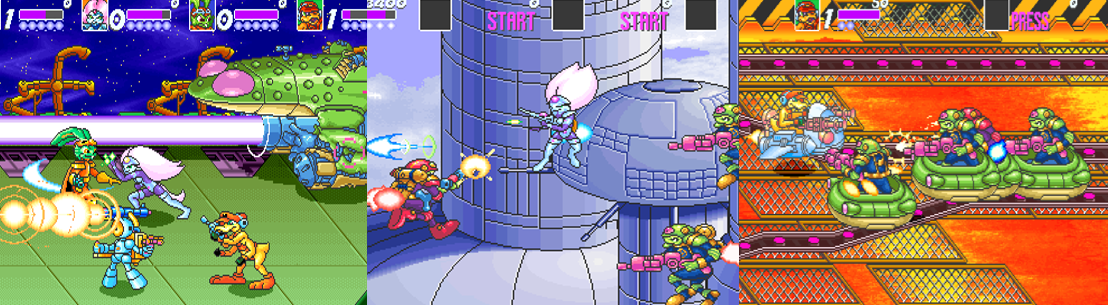
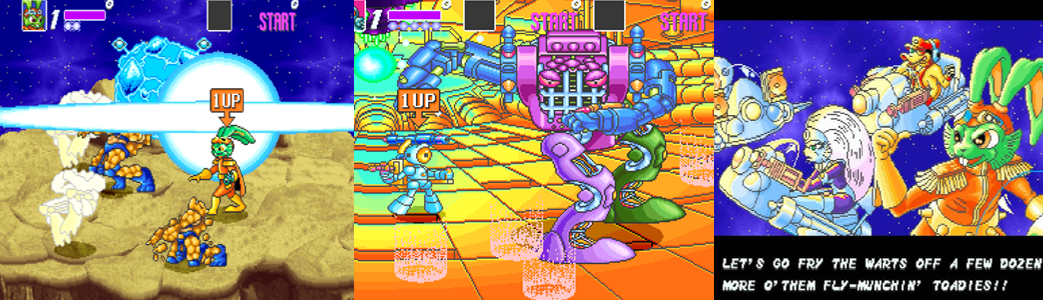


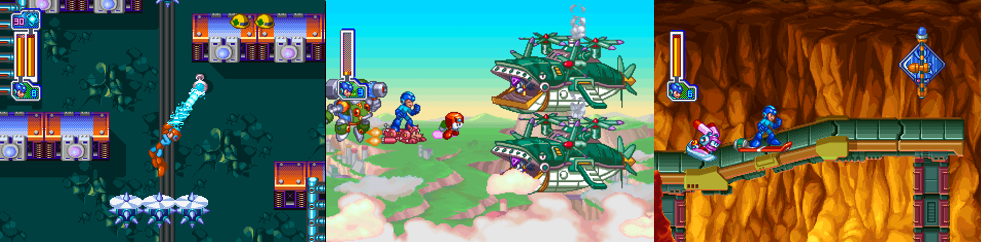
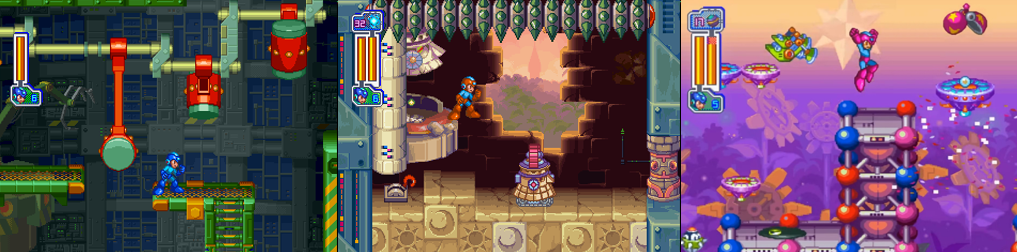
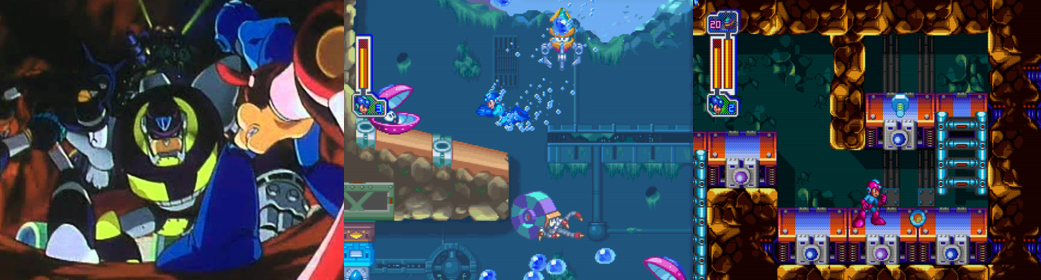
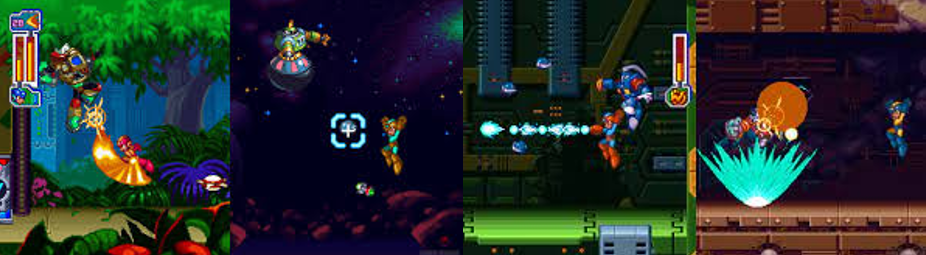
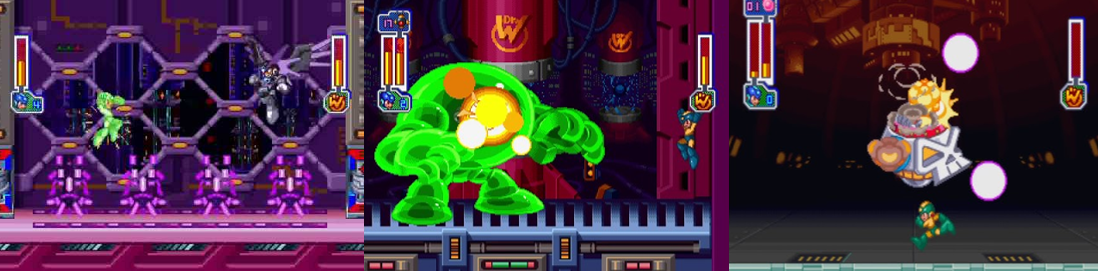



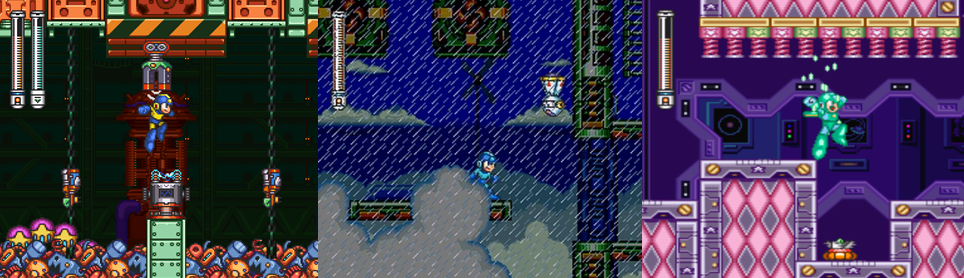
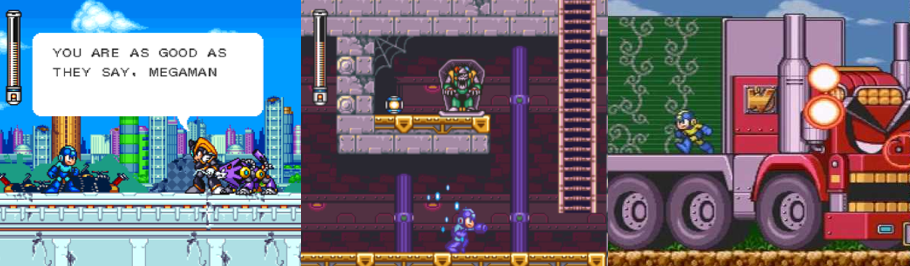
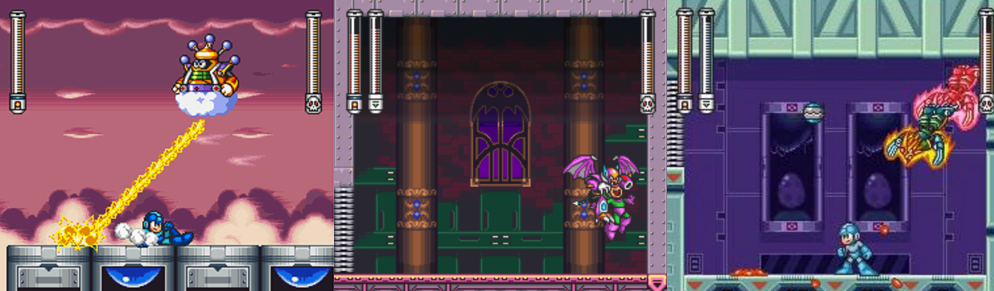
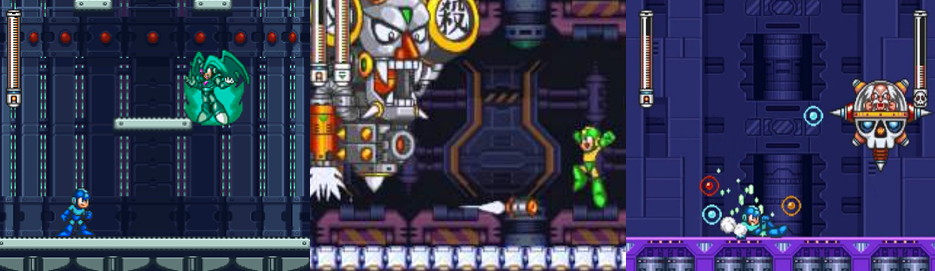


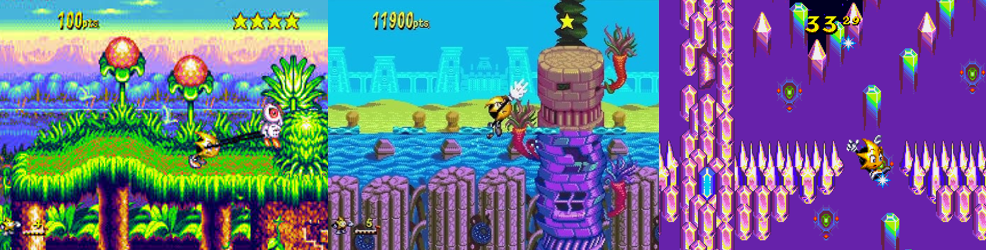

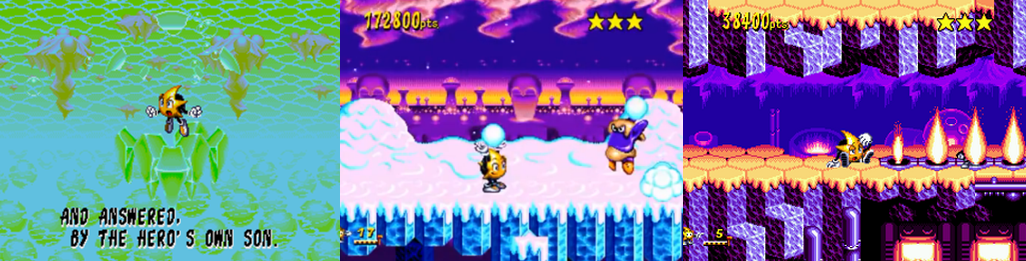
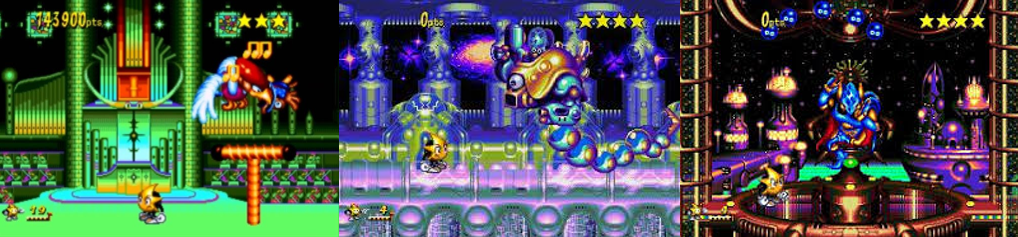


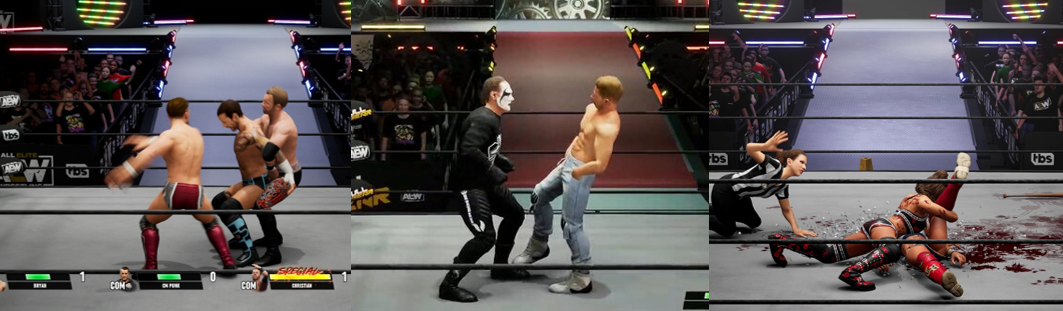
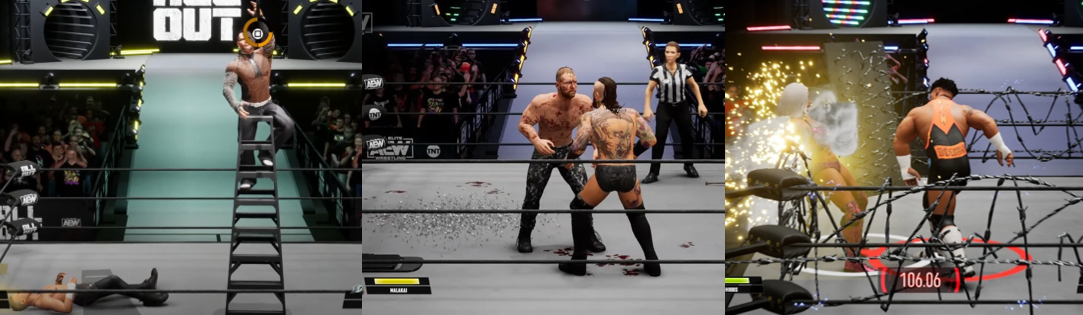






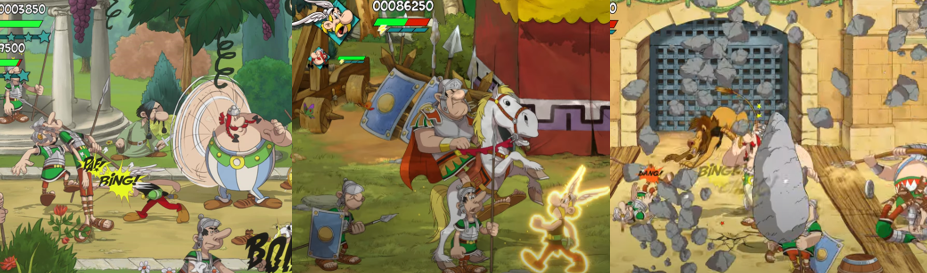














 Dr. K's Waiting Room
You must be logged in to post a comment.