The Date: 7 April 2013 The Venue: MetLife Stadium; East Rutherford, New Jersey The Commentary: Michael Cole, John Bradshaw Layfield/JBL, and Jerry “The King” Lawler The Referee: Mike Chioda The Stakes: Singles match with the Undertaker’s WrestleMania winning streak on the line
The Build-Up: The Undertaker had been a force to be reckoned within the World Wrestling Federation (WWF) ever since his dramatic debut as part of the “Million Dollar Man” Ted DiBiase’s Million Dollar Team on this day at the 1990 Survivor Series. After a year without any televised losses, the Undertaker was named the number one contender to Hulk Hogan’s WWF Championship belt and his victory over the Immortal One cemented the Deadman as a main event star for decades. While the WWF changed and rebranded, eventually becoming World Wrestling Entertainment (WWE), the Undertaker grew as a character and a spectacle; transforming from a largely mute, undead monster into a Satanic overlord, a bad-ass biker, and the conscious of the WWE, the Undertaker’s legendary career came to be synonymous with his uncanny ability to secure wins on the grandest stage of them all, WrestleMania. By this, the twenty-ninth WrestleMania, the Undertaker had twenty victories at the Showcase of the Immortals, having put away hated rivals such as Kane, Triple H, and the “Heartbreak Kid” Shawn Michaels among others. In recent years, his opponents specifically sought a match against him at WrestleMania seeking to snap this winning streak but few were able to make this into such a personal vendetta than CM Punk. After winning the right to face the Undertaker, CM Punk immediately set about disrespecting the memory of William Moody, who had portrayed the Undertaker’s long-time manager Paul Bearer and who had recently passed away. Alongside his own manager, Paul Heyman (who also had a storied history with the Deadman), CM Punk regularly called out the Undertaker, stole the Deadman’s mystical urn, and even dumped its contents over Big Evil in the lead up this match, which was the closest that CM Punk ever got to main eventing a WrestleMania.
The Match: Before the match can even begin, there are two things that need to be gotten out of the way first: the first is another of the WWE’s excellently-produced video packages that not only works as a touching tribute to the late, great Paul Bearer but also does a fantastic job of telling the story of this heated feud up until that point and really painting CM Punk as an absolutely reprehensible dick. Since the Undertaker wasn’t around each week to help build towards the match, CM Punk fell back on his unparalleled mic skills to taunt and mock both the Deadman and Bearer specifically to wind the Undertaker up since a count out or disqualification would still count as a loss and all he was concerned about was getting that win and tarnishing the Undertaker’s winning streak. The second, and biggest thing to get out of the way, are the competitor’s entrances; by this point, the Undertaker’s appearances at WrestleMania had become a spectacle all unto themselves and his entrances often went on as long as some wrestling matches! This year was no different as the Deadman’s entrance ran around five minutes long and saw him slowly, ominously stalk his way to the ring in a shroud of smoke while shadowy figures clutched at his feet in a truly spinetingling visual! However, the Undertaker wasn’t the only one to get a big entrance this year as Living Colour played CM Punk down to the ring with a live performance of “Cult of Personality”, though of course Michael Cole and his cohorts couldn’t be stopped from offering pointless and distracting commentary once the two were in the ring.
Cm Punk’s early strategy involved goading and disrespecting the Undertaker to wind him up.
As soon as the bell rang, the two went for each other, both with their hands up and looking for an opportunity to land a strike or a grapple. CM Punk, the quicker and smaller of the two, goaded the Undertaker by dodging a strike, slapping him in the face, and slipping out of the ring in order to put a quick beating on the Deadman after a short chase. Although the Undertaker tried to manhandle Punk into the corner, he easily slipped away and continued to taunt the Undertaker, kicking himself free of a Chokeslam attempt and ended up eating a big boot to the face and being unceremoniously dumped to the outside for his troubles. On the outside, the Undertaker beat CM Punk around the barricade before whipping him into it and smashing his face off the announcer’s table. The Undertaker stripped the table down and then rammed CM Punk spine-first into the ring post before rolling him back into the ring to deliver his patented leg drop across the ring apron. Once they were both back between the ropes, the Undertaker pressed his advantage, pounding on CM Punk in the corner and intimidating the referee for chastising him; working over CM Punk’s left arm, the Undertaker went for his “old school” rope walk but CM Punk jerked him off the top rope with an arm drag and, despite the pain in his arm, stomped on the Undertaker while the Deadman was down and hit a walk rope of his own in a blatant show of disrespect before landing a side Russian leg sweep and going for the first pin of the match.
CM Punk pressed his advantage at every opportunity using his quickness and agility.
Obviously, the Undertaker kicked out; the match then slowed a bit as CM Punk locked in a ground-based submission so the two could catch their breath (while also giving Paul Heyman a chance to shout encouragement and taunts to both men, respectively) before the Undertaker went back to his game plan of beating CM Punk in the corner. This backfired on the Deadman, though, when he missed a running boot and injured his knee in the process, which allowed CM Punk to kick him out of the ring and land a big diving axehandle from the top rope to the outside. Back in the ring, CM Punk scored a two-count off a neckbreaker but his attempts to work over the Undertaker’s arm got cut off by the Deadman’s trademark strikes. Again, CM Punk scored a two-count off another quick neckbreaker and slapped on a choke hold, all while Paul Heyman shouted encouragement about him being “one second away” from victory. The Undertaker battled his way up to a vertical base and hit a suplex to throw CM Punk off, then crotched his arrogant opponent on the top rope when CM Punk tried to hit another rope walk. A single punch to the jaw sent CM Punk careening to the outside again but Paul Heyman threw himself in the Undertaker’s path to stop the Deadman doing his signature dive to the outside, almost getting Chokeslammed off the apron in the process, which allowed CM Punk to recover and hit a clothesline off the top rope for another two-count. Weary (and possibly a little out of it), the Undertaker left himself wide open in the corner for a running knee and got taken down with a clothesline, which set CM Punk up for his patented Diving Elbow Drop.
Both men survived some big moves and signature offense from their opponent.
Again, the Undertaker kicked out at two, so CM Punk prepared to hit his finishing move, the Go-To-Sleep/GTS; however, the Undertaker slipped off CM Punk’s shoulders, grabbed him by the throat, and hit a massive Chokeslam for his first near-fall of the match! The two then got into a slug fest that quickly went in favour of the Undertaker, who again pummelled Punk in the ring corner with strikes, a running attack, and his signature Snake Eyes manoeuvre but CM Punk weathered the storm and surprised the Deadman with a kick for another two-count. CM Punk then sent the Undertaker to the outside again with a clothesline and went back to the announcer’s table, which he just narrowly avoided being powerbombed through when he slipped out of the Last Ride. With the Undertaker lying prone across the table, CM Punk hopped to the top rope and hit another Diving Elbow Drop…though the table didn’t break on impact. CM Punk was aghast when the Undertaker beat the referee’s count, however, and made it back into the ring before a count of ten; distraught (and hurt following his awkward landing on the table), CM Punk was easily wrapped up in the Undertaker’s Hell’s Gate submission move. Punk, however, used his technical expertise to turn it into a pinning attempt, and then wrapped the Undertaker up in the Anaconda Vice that, for all its drama, mainly served to give the Undertaker a chance to catch his breath again. Soon enough, the Undertaker was on his feet and going for another Chokeslam but CM Punk wriggled free and hit a glancing GTS that the Undertaker completely no-sold and powered through to hit a Tombstone Piledriver out of nowhere! Incredibly, CM Punk kicked out at two, much to the delight of Paul Heyman and the crowd, who began to chant “This is awesome!”
Even an urn shot couldn’t stop CM Punk being planted with the Tombstone and becoming a statistic.
Another slugfest followed; however, when the Undertaker went for the Chokeslam, Mike Chioda was sent sprawling by an errant shot, which allowed CM Punk to smash the Deadman in the back of the head with the urn and avoid the Last Ride once again. CM Punk’s decision to mock the Undertaker with his signature pin cost him almost as much as the referee’s long count, however, as the Undertaker kicked out at two, driving Punk into a frustrated frenzy at his opponent’s refusal to stay down. The two then countered each other’s attempts at hitting their finishing manoeuvres before the Undertaker scooped CM Punk into a second Tombstone Piledriver and secured his incredible WrestleMania winning streak for another year. Showered by the adulation and respect of the crowd, the Undertaker than retrieved his urn and delivered one last tribute to his friend and manager while the announcer’s refused to keep their mouths shut and let the moment speak for itself. Ultimately, while the match was very good, I couldn’t help but feel like it didn’t quite kick into gear; the story was very traditional, with the in-ring action building and escalating to both men’s strengths and their tropes (the conniving little guy against the veteran big man) but it just felt like something was missing. Maybe if CM Punk had used some more underhanded tactics, given the Undertaker a bit of a run-around, or if the Undertaker could have had a couple of big bursts of energy it would have helped but it’s still a perfectly entertaining and acceptable match and I think the crowd probably would have bought Punk winning, though it never really seemed like he was going to as he didn’t get much of a chance to hit any big moves beyond those diving elbows.
The Aftermath: This match put an end to the feud between CM Punk and the Undertaker; the next night on Raw, a distraught CM Punk came out to address how his historic run with the WWE Championship got cut short and he was denied the WrestleMania main event in favour of the Rock and John Cena. He and Paul Heyman eventually had a falling out when Heyman returned to the side of his old client, Brock Lesnar, turning Punk face in the process. On that same episode of Raw, Roman Reigns, Dean Ambrose, and Seth Rollins (collectively known as “The Shield”) attacked the Undertaker as he tried to pay tribute to Paul Bearer once more. He was saved by his brother, Kane, and Daniel Bryan (known as “Team Hell No”) and the three of them went on lose to the newcomers and the Undertaker’s vaulted WrestleMania winning streak was finally broken at the next year’s WrestleMania in a pretty disappointing match against Brock Lesnar.
My Rating:
⭐⭐⭐⭐
Rating: 4 out of 5.
Great Stuff
What did you think to the contest between CM Punk and the Undertaker at WrestleMania? How would you rate it against the Undertaker’s other WrestleMania matches? Were you a fan of CM Punk disrespecting Paul Bearer’s memory to get heat for the match? Do you think the match should have been the main event bout of the night? How are you celebrating the Undertaker’s debut this year? What are some of your favourite matches and moments from his long and distinguished career? What dream match would you have liked to see him involved in? Whatever your thoughts, sign up to drop a comment below and or let me know what you think about the Undertaker on my social media.
Erin Banks, author of About Rage and Ted Bundy: Examining The Unconfirmed Survivor Stories
1. First, introduce yourself a bit. What is your name (or pen name) and where are you from?
I’m Erin Banks, and for the main music project I do with musician friends, I go by About Rage. This only happened because we discovered there was already an Erin Banks on Spotify when we released the soundtrack to the novel About Rage.
I was born in Northern Germany and intermittently lived in the US, Sweden, Denmark and the UK over the past twenty years, as I’ve always loved to travel, learn foreign languages and about other cultures.
2.Next, tell us a bit about your most recent work. Is this your first published book? What is it about and what genre would you classify it as?
I just published my debut novel, About Rage, in late October, though it isn’t my first book. I wrote a non-fiction one on Ted Bundy, as I have blogged on CrimePiper about the case, as well as other True Crime cases, going on five years now.
About Rage is a psychological Horror Thriller centered around a ruthless female serial killer, Emily Sand, with a uniquely complex psychopathology. She shows symptoms of complex post-traumatic stress disorder, paired with other specified dissociative disorder, so similarly to Ted Bundy, she has sort of an “entity” that she calls the Rider, who is basically her externalized kill urge or alter ego. Emily soon realizes that someone has been watching her…or watching over her? That’s something she must find out, and for this she employs the help of a therapist. How she goes about this would be a little bit of a spoiler.
Going forth, Emily learns more about herself, including betrayals of her past and present, and she attempts to find out whether the people in her life she thinks of as friends are trustworthy or not, in order to face a seemingly omnipotent enemy.
The novel has twists and turns aplenty, and I’m overjoyed that readers reported to me they could not put the book down, finishing it within a day or two. This is exactly what I wanted to achieve, to “edutain” – to leave readers breathless and wanting for more, while still taking them on a journey into the mind of the killer to facilitate a better understanding of how trauma, loneliness and fantasy life spinning out of control very often plays a part in creating these violent offenders.
3. Tell us a bit about your main character; what are they like, how did they come about, and what are some of their strengths and weaknesses?
How Emily Sand came about is a bit of a convoluted story, but I’ll try to keep it short: In late 2017, I had tried to look for Horror and Thriller novels centered around a female serial killer who would be more than just a two-dimensional, Disneyesque villain to hate. I found one series that I enjoyed, but it didn’t go far enough for my taste. So I started penning disjointed chapters about a female serial killer, and in 2018, I learned about a (by now long disbanded) group on social media that was doing a “serial killer role playing game,” for which the admin would give us a setting and scene prompt and the members would finish that story. There had also been plans of co-writing a female serial killer story with someone else but ultimately, they didn’t come through. So I had gathered a lot of material I had to try and combine but didn’t have time to do so until last year.
As for Emily Sand’s strengths and weaknesses, that is a really great question, because at times, they appear interchangeable. She is a cautious and paranoid killer, thinking of anything and everything she would require in any scenario, and she is just as meticulous and obsessive-compulsive when disposing of bodies. She’s unfortunately not as cautious once she meets the man who’s been watching her for a while, and the prospects of what he offers her cast her whole world into disarray. My favorite strength of hers is her willingness to self-reflect, even though she’s not always a reliable narrator.
4. What was your hardest scene to write in this (or any) book?
There were three that were all equally emotionally taxing. The one during which Emily reveals to the therapist what she suffered through as a child and how it impacted her. As someone who grew up with extreme abuse, it left me reeling a bit. Connected to it is a scene during which Emily learns how everything in her life is interwoven. The disillusionment, the sinisterness of it all was something I experienced on a very real level.
Lastly, there’s one scene in one of the last chapters that involves a betrayal not even I had seen coming. One of the characters just forced me into that direction, despite my outlining, and I knew I had to run with it, but it broke my heart for Emily.
5.Did you go the traditional route when publishing your book or did you choose to self-publish?
I had originally intended to go the traditional route. Ultimately, I couldn’t relent control, or rather, the rights, of this story to anyone else. It’s too close to my heart, and I needed to be in the driver’s seat, even if it meant far less exposure.
6. What would you say is the most difficult part of your writing journey and what advice would you give to other writers?
This is probably something I shouldn’t admit, but one thing I learned is that no matter how much and often I edit, I’ll still find things after publishing that make me cringe. Part of it is that, as a non-native speaker, I’m extremely apprehensive about possible mistakes I could make, particularly in terms of punctuation. Being an indie writer without an editor, I am still happy that the second book proved to be a less straining experience than my first one, so I believe I have the capacity to further develop my craft.
7. Do you want each book to stand on its own, or are you trying to build a body of work with connections between each book?
About Rage will have a follow-up, possibly more. It’s a vast universe inside me that just expanded over the years.
My first book, Ted Bundy: Examining The Unconfirmed Survivor Stories, will remain a standalone, though I may write another Bundy book on an unrelated topic in the future. I do already have the material and a general outline for it.
8. Who are some of your favourite authors, what are some of your favourite books, and what inspired you to become a writer in the first place?
My favorite non-fiction author is Kevin M. Sullivan. I read his first two Ted Bundy books years before we became friends, and was immediately enmeshed with what a gifted storyteller he was. He is a true edutainer. Eventually, he asked me to write a chapter for his sixth book, The Enigma of Ted Bundy. I was shocked that my favorite author would ask me if I wanted to collaborate. Me! I look up to Sondra London as well. She’s completely in control of every word, every sentence she produces, and has a very elegant writing style I truly enjoy.
My favorite fiction author is Josephine Angelini. I love her world building and character development, particularly for the Worldwalker trilogy, and her standalone What She Found in the Woods. My favorite book will always be Jane Eyre, though; the ultimate coming-of-age story about independence, self-respect, self-mastery, and how all of this could be balanced and expressed in a romantic relationship setting.
9. What would you say has been the best way to market your books?
I so suck at this stuff. Probably social media. It’s very difficult for me to network because human interaction leaves me extremely drained due to always having to mask. I’m autistic. Plus, it’s always been a bit awkward for me to clap for myself in public, but I want to be read, so that’s what it takes.
10.Are there any tropes, clichés, or writing styles that you dislike and, if so, what are they and why?
I don’t think any trope or cliché has to be bad, necessarily. I’ve read books that played with tropes, and just when you thought you knew where the story was headed, you were thrown for a loop, because the author had just used cleverly it as a set-up.
As for writing styles, be it narrative, descriptive, expository or persuasive, I enjoy them all, though expository is a bit tricky because it can get dull quick, so it takes a very skilled writer to do this in a way that’s still engaging and keeps my attention.
One thing that drives me nuts is clipped sentences and a lack of paraphrasing.
11. Do you read reviews of your book and, if so, how do you handle negative feedback?
I’ve received some great bad reviews because the person shared in-depth what their expectations had been and why my book did not deliver, in their view. Some of these readers’ suggestions stayed with me. For instance, in my first book, the last chapter was supposed to be the big bombshell, but it was advised this would have made for a better first chapter. I found the reasoning for that very interesting and could see their point, so I am always grateful for honest feedback, if presented in a reasonable manner.
I think the most important thing to remember is always that even Stephen King has one star reviews. It’s inevitable and nothing personal, though especially as it pertains to fiction, it can feel almost like a personal rejection, since you pour your heart and soul into these stories, the world-building and characters that you love like family (or at least I do.) But negative reviews definitely help curb the ego a bit.
On the other hand, I’ve had very persistent stalkers in the last three years, centered around a disgruntled ex and his associate. These people have chased me across every platform to leave character assassination reviews, partly even in the name of my dead father. Fortunately those were removed when I contacted the website owners.
12. What are some of your quirks as a writer? Do you like to plot everything out or do you prefer to just “wing it” and see where the story takes you? Do you listen to music when writing and, if so, what do you listen to?
Well, the way this happens with me is usually that either a fully formed story or scene will pop into my head. I really just watch it play out as though it were a movie, jot down what I see, then try to fill in the blanks. This is when I will start outlining things, though never in too much detail, as I learned that the story and characters really do have their own lives.
I can’t write without music, and that is probably also one of my biggest writing quirks. Music puts me in an altered state, almost a meditative one, and I need that to summon the feelings I want to ban onto paper. When I wrote About Rage, I mostly listened to a combination of atmospheric, dark and desperate songs for the interpersonal scenes as well as brutal bass Dubstep and Metal for the action-laden passages. And then, as Peter Douglas, Mirko Swo and I put together the songs for the soundtrack, I would listen to those tracks, too.
13. What is the best advice you’ve ever had when it comes to writing and what advice would you give to new writers?
I see a lot of advice by other writers being presented as ironclad rules, and it can sometimes come across as a bit restrictive, if not even arrogant. I don’t subscribe to the notion that one ought to push themselves to write every day to be a “real writer.” There’s so much implied stress and worry in that notion. The majority of my writer friends struggle with mental health in some form, and with my condition, I sometimes require periods of rest, during which I’ll focus and work on other things related to the book instead. If I push myself, I’ll have a major meltdown or shutdown, and I have observed similar things happening with author friends. I’m not a fan of working yourself sick.
General advice I would offer is to perhaps try and make time to read, because you may enjoy broadening your horizon, add to your vocabulary, play around with different ideas that others’ stories may prompt.
14. What’s next for you? Are you currently working on any new books or stories?
My main project is writing About Revenge, along with the second soundtrack. On the side, I am working on the Murderous (True Crime-related) album franchise with the band Dead Possum, for which I write half of the lyrics and read the intros and outros in different languages, such as Urdu, Japanese, Ukrainian, Spanish, Swedish, German and various others. I am also in the process of putting together a hybrid-genre short story collection, and I’ll be featured in two other True Crime authors’ books that are to be published next year.
15. Finally, feel free to plug your social media, website, and links to Amazon, GoodReads, and other relevant sites below, and detail any current offers available for your book/s:
In November of 1961, readers of Marvel Comics readers witnessed four intrepid explorers be forever changed by mysterious cosmic rays. On that day, they became known as the Fantastic Four, Marvel’s “First Family” of superheroes, and went on to be the first of many colourful superheroes for Marvel Comics as well as feature in numerous cartoons, videogames, and live-action movies. This year, I’ve been dedicating every Friday in November to commemorating the debut of Marvel’s most famous dysfunctional family.
Released: 15 June 2007 Director: Tim Story Distributor: 20th Century Fox Budget: $120 to 130 million Stars: Ioan Gruffudd, Jessica Alba, Chris Evans, Michael Chiklis, Julian McMahon, and Doug Jones/Laurence Fishburne
The Plot: Doctor Reed Richards/Mister Fantastic (Gruffudd) and Susan Storm/The Invisible Girl (Alba) find their attempts to get married constantly interrupted by a media circus and the extraterrestrial “Silver Surfer” (Jones/Fishburne), who catches Victor Von Doom/Doctor Doom’s (McMahon) attention when it prepares the world for consumption by a cosmic being known only as “Galactus”.
The Background: Stan Lee and Jack Kirby’s family of dysfunctional superheroes have had quite the chaotic journey to the big screen; their 1994 movie was never released and the eventual big-budget adaptation was met with mixed reviews after being in Development Hell for around ten years. Still, Fantastic 4’s(Story, 2005) modest box office success of $333.5 million saw not only the release of an Extended Edition but also the return of director Tim Story and the entire cast for a sequel. Screenwriters Mark Frost and Don Payne came onboard to pen the screenplay and the duo drew significant inspiration from both the original “Galactus Trilogy” (Lee, et al, 1966) and an altered version of that same story seen in Ultimate Marvel (Ellis, et al, 2004 to 2006). The duo aimed to focus more on the enigmatic Silver Surfer than the Devourer of Worlds and there was a lot of speculation and anticipation surrounding the design of Galactus. Much of the film’s promotion was also focused around fan-favourite elements from the original Marvel Comics, such as the Fantasti-Car and the wedding between Reed and Sue, and practical elements such as Ben Grimm/The Thing’s suit were redesigned to allow actor Michael Chiklis to slip it off between takes. The titular Silver Surfer’s digital effects were the work of Weta Digital, who not only completely replaced stuntman Doug Jones with a sleek CGI model but also contributed to the design of Galactus. Fantastic 4: Rise of the Silver Surfer made about $32 million less than its predecessor, coming in with a box office of $301.9 million; though the film’s average review score is higher than the first film, it was also met with mostly mixed reviews, although the general consensus was that it was at least more entertaining than the first film. Plans for a sequel and a spin-off for the Silver Surfer were eventually quashed due to the overall lacklustre response to Story’s films. Thankfully, after a mediocre tie-in videogame and the disastrous decision reboot the franchise some eight years later, the Fantastic Four returned to prominence in the Marvel Cinematic Universe in 2025.
The Review: Fantastic 4 wasn’t really a bad film, really, just quite underwhelming considering some of the outlandish cosmic adventures Marvel’s First Family often get up to. Do I expect them to battle the likes of Galactus and Kang the Conqueror in their first movie? No, of course not, but maybe exploring the Negative Zone and encountering someone like Annihilus could have been possible with a script re-write (Reed discovers the Negative Zone and that’s where they get their powers from, rather than them going to space) while building towards a showdown with Dr. Doom for the sequel (since he was so underutilised and bland in the first film) and maybe, maybe Galactus for the third and final movie. I can’t, however, say that I’m too surprised that Fantastic 4 got a sequel; back then, mediocre movies were getting sequels all the time and it just seemed natural to do, though I definitely am not a fan of the overly long and wordy “Rise of…” title (Fantastic Four: Doomsday would’ve been better in my opinion, but what the hell do I know, right?)
Reed and Sue’s wedding is disrupted by the arrival of the Silver Surfer, who causes global havoc.
Since the end of the last film, the Fantastic Four have become wildly beloved, popular, and successful superheroes; while Johnny Storm/The Human Torch (Evans) continues to revel in their celebrity status and indulge himself with merchandising and sponsorship deals, Sue is troubled by the constant media storm that surrounds their lives. It’s bad enough that the interference of the press has caused Reed and Sue to continuously postpone their wedding, but Sue worries about what sort of impact the attention they bring and the circus of their day-to-day lives will have on any children she and Reed may have in the future. Sue’s characterisation seems to have taken a bit of a step back in this regard; she actually seems to think it’s acceptable to prioritise her wedding day over the fate of the world, arguably costing Reed valuable time in finding a way to track the entity causing worldwide havoc, and while Alba seems more comfortable in the role of the team’s matriarch, something seems a bit…off about her this time around (I think it’s her dazzling contact lenses). The world is thrown into chaos when the mysterious entity known as the Silver Surfer arrives; wielding the same cosmic powers that gifted the Fantastic Four and Doom with their abilities (a neat little wrinkle that I actually really enjoyed), the Silver Surfer is able to dramatically affect weather patterns across the globe, drying up lakes, bring snowstorms to deserts, and disrupting electrical devices the world over.
General Hager isn’t impressed with Reed, or the four, whom he views as freaks.
Reed is troubled by the disruptions; despite promising Sue that he is going to focus on the wedding, he can’t help but investigate the disturbances and is intrigued to find a link between the cosmic radiation and their powers. Johnny is able to turn Reed’s fascination with the ongoing global disturbances to his advantage and blackmail Reed into having a bachelor party, and though Reed adamantly turns down General Hager’s (Andre Braugher) request that he and the four lend their expertise in solving the global crisis, he ultimately goes back on his word and develops a way of tracking the anomalies out of his desire to help and sheer scientific curiosity. Obviously, Sue is angered by this as she’s obsessed with having that one perfect day even if the entire world is being thrown into chaos around them; Reed is trying to please everyone, as always, but ultimately chooses to stand up to Hager’s abrasive nature and demand a little respect for him and his team if the military actually want them to help. When he sees how upset Sue gets by the whole media circus, however, Reed proposes that they leave it all behind after the wedding, but ultimately they’re both able to come to terms with their crazy lives by the conclusion of the film. The Thing, easily the heart of the team, is in a far better place this time around; having taken to wearing an array of clothes and noticeably much more comfortable with himself and being out in public, he’s developed a brotherly relationship with Johnny and has absolute faith in Reed, even when he predicts the end of the world and suggests the team go their separate ways.
Doom is still somewhat underutilised but comes across a bit better in this film.
Although Reed discovers that the Silver Surfer has been preparing worlds for their eventual destruction all across the universe, the entity’s arrival has a more direct impact on the team when it passes over Latveria and awakens Victor Von Doom. A scarred and ruined mess of a man, Doom begins the film in a much more fitting place than he left it (holed up in a grand castle, glaring at an array of monitors, filled with egotistical mania, and fully embracing his role as a scheming and bitter supervillain). After encountering the Silver Surfer, though, Doom’s appearance is sadly restored by the Surfer’s cosmic powers, ruining any menace he may have had in his armoured guise, and he goes right back to being a sleazy, suit-wearing scumbag. Doom even weasels his way into studying the Silver Surfer further by sharing his data with Hager, who orders him to work alongside the Fantastic Four, much to their chagrin. Of course, Doom’s intentions are far from virtuous; realising that the Silver Surfer draws his powers from his “board”, Doom seeks to separate the silver-hued entity from it, depowering the once-might Sentinel of the Spaceways, so that he can claim it for himself. This allows Doom to briefly come close to matching the formidable threat he poses in the comics, and even don a far more impressive and visually interesting set of armour and spit his famous “Richards!” line, but once again it’s too little too late and Doom gets far too little time in the spotlight.
Contact with the Silver Surfer causes Johnny to swap powers with his teammates.
Instead, much of the film is focused on exploring the impact that the Silver Surfer has on the Human Torch; although he seems perfectly happy living a shallow life of materialism and still likes to crack jokes at both Reed and the Thing’s expense as often as possible, Johnny doesn’t hesitate to take off after the Silver Surfer when he disrupts Reed and Sue’s wedding and finds himself changed as a result of physical contact with the entity. Consequently, Johnny switches powers whenever he touches his teammates, which allows the Thing a brief return to his human form (something that never comes up again, despite Ben’s promise) also causes chaos when the Fantastic Four try to intercept the Silver Surfer in London. Feeling isolated because of the danger he now poses to the team, Johnny is distraught to learn that Reed and Sue are willing to break up the band so that they can lead “normal” lives and is forced to learn to set aside his ego and put the team before himself. This all culminates in him absorbing the powers of the entire team in order to match Doom’s stolen cosmic powers in the finale, basically transforming him into a version of Kl’rt/Super-Skrull and kind of negating his character arc since it takes one individual with all of the team’s powers to defeat Doom rather than the combined efforts of the team proper.
The Nitty-Gritty: Strangely, considering that Rise of the Silver Surfer essentially deals with the impending destruction of the entire world, the film’s tone is as light and whimsical as the last film, for the most part, but the comedy definitely lands a lot better this time around. Johnny’s wisecrack about the Thing’s blind girlfriend, Alicia Masters (Kerry Washington), potentially dying in a rockslide is hilarious, as is Sue using her powers to force Reed to listen to her, her “I’m on fire!” exchange with Reed, and Johnny’s all-too-brief transformation into a Thing-like creature. Having lived and operated together for some time now, the team has settled into their dysfunctional family dynamic quite nicely; out in the field, they tend to quarrel and discuss their personal dramas, which angers Hager, who sees them as freaks who can’t take threats seriously as they’re too busy bickering with each other. This leads to an impressive moment for Reed as he finally stands up for himself, and his team; in fact, Reed has adjusted to his role as the team’s leader extremely well compared to his characterisation in the first film. He’s still an easily distracted and awkward nerd, but he’s much more confidant in directing the team and keeping them focused in the field, at least until Johnny’s new powers cause disruption amongst the team.
The Silver Surfer prepares the world for this master’s arrival, who he dare not defy.
Sue ends up playing a pivotal role in humanising and characterising the mysterious Silver Surfer; a stoic and wholly alien lifeform, the entity is like living liquid metal, reflecting everything around him in his silvery skin and slicing through the air and even the vastness of space with a fluid-like ease. Impossibly fast and incredibly powerful, the Silver Surfer can not only cause chaotic events to happen all over the world and create ominous craters in the planet’s very crust, he’s also easily able to shrug off Doom’s electrical bolt, out-pace and exhaust Johnny in the upper atmosphere, and pass through Sue’s invisible barrier. Fascinated and intrigued by the Silver Surfer’s beauty, Sue questions the entity as to his motivations, which causes enough of a distraction to separate the Silver Surfer from his board and allow him to be captured by Doom and Hager. While the Silver Surfer has never exhibited such an obvious weakness in the comics, as far as I am aware, it’s necessary to render him vulnerable and exposit key information about the Silver Surfer’s master, the malevolent Galactus. Helpless and powerless without his board, the Silver Surfer reveals to Sue that he was once known as Norrin Radd and is bound to lead the entity to worlds for it to devour in order to spare his own, but takes no pleasure in this fact and finds himself besotted by Sue as she reminds him of his lost love. The Silver Surfer also reveals that his board draws Galactus closer, but initially refuses to use its power to repel his master since he dare not defy the World Devourer.
Some big set pieces and special effects keep things interesting, with the Silver Surfer being the highlight.
Surprisingly, the Fantastic Four’s costumes haven’t really been changed all that much from the last film; they seem a little darker, and maybe a little more refined here and there, but mostly appear to be identical, which is very unusual as superhero sequels usually always introduce new costumes for the characters. Thankfully, Doom definitely looks much better this time around; I could have done without seeing him return to normal in the middle there, but he definitely makes up for it in the finale with his more regal and detailed armour. The four have firmly established themselves in the Baxter Building and no longer have any money troubles; instead, they have all the resources they could ask for thanks to Reed’s patents and Johnny’s endorsement deals to franchise the team out to anyone and everyone. Reed’s focus is still on the science, and using his genius and the team’s abilities to help others, but he’s not above creating new toys for the team to use, such as the futuristic and criminally underused Fantasti-Car. While the Thing looks just as good as ever thanks to the impressive practical suit, some of the CGI and special effects have taken a bit of a hit, most notably Reed’s stretching powers (though this could just be because they’re showcased more often here). Still, the film has some impressive action set pieces on offer, such as the team’s efforts to repair the damaged London Eye, and the effects used to bring the Silver Surfer to life are absolutely top-notch. The Silver Surfer appears unsettlingly alien and unnaturally fluid; the chase between him and Johnny is quite exhilarating and the way he just kind of hovers and slips into frame is incredibly unnerving, and I think it was a wise move to spend more of the film focusing on the Silver Surfer as an antagonistic and mysterious force rather than the Devourer of Worlds.
Galactus may have just been a disappointing cosmic cloud but at least they tried to bring him to life.
Speaking of which, you can’t talk about this film without mentioning Galactus; one of Marvel’s most iconic and destructive cosmic entities, Galactus gained notoriety for being represented as a gigantic, abstract space cloud. I can understand the backlash about this as Galactus represents one of the most morally grey entities in the Marvel universe (he has to “eat” worlds in order to satisfy his great hunger, and does so not out of malice or evil but simply because he has to in order to survive and his existence is part of the cosmic balance of death and rebirth) and reducing him to a swirling, indistinct mass of cosmic energy is quite an insult to die-hard comic book fans. I can also understand the apprehension; these Fantastic Four movies are clearly drawing inspiration from Fox’s original X-Men trilogy (Various, 2000 to 2006) and going for a more grounded take on the comic’s more fantastical elements and the filmmakers definitely seem to have thought that a gigantic humanoid clad in purple armour stomping around New York City was probably a step too far. I, however, disagree and think these films (and any future Fantastic Four films) should totally embrace the more bonkers aspects of the source material, but I do have to applaud the filmmakers for even using Galactus in the first place. They didn’t have to do that and it’s pretty ballsy to jump into the character for the team’s second movie as how the hell do you top a world-devouring entity? Also, they seem to have pulled inspiration from “Gah Lak Tus”, the Ultimate version of the character that was a swarm of robotic drones rather than one massive being; the shadow and fiery silhouette of Galactus and his ship can also be briefly seen, hinting that the cloud is masking the being’s true form, and the proposed Silver Surfer spin-off was also supposed to reveal the character in full. Additionally, seeing Galactus’ smoky tendrils devour that world at the start, watching it ominously advance through the galaxy and learning about its destructive history, and the shot of it preparing to swallow the Earth whole are all really effective at building a sense of awe and dread around the entity. I can definitely see that the filmmakers had some good intentions with the character but the execution does fall a bit flat; I think maybe it would have sufficed to see a gigantic hand reaching out from the cloud, or see hints of Galactus’ helmet poking through the storm and maybe his eyes glistening, but, again, I admire that they even tried to use the character, if nothing else.
After repelling Galactus, Reed and Sue finally marry and the Silver Surfer is freed from his master.
Despite the threat of Armageddon looming ever closer, Doom manipulates events to get his hands on the Silver Surfer’s board; conveniently cobbling together a wrist-mounted device that somehow allows him to assume control of the board, and thus the Surfer’s Power Cosmic, Doom kills Hager in spectacular fashion and refuses to give up his newfound power even in the face of worldwide destruction. In the process, Doom kills Sue when she takes a shot to protect the Silver Surfer, which finally convinces him to rebel against Galactus. After Johnny absorbs the abilities of his teammates in order to separate Doom from the board in an all-too-brief fist fight, thus restoring the Silver Surfer to full strength, the Silver Surfer uses the Power Cosmic to resurrect Sue and heads up into the atmosphere to confront Galactus as the titanic cloud prepares to drain all life and energy from the planet. There, in the centre of the swirling, chaotic mess of cosmic energy, he renounces his service and uses all of the board’s power to dissipate Galactus in a very obvious Christ metaphor, presumably transporting it away or destroying it outright, and is assumed dead from the exertion. In the aftermath, Johnny is returned to normal (though I think it would have been a nice touch to allow Ben to change to and from the Thing at will as a result of contact with the Silver Surfer), Reed and Sue finally marry in a small ceremony away from prying eyes, and the team resolves to stick together, even with the chaos of the superhero fame, while the Silver Surfer is revealed to have survived in the depths of space.
The Summary: Well, this was certainly a step up from the last film; the cast, dialogue, and world definitely all seems to feel a lot more comfortable and work a lot better, and overall Fantastic 4: Rise of the Silver Surfer feels like a much more enjoyable movie since it doesn’t have to be bogged down with an origin story or explaining and exploring the team’s powers. The characters all seem very familiar with each other and gel as a dysfunctional family, operating as a cohesive team in the field while still bickering and having interpersonal dramas regarding their superhero celebrity status. The banter between Ben and Johnny remains the clear highlight of the four, though I much preferred Reed this time around (leadership definitely suits him), with Sue remaining the weak link for me just because of the way Jessica Alba is presented and the fact that she’s so woefully miscast as the Invisible Girl. Doom looked and acted a bit more like his boastful comic book counterpart, but was again way too underutilised for a villain of his stature, but thankfully the film does a brilliant job of bringing the Silver Surfer to life. Mysterious, powerful, and inhuman, the Silver Surfer is also vulnerable and tragic and a true visual marvel. Yes, it’s massively disappointing that one of Marvel’s most enigmatic and iconic entities is reduced to a mere cloud, but I do admire the filmmakers for daring to even utilise Galactus and it’s clear that they had plans to do him justice in a later film, but again I feel like if you’re going to go big like that just go all-in and leave it all on the table.
My Rating:
⭐⭐⭐
Rating: 3 out of 5.
Pretty Good
What did you think to Fantastic 4: Rise of the Silver Surfer? Did you feel it was an improvement over the last film or were you just as disappointed with this effort? What did you think to the sub-plot of Johnny being able to absorb the team’s powers? Did you like the depiction and characterisation of the Silver Surfer or do you feel he was a little underpowered compared to the source material? What was your reaction when Galactus appeared as a giant cloud and would you like to see the character done justice in the Marvel Cinematic Universe some day? How have you been celebrating the debut of Marvel’s First Family this month? Share your thoughts on Fantastic 4: Rise of the Silver Surfer in the comments below.
To celebrate the release of Justice League (Snyder/Whedon, 2017), DC Comics named November 18 “Justice League Day”. Setting aside all the drama surrounding that movie, this provides a perfect excuse to spotlight DC’s premier superhero team, which set the standard for super teams in comics by bringing together DC’s most powerful heroes.
Released: 22 November 2006 Developer: Snowblind Studios Also Available For: Nintendo DS, PlayStation Portable, and Xbox
The Background: After coming together in November 1959, the Justice League of America (JLA) quickly became one of DC Comic’s best-selling titles. This shouldn’t be entirely surprising considering the team came to be comprised of DC’s most popular characters: Clark Kent/Superman, Bruce Wayne/Batman, Diana Prince/Wonder Woman, Hal Jordan/Green Lantern, Arthur Curry/Aquaman, Barry Allan/The Flash, and J’onn J’onzz (also known as “John Jones”)/Martian Manhunter. The team saw many members come and go over the years but was a constant staple of DC’s library of comic books and soon expanded into other media. Interestingly, the Justice League’s success hasn’t always resulted in the best videogames, though, meaning developers Snowblind Studios faced a bit of an uphill battle right from the start when creating Justice League Heroes. Built out of a modified engine of their critically acclaimed title Baldur’s Gate: Dark Alliance (ibid, 2001), the developers ending up removing features from that game and engine to focus on extending the length of Justice League Heroes, which has more than a few similarities to Marvel: Ultimate Alliance(Raven Software/Barking Lizards Technologies, 2006), which released about a month earlier. Reviews of the game were mixed across platforms, though, and the game was generally regarded as a bit of a mediocre and mindless beat-‘em-up.
The Plot: The Earth is under attack from the robot forces of Brainiac, who has coerced many of the world’s most notorious supervillains into helping him consolidate the power afforded to him by a mysterious box from the stars. In response, the world’s greatest heroes, the Justice League, leap into action and team up to oppose Brainiac’s plot in a globe-trotting adventure that requires all of their individual abilities and skills.
Gameplay: Justice League Heroes is a top-down action brawler in which you (and either another player or a computer-controlled partner) battle through a number of recognisable locations from the DC universe as various members of the Justice League. The game’s story is split into a number of missions that see two members of the Justice League teaming up at any one time; a second, human player can join the game at any point from the pause menu, a solo player can freely switch between the two heroes at will by pressing up on the directional pad (D-pad), and you’ll also be tasked with assembling one or more custom teams of two characters later in the story but you’ll never get the opportunity to switch out characters completely or replay missions with different characters. Gameplay in Justice League Heroes revolves almost entirely around beating up endless hoards of robots and aliens and solving some very light puzzles; characters can jump with a press of the Triangle button (and double jump or fly/glide with subsequent presses depending on who you’re playing as), attack with strong and fast attacks with Circle and X, respectively, and can grab enemies or objects with Square and block incoming attacks by holding R1. By entering different button presses (X, X, O, for example), players can pull off simple combo attacks to take out enemies but there are, sadly, no team up attacks to be found here.
The Justice League’s various superpowers are at your disposal and can be upgraded to be more effective.
While every character controls the same except for their ability to fly or glide, each one is made slightly different from the other through their individual superpowers. By pressing L1 and either Triangle, Square, Circle, or X, players can pull off their character’s signature super moves as long as they have enough energy stored up. This allows you to blast enemies with Superman’s heat vision, for example, or turn them into rabbits with Zatanna Zatara’s magic, or smash them with John Stewart/Green Lantern’s massive sledgehammer. Pressing L1 and R1 will see each character (with some exceptions) pull off a more powerful super special attack which, again, varies per character; Superman, for example, will become stronger while Batman unleashes a swarm of bats to damage foes and Martian Manhunter briefly becomes intangible and invisible. They’re all pretty useful and different enough in their own way, with most characters having a projectile of some sort, a move to boost their attack or speed, or being able to stun or otherwise incapacitate enemies and you’ll sometimes (very rarely) need to use a specific character’s superpowers to bypass obstacles in order to progress. When playing alone, you can also issue simple commands to your partner using the D-pad; this allows you to increase the aggressiveness of their attack or have them focus on defence, which can be useful when teamed with Zatanna as she’s able to heal all team members.
Rescue civilians, activate consoles, and destroy targets to progress amidst the mindless brawling.
Overall, I found the computer to be surprisingly useful and competent; if your partner gets downed, however, you’ll have to rush in to revive them but the game automatically revives any downed characters when you reach one of its numerous checkpoints and enemies will often drop health-restoring orbs to keep you ticking over. Furthermore, if you’re able to attack enemies without taking damage, you’ll build up your “Heroic Meter”, which will increase your damage output until you get hit, and you can alter the difficulty of the game and its enemies by selecting different difficulty settings from the main menu. Despite the game being extremely linear, the developers included a helpful mini map, which you can expand by pressing in the right analogue stick. This isn’t always necessary but, as many of the environments are rather drab, grey, similar, and somewhat labyrinthine at times, it’s a welcome addition to keep you on track even during the game’s shorter and more straightforward missions. Unfortunately, the top-down view can be rather restrictive at times; many areas are filled with debris or obstructions and it always seems like you can only see just enough of the area, which can lead to enemies catching you off guard or hiding behind parts of the environment with no way to see them as they don’t show up on the map. It’s not all mindless brawling, either; occasionally, you’ll be tasked with rescuing a number of civilians or hostages, faced with a time limit, or directed to activate consoles to lower barriers in order to progress. As alluded to earlier, these very rarely require you to use the Flash’s superspeed or the Martian Manhunter’s intangibility to get past obstacles and stop fans, lower energy barriers, or deactivate Kryptonite hazards so that you can progress further. Sometimes you’ll also need to destroy a wall or use a character’s flight to progress across rooftops and, in the final portion of the game, you’ll not only have to protect Superman as he smashes through Darkseid’s fortress but you’ll also be faced with an extremely frustrating and confusing teleport puzzle that was the only time I had to actively look up a solution online.
Graphics and Sound: Thanks to its zoomed out, top-down perspective, Justice League Heroes is, largely, able to get away with hiding any inconsistencies and defects in its in-game character models. Since you never really see your characters up close, the developers can have them talk and drop hints and quips without really needing to animate their mouths and the simple beat-‘em-up action of the game means that characters just need to look somewhat decent when they throw punches, grab cars, or blast out energy beams. And, for the most part, they do; there’s some neat little touches here and there (like Martian Manhunter being able to transform into his true, more monstrous form and the Flash being accompanied by a speed force double and lightning) and characters are always talking so you know when you need to drop or combine Boosts or have a vague idea of how the story is progressing.
Sadly, the game’s environments and enemies tend to be quite dark, bland, and boring.
Sadly, enemies and environments don’t always live up to the colourful and eye-catching depiction of the titular Justice League. It takes a long time for you to battle anything other than Brainiac’s generic robots or explore areas beyond the wrecked streets of Metropolis or the cold, grey corridors of Scientific and Technological Advanced Research Laboratories (S.T.A.R. Labs) and the like. Eventually, though, you do venture into more visually unique environments like the subways, a honeycomb and sap-encrusted hive, the ruins of J’onn’s civilisation on Mars, Gorilla City, a Lovecraftian dimension populated by strange rock creatures and living tentacles, and a version of Apokolips created on Earth but there’s very little variety offered in terms of the enemies or puzzles and hazards you face as you progress. No matter where you are, it’s the same thing every time: defeat all enemies, maybe activate a console, and reach the end of the stage.
Even Ron Perlman can’t salvage the blurry, rubbery graphics of the game’s cinematics.
The bulk of the game’s story (which is about as generic as you can get for a Justice League videogame) is conveyed through CG cutscenes featuring the traditional rubbery-looking graphics you’d expect from a PlayStation 2 game. I did notice some slowdown when there was a lot happening onscreen and, in terms of music and sound, the game is very unimpressive; the voice cast isn’t even the same one as in the popular Justice League animated series (2001 to 2006) and, while I love me some Ron Perlman, he just sounds bored whenever his Batman speaks (I’m also not really a fan of how often Batman is shown in broad daylight).
Enemies and Bosses: As I’ve mentioned a bit already, you’ll wade through numerous disposable enemies in your mission to stop Brainiac and his lieutenants but none of them are particularly interesting. You’ll battle robots of varying sizes, humanoid wasps, White Martians on the surface of Mars, Gorilla Grodd’s gorilla forces, and Parademons but, once you’ve fought one lot of enemies, you’ve fought them all as they all feature regular foot soldiers who shoot at you and both flying and bigger variants that can take a bit more punishment. Honestly, the only enemies I even remotely found interesting were the weird crab and toad-like enemies you face later in the game and the instances where you battle Brainiac’s skull robots and failed clones of Doomsday because they at least looked a little different.
Many of the game’s bosses require you to fend off minions or destroy or activate consoles to attack them.
Before you can defeat Brainiac, you’ll have to battle a number of bosses; some of these are simply bigger, more dangerous versions of enemies you’ve already fought or Brainiac’s more deadly robots and duplicates. You’ll battle a Brainiac duplicate in S.T.A.R. Labs, for example, but this fight isn’t just about throwing punches. Instead, you have to activate consoles to lower barriers and rescue the scientists against a time limit all while “Brainiac” fires lasers and energy blasts at you. You’ll also encounter some of the more obscure villains from DC Comics’ gallery; Queen Bee has established a hive in the Metropolis subway and is transforming civilians into monstrous insect hybrids and, when you confront her in her throne room, she shields herself from your attacks and rains missiles into the arena that make the floor sticky. She’s only vulnerable when she leaves her throne but your window of opportunity to attack her is hampered somewhat by her minions, her energy blasts, and her tendency to dart across the screen like a madwoman. You’ll also butt heads with the Key, of all people. Like with Brainiac’s duplicate, you have to rescue some scientists against a time limit during this battle but the Key proves to be a particularly elusive and versatile enemy as he teleports around the place and causes hazards to blast out from his dimensional portals.
Grodd and Brainiac use their powers, technology, and minions to keep you at bay.
Similarly, when fighting Doctor Louise Lincoln/Killer Frost, you’re given one minute and forty seconds to destroy three missiles (and five seconds to get away from each before they explode) in addition to battling her and her icy minions. Killer Frost can conjure grunts, form ice shields, and blast at you with ice and icicles, all of which can make battling her quite tricky and annoying as your attentions are constantly divided. After reaching the core of a pyramid-like structure on Mars, Superman and the Martian Manhunter have to battle the White Martian leader; this guy is also accompanied by disposable White Martian grunts and you’re tasked with activating four nearby power nodes to defeat him. Things get noticeably more interesting when the Justice League splits into teams; while one team flies through the upper atmosphere destroying generators on invading spacecraft, another destroys power turbines in Gorilla City and gets into a confrontation with Gorilla Grodd. Grodd primarily uses his staff to attack and is joined not only by an inexhaustible supply of gorilla minions but also a series of energy-firing turrets so it’s probably best to try and keep your distance and stay on the move to emerge victorious in this fight. After battling their own security system in their Watchtower space station, the Justice League then faces off with a larger, more powerful Doomsday clone that, unlike pretty much every other boss in the game, boils down to a question of who can attack hardest and fastest rather than distracting you with tricks and puzzles.
Of course Darkseid turns out to be the true final boss of the game!
Eventually, you’ll breach Brainiac’s main base and be forced to battle his three robot guardians before you confront him; Brainiac is completely protected by an energy shield and is only vulnerable when he rises from his throne and only for a brief window of time. He also likes to teleport you to the far end of the arena, where you’re forced to destroy the generators that power his barriers and take out some minions just to get back up to him, so it’s more a question of patience than anything. As you might have guessed, the moment you defeat Brainiac he is immediately usurped by Darkseid, who teleports you away to a hellish dimension and then converts Earth into a new Apokolips. You’ll need to assemble two teams of four to confront Darkseid, who stomps around his throne room creating shockwaves and plumes of fire along the ground and blasting at you with his powerful Omega Beams. Being an all-powerful New God, his health also regenerates over time, meaning you’ll have to keep pummelling him again and again in order to keep him down. This was, honestly, a bit of a confusing fight; you can grab the “Apokolips Hypercube” nearby, which seems to weaken him and make him vulnerable to your attacks but I also found myself running around with it in my hands and not doing any damage to Darkseid at all and then he just suddenly succumbed to my attacks and was defeated.
Power-Ups and Bonuses: In almost every area in the game, you’ll find objects that you can grab and use as weapons; some of these are limited to the specifics of your character, though, meaning that you won’t be lifting cars over your head as, say, Oliver Queen/Green Arrow, for example. Still, you can grab post boxes and parking meters and cars and such to bash over enemy’s heads, which adds a bit of variety to the otherwise relentless combat. You can also pick up temporary power-ups throughout each environment to give yourself and your team mate a bit of a power boost so it can be worth exploring a little bit and smashing destructible objects wherever you see them.
Level-up to increase your statspower-up your attacks with Skill Points and Boosts.
The game also features some light role-playing elements; as you defeat enemies, you’ll gain experience points (EXP) and level-up once you’ve earned enough EXP. This will increase your stats and abilities but you also earn Skill Points that you can spend upgrading your character’s superpowers up to five different ranks to increase their effectiveness and duration. Additionally, enemies will also drop various “Boosts” that you can equip at any time; you can also combine Boosts together to create new, more powerful Boosts and equipping these will also boost your superpowers, increase your damage output or defence, or increase the range and duration of your attacks.
Additional Features: Although the game is extremely linear, there are often some rewards to be found through exploration; generally, these will just be stockpiles of health, energy, or Boosts but you’ll also find be civilians in danger who need rescuing who will drop “Justice League Shields”. Shields can also be found by destroying parts of the environment and you can spend these on skins and additional characters. While you can select any of the unlockable costumes at any time, they won’t actually load until you reach the next checkpoint/area and you can only select to play as the unlocked characters when the game allows you to pick a team of your own. The skins available are quite impressive, though; while not every character gets a skin, some offer bonus boosts to your stats and there’s some fan favourites available here, like Superman’s black suit, Batman’s traditional blue and grey suit, and the Jay Garrick version of the Flash. You can also unlock the likes of Green Arrow, Aquaman (sporting his water hand), Helena Bertinelli/The Huntress, and what I assume is the Kendra Saunders version of Hawkgirl.
Unlock additional characters, costumes, and modes by finding Shields and completing the game.
You’ll notice, however, that neither Huntress, Aquaman, or Hawkgirl have an L1+R1 special move, though I’m not entirely sure why. You can also unlock Hal Jordan and Kyle Rayner but, despite these two being separate characters, they control exactly the same as John Stewart, which is a little disappointing; none of the unlockable characters have alternate costumes either, which is a bit of a missed opportunity in my book. Initially, you can select from Easy, Normal, or Hard difficulties but you’ll unlock two more difficulty levels (Elite and Superhero, on which most enemies will kill you in one hit) and be given the option of starting the game over from the beginning with all of the upgrades and EXP you amassed during your run upon completing the game. Sadly, there’s no option to free play any mission with any character, no versus mode, and no option to play online or with more than one other player but there are a number of cheats that you can activate from the pause menu to give yourself invincibility, infinite energy, all upgrades, and a bunch of Shields to quickly unlock all of the game’s skins and characters.
The Summary: Justice League Heroes isn’t going to really offer you anything you can’t get from any other mindless beat-‘em-up; the stages and enemy designs can be very bland and boring and there really isn’t much asked of you other than to mash the same buttons over and over and activate a few consoles. Still, as a fan of beat-‘em-ups and brawlers, I found Justice League Heroes to be a pretty decent way of spending an afternoon; there’s a lot of characters available to you and I like that the story mixes the teams up quite often and allows you to put together your own teams, and the game is probably even more enjoyable with a friend to play with. There could have been more options and unlockables available (such as free play mode, maybe some challenges, and a boss rush), the music and graphics can stutter a bit, and the game is awash with dark, boring, grey locations, but, as a repetitive brawler featuring the Justice League, it’s decent enough, though probably not very appealing to those that aren’t fans of the source material and characters.
My Rating:
⭐⭐
Rating: 2 out of 5.
Could Be Better
Have you ever played Justice League Heroes? If so, what did you think to it? Were you disappointed by the game’s presentation, selection of villains, and the inability to freely pick characters on the go? Which of the available characters was your favourite and preferred duo? What genre do you think would work for a future Justice League videogame? What version of the Justice League is your favourite and are there any DC superheroes you’d like to see added to the team someday? How are you celebrating Justice League Day this year? Whatever your thoughts on Justice League Heroes, and the Justice League in general, feel free to drop a comment below.
Writers: Stan Lee and Jack Kirby – Artist: Jack Kirby
Story Title: “The Black Panther!” Published: 12 April 1966 (cover-dated July 1966)
Story Title: “The Way It Began…!” Published: 10 May 1966 (cover-dated August 1966)
The Background: The popular story behind the Fantastic Four is that Marvel Comics head honcho Martin Goodman wanted then-editor Stan Lee to create a superhero team in response to DC Comics’ Justice League of America. Lee used the opportunity to create stories and characters that appealed to him and drafted a quick synopsis of a dysfunctional superhero family for legendary Jack Kirby to work on, thus creating the “Marvel Method” of writer/artist collaboration. While Kirby disputed this story, the two are credited as co-creators of Marvel’s First Family – Doctor Reed Richards/Mister Fantastic, Susan Storm/The Invisible Girl, and her brother Johnny, the Human Torch, and Ben Grimm/The Thing – whose comic books eventually introduced characters and concepts that would forever impact Marvel Comics. One such character was T’Challa, the Black Panther, whose name and appearance actually predate the Black Panther Party in a strange coincidence; initially dubbed the Coal Tiger in Kirby’s concept art and briefly flirting with the name Black Leopard, the Black Panther is notable for being the first-ever black superpowered character in comic books. Like the Fantastic Four, Lee and Kirby disputed which of them came up with the character and concept of the Black Panther, though both claimed to have created the character out of a desire to include more racial diversity in their publications. Soon after his debut appearance, the Black Panther made several guest appearances in numerous Marvel Comics before hits first critically acclaimed series and graduating to a short-lived solo title in 1977. The Black Panther became a pretty consistent presence in Marvel’s line-up, building his own supporting cast, joining the Avengers, forming the super secret superhuman cabal known as the Illuminati, and featuring in a number of pivotal Marvel events and politically charged storylines. The Black Panther is also no stranger to adaptation, featuring in the 1994 Fantastic Four cartoon, getting his own Marvel Knights motion comic series, and being brought to life in live-action by the late Chadwick Boseman in the Marvel Cinematic Universe. Black Panther (Coogler, 2018) proved to be a spectacular critical and commercial success and, as the sequel is due out this Friday, this seems like a great excuse to revisit his debut story arc.
The Review: “The Black Panther!” opens with three of the Fantastic Four (Reed, Sue, and Ben) flying through the skies of New York City in a fancy, high-tech craft unexpectedly gifted to Reed by a mysterious African chieftain known only as the Black Panther. Powered by magnetic waves, the ship is extremely nimble and manoeuvrable, but Ben is less than thrilled by the experience, which makes him more than a little air sick (to the surprise of even Sue, since Ben is an ex-air force pilot). After concluding their little joyride, the three land on the roof of the Baxter Building to chat with the Black Panther’s emissary; the enigmatic robed ambassador allows them to keep the futuristic craft if they accept an invitation to join the Black Panther (who goes unnamed beyond this throughout the arc) as honoured guests in the kingdom of Wakanda, where “the greatest hunt of all time” will be held in honour of their visit. Marvelling at the Wakandan’s clearly advanced technology and eager to see more, and noting that the team could do with a vacation, Reed accepts to invitation and the emissary sends word back to his nation using a peculiar communication device that uses “Cosmic Channel Waves” to instantaneously send messages across the globe. In the faraway jungle city of Wakanda, the chieftain rejoices at having correctly guessed that his invitation would be accepted and enters a vast, highly advanced bunker held within a colossal stone statue of a panther where he garbs the sleek, form-fitting “stalking costume” of the Black Panther to prepare for the team’s arrival.
The cunning Black Panther catches the Fantastic Four completely off guard.
Meanwhile, back in the U.S., the story switches over to Johnny Storm, who’s stressing over his recent exams when his teammates literally drop in on him to bring him along on their trip. Unfortunately for me (but not, as we’ll see, the team or the plot), Johnny asks to bring his roommate, college athlete Wyatt Wingfoot (one of comic’s most boring and unnecessary characters) along as well. Johnny is grateful for the distraction, however, as it keeps him from pining over Crystalia Amaquelin, a beautiful Inhuman girl he recently met who’s currently trapped (alongside the rest of her race) behind an impenetrable barrier (the story even briefly cuts away to show that all of the Inhumans’ incredible powers are as nothing compared to the “Negative Zone” shell that the mad Inhuman, Maximus Boltagon, has sealed them within). Once the team enter Wakanda, they’re both in awe, and suspicious, of the lush, verdant jungle that greets them. Although Wakanda shows no signs of industrialism or human pollution, it is merely a façade for the sprawling, technical jungle made up of a veritable chaos of computer dynamos, mechanical apparatus, and elaborate tubes and wires. Naturally, Reed is enthralled at the scientific wonders on display, but he tempers this with caution, which is only ignited when their guide suddenly spirits away to an elevator. Unimpressed with the wonderous technology surrounding them and suspecting a double-cross, the Thing leaps into action without hesitation and suffers a massive electric shock that leaves him “as weak as a blamed Yancy Streeter” (because we had to constantly have those Yancy Street references in Ben’s dialogue back then) and thus vulnerable when the Black Panther suddenly strikes to begin the great hunt…with the Fantastic Four as the prey! The Black Panther easily dodges Mr. Fantastic’s elongated fist, and just as easily tricks the Human Torch into flying into a fireproof trap that subdues him with an asbestos lining and powerful vacuum blasts. While the Black Panther watches them from the shadows, the Thing recuperates his strength and Wyatt and Reed stress that they need to think ahead as they have no idea what other boobytraps await them. In an effort to be useful and put his Native American ancestry to good use, Wyatt runs off to scout the area, meaning he’s not around when Wakandan soldiers suddenly rush in and blast Reed, Sue, and Ben with “magnetic polarity guns” that cause them to violently repel off each other like human pinballs.
After overcoming the Black Panther’s assault, the Fantastic Four learn his tragic origin.
Though the Invisible Girl tries to outwit their pursuer by turning invisible, the Black Panther’s keen senses easily lead him to her and he’s so fast that he’s able to leap inside of her forcefield as she’s raising it and render her unconscious with a blast of sleep gas. Rather than heed Wyatt and Reed’s suggestion, the Thing stops for a drink of water and finds his strength sapped once more, allowing the Black Panther (who boasts of being the continent’s boxing champion) to go toe-to-toe with him. In the end, though, it’s Ben’s impulsive nature that is his undoing as he blindly charges into a refrigeration unit and ends up frozen solid! Somehow, Wyatt stumbles across a hidden observation post and makes short work of those stationed there (though, realistically, you’d think Wakanda’s soldiers would stand more of a chance against some roided-up football star…), trashing the equipment to disrupt the Black Panther’s communications, but it’s of little consequence to the chieftain’s battle with Mr. Fantastic. Plunging the room into complete darkness, the Black Panther easily out-fights the elasticated scientist and successfully completes his hunt by trapping Reed in titanium cuffs. However, the Back Panther’s hard-fought victory is short lived as Wyatt frees Johnny from his trap, catching him completely off-guard; he’s even more off balanced when the entire team regroups around him, their strength restored and free from their confinement thanks to Wyatt and Johnny. Outnumbered and humbled in defeat, the Black Panther unmasks with the promise of revealing his motives and explaining his tragic origin story; this is related in “The Way It Began…!”, which finds the five being treated to a traditional Wakandan ceremony of friendship. Again, while the others are in awe of Wakanda’s technology and self-sufficient, primitive ways, the Thing is unimpressed and rudely dismissive of the Black Panther’s origin story since he’s seen it a hundred times in films and books about Tarzan. While casually lighting up a cigarette, the Black Panther regales them with the story of his warrior king father, T’Chaka, who pledged his life to defending the people’s virtually inexhaustible supply of super rare, super expensive, super absorbent “Vibranium”. However, when the unscrupulous mercenary known as Klaw, Master of Sound, led heavily armed goons into Wakanda to steal the Vibranium and power his “sound transformer” (which would let him change sound waves into any living form he can conceive), T’Chaka was brutally gunned down for opposing him. Despite the Wakandan’s advanced technology and tribal lifestyle, they are a largely peaceful nation and had no defence against Klaw’s machine guns and T’Chaka’s entourage are mercilessly gunned down, leaving only the young prince to stand against them.
The Fantastic Four hold back Klaw’s sound creatures while the Black Panther avenges his father.
As Klaw and his men burned down the village and slaughtered everyone, the grief-stricken youth turned Klaw’s sound blaster against him, destroying their weapons, damaging Klaw’s hand, and finally driving him from their lands in humiliation and defeat. Now, ten years later, the Black Panther has amassed a vast fortune from selling Vibranium to “various scientific foundations”, constructed his elaborate mechanised jungle “for a lark” to test his skills, and relates that his incredible superhuman abilities and senses come from special herbs and rigorous secret rituals. After a lifetime of preparation, he decided to hone all of his skills against the “supreme test”, the Fantastic Four, so that he’d know that he was truly ready to battle Klaw once more. Although the Black Panther knew that Klaw was planning to return at some point, the so-called Master of Sound conveniently makes his return in suitably dramatic fashion right as this origin story is wrapped up with a massive red gorilla made entirely of sound waves. Despite Wakanda’s best efforts, the beast absorbs any attack and hurls it back as a pure, devastating rush of destructive sound waves. Now that they’re all on the same page, the Fantastic Four (and Wyatt…) leap into action alongside the Black Panther to combat the beast, which shows no fear of the Human Torch’s flames and blasts the Thing aside with a sonic boom, completely invulnerable to conventional attack as it’s comprised of living sound and simply strikes back with a magnified version of whatever force is thrown at it. Rather than attack the creature head-on, the Black Panther goes directly to the most likely source of its creation, a large cave kitted out with more of Kirby’s bizarre mechanical art. There, he finds Klaw, now sporting a “force glove” in place of his shattered hand and the final version of his diabolical master conversion system, which allows him to sic a panther of pure sound energy onto his foe! Although the Thing is unable to triumph over another of Klaw’s creatures, this one a massive elephant, the Black Panther actually battles the panther to a standstill, much to Klaw’s shock. However, Klaw’s attempt to blast the Black Panther with his force glove results only in his beloved machine being destroyed, taking the entire cave and all his creatures with it. Finding solace in the defeat of his father’s killer, the Black Panther is encouraged to use his fortune and abilities to serve all of humanity rather than give up his crusade for justice. And what of Klaw? Defeated, humiliated, and desperate for revenge, he plunges into the master convertor and willingly transforms himself into a being of pure sound so that he may avenge himself on the Black Panther another day.
The Summary: This two-issue story arc did a decent job of introducing readers to this striking new character; clad all in black and sporting a superhuman agility and intelligence that is a cut above most Marvel characters, the Black Panther certainly makes an impression even beyond his race. Most prominently, he’s smart and capable enough to lure in the Fantastic Four (which includes one of Marvel’s smartest characters and is easily one of their most powerful and tightly-knit groups) and subdue them with relative ease thanks to his abilities and extensive research into the group. What better way to introduce a new character than by having him best the Fantastic Four, and not just through convenient or overpowered means but by using his wiles? Indeed, while the Black Panther’s abilities are somewhat vague (he boasts of his boxing prowess, agility, and keen senses but they’re not as dramatically on show as you might think) and Wakanda’s technology is seen as wonderous and almost magical, neither of these are explored in much detail so the Black Panther’s accomplishments seem more like skill than him being unnecessarily overpowered. Interestingly, there’s very little social commentary on the Black Panther’s race; Reed and the others are awestruck by Wakanda’s wealth and power and the mixture of traditions and technology, but never does anyone express incredulity that a Black man or a race of Black people could be powerful adversaries or allies. Even the Thing’s unimpressed demeanour is based more on his familiarity with pulp media rather than a disbelief in a Black man’s capabilities, and the entire experience is seen as an eye opening excursion for the team, who are completely caught off guard by how prosperous and dangerous such an out of the way nation is. Similarly, unlike many Black characters (and other characters at this time, particularly women and teenagers), the Black Panther and his cohorts never speak in some stereotypically contrived fashion; there’s no jive talk, no street slang, and no creole to depict them as being “lesser” or one-dimensional clichés and, instead, Wakanda is depicted as a place of very sacred traditions and an almost fantastical place with its mixture of technology and tribal customs.
While the Black Panther and Wakanda impressed, I wasn’t as taken by Wyatt Wingfoot or Klaw.
Although it seems like there’s a strange juxtaposition with this as Wakanda is comprised of a warrior race who wield both spears and special weapons and fully capable of creating these amazing technological wonders, but they’re easily gunned down by Klaw’s assault rifles and weapons, it’s clear that Wakanda has only fortified their defences and technology in the ten years since T’Challa’s death and that things were considerably less advanced before the chieftain’s son began accumulating his wealth and knowledge. There was a lot to like here; the action was fun, particularly in the Black Panther’s methods in subduing the Fantastic Four, and, while Sue often spouts some air-headed dialogue, it’s nowhere near as bad as the blatantly sexist and dismissive shit she normally says. If there are downsides, it’s Kirby’s surreal art (I’m not really a big fan of his overly elaborate and incomprehensible backgrounds) and the presence of Wyatt Wingfoot, who sticks out like a sore thumb and has no place running around with the Fantastic Four. He offers absolutely nothing to the story and he’s really just there to rescue the four after they’re subdued by the Black Panther, which seems incredibly lazy to me and completely unnecessary as the Black Panther later reveals that he had no evil intentions towards the team and probably would’ve set them free anyway. Klaw is also a pretty uninspiring and unnecessarily grandiose villain who basically amounts to a glorified ivory trader. He easily guns down T’Challa’s forces with his automatic weapons and the Black Panther’s entire mission is based on wanting to avenge his father’s death at the mercenary’s hands, but he doesn’t really have a visually interesting look (even after acquiring his metal hand…weapon…thing) and his sound creatures seemed overly cartoony. He’s basically just there to give the Black Panther and the Fantastic Four someone to fight against, spawning unbeatable sound creatures, and allowing the Black Panther to end the threat and thus further paint him as a formidable force. It’s a great cathartic moment for the new hero, for sure, but not a particularly interesting villain to pit him against and Klaw’s aspirations are ended pretty easily. These criticisms aside, the two issues are very enjoyable and it’s easy to see readers being interested to learn more about the Black Panther (whose true name we never learn) and Wakanda (whose society and traditions and technology are just barely touched upon), and I liked seeing the team completely overwhelmed by first his abilities and then Klaw’s sound monsters. For all their smarts and bluster, the Fantastic Four were very much on the back foot here, allowing the Black Panther to take the spotlight, and it went a long way to humbling the team and debuting this visually interesting character in a dynamic way.
My Rating:
⭐⭐⭐⭐
Rating: 4 out of 5.
Great Stuff
What did you think to the Black Panther’s debut story arc? Did you enjoy seeing him running circles around the Fantastic Four or do you think he was a little too good in his first appearance? What did you think to Wakanda and Jack Kirby’s artwork? Are you a fan of Klaw or do you agree that he’s quite an underwhelming villain? What are your thoughts on Wyatt Wingfoot and the Inhumans sub-plot that both appeared in the comics at the time? What are some of your favourite Black Panther stories or moments? Whatever your thoughts on Black Panther, sign up to leave them below or drop a comment on my social media and be sure to check back in for more Fantastic Four and Black Panther content throughout November.
Mark Towse and Chisto Healy, authors of The Bucket List
1. First, introduce yourselves a bit. What is your name (or pen name) and where are you from?
M: Hi. I’m Mark. I’m an Englishman living in Australia.
C: And I’m Chisto, an American living in America.
2.Next, tell us a bit about your most recent work. Is this your first published book? What is it about and what genre would you classify it as?
M: Our book is called The Bucket List. We’ve done a lot of solo stuff but this is our first together. It’s a horror comedy, emphasis on the horror.
C: What he said.
3. Tell us a bit about your main character; what are they like, how did they come about, and what are some of their strengths and weaknesses?
M: Our main characters are Marge and Alby. They’re old, and off, and dangerous. Their strengths and weaknesses? Wow. Um.. I guess it’s their love and devotion to each other vs their recklessness.
C: Yeah. They’re strength is also their knowledge, I think. They’ve been doing this a long time. As for how they came about, they were destined for each other, soul mates, love brought them together.
M: Do you mean how did we come up with them? They just happened. I think they found us.
C: Yeah, this book was begging to be written. It all just came. None of it needed to be found.
4. What was your hardest scene to write in this (or any) book?
M: None of it was hard to write. I mean I’m claustrophobic so some of that hit home but I enjoy exploring those things.
C: Same actually, though the early bit about Alby’s testicles brought back some childhood trauma for me.
M: As for us, we’re really in tune with each other. Writing together was seamless and easy.
C: He was dominant, and I was submissive. That’s why it was easy. Haha. No we really do work together well.
5.Did you go the traditional route when publishing your book or did you choose to self-publish?
M: We definitely made plans and shopped it around. We were really excited to land with Evil Cookie Publishing.
C: It was a really cool thing because we had both been rejected by them on our own and together we made it. It was a testament to the fact that we bring out the best in each other.
6. What would you say is the most difficult part of your writing journey and what advice would you give to other writers?
M: The marketing. I’m an introvert. It’s really difficult to be a sales person and promoter.
C: Absolutely what Mark said. I have terrible anxiety and all the non-writing stuff that comes with writing is really overwhelming honestly.
7. Do you want each book to stand on its own, or are you trying to build a body of work with connections between each book?
M: It’s pretty open. We wanted to make this a one shot but if people are into it we’ll give the people what they want.
C: We definitely fell in love with the characters so there could be a prequel in the works if people want it.
M: Really, there’s so much we could do if we wanted to continue it. We could do a book for every decade of Marge and Alby’s crazy marriage.
C: Like I said earlier, they’ve been doing this a long time. There’s bound to be a lot of stories to tell.
8. Who are some of your favourite authors, what are some of your favourite books, and what inspired you to become a writer in the first place?
M: The easy answer would be Stephen King but really it was my wife. She saw how stressed I was and said I needed an outlet and I should write. I did, and never looked back.
C: There are writers who inspired me when I was young and made me want to do this like Dean Koontz and Simon Clark. I’ve been writing since childhood, but it took a health scare and a pandemic for me to really apply myself to it. Sometimes good comes from bad I suppose.
9. What would you say has been the best way to market your books?
M: Instagram is a really useful tool, and getting interviews. I think we’re still learning though. We’re both dinosaurs.
C: Seriously. Not tech savvy guys here. If we figure out the best way to market, we’ll let you know haha.
10.Are there any tropes, clichés, or writing styles that you dislike and, if so, what are they and why?
M: I’m really not into splatter but there’s definitely a place for it. People love it.
C: For me, I love the tropes and cliche’s and seeing what new spin people can put on them. I don’t like overly detailed writing styles. I want to know how the characters think and feel not read three paragraphs about the stain on the wall.
M: Oh, me too, actually. I agree with that one. Definitely.
11. Do you read reviews of your book and, if so, how do you handle negative feedback?
M: We read all our reviews and share them with each other. Negative feedback? I don’t handle it well. Haha. No. I don’t know. If you get a one star review but you’ve had ten five stars before it then ten out of eleven people loved it so I think that’s what you need to focus on.
C: I only had an issue with negative feedback when it felt personal, but honestly, I know it wasn’t and it’s just my RSD, rejection sensitive dysphoria, but I didn’t know I had that at the time. Understanding that it’s my own brain sabotaging me actually makes it easier somehow.
12. What are some of your quirks as a writer? Do you like to plot everything out or do you prefer to just “wing it” and see where the story takes you? Do you listen to music when writing and, if so, what do you listen to?
M: We’re actually completely different in this. I like to breathe life into the characters and then see where that life takes them.
C: And I like to have the ending planned so I know the destination and then just wing the journey to get there so if it goes off course I know how to steer it back.
M: The listening to music part of the question is a no. I need to be in my head without distraction. I will actually play storm sounds and write to that.
C: I don’t listen to music as much as watch TV. I put on a movie that is on theme with what I’m writing to set an atmosphere and help create ambiance. It helps me get in the zone.
13. What is the best advice you’ve ever had when it comes to writing and what advice would you give to new writers?
M: I don’t like advice. I want to figure this out on my own. The discovery and journey is part of the fun.
C: Simon Clark told me I was doing everything right and I need to account for the luck factor because it’s real. I think that’s great advice because it takes a lot of the pressure off and allows you to work on your craft and do what you love.
M: Advice I would give? I guess it would be that even if it takes you out of your comfort zone, you need to do the sales and promoting. You gotta do it.
C: Yeah, and write. Write, write, write. You can’t be a writer if you don’t write.
14. What’s next for you? Are you currently working on any new books or stories?
M: We’re both doing a lot. We’re workaholics and people call us prolific. I have 3 novellas and a novel on the way currently.
C: And I have two novels and more in the works and we both write creepy pastas for youtube shows. We’re always doing something.
M: Maybe if we get enough fans we’ll be writing Marge and Alby’s next story.
C: Let’s manifest that and change if to when
M: Deal.
15. Finally, feel free to plug your social media, website, and links to Amazon, GoodReads, and other relevant sites below, and detail any current offers available for your book/s:
In November of 1961, readers of Marvel Comics readers witnessed four intrepid explorers be bathed in mysterious cosmic rays and forever changed. On that day, they became known as the Fantastic Four, Marvel’s “First Family” of superheroes, and went on to be the first of many colourful superheroes for Marvel Comics as well as feature in numerous cartoons, videogames, and live-action movies. This year, I’m dedicating every Friday in November to commemorating the debut of Marvel’s most famous dysfunctional family.
Released: 8 July 2005 Director: Tim Story Distributor: 20th Century Fox Budget: $87.5 to 100 million Stars: Ioan Gruffudd, Jessica Alba, Chris Evans, Michael Chiklis, and Julian McMahon
The Plot: When Doctor Reed Richards (Gruffudd) is forced to turn to unscrupulous Victor Von Doom (McMahon) to study cosmic energy, a cosmic rays crew transformed into superpowered beings. While Reed works to find a cure, Doom becomes consumed by his powers, forcing the dysfunctional group to set aside their differences and join forces as a superhero team.
The Background: While I wasn’t really a fan of the Fantastic Four’s debut issue, Stan Lee and Jack Kirby’s the concept of a dysfunctional family of superheroes went on the be a cornerstone of Marvel Comics, and even saw a decent amount of success in cartoon adventures outside of the comics. Their first effort at a live-action movie, however, didn’t exactly go as smoothly; not only was it hampered by a shoestring budget but the film never saw the light of day as Marvel executive Avi Arad shut down the production and confiscated the film’s negatives to avoid the film’s release tarnishing their brand. German producer Bernd Eichingerstill held the rights to the characters, however, and the 1994 film’s universal derision and rushed production didn’t preclude him from continuing to push for a big-budget adaptation of Marvel’s First Family. With Arad now onboard as a producer, Chris Columbus was initially signed on to write and direct a new film the following year; however, writers and directors continued to join and drop out of the project over the course of around ten years. Eventually, Tim Story, a fan of the comics, signed on for the job and production began in earnest in April of 2004. Star Michael Chiklis lobbied hard for the role of Ben Grimm/The Thing and to don a practical suit to bring the character to life, though the film underwent significant rewrites after the release of The Incredibles (Bird, 2004), which was arguably the best Fantastic Four movie not titled Fantastic Four. Although the film’s $333.5 million box office meant that Fantastic 4 was a decent box office success, the film was met with mixed to mediocre reviews (although the chemistry between Chiklis and co-star Chris Evans was highly praised). To build anticipation for the upcoming sequel, this Extended Edition of the film was released on home media that restored several deleted scenes (including a longer opening title sequence and a strange cameo by Hugh Jackman) to the film, and that will be the version I look at today.
The Review: Rather than dwelling on the past of its core characters, Fantastic 4 focuses on the present, which is great for getting things going but leaves a few questions unanswered; at the start of the film, Reed and his best friend, former pilot and astronaut Ben Grimm (Chiklis), are presenting to Victor Von Doom the opportunity to study a vast cosmic cloud that hopes to uncover the secrets of life and cure diseases. However, this isn’t the first time Reed’s made this presentation; having been turned down by the National Aeronautics and Space Administration (NASA), and with time and money running out, the two are forced to turn to the “larger than life” Doom for help as they’re in financial ruin. Reed’s finances are in such dire straights that he is forced to sign over 75% of the proceeds and all of the patents to the research to Doom just to get the project off the ground. Reed is even further dumbstruck to find his former flame, Susan Storm (Jessica Alba), working as Doom’s Director of Genetic Research, but sets aside any grievances he has literally because he has no other choice and is determined to help people with his research.
Desperate for funding, Reed and Ben turn to the egotistical Victor Von Doom.
While Ben and Sue get along amicably enough and embrace each other as old friends, there are clearly some lingering issues between Reed and Sue; here, they were college sweethearts who dated pretty seriously for a time, but the relationship fell apart after Sue proposed them moving in together and Reed couldn’t quite take that next step. Indeed, Reed’s major character arc is balancing his obvious genius with his awkward social skills; his focus is always on the maths, the research, and the science, to the point where he is more interested in the uniforms made from “unstable molecules” than he is in how hot Sue looks in them (or anything for that matter). Sue is frosty towards Reed at the start of the film, but her icy demeanour soon melts as she sees his genius in action; it’s obvious that she’s still attracted to him, but she wants him to be proactive, take charge of his life, and be a little bold rather than always being so timid and clinical. While Doom believes that he has a chance with Sue, and can turn her head with money and wild gestures, she’s not interested in him beyond a professional relationship; something of a scientist herself, Sue is perfectly capable at holding her own when it comes to the science, which allows her to be so much more capable and world’s beyond the blond bimbo she was characterised as in the last film and the early comics. Sadly, though, as attractive as Jessica Alba is, I can’t help but feel like Sue was miscast; there’s a reason why Sue ends up in her underwear, after all, and it’s got nothing to do with how smart she is.
Conflict brews between the arrogant, hot-headed Human Torch and the gruff, tragic Thing.
Easily the standout characters in the film are Ben and Sue’s hotshot younger brother, Johnny Storm (Evans); while Ben is as gruff and grim as his namesake, he’s a consummate professional when it comes to his job and a stern military man, which is the perfect foil for Johnny’s brash arrogance. Relishing the opportunity to be his former commanding officer’s superior, Johnny takes every chance to wind Ben up and get under his skin; a show-off and an adrenaline junkie, Johnny cares more about the limelight and the attention than any kind of moral or scientific implications and prefers to flirt and hook up with as many attractive young women as he can rather than stay devoted to one, like Ben. Consequently, Johnny is the first and only one of the four to actually enjoy his newfound powers, which he immediately sets out to showcase and use for personal gain; his showboating only further aggravates Ben, whose monstrous appearance causes him to be shunned and feared by all, including his fiancé, and Sue’s efforts to curb Johnny’s behaviour do little to spare Ben’s pain.
Doom, a corporate scumbag, gains electrical powers and organic metal skin that send him into a frenzy!
Undeniably, the most altered character from the comic books is Victor Von Doom; rather than being a bombastic, egotistical monarch with a penchant for monologing and dark magic, this version of Doom is my absolute least favourite type of villain: a sleazy corporate slimeball dressed in a suit. Wealthy beyond measure, and chairman of Von Doom Enterprises, Doom has accumulated a vast amount of money and power and established a foothold in a number of scientific endeavours, not the least being his orbiting space station. However, he’s greedy and lustful and always wants more, especially that which he cannot have; despite his lofty stature, he delights in watching Reed squirm when he comes asking to use the space station and in lording himself over Reed’s genius, and he goes to any lengths, including referring to a proposal as a “promotion”, to try and woo Sue away from Reed and into his arms. Since his ties to Latveria are only vaguely hinted at (he doesn’t even have an accent or appear to be of gypsy descent), just about the only personality aspects Doom shares with his comic book counterpart are his hatred of Reed and his egomania. Doom is frustrated at having received a small facial scar from his time on the space station since it blights his perfect façade, but ironically only ruins his appearance further by indulging in his newfound powers, which escalates the organic metal infection to the point where he’s forced to hide behind an iron mask.
The team have plenty of time to interact and build their dysfunctional family dynamic.
Much of the film revolves around the four discovering their awesome new powers and trying to figure out how to first control, and ultimately cure, them; gifted to them by a mysterious cosmic storm, all five gain abilities that link their personality quirks with the elements (Reed’s “always stretching” so becomes fluid, Johnny’s a hot-head, Sue feels invisible around Reed, Ben is rough and rocky, and Victor is vain and cold), but Ben is permanently affected as he was outside of the space station’s protective shields, which is a nice way to address that lingering plot hole. Like in the 1994 film, Ben’s transformation takes some time to take effect, which is used largely for a genuinely hilarious wind-up on Johnny’s part, and Reed is somehow able to recoup finances enough to move them all into the Baxter Building to conduct tests on their newfound powers. Determined to restore Ben to normal, Reed works around the clock to try and recreate the cosmic storm, but Ben allows his frustration and despair to get the better of him and comes to blows with his friend, which also makes him easily manipulated by Doom. Although he tries to hide his transformation, Doom soon comes to enjoy the destructive potential of his powers, and embarks on a vendetta against Reed, whom he blames for costing him his good looks and his company. To that end, Doom takes the Thing out of the equation by curing him, freezes Reed with liquid nitrogen, tries to kill the Human Torch with a heat-seeking missile, and doesn’t hesitate to turn his devastating electrical blasts against the Invisible Girl in order to overpower them individually, and it’s only by putting their differences aside and coming together as a team that the four are able to overcome their foe.
The Nitty-Gritty: Released at a time when superhero films were still struggling to break into consistent, mainstream box office success, Fantastic 4 falters a little when it comes to its tone and direction; clearly, it’s straddling a fine line between a fun family adventure and a slightly campy kids’ movie, which is fine as the concept is quite whimsical and the four are known for having very fantastical adventures, but the film also wants to keep things grounded like X-Men(Singer, 2000) and Spider-Man(Raimi, 2002), so it never pushes the concept as far as it could possibly go. After the four’s big debut on the Brooklyn Bridge, they become instant celebrities (despite the Thing causing the accident…) but then withdraw from the public eye so that Reed can run his tests, which is largely where the film flounders; the four don’t really do anything of interest in that time, beyond Johnny’s motorcycle stunt show, which isn’t too great in terms of exciting or engaging the audience.
Distraught at his monstrous appearance, the Thing eventually grows tired of waiting for Reed’s cure.
However, in those moments, the film does do a far better job of developing and highlighting the unique dysfunctional family mechanic of the Fantastic Four. Sue struggles to maintain order as the default matriarch of the team and to keep the “kids”, Johnny and Ben, from arguing and getting under each other’s skin, and to help Reed better balance his time between work and relaxation. Guilt-ridden at the pain and trauma he has caused his friend, Reed works tirelessly to cobble together a suitably Jack Kirby-esque machine that he hopes will revert the Thing to normal, and Reed is so distraught by his friend’s outburst that he tests it on himself and nearly kills himself in the process. Annoyed at the constant criticism and lack of appreciation for their superpowers shown by his new teammates, Johnny revels in showing off his new abilities for the world to see, which only exacerbates the conflict between him and the others, especially Ben. Distraught at his grotesque appearance, Ben is only further dejected when his fiancé walks away from him and to find that his new rocky body is cumbersome, awkward, and hideous to others. While he finds momentary reprieve in using his newfound strength to put right the accident he unwittingly causes on the Brooklyn Bridge, he allows Doom to get in his head and is enraged to find Reed cosying up to Sue rather than making good on his promise to help, despite the fact that Reed has clearly been dedicating his every moment to fixing Ben’s predicament.
A combination of CGI and practical effects do a decent job of bringing the Fantastic Four to life.
Undeniably, the Thing’s practical suit is the film’s most impressive visual effect; due to being augmented by rocky sound effects and subtle CGI, there’s a real weight and physicality to the Thing thanks to the suit, which keeps him from appearing cartoony and out of place like some CGI characters from that time, such as such as Doctor Henry Jekyll/Mister Edward Hyde (Jason Flemyng) from The League of Extraordinary Gentlemen (Norrington, 2003). The Fantastic Four’s suits are also nicely translated to the screen; while they lean a little more towards the sexy onesie look than being realistically practical, the texture and colour look good and they’re a decent bridge between the bright, colourful costumes of the comics and the film’s more grounded direction. Doom eventually takes on an extremely faithful comic accurate look as well; however, it comes very late in the film and I feel his hood and outfit lacks detail in some areas, making him a far cry from the imposing despot who is one of Marvel’s most ruthless and formidable villains. Obviously, the CGI and special effects are going to be of a higher quality than the 1994 film, and for the most part the hold up pretty well (thanks, largely, to the film utilising practical effects, sets, and stunts that are merely augmented by CGI); the Human Torch’s flames look pretty good, though his flaming body effects can still be a little cartoony, and Reed’s elasticity is rendered quite well but again suffers from there being few instances where it can actually be of practical use. Sure, he rescues a man from falling off a bridge, ties Ben up, and helpfully directs a water hydrant in the finale, but Mister Fantastic never seems to get as many chances to shine through his powers as the others; the focus is always more on his genius, which is fine, but it can make for quite a bland character (in many of the promotional materials, for example, he’s just…standing there…). Sue’s powers extend beyond simple invisibility; she’s able to project invisible forcefields, which helps here to contain fire, form protective shields, and blast foes away, making her one of the most versatile in the team.
After some additional scenes, the four triumph over Doom and bask in their newfound glory.
This Extended Edition of the film also includes a number of new, extended, or alternate scenes; the first of these is seen right at the beginning where the film is proceeded by an animated set of credits showcasing the film’s key characters, followed by a couple of additional quick shots in the foyer of Von Doom Industries that establish what Doom’s company does and that it’s a bit of a snobby place to be. While some alterations are quite minor (such as Reed and Sue having a moment in his supply room, Johnny increasing the temperature in the lift to get women all hot and bothered, and Sue reading fan letters sent to the team), others are more poignant and add some punch to the film (like the Thing having additional interactions with blind artist Alicia Masters (Kerry Washington), Doom blasting a hole through one of his shareholders rather than simply electrocuting him, Victor trying to tempt Johnny away from the team with women and merchandising offers, and him being humbled while showing off). Of course, the most noticeable addition is a brief cameo by Hugh Jackman as Logan/Wolverine, which makes for quite an awkward scene as it’s basically a repetition of one that came right before it and the effect is more of a cheap CGI wash than Reed actually transforming his features. Still, the crux of the film remains unchanged; separately, the four are capable of great things but, together, they form an almost unbeatable team that is the perfect balance of power, intelligence, and charisma, though they struggle to build that rapport throughout the movie. Once Ben sees how vital his abilities as the Thing are to stopping Doom, he willingly subjects himself to the cosmic rays once more to battle Doom and free Reed, bringing the team together for a brief scuffle with Doom on the city streets that involves a lot standing around, exchanging blows and cliché lines from Doom, before Reed and the Thing knock their enemy off balance a bit so that the Invisible Girl and the Human Torch can superheat him and turn him into a living statue. In the aftermath, the four embrace their newfound powers and celebrity status as superheroes, with Reed and Sue rekindling their romance, the Thing accepting his new status quo, and Johnny reveling in their fame as Doom, who still shows signs of life, is shipped back to Latveria…
The Summary: It’s not that Fantastic 4 is a bad film, it’s just that it’s a bit underwhelming considering the concept; I think it definitely played things a little too safe by leaning into that grounded sci-fi aesthetic of X-Men and could have benefitted from being a little more over the top and adventurous in its scope. As a fun, family movie, it works very well and I’m sure there’s a lot here for kids to enjoy, and there are a lot of positives to the film: the effects and presentation are really good, and Chris Evans and Michael Chiklis are fantastic in their roles. Of all the actors in the film, they perfectly capture their characters; Ben’s anguish is as much a highlight of the film as his rapport with Johnny, which basically saves it complete mediocrity. It’s a shame that they’re not in a better movie, to be honest, as they were perfectly cast and did a great job; Ioan Gruffudd is okay as Reed, if a little bland and wooden, and I like Jessica Alba but she really wasn’t right for this character. Of all the cast, though, Julian McMahon is the biggest misstep; I almost feel like it might have been better to save Dr. Doom for the sequel as he’s so neutered and lacklustre compared to the maniacal despot seen in the comics. Some decent comedy and fun action scenes help keep the film interesting, and it’s a reasonable first attempt at a big-budget adaptation of the team that’s bolstered a little further by the additions seen in this Extended Cut, but you’re not really missing much anything if you skip it, if I’m being brutally honest. I get that it’s a difficult and expensive concept to bring to life, but the Fantastic Four should be this wacky hybrid of science-fiction and fantasy, not a middling affair that plays it safe simply because grounded, semi-fantastical superhero films were the norm.
My Rating:
⭐⭐
Rating: 2 out of 5.
Could Be Better
Were you a fan of Fantastic 4? Which of the cast and characters was your favourite and what did you think to the relationship between Johnny and Ben? What did you think to the film’s portrayal of Dr. Doom and do you think that the character got shafted a little here? Were you a fan of the direction the film took or do you think it played things a little too safe? How are you celebrating the debut of Marvel’s First Family this month? Whatever you think about Fantastic 4, leave a comment below.
When readers were first introduced to the character of James Howlett, better known by the names “Logan” and “Wolverine”, it was in the pages of The Incredible Hulk. From his first full debut in issue 181 all the way back in November 1974 to him officially joining the X-Men in 1975, the character has become one of Marvel Comics’ most recognisable and enduring superheroes, regularly featuring in solo and team comics, cartoons, movies, videogames, and countless other merchandise.
Uncaged Edition
Released: May 2009 Developer: Raven Software Also Available For: Mobile, Nintendo DS, Nintendo Wii, PC, PlayStation 2 PlayStation 3 PlayStation Portable
The Background: 20th Century Fox profited greatly after acquiring the X-Men movie rights from Marvel Comics. Under their banner, the first three X-Men movies (Various, 2000 to 2006) made over $600 million and, eager to capitalise on that financial success and the popularity of their star, Hugh Jackman, they quickly began production of a spin-off film focusing solely on breakout star Wolverine. While X-Men: Origins Wolverine(Hood, 2009) proved a financial success, reviews ranged from mixed to scathing (unfairly, in my opinion) but the same couldn’t be said about the obligatory tie-in videogame. Developed by Raven Software, the game was a violent hack-and-slash adventure that expanded upon the film’s storyline using elements from the comic books and emphasised frenetic, gory violence very much like the God of War videogames (Santa Monica Studio/Various, 2005 to present). X-Men Origins: Wolverine: Uncaged Edition was highly regarded by critics and fans alike as one of the most enjoyable and entertaining videogame adaptations ever made.
The Plot: Decades before he joined the X-Men, Logan (a Mutant with retractable bone claws, a superhuman healing factor, and heightened senses) was a part of William Stryker’s Team X and operated under the codename Wolverine. After many years working alongside his half-brother, Victor Creed, Logan walked away from his violent life only to be forced back into the fight (and to undergo a radical procedure to bond indestructible Adamantium to his skeleton) when Victor killed his lover.
Gameplay: X-Men Origins: Wolverine is a hack-and-slash action brawler with very light platforming and puzzle elements that sees you cast into the role of the titular Mutant, who has the voice and likeness of X-Men star Huge Jacked-Man Hugh Jackman. The story can largely be summarised as taking “inspiration” from the movie, as the narrative constantly switches back to Africa to follow Wolverine’s final mission with Team X, and to the present day of the mid-1980s in a truncated and decidedly different, if similar, version of the events from the film. The gameplay is primarily geared towards slicing and dicing enemies with Wolverine’s bone or Adamantium claws in a variety of gruesome ways: Wolverine can attack with quick, light strikes with X, heavier attacks with Y (which can also be charged by holding the button), and string together successive presses of X and Y to pull off devastating combos (which you can review at any time from the pause menu) that turn Wolverine into a whirling dervish.
Lunge at enemies, unleash your Fury Attacks, and use Feral Senses spot environmental kill spots.
Wolverine can also jump with A, cling to ledges and climb certain walls, block, reflect, or counter incoming attacks with the Left Trigger, and grab enemies with B. Once grabbed, you can mash X to pummel them or toss them at other enemies (or into instant death environmental traps), or charge Y to perform a “Quick Kill”. Wolverine can also dash ahead with the Left Bumper but I found that this was a bit clunky and awkward as there is a delay between Wolverine stopping at the end of the dash and returning to a run, so it’s far better to press the Right Bumper and LB to perform a rolling dodge instead. One of Wolverine’s most useful skills, though, is his lunge attack. By holding RB to target enemies, you can then press LB to leap towards your target and attack them with X, B, or Y to quickly pounce across gaps and from target to target, which is endlessly satisfying when overrun by enemies. As you progress through the game, you’ll also unlock four Fury Attacks that can be unleashed when your Rage Meter is full and by pressing the Right Trigger and either A, B, X, or Y. Each of these can also be upgraded further and will see Wolverine fly into a berserker rage and becoming a spinning whirlwind of claws and death as you mash buttons to extend the duration of his onslaught. Wolverine also has the benefit of his heightened senses; by pressing up on the directional pad (D-pad), you’ll see the body heat of nearby enemies, climbable ledges and surfaces, footprints when tracking targets, and an ethereal blue light that points you in the right direction in a mechanic very similar to the Detective Vision from the Batman: Arkham games (Rocksteady Studios/Various, 2009 to 2015), though much more basic.
Puzzles are pretty simple and amount to little more than button mashing or powering up consoles.
While the environments you find yourself in are quite linear, they are also made up of a lot of dark, grey corridors, so Wolverine’s Feral Senses are helpful for keeping you on track and spotting opportunities to instantly kill your opponents. I’m not sure why but the developers also allowed you to sheath and unsheathe your claws by pressing down on the D-pad; this doesn’t really seem to do anything but I guess it adds to the immersion of being Wolverine and, very rarely, you’ll be able to instantly kill enemies by sneaking up behind him and pressing either B or X. A good 90% of the game is made up of mindless hack-and-slash combat, usually restricting you to a set area and fending off waves of enemies who can seem never-ending at times. Other times, though, you’ll need to pull off some tricky jumps and awkward platforming; mostly, this isn’t a problem, but that are times when you have to jump from platforms and ledges or ropes and it can be very difficult to make even simple jumps thanks to the dodgy camera and invisible barriers nudging you to your death. Wolverine will also have to zip down wires to cross gaps, precariously walk across balance beams and girders, and occasionally pull or push large objects (usually crates or jeeps) by holding B. Other times, you’ll need to mash A to turn a wheel to open a door or find a crank or power source and carry it to a power node by picking it up with B. It’s all very simple and puzzles generally don’t become more taxing than that, standing on pressure pads, or scaling towers. Given his Mutant abilities, Wolverine is extremely durable, able to sustain prolonged gunfire and attacks and continue fighting. Your health bar will automatically regenerate if you avoid attacks for a few seconds but you can still be “captured” if your bar is completely drained and your vital organs are damaged so, while you can largely leap head-first into situations and groups of enemies, it’s best to keep an eye out from spiked traps and avoid being set on fire or pummelled by larger enemies.
Gameplay is mixed up by a few different sections and mechanics, some more welcome than others.
Wolverine’s biggest danger in this regard is falling while trying to jump or navigating across bottomless pits or large chasms; if you fall, you’ll have to restart from your last checkpoint but, thankfully, checkpoints are quite numerous and generally always come right before a tricky situation. Gameplay is further mixed up by a few quick-time events (QTEs), mainly when opening doors, and slightly different camera angles and chase sequences, such as when Wolverine has to race down the spill well of the Alkali Lake facility and leap from jeep to jeep, dispatching enemies as a wall of water comes inexorably after him. Other times, helicopters will fire at you relentlessly and you’ll have to dart between platforms and cover to avoid fire or frantically run and jump across surfaces that crumble beneath your feet. In another mission, you have to lunge at enemies on speedboats down a racing river; if you fall in the water, you’ll have to restart but you eventually commandeer a machine gun turret and can fire wildly at your pursuers by holding RT. One particularly annoying mission has you dodging between metal shields as automatic turrets fire at you; you’ll need to activate a console to put the shields in place to stave off the heavy ordinance and use similar consoles to position teleporters around the sentinel facility.
Graphics and Sound: Generally speaking, X-Men Origins: Wolverine looks pretty good; environments can be a bit bland and drab at times but you’re constantly hopping back to the jungles of Africa, which helps add a bit of visual variety to the game even if the environments remain quite linear and have very few opportunities for you to explore in a meaningful way. Character models are decent enough but the developers clearly put the most time and effort into the titular character; no other character from the movie save Victor Creed bares the voice or likeness of their actor, which is disappointing, and most of the enemies you encounter are largely generic soldiers with little to really make them stand out. As mentioned, Wolverine spends a lot of his time flashing back to Africa; here; you’ll run through the ruin-strewn jungle and encounter a number of machete-wielding natives and ancient booby traps and such. It’s a stark contrast to the boring, grey corridors of Alkali Lake (a location I could live with never having to see again) but the game claws back (no pun intended) some visual variety in the Sentinel facility and the casino where you pursue and battle Remy Lebeau/Gambit. These locations are much more interesting to look at, being a vast technological complex full of intricate machinery and Sentinel parts and a neon-drenched skyscraper that sees you climbing horizontally and vertically, respectively.
Environments can be dark, drab, and bland but some manage to stand out regardless.
It’s a shame, then, that the game doesn’t change the location of its finale, which sees you back in dull, concrete surroundings on Three Mile Island, but I did enjoy the visual of battling Wade Wilson/Weapon XI/Deadpool atop the cooling tower like in the movie. The game’s story is largely told during gameplay using the in-game graphics, often with Wolverine conversing with his superiors or allies via an earpiece (again, very similar to the Batman: Arkham games). There are some CG cutscenes here, though, which are quite blurry and muddy as you might expect from an Xbox 360 title. Similarly, the music isn’t really anything to shout about; it’s not exactly memorable or catchy and the only thing really salvaging the audio presentation is Jackman’s unparalleled work as the titular character. There was, however, quite a bit of slowdown whenever there was a lot happening onscreen and the game doesn’t do a very good job of masking its loading times; often, the game stops completely and you’re left with a “Streaming…” message while it loads the next area, which interrupted the flow of the game considerably at times. You’ll find some interesting audio logs and references to (and cameos from) some recognisable X-Men characters, though, and the final cutscene even places Wolverine in the “Days of Future Past” (Claremont, et al, 1981) timeline.
The game’s biggest appeal is in its graphic violence and gore in depicting Wolverine’s brutal nature.
Where the game excels, though, is in its unrelenting gore and violence; ironically, X-Men Origins: Wolverine is more violent and uncompromising than the film it’s based on, meaning that kids who enjoyed the film probably weren’t old enough to play the game at the time! As Wolverine takes damage, his skin and clothing is torn and shredded, revealing his Adamantium skeleton, which is both gruesome and fantastic to see. The wounds heal up over time but you’ll often be running around with a fully metallic arm or half a metal skull, which is something we really haven’t seen in the films yet. When attacking enemies, Wolverine can slice off limbs, impale them on the environment, and set them alight or electrocute them with environmental hazards and you’ll often see dismembered bodies writhing on the floor in agony and heads flying from their shoulders. One of the most brutal kills in the game comes when Wolverine rips a helicopter pilot out of his cockpit and forces him head-first into the blades! There’s no nonsensical censoring in this game; it’s bloody, violent action all the way through and this really helps to make the repetitive hack-and-slash gameplay more interesting and entertaining.
Enemies and Bosses: As mentioned previously, the majority of the enemies you’ll encounter in the game are machine gun-toting soldiers; when in Africa, you’ll fight wild natives who wield machetes but you’ll also battle some rather generic-looking robots when breaching the Sentinel facility. It doesn’t take long for you to encounter more formidable variants of these enemies, such as the Machete Champion (who can set you ablaze), shield carrying soldiers (whose guard you must break with a charged heavy attack), soldiers packing grenade launchers (whose projectiles you must reflect back), and even invisible enemies (“Ghosts”) who carry shotguns and are be dispatched by grabbing them and tapping Y to blow their heads off. You’ll also come up against more monstrous enemies such as the lava-and-rock-covered Leviathan and the Weaponized Experiment Neurodindritic Incident Gamma Zero (W.E.N.D.I.G.O.) prototypes; these are best attacked with your Fury Attacks as they charge at you, deliver big damage with their swings, and can catch you in mid-air as you lunge if you don’t get around behind them. As you damage the Leviathan, it’ll protect itself with tougher rock and start tossing and smashing boulders at you so you’ll have to lunge at it whenever possible and you’ll soon be faced with two to four of these enemies at a time so it’s best to get a rhythm on.
You’ll be leaping at a lot of helicopters but especially to bring down the sharp-shooting Agent Zero.
You’ll also have to fight “Jungle Mutants” like Shifter, a blue energy being who teleports about the place, traps you in electrical prisms of light, and can duplicate itself (but is, thankfully, easily dispatched with environmental kills). The first time you encounter these enemies, they act as sub-bosses but quickly become regular enemies and you’ll often be faced with a variety of different opponents and forced to adapt to each on the fly. A recurring element in the game are the helicopters that are sent to bring you down; at least three times you’ll have to outrun these pursuers and then lunge at them, moving the left analogue stick to avoid being shot at and smashing your way into the cockpit with X or Y to bring them down. There’s a particularly gruelling battle that has you dodging helicopter fire as four W.E.N.D.I.G.O.s attack you at once but, thankfully, enemies can damage each other so you can position the beasts into each other’s attacks and the bullets from the helicopter. Prior to this battle, you’ll also have to contend with a pretty unique switch in perspective as David Nord/Agent Zero takes shots at you with his sniper rifle and you control Wolverine from the perspective of Nord’s sniper scope.
Creed is a far less pivotal or threatening figure in the game despite being fought twice.
The first real boss you’ll battle is Victor, Logan’s stepbrother (though this plot point, like a lot of plot points from the film, is nowhere near as relevant or emphasised as in the movie). You’ll fight Victor twice throughout the game, with the first bout taking place in and outside of a bar and the second inside of Stryker’s island base, just like in the film. Victor mirrors many of your own abilities and can lunge, swipe, and claw at you; he can also grab you to deliver combos and you’re in just as much danger of being impaled on the environment throughout the game as he and your other enemies are. Still, Victor isn’t much of a threat; although he boasts the same healing factor as Wolverine, I never actually noticed his health regenerating in either fight and it’s pretty simple to lunge at him, block and counter his attacks, and either use the environment or your Fury Attacks to whittle his health down and defeat him in both battles.
The Sentinel poses a formidable threat and must be attacked both on the ground and in mid-air!
As you might expect given that you end up in a Sentinel facility, you’ll have to battle with a Sentinel prototype as well. The first time you encounter the Sentinel, it’s in pieces and you have to solve a bit of a track puzzle to position its hand in place to attack its head but, despite your efforts, Bolivar Trask activates the prototype and you have to fight it outside the facility. The Sentinel is suitably massive and stomps around the place, leaps at you to cause shockwaves, fires laser blasts from its hand, and grabs you to blast you with its eyebeams in a homage to that iconic “Days of Future Past” cover art. To battle the Sentinel, you need to attack its feet and hands; this is best done by luring it towards the electrified panels on the floor, which will stun it for longer (though it’s difficult to tell that you’re actually dealing damage to it because of its high health bar). Once you damage it enough, it’ll take off and you’ll have to freefall down to it, dodging or ploughing through debris and guiding Wolverine to its thrusters. Eventually, you’ll do enough damage that Wolverine targets its main power source, which requires you to mash B to rip open its chest plate before it can blast you.
While the Blob is simple, Gambit leads you on an elaborate chase and is the most frustrating boss.
Immediately after felling the Sentinel, you’ll fight with Fred Dukes/The Blob; unlike in the movie, this fight takes place in a supermarket full of destructible elements. The Blob is very similar to the Leviathan and W.E.N.D.I.G.O. enemies and will charge at you and repel your lunges with his drum-like belly. Once you damage him enough, though, he’ll try to squash you with a belly flop, which stuns him long enough for you to lunge or mount him and claw at him and force him into walls to bring him down. Immediately after that fight, you’ll have to battle what was, for me, the most annoying, frustrating, and long-winded boss of the entire game: Gambit. Gambit attacks with his staff and kinetically-charged playing cards, which must be countered and reflected back, respectively, to stun him. What makes this boss so annoying, though, is that you fight him a whole bunch of times and are forced to chase through up and through a skyscraper. Eventually, you battle him on giant neon letters, lunging at him when he charges and destroys them and mashing A when he tosses you over the edge. This was, honestly, the most exasperating part of the entire game as each fight with Gambit just went on and on and it seemed never-ending; of all the characters and Mutants in the game, I never would have expected Gambit to be so versatile, resilient, and challenging!
Deadpool will push your button mashing skills to breaking point!
After the finale battle with Victor, you are forced to battle Deadpool at Three Mile Island. If you haven’t seen the film, you might be a bit confused about who Deadpool is since he barely appears at all in the game’s story but he’s a pretty formidable boss in his own right. Fighting him is, essentially, the same as fighting Victor except that you’ll damn near break your wrist trying to mash A following a counter of his blades and it’s a two-stage boss fight. In the first, you fight him in an ordinary area of the island, avoiding his spinning blades and jumping attacks and whittling his health down with your Fury Attacks but, in the second, you battle him atop a cooling tower. Here, he demonstrates his ability to teleport and will blast at you with optic blasts that can destroy parts of the environment. Still, he’s pretty easy to defeat; you simply block his attacks, unleash your Fury Attacks, and lunge at him after he fires his eye beams. When you’ve dealt enough damage, the QTE becomes easier to pull off and is a great way to deal additional damage; while Deadpool’s health doesn’t regenerate during the fight, it will fill up at least once, which can make this rather long-winded and frustrating but it’s nothing compared to fighting Gambit!
Power-Ups and Bonuses: As you battle enemies and destroy crates, you’ll earn red Rage Orbs to fill up your Rage Meter and experience points (XP) that will see you level-up in time. Levelling up increases your health meter and earns you Skill Points, which you can spend in the “Character” sub-menu. Here, you can increase your maximum health, Rage Meter, and the damage and duration and effectiveness of your Fury Attacks. Each one will cost you more Skill Points as you upgrade them, though, so it’s best to either stock up or focus on one attribute to upgrade at a time. You can also boost your health and earn additional Skill Points by finding power-ups hidden in each environment, generally just off to one side or the opposite way from where you’re being directed to go. Every time you fight and defeat enemies, you’ll also fill up a “Reflex” meter in the Character sub-menu; when each of these is mastered, you’ll find that you deal more damage to, and have a greater defence against, the game’s enemies, which adds an extra incentive to combat. Finally, you’ll also find “Mutagens” hidden throughout the game; up to three of these can eventually be equipped and each one can also by upgraded further to increase you damage, Fury Attacks, or regenerative capabilities as well as boosting the speed which you build up your Reflexes.
Additional Features: There are fifty Achievements for you to earn throughout the game, the majority of which you’ll get just by playing through the story mode. You get Achievements for killing up to 2000 enemies, performing lunges and Quick Kills, tossing enemies from high ledges, and clearing each chapter of the main story. As you explore your environment, you’ll also find dead bodies and acquire Dog Tags for XP and which count towards Achievements and you’ll need to venture off the beaten path a little bit or attack enemies and bosses in specific ways to get some of the more obscure Achievements but you can track your progress towards them at any time from the “Statistics” menu. When you first start the game, you can select to play on “Easy” or “Normal” difficulty; you may as well pick “Easy” as the only difficulty-based Achievement comes after you clear the game and unlock “Hard” mode. Once you beat the game, though, you can replay any mission you like and pick a costume to wear beforehand but you’ll lose all of your saved progress and upgrades if you want to get the “Walking Death” Achievement so I’d recommend clearing the game and mopping up any Achievements you’ve missed tied to kills and Dog Tags and such before playing on Hard.
Unlock some cool classic costumes and beat the game to access a harder difficulty mode.
Also hidden throughout the game are a number of different Wolverine action figures; finding enough of these will unlock a special challenge from the main menu. Here, you’re pitted against three different Wolverines and, when you defeat them, you’ll unlock a new costume to wear including Wolverine’s classic brown-and-tan outfit, his yellow-and-blue spandex, and his awesome black-and-grey X-Force outfit. There are actually more action figures than you need but collecting them only awards you an XP boost rather than the likes of Wolverine’s Weapon-X outfit or movie costume, and there is a fourth challenge available but it seems that this was a Gamestop exclusive unlockable that would give you access to the X-Men’s Danger Room and it doesn’t appear to be accessible now. Sadly, that’s about it as far as bonus content goes; you can enter some codes to make the game easier but you won’t be able to get Achievements with these activated and it’s a shame that there aren’t more costumes to unlock.
The Summary: I was very much looking forward to playing X-Men Origins: Wolverine; I’d heard time and time again that it was one of the best licensed videogames out there and actually better than the movie (which I have always considered to be pretty enjoyable and under-rated). However, I was surprised to find that all of the praise I had heard about the game didn’t relate to it doing a very good job of recreating the events of the movie. To be fair, a lot of licensed videogames falter a bit in this regard but X-Men Origins: Wolverine does a pretty lacklustre job of rushing through the film’s story, glossing over Team X and Wolverine’s relationship with the team and his brother, and simultaneously paying lip service to the film’s narrative while also awkwardly staying beholden to it in other ways. The game excels when it veers from the film’s plot, to be honest, and I can’t help but think it would have been better for it to act as a prequel and sequel to the movie rather than actually including events from the film. The sections in Africa are much more visually interesting than those in Alkali Lake (even though the developers tried to mix things up a bit by stripping you of your powers here) and I’d rather infiltrate a Sentinel production plant than visit Stryker’s bland island. This would also have given the developers the opportunity to include more characters, enemies, and elements from the comic books; they hint at this with the final cutscene but fall back on disposable grunts and characters from the movie rather than the likes of Mister Sinister or Omega Red. Thanks to its gore, violence, and frenetic gameplay, X-Men Origins: Wolverine is definitely a fun, if monotonous, experience; it’s probably the best and most accurate videogame portrayal of Wolverine ever made and is worth a play if only to see him hack up enemies and be stripped to his metal skeleton but there’s not a lot in terms of replayability and will probably be a mediocre distraction for fans of the hack-and-slash genre.
My Rating:
⭐⭐⭐
Rating: 3 out of 5.
Pretty Good
Are you a fan of the videogame adaptation of X-Men Origins: Wolverine? Did you prefer it to the movie? How do you feel it compares to other hack-and-slash videogames? Were you a fan of the gratuitous violence and gore? What did you think to the game’s interpretation of the film’s plot; were you also a bit perturbed by the truncated narrative or did you prefer the alterations presented in the game? Which of the bosses was your favourite or most frustrating? Which of Wolverine’s costumes was your default? Which X-Men or Wolverine videogame is your favourite and why? How are you celebrating Wolverine’s debut this month? Whatever your thoughts on X-Men Origins: Wolverine, or Wolverine and the X-Men in general, drop a comment down below.
Story Title: “Here Is the Sub-Mariner!” (or possibly just “The Sub-Mariner”) Published: April 1939 Writer and Artist: Bill Everett
The Background: The brainchild of writer/artist Bill Everett and billed as Marvel’s first Mutant, Prince Namor McKenzie/The Sub-Mariner owes his creation to Carl Bugos’s Jim Hammond/The Human Torch. Since the Human Torch could manipulate fire, and given Everett’s keen interest in anything nautical, the writer/artist desired to create an antithesis to the flaming android who could live on land and in the sea and possessed incredible superhuman strength. Initially slated to appear in this giveaway comic, only a handful of copies of Motion Picture Funnies Weekly were produced and, when the deal fell through, Everett took the character and his story to Timely Comics, the predecessor to what we now know as Marvel Comics. Over the years, Namor has made quite the splash (pun intended) in Marvel; he’s been both a defender of and aggressor towards humanity, serving on teams such as the Invaders and the Illuminati, and had run-ins and dealings with some of Marvel’s biggest heavy-hitters, such as the Fantastic Four, with whom he has a longstanding contentious relationship with. Namor has also made appearances in Marvel’s animated ventures, generally being involved with the Fantastic Four, and, while development of a solo movie for the character has often been fraught with issues, he’s due to make his Marvel Cinematic Universe debut in Black Panther: Wakanda Forever(Coogler, 2022).
The Review: The story of Namor, the Sub-Mariner, the “ultra-man of the deep” begins with a salvage ship, the aptly named S.S. Recovery, out at sea and investigating a wrecked ship under the ocean. Deepsea diver Rod nelson comes up from the depths and, after recovering in the decompression chamber, relates that the safe he was sent down to recover had been opened, and recently, too. As they’ve been out there for a week and seen no signs of any other ships, and there’s been no reports of any other ships in the area for three weeks, the captain has Nelson and Carley head back down there to try and figure out what, exactly, has happened, Carley goes on ahead and notices that the ship’s side hatch has been opened and, when he’s joined by Nelson, the two are stunned to spot slim, youthful swimmer in short-shorts mingling through the wreckage, apparently unfazed by the incredible pressure of the need for oxygen! The swimmer, the titular Sub-Mariner, is confused by the divers’ appearances; since they’re clad in heavy diving suits and equipment, he doesn’t recognise them as men or fish and assumes them to be some kind of hostile robot due to their vaguely mechanical appearance, the “control wires” running to their suits, and the “fire-weapon” (actually an acetylene torch to allow them to se in the murky depths) they hold. Consequently, the Sub-Mariner severs the wires, cutting Nelson and Carley off from their communications and oxygen supply, and then attacks them mercilessly, stabbing on with his knife and crushing the other’s head with his bare hands! Worried for the safety of his men, the captain sends another diver, Anderson, down to investigate but, when he gets down there, he frantically rushes to the surface upon seeing his crew mates’ bodies, unaware that he’s drawn the Sub-Mariner right to the S.S. Recovery!
Namor learns that he’s destined to led a war against all humankind!
When Anderson relates his story, the ship makes a hasty exit but the Sub-Mariner effortlessly twists its rudder and stops its propeller with his incredible strength (said to be that of “a thousand men”). Panicked, the captain desperately tries to steer the out of control ship but, unfortunately for the lives left aboard the S.S. Recovery, the Sub-Mariner forces it to crash and split in two on some rocks. Pleased with himself, the Sub-Mariner grabs Nelson and Carley’s dead bodies and speeds away to a secluded grotto by way of his winged feet. He brings his victims to a vast, chapel-like chamber where he’s met by a curious, robed, fish-like priest and boasts of his great victory over the mechanical, alien lifeforms. However, the Sub-Mariner (identified by the holy fish-thing as “Namor”) is shocked to find that his prey weren’t alien invaders or robots, but actually “Earth-men”. His mother, however, is more than pleased by his efforts; she commends him for striking a blow in the war against humans and even demands that the bodies at strewn up as an example. When Namor questions why she hates humans so much, especially as his father was an Earth-man, she relates that, while his father was a “fine man”, human beings are cruel and dangerous and almost drove their entire race to extinction. Back in 1920, Namor’s father, Commander Leonard McKenzie, led a scientific expedition out at sea and ended up unknowingly obliterating their society with depth charges and explosives. With the death toll climbing faster and faster, the elders sent Namor’s mother, Fen, to infiltrate the “white monsters” and bring an end to their actions since she most closely resembled a human. Leonard took pity on her, tried to feed and clothe her, without realising he was making her sick or that she couldn’t understand him. In time, though, she learned the language of men, and the two fell in love, all without the humans ever suspecting that she was returning to the water to stay alive and ferry back information to her people. Despite her warnings, her fellow Sub-Mariners tried to strike back and were no match for man’s weaponry, and Fen has spent the last twenty years preparing Namor, a being born of both worlds, to avenge his race on the world of man using his superhuman strength and in the name of his unduly oppressed people.
The Summary: Jeez, well, okay…I can’t say I was expecting that! I’ve had some limited experience with Namor before; I know he’s a proud man and that he walks the line between hero and villain, someone who’s just as likely to sink half a continent as he is to save the world, but I never expected his debut story to involve him brutally murdering people and smiling about it! I have to address right off the bat that I couldn’t really find any decent scans of this issue, so the image quality probably isn’t all that great, but the artwork is actually pretty good for the time. It’s a bit crude and simple in places but it reminds me of pulp novels and comic books in its dark, subdued aesthetic; panels showing Namor underwater are really well done, with lots of blues and greens and murkiness to cast him as a frightening figure, and I really like the way Bill Everett conveys Namor’s hair when underwater and the simple, but effective, depictions of his incredible strength and speed.
Namor’s certainly formidable, but is he being manipulated by his vengeful mother…?
As for Namor himself…well, we don’t really learn too much about him in terms o his character, but there’s quite a bit related to us and that we can intuit. Interestingly, the opening dialogue box describes him as “a youth of dynamic personality…quick thought and fast action” and that’s certainly true as he doesn’t even stop to consider that the divers might be men rather than robots and just murders them without a second’s thought. We’re also told, by the narrator and by Fen, that he’s able to live on land and under the sea, fly through the air and swim rapidly through the water, and we see some pretty fantastic and startling examples of how powerful he is. He can crush a man’s skull with ease and it’s nothing for him to manhandle an entire ship and cause it to explode in spectacular fashion, to say nothing of how nimble he is underwater. At first, he seems aghast and confused as to why men are deemed his enemy, but he seems perfectly willing to carry out his mother’s wishes by the final panel after hearing how destructive humans were towards his race. It’s a bit odd, though; Fen claims Leonard was a kind man and it seems she really loved him, yet at no point did she try to get him to stop his destructive bombardment of her people. I guess having it be so that Leonard captured, tortured, and raped her would be a little too dark for this already pretty damn dark story but it definitely feels like something’s off about Fen’s story, and the narrative ends with Namor apparently ready and able to strike swift and unrelenting vengeance upon humanity, which is a daunting prospect given the glimpse we’ve seen of his power.
My Rating:
⭐⭐⭐
Rating: 3 out of 5.
Pretty Good
What did you think to Namor’s debut story? Were you impressed with his brutality and power? What did you think to the backstory presented here and do you think there’s more to Fen’s tale? What are some of your favourite Sub-Mariner moments and stories from the comics? Are you excited for his live-action debut? Whatever you think about the Sub-Mariner, feel free to share it in the comments or on my social media.
Released: 25 November 2021 Developer: Mr Nutz Studio Also Available For: Nintendo Switch, PC, PlayStation 4, PlayStation 5, Xbox One, Xbox Series S
The Background: Less than ten years after debuting in the pages of Pilote, the first Asterix book was adapted into a feature-length animation and animated and live-action Asterix films have been pretty consistent ever since. Similarly, we’ve seen a number of Asterix videogames, with the first being released for the Atari 2600 in 1983 and a large part of my childhood spent playing Astérix (SEGA, 1991) on the Master System as opposed to its flawed Mega Drive counterpart. Although Asterix dabbled in all sorts of genres, from real-time strategies to action/platformers and mini game collections, perhaps the most suitable format has always been the classic sidescrolling beat-‘em-up. Sadly, while Konami’s 1992 arcade titlelooked and played really well, it was unnecessarily restrictive, andwas never ported to home console ports, a flaw this spiritual sequel somewhat rectified despite physical versions of the game being difficult to come by. Sporting hand-drawn graphics and gameplay specifically designed to evoke the arcade games of old and the original comics, Asterix & Obelix: Slap Them All! was met with generally positive reviews, which praised the visual style and fidelity to the source material. Though the tedious combat and lack of content was criticised despite the short, sharp fun offered by the game’s emphasis on action, it still received a sequel.
The Plot: The year is 50 BC. Gaul is entirely occupied by the Romans save for one village of indomitable Gauls. With the Romans expanding their campaign across the ancient world, Asterix and Obelix, embark on a globe-trotting adventure to fight them off wherever they may be.
Gameplay: Asterix & Obelix: Slap Them All! is a 2D, sidescrolling beat-‘em-up that emulates the classic arcade brawlers of yesteryear. Players can choose to go it alone as either Asterix or Obelix, or team up with a friend for some couch co-op action, which sees them bashing Romans and other baddies across the ancient world in six chapters (referred to as “Acts”) Fundamentally, Asterix and Obelix have the same range of motion and attack options available to them, but there are a couple of differences. Both can jump with A and attack enemies with X; successive presses of X will see each of them pull off a combo, building up your “Slap” counter and allowing you to amass greater and greater combo strings, and you can perform a jumping attack by pressing X in mid-air (though this can be a little inaccurate against smaller foes). You can block incoming attacks with the Right Bumper, dash across the screen and clear away enemies by double tapping the direction you’re facing, press B to pick up health items or grab enemies, and Y pulls off a special attack. This is one area where the characters differ: if you hold Y as Asterix, he’ll pull off a spinning top-like attack for a bit and pressing Y in mid-air will see him performing a jumping variation of this move. Obelix, however, can pull off a slower, far more powerful combo of punches by pressing Y and stun enemies with a huge butt stomp with A and Y. All of these special attacks, blocking, and even dashing consume energy, represented by lightning bolts under your health meter. Energy automatically refills as you attack and defeat enemies, however, but you still need to be careful about how and when you pull off your special attacks. Pressing up and Y or down and Y will see both characters uppercut their enemies or slam the ground, respectively, and each has different options for grabbing and throwing: pressing A and Y together allows Asterix to swing enemies over his head and tapping B sees him fire them across the screen, while Obelix can tap X to slap them about, tap Y to slam them on the ground, or launch them across the screen with B.
Pummel enemies, race through barricades, and smash everything in this mindless brawler.
You can switch between Asterix and Obelix at any time with the Left Bumper, however there is a short delay as each character performs an intro animation, which can leave you vulnerable to attack, and there’s distinct differences between the two: Asterix is smaller, more agile, and a little weaker whereas Obelix is stronger but slower and a far bigger target. Those playing with a friend will be disappointed to learn that there are no team moves in this game, though there’s no friendly fire option either; the game also lacks a timer, but the life system is a little wonky. The mission ends if either Asterix or Obelix’s health is drained, meaning you’ll need to restart from the beginning of the stage; there are no checkpoints, no revive system, and you can’t simply continue on as the other character, meaning it’s best to play through the majority of the stage as one and switch to the other when it’s safe, making sure to swap to whoever needs any health pick-ups you find. Pretty much the whole game is a simple beat-‘em-up; you start on the left side of the screen and travel to the right, bashing any enemies that cross your path. It quickly becomes very tedious, especially as the game’s Acts are proceeded by brief interludes where you’re in the forest, storming a Roman camp, or battling pirates on their ship in environments that change very little as the game progresses. Occasionally, you can explore other paths for goodies and barricades, rocks, or catapults to smash for extra points; you’re also tasked with climbing ladders, cliff faces, and vines as well as smashing down doors on a handful of missions. Gameplay is broken up a little bit by a couple of different racing sections; one has you rapidly tapping A to beat your friend or Roman gladiator Gluteus Maximus in a foot race, and the other sees you holding X as you automatically race through the forest hunting boar and smashing through barricades, barrels, and Romans. One mission gives you sixty seconds to destroy all the barrels in the pirates’ cargo hold; you get another timed mission in Act VI, where you’re given one minute and forty seconds to destroy all the catapults and barrels across the Roman landscape. Finally, you’ll be tasked with fighting your way to, into, and through various Roman camps between Acts; these mostly all amount to the same thing, however, though there are a couple of occasions where you’re placed on a static screen and asked to fend off waves of enemies as they try to storm the village or other allied settlement.
Graphics and Sound: If there’s one thing Asterix & Obelix: Slap Them All! has going for it, it’s the game’s graphics; sporting a beautiful hand drawn style that perfectly captures the spirit of the comic books and apes the look of the feature-length animations, the game is lovely to look at. Asterix and Obelix are full of life; each has idle animations, different walk cycles, and a range of reactions and animations when attacking or being hurt. They’ll both drop a few quips and lines here and there as you plough through enemies (oddly, they seem to have British accents, which is strangely common in Asterix adaptations), though voice acting is restricted to a few clips and a very brief bit of narration between Acts. The game’s music is equally forgettable; there’s some jaunty, fitting tunes but nothing massively spectacular, which is a shame as it would’ve been nice to have some memorable music to hum along to as you’re bashing through countless enemies. Comic book sound effects punctuate the action, which absolutely nails the slapstick violence of the source material; you can uppercut Romans out of their sandals with a loud PAF!, charge through them at superhuman speeds and send their shields flying, and some enemies have fun defeat animations where their weapons break over their heads or their pants fall down. Just about the only complaint I have about the sprites is that they get very repetitive very quickly; there are a few different types of enemies, but you’ll have encountered the majority of them within the first few missions and the game doesn’t always take advantage of its globe-trotting narrative to deliver new enemy types (there are no unique enemies in Corisa or Egypt, for example).
As beautiful as the game is, environments and enemies repeat far too often, offering little visual variety.
This is true of the environments as well; while they’re equally beautifully and are also ripped straight from the source material, there’s only so many times you can fight through the same forest, ship, and beach before things start to get a little tedious. In this regard, the original arcade title does a far better job of keeping things visually interesting because it simply dropped you in a new area that altered as you fought through it; here, the Acts are broken down into missions, so you have to traverse a forest, then cross a stone pathway or bridge, then fight on a ship, then across a beach, then maybe up some cliffs (which may or may not have some mist effects), and into a Roman camp in practically every single mission. It smacks of padding, unfortunately, and it takes too long for the game to mix things up by spiriting you away to Egypt, where you’ll fight through pyramid construction sites and dark tombs. To be fair, some of these areas do get a bit of a visual change up; you’ll battle on different ships and different times of day, forests and rural landscapes are eventually interspersed with Roman trappings like roads, villas, and columns, and you’ll find yourself fighting through jails and in the sands of the arena in due time…it just takes a while to get there. The game’s cutscenes are a mixture of static images and written dialogue, animated sequences with a bit of voice acting, and motion comic-like sequences; they’re okay and they tell truncated versions of some classic Asterix stories, but I think I would’ve preferred more sprite-based cutscenes just so we could’ve had a little more visual variety in the onscreen characters.
Enemies and Bosses: As you might expect from an Asterix videogame, your primary enemies will be the Roman forces that have swept across ancient Europe. Romans came in all shapes and sizes, from smaller legionnaires to plumper ones with swords and gaunt variants who annoyingly toss spears at you from a distance or perform a melee attack up close. Eventually, the Romans try and get a little clever and hide in bushes and tree stumps, jabbing at you with swords and spears from each, and bring in a bigger brute who can block your attacks and cannot be thrown but their greatest asset is their sheer numbers. Asterix & Obelix: Slap Them All! certainly doesn’t shy away from filling the screen with enemies for you to plough through and, if you’re not quick enough, it’s easy for your enemies to whittle your health down and force a restart. I was surprised, and disappointed, that the game didn’t include the chunkier gold-armoured Roman commander, any Roman formations, or enemies on horseback (though you do have to dodge speeding chariots and bulls on a couple of occasions). Other enemies include a persistent gang of pirates and brigands; the former sport more elaborate weapons, such as axes and nunchakus, while the latter are capable of charging across the screen with their fists thrashing in an unblockable attack that also damages other enemies. Much later into the game, you’ll also encounter armoured and armed gladiators in the game’s fighting arenas who also race across the screen and attack you with tridents, and even lions, though you’ll only encounter the hulking Normans in Act II and they all unfortunately look the same.
Sadly, you’ll be facing these same bosses over and over, with little to differentiate them.
Bosses are few and far between and easily one of the game’s biggest let downs as the game reuses and recycles five of the bosses over and over, with little variation between them. The first boss you’ll fight is a Roman Centurion who pretty much sets the standard for all of the game’s bosses; they’re too big to grab or throw, often block your attacks, sport a health bar, and are accompanied by endless reinforcements, the remainder of which you must take out to complete the mission. The Centurion is fought five times throughout the game, usually inside of or outside of the Roman camps, with Act III and Act IV forcing you to battle two at once, but again I would’ve liked to see them be more visually distinct. Additionally, they’re not too difficult to defeat; they attack with a sword combo and can defend against your attacks, but they’re a pretty big target and easy to just spam a combo on over and over until they’re bested. You’ll also fight the pirate captain, Redbeard, a bunch of times. He’s a little bit more formidable as he performs a wake-up attack every time you knock him down, so you need to remember to jump out of the way after you’ve sent him flying. This fight is changed up a little on two occasions; one where there isn’t any health pick-ups on the ship and another where you fight him on a beach instead of that same damn ship. Another boss you’ll encounter a couple of times is Gluteus Maximus; this proud gladiator challenges you to a race on two occasions and then engages you in hand-to-hand combat alongside other bosses on two others. In a fist fight, Gluteus is actually pretty tough; he has a good block and a fast punching combo, so it’s better to use jump attacks, your special attacks, and stay on the move when fighting him.
Unique bosses are in short supply as the game prefers to just throw more of the same at you.
Thankfully, there are some visually unique bosses to fight, though you can pretty much use the same tactics you use against all of the others to best them. Olaf Timandahaf might look intimidating but he’s no different from the Centurion except he uses a sword (which can get stuck in the ground) and performs a rhino-like charge. Similarly, the Auroch you fight in Act III is probably the easiest boss battle as there aren’t any other enemies to distract you and you simply jump over it when it charges and pummel it at every opportunity. Pugnatius, a man mountain of a Roman enforcer, pops ups in Act V; though he sports a clubbing punch and a double-handed clap attack, he’s very slow and a massive target so he only really becomes a threat when he teams up with Gluteus as the final bosses of the game. Before you reach that point, though, you need to fight through a whole bunch of gladiators, lions, brutish Romans, and the sadly underutilised Insalubrius, a whip-wielding gladiator who pummels you with punches if you get too close. Pugnatius and Gluteus form quite the formidable duo for the finale, especially as they’re backed up by other large enemies, but it’s not a massive stretch of your skill to isolate one or even attack both with a combo and I was a little disappointed that there wasn’t a more visually distinct enemy to face in the end. The lack of a chariot race and other recognisable Asterix baddies bad the game’s bosses needlessly repetitive; I don’t expect to go one-on-one with Julius Caesar, but I was a little disappointed that the game didn’t crib more enemy types from the various Asterix comic books.
Power-Ups and Bonuses: As you battle through the game’s environments, you’ll come across a number of barrels that can be smashed apart to yield coins; coins and bags of sestertii also drop from enemies and all add to your score, though there’s very little incentive to collect these beyond earning an Achievement. Smashing barrels also uncovers apples, legs of meat, and roast boar to refill your health but there are no other power-ups to find here. There’s no invincibility, no allies to call in, no temporary buffs to your strength or defence, and no weapons to pick up. Obelix doesn’t even use his trademark menhir and the only way you’ll drink magic potion is by switching to Asterix, who automatically swigs from a gourd before a fight.
Additional Features: There are thirty Achievements up for grabs here, with six automatically being awarded after clearing each Act and four given for besting the game on the different difficulty settings. There are four difficulty settings (Easy, Medium, Hard, and Hardest), but you’ll be swamped by enemies on even the “Medium” difficulty mode, which makes for a very chaotic an action-packed experience. If you’re struggling, the game allows you to lower the difficulty whenever you like, but the majority of its Achievements are earned by playing on at least “Medium”. You’ll get an Achievement for clearing a mission with each character, performing all of the duo’s attacks in a single mission, and for starting a mission in co-op (but, oddly, not for clearing the game in co-op). If you get the combo counter over six-hundred you’ll snag some G too; other Achievements pop from landing forty hits with Asterix’s spinning attack, destroying objects within a time limit, knocking over or uppercutting a certain number of enemies, and clearing a mission without being hit. Mostly, they’re all pretty do-able but, again, it feels like there could’ve been more done here, such as scattering pick-ups throughout the game or allowing you to spend your coins on concept art or alternate costumes or something. Instead, the only think you unlock by beating the game’s story is a freeplay mode that lets you replay any mission; there’s no gallery, no concept art, and no other unlockables on offer. This is a shame as a boss rush, some kind of endless arena mode, or even a versus mode where you replay the races or fight with a friend would’ve been nice but the only incentive to replay the game is to beat your high score or clear the game on the harder difficulty settings.
The Summary: I was really excited, and surprised, when I learned of Asterix & Obelix: Slap Them All!, which just kind of came out of nowhere as I hadn’t heard anything about it or seen any advertising or anything. As a massive fan of the franchise, the arcade game, and classic arcade beat-‘em-ups, I was equally taken by the game’s artistic style and direction. Certainly, this is probably the most faithful Asterix game I’ve ever played; the format really lends itself to a brawler like this and it’s definitely fun ploughing through endless waves of Romans and pulling off the duo’s iconic moves. I liked how the game adapted a bunch of classic Asterix stories, but I question the inclusion of some; there’s very little to distinguish Corsica from Spain, for example, so it would’ve been nice to journey to America or India to mix things up a bit. Equally, I was surprised by the length of the game; I expected it to be a short beat-‘em-up but the game is unnecessarily padded with its rural jaunts, pirate ships, and the storing of Roman camps. This wouldn’t be so bad if they were changed up a little, with other Gauls aiding you or a stronger visual identity to each camp, but they’re basically the same environments with the same enemies and bosses. By the time this game came out, there were thirty-nine Asterix stories to pull from, with numerous visually interesting and distinct enemies to use as inspiration, but Asterix & Obelix: Slap Them All! plays things way too safe in this regard. It plays well, for the most part, but combat and gameplay quickly becomes very repetitive as there’s nothing to collect or unlock, little incentive to explore, and you’re just bashing up the same enemies over and over again. It’s a shame as the game really does look beautiful and perfectly captures the slapstick violence and humour of the source material, but the original arcade game, for all its faults, offered a lot more variety and was way less monotonous. Similarly, there are other arcade-style beat-‘em-ups out there for modern consoles that offer more incentive to play through additional characters, modes, and unlocks, meaning Asterix & Obelix: Slap Them All! comes across like an ambitious, but limited, budget title (and it’s not even that, as they’re charging over £30 for this as a digital title and nearly £40 for a physical copy!)
My Rating:
⭐⭐⭐
Rating: 3 out of 5.
Pretty Good
Have you played Asterix & Obelix: Slap Them All!? If so, what did you think to it and which of the two characters was your favourite to play was? Did you enjoy the game’s visual presentation and combat? What did you think to the more repetitive aspects, such as the recycled enemies, locations, and bosses? Were there and character or stories you would’ve liked to see included in the game? What is your favourite Asterix videogame, story, or adaptation? Whatever your thoughts on Asterix & Obelix: Slap Them All!, or Asterix in general, feel free to leave a comment below.


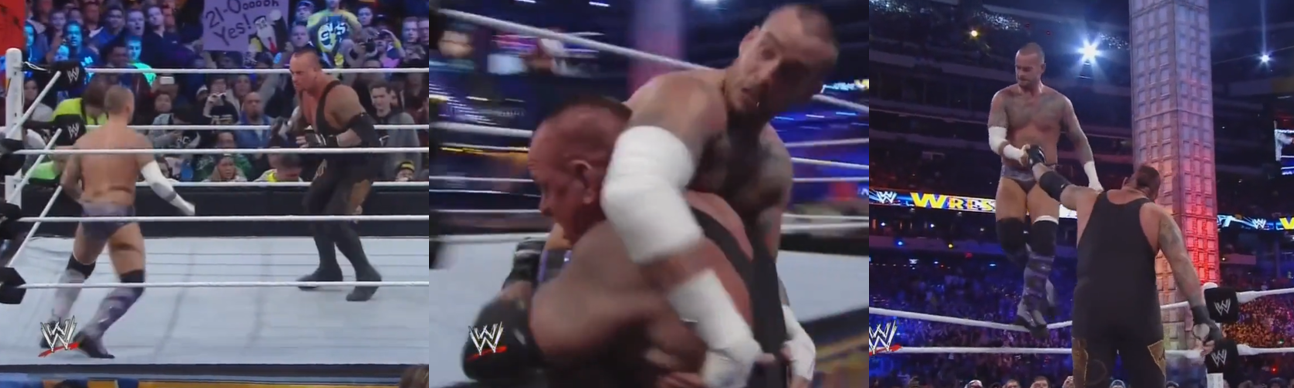





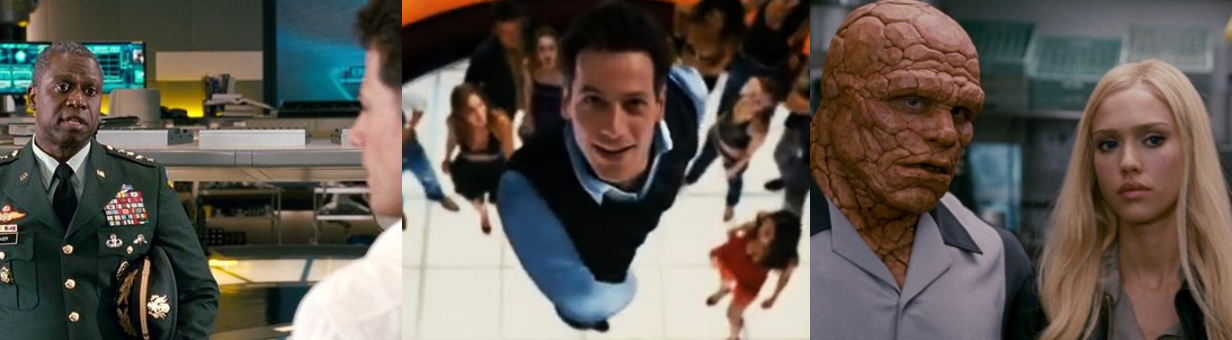
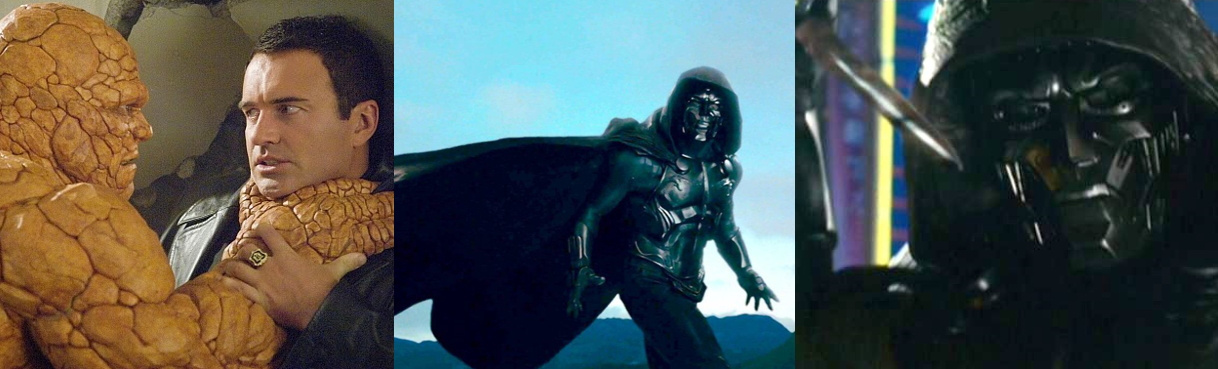

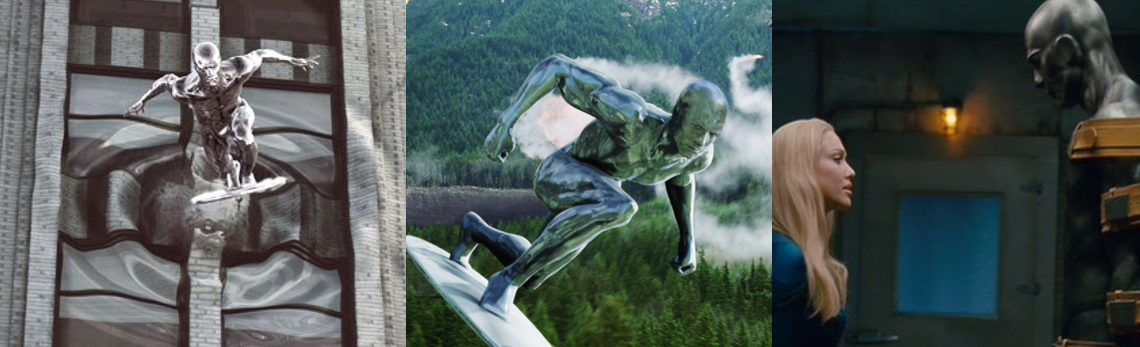
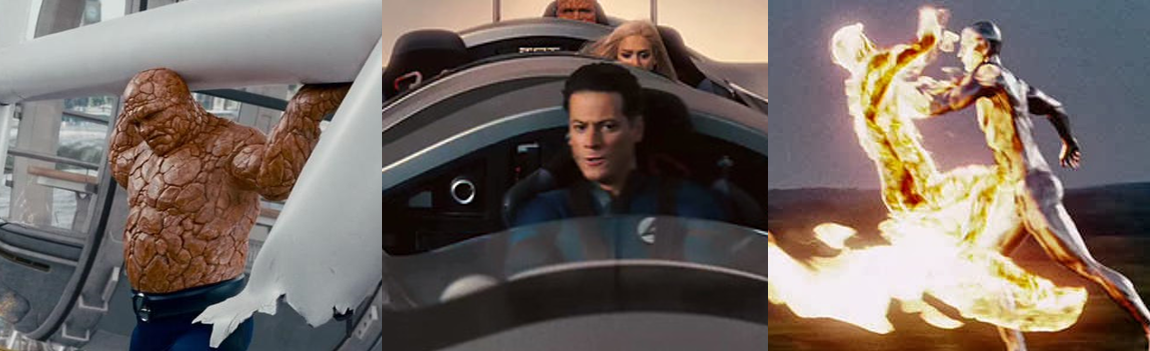
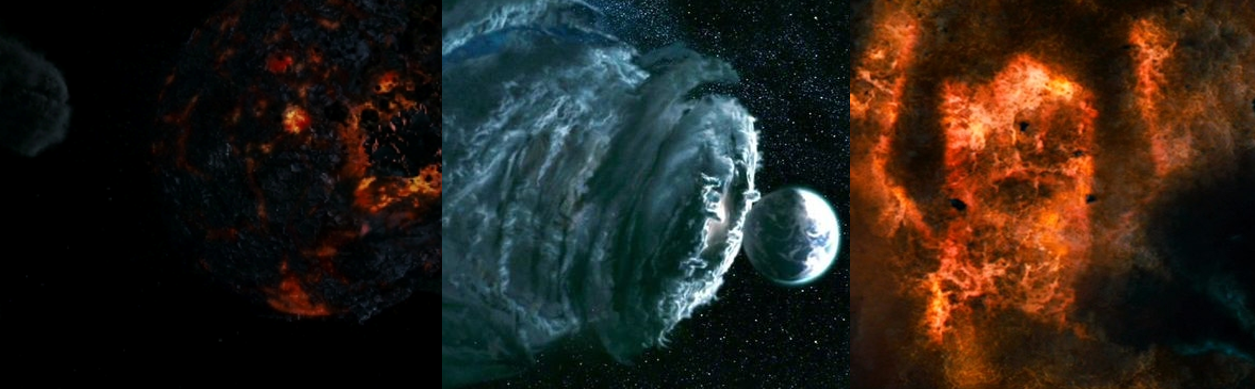
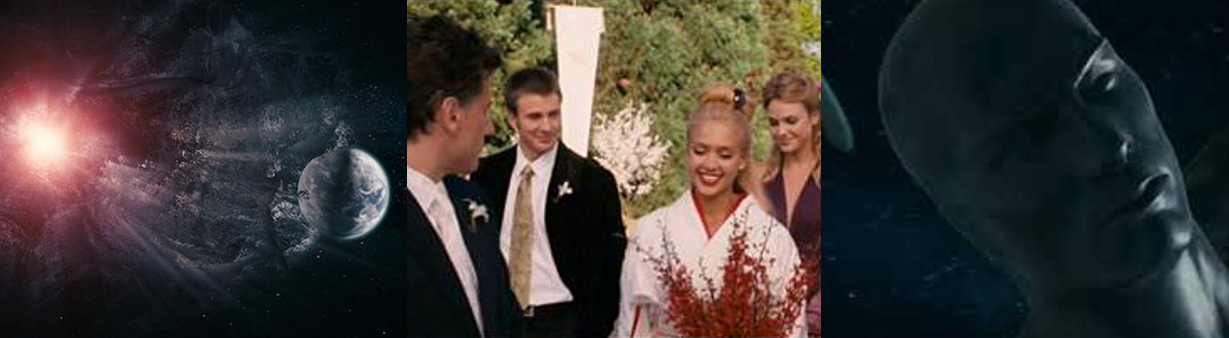





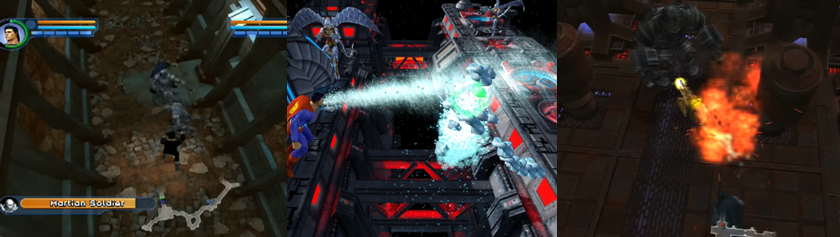
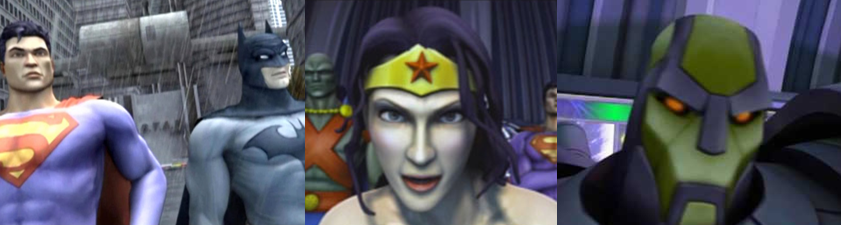
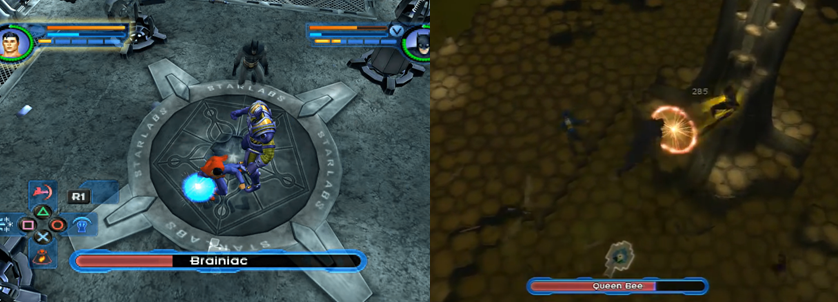
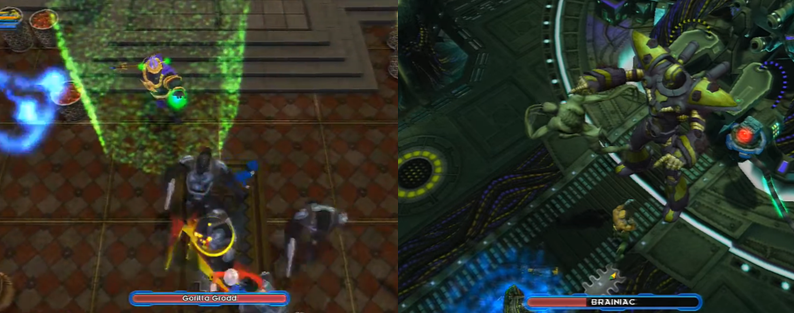
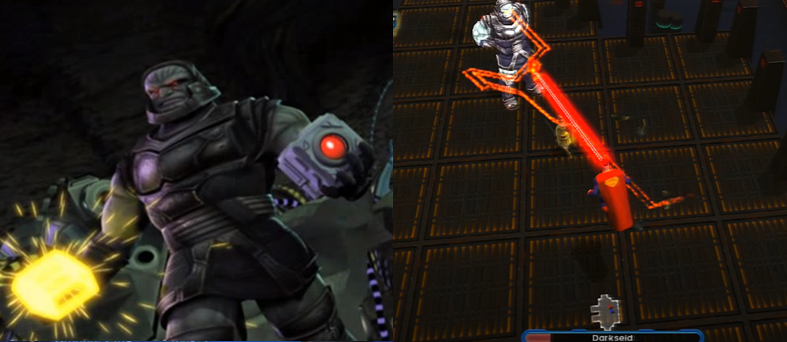

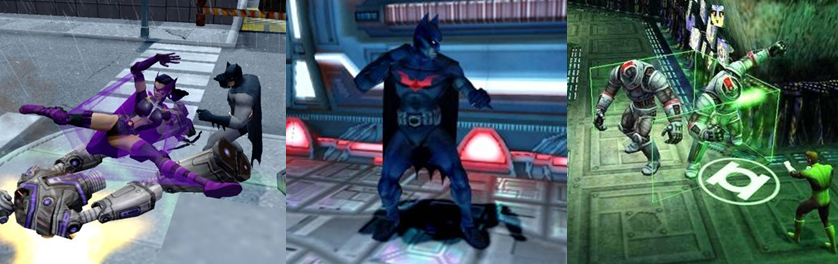



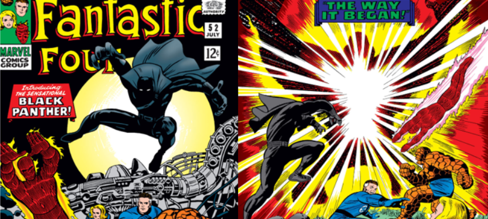
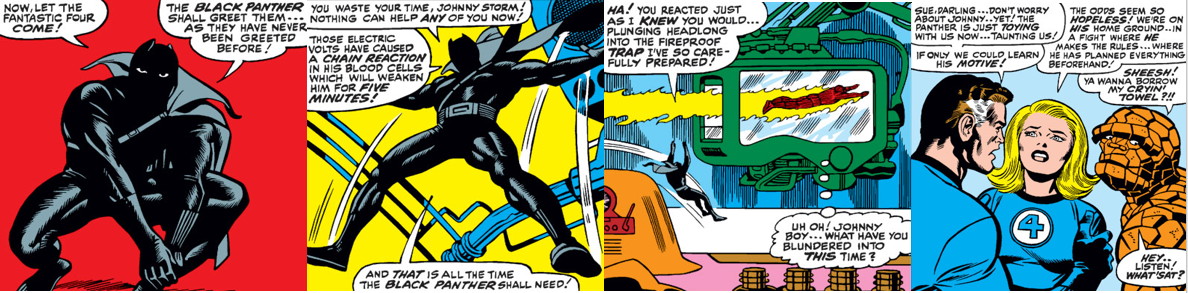
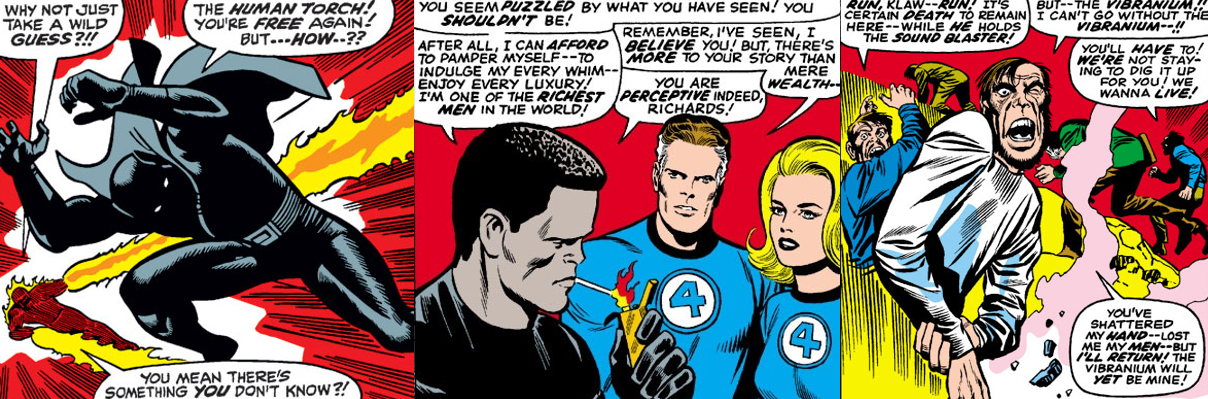
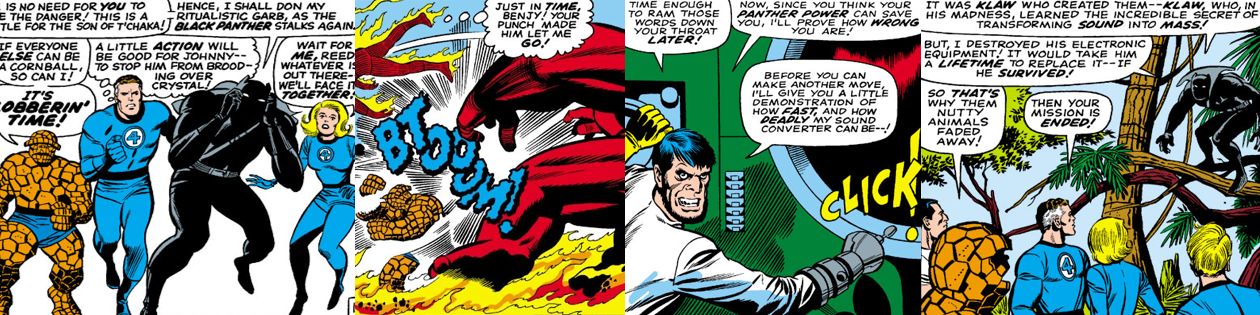
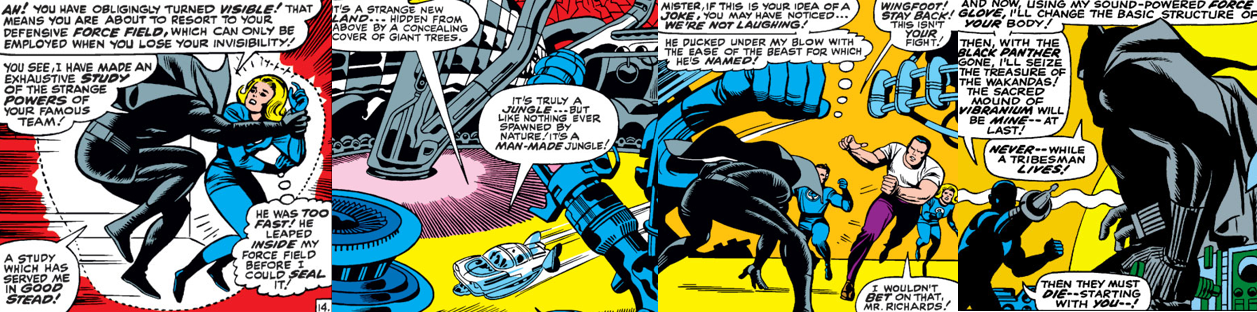



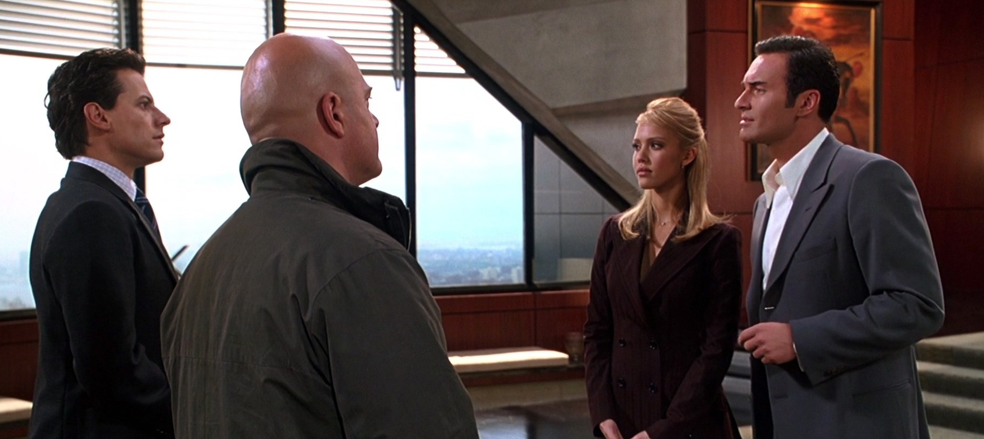
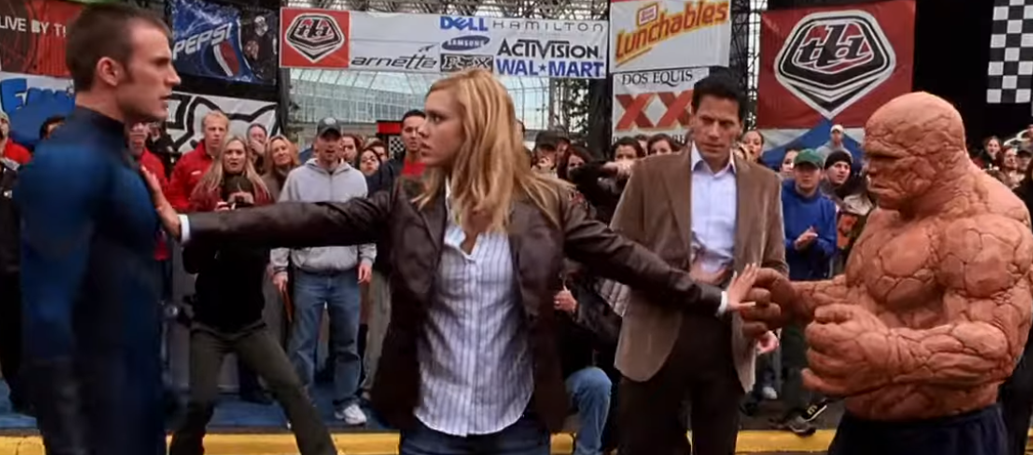
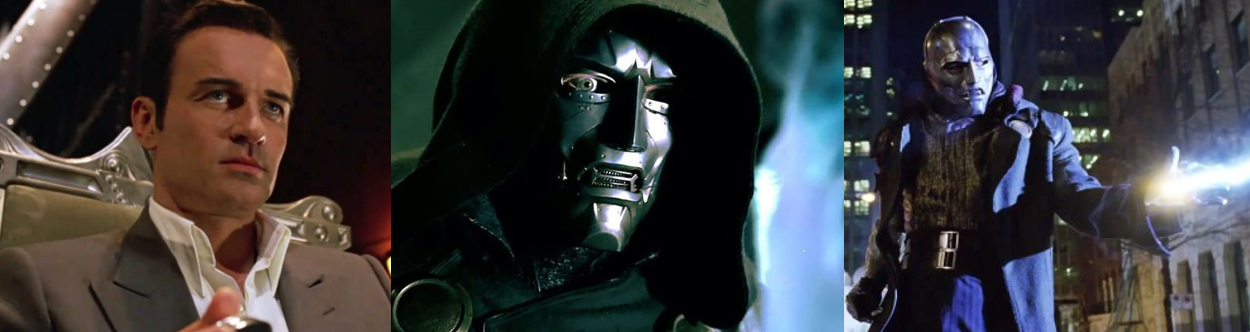

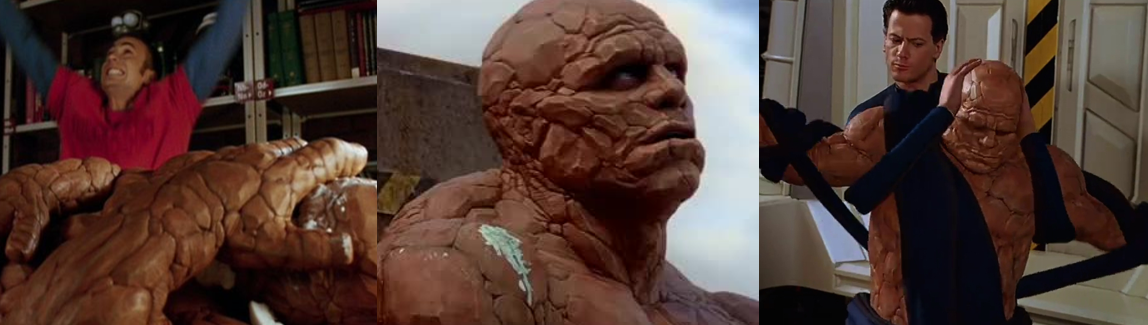
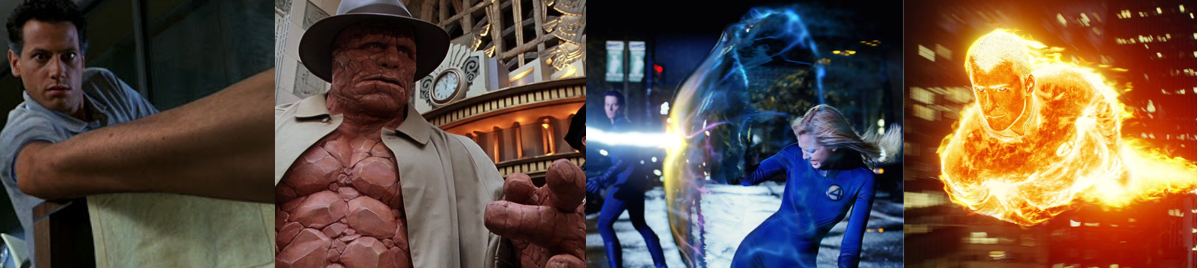
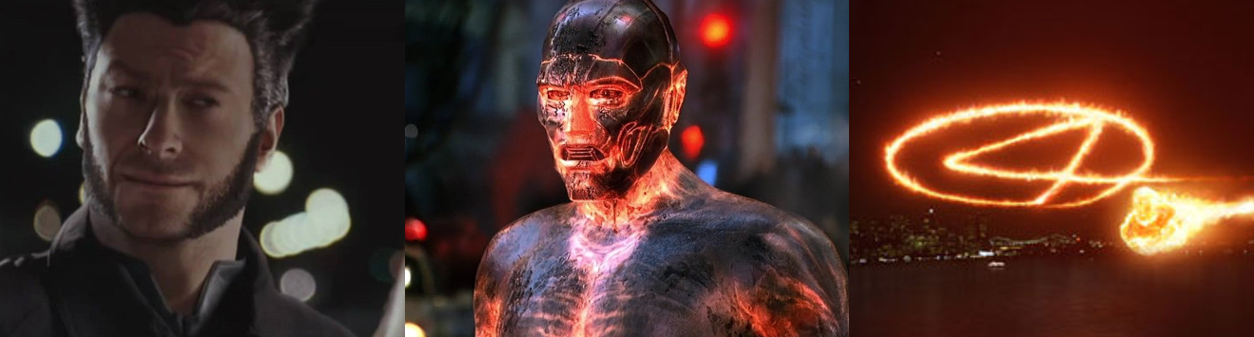
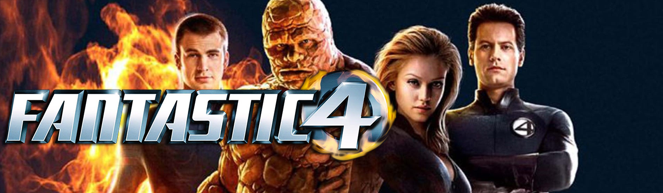










 Dr. K's Waiting Room
You must be logged in to post a comment.