Story Title: “To Steal an Ant-Man!” Published: 23 January 1979 (cover-dated April 1979)
Story Title: “The Price of a Heart!” Published: 27 March 1979 (cover-dated June 1979)
The Background: After debuting in the pages of Tales to Astonish #27, the legendary Stan Lee brought Hank Pym back eight issues later under the guise of Ant-Man, a size-changing superhero who would become the focal point of the book, help found Marvel’s premiere superhero team, the Avengers, and gain infamy for his mental and emotional stability. Pym rapidly switched costumed identities, created the murderous Ultron, and was notoriously abusive towards his wife, all of which meant that Pym often walked away from his most iconic persona, which allowed other characters to take on the Ant-Man role. While some were even worse than Pym, this can’t be said of his first successor, Scott Lang; created by David Michelinie, Bob Layton and John Byrne, Lang was something completely different from Pym, a reformed criminal who made a brief appearance in Avengers #181 before debuting as the new Ant-Man in this two-issue arc. Although Lang wouldn’t graduate to his own self-titled solo series until 2015, he made frequent appearances in Marvel Comics; depicted as a single father trying to do right by his daughter (who would go on to become a member of the Young Avengers as Stature), Lang would join the Avengers and a new version of the Fantastic Four, the FF, and be a part of numerous big-time Marvel events. Lang has also appeared outside of the comics in various Marvel cartoons, and was always slated to be featured in a live-action Ant-Man movie; while Ant-Man didn’t make it to the MCU’s first big crossover movie, he received his own critically and commercially successful film in 2015, with veteran actor Michael Douglas portraying the volatile Hank Pym and universally beloved Paul Rudd taking on the Ant-Man identity as his successor, Scott Lang.
The Review: “To Steal an Ant-Man!” opens with a dramatic one-page spread courtesy of the brilliant John Byrne. In it, we find Ant-Man battling past armed guards working for Cross Technological Enterprises (CTE) in a bid to save his daughter, which is stated to cost the life of a patient in critical condition on Doctor Erica Sondheim’s operating table. Through Ant-Man’s dialogue and thought balloons, we’re told that this is a different man in the classic Ant-Man costume, one still getting to grips with being a superhero and the shrinking ability of his suit. This leads to some fun action panels where Ant-Man shrinks out of harm’s way and gets washed out of the room by an extendable faucet. Saved from drowning by his cybernetic helmet, Ant-Man grits his teeth and initiates a flashback to catch us up to speed with who he is and what’s going on and rekindle his motivation. This is, of course, Scott Lang who, months earlier, was released from prison after being a model prisoner; a genius with electronics, Lang ended up turning to burglary as it was “easier than fixing old Motorolas” but, having languished in Ryker’s Island, is determined to go straight and make the most of the warden’s generosity in setting him up at Stark International. His primary motivation to turn his life around is his young daughter, Cassie, who absolutely adores him, and he’s supported by his sister, Ruth. Despite her partner, Carl, less than thrilled at Lang’s duplicitous past, Scott throws himself into his new role designing advanced security systems for Anthony “Tony” Stark and enjoying his newfound freedom, but his happiness is soon shattered when Cassie falls ill due to her aorta having spontaneously grown inward and blocking her blood flow.
Desperate to help his sick daughter, Lang becomes the new Ant-Man and is subdued by the hulking Darren Cross.
As her condition weakens and the medical bills pile up, Lang grows desperate and becomes tempted to return to his old ways before being referred to Dr. Sondheim, whose research into laser focused surgery could save Cassie’s life. However, when he goes to visit Dr. Sondheim, he finds her practise being shut down and the doctor herself being spirited away by goons from CTE. With no options left, Lang opts to break into a nearby lavish manor house in the hopes of stealing money to hire the muscle needed to break Dr. Sondheim out of CTE. Luckily for Lang, he happened to break into the heavily fortified home of Dr. Hank Pym but doesn’t make the connection until he finds his Ant-Man suit sealed away in a high-tech chamber. Seeing the suit and its gadgets as the key to his recent problems, Lang steals the suit, slips into it, and uses the knowledge he gleaned from reading Scientific American to utilise the cybernetic helmet (because its just that easy and of course Pym would allow all his secrets to be published so readily…) and summon a gaggle of ants. Though initially startled at being shrunk down to the size of an ant, Lang revels in the technology and the ants’ willingness to help and sets out to infiltrate CTE. Thanks to retaining his full-size strength, the new Ant-Man is easily able to hop through an air vent but doesn’t quite trust his ability to float down on the rising air so he hops on an ant and follows the vent towards an operating room, easily taking out a guard with his comparatively enhanced strength. Enlarging to full size, he bursts into the theatre to bring us up to speed, taking out the last of the guards and begging Dr. Sondheim to help his daughter. Unfortunately, it turns out that she was operating on Darren Cross, chairman and namesake of CTE, who’s a surprisingly eloquent mammoth man-mountain! The story continues in the next issue, which sees Cross delivering a beat down to Ant-Man; even though Lang can shrink to microscopic size, direct flying ants to distract Cross, and has a degree of superhuman strength while small, Cross exhibits superhuman strength far beyond Lang’s and vastly superior senses (referred to as “hyper vision”) which easily allow him to knock Ant-Man unconscious. After stripping Lang of his gas canisters and breaking his helmet, Cross locks him in a cell rather than killing him (since “murder is so pedestrian!”) and, once he’s awakened, regales him with his origin story.
Once the ill-fated Cross is defeated, Lang’s daughter is cured and he receives Pym’s blessing.
After spending fifty years amassing incredible wealth and becoming a successful businessman, Cross’s dream of making CTE the greatest industrial power on Earth was interrupted when his heart began to fail on him. Rather than retire for the sake of his health, Cross naturally paid to have a “living nuclear […[ pacemaker” created and grafted directly onto his cells. Not only did this save his life, it also vastly augmented his heart, gifting him with enhanced senses and strength and a rapid healing factor but, eventually, resulting in his monstrous appearance. Although he enjoyed the benefits of this procedure, the strain soon once again threatened his life, so he had Dr. Sondheim kidnapped to perform a diabolical heart transplant to keep him alive. Now that he has a bona fide superhero in his clutches, Cross plans to take Ant-Man’s heart in place of the unwitting homeless people his men captured for the procedure. Luckily, Lang kept spare antennae in his boot and uses them to summon some ants to help retrieve his belt so he can punch out some guards and escape from his cell. Reinvigorated and armed with knowledge of Cross’s abilities, Ant-Man fares far better in his second bout against the man-mountain, but the fight easily goes in Lang’s favour thanks to time finally running out for Cross. The strain of exerting himself against Ant-Man accelerates his heart condition and he drops dead a few panels into the fight, but to Dr. Sondheim’s dismay as she took a vow to save lives, not end them. Thankfully, Ant-Man has a solution to the doctor’s upset and she’s successfully able to cure Cassie’s life-threatening condition. Although Lang is sure that the ants will grass him up to Pym and that he’s sure to return to prison for stealing the suit, Pym (in his God-awful Yellowjacket persona) shows up to offer Lang his blessing and Lang gratefully accepts, ready to begin a new life as the all-new Ant-Man!
The Summary: After suffering through two issues from Ant-Man’s early days in the swingin’ sixties, reading a later Ant-Man adventure is a real breath of fresh air. Not only is the artwork far better, with much bigger and more detailed characters thanks to the great John Byrne, but the sense of scale is far better and the more bizarre aspects are much more realistic and futuristic rather than being basic or outlandish. Even better, the characterisations and dialogue are much improved in this new decade; Scott Lang is a far more relatable and interesting than what I’ve seen of Pym so far. He’s well aware of his flaws and is just trying to do right, is a little self-deprecating but absolutely devoted to his beloved daughter, and is determined to turn his life around even before he acquires the Ant-Man suit. Although it’s a shame that there isn’t more time spent showing him acclimatising to his new abilities, I can forgive this since the story needs to move ahead and Lang is said to be pretty smart and to have some knowledge of Ant-Man’s abilities, and he earns extra points by taking his relationship with the ants to the next level by nick-naming them (“Emma” the flying ant being the most prominent example here).
Lang ends up being a far more interesting and relatable Ant-Man than his predecessor.
Even the no-name guards get some personality, spouting some quirky dialogue and holding a grudge against Lang for taking them out earlier in the arc. Although we don’t learn too much about Cassie, it really is refreshing to see a superhero actually have a daughter; so often, writers and creators refuse to give characters such responsibilities so it really helps make this new Ant-Man unique even if he’s using the same costume and powers as his predecessor. While Darren Cross may look like another hulking monster, he’s given a surprising amount of nuance through his extensive vocabulary and strategic, conniving mind. Retaining his intelligence and exhibiting a measured personality, Cross isn’t depicted as being inherently evil (there’s nothing to suggest he was doing anything underhanded before his physical transformation) but turns towards increasingly wicked methods as his desperation and condition worsens. A successful man who isn’t ready for his career or life to end, Cross simply wanted to continue working and to stave off death; after his nucle-organic pacemaker afforded him superhuman abilities, he of course relished in those powers, but he’s still portrayed as a desperate man trying to stay alive. In the end, this was a great introduction to probably my favourite iteration of Ant-Man; Scott Lang is far more stable, far more relatable, and far more interesting than his volatile counterpart and his debut in the role was far more entertaining than Pym’s. Admittedly, this has a lot to do with the era in which this story was written but good writing and good characters speak for themselves and this two-issue arc did more to make me interested in Ant-Man than anything I’ve seen of Pym so far.
My Rating:
⭐⭐⭐⭐
Rating: 4 out of 5.
Great Stuff
What did you think to Scott Lang’s debut as Ant-Man? Did you find him and his plight with his sick daughter relatable or do you prefer Hank Pym’s turn on the character? What did you think to Darren Cross and his monstrous condition? What are some of your favourite Scott Lang stories and moments, and who is your favourite Ant-Man? Sign up to leave your thoughts on Scott Lang’s time as Ant-Man below, or drop a comment on my social media, and be sure to check back next Friday for more Ant-Man content!
Released: 25 March 2014 Director: Kenichi Shimizu Distributor: Sony Pictures Home Entertainment Budget: Unknown Stars: Jennifer Carpenter, Brian Bloom, Grant George, JB Blanc, Eric Bauza, and John Eric Bentley
The Plot: After interfering with a top secret mission, Frank Castle/The Punisher (Bloom) is apprehended by Strategic Hazard Intervention Espionage Logistics Directorate (S.H.I.E.L.D.) agent and Avenger Natasha Romanoff/Black Widow(Carpenter) and the two are ordered by director Nick Fury (Bentley) to stop the terrorist organisation known as Leviathan selling stolen S.H.I.E.L.D. technology.
The Background: After his impressive debut in the pages of The Amazing Spider-Man #129, the Punisher quickly became one of Marvel’s most popular anti-heroes thanks to his tragic backstory and unwavering commitment to the eradication of crime. His popularity has led to the character appearing in a number of multimedia projects outside of the comics, including videogames and both live-action and animated portrayals. Between 2010 and 2011, Marvel Entertainment teamed up with Japanese animation studio Madhouse to produce four anime projects, known as Marvel Anime, to little success. Avengers Confidential: Black Widow & Punisher was the follow-up to those projects; released mid-way through “Phase Two” of the massively successful Marvel Cinematic Universe (MCU), the anime drew a mixedreception despite making over $1 million in domestic home video sales.
The Review: The movie opens to find the Punisher monitoring a rise in criminal and gang activities, as well as newspaper reports on himself, from his apartment (which, as is tradition, doubles as his armoury) while Black Widow expresses frustration at the Punisher’s mounting reputation as a vigilante. The opening credits play over a very quick montage of stills and images that give a quick recap of each character’s background and origin, showing Frank’s time as a family man and the deaths of his family in a mob hit and Natasha’s time training as a spy and assassin and association with S.H.I.E.L.D.
The Punisher and Black Widow appear to be physical equals but their fights are constantly interrupted.
The Punisher makes short, brutal work of some black-market weapons dealers, filling them with bullet holes and easily taking them apart by himself (despite them having more weapons and the numbers advantage) until only one man, Cain (Hebert) is left. Though disturbed at the high-tech weaponry Cain was selling, his efforts to torture more information out of the perp are interrupted by the arrival of Black Widow. Unimpressed with Fury’s operation and Widow’s criticism of his methods, a fight between the two ensues; though the Punisher demonstrates greater physical ability and immediately goes for his pistols, Widow is easily able to match him blow for blow with her superior acrobatic skill until Fury (modelled after his Ultimate and MCU counterpart) and his soldiers interrupt and Frank is subdued by one of Widow’s tranquiliser darts. However, during all the commotion, Cain manages to slip away unnoticed.
Fury manages to coerce Frank into teaming with Black Widow to infiltrate a Leviathan base.
Aboard the S.H.I.E.L.D. Helicarrier, Fury attempts to reconnect with Frank, whom he has a shared history with, and to impress upon him that his methods, while effective, are disrupting the bigger picture since he has started to interrupt S.H.I.E.L.D.’s procedures. Frank, however, is disgusted at the potential lives Fury’s methods have cost and it’s very quickly established that he and S.H.I.E.L.D., while working towards the same goal, are diametrically opposite. Still, Fury is able to inform Frank that the terrorist organisation Leviathan is selling stolen S.H.I.E.L.D. technology and the two are able to reach an agreement since the Punisher sees that the only reason he has been brought into custody is so that he can be unleashed upon Leviathan. Teamed with Black Widow, the Punisher shares the information Cain gave him and, begrudgingly, the two head to a Leviathan base in the frozen wastes of Slovenia; Widow exposits some background on Leviathan, who have grown into a sophisticated and deadly terrorist organisation that, it is soon revealed, has begun to experiment in created super soldiers and bioweapons. Thanks to their unique skills and training, the two are easily able to infiltrate the base and dispatch of the handful of guards with lethal effectiveness, but the Punisher immediately goes off script as soon as he spots Cain and another fight between the two breaks out.
Amadeus accidentally sends the Punisher on a rampage with Leviathan’s mind control technology.
This time, however, it’s much briefer and Frank simply storms out and leaves Widow to blindly follow Fury’s orders. Although he captures Cain, his efforts to torture him for more information are once again thwarted when Cain blinds him with a flash of light and slips away once more. Continuing on mission alone, Black Widow subdues the Leviathan scientists non-lethally before being attacked by her former lover, and ex-S.H.I.E.L.D. agent, Elihas Starr (George), who faked his death and has joined Leviathan. Angered at his betrayal, Widow is no match for Elihas, who easily avoids, counters, and matches her frantic attacks while expositing that he chose to develop super soldiers for Leviathan to prove himself worthy of being Natasha’s equal and partner. Elihas attempts to convince Widow into joining him in Leviathan but, though heartbroken at his betrayal, she vehemently rejects him and fights him with renewed vigour and purpose; the Punisher aids her and destroys the facility and the two bring Cain’s cell phone to S.H.I.E.L.D.’s resident kid super genius, Amadeus Cho (Bauza). Though slovenly, excitable, and a teenager pervert, Amadeus is able to decrypt the phone but inadvertently sets the flash function off once again, which puts the Punisher into a bloodthirsty trance that sees him killing numerous S.H.I.E.L.D. agents before he is brought back to his senses. However, while Widow advocates for the Punisher’s state of mind, he is shaken at his actions and willingly submits himself to S.H.I.E.L.D. incarceration after killing innocent men.
United by a common goal, the Punisher and Black Widow eventually form a mutual respect.
Natasha is left feeling further betrayed when Fury reveals that he not only knew about Elihas but was also fully aware that leviathan possessed mind control technology and that he had stolen the Avengers’ blood in order to create his super soldiers. This is, of course, perfectly in keeping with portrayals of Fury as the ultimate spy whose “secrets have secrets” but his willingness to sacrifice both her and the Punisher spurs Black Widow into defying Fury’s orders and convince the Punisher to help her bring down Elihas and Leviathan. This takes the two to an underworld auction in Mandripoor where Elihas’ super soldiers are being sold off to a number of Marvel’s notorious supervillains and, ultimately, forces the two to pool their resources as a more effective team rather than being at odds with each other. In the end, though the two have opposing methods and beliefs, they are able to find some common ground and build a mutual respect for each other’s methods that culminate sin Widow willingly letting Frank return to his never-ending, one man war on crime rather than arrest him as per Fury’s orders.
The Nitty-Gritty: Of course, every anime lives and dies by the quality of its animation and Avengers Confidential is a pretty slick and smoothly animated feature. Blood and gore fly in the air with a beautiful grace and characters move with either grace and poise or a heavy, weighty physicality when not standing around like statues. Amadeus is probably the most over the top character in terms of his animation, which plays into his quirky and impulsive personality, and the film does a decent job of emphasising the differences between its two main characters through their movements and physicality as much as their personalities.
While the Punisher is a blunt, brutal instrument, Black Widow is sleek and efficient.
The Punisher is cold, blunt force while Black Widow is slick efficiency; the Punisher seems disconnected from humanity and focused only on solving problems in the most direct way possibly, while Widow (and Fury) are concerned with the bigger picture and a strategic approach to secured the safety of millions. The Punisher’s presence turns a lot of heads around S.H.I.E.L.D., who view him with a mixture of awe and fear, and he earns this reputation thanks to his vicious efficiency; when under the influence of Leviathan’s mind control, he resembles little more than an emotionless killing machine. In comparison, Widow is effortlessly smooth and sexy in her movements, moving like liquid and with a serene grace that allows her to easily incapacitate even larger foes. Initially, Elihas is positioned as the primary antagonist of the feature and, thanks to his rushed connection to Black Widow, ensures that Natasha has a more personal stake in the film’s events beyond simply doing her duty to safeguard the world from Leviathan’s technology. Elihas exposed himself to his own super soldier serum, augmenting his strength and abilities in an effort to prove himself worthy of Widow’s love; though he believe that she loved him in the past, he was spurred by her always choosing missions with the Avengers and her life as a superhero over him and resolved to find a way to truly be her equal. Elihas truly believes that S.H.I.E.L.D. is actually oppressing people rather than saving them and that war and conflict are inevitable; as a result, he is perfectly fine with escalating and even starting wars with Leviathan’s technology and resources and sees his super soldiers as the next logic step towards consolidating their influence on the world.
Both the Avengers and Orion show up too late to do much of anything.
Although the Avengers get top billing in the film’s title and feature prominently on the DVD artwork, they don’t actually play a big role in the film and only show up right at the end. Despite having defied Fury’s orders, Black Widow and the Punisher’s mission to stop Leviathan is provided much-needed support when Tony Stark/Iron Man (Matthew Mercer), Doctor Bruce Banner/The Hulk (Fred Tatasciore), Thor Odinson (Unknown), Clint Barton/Hawkeye (Mercer), James Rhodes/War Machine (Unknown), and Carol Danvers/Captain Marvel (ibid) all arrive to help fight off Leviathan’s super soldiers. This leads to some high-octane action but never really overshadows the more grounded and gritty storyline featuring the two leads, who remain at the forefront of the narrative thanks to Natasha’s arc with Elihas and the Punisher’s vendetta against Cain. This is made even more explicit with how unimpressed the Punisher is by Stark’s bravado and the Avengers’ powers and abilities; he’s there with a mission to fulfil and merely tolerates their presence rather than jumping at the chance to join forces with Earth’s Mightiest Heroes. The true head honcho of Leviathan is the mysterious Orion (Blanc), a semi-cybernetic, cloaked madman who doesn’t even physically appear until the last moments of the film. However, despite Orion’s influence and power, we learn basically nothing about him and he is ultimately unable to hold sway over Elihas; during his climatic and emotionally charged showdown with Black Widow, Elihas finally comes to his senses and realises that the love they two of them shared is still there. This proves to be his undoing, however, as he sacrifices himself to save Natasha’s life after Orion shoots at her and dies in her arms. The film does a decent, if rushed job, of trying to place some emotional significance on Elihas’s character and sacrifice but I find myself oddly apathetic since I have no idea who he is; all of their backstory is conveyed through flashbacks and is told to us. We never get to see them as a proper couple or in action together, which I feel hurts the emotional core of their story; he an extra five or ten minutes been included at the start of the film to show their relationship before his downfall, this might have gone a long way to addressing that issue.
The Summary: Avengers Confidential: Black Widow & Punisher is a really weird production, to be honest; the animation is great and it has that slick, silky smooth quality that you expect from an anime and some brutal, bloody fight scenes but I’m not really sure what the purpose of it is. As far as I can tell, it’s not supposed to tie into any other Marvel production, which makes characters such as Elihas, Orion, and Leviathan very underdeveloped and inconsequential since I have no real personal stake in their story or motivations, and they exist solely to give the title characters someone to fight against and force an emotional conflict for Black Widow. I feel like Punisher is a strong enough character to have carried the anime by himself but, while it is interesting to juxtapose his more extreme measures with the likes of the Avengers and S.H.I.E.L.D., this doesn’t really work when partnering him with Black Widow. Sure, her methods and motivations are different enough but she’s still a spy, a former assassin, with plenty of “red in her ledger” so I can only imagine that she’s partnered with the Punisher to give the anime some sex appeal. In the end, it’s a short and decent enough story; it doesn’t really add anything new to the Punisher or show you anything you can’t see in other Marvel animations or productions but it manages to be just entertaining and action-packed enough to stay afloat despite its mediocre plot and characterisations.
My Rating:
⭐⭐
Rating: 2 out of 5.
Could Be Better
Have you ever seen Avengers Confidential: Black Widow & Punisher; if so, what did you think to it and how do you think it holds up against Marvel’s other anime and animated depictions of these characters? What did you think to the concept of teaming these two up and the animation style? Do you think it would have been better to see a solo Punisher feature or to emphasise the more popular Avengers more or were you happy with the story it told? Do you know who Elihas Starr is and, if so, can you tell me why I should care? What is your favourite Punisher story, character, and adaptation (whether it be a movie or videogame)? How are you celebrating the Punisher’s debut this month? Whatever your thoughts on Avengers Confidential: Black Widow & Punisher, and the Punisher in general, drop a comment down below.
Upon the release of Pokémon: Blue Version and Pokémon: Red Version (Game Freak, 1996), a new craze swept through playgrounds across the world. An entire generation grew up either playing Pokémon, watching the anime, playing the trading card game, and watching the feature-lengthmovies as clever marketing and a co-ordinated release and multimedia strategy saw Nintendo’s newest franchise become not just a successful videogame franchise but a massively lucrative and popular multimedia powerhouse that endures to this day. Accordingly, February 27th is now internationally recognised as “National Pokémon Day”, which I’m expanding to an entire month of Pokémon every Tuesday in February.
Released: 27 February 2016 Originally Released: 12 September 1998 Developer: Nintendo Original Developer: Game Freak Also Available For: Game Boy
The Background: Although I’ve talked about Pokémonquite a bit in the past, a review of one of the classic titles is long overdue. Initially developed as Capsule Monsters, Pokémon was the brainchild of game designer Satoshi Tajiri, who spent his childhood collecting insects and sought to make a videogame around the same subject, one that emphasised exploration and collecting rather than needless violence. It was the legendary Shigeru Miyamoto who suggested producing two GameBoy cartridges to realise Tajiri’s dream of allowing players to trade and battle using the system’s Link Cables. Artist and long-time friend of Tajiri Ken Sugimori spearheaded the designs of the titular Pokémon alongside a handful of others (including Atsuko Nishida) than ten people who conceived the various designs for all 151 Pokémon, and the original Pocket Monsters: Red and Green proved an immediate hit in their native Japan and were soon followed by a third version, Pocket Monsters: Blue, which included upgraded sprites, alternative dialogue, and other gameplay tweaks. This was the version of the game that served as the basis for Pokémon: Blue and Red, which became an instant cultural phenomenon upon release in the West.
Just as Pokémon: Yellow was influenced by the anime, so too did it impact later Pokémon videogames.
For its international release, Pokémon was accompanied by an aggressive multimedia marketing strategy and ancillary merchandise; much of this revolved around franchise mascot Pikachu, who was at the forefront of the still-ongoing anime series, which served as the perfect accompaniment to the videogames. So popular was Pikachu, and the anime, that a fourth version of the game was produced to capitalise on both; Pokémon: Yellow Version not only featured all-new battle sprites and gameplay mechanics, but also contained characters, references, and alterations based on the anime. The game was made to coincide with the franchise’s first feature-length adventure, was the last Game Boy title released for the system outside of Japan, and became the fastest-selling handheld game of all time upon release. Because it was essentially the same highly praised videogame as before, Pokémon: Yellow Version was highly praised; while some questioned its release and viability considering all-new Pokémon games were set to be released, critics noted that the game offered just enough to keep fans and newcomers happy. Pokémon: Yellow Version was pretty influential; the gameplay mechanic of having a Pokémon following the player’s avatar around would return in later titles, the game received amanga adaptation, and it was eventually released on the 3DS Virtual Console with the ability to communicate with the then-current Pokémon titles.
The Plot: The time has come for you and your childhood rival to receive your very own Pokémon from Professor Oak, However, you arrival too late and are lumbered with a disobedient Pikachu to accompany you as you challenge the eight Kanto Gym Leaders in a bid to become a Pokémon Master. Your journey is also fraught with danger as the vindictive Team Rocket seeks to steal Pokémon for their own nefarious ends, to say nothing of having genetically created the most powerful Pokémon of all!
Gameplay: Just like its predecessors, Pokémon Yellow Version: Special Pikachu Edition is a top-down role-playing game (RPG) in which players are introduced to the wonderful world of Pokémon by the kindly, if forgetful, Professor Oak. After naming your avatar and your rival, you’re charged with heading out into the Kanto region, exploring fields, caves, and buildings in search of Pokémon, powerful native creatures that are used to trade, raise, and battle with other Pokémon Trainers. If you’ve played Pokémon: Red, Blue, or even Green before, you’ll be immediately familiar with the concept but, even though it lacks the influx of hand-holding and mandatory tutorials of the modern games, Pokémon: Yellow does a good job of introducing you to the context and mechanics of the game and then sending you on your way to figure things out for yourself or find clues by chatting to the many non-playable characters (NPCs) scattered throughout Kanto. Since it released on the Game Boy, Pokémon: Yellow has a very simply two-button control system and user interface; I say “simple” for this latter aspect as it’s both easy to navigate and incredibly restrictive. You can open your bag to view your inventory from the pause screen, and your items will be listed in the order you picked them up; you can shuffle them about using the ‘Select’ button but your inventory is limited, so you’ll need to deposit some items on your PC to make room. Your PC inventory is similarly arranged; everything’s in a list here and there’s no onscreen text to tell you what items do, so it can be a little tricky to navigate and figure things out at times. Gameplay is divided into two distinct modes: exploring towns and other areas, and battling Pokémon. In the former, you wander around on a four-way grid, chatting to NPCs with A, activating switches, and picking up items; if you enter grass, you’re very likely going to trigger an encounter with a wild Pokémon, who also spontaneously attack in caves and when traversing the sea. When this happens, the game switches to a battle screen in which you and your opponent take turns to inflict damage or status effects on each other, or use in-battle items to heal or relieve status effects or try and capture the Pokémon. You also have the option to run, however if the opposing Pokémon is at a higher level than yours or you’re in a Trainer battle this option is either limited or completely restricted.
A diverse team with wide Type coverage is key to besting your opposition and growing stronger.
Pokémon battles operate using a “Type” system that is, essentially, a version of Rock/Paper/Scissors; Water-Type Pokémon will be more effective against Fire-Type Pokémon, for example, while Grass-Types trump Water and are weak to Fire. There are fifteen different Types of Pokémon in the game and each has different capabilities against the other; Normal-Type Pokémon moves won’t have any effect against Ghost-Types and will barely touch Rock-Types, for example. It’s a pretty simple system to figure out and battle text will always tell you if moves are “Super effective” or “Not very effective” so you can figure out the best course of attack; location, Pokémon names, and their colouring and appearance can also clue you in on the best attack strategy, too. So, if you’re in a cave and encounter a Zubat, you’ll probably want to use an Electric- or Rock-Type attack to inflict maximum damage and if the opposing Pokémon is blue or encountered at sea, it’s mostly likely a Water-Type. Unlike in the previous games, you’re forced to start your journey with a Pikachu, one who refuses to stay in its PokéBall and who follows you around on the overworld. You can interact with Pikachu at any time and the game stresses treating it well so that it shows more affection towards you, though unlike in the modern games this has no real in-game benefits and you can just as easily deposit it in a PC and never use it. Having Pikachu is an issue in the early game as your first real challenge is Rock-Type Pokémon Gym Leader Brock, so you’ll need to explore the nearby towns and fields to catch a Fighting- or Grass-Type Pokémon to actually stand a chance against his Pokémon, but the game has a pretty consistent difficulty curve. Early wild Pokémon and Pokémon Trainers are all low-level Pokémon with limited moves, and you’re generally always at an advantage as your Pokémon usually always have higher stats. Pokémon battles will award you with experience points (EXP); earn enough, and your Pokémon will level-up, which will increase their Hit Points (HP), Attack, Defence, Speed, and Special stats and thus make them more powerful and more capable in battle. Unlike in later games, there’s no onscreen indication of your EXP progress unless you manually head into the menu screen, which can make levelling-up a bit of a chore.
Be mindful of the nearest Pokémon center as you’ll need them to heal from battles and status effects.
While you can get pretty far with just one or two powerful Pokémon, it’s recommended that you have a diverse team with decent Type coverage in their moves; many Pokémon can learn moves either from levelling-up or from Technical Machines (TMs) that are of a different Type, so you can have a Water-Type Pokémon bust out Ice- or Psychic-Type moves, which can make them more useful in battles, and you can both swap out your Pokémon to share the EXP gained from battles and earn hidden Effort Value (EV) points by consecutively battling certain Pokémon (so, for example, if you battle a bunch of Geodude in a row, you’ll gain an extra boost to your Defence when you level-up) and you can also find (or purchase, for an extortionate price) Vitamins that will boost individual stats. While it’s important to consider things like this in battle, and the moveset of your diverse team, it’s not always that necessary and is only as complicated as you make it; I usually settle for my starter Pokémon being about ten levels higher than my other Pokémon, then train up the rest in teams of two (usually Water/Fire, Electric/Psychic, and a wild card) to have a consistently strong team. If you walk in front of another Pokémon Trainer, they’ll initiate an inescapable battle with you; in a Trainer battle, you can’t run or catch the opposing Pokémon, and trainers have all the same options as you while not being limited by Power Points (PP). This means that they can swap out their Pokémon, heal or buff them, and they can attack without fear of running out of PP; each move has a different amount of PP, from five to thirty, which dictates how often you can use that move. When you run out of PP, you can’t use that attack anymore until you replenish it with an Elixir or restore your Pokémon at a Pokémon Center; if all your PP is drained, your only option is to “struggle”, which inflicts some serious recoil damage, so it’s wise to use your best moves sparingly. In battle, Pokémon will take damage; when their HP is drained, they’ll faint and need to be revived with a Revive or for free at a Pokémon Center but, if all of your Pokémon faint, you’ll “black out”, lose some money, and respawn at the last Pokémon Center you visited. You also need to be wary of status effects, however; some Pokémon attacks will cause you to flinch (essentially miss a turn) or become confused (which can cause your Pokémon to hurt themselves) and, in this version of the game, have a tendency to miss entirely or land “critical hits” for extra damage, but Pokémon can also be put to sleep, paralysed, poisoned, frozen, and burned, all of which will either drain your HP or leave you vulnerable to attack. You can undo these status effects using certain items, but even if you emerge victorious your Pokémon will still steadily lose health on the overworld if poisoned, so you’ll either need to keep your inventory well stocked or be mindful of the nearest Pokémon Center.
Level-up your Pokémon to evolve them, give them nicknames, or store them in Bill’s PC system.
Winning Trainer battles also nets you PokéDollars, which you can spent in PokéMarts and at vending machines on healing items and other useful gear to help you out in battle or in raising your Pokémon. Items and Pokémon are stored in PCs when you run out of room (you can only have six Pokémon at a time, so any additional Pokémon are automatically transferred to your PC, though you’ll need to heal them if you choose to use them) and the game allows you to manually save your progress at any time (though you only get one save file to use). I recommend saving frequently, and especially before Gym Leader battles or encounters with Legendary Pokémon as this allows you to reset the game on the off-chance that you’re defeated, thus sparing you from losing money. You’re given two primary goals in the game: Battle the eight Gym Leaders to earn their badges and challenge the Pokémon League and complete Professor Oak’s PokéDex, which you do by capturing every Pokémon in the game. When you encounter a Pokémon, its basic data is stored in this encyclopaedia so you can see where it appears on the overworld; you can then hunt it down and catch it and either try to capture its next form or “evolve” it by levelling-up, using special stones, or trading it. The majority of Pokémon will evolve into at least one extra form through levelling-up, which will add their new form’s data to the PokéDex and make them stronger; you can cancel evolution at any time by pressing B and this is sometimes recommended as Pokémon learn moves faster in their weaker forms and some moves can only be learned prior to evolution. Similarly, each Pokémon can only know four moves at a time; when it grows strong enough to learn a new move, you can choose to either replace an existing move or not learn the new one, but you’ll need to visit the Move Deleter to do this outside of levelling-up or to forget Hidden Machine (HM) moves. When you capture a Pokémon, you’re given the option of nicknaming it; again, this doesn’t really do anything beyond personalising them to your Trainer and your characters are limited, but it’s a nice touch for making your team unique.
Side quests, some basic puzzles, and some fun little mini games are on offer to spice things up.
Navigation in Pokémon: Yellow is pretty simple; you can get a town map early on (or view them in Pokémon Centers) that shows you the different towns, locations, and “Routes” you can travel, but your progress is constantly restricted by trees, bodies of water, dark caves, and patches of grass. You can climb ladders to reach different levels of caves, hop over ledges for shortcuts, and get past these obstacles with HMs but you’ll progressively earn more convenient ways to travel across the map. Pokémon like Abra can Teleport you back to the last Pokémon Center you visited, Escape Ropes will allow you to quickly exit any areas you’re in, you’ll acquire a bike that dramatically speeds up your movement speed, and you’ll eventually be able to fly and surf to quickly get around the overworld. Some areas will require some rudimentary puzzle solving, generally involving pressing switches (either hidden ones or by pushing boulders onto them) to open doors, teleporting using special pads, or spinning around in maze-like environments. You’ll also be given some fetch quests to complete that will open up new areas and gift you items, need to acquire keys and tickets to open doors or access locations, and be able to trade (or buy…) with NPCs to acquire new Pokémon. Trading can also be done in Pokémon Centers, which allows you to trade Pokémon with a friend (or battle them, if you like) to get Pokémon that aren’t in the game or evolve certain Pokémon, like Haunter/Gengar. Traded Pokémon level-up faster then regular Pokémon, though you can’t change their nicknames and they’ll always have the Trainer ID of their original Trainer. You also need to be mindful of levelling-up too quickly; if you’re Pokémon is too high a level, and you don’t have the appropriate Badge, they may disobey you by ignoring your commands or loafing around. In addition to the slot machines available to play in the Celadon City Game Corner and the Safari Zone in Fuchsia City (which gives you a time limit to catch rare Pokémonby baiting or angering them), Pokémon: Yellow also adds printer functionality for the Game Boy Printer and a cute little mini game that lets you net points by pulling of mad tricks with your surfing Pikachu!
Graphics and Sound: Since it released on the original Game Boy, Pokémon: Yellow is pretty limited in terms of its graphics and visual presentation compared to later games in the series, but I think these early Pokémon games still did a really good job of making the most of their limited hardware. While most of the towns don’t really look that different, they vary in size and colour palette and all have a unique music track associated with them; some have larger buildings like the Celadon City Department Store, a science museum, and the haunted Pokémon Tower, while others are flanked by caves, bodies of water, or are literally islands in the middle of the ocean. Towns all contain a number of houses with NPCs to talk to, some of whom will give you hints, items, or side quests to progress further; Routes are sometimes blocked by trees or a sleeping Snorlax, and you’ll find fun elements to interact with, like a Super Nintendo Entertainment Systems (SNES) in your bedroom, Mr. Psychic, and Copycat. Routes are generally littered with Pokémon Trainers, grass, and items to find but some items are hidden from view; you can tap A to pick these up at random but an Itemfinder will help by emitting a beep whenever a hidden item is nearby, and HMs like Cut and Flash will make short work of trees, grass, and dark caves to help you progress.
Though essentially the same game, Pokémon: Yellow is bolstered by a new colour palette and new additions.
Sprites are all pretty adorable as well; while many NPCs all look the same, they have a lot of personality in the things they say and all have an appreciation or some kind of advice to give regarding Pokémon. Your avatar is clearly recognisable despite the limited graphics and colour palette, and you’ll always be able to spot your rival, Gym Leaders, and agents of team Rocket thanks to their unique sprites and accompanying themes. In Pokémon: Yellow, Pikachu is your constant companion, waddling around behind you on the overworld and spitting out a grainy, but ambitious, cry of “Pika!” when thrown into battle. Pikachu has unique entrance and exit animations in battle since it doesn’t use a PokéBall, but otherwise battles remain largely the same; limited animation frames are used to convey the impact of moves on Pokémon and the moves themselves are represented by the screen shaking, flashing lights, and partially animated sprite work that is largely reused over and over. You can actually turn battle animations off in the settings, which speeds the game up a bit, but takes away some of the fun in my opinion; still, the frame rate can struggle a bit at times both in and out of battle, and you’ll find the Pokémon cries are a little distorted because of the hardware. Pokémon: Yellow completely overhauls the in-battle sprites of the Pokémon and adds in numerous influences from the anime in the form of additional NPCs who gift you new Pokémon, Chansey’s being in Pokémon Centers, and Jesse and James of Team Rocket fame, which helps add a little visual flair to the game but I really don’t care for many of the new battle sprite designs. Finally, all of the jaunty, memorable tunes are here to enjoy in all their chip-tune glory, and the game features a brand new intro video and theme tune as well.
Enemies and Bosses: As you journey around Kanto, you’ll encounter a variety of wild Pokémon out in the field and in use by a number of different Pokémon Trainers. Wild Pokémon start off at a low level, usually between three and six, and stay at that level in each area; a level four Caterpie you encountered in Viridian Forest will stay level four when you return in the post-game, but wild Pokémon levels increase as you journey to new areas, meaning you’ll face progressively tougher opposition as you go on, which will help you to grow stronger on a rising curve. Your ability to weaken these Pokémon for capture or defeat them entirely is directly tied to your current level and the moves you know; if your Pokémon are under-levelled, you’ll face a tough time even with the Type advantage, but if you bring a Normal-Type into a cave or a Fire-Type to the sea then you may struggle even if you’re at a higher level. This is true of the Pokémon Trainers you encounter; while they start off pretty simple and use weak Pokémon like Rattata and Pidgey, they eventually use more formidable and evolved Pokémon and also have more on hand. They’ll also withdraw them, heal them, or buff them with items and, while the enemy A.I. can be janky and easily exploitable at times, Pokémon Trainers tend to use moves that have a Type advantage over your current Pokémon. Still, with the right training regime and a diverse team, you can easily overcome every opponent you face; simply take some time between Gym battles to level-up, maybe focus on developing certain stats, and bringing your team as close to the level cap as possible, utilising moves that are super effective and sharing EXP wherever you can, and you can easily trample over the opposition once you’ve gotten past the uphill battle at the start of the game.
As if Team Rocket wasn’t bad enough, your asshole rival constantly pops up to challenge you.
Your most persistent foes in the game are the nefarious Team Rocket; easily identifiable by their black attire and caps, this gang of Poké-nappers have taken over buildings and even entire towns in a bid to steal Pokémon for their own evil uses or to acquire technology like the Silph Scope and Master Ball. For the most part, Team Rocket grunts aren’t much different from other Pokémon Trainers you encounter and are actually fairly predictable as they stick to common Pokémon like Zubat and Ekans, but you’ll also have to battle the duo of Jesse and James a few times throughout the story as these buffoons have been added in as sub-boss battles in key areas of the game. Like their anime counterparts, Jesse and James use Koffing/Weezing, Ekans/Arbok, and Meowth in battle and even spout their famous catchphrase, though they’re basically just another grunt to fight past rather than being pivotal to the plot. Another recurring obstacle is your rival; this arrogant and rude little git will pop up at the worst times, challenging you to a battle to prove his superiority over you and changing up his team as the game progresses to show how he’s tried to amass the most powerful Pokémon team possible. Unlike in the previous games, your rival starts off with an Eevee, which he eventually evolves into either Flareon, Jolteon, or Vaporeon (in my case, it was Flareon), and your rival will be both the first Pokémon Trainer you battle and the last as he eventually manages to become the Pokémon League Champion in keeping with his annoying ability to always stay one step ahead of you. While your rival can be a tricky customer, a diverse and high-levelled team can easily fend him off; in my game, he ended up with a team of Sandslash, Alakazam, Exeggutor, Cloyster, Magneton, and Flareon so it’s simply a case of shuffling your team so that your Water-Type goes out first and then swapping out your Pokémon between each knock out so you can hit a super effective move or have a better chance to resisting his attacks. Probably his biggest advantage is speed, as he often has Pokémon that have higher Speed stats, his Type coverage, and his eventually use of Potions and buffs to keep his team going strong but you can overcome him at every turn if you just take the time to do some grinding.
Eight Gyms await you, some with puzzles to solve beforehand, but they’re easily bested with grinding.
In your quest to challenge the Elite Four, you’ll need to travel to at least eight different towns and battle the eight Kanto Gym Leaders. Each Gym Leader specialises in a specific Pokémon Type and is protected by a number of protégés, but some Gyms even include little puzzles that you have to solve. You’ll need to investigate the bins in Lieutenant Surge’s Gym to lower the electrical barrier protecting up, navigate an invisible maze in Koga’s Gym, take an optional quiz in Blane’s Gym, and travel along spinning pads in Giovanni’s Gym. Other times, Gyms will be closed, locked, or otherwise barred and you’ll need to go on a short (or long, in the case of the last Gym) side quest to gain access but, once inside, you can often choose to avoid fighting the minions if you don’t feel like it (but I don’t recommend this as you’ll miss out on some EXP and cash). Since each Gym specialises in a Pokémon Type, the game pushes you to have a diverse team on hand, but you can often find helpful Pokémon in the wild nearby that can counteract the Gym’s specialty. Things start off relatively easily; as long as you can grab a Mankey, you can easily take out Brock, and your Pikachu will absolutely trounce Misty, but things can get difficult when fighting Lt. Surge and his Raichu…unless you’ve been grinding or snagged a Diglett from the nearby cave. By the time you reach Koga, you should be powerful and varied enough to easily overcome every subsequent Gym, though he and Erika can cause issues by inflicting status effects with their Poison- and Grass-Type Pokémon. Blaine can also be tough because of his powerful Arcanine, but you can easily overpower him with a Water-Type if you’ve been training one for a while. Giovanni, the leader of team Rocket who you battle prior to tackling him in his Gym, is heralded as Kanto’s most powerful Gym Leader but, while he has some intimidating Pokémon on hand, his focus on Ground-Type moves means a Water- or Flying-Type can significantly neuter this threat (especially if you snagged Articuno earlier).
The Elite Four are a tough prospect, but bested with smart training, item use, and a diverse team.
Defeating the Gym Leaders nets you not just a big cash payout and their Gym badge, but also a TM that allows you to teach their favourite move to one of your team. You’ll need every one of these Gym Badges, and most of the HMs, to navigate through Victory Road, a cave full of high-level Pokémon (and a great place to level-up your team) that stands as your final challenge before the Elite Four, the most formidable Pokémon Trainers in all of Kanto but, before you can reach them. Thankfully, there’s a makeshift Pokémon Center and PokéMart right before the Elite Four, so you can heal up and buy some restorative items before tackling them, and you’ll probably need these as you have to face all four Trainers in a row, and the champion, without any healing breaks in between, so you’re left with your team and the items you have on you. Lorelei and Bruno don’t really pose much of a problem; focusing on Water- and Ice-Type and Fighting-Type Pokémon respectively, you’re in a great position to overwhelm them with your Pikachu, which should be about level sixty by this point, and an Ice- or Psychic-Type Pokémon like Kadabra or Poliwrath. Agatha is a bit of a hurdle, however; specialising in Ghost-Type Pokémon, her Gengar’s love to confuse you, put you to sleep, and drain your health with their moves, so again it’s helpful to have a strong Psychic-Type Pokémon on you. Lance is probably the most unique challenge in the whole game as he utilises Dragon-Type Pokémon, a Type that you really don’t encounter anywhere else in the game except in the safari Zone. Sporting powerful moves like Thunderbolt, Hyper Beam, Ice Beam, and Dragon Rage, his Dragonairs and Dragonite can be tough to get past unless you have Ice- or Dragon-Type Pokémon or moves of your own, which you definitely will if you snagged Articuno our taught Ice Beam to someone on your team. After you topple the,, and the champion, Professor Oak registers you and your team in the Hall of Champions and you can review this, and any subsequent victories, from your PC after the credits roll.
Four powerful, Legendary Pokémon await you in the game’s toughest areas.
Although you’re given a multitude of opportunities to catch the wild Pokémon encountered in the game, some are much rarer than others. In Mount Moon and the Fighting Dojo, you’ll be given the opportunity to pick from one of two Pokémon (with the former being fossilised and needing to be restored on Cinnabar Island), immediately meaning that you won’t be able to acquire the other without trading. You can win (or buy) Game Coins to purchase rare Pokémon in Celadon City, encounter unique Pokémon like Kangaskhan and Dratini in the Safari Zone, and, while you’ll battle an enraged Marowak, the only way to acquire one is to evolve a Cubone. Similarly, you’ll have just two chances to capture a Snorlax as the bulbous Pokémon block your path in two places, but you’ll only get one chance to catch the three Legendary birds, Articuno, Moltres, and Zapdos. These powerful elemental birds are found in Seafoam Islands, Victory Road, and the Power Plant, respectively, and you absolutely need to save before battling them as they won’t appear again if you knock them out and save after. You’ll also need a hefty supply of PokéBalls, Pokémon moves that inflict paralysis, freezing, or sleep, and a whole lot of luck and patience as the game’s annoying tendency to have balls “miss” can make these battles needlessly frustrating. When trying to catch the bird son this play through, I continuously ran out of Ultra Balls or kept knocking the birds out, but then random managed to catch each within five throws of a weaker Great Ball, so go figure. After besting the Elite Four, Cerulean Cave will open up; this cavernous area is a great place to level-up and find some new items, but is also home to the most powerful Pokémon in the entire game, Mewtwo. This genetically-engineered, Psychic-Type Pokémon can deliver massive damage with Psychic and even heal itself with recover but, while it’s entirely possible to capture it using status effects and Ultra Balls, it’s much easier to simply toss the never-miss, one-throw capture Master Ball at it and add it to your team to wipe out all subsequent challenges.
Power-Ups and Bonuses: As you explore the wide land of Kanto, you’ll find plenty of pick-ups strewn around, be gifted them from NPCs, or will be able to buy a variety of items from PokéMarts. These include healing items like Potions, Super Potions, and Hyper Potions, restorative items like Revive and Max Revive, and status-healing items like Awakening and Antidote. These are relatively commonplace, though are not widely available across the region; the PokéMart in Pewter City will forever sell the basic PokéBalls and Potions, while only the more expensive items are available in Celadon City and at Victory Road. Other items can also be acquired that can aid you in battle; PokéDolls can help you flee from battle, the likes of X-Defend will boost your stats for that battle, and you can snag a PokéFlute that lets you wake up sleeping Pokémon without having to constantly buy Awakenings. Vitamins and evolutionary stones are far harder to find on the overworld, but can be bought from Celadon City’s Department Store and are great for raising individual stats and quickly evolving Pokémon to their more powerful forms, and you can also fend of random encounters with repels, find Nuggets to sell for cash (and sell most items you find), a Coin Case to play slot machines, and key items like the Itemfinder and EXP All if you capture enough Pokémon to appease Professor Oak’s aide.
Buy, find, or acquire items to boost your abilities, progress the story, and learn new moves.
One of the most common items you’ll need are PokéBalls; these come in three purchasable types (regular PokéBalls, slightly better Great Balls, and even better Ultra Balls) and you’ll need a lot of them to complete your PokéDex, especially as they often miss when tossed at their target. The Master Ball is a one-of-a-kind, never-fail PokéBall that is best saved for Mewtwo, and you’ll also need to plan out exactly how you want to use your TMs as these can only be used once. Some can be bought for Game Coins, but mostly you get one use and that’s it; conversely, HMs can be used multiple times but you’ll need to visit the Move Deleter to unlearn them. As you level-up, your Pokémon will learn new moves, with their most powerful moves becoming available if you put the effort into raising them. Some are harder to evolve than others as they level-up slower or don’t learn decent moves for some time, others mainly learn moves that boost their speed, attack, or defence, which doesn’t help me as I prefer to fill my move slots with attacking moves. Some Pokémon also don’t evolve at all, which can lower the incentive on using them as you don’t see as much progression when using them.
Additional Features: Of the 151 Pokémon available in this generation, 137 are available to catch or own in Pokémon: Yellow either by evolving or trading in-game. As you play, you can consult with Professor Oak on your progress and he’ll offer feedback and tips for where to catch new Pokémon, and you’ll need the three fishing rods and the HMs to find all the Pokémon available in the game. Even if you catch or evolve everything available, you’ll still need to trade with a copy of Pokémon: Red and/or Blue to complete the PokéDex; although you unfortunately still have no legitimate way to acquire the elusive Mew, you don’t need it to complete the PokéDex and will be gifted with high praise from Professor Oak and even a certificate from the game’s developers. While many of the areas you visit are mandatory, some are optional; you can explore caves to find new Pokémon and shortcuts, bring water to checkpoint guards to make travelling a lot easier, and tackle the Fighting Dojo to earn either Hitmonchan or Hitmonlee. Although there’s no way to battle any of the Pokémon Trainers or Gym Leaders again after you’ve beaten them, the aforementioned Seafoam Islands, Victory Road, and the Power Plant all include diverging paths that lead to one of the Legendary Birds, and you can challenge the Elite Four and the champion over and over again to level your team up to the maximum level and earn big cash to spend in the Game Corner and snag those rare Pokémon and items. You can revisit the Safari Zone as often as you can afford the entry fee and search about for the rare Pokémon found there, and pull off a few glitches to both allow these Pokémon to appear in the overworld and duplicate your items (though you risk corrupting your save file if you do this). Post-game content is primarily focused on completing the PokéDex and travelling to the Cerulean Cave to capture Mewtwo; otherwise, you’ll probably be spending most of your time grinding, capturing, or trading and battling with other players using the online functionality.
The Summary: It’s been a long time since I played the first generation of Pokémon and it is a little jarring returning to a simpler time before many of the gameplay mechanics and quality of life improvements that were introduced in subsequent games. The core gameplay is still there, and it’s just as simple to get to grips with the mechanics once you get going, but there’s no denying that things are much slower and more aggravating in Pokémon Yellow Version: Special Pikachu Edition. The lack on an in-battle EXP bar, the messy organisation of the PCs and inventory, and not being able to keep track of the Pokémon you’ve caught outside of viewing the PokéDex make things a bit tedious as you’re constantly going back and forth and scrolling between menus (you even need to manually activate HMs rather than the option simply appearing when you press A near objects). Battles are made incredibly frustrating due to the janky A.I. that sees critical hits, confused attacks, missed moves and missed PokéBalls dragging things down, and many of the new artwork for the Pokémon really is incredibly ugly. On the plus side, though, this remains a timeless gaming experience; everything you loved about the first generation of Pokémon is here, plus a little more thanks to the influences from the anime: while it’s annoying that you can’t evolve your Pikachu, it’s cute having it following you around and saying its name and playing the surfing mini game, and I loved seeing Jess and James pop up as opponents (I just wish they had played a bigger role in the narrative). Pokémon Yellow Version: Special Pikachu Edition is certainly the definitive game of the first generation, allowing you to acquire all three of the Kanto starters and offering a variety of Pokémon previously exclusive to its predecessors and even including new layouts for some areas. While subsequent sequels quickly made these first games irrelevant by improving every aspect of the presentation and gameplay, there’s still a lovely hit of nostalgia to be found here and Pokémon Yellow Version: Special Pikachu Edition remains as entertaining now, despite its flaws, as it was back in the day.
My Rating:
⭐⭐⭐
Rating: 3 out of 5.
Pretty Good
Did you enjoy Pokémon Yellow Version: Special Pikachu Edition? How do you think it compares to the original games, and which of the first generation titles was your favourite? Did you enjoy having Pikachu as your partner or did you just leave it in a box? Which of the Gym Leaders did you struggle against? Did you nickname your Pokémon and who made it into your final team? Did you ever complete the PokéDex? Which of the Pokémon games, and titular monsters, is your favourite? How are you planning to celebrate National Pokémon Day this year? Whatever your thoughts on Pokémon, sign up to leave them below or drop your comments on my social media and be sure to check in next week for more Pokémon content!
Story Title: “The Creature from Kosmos!” Published: 5 March 1963 (cover-dated June 1963) Writers: Stan Lee and H. E. Huntley Artist: Jack Kirby
The Background: After featuring in the pages of Tales to Astonish #27, the legendary Stan Lee thought it would be fun to revisit the incredible shrinking man, Hank Pym, and recontextualise him as a size-changing superhero eight issues later. Ant-Man soon became the focal point of the Tales to Astonish publication and eventually help to found Marvel’s premiere superhero team, the Avengers, but he wasn’t alone in these endeavors. Created by Lee and H. E. Huntley, Janet van Dyne/The Wasp was only the second of Marvel’s female superheroes; fuelled by a need to avenge her father and a successful fashion designer in her own right (reflected in her many wardrobe changes), Janet became enamoured by Hank Pym (and seemingly every male hero in the Marvel universe) and, after years of will-they-won’t-they and petty spats, the two finally married in 1969. Life as a superhero and with Pym wasn’t easy for Janet; frequently depicted as some scatter-brained bimbo, Janet was forced to watch on helplessly as Pym rapidly switched between identities and created the deadly sentient murder machine Ultron, and was also infamously depicted as suffering physical abuse at Pym’s hands. Still, Janet made a bit of a mark in her own right over the years; she was the leader of the Avengers for a time, was believed dead for a short period, and an alternative version of her gave birth to a daughter, Hope, a supervillain known as the Red Queen. Although the character was unable to appear in the MCU’s first big crossover movie, the Wasp has featured in cameo roles in Marvel videogames and has shown up alongside Ant-Man in Marvel’s animated efforts; a brief cameo in Ant-Man(Reed, 2015) established that Pym (Michael Douglas) was devastated by her loss but he was overjoyed to be reunited with her in the sequel, where she was brought to life by veteran actor Michelle Pfeiffer.
The Review: “The Creature from Kosmos!” (or: “Ant-Man and the wasp! Vs. The Creature from Kosmos!”) begins innocently enough in Dr. Hank Pym’s laboratory. By this point, Pym has fully embraced his role as Ant-Man; he’s got a snazzy form-fitting costume, has his Pym Particles (now in the form of gas pellets) built into his belt, and can control ants using a special cybernetic helmet that transmits “electronic-wave commands” to the insects. It’s not made clear exactly what Ant-Man is up to in the lab, and the first few panels seem to be there simply to give us some fun small-scale visuals to open the story. Whatever he was up to, Pym quickly grows to full size and broods over his lost love, Maria; I wasn’t aware of this until now, but Pym was previously married to a Hungarian immigrant and, when returning to Hungary for their honeymoon, Maria was abducted and killed to send a message to “those who attempt to escape from behind the Iron Curtain!” Grief-stricken and enraged, Pym took to the streets in a desperate bid to find those responsible and make them pay, only to end up in jail on the verge of a complete mental and physical breakdown. Filled with a burning desire to stamp out injustice, Pym threw himself into his work and the story retroactively states that his entire reasoning behind his shrinking serum and becoming Ant-Man was to make up for being unable to save Maria all those years ago. However, for all his scientific genius and passion, Pym despairs at how many times he’s cheated death and longs for a partner, someone to carry on his legacy should he fall in battle, and forgoes food and sleep working to equip this partner with the means to do so by studying the biology of wasps.
After losing his wife, Pym finds a kindred spirit (of sorts) in society girl Janet, who’s also suffered a loss.
Pym’s research is interrupted by the arrival of Doctor Vernon van Dyne, a fellow scientist who comes asking for Pym’s help with a Gamma ray beam he hopes to use to detect signs of life on other worlds. Pym, however, is not interested in the project since it’s a little outside of his field of expertise, and van Dyne leaves amicably enough, but Pym is left rattled by the startling resemble of van Dyne’s young daughter, Janet, to his lost Maria. Janet also feels an attraction towards Pym but dismisses him as another scientific bore and longs to connect with a more adventurous type of man. Van Dyne returns to his laboratory to try and boost his ray through his own method, but is stunned when an unspeakable, horrifying, malleable alien lifeform that is so monstrous to behold that van Dyne can scarcely lay his eyes on it. speaking through telepathy, the creature exposits that it is an outlaw from the planet Kosmos who was ostracised for trying to enslave its race. Having escaped along the path of van Dyne’s ray, the creature atomises the hapless scientist, leaving only smouldering remains for the heartbroken Janet, who had popped out for some revelry, to find. With no one else to turn to, Janet calls Pym for help but his dismisses her story as the ravings of a “bored society [playgirl]” and only springs into action as Ant-Man after news of van Dyne’s death reaches him from his network of ants across the city. Ant-Man catapults himself across the city using a pistol-like device that effectively allows him to travel vast distances much like Doctor Bruce Banner/The Hulk’s superhuman leaping, his landing safely cushioned by a gaggle of ants he commands to catch him. Rather than grow to full size to talk with Janet, Ant-Man remains shrunk down while he investigates van Dyne’s body and his wrecked machine, quickly coming to the conclusion (despite such things not being in his wheelhouse) that an alien lifeform was behind the grisly murder. Ant-Man is struck by Janet’s vow to avenge her father’s death, which has changed her demeanour (or, at least, his perception of her) from a “bored, flighty shell” to one of determination that only further reminds him of his beloved wife. After instructing Janet to call the federal Bureau of Investigation (F.B.I.), Ant-Man finds that his insectile companions are afraid of the alien since it secretes a mist containing traces of “formic acid” and is thus, apparently, analogous to an ant. Nevertheless, Ant-Man commands his ants to seek out the monstrous beast responsible for van Dyne’s death and returns to his laboratory to greet Janet in his civilian identity (since he told her to go to Pym after calling the F.B.I.).
Pym recruits Janet to help him defeat a horrifying alien, despite her inappropriate feelings towards him.
When Janet reaffirms that she is determined to hunt down her father’s killer, and to dedicate her life to the pursuit of all criminals, Pym is convinced that he’s finally found the partner he has longed for and reveals his duel identity to her, forcing her to swear to stand by him in the pursuit of justice as the Wasp. Pym radically implants synthetic cells below Janet’s skin tissue that all her to shrink to the size of a wasp and grow tiny wings and antennae to communicate with insects and furnishes her with a belt full of his special gas and a ridiculous costume to wear into battle. Janet is then forced to endure atrial by fire as the ants report that the alien has been running amok through the city and is currently advancing towards the George Washington Bridge. Janet is so overjoyed by Pym’s generosity and the thrill of her new abilities that she blurts out a confession of love! Thankfully, I’m not the only that finds this incredibly shallow and inappropriate as Pym quickly rebukes her since she’s so much younger than him and he has no desire to fall in love again, but his thought balloons betray his harsh statements and Janet sees his rejection as a challenge to prove herself worthy of him. With the ants too afraid to directly oppose the creature, and the military’s full might useless against it, the Wasp throws herself at the alien in a bid to avenge her father and win Ant-Man’s affection, only to be captivated by the alien’s pheromones. After rescuing (and reprimanding) his headstrong new partner, Ant-Man stumbles upon a way to defeat the alien and rushes them back to his lab, where he whips up a chemical antidote to the monster’s formic acid, which he loads into the shells of a 12-gaugeshotgun (!) to fire at the creature. With the alien rampaging through Wall Street, Ant-Man and the Wasp scurry on over with their weapon and give the creature both barrels, dispelling it and ending its threat once and for all. Both are so overjoyed at the result that they embrace and, while Ant-Man insists that such displays of emotion aren’t “proper”, the Wasp can’t help but see that he’s blushing beneath his helmet. The story ends with Pym elated to finally have a partner to fight crime alongside, and with Janet secretly vowing to make Pym realise that they’re meant to be and to fight by his side until they’re together as a loving couple.
The Summary: Gee…well…where to start…? So, it was great to see a more familiar version of Ant-Man this time around. By this point, he’s firmly established himself as a costumed adventurer; he’s got the snazzy outfit, the fancy gadgets, and even a contact in the F.B.I. whom he liaises with. Ant-Man’s relationship with the ants is also far more amicable now thanks to his special helmet, which instantly translates his thoughts into commands for the ants and their “language” into English so he can easily get a lead on crimes and have a near-limitless communication network all across New York City. While his superhero career might be on the up, however, Hank Pym is given far more emotional depth through the tragic loss of his first great love and his desire to have a protégé to carry on his legacy. Heartbroken by Maria’s death, Pym his not interest in losing anyone ever again and is thus resistant to falling in love again; his only concern is opposing the forces of evil and stamping out criminal scum using his fantastic abilities and he simply wants a partner who will take up that mission should he fall in the line of duty.
I can’t decide which is worse, Pym and Janet’s unhealthy relationship of the forgettable alien villain.
He’s thus completely knocked for a loop when Janet enters his life and he’s instantly torn between her striking physical resemblance to Maria and her youth and perceived shortcomings. It’s only after the violent death of her father than Pym starts to see Janet differently; van Dyne’s death changes her, hardens her edge, and motivates her to not only avenge him but hunt down criminals everywhere much like Maria’s death motivated Pym, which makes it seem like they’re kindred spirits but actually is the beginning of a very toxic and unhealthy partnership. Pym is only interested in giving Janet the means to have her revenge when he sees her suffer a tragic loss; literally nothing else except her determination and likeness to Maria qualifies her to be his partner, yet he kits her out anyway and then admonishes her for flying head-first into battle without considering the consequences. Even worse, his need for a partner is so strong that he continues to let her tag along even after she randomly blurts out that she’s in love with him (despite dismissing him earlier) and continues to sweep her affections (and his own obvious attraction for her) under the rug in the hopes that they can focus on the greater good. It’s all very rushed, is what I’m getting at, and their relationship is off to a pretty bad start as Janet is only sticking around for the thrill of her new abilities and in the desperate hope to force Pym to admit her loves her, rather than actually following through on her promise to prove herself to him. The unnamed alien monster is thus pushed way to the background and sticks out like a sore thumb; it’s interesting that even the ants fear it and that it has all these vague, fear-inducing powers and appearances, but it doesn’t take much to dispatch it and I can’t help but feel like a more grounded threat, like gangsters or something, would’ve been better for the story. It seems like the alien’s simply there to “astonish” readers and be this visually alluring monster for the cover art and splash page as it seems completely out of place and overly fantastical for a story that’s trying to be this drama of love, loss, and legacy and ends up being this weird melting pot of manipulation and denial.
My Rating:
⭐⭐
Rating: 2 out of 5.
Could Be Better
What did you think to the Wasp’s debut story? Did knowing Hank Pym suffered such a tragic loss change your perception of his character? What did you think to his motivations in recruiting Janet van Dyne and her characterisation in this story? Do you agree that the strange alien monster was out of place here or did it make the story more appealing for you? What are some of your favourite Wasp stories and moment? Sign up to leave your thoughts on Ant-Man and the Wasp below, or drop a comment on my social media, and be sure to check back next Friday for more Ant-Man content!
Upon the release of Pokémon: Blue Version and Pokémon: Red Version(Game Freak, 1996), a new craze swept through playgrounds across the world. Entire generations have grown up with Pokémon as clever marketing saw Nintendo’s newest franchise become a massively lucrative and popular multimedia powerhouse that endures to this day. Accordingly, February 27th is now internationally recognised as “National Pokémon Day”, which I’m expanding to an entire month of Pokémon every Tuesday in February, which is even more fitting given that February 6 is the day that Mew successfully gave birth to my favourite Pokémon, Mewtwo!
Released: 29 April 2006 Director: Kunihiko Yuyama and Masamitsu Hidaka Distributor: Shogakukan Productions / Pokémon USA, Inc. Budget: Unknown Stars: Sarah Natochenny, Bill Rogers, Michele Knotz, Jamie Peacock, Billy Regan, Katsuyuki Konishi, and Ikue Ōtani
The Plot: Ash Ketchum (Natochenny) and his friends are invited to the mansion of Doctor Yung (Regan), a Pokémon scientist who has developed a machine to create holographic mirage Pokémon. However, he is kidnapped by the mysterious “Mirage Master” who wishes to use the system to produce Pokémon with absolutely no weaknesses, and it’s up to Ash and friends to preserve the natural balance of the Pokémon world.
The Background: I’ve discussed in detail before about how influential Pokémon (Nintendo/Creatures/Game Freak, 1995 to present) was when it was first released, though the videogames were only one part of the multimedia franchise as kids became engrossed in every piece of Pokémon merchandise available, including the still-ongoing anime series (1997 to present). Accordingly, the aptly-titled Pokémon: The First Movie: Mewtwo Strikes Back (Yuyama, 1998) proved to be a massive financial success despite the many changes made in the translation process. With Mewtwo being one of Pokémon’s most popular characters, and considering the movie’s success, it was perhaps inevitable that Mewtwo became the focal point of the anime’s tenth anniversary special, which chief director Kunihiko Yuyama aimed to be a celebration of the evolution of Pokémon over the last ten years. Premiering on Kids’ WB and made widely available as a DVD extra, the one-hour special received crticism for replacing the long-running English language voice cast and is generally regard as the worst Pokémon special ever made.
The Review: The tenth anniversary special opens with Ash, Pikachu (Ōtani), May (Knotz) and her little brother Max (Peacock), and former Pewter City gym leader Brock (Rogers) travelling through a forest in Ash’s home region of Kanto. Ash is feeling particularly smug because he has received an invitation from Dr. Yung to test his “amazing Pokémon training skills” against the doctor’s new battle system, and the group quickly arrived at Dr. Yung’s laboratory, which is housed within an elaborate castle known as the Mirage Mansion. There, Ash is surprised to find that his mentor and neighbour, Professor Samuel Oak (Billy Beach), and his old travelling companion and former Cerulean City gym leader, Misty (Knotz), have also been invited to attend; Ash is disappointed to find that his invitation wasn’t unique and that Dr. Yung has been passing his compliments out to other notably Pokémon trainers. Their mysterious host soon arrives, and the group do that blood annoying thing where they waste time introducing themselves to him, as though anyone really needs such an introduction, but it’s notable that Dr. Yung and Professor Oak are already familiar with each and have a previous professional relationship.
Ash and his friends are excited at pitting their skills against Dr. Yung’s Mirage Pokémon.
Ever the eager beaver, Ash asks to see the doctor’s vaulted new battle system and the group are stunned to find that the entire floor of the Mirage Mansion has been converted into a “mirage field”. Using this holographic technology, Dr. Yung is able to conjure up a variety of Pokémon based on their Pokémon data; Dr. Yung’s Mirage Pokémon are realistic down to the smallest detail, save for an obvious glow, and Dr. Yung is extremely proud of having perfected his technology, which is even capable of recreating extinct and Legendary Pokémon in order to better understand their capabilities. Naturally, Ash immediately volunteers to pit his skills against these Mirage Pokémon, but Misty overrules him on the basis of chivalry. Misty and Dr. Yung engage in a simple, one-on-one, knockout battle that pits his Mirage Aggron (Unknown) against Misty’s Staryu (Shin-ichiro Miki). This is another of those horrible mismatches that could only take place in the anime; seriously I have no idea why Misty, a former gym leader, wouldn’t send her Starmie (Ōtani) out against an Aggron, and we’ll never know if Staryu’s more powerful and competent form would have stood a better chance against the Mirage Aggron. Still, the point of the battle is to showcase not only how powerful and fast Dr. Yung’s Mirage Pokémon are, but also that he’s fully capable of programming them to use any movies he wishes; in this case, the Mirage Aggron was given an additional edge because it was able to use Bullet Seed and Thunder Wave, two moves that are super effective against Water-types like Staryu.
While Team Rocket are no threat, Mirage Master is a heinous villain who cares little for Pokémon.
Despite this, Ash remains as excited as ever (if not more excited) to pit his Pikachu against the Mirage Aggron, but their battle is interrupted before it can begin when the Mirage System is suddenly hijacked by the malevolent Mirage Master, who turns Dr. Yung’s Mirage Pokémon against the heroes. Unfortunately for the mysterious, masked villain, all of the heroes are able to escape from the Mirage Mansion by running away, leaving only Professor Oak behind, and the Mirage Pokémon are unable to leave the confines of the mansion due to the limitations of the Mirage System. The Mirage Master holds Professor Oak hostage deep within Dr. Yung’s laboratory and demands to know the access password for the professor’s laboratory database so that the masked villain can put Oak’s research towards creating better, and even more powerful Mirage Pokémon that will be super effective against all types of Pokémon. Professor Oak is disgusted at the villain’s disrespect for the strengths, weaknesses, and individuality that comes from natural Pokémon. Determined to rescue Professor Oak, the heroes decide to split up: May and Max watch over the Mirage Mansion, Brock goes to contact Officer Jenny (Peacock) for help, and Ash, Pikachu, and Misty sneak into the Mirage Mansion using their Water-type Pokémon. As if the Mirage Pokémon wasn’t bad enough, Ash and Misty soon bump into regular buffoons and would-be Poké-nappers Jessie (Knotz), James (Billy Beach), and wise-cracking Meowth (ibid) of Team Rocket have followed our heroes to the Mirage Mansion with designs to finally get their hands on Ash’s Pikachu. However, their goals immediately shift to stealing or repurposing Dr. Yung’s technology for their own nefarious ends to create powerful Pokémon for themselves, win the favour of their boss, and become rich either through using or selling the Mirage System. However, Team Rocket are hopelessly outmatched by the Mirage Pokémon and quickly sent packing before they can influence the plot in any meaningful way, and Ash and Misty are separated while battling Mirage Pokémon. Cut off from his friends, Ash is assisted by a Mirage Mew (Satomi Koorogi), a gentle Mirage Pokémon and the victim of constant attacks and ridicule from the Mirage Master, who considers it a “flawed specimen”. Mirage Mew leads Ash to where Professor Oak and Pikachu are being held captive, but he’s too late to stop the Mirage Master from forcibly downloading data of all the Legendary Pokémon Pikachu has encountered from its memories.
Thanks to having access to near-unlimited power, the Mirage Mewtwo proves to be a ruthless foe.
Horrified at Pikachu’s suffering, Oak reluctantly gives over his password, allowing the Mirage Master to hijack every Pokémon database around the world and giving birth to his ultimate Mirage Pokémon: Mirage Mewtwo (Katsuyuki Konishi). Rather than being the same Pokémon Ash encountered before, Mirage Mewtwo is an all-powerful creation of the Mirage System, one incapable of telepathic communication but boasting every Pokémon attack available. Not only is the Mirage Master revealed to be Dr. Yung in disguise and out for revenge after his research was disregarded due to his immoral attitude towards Pokémon, he also extends the Mirage System outside of the Mirage Mansion using a series of missiles and recreates Mirage versions of Entei, Articuno, Zapdos, and Moltres. Naturally, the heroes’ Pokémon are no match for the Mirage Legendary Pokémon, much less Mirage Mewtwo; not only can it destroy other Mirage Pokémon in a single attack, it makes short work of even Professor Oak’s Dragonite (Unknown) by unleashing powerful attacks such as Flamethrower and Hyper Beam. Mirage Mew comes to their aid, shielding them from Mirage Mewtwo’s attack, but is ultimately overwhelmed and disintegrated by Mirage Mewtwo’s attack. Dr. Yung then downloads all of the Mirage Pokémon data into his Mirage Mewtwo, causing tumorous lumps to pop up all over its body and a range of powerful attacks to be unleashed all at once. Right as Mirage Mewtwo is poised to finish off the heroes, Mirage Mew remerges from the Mirage System (and within Mirage Mewtwo’s body) and exerts its control over Mirage Mewtwo, holding it in place so that Pikachu can destroy it with a Volt Tackle. Sadly, Mirage Mew is also destroyed along with its malevolent counterpart, and the entire Mirage System; Dr. Yung refuses to surrender, however, and disappears into the flaming rubble and explosions of his Mirage Mansion and is presumed to have perished alongside his research. In the aftermath, Ash and his friends thank the efforts of the Mirage Mew and condemn Dr. Yung’s immoral nature, before resolving to continue on their journeys.
The Nitty-Gritty: One thing I’ll give The Master of Mirage Pokémon is that it sure doesn’t waste any time; the opening title sequence is painfully short, even shorter than the one in a regular Pokémon episode, and the credits play over the group’s arrival at the Mirage Mansion. There’s also little to no real build-up and no big Pokémon battle sequence to open the special; it simply begins with Ash re-reading Dr. Yung’s letter for the umpteenth time and then boom, they’re at the Mirage Mansion right away. Being that it’s only an hour long, this is necessary to get us to the main plot of the Mirage Pokémon as quickly as possible, but it’s not as if the special is full of non-stop action, returning faces, or Legendary Pokémon from there. In fact, it actually slows down for quite a chunk and more time is spent showcasing the Mirage Aggron than any of the more powerful, popular, and alluring creations Dr. Yung brings forth. It was great seeing Misty make a comeback and briefly revisiting her friendly rivalry with Ash, but you could have easily taken her out of the special and it wouldn’t have made any difference at all. May, Max, and Brock were all notably side-lined as well, acting as mere support characters going through their usual motions rather than actually having an impact on the plot, and as a celebration of the first ten years of Pokémon ends up falling a little flat as it just doesn’t do enough with the potential of its premise.
A fun enough, poignant special that sadly doesn’t realise the full potential of its premise.
There’s a great deal of anticipation surrounding the reveal of Dr. Yung’s ultimate Mirage Pokémon, which of course turns out to by Mirage Mewtwo and ultimately ends up falling very flat because, by the time Mirage Mewtwo finally shows up, the special is almost over and we don’t really get to see much from it. To make matters worse, Dr. Yung is awestruck at the amount of Legendary Pokémon contained within Pikachu’s memory and yet he doesn’t create Mirage versions of Pokémon like Lugia; instead, he limits himself to the Legendary Birds and Entei, who mostly just stand around and overpower the heroes’ Pokémon before they are absorbed into Mirage Mewtwo (something that didn’t really need to happen as Mirage Mewtwo could already utilise all of their attacks and abilities, and more). This means that the one time we get to see Mewtwo and the Legendary Birds onscreen in an actual episode amounts to a whole lot of nothing, and we don’t get to see Lugia, Latias, and Latios flying alongside the Legendary Birds or Ho-Oh or anything. Instead, the focus is all on Mirage Mewtwo being this dominating holographic Pokémon, which is certainly is, but without the morality and personality of the original Mewtwo, it’s little more than just a mindless beast or machine to put the heroes in peril. Things are even more confused by the fact that Mirage Mew inexplicably exhibits an independent personality; there’s an attempt to explain that this is because even Dr. Yung can’t destroy the natural spirit of Pokémon and that Mew is an aberration compared to the other Mirage Pokémon, but this doesn’t really hold up under close scrutiny. Indeed, if any Mirage Pokémon were to break free from Dr. Yung’s control, I’d expect it to be Mewtwo, and I wonder if the story might have been better serviced by Mirage Mewtwo going berserk and Dr. Yung being forced to team up with the heroes and turn the Legendary Mirage Pokémon against it in order to shut it down and realise the error of his ways.
The Summary: I don’t think that I would agree that The Mastermind of Mirage Pokémon is necessarily the worst Pokémon special I’ve ever seen, or even the worst product to come out of the anime, but it can’t be denied that it is quite disappointing. I am a big fan of Mew, Mewtwo, and the other Legendary Pokémon and I love seeing them crop up in the anime, specials, and movies, but a major gripe I have about their appearances is that they have to count for something. Here, they really don’t count for anything; Dr. Yung observes footage of some of the other Pokémon movies through Pikachu’s memories, reminding us of better times and more accurate representations of these creatures, and makes a big production of showcasing his Mirage Mewtwo and condemning his Mirage Mew, but simply having versions of these creatures appear onscreen doesn’t necessarily equate to them actually being meaningful or interesting. It’s great seeing Mirage Mewtwo busting out all these wacky attacks and overwhelming the heroes, and it was suitably heart-breaking to witness the Mirage Mew sacrifice itself to destroy its ruthless counterpart, but there was so much more potential to be had here. Why not merge the Legendary Birds into one being? Why not team Mirage Mewtwo with a Mirage Lugia? Why not have Mirage Mewtwo break free and go on a rampage and see it battle against Mirage versions of the other Legendary Pokémon? None of that happens, and it results in The Mastermind of Mirage Pokémon playing things very safe and dull, and only saving itself from a one-star rating because of the nostalgia surrounding the tenth anniversary and the Pokémon anime and the fact that I am a sucker for Mewtwo and the Legendary Pokémon, even when they barely do anything remotely interesting or entertaining.
My Rating:
⭐⭐
Rating: 2 out of 5.
Could Be Better
What did you think of Pokémon: The Mastermind of Mirage Pokémon? Did you enjoy seeing Mewtwo in action again or did you feel the feature was a missed opportunity to do more with the character? What did you think to Dr. Yung and the concept of Mirage Pokémon? Did you enjoy seeing Misty make a return and the cameos from the other Legendary Pokémon? How are you celebrating Mewtwo’s birthday this year? Whatever you think about Pokémon: The Mastermind of Mirage Pokémon, Mewtwo, and Pokémon in general, sign up to leave your thoughts in the comments below or leave a reply on my social media.
Story Title: “The Man in the Ant Hill!” Published: 28 September 1961 (cover-dated January 1962) Writers: Stan Lee and Karry Lieber Artist: Jack Kirby
The Background: Although Hank Pym debuted in this story, he wouldn’t actually assume the identity of Ant-Man until eight issues later; the story’s premise of a man being shrunk down and hounded by insects did so well that the legendary Stan Lee thought it would be fun to return to the character, now in a more traditionally superheroic guise, and he soon became the focal point of the Tales to Astonish publication, gaining an attractive female partner and eventually helping to found Marvel’s premiere superhero team, the Avengers. All-too-soon, Pym’s mental and emotional stability began to be questioned; he rapidly switched between identities, such as Giant-Man, Goliath, and the ridiculously-named Yellowjacket, created one of the Avenger’s deadliest enemies in the sentient murder machine Ultron, and gained infamy for being abusive and hostile towards his wife. For such an obscure Marvel character, Ant-Man has often been a pivotal component to some of Marvel’s biggest stories and has featured fairly prominently in their animated ventures, while other characters have also assumed Pym’s mantle, especially during his periods of instability or death. Although the character was unable to appear in the MCU’s first big crossover movie, Ant-Man finally came to the big screen in 2015, with veteran actor Michael Douglas portraying Hank Pym as a volatile and flawed mentor figure while Paul Rudd took on the Ant-Man identity as his successor, Scott Lang.
The Review: “The Man in the Ant Hill” doesn’t waste any time and begins with Dr. Hank Pym marvelling at the success of his mysterious chemical serum (now widely known as Pym Particles) which can shrink and grow any object at will. Pym marvels at his success and bitterly thinks back to how he was mocked and ridiculed by his peers in the scientific community, who saw his methods as little more than flights of fancy that distracted from more practical and realistic projects. Undeterred and resentful of their scorn, Pym refused to deviate from “things that appeal to [his] imagination” and vowed to show them up by becoming the greatest scientist ever with his incredible serum, which he believes will be a “boon […] for mankind” as any object, from food to even armies, could be reduced in size to save on shipping costs and for rapid transport of vast quantities. So proud of his crowning glory is Pym that he doesn’t waste any time and jumps straight into human trials, dousing himself with his shrinking serum, but his elation quickly turns to horror as he realises that he’s shrinking too small too fast…and that he has no way of returning to normal!
Pym recklessly reduces himself in stature and narrowly escapes become dinner for some ants!
Reduced to the size of less than an ant and stumbling into the garden outside of his laboratory in a frantic state, Pym is further horrified when he’s spotted by an army of ants and chased into their vast network of dirt tunnels. Stuck in a pool of sticky honey, Pym faces certain death but is unexpectedly freed by an ant, only to be faced with a hoard of hungry insects eager to eat him up! Luckily for the misguided scientist, a lone matchstick sits in the cave and, with a well-timed throw of a rock-sized pebble, Pym is able to light a fire to keep his pursuers at bay. As he scrambles to safety using a make-shift lasso (which appears out of nowhere and with no explanation), Pym is attacked by another ant, which clamps him in its vice-like pincers. Thankfully, Pym has learned “the art of judo” and handily tosses the ant aside but, by the time he finally gets out of the dirt tunnel, he’s far too weal to climb up to his enlarging serum, much less fend off the ants. Luckily for him, the friendly ant carries him up to the window ledge and he leaps into the test tube, growing to full size once more. Relieved and elated to be normal again, Pym immediately dumps his serum down the drain, realising that it’s far too dangerous to be used ever again, and humbly agrees to turn his attentions to more practical projects in the future, leaving him to ponder the fate of that random ant that saved his life.
The Summary: “The Man in the Ant Hill” is an exceptionally brief cautionary tale on the dangers of science and the foolish recklessness of man. Pym has very little characterisation beyond being a bit of an egomaniac; he’s ridiculed by his peers for his wild theories and so desperate to prove them wrong that he develops a serum that he fully believes will benefit the world for good, but doesn’t bother to test its success beyond the first few trials and thoughtlessly douses himself in it without a second’s hesitation. Shrunk to a fraction of his size, Pym doesn’t even allow his scientific reasoning or logic to keep him inside his laboratory, where his only hope of salvation lies, and stumbles outside where he’s easy prey to the ants that life in his garden.
A bizarre story full of conveniences and clichés about the dangers of scientific curiosity.
The artwork is simple and inoffensive; there’s a decent sense of scale at work here and Pym is constantly portrayed as being smaller and weaker than the insects that hound him (at least until he’s actually caught by one, and then he’s somehow able to overpower it simply because the script says so and “judo”). Where the story falls apart for me, though, is in the random instance of one helpful ant; why is this one helping him when all the others want his blood? How did it understand that he wanted to be carried up to his window ledge? It’s awfully convenient to the story, for sure; about as convenient as a matchstick randomly being down in the tunnel and Pym’s uncanny throwing accuracy, but it’s a convenience that probably has to happen to allow Pym to safely return to full size and learn a valuable lesson in humility. Overall, it’s not a story that’s really going to blow your socks off with innovative art or complex themes; Pym suffers for his ignorance and arrogance as all reckless scientists must and the twist of an ant-sized man is fun, but it’s very much a product of its time and easily forgotten in the grand scheme of Ant-Man stories.
My Rating:
⭐⭐
Rating: 2 out of 5.
Could Be Better
What did you think to Ant-Man’s first tentative appearance in Marvel Comics? Did Hank Pym’s plight strike a chord with you or were you unimpressed by his recklessness and stupidity? Why do you think that one ant helped him out? What are some of your favourite Ant-Man stories and moments, and who is your favourite Ant-Man? Sign up to leave your thoughts on Ant-Man below, or drop a comment on my social media, and be sure to check back next Friday for more Ant-Man content!
Story Title: “Guardian of the Chaos Emeralds“ Published: 18 June 1994 Writer and Artist: Nigel Kitching
Story Titles: “Enter Knuckles” (Part 1 and 2), “Power of the Chaos Emeralds“ (Part 1 and 2), and “Robotnik’s Revenge” (Part 1 and 2) Published: 20 August 1994 to 29 October 1994 Writer: Nigel Kitching Artist: Richard Elson
The Background: After allowing SEGA to knock Nintendo from the top of the videogame industry, the company almost immediately set about transforming Sonic’s popularity into mainstream success through a slew of ancillary media and merchandise, most notably cartoon sand comic books. About six months after the first of Sonic’s Archie Comics adventures, United Kingdom publisher Fleetway Editions Limited began their own series with “Britain’s Official SEGA Comic”, Sonic the Comic (StC), a fortnightly publication that I collected diligently until its unfortunate end. Heavily influenced by the now defunct Mobius and Doctor Ovi Kintobor storyline that was popular outside of Japan, StC quickly veered away from the source material to portray Sonic the a mean-spirited leader of a gang of Freedom Fighters comprised of both videogame characters and anthropomorphic characters adapted from the videogames. Like the Archie comics, StC included some very loose adaptations of the videogames that were often truncated or heavily altered to fit with its noticeably different lore. Their adaptation of Sonic the Hedgehog 3 & Knuckles (SEGA Technical Institute. 1993; 1994) was no different, though it was framed as a lengthy ongoing storyline told over several issues. Additionally, though he was first teased in a one-off story in the 1994 Sonic Summer Special, these stories also stand as some of the most prominent storylines as they introduced Knuckles the Echidna to the comic, a character who would be at the forefront of his own solo series within StC and some of StC’s most important stories.
The Review: Sonic the Comic readers first met Knuckles in Sonic: The Summer Special, the first of many bumper publications from Fleetway that contained additional stories and content not seen in the main issues. In his first appearance, Knuckles looked notably different, appearing squatter and more of a plum colour than his traditional red. Still, “Guardian of the Chaos Emeralds” introduces the legend of what was then called the Floating Island, a mysterious island floating above the clouds and which is so rarely glimpsed by those below that it’s thought to be a myth. However, this myth is actually true and the island, held aloft by the power of the Chaos Emeralds, is home to Knuckles, the last of the Echidna people, who is duty bound to safeguard the island while waiting for his people to return. One day, a meteor comes crashing down in the Ice Cap Zone, caching Knuckles’ attention. Knuckles easily travels the distance using a zoom tube and finds it’s not a meteor, but a large spherical craft. Knuckles is stunned when a remote probe emerges and, though cautious, ventures inside to help the “humble inventor” trapped within. Finding the interior to be a mess, Knuckles follows the probe, whose operator expresses surprise to learn they’ve crashed on the Floating Island and that Knuckles has all the Chaos Emeralds there with him. This is all the information the devious Doctor Ivo Robotnik needs to warn the naïve guardian of a pending threat from Sonic the Hedgehog, and therefore dupe Knuckles into aligning with him. A few months later, concerned over Dr. Robotnik’s disappearance after the Death Egg II fell from orbit, Sonic and the Freedom Fighters scoff at the notion that it landed on the mythical Floating Island. Sonic, already irritated at having to go on what he sees as a wild goose chase, is thus stunned when he and Miles “Tails” Prower find the Floating Island based on Kintobor’s hypothesis. Sonic and Tails land in a loose approximation of the Marble Garden Zone and are instantly attacked by an arrow-spitting totem pole, just one of many hazards and traps littering the mythical island. Thankfully, the sarcastic Sonic is saved from falling to his death by the much-abused Tails, and even demonstrates a secret new ability of his, a forcefield he creates by vibrating the air molecules in front of him at super speed.
Sonic meets his match in Knuckles, but ends the fight by finally capturing Dr. Robotnik!
The presence of a Badnik is all the proof Sonic needs that Dr. Robotnik is on the island, but the egg-shaped tyrant makes a physical appearance at the story’s end and Sonic learns the hard way that his hated enemy as a new ally: Knuckles, guardian of the Floating Island and last of the echidnas, who lays Sonic out with a single punch. Sonic recovers pretty quickly but learns that Dr. Robotnik has duped the isolated echidna into thinking that Sonic and Tails are petty thieves and despots looking to steal his island’s Chaos Emeralds; naïve and trusting that Dr. Robotnik is a kind-hearted soul, Knuckles has pledged to defend his island and its Chaos Emeralds, and a fight ensues. While Sonic has the speed advantage, Knuckles exhibits extraordinary superhuman (superanthro?) strength, walloping Sonic over the head and causing a significant tremor by punching the ground. When Sonic sends Knuckles flying with a whirlwind-like Spin Attack, the echidna surprises him by tunnelling under the dirt and the two battle so fiercely while underground that the landscape cracks apart. Sonic gains the upper hand but, although he’s taken a beating, Knuckles is still more raring for more; however, Sonic manages to outsmart his new rival by thinking of the big picture and has Tails literally capture Dr. Robotnik in a net and fly them away from the island.
Dr. Robotnik reveals his true nature, but his lofty ambitions are immediately undone by Knuckles.
Although Sonic exudes his usual brash arrogance, he admits to himself the Knuckles was tougher than he looked, and his troubles with the misguided echidna are soon revisited when Knuckles burrows into Dr. Robotnik’s cell at Sonic’s space thanks to a homing device the mad scientist implanted at the base of Knuckles’ skull! Dr. Robotnik takes Porker Lewis hostage and demands that Sonic hand over the six Chaos Emeralds in his possession; left with little choice, Sonic reluctantly hands over the gems and tries to appeal to Knuckles, but to no avail, so he and Tails quickly pursue the duo back to the Floating Island to retrieve the jewels. Sonic and Knuckles get back into it, but while Sonic is able to pummel the dreadlocked echidna, he’s at a disadvantage due to Knuckles’ knowledge of the island and all its secrets; Sonic feigns being crushed by two giant stone hands in order to get a better idea of Dr. Robotnik’s endgame, much to Tails’s chagrin, and the two follow their enemies to the Temple of Chaos. These stone runes seem to be acting as a temporary stand-in for the Hidden Palace Zone, and are home to the Floating Island’s six Chaos Emeralds; Knuckles is delighted to have the twelve Chaos Emeralds finally reunited after being split apart untold aeons ago, explaining how there are two sets of Chaos Emeralds in StC lore. However, at this point, the Chaos Emeralds are emerald cut and resemble the 2D sprites from the first two Sonic games rather than the diamond cut design of Sonic 3 and more commonly associated with them, and the Master Emerald is noticeably missing. Instead, the “Control Emerald” is the long-lost Grey Emerald, but Dr. Robotnik utilises a device of his own creation to replicate the Grey Emerald’s power, merge the twelve gems back into six, and then surprise Knuckles by absorbing the Emerald’s energy into himself! Nigh-invincible and grown to gigantic proportions, Dr. Robotnik easily turns Tails to glass and reveals his true nature as a manipulative, malicious dictator with designs of using the Chaos Energy to dominate and destroy everything in his path. However, Knuckles easily turns the tables by revealing not only that he’s not as gullible as Dr. Robotnik thought but also that he’s been in possession of the Grey Emerald all along; he easily saps the Chaos Energy from the would-be God, restoring Tails in the process, and teleports him away from the Floating Island, ending his threat before it can really begin.
Knuckles comes to Sonic’s aid to atone for leading Dr. Robotnik to his secret base.
With the truth revealed to Knuckles, Sonic offers him a place among the Freedom Fighters, but he refuses; not only is Sonic’s war none of his business, but he’s patiently waiting for his people to return from the stars, and the three part was amicably…but far from friends. Although Dr. Robotnik’s dreams of Godhood have been dashed, he poses an even more significant threat than ever as he now knows the location of Sonic’s hidden base and he launches an all-out assault against the Freedom Fighters with a legion of his Badniks and piloting the “Squeeze Tag Machine” (basically the Big Arms from Sonic 3). Tails and Amy have already abandoned the base, but Sonic and Johnny Lightfoot are forced to engage with Dr. Robotnik to buy Porker the time to download Kintobor’s program to the Golden Ring he came from to preserve his personality. The maniacal megalomaniac isn’t messing around this time, though, and the Squeeze Tag Machine proves too tough for even Sonic’s patented Spin Attack, but he’s able to buy them just enough time by burying the machine under a cave-in. While this is going on, Knuckles is working his way across the Floating Island, removing every trace of Dr. Robotnik’s influence; his first target is the Death Egg II, which is under repair at the tyrant’s man-made Launch Base Zone and under the supervision of the doctor’s slimy little assistant, Grimer. Knuckles coerces Grimer into delivering a false message of his death, simply to make a dramatic last-minute save right as Dr. Robotnik is closing in for the kill; with his incredible strength, he smashes open the Squeeze Tag Machine and allows Sonic to deliver the final blow, but there’s still the issue of the doctor’s Badnik army. Knuckles busts them out into the open and the two begrudgingly join forces to fend them off, trading barbs and making a competition out of the combat. Although they clearly have no love for each other, there’s no denying that Sonic and Knuckles make a formidable team and (with some help from Johnny) and it isn’t long before they’re surrounded by a mess of broken mechanical parts. However, this is enough of a distraction for Dr. Robotnik to make a hasty retreat, and the status quo for Sonic and his friends has forever changed as they’re forced to go on the run, and in disguise, as “Bob Beaky’s Travelling Circus”. As for Knuckles, he commandeers one of Dr. Robotnik’s Egg-O-Matic’s and returns to his island for his first solo run, parting on amicable but strained terms with his newfound rival.
The Summary: I was super hyped for Knuckles’ big debut in StC; the character had really captured my imagination and fascination at the time and I was eagerly anticipating his first story arc after his brief introductory story. Thankfully, StC definitely delivered in these stories; thanks to the unparalleled art of Richard Elson, Knuckles is at his absolute best here, appearing intimidating and confident and strong and he never comes across as a gullible, sheltered fool. Instead, he’s simply misguided; he has no reason not to trust Dr. Robotnik and is focused only on protecting his island and reuniting the Chaos Emeralds. Sure, it’s a bit weird how his chest fur is imagined as a necklace, but the character brings probably the most physical challenge to Sonic since Metallix. Though outmatched by Sonic’s speed, Knuckles more than holds his own with his superior strength, durability, and unrivalled knowledge of the Floating Island and all its secrets. He also ends up proving himself to be a wily and honourable warrior, deceiving Dr. Robotnik about the Grey Emerald and even helping Sonic out despite having no interest in the troubles of the surface world.
Very few locations and elements from the source material make it into the story.
It’s a shame, then, that the story really doesn’t explore the Floating Island all that much; the only location the story visits from the game is the Marble Garden Zone and the Temple of Chaos (which doesn’t appear in the game) and, as always, simply cherry-picks elements from the games such as Badniks, hazards, and Dr. Robotnik’s battle craft. However, it’s important to note that Knuckles’ story didn’t end here; far from it, in fact. Through his own solo run, and a subsequent story arc, we would see much more of the Floating Island and adaptations of Sandopolis Zone, Carnival Night Zone, and Sky Sanctuary Zone in a loose adaptation of Sonic & Knuckles that served as a conclusion to this arc. Here, though, there’s very little pulled from the source material and more of the story takes place in the Emerald Hill Zone thanks to the amount of time spent in Sonic’s base. Despite this, Knuckles’ big debut did shake things up in StC for quite some time; Sonic and his friends no longer had a hidden base to operate out of, and had gained a tentative ally in the reclusive echidna, who would reluctantly help Sonic out in future stories as well as have both solo adventures and team-based stories with the Chaotix Crew.
Richard Elson’s art, and the fights between Sonic and Knuckles, are the best parts of this story arc.
Overall, this is a fun story that is given a lot of time to breathe across its six issues, and yet is still primarily more focused on adding to the original lore of the comics rather than delivering a faithful adaptation of Sonic 3. I often wonder just how much material, context, and gameplay the writers and artists of these comics were given access to as there’s rarely an attempt to directly represent the events of the videogames, or maybe it was simply just easier to spend the time introducing and familiarising readers to this new, bad-ass character rather than dwell on the specifics. The general thrust of Sonic 3 is (Dr. Robotnik tricks Knuckles in The Summer Special, steals the Chaos Emeralds, and has Sonic fight Knuckles while he works to repair his Death Egg) but the lack of representation from the Zones is disappointing. It would’ve been nice, for example, if Sonic and Knuckles had had their rematch in Angel Island Zone rather than crash-landing in Marble Garden Zone, and the paper-thin explanation for Sonic’s new forcefield ability seemed forced to me (I don’t recall this ability ever appearing again in the comics, either). Ignoring Knuckles’ off-model appearance in The Summer Special, the best part of this story arc are the fights between Sonic and Knuckles, which are wonderfully brought to life by the amazing Richard Elson. Sonic’s biting wit and abusive attitude are a fantastic counterpart to the proud Knuckles, and this arc really expanded the world of StC into new arenas thanks to the mystery and lore surrounding the last guardian and his Floating Island and went a long way to bringing the comic a little more in line with the source material.
My Rating:
⭐⭐⭐
Rating: 3 out of 5.
Pretty Good
Have you ever read Knuckles’ debut story arc from Sonic the Comic? If so, what did you think of it and which of the six parts was your favourite? Did you enjoy the artwork and Sonic’s abrasive attitude? What did you think to the way certain aspects of Sonic 3 were adapted into StC’s lore and would you have preferred a more faithful rendition? Which of Knuckles’ StC stories was your favourite and what did you think to the changes they made to his character and backstory? How are you celebrating the anniversary of Sonic 3’s release today? Please feel free to share your memories of StC and Sonic 3 & Knuckles below by signing up, or on my social media.
Horror Prompts’ Gillian Church is hosting a horror drabble challenge this January: 31 prompts for 31 creepy tales throughout January that clock in at around 100 words.
The Prompt: Whoosh
The Submission: “Quickly now, down to the basement,” Fran ushered her two boys down the rickety wooden steps.
Just moments early, she’d heard the whoosh of the bombers as they flew by overhead and knew that they had run out of time.
“What’re we doin’, Mama?” Billy asked.
“Oh, is it hide-and-seek?!” Jimmy cried excitedly.
Fran looked down at them sadly, a forced smile plastered to her face. “Yes, boys, whatever you want now come on, hurry along.”
It was fruitless, of course. Once the bombs dropped, there would be no saving them no matter how hard they tried.
What did you think to the prompt for today’s drabble challenge? Did you submit anything for it? Have you ever written any flash fiction before? I’d love to know what you think to my snippets and writing prompts, so feel free to sign up and let me know what you think below or leave a comment on my Instagram page. You can also follow Gillian Church to take part in her Weekly Writing Prompt challenge.
Horror Prompts’ Gillian Church is hosting a horror drabble challenge this January: 31 prompts for 31 creepy tales throughout January that clock in at around 100 words.
The Prompt: Maggot
The Submission: All day long, the chocolate chip muffin had been calling to me… I could almost hear it whispering… It was in the staff fridge, just a few steps away, and beckoned me like a siren at sea. Where was it from? Who’s was it? I had no idea… but I meant to have it.
Finders keepers, after all.
Surreptitiously, I swiped it as I swept from the building, stuffing it into my satchel like a criminal and almost sweating as I dashed outside as casually as possible. I drove away in the fading light of dusk and, sat innocently in a supermarket car park, devoured the glorious chocolate treat.
It was everything I thought it would be! Chunky chocolate chips, a light dusting of icing sugar, soft and spongey cake, a gooey, syrupy centre. Ugh… I just about blew my load, it was so good! I took care to eat it in sensible bites, wanting to savour every last morsel. Crumbles dropped from my thick lips and, as I moved to sweep them away, I noticed something that made my skin crawl.
It was small, yellowish brown, and curled into a spiral. As I stared at it, horrified, the maggot squirmed on my top. I felt bile rising at the back of my throat as I looked again at the delicious muffin in the palm of my hand and saw more of the writhing little larva squirming in the mushy centre.
What did you think to the prompt for today’s drabble challenge? Did you submit anything for it? Have you ever written any flash fiction before? I’d love to know what you think to my snippets and writing prompts, so feel free to sign up and let me know what you think below or leave a comment on my Instagram page. You can also follow Gillian Church to take part in her Weekly Writing Prompt challenge.
Horror Prompts’ Gillian Church is hosting a horror drabble challenge this January: 31 prompts for 31 creepy tales throughout January that clock in at around 100 words.
The Prompt: Spurt
The Submission: “Where the fuck’re you goin’ dressed like that?”
Ellie looked herself over. She was dressed in faded jeans, a casual blouse, and simple boots. There was nothing provocative about her outfit in the slightest.
“It’s Lisa’s baby shower.”
Guy scowled; behind his stubble, he wore the face of disdain.
“First I’m hearing about it!”
Ellie licked her lips and swallowed.
“I did tell you last week, remember?”
More scowling.
“I-it’s on the calendar… and I told you l-last night…”
“Oh!” Guy’s eyes darkened.
“So I’m an idiot, is that it?”
“What? N-no…”
“No, no,” he held a hand up to silence her.
“I’m an idiot and you’re right, as always.”
Ellie kneaded her keys nervously between her hands.
“I… I’m sure I did tell you…”
Guy rose from the couch and grabbed Ellie’s wrist tightly.
“Who’s gonna be there, hm?” he glared.
“That piece of ass you’re always lookin’ at, maybe?”
Ellie’s mind whirled in a blur as she struggled to picture who her husband was describing.
“Y-you mean Joel? Lisa’s husband? No… No, babe, he won’t be there. It’s just us girls…”
“Sure it is,” he scoffed. “And I’m sure afterwards you’ll all go out and you can bitch about what an asshole I am, hm?”
“I… I don’t… I wouldn’t…!”
“No, of course not,” his grip tightened. “You’re not fuckin’ goin’ anywhere…” his eyes blazed and he looked Ellie up and down with devious intent. “At least… not until after I’ve made you remember who you belong to!”
Guy reached for her, yanking at her blouse. Ellie heard a small rip and shrieked and, entirely on instinct, lashed out to slap him away. The tip of her door key disappeared into the gooey mess of Guy’s eye; blood, and a putrid puss, spurted from the gaping black/red mess and he howled, hand clamped to his face, as she pushed past him and out the door.
What did you think to the prompt for today’s drabble challenge? Did you submit anything for it? Have you ever written any flash fiction before? I’d love to know what you think to my snippets and writing prompts, so feel free to sign up and let me know what you think below or leave a comment on my Instagram page. You can also follow Gillian Church to take part in her Weekly Writing Prompt challenge.

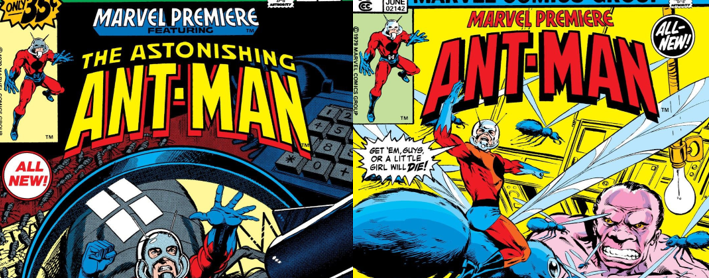
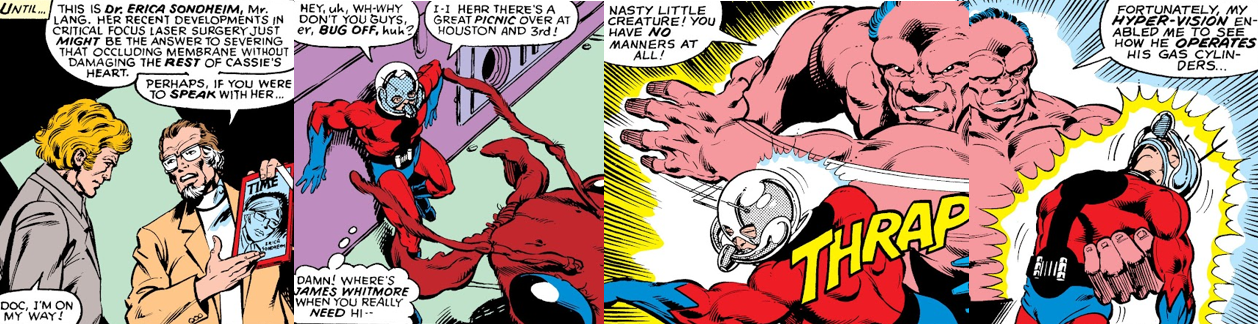
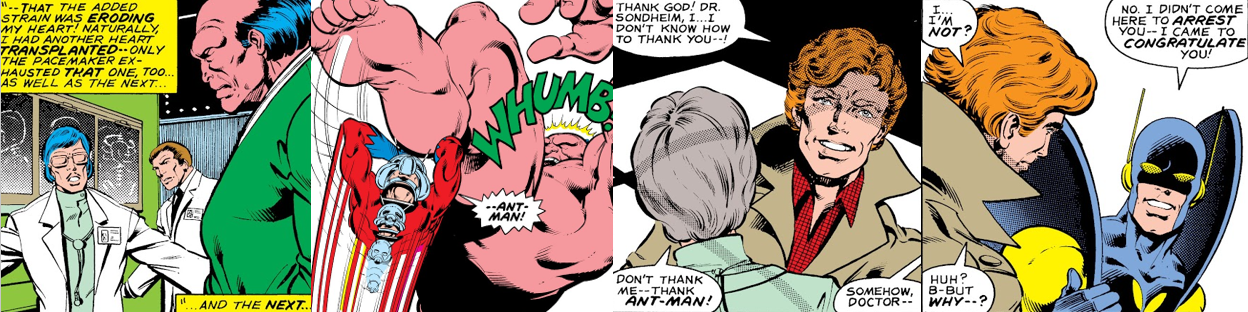
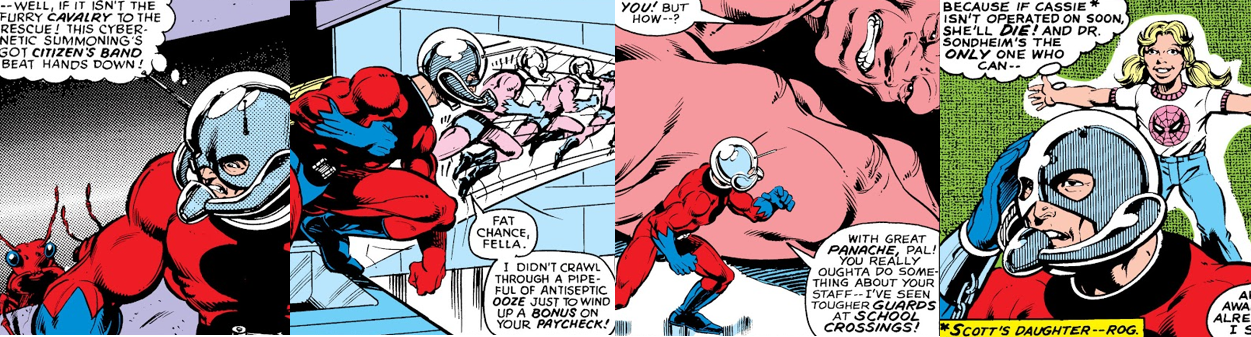



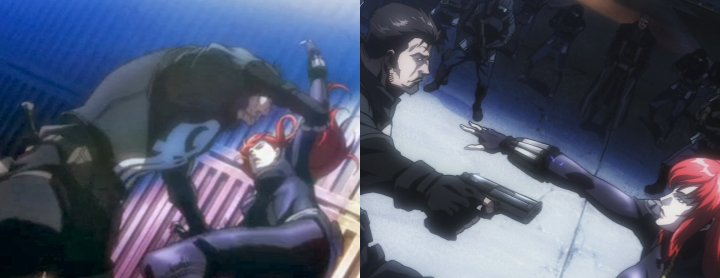
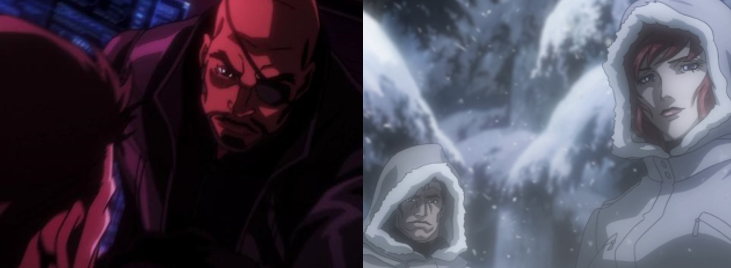

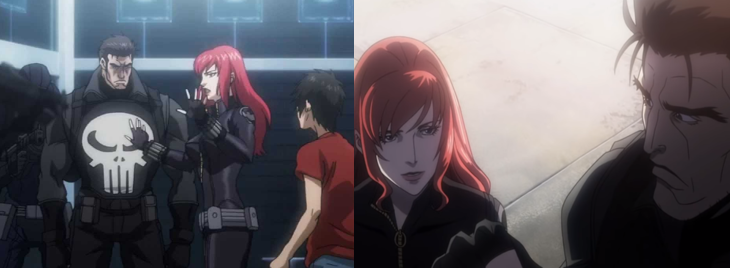
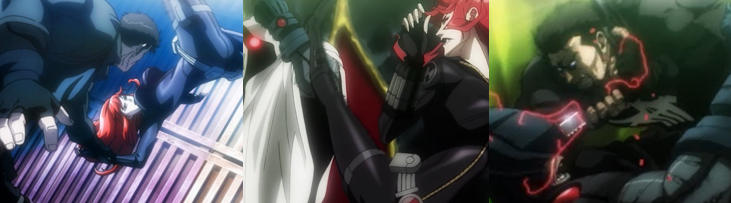
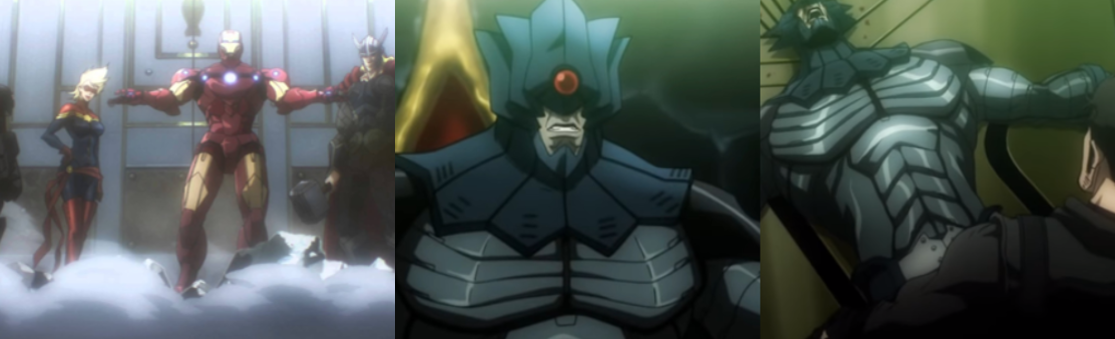





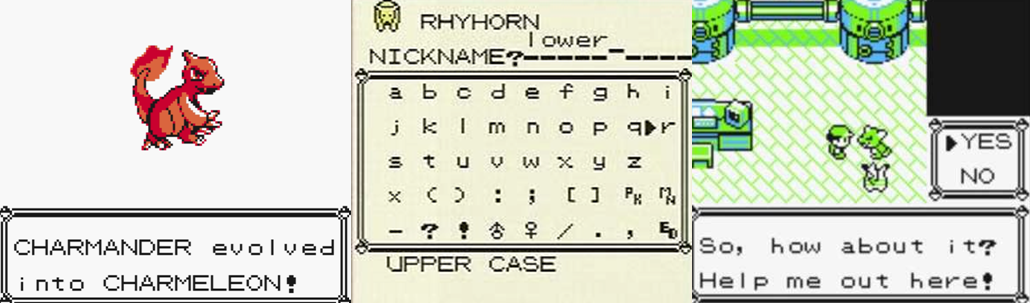
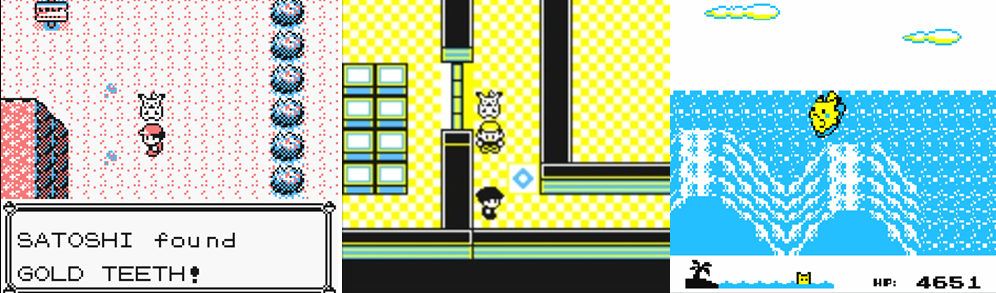
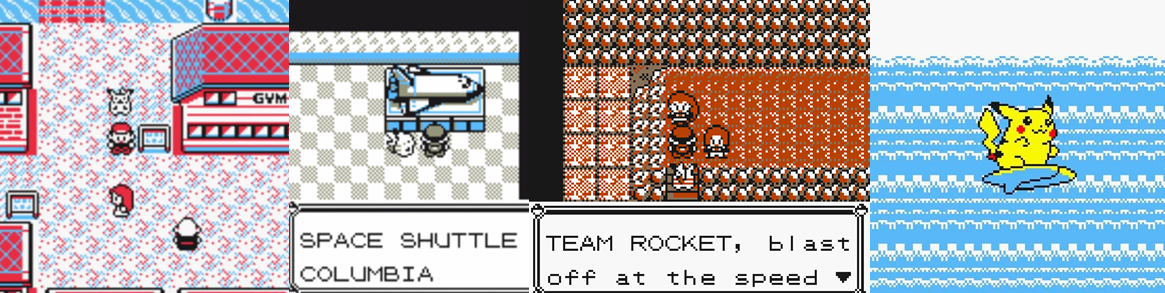
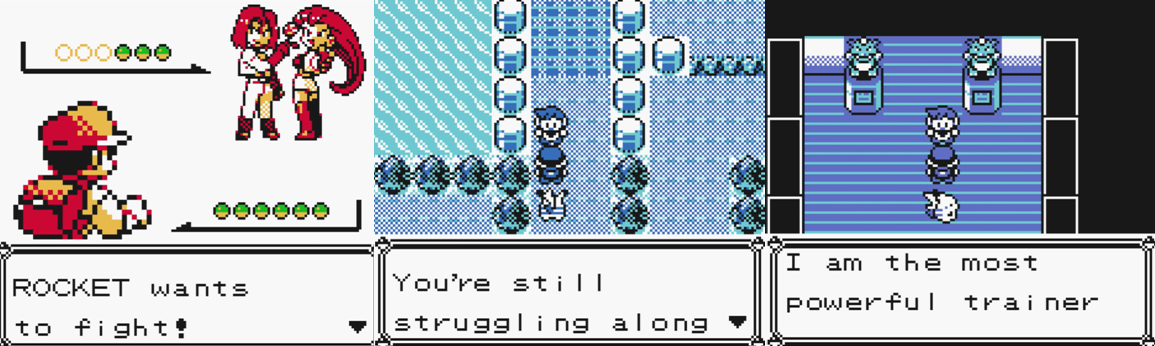
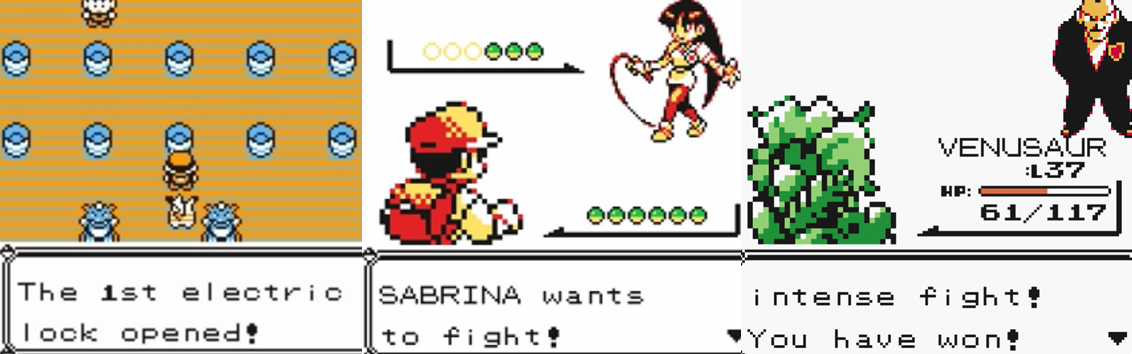
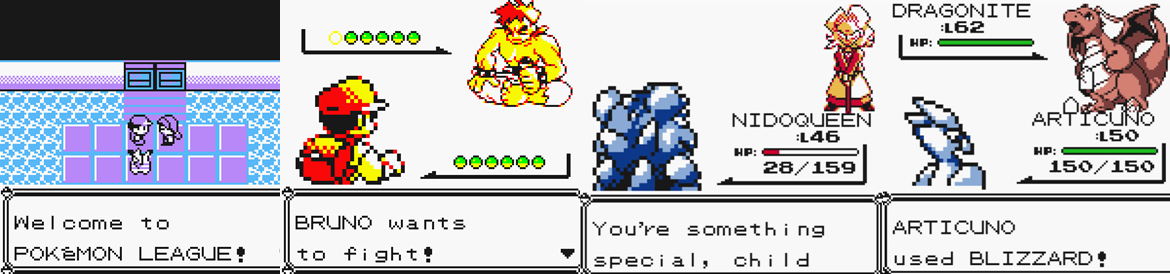
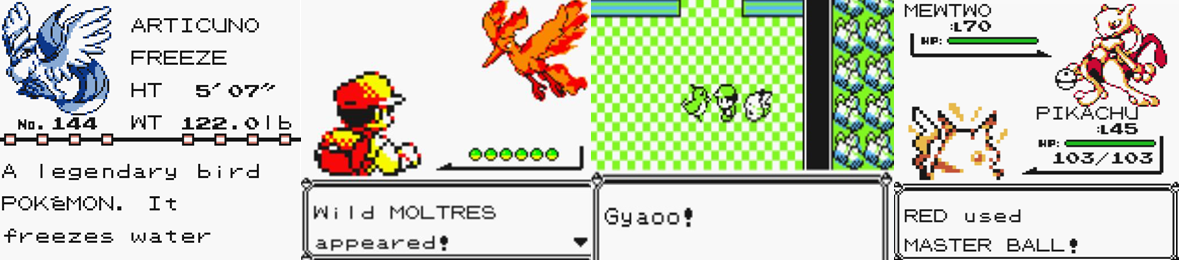


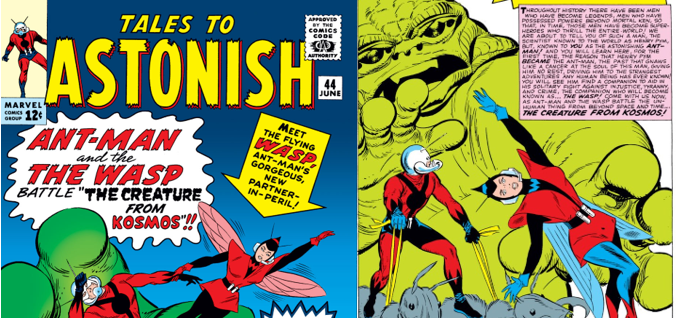
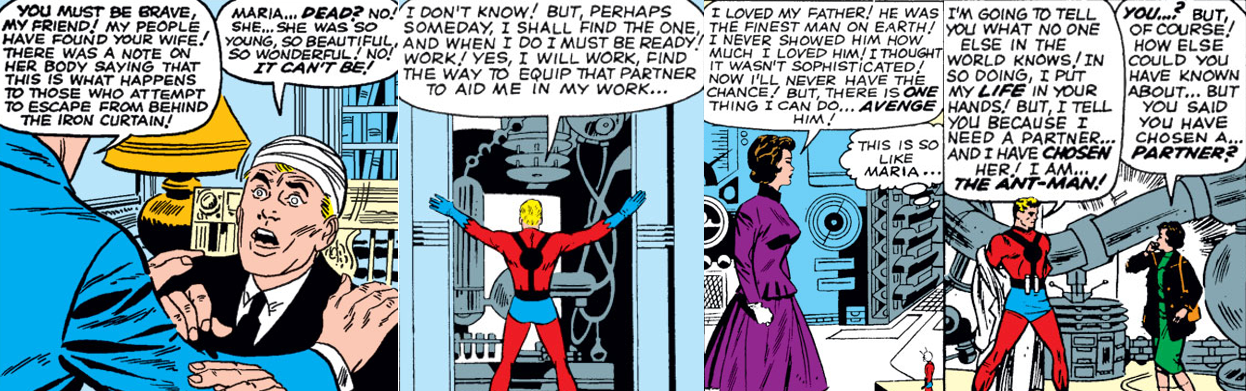
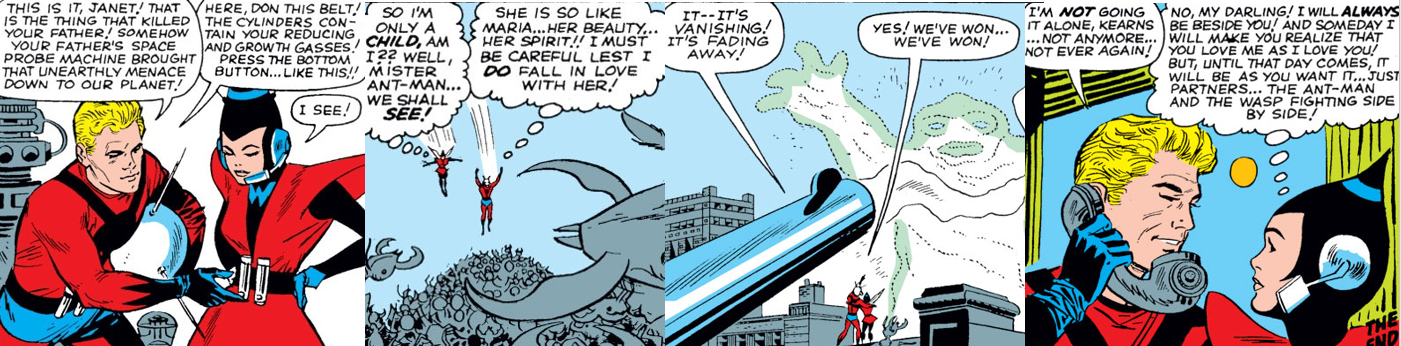
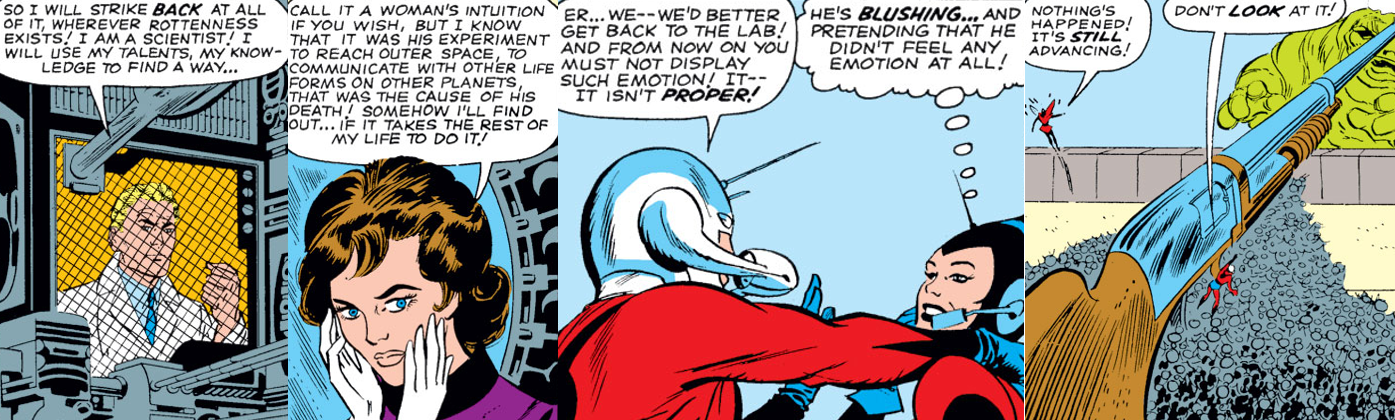


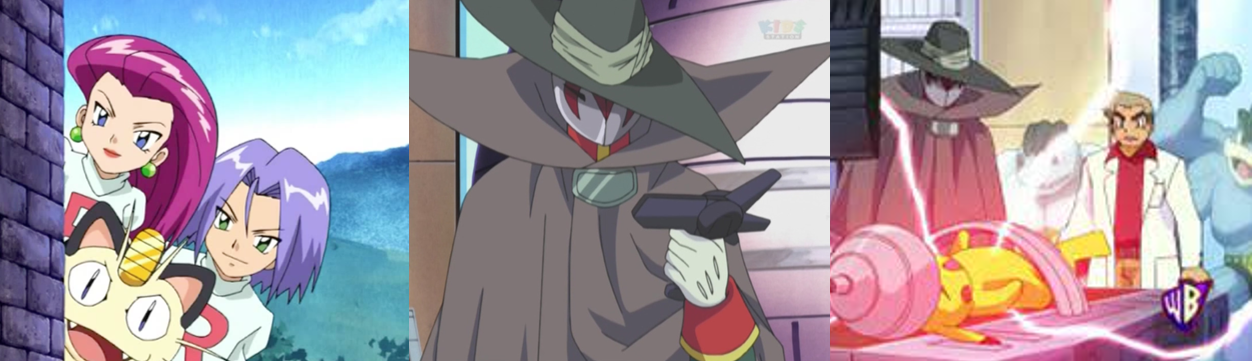
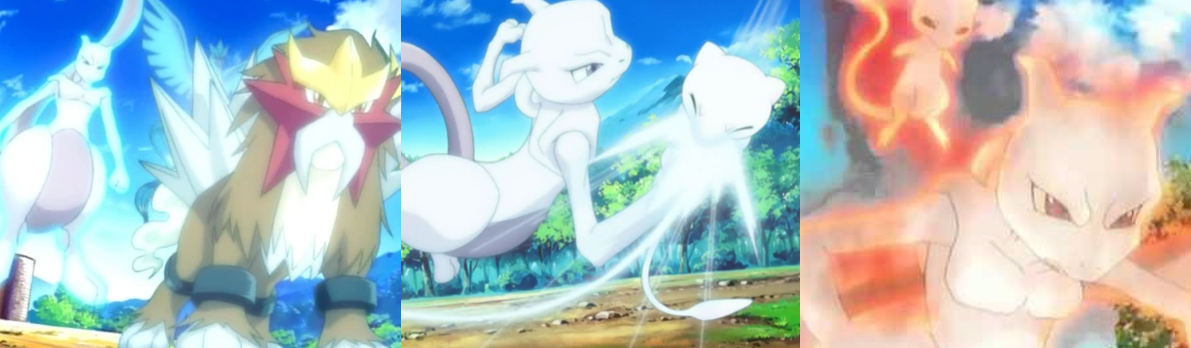


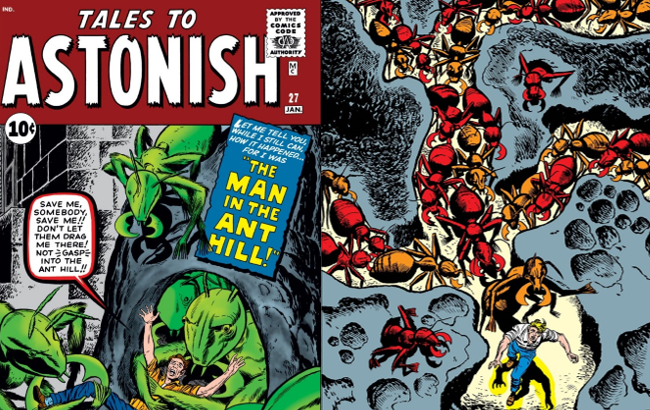
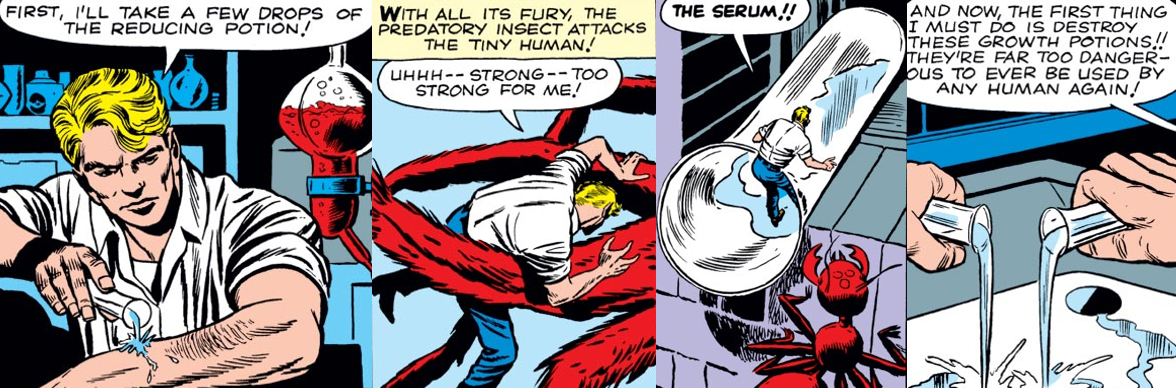
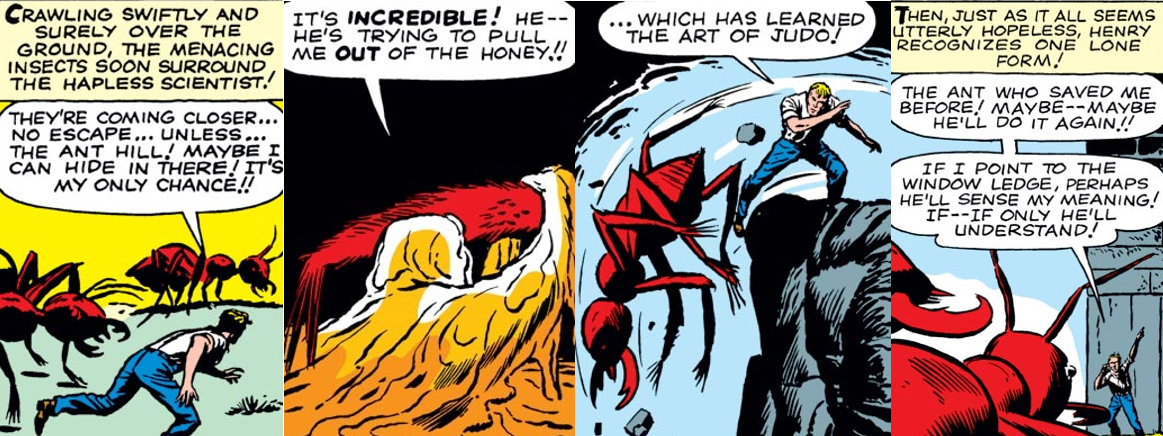





 Dr. K's Waiting Room
You must be logged in to post a comment.