Released: 22 October 1982 Director: Ted Kotcheff Distributor: Orion Pictures Budget: $15 million Stars: Sylvester Stallone, Brian Dennehy, Jack Starrett, Bill McKinney, and Richard Crenna
The Plot: After returning to the United States from the Vietnam War, former United States Army Special Forces soldier John J. Rambo (Stallone) faces not adulation, admiration, or a hero’s welcome but, rather, persecution and abuse at the hands of small-town sheriff William Teasle (Dennehy). Driven into the woods and suffering from post-traumatic stress and nightmarish memories of his time as a prisoner of war, Rambo wages a one-man war against his tormentors using only his unparalleled survival skills and finely-tune guerrilla tactics.
The Background: First Blood is an adaptation of a novel by the same name, which was written by David Morrell and published in 1972. Influenced by Rogue Male(Household, 1939) and horrific stories of the Vietnam War told by his students, Morrell’s book was well-received upon release but the subsequent movie adaptation languished in development hell for ten years. Production began in earnest when Sylvester Stallone signed on to the project; Stallone, who was a proven box office commodity after the success of the first three Rocky films (Various, 1976 to 1982) also wrote around seven different versions of the film’s script but, while an ending was filmed that reflected the bleak conclusion of the novel and Rambo’s death, it was ultimately cut at the agreement of Stallone and Kotcheff. Interestingly, upon release, First Blood was met with mixed reviews, although the actors’ performances were highly praised (with Stallone’s being notably well-received). Regardless, First Blood more than made up for this with its frankly staggering $125.2 million box office and contemporary reviews not only regard the film much more favourably but First Blood is widely regarded as one of the best films of 1982 and one of the most enduring and influential movies of its genre.
The Review: When we’re first introduced to Rambo, he’s little more than a vagrant wandering across the country in a bid to reunite with an old war buddy. Literally carrying his entire life over his shoulder, he’s a simple man just trying to reconnect with a world that has largely passed him by. Sadly, however, his attempts are largely in vain; his friend, Delmar Barry, has died after exposure to Agent Orange and it’s clear that Rambo is basically a stranger in his own country.
Teasle immediately takes a dislike to Rambo based on his rugged appearance alone.
However, this is made undeniably explicit when Rambo crosses paths with Sheriff Teasle, who immediately pegs him as a troublemaking drifter on sight alone. Teasle’s judgement of Rambo boils down to little more than his own personal bias and animosity, no matter how hard he tries to justify himself. I’m sure the ironically-named town of Hope is a nice, quiet little town and that Teasle is proud of the tight ship he runs but his persecution of Rambo is completely unfounded and unnecessarily aggressive. Of course, things only escalate after Rambo is arrested on paper thin charges of vagrancy and carrying a concealed weapon; while being processed, Rambo runs afoul of Teasle’s equally-despicable Deputy Sergeant Arthur Galt (Starrett) and suffers nightmarish flashbacks to his time as a prisoner of war. And, honestly, who can blame him after the disgraceful treatment he receives at Galt’s hands; Galt wallops Rambo with his nightstick, orders him to be hosed down and holds him in an unorthodox choke with that same nightstick but he goes too far when he attempts to have Rambo shaved with a straight razor.
Rambo carries both the physical and mental scars of his time as a P.O.W.
Triggered into a maniacal rage, Rambo easily takes out Teasle’s men with his bare hands and flees into the nearby woods. Earlier, Galt had described Rambo as a wild animal and his initial outburst and escape through town certainly support that; Rambo is an animalistic force of brute strength and unbridled rage, all brought on by flashbacks to his torture. Covered in scars and clearly still haunted by his experiences in Vietnam, Rambo is a force to be reckoned with and the police department vastly underestimate his capabilities. This comes to a head in their ensuing attempts to hunt him down; Teasle spares no expense in tracking Rambo down, pursuing him deep into the woods (and destroying his patrol car in the process), bringing in the dogs, calling in the helicopter for air support, and even drafting in the National Guard for support (who come packing a rocket launcher, no less!) It’s a monumental effort just to capture one man who, so far, is guilty of very little other than walking into town and being forced to relive the worst experiences of his life. Teasle’s obsession completely blinds him to Rambo’s obvious threat even after he is told of Rambo’s unmatched capabilities by Colonel Sam Trautman (Crenna) and directly leads to the accidental death of Galt after he takes this obsession to another level and ends up falling to his death as a result.
Rambo incapacitates his oppressors and pursuers through strictly non-lethal means.
This is, of course, a significant element of First Blood that separates it from the subsequent sequels. Rambo isn’t some ruthless killing machine here; instead, he’s a tortured, desperate man pushed to the edge by ignorant and abusive bigots but, despite his unbridled rage and brute savagery, Rambo doesn’t directly kill anyone in his debut film. Indeed, Rambo goes to great lengths to ensure that his pursuers are incapacitated non-lethally, setting elaborate traps and falling back on his extensive and peerless survival training. The result is actually far more impressive as it emphasises Rambo’s skill, ability, and restraint and he’s clearly deeply affected by Galt’s death. He just wanted to be left alone and would have harmlessly passed through town without incident but, when backed against the wall, easily disables Teasle’s men, and gives him every opportunity to “let it go” but is just pushed further and further until he has no other option than to wage a one-man war against the entire town…all with non-lethal force.
The Nitty-Gritty: First Blood is a deeply moving and bleak representation of the animosity and persecution many Vietnam veterans, and other war heroes, faced back then (and, I’m sure, even now); Rambo did absolutely nothing wrong but was set off by Teasle’s victimisation and Galt’s antagonism. Indeed, the only one of Teasle’s men to actually speak out against their treatment and vendetta against Rambo is the young deputy Mitch Rogers (David Caruso), the one voice of reason in Teasle’s department who begrudgingly follows his orders despite realising the very real threat Rambo poses.
Teasle is unimpressed with Trautman’s warnings of Rambo’s incredible skills.
Of course, Rambo’s history and true danger are related to an unimpressed Teasle by Trautman; Trautman, who takes full responsibility for Rambo’s training, regards Rambo as the literal best of the best, a man trained to survive in the wild with very little resources and who actually thrives under such circumstances. He urges, practically pleads with, Teasle to simply let Rambo slip away, fully confidant that he’ll surrender willingly if allowed to pass on (which is seen to be true when Rambo tries, and fails, to surrender following Galt’s death) but Teasle adamantly refuses to believe that one man can outwit his entire show of force even after everything he’s already seen. Sadly, Trautman’s attempts to quell Rambo’s anger also fall on deaf ears as, by the time he is able to contact him, Rambo has fully committed himself to the fight against Teasle and is basically reliving the war out in the woods.
Rambo’s unique survival skills make him a formidable warrior out in the wilds.
Teasle’s obsessive vendetta against Rambo is only fuelled after Gart’s death and he absolutely refuses to be dissuaded from his crusade no matter how many horror stories Trautman tells him. While Teasle’s humanity is practically non-existent, he does exhibit a bit more than just bigotry and hatred after it appears that Rambo has died; feeling cheated out of his victory, he nonetheless attempts to apologise for his abrasive actions to Trautman. However, it turns out that Trautman’s warnings were all based on irrefutable fact and we clearly see how adaptable and skilled Rambo is; he quickly retrieves his knife, acquires a police radio and other weapons from Teasle’s men, and is able to fashion all kinds of traps using just the woods alone never mind when he commandeers and army supply truck and rolls into town for the explosive finale.
In the end, Rambo breaks down in tears at the torture and abuse he has suffered and surrenders.
In the end, Rambo’s downfall comes not from Teasle or the hundreds of guns pointing his way but from his own traumatic experiences; while his time in Vietnam affords him unprecedented survival skills and allows him to live off the land and overcome superior forces with little more than his wits, it also scarred him both literally and figuratively. Everything he experiences in Hope is a reminder of his time in the war: the straight razor reminds him of his torture, he’s basically reliving his time in the jungles of Vietnam out in the woods, and he is basically attacking an enemy encampment when he storms the town in the end. With Teasle at his mercy, Rambo finally breaks down in despair at the loss of his entire team and the horrors he witnessed in Vietnam; the only one who understands him is Trautman, who validates Rambo’s heart-breaking monologue about the trauma and disrespect he has experienced both in and outside of the Untied States and the film concludes with Teasle injured, but alive, and Rambo surrendering himself to his old mentor and overwhelmed by the atrocities he has had to commit and suffer through.
The Summary: First Blood is an intense and moving experience; essentially a glorified manhunt for the majority of its runtime, it tells the story of a highly trained and skilled soldier pushed to the edge by abusive and cruel cops and forced to both relive, and live with, the horrors and atrocities he faced in combat. Hounded at every turn and judged for his appearance as much as his status as a former soldier, Rambo receives only persecution and abuse rather than admiration or respect and, in the end, his tormentors pay for their mistreatment not with their lives but with their pride. Despite the insurmountable odds against him, Rambo succeeds through sheer grit and determination and is the original one-man army and yet, despite all of this, all he wanted was a little respect and to be left alone. Indeed, so tormented by his experiences is Rambo, and so tired of conflict and killing, that he refuses to kill any of his tormentors even when he has every chance (and right) to do so, making First Blood a haunting action/thriller. A thinking man’s action film, First Blood is a stark reminder of the horrors of war and the foul treatment they received back in the day, as though it was their fault that they were forced to fight and kill for their country; it’s very different to the bombastic and over the top, action-packed sequels that followed it and so might not be for everyone but it remains a sobering and impact film in its own right.
My Rating:
⭐⭐⭐⭐
Rating: 4 out of 5.
Great Stuff
Are you a fan of First Blood? Did you watch it back when it was first released and, if so, how did you find it in the context of the time? How do you feel it holds up today, especially compared to the sequels, and were you disappointed that the sequels veered more towards action and death than introspective commentary on the horrors of war? What did you think to Rambo’s survival skills and Teasle’s baseless persecution and obsession with him? Do you think the film should have ended in the same way as the book and with the cut scene of Rambo dying? Which of the Rambo films is your favourite? Whatever you think, comment below and let me know and check out my review of the sequel.
With the release of Sonic the Hedgehog 3(SEGA Technical Institute, 1994), gamers were introduced to Knuckles the Echidna. This mischievous, dreadlocked antagonist was created by Takashi Yuda and his debut was made all the more impressive by virtue of the fact that Sonic 3 was too big to fit on one cartridge, which meant that Knuckles was the first of Sonic’s supporting characters to co-star in a main series videogame when Sonic & Knuckles (ibid) was released on this very day in 1994.
Writers: Mike Kanterovich and Ken Penders – Artist: Art Mawhinney
Story Title: “Rites of Passage, Part One” Published: May 1996
Story Title: “Rites of Passage, Part Two” Published: June 1996
Story Title: “Rites of Passage, Part Three” Published: July 1996
The Background: When Sonic the Hedgehog blasted onto the videogame scene in 1991, he was an immediate hit thanks to his debut title being bundled with the Mega Drive and SEGA’s aggressive marketing campaign. His popularity exploded with Sonic the Hedgehog 2(SEGA Technical Institute, 1992), however, and Sonic merchandise was suddenly everywhere: not only did he feature in the Macy’s Day Parade and in cartoons but he also starred in a number of comic books. Following the initial four-part miniseries which mashed together narrative elements of Sonic’s cartoon adventures, Archie Comics began regular publication of what would become the longest-running videogame comic book ever. In time, to capitalise on Sonic’s continued popularity, a number of spin-off comics were produced, with one of the most prominent being the Knuckles the Echidna sister series. What began as a simple enough three issue miniseries soon expanded into a convoluted lore that eventually became the subject of a bitter lawsuit between Archie and writer/artist Ken Penders that forever changed the way subsequent Sonic comic books were handled.
The Review: Sonic’s Friendly Nemesis: Knuckles begins by first promoting the “mystery of Archimedes” and then giving a very brief rundown on Archie’s take on Knuckles, the downfall of the Echidna society, and his floating home. In these early appearances, Angel Island was known by the Western name of Floating Island and, in Archie Comics especially, was held aloft through the power of just the one Chaos Emerald (and not even the Master Emerald at this point) and incredibly advanced technology. With the Echidna’s long gone, nature has reclaimed much of the island, leaving it in disarray and causing long-forgotten secrets to be buried. Knuckles pays a visit to Mount Fate in search of his missing friends, Mighty the Armadillo, Vector the Crocodile, Espio the Chameleon, and Charmy Bee (collectively known as the Chaotix), who he strongly suspects are being held captive there by the mysterious Archimedes. Archimedes has been making Knuckles’ life a bit of a misery in recent issues and stories, taunting him with riddles about his past, and led Knux to discover that, generations ago, the Echidna brothers Edmund and Dimitri tried to use the Chaos Emerald to return Floating Island to Mobius and, in the process, Dimitri became the evil entity later identified as Enerjak, the “Harbinger of Chaos”. The entire experience caused the Echidnas to renounce technology in all its forms and bury their secrets away beneath Mount Fate and, when Knux arrives, he finds that the chamber is well guarded by a number of electronic lasers, booby traps, and other obstacles specifically designed to keep out (or kill) any intruders.
Knuckles’reunion with Chaotix is cut short by the sudden appearance of the all-powerful Enerjak.
As Knuckles explores his surroundings, he arms himself with a concussive blaster (because that’s what I always think when I think of Knuckles: guns!) and forces his way into the grand observatory at the heart of the temple…only to find that his friends are being treated to a glorious spread as guests of Archimedes, who is revealed to be a weird-looking anthropomorphic fire-ant (yeah…I don’t know, either). Considering all of the games, subterfuge, and questionable behaviour shown by Archimedes, Knuckles is understandably enraged and demands answers but any hostilities between the two are interrupted by the arrival of Enerjak, who broke free from his prison when Knuckles triggered Mount Fate’s traps. Although Knuckles dismisses the Pharaoh-esque madman as a fraud, Enerjak boasts the incredible, unmatched power of eleven Chaos Emeralds (Archie Comics had an almost incalculable number of the gems at the time) and proves his power (and to be more than a match for the combined might of Knuckles, Chaotix, and Archimedes) by overpowering them all, taking Chaotix captive, and blasting Knuckles and Archimedes to the blazing hot desert of the Sandopolis Zone. As the two begin the bleak, day-long journey across the outback, they are attacked by a giant sandcrawler. However, the beast is easily defeated and turned into late-night kebabs for the two when Archimedes uses himself as bait (and his ability to teleport) to trick it into colliding head-first with a stack of rocks. Afterwards, Archimedes regales Knuckles (and bores the shit out of me…) with the story of how his people watched as the Echidnas harnessed the power of many Chaos Emeralds to move the entire city of Echidnapolis out of the path of an incoming comet (why they didn’t just evacuate is beyond me) thanks to the fire-ants performing the “ground-breaking ceremony” to effectively birth Floating Island. Archimedes then recounts, in a little bit more detail, how Dimitri later fashioned the “Chaos Siphon” to absorb the power of eleven Chaos Emeralds and ended up burying himself in the process.
Stuck in the boiling desert, Knux is subjected to endless exposition and visions of his father.
Since then, generation after generation of Echidnas were named Guardian of the Chaos Emerald and the fire-ants watched over them, testing them with a rite of passage to ensure that they would be read to combat threats such as Enerjak. While Knux and Archimedes resolve to work together to face Enerjak, they still need to cross the boiling desert; in his desperate hunger, Knux amusingly tries to eat Archimedes and ends up getting his mouth burned as a result. Later, while succumbing to the heat, Knuckles has a vision of his long-dead father, Locke, who does his best Mufasa (James Earl Jones) impersonation and gives him not only the resolve to continue onwards but also a cryptic clue as to how to defeat Enerjak: “The key to your present peril is in our past!” After reinvigorating himself at a mysterious oasis, Knuckles and Archimedes forge onwards towards Nekronopolis, a mighty city erected by Enerjak’s vast Chaos powers. The city, which Enerjak has built as a dark and corrupt reflection of Echidnaopolis, is home to an army of disposable mechanical minions (known as “Mecha-Nauts”) and Enerjak’s imposing citadel. Knuckles decides that the best approach is to tackle the Mecha-Nauts head on, which earns him Archimedes’ disapproval until he reveals that it was part of a plan to lure the machines to a gate so that he could crush them all (or, at least, a lot of them) in one move. However, while they manage to get into the citadel with a minimum of fuss, inside he is confronted by the Chaotix, who have been brainwashed by Enerjak’s magic and attack the two on his command. The fight (which includes a timely reference to The Mask (Russell, 1994) and even, surprisingly, The Shadow (Mulcahy, 1994), two films that both released in the year prior to this issue) goes poorly for the Chaotix; despite them having the numbers advantage, Knuckles and Archimedes are able to hold them off, forcing Enerjak to intervene and render them both unconscious using his powers (kind of making controlling the Chaotix a waste of time…) With Knuckles and Archimedes helpless against Enerjak’s powers, the would-be tyrant recaps his origins again just in case we didn’t realise how he came to be what he is.
Enerjak’s power may be awesome but the fight ends unresolved.
Despite acknowledging that the Guardian and his newfound fire-ant companion are the only two who could possibly oppose him, Enerjak prefers to boast and monologue rather than destroy them while he has the perfect opportunity. Indeed, Knux goads him into releasing them from his energy field, which gives Archimedes the opportunity to contact his fellow fire-ants. While Knuckles creates a distraction by taunting Enerjak and absorbing the brunt of his anger, Archimedes is able to teleport them out of danger so that Knux can (literally) get the drop on him and, though stunned to learn that he is Knuckles’ great-uncle, Enerjak attacks with a ferocity that is only matched by his augmented strength. Still, the two are relatively evenly matched, potentially because Knuckles has successfully goaded Enerjak into a straight-up fist fight and continues to chastise his great-uncle for his selfish ways and lack of honour. Their fight is cut short when Enerjak’s citadel suddenly transforms into a rocket and blasts into space; Knuckles and Archimedes escape thanks to the efforts of the fire-ants and Chaotix are freed from their pointless mind control. In the aftermath, despite Knuckles not really learning anything from him or really acting in a way that’s that impressive, Archimedes gives Knux his respect. Although Enerjak escaped to live to fight another day, the group is victorious and decide not to worry too much about the mysterious happenings that they experienced along the way (such as the oasis disappearing and the aforementioned rocket) but the story concludes with the revelation (to us) that Locke is actually alive and actively monitoring and assisting Knuckles from a hidden, high-tech bunker.
The Summary: Jesus, what a slog. I’ll be the first to admit that Knuckles is my absolute favourite Sonic the Hedgehog character and I remember being so excited when he debuted in Sonic the Comic (1993 to 2002) and to learn that he was a prominent feature in the Archie comics, which were seen as kind of a continuation/parallel to Sonic the Hedgehog/SatAM (1993 to 1994). Knuckles the Echidna was one of the longest-running spin-off of the Archie Sonic comics, which is a testament to the character’s appeal and popularity, but every time I read his solo run I can’t help but be astounded at how boring and preposterous it is. I don’t usually lark to harp on about this sort of thing but my God is the art terrible in these issues! The covers, drawn by the always amazing Patrick “Spaz” Spaziante, are the best part of the artwork in this miniseries as, while Knuckles generally looks kind of okay, a lot of the characters just look really weird and disproportionate. I can kind of understand it as the majority of the Chaotix are really weird character designs already but Archimedes and the rest of the fire-ants just look ugly, man. Environments are very bland and nonsensical as well and all three issues suffer from the same artistic inconsistency that plagued the Archie Sonic comics for about fifty issues or so. There are, however, some impressive moments in the issues, though. In the rare instances where Knuckles is gliding or in action, he looks suitably bold and striking and, while Enerjak’s design is a bit “busy”, he looks pretty distinct and intimidating and I love how he has all this Egyptian-inspired apparel on his armour. Thanks to having absorbed the powers of eleven Chaos Emeralds, he can fly, wields Chaos energy, and is able to render targets under his control or unconscious and seems to have enhanced durability and strength, and can even erect a fully-functional city and robot minions in just a few panels.
Enerjak has a striking design and is certainly powerful but this was a poor outing for him.
Yet, the exact limits of his powers remains a mystery; he is regarded as a bogeyman-type figure by Archimedes and, as we learn, the reason why the Echidnas eventually renounced technology and he’s certainly a maniacal force but the story ends before we really get to delve into exactly what he wants. And that’s interesting because Sonic’s Friendly Nemesis: Knuckles is about 75% dialogue and exposition. Look, I get it; you can’t assume that people who read issue two or three will have read issue one but every issue starts with a bit of swirling text recapping the previous issue’s events so I really don’t think it was necessary to recap the (literal) rise and fall of Echidna society or Enerjak’s origin three Goddamn times! Sure, have Archimedes explain the fire-ant perspective on it all and introduce the idea of Dimitri there and yeah, Enerjak could share his perspective as well, but they’re largely the same and it just felt like needless filler. Add to that the fact that neither Knuckles nor Archimedes ever shuts up and constantly narrates his every thought and action and you have a story that is more a chore than a thrill to get through, which is a shame as I find Enerjak to be a compelling villain and his slug-fest with Knuckles was gearing up to be something good. It doesn’t help that Archie constantly shoe-horned the Chaotix into Knuckles’ stories, bloating the cast to kind of make it like an alternative to Sonic and the Knothole Freedom Fighters and, considering how useless the Chaotix were in this miniseries, it might’ve been better to omit them entirely and focus solely on Knuckles (and Archimedes, I guess, even though I am not a fan of the character) and his efforts to prove himself a worthy Guardian and oppose Enerjak’s ambitions.
My Rating:
⭐⭐
Rating: 2 out of 5.
Could Be Better
Have you ever read Sonic’s Friendly Nemesis: Knuckles? Did you pick the issues up when they were first released and, if so, what did you think about Knuckles’ first spin-off? What did you think to Archie’s introduction and characterisation of Knuckles and the increasingly-complex depiction of the Echidna society? Were you a fan of Archimedes and Enerjak? Did you like the Chaotix being Knuckles’ running buddies? Which of Archie’s Knuckles stories and/or characters was your favourite and why? Are you celebrating Knuckles’ big day today? Whatever you think about Archie’s Sonic comics, and especially Knuckles, leave a comment down below and let me know.
In September 1961, DC Comics published a little story called “Flash of Two Worlds” (Fox, et al), a landmark story that featured in The Flash #123 and brought together two generations of the Flash: the Golden Age Jay Garrick and the Silver Age Barry Allen. In the process, DC Comics created the concept of the multiverse, the idea that DC Comics continuity was comprised of an infinite number of parallel universes that allowed any and all stories and characters to exist and, more importantly, interact and I’ve been celebrating this ground-breaking concept every Sunday of this month!
Released: 25 February 2020 Director: Sam Liu Distributor: Warner Bros. Home Entertainment Budget: Unknown Stars: Jason Isaacs, Amy Acker, Diedrich Bader, Vanessa Marshall, Roger Craig Smith, and Paul Williams
The Plot: In an alternate timeline, Krypton’s last son crash-lands in Cold War-era Russia and Superman (Isaacs) is raised to be the figurehead of Joseph Stalin’s (William Salyers) Communist campaign. In response, Lex Luthor (Bader) devises a plan to neutralise and destroy the Soviet Superman while a renegade terrorist known as Batman (Smith) and the alien cyborg Brainiac (Williams) both plot to overthrow the superpowered tyrant.
The Background: Having met with considerable success with their animated ventures, such as Batman: The Animated Series (1992 to 1999), Warner Bros. Animation began producing a number of direct-to-video animated features based upon existing and popular comic book storylines but Superman: Red Son was a bit of a change of pace as the last few animated features had been part of a shared universe. Red Son was based on the three-issue miniseries of the same name written by Mark Millar in 2003, a story that was part of DC’s “Elseworlds” imprint. A surprisingly dense text, it was a popular and poignant “What If” scenario published by DC Comics for its deconstruction of Superman’s ideals. Similarly, the adaptation received generally positive reviews and sold quite well on home media. Having never gotten around to reading the original comic and, although I’ve been aware of it and the premise for some time, this was actually my first time properly experiencing this alternate take on Superman.
The Review: These days, the “Evil Superman” story has been pretty much done to death; it was a big part of the Injustice franchise (NetherRealm Studios/Various, 2013 to 2017), movies like Brightburn (Yarovesky, 2019) have explored the concept further, and even Henry Cavill’s version of the character has walked the line more than once, particularly in the questionable “Knightmare” scenario present in the DC Extended Universe films. Interestingly, Red Son takes Superman’s core values of “Truth, Justice, and the American Way” and simply transposes them into Soviet Russia; as a boy, Superman fears hurting others with his powers and hides them from the world as a result but, after showing them to Svetlana (Winter Ave Zoli), is encouraged to “give them to the State” in order to put them to the best use (i.e. for the betterment of their Communist superiors). As a result, the Soviet Superman isn’t initially evil in the way a lot of alternate versions of Superman are; he begins as a humble Communist patriot who is simply acting in the best interests of his country, which is basically what the mainstream Superman does more often than not.
Superman embarks on his own totalitarian regime predicated on peace through force.
At first, the Soviet Superman basically acts as a nuclear deterrent to the rest of the world, ensuring the strength, superiority, and prosperity of Soviet Russia in a similar way to how Jon Osterman/Doctor Manhattan acted for the United States in Watchmen (Moore, et al, 1986 to 1987). This Superman is uncomfortable in the spotlight and sees himself as a “servant of the State”, a man simply doing his part in ensuring Russia’s success, and is quick to attribute his feats to the betterment of the country rather than simply his actions. Similarly, he doesn’t hesitate to act to intervene when Metropolis is threatened by a falling satellite, expressing that the citizens of the United States aren’t his enemy or those of his government, and yet he is sceptical and distrustful of the press, such as Lois Lane-Luthor (Acker). In this version of the DC Universe, Lois is still a reporter but is married to Luthor; Lois’s ideals clash with those of Superman’s, with each of them disapproving of the actions and methods of each other’s governments. Clearly intrigued by Superman, it is Lois who opens his eyes to the horrendous actions of Stalin, which have left his beloved Svetlana dead after being imprisoned in a hellish gulag for knowing his true identity. Disgusted at the torture and treatment of the prisoners, and enraged at Svetlana’s death, Superman frees the inmates and brutally kills Stalin, usurping his authority in the process and beginning his own totalitarian regime. Just as she encouraged him to give his powers to the country, Svetlana’s dying words motivate Superman to be the strongest of the strong and to ensure that the Russian people are never again oppressed. Just as Luthor hoped, this causes Superman to become a significant threat as he easily ends the Korean War and demolishes the Berlin Wall, accepting collateral damage and loss of life to safeguard the majority and spreading a message of peace through aggressive intervention. Luthor’s machinations speed up his vendetta against Superman, which sees his him cloning a bizarre version of Superman using genetic material from this landing craft.
Luthor creates a clone of Superman that he purposely overloads to the point of death just to rattle Superman.
This “Superior Man” (Travis Willingham) resembles the traditional Superman in many ways, save for a “US” symbol on his chest, and has been programmed with complete subservience to his country (and to Luthor), however he’s little more than a blank slate. Luthor unveils Superior Man in a very public display and wastes no time in sending him to confront Superman, leading to a massive brawl between the two through the streets of Moscow. Horrified at the devastation and loss of life their conflict causes, Superman quickly diverts the battle away from innocent lives (interesting that the Soviet version of Superman is more concerned with safeguarding innocent lives than Snyder’s Superman in his debut film…), but the clone soon degenerates into a monstrosity and, finally, painfully dissolves when Luthor purposely overloads him with more power to test Superman’s limits and psychologically unnerve his superpowered opponent.
The Nitty-Gritty: Superman: Red Son isn’t anything massively new when it comes to animation since it appears very similar to other DC animated movies and draws heavy aesthetic influence from Paul Dini and Bruce Timm’s animated works. The story continuously jumps through time, showing characters aging and noticeably changing (Luthor starts off quite athletic and with a full head of hair but soon grows pudgy and balding while Superman’s costume becomes darker and more adorned with military insignias and accessories as his campaign escalates), which covers a lot of ground very quickly in order to establish that these events take place over a long period of time and slowly shows the expansion of Superman’s Communist strength.
Superman and Wonder Woman forge an alliance in a world where Batman is a violent terrorist.
As with many alternate world stories and animated features, Red Son includes several cameos and additional characters, recast and changed by their place in this parallel world. This Superman forges a powerful alliance with Diana Prince/Wonder Woman (Marshall), who admires his accomplishments and his commitment to his ideals of unity through strength; their relationship is built out of a mutual desire to change the world for the better with their powers and resources rather than a romantic liaison since Diana is a lesbian in this world. In time, however, Diana comes to question Superman’s methods when he turns insurgents into little more than zombies. Similarly, Superman faces opposition from the Soviet Batman, here little more than a terrorist who openly opposes Superman’s regime after suffering in the same gulag as Svetlana and losing all faith the superpowered Premier. As with many alternate versions of Batman, the Soviet Batman is perfectly happy to kill, blowing up a museum dedicated to Superman’s accomplishments and killing numerous innocents in the process. Batman has also inspired several followers, who all wear his symbol and willingly follow his orders, which causes them to be subjected to brainwashing by Superman’s reprogrammed Brainiac technology. After many years of striking against Superman, Batman eventually overwhelms Wonder Woman and subdues her with her own Lasso of Truth in order to lure Superman into a trap. Using artificial red sunlight supplied by Luthor, Batman weakens Superman and mercilessly beats him into submission as payback for his part in the death of his parents and to liberate Russia from his oppressive rule. Ultimately, though, Wonder Woman breaks free from her binds and restores Superman’s powers, though Batman choose suicide over being subjected to Superman’s brainwashing and the whole ordeal causes Diana to walk away from man’s world.
Superman and Luthor team up to defeat Brainiac and Superman uses the opportunity to fake his death.
Finally, Luthor’s ongoing efforts to bring down Superman lead to him not only becoming President of the United States and repositioning the United States as a prosperous democracy, but also discovering Abin Sur’s crashed spaceship and bequeathing the power ring on his finger to Captain Hal Jordan (Sasha Roiz) to create an alternative version of the Green Lantern Corps. Although not wishing to go to war with the United States, or to simply remove Luthor from power, Superman is forced into action when the Green Lantern Corps attack; although saved by Diana, he refuses to listen to her pleas for peace and loses her trust and friendship forever when Themyscira closes its borders to the rest of the world. Although Brainiac’s invasion of the world is limited to a brief montage, its influence on the story is significant; defeated and reprogrammed by Superman, Brainiac not only subtly influences Superman’s methods and gives him the technology necessary to better enforce his rule, but has also been secretly plotting to take over the world through Superman’s increasingly aggressive methods. This comes to a head in the finale, where Brainiac’s machinations lead Superman to the White House and the world to the brink of all-out war. Thanks to Lois, Superman realises the error of his ways and even works alongside Luthor (in a version of his signature mech suit) to battle Brainiac on the White House lawn; Luthor’s technology even ends up playing a pivotal role in disabling Brainiac’s forcefields and allowing Superman to destroy the machine, faking his death in the process and retreating to a simple, unassuming life to allow humanity to make their own destiny…and their own mistakes.
The Summary: Superman: Red Son is an entertaining glimpse into an alternate version of Superman, one whose ideals of patriotism and justice are skewed by his Communist beliefs and upbringing. Initially a propaganda tool used to showcase the might of the Soviets, Superman evolves into a surprisingly layered dictator, one who laments and avoids the taking of innocent lives but is willing to aggressively expand his empire through force, if necessary. In time, his regime enforces a notable peace through the expansion of Communist ideals, which makes him colder and more inhumane in his efforts as he subjects those who defy him to lobotomies and yet still believes that his methods are more humane than those of Stalin. Superman is positioned as the enemy of the free world, particularly Democratic nations such as the United States, which seeks to liberate the Soviet nations from his oppressive rule but, as with Superman’s methods, Luthor’s aren’t exactly benevolent. One thing I found particularly interesting was that Superman doesn’t have another name; renouncing whatever name he had as a boy and becoming a symbol of Communist power and ideology, he’s also far more separated from humanity because of the emphasis on his alien nature, which is skewed by Communist beliefs. It’s an interesting take on the character and helps to make the story stand out and showcase the surprising amount of depth to Superman, who retains his trademark desire to only do good and help others but this desire is distorted by his totalitarian ways.
My Rating:
⭐⭐⭐
Rating: 3 out of 5.
Pretty Good
What did you think to Superman: Red Son? How would you rank it against the other DC animated features and how do you think it holds up against its source material? Are you a fan of the Soviet Superman concept? What other alternate scenario would you like to see Superman thrust into some day? What is your favourite alternative take on Superman and what are your thoughts on the “Evil Superman” trope in comic books and other media? Whatever your thoughts on Superman: Red Son and other parallel versions of iconic characters, go ahead and leave them down below.
Released: 3 September 2021 Director: Destin Daniel Cretton Distributor: Walt Disney Studios Motion Pictures Budget: $150 million Stars: Simu Liu, Awkwafina, Meng’er Zhang, Florian Munteanu, and Tony Leung
The Plot: Desiring a normal life away from his father, Xu Wenwu (Leung), who has led the terrorist organisation known as the “Ten Rings” for a thousand years thanks to his mysterious alien rings, Shang-Chi (Liu), a master kung fu, flees to San Francisco. However, his normal, everyday life is shattered when he is forced to confront his father, who has become obsessed with locating a lost mythical land.
The Background: Shang-Chi was created by Steve Englehart Jim Starlin and debuted in December 1973 to capitalise on the popularity of kung fu (and, specifically, the late Bruce Lee)during that time. Despite being a staple of Marvel Comics ever since, and me being a die-hard comic book reader and collector, I can’t really say that I have any experience of Shang-Chi at all beyond a few passing mentions and I am much more familiar with Danny Rand/Iron Fist, so I was surprised not only when a movie was announcedbut also to learn that the concept was kicked around in the 1980s and that an adaptation very nearly saw the light of day in 2004. Seeking to introduce new characters for the fourth phase of the Marvel Cinematic Universe (MCU), MCU producer Kevin Feige saw Shang-Chi as a way to not only do the Mandarin justicebut to also expand the scope of the MCU into Asian territories and a whole new genre. Following delays due to the COVID-19 pandemic, Shang-Chi and the Legend of the Ten Rings finally released to overwhelmingly positive reviews; critics praised the film’s martial arts and charactersand regarded the film as a breath of fresh air for the MCU and the film managed to defy the pandemic by grossing almost $169 million at the box office.
The Review: The movie opens with a quick recap of the titular legend of the Ten Rings, which actually doubles as two legends in one; basically, Xu Wenwu found the mysterious and powerful, potentially alien, rings about a thousand years ago and they granted him immortality, everlasting youth, and the power to conquer and reign. Like all men with power, though, he craved even more and, upon learning of the lost land of Ta Lo, ventured there to learn the powers of the Gods. While Trevor Slattery (Ben Kingsley) was a complete mockery of everything the Mandarin stands for, Wenwu isn’t exactly a one-to-one interpretation of the fictional warlord either; rather than controlling different elemental powers and such, the ten rings function more as a kind of magnetic inexhaustible energy field that Wenwu manipulates like whips or uses to fire concussive bolts, propel himself through the air, or form shield. I can understand why (the actual ten rings are probably a little too close to the powers of the Infinity Stones, maybe), though, and it definitely makes for some unique action and fight scenes involving the character.
This new version of the Mandarin end sup as one of the MCU’s most complex and sympathetic villains.
Crucially, however, Wenwu is a surprisingly complex and sympathetic character; in the comics, the Mandarin is generally always this power-hungry dictator who slaughters and destroys simply to feed his lust for power but Wenwu actually gave up his evil ways after meeting, being bested by, and subsequently falling in love with Ying Li (Fala Chen). Together, they sired two children and it was only after Ying Li died that Wenwu returned to the rings, rebuilt his criminal empire, and returned to amassing a formidable armed of well-trained assassins and terrorists. Having studied Ta Lo for years, Wenwu has become somewhat consumed by grief and guilt; he supplants the blame for Ying Li’s death into the people of Ta Lo and, later, even Shang-Chi himself and his entire motivation is based on the belief that storming Ta Lo and opening the “Dark Gate” they protect will return his love to him. Indeed, for the majority of the film, Wenwu is a well-spoken, intelligent, and even kind-hearted character; he’s stern and tough, and seen to be ruthless and uncompromising, and definitely has a dark past soaked in blood but it’s undeniable that he cares for his children, and his lost love, even if the allure of the ten rings is often more provocative for him.
When his father comes looking for him, Shang-Chi is forced to confront his past.
As for Shang-Chi, after his mother died he was trained to be an assassin, like all of the men under Wenwu’s command; a highly adept and dangerous fighter, he was given his first assignment at fourteen and used it as an opportunity to escape from his father’s organisation. Fleeing to America and changing his name to “Sean”, Shang-Chi was content to hide from his true self and his true power and eke out a meagre living as a valet attendant alongside his oldest and closest friend, Katy (Awkwafina). However, when Wenwu’s goons come for him (specifically the jade pendant the wears around his neck, a gift from his late mother), Shang leaps into action to defend himself and Katy using his incredible (and largely unmatched) martial arts skill. Realising this his sister is in equal danger, he travels to Macau (with Katy in tow) and is forced to face his past in the process; ashamed of his upbringing, the heinous acts he has committed in his father’s name, and his inability to save his mother, Shang is reluctant to face his inner demons but nonetheless adamantly opposes his father’s plot to burn Ta Lo to the ground and is convinced that Wenwu has gone mad with grief and needs to be stopped.
Katy provides the comic relief while Shang-Chi tries to repair his relationship with Xialing.
Katy largely fills two very crucial roles in the film: she’s both the audience surrogate and the comic relief, two roles she fulfils beautifully. Her rapport and banter with Shang is genuinely affectionate and entertaining and she is often getting into amusing situations that he has to rescue her from since she’s not really a fighter. Her enthusiasm and kind nature more than make up for this, though; even after learning about Shang’s true name and past, she sticks by him and her faith in him is never shaken. In fact, it’s only bolstered when she sees how good a fighter he is and when they reach Ta Lo, she is eager to help out in the ensuing battle in her own way and ends up not only being a vital part of the finale but also a highlight of the film. Shang’s sister, Xu Xialing (Zhang), more than makes up for Katy’s lack of fighting prowess; a grim and independent young woman, she and Shang were close as children but she grew to resent him after he left and never returned for her, and after spending a lifetime being shunned by her father and denied the same fighting training her brother received. Nonetheless, she has self-taught herself to be as formidable a fighter as he, especially with a roped kunai, and the reforging of their relationship as brother and sister is a key subplot of the film. Though they join forces fairly quickly after reuniting and agree that their father has gone mad, it’s only through truly working together to oppose Wenwu that their tension and lingering issues come to be resolved.
Some formidable, if underdeveloped, goons oppose our heroes alongside some fun cameos.
Of course, the odds are fairly stacked against are three heroes; Wenwu sends his two top enforcers, Razor Fist (Munteanu) and Death Dealer (Andy Le), to acquire Shang and Xialing’s pendants, alongside dozens of nameless, faceless, disposable members of the Ten Rings. While Death Dealer is little more than an unnamed mute with a cool look and some swift moves, there’s discord between him and Shang since Death Dealer was so instrumental in Shang’s harsh and brutal training as a child. We get a touch more personality for Razor Fist, a hulking brute of a man with a blade for an arm who follows his orders relentlessly but is still smart enough to know when to withdraw or refocus his goals for his own survival. Rather than being depicted as strictly a terrorist organisation, the Ten Rings is painted as a global, adaptable organisation that can topple governments and change the course of history through many and varied means. The film even has Wenwu comment on the unfortunate situation with Slattery and philosophise on the power and meaning being names and reputations, though I honestly could have done without revisiting this lingering plot point as I wasn’t impressed with the wayIron Man 3 (Black, 2013) handled the character. Of course, there are a few familiar faces from the MCU to be found here as well; both Wong (Benedict Wong) and Emil Blonsky/The Abomination (Tim Roth) appear in the film for what basically amounts to a brief cameo in Xialing’s underground fight club where Wong tricks Abomination into knocking himself out as part of a scam to fun his magical teachings.
The Nitty-Gritty: Shang-Chi and the Legend of the Ten Rings is an extremely visual film that is heavily seeped in Chinese lore and mythology; aesthetically, it stands out beautifully from other films in the MCU, especially in the fight choreography and the largely oriental setting of the film once the characters move away from san Francisco. Even then, fights and shots are framed in a way that is visually engaging and entertaining, with the camera being fluid and flowing as smoothly as Shang-Chi’s fast and elegant movements. Macau provides an alluring neon background for Xialing’s fight club while Wenwu’s compound embodies his centuries of age and experience. Of course, it is Ta Lo that really makes the film stand out; an alternate dimension of mythological wonders come to life, Ta Lo is a land untouched by the ravages and wars of man and heavily reliant upon the old ways of combat and the benefits of magical armaments. The closest MCU parallels I can draw are to Black Panther (Coogler, 2018) and Doctor Strange (Derrickson, 2016) for the way it mixes traditional oriental folklore and magic with advanced technology, at times, and the use of both to create a whole new corner of the MCU, one rich in notions such as chi and lost lands of wonders that potential hold more dangers for this interconnected world.
Fittingly, the varied and impressive fights steal the show.
And then there are the fight scenes. Honestly, we haven’t seen fight scenes like this in the MCU at all, and they’re very rarely in cinema these days as well. Fights are fast-paced, kinetic, and full of energy, motion, emotion, and variety. Shang-Chi is every bit a living weapon, easily able to defend himself against numerous armed and unarmed foes even in close quarters like on a double-length bus or on a narrow scaffold while also being so away of his surroundings that has able to keep Katy safe from harm at the same time. At first, he is completely unmatched; even the hulking Razor Fist can’t hold to tough him so expert are his martial arts skills, but Xialing is able to defeat him in their cage fight thanks to Shang-Chi holding back against her and her having trained to be his equal. In Ta Lo, Shang-Chi learns additional martial arts skills, ones more focused on chi and serenity than anger and brute force, in order to stand toe-to-toe with his father, who is an accomplished fighter even without his magical ten rings. Thanks to a fluid camera and some truly incredible shots, Shang-Chi’s fights are a masterpiece of visual cinema that all seem to flow as one continuous shot and really highlight how talented the character (and the actors) are in their craft.
The film culminates in a massive battle against demonic creatures and between father and son.
Similar to Black Panther, the film concludes with a dual sequence depicting Xialing and Katy battling alongside the residents of Ta Lo to defend it from the Ten Rings and Shang-Chi confronting his father in a series of escalating fist fights. The stakes become incredibly high as Wenwu fanatically pound son the Dark Gate, convinced that it will return Ying Li to him, only to unleash a swarm of demonic creatures that suck the souls from their victims! While Ta Lo and the Ten Rings are forced to fight together to fend off these winded demons, Shang-Chi desperately tries to talk sense into his father and to stop him from destroying the gate entirely. Thanks to Wenwu’s ten rings and his mad obsession, to say nothing of his centuries of experience and knowledge, to say that the would-be Mandarin is a formidable foe is more than an understatement. Shang-Chi, however, finds the strength to persevere and continue to battle against his father, even turning the power of the rings against him at one point and summoning one hell of a game-changing ally to aid in the fight, as he finally accepts his destiny and true self. While a lot of MCU films can have somewhat disappointing conclusions as the heroes battle a dark mirror of themselves Shang-Chi chooses an intense and emotionally charged finale that pits father against son. While the influx of gigantic CGI creatures can detract from this narrative, it doesn’t change how spectacular a debut and finale this is for the titular character, who makes an impactful first appearance in the MCU that appears as though it’ll have lasting ramifications for this shared universe of films.
The Summary: Considering I absolutely nothing about Shang-Chi and was only really aware of three characters in this film (one of which being another vastly different interpretation of the Mandarin), I really enjoyed Shang-Chi and the Legend of the Ten Rings. The final battle was maybe a little overblown and dragged a bit and there were a few instances where we told things rather than being showed them but, overall, it was a very entertaining film. It feels like forever since I’ve seen a big budget kung fu film at the cinema and Shang-Chi definitely delivered on that front, showcasing easily the most fluid, complex, and impressive fight scene sin the MCU and shining a long-overdue spotlight on a hitherto unseen corner of Marvel’s interconnected world. Simu Liu is instantly likeable as the well-meaning, but flawed, main character, Awkwafina stole the show with her loveable and amusing escapades, and Tony Leung brought a depth and emotional complexity that I wasn’t expecting from one of Marvel’s most fearsome villains. With top-notch special effects, jaw-dropping fight scenes, and a focus on Chinese mythology and folklore, Shang-Chi has opened a door into even more spectacular territory for the MCU and I’m excited to see where the character and his world go next as Phase Four continues on.
My Rating:
⭐⭐⭐⭐
Rating: 4 out of 5.
Great Stuff
Have you seen Shang-Chi and the Legend of the Ten Rings? If so, what did you think to it? Are you a fan of the title character? What are some of your favourite Shang-Chi stories and moments from the comics? Which of the film’s fantastical creatures and cameos was your favourite? What did you think to this new interpretation of the Mandarin and the way the character’s been handled in the MCU? What’s your favourite kung fu movie? Whatever your thoughts, sign up and leave a comment or let me know on my social media.
Released: 18 February 2005 Director: Francis Lawrence Distributor: Warner Bros. Pictures Budget: $70 to 100 million Stars: Keanu Reeves, Rachel Weisz, Tilda Swinton, Shia LaBeouf, and Djimon Hounsou
The Plot: Cynical exorcist John Constantine (Reeves) spends his days smoking and “deporting” demons to Hell in a desperate attempt to earn salvation before he dies from lung cancer. However, in begrudgingly helping troubled police detective Angela Dodson (Weisz) learn the truth about her twin sister’s death, he stumbles upon a much larger and darker plot to bring about the apocalypse.
The Background: Constantine is an adaptation of DC Comics’ popular cult comic series John Constantine, Hellblazer. Created by Alan Moore and Stephen R. Bissette and first appearing in the pages of The Saga of Swamp Thing #37 (Moore, et al, 1985) and visually inspired by British musician Sting, Constantine earned his own solo series in 1988 and became a popular anti-hero thanks to his grouchy demeanour and surreal occult misadventures and plans for a live-action adaptation of the character can be traced back as far as 1997. After passing through the hands of different directors and having a variety of actors attached to star, Constantine finally gained traction in 2002 but the title change wasn’t the only alteration the filmmakers made to the character: despite drawing inspiration from the “Dangerous Habits” storyline (Ennis, et al, 1991), the character was changed from a blond-haired, brown trenchcoat-wearing Liverpudlian conman to Keanu Reeves in a black coat with a cantankerous attitude. Despite this lack of fidelity to the source material, Constantine did relatively well at the box office, earning over $230 million; sadly, despite earning a well-deserved cult following over the years, the film was met with lukewarm reactions upon release, which has cast doubt over the chances for a sequel. As much as I enjoyed the later, unrelated Constantine series (2014 to 2015) and Matt Ryan’s remarkable turn in the role as part of the “Arrowverse”, I’ve always had a soft spot for Constantine and, considering that today is Keanu Reeves’ birthday, this seems like the perfect time to revisit this underrated gem.
The Review: While not a snarky, Liverpudlian conman, Constantine is a moody, blunt, egotistical prick through and through; he’s thoroughly unlikeable in many ways with his demanding and condescending attitude but, while he acts like he has no interest in the welfare and interests of others, Constantine goes out of his way to help those in need and to exorcise any demons that are brought to his attention. Of course, he only does this out of his own self-interests; slowly and painfully dying of inoperable lung cancer, he is determined to buy his way into Heaven by “deporting” any demons and spirits that violate the rules and try to cross over. Yet, he doesn’t appear to take payment for his actions and tries, in his own grouchy and irritable way, to keep those around him safe (primarily by pushing them away to keep his conscience clean but still…) Though irritable and cantankerous, Constantine instantly recognises that something is amiss when a demon attempts to cross over to the living world and believes that something bigger and more threatening is coming as a result. He is disgusted when neither Good nor His God’s emissary, the Archangel Gabriel (Swinton), offer any assistance and resolves to sort the issue out by himself in his own sullen way.
Initially sceptical, Angela comes to warm to Constantine’s abrasive demeanour.
Constantine isn’t a man who suffers fools gladly and has no time for red tape, excuses, or time-wasters and, though he knows that he is destined to go to Hell for his sins, and to die from his habitual smoking, he nevertheless continues to oppose demons and angels alike as much as he continues to smoke. Constantine’s investigations into this larger threat eventually cause him to cross paths with Angela, a cop who is haunted by her uncanny ability to sense where her targets are without even seeing them and tormented by the sudden apparent suicide of her twin sister, Isabel (also Weisz). Raised as a Catholic, Angela repeatedly repents for her actions as a cop and her conviction that her sister would never had killed herself leads her to Constantine, with whom she initially has a frosty relationship due to his rude and bitter nature. As the audience surrogate, we learn alongside Angela as Constantine exposits the “rules” of the wager between God and the Devil, Lucifer Morningstar (Peter Stormare), and take a dive through the nightmarish landscape of Hell itself. Angela is a tough and capable character with a real vulnerability to her; Isabel’s death clearly rattles her and there’s a definite sense that she’s way out of her element with all the supernatural mumbo-jumbo that follows Constantine and, yet, she repeatedly calls out his shit and holds her own and she only ends up in need of rescue because of her latent psychic abilities.
Constantine’s allies have complete in faith in him despite their nasty tendancy to die.
Constantine’s investigation is aided by a variety of his old allies; his constant companion is Chas Kramer (LaBeouf), here interpreted as a young and enthusiastic cab driver who is eager to be more involved with Constantine’s work and continually annoyed at the way he keeps him at arm’s length. Two more of Constantine’s allies, Beeman (Max Baker) and Father Hennessy (Pruitt Taylor Vince) help him to piece together the puzzle of the looming threat because they genuinely believe in and care for Constantine. Papa Midnite (Hounsou), meanwhile, is a far more reluctant ally; operating a bar that is “neutral ground” for Heaven and Hell, he refuses to get involved or to favour one side or the other. As detestable as Constantine can be at times, it’s heart-breaking to see his friends and allies die purely by association with him and it really lends a sense of tragedy to the character as it’s easy to see why he keeps them at arm’s length and is the way he is as he “doesn’t need another ghost following [him] around”. One thing I also really like about Constantine is the suggestion that Constantine, Midnite, Beeman, and Hennessy were once this team of exorcists and demon hunters and I would have loved to see their past expanded upon more in a sequel or prequel.
Constantine battles many demons but his true antagonist remains elusive.
A slight downside to Constantine is the lack of a tangible primary antagonist; Manuel (Jesse Ramirez) fulfils this role to a degree as, after finding and being possessed by the Spear of Destiny, he ominously makes his way towards Los Angeles as a constant reminder of the looming threat but he’s not an actual villain of the film and is quickly discarded once the finale kicks in. Balthazar (Gavin Rossdale) somewhat fulfils this role as a scheming, devious puppet master but, again, he’s more of a lingering threat rather than a central one and, for the most part, Constantine battles against various demons and denizens from Hell, such as the decomposing soldier demons and bat-like scavengers. As a result, for most of the runtime, the mystery of the Spear of Destiny and the impending resurrection of Mammon, the son of the Devil, takes centre stage until the very end of the film, where it’s revealed that Gabriel has been conspiring with Mammon. It turns out that Gabriel is just as jaded and weary with humankind as Constantine is with Heaven and Hell; appalled that humanity is allowed the chance to repent, no matter what their sins, and believing that people should earn their place in Heaven through true suffering, Gabriel goes behind God’s back to bring Hell to Earth through Mammon. It’s definitely a twist, especially for Constantine, who would never have guessed that an angel and a demon would join forces, and renders all of his incantations and wit mute since Gabriel’s power is unmatched, forcing him to make the ultimate sacrifice to end their combined threat.
The Nitty-Gritty: One thing Constantine definitely really has going for it is snark; Constantine has a dry, cynical wit and biting, abrasive tone at the best of times but it makes for some amusing moments, such as when he literally points Angela in the right direction and compares Chas to other famous sidekicks, and it seems he always has a snarky comment and sardonic response to everything happening around him. Despite this, and his demanding and patronising personality, Constantine inspires a great deal of awe and loyalty in those around him; Hennessy willingly communes with the dead and puts himself at risk even though it gives him horrible nightmares and leads to his death simply out of loyalty to Constantine and Beeman sums it up nicely, and emotionally, when, right before his own death, he tells Constantine that, despite his lack of faith, his friends have faith in him. Such is Constantine’s allure that he is able to convince reluctant middleman Midnite to get off the fence and help him (commenting that he (as in Midnite) is the “only one following the rules”) and, despite their rough start and Constantine’s abrasive nature, he builds a natural chemistry and rapport with Angela. Initially, she detests him and his rudeness but, the more she becomes exposed to his world and his beliefs, the more she comes to relate to and warm towards him. Their clear and obvious attraction is handled well and the two have great chemistry despite their conflicting personalities; they never truly consummate on this attraction, which is both surprising and frustrating since I just wanted to see them break that sexual tension.
Constantine depicts a nightmarish, fire-strewn version of Hell based largely on Catholicism.
Constantine’s approach to religion is largely based on Catholicism; rather than explore other religions or consolidate them into one, the idea seems to be that Catholicism sets the rules for this world and, as a result, suicides are condemned to Hell and repentance is the road to salvation. This simplifies matters considerably, but it does make one question how other religions fit into this world since we clearly see that Heaven, Hell, demons, angels, God, and the Devil are all real. This is best seen in Constantine’s frequent trips to Hell within the film, which is a nightmarish, post-apocalyptic mirror of our world populated by demons, tormented souls, and full of fire and suffering and even home to an extended version of the Bible. It turns out that travelling to Hell is incredibly easy and that all one has to do is die under the right circumstances for even the shortest length of time or simply sit in a bowl of water with a cat on your lap (though, to be fair, this appears to be a trick that only Constantine can pull off).
Constantine is a much more action-orientated character in the film.
As far as I can tell, Keanu’s Constantine differs from his comic book counterpart in that he is one of the few born with the ability to see demons, angels, and the “half-breeds” that walk among the living; Angela and Isabel also have this ability but, while Angela suppressed it, Isabel was constantly haunted and driven to her death by it. The same thing happened to Constantine, forever damning him to Hell upon death and driving his mission to deport half-breeds from either side when they break the “rules”. Constantine’s sorcery and magicks are downplayed compared to the source material; while Constantine has various religious and spiritual tattoos to help ward off evil spirits and is able to bring Gabriel forth at the conclusion, he primarily relies on special weaponry and gadgets provided to him by Beeman. This makes him a far more action-orientated version of the character; whereas his comic book counterpart would trick his enemies into defeating themselves or con his way out of confrontations, Keanu’s Constantine beats Balthazar into submission with a Holy knuckle duster and loads up a shotgun that blasts dragon’s breath and Holy bullets.
In the end, Constantine gets the last laugh on Lucifer through his selfless sacrifice.
Still, this is only really for one scene and, for the most part, Constantine is still more of a detective than a superhero; his methods involve a degree of preparation but he’s also able to think on the fly and use whatever he has around or on him to ward off demons (such as when he amusingly threatens Balthazar not with being deported to Hell but by reading him his last rites!) In the finale, when faced with Gabriel’s Holy power and Mammon’s inevitable resurrection, he performs the ultimate con, however, by slitting his wrists and bringing Lucifer to Earth to personally collect his soul. In the process, he’s able to bargain for the release of Isabel’s soul and is fully prepared to die and take her place in Hell, only to be lifted towards the Golden Gates of Heaven because of his selfless act. This results in one of the greatest moments in the film when Constantine flips Lucifer the middle finger as he slowly ascends to Heaven, which I always find to be incredibly in-character and enjoyable. Ultimately, though, Lucifer heals Constantine of his cancer and allows him not only to live but also gives him the chance to earn his place in Heaven; while it’s clear that Lucifer believes that Constantine won’t be able to change his cynical ways or contemptible personality, the film ends with him swapping cigarettes for gum and sardonically commenting that, after dying twice, he has come to believe that God truly does have a plan for everyone.
The Summary: Going into Constantine, I had pretty much no knowledge of the comic book, so this was my first introduction to the character. Instead, I went in as a fan of Keanu Reeves and supernatural films and, as a result, was pleasantly surprised by what I saw. Even now, as big a fan as I am of the character and Matt Ryan’s work, my experience with Hellblazer is pretty much limited to the character’s sporadic adaptations and the Original Sin (Delano, et al, 1993) graphic novel but, even so, it was this film that first made me aware of and spurred my interest in the character. As a result, if you’re unfamiliar with Constantine, I’d highly recommend this as your first exposure to the character; long-time fans of Hellblazer may have been disappointed by the many changes but, even as a Brit myself, I still really enjoy this movie for what it is: a supernatural action/horror film. There’s a lot to like here, from Keanu’s cynical portrayal of the character and his dry, bitter wit and cool, undeniable charisma to a striking and suitably terrifying interpretation of Hell and a pretty fantastic turn by Stormare as Lucifer. Obviously, Matt Ryan has delivered a far more faithful rendition of the character in the years since but, as an Americanised version of a notable British character, I think the film does really well at staying true to the spirit of Constantine and his comic books and I would definitely recommend this to anyone remotely interested in the concept.
My Rating:
⭐⭐⭐⭐
Rating: 4 out of 5.
Great Stuff
Are you a fan of Constantine? What did you think of the film’s concept and characters, especially Keanu’s performance? Have you ever read the Hellblazer comics? If so, what are some of your favourite stories and moments from Constantine’s history and how do you think Constantine holds up as an adaptation? Were you put off by the Americanisation of the character and, if so, do you prefer Matt Ryan’s portrayal? Would you have liked to see a sequel or Keanu return to the character in some way? How are you celebrating Keanu Reeves’ birthday today and what are some of your favourite roles of his? Whatever you think, go ahead and leave a comment down below.
Released: 15 November 2019 Developer: Dlala Studios and Rare Also Available For: PC, PlayStation 4, and PlayStation 5
The Background: The Terminator franchise (Various, 1984 to 2019) has quite a long history with videogame adaptations; every film in the franchise has been adapted to at least one videogame over the years and the franchise even crossed over with RoboCop(Verhoeven, 1987) back in the day. Just as the movie rights continually get shopped around Hollywood, so too have the videogame rights done the rounds in the industry; in 2013, though, Reef Entertainment purchased the Terminator rights and their original plan was to create a videogame tie-in to the classic Terminator 2: Judgment Day(Cameron, 1991). Poland-based developers Teyon came onboard to develop the game which, after a delayed North American release, was met with generally unfavourable reviews.
The Plot: On August 29th, 1997, computer defence system Skynet became self-aware and initiated a massive nuclear strike against humanity, who form a fragmented resistance under the command of John Connor. After his entire unit is wiped out by a mysterious new infiltration unit, a T-800 Terminator, Resistance fighter Private Jacob Rivers is forced to ally himself with scavengers to survive and reunite with the Resistance and continue opposing their mechanical enemy.
Gameplay: Terminator: Resistance is a first-person shooter (FPS) in which you are placed in the role of Private Jacob Rivers, a Resistance fighter in the war against the machines in a war-ravaged future. Unlike many FPS protagonists, Rivers can actually talk, which greatly helps to flesh out the story and his characterisation, which is also dictated by the choices you make during the story. In terms of controls, it’s all pretty standard FPS fare: A allows you to jump (which is mainly to clear some low obstacles or to hop out of some glitchy parts of the environment), B puts you into a stealthy crouch, Y sees you swinging a metal pipe in a melee attack, and you can press in the left analogue stick to run indefinitely. It takes some time for you to acquire a firearm but, once you do, you can hold the Left Trigger to aim, press in the Right Trigger to fire, and use Y to reload and, in a nice change of pace, you can hold up to four weapons at any one time. You can also throw a variety of explosives and other weapons by pressing the Right Bumper and bring up the weapon wheel with the Left Bumper to switch weapons on the fly (though be warned as this doesn’t pause the in-game action so it does leave you vulnerable).
Combat and controls are all pretty standard FPS fare, though you can hold more than two weapons.
The first portion of the game is extremely light on combat and is focused more on stealth, survival, and scavenging; Rivers can pick up a whole bunch of junk (or “Trade Resources”) and other items that are used in the game’s rudimentary crafting system to create explosives, Medkits, ammo, and other items but, while it is worth searching high and low and all around to find these items, you can only carry so many in your inventory and, to be honest, I never really found myself lacking for ammo and Medkits and such. In the early going, though, your greatest ally (besides your trust metal pipe) is your ability to stay out of sight; Skynet’s machines will detect you if they spot or hear you, so you must sneak around them and keep an eye on the Motion Detector bar if you don’t want to get into a fight. It’s easy enough to pick off the small Spider Scouts but, when the T-800s come onto the scene, you won’t stand a chance and they’ll hunt you down relentlessly, smashing through doors and choking the life out of you if you’re not careful.
The Ultravision Goggles and comprehensive in-game map help you to track your objectives.
To aid you in getting about during these vulnerable times, you can press in the right analogue stuck to use the Ultravision Goggles, which let you see through walls to a limited extent, point our nearby machines, and show you their health and current weapon (though, annoyingly, you can neither attack or run while using these goggles). You can also enter vents to get around, close and barricade doors to slow the machines down, and toggle a torch (or “flashlight” for you Americans) by pressing down on the directional-pad (D-Pad). A helpful mini map is located in the very clean and limited heads-up display (HUD) and you can bring up a bigger map of the immediate area, and a list of your current objectives and side quests and such, by pressing ‘Select’. Eventually, you do acquire firearms which, like the enemies you encounter, start small and ramp up as the game progresses; you start off with a pistol and a shotgun battling smaller machines or drones, before eventually acquiring the iconic Phase Plasma Rifle and battling variations of the T-800s. Every time you destroy a machine, complete side quests or missions, or find notes and Skill Books you can increase your skills by spending experience points (XP) on one of three skill trees: Combat (which increases your stealth and allows you to utilise better, more powerful weapons), Science (where you can increase your lockpicking, crafting, and hacking skills), and Survival (which increases the size of your inventory, your health bar, and how quickly you level-up). The maximum level you can reach is twenty-eight and you’ll need to reach level twenty-four to unlock everything but, as long as you stay the course and engage enemies and complete your quests, that’s pretty easy to do.
A couple of mini games help to break up the sneaking and shooting mechanics.
Once you become better equipped, your combat options become much more versatile and you can be much more proactive against the machines. Still, you can’t just go in all guns blazing against rooms full of T-800s and may have to content with multiple different enemies in a single environment, meaning you’ll have to switch between staying out of sight of HK-Aerials, picking off Silverfish with your sound decoys, and blasting T-800s in the face from behind or around cover. If worst comes to worst, though, you can always try to run past enemies but a lot of the time your objectives are directly tied to clearing areas of enemies. Luckily, other Resistance fighters are often on hand to offer back-up (or be invulnerable human shields) but make sure they don’t steal your kills (and, thus, your XP in the process). It’s not all sneaking about and combat, though; often you’ll need to use a lockpick to open doors. Lockpicks can be found and crafted and you’ll need a lot of them as they tend to break on the harder games and because the controls are so finicky; basically, you have to rotate each analogue stick to find the sweet spot, which can be tough the first few times but then either you eventually get into the rhythm or the game just decides to let you win (though you can also try to force the lock, which is generally easier despite the higher risk of the pick breaking). You’ll also make use of a hacking device to hack turrets (which is super useful as they’ll attack other machines on your behalf) or open doors, especially in Skynet bases and facilities; these mini games are basically a horizontal version of Frogger (Konami, 1981) and see you moving a small, 8-bit dot across moving pathways while avoiding collisions.
There’s a heavy emphasis on character interactions, which will determine events and endings.
One of the big mechanics of Terminator: Resistance is the emphasis on story and character interactions; you’ll talk to a wide variety of non-playable characters, from scavengers to children and other Resistance fighters and commanders, all of whom have their own stories and opinions. Often, you’ll be asked to pick from a couple of options and what you choose depends on how close your relationships with these characters grow and the endings you’ll get. As there are no Achievements tied to these interactions, you can simply skip through all the dialogue and pick whatever you want and the only real consequence will be that some characters live, die, or fuck you depending on how well you do. These NPCs will also set you optional side quests, which are generally easy enough to accomplish so it’s worth taking the time to complete them if only to take in more of the game’s environments and earn some more XP; in fact, there’s only one point where you absolutely will fail one of two side quests as you’re given the option of killing a man or sparing him, which is a bit of a black mark on your record.
Graphics and Sound: In many ways, Terminator: Resistance does a fantastic job of recreating the look, feel, and atmosphere of the Future War scenes of the first two Terminator movies; environments are a mess, with bodies, skulls, debris, wreckage, and smashed up cars and buildings all over the place. Every area is a bleak, desolate location where humanity is holding on by the skin of its teeth, with rundown interiors, gaping holes, exploded buildings, and all kinds of post-apocalyptic horror strewn all over the place. In a common issue with the Terminator films, though, it’s odd how many buildings are still standing, vehicles still work, and technology that still operates with little issue but, for the most part, it definitely sets the mood for the game and works best in the night-time sequences.
The game includes some welcome, and surprising, faithful references to the first two films.
The best thing about this is when the game includes references to the first two films; you’ll spend a lot of time in Pasadena, a common location from the films, including paying a visit to Big Jeff’s (Big Buns is even standing right outside of it) and what appears to be Miles Dyson’s house, and, while Arnold Schwarzenegger doesn’t make an appearance, a body in the hospital bares more than a little resemblance to Robert Patrick’s T-1000. The desolation of the world is juxtaposed with Skynet’s smooth, shiny, horrific technology; Skynet encampments can be infiltrated here and there and large mechanical prisons and structures are all over the place, all of which are highly technologically advanced and stand out from the misery and suffering of other recognisable environments, such as the Resistance base.
Sadly, as good as the machines look, the human character models leave a lot to be desired.
Sadly, though, while a lot of the environments look great, they’re very drab and grey and, while the T-800s and other machines are faithfully recreated, character models look absolutely dreadful; they, and the game in general, resemble something more suitable for the Xbox 360 and I can imagine people who paid full price for the game were quite disappointed with these graphical features. Since story and character interaction is a big part of the game, it’s very noticeable during gameplay even with the comparative lack of cutscenes and no amount of awkward first-person sex scenes can really save that. I also noticed a fair amount of graphical issues, such as renderings and items popping up and a delay in them loading properly and, as if some long load times weren’t bad enough, I also had a weird moment where the game crashed on me. There are also some odd grammatical errors in a lot of the dialogue sequences (“you’re” instead of “your”) but where the game excels is not only recreating the bleak Terminator mood and allowing you to take part in the penultimate campaign against Skynet’s defence grid but also in the use of music and sound effects ripped straight from the films. The ominous T-1000 theme, especially, stood out to me as a highlight during the more action-packed moments and the iconic “duh-duh-dun-da-dun” plays frequently throughout the game, which never gets old, though I found the user interface to be a little too boring and simplistic.
Enemies and Bosses: One thing I really enjoyed about Terminator: Resistance is that, unlike some othergames I could mention, you never had to fight against human enemies (though you can kill any of the really shittily animated rats you find for a Trade Resource); it’s fitting that, even though the human survivors don’t always agree or even like each other, they’re still united against the common, prevailing threat Skynet poses. Instead, you’ll battle a range of mechanical enemies; the first you’ll encounter are the Spider Scouts, which are small spider-like machines that zap you with an electrical blast if you come too close but are easily smashed into junk with your lead pipe or some pistol bullets. Scout Drones hover overhead and protect their vulnerable “eye” with their armoured flaps and Armoured Spiders scuttle about and blast at you from their twin guns; again, the key here is to target the red eye when it’s exposed and shoot from behind nearby cover. Silverfish pose a bit more of a problem as they pop out of their metal hidey-holes and roll at you in a suicide run (you can coax them into destroying themselves, though, with a sound decoy and they’re easy enough to pick off with a shotgun).
At first, you’ll need to hide from the T-800s but, by the end, you’ll be blasting them to smithereens.
Eventually, of course, you’ll come up against the Plasma Rifle-wielding T-800s; these horrific mechanical endoskeletons patrol around and relentlessly clomp after you to blast you to smithereens or crush you to death and must, initially, be evaded or put down with pipebombs until you acquire Plasma Rifles of your own. You’ll also encounter slightly different variants of these machines which utilise flamethrowers, more powerful Plasma Rifles, or even dual-wield weapons, though they’re often indistinguishable from each other beyond the number of weapons they use and the colour of their laser blasts. Terminator: Resistance is surprisingly light on boss battles; you’ll have to hack into and destroy Skynet outposts by overloading the main console and will come up against larger versions of the T-47 Walker every now and then. These like to fire rockets or plasma blasts at you but, because they’re so big and clunky, it’s pretty easy to pick them off from a distance and from behind nearby cover and it’s definitely worth doing for the XP and to take them off the battlefield. Later on, though, you’ll have to battle them alongside other machines and multiple Walkers at once, though your more powerful weapons and explosives will turn the tide in your favour.
The T-850 infiltrator is a far more formidable killing machine, but easily duped.
You’ll also do battle against the T-850, which is the infiltrator model of the T-800, covered in human flesh, and wields a far more powerful Plasma Rifle. The T-850 can also absorb a great deal of punishment (with more and more of its exterior suffering damage as the fight goes on), retreats behind cover and out of range, and even throws pipebombs at you from a distance. Eventually, you’re left to finish it off by yourself, which can be a daunting battle but it’s also ridiculously easy to trick it into going around in circles around parts of the environment. Later in the game, you’ll be stuck in a narrow corridor with only a few pillars for cover and trapped in the burning remains of the Resistance base but, in both cases, you’ll have access to far more powerful weapons to make short work of the T-850.
The final mission sees you storming the defence grid in a massive campaign against Skynet.
A persistent threat in many of the game’s missions is the iconic HK-Aerial; similar to when you first encounter the T-800, at first all you can do is hide when this flies overhead and you can only bring them down when you get your hands on a rocket launcher and the game’s more powerful plasma weapons. One of the standout boss battles is against the titanic HK-Tank; though completely stationary, it will unleash a barrage of plasma shots at you if it spots you and you’re forced to desperately run around the ruins of the environment, grabbing rockets and stunning it with shots to its head to score a damaging blow at its exposed generator. It’s quite a harrowing battle, made all the more tense by waves of different machines that distract you from your main objective. Terminator: Resistance is at its most enjoyable when you’re out in the field trading shots against a variety of metallic machines and the game’s final mission is all about that. Loaded up with the most powerful weapons, with a Resistance-piloted HK-Tank at your back, you’ll blast down every single variant of Skynet’s forces as you help to smash through the defence grid, including T-800s, T-850s, HK-Aerials, and another HK-Tank, all of which are reduced to mere cannon fodder by this point thanks to the weaponry at your disposal and makes for a thrilling conclusion to the game.
Power-Ups and Bonuses: As you explore the game’s various bleak or ruined environments, you’ll pick up all kinds of junk and other items that can either be used to craft useful resources or traded with other survivors for ammo and weapons. When you destroy machines, you’ll be able to loot them for weapons, ammo, items, and chips; these can be grafted to the Plasma-based weapons to power them up, increasing their fire rate, ammo capacity, handling, and damage output, but must be placed in a specific order so that they actually work. Weaponry is largely tied to your current level, the progression of the story, and how you unlock upgrades through the skill tree. At first, you’ll have your lead pipe, pistol, shotgun, and rapid fire weapons like the uzi and machine gun but, eventually, you’ll be able to wield a far more powerful Plasma Rifle that will even the odds against T-800s and Skynet’s more powerful machines.
Your standard firearms soon get replaced by heavy-duty plasma weapons to deal serious damage.
A major plot point of the story is the acquisition of the VSB-95 plasma minigun (as seen in the first film) and, while you can eventually wield this beast of a weapon, you can also acquire other plasma-based weapons, such as a sniper rifle-esque gun and more powerful plasma weapons. The most powerful of these don’t require reloaded but will overheat if overused, which adds an extra dimension to combat as you’ll be left vulnerable while waiting for the weapon to cool down but can blast the machines to smithereens in seconds on the flip side. Rivers can also utilise a number of sub weapons, such as pipebombs like in the first film, decoys to take out Silverfish, and more powerful explosives. You can also pick up and craft Medkits to replenish some, or all, of your health and also acquire (or, again, craft) a series of stimulants that will give you an edge in combat by temporarily slowing down the action or increasing your attack and defence. Then there’s the so-called “Termination Knife”, a specially crafted electrical shiv that will instantly dispose of a Terminator if you manage to sneak up behind them for an instant kill move.
Additional Features: Terminator: Resistance features twenty-five Achievements for you to earn, most of which are tied into story progression. Although there are four difficulty modes, no Achievements are tied to them so you may as well play through on ‘Easy’ to sweep them up, but I’d advise upgrading your lockpicking skills to the maximum as quickly as possible as you can miss the ‘No Hope’ Achievement otherwise. Other Achievements include setting off a boombox to annoy an NPC, destroying the T-47 in Pasadena, and simple things like hacking a device or crafting items so it’s pretty easy to get all of the Achievements on offer. Sadly, there’s no a lot of incentive to replay the game beyond reliving some of its more entertaining moments; when you finish it, there’s no ‘New Game+’ mode and, while you can reload previous chapters to try out different dialogue options, endings, and grab a few missed Achievements, none of your skills or weapons carry over. There’s also no multiplayer option but a later update does allow you to download “Infiltrator” mode that puts you in the shoes of the iconic T-800 and sets you against the human resistance. Unfortunately, there are no save points, no new Achievements, and you have to plough through the mode in one sitting, with few opportunities to replenish your health and a surprisingly fragile T-800 at your command.
The Summary: Terminator: Resistance is probably the best and most accurate Terminator videogame ever made; it perfectly captures the atmosphere and mood of the first two movies and recreates some of the dread and tension of the first film alongside the action and desperation of the second film. Numerous references and allusions to the first film help to emphasise the legitimacy of the title, which does a much better job of continuing the franchise than the last movie, and the game does a great job of bringing the machines to life even without some of the more iconic celebrity licenses. Sadly, though, the game’s graphics, character models, and glitchier moments let it down; it feels like a step back, technologically speaking, and, while it’s not a game-breaker, it was noticeable. It’s also little more than a fairly bog standard FPS; the stealth elements and tenser moments of the early going were an interesting change of pace and I was happy to see that the crafting system was nice and simple, but there’s a lot of extraneous collecting and some wasted potential here and there (particularly in the branching story paths) that also bring the game down a bit. Without the Terminator name attached to it, it would be little more than another unremarkable FPS title but, as it is, it’s enjoyable enough if you pick it up cheap.
My Rating:
⭐⭐
Rating: 2 out of 5.
Could Be Better
Have you ever played Terminator: Resistance? If so, what did you think of it and how do you think it holds up against other Terminator games and FPS titles? What did you think about the game’s graphics and its attempts to recreate the look and feel of the Future War? Did you enjoy the stealthier sections or are you more a fan of the more action-orientated parts of the game? Do you feel like it failed to properly live up to its potential or do you think it’s decent enough for what it is? Would you like to see more Terminator games in the future and which Terminator videogame is your favourite? Whatever your thoughts on Terminator: Resistance, feel free to leave a comment below and be sure to check back in next Sunday as I’ll be celebrating Judgment Day!
Easily Marvel Comics’ most recognisable and popular superhero, unsuspecting teenage nerd Peter Parker was first bitten by a radioactive spider and learned the true meaning of power and responsibility in Amazing Fantasy #15, which was first published in August 1962. Since then, the Amazing Spider-Man has featured in numerous cartoons, live-action movies, videogames, action figures, and countless comic book titles and, in celebration of his debut and his very own day of celebration, I’ve been dedicating every Wednesday to talk about everyone’s favourite web-head!
Released: 14 December 2018 Director: Bob Persichetti, Peter Ramsey, and Rodney Rothman Distributor: Sony Pictures Releasing Budget: $90 million Stars: Shameik Moore, Jake Johnson, Hailee Steinfeld, Mahershala Ali, John Mulaney, Kimiko Glenn, Nicolas Cage, and Liev Schreiber
The Plot: After being bitten by a radioactive spider and gaining the proportionate strength and agility of the arachnid, Miles Morales (Moore) finds himself caught up in an elaborate plot by Wilson Fisk/The Kingpin (Schreiber) to cross dimensions. In the process, Miles is mentored by, and joins forces with, other incarnations of Spider-Man from across the multiverse while stull struggling to carve out his own identity in the role.
The Background: In 2011, writer Brian Michael Bendis decided to kill off Peter Parker/Spider-Man and replace him with a younger character in the pages of Ultimate Spider-Man (2000 to 2011), Miles Morales, an African American youth of Puerto Rican descent, a decision which created much controversy at the time. Miles, however, soon became a popular character and appeared not just in cartoons and other merchandise but also the mainstream Marvel continuity (“Earth-616”). After the poor reception of The Amazing Spider-Man 2 (Webb, 2014) led to Spider-Man finally being incorporated into the Marvel Cinematic Universe (MCU), Sony were determined to continue producing Spider-Man films and spin-offs separate from the MCU. Writers Phil Lord and Rodney Rothman chose to focus their efforts on Miles since he hadn’t yet featured in a film and, to further separate the project, it included not only Spider-People from across the multiverse but also a distinct and intricateanimation style that was as vital to the story as the music and dialogue. Spider-Man: Into the Spider-Verse received unanimous praise upon release and made over $375 million at the box office, won numerous awards, and is highly regarded as one of the best and most unique Spider-Man movies ever made. Its massive success meant that both a sequel and a spin-off were soon announced and no doubt contributed heavily to Miles’ continued popularity.
The Review: First and foremost, Spider-Man: Into the Spider-Verse is Miles Morales’ story, even amidst all the chaos and multiverse madness permeating the plot; unlike the traditional Peter Parker, Miles’ parents are still alive and, while he struggles to adjust to boarding school and to make new friends, he’s nowhere near the social outcast Peter is often portrayed as during his teenage years. A big fan of music (though he is amusingly poor at reciting lyrics) and with an artistic flair, Miles is a slightly rebellious and resentful youth who struggles to live up to the expectations of his father, Jefferson Davis (Brian Tyree Henry), a police officer who regards Spider-Man (Chris Pine) as a menace and delights in embarrassing his son at his new school with typical dad humour. A somewhat streetwise kid who was a popular figure at his old school, Miles is largely an outsider at his more officious and pretentious boarding school; he’s uncomfortable in the mandatory uniform, feels like he doesn’t really fit in, and is intentionally trying to sabotage his future there so he can go back to his old school and his old friends. Believing that his father doesn’t really understand him or his dreams, Miles has a far closer relationship with his uncle, Aaron Davis (Ali), who encourages his penchant for street art and actually takes the time to connect with him on a more peer-to-peer level. To Jefferson’s chagrin, Miles idolises his uncle, who indirectly leads to him gaining his spider powers.
Miles’ struggles with his spider powers are directly paralleled to the onset of puberty.
Already somewhat uncomfortable in his new environment, Miles’ newfound spider powers (which are explicitly compared to the onset of puberty) only increase his agitation; he struggles to adapt to and master his abilities, gaining a far louder and more noticeable internal monologue and accidentally attaching himself to Gwen Stacy’s (Steinfeld) hair in an awkward attempt to flirt with her. Interestingly, Miles’ exploration of his abilities is a source of as much entertainment and amusement as it is an integral part of Miles’ character development; throughout the film, Miles struggles to master his powers, which seem to trigger unconsciously or involuntarily, and a massive part of Into the Spider-Verse revolves around Miles living up to the lofty expectations now placed upon him by his amazing new abilities.
In Miles’ world, Peter is a competent, renowned, and experienced superhero.
Miles lives in an alternative world that isn’t quite Earth-616 or the Ultimate universe; it’s one that draws inspiration from all over Spider-Man’s various adaptations and interpretations but one where Spider-Man is a renowned and experienced superhero. Carrying himself with the confidence of a veteran of many battles, life lessons, successes, and failures, this Spider-Man is, honestly, uncharacteristically competent in a lot of ways (he’s still married to Mary Jane Watson (Zoë Kravitz), has the full support of his beloved Aunt May Parker (Lily Tomlin), and even has a Spider-Cave full of different Spider-Suits, for God’s sake). During an intense battle with the monstrous and demonic Norman Osborn/Green Goblin (Jorma Taccone) and the slick and efficient Prowler, Peter is shocked to meet Miles, someone who shares his abilities, and vows to train him and give him the opportunities he never had when he was first starting out, such is his commitment to using great power with great responsibility.
Kingpin may look ridiculous but he’s a formidable threat who killed Peter with his bare hands!
Sadly, and unexpectedly, Peter is killed right before Miles’ eyes by the Kingpin; Fisk, who blames Spider-Man for exposing his criminal deeds to the world and thus driving away his wife and son, has built a gigantic Super-Collider which he plans to use to rip a hole between dimensions and retrieve his family from another time and place. When Peter costs him this opportunity, Fisk beats him to death in a brutal and surprising scene and spends the remainder of the movie desperately trying to track down and reacquire the USB flash drive that allows the collider to work. Like Green Goblin, Fisk is a comically exaggerated version of himself, even compared to the creative flair of some comic book artists, but as preposterously absurd as Kingpin looks, his threat has, arguably, never been more tangible and brutal than in Into the Spider-Verse. Exuding unmatched power, wealth, and authority, he commands some of Spider-Man’s most notorious foes with a cold menace and is more than happy to get his hands dirty in his desperate attempt to be reunited with his family.
Peter B is an out of shape, world-weary version of Spider-Man who’s far from his prime.
Shaken by Peter’s death, and overwhelmed by the immense responsibility now in his hands, Miles is shocked to meet an alternative version of Peter, Peter B. Parker (Johnson), who arrived during the brief period that the Super-Collider was active. Unlike his counterpart from Miles’ world, Peter B is an out of shape, jaded, wreck of a man who has lost his way, and everything near to him, and yet, despite his crushing losses, obvious depression, and having grown weary of the power and responsibility that comes from being Spider-Man, Peter B still continues to be Spider-Man and does his best to tutor Miles in coming to grips with his powers. He’s obviously not as effective or competent a mentor than his counterpart promised to be but he does what he can regardless and is fully willing to put his life on the line to allow his fellow Spider-People to return home.
Thanks to her friendship with Miles, Gwen learns to open herself up to others once again.
Speaking of which, Miles is also joined by a whole host of unexpected Spider-People; the first one he meets is Spider-Woman, Gwen Stacy, although he is unaware of her true identity at the time. A vastly different version of the traditional Gwen, Spider-Woman gained her powers in Peter’s place in her world and is a tough, sarcastic character who, while having a soft spot for Miles, is reluctant to open herself up to him, or anyone else, for fear of losing them. In a film arguably crowded by Spider-People, Gwen stands out by being one of the more recognisable and fleshed out characters and is, basically, a tertiary protagonist as her growing friendship with Miles is a major part of her (and his) character development. Sadly, the same can’t really be said about the rest of the Spider-Crew; Peni Parker/SP//dr (Glenn) is perhaps the least developed and expendable of the group. While she is rendered in an outstanding anime aesthetic and has a heart-warming bond with her spider mech, she’s largely inconsequential to the story and could have been spliced out with any other version of Spider-Man. Spider-Noir (Cage) and Peter Porker/Spider-Ham (Mulaney) manage to stand out a little better thanks to being rendered in monochrome and talking like a thirties gangster or being a literal cartoon character, respectively, but we don’t really learn a great deal about them and they’re mainly there to emphasise that every universe has a Spider-Man and that Spidey’s legacy and ideals are carried by a variety of characters all throughout time and space, which all directly ties into Miles’ character arc of growing into, and finally accepting, his role as Spider-Man.
The Nitty-Gritty: Spider-Man: Into the Spider-Verse immediately sets itself apart from other Spider-Man movies not just by focusing on Miles as its main character and its cross-dimensional subplot but also by virtue of being an animated movie. Truthfully, animation suits Spider-Man down to the ground as, often, some of the more exhilarating sequences in Spider-Man movies are the computer-generated fight scenes and web-slinging moments and Into the Spider-Verse definitely uses its medium to its full advantage, featuring a unique aesthetic, comic book-like sound effects for emphasis, and even varying the frame rate to emphasise the differences between the various Spider-People and Miles’ comparative inexperienced compared to them. Humour is an important element of the film; Into the Spider-Verse is full of amusing lines, sight gags, and comedic moments that come naturally and are incredibly amusing thanks to some effortless and believable line delivery from the likes of Moore, Pine, and Johnson (Spider-Man’s quips during tough situations and battles are a notable highlight). Characters have an easy banter and sass to them that allows even the least developed of them to appear far more nuanced in the short space of time they have to shine and humour is emphasised through Miles’ inexperience with his powers, wry commentary on his increasingly chaotic situation, and the frantic nature of the action scenes and character beats.
Action and fights are colourful and frantic, ensuring no two fights are the same.
Speaking of action, Into the Spider-Verse is crammed full of some of the most impressive, intense, and frenzied action scenes in any Spider-Man movie; the freedom offered by relying on animation allows for some of the most diverse and varied web-slinging as each Spider-Person swings, fights, and moves differently. The use of music and onomatopoeia emphasises the action, which is fast-paced, memorable, and impactful thanks to the film showcasing a wide variety of Spider-Man’s rogues gallery, which includes the likes of the Green Goblin, Lonnie Lincoln/Tombstone (Marvin “Krondon” Jones III), and Mac Gargan/The Scorpion (Joaquín Cosio).
Though a vicious mercenary, Aaron’s hesitation to kill Miles costs him his life.
Apart from Fisk, though, the most prominent villains of the film are Doctor Olivia Octavius/Doctor Octopus (Kathryn Hahn) and the Prowler; while Doc Ock is a sadistic and formidable, half-crazed scientist, it is the Prowler who has the most emotional significance to both the plot and to Miles. Constantly accompanied by an ominous, animalistic theme, the Prowler is portrayed as Fisk’s top mercenary; a brutal and vicious, cat-like fighter in a sophisticated suit of armour, Prowler stops at nothing to hunt down Fisk’s missing USB drive. Miles is absolutely devastated to find that the one person he thought he could rely on in the whole world, his Uncle Aaron, turns out to be the Prowler and even more crushed when, upon discovering Miles’ identity, Aaron chooses to spare his nephew and is executed by the Kingpin as a result and dies in Miles’ arms while urging him to continue on as a hero.
Miles finally embraces his role as Spider-Man, defeats Kingpin, and returns his new friends home.
In the end, against all the odds and his own doubts and inexperience, Miles customises one of Peter’s suits (crafting an absolutely bad-ass variant in the process) and fully embraces his role as Spider-Man to confront the Kingpin and put an end to his destructive scheme. It’s a real coming of age moment for Miles, who previously could only look up in awe at Spider-Man’s legacy, and allows him to not only finally live up to the lofty expectations placed upon him by his father and the various Spider-People but also repair his relationship with his father (and his father’s opinion of Spider-Man) through his actions. With the Spider-People returned home, Miles becomes the one true Spider-Man of his world, gaining lifelong friends and a renewed sense of responsibility, confidence, and identity in the process. It’s a strikingly effective story largely thanks to how relatable and complex Miles is portrayed throughout the film, being a rebellious and well-meaning kid who is simply struggling to find his place in an ever-changing world.
The Summary: If I’m being completely honest, I’m not really a fan of how often a street-level superhero like Spider-Man gets caught up in multiversal misadventures and meets alternative versions of himself; just like how I’m often a bit perturbed by how often Bruce Wayne/Batman has to put up with the same events, I feel like Spider-Man works better as a more grounded hero who only occasionally dabbles in cosmic-level events. To that end, I feel like Into the Spider-Verse would have been just as appealing to me, if not more so, had the multiverse elements been dropped; Peter B could have just been the version of Spider-Man in Miles’ world, Gwen could have been the same or swapped out with Cindy Moon/Silk, and the other Spider-People could have been replaced by, say, Ben Reilly or Kaine Parker and the idea of a multiverse of Spider-Man could maybe have been saved for the next movie. However, having said that, that doesn’t mean I’m not a huge fan of Into the Spider-Verse as it is; make no mistakes about it, this is a fantastic movie from start to finish, with an extremely appealing aesthetic identity and some absolutely fantastic action. It also carries a very emotional heart to its story, which is one of identity, legacy, and expectation; a coming of age story that follows a young, emotional kid who is struggling to live up to the role his mentors expect of him, Into the Spider-Verse says a lot about not only the nature of Spider-Man but also the struggles of youth and puberty. I’m glad Into the Spider-Verse did so well and I’m genuinely looking forward to the sequel delivering more of the same high-octane action and heartfelt emotion, visual flair, as well as introducing more Spider-People and, hopefully, expanding upon the brief cameo from one of my favourite Spider-Man, Miguel O’Hara/Spider-Man 2099 (Oscar Isaac).
My Rating:
⭐⭐⭐⭐⭐
Rating: 5 out of 5.
Fantastic
What are your thoughts on Spider-Man: Into the Spider-Verse? Where does it rank among the various other Spider-Man movies for you and what did you think of the artistic style and focus on Miles Morales and the other Spider-People? Which of the alternative Spider-Man was your favourite? Would you have liked to see one, or more, get a bigger role and if so, which one? What other alterative version of Spider-Man would you like to see show up in the sequel? Are you a fan of Spider-Man always having adventures with alternate versions of himself or would you prefer to see him tackling more street-level threats? Are you a fan of Miles, and what did you think to Peter’s death both in Ultimate Spider-Man and in Into the Spider-Verse? Whatever your opinion on Into the Spider-Verse, go ahead and drop a reply down in the comments and be sure to check back in next Wednesday as Spider-Man Month continues!
Released: 1992 Developer: Probe Software Also Available For: DOS, Game Gear, Master System, Mega-CD, Nintendo Entertainment System (NES), Super Nintendo Entertainment System (SNES)
A Brief Background: The Terminator (Cameron, 1984) was a massive box office hit, catapulting star Arnold Schwarzenegger to superstardom, and making nearly $80 million at the box office against a paltry $6.4 million budget and quickly becoming a cult classic. Its incredible success not only led to numerous sequels and spin-offs at the cinema and in comic books but also a number of videogame adaptations, despite the film’s violence and mature content, released for virtually every home console available at the time. The Terminator was generally well-regarded at the time, with critics praising its digitised graphics and catchy music, although the game’s length and difficulty have drawn criticism.
First Impressions: The Terminator begins hopefully enough; it features the opening text of the movie alongside a pretty decent recreation of the iconic Terminator theme and opening credits. It even includes a further piece of introductory text and dialogue between main character Kyle Reese and his commanding officer that gives the player the rundown on the game’s first mission. Once you move past these opening sections (and choose from a range of difficulty options in the game’s main menu), you’re dropping into the role of Reese in the middle of the war-ravaged Los Angeles of 2029. The controls are just about what you would expect from a run-and-gun title like this; the directional pad moves Reese around and allows him to duck to avoid incoming fire and scale ladders, the A button has you drop and detonate one of your few smart bombs to break down certain walls, B will cause you to either toss an infinite number of grenades or fire your weapon, and C performs a jump. You can alter these controls in the game’s options but, sadly, the controls aren’t the issue here; it’s the game’s literal immediate difficulty spike as, after a few steps to the right, you’ll immediately be fired upon by a Hunter Killer (HK) Tank! Touch its treadmills or get hit by its diagonal blasts and Reese will lose health; since you don’t have a gun, your only option is to lob grenades and it takes a shit load to finally put it down.
Once you enter the complex, you’re beset by an endless swarm of Terminators.
After that, a couple of steps after this, a HK Aerial will fly overhead dropping bombs on you! This one can’t be taken out so you’ll have to desperately try to avoid its bombs to make it down the ladder and into the Terminator base. Once in the underground base, you’ll be faced with an endless swarm of what appear to be T-600 model Terminators who blast at you with Plasma Rifles. Luckily, they’re quite slow and you can generally duck beneath their shots but they’ll also duck and shoot at you, which can be tricky to avoid as the ceiling’s quite low and stunts your jump. The main issue is the fact that the Terminators just. keep. coming without end; add to that the little mini tanks that are also in the area and that fact that you only get one life to complete the entire game and you’re in for a troublesome time right off the bat.
Fight through the maze to plant a bomb and get yourself off to the past.
The absolute worst thing, though, is that this opening stage is a bloody maze! It’s almost impossible to figure out where you’re supposed to go as everything looks the same. Sometimes you’ll reach a wall you can’t pass and will need to blow it up but if you waste your smart bombs, you can’t progress; other times, you’ll run around in circles being whittled down by the endless onslaught of Terminators desperately trying to find some health and ammo only to be gunned down. Eventually, you may stumble upon an orange section of the environment (the “Time Displacement Reactor” according to the manual) where you’re supposed to place a smart bomb to blow the facility but there’s no indication that you have to do this and, once you do, you’ll have to run out of the complex before it explodes! If you try to run to the right on the top level before doing this, you’ll be immediately killed by Skynet’s defence systems but you can just as easily be killed trying to escape.
My Progression: If you’ve read some of my shorter features before, and the text above, then you know where this is going. I couldn’t even get past the first damn mission! A longplay I watched actually made this first mission seem pretty simple but, when trying to figure it out for myself on “Easy”, I kept getting turned around, running out of smart bombs, and trapped in the underground complex.
Get past the first mission (if you can…) to recreate more iconic scenes from the film.
From what I can gather, The Terminator isn’t an especially long game and can be beaten fairly quickly; sadly, I cannot comment on this as the developers sought to artificially extend the playtime of the game by making it a right ball-ache just trying to get through the first mission. Seems to me that they could have just as easily taken inspiration from the likes of Contra (Konami, 1987) and other run-and-game games available at the time. Endless swarms of enemies and a bit of a puzzle/maze layout aren’t necessarily bad gameplay mechanics in-and-of themselves but, here, they made the game needlessly frustrating and, even worse, the PAL version of the game doesn’t even include any cheat codes to help bypass these issues, meaning I’ll have to actually get good in order to progress!
I was super excited to play The Terminator and pretty damn disappointed to find that the first mission is all-but impassable without knowing exactly what you have to do, where you need to go, and was full of endlessly spawning enemies. Add to that the fact that you only get one life for the whole game and it was a pretty dissatisfying experience. Still, have you ever played The Terminator on the Mega Drive? If so, were you able to get past the first mission and complete the game? Do you think I need to suck it up and give it another go or would you recommend playing a different version of the game, perhaps the Mega-CD version? Have you ever played a videogame where everything about it was really good and appealing but you just kept hitting a wall and couldn’t progress? What is your favourite Terminator or run-and-gun game? Are you excited for Judgment Day later this month? I have a few more Terminator articles coming to celebrate it so be sure to check back in next Sunday for more Terminator content.
Released: 13 February 2018 Originally Released: 4 March 2014 Developer: Obsidian Entertainment Also Available For: Nintendo Switch, PC, PlayStation 3, PlayStation 4, Xbox 360
The Background: Back in 1992, Matt Stone and Trey Parker took some glue, construction paper, and an old 8 mm film camera and created The Spirit of Christmas, a short animated film in which four young boys accidentally bring to life a killer snowman. A Fox Broadcasting Company executive then commissioned the duo to create a follow-up short, Jesus vs. Santa, in 1995, which quickly became one of the first viral videos and led to the commission of a full series airing on Comedy Central. Originally entirely hand-animated, the duo (now joined by team of around seventy employees) soon switched to replicating their cardboard cut-out aesthetic using computers and managed to produce episodes within just a few days to stay right on the pulse of current events. Since then, South Park has expanded not just in its animation and cast but also into a whole host of other media, however South Park’s history with videogames has been…tumultuous, to say the least. Unlike previous games inspired by the show, The Stick of Truth was created with the direct involvement of Stone and Parker, who insisted that this new title actually mirrored the look of the show and would be a role-playing adventure game that utilised the duo’s script and ideas.
South Park had a number of videogame spin-offs, most of them ugly and pretty bad.
Unfortunately, however, the game ran into difficulties after THQ (who had agreed to help work on the game) filed for bankruptcy in 2012; the rights to the game were then bought by Ubisoft, who delayed the game’s release date to make significant changes to its direction. South Park: The Stick of Truth finally released in March 2014; although the game was heavily censored in Europe, it became the best-selling game available within its first week of release here in the United Kingdom and, by February 2016, had shipped over five million copies. Reviews were generally favourable, despite some criticism of the game’s mechanics, but the game performed well enough to earn a sequel in 2017. I, personally, first played through The Stick of Truth on the PlayStation 3 and loved its simple, yet surprisingly deep mechanics, its graphical fidelity to the source material, and its outrageous sense of humour so I jumped at the chance to cash-in a free download code for the Xbox One version to relive the original title in all its sardonic glory.
The Plot: A new kid has moved to South Park and quickly finds himself drawn into a fantasy role-playing game the kids are playing involving control of the all-powerful “Stick of Truth”. However, after an alien spacecraft crash-lands in the small mountain town and toxic waste from the ship begins infecting citizens and wildlife, the new kid and his newfound friends suddenly find themselves embroiled in a very real fight for their very lives!
The Gameplay: South Park: The Stick of Truth is a 2.5D, sidescrolling action/adventure game with heavy elements of role-playing mechanics and an emphasis on story, character interactions, side quests, and acquiring new weapons, armour, and buffs. When you first start the game, you’re tasked with creating your avatar, the otherwise-entirely-silent “New Kid”; here, you’re given a few options to customise the New Kid’s hair, skin tone, clothing, and other elements before you’re thrust into the game’s story and tasked with exploring the quiet little mountain town of South Park.
Customise your avatar and choose from four classes, each with their own unique abilities.
Luckily, you live next door to one of my favourite characters in the series, Butters Stotch, who introduces you to Eric Cartman and the game the kids are playing; a role-playing fantasy game very much inspired by the likes of Dungeons & Dragons. As a result, you’re quickly asked to pick from one of four classes: Fighter, Thief, Mage, and Jew. While each has its own specific abilities, positives, and negatives, weapons and armour and such aren’t limited to each class so you can pick a Fighter and still focus on Mana-based attacks like a Mage if that’s your bag. However, unlike in the sequel, you cannot switch or mix and match classes in this game so, once you pick a class, you’re locked into it for the rest of the game.
Be sure to explore thoroughly before a new day starts or else you might miss collectables.
Stick of Truth divides its story up into days, rather than chapters; you’re free to explore the town as much as you wish but certain areas and houses and such are either locked or barred off until you complete story quests, side quests, or learn new fart-based magic. As a result, it’s entirely possible to explore a good percentage of the town on the first day, meeting people and getting side quests going, uncovering loot and as much as you possibly can before night falls and you enter certain areas that can’t be revisited. This means it’s advisable to explore every inch of your environment in case you miss something because you might not be able to go back and grab it when the sun rises.
Combat is a simple, but surprisingly deep, affair.
The game has a difficulty slider for you to utilise but there are no Achievements associated with playing the game on a harder mode so the only reason you’d turn this is up is if you found the game’s combat too easy. And, to be fair, that’s entirely possible; as you explore, you’ll come up across fellow kids, rabid dogs, drunken vagrants, and Nazi zombies (you know, the usual) around town; you can easily bypass them but then you won’t earn experience points (EXP) or level-up. Luckily, though, you can strike them on the overworld to gain an advantage in combat. Battles take place on a traditional 2.5D battlefield and are entirely turn-based; you can wait as long as you like to take your turn without fear of being attacked, which is nice, and can select your character’s abilities or use an item as well as cast magic or attack, meaning you generally always have the advantage. Battles usually boil down to selecting an attack and pressing either A, X, Y, rotating the analogue stick, mashing buttons, or a combination of all of these elements to land attacks. Before you strike, your weapon will flash; pressing the right button at this time will unleash a stronger attack, or allow a combination of moves to be performed. It’s pretty simple to get the hang of and you can buff your attacks with equipment patches and farts to deal additional damage.
Each of your buddies has their own attacks and abilities to help you in and out of battle.
Generally speaking, though, combat comes down to how easily you adapt to the wheel-based menu (which can be a bit janky at times) and how accurate you are at pressing A; when an enemy attacks, you’ll have a small window to press A to defend yourself and reduce the damage done to you or keep yourself safe from status effects. This window can be very small at times so you’ll need to have your wits about you but, luckily, you are joined by a number of buddy characters in battle who have abilities and capabilities of their own (or act as a punching bag, if necessary). Butters, for example, can heal you without you having to waste an item, while Kenny McCormick continuously resurrects after death and Kyle Broflovski can increase your attack power. Additionally, you can switch your buddy at any time in battle at the cost of a turn, instantly allowing you to have a fresh buddy ready to lend a hand.
You can inflict multiple status effects on your enemies to aid you in battle.
Combat is simple to learn, easy to master, and fun to experience; with patches and perks, you can make your character incredibly overpowered in a very short period of time, dealing multiplier status effects to your enemies (such as bleeding, burning, and grossing them out), regenerating health (HP) or Power Points (PP), and dealing additional damage or upping your abilities or defences. It’s pretty easy to double up these effects with the natural abilities of your weapons to wipe out your enemies, even when they armour up or reflect and deflect your ranged or melee attacks.
Interact with your environment to take out enemies quickly and efficiently.
The New Kid has quite a few resources at his disposal to make things even easier as well; often, you can shoot or fart on objects in the overworld to either damage or defeat enemies and you can learn various types of fart-based magic to open up new areas or aid you in battle. These are sometimes cumbersome, however, as they require some tricky or imprecise movements of the right analogue stick to pull off and are made even more inconvenient by the fact that your Mana Meter doesn’t automatically refill after a battle like your HP and PP. This means that you have to buy and consume Mana-restoring food to keep it up (but not too high, lest you shit your pants in battle); luckily, though, as I said, HP and PP are restored and all status effects wiped away once a battle ends, allowing you to keep HP and PP restoring items for the more difficult boss battles.
Use your hard-found cash to buy weapons, armour, and other wares.
As you explore South Park, it’s recommended that you attack and interact with everything you see to find new armour, patches, weapons, items, junk, and cash. Fittingly, the game’s money is measured in small amounts; you’ll generally find a few cents lying around and resources only cost a few dollars or so but you can sell your useless junk or unwanted items to make more money. When you venture to Canada, though, you’ll have to contend with their higher prices and exchange rate but I never found myself strapped for cash or wanting for resources; if your inventory is full, you can usually return to the item chest or location and pick up whatever you couldn’t carry later on if you really want to.
The New Kid gains numerous abilities to help him progress further and access new areas.
The New Kid also gains access to a few additional abilities to help him out; when you’re abducted by aliens, you’ll get an anal probe inserted into you that allows you to access alien tech to open doors or teleport around the map. Later, when you meet the Underpants Gnomes, you’ll also gain the ability to shrink to access new areas, in addition to using the New Kid’s fart abilities and various buddies. This latter aspect was significantly expanded upon in the sequel and it can sometimes be unclear exactly what you need to do and with which buddy. The entirety of the town in accessible and faithfully recreated, though (except for Mephisto’s laboratory and the Mall…), which really adds to the game’s level of detail and fidelity and you can use Timmy to fast travel across the map (though I found myself running about the place more often than not to find more loot and level-up through battling).
Talk to, and befriend, everyone in South Park.
You’ll also gain EXP by completing the many and varied side quests that The Stick of Truth has to offer; at any one time, you can have as many as ten quests on the go at once, including those that are story-based, and you can keep track of these at all times using the New Kid’s phone and Facebook feed. Much of the game’s plot revolves around rallying others to your cause or making Facebook friends with the townsfolk so you’ll need to talk to everyone you see to gain followers and be given side quests to complete to earn EXP, get more followers, and even acquire certain iconic South Park characters as Summons to help you out in battle.
The story is as wacky and crude as you would expect from South Park.
The game’s hilarious and multi-faceted story, which involves all the familiar faces of the show and even recycles or addresses jokes and loose ends from the episodes, is just as wacky and insane as the show has become over the years; what starts as a simple (yet surprisingly elaborate) war between Cartman’s human forces and those of Kyle’s elf-kind quickly escalates into a battle against Nazi zombies and gun-toting government agents looking to destroy the town. After both groups are betrayed by Clyde, the New Kid has to travel to Canada to translate a message; this is where the game’s presentation takes a sudden and hilarious left turn as Canada is rendered through traditional 8-bit graphics, complete with an 8-bit rendering of “Blame Canada” and the Canadian national anthem. It’s a hilarious and mental detour that, sadly, doesn’t last as long as it could do (though, thankfully, you can return to Canada to fight Dire Wolves whenever you want). Ultimately, all of the kids you’ve befriended lay siege to Clyde’s elaborate dark tower and you end up having to disarm a nuclear bomb inside of Mr. Slave’s ass, battle a zombified Chef, and finally defeat Kenny after he claims the Stick as his own and transforms into a Nazi zombie himself.
Graphics and Sound: The Stick of Truth is beautiful in its simplicity; in every respect, it looks exactly like an episode of the popular cartoon show, with the entirety of the town and its many houses, areas, and districts rendered in the finest cardboard cut-out-style 2.5D available. It’s literally like you’re playing an extended episode of the show as you’re able to visit the school, the houses of all the show’s popular characters, and the many businesses and iconic locations South Park has to offer.
The entirety of South park is recreated in stunning detail.
I honestly cannot gush about this presentation enough; too often, videogames based on cartoons (especially the South Park titles) slap an ugly, polygonal 3D effect on the presentation that ruins the game’s look and feel. Here, though, everything is just as crude and charming as in the cartoon; weapons and armour all look distinctly child-like, as though cobbled together by kids, and the way the game incorporates its more elaborate elements into the show’s aesthetic is impressive. Add to that the fact that the game not only uses music from the show but the voices of the entire cast and you’ve got a really special package and the result is a game adaptation that is more than 100% faithful to its source material, utilising so many jokes, characters, and words of dialogue that it’s actually quite mind-boggling.
Enemies and Bosses: As you explore the town, you’ll get into fights with other kids and wild dogs in the game’s early going; these battles generally take place in a two-on-two format but you’ll face groups of about six at some points as well. Each of your enemies has similar abilities to you, meaning they can cast magic to slow you down, cause you to bleed, set you on fire, or gross you out but enemies will also enter a “Riposte” stance to automatically counter a melee attack or a “Reflect” stance to automatically parry ranged attacks. Enemies can also armour up and erect shields, which must be broken through with regular attacks before you can deal real damage, or have healers on hand to replenish their HP or remove status effects.
Enemies soon become hilariously ridiculous.
Later in the game, the townsfolk become infected with alien goo and become Nazi zombies; unlike other enemies, these guys will resurrect after a few turns, meaning you need to either end battles against them quickly our utilise attacks that hit multiple foes to clear their corpses from the field. When you reach Canada, you’ll have to contend with Dire Wolves, Bears, and Snakes, all of which are a bit more formidable than the town’s usual foes and can infect you with “Dire AIDs” if you’re not careful. Generally, though, battles against common enemies are pretty much a foregone conclusion; you’ll be so overpowered and have mastered the battle system so well that even groups of difficult enemies will be no match for you with the right setup.
Watch out for your Dad’s swinging balls when you’re battling the Gnome Warlock!
Of course, you’ll also have to take part in a number of more challenging boss battles throughout the game’s story. Stick of Truth’s boss battles involve a lot of variety compared to regular battles and have you performing slightly more complex actions, such as resisting the sleeping effects of Jimmy Valmer’s stuttering limericks, keeping the Hallway Monitor from calling your parents, and dodging the swinging testicles of your father as you battle the Gnome Warlock.
Al Gore is a serious pain the ass as both a character and a boss.
One of the game’s more difficult and annoying bosses is former Vice President of the United States Al Gore; after a long side quest involving Gore’s vendetta against “ManBearPig”, you’ll enter a lengthy and difficult battle against Gore and his bodyguards where the former Vice President will try to put you to sleep with a presentation on global warming, up his attack and regenerate his health, and bombard you with rapid slaps all while his constantly-respawning bodyguards take shots at you. It’s a tough fight but one that can be completely avoided (though you’ll lose out on Achievements if you do skip it) and made easier by having Jimmy as a buddy. You’ll battle Al Gore again later on, this time when he is under the guise of ManBearPig, but this is a walk in the park compared to the first fight.
Despite the censoring, Stick of Truth goes above and beyond to shock and entertain.
Things continue pretty smoothly until a breakout of the Nazi zombie virus as the Unplanned Parenthood facility; here, you’ll have to battle a gigantic Nazi zombie foetus, which has a staggering amount of HP and comes alongside an umbilical cord that leeches your HP. Because of this, it is absolutely essential that you destroy the umbilical cord first and remove it from the battlefield, avoid trying to gross the foetus out (as zombies are resistant to that), and focus on chaining bleeding and burning multipliers while swapping out your buddy.
The Sparrow Prince can present a real challenge.
Later, when you venture inside of Mr. Slave, you’ll have to face another annoying boss: the Sparrow Prince. As a spirit, the Sparrow Prince is immune to the bleeding status effect and is accompanied by constantly-respawning globs of Nazi zombie bacteria. It’s not an impossible battle with the right class type and setup but it can be frustrating since the Sparrow Prince’s attacks deal high amounts of damage and hit quite quickly, making it difficult to defend yourself in time.
In the finale, you’ll run a gauntlet against Nazi zombie versions of your friends and allies.
The game’s finale sees you run a gauntlet, of sorts, of tough enemies in Clyde’s fortified tower and then a number of bosses, the first being against a reanimated, Nazi zombie Chef. This isn’t much of a hassle, though, and you’ll eventually face off with Kenny in quite a long-winded battle that sees your damage carry over between Kenny’s different phases and you automatically swap between buddies as the story dictates. It’s not especially difficult (especially compared to Al Gore or the Sparrow Prince) but it can get frustrating as you’re right at the end of the game but Kenny keeps getting back up and regenerating until you fart on his balls and bring the game to an end.
Power-Ups and Bonuses: As an RPG, you obviously have access to a wide variety of weapons, armour, and power-ups to aid you in your journey. Levelling-up generally allows access to battle abilities rather than affecting your stats and the game caps your level at fifteen, though by the time you hit that you will be massively over-powered if you have equipped the right gear.
Attack up close or from afar, buffing your weapons with various patches and abilities.
You have access to two weapons: a melee weapon (swords, staffs, crutches, dildos, and the like) and a ranged weapon (dodge balls, darts, crossbows, and so forth). As you explore, you’ll find more powerful variations on these weapons, or you can buy them from various merchants about town. Each weapon comes with various buffs (such as causing an opponent to bleed, leeching HP, or powering up your abilities) can be assigned up to two equipment patches to increase your buffs further (this can add additional damage, leeching, or regenerative properties, among other options).
Weapons and armour can all be powered up to make battles a walk in the park.
Similarly, your helmet, armour, and gloves can be equally powered up by equipment patches to make your avatar quite the formidable fighter; thanks to patches and buffs, you can combine status effects and other buffs to ensure you always have the edge in battle and you can even customise the colour scheme of your equipment with various dyes.
Learning new fart magic can be a tricky task to master.
Completing side quests also nets you the ability to use Summons; while these can only be used once per game day and are useless in boss battles, they can turn the tide further in your favour if you’re struggling against certain enemies. As the story progresses, you’ll also unlock additional fart powers to use in and outside of battle; these can be awkward to learn and to use in the field, requiring vague movements of the analogue sticks to pull off, and frankly are nowhere near as user-friendly or as prominent as in the sequel.
Additional Features: South Park: The Stick of Truth comes with fifty Achievements for you to earn, the majority of which are pretty standard fare (defeating certain numbers of enemies, completing story-based tasks, using certain attacks and so forth) but others can be easily missed or will require a bit of preparation on your part. There’s one that requires you to wear a bald cap and a goatee or ginger freckles to battle certain enemies, for example, another for completing the game without selling any items or wearing certain outfits, and even one for finishing the game without a single buddy being knocked out.
You’ll need to search high, low, and all around to find all thirty Chinpokomon.
The game is absolutely packed full of content but, unfortunately, most of this is confined to the main game rather than the post-game; as many areas become inaccessible after you complete them, you may find you have to restart from a previous save (or start a new game entirely) to find everything you need or befriend everyone in town. Scattered throughout the game are thirty Chinpokomon for you to find, for example, and 121 people to become friends with on Facebook. Talk to the wrong people at the wrong time or fail to explore your surroundings properly and you may find that you miss your one and only chance to tick these off your to-do list, meaning you’ll have to start all over again.
Side quests will take you all over town and even to the chilly mountains of Canada.
There’s so much to do around town thanks to the game’s side quests; you’ll be finding kindergarteners in a game of hide-and-seek, tracking down Mr. Hankey’s lost pooplings, ferrying messages between South Park characters, attacking Mongolian children on behalf or Mr. Kim, and you can even have surgery performed to look like David Hasselhoff! Jimbo and Ned send you on a side quest that sees you battling a number of option bosses as well, such as a rabid dog, the iconic mouse-penis, and the Canadian Barking Spider of the Queefing Caverns.
The Summary: South Park: The Stick of Truth is a great little RPG; it’s not especially difficult, and this will probably turn off hardcore RPG players, but there’s a surprising amount of depth to its simple presentation and battle system. There’s a lot going on in the game but it never feels like you’re overwhelmed or can’t remember how to do stuff; it’s very intuitive and user-friendly, for the most part, and the story is hilariously crude and quite long.
The game won me over with its many quests, outrageous humour, and fidelity to the show.
The game’s length is padded by the sheer amount of side quests and things to do, see, and collect; it’s easy to waste a lot of your time veering away from the main story mission to beat up homeless people on behalf of the Mayor or transport messages across the length and breadth of Canada. Battles are quick and fun, requiring a bit of strategy at times but nothing that’s going to cause you game-breaking frustrations (with the possible exception of learning the “Sneaky Squeaker” from Randy Marsh), and I never found myself bored while playing. Quite the contrary, in fact, as I constantly found myself being immersed in the South Park world thanks to the game’s top–tier presentation. For as long as it is, though, the game is quite short but, thankfully, the sequel offers more of the same, expanding and improving upon it where necessary and, between the two of them, both games really exemplify the right way to adapt cartoons into a videogame.
My Rating:
⭐⭐⭐⭐⭐
Rating: 5 out of 5.
Fantastic
What are your thoughts on South Park: The Stick of Truth? Did you enjoy the game or do you prefer a bit more challenge in your RPGs? Which character class did you choose, and did you side with Cartman or with Kyle when the story asked? Which parts of the game were your favourite, or least favourite, and which of the two did you prefer? Perhaps you prefer a different South Park videogame; if so, what is it, and which South Park character or episode is your favourite? How are you celebrating South Park’s anniversary this year? No matter what your thoughts on South Park: The Stick of Truth, or South Park in general, I’d love to hear from you so feel free to leave a comment below.
Easily Marvel Comics’ most recognisable and popular superhero, unsuspecting teenage nerd Peter Parker was first bitten by a radioactive spider and learned the true meaning of power and responsibility in Amazing Fantasy #15, which was first published in August 1962. Since then, the Amazing Spider-Man has featured in numerous cartoons, live-action movies, videogames, action figures, and countless comic book titles and, in celebration of his debut and his very own day of celebration, I’ve been dedicating every Wednesday to talk about everyone’s favourite web-head!
Air Date: 14 September 1977 Network: CBS Stars: Nicholas Hammond, Lisa Eilbacher, Thayer David, David White, and Michael Pataki
The Background: Following his debut in the pages of Amazing Fantasy #5, Spider-Man soon graduated to his own solo comic series and, by the mid-1970s, had become an icon of mainstream pop culture thanks to numerous merchandise and adaptations in other media such as the 1960s cartoon. It was during this time that CBS bought the rights to produce a live-action show for prime-time television; however, rather than debuting as an episodic series, The Amazing Spider-Man first aired as a feature-length episode that served as a back-door pilot. The pilot actually received a theatrical release outside of the United States, though I only remember seeing it on TV here in the United Kingdom once as a kid; regardless, the pilot was a success and led to the commission of a thirteen episode series that aired between 1977 and 1979.
Spider-Man’s feature-length pilot led to a thirteen episode TV series.
Despite drawing favourable ratings during its airing, CBS were reluctant to continue the show as it was expensive to produce and underperformed with older audiences. As a result, the show was eventually cancelled and has never seen a re-release outside of a few VHS tapes back in the day. Although the series was lacking in any of Spider-Man’s recognisable rogues gallery, it’s rumoured that there were tentative plans to produce a crossover with the long-running Incredible Hulk series (1977 to 1982) but these, obviously, never came through. Today, the series is largely forgotten, having been long overshadowed by Spider-Man’s big budgetlive-action ventures but Peter’s likeness in the 1994 cartoon always reminded me of Hammond’s.
The Plot: When freelance photographer Peter Parker (Hammond) is bitten by a radioactive spider and gains the proportionate strength, speed, and agility of a spider, he adopts a crime-fighting persona dubbed Spider-Man to oppose the aspirations of the malicious Edward Byron (David), who plans to hold the city to ransom with his mind control technology.
The Review: After the introductory titles (which features both a glimpse of the spectacular stunt work that the pilot and series was known for and the show’s super funky seventies theme music), Spider-Man immediately introduces the central antagonistic force of the plot as a doctor and a lawyer are inexplicably compelled to walk out in the middle of their jobs and perform a bank robbery, with the only thing relating the two being mysterious pins attached to their suits.
Peter struggles to sell photos to, or get assignments from, the grouchy Jameson.
Next, we’re introduced to Peter Parker, a freelance photographer who suffers from allergies and is attempting to work his way through college by selling photographs to J. Jonah Jameson (White), to little avail. While Jameson is far less as explosive and grouchy than his usual iterations, he’s still volatile and a natural cynic at heart, especially when faced with the seeming randomness of the opening crime and the subsequent threat for further crimes to follow.
A lone spider is bathed in radiation during one of Peter’s experiments…
While Peter can’t catch a break with Jameson and is thus constantly low on cash, he’s intrigued by the threat of mass mind control that has been levied against the city and has far more luck in the field of science. Peter works in a laboratory alongside his friend and fellow student Dave (Larry Anderson) and the two of them are conducting experiments on radiation. However, while dealing with some radioactive waste, a lone spider is bathed in over 400 rads’ worth of radiation and, in its last desperate act, bites Peter’s hand.
Peter is exhilarated to find he can cling to walls and surfaces just like a spider!
I’m not entirely certain but I think this is the first time the spider bite was indirectly caused through Peter’s own actions and it’s an interesting change. Rather than going through any kind of adjustment period or troublesome transformation, Peter experiences the effects of the spider bite almost instantaneously, being aware of incoming danger thanks to his spider-sense and racing up a wall with ease and on pure instinct. It’s not until later, after a particularly gruelling night’s sleep, that Peter pieces together the fantastic event and realises that he has been genetically altered; this leads to a montage in which he explores the lengths of his new abilities on the outside of his Aunt May’s (Jeff Donnell) through the use of camera trickery.
After being dubbed “Spider-Man”, Peter throws together a costume to sell pictures to Jameson.
It’s not a great effect, and certainly nothing on the practical wire work seen later in the pilot, but it’s certainly ambitious for the time. Peter first puts his powers to good use while clambering up a wall in the city, which is startling enough to stop a purse snatcher (Barry Cutler) in his tracks. This leads to eyewitnesses dubbing him “Spider-Man”, which piques Jameson’s interest and, in that moment, gives Peter the inspiration to construct a colourful outfit and persona befitting of such a name and to explain Spider-Man’s logistics and capabilities to the pessimistic Jameson (and, in the process, the audience). While Peter acts on instinct to stop a criminal, his primary motivation for becoming Spider-Man is to sell Jameson pictures; there’s no Uncle Ben or lessons about power and responsibility here (which, I’m sure, today’s Spider-Man “fans” would throw a fit over!), just a regular kid trying to do the right thing and make some money out of little more than an ingrained sense of right or wrong.
Captain Barbara’s cantankerous, gruff demeanour was a real highlight for me.
In the course of the pilot, Peter runs afoul of the temperamental Captain Barbara (Pataki), a grouchy, cantankerous, and suspicious police captain who is kind of like the Jack McGee (Jack Colvin) of the show; perhaps because of his jaded nature, he is almost immediately suspicious of Peter and becomes even more so when Peter continues to show up at the scenes of the inexplicable crimes. Barbara is equally unimpressed with Spider-Man’s debut, believing (with little reason) that the wall-crawler is somehow involved in the mysterious events and voicing many of the more aggressive objections to the vigilante that are usually attributed to Jameson, who is skeptical of Spider-Man but never exhibits the hatred normally associated with the character.
Peter and Judy attend one of Byron’s aggressive seminars on the futility of life.
When covering the aftermath of another of the incidents in which Professor Noah Tyler (Ivor Francis) randomly committed a robbery and then crashed head-first into a wall, Peter meets his daughter, Judy (Lisa Eilbacher). Judy confides in Peter that her father has been attending a special group to teach people the “true meaning of themselves” through unusually aggressive lectures. This group, which is more like a cult or twisted church, is led by the pilot’s big bad, Edward Byron; Byron uses specialised radio signals to compel his victims to commit their crimes and is basically able to force anyone wearing one of his pins and subjected to his mind control device to follow his explicit instructions. Specifically, Byron has them commit robberies and then kill themselves and his end goal is extortion, as he threatens to kill several citizens unless he’s paid a ransom of $50 million. Byron exhibits a disdain for those in his group, and humanity in general, and believes himself to be above them both in terms of intelligence and stature; for all his grandiose speeches, though, he’s little more than a madman who wishes to exert and abuse his power and technology purely to satiate his greed.
Peter’s far from the hapless nerd from the comics and his ingenuity is heavily emphasised.
While Peter has some bad luck in the pilot, it’s generally more around trying to make money off the pugnacious Jameson and he’s far from the hapless, down on his luck nerd he is often pigeon-holed as. Instead, he’s a relatively well-adjusted young man who bonds with Judy extremely quickly and a central theme of the pilot is Peter’s intelligence and scientific acumen. Not only does he put together an impressive costume for himself but he quickly cobbles together his patented web-shooters and not only stumbles upon Byron’s hypnotic signal with his microwave emitter but also puts together a gadget to led him to the source of the signal.
Stuntman Fred Waugh took over once Peter donned the suit to perform the pilot’s dangerous stunts.
When in the costume, Spider-Man duties mostly fall to stuntman Fred Waugh, who adopts an agile grace and insectile posture that, possibly, was a conscious decision on Waugh’s part to emphasise the physicality of the character. The pilot features a number of complex and incredibly dangerous stunts achieved through the use of wire work, cables, rigging, and rotating sets; though you can make out some of the wires here and there, that doesn’t take away from the ambition of those involved and it’s because of this practical approach that, for the first time, we get to see a live-action Spider-Man literally climbing up the sides of buildings, leaping to ceilings and walls, and swinging across rooftops (something, even now, which is more likely to be achieved through CGI than traditional filmmaking techniques).
Spidey’s intelligence wins the day as much as his incredible strength and agility.
While these instances showcase Spider-Man’s agility, a protracted fight scene between the web-head and Byron’s three mind-controlled goons does a decent job of showing how formidable Spider-Man is (and, in a follow-up confrontation, his amazing recuperative powers); it’s not an especially thrilling fight scene as it’s a very slow and co-ordinated affair but, nevertheless, he’s easily able to outmanoeuvre and overpower the three. This also gets paid off at the conclusion of the pilot in one of my favourite scenes where Spidey, in the quest to bring Bryon to justice, makes friends with the three. Indeed, in the end, it’s not strength or agility that wins the day but a combination of luck (Peter’s control pin gets dislodged from his jacket) and intelligence as he not only discovers but also decodes Byron’s hypnotic microwave technology. This allows Spider-Man to tear down Byron’s control antenna and turn his technology against him, rendering him little more than a mindless puppet to face Barbara’s not-inconsiderable-wrath.
The Summary: I’m well aware that I’ve used the word “ambitious” a lot in this write-up but it’s the best word I can think of to describe Spider-Man; it’s impressive how much the filmmakers were able to pull off given the limitations of the seventies and I would argue that, despite a lack of recognisable characters and villains, Spider-Man is actually a far more accurate adaptation of the source material, in many ways, than The Incredible Hulk. They’re both relatively grounded and far more realistic takes on Marvel’s colourful heroes but Spider-Man features far more innovative special effects to bring the character to life.
Despite the lack of Uncle Ben and May’s reduced role, Peter still uses his abilities responsibly.
I have to say, even now, that the Spider-Man costume is pretty impressive; it’s kind of like an all-in-one body suit but the colours are suitably bright and vibrant and I love the simplicity of the design, which includes reflective lenses and, in time, mechanical web-shooters of Peter’s own design that allows him to swing between buildings and stop crooks with a variety of webbing. It’s rarely, if ever, Hammond in the suit but the plus side to that is that Spider-Man is pretty much always wearing his mask and fully capable of performing the pilot’s complex and ambitious stunts and fight scenes. Thanks to the alterations to the character’s origin, Uncle Ben is no longer a factor (he’s not even mentioned or even hinted at) and Aunt May has a much smaller, inconsequential role where she’s a doting matriarch rather than a decrepit, fragile figure (something subsequent live-action movies would emulate). Regardless, Peter is still compelled to use his powers for good (…and to make a little money at the same time) simply because he’s a good kid; he may lack the tragedy and pure motivation often associated with the character but he’s nonetheless as determined to help others.
I’ve got a lot of nostalgia for the pilot and I’ve love to see the show made more accessible.
Neither the Amazing Spider-Man or Incredible Hulk TV shows were on when I was a kid so the only exposure I had to either was in their feature-length spin-offs and, for the longest time, Spider-Man was about as good as you could get for a live-action adaptation of the character. I remember preferring the subsequent features that were produced some time after this and were comprised of combined episodes of the show but, revisiting this pilot episode after a good twenty years was an entertaining experience, to say the least. Sure, many of the effects haven’t aged too well and it’s disappointing that it doesn’t adhere more closely to the source material but I am very forgiving of this pilot and have a real fondness for it, and Hammond’s portrayal of the character, so I can only hope that, one day, the entire series gets a much-needed release on DVD so more people can experience this early and ambitious take on the character.
My Rating:
⭐⭐⭐
Rating: 3 out of 5.
Pretty Good
Have you ever seen Spider-Man or the Amazing Spider-Man TV show? What did you think of them at the time and how do you think they hold up today? What did you think to the show’s costume, stunt effects, and Hammond’s performance as Parker? Were you a fan of original characters like Captain Barbara and Edward Byron or would you have preferred to see more comic-accurate characters and villains in the show? Would you like to see a release of the series on home media or Disney+ or do you think it’s best to leave the show to obscurity? Whatever your thoughts on the seventies Spider-Man adaptation, go ahead and leave a comment below and be sure to check in again next Wednesday for more Spider-Man content!


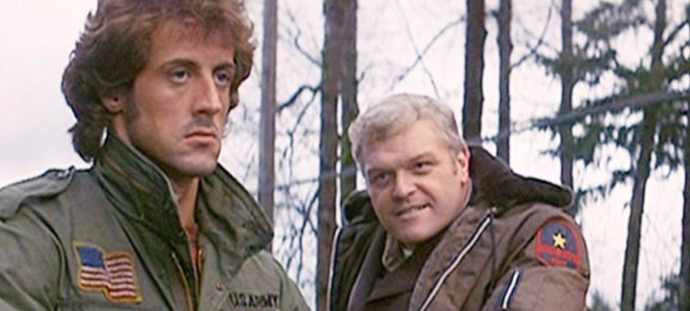
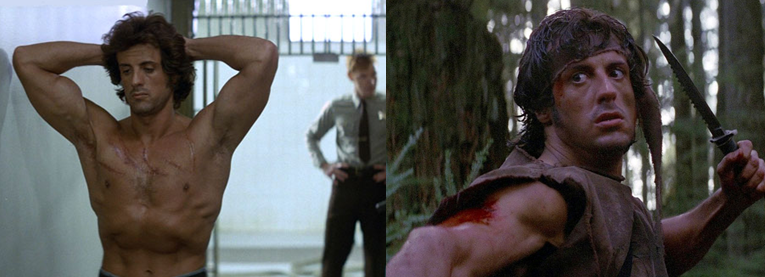
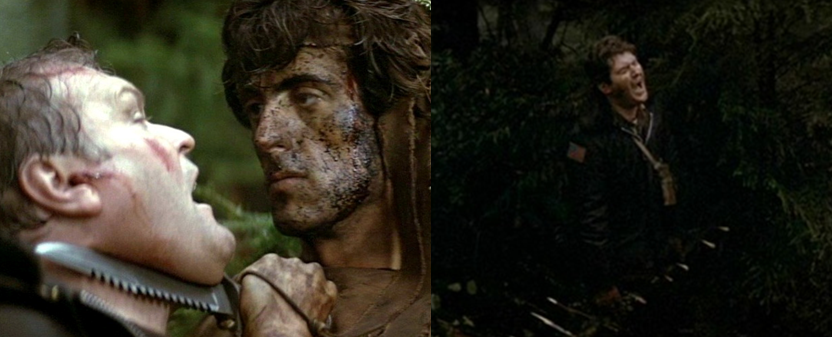
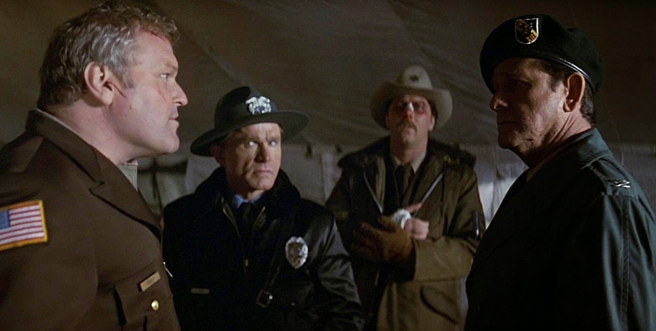
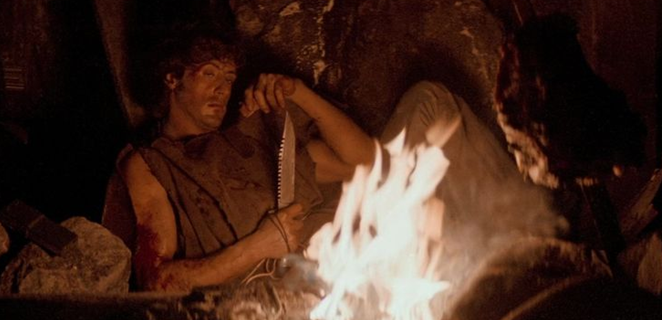
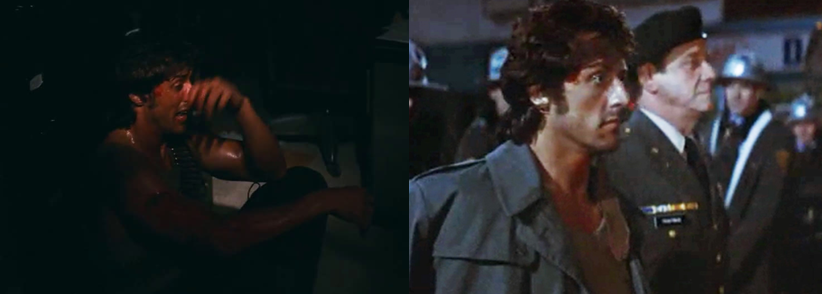



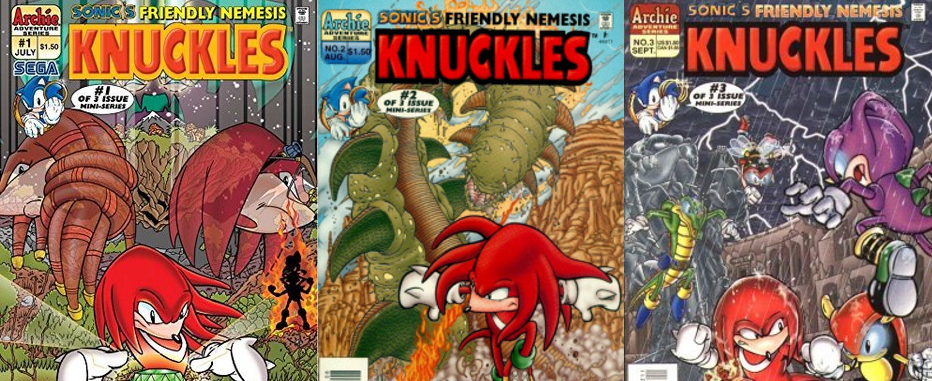
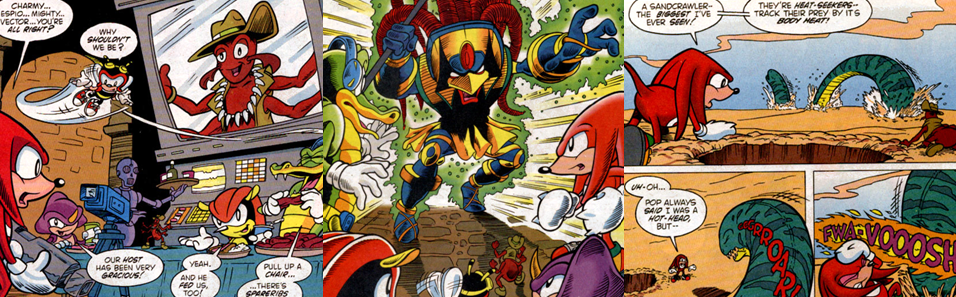
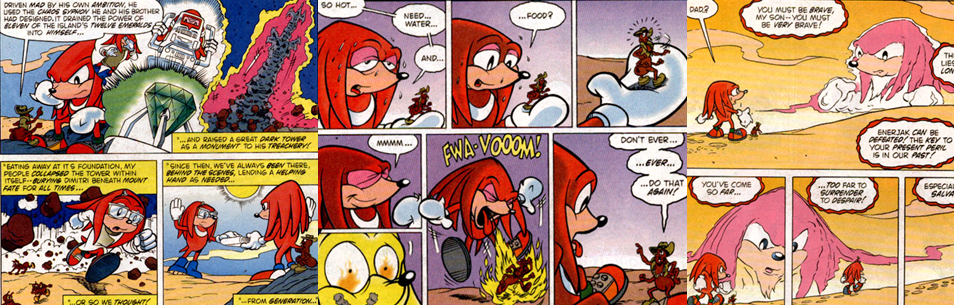


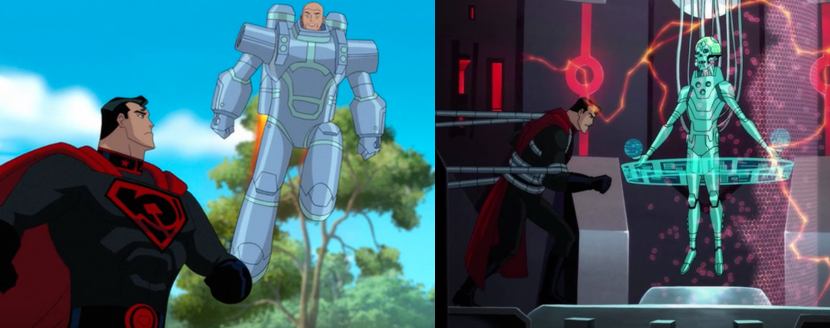




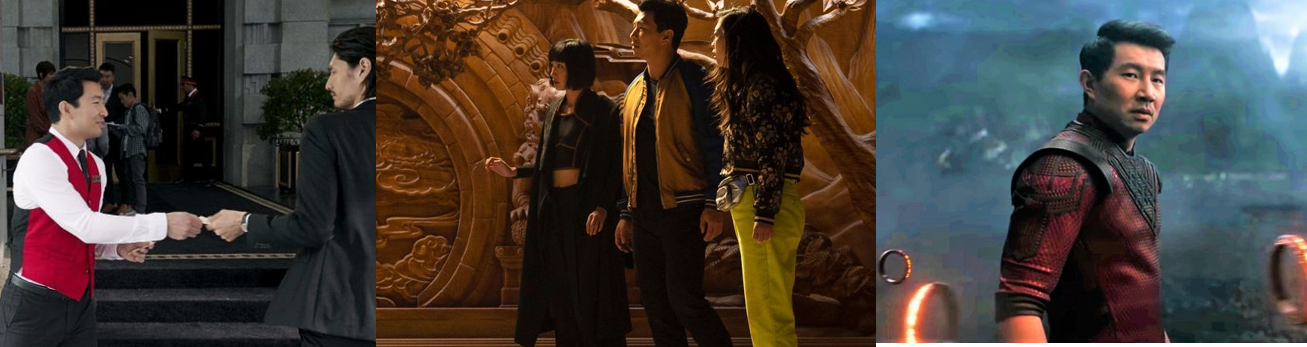

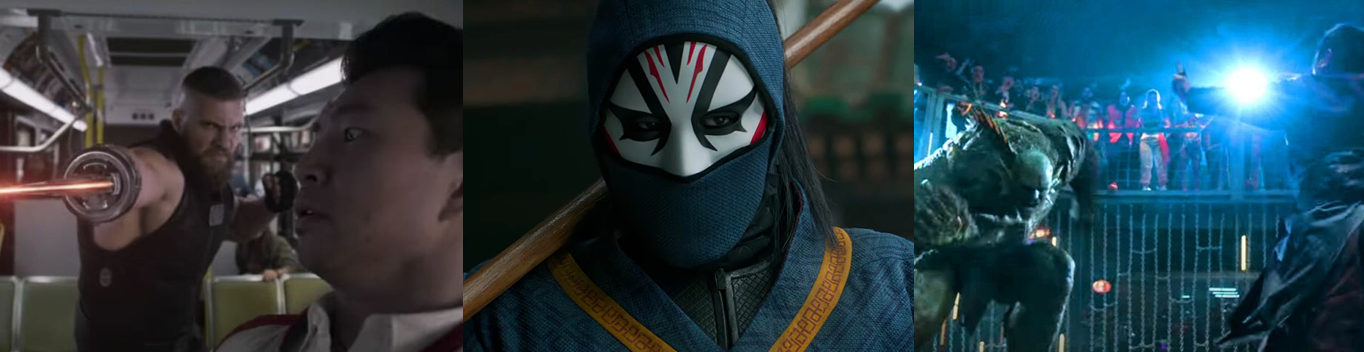
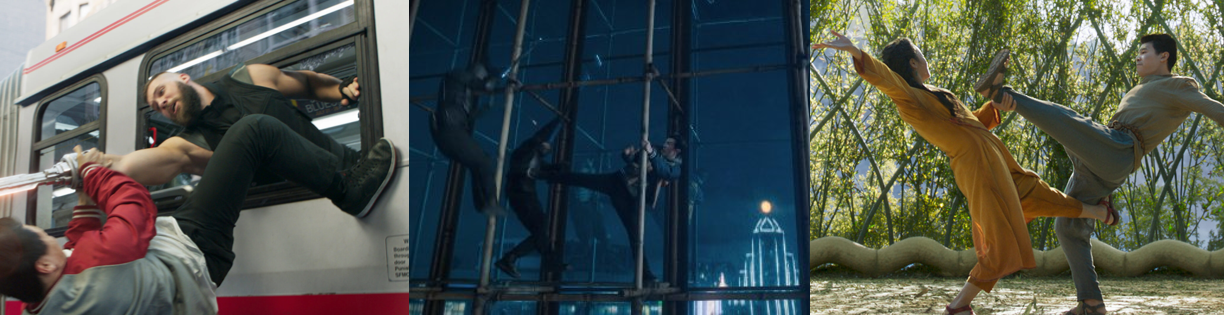
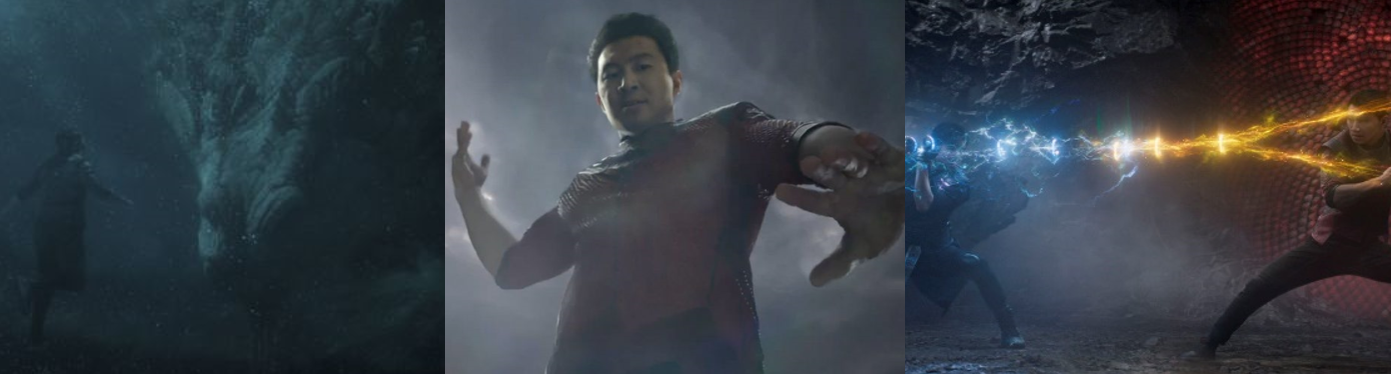


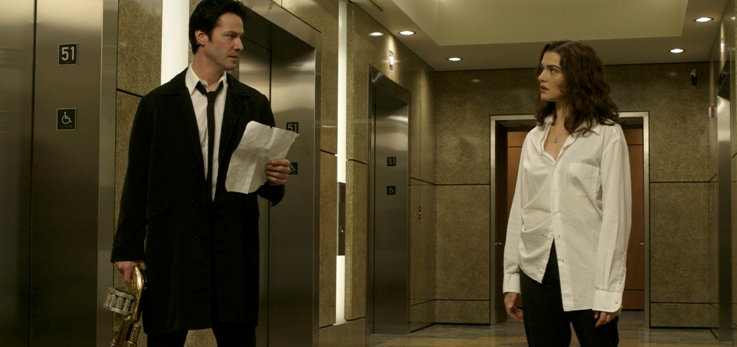
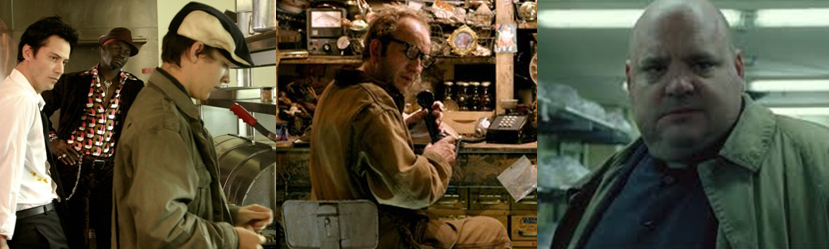
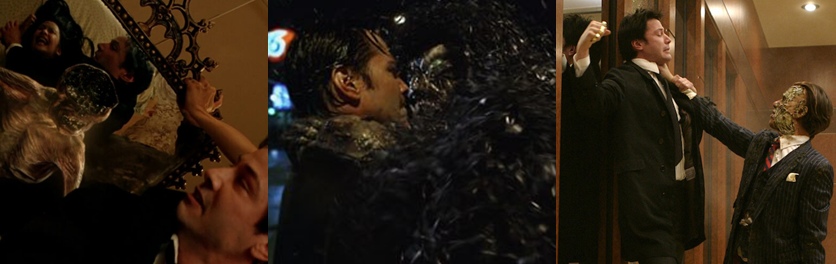
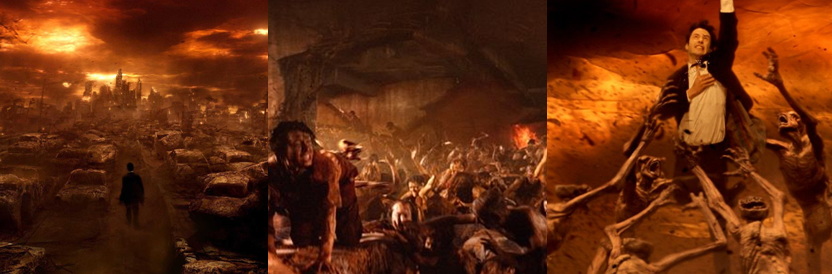
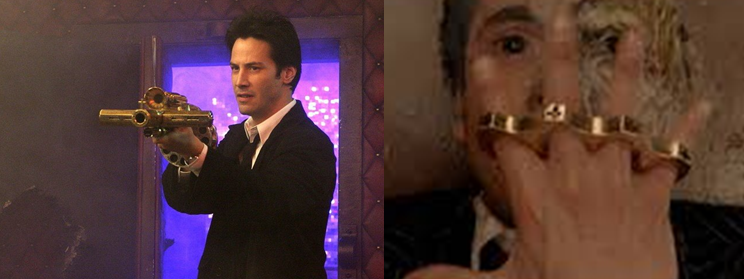





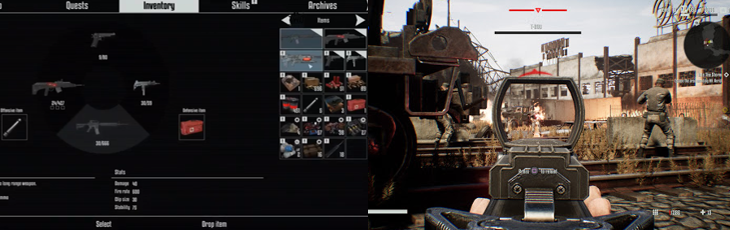
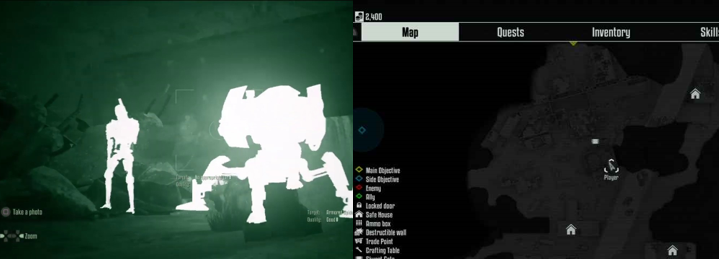
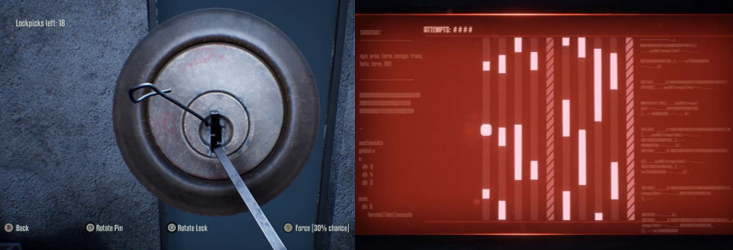
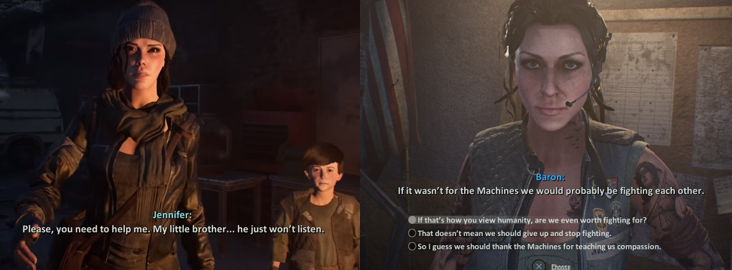
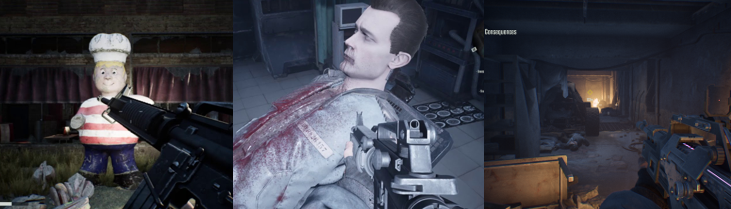
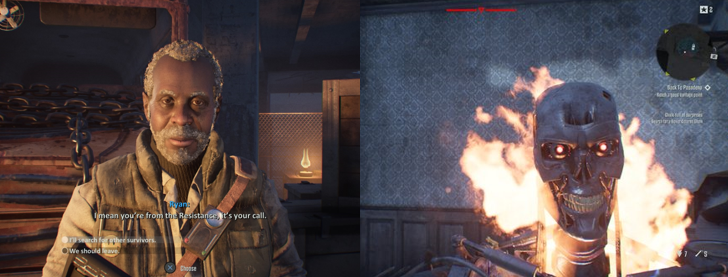
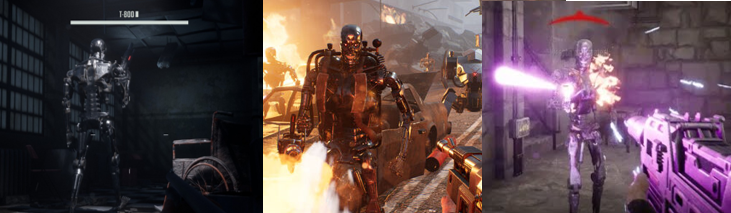
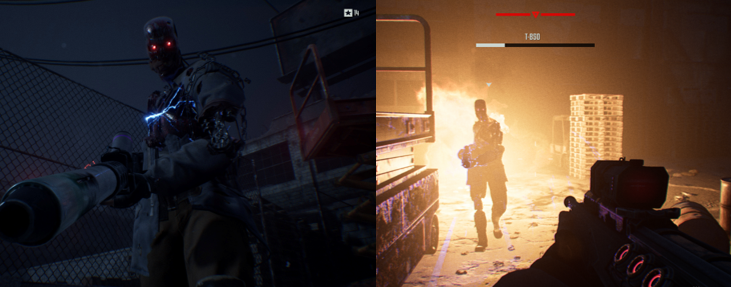
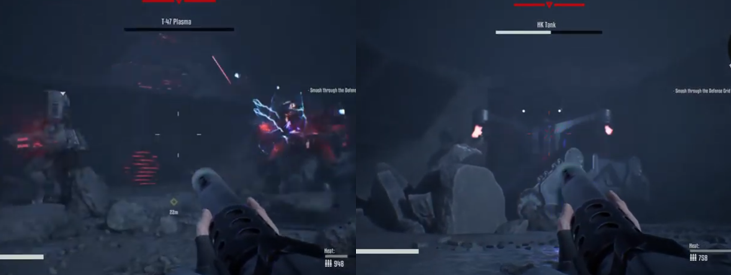
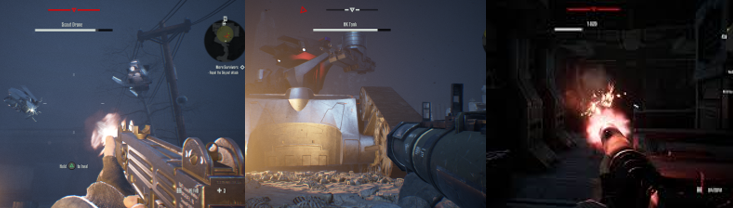



























 Dr. K's Waiting Room
You must be logged in to post a comment.