Released: 4 April 2014 Director: Anthony and Joe Russo Distributor: Walt Disney Studios Motion Pictures Budget: $170 to 177 million Stars: Chris Evans, Sebastian Stan, Scarlett Johansson, Anthony Mackie, Cobie Smulders, Frank Grillo, Emily VanCamp, Samuel L. Jackson, and Robert Redford
The Plot: Having helping to save the world from an alien invasion, Steve Rogers/Captain America (Evans) works alongside Nick Fury (Jackson), director of Strategic Homeland Intervention, Enforcement and Logistics Division (S.H.I.E.L.D.), and Natasha Romanoff/Black Widow (Johansson). Steve’s efforts to acclimatise to the modern world are fraught with doubt concerning a potential conspiracy within S.H.I.E.L.D. and only further exacerbated when he continually runs afoul of a mysterious assassin codenamed the “Winter Soldier”.
The Background: Honestly, of all of the Phase One films in theMarvel Cinematic Universe (MCU), I was the least excited for Captain America: The First Avenger (Johnston, 2011). However, while a little run of the mill in some ways, the film proved to be a massive box office success; like manycritics, I was impressed with the film, especially in hindsight without the anticipation of Marvel’s first team-up movie clouding my judgement, and Marvel entered Phase Two with the intention of not only refining everything that worked so well in Phase One but also shaking things up considerably for the MCU and laying the groundwork for bigger stories going forward. In many ways, Captain America: The Winter Soldier was central to this edict; ostensibly inspired by Ed Brubaker’s seminal comic book story, the filmmakers chose to ground the story in the then-present day and craft a spy thriller very much in the style of a 1970s political thriller that would have wide-reaching ramifications across the MCU. Captain America: The Winter Soldier was a massive hit; it made nearly $715 million at the box office and was the fifth-highest-grossing film of 2014. Reviews were unanimously positive, with critics praising the character development and suspense and geo-political relevance, and the film is held in high regard as one of the best (if not the best) films of the entire MCU.
The Review: Two years have passed since Avengers Assemble (Whedon, 2012) and, despite being thrown in the deep end at the end of The First Avenger and during the chaotic events of that film, Steve has largely adjusted to modern life. This is primarily because he has been focusing on S.H.I.E.L.D. missions alongside their counter-terrorism team, Special Tactical Reserve for International Key Emergencies (S.T.R.I.K.E.), led by Brock Rumlow (Grillo), a fact Romanoff chastises him about. Although Steve has been researching the events he missed out on while under ice and has compiled a handy-dandy list of pop culture to catch up on, he maintains that he is “too busy” to think about dating or anything other than the next mission, and yet is growing increasingly perturbed by Fury’s secrecy and the questionable nature of many of his missions.
Steve’s black and white view of things clashes with the morally grey way of the modern world.
Carrying a great deal of loss, survivor’s guilt, and sorrow for the years, friends, and loved ones he has lost, Steve strives to maintain his composure; he is compelled to continue following orders and serving his country out of a sense of duty and to trust S.H.I.E.L.D. since his former flame, Peggy Carter (Hayley Atwell), helped found the organisation. Steve struggles a bit to form new friendships and relationships, though he does take the advice of his colleagues to heart and tries, somewhat awkwardly, to ask out his neighbour, Sharon Carter (VanCamp). His difficulties in this aspect are only exacerbated by Fury’s cagey demeanour and when Sharon turns out to be S.H.I.E.L.D. Agent 13; struck by a series of devastating revelations that turn friend into foe and unable who to trust, The Winter Soldier is as much a film about Steve coming to terms with the grimy and chaotic nature of the modern world as it is about shaking the world of the MCU to its very core.
Thanks to his increased screen time, Fury’s character is fleshed out considerably.
Steve’s more old-school sensibilities and dislike for secrecy causes some friction between him and Fury; Fury, however, remains the consummate spy’s spy and is fully prepared to compartmentalise information from even super soldiers like Steve. Thanks to Fury’s extended screen time, we learn much more about his character, backstory, and motivation than in his previous bit-parts and cameos; Fury’s plan to launch a series of Helicarriers to monitor and eliminate potential threats as part of “Project: Insight” insults and angers Cap, who sees it as oppression rather than freedom. Cap’s discomfort with secrecy, Fury’s motives, and recent events are shown to have some basis when, unable to decrypt the data S.T.R.I.K.E. retrieved from Batroc, Fury requests that Secretary of Internal Security Alexander Pierce (Redford) delays the project until a proper investigation can be undertaken. The data is suddenly and violently stolen by a mysterious and aggressive assassin known as the Winter Soldier, who attacks Fury while in transit and then appears to kill the S.H.I.E.L.D. director. When Cap refuses to share the encrypted file with Pierce, he is branded a fugitive and hounded by the very people he once fought alongside and considered allies. With Romanoff’s help, Steve decrypts the data and is led to a S.H.I.E.L.D. bunker where the electronically preserved consciousness of his old foe Arnim Zola (Toby Jones) reveals, to Steve’s horror, that Hydra are not only alive and well but have infiltrated S.H.I.E.L.D. and much of the world’s government, including members of the World Security Council and Senator Stern (Garry Shandling), and that Pierce is planning to use Project: Insight to eliminate potential threats to their power before they can become a problem.
Pierce’s instrument is Bucky, who’s been brainwashed into a ruthless assassin.
Much like previous casting in the MCU, Robert Redford was quite the coup for Marvel Studios and his enigmatic presence lends an authority and credibility to the film that is in stark contrast to the idea that superhero films are just big, dumb action flicks. Pierce’s primary agent is the titular Winter Soldier, a menacing and almost robotic assassin who attacks with precision, efficiency, and has a cybernetic left arm. Superhumanly fast and incredibly strong, the Winter Soldier is easily able to catch and fling back Steve’s shield and unbelievably adept with guns and, especially, knives. Romanoff is familiar with the assassin, having heard of him as something of a bogeyman during her time as a Russian agent, but Steve is absolutely stunned to discover that the assassin is his old friend, James Buchanan “Bucky” Barnes (Stan), who survived his seemingly fatal plunge in The First Avenger. Recovered by Hydra agents and subjected to a version of the same super soldier serum that augmented Cap, Bucky was routinely brainwashed into becoming a ruthless assassin; kept in cryogenic stasis and unleashed whenever Hydra required a target to be eliminated, Bucky’s sense of identity is all but lost thanks to decades of mindwipes and manipulation. For the first time since he became the Winter Soldier, Bucky begins to question himself and his mission; intrigued by Steve’s knowledge of him, he is curious to find out more but no less dangerous as his conditioning dictates that the mission must always come first at the expense of all other distractions.
Though surrounded by betrayal, Steve is supported by allies both old and new.
While Steve’s oldest friend may have been turned into a merciless enemy, Cap gains a new ally in United States Air Force pararescueman Sam Wilson (Mackie); though fully trained in advanced aerial combat and utilising a specialised rocket-and-wing pack as the Falcon, Sam is primarily focused on helping veterans to reacclimatise to society after serving overseas. As a result, he forms an immediate friendship with Steve based on their mutual military experience and losses; with few friends and confidantes to talk to, Steve finds a kindred spirit in Sam and he helps Cap to focus on moving on with his life as best as he possibly can. When Pierce brands Cap a traitor and orders all agents (both those loyal to S.H.IE.LD. and those oblivious to Hydra’s infiltration) to hunt him down, Sam is one of the few who stands by Steve and suits up as the Falcon to join him in his desperate assault against the Helicarriers in the film’s finale. Black Widow also gets a great deal more time to shine here than in her previous appearances; ostensibly placed as Cap’s partner in S.T.R.I.K.E. missions, she is a pragmatic, straightforward, and very modern character in contrast to Cap’s more dated sensibilities. Indeed, while he struggles to adjust to the morally grey nature of the modern world, Romanoff has lived in a morally grey area for her entire life and sees (and approaches) situations very differently to Steve. Her secretive nature conflicts with Steve’s more honest ways just as much as Fury’s but, when push comes to shove, she prioritises her friendship and partnership with Steve over all other concerns. Still a kick-ass, impossibly alluring character, Romanoff actively tries to encourage Steve to socialise more and explore his potential in the modern world, seems legitimately heartbroken when Fury is killed, and works alongside Cap to uncover the mystery of the Winter Soldier and the depth to Hydra’s infiltration of S.H.I.E.L.D. personnel.
The Nitty-Gritty: Captain America: The Winter Soldier is an impressively intriguing and complex political thriller masquerading as an action-packed superhero film; for those who say all the MCU films look and feel the same, I would recommend taking another look at The Winter Soldier, which is far more gritty and serious than the average superhero film, to say nothing of its MCU cousins. Filled with as much intrigue as it is action, the film challenges our perception of the MCU by turning friends into foes and making us question the motives of everyone we’ve grown accustomed to by this point. Accordingly, the primary goal of The Winter Soldier is to take everything that has been established about he MCU and tear it down; S.H.I.E.L.D., especially, once this seemingly benevolent governmental arm that provided the Avengers with every resource they could ask for, is shattered into fragments by the reveal that Hydra has infiltrated it since the end of the Second World War. At the time (and, if I’m being honest, even now), I somewhat disagreed with stripping S.H.I.E.L.D. away from the Avengers as it felt like we hadn’t really had a chance to really explore what it was all about or see them operate at the peak of their power but it definitely put the MCU on the path towards the fracturing of its premier super-team and the extremely effective unification of every costumed hero against a cosmic threat. Zola reveals that, over the years, Hydra has been destroying individuals and governments (primarily using the Winter Solder) to weaken society and the will of humankind.
The Winter Soldiers considerably ups Cap’s fighting scenes and skills.
The culmination of this is an algorithm, developed by Zola, which is capable of identifying those who could become threats to Hydra’s power and eliminating them; this list includes names such as Howard Stark (Dominic Cooper), Doctor Bruce Banner (Mark Ruffalo), and the yet-to-be-introduced Doctor Stephen Strange (Benedict Cumberbatch). As much as I enjoyed The First Avenger, its action scenes weren’t really too much to shout about; the film gave a general overview of Cap’s superhuman abilities but he didn’t have too many chances to really show what he was capable of. The Winter Soldier changes all of that; Cap freely dives out of aircraft without a parachute, is fully capable of taking on entire groups or armed (and unarmed) men in both large and confined spaces, and he uses his indestructible Vibranium shield to fantastically brutal effect as an offensive weapon. Cap’s almost single-handed takedown of Georges Batroc (Georges St-Pierre) and his terrorists is only the top of the iceberg when it comes to how hard-hitting and impressive the film’s action and fight scenes are, with Cap’s extraordinary scuffle with Rumlow and other undercover Hydra agents in the lift and his multiple fist-fights with the titular Winter Soldier being a notable highlight.
The film ends with S.H.I.E.L.D. destroyed and the MCU heading for major changes.
The Winter Soldier culminates in a two-pronged attack against Hydra, which is positioning S.H.I.E.L.D.’s own technology to rain fire upon major American cities. When Fury reveals that he faked his death, he is able to get Black Widow close enough to Pierce to take him out of play and broadcast all of Hydra (and S.HI.E.L.D.’s) secrets to the world to effectively neuter whatever secrets and leverage the organisation may have. At the same time, the Falcon and Cap attack the Helicarriers; while Falcon fights with Rumlow, Cap switches the control chips so that the Helicarriers attack each other rather than their intended targets and, in the process, is forced into a final, brutal fist-fight with the Winter Soldier. As the Helicarrier collapses around them Steve refuses to fight his former best friend and tries to reach him; although he takes a savage beating, his words apparently strike enough of a chord in Bucky for him to rescue Steve from drowning and he disappears, alone and free for the first time in over seventy years. While Easter Eggs and references to the larger and ever-growing MCU are actually far less prominent in The Winter Soldier than in its Phase One counterparts, the film ends with Steve and Sam starting a new mission to track Bucky down, Fury adopting a pretty half-assed new look in a new-S.H.I.E.L.D.-less world, and a tantalising tease for the next big Avengers crossover.
The Summary: For me, and for many, Captain America: The Winter Soldier is kind of where the MCU “got serious”; the films before it had always dealt with some pretty serious issues but generally approached them or balanced them out with some spectacular action or moments of entertaining levity. Here, though, the focus is definitively on being more of a political spy thriller full of intrigue, mystery, and suspense as much as action. That’s not to say that it’s dull, boring, or too serious for its own good; in fact, The Winter Soldier perfectly balances its action with its gritter aspects in a way that other superhero films can only dream of. The result is easily one of the best MCU, and superhero, films ever made and a vast improvement over the first film…and that’s keeping in mind that I am a big fan of The First Avenger! But The Winter Soldier fully sold me on Cap as a character, fleshing out his morals and motivations and challenging his perception of the world and his allies by turning them all upside down. Better yet, the film introduces one of my favourite MCU characters, the Winter Soldier, who is played to perfection by Sebastian Stan and is a wonderfully realised tortured reflection of the morally just Captain America. The decision to tear S.H.I.E.L.D. down and reveal that Hydra had secretly been operating behind the scenes for decades was a bold one and one that was definitely part of a well-crafted long game for the MCU and it all stated here with this exceptionally well-crafted thriller of a film.
My Rating:
⭐⭐⭐⭐⭐
Rating: 5 out of 5.
Fantastic
What are your thoughts on Captain America: The Winter Soldier? What did you think about the way the film, and the MCU, handled Cap’s return to the world after being frozen in time? Did you truly believe that Fury had died in the film? What did you think to Bucky’s reintroduction as the Winter Soldier and the debut of the Falcon? Were you a fan of the changes the film made to the MCU and the destruction of S.H.I.E.L.D.? Where does this film rank against the other Captain America movies and the larger MCU? How are you celebrating Captain America this month? Whatever your thoughts, drop a comment below and be sure to pop back for more Captain America content throughout July.
Gillian Church posts regular Writing Prompts on her Horror Prompts Instagram account and I like to take part with a few snippets and pieces of flash fiction.
The Prompt: Justice
The Submission: I think the worst thing was that she came to the funeral.
Well … obviously that wasn’t the worst thing. The absolute worst thing was that she’d caused my boy’s death but, apparently, we weren’t allowed to say that out loud.
She stood there, crying those crocodile tears, playing the role of Little Miss Innocent but I knew the truth.
Hell, we all knew the truth, but Heaven forbid we should say anything lest her innocent little heart break.
I knew she was trouble the moment Josh brought her home. Too sweet, too perfect. Her skin unblemished, her body perky and shapely. She hadn’t lived a day, hadn’t grated, hadn’t had to try for anything.
Of course she would get him to drive, even if they’d had too much. Of course he would agree; what boy would turn down something a girl like that asked?
And to see her standing there, like butter wouldn’t melt … that wasn’t justice.
The only true justice could come from making her suffer as my boy had suffered. From flaying her skin with a rusty razor, stringing her up before the bound and gagged and terrified eyes of her shit-kicking parents. From splitting her from her tasty groin right to the gullet and basking in the sticky warmth of her entrails.
Standing there, watching her blubbering those fake tears, her father’s arm around her shoulder, it took everything I had not to throttle her on the spot.
Tonight, though … my boy would have justice.
What did you think to this piece? Did you submit anything for Gillian’s Horror Hullabaloo prompt? Have you ever written any flash fiction before? I’d love to know what you think to my snippets and writing prompts, so feel free to sign up and let me know what you think below or leave a comment on my Instagram page. You can also follow Gillian Church and Horror Prompts to take part in the Horror Hullabaloo challenge.
Released: 16 June 2022 Developer: Tribute Games Also Available For: Linux, Nintendo Switch, PlayStation 4, Xbox One, Xbox Series S
The Background: Like many kids back in the eighties or nineties, I was super into the Teenage Mutant Ninja Turtles (TMNT, known as Teenage Mutant Hero Turtles here in the United Kingdom), which dominated playgrounds years before Mighty Morphin’ Power Rangers(1993 to 1996) and Pokémon(1997 to present) with the popular cartoon, toys, and, of course, videogames. Although a toned down version of the original Mirage Comics characters, the TMNT were unbelievably popular at the time and this was reflected in their videogames; Konami’s original arcade title was one of the defining titles of the beat-‘em-up genre (despite being a bit limited in terms of its content and combat), the first TMNT title on the Nintendo Entertainment System (NES) was one of the quintessential games that defined what it meant to be “NES Hard”, and the Heroes in a Half-Shell have seen quite a bit of success in a variety of genres, though beat-‘em-ups like Teenage Mutant Ninja Turtles IV: Turtles in Time(Konami, 1991) were regarded as some of the team’s best. Considering their track record with beat-‘em-up, it’s fitting that Tribute Games and Dotemu were behind this loving throwback to the TMNT’s heyday; inspired by these titles and the popular cartoon, the game saw the return of many of the original voice cast to the franchise, and Teenage Mutant Ninja Turtles: Shredder’s Revenge was met with universal critical acclaim upon launch as reviews gushed over the visual presentation, the references to the TMNT’s rich history, and the arcade-style beat-‘em-up gameplay.
The Plot: With Bebop and Rocksteady assaulting Channel 6 and stealing pieces of Krang’s robotic body as part of Oroku Saki/The Shredder’s latest twisted plan, the TMNT and their allies must take on some of their most memorable enemies in a journey that will take them from the streets of Manhattan to the dank sewers and all the way to Dimension X!
Gameplay: Like the classic TMNT videogames from the arcade era, Teenage Mutant Ninja Turtles: Shredder’s Revenge is a 2D, sidescrolling beat-‘em-up in which you and up to five other plays take control of one of the four titular mutant turtles or one of their allies and battle through wave upon wave of Foot Soldiers and other enemies across sixteen stages. If you’ve ever played the original arcade release of Turtles in Time (or even more modern releases, like Scott Pilgrim vs. The World: The Game(Ubisoft Montreal, 2010) and Streets of Rage 4(Dotemu, Lizardcube, and Guard Crush Games, 2020)) then you’ll be more than familiar with the criteria and the controls: simply move from the left side of the screen to the right, tapping the control stick or directional pad to run and using A to jump and X to attack, repeatedly tapping the button to string together simple combos. The controls are fully customisable so you can set them to whatever works best for you, but I found the default settings to be more than adequate, and the game includes an optional ‘How to Play’ mode that runs you through what the characters are capable of. I mentioned Scott Pilgrim just now and that’s an appropriate comparison as the characters in Shredder’s Revenge will level up to a maximum level of ten the more you fight and play, increasing their gauges and unlocking additional moves to use.
Bust some shell with the TMNT and their allies’ versatile combat options.
Streets of Rage 4 is also an appropriate comparison considering Dotemu developed both that and Shredder’s Revenge, and there are some similar mechanics here: B allows you to perform a backflip (or a hop with some characters) to avoid attacks or launch into a reverse attack with X, you’ll grab enemies automatically when standing close to them and can toss them, fling them at the screen, or slam them, pressing A when running performs a sliding attack, and you can press A or B to do a quick wakeup roll or get up faster when knocking down. You can also hold X to charge up a heavy attack and smack enemies upwards for a juggle and, as you pummel enemies, you’ll build up your “Ninja Power” gauge; when full, you can press Y to pull off a special attack that drains this meter rather than your health and sees your character explode in a whirlwind of sais, swords, or nunchakus to take out groups of enemies. When you level-up, this gauge will increase up to three levels, allowing you to perform subsequent special attacks and, eventually, enter “Radical Mode” with the Right Bumper to temporarily increase your speed and attack power at the cost of being able to perform a special attack. Eventually, you’ll be able to press Y in mid-air or out of a backflip to perform different special attacks, and you can also press RB to perform a taunt that leaves you vulnerable but will instantly fill your Ninja Power gauge. When playing with friends, you can perform team attacks simply by attacking the same enemies at the same time; the Left Bumper allows you to high five them to grant them two hit points from your own health meter, and you’ll have ten seconds to revive them when they’re defeated by holding LB (and a slice of pizza) before their downed form.
Speed along on rocket boards and watch for stage hazards!
While all the controls and even the special moves aren’t that different between characters, they do have different attributes; you’ll need to consider their range, speed, and power when selecting a character as guys like Raphael have a short reach, Casey Jones is quite slow and lumbering, and April O’Neil is fast but not particularly powerful. You’ll also want to consider the game’s difficulty settings, with “Chill” offering a very casual experience but “Gnarly” increasing the number and aggression of your enemies, and the additional challenge offered by the “Arcade” mode, which limits your lives and continues and features no save progression for a more authentic arcade experience. The main story mode sees you travelling to and from stages (referred to as “Episodes”) using a world map, which is easy to navigate and allows you to replay previous missions to level-up further or find any collectibles you missed. In stages, you’ll find plenty of things to smash to uncover power-ups and collectibles, but these can also help fend off enemies, such as fire hydrants to blast them back, explosive barrels, and smacking cameras, shopping trolleys, or traffic cones. Enemies can also toss things at you, though, and will often burst up from manholes or behind billboards and such, which then act as pits for you to fall down and other stage hazards, like electrical wires, spikes, freeze blasts, and subway trains are also present. The enjoyable mindless beat-‘em-up action is somewhat broken up by a handful of Episodes that see you rocketing along the streets or through the skies on a skate/hoverboard, taking out similarly-equipped and flying enemies with the full range of your attacks still available to you. Jump-kicking flying enemies can be a little tricky to judge, however, even with their shadows being on screen and, in the event that you do exhaust all your lives, you’ll need to restart the Episode from the very beginning.
Graphics and Sound: Shredder’s Revenge opts for absolutely gorgeous sprite work for its in-game graphics to make it seem like a modern version or update of the classic TMNT arcade titles. All of the sprites are big, colourful, and packed full of character; all of the playable characters have different idle and movement animations, so Splinter hobbles along on his cane, Michelangelo flails about when running, and characters swing about their weapons and comment when left standing still. Many of the voices from the original cartoon return to voice their respective characters, though this is limited to in-game outbursts and comments rather than full-on voice acting. Even the enemies have a great deal of personality; you’ll see Foot Soldiers chilling out, blending in in the background, playing Game Boys, eating ice cream, and many other amusing sight gags that encourage multiple playthroughs and all the moves, combos, and controls are so slick thanks to how well done the sprite work and animation is. There’s loads of Easter Eggs packed into Shredder’s Revenge, from enemies using some of the toy vehicles to graffiti or recognisable elements dotted all over the place, and references to the original arcade release, Turtles in Time, the live-action movies, and, of course, the original cartoon frequently cropping up so you’ll probably spot something new each time you play.
The whole game is a visual homage to the TMNT cartoons and videogames of old.
If you’ve played the original arcade game or Turtles in Time, many of Shredder’s Revenge’s locations will be immediately familiar; you’ve got the streets of New York, the rat-infested sewers and subway tunnels, the Channel 6 building (including the kitchen, a cooking show, and the office where you’ll find the likes of Irma, Burne Thompson, and Vernon Fenwick), the dingy alleys and high-speed skies of the city (where you’ll see the TMNT blimp in the background and the Foot attacking the Statue of Liberty), and eventually the jungles, wilds, and technological nightmares of Dimension X. There are also more colourful locations, like the fairground and attractions of Coney Island (where you’ll briefly battle across a beach and find the Punk Frogs), the cages and animals of the Central Park Zoo (where monkeys toss bananas at you and rhinos and warthogs stampede across the stage), and the creature comforts of the Crystal Palace Mall (where you’ll smash through barriers, ride escalators, and destroy arcade machines). There are, of course, a couple of instances where you’re trapped on an elevator and must fend off waves of goons and, while there’s not much focus on vertical traversal, stages often have multiple areas to help keep things visually interesting. The music is pretty much standard TMNT fare but there’s some fun inclusions from the likes of Lee Topes and (surprisingly) Raekwon and Ghostface Killah; even Mike Patton of Faith No More does a rocking cover version of the classic TMNT theme song. Speaking of which, this iconic intro is lovingly recreated and expanded upon through a slick animated sequence, while the remainder of the game’s cutscenes are rendered using either the in-game graphics or larger sprite work with text boxes just like in the old games.
Enemies and Bosses: As is pretty much always the case for a TMNT videogame, you’ll primarily be battling through the seemingly endless hordes of the robotic Foot Clan; these multi-coloured ninjas come in a variety of forms, from the standard purple variant to blue, yellow, pink, and black, with each one wielding a different weapon. Some fire arrows or plungers, others can tangle you up in their whips, while others have katanas, axes, lances, or shields and can block your attacks. Some will be able to disappear in a puff of ninja smoke and toss daggers at you, while others drive motorcycles or the Foot Cruiser or pilot a spider-like mech that can only be damaged when the pilot is dizzy from missing a big axe handle smash. You’ll also encounter smaller robotic enemies, such as Roadkill Rodneys they grab you with their tentacles or spit out bombs, and Mousers, which can clamp onto you and be spawned by their larger variants. Hulking Triceratons and Stone Warriors can take quite a beating, charge at you, and even protect themselves with forcefields to take pot shots at you. Easily one of the most annoying enemies in the game, however, are the mud-like beasts that resemble the Pizza Monsters; these bastards leap up from the ground, clamping themselves to your face, and can be difficult to get a hit on since they pop up so quickly.
Some of the TMNT’s most memorable foes return as action-packed boss battles.
Naturally, you’ll also have to contend with some bigger, tougher bosses; many of these will appear mid-way through the Episode to take hostages, cause havoc, or head off with a piece of Krang’s robotic body, forcing you to pursue them across the stage. Two bosses you’ll encounter on numerous occasions are series staples Bebop and Rocksteady; both are fought alone in the first two episodes, with Bebop blasting laser bolts from his pistol and stunning himself when you avoid his shoulder barge and Rocksteady stomping around while hurling grenades at you. You’ll chase the two down through tunnels and across a bridge in Episode 3, where they attack from the Turtle Tenderiser, a large armoured jeep that erratically veers across the stage while they shoot and toss grenades at you. Later on, after clearing the rooftop stage, you’ll battle both on the ground and at the same time. This is definitely much tougher than the previous fights as their projectiles and physical attacks become much more erratic and aggressive, but it’s not too difficult to isolate one of them or even pummel them both when they’re on the same side of the screen. I was happy to see a number of familiar faces return as bosses throughout the game as well; the Rat King awaits in the sewers, charming a stampede of rats from atop a wrecked Footski with this flute and tossing you about with a whirling-like throw, and Leatherhead is fought at the end of the Coney Island episode, where he randomly hops out from grates to snap at you with his powerful jaws while the Punk Frogs toss barrels and pizzas to help you.
Some familiar, and obscure, TMNT enemies also show up for some fun boss encounters.
Baxter Stockman attacks (in his human fly form) at the end of the Secret Laboratory episode, hovering just out of reach and blasting at you, firing a gooey fist from his gun, and retreating to the background to blast massive laser cannons across the arena. Recognisable enemies like Tokka and Rahzar also make an appearance courtesy of Tempestra, a villain I’m not actually familiar with but who spawns them in to burp debilitating gas and roll around in a spiked shell and to distract you from attacking her when she’s not protecting herself with a burst of electricity. Shredder reprograms Metalhead to fight you in an electronics shop in the Silicon Alley episode, where he attacks with extendable arms and is accompanied by a bunch of Mousers, General Traag awaits in Balamphon after a descending elevator sequence, shielding himself with a piece of wall panel and blasting at you with a huge bazooka, and one of my favourite TMNT enemies, Slash, stalks you from the jungles of Dimension X and attacks you outside the ruins of the Technodrome, flying in a bladed whirlwind, causing boulders to rain down (and even throwing one at you), and spinning about in a shell attack. There are also a few other somewhat more obscure (at least they were to me) bosses to battle: Groundchuck and Dirtbag attack together, shooting spiked projectiles and digging under the ground to attack with a shovel, respectively; Wingnut battles you in the skies above New York, dashing about at high speeds and firing missiles at you while Foot Soldiers come hovering in (though you can just focus on him for a relatively easy win); Captain Zorax of the Triceratons fights you in the Natural History Museum, blasting at you and ordering a herd of Triceratons to try and flatten you like a pancake; and Chrome Dome confronts you in Balamphon, proving completely invulnerable to conventional attacks and requiring you to fling Foot Soldiers at him when the screen shifts to his first-person perspective in a call-back to the final battle against the Shredder from the original arcade game.
Besting Krang leads to you clashing swords with the Shredder and a true test of your skills.
Speaking of the Shredder, he crops up here and there in cutscenes and to sic enemies and bosses after you but won’t actually be fought until the final Episodes of the game. Each time, you must get through Krang first, who also appears (in pieces, in his little walker, or as a floating brain) throughout the story mode as Shredder’s henchmen try and reassemble his disparate parts. After fighting through pretty much every single previous enemy in the Outworld Hideout episode, you’ll fight against Krang in his robotic body. This isn’t too bad as long as you avoid his kick when up close and it’s pretty easy to dodge his mace-like punch from across the screen, but it gets a bit tricky when Krang splits into two parts; his feet stomping and kicking and his torso hovering around and firing lasers. You’ll have to face the Shredder immediately afterwards as well, with the armoured ninja slashing at you up close, flinging you away with a burst of electricity, and duplicating himself for three times the danger and with only one of his doubles being the right one. Once they’re defeated, Krang takes control of the Statue of Liberty and you face his gargantuan form atop a ruined rooftop, not unlike similar massive battles from other beat-‘em-ups and fighting games; your attack range is limited here as Krang smashes his fists and sends you flying with a shockwave, fires a devastating mouth laser, and turns Lady Liberty’s head into a cannon that targets you with an explosive bolt. Foot Soldiers will also swarm into the small platform you’re on, but it’s not massively difficult to pummel Krang up close and avoid his shots to take him out once and for all. Back on the city streets, the Shredder will once again transform into his ultimate form, the hulking Super Shredder, for the final battle of the game; Super Shredder is completely invulnerable and dashes about leaving a trail of flames in his wake. He can also teleport, grab and slam you, and send out waves of flames that you can somewhat easily avoid by staying in the corner furthest from him. He then unleashes an electrical sphere attack that also shields him as his shadowy doubles fire projectiles from the four corners of the screen, but he will eventually succumb to the mutagen’s debilitating effects and be rendered vulnerable for a very short period of time, allowing you to land a quick combo (but be sure to backflip away before he slashes you with a shadowy duplicate).
Power-Ups and Bonuses: Each character comes equipped with their own signature weapons, from Leonardo’s double katana to Casey’s array of sporting paraphernalia, all of which can be utilised with your combos and other attacks, though this does mean that there are no opportunities to pick up and throw weapons so you’ll have to settle for attacking parts of the environment to help you out in a pinch. Onscreen hazards like spikes, electrical bolts, falling lights, and laser turrets can often damage enemies as well, so it’s worth manoeuvring them to be damaged by these, but there are a couple of pick-ups you can find throughout the game, too. Pizza will replenish your health (and you won’t pick it up if you’re at full health, meaning it’s harder to screw over your friends) so be sure to grab that but there are two other pizzas you can get, too; one will grant you an endless Ninja Power gauge for about ten seconds and another sends you into a frenzy, devastating all onscreen enemies with a super special attack. It’s worth playing through as each character as well as they’ll level-up and gain better meters and additional moves, increasing your chances of success on other modes and difficulties.
Additional Features: Teenage Mutant Ninja Turtles: Shredder’s Revenge has thirty Achievements on offer, with six awarded simply for playing through the story mode. You’ll get Achievements for playing with friends, too, including reviving and high fiving them, and for performing a number of combo attacks. Achievements can also be earned for clearing the “Arcade” mode on higher difficulties and without continues, for defeating the Rat King as Splinter, and for clearing the game as every character, as well as powering each character up to the max and flinging enemies at the screen. Each Episode also comes with three challenges for players to aim for; these range from finishing the stage without taking damage, performing certain moves, or not doing certain things and will add to the points you earn upon completion to aid with your levelling-up. Once complete, you don’t need to worry about redoing these challenges on each playthrough, but it would’ve been nice to see new challenges loaded in each time to help level-up other characters on subsequent playthroughs. Once you clear the game’s story mode, you’ll unlock Casey Jones as a playable character, and you can replay your completed file at any time. Most of the game’s Episodes are also hiding a recognisable TMNT side character, such as the four Punk Frogs or the Neutinos, who’ll then appear on the world map and task you with finding certain items in each Episode (newspapers, bugs, VHS tapes, and crystals); finding all of these will award you extra points to level-up and some Achievements, though they’re pretty easy to find on a casual playthrough. The game allows for local and online co-operative play and is at its most challenging on “Arcade” mode, but sadly doesn’t have too much in the way of unlockables; there are no extra skins or colour palettes (which is a shame as I would’ve liked to see a black and white mode akin to the Mirage Comics or Slash included as a playable character), no versus mode, no boss rush, no gallery or concept art, and the only way you can currently get a physical copy of the game is to get one of the extremely limited and expensive copies offered by Limited Run.
The Summary: I’ve always been a massive fan of sidescrolling beat-‘em-ups and have long lamented how so many of the classic titles are denied to us on modern consoles due to being discontinued or licensing right and such, and this is true of a great many of the TMNT videogames (at least, for now…) so to see the Heroes in a Half-Shell make such a spectacular, unexpected, and welcome return to form is truly a delight to see and Teenage Mutant Ninja Turtles: Shredder’s Revenge was a no-brainer purchase for me. Everything about the game is a love letter not just to the beat-‘em-up titles of the past but to the cartoon and the franchise as a whole; there are enemies, vehicles, bosses, and references to the movies, the comics, and the vast toy line all over the game, but the decision to bring back the cartoon’s voice cast and stick closely to the aesthetic and lore of the popular animated show just adds to the charm and nostalgia of this title. Even better, the added combat options and variety offered by the characters and stages really helps to keep things from getting repetitive; the sheer personality, allure, and cartoony humour etched into Shredder’s Revenge helps to keep the game fast-paced and action-packed from start to finish. The added extras like finding items for some of the TMNT’s supporting characters and offering an extra level of challenge in the “Arcade” mode are welcome additions to help keep you coming back for more, though it’s a shame that more of the additional modes and features from Streets of Rage 4 weren’t included (though I wouldn’t rule out some downloadable content in the future). Ultimately, Shredder’s Revenge proved to be a wonderfully enjoyable throwback to the bygone era of beat-‘em-up TMNT videogames; the presentation, combat, and gameplay was all top notch, offering a fun-filled, action-packed experience that lovingly pays homage to one of the greatest cartoon and toy franchises of the eighties.
My Rating:
⭐⭐⭐⭐⭐
Rating: 5 out of 5.
Fantastic
Did you enjoy Teenage Mutant Ninja Turtles: Shredder’s Revenge? Which of the playable characters was your go-to and what did you think to the original voice cast returning? Did you enjoy the many references and homages to the cartoons and videogames? Which of the stages or bosses was your favourite? Would you like to see more characters and modes added to the game in the future? What are some beat-‘em-ups you’d like to see make a comeback? Whatever your thoughts on the Teenage Mutant Ninja Turtles: Shredder’s Revenge, feel free to sign up to leave them below or drop a comment on my social media.
In 1981, Shigeru Miyamoto and his team at Nintendo R&D1 created Donkey Kong, an arcade title that was not only one of the earliest examples of the platform genre but also introduced gamers everywhere to two of Nintendo’s most recognisable characters: Mario and Donkey Kong. Mario, of course, shot to super stardom but today’s a day to celebrate everyone’s favourite King Kongknock-off and to say: Happy birthday, Donkey Kong!
Released: 24 May 2013 Originally Released: 21 November 2010 Developer: Monster Games Original Developer: Retro Studios Also Available For: Nintendo Wii, Nintendo Wii U, and Nvidia Shield (Original Version)
The Background: After establishing a foothold in the United States with Donkey Kong (Nintendo R&D1, 1981), which was a financial and critical success, Nintendo quickly went on to capture the home console market with the Nintendo Entertainment System. While their moustachioed mascot, Super Mario, was at the forefront of this, Donkey Kong wasn’t completely forgotten as the character continued to be featured in sequels and spin-offs during the NES’s life. However, legendary British developers Rare breathed new life into the cantankerous ape with the Donkey Kong Country series (Rare, 1994 to 1996), a series of sidescrolling platformers released for the Super Nintendo Entertainment System (SNES) that expanded upon Donkey Kong’s cast of characters and pushed the SNES hardware to its limits with their revolutionary pre-rendered graphics. After years of being relegated to guest appearances and spin-offs, Donkey and Diddy Kong returned to prominence at the specific request of DK’s creator, Shigeru Miyamoto, with Retro Studios brought in to create a nostalgic throwback title for the Nintendo Wii. Donkey Kong Country Returns was met with generally favourable reviews and sold nearly five million copies by the end of March 2011. This, potentially, led to Nintendo commissioning a revamp of the title for their new 3DS console, which included additional game modes and levels alongside the 3D feature, and saw equally strong reviews and sales.
The Plot: The evil Tiki Tak Tribe emerge from an erupting volcano and immediately set about hypnotising the inhabitants of Donkey Kong Island to steal Donkey Kong’s beloved bananas. Enraged at the loss of his coveted banana hoard, DK once again teams up with Diddy Kong to travel across the length and breadth of the island to retrieve his bananas and defeat the Tiki Tak Tribe’s leaders.
Gameplay: Donkey Kong Country Returns 3D is a 2.5D action/platformer in which players take control of the titular ape Donkey Kong and travel across nine worlds to collect his beloved bananas and defeat the Tiki Tak Tribe. As with all Nintendo 3DS titles, players have the option of adjusting the game’s 3D effects, which pop out at players during certain situations and provide a great deal of depth to the game’s vibrant stages but, also as with all 3DS games, I chose to keep the 3D option turned down because I find it distracting. Fans of the original Donkey Kong Country might be disappointed to discover that they can only play as Donkey Kong this time around; rather than using a tag team mechanic and switching between Donkey and Diddy Kong at any time to make use of their unique abilities, players are stuck as Donkey Kong and Diddy is relegated to merely a supporting role, buffing your health and forward roll and providing a very limited hover boost with his jetpack. The only way you can play as Diddy (who is apparently faster and can stun enemies with his Popcorn Gun) is if you happen to have a friend to play with in two player mode; otherwise, you’re stuck with Donkey Kong.
Pound, cling, and swing your way over endless bottomless pits and death traps.
Donkey Kong is a bit of a lumbering beast; as he moves, he gains momentum which allows him to go faster and jump higher (he also jumps higher the longer you press the A or B button) but he’s also quite large and cumbersome, which not only makes his hit box quite big but also means it can be pretty difficult to pull off the tight platforming and jumps the game requires. DK can attack enemies by rolling into a ball with L or R when running, pounding the ground or other objects when standing still with L or R, and grabbing and throwing barrels with Y or X. By pressing down and L or R, he’ll also blow out a puff of air which can be used to blow out fires, flaming enemies, or stir up parts of the environment to find secrets and you’ll also be asked to mash L and R at certain points in mini quick-time events to earn extra rewards. Your main aim in every stage is to travel from the left side of the screen to the right and reach the Slot Machine Barrel that awaits you at the end of each stage. This is easier said than done, however; Donkey Kong is tasked with pulling off some tricky jumps and platforming in order to clear each stage and you’ll have to search high and low, passing through hidden areas and smashing through blocks, to uncover every collectible, often at the risk (or cost) of a life. Each stage except for at least one contains a couple of checkpoints, where you’ll respawn after dying. If you die while partnered with Diddy, you’ll respawn without him; however, while you’ll also have to reacquire any KONG letters you collected before you died, your total banana and Banana Coin count carries over and both of these can also be collected again so you can stock up on each and replenish your lives a little faster.
Once again, the Kongs blast across stages using barrels and runaway mine carts.
You’ll definitely need to take advantage of this as the game is very demanding and incredibly frustrating at times, requiring you to bounce off enemies, swing from vines, and cling to ceilings, walls, and rotating platforms in order to progress. Two of Donkey Kong Country’s principal gameplay mechanics also make a return here: Barrel blasting and mine carts. You’ll find two types of barrel cannons in the game, one which launches you when you choose and one which launches you automatically. While barrels often blast you into the background and towards secret areas, they’re just as likely to be moving, requiring you to time your shot to reach other stationary or moving barrels, which becomes harder and harder as you’re faced with collapsing platforms, pillars, and other obstacles that will cause instant death. The mine carts are even worse, though; these will race ahead uncontrollably and unceasingly, requiring split second jumps on your behalf to reach collectibles, clear gaps and obstacles, or reach vines and grassy verges. These sections become incredibly frustrating and unfair when you’re required to jump at precisely the right moment with the exact amount of control and timing to avoid instant death spikes, duck under low ceilings, or hop over enemies; hit anything in these stages and it’s instant death, regardless of how much health you have, which I find to be incredibly unreasonable considering Diddy can boost your maximum health up six hearts.
The Rocket Barrel is just one of the many clunky mechanics you’ll struggle with in the game.
As if that wasn’t bad enough, you’re also required to jump on to a Rocket Barrel for similarly frustrating and difficult chase sequences that see you flying horizontally (and, eventually, vertically) through a stage while stalactites and rocks fall from above, obstacles rise from below, and enemies and projectiles fly at you. While you have more control over the Rocket Barrel compared to the mine cart, it’s extremely imprecise and slippery; you must tap or hold A to maintain just the right amount of height, which can be extremely difficult when you’re forced to pass through narrow, often collapsing and winding, passageways, and it’s far too easy to lose a life because your hit box is so big and enemy explosions tend to linger onscreen just long enough to knock you from your precarious perch. It’s no wonder the game constantly encourages you to take a break with sections such as these, which only exacerbate the abundance of temporary platforms, bottomless pits, and instant death traps that fill every single stage of the game.
Graphics and Sound: If there’s one area that Donkey Kong Country Returns 3D excels, its in its presentation; a far cry from the digitised graphics of its original incarnation, the game is a colourful, vivid 2.5D adventure that pops out even without the 3D effect. Donkey and Diddy Kong are pretty big and lively protagonists full of little quirks and characteristics, if a bit stilted at times, and their enemies are quite varied and zany. The game’s worlds and stages are pretty varied but nothing that hasn’t really been seen before in previous and similar titles: you’ll swing through a jungle, blast across a beach, smash your way through some ancient ruins, race through a crumbling cave, clamber through a forest, avoid the murky mud of the bone yard that is the cliff, barrel through a factory, and dodge rising lava inside of an active volcano.
Very occasionally, gameplay and stages are varied by unique lighting and effects,
The game is pretty good, whoever, at mixing and matching gameplay mechanics from each world into another; so, you might have to dodge past collapsing pillars in the jungle but you’ll also find collapsible hazards in the cliff stage. Similarly, mine carts and Rocket Barrels appear invariably throughout each world and you’ll be asked to swing from vines and cling to grassy verges across the entire game. While each world has a unique theme and varies up the gameplay quite a bit, the emphasis is always on platforming and various methods of jumping and traversing the environment. This means that you won’t find any underwater stages in Donkey Kong Country Returns 3D, which would be a good thing but it results in water being an instant death hazard and replaces such mechanics with tiny, crumbling platforms, chase sequences, high speed jaunts on runaway mine carts or rocket-powered barrels, and precarious jumps over bottomless pits, beds of spikes, or bubbling lava as you hop from one tiny platform to another or ride a slowly deteriorating egg shell across a dangerous landscape. Other times, you’ll rush down water slides or have to outrun a giant Squeekly or stages are rendered entirely in silhouette or filled with a thick fog that limits your field of view and helps to mix up the presentation, though these instances were few and far between in hindsight.
The cinematics hold up really well but, for the most part, cutscenes use the in-game engine.
Donkey Kong Country Returns 3D tells its incredibly simple story through the employment of pantomime-like cutscenes that are beautifully brought to life through some sadly underused high quality cinematics. When entering a stage or approaching a boss, the in-game graphics take over to show the Kongs encountering the next leader of the Tiki Tak Tribe and each of these can be skipped at any time, which is useful. When you visit Cranky Kong’s shop, the wizened Kong will offer tips and instructions on his wares through the use of speech bubbles and the game also features numerous remixes of classic Donkey Kong Country tunes, such as “DK Island Swing”, which help lend a sense of legitimacy to the title as a continuation of those 16-bit games.
Enemies and Bosses: Being that the Kongs are going up against an entirely new antagonist force this time around, they are fittingly faced with a slew of new enemies that replace the Kremlings of the classic games with such bizarre foes as sentient bongo-bongo drums that also resemble owls or are engulfed in flames that they toss your way. You’ll also have to hop or, or roll into, crab-like Snaps and Pinchly, Frogoons, bat-like Squeeklys, the parrot-like Awk and Rawk, and the voracious Toothberrys. When in the mines, you’ll have to contend with a variety of moles (who race at you in mine carts of their own or toss bombs your way), jump over massive sharks that leap out of the water in the ruins, avoid being splattered by indestructible octopus tentacles, and bop on the heads of a number of skeletal or wacky robotic enemies when exploring the quagmire of the cliff stage or the mechanical mayhem of the factory, respectively.
Patience is the key to defeating Mugly and the Scurvy Crew.
Of course, eight worlds means eight different bosses to face; before you tackle each one, you’ll get to smash open a DK Barrel and I highly recommend that you take advantage of this as Donkey Kong Country Returns 3D’s boss battles can be quite laborious. The first boss you face, Mugly, is a giant toad-like creature that likes to charge or jump at you from one side of the arena to the other, producing shockwaves in the process. He also protects himself from attack with a row of spikes on his back, meaning your window of opportunity to jump on his back is limited to when the spikes are retracted or the times when he knocks him self silly. The second boss, the Scurvy Crew, is comprised of three crabs that you must jump on when their claws are down or roll into when they’re up. Though they also form a three-tiered totem, you’ll continue using this tactic but they move much faster as the fight progresses and it just seems never-ending at times, which can lead to you making stupid mistakes.
Stu is a walk in the park compared to getting to, and fighting, Mole Miner Max.
To clear the ruins stage, you’ll have to battle Stu (no relation…), a massive, cracked out bird that protects itself with a cauldron. Stu alternates between trying to dive bomb you and tossing bombs into the arena, which you must grab and throw back at him while watching out for the shockwaves caused when he drops a big missile into the arena and the fire that spreads from his incendiary bombs. The big boss of the cave stage is Mole Miner Max but, to reach him, you must first survive his gruelling mole train, jumping over or ducking under axe projectiles (without moving forward or backwards or else you’ll die because of the train’s momentum and physics), and tossing bombs away before they can hurt you. Max himself isn’t too difficult (it’s reaching him that’s the tricky part!) as you can pre-empt where he will appear to bop him on the head, just be sure to avoid standing on the mine carts when they sparkle or else you’ll be thrown to your death! One of the more frustrating boss battles is against the Mangoruby; this boss requires a far less direct approach as you must cling to the circular platforms dotted around the arena and pound the five triangular switches on each one to get past the Mangoruby’s electrical field. You must then frantically chase it down (preferably without falling to your death) and jump on its back (not its horned head) before the switches reactivate and while avoiding the bombs it eventually drops into the arena.
Before you can even reach the final bosses, you’ll endure a tough Rocjet Barrel section.
Afterwards, you’ll battle Thugly, who is very similar to Mugly and charges and jumps at you. This time, you need to jump over him at the last possible second and then quickly roll under his jump attack, avoiding the shockwaves he produces upon landing while also dodging rocks that rain down from above, his flame breath, and his fireball projectiles. Thugly gets faster and more aggressive as the battle progresses down the arena and can only be damaged when his protective plates slide back (but, again, watch out as these also glow red hot!) Before you can even reach the Stompybot 3000 (and the final boss), you first have to beat a Rocket Barrel section, which requires split second timing on your behalf to avoid the obstacles and moving hazards that appear just off-screen for maximum annoyance. The Stompybot 3000 is another of the game’s more frustrating bosses because of how random it is; you need to stay away from it as it clomps around the arena and roll under it when it leaps into the air (but only when the little flap opens up, otherwise you’ll get hurt), then cling to the bottom of it to deal some damage. Once its legs are broken off, it’ll start dropping BuckBots into the arena that you can attack to try and get some health back. You’ll have to grab on to the green chains to deal further damage to the machine, though, which will also spit flames into the arena if you take too long and try to crush you if you hold on for too long.
The game’s final boss, Tiki Tong, is the most challenging boss battle of the entire game.
Easily the toughest boss of the game, though, is the final boss, Tiki Tong; as mentioned, you must endure a gruelling Rocket Barrel section to even reach this boss, which will most likely leave you with few lives or exhaust your inventory so you lose the much needed edge of Cranky’s items in the battle. Additionally, if you die while fighting Tiki Tong, you respawn right before the final fight but without Diddy, making it even tougher! Tiki Tong first tries to slap and crush you with its hands, which must be ducked under, rolled away from, or jumped over (when they’re at the far side of the arena) to avoid damage. When you dodge its downward slam, quickly jump on the jewel to damage and, eventually, destroy each hand (grabbing any wayward hearts you see in the process) and Tiki Tong will start attacking with its big, stupid head by spitting out Flaming Tiki Buzzes that will home in on you and basically blanket the arena, giving you the smallest window to avoid being hurt (the rare hearts that appear during this time are also on fire and you have very little time to wait or blow them out). Tiki Tong also crashes to the ground, producing a shockwave that you must jump over in a desperate attempt to bop the big red button on its head; miss-time your jump, though, and you’ll simply bounce harmlessly off the button for maximum frustration and the boss also increases in speed and aggressiveness as the fight drags on, giving you less and less time to hit that weak spot and crush it with the Moon when you finally do defeat it.
Power-Ups and Bonuses: As you explore each of the game’s stages, you’ll find a multitude of collectibles that will aid your quest: hearts will restore one unit of your health, red balloons will award you with an extra life, and DK Barrels will see Diddy join your side. Of course, you’ll also find a number of bananas in each stage; collect one hundred of these and you’ll also be awarded with an extra life but you can also find Banana Coins to spend in Cranky Kong’s shop, Puzzle Pieces to unlock artwork in the game’s Gallery, and KONG letters that must be collected in every stage to unlock a hidden temple for each of the game’s worlds. It pays to explore and experiment with your surrounds, too, as you can find more bananas and Banana Coins by blowing flowers or windmills or by smashing blocks and chests. KONG letters, deposits of bananas and Banana Coins, and Puzzle Pieces can often be found hidden behind parts of the environment, too, as can hidden bonus stages that see you hopping across moving platforms or using barrels to collect everything in the enclosed arena within a time limit to earn extra lives and Puzzle Pieces.
Use Cranky’s items or hop on Rambi to help you out, or just sit back and activate Super Kong.
The Banana Coins you find can be spent in Cranky’s Shop; the elderly Kong has a range of items for sale that can be added to your inventory before the start of each stage. You can equip up to three different items at a time (though some are locked out of certain stages) and these can be incredibly useful, especially in the game’s more frustrating sections. You can purchase an extra heart piece, make yourself temporarily invincible (which actually gives you three extra hit points), spawn in a DK Barrel, and/or protect your mine cart or Rocket Barrel from one hit. You can also purchase green balloons, which will save you when you fall down bottomless pits, hire out Squawks the Parrot to alert you to nearby secrets, or buy a Map Key to unlock an extra stage in each world that can provide a shortcut to the boss. Since the game lacks any underwater sections, the only one of DK’s animal friends to make a return is Rambi, who can charge through special blocks, beds of spikes, and through enemies without fear. You can mount and dismount Rambi at any time and even use Diddy’s jetpack boost to help you plough through stages but he does make the already finicky platforming sections even more troublesome. If you die repeatedly in a stage, you’ll also be given the option (from your last checkpoint), to activate “Super Kong”; in this mode, a white version of Donkey and Diddy Kong will play through the stage or tackle the boss on your behalf. While this allows you to clear any areas that are causing you to rage quit and progress to new stages and worlds, you won’t get to keep any of the collectibles Super Kong picks up and the level won’t appear as completed on the main map screen so you’ll always know that the game bested you.
Additional Features: Being an expanded version of Donkey Kong County Returns, Donkey Kong County Returns 3D contains everything that was available in the original Wii game plus a few extras. You’re given three save slots to play around with and are asked to pick between two game modes right from the start: “Original”, which plays exactly the same as the Wii version, and “New”, which grants players an additional heart, reduces the cost of items in Cranky’s shop, and allows you to purchase (for the low, low price of fifty Banana Coins each) eight Rare Orbs to enter the Golden Temple rather than forcing you to collect every KONG letter to access this stage. The Golden Temple transports players to the new world, Cloud, where you can take on eight additional stages, each one modelled after the game’s existing levels, before tackling the ninth and final stage, which is, without question, the game’s toughest and most frustrating challenge yet.
Take on the Golden Temple and try to not rage quit when playing the final level.
This stage takes place high in the clouds and, thus, entirely over a bottomless pit and sees you hopping from precarious fruit-based platforms without the aid of any checkpoints. Green balloons and Diddy Kong are a must to clear this stage, which had me tearing my hair out on more than one occasion thanks to DK’s lumbering jump, awkward controls, and the minuscule or slippery platforms that comprise the arena. Clear this final stage, though, and you’ll unlock the delights of the game’s Mirror Mode. However, only a madman would put themselves through the demanding torture of tackling every single stage all over again…but in reverse and with only one heart and no help from Diddy or Cranky’s items. You can also tackle a time attack after clearing each stage and are pushed to find every single KONG letter and Puzzle Piece to not only unlock all the artwork in the Gallery but also achieve 200% completion (because, yes, you need to find everything in Mirror Mode, too) but, if you can do all that, then you’re much more skilled and patient than I am as I tapped out after clearing the Cloud world.
The Summary: I had high hopes for Donkey Kong Country Returns 3D; being a SEGA kid growing up, I’ve only had partial exposure to a lot of Nintendo’s best titles from the 8- and 16-bit era but I’ve always had a fondness for Donkey Kong Country and tried on numerous occasions to give at least the first game a full playthrough. There’s no denying that Donkey Kong Country Returns 3D looks and sounds fantastic; the 3D is implemented quite well and the game is very vibrant and full of quirky, cartoony appeal that is decidedly at odds with the game’s absolutely horrendous difficulty curve. Donkey Kong is just so slow, clunky, and clumsy; when forced to outrun instant death traps or jump to small, temporary platforms, he struggles to get his big ass in gear and you’ll be fighting with the game’s awkward, slippery controls and frame-perfect demands as often as the split second timing and trial and error of the gameplay. Not being able to freely switch to Diddy was a massive disappointment as it takes away a lot of the appeal of the game for us single players and, ultimately, despite some fun visuals and moments sprinkled throughout, I found the game to be more of a chore to get through than anything that simply required me to throw myself at its toughest sections over and over to barely squeeze past rather than actually enjoying the whole experience.
My Rating:
⭐⭐
Rating: 2 out of 5.
Could Be Better
What did you think to Donkey Kong Country Returns 3D? If you played the original, how do you think this enhanced/portable version holds up? Did you also struggle with the game’s finicky controls and demanding difficulty or were you able to overcome the challenge without much trouble? Were you disappointed that the tag team mechanic and other recognisable elements of Donkey Kong Country were dropped? Which of the Donkey Kong Country games is your favourite and why? How are you celebrating Donkey Kong’s anniversary this year? Whatever your thoughts on Donkey Kong, sign up to leave them below or share them on my social media.
Air Date: 9 June 2021 to 14 July 2021 Network: Disney+ Stars: Tom Hiddleston, Owen Wilson, Sophia Di Martino, Gugu Mbatha-Raw, Wunmi Mosaku, and Jonathan Majors
The Background: It’s hard to deny that the Marvel Cinematic Universe (MCU) has evolved from humble beginnings into a nigh-unstoppable multimedia juggernaut. Although Marvel Studios dabbled in television ventures before with the likes of Agents of S.H.I.E.L.D. (2013 to 2020) and their Netflix productions, the launch of Disney+ saw head honcho Kevin Feige produce a number of streaming shows that aimed to maintain and expand the continuity of the MCU going forward. Considering how popular Tom Hiddleston’s rendition of the Norse God of Mischief, Loki Laufeyson, has been since his first appearance in the MCU, it’s perhaps not surprising (or, dare I saw it, inevitable) that he was received his own spin-off series in which he would be revealed to have been causing mischief throughout history. The project was seen as the perfect opportunity to fill in some blanks in the MCU, expand Loki’s character and relationships, and help lay the foundation for Phase Four’s focus on exploring the vast multiverse and branching timelines within the MCU. Originally conceived of as a single-season show, Loki was extended into a second season to better develop the show’s intricate plot points, which explored the nature of Loki’s character and fate and the complexities of time and reality in the MCU. Loki’s debut episode was the most-watched series premiere on Disney+ the week it launched and the show was met with universal praise; critics loved the banter between Loki and Mobius M. Mobius (Wilson), the unique nature of its presentation and narrative, and the show’s focus on expanding the scope of the MCU beyond even the all-powerful Infinity Stones. While a second series also followed, the show’s fallout was established to have significant impact on the MCU’s fourth phase and immediate future thanks to establishing that time has been fractured and literally anything is now possible.
The Plot: After stealing the Tesseract during the events of Avengers: Endgame (Russo and Russo, 2019), an alternate version of Loki is brought to the mysterious Time Variance Authority (TVA), a bureaucratic organisation that polices time. They give Loki a choice between being erased from existence due to being a “time variant” or helping to fix the timeline and stop a greater threat.
The Review: It’s actually been pretty fun catching up with the 2021 Marvel Disney+ shows this year; I was a bit late getting to them because my television and service provider don’t carry the app, and it just isn’t the same watching on a smaller screen. Since it’s looking like we won’t get a home media release, this seems like as good a time as any to catch up with Loki since Thor: Love and Thunder (Waititi, 2022) releases tomorrow, though I will say that I wasn’t too excited at the prospect of Loki getting his own spin-off series. It’s not that I don’t enjoy the character, but his death in Avengers: Endgame seemed like a fitting end to his story and continuing one with his character like a decision geared more towards cashing in on Tom Hiddleston’s popularity more than anything else. As it turned out, though, Loki proved to be one of the most essential and important aspects of the MCU’s fourth phase thanks to it delving deep into the multiverse and exploring the scope of the time travel elements introduced in Avengers: Endgame that would become so important throughout subsequent MCU productions.
Loki is apprehended by the TVA and coerced into helping hunt down a dangerous variant of his.
Loki begins by reusing footage from Avengers: Endgame to remind viewers that an alternative version of Loki stole the Tesseract from the Avengers during their time heist, and goes on to show that he teleported to the Gobi Desert; however, his attempt to subjugate a group of Mongolians is interrupted by “Minutemen” from the TVA, who arrest Loki for “crimes against the Sacred Timeline”. Although he is a formidable opponent thanks to his Asgardian durability and powers of illusion and deception, Loki is completely baffled by the TVA, who are able to slow his personal perception of time to a crawl while still allowing him to feel pain in “real time” and “rewind” him whenever he tries to escape thanks to fitting him with a “Time Twister” collar. Confused and insulted at the bureaucratic and humiliating methods of his captors, Loki is nonetheless powerless to oppose them and forced to stand trial for his crimes when he’s brought before Judge Ravonna Renslayer (Mbatha-Raw) in what amounts to a kangaroo court. He’s given no representation, has little understanding of the crimes committed against him, and makes a good point that it was the Avengers who disrupted the timeline rather than him. However, his proposition to hunt them down as recompense for their actions is dismissed since they were “supposed” to travel through time, but he wasn’t meant to escape. Naturally, Loki finds this accusation ludicrous; after all, how was he supposed to know that he wasn’t meant to take advantage of that situation according to his nature? His requests to meet with the Time-Keepers are denied as their “busy” dictating the “proper flow” of the Sacred Timeline, and is found guilty of his crimes and sentenced to be “reset”, much to his outrage. However, he’s spared from this vague fate by the intervention of TVA analyst Mobius M. Mobius, who recruits Loki to help investigate a series of Minutemen killings across the Sacred Timeline perpetrated by a mysterious individual who has also been stealing the “reset charges” the Minutemen use to “reset the timeline” after a divergence. The somewhat jaded but nonetheless approachable Mobius interrogates Loki to get to the root of his selfish ambitions; Loki desires little more than to rule the Nine Realms and believes that all life is beneath him, and that only he has the power and wisdom to maintain order across reality. Mobius is disappointed that Loki wants to squander his vast potential on merely oppressing others and forces him to relive, through a movie projection, his subjectively-recent failure against the Avengers and the mischief he caused as D.B. Cooper. Loki rejects the notion that he’s not in control of his own actions or destiny, which he adamantly believes is to rule, but Mobius questions Loki’s violent and selfish ways as they’ve brought him nothing but failure and, to press this point, shows Loki the life that his mainline counterpart lived: in a harrowing moment, Loki’s devastated to view the footage of his selfishness resulting in his mother’ Frigga’s (Rene Russo) death.
Mobius is a loyal agent of the TVA, which polices the Sacred Timeline, but has a fondness for Loki.
Mobius confronts Loki with the truth: that he wasn’t born to rule, he was born to cause pain and suffering in order for others to be the best versions of themselves. Mobius admires Loki’s mischievousness and adaptability, but is adamant that he can provide much-needed insight into his investigation. The vast, brass-hued offices of the TVA headquarters exists outside of time and is where disruptive “variants” such as Loki are tried for their crimes. The interior merges out-dated technology and aesthetics with advanced time-altering devices and a reality-warping science-fiction exterior. The TVA is all about rules, regulations, paperwork, and bureaucracy; time “passes differently” there, so no one really knows how long they’ve been there, and no magic works there. The purpose of the TVA is explained to a baffled Loki by Miss Minutes (Tara Strong), the organisation’s chirpy and pretentious anthropomorphic cartoon mascot; a long time ago, a devastating multiversal war threatened to destroy all reality itself before the enigmatic Time-Keepers (voiced by Majors) amalgamated the infinitesimal separate timelines into the Sacred Timeline, and stood guard over it to keep time flowing in the proper order. When “variants” deviate from the Sacred Timeline, it creates a “Nexus Event” which could cause full-scale madness as the timeline splits into multiple branches and heads towards another multiversal war. Thus, the Time-Keepers created the TVA to maintain and police the Sacred Timeline, removing variants and setting the timeline back to normal; Loki is not only sceptical but finds the prospect of “three space lizards” deciding the fate of trillions of lives to be an absurdity. He sees the TVA as an illusion, a desperate attempt at controlling “the weak” by inspiring fear in others, but is convinced of their power after finding that the Infinity Stones are powerless there (which is a fun shorthand to show just how the TVA is far beyond anything we’ve seen in the MCU up until this point). Curious, he views more of his counterpart’s life and, over the course of an emotional and distressing sequence, sees all of the character progression the “prime” Loki went through, including grieving for his father, Odin Allfather (Anthony Hopkins), reuniting with his brother, Thor Odinson (Chris Hemsworth), and ultimately perishing at the hands of Thanos (Josh Brolin) to protect his brother and his fellow Asgardians. Having witnessed first-hand the potential for heroism and honour within him, Loki admits to Mobius that he doesn’t enjoy killing or hurting others; it’s just part of his own illusion to assert control of himself and others.
Hunter B-15 and Ravonna distrust Loki and question Mobius’ fascination with him even after learning the truth.
Since he can’t return to the timeline, Loki is intrigued to learn that Mobius’s target is another Loki variant who has been specifically targeting Minutemen, and he agrees to assist in the hopes of gaining an audience with the Time-Keepers. Neither Ravonna Renslayer or Hunter B-15 (Mosaku) approve of Loki’s involvement, seeing him as both a liability and an untrustworthy, insubordinate backstabber. Mobius, however, fully believes that Loki can provide unique insight into his counterpart’s thinking and methods and that anyone, even a Loki, is capable of change, despite this being directly against the Time-Keepers’ design. Ravonna is the only one in the TVA depicted as having met and communicated with the Time-Keepers, who are eventually revealed to be wizened, amphibious alien creatures who sit in a huge, foreboding stone chamber beneath the TVA and lord their presence and power by positioning themselves above all others. Ravonna is absolutely loyal to the Time-Keepers’ vision for stability and order; she enforces their will without question and, even when their true nature is revealed and she’s fully aware that she and everyone in the TVA (to say nothing of everyone ever) have been deceived and manipulated. She has a particular vendetta against Loki, whose variants have a reputation as troublemakers and has personally seen to it that many different versions of him have been “pruned” for violating the Time-Keepers’ laws. She has a close relationship with Mobius, one based on a shared belief in the TVA and on mutual respect; while he’s never met the Time-Keepers and is a little off put that she keeps trophies of his investigations in her office, it’s clear that they have a lot of faith in each other’s abilities, and she thus questions Mobius’s trust in Loki and the two even end up set against each other by the finale. After Ravonna literally stabs him in the back since she maintains that the TVA can’t have been for nothing, regardless of the truth, Mobius tries to appeal to her morals in an attempt to rebuild the TVA into something better to avoid stripping people of their free will, but she refuses and heads out to find her own purpose, clearly hurt that he threw away their friendship and mission in favour of Loki.
Sylvie is obsessed with bringing down the TVA and confronting whomever is behind ruining her life.
Still, Ravonna remains a vindictive, bureaucratic administrator; she had no qualms about arresting a female variant of Loki for “crimes against the Sacred Timeline” when she was just a little girl (Cailey Fleming) and guilty of little more than existing and playing with her toys. Although terrified, she swiped Ravonna’s TemPad and fled into the timestream, and Ravonna has been pursuing her ever since. Everywhere the variant went caused a Nexus Event as her timeline was erased and she wasn’t supposed to exist, so she found sanctuary at the ends of worlds and civilisations and, over time, grew to resent and hate the TVA for taking everything away from her. Renouncing the name Loki, she grew up to become Sylvie (Di Martino) and used the TVA’s own technology to hunt down their Minutemen and swipe their reset charges with the express purpose of “bombing” the Sacred Timeline and throwing the TVA into chaos. Unlike Loki, who relies on his daggers and illusions to combat and deceive others, Sylvie is adept at enchantment; through physical contact, she draws upon her victim’s memories to enthrall them with lifelike illusions. This power has the additional impact of revealing that Minutemen like Hunter B-15 and Hunter C-20 (Sasha Lane) (and, in fact, everyone at the TVA) are all variants who were plucked from their lives and turned into the Time-Keepers’ puppets. Although they are as condescending, narcissistic, and deceptive as each other, Sylvie is very different from her male counterpart; she’s more direct and brutal, for one thing, has a greater knowledge of the TVA and time travel, for another, and has a very different history thanks to Ravonna’s meddling. Not only was she aware of her true heritage from an early age, but she spent the majority of her life on the run from the TVA and thus wasn’t trained in magic by Frigga. Instead, she taught herself and, as a result, her powers and experiences are very different from Loki’s; like him, she is alone and finds it difficult to trust others, preferring to use and cast them aside as a means to an end, but she’s also become paranoid and self-reliant after a lifetime of running. Her goal is to infiltrate the TVA, tear it down from the inside out, and confront the Time-Keepers directly; a goal she succeeds at, only to learn that the Time-Keepers are merely mechanical constructs and part of a greater deception. Thus, she sets out to find the puppet master behind the Time-Keepers and is forced into an alliance with Loki to reach her goals.
In the ultimate narcissistic move,Loki falls for “himself” and throws the multiverse into chaos as a result.
Mobius knew that Loki wouldn’t be able to resist proving himself the superior of the two, but even he is astounded to discover that Loki has fallen for his female counterpart; although they are antagonistic with each other and constantly playing a game of one-upmanship against each other, especially in the early going, Loki and Sylvie are forced to rely on one another to survive. When trapped on Lamentis-1 and facing their imminent death, Loki delivers a rousing speech painting Sylvie as a survivor who was able to slip through the TVA’s fingers and almost single-handedly destroy their entire organisation and, when they hold hands and take solace in each other’s company, it causes a Nexus Event greater than anything the TVA have seen before. After being apprehended and subjected to a time loop where Lady Sif (Jaimie Alexander) repeatedly beats and berates him, Loki lies to Mobius in order to protect Sylvie and is visibly hurt when his former friend lies about her demise and relieved to learn that she’s still alive. Sylvie is furious when she learns that the Time-Keepers are mere puppets, and equally devastated when Ravonna appears to erase Loki from existence right before her eyes just as he was about to admit his true feelings to her. Since pruned timelines and variants are impossible to completely destroy or reset, they’re transported to the “Void”, a post-apocalyptic wasteland filled with relics from deleted timelines (it even includes Thanos’ helicopter!) and home to Alioth, a massive cloud-like creature that hunts and consumes all life. When Sylvie learns of this, she transports herself there specifically to reunite with Loki and to push past the Void and to the man behind the TVA; this involves a significant risk as Sylvie proposes enchanting the monstrous Alioth. As this venture could cost them their lives, Loki and Sylvie share an intimate moment beforehand, one made more awkward by their inability to properly express, trust, or connect with others; Loki promises that, despite this chequered past, he has no intentions to betray her even if he gained his coveted throne and they promise to figure out where they go next once they’ve achieved their goal.
The Void is home to the monstrous Alioth and a whole slew of Loki variants.
Loki takes the concept of multiple timelines and really runs with it; in the MCU, divergent timelines are created due to time travel or going against the Sacred Timeline, and this can lead to completely new universes and new variations on characters and worlds forming. The TVA is made up of these variants, who have no memory of their previous lives, and is built on a series of rules that dictate how the timestream works: Minutemen can’t just travel to before an incident occurred since Nexus Events disrupt the time flow and can only be pruned in real time, and variants like Sylvie can effectively avoid detection by hiding out at the worst Nexus Events in history, such as cataclysmic events like the destruction of Pompeii. Reset timelines and pruned variants are sent to the Void to be consumed by Alioth, and Loki is stunned to find this hellscape populated by more of his variants: Kid Loki (Jack Veal), “Boastful” Loki (DeObia Oparei), Alligator Loki (Wally), and Richard E. Grant in a 100% comic-accurate costume as “Classic” Loki! The variants encourage Loki to focus on staying alive rather than trying to escape and take him to their underground shelter and share their Nexus Events: Kid Loki killed his version o Thor, Boastful Loki claims to have defeated all of the Avengers and taken the Infinity Stones for himself, Alligator Loki(who the Lokis are able to understand presumably telepathically, though we never hear his thoughts) ate the “wrong neighbour’s cat”, and Classic Loki used his magic to fool Thanos with an illusion and was arrested the moment he tried to leave his a self-imposed exile. Loki is dismayed to see all of his worst attributes on show: Boastful Loki betrays his comrades to President Loki (Hiddleston) and his rag-tag group of variants, who promptly turn on him and cause them to waste their energies in petty squabbles and fighting. Classic and Kid Loki lament their fate to constantly lie and cheat and betray each other, and to be doomed to the Void as the “God of Outcasts” whenever they try to change their nature, but Loki remains determined to kill Alioth and bring down the TVA.
Quite unexpectedly, Loki forges some real friendships and relationships but is constantly judged for his past deeds.
Despite his untrustworthy and deceptive nature, Loki forms a bond with Mobius that quickly develops into an unlikely friendship; a self-confessed fan of Loki’s, he fully believes that there’s more to the God of Mischief than the Sacred Timeline would suggest, and he’s personally hurt when Loki appears to have betrayed him and joined forces with Sylvie, a notorious killer. However, when he learns of Ravonna’s deception and the true nature of the TVA, he and Loki reach an understanding of trust and true friendship, only for Loki to be left devastated when Ravonna seemingly erases Mobius from existence in a scene that has more than a few visual, thematic, and emotional parallels to Loki’s murder of Agent Phil Coulson (Clark Gregg). Thankfully for Loki (and the audience), Mobius is merely transported to the Void, where he has an emotional reunion with Loki before sharing a heartfelt hug with his newfound friend and heading back to the TVA to “burn it to the ground”. Loki also finds allies in his Void variants; while they refuse to leave the Void since it’s now their home and find the idea of challenging Alioth laughable, Kid Loki gifts Loki with a blade and Classic Loki, moved by Loki’s plight and ambition, uses all of his powers to distract Alioth with a full-scale recreation of Asgard at the cost of his life. Of course, his greatest and most unpredictable ally is Sylvie; although they are united in their desire to confront the one behind the TVA and in rejecting the idea that they’re not in control of their destinies, Sylvie is absolutely obsessed with getting revenge for her stolen life and refuses to make any compromises. Thus, the two come to blows since Loki has managed to change his true nature but Sylvie is unable to let go of her past. Seeing his intervention as a betrayal, she fights him in the Citadel at the End of Time with all of the multiverse in the balance, but he repeatedly tries to reason with her; he doesn’t want to hurt her, or anyone else, and tries to convince her that the situation is bigger than either of them but she sees it another of his deceptions to achieve his “glorious purpose”. Although Loki believes that he’s gotten through to her and the two share a tender kiss, he’s devastated when she uses the TemPad to send him back to the TVA and has her revenge on the one responsible for her pain.
Unable to let go of her pain, Sylvie kills He Who Remains and seemingly dooms the multiverse to all-out war.
This would be the enigmatic “He Who Remains” (Majors), an eccentric man clearly driven mad by untold aeons of isolation and the pressure of presiding over all of time and space in the Citadel at the End of Time, a surreal cosmic wasteland devoid of life where time has no meaning. There, the Sacred Timeline exists as a perpetual stream of boundless energy, like a concentric ring of water surrounding the ancient, decrepit, cracked citadel. Upon arrival, Loki and Sylvie reject his offer to reinsert them into the Sacred Timeline in a non-disruptive way and allow Loki to reign over all of his universe with the Infinity Gauntlet and give Sylvie the happiness she desires. He Who Remains is said to see all, control all, and be all that is left at the beginning and the end of time; accordingly, he’s easily able to avoid Sylvie’s attempts to kill him using a pre-programmed TemPad since all of life, our decisions, actions, and words, is recorded in volumes of typed up pages, like a movie script, providing him cosmic awareness. Although they’re angered and insulted at the idea of one man dictating the course of their lives, and everyone else’s, he admires their tenacity and adaptability but fully believes that his deceptive methods, and the TVA, were necessary to protect the Sacred Timeline from multiversal war and his far less benevolent variants. He reveals that, long ago, his variants discovered the multiverse and came together in narcissistic and self-congratulatory peace. Soon, some of them saw it as an opportunity to conquer new worlds and all-out war broke out; contrary to the Time-Keeper dogma, He Who Remains explains that he found Alioth (a creature “created from all the tears in reality”), experimented on it, and harnessed its power to consume all of time and space end to the mutiversal war. He then isolated his timeline and set up the TVA to not only keep divergences from arising but also keep his evil variants from creating more explicitly “evil” havoc. He then offers Loki and Sylvie two choices: kill him and risk something worse taking his place or take over as the overseers of the Sacred Timeline to ensure stability. Naturally, Loki and Sylvie are incredulous, but his explanation is simple: he’s tired and far older than his appearance would suggest and desires someone young and eager to take on the burden. Unable to see past that point in the conversation, and with the timelines beginning to diverge, he’s genuinely excited to see what path they choose. Fully aware that, eventually, he will end up back there as always, He Who Remains doesn’t resist when Sylvie kills him, resulting not only in the Sacred Time to rapidly and uncontrollably splintering into an infinitesimal number of branches but Loki finding all memory of him has been erased and a variant of He Who Remains has replaced the Time-Keepers as the overseer of the TVA!
The Summary: I was pleasantly surprised by Loki; as mentioned, I had become a little burnt out by the character (even though I initially believed that Avengers: Endgame would end with the revelation that he was still alive and causing mischief in the universe) because of how often he crops up and how popular he is, but Tom Hiddleston absolutely kills it in the role and it’s a joy to see him given more time to shine in this show. Like the other Disney+ shows, Loki’s presentation is absolutely top-notch and on par with that of its silver screen cousins; I initially wasn’t a fan of the multi-font title, but the shifting fonts really sold the idea of there being countless variants of worlds and characters and I absolutely loved the anachronistic, nonsensical presentation of the TVA. Nothing there makes any sense as there’s outdated computers and naïve office workers existing side-by-side with reality-warping technology and futuristic gadgets, all of which makes it very surreal and visually interesting. Even the sight of Loki garbed in a mundane shirt and tie and going through files of paperwork to get a lead on Sylvie ties into the bizarre nature of the show; for all their power, omniscience, and ability, the TVA is still reduced to filing paperwork and going through the motions of bureaucracy as dictated by an unseen corporate overlord. While it was jarring to have “Lamentis” (Herron, 2021) set largely on a train mid-way through the season, this allowed for a fantastic introspective discussion of Loki and Sylvie’s nature, differences, and characters and the show more than made up for it with the spectacle of Lamentis-1’s impending doom, the many visual Easter Eggs to spot scattered around the Void, and the cosmic eccentricity of the Citadel at the End of Time.
Loki is full of great, and surprisingly emotional, performances from all of its cast.
As mentioned, it’s the performances that really help Loki to shine; although Hiddleston is playing a different, far less humbled and heroic version of Loki (this Loki was literally leading an alien invasion of New York City and causing untold death and destruction for his own ends mere moments before he was arrested), the implication is explicitly made that Loki has always been this misguided and tortured character. His issues go far beyond being overlooked in favour of his brother or undervalued because of his true nature as a Frost Giant and instead tie into the show’s overall themes regarding destiny. Loki believes it is his right to rule, to subjugate others to his will, but admits that he has no real desire to hurt or kill others; it’s simply part of the nature and the illusion of being in control he is projecting. His relationship with Sylvie and the other variants helps him to see the ugly side of his true nature almost as much as the noble end to his mainline counterpart and he very quickly grows beyond his own selfish desires. However, despite his growth as a character, he’s continuously judged because of his past misdeeds and his reputation as a trickster; even those closest to him, such as Mobius, Sylvie, and the other Lokis, have difficulty trusting that he’s not just playing some larger endgame to seize power for himself and, in the end, he has to prove it by physically opposing the one person he’s grown to care about (who is, ironically, “himself”). I was also surprised to find that Owen Wilson was a standout addition to the cast; I’m no fan of his but he excelled in his role, projecting a friendly and affable demeanour while also being somewhat conflicted. He truly believes in the TVA’s mission but also believes in free will and people’s capacity for change; little things like his desire for a jet ski and his loyalty to Loki above even the TVA help to make him an enjoyable character and I really liked the rapport between him and Loki.
Loki’s experiences see him change from a selfish trickster to fighting to ensure the stability of the multiverse.
Mobius and the other variants help to tie into another of the show’s themes, that of destiny versus free will. Even Classic Loki finds it difficult to believe that a Loki could ever be more than a conniving, backstabbing traitor, and Mobius is driven to reveal the truth of the TVA to Hunter B-15 and all of the Minutemen simply because he believes it’s not their right to take free will away from anyone, regardless of the will of the Sacred Timeline. Loki actively and adamantly resists the notion that he’s not in control of his actions; he recognises power, for sure, but not that he’s some mere puppet, even when the truth is staring him in the face. However, his desire to be free from the TVA’s machinations become secondary to the fate of all reality when he learns that killing He Who Remains will result in rampant timelines and the coming of an even worse, far less reasonable threat. He battles Sylvie not because he desires to be lord of all space and time but because he feels it’s their responsibility to keep the timeline safe and that they can be far more benevolent overseers of the Sacred Timeline. When the first trailers for Loki came out, I was concerned that it was going to be a throwaway show depicting Loki popping up throughout time to cause mischief but, instead, Loki greatly expands upon the idea of time travel in the MCU, showing that this rather mundane-looking organisation routinely prunes and maintains the Sacred Timeline but also opening up the possibility of different actors playing different versions of these characters. This not only gave us the great Richard E. Grant as a comic-accurate Loki but also opens the door for potentially limitless stories to be told now that the multiverse has been broken as a result of Sylvie’s actions.
Despite having grown close, Loki is unable to keep Sylvie from splintering the timeline into infinite paths.
Sylvie presented a unique opportunity for Loki to see himself in a new light and to discover new things about himself; primarily, how alone he’s been and his capacity for love. The romance between the two is volatile and chaotic, but it’s what separates him (both of them) from all their other variants. It’s something that simply shouldn’t be, and gives them the power to overcome Alioth and, effectively, confront “God” face-to-face. However, Sylvie has spent too much time alone and her nature is to be distrustful of everyone, even “herself”, whereas Loki undergoes significant character growth to form a true friendship with Mobius and to actually care about the fate of all reality. He’s aghast when he learns that Mobius and the others are variants who’ve lost their worlds and lives and his desire to expose the TVA is motivated as much by his own rejection of their dogma as it is his wish to open their eyes to the truth. While the other Lokis are content to live out their lives in the Void, he has something worth fighting for: his friends and, more importantly, Sylvie. When they come to blows over He Who Remains, he constantly tries to talk sense into her, which shows just how far he’s come, and is heartbroken when she sends him back to the TVA and seals the fate of the multiverse. His first thought isn’t for himself but to warn Mobius of He Who Remains’ malevolent variants, only to discover that his friend has no memory of him and that he’s too late: a variant of He Who Remains has conquered the TVA and Loki may be the only one aware of what’s happened to the multiverse as a result of Sylvie being unable to see the bigger picture. This ends the show with Loki in a unique situation; before, everyone judged him as a deceptive trickster but, now, people will have no reason to trust him because they have no idea who he is!
My Rating:
⭐⭐⭐⭐⭐
Rating: 5 out of 5.
Fantastic
Were you a fan of Loki? What did you think when the show was first announced? Did you enjoy seeing Tom Hiddleston take centre stage and what did you think to Loki’s character arc throughout this first season? Which of Loki’s variants was your favourite and what did you think to Sylvie and the romance between her and Loki? Were you surprised by the reveal of He Who Remains and what do you think will happen now that the Sacred Timeline has been disrupted? Are there any of the Loki variants you hope to see in the future? Feel free to sign up to drop your thoughts on Loki below, or leave a comment on my social media, and be sure pop back next Thursday (and next month) for more Asgardian content.
Released: 22 July 2011 Director: Joe Johnston Distributor: Paramount Pictures Budget: $140 to 216.7 million Stars: Chris Evans, Hugo Weaving, Hayley Atwell, Sebastian Stan, Dominic Cooper, Tommy Lee Jones, and Stanley Tucci
The Plot: Steve Rogers (Evans) is desperate to enlist in the United States Army and combat the Axis Forces but is repeatedly rejected because of his frail body. Intrigued, Doctor Abraham Erskine (Tucci) transforms Steve into a veritable superhuman. With World War Two in full swing, Johann Schmidt/The Red Skull (Weaving), acquires the mysterious Tesseract and Steve engages in a crusade to bring down his Hydra forces as Captain America.
The Background: Captain America: The First Avenger was the fifth film in the Marvel Cinematic Universe (MCU) but a big-screen adaptation of Marvel Comic’s patriotic super soldier was actually in development as far back as the year 2000. After settling an ugly lawsuit regarding the character, and bolstered by the early success of the MCU, producer Kevin Feige soldiered on (no pun intended) with his plan to introduce some of Marvel’s classic characters in solo films before bringing them together for a big team up and chose to focus on setting the stage for Cap’s “man out of time” story arc in the wider MCU. After signing director Joe Johnston, production began in earnest in 2010; after some hesitation, Chris Evans (who had previously starred as Johnny Storm/The Human Torch in separate, unconnected Marvel adaptations) joined the film in the title role and cutting edge digital effects were used to portray him as a weak and frail man prior to showcasing his impressive physique. Perhaps because audience anticipation for the upcoming Avengers movie was reaching its peak, Captain America: The First Avenger was a resounding box office success; the film made over $370 million in worldwide gross and was met with widespread critical acclaim, though some noted that it was maybe playing things a little too safe, which I agreed with at the time. Nevertheless, the film’s success led directly into the aforementioned Avengers movie and galvanised Captain America as an icon for an entirely new audience, one who would go on to become a major part of the MCU as it continued to unfold in subsequent years.
The Review: Captain America: The First Avenger is bookended by scenes set in the then-modern day; the opening sequence depicts a team of scientists (and a few representatives from the Strategic Homeland Intervention, Enforcement and Logistics Division (S.H.I.E.L.D.)) discovering a futuristic aircraft buried in the Arctic that houses the frozen body of Steve Rogers. From there, the film jumps back to 1942, at the tail-end (and height) of the Second World War; Nazi Germany is aggressively spreading death and destruction across most of Europe and the Allied Powers (mainly the United Kingdom and the United States of America, especially in Hollywood) are frantically trying to push them back. As a result, the U.S. continues to ask for volunteers to join her ranks to fight for the ideals of freedom and equality. None embody these beliefs more than young Steve Rogers, a frightfully malnourished man whose family were killed as a result of the War and who has been repeatedly denied his time in service of his country due to his many physical ailments.
Steve is a frail, sickly young man whose heart and determination are unmatched.
Frustrated at his inability to “do his part”, Steve upholds his ideals on the home front; even when he is clearly physically mismatched against bullies and braggarts, Steve continues to get up and fight back in an effort to prove himself (and to vent his frustrations). While his friend, Sergeant James Buchanan “Bucky” Barnes (Stan) is often on hand to help him out, both physically and with the ladies, Steve desperately wishes to contribute to the war effort despite him being basically infirm and more than a little unlucky in love. His latest effort to lie his way into active service catches the attention of Dr. Erskine, who is inspired by Steve’s moxie and his lofty idealism. Dr. Erskine sees Steve as the perfect candidate to undergo the super soldier procedure not because he is a good soldier, but because he is a good man and Steve, who has no desire to kill anyone and simply wishes to stand up to bullies, jumps at the chance to be a part of “Project: Rebirth” and the Strategic Scientific Reserve (S.S.R.). While Colonel Chester Phillips (Jones) is less than impressed with Dr. Erskine’s selection above the other far more physically capable recruits in his regiment, Dr. Erskine remains resolute in his choice and Steve’s adaptability and never-say-die mentality catches the admiration of British agent Peggy Carter (Atwell). As part of their unit, Steve is put through the paces of basic training and demonstrates his bravery on numerous occasions but the one that stands out the most is when he willingly throws himself upon what is believed to be a live grenade to shield his fellow soldiers.
Cap soon finds himself leading the charge in co-ordinated strikes against Hydra facilities.
The super soldier serum is more than just a simple shot in the arm or a light show; in conjunction with technology provided by Howard Stark (Cooper), Erskine subjects Steve to a series of deep injections and a bombardment of “Vita Rays” that augment his physical stature and abilities far beyond those of a normal man. Now tall, muscular, and sporting a rapid metabolism, Steve is made a veritable superhuman but at the cost of Dr. Erskine’s life as Hydra agents strike following the procedure and cause the super soldier serum to be lost. Angered at being denied an army of super soldiers, Philips decides not to utilise Steve’s amplified abilities and he is, instead, reduced to touring the nation as the colourful “Captain America” to promote war bonds rather than fighting alongside the other troops. When Bucky and his unit are declared missing in action in Berlin, Steve disobeys Philips’ direct orders and goes in alone to rescue them; in the process, he meets his Nazi counterpart and learns of Hydra’s plan to attack major American cities with his Tesseract-powered weapons. Alongside Bucky and his unit, the “Howling Commandos”, Steve is officially drafted into the US army as Captain America and given an amazing suit of red, white, and blue and a circular shield made of the supposedly-indestructible “Vibranium” and sets out to put a stop to the Red Skull’s goals of world conquest. In the process, Steve earns not only the respect of his peers and fellow soldiers but also (after some awkward miscommunication) the love of Carter; however, his crusade against Hydra soon becomes as much of a personal vendetta as a mission to safeguard the world and Steve is soon forced not only into a desperate battle against the Red Skull but also into making the ultimate sacrifice for the greater good.
The Red Skull, and Weaving in general, is one of the film’s biggest highlights.
While the super soldier procedure is a success with Steve, Dr. Erskine’s earlier efforts were just as successful but on the opposite end of the spectrum. Johann Schmidt is an extremely charismatic and learned man; with a fascination and deep knowledge of legends and mythology, he seeks the ultimate tangible power in the form of the Tesseract. To acquire this magical object, he ransacks the small town of Tønsberg using both the imposing force of Hydra and his enigmatic personality. As charming as he is ruthless, Schmidt doesn’t hesitate to kill innocents in his pursuit of power and, having obtained the Tesseract, his goal expands considerably; thanks to the near-limitless power of the cosmic cube, Schmidt and his right-hand man, Doctor Arnim Zola (Toby Jones), is able to develop incredibly advanced weaponry almost overnight and, very quickly, he sets his sights on conquering the world not in the name of his Fuhrer but in the name of Hydra and the Red Skull! Subjected to an incomplete version of the super soldier process, Schmidt has gained incredible superhuman abilities and found his intellect and brutality augmented a thousand-fold but at the cost of his physical appearance. Now sporting a blood red visage beneath a life-like human mask, the Red Skull is a horrific and formidable adversary even without the Tesseract but, once he begins experimenting with its powers, he comes almost unstoppable. Thanks to Weaving’s unparalleled screen charisma and some absolutely top-notch practical effects, the Red Skull is brought to gruesome life; as great as many of the film’s effects, period-appropriate technology and attention to detail, and even Cap’s costume are, the Red Skull’s appearance and portrayal are a constant highlight for me every time I watch Captain America: The First Avenger and I never fail to feel like we were robbed of subsequent appearances by the villain.
The Nitty-Gritty: When I first saw Captain America: The First Avenger, I was extremely eager to get the film out of the way as it was the final step towards the long-awaited Avengers film; as a result, while I enjoyed it at the time, I wasn’t exactly blown away by it. However, in the years since, I have come to appreciate what an impressive piece of superhero cinema it is. Setting the vast majority of its run-time in the 1940s was a brilliant way to separate it from other MCU movies and to devote the proper time to establishing the ideals and morals of Captain America, a character who could easily be seen as hokey and cheesy in modern times. Additionally, like I mentioned in my review of Iron Man (Favreau, 2008), one of the things that really helped the MCU (and other superhero movies of this time) out was the quality of its casting. Although the film doesn’t ask much of Tommy Lee Jones other than to be every gruff and jaded military commander you’ve ever seen, he steals every scene he’s in; Hayley Atwell is both gorgeous and impressive as Agent Carter (a woman living in a man’s world who is striving to prove herself as much as Steve is); and even the smallest roles are bolstered by some well-placed humour and appealing character actors.
The film’s action and aesthetic are bolstered by Chris Evans’ appealing performance.
Considering how grounded and gritty the film is compared to the other MCU films from that era, Captain America: The First Avenger is no slouch in the action and effects department; while some of the special effects are a little iffy compared to other MCU films as the film came out around the time when it was in-vogue to cater to the 3D market, the costume and set design is incredibly impressive. All of the Hydra forces and weaponry are ripped right out of the comic books, the quaint 1940s technology is given a suitably futuristic flair thanks to the efforts of both Stark and Hydra, and once Cap launches his campaign against the Red Skull the film really ramps up. Thanks to his superhuman metabolism, Cap is virtually inexhaustible and a formidable opponent despite his lack of training and experience compared to his fellow soldiers; crucially, he’s also still a man and capable of being injured, which helps as much as his uncompromising commitment to justice and fairness to make him extremely easy to root for. Much of this is down to Evans’ likeable charisma; he portrays Steve as a shy, quirky man just trying to do the right thing even after he balloons out into a muscular physique and it’s impossible to not be won over by his idealism and rugged good looks.
After losing Bucky, Cap defeats the Red Skull and makes the ultimate sacrifice.
This goes a long way to empathising with Steve after he is left devastated when Bucky falls to his apparent death during his team’s successful mission to capture Zola; although anyone who is familiar with the characters and comics knew that Bucky was destined to return later in life, this is still a powerful scene and motivation for Cap’s renewed efforts to strike back against Hydra using information given to the S.S.R. by the seemingly remorseful Zola. This leads to a physical confrontation between Cap and the Red Skull on a Hydra aircraft carrying devastating weapons of mass destruction. Though physically even, the fight remains a brutal slugfest between the two that sees the Tesseract damaged; when he touches the cube, Schmidt is seemingly vaporised by an intense blast of rainbow energy and Steve is left with no choice but to pilot the craft to a suicide dive into the frozen wasteland. Of course, the film ends with Steve awakening in then-modern times and finding the world has moved on over the last seventy years; though despondent at having missed his chance with Peggy, Steve is immediately approached by Nick Fury (Samuel L. Jackson), director of S.H.I.E.L.D., with a new mission to defend the world from an approaching danger. One aspect that I’ve always enjoyed about the film is the incredible attention to detail to its setting and the wider MCU; not only do we get the prerequisite cameo from Stan Lee but Cap dons a fabric version of his costume that is a direct one-to-one interpretation of his comic book counterpart (and still somehow looks better than the suit in the 1990 movie). The film also includes a brief cameo from Jim Hammond/The Human Torch and iconic Howling Commandos such Timothy “Dum Dum” Dugan (Neal McDonough). Additionally, when we’re first introduced to Zola, he’s framed in a magnifying glass to resemble the android body of his comic book counterpart, Hydra’s Tesseract weapons emit the same distinctive whine as Tony Stark/Iron Man’s (Robert Downey Jr.) Repulsor Rays, and Schmidt makes frequent references to Norse mythology.
The Summary: Honestly, of all the colourful superheroes in Marvel Comics, I’ve never had much of an affinity for Captain America. This may have something to do with the fact that I am British and not really much of a patriot but, in my experience, he generally falls into the unenviable role of the staunch, righteous leader rather than being an especially interesting or engaging character. My indifference towards the character was changed by this film, and Cap’s portrayal in the MCU in general, though. As I mentioned, on first viewing, I didn’t think much to it; it was just another by-the-numbers superhero origin story that was a necessary step on the road to the Avengers movie and, while I enjoyed it, it didn’t exactly blow me away beyond some impressive special (and practical) effects and performances. Very quickly into the MCU’s second phase of movies, though, I came to appreciate just how entertaining this film is; all too often, many people complain about the MCU being too derivative and indistinguishable but I generally believe to be nonsense as the first phase of films alone dabbles in science-fiction, fantasy, and this period piece that all mesh as part of a greater whole thanks to the film’s having a focused goal in mind. Captain America: The First Avenger is, perhaps, one of the under-rated gems of the MCU that quickly became eclipsed by its bigger, better sequel but make no mistake about it, this is one hell of an entertaining watch that is full of action, heart, and some fantastic performances from the likes of Chris Evans and, especially, Hugo Weaving.
My Rating:
⭐⭐⭐⭐
Rating: 4 out of 5.
Great Stuff
What did you think to Captain America: The First Avenger? Were you a fan upon first viewing or, like me, did you come to appreciate it more over time? What did you think to the film’s presentation and special effects, especially the Red Skull and Captain America’s suit? Were you also disappointed that we never got a rematch between Cap and Schmidt? Where does this film rank against the other Captain America movies and the larger MCU? How are you celebrating Captain America this month? Whatever your thoughts, drop a comment below and be sure to pop back for more Captain America content throughout July.
Released: 24 June 2016 Director: Roland Emmerich Distributor: 20th Century Fox Budget: $165 million Stars: Liam Hemsworth, Maika Monroe, Jessie Usher, Jeff Goldblum, Charlotte Gainsbourg, and Bill Pullman
The Plot: It’s been twenty years since the Earth successfully defeated an alien invasion and, since then, humanity has reverse-engineered the alien technology to fortify their defences in anticipation of a second attack. However, humankind is overwhelmed when a gargantuan alien ship arrives and begins drilling into the Earth’s core, forcing the survivors to scramble to launch another desperate counterattack.
The Background: Independence Day (ibid, 1996) was a massive financial hit back in the day; the film was the highest-grossing movie of 1996, made nearly $820 million at the box office, and inspired a renewed interest in blockbuster disaster films. The film was accompanied by a slew of merchandise and helped catapult star Will Smith into a leading man in Hollywood. And how did 20th Century Fox capitalise on this success? By waiting twenty years to produce a sequel! To be fair, writer/producer Dean Devlin had been planning a sequel since as early as 2001 but, despite being inspired to write a sequel in response to the September 11 attacks, the project was ultimately abandoned when he and director Roland Emmerich were unable to hash out the story. The two finallysettled on a treatment in 2011 and planned to film two sequels back-to-back, however Fox refused to meet Smith’s salary demands and his character was written out of the plot. The filmmakers resolved to further explore the alien’s society and take advantage of the time jump to tell a generational story, and aimed to outdo the destruction seen in the first film. After finally settling on a title, Independence Day: Resurgence released to lacklustre reviews and failed to match the success of its predecessor with its $389.7 million box office. Although Emmerich’s plans for a third film were thrown into doubt by this result, he remained hopefully that the final chapter would be produced someday.
The Review: It’s easy to forget just how big a deal Independence Day was when it first came out; it was massively hyped, accompanied by loads of trailers and posters and merchandise, and my friends and I often found ourselves watching the VHS time and again back in the day. Since then, there have been other, better alien invasion and disaster movies, for sure, and the film has probably lost a lot of its shine but it’s fun enough to return to every now and then for Will Smith’s charismatic performance, Jeff Goldblum’s trademark quirkiness, and Bill Pullman’s rousing speech (as well as the special effects and all that good stuff). However, I can’t really say that I was super hyped for a second film, especially one that took twenty years to be made; maybe if the sequel had come within five years of the first I might’ve felt more enthusiastic but, as it was, it just seemed like a waste of time and way too late in the day.
A group of young, sexy newcomers leads the fight against the renewed alien threat.
One element where the film really loses points is in the absence of Will Smith; obviously, these films are ensemble pieces and aren’t about any one character but Will Smith was a massive highlight of the first film and, while I like the idea of young, sexy newcomers having to fend off a new alien invasion, none of them have even half the charisma of the Fresh Prince. In his place, and largely supplanting all of the roles from the first film, are three youths, two of whom are grown-up versions of characters who were children in the first film: Lieutenant Jake Morrison (Hemsworth), his fiancée (and daughter of former President Thomas Whitmore (Pullman)) Patricia Whitmore (played by the gorgeous Maika Monroe), and Captain Dylan Hiller (Usher), and the stepson of Will Smith’s Steven Hiller. It’s revealed in the film that Steve died between films during a test flight and Dylan has followed in his heroic stepfather’s footsteps to become Captain of the Earth Space Defense; however, while these three had a tight friendship prior to the events of the film, there are lingering hostilities between Dylan and Jake after their competitive nature almost led to Dylan dying during a test flight with Jake.
Returning character are shocked to learn of the aliens’ return and haunted by their experiences.
The three are joined by Lieutenant Rain Lao (Angelababy), daughter of the Moonbase’s stern commanding officer, Jiang Lao (Chin Han), and Lieutenant Charlie Miller (Travis Tope), Jake’s best friend and wingman who immediately falls for Rain and serves as the film’s lovable, if goofy, comic relief who I was honestly surprised to see survive to the end. As before, a big part of the movie is concerned with following the efforts of the military in scrambling to answer the aliens’ renewed threat. Primarily represented by General Joshua T. Adams (William Fichtner), the military are absolutely overwhelmed when another alien mothership, this one even bigger than the last, arrives in response to a distress call sent by the invaders of the first film. Of course, Independence Day: Resurgence also features a number of returning characters; in the twenty years since the last film, Thomas Whitmore (still largely refereed to as the President or “Mister President” by other characters as a sign of respect) has been plagued and driven to near madness by recurring nightmares and visions of the aliens’ return. David Levinson (Goldblum) now commands a great deal of authority as the director of the Earth Space Defense and the American government’s leading researcher on extraterrestrial technology; although he reunited with his ex-wife in the last film, she appears to have died between movies and is replaced by a poor attempt at a romance between David and Doctor Catherine Marceaux (Gainsbourg), who is researching the telepathic link individuals such as Whitmore share with the aliens. David’s father, Julius (Judd Hirsh) also inexplicably returns, now a successful author, as does Doctor Brakish Okun (Brent Spiner) who, despite clearly being killed in the first movie, is revealed to have merely been in a twenty year coma and who suddenly awakens as the aliens draw closer to Earth.
I find it difficult to believe that humanity was able to rebuild and excel as much as they have.
One of the primary aspects of Independence Day: Resurgence that never sat right with me is the idea that humanity was able to reverse engineer the alien technology to create clean energy, establish a space colony on the Moon, retrofit their iconic death ray into a defensive system, and basically craft a utopia for themselves in a mere twenty years. I have no doubt that humanity at its peak might have been able to accomplish some of this but the Earth was decimated in the first film; countless billions were lost, entire cities and infrastructure wiped off the planet, but yet this film expects me to believe that whatever was left of humankind was able to pull together enough resources to make space-capable fighter jets and all kinds of ludicrously futuristic technology that didn’t really exist in the first film? It’s pretty crazy and I think the filmmakers just got a bit carried away; utilising alien technology to improve our weapons and defences would have been much more believable but I guess if you’re gonna go big, you go all in! This ridiculous notion results in the reinforced Area 51 and the aforementioned Moonbase, which is populated by an international crew and who monitor space for potential threats. Naturally, Jake is the hot-headed, insubordinate pilot whose reckless actions initially see him initially branded as a liability but who ends up being instrumental in the eventual counterattack (of course, it also helps that he’s engaged to the ex-President’s daughter and is good friends with David). One aspect of the film that isn’t as prominent as it could have been is the idea that the alien invasion actually continued after the events of the first film; one of the alien ships landed and its inhabitants continued the war on the ground, where they clashed with Dikembe Umbutu’s (DeObia Oparei) forces for ten years and it is through Umbutu’s prophetic visions and drawings that the arrival of a mysterious sphere is first hinted at. This sphere arrives in our solar system via a wormhole and, fearing a possible alien attack, President Elizabeth Lanford (Sela Ward) makes the decision to pre-emptively shoot it down, unaware that it is actually there to assist humanity.
The Nitty-Gritty: Independence Day: Resurgence seems to be trying a little too hard; it goes big, but maybe too big, in its attempts to not only recreate the hype and feel of the first film, but to surpass both. Independence Day was kind of like lightning in a bottle but the sequel seems like a shallow attempt to try and out-do its predecessor in every way. While a lot of this is reflected in the film’s far more bombastic scenes of global destruction and devastation, it’s also in some of the performances; try as Hemsworth and Usher do, they’re unable to recreate exactly the same witty dynamic as Smith and Goldblum. It pains me to say that Goldblum appears to have been let off the leash, turning David into a caricature of himself rather than naturally progressing his character thanks to the actor overindulging his trademark quirks and mannerisms.
The destruction is definitely bigger but I wouldn’t necessarily say it was better…
Of course, the actual aliens eventually do make their dramatic and violent return to Earth; arriving in an outrageously titanic alien ship that allows the invaders to literally land on the planet, the aliens cause more destruction than ever before thanks to their ship exuding its own gravitational pull. This literally tears the surface of the Moon to shreds and upends London and China, turning skyscrapers, vehicles, and the very land itself into hazards that our characters have to desperately navigate through to survive. As much as I criticise the film for trying too hard, it’s hard to not be impressed when the mothership ploughs into Earth’s atmosphere and absolutely wrecks cities through its sheer mass alone. Additionally, their weapons technology is just as daunting as ever; their impenetrable shields alone continue to make them a formidable and nigh-invincible force and not even their own death ray is capable of getting through their shield as they simply destroy all of the Earth’s retrofitted satellite defences as if they weren’t even there. While much of the film is focused on the desperate attempts by the world’s military to fend off the alien invaders, there are a few scenes depicting Julius leading some kids through the wreckage and carnage that exists primarily to add further stakes to the finale. As before, the Earth’s attempts at a counterattack are initially futile, despite all their bluster and gung-ho enthusiasm to avenge their loved ones, largely because humanity repurposed all of the alien technology except their shield-generators for their fighter jets. This results in another doomed aerial assault that leaves Jake, Dylan, and Rain presumed dead after the alien Queen lures them into trap that leaves them stranded on her mothership before destroying the remainder of Earth’s satellites and killing President Lanford.
After taking down the convenient alien Queen, humanity is recruited into an interstellar war.
Yes, this time around the aliens aren’t just “locusts” who ransack world after world for their natural resources but are revealed to be under the control of a Queen and consist of an always-convenient hivemind. This results in a desperate final battle against the Queen, who is protected by her own personal energy shield, that ever-so-helpfully results in the invaders being destroyed once she is finally taken down. Although the alien prisoners rejoiced at the arrival of their Queen just as President Whitmore and Dr. Okun feared her presence, they reacted in violent fear of the sphere, which turns out to house an artificial intelligence (Jenna Purdy) that gives the aliens an anticlimactic name (“Harvesters”) and reveals that the invaders have destroyed so many worlds and civilisations that the sphere has amassed a veritable army of refugees on a distant world who are committed to destroying the Harvesters forever. A highly advanced intelligence, the sphere is the last of its kind and the primary target of the alien Queen, who bursts free from her ship in a massive set of battle armour specifically to get to the sphere and extract the location of his planet from its memory. In a desperate bid to protect the sphere and take down the Queen, President Whitmore sacrifices himself to lure the Queen out and put a stop to this latest invasion attempt. In the aftermath, Dr. Okun is thrilled to reveal that the sphere is so impressed by our tenacity that it wants humanity to head out into the stars and lead a massive counterattack against the Harvester’s home world in one of the most blatant and ill-advised sequel hooks I’ve ever seen.
The Summary: Look, I enjoy a big, dumb sci-fi film as much as the next guy but Independence Day: Resurgence is just trying way too hard; the young actors are attractive and enthusiastic enough but the film just lacks the same star power and pizzazz as the first film. Since the sequel hits many of the same beats as the original (incalculable global destruction, a futile aerial assault, a rousing speech from President Whitmore, and a desperate final gamble), it’s nearly impossible to not make comparisons between it and the first movie and, despite being bigger in almost every way possible, Independence Day: Resurgence ultimately fails to live up to the standards set by its predecessor and the expectations of twenty years in Development Hell. Yes, the devastation is impressive and the special effects are incredible (the aliens in particular look more fearsome than ever…when they are actually seen) but the film just doesn’t land in the same way as the original. Maybe it’s nostalgia, maybe it’s the weight of expectation, maybe it’s the outrageous levels of destruction but it just feels like the magic is gone and all that’s left is a shallow attempt to recreate a blockbuster hit long after its time in the sun.
My Rating:
⭐⭐
Rating: 2 out of 5.
Could Be Better
What are your thoughts on Independence Day: Resurgence? Do you think that it lived up to its predecessor or do you agree that it was twenty years too late? What did you think to the far more devastating scenes of global destruction and the depiction of the far larger alien ship? Did you buy into the idea that humanity was able to so capably rebuild society after the first film and repurpose the alien technology? What are your thoughts on the changes made to the aliens and their hierarchy? Would you have liked to see more films continuing the story and what are your plans for Independence Day today? Whatever your thoughts, feel free to leave a comment down below.
Gillian Church posts regular Writing Prompts on her Horror Prompts Instagram account and I like to take part with a few snippets and pieces of flash fiction.
The Prompt: I thought the fireworks were cancelled this year, so what are all those flashes?
The Submission: Graham stumbled about amidst the thin, flaking trees, half-tripping as he zipped up his jeans. Lizzy was still on the ground, her slick, smooth, naked form partially covered by yellow and brown autumnal leaves.
“I can’t believe we did that…” she breathed, one hand to her panting, red chest.
Graham murmured non-committedly. Inwardly, he worried if he’s caught something from her; it had all happened so fast, and Josh had said that he’d had a bit of a rash the other month…
A sudden bang snapped him from his thoughts of gonorrhoea and a burst of crackling lights filled the sky, startling them both. Lizzy scrambled up, haphazardly slipping her dress back on without wasting time with her bra and the remains of her panties.
“The fuck was that?!” she cried, her hair a straggly mess; Graham could see dry leaves and brittle twigs caught in it like flies in a wed. “I thought the fireworks were cancelled!”
The realisation that they, and their tryst, could be discovered by neighbourhood kids wandering out with sparklers or other teens looking to cop a feel slowly dawned on Graham. He grabbed Lizzy by the hand and led her through the twisted, gnarled, frail trees as more explosions and a cascade of sparkles lit up the sky.
She seemed captivated by them, probably still high from the adrenaline of their rampant and lust-filled encounter, but her eyes widened in terror as they burst from the woods and beheld a gaggle of robed figures standing, chanting, around a massive bonfire.
Two or three of the cloaked figures were off at the side, setting off the fireworks and hollering in incomprehensible gibberish. The rest danced and sang, flailing their arms to the starry night heavens, their faces completely obscured from the blackness of their hoods.
The bonfire raged; a near-blinding inferno of oranges and yellows. Graham held his hand up to shield his eyes and his stomach sank when he spotted the vague figures writhing in agony within the flames. The cacophony of the fireworks exploding overhead did little to drown out the anguish from this close and, realising they were completely vulnerable out in the open, Graham began to back the two of them into the woods.
A large, boil-encrusted hand fell on his shoulder and Graham screeched, falling to the floor. A shadowy robed figure loomed over him, a rusty pitchfork in hand; the prongs glistened with blood as they protruded from Lizzy’s stomach, her gagging face awash with shock and agony.
“Another sacrifice, my brothers!” the figure called.
What did you think to this piece? Did you submit anything for Gillian’s Horror Hullabaloo prompt? Have you ever written any flash fiction before? I’d love to know what you think to my snippets and writing prompts, so feel free to sign up and let me know what you think below or leave a comment on my Instagram page. You can also follow Gillian Church and Horror Prompts to take part in the Horror Hullabaloo challenge.
In 2013, DC Comics declared the 12th of June as “Superman Day”, a day for fans of the Man of Steel the world over to celebrate Clark Kent/Kal-El/Superman, the superpowered virtue of “Truth, Justice, and the American Way” who is widely regarded as the first evercostumed superhero. This year, I’ve been spending every Sunday of June celebrating the Man of Steel by expanding Superman Day to “Superman Month“.
Released: 24 July 1987 Director: Sidney J. Furie Distributor: Warner Bros. / Columbia-Cannon-Warner-EMI Distributors Budget: $17 million Stars: Christopher Reeve, Gene Hackman, Margot Kidder, Mariel Hemingway, Jon Cryer, and Mark Pillow
The Plot: When criminal mastermind Lex Luthor’s (Hackman) nephew, Lenny (Cryer), breaks him out of prison, he enacts a diabolic scheme to destroy Superman (Reeve) by creating his own super-powered minion, “Nuclear Man” (Pillow/Hackman). As if this threat wasn’t bad enough, Superman (and his alter ego, Clark Kent) is suffering a crisis of conscience and the heart as he struggles to keep the world from nuclear destruction and to balance his love life.
The Background: Superman III ( Lester, 1983) might have been a critical disappointment but producers Alexander and Ilya Salkind were happy to produce a fourth film if its predecessor made over $40 million at the box office. Somehow, it did, but the duo’s financial concerns and Reeve’s reluctance to return to the franchise ultimately saw them selling the Superman rights to the Cannon Group for $5 million in June 1985. Cannon managed to entice Reeve back with a $6 million payday, additional creative control (the anti-nuclear angle of the film was his idea), and financing for another project. However, the production was off to a rocky start almost immediately; Richard Donner turned down the director’s chair, Reeve clashed with Wes Craven and was unable to convince the studio to hire Ron Howard, and co-star Jon Cryer described the entire film as a “nightmare” to shoot. Thanks to Cannon’s ongoing legal issues, the film’s budget was routinely slashed, an entire sub-plot was cut, and the once-vaulted special effects took a dramatic decline in quality. Unsurprisingly, Superman IV: The Quest for Peace was a dismal box office bomb; the film fell short of $40 million, which is frankly pathetic after the success of the first film, and has been repeatedly touted as not only the death knell of the franchise but one of the worst movies ever made.
The Review: Superman IV: The Quest for Peace is another difficult one for me to revisit; as a kid, I remember being entertained by the film, which was full of bright colours, action, and another physical confrontation for the Man of Steel but, as many have stated in the years since, it can’t be denied that the series had taken a massive and unexpected dip in quality since the ground-breaking original and its influential sequel. The film opens with a poignant scene at the Kent farm where, following the offscreen death of his mother, Clark is preparing to sell his childhood home. Before doing so, he retrieves a glowing Kryptonian energy module from the remains of his ship, which is rendered forever cold and silent as a result, and Clark’s day-to-day life is made all the more complicated by the interference of David Warfield (Sam Wanamaker) and his daughter Lacy (Hemingway) in the running of the Daily Planet; annoyed at the Planet’s lack of profitability, the Warfield’s put pressure on editor-in-chief Perry White (Jackie Cooper) to sex-up the traditional publication and the elder Warfield is so full of himself that he makes his daughter’s promotion front page news!
An odd three/four-way love triangle develops between Clark, his alter ego, and his leading ladies.
Although Lana Lang (Annette O’Toole) is sadly missing from the film and no mention is made of her, an awkward love triangle (more like a love square, I guess) does become a sub-plot of the film when newcomer Lacy takes a shine to Clark Kent. This leads to such “hilarious” moments as Clark visiting a gym with Lacy and feigning difficulty with the machines, and a laughable sequence where Clark and Lacy double date with Lois Lane (Kidder) and Superman, forcing Clark to dive in and out of costume to keep both women happy before thankfully being called away by a greater threat. The film even unashamedly rips off the Superman/Lois romance from the first two films; having a crisis of conscience regarding the world’s nuclear crisis, Clark reveals his identity to Lois, takes her on a terribly composited flight around the world, and asks for her advice before wiping her memory once again. While there is a poignant moment to be found here when Clark laments how unfair it is that he is forced to share himself with the entire world rather than the woman he loves, this largely amounts to an uncomfortable bit of selfishness on Superman’s part since he freely toys with Lois’s emotions and her memory rather than finding a less invasive way of decided what he should do about the looming threat of nuclear war.
After a moral debate, Superman ultimately decides to rid the Earth of all nuclear weapons.
Indeed, perhaps the film’s most promising and appealing element is the question of worldwide nuclear destruction; I know a lingering fear I’ve always had about our world is the presence of nuclear weapons, just one of which could cause a cataclysmic disaster that could end all life on the planet, and tackling this issue with Superman has a lot of potential that really deserves to be in a better movie. When begged to intervene in the nuclear arms race, Superman finds himself torn between his morals since the ghosts of the Kryptonian council vehemently forbid him from interfering in human history. Ultimately, however, Superman decides that he loves the Earth too much to see it go the same way as Krypton and announces to the world’s governments that he is going to rid the planet of all nuclear weapons. He does this by, of course, having them all shot into space so he can gather them up in a giant net and hurl them into the Sun, an ingenious solution that potentially means the world should calm down into a semi-utopia but actually gives birth to a supervillain whose powers match (and, in many ways, surpass) Superman’s.
Using Superman’s DNA, Luthor births Nuclear Man, a ridiculous supervillain capable of crippling the Man of Steel.
This Nuclear Man is the latest brainchild of criminal genius Lex Luthor; easily freed from his imprisonment by his loud-mouthy, goofball nephew Lenny, Luthor (now completely disregarding both bald caps and wigs for Hackman’s natural hair) hatches a plot to take advantage of Superman’s deeds and birth a superpowered minion of his own using a strand of Superman’s hair (also acquired with a ridiculous amount of ease) and some ill-defined genetic tissue attached to one of the nukes. The result is the violent but child-like Nuclear Man, a being born of both Superman and Luthor who exhibits incredible superhuman powers when exposed to sunlight but becomes useless and dormant when bathed in the slightest of shadows. Still, Nuclear Man proves to be a formidable threat; not only does he cause all kinds of chaos and destruction across the globe with his powers but he is also able to cripple Superman with radiation sickness using his talons. However, thanks to the energy module from his ship, Superman is able to recover and ultimately defeat Nuclear Man by shifting the orbit of the Moon and dropping his inert form into a nuclear power plant.
The Nitty-Gritty: I find Superman IV incredibly fascinating in a lot of ways; considering both Margot Kidder and Gene Hackman were pissed at the treatment of Richard Donner, I find it mind-boggling that the two (especially Hackman) agreed to be in this absolute mess of a movie. While the film doesn’t have to worry about being dominated by the buffoonery of Richard Pryor, any drama and tension that might be felt by Nuclear Man is completely negated by the presence of Lenny. Thankfully, he’s nowhere near as prominent as Gus Gorman but he’s basically Otis (Ned Beatty) dialled up to eleven and infused with a lazy, surfer-dude persona and I never quite understood why these films felt compelled to lumber Luthor with halfwit accomplices (though I actually probably would have preferred to see Otis take Lenny’s place).
The special effects and film logic have taken a massive hit thanks to the miniscule budget.
Of course, one of the first things you’ll notice about Superman IV is that the once-lauded special effects have taken a massive hit; the budget cuts are apparent right from the off as the opening titles pale in comparison to the first film, John Williams’ score seems devoid of all its usual enthusiasm, and even Superman’s rescue of a runaway subway train is lacklustre. Rather than film dynamic and unique flying sequences, the film simply reuses the same shot of Reeve flying at the camera over and over again and, unlike in the previous films, it’s pretty much impossible not to spot that this is a poorly-composited effect. The film’s wirework is equally sloppy and embarrassing compared to the last three films; the fight between Nuclear Man and Superman on the Moon is a plodding affair the lacks any of the intensity seen in Superman’s battles in the second and third movies. Add to that the frankly ludicrous depiction of Superman’s powers (he can now rebuild the Great Wall of China using just his eyes) and concepts as simple as outer space (not only do Nuclear Man and Superman move around freely on the Moon but Lacy is somehow able to breathe in the great void, despite astronauts and space-faring equipment being seen in the opening sequence!), and it’s frankly humiliating to see just how far the series has fallen since the first movie.
Superman IV‘s few good moments would shine all the brighter in a film that was actually good…
Superman comes under fire when he initially turns down the heartfelt plea from schoolboy Jeremy (Damian McLawhorn) to step in and help with the nuclear crisis, something he feels compelled to do despite the urgings of the long-dead Kryptonian council. Feeling a deepfelt love for his adopted world, he feels morally obligated to step in but only does so after confiding in Lois once more. Truthfully, the nuclear plotline is something I’d love to see addressed in the comics some time; I get that it’d be “too easy” to have Superman simply solve the world’s problems but I feel like getting rid of the world’s nuclear weapons deserves a bit of a pass. Clearly attempting to leech off what worked in the first movie, Superman IV’s various call-backs (Superman and Lois go for a fly, Luthor impersonates a military officer and communicates with Superman on a special frequency, Lois gets flustered interviewing Superman, and his abilities are restored using Kryptonian technology, to name just a few) just paint it as a pale, low-budget imitation of better movies. While there are a few decent moments in the film (Superman addressing the United Nations and being accepted by the world’s different representatives is pretty inspiring, and Reeve and Hackman continue to elevate even the weakest of scripts), all of them belong in a far better film. As a kid, I was enthralled by the battle between Superman and Nuclear Man but as intimidating as Nuclear Man with his demonic voice (his declaration of “I am the father now” hints at the potential of him to be a significant threat) and own array of terrible superpowers, but he looks absolutely ridiculous in his little black-and-cold outfit and his menace is ultimately neutered with ludicrous ease (though I guess this makes sense and goes a long way to show how Luthor prepared for his “son’s” hostile impulses).
The Summary: I mean…what can you say about Superman IV: The Quest for Peace that numerous others haven’t already said? The film’s been picked and critiqued and criticised to death and I don’t think I’ve ever seen anyone say a good thing about it beyond praising Reeve for maintaining a consistent portrayal of the Man of Steel. I think the one thing you can say about the film is that it’s probably a decent amount of fun for little kids who, if they’re anything like I was as a child, will be easily pleased by the bright colours, daft comedy, and fight scenes between Superman and Nuclear Man. Once you grow a old enough to recognise how cheap and lazy the film is, though, it’s hard to look past Superman IV’s glaring flaws. If there’s any concept that can’t be done on the cheap, it’s Superman, because the result is this; a whole mess of recycled, low-quality shots, poor special effects, and a lame rehash of concepts realised far better in even the third film. Ultimately, there’s a reason people avoid this film as it’s a pretty sad state of affairs to find the once-lucrative and ground-breaking franchise in and you should only check it out if you have kids to entertain or if you’ve got nothing better to watch and want to get drunk to a bunch of ridiculous nonsense.
My Rating:
⭐
Rating: 1 out of 5.
Terrible
I don’t suppose you’re a fan of Superman IV: The Quest for Peace? I mean, probably not but it’s worth asking the question, right? What did you think to the focus on nuclear weapons and do you think Superman should tackle this issue more directly? Were you a fan of Nuclear Man and his ability to injure Superman? What did you think to the romantic sub-plot and the return of Gene Hackman to the franchise? How influential was Christopher Reeve’s turn as Superman on your perception of the character? Whatever your thoughts on Superman IV, and Superman in general, drop a comment below.
Sonic the Hedgehog was first introduced to gamers worldwide on 23 June 1991 and, since then, has become not only SEGA’s most enduring and popular character but also a beloved videogame icon and, in keeping with tradition, I have been dedicating an entire month’s worth of content to SEGA’s supersonic mascot.
Released: 7 September 2021 Originally Released: 11 November 2010 Developer: Blind Squirrel Games Original Developer: Sonic Team Also Available For: Nintendo Switch, PlayStation 4, PlayStation 5, Xbox One, Xbox Series S (Remaster); Nintendo Wii and Nintendo DS (Original Release)
The Background: Despite what people would have you to believe, Sonic the Hedgehog(Sonic Team, 2006) was an absolute travesty and one of the lowest points in the franchise. Sonic Team pulled out all the stops to make up for that dismal failure with Sonic Unleashed(ibid, 2008), which was a commercial success thanks to the speed and exhileration offered by Sonic’s gameplay despite the inclusion of the lengthy and maligned “Werehog” stages. Development of a follow-up title began soon after the release of Sonic Unleashed, and producer Takashi Iizuka aimed to not only create an equal balance between speed and platforming but to appeal to a wider, more casual audience by making Sonic the sole playable character. In lieu of Sonic’s extended cast, the developers introduced the “Wisps” to act as temporary power-ups that expanded on Sonic’s moveset, and took inspiration from Disneyland for the game’s amusement park setting. Originally released for the Nintendo Wii and DS, Sonic Colours was well-received for its gorgeous graphics, exciting gameplay, and was considered to be one of the best entries in the franchise despite some criticisms of the game’s difficulty. After years of being exclusive to Nintendo’s machines, Blind Squirrel Games were drafted to produce a remaster of the title for modern consoles to coincide with Sonic’s 30th anniversary, which included a number of graphical and gameplay updates to the original title. Unfortunately, Sonic Colours: Ultimate was mired by numerous reports of bugs and glitches, especially on the Nintendo Switch version, though the charm and fun of the original was still noted to be present.
The Plot: After Doctor Eggman builds a gigantic interstellar amusement park in orbit seemingly as penance for his evil deeds, Sonic and Miles “Tails” Prower investigate and quickly discover that the evil genius has enslaved several worlds and an alien species known as Wisps in order to harness their energy for a mind-control laser that will allow him to take over the world.
Gameplay: If you’ve played Sonic Unleashed, or most of the main console Sonic games that came after that title, you’ll be instantly familiar with how Sonic Colours: Ultimate looks, feels, and plays. Like its predecessor, the game is a 3D action/platformer that also switches to a 2.5D perspective and has a heavy emphasis on speed, some extremely minor puzzles (mostly just sliding under walls, hopping over pits and steps, activating switches, and kicking away blocks) and a bit of exploration as you’ll need to search about to find optional items for additional unlocks. Unlike Sonic Unleashed, Sonic is the sole playable character here; there aren’t even sections where you get to control the Tornado, and hub worlds have been excised entirely and replaced with a world map, of sorts, where you can select the planets you visit and which level (referred to as “Act”) you want to play on the world. Sonic’s controls remain largely unchanged from before, however; you can still boost ahead by pressing and holding B, though your boost is limited to a meter than can only be filled by collecting Wisps and can no longer be extended or upgraded using experience points. A allows you to jump and holding it will let you jump higher while pressing it in mid-air gives you a very limited double jump. You can also press A during a jump to fire Sonic at enemies, objects, and springs with his iconic Homing Attack, or press X while jumping to perform a stomp to destroy enemies or break through certain blocks.
While you can blast through 3D sections and hop around in 2.5D, control is often taken away from you.
Quite often, Sonic will be placed in an auto-running segment where he has to quick-step to the left and right to dodge walls, hazards, or smack away Motobugs; sadly, this function is limited to the left analogue stick rather than being mapped to the shoulder buttons, which can make avoiding laser beams or obstacles a little tricky. Sonic can also perform a wall jump to reach higher areas, grind on rails, bounce off springs and balloons and other objects to progress, and players can repeatedly tap A after jumping or passing through a rainbow ring to perform tricks and reach new areas. While the 3D sections emphasise boosting and high-speed action, and often take control out of your hands and require you to do little more than quick-step or jump out of the way of hazards, the 2.5D sections focus on platforming; you’ll jump across gaps, to platforms (both stationary and moving), and use wind tunnels to reach higher paths, which typically hold more rewards and are a faster route to the Goal Ring. As in pretty much every Sonic videogame, Gold Rings are your life support; Sonic will be able to take a hit from enemies and obstacles as long as he’s carrying at least one Ring, and he can reacquire them when hit and suck them towards him while boosting. Sonic can pass through checkpoints to respawn if he falls into a death pit or gets hit without any Rings; however, while the life system has technically been done away with, this isn’t strictly true as you can be saved from a fall by grabbing a Tails pick-up, which will see Tails airlift you back to solid ground without having to go back to a checkpoint.
Sonic can grab Wisps to gain temporary power-ups and new forms that allow him to reach new areas.
As mentioned, Sonic is the only character you get to play as; Tails is relegated to a supporting role and only appears in cutscenes or as a new power-up, and you don’t even get to experience a different style of gameplay with a brawling transformation as in the last game. What you get instead are the Wisps, a series of alien lifeforms that you progressively gain access to as you play through the story. When you pick up a Wisp power-up, you can activate it with the Right Bumper and transform Sonic for a brief period of time, which will greatly expand your moveset and options for exploration and attack. The Cyan Wisp allows you to dart through enemies or bounce off surfaces and between jewels as a laser burst, the Orange Wisp turns you into a rocket and blasts you vertically upwards and allows you to float across distances, and the Yellow Wisp turns you into a drill so you can burrow through the dirt or swim through water (though you have to keep topping up the power meter or you’ll risk getting trapped in the dirt and dying). The Green Wisp allows you to hover by holding A and perform a Light Speed Dash across rows of Rings by pressing B, the Blue Wisp briefly turns you into a cube and changes blue rings into solid cubes so you can progress further, the Purple Wisp turns you into a voracious, frenzied monster that eats anything in its path, and the Pink Wisp lets you cling to any surface using spikes and perform Sonic’s signature Spin Dash to blast along at high speeds. New to the game is the Jade Wisp, which turns you into a floating ghost and allows you to teleport across distances, but the Wisp powers are incredibly limited because your power meter is so small and they essentially act as very brief power-ups to mix things up and let you blast through enemies or reach new areas and, for me, are a poor substitute for playing as Tails or Knuckles the Echidna.
Stages are nice and varied, if a bit short, and there’s a slight difficulty curve in the final area.
I played the original Wii release of Sonic Colours, and still own the Nintendo DS version of the game, but it’s been a while since I sat down with it. I don’t remember it being too difficult to play through, though, and the game is littered with hint orbs, tutorials, and warning signs to help hold your hand if you’re struggling. Luckily, you can turn these off at the main menu, which I’d highly recommend, but the game is mainly just a high-speed action adventure that forces you to get through a bit of platforming here and there to get to the next exciting sequence. Gameplay is pretty standard across the board but there are notable things to mix up each of the game’s worlds; there’s pulleys and switches and temporary stairs in Tropical Resort, popcorn to blast through and huge missiles to dodge in Sweet Mountain, and neon pathways to race across in Starlight Carnival. You’ll be quick-stepping across girders on Planet Wisp, punching your way through the gloopy water maze of Aquarium Park by rapidly tapping A and swallowing air bubbles to stay alive, and hopping between high-speed rollercoasters and Homing Attacking asteroids and springs in Asteroid Coaster. You’ll also encounter sections where gravity is reversed or skewed, parts where you need to continuously bounce on a moving spring to cross a death pit, and watch for huge blocks that will force you off the screen and to your death if you stay in their path. Overall, though, the difficulty is noticeably toned down from Sonic Unleashed; Acts are far shorter and designed to be played in fun, short bursts and there are copious checkpoints and Tails power-ups to keep you going.
Graphics and Sound: Sonic Colours was always a very vivid and graphically impressive title, especially for a Wii game, and Sonic Colours: Ultimate is no different. Everything really pops here; the colours, the textures, and the environments are all really vibrant and there’s lots to see in the background and foreground. If anything, the game’s environments are a little too busy at times and it can be a bit disorientating and distracting trying to focus on what you’re doing, where Sonic is, and what can or can’t hurt you in each of the game’s unique areas. Sonic, however, continues to look fantastic; as ever, he comes with some amusing idle animations and it’s fun seeing him transform into his different forms. The switch between 3D and 2.5D continues to be a little clunky when you’re blasting through Acts and I can’t help but feel like things might have been easier if certain Acts were dedicated to each perspective rather than switching between them, but the camera is never an obstacle and platforming sections are never too tricky beyond getting your jump high and timed well enough.
The worlds are varied, vibrant, and full of life but sometimes a little too busy and colourful.
The entire game takes place in Dr. Eggman’s Interstellar Amusement Park, and there’s a definite feeling of being strapped in for a high-speed, high-excitement rollercoaster of an experience. This is literally the case in areas like Asteroid Coaster, where you ride a dragon-themed rollercoaster hopping between seats over the vast cosmic void, and Skylight Carnival, where you race along cyber pathways as huge neon spaceships loom nearby. Tropical Resort is probably the least interesting area of the game, which is somewhat fitting as it’s basically the entrance to the amusement park, and even that is made visually interesting with all the bright signs and rails and little details like potted plants and benches. Planet Wisp is the closest you get to actually having your feet on natural, solid ground and is a fantastic mixture of nature, foliage, and a huge construction site. Sweet Mountain is easily the game’s most bizarre area and is comprised of cakes, sweets, and desserts amidst a missile factory; blasting through popcorn and using rotating sweets to fly above doughnut plants makes this a very surreal but memorable level. There’s also a real scope added to the environments in Aquarium Park, which essentially takes place within a gigantic aquarium and sees you exploring a vast underwater area and locations heavily borrowing from Japanese temples and aesthetics.
While the lack of hub worlds is disappointing, the graphics and presentation are top-notch.
The game’s final area, Terminal Velocity, is simply a race down the huge connecting tube that keeps Dr. Eggman’s amusement part anchored to the planet, and conjures up memories of the final areas in Sonic and Shadow the Hedgehog’s stories in Sonic Adventure 2(Sonic Team USA, 2001), and you’ll find a number of pretty basic, almost textureless obstacles courses waiting for you in Game Land. Unfortunately, the game does take a bit of a step backwards as hub worlds are gone entirely, replaced by a world map where you select which planet/location to visit and then pick an Act to play, meaning that the game’s focus is far less on story and exploration outside of the in-Act collectibles. Cutscenes are really well done, however, maintaining the same charming cartoony aesthetic from Sonic Unleashed and featuring some fun, if cringy, jokes and one-liners from Sonic and banter between him and Tails, and Dr. Eggman. Sonic Colours saw Roger Craig Smith take over the role of Sonic, and he’s a far better and more enjoyable voice than Jason Griffith, who I could never stand in the role. Mike Pollock continues to shine as the blustering Dr. Eggman, who’s now joined by Orbot and Cubot for some bungling shenanigans, and the game’s soundtrack is catchy and enjoyable enough. Sonic Colours: Ultimate allows players to select different language options for the dialogue and subtitles, and even switch between the original and the remixed soundtrack, but there’s some jaunty tunes on offer here from Cash Cash and composer Tomoya Ohtani to keep the energy levels high when blasting through enemies.
Enemies and Bosses: In his quest to free the Wisps from Dr. Eggman, Sonic comes up against many familiar robotic enemies courtesy of the rotund mad scientist; these include Badniks like Motobug, Spiny, Jawz, and Buzzer, and Dr. Eggman’s more military focused creations, like the Egg Pawns and Spinners. Destroying these robots will free the Wisps trapped within, powering up your boost meter and allowing you to plough through them without worry, and you can easily cross chasms and progress further by chaining Homing Attacks of groups of enemies. Probably the most persistent and annoying enemies are Dr. Eggman’s chaser robots, the Aero-Chaser and the Big Chaser. These flying robots will hover in front or behind you, firing lasers and taking swipes at you as you desperately side-step out of the way, and can be a real hassle where you’re also fending off Motobugs or racing towards the camera at high speed with limited visibility. You’ll also face a sub-boss in Asteroid Coaster in the form of a gigantic robotic eye within a shifting gravitational field and protected by some spiked balls; you’ll need to hop between the spiked balls when the gravity field expands outwards to ram into it three times and put Dr. Eggman’s production facility out of commission.
Although the six bosses are fun, it’s a bit disappointing that they’re recycled and reskinned.
Dr. Eggman has ensnared six worlds to build his amusement park; six worlds means six bosses to face as you play through the story but don’t get too excited as it’s really three bosses that you simply battle twice, with the difficulty increased for the second bout. The first boss you’ll battle is Rotatatron, a massive Ferris wheel-type robot that has you dodging its huge claws, hopping between platforms, and ramming its big ol’ face while avoiding its buzz saws. This boss returns again on Planet Wisp, albeit reskinned as the Refreshinator and now protected by spinning circles and laser beams, but you can make these bosses (and all the game’s bosses) even easier to bring down by grabbing the Wisps found in the boss arena and dealing additional damage with their power-ups. Captain Jelly awaits you in Sweet Mountain, requiring you to Homing Attack across some cannonballs on the deck of his airship and hit a switch to force him out into the open. You then need to watch for his little minions and attack him when he stops to taunt you after hopping about, and Admiral Jelly is very much the same scenario except this battle takes place underwater and sees you luring homing missiles to the switch and chasing after the boss using the Drill Wisp. You’ll also have to contend with Frigate Orcan and Frigate Skullian, which are boss battles that take place on an endless running path and see you dodging bullets, spiked balls, asteroids, and lasers to chase each ship down and rapidly Homing Attack different parts of it to deal damage.
Go head-to-head against Metal Sonic and end Dr. Eggman’s plot using the Wisp’s full power.
Collect enough Red Star Rings and you’ll unlock a new feature to this version of the game as Metal Sonic challenges you to a “Rival Rush”, which is basically a race through one Act of each area; while this sounds exhilarating and fun, it’s actually one of the hardest parts of the game as Metal Sonic is ridiculously quick, easily catches up and overtakes you, and you have to finish the race in one perfect run to succeed. Once you’ve destroyed all of Dr. Eggman’s bosses, however, you’ll finally face the egg-shaped madman himself in his Nega-Wisp Armour. This battle is also on an endless running path and sees you dodging various attacks themed after the game’s Wisp power-ups; you’ll need to side-step past cubes, jump over spikes, and avoid ricocheting lasers, amongst other attacks, while desperately grabbing Rings, then deliver a series of Homing Attacks to damage Dr. Eggman’s craft. You can also hit him with a boost attack and, after dealing enough damage, Wisps will be released and Dr. Eggman’s attacks will become more aggressive, faster, harder to dodge, and he’ll even combine Wisp attacks to really make things frantic and frustrating. Once you’ve freed all the Wisps, though, you can press RB and perform a Homing Attack to finish Dr. Eggman off with with the “Final Colour Blaster”; then it’s simply a case of racing to safety as the umbilical cord breaks away around you and you’ll have saved the Wisps and defeated Dr. Eggman once more.
Power-Ups and Bonuses: Unlike the vast majority of Sonic videogames, there are none of the traditional power-ups on offer here; you can collect Rings either one at a time or in increments of ten, but there are no shields, speed-ups, or invincibility power-ups to find during the game. Instead, you need to collect Wisps to fill your boost meter or provide a temporary power-up that lets you burrow through the ground, blast across surfaces, or zip through enemies in a blast of vivid colour. Each of these is timed and lasts only as long as your meter and, often, you’ll need to collect subsequent Wisp capsules to solve puzzles, reveal collectibles, or progress further but, other times, the Wisps will not respawn and you’ll be left with only one shot to bounce between jewels. Although you don’t earn or collect extra lives, you can collect the new Tails power-up to save yourself from a fall, which is essentially the same thing, but this is merely to save you a bit of time as it avoids you having to restart from a checkpoint.
Additional Features: There are forty-six Achievements to earn in Sonic Colours: Ultimate, with the majority of them being awarded for completing each of the game’s worlds. You’ll also pop some G for defeating a certain number of enemies in certain ways, achieving an S-rank, destroying the score tally at the end of each Act, and playing/waiting through the game’s obnoxiously long end credits. Achievements can also be earned for defeating bosses in two hits instead of three using the Wisps or getting an S-rank against them, collecting every Red Star Ring, and for getting S-ranks on every single Act in the game for 100% completion.
Take on additional challenges, find the Red Star Rings, become Super Sonic, and customise Sonic’s gear!
Five Red Star Rings are hidden in each Act; the game helpfully keeps track of how many you’ve collected and in which order, which makes searching them out a little easier, and collecting them unlocks additional challenges in Game Land. Game Land sees you take control of a recoloured Sonic robot and completing short tasks that basically amount to platforming and gameplay challenges; there are no lives or time limits here, so it’s a good way to kill some time, and you can even play against a friend in this mode. You’ll need all 180 Red Star Rings to unlock every Act in this mode, however, and to collect the seven Chaos Emeralds to play as Super Sonic. You can challenge yourself further by taking on the Egg Shuttle, which forces you to play every single Act of the game on a handful of lives, and you can also collect Park Tokens in each Act or from besting Metal Sonic to purchase skins that change Sonic’s gloves, shoes, aura, boost effect, and your gamer icon. Unfortunately, this is an extremely limited mode and doesn’t allow you to apply other skins to Sonic, but you can acquire components to have him resemble his Hollywood counterpart, so that’s something.
The Summary: I remember really enjoying Sonic Colours when I first played it on the Wii; sure, I haven’t revisited it since finishing it years ago, but that’s more due to my dislike of the Wii than of the game. When it was announced to be coming to modern consoles at last, I was more than happy to get my hands on it again, bad press and bugs be damned. Personally, I consider Sonic Colours to be one of the most fun entries in Sonic’s modern era for its focus on action and it’s a blast to play in short bursts, with a difficulty curve that’s perfectly manageable until you hit Terminal Velocity (and that’s just because I struggled with timing my quick-steps). I never encountered any graphical or gameplay glitches on my playthrough, and the only negative I had about the presentation was some lag in the menus and the lack of any kind of additional cutscenes when encountering Metal Sonic. As enjoyable as the game is, though, it is a bit of a step back; using world maps and menus in place of hub worlds is a bit of a disappointment and, while the Wisp power-ups are great, it annoys me how prominent they are here and have become since as an excuse to not include a playable Tails or Knuckles. It also can’t be denied that the game is a bit too easy at times; I enjoy how every other Act is basically like a little challenge for you, but it’s laborious having to collect every single Red Star Ring, the lack of skins or in-depth customisation is a missed opportunity, and the recycling of the game’s few bosses is really disappointing. Still, it’s a super fun time for the few hours it’ll take you to blast through it and absolutely gorgeous to look at and listen to; Sonic Colours: Ultimate shows the potential a big, triple-A Sonic game has but could have benefitted from just a few more tweaks and additional modes and such to make the package all the sweeter.
My Rating:
⭐⭐⭐
Rating: 3 out of 5.
Pretty Good
What do you think to Sonic Colours: Ultimate? How do you think it compares to the original Wii version and what did you think to the new features included? Did you enjoy the focus on short, action-packed gameplay or did you feel the game was a bit too simplified? What did you think to the Wisps and which of these power-ups was your favourite? Would you have liked to see other characters included to play or race against? Which of the game’s stages or bosses was your favourite and why? Sign up to leave your thoughts on Sonic Colours: Ultimate down below, and be sure to check back in for more Sonic content later in the year!


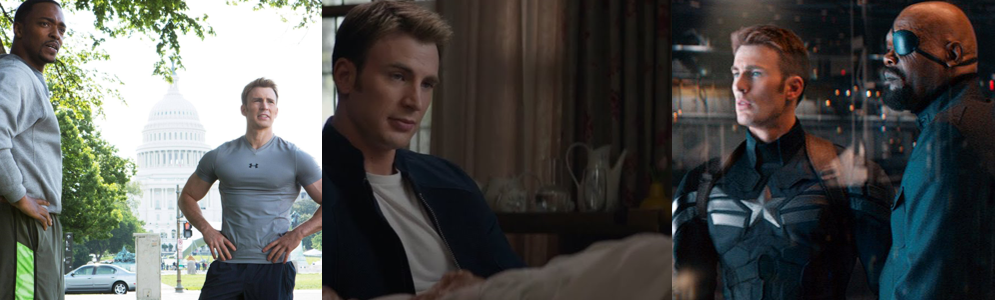
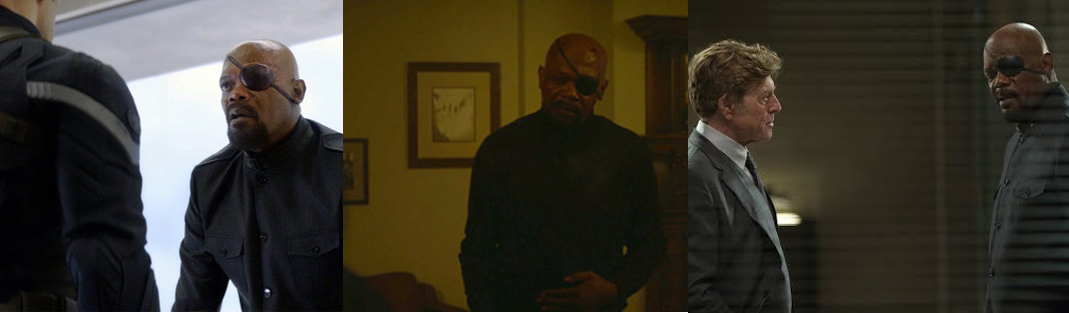


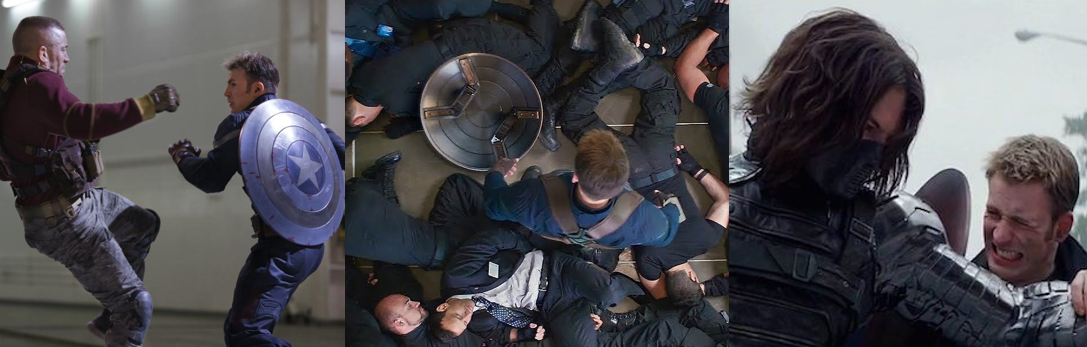
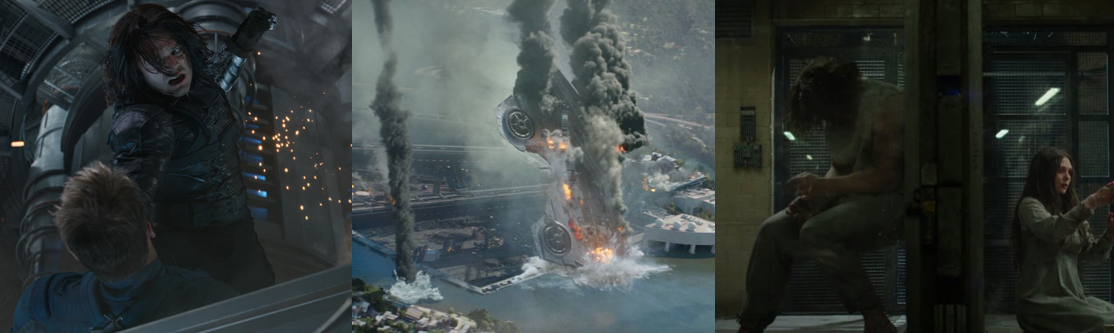





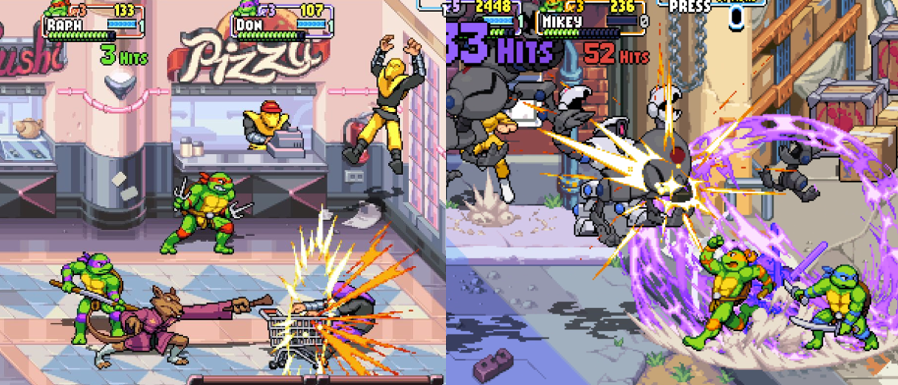
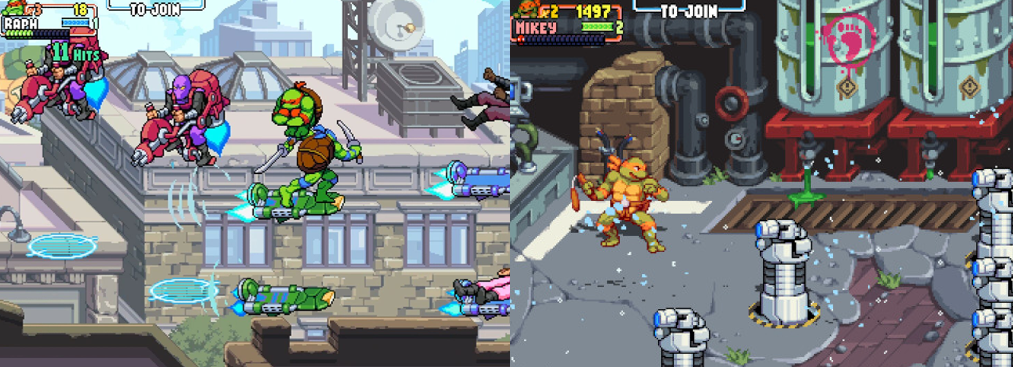
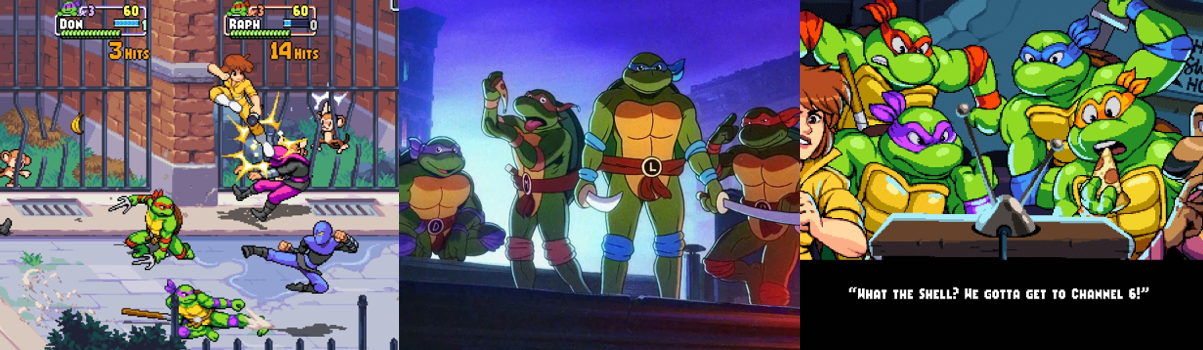
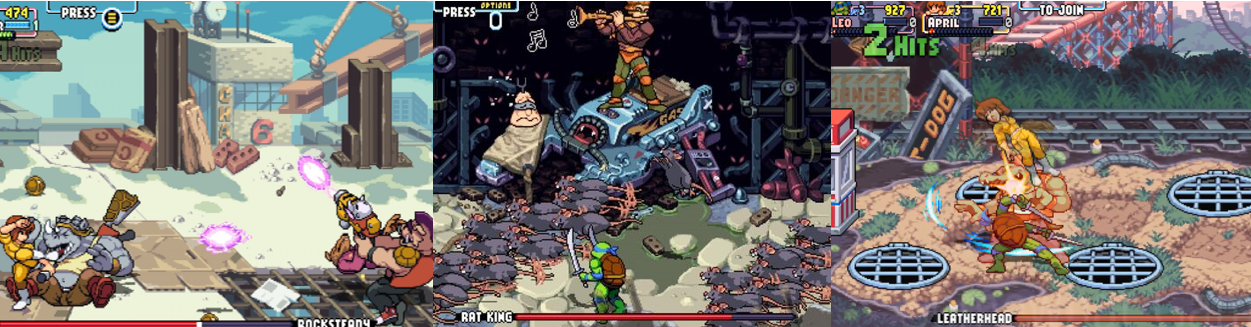
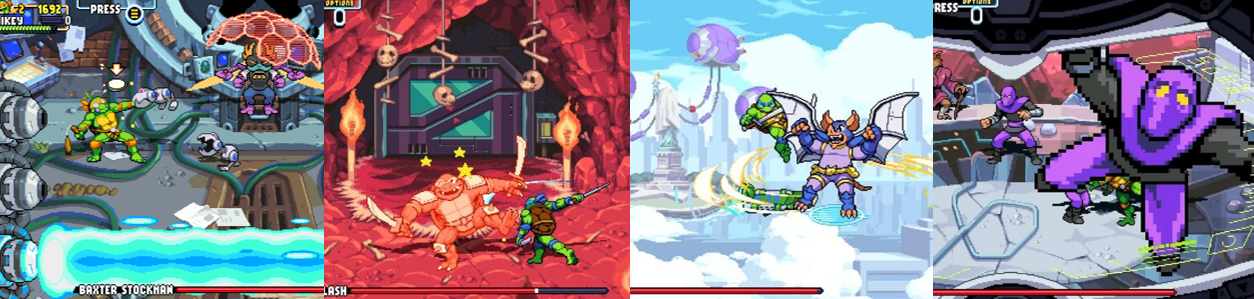
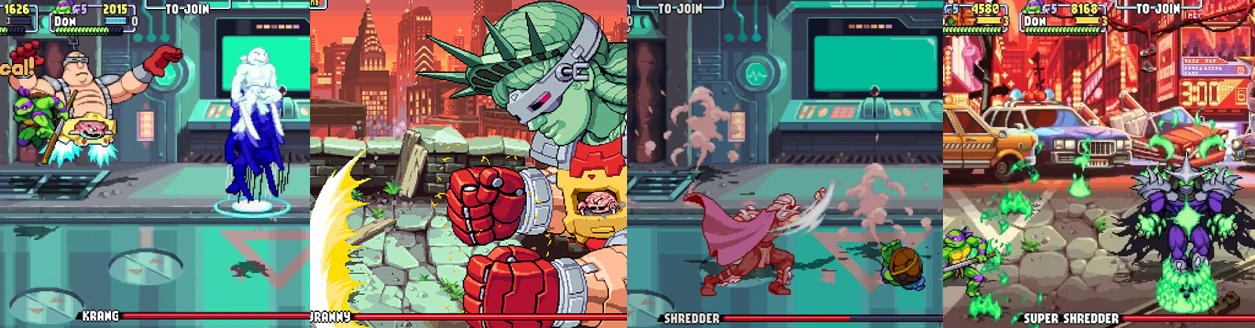


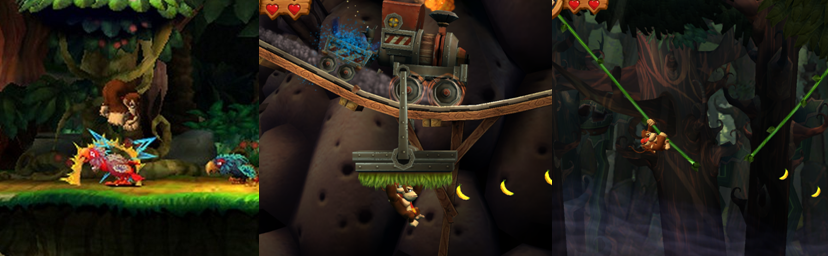
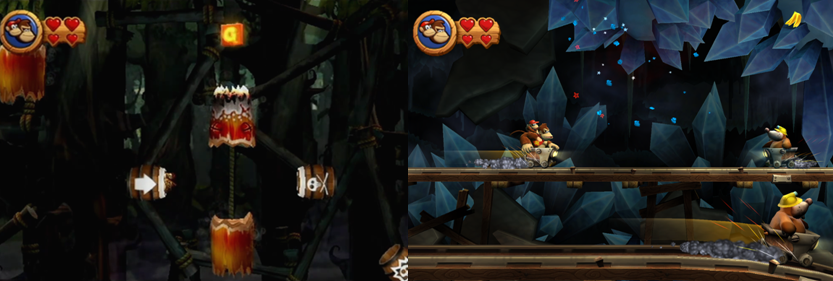
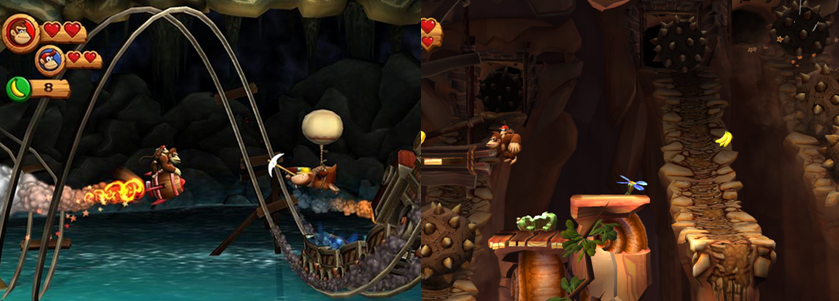

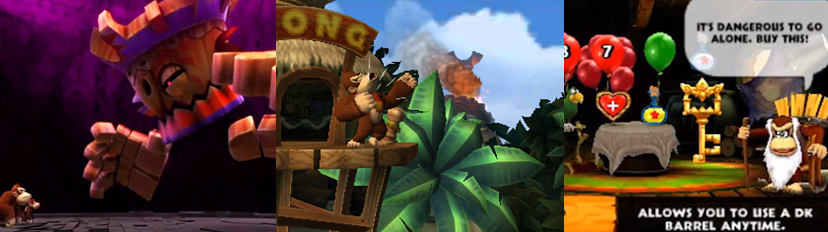
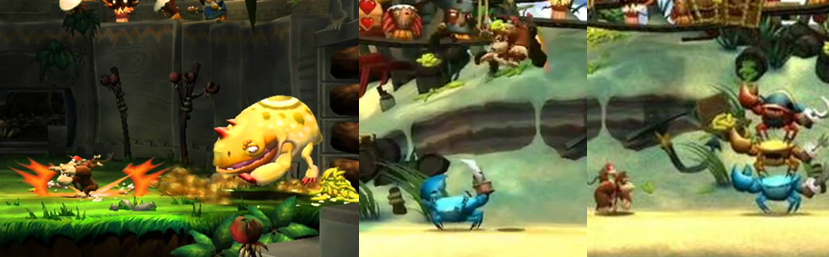


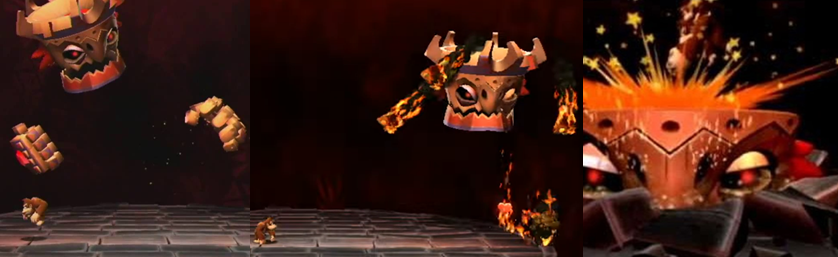
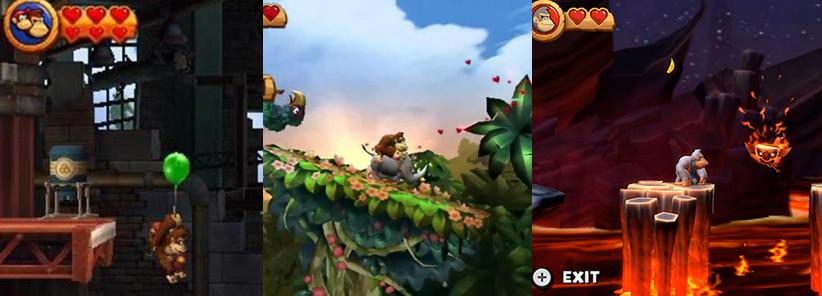
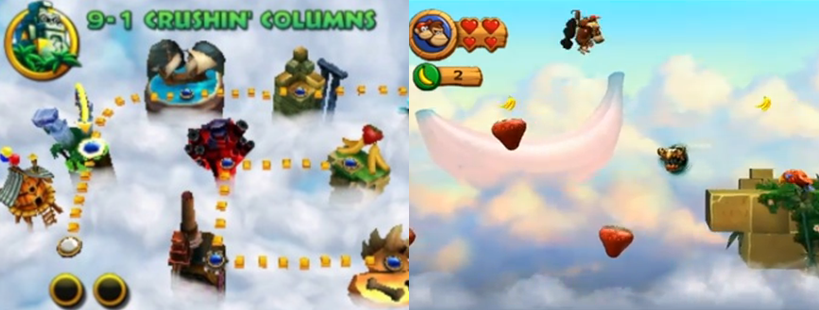




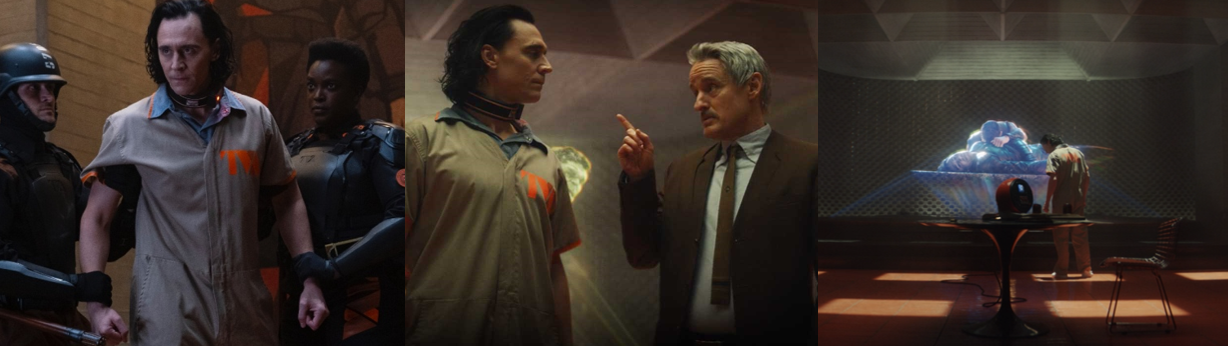
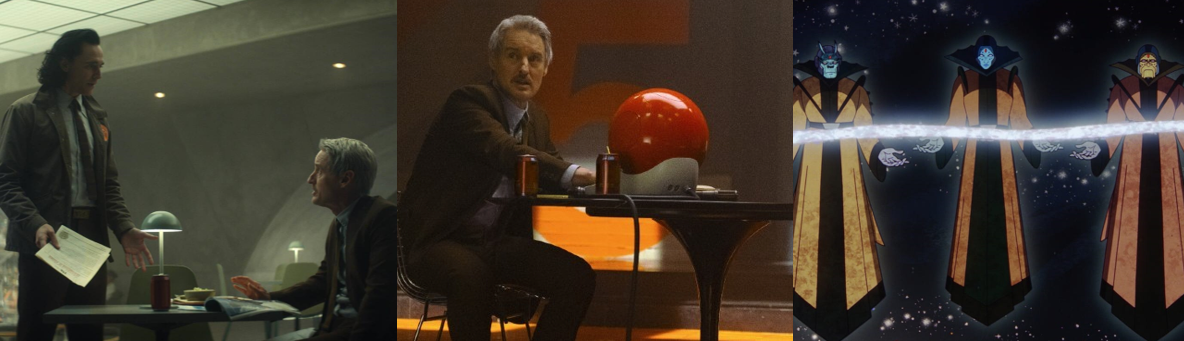
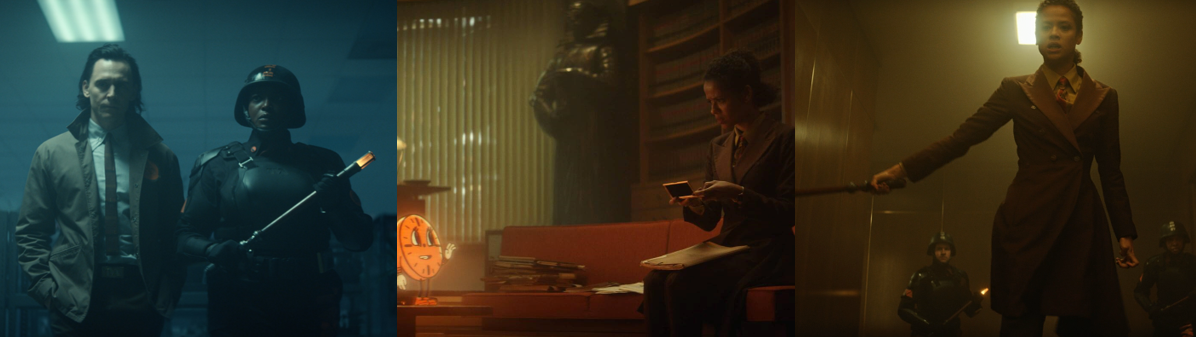
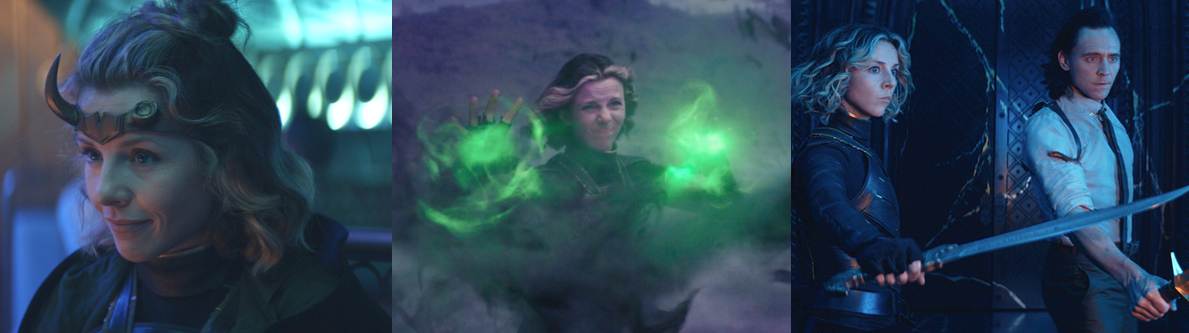
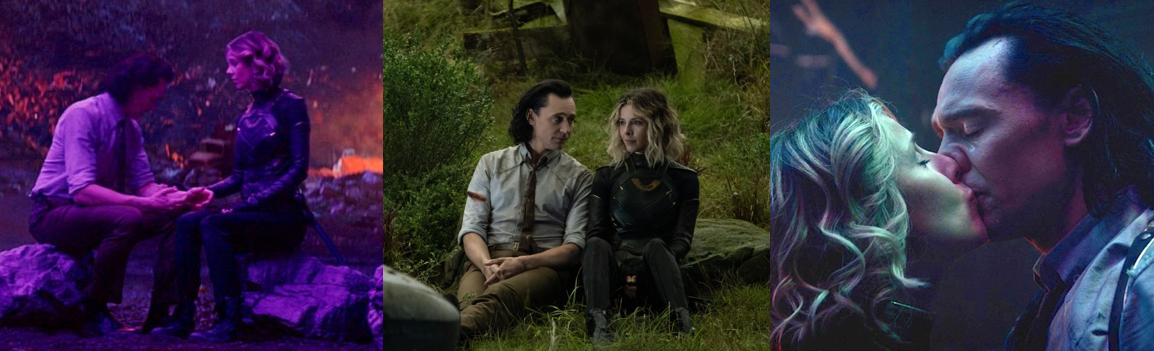
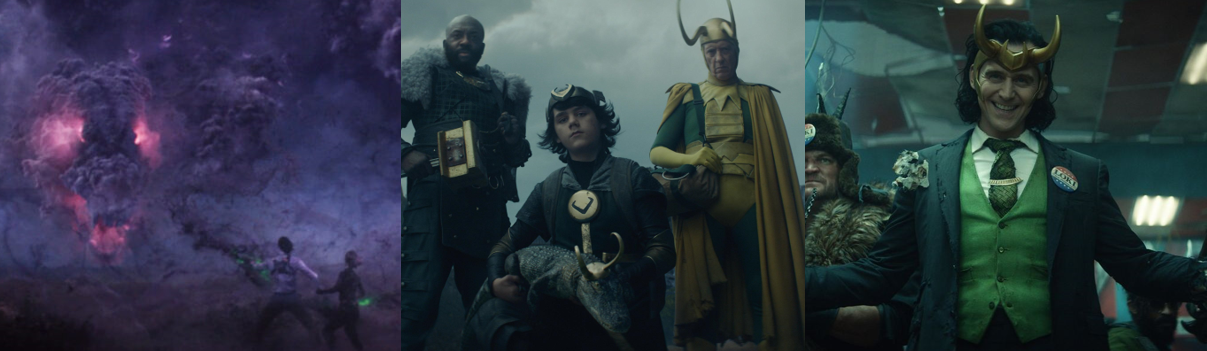
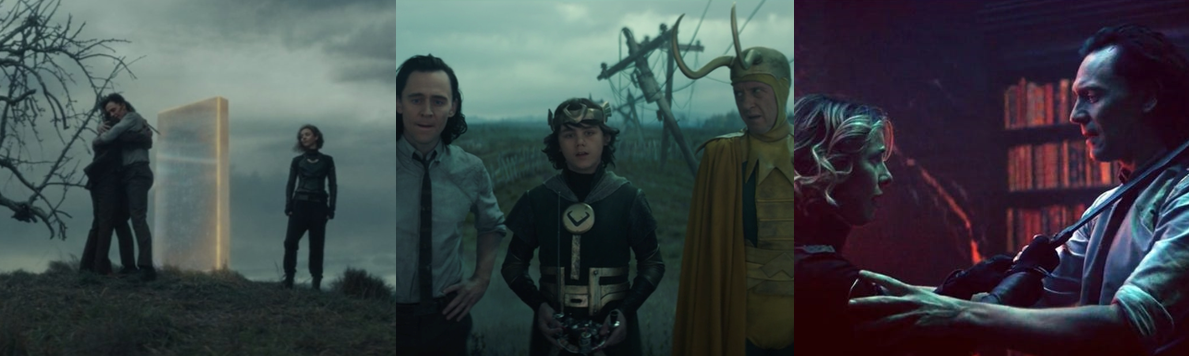
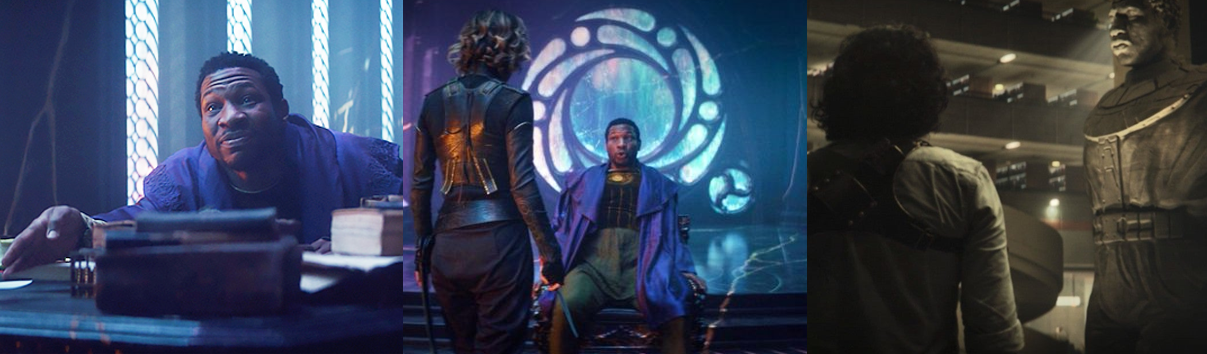
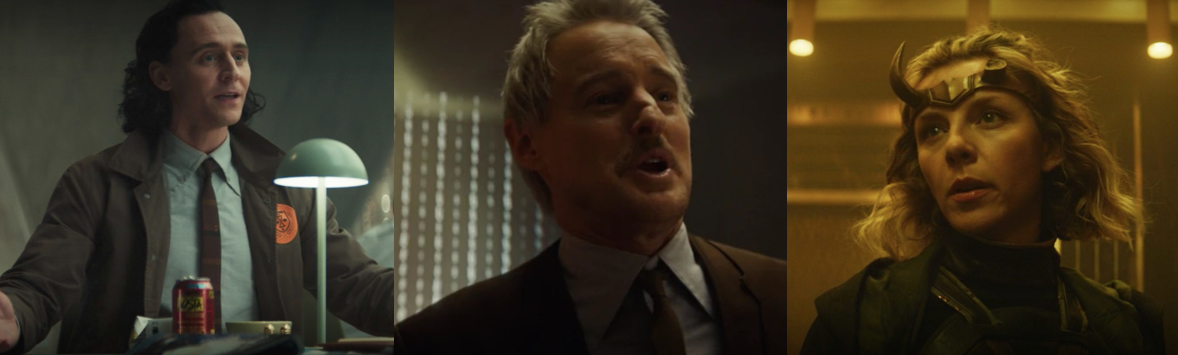
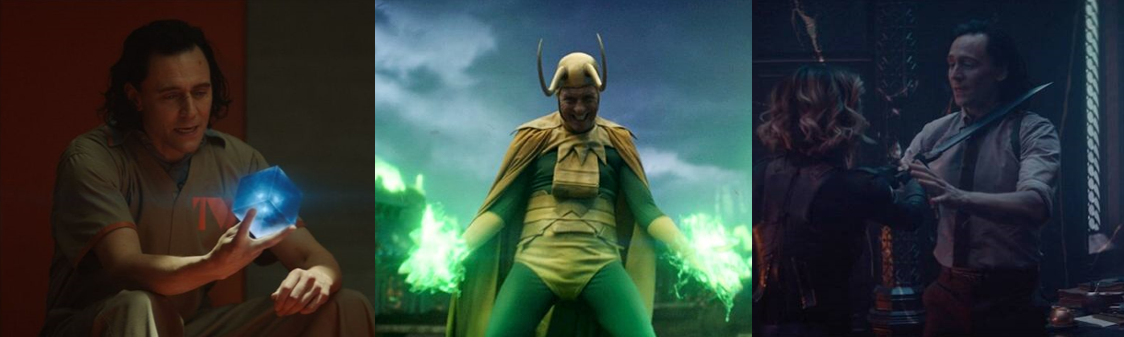
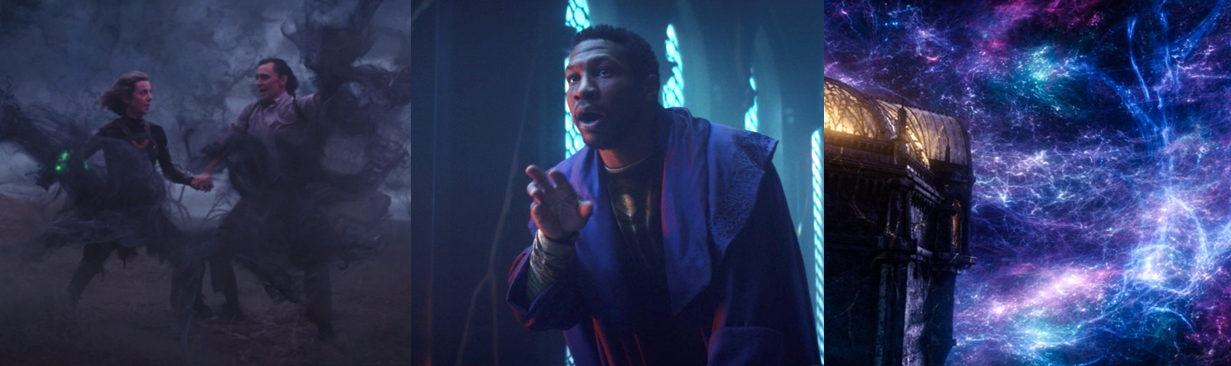



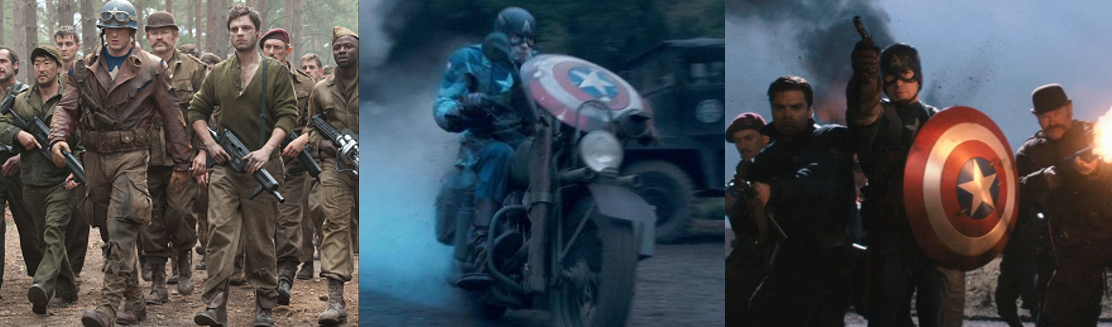
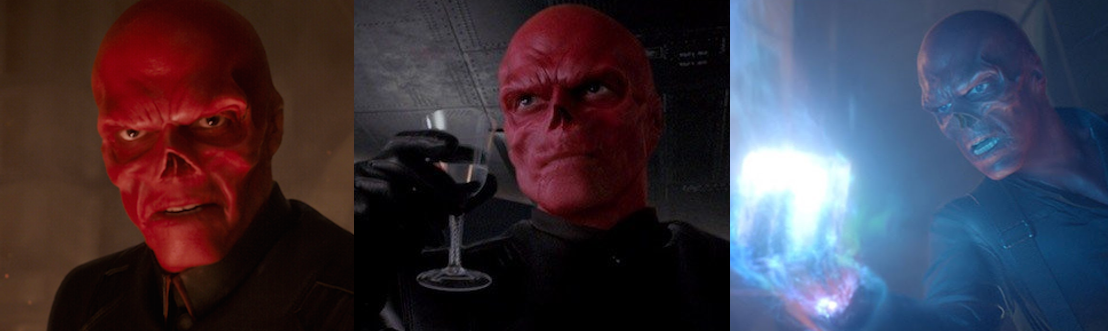

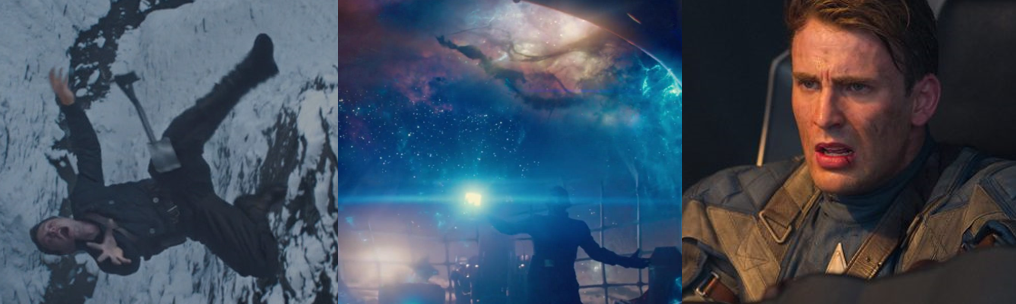


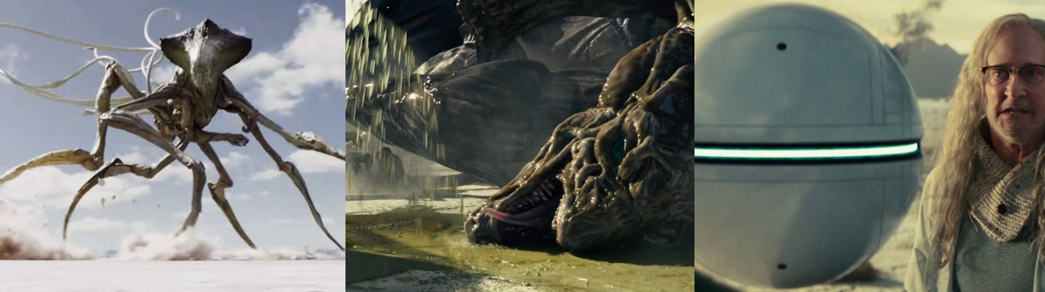
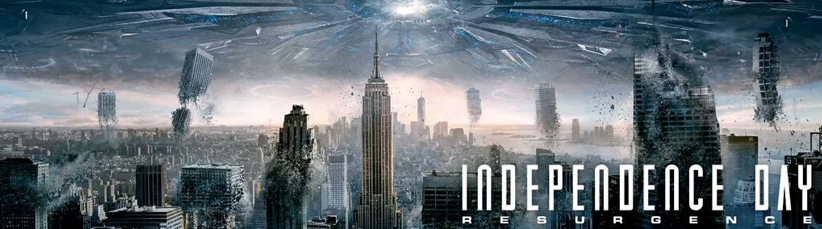


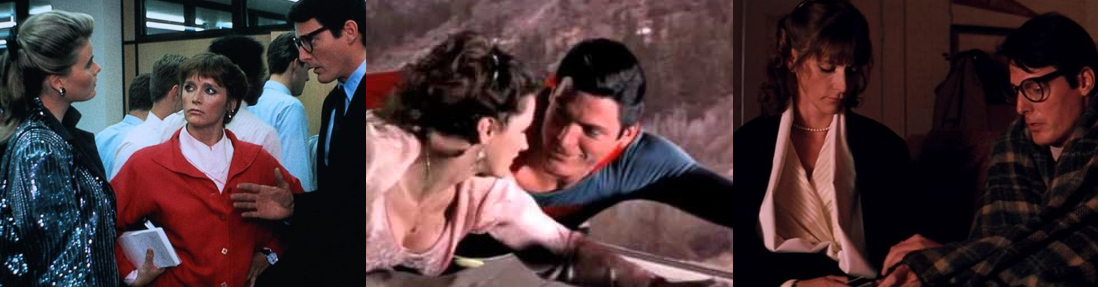










 Dr. K's Waiting Room
You must be logged in to post a comment.