The Date: 1 April 1990 The Venue: SkyDome; Toronto, Ontario, Canada The Commentary: Gorilla Monsoon and Jesse “The Body” Ventura The Referee: Earl Hebner The Stakes: “The Ultimate Challenge” singles match for the WWF Championship and the Intercontinental Championship
The Build-Up: On 31 March 1985, Vince McMahon took a massive gamble on WrestleMania, a wrestling extravaganza watched by over one million viewers that forever changed the wrestling landscape. Today, WrestleMania is a peerless premier wrestling event known for career-defining matches and iconic “WrestleMania Moments”, with easily one of the most memorable of these being this unprecedented contest between Intercontinental Champion the Ultimate Warrior and WWF Champion “The Immortal” Hulk Hogan. After years of Hogan being the undisputed face of the WWF and easily the most mainstream star in professional wrestling, McMahon wanted a passing of the torch to a new hero for the ages and so cooked up “The Ultimate Challenge” for the Hulkster. Born James Hellwig, the man who became known as the Ultimate Warrior (and, later, simply “Warrior”) started out as an amateur bodybuilder. After being spotted while training, Hellwig agreed to join a group of other bodybuilders (including Steve Borden) as a professional wrestling team. After touring the independent scene and teaming with Borden as the Blade Runners, the Ultimate Warrior initially made his name in the WWF by destroying competitors in quick matches. This culminated in a last-minute decision to have him crush reigning Intercontinental Champion the Honky Tonk Man in around thirty seconds, cementing his status as one of the WWF’s most popular competitors as much as his wild energy, chiselled physique, and colourful ring attire. With fans cheering the Ultimate Warrior just as loudly, if not more so, than Hulk Hogan, the stage was set for a showdown between the two after a confrontation at the 1990 Royal Rumble. Not only would this pit the WWF’s two top stars against each other, not only did both men stay as virtuous characters in the build-up, but this would also be the first time both the WWF and Intercontinental Championships would be on the line in a single match. The end result has gone down in history as one of the quintessential WrestleMania Moments as, despite the Ultimate Warrior failing to replace Hogan as the WWF’s top star, it represented a changing of the guard that would, eventually, change the landscape of the WWF’s main event picture.
The Match: It’s funny to think about how fans gravitated to the Ultimate Warrior, favouring him almost as much if not more than Hulk Hogan, considering how similar their gimmicks and mannerisms were. Both men were larger-than-super superheroes decked out in colourful attire, both ploughed through opponents, and both had a never-miss finisher sequence with a ridiculous final move that never should’ve worked but, somehow, always did! Still, the Ultimate Warrior does stand out a lot more with his face paint and jacked-up physique; the guy was like a living action figure! Unfortunately, one aspect where they differed (as expertly observed by Ventura) was that the Ultimate Warrior would sprint to the ring, run the ropes, shake the ropes, and get all fired up and gassed before the match could even start! This was true here, on what would end up being the biggest night of Jim Hellwig’s entire career, though the crowd simply ate it up as they loved this guy…and it’s hard to blame them as he exudes superhero appeal. Of course, the crowd was at least 50/50 for both men as Hulk Hogan continued to get the same response as you’d expect, still every bit the living legend kids and adults gravitated towards, and the atmosphere of seeing both men in the ring was simply electric. Since both men were popular babyfaces, a rarity even nowadays, there wasn’t the same vitriol between the competitors as in a traditional face/heel dynamic, though the two still engaged in a tense stare down to start since they both wanted to be the undisputed top dog in the company. As the young up-and-comer, the Ultimate Warrior made the first move, shoving Hogan, initiating the first tie-up, and giving Hogan a taste of his own medicine by throwing him into the corner. Naturally, Hogan returned the favour during the second tie-up, with both men posing and playing to the crowd before going for the tired old “test of strength” spot. Again, the crowd loved seeing the two titans testing each other’s limits, which eventually saw the Ultimate Warrior overpower the Hulkster and drive him to his knees.
Despite the thrill of seeing these two titans clash, the gassed wrestlers spent more time in rest holds.
Of course, Hogan rallied and turned the tide, presenting both men as essentially evenly matched in terms of power and popularity. Though surprised to see the Ultimate Warrior power back to his feet, Hogan tripped his foe to the mat for a quick one-count and then the two titans ran the ropes looking for shoulder tackles and traded scoop slams, gassing themselves even more! The Ultimate Warrior then hit a stiff, clunky clothesline and sent Hogan tumbling to the outside, where he began favouring his left knee. Limping, clearly in pain, Hogan struggled to stay on his feet so the Ultimate Warrior immediately targeted the limb with sharp kicks, before the two traded eye rakes back in the ring. Referee Earl Hebner admonished both men as tensions rose, before Hogan forgot about his knee pain and unloaded on the Ultimate Warrior with big shots and the ten-punches and another scoop slam. Two elbow drops, a two-count, and a small package later and Hogan unloaded on the Ultimate Warrior with chops, a clothesline, and the odd rest hold just to catch his breath. Still, the Intercontinental Champion kept kicking out, even after a backbreaker, resulting in a frustrated Hulkster arguing with the referee and wearing his opponent down with a chin lock that just went on and on and on. Hogan then hit a few spiteful knee shots to the spine and a backdrop before returning to the hold, showing he’s not afraid to fight dirty, before the Ultimate Warrior caught a second wind. After the Ultimate warrior fought free, both men a double knock down gave them even more time to catch their breath, and both men struggled up at the same time. However, the Ultimate Warrior was in a frenzied state, shrugging off Hogan’s blows and sending him reeling with a headbutt and repeated clotheslines. His face paint all but gone and his adrenaline spiking, the Ultimate Warrior tossed Hogan into the corners and laid in some chops, driving Hogan to his knees once more before hitting a suplex and getting his first near fall. The Ultimate Warrior then continued to dominate the WWF Champion by grabbing him in a pretty weak-looking bearhug that was more of a cuddle than the devastating hold Ventura and Monsoon sold it as.
A missed Leg Drop and a Splash saw the Ultimate Warrior share the victory with Hogan.
Still, this allowed Hogan to do the time-tested “three arm” spot but, as you’d expect, Hogan’s arm refused to fall the third time and the Hulkster mounted a comeback with some rabbit-like punches. However, as the Ultimate Warrior ran the ropes, he collided with the referee, meaning there was no one there to make the count when Hogan tried to pin his rival after reversing a diving shoulder block. This allowed the Ultimate Warrior to hit a back suplex, but both he and Hogan had to settle for the visual pinfall and a slow two count as Earl Hebner was too out of it to make the final count. A back elbow saw the action spill to the outside for a slugfest, which ended when Hogan got rammed into the ring post. Once back in the ring, the Ultimate Warrior hit the Gorilla Press Slam (an impressive, if ungainly, achievement) and then hit his patented Running Splash! However, the Ultimate Warrior was too slow going for the pin, resulting in a rare finisher kickout and the Hulkster “Hulking Up” However, Hogan missed the Atomic Leg Drop (!) and the Ultimate Warrior splashed him again for the biggest win of his career! Hogan just had to power out at 3.1, though, and keep the spotlight equally trained on him by presenting the Ultimate Warrior with both belts and raising his arm in a passing of the torch. This was an okay match but, as ever, one bogged down by rest holds and plodding offense. Both men were so gassed at the start of the match that their blows and holds just came off as so weak and obvious stalling. The energy was there, however, and the crowd loved seeing the two share the ring and shrug off each other’s moves. I think this might’ve worked better with a big stare down, test of strength, unflinching clotheslines and trading scoop slams, and then a finisher-fest (with the Ultimate Warrior also kicking out of the Atomic Leg Drop), but it was okay for what it was: a spectacle between two titans of the company.
The Aftermath: Despite the Ultimate Warrior’s win and the very specific requirement that the winner would become a dual champion, the Ultimate Warrior was forced to vacant the Intercontinental Championship, resulting in Mr. Perfect becoming the champion after a lengthy tournament. Surprisingly, Hogan didn’t immediately vie for a rematch and instead left to film the under-rated sci-fi comedy Suburban Commando (Kennedy, 1991). Though the Ultimate Warrior rekindled his rivalry with “Ravishing” Rick Rude and helped the Legion of Doom at the 1990 Survivor Series, none of these storylines benefitted him. His mega push fizzled out and saw him dropping the belt to turncoat Sergeant Slaughter at the 1991 Royal Rumble after interference by Sensational Sherri and the “Macho King” Randy Savage. This led to Hogan recapturing the belt and returning to the top of the mountain at WrestleMania VII, where the Ultimate Warrior “retired” Savage. Although the Ultimate Warrior fought with the Undertaker and was prepped to face Jake “The Snake” Roberts, Hellwig walked out of the WWF after demanding financial compensation. The Ultimate Warrior made brief (and infamous) comebacks in 1992 and 1996, but disagreements about money saw him follow Hogan to World Championship Wrestling (WCW). After a ludicrous tease regarding his presence, the Ultimate Warrior, more unhinged than ever, opposed “Hollywood” Hogan’s New World Order (nWo), leading to Davey Boy Smith being critically injured by a gimmicked trapdoor, a hilariously botched fireball incident, and one of the worst matches in WCW history as Hogan got his win back at the 1998 Halloween Havoc. After years of being estranged from and vilified by what’s now known as World Wrestling Entertainment (WWE), the Ultimate Warrior was inducted into the WWE Hall of Fame, buried the hatchet with Hogan, and gave a stirring speech to his fans that became disturbingly prophetic after he was found dead the very next day.
My Rating:
⭐⭐⭐
Rating: 3 out of 5.
Pretty Good
What did you think to the “The Ultimate Challenge” at WrestleManiaVI? Were you a fan of the Ultimate Warrior back in the day and excited to see his big win? Do you think the match should’ve been altered to play into Hellwig’s strengths? Were you surprised when Hogan kicked out of the Ultimate Warrior’s finisher? What did you think to the Ultimate Warrior’s title reign and how should it have been done differently? Were you happy to see the Ultimate Warrior honoured by the WWE after so many years of animosity? How are you celebrating WrestleMania’s anniversary this year and what’s your favourite WrestleMania moment? Let me know your thoughts and memories of this iconic clash, support me on Ko-Fi, and be sure to check out my other wrestling content across the site.
So, for no better reason than “Mar.10” resembling Mario’s name, March 10th is widely regarded as being “Mario Day”, a day to celebrate Nintendo’s portly plumber, an overalls-wearing mascot who literally changed the videogame industry forever and shaped the home console market of the nineties.
Released: 17 November 2023 Originally Released: 9 March 1996 Developer: ArtePiazza Original Developer: Square Original Version Also Available For: Nintendo Wii, Nintendo Wii U, Super Nintendo Entertainment System (SNES) Classic Edition, SNES
The Background: Shigeru Miyamoto’s portly plumber, Super Mario, took the gaming world by storm with Super Mario Bros.(Nintendo R&D4, 1985). All of a sudden, videogames were back in vogue following the infamous industry crash and all-out war was on the horizon as SEGA and Nintendo pitted their colourful characters against each other. If there’s one avenue where Mario always won out, though, it was his versatility. Mario has seen considerable success with even his spin-off games, so it was perhaps only a matter of time before he ventured into the role-playing game (RPG) arena. It was Miyamoto who wished to make a Mario-based RPG and, luckily, his desire coincided with RPG developer Square longing to make a bigger impact outside Japan. Initial meetings saw the developers decide upon an isometric, action-oriented RPG that incorporated 3D models and married Mario’s platforming gameplay with the turn-based gameplay mechanics made famous in Square’s Final Fantasy games (Various, 1987 to present). The result was Super Mario RPG: Legend of the Seven Stars, which became the third highest-selling game in Japan in 1996 and was met with rave reviews that praised the graphics and soundtrack, though the battle system was criticised for being simplistic. Still, the game gained a reputation as one of Mario’s finest adventures and its popularity led not just to spiritualsuccessors and ports, but also to this modern remake. Developers ArtePlaza expanded upon the original game with new battle mechanics and updated visuals, and it was met by equallypositive reviews for its faithful, but modernised, reimagining of the SNES classic.
The Plot: After rescuing Princess “Peach” Toadstool from Bowser, King of the Koopas, Mario reluctantly joins forces with his enemy (and some new allies) when the Smithy Gang makes a play for the legendary Star Pieces.
Gameplay and Power-Ups: As the title suggests, Super Mario RPG is an RPG in which you control, battle, and interact with various characters from the colourful Super Mario franchise. Primarily, you control Mario and navigate a cutesy isometric reimagining of the Mushroom Kingdom, chatting to various non-playable characters (NPCs) such as the many Toads that make up the kingdom’s citizenship, to sentient frogs, moles, and anthropomorphic weaponry. However, Mario is joined by up to four additional companions who can be freely swapped in and out of your party from either the battle screen or the main menu, accessed with +. Oddly, there are only five characters to pick from; six would’ve made more sense to me, then you’d have two physical specialists, two magic specialists, and two durable tanks. Mario must always be in your party and your party is limited to a maximum of three. Luckily, everyone receives experience points (EXP) from battles whether they’re active or not, and they’ll even be revived with a single health point (HP) upon victory if they’re defeated. The game’s controls are somewhat situational, as you’d expect from an RPG: you press A to interact with NPCs or confirm menu selections, whether in battle or a shop, while B lets Mario jump, either to (amusingly) prove his identity or hop to various platforms, or lets you defend in battle. Y opens the “Special” menu in battle, where you select a Special move to unleash, while X opens the “Item” menu and lets you select an item to use. Similarly, you can press Y or X in the overworld to select from restorative items. You can use the Left or Right triggers to toggle the dash, or set this from the main menu using +. From here, you can shuffle your party, review their Special moves, equip weapons, armour, and accessories, review story progress from the in-game journal, and check out the Monster List (essentially a bestiary). You can also adjust the battle mechanics and the game’s difficulty, an option immediately made available upon starting the game, though I found the game’s “Normal” mode to be pretty easy to plough through.
Use each character’s special moves, or pull off a team attack, to decimate enemies.
Though triggered by touching onscreen enemies (most of which respawn indefinitely or when you leave the screen), combat is turn-based like in traditional Final Fantasy RPGs. I thought I would gain a turn advantage by preemptively touching enemies but that doesn’t seem to be the case. Your level and “speed” stat seem to determine who strikes first, though I found you usually always get the first hit unless facing a “Special Enemy” or a boss. In battle, you pick a physical attack with A; an onscreen indicator prompts you to hit A again to deal additional damage and the timing is crucial to sweeping enemies as the extra hit can damage every foe. It’s equally important to tap A at the right time when being attacked as this will either reduce the damage dealt or negate it entirely. As mentioned, you can adopt a defensive stance with B; B also gives you the option of running from a battle, something also assisted by certain items (while others allow you to restart the fight if it’s going south). You can also use Special attacks with Y, however these consume Flower Points (FP). Each attack costs a different amount of FP (at least 2 FP and sometimes as much as 16 FP) and FP is shared amongst your entire Party. This means you really have to think about using the more powerful, costly Special attacks as you might run out of FP when you need to be healed or revived. Some enemies are weak to elemental attacks like fire and lightning, which is something to consider when picking Special attacks, and you can restore and even increase your FP with Honey Syrup and various flower-based items. As you deal damage, you’ll build both a combo meter and an “Action Gauge”. When this gauge is full, you can press – to pull off a team-based attack for big damage or call in Toad for helpful buffs. Additionally, as you attack and defeat enemies, you’ll earn similar buffs that up your attack, defence, or “luck” for that battle or restore your HP. However, simultaneously, you must be wary of status effects; enemies can put you to sleep, poison you, weaken your attack or defence while upping theirs, and turn you into mushrooms or scarecrows. While all these ailments are undone upon victory and some are only temporary, you can cure them using items or magic spells, and other items (such as the various bombs and even items that summon Yoshi) will aid you in attacking or neutralising enemies. However, defeat isn’t always a massive issue; checkpoints and manual save points are plentiful and the game’s very generous with its restorative buffs. Your HP and FP is occasionally fully restored after certain battles, too, and you can of course pay to stay at various inns to refill both.
Level-up to gain new Special attacks, search for secrets, and chat to NPCs for guidance.
Each character falls into a certain class: Mario is an all-rounder, for example, while Peach favours restorative magic and Bowser is a heavy-hitter. While you’ll mostly be hitting A at the right time to increase your attack power and radius, you’ll sometimes rotate the left stick or rapidly tap or even hold down A to charge a meter. Additionally, different character combinations result in different team-based attacks and it’s important to think about each character’s strengths and weaknesses, especially when levelling-up. After accumulating enough EXP, you’ll gain a level and can pick to buff either physical power and defence, your overall HP, or magic attack and defence. You can also equip weapons, armour, and accessories to boost these stats, and others; Mario gains hammers and Koopa shells, for example, while Mallow uses sticks and cymbals, and the timing of your button presses changes with each. Accessories can also negate status effects, too, protecting you from sleep or poison, or alerting you to hidden blocks in the overworld. While your inventory isn’t unlimited, any additional items you get but cannot carry are automatically transferred to Mario’s house to use later and winning battles also earns you Coins to spend in shops, though you can also get Coins from hitting blocks and items from treasure chests. Sometimes, after winning a fight, you’ll play a game where you must find Yoshi, which doubles (or costs you) the Coins or EXP you earn. Defeating Special Enemies and opening chests also awards Frog Coins to be spent elsewhere, and you can trade Coins for points or rarer items. It pays to chat to every NPC you encounter, too, as some will gift you items, flesh out the lore, offer aid, or point you in the right direction if you somehow get lost. This isn’t easy to do as not only do you have the journal, but the overworld map includes helpful flags to point you in the right direction. Sometimes, you must talk to specific NPCs to get key items, hit switches, or even use whirlpools to walk underwater to progress and you’ll occasionally find hidden paths or doors that lead to goodies, sometimes by entering a pipe like in a traditional Mario game.
Tricky platforming, some basic puzzles, and a few fun mini games help to offer some variety.
Yes, there are some simple puzzles to solve, such as pressing switches, navigating mazes, crossing invisible platforms, remembering codes, and rearranging paintings. In the platforming sections, you’ll use springs or flowers to jump higher and regularly hop up walls or across gaps or lava pits using moving, collapsing, or temporary platforms (and even Parakoopas). Thanks to the isometric angle and Mario’s slippery feet, this can be a bit tricky but, luckily, you’ll usually land on or in water and simply loop back to try again, and even hitting lava doesn’t doesn’t drain your HP. It can be difficult to judge the distance between gaps, though, and you’re often dodging Thwomps, fireballs, and other enemies while hopping to small square platforms, which can make these sections needlessly annoying. Easily the worst instance of this, for me, was when scaling the vines to reach Nimbus Land. You must angle yourself just right (and know to jump to spawn a hidden platform) to hop to the vines and it was very easy to slip off and have to start over. Similarly, in the end game, you must tackle four out of six obstacle courses to reach Exor, two are simple battle gauntlets, two are tricky platforming sections, and two are timed quizzes! The gameplay loop is further broken up by mini games: you’ll be careening around a minecart track like Indiana Jones, tumbling down a waterfall, racing against Yoshis in the Yoshi Derby, hopping on Goombas, playing tunes on tadpoles, jumping from rolling barrels amidst a raging river, and collecting beetles. Most of these mini games can be repaid (for a price) and will net you extra rewards (as well as the Coins you can grab along the way), and you’ll eventually access a casino and even a secret super boss! Additionally, certain story events and having specific characters in your party rotation will change the overworld and battle system. For example, when in Bowser’s Keep, having Bowser in your Party causes his minions to flee and Mallow’s royal heritage gains access to the hot springs in Nimbus Land.
Presentation: I’ve only briefly played Super Mario RPG before, but I remember being a little put off by the original’s 3D-to-2D aesthetic, which made everything look a little unsightly and pixelated. That’s definitely not the case here, though! This slick remake has given everything a plasticine, diorama-like makeover that gives the impression of playing with chibi-style toys, not unlike the same aesthetic adopted by The Legend of Zelda: Link’s Awakening(Grezzo, 2019). The pre-rendered cutscenes are gorgeous; every character has a fun victory pose and does a little dance when they level-up and, while you can skip the team attack cutscenes, they look so good that I just let them play. While all the characters are lively, adorable, and animated, Mario naturally stands out from the bunch. Unlike the others, he can’t talk (not even gibberish), so he pantomimes every action, recapping the plot (sometimes too much) with an excitable enthusiasm, vehemently shaking his head at the suggestion that he’s one of Bowser’s minions, and consoling his friends (even Bowser) when they experience hardship. Bowser gets a lot of nuance here, too; he throws himself at obstacles and proudly boasts of his superiority but is humiliated at being kicked out of his keep. Our two original characters, Mallow and Geno, fare pretty well, too. Mallow starts out as clumsy and unsure of himself, but gains confidence thanks to Mario and discovering his true heritage while Geno (a puppet brought to life by a star) fights to repair Star Road with a passion, resulting in a bittersweet ending when the puppet returns to being just a toy. Equally, the game is bolstered by a jovial and familiar soundtrack. This version lets you pick from the classic soundtrack and the modern remix, with both being enjoyable, and I loved hearing familiar Final Fantasy sound effects and seeing fun Easter Eggs like a curtain that turns Mario 8-bit and references to other Nintendo properties.
While the game looks and sounds amazing, some environments were a little visually bland.
As great as the game looks and sounds, however, I was a bit let down by the environments. While the overworld map is large and varied, the actual locations you explore are a far cry from the fantastical whimsy of other Mario games. You spend a lot of time in grassy areas or underground caves, which is very familiar, or at cliffsides and near lakes, before exploring such exotic locations as…a mountain, a mine, and a haunted pirate ship (actually, that one’s not bad!) You’ll venture into the pyramid-like Belome Temple, the autumnal maze in Bean Valley, and the rocky innards of an active volcano, but it’s not all that memorable and seems incredibly safe. Things get visually interesting in Nimbus Land, Star Hill, and the Weapon’s World, but these are juxtaposed by Bowser’s uninspired keep, the relatively barren Booster Tower, and the dense Forest Maze. Many areas, such as the Kero Sewers, sea, and Pipe Vault are restrictive and linear thanks to the isometric aesthetic, looping or forcing you to solve a maze to progress, while others (Land’s End and Nimbus Castle, for example) are robbed of the scope that makes the various towns so much fun to explore. While Bowser’s Keep is simply the same lava and stone-filled castle you’d expect from the Koopa King, I liked that battles took place on the chandeliers and that there were more branching paths. The Weapon’s World and Factory stood out at the end just for offering some visual variety, with their cogs, conveyor belts, and ominous atmosphere, but I do think Super Mario RPG missed a trick in not making areas more distinct. Sure, some towns have been affected by the Smithy gang and will be restored to life and order by your actions, but why not make Mole Mountains an ice mountain with snow and such? Or do more with the water gimmick at the Seaside, perhaps have parts of Seaside Town underwater or flooded?
Enemies and Bosses: A slew of Mario’s most recognisable enemies crop up all throughout Super Mario RPG, generally acting as disposable pawns to rack up for EXP: Goombas, Spikeys, Gobys, Shy Guys (and their many variants), Bob-ombs, Piranha Plants, Bloopers, Wigglers, Chain Chomps, Boos, Lakitus and various Koopas (from Sky Troopas to bulbous Heavy Troopas and Dry Bones) and even variants of Donkey Kong show up in some form or another and, generally, aren’t much of a threat. There are exceptions, though: you can encounter numerous enemies in one battle, and mixtures of them, and some (like Dry Bones) can only be defeated by Special attacks or are susceptible to elemental attacks. Other enemies include rats, various insects like stinger-firing Buzzers, tricky Crooks and Ninjas (who can teleport, often flee from battle, and (in the latter case) launch an attack upon defeat), Pandorite (sentient treasure chests that spit up enemies), anthropomorphic vegetables, puppets and jesters, and even giant crustaceans and reanimated mastodon bones. While some enemies (like the Orbisons) can recover their health and that of their allies and others (like Stumpets and Reachers) look intimidating, some (like Geckits) are just as likely to attack themselves and their allies as they are you. Sure, some enemies are larger or inflict status effects, but they’re mostly all a joke; you easily dispatch entire groups with well-timed presses of A and without even using Special attacks. Even larger, more formidable enemies are easily trounced if you keep your level and stats high and time your button presses. Hippopos, Doppels, and Corkpedites can easily have their elemental weaknesses exploited, though you will have to be wary of Special Enemies, variants of almost every enemy who hit harder and can take more damage and should be targeted first. Also, you’ll need to watch for certain powerful or unblockable attacks; kamikaze attacks, unavoidable boulders, large explosions, and gigantic lasers can decimate your party if you’re not careful. Thus, it pays to have plenty of restorative items or keep Peach or Mallow around to restore your life or get rid of annoying status effects.
While there are many bosses to fight, few pose a significant challenge.
Battles are frequent in Super Mario RPG but ridiculously simple; I trounced most enemies simply by tapping A, meaning combat gets quite tedious at times. Unfortunately, the combat loop isn’t changed much by the game’s bosses, despite how many you’ll encounter. Your first boss battle is, fittingly, against Bowser; taking place up on the chandeliers and with Peach held hostage, you simply target the chain holding Bowser aloft and you’ll come out victorious. Next, you’ll battle the Hammer Bros, who toss hammers and up their valour but aren’t much of a threat, and have your first encounter with Croco. Croco’s a little trickier as you must chase him through a looping maze, battling waves of disposable enemies before getting to him, where he’ll bite and toss explosives and enemies. When on the Sunken Ship, you’ll battle King Calamari, a giant Blooper whose tentacles burst through the floorboards and who spits ink at you. Birdo also makes an appearance, encountered at Nimbus Castle after shattering her egg; as is her nature, Birdo spits eggs but these can be attacked to deal damage to her. Bowser’s magical minion, Wizakoopa, also appears, brainwashed to oppose his master and summoning the powerful fire-breathing dragon Bahamutt, as well as boasting elemental spells. Other bizarre bosses include the multi-headed Pihana Plant Megasmilax, the dog-like Belome (who eats party members and spits up clones), the ambitious Punchinello (who tosses various Bob-ombs), and the deluded Booster, whose circus-themed minions kidnap Peach and force her into a wedding, leading you to defeat them and attack an elaborate wedding cake! You’ll also battle the trident-wielding pirate leader Johnny and the sultry Valentina, who relies on her bird-like minion Dodo in battle, with him pecking at and whisking away party members, while she relies on numerous magical spells.
The Smithy Gang is mostly a joke until the end game, when things get tougher.
Mario and their friends quest to recover the seven Star Pieces, with most being guarded by the Smithy Gang. This gaggle of anthropomorphic weapons thus represent the primary bosses of the game, with the pogo-sword-riding Mack being the first you encounter (once you dispatch his Bodyguards, of course). Bowyer represents one of the more unique boss battles as he’ll fire arrows that disable A, X, and Y inputs for a few turns, forcing you to utilise different attack strategies or even spend a few turns defending before you can attack again. Speardovich creates a double to aid him in battle while the ridiculous (but strangely familiar) Axem Rangers force you to battle them all at once, eventually bolstered by their airship, The Blade, and its super-powerful Breaker Beam. The opening chandelier battle is revisited in the end game where you battle the katana-wielding Boomer, who switches between blue and red forms, being weak to physical and magical attacks, respectively. In the Weapon’s World, you encounter the giant alarm clock Count Down; you can knock off its Ring-a-Dings and target its sand timer to neutralise it, but it’ll unleash different magical attacks depending what time its hands land on. You’ll also battle Cloaker and Domino, with one favouring physical attacks and the other magical, and both hopping into snake-lime mechs when their partner is defeated. Finally, the Smithy Gang’s factory is home to three armour-clad, axe-swinging administrators and the diminutive Factory Chief and the devastating Gunyolk, a tank-like cannon that also uses the Breaker Beam attack alongside powerful abilities like Electroshock and Fire Saber. The Smithy Gang are usually always accompanied by minions. In the Weapon’s World and Factory, Machine Made duplicates of some bosses appear as regular enemies alongside metallic variants of regular baddies, though it’s usually better to simply focus on the boss as this ends the bout.
The final slew of bosses caught me off-guard with their difficulty spike.
While most bosses don’t pose a problem, four stand out as surprisingly formidable. First is the Czar Dragon, a gigantic (if comical) dragon comprised of Lava Bubbles. The Czar Dragon bites, casts Flame Wall and Water Blast, and fires flaming projectiles, as well as protecting itself with Lava Bubbles. Defeating it sees it rise again as Zombone, which isn’t one-shotted by Pure Water like other undead enemies (though this item does cause it to attack itself) and has even more powerful attacks at the cost of being more vulnerable to Mario’s jump attacks and Mallow’s thunderbolts. Fittingly, given his high rank and him invading Bowser’s Keep, Exor was also a tough encounter. Fought on the keep roof, Exor cannot be harmed until you take out at least one of its eyes and even then it causes trouble with Venom Drool, Aurora Flash, and Lulla-Bye. Defeating him transports you to the Weapon’s World and a final showdown with Smithy, the Smithy Gang leader and the toughest fight yet. Smithy is fought in two phases: in the first phase, Smithy fires bullets, smacks you with his large sledgehammer, and crushes the party with a giant…well, crusher. A smelter also spawns Shypers to whittle your HP down, so it’s a good idea to have Peach on hand as many of Smithy’s attacks damage the entire party. With no weaknesses, Smithy is a tough fight if you’re ill-prepared and it only gets tougher when you drop to the basement and he transforms his head into various forms (a tank, a magician, a treasure chest, and a mask). Each has their own HP and is capable of dishing out status effects, instant-KO blasts, and healing him. You can target his body to help take the pressure off, but I say just go to town on his big stupid head, keep healing and reviving as needed, and use elemental attacks on the right heads to win. But, after all that, there’s an even more powerful optional boss you can take on!
Additional Features: Considering this is an RPG, there isn’t really much to do in Super Mario RPG beyond the main story. The game is surprisingly linear, guiding you to each location with very few instances of backtracking, side quests, or fetch quests. When you are given a fetch quest, it’s generally something you do naturally. You’re given the item in one town and deliver in the next, rather than going back and forth like in other adventure games. Thus, when you beat the game and start a “Clear Data File”, you’re returned to Mario’s house before the final battle and can revisit every area but there are only a few final tasks to do. First, the Monster List needs to be completed (though this should be mostly full by this point) and you can freely listen to the game’s soundtrack. Next, you can challenge Bowser’s Keep again to acquire any additional weapons you missed when taking on the six obstacle courses. There are also 39 hidden treasure chests to find (greatly aided by equipping the Signal Ring) to snag every item in the game (though, again, this is somewhat pointless once you’ve cleared the main story). You can view the “Play Report” to see how well you did at the mini games and pay to take them on again to improve your score, stay at the luxurious Marrymore Hotel, complete a tedious guessing game to access the casino, and taken on tougher versions of the game’s bosses. Easily the most prominent additional challenge is the secret super boss, Culex. By purchasing expensive fireworks in Moleville and trading them for a special stone in the same town, you open a locked door in Monstro Town and take on the game’s toughest challenge, a 16-bit, cross-dimensional Final Fantasy being that boasts a new 3D form in this version and represents the greatest challenge on offer in the game.
The Summary: I’ve long wanted to play through Super Mario RPG. Being a SEGA kid, my only avenues for this were emulation but, even when I got the SNES Classic and Nintendo Switch Online, I hesitated to start a game because of the time needed to complete an RPG. When this remake was announced, I knew the time had finally come to change that and I have to say that it was well worth the wait. Super Mario RPG is a gorgeous, fun, surprisingly engaging romp that brings Mario and his friends (and enemies) to life in a unique way. The new battle mechanics and accessibility on offer are fantastic, meaning you’re constantly rewarded during and after battles and there’s always something to see, either in the background or the character animations and interactions. The gameplay was simplicity itself, even by classic Final Fantasy standards. Turn-based RPGs are always my preferred style for the genre, and Super Mario RPG adopts these mechanics beautifully. Unfortunately, the game is extremely easy; I didn’t mind this as I wasn’t looking for an uphill battle, but things did get a bit tedious after a while. The incorporation of “traditional” platforming mechanics was also a bit clunky, as were some of the mini games. The isometric perspective and restrictions of the genre didn’t really lend themselves to these aspects, though I appreciated the attempt to mix up the gameplay loop. While I was disappointed by some of the environment, and that Luigi didn’t appear as a playable character and that more post-game content and side missions weren’t included in this version, I enjoyed my time with Super Mario RPG. Mallow and Geno quickly grew on me, I liked seeing Bowser teaming up with Mario and Peach given more agency, and I was a big fan of the boss designs (despite how easy they were), the graphics, and Mario’s jovial animations. In the end, if you have a kid who you want to introduce to the RPG genre, you could do a lot worse than Super Mario RPG. And, if you played the original as a kid, I’d wager this is just the right hit of nostalgia for you.
My Rating:
⭐⭐⭐⭐
Rating: 4 out of 5.
Great Stuff
What did you think to the Switch remake of Super Mario RPG? Have you ever played the original and, if so, how does this compare to it? Which characters made it into your team and what did you think to the original characters created for this game? How did you get on with the simplistic battle mechanics and bosses and were you also annoyed by the awkward isometric platforming? Did you ever defeat Culex and complete the Monster List? Would you have liked to see other new features added to the game? Which Super Mario spin-off is your favourite and how are you celebrating Nintendo’s mascot this month? Feel free to share your memories and opinions of Super Mario RPG in the comments and please check out my other Mario content across the site!
Anthony “Tony” Stark/Iron Man first lived, walked, and conquered in Tales of Suspense #39, published in March 1963 and brought to life by Marvel mastermind Stan Lee, Larry Lieber, and Don Heck. Since then, ol’ shellhead has gone through numerous different armours and shot into mainstream superstardom thanks to an iconic, career-defining portrayal by Robert Downey Jr.
Story Title: “The Hands of the Mandarin!” Published: 12 November 1963 (cover-dated: February 1964) Writers: Stan Lee Artist: Don Heck
The Background: Back in 1963, Stan Lee decided to think up a character his readers would hate (a billionaire military industrialist), throw in some Howard Hughes and personal tragedy, and make him someone they could root for. Mounting deadlines kept Lee from writing Iron Man’s debut, so he turned to younger brother Larry Lieber, artist Don Heck, and the legendary Jack Kirby to bring the character to life. These days, Iron Man is a mainstream superhero, one who’s squared off with many colourful villains but perhaps none are more intrinsically linked to the character than the Mandarin. Created by Stan Lee and Don Heck, the supervillain was specifically designed to evoke the Doctor Fu Manchu stereotype of a mysterious and powerful Oriental menace with a maniacal list for world conquest. The Mandarin has dogged Iron Man ever since, pitting his magical ten rings against Stark’s technology time and again and even forming his own version of Marvel’s premier superhero team, the Avengers. I best know the Mandarin from his depiction in the 1990’s Iron Man cartoon (1994 to 1996), where he was brought to life with relish by Ed Gilbert and Robert Ito, but he’s consistently appeared as a boss in various Marvel videogames. However, the Mandarin’s culturally insensitive appearance and racially problematic depiction have caused some controversy. These issues saw him excised fromIron Man(Favreau, 2008) during the scriptwriting stage and his subsequentappearances have beendivisive at times. Still, the Mandarin is largelyregarded as Iron Man’s archenemy and one of his most complex and persistent foes.
The Review: The debut of Iron Man’s greatest foe takes place in the “remote vastness of Red China”, where the legend of the mysterious sorcerer known only as “The Mandarin” has plagued the lands for years. Some say he’s immortal, others say he’s far more than human, but all fear this elusive and powerful figure. While the Mandarin is merely a legend in the Western World, the “most feared Oriental of all” is very real in his native land and lords over his underlings from his vast and technologically superior castle. The story opens with the Mandarin outraged by the arrival of military officers, “emissaries of the red Government”, stopping by unannounced. Though tempted to simply smite them on the spot for their insolence, the Mandarin decides to hear them out first and, with a mere gesture of his finger, makes his “all-seeing crystal globe” vanish and lowers the castle drawbridge so they can enter. The trio, led by General Ho Lee, are terrified of the Mandarin’s power and fear death for disturbing his hallowed grounds but have no choice but to seek an audience with him lest they be slain by their “communist overloads”. Awestruck by the Mandarin’s unbelievable power, which brings parts of the castle to life, they’re brought before the sorcerer and implore him to share his atomic knowledge with the government so that China can “menace the world with nuclear destruction”. Luckily for us, such a request angers and insults the Mandarin. He categorically refuses to share his secrets with the government since he has his own sights set on world domination. And, luckily for the military men, they’re given sixty seconds to flee and somehow escape with their lives.
Iron Man ventures into Red China to confront the feared and mysterious Mandarin.
Across the ocean, the United States military is also concerned about the Mandarin’s threat and, to that end, they enlist Iron Man to gain further intel on the mysterious dictator, who’s said to be the single greatest power in China. Iron Man’s only too willing to help, but first he must sort a few things out in his civilian identity as Tony Stark. So, he heads over to one of his weapons factories and slips out his armour and begs off an employee’s dinner he was scheduled to attend as the guest of honour. When he names his chauffeur, Harold “Happy” Hogan, as his replacement, Stark unwittingly insults one of his employees, Bill, who’s disgusted that his boss doesn’t have time for “poor stooges” like him. When his irritation gets the better of him, Bill is laid out with a left hook from Happy, who steps in to defend Stark’s honour, only to be chastised by Tony for acting so recklessly. None of that is as important as their bullish attitude leaving Stark’s secretary, Virginia “Pepper” Potts, feeling disregarded and she scolds both men for being do wrapped up in their antics that they fail to notice her new hairdo…because God forbid Marvel’s women should be written as anything but shallow and selfish characters! Anyway, a few hours later, Iron Man is dropped off on the border of Red China for what his Army cohorts believe amounts to a suicide mission. Correctly assuming that he’d be spotted by the Chinese, Iron Man ensures he slips into their nation by waiting until the last second to power up his transistor jets, fooling the painfully stereotypical soldiers into thinking the bungling democrats “cannot even make chutes [work] correctly”. Though Iron Man’s subterfuge doesn’t last long, the Mandarin’s guards are no match for his “transistor-powered muscles and jet-swift speed”. However, his reserve power levels drop dramatically due to a short circuit, meaning he must finish up quickly before he’s completely drained. Unfortunately for ol’ shellhead, he’s spotted by the Mandarin and forcibly dragged into his castle via a magnetic ray beam.
Iron Man’s forced to use his wits to counter the Mandarin’s rings and take out the madman.
Inside, Iron Man acts swiftly to avoid being crushed by the Mandarin’s wall trap and confronts the main man himself, easily shrugging off the Mandarin’s paralysis ray with his “ultra-beam chest light”. Though tricked by the Mandarin’s illusionary effects, Iron Man pits his technology against his foe’s ten mysterious rings, with the two blasting each other with high-frequency waves and proving evenly matched. Iron Man has no way to counter the near-deafening blast of sound the Mandarin hits him with, however, or the paralyzer ray the Mandarin shoots from one of his other rings, leaving the armour-clad Avenger little more than a statue. Iron Man impresses his foe by recovering faster than he’s ever seen, but the Mandarin’s resources seem limitless. With a gesture, he electrifies the walls to trap his prey and demonstrates his superhuman strength by splintering an iron bar with his incredible karate skills. The Mandarin then puts these skills to the test by throwing hands at his foe, who desperately dodges each strike and feels his power fading by the second, realising that the Mandarin tampered with his armour. To avoid being beaten to death, Iron Man frantically consults his “built-in slide-rule calculator” to calculate the trajectory of the Mandarin’s blow, which is actually a clever ruse to buy the Avenger the time to block the attack so effectively that the pain causes the Mandarin to black out. With no time or power to dismantle the Mandarin’s operation, Iron Man flees to his escape plane and makes the employee function after all, unknowingly scuppering Happy’s hopes to get in with Pepper and Pepper’s hopes to get closer to her boss. And what of the Mandarin? Well, he’s left seething in his castle with a bandaged hand plotting his next scheme.
The Summary: So, the first thing I’m going to say is: man, do I hate this characterisation of Pepper. She isn’t just pining for Tony; she’s positively obsessed with him! She stands there, prancing around with her new hairdo and dress trying to catch his eye and, when he dares to focus on business and employee welfare, she yells at him for ignoring her! Then, she calls Happy and practically orders him to take her to the employee dinner just to make Stark jealous, relishing the compliments and adulation she receives from others and completely oblivious that Happy is in love with her. When Tony shows up at the end, she’s left fuming when a throwaway comment by Happy implies she and him are together. Of all the poorly aged characterisations of females from this era, I think Pepper comes off the worst. She’s only in the story for a few panels and comes across as an obsessive, manipulative, selfish bitch who badly needs some comeuppance. Thankfully, this is merely a small part of the story and shows just how hectic Stark’s social and business life is, especially compared to his superhero peers since he has so many more responsibilities as a businessman and employer. Indeed, when faced with his impending death at the Mandarin’s hands, Stark’s first thoughts (beyond his own end) are that Happy and Pepper won’t receive their Christmas bonuses if he’s killed! Iron Man is also a proud patriot; he eagerly accepts the assignment to enter Red China and investigate the Mandarin, even though his presence there is technically an act of war. Iron Man seems excited about confronting the dreaded Mandarin and boasts of his adaptability and technology during their fight, matching the Mandarin’s mysterious power and escaping his deadly traps while still being forced to think on his feet since his armour is low on power. In this regard, “The Hands of the Mandarin!” is a pretty good story for showcasing Stark’s tenacity. He has fancy armour and near-magical gadgets, yes, but he’s still human and must rely on his wits and cunning at times, which comes to the forefront when faced with the Mandarin’s awesome power.
Culturally insensitive and lumbered with a bad outfit, the Mandarin is surprisingly lacklustre here.
The Mandarin possesses ten mysterious rings, each said to contain a different power. We don’t see the full extent of this here, or learn of their origin, but they’re enough to keep Iron Man at bay if not out-right subdue him. The Mandarin can emit high-frequency waves, control his castle’s mechanisms, and paralyse his foe with a gesture, but we don’t see him commanding elements or anything truly impressive. As if his ten rings weren’t powerful enough, the Mandarin’s castle is one giant trap; he can electrify walls, control stone slabs, and has death traps aplenty scattered throughout. This is cool and all, but I feel like anyone can have a castle fortress; I would’ve liked to see these traps supplanted with more focus on the Mandarin’s rings. Like, instead of having Iron Man faced with crushing walls, have the Mandarin control the stones of his castle with his ring. Instead of electrifying the walls with a lever, have his ring send out lightning bolts or something. The rings are the Mandarin’s gimmick and tie into the whole technology vs. magic aspect that’s at the core of their conflict, but that’s not really emphasised here. We never learn the origins of the rings, so for all we know they’re technological in some way, and the Mandarin isn’t depicted as a sorcerer, despite his appearance. Speaking of which, the Mandarin is a…controversial figure, for sure. Exuding Fu Manchu vibes, he’s a stereotypical “Red Menace” type with his little goatee and painfully slanted eyes and clawed hands. His appearance is close to that of a demon at times but hampered by his bland outfit. Consisting of heavy green robes sporting a big, stupid violet “M” and a gaudy matching mask, the Mandarin’s appearance completely negates the very real threat he poses, which is a shame as the story goes to great lengths to build him up as this fearsome foe and then lumbers him with a truly awful outfit. We learn nothing of the Mandarin except that he’s greatly feared, quick to anger, proud, and boasts incredible, unknowable power. He has desires for world domination, sure, but doesn’t appear to have done anything towards that except amass power, yet Iron Man immediately recognises that he’s this formidable enemy to the free world. I dunno, I guess I just expected a bit more from this since the Mandarin is the quintessential Iron Man villain in my eyes, but he just came across as another madman in a castle and a “villain of the month” figure here, which was disappointing.
My Rating:
⭐⭐
Rating: 2 out of 5.
Could Be Better
What did you think to the Mandarin’s first appearance? Would you have liked to see more of his rings and their various powers? Do you consider the Mandarin to be culturally and racially offensive? What did you think to Pepper’s characterisation and he manipulation of Happy? What are some of your favourite Iron Man vs. Mandarin stories? Where does Iron Man rank in your hierarchy of comic book characters? Are you doing anything to commemorate Iron Man’s debut appearance and, if so, what is it? Either way, I’d love to hear your thoughts on Iron Man so leave a comment below.
The Date: 2 April 1989 The Venue: Boardwalk Hall/Trump Plaza; Atlantic City, New Jersey The Commentary: Gorilla Monsoon and Jesse “The Body” Ventura The Referee: Dave Hebner The Stakes: Singles match for the WWF Championship
The Build-Up: Vince McMahon gambled it all with WrestleMania. The event aired on 31 March 1985 and was seen by an unprecedented one million+ viewers and ultimately altered the wrestling landscape by bringing in some of the biggest names in wrestling, music, sports, and television. Now regarded as the biggest wrestling event in the industry, WrestleMania has become synonymous with career-defining matches and iconic “WrestleMania Moments”, with easily one of the most dramatic of these being the implosion of the “Mega Powers”, a super-team comprised of “The Immortal” Hulk Hogan and the WWF Champion, “Macho Man” Randy Savage. After previously being fierce rivals, Hogan and Savage first joined forces in 1987 at Saturday Night’s Main Event XII after Savage’s wife, Miss Elizabeth, recruited Hogan to help Savage fend off the Honky Tonk Man and the Hart Foundation. Sealing their partnership with a dramatic handshake, the Mega Powers teamed from 1987 to 1989, clashing with Hogan’s long-time rival, the “Million Dollar Man” Ted DiBiase, and Hogan even helping his friend capture the WWF Championship at WrestleMania IV. However, cracks began to form in their partnership after Savage grew increasingly jealous and justifiably concerned about Hogan’s intentions towards Miss Elizabeth. After Hogan accidentally tossed Savage from the 1989 Royal Rumble match and then abandoned Savage during a tag team match at The Main Event II to get Miss Elizabeth to safety, Savage confronted his partner backstage. Despite Hogan and Miss Elizabeth’s best efforts, the furious Savage physically and verbally assaulted Hogan and Miss Elizabeth, dissolving the Mega Powers and leading to Hogan challenging Savage to this championship match to settle the score in what’s often touted as one of the best examples of long-term storytelling in wrestling.
The Match: Even to this day, I find it baffling that the WWF decided to make Randy Savage the bad guy in this feud. Sure, the idea of Hulk Hogan turning heel was preposterous at the time, but Savage had every right to be suspicious of Hogan. Still, Savage’s turn into a neurotic, paranoid, jealous and obsessive character certainly fed into his already unhinged persona, though I think it was equally ridiculous not to change up his colourful ring attire and entrance music. Despite Savage being fully justified in attacking Hogan, the crowd were firmly against the champion, who notably came out alone since Miss Elizabeth chose to stand in a neutral corner during the match as she was loyal to both men. Ventura wasted no time in joining Savage in chastising Miss Elizabeth, branding her a “gold digger” who’ll favour whoever wins, a “smart” strategy according to Gorilla Monsoon considering the awkward position she’s found herself in. Hogan (labelled “Lust Hogan” by Ventura, who doesn’t hold back in criticising the Hulkster), still as popular as ever, marched to the ring and immediately riled Savage up with his posing and pageantry, to the point where Savage was ready to whack his friend-turned-foe with the championship belt! After handing the belt over to referee Dave Hebner, Savage whipped Hogan into a frenzy by slipping out of the ring and posing on the turnbuckles before the Mega Powers finally got into it. Overwhelmed by Hogan’s power, the champion retreated to the ring apron to keep some distance, again slipping to the outside after being floored by a shoulder block. When they tied up again, Savage gained an advantage with an eye rake and continued to psych Hogan out, leading to the challenger to chase the champion around the ring and Savage to use Miss Elizabeth as a human shield!
Savage riled Hogan up at every turn and and kept him grounded with dull rest holds.
With Ventura awkwardly advocating for spousal abuse and Savage inviting Hogan back into the ring, the challenger surprisingly kept Savage at bay with some wrestling fundamentals, favouring takedowns and headlocks, only to be planted with a back body drop. After avoiding a running elbow drop, Hogan resorted to throwing “illegal […] closed fists”, leading to another eye rake from Savage and a top-rope double axe handle for the first near fall of the match. Savage employed his own ground game with an arm bar, planting a knee into Hogan’s face and grabbing his hair to add insult to injury, only for Hogan to rally and send Savage flying through the ropes. After quickly tossing the champion back into the ring, Hogan rammed his face into the top turnbuckles and planted him with a clothesline, two elbow drops, and an eye rake of his own. However, Savage countered with a boot and brought Hogan down for another two count before slapping on a chin lock to the now-bloodied Hogan. Both men seemed extremely gassed and were sweating profusely despite the slow pace of the match as Savage maintained the hold, before the “Pukesters” encouraged Hogan back to his feet. This time, Hogan caught Savage’s kick, hit an atomic drop, but missed another running elbow. Savage quickly capitalised by shoving Hogan chest-first into a corner and trying to score a cheap victory off a roll up and a handful of tights, but the Hulkster still kicked out at two. Frustrated, the Macho Man redoubled his attack, throwing Hogan from corner to corner and targeting the cut above Hogan’s eye. Stomping on Hogan’s hand and delivering a disrespectful slap to his face, Savage basked in his glory and paid for it when Hogan rallied with a beatdown in the corner, only to suffer some kind of arm injury when clotheslining the champion. Regardless, Hogan easily lifted Savage and dumped him to the outside in an impressive show of strength. After aggressively waving off Miss Elizabeth’s help, Savage hit an eye poke and eventually shoved Hogan off a ring post after Miss Elizabeth caused Hogan to hesitate from hurting her man. After Savage couldn’t help but get in Miss Elizabeth’s face and chastise her, the referee sent her to the back to keep her from distracting from the match and Savage continued his methodical attack against his former partner.
Savage’s ground game and Diving Elbow naturally led to Hulk rallying and scoring the victory.
After landing a beautiful axe handle off the top rope and to the outside, Savage tossed Hogan back in the ring and began targeting his throat, using the ropes to his advantage and landing stiff elbow shots to his opponent. A quick scoop slam led to a standing splash and another two count before Savage took a page out of Ventura’s playbook to choke Hogan with his wrist tape. After choking Hogan to the canvas, the Macho Man went to the top rope and hit his gorgeous Diving Elbow…only for Hogan to power out and start “Hulking Up!” Despite Savage’s best shots, Hogan wouldn’t be deterred; he shrugged off every blow and dropped the champion with a big boot. The Atomic Leg Drop followed soon after and signalled the end of the match after Hogan pinned the champion for the three count. Naturally, the crowd erupted in cheers and applause as Hogan clumsily strapped the belt to his waist, Ventura just about had a coronary, and the Macho Man stormed from the ring in humiliation and rage, leaving Hogan to pose and play to his very vocal fans. This one was pretty decent, but still the same, tired Hogan formula. Hogan took quite a beating here and Savage looked pretty strong as he targeted Hogan’s wound and wore down the Hulkster with chin locks, takedowns, and repeatedly fleeing from the ring. Unfortunately, these elements dragged the match out way too much for me. I was expecting a bit more aggression and agility from the Macho Man, only to be frustrated by rest holds as the two obviously gassed competitors fought for breath. I was also disappointed that Miss Elizabeth didn’t factor into the match, or the ending, more, and that Hogan was dominated the entire time but won without any real issue in the end. I would’ve liked to see a bit more energy, some more moves being thrown, and to see Savage dodge the Atomic Leg Drop, miss a second Elbow Drop, and then take the fall…but I guess that didn’t work for Hogan, brother.
The Aftermath: Despite his emphatic win, this wouldn’t be the end of the issues between the former Mega Powers. After Hulk Hogan starred in the much-malignedNo Holds Barred (Wright, 1989), the Macho Man brought in Hogan’s co-star, Tom “Tiny” Lister, Jr., as his film character, Zeus, to battle Hogan and his friend, Brutus “The Barber” Beefcake at the 1989 SummerSlam and in a tag team steel cage match at the 19989 No Holds Barred: The Match/The Movie event. The Mega Powers collided for the WWF Championship once more at The Main Event III and, though Savage lost the match, he eventually aligned with Sensational Sherri, won the 1989 King of the Ring (transforming into the unhinged “Macho King” in the process) and eventually had an emotional reunion with Miss Elizabeth at WrestleMania VII, despite being forced to retire after losing to the Ultimate Warrior. However, disagreeing that his in-ring career was over, Savage followed Hogan’s example and jumped ship to World Championship Wrestling (WCW), eventually becoming WCW Champion and not only reforming the Mega Powers with Hogan but also fighting alongside him in the New World Order (nWo). However, the two eventually butted heads when “Hollywood” Hogan’s ego wouldn’t allow him to see anyone but him become WCW Champion, leading to Savage dropping the belt to his old rival and splintering off from the nWo with first the Wolfpac and then “Team Madness”. Their fates seemingly entwined, Hogan and Savage eventually found themselves on the same side with Vince Russo and Eric Bischoff rallied WCW’s young up-and-comers into a power-hungry group, though the company dissolved before he could really get involved. Although Randy Savage had a brief (and disastrous) appearance during Total Non Stop Action’s (TNA) early run under the National Wrestling Alliance (NWA), he wasn’t there when Hogan was present, though he and Hogan continued to be on-again, off-again friends and rivals over the years, with the Macho Man even recording an infamous rap track chastising the Hulkster! After tragically passing away from a heart attack in 2011, Savage was posthumously inducted into the WWF Hall of Fame (after a lengthy absence due to a strained relationship with Vince McMahon) and fondly remembered by many, including Hogan, as one of wrestling’s all-time greats.
My Rating:
⭐⭐⭐
Rating: 3 out of 5.
Pretty Good
What did you think to the dramatic showdown between the Mega Powers? Do you agree that Savage was justified in suspecting and attacking Hogan? Were you disappointed that the match was more mind games and rest holds? Would you have liked to see Miss Elizabeth play a bigger role in the finish? Which of Hogan and Savage’s many matches was your favourite? Can you name a match between former tag team partners that you enjoyed? How are you celebrating WrestleMania’s anniversary this year? Leave your comments about this classic WrestleMania match below, support me on Ko-Fi, and be sure to check out my other wrestling content across the site.
So, for no better reason than “Mar.10” resembling Mario’s name, March 10th is widely regarded as being “Mario Day”, a day to celebrate Nintendo’s portly plumber, an overalls-wearing mascot who literally changed the videogame industry forever and shaped the home console market of the nineties.
Released: 21 November 2004 Originally Released: 23 June 1996 Developer: Nintendo EAD Also Available For: Nintendo 64, Nintendo Switch, and Nintendo Wii (Virtual Console, original version only)
The Review: So, let’s address the elephant in the room first: why just a mini review for this remaster of Super Mario 64? Well, primarily it’s because much of the core gameplay, mechanics, and elements of the original game are retained here. The story is largely the same: Princess “Peach” Toadstool invites Mario, Luigi, and (strangely) Wario to her castle for cake but, when they disappear inside, Yoshi has to go rescue them. The gameplay loop is the same (enter magical paintings to be transported to action stages where you collect Power Stars to open new doors and access new areas of the castle), and everything I said about the original game in my initial review still stands here. Thus, I think it’s more productive to focus on what’s different about this version. Namely, the controls; while all four characters perform the same basic actions as Mario (though only he can wall jump), you now control them with the directional pad (D-pad) or, *shudder*, the touchscreen and stylus. This is problematic in many ways; Super Mario 64 DS is a fully 3D gaming world, and yet these controls make the characters clunky and tank-like. It’s also not helpful having to hold Y to dash, which can make performing long jumps or running attacks problematic as your fingers get in the way. If you play the game on the Nintendo 3DS, as I did for this playthrough, you can use the analogue stick but you don’t get true analogue control. Instead, the same janky tank controls are mapped to the stick, making the precision platforming, running, and combat mechanics much more of a chore to pull off in this version, which is a real shame. Although you have greater camera control with the Left bumper, touch screen, and X (which zooms out), the camera is still aggravating, regularly getting stuck on the environment or adopting a poor angle. However, I did like how the touchscreen displays a helpful map at all times and highlights any available Power Stars or character caps. One of the most noticeable changes to the gameplay is that Super Mario 64 DS now features 150 Power Stars rather than the original 120, and you now need 80 of them to access the final confrontation with Bowser, King of the Koopas. As I’ve 100% both this and the original version before, my goal for this playthrough was simply to reach that final fight, hence again why this is just a mini review as I didn’t strive for 100% completion.
You’ll need everyone’s unique powers and skills to hunt down a whopping 150 Power Stars!
Although each character has their own unique mechanics, attributes, power-ups, and controls a little differently, they all share a basic move set that’s immediately familiar to players of the original game. B allows them to jump; tapping it three times while running executes a triple jump to reach higher areas. Holding R and pressing B pulls off a backwards somersault and doing the same while running performs a long jump, while holding left or right on the control stick and pressing B executes a side jump. Tapping B also allows you to swim; you can hold the button for slower, more precise movement but keep in mind that some characters also swim faster than others. A allows you to talk with non-playable characters (NPCs), read signs for tips, pick up certain objects, and perform a melee attack. You tap A three times for a three-hit combo, press A when running for a dive, or hold R and press A for a sweeping kick. You can also jump and press R in mid-air to perform a ground pound to crush enemies, and simply hop on most enemies to defeat them or get a boost to higher levels. Your health is measured in a colourful pie chart that depletes as you take damage, get set on fire, or when underwater. You must collect coloured Coins or run through Hearts to replenish it or grab an air bubble or resurface when swimming. The basic gameplay structure remains unchanged except each level (or “Course”) has an additional mission, and some missions have been altered to take advantage of the new characters’ abilities. You’ll still be jumping to moving, spinning, and temporary platforms, activating switches, running up walls, utilising cannons, smashing blocks, pounding stakes, raising and lowering water, catching rabbits, climbing fences, defeating enemies, finding Red Coins, and speeding down slides on your butt to complete missions.
Alongside their shared skills, characters have unique abilities modelled after the original game’s caps.
The biggest change to the gameplay is the inclusion of three new characters. You begin controlling Yoshi, who swallows enemies with A, lays an egg with R, and tosses said egg with A (or simply spits the enemy out if you prefer). Yoshi also performs a “flutter” jump by holding B to give him a bit more airtime and temporarily breathes fire with a Power Flower, which is great for melting ice blocks. Luigi is the fastest, slipperiest of the characters; he also has a flutter jump but can spin in the air off a back somersault to cross wider gaps. Luigi can also briefly run across the surface of water and temporarily turn invisible when he grabs the Power Flower, effectively replacing the Vanish Cap from the original game. Wario is the smallest, stoutest, and slowest of the four but also the most powerful. He can break black blocks swing and throw opponents in Vs. Mode, and temporarily turn invincible when grabbing the Power Flower, meaning he replaces the Metal Cap. Mario has all his original abilities, including temporarily flying with the Wing Cap with a feather (which remains as awkward as ever) but he can now inflate like a balloon and float with the Power Flower. Although you must unlock Mario, Luigi, and Wario, you can assume their form and powers by defeating enemies who wear their caps or finding their caps in the Courses, though you’ll lose their abilities when you take damage. You can manually switch characters by visiting the switch room, which is located where the Princess’s Secret Slide was (and still is) but you can only battle Bowser as Mario. The Super Mushroom also makes a return here, briefly enlarging your character and allowing them to plough through enemies and obstacles and earn extra lives. You can also still ride discarded Koopa shells to speed around Courses, and all the character models and game textures have received a nice upgrade, making everything even more colourful and detailed even on the DS’s smaller screen.
Old bosses have received a graphical overhaul and been joined by new baddies and Courses.
While the same selection of Courses are present here, there are some new bonus areas to visit to find new Secret Stars or character portraits, which take you to new mini obstacle courses not unlike the Bowser Courses. These culminate in a boss battle against the three new bosses who guard the keys needed to rescue Mario, Luigi, and Wario. The first, Goomboss, is fought with Yoshi; this enlarged Goomba chases you around a tree stump platform. He gets faster as the fight progresses and can only be damaged by dashing behind him, swallowing his Goomba minions, and spitting them at him. Luigi is rescued by clearing a small looping carousel maze and battling King Boo, who’s the same as the Big Boo bosses except you sometimes use the giant mirror to spot him closing in. Finally, Wario’s key is guarded by Chief Chilly, a larger version of the Chilli Bully from Snowman’s Land and fought similar to other Bullies, but with the twist that the arena is super slippery, surrounded by burning cold ice water, and Chief Chilly destroys the stage as the fight progresses. All the previous bosses return, unchanged except for their new character models and altered dialogue depending on who you’re playing with, but there are now two battles against King Bob-omb, with the first one being fought with Yoshi and containing new mechanics. This time, King Bob-omb hurls his explosive minions at you and you must spit them back, which is kinda fun, though you can fight him in the same way as before (running behind him and tossing him) when playing as other characters or using their caps. Bowser’s battles are also the same, though slightly more challenging thanks to the clunky controls. You must best a dangerous obstacle course beforehand that’s now home to two hidden Power Stars before battling Bowser in borderless arenas. Bowser will stomp about, spitting fire (which homes in on you and rains from the sky in the final bout) and even tip or destroy the stage in later encounters. You defeat him by running behind him, grabbing his tail, and swinging him into one of the nearby mines. You’ll need to do this once in the first two fights and three times in the last to be victorious and see the slightly altered ending, where all the characters get cake.
There are more missions, more Power Stars, more rabbits, and even loads of unlockable mini games.
As mentioned, every Course now has eight Power Stars to collect rather than seven. You complete missions for seven of them but earn an eighth for collecting 100 Coins in every Course, and each Course has an additional mission tied to one of two new mechanics. One is the Star Switch, which causes a Power Star to temporarily spawn somewhere in the Course and gives you a short time limit to get to it, usually by platforming, wall jumping, or utilising the character’s Flower powers. The other is collecting five Silver Stars, smaller Stars dotted around Courses that fly out of you when hit and spawn a Power Star when collected. There are also a bunch of rabbits to catch in and outside Peach’s castle; seven for each character (as indicated by their colour) that appear when you’ve collected a certain number of Power Stars. Catching them doesn’t award you a Power Star like when you catch Mips in the original game, but instead unlocks mini games to play in the Rec Room. These are assorted button- and touchscreen-based distractions that see you matching pairs of cars, rubbing the screen to reveal Boos, touching the right character faces amidst a sea of others, bouncing Mario past Shy Guys, playing slot machines, launching balls, and shooting parachuting Bob-ombs from the sky. There are thirty-six mini games to unlock and play, with each one awarding you Power Stars as points, and they’re an interesting addition, though I didn’t spend much time on them. The squishy Mario face mechanic from the original game has been expanded to other characters and a limited drawing canvas, you now only get three save files instead of four, and while the cannon outside the castle does unlock after you get 150 Power Stars, it simply leads to a Wing Feather for Mario and another rabbit for Luigi. Courses have had some graphical updates as well: Coins are now 3D objects, Peach has a new hairstyle, Bob-omb Battlefield is noticeably more autumnal than before, Hazy Maze Cave’s toxic gas is a different colour and Dorrie now wears swimming goggles, and the secret Courses where you once activated the different caps are now just challenges for Power Stars. Everything looks far superior, despite the smaller screen size, and sounds way better, but issues from the original game still persist. The camera, obviously, is the main one, as is the character’s tendency to just randomly slip or detach from platforms. Finally, while you get more guidance this time around, it can still be difficult to know how to clear certain missions without consulting an online guide.
The Summary: I loved Super Mario 64. Like almost everyone back in the day, it was the first Nintendo 64 game I owned and I played it constantly, though I was never able to get all 120 Power Stars. Ironically, however, I was able to get all 150 Power Stars when I first owned Super Mario 64 DS. I sold the game back then, choosing the more traditional, refined, and enjoyable experience offered by New Super Mario Bros. (Nintendo EAD, 2006) but, after playing the Nintendo Switch port and realising the 3DS analogue stick could be used to play the game (and being a big fan of Wario), I felt compelled to revisit it. Sadly, the analogue stick didn’t help with the game’s clunky control scheme and the camera is just as bad as ever, so this is a bit of a step down compared to its Nintendo 64 predecessor despite all the extra features, but it’s still a really fun game. I think that’s a testament to just how well Super Mario 64 was made. It’s still a readily accessible and surprisingly deep 3D platformer with a lot of varied locations and missions to playthrough. This version of the game impresses with its graphical overhaul, new Courses and boss battles, and the three new characters. While I rarely played as Yoshi, I enjoyed running around as Luigi and Wario and the cap-swapping mechanic and I liked how they each took on the cap power-ups from the original game. It’s a shame the Bowser fights weren’t tweaked to utilise each character’s unique move set, but they get Courses and missions tailored to them, so I think it balances out. While I didn’t play the mini gams or the Vs. Mode, I had a lot of fun plugging away at this remake of a classic. I’d love to see this get a proper HD port to the Nintendo Switch, though, to further refine its niggling issues. Still, as is, this is a great way to revisit Super Mario 64 and well worth your time, if you can cope with the odd tank-like control scheme.
My Rating:
⭐⭐⭐⭐
Rating: 4 out of 5.
Great Stuff
Was Super Mario 64DS a part of your Nintendo DS library? What did you think to the new control scheme and visual overhaul? Which of the new characters and power-ups was your favourite? What did you think to the new missions, additional Power Stars and Courses, and the new bosses? Did you ever collect all 150 Power Stars? What other Nintendo 64 game do you think deserve a remaster? How are you celebrating Super Mario this month? Whatever you think, comment below and let me know and don’t forget to check out my other Mario content.
“Talk about your psalms, talk about “John 3:16”…Austin 3:16 says I just whupped your ass!”
With those immortal words, spoken by the legendary pro wrestler “Stone Cold” Steve Austin after winning the King of the Ring tournament on 23 June 1996, a momentous wrestling career was about to unfold before our eyes that would see everyone’s favourite beer-swigging, finger-gesturing anti-hero become not just an industry icon but a mainstream icon as well. Here’s to yah, Steve!
The Date: 23 March 1997 The Venue: Rosemont Horizon; Rosemont, Illinois The Commentary: Jim “J.R.” Ross, Jerry “The King” Lawler, and Vince McMahon The Referee: “The World’s Most Dangerous Man” Ken Shamrock (guest) The Stakes: No disqualification submission match
The Build-Up: Contrary to popular relief, “Stone Cold” Steve Austin’s rise to the top of what was then known as the World Wrestling Federation (WWF) didn’t happen with his infamous “Austin 3:16” promo. After shedding his awful “Ringmaster” persona and winning the 1996 King of the Ring tournament, Austin made a name for himself as a no-nonsense badass during his controversial feud with former tag team partner “The Loose Cannon” Brian Pillman before punching his ticket to a WWF Championship match at WrestleMania 13 by winning the 1997 Royal Rumble. However, this victory was tainted as Austin had already been eliminated by Bret “The Hitman” Hart, leading to Austin’s first-ever main event match at In Your House 13: Final Four for the vacant championship. Since a knee injury saw Austin eliminated in the early-going, the Texas Rattlesnake bit back by costing Bret the WWF Championship, kick-started a prolonged feud between the two that would drastically alter their careers. The son of wrestling legend and hard-nosed trainer Stu Hart, Bret Hart first made his mark in the WWF as part of the Hart Foundation before graduating to notable singles success with his award-winning Intercontinental Championship run. Regarded as the “Excellence of Execution”, Bret eventually became WWF Champion following a shift in direction after a steroid scandal before clashing with brother Owen and pushing himself to the limit in a heated rivalry with the “Heartbreak Kid” Shawn Michaels. Following his WrestleMania XII loss, Bret took a hiatus and, upon declining a big payday from rival company World Championship Wrestling (WCW), returned to answer cocksure Austin’s challenge following his King of the Ring win. Frustrated at being overlooked and the fickle fans cheering such an uncouth anti-hero, Bret began one of the greatest turns towards the dark side in wrestling history and was set on a collision course with Austin, who was on the precipice of greatness.
The Match: The introductory package for this classic, career-making match is heavily focused on Bret Hart’s displeasure with the direction the WWF was taking at the time and the lack of respect he felt he deserved for his in-ring ability. While Bret was absolutely justified in questioning this treatment, and Steve Austin’s rude, foul-mouthed attitude, the crowd knew who they wanted to cheer and Bret was largely seen as a “cry-baby”, leading to Bret lashing out at everyone and anyone, including WWF Chairman Vince McMahon, to get his respect. This pivotal match in Austin’s career stood out not just for the storyline surrounding it and the memorable ending, or for introducing Ken Shamrock to WWF audiences, but also for Austin’s iconic glass breaking entrance, which perfectly summed up his no-nonsense persona. Indeed, while he was universally cheered at this time, Austin was no baby kissing, hand shaking babyface and instead treated them with the same disdain and hostility as he did special guest referee Ken Shamrock. This was in contrast to Bret, who still had his fans on this night and who still gifted his sunglasses to a kid in the front row, but I find it incredibly ironic that McMahon called out Bret’s abusive behaviour and volatile attitude when many of this mannerisms and aspects (especially Bret’s contempt for McMahon) would be so integral to Austin’s developing, anti-authoritarian character. As if getting in Shamrock’s face wasn’t enough, the Rattlesnake demonstrated that he had no fear and far less respect for Bret by pouncing on the Hitman and pummelling him with punches the moment he got into the ring. For his part, Bret answered back with shots of his own, leading to the two rolling around like crocodiles wrestling for territory and spilling to the outside to exchange blows. Although Bret sent Austin flying into a ring post, Austin answered back by dumping him crotch-first on the security railing and then clotheslining him into the crowd. The camera struggled to follow the brawl, which saw Bret drenched in beer, Austin back body dropped onto the steps following a piledriver attempt, and Bret land a flimsy-looking fist drop off a guard rail jump.
Some ringside brawling, chair shots, and innovative offense saw Austin on the backfoot at the start.
Once back at ringside, Austin whipped Bret knee-first into the ring steps, though Bret saved himself from further harm by kicking Austin’s knee out from under him. Once the two returned to the ring, Bret nailed a neckbreaker and an elbow drop from the second rope, before focusing his attack on Austin’s knee and leg in preparation for his patented Sharpshooter. With Austin grounded, Hart pounded, wrenched, and “dissected” Austin’s knee, causing the Rattlesnake to stumble and be spitefully kicked to the canvas whenever he fought to his feet. Even when Stone Cold hit a desperation Stone Cold Stunner to create some distance, it didn’t matter as Bret was right back up and soon had Austin’s legs tied around a ring post with a modified Figure Four Leglock! Despite the agony and the additional leverage afforded by the move, Austin refused to tap out to the hold, so the Hitman tossed his opponent into the ring and brought a steel chair and the ring bell into the match. Bret looped Austin’s bad leg into the chair and teased leaping off the top rope, looking to break Austin’s limb, only for Stone Cold to scramble to his feet and send Bret tumbling from the top rope with a chair shot to the head! Austin then continued the assault, whacking the chair over Bret’s spine and assaulting his foe with slams, whips, and suplexes, firmly targeting the Hitman’s back and landing a sneaky stomp to Bret’s balls to add insult to injury. Despite attacking Bret’s spine, Austin locked in a modified arm lock and seemingly forgot his leg, landing an elbow drop off the second rope and applying a Boston Crab. Despite the pressure, Bret hauled himself to the bottom rope to break the hold (something that shouldn’t have counted as this was a no disqualification match), so Austin tried to slap on the Sharpshooter. However, a thumb to the eye put a stop to that and, though Bret was soon launched to the outside, the Hitman continued his comeback by tossing Austin into the timekeeper’s table and busting him open with closed fists to the forehead.
Austin’s sheer tenacity saw fans turn on Bret and applaud and Stone Cold’s defiant attitude.
Bret maliciously targeted the wound, causing blood to gush from Austin’s forehead, while being sure to work over Austin’s whole body with a backbreaker, another second rope elbow drop, and repeated strikes to Austin’s injured knee with the steel chair. However, Austin frantically fought Bret off when he tried to apply the Sharpshooter and the match descended into a brawl in the corner once again, which ended with a swift kick to the Hitman’s balls! Groggy and suffering, Stone Cold whipped Bret sternum-first into the corner and then stomped a mudhole in the Hitman’s ass (and walked it dry!) in the opposite corner before hitting a top-rope suplex. His face the literal crimson mask, Austin choked Bret with an electrical cord and received a shot to the head with the ring bell in recompense! The Hitman wasted no time in applying the Sharpshooter right in the centre of the ring, locking it in tight and giving Austin nowhere to go. Shamrock dropped to the mat and frantically asked Austin if he wanted to submit, but the Rattlesnake stubbornly refused and desperately tried to ease the pressure, almost powering his way out of it to chants of “Austin! Austin!” and delivering one of the most iconic WrestleMania visuals ever: his screaming, bloody face. In the end, Austin patently refused to tap out or submit and, as a result, eventually blacked out to the pain, losing the match but leaving Bret visibly frustrated since he couldn’t secure the tap out. Bret then took his frustrations out on Austin’s leg, forcing Shamrock to take him down and solidifying perhaps the greatest double turn in the history of wrestling as the crowd unanimously booed Bret and applauded Austin’s resolve! I’m gonna be honest and say that, as much as I like Austin, a lot of his matches can be very formulaic as he primarily relied on brawling and ringside shenanigans. However, this really showcased how his more in-your-face style can nicely compliment a more technical mat wrestler. The story of Austin not knowing any submission holds meant it made perfect sense for him to rely on weapons and underhanded tactics, while Bret’s clinical targeting of his foe’s limbs showed just how methodical the Hitman was and how resilient the Rattlesnake was!
The Aftermath: This wouldn’t be the end of the rivalry between Stone Cold and Bret Hart, but it did signal a change in their dynamic since Bret was now a dastardly, besmirched heel and Austin was a tenacious babyface. Bret brought in his friends and family to re-form the Hart Foundation to escalate the feud, resulting in another inconclusive finish when the British Bulldog attacked Austin with a steel chair at In Your House 14: Revenge of the ’Taker. However, Austin got the last laugh when he fought off the Hart Foundation and even locked Bret into the Sharpshooter, resulting in ten-man tag team match at In Your House 16: Canadian Stampede. Airing in Calgary, Alberta, Canada, the Hart Foundation were cheered as national heroes and ultimately defeated Steve Austin’s team and had the Rattlesnake arrested after he attacked them at the end of the match. The matches between Austin, his allies, and the Hart Foundation earned them the Wrestling Observer Newsletter’s “Feud of the Year” award and Bret Pro Wrestling Illustrated’s “Most Hated Wrestler of the Year” award, though it’s surprising to see that Austin was on the losing end of the feud. Austin and Bret’s issues fizzled out by the 1997 SummerSlam, which kick-started Bret’s long and troubled road back into the fan’s hearts, towards the WWF Championship and, ultimately out of the company. Austin pivoted into feuding with Bret’s brother, Owen Hart, for the Intercontinental Championship, resulting in a sickening injury that shaved years off his career. Thanks to this incident putting Austin on the shelf for some time, and the cataclysmic fallout of the “Montreal Screwjob”, Austin and Bret never wrestled each other again, though both men looked back on this match fondly and regarded it as one of the best matches of their respective careers.
My Rating:
⭐⭐⭐⭐
Rating: 4 out of 5.
Great Stuff
What did you think to the Submission Match between Steve Austin and Bret Hart at WrestleMania 13? Which man were you rooting for at the time, and did your perception of one or both change after the match? What did you think to Austin’s crowd brawling and Bret’s more systematic attack? Can you name another double turn like this, or a similar bloody visual as Austin’s face? How are you celebrating 3:16 Day this year, what are some of your favourite matches and moments from Austin’s illustrious career? What dream match would you have liked to see him involved in? Let me know what you think about “Stone Cold” Steve Austin down in the comments, send me £3.16 on Ko-Fi, and go check out my other wrestling content across the site!
The Date: 29 March 1987 The Venue: Pontiac Silverdome; Pontiac, Michigan The Commentary: Gorilla Monsoon and Jesse “The Body” Ventura The Referee: Joey Marella The Stakes: Singles match for the WWF Championship
The Build-Up: On 31 March 1985, Vince McMahon gambled it all on WrestleMania, an event seen by over one million viewers that changed the face of the wrestling landscape forever by bringing together the biggest names in wrestling alongside numerous celebrity guests. Now regarded as the premier wrestling event, WrestleMania eventually became known for career-defining matches and iconic “WrestleMania Moments”, with perhaps the first and most memorable of these moments coming in this titanic clash between “The Eighth Wonder of the World” André the Giant and “The Immortal” Hulk Hogan. Born in Coulommiers, Seine-et-Marne and suffering from gigantism, the physically imposing yet kind hearted Andre became a larger than life attraction thanks to some clever booking and sensationalist claims. Just in the build up to this match alone, André was said to have been undefeated for fifteen years and to have never been slammed, to say nothing of the dramatic claims regarding WrestleMania III’s attendance figures! Still, with André’s health failing and his body deteriorating, the then-World Wrestling Federation (WWF) sowed the seeds of dissent between the giant and the Hulkster after Hogan was presented with an award for this three-year reign as WWF Champion. Unimpressed that his own trophy was much smaller and annoyed at Hogan stealing his spotlight, André shocked the world by aligning with Hogan’s long-time nemesis, Bobby “The Brain” Heenan, and challenging Hogan to a match for the belt, dramatically tearing the shirt and crucifix off the stunned Hogan in the process. The clash between the “Irresistible Force” and the “Immoveable Object” has since gone down as one of the most definitive and iconicWrestleMania matches of all time despite (or, perhaps, because of) Hogan’s wild claims regarding the contest.
The Match: While a lot of this era of wrestling hasn’t aged too well, and the quality of the in-ring work doesn’t quite match a lot of the work horses who thrill us today, it can’t be denied that there was a certain energy about the business during this time. Hulkamania truly was running wild back then and Hulk Hogan was peerless at the top of the mountain for his iconic and celebrated status, which took wrestling into the mainstream and catapulted the WWF to greater heights back in the day. Also, while it’s symptomatic of André’s failing health, I really dig the old motorised carts that brought some of the larger Superstars to the ring during this time. But, getting back to the energy, you can practically feel the atmosphere oozing from the raucous crowd as Hogan and André stand toe-to-toe at the start of the match. Today, this stare down would garner a “This is awesome!” but, back then, the crowd simply ate up the anticipation of seeing these two larger-than-life titans squaring off in the middle of the ring. One thing I loved about this tense moment was that Hogan worked himself into a frenzy talking smack to André and shaking with rage at the big man’s actions, while André stayed completely stoic and simply swatted the Hulkster away like a gnat. This led to Hogan landing blow after blow to André’s massive head, which the giant no-sold, and to the Hulkster being crushed when he tried and failed to slam André. Though he squirmed out of the pin fall, much to André’s surprise, Hogan began favouring his lower back, which the giant immediately homed in on with plodding kicks and blows. André dictated the pace, easily toying with and manhandling Hogan and taunting him, humbling the champion and making him seem small. André flung Hogan from corner to corner, pounding his abdomen with his hips, but was stunned when Hogan dodged a headbutt and caused André to slam into the ring post.
An iconic clash, to be sure, but a plodding match handicapped by André’s ill health.
Hogan mounted a comeback consisting of blows to the head and shots to the chest, repeatedly slamming André’s forehead off the top turnbuckle pad, before being taken down with a lumbering big boot. André gave Hogan a receipt for those chops and clamped down hard with a bearhug for what felt like an ice age. Eventually, Hogan seemingly succumbed to the agony but, just as his arm was being raised for the third time, Hogan rallied, feeding off the energy of the crowd, and forced André to release the hold with yet more fists to the face. Hogan’s attempts to shoulder tackle André down were akin to running into a brick wall and, again, Hogan was taken down with a big chop. A simple, clumsy kick to the gut sent Hogan to the outside, where André again ate the ring post thanks to Hogan’s wiles. Hogan then pulled up the protective mat at ringside and threatened to hit a piledriver, only to be awkwardly dumped to the concrete. André dumped the champion back into the ring, missed a kick, and finally fell to the canvas from a clothesline. Fuelled by this small victory, Hogan “Hulked Up”, the crowd on their feet and in an uproar, and finally delivered the body slam heard around the world! Hogan then flew off the ropes with the Atomic Leg Drop and scored the pinfall, securing the WWF Championship and drinking in the adulation of his fans as André and Heenan were sent scurrying to the back. I talked about “energy” and “atmosphere” at the start of this review and this match is perhaps the greatest example of style over substance as there really was nothing to it. It’s not André’s fault, the guy was clearly struggling, was basically immobile, and was clearing in a lot of pain, but I don’t think enough smoke and mirrors were used to cover for that. I enjoyed seeing him toy with and humiliate Hogan, putting a hurting on the champion and dominating him, but Hogan’s comeback barely dealt any damage, leaving the ending a bit flat for me. A shot with the ring bell, belt, or a chair or seeing André make a massive mistake might’ve helped with this. The only reason this match gets two stars is because of how iconic the body slam, the stare down, and the atmosphere were. Strip that away and it’s a dull, slow, repetitive match that I’d say barely qualifies as a contest.
The Aftermath: Despite André the Giant’s clearly failing health, this match wasn’t the end of his in-ring career. André and Hulk Hogan squared off again almost one year later at The Main Event I in a match for the WWF Championship that saw André finally end Hogan’s incredible run with the belt thanks to the “Million Dollar Man” Ted DiBiase bribing crooked referee Earl Hebner. As part of this deal, André sold the belt to DiBiase, though faux WWF President Jack Tunney overruled this and declared the title to be vacant. This led to a fourteen-man tournament that culminated at WrestleMania IV, where Hogan and André faced each other once more. This time, weapons were involved in the match and resulted in both men being disqualified. However, when André accompanied DiBiase to the ring for the final match of the tournament, Hogan evened the odds, allowing his friend and tag team partner, “Macho Man” Randy Savage, to capture the WWF Championship. After Hogan defeated André once again in a steel cage match, he moved on to his Mega Powers super-team and subsequent feud with the Macho Man. André, meanwhile, fought the likes Jake “The Snake” Roberts, revealing he was deathly afraid of snakes and the Ultimate Warrior, formed an intimidating tag team with Haku, and finally turned back to the light side after having enough of Heenan’s foul treatment. From there, André made sporadic appearances in America and Japan, before finally passing away in 1993 and becoming the first-ever inductee in the WWF Hall of Fame. As for Hogan, he milked this contest for all its worth, revisiting it during his World Championship Wrestling (WCW) run in matches against the Giant (initially billed as André’s son) and elaborating upon the match more and more as the years went on.
My Rating:
⭐⭐
Rating: 2 out of 5.
Could Be Better
What did you think to the iconic clash between André the Giant and Hulk Hogan? Do you think this is the best WrestleMania Moment? Did you enjoy seeing Hogan on the backfoot for most of the match? What did you think to the ending, and do you agree that the match lacked substance? Which of Hogan and André’s matches was your favourite? How are you celebrating WrestleMania’s anniversary this year and what’s your favourite WrestleMania match? Let me know what you think in the comments below, support me on Ko-Fi, and go check out my other wrestling content across the site.
So, for no better reason than “Mar.10” resembling Mario’s name, March 10th is widely regarded as being “Mario Day”, a day to celebrate Nintendo’s portly plumber, an overalls-wearing mascot who literally changed the videogame industry forever and shaped the home console market of the nineties.
Released: 26 May 2023 Originally Released: 5 August 1995 Developer: Nintendo Original Developer: Nintendo EAD Also Available For: Game Boy Advance, Nintendo 3DS, Nintendo Wii, Nintendo Wii U, Super Nintendo Entertainment System (SNES) Classic Edition, SNES
The Background: When the videogame industry collapsed under the weight of overpriced consoles and disappointing titles, Nintendo swooped in and revitalised the industry with the runaway success of Super Mario Bros. (Nintendo EAD, 1985). Despite a bizarre development, Super Mario Bros. 2(Nintendo R&D4, 1986) was also a much praisedbest-seller, and Mario’s star rosefurther following the unique marketing strategy behind Super Mario Bros. 3 (ibid, 1988). This culminated in what manyhavedeemed Mario’s greatest 2D outing, Super Mario World(Nintendo EAD, 1990), a title specifically designed to showcase the processing power of the SNES. The game also introduced one of Mario’s most popular supporting characters, Yoshi, who took the spotlight in Super Mario World’s sequel thanks to designer Shigefumi Hino. For this not-inconsiderable-task, Hino and his team opted to produce a more relaxed gameplay experience, doing away with the timer and a traditional health system and emphasising exploration. To further distinguish the game, the team introduced an egg-throwing mechanic and focused on a linear story to make the game more accessible to younger players. Artist Hisashi Nogami came up with the game’s distinctive colouring-book aesthetic, which was painstakingly brought to life by hand drawing every aspect. The game’s late release for the SNES also allowed the team to utilise everything the machine had to offer, including enlarging and rotating sprites and backgrounds. Yoshi’s Island proved a hit, eventually selling over 4 million units and being met with widespread acclaim. Reviews raved about the colourful graphics, the innovative gameplay, and the surprising scale of the title, and the game was largely cemented Yoshi’s legacy in Super Mario canon. The game was followed by a divisivesequel for the Nintendo 64, a couple of spin-off games, follow-ups for the Nintendo DS and 3DS, and many other Yoshi-centric games before being ported to multiple virtual consoles, including being made available for the Nintendo Switch Online service in 2023.
The Plot: Years ago, Kamek attacked a stork delivering baby brothers Mario and Luigi. While Baby Luigi was kidnapped, Baby Mario fell onto the back of Yoshi, whose friends helped deliver him across Yoshi’s Island, conquering Kamek’s enlarged minions and confronting the Magikoopa – and his diminutive master, Baby Bowser – to rescue Baby Luigi.
Gameplay and Power-Ups: Essentially, Yoshi’s Island is a 2D, sidescrolling action/platformer like its predecessor, but it’s also a very different gameplay experience for a typical Super Mario title. For starters, you play as one of many different-coloured Yoshi’s, each sporting the same moves and abilities, and Mario is simply a baby on your back who acts as your life meter. After starting the game and picking a save file, you can pick between two control schemes, though the default is perfectly acceptable. Yoshi jumps with the B button and holding it performs a little “flutter” by kicking his legs, giving him more airtime to reach platforms. You can chain these together when falling to extend your jump and press down in mid-air to perform a butt stomp to pound down switches and stakes, smash through the environment, and defeat enemies. Enemies are also defeated by simply jumping on them, or gobbling them up with Yoshi’s tongue. Pressing Y sees him swallow them and you can either press it again to spit them out or press down to turn them into an egg. You can store up to six eggs at a time and throw them by pressing A to bring up an aiming reticle, hold either the Left or Right bumper to steady the ever-moving crosshair, and press A again. Some enemies can’t be swallowed or turned into eggs; in the latter case, you simply spit them out again but, in the former, you use other means to defeat them. Yoshi can also get eggs from hitting blocks and Egg Plants and find them scattered around the game’s many colourful environments. Green-spotted eggs are the standard, but you can also use yellow-spotted eggs that cause enemies to drop Yellow Coins, red-spotted eggs cause them to drop two health-replenishing Stars, and Flashing Eggs cause them to drop Red Coins. This can be a bit cumbersome at times; Yoshi can only aim in an arc, so you must pause the reticle or ricochet your shot to hit your targets. However, it’s easy to get distracted with the aiming system and either take damage or fall to your death. Some enemies can even steal your eggs and, while you’re never short on replacement eggs, it can leave you vulnerable and restricted when you exhaust your supply.
Toss eggs, eat melons, or transform into various forms to progress through colourful Worlds.
Yoshi also gobbles different-coloured watermelons to gain temporary additional attacks. Green watermelons let you spit seeds, red watermelons let you breathe fire, and blue watermelons let you freeze enemies, all of which are quite powerful and often more useful alternatives to throwing eggs. Yoshi can also, oddly, briefly transform into vehicular forms, the most common being his helicopter form that sees him awkwardly fly about, avoiding enemies and collecting Coins and passing over large gaps to a Yoshi Block. Another common transformation is Yoshi’s Mole Tank that lets him automatically dig through dirt, but you’ll also become a missile-firing submarine, a small train capable of riding tracks set into the background, and a car to plough through enemies. Similarly, Yoshi pushes Chomp Rocks to decimate anything in his path and reach higher areas, and Baby Mario even briefly takes centre stage when you find a Super Star. This turns Yoshi into a giant egg and lets you control “Powerful Mario”, who’s invincible, floats using his cape, and dashes across spike beds and up walls and ceilings with Y, though you must grab more Super Stars to maintain the form. Finally, Yoshi can jump on a pair of skis in certain snow-themed Worlds, dashing down snow at high speeds and turning into an uncontrollable snowball if he hits an object. Additionally, Special Items are won by playing the game’s Bonus Challenges. Here, you can earn extra lives and special one-use items you can select from the pause menu. These include POW Blocks that turn all onscreen enemies into Stars, instant refills for your eggs, instantly grant you one of the three watermelon power-ups, reveal hidden items in the level, grant you Stars to refill your health, and transform all onscreen enemies into Winged Clouds, though you can’t use Special Items in boss battles.
Watch out for your bawling companion when you’re going for those enticing collectibles.
As mentioned, Baby Mario is Yoshi’s life meter; when Yoshi’s hit, Baby Mario floats away in a bubble, screaming his head off, and you have a few seconds to retrieve him before he’s carried away. This meter slowly refills after you save him and is replenished and boosted by collecting Stars, usually by breaking crates or shooting Winged Clouds. Enemies like the annoying Bandits, Fishing Lakitu, and propeller-powered Green Toadies can also steal Baby Mario, so you must take them out or avoid them, and you’ll want to save him as quickly as possible because that scream gets really annoying! Like previous Super Mario titles, Yoshi’s Island features a map system, but one laid out more like a storybook. There are six Worlds with eight core levels, including a mini boss fort and a boss castle, alongside two bonus levels for each World. Levels are generally just a few screens but can be quite long. I really felt like my playthrough dragged quite a bit as things can be quite slow and the map progression isn’t very exciting. Throughout each level, you can find Yellow Coins (100 grant an extra life), extra lives, floating 1-Ups, giant eggs to defeat all onscreen enemies, and Message Blocks for gameplay tips. There are thirty Stars to find, twenty red Coins, and five Flowers in each level. Sometimes these are carried by Fly Guys, sometimes you need a transformation, and sometimes Winged Clouds spawn them, but they’re often either out in the open, tucked away, or require some tricky platforming to snag. Getting them all nets you the best completion score for each level and unlocks the secret levels for each World. However, it’s not easy collecting everything as some stuff is cleverly hidden behind the foreground, requiring you to enter areas from different positions, or is just out of reach and requires some clever egg bouncing. Occasionally, you’ll find some helpful characters to give you an assist. The enthusiastic pup Poochy carries you over dangerous terrain, happily gobbling up any enemies in his path, Huffin Puffin’s chicks substitute for eggs, and large, amorphous ghosts indirectly aid you by carrying platforms through spiked passageways.
Despite its whimsical appearance, the game can be surprisingly long and challenging.
Considering it’s his home turf, Yoshi’s Island is a hazardous place for the friendly dinosaurs; areas are filled with bottomless pits, instant-death spikes and lava, haunted ruins, and small, but dangerous, enemies. While the game isn’t especially difficult, the challenge ramps up as the Worlds slowly become more like dangerous obstacle courses that will test your jumping, egg-shooting, and reaction times. Like Mario, Yoshi can be a little slippery; he makes for quite a big target and is completely vulnerable when aiming, too. Thus, it’s easy to get blindsided by enemies, especially those hiding in the background or constantly spawning from pipes. Yoshi uses hills, slopes, and hidden tunnels to get around, as well as various platforms; these rise, fall, move along a track, or require you to jump on each in turn, rotating in a wheel to progress. Sometimes you’ll be locked into a maze-like loop and need to find a key; sometimes you’ll hit Winged Clouds to create bridges or spawn vines to get higher. Other times, you’ll knock buckets into water or lava to progress, quickly hop between platforms while a Shark Chomp chases you, or be forced to stay on the move in autoscrolling sections (with some even forcing you to the left!) You’ll ride balloons, run and jump to timed destructible platforms, be flung across the screen by spinning logs, play Breakout (Atari, Inc., 1976) to destroy coloured blocks with your eggs, watch for Chomps flying from the background and creating bottomless pits, spring to higher areas, ride circles that change direction when you jump off them, and cross a chasm on a deflating giant balloon. Thankfully, you can pass through sparkling rings to create a checkpoint and lives are quite easy to build up, but things do get surprisingly challenging as the game progresses. Flipping spiked platforms, mazes of dark sewers and pipes, and claustrophobic quartz caves are juxtaposed with bright, cheery exteriors that also hide many dangers, the most annoying being the Fuzzies. These fluffy puffs fill the screen when they appear and touching them sends everything into a psychedelic haze and messes with your controls for a few seconds, meaning it’s even easier to slip or run off a platform to your doom.
Presentation: Yoshi’s Island not only plays very differently to other Super Mario games, it also looks very different. The entire game is styled after a children’s colouring book, with pastels and crayon effects used in place of traditional coloured backgrounds, giving the entire game a whimsical feel that’s perfectly in keeping with the baby-centred focus and its status as a more child-friendly gameplay experience. The Yoshis are all very fun sprites; they do a little dance when idle and react comically when hurt or performing their flutter jump. Baby Mario is very animated when separated from Yoshi, bawling his head off in his bubble and encouraging you to retrieve him as quickly as possible, and the game’s cutscenes utilise a storybook aesthetic that makes it feel like you’re playing through a bedtime picture book. Every level pops with colour and environmental effects; sometimes it’s a bright sunny day, sometimes it’s the red hue of dusk, sometimes it’s a starry night, and you’ll see birds, mountains, giant flowers, waterfalls (and lavafalls), giant mushrooms, and thin trees in the foreground. There’s a lot of depth to each area; I particularly liked levels where Chomps fly at the screen and destroy the ground, and the many caves where little details are hidden way back, and you’ll often open up tunnels by leaping at walls or avoid leaping fish and water jets when paddling through or jumping over water. Blizzards are commonplace in World 5, often blanketing the screen as you ride ski lifts and melt ice blocks, and you’re forced to navigate labyrinthine forts and castles, taking different paths to find keys or get past spike beds. It’s all very colourful and playful, which is reflected in the infectious soundtrack and amusing Yoshi sounds peppered throughout the game. This lulls you into thinking it’s a simple kid’s platformer, making the sudden challenging sections even more jarring.
The game’s visual presentation is incredible, emphasising a vivid storybook aesthetic.
Yoshi’s Island was a late release for the SNES and, as such, effectively uses all the machine’s vaulted power. Parallax scrolling and sprite manipulation are abundant, with Kamek enlarging regular enemies and inanimate objects into large bosses and huge, amorphous enemies stretching and filling the screen at times. This is equally reflected in the giant eggs and transformation sequences, and the scaling all works beautifully to add to the depth of each level. Typically, levels will consist of some common themes, such as a grassy starting area, a cavernous second area, and a final area that takes place in the skies or over a pit. You’ll venture into many dark caves, where things are far more claustrophobic and maze-like, as well as sewers or areas were it’s so dark Yoshi is lit by a single light source. While the forts and castles can be quite samey, they do mix things up a bit by featuring dilapidated backgrounds and a spooky ambiance further emphasised by the resident Boos and ghosts. The grassier areas are where the game shines for me; I love seeing fields and mountains in the background and hopping to the precarious log platforms, or taking the smaller platforms on tracks, or interacting with the environment using Yoshi’s transformations. Everything’s so lively that it’s easy to be surprised by enemies that pop up from pipes, fly from above, or sneak in from the background. I also enjoyed how the time of day changed, when the game leaned into its dinosaur theme to show skeletal remains and tar-like dirt, and the impressive quasi-3D rotating map that wasn’t utilised enough for my liking.
Enemies and Bosses: Although it takes a while to encounter them, some of Mario’s most famous enemies make an appearance in Yoshi’s Island. You’ll come across Koopa Troopers and their flying variants, the Para-Koopa, shy Boos who cover their faces when you look at them, disposable Goombas, the ever-annoying Lakitu (who tosses Spin Eggs at you), and ravenous piranha plants. The most prominent returning enemy are the Shy-Guys, who come in an assortment of colours and variations, such as hovering overhead and dropping bombs, turning giant spiked maces, fatter ones, and ones that run around on fire. Yoshi’s Island is home to some unique and annoying new enemies, too, such as Frog Pirates who’ll steal Baby Mario, somewhat familiar blue hedgehogs who defend themselves with their quills, tiny Mousers who steal your eggs, and large lava, ghost, and aquatic enemies who pop up from liquid or the walls. Some enemies are more annoying, like the inedible Ravens and the spiky Tap-Taps, while others are more tricky. Spookies can be ridden but can’t be defeated by jumping on them and will steal Baby Mario if they’re hiding a Bandit, one of the most annoying enemies in the game. Equally frustrating are the Grunts, whose spiked helmets must be knocked off to make them vulnerable, the Sluggers that deflect your projectiles, and the karate-and-ki-throwing Zeus Guys. Many enemies are small are relatively harmless, but there’s so many and they pop up so frequently that it’s easy to take a hit. Others, like the piranha plants and Blow Hards either pop up at the worst moments or are placed on walls, ceilings, and platforms when you’re trying to jump about or ride platforms. Others are very large and must be pelted with eggs to whittle them down or fend them off, and you’ll even get attacked by an enemy masquerading as a collectable Flower!
The gigantic bosses look intimidating but they’re mostly a cakewalk.
With the exception of World 6, each World boasts two bosses: a mini boss hiding in the World’s fort and the actual boss holed up in the World’s castle. Each time, Kamek enlarges a regular enemy or inanimate object, kicking off the fight, which typically involves a large but cumbersome and surprisingly limited enemy filling the screen and must be hit with eggs to defeat, with other smaller enemies or Egg Plants providing ammo. World 1 sees you battling Burt the Bashful and Salvo the Slime, which are both ridiculously easy. Simply hide in the ditches and fire eggs as Burt slowly bounces around, then pelt Salvo with eggs, shrinking him with each hit and gobbling his minions, easily avoiding the lava below. World 2 features fights against ghosts, the Bigger Boo and Roger the Potted Ghost, with the Bigger Boo requiring you to ricochet your eggs to damage him, becoming intangible, and accompanied by bat-like Fangs who act as ammo. Roger tries to push you back and spits homing blue flames but is super easy to defeat as you just need to push his plant pot until he topples over the edge. In World 3, you’ll be swallowed by a gigantic Frog Pirate and need to fire eggs at his dangling uvula, dodging his gastric acid and the gigantic enemies that also drop in, which is quite a visually fun fight. Afterwards, you battle the Naval Piranha, who’s a little tricker. You must jump when it lunges and eat the Nipper Spores, then quickly ricochet eggs to hit the target at its base, though you can apparently one-shot it before the fight even starts. World 4 sees you encounter a massive Milde who wanders back and forth, requiring you to butt stomp from above, splitting her into smaller Puchipuchi L and, finally, regular Mildes. Hookbill the Koopa had me confused for a bit; this enlarged Koopa slowly lumbers around and performs a belly flop, spitting out eggs whenever you jump on his shell, but is invulnerable until you hit his head. Hit him enough times and he’ll topple onto his shell, exposing his stomach for a butt stomp, which took me a while to figure out.
The final bosses require a little more strategy and offer a bit more challenge.
World 5’s Sluggy the Unshaven was also a bit troublesome. This ghost-like blob’s gelatinous skin sags when you shoot eggs at it, and it slowly tries to force you over the edge. However, if you target the same spot, you’ll deal damage and eventually defeat it by striking its heart. Raphael the Raven was also quite unique as he flings you to a small moon where he relentlessly chases you in a rotating circle and creates shockwaves. To damage him, you must butt stomp the wooden stakes so the opposite one pops out as he’s passing over it, which can be difficult to time due to the nauseating rotation. Finally, in World 7, the invincible Tap-Tap the Red Nose hops about until you destroy the coloured blocks and drop him in lava. Kamek then chases you through the castle, firing magical bolts and teleporting away, and you eventually battle his cantankerous master, Baby Bowser. Baby Bowser was a bit difficult to figure out, too. He toddles about in his playroom, causes big shockwaves with a belly flop, and swats Baby Mario away so he can ride Yoshi, but is completely invulnerable. Instead, you must cause your own shockwaves with a butt stomp, though Kamek embiggens the enraged turtle king for the true final battle. This takes place on the castle roof during a nighttime storm and sees Big Baby Bowser slowly stomp towards you from the background. You must dodge the rocks he rains down and his massive fireballs while simultaneously avoiding the gaps he creates in the ground and swallowing Baron von Zeppelins. You must use your eggs to blast him in the face, which can be tricky due to how far away he is. If he gets too close, he’ll instantly kill you so you must frantically target just the right place to deal damage and force him back. Repeat this seven times, being mindful of the crumbling ground as the fight progresses, and Baby Bowser finally goes down, allowing the Mario brothers to be safely delivered to their parents.
Additional Features: When you complete each level, you can tackle a Bonus Challenge if the goal ring lands on a Flower or a Mini Battle by finding a hidden key and entering a locked shack. These see you tossing or popping balloons, matching cards, uncovering matching pairs, gathering Coins against a time limit, attacking enemies with watermelon seeds, and playing roulette and a slot machine. It’s a nice distraction to play these mini games and they award Special Items and a load of extra lives, especially by abusing the Nintendo Switch Online’s rewind and save state features, which make the game a breeze even with its lengthy playtime. Each World also contains two bonus levels, with the Extra levels unlocked when you score a perfect 100 on all the regular levels. These extra levels are shorter, contain no checkpoints, and generally revolve around a gimmick, such as Poochy, traversing Grinder-infested vines, tackling a confusing maze, and a ski run down a mountain in pursuit of Kamek. The game has three save files for multiple playthroughs and you can replay all previous levels with the exception of the opening tutorial-esque stage, though I’m not sure when or how the game saves (I assume it’s after you beat each level). There are no rewards for 100% completion, so you can’t pick which coloured Yoshi you ride or choose to carry Baby Luigi or anything, and there are no two-player options here beyond players taking turns to play.
The Summary: This isn’t my first time playing Super Mario World 2: Yoshi’s Island. I’ve played it on emulators in the past as part of my fascination with the SNES library, but this is the first time I’ve completed the game. Yoshi’s Island definitely makes a strong visual impression; the story is at the forefront here, as are cute, colouring book graphics and whimsical, charming music. The sprites and environments are absolutely gorgeous and some of the best the SNES had to offer, boasting vivid areas, a greater level of detail and depth, and bundles of charm and life to every sprite. As annoying as Baby Mario’s screaming is, I liked the mechanic as a health meter and an incentive not to get hit, though it can be a mad scramble to rescue him that costs you life anyway. Unfortunately, I didn’t feel the same about Yoshi’s egg throwing; while he’s versatile enough, if as slippery as Mario, his egg-aiming and throwing gameplay can be cumbersome, especially when you’re on moving platforms or surrounded by enemies, making it difficult to make split second decisions. It worked in the boss battles, which were fun, and I really liked the enlarged sprites and technical tricks on show, though the bosses were generally a complete joke and I only really struggled with a few. The levels beforehand, though, can become surprisingly challenging. Bottomless pits and instant death traps increase, as do the moving and confusing gimmicks, and it’s often tempting to risk death to grab those elusive collectibles. Overall, this was enjoyable, but Yoshi’s Island is more fun to look at than play at times. It’s a bit slow and clunky, the levels can outlive their stay quite quickly, and there wasn’t as much variety in the Worlds as I would’ve liked or expected from a Super Mario title. Still, it’s something a little different and provides a unique, colourful twist on the usual Super Mario formula so I’d say it’s worth checking out, but I’d much rather play Super Mario World again than this.
My Rating:
⭐⭐⭐
Rating: 3 out of 5.
Pretty Good
Was Super Mario World 2: Yoshi’s Islandin your SNES library back in the day? What did you think to the new gameplay mechanics and how do you think it compares to Super Mario World? Did you enjoy the colourful, colouring book presentation and the egg-based mechanics? Were you annoyed by Baby Mario’s screaming, and did you ever score 100 on every stage? Are you a fan of Yoshi and, if so, which of his games is your favourite? How are you celebrating Mario’s birthday this year? Whatever your thoughts on Super Mario World 2: Yoshi’s Island, feel free to share them below and be sure to check out my other Mario content!
Released: 1 September 2019 Developer: SEGA Also Available For: Arcade and Mobile
The Background: Super Mario and Sonic the Hedgehog engaged in a fierce “Console War” during the nineties as Nintendo and SEGA battled to be the top dog of the videogame industry. In the end, thanks largely to wasting money on expensive peripherals and the pressures of an ever-changing marketplace, SEGA withdrew from the home console market. On the plus side, their supersonic mascot appeared on his rival’s consoles, prompting discussions of a long-awaited crossover began between their respective creators, Shigeru Miyamoto and Yuji Naka. Surprisingly, the two came together in the spirit of friendly competition once SEGA obtained the 2008 Beijing Olympic licence. Essentially a collection of Olympic-themed mini games, Mario & Sonic at the Olympic Games (SEGA Sports R&D, 2007) saw Mario and Sonic characters co-existing for the first time and its commercial success led to subsequent titles releasing annually to promote different Olympic events across the world. This year, to coincide with the Special Olympics World Winter Games, I’m looking at the 2020 iteration (and currently last) of the series. Released following a significant gap between entries and the first to appear on the Nintendo Switch, the game including story elements and events that incorporated sprites from both franchise’s classic 2D games. Retaining its branding despite the delay to the Olympic games, Mario & Sonic at the Olympic Games Tokyo 2020 attracted mixed reviews that praised the nostalgic feel of the 2D mini games but criticised the tedious story mode and limited options.
The Plot: When Bowser, King of the Koopas, and Doctor Eggman are trapped inside an 8-bit videogame console alongside Super Mario and Sonic the Hedgehog, Luigi, Miles “Tails” Prower, and all their extended supporting characters must compete in the Tokyo 2020 Olympic games to free them.
Gameplay and Power-Ups: If you’re familiar with the Mario & Sonic series of Olympic game tie-ins, you probably won’t be surprised to learn that Mario & Sonic at the Olympic Games Tokyo 2020 is a collection of Olympic-themed minigames starring the biggest names from both franchises. As ever, Mario and Sonic’s worlds are mashed together with our own, allowing these anthropomorphic and comical characters to wander around real-world locations (courtesy of not one but two overworld maps) and learn interesting facts about both franchises, the Olympic games, and Tokyo. You start the game by selecting your region, being bombarded by pop-up notifications that tell you basic stuff like what the sound settings do, and customising your player profile, assigning icons and such. From there, you have a few gameplay choices: you can jump into a quick game solo or against other players, picking from every event as they’re all unlocked from the start and setting the difficulty of each, or tackle the game’s story mode. Regardless of which option you pick, your gameplay experience will change depending on which character you play as. While the Story Mode forces you to play as certain characters, you can pick almost any character for any event in Quick Match, but you’ll need to consider their capabilities. These are pretty simple: some characters are faster, some are all-rounders, some do better with Super Moves. It doesn’t get more complicated than that and I’m not sure how much of a factor they are as basically every game comes down to how fast you can tap buttons or work the various controls. There are thirty-two characters to choose from, though twelve are only selectable in certain events (like Jet for Football and Ludwig for Fencing) and, when playing the 2D-styled “Dream Events”, your choices are limited to just eight characters.
Up to four players can tackle the game’s 3D, nostalgic 2D, and chaotic “Dream” events.
There are twenty-one Olympic events to play, ten 2D Events set during the 1964 Olympic games, and three special challenge “Dream Events”. You’ll get a chance to review the controls and success criteria prior to each event, though it’s worth pressing X during one of the many introductory scenes or after pausing to review any additional controls. Players can choose from three different ways to play, including flailing around with the motion controls or using the buttons like a normal person, though some events (like the Discus Throw and Javelin Throw) force you to use motion controls to angle your shot, making them some of the more aggravating events. Generally, you can hold the Right trigger or A at the start of an event to build power and must tap A to run or move. B is usually reserved for jumping while R or A execute a Super Move (such as a burst of speed or dancing flourish). The simplest events, like the 100m Race and 110m Hurdles, have you tapping A to run to the finish line, with players hitting B at the right time to clear hurdles and gain a boost in the latter. Most events have a foul line that will disqualify you if you cross it, some of the trickier ones have an optional practice mode beforehand, and your objective is to win every event to set a best time (or break a World Record) and earn gold medals or the top spot on the podium. If you fail an event three times in the Story Mode, you can choose to skip the event, progressing the story with no consequences, something I eventually did quite often when the events became too laborious or finnicky. I was fine with the challenge offered by, say, the Long Jump where you tap A to run, hold B to adjust your jump angle, and complete a series of button presses akin to a quick-time event (QTE), even if it took some practice. Similarly, Sport Climbing was tricky but not too taxing. You press the Left trigger and R at the start to latch on, aim your jump with the left and right control sticks, and hop to hand-holds against a time limit, avoiding spiked balls and replenishing your stamina with hearts. I also had a fair bit of fun in Boxing and Fencing, where you must time button presses and build combos, guarding against incoming attacks and frantically tapping A (in the latter) to avoid being counted out.
Skill and character choices can help with the game’s harder events, which include team-based sports.
Things took a turn whenever the events became a bit more complicated, however. It’s not too difficult timing your button presses in the Triple Jump event or pulling off gnarly tricks in the Surfing – Shortboard and Skateboarding – Park events, but you need to be on point to win those gold medals as a poor score will cost you and you often have to complete a few rounds to win, making it even more annoying. Archery was a similar issue; here, you have to think about the wind direction, the distance of the targets, and the angle of your shot. It’s a far cry from Shooting – Trap, where you just pick a square and hit a button to shoot clay discs. The Judo event also caused me a lot of headaches; you have to mess about trying to keep your balance to toss the opponent, which I just couldn’t figure out. I didn’t mind completing increasing difficult QTEs in the 10m Platform and Vault events, but tilting the left stick to match your partner’s strokes in Canoe Double (C-2) 1000m and frantically rotating the control stick to chase to the goal in Kayak (K-1) 1000m was a pain in the ass. You even play team games, like Volleyball, Football, and Rugby Sevens. I couldn’t figure out the Volleyball event; no matter how well I timed my presses of A and B and how often I hit the ball over the net, I couldn’t score a point. Rugby Sevens was a touch more enjoyable; here, you press A to pass and score a try, B to evade, and race around a pitch tackling other players and scoring a conversion by timing a press of X as a meter goes back and forth. And then there’s the aforementioned Discus Throw and Javelin, where I could just about figure out the motion controls in practice and then kept screwing up my throws when it came time to compete. If the option had been there to just use the left stick to direct my shot, it would’ve been far more enjoyable!
The minigames are some of the best parts of the game, often outshining the main Olympic events!
When playing Story Mode, you’ll alternate between moving Luigi around the 3D world of the 2020 Olympic games and Mario around the 2D world of the 1964 Olympic games, with Tails and Sonic following each. You’ll chat with other characters and non-playable characters (NPCs) like Toads and Omachao to obtain passes to other areas and compete in additional events and find glowing tickets to learn fun facts. For such small overworld maps, there’s a hell of a lot of backtracking and dialogue to skip through, and it quickly gets a bit tedious slogging through the twenty-chapter story to reunite the two groups. Occasionally, characters will ask you to complete one of ten minigames to advance the plot; these are then unlocked for free play in the Game Room. These minigames are some of the best parts of Mario & Sonic at the Olympic Games Tokyo 2020 and see you flying through the Tokyo skies in a sidescrolling shooter like in Sky Chase Zone, chasing down a bullet train, painstakingly searching Shibuya’s Hachiko Square for specific characters in a game of Where’s Wally?, and chasing down (and attacking) Dr. Eggman’s taxi in what’s somewhat similar to Rad Racer (Square, 1987). You’ll be bouncing on Cheep-Cheeps as you chase after Bowser’s river boat, sneaking through a museum, avoiding Koopas and other Mario enemies as you collect keys, and desperately trying not to fall as you scale Tokyo Tower. Other times, you’ll be beating up waves of Shy Guys or shooting Egg Pawns before they throw spiked balls at you, both options that are far more enjoyable than the game’s odd depiction of Badminton that’s essentially just a rhythm game, just press the button when prompted, using the left stick to aim your shot, and your character moves by themselves (though I found the doubles partner screwed up more than I did). You’ll also dash around an obstacle course in Equestrian – Jumping, building speed to jump fences and puddles, knock a ball back and forth in table tennis until you can hit your Super Shot, and throw hands and feet in Karate – Kumite, toppling your opponent to earn extra points. Most of the events are pretty fun but some of them are way too short and others outstay their welcome very quickly. It’s also pointless trying to master the difficult ones as you can just skip them in Story Mode, unless you’re aiming for 100% completion.
Presentation: In keeping with the tradition of this spin-off series, Mario & Sonic at the Olympic Games Tokyo 2020 is a bit of a mixed bag in this area. None of the familiar tunes from either franchise appear, leaving the game to plod along on the strength of a weak-ass, generic soundtrack that barely eases the pain of a failure. Things start off strong with a beautiful pre-rendered cutscene that showcases many of the new and returning events and shows these two franchises co-existing side y side, a visual that never gets old even if I’ll never forgive either company for not doing a more suitable crossover. It’s a bit downhill from there, though, as prerendered cutscenes are eschewed in favour of partially animated 2.5D models, endless dialogue boxes, and a parade of pop-ups. The 2D sprites and environments ease this pain a bit, but the developers limited themselves by using the sprites from Mario’s debut title, meaning he and his fellow characters have very few frames of animation. Sonic and his cohorts fare slightly better in this regard but the aesthetic is all over the place since Knuckles the Echidna’s sprites are obviously more detailed than Sonics, leading to some weird moments when the sprites are awkwardly depicted holding items. It even looks weird when they celebrate their victories or react to their failures since the developers didn’t create any new animations, so you’re left with Sonic looking annoyed and Mario flipping on his ass. Overall, I did enjoy the 2D environments and events, though; they reminded me of the many 8-bit sports games on the Nintendo Entertainment System (NES). I would’ve liked to see some 16-bit ones thrown in, even if just as additional “Dream Events”, but these retro-styled sections were the best parts of the game, despite my complaints.
The limited 3D visuals are decent but it’s the retro-styled aesthetic that really impresses.
The 3D sections hold up well, for the most part, but aren’t that dissimilar from what we’ve seen in the previous Mario & Sonic titles. You can hold B to run and characters are far more animated in 3D, spouting gibberish and sound bites and even wearing different outfits for every event. Strangely, every area felt very bland and empty, despite often being populated by at least a handful of NPCs. Eventually, larger crowds of Sonic’s Animal Friends, Chao, Shy Guys, and Toads fill certain areas and populate the stands, but they don’t help to make the areas feel very lively. Still, you’ll see NPCs like Charmy Bee and Lakitu serving as referees and other side characters operating cameras; these NPCs even get in on the action in the atrocious Marathon event. The 2D sections sported an announcer I either missed or ignored in the 3D parts and characters all gain a suitably dramatic glow and flourish when executing Super Moves. However, while event locations and interiors are far more interesting to look at, the game’s let down by its painfully bland overworlds. You can visit many real-world locations in 1964 and 2020, seeing planes fly overhead and learning their history, but it’s all stuck on a rather uninspired overworld map. This is especially disappointing considering how interactive and varied previous overworlds in the series have been, and the fact that you visit these areas time and again to find passes or charge this magical battery created by Doctor Eggman Nega. Many of the minigames again steal the show in terms of visuals, incorporating additional sprites to serve their needs and being visually akin to lost titles from Nintendo’s 8-bit heyday, which only adds to their replay factor. The game also performs really well; I noticed no slowdown or texture warping or anything like that. However, there are a lot of menus to navigate, lots of instructional text to read, and replaying events after a loss can be tedious as you have to skip a bunch of introductory scenes.
Enemies and Bosses: As you might imagine, every character in Mario & Sonic at the Olympic Games Tokyo 2020 is your enemy at some point though, luckily for you, there’s very little to distinguish them. Computer-controlled opponents have the same abilities as you, charging power, getting a starting boost, and attacking and defending just as you would. Their individual classes do become a factor, however (you may struggle to win a race against Shadow the Hedgehog when playing as Wario, for example), though you can certainly overcome these if you mash buttons faster enough or don’t screw up when playing the event. I did notice some characters seemed to be unfairly good at some events; Vector the Crocodile never struggled to toss his discus, for example, and I could never hope to match Bowser Jr. in the Javelin Throw. Admittedly, the fact that I struggled with these events probably has a lot to do with that. however, I did notice my opponents would charge their Power Gauge much faster than me, or would sprint past me at the last minute even if I had a commanding lead. The general advice here is to simply do better the next time around, something that’s easier said than done when you have to restart a Table Tennis match after playing to deuce and match point for God-knows how many rounds! Unlike in some of the previous Mario & Sonic titles, there are few examples of what could loosely be called “boss battles” here. It’s generally seen as a big deal when you challenge Dr. Eggman or Bowser, but then a lot of those events aren’t that difficult to win…to start with… Bosses (and Badniks) do appear in the Tokyo Sky Flight minigame, however, including Mecha Sonic and a variation on the classic Egg Wrecker fight, which were fun inclusions.
A handful of quasi-boss battles and harder events test your skills…and patience…
There are some exceptions, however. The Metropolitan Goal Kick minigame, for example, has you tackling Egg Pawns to grab a rugby ball and then timing a button press to kick it up the length of the Metropolitan Government Building and deal damage to Metal Sonic. As far as I could see, Eggrobos only appear in the Volleyball event, while you must tackle Boom Booms in Rugby Sevens and score penalties against Egg Pawns in Football. The twelve guest characters can only be challenged or controlled in specific events, as well, and you must best them (or skip the event) in Story Mode to unlock them. This means you’ll only see Zavok and Zazz of the Deadly Six in Boxing and Table Tennis, respectively, Diddy Kong only appears in Rugby Sevens, while Eggman Nega and Rosalina must be challenged in games of Karate – Kumite and Surfing, respectively. Depending on your level of skill, these can be difficult events; it took me a couple of tries to clear the Sport Climbing event and unlock Rouge the Bat, for example. When playing Story Mode, other playable characters challenge you to events before helping you or joining your team, meaning you must best Knuckles and Shadow in a game of Badminton (Doubles) and win a canoe race against Wario and Waluigi to gain their help. You must also defeat Bowser’s Koopalings to charge up that stupid battery and deal with Bowser, Dr. Eggman, and their minions stealing your gold medals in 1964. Both baddies challenge you to various events, with Dr. Eggman easily being overtaking in a straight-up race or in the Vault event. Once you reach the final chapter, you must pick to play as either Mario or Sonic and race Bowser in the dread Marathon. In this event, you must tap A to run, which depletes your stamina. Hitting other runners, the walls, swarms of bees, or puddles also depletes your stamina and will eventually knock you over, costing you valuable time. You can grab water with B and ride slipstreams to regain stamina, charging up for a boost or using boost pads, but this is a hell of a final ask that I ended up skipping as I never had enough stamina to beat Bowser to the finish.
Additional Features: There are 122 pieces of trivia to find in Mario & Sonic at the Olympic Games Tokyo 2020, spread out across both 1964 and 2020. You’ll get trivia by inspecting glowing tickets and talking to other characters, who’ll either ask a question or offer titbits about the characters, the Olympic games, and Tokyo. These are all saved in the Trivia section so you can re-read them if you wish or see which ones you’re missing. There are also eighty hidden “Challenges” to complete, with the obscured list available from the main menu. These are mainly tied to setting new World Records, finishing events on the hardest difficulty, scoring a set number of points, and clearing Story Mode. Finishing the Story Mode, you’re returned to the overworld upon loading your file, now able to replay all previous events and take on additional challenges in the “Dream Events”. Though there are only three of these, they’re pretty enjoyable and interesting, featuring additional power-ups and gameplay mechanics that make them perfect for multiplayer games. Dream Racing sees you racing through a mainly half-pipe-like course, performing tricks and hopping rails not unlike in the Sonic Riders series (Sonic Team/Now Production, 2006 to 2010) and attacking with items similar to the Mario Kart series (Various, 1992 to present). Dream Shooting sees you running around, awkwardly aiming your weapon with motion controls, and blasting targets, grabbing multi-shots and shooting down gliders in an arena shooter that reminds me of the Splatoon games (Various, 2015 to 2022). Finally, in Dream Karate, you attack with combos, kicks, and throws to toss your foes around and colour the floor panels, grabbing springs and Super Stars for temporary buffs. Beyond that, you can challenge the computer on harder difficulties, aim to get gold medals and break World Records, and play alongside up to four players…if you can find anyone to play with.
The Summary: As a lifelong Sonic fan (and a pretty big fan of the Super Mario games), I’m basically obligated to pick up the Mario & Sonic games whenever they release. I believe I’ve played all of them, but only on portable devices, which I think made the already aggravating gameplay all the more vexing. Free from the restrictions of the small size of Nintendo DS and 3DS screens, Mario & Sonic at the Olympic Games Tokyo 2020 is easily the most visually impressive of all the Mario & Sonic games I’ve played, offering relatively attractive 3D models and worlds that show a decent amount of personality. I can never shake the feeling like these games are just soulless cash grabs, however, and that’s reflected in how empty a lot of the arenas seem, despite the NPC crowds. Mario & Sonic at the Olympic Games Tokyo 2020 impresses with its nostalgic 2D sections, which harken back to the NES days and capture a lot of the magic of Nintendo’s 8-bit glory days. While the sprites are fun to see, they’re extremely limited and a bit difficult on the eyes because of the mishmash of 8- and 16-bit sprites. I was glad to see the game allowed for traditional controls, though the forced motion controls for some events were more jarring as a result; however, it’s a bit disappointing that so many of the events play the same. Thankfully, the various minigames offered a great distraction from the main events, which were either too short or too annoying. I honestly could’ve done with a few more of these minigames, and the “Dream Events”, as there wasn’t enough of these to offset the more annoying Olympic events. With a half-assed approach to cutscenes and some of the dullest unlockables in all of videogaming, Mario & Sonic at the Olympic Games Tokyo 2020 does little to shake the franchise’s stigma of being a collection of nonsense minigames, even with its few good points. It’s easily the best of the series I’ve played, but that’s not a very high bar and I remain bitter that we never got a more traditional crossover between the two nineties icons.
My Rating:
⭐⭐⭐
Rating: 3 out of 5.
Pretty Good
Did you enjoy Mario & Sonic at the Olympic Games Tokyo 2020? Did you also play without the motion controls? What did you think to the 2D sections and events? Were the minigames also the best part for you, or did you prefer a different Olympic event? Would you like to see more games in the series, or a proper crossover between Mario and Sonic? Which country are you rooting for in the Special Olympics World Winter Games this year? Whatever your thoughts, leave a comment below, support me on Ko-Fi, and go check out my other content for both franchises!
The Date: 31 March 1985 The Venue: Madison Square Garden; New York City The Commentary: Gorilla Monsoon and Jesse “The Body” Ventura The Referee: Muhammad Ali and Pat Patterson The Stakes: Tag team grudge match
The Build-Up: The origins of the World Wrestling Federation (WWF), now known worldwide as World Wrestling Entertainment (WWE), can be traced back to the 1950s. Despite some uncertainty about which McMahon founded the company, Vince McMahon Sr. is the one most closely associated with its early success. Initially working alongside the National Wrestling Alliance (NWA), then then-World Wide Wrestling Federation (WWWF) established itself as as one of many wrestling territories. While McMahon Sr. resisted involving his son, the more well-known and controversial Vince McMahon, the younger McMahon forced himself into the business, eventually buying out his father and putting local territories out of business with an aggressive expansion plan. McMahon brought in Hulk Hogan and established a strong working relationship with hip, relevant celebrity stars to put the WWF in the public eye, but risked total ruin by planning the biggest pay-per-view event in wrestling history, WrestleMania. McMahon pulled out all the stops for the event, roping in celebrity appearances from the likes of Cyndi Lauper and A-Team (1983 to 1987) superstar Mr. T, who became embroiled in Hogan’s issues with “Rowdy” Roddy Piper after Hogan and Mr. T appeared inRocky III (Stallone, 1982). After Piper grew increasingly aggressive and outspoken about the “Rock ‘n’ Wrestling” era, he inevitably crossed paths with Hogan, easily the biggest wrestling star in the world at that time, leading to Hogan teaming with Mr. T to face Piper and his bodyguard, “Cowboy” Bob Orton, in the main event of the first-ever WrestleMania. Seen by over one million viewers, WrestleMania was the largest wrestling event on closed-circuit television in the United States and changed the face of the industry, ultimately becoming the biggest event not just for the WWE, but the entire wrestling world.
The Match: Vince McMahon certainly brought in all the stars of the day for the first-ever WrestleMania. It wasn’t enough to have Mr. T fighting by “The Immortal” Hulk Hogan’s side or to have boxing legend Muhammad Ali as one of the two special guest referees, but baseball legend Billy Martin acted as the special guest ring announcer, Liberace as the special guest time keeper (after having a boogie with the Rockettes), and Jimmy “Superfly” Snuka and Bob Orton (cast and all) walked to the ring alongside Hogan and Mr. T and the “Hot Rod” Roddy Piper and “Mr, Wonderful” Paul Orndorff, respectively. While all this pomp and circumstance and these celebrity appearances may seem egregious today, the crowd went absolutely nuts for Liberace and Muhammad Ali, to say nothing of the ovation Hulk Hogan and Mr. T got. Piper and Orndorff came to the ring with a marching band almost drowned out by a sea of boos, while Hogan and Mr. T soaked in the adulation of the braying crowd during the lengthy introductions. Undeterred by Orndorff’s antics with a Singapore cane, Hogan goaded Orndorff to face him but then encouraged him to tag in Piper at the start of the match. However, when Mr. T begged and pleaded to get in the ring and kick things off, Hogan happily obliged. Disgusted by Mr. T’s presence and the chanting from the crowd, Piper went nose to nose with the tough guy actor and finally got things started with a slap fest. When Mr. T kicked Piper in the gut, the Hot Rod took him to the mat with some fundamentals but was left frustrated and humiliated when Mr. T slipped out of the situation. Determined to humble Mr. T, Piper tried for a headlock, only to be hoisted into a fireman’s carry and pumped to the mat like “yesterday’s newspaper”!
Despite a good showing from Mr. T, this was a mediocre affair focused more on its guest stars.
This caused an all-out brawl as all the competitors and their ring men threw hands, with only Muhammad Ali able to maintain order, forcing the heel team to take a powder at the crowded ringside. After teasing a walk out, Piper and Orndorff returned to the ring to continue the brawl, with Hogan and Mr. T forcing their opponents to butt heads and Hogan single-handedly taking down both his foes. Despite an eye rake, Hogan tagged in Mr. T and the two continued to dominate Piper, who took a couple of nice slams from the actor before Hogan re-entered the ring. A big boot from Hogan sent Piper flying to the outside so Orndorff retaliated by sending Hogan out after him with a clothesline, allowing Piper to slam a steel chair across the Hulkster’s spine! With Patterson and Ali struggling to keep things under control, Piper maintained the advantage by choking Hogan on the ropes and allowing Orndorff to put the boots to the icon. Frustrated and eager to end the assault, Mr. T rushed the ring, ultimately causing more harm than good as Hogan took a double atomic drop, some spiteful boots from Piper, and a suplex. Orndorff continued the assault with some theatrical punches, though Hogan easily kicked out at “two-and-a-quarter” so Orndorff steadied him for a top-rope elbow from Piper. Although Orndorff scored with a backbreaker, Hogan avoided a top rope dive and brought in Mr. T, who targeted his foes’ eyes before receiving a beatdown. After an awkward exchange between Mr. T and Orndorff, Piper returned to the ring to keep Mr. T grounded with a front facelock. Still, Mr. T powered his way to the corner and brought in Hogan, then saved Hogan from a shot from Piper. Although Orndorff locked Hogan in a full nelson, the Hulkster swung his opponent into the path of Orton’s diving cast shot, which was enough to score him the three count.
The Aftermath: Despite this abrupt end and the short length of the match, the crowd seemed very happy with what they watched. They were on their feet and making noise from the moment the celebrities arrived, to say nothing of seeing their hero, Hulk Hogan. Piper fled in disgrace, leaving the disorientated Orndorff to be ejected from the ring so Hogan could pose with his allies, to the delight of the crowd. Despite their energy, however, and a decent showing from Mr. T (who showcased some impressive power and ring skills, despite his limitations), this was a really weak match. More time was spent on the elaborate introductions and stalling than actually wrestling, potentially to account for Mr. T’s weaknesses, and the ending fell really flat for me. still. One million buys can’t be wrong, though, and the event did what it was supposed to do: it put the WWF on the map and kick-start an annual tradition that is now the biggest and most extravagant wrestling production of all time! Although Orndorff turned to the side of good following this match and Piper’s ill treatment of him, even teaming with Hogan a few times, Piper’s issues with the Hulkster and Mr. T resurfaced after the Hot Rod started training Orton as a boxer. This culminated in a match between Orton and Mr. T at Saturday Night’s Main Event V and, ultimately a poorly received boxing match between Mr. T and Piper at WrestleMania 2 that saw Piper get disqualified. The animosity between Hogan and Piper would last for decades, with the two meeting in contests in both the WWF and World Championship Wrestling (WCW) and Piper even making a surprise return at WrestleMania XIX to unsuccessfully try and screw over Hogan one more time. This wouldn’t be the last time we saw Mr. T in a wrestling ring, either. Not only did he compete and the next WrestleMania, as mentioned, but he also acted as a special guest referee/enforcer and guest competitor in the WWF and WCW, before being infamously inducted into the WWE Hall of Fame in 2014.
My Rating:
⭐⭐
Rating: 2 out of 5.
Could Be Better
What did you think to the main event of the first-ever WrestleMania? Did you enjoy seeing the celebrities involved in the event? What did you think to Mr. T’s showing in the ring? Were you also disappointed that the match was more of a celebrity showcase than an engaging confrontation between the teams? Which of Hogan and Piper’s many matches was your favourite? How are you celebrating WrestleMania’s anniversary this year and what’s your favourite WrestleMania moment? Drop your thoughts below to let me know what you think about WrestleMania, support me on Ko-Fi, and be sure to check out my other wrestling content across the site.


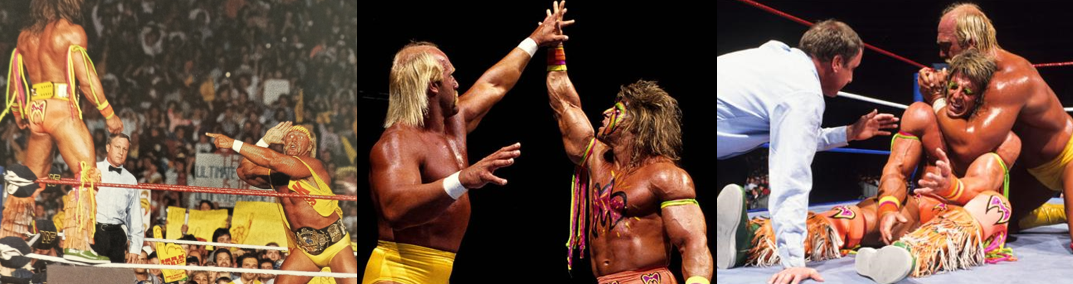




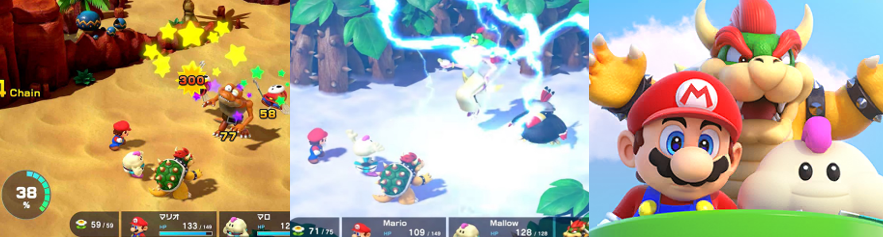
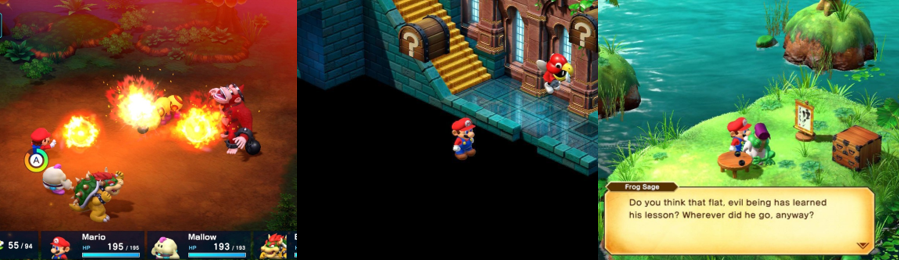
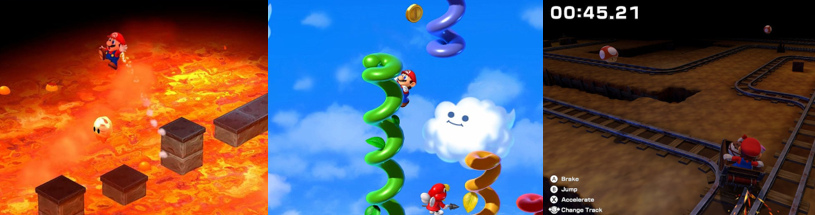
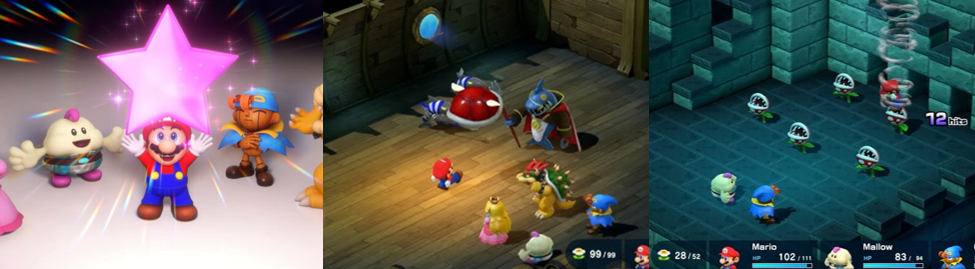
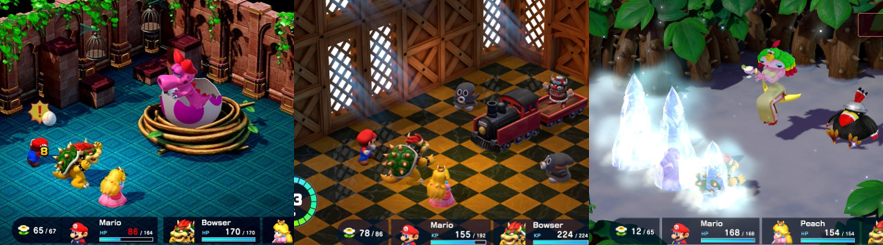
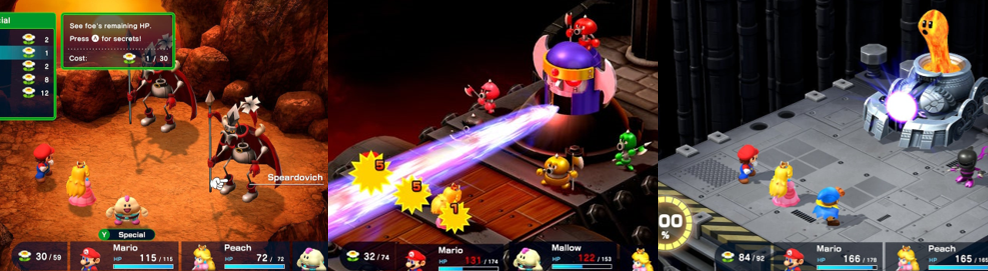
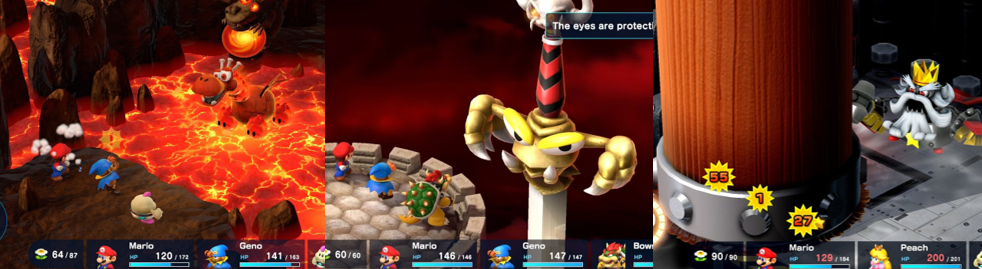


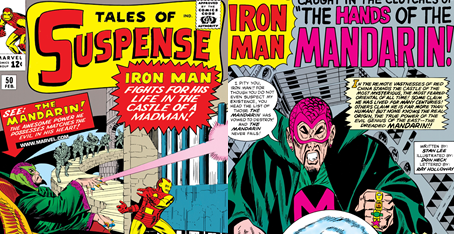
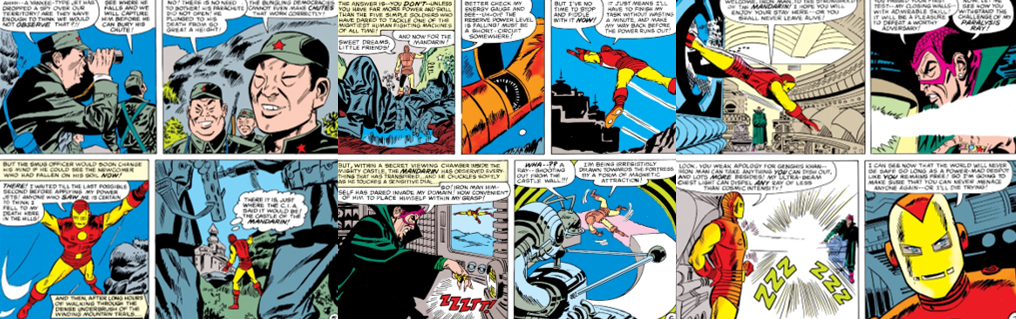

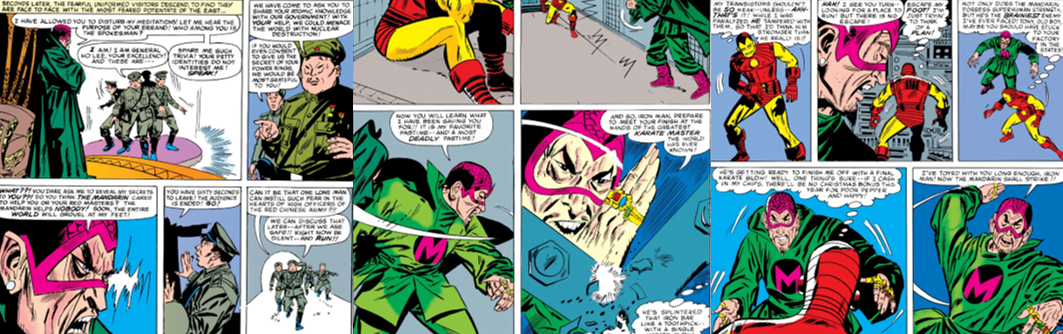


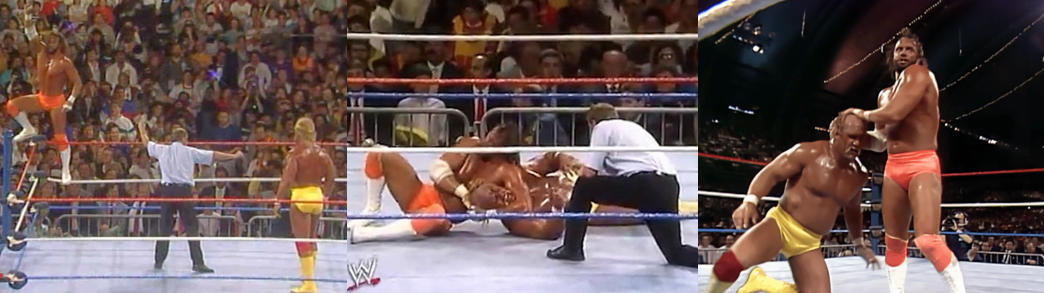


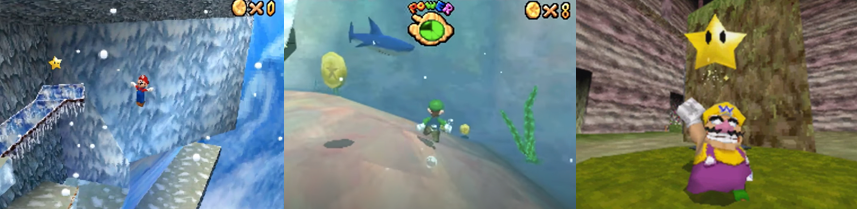

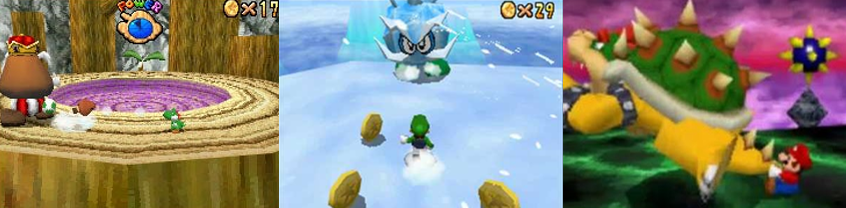
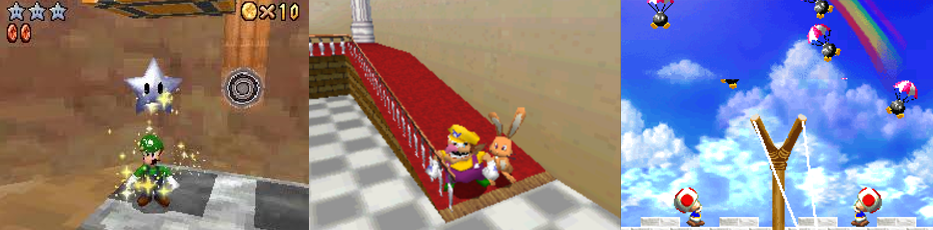

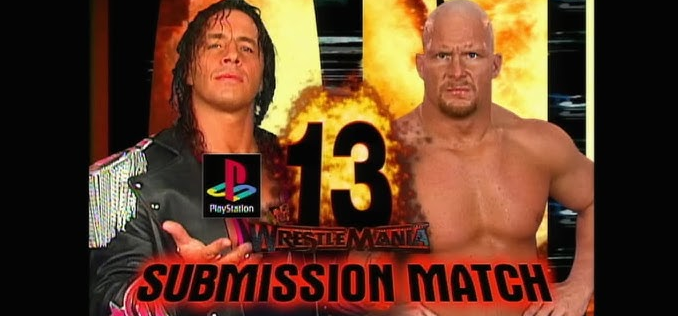
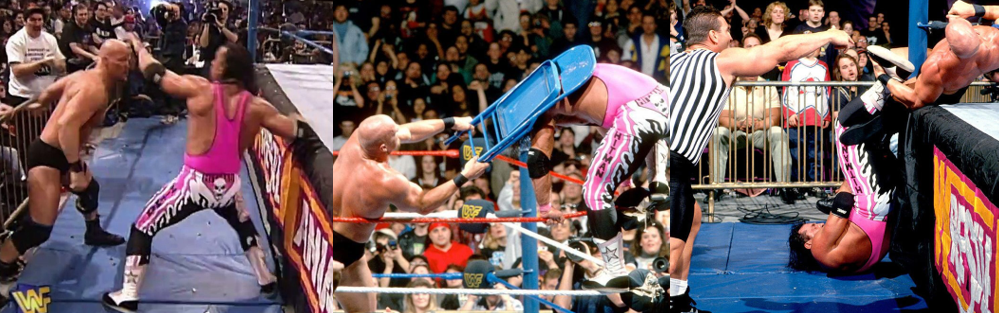
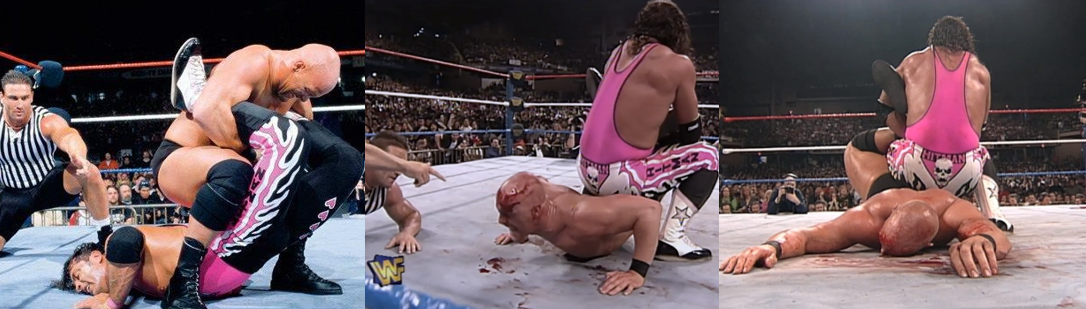


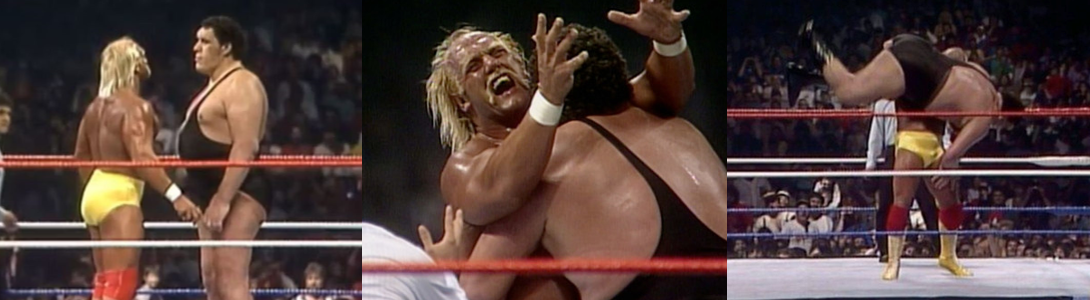

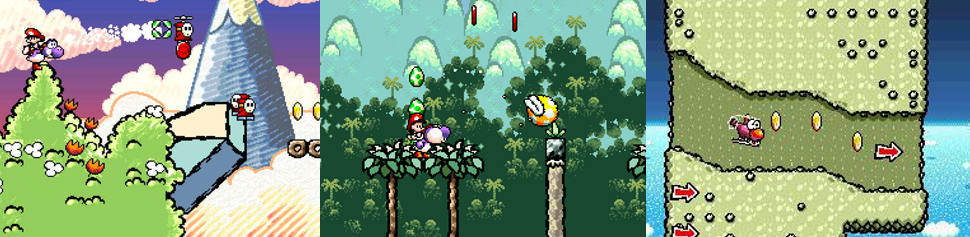
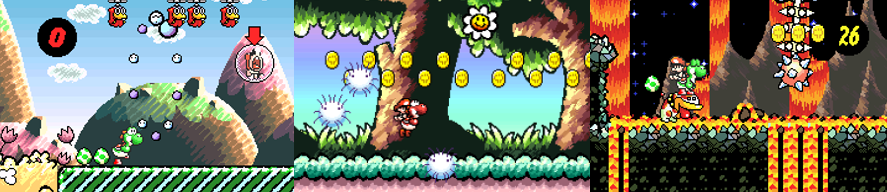
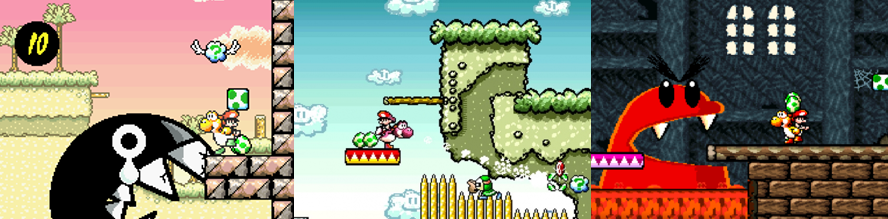
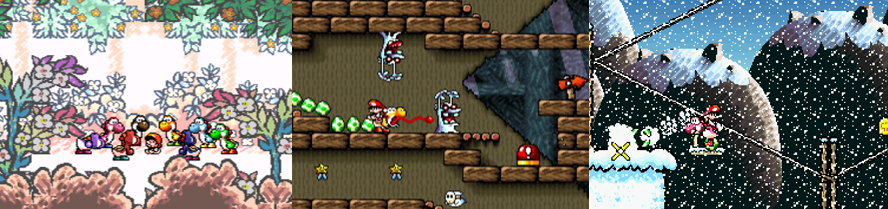
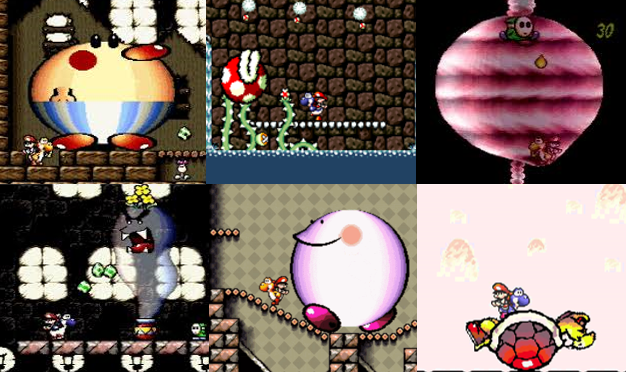
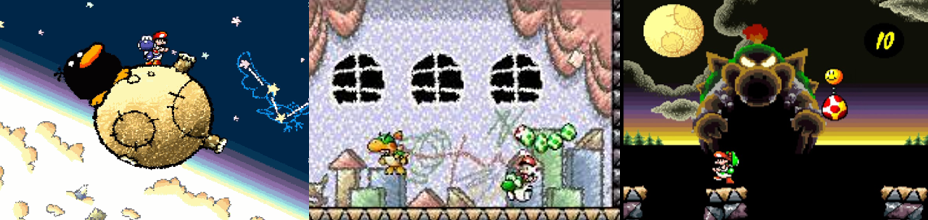



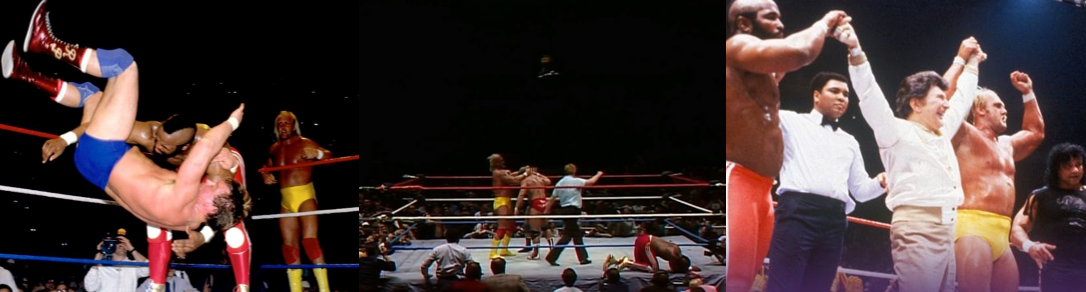

 Dr. K's Waiting Room
You must be logged in to post a comment.