Continuing my ongoing slog through a backlog of Resident Evil titles, I recently played through, and completed the main campaign of, Resident Evil: Revelations 2 (Capcom, 2015) on Xbox One. After struggling a bit with some aspects of the first game, I had hoped to be more comfortable going into Revelations 2 but Capcom made a few changes that make this title almost unrecognisable from its predecessor. Firstly, unlike its predecessor, Revelations 2 was released for main consoles right from the start, rather than being a HD port of a Nintendo 3DS game. However, rather than being a complete package, this title was released in episodes, presumably to encourage players to become immersed in its storyline; whether this actually worked or not is beyond me as I played the Xbox One version, which contains the entire game on one disc.
Never has a skill tree been more unnecessary…
Revelations 2 brings Barry Burton and Claire Redfield back to the franchise; like the first game, each is lumbered with a new character who acts as their partner as they fight to escape from an island that is crawling with infected monstrosities. Claire, partnered with Barry’s daughter Moira, attempts to find her way off the island while Barry, teaming up with Natalia, a young girl suffering from amnesia, arrives at the island some six months later in search of his daughter. Like many of the Resident Evil titles released around this time, Revelations 2 plays from a third-person, over-the-shoulder perspective; as in its predecessor, players have complete freedom of movement, can shoot and reload while moving, and can use healing items at the touch of a button. Well, not quite a touch; this time, players must hold down the R trigger to use these items rather than simply pressing one button. This mechanic is directly tied into the game’s unnecessary and largely pointless skill tree; completing each of the game’s chapters and meeting certain objectives earns the player with BP, which can be spent upgrading certain skills, such as how long it takes to use a herb, how effective they are, and other actions tied in to combat and the player’s partner.
Natalia will point at enemies…it’s super useful…
Unlike in Resident Evil: Revelations (ibid, 2012), players can switch between the two team-mates and even play the game with a friend in co-op mode. Unfortunately, whether you’re partnered with Moira or with Natalia, you’ll find the partners to be next to useless. Neither of them can use firearms; Moira can blind and stun enemies with a torch and bash them with a crowbar while Natalia can sneak around unnoticed and throw bricks at zombies. One of the things I disliked about the first game was the “Genesis” device that forced me to constantly scan enemies and the environment for resources. A similar function exists here, unfortunately, as players can only find hidden items with Moira’s torch or Natalia’s convenient “sixth sense”, which means that you’ll have to jump back and forth between your two characters to find everything in each area. While the first game featured some unique enemy designs tied directly to its water-based environment, Revelations 2 opts for the more traditional zombie-like enemies and mutated creatures favoured by the series after Resident Evil 4(Capcom Production Studio 4, 2005). The major difference here, though, is that these creatures appear to be made of sponge; they will soak up your bullets and still keep coming and some of the larger and more violent enemies may require other tactics to get around.
Seriously, fuck this fucking thing!
Barry, for example, can sneak up on enemies and dispatch them in one move but the Glasp, for example, is invisible, requiring players to switch to Natalia and point out and target the creature so Barry can kill it, which is extremely frustrating when involved in combat. In fact, too many of the game’s enemies have instant kill moves; the reoccurring and extremely annoying bullet-sponge first encountered in the junkyard will have you tearing your hair out as you struggle to hit its weak point and avoid its insta-kill move. Once again, players can use Part Boxes to upgrade their weapons; the game’s extensive (and yet restrictive) crafting system also allows players to craft explosive bottles and helpful items to stop bleeding and wipe away gunk, two new status effects that really add to the game’s frustrations. Personally, I found myself loading tourniquets, wipes, and healing items on the partner character, who will automatically use them when you get stuck in a bind.
This bitch has plans, man…lots of plans!
The game’s narrative is pretty engaging; across four chapters, you’ll attempt to escape from a dire situation and uncover the fate of the characters. In true Resident Evil fashion, though, the plot is far from simple; while it doesn’t jump around as many different places and points in time as its predecessor, it can still be confusing trying to figure out what the mysterious Overseer is up to and uncover the mystery behind the island. On top of that, the game has two potential endings depending on how you deal with the now-traditional “huge tentacle mutating creature” boss battle. This (and the different medals available in each chapter, hidden emblems, and the Achievements) may entice players to revisit chapters from the story once again but, honestly, each chapter is so long that playing casually is not as easy as it was in the first game. Revelations 2 also features a couple of other game modes; Raid Mode returns, this time as a kind of virtual reality simulation that allows players to play as some classic Resident Evil characters in settings that closely resemble those of older games and battle swarms of enemies. Additional side stories also flesh out the main campaign; “Little Miss” sees players control Natalia and her dark doppelganger, sneaking past monsters in an effort to find her bear, while “The Struggle” sees Moira having to hunt animals to survive and clear previous areas of enemies to stay alive.
This bastard alone is enough to convince me to put this game down.
I wasn’t massively blown away by Resident Evil: Revelations; it was a bit awkward in places, the story was all over the place, and the enemies were way too aggressive and annoying. A lot of this is the same here; for everything Revelations 2 does better (graphically the game is superior and the locations are a lot easier to navigate; the story is arguably more engaging as well, if a lot more confusing), it also suffers from some of the same drawbacks as well as some all new ones. Forcing players to switch to their partner, who is as good as dead against many of the game’s monstrous enemies, just to solve puzzles, find items, and get through areas is tedious and annoying; the chapters are also too long, making repeated playthroughs a bit of a slog, and any game that makes a regular mid-level boss more difficult than the final boss is one that irks me, especially when this enemy constantly keeps showing back up and can easily one-shot you no matter how well you’re playing.
Released: January 2019 Director: M. Night Shyamalan Distributor: Universal Pictures Budget: $20 million Stars: James McAvoy, Bruce Willis, Samuel L. Jackson, and Sarah Paulson
Plot: Nineteen years after finding out he is a real-life superhero, David Dunn (Willis) finds himself locked up in a mental institute after apprehending Kevin Wendell Crumb/the Horde (McAvoy). While Dr. Ellie Staple tries to reason with them that they are nothing more than average men with delusions of grandeur, the titular Elijah Price/Mr. Glass (Jackson) plots to prove to the world that extraordinary individuals are an everyday reality.
Background: It seems like a life-time (mainly because, for many people, it actually is) since Shyamalan’s Unbreakable (ibid, 2000). After a turbulent career as a director, he finally snuck a continuation right under our noses with Split (ibid, 2016) and, before you know it, we finally get to see where David Dunn’s life has taken him since realising he has extraordinary gifts. A sombre, brooding character piece, Unbreakable presented a very real world almost identical to ours with the sole exception being the superheroes exist, albeit in a dramatically realistic form; since the, the superhero genre has expanded and exploded into a cultural phenomenon so the question is whether Shyamalan’s more introspective approach still works in the age of the superhero blockbuster.
The Review: Strangely, considering how long we’ve waited for an Unbreakable sequel, Glass is more of a sequel to Split that happens to co-star Bruce Willis than a true second chapter. Right off the bat, Dunn (now dubbed “the Overseer”) is working alongside his son, Joseph (Spencer Treat Clark), to actively pursue Crumb, whose emergence as “the Beast” has driven him to take further hostages. Captured and taken to a specialised hospital, Dunn, Crumb, and the largely comatose Mr. Glass where Dr. Staple spends the majority of the movie trying to prove that their extraordinary gifts are simply delusions of grandeur.
Glass delves a bit more into the superhero psyche.
This, while the heart of the movie, is a less-than-stellar premise; after all this time wanting to see Glass and Dunn truly butt heads and being promised a battle of wits versus brawn, we instead get a lot of introspective analysis into the psychoses of these individuals which would be fine except we know from Unbreakable and Split that these three are all capable of incredible things so it seems like a bit of a waste of time to dwell on these aspects rather than seeing them do what they do.
A team up that promises so much and delivers so little.
This is especially true considering that I’m pretty sure that everyone saw Split so I can’t imagine there were too many people in the audience who don’t know about the three central characters. This all works to the film’s detriment; for a movie titled after him, Mr. Glass isn’t really in the movie that much (Jackson even receives a “and…” in the opening credits, as though he is a bit-player rather than a main character). Sure, he is the master plotter and manipulating events, but he spends most of the film drugged up and out of it, leaving the majority of the movie to showcase more of McAvoy’s incredible talent bouncing back and forth between the Horde’s different personalities.Again, though, we know this and saw it to great effect in Split; equally, we saw a regret-filled, morose Willis in Unbreakable and, despite doing good work and being a more seasoned guardian, he’s still largely the same character here, to the point where even he starts to doubt his abilities despite being fully aware of what he can do. While it’s good to show Bruce’s range, it hardly makes for groundbreaking cinema and is far from what I expected to see in the cumulative chapter to Shyamalan’s trilogy.
The Nitty-Gritty: Shyamalan pulls three major twist on us in Glass; the first is that Elijah has been faking his condition the entire time and has secretly been manipulating events to team up with the Horde. However, the trailers already spoiled this so it’s not much of a twist; I think it was also quite predictable that it was Glass’s actions in Unbreakable that set in motion the events that created the Horde so, again, this was all par for the course for me. The second twist is that Dr. Staple is actually part of a secret society that seeks to suppress all superpowered individuals. Her primary approach is to convince them, through the meticulous charade of posing as a psychiatrist, that they are suffering from delusions of grandeur; the second is a laser-based lobotomy of sorts that removes their abilities; and the third is simply to kill the individuals. It seems that Shyamalan is potentially setting up for another movie where this Cult of Shamrock (they’re not named but they all have little cloverleaf’s tattooed on their wrists…) strikes back against numerous awakened powered individuals but I highly doubt that we’ll get that movie after the ending of this movie…
Which sees Dunn, Glass, and Kevin all dead.
Yep.
When he finds out Glass caused the death of Kevin’s father, the Beast kills him with a simple strike. This is fair enough, I could cope with Glass dying after setting the Beast loose and revealing superhumans to the world. But then Split’s Casey (Anya Taylor-Joy), now seemingly somewhat attracted or at least empathetic towards the Horde, manages to suppress the Beast long enough for the Shamrock’s to plug him with a sniper bullet and kill him.That was something I definitely did not see coming; Glass spent most of his timing convincing the Beast to fight Dunn at the opening of some skyscraper so I expected him to plummet to his death in that battle; instead, he never make sit across the bloody car park before bleeding to death from a single sniper bullet!
At least McAvoy puts in a good performance.
But the absolute worst twist is that David, who was attacked by the Beast and weakened due to being partially drowned, is randomly drowned to death in a sodding puddle by some unknown grunt. He spends the majority of the movie doubting himself when he has no reason to, finally takes up the mantle of the Overseer once more, fights the Beast very briefly, and then is just choked to death by some randomer.Hardly the outcome I expected from this long-awaited sequel and, considering that the film ends with Joseph, Casey, and Elijah’s mother (Charlayne Woodard) posting all the footage online so the world is made aware of superhumans, it really makes you wonder what harm it would have Dunn to have had Dunn be the sole survivor and be faced with the prospect of a lot more superpowered people coming to light. Instead, it sees like Shyamalan wasted the last of his goodwill getting Willis and Jackson (but especially Willis) back for this movie and decided to scrub them all off and bring in some more reliable (or unknown) names for the next movie.
In Summary: Glass is a mixed bag; it’s literally like three or four different movies all smashed together and it jumps across itself more often than Kevin cycles through his personalities! It starts off decent, wastes a lot of time in the middle, and then totally falls apart in the finale. Truly, this was a massive disappointment after such a long wait, and I don’t think anyone who was a fan of Unbreakable or Split will be satisfied with the way this film ends. It seems like Shyamalan was too concerned with subverting the superhero genre but we’ve seen that done numerous times, and he already did that in Unbreakable, and it causes Glass to get too bogged down with its own self-indulgence rather than expanding and exploring this universe in a natural, organic, and exciting (or, at least, interesting) way.
For me, the Console Wars extended well past the 16-bit era of videogaming. Unlike a lot of my friends, I did not have the income to justify doubling down so, while they were all off playing PlayStation and PlayStation 2 while alsoa playing Nintendo 64, I stuck with the Nintendo 64 and GameCube since SEGA were no longer in the business of making consoles. As previously detailed, this means that I didn’t have much exposure to Resident Evil (Capcom, 1996 to present) apart from the Nintendo 64 port of Resident Evil 2 (ibid/Rockstar San Diego/Factor 5, 1999). Although I enjoyed the GameCube remake (Capcom, 2002) and Resident Evil Zero (ibid), I yearned for the chance to take up arms as Leon S. Kennedy once again. Resident Evil 4(Capcom Production Studio 4, 2005) changed that while simultaneously changing the franchise significantly. Slowly, as Capcom released more and more titles with newer control schemes and gameplay mechanics, Resident Evil shifted away from being a survival-horror series, where supplies were limited and caution was the preferred choice, and became far more action-orientated. Resident Evil 4 laid the groundwork for this, moving the camera behind Leon’s shoulder and allowing full 360-degree movement, and changed the franchise’s focus away from zombies and the machinations of Umbrella and more towards parasites and mutations.
Gone are the days of collecting medieval-themed keys.
Staying the course, Resident Evil 5 (Capcom, 2009) took these aspects and ramped them up to eleven. Returning Chris Redfield to the series, Resident Evil 5 dropped players into a complex plot revolving around Albert Wesker’s attempts to destroy the human race with the Oroburos virus. Teamed with Sheva Alomar, Chris finds himself on a path towards not just saving the human race but also of vengeance; prior to the game’s events, Redfield’s partner, Jill Valentine, was presumed dead at Wesker’s hands and Chris, having bulked up to stand a better chance against Wesker’s superhuman abilities, is determined to have his revenge.
Think of Sheva as a walking Item Box…
Unlike Leon, who was lumbered with protecting and rescuing Ashley Graham in Resident Evil 4, Chris and Sheva operate as a unit. Two players (or one with the CPU) can progress side-by-side throughout the main campaign; Chris and Sheva each have their own limited inventory slots meaning that, with no Item Boxes present in the game, trading and combining items is essential to survival, similar to the partner system of Resident Evil Zero. Ideally, you’ll want to play Resident Evil 5 with a friend as the CPU is extremely basic; your partner will shoot at enemies, pass you ammo, and heal or resuscitate you when necessary but is just as likely to be found stuck behind objects or running against a wall. They also seem incapable of using any weapon other than the one assigned to the top of their inventory, meaning you’ll probably end up using them as a walking, talking storage system.
Use your hard-earned gold to buy and upgrade weapons.
Supplies are plentiful, however, even more so than in Resident Evil 4; dispatched enemies will often drop herbs, ammo, gold, or other trinkets while breakable pots, chests, and other objects will yield similar provisions. Other treasures can also be located throughout the story and can be sold at the end of each chapter to purchase new weapons; while it is sad to see the Merchant absent from the title, this does make inventory management a lot simpler and easier. In terms of gameplay, the control scheme of Resident Evil 4 remains intact here, with some additions; at certain points, the player must command their partner to pull levers, open doors, or otherwise assist with various, simple puzzles. Quick-time events still pepper certain cutscenes, meaning you have to remain on your toes the entire time whilst playing, which adds a nice level of spice and interaction to otherwise passive gameplay moments.
It’s safe to say that Wesker’s lacking calm in this entry.
The enemies in Resident Evil 5 are many, varied, and plentiful; the first mission alone sees Chris and Sheva swarmed with a seemingly endless horde of Majini and the number of enemies onscreen at any one time is easily double that seen in its predecessor. Beyond the regular zombie-like enemies, players will also face the hulking Executioner, spear and shield wielding foes, the return of the Lickers and chainsaw Majinis, and even a gigantic troll-like creature. The ultimate confrontation comes against Wesker, who faces the player at first largely unarmed except for his superhuman abilities and, ultimately, in a mutated form that closely resembles that of a Tyrant. Beyond the main campaign, players can also take part in the Mercenaries mode (where they must eliminate as many enemies as possible within a strict time limit) and a Versus mode (where players take part in online battles as part of one of two factions) . The story is further fleshed out in two DLC campaigns, ‘Lost in Nightmares’ and ‘Desperate Escape’, which sees players once again back in control of Jill Valentine.
Resident Evil 5 is very enjoyable when playing with a friend.
When I first played Resident Evil 5, I remember being quite underwhelmed and disappointed; I had enjoyed Resident Evil 4 quite a lot, despite the hindrance of Ashley’s dead-weight, and it felt as though something had been lost in trying to do more and more. I don’t really mind the added emphasis on action or co-op as it makes the game a breeze to play; checkpoints and autosave locations are plentiful, meaning you can get a good feel of how to progress past more difficult sections and the freedom of movement is unparalleled. Since playing the HD remake on Xbox One, though, I have found that the title is a lot more fun and interesting than I previously believed. Admittedly, a great deal of my enjoyment has come from playing online co-op with a friend of mine but, even when playing alone, I have found myself returning to the game’s campaign, earning Achievements, stocking up my inventory, and earning more BP to spend on costumes, figurines, and upgrades for my weapons.
Relish the opportunity to wipe that smug smirk off Wesker’s face.
All-in-all, Resident Evil 5 is a great action-horror title; it is not the classic Resident Evil formula but, should you wish to play a game that is, there are plenty of previous titles that are readily accessible. I think the game may have gotten a bad reputation back in the day for straying so far from the survival-horror genre but, now, with the benefit of hindsight and subsequent titles, I can appreciate the faster pace of the title and Capcom’s attempts to keep the franchise relevant in a difficult market.
How powerful is nostalgia? That is the question Yooka-Laylee (Playtonic Games/Team17, 2017) poses. The spiritual successor to one of the greatest 3D platrformers/collect-a-thons ever, and one of my personal favourite videogames, Banjo-Kazooie(Rare, 1998), Yooka-Laylee once again throws players into a vibrant world full of colourful, squawking characters but, released some twenty years after Banjo’s heyday, is it enough to satisfy modern gamers? Obviously, this is a question many have debated and answered long before I got around to playing Yooka-Laylee and, if you listen to those opinions, you’ll largely hear a sense of apathy, disappointment, and frustrating with some of Yooka-Laylee’s design choices and gameplay mechanics. It amuses me, however, to imagine the same people who criticised Yooka-Laylee’s gameplay are probably some of the same people who were disappointed that Banjo-Kazooie: Nuts & Bolts (ibid, 2008) was just a kart-constructor and not a fully-fledged 3D platformer. But then, as I’ve always said, you can’t please everyone. Luckily, my needs are far simpler: all I wanted was a throwback to all the things I loved about the Banjo games on modern consoles and, in that sense, Yooka-Laylee delivered.
Yooka and Laylee must search high and low for their missing Pagies.
Rather than the classic bird and bird duo of yesteryear, Yooka-Laylee sees players taking control of the titular Yooka (a green lizard capable of rolling, attacking with his tail, and spitting fire, ice, and grenades) and Laylee (a purple bat who allows a degree of flight and whose sonar highlights secrets and acts as a protective shield) who must fight against the minions of the nefarious Capital B, who plans to use a magical book to take control of the world. Yooka and Laylee happen to be in possession of the book and, when its pages are scattered across various worlds, they take it upon themselves to journey far and wide to collect the missing Pagies and put an end to Capital B’s plans. The world of Yooka-Laylee is both familiar and new; boosted by the power of modern consoles, Yooka and Laylee are able to traverse diverse worlds that are tall, deep, and wide, with numerous side quests, hidden treasures, and additional content that keeps them busy. Worlds are accessed from the game’s central hub, Hivory Towers: Yooka and Laylee can jump into Grand Tomes and enter any of the game’s five worlds, each with a familiar theme (ice, space, casino, etc).
Yooka-Laylee‘s worlds have many hidden secrets.
Once they have collected a certain number of Pagies, players have the option of using some of their Pagies to expand each world, opening up new areas and, in some cases, adding entirely new sections to existing worlds where more collectables can be found. In order to reach Capital B, players have to collect a set number of Pagies but, in order to complete the game fully, players must find all 145 Pagies, each of which is protected by either a boss battle, a puzzle of some sorts, mandatory on-rails kart sections, races, and retro-style arcade games. Players can also find and collect various other objects; Quills can be collected to purchase new moves from Trowzer, a shady sales-snake (and finding all 1010 is necessary to obtaining every Pagie), Power Extenders extend your power meter and allow you to use the duos abilities for longer, butterflies can be eaten to restore health and your power meter and there are Health Extenders to get an extra hit point, and five hidden pieces of pirate treasure are also hidden within each world.
You can purchase new moves and abilities.
To assist with their exploring and collecting, players can access a wide variety of moves upon their purchase. Eventually, players will be able to fly, turn invisible, absorb the properties of beehives to access new areas (eating fire-flies to light dark areas, for example), and even encase themselves in a bubble to walk underwater. Completing certain objective will also allow players to assign one of Vendi’s tonics, which all grant the duo certain buffs (such as an extra hit point, a faster regenerating power meter, or removing damage from falls).
A variety of wacky transformations are at your disposal.
Furthermore, Dr. Puzz can be found in each world and will transform Yooka and Laylee into a variety of other forms, similar to Mumbo-Jumbo in Banjo-Kazooie. Players can become a plant, a snowplough, a helicopter, a swarm of piranha, and an adorable little pirate ship; each transformation allows players to solve puzzles and earn new Pagies as well as access other areas of their respective world. Yooka and Laylee also have to contend with a boss battle in each world, each more ridiculous than the last (they range from a giant ice block and a lovesick, anthropomorphic asteroid). While most of these aren’t particularly difficult and can be bested with a combination of skill, memorisation, and having enough health and power, some can be quite tricky and frustrating, with the final boss battle in particular proving quite the headache. Similar to the final confrontations with Gruntilda in the Banjo games, Capital B takes numerous forms and requires the uses of all of Yooka and Laylee’s skills to win the day.
Even Shovel Knight shows up. How indy is that!?
One of the criticisms I heard about this game long before finally getting it was that the worlds are perhaps too large and too sparsely populated and, in truth, it feels like there could have been ten very distinct worlds instead of five that are extended further and basically force the player to remain in each one for extended periods of time with little reprieve. However, each world is alive with gorgeous, colourful characters and locations; they stretch far up, deep down, and right across and each one has so much to see, do, and explore. The downside to this is that there is so much ground to cover and so many areas and sub areas in each world that it can be difficult to know where to go, where things are, and how to proceed. This is a good thing, in that the game doesn’t hand-hold the player, but it does make finding the game’s many collectables (especially those damn Quills) very difficult and frustrating, especially when you have searched every square inch numerous times. However, each world has a lot packed into it and their own unique theme; players will find themselves completing a variety of mini games in capital Cashino, for instance, in exchange for coins that can be further exchanged for Pagies but, in Moodymaze Marsh, have to traverse a murky swamp filled with spiked plants.
Seriously, screw this guy and his damn kart sections!
Playing Yooka-Laylee is, mostly, a breeze; Pagies can be found and collected without too much difficulty but, if you want to get everything in the game, you’re going to have to endure some frustrating sections. Kartos, the anthropomorphic kart, can be found in each world and beating one of his increasingly-difficult on-rails kart sections is mandatory for earning all Pagies. Similarly, Rextro the Dinosaur’s arcade-style mini games must be beaten twice to earn two Pagies; these are nice, fun distractions but can be annoying to have to play due to the controls, janky hit boxes, and equally-janky controls. It’s nothing you can’t get through with time and patience, though, and adds some variety, if nothing else.
There’s lots to see, do, and collect. What more could you want?
Honestly, it annoys me that Yooka-Laylee wasn’t more praised upon its release. Sure, there could be a lot more available in the game, but for a crowd-funded, independently-produced title, it has a lot going for it and is more than a worthy successor to Banjo-Kazooie. I would love to see the Platronics guys get folded back in to Rare and a true Banjo-Kazooie sequel be produced but, until then, Yooka-Laylee scratches that particular itch quite nicely with its large worlds, gorgeous visuals, fun gameplay, biting wit, and some brilliant new tunes from Grant Kirkhope. In the end, nostalgia was powerful indeed, certainly enough for me to have a great time with this fun little throwback to an era sadly neglected in modern day videogames.
Despite my affinity for the Resident Evil (Capcom, 1996 to present) franchise, my love for the series actually began with the Nintendo 64 port of Resident Evil 2 (ibid/Rockstar San Diego/Factor 5, 1999) because, as a kid, I was too poor to ever own a PlayStation and hedged my bets on the N64 instead. While this means I had to retroactively catch up with the original title and was forced to play catch-up ever since with each subsequent release, I have attempted to keep the series at the forefront of my videogame library. However, considering I prefer to stick to the main series titles, Resident Evil: Revelations (Capcom, 2012) passed me by. Originally released for the Nintendo 3DS, a HD port of the title was released for Xbox One in 2013 and, fresh off of Christmas, a copy of this version recently landed in my lap. Set between Resident Evil 4 (Capcom Production Studio 4, 2005) and Resident Evil 5(Capcom, 2009), Revelations took main series stars Jill Valentine and Chris Redfield, saddled them with new partners, and dropped them in the deepest of shits on two cruise ships.
Revelations jumps back and forth between many characters.
The story, in true Resident Evil fashion, is both complex and simple: a viral outbreak has occurred on the Queen Zenobia and Jill and Parker Luciani have been sent in to investigate and find Chris and his partner, Jessica Sherawat. Things quickly become far more complicated when the terrorist organisation Veltro seemingly re-emerges, monsters and mutations stalk the corridors and extravagant interiors of the Zenobia, and twists, turns, and betrayals start to take shape. Additionally, the story jumps between three teams of two characters (the two already mentioned and a couple of BSAA hot-heads conducting a further investigation) and various different time points; players will take Jill through the Zenobia at one moment, before flashing back to events prior to the game’s story and taking control of Parker, before jumping into Chris’s shoes at another end of the ship. It all gets very confusing and annoying, especially when you’re trying to put the narrative in some kind of order, but I appreciated the variety in characters, who all play slightly different and have different missions, weapons, and enemies to encounter. Revelations adopts the over-the-shoulder, action-orientated approach popularised by Resident Evil 4 and yet still returns the series to its claustrophobic, atmospheric roots through the effective use of narrow hallways and the isolation offered by the ships being adrift in the middle of the ocean. Therefore, weapons, ammo, and health are in plentiful supply (especially by Resident Evil standards) but you still can’t go in all guns blazing.
Revelations’ enemies are as unique as they are dangerous.
The Queen Zenobia is swarming with monsters the likes of which have never been seen before in Resident Evil; as with all titles after Resident Evil 4, Revelations moves away from the traditional shambling zombies and more towards mutations and monstrosities. Given the naval setting of the videogame, Revelations sees players battling against weird aquatic creatures that sprout tentacles at a moment’s notice or throw spear-like claws at you, bulbous atrocities with fuckin’ buzzsaws for hands, and even a gigantic, mutated octopus.
The scanning mechanic was quite obtrusive.
The enemy design is very unique and makes for far more formidable monsters to fight to the point where even bog-standard enemies will soak up your bullets like a sponge. Luckily, players are equipped with a device called the “Genesis” which allows them to scan enemies and the environment to locate hidden items and build up a percentage score; once this hits 100%, you are awarded with a health item. Unfortunately, this device is cumbersome and you cannot attack while using it; I assume it worked a lot better with the 3DS’ touch-pad capabilities but, on the Xbox One, it reminded me of the scanning mechanics that I remember dragging down Ghostbusters: The Video Game (Terminal Reality, 2009). On the plus side, though, player control has never been better or more fluid; in Revelations, players can move and shoot (or reload) at the same time and healing items can be used at the push of a button without equipping them from a menu screen (in fact, I hardly ever had a need for the menu at all!), making combat much faster, easier, and fluid. The map is pretty poor, especially compared to the one in Resident Evil 5, and it’s pretty easy to get lost on the ship’s many floors and increasingly grandiose locations but, to be fair, that is part of the charm of a Resident Evil title.
Whoever designed these swimming sections needs to be shot!
There are also a couple of fun on-rails sections where players use Gatling Guns to blast at giant tentacles and even bigger bosses. One new feature I did not enjoy, however, were the sections that force you to endure the game’s terrible swimming mechanics. I can only assume that this was originally something players controlled with the 3DS’ gyroscopic feature, which would have made it even more nauseating and difficult to control. Revelations’ single player campaign is broken down into numerous chapters and acts, making the game very easy to pick up and play in short bursts; I often find Resident Evil titles very intense and absorbing and have to play them in long sessions but Revelations was a lot less stressful in this regard and you can play as much or as little as you like. The better you do in each chapter, the more points and rewards you will receive; these can be used in the game’s Raid Mode, which is a pretty nifty little feature similar to the Mercenaries mode of previous Resident Evil videogames.
Raid Mode offers a variety of bite-sized challenges.
In Raid Mode, players can pick a character (usually one of the main story protagonists), assign them weapons, buffs, and items, and take on a series of short missions based on the single player levels. Although these missions will be much shorter, they can be quite tough; players encounter enemies of varying levels (the higher the level, the tougher the enemies are), far less items (and no access to the Genesis device as far as I have seen), and are also encouraged to finish each mission in a decent time while also shooting at tokens for bonus points.
The sea provides some gigantic bosses to battle!
Overall, Revelations was a pretty good time; it was a blast to see some classic Resident Evil characters and enemies recreated and the story, while over-the-top even by Resident Evil standards, was tolerable and entertaining. It’s fun to blast through the main story mode and take on these new, unique enemies even if a lot of them are frustrating and annoying, especially when you’re low on ammo and can’t be bothered to waste time scanning with the Genesis to get more health. While I found myself getting lost quite a lot due to the poor map and would rather bite a limb off than ever take Jill swimming again, I otherwise really enjoyed the more action-orientated combat and the tense, claustrophobic atmosphere afforded by the game’s narrative and setting.
Released: December 2018 Director: James Wan Distributor: Warner Brothers Budget: $160 to $200 million Stars: Jason Momoa, Amber Heard, Patrick Wilson, Yahya Abdul-Mateen II, Willem Dafoe, Temuera Morrison, and Nicole Kidman
Plot: Fresh off saving the world in whichever version of Justice League (Snyder/Whedon, 2017) you consider canon, Arthur Curry/Aquaman (Momoa) returns to Atlantis when his half-brother, Orm Marius (Wilson), prepares to war with the surface world. Assisted by Princess Y’Mera Xebella Challa/Mera (Heard), Arthur is tasked with finding and retrieving a legendary trident and claiming his birth right as the rightful King of Atlantis.
The Background: The character of Arthur Curry, everyone’s favourite fish-talking aquatic superhero, was created by Mort Weisinger and Paul Norris way back in 1941 when National Comics (the precursor to DC Comics) were eager to capitalise on the success of Clark Kent/Superman and Bruce Wayne/Batman with more costumed heroes. Despite being unfairly ridiculed over the years, Aquaman has been a part of DC’s biggest stories and proved popular enough to feature in numerous DC cartoons, a diabolical videogame, and even almost got his own teen drama show. Development of a live-action solo film can be traced back to 2004, when Robert Ben Garant was hired to write a screenplay; when that project fell through, the character was slated to appear in the ill-fated Justice League: Mortal, but development didn’t truly take off until the successful of Man of Steel(Snyder, 2013) heralded the birth of the DC Extended Universe (DCEU). With Aquaman now a priority, the character cameoed in the divisiveBatman v Superman: Dawn of Justice(ibid, 2016) and was one of the standout elements of Justice League, meaning excitement was high for his solo venture. Filming primarily took place in Australia and Europe and much of the production was focused on bringing Atlantis to life and showcasing Aquaman’s underwater abilities; there were over 700 shots for hair simulations alone, to say nothing of the many ships, architecture, and visual effects required to have the actors move dynamically and believable when seen underwater. Aquaman proved a smash hit; with a worldwide gross of $1.148 billion, it became the fifth-most-profitable release of 2018 and reviews were generally very positive. While some criticised the plot and dialogue, the performances and spectacle drew much praise and a sequel was quickly greenlit. The film was also followed by a short-lived animated spin-off on HBO Max and there was even, strangely, talk of director James Wan revisiting his horror roots in a spin-off movie focusing on the monstrous Trench that, thankfully, never materialised ahead of the sequel.
The Review: Aquaman has always been a bit of a divisive character; thanks to decades of misconceptions about his powers, he’s often portrayed as a useless and ineffectual superhero despite basically being the Superman of the sea and having the potential to be one of the most formidable metahumans in all of comics, much less in DC Comics. Personally, because of this, I’ve always had a soft spot for the character; I’m not massively well-read on his adventures but I really enjoyed Peter David’s run, which transformed him from a white-meat goody two-shoes into a bitter, rugged monarch with a harpoon for a hand! It’s fair to say that attempts to adapt Aquaman outside of the comics haven’t fared too well either, so I was genuinely excited to see that Jason Momoa, who had impressed me with his performance in the surprisingly enjoyable Conan the Barbarian (Nispel, 2011), had been cast and been done up into a barbarian-of-the-sea appearance to tie into his Polynesian heritage. His brief appearance in Batman v Superman and the marketing for that movie (which was oddly focused on the fledgling Justice League) made me anxious for his reinterpretation and I was very happy with Momoa’s portrayal of the character in Justice League as this bad-ass, arrogant loner who was kind of a mixture of Aquaman and Thor Odinson (Chris Hemsworth), showcasing the same brash pride as the latter alongside a genuine love for battle that made him a joy to watch in an otherwise mediocre superhero movie (regardless of which version you’re watching).
The film delves into Arthur’s origins and his resentment towards Atlantis for taking away his mother.
Thanks to Zack Snyder hastily introducing Aquaman and the other Justice Leaguers in Batman v Superman and rushing into a team-up movie before the DCEU could be properly established, Aquaman’s opening moments (and, indeed, much to the plot) revolve around addressing his origin, his powers, and establishing him has a well-rounded character with complex motivations. Because of this, it’s perhaps unsurprising that the film is bookended by Arthur’s narration, with Aquaman taking us through the unlikely romance that built between simple lighthouse keeper Thomas Curry (Morrison) and Atlanna (Kidman), the Queen of Atlantis who fled her arranged marriage and literally washed up outside Tom’s lighthouse. Confused, injured, and bewildered, it naturally takes Atlanna some time to adjust to the surface world, but she quickly becomes enamoured by Tom’s kindness and simple life and the two fall in love and give birth to a young son, Arthur, whom she sees as the potential bridge between humanity and Atlantis. When Atlantis’s soldiers come to force her return, Atlanna showcases some of the fighting spirit her son would eventually be known for, but this is more an emotional outburst and she’s forced to return to Atlantis, and her arranged marriage, to keep not only Tom and Arthur safe but also prevent a war between Atlantis and the surface world. Despite this, Atlanna commands her vizier, Nuidis Vulko (Dafoe), to continue training Arthur, allowing him to master communicating with marine life using a form of echo-telepathy, survive and see in the ocean depths, and blast through water at subsonic speeds. Jason Momoa is an absolute highlight of the movie and is perfect for the title role; Justice League briefly touched upon the resentment he feels towards Atlantis (although that sentiment is revisedhere so that he’s not bitter about his mother leaving him for Atlantean duties and is instead aggrieved that Atlantis shunned him and his mother) and portrayed him as a free-spirited individual with a taste for the booze and adulation. Aquaman develops this further by showing that Arthur holds a grudge against Atlantis for apparently murdering Atlanna for her forbidden love. Despite having saved the world in Justice League, Arthur’s loyalties to the surface world are equally tenuous; he’s uncomfortable being celebrated as the Aquaman and carries a true sense of conflict and sadness over his unresolved issues regarding his heritage that really hammers home that he’s torn between wanting to be left alone and reclaiming his birthright.
A reluctant Arthur must reclaim his birthright to keep his half-brother from destroying the surface world.
Atlantis comes calling, however, when the ridiculously gorgeous Mera arrives to bring Arthur back to his people. Like Vulko, Mera has been feigning loyalty to Orm’s throne but secretly desires to displace him with Arthur; while Mera has no love for the surface world, she prefers Atlantis to remain hidden and in peace rather than at war. Mera is more than capable of holding her own due to her unique hydrokinetic powers, which allow her to hold and command water, extract water from bodies, and turn wine into deadly spiked projectiles in addition to being highly skilled with a blade. Witnessing Orm’s first strike against humanity and the devastation it causes, Arthur reluctantly follows Mera to Atlantis to reunite with Vulko, a man he greatly respects as a mentor despite being sceptical of his plans. Arthur’s reluctance to assume this role is seeped as much in his self-doubt as it is his animosity towards Atlantis; seeing himself as unworthy, the legend of King Atlan (Graham McTavish) as nothing more than a fairy tale, and believing he has no standing or authority within the undersea realm, Arthur is only spurred into embarking on a quest to find King Atlan’s lost tomb and trident after being humbled in mortal combat against Orm. Though she struggles to adjust to Arthur’s snarky, dismissive attitude and is constantly exasperated by his unfamiliarity with Atlantean customs, Mera warms to him while on their quest. Just as he was a stranger in Atlantis, she too is a stranger to the surface world; disgusted by the polluted, overcrowded nature of Arthur’s world, she manages to find some beauty in flowers and the kindness of others and, united in their common goals and the exhilarating of their experiences, an unlikely romance blossoms between the two that sees Mera realise that it’s the very qualities Arthur believes hold him back that make him suitable to be king.
Orm is maniacally driven to unite the undersea kingdoms in a war against the surface world!
I’ve always said that for any good action movie to really work, you need an accomplished actor to portray the villain and offset the musclebound protagonist and Aquaman has the distinction of casting Patrick Wilson in a far more action-heavy role than we’re used to seeing. A stickler for tradition, Orm longs to return the seven Kingdoms to prominence as a united underwater civilisation against the destructive surface world and believes it’s his birthright to lead the united underwater realms in a pre-emptive strike against the surface. While King Nereus of Xebel (Dolph Lundgren) believes that humanity will destroy themselves and aren’t a concern, Orm is insistent that it’s only a matter of time before their conflicts come to the ocean. King Nereus, however, sees through Orm’s golden tongue; with only four of the seven Kingdoms still standing, and the armies of Xebel the only reliable fighting force outside of Atlantis, Orm requires King Nereus’s allegiance if he’s to unite the empire as “Ocean Master” and wage his war. An alliance with David Kane (Abdul-Mateen II), a mercenary with a grudge against Aquaman, allows Orm to stage an attack that convinces King Nereus of mankind’s threat, painting Orm as a scheming and manipulative, power-mad dictator who is determined to wage way regardless of the consequences. However, Orm isn’t simply some conniving armchair villain; he delivers a scathing warning to the surface world by ejecting decades of ships, waste, and wreckage out of the sea as an act of aggression and almost kills Tom in the process. Additionally, Orm is armed with the full knowledge of Atlantean society, well aware of what commanding the united kingdoms, possessing King Atlan’s trident, and trial by combat really means. Because of this, and having lived his entire life under the sea, Orm is an accomplished fighter underwater who easily bests Arthur’s sloppier fighting style. Orm’s mental state, however, is clearly on a razor’s edge; desperate for war, he lashes out and makes demands of all those around him, fully willing to kill to fulfil his ends, and yet is intelligent enough to understand the importance of allegiances and allies. This leads him to keeping Vulko close, despite being fully aware of his betrayal, and to marry Mera to secure the loyalty of King Nereus, all while preparing to destroy countless human lives in his quest for power and glory.
Out for revenge, David Kane outfits Atlantean tech to become the dangerous sub-villain Black Manta.
As mentioned, Orm allies with David Kane (Abdul-Mateen II), a pirate we’re introduced to in the film’s first act. Alongside his father, Jessie (Michael Beach), David sports intimidating advanced diving gear (with a Baraka-like blade built into his gauntlets) and commands a squadron of similarly-clad minions in hijacking a nuclear-powered submarine. Having planned and taken the lead on the heist, David is not only afforded his father’s respect but also gifted a blade, a family heirloom, as a rite of passage. His pride at this touching moment is almost as strong as his deep-rooted desire to lock horns with the fabled Aquaman, believing it to be an inevitable conflict, but his fervour to best Arthur soon turns to desperation when Jessie is left pinned under a torpedo and subsequently drowns despite David’s pleas for mercy. Seething with rage, David demands Orm gives him the means to avenge himself on Aquaman, which the would-be conqueror initially balks at but, after Mera helps Arthur to escape to the Sahara Desert, Orm gives David advanced Atlantean technology that allows him to assume the identity of Black Manta so he can track them down and kill them before they can find King Atlan’s trident. While Black Manta could have been featured a little more in the film, which juggles many different stories and ideas simultaneously, his appearance is a welcome one as he fully embraces the all-encompassing outfit and manages to project his rage and lust for vengeance despite being completely obscured. His presence here is primarily to give Arthur a secondary villain to butt heads with in the second act and to set him up for a greater, or recurring role, in future films, possibly alongside disgraced scientist Doctor Stephen Shin (Randall Park).
The Nitty-Gritty: Aquaman released at a time when there was a conscious effort to lighten up the bleak, grim-dark DCEU; while I appreciate the DCEU’s attempts to separate itself from the more family-friendly jaunts of Marvel Studios, I have to admit that there’s something very off about a morose Superman (Henry Cavill) and a disillusioned Batman (Ben Affleck) swearing and going on a murder spree so I, for one, enjoyed the infusion of more comedic aspects into the DCEU and embracing some of the source material’s more outrageous notions to focus on bombastic, blockbuster fun rather than melancholic deconstruction of the genre. Consequently, there’s a great balance of action, drama, and humour in Aquaman right from the start when Queen Atlanna hurls her trident at an episode of Stingray (1964 to 1965). Much of the film’s humour is delivered by the super charismatic Jason Momoa; his Aquaman is a bit of a bonehead at times and never short of a smart-ass quip, resulting in him making a bit of a fool of himself around Mera, subverting expectations by having him drinking with some overzealous fans rather than engaging in a barroom brawl, his own disgust at his personal hygiene, and, my favourite gag, the “Drunk” graphic listed as one of his cons during his ritualistic combat against Orm. The film is also rife with familial themes; Arthur’s life has been ruled by the belief that Atlantis killed his mother, but he’s very close to Tom, drinking with him and sharing mutual respect even while being exasperated by this father’s efforts to push him to be more. The central conflict between Arthur and Orm is essentially a clash between slighted brothers not unlike what we saw in Thor(Branagh, 2011) except the two are far more equally matched; it’s telling that Orm’s conquest against the surface world only ends upon seeing his mother alive and well, after all. Mera also has a complex relationship with her father; she wants to do right by him but isn’t happy about being forced to marry Orm, nor does she agree with his war against the surface world, and she openly defies both and risks being charged with treason in order to bring Arthur back so he can prove his birthright, no matter how unworthy he may initially be.
Aquaman‘s costume design and visual spectacle is a true highlight of the movie.
To the delight of many viewers, I’m sure, Arthur spends most of the film topless, showing off his impressive physique and his array of tribal tattoos; although he donned Atlantean armour in Justice League, he appears to have ditched this in favour of his more streamlined appearance but, after meeting the Lovecraftian Karathen (Julie Andrews) and reclaiming the trident of the legendary King Atlan, he emerges garbed in the king’s golden scale armour, effectively wearing a comic-accurate suit that turns the orange scales and green tights and turns into this absolutely bad-ass armoured look that really works (though at the cost of those abs). I was similarly taken by Mera; Amber Heard might be persona non grata these days (and rightfully so), but my God does she cut an alluring figure in that slick, skin-tight outfit and with the glossy red hair (wig or not). I was equally blown away by the film’s villains; not only does David end up sporting an extremely faithful Black Manta suit, complete with oval head and laser blasts, but Patrick Wilson cuts an intimidating figure even in the ridiculous Ocean Master armour, which boasts a flexible cowl to allow him greater emotional range during the film’s climactic fight scene. When not garbed in his own ostentatious golden armour, Orm prefers a darker attire and rides vicious sharks outfitted with concussive cannons to demonstrate his command over one of the sea’s most aggressive predators; conversely, King Nereus and his people don striking emerald and gold ceremonial armour and traverse the waterways on great seahorses. Atlantis is but the central kingdom of a vast and diverse underwater society comprised of numerous fish-like races; the most human of them all, Atlantis’s citizens are physically impeccable, with Atlanna, Orm, Mera, and Arthur himself all being beautiful and strong physical specimens. Their technology is fantastically advanced, allowing their soldiers to wield concussive staffs and pilot underwater craft that are not only futuristic but almost alien in their design. Convenient air pockets exist within the underwater kingdom, and can be created by Mera’s powers, but only the “Highborn” are capable of breathing water and air, meaning Orm’s soldiers use breathing equipment outside the water. There are many layers to Atlantis, from the enigmatic dwellings of the Highborns to the harsh traditional of the Ring of Fire (complete with a drum playing octopus!), and Aquaman really goes all-in to bring the spectacle of Atlantis and her technology; ships and weapons have a bioluminescent glow that makes them magical and also a little alien and the entire kingdom is a mixture of ancient ruins and highly advanced, futuristic technology where beautiful luminous structures and sleek structures exist side by side.
Alongside thrilling action, Aquaman dabbles in horror to keep things visually exciting.
Hidden beneath the depths of the Atlantic Ocean is the lost civilisation of Atlantis, a submerged civilisation comprised of seven underwater kingdoms, of which only five are thriving: Atlantis itself, where Orm has taken the crown; Xebel, ruled by King Nereus birthplace of Mera; the Trench, home to a vicious and aggressive tribe; the Brine, a race of anthropomorphic crustaceans; and the Kingdom of the Fishermen, who are ruled by King Ricou (Andrew Crawford/Djimon Hounsou). Mera also mentions the Deserters during their excursion to the Sahara Desert; though she claims their civilisation was destroyed, remnants of their technology are still present and easily reactivated with just a drop of sweat. To use another Marvel comparison again, it’s very much like a mixture of Asgard and Wakanda but underwater; the underwater kingdom brings a true sense of history, one that really expands the lore of the DCEU by relating the history of Atlantis, a technologically advanced civilisation seeped in magic not unlike Themyscira, but which paid the price of their ambition by being submerged beneath the ocean and lost to mythology. There, they ether evolved or regressed and its these differences that really make Aquaman a visual treat; when conversing underwater, there’s an echo effect applied to the dialogue to indicate the affect the depths of the ocean has on communication; while telepathy probably would’ve made more sense, this method allows the actors to properly convey emotions and also ties into the somewhat fantastical nature of Atlantis. Characters are also almost constantly depicted swimming, floating, or otherwise drifting in the ocean, with their hair and ceremonial robes and such all being affected by the constant movement of water to really help make the underwater scenes both immersive and accessible to audiences. When venturing into the Kingdom of the Trench, Aquaman allows director James Wan’s horror background to shine in bringing these nightmarish, carnivorous creatures to life; their mindless brutality is in stark contrast to the more elegant Alanteans and even the otherworldly beauty and outrageousness, respectively, of the Fishermen and the Brine. Thankfully, Aquaman’s visuals hold up really well; the choking depths of the ocean help to mask more CG-heavy effects such as the Karathen, but the film certainly doesn’t pull any punches for the massive conflict that rages throughout the final act.
Explosive and hard-hitting fight and action scenes break out at the drop of a pin.
With the narrative building towards an epic climax, Aquaman certainly isn’t short on action sequences; amusingly, the movie is constantly interrupting dialogue and exposition scenes with explosions and action scenes, almost to the point of ridiculousness as it happens three times (during the Orm’s discussion with King Nereus, interrupting Vulko’s mission debriefing to Arthur and Mera, and right as Arthur solves King Atlan’s riddle in Sicily). I mentioned before that Aquaman is basically the Superman of the sea and this is reinforced with Arthur’s bad-ass introduction, in which he hefts a submarine to the surface, shrugs off bullets and even grenades to the chest, and decimates Kane’s soldiers with a brawling, no-nonsense fighting style that unwittingly creates his resentful archvillain, Black Manta. Arthur is also depicted as leaping out of the water and darting through the depths in very much the same way Superman flies through the sky and his half-breed physiology certainly hasn’t dampened his superhuman abilities and he only encounters a challenge when he goes toe to toe with Orm’s soldiers due to their advanced technology and his inexperience with underwater fighting. Arthur has a couple of run-ins with David throughout the film; their first fight is ridiculously one-sided, despite David’s passion and swordsmanship, as he cannot make a dent on the metahuman half-breed and is left beaten, humiliated, and swearing revenge. The second time they fight, it’s in Sicily and David has rechristened himself Black Manta; now able to fly and emit concentrated blasts of concussive plasma from his saucer-shaped helmet, Black Manta is finally able to fight Aquaman on equal ground thanks, in no small part, to the addition on Atlantean steel and a plasma-like whip to his arsenal. The first time Arthur battles Orm, it’s on the would-be conqueror’s turf, surrounded by water and the jeers of the crowd. Having lived his whole life underwater, training to be the best, Orm easily humbles Arthur, unleashing all of his spite and disgust for his older brother, even severing their mother’s trident in the battle to prove his dominance. Indeed, it’s only due to Mera’s interference that Arthur is saved from death, and he learns from the experience to challenge Ocean Master outside of the water for the finale.
Ultimately the rugged Arthur reclaims his birthright and defeats his half-brother’s mad ambitions.
Arthur and Mera’s journey leads them on a globe-trotting quest to solve King Atlan’s riddle, which takes them to the Kingdom of the Trench, a vast and hazardous pitch-black underwater kingdom full of the carnivorous beasts that also hides a wormhole to the centre of the Earth, where Atlanna is revealed to be alive and well. Arthur is conflicted by this revelation; clearly overwhelmed, he’s brought a sense of closure by his remorseful mother, who’s first concern is to reassure him and to ask about Tom, who still waits for her return. Before any of them can escape, however, Arthur must face his fears and brave the dwelling of the Karathen to claim King Atlan’s trident, something he’s able to succeed at thanks to his ability to communicate with sea life. With Orm having killed King Ricou to force the Fishermen’s loyalty, and Vulko imprisoned for treason, the newly crowned Ocean Master leads his army against the forces of the crustacean Brine race to force them to submit to him. However, Aquaman and Mera arrive, with the former commanding the mindless Trench and triumphantly riding the Karathen into battle, and wielding King Atlan’s trident, its power amplifying his own and allowing him to turn Orm’s steeds against him and his allies. Although this is enough to finally convince King Nereus to stand down, Ocean Master is not so easily swayed and so stubborn in his refusal to yield that he recklessly battles Aquaman on the surface of his ship against the backdrop of a raging thunderstorm as the sea people watch on. Thanks to a technique of Vulko’s, which sees Aquaman generate a swirling shield of hard water, and his experience with fighting on land, Arthur topples Ocean Master but, in defiance of Atlantis’s ways and Orm’s desperate pleas, refuses to kill him. Orm finally yields upon seeing his mother alive and is imprisoned, with Arthur extending the olive branch to his wayward little brother and assuming his rightful place as the King of Atlantis. However, though Black Manta appeared to suffer a fatal fall at the hands of Arthur and a handed ball and chain, a mid-credits scene reveals he’s alive and well thanks to Dr. Shin and willing to lead the marine biologist to Atlantis in return for his assistance in repairing his armour.
The Summary: Aquaman is, in a word, bad-ass. It takes some of the best elements of superhero, science-fiction, and fantasy films and smashes them together in a glorious, over-the-top thrill ride that never slows down and never has a dull moment. It was great giving Arthur a platform to shine so we could learn more about his origins and motivations, with the plot literally centring around Arthur’s heritage and his grudge against all of Atlantis. Jason Momoa shined in this role and carries the film with his physique and endless charisma; he carries himself with such a swagger and confidence while also being a loveable goofball that it’s impossible not to like him or root for him reclaiming his birthright. Patrick Wilson was equally amazing as Orm; so much of Orm’s motivation stems from his disgust at having a half-breed older brother and his quest to become the Ocean Master is layered in a desire to destroy Aquaman, dominate the surface world, bring Atlantis back to glory, and his personal lust for power. The film’s pacing is really fun, as well, with massive action scenes breaking out at the drop of a pin and it also does a great job keeping things visually interesting by contrasting cinematic genres, such as when Arthur and Mera journey to the Kingdom of the Trench and the film suddenly becomes a monster/horror movie but, by the time they return to Atlantis, it shifts easily into a massive full-scale war movie! I cannot stress enough how much fun Aquaman is; the film is bright, constantly moving, full of action, and has a real dramatic weight to the story. While it’s obviously a big CGI-fest at times, all the effects look great, with special props to the costume design, and the film is also full of humour and hard-hitting action. Ultimately, while I disagree with the decision to fast-track to a Justice League film before the DCEU was properly established, I’m so glad that Jason Momoa got the chance to bring this character into the mainstream in such an entertaining way and Aquaman definitely went a long way to changing the public’s perception of the character for the better, in my opinion.
My Rating:
⭐⭐⭐⭐⭐
Rating: 5 out of 5.
Fantastic
What did you think to Aquaman? Did you enjoy Jason Momoa’s portrayal and the changes made to his character for the film? Do you think we should’ve gotten more solo DC movies before a Justice League film was made? What did you think to the conflict between Aquaman and Ocean Master? Would you have liked to see a bigger role for Black Manta? What did you think to Atlantis, the different undersea tribes, and the film’s costume design? What Aquaman stories, characters, and moments would you like to see adapted in the future? Whatever your thoughts on Aquaman, feel free to leave a comment below and be sure to check out my other Aquaman reviews.
It seems blasphemous to say it but, sometimes, films do deserve a modern remake. The stigma that remakes are “bad” or “unnecessary” is one that I have already contested before, as some of the best films in cinema history are actually remakes. However, whether because they haven’t aged too well, or sequels ruined the original concept or expanded upon it in ways that actually affect the original negatively, or there is the potential that some films could just be done better, I put it to you that there are some movies that totally are in need of a remake and here are just some of them.
10 X-Men
I’ve already discussed, at length, my ideas for the surely-inevitableX-Men reboot that will come once Marvel Studios decides to integrate Mutants into the Marvel Cinematic Universe but it needs repeating here: the X-Men franchise is a mess! 20th Century Fox could have rebooted the franchise with X-Men: First Class(Vaughn, 2011) but, instead, they chose to produce a sloppy mish-mash of sequel, reboot, and retcon because God forbid that they lose the revenue produced every time Hugh Jackman’s Wolverine pops his claws. Similarly, X-Men: Days of Future Past (Singer, 2014) could have straightened things out using time travel but that clearly was asking too much; the focus was on powering through with a nonsensical, confusing timeline, not on any sense of continuity or logic. Therefore, X-Men really needs to have the plug pulled and a whole new retelling to help bring some kind of order and logic to one of Marvel’s biggest and most profitable franchises.
9 Street Fighter
What’s that, you say? “Street Fighter already had a reboot; Street Fighter: The Legend of Chun-Li (Bartkowiak, 2009)!” Really? You’re happy for that atrocity to stand as your Street Fighter adaptation? Jeez, at least Street Fighter (de Souza, 1994) was fun; dumb, yes, but fun. The only things Legend of Chun-Li had going for it were higher production values, Robin Shou, and the use of chi; literally everything else was a slap in the face to any fan of the videogames or action movies in general. Now, you might also be wondering why I didn’t pick Mortal Kombat (Anderson, 1995) and the answer is simple: it is a fantastic film; fun, witty, with some great fight scenes and decent effects. Street Fighter, however, is still waiting for a halfway decent adaptation; go old-school with it, make it a gritty, Kickboxer (DiSalle and Worth, 1989)/Bloodsport (Arnold, 1988)-style action movie; maybe throw in some inspiration from Warrior (O’Connor, 2011). In today’s climate, where MMA and UFC are mainstream and popular, Street Fighter has the potential to be a pretty solid action film if handled correctly.
8 The Mask
Our first remake where my overriding advice is simple: “Go back to the source material!” Don’t get me wrong, I love The Mask (Russell, 1994); it’s a great vehicle for Jim Carrey’s talents and looks fantastic as a live-action cartoon but it’s not really a great adaptation of Mike Richardson’s original comic book. In the comics, “Big-Head” was a complete and utter psychopath and the titular Mask was anything but a force for wacky comedy. Therefore, rather than simply trying to ape Carrey’s performance, do a complete 1800 and make a super-stylised, hyper-violent action/horror movie. Honestly, given how successful Deadpool (Miller, 2016) and its sequel were, I am surprised that we haven’t heard rumblings of a new Mask movie as it’s basically the same premise but even more over the top, if you can believe that!
7 Resident Evil
Easily the most inevitable of all of these films given recent news that a director has already been picked, I once again would advise revisiting the source material this time around (or, you know, actually bother to look at the source material at all) as the movies churned out by Paul W. S. Anderson have little to no resemblance to Capcom’s survival-horror series. Seriously, stop trying to copy Aliens(Cameron, 1986) and concentrate on making a dark (literally and figuratively), tense, atmospheric movie where two characters have to survival against some gory, fucked up zombies and gristly, practically-created (CGI just for enhancement, please!) monsters. It’s a bad sign when Doom(Bartkowiak, 2005) is a better Resident Evil movie than any of the actual Resident Evil movies so, come on, bring back the splatter-gore zombies movies of old and make a real Resident Evil adaptation for once!
(Side note: I actually love Doom. Fight me).
6 The Crow
Here’s one that’s been in and out of development hell for decades now. We have come so close to getting a new Crow movie so many times, with names like Bradley Cooper and Jason Momoa both attached at one point, only to have it snatched away at the last second. Honestly, I am fine with this as The Crow(Proyas, 1994) remains one of the most haunting and beautiful movies (and adaptations) of all time. However, while I am in no hurry to see a remake, if we do ever get one I again urge those behind it to look a little closer at James O’Barr’s original 1989 comic book, if only to differentiate the new film from the original. Go for a moody, stylised, neo-noir piece, taking inspiration from Sin City (Miller and Rodriguez, 2005), and craft a dark, sombre film that has little to do with heroism and more to do with cold, uncompromising vengeance.
5 The League of Extraordinary Gentlemen
Ah, yes, the film that notoriously caused Sean Connery to retire from Hollywood altogether. Again, I am actually a bit of a fan of The League of Extraordinary Gentlemen (Norrington, 2003); it’s not perfect but I liked seeing all these literary characters come together and the steampunk aesthetic of the movie. However, I would not be against Hollywood giving this one another go as it could definitely be done better. Keep the steampunk aesthetic but really emphasise the gritty, world-weary nature of these characters; you’re bringing together some of the most beloved, nuanced, and interesting fictional characters ever created so don’t belittle them with goofy antics. Go back to Alan Moore’s comic books, maybe take some inspiration from the second volume in which Moore has the League participate in the War of the Worlds (Wells, 1897) and for God’s sake do not promote the movie as “LXG”!
4 Fantastic Four
Another pick that is surely inevitable given Disney’s purchase of 20th Century Fox, I could go into a lot of detail about how the first family of Marvel Comics should be introduced into the Marvel Cinematic Universe (and hey, maybe I still will!) but, suffice it to say, the Fantastic Four really need a movie deserving of their longevity and popularity. There were things I liked about both of Tim Story’s movies, and even the much-maligned reboot by Josh Trank, but all three films failed to capture the essence of the Fantastic Four and really do them justice. This is a chance for Marvel Studios to make a film with actual responsible adults in it; bring in an older cast for Reed Richards and Susan Storm (Bruce Campbell is a great choice for Reed but may be a bit too old; I’d suggest Pierce Brosnan, if he isn’t used for Magneto), get a popular, utterly handsome guy in his mid-twenties-to-late-thirties for Johnny Storm (Zac Efron?), and use that patented Marvel CGI wizardry (preferably in conjunction with practical effects) to create a truly lifelike Thing (voiced by, I dunno, Danny DeVito?). Whatever they do, though, it is crucial (and I mean absolutely crucial) that they get Doctor Doom right (and I mean pitch perfect); Doom should be a premier villain in the MCU and they shouldn’t shy away from his mystical origins. Get someone who isn’t afraid to wear a mask the entire time and who has the presence and gravitas to pull off such an enigmatic role (again, I would go the older route, maybe try and bring in Arnold Vosloo?)
3 Spawn
Oh, Spawn, you’re so very nineties! A Spawn remake/reboot has also been kicking around for decades, with creator Todd McFarlane constantly banging on about how it’s being scripted, in production, coming soon, won’t feature Spawn much (which is insanity!), will be super dark, super scary, and loads of other talk but, until we see a poster, a trailer, and the film in cinemas it’s just that: talk. Spawn(Dippé, 1997) is not a great film; you could argue that it’s not even a good film. It’s rushed, sloppy, disjointed, and some of the effects have aged terribly. This is the reason we need a new movie, one that isn’t afraid to go dark, be super violent, and really do justice to the character and his original run. Take the effects work from Venom (Fleischer, 2018), go balls-deep with the violence and surreal nature of the concept, take notes from the excellent animated series, and bring in Denzel Washington to play the titular hellspawn and you could have a winning formula.
2 Hellraiser
Here’s another remake that’s been doing the rounds for a while. Despite all the talk and anticipation of a remake, however, it seems we’re doomed to getting ashcan sequels and direct-to-DVD releases that keep this franchise limping along on life support (would you believe that there are ten films in this series!?) Hellraiser makes the list because the original 1987 movie and its immediate sequels have not aged well; in fact, they have aged terribly. I applaud them for using practical effects and making the most of their obviously limited budget but it’s clear to see that this movie could be made so much better with modern filmmaking techniques. Indeed, one of the few good points of the later sequels is how much better the effects are and, done right, a Hellraiser remake could really surprise at the box office. So, I say to you: Go back to Hellraiser and Clive Barker’s original novel, look at the lore and legacy of the series, and put some time, effort, and money into making a truly nightmarish, surreal, and atmospheric horror movie. And if you’re not going to cast Doug Bradley as Pinhead, at least have him dub the lines or something.
1 Highlander
Oooh, boy, this film. Similar to Hellraiser, Highlander (Mulcahy, 1986) makes the list because it just doesn’t hold up; the effects are bad, the fight sequences are shit, and, thanks to all of the nonsense introduced in the sequels, the original movie is a laborious chore to sit through. Yet, the concept is a good one; the franchise clearly had some staying power as well, if the television series is anything to go by. However, we really need to look at the lore and iron out some specifics: what is the Prize? How many Immortals are there and will we address where they come from? What is the exact nature of the Quickening? Seriously, these concepts are so ill-defined in the original and bogged down with retcons and illogical additions in the sequels that I have no idea what’s going on. Either get a clear picture and make a decent fantasy film based on that or ignore some of the sequels and bring back Christopher Lambert in the mentor role; either way, you absolutely must cast Thomas Jane in the title role…and maybe Dave Bautista as the Kurrgan.
Released: 16 June 2011 Originally Released: 21 November 1998 Developer: Grezzo Original Developer: Nintendo EAD Original Version Also Available For: GameCube, Nintendo 64, Nintendo Switch, Nintendo Wii, Nintendo Wii U
The Background: I’ve talked before about how my first introduction to the Legend of Zelda series (Nintendo EAD/Various, 1986) was with The Legend of Zelda: Link’s Awakening(ibid, 1993) on the original Game Boy, but even that brief experience was enough to suck me into the hype that surrounded Zelda’s highly anticipated jump to 3D. Development of Ocarina of Timebegan alongside other Nintendo 64 launch titles like Super Mario 64(Nintendo EAD, 1996) and was originally planned for the ill-fated 64DD add-on and was originally conceived to use a similar painting-based world progression as Super Mario 64. While series co-creator Shigeru Miyamoto spearheaded the development of an expansive world and versatile combat, it was director Yoshiaki Koizumi who championed the use of the Z trigger to target enemies and Takumi Kawagoe who crafted the cinematic cutscenes to convey the game’s epic narrative. Initially released alongside some limited edition gold cartridges, Ocarina of Time was a phenomenal success, regularly amassing perfect review scores. Reviews were unanimous in their praise and the game became an instant classic that has stood the test of time. Ocarina of Time was ported numerous times over the years but development of a remake for the Nintendo 3DS was first hinted at in 2010, with the team taking the time to meticulous recraft the game for a new generation of players. The project was undertaken by Grezzo, who purposely left some of the original bugs in the game as fan service and not only included but reworked the rarely-seen “Master Quest” mode to be more challenging for even seasoned players. Like the original, Ocarina of Time 3D was met with universal critical acclaim; reviews praised the graphical overhaul and timeless gameplay, and the sales and perfect scores were more than enough to justify Nintendo and Grezzo collaborating to remake its sequel.
The Plot: Kokiri boy Link is ecstatic to finally be assigned a fairy companion. However, Navi’s presence begins a sprawling adventure that sees Link realise his destiny to oppose the evil Gerudo King, Ganondorf. To do this, Link journeys through time to collect the mystical artifacts needed to rescue Princess Zelda and confront the King of Evil in his foreboding lair.
Gameplay: The Legend of Zelda: Ocarina of Time 3D is a remastered version of the classic Nintendo 64 action/adventure game. Players assume the role of Link, a young elvish child in a green tunic whose name they can customise when starting a new save file, of which there are three. Link’s journey takes him all across the land of Hyrule, and through time itself, and the Nintendo 3DS version of the game makes this quest more accessible than ever thanks to some much-needed improvements to the control scheme. Although Young Link starts out with only the ability to automatically jump from ledges, crawl through gaps, lift and toss puts with A, and roll along to smash crates with the same button, he soon acquires his first sword, which is mapped to the B button. The jump to 3D vastly improves Link’s combat prowess; not only can you hold B down or rotate the control stick to unleash a Spin Attack, but Link will also swipe with a series of slashes and can even duck and jab at foes. To make combat even easier, Link is joined by a fairy companion, Navi, who will target any enemies, non-playable characters (NPCs), or points of interest with a press (or hold) of the Left bumper. You can consult Navi for advice on an enemy’s weakness, chat to NPCs from long distance, or use the control stick, B, and A to hop, back flip, and leap at enemies to deal additional damage. Once you acquire a shield, this is mapped to the Right bumper, allowing you to press and hold R to block incoming attacks (and, later reflect certain elemental beams). In place of the Nintendo 64’s C-buttons, players can now map items to the X and Y buttons or to two additional item slots on the touch screen. Similarly, Link’s ocarinas, camera controls, and inventory and map options are also displayed on the touch screen, giving you greater ease of access to everything you need.
Link’s world, arsenal, and options have been blown open by the expansive 3D engine.
The touchscreen also displays a map of the current area, a miniature version of which also appears on the main heads-up display (HUD), though you can toggle this on and off with the directional pad; his health (represented by hearts), magic meter, and current Rupees (the currency of Hyrule) are also displayed on the touchscreen, significantly decluttering the HUD. Key items you collect to advance the narrative will appear in your ‘Gear’ menu, while equippable items appear in the ‘Items’ menu, which you can customise to suit your preference. In addition to acting as your companion and aiding you in combat, Navi will frequently chime in to remind you of the plot of where you need to head next, ask if you need to take a break, or offer other hints. This can be annoying, especially for seasoned players, as are the constant interruptions from the mysterious owl Kaepora Gaebora, who pops up throughout Young Link’s journey to offer encouragement and advice. Thankfully, you can skip through their dialogue (or ignore Navi entirely, shutting her calls down by entering new areas) with the B button, though this version of the game also includes the ability to receive “visions” from special, obnoxious Sheikah Stones if you ever find yourself stuck. Thankfully, despite this handholding, the game remains as enjoyable as ever; now a fully realised 3D world, Hyrule is large and expansive and you’re free to explore as much as possible depending on what equipment you have. Link can enter water to swim along, for example, but won’t be able to dive until he acquires the Zora Scales, Zora’s Tunic, and Iron Boots. Similarly, destructible blocks, high temperatures, and impassable bridges will block your way until you find specific items or travel through time, though you can still explore much of the overworld field and surrounding areas right from the start.
The ocarina is part of the game’s time travel mechanic, which affords Link greater options as an adult.
One of the game’s biggest gimmicks is the titular ocarina; by touching the bottom screen, players can play magical tunes to talk to Link’s childhood friend, Saria, for more tips, warp across Hyrule, open new paths, or even make blocks appear or disappear. As you explore and talk to NPCs, such as the mysterious Shiek, you’ll learn more songs that allow you to change the environment, such as turning day to night or causing rain. Link’s quest is split into two distinct parts: first, as a child, he needs to locate the three Spiritual Stones. Then, after awakening as an adult, he can explore new regions of Hyrule in search of five Sage Medallions, all of which are necessary to first access the Temple of Time and then confront Ganon in the desolate future. Link will need to both fight, sneak, and talk his way to these goals; one of your first objectives when you leave Kokiri Forest is to sneak into Zelda’s Castle, a task accomplished only by staying out of sight of her inept guards. When in Kokiri Forest, Link will have to bypass a rolling boulder to get the Kokiri Sword and slap down some Rupees for his first rudimentary shield, before putting these weapons to the test to try and save the Great Deku Tree. Indeed, the first three dungeons lay the ground work for the puzzles and actions you will need to overcome throughout the game; you’ll be lighting Deku Sticks on fire to burn away cob webs, climbing walls and plunging to new levels, hopping to moving platforms, hitting, standing on, or weighing down switches, and defeating all enemies to acquire keys, maps, and compasses all with the goal of acquiring the dungeon’s weapon and defeating its boss. Young Link is eased into all this quite well; the challenge increases with each dungeon he enters, putting new obstacles such as a raging volcano, destructible walls, a hungry fish deity, and a stubborn Zora princess in his path. Although his options are limited as a child, Young Link is key to forging relationships in the future; you’ll only tame the wild Epona by visiting Lon Lon Ranch as a child, for example, navigating the confusing maze of the Lost Woods is far easier as a child, and it’s only by returning to the past that Link can complete a brain-melting paradox, venture into a spooky well, and acquire the Lens of Truth.
You’ll need both Links’ attributes to beat the game’s dungeons and enemies.
After acquiring the three Spiritual Stones, Link is sealed within the Light Temple until he’s old enough to wield the legendary Master Sword. Upon waking, he’s now older and tougher, but unable to use some of his childish items like the slingshot or boomerang. Adult Link, however, has access to a far greater arsenal of weapons, in addition to NPCs taking him seriously as a hero, though this is countered by the Temples he must conquering being longer and far tougher. Adult Link will explore strange winding corridors, rescue imprisoned Gorons, continuously alter water levels, hop to invisible platforms, and redirect sunlight in his quest for the Sage Medallions, frequently having to travel back to the past to help solve specific puzzles. He’ll also need to collect Silver Rupees to open gates, dissolve red ice, pound rusted switches, lift gigantic blocks and columns, and dodge spinning blades to progress. Adult Link also has the benefit of being big enough to ride Epona, who greatly speeds up foot travel; you can call Epona at any time when in Hyrule Field and mount her with A, speeding her up with taps of A for as long as you have carrots available and clearing fences with ease. If you ever need a break from all the adventuring, there’s a fishing hole available, shooting galleries to earn Rupees and weapon upgrades, a fun (if erratic) variation on bowling, and numerous side quests to complete to keep you playing.
Graphics and Sound: When it first released on the Nintendo 64, Ocarina of Time was the pinnacle of what the console could achieve; a large open(-ish) world with many varied locations, a sprawling narrative, and numerous NPCs and enemies to interact with. It had a day and night cycle, with skeletal enemies and ghosts spawning at night, areas changed as you journeyed through time, and Link was at his most expressive yet, swinging his sword, shivering and sneezing, or gasping when low on health. Unfortunately, the Nintendo 64 version hasn’t aged all that well; the graphics were quickly surpassed by its successor, which fixed multiple issues with Link’s model and other textures, and the presentation was soon noticeably lacking against subsequent games, though the performance and sheer impressiveness of the original still holds up overall. This version of the game gives Ocarina of Time a much-needed graphical overhaul; not only are the menus made far more intuitive, allowing you to quickly apply tunics and boots to Link, but all the character models (especially Link’s) have been given an upgrade to be more expressive and detailed, even on the Nintendo 3DS’s smaller screen. Speaking of which, there’s obviously the option to enable the 3D features of the system, though I’d recommend leaving it off as it can really make your eyes hurt after a while and it distracts from all the funky new textures and colourful revamp given to Hyrule, the text, and basically every aspect of the game.
Hyrule’s colourful and ever-changing locales have been given a much-needed graphical boost.
Unfortunately, this hasn’t extended to expanding upon the admittedly barren Hyrule Field; while an impressive overworld, bolstered by a triumph theme song, Hyrule Field quickly becomes annoying to cross through even with the benefit of Epona and there’s not much happening there even in the grim future. Thankfully, the game’s towns and regions make up for this, Hyrule Market, Kakariko Village, and Goron City are all bustling urban environments with lots of back alleys, houses, and nooks and crannies to explore and you’ll marvel at the beauty of Zora’s Domain and the magical wonder of Kokiri Forest. Even better, every area always has ore toit; each opens up when you acquire new equipment or return as an adult, allowing you to brave the intense heat of Death Mountain, dive to the bottom of Lake Hylia, and tackle to hazardous Gerudo Desert. Each area is full of lively NPCs, from condescending guards to overbearing monarchs and mischievous forest imps. Each will flesh out the world and offer clues, both vague and explicit, on how to progress, with some even tasking you with fetching or delivering an item for them and others, like Mido, showing outright aggression towards you. Over the course of your adventure, the lives of Hyrule’s inhabitants and the nature of the world will noticeably change; in the seven-year time jump, the grotesque Dampé will die, Hyrule Market will fall into desolate ruin, construction work will be completed, Lake Hylia will dry up, and Zora’s Domain will be irreversibly frozen. Sometimes, you can impact these events, such as restoring the waters to Lake Hylia, reducing the windmill operator to tears, and restoring the family in the House of Skulltula, and other times monuments to Ganon’s evil will remain in the world, like the deceased Great Deku Tree and boiling lava pit where Zelda’s Castle once stood.
Dungeons are more distinct than ever and the cutscenes and models have been nicely retextured.
Link’s journey also takes him into a variety of dungeons; the first three are visually very distinct, with you exploring the cobweb-infesting insides of the aforementioned tree, venturing into a dangerous rocky cavern, and trudging through the insides of Lord Jabu-Jabu while carrying (and tossing) the self-entitled Princess Ruto. Puzzle elements such as switches, platforms, and gated areas are personalised in these dungeons and noticeably more uniform when tackling the elemental Temples as Adult Link, though these make up for this by being bigger, more challenging, and no less visually distinct. Each dungeon has a memorable theme assigned to it, whether strangely upbeat or darkly ominous, and Link must utilise all his arsenal to best them, including returning as a child to solve puzzles or acquire new items. No two Temples are the same here; you’ll be tracking down naughty Poes and pushing puzzle blocks together in the Forest Temple, hopping over lava and vertically traversing the Fire Temple to free Gorons, desperately sinking, swimming, and altering the water level in the Water Temple (something made much easier by this version’s colour-coded areas), crossing an eery river on a large barge and uncovering invisible hazards in the Shadow Temple, and using sunlight and time travel to overcome the Spirit Temple. In addition, there are many smaller challenges to overcome; you can uncover fairy fountains to gain helpful buffs, endure the frigid dangers of the Ice Cavern, sneak around Gerudo’s Fortress sniping the all-female guards from afar to rescue the construction workers, and push gravestones to uncover secrets. While characters (and especially Link) will grunt, laugh, and make rudimentary sounds, all of the game’s dialogue and story is told through text, though it’s no less engaging, and each cutscene grabs your attention, with the tale of the three Goddesses, Link’s triumphant rescue of Epona, and the emotional reunion between him and Zelda being just three standout moments.
Enemies and Bosses: Almost all of the franchise’s classic enemies make their 3D debut here, with Link slashing at bat-like Keese, dropping bombs to destroy crazed Armos statues, reflecting projectiles back at Octoroks, avoiding the squeeze of Wallmasters, frantically chasing down Leevers, and cutting Tekties in two. Many of Link’s enemies are memorable for their disturbing nature; Gibdos and ReDeads, for example, will shamble and crush you with their embrace, screaming to freeze you in place, while disgusting Like Likes will shallow you (and your shield and optional tunic) whole, and Cuccos will take a spiteful revenge if attacked. Many enemies are specifically designed to take advantage of Link’s new combat abilities; you’ll engage the formidable Stalfos, Lizalfos, and Dinolfos in sword combat, striking when their guard is down and defending against their sword swings, and similarly only be able to attack the Wolfos when they’re not defending against your sword strikes. Likewise, you must wait for the Skulltula’s to show their bellies to destroy them, Poes will only be vulnerable for a short time, club- and lance-wielding Mobiles cannot be attacked directly and require the use of stealth and your ranged weapons, which will also keep you from getting shocked by Biris, and be temporarily unable to use your weapons upon touching bubbles. Other enemies, such as Fire Keeze and Dodongos, can set you on fire, burning any wooden equipment you have attached, freeze you in place, or are disguised as regular objects like doors to keep you on your toes.
Young Link’s dungons and bosses will expertly teach you ky gameplay mechanics.
Young Link will have to defeat three bosses to obtain the Spiritual Stones which, like the dungeons themselves, set a precedent for the game as they are best fought with the weapons you obtain in their lair. First up is Queen Gohma, a massive, slobbering spider-like creature that scuttles about on the ceiling, drops Gohma Larva to attack you, and lurches or drops on you. Fortunately, you can shoot a Deku Seed at her big, glaring eye to stun her, easily allowing you to destroy her with a few sword swings. King Dodongo is a little tougher as he’s much bigger and rolls around an arena with lava in the middle. When he pauses to breath fire at you, you need to toss a bomb in his mouth to stun him for an attack, with the biggest issue here being avoiding his cannonball-like rolling. After chasing a Big Octo around a rotating spiked platform and slashing at its ass, you’ll battle Barinade within Lord Jabu-Jabu. This pulsating, electrical monstrosity protects itself with Giant Biri, which must be destroyed to expose its core, and blast of electricity from its artery-like appendages. Your best bet is to hang back with your guard up and continuously toss your boomerang to take care of Barinade’s defences, then leap in sword attacks when its stunned. Later, Young Link will need to venture to the Bottom of the Well to retrieve the Lens of Truth, which is guarded by the unsettling Dead Hand, which teleports in a burst of dust and holds you in place with a field of disembodied hands while it closes in to take a bite. Similarly, Young Link will battle an Iron Knuckle in the Spirit Temple, though this fight is both slightly easier and slightly harder than battling them as an adult. It’s easier because Young Link can completely hide under his Hylian Shield, but harder because his Kokiri Sword does way less damage; you also can’t get too close as the Iron Knuckles deals massive damage with its axe, though it can be tricked into destroying nearby columns to restore your health.
Thankfully, the versatile combat system is capable of tackling even the most monstrous bosses.
Adult Link has a far greater challenge ahead of him as he must battle five monstrous bosses to acquire the Sage Medallions, with each Temple also sheltering at least one mini boss. The four Poe Sisters will give you the runaround in the Forest Temple before leading the way to Phantom Ganon, an apparition of the King of Evil who randomly appears from paintings strewn around the arena. Pick the right painting and fire an arrow at him until he ditches his steed and then engage in a game of dead man’s volley, smashing his magical projectiles back at him to bring him to his knees, but make sure you keep your distance as these exchanges intensify very quickly. After chucking bombs at the Flare Dancer and avoiding its explosive demise in the Fire Temple, you’ll take on the fire-spewing dragon Volvagia. Volvagia will fly around the small island, diving into and bursting from pools of magma strewn about; when it does, you’ll need to avoid its flame-like whips and smash it with the Megaton Hammer, then take shelter on the climbable walls of the island as Volvagia causes rocks to rain down. In the Water Temple, you’ll have a surreal encounter with Dark Link that’s easily won with the Megaton Hammer or Biggoron’s Sword before taking on the most annoying boss of the game, Morpha. Morpha is a sentient nucleus that brings the arena water to life, sprouting tentacles that will grab and throw you into the spiked walls that line the room, and which can only be damaged by snagging to with the Longshot and pummelling it before it can hop away. After besting another Dead Hand in the Shadow Temple, you’ll battle perhaps the strangest boss of the game, Bongo Bongo, a grotesque beast that can only be seen with the Lens of Truth. This battle is made tricky by the arena floor, which will vibrate as Bongo Bongo hits it, ruining your aim as you shoot arrows at its hands to stun them or its eye to open it to a more meaningful counterattack,
All of Link’s weapons and skills will lead him to a climatic confrontation with the King of Evil!
After overcoming another Iron Knuckles as Adult Link (revealed to be Nabooru in disguise), Link will battle Ganon’s surrogate witch-mothers, Kotake (who controls ice) and Koume (who controls fire). As they fly well out of range, you’ll need to use the Mirror Shield to reflect one element back at the other to bring them down; after enough hits, they’ll fuse together into the strangely alluring Twinrova and wield both elements. This time, you need to absorb three consecutive hits of each element on your Mirror Shield to blast them with a flame or ice burst, all while avoiding being charbroiled or frozen solid. Once you have all the Sage Medallions, the Six Sages will create a magical bridge for you to enter Ganon’s Castle, which contains mini challenges themed around each Temple, more Iron Knuckles, and a two-stage showdown with the King of Evil himself. In the first phase, you need to hang right back and avoid falling down to the lower levels as it’s a long journey back up to his throne room; Navi is useless here but you can still L-Target Ganondorf, reflecting his bolts back at him in another game of dead man’s volley that’s actually easier than when fighting Phantom Ganon as Ganondorf is largely stationary (though he does have a more powerful multi-blast attack). Damage Ganondorf enough and he’ll bring the whole castle down, forcing Link to run for safety as Princess Zelda magically opens gates, before transforming into the gargantuan, rampaging pig-beast, Ganon. This fight is ridiculously easy, though, even with the scripted loss of the Master Sword; simply roll between Ganon’s legs when he swipes at you and attack his tail with either the Megaton Hamme or the Biggoron’s Sword until you can retrieve the Master Sword. Eventually, Zelda will hold him in place with her magic, meaning all you have to do is land the final blow with the Master Sword to banish Ganondorf and restore peace to Hyrule.
Power-Ups and Bonuses: As ever, you can replenish Link’s health using hearts, fairies, or potions; enemies, crates, and bushes will drop hearts to restore your health bit by bit or you can assemble four Heart Containers by searching about, or gain an extra heart with each boss you defeat. Fairies and their larger variants will also restore your health and you can even capture them in one (or all, as I do) of the game’s bottles to restore some health when you’re defeated; similarly, potions will also replenish your health in the same way. You’ll also find Magic Jars to refill your magic meter, which drains as you cast spells, and Great Fairies will increase your meter just as they teach you these spells. These power-up your Spin Attack, allow you to cast a blaming attack, let you setup a mid-dungeon teleport that’s super useful in the Water Temple, and surround you with a temporary protective shield. Some weapons, like the elemental arrows, and items like the Lens of Truth also drain your magic, so use them sparingly to avoid being caught short.
Link’s weapons, gear, and magic can all be upgraded to counter new enemies and areas.
Many of Link’s trademark items and weapons are featured here, either in chests, gifted to you by NPCs, or bought from shops. You can fire Deku Nuts and arrows with the slingshot and Fairy Bow, respectively, with the latter also able to fire flaming, freezing, and light arrows for additional damage, retrieve items, hit switches, and stun or damage enemies with the boomerang, and cross distances by latching onto special surfaces with the handy-dandy Hookshot. The Megaton Hammer will activate rusted switches, the iron Boots let you sink to and walk on the bottom of lakes, the Hover Boots let you briefly run on thin air at the cost of your traction, and you can toss bombs, let loose Bombchus, or stun enemies with a blinding Deku Nut. Link can also earn (or buy) coloured tunics to withstand extreme heat and breath underwater, dive deeper with Zora Scales, and acquire swords so powerful they need to be held with both hands. Additionally, Link can acquire three different shields and upgrade his wallet, ammo, and the range of the Hookshot by completing mini games and exploring dungeons, as well as use bracelets and gauntlets to heave large objects with ease. Secret grottos and areas can be sought out once you earn the Shard of Agony by destroying Gold Skulltulas, Link can rescue Epona from the greedy Ingo by outracing him as an adult, and Young Link can buy and plant Magic Beans that will sprout into floating leaf platforms in the future to find yet more goodies.
Additional Features: There are thirty-six Heart Containers to find here, which will increase your health to twenty hearts. This can then be doubled by visiting a Great Fairy outside Ganon’s Castle, who will effectively half the damage you take from enemies. There are also 100 Gold Skulltula’s hidden all over the game and they’re well worth seeking out, at least to start with, as destroying increments of ten will restore the family in the House of Skulltula and award helpful gear like a bigger wallet, the Shard of Agony, and a Heart Piece, though the final reward of a Huge Rupee is very disappointing. Both Young and Adult Link can choose to complete trading quests; Young Link’s is based around trading masks with various NPCs, sometimes being stiffed on the sale, all to acquire the Mask of Truth so he can talk to Gossip Stone, while Adult Link’s trading sequence is tougher, but yields a far better reward; by racing across Hyrule without warping, often against a tight time limit, and trading items back and forth, you can eventually acquire the unbreakable, super powerful Biggoron’s Sword that makes mincemeat of enemies and bosses. If you can’t be bothered and don’t mind wasting your Rupees, you can buy the destructible, nigh-useless Giant’s Knife instead, but this is a complete waste of time. It’s also worth completing the shooting galleries, even though the Gerudo one can be tricky due to being an auto-shooter and the tight window for landing bullseyes, as these will increase the ammo for your ranged weapons. Similarly, you can take on the Gerudo Training Ground, solving puzzles and besting enemies for keys to grab the Ice Arrows, but this is entirely optional and mainly for completion’s sake.
Hunt down Gold Skulltulas, test yourself against the bosses, or take on the “Master Quest” challenge!
This version of the game comes with some lucrative additional features; while it unfortunately doesn’t add back in the Sword Beam or Unicorn Fountain, Ocarina of Time 3D includes a “Boss Challenge”, accessible from Link’s house after clearing the Forest Temple, which is essentially a boss rush against all the game’s bosses against a time limit and with limited health and items. However, a far more substantial inclusion is “Master Quest”, which is unlocked upon first beating them game. Although previously included in the “limited edition” releases of The Legend of Zelda: The Wind Waker (Nintendo EAD, 2002), this much tougher version of the game has been tweaked here to mirror the entire game. “Master Quest” also noticeably mixes up the puzzles and enemy placements, offering a substantial challenge even for seasoned players as tougher enemies and more difficult puzzles appear as early as Kokiri Forest; even the Gold Skulltula locations have changed, and you can also test yourself against the “Boss Challenge” for this mode, too, which stands as a much appreciated inclusion for long-time players of Ocarina of Time. Finally, you can still teach a friendly scarecrow a custom song, win yourself a cow by racing Ingo, hunt down the Big Poes haunting Hyrule Field, try and snag the elusive Hylian Loach, and this version of the game gives the option of using the Nintendo 3DS’s gyroscopic controls (which, again, I wouldn’t recommend), and removes and changes some of the blood effects.
The Summary: When I was a kid, there were a handful of games everyone owned for the Nintendo 64 and Ocarina of Time was one of time. Although I’d only had a brief flirtation with the franchise when Ocarina of Time released, I knew it was a big deal as all the gaming magazines hyped it up and it was exciting to delve into this sprawling, action-packed, nuanced adventure. I replayed Ocarina of Time over and over, finding every secret and obtainable item possible, even exploring it with an Action Replay to wring more out of it. It was a seminal title, one that hooked me on the franchise forever more, and this 3DS revamp is everything the original was plus more. The graphical overhaul is very much appreciated, to the point where I’m sad that this port is stuck on the 3DS’s small screen because Ocarina of Time has never looked better. The quality-of-life features offered by the touchscreen and the additional hints are great, addressing every issue gamers had with the original version and offering even more content, including the fabled “master Quest” challenge. While I would’ve liked to see the game tweaked and expanded like its successor, Ocarina of Time 3D is still the definitive version of this classic game in my eyes. Being able to play on the go, reliving those memories and conquering those challenges and losing myself in this immersive fantasy adventure is a thrill that’s only gotten better with age. Everything from the memorable NPCs, the fun side quests, then intuitive and surprisingly deep combat, to the massive bosses, the quirky humour, and the entertaining time travel mechanics keep me as hooked now as they did as a teenager, and I still regularly plug this cartridge in to relive those memories. Honestly, you don’t need me to say it; Ocarina of Time has more than earned its flowers and all I’ll say here is that I highly recommend you add this version to your library as soon as possible, or dust off your Nintendo 64 and start a new playthrough today!
My Rating:
⭐⭐⭐⭐⭐
Rating: 5 out of 5.
Fantastic
Have you ever played the Nintendo 3DS remaster of Ocarina of Time? If so, what did you think to the graphical overhaul and additional features included? Would you like to see this version ported to the Nintendo Switch to make it more accessible? Did you own Ocarina of Time back in the day? If so, which of the game’s bosses and dungeons was your most or least favourite? What did you think to “Master Quest”; did you manage to beat it? Which Zelda titles would you like to see remade in the future? I’d love to hear your memories of Ocarina of Time so leave a comment below or on my social media, and be sure to check out my other Zelda content across the site!
Released: October 2018 Director: David Gordon Green Distributor: Universal Pictures Budget: Approximately $10 to $15 million Stars: Jamie Lee Curtis, Judy Greer, Andi Matichak, Will Patton, Haluk Bilginer, and James Jude Courtney
Plot: Forty years after surviving an attack by serial killer Michael Myers (Courtney), Laurie Strode (Curtis) has become a recluse, alienating her entire family as she prepares for Michael’s inevitable return. When Michael escapes from captivity, Laurie is forced to confront both her past and her worst fears.
Background: In 1978, legendary director John Carpenter brought us Halloween for the first time and, with it, effectively gave birth to what became known as the slasher genre of horror movies. Make no mistake, without Halloween we may never have seen the popular portrayal of masked, silent killers stalking suburban teenagers, and the film created and popularised many other troupes of the genre for years to come. Given Halloween’s success, it is perhaps of no surprise that a sequel soon followed. Halloween II (Rosenthal, 1981) continued the story, picking up immediately where the first film left off and introducing the idea that Michael Myers and Laurie Strode were brother and sister. Following this, a whole slew of sequels soon followed, with each one adding new dimensions to Michael’s backstory and diluting his mysterious nature. It soon reached the point where Michael’s backstory was so convoluted and confusing that the only things worth watching about the films were the kills and the Donald Pleasence’s scene-stealing performance. Rob Zombie’s 2007 remake was met with mixed results, though I quite enjoyed how violent and insane this film was. Despite earning a sequel (which was inarguably much, much worse), Zombie’s turn with the franchise effectively left it dead in the water. Now, forty years after the original movie, Carpenter, Curtis, and many of their collaborators have returned to the franchise with a direct sequel to the 1978 original that ignores every other entry in the series. Of course, this isn’t the first time this has happened; before Zombie’s remake, Halloween H20: 20 Years Later (Miner, 1998) ignored every entry after Halloween II and even returned Curtis to her famous role for a final showdown with her brother. As a result, this new sequel feels largely unnecessary, but does it return the franchise back to its genre-defining roots and throw further dirt onto the grave of Michael Myers?
The Review: As mentioned, Halloween takes place forty years after the end of Halloween (the 1978 one…not the 2007 one…) and slightly alters the ending of Carpenter’s original; Myers was apprehended shortly after his killing spree and has been incarcerated under the care of Dr. Ranbir Sartain (Bilginer). In all that time, Michael has not uttered a single word despite Sartain’s attempts to reach him. Two British podcasters arrive to try to learn more about Michael’s motives but are unsuccessful; they are equally unable to convince Laurie Strode to visit Michael before he is transferred. Traumatised by her experiences decades earlier, Laurie has become a recluse who has shut herself off from the world and her family in preparation for Michael’s return; however, while her relationship with her daughter, Karen (Greer) is strained, she is much closer to the granddaughter, Allyson (Matichak). When news breaks that Michael’s transport bus has crashed and Michael has escaped, Laurie is forced to try and convince her family to return to her fortified house for safety so she, aided by Officer Frank Hawkins (Patten), can hunt Michael down and end him once and for all.
Despite their advanced age, both Michael and Laurie are more capable than ever.
Halloween is a masterful return to form for a franchise that has, to say the least, lost its way through numerous sequels, knock-offs, and convoluted additions to the narrative. Rather than worry about any of that, the film ignores everything after Halloween II, including the Carpenter-crafted idea that Laurie and Michael are related, and returns Michael to a mysterious serial killer. Michael’s face, though clearly scarred from his many battles in 1978, is kept hidden either behind his trademark mask or though clever editing so we never truly see his face and the emphasis on character’s desperately trying to get him to speak and explain his motives keeps Michael as a mysterious, unstoppable force of nature rather than a puppet or spelling out his motivations. Halloween closely apes Carpenter’s original, returning to many of the same themes and even recreating shots from new perspectives to bring perhaps the best and most effective sequel in the franchise, and marries this with some truly violent kills. While nowhere near the level of Zombie’s splatter-gore, this Halloween portrays Michael as being more powerful than ever, capable of twisting heads around backwards and stamping heads into mush. The kills are sudden and violent, with many taking place off screen and most of them being completely random (even more random than the kills in the original movie), which only adds to their horrific nature. This is Laurie’s movie, first and foremost, and she is portrayed as being very damaged from her experiences but also incredibly well prepared. Her house is rigged with flood lights, booby traps, and guns and other weapons to arm herself with against Michael but, at the same time, she’s clearly very vulnerable and afraid. In H20, Laurie was ruled by her fear and desperate to hide away, only becoming a proactive individual once Michael returned and she was forced to face him. Here, though, Laurie has been preparing her entire life to face Michael again and kill him, for better or worse.
While the kids did okay I couldn’t buy into the random knock-off of Dr. Loomis.
Curtis is joined by a decent supporting cast, who are all written pretty well and naturally and appear believable. More time could perhaps have been devoted to Karen’s equally-traumatic upbringing, as this is only really touched upon, and many of Allyson’s friends are nothing more than disposable filler, but they’re fine for the most part. Sartain, however, is a poor substitute for Loomis (Laurie even outs him as “the new Loomis” at one point, which was a bit too on the nose for my tastes); even Malcolm McDowell’s Loomis wasn’t as obtrusive to the plot as this guy, who gets a whole sideplot that really never goes anywhere. And that’s quite a problem at a few points, really. There are characters who have little impact on the plot, plot threads that are underdeveloped and just dropped or don’t go anywhere, and plot holes that go against what the film has already established (for example, Laurie’s house is all decked out and fortified but she doesn’t flood the inside with lights and instead prefers to sneak around in pitch blackness). It also doesn’t help that we have seen much of this film already from other entries in the franchise, particularly Halloween, Halloween II, and Halloween H20. While it may do a lot of things well, it doesn’t change the fact that this entry is perhaps the least necessary of all the sequels.
The Nitty-Gritty: It’s Halloween, so there really isn’t too much to spoil; Michael escapes, goes on a killing spree, and evil is vanquished in the end (…or isit?!) The biggest change here is that Michael and Laurie are no longer brother and sister, which is apparently being heralded as a good thing but I kind of disagree. John Carpenter created this as part of his forced involvement in Halloween II and, while he has since lamented this addition and regretted it, it has been a pivotal plot point of the franchise ever since and disregarding it, and outright mocking it as Allyson does at one point, leaves a sour taste in my mouth. Without this motivation, Michael returns to being an emotionless, remorseless killer with no objective other than to kill. However, the 1978 Halloween seemed to suggest that he had a particular fondness for killing babysitters and teenagers, especially girls, but here he just…kills everyone and anyone he comes across. Which is fine but, as I say, seems way more random than originally depicted; I always liked the idea that Michael’s attacks seemed random but were premeditated and methodical in some way, but that no longer seems the case.
This certainly was the Shape of a decent Halloween film…
The big twist of this movie is that Dr. Sartain actually turns out to be a complete nutjob; he suddenly stabs Hawkins to death in an attempt to “feel” what Michael feels when he kills and even briefly wears Michael’s mask. It was at this point that I was really worried as, for a moment, it seemed as though Sartain was going to take over as the villain of the film. Instead, he is summarily executed by Michael only a short time later; it seemed like they were in cahoots and that Sartain had been aiding Michael but, no…he just went nuts and then got killed and that as it. It was such an out-of-nowhere twist and was dropped so quickly that it really makes you question what the purpose was at all. Sartain should have died in the bus crash as he really wasn’t integral to the plot at all; between both Laurie and Hawkins we had enough of a Loomis type of character without Sartain clogging up screen time. Perhaps if he had died in the crash instead, more time could have been spent on developing Karen’s character, which was sorely lacking; she doesn’t want anything to do with her mother because of a hard upbringing, but it was hardly abusive or traumatic.
The Summary: Halloween is an entertaining return to form for the series; Michael returns to his murderous ways as an unstoppable force of nature and the franchise appears to be back on track, rather than being bogged down in trying to add new kinks to the narrative. It’s easily the best Halloween sequel we’ve had in a long time but, for me, seems so unnecessary that I can’t, in all honesty, rate it too high. It retreads familiar ground and, while it seems new and fresh since it’s been so long since we saw this from the franchise, it’s still the same ground we have seen before, and better in many ways, so maybe it would be better recommended for those more unfamiliar with the franchise. For me, this movie was already told with Halloween H20, which is one of the stronger entries in the franchise in my view. It really allowed Laurie to gain some closure and put an end to Michael’s threat but, instead, we have to tread the same ground again only this time it’s far more ambiguous. Laurie manages to trap Michael in her basement and sets it, and her whole house, on fire, which appears to have forever killed Michael but, of course, Michael mysteriously vanishes and his body is not seen so the assumption is that he could still return for more kills (though, I still prefer the visual of Laurie lopping his head off with an axe; it was the definitive end we needed).
Surprising no-one, I’m sure, but I have been a big, big fan of South Park (Stone and Parker, 1997 to present) since it first started airing on television. Over the years, the show has gone from strength to strength and, even though the last couple of seasons haven’t been as good as others (the show’s fascination on giving Randy such a large role at the expense of the kids is a little annoying), I still make an effort to tune in when new episodes air and appreciate how Matt Stone and Trey Parker have tried to do new things with their controversial series to spice things up a bit. South Park has, however, had a tumultuous history when it comes to videogame adaptations. Back in the day, for some unknown reason, the show was first adapted into a first-person shooter; South Park (Iguana Entertainment/Acclaim Entertainment, 1998) allowed players to control Stan, Kyle, Kenny, or Cartman as they traversed a number of landscapes practically swamped in fog as they battled against a slew of enemies inspired by the first series of the show. It was…okay…but hardly evocative of what the series was known for. Following this, South Park dabbled with a videogame genres, including a quiz/party game in South Park: Chef’s Luv Shack (Acclaim Studios Austin/Acclaim Entertainment, 1999) and a pretty entertaining kart racer with South Park Rally (Tantalus Interactive/Acclaim Entertainment, 1999), before striking gold with the fantasy/RPG genre in South Park: The Stick of Truth(Obsidian Entertainment/Ubisoft, 2014).
Stick of Truth was a great title let down only by its length.
Stick of Truth benefitted from three very simply ideas: simple but surprisingly deep controls and turn-based gameplay mechanics, a close collaborating with Stone and Parker on the content of the title, and presenting itself as a continuation and extension of the show. If there was one thing going against Stick of Truth, it was that it was too short; I was perfectly happy with how easy the videogame was, as it meant playing through as a breeze and extremely fun, but it definitely felt like it ended a few hours too short. Luckily, Stick of Truth was received well enough to justify a sequel; it took a while but we finally saw this in the form of South Park: The Fractured But Whole (Ubisoft San Francisco/Ubisoft, 2017), which was directly tied into season twenty-one of the show. Picking up pretty much the very next day from the ending of Stick of Truth, Fractured But Whole sees the boys ditch the fantasy game they were playing in favour of creating their own superhero franchise; your avatar, the New Kid, is then drafted into Coon and Friends and charged with proving himself (or herself…) once again.
When Scrambles goes missing, Coon and Friends assemble!
The Coon and Friends have a simple objective: find the lost cat, Scrambles, and be the most successful superhero franchise in town. Opposing them are the Freedom Pals, who want exactly the same thing but refuse to follow Cartman’s lead, and various other enemies such as the Sixth Graders, the malevolent Crab People, homeless bums, ninjas, and waitresses from Raisens. However, due to the New Kid’s very real superpowers and mysterious origins, the kids soon become embroiled in a plot by Mitch Conner to take over the town using cat pee and end up travelling through time in order to set things right.
There’s plenty to do in South Park.
Technically speaking, Fractured But Whole isn’t much different from Stick of Truth; all of South Park is once again available to explore, with some new additions like SoDoSoPa, the Shi Tpa Town, and Mephisto’s laboratory, and some exclusions, such as the South Park Mall and Canada. The town is full of non-playable characters, including all of the recognisable and familiar faces from the show, and you are encouraged to interact with them all to gain access to side quests or take a selfie to post on Coonstagram, increase your followers, and therefore improve the reputation and reach of Coon and Friends.
Combat now involves navigating a grid.
The turn-based mechanics of Stick of Truth return but with a twist; the awkward move wheel and restrictive battlefield are gone, replaced with a simple horizontal interface and a grid that players can freely move about. The party has also increased from two to four (or even five or six, in some cases), allowing for more varied combat, and attacks can be targeted against groups of enemies across the grid to deal additional or knockback damage. It’s a great overhaul that allows for a real sense of strategy and thought to be put into early battles; once you have levelled up enough and mastered the game, however, battling becomes less about strategy and more about using the most powerful attacks to sweep the opponent as quickly as possible. The gameplay remains as simple as before but, as with Stick of Truth, the mechanics cane be surprisingly deep. Players can pre-emptively fart on or strike enemies for a turn or combat advantage, inflict bleeding, burning, vomiting, freezing, or confusion upon opponents, and are encouraged to use a variety of different abilities to win battles. Some enemies, for example, are immune to status afflictions; some bosses cannot be attacked directly and must have enemies hit into them to damage them; and some battles involve the player being pursued by an invincible opponent.
You can mix and match from a variety of superhero classes.
As before, players can choose from a number of classes, now based on popular superhero tropes; the New Kid can be a Brawler or a Speedster, or maybe you’d prefer to be a Cyborg or a Psychic. Each brings different abilities to the combat and results in a funny little training simulation in which Cartman amends and expands upon your simple and crude backstory. Eventually, as you progress, you can dual and even multi-class, gaining access to every available class and all the moves associated with each. You can only assign three moves and one super move, however, so choosing what suits your play style is key. Battling earns you experience points, a handful of cash, items, Artefacts and DNA Strands. As you do no equip weapons like in Stick of Truth, these last two can be equipped to the New Kid to increase or decrease certain attributes (Strength, Health, etc) or affect your abilities, and those of your party, in combat. Eventually it comes down to equipping the most powerful of these but your experience may vary; I always favour boosting attack power and health over speed, but there’s plenty of choice here.
Gotta find those Yaoi pictures.
You can also buy and/or pick up various items and junk all around the town to be used in the game’s deep crafting system; this is where you will craft health, revives, power-ups, mission-specific items, and even Artefacts. It’s fun to explore and pick up everything you see and the cost of crafting these items decreases the more you play and the more you invest. You can search every square inch for yaoi pictures of Tweek and Craig, which replace the Chinpokomon collectables from Stick of Truth, unlock buddy assist moves to clear lava (red Lego bricks) and reach new areas, and learn new fart techniques to assist you in opening new areas, advancing the plot, or for use in combat,
You can change your profile at any time, that’s fine.
The player is given complete freedom to design their avatar from the ground up; the New Kid, silent as always, is completely customisable, from the type of hair or headwear you want to the superhero outfit and gloves. You are also tasked with filling out the character’s profile; this involves talking with Mr. Mackey at various points to determine your gender, race, phobias, and sexual orientation; while these don’t necessarily massive impact how the game is played and can be altered at any time, choosing to have a black avatar is set to be the game’s Hard mode, which is fitting for South Park’s controversial sense of humour. Fractured But Whole is a big, involved title, easily answering my desire for a long gameplay experience through the main story campaign. While the plot is arguably not as strong near the end (the finale just kind of…happens…and the game ends), the story is an enjoyable and fun experience. Just wandering around town, looting through people’s houses and playing the toilet mini game is a blast and, like before, it really is like playing an episode of the show.
There’s some decent DLC available.
This time around, we also got some quite substantial downloadable content; not only can you unlock addition costumes and gear from Ubisoft’s Club, you can also pay to download a combat simulator and two additional story-based campaigns. One sees you uncovering a mystery at Lake Tardicaca, the other sees you battling vamp kids at Casa Bonita. Both are lengthy and involved, bringing new character classes and abilities to the entire game, and well worth the purchase. Also, if you’re lucky enough to buy the game with the code inside of it, you can download a digital copy of Stick of Truth when you purchase the title, making this a no-brainer for any South Park fan.
Once again, a solid experience overall.
In the end, Fractured But Whole is everything Stick of Truth was and more. Some things are missing or not as prominent but the additions far outweigh the exclusions; the environments, characters, and writing are all classic South Park, making for an extremely fun experience, especially if, like me, you prefer your RPGs to be a brisk stroll rather than a jungle expedition. This is the way videogame adaptations or tie-ins should be produced, being as close to the source material as possible while still being accessible to all players, making for a win/win experience all around.




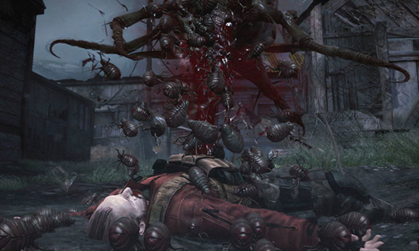



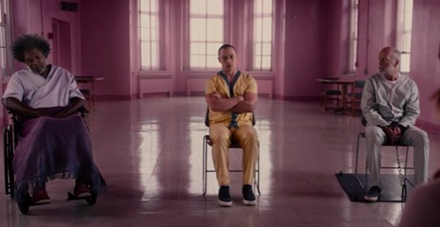


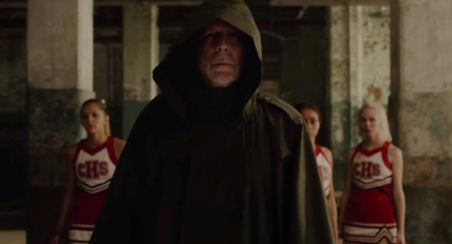


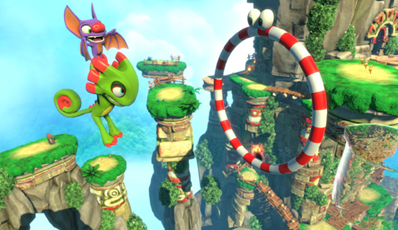
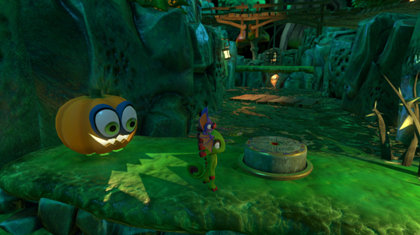
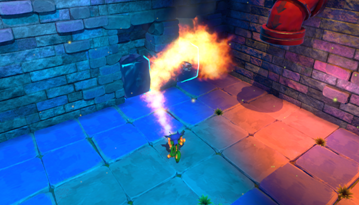

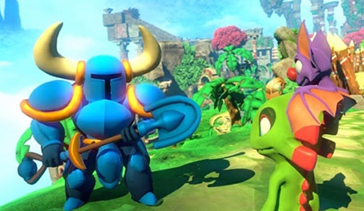
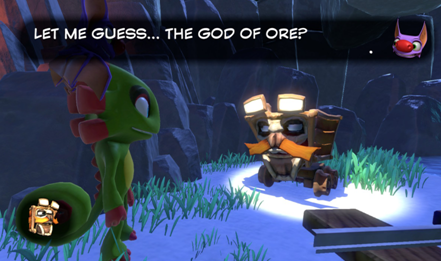
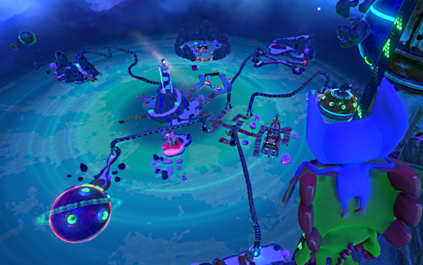

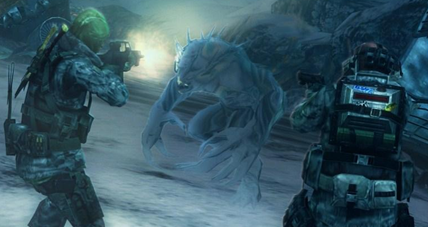
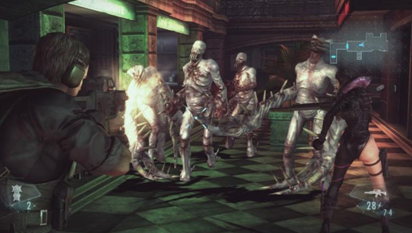
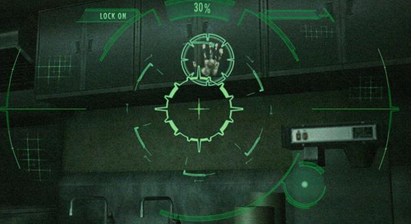
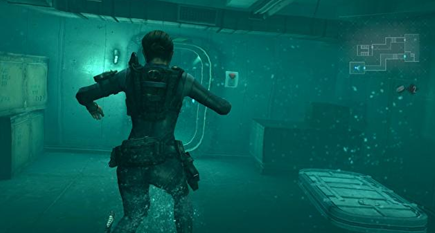
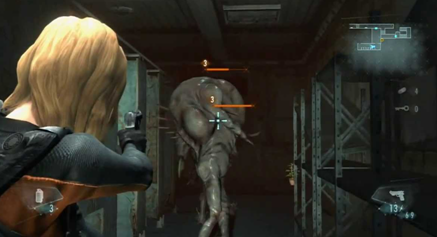
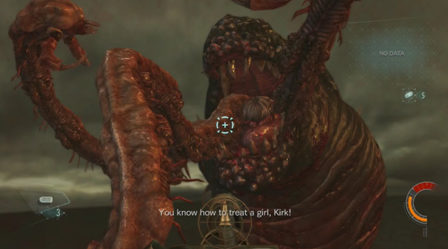


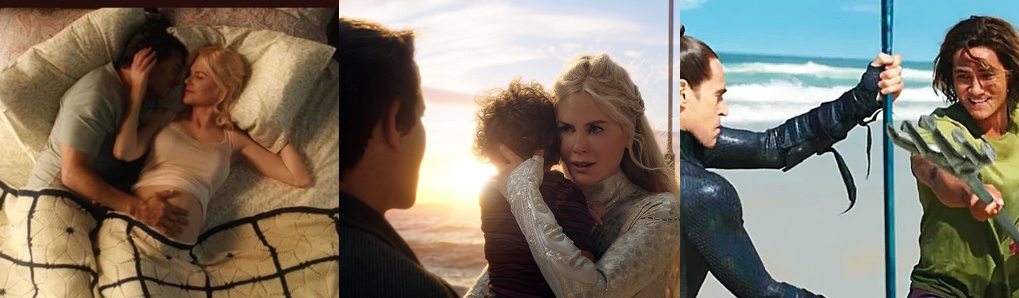


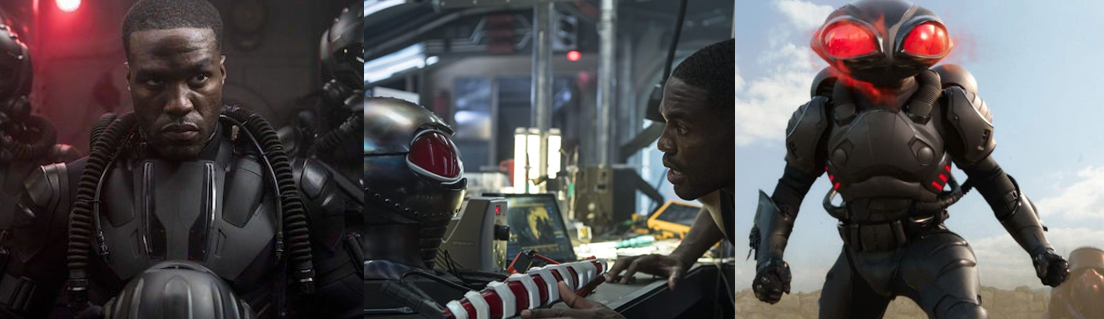


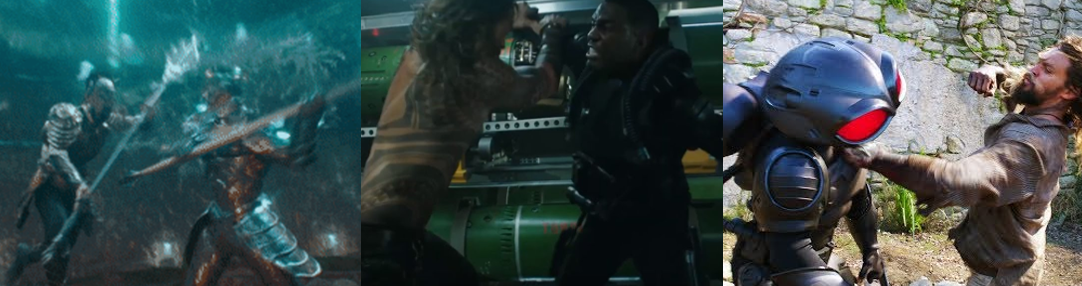





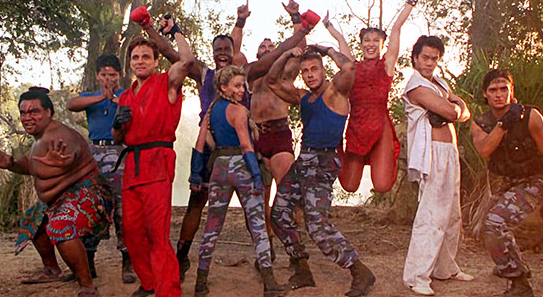
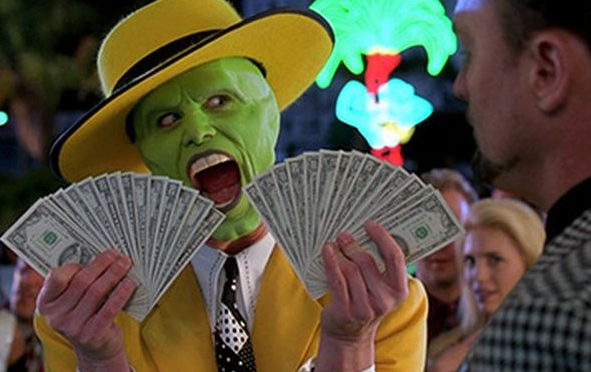
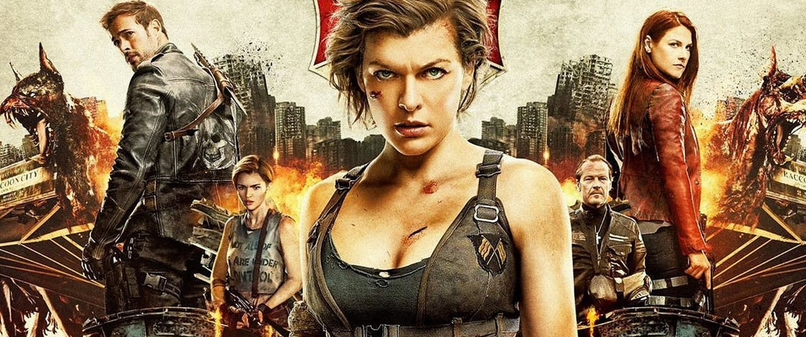
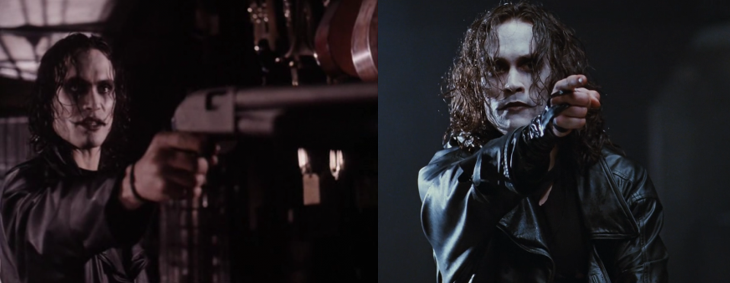
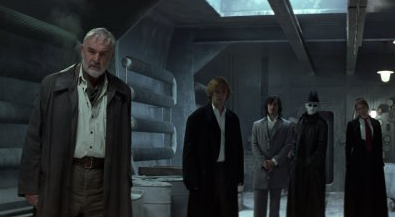
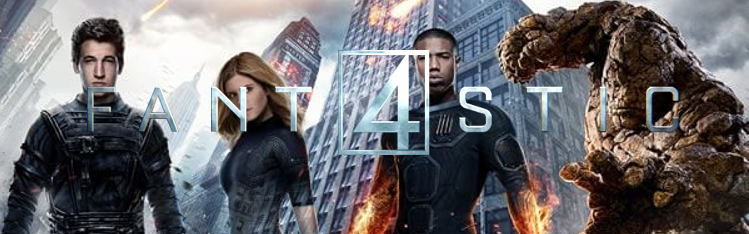
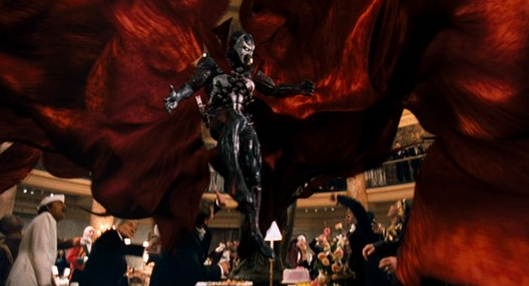

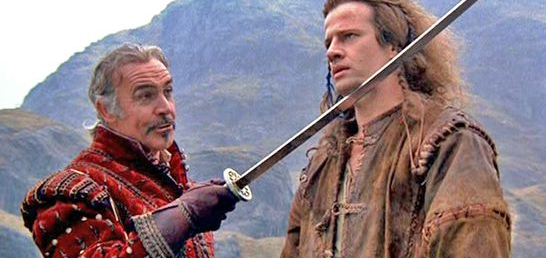



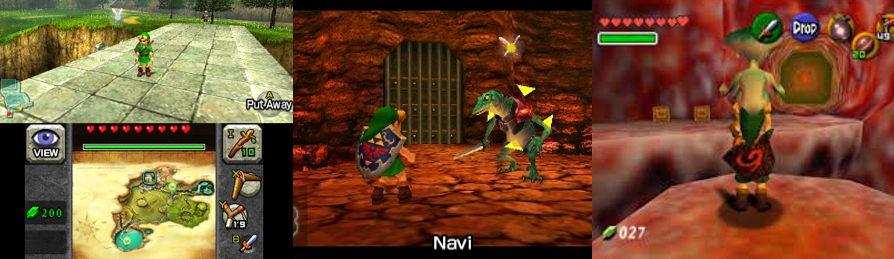
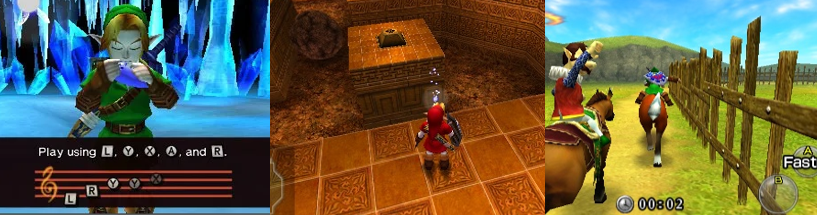
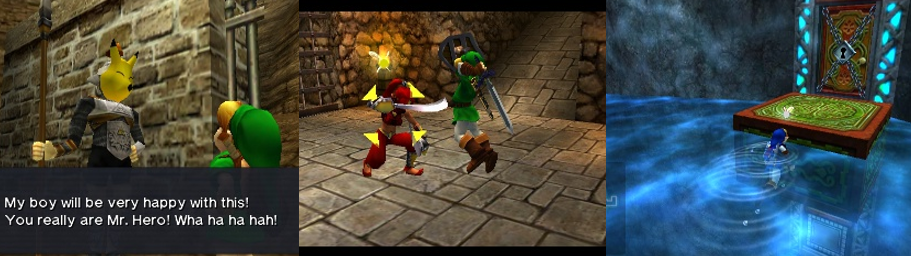
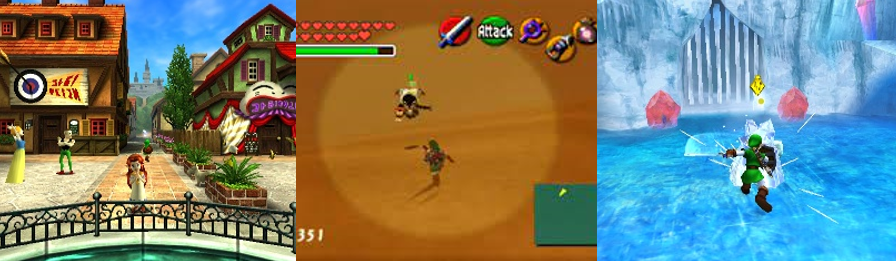
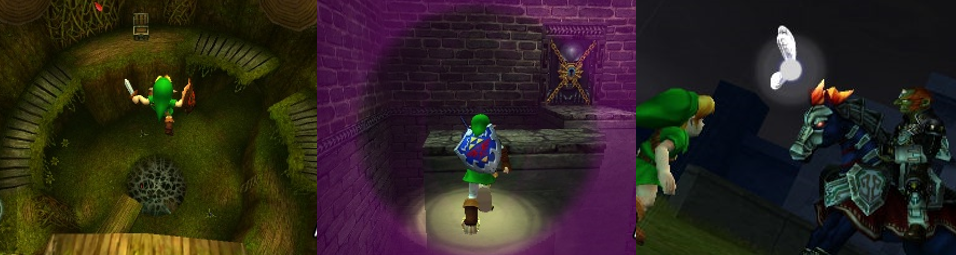
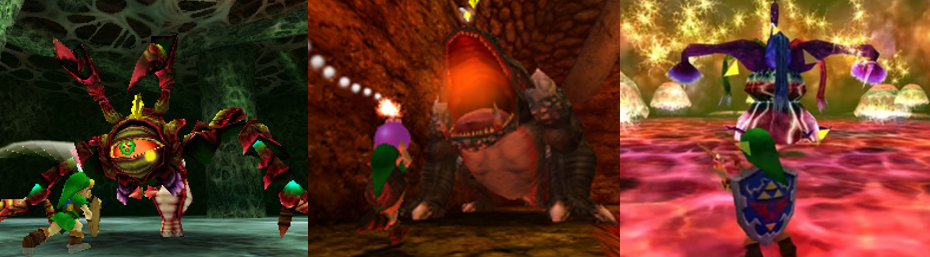
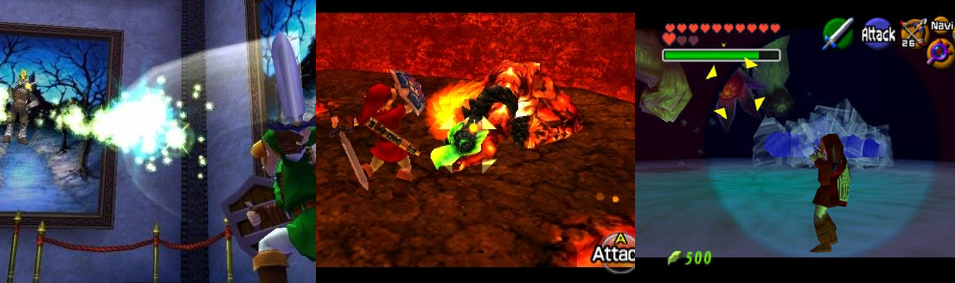
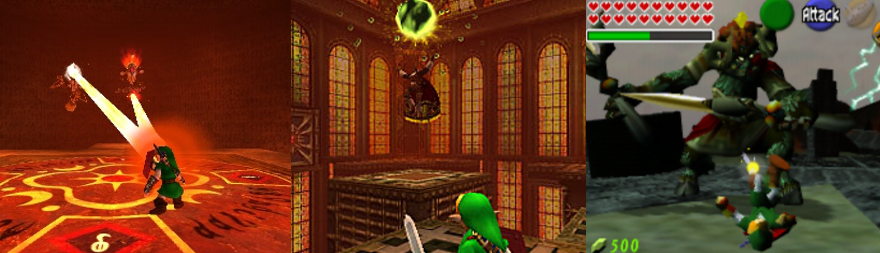
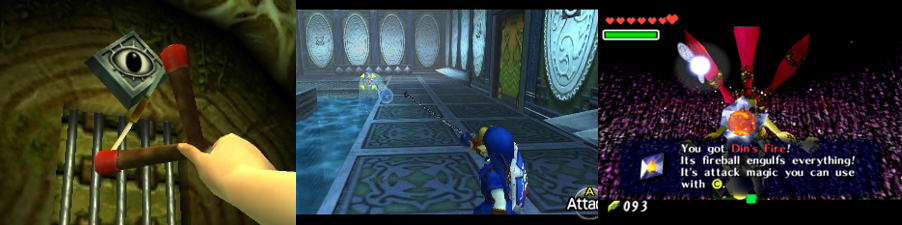
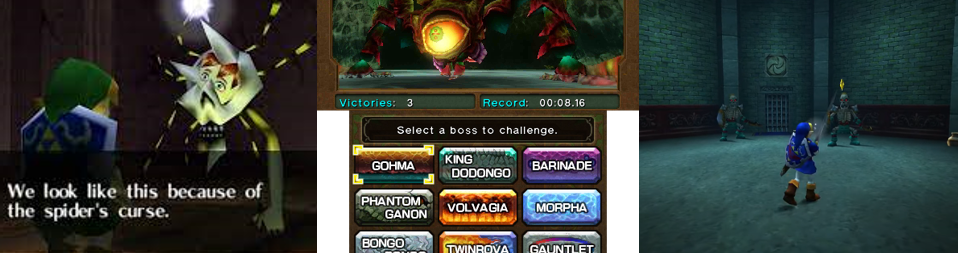












 Dr. K's Waiting Room
You must be logged in to post a comment.