So, for no better reason than “Mar.10” resembling Mario’s name, March 10th is widely regarded as being “Mario Day”, a day to celebrate Nintendo’s portly plumber, an overalls-wearing mascot who literally changed the videogame industry forever and shaped the home console market of the nineties.
Released: 2 April 2010 Originally Released: 27 August 1992 Developer: Nintendo EAD Also Available For: Nintendo 3DS, Nintendo Wii, Nintendo Wii (Virtual Console, original version only), Super Nintendo Entertainment System (SNES), SNES Classic Edition
The Review: I was a SEGA kid growing up. My only experiences of the Super Mario franchise came from his Game Boy titles and the times I would visit a friend and play SNES with him. I don’t believe he ever owned Super Mario Kart, so my experiences with the game came much later, when I was older and more jaded. Indeed, I’m not a big fan of racing games; I enjoyed Sonic the Hedgehog’s attempts to ape Super Mario Kart’s success, but I’ve never been a fan of racers. Super Mario Kart has always had an appeal to me, though. I may have had more experience with its Nintendo 64 follow-up as a kid, but its cartoony graphics and brand appeal have always called to me. This is the first time I’ve really spent any time with the game, though. Sure, I’ve raced a bit here and there, but I’d never sat down and played through it before. It turns out that, for all its visual appeal and its undoubtable gaming legacy, Super Mario Kart is quite short on features, meaning a shorter review feels more appropriate. Following the fun title screen where the racers mess with each other on a 2D plane, players are given a few options. You can play a one- or two-player game, tackle the grand prix (GP) or time trial modes, and pick a “class” to play on. For my playthrough, I chose the “50cc” class but the harder “100cc” class is also available, with the even more challenging “150cc” class and nightmare-inducing Rainbow Road course being unlocked if you best these latter courses (or choose to play the “SP” version on Nintendo Switch, which has every course unlocked). From there, you select your racer; I imagine each character has different states, with Toad being faster and weaker and the likes of Bowser and Donkey Kong Jr. being slower and tougher. I played as Mario, Luigi, Bowser, and Toad and found they all handled about the same, but I’m pretty sure some are faster than others (bigger characters certainly make for larger targets, if nothing else).
Race across colourful courses as some of gaming’s most recognisable characters.
You can then pick a cup to race for. You’ll race on five courses for each cup and must finish in the top three to qualify, earning points for where you place and gaining 1-ups and a spot on the coveted podium if you race well. B sees you accelerate, A brakes, allows you to drift, and uses an item, X changes the view on the lower screen to either the course map or a rear view, and L and R let you hop over hazards. Since many courses include tight bends and turns, it’s probably beneficial to master the drift function. Unfortunately, I found it a bit finnicky and often span out more often than not, so it was easier for me to simply plough ahead and release B to make those tight turns. Players collect Coins scattered around every course that increase their acceleration, losing them whenever they bump into other racers, and can drive over ? blocks to acquire a random item. Players can place banana peels to cause other racers to spin out, get a much-needed boost from a Mushroom (though I found few courses had straight paths to take full advantage of this), blast other racers with either a Green Shell (which fires straight ahead or can be left on the track like the banana peel) or a Red Shell (which targets the nearest racer), gain a few extra Coins, hop over obstacles with the Feather’s spinning jump, shrink the other racers with a lightning bolt, or gain temporary invincibility with a Starman. In the game’s two-player “Battle Mode”, you can also acquire a Boo, which turns you invisible, invulnerable, and steals an item from an opponent. Additionally, the computer-controlled racers have access to extra items that you never get: Yoshi, for example, tosses eggs onto the track, Bowser spits fireballs, and Princess “Peach” Toadstool and Toad lay Poison Mushrooms that shrink anyone that drives over them. As you progress through the courses, the racetracks not only become more challenging but include ramps and speed boost arrows that can give you an advantage.
Take on the battle mode, or harder classes, to access the game’s most challenging tracks.
Courses are themed after recognisable locations from the Mario series, including Chocolate Island, Boo’s Mansion, and Bowser’s Castle. While things start off pretty easy on Mario Circuit 1, even this course has warp pipes you must avoid and some tricky bends. Hazards become more apparent very quickly, with Donut Plains 1 including a lake you can fall into and muddy water that’ll mess up your controls, and Ghost Valley 1 introduces ramps and gaps in the course you can fall down. If you take a plunge into water or off the course, you’ll lose valuable time (and probably your position) as Lakitu sets you back down, though Super Mario Kart oddly forces players to complete five laps to win, so you’ll probably catch up if you’re lucky. Courses are relatively short, to be fair, which probably explains why you complete five laps instead of the traditional three. Bowser’s Castle usually represents the toughest challenge of any cup, featuring lava pits and Thwomps that squash you or push you back. Other hazards include oil slicks, cracked ice, and Monty Moles that pop up from holes and cling onto your racer. The Star Cup and unlockable Special Cup contained the most visually interesting tracks for me, with Koopa Beach being a fun dash over shallow water and between sandy land masses and Vanilla Lake offering a unique challenge with its ice blocks and snow drifts. Graphically, the game is very impressive; racers all react and showcase a lot of personality both on the course, on the map, and on the podium. Courses are bright and colourful, for the most part, and have a lot of variety, from wooden tracks to stone paths, with the tougher tracks either having destructible blocks or not barriers at all to cause a fall, bumpy surfaces to jiggle you about, or even alternate routes or bridges.
The Summary: I can totally see why people enjoyed Super Mario Kart so much back in the day. I’m sure it was a blast playing against friends and battling for pole position, as well as racing to complete each cup. I completed the “50cc” class, getting first place in every race (thanks, largely, to the Nintendo Switch’s rewind function, I admit) and enjoying each character’s podium celebration. The game definitely ramps up in the “100cc” class, though, with the CPU racers blasting off and gaining on you with a surprising aggression. It was only by booting up the “SP” version that I got a taste of the “150cc” class, which is even tougher, and had a quick race on Rainbow Road, a psychedelic track of twists and turns designed to send you plummeting into the void. Still, I enjoyed the time I put into the game. Each character is full of personality and it’s fun to see them idling around the course on the bottom screen or reacting to a win (or loss). However, I did have some issues with Super Mario Kart. Five courses for each cup with five laps each got a bit tiresome for me, some of the turns and hazard placements were aggravating, and I never seemed to get any good items when I was racing, often being lumbered with Coins or banana peels. While the game does look great, it’s a bit hard on the eyes at times; courses and the backgrounds get very pixelated and distracting, which caused me to make mistakes. Vanilla Lake and Coco Island, for all their unique appeal, were the worst offenders in this regard. Still, it’s pretty fun to tackle the easier courses and cups and just blast around a colourful track with some of gaming’s most recognisable characters. The music is jaunty and memorable, the gameplay is pretty solid (as long as you make good use of your brake and items), and I can’t deny the game’s impact on the genre. However, it’s possible that I would enjoy Super Mario Kart more if I played with a friend, and I do think I’d be more inclined to play one of the modern iterations of the game rather than this classic, but obviously dated, title.
My Rating:
⭐⭐⭐
Rating: 3 out of 5.
Pretty Good
Was Super Mario Kart part of your SNES library back in the day? Which racer was your favourite? Did you ever best the “150cc” class? Which item did you find the most enjoyable to use? Do you think the game still holds up today? Which Mario Kart title is your favourite? How are you celebrating Super Mario this month? Whatever you think, comment below and let me know and don’t forget to check out my other Mario content.
In July 1981, Shigeru Miyamoto and his team at Nintendo R&D1 created Donkey Kong, an arcade title that was not only one of the earliest examples of the platform genre but also introduced gamers everywhere to two of Nintendo’s most recognisable characters: Mario and Donkey Kong. Mario, of course, shot to super stardom but July’s a good excuse to celebrate everyone’s favourite King Kongknock-off.
Released: 5 April 2019 Originally Released: 28 September 1983 Developer: Nintendo R&D2 Also Available For: Arcade, Family Computer Disk System (Famicom), Game & Watch, Game Boy Advance, Nintendo 3DS (Virtual Console), Nintendo Entertainment System (NES), Nintendo Wii, Nintendo Wii U (Virtual Console)
A Brief Background: At the start of the eighties, Nintendo had run into some issues when their plan to expand into North America with Radar Scope (Nintendo R&D2/Ikegami Tsushinki, 1980) failed. Nintendo’s then-president Hiroshi Yamauchi thus tasked young designer Shigeru Miyamoto with creating a new arcade cabinet to get the company back on track. When his plan to base it on popular comic strip character Popeye fell apart, Miyamoto took inspiration from Beauty and the Beast (Barbot de Villeneuve, 1740) and King Kong (Cooper and Schoedsack, 1933) to create Donkey Kong (Nintendo R&D1/Ikegami Tsushinki, 1981). A financial and critical success that introduced players to “Jumpman” (now known as Nintendo’s mascot, Super Mario), Donkey Kong was followed by the equally successful (if obscure) Donkey Kong Jr.(Nintendo R&D2, 1982) the very next year. Based on this success, Donkey Kong 3 came the year after that, with the gameplay significantly altered; even Mario was gone, in favour of bug exterminator Stanley. Although allegedly successful in Japan, the videogame crash of 1983 stunted its release in North America and, while somewhat praised upon release, it hasn’t stood the test of time and effectively killed the franchise until the 16-bit era of gaming rolled around.
The Review: Donkey Kong 3 deviates wildly from its predecessors in a few ways; first, Mario is strangely absent, replaced by Stanley the Exterminator and, secondly, it’s now a 2D shooter-type game not unlike Space Invaders (Taito, 1978) or Galaga (Namco, 1981). Secondly, Donkey Kong is now a central antagonistic figure, appearing in the vines atop each screen (or “Round”) and shaking beehives to spawn enemies that swoop in and take away your flowers (and your lives). Thirdly, the game has a traditional timer; you have a limited amount of time to fend off the enemies and Donkey Kong himself before you lose a life, but you also have to keep the pressure on Donkey Kong with your bug spray or else he’ll come crashing down and cost you a life. Once again, you can pick between two one-player games and two two-player games, with “Game B” offering a greater challenge, though the controls are a little more versatile. You fire your bug spray with A or B (sadly, there’s no auto- or continuous fire option), jump by pressing up on the control stick and drop down a level with down. Falling won’t cost you a life but Stanley is hard-pressed to jump over enemies; instead, you must drop down and move about to get underneath them and spray them. Very rarely (literally once per life), you’ll be able to make use of a super bug spray power-up that’ll make fending off Donkey Kong and defeating enemies much easier; this even carries over between Rounds, but its effects wear off after a few seconds. As before, defeating enemies awards you points; if you clear a Round with all flowers intact, you’ll get a point bonus, with an extra life being awarded for every 50,000 points you earn, though there’s still no high score table, so it’s all about maintaining the top score at the top of the screen.
Blast at bugs and a looming Donkey Kong with your bug spray to keep your flowers safe.
Donkey Kong 3 also deviates from its predecessors by sporting two screens that repeat in a perpetual loop until you lose all your lives or get bored and quit, though they are made a little more varied in the colour palettes changing, the platforms being trickier, and the number of enemies increasing as the loops recycle. The first Round is in the forest and sees you hopping up stone platforms to fend off Donkey Kong, and the second Round is in the treetops and sports vines that annoying worms crawl across to block your shots. Once you’ve played both screens, you’ve basically seen everything Donkey Kong 3 has to offer, and you can even clear Rounds in a couple of seconds if you’re quick enough. Sure, faster, more aggressive enemies appear later, darting at you or sending out stingers, and Donkey Kong will toss coconuts at you, and the trees might be red or green, but there’s even less visual variety here than in the last two games. Stanley doesn’t make as much of an impression as Mario and I found myself easily losing him against the stone platforms. His bug spray is weak and incredibly limited, he can’t jump over enemies, and there’s often so much onscreen that you’re guaranteed to lose a flower, if not a life. Although the music also isn’t all that much to shout about, being on the same level as the previous games, Donkey Kong is now a large, detailed, and animated sprite; he’s mischievous and daunting, grinning at you and always edging closer. Though there’s no true final showdown or end to the game, you can force him up the vines and trap his big, stupid head in a beehive, which I counted as a victory. As ever, you can use save states and rewind the game to address any mistakes, but it can be tricky to figure out your attack strategy as, unlike in the last two games, pausing the game inexplicably covers the in-game action with a black screen.
The Summary: I, like I suspect a lot of people, was not very familiar with Donkey Kong 3 before heading into it. In fact, I’m not sure I’d ever even seen a screenshot of it, let alone really knew it existed, and I have to say that it really isn’t worth your time. It borrows more elements from other games than it innovates and lacks even the mild appeal of Donkey Kong Jr. since Mario is entirely absent. It’s nice to see Donkey Kong back as a big, foreboding antagonist and there was some fun to be had in blasting him up the ass with bug spray, but that’s about where my praise ends. Even compared to the last two games, Donkey Kong 3 wears out its welcome pretty quickly; there’s just not enough variety to hold my attention and very little incentive to keep playing without a high score table. I liked that the palette changed as you progress, but the lack of visual variety really hurts the game. The enemies are little more than uninspired and annoying bugs, too, and the lack of other power-ups and mechanics just makes this a bland and forgettable title. It seems like Nintendo were trying to milk Donkey Kong a little too hard back in the day, including similar gameplay mechanics but adding one or two tweaks to try and keep things fresh, but I wonder if simply expanding on Donkey Kong, adding new mechanics and stages and such like in the Game Boy release, wouldn’t have been a better idea than releasing dull titles like this. These days, Donkey Kong 3 is all-but forgotten, and with good reason; just play the original or the 16-bit titles if you’re itching for some nostalgic ape action and leave this one in the dirt where it belongs.
My Rating:
⭐
Rating: 1 out of 5.
Terrible
Was Donkey Kong3 in your NES library back in the day? How do you think it compares to the last two games? What did you think to Stanley and the new shooting mechanics? How far did you get in the game before you failed or quit? Which Donkey Kong videogame is your favourite and why? How are you celebrating Donkey Kong’s anniversary this year? Whatever your thoughts on Donkey Kong, feel free to leave a comment below or on my social media, and check out my other Donkey Kong content on the site.
Released: 21 December 2018 Originally Released: 30 June 1982 Developer: Nintendo R&D2 Also Available For: Arcade, Atari, BBC Micro, Coleco Adam, ColecoVision, Family Computer Disk System (Famicom), Intellivision, GameCube (via Animal Crossing (Nintendo EAD, 2001)), Nintendo 3DS (Virtual Console), Nintendo Entertainment System (NES), Nintendo Wii, Nintendo Wii U (Virtual Console)
A Brief Background: In early 1980, Nintendo were in a spot of bother; their plans to expand into North America with Radar Scope (Nintendo R&D2/Ikegami Tsushinki, 1980) had failed, so then-president Hiroshi Yamauchi tasked young designer Shigeru Miyamoto to create a new arcade cabinet to turn things around. After plans to adapt popular comic strip character Popeye fell apart, Miyamoto took inspiration from Beauty and the Beast (Barbot de Villeneuve, 1740) and King Kong(Cooper and Schoedsack, 1933) to create Donkey Kong (Nintendo R&D1/Ikegami Tsushinki, 1981), a financial and critical success that introduced players to “Jumpman”, who would go on to become Nintendo’s mascot, Super Mario. During Donkey Kong’s development, many of the team’s concepts had to be cut due to time and hardware constraints. As they worked to develop these further, and given Donkey Kong’s success, the team developed a follow-up title that was initially planned to star the cantankerous ape himself before a smaller, more manageable substitute was created. Although Donkey Kong Jr. is now one of Nintendo’s more obscure characters, having largely been supplanted in the 16-bit era, Donkey Kong Jr. was very successful in its native Japan. Reviews praised the colourful presentation and gameplay loop and the game became very popular in the competitive play arena.
The Review: Donkey Kong Jr. is, essentially, more of the same game as its predecessor. Like Donkey Kong, players can pick from four game modes: two single-player options and two two-player options, with “Game B” being the more difficult of the two as it includes more onscreen enemies. Regardless of which mode you pick, Donkey Kong Jr. utilises the same simplistic control scheme as before, with A being the only button you need to press to jump over enemies, to vines, and across platforms. Donkey Kong Jr. has the rare distinction of being perhaps the only Mario-adjacent videogame where the portly plumber is an antagonist. Players now control the titular Donkey Kong Jr., a stout baby ape who slowly clambers up vines, quickly slides down them, and whose only method of attacking the many critters Mario sends out to obstruct him is to touch various fruits high up on vines; these will then fall, destroying any enemies beneath them. While Donkey Kong Jr. is a far more complex-looking sprite, with a humorous and over the top death animation and being slightly more animated overall, he’s no less clunky and actually less useful than Mario was in the last game as his hit box is bigger and he doesn’t get a hammer power-up. There is a spring on one screen, but it’s just as likely to send you plummeting to your death as it is to the next platform, so you’ll need to carefully time your jumps to avoid enemies and snag some points. But don’t take too long; like in Donkey Kong, the longer you take, the lower your bonus score will be upon completing a screen, which in turn impacts your high score. While you don’t seem to earn extra lives by accumulating points and there’s no high score table to display your best score, it is displayed at the top of the screen and is the only goal available to work towards so you may be somewhat protective of this.
Junior must clamber up vines, jump over hazards, and use keys to rescue his dad from Mario.
Donkey Kong Jr. is comprised of four screens that repeat in a nigh-never-ending loop until you finally die, with the enemies increasing in number and aggression the more you play. In three screens, your goal is to reach the top, acquire a key, and scare off Mario, and this culminates in a final showdown where you need to take down the devious plumber and rescue your kidnapped father. In the first screen, you simply navigate between vines being careful not to fall in the static water below or even drop a short distance as both will instantly kill you. In the second screen, you’ll bounce on the spring to smaller moving platforms and use a pulley to cross a gap and, in the third screen, you’ll hop over electrical hazards that erratically move back and forth across the platforms. Finally, you’ll climb up six chains, pushing six keys up to a bridge and avoiding bees and little alligators. Once you’ve pushed all six up to the top, the bridge is destroyed, Mario is defeated, and Donkey Kong is rescued and it all begins again until you either lose all your lives or quit from boredom. Although the game lacks the iconic music of its predecessor, each screen has some fun little jingles and sound effects but nothing especially innovative. Donkey Kong and his son are the most colourful and visually interesting sprites, with Mario only impressing due to him wielding a whip this time around, and the enemies are simply snapping alligators, egg-dropping birds, and electrical bolts. Naturally, this version allows you to create save states and rewind the game if you make a mistake, effectively destroying any difficulty curve it might’ve had and reducing the average playtime to around ten minutes.
The Summary: Donkey Kong Jr. reeks of cheap, money-grabbing desperation. Donkey Kong was an innovative and popular arcade release and it’s obvious that Nintendo simply wanted to capitalise on that with a “new title”, but there’s very little new about this game. Sure, moving to vines is different and having to time fruit-grabbing to defeat enemies adds a little more strategy and I quite liked the final showdown with the keys on the chains, but the gameplay experience is largely the same and lacks a lot of the nostalgia and charm of its predecessor as the setting is so weird. Even now, it’s bizarre seeing Mario as a whip-cracking antagonist. Donkey Kong Jr. has a lot of visual appeal, but I wonder if this game might’ve been better if Junior actively chased Mario across the stages? Or if a two-player mode saw one player as Junior and the other as Mario trying to intercept him? I feel like Nintendo could’ve bundled these two games together into one experience at the time, creating an eight-screen loop where you first track down and capture Donkey Kong and then switch to Junior to rescue him, but, as is, I can’t see myself choosing to play Donkey Kong Jr. over its more popular and nostalgic predecessor.
My Rating:
⭐⭐
Rating: 2 out of 5.
Could Be Better
Did you ever own Donkey KongJr. for the NES back in the day, or play the arcade version out in the wild? How do you think it compares to Donkey Kong? What did you think to Junior and seeing Mario as an antagonist? How far did you get in the game before you failed or quit? Which Donkey Kong videogame is your favourite and why? How are you celebrating Donkey Kong’s anniversary this year? Whatever your thoughts on Donkey Kong, feel free to leave a comment below or on my social media, and check out my other Donkey Kong (and Mario) content on the site.
So, for no better reason than “Mar.10” resembling Mario’s name, March 10th is widely regarded as being “Mario Day”, a day to celebrate Nintendo’s portly plumber, an overalls-wearing mascot who literally changed the videogame industry forever and shaped the home console market of the nineties.
Released: 3 September 2020 Originally Released: 21 September 1990 Developer: Nintendo Original Developer: Nintendo EAD Also Available For: Game Boy Advance, Nintendo 3DS, Nintendo Wii, Nintendo Wii U, Super Nintendo Entertainment System (SNES) Classic Edition, SNES
The Background: After the videogame industry crumbled under the weight of overpriced consoles and mediocre titles, Nintendo basically saved the industry with the runaway success ofSuper Mario Bros. (Nintendo EAD, 1985). Despite its bizarre development, Super Mario Bros. 2(Nintendo R&D4, 1986) was also a highly praisedbest-seller, and Mario’s star only rose thanks to the unique marketing strategy behind Super Mario Bros. 3 (ibid, 1988) and that game also being a critical and commercial hit. In 1990, Nintendo were preparing to launch the 16-bit powerhouse that was the SNES and getting back into the thick of the “Console Wars”. Although the developers had to adapt to the new hardware, producer and Mario creator Shigeru Miyamoto was excited by the prospect of imaging new ideas, such as finally implementing a dinosaur companion for Mario. The goal was to refine Mario’s mechanics, impress gamers and critics with the SNES’s graphical capabilities, and deliver a fun, but challenging, gameplay experience to help sell their new console. Super Mario World exceeded in this goal; the award-winning game became the best-selling title for the SNES and has been inundated with widespreadcriticalacclaim ever since its release. The game was adapted into cartoons and comics, resulted in an equally successful spin-off series for Yoshi, in addition to being ported and remastered to new consoles over the years. Its legacy is so strong that it was naturally included as a launch title for the Nintendo Switch Online service in 2020, which is the version I’m reviewing here.
The Plot: When Mario, Luigi, and Princess “Peach” Toadstool visit Dinosaur Land, the princess is kidnapped by Bowser, King of the Koopas. Alongside their new dinosaur friend, Yoshi, the Super Mario Bros. must liberate the island from Bowser’s Koopaling progeny and confront Bowser in his castle to rescue the princess.
Gameplay: Like its predecessors, Super Mario World is a 2D, sidescrolling platformer in which players play as ether Mario or Luigi and journey across seven levels (referred to as “Worlds”) and two bonus Worlds, hopping on Bowser’s minions, collecting power-ups, and grabbing Coins for points and extra lives, all while racing against a timer. As is also tradition, the game features two play modes; one where you go solo and one where you switch between the brothers after each level to allow two players to go head-to-head, taking different routes on the large, varied, interconnected overworld and lending extra lives if required. Unlike in previous 2D Super Mario games, you can’t change the control scheme here, so you’ll be pressing B to jump (ranging from a little hop to a higher jump the longer you press the button) and swim, A to perform the new spin jump (which allows you to defeat certain armoured enemies and break blocks beneath your feet) and holding X or Y to run. You can get quite a bit of speed this time, too, which allows you to glide and fly across levels when you’re powered up by the Cape Feather or run up walls in certain situations. You can also hold X or Y to grab items like Koopa shells, blocks, and keys; these can now be thrown upwards, increasing your range of attack options and opening up new areas to explore. Finally, you can look up, scroll the screen with the left and right triggers, and duck; if you run and duck, you can slip through small gaps and reach bonus areas and secret exits.
Traverse a colourful new land using Mario’s new companion and power-up!
Interestingly, I didn’t notice any difference between Mario and Luigi; Luigi doesn’t jump higher or have less traction, meaning the differences between the two are a simple palette swap, which is odd considering they played differently in Super Mario Bros. 2. The brothers are joined by a new companion in this game, Yoshi. If you hit enough blocks, you’ll eventually spawn in a Yoshi egg, from which this helpful little dinosaur will hatch. Players can ride Yoshi and press X or Y to extend his sticky tongue and eat fruit or enemies, the latter of which can either be swallowed, spat out as Koopa shells, allow Yoshi to breathe fire, and add a “flutter” motion to his jump. Yoshi allows players to do everything they normally can but with the added bonus of acting as a permanent shield; when hit while riding Yoshi, you won’t power down and can simply hop back on him to continue onwards, but you can’t use your Fire Flower abilities while riding him and Yoshi isn’t able to climb vines and won’t accompany you into fortresses or castles. Yoshi can also gain the ability to fly, easily allowing you to cheese through levels, and you can sacrifice him for a boost jump if you’re feeling sadistic. Some levels also include different coloured Mini-Yoshis; carry these until they eat five pieces of fruit or enemies or a single power-up and they grow into an adult Yoshi, and other levels see you riding atop bulbous Monty Moles to safely cross spiked hazards. Mario and Luigi can also use springs to get around, often needing to pick up and toss them to clear higher obstacles, and these are much easier to control than in Super Mario Bros.: The Lost Levels (Nintendo R&D4, 1986); swimming and autoscrolling levels also return, but again I had no issues in dealing with these as the game’s mechanics were so refined. Another new addition is the “Item Stock” in the heads-up display (HUD); if you’re already powered up, new power-ups you acquire are stored in this box and will automatically drop down when you take a hit (or press ‘Select’), which can be a life saver, though you can’t stockpile power-ups on the overworld anymore. Another new feature is the addition of checkpoints mid-way through levels, which I find interesting as these levels felt shorter and far less frustrating than Super Mario Bros. 3’s; hitting this while in your base form will also automatically power you up, too.
The game’s challenge is very fair, offering fun visuals and incentives to keep playing.
Super Mario World gives you three save files to play with and the chance to manually save at certain points, such as after toppling a Koopaling or visiting a Switch Palace. Every level has a secret exit, sometimes accessed via a key or by taking a different route; this allows access to new areas on the overworld and to secret levels and Switch Palaces, where you activate giant-coloured switches to make their corresponding-coloured blocks solid and thus protect you from hazards in levels. This opens the game up to some replay value as you explore each level looking for secrets and new paths, and you’re given some hints towards this through the Message Blocks that convey story text and helpful tips. As ever, you can hop into pipes to find shortcuts, bonus areas, and explore caves and flooded sections; you can take vines up to the clouds, ride platforms, hop off Koopa Paratroopers, and make use of temporary blocks and platforms. Many Worlds contain Ghost Houses that are filled with shy Boos and feature a maze-like element; you’ll need to find the correct door, often by generating temporary platforms or paths using a Switch Block, all while avoiding the ghostly enemies and bottomless pits within. Other levels are autoscrollers that force you to make split-second decisions with your jumps; castles and fortresses are filled with lava, narrow hallways, rotating spiked maces, and crushing Thwomps, often all at once and in close-quarters situations to test your mettle. You’ll need to awkwardly create paths using Control Coins, activate spotlights in Bowser’s Castle, and deal with pipes that now go up and down and blast you through the sky. The background can also move vertically, requiring you to quickly take refuge in safe areas, and you’ll even be climbing on fences, bashing enemies and flipping around to the other side to avoid dangers. Massive, spiked columns crushing trunks, suffocating tar, painful spikes, and bottomless pits increase in their abundance, but Super Mario World is quite generous with its lives; you can find hidden areas where you play mini games to earn a whole bunch of extra lives, in addition to 1-Up Mushrooms popping out from blocks, the background, and being awarded for collecting Coins and defeating enemies.
Graphics and Sound: I was a SEGA kid growing up, so my exposure to the SNES came mainly from a friend who owned the console and a few games. Because of this, I’ve long been fascinated by the “other side” and, when I think of SNES, Super Mario World is one of the first games I think of because of its absolutely gorgeous presentation. This was a dramatic step up from Mario’s 8-bit adventures, featuring a colourful (and surprisingly unique) set of Worlds that really showcased the little things that made the SNES so impressive. Things like Mario’s cap flying back when he falls and bopping fruits on the trees to a touch of parallax scrolling, sprite zooming, and the ever-changing overworld mean Super Mario World remains the quintessential 2D Mario experience for me. Sure, there’s no difference between the brothers other than a palette swap but they’re much bigger and more detailed than ever before here; the addition of Yoshi also cannot be understated, especially as it wasn’t possible to include a character like this in Mario’s 8-bit adventures, and I loved how much quirky, cartoony humour was packed into the enemies, who swoop at you, are very expressive, and appear so much more versatile than simply wandering aimlessly around. Although Super Mario World recycles many of its music tracks for its various Worlds, this is the game I think of when I think of Mario music; every tune is so catchy and upbeat and stays in your head, and I relish hearing that end of level jingle and seeing Mario throw up the peace sign each time.
The game is deceptively big, colourful, and includes more story than ever before.
Super Mario World’s Worlds veer slightly away from elemental themes and more towards the fantastical; you’ll still be exploring thick forests, crossing bridges and bodies of water, venturing into caves, and hopping to mushroom-themed platforms, but there’s a fitting prehistoric bent to the majority of the game. Caves are filled with tar, glittering crystals, or frozen masses of ice; you’ll see hills and mountains in the backgrounds, cross plains filled with dinosaur-like enemies, and ride across lava on platforms made of skulls! Some Worlds are shorter than others, like the sky-themed Twin Bridges with its log platforms and track-based platforms guarded by saws, or contain unique overworld elements, like the Forest of Illusion, which requires you to explore to find the right exit and open up more of the map screen. Spooky levels like the Ghost Houses and the Sunken Ghost Ship impressed in their ambiance; there’s an ominous fog in the air, a creepy melody playing, and lightning flashing in the background, and I loved how the Sunken Ghost Ship was a wrecked recreation of the various Airships from Super Mario Bros. 3. The overworld changes as you find new exits, creating shortcuts and even changing seasons as you find more exits; this also allows you to take a shorter, far easier path to the final fight in the Valley of Bowser and avoid the pain of navigating the doorways and challenge of the longer path. Story is emphasised much more here, with text and fun little cutscenes pushing you onward after clearing each castle but, while Luigi’s sprite features in the cutscenes, the story text doesn’t change to reference him, which is a bit of a shame.
Enemies and Bosses: Many of Mario’s common enemies make a return here, including Goombas, various Koopa Troopers, Boos, the always-annoying Lakitu, and Bullet Bills, but these also come in new variants, meaning you’ll see rings of Boos, Boos disguised as blocks, and Boos that aren’t as shy as their peers and attack from the shadows, Super Koopas that dive from above, and many of them fill the screen either as expected or floating along in bubbles. Super Mario World sees the debut of enemies such as Magikoopas (who teleport in to fire a magical blast and are immune to our regular jump), Wigglers (who get very mad when you hop on them), the screen-filling Banzai Bills and Big Boos, alongside large, weird green bubbles, a lava dinosaur, and other dinosaur-themed enemies who wander about, breathe fire, or take a couple of hits to defeat. By far the most aggravating new addition is Chargin’ Chuck, a turtle protected by American football gear who can charge at you (destroying any blocks in their way), duplicate themselves, toss various projectiles (from footballs to rocks), summon other enemies, and prove highly resistant to your attacks thanks to their padding. You’ll also have to watch out for the Amazing Flyin’ Hammer Brother, who swoops overhead tossing an endless supply of hammers at you, and Sumo Brothers, who spawn flaming pillars with their jumping stomp.
Although enjoyable and cartoonish, the boss battles are a little too repetitive and easy.
In the game’s fortresses, you’ll battle four Reznors, fire-spitting Triceratopses on small, rotating platforms stationed over a bridge that slowly disintegrates over a pool of lava. The only way to attack the Reznor’s is from beneath, which is pretty simple despite their many fireball projectiles. In the Donut Secret House, you’ll battle a Big Boo, one that doesn’t freeze when you face it and instead fades in and out; while Big Boo can’t hurt you, his regular Boo minions can, and you’ll need to grab the blocks conveniently placed underfoot to defeat him. Like in Super Mario Bros. 3, you’ll have to defeat Bowser’s children, the Koopalings; but, while they differ in their abilities since they no longer have magic wands, they’re no less disappointing since all but one of them recycle three specific attack patterns. Iggy and Larry Koopa are fought on a tipping platform in a lava pool where you must avoid their shell attack and fireballs and bop on them to force them into the lava, Morton and Roy run up the arena walls and try to drop on you from above, and Lemmy and Wendy O Koopa fire bouncing projectiles and decoys, but you can easily avoid these and hop on them when they pop out from the pipes. The only Koopaling with his unique attack strategy is Ludwig von Koopa, who spins about in his shell and spits fireballs, but none of the Koopalings present much of a challenge and they’re actually easier to beat than before! When you finally reach the Valley of Bowser, you’ll battle the Koopa King on the castle roof; while a unique battle since you can only damage Bowser by timing throws of his Mechakoopas, it also doesn’t present much of a challenge. Bowser hides in his Koopa Clown Car, floating out of reach and tossing Mechakoopas in the first phase; in the second, he tries to crush you with a massive ball, and the third sees him bounce around in desperation. Between each phase, fireballs will rain from the sky and Peach will toss you a Super Mushroom, making this battle even easier, and I was a bit disappointed that it didn’t require you to do anything other than toss stuff upwards so it hits Bowser’s head.
Power-Ups and Bonuses: All of Mario’s signature power-ups return here, including the Super Mushroom, 1-Up Mushroom, the always-useful Fire Flower, and the invincibility-granting Super Star. Mario can again commandeer Lakitu’s cloud to briefly fly over levels, collect Coins for points and extra lives, and can even find rare Moon items that grant three extra lives. In addition to Yoshi, Super Mario World’s new power-up is the Cape Feather, which adds a cape to your sprite to swipe away enemies, slow your descent, and rocket you into the sky with a fun (if, at times, clunky) gliding/flying mechanic that can reach new areas and exits, cheese entire sections, and see you crashing into the ground for a massive area attack. You can also grab a Power Balloon to temporarily become inflated and cross gaps, collect five Yoshi-branded Dragon Coins in each level for a 1-Up, and grab random power-ups from Roulette Blocks.
Additional Features: There are ninety-six exits to find in Super Mario World, with the total amount you’ve found being tracked on your save file; there are also four Switch Palaces to find, up to three secret areas for most levels, and a whole bunch of Dragon Coins to collect if you feel like giving yourself an extra challenge. Finding secret exits is the only way to warp to Star World, which not only offers additional platforming challenges but also acts as a fast travel point across the overworld. Clearing Star World unlocks the game’s greatest challenge, Special Zone, which boasts eight demanding levels that owe their difficulty to Super Mario Bros.: The Lost Levels. Although there are no additional or remixed bosses to fight here, you’ll need all your patience and platforming skill to get past their gaps and wild enemy placements. Clearing this World permanently changes the overworld to an autumnal theme and changes some of the enemy sprites to have comical Mario faces, and you can skip right to this state (and access all hidden levels) by selecting the “SP Version” of the game from the Nintendo Switch Online menu. Naturally, this version of the game includes helpful save states and rewind functions; you’ll also find additional cutscenes and gameplay changes (particularly to Luigi), and various unlockables and enhancements in the Game Boy Advance version.
The Summary: I’ve played Super Mario World before, on original hardware, emulation, and the SNES Mini and I have beaten it in the past, but never in a proper, sit-down, focused playthrough like this. After struggling with 2D Mario, and being aggravated by Super Mario Bros. 3, I was worried that I was in for more of the same here, but it was pleasantly surprised by how much I enjoyed this gameplay experience. Mario and Luigi are so much better to control here now that they’re not slipping and sliding all over the place; the levels are fun, colourful platforming challenges with perfectly fair hazards and completion requirements; and the overall presentation is the best that 2D Mario has ever been, even accounting for the various 16-bit remakes. Although the game felt a little shorter and lacking in some features, it’s got some fun secret paths and invites exploration, as well as back-loading the adventure with some pretty challenging bonus levels. I really enjoyed how it carried over certain Mario tropes (the stone-and-lava castles, the whimsical nature, the underground and water sections, etc) without falling into the cliché of having elemental-themed Worlds. The dinosaur theme was fun and one I’d like to see revisited in a future game; Yoshi made for a fantastic new mechanic and companion, more than making up for the otherwise disappointing power-ups. While I was again let down by the bosses, I can’t fault Super Mario World; it just is SNES-era gaming to me and its many positives, particularly in the visuals, the soundtrack, the controls, and the level of challenge it offers, more than outweigh any concerns so I’m very happy to have finally given it the time and attention it deserves.
My Rating:
⭐⭐⭐⭐⭐
Rating: 5 out of 5.
Fantastic
Was Super Mario World in your SNES library back in the day? How do you feel it compares other Mario titles, specifically the 2D adventures? What did you think to Yoshi and the new cape power-up? Did you ever discover all the secret exits and beat the secret Worlds? Were you also disappointed by the boss battles? Would you like to see a return to Dinosaur Island? How are you celebrating Mario’s birthday this year? Whatever your thoughts on Super Mario World, feel free to share them below or drop a comment on my social media and be sure to check out my other Mario content!
So, for no better reason than “Mar.10” resembling Mario’s name, March 10th is widely regarded as being “Mario Day”, a day to celebrate Nintendo’s portly plumber, an overalls-wearing mascot who literally changed the videogame industry forever and shaped the home console market of the nineties.
Released: 11 July 2003 Originally Released: 23 October 1988 Developer: Nintendo R&D2 Original Developer: Nintendo R&D4 Also Available For: Nintendo Entertainment System (NES), Nintendo Switch Online, Nintendo Wii, Nintendo Wii U, Playchoice-10, Super Nintendo Entertainment System (SNES) Classic Edition, SNES
The Background: Following the infamous videogame crash after an influx of numerous overpriced consoles and mediocre titles, Nintendo were propelled to the forefront of the dying market by the unprecedented success ofSuper Mario Bros. (Nintendo EAD, 1985). Surprisingly, considering the game’s success and popularity, development of its sequel became one of the most bizarre stories in all of gaming. Since the difficulty of Super Mario Bros. 2(Nintendo R&D4, 1986) caused concern for Nintendo of America, whimsical Mario clone Yume Kōjō: Doki Doki Panic was retooled into an official Super Mario Bros.sequel and, despite its vast differences, became a highly praisedbest-seller. After briefly toying with employing an isometric perspective for the third game, developer Shigeru Miyamoto sought to both return to Mario’s roots and vastly expand upon his world and repertoire through new power-ups and a gaggle of new mini bosses based both on his staff and famous classical musicians. A shortage of ROM chips saw the release of Super Mario Bros. 3 significantly delayed; however, Nintendo used this time to employ a unique marketing strategy by licensing their products to be included in the kids adventure film The Wizard(Holland, 1989), with Super Mario Bros. 3 featured as a centrepiece. This resulted not only in many watching The Wizard just to get a glimpse of Mario’s latest adventure but also in the game becoming a best-seller for the NES and being universallypraised upon release. Super Mario Bros. 3 was so influential and celebrated that it formed the basis of a new Super Mario Bros. cartoon and the game has received several ports, including a 16-bit remaster for the SNES as part of Super Mario All-Stars (Nintendo EAD, 1993). This version of the game served as the basis for the later Game Boy Advance port, which was the fourth in the Super Mario Advance series of re-releases for the popular handheld. Featuring updated graphics and vocal performances from Mario voice actor Charles Martinet, Super Mario Advance 4 was also compatible with the short-lived e-Reader add-on (unless you lived in Europe) and the game was met with equally positive reviews that lauded the recreation of Mario’s classic gameplay and the expansion of his world and abilities, despite the smaller screen resolution and lack of additional content.
The Plot: When the Koopalings, the children of the Koopa King Bowser, conquer each of the seven kingdoms of the Mushroom World by stealing magical wands from their kings, it’s up to the Super Mario Bros. to travel to each kingdom, retrieve the stolen wands, and confront Bowser his own realm, the Dark Land.
Gameplay: As is generally the case for a classic 2D Super Mario videogame, Super Mario Bros. 3 is a 2D, sidescrolling action/platformer in which players must make their way through eight Worlds, each containing up ten Levels, running, jumping, and hopping from blocks and fantastical enemies to reach an end goal, this time in the form of a square that, when hit, will award an item card (collecting three of the same will award an extra life). This version of the game offers three save files and you can pick two ways to play, either as Mario alone or as Mario and Luigi, with you swapping between characters after losing a life or from the overworld map, and even being able to lend extra lives to the other player if they’ve run out. The controls are as simple as you could want from this type of game: A is for jumping and B is for running. However, holding A will see you jump higher and further, holding B for an extended time sees you build up the P Meter and break out into a sprint to cover greater distances (or even fly with certain power-ups), and you can also pick up blocks and certain enemies with B, similar to Super Mario Bros. 2, which can be tossed at other enemies or used to blow up or break through blocked walls. Pressing down will not only see you crouch to avoid projectiles but also allows you to slide down slopes to take out enemies or fit through small gaps when running, though I found it’s usually easier to use the character’s smaller base form to accomplish this. While both Mario and Luigi have the same capabilities, there are differences; Luigi is taller and has a little flutter jump to make him a superior jumper, but he’s also much slipperier to control and that’s really saying a lot considering how poor Mario’s traction is in this game!
Mario is back, bigger than ever and with a whole host of new abilities at his disposal!
Although it’s a shame to go from playing as four characters to just two, Super Mario Bros. 3 makes up for this by being absolutely massive! Each World has its own distinctive overworld, with different layouts, animations, and music accompanying them; you move across the map to access each Level or a Toad House to play a mini game, but you can also use pipes to warp around to different areas, access shortcuts, and take on optional battles against the likes of the Hammer Bros. for additional power-ups. While you’re not free to go wherever you like, there are options to skip Levels using these power-ups and other shortcuts, though you won’t get a “Perfect Clear” if you don’t conquer each Level and Fortress contained in each World. Levels are presented as short obstacle courses that gradually test your patience, platforming skills, and deductive reasoning; things start out simple enough, with you jumping to blocks, over gaps, and warping about using pipes against a variable time limit, knocking off enemies to increase your score and earn extra lives, but things quickly become very tricky once the hazards and requirements start to ramp up. Falling or temporary platforms, moving platforms, and projectile spitting enemies are commonplace here, as are respawning enemies, nigh-invincible enemies (unless you have a block or power-up handy), and you’ll often find yourself either trapped in a tight corner or sent plummeting to your death thanks to various hidden blocks popping up at the worst possible times! Sometimes, you’ll hit a block and a power-up will pop out; mostly, you’ll get Coins, but other times a climbable vine will lead to a secret power-up room, a P-Switch to grab some Coins, or the Level’s exit. Other times, you need to hop to erratic moving platforms, bounce off flying enemies for an extra boost, toss Bob-ombs to break through walls, or even grab a series of Starmen to make yourself invincible and bypass spikes, snapping piranhas, and flame bursts. Each World ends with you battling across the Koopaling’s Airships, dodging Bullet Bills, cannonballs, hopping across bolts, and avoiding jet flames as the screen bounces and tilts about. In World 8, you’ll also have to hop across tanks in a horizontal scroller, dodging many of the same obstacles, which naturally represent some of the hardest and most aggravating challenges in the game.
You’ll need all the help you can get to beat the rising difficulty and tricky platforming challenges!
While many of the game’s hazards and enemies will inevitably repeat, they are often used in creative and more difficult ways later in the game, from simple stuff like mixing different enemies into the Levels to more annoying inclusions, like constantly respawning enemies or platforms coming to life beneath your feet, or having to bounce perfectly off music note blocks and run across falling platforms. You’ll sometimes have to swim underwater, tapping A or making use of the Mario’s new Frog Suit power-up to more efficiently bypass Cheep-Cheeps and Bloopers; other times, the Levels autoscroll horizontally, vertically, and diagonally, putting your reaction times and platform skills to the test. There are also a number of looping mazes, often involving pipes or the lava-infested Fortresses, with some having exits so obscure that you’ll have no choice but to consult a guide (World 6-5, for example, traps you in an endless loop and forces you to awkwardly fly up a specific part of the stage using the Raccoon Suit while holding a Koopa shell to break through some blocks and reach the exit, none of which is very intuitive). As if the small platforms, singular blocks, and broken bridges aren’t bad enough, you’ll also have to contend with projectiles, blocks coming to life, timid ghosts who chase you when your back is turned, bottomless pits, instant-death lava, temporary moving platforms that you must jump on to change their direction to progress upwards, suffocating quicksand, leaps of faith, and treacherous platforming nightmares up in the clouds. Thankfully, you have infinite continues; when you lose all your lives, you can continue on with a fresh stock, though your score resets to zero. You’re prompted to save your game after clearing every Fortress and Airship, though you can manually create a temporary save at any time from the pause menu if you need to take a break. Gameplay is mixed at the Toad Houses, where you play various mini games for power-ups and extra lives; these reset after you lose all your lives and continue your game but can be really tricky. One sees you having to stop sliding tiles at just the right time, which I found all-but impossible; one sees you turning over cards to find doubles; the other has you picking from three chests; or you can fight a couple of Hammer Bros. to earn a chest containing a random power-up.
Graphics and Sound: This version of Super Mario Bros. 3 may very well be the best, visually speaking; while some changes were inevitably made to accommodate for the Game Boy Advance’s hardware and software specifications, the presentation is absolutely top-notch. The game pops with vibrant colours at all times, with some fun visuals in the backgrounds (such as big green hills, pyramids, clouds, and Bowser portraits), and a lot of visual variety even when some Levels recycle assets from others (the Fortresses, Airships, and most underwater Levels are the most obvious examples). Palm trees, icy platforms and slippery, snowy landscapes, unstable or incomplete bridges over water filled with ravenous fish or bubbling lava, and block- or cloud-based environments are commonplace, as you’d expect, but you can also venture underground into dank caves, crystalline mines, and sewage systems filled with a network of pipes and a wraparound screen feature similar to the original Mario Bros.(Nintendo R&D1, 1983). World 4 was one of my favourites as everything is gigantic here, including the pipes and enemies, turning even regular Koopas into monstrous foes, but I quite enjoyed the jaunts into the desert areas, even with that maniacal sun chasing after me! World 6 was one of my least favourites as everything’s covered in snow and ice, making a slippery game a hundred times more difficult to play, and the pipe mazes of World 7 also caused quite a headache. Things get suitably ominous in World 8, a lava-filled hellscape full of tanks, submarines, and airships; even the overworld is affected, restricting your vision until you clear certain Levels, and dropping you into darkened deserts and deep jungles filled with tricky platforming sections.
The game is whimsical and colourful, with some fun tunes and great visual variety.
One added benefit to being on the Game Boy Advance is the inclusion of voice samples; Mario and Luigi will shout with joy and wail in pain whenever they snag a power-up or lose a life, respectively, and the game is bolstered by some of the catchiest tunes in the entire franchise. While many of these are recycled across the game’s many Worlds, they never fail to be infectious and keep things whimsical, even when you’re tearing your hair out because you somehow slipped off a platform or weren’t quite pixel-perfect enough to make a jump. A couple of cutscenes also help punctuate the action; dialogue boxes have the Toads pleading for help when you reach each World’s castle and see the state of their king (there’s even a Yoshi cameo at one point); you’ll see the brothers hop onto the Airships and fall from the sky in triumph after securing each magic wand, and Princess Peach (and, later, Bowser) leaves letters for you containing words of encouragement and rare power-ups (or, in Bowser’s case, a final challenge). If you manage to get to the secret warp zone, you can skip ahead to different Worlds, which alters the order you play the game and also results in different cutscenes playing (such as seeing the Koopalings invade a castle beforehand) if you, for example, skip right to the final confrontation before besting the other Worlds. World 3 also has you control a little raft to get to different Levels and Toad Houses, World 2 contains pyramids for you to scale and conquer, and World 8 is littered with tanks and dangerous optional squares that pit you against some of the game’s toughest foes while hopping across a lava pit using precarious platforms! Although neither character has any idle animations, they can transform into a variety of super fun different forms with their different power-ups and everything runs very smoothly. This version of the game even includes a brand new opening cutscene, styled like a pantomime, in which Peach begs for help after the Koopalings attack, and you’ll even spot her screaming for help when battling your way through World 8.
Enemies and Bosses: Unlike Super Mario Bros. 2, which featured entirely new and fantastical enemies, Super Mario Bros. 3 features the return of many of Bowser’s most recognisable minions: Goombas, Koopa Troopas, Bloopers, Bullet Bills, Cheep-Cheeps, Spinys, Piranha Plants, and the ever-annoying Lakitus are constant hazards across each of the game’s eight Worlds. Spinys will drop from the ceiling and dash at you, Koopas will re-emerge from their shells if you hold them too long, and both them and the Goombas can be seen fluttering around with wings this time. The Hammer Bros. also return, usually guarding the end of Level goal or as mini boss challenges on the overworld; boomerang and fire-flinging variants also crop up, as do larger Sledge Bros., who can stun you with a ground slam. The only enemy to return from Super Mario Bros. 2 is the Bob-ombs, who will be endlessly spat out of cannons or spawn into areas where you need to use them to break certain blocks, and Super Mario Bros. 3 sees the debut of Mario staples such as the Thwomps (massive, angry blocks that try to crush you), Boos (shy ghosts who freeze when you’re facing them), Big Bertha (a massive Cheep-Cheep who’ll swallow you whole if you get too close), Chain Chomps (ravenous Pac-Man-like mouths attached to chains), and Dry Bones (skeletal Koopas that reassemble after being jumped on). You’ll also have to try and dodge the annoying wrenches tossed by the endlessly respawning Rocky Wrenches on the Airship Levels, be aware of spikes and blocks tossed by smaller enemies, hop across gaps on giant cannonballs, quickly jump over laser-spitting Bowser Statues, and run for your life when the Angry Sun swoops out of the sky!
Considering how tough it is to get to them, it’s a shame there’s not more variety to the Boom Boom fights.
While you can challenge the Hammer Bros. and their variants by landing on them on the overworld, it is possible to skip these confrontations; when you battle them, it’s highly advisable that you have the Fire Flower power-up, which makes short work of their constant stream of projectiles, and defeating them can net you a nifty rare power-up and make traversing the overworld a little easier. These mini bosses might be optional, but if you’re going for 100% completion then you’ll definitely have to battle one at the end of World 8-Tanks and you’ll need to go head-to-head with Bowser’s primary henchman, Boom Boom, on numerous occasions. Boom Boom awaits at the end of every Fortress in the game and acts as a mini boss throughout World 8; generally, getting to him is tougher than the battle itself as Boom Boom waits at the end of lava-, fireball-, Thwomp-, and hazard-filled obstacle courses that can really test your endurance. Boom Boom himself is fought in an enclosed arena, sometimes with mid-air blocks that act as obstacles, sometimes with an icy floor to send you sliding right into him, and sometimes he takes to the sky with wings and dive bombs you. In each fight, the strategy is the same: Boom Boom will wander back and forth, occasionally leaping at you with his spiked shell or diving at you from the sky, and you must hop on his head three times (or blast him three times with a power-up) to be victorious. If you’re playing the Nintendo Switch version, or the Japanese version of this game with the e-Reaper feature, you’ll also battle two Boom Booms at once on the World-e map, but I have to say that fighting this guy over and over, sometimes up to four times for each World, quickly grew as tedious as the multiple encounters with Birdo in Super Mario Bros. 2 and it’s a real shame that more variety wasn’t included here (like giving Boom Boom different power-ups or having more hazards in the arena).
There’s not much to the game’s bossbattles, with even Bowser being pretty simple to best at the end.
Sadly, this disappointment also extends to the Koopaling you encounter at the conclusion of each Airship. Each Koopaling wields a magic wand that fires a projectile into the cramped arena and jumps around, often retreating into their spiked shell to protect themselves, and can be defeated in three hits. While Wendy O. Koopa and Iggy Koopa can jump a little higher than others, which can mess up your attack strategy, Roy and Ludwig von Koopa can stun you by creating earthquakes, which leaves you vulnerable to their slow magic projectiles. Wendy and Lemmy Koopa are probably the most unique and memorable of the seven as Wendy fills the screen with candy rings that bounce all over the place and Lemmy rolls about on a magical ball firing smaller balls that can hurt you or be used as platforms to avoid his erratic rolling and bop him on the head. Again, though, while each of the Koopalings looks different and has slightly different attack patterns, they’re all basically the same; if you can reach them with a Fire Flower or Hammer Suit then you’re laughing, but the hardest thing about most of them is that you have the suffer through the entire Airship course all over again if you die fighting them. Their father, Bowser, appears only as the final boss of the game; after enduring some of the game’s hardest Levels, defeating more Boom Booms and dodging a whole host of enemies and hazards, you’ll reach Bowser’s Castle, a maze-like shrine to the Koopa King with branching and looping paths and lava pits. Bowser himself spits fireballs at you that you must duck or jump over and will leap into the air to crush you with a butt stomp; simply dash underneath him and cause him to destroy some of the blocks. Do this three times in the same area (or manage to blast him with enough projectiles) and he’ll plummet to his doom, leaving you to free Princess Peach and restore the peace to the land. You’ll also battle him twice more in World-e, with one battle being functionally the same and the second being made harder by the presence of unbreakable blocks included on the floor.
Power-Ups and Bonuses: After being disappointed by the lack of power-ups in Super Mario Bros. 3, I’m happy to say the Super Mario Bros. 3 goes above and beyond with its power-ups! Staples such as the 1-Up Mushroom, Super Mushroom, and Fire Flower return, granting an extra life, an extra hit, and the ability to throw fireballs, respectively, alongside Coins that grant extra lives when 100 are collected and the Starman, which grants brief invincibility. Super Mario Bros. 3 also debuts some brand new power-ups that have since become franchise staples, such as the warp whistle and cloud that will teleport you across the overworld, Blue Coins (though they have no additional value), hammers to break overworld blocks, and a music box to send enemies to sleep in this same area. Mario and Luigi also have some new forms here, such as the Frog Suit (which allows greater movement when underwater at the cost of impeding land movement), the Hammer Suit (which lets you toss a bunch of hammers and protect yourself from projectiles and the cost of sliding down hills), and by far my favourite Mario power-ups: the Super Leaf and Tanooki Suit. These grant you cute little raccoon ears and a tail (or a full raccoon suit, respectively) that lets you attack with a tail swipe, flutter jump by tapping A, and fly through the sky after building up enough speed. Pressing down and B while wearing the Tanooki Suit also transforms you into a statue to avoid damage from enemies and projectiles, and you can fly indefinitely when awarded with a P-Wing, easily allowing you to soar over the game’s more troublesome sections. There’s also an additional, somewhat secret power-up in the game; if you defeat a the shoe-wearing Goombas in World 5-3 in just the right way, you can hop into the shoe and safely pass over spikes and defeat spiked enemies, all while retaining any other power-ups you already have.
Additional Features: There are eight Worlds to explore in Super Mario Bros. 3, but that doesn’t mean you have to conquer every Level or Fortress found in each. The warp whistle and Lakitu’s Cloud items will let you skip entire Worlds and Levels if you wish, though you won’t be greeted with a “perfect” completion screen and the score on the save file menu won’t be at its maximum until you beat every Level in the game. There are numerous extra lands and shortcuts to find on the overworld that lead to Toad Houses where you can play mini games for extra power-ups, but some just lead to dead ends unless you beat Levels to unlock the gates or use a hammer item to smash the rock blocking your path. The NES and SNES versions of the game see players compete head-to-head to see who will challenge a Level, but this is entirely absent from this game as a traditional two-player mode is omitted. As mentioned, there is a whole extra World to explore included here, one that includes power-us, collectibles, and features from previous and subsequent Super Mario games, but it’s locked out from the European version of the game so the only way you can play World-e is to either import the game, cards, and e-reader or just play the re-release on Nintendo Switch Online. However, this version does still include a 16-bit remake of Mario Bros. that you can select from the main menu. This version of the game can be played with others and features all-new backgrounds, assets, and music; new POW Blocks, the Super Mario Bros. 2 power squat jump, and quality of life features have also been included, but there are no mirror mode, harder difficulty, or other unlockables included in this version of Super Mario Bros. 3.
The Summary: I knew what I was getting into when I chose to play this version of Super Mario Bros. 3; I didn’t actually have to play the Game Boy Advance version as I could’ve made things a lot easier on myself and played the Nintendo Switch Online or SNES Mini version but I decided that I wanted to experience the game on real hardware, especially as I just so happened to own the Game Boy Advance cart. In the end, I was conflicted: on one hand, this is a massively enjoyable platformer, with some of my favourite tunes and power-ups and containing a sprawling, surprisingly varied gameworld. Super Mario Bros. 3 definitely set a new standard for the franchise, which would pretty much always include an overworld, multiple power-ups, shortcuts, and battles against the Koopalings. Levels are short, action-packed obstacle courses that will really test your skills as a player; there are a lot of opportunities to snag new power-ups, different ways to tackle each Level depending on what you have in your inventory, and I the overall presentation is whimsical and fanciful. However, on the other hand, Super Mario Bros. 3 can be hard as balls sometimes! Now, granted, I’m not the most accomplished 2D Mario player; I often struggle with the precision platforming, abundance of death pits and instant-death traps, and Mario’s notorious lack of traction, but I was frequently left frustrated with Super Mario Bros. 3’s repetitive and uninspired bosses, almost unfair level of challenge, and the unintuitive methods required to beat certain Levels. For a game as big as this is, it’s really a shame that so much gets recycled; I don’t understand why every World ends with an Airship when assets for a Tank and Submarine-based variant exist in World 8 and could’ve mixed things up a bit. I don’t get why every Fortress has to include a fight against Boom Boom when we could’ve fought a Sledge Bro or Big Bertha or given him some different power-ups. And the final battle against Bowser was pretty underwhelming, to the point where I was expecting a second phase and genuinely surprised when the ending cutscene played. In the end, this is easily the best of the NES Mario games; it’s large and packed full of stuff to do, but is mired by a difficulty curve that is just a little too frustrating for me at times (though probably well within the skills of a more accomplished Mario gamer).
My Rating:
⭐⭐⭐
Rating: 3 out of 5.
Pretty Good
Did you enjoy Super Mario Bros. 3? Which version of the game is your favourite and which console did you first play it on? Were you disappointed that there weren’t more characters to play as or did you feel like the new power-ups made up for this? Did you also struggle with the traction and platforming challenges on offer here? Were you disappointed by the repetitive stage design and bosses or did the sheer size of the game balance this out? Which power-up or World was your favourite, and did you ever play through World-e? How are you celebrating Mario’s birthday this year? Whatever your thoughts on Super Mario Bros. 3, feel free to share them below or drop a comment on my social media and be sure to check out my other Mario content across the site!
So, for no better reason than “Mar.10” resembling Mario’s name, March 10th is widely regarded as being “Mario Day”, a day to celebrate Nintendo’s portly plumber, an overalls-wearing mascot who literally changed the videogame industry forever and shaped the home console market of the nineties.
Released: 10 April 2019 Originally Released: 3 June 1986 Developer: Nintendo Original Developer: Nintendo R&D4 Also Available For: Famicom Disk System, Game & Watch, Game Boy Advance, Game Boy Color, Nintendo 3DS, Nintendo Wii, Nintendo Wii U, Super Nintendo Entertainment System (SNES) Classic Edition, SNES
The Background: After the videogame industry crumbled following an influx of overpriced consoles and mediocre titles, Nintendo effectively saved the industry with the blockbuster success ofSuper Mario Bros. (Nintendo EAD, 1985). However, despite that game’s success, the development of its sequel is one of the most bizarre stories in all of gaming; Super Mario Bros. 2(Nintendo R&D4, 1986) released in Japan a year later and was basically a remixed version of the first game, one that was much harder and therefore ran the risk of alienating Western gamers. Thus, Nintendo of America thought it more prudent to reskin whimsical Mario clone Yume Kōjō: Doki Doki Panic into an official Super Mario Bros. videogame and were rewarded with a critically acclaimedbest-seller. As for the original Super Mario Bros. 2, it also proved a best-seller in Japan, one that became notorious for its high level of difficulty and obscurity as the “black sheep” of the franchise. It would be some seven years before Western gamers got to officially experience the game when it was re-branded as The Lost Levels and given a 16-bit makeover for Super Mario All-Stars (Nintendo EAD, 1993). Since then, the game as been included in subsequent ports and re-releases (including the Nintendo Switch Online service, which I’m reviewing here), but has never lost the stigma as being one of the most difficult games of its era.
The Plot: The Mushroom Kingdom has been invaded by Bowser, King of the Koopas, and his Koopa Troopa army. After Bowser transforms the citizens into inanimate objects and kidnaps Princess Toadstool, Mario and Luigi set out across the hazardous Mushroom Kingdom to rescue the princess from his clutches!
Gameplay: If you’ve played the original Super Mario Bros. then you’ll know exactly what to expect from The Lost Levels. Players are given four save files, two control schemes, and two characters to pick from, Mario and Luigi. You can’t swap between the two after picking one and their basic controls are what you’d expect: I chose control scheme “Type B”, which mapped jump to the A and Y buttons and the dash function to B and X. You can hold down the dash button to run faster, which enables you to clear greater gaps and even jump higher, something that’s absolutely necessary in this game since large, bottomless, instant death gaps are plentiful and you’ll need to make precise jumps with very little room to manoeuvre to blocks that are just out of reach. As ever in 2D Super Mario games, traction can be an issue; it’s not uncommon for Mario to simply slip off platforms and blocks to his doom because of his momentum and this issue is exacerbated when playing as Luigi, who slips all about the place but can also jump higher and further and fall slower than his big brother. Your basic goal is also exactly the same as in Super Mario Bros.: race against a timer towards a flagpole at the end of each World and battle against one of Bowser’s fakes in a suitably ominous and hazardous castle before having a final showdown with the Koopa King.
A greater level of challenge awaits in this glorified expansion.
So far, everything’s very familiar but you’ll notice the enhanced difficulty and skill required from the moment you start World 1-1; obstacles and enemies are far more plentiful compared to the first game and you’ll be required to perform all manner of frustrating actions, such as perfectly timing running jumps across death pits, ducking to slide under narrow passages, and avoiding a myriad of hazards, including fire bars (including much longer variants and ones crammed into cramped corridors), leaping Cheep-Cheeps, and the game’s newest hazards on the block, the Poison Mushroom and upside-down pipes containing hungry Piranha Plants. Platforms and blocks are often hovering over death pits and bodies of water, with many either collapsing beneath you, being much smaller than you’d expect, or tricky to jump to. You can make use of springs to rocket out of frame and cross larger gaps, and a wind gimmick for the same effect, but it’s incredibly difficult to judge how to use and control these mechanics, especially with all the enemies onscreen. You’ll also have to make use of Koopa Paratroopers and Bullet Bills to gain an extra boost to higher or further areas, navigate coral reefs full of enemies (including fire bars), and make use of shortcuts using vines and pipes to pick up Coins for extra lives that you most definitely will require to succeed. By far the worst aspect of much of the game’s platforming is how precise you need to be; you often need to dash and jump across multiple blocks and platforms, sometimes from a complete standstill, to progress, or awkwardly drop down to lower platforms or pipes, which is incredibly frustrating as you’re just continuously falling to your death over and over. Not only that but invisible blocks will often box you in or drop you to your death and many of the castle stages loop around, requiring you to somehow intuit (or guess through trial and error, or just use a guide like I did) that correct path, all while desperately trying to not get hit or killed before reaching the boss.
It’s going to take all of your skill (and patience) to overcome this frustrating game.
You’ll often be riding small platforms across wider gaps, bopping on enemies or hopping over blocks to continue onwards, or making use of weighted platforms to gain a bit of extra height for a tricky jump. Some Worlds contain a long stretch of broken bridges, with Cheep-Cheeps flying in all over the place to hurt or indirectly aid you with an extra boost. You’ll need to run and jump beneath Piranha Plants, duck at the last second and in tight corners to avoid being hit by fire bars, and even encounter enemies and hazards in bizarre places (like Bloopers being outside of the water and Koopa Troopas being in the water!) If you found Super Mario Bros. too easy, then The Lost Levels is the game for you! Almost every World plays like some kind of nightmarish debug mode or test stage, with every hazard and enemy in Mario’s then-limited library dotted haphazardly around every screen to sap you back to your base form or steal another of your lives. Mario can only take one hit before reverting to his small form, whether he has a Fire Flower or not, and extra lives aren’t exactly plentiful; because of the Poison Mushroom’s threat, you’re better off relying on Coins for extra tries but I am honestly astounded that anyone was able to play through this game back in the day without the benefit of the Switch’s save states and rewind features. Since you can’t go back (unless you’re in a looping level), you’re often stuck with very little room to charge up a jump and the sheer amount of trial and error required to beat even the earlier stages is almost laughably frustrating. You’ll need to hop from spring to spring, barely being able to judge where you’ll land and often just bouncing pathetically or slipping to your doom, get smacked in the face by a Hammer Bro or a Bullet Bill if you run too far ahead, and the amount of times I got stuck, the timer racing down, trying to hop up to blocks just out of reach was endlessly annoying. You really need to flawless with your jumps and the way you bounce off enemies; underwater, things are generally a lot easier as you just have to swim past hazards but even then you have to be careful not to get sucked below the screen, meaning The Lost Levels offers a challenge beyond what I think even the most hardened NES players were used to back in the day.
Graphics and Sound: Thanks to the 16-bit coat of paint offered by Super Mario All-Stars, The Lost levels looks fantastic; there’s a whimsical, fairytale-like quality to everything and Worlds are bolstered by traditional Super Mario overworld, underground, underwater, and castle themes. Although Mario and Luigi can’t look up, their sprites are big and chunky so you never lose track of them and they always stand out against the backgrounds, which is where much of the game’s appeal came from for me. Worlds have been remixed not just in their difficulty and enemy and hazard placement, but their visuals as well; grass sprouts from the ground, snow covers the landscape, many Worlds now take place at night beneath a blanket of blinking stars, and you’ll see smiley faces on hills and clouds scrolling past lazily as you frantically avoid enemies and obstacles. It’s everything you’d expect from this era of Super Mario; flag poles raise as you reach your goal (Mario even throws up a peace sign to celebrate), coral weeds ripple underwater, and you always know when time is about to run out or you’ve picked up a power-up.
While the 16-bit overhaul makes it very nice to look at, many gimmicks and assets are recycled.
The variety on offer in the game’s Worlds is, however, sadly lacking; you’ll see the same handful of environments repeated again and again, just with different configurations of enemies. This means a lot of those night skies and snow, vaguely mushroom-shaped hills, and waterfalls and rapids beneath random assortments of platforms but it does mean you’ll encounter tougher and more annoying enemies like the Hammer Bros. and Bullet Bills in places you might not expect. The best environments, at least visually, are the castles; you’ll see portraits of Bowser, staircases, and big wooden doors in the backgrounds, flashes of lightning through the windows, and be assaulted by lava and other fire hazards. Another great environment is when you head up into the clouds, which is very whimsical, or the few occasions when you spot Goomba columns and looming castles in the background. The game runs nice and smoothly, meaning many of my pratfalls were down to my lack of skill, but is completely devoid of any story. However, to compensate for this, you’ll spot different enemies revealing themselves as posing as Bowser and rescue a bunch of different Toads in each castle, with their animations and skylarkings helping to numb the pain you feel each time you realise the princess is in another castle and you have another gauntlet to endure. When you do finally rescue Princess Toadstool, you’re rewarded with a nice bit of sprite art of Mario getting a kiss and then challenged to continue on to even harder Worlds, where the placement of enemies, platforms, and hazards becomes even more ridiculous!
Enemies and Bosses: Every enemy for Super Mario Bros. returns here, but in new and surprising configurations that can make even basic enemies like Goombas and Koopa Troopas more dangerous. For example, these guys might spawn in on stairs or walk on destructible blocks above you, meaning you can accidentally drop them down to your level, often boxing you in with them, and they can appear near firebars, Bullet Bills, or other hazards and tricky areas to trip you up and act as additional boosts for your jumps. You need to be especially careful with Koopa Troopas as they will right themselves when hit or their shells will come flying back at you, but this is useful for taking out bigger groups of them and other enemies. Way more enemies appear onscreen at any one time here than in Super Mario Bros., as evident in the Worlds where Cheep-Cheeps constantly leap out from water or the void, Koopa Paratroopas fly about, and Lakitu hovers overhead. Lakitu is at his dirt worst here, dropping Spineys and getting in the way of your jumps and springs and you can’t even steal his cloud for an advantage. Buzzy Beetles also cause a problem as they can’t be defeated with your regular jump, Worlds are often littered with Bullet Bills firing both high and low to constantly keep you guessing and on your toes (or to act as a makeshift bridge across gaps, if you’re feeling brave) and I rarely saw a pipe that wasn’t hiding a Pihana Plant!
All the Hammer Bros. and fake Bowsers around can’t stand up to your Fire Flower!
The most prominent enemies you’ll encounter, though, are the excess of Hammer Bros. that now populate many of the Worlds; sometimes there’s just one, sometimes two or three, but they’re always annoying as they hop up and down blocks and toss a whole mess of hammers at you. If you have a Fire Flower or a Super Star then they’re much easier to deal with but, without these, you’ll need to strategically run underneath them and bump the block they’re standing on, risk a hit to just get away, or time your runs or jumps to get past them, which can be tricky. Additionally, you’ll also face Bowser at the end of each castle; however, these are all fakes except for the final boss of Worlds 8-4 and D-4. As ever, there are two ways to defeat Bowser and his fakes: either run under him when he jumps or jump over him when you can to hit the axe and drop him to his doom or plug away with fireballs if you have a Fire Flower. Bowser’s strategies are very predictable and repetitive, but no less dangerous; you’ll see his fireballs long before you encounter him and these can be tricky to avoid when there’s a fire bar, low ceiling, or blocks restricting the arena. Eventually, Bowser will toss hammers at you like a Hammer Bro, making him even tougher without a Fire Flower, and you’ll have to battle his fakes as sub-bosses in Worlds 8-4 and D-4, which can also be quite the challenge without a Fire Flower. Bowser’s sprite is also quite large, and he tends to hop about and move back and forth, meaning you might take a hit trying to get past him, but you can easily do that to defeat him with no trouble at all in almost every encounter.
Power-Ups and Bonuses: Sadly, there’s nothing new on offer here; you can pick up Coins scattered throughout every World and hidden in “bonus” areas and grabbing 100 will grant you an extra life. Occasionally, you’ll find 1-Up Mushrooms in blocks to also get an extra try, but make sure you’re not fooled by the damaging Poison Mushroom. You can also find Super Stars to make yourself temporarily invincible, which is great for barging through waves of enemies, but your most useful power-up to have on hand is the Fire Flower. This makes the Hammer Bros. and bosses a breeze and gives you a much needed edge, but be careful not to accidentally blast a Koopa Paratroopa you need to reach a higher area. I have to say, though, that it’s a bit of a shame that there wasn’t at least one new power-up to go alongside with the Poison Mushroom and add a little more variety to the aggravating gameplay.
Additional Features: At first glance, The Lost Levels is as barebones as Super Mario Bros.; there’s no two-player option here, despite Luigi’s presence, and your main option for experiencing a different game is to switch to the green-clad plumber. However, many Worlds continue hidden paths to bonus areas containing Coins and acting as shortcuts, and there’s even a few Warp Zones you can use to skip ahead to later Worlds. Although I was sometimes able to break through the ceiling and bypass some underground levels, I never actually found any Warp Zones in my playthrough, meaning I was dumped into World 9 after rescuing Princess Toadstool and tasked with taking on an even tougher challenge. What follows are five new Worlds (World 9 and World A to D) that contain even more random, hazardous, and downright despicable enemy and obstacle placements. If you manage to best the main game, these will push you to breaking point as you need to spring-jump over bodies of water, cross small elevator platforms, and make even more insane jumps to reach the flagpole. More Hammer Bros. and fake Bowsers await you here as well to really pile on the challenge and I was surprised by how the game just kept going and going! However, I have to say again that the Switch’s rewind and save state feature is the only reason I pressed forward; the amount of times I had to rewind certain jumps and sections showed me that I wouldn’t have a chance without these features so I honestly have no idea how anyone played this or the NES original back in the day as it’s just excruciating difficult!
The Summary: I was really anxious about playing Super Mario Bros.: The Lost Levels. Of all the 2D Super Mario games, it’s the one I’ve played the least and considering how much I struggle with the gameplay and mechanics of the original Super Mario Bros., I wasn’t exactly relishing tackling a much harder challenge. I can totally understand why The Lost Levels didn’t make it out of Japan as Super Mario Bros. 2; not only is it insanely difficult compared to the first game, there’s just not enough different about it. For me, the game would work much better if it were scaled down a little and incorporated into Super Mario Bros. as the second, harder game mode for experienced players. I can imagine a lot of gamers might’ve been disappointed to find that this version of Super Mario Bros. 2 was just the first game remixed, recycled, and ramped up to be ball-breakingly hard and I’m glad that it’s become more of a curio than a staple of the series. The Lost Levels is a treat to look at; I love the 16-bit overhaul and the little touches here and there, but again I think more could’ve been done to make it a stronger alternative to other 2D Mario games, such as an additional power-up, maybe a bit more variety in the bosses and Worlds other than just re-skins, or just allowing players to swap between Mario and Luigi between Worlds. Ultimately, your enjoyment of The Lost Levels depends entirely on how good you are at Super Mario Bros. but I’d wager even competent players will struggle to beat the game’s maddening levels and hazards. Because of this, I definitely recommend playing a version of the game such as this with the quality of life safety nets they offer, but can’t really recommend it beyond that unless you feel like having your skill as a Mario gamer put to the ultimate test.
My Rating:
⭐⭐
Rating: 2 out of 5.
Could Be Better
Are you a fan of Super Mario Bros. The Lost Levels? Do you prefer it to the US version of Super Mario Bros. 2? What did you think to the difficulty and challenge on offer here? Were you disappointed by the lack of new power-ups? Did you manage to beat the game without rewind or save state features? How are you celebrating Mario’s birthday this year? Whatever your thoughts on Super Mario Bros. The Lost Levels, feel free to share them below or drop a comment on my social media and be sure to check out my other Mario content!
So, for no better reason than “Mar.10” resembling Mario’s name, March 10th is widely regarded as being “Mario Day”, a day to celebrate Nintendo’s portly plumber, an overalls-wearing mascot who literally changed the videogame industry forever and shaped the home console market of the nineties.
Released: 3 September 2020 Originally Released: 14 July 1993 Developer: Nintendo Original Developer: Nintendo R&D4 Also Available For: Arcade, Game Boy Advance, Nintendo Entertainment System (NES), Nintendo Wii, Nintendo Wii U, Satellaview, Super Nintendo Entertainment System (SNES) Classic Edition, SNES
The Background: When the videogame industry crumbled following an influx of overpriced consoles and mediocre titles, Nintendo swooped in and effectively saved the industry with the runaway success ofSuper Mario Bros. (Nintendo EAD, 1985), which marked an early victory in the subsequent “Console Wars” of the mid-nineties. However, as successful and popular as that game was, development of its sequel is one of the most bizarre stories in all of gaming; Super Mario Bros. 2 (Nintendo R&D4, 1986) released in Japan a year later and was, essentially, a remixed version of the first game that included a higher challenge of difficulty. When Nintendo of America saw this, they were wary of alienating their players, especially as videogames were only just recovering from the industry crash of 1982, so they decided it would be better to reskin whimsical Mario clone Yume Kōjō: Doki Doki Panic into an official Super Mario Bros. videogame. Although the gameplay was noticeably changed from its predecessor, Super Mario Bros. 2 was both a best-seller and highly praised; when it came time for Nintendo to release their game-changing SNES, Nintendo not only developed a 16-bit remaster of Super Mario Bros. 2 for the Super Mario All-Stars (Nintendo EAD, 1993) compilation title, they also included a 16-bit version of the original version of the game, though retitled The Lost Levels(ibid). Another remastered version of Super Mario Bros. 2 was later released on the Game Boy Advance, and all versions of the game were made available on the Nintendo Switch Online service, which is the version I am looking at here.
The Plot: While sleeping, Mario dreams of a staircase leading to Subcon, a mysterious dreamland facing invasion from the villainous frog tyrant Wart. When Mario awakens, he recruits his brother, Luigi, Toad, and Princess “Peach” Toadstool to help liberate Subcon from Wart.
Gameplay: Like its predecessor (and the vast majority of the classic Super Mario Bros. videogames), Super Mario Bros. 2 is a 2D, sidescrolling platformer but that’s about where the similarities to Super Mario Bros. end. The game is made up of seven Worlds, each with three different levels (except for World 7, which has only two); the timer is gone, as is the player’s score, but players can still jump with A or B and run by holding either X or Y (these controls can also be slightly tweaked from the game select menu). You can use the dash to jump higher and further, but combat is made far more methodical and clunky by the fact that you can no longer defeat enemies by jumping on them. If you jump on an enemy’s head, you’ll simply stand on them as they wander or fly around or take damage and you can only defeat enemies by holding X or Y to pick them up (or pull up various vegetables, bombs, and other offensive items from grass patches) and then toss them at other enemies. While this is similar to the combat mechanics of one of my favourite Mario spin-offs, Wario Land: Super Mario Land 3 (Nintendo R&D1, 1994), it’s made all the more awkward as you need to time your throws carefully to knock out enemies and enemies respawn the moment the screen scrolls along, meaning it’s usually better to just avoid enemies altogether. Additionally, you can’t climb vines or ladders while holding throwable items, though there are times when the screen loops horizontally like in the original Mario Bros. (Nintendo R&D1, 1983), which can help you avoid enemies and hazards.
Mario and friends have new abilities but rely on tossing objects at their foes.
Another new mechanic is the charged jump ability shared between the four playable characters. By holding down on the directional pad, your character will duck and begin to flash; pressing A or B will then see them jump higher than normal, which is crucial to reaching out of the way platforms. This time around, players can pick from four different characters, each with slightly different gameplay mechanics. Mario is an all-rounder, with average speed and jumping abilities, and is the most familiar and easiest to control; Luigi is taller, has a higher jump, and can also perform a “flutter jump” for extra height and distance but is a bit slower and slipperier than Mario. Toad is the smallest but also the strongest, but his jumping ability is so bad that you’ll be relying on the charged jump to reach higher platforms; Peach is also quite tall and can glide along using her dress, but she’s also the weakest and the slowest of the four. You can pick your character at the start of every stage or after losing a life, and it can help to break up the gameplay to switch them up; you also might find it better to pick Luigi or Peach for stages that require more horizontal traversal or are focused more on platforming as their extra jumping powers can be useful here. There are no flagpoles to reach here; instead, your goal is to go from the left side of the screen to the right (except for one level where you need to ride an albatross to the left), defeat a mini boss (usually a coloured variant of Birdo) and grab a Crystal Ball to open the Mask Gate and complete the level.
While magic doors and vertical areas are common, there’s not much gameplay variety.
Another major change is the incorporation of a heart-based life meter; players start with five lives and can take two hits, though these can both be extended by finding Hearts, uprooting 1-Ups, or winning the bonus stages you play after clearing each level. If you only have two hearts and take a hit, you’ll shrink to a smaller form but will grow again upon replenishing your life bar and your life bar automatically resets to two at the start of every level. Another new mechanic is the use of secret doors; you’ll often uproot a bottle of Magic Potion that, when thrown, creates a door to “Sub-space”, a brief, inverted version of your current location where you can often find 1-Ups and Coins to play the bonus games. You’ll also be charged with retrieving keys to open locked doors; once you grab a key, Phantos will relentlessly chase you until you find and unlock the door, which can be harrowing and frustrating especially when trying to avoid other enemies. Bottomless pits are again commonplace, but you’ll also have to contend with spikes, conveyer belts, destructible walls and platforms, and occasionally have to commandeer an enemy (or a temporary magic carpet) to bypass gaps or quicksand. There are no underwater levels in Super Mario Bros. 2, but you’ll often be hopping across logs to get past waterfalls, digging through dirt while avoiding Shyguys in gameplay similar to Dig Dug (Namco, 1981), stacking up Mushroom Blocks to reach higher platforms, climbing chains, vines, and ladders to progress, and even hopping into the odd rocket ship to travel even higher.
Graphics and Sound: Since this version of Super Mario Bros. 2 was remastered for the more powerful SNES, the graphical upgrade from the first game is immediate and obvious. However, you’ll still see an improvement in the sprite details, colours, and quality even if you play the original 8-bit version, where everything is far more vivid and defined compared to the basic pixel art of Super Mario Bros. However, as impressive as it is that we’re actually able to play as four relatively distinct characters, with their own strengths and weaknesses and detailed sprites, some corners have been cut; none of the characters has an idle animation and they can’t look up, for example, and the intelligence and presentation of the enemies leaves a lot to be desired (many simply wander in predictable patterns, often to their deaths, or constantly spawn in to cause you headaches). Although the game’s soundtrack is still limited to a few tracks, they’re very jaunty and memorable and, in my view, some of the more influential themes and sound effects in the early games. Another new feature here is the inclusion of text that actually explains the (admittedly weak and bizarre) story and the use of large, partially animated pixel art in the ending, which includes a somewhat questionable bestiary rather than developer credits.
Despite the colourful graphics, things disappointingly get very repetitive very quickly.
As disappointing and awkward as I found the combat to be, I was equally disappointed by the level variety on offer in Super Mario Bros. 2; like the first game, locations are limited, recycled, and generally just palette and asset swaps, which really limits the game. While there are many times when you can enter a jar or a door and travel to cave-like areas or enter large stone towers or pyramids to tackle vertical-scrolling platform challenges, you’ll mostly be going from left to right through the same plains, deserts, and waterfalls in every World. Occasionally, you’ll see something different in the background, like the starry night sky or mountaintops or pyramids, or you’ll be in an ice-themed world covered in snow and ice blocks, or venture into a pyramid filled with hieroglyphics, but it all gets very samey very quickly. Things only really get visually interesting in the boss rooms, which feature colourful LEGO-like blocks, and in Worlds 4 and 7, where you have to hop across whales and use their waterspouts to progress across the hazardous water and which takes place amongst the clouds, respectively.
Enemies and Bosses: While Super Mario Bros. 2 features an entirely new set of enemies (the Goombas are completely absent and the only hint of Koopa Troopers is when you unearth shells to toss at enemies), it also introduces some of the most recognisable enemies to the franchise. Right at the forefront are the Shyguys, diminutive, masked baddies who wander to and fro, constantly spawn from pots, or hop up and down and spit projectiles at you. This game also marks the first appearance of the Bob-omb (an anthropomorphic bomb that wanders about until it explodes are can be tossed to defeat enemies or break open certain walls) and Pokey, a wriggly caterpillar-type enemy that you can use to ride over quicksand. Other enemies include the bird-like Tweeters, fireball-spitting Pansers, rideable enemies such as Pidgit and Ostro, Cobrats (snakes the ambush you from jars and spit at you) and you’ll even come across Shyguys rolling around on cannons! The Phantos are easily the most annoying enemy; these mask-like bastards come to life when you grab a key and chase you until you drop the key or unlock the door; they cannot be picked up and can only be defeated if you grab a Starman (and even then another one spawns in!)
There’s a startling lack of variety and challenge in the game’s repetitive bosses.
Although you’ll face a mini boss at the end of every level and each World is guarded by an actual boss, Super Mario Bros. 2 equally fails to impress in both departments. The most common recurring mini boss is Birdo, with a different-coloured variant fought in every first and second level and each one spitting more projectiles at a faster rate or being in a slightly more awkward position, such as on the high ground, on a conveyer belt, or in an enclosed area. Birdos will spit out eggs which you must jump on and toss back at them; occasionally, you’ll have to use Mushroom Blocks instead or even ride their eggs to clear large gaps, but you’ll always have to watch out for their fireballs and can defeat them with three hits. Fighting Birdo is basically preparation for each of the game’s bosses, with the first, Mouser, setting the bar low for the rest of the game. Mouser pops up three times and each time you need to intercept or pick up his bombs and toss them back at him to damage him, which can be tricky as the fuses are quite short and he tends to move about on his platform a lot. The hydra-like Tryclyde also appears twice; both times it spits a bunch of fireballs from its heads and you need to toss Mushroom Blocks at it to be victorious. Thankfully, things get a little more interesting (and challenging) when battling Fryguy, Clawgrip, and the Mask Gate; Fryguy will float about a bit harmlessly enough but splits into four smaller Fry Guys upon defeat, the crab-like Clawgrip throws rocks at you like he’s Donkey Kong in an interesting spin on the Mouser fight, and the sentient Mask Gate caught me completely off-guard as I wasn’t expecting the exit to come alive and start attacking me! Once you’ve bested all of these using the same tactic of grabbing items and throwing them at them until they keel over, you’ll battle Wart to decide the fate of Subcon. Unlike the other bosses, Wart is invulnerable except for when his mouth is open and he’s spitting a spray of bubbles into the arena; this is your brief opening to grab a vegetable from the Dream Machine in the background and toss one at him to score a hit. Successfully dodge his one attack and hit him six times and Wart will be defeated, liberating the land and waking Mario from his slumber.
Power-Ups and Bonuses: Although players are far less reliant on power-ups to stay alive thanks to the new life bar system, some familiar power-ups do exist in Super Mario Bros. 2; you can uproot mushrooms to helpfully increase your maximum heart count, grab a 1-Up mushroom for an extra life, and snag Coins to play the bonus game and win a few more extra tries. As you play, you’ll also spot cherries dotted all over the place; while these appear to have no purpose, if you grab five in a row it’ll cause a Starman to spawn, which will grant you a brief period of invincibility. Similarly, when you defeat eight enemies in a row, a Heart will float up from the bottom of the screen so you can replenish your health. The POW Block also returns and will instantly defeat all onscreen enemies when thrown, and (after plucking four vegetables in a row) you’ll also unearth a stopwatch that will briefly freeze all enemies.
Additional Features: There really isn’t much of anything extra to do or see in Super Mario Bros. 2; there’s no two player mode (though you can still take it in turns to tackle each level, I guess), no hard mode to unlock, and the only real replay value is in tackling different levels with different characters and exploring any areas of Sub-space you might’ve missed. When you finish the game, each character is given a “contributor” tally that I assume displays how often you picked that character, but it’s ultimately meaningless and there isn’t even a high score table for you to work towards. You can save and continue (or save and quit) from the pause menu at any time, but this is somewhat negated by the Switch’s save state ability and life-saving rewind function, which I am not ashamed to say I exploited at every opportunity to cheese past the game’s more frustrating sections or revert back to before I entered a dead end or down the wrong path.
The Summary: I was really on the fence about playing through Super Mario Bros. 2; not only do I notoriously struggle with Mario’s early 2D adventures, but I also wasn’t looking forward to the awkward gameplay mechanics introduced in this game. I really don’t like that enemies suddenly can’t be defeated by jumping on them, which severely limits the game’s action-orientated gameplay and forces you to take things much slower and more cautiously as you pick up enemies or unearth vegetables to toss at foes, only to miss your target and be left either taking a hit or simply rolling your eyes and bypassing the enemy completely. While the visuals are colourful and fun, the lack of variety in the locations and bosses was really disappointing; I got very tired of seeing the same plains and backgrounds repeated over and over and battling Birdo more times than I could count. Similarly, while it seems fun and adds a little spice to have four slightly different characters available to you, I really only noticed a difference in gameplay when playing as slippery, unwieldy Luigi or Peach and I definitely felt the absence of some decent power-ups, like the Fire Flower. Similar to the dramatic left-turn Nintendo took with Zelda II: The Adventure of Link(Nintendo R&D4, 1987), Super Mario Bros. 2 is just too different from its predecessor; the use of a traditional life bar system and hampering Mario’s jumping abilities just makes this another bog-standard platformer and easily one of the most bizarre and forgettable pit stops in the portly plumber’s career, no matter how prominent some of its enemies and characterisations might’ve been for the franchise.
My Rating:
⭐⭐
Rating: 2 out of 5.
Could Be Better
Did you enjoy Super Mario Bros. 2? How do you feel it compares other Mario titles, specifically the first Super Mario Bros.? Which of the playable characters was your favourite and why? Do you prefer this version over the Japanese version of Super Mario Bros. 2? Were you also disappointed by the lack of variety in the environments and boss battles? What did you think to Subcon and would you like to see Wart return to the franchise? How are you celebrating Mario’s birthday this year? Whatever your thoughts on Super Mario Bros. 2, feel free to share them below or drop a comment on my social media and be sure to check out my other Mario content!
Released: 7 April 2023 Director: Aaron Horvath and Michael Jelenic Distributor: Universal Pictures Budget: $100 million Stars: Chris Pratt, Anya Taylor-Joy, Jack Black, Charlie Day, Seth Rogen, and Keegan-Michael Key
The Plot: Struggling plumber brothers Mario (Pratt) and Luigi (Day) are sucked into the magical Mushroom Kingdom, where Luigi is captured by the nefarious King of the Koopas, Bowser (Black). To rescue him, Mario must embark on a quest with Princess Peach (Joy), whose people are threatened by Bowser’s perverted designs for her.
The Background: It didn’t take long for Nintendo’s portly plumber Mario to become a mainstream icon; there was a time when Mario’s popularity eclipsed even MickeyMouse so it wasn’t all that surprising to see Super Mario Bros, expand into a multimedia franchise. However, while the plumber duo may have seen some success in cartoons and comics, they didn’t exactly take the world by storm when they made the jump to the silver screen. Super Mario Bros.(Morton and Jankel, 1993) wasn’t just a critical and commercial flop, it was derided by both its cast and crew, and Mario creator Shigeru Miyamoto was so disappointed by the film that Nintendo largely shied away from feature-film adaptations. Miyamoto’s position softened decades later when he believed such films had the potential to grow Nintendo’s brands and we got our first hint that a new Super Mario Bros. movie was on the cards following the November 2014 hack of Sony Pictures. After partnering with Illumination, whose animated ventures and proven critically and commercially popular, production on an all-CGI Mario movie was officially announced in November 2017. The production would push Illumination’s techniques to new heights and the filmmakers specifically aimed to make the film both cartoony and somewhat realistic so that the dangers would be taken seriously, when appropriate. Sadly, the film attracted toxic, unnecessary criticism after Chris Pratt landed the Mario role over long-term Mario voice actor Charles Martinet, though Martinet did cameo in the film and the filmmaker’s defended their decision as it tied into their desire to craft an origin story for the titular brothers. Although The Super Mario Bros. Movie has currently grossed over $445.3 million at the box office, the critical reaction has been mixed: some praised the film’s carefree presentation and narrative, the colourful visuals, and some of the performances, but others couldn’t get past their bias against Chris Pratt and criticised the simple plot and influx of fan pandering. Still, as of this writing, all involved have expressed interest in producing sequels and potential spin-offs
The Review: Unlike the vast majority of audiences, I actually didn’t mind the first Super Mario Bros. movie; sure, it had barely anything to do with the source material but adaptation is all about change and reconfiguring media into new forms. Plus, videogame adaptations weren’t exactly commonplace back then and the medium wasn’t exactly well renowned at the time, so it made sense to try and alter the admittedly bizarre source material into something a little more accessible and mainstream. Finally, I thought it was a perfectly fun action/adventure for kids, and the whole family, with some enjoyable performances and a great visual style, but it can’t be denied that the poor reception to the film pretty much soured Nintendo on ever trying something like that again. Luckily, Mario and their other characters lived on in animated ventures and comic books but Nintendo has such a rich and diverse library of characters that it’s a shame we don’t see more feature films based on their properties; I’m still waiting for a Lord of the Rings (Jackson, 2001 to 2003) or Willow (Howard, 1988) inspired outing for the Legend of Zelda series (Various, 1986 to present) and an epic sci-fi/action film based on the Metroid games (ibid, 1986 to present). So, yes, I was very excited to hear that Nintendo were finally getting back in the cinema industry and teaming up with Illumination for an all-CGI Super Mario Bros. movie. Illumination have done some really fun films in their time and seemed like a perfect fit for the franchise, and going all CGI just makes so much more sense than doing a live-action film or even a hybrid as then there are far less restrictions on what the filmmakers can do and the gap between the source material and the movie screen is suitably shortened as the mediums are much easier to compare.
Mario’s never-say-die attitude drives him to overcome his failings and reunite with his beloved brother.
The Super Mario Bros. Movie once again has the titular brothers be depicted as blue-collar plumbers operating out of Brooklyn, New York. Having recently quit the employ of the Wrecking Crew corporation and sunk their entire life savings in building a recognisable, independent brand for themselves, the Marios are struggling to make it on their own; their colourful extended family disapproves of their decision and Mario struggles with the constant belittlement he faces for daring to dream big. In an effort to establish himself and his brother as legitimate, Mario insists that the two try and save the city from being flooded and the two are subsequently separated when they’re sucked through a mysterious pipe while venturing into the sewers. Mario is deposited into the Mushroom Kingdom, a surreal land of fungus, floating blocks, and populated almost exclusively by diminutive mushroom men like Toad (Key). The excitable Toad offers to bring Mario to the kingdom’s benevolent matriarch, Princess Peach, to help him rescue Luigi, who they theorise has almost certainly been captured by Bowser. Awestruck by the Mushroom Kingdom, Mario insists on accompanying Peach on her mission to recruit the King army from the nearby Jungle Kingdom in a bid to defend her lands from Bowser’s forces. However, while she’s excited to meet another human, Peach also questions Mario’s stature and suitability for such a mission and demands that he complete a hazardous obstacle course and get to grips with the various power-ups that are scattered throughout the land. Though Mario struggles with this, a montage is used to show him improving bit by bit and learning the jumping, fighting, and survival skills he’ll need later in the movie; crucially, though, this montage and much of Mario’s character arc is focused on his never-give-up attitude. Even when he fails time and time again or is being pummelled by a physically superior foe, Mario never quits and keeps getting back up; it’s this attitude as much as his love for his brother that pushes him to overcome the various platforming challenges set before him, take life-threatening risks when racing along Rainbow Road, and even find the courage to challenge Donkey Kong (Rogen) to a battle in order to recruit the Kong’s aid.
Surprisingly, it’s Luigi who needs rescuing and Peach leads Mario in recruiting help from the Kongs.
While Mario lands in the Mushroom Kingdom and embarks on a wacky adventure filled with fun references to the videogames, Luigi is unceremoniously spat out into the dark lands, a nightmarish landscape filled with lava and patrolled by Bowser’s forces. Unlike his bold, daring older brother, Luigi is far more cautious and resorts to running from danger rather than facing it head-on like Mario. In a surprising twist, it’s not Princess Peach who is captured by Bowser and must be rescued; it’s Luigi, who is picked up by a group of Shyguy and summarily trapped in a cage above a lava pit to be sacrificed as tribute to the Koopa King’s would-be bride. Still, despite his terror, Luigi puts up a good effort in resisting Bower’s torture, though he’s left with no choice but to give up his brother’s name when the Koopa King rips at his moustache. It’s interesting that the filmmakers chose to separate the Mario Brothers for the majority of the film; the dynamic between the two is charming and relatable and they absolutely feels like two brothers who love each other and work well together. Luigi does thankfully get some time to shine in the finale, but he doesn’t get to try out any of the power-ups Mario does and is basically a hostage for the entire film. this means that it’s Princess Peach who acts as Mario’s primary partner throughout; sure, Toad is there as well to whip up some goodies and offer his unwavering support, but it’s Peach who teaches Mario about the world and the power-ups and with whom Mario bonds over his relationship with his brother. Princess Peach is depicted as a strong, courageous, and incredible capable matriarch and fighter; she can easily conquer the obstacle course that continuously defeats Mario, makes effective use of her dress and the various power-ups in a fight, and is definitely not a damsel in distress. While I feel like we could’ve seen this and had both Mario and Luigi accompany her on her quest, there focus is still firmly on the brothers’ bond and I definitely think Luigi will have more time to shine in a potential sequel.
Mario is forced to fight Donkey Kong to sway the Kongs to Peach’s cause and net them some sweet wheels.
Mario and Toad join Princess Peach as she travels (on foot, strangely) across the land to the Jungle Kingdom. Confident that she can sway the Kongs to join her cause after Bowser decimates the Penguin Kingdom and steals the fabled “Super Star”, Peach is initially prepared to travel alone but allows Mario and Toad to accompany her after being impressed by their heart. The Jungle Kingdom sports Aztec-inspired ruins, a life-threatening series of racetracks through the treetops, and is ruled over by Cranky Kong (Fred Armisen), a cantankerous old ape who knows that he commands the greatest army in the land and initially has no interest in offering his aid. However, when he suggests that he’ll be swayed if Mario can defeat his son, Donkey Kong, in a fight, Mario doesn’t hesitate to take the challenge despite having no idea of what’s awaiting him in the arena. A natural showboat and possessing both great strength and an ego to match, Donkey Kong delights in pummelling his outclassed foe and, even when eventually trounced by Mario in his cat form, refuses to openly admit defeat or let go of his grudge against the plumber after he and the other Kongs get to work building special karts for the heroes to use to get the Bowser. However, Mario and Donkey Kong manage to build a mutual respect for each other after Mario goes out of his way to save DK’s life and the burly ape returns the favour, resulting in them fighting side by side against Bowser in the finale. Although its only briefly touched upon, there’s a surprising amount of emotional depth to the grandstanding ape; he’s riled up by the suggestion that all he has to offer is his incredible strength and he and Mario bond over their mutual desire to prove to their fathers that they’re not a joke.
The cruel and insecure Bowser wishes to use the Super Star to win over Princess Peach and rule the land.
Naturally, the film’s primary antagonist is the half-dragon, half-turtle Koopa King, Bowser. Bowser and his minions (including Koopas, Goombas, Parakoopas, Bullet Bills, Shyguys, and Piranha Plants) travel across the land on a gigantic slab of molten rock and lava and easily lay claim to the Super Star with a minimum of effort. While Kamek’s (Kevin Michael Richardson) magic and aid is of much assistance to Bowser, the Koopa King cuts an intimidating figure all on his own; alongside possessing incredible strength and surprising speed, he’s able to bring entire kingdoms to his knees with his fire breath and is not above leaving his prisoners to dangle over a lava pit or sacrificing them to prove his love to Princess Peach. Indeed, Bowser’s entire motivation for stealing the Super Star was not to harness its power for himself, but to impress Peach and convince her to marry him so that they could conquer all the lands side by side. Though he’s a cruel and merciless ruler, Bowser is deeply insecure; when he learns that Mario is accompanying the princess, he grows increasingly jealous and enraged and he’s in constant need of pep talks from Kamek and his minions to help him find the courage to propose to Peach. Bowser even takes the time to compose a ballad for his beloved “Peaches” and has no desire to destroy her kingdom unnecessarily, though he threatens to do so and kill all of her people if she doesn’t agree to marry him. Although they don’t actually meet until the film’s finale, Bowser’s hatred for Mario is palpable since he views him not as a threat to his power, but a rival for Peach’s affections; he revels in the idea of immolating Luigi just to teach Mario a lesson and orders his troops to attack without mercy to intercept the heroes when they race along Rainbow Road. Here, Mario and the others encounter a particularly stubborn Koopa (Scott Menville) who delivers a decisive blow to the heroes by blowing up the Rainbow Road in his blue shell form, which allows all the Kongs to be captured and sees Mario and DK getting briefly swallowed up by a Maw-Maw before rocketing to Bowser’s domain to interrupt the ceremony at the film’s climax.
The Nitty-Gritty: When I saw the first full trailer for The Super Mario Bros. Movie, I was a little worried that the film might be trying to do too much: in addition to the main plot, we have a fight between Mario and Donkey Kong, a kart race, and all these other elements being thrown at us but, thankfully, the pace, execution, and balance of these sequences is absolutely spot on. Also, the film is absolutely stuffed to the brim with Easter Eggs, references, and little background details to not just the Super Mario franchise, but other Nintendo properties as well: Mario and Luigi frequent a pizzeria themed after Punch-Out!! (Nintendo R&D3, 1987), Mario plays Kid Icarus (Nintendo R&D1/Tose, 1986) after being upset by his father (Charles Martinet), the heroes pass by a herd of Yoshis on their quest, Diddy, Chunky, and Dixie Kong cameo during the fight between DK and Mario (which also includes various references to Donkey Kong(Nintendo R&D1, 1981) and a Jumpman-themed Donkey Kong knock-off is also seen in the Punch-Out Pizzeria), and we even get a flashback showing Baby Mario and Baby Luigi (though, in my opinion, the filmmakers missed a trick by not having Wario be the bully who picks on Baby Luigi). Music and sound effects from the games are also included in the film’s soundtrack to great effect Mario and Luigi star in a hilarious and catchy ad for their plumbing services that sees them adopt comically exaggerated Italian accents, and there are numerous times when the film switches to a side-on perspective to recreate the platforming action of the videogames.
A fun-filled animated jaunt full of visual gags and references to the videogames.
The Super Mario Bros. Movie is a fun-filled action/adventure movie that’s full of visual gags, cartoonish humour, and a surprising amount of heart. The plot is simplicity at its best, but I fail to see how that’s a negative as the Super Mario games have never (or, at least, very rarely) showcased a deeper plot other than “rescue the princess”. Much of the humour comes from Mario’s struggles to adapt to the Mushroom Kingdom; he’s constantly being bashed about by the high-speed pipes, gets pummelled by Peach’s obstacle course, and is far less adept at holding onto his power-ups compared to the princess. Since he hates mushrooms, Mario is reluctant to devour the Super Mushroom but delights in being tall and super strong from its power; unfortunately, he’s so taken by this form that he falls victim to the shrinking Mini Mushroom in his fight with Donkey Kong, though he is able to make use of the cat and raccoon suits to best DK and keep Bowser’s gigantic Banzai Bill from destroying Peach’s castle. DK and Peach also get time to shine with the power-ups, making use of a Fire Flower and Ice Flower, respectively, when the wedding ceremony descends into all-out chaos. Mario’s fight with DK is a notable highlight; though overpowered and outclassed, Mario keeps getting back up and ultimately emerges victorious, leading to the Kongs building custom karts for him, Peach, and Toad. They, and the Kong army, take a shortcut along Rainbow Road to intercept Bowser and, when the Koopas give chase, we’re treated to a brief adaptation of the Mario Kart series (Various, 1992 to present) as characters toss banana peels and Koopa shells, switch to a glider and anti-gravity mode, and fire rockets at each other in a unexpectedly brutal race to the death. We even get a very brief underwater section where Mario and DK are trapped inside a Maw-Maw that, admittedly, is more there for dramatic effect and an obvious fake-out death, but it works to unite these two rivals for the finale. One last aspect I particularly enjoyed and didn’t see coming was the inclusion of the extended Mario family; since most of them delight in putting Mario down, they primarily act as a catalyst to push Mario into trying and fighting harder to prove that he’s not a joke.
Reunited and empowered by the Super Star, the Mario Brothers defeat Bowser and prove themselves heroes.
Although Mario’s victory over Donkey Kong means the Kongs agree to join Princess Peach’s fight, the ape army is denied the chance to actually fight against Boswer’s forces as they’re left stranded on Rainbow Road or locked up in cages alongside Luigi and Bowser’s other captives. To spare her people, Peach agrees to marry Bowser but this is simply a ruse to get close to him; using an Ice Flower, she’s able to temporarily freeze the Koopa King and free his captives, with Mario swooping in at the last second in his raccoon suit to save Luigi from a gruesome fate. Enraged by the betrayal and defiance, Bowser orders a gigantic Banzai Bill be fired at Peach’s castle; though Mario is able to entice the weapon away, and into a warp pipe, the explosion causes a dimensional vortex that sucks them all into the streets of Brooklyn. There, an incensed Bowser targets Mario relentlessly and briefly sends him running before he’s inspired by his own advertisement and stands alongside his brother and newfound allies to battle Bowser. I was very happy to see Mario and Luigi team up for the finale after spending most of the movie apart; it really reinforced their bond and allowed them to share the spotlight rather than simply having Mario be the one to single-handedly stand against Bowser. Thanks to Princess Peach, the reunited Mario Brothers are able to grab the Super Star, which turns out to actually be a Starman power-up rather than a Power Star; this grants them temporary invincibility and superhuman abilities, allowing them to charge through Bowser’s minions and put a beating on the Koopa King, pummelling him in submission and force-feeding a Mini Mushroom to end his threat. In the aftermath, the city celebrates its heroes, and the Mario Brothers finally earn the respect of their friends and family, however they choose to stay in the Mushroom Kingdom and help rebuild the damage caused by Bowser’s attack.
The Summary: I had a good feeling about The Super Mario Bros. Movie right from the first announcement; each trailer just got me more excited for it as it really seemed to be a fun-filled, colourful adventure film that did justice to the source material and I still can’t get over the fact that people were more focused on unnecessarily targeting the casting, specifically Chris Pratt, than focusing on how good the film looked. You can count on one hand the number of times that the videogame cast have featured in an adaptation, so I really don’t understand the pushback against Chris Pratt, especially as he was perfectly fine in the role and his dynamic with Charlie Day went a long way to making the Mario Brothers a charismatic and relatable duo. For me, The Super Mario Bros. Movie is probably the best feature-film adaptation of a videogame (and I’m something of an expert in that field); it’s startling faithful to the source material, featuring a bevy of references and Easter Eggs for fans of the games as well as adapting the platforming action of the source material in a fun and visually engaging way. While it’s a shame that the brothers were separated throughout the film, their bond is at the heart of the story and they come together beautifully in the finale, and I loved that Princess Peach was a strong, independent character who could hold her own alongside Mario. Bowser was also a highlight; his comical buffoonery and swooning over Peach didn’t diminish his threat and it was great seeing Mario, Luigi, Toad, peach, and DK unite to stand against him. honestly, you couldn’t really ask for more from a Super Mario Bros. movie; it takes everything that made the games so popular and brings it to life as a thoroughly entertaining animated venture that’s only bolstered by the all-CGI presentation, the ideal format for these characters and their surreal adventures.
My Rating:
⭐⭐⭐⭐⭐
Rating: 5 out of 5.
Fantastic
Did you enjoy TheSuper Mario Bros.Movie? How do you feel it compares to the live-action film and Mario’s animated adventures? What did you think to the casting and the performances in the film? Do you agree that going all CGI was the best way to bring the source material to life? What did you think to Princess Peach having a more proactive role and would you like to see Luigi get more of the spotlight in a potential sequel? What Easter Eggs and references did you spot? Which Nintendo franchise would you most like to see get a feature-film adaptation? Whatever you think, leave a comment below or on my social media and be sure to check out my other Super Mario content on my site.
So, for no better reason than “Mar.10” resembling Mario’s name, March 10th is widely regarded as being “Mario Day”, a day to celebrate Nintendo’s portly plumber, an overalls-wearing mascot who literally changed the videogame industry forever and shaped the home console market of the nineties.
Published: April 1990
Story Title: “The Legend” By: George Caragonne, Art Nichols, Jade, P. Zorito, and Janet Jackson
Story Title: “Piranha-Round Sue” By: Bill Valley, Mark McClellan, George Wildman, Jade, P. Zorito, Janet Jackson
Story Title: “Koopa’s Believe It or Else!” By: John Walker, Ken Lopez, and Barry Goldberg
Story Title: “Cloud Nine” By: John Walker, George Wildman, Jade, P. Zorito, Andrea Brooks, and The Gradations
The Background: By the early 1990s, Nintendo’s mushroom-stomping mascot had firmly established himself as an icon not just in the videogame industry but in mainstream pop culture as well; with more than sixty videogames already released, and with Super Mario All-Stars (Nintendo EAD, 1993) being a blockbuster release for Nintendo (and a major player in the on-going “Console Wars” between Nintendo and SEGA), merchandising and licensing opportunities naturally increased as Nintendo sought to capitalise on the portly plumber’s popularity. Between 1990 and 1991, Nintendo partnered with Valiant Comics to published comic book adaptations of some of their biggest and most successful franchises, and Super Mario was naturally at the forefront of this. Mario’s Valiant adventures were based not just on his videogame adventures, but also his depiction in the animated Super Mario Bros. Super Show! (1989), and Mario featured in a number of Valiant’s comics, either as the main character or in cameo roles.
The Review: Valiant’s Nintendo comics were basically like printed versions of their DiC cartoons and were short, slapstick, fun-filled adventures punctuated by advertisements both fake and real (mostly for videogames, other Valiant comics, and radical nineties toys and such). As a result, there are four stories contained in Mario’s debut issue, with two full length adventures and two interludes to pad out the comic, which was the style of many publications for younger kids as opposed to comics by DC and Marvel Comics, which generally had the one story contained in its page alongside ads and such. The first story is a two-page introduction to the general concept of the Super Mario Bros., their world, and their adventures; according to “The Interlude”, the magical Mushroom Kingdom was a peace-loving land of mushroom people until the evil King Bowser Koopa and his forces invaded the land and terrorised the kingdom’s patriarch, the Mushroom King, and his daughter, Princess Toadstool. Fortunately, their plight reached Mario and Luigi, two plumber brothers who “hungered for justice and thirsted for freedom” who heard the Princess’s cries for help through their pipes and…somehow (presumably by jumping in the pipes? It’s not made clear) journeyed to the Mushroom Kingdom with tools in hand to defeat Bowser, push back his troops, and rescue the Princess and then presumably stuck around for more adventures based on their experiences. The first story, “Piranha-Round Sue”, finds the Mushroom Kingdom being over-run by the titular piranha plants (leading to a somewhat amusing gag about the plants being “revolting”). The King doesn’t see this as nearly as much of a pressing issue as his current predicament; Koopa has randomly turned him into a chameleon and the King needs Mario and Toad to retrieve the Magic Wand to restore him. Quite how, where, and when this transformation took place isn’t established, but if you’re willing to overlook that then you’re probably willing to overlook the convenience of a Magic Wand only being located in the piranha’s headquarters in World One.
Despite Piranha-Sue’s best efforts, Mario and Toad restore the King using the Magic Wand.
Although Mario’s exasperated by the King’s distracted nature, he is gifted a “Green Gecko Gem” that protects him (but not Toad…) from “only the strongest enemies” at the cost of them being unable to touch anyone else, and the two head out to get the wand. Almost immediately Toad gets left behind and Mario delights in being able to plough through Goombas without issue, allowing Piranha Sue to easily get into Toad’s ear and manipulate him into getting a hold of the Green Gecko Gem in the promise of a fleeting moment of power as King of the Mushroom Kingdom, but of course it’s a trap to get the gem into the hands of her fellow piranhas so they can be free of Koopa’s service. While Mario’s busy collecting Coins with reckless abandon, he stumbles upon the Magic Wand just randomly sitting under a rock and is startled to find Toad on the verge of going over a tumultuous waterfall and drowning in the water. However, Mario hesitates to act since he can’t touch Toad and doesn’t want to abandon the gem in case someone steals it, but finally drops both the gem and the wand when Piranha Sue drags the mushroom retainer under the water. Although Toad is saved, Piranha Sue swipes both items and instantly declares herself to be the new rule of the world; unfortunately for her, Koopa was just off panel and took offense to her declaration. Despite the gem covering her in a protective aura, Koopa is able to grab her in a strangle hold and reprimand her for her insolence and discards both items since he believes the gem is worthless and Mario swapped out the wand for a fake on Toad’s suggestion. Victorious, the two return to the castle and change the Mushroom King back to normal, though his subjects are dismayed to find he has developed a taste for flies.
The Mario brothers foil Koopa’s attempt to ruin the cranky King’s reputation.
The comic then shifts to a one-page fake infomercial, of sorts, “Koopa’s Believe It or Else!”, a series of random gags and panels that tell us such tall tales as “Koopa” meaning “Thing of beauty” in “lizard language”, stuffed plumber’s caps being a delicacy in the Mushroom Kingdom, the Mushroom King having over 2,000,000 crowns but only one pair of socks, and a gag about a plumber actually making a house call that’s lost on me since I’ve never experienced an issue with plumbers not coming when I call them out. Following this odd segue, the issue ends with another full-length story, “Cloud Nine”, which finds the Mushroom King aggravated to be woken up in a mood so foul that he chases his sentient alarm clock and dumps boiling hot water on Luigi’s crotch! The King complains that his bed is so lumpy and uncomfortable that he can’t sleep, so Mario and Luigi take him to a shop to purchase a new bed. The Marios are stunned to find the King unsatisfied with the shop’s selection as they’re too hard, too soft, too lumpy, and not lumpy enough, and so distracted by his erratic behaviour that they completely miss Koopa switching places with the shopkeeper. Any suspicions they might have about this shady new character are quickly forgotten when the shop (really Koopa’s minion, Pidget), announces a 100% off sale on all plumbing supplies, easily allowing Koopa to spirit the King up to the 2,927th floor to try out his “Cloud Nine” mattresses. Introduced to the “Cumulo-Nimbus Special”, the King instantly falls into a much-needed deep sleep and is unwittingly whisked away across the kingdom. In the middle of despairing over the King’s disappearance, Mario and Luigi spot the cloud bed flying overhead and give chase, though they’re unable to stop Koopa from framing the King for causing bed weather over the land. Eager to stop the King from tarnishing his reputation further, Mario and Luigi hop into a biplane and catch up to the slumbering King, with Mario using his plumbing tools to…fix the leak in the cloud…? and stop the rain. With the King well rested, his mood noticeably improves (though he still doesn’t have a new bed…) and he regales his subjects with a bizarre dream he had where the plumbers harpooned Koppa in the butt and had the biplane carry him out into the faraway Fungus Forest while the repaired cloud blasted him with lightning, bringing the story and the issue to a close.
The Summary: Super Mario Bros. #1 is a fun enough comic; it’s a pretty juvenile and slapstick series of adventures and gag strips that definitely doesn’t take itself too seriously and leans very heavily into puns, sight jokes, and kid-friendly cartoony situations. If you’ve ever watched an episode of the Super Mario Bros. Super Show! then you’ll be more than familiar with this sense of humour and presentation, which is a great way to capture the fantastical whimsy of the source material. When you think about it, Super Mario Bros. has always had a weird premise and an oddball sense of humour; fire-breathing turtle-dragons, sentient mushrooms, subjects being turned into blocks, and all kinds of weird power-ups and collectibles make this a light-hearted and fanciful world that’s clearly separate from ours. Like the cartoons, Valiant’s comics run with the idea that Mario and Luigi hail from Brooklyn and what we know was the “real world” and bring their plumbing expertise to the fantastical Mushroom Kingdom, making them hardworking, everyday heroes thrust into the roles of heroes in a magical world, which was also reflected in the animeand live-action movie and is a plot point that’s largely been ignored these days.
A fun, whimsical comic book adventure with some amusing gags and references to the videogames.
One thing I enjoyed about the comic was its juxtaposition of the surreal cartoon version of Mario with more traditional elements from the source material; Mario and Toad’s search for the Magic Wand is framed to resemble gameplay from the videogames, with cameos from Goombas, musical blocks, and even showing Mario grabbing a whole bunch of Coins and stuffing them into a bag so he can buy a new adjustable socket wrench set. Indeed, “Piranha-Round Sue” is the best story in the comic in terms of fidelity to the source material, with Mario utilising a power-up (one not seen in the game, but still…), his incredibly jumping prowess to hop over pipes and piranhas in his search for the Magic Wand, and he’s teamed up with Toad to evoke Super Mario Bros. 2(Nintendo R&D4, 1988). “The Interlude” is a similarly faithful recreation of the popular canon at the time and a summation of the first videogame, with Mario and Luigi trumping Koopa’s forces and even using the Fire Flower power-up (though without changing colours), and even “Cloud Nine” feature some call-backs to the videogames, such as the cloud-based stages, even though the story’s much more in line with the cartoons. Overall, I have a soft spot for Valiant’s Nintendo comics, especially their Super Mario Bros. publications as they reflect a different, far more whimsical time when adaptations just kind of did whatever they wanted as long as it was fun and entertaining for kids. The artwork, while a little sloppy and rushed at times (character dimensions and spatial awareness suffer a bit), perfectly reflects the Mario cartoons from the time and there were some fun moments that made me chuckle, so this was an enjoyable debut issue for the world’s most famous plumber brothers.
My Rating:
⭐⭐⭐
Rating: 3 out of 5.
Pretty Good
Have you ever read Valiant’s Nintendo comics, specifically their Super Mario Bros. publications? What did you think to them? Were you a fan of the comic continuing the slapstick nature of the cartoon and splicing in some references to the videogames? Are you glad that the franchise has slightly moved away from these depictions or do you miss when the Mario’s were plumbers from the real world? Did you read and collect Valiant’s Nintendo comics? If so, what were some of your favourite stories and moments in their publications? Did you enjoy Mario’s other comic book adaptations as well and would you like to see another produced some time? Feel free to leave your thoughts on Valiant’s Super Mario and Nintendo comics down below by signing up or on my social media, and thanks for being a part of Mario Month this year.
So, for no better reason than “Mar.10” resembling Mario’s name, March 10th is widely regarded as being “Mario Day”, a day to celebrate Nintendo’s portly plumber, an overalls-wearing mascot who literally changed the videogame industry forever and shaped the home console market of the nineties.
Released: 11 January 2019 Originally Released: 18 November 2012 Developer: Nintendo EPD Original Developer: Nintendo EAD Also Available For: Nintendo Wii U (Standard Edition)
The Background: After the videogame industry crumbled following an influx of numerous overpriced consoles and mediocre titles, Nintendo pretty much single-handedly saved the industry with the runaway success ofSuper Mario Bros. (Nintendo EAD, 1985) and, following the “Console Wars” of the mid-nineties, Nintendo and their famous mascot continued to be an innovative and reliable staple of the videogame industry. After a successful venture into the third dimension resulted in some of Mario’s most beloved titles, Nintendo decided to return Mario to his roots with the release of New Super Mario Bros. (Nintendo EAD, 2006) on the Nintendo DS, a 2.5D title that spruced up the platformer’s classic sidescrolling gameplay with new features and modes and which proved to be a hit. Two follow-ups soon followed, one for the Nintendo Wii and one for the 3DS, with both receiving high praise for their multiplayer functionality and addictive gameplay mechanics, and the development of a further follow-up for Nintendo’s unfortunate Wii U console soon began. The first Super Mario title to feature high-definition graphics, New Super Mario Bros. U was designed specifically with the Wii U GamePad in mind and emphasised single-player vertical exploration. The game was highly praised and sold over 4.8 million units; as part of the 2013 to 2014 “Year of Luigi” campaign, an expansion pack was created as both a separate physical release and downloadable content which featured shorter, tougher levels and focused on Luigi’s unique playstyle. After Nintendo bounced back in the home console market with the Nintendo Switch and achieved great success with Super Mario Odyssey (Nintendo EPD, 2017), this enhanced port of the game was developed for the console; containing all previously released material, and some additional features, New Super Mario Bros. U Deluxe was also met with positive reviews and become one of the best-selling games for the Switch.
The Plot: Bowser, King of the Koopas, and his children (Bowser Jr. and the Koopalings) invade Princess Peach’s castle and hold her hostage, flinging Mario, Luigi, and two Toads far away. The portly plumber and his friends then resolve to travel across the land, defeating Bowser’s minions along the way, in order to rescue Peach and restore her castle to normal.
Gameplay: Like the classic Super Mario games of the bygone 8- and 16-bit days, New Super Mario Bros. U Deluxe is a sidescrolling platformer but, in the style of the New Super Mario Bros. subseries, it’s a 2.5D title. The game allows up to four players to team up and travel across eight colourful, whimsical Worlds, hopping across platforms and on enemy’s heads in their quest to defeat Bowser’s minions. Each of the five playable characters controls a little differently and has slightly different power-ups and mechanics tied to them, meaning that the game’s difficulty is directly tied to which character you pick (Mario is an all-rounder, for example, while Luigi has poor traction, and Nabbit cannot be harmed by any enemies, making him the default “Very Easy” mode of the game). Each character has their own set of lives, but shares any collectibles they find along the way, and you can easily revisit and replay previous Worlds with whichever character you like from the overworld screen and the submenu. As is also the style of these kinds of Super Mario games, the controls are as simple as you could want: by default, the A and B buttons allow you to jump and you can hold the X and Y buttons to run, though you can swap these two sets of controls around if you like. Jumping three times in succession, especially while running, will allow you to pull off a triple jump to reach higher areas. When jumping, you can kick off walls to wall jump higher or potentially save yourself from falling down a pit (though you’re just as likely to accidentally wall jump off a platform or block and die if you’re not careful), press down to perform a block-smashing butt stomp, or press A, B, L, or R to perform a little twirl for a bit of extra height. You can also climb up and down ladders, press down when on a slope to slide down and kick any enemies out of your path, and tap the jump buttons when underwater to swim along. X and Y can also be used to hold certain items or characters, such as a Koopa shell or a Baby Yoshi, and you can release the button to throw these at enemies or to collect out of reach Coins.
Play alongside your friends with five different playable characters, each with slightly different mechanics.
Jumping, however, remains your primary method of attacking enemies; with well-timed jumps, you can clear gaps and entire sections of the game using the triple jump and gaining extra height by bouncing off an enemy’s head, but it pays to not be too complacent as some enemies either can’t be defeated by jumping on them or will hurt you if you try. Similarly, other enemies can only be dispatched by jumping at the blocks or platforms beneath them to either knock them off or tip them over, and you’ll also want to make use of the game’s many different power-ups and suits to help take out enemies faster. By default, each character begins the game with five lives and in their base form; this means that one hit will kill you, so be sure to search out a Super Mushroom or similar power-up as soon as possible to gain an extra hit point. When playing as Toadette, the Super Crown will transform her into “Peachette”, allowing her to float and double jump just like Princess Peach is known to do, while Nabbit doesn’t actually power-up from any of the items (but is immune to damage to compensate). When playing, you’re battling against a time limit, which alerts you when it counts down to the last 100 seconds and speeds the game’s music up accordingly to help push you forward. As if this, and the high number of hazards and projectiles you’ll eventually face, wasn’t bad enough, you also have to keep an eye out for the bevy of bottomless pits, which eventually expand to cover the majority of the ground in later Worlds. Handy checkpoints placed within Worlds will power you up and allow for a respawn point, but you still get kicked out of the World and have to manually re-enter, in your base form, to try again. Fail enough times and a “Super Guide” block will appear to help show you how to succeed, but the World will be flagged as incomplete until you finally reach that flagpole unassisted by this mechanic. Your main objective, unsurprisingly, is to head to the right of the screen, jumping over pits, hopping to platforms and blocks, and taking out any enemies in your way to reach the flagpole. Along the way, you’ll contend with such hazards as fog-spewing clouds, rising and falling platforms, swaying mushrooms, giant toppling heads, cannons, temporary platforms, and plumes of both water and sand.
There’s plenty of variety, and challenge, awaiting in the game’s different Worlds.
While gameplay is, by the nature of its presentation, quite linear, there are opportunities for exploration; paths are hidden behind the background, leading to Coins and blocks, you can spawn vines to reach upper platforms, and you can enter pipes to explore underground areas, again usually for Coins or to find one of the three Star Coins hidden in each World. Sometimes, you can wall jump beyond the boundaries of the screen to take shortcuts or reach Secret Exits, which create new paths (or bypass Worlds entirely) on the overworld map so you can reach the Koopaling’s castle for that World. Some Worlds feature autoscrolling sections, either horizontally or vertically, that force you to stay on the move to keep from being crushed or boiled by rising lava, and, after clearing World 2, the game will ask you to choose a path to tackle either World 3 or World 4 (though you can, and absolutely should, backtrack to play both of these Worlds regardless). These Worlds add a new wrinkle to the overworld map in the form of the haunted locations (usually mansions, but there’s a shipwreck, too) infested with Boos. Boos will only advance towards you when your back is turned, and these stages tend to feature confusing door mazes, temporary platforms formed by hitting P Switches to turn Coins into blocks, and light-based mechanics where you need to carry a Baby Yoshi to light the way and scare off Boos. Other Worlds favour tilting platforms, slippery ground, an abundance of pits and crushing hazards, and you’ll even find yourself jumping to and swimming in bubbles when progressing vertically through World 7. You’ll also have to watch out for bigger enemy variants, instant-death lava and poison, and weighted platforms that either require you to jump to keep them moving or will stop if too many enemies and items drift onto them. There’s a lot of fun, colourful variety on offer and your platforming and jumping skills will be progressively put to the test as you clear each World, with more and more hazards and gimmicks being thrown in your path; thankfully, the controls are tight and responsive enough to manage these, but it’s true that the jumping can tend to be a bit spotty at times and you can easily find yourself slipping off a platform or falling to your death when you didn’t mean to.
Graphics and Sound: I’d played New Super Mario Bros. before, so I was well aware of how great Mario and his Worlds look in 2.5D but New Super Mario Bros. U Deluxe is absolutely gorgeous to behold; Mario, Luigi, and their friends have never looked better in 2.5D thanks to the Switch’s high-definition graphics, with each of them sporting cute idle animations and victory poses when finishing a World. This emphasis on adorable character models and animations even carries through to the enemies, who still hop and dance to the jaunty themes playing in the Worlds to not only give you an opening to attack but also to allow you to better time your jumps or anticipate enemy movements. As is often the case, there’s no spoken dialogue in the game and the characters largely rely on gibberish and pantomime and simple cries of “Yahoo!” and “Oh, no!” to make their point, which is fine by me, though you will encounter non-playable Toads who will offer encouragement, power-ups, and challenge you to mini games in their houses. There can often be a lot happening on the screen at any one time, between the enemies, moving platforms, obscured paths, and projectiles, but everything pops out and has a discernible pattern and it’s simply a matter of skill and timing to overcome the obstacles in your way.
The game shines in its visuals, making for probably the best looking 2.5D Super Mario title yet.
Similarly, the Worlds on offer here are just as vibrant and visually interesting as the character models; there’s a lot to see in the background and foreground, often to tease you into taking a risk on a hidden path or entice you into trying a different power-up to make a tricky jump. While the Worlds are pretty standard Super Mario fare, ranging from colourful fields to snowy landscapes and lava-ridden castles, there’s also some fun throwbacks to previous Mario games, like Soda Jungle (which features retracting vines, rotating logs over poisonous water, and enlarged enemies and blocks), and the haunted houses. You’ll also traverse a desert full of quicksand, shifting sand, and statues to jump from, a beach-front and coral reef where jets of water blast you along underwater, tricky jumps to chains and up and across the rocky landscape of the mines, and a whimsical but taxing trip through the clouds. Every World also features two castles, which adopt an ominous stone-and-magma aesthetic and feature crushing blocks, buzzsaws, and rotating platforms, and you’ll also have to endure a cannonball and Bob-omb filled obstacle course when whisked onto Bowser’s battleship.
Enemies and Bosses: The vast majority of the enemies you’ll encounter in New Super Mario Bros. U Deluxe are returning baddies from previous other Super Mario videogames, such as the mushroom-like Goombas, green and red Koopas, Boos, Thwomps, Chain Chomps, Bullet and Banzai Bills (which are frequently invulnerable), Piranha Plants, and Monty Moles. Most of these are pretty harmless, wandering back and forth or in easily recognisable patterns, but they quickly fill up the screen in larger numbers and some of the more annoying enemies, like the Hammer Bros (and their fire, ice, and boomerang variants) and Dry Bones, can cause headaches with their arching projectiles and ability to respawn, respectively. Naturally, there are also some new enemies in the game as well, such as the squirrel-like Waddlewings (which often carry Super Acorns for your consumption), walrus-like Flipruses, the screen-filling Dragoneel, homing Targeting Teds, and the mischievous Nabbit, who steals Toad’s items and must be captured in a race against the clock in previous Worlds.
A number of mini bosses will constantly return to oppose you, changing size and tactics each time.
In addition to the seven bosses you’ll encounter, you’ll also have to contend with a couple of mini bosses along the way. Not only will your platforming skills be tested if you choose to go back and capture Nabbit (and you really should, if only to get him off the overworld and get his items), but six of the Worlds include a tower guarded by Boom Boom, a muscular Koopa who is afforded new abilities by Kamek as the game progresses. Primarily, Boom Boom will attack by flailing his pythons at you, either in a charge or a jumping, spinning attack, but he also grows in size and sprouts wings to dive down at you. While the arena you battle him in is often altered by cosmetic changes befitting the World (such as water and lava), the area you fight him in is never really a hazard and it’s actually beneficial to use the walls to get better height and bop him on the head three times, which is usually easier to do than with the Koopalings since Boom Boom doesn’t attack while protected by his shell. In World 6, the tower is defended by a Sumo Bro who is enlarged by Kamek; this hulking brute can’t be attacked from above and causes electrical shockwaves by stomping his feet, and can stun you with his jumps. To defeat him, you need to jump into the platform he’s standing on while beneath him to tip him onto his shell and then jump on his exposed belly three times to put him away. World 7’s tower is guarded by Kamek himself, who magically spawns in blocks containing enemies. You can hop around on these to try and jump on his head when he teleports in, but he’ll cause them to rain down and hurt you, or release their captives, and he also flings magical bolts at you that cause the ground to become temporarily unstable. Sticking to a set pattern and staying off the floor is your best chance at winning this battle, and it’s not too difficult to jump on his head when he teleports in nearby. You’ll also battle Bowser Jr. one-on-one twice in the game, once after clearing World 5 and then again after World 7. You need to traverse the cannons of Bowser’s battleship to reach him, and both battles are a little different. In the first, you’re underwater and must lure the Targeting Teds into his craft while avoiding the Bullet Bills that fire horizontally and vertically through the arena. The second battle is much tougher; you’re on a precarious metal-blocked platform and Bowser Jr. floats just out of reach, occasionally tossing Bob-ombs at you. His craft sports boxing gloves which can wreck and temporarily destroy the ground beneath you, or extend to shove you right off edge, but you can quickly hop on his head as he passes by or run up them to bonk him if you’re fast enough. Bowser Jr. also causes trouble in World 8, ramming into you, blocks, and platforms to try and hurt, kill, and force you into lava and also joins his father for the finale.
The Koopaling’s each guard a castle filled with death traps and have some tricks of their own to slow you down.
Before you can reach that climatic battle, however, you have to contend with the seven Koopalings, each of whom awaits after clearing a castle filled with death traps and hazards, and each of them will erratically spin at you in their spiked shells after you land a hit, which can be tricky to avoid. First up is Lemmy Koopa, who tosses progressively larger bombs at you, though you can hop onto these for an extra bit of hang time. Morton Koopa Jr. awaits in World 2 and knocks segments of a giant, caterpillar-like Pokey at you from across the arena that you need to jump over or duck under. This battle’s made a little tougher thanks to Morton shaking the ground with his stomps and the two gaping holes to a bottomless pit at either side of the platform, though you can use the walls to help avoid the Pokey projectiles. After this, you have a choice of your next destination; I chose to visit World 3 first so I battled Larry Koopa next; this pint-sized sucker fires bolts from his magic wand and can be tricky to hit thanks to the three water jets that burst up from the arena floor. The arena is similarly against you when you visit World 4, as Wendy Koopa skates about on the slippery ice and causes icicles to drop from the ceiling. The only way to reach Iggy Koopa is to find the Secret Exit in World 5; this leads you to one of the more troublesome boss battles as Iggy constantly runs away through the pipes, appearing on the floor and the ceiling, and fires bolts at you that can also cause up to two large Magmaarghs to pop up. His shell attack is also a pain as he’ll reverse direction, which can catch you off-guard and result in a hit, but once you figure out which pipe leads him to where you can anticipate his movements and hit him accordingly. Roy Koopa is a pretty simple and enjoyable fight; he fires Bullet Bills from a bazooka and hops up onto the stream of floating platforms to evade you, which means there’s a fall hazard in play here, but I found this the easiest boss of them all as you can just hop on his head, take the high ground, and instantly repeat without him getting off another shot. Finally, there’s Ludwig von Koopa, who hovers at the top of the arena, duplicating himself and filling the screen with diagonal projectiles that can be tough to avoid. Naturally, you need to hop on the head of the real Ludwig to score a hit, and the projectiles only increase with each successful blow.
After making it through the lava-filled final World, you’ll have a face off against a gigantic version of Bowser.
Finally, after beating all the other Worlds and crashing Bower’s airship, you’ll dispel the dark cloud surrounding Peach’s Castle and tackle the final, most aggravating World of the game. The once lush and verdant castle has been transformed into a stony, lava-filled hellhole; flaming meteors fall from the sky, lava rises and falls beneath your feet, and you must not only cross the sea of burning magma on a raft but also watch out for Bowser Jr.’s attempts to crush and boil you alive. Succeed, and you’ll reach the final battle, which begins familiarly enough with you ducking under and jumping over fireballs spat by the Koopa King himself. When faced with Bowser, you’ll need to jump over or duck under his fireballs and quickly run underneath him to hit the switch and cause the bridge beneath him to collapse, but this is only the appetiser to the game’s true finale. Enlarged by Kamek’s magic and joined by Bowser Jr., Bowser battles you to the end on the castle rooftop, again spitting high and low fireballs and jumping about the place. To defeat him, you need to dodge Bowser Jr.’s Bob-ombs and hop on his head after avoiding his craft slam; you can then commandeer the Junior Clown Car with B, tapping B to hover over Bowser’s head, and then hit R to crash onto him. Like his kids, Bowser becomes a spinning dervish after he’s hurt and you’ll need to run under his shell when you get the chance to avoid being hurt or killed, and then dodge the rain of fireballs he spits into the air to repeat the same cycle over, dodging more Bob-ombs and fireballs as you go but, as long as you have at least a Super Mushroom and are mindful of your jumps and hit box, this shouldn’t be too difficult to do.
Power-Ups and Bonuses: Many of Mario’s most famous power-ups are here for the taking, including the Super Mushroom, 1-Up Mushroom (with extra lives also awarded with every 100 Coins you collect), Super Stars, and Fire and Ice Flowers. Super Stars are rare in the Worlds themselves but endlessly helpful as they make you invincible for a short time (and speed you up and add a nifty somersault to your jump) and successfully defeating a bunch of enemies in a row in this state will net you an extra life, but it won’t protect you from instant death hazards, unfortunately. The Fire and Ice Flowers let you shoot off a bouncing projectile with X or Y, with the iceballs temporarily freezing enemies to create platforms or allow you to throw them. Other power-ups include the Mini Mushroom, which grants you a moon jump, the ability to run up walls and enter tiny pipes, but costs you your ability to actually defeat enemies. POW Blocks will defeat all onscreen enemies, the aforementioned Super Crown lets Toadette become Peachette, and you can also hover through the sky with the Propeller Mushroom or slide along the ground or water (and fire off iceballs) with the Penguin Suit.
There are plenty of fun power-ups, old and new, to help you in your whimsical journey.
If you can knock Lakitu out of the sky, you can briefly take control of his cloud to fly over stages, and you’ll also come across the new Super Acorn power-up, which transforms you into a flying squirrel and allows you to glide, cling to walls, and perform an arch to gain a little extra height. You can also win P-Acorns from the various mini games which allow you to mid-air jump indefinitely, and you’ll find Yoshi eggs hidden in blocks throughout the game. Yoshis come in four styles, the regular green (which you ride as normal, using his tongue to eat and spit out enemies, chow down fruit for power-ups, and make use of his flutter jump to reach higher areas), and three Baby Yoshis: magenta (which swells up into a balloon to help you bypass hazards), blue (which spits out bubbles), and yellow (which can light up dark and/or haunted areas). Each of these baby Yoshis will also automatically eat up any enemies or projectiles that come your way and can be throw, but it’s usually better to keep them in hand. Every now and then, a Toad will offer you a power-up at the end of a World, and you can play mini games in their houses to collect Coins and earn more power-ups (though you’ll lose out if you get a Bowser tile), and you’ll also find power-ups on the overworld on occasion, too.
Additional Features: There are 246 Star Coins to find in New Super Mario Bros. U Deluxe, three in every World, and collecting them will really test your patience and platforming skills as they can be well hidden or hanging in precarious positions. When you finish the game as any character, you’ll unlock the ability to save at any time on the overworld (previously, the game saved after towers and castles and you could only create a one-time save point), the Secret Island (a kind of pointless overworld inclusion that lets you view the credits and various other in-game records, and the Superstar Road. This is where those Star Coins will come into play as you can unlock eight new challenge stages by collecting every Star Coin in each of the game’s other worlds, which is easier said than done. Accomplishing all this adds another Star Stamp to your save file, which allows you to brag that you’ve finished the game to 100%, though finishing the game as the other characters doesn’t factor into this achievement. There are also some alternative paths on the overworld beyond the Secret Exits where moving to certain points causes you to collide with enemies and be warped to a special challenge (usually involving the Super Star) or be automatically taken to different Worlds.
New Super Luigi U adds a whole new level of challenge and difficulty to the game.
Being as it’s the most complete version of the game available, New Super Mario Bros. U Deluxe also features the New Super Luigi U content, which excises Mario from the playable roster, expands upon Luigi’s controls and physics to make him slippery and light as all hell, and reduces both the length and time limit of each World. Worlds are also full of references to Luigi, from statues to sprite work and silhouettes and an abundance of green, as well as being restructured into bite-size obstacle courses that will offer the greatest challenge of the game by far. With checkpoints gone and hazards everywhere, it’ll take every bit of skill and precision jumping to best this mode, which pushes you to use your triple jump, loose physics, and the game’s power-ups in new ways to bop off enemies, avoid death traps and hazards, and reach the goal flag. The game also offers a few additional challenge modes, including time trials and speed runs, Coin collections, and 1-Up collections, all of which deny you the use of power-ups, put you against a tough time limit and meeting criteria (like not touching the floor), and award you either a Bronze, Silver, or Gold Medal depending how well you do. Boost Rush allows you to take on rejigged versions of the World’s according to certain criteria (such as focusing on the balloon Yoshi, Penguin Suit, or Squirrel Suit) to nab Coins and speed up the tempo of the game and the enemies. Finally, you can go head-to-head against other players in Coin Battle, or put together your own courses using Coin Edit to challenge your friends, and all of the game’s modes can be played with other players, who will respawn in bubbles after losing lives.
The Summary: Although I’ve never had the greatest relationship with Super Mario titles since I notoriously struggle with his classic titles and only really got into the franchise once it moved into 3D, I really enjoy these 2.5D throwback games and New Super Mario Bros. U Deluxe truly is an exemplary title that showcases the very best of this side of the franchise. Colourful, visually appealing, and bolstered by jaunty music and cute, cartoony attention to detail, the game impresses with its tight controls and a fantastic implementation of some of Mario’s 3D skills (such as the triple jump and wall jump). While it can be frustrating at times because of the precise nature of its platforming and how inconsistent the physics and wall jumps can be with some characters, this is purposely implemented as part of the game’s difficulty curve and, more often than not, any mistakes you make will be because of you rather than the game being unfair. Every enemy, challenge, and obstacle can be overcome with skill and patience, and you’ll find yourself using Mario’s power-ups (especially the new Squirrel Suit) to take risks that invariably pay off to launch you off enemies and towards the coveted flagpole. The inclusion of four additional playable characters, each with their own strengths and weaknesses, really helps to add some variety to the gameplay (though I would’ve preferred there only being one Toad and to have Peach be playable by default, no matter how little sense that makes) so that anyone of any skill level can pick this up and enjoy it, and the boss battles, while simple, were pretty fun thanks to the challenging castles you have to go through beforehand. Super Luigi U was a much-appreciated additional feature, if one I found far more harrowing and frustrating, and I enjoyed all the extra challenges and features to help extend the game beyond the main story. Overall, this is easily my favourite 2.5D Super Mario adventure by far; it takes everything that worked so well in Mario’s better 16-bit titles and infuses them with the Switch’s high-definition graphics and mechanics, and it was an extremely fun and challenging gameplay experience from start to finish.
My Rating:
⭐⭐⭐⭐⭐
Rating: 5 out of 5.
Fantastic
Did you enjoy Super Mario Bros. U Deluxe? How do you feel it compares other Mario titles, specifically the previous Super Mario Bros. games? Which of the playable characters was your favourite and why? Did you enjoy the new power-ups and the challenge offered by collecting the Star Coins? Which of the boss battles did you struggle with, and did you ever get all of the Star Stamps on your save file? What did you think to Super Luigi U? Which of Mario’s Switch games was your favourite and how are you celebrating Mario’s birthday this year? Whatever your thoughts on Super Mario Bros. U Deluxe, feel free to share them below or drop a comment on my social media and be sure to check back in for more Mario content throughout March!



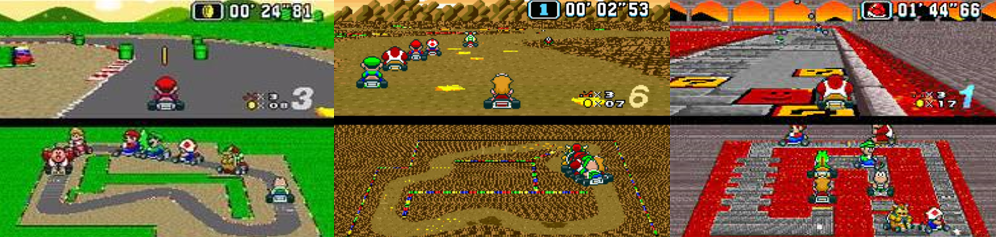
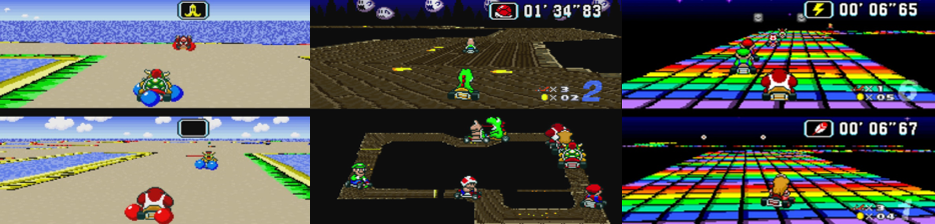




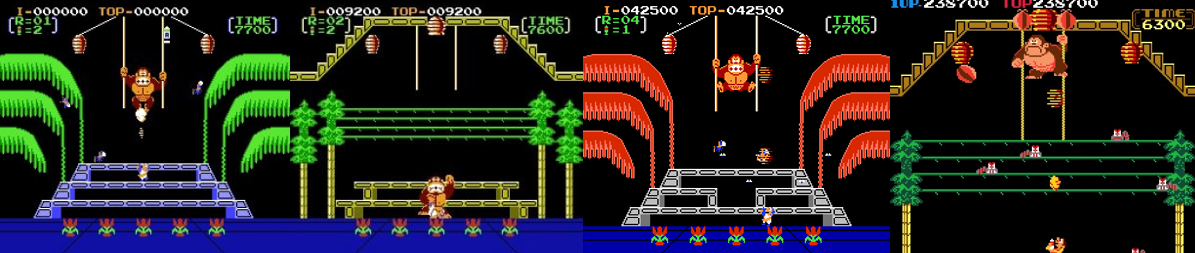


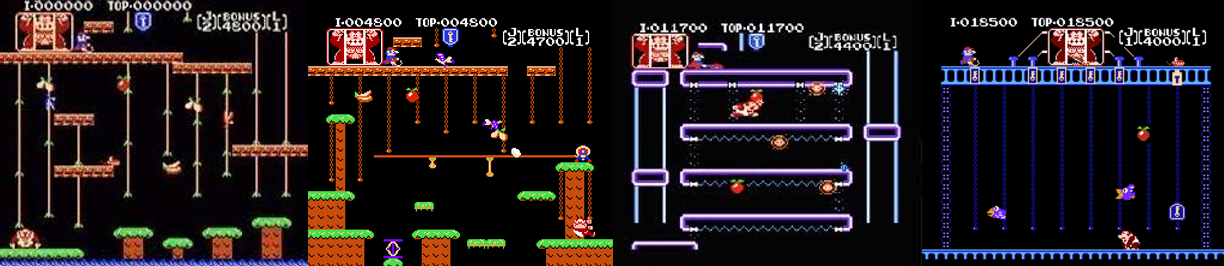





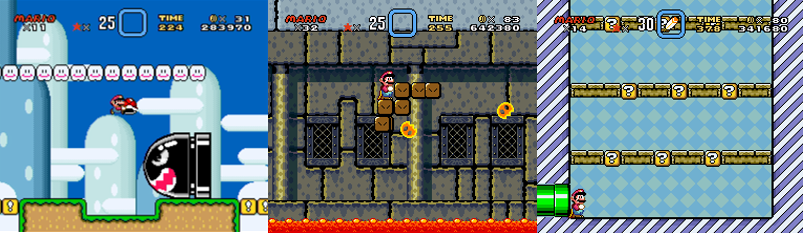
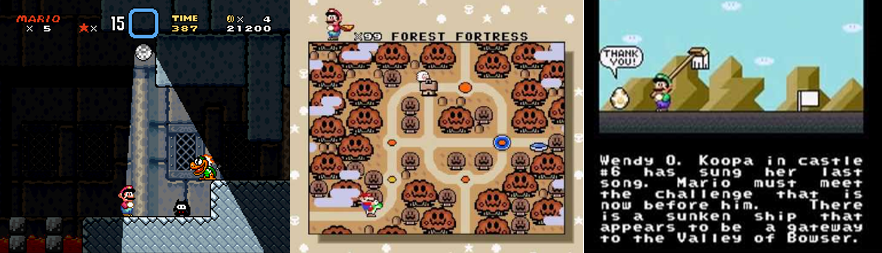
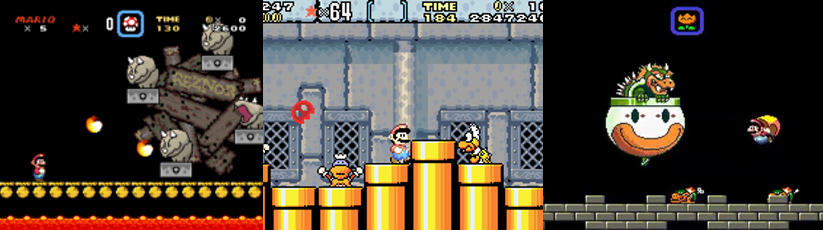


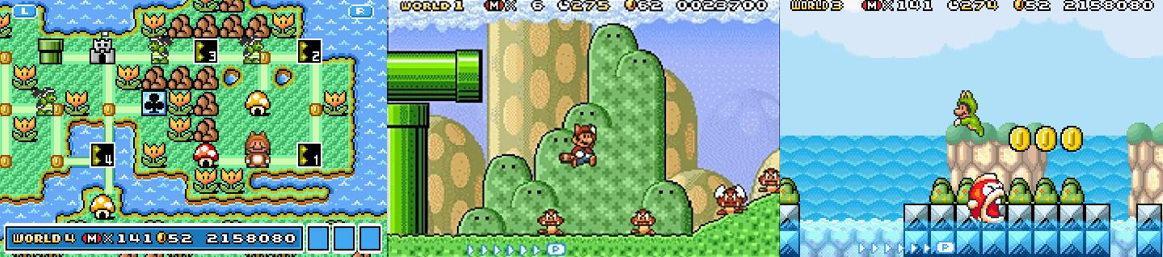
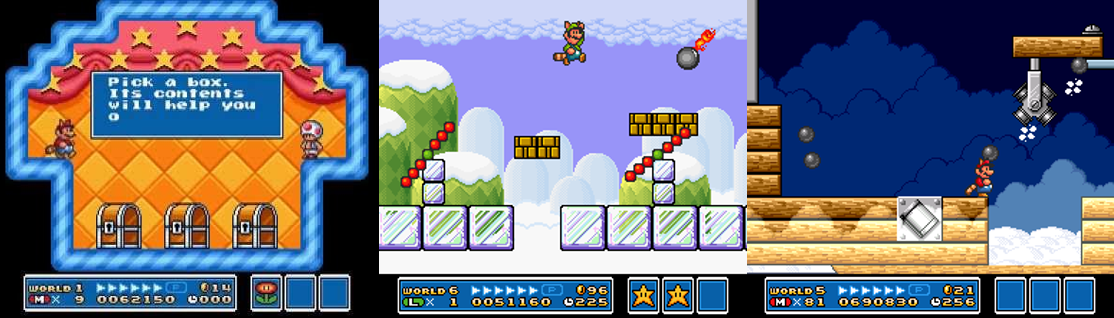





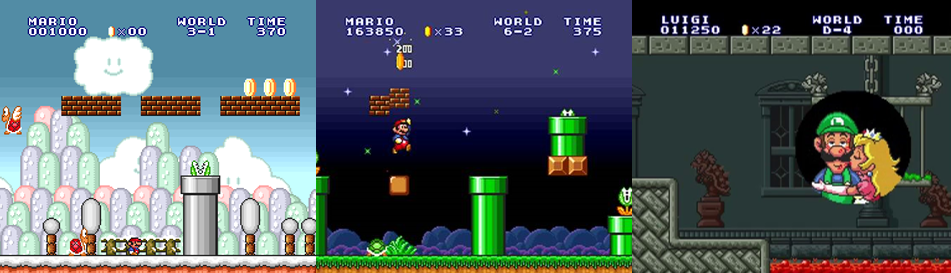


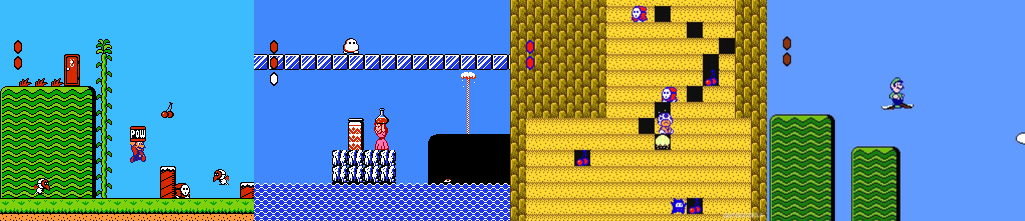


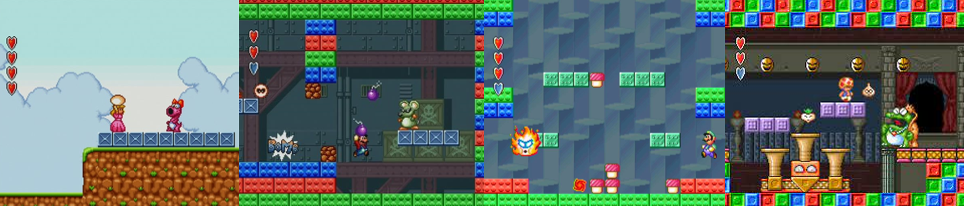




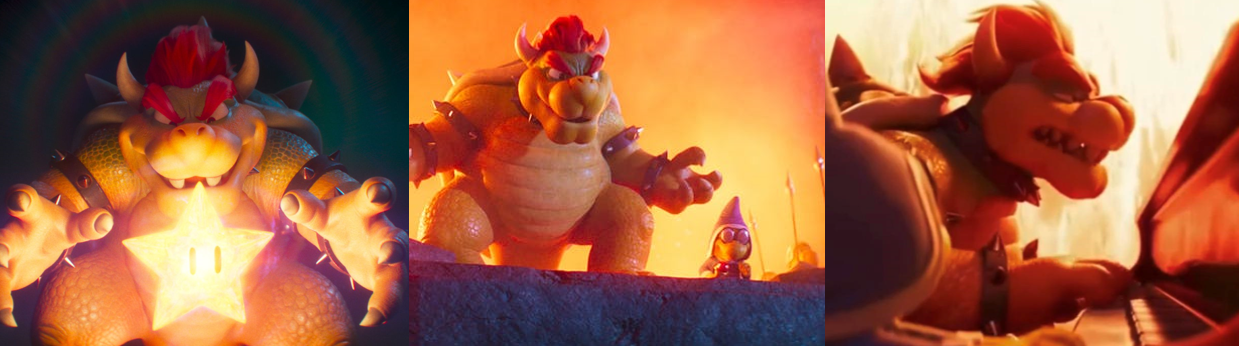



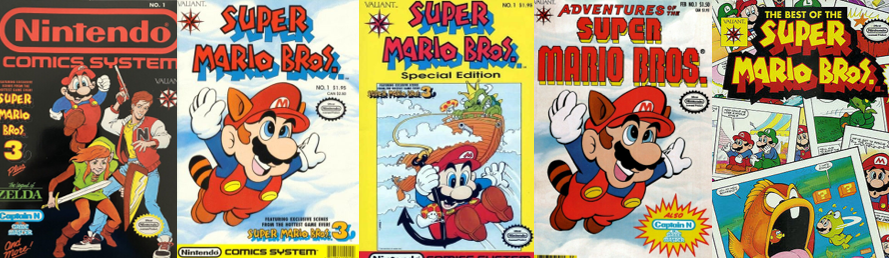
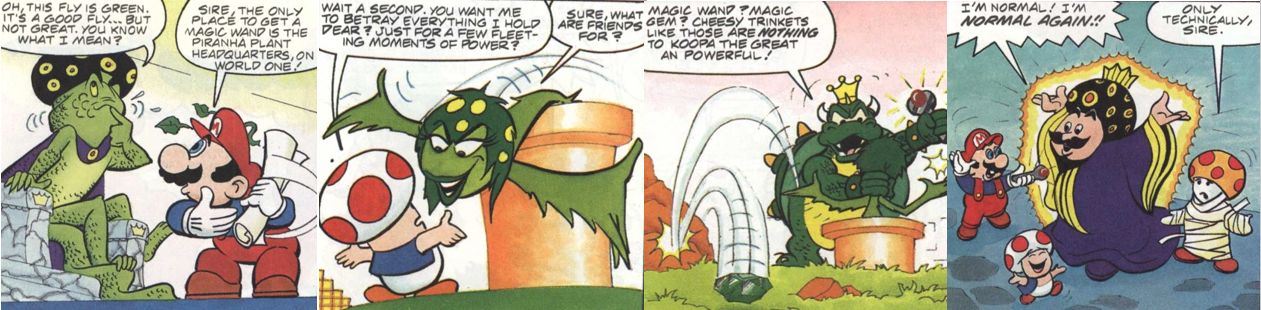






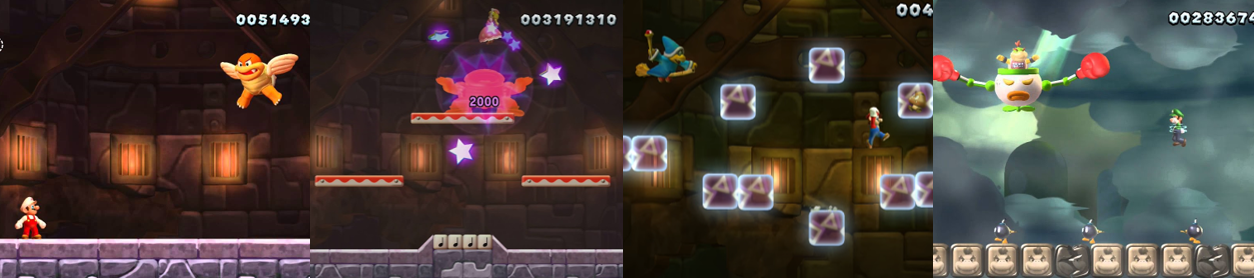


 Dr. K's Waiting Room
You must be logged in to post a comment.