In July 1981, Shigeru Miyamoto and his team at Nintendo R&D1 created Donkey Kong, an arcade title that was not only one of the earliest examples of the platform genre but also introduced gamers everywhere to two of Nintendo’s most recognisable characters: Mario and Donkey Kong. Mario, of course, shot to super stardom but July’s a good excuse to celebrate everyone’s favourite King Kongknock-off.
Released: 5 April 2019 Originally Released: 28 September 1983 Developer: Nintendo R&D2 Also Available For: Arcade, Family Computer Disk System (Famicom), Game & Watch, Game Boy Advance, Nintendo 3DS (Virtual Console), Nintendo Entertainment System (NES), Nintendo Wii, Nintendo Wii U (Virtual Console)
A Brief Background: At the start of the eighties, Nintendo had run into some issues when their plan to expand into North America with Radar Scope (Nintendo R&D2/Ikegami Tsushinki, 1980) failed. Nintendo’s then-president Hiroshi Yamauchi thus tasked young designer Shigeru Miyamoto with creating a new arcade cabinet to get the company back on track. When his plan to base it on popular comic strip character Popeye fell apart, Miyamoto took inspiration from Beauty and the Beast (Barbot de Villeneuve, 1740) and King Kong (Cooper and Schoedsack, 1933) to create Donkey Kong (Nintendo R&D1/Ikegami Tsushinki, 1981). A financial and critical success that introduced players to “Jumpman” (now known as Nintendo’s mascot, Super Mario), Donkey Kong was followed by the equally successful (if obscure) Donkey Kong Jr.(Nintendo R&D2, 1982) the very next year. Based on this success, Donkey Kong 3 came the year after that, with the gameplay significantly altered; even Mario was gone, in favour of bug exterminator Stanley. Although allegedly successful in Japan, the videogame crash of 1983 stunted its release in North America and, while somewhat praised upon release, it hasn’t stood the test of time and effectively killed the franchise until the 16-bit era of gaming rolled around.
The Review: Donkey Kong 3 deviates wildly from its predecessors in a few ways; first, Mario is strangely absent, replaced by Stanley the Exterminator and, secondly, it’s now a 2D shooter-type game not unlike Space Invaders (Taito, 1978) or Galaga (Namco, 1981). Secondly, Donkey Kong is now a central antagonistic figure, appearing in the vines atop each screen (or “Round”) and shaking beehives to spawn enemies that swoop in and take away your flowers (and your lives). Thirdly, the game has a traditional timer; you have a limited amount of time to fend off the enemies and Donkey Kong himself before you lose a life, but you also have to keep the pressure on Donkey Kong with your bug spray or else he’ll come crashing down and cost you a life. Once again, you can pick between two one-player games and two two-player games, with “Game B” offering a greater challenge, though the controls are a little more versatile. You fire your bug spray with A or B (sadly, there’s no auto- or continuous fire option), jump by pressing up on the control stick and drop down a level with down. Falling won’t cost you a life but Stanley is hard-pressed to jump over enemies; instead, you must drop down and move about to get underneath them and spray them. Very rarely (literally once per life), you’ll be able to make use of a super bug spray power-up that’ll make fending off Donkey Kong and defeating enemies much easier; this even carries over between Rounds, but its effects wear off after a few seconds. As before, defeating enemies awards you points; if you clear a Round with all flowers intact, you’ll get a point bonus, with an extra life being awarded for every 50,000 points you earn, though there’s still no high score table, so it’s all about maintaining the top score at the top of the screen.
Blast at bugs and a looming Donkey Kong with your bug spray to keep your flowers safe.
Donkey Kong 3 also deviates from its predecessors by sporting two screens that repeat in a perpetual loop until you lose all your lives or get bored and quit, though they are made a little more varied in the colour palettes changing, the platforms being trickier, and the number of enemies increasing as the loops recycle. The first Round is in the forest and sees you hopping up stone platforms to fend off Donkey Kong, and the second Round is in the treetops and sports vines that annoying worms crawl across to block your shots. Once you’ve played both screens, you’ve basically seen everything Donkey Kong 3 has to offer, and you can even clear Rounds in a couple of seconds if you’re quick enough. Sure, faster, more aggressive enemies appear later, darting at you or sending out stingers, and Donkey Kong will toss coconuts at you, and the trees might be red or green, but there’s even less visual variety here than in the last two games. Stanley doesn’t make as much of an impression as Mario and I found myself easily losing him against the stone platforms. His bug spray is weak and incredibly limited, he can’t jump over enemies, and there’s often so much onscreen that you’re guaranteed to lose a flower, if not a life. Although the music also isn’t all that much to shout about, being on the same level as the previous games, Donkey Kong is now a large, detailed, and animated sprite; he’s mischievous and daunting, grinning at you and always edging closer. Though there’s no true final showdown or end to the game, you can force him up the vines and trap his big, stupid head in a beehive, which I counted as a victory. As ever, you can use save states and rewind the game to address any mistakes, but it can be tricky to figure out your attack strategy as, unlike in the last two games, pausing the game inexplicably covers the in-game action with a black screen.
The Summary: I, like I suspect a lot of people, was not very familiar with Donkey Kong 3 before heading into it. In fact, I’m not sure I’d ever even seen a screenshot of it, let alone really knew it existed, and I have to say that it really isn’t worth your time. It borrows more elements from other games than it innovates and lacks even the mild appeal of Donkey Kong Jr. since Mario is entirely absent. It’s nice to see Donkey Kong back as a big, foreboding antagonist and there was some fun to be had in blasting him up the ass with bug spray, but that’s about where my praise ends. Even compared to the last two games, Donkey Kong 3 wears out its welcome pretty quickly; there’s just not enough variety to hold my attention and very little incentive to keep playing without a high score table. I liked that the palette changed as you progress, but the lack of visual variety really hurts the game. The enemies are little more than uninspired and annoying bugs, too, and the lack of other power-ups and mechanics just makes this a bland and forgettable title. It seems like Nintendo were trying to milk Donkey Kong a little too hard back in the day, including similar gameplay mechanics but adding one or two tweaks to try and keep things fresh, but I wonder if simply expanding on Donkey Kong, adding new mechanics and stages and such like in the Game Boy release, wouldn’t have been a better idea than releasing dull titles like this. These days, Donkey Kong 3 is all-but forgotten, and with good reason; just play the original or the 16-bit titles if you’re itching for some nostalgic ape action and leave this one in the dirt where it belongs.
My Rating:
⭐
Rating: 1 out of 5.
Terrible
Was Donkey Kong3 in your NES library back in the day? How do you think it compares to the last two games? What did you think to Stanley and the new shooting mechanics? How far did you get in the game before you failed or quit? Which Donkey Kong videogame is your favourite and why? How are you celebrating Donkey Kong’s anniversary this year? Whatever your thoughts on Donkey Kong, feel free to leave a comment below or on my social media, and check out my other Donkey Kong content on the site.
Released: 21 December 2018 Originally Released: 30 June 1982 Developer: Nintendo R&D2 Also Available For: Arcade, Atari, BBC Micro, Coleco Adam, ColecoVision, Family Computer Disk System (Famicom), Intellivision, GameCube (via Animal Crossing (Nintendo EAD, 2001)), Nintendo 3DS (Virtual Console), Nintendo Entertainment System (NES), Nintendo Wii, Nintendo Wii U (Virtual Console)
A Brief Background: In early 1980, Nintendo were in a spot of bother; their plans to expand into North America with Radar Scope (Nintendo R&D2/Ikegami Tsushinki, 1980) had failed, so then-president Hiroshi Yamauchi tasked young designer Shigeru Miyamoto to create a new arcade cabinet to turn things around. After plans to adapt popular comic strip character Popeye fell apart, Miyamoto took inspiration from Beauty and the Beast (Barbot de Villeneuve, 1740) and King Kong(Cooper and Schoedsack, 1933) to create Donkey Kong (Nintendo R&D1/Ikegami Tsushinki, 1981), a financial and critical success that introduced players to “Jumpman”, who would go on to become Nintendo’s mascot, Super Mario. During Donkey Kong’s development, many of the team’s concepts had to be cut due to time and hardware constraints. As they worked to develop these further, and given Donkey Kong’s success, the team developed a follow-up title that was initially planned to star the cantankerous ape himself before a smaller, more manageable substitute was created. Although Donkey Kong Jr. is now one of Nintendo’s more obscure characters, having largely been supplanted in the 16-bit era, Donkey Kong Jr. was very successful in its native Japan. Reviews praised the colourful presentation and gameplay loop and the game became very popular in the competitive play arena.
The Review: Donkey Kong Jr. is, essentially, more of the same game as its predecessor. Like Donkey Kong, players can pick from four game modes: two single-player options and two two-player options, with “Game B” being the more difficult of the two as it includes more onscreen enemies. Regardless of which mode you pick, Donkey Kong Jr. utilises the same simplistic control scheme as before, with A being the only button you need to press to jump over enemies, to vines, and across platforms. Donkey Kong Jr. has the rare distinction of being perhaps the only Mario-adjacent videogame where the portly plumber is an antagonist. Players now control the titular Donkey Kong Jr., a stout baby ape who slowly clambers up vines, quickly slides down them, and whose only method of attacking the many critters Mario sends out to obstruct him is to touch various fruits high up on vines; these will then fall, destroying any enemies beneath them. While Donkey Kong Jr. is a far more complex-looking sprite, with a humorous and over the top death animation and being slightly more animated overall, he’s no less clunky and actually less useful than Mario was in the last game as his hit box is bigger and he doesn’t get a hammer power-up. There is a spring on one screen, but it’s just as likely to send you plummeting to your death as it is to the next platform, so you’ll need to carefully time your jumps to avoid enemies and snag some points. But don’t take too long; like in Donkey Kong, the longer you take, the lower your bonus score will be upon completing a screen, which in turn impacts your high score. While you don’t seem to earn extra lives by accumulating points and there’s no high score table to display your best score, it is displayed at the top of the screen and is the only goal available to work towards so you may be somewhat protective of this.
Junior must clamber up vines, jump over hazards, and use keys to rescue his dad from Mario.
Donkey Kong Jr. is comprised of four screens that repeat in a nigh-never-ending loop until you finally die, with the enemies increasing in number and aggression the more you play. In three screens, your goal is to reach the top, acquire a key, and scare off Mario, and this culminates in a final showdown where you need to take down the devious plumber and rescue your kidnapped father. In the first screen, you simply navigate between vines being careful not to fall in the static water below or even drop a short distance as both will instantly kill you. In the second screen, you’ll bounce on the spring to smaller moving platforms and use a pulley to cross a gap and, in the third screen, you’ll hop over electrical hazards that erratically move back and forth across the platforms. Finally, you’ll climb up six chains, pushing six keys up to a bridge and avoiding bees and little alligators. Once you’ve pushed all six up to the top, the bridge is destroyed, Mario is defeated, and Donkey Kong is rescued and it all begins again until you either lose all your lives or quit from boredom. Although the game lacks the iconic music of its predecessor, each screen has some fun little jingles and sound effects but nothing especially innovative. Donkey Kong and his son are the most colourful and visually interesting sprites, with Mario only impressing due to him wielding a whip this time around, and the enemies are simply snapping alligators, egg-dropping birds, and electrical bolts. Naturally, this version allows you to create save states and rewind the game if you make a mistake, effectively destroying any difficulty curve it might’ve had and reducing the average playtime to around ten minutes.
The Summary: Donkey Kong Jr. reeks of cheap, money-grabbing desperation. Donkey Kong was an innovative and popular arcade release and it’s obvious that Nintendo simply wanted to capitalise on that with a “new title”, but there’s very little new about this game. Sure, moving to vines is different and having to time fruit-grabbing to defeat enemies adds a little more strategy and I quite liked the final showdown with the keys on the chains, but the gameplay experience is largely the same and lacks a lot of the nostalgia and charm of its predecessor as the setting is so weird. Even now, it’s bizarre seeing Mario as a whip-cracking antagonist. Donkey Kong Jr. has a lot of visual appeal, but I wonder if this game might’ve been better if Junior actively chased Mario across the stages? Or if a two-player mode saw one player as Junior and the other as Mario trying to intercept him? I feel like Nintendo could’ve bundled these two games together into one experience at the time, creating an eight-screen loop where you first track down and capture Donkey Kong and then switch to Junior to rescue him, but, as is, I can’t see myself choosing to play Donkey Kong Jr. over its more popular and nostalgic predecessor.
My Rating:
⭐⭐
Rating: 2 out of 5.
Could Be Better
Did you ever own Donkey KongJr. for the NES back in the day, or play the arcade version out in the wild? How do you think it compares to Donkey Kong? What did you think to Junior and seeing Mario as an antagonist? How far did you get in the game before you failed or quit? Which Donkey Kong videogame is your favourite and why? How are you celebrating Donkey Kong’s anniversary this year? Whatever your thoughts on Donkey Kong, feel free to leave a comment below or on my social media, and check out my other Donkey Kong (and Mario) content on the site.
Sonic the Hedgehog was first introduced to gamers worldwide on June 23 1991 and, since then, has become not only SEGA’s most enduring and popular character but also a beloved videogame icon and, in keeping with tradition, I have been dedicating the entire month to celebrating SEGA’s supersonic mascot.
Released: 17 October 2023 Developer: Arzest / Sonic Team Also Available For: Nintendo Switch, PC, PlayStation 4, PlayStation 5, Xbox One, Xbox Series S
The Background: After SEGA created a mascotviable enough to rival Super Mario, Sonic the Hedgehog expanded into mainstream popularity with Sonic the Hedgehog 2 (SEGA Technical Institute, 1992) and saw further success with subsequent sequels and his first 3D adventures, After later withdrawing from from console manufacture, SEGA brought Sonic to multiple platforms, but struggled to maintain consistent quality, with even their more enjoyable titles drawing notable criticism. Despite this, SEGA scored a hit when they brought in noted indie developers to work on Sonic Mania (Christian Whitehead/PagodaWest Games/Headcannon, 2017), a much-lauded throwback to Sonic’s heyday. Rather than capitalise on Sonic Mania’s success, SEGA opted to continue with hit-and-miss 3D adventures, primarily because Sonic Mania’s developers wanted to branch out from the Sonic franchise. Still, Sonic Team producer Takashi Iizuka saw the potential for a spiritual successor and convinced Sonic co-creator Naoto Ohshima to return to the series and help develop a new 2.5D adventure. While Ohshima’s studio, Arzest, develop the game’s environments, drawing fromSonic Mania and the classic 2D Sonic titles, Ohshima himself designed new character Trip the Sungazer to add to the classic cast and the developers not only added Amy Rose to the roster but finally brought back obscure bounty hunter Nack the Weasel Fang the Sniper Fang the Hunter after a decades-long absence. Sonic Superstars was also designed and marketed with co-op play in mind and the team expanded the gameplay mechanics by awarded players new abilities when they collected the mythical Chaos Emeralds. Unfortunately, Sonic Superstars released to mixed reviews; while it was praised as a throwback to Sonic’s classic titles and for its colourful visuals, critics disliked the level layouts, multiplayer features, and its unnecessarily aggravating boss battles. Still, the game was bolstered by some interesting downloadable content (DLC) that featured various skin packs and even included the rabbit concept that was ditched early in Sonic’s development!
The Plot: When Doctor Eggman heads to the North Star Islands to transform their giant animals into a powerful Badnik army, Sonic the Hedgehog and his friends follow, only to find the mad scientist has enlisted the notorious Fang the Hunter and naïve local Trip the Sungazer to seek out the legendary Chaos Emeralds and weaponise the natural landscape!
Gameplay: Sonic Superstars doesn’t buck tradition; it’s a 2.5D, sidescrolling action platformer just like the classic 2D Sonic games and with all the traditional tropes you’d expect returning. You take control of one of four familiar faces and race through twelve colourful levels (known as “Zones”), each with anywhere from one to three stages (or “Acts”) within them, freeing woodland critters from Badniks, collecting Golden Rings to stave off death, pinballing all over the place on springs, bumpers, and boost pads, and striving to blast through Acts as quickly as possible. However, unlike in the classic games, you’re no longer penalised if you take more than ten minutes to finish an Act; the timer simply runs out and the game continues, which is good as some of the later bosses take at least ten minutes to battle against, so you’d be dying over and over to time outs if they were still a thing. Another noticeable change is the complete absence of a life system; you’ll hit Star Posts to create checkpoints across each Act and you’ll respawn at these when you inevitably die, but you won’t ever have to worry about running out of lives or continues or getting a game over, which again is good as some of the later Acts and bosses will see you crushed, zapped, or plummeting to your death to an almost spiteful degree. Otherwise, many of the same mechanics are here; you’ll suck in air bubbles to avoid drowning, run through loops, crash through walls, and take multiple paths through each Act, with the higher route usually being the fastest but most dangerous, to finish faster or find goodies. Like Sonic 3 & Knuckles (SEGA Technical Institute, 1994, Sonic Superstars uses save files for your playthrough (though, oddly, you can’t copy your save file) and, like Sonic Generations(Sonic Team, 2011), you can run around a limited hub world between Acts where you can access Acts, bonus Acts, switch characters, and play some tutorials to get to grips with the game’s new mechanics.
Team up with friends and use the gang’s classic abilities to conquer new, but familiar, Zones.
From the start, players can pick to play as Sonic the Hedgehog, Miles “Tails” Prower, Knuckles the Echidna, and, in what’s still a rare inclusion, Amy Rose. The basic controls for these characters are universal: A and B are your action buttons, allowing you to jump, perform the character’s special attack, or Spin Dash; X or Y (if configured) will activate the Emerald Power you select after using the Right Bumper to bring up the selection wheel, and that’s it for button commands. Each character performs the Super Sonic Spin Attack when jumping; holding down the button sees you jumping higher and pressing or holding it a second time in mid-air sees each character perform a signature special attack. Sonic performs the Drop Dash, which I finally found somewhat useful here (though I still miss the Insta-Shield), Tails can fly for a short time (and doggy paddle underwater), Knuckles can glide (and will cling to and climb most walls he glides into), and Amy will swing her hammer in her spin for a super useful double jump and flail it around for a ground attack if you hold the button. If you press down while running, you’ll roll into a ball; if you stand still and press down and A or B, you’ll charge up the Spin Dash for a burst of speed and, while there is no Super Peel-Out here, Sonic’s run greatly resembles it. Because of their individual abilities, you’ll have an easier time with the likes of Tails or Knuckles and even Amy thanks to their mid-air tricks, while Sonic often has to rely on the Emerald Powers to reach higher areas and find secrets. Mostly, the controls and physics work well; they’re not as slippery as some games and everything feels more akin to the classics, though there are still moments where characters slip from precarious footing and struggle to make jumps, but this isn’t helped by some badly placed enemies and hazards. Sonic Superstars can also be played in co-op with a group of friends, but I wouldn’t recommend it; it’s basically like playing Sonic 2 in co-op, with any players that are too slow or who get stuck or who take a different path disappearing from the main action and having to respawn in. There are also no team-up moves beyond Tails carrying a character, which is a shame, but it’s still nice to see it incorporated, even if it’s not very sustainable.
Autoscrolling sections, shoot-’em-up stages, and unique level-changing gimmicks are notable inclusions.
I mentioned the enemy and hazard placement just now and it’s true that Sonic Superstars suffers a bit from this, especially in later Zones, primarily because the camera is a little too zoomed in and the level designers seem to be taking inspiration from Sonic the Hedgehog CD (SEGA, 1993) at times by placing ceiling and wall spikes and Badniks just offscreen. Still, there are times when the mechanics are really fun; there’s some new additions here, such as being shot or blasted onto a background plane, running around loops, grabbing pulleys, or bouncing around inside rings for Ring bonuses, and even some autoscrolling sections. The one in Golden Capital Zone sees you dodging waves of lava, while the one in Frozen Base Zone is effectively a mash up of Sky Chase Zone and a remix of Fantasy Zone (ibid, 1986), with you piloting one of Dr. Eggman’s crafts and blasting at redesigned Fantasy Zone enemies and bosses with A and dropping bombs with B. While things start out very familiar, and many Zones include recycled gimmicks from classic Sonic titles (Lagoon City Zone, for example, recycles just about every underwater gimmick from the previous games and Pinball Carnival Zone and Sand Sanctuary Zone owe a lot to previous casino-theme Zones and Sandopolis Zone, respectively), I mostly enjoyed how these elements were implemented, even if they were very familiar. There are some really unique additions included here, too; Press Factory Zone sees a giant piston in the background smash into the ground and bump you about if you’re not grounded, while Act 2 sees Dr. Eggman’s hovering drone grow closer and closer to detonating every explosive device in the Act unless you find switches to briefly reset the counter. Speed Jungle Zone sees you creating bridges by hitting switches and using nearby butterflies to light up dark areas, Sky Temple Zone incorporates wind gimmicks using fans, Cyber Station Zone sees you travel on electrical currents and expands on Sonic CD’s shrinking mechanic by transforming you into pixelized animals to navigate past dangerous area (with the mouse lines being the most aggravating), and Egg Fortress Act 2 sees you running from the right to the left as the damaged space station is repaired thanks to Dr. Eggman’s time warping machine, which I thought was a really novel idea.
Graphics and Sound: Although I would’ve preferred to see a bigger, more colourful and adventurous sequel to Sonic Mania that continued to use charmingly detailed sprite art, Sonic Superstars may be the best of the 2.5D Sonic titles in recent years. The game perfectly translates the classic aesthetic of Sonic 1 and Sonic CD, especially, into a quasi-3D style, with characters all performing idle poses, victory celebrations, and exuding a lot of personality in the game’s fun, pantomime-like cutscenes. These primarily tell the story of the gang trying to catch up to Dr. Eggman or Fang, clumsy Trip’s efforts to impress her masters and change of heart after being befriended by Amy (you’ll carry Trip around in an Amy-focused bonus Act), and Fang’s delight at tormenting Knuckles. The Acts are also full of fun elements; sometimes, you’ll see other characters racing along in the background and not just baddies like Fang, but Sonic, Knuckles, and Amy, which adds a layer of scope to the game. The large animals of the North Star Islands often show up to help out, hang out in the background, or celebrate with you at the end of the Act, and they’ll pop up on the hub world as well to give a sense of progression. While some Acts can be a bit cluttered at times, with some clashing colour schemes and visuals making it difficult to know where’s safe and what’s a bottomless pit, I had no issues with the game’s visuals; even the various DLC costumes appear in cutscenes, which was a nice touch. To make things even better, the anime cutscenes made famous in Sonic CD and brought back in Sonic Origins(Sonic Team, 2022) return here, which is most welcome, though you can’t watch them back. As much as I like the visuals though, and little touches like the title screen and enemies encountered in Trip’s story changing as you play, I wasn’t impressed by the game’s soundtrack; it’s serviceable enough but failed to make much of an impact, with no tunes staying in my head after I finished, some haunting my nightmares as I struggled to clear the more aggravating bosses, and some actually cutting out due to odd glitches.
While some Zones are quite derivative, the game’s overall visual style is impeccable.
Sonic Superstars evokes the classic games in its Zones, even bringing previously discarded concept art from Sonic 1 to life for the first time, and mixing and matching classic gimmicks with new ones. The game begins with the classic Green Hill Zone archetype, one that incorporates waterfalls, floating boost pads, wall running, and swinging springs to try and mix things up a bit. Speed Jungle Zone owes a fair bit to Sonic’s often forgotten 8-bit adventure, incorporating vines and grinding into the gameplay, while Sky Temple Zone focuses more on tricky platforming on small, moving, or temporary platforms and trying to avoid enemy fire when you’re being blown about by the fans. Pinball Carnival Zone is about where I started to make the most apt comparison for Sonic Superstars’ Zones; they’re very similar to those seen in the Sonic the Hedgehog 4games (Dimps/Sonic Team, 2010; 2012), mashing together classic gimmicks to try and create something new and giving us theme-park levels and snowy mechanical bases. Luckily, this is executed far better here but I wonder if this was a conscious decision to try and make good on some of Sonic 4’s better ideas or just coincidence and laziness, since Sonic games love to reuse the same tropes over and over. For me, this was most evident in Sand Sanctuary Zone, which is just Sandopolis Zone again, but it’s only one Act in the main story this time. Luckily, Press Factory Zone made up for this, being a mechanical obstacle course in Act 1 and a tense face against a fiery death in Act 2. Golden Capital Zone also impressed, despite initially appearing quite bland; there’s a fun rotation gimmick where you end up running on the ceiling with the ground above you and it switches to a lava-infested furnace for Act 2. While Cyber Station could also get very cluttered, I loved the pixelated visuals applied to the character and enemy models; everyone looks like LEGO here and it really made the Zone stand out (and make me wish we could play as those models as skins in other Zones). Frozen Base Zone saved itself from blandness with its random shoot-‘em-up mechanics in Act 2 and I did enjoy how Egg Fortress Zone crumbles around you in Act 1 and unwinds in Act 2, that was really fun, even if it led to some cheap deaths from crushing, spikes, and sudden pits.
Enemies and Bosses: Many of Sonic Superstars’ Badniks are recycled from Sonic 1, Sonic CD, and Sonic 2 though some have been slightly tweaked; Buzz Bombers use sweeping lasers, for example. Choppers, Orbinauts, Slicers, and buzzsaw-wielding Robot Beetles pepper each Act but the most reoccurring classic Badnik is strangely the Batbrain, which appears in Zones that really don’t fit its aesthetic. Still, Sonic Superstars does have some new Badniks on offer; one of the worst, for me, were the Jellyfish Mechas, which float up and down with drill-like appendages on their tentacles. You’re supposed to attack them when these are pointing away, but I seemed to always mess up the timing, and they’re often found floating between bumpers and other gimmicks. I quite like the seahorse-like Soap Bubble Mecha, which is largely harmless but spits out bubbles you can use to boost your jumps to higher areas. The Elephant Mecha, Electrical Discharge Mecha, and Kanga Clangas and Barrel Throwers were all visually very fun, too; the Elephant Mecha is more like a blowtorch, the Electrical Discharge Mecha is a cloud that fires thunderbolts if you don’t destroy it quickly, and Kanga Clangas and Barrel Throwers are kangaroo and sea lion-themed robots that toss explosives and barrels at you. The Trampling Mecha was an odd on for me; this vulture-like Badnik rears up and tries to squish you, so you have to wait for it to appear on your level pane before you can attack, something that happens in many of the boss battles, too. Splats also makes a return here, alongside the Eggrobos in Trip’s story (now able to fire in multiple directions, and from offscreen, just to really wind you up), and you’ll come across multiple disposable Badniks, like Antons and Mole Mechas, that primarily serve as an annoyance but are also used as projectiles in certain boss battles. Speaking of which, while the bosses start out as expanded versions of those seen in Sonic CD and Sonic 3 & Knuckles, sporting multiple phases and attacks, they quickly become very tedious as you’re forced to loiter around, unable to attack, as you wait for your one opening and it can be laborious starting all over again if you make a mistake and fail thanks to the lack of checkpoints, making many of the bosses a rage-inducing chore to fight.
Giant robotic animals will expose the game’s lengthy boss battles.
Like in Sonic 3 & Knuckles, many Act 1’s end with a battle against one of Dr. Eggman’s larger mechanical monstrosities. The first of these is the Mosasaurus, though this is more of a chase; you can hit it when it leaps into the foreground, but just run to the right, avoiding pits, and it’ll crash into a wall, defeated. In Speed Jungle Zone, you face a giant mosquito-bot that can only be damaged by Spin Dashing up the chain it shoots at you. You’ll have to watch for spike pits, projectiles, and its charge attack near the end, too. Pinball Carnival Zone pits you against a maniacal clown merged with a giant bumper; this thing will float around dropping explosives and shielding itself with electricity, and the only way you can make it vulnerable is to jump at the tokens in the arena to flip it around, with these (and the hazards) increasing as the battle progresses. Lagoon City Zone’s robotic guardian is a giant jellyfish that spits out a bunch of minions to distract you, fires its tentacles at the floor, and then electrifies the water you’re standing on before trying to crush you. As you damage it, it’ll also fill the screen with projectiles and strike with multiple limbs. Press Factory Zone’s giant mechanical ape harkens back to Sonic 1’s Final Zone boss; when in the background, it causes giant pistons to come crashing down on you, so you need to find the safe spot to avoid being crushed then wait for it to finish jumping about in the foreground so you can ram it, not unlike the Flying Battery Zone boss battle. Golden Capital Zone’s robot pig can be a bit tricky as it sucks up all your Rings at the start of the fight but it’s actually pretty simple; just race around the rotating arena as it charges you until you can hit the big button on its back, something made ridiculously easy with Tails or Amy thanks to their greater air time. Finally, Frozen Base Zone sees you running along (and against) conveyer belts and battling a bird-like mech that spits targeted mines, ice cubs, and other Badniks that must be avoided before you desperately try to jump up and hit it before it disappears to the background again.
All the Emerald Powers in the world can’t save you from the tedious boss battles.
Speaking of Dr. Eggman, you’ll naturally battle him multiple times in various contraptions. In his first appearance at the end of Bridge Island Zone, Dr. Eggman pilots a massive mech suit that resembles him (a common occurrence in this game) and attacks by spinning its mace-like arms, firing its arms at you, and leaping at you, where it becomes vulnerable. After enough hits, parts of the mecha break away and the torso, now a UFO-like craft, tries to slam into you. Dr. Eggman encases himself in an impenetrable sphere in Speed Jungle Zone; not only does he try to crush you, but he also summons spear-like chains to try and skewer you, but you can lure these to attack his craft pretty easily. When it goes a bit mental and starts spinning around and firing projectiles, hit the blue ones to reflect them back and land an extra hit. Sky Temple Zone features a particularly annoying boss battle that sees you dodging Dr. Eggman’s many buzzsaw projectiles in free fall and hopping to floating debris, avoiding more projectiles, to land a single hit, all while a giant fan looms at the bottom of the screen, with the battle looping until Dr. Eggman tries a kamikaze attack! I never really figured out Pinball Carnival Zone’s boss; it appears to be a roulette-style battle where you need to dodge mines and electrical bursts and use momentum to reach Dr. Eggman, but I just used Amy’s double jump to cheese through his and I suggest you do the same. Sadly, there’s no cheesing the Lagoon City Zone boss; this battle takes place underwater, so you’ll need to grab air bubbles regularly to keep from drowning. First, you must jump up a vertical shaft avoiding projectiles and using the wake from Dr. Eggman’s drills to boost you higher. Soon, Dr. Eggman fires homing missiles and rotating lasers, then the battle shifts to a side-on view and you have to awkwardly avoid incoming attacks to hit Dr. Eggman’s craft, which now resembles a wall. While this one was tough, the Sand Sanctuary Zone boss is where I started to see how tedious the game’s bosses are. Here, Dr. Eggman fires giant stone stabs at you from the foreground and sends Badniks tunnelling towards you; hit the right ones at the right time (in mid-air) and you’ll reflect them back at him, and you can ram him when he pops up from the ground, but otherwise this is a lot of waiting around for a small opportunity to attack. In comparison, the Press Factory Zone boss is much preferable, despite the constant threat of being crushed by its giant piston. Simply avoid its projectiles, jump when the piston comes down to avoid being bounced about, Spin Dash through its legs, and ram the unprotected cockpit whenever you can.
Encounters with Fang, the Metal Fighter, and the finale are particularly lengthy and aggravating.
Of course, Dr. Eggman isn’t the only baddie in Sonic Superstars; you’ll encounter Fang quite a lot, taunting you or firing missiles and lasers at you, completely out of reach until you reach Golden Capital Zone, where you battle him in an autoscrolling section. Piloting a weaponised version of the Marvellous Queen, Fang fires lasers at the ceiling and lava, causing debris to fall and lava to rise, fires three more lasers from drone-like appendages and shields himself with destructible hexagons. Between each encounter, you must dodge flame plumes and falling lava; Fang’s projectiles and dangers increase as the fight drags on, too, making this a hell of a chore. After a battle against Dr. Eggman’s prototype Metal Fighter (which is the “Battle Mode” avatar you created) that draws from the classic Metal Sonic battle from Sonic CD and the Death Egg Zone boss from Sonic 3 & Knuckles (but with more pits and less Rings), and a shoot-‘em-up battle against two redesigned Fantasy Zone bosses (one a cylindrical mech that spits bullets, the other a sphere resembling Dr. Eggman’s face that rains projectiles) and working your way back through Egg Fortress Zone, you’ll have a climatic two-stage battle against Dr. Eggman’s biggest mech yet. In the first phase, you run around a circular platform devoid of Rings dodging his missiles; run around the mech and hit the blue missiles to score a hit, but don’t bother from the front as it’ll block them. The mech also swipes at you with its buzzsaw-like arms and fires an energy wall that you can avoid by jumping through the gap and, after enough hits, it’ll switch to attacking from the foreground (again, like Sonic 3 & Knuckles’ Death Egg Robot). This is the toughest phase of the boss as you need to avoid falling, dodge his hand smashes, hide behind any nearby walls to keep from being trapped in his anti-gravity beam and roasted by his projectiles, and must to dodge the multiple giant lasers, all while striking at a precise moment to land a hit. This becomes especially frustrating as there are no Rings in the arena, no checkpoints between phases, and the fight drags on and on since it takes so long between each attack and before you can land a hit.
Power-Ups and Bonuses: Since the game doesn’t use lives, there are no 1-Up monitors to be found; collecting 100 Rings grants you a Medal rather than an extra life and you’ll find similar Medals hidden in Acts and collected from Bonus Stages for use in the game’s Battle Mode. Monitors, however, are present and will grant you additional Rings, a temporary speed up or invincibility, and a shield that’ll protect you from one non-lethal hazard. The magnetic shield also returns but, while this still attracts nearby Rings to you, it oddly no longer protects you for a hit, severely reducing its appeal as a power-up. As you play, you’ll notice warps appear in Acts; jumping into these will take you to a freefall section where you float about grabbing a few extra Rings and then emerge nearby, effectively acting as a shortcut. Other times, you’ll rocket along grabbing Rings, smashing Badniks, and avoiding touching the environment, search for Fruit that you can cash in on the hub world to play bonus Act Fruit obstacle courses where you grab Rings, pop balloons, and hit tokens to win Medals, and each character also has their own Act to play that serves as a way to get to grips with their mechanics and expand the story. As in Sonic 3 & Knuckles, Giant Rings can be found in each Act; blue ones transport you to a Bonus Stage modelled after the Sonic 1 Special Stages, where you must navigate past warps, change the maze’s rotation, and swap the environment around to grab Medals, and gold ones that take you to the game’s Special Stages.
It’s cool that the Emeralds bestow powers, but most of them are pointless and circumstantial.
Completing a Special Stage awards you with a Chaos Emerald but, this time, these are actually a game-changing mechanic. Each Chaos Emerald bestows you with an Emerald Power, selected with RB and activated with X, which will last for as long as the meter lasts or until you take a hit and will be replenished at each Star Post. As cool as this idea is, I found the Emerald Powers to be more miss than hit; some are only useful in certain situations, like Water, which lets you swim up waterfalls or through underwater sections much more freely, or Vision, which reveals hidden platforms. An indicator will appear to let you know when it’s a good time to use these abilities, but a lot of them are redundant when playing as Tails, Knuckles, Amy, and Trip; Bullet and Ivy, for example, are only really useful for getting Sonic to higher areas outside his skills. The most useful Emerald Power, for me, was the first one you get, Avatar; this swarms to screen with a bunch of (at times distracting) duplicates of your character and can help get a free hit in on bosses. I never used Slow at all in the main game; it was much more prominent in Trip’s story, where you need to use it to slow down rapid hazards to pass by safely. Perhaps the most disappointing Emerald Power was Extra, which grants each character a new special ability, but I only found two to be of any use; Sonic gets a stunted Homing Attack, Tails swipes with his tails, Knuckles gets a projectile punch, Amy tosses her hammers like in Sonic Origins, and Trip throws bouncy fireballs, with these latter two being the only ones I found beneficial.
Additional Features: There are thirty-eight Achievements in Sonic Superstars, with eleven awarded after clearing each Zone, seven awarded after using each Emerald power, one for clearing any Act with a friend, and one for collecting all seven Chaos Emeralds. You can earn five Achievements for destroying 100 enemies with each character’s special attack (so, 100 enemies with the Drop Dash, 100 while gliding, etc), one for finding and destroying the special Golden Badnik in each Act (though be warned as you’ll have to destroy it again, or restart the Act, if you lose a life after destroying it), one for collecting 100 Medals from Bonus Stages, and one for finishing Frozen Base Zone’s shoot-‘em-up section without taking damage. Your Medals can be spent in the game’s shop; here, you can purchase heads, torsos, arms, legs, and spray paint for your Metal Fighter, a custom robot you use in the game’s Battle Mode. While parts for metal versions of the five playable characters exist, the shop is really expensive, so you’ll need a lot of Medals to create classic characters like Metal Sonic and Metal Knuckles, and the Battle Mode isn’t that great. You battle friends or CPU-controlled robots in three arenas, either to the death, while avoiding missile bombardments, or collecting items to win, using X to attack with an electrical burst and being underwhelmed by the entire thing. Although you can access additional skins for this mode (and the main game) via DLC, there are no Achievements tied to the Battle Mode, so I’d just avoid it; there’s a Time Attack mode as well, but again there are no Achievements associated with this.
Snag the Chaos Emeralds, endure Trip’s ridiculously hard story, and take on the arduous true final boss.
As mentioned, you’ll warp to Special Stages by finding Giant Rings. These are pretty simple, unique bonus areas where you have to tap and hold A to latch on to glowing blue orbs, boost points, or Rings to chase after a Chaos Emerald. You can latch onto mines, too, but these will explode to slow you down and you’ll need to avoid crystalline structures and collect Rings for more time. While the later ones can get very challenging, it’s not too difficult to get all seven Chaos Emeralds, which unlocks the final Emerald Power, where you’ll turn Super after collecting 50 Rings and selecting the ability from the wheel. After clearing the main story, you’ll unlock Trip as a playable character and “Trip’s Story”, which picks up where the main story ends and sees Trip battle through remixed versions of each Act, encountering an army of Eggrobos led by a primary Eggrobo. Trip has all the same abilities as the other characters in addition to a double jump and the ability to cling to walls and ceilings, which is incorporated into her Acts. Her Super form is also a flying, fire-breathing dragon that absolutely breaks the game, but its advantages are offset by her story being so damn hard. Acts are redesigned to have more enemies, more hazards, and more bottomless pits, as well as required more Emerald Powers to bypass obstacles. Her bosses also seem tougher, with new attacks in their arsenal; the Eggrobo takes Dr. Eggman’s place until the end, where you must battle Fang in a gruelling final boss full of one-hit kills and frustrating sections that nearly had me rage-quitting! Complete “Trip’s Story” and you’ll get an Achievement and access to the true final boss, the Black Dragon, in a battle that’ll take at least ten minutes to complete. This sees you, as Super Sonic, smacking back blue comets, avoiding instant-death black holes, ramming the dragon’s chest, and tearing your hair out trying to hit five incoming projectiles with frame-perfect timing as the game suddenly introduces quick-time events! Not only does the boss constantly hide in the background, but its attacks are completely random, your opportunities to hit it are ridiculously limited, and you’ll burn through Rings if you keep tapping the Boost button. Rings randomly rain from the sky and Sonic’s friends will randomly appear to offer more, but this and the rage-inducing fight against Fang’s mech cast a dark shadow over the whole game for me that ruined the entire experience.
The Summary: I was surprised when I first saw the announcement of Sonic Superstars; although disappointed that we weren’t getting Sonic Mania 2, I was cautiously optimistic, especially as it had that classic Sonic aesthetic, included a playable Amy and the welcome return of Fang, and incorporated the Chaos Emeralds in a new, more practical way. Sonic Superstars definitely makes a great first impression; it ticks all the nostalgia boxes and is fun to play, with lively, animated characters, bright and colourful Zones, and challenging (but not impossible) Special Stages. I loved seeing all the little details in the backgrounds, watching the hub world change, and seeing the story unfold; I even enjoyed the recycled gimmicks from old games, even if I was disappointed by the Badnik variety. Soon, though, cracks started to appear; Acts ran a bit too long or strangely short and bosses started to become a chore as I was left standing around, watching the timer run out, waiting for the game to let me attack. The main reason for this, of course, is that the Emerald Powers would decimate most bosses but I think a compromise could’ve been reached. At least speed up or tone down the waiting time between the boss’s attacks, or maybe even disable Emerald Powers altogether for the fights. But it was those final battles against Dr. Eggman and Fang’s giant mechs and that random-ass dragon that pulled the rug right out from Sonic Superstars. It’s bad enough that you must beat “Trip’s Story” to unlock the final boss; it’s bad enough that “Trip’s Story” is cheap as hell with its pits and hazards; but to put insta-deaths in the boss fight? Seriously, it can take five minutes to reach Fang’s second phase and you can die five seconds into it, meaning you have to do the whole thing all over again. The Black Dragon fight may be the worst Super Sonic fight I’ve ever played, as well, which is a shame as the game was doing so well until those final battles; I could even forgive the drawn out nature of the previous bosses if Sonic Superstars had stuck the landing but, sadly, it drops the ball right at the end, leaving a sour taste in the mouth. Yes, it’s a beautiful game with lots of fun elements, but that just makes its flaws all the more glaring; I really hope SEGA patch the bosses to make them more enjoyable, but I wouldn’t hold my breath on that.
My Rating:
⭐⭐⭐
Rating: 3 out of 5.
Pretty Good
What did you think to Sonic Superstars? Did you enjoy the new Emerald Powers or, like me, did you find them to be a missed opportunity? What did you think to Trip, her gameplay and her character arc? Did you also find the bosses arduous and aggravating? Does this game have the hardest, most unfair bosses of any Sonic title? Did you play the game’s Battle Mode? Would you like to see Trip make a return in a future game? How did you celebrate the Sonic franchise this month? Whatever your thoughts on Sonic Superstars, leave a comment below or on my social media and go check out my other Sonic content.
Sonic the Hedgehog was first introduced to gamers worldwide on this day back in 1991 and, since then, has become not only SEGA’s most enduring and popular character but also a beloved videogame icon and, in keeping with tradition, I have been dedicating the entire month to celebrating SEGA’s supersonic mascot.
Released: 7 October 2010; 15 May 2012 Developer: Dimps / Sonic Team Also Available For: Mobile, Nintendo Wii, Ouya, PC, PlayStation 3, PlayStation 4, PlayStation 5, Shield, Xbox One, Xbox Series S, Xbox Series X
The Background: In 1991, after much development and strategic planning to create a mascoticonic enough to rival Super Mario, SEGA introduced gamers to Sonic the Hedgehog. Sonic’s initial success (thanks, largely, his debut game being bundled with the Mega Drive) exploded into mainstream popularity with Sonic the Hedgehog 2 (SEGA Technical Institute, 1992) and, from there, the sky seemed to be the limit. So big was Sonic’s blockbuster third outing that it was split into two parts to save costs and meet deadlines; nevertheless, Sonic 3 & Knuckles(ibid, 1994) is widely regarded as one of the best of the classic 2D Sonic games, though SEGA strangely followed this success with several lacklustre spin-offs before transitioning to 3D in 1999. By 2010, Sonic had appeared in around sixty titles, with SEGA outsourcing their supersonic mascot to Dimps for the Sonic Advance series (2001 to 2004), which seemed to be the closest fans could hope for a Sonic 4. Conscious of the demand for a classic Sonic experience, SEGA again teamed with Dimps for a secret project originally codenamed “Project Needlemouse” in a nod to Sonic’s origins. Sonic 4 was conceived of as a throwback title, one that would mix modern elements with the classic formula, and incorporate gyroscope functions for mobile players. Episode I released to mixed reviews; despite criticisms of the poor physics, the game was a commercial success and development began on Episode II, with the specific intention to introduce new elements. With the digital re-release of the celebratedSonic the Hedgehog CD(SEGA, 1993) looming, Episode II was developed to tie up loose threads from that game, as well as introducing team-based mechanics by including Sonic’s sidekick, Miles “Tails” Prower. Episode II was also met with mixed reviews; while largely seen as an improvement over Episode I, the boss battles and level designs drew criticism. Although players could access a side story with both titles, Episode Metal, plans for a third entry were mysteriously abandoned and the game has largely been discarded by all, especially after more fitting throwbacks to the classic era were laterreleased.
The Plot: Doctor Eggman is back, having refined some of his past creations and seeking to conquer new lands with the Chaos Emeralds. When Sonic inevitably arrives to stop him, Dr. Eggman calls in Metal Sonic to hold off his foe while he again works to harness the power of Little Planet.
Gameplay: In the tradition of the classic Sonic titles, Sonic the Hedgehog 4 is a 2.5D, sidescrolling action platformer in which players blast through ten levels (known as “Zones”), with most having three stages (or “Acts”) each, culminating in a boss battle against Dr. Eggman or Metal Sonic. Fundamentally, the basic controls are as familiar as ever; players can pick up speed to blast through Acts, spinning to crash through Badniks, walls, and acquire power-ups with the A or B button, or charge up a Spin Dash by pressing down and either A or B. Oddly, the Spin Dash is actually quite nerfed and doesn’t give you the usual speed boost you’d expect compared to simply running, and Sonic uncurls when flying off curves and springs, leaving him vulnerable to attack. However, this is somewhat explained by the incorporation of the Homing Attack; by pressing A or B after a jump, Sonic will fly towards the nearest target (“helpfully” indicated by an onscreen reticule and targeting sound), which is all-but required as you chain together Homing Attacks to cross gaps. In Episode II, the controls are slightly expanded; here, Tails constantly follows you around, snagging Golden Rings and bopping Badniks, and can be called to your side at any time by pressing the Right Trigger or performing one of the three new Tag Actions with X. Sonic and Tails can either curl up into a massive ball to break through walls with the Rolling Combo or Tails can indefinitely swim Sonic around underwater with the Submarine Combo or briefly carry him with his helicopter tails with the Copter Combo. Each has different strengths and weaknesses; the Rolling Combo is quite fast and unwieldy, the Submarine Combo can be a bit slippery to control, and the Copter Combo only allows for a short burst of flight, though it’s very handy to use to save you from one of Episode II’s many bottomless pits.
Episode I poorly apes the original classics, marrying bad physics with wonky mechanics.
The basic gameplay mechanics are also very familiar; players must collect Golden Rings to stave off death, with the Rings scattering when you’re hit so you can snag them to protect yourself, in addition to swallowing air bubbles to keep from drowning. Acts are played against a ten minute time limit, after which players will lose a life, though you can earn extra lives by racking up points, collecting 100 Rings, or breaking open 1-up monitors. The more points you acquire, and the faster you finish Acts, the more likely it is you’ll earn continues to carry on playing after you’ve exhausted your lives, and you can respawn from checkpoints by running past Star Posts. Zones are filled with robotic enemies and cheap obstacles to sap your Rings and lives, however, from spikes jutting out of floors, walls, and ceilings, to bottomless pits, crushing hazards, and a massive wall-like drill machine that relentlessly chases you down. In Episode I, you’ll play through Zones heavily inspired by the classic Sonic games, meaning you’ll run through loops, mobius strips, jump to moving or temporary platforms, press switches to open doors, and ricochet all over the place on bumpers, springs, bouncers, and steam vents. A few new gimmicks are also present, though; Sonic can swing from vines and zip lines in Splash Hill Zone, ride playing card bridges and cross flipping cards in Casino Street Zone, awkwardly run on giant cogs in Mad Gear Zone to cross tracks, and light dynamite and ride mine carts in Lost Labyrinth Zone. It’s this latter Zone that has some of the most frustrating elements of Episode I, however; not only is it full of water that threatens your life and slows you down and all the same gimmicks as Labyrinth Zone, but you must also run across giant balls in Act 1, carry a flaming torch to light the way in Act 2 (including an annoying light puzzle that can easily cause you to time out if you don’t light the torches in the right order), and struggle with an underwater maze and some bizarre tilting mechanics in Act 3. Indeed, Episode I suffers greatly by its reliance on the original games, especially the first two, and its obnoxious use of Homing Attack chains; every Zone is simply a remix of those seen in Sonic 1 and 2, with a few things shuffled about and some sluggish, clunky physics thrown in to sour the experience.
Episode II expands the gameplay to include tag-based mechanics and fun flying sections.
Episode II addresses many of the issues with Episode I, providing more unique gimmicks and reimagining of old gameplay mechanics along with new elements that can be both enjoyable and frustrating. The Spin Dash pads from Marble Garden Zone are back, for example, and there are now warning signs alerting you to bottomless pits; tilt mechanics are gone, replaced by platforms you can hit with the Homing Attack to make horizontal or springs, and there’s less reliance on Homing Attack chains and more emphasis placed on the Tag Actions. This is especially true in White Park Zone, where you’ll need to make ample use of the Submarine Combo to navigate the ice-cold waters, and Sky Fortress Zone, where you’ll have to expertly use both the Homing Attack and carefully-planned execution of the Copter Combo to cross gaps and avoid spiked ceilings. This Zone also sees the return of the Tornado in a very Sky Chase-inspired sequence; Sonic can now perform the Homing Attack from the Tornado’s wings and you can barrel through obstacles with X, though this’ll leave Tails dizzy for a few seconds. This was a fun autoscrolling section that focused more on avoiding Metal Sonic’s attacks and minions and trying to not get crushed by hazards but, like much of Episode II, it does go on for some time. Zones are much bigger with more varied paths, which is a good thing, and give you lots of options to use the Tag Combo or roll snowballs or take oil slides to different areas, but things can get quite aggravating due to their length and the eventual number of cheap instant deaths. Some Zones uses their gimmicks in interesting ways; Oil Desert Zone, for example, mixes together elements of Oil Ocean and Sandopolis Zone, including quicksand, rising sand you must outrun, and the aforementioned oil slicks but you’ll also lose traction on oily surfaces and these can even briefly be set alight! Sky Fortress Zone makes liberal use of propellers and wind to blow you about, rocket boosters to fry you, and chain-link fences littered with explosives for you to run across. White Park doesn’t just see you swimming through icy water, ploughing through snowdrifts, or snowboarding on avalanches but also includes a rollercoaster aesthetic, which sees you racing along at high speeds and springing to the foreground and background in a fun (if, at times, disorientating) mechanic, while Sylvania Castle Zone makes use of destructible ruins, water, springs, rotating platforms, and shortcuts across the water’s surface like in Hydrocity Zone.
Graphics and Sound: Sonic the Hedgehog 4 opts to ditch the classic sprite art (except, bizarrely, for loading screens and certain icons) and go for a sleek, plasticine aesthetic that seems to be trying to bridge the gap between the classics and the then-modern games but ultimately ends up being quite an unsightly, unnecessarily shiny, and cluttered mess of colours, especially in Episode I. Sonic takes far too long to get to top speed here and looks daft when he does; every movement feels like you’re underwater and the screen is zoomed in a little too close, making it difficult to see what’s ahead of you. Sonic has his usual idle poses and looks up cheerfully enough, but this is also slow and doesn’t even scroll the screen; the sound effect of his Spin Dash is also wrong, with the “release” sound used for the ”wind up” and vice versa, and all of the game’s story is told through the in-game manual and a couple of simple, pantomime-like cutscenes that are just ripped off from the first game. Although many of the same sound effects are recycled for the in-game action and menus, the soundtrack is actually pretty good; it’s stronger in Episode II, but even Episode I has some catchy tunes going on, especially the boss theme. Each Act also has slightly different gimmicks and colour palettes to mix things up, and there’s even a world map where you can freely choose which Zone and Act to play, though I disliked that the game automatically returns you to this screen after you clear an Act unless you press Y to play the next Act.
Episode I can be quite cluttered and fundamentally cripples Sonic’s momentum.
Episode I is, however, an unsightly mishmash of conflicting effects and colours. There is a lot going on in the foregrounds and backgrounds, especially in Mad Gear Zone, which takes Metropolis Zone and ups the ante to eleven, with pistons and gears and steam vents and moving parts cluttering up the screen and making it difficult to see enemies, hazards, and even the way forward. It’s a shame as I quite like the redesign given to classic Zones like Green Hill and Labyrinth Zone, with a greater level of detail and lighting applied to make them pop and feel “busier” than before with the inclusion of waterfalls and crumbling effects. However, that doesn’t change the fact that it looks and feels like you’re playing with toys or plasticine; everything is unnecessarily busy and lacks the charm of traditional sprite art, meaning there’s no “weight” to anything. This isn’t helped by the dreadful physics; Sonic is constantly struggling against gravity, loses all momentum when hitting the ground after flying through the air, and can easily walk up slopes and loops without fear of falling. If you play fast and hard, you can avoid much of this, but Zones like Lost Labyrinth force you to slow down, and Casino Street Zone’s curved surfaces lose all their appeal when you can just trot up them without curling into a ball or using the Spin Dash. The Homing Attack is also finicky, stuttering when multiple targets are onscreen and sometimes causing you to drop to your death with it fails to lock-on. Finally, Episode I just feels like a cheap and thrown together knockoff; five Zones and one playable character, with no two-player options and very few new gameplay options, make it feel less like a continuation of the classics and more like a reimagining for the mobile generation (indeed, I argued at the time – and even now – that the game might’ve been better served being titled Sonic the Hedgehog HD).
Episode II is visually far more interesting and unique, and handles far better.
Episode II is, technically, a vast improvement over its predecessor; the menu screens are more detailed and lively, the physics are far more polished (Sonic doesn’t always uncurl off a ramp and no longer feels floaty and heavy), and the soundtrack is even better, boasting catchy tunes and a remixed boss theme that kept me invested even at the game’s most frustrating sections. The world map has been cleverly expanded, Sonic’s running animation is far better, and the addition of Tails really adds to the gameplay. Unfortunately, Zones are still quite cluttered; White Park Zone, especially, can be very busy with all the foreground and background elements overlapping, but I enjoyed how they retained different times of day and the looming presence of the mechanised Little Planet or Metal Sonic in the background of many Acts. In fact, every Act has something interesting happening in the background; you can see the rollercoaster and theme park in the background of White Park Zone: Act 1, drilling platforms and machinery at work in the background of Oil Desert Zone, and holographic screens and foreboding machinery all over the gravity-skewing Death Egg mk. II Zone. Episode II incorporates far more cutscenes, with them being similar to those of Sonic 3 & Knuckles, but to the game’s detriment; you’ll have to sit through numerous unskippable scenes of Sonic and Tails being taunted by Metal Sonic or Dr. Eggman getting his newest mech ready to battle you, which can make replaying these sections after failing a real chore. However, I really liked the way Episode II presented far more unique Zones; yes, there are influences and borrowings from previous mechanics here, but it feels like some actual effort went into giving the new Zones distinct identities rather than being rip-offs of previous efforts, and the gameplay experience was far more enjoyable here, even if the difficulty has spiked somewhat as a payoff. Indeed, hazard and enemy placement and Zone construction seems to take a leaf out of Sonic CD’s playbook, with many high-speed paths running you head-first into danger and awkward platforms, though it’s nowhere near as slapdash as in Sonic CD and seems like a balanced marriage of all five of the classic 2D Sonic titles.
Power-Ups and Bonuses: If you’ve ever played a Sonic game before, you’ll know exactly what’s on offer here. In addition to the life-preserving (and granting) Golden Rings, you can break open monitors to earn an extra ten Rings, grab a bubble that will protect you from one hit, a temporary speed up, and a briefly period of invincibility, as well as the odd extra life monitor. Sadly, none of the elemental shields appear here, neither does Sonic’s insta-shield, and there are no new or returning additional power-ups with the exception of Episode II’s “Special Combination” item box. These are pretty rare (I only found two throughout my entire playthrough) but see Sonic and Tails bounce across the screen, racking up points and destroying all onscreen enemies as you tap A and being showered with Rings, not unlike the “Team Blast” function of Sonic Heroes (Sonic Team USA, 2003). Episode II’s Special Stages also include the new “Combination Dash” pickup, which tethers Sonic and Tails together to allow them to pickup more Rings, a clunky mechanic that relies on momentum as much as your current speed.
Enemies and Bosses: When playing Episode I, you may be equal parts excited and disappointed, depending on your nostalgia for the classics and desire for fresh Sonic content, by the enemy selection on offer. Every Badnik encountered is ripped straight from Sonic 1 and 2, with only the Batbot and Bubbles returning from Sonic 3 & Knuckles. This means you’ll be bopping Motobugs, smashing Buzzers, dodging spiked balls thrown by Orbinauts, and cursing with frustration when you run head-first into Shellcracker’s clawed fist or Slicer’s annoying bladed projectiles. Episode II continues this recycling of classic Badniks, primarily focusing on enemies encountered in the old Wing Fortress Zone, but also includes a bunch of brand-new Badniks for you to go up against. Some of these are intimidating in their size; Snowy the massive mechanical polar bear is almost akin to a mini boss as it takes a couple of hits to destroy while giant robotic Sandworms will burst from the sand in a surprise attack. Others, however, are more aggravating: Flamers can set fire to Oil Desert Zone’s oil slicks, the dung-beetle-like Scarabesque always seem to sap your Rings with their explosive balls, and the seal-like Steelions will be the bane of your life in White Park Zone’s waters as they flash-freeze the nearby area and cause you to drown. Each Badnik you destroy releases a furry woodland critter, with a whole bunch being freed after boss encounters, nets you some points, and can be used to cross gaps with your Homing Attack but don’t get too cocky as some will sprout spikes to ruin your chain and send you plummeting to your death.
Episode I recycles classic bosses, adding new attack patterns and strategies to them to mix things up.
After clearing each Act of every Zone, you’ll have to do battle with Dr. Eggman (and/or, in Episode II, Metal Sonic). In Episode I, there are five boss encounters, with all of them being recycled battles from Sonic 1 and 2 but with a new coat of paint and an extra “pinch” mode after you deal enough damage. First up, you’ll once again battle Dr. Eggman in his classic (and overused) Egg Wrecker; as before, you need to attack Dr. Eggman’s craft while avoiding his massive wrecking ball, which is a lot easier now that you have the Homing Attack and a higher rebound after landing a hit, meaning it’s simple to put him down even when he spins around and tries to crush you with the ball. Casino Street Zone revisits the Egg Claw boss; again, you need to run up the pinball table-like arena or use the bouncers to attack Dr. Eggman, this time while avoiding a claw-like appendage and an electrical shield that will damage you on contact. In Lost Labyrinth, you’ll again have to chase after Dr. Eggman’s Eggmobile, avoiding spikes and drowning, until he locks you in an enclosed arena. Here, he summons a series of horizontal and vertical columns that will crush you if you’re not careful, forcing you to quickly hop up and target him as he hides in a safe corner for easily the most aggravating boss of the game. Finally, in Mad Gear Zone, Dr. Eggman busts out a new version of the Egg Bouncer; as in Sonic 2, you’ll need to watch out for the mini Dr. Eggman bubbles that detach from his craft, which become a deadly hazard in the second phase. In this section. The game takes a page out of the Sonic Advance 2 (Dimps/Sonic Team, 2002) bosses and forces you to run at Dr. Eggman, avoiding spiked balls and his erratic duplicates to land hits. As if that isn’t bad enough, you’ll have to battle all four bosses in their “pinch” phases again in the secret final Zone, E.G.G. Station, in a boss rush. Luckily, there are Rings and checkpoints between each bout, though they’ve also got added hazards thrown in, such as moving platforms in the Egg Wrecker section and additional projectiles in the Egg Bouncer section.
Episode II‘s bosses are larger and more complex but long-winded and tedious at times.
Episode II is once again a double-edged sword when it comes to bosses; while they’re largely far more unique and offer more of a challenge, they’re long, tedious, and involve a lot of waiting around. Episode II takes inspiration from Sonic CD for its bosses, giving them complex attack patterns and more visually interesting and tricky pinch phases, which is either a good or a bad thing depending on how patient you are. In Episode II, you’ll battle Dr. Eggman twice; in Sylvania Castle Zone, he pilots the Egg Serpentleaf, a massive plant-like mech that tries to swat you with its many tentacles and shields him behind a spiked bud. You’ll need to use the Copter Combo to avoid being smacked and land a few hits on Dr. Eggman, which will eventually cause more tentacles to appear and the mad scientist to blast the arena with a massive cannon. You’ll next encounter him in Oil Desert Zone in an even more irritating boss battle; Dr. Eggman assembles a massive mech out of scrap metal and you must pursue him up a garbage disposal, dodging his buzzsaws and the crates he drops (which thankfully aren’t instant-kill hazards but can contain spikes or bombs) and smacking his cockpit when he appears. When you reach the surface, the Egg Scrap Mech rapidly jumps between the foreground and background before trying to crush you; you’ll need to hit its feet with the Rolling Combo to stun it and finish off this pain in the ass boss. The other two boss battles are against Metal Sonic; like Sonic CD and Sonic Advance 2, these are auto-runners and autoscrollers. In White Park Zone, you must race towards Metal Sonic and attack him, then dodge his charge attack (either by jumping or springing to the foreground or background) and hop over the electrical traps he lays for you. After a few hits, he’ll start destroying the rollercoaster track so you’ll have to take care not to fall when attacking him. In Sky Fortress Zone, Metal Sonic pesters you in his Metal Carrier and then battles you directly, blasting electrical bolts that you need to dodge to smack his cockpit. He’ll then face you head-on, firing energy beams that you need to avoid and then jettisoning booster rockets that can crush you if you’re not careful. This can be a very annoying boss battle if you fail as there’s a lot of downtime at the start and between phases; while you can easily amass 100 Rings for an extra life, it doesn’t help with the frustration that can build in this encounter.
Sonic’s return to the Death Egg is either overly familiar or erratically tough, but always an uphill battle.
Once you’ve cleared every Zone and bested Dr. Eggman’s boss rush in Episode I, you’ll face a final confrontation with the mad scientist in a refurbished Death Egg Robot. This is easily the most tedious and frustrating boss battle of Episode I as the Death Egg Robot takes nearly thirty hits to destroy and the battle involves a lot of waiting around. To start with, it’s exactly the same as in Sonic 2 but easier thanks to you having Rings and the Homing Attack; simply stay away from the mech, attacking its torso and avoiding its rocket arms, until it starts to malfunction. In this phase, the Death Egg Robot cannot be directly attacked; you need to quickly dash under it as it hops about and then use the Homing Attack to blast one of its rocket arms back at it, avoiding the sporadic laser blasts as you go, to land a few precious hits. Once you’ve done this enough, Dr. Eggman will try one last attack, forcing you to quickly dodge out of the way and land the finishing blow before you’re dropped to your death. In Episode II, you’ll rush at Dr. Eggman and Metal Sonic aboard the Death Egg mk. II; you need to get past the invulnerable Dr. Eggman and ram Metal Sonic a few times, avoiding the giant energy balls unleashed, before racing against your robotic doppelgänger like in Stardust Speedway, only this time with more doors to bash through. Finally, you’ll battle Dr. Eggman’s Egg Heart at the heart of the mechanised Little Planet; this battle is fought on constantly rotating mechanical rings that will burst with electricity, forcing you to quickly hop between them and ram Dr. Eggman’s cockpit. The more damage you do, the more erratic the rings move and the more dangerous the hazards become; Dr. Eggman even erects an energy shield that you’ll need to break with a Rolling Combo, making for a far more unique but equally frustrating final boss encounter.
Additional Features: There are twenty-four Achievements to earn in Sonic 4, twelve for each Episode, and they’re pretty basic, for the most part. You’ll get an Achievement for clearing the first Act of each game’s first Zone, one for clearing each game, one for completing first Act of each game’s first Zone in a strict time limit, and one for collecting first one and then all the Chaos Emeralds. In Episode I, you’ll get an Achievement for defeating 1000 enemies and accumulating 99 extra lives, while in Episode II you’ll add to your Gamer Score by playing as Tails fifty times and performing the Rolling Combo. Each Act in Episode II also hides a Red Star Ring; collect them all and finish the game for another Achievement, and upload your best scores in each Episode for another. I mentioned Chaos Emeralds just now and, as you’d expect, the seven gems are collectible in each Episode. You’ll earn them by beating Special Stages, which are accessed by finishing Act 1 to 3 with fifty Rings and entering a Big Ring, but the Special Stages vary drastically between each Episode. In Episode 1, they’re based on Sonic 1’s Special Stages, featuring a floating maze filled with Rings, bumpers, and exit pads; you need to collect Rings to lower barriers and reach the Chaos Emerald before the time runs out, collecting time bonuses and making use of the ‘Retry’ option in the pause menu if you’re sensing failure. As bad as Sonic 1’s Special Stages were, these are far worse; you rotate the maze here, not Sonic, which is extremely awkward and disorientating. Sonic can also jump but all this does is shake the screen in a nauseating way and, while you can replay the Special Stages from the world map, you can only retry those you’ve beaten and you must enter a Special Stage from a different Act to get a different Chaos Emerald.
Conquer the aggravating Special Stages or take on a harder challenge in Episode Metal.
In Episode II, the Special Stages are redesigned and now influenced by the half-pipe stages from Sonic 2. Here, Sonic and Tails must collect a set number of Rings to progress, dodging bombs and electrical hazards and making use of the awkward tether mechanic in the final two Special Stages. While these are a lot more enjoyable and it’s much easier to retry if you’re struggling, they can get really annoying as the difficulty increases; you’ll need pixel-perfect timing and to make good use of the boost and momentum to snag all the Rings and the Chaos Emeralds here. In both Episodes, collecting the seven Chaos Emeralds allows you to transform into Super Sonic once you collect fifty Rings and double press A or B. this makes you super fast and completely invincible unless you’re crushed or drop down a pit, though it only lasts for as long as you hold Rings. Unlike Episode I, Episode II also features a multiplayer component; you and a friend can play the game in co-op like in Sonic 2, either locally or online, though this is strangely the only way you can play as Tails alone. Finally, completing Episode II unlocks Episode Metal, a side story in which you play as Metal Sonic and work your way backwards through remixed versions of Episode I’s Zones with all new cutscenes setting the stage for Metal Sonic’s return. Despite some new animations and sound effects, Metal Sonic is simply a reskin of Sonic and doesn’t have any new attacks; he also has to smash Badniks as well, which is a bit odd but I guess speaks to his superiority complex. There are no Achievements tied to Episode Metal, which is significantly harder then either Episode I or II; enemies, hazards, instant-death traps, and Act layouts have all be increased, altered, and made far more challenging, though there are sadly no bosses to contend with here, meaning this is more of a distraction for players who have mastered the base games.
The Summary: Honestly, calling any title Sonic the Hedgehog 4 was going to be asking for trouble; Sonic the Hedgehog HD or Sonic Returns or Sonic Redux would’ve been far more appropriate titles and would’ve tempered expectations for these sadly unfinished titles. It just baffles me how SEGA thought it was acceptable to go from the sprawling, multi-character epic that was Sonic 3 & Knuckles to this tame, cheap, stripped down bastardisation of the first two games. Playing Episode I alone is a joke; the game is functionally playable but visually a mess, with wonky physics, a lack of replay value, and too many recycled gimmicks and elements from Sonic 1 and 2. Thank God for Episode II, which fixes many of these issues; Sonic controls a lot better, the Zones are far more visually interesting and unique, and the bosses have more effort put into them. The team-based mechanics were fun; they could’ve easily been overused but they were enjoyable when you weren’t being asked to fly over bottomless pits, though I’m confused as to why there’s no option to play as Tails in the lead. The inclusion of Episode Metal was also a nice touch, though I think more could’ve been done with this. At least give Metal Sonic his electrical boost or some new gameplay mechanic, or have him face off against Sonic, rather than just being relegated to a hard mode add-on. Truthfully, I am sad we never got the planned Episode III as it’s possible that more unique elements would’ve been added in, including a playable Knuckles the Echidna and other more engaging elements, but sadly we’ll never know. As a complete package, Sonic the Hedgehog 4 is widely inconsistent; in addressing errors from Episode I, the game just feels like a disjointed mess, even when it’s doing something new and enjoyable. It’s obvious the developers tried to address these issues in Episode II, providing a more challenging and versatile gameplay experience, but at the cost of upping the difficulty in some areas and making it equally as frustrating as Episode I but in different ways. Ultimately, Sonic the Hedgehog 4 is a disappointment; it not only fails to live up to its title, but also fails to match the quality of Sonic’s Game Boy Advance titles. I can understand why SEGA distanced themselves from it (though not its hefty price tag), though luckily these mistakes were atoned for in the years to come with better, more enjoyable throwbacks to Sonic’s heyday being released.
My Rating:
⭐⭐
Rating: 2 out of 5.
Could Be Better
Are you a fan of Sonic the Hedgehog 4? Which Episode did you prefer and what did you think to the presentation and stripped down mechanics? Were you disappointed by how much Episode I drew from the original games and the poor selection of Zones and modes? What did you think to the team up moves in Episode II and the return of Metal Sonic? Which of the game’s bosses and Zones was your favourite, and would you have liked to see an Episode III tie everything up? How are you celebrating Sonic’s anniversary this year, and what are some of your favourite Sonic games? Whatever you think, leave a comment below or on my social media and go check out my other Sonic content across the site!
Sonic the Hedgehog was first introduced to gamers worldwide on June 23 1991 and, since then, has become not only SEGA’s most enduring and popular character but also a beloved videogame icon and, in keeping with tradition, I have been dedicating the entire month to celebrating SEGA’s supersonic mascot.
Released: 15 November 2005 Developer: Dimps / Sonic Team
The Plot: When Doctor Eggman steals the seven Sol Emeralds, their stoic guardian, Blaze the Cat, journeys to Sonic’s world to recover them. However, her nemesis, Doctor Eggman Nega, has followed her and in search of the seven Chaos Emeralds, leading Sonic the Hedgehog to oppose his mad plot for worldwide destruction.
Gameplay: Sonic Rush is a 2.5D action platformer much like most classic Sonic titles and his 2D outings on the Game Boy Advance. Players can initially only control Sonic but will unlock new character Blaze after clearing the first level (known as a “Zone”). As is often the case, each Zone is comprised of two stages (or “Acts”), with a third dedicated to a boss battle against either Dr. Eggman or Eggman Nega. By entering the “Options” menu on the main menu screen, players can tweak some of the game’s settings, setting it to Easy, Normal, or Hard (which I believe impacts the amount of lives you start with and hits bosses take), disable the ten minute time limit for Acts, listen to the game’s soundtrack, or allow a friend to download a demo version of the game to their Nintendo DS. One new feature rarely seen in 2D Sonic titles is the presence of a world map; styled after the map screen in Sonic Adventure 2 (Sonic Team USA, 2001), this allows players to wander about a static screen to replay previous Zones or visit their allies. Miles “Tails” Prower and Cream the Rabbit will offer encouragement and enthusiastic support to each character, keeping track of how many lives they have, how many of the Chaos and Sol Emeralds they’ve collected, and the percentage that their worlds have unmerged (reduced as you clear Zones). Despite visually appearing very different, and their contrasting personalities (Sonic is all brash and happy-go-lucky and Blaze is quiet and reserved), Sonic and Blaze play in almost exactly the same way, visit the same Zones (albeit in a different order), and battle the same bosses (just with different madmen at the helms), though Blaze doesn’t have to worry about beating Special Stages to acquire her Emeralds.
Sonic and new ally Blaze can blast through Zones with their new Boost mechanic and abilities.
Both characters can jump with a press of A or B; holding the button lets them jump a bit higher and pressing down and A or B charges up either the Spin Dash or the Burst Dash so you can blast ahead in a burst of speed. When jumping, you can press the right bumper to perform an air dash as Sonic or Blaze’s Burst Hover, which gives her a little more airtime courtesy of a rocket boost from her boots. Unfortunately, Blaze is little more than a reskin of Sonic; her gameplay is slightly different thanks to her limited hover but it’s essentially exactly the same as Sonic’s, lacking additional features such as climbing or flying to really make her stand out despite her visual appeal, to the point where I wonder if it might’ve been better to have Blaze be incapable of boosting just to make her gameplay a bit different and challenging compared to Sonic’s. When flying off ramps, springs, or propelled through the air, you can press B, A, and R to perform tricks; these will both boost you higher and further, which is necessary to reach platforms and switches, and build up your “Tension Gauge”. When partially or completely full, you can hold down X or Y to blast off with the Super Boost or Fire Boost, respectively, which sees you plough through Badniks and breakable walls at breakneck speeds, completely invulnerable and surrounded by waves of supersonic or flaming energy. This boost mode allows Sonic Rush to reach speeds classic Sonic games could only dream of and is essential for outrunning giant rolling balls, blasting through enemies and Acts alike, building momentum with some of the game’s gimmicks, and entering Special Stages. It can be unwieldy at times, though; just as you should exercise caution with your trick moves, you should use the boost sparingly as you could overshoot platforms or run head-first into one of the game’s many bottomless pits. Sonic and Blaze can also grind on rails to pick up speed and perform tricks, fill the Tension Gauge by defeating enemies, and make use of giant bullets and hovering UFO-like vehicles, though these latter two are equally cumbersome due to being difficult to control and having to use the Nintendo DS’s dual screens to navigate.
Despite a few new gimmicks, both characters sadly share the exact same playstyle.
Sonic Rush uniquely uses the dual screens to spread its action out vertically; you’ll often by sprinting down slopes from the top screen to the bottom, which is quite fun, and you’ll need to pay attention to the top screen when planning jumps to avoid Badniks or spot platforms and switches. Otherwise, the bottom touchscreen is mostly relegated to menus and the Special Stages, which I’ll talk about later, and the bulk of the game is comprised of tried-and-true Sonic gimmicks. You’ll grab Golden Rings to survive hits and earn extra lives when you collect 100, suck in air bubbles when lumbering underwater, run through loops, bounce from springs, and avoid or be frustrated by sudden spiked hazards as you blast through the game’s seven Zones. There’s a lot that’s familiar about Sonic Rush; the ramps, boosters, and many of the Zones and enemies are modelled after Sonic Adventure 2 and married with a tweaked version of the classic gameplay mechanics, effectively bridging the gap between the “Classic” and “Modern” iterations of Sonic and laying the foundation for Sonic’s mid-2000s Boost-centric gameplay. You’ll spring from bungees, be blasted about by water jets and cannons, jump to moving or temporary platforms, boost into giant propellers to cover greater distances, resist the urge to pull off tricks after being blasted through the sky by rocket sledges, temporarily light up rails and platforms or ride blocks of light by hitting switches, run along the ceilings, and even be whisked through the cloudy sky on a hang glider (though, thankfully, it’s a largely automated section that’s much easier to control this time). Often, you’ll be trapped in a small arena and have to destroy all onscreen enemies to escape, sometimes while avoiding crushing hazards; other times, you’ll swing from chains and ropes (again resisting the urge to press any inputs except to jump to safety) and desperately avoiding instant-kill lasers or the numerous bottomless pits. These cheap hazards crop up from the first Zone and only increase by the time you reach Dead Line; it can be extremely aggravating being in the swing of a fun boost run, pulling off nifty tricks and building momentum, only to cause yourself to fly past a platform or spring or through a rail and plummet to your death.
Graphics and Sound: Although Sonic Rush employs traditional sprite art for its backgrounds and environments and even oddly includes some Sonic Advance-style sprites in its endings, character models are all polygonal this time around, which is a bit hit and miss. Sonic and Blaze make a big show of looking up, dying, and encouraging you to get a move on but lack a lot of the detail seen in the Game Boy Advance games as their character models are a bit blocky and indistinct at times. Sure, they express a lot of personality when pulling off tricks, vocalising their enthusiasm, and when clearing an Act and getting their final letter grade, but I can’t help but think it might’ve been better if the environments were polygonal and the characters were nicely-animated sprites instead. On the plus side, despite the bland title screen and menu selection, Sonic Rush has an absolutely killer soundtrack; Hideki Naganuma and Teruhiko Nakagawa went above and beyond to really produce some infectious ear worms. This is evident from Sonic’s first Zone, Leaf Storm and its upbeat “Right There, Ride On” tune and continues with tracks like “Back 2 Back”. Every Zone makes an impression with its soundtrack, which really helps the game stand out from the usual punk rock tunes of the main console games and the traditional chirpy music from the classics. Cutscenes are a bit of a mixed bag; the story is primarily told using barely animated in-game models accompanied by dialogue boxes and you’ll see the same cutscenes repeated over and over after you defeat each boss, though there are some fun cameos here and there.
While the environments looks great, I’m not impressed with the polygonal models.
As mentioned before, Sonic Rush’s Zones are modelled after Sonic Adventure 2’s, for the most part. Leaf Storm is like a 2.5D version of Green Forest, Mirage Road resembles Hidden Base/Sand Ocean, and Huge Crisis takes place on battleships and in the middle of a Naval fleet like Metal Harbor. Other Zones are a little more traditional, with the Casino Night/Carnival Night Zone-inspired Night Carnival and Dead Line essentially being another run-through of a Death Egg-style space station. There’s quite a bit of detail packed into each Act, though they can be a little barren of enemies at times; you’ll see critters freed from every enemy or fluttering about, vines twisted over rails, flashing neon billboards, and fighter jets all lurking in the background. Hieroglyphics, giant stone statues, and fast sand slides await in Mirage Road, with these latter two gimmicks enlarging the character models as they’re brought closer to the camera. Similarly, you’ll precariously run along fencing, parachute past enemies and spikes in Altitude Limit, and illuminate entire areas with spotlights or glowing platforms in Night Carnival. Sonic’s opening Zones, Leaf Storm and Water Park, made the strongest impression on me; I enjoyed the ripple effect on the water, that you can run across it, and the Greece-inspired architecture in Water Park and the sheer colourful depth of Leaf Storm that helped to showcase the upgrade in power from the Game Boy Advance. Sadly, even these Zones are let down by an abundance of death pits, but the way the action spreads across both screens can be really fun, especially when you’re building up speed. The touchscreen comes to the forefront in the Special Stages, which are modelled after Sonic 2’s half-pipe stages and see you using the stylus (or your finger) to control a fully 3D Sonic model as he grabs Rings, avoids obstacles, and hits numbered targets to score extra Rings.
Enemies and Bosses: There are two types of robotic enemies you’ll encounter in Sonic Rush: Egg Pawns and the minions of the Eggman Empire modelled after those seen in Sonic Heroes (Sonic Team USA, 2003) and security droids not unlike those employed by the Guardian Units of Nations (G.U.N.) in Sonic Adventure 2. Egg Pawns are the most common and have a few variants, from being relatively harmless to packing rifles and bazookas and even blocking your direct attacks with shields. A larger variant, the Egg Hammer, also appears, usually when you’re confined to on area, and takes multiple hits to defeat and could be classified as a mini boss. You’ll also encounter Dr. Eggman’s flying forces, often placed right where you’re about to spring into the air or dive-bombing you when you’re navigating a bottomless pit or bed of spikes or dropping bombs on you at the worst possible time. Egg Bishops also reappear from Sonic Heroes, though they’re limited to simply firing projectiles from their wands. Knight Pawns also appear but, despite their fun armoured appearance and lance, they’re simply another Egg Pawn to plough through, same with the G.U.N. Hunter that can catch you with its bullets but is otherwise just there to build up your Tension Gauge. Sadly, no classic Badniks appear but you often get a great feeling of empowerment ploughing through multiple enemies with your boost attack, which I guess is a good compromise.
Though large, bosses are repetitive and time consuming chores you fight multiple times.
Each Zone ends in a boss battle against either Dr. Eggman or Eggman Nega; sadly, both pilot the same machines so, while you’ll battle them in a different order with each character, both Sonic and Blaze have the same boss encounters with the same strategies employed each time, making for a bit of a repetitive experience. Bosses are fought either on a single platform or a circular loop, with their health measured on the bottom screen where Tails or Cream constantly shout encouragement, end in a dramatic freeze frame, and the arenas hold a handful of Rings to keep you going. The first boss you fight is the Egg Hammer Mega, a snake-like mech that tries to crush you with singular or multiple head slam and sends its cockpit rolling across the ground to try and damage you. Simply dash out of the way then its head slams down, jumping over any shockwaves, and ram the cockpit to do damage. This boss is repeated in Huge Crisis, where it now launches missiles from the battleship in the background and charges up an instant-kill slam, and it was during this fight that I realised how long-winded the game’s bosses are as there’s a lot of waiting around and few opportunities to attack. Water Park sees you battling the Egg Turtle; although much of this fight is underwater, you won’t have to worry about drowning and must simply avoid the mech’s belly flop and propeller butt, smacking its glowing head whenever you get the chance. Things pick up a little when you fight the Egg Beetle; you need to hit the explosive ball it sends rolling at you when its spikes are withdrawn and it’s flashing to do damage, often a couple of times when it jumps over you, and avoid the bombardment of projectiles when the mech takes to the sky. Similarly, you’ll need good timing when fighting the Egg Libra; you need to hit the weighted ball when its shield drops to lower the cockpit and land a hit, then avoid the bolts running across the ground and use the springing robot to score an extra hit, which can be a bit frantic as there’s a lot happening onscreen. Finally, in Altitude Limit, you’ll battle the Egg Eagle, one of the toughest and most annoying bosses because of how long the battle takes. You’ll need to avoid its bullet barrage and frantically mash A and B when it lands and tries to blow you off the platform! You can score a hit when it lands and tries to peck at you, but it’s a small window and it’s easy to take damage so you’ll need to be quick with your reactions.
After settling their differences, Sonic and Blaze must team up against the Eggmans!
When you reach the end of Dead Line, you’ll battle ither Sonic or Blaze in a one-on-one fight not unlike the Hidden Palace Zone bout against Knuckles the Echidna. Both have the exact same moves as they do when playing as them in the game but seem to be nerfed in their intelligence, meaning it’s pretty simply to bop or dash into them to whittle their health down, but you’ll need to mash A and B to win the boost-off head-to-head at the end. The main story ends in a battle against the titanic Egg King, which sees you frantically dodging its sporadic eye lasers and jumping over up to three shockwaves when it smacks your platform. You then need to hit its arm and run towards the cockpit for a hit, but hold down when prompted or you’ll be flung off. The Egg King also tries to smush you with a double axhandle smash and speeds up its attacks as the fight progresses, eventually ramming into the platform for a kamikaze attack at the end that you have to quickly avoid to land the final blow. Once you’ve acquired all seven Chaos Emeralds, Sonic and Blaze power-up to their Super forms for a Doomsday Zone-esque showdown with the two Eggman’s underwhelming Egg Salamander. This is fought on each screen, with each hero taking it in turns to avoid or destroy asteroids, dodge lasers, and land a hit, which switches the action to the other screen and character. The Egg Salamander shoots laser orbs at Super Sonic which must be awkwardly bounced back into it using the Super Boost (A or B); it also swipes at you with its claws, and you’ll need to grab Rings to keep from powering down. Burning Blaze has to charge up and launch a fireball with A, which has a significant delay and is equally difficult to aim. She can also have her Rings sapped when the mech tears open a hole in the fabric of space/time, and this is another fight made unnecessarily tense and frustrating by how long it drags on, how difficult it is to land hits, and how few windows of opportunity you get (though I found that when I respawned after a late stage death, I didn’t have to start all over again, which was unexpected).
Power-Ups and Bonuses: All the power-ups seen in the Sonic Advance games return here; you can add anywhere from one to fifty Rings to your tally with a Super Ring box, gain temporary invincibility or earn an extra life, or protect yourself from a bit with a barrier or attract nearby Rings with its magnetic variant. The new power-up on the block here are the two Tension Gauge boxes, which partially or fully fill your boost meter, usually right before you need to use it to get past a section of an Act.
Additional Features: When playing as Sonic, you’ll need to keep your Tension Gauge filled to the maximum for when you stumble upon Special Generators; grab onto these and hold X or Y to open the rift to the Special Stage, though keep in mind that you can only challenge one Special Stage per Act. So, if you want to try for a different Chaos Emerald, you’ll need to complete the Act and replay it; if you earn a Chaos Emerald in an Act and then enter another Special Stage in the same Act, you simply replay the same Special Stage. Special Stages aren’t too bad this time around; based on Sonic 2’s half-pipe, they task you with acquiring two totals of Rings, avoiding spikes and other hazards and flicking Sonic off the pipes to grab Ring clusters or hit springs. When you do, you’ll need to quickly tap the numbered icons for a Ring bonus; you can also hit boost pads and switches to grab bigger Ring clusters, but your skill at Sonic Rush’s Special Stages all comes down to the quality of your touchscreen and how good your stylus game is. It can be janky and awkward making precise or quick movements and you’ll often miss large clusters of Rings trying to get others, though the fact you can easily access and practise the Special Stages makes them leagues better than any in the Game Boy Advance games. Collecting all seven Chaos Emeralds unlocks the final “Extra” story, which is the only way you can play as Super Sonic and Burning Blaze. Otherwise, you can replay previous Acts to try and get all S-ranks for bragging rights or try out the game’s multiplayer mode, in which two players race head-to-head as Sonic and Blaze to finish Acts the fastest, though I’ve never played this mode. Sadly, there’s no boss rush to unlock or even the ability to watch back the game’s cutscenes, though I guess you could try playing on a harder difficulty if you want a bit more of a challenge.
The Summary: This is my first time playing Sonic Rush in over a decade, certainly since I first completed it. I always had pretty fond memories of it; the visuals, Blaze’s design, and the action-packed gameplay stood out, especially because it was the first Sonic game to incorporate the Boost mechanic, but it was surpassed not just by the sequel but by other, bigger Sonic games. Revisiting it now was a lot of fun; the environments, especially, look fantastic, really translating a lot of the visual style of the 3D games of the time into a handheld title and I especially enjoyed being able to let loose with the boost and plough through enemies. Sadly, the polygonal models aren’t as appealing and I didn’t like how long-winded and repetitive the bosses were; sure, Blaze fights them in a different order but nothing else is different about them, which is very disappointing. Blaze, in general, was a bit of a let-down in this regard; she plays the same as Sonic except for a bit more airtime and her Zone order being mixed up, meaning the difficulty curve of her story is a bit out of whack yet she’s paradoxically easier to play as since you don’t have to worry about Special Stages. I like her design, but I do think her gameplay should’ve been altered to make her more like a “Hard Mode” compared to Sonic’s “Normal”. While the Special Stages can be finnicky, I liked that I was actually able to access and beat them all and the Act layouts, while sometimes a bit barren and strewn with instant-death traps, where much improved, showing the developers learned from their mistakes on the Game Boy Advance. I really liked the verticality of the game and how it used the dual screens in an interesting way, but this was a bit of a barebones presentation for such a powerful handheld. It’s great as a fun, back-to-basics return to Sonic’s roots, with just enough familiar and new mechanics to make things exciting, but there’s not a lot of incentive to revisit it once you’ve unlocked and beaten the “Extra” story and there are a few too many missed opportunities to really make Blaze’s gameplay as unique as her appearance.
My Rating:
⭐⭐⭐
Rating: 3 out of 5.
Pretty Good
Was Sonic Rush a part of your Nintendo DS library back in the day? What did you think to the new boost mechanic and the way it utilised the dual screens? Were you a fan of Blaze, and were you also disappointed that she was basically a reskin of Sonic? What did you think to the game’s bosses and Special Stages? Did you ever defeat the Egg Salamander, and were you a fan of Eggman Nega? Which of Sonic’s handheld adventures is your favourite and how are you celebrating him this month? I’d love to know your thoughts and memories of Sonic Rush so leave them in the comments, or on my social media, and be sure to check out my other Sonic content.
Sonic the Hedgehog was first introduced to gamers worldwide on June 23 1991 and, since then, has become not only SEGA’s most enduring and popular character but also a beloved videogame icon and, in keeping with tradition, I have been dedicating the entire month to celebrating SEGA’s supersonic mascot.
Released: 20 December 2001 Developer: Dimps / Sonic Team Also Available For: Android, Nintendo Wii U (Virtual Console, Japan only), J2ME, and N-Gage
The Background: After a long development process and strategic planning to create a mascoticonic enough to rival Super Mario, SEGA’s initial success with Sonic the Hedgehog expanded into mainstream popularity with Sonic the Hedgehog 2 (SEGA Technical Institute, 1992). Sonic was on a serious roll at this time; the spectacularSonic 3 & Knuckles(ibid, 1994) was too big for one cartridge, became one of the best classic Sonic games, and was naturally followed by…numerous disappointing spin-offs before making the jump to 3D in 1999. As wellreceived as Sonic Adventure (Sonic Team, 1999) and Sonic Adventure 2(Sonic Team USA, 2001) were, however, SEGA was in dire straights; numerous delays, blunders, and over spending saw them lose their foothold in the home console market, bringing the “Console War” of the nineties to an anti-climatic end. Now focusing on software development, the unthinkable happened when SEGA produced ports of the Sonic Adventure games for Nintendo’s often-underappreciated GameCube console and, to commemorate the tenth anniversary of the franchise, SEGA turned to Dimps to create a 2D throwback to the classic games that also incorporated the art style and some mechanics from the 3D games. The result was Sonic Advance, which became a best-selling Game Boy Advance title and was met with largely positive reviews. Critics lauded the presentation and tight gameplay mechanics, though elements like the Special Stages and an overreliance on nostalgia were criticised. Still, Sonic Advance was regarded as one of the best Nintendo games and helped solidify SEGA ’s new relationship with Nintendo; it was followed not just by two sequels, but numerous handheld spin-offs and spiritual successors that further refined the gameplay and mechanics for Sonic’s portable adventures.
The Plot: Doctor Eggman has returned, with his sights once again set on enslaving woodland creatures into metallic Badniks, gathering the legendary Chaos Emeralds, and constructing an elaborate space base! Luckily, Sonic the Hedgehog and his friends – Miles “Tails” Prower, Knuckles the Echidna, and Amy Rose – are on hand to oppose his evil schemes once more.
Gameplay: When Sonic Advance released, the Sonic franchise was firmly in the midst of its 3D era. 2D, sidescrolling action-based platformers were out for the Blue Blur and elaborate, action-packed 3D rollercoasters with varying gameplay were in, so Sonic Advance was a bit of a throwback to Sonic’s classic 2D roots, and in many ways the long awaited fourth entry in the classic series. In addition to the plot being as basic as the classics, the control scheme is immediately familiar to anyone who’s played Sonic 3 & Knuckles: A lets you jump, pressing it again initiates a jump attack or move, you use up and down to scroll the screen and duck under obstacles, and press down and A to charge up a Spin Dash for a speed boost. You can pick from four characters – with Amy Rose making her playable debut in a sidescrolling game – and journey through seven levels (known as “Zones”), with two final Zones awaiting after clearing certain objectives, with each Zone split into two parts (known as “Acts”) and featuring a boss battle in each Act 2. Players must collect Golden Rings to stay alive, with the glittering Rings scattering when you’re hit so you can collect them again, and race against a ten-minute time limit, which can thankfully be disabled in the “Options” menu. This menu also allows you to pick between “Easy” or “Normal” mode (with the differences I believe boiling down to how many lives you start with and the amount of hits bosses take), configure the control scheme, and select different language options, though there is no story text to worry about here as everything’s taking its cue more from the 2D games than the 3D ones when it comes to storytelling.
Each character’s unique abilities changes the way you play and the game’s difficulty.
So far, so familiar. However, gameplay changes depending on which character you pick, with Tails effectively being the easy mode thanks to his propeller-like twin tails and Amy being the hard mode since she doesn’t curl into a ball. Each character has different abilities to traverse Zones and take out enemies; you can perform Sonic’s Insta-Shield by pressing A twice, pressing B sees him perform a sliding ground somersault, and you can perform a back jump by pressing B and then A (though I found little use for this). Sonic can also pull off a limited and frankly useless mid-air dash by pressing right and A twice and is somewhat limited in his options since he can’t fly or climb, so his gameplay is more about speed and ploughing head-first through obstacles. Tails can, of course, fly for a short time by pressing A twice, and his tails will often inflict damage on whatever’s underneath him. When in water, Tails can doggy paddle indefinitely by tapping A and pressing B on solid ground sees him whip his twin tails in a melee attack. Knuckles has a shorter jump height but makes up for it by being able to glide with a double tap of A and cling to and climb most walls. He can also swim by tapping A and perform a standing three-punch combo with A, though I didn’t have much use for this as the regular spinning and rolling methods work fine. Amy, however, is all about mele attacks; she can’t curl into a ball or Spin Dash, making her much more vulnerable, but she is armed with her signature Piko-Piko Hammer. You can smash enemies with B, use down and B to spring into the air with a hammer-assisted jump, and hold down and B when jumping to spin with the hammer, all of which is quite slow and clunky and makes battling bosses quite a chore for Amy. Amy can also take a giant leap by pressing down and A and can slide ahead by pressing right and B, but she sure does present a significant challenge even for seasoned players since she lacks all the basic Sonic abilities. Sonic and Amy can also hop on rails to do a bit of grinding and each character can grab overhead poles to shimmy along, bounce to higher areas using springs, run through loops, smash boulders or ice to occasionally reveal item capsules or springs, and must grab air bubbles to keep from drowning when underwater.
Gimmicks old and new are far more fun than the annoying enemy and hazard placement.
In terms of gameplay and stage design, Sonic Advance keeps things quite safe: Zones start off pretty simple, utilising recycled gimmicks and certain aesthetic themes from the classic games, but things become very cheap, frustrating, and difficult as the game progresses. You’ll be hopping to moving and temporary platforms, avoiding spikes, and trying to stick to the higher, faster path in most Acts but you’ll also be forced into the sluggish water, have to ride zip-wires, be blown into the air by fans, and pinball all over the place on bumpers. At first, enemies and hazards aren’t too difficult to avoid; the Game Boy Advance screen does limit your view a lot of the time, meaning it’s easy to jump or spring head-first into a projectile or unseen Badnik, but later Zones like Angel Island Zone and Egg Rocket Zone can easily see you jump, fall, or be blasted into a bottomless pit for a cheap death. Boost pads are used sparingly, thankfully, but are present, as are tunnels, air cannons, spinning spiked platforms, conveyer belts, bouncy platforms (and clouds), and lava pits. Ice Mountain Zone sees you riding iceberg floats, Angel Island Zone incorporates rolling boulders and sand gimmicks from Sandopolis Zone, and Egg Rocket Zone splits apart as you traverse higher, taking you further into the atmosphere, and briefly utilises the Death Egg Zone’s gravity mechanic. Claws will carry you across gaps, you’ll need to run on spheres to reach higher platforms, you’ll be jumping to swinging chained hooks, riding jets and streams of water, and dodging crushing hazards and warping across Zones. A lot of it is immediately familiar to long-time Sonic gamers, with just enough of a twist to make it more unique, but much of the game relies on slower, strategic platforming, blind jumps, or cheap deaths and enemy placements. Luckily, you can still hit lampposts to create a checkpoint if you die; collecting 100 Rings grants you an extra life, and there are 1-Up capsules hidden about the place. However, I actually found myself playing on zero lives at one point, which rarely, if ever, happens to me when playing 2D Sonic games and speaks to how challenging the later Zones can be largely due to placing Badniks, spikes, and bottomless pits just out of view to mess up your run.
Graphics and Sound: There’s a reason I used the Sonic Advance sprites and backgrounds back when I used to make sprite comics; they are absolutely gorgeous and really capture the feel of the Sonic Adventure games and artwork. Sonic and his friends are full of life and personality, more than ever before; not only to they perform idle poses when left alone, urging you to get moving, but that also jig about with enthusiasm whenever you leave them standing. Although the introduction cutscene is extremely basic and focuses on the characters rather than delivering any kind of ground-breaking story, the in-game sprites more than make up for this; each character has lots of frames of animation, always pops against the background no matter how busy it gets, and performs a little victory pose when clearing Acts and bosses. Sadly, the music doesn’t fair as well; outside of some fun, if underutilised, remixes from the classic games, I found myself largely forgetting the themes for each Zone and the Game Boy Advance’s sound chip seems poorly suited to bringing the kind of energy I expect from a Sonic title. The stage select screen is also very basic and, while the ending makes up for this by featuring some fun sprite art and big victory poses, it’s simply a rehash of Sonic 2’s ending and doesn’t really offer anything new.
Despite some impressive sprites, some Zones are needlessly cluttered and unsightly.
The same can also be said of the Zones; while it’s great to start off in a beach location for a change, Neo Green Hill Zone owes a lot to Green Hill Zone and Emerald Coast. Casino Paradise Zone is simply Casino Night Zone, though lacking a few of its gimmicks; Ice Mountain is basically Ice Cap Zone, Angel Island is an ancient ruins retread of Sky Sanctuary, and Egg Rocket Zone is a mish-mash of Launch Base Zone, Wing Fortress Zone, Flying Battery Zone, and Death Egg Zone. This continues in Cosmic Angel Zone and X-Zone, which are basically Death Egg Zone all over again, and even the final area, Moon Zone, is a reskin of Doomsday Zone. However, for the most part, the recycled gimmicks and aesthetics are presented just differently enough to make them unique: Neo Green Hill Zone has sandy beaches, wooden piers, and a thick overgrowth; Secret Base Zone is an industrial hell-hole full of lava, girders, and swamped by searchlights; you can see fireworks in the background of Casino Paradise, which incorporates balloons to reach higher areas; snow falls in Ice Mountain Zone, where snow and ice cover the trees and rails and ground, there’s a hell of a view of what I assume is the Mystic Ruins in Angel Island Zone, and I enjoyed seeing the big rocket boosters and the separating sections of Egg Rocket Zone. Unfortunately, many areas are also quite loud and cluttered; Secret Base Zone is a mess of conflicting oranges and browns, for example, and Cosmic Angel Zone is a nauseating kaleidoscope of purple and grey that is distracting to look at. For the most part, the game runs really well; it can be slow at times, but mostly you’ll be blasted along at breakneck speed, outrunning the camera and most likely smashing into an obstacle or to your death. Had the game been a little more zoomed out, featured some catchier tunes, and rethought its colour palette and layout, it might’ve improved my experience. As is, though, these elements make the later Zones a chore to play and the homages to the classics more annoying than endearing.
Enemies and Bosses: Dr. Eggman’s Badniks are all heavily inspired by the mechanical enemies seen in the classic Sonic games and Sonic Adventure; we’ve got the Crabmeat-like GamiGami, the Rhinobot-like Rhinotank, the Coconuts-like Kiki, the Jaws-like Drisame that burst out of walls at the worst possible moments, and the Burrobot-like Mogu that are also placed in the most annoying areas, like right when you need to jump or dash through. Lizard- and frog-like Badniks Hanabii and KeroKero roll or hop about spitting projectiles, Stingers do their best Buzzer and Buzz Bomber impression by blasting projectiles at you right as you’re making a tricky jump, bat-like Slots swoop in from offscreen, and the jellyfish-like Kuraa add to their annoyance by briefly erecting an electrifying shield. As is tradition for a Sonic title, smashing Badniks releases a cute little woodland critter and nets you some points, and they’re often placed at the apex of jumps, right in your path, or near spikes. Speaking of which, spikes can be on the floor, walls, and ceilings, sometimes shoot up from the ground to ruin your day, and are occasionally on spinning platforms. You’ll also need to avoid being roasted by fireballs in Secret Base Zone, watch for crushing cubes in Casino Paradise Zone, hop to small rising stone platforms (often while avoiding spikes) in Angel Island Zone, and trust your fate to the will of the gaming gods when making blind jumps over the constant death pit in Egg Rocket Zone.
While bosses start off easily enough, later game encounters can be quite tricky, especially with Amy.
Naturally, every Zone culminates in a boss battle; you’ll face off against Dr. Eggman eight times in a regular playthrough, and a final time after finding all seven Chaos Emeralds, with each encounter seeing him man a new contraption and featuring two phases to the battle. The Egg Hammer Tank awaits in Neo Gren Hill Zone; a strange combination of the Egg Wrecker and Egg Mobile from Sonic 1 and 2, this fight sees Dr. Eggman driving from left to right and right to left trying to smash you with a massive hammer, and erratically bouncing about when near defeat. Dr. Eggman mans the Egg Press machine in Secret Base Zone for a boss not a million miles away from the first phase of the final boss of Sonic the Hedgehog: Triple Trouble(Aspect, 1994); Dr. Eggman hops around trying to squash you, then does a big jump off screen that you need to anticipate to finish him off. Casino Paradise Zone features one of the easiest boss battles; Dr. Eggman emerges from one of several pipes, while his spiked Egg Ball tries to hurt you. Simply duck down in the middle and ram him when he appears; not even the two speeding up near the end present much challenge here. Ice Mountain Zone’s Egg Spider ramps up the difficulty, however, as the fight takes place underwater and Dr. Eggman is completely out of reach. You need to use the icicle hazards he drops to reach him, and take a breath of air, but this can be tricky as they fall randomly, in greater numbers near the end, and your movements are super sluggish underwater. Dr. Eggman isn’t fought in Angel Island Zone or Egg Rocket Zone, but returns in the Egg Snake in Cosmic Angel Zone, a boss that’s considerably difficult for Amy. Dr. Eggman’s pod is protected by spikes so you and to wait for him to flip over to hit him, all while dodging his projectiles and his craft as it slides back and forth, which is particularly hard to do with Amy since she can’t Spin Attack.
Despite a fun fight with Mecha Knuckles, the final battles with Dr. Eggman are disappointing affairs.
In Angel Island Zone, you’ll battle Mecha Knuckles; at first, this fight is very similar to the one against regular Knuckles from Sonic 3 & Knuckles and sees Mecha Knuckles glide about, throw punches, and try to Spin Dash into you. A few hits destroys its outer shell and reveals its true metallic self, which now spits missiles at you! When you reach the X-Zone, you’ll first endure a fun gauntlet against two classic boss battles, the Egg Wrecker and the Egg Mobile, not unlike in Sky Sanctuary Zone and with nothing changed about your attack strategy. Sadly, this is followed by an underwhelming battle against Dr. Eggman’s Egg X, a spinning cannon-like mech that spits bouncy explosive balls, tries to ram you, and grabs and shakes you with a mechanical pincer. While this appendage can be tricky to avoid and jump over, it’s ridiculously easy to bash Dr. Eggman as he flies past or stops to fire a projectile, making for a really disappointing final boss to the main portion of the game. Naturally, after collecting all seven Chaos Emeralds with any character, you’ll unlock the true final boss, the Super Egg Robot, a humanoid mech fought by Super Sonic on the surface of the Moon. Unfortunately, as I’ll detail later, I’ve never experienced this boss battle but I can tell you that your time is limited as Super Sonic’s Rings constantly deplete, meaning you’ll need to grab more to stay alive and in the fight, and that you must use the Super Sonic Boost with the B button to dodge or destroy incoming lunar rocks spewed up by Dr. Eggman. The Super Egg Robot also blasts you with a sweeping eye laser, causes energy pillars to erupt from the ground, and spews out orbs that will either incapacitate you for a few seconds or yield Rings when destroyed. The Super Egg Robot can also block your attacks with its drill-like arms, is constantly flying away from you, and can only be damaged by hitting its head. Although the music and presentation seem quite epic, it does seem a relatively simple encounter, and defeating Dr. Eggman awards you with the true ending…which honestly isn’t really all that different to the regular ending, just with more of that impressive sprite art and animation.
Power-Ups and Bonuses: All the classic Sonic power-ups are on offer in Sonic Advance, this time in capsules like in Sonic Adventure. You can snag five, ten, or a random number of Rings, grab a temporary speed-up or invincibility, and occasionally gift yourself an extra life. You can also find a shield (or “Barrier”) that will protect you from damage for one hit, though it looks really unsightly here, or grab the Magnet Barrier for the same benefit with the added bonus of attracting any nearby Rings. That’s it, though; there are no other elemental shields, no new power-ups to find, and very little reason to explore your environment. As mentioned, each character boasts a mele attack, which is a fun alternative, but you can just as easily use the classic Spin Attack to defeat Badniks so there’s not much us for these attacks…unless you’re playing as Amy, who is entirely reliant upon them.
Additional Features: As in the classic 2D Sonic titles, you can enter Special Stages to try and collect one of the seven Chaos Emeralds, however the way you get to these Special Stages is a bit different to what we’ve seen before. You need to find a Special Spring hidden in each Act, something Sonic and Amy will struggle to do, which grants you one try at easily one of the worst designed Special Stages in the franchise. You’re on a snowboard and constantly falling down a ringed shaft full of Rings, obstacles, and bombs. You can speed up your descent with A or perform a trick with B, which increases your Ring count, and can boost along paths of Rings, though it’s extremely difficult to actually collect Rings due to the odd angle. The perspective is all out of whack, meaning you often pass over or right by Rings, and in all my years of owning and playing this game, I’ve never completed a single Special Stage; hell, I’m lucky to even find a Special Spring, let along snag a Chaos Emerald! Collecting all seven unlocks the Moon Zone and the final battle against the Super Egg Robot, though this is the only way you get to play as Super Sonic. Beyond that, there’s a sound test in the “Options” menu, a Vs. mode that allows players to battle against each other or compete in races to collect the most Rings or find hidden Chao, even if you only have one cartridge between you, and a Time Attack mode for those who want to impress with their best clear times. If you enter a button code on the character select screen, you can play as Sonic with a computer-controlled Tails following him like in Sonic 2, and you can even visit the Tiny Chao Garden. In here. you can raise and pet a Chao, feeding it fruit or giving it toys to play with using Rings you collect in the main game and in the mini games within the garden that see you matching cards or playing rock/paper/scissors. You can also transfer this Chao to and from the GameCube Sonic Adventure games, which you’ll probably want to do as the Tiny Chao Garden’s features are far more limited than its bigger brothers.
The Summary: I have a lot of nostalgia for Sonic Advance. It was still a novelty to see Sonic games released for Nintendo consoles at the time and I liked that it was a throwback to the classic 2D games, capturing the spirit of what made them so enjoyable, recontextualising a lot of the gameplay and gimmicks in new locations, and giving it that Yuji Uekawa aesthetic I enjoyed so much at the time (and even now). Technically, the game is solid enough; the physics work, Act layouts aren’t too dissimilar from the classics, and it offers a decent level of challenge, with some unfair moments peppered in the late-game Zones. I really liked that you could pick from four playable characters right from the start, and that Amy was included, and that their different abilities correlated with how difficult the game can be. I enjoyed most of the new Zones, despite how much they borrowed from the previous games, and really liked how this game bridged the gap between Sonic 3 & Knuckles and Sonic Adventure by incorporating elements from both. Unfortunately, it’s not perfect; and when it’s bad, Sonic Advance is quite a chore. First of all, it’s quite slow and is restricted by the Game Boy Advance’s screen size; Act layouts can be aggravating at times, with enemies and hazards placed just offscreen for maximum frustration, and I really didn’t like the way you access and play Special Stages. It’s rare that I fail to collect the Chaos Emeralds in a Sonic game and I’m still frustrated that I can’t do it over twenty years later. The bosses were quite fun, if a little easy, but the X-Zone boss was pathetic and the soundtrack was pretty forgettable. I liked the addition of the Tiny Chao Garden, though more could’ve been done with this, and it’s safe to say that Sonic Advance just plays things a bit too safe, something its sequels would address and improve upon with new mechanics and unique features. Still, there’s a lot to like in Sonic Advance; it really was the closest thing we had to a Sonic 4 at the time, and it was surprising to me that later 2.5D throwbacks didn’t take more inspiration from it and its sequels, but it’s hard to deny that it’s a sub-par experience compared to its successors and even Sonic 3 & Knuckles.
My Rating:
⭐⭐⭐
Rating: 3 out of 5.
Pretty Good
Did you own Sonic Advance back in the day? If so, did you enjoy it and how do think it’s aged, especially compared to its sequels? Which character was your favourite and did you like their expanded move sets? What did you think to the Zones on offer and the recycling of previous gimmicks? Do you think the game played it too safe or do you consider this the true Sonic 4? Did you ever collect the Chaos Emeralds and, if so, how and what did you think to the Special Stages? Which of Sonic’s Game Boy Advance titles is your favourite and how are you celebrating Sonic’s anniversary this year? Whatever your thoughts on Sonic Advance, leave a comment below or on my social media and go check out my other Sonic content!
Sonic the Hedgehog was first introduced to gamers worldwide on June 23 1991 and, since then, has become not only SEGA’s most enduring and popular character but also a beloved videogame icon. In keeping with tradition, I will be dedicating the entire month to celebrating SEGA’s supersonic mascot.
Released: 23 November 1993 Developer: Aspect Also Available For: GameCube, Game Gear, Game Gear Micro, Nintendo 3DS, Nintendo Switch, Nintendo Wii, PC, PlayStation 2, PlayStation 4, PlayStation 5, Xbox, Xbox One, Xbox Series S. Xbox Series X
The Background: Sonic the Hedgehog was the major hit SEGA needed to knock Nintendo off their pedestal and assert themselves into the “Console Wars” of the nineties. However, while SEGA were all in on aggressively pushing their 16-bit Mega Drive console, Sonic also appeared on their 8-bit machines, the Master System and Game Gear, as part of their plan to capitalise on Sonic’s mainstream popularity and success. Though noticeably more obscure and divisive in their reception compared to their 16-bit counterparts, Sonic the Hedgehog(Ancient, 1991) and Sonic the Hedgehog 2(Aspect, 1992) reviewedwell and SEGA turned to Aspect to develop a third game, which the developers aimed to be faster and more detailed than its predecessors. Although Sonic Chaos only released on the Master System in PAL regions, the Game Gear version became a top-seller in the United States and it was highly praised at the time. Contemporary reviews may not be as favourable, but I’ve always had a soft spot for the Master System Sonic titles as they were my introduction to the franchise and I can still remember purchasing my copy of this game over thirty years ago and enjoying how much it mirrored its 16-bit cousins.
The Plot: In another mad effort to conquer the world, Doctor Eggman steals the red Chaos Emerald, upsetting the balance between the remaining five jewels and causing them to not only scatter, but South Island to sink into the sea! South Island’s only hope are Sonic the Hedgehog and his two-tailed buddy, Miles “Tails” Prower, who set out to recover the Chaos Emeralds and stop Dr. Eggman before it’s too late!
Gameplay: Like its predecessors, Sonic Chaos is an 8-bit action platformer in which you must race through six levels (known as “Zones”), each split into three parts (or “Acts”), with a boss battled in the third Act, collecting Golden Rings to stave off death and smashing Badniks for points. Unlike the last two 8-bit titles, Sonic Chaos is the closest to its 16-bit counterparts; not only are animations and mechanics from its bigger, better cousins included for the first time, but the game is much faster and finally includes Tails as a playable character, essentially making this closer to Sonic 2 than the actual 8-bit Sonic 2. Being that it’s a Master System title, there are only two buttons to worry about and they both do the same thing: pressing Button 1 or 2 will see your character jump and holding the button will see them jump a bit higher. However, when you use the directional pad (D-pad) in conjunction with Button 1 or 2, you get a few different results; both characters charge up and release a Spin Dash with down and a button and have unique abilities for when you press up and a button. Sonic will charge up a standing run (the “Strike Dash”) not unlike the Super Peel-Out and Tails will briefly fly for a short time. Because Tails’ flight isn’t activated by double pressing a button like on the Mega Drive, it’s a little clunky to pull off and not as useful for saving you from sudden bottomless pits, and the actual flying controls are equally awkward as Tails feels oddly “heavy” when in the air. Finally, you can press up and down to scroll the screen and check for hazards (and duck, in the latter case) and also hold down when running to roll into a ball, as standard, to plough through Badniks, monitors, and certain walls. Equally familiar is the ten-minute time limit assigned to every Act, though Acts are so short that it’s highly unlikely you’ll get caught out by this and you should breeze through every Act in under two minutes as they’re not very long, though there are often branching paths (with the highest being the fastest and safest route).
New abilities and visuals bring this 8-bit title closer to its 16-bit counterparts.
Since Sonic Chaos’ main unique gimmicks are in its power-ups, you won’t see much new in terms of Zone layout; loops, mobius strips, moving and crumbling platforms, and spikes all make an appearance, as you’d expect, but there are fair few boost pads scattered around to send you speeding ahead as well. Equally prominent in later Zones are the booster tubes that rocket you around at high speed, forcing you to make split second D-pad presses to reach secret monitors and new areas or avoid being sent around in a loop or plummeting to your death. Bottomless pits and spike beds are commonplace here, with some Acts requiring precision platforming to small or falling platforms to clear them, which can be a bit tricky as Sonic and Tails are noticeably slipperier this time around and struggle with their traction. You’ll venture underwater, where you’ll be blasted about by water jets and must grab air bubbles to avoid drowning, ride minecarts down slopes (hopping into tubes or to platforms at the last second), run across conveyor belts and laser-firing pressure pads, and encounter an unusual number of springs. Even Badniks have springs on them here, and they’re also at odd angles on walls, meaning you’ll be bounced around like a pinball, often precariously close to a death pit or under a ceiling full of spikes or destructible blocks, which can be somewhat disorientating. As the game progresses, cheap hazards and death pits increase, something that will Game Gear players to struggle thanks to the reduced screen size. When hit, some of your Rings will scatter for you to recollect, which is an improvement over the last game, and none of the finicky gimmicks from Sonic 2 return here, which is a blessing, though Sonic Chaos could’ve used a few of its own to make its Zones stand out a little more.
Graphics and Sound: While I still prefer Sonic’s sprite from the first 8-bit title, Sonic had never looked better in 8-bit than at this point; he’s larger, a little more detailed, and much more expressive when left idle. Many of his animations (jumping, bouncing off springs) are taken from the 16-bit Sonic 2, which adds a degree of legitimacy to the game not shared by its previous 8-bit titles, and he even does a little victory lap upon defeating the Zone’s boss. Sadly, Tails doesn’t come off quite as well; while he’s cute enough and has his own idle animation, his tails only animate when flying or running and disappear completely when jumping; he also can’t swim, which is a bit of a shame, though I liked how he trots far behind Sonic in the opening cutscene. In terms of music, Sonic Chaos does alright but is painfully limited by its hardware. Many tracks are recycled from Sonic 2 or a garbled, distorted mess and the only tracks I really enjoyed were the various boss tunes, which create a sense of dread and excitement every time the heads-up display vanishes and the boss looms into view. Performance-wise, Sonic Chaos also struggles; if there’s a lot on the screen then the game slows down significantly, meaning you really don’t want to take damage when there’s moving platforms and Badniks on the screen as it slows to a crawl and can mess up your counterattack. Sprite flickering and screen tearing are equally common, which is a shame as it plays well – and much faster than the last two games – when everything’s running smoothly.
Despite some slowdown, the game is largely a visual upgrade compared to its predecessors.
Sonic Chaos follows a similar formula to the last game, beginning with a basic sprite-based cutscene and then throwing the title screen at you before you get into the action. Zones are nothing really new or special beyond some minor exceptions; you start out in Turquoise Hill Zone, the grassy, palm tree introductory Zone now so synonymous with Sonic titles. You can see the sea, some islands, and checkerboard walls in the background and run through loops and winding strips, making this feel like a statement that the Master System can pull off what the Mega Drive did so well. Gigalopolis Zone is a sprawling mechanical city with skyscrapers and twinkling lights in the background that showcases that the Master System was capable of more than just blank, low detail backgrounds; however, the Zone is a bit cluttered, especially in the foreground. Things are a little clearer in Sleeping Egg Zone, though you’ll be bouncing about the mossy ruins so much that you can easily fall down the many bottomless pits hidden from view. Green Hill Zone returns for the third time in a row, this time covered in metal, with bombs up the palm trees, bottomless pits everywhere, mechanical blocks sitting under the grass, and gears and other devices poking up from the ground. Aqua Planet Zone is, again, like a do over of Labyrinth Zone, featuring painfully slow underwater sections and ancient ruins, while Electric Egg Zone is a visual nightmare of conflicting colours, high speed tubes, lasers, and cheap hazards. If I’m honest, I think I preferred the visual variety in the 8-bit Sonic 2; take that and add in the faster, less aggravating gameplay of Sonic Chaos and you’d have something much more enjoyable and closer to the 16-bit games, for sure.
Enemies and Bosses: Although four of Sonic Chaos’s small selection of Badniks will be familiar to seasoned Sonic players, the new ones don’t exactly break the bank and destroying them still doesn’t release a woodland critter back into the wild. The four you should recognise are the Buzz Bombers (who strangely lack their stinger projectile attack) and the Motobug-like Boing-o-Bit, which has a spring on its back to protect it from your jumping spin and to launch you into any ceiling spikes. The Bombin enemies are similar to the ones from the 16-bit Sonic 1; they sit right in your path, usually between laser hazards or on crumbling bridges, and explode in a shower of debris soon after. Anyone who’s played through the 8-bit Sonic 2 will remember the bird-like Mecha Hiyokos, who appear in clusters and hop about and also herald the appearance of the Aqua Planet Zone boss. New Badniks are the beetle-like Metal-o Turtle that just move back and forth trying to ram you, the bizarre Veg-o Bots that offer exactly the same attack pattern, and Frogger, a spring-loaded Badnik that bounces about. Badniks don’t appear all that often, though you’ll usually be surprised by them when you’re bouncing about and they’re often hovering near or over springs, pits, and spikes, slowing down the action and making you double think your jump.
Bosses range from ridiculously easy to annoyingly cheap, but are generally quite fun.
Like in the 8-bit Sonic 2, each Zone ends with a battle against one of Dr. Eggman’s “Master Robots”, larger Badniks or robotic creations that must be bested in a short third Act that hides some scarce Rings and miniature platforming challenges. The first Master Robot is the Lady Bug, essentially an enlarged Boing-o Bot that’s impervious to aerial attack thanks to the giant spring on its back but which folds like paper if you just ram it with the Spin Dash over and over. Gigalopolis Zone’s Bead Worm resembles a giant Caterkiller and puts up a bit more of a fight; it’ll launch its spherical body at you and can only be damaged by hitting its head, but as its body just bounces you away when still attached it’s not exactly a gruelling fight. Things get much trickier when battling the Bouncy Boss Robot; this Dr. Eggman-branded unit bounces about on a spring, occasionally performing a big jump to try and squish you, but it’s greatest threat comes from the bullets it fires and the bounce back upon hitting it, which can drop you right in the path of its fire so you really need to grab the Rings for this fight. Mecha Green Hill Zone’s Tree Crawler is a bit of a step back, especially if you continuously bounce on top of it, rendering its straight shot and spread projectile and crushing slam completely ineffectual. This is a good strategy for the Sphere-o Bot, too, though this boss can be troublesome; it also bounces around firing bullets, which is bad enough, but it’ll send missiles raining into the arena when you defeat it, which can be difficult to dodge because of janky hit boxes. The fight against Dr. Eggman is similarly two-phased; he plods back and forth in his Laser Walker mech, firing a single shot or an annoying bolt that ricochets all over the place, usually right into your bounce back off a successful hit to his cockpit or a useless blow to his craft. After enough hits, he transforms into a flying craft and tries to ram you; you must hit his cockpit or you’ll instantly die, but one well-timed hit and the game’s finished.
Power-Ups and Bonuses: As ever, Sonic and Tails can grab Golden Rings for health and smash monitors for power-ups. You can grab ten additional Rings, a temporary speed up or period of invincibility, but no shield this time around. Passing by the Bonus Panel at the end of Act 1 or 2 will also grant you a Ring bonus or continue, depending on which character appears, and your Rings, speed, and final score are all tallied at the end of each Act. As mentioned, Sonic Chaos’ biggest unique gimmicks are in the new power-ups: Sonic can grab a pair of Rocket Shoes to temporarily (if awkwardly) rocket through the sky, passing over huge chunks of Acts or collecting Rings in Special Stages. Both characters can also jump on the new Hop Springs to be launched higher into the air, but these are also very difficult to control and bashing into platforms, even just a glancing blow, will cause you to lose the power-up and plummet to the ground (and, most likely, down a pit).
Additional Features: I mentioned Special Stages just then and, yes, they do appear here, finally mirroring their format from the 16-bit games as they hide one of five Chaos Emeralds but, in typical 8-bit Sonic fashion, with a strange twist. First, only Sonic can enter Special Stages and he must do so by collecting 100 Rings; if Tails gets 100 Rings, all he gets is an extra life and he’ll never see the game’s true ending, effectively making Tails the game’s “easy mode”. Sonic, however, is teleported to a maze-like sub area and given about one minute to find a Chaos Emerald, collecting regular sixed Rings and Giant Rings for extra lives and the odd stopwatch to freeze time here and there. You’ll be racing through the sky on the Rocket Shoes, bouncing on platforms with the Hop Spring, steering Sonic through tubes, clearing gaps with your regular jump and hidden springs, and navigating a far larger, more complex tube maze to find all five gems. In my entire life of playing this game, which is some thirty years as of this writing, I’ve only ever gotten the first two Chaos Emeralds, so Dr. Eggman always escapes from me at the end of the game, but I’d wager save state manipulation on the modern ports of the game would make getting all five marginally easier.
The Summary: My first exposure to Sonic the Hedgehog was on the Master System; I still praise his 8-bit adventures for daring to try something different and not just be downgraded ports of the 16-bit games, but it’s hard to argue against them being flawed, even sub-par experiences compared to the Mega Drive titles. Sonic Chaos seeks to rectify that and largely succeeds; it’s the closest to the 16-bit games the Master System would ever get, featuring far more detailed sprites and environments that make its predecessors seem crude by comparison. The addition of Tails was a welcome inclusion, and I was glad (and surprised) to see his flying abilities retained and Sonic’s skillset expanded at last. The structure of the Zones is also much closer to the 16-bit games, while still being their own thing (with a strange emphasis on springs), though they’re much too short to really be all that memorable and the slowdown really hampers the overall gameplay experience. I’m also not a fan of the Special Stage entry requirements or execution; again, it’s more like the 16-bit games to not have the Chaos Emeralds hidden in Acts but their maze-like structure is a bit of a pain. I did like the new Rocket Shoes, but they weren’t used as much as the cover art would lead you to believe, and I enjoyed most of the bosses, even though some were ridiculously easy, and others were a little cheap and/or frustrating. In the end, Sonic Chaos is the 8-bit Sonic adventure we should’ve gotten with Sonic 2 and shows the potential the Master System had at offering something much closer to its bigger, better counterpart and is definitely worth your time if you were unimpressed by the previous 8-bit games and wanted to see something more familiar.
My Rating:
⭐⭐⭐
Rating: 3 out of 5.
Pretty Good
Was Sonic Chaos apart of your Master System or Game Gear library back in the day? How do you think it compares to the previous 8-bit games and where would you rank it amongst them? Were you glad to see Tails added as a playable character and to see Sonic’s abilities expanded? What did you think to the Rocket Shoes and the Special Stages? Which of the Zones and bosses was your favourite? Did you ever find the five Chaos Emeralds and see the good ending? How are you celebrating Sonic’s anniversary this month and which games are your favourites? Whatever you think about Sonic Chaos, share your thoughts below and go check out my other Sonic content across the site!
The first issue of Kevin Eastman and Peter Laird’s Teenage Mutant Ninja Turtles (TMNT) was published in May of 1984. Since then, the TMNT have gone on to achieve worldwide mainstream success thanks not only to their original comics run but also a number of influential cartoons, videogames, and wave-upon-wave of action figures. Even now, the TMNT continue to be an influential and popular commodity, proving that some fads don’t die out…they just get stronger!
Released: 24 May 2016 Developer: PlatinumGames Also Available For: PC, PlayStation 3, PlayStation 4, Xbox One, Xbox Series S/X
The Background: Kids were mental for the Teenage Mutant Ninja Turtles back in the late-eighties and early-nineties. Though the Teenage Mutant Ninja Turtles cartoon (1987 to 1996) was a drastically toned down version of the original Mirage Comics, it was a veritable merchandise machine that saw the Heroes in a Half-Shell expand out to live-action movies of varying quality, further comic books, a fantastic line of action figures, and a whole host of videogames. At the time, Konami’s arcade efforts set the standard for TMNT videogames and, with few exceptions, most subsequent videogame adaptations would be brawlers of some variety. By 2016, the TMNT weren’t the dominating juggernaut that had been back in the day, but they were still very popular. A new, slightly darker cartoon ran between 2003 and 2009 before giving way to a much lighter, all-CG animated series from 2012 to 2017, and the franchise saw a resurgence in IDW’s popular comic book series. These comics became the primary inspiration behind PlatinumGames’ newest Ninja Turtles videogame. However, the developers also wanted to pay homage to the ever-changing nature of the franchise despite featuring an original story and sought to create an action-orientated, co-operative experience built on flashy moves and signature abilities. The result, however, was a mediocre brawler that failed to impress critics; reviews almost unanimously agreed that Mutants in Manhattan was a let-down that would prove to be a disappointment to even die-hard franchise fans, with very few redeeming qualities being highlighted in reviews.
The Plot: When Oroku Saki/The Shredder and Krang once again join forces and swarm the streets with their mutant lieutenants and Foot Clan soldiers, the Teenage Mutant Ninja Turtles leap into action. Aided by their ally, April O’Neil, they respond to various crimes and disturbances before confronting the Shredder in an epic showdown.
Gameplay: Teenage Mutant Ninja Turtles: Mutants in Manhattan is a mission-based, quasi-open-world hack-and-slash brawler in which one to four players take control of the iconic TMNT and battle against some of their most memorable foes across nine different stages. The game offers four control schemes, though the default settings were perfectly fine for me: X and Y perform light and heavy attacks, respectively, using the TMNT’s signature weapons. You can string button inputs to pull off various combos, but as ever you’ll have to consider the range of your chosen character when fighting as Raphael favours close-quarters combat compared to, say, Donatello, who has a longer reach. A sees you jumping and pressing A in mid-air pulls off a double jump and holding it lets you glide on a shell-themed parachute, and B is used for actions, such as picking up or riding objects or mounting turrets. The Left Bumper puts you into an over the shoulder aim mode so you can toss unlimited shuriken with the Right Bumper and the Right Trigger is used for dodging and blocking; pressing RT at the right time will execute a back attack and counters, but mindlessly mashing it can leave you dizzy and vulnerable.
Utilise the TMNT’s diverse combat, gadgets, and abilities to stop incursions and safeguard the city.
You can switch to any character at any time by holding the Left Trigger and pressing a direction on the directional pad; when playing alone, you can use the ‘Back’ button to issue various commands to your AI-controlled partners, such as asking them to wait or to protect you, or communicate with other players using limited options. If you choose the “Go All Out” option, the AI will respond accordingly; while I spotted some instances where the AI got a little stuck, most of the time it was super aggressive, tackling enemies without hesitation and always running over to revive me when my health was drained. Sometimes, you’ll need to press B or mash A as a team to open large manholes or shutters to progress, and you’ll also make copious use of the TMNT’s ability to clamber up walls and grind on rails and wires to speedily reach your objectives. You can review these and get a layout of the environment at any time by pressing in the right stick to activate the Turtle Glass (T-Glass); this enables a digital overlay of the screen to pinpoint enemies and interactive objects, not unlike the Detective Vision from the Batman: Arkham games (Rocksteady Studios/Various, 2009 to 2016). The comparisons continue as, while in this mode, you can sneak up behind unsuspecting enemies and take them down with X or Y for a quick victory, and you’ll be in constant communication with April and the other TMNT to identify objectives, secrets, and incoming waves of enemies.
Each Turtle has a variety of special attacks and can be revived by scarfing down pizza.
As is often the case with a TMNT game, combat is at the heart of Mutants in Manhattan; while combos are simple and satisfying to pull off, each Turtle has their own “Ninjutsu” powers, activated by holding the Left Trigger and pressing one of the face buttons. You can customise, acquire, and upgrade each of these attacks using the Battle Points (BP) and loot you acquire from combat and gameplay and there are a range on offer, from tossing a larger shuriken to creating a healing circle, to teaming up with another Turtle for a shell shock attack or unleashing a powerful flurry. Each carries a different cooldown time that automatically refills to avoid you spamming them, but you can conceivably execute them and then quickly switch to another Turtle to keep the chain going. You can also pick up and throw or set off explosive barrels to take out large groups of enemies, lock on to an enemy with the right stick to focus your attacks, and take control of gun turrets to bring down helicopters and other airborne threats. Between stages, you can customise each Turtle’s moves but you can also return to the lair using one of the many manholes scattered around each location. This is also where you purchase health, power-ups, and items if you’re running low but these are so commonplace in normal play that I never had much need to stock up. Each Turtle also has their own life bar and can be revived with a press of B when required. If you fail to be revived, you’ll be dumped into the TMNT’s sewer lair and be forced to mash A to eat pizza and refill your health. Be warned, though, as the pizza can get very hot and if all four TMNT are defeated at the same time, the mission will end, and you’ll need to use a continue to jump in from your last checkpoint.
Various random and predetermined missions advance the plot and earn you rewards.
Each stage sees you embarking on various missions; depending on the stage, some of these might be randomised, but generally you’ll be fending off waves of different enemies in different situations. April may direct you to an enemy hideout, for example, or waves of enemies and reinforcements may appear on the map that need to be taken out in order to progress the story. Other times, you’ll need to protect something, like a pizza stand or a power generator, from enemy attacks, or you’ll need to disarm bombs or download data from terminals while fending off waves of enemies. When in the city, enemies may hijack cars that need to be stopped or rob banks; in these instances, you’ll need to roll bags of cash to a set point on the map or carry large gold bars to the same goal to complete the mission. Later, Krang’s Krangdroids launch an all-out assault on New York City and you’ll need to take them out, something made all the easier when you commandeer one of them for yourself! You’ll be travelling to different subway stations, taking out spherical lasers, riding the waves down in the sewers, avoiding sticky slime and lightning strikes, carrying Krang’s bombs to safe zones using beams of electrical energy, avoiding enemy scouts and helicopters (or taking them out entirely), bouncing from nets across the rooftops of the skyscraper distract, and surviving an assortment of enemies in enclosed arenas, all within a time limit that determines the rewards you receive. It can get a little annoying as the game is constantly interrupted by April banging on about the latest emergency, but it’s just varied and random enough to keep things from growing stale, the time limits are pretty generous, and the combat is fluid and deep enough to keep things enjoyable.
Graphics and Sound: Mutants in Manhattan opts for a cel-shaded style that mimics both the IDW comics and the original Mirage Comics at times. The TMNT look really good; I enjoyed their characterisations, banter, and animations, though I was a bit put off by the bizarre decision to give them noses. While they don’t have very interesting idle animations, their weapons come out as they run along and you can command them to strike a pose or start dancing, which is fun. Everything runs really smoothly and I had no instances of slowdown or major glitches; the controls are responsive and attacks hit with a meaty impact that is very satisfying. Even better, the game uses the in-game models, with some upscaling, for its cutscenes, which are fully animated and voiced, though the game opts for a sound-a-like rap/rock soundtrack rather than recreating the classic TMNT theme. The plot might not be the most original TMNT story in the world and there was some obvious assumptions on the player’s familiarity with TMNT lore, especially from the IDW comics, but I enjoyed it and like the characterisation of the TMNT. It also helped that April and Splinter appear in the cutscenes and throughout to offer advice and upgrade your gear, and that the bosses you encounter are large, detailed, and varied even if the regular goons aren’t much to shout about.
The cel-shaded stylereally works for the game and its appealing characterisations of the TMNT.
Equally, the game’s environments aren’t anything you haven’t seen in basically every other TMNT videogame; you’ll battle on the city streets and rooftops, traverse the somewhat maze-like sewers, and end up in the Shredder’s futuristic, neon-filled lair, but the presentation benefits from the cel-shaded visuals. Stages also mix things up by using different times of day, switching to different areas (you’ll be downtown in one mission and then up high on skyscrapers later on), and even depicting the city under attack and on fire from Krang’s assault! The sewers were surprisingly engaging; you’ll have to open shutters, dive down manholes, and avoid toxic gunk that turns you into a mindless zombie on contact. When battling Slash, the arena is in near total darkness, giving it a horror edge, though you can activate a light switch to see things better. You’ll also descend into the subway, where you’ll take out various colourful gangs and have to avoid speeding trains that can hit with devastating force. While opposing Karai and Wingnut, you’ll need to bounce and glide between skyscrapers, avoid lightning strikes, and ride wind currents to traverse the skyline, and even briefly battle enemies on top of a speeding subway train! For the most part, stages are just big enough where it’s fun to explore to find optional missions or collectibles but not so big as to be intimidating or outstay their welcome.
Enemies and Bosses: Mutants in Manhattan doesn’t exactly deviate from the usual TMNT formula when it comes to its enemies. You’ll be pummelling the Foot Clan, punk-like Purple Dragons, robotic Mousers, and formidable Rock Soldiers throughout each level, with the enemies being so interchangeable that they’re rarely referred to be name and simply called “the enemy” whenever they spawn in. The Foot can appear in a puff of smoke and sometimes wield bags of explosives (which you can use to your advantage) or briefly tie you up using thrown bola-like chains; “elite” versions of the Foot are also present and are more proficient in swordplay, requiring better use of your blocking and dodging. Enemy helicopters and scouts often pop into the area and will increase the aggression of the enemies if you’re spotted; you’ll also have to watch out for Utroms in little UFOs that fire beams at you that mess up your controls or encase you in a bouncy bubble, amongst other negative effects (though these can also affect enemies, too). Mousers aren’t really a bother, though they will explode in your face if you don’t dispatch them first, meaning the game’s most formidable enemies are the Rock Soldiers. These guys absorb attacks like a sponge and their larger, hammer-wielding elites can be a serious headache thanks to constantly causing shockwaves with their attacks, and you’ll also battle nine iconic TMNT antagonists. As is often the case, the first two bosses you’ll come up against are Bebop and Rocksteady; in fact, Bebop has a random chance or appearing during Rocksteady’s boss battle and the two exhibit attacks and capabilities not unlike their arcade counterparts. Bebop, for example, is fought in a claustrophobic bank vault; he’ll hop about a bit, swipe at you with his chainsaw, and blast at you with a futuristic laser pistol.
After enduring four monstrous mutants, your skills will be tested by the agile Karai.
Rocksteady is fought in the subway so you’ll need to be just as mindful of any speeding trains as you are his sledgehammer attacks, grenade launcher, and the grenades both mutant monsters rain into the arena. Neither are much of a bother if you stay locked onto them, though, and make use of your Ninjutsu attacks and the dodge mechanics. Even when they team up, they’re not too tough and you can even make use of the trains to deal additional damage. The third boss is a bit more formidable; you’ll fight the rampaging Slash in a dark area of the sewers, avoiding his manic claw swipes, rolling attack, and charges. He’s definitely a bit more aggressive than the previous bosses and it can be difficult to see him if you don’t flick on the lights; he can also be joined by another boss, Armaggon, to increase the challenge on offer. After defusing her bombs and taking out her goons, you’ll battle Karai in the girders of a skyscraper. Unlike the other bosses fought in the game, Karai is swift and agile, easily leaping out of harm’s way, attacking with a sword dash, and sending you flying with a tornado spin. She’s also the only boss who sends her minions after you during the battle, meaning you have to employ a little more skill than with the other bosses. After that, you’ll face Armaggon in the submerged sewers; Armaggon pops out of the toxic goo surrounding a circular platform and attacks with frantic chomps of his ravenous jaws, an impressive cartwheel tail swipe, and even spits purple goo at you to leave you disorientated.
The endgame bosses prove a greater challenge and there are even secret, even tougher versions to face!
One of the most diverse bosses is Wingnut; this mutated bat initially attacks in a large UFO, from which he fires missiles and lasers, though you can make use of the handy-dandy nearby turrets to bring him down. Although he’s relieved of his fancy toy in the second phase, he’s by no means less dangerous; in fact, Wingnut was the toughest boss I’d faced up to that point and actually caused me to use a continue to best him. He hovers above you swiping with his talons and sending out a spread of lasers and a larger, far more devastating laser blast from the orbs that circle him. Wingnut covers a large portion of the arena with a big spin attack; though this leaves him dizzy, it can deal big damage to you and your allies, making him a surprisingly formidable opponent considering how comical he is. When you infiltrate the Techno Cosmic Research Institute (T.C.R.I.), you’ll have the joys of battling all of these bosses once again with hallways filled with power-ups, enemies, and security cameras placed between each bout, though nothing has changed from any of the fights except the environment and that Wingnut no longer attacks in his UFO. Once you beat them all again, you’ll reach the control room and battle Krang in his oddly-designed android body. Although Krang sports an intimidating arsenal, from homing missiles to explosive bolts and a massive laser attack, he’s very slow and can get temporarily stuck in the floor when he executes his melee attacks. The next stage sees you battling Mega Krang, however, and he’s absolutely nothing to sniff at. Here, you’re best off making use of the Krangdroids to fire lasers, missiles, and charged punches because this gigantic version of Krang can temporarily destroy the buildings you’re standing on, send huge orbs of energy at you, and fire missiles and lasers from his hands. He’s a massive target, though, and his attacks are easy to avoid and telegraph; he also briefly collapses after you deal enough damage, allowing you to pummel his big holographic, brain-like head, but he’s definitely the toughest boss in the game. After you defeat him, you’ll finally confront the Shredder on a rotating helipad platform high above the city. Like Karai, the Shredder is more agile and swift in his attacks; he slashes at you, delivers martial arts kicks, tosses out barbed traps, and even sends pieces of rock flying at you. He sports a charging dash, a tornado spin, and the longest health bar of any boss in the game, and there’s also an even tougher secret version of the Shredder you can battle as well!
Power-Ups and Bonuses: Every stage features a number of green and red orbs floating about the place; while you can just touch the green orbs to collect them, the red ones will need to be broken with your shuriken and each will offer a different item for you to use in battle. These range from a slice to a full pizza to restore your health, drinks to temporarily buff your speed, power, or defence, and more offensive weaponry such as fireworks, bombs, turrets, and freezing blocks. You can purchase more of these from the TMNT’s lair using the manhole covers and you’ll also gain them from defeating enemies, and they can be really useful against large groups of enemies and in boss battles. You’ll also earn BP that you can use to acquire new Ninjutsu abilities and upgrade them, alongside loot, when modifying your characters. You can also equip up to three Charms (depending on what difficulty you’re playing on) to each Turtle; these can also be upgraded (or dismantled for new loot) to be more effective and provide buffs such as inflicting poison on enemies, reducing cooldown times, earning you a discount on items, and increasing the drop rate of items. If you accomplish certain feats in battle, such as using takedowns or defeating certain numbers of enemies and such, you’ll also earn Emblems you can equip to each Turtle, though this doesn’t seem to serve a useful in-game function. Each Turtle also levels up from battle, which doesn’t increase their stats or anything but instead allows you to purchase new Ninjutsu moves to use, effectively functioning as a means to purchase new abilities from a skill tree, of sorts.
Additional Features: There are fifty Achievements up for grabs in Mutants in Manhattan and, surprisingly, they actually require a bit of effort to earn. Rather than simply being awarded an Achievement for beating each boss, you’ll need to travel a certain distance, both on foot and on rails, detonate explosive barrels, take out security cameras and devices, and complete a set number of missions to earn your G. Achievements are also dished out for playing online, battling secret bosses, and being in specific situations during the snapshots that play whenever a boss is defeated. It’s advised to play alongside friends in order to better sync up your chances of earning some of these Achievements, and a fair few of them depend on luck and replaying stages over and over to spawn in specific missions. There are three difficulty settings to choose from, with a fourth being unlockable, and numerous collectibles to find, including comic book covers and movies but, sadly, no additional characters or skins to unlock (you’ll need to have been lucky enough to get the downloadable content to access those).
The Summary: I was actually presently surprised by Teenage Mutant Ninja Turtles: Mutants in Manhattan. I’d heard that it was a bit of a disappointment, so I wasn’t exactly expecting too much from it, but it turned out to be a pretty good brawler. At first, I was worried it was going to be too open-world, and then I was a bit frustrated by the mission-based structure of it, but it quickly became an enjoyable romp with just enough depth to be interesting but not too much stuff happening that it becomes confusing and full of grinding and micromanagement. The TMNT were fun to play as and brought to life really well; the AI system was ridiculously competent (almost too competent in some instances, especially when I was trying for Achievements) and the stages are just the right length and have just enough variety to not get boring. Things are very linear but there’s a degree of randomness to certain events; exploration is limited but usually rewarding; and it’s fun to experiment with different Ninjutsu combinations and Charm effects. The highlight of the game for me were the boss battles; large, intimidating, challenging, and recognisable TMNT villains act as the focal point of each stage and they were really enjoyable to battle against, with each one being just different enough to not be boring or aggravating, and I honestly didn’t even really mind the forced boss rush in the endgame since they were so much fun to fight. I imagine the game is even more fun to play with a friend and this was the closest I’ve seen a 3D TMNT videogame come to emulating the pick-up-and-play arcade-style action of the games I enjoyed so much as a kid. It’s not perfect by any means and is maybe a little too short and too lacking in content, but it’s certainly more appealing than some TMNT videogames and I definitely wouldn’t say no to jumping back in and trying to grind out some more of those Achievements.
My Rating:
⭐⭐⭐
Rating: 3 out of 5.
Pretty Good
Have you ever played Teenage Mutant Ninja Turtles: Mutants in Manhattan? What did you think to the combat and abilities of the TMNT? Which of the bosses was your favourite to battle and what did you think to the forced boss rush? Did you struggle with any of the missions on offer? What did you think to the BP and Ninjutsu system? Did you ever experience all the secret bosses and earn all of the Achievements? How did you celebrate the TMNT’s debut this month? Whatever your thoughts on Mutants in Manhattan, leave a comment down below or on my social media and check out my other TMNT content across the site.
The first issue of Kevin Eastman and Peter Laird’s Teenage Mutant Ninja Turtles (TMNT) was published in May of 1984. Since then, the TMNT have gone on to achieve worldwide mainstream success thanks not only to their original comics run but also a number of influential cartoons, videogames, and wave-upon-wave of action figures. Even now, the TMNT continue to be an influential and popular commodity, proving that some fads don’t die out…they just get stronger!
Released: 20 March 2007 Developer: Ubisoft Montreal Also Available For: GameCube, Nintendo DS, Nintendo Wii, PC, PlayStation 2, PlayStation Portable (PSP)
The Background: The Teenage Mutant Ninja Turtles (known as Teenage Mutant Hero Turtles here in the United Kingdom) dominated playgrounds during my youth thanks to the super popular cartoon and toys, but the impact of their videogames cannot be understated. Konami’s original arcade title was one of the defining titles of the beat-‘em-up genre, the Nintendo Entertainment System (NES) title all-but defined what it meant to be “NES Hard”, and the Heroes in a Half-Shell saw success in a variety of genres. Although the critical and commercial mauling of their much-lambastedthird live-action venture meant it took the better part of fifteen years for them to return to cinema screens, new TMNT videogames, cartoons, and toys continued to be produced. With TMNT(Munroe, 2007) set to be the franchise’s big return to cinema, one that would encompass different aspects of the franchise, it was only natural that it was accompanied by a videogame adaptation; this was the style of the time, after all. At this point, the licensing rights were owned by Ubisoft and the developers sought to take the family-orientated nature of the TMNT and translate it into a brawler for unique gameplay mechanics. Unfortunately, TMNT was met with mixed reviews that criticised its simplicity, repetitive combat, and lack of content. Direct comparisons were made to the arcade games of yesteryear and the reviews felt as though TMNTfailed to measure up to these standards as, despite capturing the visual style of the movie, the focus on platforming and mind-numbing gameplay failed to excite compared to what had come before.
The Plot: Following the defeat of Oroku Saki/The Shredder, the TMNT have drifted apart; leader Leonardo is off training in Central America and hot-headed Raphael is secretly busting heads as a masked vigilante known as the Nightwatcher. However, the brothers come together again when mythical creatures rampage through New York City as part of an ancient ritual.
Gameplay: TMNT falls into the rare and frankly bonkers category of being a TMNT videogame that is focused solely on a single player experience, despite the fact that many levels see you not only switching between the four brothers but also pulling off team-up attacks! Instead, the game is framed as the TMNT reminiscing about their newest big-screen adventure alongside their master and father-figure, Splinter. The player controls each of the Turtles individually, and eventually gets access to all four of them, across sixteen story-based levels heavily inspired by locations and events from the movie and focused heavily on combat and, surprisingly, a great deal of platforming. The player can jump with A (executing a double jump if A is pressed again in mid-air), use Y to knock enemies flying with a spin attack (or hold the button for a flurry of attacks), strike hard and fast with their signature weapons by pressing B (holding it for an overpowered dash attack that sees you automatically zip towards any nearby enemies or mashing the button to string together basic combos), and switch characters, when available, with X. The player can also use the shoulder buttons to dodge and block when in combat, though I had no need for this for the most part, and holding one of these shoulder triggers in conjunction with X pulls off co-operative attacks, such as tossing your Turtle across large gaps or at enemies.
While the TMNT have their own signature styles, repetitive combat and platforming runs rampant.
As you’d expect from a TMNT videogame, the four mutants all look and play very similar and are separated by their slightly different voices and quirky personalities and their signature weapons. The very nature of these weapons means that characters like Leonardo and Donatello have greater reach than Raphael and Michelangelo and, for the most part, TMNT doesn’t get more complicated than categorising Leo as the “balanced” character and having Mikey focus more on executing a flurry of melee attacks. However, they do have distinctive special abilities that can be pulled off by holding the Right Bumper and pressing X or B: Leo can phase through bars, Don can “bo vault” across large gaps, Mikey spins his nunchakus like helicopter blades to float for a short period of time, and Raph can climb certain walls (as indicated by glowing red rectangles and dialogue prompts) with his sais. The player will also get to control Raph’s armoured alter ego, the Nightwatcher, at various points. Although he plays very similar to Raph and the others, he builds up an additional “Rage Meter” that, when full, allows him to pull off an area blast with RB and B or gives him a power boost when only partially full. Success in combat awards you stars and builds your “Family Bond Meter”, allowing you to pull off the aforementioned team attacks and a screen-clearing “Mega Attack”, and you can execute a ground punch to get some breathing room by pressing B in mid-air. You also have a decent variety of traversal options in the game’s platforming sections. The TMNT can grab ledges to shimmy across gaps or simply run along walls for a short period. They can also scale vertical walls using handholds, swing from poles, and, if you stand completely still, your Turtle will meditate and slowly regain health (though the Nightwatcher seems exempt from this).
The game offers little challenge or variety, featuring simple platforming and button mashing.
There’s no real incentive to do this, however, as you’re not only penalised with a lower grade if you take too long to complete stages but you can simply mash the A button when your health is drained to return to the fight, with no danger of failure at any time. Each stage is incredibly linear and filled with checkpoints, allowing you to easily respawn if you miss a jump or plunge to your doom, and you can simply mash A if you get stuck in toxic waste. Stages demand very little from you other than to follow a set path, hopping across rooftops, fences, and from platform to platform in a shameless aping of Frogger (Konami, 1981) as you traverse the game’s limited and repetitive environments. Occasionally, you’ll encounter various hurdles to break up the monotony: the Foot Clan will have placed trip wires that activate arrow hazards, the game switches to a 2.5D perspective a few times as you scale the outside of buildings, you’ll hop to temporary or moving platforms, and at one point have to quickly scale a shaft, battling with the stubborn camera, to avoid regular laser blasts. A couple of other times, you’ll have to race towards the camera Crash Bandicoot-style (Naughty Dog, 1996) as the environment crumbles around you, avoid bursts of flame, electrified hazards, and laser traps, run through a super simplistic hedge maze, and cross the New York skyline using parade balloons but it all gets very samey very quickly. Combat is much of the same; each combat encounter takes place in a pre-set area, meaning a variety of goons come at you at specific points and you’re forced to fend them off to progress. I had very little use for the block or dodge mechanics and found it much easier to simply knock the enemies away, charge up an attack, and then pummel them with simple weapon combos in order to move on as quickly as possible.
Graphics and Sound: Graphically, TMNT is a bit of a mixed bag; the four Turtles look really good, emulating their big-screen counterparts and even their voice actors reprise their roles. Depending on the story chapter you’re playing, the TMNT will slightly change up their looks; Leo sports a cloak when in the jungle, for example, and Mikey’s first stage sees him garbed in his “Cowabunga Carl” costume, though there are no options to unlock these as permanent skins. As you play, the TMNT will offer the usual commentary praising your fighting skills but also chime in to advance the story with the benefit of hindsight. Unfortunately, the music is incredibly generic and, like the movie, opts for more of a sound-a-like than anything resembling the classic TMNT theme song. The goons you fight aren’t very visually interesting either, and the game’s cutscenes have a serious case of identity crisis. For the most part, the story progresses using barely-animated comic book panels that are visually inconsistent with the source material. In-game cutscenes are few and far between, with only a handful occurring near the end of the game, and, most surprisingly of all, TMNT features very little film footage, and what is there is grainy and oddly placed.
The game’s visuals are all over the place, though the Nightwatcher’s noir-style stages stand out.
Most disappointing of all is the level variety. New York City has never looked more blocky and deserted in a TMNT videogame; you’ll constantly be running and jumping across rooftops and alleyways that all look and feel very similar, despite the time of day changing or tossing in parts of Chinatown and recognisable landmarks in the background. When you’re not on the streets or rooftops, you’re in the sewers, hopping to platforms or running along the tunnel walls, or in Max Winters’ high-tech building riding elevators and avoiding lasers. There is a part where you enter a Chinese-style temple full of lily pads and ornate decorations, which was kind of interesting, and you’ll have to traverse water wheels and a steel mill full of molten lava in order to progress, too. Generally, the game runs okay but I did experience odd periods of slowdown and it’s all very bland and by-the-numbers and feels very padded out, but things do get visually interesting when playing as the Nightwatcher. Not only is Raph’s vigilante persona chunkier and a little different to control but his levels all take place in a black and white filter that emulates the original Mirage Comics and helps to break up the visual repetition of the game. There’s also a point where Leo confronts the Nightwatcher and chases him across the city; when Leo is ambushed, the player switches to controlling an unmasked Nightwatcher and backtracking to help their brother, which did mix things up but these cutscenes were let down by the rigidity of the in-game models and the reliance of pop-in character portraits rather than mouth animations.
Enemies and Bosses: There are a few different factions of enemies that will oppose you throughout TMNT, none of them being all that interesting conceptually, visually, or as enemies. In the jungles, you’ll encounter machete- and gun-wielding mercenaries; street punks come at you with blunt weapons and bravado; and you’ll occasionally encounter more tech-orientated goons in the sewer who jab at you with electrified sticks. Naturally, you’ll also battle the Foot Clan on more than one occasion; these black-clad ninjas attack with swords and arrows but aren’t much of a threat, despite their numbers. Other enemies may toss projectiles, such as acid beakers, and you’ll generally face far more goons as the Nightwatcher in order to build up his rage meter faster, but there aren’t any of the classic TMNT enemies to find here, like Mousers or the Stone Warriors, most likely because they didn’t feature in the movie and the developers were hyper-focused on bombarding you with 3D platforming sections.
Of the thirteen ancient monsters, you’ll only fight four and they’ll flee before you can finish them off!
Considering the source material revolves around thirteen mythical beasts rampaging through New York City, you’d think that TMNT would include a decent variety of boss battles but, sadly, you’d be mistaken. You’ll encounter seven bosses throughout the game; four of those are fought on two separate occasions, which is already pretty cheap, but you also won’t even defeat a boss until your reach the boss gauntlet at the end of the game. The first boss you encounter is General Gato, who hops around a circular arena tossing spines at you, lunging at you with blade swipes, or charging up a spray of projectiles in the middle of the arena. Simply dodge and jump over his projectiles and deliver a beatdown when he comes close and you’ll soon have him on the run. Next, you encounter the Yeti crashing his way through buildings before settling in a construction site. This ape-like brute throws slow, powerful haymakers, delivers a ground slam, and goes absolutely mental after you drain enough of his health but, again, flees before you can deliver a decisive blow. General Mono is easily the worst of the bosses; this hulking brute wields a massive hammer that he constantly smashes to the ground to create shockwaves; he also leaps into the air to come crashing down on you and is easily able to tank your combos. The fourth mystical creature you battle is Serpientei, easily the most agile and versatile of the group thanks to her ability to teleport, spit acid, race at you with a dashing strike, and unleash a charged strike. Halfway through the fight, Serpientei spews acid on Raph and the other TMNT will arrive to help, allowing you to make full use of your Mega Attacks to finish her off.
Besting Shredder and the final boss is much easier with your team-up attacks.
All four of these bosses reappear in a boss rush at the end of the game and are fought one after the other, with checkpoints and a barrage of lightning to avoid between each one. This time, you fight them in a circular arena that, if you fall out of, will see you instantly fail and have to retry from the last checkpoint, something which is incredibly frustrating when battling General Mono again. Of the four bosses, this guy easily poses the biggest problem as he absorbs your attacks like a sponge and unleashes a massive explosive hammer slam that will instantly KO you off the arena unless you interrupt his attack by tossing a Turtle at him. Despite only briefly appearing in the movie, you’ll also battle the TMNT’s archenemy, the Shredder, courtesy of a flashback; much like Shredder battles from the TMNT’s arcade games, Saki summons duplicates of himself and tosses kunai, but he’s not a very intimidating foe and is easily dispatched without much trouble. Finally, after defeating the Shredder and dealing with the four mystical creatures once again, you’ll battle General Augila, who immediately reduces the size of the boss arena and proves invulnerable to conventional attack. General Augila will attack with a spread of laser beams, tossing out multiple arrows, raining fireballs, and firing energy waves at you while spinning his sword; he also constantly floats around the arena between attacks, making him a difficult target, and can restore his health. However, you’ll notice that each of his attacks is colour-coded and this is your key to victory; simply switch to the appropriate Turtle and unleash your Mega Attack to damage him and he goes down without much fuss (certainly easier for me than the second battle with General Mono!)
Power-Ups and Bonuses: Strangely, unlike pretty much every single TMNT videogame, there aren’t any power-ups or pick-ups in TMNT. As the Turtles restore their health through meditation and there is no life system, you won’t be picking up pizzas or extra lives and there are no temporary power-ups to find; you simply need to pummel enemies to build your meters and that’s it. There are no fire hydrants to attack, no additional weapons to pick up, no explosive barrels, or anything like that, making it a bit of a step back compared to its arcade predecessors.
Additional Features: There are twenty-three Achievements to grab here, and you should have no trouble earning all of them in no time at all. Sixteen of them are awarded simply for completing each of the game’s stages; you’ll get another four for using each of the TMNT’s special moves, one for finishing a level without taking damage, one for doing a co-op attack, and one for collecting your first Gold Coin. There are no difficulty settings here so you don’t have to worry about finishing the game on harder modes and, while you do get a rank at the end of every stage, there are no Achievements tied to getting any of these, making these Achievements a breeze to get. Every level contains a number of Silver Coins; collecting these adds to your rank and allows you to purchase “goodies” from the main menu. Sadly, rather than these unlocking new skins or characters (April O’Neil and Casey Jones are nowhere to be found here), you simply unlock big head mode and daft weapons and sound effects. Clearing a level allows you to replay it and grab a Gold Coin for more points and that Achievement and also unlocks a virtual reality Challenge Map, where you must complete a wireframe obstacle course in a time limit (though, again, there’s nothing to gain from this).
The Summary: I have a certain expectation when it comes to TMNT videogames; it’s not exactly a high standard or anything, I just expect them to be fun, colourful, arcade-style brawlers and not much else. In this respect, I was fully expecting to still enjoy TMNT despite it having the stigma of being a videogame adaptation, but this game really misses the mark. As much as I enjoy the movie it’s based on, I can’t say the same for the game, which pads out its playtime with an overabundance of visually boring platforming sections and repetitive combat. It’s not long before you’ve seen everything TMNT has to offer and the level of challenge here is so low that you’ll quickly become bored by it all. There’s no skill to the game, no new moves or power-ups to earn, and you can’t even play it with a friend, which has to be some kind of cardinal sin for a TMNT videogame at this point. Bland environments and a stubborn unwillingness to expand or deviate from the source material clashes with a disjointed visual style and a lack of content from the movie, making the whole experience very basic and slapped together. The game controls well and, at times, does look pretty good, but the lack of options, disappointing bosses, frustrating camera and finicky controls, and mediocre challenge on offer make it only really worth playing to bump up your gamer score. If you can find it cheap, I’d say it’s worth snapping up for this reason alone and to make you appreciate the TMNT’s 2D adventures all the more, but the lack of playable characters and lacklustre Achievements and gameplay modes mean this game is easily forgettable and little more than a barebones brawler/platformer designed to cash-in on a popular franchise.
My Rating:
⭐⭐
Rating: 2 out of 5.
Could Be Better
Have you ever played TMNT? If so, what did you think to it, especially compared to other TMNT videogames? What did you think to the presentation of the game and its focus on 3D platforming and repetitive combat? Which of the TMNT was your favourite to play as? Were you also disappointed by the lack of content and challenge on offer here? Which of the bosses was the most frustrating for you? Did you ever clear all the Challenge Maps? What are some of your most, or least, favourite videogame adaptations and how are you celebrating the TMNT’s debut this month? Whatever your thoughts on the TMNT, leave a comment down below.
When the Great Demon King Piccolo was released upon the world, he broadcasted a message on television declaring May 9th as “Piccolo Day”…and promptly celebrated by announcing his ownership over the planet. Since then, May 9th has been officially recognised as “Goku Day” but, to make things simpler, I’m using this as a good excuse to celebrate all things Dragon Ball,
Released: 26 January 2018 Developer: Arc System Works Also Available For: Nintendo Switch, PC, PlayStation 4, PlayStation 5, Xbox One, Xbox Series S
The Background: Akira Toriyama’s Dragon Ball franchise, particularly Dragonball Z, is no stranger to videogame adaptations. In 1990, the first Dragonball Z videogame released for the Family Computer (Famicom) and, since then, various titles based on the long-running manga and its popularanime counterpart have been released, generally as shameless rip-offs of Street Fighter II: The World Warrior(Capcom, 1991), tournament fighters or one-on-one beat-‘em-ups that retell the events of the anime over and over again. After Bandai Namco acquired the rights to the franchise in 2009, they routinely released new Dragon Ball titles on an annual basis, with the games now incorporating elements from the long-awaited Dragon Ball Super (2015 to 2018). Following the critical and commercial success of Dragon Ball Xenoverse 2 (Dimps, 2016), the publishers turned to Arc System Works, known for their Guilty Gearfighting games (ibid, 1998 to present), to develop a three-on-three fighter to address issues with power balances. Akira Toriyama designed a brand-new character to act as the game’s antagonist and the game was initially met with a great deal of enthusiasm. This was reflected in the sales, with Dragonball FighterZ becoming the fastest-sellingDragon Ball game at the time, and the reviews, which praised the anime-style visuals and explosive combat, with the game seen as one of the best in the franchise. While some criticised aspects of the gameplay, the game performed well enough to not only be bolstered be additional downloadable content (DLC) but also to receive an updated PlayStation 5 and Xbox Series S/X port.
The Plot: The Red Ribbon Army continues to plague Son Goku and his allies when the hitherto-unknown Android #21 uses the Dragonballs to resurrect their fiercest foes. Their powers dampened by Android #21’s energy waves and faced with an army of puppet-like clones, the Z Warriors join forces with their worst enemies and a mysterious possessing soul to combat Android #21’s threat.
Gameplay: Dragonball FighterZ is a 2.5D fighting game in which players initially pick from a roster of twenty-one characters from across the Dragonball Z and Dragonball: Super series’ to take part in fast-paced, cinematic bouts. From the moment you start the game, you’re bombarded with pop-ups, messages, and notifications and that’s before you even start to work out how to navigate the main hub, which is a chibi-fied recreation of famous locations from the franchise, such as the World Tournament arena and Master Roshi’s island. Thankfully, you can either guide your chubby little avatar to various gameplay options, warp there with the Left Trigger, or bring up the options menu to take a look at the game’s controls. As you might expect, a practice and tutorial mode are included and tutorials are commonplace throughout the “Super Warrior Arc” of the game’s story mode so you can quickly get to grips with the fighting mechanics. Although you’re initially taught the basics in a one-on-one scenario and you have the option of fighting one-on-one (as well as customising the difficulty level of the computer-controlled opponents, setting the rounds and timer limits, and other options before fights outside of the story and Arcade modes), Dragonball FighterZ is primarily a team-based fighter. You pick three characters to form a team and can tag in and out in, which continues to be an aggravation for me as I’ve never really clicked with team-based fighters and find it to be an even more overplayed cliché than a Street Fighter II clone.
Rush in to pummel your foes with attacks or finish them in explosive fashion with your ultimate attack!
Thankfully, Dragonball FighterZ only takes inspiration from Street Fighter II; the fighting mechanics, while obviously similar given the presentation, are noticeably different and perfectly suited to reacting the anime’s explosive, high-intensity battles. X sees you throwing a light attack, Y a medium, and B a heavy (which can send you opponent flying away or through the environment for a “Destructive Finish” if timed correctly). Successive presses of each button pulls off different combo moves; you can mix and match, but the focus is more on mashing, say, Y as your character will automatically pull off a Super Move at the end of that simple combo string, negating the need to perform quarter-turns on the left stick or directional pad. A tosses out a ki blast; you can hold or rapidly tap it and press A after pushing towards your opponent to swat away their projectiles, just like in the anime. Although you can jump, dash, and sidestep towards and away from your opponent, the Right Trigger and Right Bumper allow you to dart at them with a “Dragon Dash” and “Dragon Rush”, respectively, allowing you to close gaps quickly, land a hit, and pull off a quick combo in mid-air or on the ground. These will also break your opponent’s guard, sadly executed by holding away from your foe just as they land an attack. I would much prefer a dedicated block and counter button as pushing back isn’t very reliable, though you can always press Y and B together to instantly teleport behind the opponent for an attack as long as you have at least one bar on your ki gauge.
You’ll need to call upon your allies to help withstand the barrage of attacks from your foes!
The ki gauge builds up as you dish out and take damage, but you can also manually power up by holding X and A together. The more bars you have, the stronger and more elaborate special moves you can pull off and, when you’re at maximum power, you can pull off your character’s ultimate attack using a simple input of a quarter-turn back or towards your opponent and pressing RT or RB afterwards. These ultimate moves certainly are visually impressive and are a great way to end a match, and they’ll also partially destroy the stage for maximum impact. As it’s a team-based fighter, you can call in an assist from one of your teammates at any time with the Left Trigger and Bumper; this allows you to string together massive two- or three-way energy attacks or dish out an even bigger combo, though be warned as you can easily get inescapably caught in your opponent’s team attacks as well. Holding either trigger allows you to switch to one of your team mates; this is essential as switching allows those not in play to regain a bit of health and some characters are better suited for different situations, such as larger characters like Nappa being slow and powerful and smaller characters like Teen Gohan being more agile and nimble. When playing the game’s story mode, the damage you take carries over between fights; you’ll regain some health (and downed characters will be revived) after a victory, but it’s best to switch often during the more intense battles to keep your health up. However, while you can set the difficulty of the computer in local play, arcade bouts become progressively difficult depending on which route you take. The easiest sees you fighting past three teams and the hardest has you battling seven and defeating each route unlocks a harder version for a greater challenge, and you can also play online or take part in a tournament.
As annoying as it is to have to navigate a map screen, the repetitious clone fighting is just as bad.
At first, Dragonball FighterZ seems intimidating but the story mode and practice options help guide you through the basics and the game initially plays very simply. Combos are easy to pull off with just a few mashes of the same button and it’s pretty easy to get into a rhythm of dashing at your opponent, pummelling them with a light combo, then focusing on medium combos with a super finish and calling in a team assist to speed things up. When playing the story mode, you’re actively encouraged to battle as many opponents as possible to grow stronger as, narratively, this unlocks your character’s full power. Each chapter presents a map and a set number of turns; your goal is to move around the map, taking out opponents and earning rewards, on your way to the boss fight. You cannot simply skip to a space and must actively move step by step around the map, which is either painfully linear or slightly more complicated, but always very restrictive and annoying. I never ran out of turns so I’m not sure what happens if you use them all up but I do know that you need to manually save on this screen as a game over mean replaying the entire map from the start, which can be very annoying in the later, more difficult arcs. Generally, fights aren’t very difficult and you’ll breeze through them; even higher-level bouts against Kid Buu or boss battles against the likes of Perfect Cell and Frieza can be painfully easy, but don’t let yourself become complacent. I fought every single opponent across the three arcs, finishing the story at around level forty, and eventually did have to take the battles more seriously as the computer upped its game. You’ll see this difficulty spike more prominently in the arcade mode where, after the first fight or two, you’ll get absolutely decimated if you don’t keep your wits about you. The “Super Warrior Arc” likes to pepper the map with tutorial fights; completing these will earn you extra rewards, and you’ll earn similar additional rewards if you fight Kid Buu when he appears, but otherwise it’s just a series of fights over and over with little variety apart from recuing a new character or the amount of opponents you face or characters you control, meaning it gets very repetitive very quickly.
Graphics and Sound: In terms of presentation, Dragonball FighterZ is on a whole new level! Of all the Dragon Ball videogames I’ve played, this is the one that most closely emulates the kinetic action of the anime. Everything from the character designs to the stages, cutscenes, music, and voice acting is all ripped straight from the anime and the attention to detail is really impressive. Unlike some cel-shaded Dragon Ball videogames, Dragonball FighterZ sticks to a 2.5D aesthetic so characters never appear award or blocky and the illusion of playing as hand-animated sprites is very convincing. You can pick to have Japanese or English voices, which I know is a big deal for some “purists”, and the English voice cast all return to tell the game’s interesting (if somewhat derivative) story. The story is basically just a mish-mash of familiar arcs from Dragonball Z but I appreciated that it was an original story for a change and not just retelling the same story over and over, though the game does pepper in some classic story moments if you meet the right criteria for a “Dramatic Finish”. Indeed, it’s the fights where the presentation really shines; sticking to the 2.5D plane is admittedly a little more restrictive than more 3D-orientated Dragon Ball videogames but it makes the action so much easier to follow and all the attacks, special moves, and ultimate attacks are beautifully animated, with the game employing cinematic perspectives and drawing from the anime for the more destructive energy attacks.
The game does a fantastic job of recreating the look and energy of the anime.
Sadly, the game’s stages don’t fare quite as well. There are numerous stages to pick from, all of them very familiar, such as the Supreme Kai’s world, Planet Namek, a futuristic city, the rocky wastelands, and even the depths of space. Some stages will react to your attacks, breaking and crumbling apart around you, and you can even transition to other stages by finishing your opponent with a heavy attack in some locations. Unfortunately, there’s not a lot happening in them; you can’t directly interact with anything, there are no stage hazards to worry about, and they’re simply just there for the characters to have somewhere to fight, which is fine but I like it when there’s a little extra to do. The hub world takes on a completely different visual style; you pick a chibi-style character to wander about with and access different modes, which is cute and a little different but initially a bit puzzling. The story mode’s cutscenes can all be advanced with the press of a button, or skipped entirely, but they’re enjoyable enough. It’s fun seeing Goku interact with Perfect Cell and Frieza and you’ll trigger unique dialogue and interactions the more characters you rescue and recruit, though some characters are reduced to simply being silent clones for you to fight. Outside of the story mode, you can select different colour schemes for your characters but this is disappointingly limited; rather than selecting different skins for characters, they just take on a different hue, with the only bit of creativity I found being that you can apply Vegeta’s original colour scheme. It would’ve been nice to see different gi for certain characters, maybe Yamcha’s bandit look or Adult Gohan’s “Great Saiyaman” persona or Vegeta’s “Majin” form, but sadly we just have to make do with them sporting ill-fitting alternate colours.
Enemies and Bosses: There are twenty-one playable characters in Dragonball FighterZ; three more are unlockable and a further twenty can be purchased as downloadable content, meaning you’ll face forty-four different fighters from across the franchise between the different game modes. In the story mode, the vast majority of enemies you’ll face are cloned versions of the main roster; these guys sport a black colour scheme with red eyes (a look that is also missing from the colour options, I might add) but are otherwise indistinguishable in their fighting style. The game seems to categorise fighters in three ways: small and fast, balanced, and big, slow, and powerful. Thus, playing as Krillian is not exactly the same experience as playing as Tien Shinhan, which is also different from playing as Majin Buu, even though the button inputs remain largely the same for all characters. Sometime you’ll have to press down, down, A for a move; some characters have you pressing X more than A, and very rarely you’ll find they have unique aspects to their characters. Future Trunks, for example, uses his Z Sword and Frieza can temporarily transform into “Golden Frieza”.
While fighters can feel samey, there’s enough to distinguish them through their feel and specials.
This extends to even more unique traits at times. While both Kid Buu and Piccolo can extend their limbs, Majin Buu, Kid Buu, and Android #21 can turn their enemies into chocolates and sweet treats to deal massive damage and power themselves up. Some characters will even call on other recognisable faces to aid them in battle: Captain Ginyu, for example, sends the Ginyu Force to attack you in place of more traditional projectiles, Nappa spawns in Saibamen, and many of Android #18’s attacks see her working in tandem with her brother, Android #17, who appears only here and in cutscenes unless you shell out for the DLC. Consequently, while it’s useful to have an understanding of how the different fighters play and what they’re capable of, it’s rare that you have to alter your strategy too much, but it does factor into how you play. Android #16, for example, is slow and bulky but makes use of rocket-powered punches and grapples, piledriving you into the ground if you get too close; his ultimate move also sees him left with the tiniest slither of health, so that’s something to consider when fighting. Kid Buu can rain destruction across the arena with his “Human Extinction Attack”, Adult Gohan can power up to his “full potential”, and many characters, like Goku and Vegeta and their variants, make use of screen-filling energy attacks, sometimes even warping about for increased damage.
Alongside repetitive fights, you’ll face Kid Buu and Android #21 in more challenging encounters.
You’ll only encounter actual boss battles in the game’s story modes; here, you’ll battle some recognisable Dragonball Z villains and heroes in each arc, often recruiting them after victory. Generally, you’ll fight the same clones over and over and they don’t pose much challenge until later in the story, and the same is true of guys like Captain Ginyu, Perfect Cell, and Frieza. While they’re sold as formidable opponents, you often fight them with a three-on-one advantage so they can be complete pushovers, especially compared to other teams made up of ki-spamming assholes like Vegeta and Yamacha. As ever in Dragon Ball videogames, I found that the weak human characters were more of a problem than God-tier enemies like Majin Buu; Yamcha, Tien, and Krillan always seem to cause me issues in these games, though I’m not sure if that’s an actual gameplay feature so they can go toe-to-toe with Super Saiyan God Super Saiyan Goku or if it’s just a mental block on my part. As you explore the various maps, additional battles will spawn in and Kid Buu will sometimes take over a spot. These battles are touted as being tougher since Kid Buu is a few levels higher than you, but don’t actually become more challenging until the last story arc and, by then, you’ve pretty much mastered the fighting mechanics and team-based combos. Thus, the only real “boss” of the story mode is Android #21, a hybrid of android and majin who acts as the final boss for each of the three story chapters. Although she’s capable of consuming foes for massive damage, slicing an explosive energy blade across the arena, and attacking in a flurry of super speed, her most dangerous trait is that she can absorb abilities from her foes using her “Connoisseur Cut” technique. Each time this lands, a bar fills up above her health meter and, when it’s full, she’ll pull off a new attack, one dependant on the type of character she’s facing. Still, while she’s always at a higher level and far more aggressive than other enemies, she only poses a real threat at the end of the “Android 21 Arc”, where you first have to battle her with your team and then alone as you control her “good” half in a battle to the finish.
Power-Ups and Bonuses: In addition to building your ki gauge in battle, which allows you to pull off more elaborate special attacks, you can also power up your fighter and restore a little health by pressing RB and RT together once per match to enter a “Sparkling” state. By battling with specific fighters on specific stages and performing a specific attack, you can also recreate moments from the anime such as Goku obliterating Frieza on Planet Namek. Every battle earns you various rewards; primarily, you’ll earn Zeni, the currency of the Dragon Ball franchise, to spend in the shop, though there’s really not much worth buying in there. In the story mode, you’ll earn different Player Skills; up to three can be equipped at any one time and these will buff your attack, defence, regenerate health, or fill your ki gauge faster, amongst other perks. You’ll earn higher levels of Player Skills as you progress, but there’s no crafting, combination, or discard system here so it’s pretty basic. You’ll also earn experience points (EXP) in the story mode; earn enough and you’ll level-up, though I can only assume this raises your fighter’s stats as I never actually looked too deeply into it. Unfortunately, only fighters you play as earn EXP so you either need to mix up your team or stick with the same fighters to have the best chance as higher-level opponents definitely present more of a challenge; they’re faster, more aggressive, and string together greater combos and can easily down your lower-level fighters if you’re not careful. Each team member can be further customised to perform one of three assist actions when called into the fight and you will recruit more characters, though not every character will be playable and there are some restrictions based on the narrative. This isn’t the case in local or arcade fights, though you don’t need to worry about EXP or Player Skills or anything here, though you can acquire the seven Dragon Balls by pulling off combos outside of the story mode. Once you have all seven, another combo string will summon Shenron and allow you to pick from four wishes, including reviving an ally or regenerating your health, which is a fun bonus.
Additional Features: Dragonball Fighter Z offers thirty-five Achievements for you to earn, three of which you’ll automatically earn just by completing the story mode, though you’ll inevitably snag a few more just by playing through it. Defeat Kid Buu, for example, and you’ll snag some G; another will pop for triggering a “special conversation sequence”, and a couple more once you level-up high enough. You’ll also earn Achievements for clearing each of the different arcade mode paths, completing combo challenges and tutorials, and for playing online, but there aren’t many fun ones to get here. There are no Achievements to earn from Destructive Finishes, for example, or recreating the Father/Son Kamehameha against Perfect Cell for a Dramatic Finish or for summoning Shenron, which is a shame. You can purchase items from the shop, but they’re pretty pointless; you mainly buy new chibi avatars, colours, and stickers for use online. You can unlock Android #21 by beating story mode and there are a couple of ways to unlock Super Saiyan God Super Saiyan Goku and Vegeta, from clearing harder arcade paths or the story mode or buying them, but note that you cannot have two of the same character in your team at once (so, you can’t have Vegeta > Future Trunks > and Super Saiyan God Super Saiyan Vegeta in the same team). You can also play online or against a friend in a local battle, saving replays and such, and there are twenty DLC characters to add to the roster, though no additional story modes or Achievements tied to them so it’s probably better to wait for a sale as the packs are quite expensive and I’m not sure I’m that desperate to play as Bardock!
The Summary: I’d been waiting to play through Dragonball FighterZ for some time. I put it off not because I wasn’t interested in it, but because I wanted to wait to see if the game would be re-released with all the DLC included. Sadly, it wasn’t, so I bit the bullet and went for it, with only my lack of skill at Street Fighter II-style fighting games being a concern. Then it turned out to be a team-based fighter and my concerns grew; then the difficulty curve went all wonky, being ridiculously easy for most of the playthrough and then steeply rising as the story mode progressed or I tackled one of the arcade modes. As someone who is rubbish at “frame cancels” and all that nonsense, I really enjoyed how simple the game’s combat was; with just a few button presses, you can easily recreate the fast-paced, high-impact fighting style of the anime and I loved the big, explosive special moves and the voice acting on offer here. The game looks absolutely gorgeous, too; it’s easily the closest I’ve ever seen to playing the slick, action-packed anime. I also liked that it wasn’t just a retread of the same stories; while the original story might be a bit derivative, it’s still refreshing not to have to play the damn “Cell Games Saga” again! However, there’s a disappointing lack of content here; once you’ve beaten the story and arcade modes, there’s not much to come back to as the roster is pretty thin outside of the three unlockables and DLC characters, with no skins or variants to purchase or unlock. There’s also not much to the combat and gameplay beyond mashing buttons faster and making better use of your teammates; you can plough through most fights without issue and simply tank your way through others, but a little variety would’ve been nice, like maybe take a cue from the variables seen in Mortal Kombat X’s (NetherRealm Studios, 2015) Towers rather than just asking players to complete the same basic tutorials over and over. In the end, while it’s definitely the best looking Dragon Ball game I’ve ever played and I did really enjoy it, Dragonball FighterZ quickly outstayed its welcome with repetitive and mind-numbing fights akin to grinding and a lack of tangible rewards.
My Rating:
⭐⭐⭐
Rating: 3 out of 5.
Pretty Good
Did you enjoy Dragonball Z FighterZ? What did you think to the team-based mechanics and action-orientated gameplay? Who was your go-to team? What did you think to the original story and Android #21 as a villain? Were you also disappointed by the lack of skins and playable characters? Did you ever clear all of the arcade pathways? What is your favourite Dragon Ball videogame and how are you celebrating Dragon Ball day today? Whatever your thoughts on Dragonball Z FighterZ, or Dragon Ball in general, leave a comment below or on my social media and check out my other Dragon Ball content!



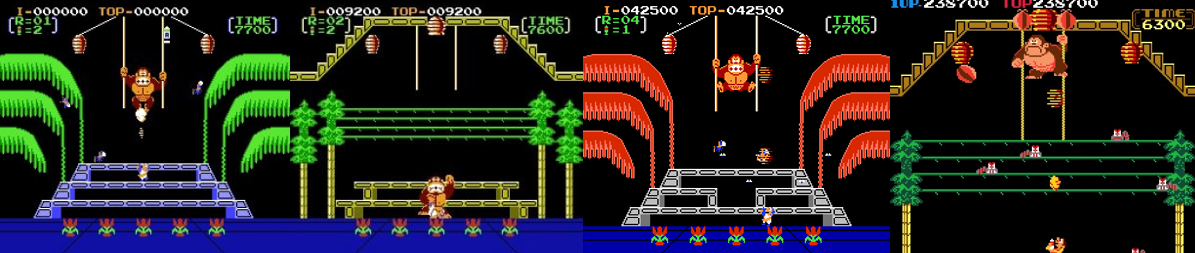


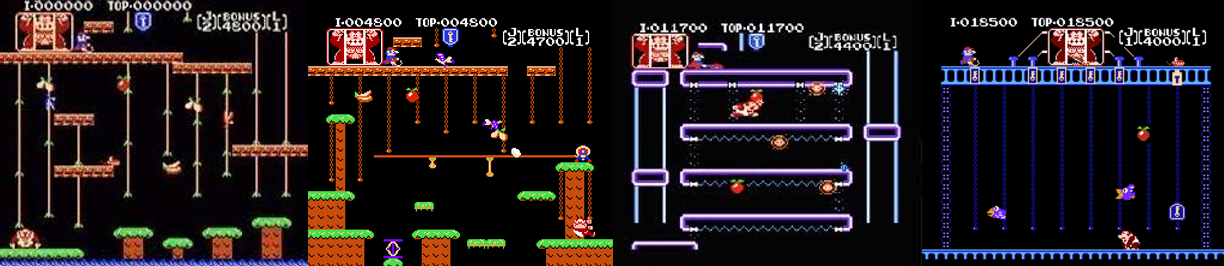




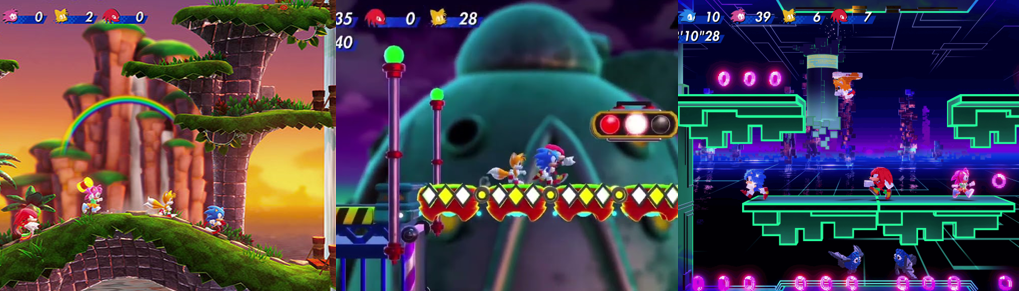
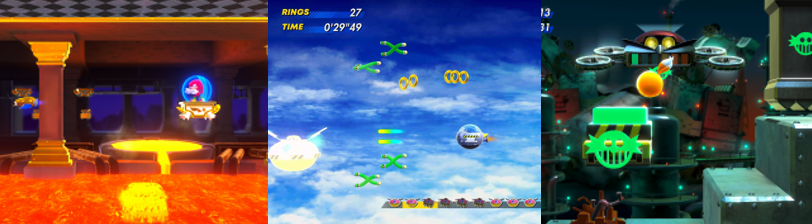
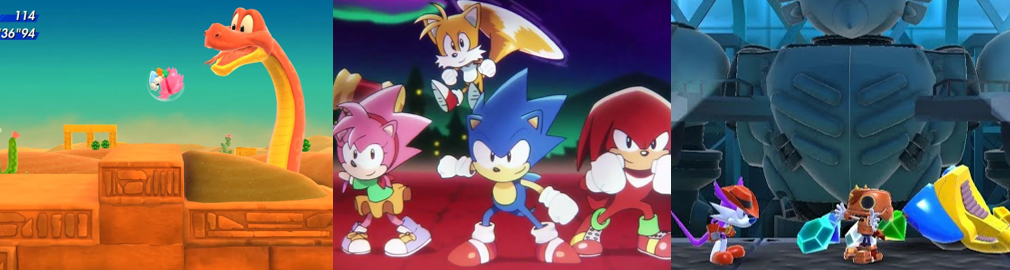
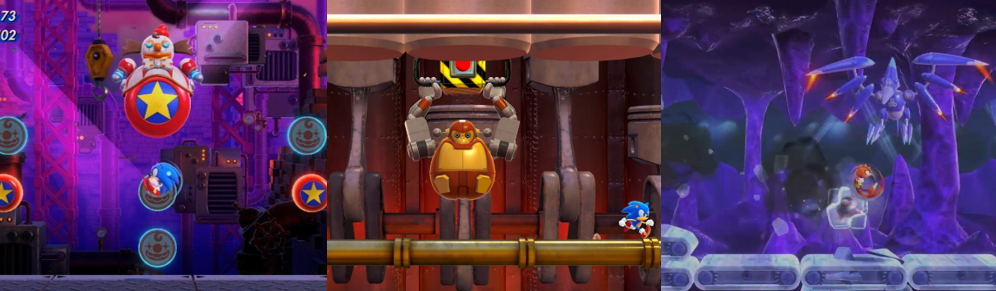
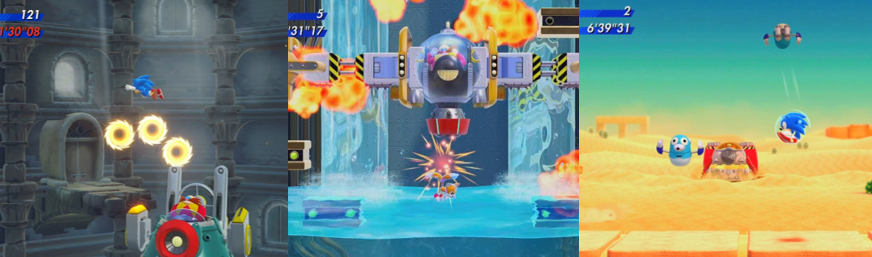
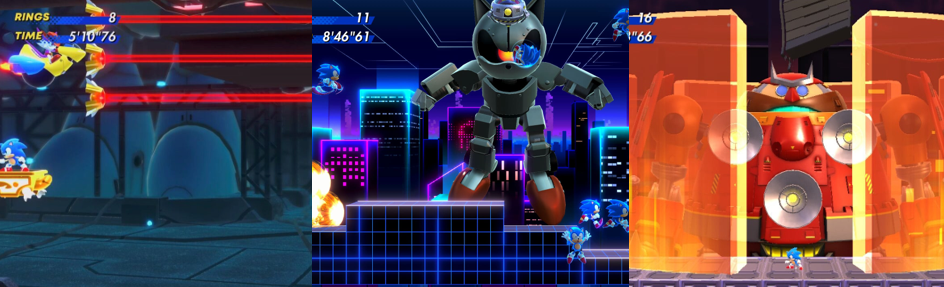
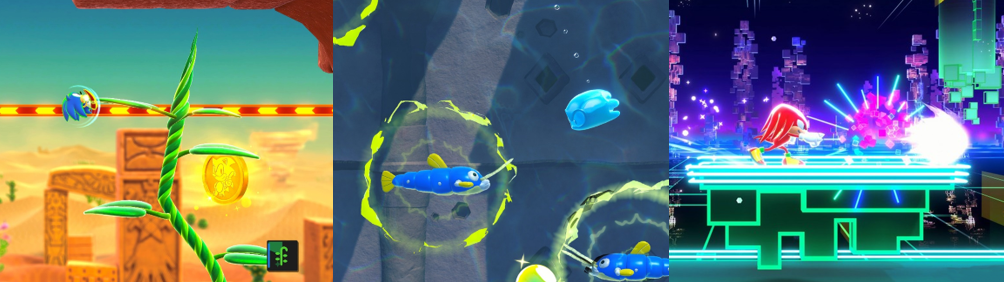
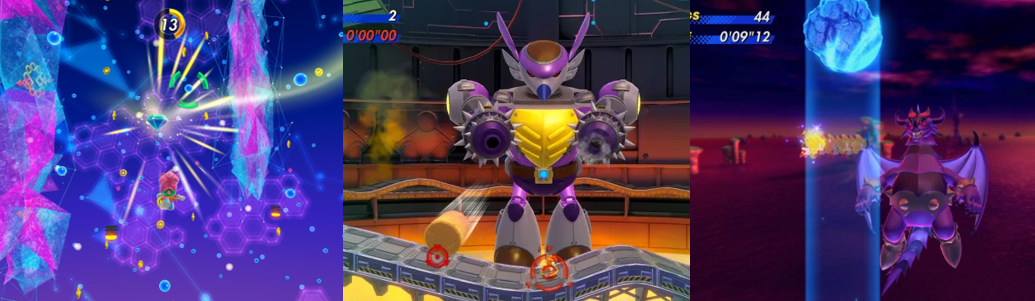


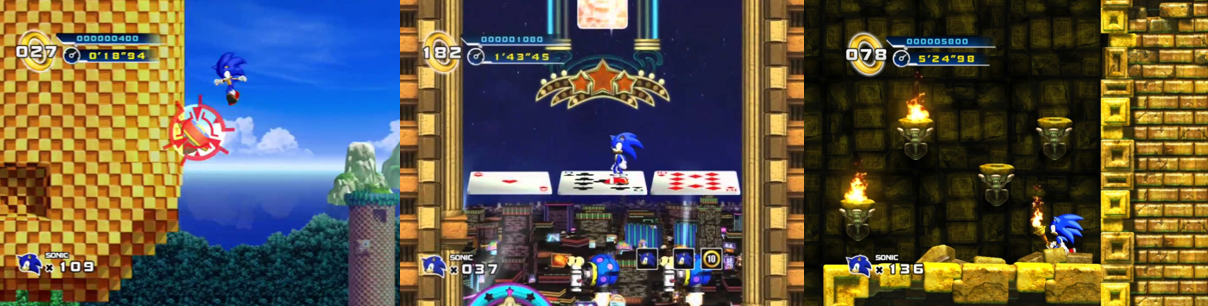
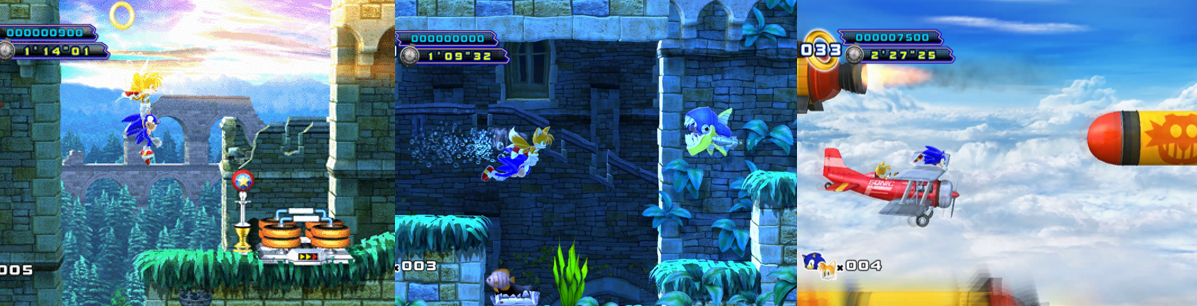
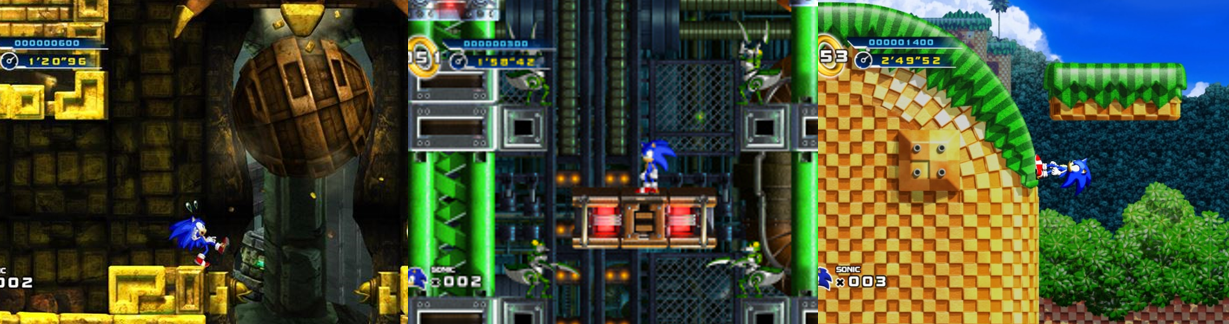
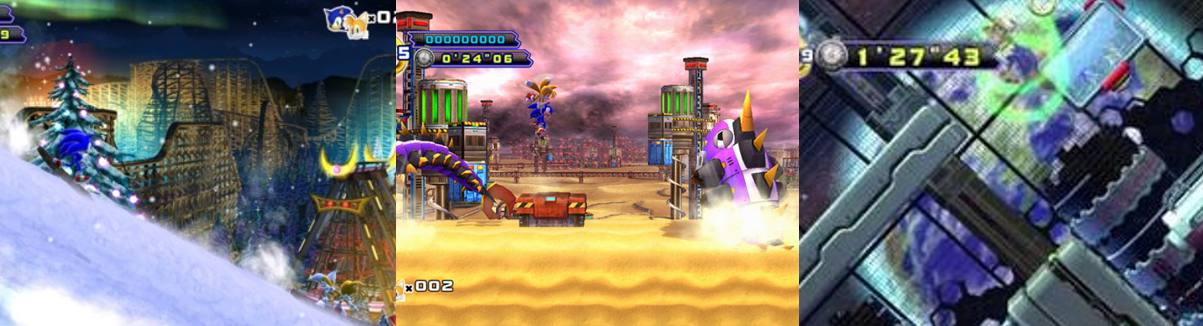
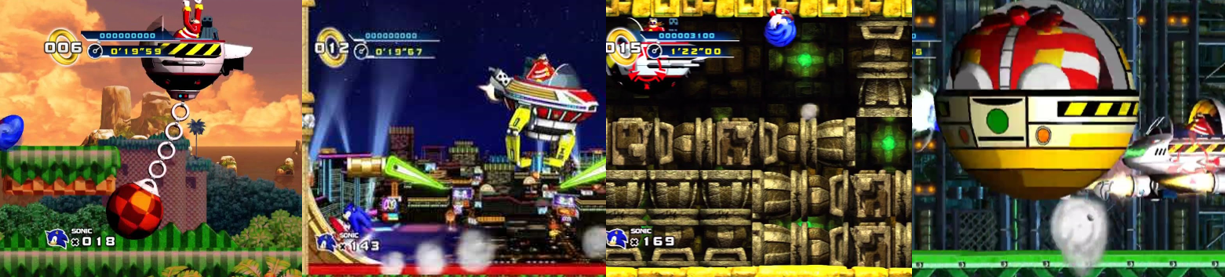
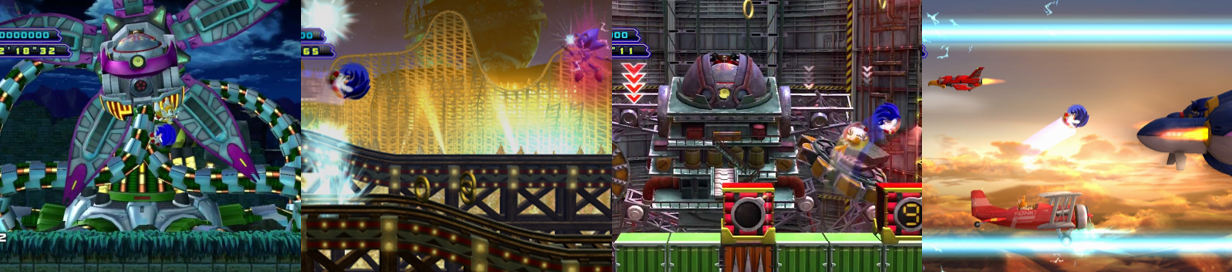
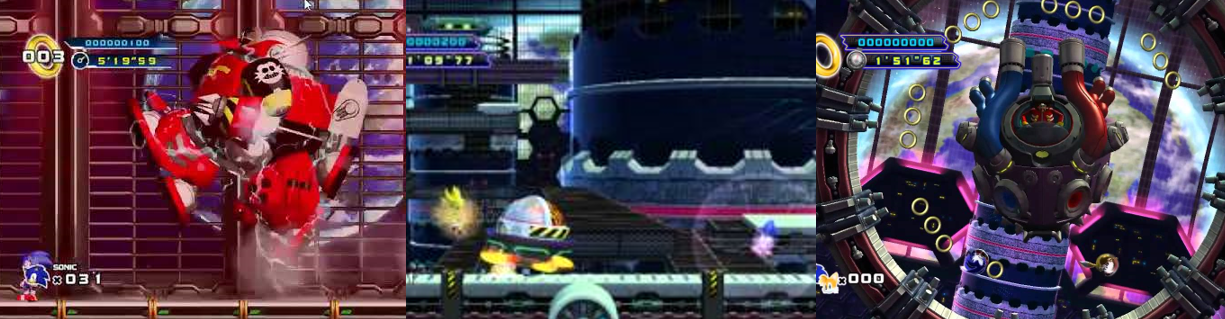
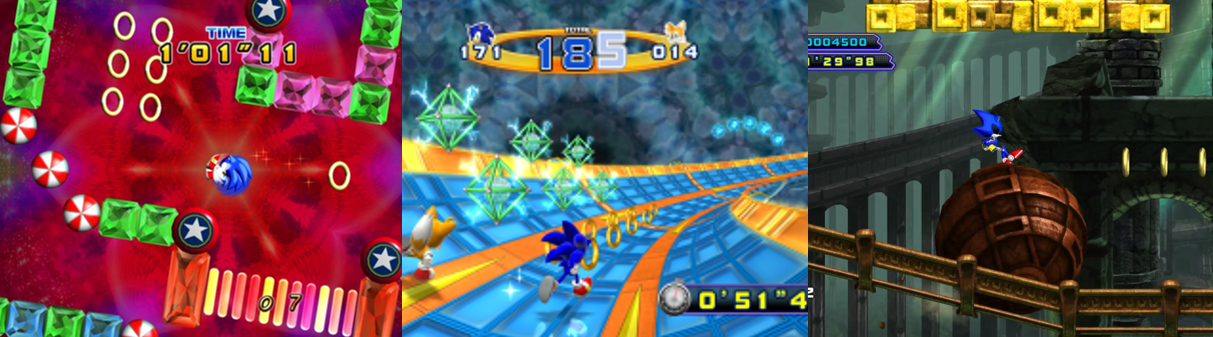

























 Dr. K's Waiting Room
You must be logged in to post a comment.