Although February 2014 was dubbed “Green Lantern Day” (because, by the American calendar, the date matched the sector of space assigned to Earth in DC Comics “2814”), the significance of this date has passed as the years have changed. Instead, I celebrate the October 1959 debut of perhaps the most popular Green Lantern, Hal Jordan, who first appeared.
Story Title: “The Day 100,000 People Vanished!” Published: August 1961 Writer: John Broome Artist: Gil Kane
The Background: In July 1940, Martin Nodell and Bill Finger debuted Alan Scott, the first Green Lantern, a magically empowered railroad engineer who became a founding member of the Justice Society of America (JSA). However, following the successful reinvention of the Flash in 1956, fighter pilot Harold “Hal” Jordan became the first of a whole corps of Green Lanterns. Widely regarded as the greatest Green Lantern, Hal soon amassed a colourful domestic and intergalactic rogues’ gallery, though none are more prominent than Thaal Sinestro, Created by John Broome and Gil Kane and modelled after British actor David Niven, Sinestro was formally the most celebrated of the corps before it was revealed that he enforced peace through a dictatorship, disgracing him and positioning him as Hal’s mortal enemy since Hal exposed Sinestro’s true nature. A Machiavellian foe, Sinestro joined the villainous Legion of Doom and Injustice League, led his own yellow-hued counterpart to the Green Lantern Corps, and has regularly waged war against not just Hal, but both the Earth and the entire universe! As Hal’s greatest villain, it should be no surprise that Sinestro has regularly appeared in cartoons and videogames, and was even brought to life by Mark Strong (with scenery-chewing relish) in the much malignedlive-action adaptation.
The Review: Hal’s first encounter with the devilishly alluring villain who became his most recurring and dangerous foe begins on the West Coast of the United States, specifically the town of Valdale, where Green Lantern is scheduled to attend the opening ceremony of the new boys’ settlement house. Luckily for him, Hal’s too busy tying up another case so he’s unexpectedly delayed, meaning he’s absent when the bustling metropolis is suddenly enveloped in an ethereal light (not unlike an aurora borealis) and a strange thunderclap sound, which causes all 100,000 residents to disappear! After learning of this phenomenon, Green Lantern investigated and confirmed to his friend, mechanic, and confidant, Tom Kalmaku/Pieface, that Valdale’s inhabitants have vanished. Green Lantern’s doubly concerned as the incident occurred at nine o’clock, exactly when he was scheduled to be in Valdale but, before he can ponder further, Hal’s suddenly sent a bit queasy by a mind blank. It turns out this wasn’t just a bout of nausea and that Hal’s “astral self” was summoned across the galaxy to Oa, the home of the Green Lantern Corps and their enigmatic alien masters, the Guardians of the Universe. Brought before his masters, Green Lantern was told of Thaal Sinestro, the Green Lantern of sector 1417, a fearless native of Korugar who used the awesome, nigh-unlimited power of his power ring to satisfy his vanity with a throne. Sinestro had people line up and plead for his aid, quickly bored by their petty squabbles and requests and desiring more. When one of his people questioned him, chastising his arrogance and accusing Sinestro of being mad with power, Sinestro flew into a rage and shot down the complainant (non-fatally, it turns out).
Hal is dispatched to thwart a renegade Green Lantern’s plot to attack the Guardians.
Sinestro then decided to depose the ruling council of Korugar and establish himself as the planet’s dictator who forced his people to live peaceful lives or be mysteriously removed from society. Upon discovering Sinestro’s totalitarian ways, the Guardians admonished him and stripped him of his status as a Green Lantern before banishing him to the antimatter universe of Qward. However, the Guardians later learned that Sinestro rallied the malevolent “Weaponers” of Qward to strike back against his former masters and destroy Green Lantern. Thus, Sinestro developed a “viso-teleporter” to transport Green Lantern to Qward, and the Guardians instruct Hal to journey to the antimatter universe to confront the renegade Green Lantern and save those he’s captured. Since his usual route to the antimatter universe is blocked, Hal reasons that Sinestro will attempt to target him again so he uses himself as bait, turning the residents of Coast City invisible, and is soon forcibly transported to Qward. Although Green Lantern easily shields himself from the Weaponers’ attacks, Sinestro forces him to surrender in exchange for returning his captives home. Sinestro encases Hal in a yellow bubble, rendering him powerless, planning to destroy him once his power ring runs out of charge. Despite his ring being ineffective against yellow, Hal’…somehow…manipulates a clock to trick Sinestro into thinking time has passed faster than it actually has. Once he’s freed from his bubble, Green Lantern zaps Sinestro, washes away his allies, and pins Sinestro to a wall with green needles. Sinestro mocks Hal’s morals and lack of killer instinct and arrogantly reveals that he cannot be punished for his crimes since he’s been banished to Qward. However, Hal gets the last laugh by imprisoning Sinestro in an impenetrable bubble of green willpower before returning home to inspire Valdale’s youngsters with a speech about how good will always triumph over evil.
The Summary: I’ve always liked Sinestro. I grew up in the 1990s, so I have a bit of a thing for dark doppelgängers of righteous heroes and Sinestro’s one of comic’s most memorable and visually interesting corrupt counterparts to a beloved hero. However, I haven’t read many stories that feature the character and many Green Lantern stories I’ve read either don’t feature him or take place during one of his many real or faked deaths. However, I definitely feel I’ve been spoilt by the likes of Emerald Dawn II (Giffen, et al, 1991), which went into far greater detail about Sinestro’s complex character and his unique relationship with Hal Jordan. Emerald Dawn II set a new standard for their dynamic, casting Sinestro as Hal’s mentor and the greatest of the Green Lantern Corps, only for it to be revealed that he wasn’t just a pompous, arrogant taskmaster with high standards but also a totalitarian dictator who enforced order with an iron fist. You can imagine my surprise, then, to find Sinestro’s first appearance was a twenty-page story based around a bizarre plot to teleport Hal into the antimatter universe. Now, I’m no expert on Qward or the Weaponers; it’s entirely possible Green Lantern had run-ins with them in the past, hence why they’d relish Sinestro’s aid. However, they are the most useless and ineffective people I’ve ever seen. Sinestro doesn’t even utilise their tech, instead creating his own devices, and they blindly follow the charismatic devil as he conjures a clock and boasts about how he’s going to destroy their enemy rather than just doing it. I’d be questioning Sinestro’s effectiveness the moment his viso-teleporter transported a bunch of randomers to my home world, to say nothing of asking why Sinestro doesn’t just pluck the power ring from Hal’s finger or suffocate him to death inside his yellow bubble.
Though visually and thematically interesting, Sinestro is little more than an inconvenience here.
On the plus side, a sizeable portion of the story is spent exploring Sinestro’s backstory, even if it is just the highlights. The idea of a celebrated and formidable Green Lantern falling from grace and abusing his power is a powerful one and perfectly places Sinestro as Hal’s polar opposite, especial as Hal is such a bland do-gooder during these days. He’s the unscrupulous bastion of “right” and “good”, eagerly obeying his masters and opposing Sinestro simply based on the Guardians’ warnings. Sinestro shows a glimpse of how dangerous a Green Lantern can be if they become obsessed with power, first constructing a “sumptuous headquarters”, then forcing people to beg for his help, and finally deposing the ruling government to become absolute authority on Korugar. It’s not stated how long Sinestro ruled his people, but he presumably would’ve continued enslaving his people had the Guardians not stopped by to check on him. His punishment is severe, but strangely humane, with the Guardians simply banishing Sinestro rather than executing him despite it being implied that he executed anyone who spoke out against his rule on Korugar. The Guardians also shoot themselves in the foot since, although they can teleport individuals to Qward and observe the antimatter universe, they “have no power there” and thus cannot intervene when Sinestro plots his revenge. Thanks to a one-way cosmic “back door” of sorts, Hal does return home but cannot truly punish Sinestro because Hal’s too righteous to take a life and Sinestro cannot leave Qward. Thus, Hal leaves Sinestro in what sounds like a fate worse than death but, to me, seems like a prison he’ll easily escape from, making for a pretty lacklustre ending. Everyone starts somewhere, that’s for sure, but Sinestro’s first appearance is an unfortunately forgettable, villain-of-the-month story that really should’ve been given the entire book to be told. Sinestro has a great look, with his devil-red skin, pencil-thin moustache, and striking black-and-blue colour scheme, and his backstory is certainly intriguing. However, it’s undercooked and basically a throwaway story that’s memorable only for introducing one of DC Comic’s best villains, whose future plots definitely extended further than clock-watching!
My Rating:
⭐⭐
Rating: 2 out of 5.
Could Be Better
What did you think to Sinestro’s debut story? Do you think the Weaponers of Qward should’ve been portrayed as a greater threat? What did you think to Sinestro, his backstory and characterisation? Were you disappointed by how pedestrian Sinestro’s first appearance was? What are some of your favourite Sinestro stories and moments? Which Green Lanterns your favourite and why? How are you celebrating this pseudo-Green Lantern day today? Whatever you think about Sinestro, or Green Lantern in general, leave your thoughts below, drop me some change on Ko-Fi, and go check out my other Green Lantern content.
Story Title: “Dracula” Published:16 November 1971 (cover dated: April 1972) Writer:Gerry Conway Artist:Gene Colan
The Background: Inspired by famous butchers like Vlad II/Vlad Dracula/Vlad the Impaler, Count Dracula first appeared all the way back in 1897 courtesy of author Bram Stoker’s classic Gothic novel, which became the great-great-grandfather of what we now know as the vampire mythology. An instant classic, Dracula was adapted many times over the years as plays, movies, videogames, and even comic books. Indeed, when publishers like Marvel Comics were finally allowed to print stories involving vampires and other supernatural creatures, writers like Gerry Conway and artist gene Colon selected the infamous Count to spearhead the Tomb of Dracula series. Heavily inspired by classic Hammer Horror films, The Tomb of Dracula saw numerous writers and artists come and go as it struggled to find its identity and is perhaps best known for introducing Eric Brooks/Blade to Marvel readers. Still, Dracula went on to clash with many Marvel heroes, especially those who were involved with the supernatural. Dracula worked alongside the Avengers to fend off the Dread Dormammu, spawned a Nazi vampire, established a vampire colony on the Moon, and even matched wits with various cosmic beings. Perhaps surprisingly, Dracula also appeared in many Marvel cartoons but was most infamously brought to life by Dominic Purcell in the much-malignedBlade: Trinity (Goyer, 2004).
The Review: Marvel’s version of the enigmatic Count was first introduced, fittingly enough, against the backdrop of a storm swept Transylvania, where Count Dracula’s mighty, gothic castle stands ominously on a hilltop. Despite the torrential weather and poor visibility, Frank Drake and his girlfriend, Jeanie Ovington, brave the storm alongside Clifton Graves, Frank’s cantankerous long-time friend who chastises Drake’s decision to fly from London just to sell the castle, which he recently inherited. While the three lament their misfortunes, hopelessly lost, residents of the nearby village discuss Frank’s impending arrival. While Fritz Burgeister predicts only sorrow will come from continuing to mess with the long-abandoned castle, a local barmaid hopes that Frank will bring some much-needed tourism and revenue to their sleepy Romani town. Just then, the three stumble into the Baron’s Inn seeking transportation to Castle Dracula from Fritz. However, Fritz refuses to take them to the castle and is adamant that none of the townsfolk would volunteer to replace him. While Clifton scoffs that the locals believe the wild tales spun by Bram Stoker, one of the patrons, Otto, volunteers to take them…for a small fee. Naturally, this is by horse and carriage and, on the way, Otto shares tales of how Dracula’s legend is debatable for, while such a man possibly existed, none can be sure if he were actually a vampire as Stoker claimed. Regardless, fear of the Count and his kin drives many of the locals to bar their windows, leave wolf’s-bane at their doors, and wear crucifixes to ward off any evil spirits. While Otto claims to be an exception in this regard, he’s no fool and refuses to take them right to the castle door, forcing the three to walk the rest of the way and costing Clifton his last ten bucks for the pleasure.
Broke Frank Drake is forced to visit his alluring, Gothic ancestral home to recoup his losses.
While Frank’s distracted by the grandeur of Castle Dracula, Clifton tries to put the moves on Jeanie. However, while they used to be a thing, she ended it months ago and is sick of his refusal to accept that she’s moved on. Frank, however, is lost in memories of how he stupidly blew his father’s fortune, how Jeanie stuck by him despite his money woes, and him being refused financial aid from banks and friends alike. While sharing his woes with Clifton, Frank mentions how all he has left is an old castle, one passed down through his family line and which his family has struggled to sell. This is where we learn that Frank is a descendant of Dracula’s and that it was actually Clifton’s idea to capitalise on his lineage by turning the castle into a tourist attraction. While reading through a family journal (strongly implied to be Stoker’s novel, reinterpreted as a historical document), Frank felt the stirring of “some ancestral memory” and was captivated by the descriptions of Dracula. The book also told of his ancestor’s shame and fear of being associated with the Count and of how Abraham van Helsing (referred to as “van Helfing”) seemingly destroyed the vampire lord by driving a wooden stake through his heart. Haunted by the text, Frank nevertheless agreed to head to Transylvania with Clifton and Jeanie in hopes of turning the castle into a museum though, as he stands in the shadow of the gothic structure, Frank can’t help but be unnerved by the strange feelings of home and destiny exuded by the dark building. As they tour the interior, Frank’s odd behaviour worries Jeanie, who’s startled when a cloud of bats suddenly swarms them. Although Frank fends them off, Jeanie’s left traumatised and wanting to leave, noting that Frank’s changed and is no longer the sweet man who gifted her a silver compact mirror.
The enigmatic count mesmerises Jeanie, corrupting her despite Frank’s best efforts.
Determined to force Jeanie back into his arms and screw his friend over, Clifton takes off and ends up tumbling into a dungeon. There, he discovers a narrow stone stairway leading to an ancient tomb, where Dracula’s coffin rests. Seeing only dollar signs, Clifton draws a gun and arrogantly opens the crypt, discovering the skeletal corpse of Dracula, stake and all, lying within. Excited, Clifton removes the stake and sets out to kill Frank so he can reap all the rewards, unaware that this act causes Dracula to reconstitute and rise again! Weary and famished from his long slumber, the eloquent Count pounces upon Clifton, shrugging off his gun shot and tossing him into a deeper dungeon for safekeeping. Entranced by the sound of others, especially a woman, Dracula heads to the upper floors in his bat form, frightening Jeanie and then horrifying both her and Frank when he reveals his true self. Thanks to his silver tongue and hypnotic eyes, Dracula easily sways Jeanie to leave Frank’s side, so he knocks her out with a right hook to keep her safe (!) and sends Dracula fleeing by flashing her silver compact. As Frank rushes Jeanie upstairs (since she’s somehow “close to dying!”), Dracula flies to the village and feeds upon the barmaid, turning the locals into an angry mob when they rightly assume that Frank and the others disturbed the legendary vampire. Returning to his castle, Dracula spies on the unconscious Jeanie and, though tempted by her purity and innocence, is again denied another meal by the glittering crucifix around her neck. Frank takes credit for this and confronts his ancestor, warding the vampire off with the compact’s mirror, enraging Dracula and casing him to strike his cousin, knocking him out. Although Dracula compels Jeanie to remove her crucifix, the angry mob sets the castle alight and Frank recovers in time to flash the compact once more, forcing Dracula to flee. Unfortunately, Frank was too late to stop Jeanie being bitten and she awakens as a vampire, mocking his grief and fleeing into the misty night.
The Summary: This had a bit of potential, but didn’t fully deliver on its premise. I quite like the idea that Dracula is treated as folklore, a retelling of factual events whose veracity is disputed. For the Transylvanian locals, Castle Dracula is all-too real and the fear of the vampire lord within is strong enough to stir up superstitions and debate between them. While none of them dispute that Dracula did exist, some aren’t convinced he was a vampire and yet many take precautions nevertheless because…why tempt fate? Fritz takes these concerns very seriously, presumptuously speaking for his fellow villagers and claiming that no one will help Frank and the others. This isn’t quite true as Otto’s assistance can be bought, though even he’ll only go so far despite boasting of his disbelief of such superstitious nonsense. Whether they believe it or not, Castle Dracula stands as an ominous monument. Its very presence evokes fear and it’s become a symbol of all their superstitions, though ironically may hold the key to bring some much-needed revenue to the struggling villagers as it could lure in tourists. The ill-fated barmaid is almost as excited by this prospect as the opportunistic Clifton, who maliciously manipulates Frank into buying into his family’s account of the Count and profiting off his inheritance, with no understanding of what truly lurks within Castle Dracula. He’s perfectly happy to use his friend, openly complaining and criticising him and gaslighting Frank into believing the troubles they’ve suffered from the trip are his fault, all with the aim of profiting both financial and by regaining Jeanie’s affections. While she has no time for Clifton (and even Frank quickly loses patience), Clifton refuses to take no for an answer and is even prepared to off Frank just so that he can weasel his way back into Jeanie’s bed, a selfish ambition that blinds him and makes him easy prey for the rejuvenated vampire lord.
Despite his visual appeal, Dracula is strangely weak and fails to match his filmic counterparts.
Yes, Dracula is very real here. Clearly modelled after Christopher Lee’s iconic portrayal from Dracula: Prince of Darkness (Fisher, 1966), the Count is a tall, alluring figure with hypnotic eyes and even more hypnotic voice. A gothic figure of ancient legend, he’s ripped straight from Bram Stoker’s novel and sports many of the same tropes and weaknesses. He can transform into a bat, mesmerise his prey, feeds on their blood, and is warded off by wolf’s-bane, silver, crucifixes, and mirrors. The Drake journal reveals that their bloodline largely distanced themselves from Dracula out of fear and tells how an old vampire hunter finally slayed the creature, revealing that Dracula can be killed with a wooden stake (though this doesn’t come into play, except to revitalise the fiend). Immune to Clifton’s bullets, Dracula’s scared off by Jeanie’s convenient silver combat mirror and heads into town to feed, though seems displeased by the barmaid’s blood and desires purer, sweeter blood. Thus, he targets Jeanie, a caring spouse who worries about Frank’s distracted state and fends off Clifton’s advances, though she crumbles like paper whenever bats appear, much less Dracula. Dracula seems a bit weak here, which is understandable since he just woke up, but it’s weird that his strike didn’t kill Frank. The story’s also incomprehensible at times; Frank seems to think Jeanie’s in danger of dying after simply passing out and she gets bitten between panels, which wasn’t very clear. In the end, this was an alright story with some unique visuals. I like the gothic depiction of Castle Dracula and the torrential rain, and Dracula’s very Lee-esque appearance and unique, haunting way of talking. However, it was quite a repetitive story (Frank relied on that silver compact way too much) that didn’t fully deliver on all its plot threads (Clifton being a prime example). I can only hope that future issues of The Tomb of Dracula characterised the titular Count as less of a weakling as this wasn’t a great showing for him here, even if he did get the last laugh by turning Jeanie.
My Rating:
⭐⭐
Rating: 2 out of 5.
Could Be Better
What did you think to Count Dracula’s debut story? Were you disappointed by how weak he was depicted? What did you think to Frank Drake and the depiction of Dracula’s legend? Did you ever read The Tomb of Dracula books and, if so, did you enjoy them? What are some of your favourite Dracula moments from Marvel Comics? Have you ever read Stoker’s novel, and what are some of your favourite vampire stories? No matter what you think, good or bad, feel free to share your thoughts below, show me some love on Ko-Fi, and check out my other Dracula content.
Story Title: “Seed of Destruction” (Part One to Four) Published: March 1994 to June 1994 Writers: Mike Mignola and John Byrne Artist: Mike Mignola
The Background: Born in Berkeley, California, artist and comic creator Mike Mignola grew up with a fascination of monsters and a love of gothic, Victorian fiction. Mignola started his career as a comic book artist working for The Comic Reader before bringing his trademark dark, moody art style to mainstream publications DC and Marvel Comics. After years of working for hire, Mignola teamed with legendary writer and artist John Byrne for his first creator-owned comic book, Hellboy. Hellboy’s visual appearance evolved over Mignola’s career, beginning as a drawing for the 1991 Great Salt Lake Comic Convention booklet before eventually becoming the “World’s Greatest” gruff and witty paranormal investigator. Hellboy’s adventures began with these four distinctively Lovecraftian, widely successful issues and expanded into a wealth of further comics, spin-offs, and crossovers thanks to Mignola’s unique blend of folklore, horror, and pulp adventure. Hellboy has also seen not inconsiderable success beyond the comic books, featured in a handful of largely mediocre videogames, some well-regarded animated ventures, and some amazingly detailed action figures. Hellboy also made a splash on the big screen, especially in Ron Perlman’s peerless portrayal of the character in Guillermo del Toro’s cultfavouritefilms. While Hellboy’s subsequent silver screen ventures was somewhat divisive, he remains one of the most enduring and visually iconic cult comic characters whose adventures have seen him effortlessly jump between multiple genres.
The Review: Hellboy’s story begins in 1944 at the tail end of World War Two where a special squad of Army commandos, representatives from the British Paranormal Society, and costumed adventurer Paul Gibney/The Torch of Liberty gather in a remote village in East Bromwich to tackle a lingering Nazi threat known as “Project Ragna Rok”. While First Sergeant George Whitman is sceptical, Professor Malcolm Frost, “paranormal Wiz Kid” Trevor Bruttenholm/Broom, and medium Lady Cynthia Eden-Jones believe that Adolf Hitler’s “spook squad” are experimenting with black magic to raise the dead. Thanks to Broom’s meticulous research and Cynthia’s clairvoyance, the squad learns that maniacal mage Grigori Rasputin is performing a dark ritual powered by a mystical incantation and bizarre equipment, including two hefty gauntlets worn by Rasputin. Although Klaus Werner von Krupt is unimpressed by Rasputin’s light show, Broom and the others are surprised by a sudden burst of supernatural fire and the appearance of a child-like demon. Despite Professor Frost wishing to kill the creature, Broom accidentally names it “Hellboy” and the demon is adopted by the regiment, spending the next thirty-five years being raised by Broom, whom he sees as a surrogate father. Thus, Hellboy is pained to see his mentor aged and struggling with his memory of the “Cavendish expedition”. Thanks to Hellboy’s encouragement, Broom recalls that he accompanied the renowned Cavendish explorers to the ruins of an ancient temple. There, flanked by a statue of the monstrous, cephalopod-like Sadu-Hem, Broom discovered Rasputin in deep hibernation. Barely escaping from or remembering the carnage that followed, Broom summoned Hellboy for aid, only for his adopted son to watch in horror as a plague of frogs herald the arrival of a vicious frog-like monster, which kills Broom and attacks the enraged Hellboy.
When his father is murdered, Hellboy investigates a cursed family and uncovers an apocalyptic threat.
At a disadvantage in the dark, Hellboy is disarmed and wounded by the creature’s caustic tongue, so Hellboy gives the frog-thing a taste of his mysterious, stone-like right hand and sends it crashing into a sarcophagus. When the creature tries to flee, Hellboy puts it down with a single shot from his pistol, stunned when the monster disintegrates. Concerned, Hellboy calls the Bureau of Paranormal Research and Defense (BPRD), receiving condolences from Doctor Thomas “Tom” Manning and ordered to assemble a team to investigate. Hellboy recruits pyrokinetic Elizabeth “Liz” Sherman and fish-man Doctor Abraham “Abe” Sapien to accompany him to the decrepit Cavendish Hall to question Lady Emma Cavendish about her sons. Welcoming their direct questions, Lady Cavendish relates that her family were keen explorers for nine generations and that their fortune was built by Elihu Cavendish, who cursed his bloodline seeking the temple Broom found in the mountains. While she offers them sanctuary, the trip seems to be a dead end and the group are unaware that Rasputin is manipulating Lady Cavendish from the shadows, promising to return her sons for her co-operation. While the group rests, Hellboy’s inner monologue provides some background on Liz and Abe, revealing that Liz accidentally killed her family and several others before mastering her pyrokinesis with the BRPD and Abe was discovered in an abandoned basement of Saint Trinian’s Hospital on the day President Abraham Lincoln died. After Abe and Hellboy ponder Lady Cavendish’s butler, who seems familiar to them, Abe takes to the water to scout around and is horrified when Liz mentions frogs being in her room. Rushing to her aid, Hellboy finds only a smouldering cigarette and the aforementioned butler, who turns out to be a frogman in disguise! While Hellboy fights and ultimately defeats the creature, Abe discovers only “old death” beneath the flooded mansion and Hellboy is distraught to find Lady Cavendish has been killed in the same manner as his father.
Overpowered, Hellboy’s forced to endure Rasputin’s many monologues and rabid boasts.
While mourning the old lady, Hellboy is approached by the enigmatic Rasputin, who takes credit for bringing him into the world and demands he kneel in his presence. When Hellboy naturally declines, he’s suddenly ensnared by a gigantic tentacle and dragged into the darkness to fulfil what Rasputin calls his “destiny”. Hellboy is deposited in a dark, cavernous pool beneath the house, which Rasputin declares is rich with the screams of those sacrificed to the “Serpent”. For eight centuries, mortal men sought to free the unknowable “Seven Beasts”, the Ogdru Jahad, who whispered to Rasputin (through his dreams) the means to release them. Though Rasputin claims to be able to command Hellboy, the demon blasts him in the head with his pistol, only to be sent reeling from an incantation by the seemingly immortal wizard. Stunned, realising the talismans he’s collected over the years have been neutralised, Hellboy opts to stall Rasputin until he can think of a solution. This leads to another long monologue about how Rasputin has constantly evaded death thanks to the Ogdru Jahad, who wish him to cause the apocalypse. Hellboy is then attacked by another, even bigger frogman, one of the Cavendish twins hideously transformed by black magic, and is hopelessly manhandled. While Abe follows the trail left by the other frogmen, the battered Hellboy learns of Rasputin’s travels to Europe, how he researched Ragna Rok and allied with the Nazis to gain the resources to enact the Ogdru Jahad’s plot. Though disheartened after Hitler’s death, Rasputin took solace in knowing he’d summoned Hellboy and was drawn to the temple where, while hibernating, he learned from the Sadu-Hem that the horrific Ogdru Jahad is actually seven creatures imprisoned beyond our understanding and longing to avenge themselves upon the Earth.
Though Hellboy triumphs with some help from his allies, he’s left shaken by Rasputin’s words…
After untold years of planning and preparing, Rasputin prepares to fulfil his master’s wishes using Liz’s raw power, much to Hellboy’s dismay, alongside the restored (and enlarged) Sadu-Hem. While using the enchanted Liz as an unwilling a conduit, Rasputin offers Hellboy the chance to join them in death and destruction, which Hellboy naturally rejects despite being near-paralysed from the frogman’s saliva. As Rasputin begins his incantations, Hellboy forces himself to retrieve a concussion grenade from his belt and stuffs it down the frogman’s throat, obliterating it. Rasputin’s dark magics see the Ogdru Jahad slowly awaken and attack their prison, but his mad plot is suddenly interrupted by Abe, who’s possessed by Elihu’s vengeful spirit and first impales the wizard on a spear before releasing Liz from his grasp, sparking an inferno. As Sadu-Hem and the Cavendish estate erupt in flames, the restored Abe rushes Liz to safety, leaving Hellboy behind as he insists on finishing the wraith-like Rasputin. Despite Rasputin boasting incredible power, Hellboy easily trounces the wizard, rejecting him and his offer to know the truth of his origins and shattering Rasputin with his mighty stone fist. From the ruins of Cavendish Hall, Abe relates his confusion about his possession, which Hellboy believes was the old man’s way of putting things right and avenging the many years of losses suffered by his family. While Liz also doesn’t remember much from her time under Rasputin’s spell, she feels an inexplicable relief at having unleashed her full power for once. Though Abe and Liz show concern for Hellboy, he keeps quiet about Rasputin’s final words and his own doubts about himself, and the story ends with the awakening of Rasputin’s old allies, Ilsa Haupstein, Karl Kroene, and Leopold Kurtz, in an abandoned Nazi laboratory…
The Summary: I’ll be the first to admit that my primary source of exposure to Hellboy comes from the movies and cartoons. In fact, “Seed of Destruction” is the only Hellboy story I’ve ever read as of this writing, which may or may not be blasphemy. It’s not that I don’t like the character and his world, which has a fun, gothic horror aesthetic that speaks to the Lovecraft fan in me. My hesitancy is largely because of my dislike of Mike Mignola’s art style which, again, is probably sacrilegious. I liken Mignola’s heavy use of shadows and simplistic forms to Frank Miller, who made a career out of exaggerated shadows and sketches. It’s a very eccentric and unique art style, for sure, and don’t get me wrong: it really works for Hellboy. However, it’s just not very visually appealing for me so I tend to veer away from Mignola’s works. That’s a “me” thing, obviously, as like I say the art really adds to this unique comic book world. Mignola clearly has a reverence for horror, gothic architecture, the arcane arts, steampunk-style technology, and Lovecraft, seeping every panel and page in dark, brooding inks, sparingly using bold colours and relying on silhouettes and murky darkness to create a constantly foreboding atmosphere. Mignola’s writing is also far better than a lot of Miller’s, if I’m comparing the two, with Hellboy being a somewhat snarky, eccentric character who’s respectful to Broom and treats his associates with respect but isn’t afraid to talk a bit of trash to his enemies. Hellboy’s inner monologue reveals a half-human creature fully aware of his flaws (his quick temper, rash decisions, and poor marksmanship chief among them), somewhat curious about his true origins, and with fifty-odd years of paranormal investigating under his belt.
While the unique Hellboy makes a visual impression, he’s a largely mysterious figure in his debut.
Unlike the films, where he’s portrayed as an unruly child at times, Hellboy is largely professional here, calling in situations for the BRPD to investigate and largely conducting himself well while at Cavendish Hall. While Liz admonishes his curt demeanour, Lady Cavendish welcomes the discourse and, most notably, shows no fear or panic when met by a literal demon. While it doesn’t play a big role in this story, it’s clear Hellboy and his allies are far more public figures in the comics and have been accepted by society. Interestingly, the only person who shows any fear or suspicion of Hellboy is Professor Frost; everyone else accepts, respects, and shows concern for him. While Hellboy and Liz have a purely platonic relationship here, unlike in the films, he seemingly admires her for overcoming her traumatic past and she asks if he’s okay in the finale, showing they’re more than just colleagues. Hellboy is seen to be closer to Abe, discussing their suspicions and the case, and these three have clearly worked together in the past. Interestingly, Broom is offed very early on and his relationship with Hellboy isn’t as deep as in the movies. Sure, Hellboy thinks of him as a father figure and is seen to be angered by his murder and driven to track down those responsible, but he’s noticeably more blasé about it, even in his inner monologue. Similarly, Hellboy seems to either be not bothered by his true origins or hiding it extremely well, sparing little thought of where he came from and what his true purpose is. Although Rasputin inspires him to think differently about this, the true extent of Hellboy’s origin and purpose is merely alluded to here, with him said to have a part in the end of the world but it’s not clear what that is. Hell, Rasputin doesn’t even use him in his summoning ritual, instead focusing his power through Liz, leaving me with a sense of intrigue regarding Hellboy’s true purpose in the comics.
The horror and Lovecraftian themes are an undeniable highlight in this intriguing introduction.
Indeed, we learn more about the maniacal Rasputin that we do Hellboy, which has its pros and cons. The pros come from maintaining a sense of mystery about Hellboy to be explored in subsequent issues, while the cons come from having to suffer through panels and panels of exposition and monologuing from the depraved mage as he rambles on about his past. It’s somewhat necessary as it shows just how long the Ogdru Jahad have been influencing him and longing for their release, and how many others have tried to free them through less refined rituals and means, but it does get a bit tedious after a while. I liked that the Ogdru Jahad are kept largely mysterious despite Rasputin’s many words, appearing to be interdimensional, alien, demonic, or even divine monsters trapped within a crystalline prison somewhere beyond our comprehension. They establish a foothold on Earth through the equally monstrous Sadu-Hem (a similarly Lovecraftian beast that barely factors into the plot as it just looms there, grabs Hellboy, and then bursts into flames) and Rasputin, who’s revealed to be unnaturally long-lived and partially undead. Wielding incredible arcane magic and having manipulated the Nazis into providing him the resources to summon Hellboy, Rasputin is obsessed with being the linchpin for the apocalypse, delighting in deceiving others into doing his bidding and giddy at the thought of his masters raining destruction upon the Earth (though, again, it’s unclear what role Hellboy would play in this apocalypse). I feel it might’ve been better to have Rasputin merge with Sadu-Hem rather than take Liz hostage, or as well as using her powers, to give a bit more punch to the ending. It was interesting seeing Elihu get his revenge through Abe, but it did mean Abe and Liz played diminished roles in the finale. Still, while this isn’t a perfect story, I enjoyed this introduction to Hellboy, the familiar elements I recognise from the films, and I am interested in reading more of his adventures…I’m just not sure where to go from here.
My Rating:
⭐⭐⭐
Rating: 3 out of 5.
Pretty Good
Were you a fan of Hellboy’s first four issues? Did you pick these up at the time or did you discover Hellboy later, as I did? Do you think I’ve committed blasphemy by criticising Mike Mignola’s art style? What did you think to Hellboy’s appearance and demeanour? WhichHellboy stories are your favourite? Whatever you think about Hellboy, feel free to leave your thoughts below, check out my other horror-related content on the site, and donate to my Ko-Fi to suggest other Hellboy stories for me to review.
Story Title: “Carnage – Part One: Savage Genesis” Published: 13 February 1993 (cover-date: April 1992)
Story Title: “Carnage – Part Two: Savage Alliance” Published: 10 March 1993 (cover-date: May 1992)
Story Title: “Carnage – Part Three: Savage Grace!” Published: 14 April 1993 (cover-date: June 1992)
The Background: In 1982, Marvel Comics editor-in-chief Jim Shooter purchased an illustration of Peter Parker/Spider-Man in a slick black outfit from Randy Schueller for an outrageous $200, a concept that writer Tom DeFalco and artist Ron Frenz interpreted as an alien organism following Marvel Super Heroes Secret Wars #8. After revelling in the costume’s unique ability to form both clothing and organic webbing, Spidey was aghast when Doctor Reed Richards/Mister Fantasticrevealed it was a sentient symbiote and quickly rid himself of the parasite using a cacophony of church bells. Throughout 1988, Peter was stalked and attacked by a mysterious assailant who turned out to be disgruntled reporter Eddie Brock, now bonded to the symbiote to form Venom, Spider-Man’s dark doppelgänger. An immediate favourite of mine, Venom has had many hosts over the years and undergone many changes, but took their first step towards becoming a more virtuous (if violent) “lethal protector” when they set aside their vendetta against Spider-Man to battle their more dangerous offspring, Cletus Kasady/Carnage. First teased in The Amazing Spider-Man #345 and allegedly dubbed “Chaos” and “Ravage” before assistant editor Eric Fein suggested “Carnage”, writer David Michelinie and artist Mark Bagley specifically designed Carnage to be a more sadistic counterpart to Venom, one whose symbiosis was so complete that Kasady and the symbiote were in total unity. Heavily influenced by the Joker, Carnage has long been a fan favourite and has repeatedly returned (even from death) to perpetrated some truly deplorable acts, from slaughtering thousands during the sprawling “Maximum Carnage” event (DeFalco, et al, 1993) to becoming a near-literal God! Despite Carnage’s violent nature, the character frequently appears in Spidey/Marvel videogames and, most surprisingly, cartoons, and was played with scenery-chewing relish by Woody Harrelson in Sony’s Spidey-less Venom films (Various, 2018 to 2024).
The Review: After appearing as Eddie Brock’s psychotic cell mate, Cletus Kasady took a page out of his “old man’s” book by popping up in “asides” in The Amazing Spider-Man #359 and #360. While Spider-Man was busy dealing with Doctor Elias Wirtham/Cardiac, Cletus communed with his “other” to slaughter a guard and escape Ryker’s Island. He then looked up the stupidest name he could find and brutally suffocating Gunther “Gunny” Stein, before finally getting his first full-page reveal murdering a lab technician simply to prove that “law and order” is an illusion. Peter gets a call about this while helping his doting Aunt May, ruminating on how the killing is the latest in a spree of violent murders perpetrated by a psychopath who signs his name (“Carnage”) in blood at each crime scene. While overhearing an eyewitness, Spider-Man is horrified at the implication that Venom is back to their old, murderous ways, despite Eddie living in peace in the mistaken belief that Peter is dead. When he shares these concerns with his highly strung actress wife, Mary Jane Watson-Parker/M.J., she begrudgingly supports him when he voices his responsibility towards subduing the symbiote he enraged. While running some background checks on Eddie, Peter becomes aware of Cletus and is disturbed by his rap sheet: eleven murders, suspected of a dozen more, and potentially burned down the orphanage he was raised in and bashed in an employee’s head in the process. Though alarmed, Peter questions punks, hookers, landladies, and more about Cletus to confirm he’s a twisted sadist who charms with a silver tongue and kills without a thought.
When a violent new symbiote comes to town, Spidey’s forced to team up with Venom!
Theorising that Cletus feels a kinship to the orphanage, Spidey finds Cletus there, naked before a small fire and talking to a stuffed teddy bear! Spider-Man’s unease turns to terror when Cletus transforms into a blood red-and-black symbiotic lifeform and attacks with unexpected speed and strength. Like Venom, Carnage doesn’t set off Spidey’s “spider-sense” but can Carnage uniquely extend and solidify his alien appendages. Overwhelmed by Carnage’s power and confused as to how the symbiote bonded with Cletus, Spidey is stunned when Carnage tosses temporary axe-like projectiles! When two cops investigate, Spider-Man gains a temporary reprieve, only to be incensed when Carnage callously tosses dart-like pieces of himself at a patrolmen, leaving him clinging to life. This distraction allows Carnage to flee, leaving a parting message in his own blood that unnerves the web-slinger. Obsessed with tracking Carnage, Peter decides that the only way to defeat Carnage is to team up with Venom! After catching a lift from Johnny Storm/The Human Torch and retrieving Mr. Fantastic’s sonic gun, Spidey heads to the remote island where he left Eddie, surprising and enraging Venom. Despite the pain caused by the sonic gun and the Human Torch’s flames, Venom almost drowns Johnny before he desperately activates his “nova flame”. Spidey and Venom repeat their earlier fight at the abandoned mining village, with Venom getting the drop on him with their invisibility, before the Human Torch blasts them with the sonic gun. Despite the agony, and his hatred of Spider-Man, Eddie is furious to learn that Carnage is killing innocents. He also reveals that the symbiotes produce asexually and that they have no interest in traditional concepts of “family”, explaining why his “other” didn’t mention that it had reproduced.
Carnage’s disregard for life sees him target random innocents and those who champion order.
Venom also theorises that Carnage’s lineage and Earth’s environment has altered his symbiote, and that Kasady’s warped personality makes him extremely dangerous. Venom also demands their freedom in return for their help and Spider-Man’s forced to agree. Although Johnny’s unnerved, he flies them back to New York City, where Venom follows their unique connection. Meanwhile, Carnage attacks wealthy Robert Sutcliff, brutalising his guards and tossing his helicopter off the roof (with Sutcliff in it!), simply for jokes. Asserting full control over the union, Cletus eschews logic to return to Sutcliff’s domicile, where he’s confronted by Spidey and Venom. Despite Carnage’s offer to team up and fillet Spider-Man, Venom attacks but, even with Spidey’s added strength, is no match for Carnage. The scuffle sees Carnage endanger a baby and escape while Spidey and Venom rescue the bawling tyke. Though Carnage blocks Venom’s senses, the duo quickly figure out that the killer’s next target is the cantankerous J. Jonah Jameson and, sure enough, Carnage surprises the Daily Bugle’s editor’s latest tirade. Despite him claiming to be “to important to die”, Carnage sees Jonah as the self-appointed bastion of “law an’ order”, the very things he strives to destroy. Thus, it only makes sense in his twisted mind that Jonah should be killed to set an example and show that the only truth is chaos carnage! Despite lashing out when Jonah reaches for a panic button, Carnage decides he’d much rather prove his point before an audience.
Spidey’s forced to make some tough decisions to end Carnage’s threat, which costs many lives.
Venom shares that Cletus was a natural loner who preferred to listen to heavy metal music than exercise (relatable!) and theorises (correctly) that Carnage has inherited both Peter and Venom’s powers. Though concerned about Venom’s own crazed morality and alarmed by Carnage’s body count, Spidey realises that Kasady plans to murder Jonah at a heavy metal concert at Madison Square Garden. When Carnage rushes the stage and kills a security guard, the braying crowd cheers him, assuming it’s part of the show, and quickly whips them into a violent mob with anti-authority rhetoric. When Spider-Man intervenes, Jonah selfishly tries to turn the situation to his advantage when Venom attacks Carnage. The fight drops into Penn Station, where Carnage slaughters innocent bystanders, keeps Spidey at bay with his darts, disrupts Venom with his stronger, “nastier” symbiote. Sensing the agony may kill Venom, Spider-Man knocks Carnage onto the live rail, but Kasady quickly recovers and targets Jonah again. While Venom tangles with their offspring, Spider-Man commandeers the venue’s sound system, setting the blasting both symbiotes with unbearable levels of sound. Despite the agony, Eddie demands Spidey keep going, correctly surmising that he’s strong enough to resist the pain. However, after Kasady collapses, his symbiote apparently evaporated, Eddie attacks Spider-Man, despite his weakened state, still convinced that Peter is evil. Luckily, Mr. Fantastic and the Human Torch arrive and subdue Venom, proving that Spidey never planned to honour their bargain. Not only does this convince Venom that Spidey’s no hero, Jonah’s also, incredibly, critical of Spider-Man for breaking his word, leading Spidey to lash out at the publisher and leave conflicted.
The Summary: There’s no doubt that, by this time, Mark Bagley was the quintessential symbiote Spider-Man artist. Few are as synonymous with the flowing, monstrous creatures that Bagley, who gives a fluidity and life to the creatures that makes them both captivating and terrifying. Venom’s abilities were already near limitless, allowing them to reproduce Spider-Man’s webbing and wall climbing, simulate clothing, turn invisible, and circumnavigate Peter’s spider-sense. “Carnage” expands the symbiote lore, revealing they’re largely solitary creatures who don’t care for, nurture, or even consider their offspring. In fact, Venom seems enraged at having a spawn and driven to destroy it out of an inherent sense of superiority. Not only does Carnage have all of Venom and Spider-Man’s abilities, but he’s stronger and faster than both combined and can solidify his “other” in dangerous new ways, launching darts, axes, and forming bladed appendages. He also happily chokes his victims and even endangers babies, all for a sick thrill and to prey upon his enemy’s morals. Venom theorises that Kasady’s warped mindset has infected the symbiote as much as the “alien” environment, and it was interesting to see Kasady admonishing his “other” when it tried to “lecture” him. Most obviously, Carnage refers to himself as “I” and makes all the decisions, driven by a psychotic need to destroy social order, kill at random, and show that all life (and death) is random and chaotic. In this regard, Carnage is far worse than Venom, who has a twisted sense of morality and truly believes they’re saving innocents from evildoers like Spider-Man. While Venom kills to protect others and is clearly nuts, they still strive to save lives, whereas Carnage relishes taking life and happily pushes randomers in front of traffic or thrusts them through walls simply for fun.
Carnage’s threat is so great that even Spider-Man and Venom combined have trouble defeating him.
This is apparent from Carnage’s appearance, with him seemingly formed from Kasady’s own blood, and Kasady’s decision to write warnings and messages in his blood. Portrayed as a psychotic, crazed serial killer, Kasady is also described as a polite and quiet man who pays his bills and doesn’t cause trouble. This is all a façade, however, as Kasady is deeply disturbed and clearly burned his childhood orphanage down, killing at least one person, and regresses to an unnerving, childish voice when in solitude. Kasady is almost comically without sympathy, painted as a cruel and sadistic killer who delights in causing random mayhem. Carnage is seemingly emblematic of the youth at the time, enjoying horror and heavy metal music and ranting against “the man”, to the point where a bunch of rockers are ready to kill purely on his word! Spider-Man is horrified by Kasady’s crimes, callous disregard for life, and incredible strength, which drives him to disregard M.J. and the Human Torch’s concerns and turn to Venom for help. This partnership is the highlight of the story as Venom continuously unnerves Spidey and makes him question his decision, singing “Strangers in the Night” and seemingly ready to snap at any moment. Spider-Man takes a huge risk partnering with Venom and undoing the ruse he tricked him with, but it turns out to be beneficial as Venom’s more concerned with eliminating his offspring than destroying his hated enemy. Venom proves invaluable, providing additional insight into the symbiotes, sensing Carnage’s presence, and holding the killer off so Spider-Man can think up a more permanent solution. “Carnage” doesn’t outstay its welcome (these days, it would probably be an eight-part story) but could probably have done with an extra issue to further explore Kasady’s backstory, though this would’ve unnecessarily humanised him. It’s not as deep or as impressive as other Venom or Carnage stories, but it’s a notable story for introducing one of Spidey’s most violent foes (and for its beautiful artwork!)
My Rating:
⭐⭐⭐⭐
Rating: 4 out of 5.
Great Stuff
What did you think of Carnage’s violent debut? Were you a fan of Cletus Kasady or did you find him too random and crazy? Did you enjoy the team up between Spidey and Venom? Were you impressed by how different and psychotic Carnage was? What are some of your favourite Venom and Carnage stories and how are you celebrating Venom’s debut this month? Whatever your thoughts on Venom and Carnage, share them below, support me on Ko-Fi, and check out my other Venom and Spider-Man content.
Following his first dramatic appearance in the pages of Detective Comics, Bruce Wayne/Batman became a mainstream pop culture icon. The brainchild of writer Bob Kane, Batman was brought to life by artist Bill Finger and has been a popular staple of DC Comics and countless movies, videogames, and cartoons over the years. “Batman Day” fell on 20 September this year so I spent every Saturday celebrating comic’s grim and broody vigilante.
Story Title: “Vengeance of Bane” and “Knightfall Part I: Broken Bat” (includes various subtitles) Published: January 1993 to July 1993 Writers: Chuck Dixon and Doug Moench Artists: Graham Nolan, Jim Aparo, Jim Balent, and Norm Breyfogle
The Background: After the overnight success of Clark Kent/Superman, National Comics Publications commissioned Bob Kane to add another masked crimefighter to their repertoire. Thanks to considerable input from artist Bill Finger, the “Bat-Man” immediately became one of DC Comics’ most popular characters and a mainstream cultural icon. This was bolstered, in no small part, by the many costumed supervillains the Batman has contended with over the years, with perhaps the superhuman mastermind “Bane” being the Batman’s most dangerous and physically imposing foe. Created by Chuck Dixon, Doug Moench, and Graham Nolan based on input from legendary Batman editor Dennis O’Neil, Bane was specifically conceptualised for this sprawling story arc, with the seeds of his first appearance and actions during “Knightfall” being planted throughout 1992. Following plans to introduce the warped vigilante Jean-Paul Valley/Azrael, O’Neil, Dixon and other DC creatives planned to significantly shake up the Dark Knight similar to how Superman was set to be dramaticallykilled. In keeping with DC’s plans to comment upon the readers’ desire for darker, grittier characters, Bane drove Batman to exhaustion before breaking his spine, leading Valley to assume the Batman mantle and become a more violent and unhinged version before Bruce reclaimed the role. The initial eleven issues were seen as one of the most important moments in Batman’s storied career and, while Bane struggled to remain relevant in the eventual aftermath, the visual of him bending Batman over his knee has influenced videogames and cartoons for years. Though always appearing significantly altered from the source material, Bane has appeared numerous times in cartoons and live-action, where he was reduced to a mindless lackey and something worse than cosplay before Tom Hardy largelydivided audiences with his enigmatic portrayal in The Dark Knight Rises(Nolan, 2012). Still, as one of Batman’s most enduring villains, Bane joined the Secret Six, murdered Bruce’s mentor and father figure Alfred Pennyworth while conquering Gotham City, was once rumoured to be Bruce’s brother, and almost became the head of the League of Assassins!
The Review: The story of Bane, easily Batman’s most physically imposing foe, begins years ago in the chaotic nation of Santa Prisca. After the totalitarian dictatorship quashed a doomed coup d’état, the insurgents were either slaughtered or arrested. One such insurgent, a heavily pregnant woman, was taken to island gulag Pena Duro and her unborn son was tried and convicted for his father’s crimes, as per Santa Prisca custom. Thus, the infant Bane was born in captivity, cared for only by his mother and fellow prisoner “Zombie”. They watched as the child grew and the mother’s health failed, with the boy showing an aptitude for exploration and subjected to daily horrific brutality. When the boy was six, his mother finally passed, yet by then he was too hardened to shed a tear. Without his mother’s protection, the boy was released into the cutthroat general population, far from Zombie’s gaze, where he was protected by the brutish Trogg. However, while Trogg fought off a malicious inmate with sadistic designs on the boy, the youngster fell and suffered a near-death experience, a vision of his future self who spoke of his destiny to rule. The vision also warned that the boy must overcome fear (represented by a giant, fearsome bat) to be a true conqueror and, when he awoke from a thirty-odd-day coma, the boy took his first steps towards becoming a man by savagely murdering his would-be abuser. The boy’s feral nature earned him the moniker “Bane” and a lengthy stint in solitary confinement, where every day and night was a fight for survival against crabs, rats, and a nightly flood of water. Each time, Bane overcame the odds, killing what he could to survive and growing stronger, harder, and more disciplined with each passing day. To stave off further madness, Bane entered a meditative trance, dreaming of slaughtering a bat-like creature and overcoming fear itself.
After a lifetime of hardship and training, Bane vows to crush Batman and conquer his city!
After ten years in the hole, Bane was released by the warden in the hopes that the inmates would kill him, only to be praised as a legend and to gain an additional follower, Bird, who taught Bane to read. Bane consumed knowledge and literature, learning six languages and training himself to the peak of human physical perfection. Bane’s coveted position was challenged many times, and each time he established himself as the alpha male in brutal combat. Still, Bane remained curious about Gotham City and demanded Bird tell him everything about the city, learning of its vigilante protector and vowing to destroy the Batman, whom he soon became obsessed with. Frustrated by this obsession, Bane incited a riot, slaughtering over thirty prisoners before he was subdued and returned the isolation. This was when the cruel warden forced Bane to be the next “volunteer” for Doctor Ruger’s inhumane experiments with a particularly deadly nerve toxin. Although others died from the serum, Bane persevered and was further altered, with “Venom” fed directly into his brain and turning him superhuman. As Dr. Ruger and the others busied themselves with Bane, Zombie stole a Venom sample, replicated it, and helped Bane fake his death so he could finally escape the island. His first act was to take the warden hostage and free his three lieutenants, tossing the warden to the sharks as they helicoptered to safety. Establishing themselves in Gotham City, Bane’s lieutenants devised a portable delivery system for his drug and quickly made a name for himself by brutalising a mob gang. Bane watched and followed the Dark Knight as he investigated, even saving Batman’s life so he could claim it for himself later. Eventually, Bane confronted the Batman and mocked his code against killing, though the Batman was unimpressed by Bane’s threats.
When Bane frees Arkham’s inmates, an exhausted Batman’s forced to hunt them all down.
After spending more time observing and studying his quarry (during which Bane fought Waylon Jones/Killer Croc and broke his arms), Bane finally struck about six months later, ransacking a military armoury and launching a premeditated assault on Arkham Asylum. At Bird’s suggestion, Bane blew open the Joker’s cell first before dropping some ordinance to fuel the ensuring riot. While the other prisoners attacked the guards, the Joker gleefully took Doctor Jeremiah Arkham hostage. Though still recovering from mental and physical fatigue, the Batman arrived to help, rescuing who he could but unable to keep many inmates from blasting their way to freedom. While Batman freed Dr. Arkham from the Joker’s death trap, his hated enemy escaped and Batman was left mortified at the prospect of hunting down the escapees, much to Bane’s delight. After reviewing the situation and, alongside Tim Drake/Robin, surmising that Bane sparked the outbreak, Batman’s first test came when Jervis Tetch /The Mad Hatter invited him to a “tea party”. There, the Mad Hatter forced some goons to wear his brainwashing hats, sending Z-tier villain Burt Weston/Film Freak to investigate the bird following him and leading to him being beaten to death by Bane. Though Batman and Robin broke up the tea party, they were nowhere closer to locating Bane and, though physically struggling, Batman was adamant about proactively stopping the more dangerous inmates from organising themselves. His stubborn nature saw him chastising Robin’s concern and being more abrasive than usual, almost costing him when he investigated a toy store break in and was attacked by Arnold Wesker/The Ventriloquist’s brutish companion, Aaron Helzinger/Amygdala, while searching for Wesker’s mobster puppet, Scarface. With Robin busy tussling with the agile and arrogant Bird, Batman took a beating before finally knocking his simple-minded foe unconscious, forcing him to slink away to the Batmobile rather than apprehend the Ventriloquist.
While Batman’s pushed to his limit and Robin barely escapes Bane, the mayor is kidnapped.
Though hurting and fatigued, the Batman raced to a school where sadistic serial killer Victor Zsasz/Mister Zsasz had taken schoolgirls hostage, relishing the thought of scarring his body after slitting their throats. Though Bane’s lieutenants were eager for their boss to act, Bane was content to observe and delight in exhausting Batman and the Dark Knight refused to allow the Gotham police to interfere in the situation, which left one cop dead a feisty pupil held at knife point. After sending Robin after Bird (expressly forbidding him from confronting Bane), Batman brutalised Mr. Zsasz with a beating so vicious that Detective Renee Montoya had to intervene at gunpoint. The ordeal left the Batman so drained that he blacked out on a rooftop, meaning he couldn’t answer Robin’s calls for backup as he tracked Bird to Bane’s location. When Bane leapt to a passing train, Robin followed and was easily captured, blindfolded, and taken to the sewers. There, Bane expressed admiration for the boy and queried him regarding Batman, only to be meet with quips and Robin’s desperate attempts to fight back. Luckily for the Teen Wonder, the vengeful Killer Croc stepped in for a rematch, damaging Bane’s Venom device and ending up with his arm broken again. Their smackdown saw all three being swept through the sewers, with Robin barely getting to safety, though both he and Alfred despaired when Batman refused to back down from Bane’s challenge. As Trogg repaired Bane’s device, Batman was horrified to learn that cannibal psychopath Cornelius Stirk planned to murder Commissioner James “Jim” Gordon. Utilising his unique ability to cloud his prey’s mind with fear, Stirk masqueraded as Batman and almost knifed Gordon, much to the anger of his accomplice, the Joker, who wanted Gordon alive. Although the Batman saved Gordon, the incident led to the Joker teaming up with the true master of fear, Doctor Jonathan Crane/The Scarecrow, who suggested they terrorise the city’s anti-Batman mayor, Armand Krol.
Though Batman leaves Firefly to Robin and defeats Poison Ivy, he flies into a rage against the Joker.
After kidnapping Mayor Krol and driving him to near madness with the Scarecrow’s patented fear gas, the two coerced the mayor into causing a firefighter strike, which allowed crazed pyromaniac Garfield Lynns/Firefly to set the city pier alight. Though he stubbornly refused Robin’s aid, the Batman was too exhausted to apprehend Firefly and begrudgingly let his partner investigate Firefly’s possible targets. While this led Batman to Firefly’s location, he was still too out of it to stop him, leading to him literally collapsing upon returning to Wayne Manor. While the Ventriloquist searched for Scarface and Jean-Paul Valley tested himself, Mayor Krol was forced to send the cops into a trap. Despite his failing health, Batman forced himself to attend a charity function as Bruce Wayne alongside physiotherapist Doctor Shondra Kinsolving, only for Doctor Pamela Isley/Poison Ivy to gatecrash the function and use special spores to kidnap wealthy gentlemen. Bruce played along to reach Poison Ivy’s lair and then switched to Batman to stop her, expending the last of his energy fighting her terminally infected minions. After the disgruntled Tim’s legwork leads Batman to the zoo and finally results in Firefly’s capture, Robin’s forced to intervene when Edward Nygma/The Riddler takes a talk show hostage, though his reckless actions earn him a dressing down from cantankerous detective Harvey Bullock. Upon learning of the mayor’s kidnapping, the Batman races to locate him, rescuing Bullock from an explosion and eventually tracking the Joker and the Scarecrow to the Gotham river tunnel. Unfortunately, the Scarecrow’s fear toxin bombards Batman with images of the Joker beating former Robin Jason Todd with a crowbar. Enraged, the Batman makes short work of the Scarecrow and savagely beats the Joker while screaming Jason’s name. The Batman’s only kept from killing his hated foe by the Scarecrow’s timely intervention, which sees him save and finally earn the trust of Mayor Krol.
Bane beats the near-helpless Batman close to death and then shockingly breaks his back!
As the Ventriloquist finally reunites with Scarface, the Batman’s gauntlet ends when he’s attacked by Trogg. Though the brute snaps one of Batman’s rubs with a bearhug, the Dark Knight’s gadgets and tenacity see him victorious. He then quickly outsmarts Zombie but, after being driven to the edge by Bird, again comes close to snapping. Drained and at his wit’s end, the Batman reluctantly heads home, eager to rest, only to be horrified to find Alfred unconscious and Bane in his family home! Bane reveals he easily figured out the Batman’s identity, has mastered and perfected the Venom serum that once almost drove Bruce insane, and states his desire to take Gotham City by ending its creator. Though startled by Bane’s cold-hearted demeanor, Bruce dons his cowl and leaps into the fight…only to be immediately swatted aside. After launching Batman through some nearby furniture, Bane tackles him down to the Batcave and shrugs off his foe’s pitiful counterattack, disgusted by Batman’s broken resolve. The vicious beating causes Batman to remember every fight, injury, and villain to have mentally and physically scarred him, leaves him trapped under the Batcave’s giant penny, and driven head-first into the Batmobile, all while Bane rages. Though the Batman tries to fight back, it’s a miserable attempt and he’s sent crashing through Jason’s memorial, mercilessly battered, and partially impaled on parts of the Batcave. While Alfred rushes to Tim for aid, the half-dead Batman is manhandled by his monstrous foe. Victorious, Bane decides it would be too easy to simply kill the Batman and that he’d rather his foe continued to suffer so, in dramatic and horrifying fashion, Bane lifts the brutalised Batman over his head and drives him, spine-first, onto one meaty knee, snapping Bruce’s back in an awesome show of power. Bane then simply drops his foe to the floor, dismissive in victory, and prepares to claim his reward…
The Summary: It’s easy, at first glance, to compare this first dramatic chapter in the “Knightfall” saga to the “Death of Superman” (Jurgens, et al, 1992 to 1993) arc that happened just before it (indeed, Batman and Robin both wear black arm bands in mourning for the Man of Steel). However, while that was a prolonged slugfest over a few issues with little meat on its bones beyond the shocking death of the world’s greatest hero, “Knightfall” is an agonising gauntlet for the Dark Knight that pushes him to his mental and physical limit. This was all perfectly set up in previous issues, which pushed Batman to breaking point and saw him shun Robin and drive himself to exhaustion, causing Tim to resent his stubborn and dismissive attitude and Bruce to alienate his allies. Perhaps he would’ve snapped out of this of it wasn’t for Bane, a calculating supervillain who spend a lifetime in near-literal hell honing his mental and physical self to conquer Gotham City and destroy her protector. I’ve mentioned it before, but this is peak Batman for me, in terms of art, with the likes of the immortal Jim Aparo showcasing Batman’s exhaustion, anger, and degenerating mental state throughout each issue. While this first chapter suffers from the absence of Batman’s biggest foes, Bane’s test is more than enough to exhaust Batman as he insists on going alone to avoid others getting hurt and out of a pig-headed refusal to accept help. Notably, however, the Batman commends Tim when his investigation locates Firefly and shows concern when Tim survives his encounter with Bane and Killer Croc, but Bruce ultimately shoulders the burden alone, which leads to his inevitable downfall.
The calculating Bane tests Batman’s mettle by running him ragged across Gotham.
I’ve always found it interesting that Bane chose to put Batman to the test this way. It’s a fantastic way to showcase Bane’s cunning and strategy; he’s no mere mindless brute, something many subsequent stories and adaptations tend to forget. Bane is a man of deep focus and determination, with a sprinkle of obsessive insanity thrown in, and is depicted as a dark mirror of Batman in many ways (though he’s ironically more courteous to his lieutenants than Batman is!) Still, for a man who expresses such admiration for the Batman and who wants to make a point of physically dominating him, it’s ironic and a little hypocritical that Bane chooses to strike when Batman is ready to keel over. All through the one-sided beatdown, Bane scoffs at the Batman and rages in disappointment, but he specifically chose to fight a Batman who was far from his peak, cleverly ensuring his victory but also meaning his win, while dominant, was undeniably tainted. Bane even maims and kills others to keep his target alive so that he can have the final glory, though showcases enough respect to leave Alfred and Robin alive since the Batman is his sole target. Nevertheless, Bane takes perverse pleasure in watching new reports and observing Batman’s progress and decline, studying his quarry to learn all his strengths and weaknesses to aid his eventual attack. The gauntlet is an exhausting test for the Batman, who’s obsessed with locating Bane, to the point where he brutalises some of his villains and comes dangerously close to breaking his “one rule”. This was particularly notable in Batman’s confrontation with the Joker, which sees the enraged Dark Knight beat his foe half to death for killing Jason Todd. It’s enough to terrify even the Scarecrow, and similar outbursts against the Mad Hatter and Mr. Zsasz sees Batman’s allies question his mental stability. This is reflected in Mayor Krol’s anti-Batman campaign, though the city’s cops are left largely useless thanks to a departmental shake-up and the mayor being forced to mess them about.
Bane showcases cunning, strength, and a psychotic determination in his memorable debut.
This first chapter of “Knightfall” does a fantastic job of painting Bane as an intelligent and nigh-unstoppable foe. While it’s a shame that it took a new villain to overwhelm and decisively defeat the Dark Knight, Bane makes a far greater impression here than Doomsday, who was a mindless brute bent on destruction. While Bane’s design is perhaps too simplistic, I really enjoyed how calculating and quietly psychotic he was: he has a plan and he sticks to it, confident of his victory. Naturally, this is aided by his Venom serum, which makes him almost superhuman, but a lifetime of hardship and training made Bane the perfect villain, a puppet master largely being content to let the escapees do as they please. This chapter also depicts some of Jean-Paul’s redemption, as he trains with Robin to put his skills to good use, shows Robin’s frustration and adaptability, and even leaves the door open for future threats from the Joker, the Scarecrow, and the Ventriloquist. Far from being as one-note as “The Death of Superman”, this first chapter of “Knightfall” deconstructs Batman and leaves him a man weary from a lifetime of fighting, effectively shattering the status quo as surely as Bane breaks Batman’s back. This startling conclusion leaves the reader wondering what’s next for Batman, Bane, and Gotham City and shows that even the Batman has a breaking point. While it’s a shame that Bane struggled to remained relevant after such a memorable debut, his intriguing and imposing character certainly made an impact on me as a teenager and continue to make “Knightfall” one of the quintessential Batman stories.
My Rating:
⭐⭐⭐
Rating: 3 out of 5.
Pretty Good
Were you a fan of Bane’s dramatic debut? What did you think to his violent past and his depiction as a dark mirror of the Batman? Do you agree that it was unfair of him to run the Batman to exhaustion? Which of Batman’s battles were you most invested in? Were you shocked when Bane broke the Batman’s spine? What are some of your favourite bane stories and moments? How are you celebrating Batman Day this year? Whatever your thoughts on this first chapter of the “Knightfall” saga, and Batman in general, share them below. If you’d like to see me tackle the next chapter in the “Knightfall” saga, support me on Ko-Fi and let me know.
In September 1963 the legendary duo of Stan Lee and Jack Kirby assembled Earth’s mightiest heroes, the Avengers, who became the premier team of Marvel Comics, formed the backbone of the Marvel Cinematic Universe, and become an unbelievably popular and successful franchise.
Story Title: “…And Deliver Us From–The Masters of Evil!” Published: 9 May 1968 (cover-dated: July 1968) Writer: Roy Thomas Artist: John Buscema
Story Title: “Mayhem Over Manhattan!” Published: 11 July 1968 (cover-dated: August 1968) Writer: Roy Thomas Artist: John Buscema
Story Title: “Betrayal!” Published: 13 May 1969 (cover-dated: July 1969) Writer: Roy Thomas Artist: Barry Windsor-Smith
Story Title: “We Stand at Armageddon!” Published: 10 June 1969 (cover-dated: August 1969) Writer: Roy Thomas Artist: Barry Windsor-Smith
Story Title: “…And We Battle for the Earth!” Published: 8 July 1969 (cover-dated: September 1969) Writer: Roy Thomas Artist: Barry Windsor-Smith
The Background: After DC Comics brought together their most popular and powerful superheroes to form the Justice League of America in 1960, Marvel Comics head honcho Martin Goodman tasked Stan Lee with creating a similar team following his success with the Fantastic Four and the X-Men. Luckily, Lee and his most famous collaborators had already introduced numerous colourful characters and, thus, Anthony “Tony” Stark/Iron Man, Doctor Robert Bruce Banner/The Hulk, Doctor Donald Blake/Thor Odinson, and Doctor Hank Pym/Ant-Man and Janet Van Dyne/The Wasp became the first Avengers. Since the debut issue, the Avengers have been a consistent and influential presence in Marvel Comics and their roster has constantly shifted and changed, with the long-retired Captain Steve Rogers/Captain America joining their ranks in issue four. The Avengers splinter groups, been disassembled and reassembled, aided in massive cosmic events, and battled some of Marvel’s most powerful supervillains. Perhaps one of their greatest recurring enemies is the psychotic cyborg Ultron, who was first revealed under the guise of the Crimson Cowl in The Avengers #55. Created by Roy Thomas and John Buscema, and built in-universe by Hank Pym, Ultron is a sentient android who developed a murderous obsession with destroying the Avengers and conquering the world. Capable of changing his form, improving and becoming more powerful over the years, Ultron inadvertently created one of the Avengers’ most powerful allies, the Vision, expanded his schemes to include both the galaxy and altering the timeline, and even merged with his creator at one point. Ultron has made regular appearances in videogames as a powerful, penultimate, or final boss, is often portrayed as a formidable villain in Marvel cartoons, and was masterfully brought to life by James Spader in Avengers: Age of Ultron(Whedon, 2015).
The Review: The Avengers’ first encounter with the killer automaton Ultron began with T’Challa/The Black Panther testing Dr. Hank Pym/Goliath’s new defensive protocols at the Avengers Mansion. Satisfied that the booby traps are fully functional, Giant-Man alerts the Avengers’ butler, faithful Edwin Jarvis, who’s shocked at the subtle insinuation that he would ever betray his team’s secrets. However, Jarvis then slinks away to make a clandestine phone call and then slips out to visit his mother, only to venture to a secret base beneath a condemned building to meet the villainous Masters of Evil! Rather than being brainwashed or some elaborate decoy, Jarvis has truly betrayed the Avengers for a hefty cash sum and, while Chen Lu/Radioactive Man is suspicious of their enemy’s butler working with them, the team’s newest leader – the elusive and secretive Crimson Cowl – vouches for Jarvis. Still, Ulysses Klaw is anxious to have his revenge against Earth’s Mightiest Heroes, specifically the Black Panther, and is tempted to kill Jarvis as a substitute. Thanks to Dane Whitman/The Black Knight and Bruno Horgan/The Melter, the enraged villains cool off enough to let Jarvis speak. However, after Jarvis delivers the floorplan for Pym’s new defences, the Crimson Cowl double-crosses him with a puff of knockout gas and sends the Masters of Evil on their way. While flying about on his winded horse, Aragorn, the Black Knight recalls how he joined the new Masters of Evil to betray them to the Avengers. However, the Crimson Cowl anticipates this and sends the others to intercept Whitman at the Avengers Mansion. Though overwhelmed, the Black Knight orders Aragorn away but, while Clint Barton/Hawkeye spots the horse, the abrasive Avenger is attacked by the Melter before he can alert the team.
The Avengers and their foes are stunned when their newest adversary turns out to be more than he seems.
Though he fires off a few arrows, Hawkeye’s downed when the Melter buries him under some debris. Simultaneously, David Cannon/Whirlwind attacks the Black Panther, sending him flying with a whirling cyclone, and the Wasp is accosted by Klaw. Despite showing no fear and her super shrinking ability, the Wasp is easily defeated when she flies head-first into a door! Similarly, Radioactive Man surprises Goliath and Doctor William “Bill” Foster in the Avenger’s lab, subduing Foster with a super adhesive and luring Goliath into a trap where he’s ensnared by his own devices! With all the Avengers captured, the gloating Masters of Evil introduce their master, who’s first revealed to be a distinctly Ultron-looking robot decoy and then unmasked to be Jarvis! The Masters of Evil load their prisoners into a futuristic craft and head back to their master, relishing their victory, though the villains are as unnerved by Jarvis’s turn as the Avengers, if not more since Jarvis demonstrates an uncanny ability to be fully aware of everything, no matter how trivial. Although Goliath escapes his restraints, Klaw’s saved by the Crimson Cowl, who admonishes his carelessness. When Klaw turns his incredible Sonic Claw on his master, he’s amazed when it has no effect and is left grovelling at the hooded figure’s feet, suitably humbled. The Crimson Cowl then reveals his plan to drop the Avengers into the ocean and blackmail New York City with a hydrogen bomb. However, the Crimson Cowl purposely drops the Avengers in a craft so they can slowly suffocate after learning that Jarvis was hypnotically duped into betraying them by none other than Ultron-5!
After freeing Jarvis from Ultron, the Avengers are later betrayed by the Vision!
Though it seems like the Melter crushes Jarvis under some rubble during his desperate escape, the remorseful butler survives and wanders the streets, succumbing to exhaustion just as he’s found by the Black Knight. Thanks to Jarvis’s tipoff, the Black Knight intercepts Ultron-5’s craft and frees the Avengers. The team quickly avenge themselves against the Masters of Evil, causing Whirlwind to flee but apprehending the others and easily dismantling the hydrogen bomb. When the Avengers confront their regretful butler, Jarvis reveals he sold out to pay for his mother’s treatments, and they quickly forgive him and part with the Black Knight on good terms, though Ultron-5 is left vowing revenge. Some time later, aboard a Supreme Headquarters, International Espionage and Law-Enforcement Division (S.H.I.E.L.D.) Helicarrier, a new version of the Avengers tests the durability of the mysterious Adamantium, a substance powerful enough to tank blows from Thor Odinson’s hammer and Iron Man’s Repulsor Rays. This proves that, as the team feared, the mineral has been altered by a “molecular rearranger” and presents a serious threat. As Goliath (now Barton garbed in a garish costume) tries to prove he can succeed where they failed, the strangely silent synthezoid, the Vision, is suddenly assaulted by an unseen force and compelled to brood over the grave of Simon Williams/Wonder Man, whose brain patterns formed his personality. Though he first suspects Simon’s spirit is calling him, the Vision suddenly has a revelation and flies off, leaving Pym (now known as Yellowjacket) to ponder his ally’s fate. While Iron Man tests himself in the mansion’s combat simulator, the Vision returns to the team’s Helicarrier, subdues a guard, and steals the Adamantium before lowering the ship’s air pressure to leave none alive. When the team finds out and find Janet attacked, they angrily confront the Vision, who coldly rejects his humanity, easily shrugs off their attacks, and heralds the rebirth of his creator, now in the jet-powered form of Ultron-6!
The remorseful Vision tries to atone for his mistakes by battling his creator to the death.
Now made of the indestructible Adamantium, the vengeful Ultron-6 attacks without mercy, easily defeating Thor and Goliath when the battle hungry Thor strikes the android’s body with his enchanted hammer, Mjölnir, and causes a massive shockwave. Though Yellowjacket gets the drop on his creation, Ultron-6 easily throws him off and then targets Pym over Iron Man and the Wasp, hell-bent on killing his “father”, though he proves too powerful for Iron Man to affix some electrodes to stop him. Bored of the conflict, Ultron-6 flees, unknowingly pursued by the repentant Vision, realising his creator programmed a failsafe to ensure his servitude. After regrouping, the Avengers set out to stop Ultron-6, who returns to his stronghold and prepares to launch a cache of nuclear weapons, determined to wipe out the human race! When confronted by his melancholic, wayward “son”, Ultron-6 flies into a rage, desperate to prove himself superior to his creation, though the Vision’s incredible matter-altering powers make him more than a match for his “father”. Ever the stubborn android, Ultron-6 escapes the Vision’s wrath by transforming into “sheer ionic force” and leaves the Vision to be attacked by S.H.I.E.L.D. soldiers for stealing their Adamantium. When the Avengers arrive, they discover Ultron-6 is one lever pull away from causing nuclear destruction, though the murder machine is left incensed that lever is mysteriously inoperable. Regardless, Ultron-6 is still powerful enough to endure Yellowjacket’s electrical blasts and throw the team around like ragdolls with a burst of explosive ionic power. Yet, despite apparently being strong enough to kill the Avengers and then enact his diabolical plot, Ultron-6 simply vanishes and the team is left to witness the Vision’s theatrical sorrow for being controlled by his creator. Before collapsing from his efforts to defeat Ultron-6, the Vision also reveals that he caused Ultron-6’s plan to go awry by trashing his apparatus.
Despite his all-powerful new form, Ultron is undone by some Pym trickery.
After convincing S.H.I.E.L.D. to relinquish custody of the Vision, the Avengers fail to rouse him with a concentrated dose of solar energy and thus turn to Yellowjacket’s “rudimentary mind-probe” to learn that the molecular rearranger is the key to stopping Ultron-6 since the only thing that can rearrange Adamantium. Although the device was also stolen alongside the Adamantium, Yellowjacket contacts the Black Panther while he’s fending off an invasion of Wakanda and requests a chunk of his nation’s Vibranium. Upon learning that the Avengers plan to publicly reveal his threat, Ultron-6 decides to enter their obvious trap and slaughter them, intent on kidnapping Adamantium expert Doctor Myron McLain and forcing him to build an army of Ultron duplicates so he can conquer the world. Despite being a capable and adaptable fighter, the Wasp is more concerned with dressing well for the team’s arrival at the United Nations building, where Dr. McLain is attacked by Ultron’s newest shell, a towering humanoid construct claiming to be the “ultimate” Ultron. Easily dispatching the nearby S.H.I.E.L.D. agents, Ultron calls out the Avengers and renews their battle, barely flinching when struck by Mjölnir and shrugging off the clumsy Goliath’s gigantic fist before briefly putting both Avengers down with lasers. Ultron then forces the Avengers to back off lest he murder Dr. McLain, leaving them powerless to stop him from affixing a “mind-draining device” to the doctor’s head to absorb his immense knowledge and secrets. However, Ultron’s forced to break the connection when he struggles to contain Dr. McLain’s vast intellect, leaving him on the brink of a complete meltdown. Thankfully, Thor averts this by containing Ultron within a special expanding chamber…thing…made of Vibranium, seemingly destroying Ultron in the process. In the aftermath, it’s revealed that “Dr. McLain” was really super genius Hank Pym in disguise and that he forced Ultron to absorb a phrase so alien to him that it led to his destruction: “Thou shalt not kill.”
The Summary: While I’ve always been a fan of Ultron, his first encounters with the Avengers felt a bit lacking to me. The first two issues, especially, are a bit of a mess, overloaded with characters and painting Jarvis, of all people, as a deceiver and a villain! I understand the idea of behind bringing together a new Masters of Evil, especially as the villains nicely counter each hero’s abilities, but their victory felt forced here. Ultron-5 goes to the effort to brainwash Jarvis (despite him later admitting that he “sold out” for money for his sick mother) to acquire Pym’s floorplan, only for Whirlwind to just enter through a window and the Melter to…well, melt…a hole in the wall. There was barely a co-ordinated attack on the Avengers Mansion, the villains just caught them by surprise with such sophisticated tricks as fancy glue and slamming a door. I would’ve much preferred it if Ultron-5 had used Jarvis’s knowledge to reprogram or take control of Pym’s machinery, turning them against the Avengers as he turns training room against Iron Man and overwhelming them with a real show of power. Instead, the first two issues try to sell Jarvis as a traitor, with no one (not even Pym) recognising Ultron-5 until he reveals himself and the Masters of Evil happily following Jarvis’s commands. Ultron-5 is also depicted as a grandiose fool, more focused on gloating and humbling his enemies than finishing the job, and ends up undone by the Black Knight, of all people, and a comparatively weak incarnation of the Avengers. For me, this makes the “Crimson Cowl” part of Ultron’s history an odd and forgettable side note in the killer robot’s lineage, one perhaps only good for a pub quiz.
Despite his menacing appearance, Ultron is a boasting, psychotic braggart whose plans go awry.
Ultron makes a better impression in the second story, even if Hawkeye is parading around in a gimp outfit as Goliath and Pym is making a fool of himself as Yellowjacket. One thing I’ve always loved about Ultron’s design is his permanently screaming face, with the flaming energy bursting from his mouth, which is surprisingly expressive and matches his chaotic mood swings. These three issues are also noteworthy for introducing Adamantium and depicting it as the strongest and perhaps most dangerous substance on Earth. Its nigh-indestructible properties make it the perfect target for Ultron-6, who compels his “son”, the Vision, to steal it and fortify his otherwise laughable half-torso, half-rocket jet form. This also seems to facilitate an evolution in Ultron’s physical self, allowing him to project and even transform into ionic energy, easily making him a physical match for Thor and making fools of Goliath and the Wasp. By this point, Ultron-6’s plan has changed from blackmail to worldwide destruction and there’s a real sense of tension as the team desperately pursues him, especially as Ultron-6 is depicted as psychotic in his desire to eradicate human life. Yet, Ultron-6 apparently cannot construct new bodies for himself or robotic minions, which leads to his undoing when he targets Dr. McLain and is easily fooled by Yellowjacket. Still, despite “ultimate” Ultron failing to impress, Ultron is depicted as a significant threat as he outmatches, outwits, and outpowers a far stronger team of Avengers and comes dangerously close to enacting his plan. While he meets his end in dubious fashion, seemingly destroyed by the thought Pym plants in his head and the laughable Vibranium bell-thing Thor encases him in, I enjoyed seeing Ultron throw the Avengers around and be publicly revealed as a very real threat to the world.
Melancholy Vision proves ineffectual against Ultron compared to Pym’s elaborate scheme.
These three issues also largely focus onto the Vision, a melancholy, brooding figure who’s treated with some distrust by Barton, apprehension by Pym, and naturally seen as a tortured soul by the flakily Janet. Prone to breaking into gloomy soliloquies, the Vision is constantly questioning his purpose and humanity and is torn between his loyalties to his teammates and the programming forced upon him by Ultron-6. Having created the synthezoid some time ago, Ultron-6 compels his “son” to subdue any in his way using his bizarre powers, phase through walls, and betray his allies by stealing the Adamantium. Conveniently, Ultron-6’s control over the Vision isn’t permanent and he soon comes to his senses, only to be set upon by S.H.I.E.L.D. soldiers and put his relationship with the Avengers in doubt. This, as well as the desire to stop his creator, drives the Vision to confront Ultron-6 in a battle to the death. Thanks to the Vision being effectively all-powerful, their fights are brutal and merciless, though Ultron-6 maintains the advantage with his ionic powers and the Vision is left seemingly comatose after exerting himself. I’m not a big fan of the Vision’s dramatic ways but it is fun seeing him go toe-to-toe with Ultron-6 and getting a sense of how powerful Ultron can be since he holds his own against powerhouses like the Vision and Thor. Still, the Avengers’ first counters with Ultron were surprisingly low-key, despite Ultron wishing to wipe the human race off the Earth. Ultron’s shown to be incapable of making good on this threat after the Vision wrecks his equipment, ironically needing the knowledge of a human to prove his mechanical superiority, and spends more time boasting and plotting than actually seeing things through. It definitely makes him a megalomaniacal villain and I really dig his creepy aesthetic, but I don’t think it did him any favours to go up against such mismatched Avengers teams, who handily defeated him despite not being as powerful as they could be.
My Rating:
⭐⭐⭐
Rating: 3 out of 5.
Pretty Good
What did you think to Ultron’s first encounters with the Avengers? Where does Ultron rank in your hierarchy of Marvel villains? Did you believe that Jarvis had turned traitor? Were you surprised when the Vision betrayed his team? Which incarnation of Ultron is your favourite or who would you like to see on the Avengers roster one day? What are some of your favourite Ultron stories or moments? How are you celebrating the debut of the Avengers today? Share your thoughts on Ultron, and the Avengers below and, if you’d like to see more Ultron reviews, go support me on Ko-Fi.
In the decades since his first dramatic appearance in the pages of Detective Comics, Bruce Wayne/Batman has become a mainstream, worldwide, pop culture icon. The brainchild of writer Bob Kane, Batman was brought to life by artist Bill Finger and has been a popular staple of DC Comics and countless movies, videogames, and cartoons over the years. “Batman Day” falls on September 16 this year and I figured this was a perfect excuse to spend every Saturday celebrating comic’s grim and broody vigilante.
Story Title: “Bruce Wayne — Rest in Peace!” Published: June 1972 Writer: Dennis O’Neil Artist: Irv Novick and Dick Giordano
Story Title: “The Lazarus Pit!” Published: August 1972 Writer: Dennis O’Neil Artist: Neal Adams
Story Title: “The Demon Lives Again!” Published: September 1972 Writer: Dennis O’Neil Artist: Neal Adams
The Background: Following their success with Clark Kent/Superman, National Comics Publications tasked Bob Kane with creating another masked crimefighter to add to their repertoire. Thanks to the invaluable and long-suppressed talent of artist Bill Finger, the “Bat-Man” quickly became one of DC Comics’ most popular characters and a mainstream cultural icon. Over the years, the Batman defended Gotham City from many costumed supervillains, but perhaps his most captivating and intriguing villain is “The Demon’s Head”, Rā’s al Ghūl. Created by editor Julius Schwartz, writer Dennis O’Neil, and artist Neal Adams during DC Comics’ reinvention of the Batman to downplay the camp trappings of the sixties, Rā’s al Ghūl was an enigmatic criminal mastermind not unlike a James Bond villain. His expansive criminal empire, lofty goal of ending worldwide conflict by any means necessary, and international flavour made him a dark counterpart to the Dark Knight. Following his first appearance, Rā’s al Ghūl continually plagued Batman thanks to the rejuvenating properties of his “Lazarus Pits”, which were introduced in these three issues and restored him from death at the cost of his keen intellect. Rā’s was a pivotal figure in DC Comics thanks to his daughter, Talia, who birthed Batman’s volatile son, and numerous appearances outside of comics. He was excellently brought to life by the eloquent David Warner, Matthew Nable, Alexander Siddig, and Liam Neeson. These issues also inspired some of these interpretations of Rā’s, with the story and visual of the two (or a Batman proxy) battling bare-chested and/or with swords being evoked in the DC Animated Universe, Batman Begins(Nolan, 2005), and Arrow(2012 to 2020).
The Review: This three-part story kicks off with quite the sensational headline: “Bruce Wayne Vanishes!” In Commissioner James “Jim” Gordon’s office, the world-weary commissioner discusses the millionaire’s presumed death with the Caped Crusader, obviously oblivious that the Batman is Bruce Wayne. Both men lament Wayne’s assumed death before the Batman leaves, informing Gordon that he’ll be out of the country for some time. As the Batman swings through the city, we learn that he faked his alter ego’s death as a mysterious villain apparently knows of his dual identity and the Batman doesn’t want to risk endangering those closest to him. Begrudgingly, the Batman realises he needs help combating this threat and thus swoops into a downtown café to chat with crime boss “Matches” Malone. However, Malone sics his goons on the Batman and flees into the café’s kitchen. Cornered, Malone opens fire and apparently shoots Batman dead! Thus, the story follows Malone (whose gimmick, who may have guessed, is repeatedly lighting matches with his thumb) as he follows Doctor Harris Blaine through the Gotham Arms Hotel. When Dr. Blaine is attacked by an unknown assailant, Malone repays the favour and carries the unconscious doctor to a nearby building to meet the Batman, alive and well and grimly revealing that Rā’s al Ghūl – the seemingly immortal head of the worldwide criminal organisation the League of Assassins – has targeted Dr. Blaine due to his as-yet-unknown research. Dr. Blaine’s attacker, Lo Ling, interrupts the meeting and spontaneously reveals some of his backstory (he was saved by Rā’s and thus owes him his servitude) and that Rā’s’ daughter, Talia, disagrees with his vendetta against the Batman, all before tossing a knife right into the Dark Knight’s chest! Malone is so enraged by this that he accidentally topples over the projector Batman was using to show Dr. Blaine slides, temporarily blinding Dr. Blaine and allowing Lo Ling to vanish…along with the Batman’s corpse!
The Batman assembles a rag-tag team to track Rā’s al Ghūl to the Swiss alps.
Malone orders Dr. Blaine to the lobby and then races after Lo Ling. With Dr. Blaine out of sight, Malone removes his clever disguise and reveals that he was the Batman all along, the Dark Knight assuming the mobster’s identity after he accidentally killed himself and setting up a dummy for his meeting with Dr. Blaine. Lo Ling is so shocked to see the Caped Crusader alive that he slips from the rooftop, though the Dark Knight catches him mid-fall by racing to a lower-floor window. Now owing his life to the Batman as much as Rā’s al Ghūl, Lo Ling is drafted into Batman’s crusade, though insists on fighting him in respectful combat first. This time, Dick Grayson/Robin assumes Malone’s identity as the two battle, with Batman abandoning his blade and overpowering Lo Ling with his superior judo skills and earning Lo Ling’s eternal servitude. Despite needing allies for his war with Rā’s al Ghūl, the Batman sends Robin back to Hudson University to avoid endangering the Teen Wonder and to ensure that the Batman’s legacy can continue if he falls. Dr. Blaine and Lo Ling then meet with Malone (who’s Batman in disguise, keep up!) at a private airfield and take a plane to the Swiss alps, where it’s rumoured Rā’s al Ghūl is located. Upon landing, Lo Ling randomly spots Talia al Ghūl and rushes to capture her, eager to please his new master, only to be knocked out by Talia’s hulking bodyguard, Ubu. The Batman intervenes and quickly takes the brute down, only to be blasted by international ski champion Molly Post, who misread the situation and thought Batman was attacking Talia. This allows Ubu to kick the shit out of Batman, but Talia calls him off since she’s still got the hots for the Masked Manhunter.
Although Batman and his allies find Rā’s dead, the Demon’s Head rises again, stronger than ever!
After apologising for her blunder, Molly insists on accompanying the three in hunting Rā’s al Ghūl since the Demon’s Head manipulated her fiancé so badly that he turned to alcoholism. Upon reaching Rā’s al Ghūl’s private cable car, Batman and Lo Ling KO two guards (much to Dr. Blaine’s chagrin) and have Molly and Dr. Blaine assume their identities, while Batman and Lo Ling cling to the outside of the cable car, to bypass the inept snipers. As swift as the Dark Knight and his ally are, however, the goons open fire, causing the group to be pinned down by machine gun fire from a nearby World War Two bunker that serves as Rā’s al Ghūl’s Swiss headquarters. Despite claiming to be a pacifist, Dr. Blaine resolves the situation by hurling a bar of Sodium-19 (which was being transported in the cable car) into the bunker, causing a massive explosion that the doctor is strangely confident their attackers will have survived. Eager to discover what Rā’s is planning for the Sodium-19, the Batman leads the group onwards, lamenting that he must endanger such brave and feisty lives, easily breaking into Rā’s’ stronghold and taking Ubu down with a flying kick. Although Molly tackles Talia, believe her to be a threat, Talia not only reaffirms her love for the Batman but also reveals that Rā’s is dead. Dr. Blaine confirms it by examining the body and Batman offers his condolences. Although Talia dismisses Batman’s sympathies and agrees to be arrested, the group miss that she activates a hidden switch that lowers Rā’s al Ghūl’s corpse into a bubbling, putrid green liquid – the Lazarus Pit. True to its name, the mysterious liquid reanimates Rā’s, returning him to life with the strength of ten men and the madness of an animal! Accordingly, the crazed, half-naked Rā’s races into the frigid cold to confront the group, laying Lo Ling out with a single punch and shrugging off the Batman’s most powerful blow! Refusing to back down even in the face of such a mighty madman, the Batman is easily manhandled and tossed into the cable car.
Following a beautiful sword fight, Batman KO’s his foe and takes him into custody.
After Dr. Blaine wrecks the cable car’s controls, Talia talks some sense into her father and flees with him to their hovercraft, leaving Batman to shake off his injuries and Dr. Blaine insisting they get the wounded Lo Ling to a hospital. Upon seeing Rā’s al Ghūl’s futuristic hovercraft blast away, the Batman is stunned when Molly gives chase on her skis, forcing him to follow to protect her. Though astonished by her recklessness, the Batman can’t help but admire her skill and bravery, and he’s even more impressed when Molly hurls one of her skis into the hovercraft’s propeller, forcing a crash landing, though she’s wounded from debris. This is all the distraction the al Ghūl’s need to flee and, after getting Molly to safety, the Batman returns during the night to inspect the downed hovercraft and discovers a camel’s bridle. With all his allies on the shelf, Batman heads to the desert of an unspecified nation to confront Rā’s, whose regained his senses and determined to rebuild his empire. Determined to stop Rā’s, Batman agrees to a duel to the death and the two face each other, topless and armed with swords, in the sweltering desert. As a weeping Talia watches her lover and her father clash, Batman and Rā’s battle long into the afternoon but the fight unexpectedly ends when Batman is stung by a scorpion. Declaring himself the victor, Rā’s abandons his foe to his fate, though a kiss from Talia revitalises Batman and counteracts the poison. Driven by rage and instinct, the Batman stalks to Rā’s’ tent and lays him out with a single punch, with Rā’s too humble and horrified to offer any resistance. Although the Batman carries Rā’s al Ghūl off to be the authorities, he lets his emotions get the better of him and spares Talia, leaving her with a final kiss.
The Summary: These three stories (generally referred to as “The Demon Lives Again!”) have become iconic moments in the Batman’s long and storied career mainly due to the visual of the bare-chested Dark Knight duelling with the Demon’s Head in the arid desert. For me, this is peak classic Batman since I grew up with the writing and art of Dennis O’Neil and Neal Adams, which portrayed him as a well-rounded, intelligent, and stable individual more focused on crime solving than bashing heads or being a paranoid control freak. While the Batman loathes asking for help and putting others in danger to track down Rā’s al Ghūl, he feels compelled to do so to protect those he cares about (such as Robin and, assumedly, his mentor and father figure, Alfred Pennyworth). While the Batman is clearly rattled to have his civilian identity be targeted, to the point where he fakes Bruce Wayne’s death to operate autonomously as the Batman, it’s not clear what Rā’s al Ghūl’s goal is in this story arc. He targets Dr. Blaine for unspecified reasons and is stockpiling Sodium-19, but it’s not revealed why or what the endgame is beyond Rā’s wishing to strengthen his already powerful criminal empire. The assumption is that whatever Rā’s al Ghūl is planning can’t be good since he’s essentially a threat to the entire world by default, but it might’ve been nice to get some idea about what the stakes were beyond this vague threat. It’s also not revealed how and when Rā’s al Ghūl died. The Batman doesn’t seem to have known about this, so I doubt it happened in a previous story, and it raises questions regarding Talia. While she’s clearly conflicted between her loyalty to her father and her love for the Batman, it’s heavily implied that she’s begrudgingly carrying out his posthumous orders and is therefore the true threat of the story arc.
Batman’s allies and methods are questionable, adding little to the plot and ultimately being unnecessary.
Naturally, she hides it well, talking down Ubu, kissing the Dark Knight, weeping at the iconic clash between the two, and making no explicit moves against him, but Talia clearly can’t be trusted and carries out her father’s orders, willingly or not. The Batman’s plan is to assemble a team to hunt the Demon’s Head, though I’m not entirely sure what the benefit of assuming “Matches” Malone’s identity was since his underworld ties didn’t have any impact on their journey. I guess it helped to distract Lo Ling, who was fooled by the dummy Batman, but Malone didn’t seem necessary to the plot to me. It would’ve made more sense for “Bruce Wayne — Rest in Peace!” to revolve entirely around Batman masquerading as Malone to figure out who Rā’s al Ghūl is planning to target and then abandoning the disguise once Dr. Blaine was saved. I quite liked Lo Ling; he seemed like a tortured soul torn between his loyalties, like Talia, and was a useful ally in combat. It definitely would’ve made more sense for him to toss that Sodium-19 bar and for that to have killed Rā’s’ men, bringing some conflict between Lo Long’s methods and the Batman’s. It also would’ve made more sense for Lo Ling to guide Batman through the Swiss alps; he should know the location of Rā’s al Ghūl’s base, after all, meaning the inclusion of Molly Post also a questionable one. I liked that she impressed Batman time again, how resourceful, determined, and fearless she was, and that he was obviously taken by her, but I fail to see how she added anything to the story. Lo Ling and the Batman could’ve easily filled her role and it’s not like Molly and Batman become an item by the end. Additionally, Lo Ling and Molly are both grievously wounded in the final issue, which also takes Dr. Blaine out of the picture since he needs to see to her, meaning Batman faces Rā’s al Ghūl alone in the end…which was the exact opposite of his plan!
Batman’s relationship with Talia and rematch with Rā’s are the two highlights of this arc.
Therefore, the primary focus of this story arc (tracking down and stopping Rā’s al Ghūl’s mysterious plot) is a bit flimsy for me. However, these issues still stand as a landmark moment in the Dark Knight’s history simply because of how alluring and nuanced Rā’s al Ghūl and Talia are. Rā’s al Ghūl poses a significant threat to both the world and the Batman because of his resources and knowledge of Bruce Wayne’s identity, while Talia represents seductive temptation. Both the al Ghūl’s deeply respect and admire the Batman and wish him to join their cause, though they refuse to alter their methods to appeal to him and even Talia only defies her father so much. These issues not only reintroduce Rā’s al Ghūl but also introduce the concept of the Lazarus Pit, a mysterious, ancient substance that not only restores the dead to life but briefly bestows them with superhuman strength, though at the temporary loss of their sanity. When he rises from the dead, Rā’s al Ghūl is a mindless, animalistic force who easily fells Lo Ling and overpowers the Batman, only coming to his senses when confronted by his daughter. By the time the Batman intercepts them in EgyptAfghanistan whatever desert they flee to, Rā’s al Ghūl has fully regained his composure and is ready to battle to the death to settle his differences with the Dark Knight. While the Batman outright refuses to kill Rā’s al Ghūl, he also refuses to leave without the Demon’s Head in custody and accepts the challenge, providing the arc’s most powerful and sexually charged imagery. The actual sword fight, however, is surprisingly disappointing; neither competent draws blood, there’s no back and forth between the two, and it randomly ends when a scorpion stings Batman. Rā’s is incredibly pleased by this victory, claiming that nature itself has willed him as the victor, but so startled to see his foe fully recovered that he offers no resistance when the enraged Batman comes for him. In the end, these are decent enough stories, but I feel it could’ve been cut down to a two-part tale by removing some unnecessary characters and moments. This might’ve freed some panels to better explore Batman’s relationship with Talia and Rā’s al Ghūl’s plan, but there’s no denying the appeal of their sword fight and the juxtaposition between the Dark Knight and the Demon’s Head.
My Rating:
⭐⭐⭐
Rating: 3 out of 5.
Pretty Good
What did you think of Rā’s al Ghūl’s rematch with the Dark Knight? Do you agree that the additional characters bogged down the narrative or were you a fan of Lo Ling and the “Matches” Malone identity? Did you enjoy the bare-chested sword fight between the two? What are some of your favourite Rā’s al Ghūl stories? Which interpretation of the Rā’s al Ghūl, whether animated, pixelated, or live-action, is your favourite? Whatever you think about the Rā’s al Ghūl, share your thoughts below, support me on Ko-Fi, and check out my other Batman content!
In the absolutely bonkers science-fiction film Pacific Rim(del Toro, 2013), the monstrous Kaiju first attacked humanity on 10th August 2013, which was subsequently branded “K-DAY”. To celebrate this event, and giant monster movies, I dedicated every Sunday in August to one of cinema’s most prolific monsters: King Kong!
Writer: Arvid Nelson – Artist: Mohammad “Zid” Yazid
Story Title: “Part One: The People Who Came from the Sky” Published: 12 April 2017
Story Title: “Part Two: The Mountain Who Thunders Death” Published: 21 June 2017
Story Title: “Part Three: Valley of the Fallen Gods” Published: 27 September 2017
Story Title: “Part Four: Over the Rainbow” Published: 21 November 2017
The Background: As difficult as it may be to believe now, it was about a hundred years ago that former World War I aviator turned filmmaker Merian C. Cooper thought up the iconic visual of a giant gorilla being shot from the Empire State Building by planes. Though one of the most influential movies of all time, King Kong (Cooper and Schoedsack, 1933) was followed by a comedic sequel, a profitable but polarising clash with Godzilla, a “Suitmation” blunder that ended Toho’s brief stint with the license, an ambitious remake and its much–maligned, blockbuster before the almighty Kong once again rubbing shoulders with Godzilla in the “MonsterVerse”. The foundation for this was laid with Kong: Skull Island(Vogt-Roberts, 2017), a critical and financial success that redesigned and recast Kong as a cantankerous, but benevolent, protector. The film’s success paved the way for future MonsterVerse projects but left many questions about this new Kong unanswered, questions this four-issue miniseries sought to partially address. While far from the first literary adaptation of the famous ape (or even the first comic book in the MonsterVerse library), Skull Island: The Birth of Kongaimed to bridge the gap between the film’s period setting and the modern day. The result was a miniseries lauded for its artwork and deeper exploration of Kong’s backstory, as well as expanding upon the MonsterVerse, while also being criticised for its short length and barebones plot.
The Review: This tie-in comic series begins in 2012 with the Australian Navy finding a bizarre package bearing the Monarch logo floating in the waters of the South Pacific. Two weeks later, Houston Brooks is brought the item by an old friend and it’s revealed to be a recording device belonging to Aaron, Houston’s son who mysteriously disappeared some time ago. After cracking the device’s password, Houston thinks back to seventeen years prior when he and Aaron got into a heated argument regarding Skull Island. Angered that his father would leave an unpredictable wild animal like Kong to keep the Massive Unidentified Terrestrial Organisms (MUTOs) that have migrated there in check, Aaron stormed out to lead a team of crack monster hunters on an expedition to Skull Island. Knowing full well that his father would be pissed, Aaron compiled a complete record of the venture, which saw him team up with cantankerous cryptobiologist Evgenij Medov, enthusiastic Doctor Evelyn Matemavi, sarcastic survival instructor Helen Karsten, and the mysterious mythographer Walter R. Riccio. Determined to find evidence of Skull Island to expose Monarch’s operation, Aaron led the team through the raging storm that protects the island (with far less difficulty than in Kong: Skull Island) and parachuted to the prehistoric paradise after their plane was downed by Psychovultures. After briefly being awed by the beauty, wonder, and danger of the island, the team prepped to retrieve their pilot, Cejudo, secure their supplies, and make contact with the isolated locals, the Iwi tribe. After a pack of Death Jackals tear Karsten to pieces and critically inure Medov, they’re suddenly saved by Kong, allowing them to take cover in a cave. After stabilising Medov, the group are stunned when a handful of Iwi, led by Ato, greet them in English and bring them to their humble village.
Sceptical Aaron leads a team to Skull Island and finds himself on a sacred pilgrimage.
Confused and realising that Skull Island is full of secrets, Aaron learns that the tribe was taught English by Lieutenant Henry “Hank” Marlow during his tenure trapped there. Aaron is as impressed by this as he is by the Iwi’s construction skills, the healing properties of their various medicines, and the speed that Riccio learns their language and culture. Riccio reveals that their coming was foretold in Iwi legend and then dramatically shares a sudden vision of Kong’s family battling the Skull Crawlers to not only defend the island but also assert themselves as the dominant species. Riccio states that they’re to join the Iwi in Atenatua, a pilgrimage to learn the secrets of Kong. Though Aaron is sceptical of the mysticism, he’s determined to ensure Kong’s capable of keeping the “gateway to hell” shut so the island’s monsters don’t threaten civilisation. Riccio embraces the island’s culture for the pilgrimage, Medov makes a full recovery, and Ato leads them on, with the team amazed by a shipwreck that depicts Kong welcoming the Iwi to the island. They also learn that the “Devils of the island” from Riccio’s visions killed Kong’s parents, the last of their kind by the time the tribe arrived. When the gigantic, crocodile-like Sirenjaw suddenly attacks, the group is chased through the jungle. Luckily, they find the supplies left by Houston’s expedition many years prior, allowing the group to arm themselves. This is avoided, however, by the thunderous roar of Kong and, by the time the team races to the source, they find only the Sirenjaw’s dismembered corpse and a flock of hungry, opportunistic Psychovultures. Although they escape the voracious dinosaurs, they run right into a monstrous Swamp Locust and barely escape into the nearby valley. There, Aaron is horrified to learn that the creatures will probably take a week to finish feasting on the Sirenjaw’s remains, though his spirits lift when Cejudo radios in for help. Despite the damage to the plane, Cejudo reveals he’s flight worthy and offers to evacuate the team. However, Ato states that the only safe landing spot is beyond the bone yard, the home of the Skull Crawlers.
Kong foils Riccio’s mad scheme and makes a believer out of Aaron.
Despite Riccio insisting they complete their pilgrimage, the team head to the bone yard, discovering the skeletal remains of Kong’s family, and are promptly ambushed by Skull Crawlers. Ato leads them to another cave, where Riccio is assaulted by visions of Kong’s birth, which occurred in the heat of battle and saw the newborn Kong witness his parents’ brutal last stand against the creatures and left him the last of his kind. Though touched by Kong’s tragedy, Aaron urges them to press on and ultimately leaves Riccio behind when he insists on completing his “communion” with Kong. Thus, when Cejudo arrives to pick them up, Riccio blasts him from the sky with a rocket launcher, shoots Matemavi dead, and holds them at gunpoint to witness Kong’s divine glory. Riccio even attacks Ato, believing the village must fall for them to truly know whether Kong is an ambivalent, benevolent, or malevolent God. When Death Jackels attack, Aaron leads the others in escaping and realises the Riccio plans to use the explosives left behind by his father’s venture to enact his plan. Between panels, Ato leads them back to the village, too late to stop Riccio, whose actions allow a cluster of Mother Longlegs to rampage through the village. This leaves many dead, including Medov, though Riccio’s mad belief in Kong pays off when the great ape rips the giant spider-things apart. Riccio rejoices and praises Kong, proclaiming the ape the “savior of humankind”, only to be dismissively crushed by Kong’s giant fist. When Kong turns to Aaron, the sceptic becomes a believer when the cantankerous beast simply stares him down and Aaron sees that Kong isn’t some mindless beast, but a force of nature set on defending human life. Thus, Aaron makes his recording and sends it to his father on a makeshift sailboat, staying behind to help the Iwi rebuild and making amends with his dad. Having listened to the recording, Houston prepares to return to Skull Island and reunite with his son and the remainder of the book lists some information on all the beasts seen in the story.
The Summary: Well, this was a lot of nothing. While Zid’s art is very close to Kong: Skull Island and perfectly captures the island, Kong, and the recognisable monsters that dwell there, the story leaves a lot to be desired, and it feels more like a partial retread of what we saw in the movie. While it’s nice to see the older Houston Brooks again, he basically bookends the paper-thin main plot, which revolves around his son and his vague, childish desire to prove his father wrong and paint Kong as a threat. This motivation doesn’t have much basis given Aaron seems to have no experience with Titans beyond Monarch’s records and his dad’s first-hand account, so it seems to come from simple fear rather than any tangible evidence. Aaron’s belief that Kong isn’t to be trusted and his motives and outburst seem like the actions of a disobedient teenager rather than a grown man, completely fracturing the backbone of the entire plot. It would’ve been so much easier to simply have Houston volunteer or encourage his son to join a routine expedition to Skull Island to witness its wonders and settle his scepticism first-hand, or even have Aaron be kidnapped by cutthroat mercenaries looking to somehow profit from Skull Island, or just have Aaron be a keen scientist like his dad. Forcing a conflict between them added little to the story beyond Aaron’s realisation that his father was right about Kong and learning to respect the delicate balance between the Titans, humanity, and nature, things that could easily have been hammered home just as effectively with my suggested changes.
It’s the impressive monsters and Kong’s tragic backstory that carries this lacklustre story.
If you’re hoping there’s some fun Kong action to make up for this, you’d be sadly mistaken. Kong barely appears here though, to be fair, it’s always an event when he does show up. Fittingly, The Birth of Kong focuses more on teasing the backstory of Kong’s species and how they were annihilated by the Skull Crawlers, effectively visualising the legends that were told in the movie. While this makes for some dramatic and bloody reading and casts Kong in a deeply sympathetic light, it is a shame to not have more of the story revolve around the titular ape as he steals the show whenever he appears. Skull Island’s monstrous natives somewhat make up for this, with some familiar faces (particularly the Mother Longlegs) making quite the visual impact. When Kong battles these creatures, the action is rendered in full, brutal glory, with few to no dialogue boxes to obscure or dilute the spectacle. Everyone is in awe of Kong and sees him as a divine figure, even Aaron, who can’t help but be amazed by the ape. It’s weird that the Iwis suddenly speak English, and somewhat unnecessary since sign language and even the master language expert Riccio could’ve filled in the blanks. Speaking of whom, Riccio really eats up the pages and quickly got on my nerves. While I enjoyed his visions of Kong’s family and violent, tragic birth, it’s weird that he’s the only one hit by these considering the others drank the special Iwi juice and his turn towards madness seemed like a vague repeat of Lieutenant Colonel Preston Packard’s insane obsession with bringing Kong down. Sure, Riccio’s more about proving Kong’s divine nature but it’s a similar, self-destructive downward spiral that didn’t really need to be here as we could’ve just as easily had Ato or even Kong’s dreams show the same information and then spent more time seeing the characters fighting monsters. Ultimately, you’re not missing much if you’ve never read The Birth of Kong. It adds little to the MonsterVerse lore and is probably non-canon these days anyway, so you’re better off sticking with IDW’s Godzilla comics, in my opinion.
My Rating:
⭐⭐
Rating: 2 out of 5.
Could Be Better
Have you ever read Skull Island: The Birth of Kong? If so, what do you think to it and were you also disappointed by how barebones it was? Did you enjoy seeing some familiar faces return for some scares? What did you think to the depiction of Kong’s birth? Would you like to see more King Kong comics fleshing out his mysterious island? What’s your favourite version of Kong and how are you celebrating K-Day this month? Whatever your thoughts on King Kong and other Kaiju, please leave a comment below, support me on Ko-Fi, and check out my other King Kong and Kaiju content!
Story Title: “The Brotherhood of Metallix (Part 1 to 4)” Published: 1 September 1995 to 13 October 1995 Writer: Nigel Kitching Artist: Richard Elson
The Background: After Sonic the Hedgehog became a mainstream success and SEGA usurped Nintendo’s position at the top of the videogame industry, SEGA quickly capitalised on Sonic’s popularity not just with videogames but a slew of ancillary merchandise, including cartoons and comic books. About six months after Archie Comics started publishing a weird amalgamation of the Adventures of Sonic the Hedgehog (1993 to 1996) and Sonic the Hedgehog/SatAM (1993 to 1994) cartoons, United Kingdom publisher Fleetway Editions Limited started “Britain’s Official SEGA Comic”, Sonic the Comic (StC), a fortnightly publication that was a favourite of mine until its unfortunate end. Though StC pulled much of its lore from the now defunct Mobius and Doctor Ovi Kintobor storyline that was prevalent outside of Japan, StC quickly veered from the source material, portraying Sonic the a mean-spirited leader of a gang of Freedom Fighters comprised of videogame characters and anthropomorphic original characters. Like Archie’s comics, StC included some very loose adaptations of the videogames that truncated or adapted the source material to fit with its noticeably different lore. When StC adapted Sonic CD, they reimagined Metal Sonic as “Metallix” and told a self-contained time travel story. However, some years later, a second Metallix appeared and teased a “brotherhood” of Badniks, which was paid off in these issues and solidified Sonic’s robotic doppelgänger as one StC’s more dangerous and persistent secondary antagonists.
The Review: “The Brotherhood of Metallix” takes place in the middle of Doctor Ivo Robotnik’s merciless rule over the planet Mobius. Having conquered the entire world thanks to a time dilation, Dr. Robotnik has become all powerful save for the efforts of Sonic and his friends, who’ve been driven from their homes and roam the Zones disguised as Bob Beaky’s Travelling Circus. The story begins with Porker Lewis, the technical support of the team, activating a security field around their caravan while the Freedom Fighters investigate reports of a new Badnik in Metropolis City, which is essentially Dr. Robotnik’s headquarters. Expecting some all-powerful death machine, the cocksure Sonic is incredulous by the clown-like Mister Blobnik (a thinly veiled parody of British television icon Mister Blobby). A ludicrous Badnik who staggers about blowing bubbles and fumbling with its weaponry, Mr. Blobnik nevertheless proves more durable than regular Badniks and Troopers, withstanding a Sonic Spin Attack and trapping Sonic in a an inescapable bubble upon defeat. Having successfully fooled the Freedom Fighters with a variation of the “Drunken Fist” technique, Mr. Blobnik’s head detaches from its remains and carries Sonic to Citadel Robotnik. However, rather than being tortured, transformed into a Badnik, or executed, Sonic is stunned when a panicked Dr. Robotnik reveals he needs to join forces with Sonic to oppose the “Brotherhood of Metallix”. While Sonic battled Mr. Blobnik, Dr. Robotnik was shocked when a Metallix teleported into his citadel via a corrupt version of the Omni-Viewer (a sentient television screen that resides in the Special Zone) and kidnapped his long-suffering assistant, Grimer. After learning that the Metallix, who were set to automatically replicate and improve themselves in Dr. Robotnik’s abandoned Egg Fortress base in the Special Zone, have gained sentience and are now ruled over by a gigantic Emperor, Grimer’s forced to aid their scheme for true autonomy.
When the Metallix mysteriously return, Sonic’s forced to join forces with Dr. Robotnik to investigate.
Although Sonic’s sceptical of Dr. Robotnik’s claims, he remembers his last encounter with an upgraded Metallix mentioned a “brotherhood” and reluctantly agrees to use his super speed to enter the Special Zone via a Star Post and investigate. Sonic arrives to find the Egg Fortress heavily damaged and seemingly abandoned, until he explores further and witnesses Grimer handing the Emperor Metallix a mechanical staff, the “Alpha Device”. With this in hand, the Emperor Metallix and its troops prepare to teleport to the Miracle Planet via their Omni-Viewer, only for Sonic to attack, reasoning that the Badniks are obviously up to no good. The Emperor Metallix silently commands two minions to attack. While they land a few good blows on the Blue Blur, Sonic dispatches them far easier than their predecessors by tricking one into blowing its fellow up with its chest cannon and simply smashing the other into junk with a swing of the Alpha Device. Sonic’s victory is short-lived, however, when the Emperor Metallix takes Grimer hostage and threatens to crush the life out of him unless Sonic hands over the Alpha Device. With no choice but to acquiesce as he can’t allow even his enemy to be killed, Sonic can only watch as the Emperor Metallix departs. Luckily, since the Miracle Planet has arrived in orbit once again, Sonic and his friends follow the Brotherhood of Metallix using the massive magic chain that binds the planetoid to Mobius. Despite their temporary truce, Sonic refuses to allow Grimer or Dr. Robotnik’s forces or weaponry to go with the Freedom Fighters, meaning we’re denied a true team up between the long-term allies. Instead, the Freedom Fighters witness the Emperor Metallix preparing to usher in a “new age” for its brotherhood via the Alpha Device, which has been created to reshape the mysterious Miracle Planet into Metallix’s form and provide them with the near-limitless power to conquer the world.
Thanks to Porker’s bravery and ingenuity, the Metallix are seemingly foiled on the Miracle Planet.
Detected by the Metallix, Sonic leads his friends into an immense network of caves (where, it’s revealed, he hid from Amy Rose for two days when they were trapped there some years ago). A Metallix stalks them through the tunnels and easily shrugs off Johnny Lightfoot’s attack. A Super Sonic Spin stuns the robot, however, allowing Amy Rose to take it out with a well-aimed crossbow to its neck (its one weak spot, as identified by Dr. Robotnik). The distraction is enough for the Emperor Metallix to enact its plan, however, and the Alpha Device begins transforming the Miracle Planet into a world of metal. The Emperor Metallix gloats when one of its troops arrives with Sonic, Johnny, and Amy, but is too late to notice that the unit has been tampered with by Porker Lewis. Porker presses a button on his remote and causes the Metallix to self-destruct, taking out all the emperor’s troops and severely damaging the big red overlord. For his efforts, Porker receives a kiss on the cheek from Amy Rose and even kudos from Sonic, traditionally a more hard-assed character in StC. Unfortunately, the Alpha Device is still functioning and rigged to explode if it’s tampered with. Thus, Porker steps up again, navigating the booby traps to shut down the Alpha Device and undo the damage being done to the Miracle Planet. With Mobius fading, Sonic ushers his friends down the magical chain, only for the Emperor Metallix to lurch to life and reactivate the Alpha Device before collapsing. With no other choice, Porker bravely returns to the Miracle Planet to shut the Alpha Device down once more, trapping himself on the magical world for a month and leaving Sonic with no choice but to wait and see if his friend was successful.
The Summary: “The Brotherhood of Metallix” has one very obvious positive going for it right off the bat: it’s illustrated by Richard Elson, easily the best artist in Sonic the Comic’s all-too-short history. He brings Sonic and StC’s original characters to life with such a peerless flair and stories always felt more important when his name was attached to them. Unfortunately, it appears Elson was rushed during this particular story as I saw a lot of repetition in “The Brotherhood of Metallix”. Some panels during Sonic’s battles with the Metallix, for example, are directly lifted from Elson’s work in “The Sonic Terminator” (Kitching, et al, 1994) and many of Sonic’s poses looked familiar, too. It’s a minor thing and it’s not like every panel is like that, but it was noticeable and a little odd considering the detail seen in Mr. Blobnik and the Emperor Metallix. The story also suffers from promising a team up between Dr. Robotnik and Sonic and failing to deliver on almost every level. They don’t join forces or oppose the Metallix as a team; instead, Dr. Robotnik simply warns Sonic of the threat, tells him of the Metallix’s weak spot, and that’s it. It’s pretty disappointing as this could’ve been a longer, multi-part story where Sonic shuns his usual allies to team up with Dr. Robotnik instead, making his friends question his decision and having the mad dictator betray him to seize the Miracle Planet for himself. The cliff-hanger of Porker Lewis being left behind was resolved in a later story and expanded into a full-on nervous breakdown for the character, but it could’ve easily been Dr. Robotnik who rigged that Metallix to blow and was left trapped on the Miracle Planet. Consequently, as amusing as the Mr. Blobnik stuff was, I feel these panels were wasted and could’ve been better served showing a proper, awkward team up between Sonic and Dr. Robotnik where they battle at least one Metallix together.
As great as the art is, Metallix is strangely inconsistent and the story squanders its potential.
Speaking of which, the Metallix are a bit hit and miss here. In his first encounter with his robotic double, Sonic struggled to compensate for Metallix’s super speed, power, and armaments. This was taken one step further in Sonic’s second encounter with the robot, which was so powerful that it made mincemeat of Knuckles the Echidna and Sonic was forced to transform into his demonic, unstoppable alter ego, Super Sonic, to destroy it. Metallix has always shrugged off Sonic’s best shots and has always been depicted as being, as the kids say, “built different” from Dr. Robotnik’s other creations. While that’s somewhat true here, it’s pretty inconsistent: sometimes they shrug off the Super Sonic Spin Attack, sometimes it stuns them, sometimes they barely flinch when struck and sometimes Sonic shatters them with a glorified pole! To make matters worse, Porker Lewis easily blows a bunch of them up with a single explosion, severely diminishing their threat despite one or two of them being framed as formidable and menacing robots when they’re pursuing the Freedom Fighters. I did enjoy seeing Metal Sonic Kai from Knuckles’ Chaotix(SEGA, 1995) reimagined as the brotherhood’s emperor. It’s a fantastic design and almost resembles Davros at times, with the gigantic emperor floating about in its throne and spearheading the creation of a Metallix army to take over the world. The Emperor Metallix’s plot is somewhat vague and generic – it wants to transform the Miracle Planet and use its mysterious energies to produce more troops – but it’s at least framed as a threat in its large and menacing stature…until it’s easily disabled by Porker’s explosion! In the end, this was a decent enough follow-up to “The Sonic Terminator” but didn’t live up to its full potential, in my opinion. We didn’t get to see anything new from the Miracle Planet, we lost out on a proper Sonic/Dr. Robotnik team up, and the whole story seems to be more set up for future stories rather than properly standing on its own two feet.
My Rating:
⭐⭐
Rating: 2 out of 5.
Could Be Better
Have you ever read “The Brotherhood of Metallix”, or any issues of Sonic the Comic? If so, what did you think of the story and the return of this version of Metal Sonic? Were you also disappointed that we didn’t get a true team up between Sonic and Dr. Robotnik? What did you think to the Emperor Metallix and the depiction of the Metallix in this story? How are you celebrating Sonic CD’s anniversary this year? Whatever your thoughts on Sonic CD, or Sonic in general, feel free to leave a comment below, support me on Ko-Fi, and check out my other Sonic content.
Easily Marvel Comic’s most recognisable superhero, unsuspecting teenage nerd Peter Parker was bitten by a radioactive spider and learned the meaning of power and responsibility in August 1962. Since then, the Amazing Spider-Man has featured in cartoons, movies, videogames, and countless comic books. To coincide with his day of celebration, I’m dedicating every Monday of August to everyone’s favourite web-head!
Writer: Gerry Conway –Artist: Gill Kane
Story Title: “The Night Gwen Stacy Died” Published: 13 March 1973 (cover-dated: June 1973)
Story Title: “The Goblin’s Last Stand!” Published: 10 April 1973 (cover-dated: July 1973)
The Background: In 1962, Marvel Comics editor and head writer Stan Lee followed up his success with the Fantastic Four with Spider-Man. The wall-crawler’s debut in Amazing Fantasy #15 proved one of Marvel’s best selling titles and Spider-Man’s popularity led to him getting his own solo title within a year. Very quickly, Spider-Man amassed one of the most colourful and memorable rogues galleries, though Norman Osborn/Green Goblin proved to be one of his most dangerous foes. A central figure in many prominent Spider-Man stories, the Green Goblin cemented his status as Spidey’s archenemy with these two issues, where Osborn contributed to the death of Peter’s long-time love interest, Gwendolyne “Gwen” Stacy. Created by Stan Lee and Steve Ditko and debuting in The Amazing Spider-Man #31, Gwen was the daughter of police captain George Stacy and first met Peter when they were students at Empire State University. Designed to be Peter’s one true love, Gwen and Peter had a rocky relationship, especially after she blamed Spider-Man for her father’s death and Lee was said to be adamantly against killing her off. Writer Gerry Conway and editor Roy Thomas disagreed, however, and wished to do away with the beautiful blonde in favour of the more rambunctious Mary Jane Watson/M.J. Said to have marked the end of the more innocent “Silver Age” of comics, Gwen’s death haunted Spider-Man for decades both literally (thanks to her clones and some abysmal retcons) and figuratively, as seen in his subsequent relationship with M.J. and his guilt over sharing the blame for Gwen’s death. This dramatic moment also came to be adapted into live-action, being echoed in the 1990’s cartoon and Spider-Man(Raimi, 2002), with M.J. (Saratoga Ballantine/Kirsten Dunst) as a substitute, and served as a heart-wrenching finale to The Amazing Spider-Man 2 (Webb, 2014) that Peter (Andrew Garfield) atoned for some ten years later. While alternative versions of Gwen have since gained popularity, “The Night Gwen Stacy Died” remains one of the most pivotal and iconic stories in Spider-Man’s long history.
The Review: This classic two-part tale begins with Peter’s best friend, Norman’s son, Harry Osborn, suffering from an LSD-infused fever. By Norman’s request, Harry is cared for by his family doctor in his own home, with his friends Gwen and M.J. by his side, though the doctor grimly states that Harry’s repeated drug abuse has caused the onset of schizophrenia! Peering from the window, Spider-Man laments not being there for his friend and changes to Peter, slipping in through the rooftop to pay a visit. However, Peter’s intercepted by Norman, who angrily demands that he leave, blaming him for Harry’s condition and barking in his face. This exchange sees Peter reflect on Norman’s former dual life as the Green Goblin and their shared knowledge of each other’s identity, knowledge that Norman has forgotten thanks to a bout of amnesia but which apparently still lingers and informs his hatred of Peter. Norman then extends this to Gwen and M.J. and tosses the three out, leaving them dejected and concerned for Harry’s welfare. As if that wasn’t bad enough, Peter finds himself suffering from the flu; since he can barely bring his latest photos of Spider-Man to the Daily Bugle, the worse for wear hero heads home to rest. Things continue to get worse for Norman, who receives a phone call informing him that his company stock is continuing to plummet and, when Harry collapses in his arms, finds his thoughts descending into angry paranoia at his son’s “friends” and his perceived enemies. The stress culminates in Norman being attacked by a vision of Spider-Man and bombarded by memories, compelling him to race to an abandoned brownstone that contains his long-forgotten equipment and, with manic glee, the Green Goblin lives once more! Immediately recalling his hatred of Peter Parker and Spider-Man, the Green Goblin hops on his goblin glider and races to Peter’s apartment, where Gwen is waiting for Peter to discuss their friend and what they can do to help him.
When the Green Goblin resurfaces and kills Gwen, Spider-Man flies into a rage.
Spider-Man’s journey home is delayed by his illness, meaning he arrives too late to help and finds only Gwen’s handbag and one of the Green Goblin’s pumpkin bombs. Intuiting that Osborn’s returned to his violent alter ego and concerned for Gwen’s safety, Spider-Man follows his spider-sense to the George Washington Bridge. There, he finds the Green Goblin perched an archway with Gwen’s presumably unconscious body at his feet. The Green Goblin threatens to kill Gwen unless Spider-Man indulges in a final confrontation, to the death (naturally), and, angered at his girlfriend being targeted, Spidey readily agrees. Thrown by his flu, Spidey barely dodges a pumpkin bomb and is bashed by the raving Green Goblin’s glider. Luckily, Spider-Man snags his foe with his webbing and lands a huge left hook that sends the Green Goblin plummeting. Confident that his enemy is subdued for the time being, Spidey races to his unconscious lover, assuming she’s in shock, and is horrified when the Green Goblin makes a sudden recovery and spitefully knocks Gwen from the bridge! Desperate to save her, Spider-Man shoots a web line and is so elated when it snags on Gwen’s ankle that he misses the small Snap! at her neck… Congratulating himself, Spidey pulls Gwen up and embraces her, still clinging to denial, only to find Gwen doesn’t respond and is, in fact, dead despite his best efforts. Spotting the Green Goblin hovering nearby, Spidey sets Gwen safely on the ground and vows to make Osborn pay with his life for crossing the line. Attacking with a self-righteous fury, Spider-Man violently beats his foe, doubling down when the Green Goblin seemingly begs for mercy.
Despite his rage, Spidey’s left hollow by Norman’s death and to grieve with his friends.
Unfortunately, Spider-Man’s anger gets the better of him and sees him knocked from the glider, allowing the Green Goblin to escape. When the police come to check on Gwen, Spidey leaps to her defence, unconcerned about his reputation. Thankfully, one cop sees the anguish in Spider-Man, who’s tormented by memories of happier times with Gwen, the guilt of letting down her father, and the inescapable knowledge that Spider-Man not only drove a wedge between them but also caused her death. When the ambulance arrives, Spider-Man mournfully hands over Gwen’s body and takes responsibility for her death, lashing out when the cops try to arrest him and fleeing. Swinging to the Osborn house, Spidey switches back to Peter to talk to the paranoid and feverish Harry. However, seeing his delusional friend’s no state help, Peter decides settling the score with the Green Goblin trumps caring for his friend. Seeking a lead on the Green Goblin, Spidey heads to the Daily Bugle to talk to editor Joseph “Robbie” Robertson, who’s also reeling from Gwen’s death and points him to one of Osborn’s warehouses. Norman gleefully leaps to engage with Spider-Man, keeping the vengeful wall-crawler at bay with his finger blasts. The Green Goblin further enrages Spidey by insulting Gwen, causing Spidey to brutally pummel his crazed foe. However, Spider-Man comes to his senses at the last minute, disgusted by how close he came to being just like Osborn. Of course, the Green Goblin refuses to go quietly and activates his glider, intending to skewer his foe through the back. However, Spidey’s spider-sense sees him deftly duck, causing Norman to be impaled by his own glider! Finding no comfort in his hated enemy’s end, just further emptiness and misery, Spider-Man stalks off, unaware that someone’s watching him from the shadows. When he gets home, Peter finds M.J. waiting for him and lashes out at her, chastising her for being a selfish, party-loving airhead who couldn’t understand his pain. Despite being hurt by Peter’s words, M.J. sees his heartache and chooses to stay and comfort her friend in his grief.
The Summary: There’s a lot happening in these two issues, as is common for Spider-Man stories. The toxic influence of Norman Osborn stretches far, infecting not just Peter’s life but the mindset of his best friend, Harry. After years of feeling insignificant next to his powerhouse businessman father, Harry turned to LSD for some relief and, despite his best efforts, has relapsed into drug use once more. Since he has no memory of his past as the Green Goblin and refuses to take responsibility for his actions, Norman turns his anger at the situation to Harry’s friends, particularly Peter, and insists that Harry be treated at home in a desperate attempt to show he’s a caring father. Every time we see Norman, he’s as drenched with sweat as his son, though Norman’s stress is caused not just by his son’s state and his work issues, but also the resurfacing of his Green Goblin persona. When his memories return, Norman immediately regresses to a raving lunatic, one whose soul purpose is to protect Norman and make his enemies pay. Despite Norman’s outburst, Peter, Gwen, and M.J. truly care for Harry but find themselves powerless to help him. They each carry guilt for missing the signs of Harry’s degeneration sooner and not intervening before he returned to drugs, and each feels powerless to help him. When he returns to Harry to get a lead on Norman, Peter uncharacteristically rejects his friend, deciding to focus on his enemy rather than his suffering friend and causing Harry to further question his sanity. However, there’s a reason these two stories (generally collectively referred to as “The Night Gwen Stacy Died”) are so iconic and pivotal. They changed not only Spider-Man’s status quo but dramatically changed the landscape of all comicdom. Suddenly, significant supporting characters could die and that death would not only change the title character, but be a permanent fixture.
Gwen’s tragic death is left ambiguous, burdening Spider-Man with guilt for years to come.
I’ve always been more a fan of Mary Jane since she was Peter’s love interest when I started reading comics and therefore have always found Gwen to be a very shallow and one-note character. She was pretty and nice enough, sure, but there wasn’t much to her, even after her father died and we got that dramatic dichotomy where she hated Spider-Man but loved Peter. While I would’ve preferred to see Aunt May die and for her death to be permanent, killing Gwen is totally out of left field and has so much more weight to it. Readers have seen Peter struggle with his dual identity, which drove a wedge between him and his many girlfriends, so it was very cathartic for him to finally find happiness with Gwen, a girl who accepted Peter for who he was and asked for nothing but his loyalty. When Peter realises that his actions as Spider-Man have led his most dangerous foe to target his girlfriend, Spider-Man wastes no time tracking down his foe and flies into a frenzy to make Osborn pay, incensed that the Green Goblin would make their rivalry even more personal. It’s so interesting reading their battle knowing how it’s going to end because it really makes you question whether Gwen was already dead to begin with. The Green Goblin claims that the “shock” of the fall would’ve instantly killed Gwen before she hit the ground, that little Snap! sound effect implies the sudden stop from Spidey’s web broke Gwen’s neck, and the fact she’s unconscious the entire time suggests Osborn might’ve killed her between panels. It’s fantastically ambiguous but, in the end, it’s inconsequential. The Green Goblin spitefully boasts of causing her death, which is true, and Spider-Man sees himself as responsible since Gwen was only put in danger because of him, which is also true. It’s heart-wrenching seeing Spidey clouded by denial, patting himself on the back for his innovation and heroics and desperately trying to wake Gwen up despite her clearly being dead. Spider-Man is then bombarded by memories and guilt and desperate to keep strangers from messing with her body but eventually comes to accept that his love is not only dead, but that he is to blame for it. This consumes him with a grief so powerful that he lashes out at cops and bystanders alike, no longer caring to try and defend his reputation.
Peter’s vendetta sees him shun his friends and come close to crossing the line into murder.
Peter’s grief causes him to fly into an uncharacteristic rage. It’s widely said that Spider-Man means business when he drops the inane quips and, indeed, Peter adopts a more violent approach when tracking down and confronting the maniacal Green Goblin. He shuns his best friend, shuts down the petulant J. Jonah Jameson’s, and races to the Green Goblin’s location with murder on his mind. The resulting rematch is an aggressive affair where Spidey eschews all sympathy for his crazed foe and berates his spiteful, vindictive nature. When Spider-Man damages the glider, the Green Goblin enrages the wall-crawler by showing more concern for his toys than a human life and, true to his word, Spider-Man seems ready to beat the Green Goblin to death. However, logic and reason hit Spider-Man like a brick wall and, disgusted by his actions, he pulls back at the last second. This hesitation is seen by the Green Goblin as a weakness but it’s the fundamental difference between the two rivals: one is a murderous lunatic who gleefully tortures and kills and the other is a righteous hero, who sacrifices his own personal needs to protect others. The Green Goblin’s stubborn and wicked nature ultimately prove his undoing as he’s impaled by his glider in a surprisingly harrowing death scene, especially for the time. The moment is framed as sudden and hollow, with Spider-Man getting no pleasure or closure in the deed and only being further convinced that “an eye for an eye” is the furthest thing from justice. For me, this was the perfect way to kill off Norman Osborn and I’ve been salty for decades that he inexplicably survived. It was thematically fitting for Harry to take up the Green Goblin mantle and be similarly undone, and we had plenty of look-a-likes and Hobgoblins running around so I could’ve done with leaving the Osborns in the grave. However, that doesn’t diminish the impact of his death as presented here, or of these two issues. Gwen’s death rocked Spider-Man and haunted him for years; it raised the stakes faced by all comic book characters and changed the industry forever. The ambiguity of the event and the way it weighs on Spider-Man’s conscience are disturbing and I do think the right decision as made since Gwen couldn’t compete with M.J. Subsequent stories have also constantly reinforced that Gwen was his first true love, ensuring a legacy that’s far more potent than if she’d been left alive.
My Rating:
⭐⭐⭐⭐
Rating: 4 out of 5.
Great Stuff
Where were you on the night Gwen Stacy died? Did you enjoy the story or were you annoyed that Gwen was killed off? What do you think killed Gwen, or do you believe she was dead to begin with? What did you think to Spider-Man assuming the blame and looking to kill the Green Goblin? Do you agree that Norman Osborn should’ve stayed dead or were you glad when he came back? What are some of your favourite Gwen Stacy stories? Whatever you thought to this classic Spider-Man story, share your thoughts below, support me on Ko-Fi, and be sure to check out my other Spider-Man content.

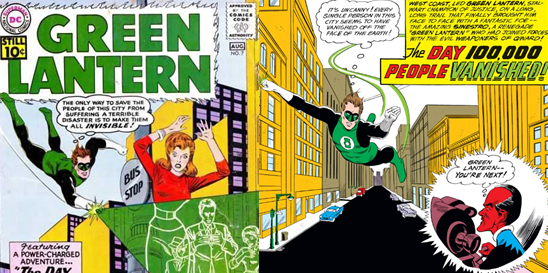
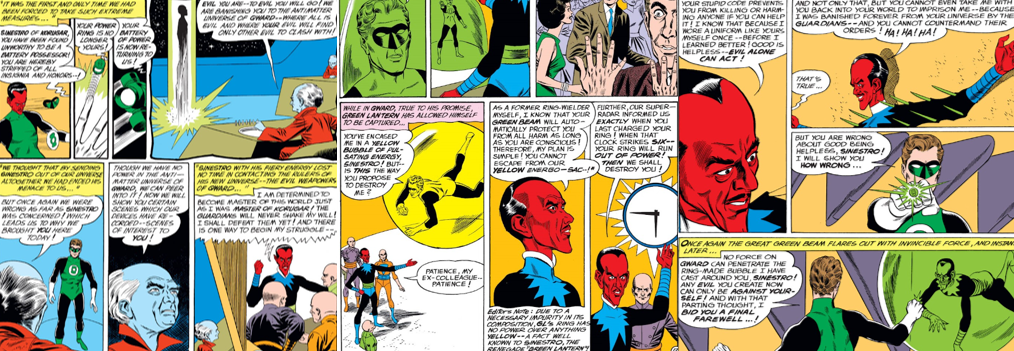
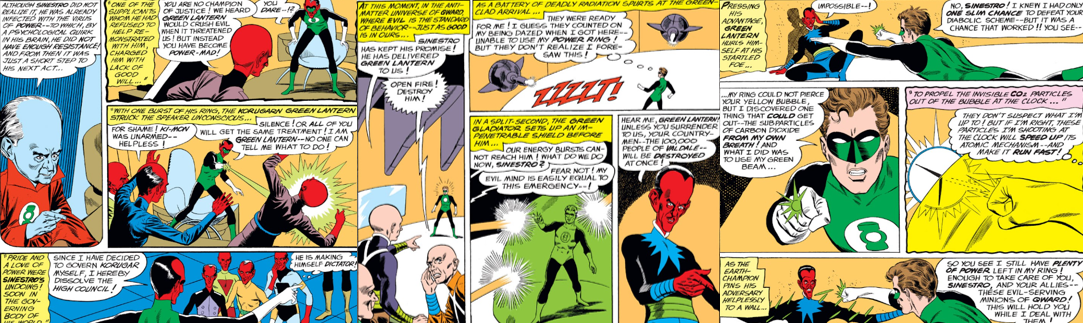

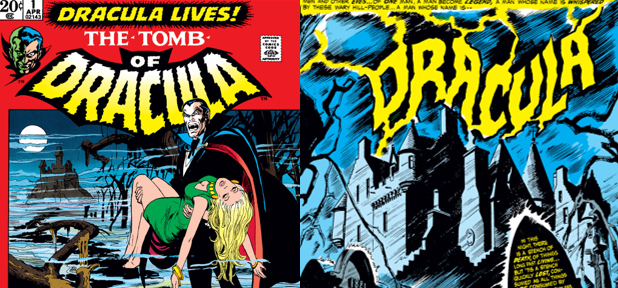
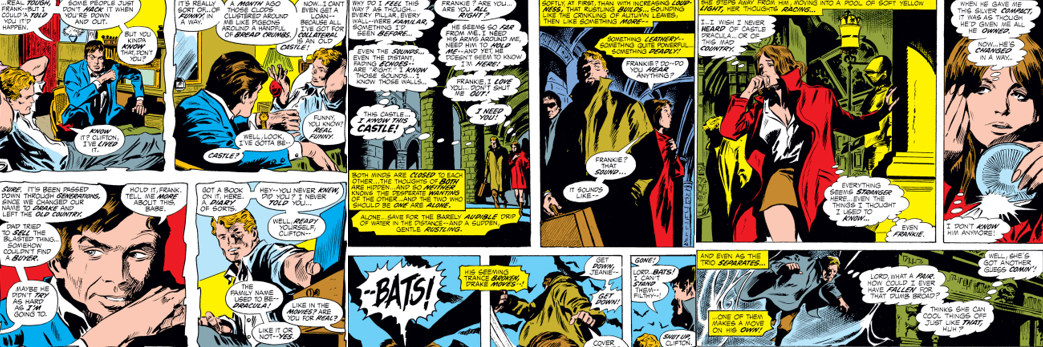
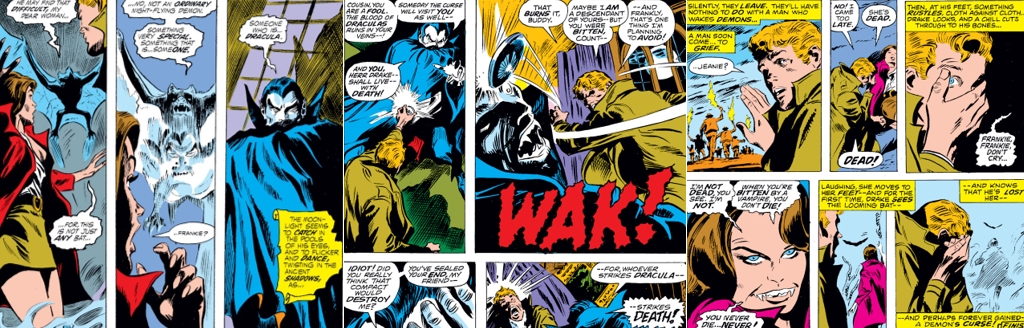
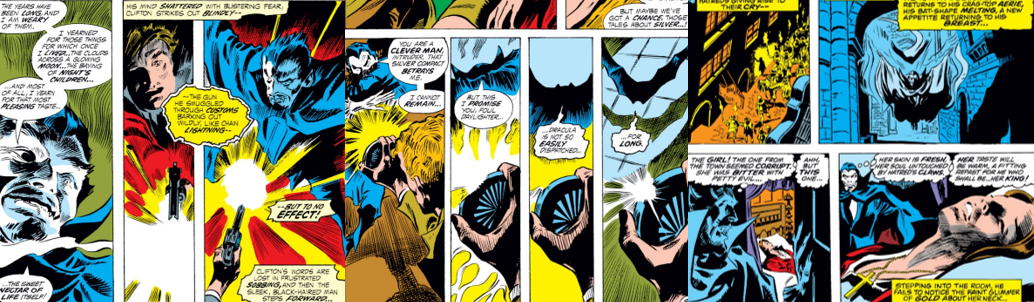

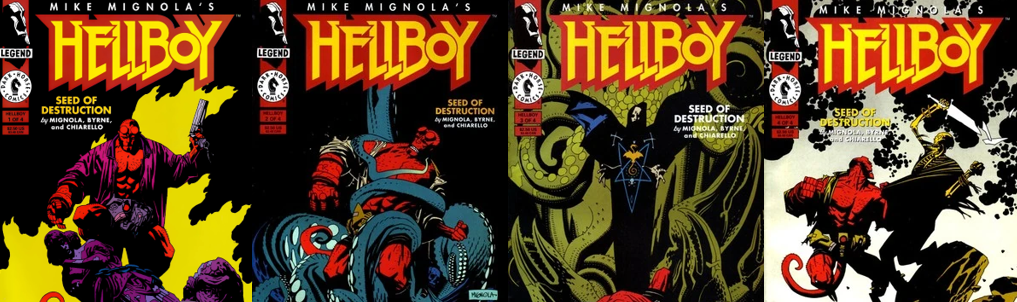
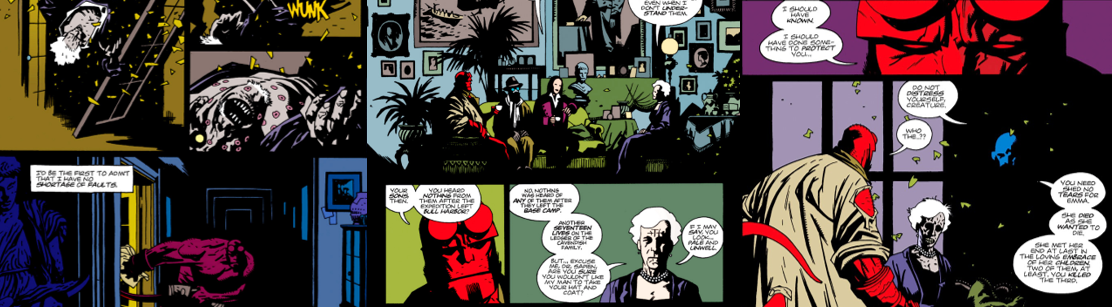
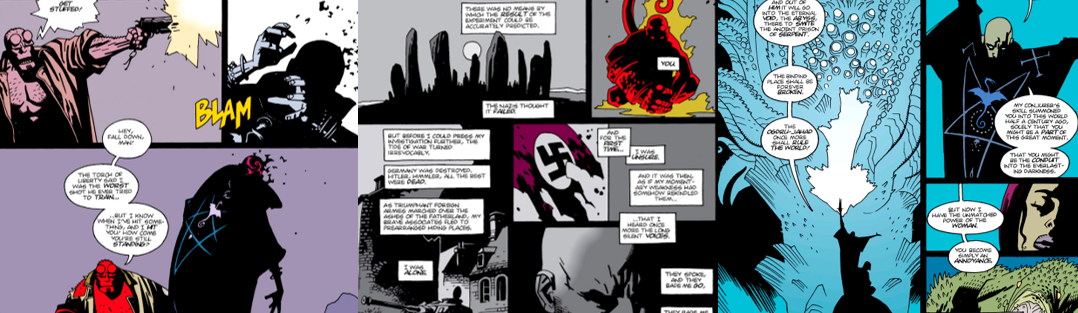
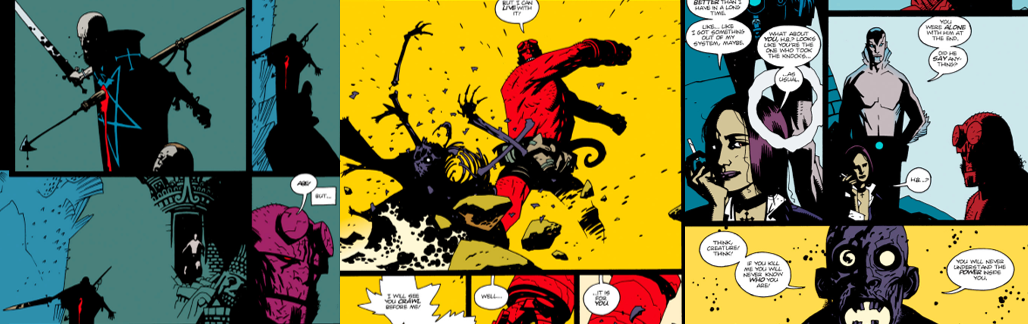
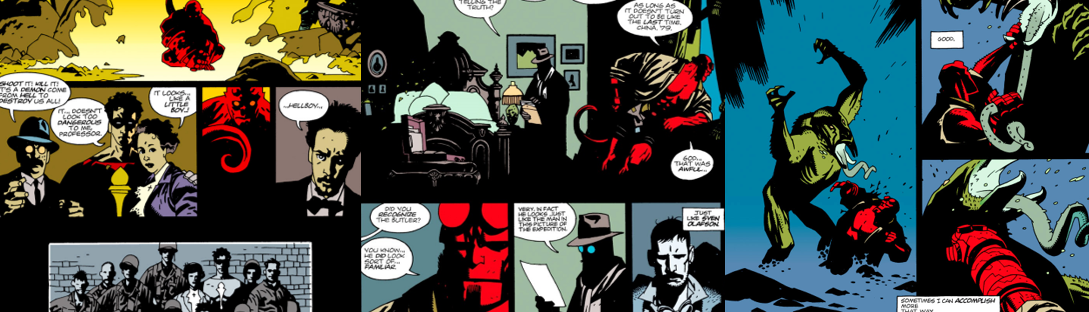
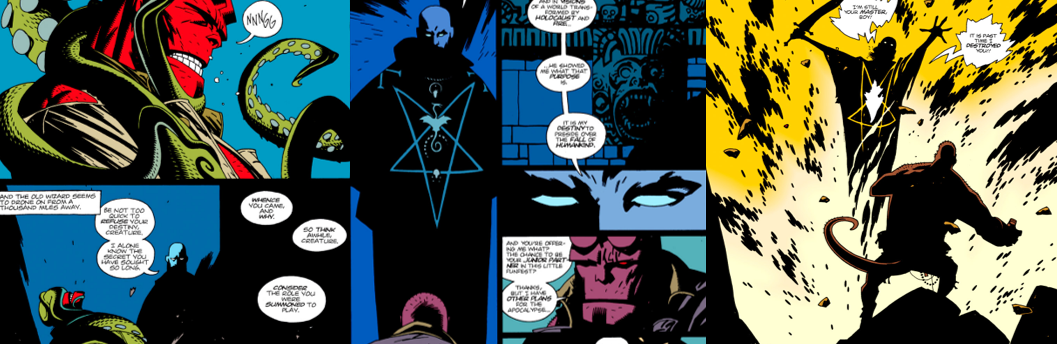

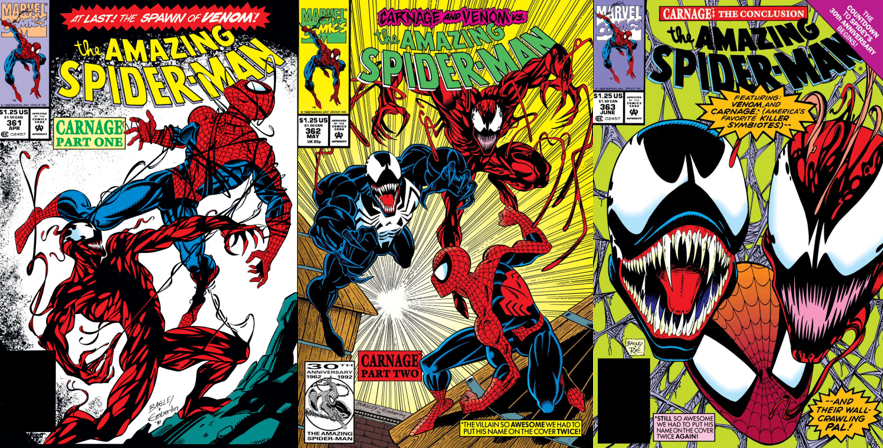
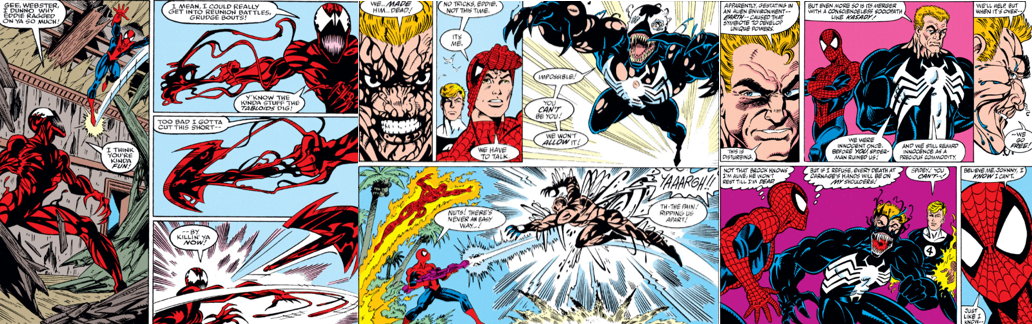
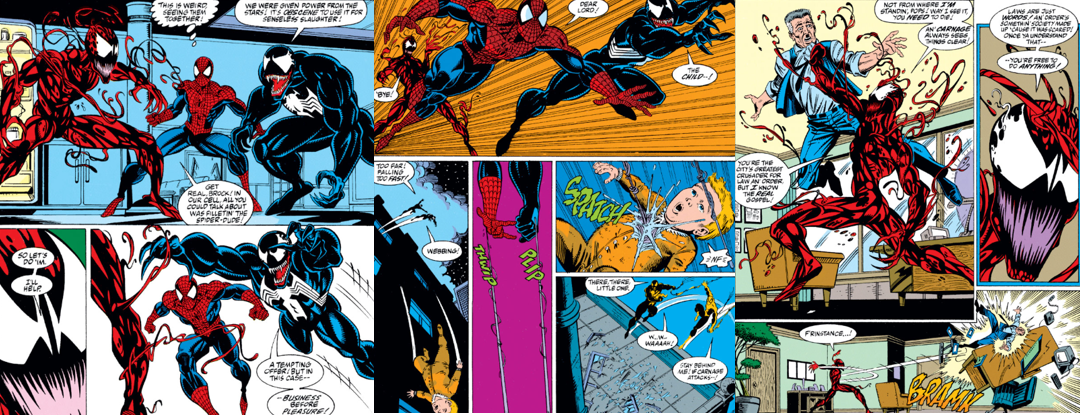
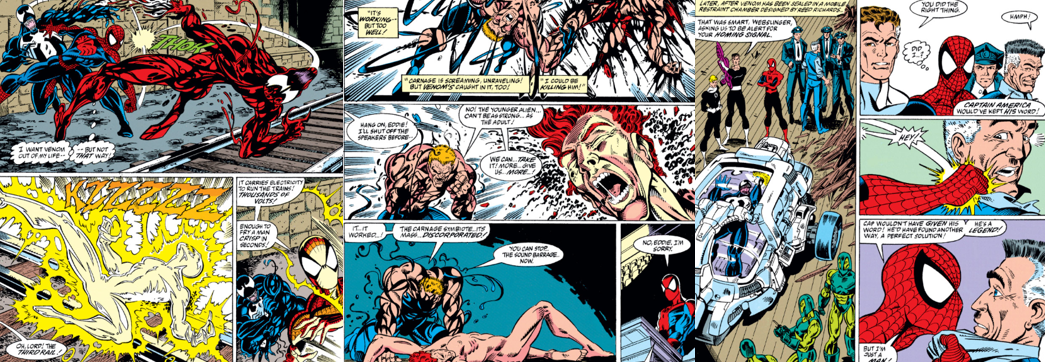
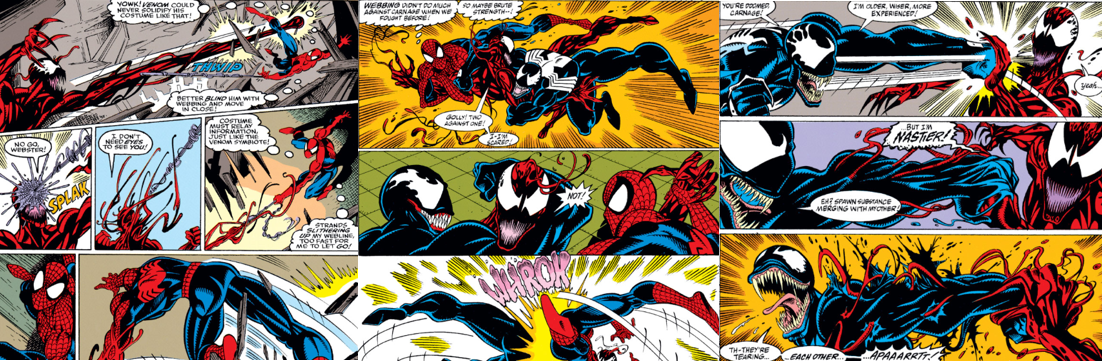


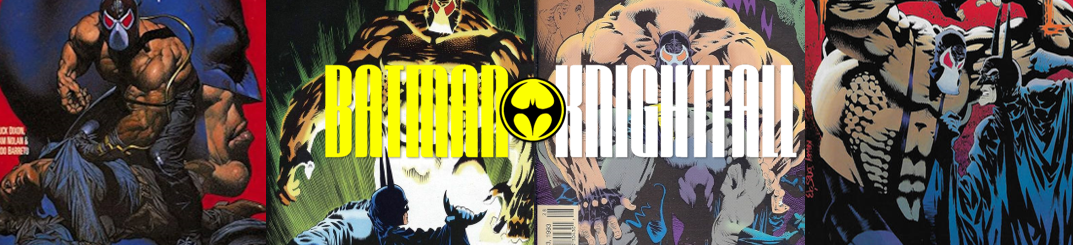
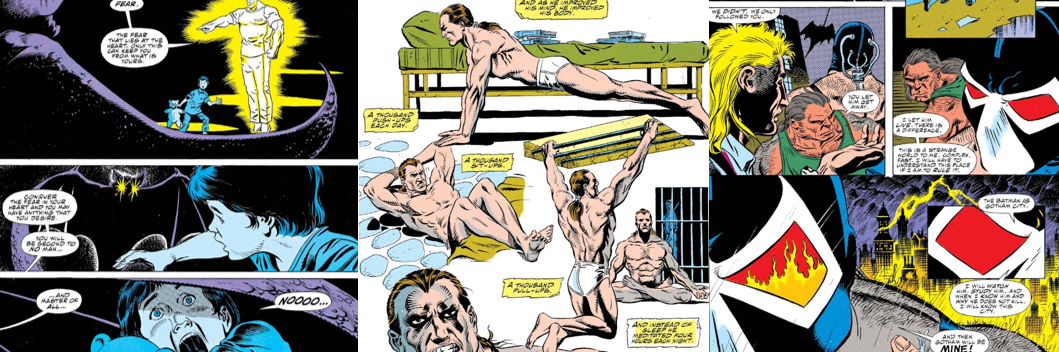
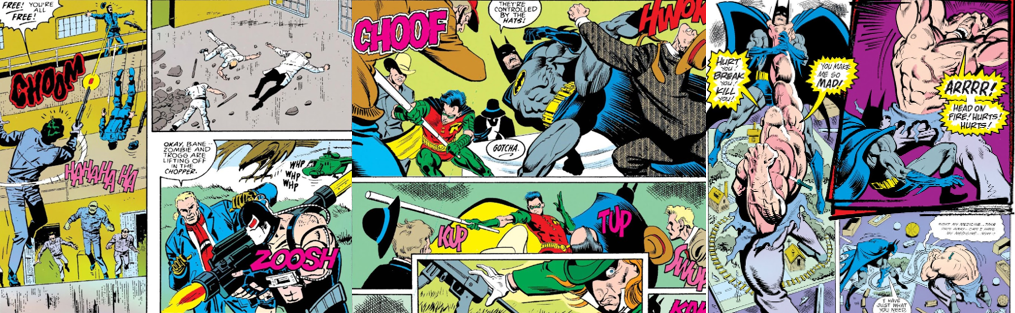
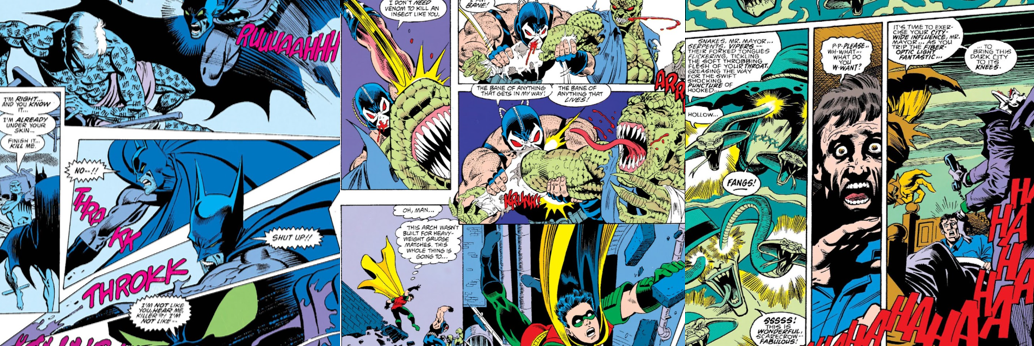
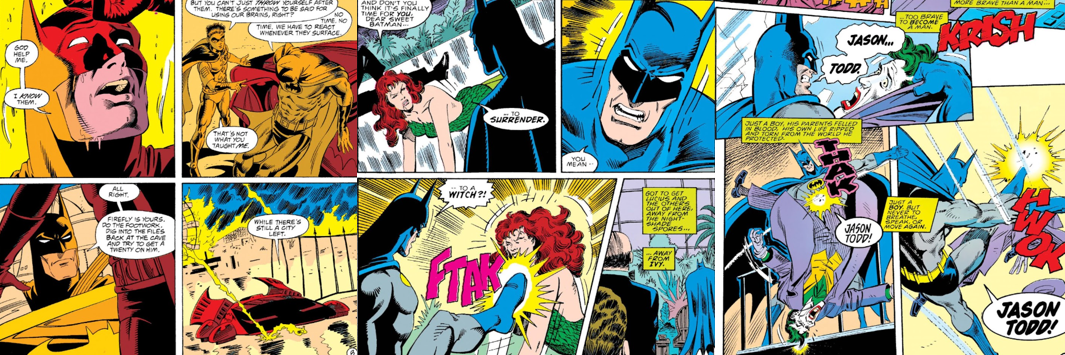
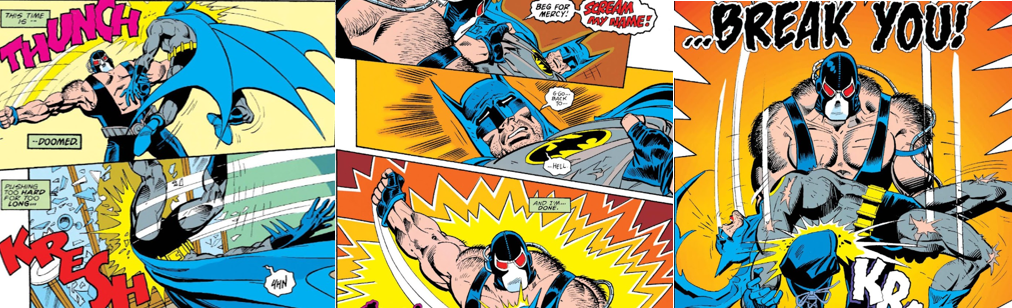
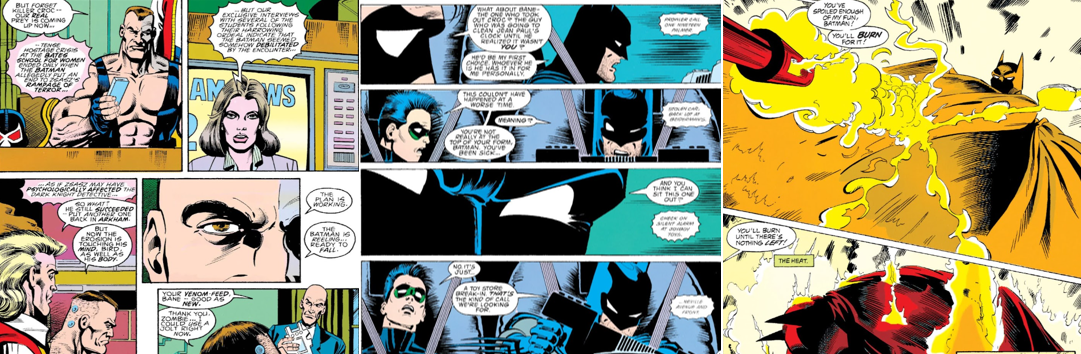
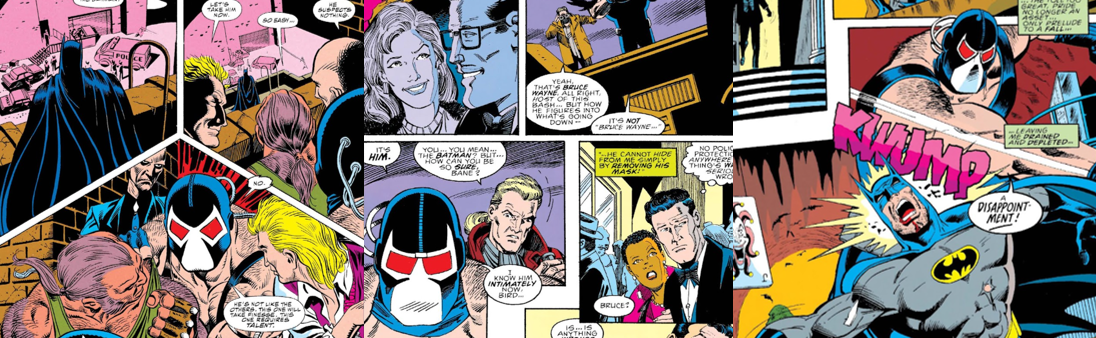

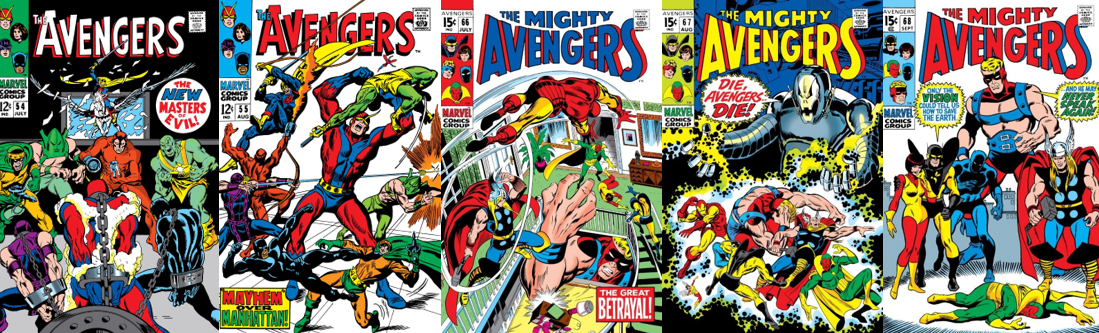
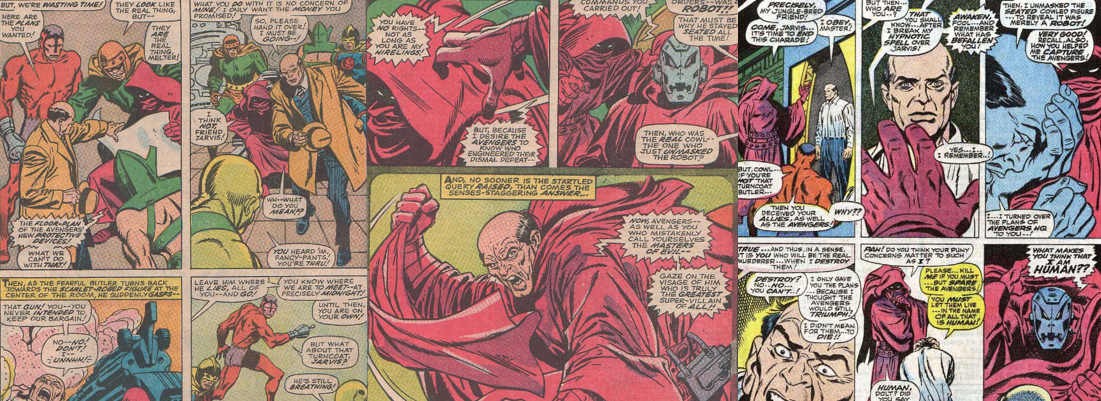
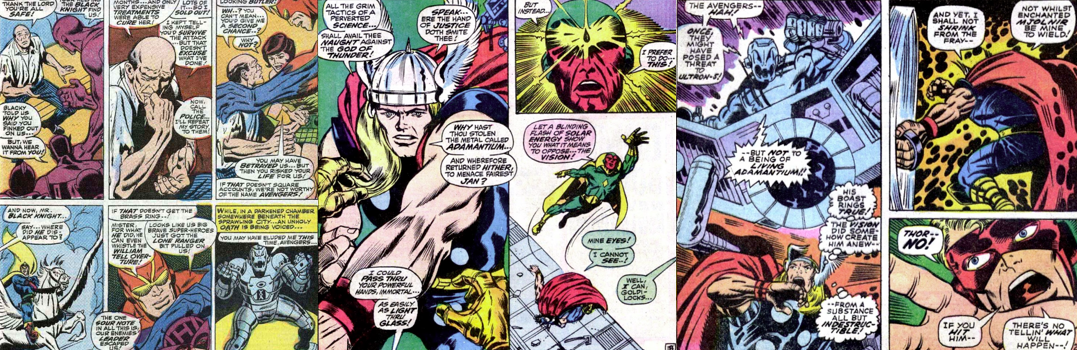
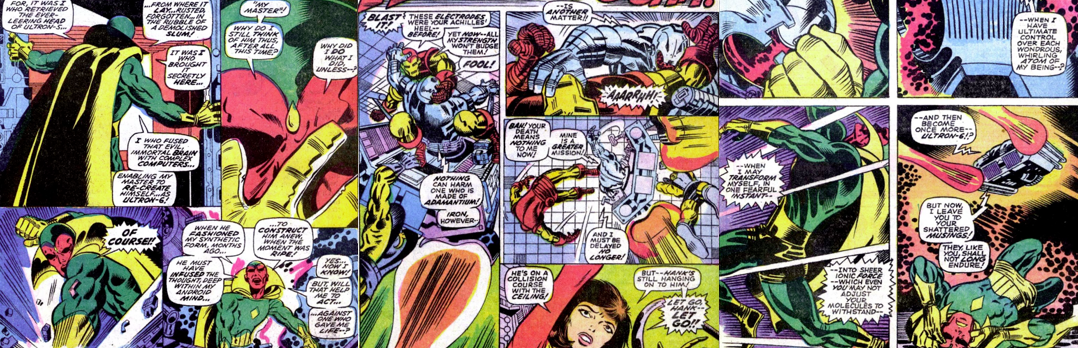
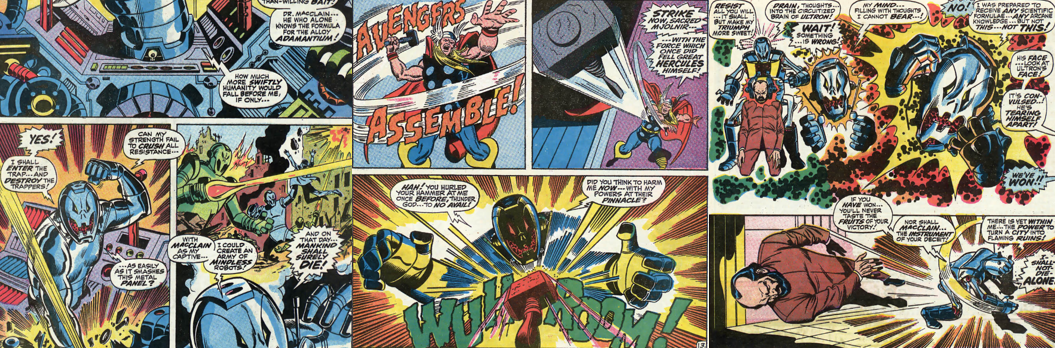
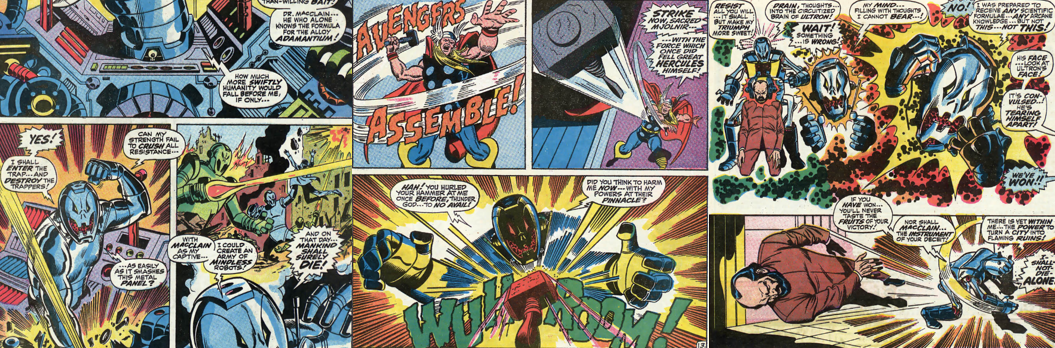
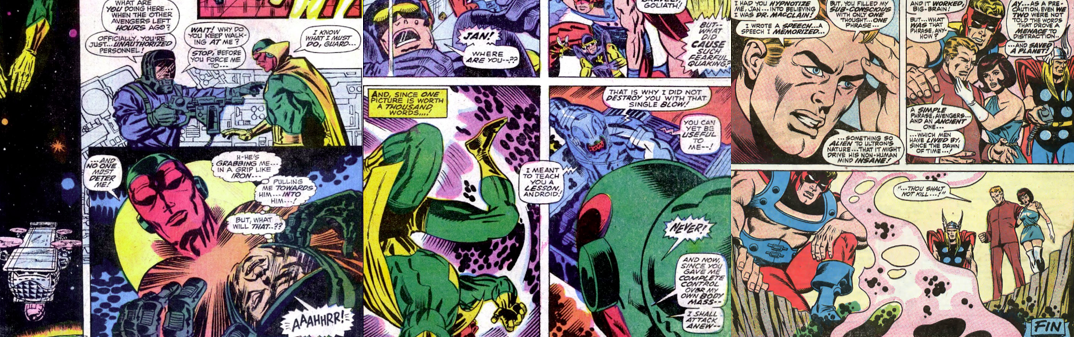

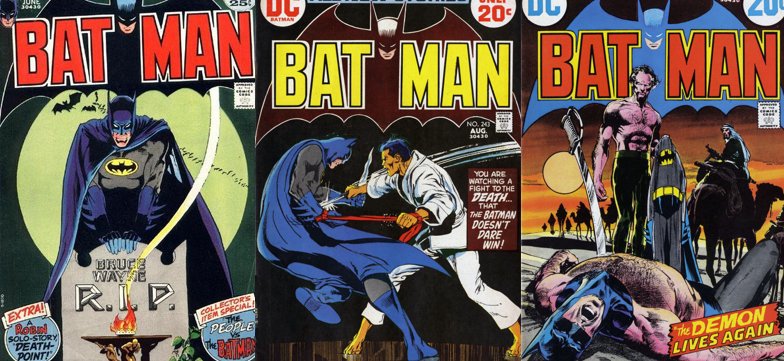
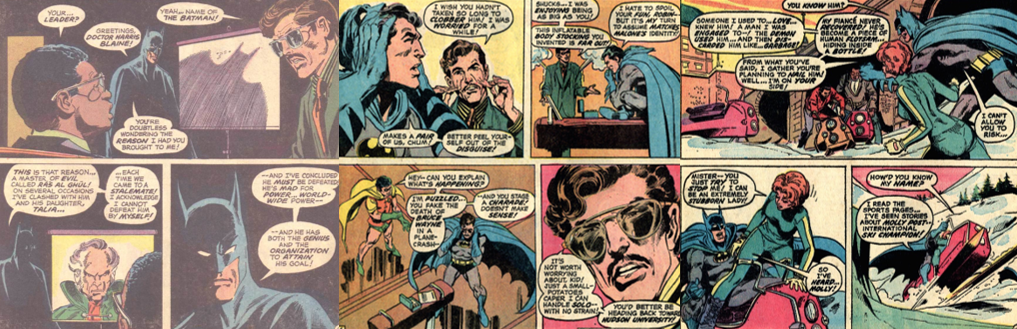
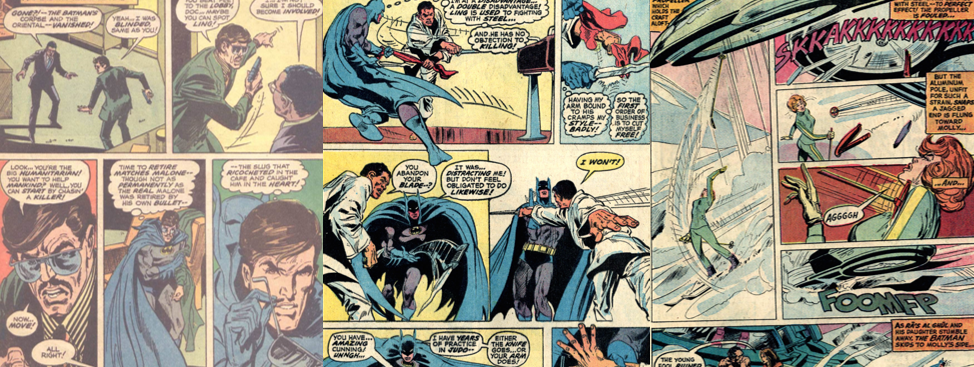
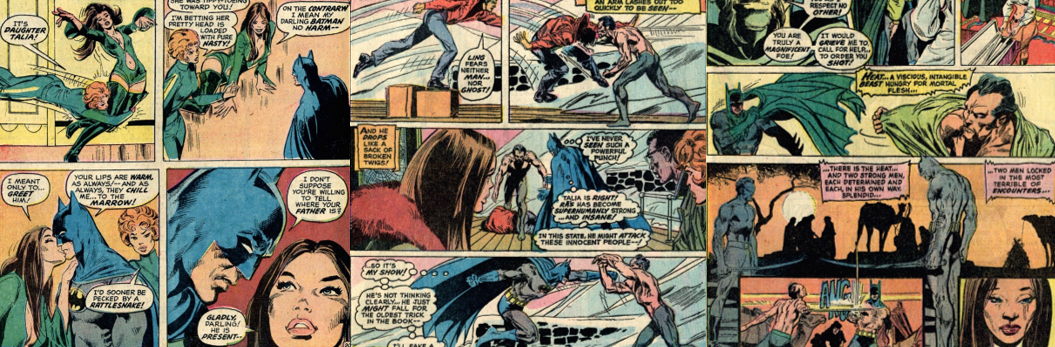



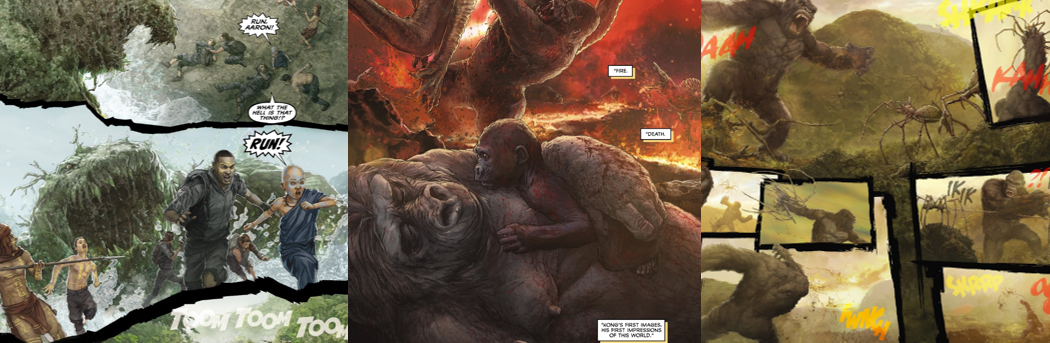




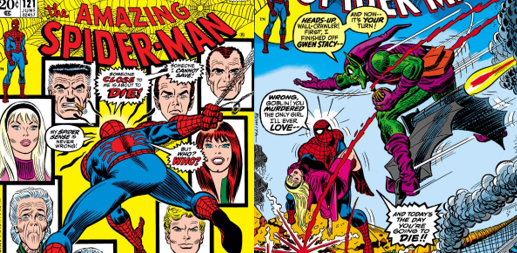
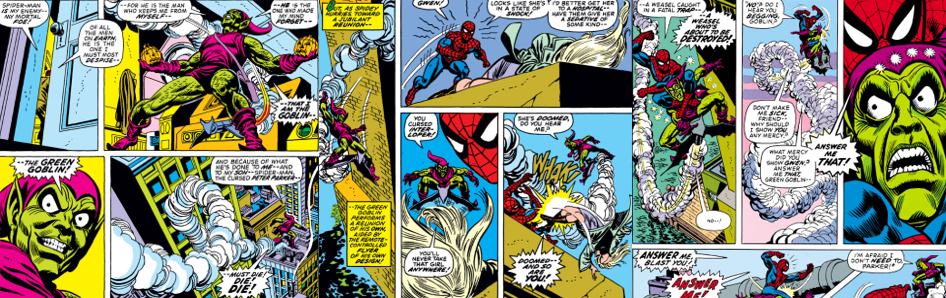
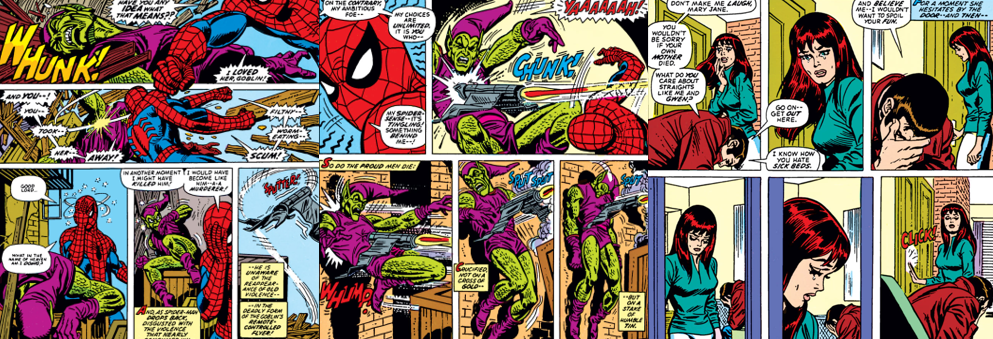
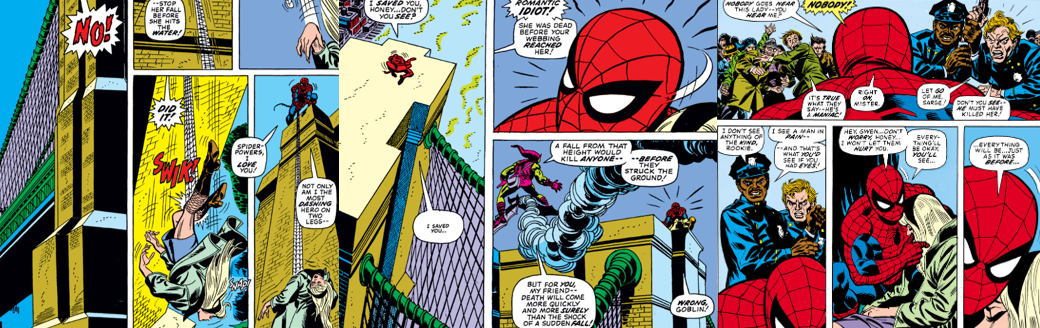
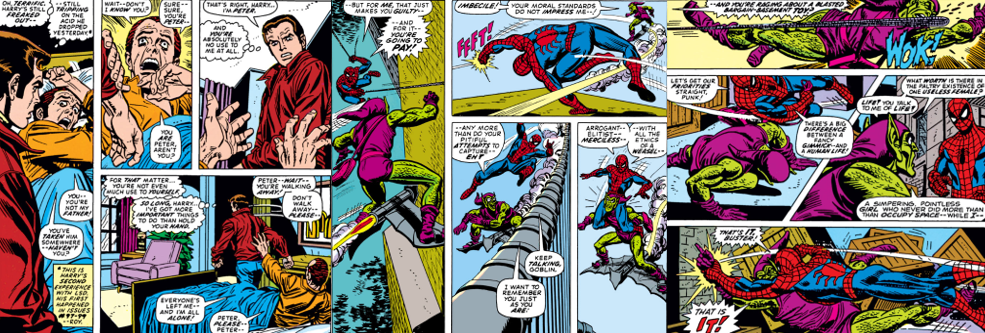


You must be logged in to post a comment.