February Drabble Challenge: Lethargic

Horror PromptsGillian Church has created 28 single-word prompts and challenged writers to write a horror drabble for each. A drabble is a story of exactly 100 words, no more, no less (not counting the title).

Can you do it?

The Prompt:
Lethargic

The Submission:
Once again, I lay in bed unable to move.

It’d started slowly, usually with restless nights or dreams full of dark things.

Now, I needed a cabinet full of pills and a stiff vodka just to drop off, only to wake up and find myself stuck, completely lethargic.

There were things to do, people to see, apologies to be made…

But that that ghastly thing lurked in the corner of the room.

Tall, spindly, with long thorn-like claws and a grinning skull-like face, my dark, ever-present visitor watched, chuckling lowly, blank eyes glassy and malicious.

Watching me from the dark.


What did you think to the prompt for this week’s drabble challenge? Did you submit anything for it? Have you ever written any flash fiction before? I’d love to know what you think to my snippets and writing prompts, so feel free to sign up and let me know what you think below or leave a comment on my Instagram page. You can also follow Gillian Church to take part in her Weekly Writing Prompt challenge.

February Drabble Challenge: Sleet

Horror PromptsGillian Church has created 28 single-word prompts and challenged writers to write a horror drabble for each. A drabble is a story of exactly 100 words, no more, no less (not counting the title).

Can you do it?

The Prompt:
Sleet

The Submission:
Upon locking eyes with the wretched thing beneath the bridge, Tyson turned and pelted back the way he’d come.

Blubbering, manic, he charged through the dense growth of trees, stumbling on mounds of dirt and scratching his babbling face on jagged branches.

He might’ve made it but for the sleet; his boot slipped at the top of the hill and he tumbled down to the half-frozen waters of the Brook.

As he lay there, ankle sprained, drenched in snow and caked in mud, the shambling, straggly-haired wretch lurched from the shadows and reached a talon-like hand towards his screaming face…


What did you think to the prompt for this week’s drabble challenge? Did you submit anything for it? Have you ever written any flash fiction before? I’d love to know what you think to my snippets and writing prompts, so feel free to sign up and let me know what you think below or leave a comment on my Instagram page. You can also follow Gillian Church to take part in her Weekly Writing Prompt challenge.

February Drabble Challenge: Faithful

Horror PromptsGillian Church has created 28 single-word prompts and challenged writers to write a horror drabble for each. A drabble is a story of exactly 100 words, no more, no less (not counting the title).

Can you do it?

The Prompt:
Faithful

The Submission:
Glenn couldn’t remember a time Mark hadn’t been there. They’d been practically inseparable since their childhood; “Brother from another mother”, he always said.

But when Sara came to him, eyes streaming, face puffy and bloody, Glenn knew his old friend’s time was up. He’d turned a blind eye too often.

It had been her plan; something had snapped and she was determined to make Mark pay. She’d actually smiled when she set the lit match to the gasoline and watched his body go up in flames. How he had writhed and screamed in agony!

“Should’ve been more faithful,” she’d muttered.


What did you think to the prompt for this week’s drabble challenge? Did you submit anything for it? Have you ever written any flash fiction before? I’d love to know what you think to my snippets and writing prompts, so feel free to sign up and let me know what you think below or leave a comment on my Instagram page. You can also follow Gillian Church to take part in her Weekly Writing Prompt challenge.

Weekly Writing Prompt: 23/02/2022

Gillian Church posts Writing Prompts every week on her Horror Prompts Instagram account and I like to take part with a few snippets and pieces of flash fiction.

The Prompt:
Hannah hasn’t been in school for a month! Do you know what’s going on?

The Submission:
“You don’t know about this?”

“Dude!” Jack exclaimed. “Why th’ hell wud I ask ‘bout it if I knew wot wuz goin’ on?!”

Benny shook his head; his mop of blonde curls swaying over his pimple-ridden forehead. “I can’t believe you’ve not heard about it!”

They were talking through the dew-swept growth of chipped and tattered trees near the edge of the reservoir; it was a cool day, with a slight breeze on the air that carried a whiff of rotten leaves and soggy dirt.

“So, where’s she at? She get knocked up or summink?”

“That dog! You must be tripping!” Benny scoffed, kicking at a clod of dirty left behind by a mole. The bottom of his torn jeans was instantly dirtied by the mud.

Jack shrugged. “’kay then, guess I’ll never know.”

“Calm your tits, dude,” Benny gave him a light-hearted shove.  “I just wanted to get to the right place first.”

They clambered up a small incline, grabbing at brittle branches and plodding through mud so thick it was like swamp water. In time, they reached the top and Jack panted, wishing he’d brought his inhaler, as he saw a small, babbling stream cutting through the undergrowth.

“This is where she was last seen,” Benny proclaimed.

“The hell woz she doin’ way out here?”

Benny seemed not to hear him. He swept his arm across sludge-like rise they’d just climbed. “She walked right up here, late one night, and stood right here seeing exactly what you’re seeing now.”

“…okay?”

Benny sighed, hands stuffed into his pockets. “This is where she told me she had a thing for me.” He glanced at Benny with a smirk. “Can you imagine? That eye-sore fancying me? God, I’d never hear the end of it!”

“Wait … you woz ‘here wiv her?”

“She just went on and on,” Benny continued, casually kicking a fallen branch into the stream. “Saying all this stuff, blubbering like a kid.”

Jack took a small step backwards. “Wot did’ju do?”

Benny turned towards him. “You gotta believe me, I never wanted to hurt her. But … people would’ve found out! How do you think the guys on the team would react knowing Hungry Hannah was after me?”

“What happened …?”

Benny shook his head with dismay. “I tried to tell her there was no way, that it just couldn’t happen, but she wouldn’t let it go. I tried to leave she grabbed my arm—” he lashed out suddenly and gripped Jack’ forearm tightly. “—just like this and said she’d do anything for me.”

“Leggo!” Jack wailed, unable to shrug off Benny’s grip.

“I tried to push her away, but she just wouldn’t let go. She was on her knees, screaming and pleading, and I just wanted to get away so I grabbed the nearest thing I could find—”

“Don’t …!” Jack started but his words died almost instantly as a moss-covered rock struck him up the side of his head. His body went instantly limp; a small trickle of bright red blood wormed its way down his face.

“And she went just like that …” Benny whispered. He released his grip and Jack’s limp, lifeless body tumbled face-down into the stream. “And she fell, just like that.” The current washed over Jack’s gawping face and slowly began to carry him away. “And she went away … just like that.”


What did you think to this week’s writing prompt? Did you submit anything for it? Have you ever written any flash fiction before? I’d love to know what you think to my snippets and writing prompts, so feel free to sign up and let me know what you think below or leave a comment on my Instagram page. You can also follow Gillian Church and Horror Prompts to take part in the Weekly Writing Prompt challenge.

February Drabble Challenge: Limerence

Horror PromptsGillian Church has created 28 single-word prompts and challenged writers to write a horror drabble for each. A drabble is a story of exactly 100 words, no more, no less (not counting the title).

Can you do it?

The Prompt:
Limerence

The Submission:
i knew i wanted him the minute i saw him. the way he moved, talked … his body, his laugh … he didn’t always see me, but that was fine. i saw him. i imagined what we’d be like together, what it’d be like to have him, and i knew that I had to have him. it wasn’t hard to lure him away from his bimbo. but when i showed him how much i wanted him, my pictures and writings, he tried to leave … and i just couldn’t allow that. now he’s mine forever, just as it should’ve been


What did you think to the prompt for this week’s drabble challenge? Did you submit anything for it? Have you ever written any flash fiction before? I’d love to know what you think to my snippets and writing prompts, so feel free to sign up and let me know what you think below or leave a comment on my Instagram page. You can also follow Gillian Church to take part in her Weekly Writing Prompt challenge.

February Drabble Challenge: Docile

Horror PromptsGillian Church has created 28 single-word prompts and challenged writers to write a horror drabble for each. A drabble is a story of exactly 100 words, no more, no less (not counting the title).

Can you do it?

The Prompt:
Docile

The Submission:
When I first started my research, I was excited at the prospect. Funding, resources, a whole team of staff on hand … it was like a dream come true.

Results were … variable, but that was okay. Expectations were realistic and the higher-ups were keen to have the process perfected.

In time, though, I came to be disgusted by my specimens. They were all so docile, so lifeless, and none of them appreciated how their sacrifice would aid the greater good.

It now felt like I was almost doing these wretches a favour having their remains disposed of so callously.


What did you think to the prompt for this week’s drabble challenge? Did you submit anything for it? Have you ever written any flash fiction before? I’d love to know what you think to my snippets and writing prompts, so feel free to sign up and let me know what you think below or leave a comment on my Instagram page. You can also follow Gillian Church to take part in her Weekly Writing Prompt challenge.

Movie Night [Punisher Month]: Punisher: War Zone


Back in February 1974, Spider-Man/Peter Parker faced a new enemy in the form of Frank Castle, the Punisher, a veteran of the Vietnam War turned bloodthirsty vigilante. The Punisher separated himself from other, traditional costumed heroes by his willingness to kill and uncompromising, suicidal one-man war on crime and what better way to celebrate the debut of this nuanced and complex character by dedicating every Tuesday of this month shining a spotlight on Marvel’s most notorious anti-hero?


Released: 5 December 2008
Director: Lexi Alexander
Distributor: Sony Pictures Releasing
Budget: $35 million
Stars: Ray Stevenson, Dominic West, Wayne Knight, Dash Mihok, Doug Hutchison, and Colin Salmon

The Plot:
After losing his family to mob violence, former Marina Frank Castle (Stevenson) eradicates criminal scum as “The Punisher”. However, when he accidentally kills an undercover Federal agent, Frank suffers a crisis of conscience. With Agent Paul Budiansky (Salmon) seeking to apprehend him, Frank’s life is further compounded when narcissistic mobster Billy Russoti (West), left brutally scarred, and reigns chaos as the sadistic “Jigsaw”.

The Background:
Having cemented himself as one of Marvel’s most popular anti-heroes following his impressive debut in the pages of The Amazing Spider-Man #129, the Punisher soon became a recurring character in media outside of the comic books. Sadly, neither the 1989 Dolph Lundgren vehicle or the vastly under-rated 2004 film were critically or financially successful, despite one earning a cult following and the other legitimately being one of my favourite movies. Sadly, the story behind Punisher: War Zone is a pretty dour one as star Thomas Jane eventually grew frustrated with waiting for a sequel to his film and walked away from the role only for the sequel’s script to be retooled into a complete reboot that director Lexi Alexander aimed to be a throwback to the action movies of the 1980s. With Ray Stevenson replacing Jane and undergoing rigorous training for the role, tensions rose between Alexander and the film’s American distributor Lions Gate over the film’s rating, and the film’s limited theatrical release meant it was a box office bomb upon release. Reviews were mixed to negative, with some taking exception to the film’s graphic content and others enjoying its extreme violence and fidelity to the source material. For my part, I was annoyed that Jane was replaced as, with just a few tweaks, this could have easily been a direct sequel (hell, even with the recast it could have been) but I found myself enjoying the film’s excessive gore and over-the-top action much more than I expected and found it to be a worthy representation of Marvel’s infamous anti-hero.

The Review:
Punisher: War Zone was part of the sadly short-lived “Marvel Knights” sub-series of Marvel movies; completely unrelated to the two previous Punisher movies, the film begins with Frank Castle already some four years into his vigilante career. From his hidden underground lair, he observes local news and arms himself in the fight against organised crime and criminals all across New York City. This leads him to crashing a party for a known Mafia boss, which sees numerous mobster’s dead but also results in the death of an undercover FBI agent, Nicky Donatelli (Romano Orzari).

The Punisher is appropriately dressed and armed for war.

I initially didn’t think much to Stevenson’s Punisher gear; unlike his predecessors, he’s garbed head-to-toe in in heavy-duty, tactical riot gear that kind of makes him look like a turtle. However, in practice, the outfit works really well; the body armour protects Castle from both gunfire and knives, especially around vulnerable parts of his body like his chest and neck, and he has spray-painted a bad-ass skull on the front in luminous paint to intimidate his prey and draw bullets away from his unprotected head. Like the 1989 film, we learn about Castle’s tragic past through brief flashbacks, news reports, and exposition from other characters; his origins are probably to closest to the source material so far, with his wife and children being victims of a random act of mob violence, and his reputation is one of stark contrasts.

The Punisher’s reputation makes him a feared and controversial figure.

Police officers like Saffiotti (Tony Calabretta) praise his violent actions as he does what others can’t and isn’t restricted by the system, the mobsters are obviously in fear of him and constantly driven to frustration by his interference and persistence, and while Detective Martin Soap (Mihok) is clearly protecting Frank from reprisals as part of the laughable Punisher Task Force, Budiansky makes it his personal mission to bring Castle in after he accidentally kills Donatelli. Budiansky acts as the primary audience surrogate for those unfamiliar with the Punisher; initially angered that Castle has been allowed to run rampant, he eventually becomes a reluctant, and then willing, ally of Castle’s as their interests align.

The Punisher’s allies believe whole-heartedly in the sanctity of his mission.

Like his comic book counterpart, the Punisher also has help from his armoury, Linus Lieberman/Microchip (Knight), a tech-savvy figure who supplies Frank with weapons, armour, and leads to help him in his war on crime. A staunch believer in the Punisher’s actions, Microchip is aghast when Castle, wracked with guilt over Donatelli’s death, considers leaving town and quitting his vigilante ways. Microchip has taken on a protégé, of sorts, in the film, former gangbanger Carlos Cruz (Carlos Gonzalez-Vio), which initially angers Castle but, when Carlos gives his life trying to protect Donatelli’s daughter, Castle finds his black and white view of the world further skewed. While Frank is, as always, a man who has lost everything and has been driven to the edge, with nothing to life for but his suicidal, never-ending war against crime, his allies believe in him so completely that that are willing to not only defy the system for him but to give their lives for him and the greater good, something which Frank is determined to see avenged at every opportunity.

The Russottis are a couple of absolute madmen who steal the show.

Punisher: War Zone really emphasises the traditional Italian-American Mafia life; the film is littered with stereotypical mobsters, Dons, and the like, all of whom are dressed sharp and full of pride and gusto. None are more sharply dressed and full of arrogance than caporegime Billy Russotti; known as “The Beaut”, Billy is a mean, sadistic, gangster who is obsessed with his looks and has a chip on his shoulder about having the answer to tired old men. Dominic West is clearly having the time of his life in the role and this becomes explicitly obvious after the Punisher tosses Billy into a glass-crushing machine and he is left hideously disfigured. Now calling himself “Jigsaw”, Billy goes completely off the rails and, in addition to employing the services of his usual goons and a gang of freerunners, releases his psychopathic brother, James (Hutchison), from a mental institution Also known as Loony Bin Jim (a name both brothers despise), James is a cruel, animalistic cannibal who rips people open to feast on their flesh and innards and regularly (and wilfully) engages in all kinds of disgusting and self-destructive behaviour. James’s influence only encourages Jigsaw’s newfound madness and brutality, escalating Billy’s vendetta against the Punisher and his desire to become the top dog in New York. Thanks to some impressive practical effects, Jigsaw’s gruesome visage is wonderfully brought to life in a way that is both disturbing and ludicrous and West uses the make-up to accentuate his performance into a bombastic glee that is truly entertaining to behold. His referring to God as an “imaginary friend” always gets a chuckle out of me and his performance is perfectly in keeping with the film’s more exaggerated moments that are ripped right out of a Punisher MAX comic book.

The Nitty-Gritty:
One of the absolute best things about Punisher: War Zone is how massively over the top and gory its action scenes and violence are; this version of the Punisher is also a hulking brute of a man who is capable of throwing himself, and any nearby weapons, at his foes and caving in their skulls with his bare hands but, as you might expect, Castle is also a driven, determined, nigh-unstoppable one-man army who is adept with numerous firearms. When the Punisher shoots or stabs people in this movie, it’s not just a few squibs of blood or arterial spray, it’s a fucking bloodbath with bones breaking, heads exploding, and limbs being blown off and it’s absolutely fantastic!

A hardened vigilante, Castle continues to be haunted by his losses and to be a tragic figure.

Whenever the gun fights kick off or Loony Bin Jim gets triggered, the gratuitous violence is quite literally splashed across the screen; the Punisher coldly and mercilessly executes his prey with barely a flicker of emotion, sets his own broken nose at one point, and is more than capable of taking out entire rooms full of armed men all by himself. While Stevenson’s Punisher is a resourceful, militaristic, focused machine of a man, he is also more than capable of conveying the pathos and emotion that are associated with the character. He is haunted by the deaths of his wife and kids and so traumatised at having accidentally killed one of the “good guys” that he desperately tries to make amends with Donatelli’s. Like Lundgren’s Punisher, this sees him all but begging Donatelli’s wife, Angela (Julie Benz), to shoot him in recompense for his mistake.

The film is an unashamedly gratuitous and over the top, action-packed piece of entertainment.

Considering how over the top Punisher: War Zone is, the film is littered with some fantastic performances by character actors like Dominic West, Wayne Knight, and one of my absolute favourite actors, Colin Salmon (who really needs to have bigger film roles). Budiansky’s grouchy demeanour and interactions with Soap and Castle are a real highlight, bringing some levity to the film (his enraged reaction when Castle blows a mobster’s head off with a shotgun is hilarious!) I’m not massively familiar with ray Stevenson and, if we’re being honest, he’s not as good of an actor as Thomas Jane but, having said that, he really nails the Punisher role. Like I say, he’s much more of a stoic military man but he’s still, perhaps surprisingly, fully capable of conveying the character’s complex emotional dichotomy. While Castle’s mission is one deeply rooted in a personal desire for revenge, Jigsaw’s vendetta against him escalates things considerably; after he kills Microchip’s mother, Carlos, kidnaps Donatelli’s daughter, and forces Frank to kill Microchip, it’s incredibly cathartic when the Punisher finally gets his hands on Jigsaw and tortures him to death with a cold, brutal execution worthy of his name.

The Summary:
Even today, The Punisher remains one of my favourite movies and it was a bitter pill to swallow when Thomas Jane walked away from the role and the next film was made as a reboot. However, I was presently surprised at how enjoyable Punisher: War Zone is; it’s a very different type of film and much more over the top and action-orientated but that’s equally as fitting for the character as infusing the story with tragedy and pathos. While it would have been extremely easy to take another pass at the script and frame it as a continuation of the previous film with an older, more seasoned Punisher, Punisher: War Zone stands by itself as an enjoyably entertaining action film that doesn’t hold back one iota. I respect it for that, and for being over the top with its depiction of gratuitous violence and bloodshed, and it resonates with me on many levels as a fan of this genre. As a result, I find it disappointing that the film didn’t perform better as everyone did a really good job and I honestly would have liked to see more from this version of the Punisher and his world.

My Rating:

Rating: 4 out of 5.

Great Stuff

What did you think to Punisher: War Zone? How would you rank it compared to the other two Punisher films? Were you annoyed that Thomas Jane was replaced in the role or do you think this film improves on its predecessor? What did you think to Stevenson’s portrayal of the character and Dominic West as Jigsaw? Did you enjoy the film’s gratuitous violence or did you think it was a little too over the top? Would you have liked to see more from this version of the Punisher and the Marvel Knights sub-series of films? How have you been celebrating the Punisher’s debut this month? Whatever your thoughts on Punisher: War Zone, and the Punisher in general, leave a comment below.

February Drabble Challenge: Rose

Horror PromptsGillian Church has created 28 single-word prompts and challenged writers to write a horror drabble for each. A drabble is a story of exactly 100 words, no more, no less (not counting the title).

Can you do it?

The Prompt:
Rose

The Submission:
I placed a single rose on mum’s grave just like every week and, just like every week, I found myself hunched down and pulling weeds from around her simple little plaque.

I was muttering curses and apologies to my long-dead mother as I worked, and mentally preparing another strongly-worded letter of complaint to the parish, when the ground suddenly trembled.

A hand, skeletal and rotting, burst from the ground, startling me to my knees. I watched, eyes wide, as mother dearest clawed her way up from the dirt and glared at me with the hollows of her filthy, grinning skull.


What did you think to the prompt for this week’s drabble challenge? Did you submit anything for it? Have you ever written any flash fiction before? I’d love to know what you think to my snippets and writing prompts, so feel free to sign up and let me know what you think below or leave a comment on my Instagram page. You can also follow Gillian Church to take part in her Weekly Writing Prompt challenge.

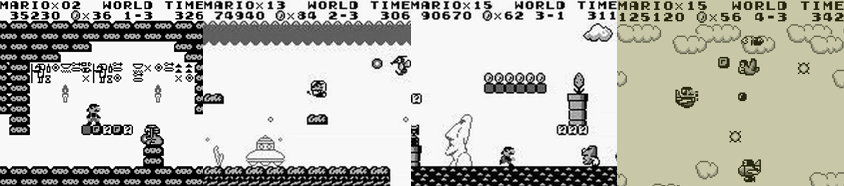
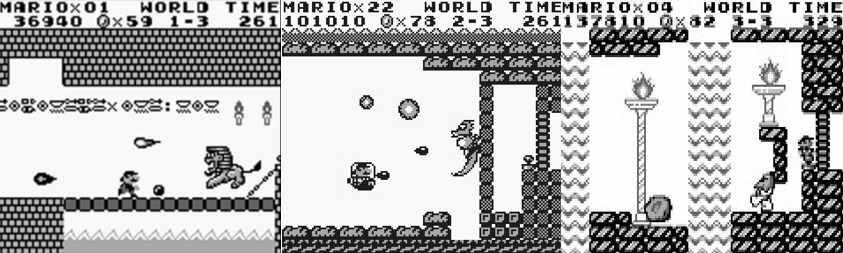
Game Corner [Zelda Day]: The Legend of Zelda: Link’s Awakening (Nintendo Switch)


On 21 February 1986, The Legend of Zelda (Nintendo EAD, 1986) was first released in Japan. The creation of legendary game designer Shigeru Miyamoto and Takashi Tezuka, The Legend of Zelda launched one of Nintendo’s most popular franchises, with its silent protagonist, Link, and his vast fantasy world of sword and sorcery not only enduring over time but constantly evolving and improving as the series progressed.


Released: 20 September 2019
Originally Released: 6 June 1993
Developer: Grezzo
Original Developer: Nintendo EAD
Also Available For: Game Boy, Game Boy Color, Nintendo 3DS Virtual Console (Original/DX release)

The Background:
As some of you may be aware, my very first introduction to the Legend of Zelda series (Nintendo EAD/Various, 1986) was with The Legend of Zelda: Link’s Awakening (ibid, 1993) on the original Game Boy. Beginning as an unsanctioned side project of programmer Kazuaki Morita and evolving from a desire to port the incredibly successful Legend of Zelda: A Link to the Past (ibid, 1991), it was genuinely impressive how the developers were able to cram so much into such a small cartridge. Link’s Awakening was critically acclaimed and is widely considered to be one of the best Game Boy titles ever released. The game received a slightly enhanced colour upgrade on the Game Boy Color in 1998, which was also received very well, but I was stunned when Nintendo announced an all-new, high definition remake for the Switch in 2019 as the game always felt like more of a cult favourite compared to other mainstream Zelda titles. The Switch remake of Link’s Awakening was spearheaded by Grezzo, the development team who had ported and enhanced Zelda’s Nintendo 64 efforts to the Nintendo 3DS, and the team immediately sought to separate the game from other Zelda titles by not only returning to the classic top-down perspective but adopting a quasi-isometric, diorama-inspired look that made the entire game appear to be constructed out of plasticine figures. Upon release, Link’s Awakening was met with glowing reviews as critics praised the visual presentation, music, and quality of life improvements; it was also the fastest-selling Switch game of 2019 and scored very highly across the board, assuring that Link’s Awakening was finally recognised as one of the best Zelda titles out there.

The Plot:
After defeating the dark wizard Ganon and rescuing Princess Zelda, Link embarks on a quest across the sea in search of enlightenment and ends up caught in a terrible storm and washing up on the shores of the mysterious Koholint Island. Link finds the island tormented by monsters who are the creation of the malevolent “Shadow Nightmares”, a dark entity who will do anything to keep the legendary Wind Fish from waking. However, Link takes up his sword and shield to oppose Nightmare, only to discover that not everything is as it seems on the all-too-familiar Koholint Island…

Gameplay:
The Legend of Zelda: Link’s Awakening is a top-down (well, more like a slightly isometric) action/adventure role-playing title in which players are placed into the familiar green hat and tunic of Link, the long-running protagonist of the series. As is the case in many Zelda titles, you can customise Link’s name at the file select screen; you get three save files (and a temporary autosave file) that you can personalise, and characters will refer to you by that name throughout the story. For those keeping track, this is the same Link who starred in A Link to the Past, making Link’s Awakening one of the rare Zelda titles to feature the same Link, and which possibly explains the many similarities between the two titles. Link begins the game with three hearts representing his health and stripped of his sword, shield, and all of his recognisable weapons but is quickly provided with his trusty shield, with is mapped to the ZR button and allows him to block incoming attacks and push through certain enemies. You’re then tasked with using the shield to head down to the beach and retrieve your sword, which is mapped to the B button; you can tap B to swipe at enemies or hold the button to charge up Link’s trademark Spin Attack, which sees him spin around in a circle and damage any nearby enemies once the button is released. Link can also pick up and throw certain items and objects (such as Cukkos and, later, pots), using the A button but he’ll need to journey to a whopping nine dungeons to retrieve the rest of his gear and further explore the mysterious Koholint Island.

After acquiring his sword, Link sets out on a new adventure fill with hijinx and dangers.

Along the way, Link will encounter a number of non-playable characters (NPCs), most of whom offer hints about where to go next, ask for specific items to be brought to them as part of the elaborate trading sequence, or comment on the events happening in the game or on the island in general. Some will actually follow you around, which becomes necessary to enter specific dungeons; a blue-hued rooster will follow you and allow you to fly over gaps to reach the Eagle’s Tower, for example, a ghost will start to follow you and eventually gift you an empty bottle, and Link’s saviour, Marin, will accompany him to move a walrus out of the way and let him access Yarna Desert. Not all NPCs are entirely harmless, though; attack Cukkos or dogs and they’ll hit you back, you’ll need to use a Chain Chomp to navigate through the Gopongo Swamp, and the shopkeeper will electrocute you to death and you’ll be branded a “THIEF” for the rest of the game if you steal from him. As mentioned, Link’s health is measured in hearts; as you explore, you may find Heart Pieces hidden in caves, buried underground, under water, or generally strewn around the environment. Collect four of these, and your maximum health will be refilled, and you’ll automatically gain an extra heart after defeating each dungeon’s Nightmare boss. Unlike a number of other Zelda games, players don’t need to worry about a magic gauge in Link’s Awakening; instead, there’s a greater emphasis on collecting Rupees, the currency in the Zelda franchise, in order to purchase additional items, objects for the trading sequence, and even collectibles such as Heart Pieces. Rupees are primarily found by slashing grass, defeating enemies, digging in the ground, and opening treasure chests and Link appears to be able to hold 9999 Rupees, so you don’t need to worry about upgrading his wallet or anything. I tend to spend my time in Zelda games furiously swiping at grass and defeating onscreen enemies, so I’m used to collecting as many Rupees as possible, but other players may find it a bit tedious, though it’s absolutely necessary if you want to progress because you need the shovel and the bow in order to access later areas and you’ll never collect everything the game has to offer without paying money for some of them first.

Koholint Island is huge and full of pick-ups, warps, NPCs, and enemies.

You can jump to the equipment subscreen at any time with the + button; here, you can view key items you’ve collected and assign two items from your inventory to the X and Y buttons, save or load your game, or flick over to the map screen (which can also be accessed with -) to plot a route to your next destination. The map is initially shrouded in fog but more of it is revealed as you explore, and you can use pins in to set reminders for yourself; Link can also review “memories” from this screen, which allow you to re-read advice from the mysterious Owl and certain previous conversations so you know where you’ve been and get some idea of where to go next. The Owl will appear in key areas across the overworld offering hints and encouragement, and you can call Ulrira in Mabe Village for further hints, but you’re basically free to explore at your leisure. You won’t be able to access certain areas without weapons or items from dungeons, though, and generally you need to tackle the dungeons in a specific order so that you can access the next, but your journey across Koholint Island eventually gets easier as you defeat the Nightmare bosses. Initially, you won’t be able to lift rocks, clear gaps, or swim, for example, but you’ll acquire the tools necessary to overcome these obstacles in the dungeons; similarly, you can activate fast travel warp points and, later, learn a song for your ocarina that will enable you to use these freely.

Dungeons are filled with puzzles, some simple like pushing blocks and others more frustrating.

Still, the game doesn’t make too much of an effort to hold your hand and it can be tricky to figure out where to go next, meaning that you have to be a little proactive to figure things out and experiment a bit. This is especially true in the game’s dungeons, which can be quite labyrinthine and see you travelling between different floors and acquiring small keys to unlock doors. Each dungeon has a compass and a map that will greatly assist with your progress; these allow you to see all possible routes and even indicate when there’s a chest or item in a room, but they’re often locked behind a series of puzzles. These may be as simple as stepping or pushing a block on a switch, pulling a pulley, pushing blocks together, or defeating all onscreen enemies but they get tougher as the game progresses. Sometimes you’ll have to defeat enemies in a specific order, or guide a pathmaker around to create temporary paths, or pick up and throw a weighted ball into columns, or toss some chess pieces in just the right way so they land in specific spots (a very frustrating mechanic, for sure). Sometimes, rooms and hidden passageways are hidden behind breakable walls (which must be exploded with bombs) or rocks (which must be lifted up) both in dungeons and on the overworld; other times, you’ll need to hunt down specific items or work through a looping maze in the right order, and you can even increase the game’s challenge by playing in “Hero” mode from the file select screen (which sees you taking twice as much damage and losing the benefit of enemies dropping hearts).

Graphics and Sound:
Honestly, screenshots do not do this game justice; the plastic figurine look used to bring this world to life is absolutely amazing and I find it such an adorable, whimsical stylistic choice that really makes everything vivid and charming to behold. The soundtrack is equally imaginative, composed primarily of woodwind instruments and flutes and such, and adds a lot of appeal to the game and even features a bit of the classic chip-tune music in the credits, which was a nice touch. You know things are kicking up a notch after Link acquires his sword and Koji Kondo’s iconic Zelda theme kicks in, but each area is brought to life as much by the music as the attractive visual style of the game and all of the characters and models are full of visual quirks and charming little animations that just make the game a joy to play and look at.

The game’s visual style and variety is charming and gorgeous, and it even includes some anime cutscenes.

Koholint Island is quite a large area for Link to explore and full of many of the usual Zelda environments and trappings; he begins in a quiet little village and journeys to a desert, a crumbling tower, a boulder-strewn mountain top, and a desolate swamp while traversing a vast field peppered with enemies, obstacles, and such sights as a graveyard, bridges, a castle, and a foggy forest. Contrary to the original title, and other top-down Zelda titles at the time, the entire overworld is connected without any screen transitions unless you enter a building or cave, which really helps speed traversal up and makes the world feel interconnected and alive. Some NPCs will relocate as the story progresses, which is fun, and you’ll often be required to take the long way around to reach some of the dungeons (especially in the first instance), though the interiors of the dungeons are often somewhat interchangeable. This isn’t always the case, of course; Bottle Grotto (fittingly) contains a lot of bottles), Catfish’s Maw and Angler’s Tunnel veer more towards water elements and puzzles, and Turtle Rock features and abundance of lava, and you’ll notice more and more maze-like elements as the difficulty of the dungeons progresses. Every dungeon also features at least one 2.5D sidescrolling area that sees you using ladders, moving platforms, and the Roc’s Feather to hop around in short platforming sections and the game is opened and ended by some beautiful (if very brief) anime cutscenes, and while there is no voice acting, sound bites and voice clips accompany both Link’s attacks and reactions and the in-game text boxes.

Enemies and Bosses:
Koholint Island is inhabited by a number of recognisable Zelda enemies and traps that will constantly try to impede Link’s quest; you’ll encounter stone-spitting Octorocs, spider-like Tektites, and annoying Zora’s will pop out of water to fire projectiles at you. Zols often appear in dungeons, with the red variants multiplying with each hit, bat-like Keese and the snake-like Ropes often appear in caves, and you’ll even encounter a number of enemies that can’t be traditionally bested. Most of your enemies can be dispatched with just one swipe of your sword, but others require a bit more strategy: the Moblins and Darknuts will defend against your attacks with their shields and must be stunned by deflecting their sword swipes, Spiny Beetles and Helmasaurs must have their rocks and masks removed to better attack them, and the Pols Voice can’t be damaged by your sword at all. Oddly, Link’s Awakening contains a number of enemies from the Super Mario franchise (Various, 1983 to present): Thwomps, Bob-ombs, Goombas, and Shy Guys are all over the place, and you’ll even come across an evil version of Kirby!

A number of mini bosses must be defeated to activate warp points ad acquire new weapons.

Each dungeon, and certain other areas in the game, features at least one mini boss; defeating these will activate a warp point in the dungeon and often leads to you acquiring the weapon or item necessary to defeating the Nightmare boss. These range from larger versions of regular enemies, such as the Moblin Chief and Armos Knight, and familiar Zelda enemies like the Master Stalfos (who must be damaged with bombs when reduced to a pile of bones) and Gohma (who can only be damaged by firing arrows into their open eyes. The most recurring of these is the golem-like Hinox, which will grapple you or throw bombs your way, but are easily defeated with your trusty sword, and you’ll sometimes have to battle more than one in the later dungeons. Often, these require a little more strategy than the average enemy; you need to jump over the Spike Roller’s spiked pole to get to him, toss bombs into the Dodongo Snakes’ mouths, and can only defeat Rover by throwing its weighted ball back at it, but you’re usually rewarded with a life-restoring fairy for your efforts (to say nothing of the extra weapons).

After a simple first boss, you’ll need to use Link’s new weapons and be adaptable to triumph.

Each dungeon contains a magical instrument that is guarded by one of eight Nightmares; often, the key to defeating the Nightmare will lie in the weapon you acquire in that dungeon, and each one gets progressively difficult as you journey on. The first boss, Moldorm, is a walk in the park: this worm-like creature randomly pulsates around the enclosed arena and can only be hurt by hitting the glowing weak spot on its tail, which will send it into a frenzy and cause it to become more and more aggressive as the fight progresses. In the Bottle Grotto, you’ll battle the clown-like Genie, who tosses fireballs at you and hides in his bottle to avoid your attacks. You’ll need to grab the bottle and throw it against the wall to crack and, eventually break it, then swipe at Genie when it becomes corporeal to finish it off. The Slime Eye at the end of Key Cavern requires use of the Pegasus Boots to split it in two so you can swipe at its eye, but the two gooey monsters will drop down from the ceiling to either land on you or stun you with a shockwave, making them tricky to land a hit on at times. The fearsome Angler Fish is fought in a 2.5D perspective and underwater, meaning that your movements are as limited as your attack options; you’ll need to swim your way past the debris it drops from the ceiling, fending off its smaller minions as you try and swipe at the glowing tendril on its head.

Bosses get increasingly tougher as the game progresses but are generally not too challenging.

Probably one of the more difficult bosses for me was the Slime Eel; this fight is complicated by a mace-like tentacle in the middle of the stage that you must jump over as you try and snag the boss’s head with your hookshot and expose its weak spot. Facade can also be a bit tricky; this gigantic face leers at you from the floor and causes tiles and pots to fly at you from all around the room and can only be damaged by placing bombs on it while watching for the holes it causes to form in the arena. When you finally manage to reach the top of Eagle’s Tower (easily one of the game’s more obtuse and annoying dungeons), you’ll battle the Evil Eagle; this giant bird hovers just out of reach and tries to skewer you with feathers, charges at you with its beak, and flaps its wings to try and force you from the platform and to the spikes below. Thankfully, it’s easy enough to shield against his attacks and toss your boomerang up at him, or fire off arrows and swipe at him as he flies past trying to attack you. The final dungeon is guarded by  Hot Head, an anthropomorphic fireball that emerges from a lava pit to blast molten rock at you, and which can only be damaged with the Magic Rod. Once you’ve blasted away its outer shell, it’ll bounce all around the arena trying to pummel you to death, but is easily finished off if you keep your wits about you.

The game’s final boss assumes many forms, with some representing the game’s toughest challenge.

Once you’ve acquired all of the magical instruments, you can scale Mount Tamaranch to play the “Ballad of the Wind Fish” on your ocarina and gain access to the Wind Fish’s Egg; however, this final dungeon is a looping maze that you’ll never be able to navigate without completing the trading sequence and acquiring the magnifying glass to read a book in the Mabe Village library that has directions to the final boss. Shadow Nightmares is easily, and fittingly, the toughest boss in the game and boasts six distinct forms: the first is a giant Zol that bounces and materialises around the arena and can only be damaged by sprinkling Magic Powder on it. Next, the boss assumes the form of Araghim from A Link to the Past and is battled in very much the same way; Araghim teleports around and fires two types of projectiles at you, one that explodes in your face and one a fireball that can be smacked back to damage him. Afterwards, the boss becomes a shadow version of Moldorm, which is a bit of a let-down, but it more than makes up for it by assuming the form of Ganon! Hands down the hardest fight in the game, Ganon twirls his trident and fires flaming bats at you before tossing his trident your way, giving you a very limited window to loop around behind him or charge into him with your sword. The next form is simply a Lanmola that cannot be damaged by your sword but only needs to be hit once with another weapon to force the boss into its final, truest form: Dethl. A large, shadow, pulsating mass sporting two mace-like tentacles, Dethl isn’t really too difficult to defeat; simply jump over its arms and fire arrows into its big green eye when it opens and the Shadow Nightmares will finally be destroyed, the Wind Fish will awaken, and Koholint Island will disappear forever.

Power-Ups and Bonuses:
As mentioned, it doesn’t take too long for Link to reacquire his traditional sword and shield, and as you progress through the game’s dungeons you’ll acquire a number of recognisable weapons and items to add to Link’s arsenal, such as the Power Bracelet to lift items (and the Powerful Bracelet to lift even larger items), the hookshot to stun enemies from a distance and cross certain gaps using stones and other specific parts of the environment, bombs to blast open walls and defeat groups of enemies, bottles to store life-restoring fairies, and an ocarina that is useful for accessing certain areas, warping across the map, and accessing the final boss.

Link can acquire some familiar weapons and even pick-up temporary power-ups.

Other pivotal items include the shovel (which is necessary for digging up collectibles), the traditional boomerang (which can only be acquired through the trading sequence), and the bow (which must be purchased). Magic Powder allows you to damage certain enemies and light fires (but becomes completely redundant once you acquire the Magic Rod), you can fire bomb arrows by equipping the bow and the bombs at the same times, the Mirror Shield lets you reflect lasers and certain projectiles, and the Roc’s Feather allows you to jump. The Pegasus Boots let you charge ahead (and can be used in conjunction with the Roc’s Feather to clear longer gaps), the flippers let you swim and dive under water, and you can sometimes find Secret Medicine to restore your health upon death. Additionally, you’ll sometimes come across temporary power-ups: the Guardian Acorn and Piece of Power will temporarily reduce the amount of damage you take and increase your attack power, respectively, which can be super useful in certain situations.

Additional Features:
There are thirty-two pieces of heart to find scattered throughout Koholint Island’s overworld, which will increase your health up to twenty hearts; sometimes you’ll dig these up or knock them out of trees, other times you can buy or find them in hidden caves or under water and such, and other times you can play for them in mini games. These include a mechanical claw game and a fishing game, both found in Mabe Village and costing you some Rupees to play; manoeuvring the claw and landing a big fish can be a bit tricky, but it’ll grant you an extra bottle, Heart Piece, ammo and Rupees, items for the trading sequence and a number of Secret Seashells. There are fifty Secret Seashells to find, and it’s well worth your time seeking them out with your shovel, lifting rocks, and exploring with your different weapons and items as they can be cashed in at the Seashell Mansion to gift you with a sensor that alerts you when they’re closer and a more powerful sword that fires out an energy beam when your hearts are full. As alluded to, there’s a lengthy trading sequence that’s necessary to acquire the boomerang and navigate to the final boss; this sees you acquiring specific key items (such as bananas, a Yoshi doll, and a magnifying lens) and bringing them to specific NPCs to swap for another item, which is a fun little distraction that gives you an excuse to talk to as many characters as possible.

Search for Seashells, switch to a new tunic, and create your own dungeons!

There are also figurines to collect and place on certain stands in houses (though I was only able to find two) and the Color Dungeon from the GameBoy Color version is also present. This optional, additional dungeon can be missed but it’s well worth your time seeking out as, once you best its enemies and puzzles, and defeat the gigantic Hardhit Beetle, you’ll be able to pick from either a blue or red runic to increase your defence or attack power, respectively (personally, I chose the red tunic as I’m a more offensive player). Finally, there’s a new addition to the game in the form of Chamber Stones; these must be brought to Dampé, who will challenge you to create custom dungeons by mixing and matching rooms, puzzles, sub-bosses, and bosses from the game’s existing dungeons. Each time you beat a regular dungeon, and Dampé’s tutorials, you’ll gain additional Chamber Stones, +Effect Panels, and collectibles and it’s quite a fun little addition since you can create your own dungeons to play through and challenge others to complete.

The Summary:
Even after all this time, I still adore The Legend of Zelda: Link’s Awakening; it was the first Zelda game I ever played and owned, and I used to enjoy playing through it on the old GameBoy brick even before I picked up the Virtual Console version of the GameBoy Color deluxe version, so I was super excited to hear that it was being completely rebuilt for the Nintendo Switch. This new version is everything the original game was but rendered in such gorgeous detail that it’s so much more than just a throwback to a simpler time of Zelda videogames; the plastic figurine aesthetic is charming and whimsical and I’d love to see it evoked for future recreations of older Zelda titles, and it may very well be the most visually appealing game I’ve played on the Nintendo Switch so far (and yes, that includes it’s bigger and more expansive cousin). It’s amazing how big Link’s Awakening is; it definitely feels like there’s more in this version of the game, but the developers didn’t add any new dungeons or areas or anything (which is a bit of a shame, to be honest). It’s just that big of a game, which just makes the original seem even more impressive in hindsight. There’s loads to do and keep you busy here, from backtracking to previous areas, to hunting down collectibles, to completing the trading sequence and, of course, tackling the game’s dungeons, and the game is just the right level of challenge; some puzzles and dungeons are trickier and tougher than others, but that’s par for the course of a Zelda title. Honestly, it’s worth picking up for the gorgeous graphical style and music as much as the engaging, classic Zelda gameplay and I can only hope that Nintendo revisit some of Link’s earlier adventures in the same way going forward.

My Rating:

Rating: 5 out of 5.

Fantastic

Have you played this new version of The Legend of Zelda: Link’s Awakening? How do you feel it compares to the original and its colourised counterpart and where would you rank it amongst all the other Zelda titles, specifically the 2D adventures? Were you a fan of the more surreal narrative elements in the game, and the difficulty and challenge it offered? Which of the dungeons and Nightmares was your most, or least, favourite? Were you able to navigate the Wind Fish’s Egg without directions? Did you ever steal from the shopkeeper? Were you able to find all of the Secret Seashells? Which Zelda game is your favourite and how are you celebrating the franchise today? Whatever your thoughts on Link’s Awakening, sign up to leave a comment below, or let me know on my social media.

February Drabble Challenge: Poison

Horror PromptsGillian Church has created 28 single-word prompts and challenged writers to write a horror drabble for each. A drabble is a story of exactly 100 words, no more, no less (not counting the title).

Can you do it?

The Prompt:
Poison

The Submission:
John washed his hands again, desperately trying to scrub the blood and gore from under his nails.

It was everywhere; all down his shirt and even on the floor in faded, bloody footprints leading from the dining room.

Where Gloria’s body lay, a serrated knife jabbed in her throat.

He couldn’t believe she’d tried to poison him with such a cheap trick!

Replacing his pills like that! As if he couldn’t he tell orange from ochre!

Anyone could see that he acted in self-defence.

Still, it was probably better to grab a shovel and head back out into the garden.


What did you think to the prompt for this week’s drabble challenge? Did you submit anything for it? Have you ever written any flash fiction before? I’d love to know what you think to my snippets and writing prompts, so feel free to sign up and let me know what you think below or leave a comment on my Instagram page. You can also follow Gillian Church to take part in her Weekly Writing Prompt challenge.