So, for no better reason than “Mar.10” resembling Mario’s name, March 10th is widely regarded as being “Mario Day”, a day to celebrate Nintendo’s portly plumber, an overalls-wearing mascot who literally changed the videogame industry forever and shaped the home console market of the nineties. To commemorate Mario Day this year, I’ve made March “Mario Month” and am spending each Wednesday talking about everyone’s favourite Koopa-flattening plumber.
Released: 21 October 2010 Originally Released: 14 July 1993 Developer: Nintendo Original Developer: Nintendo EAD Also Available For: Nintendo 3DS (Virtual Console), Nintendo Wii (Virtual Console), Nintendo Switch (Online), Super Nintendo Entertainment System (SNES)
A Brief Background: After debuting in Donkey Kong(Nintendo R&D2/Ikegami Tsushinki, 1983) and receiving his own arcade title (alongside his brother, Luigi), Shigeru Miyamoto’s overalls-clad plumber Mario was all set to star in a new game exclusively for the Nintendo Entertainment System (NES) that would be everything Mario Bros.(Nintendo R&D1, 1983) was not: where Mario Bros. was limited and sparse and lacking in colour and variety, Super Mario Bros. would be colourful, with bigger characters and more dynamic gameplay mechanics. Perhaps the most famous platformer in videogame history, Super Mario Bros. taught players everything they needed to know in its first iconic World, allowed for two players to play together (in turns, of course, given the nature of the title), and introduced pretty much every single popular mechanic and feature that the series is still known for today and set the standard for 2D platformers for an entire generation. Having sold over 40 million copies worldwide, the game was later given a 16-bit makeover for the SNES compilation title Super Mario All-Stars (Nintendo EAD, 1993) that brought the graphics, sound, and gameplay up to the standards set by Super Mario World(ibid, 1990). To commemorate the twenty-fifth anniversary of Super Mario Bros., Super Mario All-Stars was re-released on the Nintendo Wii on 21 October 2010. Although a bare-bones release that didn’t even include Super Mario World, the special anniversary edition of this game sold out extremely quickly and, even now, the base version of the game can set you back a high price on eBay and Amazon (though it is, thankfully, available through Nintendo Switch Online if you pay their surprisingly reasonable subscription fees).
First Impressions: I’ve played Super Mario Bros. before, both the NES original and the 16-bit remake for the SNES. However, since I grew up with the Mega Drive and ploughing through robot-infested landscapes with their supersonic mascot, I am by no means a competent Mario player. I played a lot of the Game Boy titles and a couple for the Nintendo DS but I didn’t really sit down and play a Mario game from start to finish until a bought a Nintendo 64. As a result, my opinion on Super Mario Bros. is one that is likely to cause some amount of controversy because…I hate this game. The music is great, don’t get me wrong; it’s peppy and full of life and the Worlds are bright and colourful and full of unique enemies and iconic characters and items but Goddamn is this a bitch to play! Seriously, Mario slips and slides all over the place and controls like he’s constantly running on ice; it’s ironic to me that Yuji Naka was inspired to make Sonic move so fast due to him constantly trying to beat World 1-1 faster and faster as Super Mario Bros. feels far more faster and out of control than Sonic the Hedgehog (Sonic Team, 1991) thanks to its slippery and awkward controls.
There’s certainly a fair amount of World variety on offer…if you can get that far…
Mario (or Luigi, if you prefer) will jog along at a snail’s pace until you hold down the B button, which breaks him out into a run. Running builds momentum which, in combination with holding down the jump button, allows you to jump higher and faster but while Mario’s jumping abilities have been vastly improved over those in Donkey Kong and Mario Bros. (there’s no fall damage/death and it’s much easier to jump to where you intend without gravity weighing you down), it’s stupidly easy to run face-first into enemies (and no, not the first Goomba you encounter) or fall head-first down one of the game’s many (many) bottomless pits (seriously, this game alone has more bottomless pits than Sonic has ever seen!). The good news is, though, that you no longer die in one hit…as long as you grab a Super Mushroom or a Fire Flower. Either one will allow you to take one hit but the Fire Flower is recommended as it allows you to be a little more proactive at dispatching enemies other than just jumping on their heads. Sadly, though, Super Mushrooms and 1-Up Mushrooms often appear out of nowhere and you may find yourself careening down one of those pits trying to grab it, killing yourself in a desperate attempt to stave off death. The game’s World’s are divided up nicely, though, and have a lot of variety to them; one minute you’ll be hopping through the Mushroom Kingdom, the next descending through a pipe to the underground or desperately trying to navigate Blooper-infested waters, before you finally make it to one of Bowser’s castles and are faced with a gruelling test of your skills as you dodge fireballs, jump over pits of lava, and finally send the King of the Koopas to a fiery end…only to be told that the Princess is in another castle!
My Progression: Okay, this is going to sound really bad but just remember that I flat-out admitted up top that I am not a consummate Mario player…
I couldn’t even beat World 1-1.
I know.
I know!
But, in my defence, I was rushing quite a bit as I bought the game as a gift and was just trying it out for size. Still, imagine my shame when I couldn’t even get through the first World when I know that I have beaten it at least once before and I’ve beaten far harder games (some of them even Mario titles) in the past. Still, I did discover the secret Warp Zone, which allowed me to skip ahead to World 4 and…I couldn’t beat that World, either. I then found another Warp Zone that took me to World 8 and I promptly exhausted my remaining lives before I even got within sniffing distance of Bowser’s Castle. It’s at that point that I shut the game off, wrapped it up for my friend, and promptly decided to wallow in indescribable self-pity and shame.
I don’t even want to beat Super Mario Bros. anyway. I don’t have to. Why should I? I don’t have to prove anything…Oh God, I suck so hard! I am so ashamed that I couldn’t do better; I wanted to and was glad to make up for this later but I was too ashamed and too unimpressed with the game’s slippery, alien controls and physics to want to continue. It’s a classic, addictive, and entertaining title that is well deserving of its reputation but I just struggle to get to grips with Mario’s 2D offerings even after all these years. Have you ever beaten Super Mario Bros.? How highly do you rate it in the pantheon of all-time greatest videogames? Do you, perhaps, agree with my thoughts and experiences and find it to be a difficult game to get the hang of or do you think I just suck at Mario, Nintendo, and life in general? Perhaps you’d like to insult my inability to clear even the first damn World, let alone the entire game! If so, no matter what you think or have to say, do please leave a comment and check out my other Mario content.
Released: 30 November 2004 Originally Released: 14 February 2003 Director: Mark Steven Johnson Distributor: 20th Century Fox Budget: $78 million Stars: Ben Affleck, Jennifer Garner, Michael Clarke Duncan, Colin Farrell, Jon Favreau, and Joe Pantoliano
The Plot: After being blinded by radioactive waste as a child and discovering his other senses are superhumanly keen as a result, Matt Murdock (Affleck) works as a lawyer by day and devil-garbed vigilante by night. While falling in love with the mysterious and beautiful Elektra Natchios (Garner), Daredevil draws the ire of Wilson Fisk/The Kingpin (Duncan), who hires the assassin Bullseye (Farrell) to rid him of Daredevil’s interference once and for all.
The Background: Following his creation in 1964, Daredevil has been no stranger to multimedia ventures; while Angela Bowie’s 1974 proposal for a television movie was never produced, the character made his live-action debut in The Trial of the Incredible Hulk(Bixby, 1989), portrayed by Rex Smith, and made occasional appearances in various Marvel cartoons, particularly in the nineties, and a live-action movie was in the works since as far back as 1997 but could never quite get off the ground thanks to Marvel Comics’ legal issues at that time. Development finally gained traction in 2000, with 20th Century Fox (who would also find success with another of Marvel’s properties, the X-Men, around this time) distributing the film and Mark Steven Johnson signed on to both write and direct. Taking inspiration from the “Guardian Devil” (Smith, et al, 1998 and 1999) storyline and Frank Miller’s celebrated work with on the character, Daredevil was poised to be one of the darker, grittier superhero films of its time. Despite turning a sizeable profit, making nearly $180 million in worldwide gross (and having a rocking soundtrack that propelled one of my favourite bands, Evanescence, into mainstream popularity), Daredevil was less-than-favourablyreceived upon release, with even star Ben Affleck speaking out against the film after its release (despite all the positive comments he had made to market the film…) The “Director’s Cut” of the film (which restored an entire sub-plot, swear words, and was far more violent) released about a year later, is generally regarded by many (including myself) to be the definitive version of the film, however, though the critical and commercial failure of spin-off Elektra (Bowman, 2005) and Affleck’s refusal to revisit the role put an end to any hopes for a sequel and Daredevil would not reappear in live-action until Marvel Studios regained the rights to the character about ten years later.
The Review: Daredevil was released at a time when superhero movies were just really starting to hit their stride; they weren’t the multimedia juggernaut they are today thanks to the efforts of Marvel Studios and Disney so, while there were many highly regarded and influential superhero films released in the early 2000s, not all of them were guaranteed smash hits and even the ones that were haven’t exactly aged well (or have been done better) since then. As a result, most superhero films tended to feature a major focus on the character’s origin, a lot of fast-paced and frenetic action scenes, and a plot that moved at a relatively brisk pace to cover a lot of ground as quickly as possible. They, like many other action films of the time, were also heavily influenced by (or blatantly ripping off) The Matrix(The Wachowski Brothers, 1999) so black leather, “wire-fu”, and CGI were plentiful during this time and, of all the superhero movies released in the early 2000s, perhaps nowhere are all these now-cliché elements more apparent than in Daredevil.
Daredevil is framed by a flashback to Matt’s childhood to tell his origin story.
Daredevil begins in medias res with the titular vigilante wounded, seemingly fleeing from the police, and seeking sanctuary at Father Everett’s (Derrick O’Connor) church. As he lays incapacitated and hurt, Murdock begins to narrate his childhood and life up until that point under the illusion that his life is flashing before his eyes as he dies; this flashback-heavy first portion of the film separated Daredevil from its contemporaries as, while the Spider-Man films (Raimi, 2002 to 2007) featured a bit of narration from the main character, most superhero films started at the beginning and progressed from there, with us following the hero along his journey and learning alongside him/them. This technique, though, means that we experience Daredevil from a uniquely different perspective, that being through the haunted, tumultuous memories of its main character.
Jack discourages Matt from fighting and wants him to grow up to be a success.
We’re thus introduced to Murdock first as a battered and injured vigilante and then, very quickly as a young kid (Scott Terra) from Hell’s Kitchen who is constantly harassed by a gang of local youths. These bullies like to rag on young Matt because his father, Jack Murdock (David Keith), is not only an over-the-hill, washed up prize-fighter who once fought under the name “The Devil” and wore a devil-themed robe to the ring but has now taken to working as an enforcer for Fallon (Mark Margolis), a local mob boss. Matt, maintaining a staunch belief in his father’s glory days, accolades, and abilities, stands up to such bullies and trash talk and takes a beating as a result, much to the dismay of his father. Jack, however, wants more from Matt and discourages him from fighting, wishing instead for Matt to devote himself to his studies and to make something of himself and it is clear from their brief scenes together that the two have a very strong relationship, one built on mutual trust, respect, and dependency. Jack is determined to have Matt grow up unafraid, to be the best version of himself, and to not be a “bum like [him]” but this goes so far that he is too ashamed and too despondent to admit that he really has been forced to rough people up on Fallon’s behalf in order to provide for his family. The very next scene shows Matt witnessing this and, distraught and heartbroken, he flees from the sight only to end up narrowly avoiding a collision and being blinded by a biohazardous waste product as a result.
Blinded by toxic waste, Matt’s remaining senses are enhanced to near-superhuman levels.
Similar to Spider-Man, an elaborate CGI sequence shows us the effect this has on Matt’s DNA and, when he awakens in hospital, he is immediately bombarded with sensory overload as, while he has been rendered permanently blind, his remaining senses (particularly his hearing, which gets the most attention) have been augmented to near-superhuman levels. Unlike in the character’s debut appearance, where Matt barely flinched at being blinded, very little time was spent dwelling on how he or his father felt about it, and where Matt never once struggled to adapt to his new abilities, Daredevil adds a few wrinkles to this turn of events. Firstly, because Matt’s accident happened as a direct result of him running away from his father, Jack feels a tremendous amount of guilt and shame about the accident; secondly, Matt is overwhelmed to the point of terror at his newfound abilities and struggles to get them under control. However, the two have such a strong bond, love, and dependence upon each other that Matt doesn’t bare a grudge and the two resolve to redouble their efforts to overcome their limitations, with Jack getting back into training and back into the ring and Matt continuing his studies using Braille and discovering that his echolocation provides him with a version of sight. In experimenting with his newfound abilities, he loses all sense of fear as he easily traverses rooftops and overwhelms his tormentors (who “dare” him to fight them) with little more than his walking stick and his dexterity. Of course, Daredevil is still a superhero story and what superhero origin is complete without a dash of tragedy? It turns out that Fallon has engineered Jack’s comeback and threatens both him and Matt to coerce Jack into taking a dive in his next fight; with his son in the crowd and refusing to compromise his principals, Jack refuses and wins through heart, determination, and brute strength/force of will. However, Fallon’s goons jump Jack after the fight and beat him to a pulp before an unseen third assailant delivers the finishing blow, beating Jack to death and leaving a red rose on his bloodied corpse.
Matt plays the role of “unassuming blind man” well but suffers the consequences of his double life.
Tragically, Matt hears it all and is absolutely heartbroken when he comes across his father’s beaten and bloody body. He resolves to keep his promise to his father to help those that others wouldn’t and seek justice one way or another, with the film glossing over his time in college and law school and jumping ahead several years to find him fully grown into Ben Affleck. The older Murdock is a haunted, heavily conflicted individual; in order to block out the constant barrage of noises, he sleeps in a sensory deprivation tank and regularly chews a number of pills and painkillers to dull the constant pain from the many wounds he has suffered in his nightly jaunts. The effects of his double life can be immediately seen not only in his weary expression but also the multitude of scars, bruises, and injuries his body exhibits; though Matt’s abilities make him faster and stronger than the average man, he’s still human and we constantly see him suffering blows and injuries during his activities as Daredevil, taking hard shots to the ribs and even losing a tooth during the film’s first big action scene. I’m no fan of Affleck (largely because of the way he crapped all over this movie after professing to be such a big fan of the comics during its marketing) but he’s actually really great as Murdock; the special contact lenses he wears are only a small part of selling him as a blind man as Affleck assumes a slightly skewed posture and thousand-yard stare, always positioning himself in such a way that you can tell he’s lacking his sight. Additionally, Murdock uses Braille to identify his belongings, and even folds his notes in certain ways to recognise them (though it’s not entirely clear if he needs to do this, since we know he doesn’t, or if it’s all part of playing up his persona as a simple blind man), all of which go a long way to showcasing how a blind man might life his life.
Matt is a brutal and resmorseless vigilante when he dons his Daredevil garb.
Affleck is also able to showcase a multitude of emotions with a surprising amount of nuance; Murdock is a pragmatic, yet passionate, bastion of the innocent in the court room, has a fantastically realised love/hate relationship with his friend and colleague Franklin “Foggy” Nelson (Favreau), and transforms into this violent, sardonic, brutal vigilante when donning the incredible blood-red leather outfit of Daredevil. It’s clear that Murdock is a man of many conflicting emotions and suppressed rage and that Daredevil is his outlet for those sensations; he takes deep offense to those who flaunt or break the law or who are under the clear influence of the mysterious Kingpin of Crime and takes it upon himself to bring such individuals to justice. His methods to achieve this are vicious and violent, involving the unrelenting beating of any law breakers and even more direct and indirect murder as he moves fast enough to avoid bullets that other thugs then take and not only willingly knocks Jose Quesada (Paul Ben-Victor), an obvious rapist and all-round bad person, to a gruesome death by train but even takes the time to mock him before his grisly dismemberment.
Favreau is great as the loveable, if goofy, Foggy Nelson.
Clearly a tortured, haunted individual, Matt keeps others at arm’s length and actively sabotages his relationships because of his unwavering commitment to bringing criminals to justice as Daredevil and his unresolved issues. Foggy makes this abundantly clear as he calls Matt out on his bullshit time and time again while still being in quiet awe of Matt’s adaptability, dedication towards helping those in need even when they receive very little payment (or payment in fluke or sports gear, which makes for an amusing running gag), and his capability in the court room. Their relationship is a real highlight of the film, with the two sharing banter, matching wits, pulling pranks on each other, and even using Matt’s disability to wind up strangers or to win the sympathy of the jury. Any time these two are onscreen together, it’s a joy to see; Favreau is instantly charming and likeable as the goofy Foggy and, while he was always able to stand out by questioning Matt’s approach to the women in his life, the Director’s Cut expands Foggy’s role and gives him a character arc where he is able to resolve Dante Jackson’s (Coolio) case and help lead the authorities to the Kingpin.
Duncan exudes an arresting aura and jumps from eloquent calm to unbridled rage!
Speaking of Wilson Fisk/The Kingpin…how amazing was Michael Clarke Duncan? The man had such a charisma and a presence not only because of his massive frame but also his charming smile and deep, dulcet tones. Though traditionally a white character, Duncan is a perfect fit for the role and exudes power, charisma, and a commanding respect from the moment he is introduced in the film garbed in a flashy suit and puffing away on a chunky cigar. Though the character was an eloquent and calculating individual in the theatrical cut, the Director’s Cut goes even further in establishing Fisk’s threat when he is seen viciously bludgeoning two of his underlings (one with his massive cane and the other by first throttling and then breaking his neck), which makes it all the more ominous when he later lays a seemingly innocent hand on the shoulder of Nikolas Natchios (Erick Avari) and gets his large hands on Daredevil in the film’s conclusion. The added runtime afforded by the Director’s Cut also adds further nuance to Fisk’s character; on the one hand, you could argue that we don’t really learn much about him and that he’s every typical, one-note criminal mastermind but, on the other, you can really see a number of layers to Duncan’s performance. Like Murdock, Fisk is keeping his raw, animalistic urges and primal rage at bay with a suit (literally a business suit); he explodes in a burst of rage and pure, unbridled power then immediately calms and composes himself and is so eager to put his abilities to the test against Daredevil for the climatic final fight that he all but invites the vigilante in to take him on man-to-man. Cold, calculating, but also articulate and oozing menace, Duncan portrays Fisk as a man at war with his clearly street-smart upbringing and the sophistication required of his role. Indeed, while he takes immense pleasure in the suffering of others, he also maintains that none of his actions have ever been personal; it’s with a glimpse of regret, maybe even sorrow, that he admits to Daredevil that his entire criminal enterprise has only ever been “business” and nothing more. Fisk’s “business” finds itself somewhat compromised not only by Daredevil but also the continued attempts by reporter Ben Urich (Pantoliano), whose speciality is urban legends, to expose the Kingpin. Fisk solves that problem by hiring Bullseye, a charming, animalistic, cold-hearted, sadistic, masochistic hitman, to kill Natchios. Unlike Murdock and Fisk, we learn very little about Bullseye save that he is a ridiculously good shot who talks little, kills on a whim, and has a flair for the dramatic. Like Fisk, Bullseye enjoys killing but takes a perverse pleasure out of it rather than revelling in his power like Fisk does; he’s also incredibly egocentric and takes it personally when Daredevil causes him to miss a shot, happily accepting an extended contract to take out both Daredevil and Natchios’ daughter, Elektra.
Matt and Elektra flirt but sparring in a playground. It’s not awkward at all…
Of the three main characters in the film, it’s Elektra who I feel brings the weakest performance; I’m not really a fan of Jennifer Garner and find her to be a bit of a blank slate who is sleepwalking through the film. She phones it in well enough to portray Elektra as a strong, independent, and forceful character when she needs to be but her romance with Matt is incredibly rushed and convenient. He basically becomes infatuated by her on scent alone and they have an absolutely cringe-worthy flight/flirt in a neighbourhood playground that seems more like Matt stalking and forcing himself upon her than a genuine attraction. However, she respects Matt’s ability to perform heavily choreographed wire-fu enough to give him her name and the time of day. To be fair, Elektra is a fairly layered character; she hates being under the constant supervision of her father and her bodyguards and wants her independence yet is incredibly devoted to him and her family. She is feisty and strong-willed but also lonely and you get the sense that her relationship with Matt is the first time she’s really been able to open up to someone. After her father is killed, though, she turns into a cold, venge-seeking individual, blanking out Matt’s pleas to turn away from vengeance and showcasing her formidable martial arts and sai-based combat skills in preparation to take out the man she believes responsible for her father’s death: Daredevil. All-in-all, Daredevil’s cast is pretty solid, ranging from top notch to mediocre performances that do a serviceable job given the film’s run time. And there is a lot happening in this film, especially in the extended Director’s Cut, yet the film’s pace is relatively speedy all throughout, glossing over such things as how Matt was able to construct his suit, multi-purpose cane, and the “Devil-Cave” compartments of his apartment and often padding out action scenes or stunts with some very dodgy CGI. I remember the effects not being that bad at the time but they really haven’t aged well now, with the CGI Daredevil, especially, looking particularly rubbery and cartoony as he ludicrously jumps from building to building or battles Bullseye up a ridiculously large church organ. The film is at its best when the action and fight scenes are simple, raw, and gritty, such as the one-on-one action between Daredevil and Elektra, Bullseye, and, especially, Fisk. Perhaps because of the success of Spider-Man, though, and definitely because of the popularity of The Matrix, Daredevil seeks to portray not just Daredevil but also Elektra and Bullseye as being capable of performing incredible, physics-bending stunts. While this is somewhat fitting for Daredevil, who is generally about as agile and adept as Spider-Man in the comics, it definitely feels like the film would have benefitted from downplaying the more nonsensical stunts and focusing on more dark and gritty action and fights.
The Nitty-Gritty: In contrast to the beliefs of some, one of the best things about Daredevil, for me, has always been its soundtrack; sure, either the score or a host of licensed tracks are usually playing over every scene in the film but Daredevil boasts some rocking tunes and uses them to really help establish the mood or the character onscreen at the time. Murdock drowns out the sounds of the city with some Seether, for example; Nickleback’s “Learn the Hard Way” plays while Daredevil kicks the crap out of Quesada and his goons (who all need to “learn the hard way” that their actions have consequences), Fisk is introduced to the sounds of N.E.R.D.’s “Lapdance”, the appropriately-named “Man Without Fear” by Drowning Pool and Rob Zombie brings a manic energy to Bullseye’s elaborate motorcycle chase against Natchios, and, of course, the iconic “Bring Me to Life” and “My Immortal” by Evanscence feature prominently to set the stage for Elektra’s grief and her thirst for vengeance. Honestly, I don’t give a damn how much music is in the film because when a film’s soundtrack is as bad-ass as this one, all you can really do is sit back and rock out!
The film is full of explicit religious imagery.
Fittingly, Daredevil is also rife not only with references to some of the character’s most influential writers (John Romita, David Mack, Joe Quesada, Brian Michael Bendis all get name dropped, Frank Miller and Stan Lee pop up for brief cameos, and, most egregiously of all, Kevin Smith has the gall to appear as a coroner named “Jack Kirby”) but also with religious imagery; the opening of the film provides a perfect excuse to recreate that iconic shot of Daredevil clinging to a cross atop a church, Matt is only able to control his newfound abilities by focusing on the ringing of a church bell, the Director’s Cut features a handful of quasi-dream sequences where Matt is visited by a Nun (actually his deceased mother), Daredevil subdues Bullseye by causing a sniper’s bullet to pierce his hands in the style of the stigmata, and Matt frequently finds solace in Father Everett’s church. In the theatrical cut, Everett was the only other person who knew of Matt’s dual identity and he strived to turn Matt towards a more righteous path; here, this role is largely the same but slightly different as the film focuses more on Matt’s dark path and the violence of his life. We’re led to believe that this comes to a head when he spares the Kingpin but, arguably, Fisk deserved to die more than any of Matt’s other victims. Instead, Matt is happy (or, at least, willing) to kill small fry like rapists in the opening but not the primary crime lord of New York simply to serve a wonky character arc and to set up sequel bait.
Matt is haunted by his past, his pain, his anger, and his struggle to reconcile his emotions.
One thing the Director’s Cut really brings to light is just how conflicted and full of anger Matt is; his violent double life is clearly at odds with his Catholic upbringing and is taking its toll on him, as expertly seen by a new scene where Matt is literally haunted by the screams and suffering of those he cannot help in the city. He lashes out at criminals when under the mask and takes his anger and frustration out on both them and his Devil-Cave when he is unable to save Natchios and, unlike in his original debut, Matt is a flawed and fundamentally broken character; he struggles with his newfound abilities at first and his quips are more like cruel taunts than light-hearted whimsy. There’s a sense that he does what he does out of a sense of duty to his father and because of his abilities but it’s also pretty clear that he’s using Daredevil to exert all of his emotions and rage; when he sees a child cower in fear of him, he is stunned and desperately tries to convince himself that he’s “not the bad guy”. Finding little solace in Father Everett’s talk of faith, Matt struggles to reconcile his actions and inner turmoil and he is noticeably tetchy and short with Foggy the next day as a result. This all goes to great lengths to explain why he was unable to get through to Elektra at the funeral since Matt is hardly a bastion of virtue. How can he hope to convince someone not to seek vengeance when he does it every night?
It might look impracticable and uncomfortable but Daredevil’s suit is straight up bad-ass!
Another thing I always enjoyed about Daredevil was its dark and gritty aesthetic and the costume design; when taking to the streets as Daredevil, Murdock dons a thick, uncomfortable-looking but super bad-ass leather outfit that is a fantastic blood-red and is one of the few live-action superhero suits to actually use lens over the eyes. The practicality of this suit might be in question but it sure looks awesome (…when it isn’t rendered in shitty CGI), though I do find myself questioning how Matt was able to make it and the many duplicates hanging in his Devil-Cave. Matt also, of course, wields his multi-purpose cane (seriously, it’s a baton, nunchaku, a grappling hook, and even an axe!) but I find it hard to believe he could do both to such a high standard and exactly how does Matt manage to change into Daredevil in the middle of the city? There’s no way he’s wearing that suit under his clothes and he can’t be that close to his apartment all the time so either it’s a convenience for the sake of keeping the film’s frenetic pace going or Matt has stashed spare costumes all over the city!
Despite all her abilities, Elektra is no match for Bullseye…
Bullseye and Elektra don’t fare quite as well as Daredevil on the costume front, unfortunately, with both opting for black leather and relatively simple attire despite Bullseye demanding a “fuckin’ costume” from Fisk. Still, Bullseye makes up for it with a preposterous bullseye scar on his forehead and an absolutely gorgeous Matrix-style trenchcoat that he even uses to disorientate and distract Elektra during their fight. This whole sequence is a bit of a let down, to be honest; earlier, in their civilian clothing, we saw Elektra and Matt go toe-to-toe and that they were largely evenly matched until Elektra got the better of him. Considering Matt’s augmented strength and reflexes, this is a pretty impressive feat and, overwhelmed by hatred and her desire for revenge and helped by the fact that Matt refuses to fight her, we see Elektra again able to best Daredevil in a fight, incapacitating him with a stab to the shoulder that, for all intents and purposes, leaves Daredevil seemingly near death! After discovering the truth about her father’s murder, though, she immediately redirects her anger towards Bullseye, a man we have seen exhibit absolutely not fighting prowess up until that point, and is summarily overwhelmed! Seriously, I get that Bullseye is agile and all about the misdirection and the perfect shots but he toys with Elektra all through their fight and kills her without barely breaking a sweat!
Daredevil and Kingpin settle their differences in a good, old-fashioned fist fight!
Daredevil’s fight against Bullseye isn’t much better as not only are they depicted as being physical equals (though at least Daredevil has the excuse of being badly wounded), the fight is hindered by the worst instances of CGI in the film that sees them leaping and hopping up about the place like in a videogame, Daredevil catching all of Bullseye’s shurikens with swift movements of his club, and Bullseye expertly snagging every single shard of broken stained glass and tossing them at Daredevil (who avoids them all with a superb series of well-timed backflips). It really hasn’t aged too well and is ridiculously over the top for what should have been a simple, brutal affair. Thankfully, the climactic fight between Daredevil and Kingpin makes up for this even more in the Director’s Cut; in the original version, this fight is depressingly short but, here, it’s noticeably longer and stands out from the rest of the film by beginning with the simple, raw sounds of the two adversaries kicking the crap out of each other. Thanks to his immense strength and Daredevil’s wounds, Fisk is able to subdue Daredevil with a concussion-induced blow to the head and a rib-breaking toss into a concrete pillar; like the bullies of Matt’s youth, Fisk is incredibly amused to find that his rival is “the blind lawyer from Hell’s Kitchen” but finds himself on the back foot when Matt uses the sprinkler system to focus his radar sense and brutally bring the Kingpin to his knees. Driven to the floor in pain and at Matt’s mercy, Fisk is spared and handed over to the police despite promising that he’ll get out, and tell others of Daredevil’s identity. Matt, however, is unfazed, believing that no one would believe Fisk’s story and vows to be ready for Fisk when he gets out, setting the stage for a rematch and an escalating conflict that, sadly, we never saw. Like when Matt threw Bullseye out of the church window and to what should have been his death (he survived but was left in a full body cast so I guess that makes it okay…?), this is treated as a heroic, character-defining moment as Matt finally choose the higher, more noble and heroic path…despite the fact that he’s killed before, both directly and indirectly, and leaving Fisk alive is arguably more dangerous to both him and the city.
The Summary: While many of the CGI shots and fight/action scenes haven’t aged too well, there’s actually a lot to like here; Daredevil’s suit is incredible and, while the costumes are very Matrix-y (as are the fights), they still work and allow each character to stand out from each other. The cast (with the exception of Elektra) is also really strong; Affleck may have talked shit about the role but he’s really good, shaking off a lot of his boy scout persona and really selling the idea that he’s a blind man and an emotionally tormented sole trying to do good through violent actions and getting lost down a dark path, and Duncan is phenomenal as the Kingpin. He has a real weighty presence, exuding power and intimidation but also layering the character with subtle nuances; it’s like he’s constantly keeping his anger and brutality in check through the veil of civilisation and decorum and is itching to let his emotions loose. Daredevil allows Matt to do this but Fisk has few opportunities to do it; the only one not hiding behind some kind of a mask is Bullseye, who is unapologetically sadistic through and through The soundtrack is also incredible; sure, music and songs fill nearly every scene but the hard rock, metal, and nu-metal tracks are a welcome inclusion for me. It’s not perfect; the plot is kind of all over the place, even in the Director’s Cut, and full of conveniences and contrivances but it does a really good job of establishing this world and it’s a shame we never got to see this cast all come back for at least one more film. Seriously, we got two mediocre Fantastic 4 movies (Story, 2005 and 2007) but we couldn’t get a sequel to Daredevil? As much as I loved the Netflix series, I still think that’s a real shame since the intention was clearly to do something akin to “Born Again” (Miller, et al, 1986) in the follow-up.
My Rating:
⭐⭐⭐
Rating: 3 out of 5.
Pretty Good
What did you think about Daredevil: Director’s Cut? How do you think it compares to the theatrical version? What did you think to Ben Affleck in the title role, and the film’s cast in general? Did you enjoy the film’s soundtrack or did you find the constant influx of songs distracting? How well do you think the film holds up compared to its modern equivalents? Perhaps you prefer the Netflix series (I mean, who doesn’t, right?); if so, why and what are some of your favourite moments from that? Do you have a favourite Daredevil character or storyline you’d like to see adapted into live-action? Whatever your thoughts on daredevil, feel free to leave a comment down below.
Released: 14 January 2021 Originally Released: 10 August 2010 Developers: Ubisoft Montreal and Ubisoft Chengdu Also Available For: PlayStation 3 and Xbox 360 (Original); Amazon Luna, Nintendo Switch, PC, PlayStation 4, PlayStation 5, Stadia, Xbox Series X (Complete)
The Background: Like many people, I’m sure, I first became aware of Scott Pilgrim upon the release of the frankly incredible movie adaptation, Scott Pilgrim vs. The World (Wright, 2010), but this unique and surreal concept first began life as a series of graphic novels created by Brain Lee O’Malley and published between August 2004 and July 2010. Inspired by pop culture and, specifically, the Plumtree song “Scott Pilgrim”, O’Malley sought to create a shōnen-style comic book series and was surprised to find that his original run of black-and-white publications became an award-winning series and inspired a critically (if not financially) successful live-action adaptation. Although initially released around the same time as the movie, Scott Pilgrim vs. The World: The Game actually has more in common with the source material than the movie; boasting retro-style graphics, gameplay, and music, the game was developed in close collaboration with both O’Malley and director Edgar Wright and, despite being generally well received and one of my favourite titles on the PlayStation 3, the game was delisted from online stores due to licensing issues. However, to coincide with the game’s tenth anniversary, O’Malley and Wright appealed to Ubisoft to bring the game back and it was finally re-released, alongside all of the downloadable content (DLC) and some additional features, and a limited number of physical copies was even produced for the Switch version.
The Plot: Scott Pilgrim is the lazy, selfish, and obnoxious bass player of the band Sex Bob-Omb. He’s also in love with a girl, Ramona Flowers. However, Ramona comes with some unique baggage: Her seven evil exes have joined forces and are gunning for Scott, who must team up with Ramona and a host of his other friends to battle their way through the snow-filled streets of Toronto and the surreal world beyond Canada’s borders in order to prove his love for her.
Gameplay: Scott Pilgrim vs. The World: The Game: Complete Edition is a 2D, sidescrolling beat-‘em-up very much in the style of classic beat-‘em-ups like Double Dragon (Technōs Japan, 1987) and River City Ransom (ibid/Various, 1989). The basic thrust of the game has you picking from one of three different difficulty settings (‘Average Joe’, ‘Rough & Rough’, or ‘Supreme Master’) and six playable characters from the Scott Pilgrim comics (Scott himself, Ramona Flowers, Steven Stills, Kim Pine, Knives Chau, and Wallace Wells (the latter two who were originally only available as DLC)) and making your way from the left side of the screen to the right while beating up a variety of enemies and goons.
Each character shares basic attacks but has their own specials and unique animations.
Accordingly, Scott Pilgrim’s controls are pretty basic: you attack with fast punches with X, stronger kicks with Y, hold B to block, and press RB for a Super Attack and LB to call in a “striker” (one of three other characters who will perform an attack to help level the playing field when things get rough). These attacks and controls are standard across all of the playable characters but each has their own unique attacks and Super Attacks that can be learned by defeating enemies, gaining experience points (XP), and levelling up. This will allow you to perform dash and ground attacks, evade incoming attacks, grapple and throw enemies, and perform more versatile mid-air attacks using directional inputs in conjunction with button presses. You can also pick up weapons and objects (and enemies) with X and defeating enemies concurrently will eventually see your character glow gold and earn both increased speed and the ability to pull off a massive combo attack on multiple enemies by mashing X or Y. The game does include a level cap, however, meaning that I had unlocked the entirety of Scott’s moveset by the time I hit Level 16, but it does allow for two players or more to team up for a combined attack when playing in co-op mode.
Call upon strikers and purchase food to even the playing field and increase your stats.
Each character has set number of Hit Points (HP) and Gut Points (GP); as you take damage, your HP will drain and, when you perform Super Attacks and call in strikers, your GP will drain. When you lose all of your HP, you can mash the A button to trade in your remaining GP for additional HP and stay in the fight a little longer or have another player revive you at the cost of some coins. Every enemy you defeat will drop a number of coins that you can spend in a variety of shops and fast food joints to purchase items that increase your stats (such as your maximum HP and GP, attack and defence power, or provide an XP boost), earn you an extra life, or restore your HP and/or GP. Some food items can even be taken to go and will automatically restore a portion of your health once you’re defeated, which can be extremely useful when tackling the game’s tougher stages and bosses but you can only carry one item in your inventory at a time and some of these items carry a hefty price tag so you may have to replay some of the earlier and easier stages a few times to get the cash you need.
Take a trip through Subspace for a helpful shortcut and to stock up on coins.
Rather than following the plot of the movie, which was a truncated (if admirably faithful) version of the source material, Scott Pilgrim recreates the plot of the graphic novels as closely as is possible for a sidescrolling beat-‘em-up. The game’s stages are quite long and varied and feature at least two distinct sections that you can jump to at any time from the overworld map screen once you clear a stage, which can be easier said than done if you’re under-levelled and underpowered. Keep an eye out for portals to the mysterious Subspace, though; these are usually marked by star graffiti or symbols and will transport you to a weird, glitchy area full of flying piggy banks and curiously familiar blocks that can be smashed to stock up on coins and provide much needed shortcuts around tougher areas of the game. While mindless beat-em-up brawling is largely the aim of the game, there are a number of hazards and obstacles that you’ll have to watch out for as you play Scott Pilgrim: buses and traffic will occasionally pummel you in the streets; you can fall down holes and breakable floor boards; spiked pits and large rolling balls and boulders and bursts of flame are just begging to sap your HP; and you’ll even be asked to take part in a snowball fight or run for your life as a massive robot destroys the fire escape beneath your feet.
Scott Pilgrim‘s difficulty ramps up quite quickly and is notably inconsistent at times.
While you can change the game’s difficulty settings whenever you like and still continue with your existing progress for the character you’re playing as, each character represents a separate playthrough of the main campaign, meaning that if you clear the game with Scott, you have to start right from the beginning when you first select, say, Wallace. And make no mistake about it, Scott Pilgrim is an incredibly tough game even on the easiest setting. Once you’ve managed to level up and purchase all the upgrades to max out your stats, the game becomes much easier (almost too easy, in fact) but, especially in the early going, it can be a bit of a frustrating slog. Enemies dish out and take a fair amount of damage, often blocking or punching through your attacks, and will not only overwhelm you from every angle and pummel you with weapons, they also occasionally dog pile you when you’re knocked down and burst out of the environment for a surprise attack. Luckily, environmental hazards will damage your enemies as much as they do you and you should use this to your advantage but it can get incredibly frustrating when enemies get cheap hits in on you or when the game asks you to avoid seemingly endless waves of cannonballs.
Graphics and Sound: Scott Pilgrim vs. The World: The Game: Complete Edition utilises a distinctly retro aesthetic that’s not quite 8- or 16-bit as you/we might remember it but is identifiably paying homage to games of that era in its presentation. The game is more concerned with bringing the art style of the graphic novels to life, resulting in some nice, big, cartoony graphics full of lively animations and some colourful, dynamic environments. Sadly, though, I did notice a couple of odd glitches; sometimes, you can’t enter doors and need to backtrack a bit before the game decides to let you enter and, similarly, I sometimes had trouble picking up weapons and, especially, the extra life you get after defeating the second boss.
Scott Pilgrim‘s stages mix the mundane with the surreal, just like the source material.
The game’s locations are ripped straight from the source material and feature such mundane environments as the snow-swept streets of Toronto, the energetic dance floors of a couple of clubs, and a particularly colourful Halloween party. However, Scott Pilgrim’s appeal has always been in its unique blending of the everyday with the surreal and, accordingly, you’ll visit a movie set and encounter both green screen effects and a temple clearly modelled after Indiana Jones and the Temple of Doom (Spielberg, 1984), battle a giant anime-style robot, and visit both a dojo full of ninjas and a graveyard populated by zombies.
The game features numerous references and homages to other videogames and franchises.
The homages don’t end there, either, as the game is full of references to the Super Mario series (Nintendo/Various, 1983 to present): the character select screen is ripped straight out of Super Mario Bros. 2 (Nintendo R&D4, 1988), the overworld is almost exactly like the one in Super Mario Bros. 3 (Nintendo EAD, 1988), and you’ll smash blocks and collect coins just like in the Mario games. There are also references to the Mega Man franchise (Capcom/Various, 1987 to present) in the way you exit each stage, how certain bosses die, and, especially, in the game’s finale. You’re also tasked with destroying a car like in Street Fighter II: The World Warrior(Capcom, 1991) for bonus coins at one point, attacking little gnomes like in Golden Axe(SEGA, 1989), the pause menu music sounds like it was ripped right out of Battletoads (Rare, 1991), and one of the final boss battles is more than a little similar to Safer-Sephiroth from Final Fantasy VII (Square, 1997).
Motion comic-like cutscenes emulate the source material and advance the plot.
Scott Pilgrim’s environments are full of life and little details; you’ll see snow, wind, and rain affect the background, a wide variety of non-playable characters (NPCs) populate each area and even react when you try and attack them, other characters from the graphic novels appear in supporting and background roles (usually in the game’s many different shops), and you’ll see many different animals and little details in the background to distract you. The game also forgoes relying on text or speech bubbles to convey its story and, instead, utilises little partially animated cutscenes modelled after the graphic novel to show story and stage progression. One of the most appealing aspects of the game, though, is its retro-inspired soundtrack; Anamanaguchi, a notable chip-tune pop/rock group, provided the game’s energetic and catchy tunes and they really help to sell the idea of the game being a throwback to retro beat-‘em-ups and arcade games.
Enemies and Bosses: As you battle your way from the streets of Toronto and across town to defeat each of Ramona’s seven evil exes, you’ll also have to wade through a number of nameless, faceless street thugs. These guys like to attack as a group and are fully capable of grabbing, using, and throwing weapons and many of the bigger or more rotund of their number can absorb a great deal of punishment. Some even have an annoying tendency to burst out from the background or attack you from off-screen and hoards of their number can await you on your journey, making crowd control a key aspect to master when playing Scott Pilgrim.
Enemies quickly escalate to the bizarre, such as men in dinosaur suits, ninjas, zombies, and robots!
When fighting your way to Lucas Lee, you’ll have to content with some of the game’s most annoying enemies: paparazzi can stun you almost into a near-inescapable loop with their camera flashes, guys in alien costumes blast at you, and others dress up in dinosaur outfits to chargrill you and charge at you in a rage. Muggers await you on the tram and will cause you to drop coins when they hit you, ninjas teleport into battle wielding swords and tossing fireballs at you, bats and dogs will swarm you at the most inopportune moments, and you’ll even have to battle zombies and a number of robots as you continue to progress. Generally, it helps to have some kind of weapon (preferably a sword or baton) at hand to help even the odds as Scott Pilgrim’s enemies can be particularly frustrating and cheap at times.
While Matthew Patel can be a bit tricky, Lucas Lee was an absolute joke of a boss battle.
Of course, the aim of the game is to defeat Ramona’s seven evil exes, meaning that at least seven boss battles await you in the game. The first of her evil exes, Matthew Patel, launches fireballs at you and summons little Demon Hipster Chicks to distract you and fire at you, occasionally shielding himself in a beam of light while they rotate around him. Still, he’s not too difficult to defeat if you take the demons out with your jumping attacks, avoid or block his attacks, and keep the pressure on him. Lucas Lee is even easier, though; you can pummel him with almost no resistance for the first part of the fight before he calls in a couple of goons for support and starts attacking you with (and on) his skateboard.
Get past the tag team of Envy and Lynette and you face a tough, multi-stage fight against Todd Ingram.
Things take a dramatic left turn when you battle your way to Todd Ingram, though. Not only do you have to run a gruelling gauntlet through his club (watching out for screaming fans of his band, Clash at Demonhead, while you’re at it), but you’ll also have to fight the tag team of Envy Adams and Lynette Guycott first. While Lynette’s bionic arm and tendency to teleport about make her a pain, it’s Envy that will cause you the most trouble as she launches kicks and dives at you with a frustrating aggression. Defeat either one of them and you’ll be blasted through the walls by the power of Todd’s guitar; you then have to smash through walls before the sound wave hits you (which is really hard to do without being hurt or dying when you’re under-levelled), defeat him in the easiest recreation of Guitar Hero (Harmonix, 2005) ever (you literally just press one button), before battling him one-on-one in the alleyway all with no checkpoints. Todd is able to use his vegan powers to choke you in mid-air, telekinetically throw objects and debris at you, and erect a shield but his most powerful attack sees him transform into a bulging monstrosity like something out of Akira (Otomo, 1982 to 1990; 1988) that sees him stretch one muscular arm across the entire screen. Dodge this, though, and the vegan police will weaken Todd, leaving him vulnerable for your attacks, but this is undoubtedly where the game’s difficulty suddenly ramps up and you’ll probably be desperate for the extra life Todd leaves behind upon defeat.
Roxy and the Twins are easily bested with nearby weapons, though the mech can be troublesome.
The third boss, Roxy Richter, wields a particularly impressive and long-reaching whip-like sword and also favours teleporting about the screen when you battle her but, luckily, you can grab a large mallet right before this fight and pummel her into submission without her even landing a hit if you’re quick enough. Ramona’s fourth evil exes, Kyle and Ken Katayanagi, put up a bit more of a fight purely by being more annoying. First, you have to defeat their little robot minion (which is easy enough); then you have to frantically scale a fire escape while their giant robot attacks you, before battling their gigantic Voltron rip-off on a rooftop. The robot will try to smash and squeeze you with its hands, bombard you with missiles, burn you with flames, and zap you with a huge energy beam but it’s pretty easy to dodge and avoid all of these attacks and take out its hands one at a time. The Twins then flee to the Dragon’s Den, a short stage full of annoying hazards, and battle you two-on-one in the gothic basement of this level. However, if you grab a baton before entering the boss area and attack quickly enough, you can whittle them down before the fight has even begun and dispatch them easily enough before they can deal any real damage.
After overcoming Scott’s shadow, you’ll finally face Gideon Graves, the game’s toughest challenge yet.
After this, you’ll enter the park and fight through a zombie-filled graveyard; zombies are quite difficult to take out as they keep getting up from your attacks and swarm the screen but you can instantly defeat them by tossing or forcing them into the open graves that are dotted throughout the stage. At the end of the level, you’ll battle Nega Scott, a dark doppelgänger of Scott Pilgrim who throws fireballs at you and darts around the screen hitting hard and fast. Thanks to how quick, aggressive, and powerful Nega Scott is, this can be one of the more challenging boss battles as he actually puts up a worthy fight rather than being cheap or unfair. Defeat Nega Scott, and you face the game’s toughest challenge yet; a gruelling fight through the Chaos Theatre that sees you taking on waves of enemies on a descending elevator against a time limit before battling Ramona’s final evil ex and the mastermind behind the game’s events: Gideon Graves. Graves is a three stage boss battle: in his first form, he assumes a muscular form and attacks with punches, rains comets down upon you, or tries to crush you with a huge meteor. He can also become invulnerable for a short period of time but, if you grab a baton or similar weapon, you can easily catch him in a damage loop and whittle his health down.
Graves transforms into a gigantic eldritch horror before finally facing you one-on-one.
In his second form, Gideon transforms into a gigantic, Lovecraftian nightmare that you battle from a small rocky platform. Make sure you grab the Power of Love sword before this fight as it’ll deal heavy damage against Gideon and is instrumental in allowing you to actually overcome this monstrosity. Gideon attacks by punching you, electrocuting you, destroying the platform you’re on, and sending screaming skulls your way but I found the best strategy was to stay down at the bottom of the screen, just far enough away to avoid being electrocuted, and just frantically mash the X button to damage him with the sword’s energy beams. Once he’s defeated, you then have to fight through his underground lab, which is full of robots, turrets, laser traps, and clones of Ramona that wield electrical batons. Make sure you grab one of these before facing Gideon in his final form, which sees him swiping at you with a sword, creating pixelated waves that you must jump over, and dashing about the place in a frenzy. He can take a lot of damage but, again, you can trap him in a cycle with your weapon to help whittle his health down. Once defeated, it’ll turn out that this was merely a robot and you’ll be asked to deliver the final blow to the true Gideon before being treated to your character’s unique ending.
Power-Ups and Bonuses: Unfortunately, if you want to recover your HP or GP in Scott Pilgrim, you’re going to have to pay for it; there are no health-restoring pick-ups or temporary power-ups to be found in the game’s stages and, instead, you’ll have to spend your hard-earned coins in the game’s money shops to heal up and improve your states. Prices vary across the board but it’s recommended that you save your cash up to pay off Scott’s late fees at the No Account video store in the first stage as this will allow you to buy extra lives much cheaper than in Wallace’s secret shop. You can buy a variety of junk food, drinks, and other food to restore HP, GP, or both; some of these can be taken to go to automatically restore some of your HP upon defeat and it’s definitely worth having at least one in your inventory for the game’s tougher bosses.
Buy items and food to increase your stats and health and wallop enemies with nearby weapons.
You should also take full advantage of the weapons the game has to offer; you can grab baseball bats, snowballs, batons, swords, and other items to even the odds stacked against you but be warned as these will break after a time and, if you throw them at an enemy, you can also be hurt when the weapon bounces back. Each character starts the game with the minimum amount of HP, GP, and some basic attacks and moves; as you earn XP, you’ll automatically unlock new moves to use, which you can view at any time from the pause menu. From here, you can also see your character’s current level and stats and it’s recommended that you purchase items (books, videos, clothes, and such) to boost these stats wherever possible as the game’s difficulty becomes much more manageable when your damage output, defensive abilities, and HP and GP are increased to maximum.
Additional Features: Disappointingly, Scott Pilgrim vs. The World: The Game: Complete Edition has only nineteen Achievements on offer, all of which are exactly the same as those that were on offer in the original game. It’s a shame that the developers didn’t take the opportunity to add a few more to the game, meaning you’re left with Achievements that demand little from you than clearing it with Scott, Wallace, or on the hardest difficulty, eating every food item, or defeating two-hundred enemies with weapons. Some, such as the online-based Achievements, may cause you a bit of bother but you can make others easier to nab by inputting some cheeky codes to give you the Power of Love sword or award you fifty coins to stockpile coins easily.
There’s a fair amount of extra modes but few (if any) Achievements tied to them.
While you still need to put in a code to access the game’s blood mode and the sound test on the overworld map, you no longer need to do this to unlock the game’s other modes; there’s a boss rush, a survival mode, and you can play a bit of dodge ball and a battle royale if you like (though there are no Achievements tied to these modes). You can also play online with up to three other players, change the colour palette of your character, and even unlock Nega Scott as an additional character after beating the game with the four main characters. After you defeat Lucas Lee, you’ll also see Knives’ father, Mr. Chau, lingering around the world map; select him and you’ll battle him in a particularly annoying fight that sees you lose even if you have extra lives available to you. Defeat him, though, and he’ll be unlocked as a striker for your use, which is necessary to obtain all of the game’s Achievements.
The Summary: I’m a big fan of Scott Pilgrim; I loved the movie and the graphic novels (particularly the swanky hardback, full colour versions that were released later on) and got a lot of enjoyment out of the game when I played it back on the PlayStation 3 and was very excited to see the game come back to modern consoles. More of these delisted titles need to make a comeback, in my opinion, as there’s some great games out there that are sadly no longer available. Scott Pilgrim vs. The World: The Game: Complete Edition is, without a doubt, the definitive version of the game; featuring all the DLC and much more stable online connectivity, the game continues to impress with its retro-style graphics and music and the versatility of its combat, which helps to keep the game fresh and interesting rather than monotonous. Sadly, it’s brought down somewhat by its more frustrating moments; the difficulty curve is a bit steep and inconsistent, wildly varying from stage to stage and boss to boss. It’s enjoyable and fun to keep playing but, until you level and power up, you may be struggling a bit and be forced to stock up on lives and health-restoring items in order to progress. It may also be a lot easier to get through with other players by your side but, either way, I would highly recommended this game and you should definitely get it before it disappears forever again (just be prepared to fight for your survival on more than one occasion).
My Rating:
⭐⭐⭐⭐
Rating: 4 out of 5.
Great Stuff
Did you purchase Scott Pilgrim vs. The World: The Game: Complete Edition? If so, what did you think of it and how do you think it holds up after all this time? Did you ever play the original version of the game and, if so, were you excited to see it re-released? Which of the playable characters, stages, and bosses was your favourite? Did you also struggle a bit with the game’s difficulty curve? Would you have liked to see more content and Achievements included in the Complete Edition? Are you a fan of Scott Pilgrim; if so, what was your introduction to the story and which of the graphic novel’s adaptations do you like the most? Whatever you think about Scott Pilgrim vs. The World: The Game: Complete Edition, or Scott Pilgrim in general, drop a comment down below.
So, for no better reason than “Mar.10” resembling Mario’s name, March 10th is widely regarded as being “Mario Day”, a day to celebrate Nintendo’s portly plumber, an overalls-wearing mascot who literally changed the videogame industry forever and shaped the home console market of the nineties. To commemorate Mario Day this year, I’m making March “Mario Month” and celebrating everyone’s favourite Koopa-flattening plumber every Wednesday from today.
Released: September 2018 Originally Released: 9 September 1983 Developer: Nintendo R&D1 Also Available For: Amstrad CPC, Apple II FM-7, Arcade, Atari, Commodore 64, Game & Watch, Game Boy Advance, ZX Spectrum, Nintendo 3DS (Virtual Console), Nintendo Entertainment System (NES), Nintendo Wii (Virtual Console), PC-88
A Brief Background: Mario made his inauspicious debut in Donkey Kong (Nintendo R&D2/Ikegami Tsushinki, 1983); in that game, the avatar formally known as “Jumpman” would die from the briefest of falls and was originally a carpenter. However, after playing with the concept and exploring other gameplay mechanics, creator Shigeru Miyamoto redesigned Mario into a format where he would be capable of carrying his own arcade title (fitting, considering Miyamoto originally intended for Mario to be Nintendo’s go-to, catch-all character to feature in numerous titles and roles). Released in Japan on 14 July 1983 and in North America on the 20th, Mario Bros. featured Mario (and introduced his palette-swapped brother, Luigi) knocking over baddies in the sewers of New York. Though the arcade cabinet was only modestly successful in Japan, the NES port sold over 1.60 million copies and, despite the title being massively overshadowed by its NES follow-up, the title has been ported to numerous systems, the most recent of which being the Nintendo Switch, which is the version I’ll be talking about today.
The Review: Mario Bros. is a wraparound platformer in which players take control of either Mario or Luigi and venture through thirty-five largely-similar stages (called “Phases”); the stages are set within the sewers of New York City and, as was popular in arcade games, players and enemies can exit on the left side of the screen and emerge on the other (or vice versa) to endlessly loop around the one-screen stages. In Donkey Kong, Mario’s only defence was to jump over hazards or grab a hammer and smash them to pieces; in Mario Bros., the hammer is gone and titular brothers still can’t dispatch enemies by jumping on them. The only way to take out the game’s handful of enemies is to attack them from below; as they pass overhead, jump at the platform above you and you’ll either topple the enemy over or deal some damage to get them prepped to be knocked over, and then you can run into them to kill them off and earn some points. Dispatch all onscreen enemies and you’ll have cleared that Phase and can move on to the next; wash, rinse, and repeat. This is easier said than done, however; one of the biggest complaints I have with playing Mario videogames (especially the 2D titles) is how slippery and unwieldy Mario can be and Mario Bros. is no different. The characters slip and slide all over the place, meaning it’s pretty easy to run head-first into an enemy or miss-time a jump as you fly right past the platform edge.
Bop enemies from underneath to tip them over and dispatch them all to clear the Phase.
At the same time, Mario’s jump is nerfed; it’s literally like trying to run on ice and jump underwater as the moment you press the jump button, gravity does everything it can to make vertical movement difficult for you. You simply lose all momentum and easily miss a jump even when you’re standing right next to it, which can be frustrating when you’re just trying to make a simple jump upwards or across. Luckily, Mario and Luigi don’t take fall damage but, like a lot of titles at the time, it’s one-hit kills and there is no health bar or health power-ups. As you might expect, then, the objective is to defeat enemies and collect Coins in order to earn the highest score possible, earning more points for taking out enemies simultaneously. There’s not a lot to the game; Phases remain largely the same but enemies and hazards increase in speed and difficulty as you progress and you are invited to collect as many Coins as possible in the game’s timed Bonus Stages every now and then in order to increase your score. It’s hard to get a more classic, pure-blood 8-bit title than Mario Bros.; it belongs in the same conversation as titles like Donkey Kong, Pac-Man (Namco, 1980), and Space Invaders (Taito, 1978) for traditional, 2D arcade action. By utilising a far more stripped back aesthetic and stage layout compared to Donkey Kong, the developers seem to have freed up some space for slightly more detailed sprites and enemy variety but it can’t be denied that it lacks the big, bold sprites of Donkey Kong.
The graphics are simple but there is a lot happening onscreen as things speed up.
While the Phases don’t change very much as you play, there are far more sprites onscreen at any one time (including two simultaneously playable characters if you have a friend to play with) and much more enemy variety compared to Donkey Kong. Luigi might be a simple recolour but it’s better than nothing and indicative of the hardware limitations of the time. What probably lets the game down the most beyond the lack of stage variety has to be the music as there’s no really memorable tunes here and it’s easy to see why this game would be forgotten compared to its big brother. Mario and Luigi will primarily be faced with little turtles known as Koopas Shellcreepers; though relatively harmless and predictable compared to the game’s other enemies, they’ll still kill you if they touch you so bump them from underneath to turn them on their shells and kick them out of there! You’ll also encounter Sidesteppers (which are basically just crabs and require two hits before they’ll tip over), and Fighter Flies (which hop around the stages) as you progress through later Phases. As if that wasn’t bad enough, red and green fireballs emerge from the pipes and sides of the screen, as does Slipice (which slides around and will transform platforms into literal ice unless you shatter them from beneath). Mario Bros. contains no boss battles or primary antagonist to test your skills against; instead, you’ll encounter more and more and increasingly-faster versions of these enemies. Each enemy will react to others or to Coins and change their direction, as well, meaning it can require a bit of strategy and forethought to topple them all when the Phases hit their highest difficulty.
Enemies increase in their frequency and difficulty but there are no bosses to fight here.
There is very little to aid Mario and Luigi in their quest to clear up the sewers; there are no power-ups to pick up or weapons to obtain, meaning you’re forced to rely on your skills and ability to work with the game’s dodgy physics and controls. You can, however, attack a “POW” block to flip every onscreen enemy in one screen-shaking hit. The “POW” block can only be hit three times, however, and once it’s gone you’ll have to wait until the next one spawns in after a Bonus Stage so it’s best to save it for the game’s harder Phases. As a conversion of an 8-bit arcade title, the primary objective of the game is to achieve, or beat, a high score. You can pick from four different modes: two are for a single player and two are for two players but, since I don’t have anyone to play with, I could only play the standard ‘Game A’ game. If you do have a friend, though, you have the option of playing as Mario and Luigi in two player co-op, which I’m sure increases the replay value to the game exponentially. Even better, the Nintendo Switch provides a few extra options to make things easier for you; using the Switch’s ‘suspend menu’ mode, you can create a save point at any time and rewind the game so you can correct any mistakes you might have made.
The Summary: Mario Bros. is a decent enough port of the original arcade game. Unfortunately, there wasn’t really a lot to the game to begin with and the NES version doesn’t really add or improve upon the format very much. However, as fun a distraction as Mario Bros. is and as attractive as the old school 8-bit sprites look, it definitely wears out its welcome a lot faster than Donkey Kong or its follow-up title. Within the first three or five stages, you’ve basically seen everything there is that the game has to offer and, though the game increases in speed and difficulty, there’s just less to it compared to other arcade titles or even Donkey Kong, which requires far more skill to get through. As a videogame, Mario Bros. is much better as a mini game to be included in other Mario titles (as it was on the Game Boy Advance) rather than a full game in and of itself and it’s not surprising that Nintendo was able to improve upon this formula when the bar was set so low.
My Rating:
⭐⭐
Rating: 2 out of 5.
Could Be Better
Did you ever play Mario Bros. back in the day, on NES or out in the arcade? What did you think to it compared to other Mario titles and arcade games of the time? Which of the two brothers did you always play as and what was your best score in the game? How are you celebrating Mario Day this year? No matter what you think about Mario Bros. or Mario games in general, leave a comment below and pop back next week for another review as part of Mario Month.
Blind lawyer Matt Murdock first made his debut in Daredevil #1 in April of 1964 and was co-created by writer/editor Stan Lee and artist Bill Everett, with input from the legendary Jack Kirby. While perhaps not as mainstream as characters like Peter Parker/Spider-Man, Daredevil has become one of Marvel Comics’ greatest creations and has featured in a number of ancillary media and merchandise, included a questionably-received big-screen adaptation in 2003 and a critically-successful Netflix series. Still, he’s one of my favourite Marvel characters so what better excuse to pay homage to the “Devil of Hell’s Kitchen” than by dedicating a few days to celebrating his auspicious debut.
Story Title: The Origin of Daredevil Published: April 1964 Writer: Stan Lee Artist: Bill Everett
The Background: The 1960s were a golden age for Marvel Comics; in collaboration with such legendary names as Steve Ditko and Jack Kirby, Stan Lee created some of the most iconic superheroes, including such names as the Fantastic Four, Doctor Bruce Banner/The Incredible Hulk, and Spider-Man. At this point, Marvel were largely beyond introducing their new superheroes in the pages of other, unrelated or obscure comics and tended to debut them in a first issue devoted solely to Lee’s newest brainwave. Created by Stan Lee and artist Bill Everett (with some influence from Jack Kirby), Matt Murdock/Daredevil debuted on 1 April 1964 in his own, self-titled comic (which, judging by the cover, actually seems to be titled Here Comes… Daredevil – The Man Without Fear!) that blatantly leeches off the success and popularity of Lee’s other creations Spider-Man and the Fantastic Four on its front cover. Though Daredevil produced numerous challenges for Lee as a writer and editor since he was the first superhero Lee had a hand in creating with a physical handicap (in this case blindness), Daredevil would go on to be one of Lee’s most popular and enduring characters, featuring in numerous other media and adaptations over the years.
The Review: Daredevil #1 leaves nothing to the imagination by immediately proclaiming that Daredevil is destined to be the next big comics character in the same vein as Spider-Man and that his debut issue is sure to be as much a sought-after collector’s item as The Amazing Spider-Man #1 (of course, these boisterous and flamboyant claims turned out to be true as this issue is now worth up to several thousand dollars).
Daredevil exhibits his superhuman agility (and biting wit) in his search for the Fixer.
If you’ve watched the Netflix series, or only have a cursory knowledge of Daredevil, you might be surprised to find that the colourful masked crimefighter is on the hunt for a mob boss known only as “the Fixer” rather than Wilson Fisk/Kingpin. To that end, Daredevil interrupts a poker game being played by a bunch of the Fixer’s goons, easily taking them out with his incredible agility and physical strength, all while spouting exposition (comics characters loved to narrate what they were doing as they were doing it back in the sixties) and quips very much in the same manner as Spider-Man (only without the webs and constant referral to his superhuman strength and abilities).
Matt promises his Dad to focus on his studies rather than sports to make something of himself.
After depicting Daredevil thoroughly trouncing his opponents and impressing the reader with his fighting ability, the story then flashes back to 1950 where a young Matt Murdock is basically ordered by his father, Jack Murdock, to put aside sports or other physical pursuits in order to dedicate his every waking moment to studying and books. Jack, an over-the-hill boxer who performs under the name “Battling Jack Murdock”, promised Matt’s mother before she died that he wouldn’t let Matt throw away his education as Jack did and, desperate to please his father, Matt heeds Jack’s advice, despite believing that he would be just as good as the school’s best players.
It turns out Matt has a natural aptitude for fighting and weight training.
Watching with envious eyes from his bedroom window as the neighbourhood kids play and wrestle in the streets, Matt soon becomes frustrated when the local kids taunt and jeer at him, giving him the derogatory nickname “Daredevil”. In his anger, Matt strikes one of his Dad’s punching bags so hard that he knocks it clean off the chain and begins a vigorous training session involving both weight training and cardio in order to stay in shape when he isn’t studying. Because physical strength and aptitude can, apparently, be passed down genetically, Matt excels at his workout as well as he excels in his studies, developing both body and mind in order to both please his father and indulge in his desire to engage in physical activities. While Jack is proud of his son’s dedication to his studies, he’s facing hard times as he’s been unable to get a fight for some time due to his age; in his desperation, he signs a contract to become one of the Fixer’s hired fighters and is promised that he won’t have to throw a fight. Overjoyed at what he perceives to be his big comeback, Jack hurries home to share the news with his son only to find that Matt isn’t home.
Matt heroically saves an old man’s life and ends up blinded by radioactive waste as a result.
Matt, it turns out, had been studying at the library like a good little nerd but, on his way home, spots an old blind (and, presumably, deaf) man wandering into the path of an oncoming truck! Reacting with “the speed of thought” (another common colourful statement of comics from this time), Matt rushes to the man’s aid, pushing him clear of the truck but is subsequently blinded when a canister of radioactive waste falls from the truck and splashes across Matt’s face. Though Jack is despondent at his son’s condition, Matt remains optimistic and cheerful; he’s even told (in a minor, throwaway line that I feel is often forgotten and overlooked) that an operation may be able to restore his sight in a few years’ time. Matt continues both his studies (by switching to Braille, which he apparently learnt to read with little issue) and his training unabated; in fact, while exercising, he notes that his remaining senses now seem to function at a near superhuman level.
Blindness is little more than an inconvenience for Matt and actually improves many of his abilities.
After successfully graduating from high school, Matt ends up sharing his college dormitory with Franklin “Foggy” Nelson, who is in awe of Matt’s intelligence and ability. While Matt credits this to his father and his years of study, he also goes into a long internal monologue detailing how the radioactive substance may also have played a part since his hearing is now so acute that he can hone in on heartbeats, his sense of smell is so finely tuned that he can recognise and remember people on scent alone, his sense of touch is so keen that he can judge the weight of objects, read ink through skin contact, and perform all manner of superhuman acrobatics without fear, and his sense of taste is so augmented that he can tell “exactly how many grains of salt are on a piece of pretzel”. Perhaps most astounding, however, is that Matt has developed a kind of built-in radar, a sixth sense of sorts that allows him to be acutely aware of his surroundings at all times. Similar to Spider-Man’s spider-sense, Matt can tell where objects and hazards are and instinctively move to avoid them, meaning he’s far more aware and perceptive of his surroundings than fully-able people. This isn’t portrayed that well in this debut issue and would be refined over the years into something more akin to echolocation that effectively allows Matt to “see” through a sonar effect that registers movements and sounds to his mind’s eye.
Matt constructs a masked persona to honour his father and put his skills to good use.
Meanwhile, Jack’s many victories over the years have resulted in him earning a fight against the number two contender; although the Fixer orders Jack to take a dive in the first round, he is determined to make his son (who is in the audience with Foggy) proud and, spurred on by this motivation, he manages to overwhelm his foe and score the surprise victory. However, for defying the Fixer, Jack is killed by gunshot later that night, leaving Matt devastated but nonetheless determined to graduate as class valedictorian. Thanks to Foggy’s father, Matt and Foggy quickly set themselves up as attorneys at law in New York City, even hiring an attractive secretary, Karen Page. However, Matt is tormented by his need to see his father’s killer brought to justice but torn between the promise he made long ago to use his head, rather than his fists, to solve his problems. It’s then, in a flash of madness inspiration, that Matt decides to put his superhuman senses to work in creating a costume and a masked persona through which he can put his skills to use while still honouring his promise to his father. Rather than constructing the iconic red suit that has long been associated with the character, Matt uses primarily yellow and black fabrics for his first suit and takes the name Daredevil to turn the jeers of his neighbourhood kids into a moniker to strike fear into evil-doers everywhere. If you thought Matt’s sewing skills were implausible, you won’t believe his ability to take something as normal and unassuming as a walking stick and turn it, with relative ease, into a versatile combat device. Thanks to just a few hinges and a flexible handle, Matt’s stick becomes an all-purpose weapon, doubling as a billy club, a hook to swing from, and to give him a bit more leverage when he’s jumping and flipping about.
Daredevil is nigh-unstoppable in a fight and can even tell when someone is lying.
The only lead Matt has is a name, the Fixer, so he debuts his new costumed persona at the gym his father frequented, which brings the story back to where we left it in the opening, with the Fixer’s goons all beaten up. The Fixer immediately and unceremoniously walks in and Daredevil demands answers from him about Jack Murdock’s death, which causes another fight to break out. This fight goes about as well for the Fixer and his mooks as the first fight did, with Daredevil using his uncanny senses and heightened physical abilities to easily wipe the floor with them all. It’s also in this part of the story that we learn that Daredevil’s radar sense is so acute that he can tell when a person is lying simply by listening to the changes in their heartbeat. As great as Daredevil’s senses are, though, his emotions get the better of him and he is abruptly (and hilariously) shoved out of an open window (…funny, I honestly didn’t realise/couldn’t tell that they weren’t on the ground floor). Luckily, though, he’s able to use his fast reflexes and trusty cane to swing back up into the room from a convenient flag pole. Having identified that the Fixer’s goon Slade was the gun man working on the Fixer’s orders, Daredevil shoos out the other goons and attempts to get one (or both) of the men to confess to the murder of Jack Murdock but, in his overconfidence, is completely felled when the Fixer suddenly (and literally) pulls the rug out from underneath him!
*shrug* A fitting end for his kind, I guess…
Although the Fixer and Slade escape out on to the streets, and Daredevil has “wrenched” his arm in the fall, Matt is easily able to track them from the smell of the Fixer’s cigar smoke. Quickly switching back into his Daredevil costume, Matt confronts the two one last time down in the subway, tripping Slade with his billy club and using a trash can to race after the Fixer. However, the stress and excitement of it all is too much for the Fixer, who collapses from a fatal heart attack…which Daredevil is surprisingly nonchalant about. Daredevil then leads the transit police to Slade and tricks him into spilling his guts, finally ensuring that his father’s death won’t go unavenged and making his debut as a costumed crimefighter before (a division of) New York’s finest. I, personally, love how the cops are immediately accepting and trusting of Daredevil upon sight; the Marvel universe is really weird like that in that cops and the public are fine with guys like the Avengers and the Fantastic Four but cannot stand Spider-Man and the X-Men half the time, as though there’s anything about them that’s really different enough to warrant such a response.
Matt has no time for the guilty, apparently…
Satisfied, Matt returns to his office and his friends where Foggy reveals that he’s already turned down an offer to act as Slade’s defence attorney since he (as in Foggy) was convinced that Slade is guilty. Matt is, obviously, perfectly fine with this but it seems a bit unethical to me; surely lawyers are duty-bound to represent anyone and everyone to ensure that they get a fair and just trial? Plus, the implication seems to be that without Matt or Foggy acting as his council, Slade will definitely be prosecuted to the fullest extent of the law, which is a bit of a stretch when we haven’t even seen these two in a court room yet!
The Summary: “The Origin of Daredevil” is a pretty sub-par and by-the-numbers story, if I’m brutally honest. It’s bright and colourful, as comics tended to be back the, and full of near-endless exposition, dialogue, thought- and speech-balloons, and long-outdated slang and clichés but it’s appealing enough. I guess, at the time, readers hadn’t really seen anything quite like it as, while Daredevil acts and even looks, to a degree, like Spider-Man (even borrowing one of Spidey’s most recognisable abilities), he’s still a distinctive and unique character in his own right. Daredevil is, clearly, the stand out character of this story (and rightfully so given it’s his debut and origin issue) but I can’t say that I actually find Matt to be that appealing or interesting a character. Thanks to his Dad, he’s a massive swot, a well-read bookworm who thus excels at almost everything since he’s so smart. Not only that but he’s immediately fantastic at boxing, weight-lifting, and other exercise, attractive and charming enough to appeal to and win Karen over after barely sharing a panel with her, and is seemingly infallible in every respect.
Daredevil is pretty much infallible even with his handicap, which only augments his abilities.
Obviously, you probably don’t want to debut your new character as a flawed or unlikeable individual but Daredevil only makes mistakes when the plot requires it and that’s purely just to show off his quick reflexes and physical aptitude. It does help separate him from his closest counterpart, Spider-Man, who is also a massive nerd who loves to flip all over the place dropping quips and one-liners, though. In that regard, Murdock seems like a more adult character since he is a little older than Peter Parker and has an actual, stable job and Daredevil seems to be his way of releasing all of his tension and pent-up adrenaline. There’s a lot of unique aspects to the character thanks to his blindness affording him near-superhuman abilities but, to be honest, that’s not really focused on all that much in his debut issue; blindness seems to be little more than an inconvenience for Matt as we never seem him struggle to adapt to it and, instead, he revels in the heightened abilities it affords him. Again, this does little to endear me to his character as it just makes him seem like a braggart and an annoyingly foolproof, flawless character but, thankfully, later writers would bring a dark, gritty edge to Daredevil that helped to make him far more appealing while still retaining his more impressive attributes.
My Rating:
⭐⭐⭐
Rating: 3 out of 5.
Pretty Good
Have you ever read “The Origin of Daredevil”? Do you, perhaps, still own a copy of Daredevil #1 and, if so, could you sell it and send me the money? What did you think of Daredevil’s dynamic debut and how do you think the story has aged after all these years? What do you think of Daredevil as a character and which storyline of his do you think is the best, or the worst? How are you celebrating Daredevil’s debut this year? Whatever you think about Daredevil, drop a comment below.



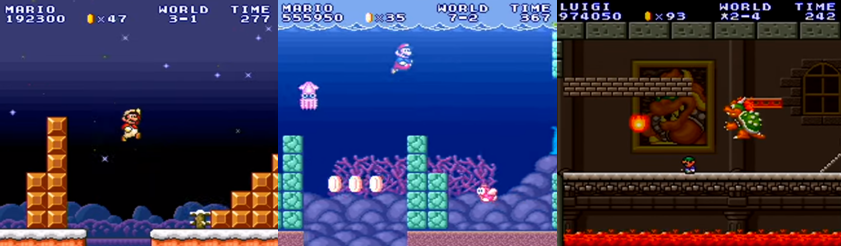




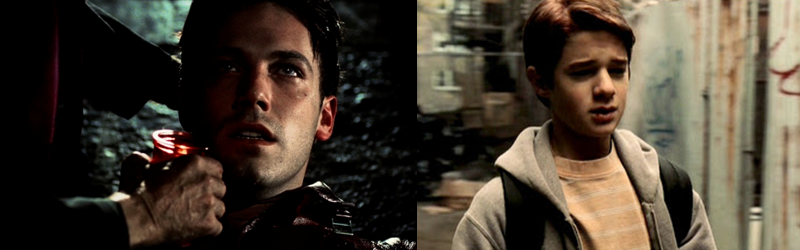
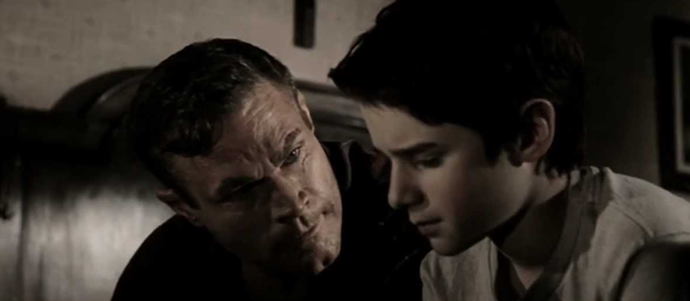

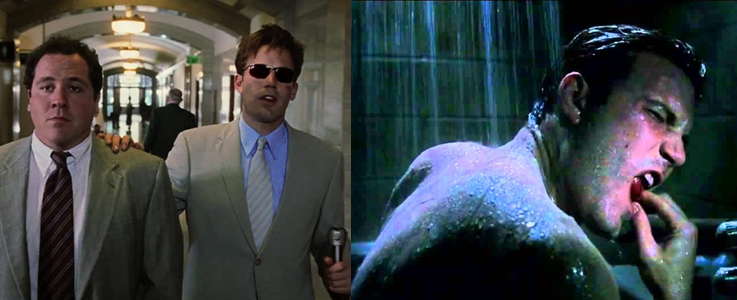
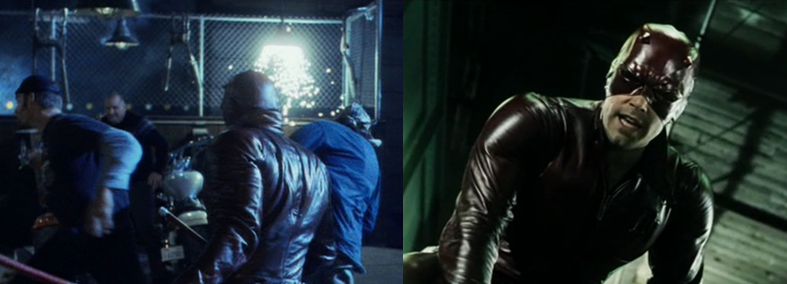
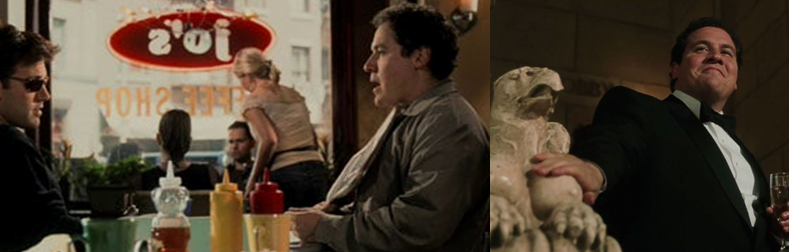
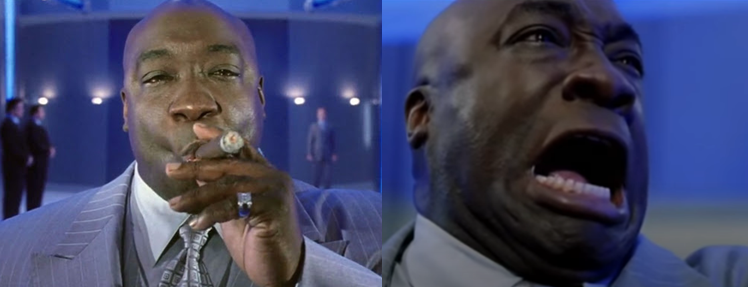
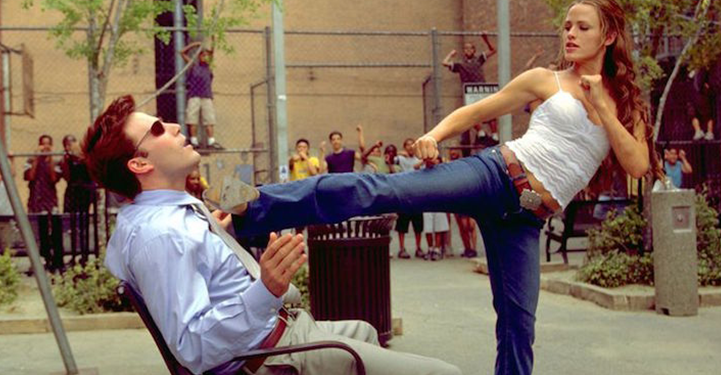
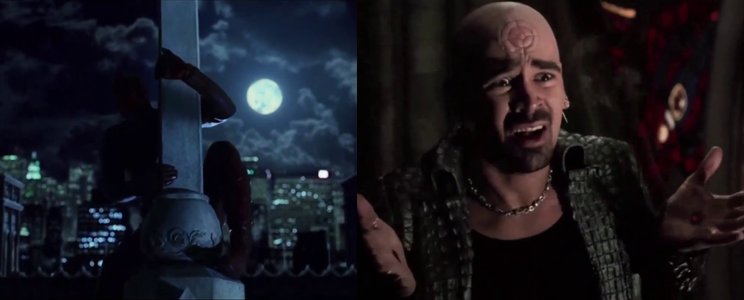
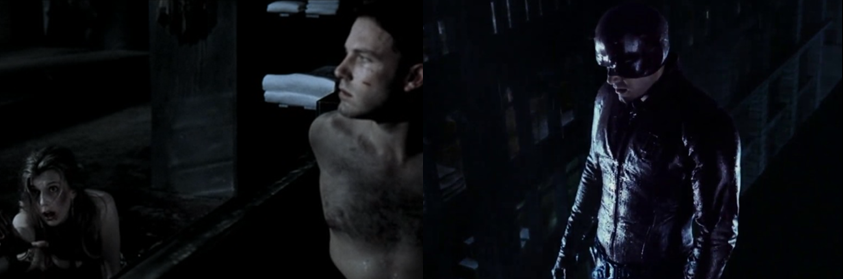
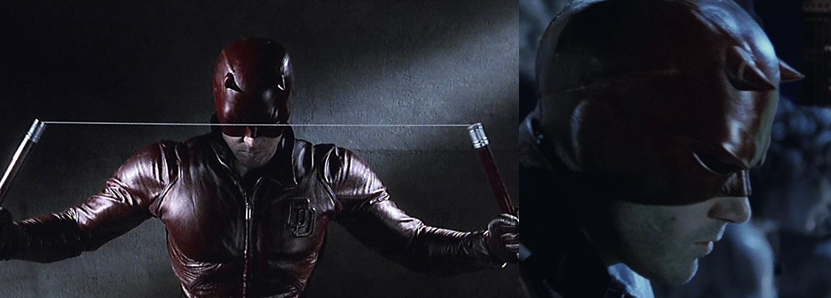
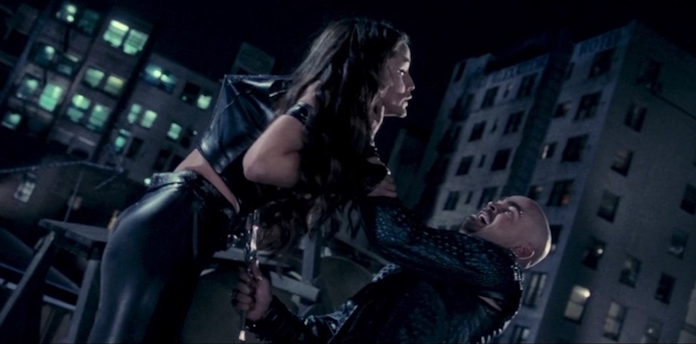
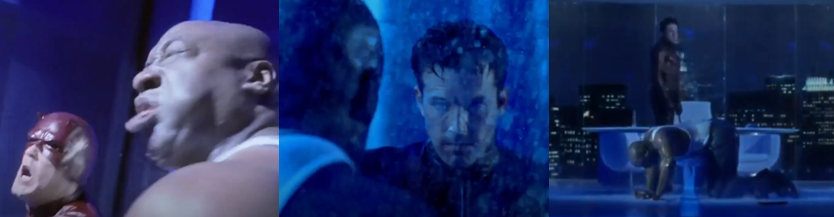
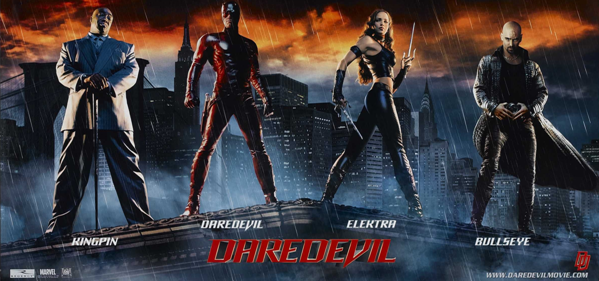



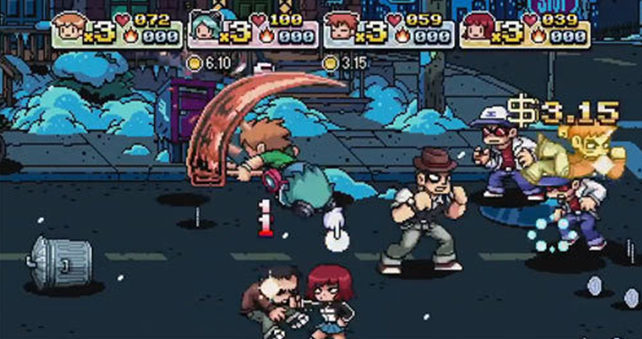
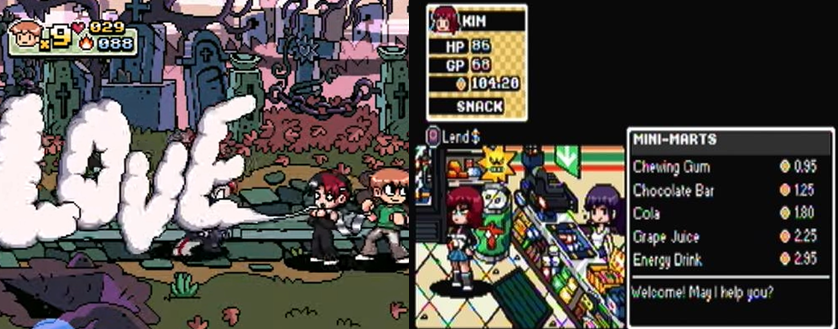
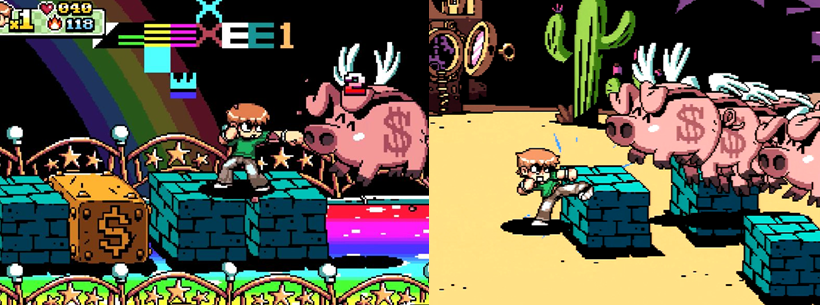
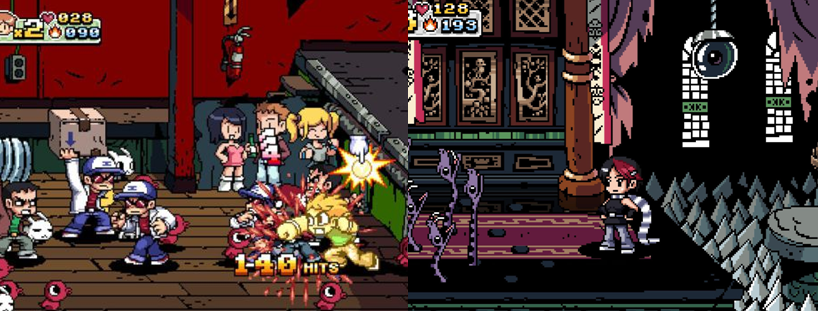
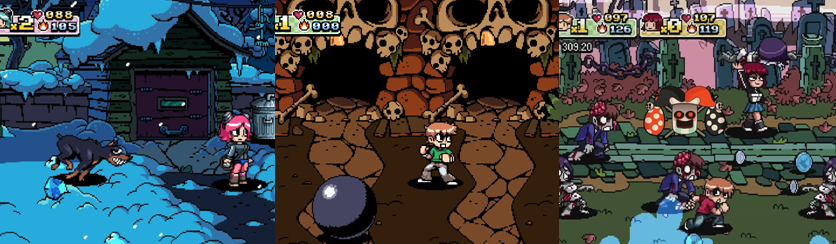
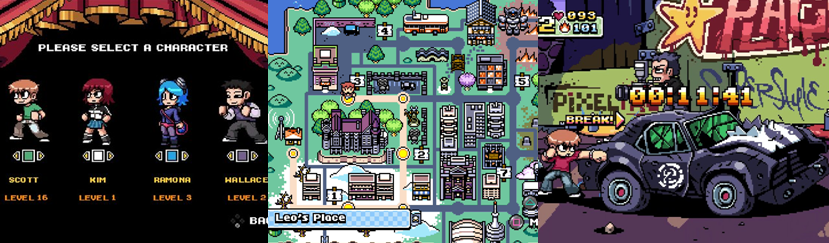
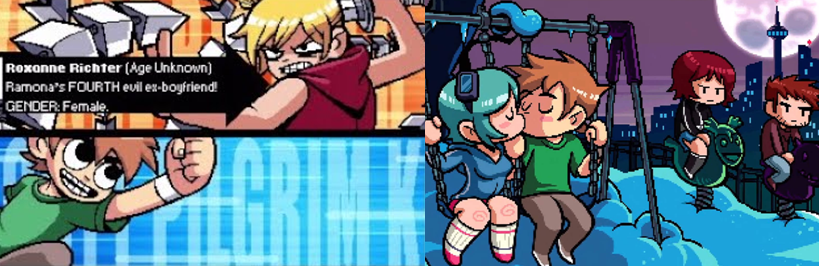
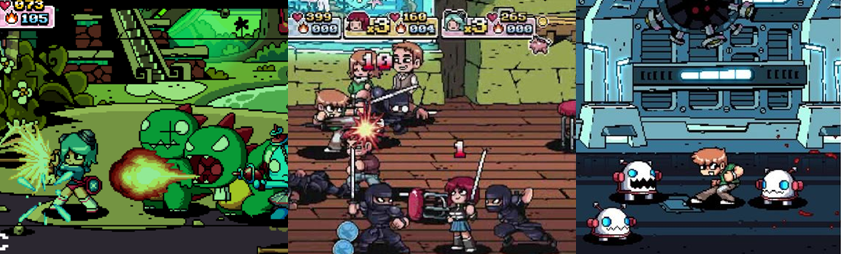

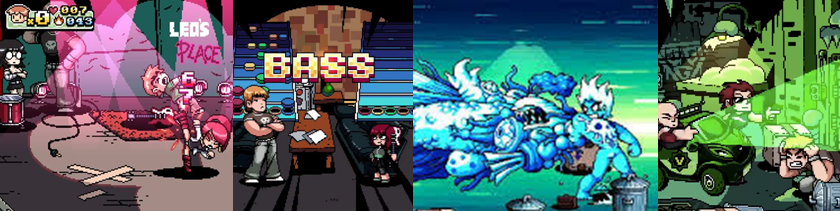
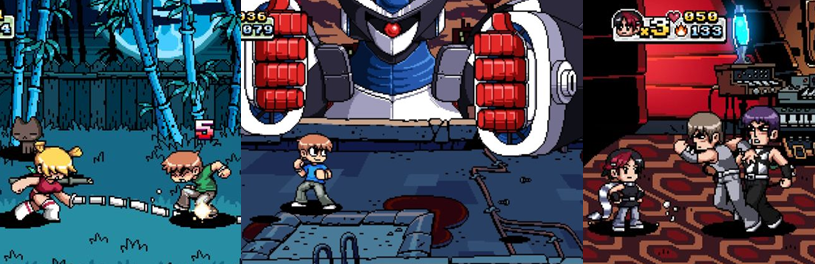
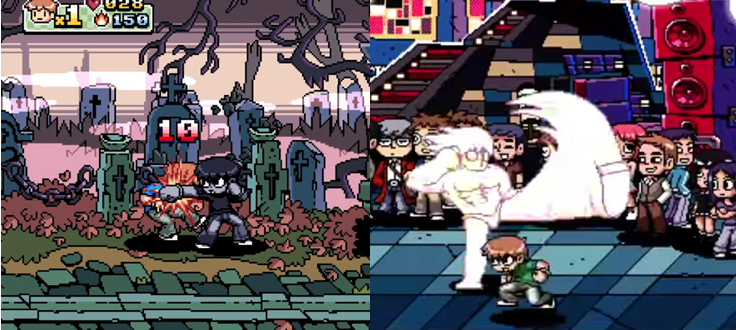
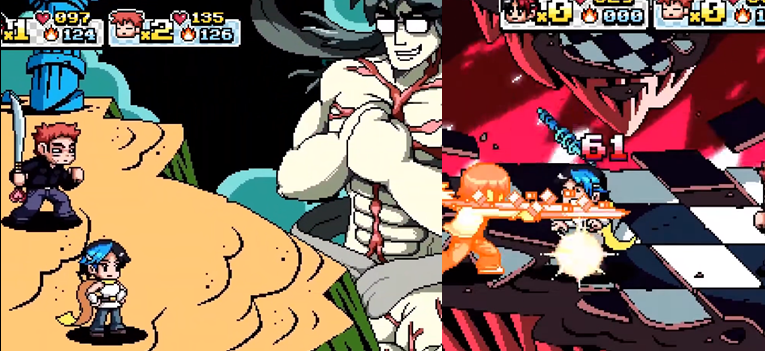

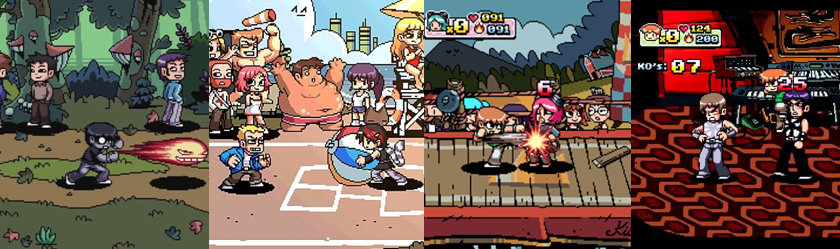


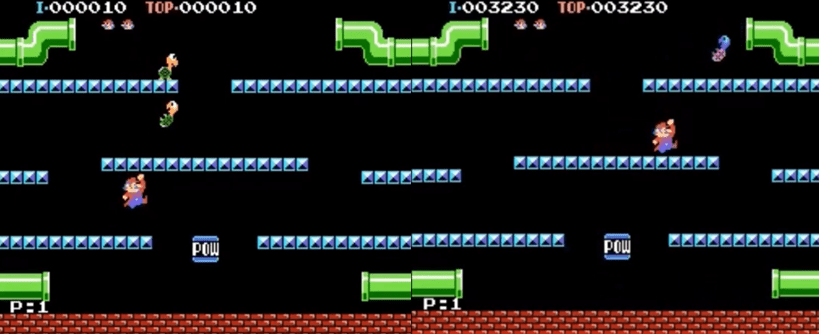



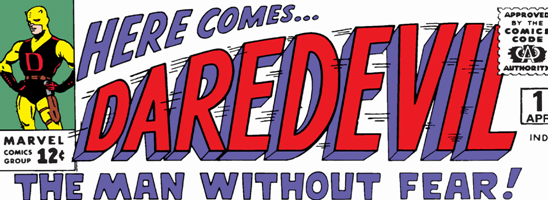
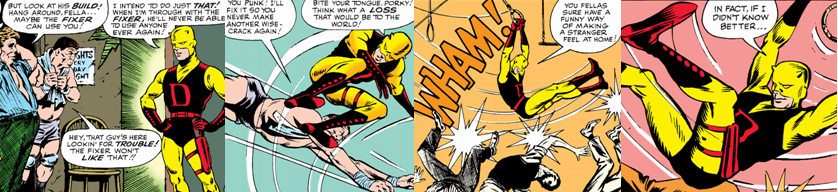
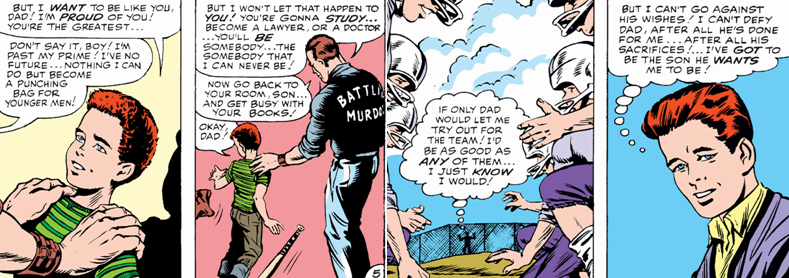
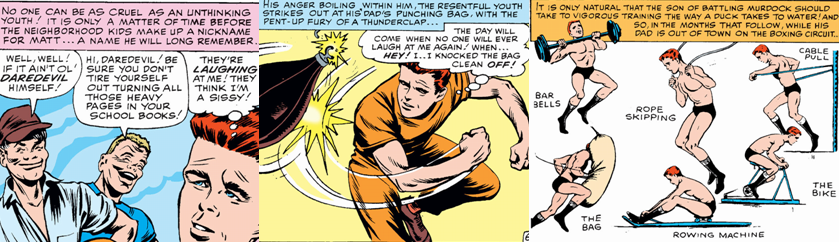
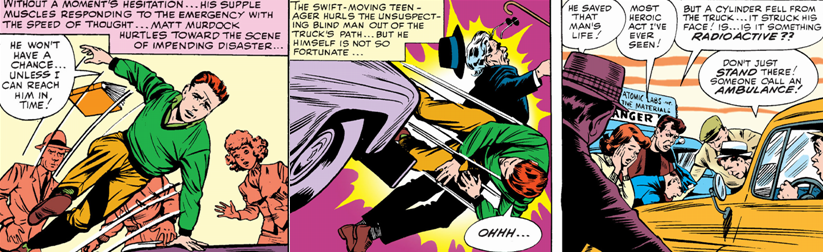
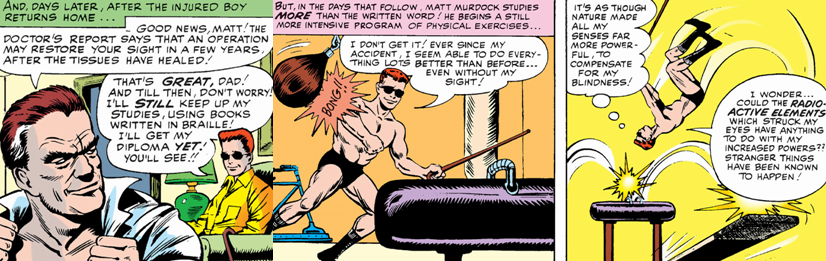
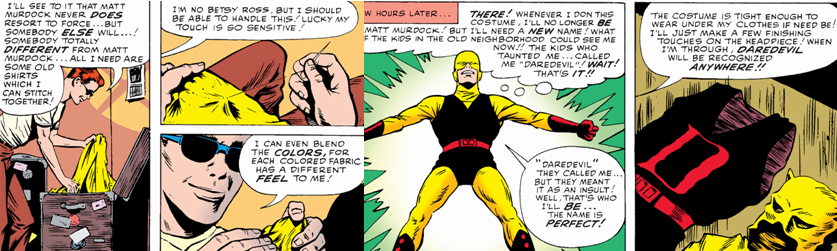
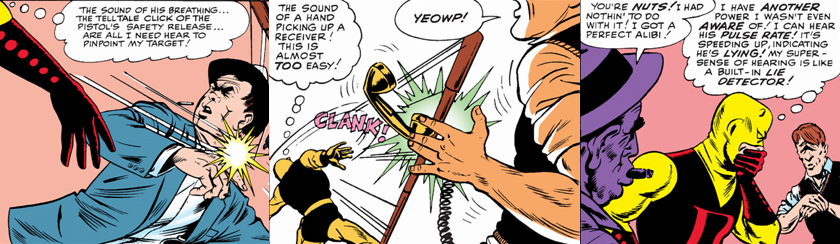
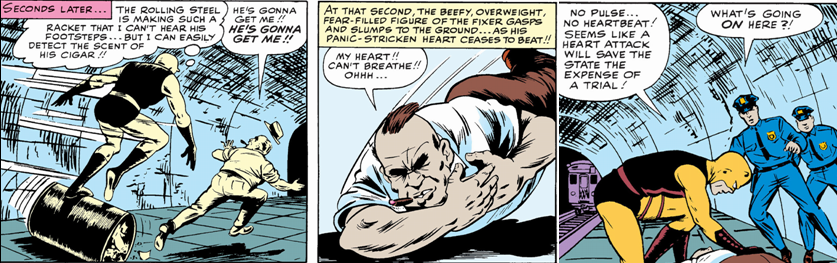
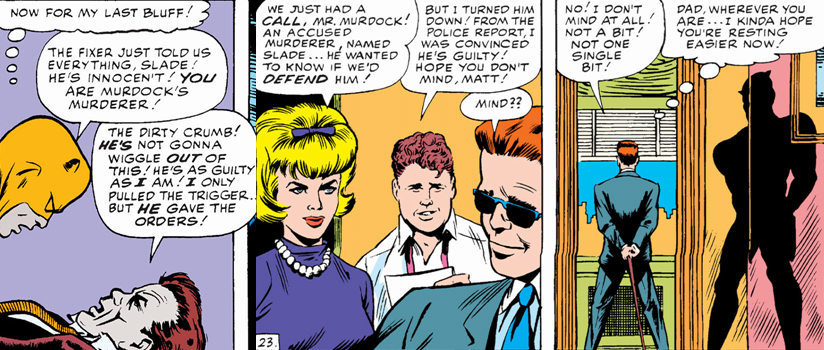
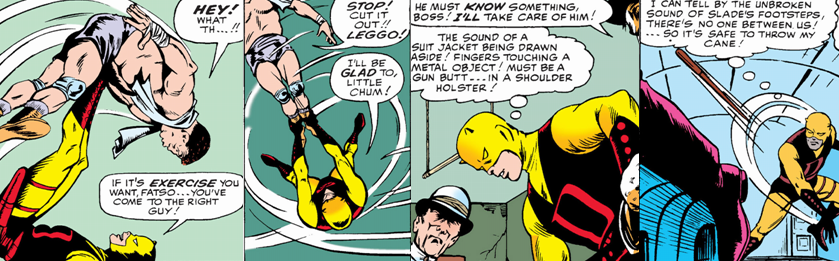

 Dr. K's Waiting Room
You must be logged in to post a comment.