

Story Title: “The Dark Circle”
Published: April / May 1993
Story Title: “The Fear Pavilion” (Part 1 to 6)
Published: 29 May 1993 to 7 August 1993
Story Title: “The Art of War” (Part 1 to 6)
Published: 5 February 1994 to 16 April 1994
Story Title: “Way of the Warrior”
Published: 23 April 1994
Story Title: “Power of the Elements” (Part 1 to 7)
Published: 4 March 1995 to 27 May 1995
The Background:
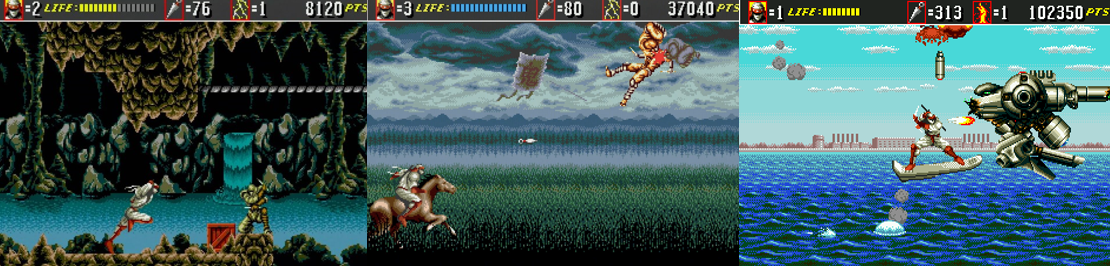
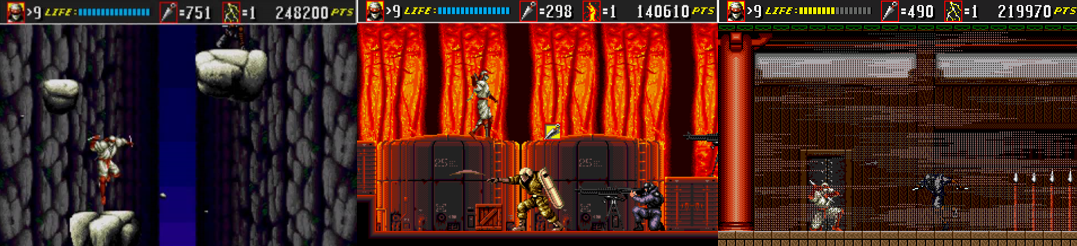
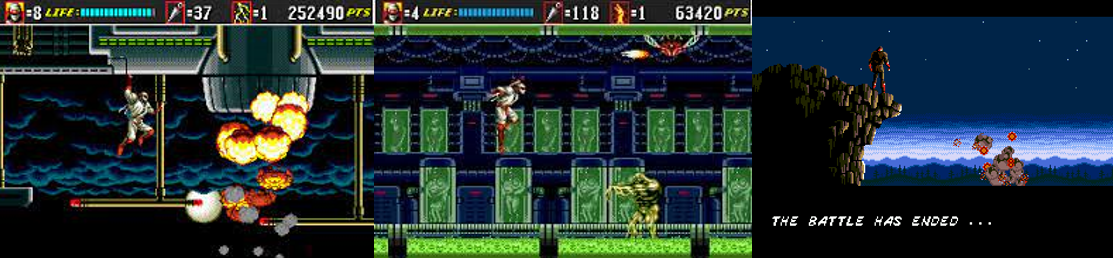
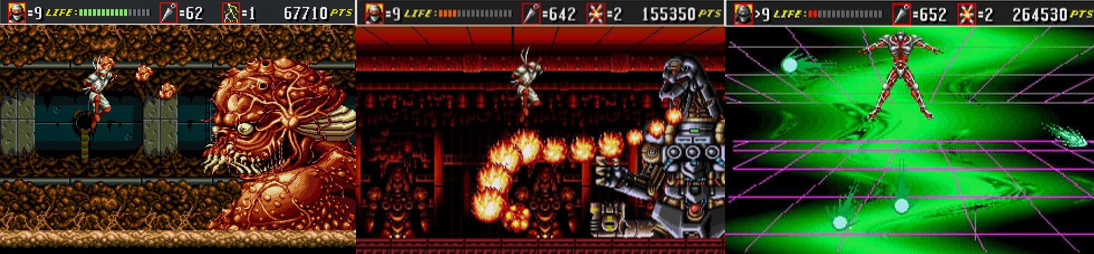
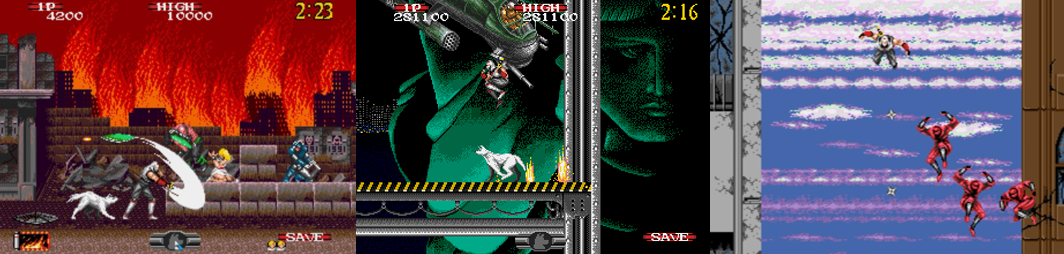
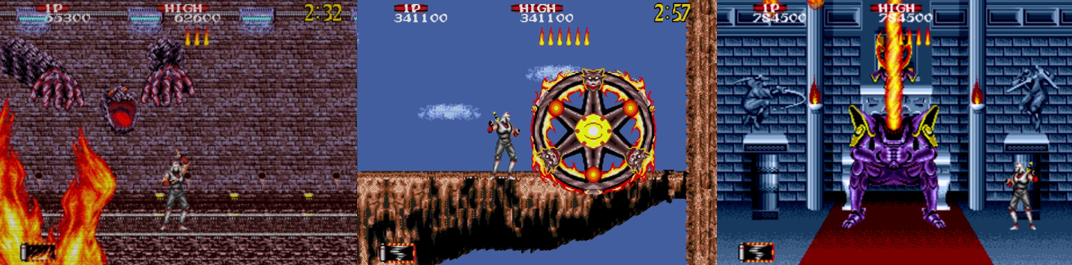
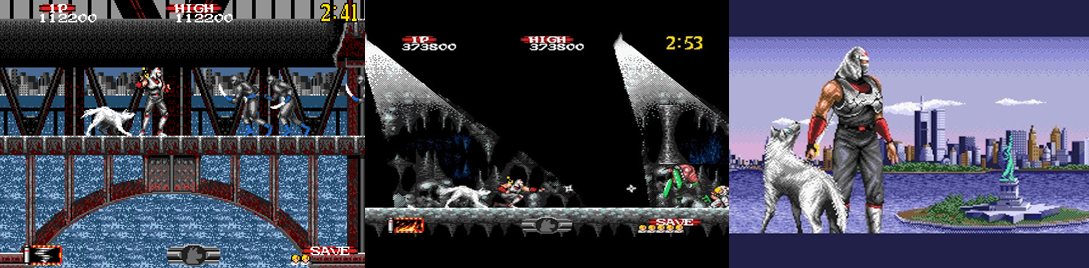
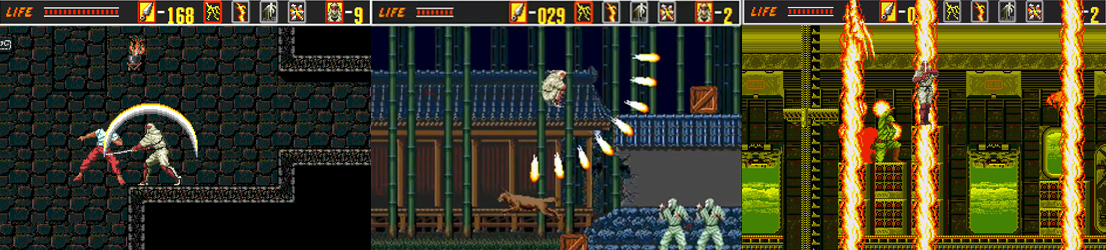
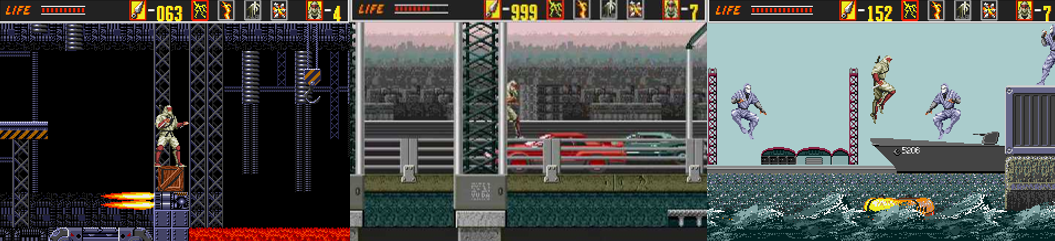
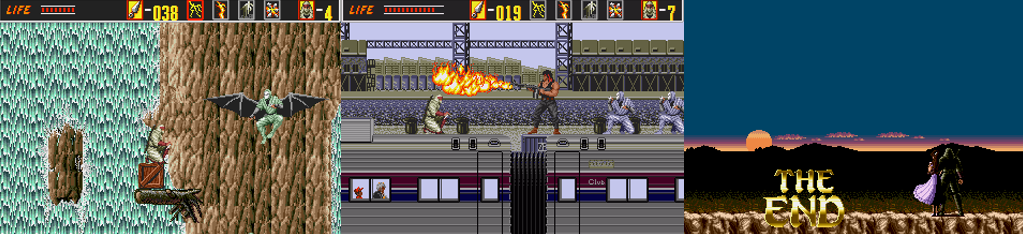
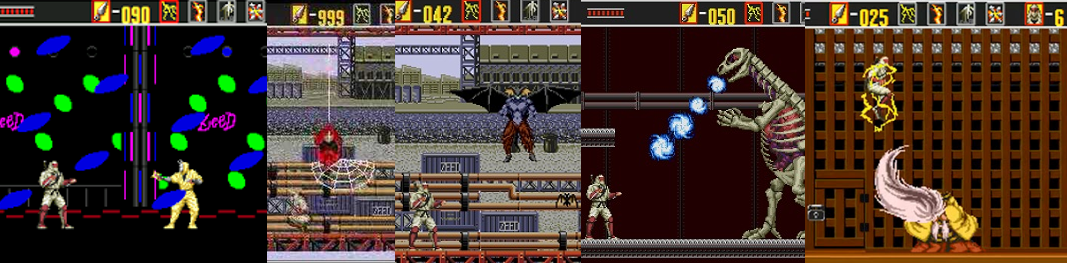
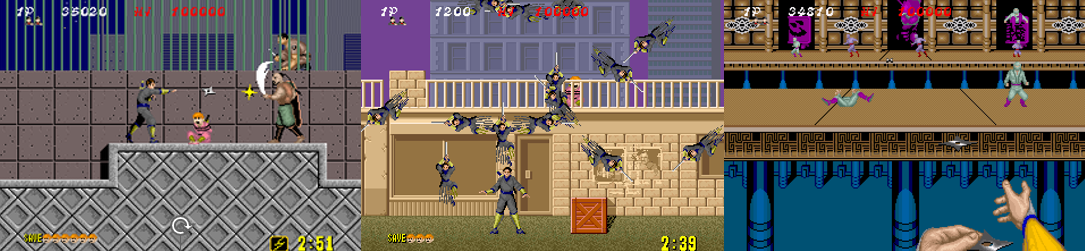
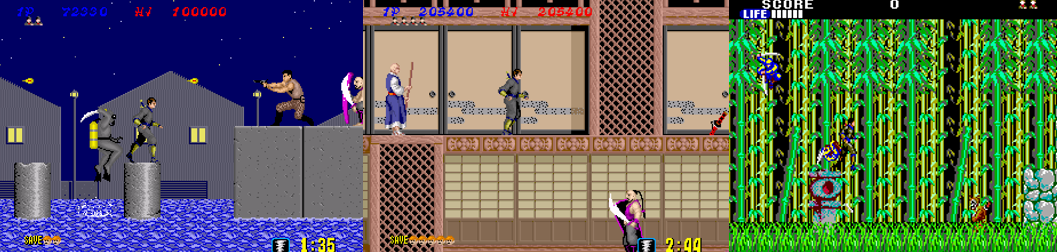
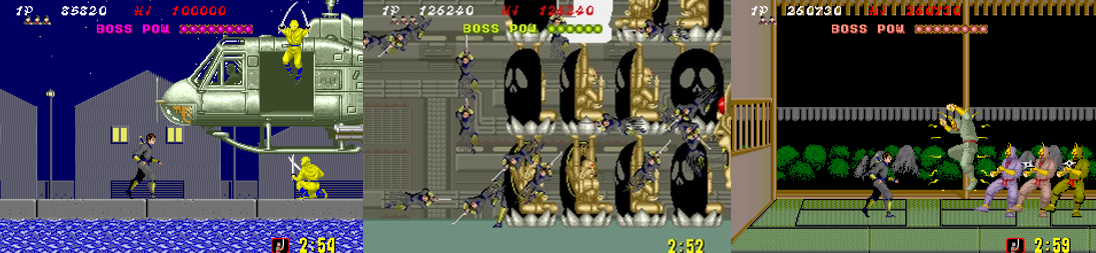
For a while there, back in the eighties and nineties, ninjas were a big deal in movies, comic books, cartoons, and videogames. Mysterious and deadly assassins often dogged comicdom’s most popular superheroes and these agile, well-armed martial artists also inspired some of the most difficult videogames of the era. In 1987, SEGA entered this arena with Shinobi, a challenging critical and commercial success that was later refined for its home console release. Director Noriyoshi Ohba pulled out all the stops for the sequel, The Revenge of Shinobi (SEGA, 1989), to showcase the capabilities of SEGA’s all-powerful Mega Drive. A notorious release praised for its visuals and gameplay variety and heralded as a Mega Drive classic, The Revenge of Shinobi spearheaded a brief period of relevancy for SEGA’s long-forgotten sub-series, with additional sequels and spin-offs released for their 8- and 16-bit consoles. These videogames also served as the basis for a series of comic strip adaptations exclusive to the United Kingdom. The first Shinobi strip appeared in the 1993 Sonic the Hedgehog Yearbook, the precursor to Sonic the Comic (StC), a fortnightly publication first debuting that same year and which I diligently collected as a kid until its unfortunate end in 2002. Joe Musashi featured in three multi-part adventures in the main comic over the course of three years, as well as a one-off appearance in the short-lived Sonic the Poster Mag, and his first six-part adventure was even collected in a trade paperback courtesy of Ravette Books. I have to admit, though, that I often skipped the Shinobi stories when I read StC as a kid so this will be my first time sitting down and giving them some attention for many years.
The Review:
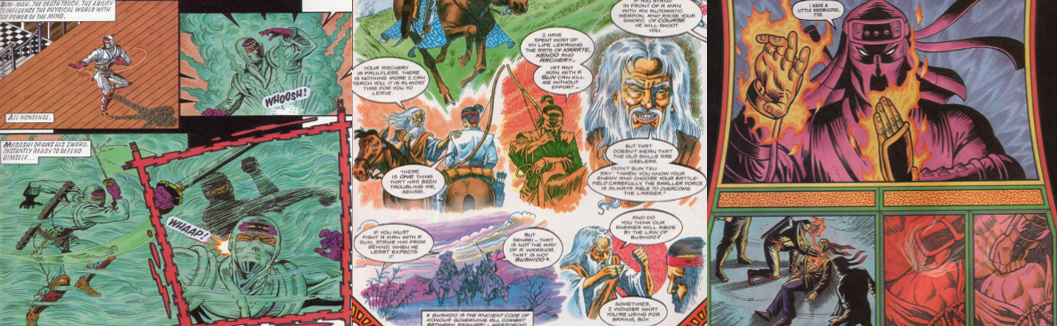
When we first meet Joe Musashi, the titular Shinobi, in the 1993 Sonic the Hedgehog Yearbook, he’s in Tokyo, Japan and hot on the trail of his lover, Naoko, who’s been abducted by Neo Zeed, the same malevolent ninja clan that murdered Musashi’s teacher (or “sensei”) in what is essentially the same setup as in The Revenge of Shinobi. Musashi easily identifies a Neo Zeed hideout and blasts his way in with a touch of plastic explosive, only to be met by rats and dust. Taking a moment to explore using the mystic art of haregai (billed as a “sixth sense” employed by highly trained ninja), Musashi moves to an elaborate foyer, the omniscient narrator downplaying rumours that Neo Zeed have begun dabbling in dark magic, only to be surprised by a gas bomb. A black-clad ninja assaults Musashi through the smoke, blinding his haregai and striking from behind. Even when the smoke clears and the assailant (somewhat analogous to the Shadow Dancer boss encountered in The Revenge of Shinobi) reveals himself, Musashi’s senses are dulled and Shinobi struggles to stay conscious from the vicious assault. Rallying his celebrated ninjitsu skill, Musashi wields his Oborozuki blade and matches the ninja blow for blown, eventually emerging the superior and opting to spare his opponent’s life since Musashi has pledged to take a higher path. Despite his investigation leading to a dead end, Musashi disappears into the night still determined to find his kidnapped lover. This is where we find him in his first multi-part story in StC, sneaking into a towering pagoda controlled by Neo Zeed that’s somewhat similar to the beginning of The Revenge of Shinobi. After easily subduing the clan’s attack dogs, Musashi clambers up the pagoda wall using a grappling hook and clawed appendages on his gauntlets, sneaking behind two unsuspecting guards and non-lethally taking them out. Musashi sneaks through the building, passing the clan’s deadly training areas, and catching another group of ninjas as they drink saké. Demanding to be taken to Naoko, Shinobi is inevitably drawn into battle with the group, easily deflecting their shuriken and whacking them with the hilt of his sword.
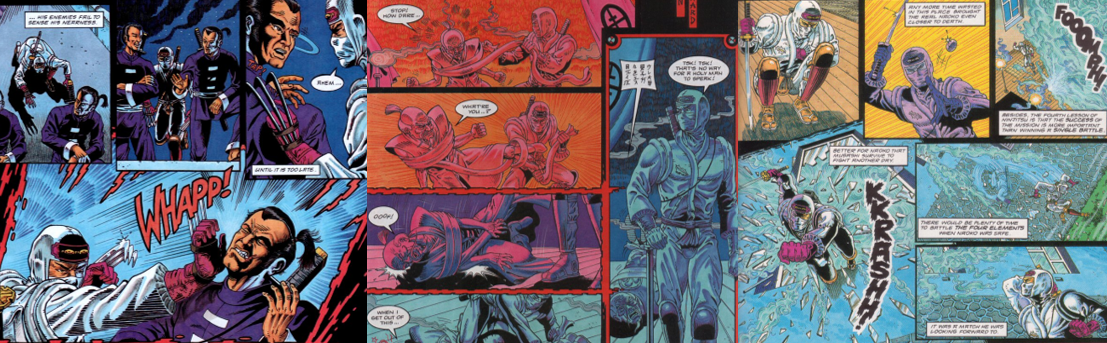
Despite their superior numbers and deadly weapons, Musashi triumphs but is frustrated when the final foe reveals Naoko isn’t in the pavilion and that he has been lured into a trap. Despite being warned of formidable martial artists awaiting him in the pavilion, Musashi descends downwards undeterred and meets an elderly warrior who presents himself as an ally and impresses Shinobi with his deft skill. Reagrdless of the threat, and the elder’s surprising speed, Musashi eventually ties the holy man up in his own robes, leaving him cursing on the floor. Next, Musashi comes across an elaborate stage and a Neo Zeed assassin painted like the Monkey King, a kabuki character renowned in Chinese opera for his kung-fu prowess. Attacking with a viciousness befitting of his clan and throwing Musashi off with his “monkey-style kung-fu”, the Monkey King proves a formidable threat…until Musashi rams the hilt of his sword into the foe’s gut, leaving him a winded and blubbering mess. On the next level of the titular fear pavilion, Musashi meets a muscular warrior who stomps about with stilts strapped to his legs. As if the additional power and reach offered by these appendages wasn’t enough, the fighter also mocks Musashi’s size and skill, breaking a few of Shinobi’s ribs, though Musashi cuts the warrior down to size and limps on. In the next room, Musashi is stunned to find Naoko waiting for him in an unguarded room, cautious despite his haregai not detecting any threat. His wariness turns out to be true as “Naoko” reveals herself to be “Water”, one of the legendary “Four Elements” who control Neo Zeed. Unprepared to face one of Neo Zeed’s daunting commanders and realising that he’s not only outmatched but that Naoko isn’t in the pavilion, Shinobi tosses a smoke bomb and flees from the hazardous pagoda, vowing to confront his enemy on equal ground later.
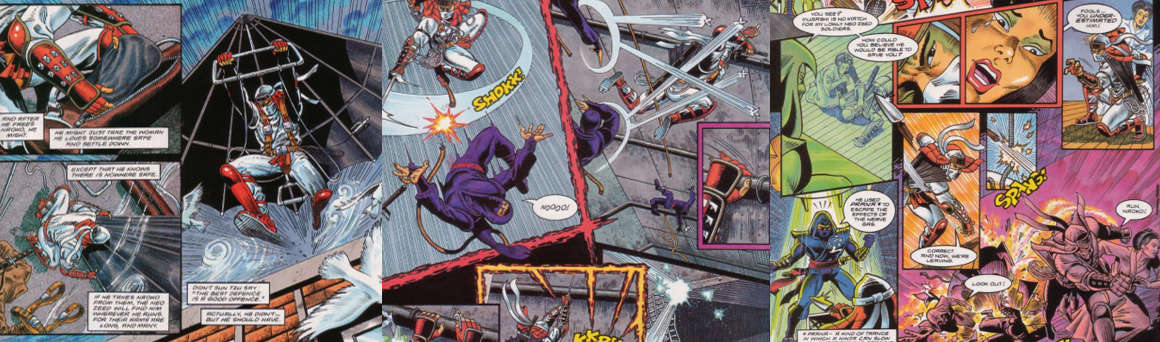
Sometime later, having recovered from his injuries, a disguised Musashi observes Neo Zeed’s corporate headquarters in downtown Tokyo. Seeing that the skyscraper is nigh-impenetrable and well-guarded, Musashi realises he needs to find another way inside and recalls not only the teachings of Sun Tzu but his training on Mount Hotaka five years previously. Back then, while Musashi’s skills impressed his sensei, he was chastised for his naivety regarding dishonourable methods, such as striking armed enemies from behind, since his foes will not adhere to the rules of Bushido. Musashi learned this the hard way as Neo Zeed poisoned the old man like cowards and kidnapped an innocent girl, so Musashi busts out a hang glider to cross to the skyscraper’s rooftop, reasoning that Neo Zeed wouldn’t anticipate such an attack. Again taking inspiration from Sun Tzu, Shinobi climbs down the building on a rope, slips inside via a conveniently open window, and accesses a computer terminal to better “know [his] enemy”. Musashi proves a master hacker, easily guessing Neo Zeed’s password and searching for Naoko. All too late, Musashi remembers how he honed his haregi through blindfold combat and equally learned that even this superhuman sense can be tricked, causing him to realise his actions have put the building on high alert. Although Shinobi easily subdues a heavily-armed guard, Neo Zeed’s ninjas pursue him down an elevator shaft and, facing a deadly plummet, seemingly breaks his no-killing rule before barely escaping through a ventilation shaft. Remembering his sensei’s teachings, which emphasised that winning is all that matters in a life-or-death confrontation, Musashi knocks out an amusingly inept ninja and assumes his identity only to walk into another trap! Musashi avoids flames, spikes, shuriken, and scythe-like blades but falls victim to a blast of knockout gas and is brought before the Void, Neo Zeed’s “supreme ninja”, who apparently has authority over even the Four Elements since he orders the hulking “Earth” around like a mere underling.
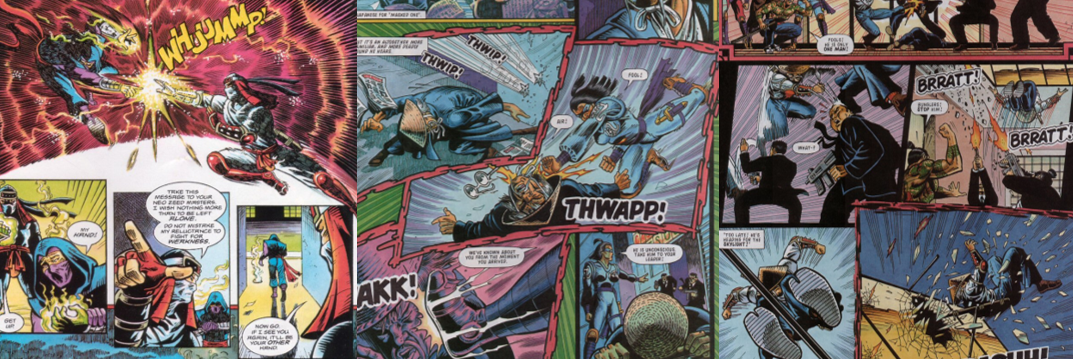
After finally reuniting with Naoko, Musashi springs up, fooling the Void’s minions with prana (death-like trance), and once again escapes rather than fight overwhelming odds. While Water is eager to pursue, the Void forces her to focus on the bigger picture; thus, Musashi and Naoko glide to safety and finally lovingly embrace. After returning Naoko home, Musashi pursues the Void to the Hakima industrial estate and, though he easily dispatches the supreme ninja’s underlings, Shinobi is overwhelmed by the grand master’s mystical power. Utilising the ancient “iron hand technique”, the Void not only physically overpowers Musashi, he also shatters his Oborozuki and leaves Shinobi desperate to come up with a counterattack that won’t violate his code against killing. Thus, Musashi utilises his prana again, focusing it through his body and into his hands to match the Void’s iron fist technique. While the supreme ninja mocks Shinobi’s efforts, their clash leaves the Void’s hand shattered and the Neo Zeed commander humbled. Spared by his foe, the Void has no choice but to slink away with Musashi’s warnings ringing in his ears. About a year later, the Four Elements, now directionless ronin, end up working for the Yakuza (the Japanese mafia) in downtown Tokyo, peddling drugs and gambling, and leading Musashi to track them to Yakuza boss Mitsugi’s casino. Frustrated at Mitsugi’s refusal to employ their unique talents and his ignorance about Musashi, the Four Elements gatecrash the boss’s poker night and demand satisfaction, which the heavily tattooed crime lord agrees to out of curiosity about Musashi. Thus, despite his clever disguise and dodging a barrage of shuriken, Musashi is easily subdued by “Air” and brought before Mitsugi. However, Musashi once again fools his foes with his prana, wounding Mitsugi with a kunai and the death of one of his minions (again, so much for that “no-kill” rule!) Seemingly wishing to see the Yakuza humbled, Water orders her cohorts not to interfere as Shinobi easily escapes their grasp with his patented somersault. Naturally, Mitsugi is displeased by Air’s deception since she knew that Shinobi wasn’t to be trifled with, but she emphasises that it was the only way to demonstrate Musashi’s threat and get approval to hunt Shinobi down.
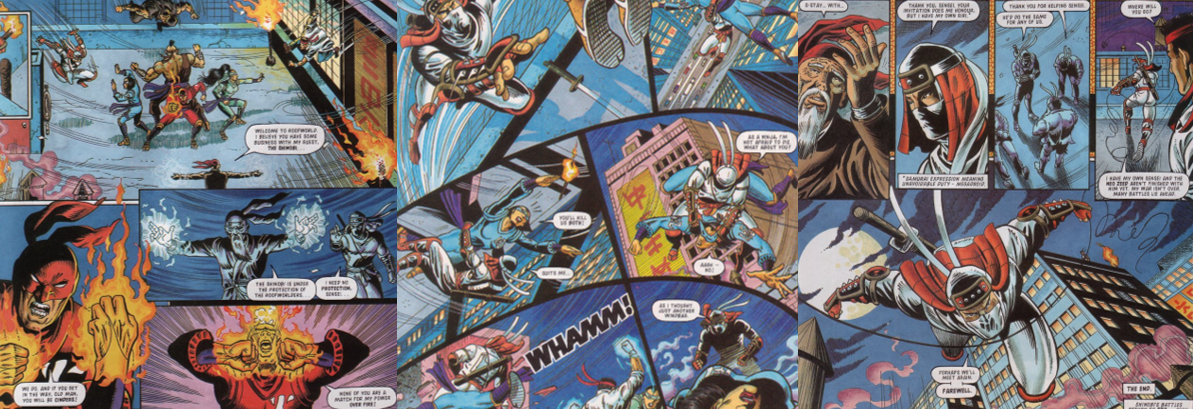
Fleeing across the city’s rooftops, the disguised Musashi is jumped by the “Roofworlders”, vagrants who dwell above to avoid the “jackals” on the streets. Their leader, Kotomi-Sensei, recognises Musashi’s garb and, regretful of the attack, invites Shinobi to stay with them. While touring their makeshift shanty town, Musashi learns that Kotomi-Sensei rescued his fellow homeless and taught them to defend themselves. Though Shinobi doesn’t want to endanger the Roofworlders’ sanctuary by bringing the Yakuza to their doorstep, Kotomi-Sensei insists that, together, they can repel the attackers. While the Yakuza scoff at Air’s superstitions, her intuitions turn out to be correct as Shinobi and his new allies blindside her and her goons. Despite having some backup, Musashi is still sent reeling by the mystical power of Earth, which shakes the ground, though he quickly counters by knocking Air unconscious and sending Earth tumbling to the ground below after blinding him with a magnesium pellet. Simultaneously, “Fire” and Water rush Kotomi-Sensei, believing the old man is no threat, only for Wind to fly into a rage when this underestimation sees Fire reeling in agony from a nerve strike. Disturbed, the Four Elements order a tactical retreat, and Shinobi is kept from pursuing when Kotomi-Sensei is wounded by gunfire. Luckily, not only is this merely a flesh wound but the old man knows a mystical technique to heal his injuries. After regrouping, Musashi and the Roofworlders prepare for the inevitable counterattack, striking from the shadows to subdue the Four Elements’ Yakuza cronies. Though Fire tries to roast Kotomi-Sensei, the old man shields himself with a mystical barrier and the other Roofworlders battle the other warriors while Air once again fights with Musashi. Thanks to her agility and flight, Air soon has Musashi hanging on for dear life but, when he makes a desperate leap, she’s sent crashing into a wall. Though Kotomi-Sensei generates a sword of pure chi to battle Fire, he’s hit with the “poison hand technique” and left facing a swift death, which rallies his comrades to overpower Earth and dispel Fire and Water. Luckily, Musashi applies some chi of his own to save Kotomi-Sensei, though he politely refuses to stay with the Roofworlders since his war against Neo Zeed is far from over.
The Summary:
Yeah… there’s a reason I often skipped the Shinobi stories when reading Sonic the Comic. It was honestly rare for any of the backup stories based on SEGA’s other properties to be any good and some, like the Decap Attack (Vik Tokai, 1991) strips, far outstayed their welcome, and I have to say that Shinobi falls into this category as well. On the plus side, the art and writing is very consistent, with the same duo working on all of Joe Musashi’s appearances, and the stories have a far more mature edge compared to StC’s norm. While Musashi naturally has a code against killing and thus isn’t slicing his opponents up with his sword, there’s a touch of blood across these stories, many references to death, a fair bit of violence (Musashi gets his ass kicked a lot and even suffers broken ribs), and there is that one panel where a Yakuza gets gunned down! The writing does fall apart under close scrutiny, however, with Musashi being an avid reader of Sun Tzu and yet constantly being tricked and falling into obvious traps. He often finds innovative ways to counterattack physically superior foes and isn’t averse to fighting dishonourably, but it’s odd seeing his vow against killing be repeated so often and to then watch him send a ninja plummeting down an elevator shaft without even a moment’s reflection. I did like the flashbacks to his training, where Musashi was a capable and formidable warrior in all aspects of combat and yet still somewhat naïve, reluctant to break the Bushido code and needing to learn that the rules must be bent in real-world conflicts. He still sees himself as walking a higher path compared to his enemies, sparing their lives whenever he can and always attacking with the hilt of his sword or opting to knock out his enemies. However, even Shinobi still has much to learn as Kotomi-Sensei exhibits mystical abilities that dwarf even his unreliable haregai and his overused prana.
Indeed, even Musashi scoffs at mysticism throughout these stories, which is a bit odd considering he utilises magic in the Shinobi games and later draws strength from the prana to match the Void’s iron hand technique and utilises chi to counteract the poison fist technique. Portrayed as a cunning and talented swordsman, Musashi is also a master of disguise, dressing up as an old man to case out Neo Zeed’s headquarters and Mitsugi’s casino and even stealing a ninja’s uniform at one point. Sure, he’s regularly discovered, or his deception is anticipated, but I appreciated the effort, at least. Musashi also has a fair few tricks up his sleeve; he doesn’t have his surfboard or canine companion, but he does use a hang glider, smoke bombs, and flash grenades. Although the stories focus more on their own narrative, one heavily inspired by The Revenge of Shinobi, a few elements from the videogame appear. Musashi deflects shuriken like in the opening, slashes his sword as he does during combat, and performs his rolling somersault, though very few of the enemies he faces or the locations he visits are from the games. This is a bit of a shame as it would’ve been nice to see the bosses used in place of the Four Elements and the masked Ninja Master instead the Void. Musashi’s primary goal is rescuing Naoko and bringing down Neo Zeed, just like in the videogame, though he encounters no knock-off characters, supercomputers, or robots here. He’s pretty much exclusively fighting ninjas, as in the original Shinobi, and is generally depicted as being superior to every foe thanks to his Bushido skills. Musashi fights with grace and intelligence, rarely blundering in head-first and never letting his emotions overwhelm him. Occasionally, his resolve does falter, such as when Water masquerades as Naoko or Kotomi-Sensei is endangered, but even then Shinobi gathers his strength and senses to fight back or retreats to regroup and return all the stronger.
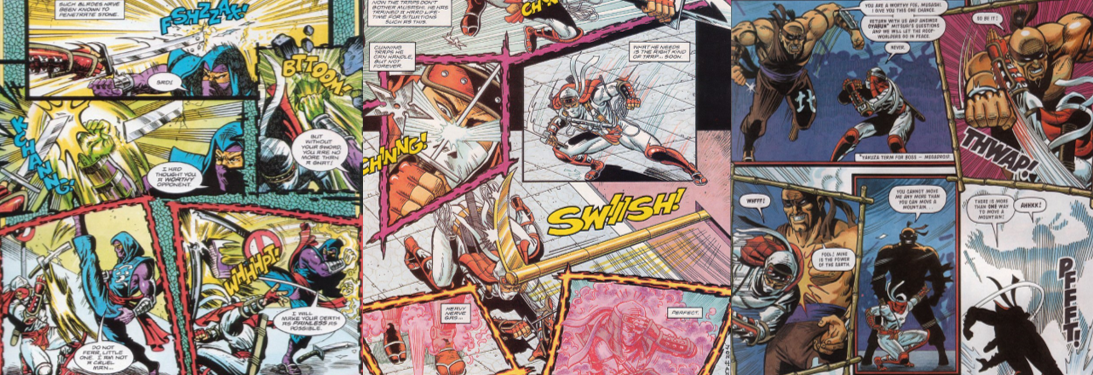
While Neo Zeed’s ninjas are no match for Shinobi, Musashi faces an uphill battle since he takes on the ninja clan alone. In “The Dark Circle”, Musashi’s haregai is rendered mute against his assailant’s speed and smoke and, unlike Shinobi, Neo Zeed are happy to kill, with the Monkey Kong proving an especially aggressive and dangerous foe due to his wild fighting stile. The stilt fighter also causes Musashi trouble, as does the old man waiting in “The Fear Pavilion”, though Musashi’s quest always drives him to overcome pain, superior numbers, and even more powerful opponents. While Neo Zeed rigorously trains its members and their locations are filled with traps and martial arts masters, Musashi’s rarely on the backfoot and, even when he is, it’s always revealed to be a ruse by his prana. While the Void is portrayed as a significant threat and certainly has an imposing presence, bossing about the Four Elements and displaying mystical power, he’s left broken and humbled by Musashi simply fighting better. The Four Elements are equally spoken of in hushed tones and Musashi even flees when ambushed by Water, but they’re painfully one note and their threat diminishes over time. Air and Water are given more dialogue and chances to match skills with Shinobi, who tires of their antics, meaning the surprisingly lethal Fire and the hulking Earth toil in the background. Mitsugi is by far the worst villain, happily lording over his criminal empire in ignorance and eager to learn more about Musashi despite literally having the Shinobi tattooed on his chest! It’s telling that Mitsugi vanishes halfway through “The Power of the Elements”; maybe he was to return in a future Shinobi story, as hinted at in the final text box, or maybe he was just a weak ass crime lord who took space away from the visually more engaging Four Elements. While Shinobi had a decent run in StC and there are some enjoyable elements to these strips, I can’t say I missed his presence after the stories ended, despite the loose ends left hanging at the end. There are far better backup stories based on SEGA properties in StC, but at least SEGA bothered to license the character and try and keep him relevant, which is more than can be said of how he’s been treated since the nineties!
My Rating:
Pretty Good
Did you enjoy Shinobi’s appearances in Sonic the Comic? Which of his stories was your favourite and why? What did you think to the way they adapted elements of The Revenge of Shinobi and would you have liked to see something closer to the videogames? Were you surprised by how mature and violent the strips were? What did you think to the characterisation of Shinobi and his enemies? Would you have liked to see more Shinobi stories in StC? What were some of your favourite non-Sonic stories in Sonic the Comic? Let me know what you think in the comments, support me on Ko-Fi, and go check out my other Shinobi reviews.












 Dr. K's Waiting Room
You must be logged in to post a comment.