Story Title: “Here Is the Sub-Mariner!” (or possibly just “The Sub-Mariner”) Published: April 1939 Writer and Artist: Bill Everett
The Background: The brainchild of writer/artist Bill Everett and billed as Marvel’s first Mutant, Prince Namor McKenzie/The Sub-Mariner owes his creation to Carl Bugos’s Jim Hammond/The Human Torch. Since the Human Torch could manipulate fire, and given Everett’s keen interest in anything nautical, the writer/artist desired to create an antithesis to the flaming android who could live on land and in the sea and possessed incredible superhuman strength. Initially slated to appear in this giveaway comic, only a handful of copies of Motion Picture Funnies Weekly were produced and, when the deal fell through, Everett took the character and his story to Timely Comics, the predecessor to what we now know as Marvel Comics. Over the years, Namor has made quite the splash (pun intended) in Marvel; he’s been both a defender of and aggressor towards humanity, serving on teams such as the Invaders and the Illuminati, and had run-ins and dealings with some of Marvel’s biggest heavy-hitters, such as the Fantastic Four, with whom he has a longstanding contentious relationship with. Namor has also made appearances in Marvel’s animated ventures, generally being involved with the Fantastic Four, and, while development of a solo movie for the character has often been fraught with issues, he’s due to make his Marvel Cinematic Universe debut in Black Panther: Wakanda Forever(Coogler, 2022).
The Review: The story of Namor, the Sub-Mariner, the “ultra-man of the deep” begins with a salvage ship, the aptly named S.S. Recovery, out at sea and investigating a wrecked ship under the ocean. Deepsea diver Rod nelson comes up from the depths and, after recovering in the decompression chamber, relates that the safe he was sent down to recover had been opened, and recently, too. As they’ve been out there for a week and seen no signs of any other ships, and there’s been no reports of any other ships in the area for three weeks, the captain has Nelson and Carley head back down there to try and figure out what, exactly, has happened, Carley goes on ahead and notices that the ship’s side hatch has been opened and, when he’s joined by Nelson, the two are stunned to spot slim, youthful swimmer in short-shorts mingling through the wreckage, apparently unfazed by the incredible pressure of the need for oxygen! The swimmer, the titular Sub-Mariner, is confused by the divers’ appearances; since they’re clad in heavy diving suits and equipment, he doesn’t recognise them as men or fish and assumes them to be some kind of hostile robot due to their vaguely mechanical appearance, the “control wires” running to their suits, and the “fire-weapon” (actually an acetylene torch to allow them to se in the murky depths) they hold. Consequently, the Sub-Mariner severs the wires, cutting Nelson and Carley off from their communications and oxygen supply, and then attacks them mercilessly, stabbing on with his knife and crushing the other’s head with his bare hands! Worried for the safety of his men, the captain sends another diver, Anderson, down to investigate but, when he gets down there, he frantically rushes to the surface upon seeing his crew mates’ bodies, unaware that he’s drawn the Sub-Mariner right to the S.S. Recovery!
Namor learns that he’s destined to led a war against all humankind!
When Anderson relates his story, the ship makes a hasty exit but the Sub-Mariner effortlessly twists its rudder and stops its propeller with his incredible strength (said to be that of “a thousand men”). Panicked, the captain desperately tries to steer the out of control ship but, unfortunately for the lives left aboard the S.S. Recovery, the Sub-Mariner forces it to crash and split in two on some rocks. Pleased with himself, the Sub-Mariner grabs Nelson and Carley’s dead bodies and speeds away to a secluded grotto by way of his winged feet. He brings his victims to a vast, chapel-like chamber where he’s met by a curious, robed, fish-like priest and boasts of his great victory over the mechanical, alien lifeforms. However, the Sub-Mariner (identified by the holy fish-thing as “Namor”) is shocked to find that his prey weren’t alien invaders or robots, but actually “Earth-men”. His mother, however, is more than pleased by his efforts; she commends him for striking a blow in the war against humans and even demands that the bodies at strewn up as an example. When Namor questions why she hates humans so much, especially as his father was an Earth-man, she relates that, while his father was a “fine man”, human beings are cruel and dangerous and almost drove their entire race to extinction. Back in 1920, Namor’s father, Commander Leonard McKenzie, led a scientific expedition out at sea and ended up unknowingly obliterating their society with depth charges and explosives. With the death toll climbing faster and faster, the elders sent Namor’s mother, Fen, to infiltrate the “white monsters” and bring an end to their actions since she most closely resembled a human. Leonard took pity on her, tried to feed and clothe her, without realising he was making her sick or that she couldn’t understand him. In time, though, she learned the language of men, and the two fell in love, all without the humans ever suspecting that she was returning to the water to stay alive and ferry back information to her people. Despite her warnings, her fellow Sub-Mariners tried to strike back and were no match for man’s weaponry, and Fen has spent the last twenty years preparing Namor, a being born of both worlds, to avenge his race on the world of man using his superhuman strength and in the name of his unduly oppressed people.
The Summary: Jeez, well, okay…I can’t say I was expecting that! I’ve had some limited experience with Namor before; I know he’s a proud man and that he walks the line between hero and villain, someone who’s just as likely to sink half a continent as he is to save the world, but I never expected his debut story to involve him brutally murdering people and smiling about it! I have to address right off the bat that I couldn’t really find any decent scans of this issue, so the image quality probably isn’t all that great, but the artwork is actually pretty good for the time. It’s a bit crude and simple in places but it reminds me of pulp novels and comic books in its dark, subdued aesthetic; panels showing Namor underwater are really well done, with lots of blues and greens and murkiness to cast him as a frightening figure, and I really like the way Bill Everett conveys Namor’s hair when underwater and the simple, but effective, depictions of his incredible strength and speed.
Namor’s certainly formidable, but is he being manipulated by his vengeful mother…?
As for Namor himself…well, we don’t really learn too much about him in terms o his character, but there’s quite a bit related to us and that we can intuit. Interestingly, the opening dialogue box describes him as “a youth of dynamic personality…quick thought and fast action” and that’s certainly true as he doesn’t even stop to consider that the divers might be men rather than robots and just murders them without a second’s thought. We’re also told, by the narrator and by Fen, that he’s able to live on land and under the sea, fly through the air and swim rapidly through the water, and we see some pretty fantastic and startling examples of how powerful he is. He can crush a man’s skull with ease and it’s nothing for him to manhandle an entire ship and cause it to explode in spectacular fashion, to say nothing of how nimble he is underwater. At first, he seems aghast and confused as to why men are deemed his enemy, but he seems perfectly willing to carry out his mother’s wishes by the final panel after hearing how destructive humans were towards his race. It’s a bit odd, though; Fen claims Leonard was a kind man and it seems she really loved him, yet at no point did she try to get him to stop his destructive bombardment of her people. I guess having it be so that Leonard captured, tortured, and raped her would be a little too dark for this already pretty damn dark story but it definitely feels like something’s off about Fen’s story, and the narrative ends with Namor apparently ready and able to strike swift and unrelenting vengeance upon humanity, which is a daunting prospect given the glimpse we’ve seen of his power.
My Rating:
⭐⭐⭐
Rating: 3 out of 5.
Pretty Good
What did you think to Namor’s debut story? Were you impressed with his brutality and power? What did you think to the backstory presented here and do you think there’s more to Fen’s tale? What are some of your favourite Sub-Mariner moments and stories from the comics? Are you excited for his live-action debut? Whatever you think about the Sub-Mariner, feel free to share it in the comments or on my social media.
In November of 1961, readers of Marvel Comics readers witnessed four intrepid explorers be forever changed by mysterious cosmic rays. On that day, they became known as the Fantastic Four, Marvel’s “First Family” of superheroes, and went on to be the first of many colourful superheroes for Marvel Comics as well as feature in numerous cartoons, videogames, and live-action movies. This year, I’m dedicating every Friday in November to commemorating the debut of Marvel’s most famous dysfunctional family.
Released: Never (initially scheduled for 19 January 1994) Director: Oley Sassone Distributor: New Horizons Pictures Budget: $1 million Stars: Alex Hyde-White, Rebecca Staab, Jay Underwood, Michael Bailey Smith/Carl Ciarfalio, and Joseph Culp
The Plot: While in college, genius scientist Reed Richards (Hyde-White) experiments on a passing comet but a mishap results in the apparent death of his friend, Victor Von Doom (Culp). Years later, Reed recruits Benjamin Grimm (Smith), Susan Storm (Staab), and her hot-shot younger brother Johnny (Underwood) to continue the experiment, only to be bombarded with cosmic rays and gain extraordinary abilities they must then put to the test when Victor returns bent on revenge as the maniacal Doctor Doom.
The Background: Although the process behind the creation of the Fantastic Four is a little more confusing the most other comic book heroes (they were either the result of Marvel Comics head honcho Martin Goodman tasking Stan Lee to create a team of superheroes to rival DC Comics’ Justice League of America or Jack Kirby came up with the concept himself, basing them on his Challengers of the Unknown), both Stan Lee and Jack Kirby undoubtedly created Marvel’s First Family. Unlike other superhero teams, the Fantastic Four aimed to be more relatable by leaning towards a family dynamic that caused them to bicker with each other as much as their enemies no matter how wacky their adventures got. Although I didn’t care much for their debut issue, the Fantastic Four have been a consistent staple of Marvel Comics ever since their introduction and have featured prominently in cartoons, but it was German producer Bernd Eichinger who first set in motion plans for a live-action adaptation. Although Eichinger was able to acquire the rights for a “not enormous” amount since Marvel’s lawyers practically gave away the license, budget problems hit the production almost immediately. Desperate, he turned to notorious low-budget producer Roger Corman, who arranged a pitiful $1 million for the film. Within less than a month, the film was cast, shot, and completed, resulting in a number of rushed and subpar special effects but also a legitimately impressive practical suit for the Thing. However, as soon as the film was finished, Marvel executive Avi Arad shut the production down, paid back the money spent, and confiscated the film’s negatives to avoid the brand being diluted and cheapened by the film’s release. Although Eichinger would go on to eventually produce live-action versions of the comic book characters that actually saw the light of day, the closest that The Fantastic Four has come to being released is through bootlegs and a documentary detailing the strange events surrounding the film. Those that have seen the film generally report it being pretty terrible, though others enjoy film’s the B-movie appeal and even consider it a surprisingly faithful attempt at an adaptation considering the budget and effects of the time.
The Review: I’m gonna kick this off with a quick disclaimer that should probably be obvious, but I think it’s worth saying: the video quality of this film sucks, quite frankly. Because it never got an official release, we never even got a VHS release of the film let alone a 8K, HD Blu-ray digital transfer so I don’t exactly have much choice but to pull pictures from very low quality bootleg versions of the film. Secondly, there’s no official way of seeing this; it can be watched online for free on many streaming and video platforms but I’m not going to include any links to that. I honestly would love to see the film be dusted off and officially released some day; I find it just astounding that it’s never happened, especially as we’ve seen official releases of other, equally awful Marvel movies from the nineties but, until that happens, this is the best version that I could find to view so we’re all just gonna have to deal with it.
After his initial experiment results in Victor’s death, Reed assembles a rag-tag crew for a space mission.
The film begins with Reed Richards, Ben Grimm, and Victor Von Doom as college students, where they learn of an incoming comet, dubbed “Colossus”, that promises to unlock the mysteries of faster-than-light travel. Reed and Victor have spent the last four years been working on a machine to run experiments on this comet, though Reed is concerned that Victor’s calculations fail to consider velocity variations that could jeopardise the entire project. Although Reed insists on running a simulation to ensure everything goes safely, Victor pushes the experiment forward due to the limited window they have to observe Colossus, and his arrogance and recklessness cause their machine to overload and strike Victor with bolts of electricity that, despite Ben’s best efforts, apparently leave Victor dead. By the time Colossus rolls around ten years later, Reed has finalised the construction of an experimental spacecraft that Ben is all-too eager to pilot. Reed first met Sue (Mercedes McNab) and Johnny (Phillip Van Dyke) when they were children at the boarding house he stayed at in college; even though she was little more than a pre-teen, Sue had a major crush on Reed, which makes it frankly a little disturbing that they develop a mutual attraction when they reunite some ten years later when she’s all grown up. However, the oddities don’t end there as Ben makes the decision to draft the grown-up Sue and Johnny to fill out the crew of Reed’s spacecraft despite the fact that the Storms are not trained, qualified, or in any way suitable to undertake such a mission (Hell, I’d argue that Reed isn’t qualified to go into space based on what we’ve seen so far). Even Reed points out what a daft decision this is but Ben insists on bringing them along simply because of their familiarity with the project, and Reed’s doubts are apparently immediately quashed as soon as he sees how grown-up Sue has become, and the group are subsequently dubbed the Fantastic Four by the Storm’s matriarch, May (Annie Gagen). Reed feels a tremendous amount of guilt over Victor’s death and wishes to see their research come to fruition to honour his friend’s memory, which is all the motivation the others need to sign on to the mission.
The four gain fantastic powers and catch the attention of the bombastic Dr. Doom.
However, disaster strikes when the four are on the mission and, though they survive, they are forever changed by strange and powerful cosmic rays; these changes are gradual and reveal themselves shortly after the four inexplicably survive their shuttle crashing back to Earth and are rendered in the most underwhelming and preposterous way imaginable. Johnny discovers his flame power by sneezing, Sue is initially entirely invisible, and Reed find that he can stretch a bit when he saves her from impaling herself on a piece of the space shuttle. For some reason, Ben’s more gruesome and noticeable mutation doesn’t occur until later that evening, and of course sees him transformed into a rock-like creature. While Reed is insistent that he can find a scientific explanation for their predicament, and both Sue and Johnny react in fear and disbelief at their newfound powers, poor Ben is left distraught by his monstrous appearance. The four are taken into military custody and, in scenes that I guess could be best described as “amusing”, quickly learn control over their abilities (in this iteration, Johnny literally activates his flame by saying “Flame on!” rather than this simply being his catchphrase), and quickly realise that they’re being detained by an unknown party posing as the military. Of course, this turns out to be Victor, who it turns out, actually survived his ordeal, albeit with horrific burns. After being spirited to safety back to Latveria by his fellow countrymen and donning ceremonial armour, Dr. Doom spents the next ten years establishing himself as Latveria’s ruling despot and sets his sights on acquiring the diamond that is so crucial to Reed’s experiments, which he plans to use to power a laser cannon capable of destroying New York City. For much of the film, Dr. Doom remains elusive, ominous, and cloaked in shadow, and primarily operates through two Latverian henchmen, and he watches with glee as the four are left to die in space after his inaction sees their mission compromised. Although initially angered to find that they have survived, he arranges for his men to capture the group under the guise of he military in order to learn more about their powers, and theorises that the cosmic energy of Colossus could bestow similar superhuman abilities to himself.
The Jeweler takes a shine to Alicia, but she only has eyes for Ben no matter his appearance.
While you’d think that Dr. Doom would be enough of a threat for the Fantastic Four, the film also includes an additional villain, the Jeweler (Ian Trigger), a troll-like man who lives in the sewers and underground tunnels of the city and steals the gem to gift to blind artist Alicia Masters (Kat Green) in a desperate bid to win her over. Ben had (literally) bumped into Alicia before his ill-fated space excursion and became immediately infatuated, and comes across her again after she has been kidnapped by the bizarre, Leprechaun-like creature and Ben has fallen among the Jeweler’s kind after being left despondent by his new rocky disposition. The Jeweler actually proves pivotal to the film’s plot since he steals Reed’s diamond and replaces it with a fake, which is influential in causing the group being bombarded by cosmic rays and gaining their powers, but honestly could have easily been dropped from the film entirely as Dr. Doom could have been the one to swap out the diamond and more time could have then been devoted to building a more natural a poignant romance between Alicia and the Thing rather than them suddenly declaring their love for each other and wasting time on a nonsensical twist where Ben reverts to his human form for absolutely no reason at all.
The Nitty-Gritty: It’s hard to really tell what The Fantastic Four is going for in terms of its tone; Reed is the straight man, mostly serious and taking the scientific route, which makes perfect sense and is generally conveyed quite well, but the remainder of the film has this odd, camp tone that makes it more cartoony than even the group’s animated endeavours. If I had to make a comparison to another art form, I would say the closest parallel is a pantomime; nowhere is this more evident than in Dr. Doom’s bombastic and over the top line delivery. Joseph Culp massively exaggerates every movement, no matter how small, and seems to be basing his portrayal of the character more on Dark Helmet (Ric Moranis) than Darth Vader (David Prose/James Earl Jones), resulting in a maniacal and overstated performance that would be out of place even on a stage.
While the team’s costumes are incredibly accurate, their personalities are a bit hit and miss.
Although Reed postulates a link between their powers and their personality quirks (Reed’s always stretching himself too thin, Sue gets shy around him, Johnny (apparently) as a fiery temperament, and Ben’s always favoured brute strength over his mind), and Reed and Ben are generally pretty close approximations of their comic book characters, Sue and Johnny leave a lot to be desired. Sue’s personality seems to be based more on her earlier, less progressive characterisation; she’s infatuated with Reed and a bit bossy towards Johnny, but is far from the capable and independent matriarch of the group that I prefer to see. Similarly, while Johnny is a bit temperamental and impulsive, he’s world’s away from the arrogant little brat of the comic books and has virtually none of the usual banter you’d expect with Ben and the others, coming across more like a shadow of his egotistical and conceited comic book counterpart. However, considering the extremely low budget of the film, it’s impressive that the filmmakers went out of their way to faithfully recreate the blue-and-white spandex costumes from the comics; however, in the context of the film, it really doesn’t make all that much sense for them to even wear the outfits. It’s not like they’re modified versions of their spacesuits or anything; Sue simply designs them their costumes so that they can live up to their “Fantastic Four” moniker and put their powers to use as superheroes.
With the exception of the Thing, all of the film’s special effects are atrociously low budget.
It’s a shame, then, that the special effects are so hokey; even the bolts of lightning that strike Victor are cartoonish and amateurish, and the film makes heavy use of stock footage and interior shots to mask the shuttle’s launch (and doesn’t even show its return to Earth, to say nothing of the ridiculous and obscure lightshow used to simulate the cosmic storm and the cheap-ass edits employed to save money on filming actual fight scenes). Sue’s invisibility is realised using age-old camera tricks that were pioneered in The Invisible Man (Whale, 1933) and, apparently, the filmmakers were incapable of improving up in the forty-odd-years since that film’s release, Reed’s elasticity is ludicrously rendered using floppy and awkward appendages and poorly-concealed camera trickery, and Johnny’s flame powers are generally brought to life using obvious animation techniques. While this does eventually result in an ambitious fully animated rendition of the Human Torch, it also has the effect of turning the film into a 1930s cartoon for the finale, and it’s astounding to me that the filmmakers were able to do such a great job on the Thing’s suit and yet make such a hack job of the Human Torch. Brought to life through an impressive practical suit and animatronic head, the Thing genuinely looks of the same quality as the efforts of Jim Henson and his studio around the same time and, sure, he might look a little rubbery and awkward at times, but it’s clearly the best and most impressive aspect of this mess of a film. Unfortunately, the same really can’t be said for Dr. Doom; while I can’t fault the accuracy and fidelity of Doom’s armour and overall appearance, he appears more plasticky and clunky than metallic and menacing.
After defeating Dr. Doom and saving New York, Reed and Sue marry so this mess can finally end.
Although Ben sees himself as a grotesque freak of nature, he quickly overcomes his self-loathing after Alicia declares her love for him and he rejoins the team just in time for them to take the hastily-introduced Fantasi-Car back to Dr. Doom’s castle to put a stop to his plot. When Reed found the time to build this vehicle is beyond me, and seeing it struggle to life as an obvious model effect that would make Gerry Anderson blush is almost as absurd as the clumsy fight between the Thing and Dr. Doom in the finale. After the four throw every cheap, Halloween-store effect in the book at Dr. Doom’s disposable forces, and with the Human Torch out matching cartoon blasts with Dr. Doom’s laser in space (because he can totally breathe in space, apparently…), Reed confronts his old friend and goads him into a final confrontation. However, this is far from the epic showdown you might expect; rather than being a technologically gifted sorcerer, Dr. Doom is just an egomaniac in a suit of plastic armour, so he has none of the magical abilities and weaponry that make him such a formidable foe. Plus, Reed easily overpowers him with Dr. Doom’s greatest and most persistent weakness…really obvious, weak-ass stretchy punches to the face. This results in Dr. Doom taking a tumble over the castle wall and, despite Reed’s best efforts, falling to his apparent death, only for his severed gauntlet to inexplicably come to life to hilariously sow the seeds for a sequel! In the aftermath of the team’s victory, the Fantastic Four become celebrities, and Reed and Sue consummate their inappropriate and unsettling romance by hastening into marriage and driving off to a happy ending with Reed’s ludicrous stretchy arm waving goodbye to their guests to finally bring this car crash to an end.
The Summary: I mean, what can you say about The Fantastic Four? I like to think I’m generally quite positive and forgiving in my reviews and always try to look for something constructive to say, but it’s not that easy with this mess of a film. I guess you could say that it was an ambitious project given how miniscule the budget was; the Fantastic Four is, by its very nature, a difficult property to bring to life in live-action even in modern times and needs a sizeable budget to do it justice, and $1 million was never going to cut it. You know it’s bad when The Punisher(Goldblatt, 1989) had more money behind it than Marvel’s premier superhero team, and it definitely shows in the presentation, direction, and acting displayed here. The whole film feels cheap and hokey, with the filmmakers apparently leaning into the campier aspects of the source material and having everyone act either too subdued or massively over the top, making for quite an inconsistent watch. Obviously, the special effects are a constant source of derision and ridicule, and rightfully so. However, it is impressive that they were able to cobble together such a remarkable Thing suit and produce comic accurate looks for the team and their main adversary….it’s just a shame that the rest of the effects can’t live up to these “standards” (and I use the word very loosely). Honestly, I don’t think that a bigger budget would have really helped this film all that much as the actors and script are incredible lacklustre; Dr. Doom is often a megalomaniacal and over the top villain, of course, and the Thing is probably the best and most accurate interpretation of his comic book counterpart, but everything feels so dumbed down and the line deliveries are so foolish that it’s not hard to see why this film got canned. Having said that, though, I still feel an official release is long overdue as they could make some money off a home media release rather than nothing at all by leaving it to gather dust. But, there again, maybe that’s for the best.
My Rating:
⭐
Rating: 1 out of 5.
Terrible
Have you ever watched this unreleased film? Would you like to see this film get an official release some day? What did you think to the Thing’s practical suit and the other special effects in the film? Did you also find the Reed/Sue romance a little unsettling in this version of the story? What did you think to Dr. Doom’s portrayal and appearance? What are some of your favourite stories involving the team? How are you celebrating the debut of Marvel’s First Family this month? Whatever you think about the Fantastic Four, leave a comment down below.
Story Title: “..The Stalker Called Moon Knight” Published: 27 May 1975 (cover-dated August 1975)
Story Title: “Wolf-Beast vs. Moon Knight” Published: 24 June 1975 (cover-dated September 1975)
The Background: In February 1972, Roy Thomas, Jeanie Thomas, Gerry Conway, and Mike Ploog came together under the watchful eye of the legendary Stan Lee to bring Jack Russell/Werewolf by Night to readers in the pages of Marvel Spotlight. After years of being banned from publishing stories involving werewolves and other supernatural creatures, the writers enjoyed exploring these elements with characters like Werewolf by Night, who graduated to his own self-titled series in 1972. Jack Russell came from a long line of lycanthropes thanks to a complex history involving Count Dracula and a cursed tome known as the Darkhold; under the light of a full moon, Jack would become a feral, bloodthirsty beast who attracted the attention of a nefarious cabal known as the Committee. It was the Committee who were responsible for Moon Knight’s first appearance in Marvel Comics, though the silver-clad mercenary was created by Doug Moench, Don Perlin, and Al Milgrom. Inspired by pulp heroes from the 1930s like Lamont Cranston/The Shadow, Moon Knight was initially the alias of Mark Spector, a cloaked hired gun who sported weaponry in the shape of crescent moons, but his personality and background was later greatly expanded upon by the likes of Bill Mantlo, Gregg Hurwitz, and Warren Ellis. One of Marvel’s more obscure superheroes, Moon Knight has often been unfairly compared to the likes of Bruce Wayne/Batman but is actually one of their more complex and adaptable characters thanks to him suffering from Dissociative Identity Disorder, which means he exhibits a range of different, often conflicting, personality traits that lend the character towards constant reinvention. Given the darker nature of the character, and the success of his Disney+ show in 2022, and the recent live-action debut of the Werewolf, this seemed like a good time to take a look at his debut appearance and help bring the character into the spotlight a little more.
The Review: “..The Stalker Called Moon Knight” opens with a suitably dramatic full-page spread of the titular Werewolf by Night being smashed in the face by a double-handed uppercut from the mysterious Moon Knight. I’ve never read or even encountered anything with Werewolf by Night in it before so it’s refreshing to see Jack’s internal monologue is very different from the usual diatribe from Marvel Comics; Jack speaks in conjunctions, is quite lazy with his terminology, and has a twang to his language that conjures up a Brooklyn accent. It also turns out that he’s more of a man-wolf than literally transforming into a four-legged fiend; in this regard, he’s visually more akin to Lawrence “Larry” Talbot (Lon Chaney Jr.) from The Wolf Man (Waggner, 1941) than David Kessler (David Naughton) from An American Werewolf in London (Landis, 1981). However, while Jack is able to provide coherent narration while in his feral state, when transformed into a werewolf he seems to be incapable of speech, understanding complex sentences, or any intelligence at all beyond savage instinct. Of course, anyone who’s familiar with the character probably already knows all this (and more) but this is literally the first time I’m encountering him so it’s interesting to me to understand the mechanics of his transformation. As vicious as Werewolf by Night can be when transformed, all his ferocity and augmented strength is meaningless against Moon Knight since the cloaked mercenary is garbed head-to-toe in a silver outfit that burns the Werewolf on contact (and the beast is also struggling with a broken hand when the story opens). Though enraged by Moon Knight’s tone, the Werewolf only receives further punishment when he takes a blow from the merc’s spiked gauntlet, which drives silver right into the beast’s face. Moon Knight expresses disgust and hatred towards the ferocious Werewolf, easily putting him down with a “savate kick” and then riddling his chest with silver, moon-shaped blades, and Werewolf by Night is left a beaten, confused creature unable to fight back against Moon Knight’s silver tricks or physical prowess and feeling betrayed that an emissary of the same Moon that grants him his powers should be beating him so thoroughly.
Already reeling from attacking his best friend, Jack is attacked by a ruthless, silver-clad mercenary.
So, right away Moon Knight makes an immediate impression; he’s an uncompromisingly brutal foe who attacks Werewolf by Night without mercy or hesitation. He regards the beast as nothing more than a bloodthirsty freak and his sheer merciless assault of the creature earns him the awe of the terrified onlookers (who see nothing more than another garishly-garbed vigilante attacking a fierce man-wolf) and even the begrudging kudos of Jack, who has little choice but to acknowledge Moon Knight’s skill and prowess. Hurt and struggling against his pitiless silver foe, Jack’s mind wanders back to the previous issue and the recent events that lead him to the dingy alley where he’s currently getting his furry ass kicked. Out in a blizzard in Northern California, the Werewolf had been stopped from murdering a young child by his best friend, Buck Cowan. Unfortunately, while this spared the girl, Buck was severely mauled by the Werewolf, who then reverted back to his human form after sheltering from the snowstorm. Retrieving his clothes and stumbling his way back home, Jack is distraught by his actions, which have left Buck in a coma from which he may never awaken, and he angrily lashes out at a wall (breaking his hand in the process) in shame and anguish. Tormented by the curse that transforms him into a primal beast under the light of the Moon and causes him to be a threat to friends and loved ones and innocent lives everywhere, Jack vows that his days of living as a ravenous werewolf are over but is stunned when he returns home to find Moon Knight there, ready and waiting to deliver Werewolf by Night to the malevolent Committee.
The Werewolf and Moon Knight’s brutal conflict takes them up into the sky and across the pier.
Moon Knight reveals to Jack that he is Mark Spector, a veteran of numerous conflicts, former prize-fighter and a Marine commando who now works as a soldier of fortune and mercenary. Interestingly, in Moon Knight’s recounting of the job offer from the Committee, his face is left in shadow and it’s the Committee who provide him with his trademark outfit and Moon Knight moniker (a codename Spector admits is “pretty stupid”). The Committee furnished Spector with everything he needed to subdue Werewolf by Night and promised to pay him ten-thousand dollary-doos on receipt of the Werewolf’s beaten (but still living) form. Thanks to Jack’s father holding Moon Knight off, Jack was able to beat a hasty retreat, but Moon Knight easily tracked him down using his friend Frenchie’s helicopter, which led to the brawl between Spector and the freshly-transformed Werewolf by Night in a nearby alley. The startled onlookers eventually snap out of their fugue state long enough to alert the cops, and the Werewolf finally manages to grit through his pain to land a stunning blow to his attacker; however, Spector’s assault has left the creature wounded and unable to capitalise on this brief advantage, which allows Moon Knight to bludgeon the Werewolf with a silver baton and finally knock the beast unconscious just as Frenchie hovers overhead for the pick-up (with Jack’s friend, Topaz, and sister, Lissa, as hostages for good measure). The second part of the story, “Wolf-Beast vs. Moon Knight”, picks up with Moon Knight escaping from the cops with Werewolf by Night’s prone body by use of a ladder dangling from the chopper; an errant shot from the cops wounds Spector’s shoulder, but Frenchie’s able to get them away from the gunfire and the startled crowds. Unfortunately for Moon Knight, the Werewolf regains consciousness just over the city pier and attacks Spector in a blind rage, causing them to plummet five-hundred feet to the water below. Hurt and frustrated by the Werewolf’s tenacity and refusal to go quietly, Moon Knight doubles down on his attack, landing huge haymakers to the beast’s jaw and wrestling with the lycanthrope in and out of the water.
Moon Knight is so stunned by Jack’s predicament that he has a change of heart and sets the beast free!
Eventually, however, the strain of the fight begins to take its toll and Spector starts to tire but, just as the Werewolf is about to land a killing blow, the first light of dawn hits and he painfully reverts back to his human form right before Moon Knight’s startled eyes. Moon Knight wastes no time in taking advantage of this and knocks Jack out with a boot to the face, before removing his crescent darts from the cursed man’s body and airlifting him away to his promised payday. However, despite delivering Jack, Lissa, and Topaz to the Committee, Spector is infuriated when the organisation’s head honcho insists that they wait for the next full moon to verify that Spector’s quarry is actually legitimate. When he awakens, Jack is equally incensed to find he’s been caged like an animal and that his loved ones are being held hostage by the Committee’s “emetic” head man, who reveals that he went to all this trouble to use the Werewolf’s feral nature for his own nefarious ends like a pet. Jack delivers an impassioned condemnation of all of them, especially Moon Knight, for treating him like some wild animal that needs to be locked up and vows to make them all pay right before transforming into the Werewolf, much to the glee of the Committee. Their leader finally gives Moon Knight his cash reward, much to the scathing disgust of Lissa, and everything Spector has seen and heard has been enough for him to have a change of heart. He releases Werewolf by Night from his cage and joins the beast in attacking the Committee; Moon Knight frees Topax and Lissa and then tosses the Committee’s head man to the Werewolf to get his brutal comeuppance. With all of the Committee members present presumably slaughtered and Jack’s loved ones free, Moon Knight makes a swift exit when the feral beast turns on him. However, as the Werewolf by Night stalks into the darkness once more, forever doomed to his cursed fate, Moon Knight watches on with a newfound respect for Jack and his torment and wishes his newfound (if tentative) ally well.
The Summary: I enjoyed this a lot more than I thought I would, to be honest. With absolutely no idea who either Werewolf by Night or Moon Knight are, I really wasn’t sure what to expect; in many ways, the Werewolf has a similar situation to Doctor Bruce Banner/The Hulk in that he is powerless to resist transforming into a ravenous beast under certain conditions, but Jack’s curse is also notably different as he only undergoes the transformation when there’s a full moon and the Werewolf exhibits absolutely no intelligence beyond basic, primal instinct. Similarly, while I’ve briefly researched Moon Knight here and there, his characterisation was nothing like I expected and his first appearance paints him as more of a highly skilled and enthusiastic mercenary and, in that regard, his debut is very much in the same vein as the likes of Frank Castle/The Punisher and even Wade W. Wilson/Deadpool in that he shows up with an awesome look, spouts some witty barbs and absolutely wrecks a formidable character, but is revealed to have a strong moral code by the conclusion of the story. For those who are more familiar with the show or Moon Knight’s more recent portrayals, there are no hints towards his multiple personalities or ties to Egyptian deities; instead, he’s just a very dangerous mercenary who’s asked to don a garish costume to give him the edge against a supernatural foe. Moon Knight’s debut is at its best when the character is on the page, and especially when he’s throwing down with Werewolf by Night. This brutal clash is, unfortunately, interrupted with side stories regarding the Werewolf’s supporting cast, which is fine and I’m sure all part of a bigger pay-off for the character in the overall context of his ongoing comics, but, for me, this got in the way of the main appeal of the story. This isn’t an uncommon trick in comics books from this era (and before, and even now, to be fair) but I felt like it’s worth pointing out as both Moon Knight and the Werewolf made a visual impression on me and I was just naturally more interested to see what they were up to rather than the Raymond Coker and Victor Northrup side stories.
While depicting Jack as a tortured character, the story is at its best when the two are going at it!
Moon Knight is quite the physically gifted foe; he’s an expert in multiple martial arts and more than capable of matching the Werewolf’s feral strength blow-for-blow. Thanks to the hooded silver costume furnished by the Committee, he’s ideally placed to subdue the Werewolf, who is consistently unable to really deal much damage to Spector as just touching him causes him agonising pain, to say nothing of Moon Knight’s spiked gauntlets and crescent darts. In fairness, the core narrative on show here is nothing we haven’t seen before in multiple Hulk stories (and one I’m gonna assume crops up a lot in the pages of Werewolf by Night), which is the cliché one-two-punch of a clandestine organisation wanted to exploit a mindless creature for their own ends and a cursed individual being prejudiced against because of his monstrous alter ego. The execution is a little different, however, as, while Moon Knight is stunned to find that the Werewolf is actually a man afflicted by a devastating curse, he delivers his quarry to his employees regardless since his primary motivation is to get his ten-grand payday. It’s pretty clear, even without seeing Spector’s face, that Moon Knight is rattled by this revelation, though, and his stoic silence during Jack’s tirade against the Committee and their leader’s shameful disregard for human lives speaks volumes considering Moon Knight hasn’t been able to keep his trap shut up until that point. Ultimately, it would’ve been easy for Spector to take the money and go, or free the Werewolf and then get out of there, but he chooses not only to free the beast but also to cut Topaz and Lissa loose and then join the Werewolf in brutalising the Committee to somewhat make amends for his misguided actions. Even better, Spector keeps the blood money he earned from the Committee (which I find hilarious, for some reason), and also ends the story far more comfortable with his newfound persona as Moon Knight. Overall, this was a fun, action-packed two-part tale that cast Jack as a sympathetic figure tormented by his bestial alter ego; he’s a man who has no control over that side of himself and who just wishes to be free from his curse, but won’t back down from a fight when forced into a corner. The story also gets high praise for its fantastic introduction of a visually unique and complex new character to comicdom in Moon Knight; seeing him absolutely dominate the Werewolf in all of their encounters was a great way to sell Spector as a force to be reckoned with and depicting him as both a ruthless mercenary and a man of honour really helped to make him make an impression beyond his striking costume.
My Rating:
⭐⭐⭐⭐
Rating: 4 out of 5.
Great Stuff
What did you think to Moon Knight’s debut in the pages of Werewolf by Night? Are you a fan of the titular Werewolf or, like me, did you only recently become fully aware of him because of Moon Knight’s live-action debut? What did you think to Moon Knight’s depiction here, his costume and gadgets and characterisation? Are you a fan of the character and, if so, what are some of your favourite Moon Knight stories and moments? Whatever you think about Moon Knight, feel free to sign up to leave your thoughts below or drop a comment on my social media, and be sure to check out my review of his Disney+ show!
Having introduced comic readers to a whole host of colourful characters, in September of 1963 the legendary duo of Stan Lee and Jack Kirby brought together six of Earth’s mightiest heroes to form the Avengers. A super team like no other, with a constantly rotating roster, the Avengers has become the premier team of Marvel Comics and, thanks to the team and its individual members forming the backbone of the Marvel Cinematic Universe (MCU), have become an unbelievably popular and successful franchise in their own right.
Released: 1 May 2015 Director: Joss Whedon Distributor: Walt Disney Studios Motion Pictures Budget: $365 million Stars: Robert Downey Jr, Chris Evans, Mark Ruffalo, Chris Hemsworth, Scarlett Johansson, Jeremy Renner, James Spader, Elizabeth Olsen, Aaron Taylor-Johnson, and Paul Bettany
The Plot: After finally defeating the last remnants of Hydra, Tony Stark/Iron Man (Downey Jr), Steve Rogers/Captain America (Evans), Doctor Bruce Banner/The Hulk (Ruffalo), Thor Odinson (Hemsworth), Natasha Romanoff/Black Widow (Johansson), and Clint Barton/Hawkeye (Renner) face an even greater threat when Stark and Banner’s prototype for an artificial intelligence, Ultron (Spader), becomes self-aware and concocts a diabolical scheme to unleash an extinction-level event upon the world.
The Background: After the unprecedented success of Avengers Assemble/The Avengers (Whedon, 2012), the MCU was well and truly on its way to becoming an unstoppable multimedia juggernaut. Following the conclusion of that film, the MCU firmly entered its second phase and director Joss Whedon stated early on that his intention for an Avengers sequel was to tell a more personal and intimate story rather than necessarily being bigger and better. Taking inspiration more from the likes of Star Wars: Episode V: The Empire Strikes Back(Kershner, 1980) than the Marvel Comics story of the same name, the script initially included the first appearance of Carol Danvers/Captain Marvel, and many were surprised to see Whedon focus on Ultron after teasing Thanos (Damion Poitier) the end of the first film. The script also saw the introduction of Wanda (Olsen) and Pietro Maximoff/Quicksilver (Johnson), who both Marvel Studios and 20th Century Fox were allowed to include in separate film franchises thanks to a legal loophole. Tensions were frayed between Whedon and Marvel’s executives, however, as they disagreed with some of his scenes and choices, which eventually led to Whedon parting ways with the studio. Although Avengers: Age of Ultron made about $100,000 less than its predecessor, it still grossed $1,404 billion at the box office. Critical reception wasn’t quite as universally positive as with the first film, however; while the effects and action were praised, many were disappointed with how overstuffed and mundane the film was.
The Review: Much has changed in the MCU since the conclusion of Avengers Assemble; not only has the entire world seen that extraterrestrial threats lie beyond our planet, but all manner of strange and powerful cosmic artefacts and concepts are now loosed upon the Earth. One positive that came out of the whole debacle, though, was the formation of the Avengers themselves and, since the last film and the fall of the Strategic Homeland Intervention, Enforcement, and Logistics Division (S.H.I.E.L.D.), the team have dedicated themselves to tracking down Loki Laufeyson’s (Tom Hiddleston) sceptre and erasing the last remnants of the clandestine organisation Hydra, which has secretly been manipulating events behind the scenes ever since World War Two.
Inspired my Loki’s sceptre, Stark convinces Banner to help him create Ultron.
The retrieval of the sceptre is a cause for much celebration within the team as it marks the end of a lengthy campaign against Hydra, but it leads into not only all of the film’s subsequent problems but also opens the MCU up to an ever greater threat lurking deep amongst the stars. Within the sceptre, Tony Stark and Bruce Banner (who had bonded over their keen love for science in the first film) discover a powerful gem, just one of the many Infinity Stones, that holds the key to completing Stark’s plans for a global defence program known as “Ultron” that he is desperate to deploy to protect the world form extraterrestrial threats. Shaken by his experiences in the last film, where he saw just how outgunned and outmatched the Earth was compared to the vastness of the galaxy, Stark is keen to build a metaphorical suit of armour around the world and encourages Banner to assist him in completing Ultron despite the doctor’s reservations. Banner, still a timid and cautious fellow, argues the moral and potentially dangerous consequences of giving birth to an artificial intelligence without the approval of the entire team and without proper testing, but is persuaded to co-operate by the force of Stark’s conviction.
Banner and Romanoff struggle with their pasts, natures, and feelings for each other.
Although in a far more comfortable position within the team and with himself, Banner is still subject to the whim of his green-skinned alter ego. Thanks to his ability to summon the Hulk at will, Banner is a valuable asset to the Avengers out in the field and, in an unexpected turn of events, the Hulk is easily subdued and calmed down by the influence of Romanoff. When in his more stable and timid human form, Banner has a close relationship with Romanoff that sees him clearly besotted by her but missing or ignoring her obvious flirtatious advances. He explains this as him being aware that Romanoff flirts with everyone, and the obvious interpretation is that he is afraid to act on his feelings because of his monstrous passenger, but he later reveals that he is holding himself back because he cannot offer her anything resembling a “normal” life. After the accident that first triggered his transformation, Banner has been rendered sterile and potentially dangerous by the sheer amount of Gamma radiation coursing through his veins, to say nothing of the fact that he can’t allow himself to get too excited for fear of triggering a transformation, burdening the doctor with a tragic loneliness no matter how close he is to his team mates. While it may seem strange that Romanoff is suddenly so infatuated with Banner, he represents a sense of kindness and stability that is often missing from her chaotic and deceptive life; even when Banner is explaining himself to her, she opens up to him and reveals some of the horrendous experiences she suffered in the “Red Room” while being trained as an efficient and ruthless spy. Since this also involved a full hysterectomy, she also sees herself as inadequate and monstrous since she’s not only done countless despicable things in the past but is so pained by her inability to be a “real” woman that she feels she can’t be anything more than the famed Black Widow.
While Thor’s side quest derails things somewhat, it’s great to see Barton’s personality fleshed out.
For Thor, recovering the sceptre spells the end to his brother’s impact upon his beloved adopted world; since the last film, Thor has built quite the rapport with his team mates and their extended families and revels with them as he would conquering Asgardian comrades. Thor is enraged, however, when he sees Loki’s magic perverted into Ultron and very nearly comes to blows with Stark over his reckless actions in meddling with cosmic powers beyond his comprehension. Thor’s concerns over the gem are only exacerbated after his encounter with Wanda, which causes him to suspect a greater threat and seek out his friend, Doctor Erik Selvig (Stellan Skarsgård), to accompany him on a short side quest to learn more about the mysterious gems that keep popping up in his life. After spending the majority of the first film under Loki’s control, Barton gets far more screen time and relevance in the sequel than I think many people expected; rather than focusing on his relationship with Romanoff, the film initially suggests that he may be a double-agent or keeping his own secrets from the team, but dramatically reveals that he has a wife and kids that he has kept quiet from everyone except for Romanoff. Protected and hidden from official records by former S.H.I.E.L.D. director Nick Fury (Samuel L. Jackson), Barton’s family provides refuge for the wounded and exhausted team after their encounter with the twins and goes a long way to fleshing out Barton’s character beyond just being “the guy with the arrows”.
Tensions rise between Steve and Stark as both have very different methods and ideologies.
Finally, there’s Captain America himself, Steve Rogers. Still very much the field leader and default commander of the superhero team, Steve has committed himself to tracking down and eradicating Hydra’s influence as part of the guilt he feels over not finishing the job back in World War Two. Steve’s old-fashioned sensibilities are a source of much amusing banter within the team, but his pure heart, dedication, and moral integrity mean that he’s devoted to saving and protected all lives above anything else. Indeed, he’s so pure-hearted that he’s even able to ever so slightly budge Mjölnir during a friendly competition, is the only one of the team not driven into a paranoid frenzy by Wanda’s cruel visions, and, of course, takes the moral high ground when he sees the consequences of Stark’s arrogance first stumble to life. Burned by the events of Captain America: The Winter Soldier (Russo and Russo, 2014), Cap is understandably annoyed that Stark would go behind their backs and unleash a potentially world-ending threat upon the world, but is also fair and just enough to try and convince the twins of Ultron’s threat and accept them into the team despite the destruction their actions have caused.
Ultron twists Stark’s vision for peace and personality quirks into a megalomaniacal plot for extinction.
As for Ultron…Like a lot of people, I was surprised to see the second Avengers film make a sudden left turn towards Marvel’s famous cyborg maniac, but curious to see how the character would be brought to life. Since Doctor Hank Pym (Michael Douglas) would not make his debut until the following year, the film alters Ultron’s origins and has it be a creation of Stark and Banner (though mainly Stark); personally, I feel like another redraft of the script could have restored Pym as Ultron’s creator and introduced the character earlier, perhaps with Pym also taking the place of Doctor Helen Cho (Claudia Kim) and helping to further set up his antagonism towards Stark and the Avengers in Ant-Man(Reed, 2015). Regardless, I can understand the change, and Ultron’s depiction as this conceited, self-righteous, boastful villain makes for one of the MCU’s most loquacious and enigmatic antagonists if nothing else. Positioned as a dark reflection and extreme perversion of Stark’s desire to protect the world, Ultron learns of humanity’s tendency towards war and self-destruction by first absorbing Stark’s resident A.I., Just A Rather Very Intelligent System (J.A.R.V.I.S.; Paul Bettany) and then trawling the internet. It concludes, as many sentient A.I.’s do, that humanity can only be truly united and learn to survive and prove their worth after suffering from near extinction and sets in motion a dual plot to spread his influence through multiple, disposable copies of itself while forced Cho to construct a near-invulnerable synthetic body and to turn the ravaged nation of Sokovia into a gigantic meteor to drop onto the planet and bring humanity to the brink of desperation…and greatness.
The twins cause havoc with the Avengers before reluctantly joining forces with them to oppose Ultron.
Ultron is assisted by the twins Wanda and Pietro, who were subjected to bizarre and horrendous experiments by Baron Wolfgang von Strucker (Thomas Kretschmann), a Hydra commander who unfortunately gets very little screen time before being killed offscreen but who leaves a lasting impact in his influence on the twins. While the brash and snarky Pietro exhibits superhuman speed, Wanda wields a dangerous and unpredictable red energy that allows her to fire off psionic bolts and manipulate the minds of others. It’s thanks to her influence that Stark sees a vision of the Avengers left decimated and the Earth vulnerable to alien invasion (which compels him to create Ultron in the first place), that Romanoff is forced to relive her traumatic experiences in the Red Room, that Thor learns of the cosmic disaster threatened by the Infinity Stones, and that the Hulk goes on a mindless rampage through Johannesburg. Wanda and Pietro have their own vendetta against Stark that causes them to willingly assist Ultron; Stark’s weapons caused the deaths of their parents and left them trapped, fearing their own death, for two days when they were children. However, when Wanda learns that Ultron’s plan extends beyond killing Stark and destroying the Avengers and into worldwide genocide, the twins turn against the maniacal machine and reluctantly join forces with the Avengers for the action-packed finale.
The Nitty-Gritty: It’s true that Avengers: Age of Ultron had a lot to live up to; not only was Avengers Assemble a massive, massive box office event, but it changed the course of the MCU and both comic book films and cinema forever. Add to that the decision to title the film after one of the biggest and most complex crossovers in then-recent Marvel Comics and the film definitely had a bit of an uphill battle; I get that titling films “Age of…” was a common practice in Hollywood for a while, and the desire to capitalise on Brian Michael Bendis’ story arc, but I would have picked Ultron Unleashed instead, which would have both paid homage to the comics while also slightly lowering audience’s expectations somewhat. Still, the banter and wit on offer is just as entertaining and compelling as in the first film; the team give Steve a hard time for calling out Stark’s bad language, Thor’s mission report on the Hulk’s actions against Strucker’s forces is amusing (as is his banter with Stark regarding their girlfriends), and it’s nice just see the team relaxing and socialising outside of battle.
While the action is big and exciting, the film primarily sows seeds of dissension between the Avengers.
I think the film gets a bit of a bad reputation because it opts for a more subdued and interpersonal story rather than necessarily being bigger and better; the film starts basically where the first film left off, with the Avengers operating as a co-ordinated and efficient team, sharing banter and doing their parts individually and collectively in the assault on Strucker’s fortress. It took basically the entirety of Avengers Assemble to get these big egos and characters to work through their issues and set aside their personal grievances for the greater good, so to see them in action as a fortified unit is incredibly gratifying as a comic book fan. When Ultron first reveals itself to the team, they instinctively leap into action and the question isn’t whether they can fight together, but whether they can co-exist and stay on the same page regarding the greater threats. While Stark’s actions in trying to pre-empt their defences against these dangers were irresponsible, his motivations are entirely understandable and he was right: the Earth did need to prepare itself for a greater threat, but arguably they would have been in a better position to do that if Stark had consulted with his team mates first. As angry as Thor is with Stark for meddling in cosmic powers, Steve is equally disappointed in his friend’s recklessness and the first hints of friction between the two are sowed in this film; while Steve fully believes that the team is best served working together, win or lose, Stark would rather prepare for the best-case scenario and have contingencies in place, no matter how morally questionable they are.
When Wanda screws with the Hulk, Stark is forced to bust out the awesome Hulkbuster mech!
This is further evidenced in the dramatic and exciting depiction of “Veronica”, a massive mech-suit designed by Stark and Banner specifically to combat the Hulk. A contingency neither wish to see put into action, Stark is forced to call upon this “Hulkbuster” armour when Wanda screws with Banner’s mind and sends the Hulk on a mindless rampage. Although we don’t get to see Banner’s nightmarish vision, we can assume that it must be either incredibly devastating, traumatic, or tragic based on what Stark, Cap, Thor, and Romanoff are forced to relive, and it’s most likely something that ties into the fear Banner and the Hulk have of each other. Either way, the rest is an absolutely massive and incredible impressive brawl between the Hulk and the Hulkbuster; easily Stark’s biggest and most powerful armour yet, the Hulkbuster quickly repairs and rearms itself when damaged by the Hulk and is more than capable of going toe-to-toe with the Green Goliath, however it’s still heavily implied that the suit was designed to quickly overpower and subdue the Hulk, something easier said than done considering the Hulk’s ever-growing rage. Indeed, it’s only after a prolonged beatdown and having a building dropped on his head that Wanda’s influence is finally shaken for the Hulk, who’s left visibly distraught at the damage and destruction he has wrought.
Although the Hulk doesn’t get to talk, the film is full of fun cameos to set up the new Avengers team.
Sadly, despite the Hulk clearly uttering words in Avengers Assemble, the Green Goliath returns to being a largely mute creature who communicates only in growls, grunts, and facial expressions; indeed, he kind of fades into the background by the finale before jetting off to places unknown in order to keep Romanoff safe from his violent nature. While I was quite happy with the amount of Hulk action on offer in the film, it is disappointing that he wasn’t depicted as talking here as I was expecting him to be fleshed out more in that regard. Age of Ultron does, however, have time for a few fun cameos from Colonel James “Rhodey” Rhodes/War Machine (Don Cheadle) and Sam Wilson/The Falcon (Anthony Mackie), who officially join the Avengers by the end of the film, and provides a slightly bigger role for former S.H.I.E.L.D. agent Maria Hill (Cobie Smulders), who largely replaces Phil Coulson (Clark Gregg) and even Fury as the Avengers’ go-to liaison, and all of these characters (except, obviously, for Coulson) play a part in the final battle against Ultron. Another criticism of the film was the shoe-horning in of unnecessary world-building, specifically Thor’s “vision quest” that seems to serve little purpose other than reminding audiences of Thanos’ (Josh Brolin) looming threat. Personally, I never had much of a problem with this as it made Thor pivotal to the creation of the Vision (Bettany); furthermore, much of the film is devoted towards further exploring Stark’s guilt and desperation regarding his friendship with the team and his desire to protect the world, all of which paid off beautifully as the MCU progressed.
Hawkeye forms a bond with Wanda and seems destined to die but it’s Pietro who takes one for the team.
Thanks to being revealed to be a loving and devoted father and husband, Hawkeye slips naturally into the role of a mentor to the twins and the heart of the team; he initially has an antagonistic rivalry with the condescending Pietro but is the only one of the team to anticipate and counteract Wanda’s mind control. When the twins join the team, he helps to integrate them into the Avengers’ code and nowhere is this more evident in the pragmatic and honest pep talk he gives to Wanda, who is overwhelmed by the chaos and insanity of the battle against Ultron’s drones. This perfectly encapsulates not just Barton’s moral centre but also the entire point of the Avengers as a team and a concept: no matter how crazy things get or how unwinnable the odds seem, they shake it off and keep fighting until the very end, regardless of the outcome. Cap reinforces this philosophy when he tells the team: “If you get hurt, hurt ‘em back. If you get killed, walk it off”, and these words have a significant impact not only in encouraging Wanda not to hold herself back in the battle against Ultron but also in Pietro’s decision to be selfless for the first time in his life. Seeing Barton using himself as a human shield to try and protect an innocent child, Pietro rushes in and saves them both at the cost of his own life, a random and absolutely unexpected (and potentially unnecessary) sacrifice that continues to be a little confusing. It appears Whedon decided to kill off Pietro because it would have been too obvious to off Barton, a character who had been set up throughout the entire film as basically doomed and living on borrowed time, but keeping him alive ended up paying off on a longer story arc for the character within the MCU.
Ultron aims to transfer itself into the perfect body, but its Vision grows to oppose and destroy it.
Ultron begins life as a confused and disembodied artificial intelligence; as it quickly absorbs information, its curiosity turns to contempt and it soon perverts Stark’s desire for “peace in our time” to the extreme. It regards Stark’s other creations as mere puppets and is quickly able to learn everything about the team, and the world, and evade true destruction by escaping through the internet and transferring its consciousness halfway across the world into a slew of disposable bodies. As a fully CGI character, Ultron is certainly impressive; the only real complain I have is that I don’t think it needed to have lips. Thankfully, Spader provides an enigmatic and surprisingly layered performance; Ultron fully believes that its actions are just and truly cares for the twins, and is unsettling in its unpredictability as it can be charismatic and almost kind-hearted one minute and then a complete psychopath the next. To help position itself as an unstoppable overlord in its new world, Ultron has Cho create a perfect synthetic body; however, the Avengers are able to intercept this form and, despite concerns about Stark’s recklessness, infuse it with J.A.R.V.I.S.’s consciousness, Thor’s lightning, and the mysterious Mind Stone that was contained within Loki’s sceptre, thus giving birth to a new artificial lifeform dubbed the Vision. Understandably cautious and wary of this new individual, the Avengers’ fears of the Vision’s intentions are immediately set aside when he proves his mettle by being capable of wielding Mjölnir; while I can understand the argument that the Vision’s introduction is a bit rushed and his powers somewhat ill-defined, having him grab Mjölnir like it’s nothing was a great shorthand to tell us everything we needed to know about the character at that point, and he plays a pivotal role in paralleling Ultron’s destructive megalomania with a more pragmatic and reasonable logic.
The Avengers stop Ultron and avert worldwide disaster, unaware of an even greater threat on the horizon.
Having used Stark’s technology, Cho’s research, the power of the Mind Stone, and the near-limitless potential of Wakanda’s Vibranium, Ultron succeeds in lifting Sokovia high up into Earth’s atmosphere. Its inexhaustible army of drones may be simply disposable minions for the Avengers to tear apart, much like the Chitauri, but the stakes are far bigger this time around as the Avengers are forced to hold off Ultron and its copies while also trying to slow or safely stop its make-shift meteor, all while trying to evacuate the entire city onto Fury’s repurposed Helicarrier. They’re successful largely thanks to Wanda who, devastated by her brother’s death, decimates Ultron’s drones and crushes its primary body, ripping its heart out for good measure before the Hulk sends it flying off the floating city. Thanks to Stark and Thor, the landmass is overloaded and blasted to smithereens before it can pose a threat, and Ultron’s final form is seemingly eradicated forever following a philosophical debate with its “son”, the Vision. In the aftermath, Thor returns to Asgard to investigate the Infinity Stones and Stark officially leaves the team to follow through with the promise he made to Virginia “Pepper” Potts (Gwyneth Paltrow) in Iron Man 3(Black, 2013) and Cap and Romanoff move to a new Avengers facility far outside of the city where they prepare to train a new team of Avengers. However, while all seems well between the team, the Mad Titan, Thanos, arms himself with a glistening gauntlet and prepares to take care of matters personally.
The Summary: I remember being somewhat underwhelmed by Avengers: Age of Ultron when I first saw it at the cinema; it wasn’t that it was bad, or necessarily worse than Avengers Assemble, but it didn’t really seem to be much better than its predecessor. Avengers Assemble was such a big event because it was the first time these characters were coming together onscreen and I had waited so long so see comic book characters in a shared universe rather than being restricted to isolated worlds, so it always gets extra credit for me due to that and the power of nostalgia. Being just as good as one of the MCU’s best films is nothing to be ashamed of, however, but I think I, like many audiences, was just expecting something a little more substantial from the team’s next big outing. Still, it’s definitely gotten better over time and remains an action-packed spectacle that ties into Phase Two’s themes of challenging the status quo of the MCU and lays the first hints of dissension within the Avengers. Seeing the Avengers in full force never gets old; as much as I enjoy the direction the MCU took, part of me would have liked to see one more film of them as a cohesive unit with the resources of S.H.I.E.L.D. behind them, possibly battling the Masters of Evil, simply because I enjoy the banter and teamwork of the Avengers so much and it’s always a spectacular moment whenever that rousing theme kicks in and the team appears onscreen. While it’s not a perfect film by any means, Age of Ultron introduces a lot of new elements to the MCU and makes an impact with its entertaining action scenes; it’s still amazing seeing Iron Man don the Hulkbuster armour, Pietro’s superspeed and Wanda’s freaky magic add some unique pizazz to the film’s events and finale, but the film really makes its mark with the introduction of the Vision and Spader’s performance as Ultron. A complex and psychotic villain who is all the worst parts of Stark dialled up to eleven, Ultron is both menacing and amusing thanks to its overabundance of personality and snark, and is perfectly juxtaposed by the more life-affirming and analytical Vision. Overall, I feel it’s an under-rated entry in the MCU that is more than deserving of a little more respect and credibility; sure, it’s a little overstuffed and introduces a lot of new elements but, as Ultron states, “with the benefit of hindsight” I think there’s a lot on offer in Avengers: Age of Ultron and that it works wonders for encapsulating the spirit and integrity of the team, perfectly setting them up for their eventual disassembling and climatic reassembling against their greatest every threat, so I’d say it’s a more than worthy follow-up despite some flaws here and there.
My Rating:
⭐⭐⭐⭐
Rating: 4 out of 5.
Great Stuff
Are you a fan of Avengers: Age of Ultron? How do you feel it holds up against the first film, and the other Phase Two movies? Were you disappointed with the depiction of the Hulk, Banner’s romance sub-plot with Romanoff, and Pietro’s sudden and dramatic death? What did you think to the new characters introduced to the team in this film, specifically Wanda and the Vision? Where does Ultron rank amongst the Avengers’ villains for you and what did you think to the alterations made to his origin, and Spader’s performance? Would you have liked to see one more Avengers movie before the team splintered and, if so, which characters would you have liked to see added to the team? How are you celebrating the debut of the Avengers today and what are some of your favourite Avengers storylines, characters, or adaptations? Feel free to sign up and share your thoughts and opinions on the Avengers in the comments below, or drop me a line on my social media.
Easily Marvel Comic’s most recognisable and popular superhero, unsuspecting teenage nerd Peter Parker was first bitten by a radioactive spider and learned the true meaning of power and responsibility in Amazing Fantasy #15, which was first published in August 1962. Since then, the Amazing Spider-Man has featured in numerous cartoons, live-action movies, videogames, action figures, and countless comic book titles and, in celebration of his debut and his very own day of celebration, I’ve been dedicating every Friday of August to talk about everyone’s favourite web-head!
Released: 16 April 2002 Developer: Treyarch Also Available For: Game Boy Advance, GameCube, PC, and Xbox
The Background: There was a time when it seemed like every single cinema releasehad to be accompanied by a videogame adaptation; big-budget movies, especially, were often released alongside a hastily created videogame tie-in that often failed to properly capture the spirit of the film they were based on. As the flagship character of Marvel Comics, Spider-Man has a long and varied history with videogame adaptations across a variety of platforms so it was perhaps no surprise that Sam Raimi’s 2002 live-action$825 million blockbuster would be accompanied by a videogame tie-in. To be fair, Spider-Man benefitted from that fact that it was developed by Treyarch, who had previously had success with the character; indeed, much of Spider-Man’s combat and level progression was based on Treyarch’s previous Spider-Man game. This was reflected in the game’s reception as Spider-Man became the fifteen highest-selling videogame of 2002 and enjoyed high scores across all platforms. While some reviews criticised the game’s claustrophobic indoor sections and short length, it was generally regarded as the best Spider-Man videogame at the time of release. I remember buying the game for the GameCube after seeing the movie, having been won over by the game’s trailer and the film itself, but being underwhelmed by it after playing it to completion so I’m curious to see how it holds up today after the success of Spider-Man’s subsequent videogames.
The Plot: After being bitten by a genetically-enhanced arachnid, high school senior Peter Parker finds himself endowed with the proportional strength and agility of a spider, and, when his beloved Uncle Ben is killed due to his irresponsibility, Peter puts his spider powers to good use as a masked crimefighter. After failing to capture and study this “Spider-Man”, who overcomes a variety of costumed menaces and robots, Doctor Norman Osborn transforms himself into the web-slinger’s most dangerous threat yet: the maniacal Green Goblin!
Gameplay: Spider-Man is a third-person action game with a primary focus on beat-‘em-up action but which also includes a fair amount of web-slinging and a little bit of awkward stealth and extremely simplistic puzzle solving. As you might expect, players assume command of Peter Parker; the game begins right after Uncle Ben has been shot and at the very beginning of his crimefighting career as Spider-Man, and players are given a number of standard options when it comes to combat: X lets you jump and you can press it again in mid-air for a double jump, while Square throws a punch and Circle unleashes a kick. You can mix and match these button inputs to execute quick combo attacks (which you can review from the pause menu), and pressing either button near certain objects will allow you to pick up and throw them at your enemies. Of course, it’s not all about beating up random thugs across the city; at any time, you can press R2 and Spider-Man will start slinging webs (yes, they just attach to nothing, get over it) and won’t stop until you press X or slam into a wall. You can hold down R2 to speed up your web-slinging, though this does limit your turning ability, and you can press R1 to quickly zip upwards or straight ahead on a web zip-line; you can also press L1 to lock onto enemies, which is super useful when you’re swinging around and asked to attack enemies in mid-air.
Spidey can use his webs to attack his enemies but, unlike in the film, is limited by web fluid.
Spider-Man will automatically save himself with his webs if you fall while traversing the city rooftops and will automatically climb walls when close to them, though you can press the left analogue stick to enter a crawling state and the camera does tend to get very jerky and annoying when you’re clambering around on walls and ceilings as your perspective can get turned around pretty easily. If you’ve played the fantastic Spider-Man (Neversoft, 2000), you’ll be immediately familiar not only with Spider-Man’s combat and web-slinging but also with his web-based attacks. Pressing Triangle sees Spidey shoot out a quick web, but holding it allows him to web enemies up; if you press up, down, left, or right on the left analogue stick (or directional pad, if that’s your preference), Spider-Man will send out a high-impact ball of webbing, yank his foe towards him, wrap his hands in webbing to increase his punching power, or create a web dome to shield himself and send enemies flying with a press of X. You can also switch to different control styles that see you utilise the other face buttons for these commands, but you’ll find that these web attacks consume your web fluid (represented as a blue bar under your life meter), which is very strange considering Spidey had organic webbing in the film. Spider-Man can also dodge incoming attacks by using the left stick in conjunction with X to hop out of danger, though I found this to be awkward at best and unreliable at worst, and you can even press in the right analogue stick to look around and set your target for a zip-line.
Web-slinging sections see you using the compass to chase villains, rescue civilians, and disarm bombs.
All of these controls and gameplay mechanics can be reviewed in an optional tutorial mode, where the legendary Bruce Campbell snarkily talks you through all of Spider-Man’s abilities, and you’ll find question mark hints occasionally dotted around levels to help you out as and when. Like the 2000 game, Spider-Man is basically divided into two distinct gameplay styles: one sees you out in the city, swinging about the place, and the other sees you confined inside buildings. When out in the city, you’ll need to make use of a compass to navigate towards your next objective or keep track of your current target; you need to use this in conjunction with a Height Meter that shows your position compared to that of your objective, which can be a very clunky system as it’s not always clear where you need to go. Basically, just follow the compass direction until it flashes white, and then try to orientate yourself up or down to get to where you need to go, but invariably your compass will be absent when inside buildings. When web-slinging around the city, you’ll be tasked with hunting down thugs and putting a beating on them until you find information on where you need to go, racing after a target as they fly away from you, hunting down bombs or taking out robotic drones (often against a tight time limit), rescuing civilians from harm, and using your webs to secure water towers, bridges, and other objects to stop them from hurting civilians. When trying to keep track of a specific target, you really need to make use of the lock-on feature or else it’s very easy to lose sight of them and thus fail the mission; I also found that spamming Triangle was the fastest way to actually attack enemies in mid-air, but of course this will drain your web fluid. Luckily, the pick-ups that refill your health and web fluid will respawn so you can swing back over and grab them if you need to, but this will cost you time and probably see you fail your objective. Checkpoints in Spider-Man are few and far between; you can only save your progress after completing a level and, if you die or fail your mission, you’ll have to restart from the beginning of the level, which can lead to you repeating frustrating sections again and again.
Spidey must crawl and fight around claustrophobic interiors using a clunky stealth mechanic.
When confined to the interior of buildings, the game introduces a clunky stealth element; when Spider-Man is in certain shadows, the face on his heads-up display will turn dark blue and he’ll be hidden from enemies. This is essential to safely sneaking past cameras and enemies in many levels; though you won’t fail the mission if you’re spotted, an alarm will be raised and mechanical Super Soldiers will relentlessly chase after you, forcing you to quickly zip away and find a shadowy area to wait out the alarm. One of the most common tasks when in these claustrophobic areas will be heading through or acquiring keys to unlock doors; these doors can be difficult to identify as the areas are so bland and boring, and the enemies holding the key tend to be a little tougher than the usual mooks. Other times, you’ll need to use X to activate consoles, sometimes in a certain order, acquire codes from active PCs, web-zip past steam vents or through laser trip wires, and zipping up into vents to awkwardly crawl around and progress further. These levels also have much more focus on grounded beat-‘em-up combat, but the game quickly emphasises that discretion is the better part of valour and you’ll be tasked with deactivating security walls and laser traps in order to progress a little safer. The game comes with a number of different difficulty modes that obviously make enemies tougher and increase the game’s challenge; completing the game on higher difficulties also allows you to unlock additional content, which can be further unlocked by acquiring points for your combat, stealth, and level-completion strategies.
Graphics and Sound: Obviously, Spider-Man is a videogame tie-in that came out on the PlayStation 2, so you can’t expect super high-quality in-game or cutscene graphics. However, Spider-Man is reasonably impressive and I can see why people would have considered it the best Spider-Man videogame at the time; New York City is rendered as a large map and even subject to rain and lightning storms and rendered in both day and night-time depending on the level you’re playing. However, it’s not a sprawling open world with numerous side quests or non-playable characters to interact with; although you can see traffic moving down below, you can’t go down to street level and the city is basically completely lifeless save for thugs, bosses, and a few civilians in need of rescue.
Environments can be quite bland and lifeless but some shine through weather and lighting effects.
The interiors are where the game really fails to impress, however; you’ll explore such dynamic and exciting areas as…a bland warehouse, the sewers and subway tunnels, and the high-tech Oscorp building. This latter is easily the most visually impressive and interesting of all of the game’s environments, inside or out; while it is a bit confusing as every area looks grey and bland, it’s given some variety with some blinking lights, laser traps, and different rooms containing consoles and power generators. Another interesting area is a bank, though you’re only really in here for one boss battle, and you’ll even be treated to a very mediocre interpretation of the balloon parade from the film, which includes a single inflatable panda bear and a sequence where you crash down through skylights while battling the Green Goblin, and of course conclude the game in a showdown on the Queensboro Bridge.
Cinematics are quite blurry and the awkward in-game cutscenes are quite laughable.
While the game’s thugs and enemies aren’t much to shout about, being largely generic and unimpressive, Spider-Man is rendered quite well despite every character model appearing as a stiff mannequin. Spidey does little hops and flips when climbing over ledges, assumes comic-accurate poses when left idle, and even busts out fancy animations when web-slinging that closely emulate the film. The game uses both pre-rendered and in-game graphics for its cutscenes, with the pre-rendered ones obviously being the more impressive of the two; the in-game models don’t even move their mouths and the voice acting is more miss rather than hit. Tobey Maguire, especially, sounds more wooden and awkward than ever, especially when trying to deliver quips as Spider-Man, and the game is sadly completely lacking Danny Elfman’s awesome and iconic score. The music that does play during levels is generally suitable enough, if a bit generic, but it does clumsily and noticeably loop, which just screams of low production values, and of course you’ll be faced with the long load times symptomatic of that era of videogaming.
Enemies and Bosses: Spider-Man is faced with a number of nameless, faceless, disposable goons as he swings around the city and tries to use his powers responsibly; at first, he’s tasked with tracking down Uncle Ben’s killer, who here is interpreted as part of the Skulls gang, so you’ll be beating up unscrupulous street thugs in the early going. Some of these have pistols to defend themselves with, and they’ll also put up a block to defend themselves against your attacks. These thugs get a reskin as guards working for Oscorp who must largely be avoided and webbed up to stop them from raising the alarm and bringing in the Super Soldier robots. Wile Osborn’s miniature Spider Slayers are annoying robotic enemies who zip around on claw-like lines and try to roast you alive, these Super Soldiers are a massive pain in the ass. They relentlessly hunt you down, blasting at you with explosive bolts that are near-impossible to avoid, and the levels can be so restrictive that you’re better off just restarting the level rather than trying to desperately find shadows to hide from them.
After tracking down his uncle’s killer, Spidey must avoid the Shocker’s blasts in the city sewers.
Spider-Man’s first mission is to hunt down Uncle Ben’s killer; after beating up a bunch of his fellow gang members, Spidey finally tracks him down and faces off with him, only to be blasted full-force in the face over and over by the murderer’s shotgun! The killer sets a precedent for the game’s boss battles in that he, like all of the other bosses, is spry and tough enough to shrug off, dodge, and no-sell all of your web attacks except for the web-hands, so you’re best bet is to zip up to the ceiling and stay out of his sight, blasting at him with your impact webbing or dropping down to deliver a beatdown when he’s suitably confused. After a quick side quest where you swing around towards red balloons to take snapshots of Spidey for the Daily Bugle, you’ll need to rescue security guards being threatened by Herman Schultz/The Shocker. Once they’re safe, you’ll pursue him into the sewers and subway tunnels, where he’ll send blasts of concussive sound at you that you’ll need to dodge using your web-zip; this isn’t too much of a challenge to overcome and, afterwards, you’ll get to face him in combat. The Shocker launches projectiles of sound at you and can protect himself with a devastating whirlwind of damaging soundwaves, but was actually easier for me to pummel into submission than Uncle Ben’s killer.
After making short work of the Vulture, you must defend and then subdue the maniacal Scorpion.
Spider-Man’s next test comes when Adrian Toomes/The Vulture robs a bank; Spider-Man first chases after the Vulture by progressing vertically up a tower that catches fire and sees you slipping through holes and under stairs to zip your way upwards, then you need to chase after him as he flies away through the city and puts citizens at risk. Finally, the two face off in the skies around the Chrysler Building as rain and lighting fill the arena; Spidey must fire webbing at the Vulture while avoiding his charges and attacks in order to force him to land so he can put a beating on him, making him the easiest boss of the game by far. Afterwards, Spidey crosses paths with MacDonald “Mac” Gargan/The Scorpion, who just randomly appears out of nowhere; at first, you’ll need to protect him from Oscorp’s miniature spider-bots but then he turns against you and forces you to fight him. This is quite a tough fight even on Easy mode as the Scorpion leaps and scrambles all over the place, blasting at you with his tail, and grappling with you whenever you get close to him. It’s best to keep your distance and fire off impact webbing from afar, and then dodge his attacks so you can hit a few combos on him and put him down. Fittingly, the Green Goblin is the game’s most recurring villain and, though you won’t encounter him face-to-face until you’re halfway through the game, he more than makes up for it in his appearances; the first time you face him, you need to avoid his glider attacks and missiles and rescue Mary Jane Watson from the aforementioned panda balloon before battling him head-on.
As annoying as Oscorp’s mech is, the Green Goblins persistence and aggression is even worse!
Whilst on his glider, the Green Goblin is basically a tougher version of the Vulture as he flies around tossing pumpkin bombs and firing bullets and missiles at you, forcing you to fire off your webbing or striking at him when he comes close. Afterwards, you’ll have to chase after him and web up parts of the environment that he damages, before forcing him through a skylight for some ground combat. These fights are easily the toughest of the game as the Green Goblin bombards you with pumpkin bombs, blinds you with flashbangs, and can easily choke the life out of you and snatch you out of the air. Your best bet is to stick near the respawning health power-up, dodge his combos and hit some of your own, and blast him with impact webbing whenever you can. Afterwards, you’ll be forced to swing across the city against a time limit disarming his bombs, which is an annoying mission thanks to the janky compass and drones flying around the city, then destroy fifty of his Razor Bats before taking a detour through Oscorp and battling a giant mech. Before you can attack this directly, you’ll need to desperately swing around the enclosed arena destroying shield generators and being pummelled by missile turrets, constantly spawning drones, and avoiding the mech’s gigantic laser. Thankfully, there’s plenty of pick-ups in the area and the mech goes down pretty easily with a few web shots once the shield is lowered. Afterwards, you’ll have to chase after the Green Goblin as he flies off with Mary Jane and tosses explosive traps in your way, before finally facing off with him on the Queensboro Bridge. After getting Mary Jane to safety, you then need to repeat the same tactics as in the first couple of fights against him but now in the same battle; swing around firing webs at him to ground him and then dodge his melee attacks to land a few combos, but watch out for his big bomb blast attack. By this point, you should know how to dodge and go grab a pick-up when needed, and I know I found finishing the Green Goblin off actually easier than the first fist fight with him. After you end him, Mary Jane awkwardly gives Spider-Man a big ol’ snog on top of his mask while they stand over the lifeless body of Peter’s best friend.
Power-Ups and Bonuses: Unlike in pretty much every modern videogame, Spider-Man is not blessed with regenerating health; as a result, you’ll need to pick up red and red-and-blue Spider Icons to restore half or all of your health. Also, like in the 2000 game, Spider-Man can run out of web fluid so you’ll need to grab blue and blue-and-silver Spider Icons to refill this bar. As mentioned, I find this an odd inclusion as Spider-Man had unlimited organic webbing in the movie but I guess it makes sense to keep him from being too overpowered. Luckily, these restorative pick-ups respawn after a while so if you find yourself struggling against a particular boss, you can usually backtrack or swing back around to collect a pick-up and keep yourself from losing a life. If you search around your environments, you’ll also find gold Spider Icons that will unlock additional combos to add to your repertoire, but that’s about it in terms of power-ups; you don’t earn experience points and can’t upgrade any of Spider-Man’s abilities or pick up temporary power-ups, meaning you basically end the game exactly as you started it but with maybe a few additional combos.
Additional Features: If you visit the game’s ‘Gallery’, you’ll be able to view movies and artwork for the game, and you’ll be able to revisit any level you’ve cleared from the main menu as you progress. As mentioned, you’ll receive points every time you clear a level; these are awarded for your combat variety, stealth, and the amount of damage you take. Once you hit a certain number of points, you’ll automatically unlock some additional content from daft stuff like big hands and feet and exaggerated ragdoll physics to skins for Spider-Man, such as his wrestler outfit and acclaimed artist Alex Ross’s rejected design for the movie suit. You can also unlock a Peter Parker skin and enter cheat codes to play as guys like the Shocker and other enemies, though they all play the same as Spider-Man and don’t change the story in any way.
There are a number of cheats and unlockables, including a fully playable Green Goblin!
However, if you beat the game on the “Hero” difficulty, you’ll unlock the ability to play as Harry Osborn under the guise of the Green Goblin! This eliminates the pre-rendered cutscenes and alters the plot somewhat as this story picks up after the conclusion of the game and sees Harry take up his father’s mantle to research his death, and gives you access to an entirely new set of abilities. The Green Goblin can’t web-sling or climb walls but, with a press of R2, you’ll hop onto his glider and can rocket around the place at will; you can fire bullets, missiles, and bombs while on the glider, but your weapons will overheat in time so you’ll need to wait for them to cool down. On the ground, the Green Goblin’s melee attacks are the same as Spider-Man’s but, in place of webs, you have access to pumpkin bombs and Razor Bats and can race around on rocket boots like a madman to send enemies flying! Honestly, this was an incredible addition to the game and is a great way to encourage a second playthrough that adds an extra layer of challenge to the game as the Green Goblin can’t hide in the shadows, but can jump on his glider to blast enemies with missiles even when inside the most claustrophobic environments!
The Summary: I remember being so hyped for Spider-Man’s first big-screen adventure, and so won over by the trailer for the videogame that ran before the film, that I went out and bought this for the GameCube that same week (if not that same day). I also remember finishing it pretty quickly, and this second playthrough was no different; as is the case with almost every videogame tie-in to a movie, Spider-Man isn’t an especially long game; levels aren’t built to allow exploration and are incredibly linear, so all you’ll have to worry about is trying to cope with how bland and similar the areas can look in each level. There’s also not a huge amount really asked of you; maybe you need to activate a console here and there, or input a code to open a door, or rescue a civilian, but these instances are few and far between and the game soon falls back into a routine of either web-slinging or clunky stealth sections. “Clunky” is the best way to describe this game; Spider-Man controls like he thinks he should be using tank controls, the camera and mechanics make web-slinging and wall-crawling very cumbersome at times, and your combos and dodging abilities are severely limited, making everything quite basic and monotonous. This may explain the game’s short length, as it’s over before it can become truly mind-numbing, but some levels are more frustrating than others; the stealth system is poorly implemented and it’s disappointing to see Spider-Man restricted to claustrophobic interiors rather than free to swing around the city. Basically, the game is a reskin of the 2000 Spider-Man title but stripped back in terms of bonuses, unlockables, and variety; there’s some fun to be had here, mostly in how cheesy the dialogue and cutscenes are, but you’re not really missing much if you skip this one for one of the many other Spider-Man games available even on the PlayStation 2.
My Rating:
⭐⭐
Rating: 2 out of 5.
Could Be Better
Have you ever played the videogame tie-in to Spider-Man? Which console did you buy it for and were you impressed with it back in the day? What did you think to the web-slinging and combat mechanics? Which of the enemies added to the game was your favourite and would you have liked to see the likes of the Vulture and the Scorpion in Raimi’s films? What did you think to the game’s stealth gameplay and the unlockables on offer? Which Spider-Man videogame or movie adaptation is your favourite? Sign up to leave a reply below or drop a comment on my social media to share your thoughts on Spider-Man.
Easily Marvel Comics’ most recognisable and popular superhero, unsuspecting teenage nerd Peter Parker was first b bitten by a radioactive spider and learned the true meaning of power and responsibility in Amazing Fantasy #15, which was first published in August 1962. Since then, the Amazing Spider-Man has featured in numerous cartoons, live-action movies, videogames, action figures, and countless comic book titles and, in celebration of his debut and his very own day of celebration, I’m dedicating every Friday of August to talk about everyone’s favourite web-head!
Released: 3 May 2002 Director: Sam Raimi Distributor: Sony Pictures Releasing Budget: $139 million Stars: Tobey Maguire, Willem Dafoe, Kirsten Dunst, James Franco, Rosemary Harris, and Cliff Robertson
The Plot: Academically-gifted but socially inept high school senior Peter Parker (Maguire) suddenly finds himself endowed with the proportional strength and agility of a spider. After his beloved Uncle Ben (Robertson) is killed due to his irresponsibility, Peter becomes a masked crimefighter but is tested when scientist and industrialist Doctor Norman Osborn (Dafoe) becomes the maniacal Green Goblin.
The Background: After achieving incredible success with the Fantastic Four, Marvel editor and head writer Stan Lee collaborated with artist Steve Ditko to create Spider-Man, whose debut issue became one of Marvel’s best selling titles at the time and whose subsequent popularity has seen him become the flagship character of Marvel Comics. Although Spider-Man enjoyed some success in animated adaptations and even had a live-action series back in the seventies, the story of his big-screen debut is a long and complicated one fraught with legal issues. Development of a Spider-Man movie can be traced back to the early 1980s, when producer Roger Corman tried to get a film off the ground with Orion Pictures. After that fell through, Tobe Hooper came close to directing a more horror-themed take on the character before the Cannon Group began financing a new script and initially brought in Joseph Zito to direct. Cannon’s financial difficulties saw the project fall apart and producer Menahem Golan took the film rights with him to 20th Century Film Corporation, where he divided the distribution, home video, and theatrical rights up and hired James Cameron to write and direct a new Spider-Man adaptation. Cameron was the one who introduced the idea of Spider-Man having organic webbing, which was just about the only element retained from his script as the film rights became mired in lawsuits and Marvel’s legal troubles. Eventually, Marvel recovered and sold the Spider-Man film rights to Sony Pictures Entertainment for $7 million; the studio turned down David Fincher’s pitch in favour of Sam Raimi, who was a life-long fanof the character. Many young, fresh-faced stars were considered for or interested in the lead role before Raimi cast Tobey Magiure, who underwent a physical transformation for the role. Raimi, whose background was more in traditional and practical effects, was convinced by visual effects supervisor John Dykstra to bring Spider-Man’s superhuman feats to life using CGI but still used practical stunts wherever possible. Finally, after decades in aborted attempts and a hasty edit following the 9/11 terrorist attacks, Spider-Man released to overwhelmingly positive reviews that praised the cast and visuals while also criticising the Green Goblin’s suit. The film’s worldwide gross of just under $830 million meant that it was a phenomenal box office success; Spider-Man was accompanied by action figures, comic book tie-ins, and a videogame adaptation and also kick-started one of the most successful and beloved comic book trilogies in all of cinema.
The Review: The hype for Spider-Man was absolutely palpable back in the day; the film came out around about the same sort of time that my friends and I were old enough to travel to the next town over easily enough ad see films and the trailers and marketing were absolutely everywhere. I remember being so excited for the film just based on the brief snippets in the music video for the film’s excellent hit single, “Hero”, and I bought the videogame adaptation for the GameCube the same day that I saw the film based entirely on its trailer and how good the film was. I grew up reading Spider-Man comics from the seventies and eighties and watching the nineties cartoon, and up until this point the only live-action Spider-Man I’d been exposed to was the Nicholas Hammond version from the seventies which, while ambitious, was obviously limited by the budget and restrictions of the time. This was a big deal; a big-budget, special effects laden superhero film during the days when the industry wasn’t awash with blockbuster comic book releases and I remember being absolutely ready for it at the time.
Nerdy outcast Peter Parker finds his life changed forever by an errant spider bite.
Spider-Man is the story of Peter Parker, a nerdy high school senior who is unpopular with pretty much everyone in his school. A regular target of bully and brutish jock Eugene “Flash” Thompson (Joe Manganiello), Peter is subjected to cruel pranks and harassment on a daily basis despite being something of a scientific prodigy. Since his parents died when he was young, Peter has been raised by his doting, loving, and supportive Aunt May (Harris) and Uncle Ben, who provide for him as best they can on their shoe-string budget. He also enjoys the friendship of Harry Osborn (Franco), a spoiled rich kid who is struggling to succeed academically and to live up to the expectations and standards set by his influential father, Norman Osborn. Crucially, though, Peter pines for his neighbour, the gorgeous and popular Mary Jane Watson/M. J. (Dunst), one of the few people to actually show some kind of decency towards him despite hanging off Flash’s arm. Peter’s life changes forever during a routine science trip to a genetics laboratory; fascinated by the institute’s work in gene-splicing the various abilities of different spiders into a “super-spider”, Peter is concerned only with snapping a few photos for the school paper and awkwardly trying to find the courage to speak to M. J. Consequently, he doesn’t notice an errant super-spider biting him until it’s too late and, upon returning home, he crashes out and is subjected to vivid dreams as his body undergoes a startling physical transformation.
Peter initially uses his newfound powers for personal gain, with dire consequences.
When he awakens, Peter is better than ever: his eyesight has improved, his body is muscular and defined and his reflexes are so attuned that time seems to slow when he perceives danger. Most obviously, he can now eject sticky webbing from his wrists and adhere to surfaces just like a spider and Peter is overjoyed at the revelation that he has gained the proportionate arachnid’s abilities. So caught up in his newfound superhuman powers is Peter that he forgets all about his chores at home and easily bests Flash in a fight; concerned about Peter’s welfare, Uncle Ben tries to reach out to his young nephew, understanding that he is going through “changes” that will come to define his adult life, but Peter spitefully rejects Ben’s advice and heads off to try and earn some money at a wrestling event. Wishing to buy a car to impress Mary Jane, Peter crafts a bright, colourful outfit for himself and takes on Bonesaw McGraw (“Macho Man” Randy Savage) inside a steal cage, easily toppling the muscle-bound braggart. However, when the wrestling promoter (Larry Joshua) stiffs him on the pay cheque, Peter willingly allows a thief (Michael Papajohn) to escape with the promoter’s money. This decision comes back to haunt him, though, when he leaves the arena and finds his beloved uncle dying in the street from a gunshot wound. Driven to a mindless rage at seeing his father-figure die, Peter puts aside his apprehension and uses his webs to swing across the city in pursuit of the culprit, only to find it’s the same thief he let escape earlier!
Spider-Man makes an impact upon his debut, riling up Jameson and captivating Mary Jane.
Heartbroken at having indirectly caused his uncle’s death by not using his great powers responsibly, Peter crafts a new costume for himself and vows to honour his uncle’s memory by fighting crime as Spider-Man. Although he quickly gains a reputation as a mysterious masked saviour, Spider-Man’s presence and motives are questioned by the pugnacious J. Jonah Jameson (J. K. Simmons), the editor of the Daily Bugle, who does everything in his power to tarnish Spider-Man’s name by branding him as a vigilante menace. This works in Peter’s favour, however, as he is able to sell Jameson exclusive and improbable pictures of Spider-Man in order to pay his way through college. However, his obsessive dedication to helping others as Spider-Man begins to put a strain on his personal life; Peter is fired from his job for being late and completely misses that Harry is now dating Mary Jane. On the plus side, this means Peter gets to interact with M. J. a bit more; since Harry is constantly trying to impress his father, he isn’t as attuned to her feelings and his solution to any problem is to spend money. As M. J. comes from an abusive home life, she wants more than frivolities; she needs to be seen as more than just a piece of eye candy for a change to have her voice and dreams heard. Although she is amazing by Spider-Man and fascinated by his mystery and abilities, Peter makes an equal impression by actually being there for her, listening to her, and offering advice, which soon comes to cause a bit of friction between him and Harry.
Osborn, obsessed with maintaining his funding, transforms himself into a supervillain.
Amidst all of this personal drama there’s Harry’s father, Norman. An affluent and well-respected scientist and businessman, Norman is absolutely dedicated to both his research and his company, to the point where he often neglects his son and appears to be somewhat ashamed of him for not aspiring to be more. Norman takes an immediate liking to Peter and the two bond over their shared love of science; Norman even offers Peter the respect he’s never shown to Harry when Peter graciously turns down a potential job offer and soon comes to be a surrogate father-figure in the troubled teen’s life. However, Norman is under an immense amount of pressure from his Board of Trustees; his experiments and research into producing a performance-enhancing drug and a weapons-capable glider have failed to impress and, desperate to ensure OsCorp continues to receive military funding, Norman test his drug on himself. The result is a violent and painful physical transformation that also causes his mind to snap, birthing the maniacal and uninhibited personality of the Green Goblin. Succumbing to his darker impulses, Norman avenges himself against the Board as the Green Goblin and comes into conflict with Spider-Man; unlike the petty thugs and criminals he’s fought before, Spider-Man finds the Green Goblin to be just as tough and durable as he but with the added benefit of all kinds of dangerous toys and weapons in his suit and glider. The Green Goblin admires the strength of Spider-Man’s heart and conviction and initially tries to tempt him into an alliance rather than causing death and destruction in needless conflict. Since this goes against his strict moral code, Spider-Man of course rejects this offer but their antagonism only escalates when Norman (who becomes increasingly unstable the more he gives in to the Goblin’s influence) pieces together that Peter and Spider-Man are one and the same. Armed with this knowledge, the Green Goblin targets Peter’s nearest in dearest, putting Aunt May in the hospital and luring him to the Queensboro Bridge (and a final confrontation) by taking Mary Jane as a hostage.
The Nitty-Gritty: Right away, I need to take some time to talk about Danny Elfman’s score. Initially, I wasn’t that big a fan of it; in typical Elfman fashion, it’s very dark and moody, which didn’t seem to immediately fit for a Spider-Man theme but it quickly grew on me and has since become synonymous with the character. It’s a little scary, a little ominous, but then it builds to this rousing crescendo that perfectly encapsulates the freedom, power, and fortitude of Spider-Man. It builds a sense of mystery and intrigue over the opening title sequence and is peppered throughout the film at key emotional moments but really comes to the forefront for the iconic final swing of the film, which was what sold the composition as a legitimate Spider-Man theme for me even if I hear a little too much Batman (Burton, 1989) and Darkman(Raimi, 1990) in it at times. Before I get into some of the film’s standout moments, I want to take some time to address some negatives. First of all, Maguire’s Spider-Man isn’t too great with the quips. One of the best things about Spider-Man is that he’s constantly babbling witticisms, insults, and nonsense while web-slinging and beating up bad guys. Even when being assaulted by the Sinister Six, he still has a daft comment to make and it’s one of his most enduring characteristics. Here, Peter does quip when under the mask but Maguire’s deliver is very stilted and uncomfortable (“It’s you who’s out, Gobby! Out of your mind!” stands out as a particularly low point) and, as much as I enjoy Tobey’s performance, he seems a little bit lost at times. Though he’s a great Peter and perfectly captures that nerdy, seventies characterisation of the character, it definitely took him a while to grow into the Spider-Man role and I think he just needed a little bit more direction and tutoring on how to work under the mask.
A coming-of-age story about teenagers on the cusp of adulthood and at a crossroads in their lives.
Similarly, I’m not a massive fan of Kirsten Dunst; she’s not so bad here but there just doesn’t seem to be that much chemistry between her and Maguire. She’s pretty enough and conveys a lot of layers to M. J.’s personality but she definitely improved in the sequels, though I can’t help but notice that she’s a bit of a slut (like, she’s dating Harry but flirts with Peter and then snogs Spider-Man?) Finally, some of the special effects obviously haven’t aged too well but I don’t begrudge the film for that as it basically set the standard and laid the foundation for all Spider-Man films to follow. There are also a lot of interesting and relatable themes at work in Spider-Man; crucially, the film is obviously about power and responsibility. Peter was so powerless for much of his life that he easily gets carried away by his superhuman abilities; at first, when he hits Flash, this isn’t a conscious decision on his part but he chooses to spend his day exploring his newfound abilities and to selfishly use them to try and earn money and impress a girl. While many bemoaned the addition of organic webbing to Peter’s repertoire, I always thought it was an inspired change; it made (and still makes) total sense to me that Peter would inherit that ability from the spider bite and it’s not like we don’t get that he’s a science nerd so I always thought (and still do) that this alteration was for the better and should’ve become the status quo. Plus, it plays into another theme of the movie: puberty. Spider-Man is a coming-of-age story for all three of its young characters but especially for Peter; they’re each at a crossroads, on the cusp of becoming adults, and trying to find their place in the world outside of high school but only Peter has the added pressure of actually, explicitly, becoming something else. Considering all of the pressure and confusion raging within him, it’s no wonder that he blows up in front of his uncle or that he selflessly and completely devotes himself to saving lives as Spider-Man after his tragic death.
Willem Dafoe steals the show as the Green Goblin by effortlessly switching personas on the fly.
Conversely, there are a number of amazing performances in the film; Cliff Robertson is superb as the kindly and benevolent Uncle Ben, conveying a stern, but fair, fatherly warmth and it’s utterly heart-breaking to see Peter go off at him in an adolescent rage and to then have to watch him die. Rosemary Harris is similarly loveable as Aunt May; far from the fragile, ignorant, annoying burden she is in the comics, Aunt May is a supportive, wise, and loving while still being a concern for Peter since she’s the only family he has left. Additionally, James Franco more than makes up for Maguire’s stumbles; there’s not a huge amount for him to do in this film and yet he manages to convey all of these complex and conflicting emotions and facets of Harry’s character. Harry craves Norman’s attention and affection but feels inadequate against his father, and Peter; even “stealing” M. J. from him doesn’t bring him the satisfaction he desires since, by then, Norman’s sanity is fraying and his obsession has shifted towards Spider-Man. The absolute highlight of the film’s supporting characters is, of course, J. K. Simmons as Jameson; I remember having such a smile on my face when I first saw him and, even now, he so perfectly embodies the loud, obnoxious, demanding editor. Though essentially a tyrant who uses his paper to spread his own agenda, even Jameson is shown to have a moral code when he lies to the Green Goblin to protect Peter in a surprisingly impactful moment. If Simmons was having fun in his small role then Dafoe appears to be having the time of his life! Easily the most charismatic and memorable part of the film, Dafoe expertly walks the fine line between over the top and dead serious, switching on a dime between his two personalities and absolutely chewing up the scenery every time he’s on screen. The Green Goblin is fearsome, vindictive, and deadly, incinerating the Board members (some of whom were his close friends) and endangering lives without a second’s hesitation all to satisfy himself and, later, to lure out Spider-Man.
While many dislike the Goblin’s suit, I found the costumes and visuals to be impressive and fitting.
Unlike Maguire, Dafoe also knows exactly how to use the Goblin’s restrictive suit to his strengths, altering his voice and exaggerating his movements at every opportunity, and the scene where he talks to himself in the mirror (and to his mask) are all the proof you need that Dafoe made for one of the best supervillains in the genre. I mentioned before that some of the special effects haven’t held up too well and, while that is true (Spider-Man can look a little plastic-y at times, for example), the majority of them hold up extremely well thanks, largely, to Raimi incorporating a lot of traditional, practical effects; the Goblin’s suit and glider, for example, are usually always practical, as is the Spider-Man suit. While I’m not a massive fan of the raised webbing and the mask is a little too stiff, the Spidey suit looks absolutely incredible and is a fantastic recreation of the comic book artwork. I was never really too bothered by the Green Goblin’s restrictive, military suit; he wasn’t really a villain I had encountered all that much so I didn’t really care that he’d been visually altered. Now…yeah, I can see why people would be disappointed (especially considering Raimi dabbled in more faithful designs) but I find the helmet and its permanent, vicious smile to be quite unsettling and there’s something very off-putting about barely being able to see a masked killer’s eyes through a gruesome visage. Plus, the fights between Spider-Man and Green Goblin more than make up for this and I enjoy how they escalate throughout the film from a mid-air scuffle to the Goblin threatening Aunt May and their climatic (and vicious) battle.
Peter is devastated to unmask his foe and find his mentor, whose death only adds to his guilt.
Having pieced together Spider-Man’s true identity, the Green Goblin terrorises Aunt May and kidnaps M. J. (since “everyone” knows that Peter has been in love with her since he was a kid) to goad Spider-Man into a confrontation. Earlier, the Green Goblin offered Spider-Man the choice to join him, something Peter adamantly refused; angered by the insult, the Green Goblin forces him to make another choice: between M. J.’s life and the lives of a trolley car full of little kids. Like any good superhero, Spider-Man finds a way to save both, though at great physical strain on his part. Thanks to a gaggle of prideful New Yorkers, he’s able to lower M. J. and the kids to safety but is violently dragged into a brutal fist fight with the Green Goblin. Assaulted by the Goblin’s superior technology, Spider-Man is bloodied, beaten, and battered, his reflexes and strength effectively neutered by the Goblin’s unrelenting assault. Spider-Man’s vicious counterattack is halted by the revelation that it’s Norman under the helmet; pleading with Peter to spare him, Norman tries to manipulate and prey upon Peter’s good heart in one last cruel effort to kill his foe. Of course, Spidey’s reflexes kick in and Norman ends up skewered on his own glider; with his last breath, he begs Peter to keep the truth from Harry, a decision that weighs even heavier upon Peter when Harry swears on his father’s grave to make Spider-Man pay for killing him. Additionally, the entire escapade has taught Peter that his powers and responsibilities as Spider-Man mean that those closest to him will always be at risk, so he selflessly chooses to walk away from Mary Jane after she suddenly professes her love for him in order to continue putting others first as everyone’s friendly neighbourhood Spider-Man.
The Summary: There’s something very pure, innocent, and wholesome about Spider-Man; since superhero films didn’t dominate the box office at the time, it was incredibly refreshing to see big-budget, serious adaptations being made of beloved comic book characters. Alongside Blade(Norrington, 1998) and X-Men(Singer, 2000), Spider-Man laid the foundations of the unstoppable juggernaut that we now know as the Marvel Cinematic Universe and changed the way audiences (and Hollywood) thought about superhero films. Fundamentally, though, Spider-Man works as a love letter to the classic sixties and seventies Spider-Man stories; like Superman(Donner, 1978), the film can be cheesy and a little campy at times but that’s all part of the charm and direction Raimi is clearly shooting for. It’s not some gritty reimagining or part of a wider, colourful world of superheroes; it’s a very focused, carefree and yet poignant action/adventure film that exists within its own bubble, one that’s very close to our world but also a little brighter and maybe a little more fanciful and exaggerated but in all the right ways and it totally works for this version of the character. Spider-Man set the standard for how superhero films were made going forward; every subsequent adaptation had an origin story, a bit of a romantic sub-plot, and a villain who was in some way connected to the hero and it took a while for the genre to shake off those trappings but, here, they’re all fresh, new, and entirely fitting thanks to its timeless themes of power, responsibility, and maturity. Furthermore, it set the standard for all future Spider-Man movies. Without Spider-Man, we wouldn’t have Andrew Garfield or Tom Holland, and without Raimi filmmakers wouldn’t have the visual language for how to convey Spider-Man’s costume, powers, and moral integrity. The technology, performances, villains, and scope of the character has changed, improved, and been expanded upon over time, even in Raimi’s sequels, but it all started here with this entertaining and whimsical roll of the dice that hits far more than it misses and still holds up incredibly well to this day.
My Rating:
⭐⭐⭐⭐
Rating: 4 out of 5.
Great Stuff
Are you a fan of Spider-Man? How excited were you for the film back in the day and where does it rank for you against the many other Spider-Man movies? What did you think to Raimi’s approach to the character? Were you a fan of Tobey Maguire’s portrayal of Peter and the Spider-Suit, and were you excited to see him return to the role? What did you think to the Green Goblin’s suit and Willem Dafoe’s performance? Do you think the film still holds up or do you prefer other filmic interpretations of the character? Whatever your opinion on Spider-Man, leave a comment and be sure to check out my other Spider-Man content!
Easily Marvel Comic’s most recognisable and popular superhero, unsuspecting teenage nerd Peter Parker was first bitten by a radioactive spider and learned the true meaning of power and responsibility in Amazing Fantasy #15, which was first published in August 1962. Since then, the Amazing Spider-Man has featured in numerous cartoons, live-action movies, videogames, action figures, and countless comic book titles and, in celebration of his debut and his very own day of celebration, I’m dedicating every Friday of August to talk about everyone’s favourite web-head!
Story Title: “The Grotesque Adventure of the Green Goblin” Published: 9 April 1964 (cover-dated July 1964) Writer: Stan Lee Artist: Steve Ditko
The Background: In 1962, Marvel Comics editor and head writer Stan Lee followed up on his success with the Fantastic Four with Spider-Man; his debut in Amazing Fantasy #15 proved to be one of Marvel’s best selling titles and Spider-Man’s popularity led to him getting his own solo title barely a year later and he quickly amassed one of the most colourful and memorable rogues galleries in all of comics. Easily one of Spider-Man’s most devious and iconic enemies is the Green Goblin; although a number of people have assumed this elf-like guise, the most famous face behind the mask is Norman Osborn, industrialist and father to Peter’s best friend. Stan Lee’s initial pitch was very different from what the Green Goblin turned out to be, and he continued to clash with artist Steve Ditko over the character’s true identity. Although his identity was initially a mystery, the Green Goblin would go on to be a central figure in many of Spider-Man’s most prominent storylines and a recurring figure in Spidey’s life both in and outside of comics.
The Review: According to the issue’s first splash page, the Green Goblin came about after a concentrated effort by the Marvel writing staff to deliver “the greatest 12¢ worth [they] can” and wastes no time in introducing readers to “a really different villain” by opening with the shadowy wrongdoer hard at work in his high-tech basement laboratory. There, the mysterious Green Goblin puts the finishing touches to his “flying broomstick”, a rocket-powered flying device that completes his fearsome, colourful costume. With his look complete, the Green Goblin meets with the Enforcers (Montana, Fancy Dan, and Ox), a trio of the city’s most notorious gangsters, and coerces them into working for him to defeat Spider-Man (who previously got the Enforcers arrested some time prior to this story) by intimidating them with sparks shot from his fingers. Strangely, the Green Goblin’s plan involves offering struggling filmmaker B. J. Cosmos the chance of a lifetime: a sure-fire action movie with the Green Goblin and the real Spider-Man as the stars! We then catch up with Peter Parker, who’s in a far better position, socially at least, than usual; not only did he get a 100% score in his last exam, but his intelligence earns him the admiration of Liz Allen, who not only coos over him but actually stands up to Eugene “Flash” Thompson when the football star continues to mock Peter for his lack of physical acumen. Peter’s surprise at seeing Liz leap to his defence and joy at seeing Flash taken down a peg or two is cut short when he hears news of the Green Goblin flying around the skies of Manhattan, so he quickly dashes off to confront the garishly garbed goblin as Spider-Man. Rather than getting into a fist fight, however, the Green Goblin tells Spidey about the movie opportunity and, despite his better judgement, the web-head goes to check it out and finds that the filmmaker is willing to pay him $50,000 to star in a movie that pits him against the Enforcers and the Green Goblin.
The mysterious Green Goblin offers Spider-Man the chance to make bank on a Hollywood movie.
Despite the fact that the last time he cashed in on his spider powers, Peter learned a harsh lesson about using his abilities responsibly, Spider-Man actually agrees and signs a contract since the cash would allow him to provide for his beloved Aunt May. Although receptionist Betty Brant isn’t best pleased at her man socialising with Hollywood starlets, and Aunt May worries about him making a big trip out to California, Peter is not only given license to get out on his trip but even assigned to cover the movie shoot by editor J. Jonah Jameson, thus promising even more profit from the gig. Upon arrival, Spider-Man is amazed at B. J.’s make-up effects and doesn’t suspect that anything’s amiss (so much for his much-lauded spider-sense…), but quickly learns that he’s blundered into a trap when the Enforcers attack him during a “rehearsal”. Spider-Man’s agility and spider-sense help him to largely avoid the trio’s attacks, but he’s several disorientated when the Green Goblin tosses stun grenades at him and deftly avoids his web shooters thanks to his…*sigh*….rocket-powered broomstick. This gives the Enforcers the opportunity they need to dog-pile him, pummelling him mercilessly and leading to a common sequence where Peter musters all of his spider strength to throw them off and then whips up a “man-made dust storm” to temporarily blind his foes. The story then jumps back over the New York to find Aunt May already writing a letter to her nephew, Liz again standing up for Peter to Flash, and Betty continuing to suspect that Peter’s cheating on her over in Hollywood; I guess the point of this is to show that the never-ending drama in Peter’s life continues to churn over even when he’s not around, but the leaps in logic these characters make never fails to astound!
Of course the Hulk randomly shows up! I mean, why not?!
Thankfully, the story quickly returns to Spider-Man’s plight; the web-slinger takes cover in a nearby cave to catch his breath and ends up being trapped inside by, and with, the Enforcers and the Green Goblin. One by one, Spider-Man picks off the Enforcers; he nabs Montana, webs up Fancy Dan, and knocks out Ox with a single punch to the jaw, but the Green Goblin is not so easily ensnared thanks to burning away Spidey’s web net with his broomstick. As if things weren’t already complicated enough, who else should randomly appear in the cave but Doctor Bruce Banner’s enraged alter ego, the Incredible Hulk! Naturally, the Hulk attacks Spider-Man on sight and goes on a rampage, much to the Green Goblin’s glee. When Spider-Man’s attempts to reason with the Green Goliath fall on deaf ears, he’s forced to rely on his agility to avoid the Hulk’s attacks, stunned to see the beast tear through his webbing, and succeeds only in almost breaking his hand when he wallops the Hulk in the face! Realising that he can’t reason with or out-fight the Hulk, Spider-Man puts his health (and life) at risk by tricking the Hulk into smashing the boulder and freeing them from their confinement.
Spider-Man must settle for having survived as he’s left out of pocket and clueless to the Goblin’s identity.
Now back out in the open and able to swing again, Spider-Man turns his attention back to the Green Goblin; however, he’s too weak to properly overpower the Goblin’s broomstick and ends up falling to the water below. When he spots the Hulk heading back into the cave, Spider-Man is duty-bound to rescue the Enforcers before the Green Goliath can find and hurt them, and flees the scene to confront B. J. over his business associates. B. J. is aghast that the army would arrest his stars, but quickly hits on the genius idea of trying to sign the Hulk to an exclusive contract as a replacement antagonist. When Spidey arrives to talk about his fee, the web-slinger is left out of pocket due to the film being cancelled and given just enough money to cover his trip back to New York. Rather than be concerned about the Hulk being free out in the desert or question his willingness to sell his abilities out for fame and fortune, Peter returns to the city and ponders where and when the mysterious Green Goblin will strike next. Speaking of Spidey’s fiendish new foe, the story ends with the Green Goblin returning to his lair and lamenting his failure to destroy the web-spinner and position himself as the new head of a worldwide criminal syndicate. Still, the experience (and the unexpected appearance of the Hulk) teaches the Green Goblin the valuable lesson that one can never think of everything, but he consoles himself in his anonymity and resolves to strike even harder in his next criminal escapade.
The Summary: Um…okay, so…Marvel claim, right from the first page of the story, that the Green Goblin will be this big, impressive, unbelievable new foe for Spider-Man and the fiend’s big debut plot is to trick Spider-Man into signing on the a film so the Green Goblin and his unimpressive goons can try and beat him up. I mean, as far as villainous plots go, it’s hardly tossing your girlfriend off a bridge or murdering countless innocents! While the Green Goblin would eventually live up to his hype and become arguably Spider-Man’s most dangerous villain ever, you’d never know it from this first issue; and you can’t even say that Marvel didn’t know how to debut new Spidey foes at the time as Doctor Otto Octavius/Doctor Octopus made a much more impressive debut that same year some months prior and he came across as a far more formidable foe.
Considering how important he would become, the Green Goblin makes an inauspicious debut.
Just about the only thing that the Green Goblin has going for him is the question of his true identity; when he’s not wearing his mask, his face is constantly obscured or in shadow and I can imagine this was incredibly intriguing at the time as it was uncommon for us readers to not know who Spidey’s villains were behind their colourful costumes. Rather than flying his iconic glider, the Green Goblin straddles a ridiculous rocket-power broomstick and tosses stun grenades instead of his trademark pumpkin bombs; he doesn’t seem to exhibit any superhuman powers, and yet is able to intimidate the Enforcers just by causing some sparkles to fly from his fingers (an ability that doesn’t show up again this issue and appears to have no actual function). The Green Goblin barely even fights with Spider-Man; instead, he sets the Enforcers against him, and these three are incredibly underwhelming characters. Sure, Ox is a brute and Montana has his trusty lasso and I guess Fancy Dan is supposed to be quite agile, but they’re never really portrayed as an actual threat even when they have the numbers advantage.
The Hulk completely overshadows the Green Goblin and only adds to the mess of the issue’s plot.
Then there’s the nonsensical inclusion of the Hulk! Now, I get it; Marvel loved to cram in random cameos from their other characters into stories at the time, and it’s incredibly possible that there’s more context for his appearance in his own comic, but all he really does is completely overshadow the Green Goblin and the main plot. Not only that, but Peter acts really out of character here; he signs up for a movie deal without hesitation despite his vow to use his powers responsibly rather than for personal gain and is not only easily duped by the Green Goblin but is spider-sense is unreliable, at best, at warning him of the obvious dangers around him. The action is pretty good, to be fair, but then it always is in Spider-Man comics; ultimately, this is a good showcase for Spidey as you get to see him hold his own against the Hulk, but the entire selling point of the story was the conflict between Spider-Man and the Green Goblin and we get so little of that that the Goblin may as well have not been in the story at all. This is the very definition of style over substance; the Green Goblin is mysterious and colourful but hardly makes a great first impression and the story is full of filler, nonsense, and overshadowed by the Hulk. This could have been a cool opportunity to have this strange, maniacal imp-like villain torment Spider-Man and constantly give Spidey the slip but, instead, we get this weird plot about him duping him with a movie deal, and then Spidey just checks out of there rather than trying to chase after him, resulting in an inauspicious first appearance for someone who would become one of Spider-Man’s most dangerous foes.
My Rating:
⭐⭐
Rating: 2 out of 5.
Could Be Better
What are your thoughts on the Green Goblin’s inauspicious debut? Were you a fan of the villain at the time or did he win you over in a different story (and, if so, which one?) What did you think to Peter’s willingness to sign up for a movie deal and shirk his responsibilities? Who is your favourite Spider-Man villain and why? What did you think to the Hulk showing up in this story? Whatever your thoughts on the Green Goblin, sign up to share them below or leave a comment on my social media and be sure to check back in next Friday as Spider-Man Month continues!
Released: 8 November 2018 Director: Alan Taylor Distributor: Walt Disney Studios Motion Pictures Budget: $150 to 170 million Stars: Chris Hemsworth, Natalie Portman, Tom Hiddleston, Christopher Eccleston, Stellan Skarsgård, Rene Russo, and Anthony Hopkins
The Plot: After defeating his step-brother, Loki Laufeyson (Hiddleston) alongside his fellow Avengers, Thor Odinson (Hemsworth) has been fighting disorder across the Nine Realms. However, after Doctor Jane Foster (Portman) is infected by the mysterious “Aether” and targeted by the malevolent Dark Elf, Malekith (Eccleston), Thor must team up with his brother to confront this dangerous new threat.
The Review: Like the first film, Thor: The Dark World opens with some narration and scene-setting from the wise and powerful Odin Allfather (Hopkins), who tells the story of the Dark Elves (an ancient, malevolent race from the time before there was light in the universe) and their leader, Malekith, who sought to return the Realms back to darkness using the destructive power of the Aether before he was stopped by Odin’s father, Bor (Tony Curran). Unable to destroy the Aether, Bor buried it deep in a far away Realm and Malekith disappeared for aeons to Svartalfheim at the darkest corner of the cosmos. Sadly, this time around the narration falls into the same trap that so many narrations do in that we end up hearing the story all over again when Jane arrives on Asgard; it would have been just as effective to show the opening scene without Odin’s narration and then have him fill the gaps in later, or flash back to the opening battle later in the film to combine them into one scene.
Still a mighty warrior, Thor has matured a lot, though is preoccupied with thoughts of Jane.
Thanks to Loki’s attack on New York City, the balance between the Nine Realms has been upset and Thor has been too busy setting things right alongside his allies to make good on his promise to return to Jane. Thor still retains much of his arrogance in battle (but then again, when he can explode a Kronan with one swing of Mjölnir, I feel a little pride is understandable) but he’s noticeably changed since learning humility in the first film; he’s far more respectful to Odin, who treats him as more of an equal for his good deeds, but the two disagree on Thor’s feelings for Jane. Odin believes that, since human lives are so fleeting, Thor would be better served turning his attentions towards his ally and comrade, Lady Sif (Jaimie Alexander), but the Thunder God is driven to distraction by his yearning for Jane. This actually sows the seeds for an eventual character arc for Thor in the MCU; since the first film, Thor has been groomed for and expected to take the throne but, here, we see that his adoration for Jane and Earth means that he cannot focus on the remaining Realms in the way a true king of Asgard should. We’d see the culmination of this in Avengers: Endgame(Russo and Russo, 2019), of course, where he abdicates his royal responsibilities and finally embraces his true self but, here, he’s at a crossroads between doing what’s right for him and doing what’s right for the cosmos.
Thanks to being possessed by the Aether, Jane visits Asgard and we see more of the mighty Realm.
Despite her half-hearted attempts to move on from the hunky Thunder God, Jane remains equally distracted by thoughts of Thor; however, when Darcy Lewis (Kat Dennings) alerts her to odd readings nearby, she can’t help but investigate in hopes of seeing Thor return to Earth. Instead, they find odd gravitational and special anomalies at an abandoned industrial district in London that render some objects weightless and transport others to another dimension. Following the source of the signal, Jane is unwittingly sucked into the Aether’s hidden dimension and absorbs the protoplasmic Infinity Stone. Their paths finally cross again when Heimdall (Idris Elba) loses sight of her in this moment and Thor returns to check on her, finding her not only as feisty as ever but also incredibly dangerous thanks to the Aether’s influence. This results in one of the best things a sequel can do and that’s taking a character tied to one world in the first film (Jane) and bringing her to another (Asgard) in the sequel; just as Thor was a stranger in a world beneath him in Thor, so too is Jane a stranger in a world beyond her here. Odin is unimpressed, nay angered, that Thor would bring a mortal to all-mighty Asgard and Jane is both overwhelmed and captivated by the technology and culture of the Golden Realm.
Malekith might be a bit of a weak villain and a waste of Eccleston but damn, does he look bad-ass.
Malekith’s plot can only occur at a specific time when the Nine Realms are in perfect alignment known as the “Convergence”, which temporally sees brief portals to the Nine Realms open up and cause all kinds of disruption and conveniently comes around at the same time as the Aether is discovered. Having fled to the further reaches of the universe with what little remained of his army following his defeat, Malekith is also awoken when the Aether is disrupted by Jane and immediately restarts his campaign to claim its awesome power. Considering how strong and complex a villain Loki was in the first film, it is admittedly disappointing to see him followed by Malekith, a character whose motivations basically boil down to wanting to spread darkness and discord throughout the known universe simply because he wants to. Indeed, Malekith is so obsessed with his plot for power and destruction that he willingly sacrificed a great number of his own people during the great war with Bor. However, I don’t really know much about the character as he’s only popped up in a couple of the Thor comics I’ve read, so all I’m really looking for in a superhero villain is someone who looks cool, is vaguely threatening, and for the hero to butt heads with (anything else is just a bonus for me), so my main gripe with Malekith is that the filmmakers completely wasted an actor of Eccleston’s talents since the Dark Elf disappears for massive chunks of the film and is mainly just seen posturing and monologuing until the finale.
Loki steals the show in every scene he’s in and completely overshadows Malekith.
It doesn’t help that Loki returns to this film and not only overshadows Malekith at every turn thanks to Hiddleston’s effortless charisma but also steals every scene he’s in. Following his defeat in Avengers Assemble, Loki is brought before his father to explain his actions; Loki is unapologetic and even arrogantly justifies his actions as simply being his divine right to conquer and rule lesser beings such as humankind. Odin, however, is unimpressed, countering that it was Loki’s destiny to die and that only Odin’s mercy spared him from that fate so that he could grow to hate him. Indeed, Odin specifically states that it’s only because of the mercy of his wife, Frigga (Russo), that Loki has been condemned to an eternity in the dungeons of Asgard rather than execution for his heinous acts. Ever the petulant child, Loki remains an emotionally complex and damaged character; he is deeply resentful of his father and brother, and yet still has much love for his mother and truly believes that he was simply doing what was destined of him to do and that his actions pale in comparison to the blood Odin has spilt in his aeons of conquest. Although they lack the numbers they once had (largely because of Malekith nonsensically killing most of them), the Dark Elves are quite a formidable army; wielding energy weapons and grenade-like devices that cause miniature black holes that destroy everything in range, their numbers are further bolstered by Algrim (Adewale Akinnuoye-Agbaje), a Dark Elf that Malekith transforms into Kurse, a monstrous being of pure rage and animalistic strength.
Malekith’s army, led by the monstrous Kurse, storm Asgard and kill Frigga.
Having infiltrated the prisoners being taken to Asgard, Kurse causes a jailbreak; though he amusingly decides against freeing Loki, the God of Mischief directs him in Odin’s direction and unintentionally causes his beloved mother’s death when Kurse delivers a fatal stab wound to Frigga after she chooses to protect Jane. Just as Frigga’s death sends Thor into a blind rage, scarring half of Malekith’s face in the process, so too is Loki distraught by her loss; united in their grief, Loki agrees to assist Thor in once more defying Odin’s decree to remain on Asgard and use a secret exit to track the Dark Elves to Svartalfheim. Seeing Thor, Jane, and their allies interacting with Loki is a source of great amusement since none of them like or trust him but are forced to rely on him, and Loki of course uses the situation to his advantage to fake his death as part of his ultimate scheme to seize Asgard’s throne. In a surprising twist, the consequences for Loki’s brain tampering are seen in Doctor Erik Selvig (Skarsgård), who has been driven to near madness by what he saw and learned while under the spell of Loki and the Tesseract. Despite his unpredictable and wild demeanour, this proves to be valuable information in helping Thor and his allies oppose Malekith’s plot. Unfortunately, the Warriors Three – Volstagg (Ray Stevenson), Fandral (Zachary Levi), and Hogun (Tadanobu Asano) – are still largely used for little more than comic relief and to add recognisable Asgardian bodies to the fight scenes but Thor: The Dark World does manage to squeeze in a far larger role for Heimdall; he not only takes down a Dark Elf ship with nothing but knives(!) also suffers a crisis of conscience when his duties as Gatekeeper are rendered superfluous by Malekith’s looming threat. Similarly, Odin is greatly expanded upon; grief-stricken by his beloved’s death, he prepares to fortify Asgard’s defences and sacrifice as many Asgardian lives as it takes to ensure ultimate victory, once more pushing Thor into taking matters into her own hands.
The Nitty-Gritty: In a nice change of pace, much of the Earth-bound side of the story is set in good old Blighty so we get to see London under threat from cataclysmic destruction rather than the United States, which is nice, and much more of the film takes place on Asgard. Jane’s arrival causes much consternation among the Asgardians, who believe her to be largely inconsequential and meaningless even though she possesses the Aether, with only Thor and Frigga treating her with any kind of respect and kindness. While awestruck by the beauty and magnificence of Asgard (she has, after all, effectively paid a visit to Heaven), Jane still manages to hold her nerve; she openly challenges Odin’s boorish attitude towards her and even slaps Loki right in the face for the destruction he caused in Avengers Assemble. As for Loki, he adds a great deal of comedy to the film through his witty criticisms of Thor’s plan, demeanour, and actions; he even assumes Steve Rogers/ Captain America’s (Chris Evans) form in an amusing scene and seems to live to mock and critique his brutish brother.
Thor: The Dark World wonderfully expands the cosmic scope of the MCU.
While Thor masterfully introduced the idea of the MCU’s vast cosmic universe, Thor: The Dark World expands upon it wonderfully; as mentioned, a great deal takes place on Asgard and just the film’s very existence was further proof that there are many competing legends, stories, and warmongering races out in the galaxy just waiting for their time to strike. Accordingly, the film is much bigger and action-packed in its scope; unlike the first film, Thor is at full power for the entire movie and we get to see him and his people in far more battles than before. The opening depiction of Asgard’s war with the Dark Elves effectively set up how desperate and obsessed Malekith is with obtaining the power to achieve his goals, the prison breakout was a great way to showcase Loki’s indifference (however true or false) to the fate of his adopted people, and Malekith’s merciless campaign against Asgard made sure that both Thor and Loki would have personal stakes in the battle against Malekith. Of course, it’s not all perfect: the destruction of the Bifröst Bridge was this big, emotional event in Thor but it’s since been rebuilt and the status quo has returned as a result, which kind of undermines the first film’s ending (though, to be fair, that already happened in Avengers Assemble so I’m really not sure why a line or something wasn’t added in to Thor to downplay this event or at least plant the seeds of hope for Thor).
Loki plays on his brother’s affections to weasel his way to a position of power once more.
Still, the costume design remains incredible; of all the MCU characters, Thor may very well be my favourite both in terms of his character and his visual representation. His always looks fantastic, as do all of the Asgardians, and I really like the threatening and somewhat alien design of the Dark Elves; Malekith may be a bit of a weak villain in terms of characterisation but he definitely cuts an intimidating figure. The film also beautifully and naturally continues the ongoing sibling rivalry between Thor and Loki; Loki’s deceptive nature is key to tricking Malekith into freeing Jane from the Aether and, while he initially appears to have double-crossed his brother and reverted to his vindictive ways, it turns out that Loki was simply playing a role to give Thor the opportunity to try and destroy the Aether. So committed to this role is Loki that he even shields, an actively saves, Jane from attack and ultimately dies in Thor’s arms in an emotionally weighty scene after suffering mortal wounds to destroy Kurse. Of course, this is later revealed to all be part of a grander deception by Loki as the film ends with the twist that he has somehow disposed of Odin and taken his form as king, a surprise that the third film would unfortunately simply explain away in anticlimactic fashion rather than capitalise on the potential of Loki ruling Asgard under the guise of his father.
Thanks to his allies, Thor is able to end Malekith’s dark ambitions and save the Earth once more.
Of course, there has to be a big, climatic battle between Thor and Malekith at the end of the film. Having absorbed the Aether, Malekith wields incredible cosmic power that more than makes him a match for Thor’s brute strength. Easily able to take Thor’s blows, and even his lightning, the battle between Thor and Malekith rages through the Nine Realms thanks to the Convergence, which makes for a striking visual as they topple and tumble between the Realms (and, amusingly, all over London) and Malekith teleports around, renders himself incorporeal, and attacks with tendrils of red energy. Unlike in the last film, where Thor took out the Destroyer in a triumphant return to full power and bested Loki in a dramatic battle between siblings, Thor actually has help this time around as Jane, Selvig, Darcy, and Darcy’s intern Ian Boothby (Jonathan Howard) construct and place the specialist scientific equipment needed to send Malekith packing back to Svartalfheim, where he is subsequently crushed by his own ship. It’s definitely a bigger and more bombastic finale than the first film, which was obviously much more focused on Thor proving his worth as a hero and a warrior, but Phase Two of the MCU was all about kicking things up a notch and Thor: The Dark World definitely does that while still addressing and hitting the same emotional beats and themes of the first film.
The Summary: Honestly, to this day I still don’t understand why people don’t like Thor: The Dark World; it’s very similar to how I don’t get why people rag on Iron Man 2 (Favreau, 2010) but I think some of the problem might be that the first films were so well done and Phase One of the MCU was such a massive surprise in terms of success and consistent quality that expectations were maybe a bit too high going into the sequels. Now, obviously Thor: The Dark World isn’t quite as good or memorable as the first film (primarily because of how weak Malekith is) but it’s a really good follow-up to the themes and characters set up in Thor and Thor’s character progression in Avengers Assemble. I like how the scope is so much bigger, how the society and inhabitants of Asgard are expanded upon, and how well it sets up the Infinity Stones and contributes towards the larger overall narrative of the MCU’s second phase. The film is far more action-packed while still being humorous and heartfelt, developing the complex relationship between Thor and Loki while also showing how much Thor has grown as a character since the first film. Maintaining the franchise’s incredible costume design, special effects, and visual style, there’s a lot to enjoy in Thor: The Dark World and I definitely feel like it’s worth another look with fresh eyes.
My Rating:
⭐⭐⭐⭐
Rating: 4 out of 5.
Great Stuff
Are you a fan of Thor: The Dark World? If not, what is it about the film that you dislike, specifically? What did you think to Malekith as a character and a villain? Did you enjoy Thor’s character progression and the expansion of his relationship with Odin and Loki? What did you think to setting more of the film off-world and in a location other than the United States for a change? How are you celebrating Thor’s debut this month, if at all? Whatever you think about Thor: The Dark World, sign up and leave a comment below or drop a line on my social media.
Easily Marvel Comic’s most recognisable and popular superhero, unsuspecting teenage nerd Peter Parker was first bitten by a radioactive spider and learned the true meaning of power and responsibility in Amazing Fantasy #15, which was first published in August 1962. Since then, the Amazing Spider-Man has featured in numerous cartoons, live-action movies, videogames, action figures, and countless comic book titles and, in celebration of his debut and his very own day of celebration, I’ll be dedicating every Friday of August to talk about everyone’s favourite web-head!
Released: 7 September 2010 Developer: Beenox Also Available For: Nintendo DS, Nintendo Wii, PC, and PlayStation 3
The Background: Eager to capitalise on his success with the Fantastic Four, Marvel Comics editor and head writer Stan Lee conceived of Peter Parker/Spider-Man alongside Steve Ditko and the troubled teenage superhero first appeared in the pages of Amazing Fantasy #15. A near-instant hit, Spider-Man quickly made the leap to cartoons, films, action figures, and a number of videogames as well as seeing numerous other incarnations in the pages of Marvel Comics. In 2010, developers Beenox brought together four distinct versions of Spider-Man, each with their own aesthetic design and playstyle, for Activision’s next Spider-Man game. The developers sought to have the bosses of the game be just as distinct, as well as including some first-person sequences to break up the action and employing the talents of many notable Spider-Man voice actors to pay homage to the character’s long history.Although the game received mostly positive reviews, in addition to some downloadable content (DLC), it was eventually de-listed after Activision lost the Spider-Man license.
The Plot: During a fight between Spider-Man and Quentin Beck/Mysterio, the mythical Tablet of Order and Chaos is shattered into fragments, causing chaos throughout the multiverse and falling into the hands of some of Spidey’s most notorious foes. To retrieve the pieces of the Tablet, Cassandra Webb/Madame Web unites four versions of Spider-Man from across the multiverse: the classic “Amazing” Spider-Man, the grim and stoic Spider-Man Noir, Miguel O’Hara of the futuristic 2099, and the black-suited teenaged “Ultimate” Spider-Man.
Gameplay: Spider-Man: Shattered Dimensions is a linear, mission-based third-person action title that has players battle a number of Spider-Man’s most iconic foes as four distinctively different versions of Spider-Man, each with their own unique appearance, levels, and personality. While some Spider-Men have slightly different abilities, combat styles, and gameplay, there are many fundamental gameplay mechanics which the four Spider-Men share: they all jump with A (and tapping A again in mid-air will perform a double jump), can land a fast strike with X and a strong attack with Y (and holding down either button performs a charge attack and an air launcher, respectively), and web or grab objects and enemies with B and you can mix and match these attack commands to string together a few basic combos. Naturally, you can web-sling by holding the Right Trigger; release the trigger and hold it again to perform successive web-slings or tap RT to perform a super handy web-zip to quickly dash to perches and platforms. Tapping the Right Bumper sees you fire off a quick web shot (which I found to be largely useless), you can press up on the directional pad to enable the spider-sense (which acts almost exactly like the “Detective Mode” from the Batman: Arkham videogames (Rocksteady Studios/Various, 2009 to 2015) and allows you to see through walls and obstacles to highlight enemies and collectibles), and you can also hold the Left Trigger to enter an “Evasive Stance” that lets you dodge and roll away from enemy attacks.
While the Amazing Spider-Man takes the direct approach, his Noir counterpart sticks to the shadows.
Each Spider-Man has a few different options available to them that make their gameplay a little different; the Amazing variant is a pretty standard Spider-Man with no additional abilities whose gameplay consists of a mixture of combat, web-slinging, and wall-crawling with some very light puzzle-solving thrown in for good measure. His Noir counterpart may not have any additional abilities but he plays considerably different from his mulitversal allies; for one thing, Spider-Man Noir’s world is rendered entirely in the moody black-and-white of the 1930s and, for another, he’s far more reliant on stealth. Again, like the Batman: Arkham games, Spider-Man Noir has to stick to the shadows and avoid spotlights and being spotted by gangsters, who will fill him full of lead if they spot him and briefly hunt him down unless you flee to the shadows. This means you have to stay up high, out of the way, and in the darkness, sneaking up on enemies or taking them down from a variety of positions with the B button. Spider-Man Noir does also get to engage enemies in direct combat but only in specifically designed sections; most of your time will be spent webbing up gangsters from the shadows, which is pretty fun but nowhere near as challenging or varied as in the Batman: Arkham games as Spider-Man Noir doesn’t have any gadgets or options to distract or toy with his prey.
Ultimate Spider-Man and Spider-Man 2099 have special abilities that are unique to them.
Both Spider-Man 2099 and Ultimate Spider-Man make use of the Left Bumper; since he’s wearing the bestial black suit, Ultimate Spider-Man can build up a “Rage” meter by attacking enemies and, when it’s full, pressing LB sees him fly into a rage and attack enemies faster and with more powerful tendril attacks. In this regard, Ultimate Spider-Man seems to be more geared towards combat but, in practise, I found his gameplay mostly the same to his Amazing counterpart but with the added bonus of a useful attack buff. Spider-Man 2099 can utilise LB to activate his “Accelerated Vision”, which briefly slows down time and allows him to better dodge and react to incoming attacks and obstacles, and this meter will automatically refills over time. Spider-Man 2099 also has to endure a number of freefall sections that see you holding A to dive faster towards a target and use B to grab them and X to punch them all while avoiding debris and other obstacles.
Annoying first-person segments and rescue missions mix up the gameplay.
Other than that, the four Spider-Men share the remaining gameplay mechanics: this means you’ll be mashing B on certain walls and objects to rip them down or toss them at enemies and bosses, rescuing and protecting civilians and scientists by fending off enemies, swinging over to them, picking them up with B, and carrying them to a safety point; and taking part in some awkward first-person punching sequences. These appear during the majority of the game’s boss battles and see you using the two analogue sticks to punch or dodge, which is an interesting mechanic to add in but ultimately seems like something that could have been restricted to just the Amazing Spider-Man to help him stand out from the others. Other challenges include web-slinging away from danger (sometimes towards the camera, which can be very disorientating), web-zipping to enemies perched above, destroying certain objects, or activating or deactivating generators. Each level generally repeats these sections at least three times; if you have to rescue three civilians in the early part of a level, you can bet that you’ll be rescuing five a little later on, for example.
The game’s not especially difficult but can be long and tedious at times.
When not in combat or an action situation, each Spider-Man’s health will slowly regenerate, though you can also replenish it with Gold Spider Emblems scattered throughout each level. Occasionally, you’ll find water, acid, or electrified pits that will cause an instant respawn; other times, if you fall or fail a web-sling, you can recover with RT to save yourself. Spider-Man: Shattered Dimensions has three difficulty settings (Easy, Normal, and Hard), though the game isn’t massively difficult on Normal. Hard mode obviously results in more durable and aggressive enemies, and mixes up their placement and how many hits will defeat a boss, but there are many checkpoints and respawn points sprinkled through the game’s levels, which can get quite long and tedious as you progress. Additionally, like many Spider-Man videogames, mechanics such as wall-crawling and web-slinging can get a bit janky in Spider-Man: Shattered Dimensions thanks to the controls bugging out when on walls and ceilings and the camera proving unreliable and jerky at times.
Graphics and Sound: Spider-Man: Shattered Dimension’s levels are entirely linear; there’s no free roaming or overworld to be found here, which is fine as that can be a little daunting, and instead you’ll explore a variety of levels that can be both large and intimidating and narrow and claustrophobic. When in wider, more open areas, your options for exploration are largely limited by walls (both visible and invisible) and gameplay objectives that constantly push you forwards. Still, there are at least a wide variety of locations on offer; you’ll scale Osborn Tower in the city, a disused desert mine, a ruin-filled jungle, and a hydroelectric dam amongst others. Primarily, the game leans towards a vibrant, quasi-cel-shaded style, especially for the Amazing and Ultimate Spider-Men, though not to the extent where it looks like ugly 2D characters monstrously rendered in 3D as in other games.
The game is full of visual variety in its levels, graphics, and characters.
Where the game really shines, though, are in the Noir and 2099 levels; the Noir levels are rendered entirely in monochrome, with sporadic use of colour only appearing when using the spider-sense. The heavy shadows and stark contrast of white on black immediately makes these sections stand out not just from the rest of the game but also its closest competitors, the Batman: Arkham titles, and reminds more of MadWorld (PlatinumGames, 2009) and Frank Miller’s Sin City comics and films (ibid, 1991 to 2002; ibid and Rodriguez, 2005; 2014). Similarly, the 2099 levels are an explosion of futuristic neon and technology; indeed, I found the 2009 levels to be a bit of a sensory overload and a bit difficult to digest, making it tricky to know where I was supposed to go since every level was so bustling with lights, metal, and colours. Still, it’s a great way to make each Spider-Man’s locations even more visually distinct from each other, though there was maybe a missed opportunity to mix things up a bit later in the game to have, say, Spider-Man Noir in the 2099 world.
The graphics hold up really well but it’s the voice work that really makes the game shine.
While the game’s music isn’t much more than the standard superhero fare of rousing horns and tunes, the voice acting is absolutely top notch! Each Spider-Man is voiced by a notable and popular Spidey voice actor from his many cartoons, which saw not only Dan Gilvezan’s return to the character after a twenty-five year absence but also the return of Christopher Daniel Bares, who voiced the Spider-Man I grew up with in the nineties cartoon. Neil Patrick Harris is easily the best of the four, though; he always makes for a fun and fitting Spider-Man and his delivery really sells the character’s many quips and witticisms. Stan Lee narrates the start and end of each chapter and Nolan North even reprises his role as Wade W. Wilson/Deadpool, who steals the show in his oil rig-turned-reality show by constantly berating and taunting Ultimate Spider-Man and breaking the fourth wall at every opportunity. The in-game graphics are brilliant; levels and enemies are as visually distinct as the four Spider-Man and the game runs very fast and smooth (when the camera isn’t freaking out on you). The cutscenes are equally impressive, if a bit inconsistent as they’re comprised of the in-game graphics, higher quality cinematics, and partially animated sequences, but they tell the story well enough and are always fun to watch.
Enemies and Bosses: There are a number of goons to pit your spider-powers against in Spider-Man: Shattered Dimensions but, for the most part, once you’ve faced the first wave of enemies in the first level, you’ll encounter the same troupes again and again but in new skins. You’ll find regular enemies who come at you with their fists and melee weapons (baseball bats and swords and such), gun-toting enemies who either chip away at your health or blast you full of holes when playing as Spider-Man Noir, shield-carrying enemies who you must zip towards and hop over with A to attack from behind, and larger enemies who will put up a block that you need to break with your air launcher attack. Other enemies include smaller versions or duplicates of the level’s main foe that can generally be taken out in one or two hits but swarm all over you, larger enemies that toss out grenades or seeking rockets, and all manner of zombies and genetically-engineered monstrosities. One aspect I really enjoyed was that enemies can actually attack and harm each other, which is incredibly helpful when swarmed by foes, and you can also throw objects such as barrels and flaming debris at enemies to help whittle them (or, at least, their health) down.
The Amazing Spider-Man battles Kraven, the Sandman, and the Juggernaut for the Tablet pieces.
Each level is structured around locating, pursuing, and/or confronting one of Spider-Man’s villains and retrieving a piece of the Tablet from them; thus, each level concludes in a boss battle but you’ll actually battle each boss a number of times throughout each level. The first boss the Amazing Spider-Man comes up against is Sergei Kravinoff/Kraven the Hunter, who leads you on a merry jaunt through the jungle, shoots at you through his sniper rifle, and initially battles you inside of a caged arena. Here, you’ll need to dodge and evade his jumping strikes and counterattack in response, web-zip to the convenient columns to avoid the floor spikes, and finish him off with some first-person punching. In the second battle, he’s much stronger and faster thanks to the Tablet fragment but the strategy remains the same; take advantage of the spawning columns to avoid his attacks and strike as and when you can but don’t linger in one area for too long or he’ll knock your ass down. Later, you’ll have to pursue Flint Marko/The Sandman through an abandoned mine, using your web pull to drench his raging sand tornado and battle his gigantic form within the mine itself. Here, you must trick him into slamming his fists into water carts to muddy them up and make them vulnerable, then toss barrels at his face to defeat him. Afterwards, he draws you within his chaotic sandstorm and his personality begins to unravel; you must web-zip around the floating debris avoiding his giant fists and tossing water barrels at his face so you can deal some real damage and put him down once and for all. Finally, you’ll battle and purse Cain Marko/The Juggernaut in a construction site, through the city, and in the wreckage of Osborn Tower; initially, you simply have to avoid his charge attack to cause him to ram into specific towers and beat on him when he’s lodged in the ground, but his later empowered form sees him add a whole bunch of annoying ground pounds and smashes to his repertoire. Still, as long as you dodge away and stay away from his powerful grapple moves, it’s not too difficult to avoid his attacks and projectiles and put a big beating on him when prompted.
Spider-Man Noir’s bosses can be a bit tricky, confusing, and mundane, respectively.
In the train yard, Spider-Man Noir follows Joseph Lorenzini/Hammerhead and it’s in the first fight against him that you might hit a considerable difficulty wall; Hammerhead uses a huge Gatling gun to keep you at bay whenever his lights (or the spotlights in the arena) spot even the slightest part of you. After taking cover behind walls, you must wait for Hammerhead to rotate away and run around behind him, staying wide and in the shadows, and press B when prompted to put a beating on him but the game doesn’t make this very clear and Hammerhead spots you way too easily. In the second fight, you have to avoid his machine gun fire and toss barrels at him to force him to blow up a piece of machinery with his rocket launcher, then zip up to the higher platform as he fires wildly into the fog to do big damage with a takedown, and then avoid his head-on charge to finish him off. Later, Spider-Man Noir pursues Adrian Toomes/The Vulture through the grimy streets and confronts him in a large warehouse; the Vulture is another annoying and confusing boss as he darts around slicing at you and tossing knives and you’re encouraged to use the spotlights to blind him and deal big damage but it’s unnecessarily random and difficult to get him into position to actually utilise this mechanic. When powered by the Tablet fragment, the Vulture’s claws and bite need to be avoided in first-person and then you go through the previous battle again but this time he also tosses Molotov cocktails at you (which you can cause him to drop to damage him instead). Finally, Spider-Man Noir tracks Norman Osborn/The Goblin to a warped fairground and has a number of first-person encounters with him before finally facing him inside the circus tent. The Goblin isn’t really all that, though; simply web towards him and jump over him to attack the glowing weak spot on his back, then zip up to higher ground when the lights go out to hit a takedown, before fending off his goons (or causing the Goblin to attack them himself) and avoiding the swipes from his column and pummel him when he’s stuck in the ground.
Ultimate Spider-Man’s bosses were probably the most fun and varied for me.
Ultimate Spider-Man’s first foe is Max Dillon/Electro, who he battles and pursues through a hydroelectric power plant to a huge dam; the first fight is quite annoying as Electro blasts at you with a huge laser and protects himself with an electrical field but the second bout is initially quite confusing as Electro teleports across generators and shields himself from your attacks. Soon, he drops to the floor and sends electrical blasts your way, but these leave him exhausted and vulnerable to your attacks. After fending off his electrical minions and draining his health, he’ll use the Tablet fragment to grow to gigantic properties and become invulnerable, similar to the Sandman fight. To defeat this giant Electro, you need to use your webbing on his hands to cause him to damage the dam behind him while avoiding his laser beams. When the fight switches to the other side of the dam, you’ll need to survive against the enemies he spawns and avoid his fists on an increasingly-small platform until prompted to web his head so the breached dam can finish him. While on the oil rig, Spider-Man is forced to take part in Deadpool’s warped reality show; this inevitably leads to a showdown between them that sees Deadpool teleporting around, slicing at you with his swords, and shooting at you all while his devoted fanboys rush in to join the fight. When he’s standing with a B prompt above his head, don’t web-zip over to him or else he’ll just teleport away; instead, rush over and approach from the ground to best him. After outrunning a tidal wave, you’ll battle him inside a caged arena, where he uses the Tablet to duplicate himself and rains explosive punching bags between rounds. However, simply evade these, and his attacks, and target each of his duplicates in turn and he’ll soon go down, but the final battle against Carnage is particularly striking since the creature has ransacked the Triskelion and corrupted its inhabitants into bloodthirsty monsters! In the first fight against Carnage, it leaps about the remains and wreckage of Quinjets and Helicarriers swiping and skewering you with spikes, but is perfectly susceptible to your attacks and can be dealt big damage by web-zipping it into the conveniently-placed furnaces nearby. In the second phase, Carnage encases itself in a bulbous, tentacled shield that some mechs will destroy with flamethrowers; this leads to a first-person sequence and Carnage blasting spikes, maniacally hopping around the place, and it draining your health to replenish its own if it gets hold of you!
Spider-Man 2099’s bosses tend to be very samey, tedious, and chaotic.
Spider-Man 2099 first butts heads with the Hobgoblin during a freefall sequence that sees you pummelling him and smashing him through obstacles. When you hit the ground, Hobgoblin hovers out of reach and tosses pumpkin bombs at you that you must grab with your webs and throw back at him to down him for a beating. After being empowered by the Tablet, the Hobgoblin conjures gargoyles to distract you and adds a bombardment of bombs to his arsenal, but the strategy remains the same; he’s just faster and more aggressive and you have to finish him off with a mid-air, first-person pummelling. O’Hara’s second boss is Kron Stone/The Scorpion, who leaves explosive, acidic eggs and spawns smaller versions of himself; the Scorpion initially charges at you and tries to smash you with his tail, but if you evade these attacks he’s left vulnerable to a beating and you can easily toss his eggs at him when he takes the high ground to spit acid at you and use B to beat him down. When powered by the Tablet, things are mostly the same but there’s also a large pit in middle of the room that Scorpion pounces at you in and fills with acid; however, throwing eggs at him will cause him to take a dip and be left wide open for a beating. Finally, O’Hara has to fight through Doctor Serena Patel/Doctor Octopus’ elaborate facility, avoiding her mechanical arms in freefall and trashing her gigantic Mecharms before confronting her at the heart of the complex. Here, you need to web pull three generators to lower her shield while avoiding her lasers, then jump over her energy shockwaves to do damage on her. When she powers up, she scuttles around fully shielded and firing lasers across the ground, but you can easily trick her into offing her own minions and defeat her by tossing their explosive cores at her.
All four Spider-Man take it in turns to whittle down and defeat Mysterio in the finale.
Once all of the bosses are beaten, the levels cleared, and the Tablets recovered, all four Spider-Man are thrown into a dimension of pure chaos as Mysterio uses the completed Tablet to become a gigantic, all-powerful God. First, you have to web-zip across floating, fragment platforms as Spider-Man Noir; there are no enemies to fight but you must make sure to avoid the light or else Mysterio will fire projectiles your way, and then simply press B when prompted to web pull his head into a rock. Ultimate Spider-Man then has to fend off a whole bunch of illusionary goons and then destroy the floating orbs after they’ve conjured an illusionary version of a boss, which hurts Mysterio, before quickly web-zipping across the wreckage when Mysterio destroys your platform and then hitting another web pull. Spider-Man 2099 has the easiest time in this fight as you simply have to freefall past Mysterio’s projectiles and magic obstacles to grab and pummel him, but the Amazing Spider-Man has to endure a gruelling gauntlet against a whole bunch of monsters while avoiding Mysterio’s projectiles. Once the enemies are cleared away, you can use the web pull to send a rock flying at Mysterio and must then web-zip to another, smaller platform and repeat the process until he’s downed for one last smash of his helmet to defeat his aspirations for good.
Power-Ups and Bonuses: As you explore the various levels in Spider-Man: Shattered Dimensions, you may be disappointed to find that there aren’t any power-ups to find beyond the odd health-restoring Gold Spider Emblem. However, every level contains a number of challenges that make up the “Web of Destiny”; while most of these are unavoidable and story-based, many others are optional an easily missed unless you check the Web in each level. You may have to complete certain sections under a time limit, defeat certain enemies in certain ways, or perform certain moves a number of times in order to clear the challenges but the reward is some extra “Spider Essence”.
Collecting Spider Essence allows you to upgrade your abilities and unlock new costumes.
As you clear defeat enemies and bosses, clear levels, and complete these challenges, you’ll be awarded with Spider Essence, which essentially acts as a combination of currency and experience points and can be spent upgrading your health and regenerative capabilities, and unlocking new costumes and attacks, all of which make the game even easier and more chaotic as you plough through enemies with a longer health bar and additional strikes. You can also acquire additional Spider Essence by finding Silver Spider Tokens and Hidden Spiders in every level, which also count towards completing the Web of Destiny, so it pays to give each area a quick scan with your spider-sense for any collectibles.
Additional Features: Spider-Man: Shattered Dimensions has forty-two Achievements on offer, with the vast majority of them popping as you play through the story and take down the game’s villains. There are also Achievements for completing the Web of Destiny, unlocking all the upgrades, and finding every Spider Token and Hidden Spider, which adds some replayability to the game. Other Achievements pop when you defeat up to five-hundred enemies, complete the game on each difficulty (which are stackable), maintain Ultimate Spider-Man’s Rage mode for a full minute, and perform a combo of up to two-hundred hits but there aren’t too many fun or quirky ones that ask you to go off the beaten track. Otherwise, that’s about it; you receive either a Bronze, Silver, or Gold Medal and unlock character models and concept art after clearing levels and there were some additional costumes for those who pre-ordered the game back in the day but there’s not really anything else to come back to besides any Achievements you missed. It might have been nice to include a boss rush or a survival mode, or as mentioned earlier mix and match the Spider-Man in a free play mode, but the Web of Destiny will keep you pretty busy for a few hours, I’m sure.
The Summary: I’ve wanted to play Spider-Man: Shattered Dimensions for years; sadly, I missed out on it when it first released, and the game has become very expensive and hard to come by since then. Thankfully, I was able to snap it up and finally get to grips with it and it was actually a pretty good way to spend a few hours. It’s not especially long or difficult, at least not on Normal mode, and can probably be finished in a day if you play non-stop from morning the late evening but there’s a fair amount to come back to once you’re done. Fittingly, the four Spider-Men are the main highlight of the game; each one looks, sounds, and plays a little differently from the other and it’s fun to go nuts with Ultimate Spider-Man’s rage and then stealthily stalk gangster as Spider-Man Noir. Splitting the game into individual levels helps to keep things interesting and fun, but levels do tend to drag on and enemy and boss variety doesn’t really hold up under close scrutiny. Most of the bosses boil down to winning one of those annoying first-person sequences, pursuing them through the level, battling their first form (usually with hit-and-run tactics, using their own attacks against them, or taking advantage of them getting stuck) and then fighting their Tablet form, which is either a giant version of the boss or a faster, more powerful version. A janky camera and awkward wall-crawling and web-slinging can make the game frustrating but these are recurring concerns in Spider-Man videogames and, overall, I found the game to be pretty fun and entertaining for the voice acting and visual variety alone.
My Rating:
⭐⭐⭐
Rating: 3 out of 5.
Pretty Good
Have you played Spider-Man: Shattered Dimensions? If so, what did you think to it? Which of the four Spider-Men was your favourite? What did you think to the way the game handled the four Spider-Men and the different playstyles? Which level and boss battle was your favourite (or most frustrating)? Are you a fan of Spider-Man teamingup with his multiversal incarnations?? Which Spider-Man videogame is your favourite? Whatever you think, sign up and leave a comment or let me know on my social media and check in next Friday for more from Spider-Man Month.
In August 1962, Stan Lee, Larry Lieber, and Jack Kirby introduced readers of Marvel Comics (specifically Journey into Mystery) to Thor Odinson, God of Thunder and mightiest of the Asgardian deities. Through associations with Marvel’s premier super team, the Avengers, and a number of cosmic, mythological adventures, Thor has gone on to become another of Marvel’s most successful and versatile characters, with appearances in cartoons, videogames, and a number of incredibly profitable live-action movies. Being as it’s the first Thursday (or “Thor’s Day”) of the month, what better way to celebrate the God of Thunder than to take a look back at his impressive MCU debut!
Released: 6 May 2011 Director: Kenneth Branagh Distributor: Paramount Pictures Budget: $150 million Stars: Chris Hemsworth, Natalie Portman, Tom Hiddleston, Stellan Skarsgård, Kat Dennings, and Anthony Hopkins
The Plot: The heir to the legendary throne of Asgard, Thor Odinson (Hemsworth) is a brash warrior who longs for glory and is almost unstoppable thanks to his enchanted hammer, Mjölnir. After inciting war between Asgard and the Frost Giants of Jotunheim, he is banished to Earth by his father, Odin Allfather (Hopkins), and forced to learn humility to reclaim his lost powers.
The Background: Thor may have been the fourth film in the Marvel Cinematic Universe (MCU) but a big-screen adaptation of the character was originally pitched by director Sam Raimi to 20th Century Fox back in the nineties; though the project lay dormant for nearly a decade, it gained momentum after the success of X-Men(Singer, 2000). After the character and movie rights changed hands numerous times, writer Mark Protosevich came onboard to draft a script that was part-superhero, part-Biblical allegory for the fledging Marvel Studios as part of producer Kevin Feige’s outrageous plan to introduce a number of Marvel’s greatest heroes in solo movies before uniting them against a common foe. After Matthew Vaugh dropped out of the project, Guillermo Del Toro briefly flirted with the concept before Marvel scored a massive coup by securing Kenneth Branagh as the film’s director. Relative-unknown Chris Hemsworth beat out his own brother and co-star Tom Hiddleston for the title role and Branagh landed a coup of his own by casting renowned actor Anthony Hopkins as Odin, who lent a credibility and gravitas to the production. As the first film in the MCU to introduce cosmic, magical elements, Thor was to be a bridge betweenscience and magic and to help expand the scope of Marvel’s shared universe, while still laying the foundation for their first big team up. Thor released to widespreadacclaim; the film made just under $450 million at the box office and catapulted Hemsworth and Hiddleston to superstardom in the process.
The Review: After Iron Man(Favreau, 2008) proved to be such a phenomenal success, I was cautiously optimistic about the fledgling MCU; when Nick Fury (Samuel L. Jackson) appeared in the film’s post-credits scene and hinted at other “[superheroes] flying around” and name-dropped the “Avenger Initiative”, the excitement for what was to come was palpable. And yet even I was curious as to how the films, which had been so heavily based in technological and science-fiction, would introduce more bizarre, cosmic events and characters such as Thor. When Mjölnir appeared in the post-credits scene of Iron Man 2(ibid, 2010), the possibilities for Thor’s inclusion in this world suddenly seemed endless; was he known to the Strategic Homeland Intervention, Enforcement, and Logistics Division (S.H.I.E.L.D.)? Had he appeared in Marvel’s shared world before? For me, Thor was the true test of whether the MCU would be an actual success because its one thing to present characters augmented by science but it’s quite another to have them rub shoulders with a literal Norse God!
Thor was our introduction to what would become a much larger and more dangerous universe.
Thor was also a first in the MCU for opening with a narration, fittingly enough by Odin himself, that briefly introduces the idea of the Nine Realms and Asgard’s place in the tapestry of the universe; thankfully, this information isn’t made completely redundant when it’s shared with other characters later in the story as Thor notably relates the true nature of the universe in a different way from his more grandiose father. A wise, enigmatic, and stern figure, Odin has high hopes for both of his children regarding their destiny as future kings of Asgard. It’s important to not that, while Asgard is certainly populated by beings we would consider to be superhuman, they are not strictly Gods in the MCU. Instead, they are others of their kind have been worshipped as Gods, had stories told about them as though they were Gods, but are just as mortal and fallible as we are for all their superior strength, technology, and durability. For me, this doesn’t diminish Thor’s appeal or that of the Asgardians; they’re still incredibly long-lived, with Thor himself being thousands of years old and yet still very much a child, and capable of wondrous acts, such as instantaneous travel across the Nine Realms thanks to the Bifröst and summoning thunder and lightning with their incredible weapons.
Be merciful, say “death,” For exile hath more terror in his look, Much more than death. Do not say “banishment.”
Asgard is a realm of great prosperity and peace; for centuries, Odin has led the Asgardians in defending the Nine Realms from chaos and incursions and the film begins with him ready to step down and pass those responsibilities onto Thor, his eldest son. Heralded as a hero, Thor is a battle-hungry warrior who has proved himself in conflict time and again to be brave and strong enough to lead his people into battle, but Odin cautions that a true king must also be wise, fair, and just. Nevertheless, he’s fully prepared to pass the crown to Thor when the ceremony is interrupted by Frost Giants from the desolate ice realm of Jotunheim who attempt to reclaim the mystical Casket of Ancient Winters from Odin’s treasure vault. Angered at the Frost Giants’ blatant disrespect and consumed by his pride, Thor disregards his father’s decree that he is to launch no counterattack and heads into Jotunheim alongside his allies to confront their king, Laufey (Colm Feore), an action that angers his father as it breaks the shaky, but long-standing, truce between the two realms. With Asgard now on the brink of an unnecessary all-out war, father and son rage at each other in a fantastically well-acted scene in which Odin’s heartbreak at Thor’s sheer blind arrogance is all too clear; enraged at Thor’s reckless actions, Odin strips Thor of his powers and armour and banishes him to “Midgard” (what we call Earth) without his hammer in a burst of fury.
Thor finds allies on Earth but is devastated when he finds he can’t lift his enchanted hammer.
Rendered a mortal, Thor is both angered and dismayed at what he sees as his father’s cruel and unjust punishment. Almost immediately, he (quite literally) bumps into a group of scientists in New Mexico: Doctor Jane Foster (Portman), Doctor Erik Selvig (Skarsgård), and spunky intern Darcy Lewis (Dennings). The three are conducting research in the area when Thor is deposited in their laps through what they perceive as a wormhole and become immediately captivated by him for his physicality, lineage, and knowledge of worlds beyond our own. Her curiosity piqued, Jane becomes enamoured by Thor; the mysteries of his being are as attractive to her as a scientist as his allure is to her as a woman and he is equally taken by her inquisitive nature and scientific tenacity. Thor’s arrival also attracts the attention of S.H.I.E.L.D., who dispatch Agent Coulson (Clark Gregg) to secure the area, resulting in Jane’s notes and equipment being seized. Eager to retrieve Mjölnir, atone for disrupting Jane’s work, and to prove to the group that he is the God of Thunder, Thor is aided in infiltrating the S.H.I.E.L.D. base but is left devastated when he finds his hammer has been enchanted so that only one who is “worthy” can lift it. Finally realising the folly of his impetuous ways, Thor becomes repentant and is heartbroken to learn from Loki (Hiddleston) that his father has died of a broken heart and that he can never return home, but finds solace in regaling Jane and his newfound friends with stories of Asgard and the Nine Realms.
Loki is a manipulative trickster who conspirers to seize the throne of Asgard for himself.
Of course, Thor has been deceived, as has all of Asgard, but the God of Mischief himself, Loki. Raised alongside Thor and having fought by his side in countless battles, Loki nonetheless finds himself constantly in his brother’s shadow; smaller and slighter than his muscle-bound brother, Loki’s strengths lie in illusions and manipulation rather than brute force and strength. With his silver tongue, he easily encourages Thor’s campaign into Jotunheim with but a few words all while conspiring with Laufey to murder Odin and take what will not be willingly given to him. Craving the throne of Asgard for himself, Loki showed the Frost Giants a way into Asgard that even the all-seeing Heimdall (Idris Elbra) was blind to and, after learning his true heritage as Laufey’s son, he flies into a distraught rage at his adopted father that exacerbates his falling into the “Odinsleep”. Seizing his opportunity, Loki claims the throne and prepares to allow his true father to enact revenge on his fated enemy; after toying with his brother and leaving him distraught with his lies, Loki resolves to tie up loose ends with the Destroyer, a massive mechanical construct that he sends to Earth to kill Thor so that his rule can never be challenged. There’s a reason why Loki is one of the MCU’s most enduring characters, both as a villain and an anti-hero, and that’s largely due to Hiddleston’s masterful performance at capturing the God’s anguish and fury at being denied his rightful time in the sun; there’s a tragedy to Loki that motivates his actions and an intriguing dichotomy as he both loves and hates his brother and father, respects and is envious of them, and his every motivation is geared towards winning the affection and approval of both by any means necessary.
Thor’s allies provide him with the support necessary to be a great warrior and a better man.
Luckily for Thor, his Asgardian allies learn of this plot and arrive on Earth to aid him. The large and ravenous Volstagg (Ray Stevenson), the grim and stoic Hogun (Tadanobu Asano), Fandral the swashbuckling romantic (Josh Dallas) – collectively known as the “Warriors Three” – and Lady Sif (Jaimie Alexander), the strong-willed warrior maiden, all willingly follow Thor into even the depths of Jotunheim and have fought many battles alongside him and Loki. At first, they are devastated to learn of Thor’s banishment but pledge their allegiance to their new king out of loyalty to the throne of Asgard. When they learn the truth of Loki’s deception, however, neither they nor Heimdall hesitate to provide Thor with back-up but, fundamentally, these characters are primarily there for comic relief, to flesh out Thor’s world and relationships, and to add a few more superhuman bodies to the battle against the Destroyer. Indeed, the film wisely places much of its focus and runtime on Thor’s burgeoning relationship with Jane and grounding him in the “real world” of the MCU in the process. Not only does this provide some amusing moments (Darcy tasing Thor, his attempt to escape the hospital, and Erik trying to match beers with him are notable highlights), but it also gives Thor the chance to learn that there’s more to life than glory and battle and he grows from a selfish, arrogant warrior into a selfless hero who puts others before himself and is willing to sacrifice his own life to save even those he has only just met.
The Nitty-Gritty: At its core, Thor is a tale of fathers and sons; fittingly Shakespearean in its grandeur and scope, Thor weaves a story of betrayal and secrets as Odin’s attempts to maintain and foster peace between Asgard and Jotunheim ultimately lead to the destruction of his family. Though a benevolent figure, Odin is harsh and uncompromising; he doesn’t hesitate to subject Thor to a punishment worse than death as recompense for his foolhardy and rash actions. At the same time, though, it’s pretty clear that Odin does this fully expecting Thor to learn humility and to prove himself worthy of Mjölnir once more. Doing away with the dual persona of Doctor Donald Blake was a great move, I feel (and I enjoyed the quick shout-out to Thor’s traditional alter ego), as it really isn’t necessary to tell this story and it’s so much more impactful seeing the muscled, fittingly God-like Thor struggle to adapt to being a mortal.
Thor is forced to learn a lesson in humility to earn back his power and his hammer.
Of course, the downside to this is that Thor isn’t really Thor for the vast majority of Thor’s runtime; we get to see him in full regalia at the beginning of the film, where Asgard is rendered in stunning beauty, and for the climatic finale but, in the middle, he’s stripped down to the basics. However, this is obviously the entire point of the film and it works fantastically as a way to slowly introduce these cosmic and outlandish concepts to the otherwise grounded MCU. Dumped on Earth as a mortal, Thor’s history is related to us and the other human characters by Selvig so we can see how Asgardians were worshipped as Gods here on Earth, and Thor reveals to Jane that magic and science are one and the same in the realm of Asgard and directly relates outlandish concepts like Yggdrasil to Jane’s more scientific understanding of the universe. This grounded approach to the subject also results in two extremely emotional and impactful scenes: the first is Thor’s cry of utter anguish when he finds that he cannot lift Mjölnir and the second is his triumphant return to full power after giving his life. Thanks to us following Thor’s journey from braggart to humility, it’s not hard to share Thor’s adulation at having proved himself worth once more.
I absolutely love Thor‘s visual style and costume design.
One of the things I absolutely love about Thor is the costume design and aesthetic of the film; Asgard is a gorgeous golden city full of wondrous and grandiose architecture and technology and its inhabitants, particularly our main characters, look absolutely fantastic all decked out in their armour and attire. Even now, the sheer spectacle of seeing the likes of Thor, Odin, and Loki in glistening armour remains impressive and I absolutely love how weighty Mjölnir seems and how intricate all of the costumes are. Clearly inspired by Olivier Coipel’s 2007 redesign of the character, Thor looks both familiar and suitably updated for his big-screen debut and I love how the film showcases even ridiculous aspects of his powers, such as spinning Mjölnir around rapidly in order to fly. That’s not to discount Loki, Heimdall, and Odin, who all look stunning as well; garbed in regal armour, Odin appears both wise and glorious and Loki looks both regal and menacing fully garbed in his green and gold attire and sporting a fearsome horned helmet. Add to that the visual of the Destroyer wrecking its way through New Mexico, the dark and dreary ice wasteland of Jotunheim, and the imposing, demonic appearance of the Frost Giants and you have a film that, while not necessarily action-packed like other MCU movies, is visually breath-taking to behold.
Loki is defeated and presumed lost, just like Thor’s road back to Earth and Jane.
Thor also turns things on their head a bit by kind of casting S.H.I.E.L.D. as antagonists; concerned only with isolating Mjölnir and learning everything they can about the hammer’s arrival, both S.H.I.E.L.D. and Coulson appear much shadier and untrustworthy than in their previous appearances. However, this is obviously just a misunderstanding and, by the end of the film, Thor pledges to Coulson that he is a trusted ally and the S.H.I.E.L.D. agent is more than willing to return Jane’s work to her after getting to the bottom of the incident. Restored to full power, and now fully aware of his brother’s deception, Thor returns to Asgard to confront Loki, who has killed Laufey as part of his desperate attempt to win Odin’s approval. Although Loki is far from a physical match for his brother, he’s more than capable of holding his own thanks to his illusions and his prowess with daggers and a staff, and refuses to listen to Thor’s pleas to end his mad aspirations for power. Although bested by his inability to lift Mjölnir, Loki sets the Bifröst to remain open, thus threatening the very existence of Jotunheim and forcing Thor to make another sacrifice, this time of the heart as he willingly destroys the Rainbow Bridge and strands himself on Asgard (…for a short time) to end Loki’s theat. In the end, Thor tries to save his brother from falling into the chaotic abyss beyond Asgard but the mischief-maker ends up willingly falling into it after his pleas for Odin’s approval are rejected. With Loki presumed dead and the doorway to Earth closed, Thor reconciles with his father, having grown into a wiser man over the course of the film, and is moved to learn from Heimdall that Jane is tirelessly searching for signs of his return.
The Summary: Honestly, Thor may very well be my favourite solo film of the MCU’s first phase; if this film were to be made now, I have no doubt that Marvel Studios wouldn’t have played the concept anywhere near as safe as they did here but it’s thanks to Thor easing the general audience into the fantastical, cosmic aspects of the MCU that we now just take for granted that we now have so many mystical and alien heroes and stories in this interconnected universe. A fantastic marriage of action, humour, and resonating themes of betrayal and humility, Thor is both grandiose and grounded in its scope; add to that some absolutely stunning visuals, costume design, and performances from Hemsworth, Hiddleston, and Hopkins and you have a truly unique superhero film that set the standard for the genre to be so much more than just mindless action. The sheer gravitas that Kenneth Branagh brings to the narrative and these often ludicrous characters is astounding and his vision of the story as this Shakespearean epic was absolutely spot-on, resulting in one of the most beloved and memorable anti-villains in the MCU and the beginning of a far largerstoryarc for Thor (and his brother) within these films and it all began here, with a harsh lesson in humility for the battle-hungry Thunder God.
My Rating:
⭐⭐⭐⭐⭐
Rating: 5 out of 5.
Fantastic
Are you a fan of Thor? Where does it sit for you in MCU hierarchy, especially in Marvel’s first phase? What did you think to the performances by the actors and the Shakespearean slant on the narrative? Were you impressed with the film’s visuals and costume design? What did you think to Thor’s lesson in humility and his romance with Jane and what are your opinions on Loki as a villain? How are you celebrating Thor’s debut this month, if at all? I’d love to hear your thoughts on Thor in the comments or on my social media so feel free to drop me a line and be sure to check back in next Thursday for my review of the sequel!
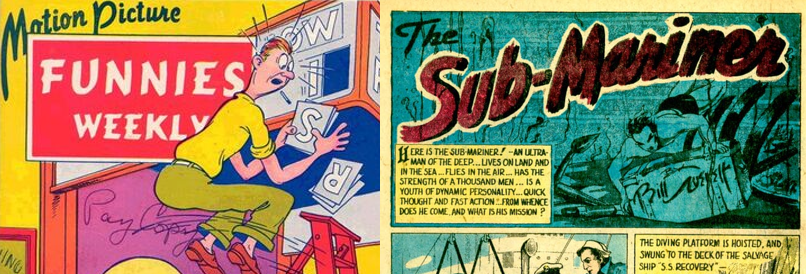
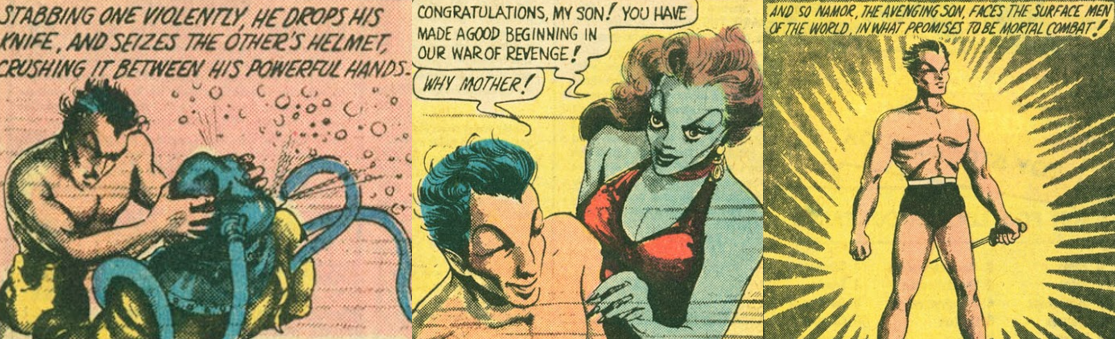
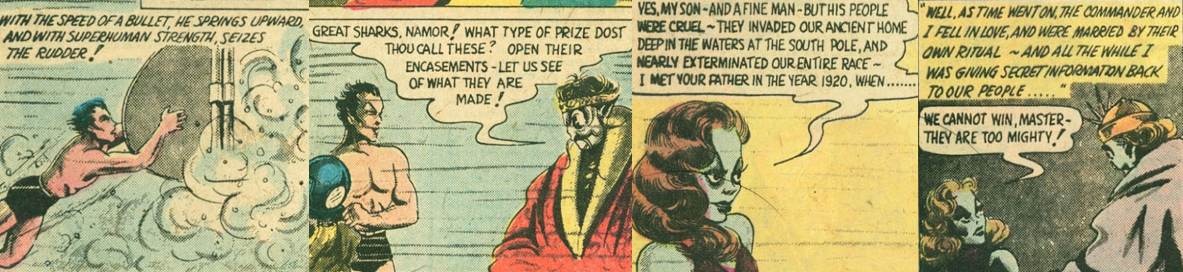


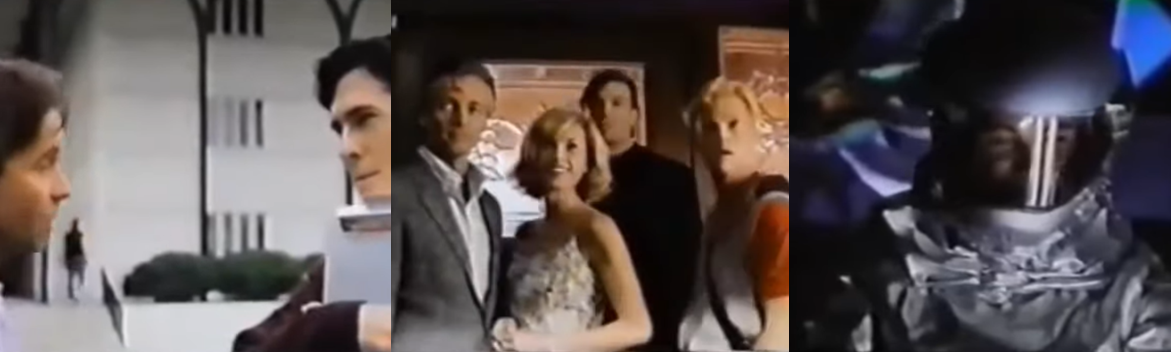
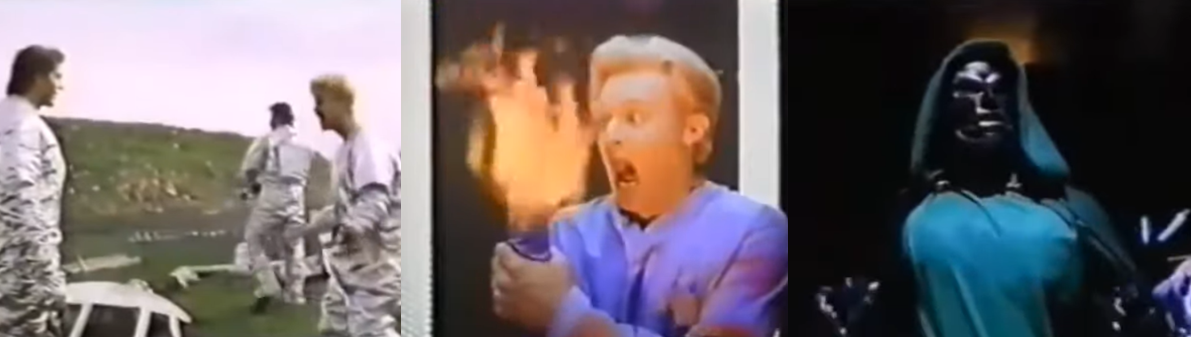
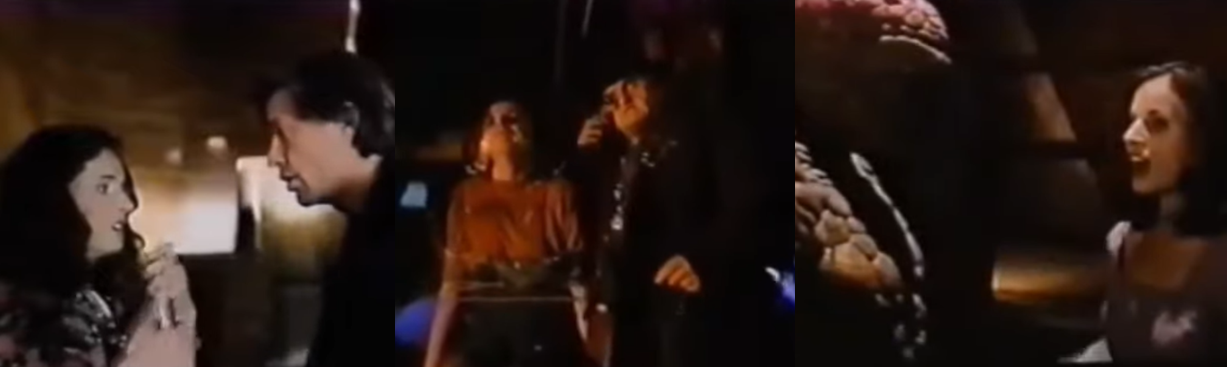
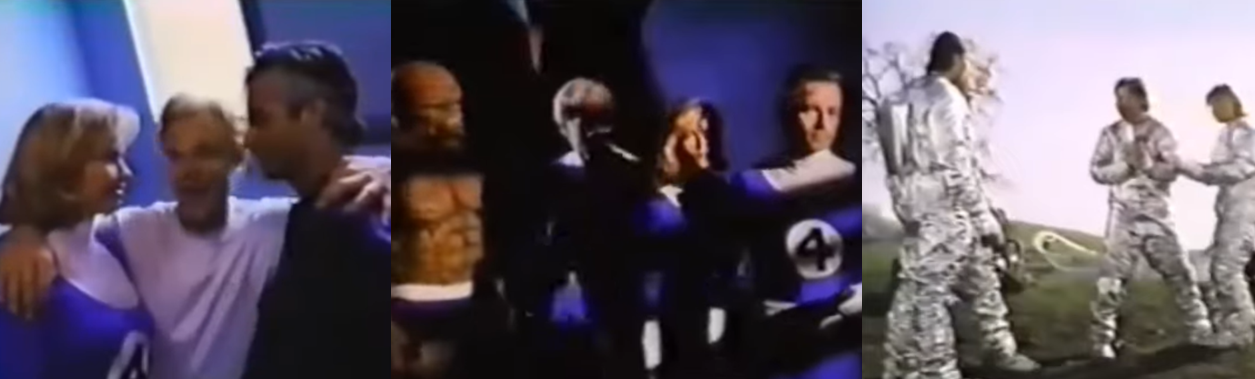
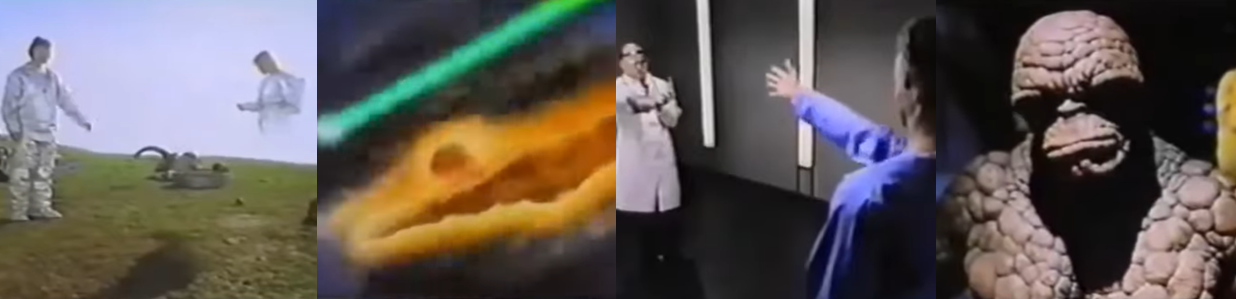
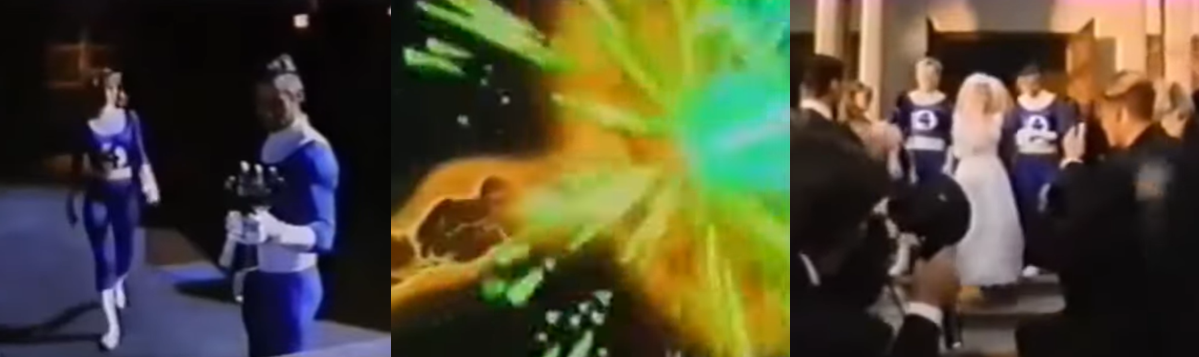
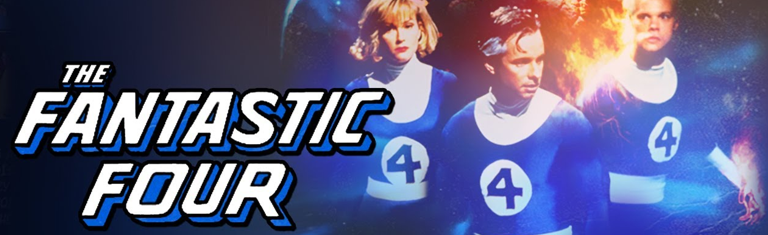

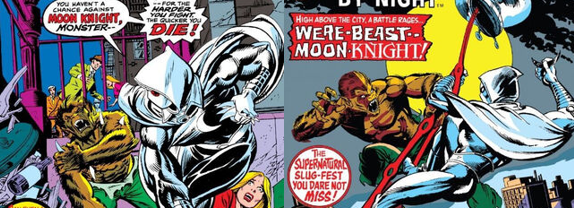
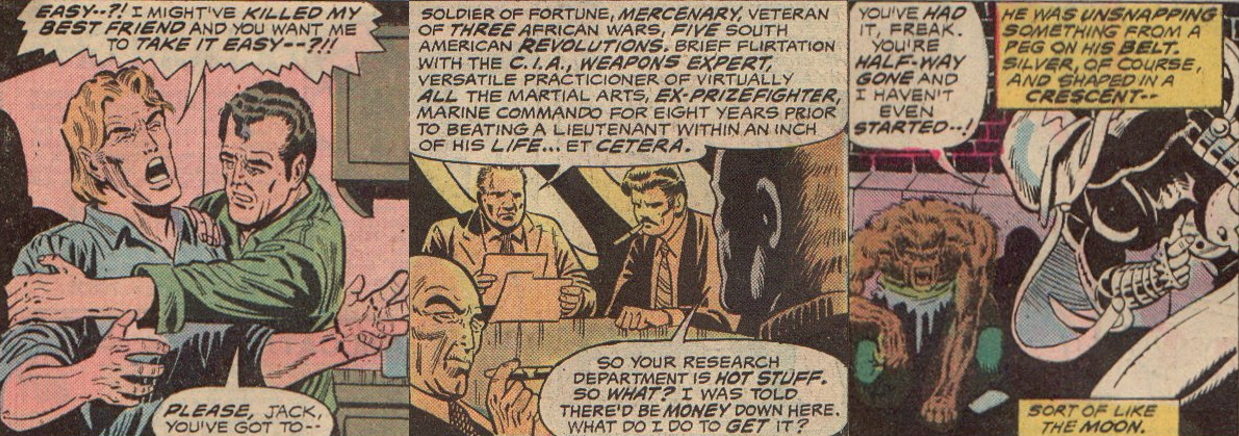
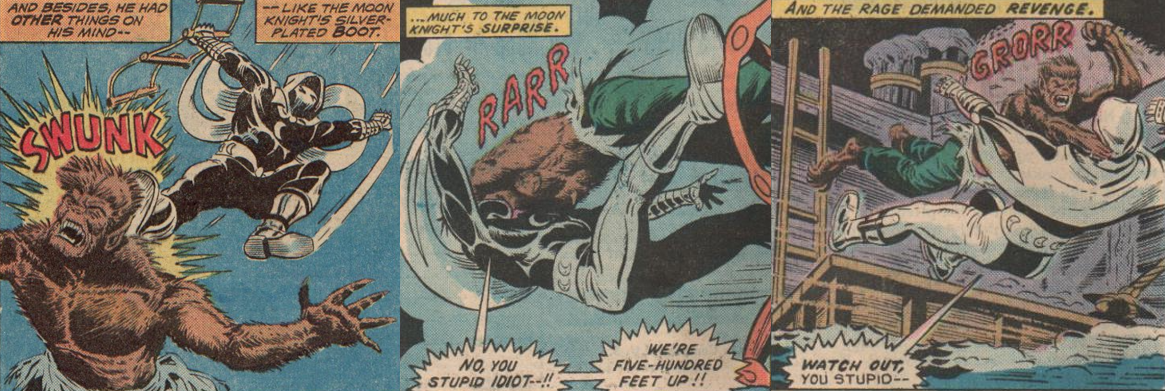
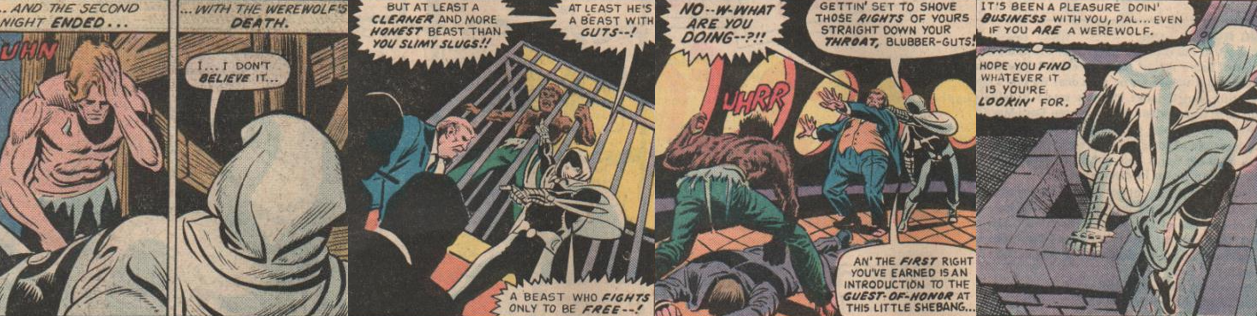
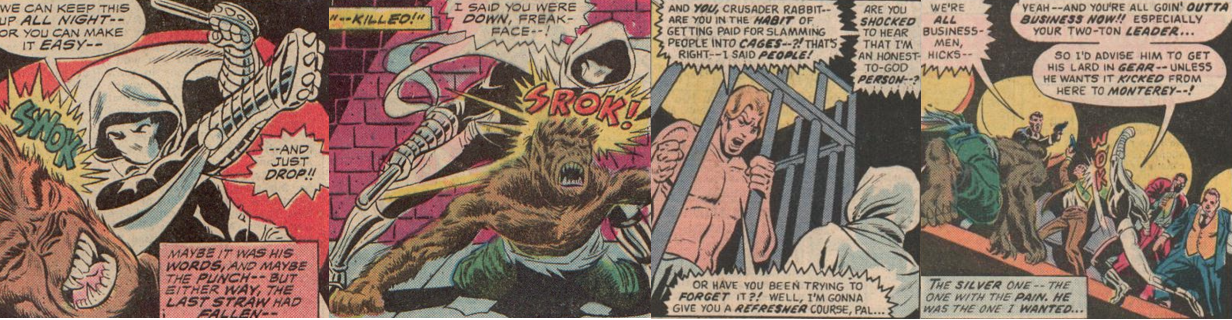

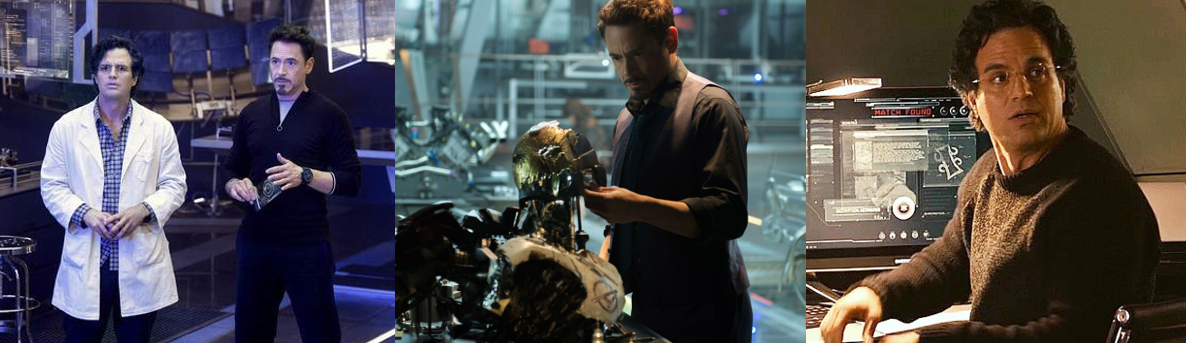

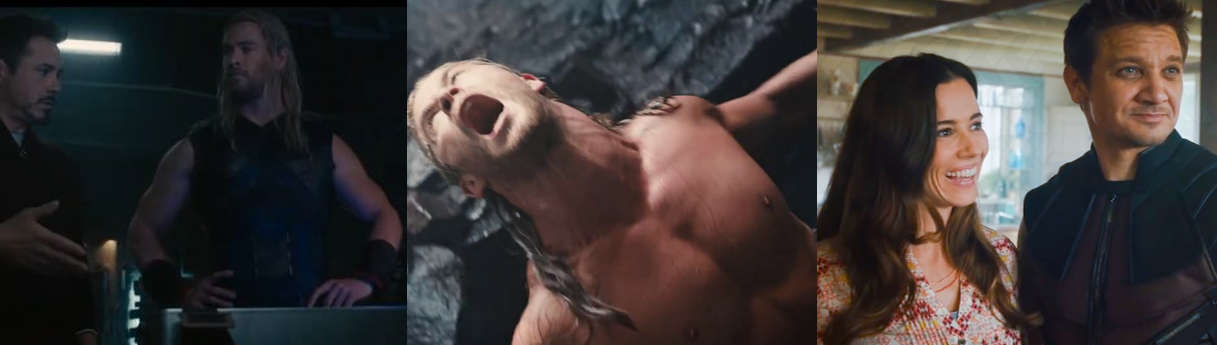
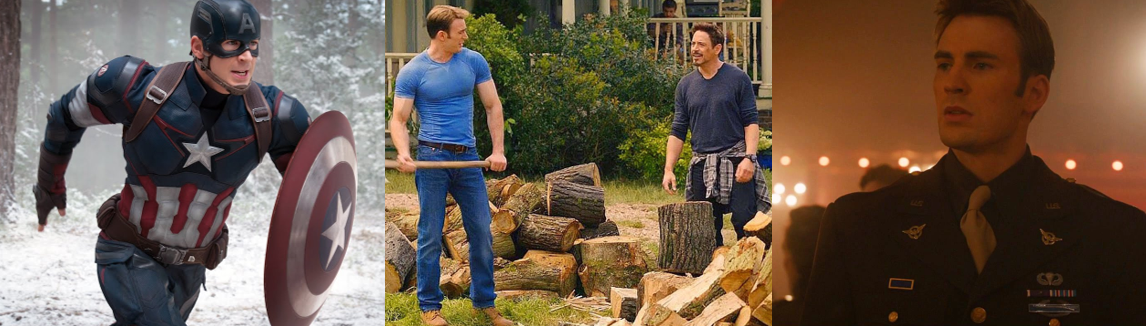
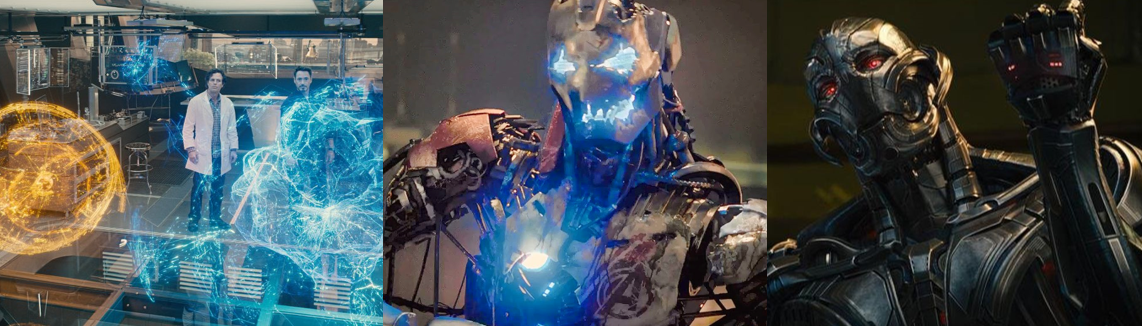
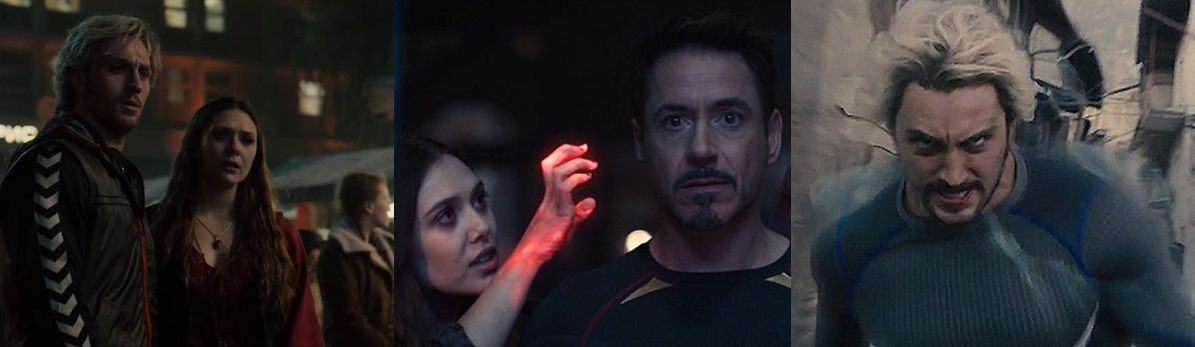

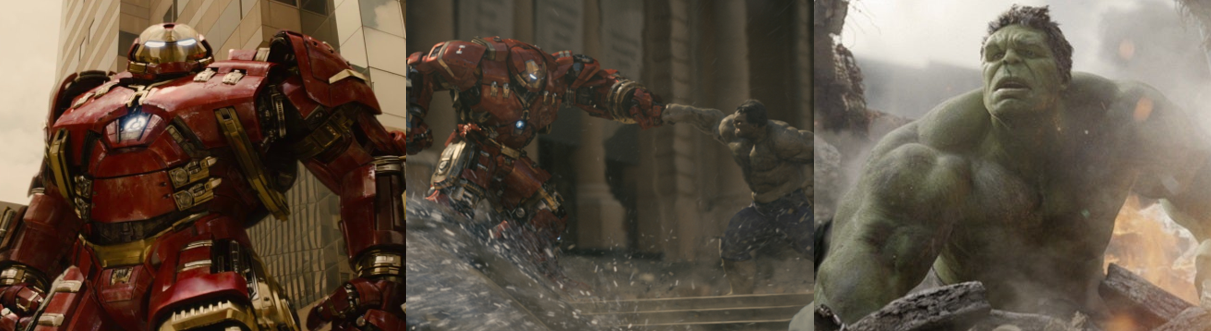


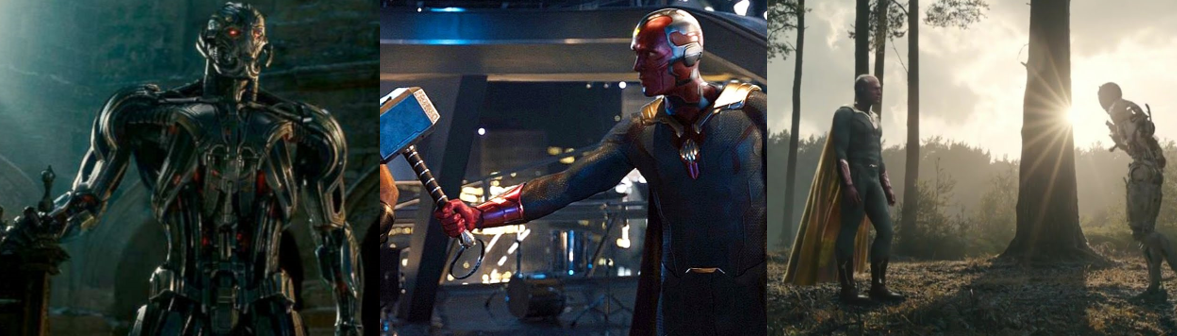
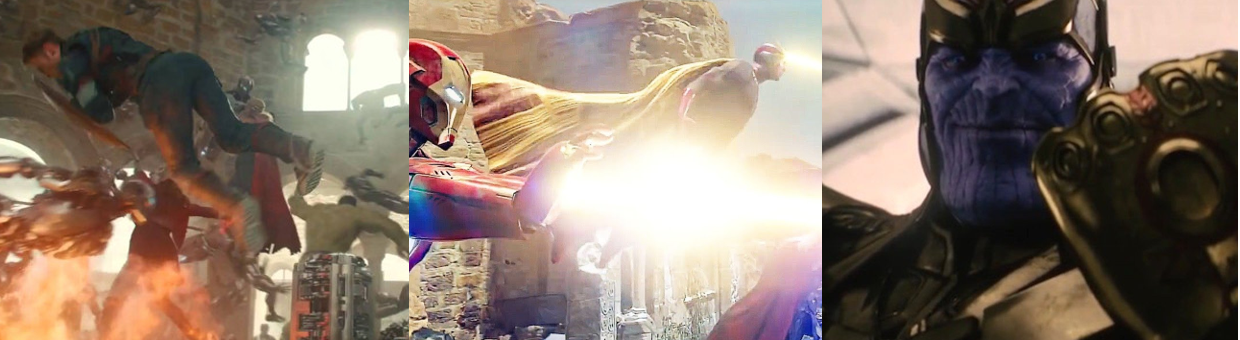





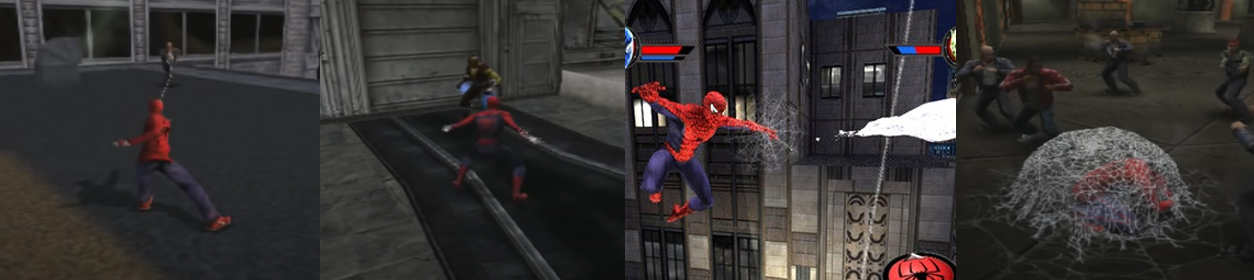
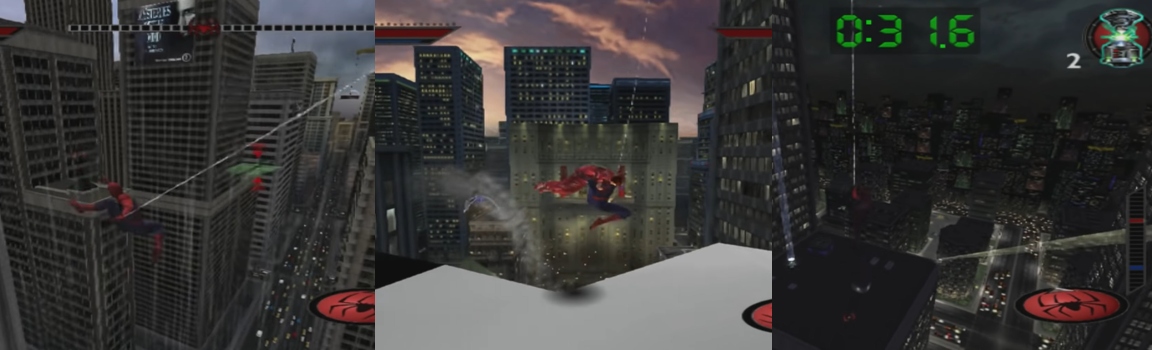
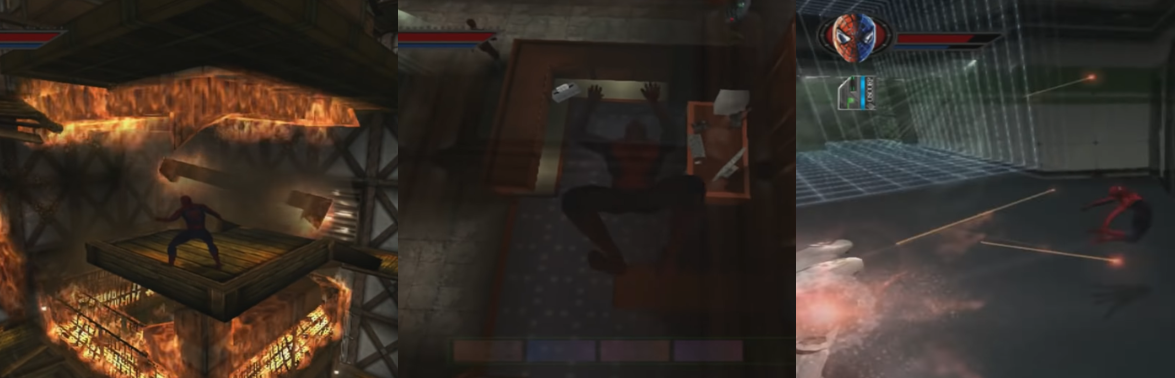
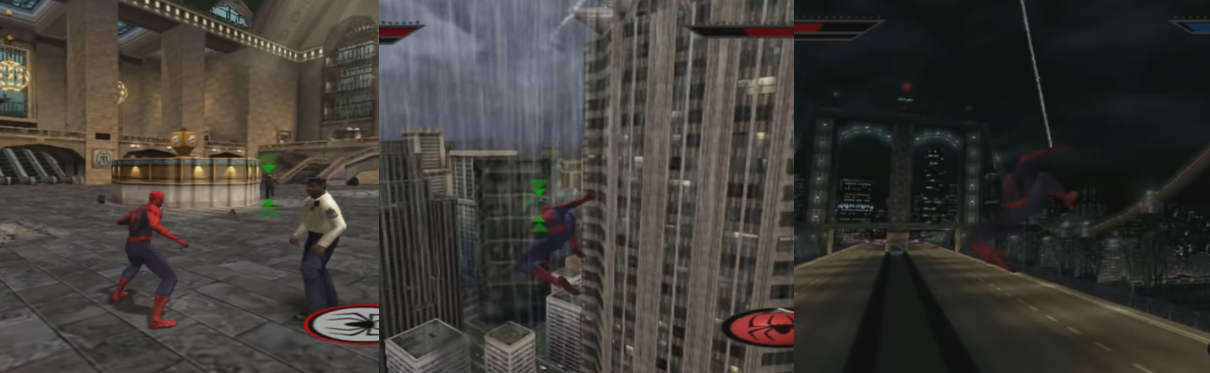
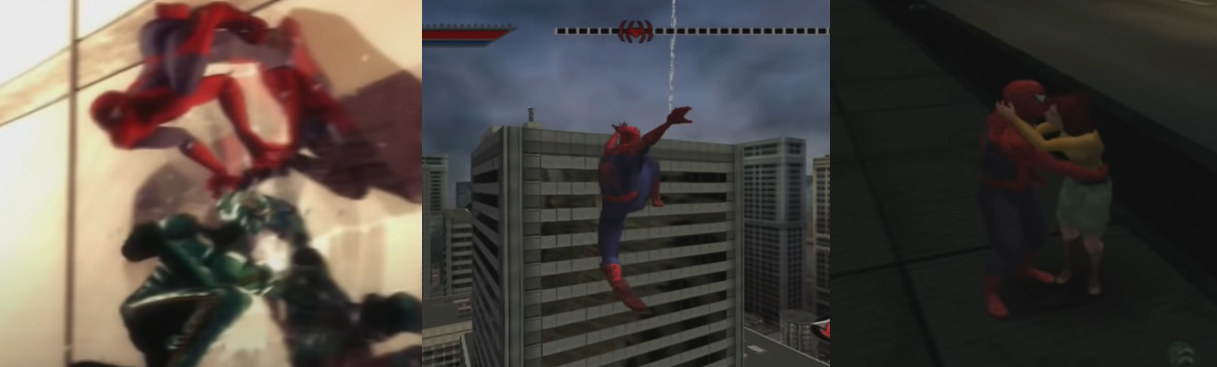
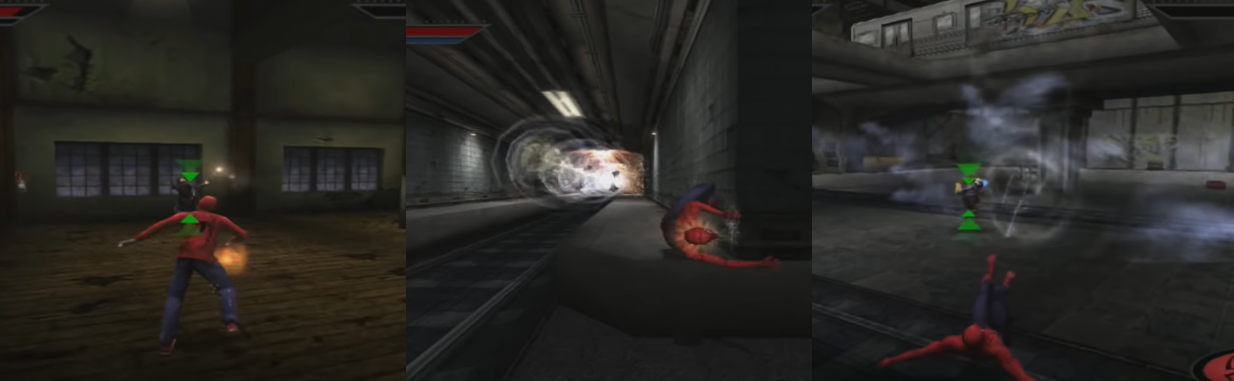
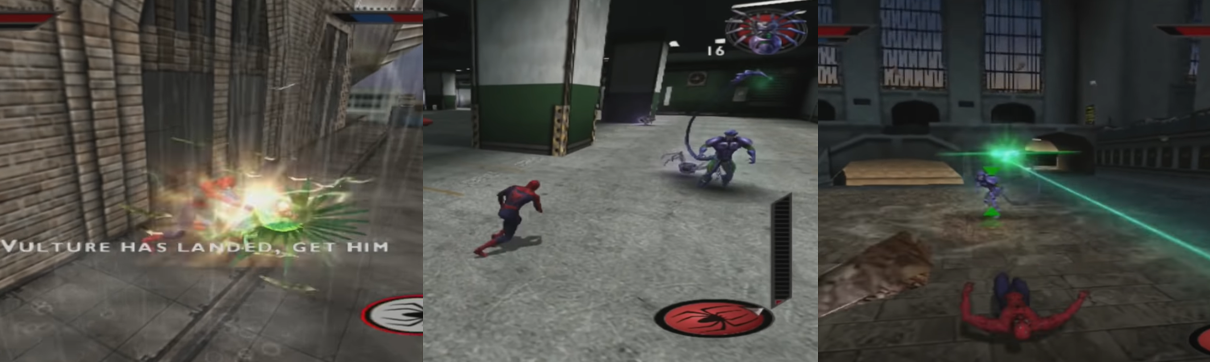
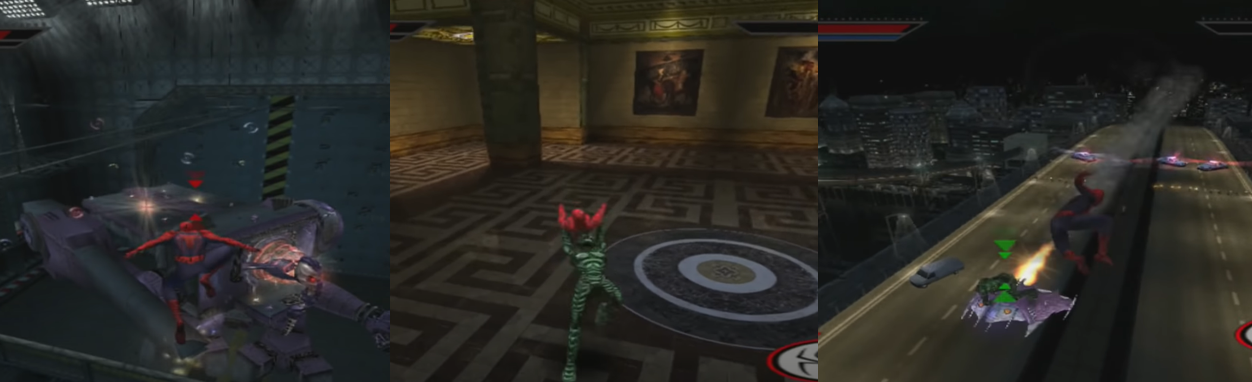
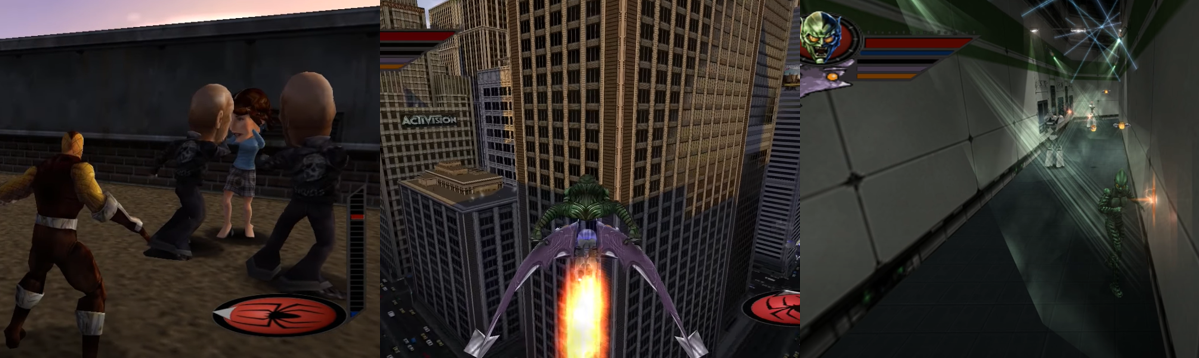
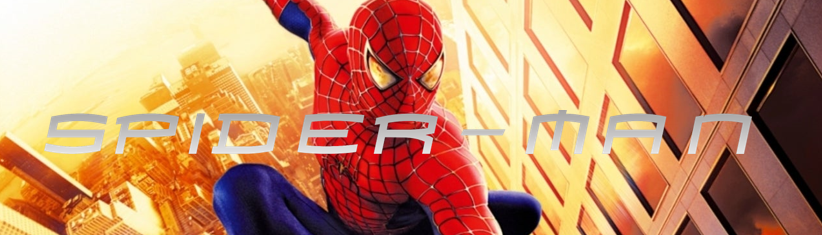

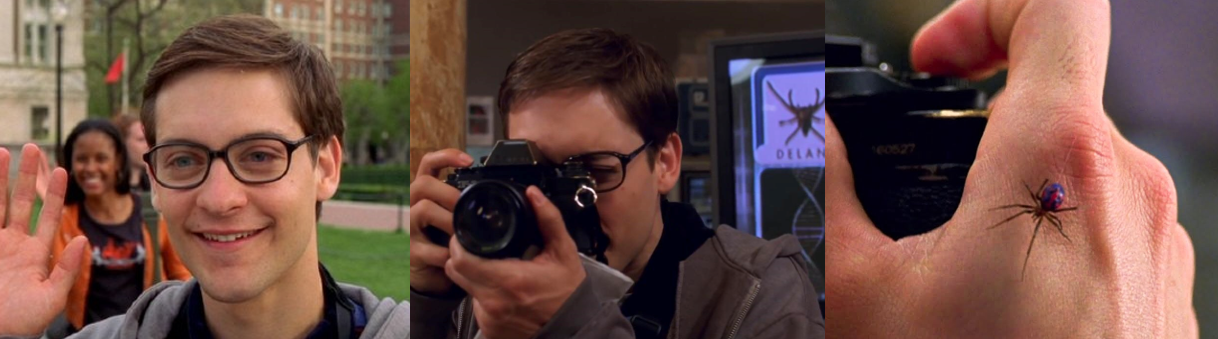
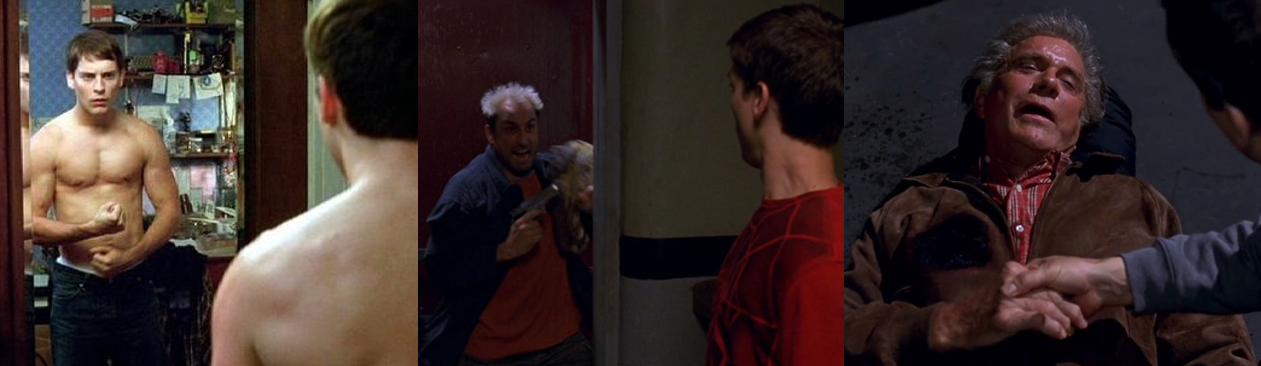
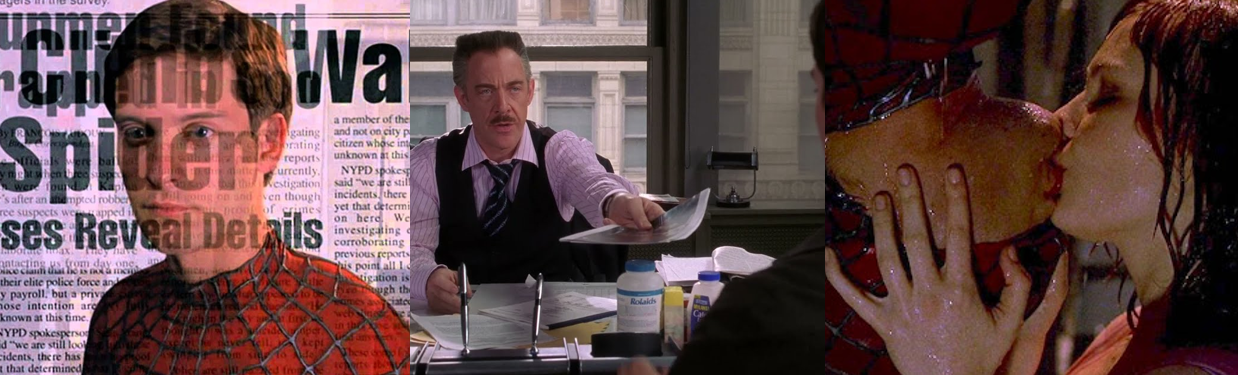
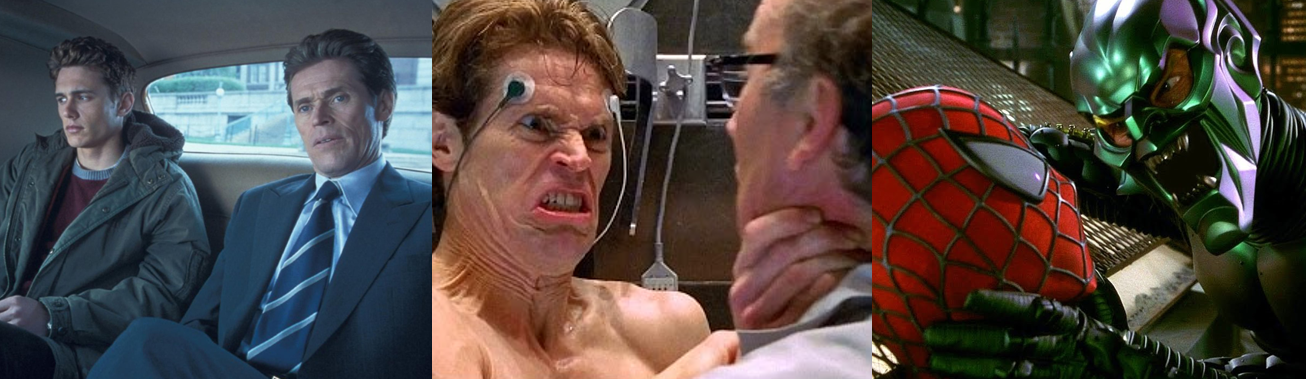
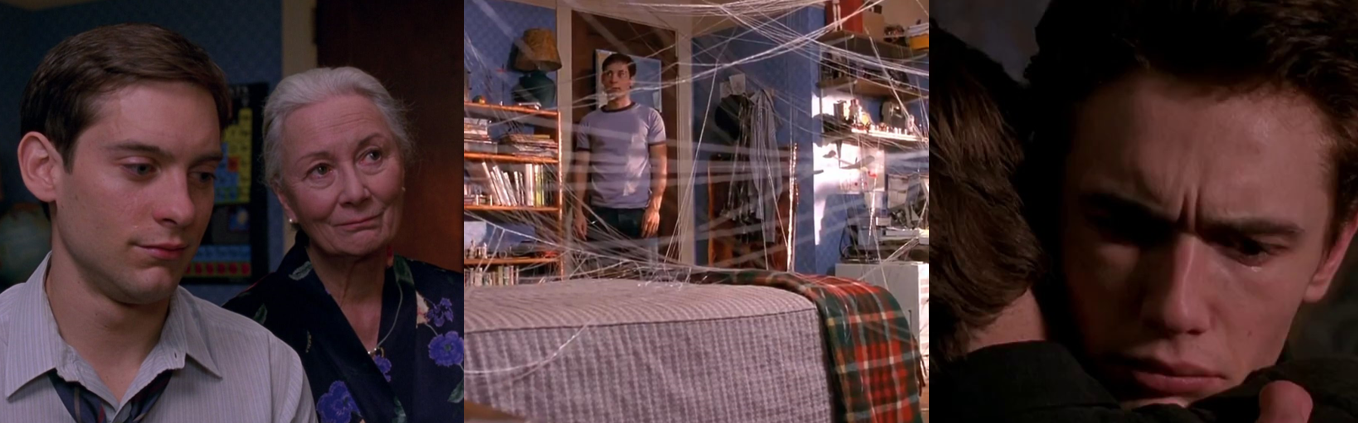
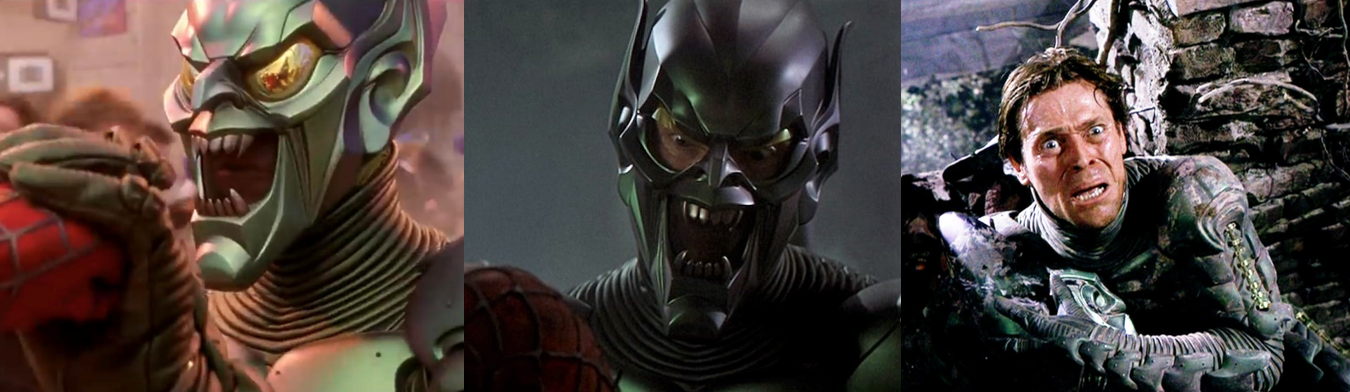
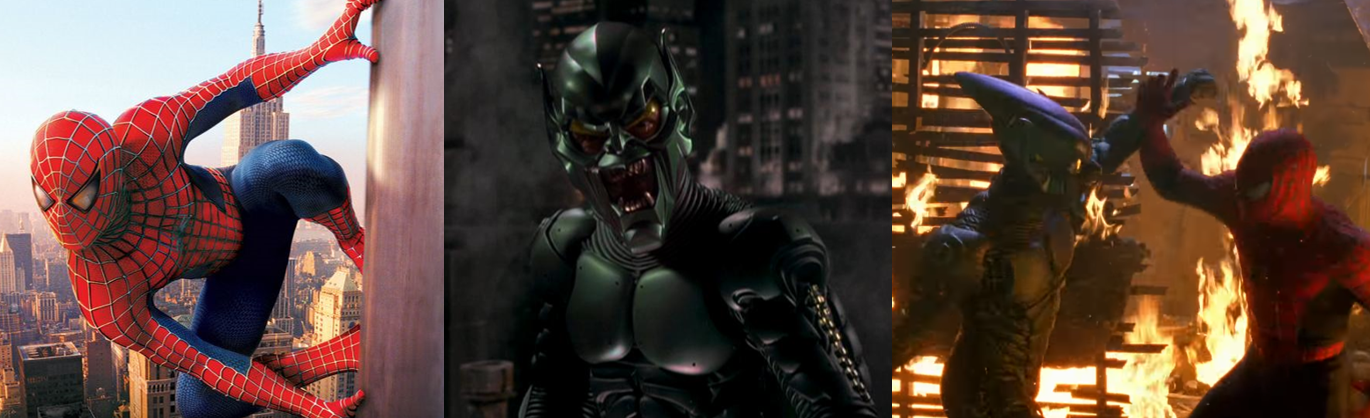
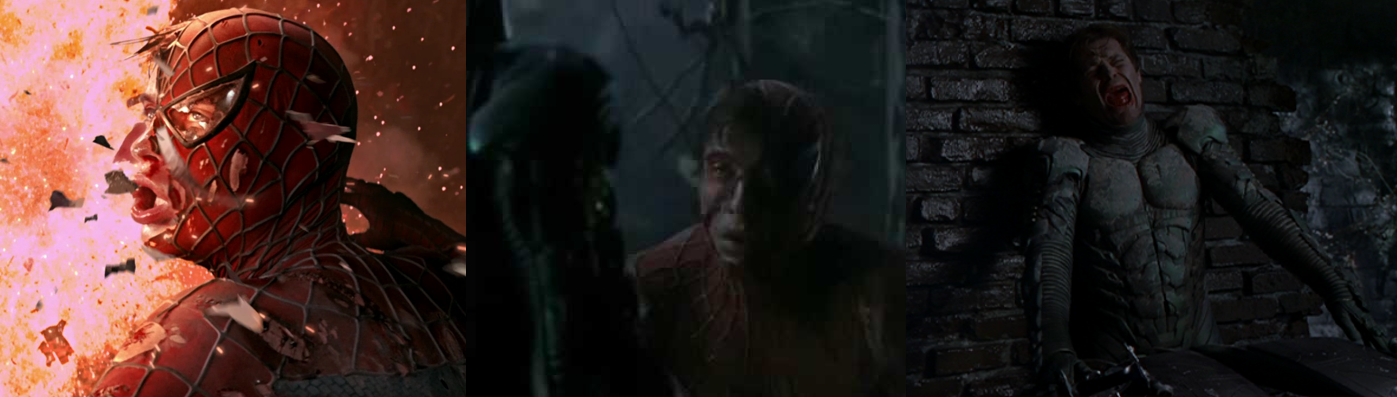








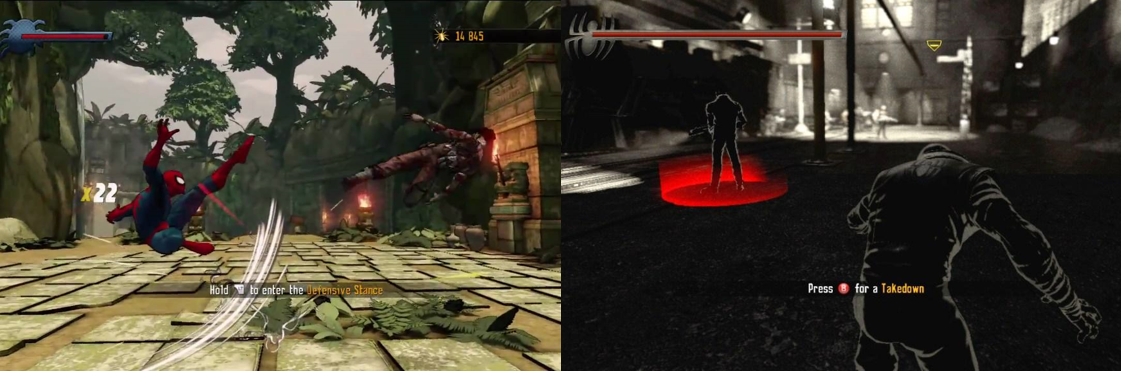
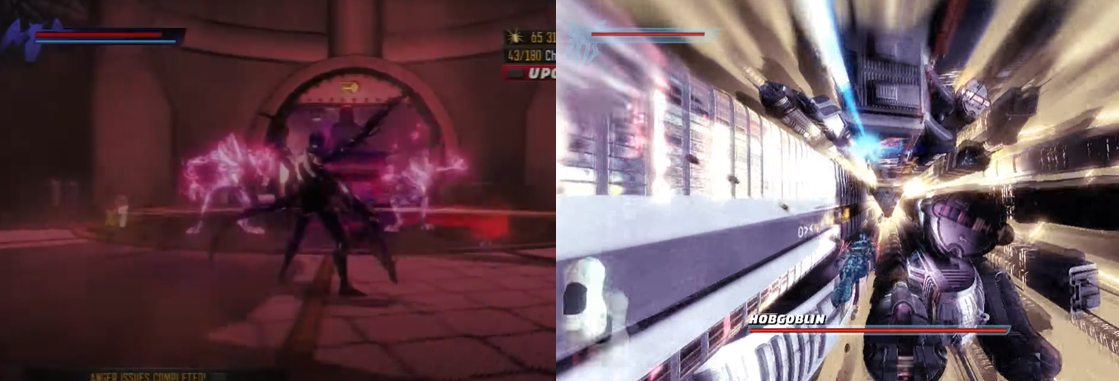

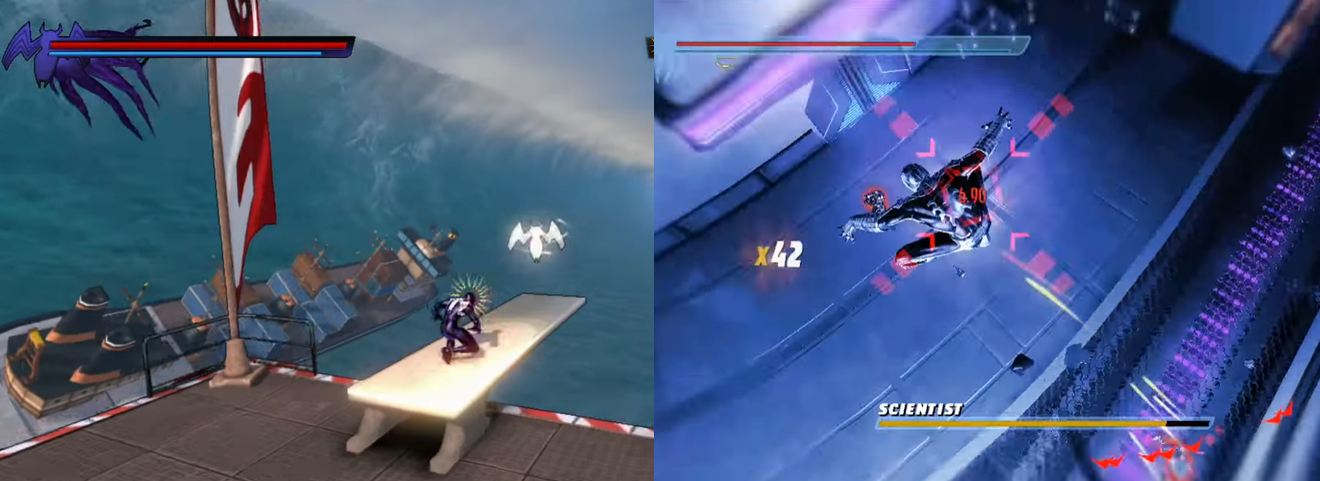
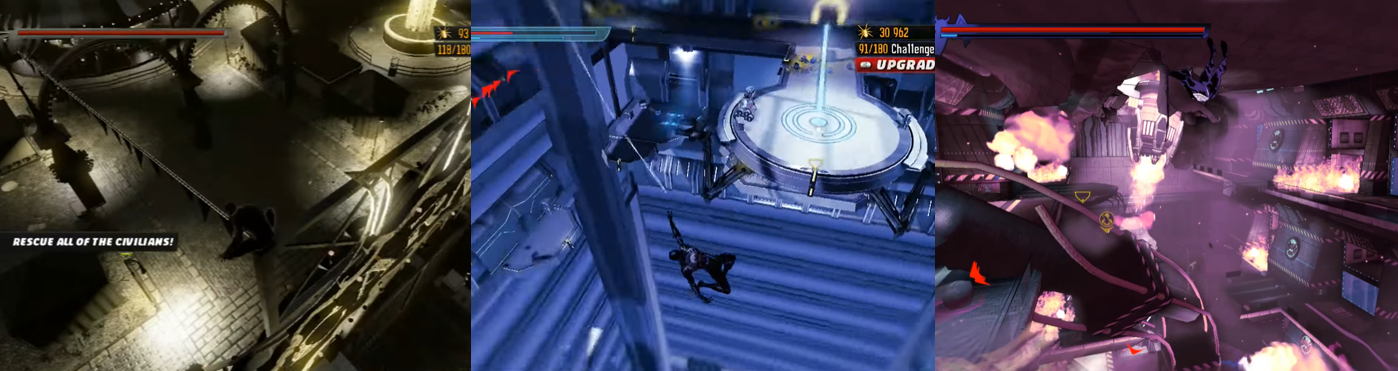






 Dr. K's Waiting Room
You must be logged in to post a comment.