January celebrates two notable dates in science-fiction history: “National Science Fiction Day” on January 2 to coincide with the birth of world renowned sci-fi writer Isaac Asimov, and 12 January being when Arthur C. Clarke’s HAL 9000 was created. Accordingly, I dedicate January to celebrating sci-fi in all its forms.
The Review: Bucky O’Hare is a 2D, sidescrolling beat-’em-up that essentially acts as a series finale for the cult classic cartoon. In it, up to four players battle across eight stages, fighting the Toad Empire, who have conquered planets in the “Aniverse”, imprisoned their inhabitants, and stolen the life force of the worlds for nefarious purposes. Players can pick from titular space rabbit Bucky, four-armed Dead-Eye Duck, Bucky’s strangely alluring first-mate, Jenny, and boisterous robot Android First Class/AFC Blinky, each voiced by the voice actors from the cartoon. While each is armed with a different pistol and has a different special attack, all four play exactly the same and your options are naturally limited to three buttons: attack, jump, and special. You can float for a short time by holding the jump button, occasionally hold fire to rapidly shoot (or melee attack up close), press jump and attack together for a jumping kick, and activate your character’s special move as often as you like. Bucky tosses a bomb, Dead-Eye surrounds himself with a temporary energy field, Jenny tosses an energy wave, and Blinky unleashes a flame-like blast. You cannot dash and, as far as I can tell, there are no co-op moves, but temporary power-ups, health restoring orbs, and extra life gold bars occasionally spawn from special doors. These briefly power-up your standard shot or your bomb to deal greater damage, though there are no other weapons to pick up, no objects to throw, and no explosive barrels or destructible objects to mix-up the gameplay. Two stages see you flying around on a jetpack and one has you barrelling through the Toad mothership on a spacebike, avoiding barricades and blasting enemies, though there are no bonus rounds to break up the monotony.
Sadly, there’s little innovation or to differentiate the characters in this mindless brawler.
Bucky O’Hare mimics the cartoon to an impressive degree, featuring fully voiced, partially animated cutscenes that include cameos from Willy DuWitt and Mouse (who never appeared in the show). Cutscenes progress the story and raise the stakes between each stage and the sprites are full of life and character, with the Toads fleeing in fear, marching along or saluting, and each playable character sporting colourful idle poses or being scorched by flaming hazards. Everything looks ripped right out of the cartoon and there’s generally always something happening in the background, from battleships looming by or burning up, to Toad tech filling the horizon or the mechanical depths of the heavily fortified Toad Star. Things are a tad clunky, however, as your sprite often disappears when respawning (though this might’ve been an emulation issue) and characters are quite sluggish to control. While most stages simply have you travelling from the left to the right, gunning down nigh-endless enemies, Stage 4 is an autoscroller that forces you along an unstable asteroid belt. You must jump when prompted to avoid falling when the asteroids crumble and fight to rescue Mouse, who makes traversing the level much easier by spawning grassy platforms (though you’ll still have to watch out for meteor showers). When jetpacking in Stage 3, you’re hard pressed to avoid the electrical hazards filling and darting across the screen, and bursts of flame or erratic burning rods often dog your progress when on the ground. Stage 2 introduces diagonal, sloping paths and sees you freeing captive rabbits before fending off enemies and wall-mounted missile turrets in a rising elevator section. Turrets attack from the background or rise from the sand, giant cannons fire explosive shots from behind barricades, electrical hazards sometimes creep across the floor, and enemies occasionally spawn from pods or leap in from passing ships to add to your troubles.
A colourful and fitting finale to the cartoon, but largely forgettable as an arcade game.
It’s quite impressive seeing how many enemies fill the screen in Bucky O’Hare. The Toad Empire use laser rifles, knives, grenades, and jetpacks and are bolstered by mechs, robots, mines, and starships. Most bosses are cumbersome and simple to defeat, however, such as Al Negator who fires a pistol and whips with his cybernetic tail. Toad Borg appears in Stage 2 and Stage 7, where electricity hazards add a bit more danger to his jumping punch, extending fist, and energy wave attack. After bringing down Stage 3’s climate convertor and taking out a gigantic, rock-like fish-thing, you battle the crazed Total Terror Toad. This dude jumps all over, blocking your shots, tossing a meat cleaver, and comically falling down the screen upon defeat. A handful of slippery, rock-hardened Toads guard Mouse in Stage 4, which is cleared by destroying a heavily armed Toad attack craft, which blasts across the screen and fills the arena with various laser blasts. After making short work of a strangely archaic, gear-tossing tank-like vehicle, Stage 5 culminates in a disappointingly simple fight against the Cyborg Spider, who wanders about firing energy bolts from its abdomen and summons web pillars. Although the race through the Toad mothership is exhilarating and includes a fight against a mechanical, shark-like submarine over boiling lava, the stage ends with a largely forgettable fight against a deadly Toad tank. This thing may be a huge target and might sport a second phase, but that’s just the gear mech again and it simply uses lasers and drill appendages to attack. Although you first encounter the Air Marshall on Stage 5, he flees after you destroy his fortified cockpit and largely avoids the fight in Stage 7. Instead, he floats about in his hovercraft and lets his minions fight for him, which is a bit of a letdown. The game then ends with a three-phase confrontation with Komplex-2-Go. At first, it stomps about causing splash damage with its energy bombs, then it loses its legs and causes flaming rods to rain down, before finally careening about the central core spewing debris and bursting into flames.
Final Thoughts: Bucky O’Hare may be a sadly forgotten beat-’em-up title and franchise, but you’re not missing out on all that much if you’ve never played this mindless brawler. While the presentation is top-notch, with the game perfectly aligning with and providing a fitting conclusion to the cartoon, the gameplay is needlessly tedious and simple. It’s mindboggling to me that the developers didn’t try to differentiate the characters more, like making Jenny faster or Blinky slower or Dead-Eye hit harder or shoot faster (he fours have four arms, after all!) It might’ve helped if the game had more power-ups, perhaps allowing you to call in other allies or the Righteous Indignation for assistance, or included a bonus game or two to rack up your score and compete against friends. While the sprites look fantastic and are full of life and colour, the backgrounds are painfully bland until the late game, with only a few memorable moments springled throughout (the asteroid belt, for example, and the Toad Star). I liked that the bosses sported text boxes and voice clips and were huge sprite, but they were disappointingly simple for the most part (though this may have been intentional to balance how grossly outnumbered players will be in this obvious coin-muncher!) Fans of beat-’em-ups will likely find Bucky O’Hare lacking compared to others in the genre, though it has a colourful appeal and is a decent enough way to waste about an hour of your time, especially if you’re a big fan of the cartoon and wanted some closure on it. It can’t be denied that it’s not as good as it could’ve been, though, or that it’s noticeably lacking compared to other brawlers of the time.
My Rating:
⭐⭐
Rating: 2 out of 5.
Could Be Better
Have you ever played Bucky O’Hare out in the wild? How do you think it holds up compared to other beat-’em-ups and the Nintendo title? Were you also disappointed that the characters all played the same? Which of the boss battles was your favourite? Do you agree that the game is lacking compared to other beat-’em-ups? Were you satisfied with how the game concluded Bucky’s story and would you like to see him back a comeback? What are some of your favourite sci-fi-orientated videogames? Feel free to share your memories of Bucky O’Hare in the comments and then donate to my Ko-Fi to suggest other sci-fi content for the site.
The Review: “Last of the Rocket Knights” begins with Sparkster in a spot of bother. Where he was once the celebrated hero of the planet Elhorn who led their famous Rocket Knights to countless victories, those days are long in the past and Sparkster is now a wanted man possum. Forced to skulk around Zebulos City incognito, Sparkster returns to find himself wrongly persecuted thanks to the efforts of the malicious lizard king, King Gedol. As Sparkster ponders this state of affairs, he’s accosted by Paerie, King Gedol’s commander, who favours action over explanations. His lackadaisical subordinate, Grum, takes his orders a little too seriously and blasts Sparkster with a flame burst from his titanic mech armour, earning Grum a chastising since King Gedol is eager to acquire Sparkster’s mystical armour. Luckily for him, and the titular Rocket Knight, Sparkster avoids being barbecued thanks to his rocket pack and quickly bests Paerie’s troops, including blowing Grum and his towering armour to kingdom come by exploiting an old flaw in the mech’s design. Injured and defeated, Paerie nevertheless delights in informing Sparkster that he’s the last of the Rocket Knights and that King Gedol has conquered all of Elhorn in the hero’s absence. Consequently, the once tranquil realm has become a dark world where despair and mistrust run rampant. Having captured Castle Zebulan, King Gedol rules with an iron fist, punishing insurrection by death and entrancing their monarch, Princess Shelly. However, when Sparkster heads to the princess’s bedchambers, his very presence snaps her from the spell that King Gedol cast over the entire kingdom to seize control. Thanks to his enchanted armour, Sparkster is immune to the incantation and just being close to him is enough to dispel it.
Sparkster fights to free the people of his kingdom, and Princess Shelly, from King Gedol’s dark magic.
Unfortunately, this proves a temporary cure as King Gedol’s spell takes hold over Princess Shelly when Sparkster moves to brood by the window, causing her to alert the lizard guards. Although Sparkster easily holds them off, their monstrous ruler, King Gedol, appears in Princess Shelly’s room and expresses his dark desire to marry her, a whim that the enchanted princess is happy to oblige. Stunned and overwhelmed by King Gedol’s guards, Sparkster is powerless to keep the monster monarch from gloating of his plot to make his rule legitimate through the marriage and his lust for the Rocket Knight’s enchanted armour. After ordering Sparkster to be hauled to the castle dungeon, King Gedol makes preparations for the wedding, including garbing Princess Shelly in an elaborate gown and introducing her to his mother, Stubb, who’s overly critical of Princess Shelly’s skinny disposition and more interested in devouring the possum princess! They’re interrupted by news of Sparkster’s escape, having once again surprised and overwhelmed his captors with his rocket pack. Rather than flee, Sparkster fights through the castle to rescue Princess Shelly, discovering that the palace guards of Zebulos have also been brought under King Gedol’s sway. Luckily, he frees them from their enchantment with his armour and gains a couple of allies for his venture. Keeping them close by to ensure King Gedol’s spell doesn’t take hold again, Sparkster is distraught to spot the elaborate wedding procession passing by outside, with the deluded crowd cheering in support. When his allies feel the spell returning, Sparkster locks them up to keep them safe and blasts off alone, fighting past King Gedol’s guards. However, he’s overwhelmed by the pure, dark magic of a gigantic green crystal, the source of King Gedol’s enchantment over the people of Elhorn and a gemstone of such awesome evil power that it brings Sparkster to his knees, despite his magical armour.
Sparkster easily bests his demons and rescues the princess, freeing Zebulous from King Gedol’s rule.
While Sparkster struggles to compose himself, King Gedol is driven to a frenzy when Stubb stubbornly refuses to hand over her wedding ring, disapproving of his son’s choice in women and forcing King Gedol to swipe a replacement from the archbishop. As Sparkster shakily gets to his feet, the gemstone unleashes warped reflections of him, manifesting his darker impulses into physical form and forcing him to literally and figuratively battle himself. The twisted, leering reflections taunt him, effortlessly avoiding his sword swipes and rocket charges, but are easily dispelled once the heroic Rocket Knight realises that they’re simply figments of his imagination. Thus, Sparkster shatters the gemstone, dispelling his evil doubles and freeing the people of Elhorn from King Gedol’s dark spell. Consequently, just as the archbishop is about to conclude the wedding ceremony, the attendees object to the union in droves, scuppering the monster’s plot. When Princess Shelly and the attendees physically rally against him, King Gedol takes his mother’s advice and retreats up the cathedral wall with Princess Shelly as collateral. He’s so determined to escape that he leaves his mother behind and, in her desperation, Stubb attempts to claim that she’s merely a frail, manipulated old lizard. Emboldened by the rebelling masses, Sparkster finally reaches the cathedral, where King Gedol threatens to harm the princess unless his demands for a rocket pack and safe passage are met. However, Princess Shelly isn’t a helpless maiden and defiantly elbows King Gedol in his bad eye, only to tumble over the edge. Rather than let King Gedol save her, Princess Shelly chooses to drop to her death. Luckily, Sparkster swoops in to save her and, when King Gedol flies in a rage, the lizard king seemingly plummets to his death. Unable to save him and low on fuel, Sparkster chooses to get Princess Shelly to safety rather than investigate and stands ready to aid the princess, and his people, in rebuilding following the mad tyrant’s takeover.
The Summary: Like a lot of the additional stories from Sonic the Comic, “Last of the Rocket Knights” is a very different story to Sonic’s more action-packed adventures. Leaning heavily into its fantasy setting and being more of a dramatic piece, the story essential acts as a follow-up to Sparkster: Rocket Knight Adventures 2 and is focused more on the titular hero’s desperate attempts to free his people from enslavement. Keith Page does an excellent job in recreating the anime-style aesthetic of the Rocket Knight videogames, particularly their cover and manual art, adding a great deal of depth and detail to his backgrounds even if the action mostly takes place in the same locations (either the city or inside the castles). While Sparkster appears as a quirky, cutesy character sprite, he’s a determined and experienced veteran soldier here, easily dispatching multiple armed guards and taking out towering mech armours by fighting smarter, rather than harder. This is emphasised multiple times in the story, with Sparkster quickly targeting the source of the reflections hounding him (which has the knock-on effect of keeping the populace from attacking him) and luring King Gedol into defeating himself by taunting him at the end. It’s not clear how long Sparkster has been gone but it’s seemingly long enough for King Gedol’s forces to have wiped out the Rocket Knights (by implication) and to have forgotten how to fight them. Time and again, Sparkster easily evades his foes and outsmarts them by using his rocket pack and, time and again, they fail to take into account his unique abilities, which paint King Gedol’s forces as largely incompetent. Sparkster’s abilities extend to his armour, which is described as magical and having once belonged to the first Rocket Knight. King Gedol covets it for its vaguely defined power and simply being in its presence is enough to weaking the monster’s spell, with the armour being the only thing keeping Sparkster from being overwhelmed by the gemstone’s dark magic. I would’ve liked to see this element given more time or perhaps been explored in a follow-up, as it’s not entirely clear how acquiring the armour will benefit King Gedol, who’s obviously too big to fit into it.
A very different, dramatic fantasy story that’s enjoyable enough, despite some flaws.
Despite its darker narrative and comparatively stoic protagonist, “Last of the Rocket Knights” has some goofy moments that perfectly fit with Sonic the Comic’s distinctly British sense of humour. While King Gedol is introduced as a menacing figure with an intimidating presence in his regal outfit and monstrous visage, he’s quickly shown to be a hot-headed, blundering mummy’s boy who legitimately pines over Princess Shelly and wishes to legitimise his rule. King Gedol is humiliated by his mother, who objects to his bride and delays the wedding, and King Gedol seems to have little true power, despite his vast army, since he only conquered Elhorn because of an evil gemstone. Once that’s destroyed and the people turn against him, King Gedol is sent running and he chooses to make demands rather than fight, showcasing no physical or magical powers to justify his lofty position. Although Princess Shelly spends the entire story under King Gedol’s spell, she’s clearly distraught by the state of her kingdom and refuses to be a mere pawn once she regains her senses. She fights back and is even willing to die rather than be King Gedol’s captive or unwilling bride, showing she’s got a fair bit of moxie. The story is bolstered by some decent action that recreates Sparkster’s abilities from the comics and he’s rarely shown to be on the back foot, even though everyone in Elhorn is against him. It does waste time having Sparkster free some Zebulan guards only to almost immediately lock them up, the two merely being there to give Sparkster someone to talk to, which is a shame as it would’ve been nice to use those panels to showcase some more action. There was a lot of potential to show Sparkster fighting a city full of enemies and painting him as an underdog figure but, instead, he flies straight to the source of the problem and solves it with only a slight delay when he’s apprehended by King Gedol’s guards. I definitely think the story would’ve benefitted from a follow-up or two as we saw other spin-off stories benefit in this way, but this one-off story was enjoyable enough and stands out a little more thanks to being a self-contained tale.
My Rating:
⭐⭐⭐
Rating: 3 out of 5.
Pretty Good
Did you enjoy Sparkster’s one and only appearance in Sonic the Comic? What did you think to the way it adapted the story and characters of the videogames? Were you disappointed that there wasn’t a greater focus on action? What did you think to the characterisation of Sparkster and King Gedol? Would you have liked to see follow-up stories, or other adaptations of the Rocket Knight videogames? What were some of your favourite non-Sonic stories in Sonic the Comic? Share your thoughts down in the comments, support me on Ko-Fi for more StC content, and go check out my other Rocket Knight reviews.
The Plot: When King Gedol’s lizard forces invade the kingdom of Zephyrus and rogue Rocket Knight Axel Gear kidnaps Princess Cherry, Sparkster searches for seven magical swords to oppose the Gedol Empire and best his rival.
Gameplay and Power-Ups: Just like the other 16-bit Rocket Knight games, Sparkster: Rocket Knight Adventures 2 is a 2D, sidescrolling action platformer. However, unlike the original game and its similarly titled Super Nintendo cousin, there are no run-and-gun elements to Rocket Knight Adventures 2 as Sparkster’s sword has been robbed of its sword beam. This significantly impacts the primary gameplay as you now rely on Sparkster’s bog-standard sword swings, which can fall a little short at times. You attack with Y and jump with B, executing a jump sword swing and clinging to poles using Sparkster’s paws and tail when you jump to them. Unlike in the other games, Sparkster’s rocket pack charges automatically and has different levels of effectiveness depending on how full the meter is. As long as the meter’s at least partially full, you can press A to rocket dash in the direction you’re facing, diagonally to take out turrets, and upwards to get higher. If you press A without a direction, Sparkster spins on the spot to attack enemies and, when the rocket pack is fully charged, Sparkster spirals in a “Screw Attack” (no relation), travels further, and bashes through destructible blocks and walls. While waiting for the meter to charge does take a lot of agency away from the player, it charges pretty quickly and you have far more control over Sparkster off a upwards boost, which greatly aids with reaching platforms. Sparkster can still ricochet off walls to get higher, though this is still underutilised, in my opinion, with Rocket Knight Adventures 2 focusing more on traditional platforming. Players still collect gems for points, though this time there are two types: regular blue ones and red ones that kick-start a slot machine for additional gems, health (now apples and chunks of meat), extra lives, or a rocket pack that instantly sends you flying in a Screw Attack. Naturally, these can all be found in the game’s stages, too, and you receive a score tally after clearing each stage for bonus points.
Sparkster’s sword is nerfed but his rocket pack and mech game are stronger than ever!
Sparkster can also grab the new power-up icon that gifts him a flaming sword to increase your attack power, though you’ll lose this when hit or advance to the next stage and I can’t say I noticed a significant difference, especially as many enemies die in one hit. Rocket Knight Adventures 2 has seven stages and four difficulty settings, with players only seeing the true ending by beating the game’s harder difficulties. Sadly, the shoot-‘em-up stages from the other two games are gone, replaced by three sections where you control Sparkster’s giant mech, the SparkRobo. Two of these are Rock ’Em Sock ’Em Robot battles with Axel Gear that are similar to that one boss from the first game, and the other is a sidescrolling autorunner where you blast enemies from the sky using the SparkRobo’s rocket punch (Y, which can also be charged) and jump over bombs tossed by enemies on the ground (also with Y). Sparkster doesn’t ride any minecarts or miniature mechs here and only has to deal with one autoscrolling section, where players dispatch enemies, destroy or jump to crates, and hop between train carriages to avoid a nasty spill. Spikes, flame plumes and lava, and insta-death traps are still present, however, with quicksand swallowing you, moving platforms ridden past spikes, and even a sand twister tossing you about atop a pyramid in Stage 2. This stage has a higher and lower path, which you may wish to switch between for different rewards and dangers, while Stage 5 features many switches to open doors, doors guarded by projectile-firing gargoyles, and conveyer belts. Stage 2’s pyramid gimmick differs from the Super Nintendo version, featuring a race from rolling balls and false doors that loop you back to the outside until you find the correct path. You’ll also cross lava on moving platforms and by clinging to overhead pipes, which gain destructible spiked hazards and even Gedol henchmen by Stage 5. Stage 3 sees Paeli, leader of Gedol’s lizard ninjas, bombard Sparkster and the blocks of the stage from his airship. This destroys the ground and forces you to take high-speed tubes up to the top of the ship to destroy barriers and drop the ship from the sky.
Presentation: Sparkster: Rocket Knight Adventures 2 is a bit of a mixed bag, visually, something immediately evident from the lacklustre title screen (simply the game title against a moving sky background). This does pan down into the opening cinematic and mech battle against Axel Gear, however, a fight you can skip if you wish, which causes you to miss a collectible and displays an absolutely garish secondary title screen. Unlike in the Super Nintendo game, stage intros are back but they’re far less visually interesting than in the first game, and every sprite has been redesigned to give it a more anime flair. Although I miss the cute, squat Sparkster of Rocket Knight Adventures, he looks pretty good here and is far more animated. He bops about as if itching to get going, his rocket pack is almost constantly aflame, and he stands heroically when left idle. Sparkster also squeals when hit, reacts when piloting the SparkRobo, has more animation frames, and displays more personality than on the Super Nintendo thanks to Rocket Knight Adventures 2 including more pantomime-like, sprite-based cutscenes. These are similar to those of the first game, seeing Sparkster leap into action when Axel Gear kidnaps Princess Cherry and advance between stages, with elements from previous stages (such as Stage 1’s train) appearing in others. Unfortunately, like the Super Nintendo title, Rocket Knight Adventures 2 cannot live up to or surpass the original’s soundtrack. Things are jaunty enough, for sure, but nothing stuck in my head like the main from the first game. Interestingly, Rocket Knight Adventures 2 does replicate the slowdown from the first game, with the frame rate noticeably dipping when Gedol’s forces drive vehicles or too many sprites and explosion effects appear at once.
The visual overhaul is great for Sparkster but not so much for the enemies and environments.
Perhaps most unforgivably, Rocket Knight Adventures 2 appears far blander than the first game and its Super Nintendo counterpart. Stage 1’s forest section is disappointingly subpar compared to the first game, with the ground being a far more basic block of sprites and the background having little to distract you, even when the overgrown ruins creep into play. The train section adds some spice and variety, for sure, but it paled in comparison to the Super Nintendo title. Similarly, while both games include a desert, they’re rendered very differently. Stage 2 has a neat shifting sand and heat shimmer effect in the background, but its pyramid is blockier and more akin to ruins, making it far less visually engaging than SEGA’s competition. Stage 3 took place atop the pyramid’s ruins and in an airship, which was, again, a far cry from the steampunk-style battle craft from the first game, even with its fake doppelgängers of Princess Cherry and larger, blade-like propellers. Stage 4 was like a poor imitation of a similar city stage from Rocket Knight Adventures; sure, the SparkRobo looks cool (if a tad goofy), but the city lacks the detail and appeal of the first game. Things pick up in Stage 5, which takes place outside and inside King Gedol’s heavily fortified castle-cum-weapons factory. The background is a bit busy at times, but I liked all the moving parts, alternate routes, and the danger brought on by the turrets. While the mech battles against Axel Gear are in bland, dark caverns, you battle him in a traditional swordfight against a grandiose background and confront King Gedol in his opulent throne room. If you find all seven “Keys to the Seal” swords, you’re also treated to a great sprite-based cutscene of Sparkster becoming “Gold Sparkster”, a form he retains for the end credits and loses when he returns the combined magical sword in the game’s ending.
Enemies and Bosses: Instead of fighting pigs or wolves, Sparkster tackles the lizard forces of the Gedol Empire, whose infantry leaves a lot to be desired. Sure, armoured lizard-men spontaneously appear from boulders or even gems, but it takes a long time before they attack with swords. In Stage 1, for example, they might get the drop on you, but they just charge at you while unarmed; they don’t even lose their armour when defeated, making them far less satisfying to kill. By Stage 5, they’re hiding in large, snake-themed turrets and you’ll battle more formidable forces, such as gun-toting lizards (who oddly explode when defeated) and sword-wielding snakes whose body parts can hit you. Gedol’s forces drive steampunk-style vehicles in Stage 1, flailing their buzzsaw-like arms and forcing you to strike and rocket to safety, and pilot chicken-like mech walkers and float on balloons in Stage 4. Their forces are bolstered by some robotic enemies, such as annoying spiked balls that home in on you in Stage 3 and the returning robotic owls who can screw up your jumps. Interestingly, not only are bosses far weaker when playing on the easier difficulties, but you’ll miss some additional screens and mini bosses if you play on “Easy”. Stage 1 sees you battle a disturbing living plant that can only be damaged by rocketing into its face, which it protects with its extendable arms. You’ll also get an assist from some possum helpers when facing an ugly-ass lizard, with the two of you bouncing about an enclosed arena and the boss tossing bombs or rolling into you. A sentient plume of lava awaits in Stage 2, one that spews a flamethrower and controls the lava and forces you to the rail above to rocket into is face. Finally, there’s a large, robotic lizard face that hounds you throughout Stage 5, dropping spiked enemies, summoning lightning walls and lizard minions, and screwing up your traction with a conveyor belt.
Large bosses can cause a headache with their wide-reaching attacks and limiting your attack window.
The first true boss is a variation of the Raccoon Robot enemy from the first game, this time integrated into a train. You must rocket away from its wide-reaching ball arm and avoid its projectiles, quickly striking the weak spot on the front of the train and dashing to safety as the arm flails wildly, which is quite taxing as the arm covers almost the entire screen and the projectiles can catch you off guard. Stage 2 ends with a gigantic, armoured snake whose only weak spot is its torso. You must dodge its claw arm, which it’ll fire out to reel you in and vigorously shake you, then chase it to the background. While hiding back there, it bursts its long, extendable tail, bursting from the ground and swishes it about, though you’ll also have to watch when it leaps across the tomb. King Gedol’s second-in-command, Paeli, is fought on the roof of his airship and seems to be a sorcerer or genie or something. He fires a flaming shot that both hurts and shrinks you, transforms into a genie-like form, then bursts into harmless miniatures that rain down as bombs and apples. One of these miniatures sparkles, so that’s your target; hit him and Paeli runs around in a panic like Captain Fleagle for you to deal real damage to him. Near the end of Stage 5, tall, spindly robots stomp about, spinning their long, stick-like arms, tossing bombs, and firing lasers. They’re easy enough to take down, even with the rails, conveyers, and enemies nearby, but you’ll then fall into a small arena and battle two of them. One fires pellets, lasers, and spins its arms but, upon defeat, is replaced by its green brethren, who leaps to the ceiling dropping bombs and drops to the floor to be finished off.
Match your skills against Axel Gear then power-up to Gold Sparkster to depose King Gedol.
As in the other Rocket Knight titles, your most persistent foe is the rival Rocket Knight Axel Gear, who you fight in a mech battle at the start. Though this is optional, you’ll miss a Key to the Seal sword and learning the SparkRobo’s controls for later on. You must avoid Axel’s punches and hold A to block when he throws a shot or a projectile. Though you don’t get a projectile attack, you can throw uppercuts with B or Y or hold one of these to charge a straight punch. While this battle is much easier than the top-down mech fight from the Super Nintendo game, it’s no less tedious. Axel constantly guards and backs away and there’s a noticeable delay between button presses that can catch you out. While you don’t necessarily have to win this first mech fight, you will have to in Stage 4. However, to get to this rematch you must race through the streets and avoid Axel’s missiles, hitting them back at him to cause him to flee to his mech. Best his mech (with patience and persistence) and you battle Axel in a sword fight. Axel summons lightning walls that you can ricochet off otherwise they’ll hurt you and Axel again sports the same attacks as you, rocketing about, spinning as a flaming dervish, and swinging his sword. He does tend to hover about doing nothing, leaving himself open, and drops the final Key to the Seal upon defeat. With all seven, Gold Sparkster gets a permanent rocket charge and is much faster, which is very useful in the final fight with King Gedol. This is a two-stage affair, with the lizard king blinding you with a flash and charging lightning bolts from above or spawning a meteor shower. You can only attack him during this charge animation and, after enough hits, he transforms into a gigantic form that takes up the entire background! In this phase, King Gedol fires eye lasers that travel across the floor, walls, and ceilings, ricochet about, or randomly fire in all directions. You must dodge these and rocket into the gemstone that appears on his forehead to finally put him down for good.
Additional Features: Sparkster: Rocket Knight Adventures 2 has four difficulty settings that fundamentally change the nature of the game, altering the length and challenge of the stages and changing the ending depending on how hard a challenge you set for yourself. You can further adjust the game’s difficulty from the main “Options” menu, changing how many lives and continues you play with. The game also includes a password feature, allowing you to skip to later stages and easily acquire all seven Keys to the Seal. These magical blades are hidden in each stage, sometimes in plain sight and sometimes requiring a bit of exploration to find. You’ll need all seven to play as Gold Sparkster and get the best ending, encouraging a replay or two (though be sure to take out Axel’s mech at the start for the first sword!) This Re-Sparked version also comes with the American and Japanese versions of the game, boasts an awesome anime opening, allows you to apply filters and borders, and negates even the hardest difficulty with a rewind and save state feature. The collection also comes with a boss rush, advertisements and concept art, the box art and manual, and the entire soundtrack for all three games. Those playing the PlayStation 4/5 version can also earn nine Trophies, one for clearing the first five stages, one for beating the game on any difficulty, one for unlocking Gold Sparkster, one for achieving the true ending, and one for beating the boss rush.
The Summary: I’ve played Sparkster: Rocket Knight Adventures 2 before thanks to the magic of emulation, but never got past the first stage because, as a big fan of the original and an avid Mega Drive collector, I always wanted to own a physical copy of the game. It took a while, but the Re-Sparked collection finally made that a reality, only to present me with a game that’s visually inferior to its predecessor and Super Nintendo cousin in many ways. While Sparkster looks great and there are some interesting effects in some stages, the environments just seem far blander and far less engaging compared to the other 16-bit titles. Honestly, the game made a bad impression from the start and never really recovered; the rocket gameplay is much improved, but the main enemies lack animation frames and personality. The locations lack the steampunk trappings of the other titles and are far more generic which, coupled with the bizarre downplaying of the rocket pack and ricochet gimmick and removing Sparkster’s sword beam, means Rocket Knight Adventures 2 is just another colourful platformer. It’s fun enough, for sure, and some stages have interesting gimmicks, such as zipping through the airship and piloting the SparkRobo, but where are the flying sections? Where’s the quirky humour? Where’s the memorable music? The bosses were decent enough and I liked that you face more of them on harder difficulties. The one-on-one with Axel Gear is probably the best version of that fight, it’s just a shame you have to sit through another tedious mech battle to get to it. Rocket Knight Adventures 2 is also far too linear at times and felt the easiest of the three 16-bit titles, with King Gedol being the simplest of the final bosses and the hardest part being tracking down those hidden swords. In the end, I enjoyed Sparkster: Rocket Knight Adventures 2 but nowhere near as much as I wanted to. It fails to live up to its predecessor, lacks the visual punch of the Super Nintendo title, and was a disappointing experience after years of pining for it.
My Rating:
⭐⭐⭐
Rating: 3 out of 5.
Pretty Good
Do you think I’m being too harsh on Sparkster: Rocket Knight Adventures 2? How did you think it compared to the first game and the Super Nintendo sequel? What did you think to the new rocket pack mechanics and the lack of sword beam? Were you disappointed to see the flying sections removed? Did you ever find all the Keys to the Seal and unlock Gold Sparkster? Would you like to see a new entry in the Rocket Knight series? Tell me what you thought to Sparkster: Rocket Knight Adventures 2 in the comments, support me on Ko-Fi, and go read my other Rocket Knight reviews.
Released: 11 June 2024 Originally Released: 15 September 1994 Developer: Konami Also Available For: PC, PlayStation 4, PlayStation 5, Super Nintendo Entertainment System (SNES)
The Plot: When the kingdom of Eginasem is attacked by Generalissimo Lioness’s Wolf Army and Princess Flora is kidnapped by rogue Rocket Knight Axel Gear, Sparkster fights to save the land.
Gameplay and Power-Ups: Like its predecessor, Sparkster is a 2D, sidescrolling action platformer with run-and-gun action in which players take control of Sparkster and his rocket pack and battle through a fantasy land infused with a dollop of steampunk madness. As before, players choose between three different difficulties, though you’ll only experience the full game and the true ending by playing on at least “Hard”. To aid with this, Sparkster incorporates a password system, one still relevant as the rewind and save state features won’t help you when you get to a nigh-impossible boss battle in the late game. Sparkster’s entire repertoire of moves and abilities returns alongside a couple of additional abilities. You jump with B and attack with Sparkster’s sword and sword beam with Y. As before, holding this button charges Sparkster’s rocket pack, allowing him to blast off in the direction he’s facing, straight up, or diagonally. If you don’t press a direction, he simply spins on the spot and, when aimed at walls, he’ll ricochet to higher areas. While there’s no need to swim this time around, Sparkster still clings to vines, branches, and poles with his tail and you’ll be hopping, sliding, and jumping to these purchases a lot more this time around. Pressing L or R sees Sparkster perform a flaming kick, of sorts, for an additional attack and mid-air boost, something you’ll be using a lot to reach higher platforms as Sparkster’s otherwise uncontrollable after blasting off. Although there are still no power-ups to collect, you can grab gems to increase your score (and your life count once you get 100 gems), the odd 1-up, and fruit (apples and bananas) to refill your health. There are far more gems this time around as well, possibly to offset the steep difficulty curve, but there are no horizontal sections where you blast along using Sparkster’s rocket pack.
Rocket along for more action-packed adventure and a handful of new gimmicks.
However, the spirit of these sections is evoked when Sparkster hops on a chicken-like mech and races through the jungles in Stage 3. In this long section, you press Y to fire a ring shot from the mech’s mouth while also attacking with Sparkster’s sword beam to dispatch enemies coming from behind. You must also duck under spikes and other hazards, get launched to other mechs, and take out waves of enemies as you race along. Later, in Stage 7, the game adopts a top-down view and you control Sparkster as be flies through space in pursuit of Generalissimo Lioness’s massive ship. In this section, you can still fire Sparkster’s sword beam but can also hold B to fire a spread of pellets to take out turrets and enemies. This is actually a bit awkward thanks to the button placements and it’s easy to miss incoming projectiles as a result, though the section is a burst of exhilarating fun until you get to the near-impassable wall that is a top-down Rock ’Em Sock ’Em Robot mech-battle against Axel Gear. In Stage 4, you use tubes to blast around the interior of an attack submarine and must avoid water jets that blast you into ceiling spikes. Stage 5 sees you venture into a pyramid, one that constantly shifts as you pass door-like tiles. You must shift and rotate the environment to find goodies and progress, which can be very aggravating and confusing as it’s not immediately clear which configuration you need to move on. Later in this same stage, you ride a translucent, rotating triangle platform up a shaft, avoiding spikes as you go, while high-speed tubes masquerading as musical instruments blast you along or send you back a fair bit in Stage 6. This stage also sees you bouncing to drums, riding air currents, and using teleports not unlike those in Rocket Knight Adventures.
New, even cheaper hazards will test your reflexes, patience, and rocket skills.
Sparkster is extremely similar to Rocket Knight Adventures, so much so that, at times, it feels like a SNES reimagining of the first game. You begin in a very familiar medieval forest setting, blast to a steampunk-like ship, and encounter many of the same hazards at times. Similarly, the game’s difficulty curve is slow but steep and things start off easy enough, even with the seemingly endless waves of enemies spawning in, but you’ll soon see boulders transform into enemies, clamber between bars and poles to avoid molten metal, and battle against conveyer belt platforms that push you towards instant-death gears. Giant crushing hazards are also present alongside an odd paint mechanic in Stage 2 that briefly turns you red, sheer drops in Stage 3 where it’s almost impossible to avoid being damaged by robotic owls, and bursts of steam courtesy of wolves running on treadmills in Stage 4, which also includes an all-too-brief pogo mechanic. Stage 4 also sees you frantically outracing a wall of rushing water not unlike the flame wall from Rocket Knight Adventures, except this one pushes you into wall spikes or drowns you in seconds if it overtakes you. Stage 6 also has you quickly hopping between cymbals trying to avoid being crushed when they clap together and falling into the tubas, which warp you back to the start of the obstacle course. Stage 7 is, essentially, a pretty standard top-down space shooter that has you weaving between laser blasts and destroying turrets, while Stage 8 has you traversing a long corridor on a space station and ducking under gigantic missiles that instantly kill you on contact. You’ll also ride a flame burst up a long shaft battling an oddly shaped wolf mech and encounter ceiling turrets that bounce lasers off bug-shaped robots. While instant death hazards and bottomless pits aren’t as prominent in Sparkster and there are far less tricky sections where you’re outracing crushing or dangerous hazards, the gigantic bosses and some cheap moments are sure to wipe out your stock of lives.
Presentation: Although Sparkster overhauls the graphics and presentation of Rocket Knight Adventures, redesigning Sparkster into a more serious, anime-inspired protagonist, it continues the same cartoonish charm of the first game. Leaner and sporting a grim frown, Sparkster constantly has one paw on the hilt of his sword, glares at you when left idle, and squeals when hit or killed. Sparkster outdoes its predecessor with a more elaborate title screen and opening cutscene, which employs in-game sprites to show Axel Gear kidnapping another princess. This scene, Sparkster’s cannon blast to space, and Axel’s later escape from Sparkster’s wrath all closely resemble cutscenes seen in Rocket Knight Adventures, lending more credibility to my claim that this game is part-sequel, part-remake. Unfortunately, there are far less cutscenes like this in Sparkster, no stage intros, and the music is a far cry from the first game. While it’s jaunty enough, there are no tunes to rival the main theme of Rocket Knight Adventures and, while the game performs far better, with none of the slowdown from the first game, this is greatly aided by Rocket Knight Adventures: Re-Sparked’s “Boost” toggle from the ZL menu. Still, there are a lot of impressive visual effects included here; day turns to dusk turns to night, the Stage 7 missiles have a quasi-3D look, Sparkster’s rocket pack seems to charge faster, and there’s a unique (if odd) feature in Stage 2 where all sprites are rendered as silhouettes behind giant white screens. I also really enjoyed the sense of speed as you race along on your chicken-walker in Stage 3. The environment blurs past and there’s a lot of action here and, thankfully, no bottomless pits or unfair, split-second tests of your reflexes.
Anime paintjobaside, Sparkster rehashes much of the first game in its visuals and mechanics.
Sparkster seems to lean into the steampunk/fantasy aesthetic far more than Rocket Knight Adventures. You start in an open field, hopping to branches and trees, before blasting to Axel’s ship in what’s basically a combination of two stages from the first game. Clouds fly past the ship, which features flashing lights, destructible elements, and wolves popping from holes in the floor. Stage 2 is a cluttered factory that’s a mess of chains, lights, steam, and tubes and can be tricky to navigate as a result. Similarly, Stage 5’s desert exterior can be confusing as many columns and stone blocks obscure you. There’s a neat heat shimmer effect to this stage and I did like venturing into the pyramid; as perplexing as it was, it was far more memorable than the attack sub. You do end up outside this submarine, going to the left side of the screen and taking down biplanes, but it’s a bit dull compared to Stage 6’s bizarre musical-themed world. While this sticks out like a sore thumb against the other steampunk and medieval settings, it’s certainly whimsical and unique, even if it’d be more suitably in Zool: Ninja of the Nth Dimension (Gremlin Graphics, 1992). Stage 7 may just be a space shooter but there’s a lot of detail on the Generalissimo’s gigantic mothership (too much, at times, as turrets, enemies, and projectiles are hard to spot). Generalissimo Lioness’s space station has an impressive curve effect to its long-ass missile corridor, multiple missiles sitting stationary, and claustrophobic missile shafts to ricochet around in. It’s all very visually similar to Rocket Knight Adventures but just different enough to be unique. Still, I would’ve liked a greater visual distinction between the Wolf Army and the Devotindos Empire as the wolves’ armour even flies off like the pig infantry’s and the game ends with a big sprite art of Sparkster flying at the screen, just like before. While this art and the background accompanying the credits is more detailed, it’s still all a little too similar to be truly original.
Enemies and Bosses: Just as you decimated an army of wacky pigs in Rocket Knight Adventures, so too will you cut through various wolves in your quest to liberate Eginasem. These wolves are functionally identical to the Devotindos Empire’s infantry, charging you with swords and powering defences to keep you at bay. While they don’t wield bazookas, they pop from the foreground, transform from boulders, bounce you back with shields, and wear different outfits depending on which stage you’re on. Various wolf mechs also appear, such as the one fought when you ride a flame pillar in Stage 7, and wolves riding chicken walkers in Stage 5. Stage 5 also sees a wolf pilot the Elephant Robot in a fight that’s functionally identical to the Raccoon Robot mini boss from Rocket Knight Adventures. You must avoid its extending arms and buzzsaw hands (which play the keys at your feet), dodge the explosive maracas, and rocket into the orb on its forehead. Robotic enemies also appear, such as the aforementioned owls (returning from the first game) and various robotic drones shot down in Stage 3 and 7. Robotic shrimp-type-things bounce about on Stage 6, robotic worms pop from walls in Stage 4, and the massive, wacky robot monkey, Ukkey-Ukikky that acts as the mini boss of Stage 1. Ukkey-Ukikky leaps and dives at you, chasing you and trying to stomp you, and becoming more aggressive when you steal its bananas, though it’s not too difficult to rocket-charge into its big, stupid head. You battle a tripod robot not unlike an octopus in the pyramid, one which flies about after a few hits by spinning hits legs like helicopter blades. Stage 2’s mini boss is fought on a rising elevator whose core looms overhead as a glaringly obvious target, one protected by two turrets. You must also defeat a gigantic flying mech in Stage 7, one that punches, fires a spread shot, and explodes in a shower of apples upon defeat.
Gigantic and troublesome mechs box you in and stand between you and victory.
Colonel Wolfheim confronts you midway through Stage 3, piloting a praying mantis-like mech and relentlessly tossing bombs and flailing its long arms. Unlike the fight against Captain Fleagle, you simply attack Colonel Wolfheim’s mech directly rather than reflecting his bombs. Colonel Wolfheim returns atop the attack sub, now commanding a giant cannon protected by smaller turrets. After you deal enough damage, the cannon detaches and is revealed to be a mech, which fires a massive flame burst and swings its spiked arms around wildly. Your best bet is to get behind Colonel Wolfheim’s mech and rocket-burst into it. The first boss is Temper-Drilln, a gigantic suit of golden armour that bursts through the airship’s hull, spawns wolves to distract you, and fires an eye laser. You must hop to its fists as they punch through the floor and time your rocket charge into its eyes to bring it down, a difficult task given the limited room to manoeuvre. Stage 2 culminates in a battle against a massive trash compactor. You can cling to the pole overheard to attack the exposed core and dodge some of its attacks, which consist of debris and buzzsaw-like arms. If you drop down, be wary as the ground is a conveyor belt that causes you to take damage from the boss. Stage 3 ends in an autoscroller battle against the Crazy Caterpillar, a robotic insect that wriggles along an overhead vine and drops parts of its body to bounce and explode into you after taking damage. It also tosses regular bombs and bounces in front of you firing flame bursts that can be hard to avoid given your larger hit box thanks to your chicken-mech. At the end of the desert, you battle a robotic worm around a bunch of ruins, forcing you to platform about to chase it down. It also burrows underground, breathes fire, and splits apart when you hit the glowing red sections of its body. Midway through Stage 8, you attack the core of the Generalissmo’s space station, rocketing into four rotating crystals and destroying the rings that protect it, which speed up as you deal damage.
The only consolation to Axel Gear being so damn difficult is the final bosses are much easier…
Like in Rocket Knight Adventures, Sparkster constantly pursues Axel Gear, a rival and corrupt Rocket Knight who kidnaps the local princess and evades Sparkster at every turn. You finally battle him at the end of Stage 6 before a giant organ. Like in the first game, Axel Gear has the same abilities as you, ricocheting about, flinging sword beams, spinning into you, and diving with a flaming kick. Thanks to the verticality of the arena, it can be difficult hitting Axel Gear, but it’s nothing compared to the top-down mech battle at the end of Stage 7! Here, you press Y to fire a weak-ass projectile, tap L and R to punch with each robotic fist, and hold the triggers to block. You can hold Y to charge a dash but, in my experience, it did nothing, and I wouldn’t guard for long as Axel destroys your arms. While you can land a few solid shots, Axel constantly has his guard up, rushes you, and obliterates you with an unblockable barrage. I genuinely have no idea how you’re supposed to beat this fight as I was forced to use a password to skip to Stage 8. This is, obviously, Generalissimo Lioness, who breathes fire across the ground, conjures a boomerang-like energy wave, and fires two electrical beams using his sceptre. It’s best to stay in the middle of these, duck under the energy waves, and perfectly time a jumping vertical rocket boost to avoid the Generalissimo’s attacks, attacking whenever you can until his biological visage reveals his cybernetic interior. The final boss, accessed only on “Hard” mode or higher, is the Missile Core, a large, stationary target that fills the screen with flaming projectiles resembling wolf heads, drops spiked mines, and fires a gigantic laser across the screen. You should dash to the far left to avoid the mines and safely destroy the projectiles then rocket-charge into the core, landing a quick sword beam strike before dashing to safety, though the projectiles increase as the fight progresses.
Additional Features: Rocket Knight Adventures: Re-Sparked includes both the American and Japanese versions of Sparkster alongside the impressive anime opening, different filters and borders, the aforementioned “Boost” toggle, and the incredibly helpful rewind and save state features. The collection also includes a boss rush for the game, various advertisements and concept art, the box art and manual, and the entire soundtrack alongside various Trophies for the PlayStation 4/5 version. These require you to clear every stage (meaning you must play on at least “Hard” mode), finish the game on “Normal” mode, and clear the boss rush. There is also a hidden “Crazy Hard” mode in Sparkster that’s accessed with a push button cheat code and passwords to jump you to any stage on any difficulty, which is basically required as I have no idea how the hell you beat that Axel Gear mech fight!
The Summary: As a huge, lifelong fan of Rocket Knight Adventures, I’ve always wanted to give Sparkster a go but, being a SEGA kid, I never got the opportunity, which is another reason I’m grateful for Rocket Knight Adventures: Re-Sparked. Although the visuals have been overhauled and are more anime inspired, losing the chubby, chibi-style look of the first game, everything is as colourful and sharp as ever. Sparkster is now grim and serious, constantly ready to fight and ploughing through enemies with a burst of gusto, and has more gems to collect that ever. Interestingly, Sparkster places more emphasis on traditional platforming than its rocket pack gimmick, even omitting the horizontal shooter sections from the first game, which was a bit of a mistake, in my opinion. The chicken-walker chase and top-down space shooter sections had the same energy, but it was disappointing to not do more with the rocket pack. I liked that there were less chase sections and insta-death hazards and there were some interesting new gimmicks, like the shifting pyramid, though it also felt a little too safe. Many sections, cutscenes, and even bosses felt very similar to Rocket Knight Adventures, almost as though the developers wanted to atone for not porting the first game to the SNES. I didn’t mind this, but it felt more like a rehash at times and was especially disappointing as none of the game’s tunes match those of Rocket Knight Adventures. I did enjoy the massive bosses and how they continued to be creative and visually appealing, but that mech battle against Axel Gear can go and burn in hell! Honestly, I was tempted to knock another star off simply for that, and the requirement that you must play on at least “Hard” mode to finish the game. Thankfully, the rewind and save state features eased the pain of these sections but I was annoyed that I needed a password to skip that boss, especially as the subsequent bosses were much easier. In the end, Sparkster is a worthy follow-up that has a lot of visual appeal. It performs really well and challenges even the most seasoned platformer player, but its difficulty curve and more repetitive sections bring it down a notch compared to the first, especially as the develops didn’t take full use of the SNES to expand on the story and in-game cutscenes.
My Rating:
⭐⭐⭐⭐
Rating: 4 out of 5.
Great Stuff
Did you own Sparkster back in the day? How do you think it compares to Rocket Knight Adventures? What did you think to the anime paint job given to the sprites? Did you ever legitimately beat Axel Gear’s mech and, if so, how? Which of the new gimmicks was your favourite? Would you like to see a new entry in the Rocket Knight series? Whatever you think about Sparkster, share your thoughts below, consider supporting me on Ko-Fi, and check out my other Rocket Knight reviews.
The Plot: When the Kingdom of Zephyrus is invaded by Emperor Devilgus Devotindos’s pig army, heroic Rocket Knight Sparkster fights to rescue Princess Sherry from the clutches of his rival, Axel Gear, and stop their forces.
Gameplay and Power-Ups: Rocket Knight Adventures is a 2D, sidescrolling action platformer with elements of run-and-gun action and some sidescrolling shoot-‘em-up sections. Players take control of Sparkster, the titular Rocket Knight, a possum clad head to toe in armour, armed with a sword, and carrying a surprisingly versatile rocket pack on his back. You swing Sparkster’s sword with A or Y, sending out an energy spiral to attack enemies from a set distance, and press B to jump, with Sparkster snagging poles and branches with his tail. By holding A or Y, you charge Sparkster’s rocket pack; once the meter is full and flashing, you can release and Sparkster will fly off in the direction you press. You must often use this manoeuvre to richochet off walls to progress higher in stages, sometimes over lava, and to blast between vines over large, spiked balls. If you don’t press a direction, Sparkster performs a grounded spin attack to deal damage and reflect certain projectiles and Sparkster is often invulnerable when performing his rocket attacks. The rocket pack can take some time to charge so it’s worth planning ahead if you’re looking to quickly blast away and you must often blast off while jumping for additional height, either to reach doors, platforms, or high up goodies. Sparkster has a large health bar (represented by hearts) but it’s whittled down quite quickly. Apples and bananas will partially or fully fill it and you can snag a handful of generous 1-ups along the way. You also earn extra lives if you collect enough points, receiving a bonus at the end of each stage. Before you start, you can also adjust the game’s difficulty, which changes how many lives and continues you have, though trust me when I say the game’s hard enough even on “Easy” mode.
Rocket through colourful stages and take on tricky platforming as the sword-wielding Sparkster.
Occasionally, Sparkster collects a power pack or is dropped into an area where he flies indefinitely. These sections turn the game into a high-speed, action-packed autoscrolling shoot-‘em-up and have you weaving Sparkster between missile and other projectiles while picking off airborne enemies. Sparkster can also swim, automatically treading water and moving through the drink depending on your button presses, attacking with his sword and blasting from the water with his jet pack. However, his movement becomes noticeably sluggish and his hit box alters, making it tricky to navigate the tight, hazard-ladened depths. Each stage tests Sparkster’s platforming and rocket pack skills in different ways, from simple ricochet tricks to jumping to vines and branches, to racing from hazards (such as walls of fire, spiked knights, and crushing floors) that spell instant doom to the Rocket Knight. Platforming is largely satisfactory here and the usual tropes of swinging platforms and precarious handholds appear, but you’ll also be riding mine carts, leaping across bottomless pits and ducking under spiked ceilings. Stage 2 has you pass behind waterfalls using special platforms to progress, Stage 3 sees you using the reflective surface of rising and falling lava to hop to platforms, while Stage 4 has you clambering on the underbelly of Axel’s ship trying not to plummet to your doom. When on the roof, and during the final confrontation with Axel, you battle a strong wind that’ll suck you to an instant death, while Stage 5 has you race through claustrophobic tunnels avoiding knights that kill you on contact. The challenge is palpable but increases as you progress, easing you into the game’s surprising difficulty and introducing new gimmicks that test how you control Sparkster. Unfortunately, there are no power-ups to aid you (no shields or invincibility or anything like that) and you’re limited by your lives and continues, though thankfully this version includes rewind and save state features that finally allowed me to beat the game after more than thirty years!
Various gimmicks and dangerous hazards make the late game a considerable challenge.
It’s not long before hazards become troublesome for Sparkster. Each stage is split into multiple, interconnected areas, with the first stage culminating in you traversing Castle Zephyrus, which is full of burning pits and sees you being chased by a wall of fire. This will instantly kill you if you don’t keep moving, made harder by the stone walls you must hop over and the flame bursts you must duck to avoid, though this is all practice for a similar section in Stage 5, where you must run, ricochet, and jump away from Axel as he pursues in an insta-death mech suit! While it’s simple enough to hop to tree branches in Stage 1, Stage 2 introduces spiked balls to avoid while jumping, while spiked ceilings and surfaces dog both your high-speed jaunts on mine carts and your efforts to control a propeller platform in Stage 5. Stage 4 sees you taking out bazooka-wielding pig soldiers in tight corridors, your progress barred by temporary energy barriers, while Stage 5 introduces the rising floor gimmick that ended my runs as a kid. With enough speed and timing, you can outrun this hazard but it’s very tight, even when abusing the rewind feature. This stage also includes teleporter doors that represent your goal in each section, though they’re functionally no different from the regular doors you enter prior to this stage. Stage 7 introduces a springing ground, almost a quasi-anti-gravity feature, to boost your jumps, though it’s limited to snagging some out of the way goodies and battling a boss. The autoscrolling sections start off simple, with you mowing down aerial enemies and attacking a giant, robotic snake, but your manoeuvrability is tested in Stage 5, where you weave between gigantic missiles and cross-crossing gunfire and engage in glorified dog fights with mech walkers. Things are much simpler when you’re blasting through an asteroid field in Stage 6, though you must still be mindful of the small projectiles that can get lost against the stars. Stage 5 also culminates in you taking control of your own giant mech, though your options are simply limited to stomping back and forth and swinging its buzzsaw arms with A or Y; there’s no block or charge attack or anything.
Presentation: Rocket Knight Adventures is and always has been a joy to play, purely from a visual standpoint. Released at the peak of the Mega Drive’s popularity, when mascot platformers were extremely popular, the game oozes colourful, cartoonish appeal. Presented with a steampunk-style fantasy land, players explore environments teeming with personality. You see the castle being attacked in the background of the first stage, panicked civilians and chickens run and flutter, and enemies are sent into a panic when hit, running around with their briefs on show! Though he can be a little clunky and his hit box is quite large, Sparkster is a wonderfully realised character. Blasting past the Konami logo at the start and standing proud against the title screen and in the brief prelude, he radiates heroism. Not only does Sparkster bop up and down by default, but he also judges the player when idle and calls to them to get a move on. He also squeals in pain when killed, reacts with panic when falling, and regularly advances towards his objective and enemies in the handful of cutscenes between stages. As if these stunningly lively and detailed visuals weren’t enough, Rocket Knight Adventures is bolstered by an infectious soundtrack, one of my favourites of the era. However, it’s true that the game peaks with Stage 1’s iconic and instantly memorable overture, which is rightly evoked for the end stage score tally. Still, the boss themes are really good and add to the tension when facing these troublesome foes. One negative about Rocket Knight Adventures, however, is the slowdown which occurs when there’s too many sprites on the screen. Thanks to the large scale of some enemies and the many explosions and effects peppering certain moments, the game can struggle along for a few seconds. It’s never impacted my progress, but it is noticeable. Furthermore, the title screen, despite showcasing large sprite art for Sparkster and the game logo, is surprisingly bland, especially compared to the detailed environments.
A visually impressive treat with one of gaming’s best andmost memorable soundtracks.
Things start out safe enough with Stage 1’s flat fields, which act as a testing ground for players to test Sparkster’s moves, but even this area is full of detail, from the aforementioned castle in the background to the besieged homes and ransacked environment. As you blast through the skies, mountains and water rush past, with a lovely splash effect appearing as you skim the water’s surface. Sparkster loves to charge head-first into enemy strongholds, the first of which includes busts, skewed portraits, and windows where the first stage’s boss looms. While Stage 2 starts comparatively bland, you’re soon climbing vines and avoiding spikes amidst a large waterfall and racing around on high-speed mine carts. Stage 3 begins in a quartz cavern with a reflective effect applied to the lava, extends to an underwater cavern, and ends with you battling a gigantic robotic fish in a volcano. Stage 4 takes place on Axel’s ship and really leans into the steampunk aesthetic, having you navigate inside and outside the ship, clambering to poles, jumping to platforms, and passing energy barriers powered by pigs on treadmills! Stage 5 takes the steampunk aesthetic to the next level as you blast through the skies of a heavily polluted, heavily guarded pig city. There’s a real depth to the polluted backgrounds that’s married with the mechanical facility to crash into, a robot factory full of narrow corridors and insta-kill hazards. Stage 6 and 7 add a science-fiction twist to the steampunk fantasy and see Sparkster blasting through an asteroid field and infiltrating Emperor Devotindos’s “Pig Star” space station. Though you’re limited to a few rooms and boss battles here, you can see the stars and asteroids in the background and end up falling back to Earth in an escape pod, burning up on re-entry and showered by debris from the exploding space station! The large sprite art returns for the end credits, which feature Sparkster heroically flying towards the camera, and the pantomime-like cutscenes add to the game’s visual charm, with Princess Sherry, King Zephyrus, and Axel gear all exuding the same personality seen in Sparkster’s cartoonish animations.
Enemies and Bosses: The Devotindos Empire is primary made up of armour-clad pigs, disposable ground forces who stand no chance against Sparkster’s sword and rocket pack. Though they leap from the background, drop down on balloons, and wield swords of their own, the pig infantry is easily dispatched in a single hit. Occasionally, you battle large groups of them, but you can simply rocket through them, making them more of a nuisance than anything. The sailor variants are a bit more formidable thanks to their bazookas and you being confined to tight corridors, as are the jet ski riders, who fire a spread shot while you’re floundering in the water. Pigs also race around in steampunk-style cars and chicken walkers, which can be trickier to put down as they’re much bigger and take more hits to defeat. At least they can be defeated, though, which is more than can be said of the later spiked armour variants. You’ll simply bounce off these guys and be killed if you touch them, so you must run from them and lure them into a molten metal trap to end their threat. Emperor Devotindos bolsters his forces with other robot minions, such as robo-owls who can spoil your jumps and robotic duplicates of himself, which spring to life at the worst possible moments, take a few hits to put down, and offer a significant obstacle thanks to their large hit boxes and pursuing you across the environment.
The piggy pests pilot some perilous mechanical marvels that’ll test your reflexes.
The pig infantry also controls numerous large, steampunk-style craft to act as mini- and end bosses. The first is a lumbering tank that fires slow moving cannonballs and tries to roast you with its flamethrower. Your best bet is to rocket behind it to quickly pummel it, but you’re then forced to avoid and frantically slash it as it pinballs around in the rapids in an exploding frenzy. A large mech greets you at the start of Stage 2, taking up the background and sporting extendable arms with buzzsaw-like hands. You must battle the finnicky swimming controls to avoid being hit, attacking the glowing red sphere on the front of the mech to put it down. Stage 3 sees you battle a gigantic crab mech, attacking its extendable pincers and avoiding its ring shots once they’re destroyed, floating precariously close to the craft to hit its cockpit. This stage ends with you fighting a giant robot fish in a battle not unlike the Lava Reef Zone boss. You must jump to floating platforms, which get faster and faster, avoiding the lava and the shower of pellets the fish spits. When the pilot appears, be sure to smack him a few times and grab the bananas if you’re low on health. A more powerful pig walker attacks in Stage 5, one that fires dual lasers and is protected by an energy barrier you must whittle down before the craft can be destroyed. Finally, Captain Fleagle constantly hounds you in Stage 4. First, he hides behind an energy barrier and tosses bombs which you must reflect back at him (the timing can be tricky and the bombs have a large blast radius, so watch out!) You must avoid Captain Fleagle’s shots on the roof and send him running once more. After knocking sentient bombs onto a flying mechanical pig head on the underside of the ship, Captain Fleagle calls in his large mechanical doppelgänger. Mirroring Captain Fleagle’s movements, this mech causes debris to by shaking its hips and fires large blasts from its torso, giving you a small window to attack it. Once it’s destroyed, the battered Captain Fleagle runs and jumps around in a panic as the battleship explodes, finally finished for good after a few whacks with your sword.
Giant, steampunk-style robots and mechs often act as gruelling end of stage bosses.
Gigantic mechanical enemies also appear as mini- and end bosses, such as the Snake Mecha that lunges at you in the first flying section and the Big Spider at the end of Stage 1. This thing crashes its head through the castle walls and ceilings, giving you a chance to land some attacks, but you must avoid standing in the wrong place and being smacked by its spiked tail. Stage 2 features a weird collection of spheres, not unlike a mechanical caterpillar, that dives in and out of a waterfall. You must do the same and blast between vines to avoid its wide arc and pummel the weak spot on the end of its tail, which is pretty tricky given the hazardous environment. Stage 2 ends with you battling a menacing steampunk train that charges towards you firing slow shots and then transitions to an upper path, swinging and extending its claw arms, before finally firing bouncing shots from its wrecked behind, its weak spot changing each time. A satellite-like robot challenges you in Stage 6’s asteroid field, blocking your shots with a shield and firing a dual spread shot, and you must take on the strangely sized pig mothership, too. Since this hurts you if you touch it and fires relentlessly, you must target the many turrets to deal damage, switching position as it teleports in and out, taking out its minions, and dispatching its giant mouth cannon before you get fried! As the fight progresses, the cockpit detaches, leaving you to destroy the main body of the ship. However, the cockpit transforms into a mech that fires pellets, a ricocheting laser, and flailing its arms. You must strike the ball it bounces between its hands to deal damage, then fly around as it bounces around the screen in a frenzy, which makes for a troublesome boss due to its large hit box and the lack of health pickups.
Axel Gear and the persistent Emperor Devotindos won’t go down without a fight!
Your most persistent enemy is rival, corrupt Rocket Knight Axel Gear, who kidnaps Princess Sherry and constantly ducks you. When you finally go toe-to-toe with Axel in Stage 5, it’s in a Rock ’Em Sock ’Em Robots mech battle. After racing to your mech, you must avoid his hits and tap A or Y to swing your buzzsaw-like, extendable arms and damage his craft. It’s a bit clunky and difficult to avoid damage but, eventually, Axel’s mech is destroyed. Axel then appears at the end of the asteroid section of Stage 6, now sporting a gigantic laser cannon and firing smaller homing missiles. You must loop behind him to attack and take out his smaller shots, watching for his circular movements as he prepares each shot. Axel than challenges you to a more traditional sword fight mid-way through Stage 7’s gruelling boss gauntlet. Here, Axel sports the same abilities as you, swinging his sword, unleashing a rocket spin, and ricocheting about. Note that your sword beams cancel each other out and he’ll eventually cause explosive decompression! You must cling to the poles, attacking Axel with your sword beam and avoiding his missiles and circle motions, finally flying with your rocket charge when he’s charging his own. Emperor Devotindos is the game’s final boss and certainly doesn’t go down easily! Your first battle isn’t too bad, with you simply dashing from across the screen and charging into the pig monarch, dodging his progressively faster projectiles. After enough hits, he reconstitutes himself into a maniacal cyborg and you must avoid his extendable legs and rocket into him diagonally. Emperor Devotindos downloads his consciousness into the Pig Star’s main core, causing it to float, teleport, and bounce around firing various laser spreads that you must avoid while charging at the small red weak spot. As you escape the exploding Pig Star, Emperor Devotindos (now little more than a television screen) pursues you, thrashing tentacle-like limbs, firing ring projectiles, and barging into you. You cannot attack here and must simply survive until atmospheric re-entry finishes the bovine bastard off, a daunting prospect as Emperor Devotindos is hard to avoid and deals a lot of damage.
Additional Features: There are four difficulty settings to challenge in Rocket Knight Adventures, with each one altering how many lives and continues you play with and slightly altering the end text. If you beat the game on anything other than the hardest difficulty, you’ll be challenged to try a harder difficulty once the credits have rolled. Interestingly, you can input a code from the pause screen to record your progress as the game’s demo mode, though the level select code apparently only works in the Japanese version of the game. Luckily, Rocket Knight Adventures: Re-Sparked lets you pick between the American and Japanese versions of the game and offers a host of additional features, too. There’s the slick, sexy, anime style opening that makes me wish we’d gotten a cartoon back in the day, various filter and border effects, and the always helpful rewind and save state features. You can also play a boss rush mode and view various advertisements and concept art for the game, peruse the box art and manuals, and freely listen to the game’s kick-ass soundtrack. The PlayStation 4/5 version also comes with numerous Trophies for you to earn, with nine specifically earned from playing this game (best done on the hardest mode to stack them) and clearing its boss rush.
The Summary: I’ve been in love with Rocket Knight Adventures since I was a kid. I was captivated by its bright, cartoonish visuals and fun, action-packed gameplay from the start and regularly find myself humming that memorable Stage 1 theme in my day-to-day life. One of the biggest gripes of my life-long gaming career is that I was never able to beat this game back in the day; that damn crushing floor always ended my playthroughs. However, this version of the game changed all that. It’s telling that I needed the rewind and save state features to finally beat this game and shows just how challenging Rocket Knight Adventures is. It lulls you into a false sense of security by easing you into the challenge, slowly adding more and more obstacles and insta-death hazards and leaning more on split second reaction times as you progress through its detailed and varied stages. Yet, while the difficulty curve is off-putting at times and the game occasionally seems needlessly unfair and cheap (infinite continues would’ve helped mitigate this), I still find it a hugely enjoyable experience. Sparkster is a fantastic character and often unfairly forgotten in the pantheon of mascot platformers and I loved his sword- and rocket-based gameplay. The ricochet mechanics were a neat feature; however, if anything, they were underutilised and the game relies on traditional platforming tropes and mechanics than its unique selling point, which is a bit odd. I loved all the big enemies and bosses, the switch to sidescrolling shooter sections, and the sheer variety on offer. No two stages are the same and the game’s constantly throwing new gimmicks at you, from mine carts to flying platforms to mech battles and races through mazes. There are few games as visually appealing on the Mega Drive than Rocket Knight Adventures, which has such franchise and merchandise appeal that I’m honestly surprised we didn’t get more games and tie-ins, such as toys and comics and cartoons. Still, that doesn’t diminish how enjoyable Rocket Knight Adventures is. To this day, it’s one of the best platformers on the system and this Re-Sparked version just makes it more accessible and entertaining than ever before.
My Rating:
⭐⭐⭐⭐⭐
Rating: 5 out of 5.
Fantastic
Was Rocket KnightAdventures in your Mega Drive library back in the day? What did you think of the rocket-based mechanics and the colourful visuals? Which of the game’s bosses was your favourite? Did you manage to clear the game without modern quality of life features? Which of Sparkster’s sequels was your favourite and would you like to see him brought back from obscurity? Either way, whatever your thoughts on Rocket KnightAdventures, leave a comment below, consider supporting me on Ko-Fi, and check out my other Rocket Knight reviews.
The first issue of Kevin Eastman and Peter Laird’s Teenage Mutant Ninja Turtles (TMNT) was published in May 1984. Since then, the TMNT achieved worldwide success thanks not only to their original comics run but also influential cartoons, videogames, and wave-upon-wave of action figures.
Released: 10 September 2009 Developer: Ubisoft Singapore Also Available For: Xbox 360
A Brief Background: Back in the late-eighties and early-nineties, the Teenage Mutant Ninja Turtles (or Teenage Mutant Hero Turtles for us Brits) took kids by storm long before Mighty Morphin’ Power Rangers(1993 to 1996) and Pokémon(1997 to present) dominated playgrounds. Kids were as transfixed by the Teenage Mutant Ninja Turtles (1987 to 1996) cartoon (a toned down version of the far darker Mirage Comics) as they were by all the toys and videogames. While Konami’s original TMNT arcade gameset the standard for some of the franchise’s most influential gaming ventures, the equally beloved sequel, Turtles in Time(Konami, 1991),wowed gamers both in the arcades and at home. So beloved was Turtles in Time that license holders Ubisoft decided to atone for the mediocre reception of their TMNT (Munroe, 2007) tie-in game (Ubisoft Montreal, 2007) with a digital-only, cel-shaded Turtles in Time remaster for home consoles. Sadly, despite impressing with its new coat of paint, Re-Shelled was met with mixed reviews. Critics praised the online functionality and multiplayer but were left disappointed by the difficulty and lack of replay value, and the game was sadly delisted when Ubisoft lost the TMNT license in 2011, never to be seen again.
The Review: I’ve reviewed the original arcade release of Turtles in Time before, including its Super Nintendo port and the heavily altered version that came to the Mega Drive, so this review will be a bit shorter and focus on what’s similar and different rather than being massively in-depth as, fundamentally, Re-Shelled is the same game as Turtles in Time but with a new coat of paint. Turtles in Time Re-Shelled is a 2.5D arcade-style beat-‘em-up, just like the original, in which up to four players battle across nine stages, from the streets of New York City to the prehistoric past and the far future, bashing seven kinds of shit out of waves of robotic and rainbow-coloured Foot Soldiers and taking on some of their most recognisable enemies in a bid to recover the Statue of Liberty from their archenemies, Krang and Oroku Saki/The Shredder. After selecting your difficulty level and altering some of the usual in-game settings, you pick your character. Each Turtle has different attributes, though perhaps not in the way you’d expect (Raphael is strangely the fastest while Donatello is the toughest, for example), and different weapons that change their special moves and their reach in combat. While Re-Shelled now allows you to attack in eight directions rather than the original’s two, the TMNT’s abilities aren’t that varied. You attack with Square, pulling off simple combos with subsequent button presses, jump with X (executing a jump attack when in the air), press X while running for a dash attack, and pull off an energy-draining special attack with Triangle. This ranges from a lacklustre spin kick for Raph, a wide sword swipe for Leonardo, and a screen-crossing pole vault for Don, with Raph and Michelangelo really drawing the short straw in this aspect. Health is replenished by pizzas scattered throughout each level and you can temporarily enter an invincible spin mode when you grab some pizza power to clear out any enemies, though I never played this game with a friend so I can’t say if there are any team attacks.
The classic TMNT arcade game got a cel-shaded glow up that retains much of the original mechanics.
As before, you can also grab and slam Foot Soldiers or hurl them at the screen, which is always fun, and hit barricades, traffic cones, explosive items, and fire hydrants to help with crowd control. Some onscreen hazards like wrecking balls can also damage enemies, but you must watch out for loose planks, spiked mines, crushing gates, and freezing panels as they’ll all hurt you and momentarily slow you. The TMNT’s recovery time is a bit of a joke; if you get knocked down, it takes a while to get back up, which caused me to get pummelled when fighting Leatherhead. You’re given nine lives on “Easy” mode and the game autosaves as you play, allowing you to continue where you left off or jump to any completed stage in “Quick Play” mode. If you’re feeling extremely sadistic, you can take on the “Survival” mode, which challenges you to finish the entire game with just one life, something I wouldn’t recommend. The TMNT battle an assortment of colourful Foot Soldiers, including blue variants with swords and axes, green ones who fire arrows, and yellow ones who carry bombs. They swarm the screen, occasionally jumping from the background and comically struggling with their hoverboards, but are easy cannon fodder. The Technodrome’s robotic forces are a bit more annoying, teleporting in and stunning you with energy blasts, as are the various hulking Rock Soldiers who stomp around with massive cannons or girders. You’ll visit all the same locations from the original game, with a familiar enough remixed soundtrack and the enjoyable voices of the 2003 to 2009 voice cast keeping you entertained, though cutscenes are limited to simple motion comic-like sequences with a sprinkling of text and voice acting.
The new visuals work, for the most part, but the game is distinctly barebones at times.
Graphically, the game looks pretty decent. It uses a cel-shaded art style somewhat akin to a mixture of the classic cartoon, the aforementioned 2003 revival, and the original comics, but a lot of the colour and vibrancy is lost in some levels. When things are brighter and more open, like in Alleycat Blues or Bury My Shell at Wounded Knee, the game pops quite admirably. While the TMNT have only limited idle poses, they celebrate with vigour when clearing a stage and show a lot of personality when hurt by stage hazards, and I really liked the comic book-style sound effects that appeared with every attack. Stages have a decent amount of detail and depth, including graffiti, Krang’s giant robot body, a bubbling lava pit within a dark cave, a neon-drenched futuristic city, and a speeding Old West train carrying crates and circus supplies. It’s basically everything from the original game, but with a 2.5D twist. Very little has been added to each environment and there’s been no attempt to add new elements like additional power-ups or even bosses from the Super Nintendo version. At times, the gameplay feels very sluggish and unresponsive. The TMNT are both slippery and very heavy, awkwardly performing dive attacks and lumbering around and then breaking into a sprint, which can mess up your attacks. As before, it’s not all mindless button mashing; two stages are autoscrollers where you race around on surf- and hoverboards. This can be fun as long as you avoid the hazards and don’t try to jump attack the hovering Foot Soldiers, respectively (just use your regular attacks, it’s oddly much more accurate). Additionally, this is a bit of a barebones package as, while you can earn Trophies and tackle harder difficulties, there are no new skins, characters, or features to unlock, which actually puts it a step behind the Super Nintendo version.
Bosses are largely unchanged and simple, until you reach the formidable Shredder.
For me, the highlight of the game are the titular foursome and the bosses they encounter at the end of each stage. These are the same as in the arcade version, unfortunately (so you won’t see Slash in Prehistoric Turtlesaurus, for example), and can be beaten fairly easily on “Easy” if you stay on the move and land quick combos. Doctor Baxter Stockman battles you in his fly form in Big Apple, 3.A.M. flying overhead and firing an uzi or his weird goo gun. Again, it’s better to just use your ground combos than to try and land jumping attacks, especially when he’s on the ground. Metalhead comes crashing in at the end of Alleycat Blues, sporting extendable arms and a rocket kick, but he’s quite slow and clunky so you can easily overwhelm him. Sewer Surfin’ sadly retains the gauntlet against the Xenomorph-like Pizza Monsters rather than the more impressive Rat King; simply jump-kick them when they pop from the water and you’ll soon be warped to the past by the Shredder. Cement Man is where the boss difficulty ramped up a bit for me; he turns to goo and slimes about the place, which can quickly whittle down your health. Similarly, the duo of Tokka and Rahzar can be troublesome, especially alone, as they can charge, swipe, and grind at you with a spinning shell attack. As mentioned, Leatherhead was a bit of a pain for me; not only does he toss and stab with daggers but he spams this scuttle move that can stun lock you if you don’t jump over him fast enough. In comparison, the fights against Krang are much easier. His robot body is easily attacked in Neon Night Riders, despite his rocket kick and double-hand slap, and his regular form is simple enough to combo to death in Star Base, though his teleport is annoying and I did struggle to avoid being smashed into a pancake by his slam. You’ll face the Shredder in the finale; armed with a sword and some mystical energy, he can seemingly regenerate his health, kick and swipe at you, levitate and fire projectiles, and unleashes an energy burst if you get too close. He’s by far the toughest boss, tanking damage like a brick wall, but you can get into a good routine of jumping in, landing a quick combo, and jumping away without too much trouble.
The Summary: I was genuinely upset when I finally said goodbye to my PlayStation 3 as it had my copy of Turtles in Time Re-Shelled installed on it. When the game first released, it was the only affordable way to experience the arcade classic and I had a lot of fun playing it then, and for this review. I’m a big fan of the TMNT and arcade beat-‘em-ups so there’s a lot to like in Re-Shelled in that regard as it plays just like an arcade beat-‘em-up, warts and all, and nicely updates the original to then-modern times in a way that I think works pretty well. Sadly, it is a bit of a barebones experience and there’s barely anything new added to the game beyond its cel-shaded glow up. It’s lacking additional features, unlockables, and gameplay modes, and I was disappointed not to see elements from the Super Nintendo version incorporated to further expand on the original game. While it’s perfectly fine to play, the gameplay is clunky and chaotic at times, especially the controls. It’s hard to judge where your attacks will land and how fast you’ll move, meaning I couldn’t decide if it was better to use the directional pad or the analogue stick, and it’s easy to get caught by attacks and hazards because of how haphazard the controls can be. Ultimately, this was a great alternative for players at the time; Turtles in Time wasn’t readily available to play so this was a decent compromise. Since then, Turtles in Time has been re-released and I’d definitely recommend picking up the Cowabunga Collection (Digital Eclipse, 202) for the definitive Turtles in Time experience (although, honestly, I would’ve liked to see this included in that collection as well, just for the sake of game preservation).
My Rating:
⭐⭐⭐
Rating: 3 out of 5.
Pretty Good
Did you ever play Teenage Mutant Ninja Turtles: Turtles in Time Re-Shelled? How do you think it compares to other TMNT videogames and the original versions? What did you think to the new graphics and voices? Which of the characters was your go-to and which of the game’s bosses was your favourite? Would you like to see this game re-released? Which of the four Turtles is your favourite (and why is it Raphael?) Whatever your thoughts, I’d love to see your memories of Turtles in Time down in the comments!
The first issue of Kevin Eastman and Peter Laird’s Teenage Mutant Ninja Turtles (TMNT) was published in May of 1984. Since then, the TMNT have gone on to achieve worldwide mainstream success thanks not only to their original comics run but also a number of influential cartoons, videogames, and wave-upon-wave of action figures. This year, I’m emphasising third entries and time travel shenanigans in the popular franchise every Tuesday in May!
Released: 30 August 2022 Originally Released: 11 December 1992 Developer: Digital Eclipse Original Developer: Konami Also Available For: Mega Drive, Nintendo Switch, PC, PlayStation 4, PlayStation 5, Xbox One, and Xbox Series S
The Background: Kids in the late-eighties and early-nineties were enamoured by the Teenage Mutant Ninja Turtles (known as Teenage Mutant Hero Turtles here in the UK), with the game-changing cartoon dominated the airwaves years before Mighty Morphin’ Power Rangers(1993 to 1996) and Pokémon(1997 to present). Though the cartoon was far tamer than the original Mirage Comics, the TMNT’s popularity not only spawned a series of live-action movies (of varying quality), comic books, a whole slew of action figures, and numerous videogames. Konami’s laid the foundation for some of the franchise’s most memorable videogames with their original TMNT arcade game and the developers only expanded upon those efforts with the much-beloved sequel, Teenage Mutant Ninja Turtles: Turtles in Time(Konami, 1991). Not only was Turtles in Time bigger and better, while still retaining the simple pick-and-and-play mechanics of an arcade beat-‘em-up, it also gained further popularity thanks to a surprisingly faithful home console port. In addition to an unfairly criticised 2.5D remake in 2009, Turtles in Time served as the basis for this Mega Drive title, though there were some notable differences between the two versions, particularly regarding their length. Indeed, while The Hyperstone Heist was praised for its graphics and gameplay, its difficulty was criticised at the time. For decades, gamers were forced to pay through the nose for ridiculously expensive physical copies of the game, or resort to emulating the title, but that all changed when The Hyperstone Heist was included in this Cowabunga Collection alongside a host of other games and quality of life features.
The Plot: The Turtles leap into action when their archnemesis, Oroku Saki/The Shredder, uses the power of the mysterious Hyperstone to shrink and capture half of Manhattan Island, battling through waves of Foot Soldiers to put an end to the Shredder’s bid for world domination.
Gameplay: If you’ve played Turtles in Time then The Hyperstone Heist will be immediately familiar to you; the game is, essentially, a stripped down and patchwork reordering of the classic arcade time travel jaunt. Just like the two arcade titles that preceded it, The Hyperstone Heist is a 2D sidescrolling beat-‘em-up that allows up to two players to battle side by side across five stages, with each comprised of a number of different areas unlike Turtles in Time and even including some entirely new stages and bosses. Since I’m playing this version on the Xbox Series X, it should be no surprise that this game can now be played both on- and offline co-operative play, and you can even opt to turn friendly fire on or off to make things a little harder, or easier, on yourself when playing with a friend. Players can once again select from one of the four Ninja Turtles; each one controls exactly the same and are defined primarily by the reach of their weapons (putting characters like Leonardo and Donatello at an advantage). Gameplay couldn’t be simpler; you go from the left side of the screen to the right using X to pummel baddies with some simple combos, B to jump, and X in mid-air to pull off a couple of jumping attacks depending on how high you are when you press it. If you press B and X together, you’ll pull off a power attack at the cost of some health, and you can press Y to dash ahead. While you can pull off dash attacks in this way, it can be a bit clunky as I find the dash works better as a double tap of the directional pad and, while you can no longer toss enemies at the screen, you can still slam them by attacking up close and fend off enemies attacking from behind with a back attack.
Gameplay is ripped from Turtles in Time but includes some new stages and mechanics.
Although The Hyperstone Heist has less stages than Turtles in Time, they’re much longer and even include transitions between different screens/areas; so, while you start in the sewers in this game, you hop up to the streets and play through a section of Alleycat Blues before dropping down into an alternative version of the Sewer Surfin’ stage. As ever with these TMNT arcade titles, there are a few opportunities to interact with the environment; traffic cones, candlesticks, barrels, explosive drums and boxes of fireworks and fire hydrants can all be used to take enemies out. While the game is lacking some of the more memorable stage hazards like Krang’s giant android body and the wrecking balls, many of these still crop up throughout certain stages; you can fall down holes, without fear of damage, to avoid attacks, step on loose planks, and injury your toes on spiked hazards. Turrets will pop up to freeze you solid, enemies can still grab and hold you for a beating, and electrical bolts and lasers will also still fry you to your skeleton. While you’ll still hop onto a rocket-powered board to fend off enemies across the ocean, these autoscrolling sections are limited to just the one instance here; things are mixed up a little with a high abundance of health-restoring pizza, flying Mousers, and lots of wreckage from the ghost shop to dodge and interact with, however. The Hyperstone Heist also includes the Technodrome stage that featured in the home console port of Turtles in Time, complete with the traditional elevator gauntlet section (only now the elevator goes down instead of up), but also shows its limitations and laziness by dedicating an entire stage to a boss rush (without any pizza to heal yourself up).
Graphics and Sound: On a base level, The Hyperstone Heist is functionally very similar to the home console port of Turtles in Time, sporting the same heads-up display, similar sprite work, and the same environments and enemies, but it can’t be denied that the whole game has suffered a visual downgrade. This is evident right from the title screen, despite a unique new introductory sequence, and the far less impressive voice clips and limited animation frames. The TMNT even seem to be slightly out of proportion compared to their enemies, something I never noticed in the two versions of Turtles in Time, and the game is far more reliant on text, with dialogue featuring before and after each boss encounter. Still, everything looks and feels very true to the game’s arcade roots and continues to capture the quirky, slapstick nature of the animated series with its cartoony presentation and sound effects. The gameplay is noticeably slower, however, thanks to the lack of a turbo mode and it feels like a longer, far more tedious experience thanks to the levels dragging on a bit and the sheer number and aggression of enemies at any one time.
Some new areas, a new ending, and reshuffling of stages help the game stand out.
For the most part, the game’s levels are ripped right out of Turtles in Time, specifically the home console port; Sewer Surfin’ has been reduced to an on-foot stage (though the Pizza Monster still somehow jump out of the water), Alleycat Blues is a transition between the two sewer stages, and the pirate ship has been redesigned into a ghost ship, with the cave from Prehistoric Turtlesaurus now a transition to the Shredder’s secret lair thanks to the lack of a time travel plot. The game has supplanted the time travel stages of Turtles in Time with entirely new environments, with this most apparent in Scene 3 where you battle across a cliff top into a Japanese temple and a dojo where Shredder trains his disciples. Turtles in Time’s more visually interesting stages, like Prehistoric Turtlesaurus and Neon Night Riders, are replaced by a simple damp cave and a less thrilling water chase sequence, though the Technodrome remains largely unchanged. The final stage is also largely the same, though the Statue of Liberty has been replaced by this weird eldritch abomination of a machine in the background. Some of Turtles in Time’s cutscenes are also included, though altered to fit the slightly changed plot, and an entirely new ending sequence and defeat animation for the Shredder has been included that features some decent sprite work and partially animated sequences.Finally, the game’s soundtrack is largely the same as Turtles in Time’s but noticeably sped up and lacking in the oomph heard in the arcade release.
Enemies and Bosses: As far as I could tell, every enemy you face in The Hyperstone Heist is ripped right out of the home console version of Turtles in Time. This means you’ll be fending off an endless swarm of robotic Foot Soldiers, each sporting different coloured pyjamas and different weapons, including throwing stars, swords, nunchaku, daggers, and tonfa. There is one new variant, however; a magenta-coloured ninja who breaths fire at you! Also returning are the Mousers (which scurry about and bite your hand), Roadkill Rodneys (which electrocute you with whips and fire lasers at you), these little laser firing spider-bots, and the Xenomorph-like Pizza Monsters. The Rock Soldiers also make an unwelcome appearance, generally in groups of at least three, to charge at you and fire heavy-duty ordinance right in your face. While many of the stage hazards return from Turtles in Time, you’ll spot a couple of new ones in Scene 3 thanks to this being an entirely new stage; these include a spiked ceiling, spiked bamboo canes that pop up from the floor, and ceremonial armour that fires electrical lasers at you.
After two copy/paste boss battles, Tatsu is a welcome, if easy, addition.
Every stage ends in a boss battle, with all of the bosses but one being repurposed from the two previous TMNT arcade games, though each sport a helpful life bar like in Turtles in Time’s home console port. After battling through the sewers and the city streets, you’ll face off against the monstrous Leatherhead. While the arena might be different, Leatherhead’s strategy is exactly the same as in Turtles in Time; he hops and scurriesabout, punching you or swiping with his tail up close and tossing daggers from across the screen, and basically sets the template that’ll work for every boss in the game which is get in there, land a quick combo, and jump away before you take a hit. After fighting through the decidedly unhaunted ghost ship, you’ll fight Rocksteady; sadly, there’s no Bebop in this game and this is basically just a copy/paste of his solo fight from the original arcade game as he charges at you, fires a machine gun in a spread, and tosses a few grenades into the arena, leaving himself wide open for your attacks in the process. Thankfully, the game does include a new boss battle at the end of Scene 3; here, you’ll face Tatsu from the first two live-action movies. Although he threatens that you’ll have to defeat his minions first, the Foot Soldiers actually fight alongside him, but it’s pretty simply to focus on him, avoiding the darts he fires across and rains down the screen, and pummelling him when he stands still.
Although the final bosses can be challening, the boss rush was a lazy addition to the game.
As mentioned, The Hyperstone Heist drops the ball somewhat with Scene 4, which takes place entirely in a dank cave and forces you to battle all three bosses again, one after the other, in what is fittingly called “The Gauntlet”. To be fair, the Pizza Monsters do show up again and all of the enemy sprites now have a new colour palette, and there’s no health here or in the final stage to help you through, but it’s pretty damn lazy to just shoehorn in a boss rush like this. On the plus side, it does culminate in a battle against Baxter Stockman that’s again ripped from the first arcade game; Baxter hovers about in this craft dropping Mousers on you and generally being a hard target, but I would’ve preferred to see an original stage ending in this boss fight. Similarly, you’ll again face Krang in the Technodrome but its in an adapted version of the Neon Night Riders battle rather than him being in his UFO; Krang’s android body dashes at you with a kick, smacks you with a clap attack, fires missiles from his chest, and rains bombs into the arena, but he still likes to gloat and leave himself an open target. Finally, you’ll take on the formidable Super Shredder in the game’s last stage just like in the home console version of Turtles in Time. While Super Shredder’s attacks and strategy remain the same, he’s been tweaked slightly; his projectiles and aura are now coloured coded, with blue bolts freezing you, green fireballs instantly killing you by reverting you to a normal turtle, and red flames hurting your toes.Additionally, I was only able to land a hit on Super Shredder when he was firing his freezing shot and he still hovers and dashes about to make himself an annoying target.
Power-Ups and Bonuses: The Hyperstone Heist features exactly the same power-ups as those seen in Turtles in Time, namely the odd pizza to restore your health and one single, solitary Pizza Power item that sends you into a short-lived frenzy. You will also be awarded an extra life at every 100, 300, 500, 700, etc points, which is useful if you find yourself struggling.
Additional Features: Similar to the home console version of Turtles in Time, The Hyperstone Heist features a few options you won’t see in the arcade releases; you can play on three different difficulty levels (Easy, Normal, and Hard), with different endings assigned to each one, set your lives and continues to anywhere from one to five, enable or disable back attacks, and make use of a sound test. The game may have taken a further graphical hit during the conversion, and there’s no versus or time trial mode, but you can still pick between two colour schemes, “Comic” and “Anime”, which gives the TMNT new colour palettes in a nice touch. As you’d expect, the Cowabunga Collection adds some extra features to the game; you’ll earn a 70G Achievement for completing each game on any difficult level, rewind the gameplay with the Left Bumper, and use the Right Bumper to access save states and display options. You can also choose your starting level and enable some additional lives using the collection’s enhancements, flick through a strategy guide, choose between the American and Japanese versions (with minimal differences that I could see), view the game’s box art and manuals, or simply watch the game play itself.
The Summary: Naturally, there’s a lot to like about Teenage Mutant Ninja Turtles: The Hyperstone Heist, specifically because it’s built on and is essentially a rejigged version of one of the most beloved TMNT arcade games ever made. However, while the gameplay and presentation owes pretty much everything to Turtles in Time, there’s just enough here to allow The Hyperstone Heist to stand on its own two feet. The new stages, environments, and the way it shuffles Turtles in Time’s stages around to fit its slightly changed narrative makes for a fun and action-packed gameplay experience that’s both similar and altogether very different. Most noticeably is the face that Turtles in Time was a short, sharp arcade style experience that never outstayed its welcome, but The Hyperstone Heist certainly drags on thanks to its long stages. While this is great for longevity, it equals not just unnecessary padding but also highlights just how repetitive the beat-‘em-up gameplay is and draws undue attention to the graphical hit the game has taken in the conversion to the Mega Drive. The same trappings that restricted its two arcade predecessors remain but are more glaring as there’s only one Pizza Power power-up and the inclusion of a lazy boss rush and lack of additional gameplay options and mechanics certainly makes it inferior to its arcade and Super Nintendo counterparts. However, it’s easily the best and most entertaining TMNT videogame on the Mega Drive; it’s not quite as good as Turtles in Time but it’s good enough to be a decent brawler for the system and, while the additional features in this version are somewhat lacking compared to other games in the Cowabunga Collection, it’s great to see this rare and expensive gem of a fighter readily available for a new generation of gamers.
My Rating:
⭐⭐⭐⭐
Rating: 4 out of 5.
Great Stuff
Did you ever own Teenage Mutant Ninja Turtles: The Hyperstone Heist on the Mega Drive? How do you think it compares to both versions of Turtles in Time? What did you think to the redesigned and additional stages? Were you disappointed by the artificially enhanced length of the game and the lack of new boss battles? Which of the characters was your go-to and what did you think to the additional features added to the Cowabunga Collection? Whatever you think, feel free to share your memories of The Hyperstone Heist down in the comments or on my social media.
The first issue of Kevin Eastman and Peter Laird’s Teenage Mutant Ninja Turtles (TMNT) was published in May of 1984. Since then, the TMNT have gone on to achieve worldwide mainstream success thanks not only to their original comics run but also a number of influential cartoons, videogames, and wave-upon-wave of action figures. This year, I’m emphasising third entries and time travel shenanigans in the popular franchise every Tuesday in May!
Released: 30 August 2022 Originally Released: March 1991 (Arcade) / 24 July 1992 (SNES) Developer: Digital Eclipse Original Developer: Konami Also Available For: Arcade, GameCube, Nintendo Switch, PC, PlayStation 2, PlayStation 4, PlayStation 5, Super Nintendo Entertainment System (SNES), Xbox, Xbox 360, Xbox One, and Xbox Series S
The Background: Back in the late-eighties and early-nineties, the Teenage Mutant Ninja Turtles (or Teenage Mutant Hero Turtles for us Brits) took the lives of children everywhere by storm. Before Mighty Morphin’ Power Rangers(1993 to 1996) and Pokémon(1997 to present) dominated playgrounds, Christmases, and birthdays alike, kids were transfixed by the Teenage Mutant Ninja Turtles (1987 to 1996) animated series. A toned down version of the original, far darker Mirage Comics publications, the “Heroes in a Half-Shell” were so popular that they spawned not just a series of live-action movies (of varying quality), but also additional comic book spin-offs, a beloved line of action figures, and a whole host of videogames. It was Konami’s efforts with the original TMNT arcade game that laid the foundation for some of the franchise’s most influential gaming ventures and the developers sought to expand upon those efforts with this equally beloved sequel. Bigger, better, and longer than its predecessor, much of Turtles in Time’s impact can be attributed to the surprisingly faithful home console port that wowed SNES gamers back in the day, and the game was so memorable that it received an unfairly lambasted 2.5D remake in 2009. Though ports of Turtles in Time have been sporadically available, its remake was de-listed from digital stores for the better part of eleven years, meaning Turtles in Time was (ironically) lost to time until it was included in this Cowabunga Collection for modern consoles alongside a host of other games and quality of life features. As both the arcade and SNES versions are included in this collection, and the differences between the two don’t really warrant two separate reviews, I’ll be including both versions in this review.
The Plot: The Turtles leap into action when Krang steals the Statue of Liberty, only to be sent hurtling through time courtesy of a time warp activated by their archnemesis, Oroku Saki/The Shredder, forcing them to fight Shredder’s army in both the past and the future in order to get home.
Gameplay: Like its predecessor, Teenage Mutant Ninja Turtles: Turtles in Time is a sidescrolling beat-‘em-up that supports up to four players; supposedly, two-player arcade cabinets were released and the arcade version never made it over to Japan, but this version of the game allows both on- and offline co-operative play, though the SNES version of the game is limited to two player simultaneous co-op. As ever, players can select from one of the four Ninja Turtles who all control exactly the same but play slightly differently depending on the reach of their weapons (putting Raphael at a disadvantage). Gameplay is limited to two primary buttons, with X allowing you to attack and string together basic combos and B letting you jump; you can press X in mid-air for a flying attack and press X and B together to perform a power attack that doesn’t seem to drain your health meter. Once again, you have no dash options or dashing attack, but you can now slam and hurl enemies about by hitting X when up close to them and you can pull off a “back attack” to fend off enemies attacking from behind.
Despite a dip in graphics, the SNES version holds up surprisingly well to its arcade counterpart.
Turtles in Time is much bigger and longer than the last game, sporting nine levels to play through, each of which being far livelier and with more opportunities to interact with the environment. You can hit traffic cones, hydrants, explosive barrels, and boxes of fireworks to take out enemies but, even better, onscreen hazards like wrecking balls can also damage enemies. Hazards like these are far more plentiful this time around, including loose floorboards, mines, and electrical bolts from turrets and Krang’s massive exosuit so it pays to keep your wits about you and not just charge blindly ahead. Gameplay is mixed up a bit with two levels dedicated to fast-paced, autoscrolling action, first on a hoverboard in Sewer Surfin’ and then on a floating disk in Neon Night Riders; your combat options remain the same here, but some enemies are a little harder to hit as they’re floating above you and you’ll need quick reflexes to dodge hazards like the spiked gates and mines. The SNES version offers not only an additional score bonus for these stages but even includes an extra level, complete with a traditional elevator gauntlet.
Graphics and Sound: Visually, the game is very similar to its predecessor; I’m pretty sure the sprites are all exactly the same, bar maybe a few additional animations and enemy variants, but they’re just as colourful and full of life as before. Every character pops against the background, has some limited idle animation, and the likes of Splinter and April O’Neil (depending on which version you’re playing) will appear to hurry you along if you dawdle. Voice clips are used to great effect, especially in the arcade release, with the Turtles shrieking, “My toes! My noes!” when hurt by spikes and ending every stage with a triumphant cry of “Cowabunga!” alongside a victory animation. Voice samples are far sparser and more dulled in the SNES version, naturally, which relies more on subtitles and its own sound effects, but both games still perfectly capture the quirky and slapstick nature of the cartoon. The SNES version also presents a different version of the Neon Night Riders stage, with the action taking place from behind the characters and the stage tweaked to make use of the console’s “Mode 7” features.
The game is noticeably bigger than before, with the SNES version even boasting new features.
Environments are far more varied this time around; thanks to the time travel plot, the TMNT don’t just fight through the streets and sewers of New York City but are also transported back to a prehistoric jungle (complete with shimmering heat effects from the lava and a cave full of falling stalactites), a pirate ship full of loose planks, a speeding train in the Old West, and the neon streets of the far-flung future! Levels are noticeably longer and with more enemies, with no visible slowdown, though the SNES version is automatically slower since you can’t activate a “Turbo Mode” to speed things up. The SNES version of the game does add a whole new Technodrome level, however, and swaps some bosses around, even replacing one entirely with one of my favourite villains from the series. Both versions of the game use big, colourful art to tell their story, with the SNES version offering different endings depending on the difficulty setting you played on. Finally, while the SNES version features some popping tunes and a decent rendition of the TMNT theme song, the arcade version impresses with its funky, adrenaline-pumping soundtrack and even boasts a rendition of “Pizza Power” for its introduction sequence.
Enemies and Bosses: As is tradition for a TMNT videogame, you’ll primarily be fighting your way through hordes of robotic Foot Soldiers; these come in all different colours and variants, from the regular, easily dispatched purple ones to weapon-wielding goons garbed in red, silver, or yellow. These guys will toss shuriken at you, stab at you with spears and swords, toss giant bombs, or swing axes; they also come flying in on dinosaurs, charge at you on fire-breathing Velociraptors, and pilot flying machines. Robots also return as notable enemies, with one wildly swinging its boxing gloves at you, though you’ll only encounter Mousers in the SNES version of the game. There are some new enemies in Turtles in Time, too, including the Xenomorph-like Pizza Monsters and the Rock Soldiers, who charge at you and wield high-powered weapons of their own.
Bosses are more visually varied, especially in the SNES version.
Also, as is to be expected, some of the TMNT’s most recognisable foes return to dog you as end of level bosses. The first you’ll encounter is Baxter Stockman, now mutated into his human fly form; Baxter hovers overhead firing at you with a machine gun, only to switch to sending out plasma fists after you’ve damaged him enough. At the end of Alleycat Blues, you’ll battle Metalhead, who attacks from a distance with his extendable arms and legs and flies at you courtesy of a rocket-powered kick, though he has a tendency to stop and gloat and leave himself open to a counterattack. Sewer Surfin’ doesn’t feature a boss in the arcade version, instead forcing you to fend of a swarm of Pizza Monsters, but you’ll take on the Rat King in the SNES version, which is much more interesting and exciting as he’s in his little hovercraft and fires missiles and mines at you. Similarly, you face the underwhelming Cement Man in the arcade version of the Prehistoric Turtlesaurus level, with the mud-like goon sliming about the place and trapping you in mud, but the SNES version replaces him with Slash! This deranged doppelgänger is far more formidable, slashing at you with his jagged blade and spinning about the place as a whirling shell of bladed fury, making him a far worthier adversary.
Boss battles feature different phases and more formidable attack patterns this time.
After battling across the deck of a pirate ship, you’ll face both Tokka and Rahzar; while they simple charge, swipe, and hop about in the arcade version, they’re much more formidable in the SNES version, where they appear in the new Technodrome stage and sport flame and freezing breath and act as sub-bosses. In the SNES version of the pirate ship level, Bepop and Rocksteady take Tokka and Rahzar’s place; garbed in theme-appropriate attire, they attack you with a whip and sword, respectively. The hulking Leatherhead awaits at the end of the train stage, scurrying about the place, lashing at you with his tail, and tossing daggers your way, while you’ll go one-on-one with Krang while racing through the futuristic streets of 2020 A.D. Krang’s a lot less of a threat compared to the last game, dashing at you with a kick, smacking you with a clap attack, and firing missiles from his chest, but he resurfaces in the Technodrome stage. Now flying a UFO, he drops Mousers into the arena and teleports about to avoid your attacks, but the SNES version also adds a bubble-like projectile to his arsenal and has him more erratically which, in conjunction with his height, can make him a difficult target.
The Shredder is far more persistent and dangerous in the SNES version of the game.
Naturally, you’ll also do battle with the TMNT’s mortal enemy, the Shredder. However, in the SNES version of the game, you actually battle him twice and the final battle is noticeably different in both versions. The first time you face him is at the end of the new Technodrome level, where he hops behind the controls of some unseen giant mech and blasts at you with bullets while swiping with a retractable claw arm in perhaps one of the game’s most memorable boss battles. To defeat the Shredder, you need to avoid his targeting reticule and hurl Foot Soldiers at him in a fun bit of innovation, though this can be tricky to do due to poor visibility and the sheer number of enemies and projectiles. The Shredder awaits in the final stage of the game, too, where the Statue of Liberty looms in the background; in the arcade version, he attacks with his sword and martial arts skills while also sending out plasma hands similar to Baxter and once again sporting an instant death regression blast that turns you back into a regular turtle. In the SNES version, Shredder immediately transforms into his far more formidable Super Shredder form; protected by a flaming aura, Super Shredder sends fireballs flying your way, shoots flames along the ground, and fires bolts into the air while dashing about the screen at breakneck speed.
Power-Ups and Bonuses: Unfortunately, for all the additions Turtles in Time sports, power-ups are not one of them. You can still replenish your health with the odd pizza box but the only other power-up available to pick up is a bomb pizza item that sends you into a frenzy for a few seconds.
Additional Features: As is to be expected, the arcade release is limited in its options; you can play with up to four other players both on- and offline and try to out-do your last high score, but there’s not much else on offer beyond playing through this awesome game as a different character. The SNES version might have taken a graphical hit but actually boasts a few interesting additional features: you can go head-to-head against a friend in versus mode, take on three courses in a time trial mode, pick from three difficulty settings (with different continues and endings assigned to each), set your maximum number of lives, and enjoy the benefits of a sound test. You can also pick between two colour schemes, “Comic” and “Animation”, which gives the TMNT new colour palettes, which is a nice touch. Naturally, the Cowabunga Collection adds a number slew of extra features to the list, however; first, you’ll gain a 70G Achievement for finishing each game, you can use the Left Bumper to rewind, and use the Right Bumper to access save states and display options. The arcade version can be further enhanced with a level select, God Mode (which makes you invincible and allows one-hit kills on most enemies and bosses), the removal of the penalty bombs that kill you if you linger about, and the ability to activate the far harder “Nightmare Mode” and speed things up with Turbo Mode. The SNES version isn’t lacking in similar options, boasting a level select and additional lives, while also providing every boss with a helpful life meter. Even better, you’ll still get your Achievements even with these enhancements activated and you can again peruse a strategy guide, switch between the American and Japanese versions (with minimal differences that I could see), view the game’s box art and manuals, and even choose to simply watch the game play itself.
The Summary: There’s a reason Teenage Mutant Ninja Turtles: Turtles in Time is remembered so fondly; it really was the quintessential TMNT videogame at the time, taking everything that was so good about the original arcade release and expanding on it with larger, more varied stages and far more interesting boss battles. While the gameplay remains very much the same and there’s a distinct and disappointing lack of power-ups, the game is much more enjoyable than its predecessor, offering more enemies and more visually interesting environments to battle through. The SNES release, while noticeably lacking in visual and audio quality, is a surprisingly faithful recreation of its arcade counterpart; sporting some nifty additional features and new levels and bosses, it’s easy to see why it was a must-have game for the system back in the day. The Cowabunga Collection only adds to the appeal of both games, offering numerous quality of life options to make gameplay a breeze and preserving these two classic arcade beat-‘em-ups for a whole new generation. There may be better beat-‘em-up titles out there, with more gameplay variety, more power-ups, and more options available, but Teenage Mutant Ninja Turtles videogames didn’t get much better than Turtles in Time when it was released and it’s a joy to see it more readily available so others can experience the fast-paced, action-packed pick-up-and-play thrill of these simplistic brawlers.
My Rating:
⭐⭐⭐⭐
Rating: 4 out of 5.
Great Stuff
Did you ever play Teenage Mutant Ninja Turtles: Turtles in Time out in the wild? How do you think it compares to other TMNT videogames and similar arcade fighters? Did you own the SNES version? If so, what did you think to the new levels and bosses and were you impressed with the conversion from the arcade original? Which of the characters was your go-to and which of the game’s bosses was your favourite? What did you think to the additional features added to the Cowabunga Collection? Which of the four Turtles is your favourite (and why is it Raphael?) Whatever your thoughts, I’d love to hear your memories of Turtles in Time down in the comments!
The first issue of Kevin Eastman and Peter Laird’s Teenage Mutant Ninja Turtles (TMNT) was published in May of 1984. Since then, the TMNT have gone on to achieve worldwide mainstream success thanks not only to their original comics run but also a number of influential cartoons, videogames, and wave-upon-wave of action figures. This year, I’m emphasising third entries and time travel shenanigans in the popular franchise every Tuesday in May!
Released: 30 August 2022 Originally Released: 25 November 1993 Developer: Digital Eclipse Original Developer: Konami Also Available For: Game Boy, Nintendo Switch, PC, PlayStation 4, PlayStation 5, Xbox One, Xbox Series S
The Background: The Teenage Mutant Ninja Turtles were almost unrivalled in popularity back in the late-eighties and early-nineties; known as Teenage Mutant Hero Turtles here in the UK, the “Heroes in a Half-Shell” dominated an entire generation with their comics, cartoon, extensive toy line, and videogames. Konami’s efforts not only proved a hit at arcades but also took 16-bit gamers by storm and helped to make Nintendo a household name in the UK. Additionally, Konami produced three handheld TMNT titles for Nintendo’s ground-breaking portable console, the Game Boy; though restricted by the Game Boy hardware, the firsttwo games impressed in their ambition and even tried to incorporate elements from the arcade releases. However, for this third game, Konami chose to completely overhaul not just the graphics and gameplay, but the genre too; unlike the previous two handheld efforts, Radical Rescue was a “Metroidvania” title with a heavy emphasis on exploration rather than mindless brawling. This resulted in mixed reviews, with some criticising the decision due to the Game Boy’s hardware being insufficient for such a genre and others praising the genre shift as a means to improve upon its predecessors. Either way, Radical Rescue remained a Game Boy exclusive title for nearly thirty years before it was finally re-released in the 2022 Cowabunga Collection alongside a host of other TMNT games and quality of life features.
The Plot: When their arch-nemesis, Oroku Saki/The Shredder, strikes again by kidnapping their master and father-figure, Splinter, the TMNT leap into action one turtle short. Now Michelangelo must venture into the Shredder’s hazardous mine to rescue his brothers, and their master, and put a stop to their enemy’s latest scheme.
Gameplay: As mentioned, Radical Rescue is a 2D adventure game with a heavy emphasis on exploration as much as combat; it thus falls under the “Metroidvania” banner and will have you constantly consulting a barely useful grid-like map to discover new paths and areas to explore in your quest to locate the other TMNT. This means that, unlike every other TMNT game I’ve ever played up to this point, you can’t select a character from the start; instead, you’re stuck with Michelangelo and must defeat bosses to acquire keys to free his brothers and then hunt down key cards to access new areas, using each turtle’s unique skills to get past enemies and obstacles. Each turtle controls the same; you use X to attack and A to jump and press X while jumping to do a flying kick. Unlike in the TMNT’s last two Game Boy outings, you can neither throw shurikens or perform a slide kick with down and X, though you can toss shuriken when climbing ladders and you’re able to switch to one of the other turtles at any time from the pause menu and each one not only has their signature weapons but comes with different abilities to get past hazards and access new areas of Shredder’s diabolical mine. Mikey actually ends up being one of the most useful characters; I found myself defaulting back to him a lot as he can perform a helicopter-like glide with his nunchakus when you press and hold A while jumping, which is great for drifting past spike pits or reaching out of the way platforms.
Each turtle has their own unique abilities to aid with exploration as well as combat.
While I can’t be certain, I’m fairly sure that the game forces you to rescue each of Mikey’s brothers in a specific order; I definitely found myself following a particularly path but then my logic was based simply on going for whichever boss and key card was closest to where I was. Thus, the first turtle I rescued was Leonardo, who’s given the bizarre ability to burrow through certain blocks by pressing down and A, effectively turning him into a living drill. Next, I rescued Raphael who can pop into his shell with down and A to pass harmlessly over spikes (until you inevitably have to jump up to a platform) and through small gaps and tunnels; this also makes him immune to certain attacks, which is helpful. Finally, I rescued Donatello, who can cling to and scale walls by jumping at them, which is basically required to access the final areas of the mines. Naturally, each turtle has their own strengths and weaknesses in combat, with Raph and Mike limited in their reach compared to their brothers, but I found myself favouring Mike since there’s more emphasis on jumping than any of the turtle’s other abilities. Every time you defeat a boss, your health will be fully restored, which is useful; rescuing a turtle (and, later, Splinter) grants you a password that you can jot down from the pause screen to continue if you fail in your quest, but your main enemy here will be trying to find your way around the mine and surviving its mechanical trap rooms.
Exploration and backtracking are greatly emphasised to find secrets and rescue your allies.
Radical Rescue all takes part in one large interconnected map; you start on the outside of the main area and venture out here a couple of times to reach other otherwise inaccessible parts of the mine, and will go through doors (either using a key card or passing through from a certain direction) to enter mechanical areas where a boss lurks. These areas, and the mine itself, and crawling with respawning enemies and numerous hazards; we’ve got falling boulders, spike pits, wall lasers, bursts of flame, ceiling spikes, Foot Soldiers trying to run you down in giant mine carts, and extremely annoying bubble-like projectiles that clog up the screen and follow you incessantly. The Cowbunga Collection allows you to activate “helpful map icons” and I’d definitely recommend doing this; it doesn’t help the basic nature of the map but it’s useful to know that you’re heading to a boss, key card, or captive in need of rescue. This will serve you well when it comes to exploration; naturally, you’re somewhat limited in how far you can go in the mines when you only have one or two turtles on hand but, when you have them all, it’s very easy to get turned around because the map is so simplistic and many of the game’s environments all look the same. Because of this, it’s not uncommon to locate a captive turtle but not have a key or to run into a door that requires a key card you haven’t gotten yet, or to have to backtrack halfway across the map to get an item you require. Once you get used to the map and have all four turtles rescued, exploration gets a little easier; you can take shortcuts by climbing or digging down certain areas, for example, but a quick travel system to the four compass points of the map would’ve been much appreciated.
Graphics and Sound: To be fair, Radical Rescue is a step up from the TMNT’s last two Game Boy titles. Sprites are smaller now, but actually benefit from it; you get more screen space to work with and the game runs much smoother by default. As a trade-off, though, the game’s taken a step back in some areas; Leo and Raph only hold one of their weapons again, there are no idle animations, and the common Foot Soldiers simply wander about the place. However, the TMNT are far more versatile this time around; their new abilities help them to be more unique and offer up some new ways to play and some new animations and the boss sprites are far bigger and more visually interesting. Additionally, the story cutscenes are the best yet for a TMNT Game Boy title; text and large sprite art are used to convey the general plot and whenever you rescue an ally and, while these barely contain any frames of animation, they’re much more detailed than in the previous games.
The visuals are far better but environments are too similar to impress all that much.
The game’s music isn’t bad, either; while sound bites are at a minimum this time around, Radical Rescue still features a pretty good version of the classic TMNT theme and each area of the game has different music associated with it. However, where the game falters, for me, is in the variety of its presentation; while it’s nice to not be ploughing through the sewers, streets, and Technodrome again, I question the logic of setting the entire game in a drab, repetitive mine. Sure, there are ladders, lanterns, and some different rocky formations here and there but the Game Boy simply isn’t powerful enough to make this large and boring environment visually interesting. When you’re outside, it’s a different story; the background is still quite plain and generally just shows clouds or mountains, but it’s a nice change of pace from rocks and shit. The mechanical areas do help to break things up as well, but these all look and feel the same as well; it’s way too easy to get lost because most of these areas are largely indistinguishable from each other. I think it would’ve helped to theme them after the elements; have one take place under water or covered in snow, one have more lava pits and fire hazards, maybe implement a wind theme…anything but the same screens over and over. In this way, while Radical Rescue is easily the biggest and most involved of the TMNT’s Game Boy adventures, it also paradoxically feels the least innovative because it’s just not very engaging to plod from one dark cave to one mechanical hellscape and back again.
Enemies and Bosses: As is to be expected, the Shredder’s Foot Soldiers are all over the place. Unlike in the TMNT’s last two Game Boy games, they’re a little bit more competent here; they mostly just wander around but the greater emphasis on horizontal and vertical exploration means they’re often in awkward places and the fact that they constantly respawn can make traversal a bit difficult at times. The Foot Soldiers will toss grenades at you (which you can destroy), wield pickaxes, and fly overhead with jetpacks to drop bombs on you, as well as try to run you down in large mine carts. You’ll also encounter little laser firing spider-like robots, these weird rock-like humanoids, and mechanical frog-like enemies that hop about and fire at you. Traditional TMNT enemies like Mousers and Roadkill Rodneys are absent here, replaced by swooping bats and an abundance of environmental hazards, such as homing missiles and spikes. Another area where Radical Rescue is a step back from its predecessors is its bosses; the game boasts only five boss battles, with all but one being some of the TMNT’s more obscure enemies (at least for me). Each one sports a health meter and each boss fight takes place in an enclosed arena that’s ripped right out of the Mega Manseries (Capcom, 1987 to present).
Bosses are fought in enclosed arenas and will test your patience at times.
The first boss I thought was Scratch, who jumps about, swipes at you up close, and hurls a ball and chain at you from a distance. Scratch very much sets the standard for Radical Rescue’s bosses in that they have quite large hit boxes, deal quick, heavy, and nigh-unavoidable damage up close, and you need to get into a bit of a rhythm to land an attack; rather then simply tank through their hits and whittle their health down, it’s better to keep your distance and play things smart, something that serves you well in the fight against Dirtbag. This mining mole dashes at you with a super annoying uppercut and swipes with his pickaxe, but will also leap into the air and stun you if you’re touching the ground when he is. It’s pretty hard to avoid him as he always aims to land on top of you, so you need to jump away and then quickly double back to hit him and then jump away again to avoid taking damage. I was probably getting the hang of the game by the time I fought the Triceraton as he actually seemed a bit easier; for this fight, stay out of his crosshairs and avoid the lighting bolt he fires out while being mindful of his charge attack, but otherwise he’s not too dissimilar from the Rocksteady and Bebop bosses of previous TMNT games.
As if battling these tricky bosses wasn’t bad enough, you’re forced into a boss rush before the finale.
Lastly, you’ll battle with Scale Tail, probably the most difficult of the four main bosses; Scale Tail lashes at you with his tail when you’re up close and spits a projectile at you that becomes a plume of fire. If you manage to avoid this, the snake will try to blow you into the hazard, though this is actually your best chance to attack him providing you can fight against the rush of air and avoid taking damage from his large hit box. After battling through the hazardous final section of the game, you’ll have to fight all four bosses again, one after the other, with no health items or reprieve between each bout! While this is easily one of the laziest gameplay mechanics of any game, I actually found the bosses a little easier the second time through, probably because I was more aware of their attack patterns and had a tried-and-tested strategy in mind for beating them. After defeating them all again, you’ll get to take on “Cyber Shredder” in a two-phase boss battle where he gets a whole new health bar after the first round while you get nothing, making for easily the toughest segment of the game. Shredder flies across the screen with a knee attack, levitates overhead and spams a diving kick, throws kicks at you up close, and launches an orb-like projectile that becomes a plume of fire. In the second phase of the fight, these flames are bigger, the Shredder gains an aerial projectile, and his attacks become faster and more aggressive.
Power-Ups and Bonuses: Unfortunately, despite being a Metroidvania adventure, Radical Rescue doesn’t offer anything that new in terms of pick-ups and power-ups. Each turtle acts as a power-up in a way, offering new traversal options, but the best you’ll hope for in any tangible way is the odd slice of pizza dropped by defeated enemies to refill your health. Two new aspects though, are the ability to pick up and store a whole pizza, which will replenish your health bar when it’s drained (a literal lifesaver in boss rooms) and the ability to permanently extend your health bar by picking up hearts hidden throughout the game.
Additional Features: Another way Radical Rescue is a bit of a step back is the lack of any in-game options; there are no difficulty settings here, no bonus games, and the only real option available to players is to continue their progress with the password system. When playing the Cowabunga Collection, you’ll net a sweet 70G Achievement for completing the game; you can also check out the game’s box art and manuals, switch between the Japanese and American version, apply various borders and display options (including an LCD display to recreate the feeling of playing on the Game Boy’s eye-watering screen) and make use of a strategy guide for some helpful tips. While the only enhancement on offer is to activate helpful map icons, you can still rewind the game with the Left Bumper and access save states using Right Bumper, both of which are incredibly helpful during the game’s trickier platforming and boss sections.
The Summary: I was completely caught off-guard by Teenage Mutant Ninja Turtles III: Radical Rescue; I was not expecting it to be this sprawling Metroidvania-style game and it took me some time to come to terms with the dramatic genre shift compared to the more action-oriented TMNT games I’ve played. That’s not to say there’s a lack of combat here; you’ll still be busting plenty of heads, but the emphasis is much more on exploration, back-tracking, and thinking about how to get past obstacles and progress to new areas. In some ways, this is much appreciated; the game is surprisingly big, definitely offers something different from the TMNT’s usual games, and I liked that the TMNT each had their own abilities to help differentiate them. While I appreciate that it’s offering something different, it’s pretty tough to find your way around the repetitive environments and I’m unimpressed by the mine setting, as large as it is. There was also little incentive for me to switch between turtles, the bosses were unnecessarily troublesome at times, the inclusion of a boss rush was beyond lazy, and I don’t think the enemies, environments, or bosses really captured the depth of the TMNT license. Still, the gameplay wasn’t bad and it’s clear that Konami had finally come to grips with the Game Boy’s capabilities by this point so it’s probably worth another go-around as long as you play this version of the game, with all the handy features to get around its more frustrating aspects.
My Rating:
⭐⭐
Rating: 2 out of 5.
Could Be Better
Did you have Teenage Mutant Ninja Turtles III: Radical Rescue in your Game Boy library back in the day? What did you think to genre shift towards exploration and Metroidvania mechanics? Which character’s ability was your favourite and which one did you play as the most? What did you think the the game’s presentation and the boss battles? What’s your favourite Metroidvania title? Whatever you think about Teenage Mutant Ninja Turtles III: Radical Rescue, feel free to share them in the comments below or leave your thoughts on my social media.
The first issue of Kevin Eastman and Peter Laird’s Teenage Mutant Ninja Turtles (TMNT) was published in May of 1984. Since then, the TMNT have gone on to achieve worldwide mainstream success thanks not only to their original comics run but also a number of influential cartoons, videogames, and wave-upon-wave of action figures. This year, I’m emphasising third entries and time travel shenanigans in the popular franchise every Tuesday in May!
Released: 30 August 2022 Originally Released: 12 December 1991 Developer: Digital Eclipse Original Developer: Konami Also Available For: Nintendo Entertainment System (NES), Nintendo Switch, PC, PlayStation 4, PlayStation 5, Xbox One, Xbox Series S
The Background: The Teenage Mutant Ninja Turtles (or Teenage Mutant Hero Turtles here in the UK) were the in thing for kids like me back in the eighties or nineties thanks, largely, to the popularity of its influential cartoon and extensive toy line. After helping to define the term “NES Hard” with their original, incredibly successfulTMNT title for the NES, developers Konami turned to the equally popular arcade game for the sequel, which proved to be a hit thanks to its ambitious recreation of its far superior arcade counterpart. By the end of 1991, Konami had mastered the art of bringing the TMNT to the arcades with the smash titleTeenage Mutant Ninja Turtles: Turtles in Time(Konami, 1991), which also took 16-bit gamers by storm with its home console port. NES players weren’t forgotten in this time, however, with this 8-bit expansion of the previous NES title being critically lauded despite it never actually being released in the United Kingdom. Although TMNT III: The Manhattan Project was never ported or re-released to other consoles or digital services, the 2022 Cowabunga Collection remedied that for modern gamers by including it alongside many other TMNT games and quality of life features
The Plot: While vacationing at the beach, the TMNT leap into action when their archnemesis, Oroku Saki/The Shredder, kidnaps April O’Neil and hijacks the entire borough of Manhattan, turning it into a floating island and daring them to challenge him.
Gameplay: If you’ve played any of the TMNT’s arcade efforts, especially Teenage Mutant Ninja Turtles II: The Arcade Game (ibid, 1990), you’ll be immediately familiar with the controls, features, and gameplay of The Manhattan Project. As in those titles, the game allows up to two plays to pick from one of the four titular turtles and battle their way through waves of enemies in a variety of locations, many of them drawing from tried and tested environments such as the sewers and the Technodrome. The Manhattan Project offers two options for two players, one that allows friendly fire to be activated for an extra level of difficulty and one that disables it so you can play like a normal person. The controls couldn’t be simpler; you press X to attack and A to jump, with your chosen turtle pulling off a mid-air kick when you press X when jumping. Each turtle control exactly the same and is defined primarily by their colour scheme and the range of their weapon, with Raphael at an obvious disadvantage and Donatello having a longer reach. You can toss enemies overhead by pressing down and X, which seems to do greater damage, or pull off a power attack at the cost of some health by pressing X and A together. Each turtle has their own power move, with Michelangelo performing a handspring kick, Donatello barrelling across the screen in a cannonball, Leonardo flying into a sword cyclone, and Raphael performing an M. Bison-like torpedo attack, but I found actually getting them to execute these power modes to be surprisingly unreliable since all you have to do is press two buttons together.
The TMNT have more attack options and the game is decidedly more akin to its arcade brethren.
Overall, gameplay and combat is basically exactly the same as in the previous NES title and naturally lacks some of the additional animations and options seen in the superior 16-bit titles, with no dashing, elaborate combos, or throwing options available to you, but as a simple pick up and play arcade brawler it does the job pretty well for those who were stuck with the NES. Additionally, gameplay is once again mixed up slightly with a sidescrolling chase sequence in Scene 2 that sees you slashing across the ocean on a surfboard; there are also times when you’re asked to travel diagonally and where you can jump up to a higher level to avoid certain hazards. As ever, the TMNT need to watch out for holes and barrels, which will squash them flat, and new hazards like explosive pipes in the sewer and conveyor belts on the floor of the Technodrome, though you can switch to a different character when you run out of health. The Manhattan Project also includes an elevator section, as is the staple [https://www.digitiser2000.com/main-page/10-weird-rules-for-every-scrolling-beat-em-up] of any good beat-‘em-up, with this one taking you up the outside of a skyscraper like it’s Street of Rage (SEGA, 1991), but also includes some unique fighting stages that in themselves act as hazards. You’ll be fighting on top of a submarine, on a bridge strewn with holes, and on the aforementioned lift; in these areas, you need to be careful not to jump or be hit into the water or down the gaps as it’ll cost you some health. However, you can awkwardly manipulate your enemies into falling to their deaths in your place and, if you simply walk near the edge, you’ll hang on rather than simply slipping off as in most 2D games from this era.
Graphics and Sound: On the surface, The Manhattan Project really isn’t all that much different from the TMNT’s last NES title; however, the environments and overall presentation is far better. For starters, the game ambitiously recreates the cartoon’s iconic opening sequence and the game even includes a few sound bites here and there to evoke its technically superior arcade and 16-bit counterparts. While TMNT’s sprites don’t seem to be all that different, they have been tweaked a bit: Leonardo now holds two katana, for example, and there’s some animation on Donatello’s bo staff as he walks; even their idle animations have been expanded a little bit to include foot tapping and such. Although you can again remove the slowdown and sprite flickering, these elements are still somewhat present, with the same minor screen tearing and the screen still struggling to scroll properly; you’ll find yourself walking right at the edge of the screen and needing to hop back to get things moving less jerkily. The enemies are a little more diverse this time around; not only do they pop up from manholes, out of the water and sand, and from behind parts of the environment, but Foot Soldiers will scurry down poles, burst out of vehicles, and your turtle can get blinded by gas and sand this time around.
The Manhattan Project is undeniably graphically superior to its predecessor.
Environments are much improved over the TMNT’s last NES game; though still a far cry from the arcade and 16-bit titles, there’s much more detail, colour, and even a bit of animation here and there (such as the tide coming in on Scene 1). This is best seen in the Technodrome stage, which is far more visually interesting than before, and in the sewer, where you now cross through waist-high water rather than just being in a simple brick environment. There are some new stage types on offer here, such as the beach that opens the game and includes a pier, the aforementioned submarine, and even generic stages like the bridge are spruced up with large holes to avoid. Perhaps the most impressive environments are the subway, where enemies will jump out of subway trains, and those set on the rooftops of the floating city as you can see skyscrapers and other buildings in the background. Cutscenes and music are much improved this time around as well, with the TMNT transitioning between stages on their blimp more sprite art, voice samples, and speech bubbles being included, and even the heads-up display has been changed up to give it a more distinct visual identity.
Enemies and Bosses: As ever, your most persistent enemies will be the robotic Foot Clan and their many variants; these guys will toss large shuriken at you (though you can deflect these with you weapons), burst up from the ground, blast at you from hovercrafts, hover about on floating discs, wield whips, and ride around on large rolling balls. The Foot also toss balls and weights at you to squash you, attack with swords, toss daggers in a spread, throw lances and boomerangs at you, and you’ll find two working in tandem to fry you to your shell with an electrical beam. The Rock Warriors are also back, though thankfully without their annoying charge attack; now, they still fire machine guns and heavy ordinance but can also temporarily stun you with gas grenades and send you flying across the screen with a swing of a girder! Robots also dog your progress, with flying bugs diving at you in a kamikaze run, humanoid robots firing projectiles at you, spider ‘bots dropping from the ceiling as rocks, and Mousers clamp down on your hands.
Familiar villains and accompanied by some newcomers as bosses and mini bosses.
As The Manhattan Project is a much bigger and longer game than the TMNT’s last outing on the NES, you’ll have to contend not only with a few more bosses but also a mini boss or two, all of whom come complete with a helpful life bar and will be immediately familiar both to fans of the franchise and anyone who’s played any of the TMNT’s arcade outings. As is often the case in these types of TMNT games, the first boss you’ll fight is Rocksteady and he’s not really changed his attack pattern up all that much; in addition to kicking and punching you when you’re up close and charge at you from a distance, he comes armed with a harpoon gun to launch projectiles your way. The second boss, Groundchuck, represents not just a rare venture into different villains but also an increase in difficulty as he charges around the screen erratically and swings a pipe at you after you deliver enough damage to him. Halfway across the bridge, you’ll get attacked by my favourite TMNT villain, Slash; this dark turtle jumps about the place, spins around on his spiky shell, and (appropriately) slashes at you with his jagged sword. He’s merely an appetiser for Bebop, who now comes equipped with a spiked mace that he twirls over his head and whips at you in a horizontal line. Down in the subway, you’ll fittingly do battle with Dirtbag, who comes rolling in on a mine cart and fires rings from his miner’s helmet; although he also wields his trademark pickaxe, he leaves himself wide open for an attack when it gets stuck in the ground.
Since the game’s bigger, it only makes sensethat there’s more bosses and that they’re a bit tougher.
When you reach the end of the sewers, you’ll have to fend off the Mouther Mouser mini boss (a Foot Soldier on a larger Mouser who spits out fireballs and smaller Mousers) before finding yourself on a narrow path surrounded by rising water and once again doing battle with Leatherhead, who not only whacks at you with his tail but also fires a shot gun spread your way. Rahzar and his ridiculously disproportionate head is the mini boss of the Technodrome and again charges at you, swipes with his claws, and can freeze you into a block of ice with his spit. Defeating him sees you facing off with the Shredder, with April held hostage nearby; a cheap spam artist who can kick you clear across the screen, the Shredder slashes with his sword and has a devastating throw, but is thankfully lacking in his de-evolution powers this time around. Tokka attacks you on the rooftop; carrying a shield to block your flying attacks and able to uppercut you into the electrifying neon sign in the background, Tokka also likes to take a bite out of your face and punch at you. The Mother Mouser reappears on Krang’s ship, which is also where you’ll naturally battle Krang; again, his sprite leaves a lot to be desired but he’s a bit tougher this time around thanks to the electrical hazard in the arena, his rocket punch, missile barrage, and tendency to electrify his body while taunting. Krang can also split his android body into two, with his torso floating about firing eye beams at you as his legs stomp about trying to kick you. You’ll immediately face Super Shredder after this fight; Super Shredder can teleport and dash about, send you flying with a swipe, summon a lightning strike and even turn you into an ordinary turtle with a fireball…although this is now a temporary ailment rather than an instant death move.
Power-Ups and Bonuses: Unfortunately, The Manhattan Project doesn’t expand on the available pick-ups in any way; the only power-up you’ll find here are the all-too-rare instance of some health-restoring pizza, which is a bit of a shame considering Turtles in Time had added a new power-up item.
Additional Features: There aren’t any in-game options available to you in The Manhattan Project beyond picking between the two different two-player options unless you enter the legendary “Konami Code”. This means that your only options for replay here are to pick a different turtle or play with friendly fire on and off rather than setting different difficulty levels. The Cowabunga Collection does offer some additional features, however; first, you’ll earn yourself a respectable 70G Achievement for completing the game and you can the game’s box art and manuals, switch between the Japanese and American version, apply various borders and display options, and listen to the game’s soundtrack. The enhancements also allow you to remove slowdown and sprite flicker, allow for “easy menu navigation” (which I found no use for), and offer a super useful infinite lives and an easy mode if you’re struggling. Finally, you’re still about to rewind the game with the Left Bumper, access save states using Right Bumper, and watch the game play itself if you fancy it.
The Summary: Teenage Mutant Ninja Turtles III: The Manhattan Project isn’t much compared to its arcade and 16-bit counterparts, for sure; it’s undeniably graphically inferior, the sound and music isn’t anywhere near as clear, and the gameplay and combat remains restrictive and clunky thanks to the limitations of the NES. However, it’s quite obviously a step up from the TMNT’s previous outing on the NES; not only are the sprites a little more alive, the environments are far more detailed and the game is almost double the length of its predecessor, meaning that it’s a pretty decent 8-bit alternative to the likes of Turtles in Time. It’s unfair to be too harsh on it considering the power of the NES simply can’t compete with its bigger brothers, but it’s a far more impressive effort that its predecessor and felt much more like a complete, concentrated effort rather than a downgraded port. The addition of mini bosses was a nice touch and I liked how the bosses had second phases or upped their attack strategies after you dealt enough damage. The cutscenes and story are far more impressive this time around, though the lack of additional options, power-ups, and gameplay mechanics keeps it from really being all it could be. Giving each turtle their own power move was a nice touch and I liked the additional animations and stage variety on offer here; in some ways, it’s like a remix and expansion of its predecessor, but it’s clearly the superior of the two so I had a pretty good time playing through this one.
My Rating:
⭐⭐⭐
Rating: 3 out of 5.
Pretty Good
Did Teenage Mutant Ninja Turtles III: The Manhattan Project make it into your NES library back in the day? What did you think to the gameplay and presentation of the game, especially compared to its predecessor and arcade counterparts? Which character’s power move was your favourite and what did you think to the new bosses and mini bosses? What did you think to the new, longer stages and the additional tweaks made to the visuals? Did you play with the additional features added to the Cowabunga Collection? What’s your favourite NES game? Feel free to drop your opinions on the TMNT’s third outing on the NES in the comments section down below or share them on my social media.


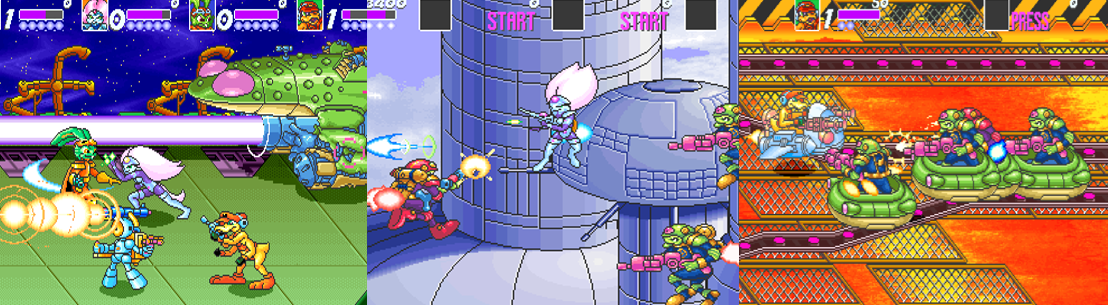
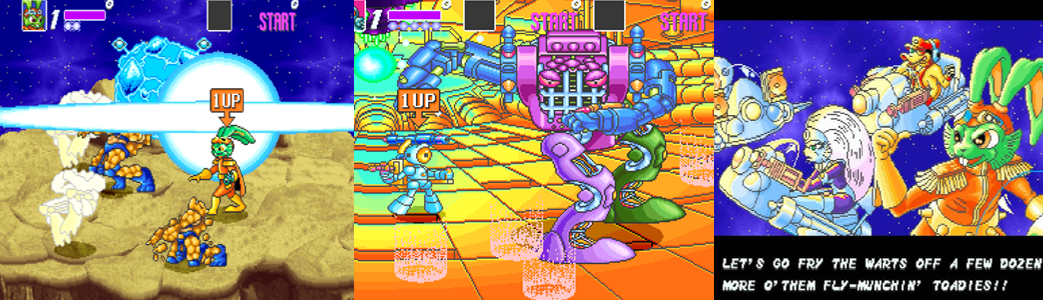



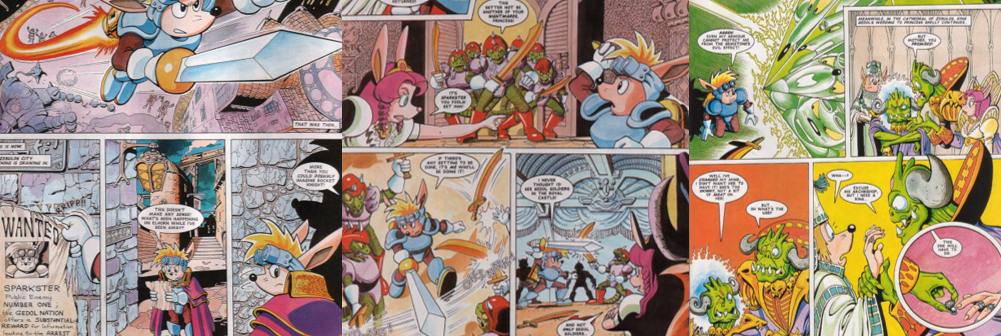
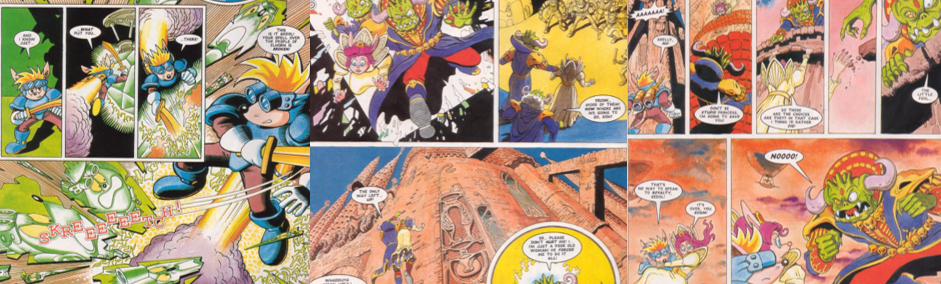
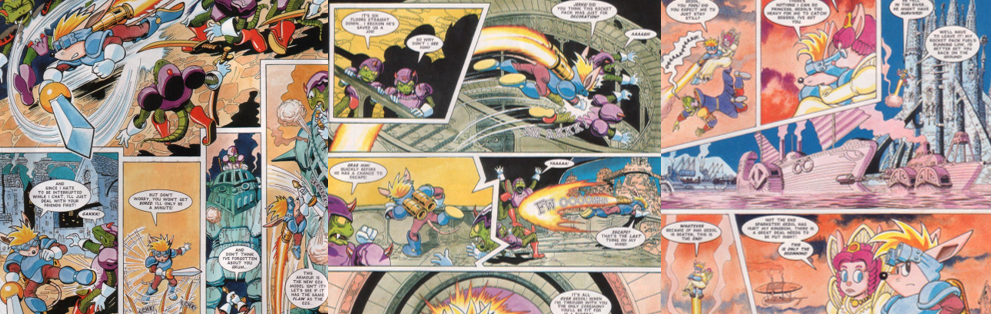



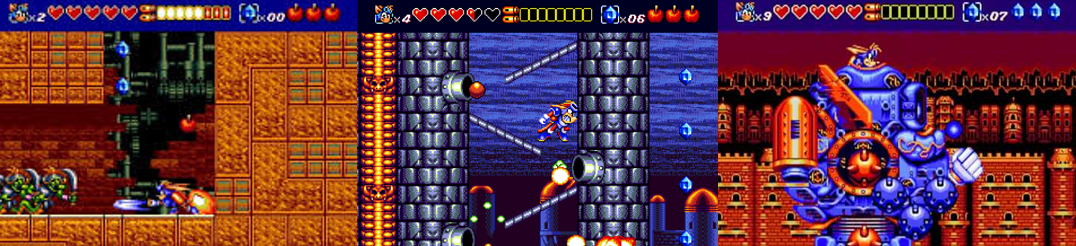
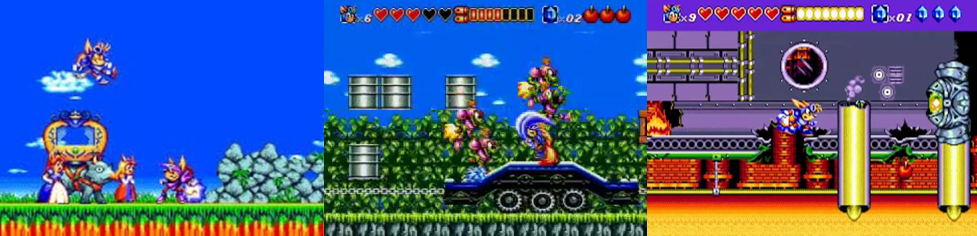
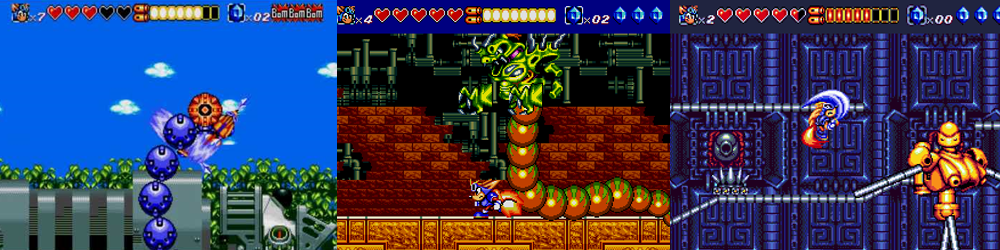
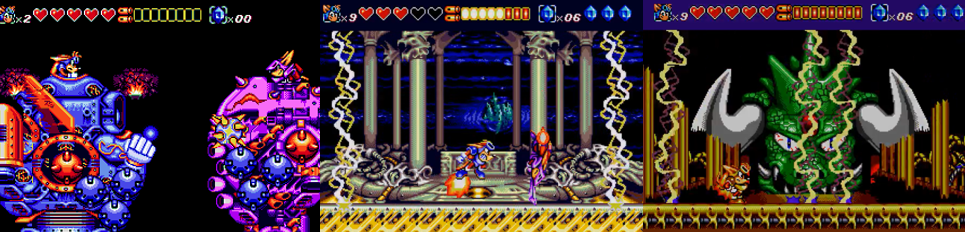


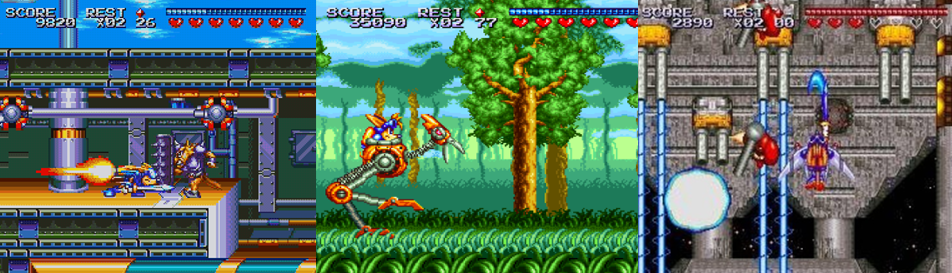
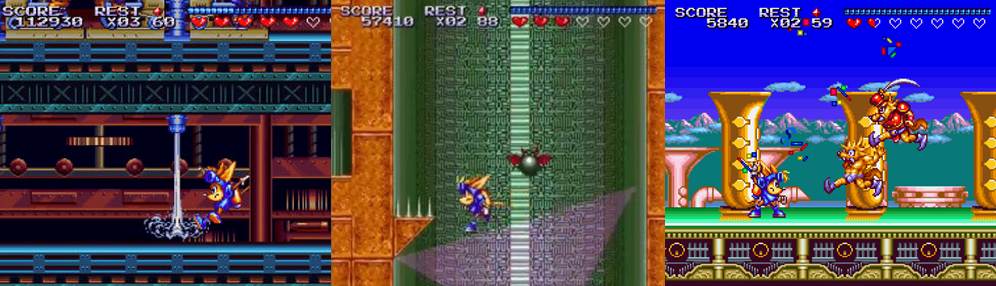
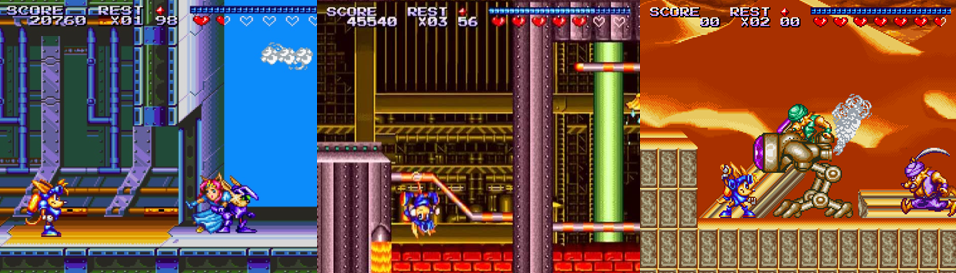
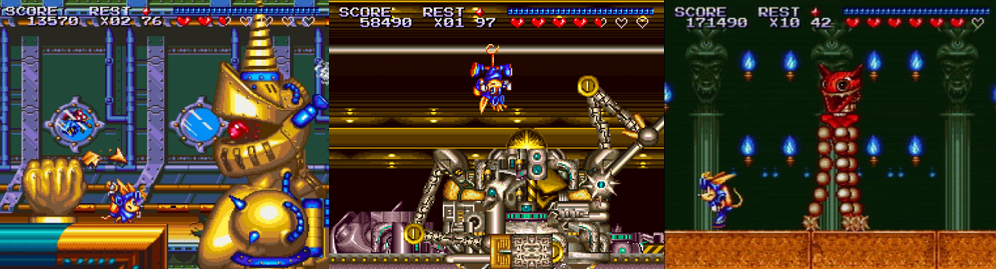
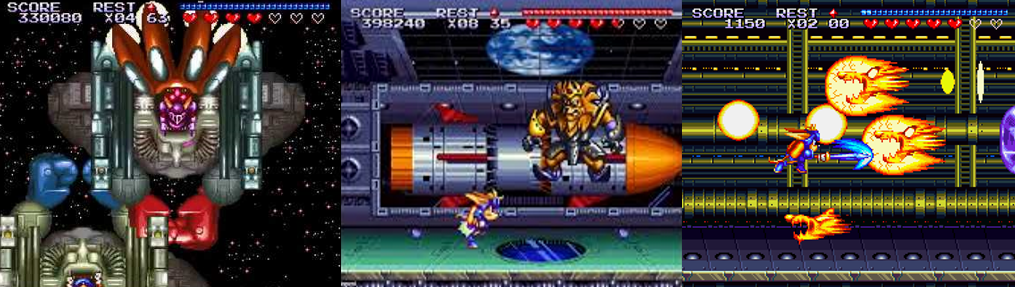


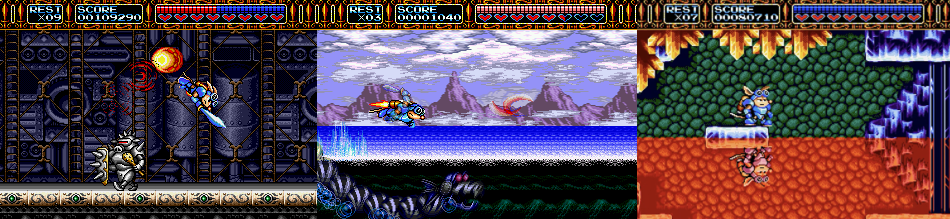
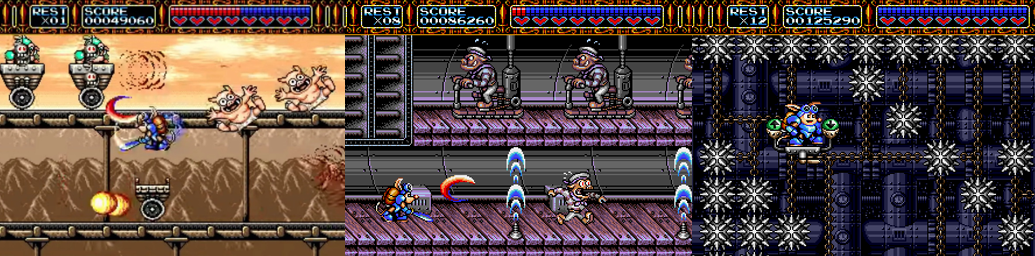
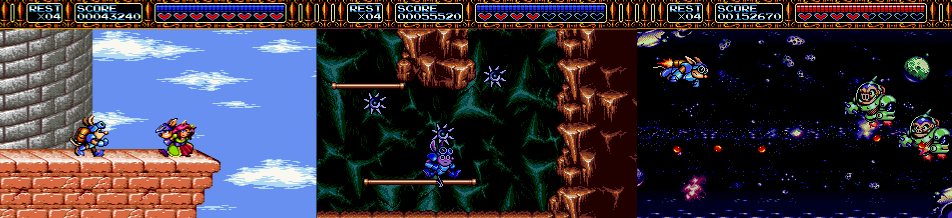
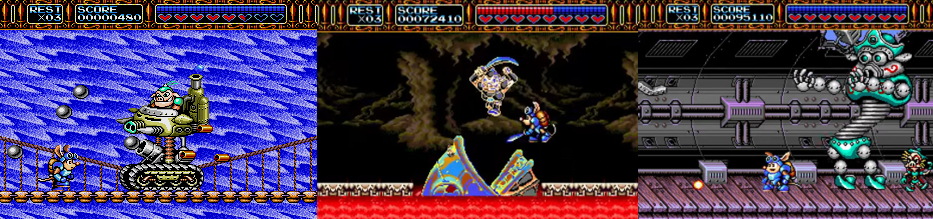
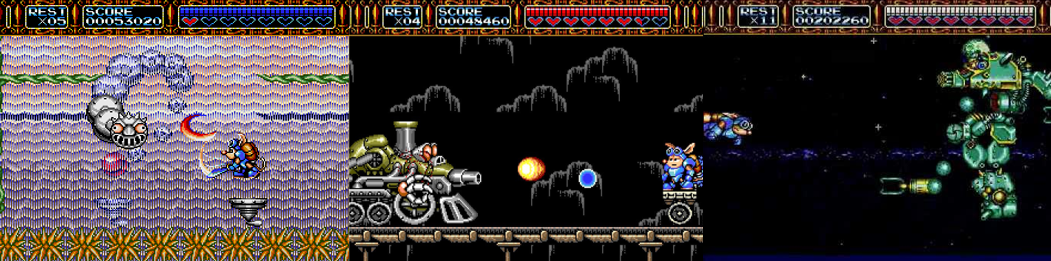
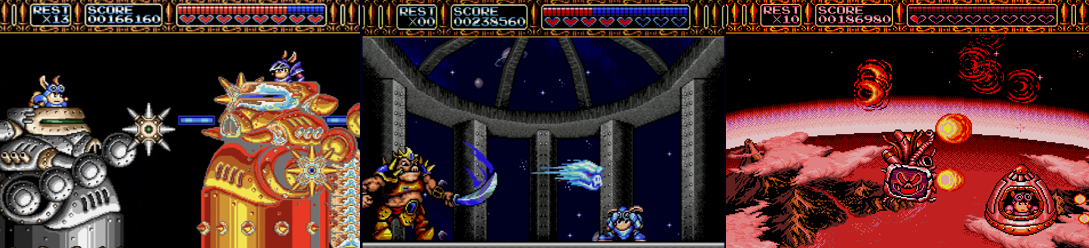















 Dr. K's Waiting Room
You must be logged in to post a comment.