Story Title: “The Submarine Strikes” Published: November 1941 Writer: Mort Weisinger Artists: Paul Norris
The Background: In April 1939, writer/artist Bill Everett introduced readers to Marvel Comic’s first Mutant, Prince Namor McKenzie/The Sub-Mariner, the superpowered prince of Atlantis who could live on land and in the sea and was just as likely to wage war against humanity as he was to defend it. While, on the surface, Arthur Curry/Aquaman appears to be another instance of blatant borrowing from their competitor, Mort Weisinger and Paul Norris’s aquatic superman couldn’t be more different. Aquaman was co-created by Weisinger after he moved to National Comics (the precursor to DC Comics) and was charged with coming up with some new costumed heroes to captialise on the success of Clark Kent/Superman and Bruce Wayne/Batman; after More Fun Comics changed its focus from superheroes to humour, Aquaman switched to Adventure Comics and was prominently featured throughout the 1950s. In addition to getting the cover spot on issues of Showcase and backup features in Detective Comics, Aquman had his own self-titled series, which saw him gain a wife, an ill-fated son, and undergo some pretty radical changes (including losing his hand). Often the subject of unfair ridicule for his ability to talk to fish and presumed uselessness, Aquaman has been part of DC’s biggest stories and proved popular enough to feature in numerous DC cartoons, a poorly-received videogame, and very nearly got his own teen drama show before Jason Momoa made a huge impression in his live-action debut as the character, portraying him as a bad-ass king of the deep and helping to change the character’s perception.
The Review: As the story begins, a helpful text box informs the reader that many, especially those at sea, are well aware of the legend of the Aquaman, a water-dwelling do-gooder who emerges from the dark depths of the sea to battle evil and injustice, though even they consider him to be just that, a legend. While out on a mission of mercy, an unarmed ship is suddenly scuppered by a torpedo fired from an unseen submarine, the U-112; immediately, the captain orders an evacuation and stays behind to ensure that the crew and their consignment of refugees and hospital workers gets safely off the ship before he himself boards a lifeboat. At first, it’s not made clear where the enemy submarine is from or why they targeted the ship but it’s soon revealed that they’re goddamn Nazi sons-of-bitches who are determined to leave no witnesses to their heinous act. Luckily, just as the Nazis open fire upon the lifeboat, the scaled figure of the Aquaman arrives to help; his strength tempered by the crushing ocean depths, it’s no trouble at all for Aquaman to shunt the lifeboat out of the path of the submarine’s torpedo. Aquaman then turns his attention towards the “metal fish” and its maniacal crew.
Aquaman saves a boatload of refugees then delivers a startlingly different take on his origin.
Aquaman leaps aboard, sending one Nazi overboard with a good kick to the chin, but the commander sends the sub into a dive and makes a getaway. Although Aquaman vows to track them down and make them pay, his first priority is the safety of the ship’s compliment; to that end, he commands a pod of dolphins to help push the boat to dry land. The porpoise purpose of this seems to be to demonstrate Aquaman’s ability to clearly and openly communicate with sea life as he could have easily pushed the lifeboat to shore himself, and while that works the cynic in me also views it as him kind of making slaves out of the dolphins. Anyway, once on dry land, the captain begs to know Aquaman’s secret and he freely relates his origin story: his father was a famous undersea explorer who vowed to discover the secrets of the ocean after his wife’s death. This eventually led to him discovering the lost kingdom of Atlantis and constructing a water-tight home within its ruins, where he read up on ancient tomes and learned the secret of living under the ocean from Atlantean science and writing. Somehow, by “drawing oxygen from the water and using all the power of the sea”, the man who would come to be known as Aquaman was able to thrive underwater and continues his father’s work at the bottom of the ocean. So…quite a different Aquaman origin than I am familiar with, and one that’s absolutely full of plot holes and unanswered questions.
After escaping from the Nazi’s death trap, Aquamanputs an end to their threat.
With his story told, Aquaman dives back into the sea to get on the trail of the U-112, determined to do his share of punishing the evil that dwells on the surface world. By this point, the submarine has docked at a small island where the captain tells tales of his success and the strange sea-man who attacked them. Although his commanding officer balks at such an unlikely story, he’s forced to eat crow when Aquaman comes riding in on the back of a dolphin! Aquaman dives under the waters to avoid their bullets and, with a single powerful blow, sinks their submarine before their horrified eyes, trapping the Nazi bastards on their island. When Aquaman confronts them, he effortlessly swats away the commander’s pistol and chastises them for thinking him a “helpless refugee woman” but…somehow…the U-112 captain and his commander escape to their munitions house and then, even more startlingly, knock Aquaman unconscious by dropping a mallet on this head! Patting themselves on the back for their victory, the two tie Aquaman up, clamp weights to him, and toss him into the ocean, where he plummets into the mouth of an extinct sea-volcano. The sheer crushing depths restricting him, Aquaman desperately signals his dolphin friends by rubbing against a bulb-like plant and secreting an inky liquid (why he didn’t just shout for help isn’t clear; I guess he’s too deep?) The dolphins rush to his aid and allow him to easily break his bonds and return to confront the two Nazis. He knocks the submarine captain out with a stiff uppercut but the commander manages to slip back to the munitions room again; this time, he lobs a grenade at Aquaman’s head and, out of sheer instinct, he tosses it right back, blowing up the munitions storehouse and sending the commanding hurtling into the sky with comedic effect (but killing him nonetheless…) The deed done and the wicked punished, Aquaman returns to the sea, ready and willing to fight for justice in all its forms in the future.
The Summary: So, yeah, Aquaman’s first story is decidedly different from his Marvel Comics counterpart; for one thing, Aquaman isn’t a murderous, ignorant fool ready to wage war against humanity but, and perhaps most strikingly, he’s not a native Atlantean and his powers don’t come from his heritage but are instead mysteriously and vaguely manufactured through a combination of “training” and “science”. It’s left incredibly vague exactly how Aquaman survives and breathes underwater or how he communicates with dolphins “in their own language” and, is so often the case in these early tales, we don’t really learn what his limits are (he can survive underwater but was effectively powerless when dumped in that sea-volcano because it was too deep; he can swim super-fast but is also seen riding dolphins, and he exhibits some superhuman strength but is knocked out by a mallet!) or even what his true name is! Garbed in a striking orange-scale outfit with green, fin-like gloves and a generally jovial personality, Aquaman stands out against his peers for lacking a cape and operating exclusively underwater; depicted as a highly trained and superhuman man, Aquaman is seen as the defender of injustice in all its forms, but especially out at sea, rather than being the Prince (or even King) of Atlantis.
A whimsical tale, despite some holes in the plot and Aquaman’s limits and origins.
Nowhere is this more evident than in the story’s choice of antagonist; no one’s going to mourn the death and destruction of Nazi soldiers and munitions and depicting the Nazis as openly firing upon innocents and mocking their foes is a great way of depicting them as morally reprehensible, if a little cliché (both the captain and the commander wear monocles and snigger about their superiority over others). The action is almost as haphazard as the artwork, however; Paul Norris shines in depicting the Greek-God-like Aquaman, panels at sea, and scenes that take place underwater, but the Nazi island is a bit bland and it’s jarring that the Nazis are able to just run away from Aquaman, especially as he’s right there in front of them! They even get the drop on him, again making me question his powers and durability, but this also seems to just be another excuse to reinforce Aquaman’s knowledge of the sea and command over its denizens. When Aquaman does leap into action, it’s with a cringey pun or taunt and he’s swift and efficient, easily knocking grown men out cold and tossing back grenades even if he doesn’t understand what they are. In the end, I was a bit surprised that Aquaman’s origin didn’t originally tie him as a native of Atlantis; this skewed my perception of the story somewhat as it raises a lot of questions that naturally aren’t answered here, but it was a pretty whimsical and enjoyable little tail tale that stands out against those of other superheroes, if nothing else.
My Rating:
⭐⭐⭐
Rating: 3 out of 5.
Pretty Good
What did you think to Aquaman’s debut story? Are you a fan of the character and, if so, what is it about him that you like? Were you also surprised by his differing origin and what do you think about his ability to talk to fish? What are some of your favourite Aquaman characters, stories, and moments and are you excited for his return to the big screen? Whatever you think about Aquaman, feel free to leave a comment below or start the discussion on my social media.
After the release of Sonic the Hedgehog (Sonic Team, 1991), Sonic firmly established himself as the hot new gaming icon and catapulted SEGA to the forefront of the “Console Wars”. Anticipation was high for a sequel and, in keeping with their aggressive marketing strategies, SEGA dubbed November 24, 1992 as “Sonic 2sday”, a marketing stunt that not only heralded the worldwide release of the bigger, better sequel but changed the way the videogame industry went about releasing games for years to come.
Story Title: “Attack on the Death Egg” Published:7 August 1993 Writer:Nigel Kitching Artist:Ferran Rodriguez
Story Title: “Super Sonic” Published:21 August 1993 Writer:Nigel Kitching Artist:Richard Elson
Story Title: “Megatox” Published:2 October 1993 Writer:Nigel Kitching Artist:Richard Elson
Story Title: “Casino Night: Part 1/2” Published:22 January 1994/5 February 1994 Writer:Nigel Kitching Artist:Richard Elson
Story Title: “Hill Top Terror” Published:19 February 1994 Writer:Nigel Kitching Artist:Ferran Rodriguez
Story Title: “Pirates of the Mystic Cave” Published:2 April 1994 Writer:Nigel Kitching Artist:Richard Elson
The Background: Sonic the Hedgehog was a massive success for SEGA; thanks to an aggressive marketing campaign and including it with their 16-bit Mega Drive, SEGA saw sales of over 15 million copies upon its release. However, all was not right at SEGA as Sonic mastermind Yuji Naka quit for the California-based SEGA Technical Institute. After bringing in many of his own Japanese staff, Naka spearheaded the creation of a sequel while an entirely separate, Japan-based team worked on Sonic the Hedgehog CD(SEGA, 1993). Though mired by an influx of ideas, another internal contest decided Sonic’s new sidekick, Miles “Tails” Prower, and improved graphics and gameplay saw Sonic 2 become incredibly successful; 400,000 copies were sold in its first week alone, with over 6 million units during the Mega Drive’s lifespan. SEGA’s control of the home console market shot up by 40% as a result of Sonic 2; the game was widely praised upon its release and is still held in high regard, with many claiming that it is the best in the series. This, more than anything, helped catapult Sonic to mainstream success and saw SEGA briefly usurp Nintendo’s position at the top of the videogame industry and SEGA were quick to capitalise with a slew of merchandise, including cartoons and comic books. About six months after Archie Comics began publishing a weird amalgamation of the Adventures of Sonic the Hedgehog (1993 to 1996) and Sonic the Hedgehog/SatAM (1993 to 1994) cartoons, United Kingdom publisher Fleetway Editions Limited brought us “Britain’s Official SEGA Comic”, Sonic the Comic (StC), a fortnightly publication that I collected diligently until its unfortunate end. Though pulling much of its lore from the now-defunct Mobius and Doctor Ovi Kintobor storyline that was prevalent outside of Japan, StC quickly veered away from the source material to recast Sonic the a mean-spirited leader of a gang of Freedom Fighters made up of both videogame characters and anthropomorphic characters adapted from the videogames. Like the Archie comics, StC often included a few very loose adaptations of the videogames, though these were often heavily truncated and adapted to fit with its noticeably different lore. Sonic 2 was no different, with many elements of its plot and gameplay being loosely peppered throughout the comic’s early issues.
The Review: So, as I mentioned, StC often included truncated videogame adaptations. Sometimes these stretched over a few parts, or a handful of separate parts; sometimes they carried on through spin-off strips. But, quite often, StC simply adapted the general sense of the source material over various issues and stories, and that’s very much the case with their adaptation of Sonic 2. From issue one, StC quite clearly takes place after the first videogame, with Sonic generally sticking to the Green Hill Zone and other locations from the first game but also visiting or at least referencing events from the second game, if only because Tails was regularly included as Sonic’s sidekick. I suppose you could argue that Sonic 2 takes place between issues, but I always assumed that the first two games happened, and the comic went from there. All this is to say that, initially, I was simply going to review “Attack on the Death Egg” but I decided to make things more difficult for myself and review a bunch of StC stories that are clearly pulling from the second game, while also inserting their own lore. One of the most prominent bits of original lore in StC was their version of the Kintobor origin; in StC, the kindly Doctor Ovi Kintobor was transformed into the evil Doctor Ivo Robotnik after an accident involving a rotten egg and a massive dose of chaos energy from the six unstable Chaos Emeralds. Somehow, Dr. Kintobor’s consciousness was imprinted onto a Golden Ring and then transferred to the computer and acted as a guide, warning system, and information network for Sonic and his gaggle of Freedom Fighters, and an occasional emphasis was placed on Sonic carrying or hiding his guilt for his role in the creation of Mobius’s power-hungry dictator.
Sonic and Tails return to the Death Egg to stop it from destroying the Emerald Hill Zone.
I offer this context because “Attack on the Death Egg” opens with Sonic operating the Kintobor Computer and Tails expressing childish curiosity about the kindly doctor’s holographic face, which acts as an interface to make the machine easier for Sonic to use. The computer reveals that Dr. Robotnik’s all-powerful Death Egg space satellite is not only still in one piece after Sonic 2 but is currently on a collision course with the Emerald Hill Zone, so Sonic has Tails fly them to Dr. Robotnik’s “flying fortress” (obviously the Wing Fortress Zone), though Tails is clueless as to why they’re heading there and not to the Death Egg. While the fortress is largely abandoned, it’s not without some recognisable defences; Sonic dodges a Cluck’s cannonball and ends up battling the laser cannon boss from the videogame (though Sonic’s dialogue and inner monologue implies he’s never encountered this before). Similarly, Tails is completely clueless about the Wing Fortress; he doesn’t even realise it has a spaceship there, which is a bit odd as the Sonic 2 cutscene clearly showed him helping boost Sonic onto the same craft. One quick stomach-churning trip to space later and the two are back onboard the heavily damaged, egg-shaped space station; there, Sonic is…not surprised, more excited and insulted…to see Mecha Sonic is still operational, albeit badly damaged. Sonic makes short work of his chunky robotic doppelgänger, ramming it with a Super Sonic Spin Attack and then kicking its head off, before ordering Tails to take the one and only escape pod while he (as in Sonic) manually redirects the Death Egg to plunge into the ocean rather than destroying the Emerald Hill Zone (which I believe causes a continuity issue for later in StC when Knuckles the Echidna makes his debut). Although Tails weeps for his friend and vows to tell tales of Sonic’s heroics, Sonic obviously escapes certain death and appears to bask in the glory of his bravery.
A near-death experience in the Oil Ocean Zone sees Sonic briefly become the enraged Super Sonic!
StC returned to Sonic 2 in the very next issue, which saw Sonic and Tails help with a raging inferno at the Oil Ocean Zone; while original character Red and the other firefighters have battled the blaze for three days with little success, Sonic easily disperses the burst of flaming oil by creating a “Sonic-Cyclone” with his super speed. However, the dangers of the gigantic oil refinery remain and Red implores Sonic to help them clean the place up with his unprecedented knowledge of the many traps placed around the Zone. Naturally, Sonic agrees without hesitation, but is surprisingly caught off-guard by a lone Aquis; this robotic seahorse singes him with its flame shot and forces him into one of those slippery oil slides, apparently incinerating him alive in a pool of oil! Thankfully, Sonic survives but the stress of the anticlimactic near-death experience transforms him into Super Sonic! Now, this is something else StC took major liberties with; in StC, Super Sonic is a mindless, enraged, demonic entity hell-bent on destruction and chaos and much more akin to Doctor Bruce Banner’s green-skinned alter ego than a conscious, Super Saiyan-like power-up. Sonic first transformed into this being after absorbing a massive dose of chaos energy from the volatile Chaos Emeralds, and then again after collecting too many “Mobius Rings”, and he would undergo the transformation whenever pushed too far, such as here. Now faster than light and able to fly, Super Sonic ploughs through the Aquis in a fit of rage but is so consumed by hatred and evil that he then tries to murder the little woodland critter than pops out of the Badnik! Thankfully, Tails talks some sense into the rampaging, invincible hedgehog, calming him down before his temper got the best of him, returning him to normal and allowing him to make good on his promise to clean up the Oil Ocean Zone.
A daring rescue mission to the Chemical Plant Zone sees Sonic battling the vile Megatox.
After a two-issue gap, StC tapped into Sonic 2 for inspiration for one of the most memorable stories of the comic for me, “Megatox”. This one has special meaning to me as, when I was a kid, before we could afford to buy StC on the regular, I only had two issues; one was issue two, and one was issue ten, so I read “Megatox” to death back in the day. By this time, Dr. Robotnik has overtaken Mobius thanks to taking advantage of a time dilation a few issues back; his Badniks and military Troopers are everywhere and Sonic and his friends have been forced on the run in disguise as Bob Beaky’s traveling circus. This is why Sonic infiltrates the Chemical Plant Zone dressed in a massive snow suit and hat and pretending to be Bob Beaky, loyal servant of Dr. Robotnik’s; this allows him to get into the toxic facility, where Troopers are working woodland critters to exhaustion and disciplining them with energy whips. Disgusted at the Trooper’s mistreatment of innocent Mobians, Sonic quickly abandons his disguise and trashes Dr. Robotnik’s goons; since they don’t use animals as power sources, Sonic doesn’t have to worry about holding back and literally bursts through them to lead a desperate escape attempt through a tunnel full of a strange, pink, toxic gunk. Although Sonic gets the critters to safety (and even frees another from a Grabber), he’s startled when the toxic gunk (known as “Mega Mack”) suddenly comes to life and attacks him, assuming a sentient, corporeal form called Megatox. Once a scientist charged by Dr. Robotnik to create a poisonous chemical to kill Sonic, he was transformed into living Mega Mack after a freak laboratory accident and wastes no time in fulfilling his objective by choking and poisoning Sonic with its toxic body. Already feeling the effects of the poison, and unable to directly attack Megatox since it is essentially living water and incapable of being destroyed through conventional means, Sonic instead burrows through the ground and disperses Megatox all over the countryside (no doubt indirectly polluting the nearby environment in the process) using a vortex, ending the strange creature’s threat…for a time.
Sonic ends up captured during his mission to liberate the Casino Night Zone.
Eight issues later, Sonic 2 was used as the basis for a two-part story; these weren’t uncommon in StC, and a lot of Sonic’s stories were two-part tales. This one takes place in the Casino Night Zone, here realised as a gigantic fun park adorned with Dr. Robotnik’s visage. The Casino Night is also home to a number of…well, casinos. Sonic and his buddy, nervous but tech-savvy Porker Lewis, sneak into the Zone and are disgusted to find the Dr. Robotnik has not only rigged all the games to strip guests of their money and worldly possessions but is turning them into compulsive gamblers using hypnotising beams from a massive, garish statue in his image. Dr. Robotnik (here still sporting his sadly underused videogame design and spitting out egg puns aplenty) has left the Casino Night in the hands of three original characters knock-off villains, the Marxio Brothers – cigar-chomping leader Grouchio, underappreciated stooge Chicio, and the mute trumpet-honker Harpio – thinly-veiled composites of the Marx and Super Mario Brothers from the never-seen (but, assumedly, terrible) Marxio World. When Porker’s specially-created disruptor fails to work from a distance, a frustrated Sonic resolves to get closer so he can put a stop to Dr. Robotnik’s diabolical scheme and, afraid of the hedgehog’s wrath, Grouchio orders Chicio to unleash a swarm of laser-firing Troopers into the Zone. Although Sonic fights them, the sheer numbers cause him some concern and see him fall into a trap; more specifically, a giant pinball machine that batters him about and almost ends with him becoming a hedgehog kebab…until he simply gets out of it with relative ease. Unfortunately, Sonic is forced to surrender when Porker gets captured and tied up by the Marxio’s, ending the first part with him admonishing his nerve-wracked friend even as they await certain death tied to rollercoaster tracks.
After winding up Porker, Sonic humiliates his captors and ends Dr. Robotnik’s casino plot.
“Casino Night” continues in the next issue, picking up right where the first part left off and, thankfully, sparing us any flashbacks or wasted time recapping the previous events. StC was great like that; they just did the smallest text box or a bit of dialogue and that was it. Another thing it was good at was painting Sonic as an absolute prick; like, he was heroic and brave and all that, but Goddamn was he an abrasive, self-absorbed, egotistical bully sometimes. Mostly, he threw his insults at Tails, but he wasn’t above tormenting Porker either, and he does that in this issue, driving the poor pig into a panic by pretending like they’re doomed to die. After getting his kicks from Porker’s abject terror, Sonic vibrates the ropes that bind them at super speed and breaks them free seconds before their gruesome demise. Spotting the Marxio’s nearby, now in possession of the disruptor device, Sonic pursues them into the nightmarish pinball machine that functions as the heart of the Casino Night Zone and runs rings around them as they try to smash and bash him with their metal pole…things (a weapon Sonic’s ill-fated ally, Johnny Lightfoot, would later take as his own). Although Grouchio smashes the device, Sonic is far from perturbed; in fact, he was simply stalling for time to allow Porker to reprogram the Casino Night’s main computer and cause all of the machines to pay out bucketloads of cash. As an exclamation point, Sonic has Porker destroy the head of Dr. Robotnik’s statue, disrupting his hypnotic rays and delivering a decisive victory in the ongoing war against the egg-shaped tyrant.
Sonic’s efforts to save a Hill Top Zone village see him becoming the maniacal Super Sonic once more.
Super Sonic made a return in the very next issue, which took place at one of my favourite Sonic 2 Zones, the Hill Top Zone. “Hill Top Terror” sees Sonic and Tails assist a small village at the base of an active (and very close to erupting) volcano. Before landing, Sonic has to take out a small group of Turtloids, oddly seeming to fly at superspeed and then observing that he can’t actually fly and needs Tails to rescue him with his biplane (which earns the two-tailed fox what can be loosely called a compliment). Sonic and Tails meet the bird-like tribe and their leader, Chief Kordon, who explains that the Mountain of Destiny threatens to wipe them out, claiming it to be the wrath of the Gods, which Sonic dismisses with a casual flippant comment. Racing to investigate, Sonic and Tails are surprised by a Rexxon dwelling in the boiling lava of the mountain; with Tails struggling to keep them from falling to their deaths, the stress of the situation causes Sonic to transform into his demonic other half once more. After taking his anger out on the Badnik, Super Sonic is left hungry for something to destroy and therefore unimpressed by Dr. Robotnik’s seismatron, which causes the volcano to violently explode and spells doom for the village. Thankfully, Tails hitches a ride out of there on Super Sonic’s leg and then manipulates the malevolent creature into stopping the volcano by questioning his power and ability. The effort of creating a “Super Sonic fan to cool the lava” is enough to not only save the villagers from a horrible death but also to return Sonic to normal; though he has no memory of his time, actions, or the threats he made towards Tails as Super Sonic, just enough of his personality remained to carve an effigy of himself on top of the mountain for the villagers to admire.
Sonic encounters the greedy Captain Plunder deep in the Mystic Cave Zone.
Finally for today, we have “Pirates of the Mystic Cave”; this story is actually something of a prelude to StC’s later adaptation of Sonic CD and introduces readers to one of StC’s more annoying recurring original characters, Captain Plunder and his Sky Pirates. The story sees Sonic, Tails, Porker, and Johnny exploring the Mystic Cave Zone in search of Amy Rose, Sonic’s lovelorn number one fan who joined the Freedom Fighter team some issues prior and had a knack for getting herself in trouble. While there, they’re attacked by the caterpillar-like Crawltons but, unlike usual, these Badniks are empty of helpless woodland critters. Sonic and Tails are soon cut off from Porker and Johnny by a massive steel door and summarily attacked, and knocked out, by electrical bursts courtesy of a gaggle of Flashers. When they awaken, they find themselves in a cove where Amy is held prisoner in a wooden cage by the hulking, warthog-like Captain Plunder. Desiring Sonic’s cache of Chaos Emeralds, Captain Plunder first threatens Tails with walking the plank and then ruthlessly kicks him down a chasm, but Sonic reminds his young friend that he can fly and therefore the attempted murder is easily thwarted. While Sonic is unable to hurt Filch, Captain Plunder’s resident poltergeist (whom the captain himself murdered for being greedy with the biscuits), he is able to fight the hook-handed warthog. However, far from a mere meek damsel in distress, Amy talks sense into the two and convinces them to join forces against Dr. Robotnik; although Sonic can’t surrender the Chaos Emeralds, he can offer information which of Dr. Robotnik’s air freighters are worth robbing and the cutthroat crew offer the Freedom Fighters some much-needed backup in the fight against the dictator. Although Captain Plunder agrees to the deal and the Freedom Fighters are allowed to leave unharmed, he vows to use the situation to his advantage regardless and steal the Chaos Emeralds at the first opportunity.
The Summary: There’s a real variety in these six (technically seven, I guess) stories; none of them are a direct adaptation of Sonic 2 by any means and, indeed, the comic plays fast and loose with the game’s continuity at the best of times. One thing I enjoy about Sonic’s comics is how the game locations are actually used and expanded upon, becoming intricate cities, populated areas, and really feeling alive and part of this diverse and often wacky fictional world. The cartoons and movies really struggle with this aspect; occasionally, Zone names and locations are referenced, seen, or somewhat evoked, but it’s never as explicit as in the comics, where anthropomorphic characters live and work and struggle like in the real world. Other concepts, like gameplay mechanics such as Golden Rings and such, were never quite as easily translated in the comics; like the cartoons, these were downplayed or ignored, with stories largely focusing on the Chaos Emeralds and using Rings very sparingly, as though this mechanic were something that only existed in the context of the videogames and wasn’t quite the same thing in this new fiction.
The stories do a great job of bringing Sonic 2‘s locations to life.
Regardless, these stories tell quite a few fun and interesting tales in just a few pages. All but two of these were illustrated by the great Richard Elson, the premier artist of StC who always delivered some of the best, dynamic, and visually interesting sequences and panels. However, this isn’t to discredit Ferran Rodriguez; while his art style is noticeably less detailed than Elson’s and far more simplistic, his characters and locations evoke the anime aesthetic channelled in the manuals and advertisements for the games, especially over in Japan, therefore bringing a more “SEGASonic” version of the character to StC. While some of the writing is a little off (Sonic’s constant heckling of Tails and Porker can make him out to be more of a bully) and it’s a little weak that Super Sonic’s first big appearances were a result of mediocre Badniks like Aquis and Rexxon, the visual representation of the Zones used is absolutely spot on. StC rarely, if ever, took much inspiration from the actual plots of the videogames beyond Dr. Robotnik enslaving animals and polluting the environment, but they always did a bang-up job of bringing the game’s Zones to life in their adaptations, and all of these look great. Sure, Wing Fortress and Death Egg are a little lifeless and dull and Hill Top Zone is less of a lush mountainscape and more of a barren, rocky volcano, but Elson’s depictions of the bustling, pollution-spewing Oil Ocean and Chemical Plant Zones is a joy to behold. There’s so much detail there, with elements from the games (like the oil slides, the toxic gunk, the pinball arena, and the ominous caves) tweaked to become somewhat believable and fully flesh out environments. This is probably best evident in the Casino Night Zone, which takes more from the bustling city you see in the background of the Zone but still includes the bounce springs and bumpers, though Oil Ocean Zone really came off incredibly well, too.
Some unique supporting characters and world-building bolster these stories.
Like basically all external Sonic media, StC was rife with original characters; many, especially those in Sonic’s gang, were adapted from the Mobius lore but others, like Captain Plunder, were a little more surreal and yet fit quite well with this version of Sonic’s world. Few of them make much impression in these stories beyond Captain Plunder and, I guess, the Marxio Brothers for being parodies of SEGA’s rival, Nintendo. One thing you may notice is that Dr. Robotnik doesn’t show up much in these stories and Sonic doesn’t actually fight him directly; this was actually quite common, especially after Dr. Robotnik took over Mobius and became virtually untouchable, and much of the ongoing story was about striking victories and disrupting his operations, not unlike what we saw in SatAM, casting Sonic firmly as the underdog despite him always coming out on top. For those who were hoping to see a traditional Zone-by-Zone adaptation or a bigger, more dramatic showdown on the Death Egg, these stories will probably be a disappointment; indeed, the Death Egg wouldn’t be properly explored or seen as a real threat until later, after Knuckles’ introduction, so I can understand why “Attack on the Death Egg” might fall a little flat in that regard. Still, I think these stories collectively do a decent job of capturing some of the essence of Sonic 2 and recontextualising the Zones and gimmicks into something that would actually work as a living, real place. Many of the elements seen in these stories would return in later issues, with Captain Plunder, Megatox, and the Marxio Brothers becoming recurring villains and anti-heroes, and basically all of Super Sonic’s unique characterisation as this out of control, destructive force was established here. Naturally, there’s a lot of bias on my part; I grew up reading these stories and was an avid collector of StC and really enjoy how they adapted the source material into something recognisable, but still distinctive in its own right, and I definitely think their efforts to incorporate and expand upon Sonic 2 resulted in some fun and visually engaging stories here.
My Rating:
⭐⭐⭐⭐
Rating: 4 out of 5.
Great Stuff
What did you think to Sonic the Comic’s adaptations of Sonic the Hedgehog 2? Did you read StC as a kid and, if so, what did you think to its unique take on the source material? Which of these stories was your favourite and what did you think to the StC version of Super Sonic? Would you have liked to see a more direct adaptation of the games in the comics and how would you compare with StC did with the American comic books? What are some of your favourite stories, characters, and moments from StC? How are you celebrating “Sonic 2sday” this year? Whatever your thoughts on Sonic 2, and Sonic comics in general, share them below or join the discussion on my social media.
To celebrate the release of Justice League (Snyder/Whedon, 2017), DC Comics named November 18 “Justice League Day”. Setting aside all the drama surrounding that movie, this provides a perfect excuse to spotlight DC’s premier superhero team, which set the standard for super teams in comics by bringing together DC’s most powerful heroes.
Story Title: “The Origin of the Justice League” Published: February 1962 Writer: Gardner Fox Artist: Mike Sekowsky
The Background: All Star Comics (1940/1941) brought together eight superheroes from different publishers for the first time, birthing not just the Justice Society of America (JSA) but also the first ever superhero team in comics, allowing readers to see their favourite characters interacting all for the same price as any one comic. The JSA’s roster expanded and changed over the years but the team underwent their most significant change in the late-1950s when then-editor Julius Schwartz tasked writer Gardner Fox with reintroducing and rebranding the team as the Justice League of America (JLA) to capitalise on the popularity of the American Football League and Major League Baseball’s National League. The Clark Kent/Superman, Bruce Wayne/Batman, Diana Prince/Wonder Woman, Hal Jordan/Green Lantern, Arthur Curry/Aquaman, Barry Allan/The Flash, and J’onn J’onzz (or “John Jones”)/Martian Manhunter debuted as the JLA in The Brave and the Bold #28, a title famous for featuring superhero team-ups. However, the team’s actual origin wasn’t revealed until this issue of their self-titled series, which became one of DC Comic’s best-selling titles. Over time, the JLA’s roster has also changed and many splinter groups and spin-offs have been introduced, but perhaps there is no more iconic line-up than this original roster of DC’s heavy-hitters.
The Review: I was going to open this review by saying how odd it was that the Justice League’s debut story wasn’t actually a bumper tale about how these seven characters first came together, but quite a few first appearances of famous comic book teams and characters simply started with them already in their superhero role or somewhat established as a team, so I guess it wasn’t completely against the norm. “The Origin of the Justice League” gets off to a rocky start with perennial hanger-on, Lucas “Snapper” Carr, racing to the Justice League’s cavernous headquarters, the Secret Sanctuary, to celebrate a birthday, though he can only imagine which member of the team is to be honoured. When he gets there, he finds Green Lantern, Wonder Woman, Aquaman, and Oliver Queen/Green Arrow in the midst of getting the place and spik-and-span for the party; there’s something a bit odd about seeing Amazonian warrior and peacekeeper Diana Prince wiping down a table like a scullery maid but it’s great to see them making Snapper do menial chores like mopping the floor and cleaning out their display cabinets since this aggravating hipster youth really isn’t fit for anything else. It doesn’t take Snapper long to get distracted, however, when he spies a display case filled with wooden splinters that is directly tied to the team’s first mission. Wonder Woman has the entire Justice League pitch in getting the Secret Sanctuary ready for their event, which is of course to celebrate the anniversary of the first time they came together, and each of Leaguers take it in turns to share the story with their overexcited mascot.
J’onn and Aquaman are the first to encounter alien beings and to be transformed into trees!
J’onn J’onnz starts things off since it was he who first discovered the threat that would unite the world’s greatest heroes. After hearing a “queer report” about people spontaneously having turned to stone, J’onn investigated and found an entire town full of people turned to stone and confronted the source of the petrification: a massive stone giant that proves impervious physical assault. Using his “Martian vision”, the Martian Manhunter learned that the giant came from the alien world Appellax and was one of seven contenders to the throne who came to Earth in a meteor storm with the goal of conquering the planet to earn the title of Emperor (or “Kalar”) of his home world. Although the giant briefly sapped J’onn’s strength after learning of his weakness to fire, J’onn easily used his “Martian breath” to suck up some water from a fire hydrant to extinguish the flames and then attacked the giant’s weak spot with his great Martian strength. With the giant rendered unconscious, his victims returned to normal and J’onn summoned the police to “take the giant into custody” (apparently leading to them smashing the alien rock monster with sledgehammers!) but was transformed into a tree when he investigated the meteor that brought the being to Earth. While swimming through the Indian ocean, Aquaman learned from a dorado of another meteor, one causing panic in the seas after spawning a strange alien creature made of glass who turned underwater life to glass. Although also turned to glass the moment he investigated, Aquaman was still able to call upon his fishy friends to attack the creature, first attempting to shatter it with brute force and then succeeding in defeating the alien by causing massive sonic vibrations. However, when learned of another meteor and raced to oppose its threat, he too was transformed into a tree.
Wonder Woman and Green Lantern overcome their limitations to defeat their alien threats.
Wonder Woman’s arrival on Themyscira was ruined by the presence of strange glittering globs all over the island that unleashed a living blob of mercury that transformed the Amazons into liquid. Calling upon Hera for strength, Wonder Woman whipped out her magical lasso to ensnare the blob-like alien; although she was unable to simply fling it into space since her strength was divided between fending off the creature’s “queer radiation”, Wonder Woman was, inexplicably, able to swing the creature around so fast that it was destroyed by the resulting friction heat. Although this caused her great strain, Wonder Woman was ultimately successful and returned her sisters to normal, but she too was turned into a twisted tree-like being when she investigated the other meteor. Around the same time, Green Lantern was returning to Earth and was startled by the sudden appearance of one of these meteors, and even more shocked when it spawned a gigantic golden bird that systematically began transforming humans and animals alike into ghastly winged creatures using a “white ray”. Since his Power Ring is useless against anything even remotely yellow, Green Lantern was powerless and being partially transformed into a bird-man himself before luring the creature into a nearby waterfall and using his Power Ring to freeze both solid. With the winged terror effectively subdued, all of its victims returned to normal and Green Lantern got them to safety but found himself becoming a gnarled tree at the same time as Wonder Woman!
The Flash and the others help to free their comrades so Wonder Woman can finish off the wood alien.
While in Europe acting as a representative to an Interpol meeting, the Flash learned of a strange meteor falling near Italy and raced out to investigate, finding a flaming humanoid creature transforming humans into similarly blazing monsters. His attempts to whip up a strong wind, douse the flaming alien with water, and snuff it out with sand were all unsuccessful, however, when the creature proved powerful enough to turn these to steam and glass. The Flash quickly discovered the solution was the same as almost every situation he ever finds himself in and he simply ran around super fast to create a vacuum that extinguished the flaming beast, returning its victims to normal, but he wasn’t fast enough to avoid becoming a tree like his fellow costumed heroes. Their great powers rendered mute and their strength inert by the meteor’s radiation, the fledgling Justice League were powerless to stop a massive wooden alien from emerging from its cocoon and compelling them to follow its bidding. Did I say powerless? Well, not quite as Aquaman (of all people) summoned the strength necessary to chip a small piece of wood from Green Lantern’s hand, exposing his Power Ring and enabling him to free J’onn’s face. J’onn then used his Martian breath to free the Flash, who then helped to free Wonder Woman, thereby allowing her to regain just enough control over themselves to easily destroy the wood-like alien by stripping it to splinters with her magical lasso.
Superman finishes off the last alien with little to no help from the other heroes.
This wasn’t the end for the colourful heroes, however; one last meteor landed in Greenland but, when they flew over to confront the final claimant to Appellax’s throne, they found Batman and Superman already clashing with the alien, this one a jagged, slender ice being. Although the other heroes were content to leave this last alien to the World’s Finest, Superman ran into a spot of bother when the meteor turned out to be made of Kryptonite, leaving him weak and vulnerable. Although his arms and legs were rapidly turning to diamond as a result of the creature, the Batman was able to use his Batplane to get the meteor away from the Man of Steel, allowing Superman to instantly destroy the creature by using one of his many crazy super powers to turn it into harmless coal. In the aftermath, despite none of the individual heroes even remotely learning anything about working as a team or coming together to destroy a threat greater than any one of them with the exception of Batman and Superman (who had already worked together numerous times by this point), the seven superheroes agree to form a the Justice League to oppose any threats to the sanctity of peace and justice. Back in the Secret Sanctuary, Snapper is blown away by the story, and Superman’s solution to the problem; although awestruck, he wants to know even more of the team’s secrets, like how the Secret Sanctuary was built, but is content to set these questions aside and join his masked friends in celebrating their anniversary.
The Summary: Have I mentioned how much I detest Snapper-bloody-Carr? Jeez, I mean, of all the jive talkin’, hipster teenage characters in comics from this era, he’s got to be the dirt worst. At least he’s not constantly snapping his fingers like a moron throughout this story, but the way he talks just grates on me. Did the writers really think kids would appreciate seeing a character like this mooching off their favourite superheroes? It really blows my mind to think that this was ever considered a good idea; I mean, if you want to toss in a teenager for the young ‘uns to relate to, just use Dick Grayson/Robin! Anyway, luckily, Snapper is hardly in this story and he doesn’t get to take all the glory for himself like in the Justice League’s first issue, but that doesn’t make this story any better, to be honest. Like in their first issue, the Justice League is painfully divided here, and the focus is more on the less popular superheroes, meaning Batman and Superman don’t show up until the very end. To be fair, though, I don’t actually mind this; especially in today’s world, where Batman is everywhere, on every team, all the time and massively overexposed, it’s nice to see guys like Green Lantern and the Flash get a bit more of the spotlight (Hell, all Batman does is get the Kryptonite away from Superman; he’s probably in the story less than Snapper Carr!)
The combination of Snapper, a weak threat, and lack of teamwork make for a mediocre origin story.
Unfortunately, this isn’t really a compelling origin story. The idea that these seven elemental aliens have landed on Earth and are causing havoc has a lot of potential; seven threats for seven heroes to unite against. Instead though, each threat is dealt with individually; while this does showcase the power of Wonder Woman and the extent of Aquaman’s telepathy, it’s really not a good way to justify them forming a team. The only time they even remotely do anything even slightly team-orientated is when they free each other from the wood-alien’s control; they don’t get overwhelmed and need another hero’s help and they don’t come together to face off a greater threat. They just dispose of their individual menaces, get turned into wood like idiots, and then watch on as Superman finishes off the last alien since he doesn’t need their help. How much better would it’ve been if, say, one alien was boiling or freezing the sea, so the Flash had to use friction to help out Aquaman? Or if Wonder Woman had to bail out Green Lantern after his Power Ring proved useless? Or if J’onn faced the fire alien and Aquaman helped him out with water? The primary appeal of this story is paying the same price you would for a solo book and seeing seven superheroes in action, but the action and narrative really isn’t all the compelling; the aliens have no personalities or characterisations or motivations beyond this throwaway desire to rule the world, and they’re all pretty weak. The wood one is built up as this major threat, but it’s disposed of pretty easily, and the ice/diamond one is similarly undone in the blink of an eye by Superman. Honestly, I feel like Starro the Conqueror was a far more credible and League-worthy threat and, if you recall from my review of that story, he was basically a joke as well, meaning I can’t really take this menace that seriously or find the idea that these heroes would ever want to form a team after this lacklustre experience.
My Rating:
⭐⭐
Rating: 2 out of 5.
Could Be Better
What did you think to the JLA’s origin story? Were you satisfied with the explanation of how the seven came together or, like me, did you find the threat and motivation incredibly weak? What did you think to the aliens the heroes faced off with and would you have liked to see the heroes interacting a little more? Are you a fan of Snapper Car and, if so, why? Which era or incarnation of the JLA is your favourite and what are some of your favourite JLA stories? Who would you like to see in the JLA some day? How are you celebrating Justice League Day this year? Whatever your thoughts on the JLA, feel free to share them below or join the discussion on my social media.
When readers were first introduced to the character of James Howlett, better known by the names “Logan” and “Wolverine”, it was in the pages of The Incredible Hulk. From his first full debut in issue 181 all the way back in November 1974 to him officially joining the X-Men in 1975, the character has become one of Marvel Comics’ most recognisable and enduring superheroes, regularly featuring in solo and team comics, cartoons, movies, videogames, and countless other merchandise.
Writer: Chris Claremont – Artist: Frank Miller
Story Title: “I’m Wolverine!” Published: 1 June 1982 (cover-dated September 1982)
Story Title: “Debts and Obligations” Published: 29 June 1982 (cover-dated October 1982)
Story Title: “Loss” Published: 3 August 1982 (cover-dated November 1982)
Story Title: “Honor” Published: 31 August 1982 (cover-dated December 1982)
The Background: In 1974, Roy Thomas, editor-in-chief at Marvel Comics, tasked writer Len Wein with creating the first Canadian superhero; a short, feisty adventurer named “Wolverine” who would be as scrappy and fearsome as his namesake. Though the legendary John Romita Sr came up with the original concept art for Wolverine and his now-iconic retractable claws, it was artist Herb Trimbe who put the finishing touches to the character’s design. In what would become a staple for Wolverine for decades, Wolverine’s past and true identity was initially quite the mystery; yet, despite claims that Wolverine was originally conceived to be a mutated wolverine cub, Wein insisted this was false and that Wolverine was always intended to be a Mutant. These days, Wolverine is established as one of Marvel’s most popular characters thanks not only to him joining the X-Men a year after his debut but also the success of his first solo miniseries courtesy of X-Men scribe Chris Claremont and legendary comic book artist Frank Miller. Largely regarded as one of Marvel’s best miniseries, Claremont and Miller’s work helped to define many of Wolverine’s now recognisable character traits, from his time in Japan, his knack for brutality, and his iconic no-nonsense attitude. The popularity of the miniseries led to an ongoing solo book from 1988 but it’s not hyperbole to say that Wolverine probably wouldn’t be as big of a star as he is today without this influential four-issue series, which would come to inform the character’s later adaptations into films, cartoons, and videogames.
The Review: Wolverine’s first solo outing begins within him freeclimbing his way through the Rocky Mountains, back in his home soil in Canada, on “business”; as he explains in his blunt and characteristically glib dialogue boxes, he’s “the best there is at what [he] does. But what [he] does isn’t very nice”, which may very well be the first instance of him saying this iconic catchphrase. He’s there to track, hunt, and kill a ferocious grizzly bear that’s been slaughtering locals as they venture onto the mountain; thanks to his heightened senses, Adamantium laced skeleton, and innate ability to tackle even a berserker grizzly bear head-on, Wolverine easily challenges, dismembers, and kills the beast with a minimum of fuss but he’s not happy about it. Not only does he recognise that the bear is simply being true to his nature, but he also spots an illegal poison-barbed arrow in the dead beast’s back, evidence of a hunter landing a hit on the bear but not sticking around to finish it off and thus driving it into a frenzy. With seven men, three women, and five kids dead as a result, Wolverine tracks the foolish hunter to a bar some fifty-seven miles away and confronts him; riled up, the hunter picks a fight, much to Wolverine’s pleasure. Though we don’t see what Wolverine does to the man, he assures the reader that he let the hunter live…and that the bear put up a better fight. He makes sure the hunter pays for his actions in a court of law and prepares to head home to the X-Men when he spots a pile of letters on his doorstep; they’ve all been returned, unopened, from an old flame of his: Mariko Yashida, the daughter of one of the oldest and most respected families in Japan. Although the Japanese embassy tells him that Mariko was called back to Japan, her home line hangs up on him, so Wolverine takes the next flight to Japan and meets up with an old contact of his, Asano Kimura, who informs him that Mariko’s long-lost father recently returned and reclaimed his position at the head of the Yashida clan and family, thus forcing Mariko to marry.
Wolverine dishonours himself trying to fight for his love’s freedom.
Despite the fact that Mariko was obligated by ages-old traditions of duty and honour, and Asano warning Wolverine off, Logan lets his anger and emotions overrule his common sense, dons his brown and yellow outfit, and forces his way into the Yashida ancestral stronghold and confront Mariko even though Asano may be legally obligated to hunt him down as a result. After easily bypassing Yashida’s near-feral guard dogs, Wolverine scales the main tower and conveniently comes across Mariko standing beneath a gigantic, ostentatious Buddha statue; Mariko tries to brush him off, citing the same explanations of duty and honour, and even accuses him of shaming her, but he’s enraged to find her face bruised. However, Mariko calms his rage and even admits that she loves him, but is bound to the will of her father, who promised her hand to another to pay a debt. When Mariko’s abusive husband, Noburu-Hideki, interrupts, Wolverine is ready to gut him on the spot, but allows Mariko to talk him out of it, only to be briefly rendered unconscious by a barrage of poisoned shuriken. Thanks to his superhuman healing factor, Wolverine recovers and is confronted by Mariko’s father, Lord Shingen, who brands him a gaijin (a derogatory term for an outsider) and chastises his arrogance. Deeming the X-Man unworthy, Lord Shingen challenges Logan to fight for Mariko’s affection with wooden swords (bokken, here referred to as “Bokan”). Although Lord Shingen is an old man, Logan is still feeling the effects of his poisoning and is out of practice with a sword; Lord Shingen also specifically targets nerve clusters and pressure points to cause maximum pain and rile him up to the point where he abandons his toy weapon and attacks with his claws, dishonouring himself before his beloved. Despite now having a lethal edge, Wolverine never gets the chance to land a mortal or killing blow; Lord Shingen’s skill half-cripples him and leaves him abandoned, beaten and humiliated, on the bustling streets of Tokyo.
Yukio manipulates Wolverine to drive him from Mariko and into her bed.
Naturally, Logan’s immediately set upon by punks and soon drawn into an all-out ambush with the highly skilled ninjas known as the Hand by the mysterious Yukio. The Hand have the superior numbers, and even wound Yukio, but Wolverine’s Mutant abilities and enhanced bones give him the edge and he leaves them all dead. Yukio is astounded by his regenerative abilities, which she would use to destroy the Hand, a supposedly peerless ninja clan commanded by a ruthless and powerful crime lord. Due to their shared killer instinct, things quickly get heated between them, but Wolverine can’t shake the image of Mariko and walks away, much to Yukio’s despair. An interlude sees her storm into Lord Shingen’s office, revealing he hired her to win Wolverine’s trust and lure him into a two-pronged attack that will see both Logan and Lord Shingen’s rival, Katsuyori, dead at Yukio’s hand. Although Wolverine notices Yukio’s changed demeanour, a half-veiled version of the truth is enough to convince him to accompany her in confronting Katsuyori at a theatre performance. Although Logan hesitates when he sees Mariko in the crowd, he leaps into action when the actors try to assassinate the Yashidas. While Wolverine cuts his way through the ninjas, driven berserk by their attack, Yukio takes out Katsuyori with a car bomb and is delighted when Mariko expresses shock and even fear at witnessing Wolverine’s bloodthirsty berserker rage. In the aftermath, Wolverine takes solace in alcohol, Yukio’s affections, and in a random brawl, but rebukes Asano’s pleas to assist in combating the recently united Japanese underworld. After narrowly avoiding being splattered by a bullet train simply so Yukio can get a sadistic thrill, Wolverine passes out and is tormented by dreams of his lost love. While he sleeps, Yukio is accosted by the Hand, who demand she redeem herself by cutting out Logan’s heart, but she opts to fight them off instead; however, when she tries to rouse him, she’s enraged when he speaks Mariko’s name and leaves him to his stupor, cursing her foolishness for believing he could ever love anyone but Mariko.
After a bloody conflict, Logan finds himself victorious and betrothed to his beloved Mariko.
By the time Logan returns to their apartment, he’s dismayed to find Asano dead at Yukio’s hand. Finally, realising Yukio’s deception, he chases her across the rooftops of neon-drenched Tokyo and prepares to eviscerate her, regardless of their kinship, but is suddenly ensnared by roped arrows fired by the Hand. Angered at ignoring his instincts, Wolverine makes short work of the ninjas but Yukio slips away in the chaos. Determined to prove that he’s a man, rather than some mindless beast, Wolverine systematically disrupts Lord Shingen’s operation, angering the crime lord and forcing him into a rematch. After being captured, Yukio is given the chance to kill Lord Shingen in a desperate attempt to win back Wolverine’s affection after killing Asano, but she’s hopelessly outmatched compared by Lord Shingen’s strength, speed, and skill. Ultimately, she partially redeems herself when she frees Mariko from Noburu-Hideki’s abuse; unable to forgive her for Asano’s death, or repay her for saving Mariko, Wolverine simply allows her to leave so he can face Lord Shingen one-on-one. This time, Lord Shingen grabs a Muramasa katana to see if Logan is truly worthy and they engage in blood combat largely bereft of dialogue or sound effects. Although Wolverine gets impaled on Lord Shingen’s sword, this allows him to close the gap between them and end the crime lord’s life by stabbing him through the face and head with his claws (something kept off-panel but clearly implied by the artwork). Mariko is stunned by the sight; duty and honour, the two driving forces behind her entire life and unwanted marriage, dictate that she avenge her father’s death yet, despite being able to stop her and kill her even with his wounds, Wolverine chooses to do nothing. However, Mariko delivers a soliloquy about how her father’s actions brought shame to the Yashida clan; she bequeaths the sword to Wolverine and dubs him worthy not just of the blade but of the clan and her heart. Wolverine’s dialogue reveals that Marko fully planned to kill her father herself, and then commit ritualistic suicide, had Logan not emerged the victor, and the two recuperate in the mountains before sending a most unexpected invitation to their wedding to the X-Men!
The Summary: I’m reasonably familiar with Frank Miller; I’ve read his work on Batman, Daredevil, RoboCop, and some of his original work, like 300 and Sin City and, as a rule, I’m not always his biggest fan. His writing is repetitive and atrocious most of the time, often to the point of self-parody, and his art can be ridiculously simplistic and childish in a lot of his work. Thankfully, that isn’t the case here; not only is he kept away from the script but his art is coherent and impressive, while still making great use of shadows, silhouettes, and panel positioning in a way that makes some of his later work look amateurish in comparison. The result is a very different presentation and atmosphere to the story, one decidedly at odds with the more colourful X-Men and deeply entrenched in the gritty, grounded, and realistic. The only ludicrous things happening in this miniseries are Wolverine’s status as a Mutant and the sheer number of Hand ninjas; no other Mutants appear, save for a brief cameo by the X-Men, and Wolverine opts to wear his darker, more serious costume rather than his bright yellow and blue X-Men outfit. The dialogue and writing are also far more mature than in your regular X-Men comic to take a deeper dive into Wolverine’s brutal nature, and that means getting a sense of his self-loathing, his acceptance of his animalistic side, and that he’s a well-travelled, highly experienced fighter and killer with a chequered past that we’re only just scraping the surface of.
Logan’s tumultuous love life is a primary element of this four-issue solo run.
This is explicit in the depiction of Wolverine’s relationship to Lady Mariko; while we don’t really get much sense of how they first met and their previous relationship here, it’s clear that Logan cares deeply for her (he describes her as the woman he loves on more than one occasion, to the point where he not only flies all the way to Japan to check on her but willingly dishonours himself by interjecting himself into her current situation. For her part, Mariko obviously loves Logan as well but it’s clear she’s torn; tradition, honour, and duty mean she must do as her father commands, even if it means enduring a loveless and abusive relationship, yet she also chastises Wolverine for his tardiness and for trying to force her out of her duties when he should know that she cannot disobey her father without bringing disgrace and shame upon her family. Submissive and unable to defy her father, Mariko even shuns Wolverine and his efforts to help, and is shocked by his berserker rage since, apparently, she’s never seen that side of him, hinting that she may not know him as completely as she claims. Yukio, on the other hand, is like Logan’s mirror opposite; like him, she’s a killer at heart, highly skilled, and delights in showcasing her skills through combat and death-defying situations. In this way, they’re naturally attracted to each other and make for a well-oiled unit yet, despite the passionate spark between them, Wolverine longs for the pure, innocent love he feels towards Mariko. As ever, Wolverine is torn between his animal instincts and his desire to rise above them and Mariko represents a chance for him to lay down his arms, so to speak, and have a normal life away from bloodshed and combat, and he’ll fight and kill whoever he has to just to see her happy, whether it’s with him or not.
The miniseries is a violent deep-dive into Wolverine’s complex character.
This is startlingly brought to life throughout the miniseries; it’s not often that Marvel Comics were so explicitly violent back then but there’s a fair amount of blood, death, and injury throughout Wolverine’s first solo run. Even better, this is still at a time when Wolverine wasn’t some nigh-invincible force; it’s stated repeatedly that his Mutant abilities and Adamantium skeleton mean he can endure a great deal of punishment and heal from virtually any wound, yet he’s still slowed by injury, poison, and is hurt or knocked out from attacks. Lord Shingen bests him with an ease that, these days, would never be heard of and even random mooks draw blood by piercing him with arrows or blasting him in the nose. Wolverine is almost constantly receiving deep cuts and injuries throughout the mini, which keeps things grounded and levels the playing field for his opponents. More often than not, he gives as good as he gets and leaves an incalculable number of bodies in his wake, but it takes a toll and he still needs to recover rather than his body instantly sewing itself back together so he can tank through his fights. Similarly, he’s susceptible to alcohol, stumbling about and even passing out from over drinking, and significantly weakened by Yukio’s poisons, which leave him as vulnerable to Lord Shingen’s precise and measured attacks as his heartache over Mariko. Still, his keen senses and abilities (both superhuman and artificial) make him a fearsome and formidable individual; the driving force here is the question of worthiness. Wolverine knows that he can never truly be worthy of Mariko since he’s both a killer and a gaijin, yet he fights for her regardless; he eschews tradition and respect to ensure her safety and happiness and is even willing to dishonour himself in her eyes even it means she can be free. Ultimately, she chooses to see the best in him and offer a glimpse of the happiness that’s long eluded him, and it’s easy to see why this four-issue run is so well-regarded as so much of Wolverine’s character, his motivation and the dichotomy of his personality, were established here to portray him as a fiercely loyal and driven individual, but one surrounded by death and tragedy and his own feral nature, all of which he must constantly battle to overcome to be the lesser of two evils.
My Rating:
⭐⭐⭐⭐
Rating: 4 out of 5.
Great Stuff
What are your thoughts on Wolverine’s first solo run? Did you enjoy seeing him battling ninjas in Japan? What did you think to Wolverine’s depiction and characterisation here? Were you surprised at how vulnerable he was and the greater insight into his personality? What did you think to Mariko and Yukio and which of the two do you think is a better fit for Wolverine? Were you a fan of Claremont and Miller’s work with the character? How are you celebrating Wolverine’s debut this month? Whatever you think about this four-issue run, or Wolverine in general, leave a comment below or on my social media.
Story Title: “This Woman, This Warrior!” Published: 5 October 1976 (cover-dated January 1977) Writer: Gerry Conway Artist: John Buscema
The Background: In 1953, DC Comics sued Fawcett Comics for breach of copyright over a claim that their superpowered champion, Billy Batson/Captain Marvel, was too similar to Clark Kent/Superman, and Fawcett ceased publishing Captain Marvel comics. The trademark to the name “Captain Marvel” subsequently lapsed and, fittingly, Marvel Comics snapped it up for themselves in 1967 and began putting out regular Captain Marvel titles to retain the copyright. Originally debuting as a superpowered Kree warrior named Mar-Vell, Captain Marvel was created by Stan Lee and Gene Colan and would swap place with perennial sidekick Rock Jones using the cosmic “Nega-bands”.Mar-Vell’s stories weren’t much of a priority at Marvel, however, and, when sales flagged, Jim Starlin famously penned one of the more impactful (and surprisingly permanent) comic book deaths by having the character die from cancer in 1982. To maintain their copyright, Marvel had Mar-Vell’s legacy live on through a number of successors; one of whom, Carol Danvers, was a supporting character in Mar-Vell’s life before gaining her own superpowers. It would be over four decades before Carol assumed the mantle of Captain Marvel, however; instead, she spent a chunk of her superhero career known as Ms. Marvel, during which time she joined the Avengers and was involved in a pretty disgusting sexual assault story amongst other storylines. Widely considered to be one of Marvel’s top-tier female superheroes, Carol has since cemented her legacy by being portrayed as the de facto Captain Marvel in cartoons, videogames, and the unstoppable juggernaut that is the Marvel Cinematic Universe.
The Review: Ms. Marvel swoops into action right from the word “Go!” in her “Fabulous First Issue!”, coming onto the scene of a particularly violent bank robbery occurring in broad daylight. The thieves, who are all wearing stockings over their heads, dismiss Ms. Marvel as merely “Some dame in a costume!” but soon realise she’s so much more than that; not only can she fly with ease and grace but she’s more than capable of punching out one of the crooks and making mincemeat of their getaway car by lifting it over her head and smashing it to the ground. The remaining thief tries to get the drop on her, but Ms. Marvel’s handy-dandy “seventh sense” warns her of the danger and allows her to knock the mook out with a huge haymaker. However, thieves weren’t acting alone; instead, they were muscle for the unstable superpowered villain Mac Gargan/The Scorpion, who easily takes care of the bank’s one inept guard with his formidable tail and sneaks out the back with his loot. Although the gaggle of bystanders are initially awestruck by Ms. Marvel, they soon showcase their fickle and cynical nature and, when the cops arrive to arrest the crooks, they immediately try to run in Ms. Marvel as well, though she’s easily able to evade them by taking to the air. The story then jumps over to the offices of the Daily Bugle, where cantankerous editor J. Jonah Jameson catches wind of Ms. Marvel and hits upon the idea of writing an expose on her for a new female-orientated magazine he’s creatively titled Woman.
Ms. Marvel and Carol Danvers immediately assert themselves, while Scorpion seeks to avenge himself.
He pitches the idea to Carol Danvers, though his motives are geared more towards degrading women with articles about diets and fashion and continuing his slander of superheroes with stories on New York City’s latest colourful crimefighter. Carol agrees and forcefully negotiates a weekly pay cheque of $30,000 (which seems high for a weekly salary so I assume this is actually her annual earnings); she also refuses to go along with his plan for the magazine, thereby showing more backbone than long-suffering photographer Peter Parker/Spider-Man ever would. Speaking of which, Peter just happens to be passing by with his girlfriend, Mary Jane Watson/M. J., who’s a fan of Carol’s work and stops to bend her ear. Carol takes M. J. back to her apartment, but she suffers a bout of nausea shortly after stating that she left behind her job as a security consultant at Cape Kennedy after failing to capture Captain Marvel. Meanwhile, the Scorpion makes it across town to the hidden, booby-trapped laboratory of his latest client, Professor Kerwin Korman, a former armourer for villainous groups like Hydra, who hands Gargan the keys to his lab and all its technology in return for the cash he stole. The Scorpion goes and knocks Jameson out cold in the middle of the day as part of his lifelong mission to avenge himself against his former employer since it was Jameson who trapped Gargan in his elaborate scorpion-themed armour. Although alerted to Jameson’s kidnapping by her seventh sense (which apparently extends to some form of clairvoyance), Ms. Marvel is too late to save him, so she flies over to the Daily Bugle to focus her vaguely-defined mental powers. Although the police and staff interrupt her, she gets a mental image of where the Scorpion has taken Jameson but is left rattled by the familiarity of the newspaper offices and when asked for her name.
Ms. Marvel is victorious, but both she and Carol remain unaware of their dual life.
Ms. Marvel heads over to the brownstone she saw in her mind’s eye, where the Scorpion begins lowering Jameson into a vat of acid as recompense for ruining his life. Pushing aside her concerns and her unprovoked belief that she’s a Kree warrior, Ms. Marvel overcomes Korman’s high-tech defensive systems. Facing certain death, Jameson momentarily sets aside his anti-superhero bias to beg for his life, and the ensuring brawl with the Scorpion triggers Ms. Marvel’s memories of Captain Marvel and the Kree race. The Scorpion refuses to believe Ms. Marvel’s claims and angrily lashes out, believing that she’s trying to intimidate him with a false alien lineage and durability, but her powers cannot be denied. In the melee, she not only easily manhandles the villain but also exposits how she’s suffering from amnesia and blackouts and cannot explain her past, powers, or origin, though she exhibits the strength necessary to hurl the Scorpion into his own acid and send him fleeing. Relieved at making the connection between her powers and costume to Captain Marvel, Ms. Marvel amusingly refuses to free the grouchy Jameson and takes the name Ms. Marvel for herself. Slighted, Jameson orders Carol to write a slanderous exposé on the costumed avenger; she agrees, but slyly, and heads to her fancy new office to mull over the situation. There, she ponders the blackout spells she’s been having, the significance of the name Ms. Marvel, and the mystery that is her own life, showing absolutely no knowledge of the fact that they are one and the same.
The Summary: I was a little hesitant going into “This Woman, This Warrior!”; if there’s one thing that irks me about reviewing comic books from back in this era, it’s the characterisation and treatment of women, who are generally seen as lovelorn bimbos or dismissed as being insignificant compared to their masculine overlords. Thankfully, the story primarily has such sexist attitudes strictly restricted to derogatory remarks from anti-social crooks and the always condescending blowhard J. Jonah Jameson. Still, while his views of women may be way off the mark, at least he has the foresight to even publish a female-centric magazine and hire a woman to edit the publication, especially as he could easily just do the job himself and print whatever drivel he wanted. The aim of this story is clearly to establish that Ms. Marvel isn’t some air-headed dame; she exhibits flight, super strength, and a weird sixth sense-like ability that means she easily overpowers a regular man and tanks even the Scorpion’s best shots, so there’s no question that she’s to be taken lightly. Even more importantly, both she and her alter ego are portrayed as strong, independent, and successful women; Carol has a nice apartment, is backed by an impressive reputation, and not only negotiates an amazing salary for herself but is awarded a swanky office to go with her position.
The story went in a different direction that has you wondering what’s going on with Carol…
The only weakness either character shows is the nagging concerns about their blackouts and memory loss. Indeed, I wasn’t expecting that the story would portray the two as being unaware of their dual identity or background, which created a bit of intrigue even though the story makes it pretty obvious that the two are one and the same. I imagine anyone who had been keeping up with Captain Marvel’s adventures would find it odd that Carol had undergone such a personality shift, but also that they’d be able to piece together that her references to the Kree, her powers, and her costume clearly have been inherited from or at least have something to do with Mar-Vell. It’s the distraction of her amnesia and confusion regarding Mar-Vell that allow the Scorpion to briefly get the upper hand in their fight, thereby forcing Ms. Marvel to get her shit together to win the day. It would’ve been so easy to just have Spider-Man come swinging in to save her but, instead, we get a pretty decent moment of affirmation and self-realisation as Ms. Marvel is empowered by her legacy and uses that conviction to overpower the Scorpion. The Scorpion is generally a bit of a low-level threat but he has enough personality, presence, and backstory to work well here; he’s always trying to get back at Jameson and previous stories have showcased that he’s quite physically formidable and this familiarity makes it all the more impressive when Ms. Marvel beats him. in the end, “This Woman, This Warrior!” was an interesting story; clearly the truth behind what happened to Carol and gave her the powers and memories of Captain Marvel is revealed in a later story but there was enough here to keep me engaged and I gained a deeper insight and appreciation for the live-action adaptations of the character by reading this story.
My Rating:
⭐⭐⭐
Rating: 3 out of 5.
Pretty Good
What did you think to Ms. Marvel’s debut story? Did you read it when it was first published and, if so, what was your reaction to Carol’s newfound abilities? What did you think to Ms. Marvel’s portrayal and powers? Did her defeat of the Scorpion impress you or would you have preferred to see her tangle with a different foe? Which Captain Marvel is your favourite and what are some of your favourite Captain Marvel stories? Whatever your thoughts on Captain Marvel, go ahead and share them below or leave a comment on my social media and be sure to check out my other Captain Marvel content!
Story Title: “…Man-Thing!” Published:May 1971 Writer:Roy Thomas and Gerry Conway Artist:Gray Morrow
The Background: Following widespread public concern over gory and horrific comic-book content, New York magistrate Charles F. Murphy established the Comics Code Authority (CCA) in 1954 to protect vulnerable child readers from such horrors as violence, supernatural threats, and sexual content. This posed a problem for comic book publishers like Marvel, who had to dance around these nonsensical rules, and any comics not baring the CCA seal of approval were often seen as taboo. This, as much as anything, led to publisher Martin Goodman cancelling Savage Tales after just one issue; the series wouldn’t return to publication until Goodman left Marvel some three years later and the CCA was eventually (thankfully) phased out over time. Still, while Savage Tales was burdened by this tumultuous edict, readers were introduced to Doctor Theodore “Ted” Sallis/Man-Thing in this issue; created by writers Stan Lee, Roy Thomas, Gerry Conway, and artist Gray Morrow, Man-Thing attracted some controversy due to resembling a similar swamp-based monster hero, Alec Holland/Swamp Thing, over in DC Comics. After guest starring in other comic books, Man-Thing eventually graduated to a solo title, with writer Steve Gerber having the most significant impact with his distinctive second-person text boxes, establishing much of the character’s early lore and coining the tagline, “Whatever knows fear burns at the Man-Thing’s touch!” Despite being one of Marvel’s more obscure monster characters, the Man-Thing has had a not insignificant impact since his debut and has even been a part of superhero teams, despite his monstrous appearance. The character also popped up in small roles in Marvel cartoons and videogames over the years, and even got his own poorly receivedlive-action adaptation in the years prior to the birth of the Marvel Cinematic Universe (MCU) before finally debuting in the MCU, after many sly allusions, in the Werewolf by Nightspecial (Giacchino, 2022).
The Review: Man-Thing is another obscure Marvel character who, in all my years of reading comics, I have basically never encountered in any story except for a Howard the Duck special I had as a kid. This isn’t that difficult to believe, however; over here in the United Kingdom, we were lucky to get yearly annuals and a few black and white pocketbooks and reprint comics and even those tended to focus on Marvel’s biggest names rather than obscure swamp creatures. Still, I was somewhat aware of the character prior to seeing his live-action debut, mainly because of the many obvious and hilarious jokes that can be made from his most memorable title, Giant-Size Man-Thing, but, similar to with the Swamp Thing, I remain largely unfamiliar with the character and continue to mix up their lore even now so I was somewhat intrigued to reas Man-Thing’s debut story. Our tale begins, fittingly enough, in a dark, fetid swamp were alligators (…or crocodiles, I don’t know the difference) exist as the apex predator…or they would, were it not for the monstrous, tortured soul that is the Man-Thing. Struggling to even remember its time as a man, the Man-Thing easily bests the ravenous lizards with its enormous strength, acting more on a predatory instinct than anything else, before venturing through the swamp with only the vaguest desire for food and drink.
The Man-Thing struggles to recall its past life as a human scientist changed by the swamp.
Although these concepts are quickly growing alien to the swamp monster, its feral mind is haunted by dim memories of a man, Ted Sallis, and his scantily-clad beauty, Ellen Brandt. Ellen is frustrated at being cooped up in Ted’s swamp-based laboratory, but Ted is a desperate man who’s been forced to flee to the ass-end of the world out of guilt. His research into some vaguely-defined chemical was perverted into weapons of mass destruction and he’s burdened by the many deaths these caused, which is enough to stop Ellen’s whining and for her to show her emotional (and physical) support to her man. It’s all very vague but basically Ted is waiting for a government agent, Hamilton, to meet him at his lab and take the last vial of whatever this dangerous chemical solution is. Although Ted doesn’t have the guts to destroy it (why this is I’m not quite sure), he burns the written formula and heads out into the swamp with Ellen and is startled to find Hamilton dead in his house. His horror quickly turns to dismay as Ellen betrays him, siding with the two gun-toting brutes who killed Hamilton and demanding that Ted hand over his mysterious vial so she can continue living the life of luxury she’s grown accustomed to. Enraged, Ted fights off gunmen by playing possum and speeds into the spawn overgrowth; however, with nowhere left to run and no hope left, Ted chooses to drive his car right the swamp and expose himself to his chemical solution.
The Man-Thing attacks out of pure, primal instinct.
As Ted flails around in the swamp water, the narrative finally touches upon what this chemical is; apparently, he was developing some kind of solution to turn ordinary soldiers into indestructible warriors. However, the swamp waters cause an unforeseen side effect, turning the chemical into a high unstable and volatile compound that horrifically twists and mutates Ted’s body into the lumbering, feral monstrosity that is the Man-Thing! His grotesque body unwieldy, his senses dulled, and his rational mind rapidly degrading, the Man-Thing acts only on instinct and vague memory. It attacks the gunmen ferociously, apparently choking one to death and then snapping the other’s spine across its hulking knee. Upon seeing Ellen’s screaming, terrified, trembling form, the Man-Thing hesitates; unable to explain why it chose not to simply kill her, or the feelings it felt at seeing her, the Man-Thing is equally baffled when the slightest touch of its swamp-like hands causes Ellen’s face to burn and a blistering scar to be left as a permanent reminder of her betrayal. Confused and seeking refuge in the murky depths of the swamp, the Man-Thing shuffles away, its former life as a guilt-ridden scientist fading, and with little realisation (or interest) in the fact that Ted Sallis’ dream of creating the ultimate, indestructible super solider has come true in most grotesque way imaginable.
The Summary: “…Man-Thing!” is quite the harrowing monster story. Told entirely in black and white and featuring an omniscient narrator who conveys the hopeless tragedy of the titular swamp beast, the story is an exploration of the feral instincts and primal rage of nature unleashed on one forsaken scientist. The Man-Thing itself is largely devoid of any real character; capable only of a few strained groans, its thoughts are primarily on survival and sustenance. It haunts the swamps that provided its ghastly appearance and incredible strength and is similarly haunted by fading memories of its time as a human being. Interestingly, the narration makes a point to explain that the creature’s vision and hearing are dulled and that it senses approaching threats and reacts purely on savage impulse rather than out of a real malicious intent. Its memories of being hurt and betrayed drive it to attack, kill, and wound its would-be murderers but it’s left perplexed by these feelings, and by its burning touch, and is more akin to a child or wild animal than a rational human being.
A story of sex, greed, murder, and with a visually horrific monster on top of it all!
I find the time spent with the Man-Thing to be the most compelling, despite its lack of characterisation and personality, simply because it’s very visually appealing and a tragic, lumbering monster. In comparison, Ted Sallis is a bit of a shady bloke; we don’t really get any real insight into what he’s been up to, but his research has definitely been used to cause a great deal of death and destruction and seems to be linked to the neutron bomb. He carries a great deal of guilt and shame regarding this, but it’s not entirely clear if he was developing his super soldier formula as a means to atone for that or if he was simply trying to keep that from falling into the wrong hands as well. His emotional fragility means he’s easily manipulated by Ellen, who seduces and betrays him to try and steal his mysterious vial for herself, her motivation purely being for selfish, financial gain rather than being an outright villain or a Russian spy or something. Her betrayal was shocking, even though she’s designed to look every bit like an alluring femme fatale, and I’m glad the story avoided the cliché of her being murdered and Sallis left for dead by those seeking to pervert his vague vial of chemicals. Sallis’ transformation into the Man-Thing is as sudden and violent as it is unexpected; it’s not clear why Sallis didn’t just drink or inject the vial into himself, but the result is a terrifying swamp creature that snaps men like twigs and burns with a touch. In the end, “…Man-Thing!” isn’t really changing the formula too much; it’s a tragic tale of betrayal and science gone wrong and of a repentant scientist becoming a grotesque monstrosity, but there’s a visual and awful appeal to the Man-Thing and its plight that does inspire my curiosity to see what else it’s capable of in further stories.
My Rating:
⭐⭐⭐
Rating: 3 out of 5.
Pretty Good
What did you think to the Man-Thing’s debut appearance? Did you ever read Savage Tales back in the day or did you discover Man-Thing in a different way? What did you think Ted Sallis was developing and did you see Ellen’s betrayal coming? Are you a fan on Man-Thing’s monstrous appearance and characterisation? What are some of your favourite Man-Thing stories and moments? I’d love to hear your thoughts on the Man-Thing so drop them below or leave a comment on my social media.
Story Title: “Ghost Rider” Published:30 May 1972 (cover date: August 1972) Writer:Gary Friedrich Artist:Mark Ploog
The Background: In 1967, Marvel Comics’ Dick Ayers, Gary Friedrich, and Roy Thomas introduced readers to Carter Slade/Ghost Rider, a Western gunslinger heavily based on Ray Krank and Dick Ayers’ horror-themed character of the same name. The character later took the moniker of the Phantom Rider and was surpassed by his successor, the entirely different but similarly named Spirit of Vengeance. A few years later in 1972, Thomas (then editor-in-chief of Marvel Comics) wished to introduce a villainous Ghost Rider as a foil for Matt Murdock/Daredevil. It was Friedrich who convinced Thomas to expand on the character, artist Mike Ploog asserts that he gave the character his trademark flaming skull, and the legendary Stan Lee dreamed up the name Johnny Blaze for the character’s alter ego. By 1973, this strange supernatural anti-hero had been upgraded to his own self-titled comic and, over the years, the mantle has passed to manyothers. Ghost Rider has been involved in many high-octane, demonic adventures: he’s battled the hordes of Hell, been split in two, aligned with other supernatural characters as the Spirits of Vengeance, and even flirted with mainstream success thanks to cameo appearances in Marvel’s nineties cartoons, poMovie Night: Ghost Rider: Spirit of Vengeanceorly-received live-action adaptations, and even featuring in a semi-prominent role in the fourth season of Marvel’s Agents of S.H.I.E.L.D. (2016 to 2017).
The Review: I should note first and foremost that I’ve had very little experience with Ghost Rider’s comics; hell, my experience with the character in general is pretty much exclusively from what I’ve seen in movies, cartoons, videogames, and the odd Marvel crossover here and there. Yet, I find the character visually and thematically appealing thanks to my love of the gothic and the macabre and I’d love to read more stories of the character if Marvel ever get their fingers out their asses and make his classic tales more readily available in print. His debut story opens on the rainswept streets and finds the titular flame-headed demon riding through the night; the first thing you might notice here is that the Ghost Rider is riding a fairly standard chopper rather than his iconic Hellcycle, but his visual appeal is hardly diminished because of this thanks to his tight leather outfit and his flaming skull for a head! Another thing that sticks out is that the Ghost Rider happens to pass by as a couple of thugs are gunning a man down in the streets but he chooses not to intervene or punish the gunmen, instead preferring to stay on the move to keep anyone from seeing his gruesome visage. However, fate has other plans for the demonic rider and the thugs give chase, determined to ensure that there are no witnesses to their crime. Interestingly for me, someone with little knowledge of how the Ghost Rider’s transformation and symbiosis works, the Ghost Rider’s internal monologue is that of a desperate man looking for solitude and privacy rather than conflict, and he only stops to confront the gunman when he’s left with no other option. Startled by the rider’s appearance (yet convinced that he’s simply wearing a flashy helmet or pulling some kind of trick), the thugs load up to face off with their ghastly witness, only to find the Ghost Rider is capable of spawning flames from the ground to cut them off and summoning Hell-fire to boost over their heads and escape to safety. Finally free from persecution, the Ghost Rider finds further relief in the rising of the sun, which dispels his demonic appearance and returns him to the agonised human form of Johnny Blaze.
Tormented stunt rider Johnny Blaze sold his soul to save his adopted father.
Desperate to take his mind of his nightly curse, Johnny tries to focus work; as one of the world’s most celebrate stunt cyclists, he is due to attempt the “world jump record” at Madison Square Garden that afternoon, but his thoughts continuously drift back to the past and how he was struck by his demonic dual life. His father, Barton Blaze, was also a daredevil motorcyclist and, after he died in an explosive accident, Johnny was adopted by fellow stunt cyclist Craig “Crash” Simpson and his beautiful daughter, Roxanne (or “Rocky”, as she’s affectionately known). Over the years, young Johnny overcame his fear of motorcycles and ended up taking to the sport like a fish to water; unfortunately, when he was fifteen, he watched his adopted mother die in a freak accident involving an exploding motorcycle. Heartbroken, he vowed to follow her last request and never ride again, though apparently never told this to Crash and Rocky as both of them believe he’s simply afraid to ride and shun him for it into his adulthood. Although he’d promised not to ride before an audience, Johnny secretly keeps up the hobby in his spare time, and he and Roxanne have an emotional reconciliation when she discovers how good he is and the promise her made to her mother. Taking solace in the life of a grease monkey now that he has the beautiful Roxanne by his side, Johnny and Rocky are overjoyed to learn that their show’s been booked for Madison Square Garden; unfortunately, this elation is short-lived as the cantankerous Crash drops the bombshell that he’s only got a month to live, at best, thanks to “the disease”. When Johnny refuses to go back on his vow and take Crash’s place, both his adopted father and Rocky brand him a coward and disown him; desperate for a solution to this problem, Johnny does the only logical thing possible and turns to occult tomes to call upon the dark powers of Satan!
Johnny’s bargain backfires when he’s forced to become a demonic figure at night.
Performing a macabre ritual and speaking ancient incantations, Johnny successfully summons the crimson devil and willingly agrees to serve Satan for all eternity if Crash is cured from his disease. Ol’ Scratch agrees to the deal and, the next day, Crash insists on performing the death-defying stunt, despite Johnny and Rocky’s desperate pleas. Sadly, Barton’s killed in his courageous and pig-headed attempt to ride his bike over twenty-two cars, and so outraged, so brief-stricken by the sudden and explosive death of another father, Johnny randomly decides to make the jump after all. However, Rocky is infuriated that he would steal her dad’s thunder like that mere moments after his death and spitefully walks away, leaving Johnny with only his regrets…and the Devil, arriving to claim that which was promised to Him and cursing Johnny to transform into his flame-headed alter ego as Satan’s emissary whenever night falls. Rocky happens to walk in on him during this ghoulish spell and, conveniently, is also well versed in the occult and is able to ward Satan off. Although Rocky’s presence is enough to quell Johnny’s woes during the day, his dark transformation is unstoppable at night and, agonised by his fiery transformation and monstrous visage, the Ghost Rider flees, bringing us full circle. Tormented by his nightly curse, Johnny struggles with his newfound duality, which sees him rearranging his work and social schedules to explain his nightly disappearances and exhausting himself through fear and worry. When he reads a newspaper headline stating that the gunmen he captured fingered a “Ghost Rider” for their plight, Johnny prepares to leave New York City to avoid being hunted by the police but is compelled to transform into his demonic other half when he loses track of time and distraught by the Faustian bargain that has doomed him to forever carry the burden of being the Ghost Rider.
The Summary: It’s interesting finally reading the Ghost Rider’s debut appearance and origin story after primarily being familiar with the character from the Nicolas Cage movies. I can see why the films simplified Johnny’s origin to have him sell his soul in exchange for Barton’s life as it was a little convoluted to have young Johnny witness his dad die, only to grow up wary of motorcycles and then swear off them after his adopted mother’s death, and then have to watch another father perish in a blaze of tragedy. The flashbacks to Johnny’s past are quite weak in a lot of ways; it’s weird that we don’t find out what disease Crash is suffering from, and that he’s not really said to have actually been cured before he dies in a motorcycle accident, and it’s even weirder that Johnny was compelled to complete the jump before Crash’s body was even cold. Strangest of all, though, is that Johnny (and Rocky) have a keen interest in the occult; the story very much hand waves this as though it was some passing fancy of his, but he has books and scripture that detail the exact rituals and incantations to summon Satan. Not Mephisto, but Satan Himself! So, in his original depiction, Johnny makes a conscious decision to seek out dark forces and willingly offered his soul to cure his adopted father; there was no deception, no underhanded deal, no manipulation or anything like that. Hell, Johnny’s assumption that Crash’s accident was a result of Satan’s influence, however right he may be (and it’s not explicitly said that he is), is quite the leap here so his shock at Satan going back on His word doesn’t have the same impact as it does in other depictions of the story where Mephisto preyed on Johnny’s desperation and played him for a fool.
Sadly, there’s very little Ghost Rider action here as the focus is on Johnny’s plight.
Ironically, if you’re looking for some classic, bad-ass Ghost Rider action, you won’t find it in “Ghost Rider”. I’ve often wondered how the character works when he’s transformed; like, is Johnny merely a puppet for a demon to use? Is he conscious or in control of his actions as the Ghost Rider or is he merely a passenger from the demon that dwells within him? Here, it very much seems as though Johnny is fully aware of himself when transformed; when he scares the gunmen with his flames and theatricality, it’s said to be him putting on a show to terrify them (though I guess you could infer that the demon is influencing his speech and actions here), but we don’t really get a sense of what the Ghost Rider can actually do. In the context presented here, the Ghost Rider is more of a nightly affliction; Johnny is forced to become a gruesome flaming skeleton at night, transformed into a monster for Satan’s amusement, rather than being the Devil’s bounty hunter or seeking out evil do-ers or whatever. He exhibits some control of Hell-fire to conjure flames and give his bike a boost, but he doesn’t oppose criminals or seek vengeance or retribution against the wicked; instead, he simply tries to avoid being seen when transformed, something he would achieve much easier if he simply stayed inside rather than riding off every time he transforms. Ultimately, then, “Ghost Rider” is presented more as a fantastical twist on the classic Faustian tale of a desperate man bargaining his soul to the Devil and coming to regret it; a macabre, dark tale of a flawed man trying to save the only family he has and ultimately driving away the few loved ones he has left and being cursed to become a monster every night. It’s an intriguing tale, but one sadly lacking in action, visual spectacle (a huge appeal of the Ghost Rider is his unique appearance and he’s barely in this story), and littered with a number of oddities that keep it from being as appealing as it could be.
My Rating:
⭐⭐
Rating: 2 out of 5.
Could Be Better
What are your thoughts on Ghost Rider’s debut story? Did the character impress you with his appearance or were you put off by how convoluted his backstory was? What did you think to Johnny’s summoning of Satan? Were you disappointed that we didn’t get to see more of what the Ghost Rider is capable of? Which incarnation of the Ghost Rider is your favourite? What are some of your favourite Ghost Rider stories or moments? Whatever your thoughts on Ghost Rider, share them below and be sure to check out my other Ghost Rider content.
Story Title: “His Name Is… Blade!” Published:17 April 1973 (cover date: July 1973) Writer:Marv Wolfman Artist:Gene Colan
The Background: Eric Brooks/Blade was the creation of Marv Wolfman and Gene Colan; inspired by numerous black actors and sporting a 1970s “Blaxploitation” appearance, Blade was only able to come about after comic creators were finally allowed to publish stories involving vampires and other supernatural creatures. One of the first ways Marvel took advantage of this was with the Tomb of Dracula series, in which vampire hunters like Blade would battle against the titular Count and other supernatural creatures. Although heavily inspired by classic Hammer Horror films, The Tomb of Dracula initially struggled with its creative direction as different writers and artists came and went from the book, until Wolfman and Colan joined the publication and turned things around with their close collaboration. Initially a jive talking, very human vampire hunter, Blade was little more than a bit-player in the grand Marvel tapestry, although he did have associations with groups like the Nightstalkers and the Midnight Sons. Despite this, the rights to the character were bought by New World Pictures in 1992, and the later success and popularity of Blade(Norrington, 1998) saw the character transformed into a stoic, bad-ass dhampir to match his live-action counterpart, and the character has gone on to be an integral part of many supernatural and horror stories within Marvel Comics due to this surge of interest.
The Review: “His Name Is…Blade!” opens on the dark, quiet docks in what I assume is London (or, at least, somewhere in England judging by the dialogue of the characters) where two youths are planning to stow away aboard a ship and elope to the United States when they’re suddenly attacked by three bloodthirsty vampires! These fanged, bat-like creatures exhibit many of the common tropes we associated with nosferatu: they can freely shift between a bat and a humanoid appearance, have monstrous faces, and are driven to suck the blood from their prey. In this case, however, the three aren’t there to feed; instead, they seek to turn the terrified youths into two more of Dracula’s cursed minions, implying a level of mysticism and possession from the process of being bitten. Although their victims haven’t the strength or hope of fighting off their attacks, these dark intentions are interrupted by the arrival of Blade – the Vampire Killer! Now, this isn’t the trenchcoat-clad, armour-wearing, sword-wielding half-human bad-ass you may be familiar with from the movie. Instead, Blade is garbed in a garish green coat similar to an Army jacket, an outrageous yellow visor, sports a maroon bandolier filled with stakes, and is rocking a suitably stereotypical afro hairdo. To say he cuts an intimidating figure would be a lie, frankly; instead, he just looks like a hobo with a vision problem, and yet his reputation as a vampire slayer proceeds him and the vampires state that Dracula has given them orders to kill him. Blade strikes with a speed, precision, and brutal efficiency that comes not from sporting the physical strength of his hated foe but from years of hunting and killing vampires, easily staking two of his foes with a specially carved teak-bladed knife with minimal effort. The third vampire, startled by the vampire killer’s proficiency, tries to flee in his man-bat form, only for Blade to leap onto him and end his vile undead life.
While Blade mercilessly hunts vampires, Dracula attacks a luxury cruise ship.
Upon death, the vampires slowly return to their human form, betraying this particular victim as a youth unwittingly transformed against his will; Blade cares little for this, however, and simply coldly remarks that the only good vampire is a dead vampire. His callous attitude earns him the ire of Quincy Harker, a wheelchair-bound old man and one of the world’s foremost experts on vampires. Harker admonishes Blade’s lack of vision; his crusade to simply slaughter every vampire he comes across is interfering with the bigger picture of tracking down and executing Dracula, thus making his undead minions “easy prey”. Blade, however, is unimpressed; he gives Harker the brush off and vows to continue hunting vampires without the old man’s aid, throwing some jive his way for good measure because…you know, the seventies! The story then jumps over to the ocean liner Michele where wealthy socialite Gabriel Trulaine is throwing a lavish party for his similarly decadent friends and absolutely wows his guests by having the Count Dracula himself unveiled as a special attraction for the soiree. Although Dracula (or “Vlad” as he insists Gabriel’s beautiful companion calls him) downplays the stories and rumours of his gruesome ways, assuring the awestruck guests that vampirism is a “disease” like “blood poisoning” and not the affliction popularised in the media, it’s all merely a ruse to gain power over, and favour with, the wealthy and influential and thus extend his reach into industrial, politics, and society. He’s easily able to charm Gabriel’s bimbo with a few choice words and feed upon her blood, before swatting the Michele’s captain and seizing control of the vessel. Dracula then reveals the true extent of his awesome power, which allows him to turn to smoke and control the wills of others; when one of the guests tries to fight back, Dracula simply laughs in the face of his pistol and tosses him overboard before turning on the others and preparing to work his evil magic.
Despite his superior strength, Dracula simply abandons the fight at the first inconvenience.
Fortunately, Blade intercepts the vessel; considering Harker made such a song and dance about Blade’s actions costing them another lead on Dracula, it’s a bit odd and completely unexplained how he was able to track the Michele, but he easily boards the craft and prepares to battle with Dracula. Amusingly, Gabriel’s guests do a lot of the work for him; Dracula demands that they submit to his requests willingly lest he turn them into the living dead and one devote Christian amongst them leads the charge against the Lord of Vampires, stunning him with a Holy Cross and allowing the others to pin him down. Of course, Dracula’s not so easily bested, evaporating into mist and easily escaping harm, but he flies into a rage when Blade arrives as the Count wishes to avenge the vampires lost at the slayer’s hands. Naturally, Dracula is the physically superior of the two, but Blade is tenacious and full of spunk and only enrages the Vampire King with his mocking quips. Still, as wily and nimble as Blade is, Dracula’s shape-shifting abilities and superhuman strength soon see him gain the upper hand; however, right as he’s about to bite into Blade’s neck, Gabriel’s woman, entranced by Dracula’s bite, interrupts him. This is apparently enough to wreck Dracula’s entire plan and he decides to just fly away in his bat form and leave them all to die from the explosives he had the captain place on the ship, despite the fact he could easily massacre them all with his superior strength. With only seconds left, Blade forces everyone off the Michele and into the cold waters below and is left drifting in the sea with Dracula’s mocking laughter in his ears and the promise of a further confrontation later down the line.
The Summary: Well, this was…certainly something. I’ve never read The Tomb of Dracula or anything with either him or Blade in it before (not even Stoker’s original novel), so I went into this without any real expectations and still came out of it quite disappointed. The art work is pretty good, at times; Blade and Dracula fare the best out of anyone, with the Lord of Vampires appearing just like he does in all the classic Dracula films and popular depictions, though I can’t say I care for Blade’s appearance here one bit. I don’t really get it; like, what’s with the weird goggles? Why’s his jacket so plain and dull? Later, he dons a wetsuit of sorts to board the Michele, which is a far better look, but he quickly changes into his shitty jacket and glasses and I just don’t really get how he was supposed to look cool or interesting in the slightest in this getup. The other vampires we see come off pretty well; I liked how they shifted from bats to man-bats to monstrous humans and to mist and such, though there’s an understandable lack of blood and the vampires are disappointingly easy to kill, dying from a simply stab from Blade’s special knife that isn’t even in their hearts half the time.
It’s hard to believe Blade became such a sensation after this awfully weak debut story.
The dialogue leaves a lot to be desired, too. This is yet another instance where the story is dated by the misconceptions and stereotypes of the time, with Blade talking in hip jive slang and acting like he just walked off the set of Shaft (Parks, 1971) and Dracula endlessly monologuing and referring to himself in the third person, as was the style of many Marvel villains. This is an odd choice considering he has an underling present, Clifford Graves, to converse with, but Graves is merely a pawn of the Lord of Vampires, one for Dracula to chastise at every opportunity and leave for dead at the story’s end. I’m not sure I really get the premise of The Tomb of Dracula; were readers really just following a sadistic and bloodthirsty vampire on a serious of adventures as he preyed on the innocent and lusted for power? Seems an odd concept to me, one without much legs, and I can’t say that I’m interested in reading other stories from the comic after this one. Hell, I’m not even interested in Blade all that much after this; there’s some intrigue introduced here, with Harker despairing of Blade’s methods (despite how effective he is at killing vampires) and the suggestion that he’s this rogue element in the vampire slaying community, but he just looks and sounds and acts so corny and ridiculous that it’s hard to take him seriously. He’s tenacious, I’ll give him that, and dedicated to killing all vampires without hesitation or remorse, and exhibits some physical prowess, but it’s a pretty weak debut story, if you ask me. Dracula’s plot to manipulate the wealthy and the powerful was completely nonsensical (why didn’t he just turn them with his powers? Why go through all that charade? Why’d he fuckin’ leave when he could’ve killed them all?!) and hardly inspires me to see what else he got up to, and overall I have to say that I’m glad that the movies changed Blade’s character so much if this is what we had to deal with.
My Rating:
⭐
Rating: 1 out of 5.
Terrible
What did you think to Blade’s debut story? Did the character interest you at the time or, like me, were you introduced to him through the movies? Did you ever read The Tomb of Dracula books and, if so, what did you think to them? What are some of your favourite Blade moments from the comics? Have you ever read Stoker’s novel, and what are some of your favourite vampire stories? No matter what you think, good or bad, feel free to share your thoughts below and be sure to check out my review of Blade’s game-changing movie!
Writer: Brian Michael Bendis – Artist: Mark Bagley
Story Title: “Origins” Published: February 2003
Story Title: “Today” Published: April 2003
Story Title: “Inheritance” Published: March 2003
Story Title: “Still” Published: May 2003
Story Title: “Legacy” Published: March 2003
Story Title: “Father’s Pride” Published: May 2003
The Background: In 1982, Marvel Comics’ editor-in-chief Jim Shooter purchased Randy Schueller’s illustration of a black-suited Spider-Man for a mere $200; writer Tom DeFalco and artist Ron Frenz then conceived of the costume being a living organism Spidey would acquire in the “Secret Wars” event. After he shed the parasitic symbiote, it bonded with disgraced reporter Eddie Brock and Spidey was tormented by Venom, a twisted double who proved so popular that additional symbiotes and storylines spun out of the character’s lore. First proposed by lawyer Bill Jemas, Ultimate Marvel was a secondary imprint of Marvel Comics that ran alongside the main comic line (known as “Marvel-616”) but told their most popular characters’ stories from a fresh, modern perspective to entice new readers and fans of the live-action adaptations of the time. The imprint was spearheaded by Brian Michael Bendis and Mark Bagley’s Ultimate Spider-Man series, which featured a far younger Peter Parker who encountered many of his most notorious villains while still in high school. The series proved incredibly popular, and even survived the eventual destruction of its universe in the form of Miles Morales, and offered a far different, more scientific incarnation of Venom to its universe. The six-issue “Venom” story arc proved so successful that developers Treyarch revisited and expanded upon it for their moderately successfulUltimate Spider-Man videogame (ibid, 2005), which included this version of Venom as a playable character!
The Review: I think it’s only fair to start by saying that I was never really a big fan of Ultimate Spider-Man, or the other Ultimate comics; the art work was amazing, and I admired how writers like Bendis were able to capture natural, relatable dialogue and how the comics adopted a dynamic, real-world aesthetic. But, for me, the comics were a little too dark, a little bit extreme at times, and rushed through some of Marvel’s biggest storylines and burned themselves out too quickly as a result. The Ultimate Spider-Man comics were especially difficult for me to get into since Bendis packs so much dialogue onto the page, sometimes having a single splash page of a character talking and a good 80% of the background being dominated by a huge speech bubble. Either that or he’d have characters barely able to string sentences together, which, again, is very realistic and indicative of real-life conversations but can make reading the comics a bit of a chore as relatively simple storylines are dragged out across multiple issues simply for the sake of drama. However, having said all that, Mark Bagley is one of my favourite Spider-Man artists, so I absolutely had to seek out the “Venom” story arc to see him working on the character again and he definitely made this younger, far more flawed Spider-Man all the more impressive and dynamic with his explosive and visually engaging art.
Following a painful break up, Peter reconnects with a childhood friend.
Anyway, the “Venom” arc comes at a time of great upheaval in Peter Parker’s life; already struggling with high school and the guilt of indirectly causing his beloved Uncle Ben’s death, Peter is burdened by his part in the death of heroic police captain George Stacy and has recently been dumped by his long-term friend and on-and-off girlfriend, Mary Jane Watson, since she can’t handle the pressure of worrying about his web-slinging activities (Peter’s duel identity wasn’t the best kept secret in the Ultimate comics). Peter is left devastated and wallowing in self-pity, doubt, and anger at having screwed up with M. J. While struggling with his tumultuous and self-deprecating emotions in his Aunt May’s attic, he stumbles across a box of photographs of his long-dead father, scientist Richard Parker, and a VHS tape depicting him as a small boy with his parents, his Aunt May and Uncle Ben (depicted as more of a free-spirited hippy in Ultimate Spider-Man), and the Brocks, family friends of the Parkers. Eddie Brock Snr was Richard’s partner on the “Venom Project”, while Eddie Brock Jnr was Peter’s best friend as a child; his memory jogged of his long-lost friend, Peter decides to reconnect with Eddie, who also lost his parents in the same plane crash that killed Richard and Mary Parker, and easily tracks him down thanks to the internet. Awestruck by the bustling Empire City University, Peter meets with Eddie, who’s in a bioengineering program at the university but struggling to live up to his father’s legacy thanks to the workload and the expense of university life.
In a bid to complete his father’s work, Peter finds himself garbed in a protoplasmic suit.
When Peter shares the news of his recent break up, Eddie is a little dismissive, but he’s absolutely right when he says that high school drama is nothing compared to the struggles of the bigger, wider world and he encourages Peter to not let it ruin the best years of his life. Touched by Peter sharing a copy of the video tape, Eddie takes him to a high-tech lab where he’s been working on their “inheritance”, a beaker full of black goo that represents their fathers’ life’s work. Thanks to help from Doctor Curtis Conners, Eddie has pieced together that Richard and Eddie Snr were working on a protoplasmic suit that could (theoretically) cure any disease while simultaneously enhancing the wearer’s natural physical strengths. To fund their research, Richard and Eddie Snr turned to Trask Industries, though this meant that anything they discovered or created would no longer be theirs, and Eddie theorises that they were killed when they tried to keep their project from being perverted into a weapon of war. Eddie’s sample is all that’s left, a small quantity that their fathers worked on in secret, one that was created using Richard’s own DNA and which Eddie fully believes could change the world for the better. Stunned by these revelations, Peter rekindles his friendship with Eddie, who picks him and his house mate and friend, Gwen Stacy, up after school, much to the chagrin of the conflicted M. J., who clearly still has feelings for and cares about Peter. Reviewing his father’s notes and video diaries, Peter snaps when he sees just how distraught his father was at having his research stolen or perverted and resolves to finish his father’s work by breaking into the lab as Spider-Man and taking a sample of the goo to run his own tests. However, a small drop of the liquid splatters onto his hand and a startling, agonising transformation occurs that sees Spidey engulfed by the writhing goo, encased in a monstrous cocoon of sorts, and finally emerging in a sleek, form-fitting black costume.
Peter’s elation soon turns to horror when the suit transforms into a hulking monster!
Spider-Man tests out his new duds by first rescuing a shallow, self-obsessed pop star after she’s held hostage by armed forces in her own limo and then making short work of Herman Schultz/The Shocker. The suit not only greatly amplifies Spidey’s already superhuman strength and speed but allows him to instantly heal from point-blank gun shots and fire black webbing from his fingertips and Peter revels in the power and euphoria offered by his father’s incredible invention. However, things quickly take a turn for the worst when he confronts an armed robber who shoots and kills an innocent man in front of his wife and child; overwhelmed by memories of Uncle Ben’s death, Spidey transforms into a hulking, salivating, monster that hungers for blood and drives him into a mindless rage! Peter’s sense returns in time to spare the man’s life and, horrified by the suit’s grotesque appearance and overwhelming appetite, he flees into the rainswept night, desperately trying to remove it. Luckily, his wild thrashing sees him collide with a set of power lines, which burn the suit off his body and leave him dramatically lying (butt-naked) on the grave of his dead uncle and parents. While all of this is going on, Gwen and Eddie were raving at a reggae concert; afterwards, he tries to put the moves on her and is slighted when she rightly refuses his advances since she’s only fifteen. Any further exploration of Eddie’s inappropriate lusts for the younger girl are quickly dashed when he turns on the news and sees Spider-Man’s fancy new black costume; racing back to the lab, he’s stunned to find Peter there but enraged to find that his young friend is planning to destroy their fathers’ legacy since it’s uncontrollable and dangerous.
Turns out Eddie’s a bit of a creep, and a selfish, jealous dick on top of it!
Eddie’s anger is only exacerbated when Peter reveals that he’s Spider-Man and goes on a lengthy tirade about power, responsibility, and his experiences with just a small sample of the suit. Devastated to learn that his father’s legacy is a volatile and potentially life-threatening substance, Eddie reluctantly allows Peter to take the remainder of the goo and destroy it, apparently convinced of his friend’s sincerity by the little white lie Peter tells that nobody else knows about his secret identity. However, as Gwen so astutely puts it, Eddie is a “bad guy” deep down and, soon after Peter leave, he mutters a bunch of insults at Peter, disgusted by the belief that he’s a Mutant, and willingly exposes himself to a separate sample of the protoplasm he secretly had locked away. Potentially because he lacks Peter’s spider-strength, the transformation is far more unstable and gruesome for Eddie; suffering from extreme cold and overwhelmed with an insatiable hunger, Eddie is bombarded with cruel and negative emotions, and the sheer panic at the realisation that the suit is feeding on him! By focusing on his anger and pain, Eddie is able to force the suit under some measure of control, but he quickly loses his focus when guards show up and transforms into a slobbering, clawed beast that devours people whole! Tormented by nightmarish memories, Peter finally snaps and visits M. J. and the two have a heart to heart in which he tells her that he loves her, but they far from reconcile despite her obviously still having feelings for him. Because of her intimate knowledge of Peter and his abilities as Spider-Man, she’s the only one who notices when he’s distracted by this spider-sense, which alerts him to the presence of the suit on the school grounds; chastising himself for not making sure the suit was completely destroyed, and theorising that it has some kind of “biological memory”, he races out to control it in his street clothes, completely unaware of Eddie’s fate.
Peter is left distraught when Eddie attacks him and appears to die.
Indeed, when Eddie is revealed to be within the thrashing, monstrous suit, Peter is both shocked and appalled that his old friend would willingly subject himself to the suit’s influence. Unlike the mainstream version of Venom, Ultimate Venom is a volatile and almost mindless beast; a pulsating, brutish monster with teeth and spikes dotted throughout its body and whip-like tentacles, it oddly lacks the spider symbol so associated with the character (despite this appearing on the issue’s covers and Spider-Man having it when he wore the suit…and it randomly appearing in one panel…) and is constantly consuming Eddie’s body, feasting upon and fostering his rage and dark emotions to sustain itself. Lashing out in a jealous and embittered rage, Eddie attacks Peter, easily swatting him aside and half-choking him with his tendrils, all while Peter desperately tries to talk sense into his half-crazed friend. Realising that Eddie is out of control and that the suit is simply mimicking his spider abilities and driving him into a murderous fury, Peter leads Ultimate Venom away from the school grounds, lamenting the friends and loved ones he’s lost to “this super hero crap” and wondering whether the suit drove Eddie crazy or if he was always like that deep down. Regardless, they clash on a rooftop, quickly plummeting through some power lines and to the streets below. With Eddie stunned, the suit tries to overtake Peter once more, with Eddie’s distorted rambling claiming that the suit has to kill Peter in order to be whole since Eddie isn’t strong enough to sustain it. The timely arrival of New York’s finest see both peppered with gun fire, which drives Ultimate Venom back towards a live power line and, in a flash of light, apparently incinerates both the suit and Eddie before Peter’s eyes in suitably anti-climatic fashion. Naturally, Peter is also fired upon and, wracked with guilt and pain, he retreats home and ends the story exactly where he started: distraught and in utter anguish at having lost another friend and ruined his life even more thanks to his duel identity.
The Summary: So, yeah, Ultimate Venom does suffer from some of those negatives that I find off-putting about the Ultimate Spider-Man comics; there’s a lot of dialogue, much of it rambling and disconnected, with at least one page being Peter babbling on and on to Eddie, which really isn’t all that interesting to see or read since we already know everything he’s saying and it just seems like padding. Any time Richard and Eddie Snr are discussing their work, you can expect a whole bunch of speech bubbles to be dotted all over the pages and panels, and there are a few instances where characters are completely static and art work is repeated between panels with the characters just saying different things. It’s a weird one for me as, like I say, I do appreciate and admire the way Bendis captures real, natural, often haphazard character dialogue but sometimes it’s a bit much. One thing that both works for and against the Ultimate comics is how cinematic they often are; panels and events are presented very much like a movie, showing rather than telling in some instances, and then snapping back to a massive exposition dump, with dynamic and exciting action sequences and visuals to help keep things interesting. On the plus side, Ultimate Spider-Man is arguably, subjectively, easier to read than some of the comics from the sixties and seventies since they’re not bogged down with outdated dialogue and such (though there is some of that here, particularly in Gwen’s dialogue) and the presentation is far more energetic, but I can understand why some people don’t really care of these comics as they’re very angsty, teen drama like a high school show.
Peter is definitely full of angst, which sadly limits his Spidey action.
Anyway, that aside, there’s a decent amount to like here; the art, especially, is incredible. Mark Bagley did some of his best work on Ultimate Spider-Man and really makes this younger, more troubled teenaged Spider-Man visually distinct from his mainstream counterpart not just in his haircut but in the physical depiction of Spidey as this gangly, inhuman superhero. Unfortunately, Bagley seems to struggle a bit with faces; a lot of the characters look the same, facially, and there’s a noticeable lack of Spider-Man in this arc. He only suits up a couple of times, and he’s only in the black suit for one issue! This is what I mean by Ultimate Spider-Man rushing through things; 616-Peter had the black suit for four years before its true nature was revealed and, at that point, he was in his early twenties. Here, Peter’s still in high school and has already had impactful encounters with some of his most memorable villains, and he’s in the suit for what seems like only a few hours before it tries to consume him, and he frantically rids himself of it. I’ve read a lot of mainstream Spider-Man stories and Peter is absolutely known for being riddled with guilt, pressure, and angst but his Ultimate counterpart is far more dramatic and melancholy; he’s driven into a self-deprecating, morose depression after M. J. dumps him (which I can totally relate to) and has been pushed to the edge by recent events, which cause him to recklessly experiment with the goo and thus almost be killed when the suit goes mental on him. Realising that he’s made a serious mistake and heartbroken to find that his father’s life’s work is volatile and dangerous, Peter immediately backpedals and tries to make everything right by destroying his dad’s research, which means exposing himself to Eddie and desperately trying to convince his childhood friend to go along with this despite how difficult the truth is to hear.
Eddie’s a bit of a weirdo, but Ultimate Venom is nothing more than a mindless beast.
Eddie himself is quite different here. A scientist rather than a discredited reporter, he’s a slender hipster who seems to have really valued his friendship with Peter and who is absolutely fixated on completing his father’s research so that his legacy can live on. There are some red flags raised when it comes to Eddie from the moment Peter meets him at his dorm room, which is a bit of a mess for one thing and shared with another student who has nothing good to say about Eddie. The exact depths of his depravity aren’t revealed until later, however, when he flirts with Gwen and tries to kiss her, then spitefully calls her a tease and dismisses her after she understandably rejects him. Although Peter defends his friend and believes that he’s a good person deep down, this incident is enough to convince Gwen otherwise, and it turns out she’s absolutely right as he’s a bit of a depraved, disturbed young man; bigoted towards Mutants (like most of the Ultimate universe) and ridiculing Peter’s naïvety, Eddie maliciously exposes himself to the goo simply to both prove Peter wrong and to assume the power he described for himself. Instantly, however, Eddie is consumed and driven to madness by this extremely removed version of Venom; little more than a voracious, cancer-like substance, Ultimate Venom is more an amplifier of emotions and abilities than it is a symbiotic life form and simply drives Eddie to confront and devour Peter in order to sustain its unstable and monstrous form out of an innate need for self-preservation rather than any kind of twisted vendetta. This results in a creature that is more of a hulking, primeval brute rather than a sadistic villain looking to make Peter’s life a living hell, though there are some similarities in that Ultimate Venom has apparently copied Spider-Man’s abilities. Ultimately, however, it’s more like a protoplasmic clone of Peter, one spewing teeth and tentacles and going on insatiable rampage, spouting nonsensical accusations and threats but being a far less interesting and layered character in its own right since it’s just a parasitic lifeform that overtakes Eddie.
My Rating:
⭐⭐⭐
Rating: 3 out of 5.
Pretty Good
Have you read Ultimate Spider-Man’s “Venom” arc? What did you think to this new depiction of Venom? Were you a fan of the changes made to Eddie’s character and his more disturbing nature? Were you also disappointed that Peter’s time in the black suit was cut so dramatically short and that he didn’t fight Ultimate Venom as Spider-Man? Did you enjoy the Ultimate comics, specifically Ultimate Spider-Man and, if so, what were some of your favourite moments from those comics? What is your favourite Venom story and how are you celebrating Venom Day today? Whatever your thoughts on Venom, feel free to leave them below.
In the decades since his first dramatic appearance in the pages of Detective Comics, Bruce Wayne/Batman has become a mainstream, worldwide, pop culture icon. The brainchild of writer Bob Kane, Batman was brought to life by artist Bill Finger and has been a popular staple of DC Comics and countless movies, videogames, and cartoons over the years. Today is “Batman Day” this year and I figured this was a perfect excuse to spend every Saturday celebrating comic’s grim and broody vigilante.
Story Title: “The Man Who Falls” Published: March 1990 Writer: Dennis O’Neil Artist: Dick Giordano
The Background: Seeking to capitalise on the success of Clark Kent/Superman in their Action Comics publication, the editors of National Comics Publications wanted more superheroes under their banner. In response to this, artist Bob Kane, inspired by pulp heroes like Kit Walker/The Phantom and Lamont Cranston/The Shadow and Leonardo Da Vinci’s sketch of an ornithopter flying device, drew up a design for a masked crimefighter dubbed the “Bat-Man”. This design, however, was wildly different from the image of the Caped Crusader we know and love today and it was only thanks to the long-suppressed influence of artist Bill Finger that the Bat-Man gained his iconic cape, cowl, and darker, more gothic uniform. In the years since his debut, Batman has become not only one of DC Comics’ most popular characters but also a mainstream cultural icon, appearing in numerous other comics, movies, cartoons, and videogames. Many writers and artists have brought their own flair to the Batman and his colourful cast of characters, but one of the most influential for me (and an entire generation) was Dennis O’Neil, who removed many of the camp aspects of the character and reimagined Batman as a grim but sociable detective and even put his own spin on Batman’s famous origin in this story, first published as part of DC’s Secret Origins line (1961; 1973 to 1974; 1986 to 1990; 2014 to 2015) that specifically focused on detailing the origins and backgrounds of their many superheroes and villains.
The Review: “The Man Who Falls” begins with anticipation; against a moonlight night sky, the Batman sits perched, ready to leap through the area and get the drop on a bunch of armed thugs. It’s something he’s done countless times before in the pursuit of justice, and never once has the Dark Knight ever entertained the notion that he would fail in his leap or to uphold his ideals. As he sits, poised for the jump, the Batman’s thoughts flash back to a time from his childhood when he did fall, tumbling through the rotten boards over a forgotten cave on his family’s estate as a child. There, bathed in darkness, young Bruce Wayne was overwhelmed by a hoard of startling, flapping bats; the boy cried out in terror, horrified by the experience, but soon found safety in the protective arms of his father, Doctor Thomas Wayne, who rescued young Bruce from the cave and admonished him for running off alone and putting himself in danger. Bruce’s mother, Martha, attempts to comfort him, assuring him that he was simply in a dark cave with scared animals rather than, as he believes, in Hell…but Bruce isn’t so easily reassured, and his thoughts remain haunted by his harrowing experience. Since then, the Batman considers whether he ever truly stopped falling deeper into the darkness; along the way, he watched others fall, including his beloved parents, who were viciously gunned down before his eyes, leaving only the broken shell of a child behind.
A traumatised Bruce travels the world looking for a purpose to put his skills and anger into.
Spurned on by this traumatic event, Bruce found himself desperate for a purpose, a direction, some way to make sense of everything. To get around the greed and pity of others, a teenaged Bruce crafted clever forgeries that enabled him to leave Gotham City and travel the world using his family’s wealth. He became something of a nomad, enrolling in various learning institutions but never staying very long, while also moonlighting on the streets amongst the poor and desperate. While others turned their nose up at him, dismissing him as a “rich snot”, Bruce consoled his feelings of isolation and loneliness with the knowledge that there would always be another train, city, or teacher waiting for him. At age twenty, his wealth and academic achievements were more than enough to secure him a place in the Federal Bureau of Investigation (despite his poor marksmanship skills), but he was only able to stomach it for six months; frustrated by the sheer amount of red tape and legislation, Bruce realised that he wouldn’t find whatever he was searching for within the governmental system. Instead, he journeyed to Korea, to a mysterious temple high up the frigid Paektu-San Mountains. After three weeks of patiently waiting, Bruce was graced with the presence of Master Kirigi; after five months of menial tasks, he was finally deemed worthy to begin his martial arts training and took to it with a finesse and skill beyond his years. This saddened his master, who believed that Bruce’s natural inclination towards violence would eventually destroy him and urged his student to let him teach him to move past the trauma that has so badly scarred him. As this would take another twenty years, and he had no intention of forgetting the lessons he’s learned, Bruce departed the next morning, travelling to France and learning the art of manhunting from a brutal mercenary known as Ducard.
After years of training and searching, Bruce adopts the terrifying persona of the Batman!
Protesting the man’s willingness to kill and shaken by his culpability in the murder, Bruce continued his travels and his studies; by his early twenties, he’d consulted with every prominent detective in the world save one: Willie Dogget. As gentle as Ducard was skilled, Dogget was also murdered before Bruce’s eyes and, in the scuffle with his murderer, Bruce indirectly took another life and was left wandering the frozen wastes of a mountain with little in the way of protection. Thankfully, he was rescued by an Indian shaman, one who wore the ceremonial mask of the bat and mused that Bruce had been “marked” by the winged creatures. Once he fully recovered, Bruce finally returned home to Gotham City, physically and mentally changed from his experiences and yet still pondering the true nature of his mission and its connection to the bats. Determined to put his skills to good use, Bruce’s first attempt at vigilante crimefighting is an abject failure that leaves him critically injured; humiliated, he retreats to his father’s library and contemplates the paradox of the criminal, a superstitious and cowardly lot who hide behind their guns. At that exact moment, the answer to all of his questions literally comes crashing through the window; a giant, terrifying bat that brings him both horror and an unexpected joy. In that moment, Bruce finally realises that he has to become something more than a man, something less than human and also more at the same time and dons his first ghastly visage as the Batman. Now, he is far beyond questioning his mission and his purpose; beyond fear, beyond doubt, the Batman leaps from his perch with nothing but confidence, committed to dedicating the rest of his life to taking such death-defying falls to bring justice to the same type of criminals that stole his childhood.
The Summary: “The Man Who Falls” is an extremely simple tale; Secret Origins was a publication known for little more than retelling, recontextualising, or reframing the origin stories of DC Comics’ characters but one thing I enjoyed about the book was that it often gave a new spin on the narrative. Rather than the stories always just being a clear-cut narrative, there was often a framing device employed so you had a little more substance to the tale, and “The Man Who Falls” utilises such a device to really emphasise the bleak, never-ending crusade of the Dark Knight. For the Batman, his life has become a nightly routine of life-or-death situations, to the point where he really doesn’t think anything of leaping hundreds of feet from the air, crashing through a skylight, and tackling armed thugs despite the fact that he could die at any moment during even such a simple and mundane task as that. The Batman has no time for doubt or fear; all that matters to him is an unwavering commitment to his mission to battle injustice no matter the cost, and “The Man Who Falls” showcases that very well purely through its artwork and the grim narrative boxes that deliver more insight into the Batman’s background than ever before.
The story delves deeper into Bruce’s background and training than ever before.
The story touches, albeit briefly, upon Bruce’s travels, that lost period of time between him losing his parents and returning to Gotham City to “become a bat”. Skipping over some of the intervening years when he was a boy, we find a teenaged Bruce Wayne travelling, searching for a purpose and a way to put his pain and anger to good use, and finding himself bored and unsatisfied by traditional academic environments. Still, while others question his focus and integrity, Bruce excels in his studies and has all the tools required to do whatever he desires, even pursue a career in the F.B.I. on his test scores alone, but remains unfulfilled and frustrated by the compromises and flaws of the traditional system. More than ever, we get a glimpse of the arduous physical and mental training Bruce endured on his travels and find that his childhood traumas not only left him ideally suited to mastering physical combat, but also on the path towards self-destruction and with a strong moral compass that’s only galvanised by witnessing (and being somewhat complicit in) further death. While the Batman’s original origin story was incredibly powerful despite its brevity, “The Man Who Falls” expands upon it beautifully, linking in with the events of Batman: Year One (Miller, et al, 1987) and emphasising that Bruce effectively was killed alongside his parents and what left that alleyway was a traumatised, driven child determined to put his anguish to good use no matter the cost.
My Rating:
⭐⭐⭐⭐
Rating: 4 out of 5.
Great Stuff
Have you ever read “The Man Who Falls”? What did you think to the way it expanded on Batman’s origin and background? Do you like seeing Bruce’s travels and training or do you think it’s best left ambiguous? What are some of your favourite stories and moments depicting Batman’s never-ending crusade and his early days of training? Whatever your thoughts, drop them below or leave a comment on my social media, and be sure to check out Batman content.

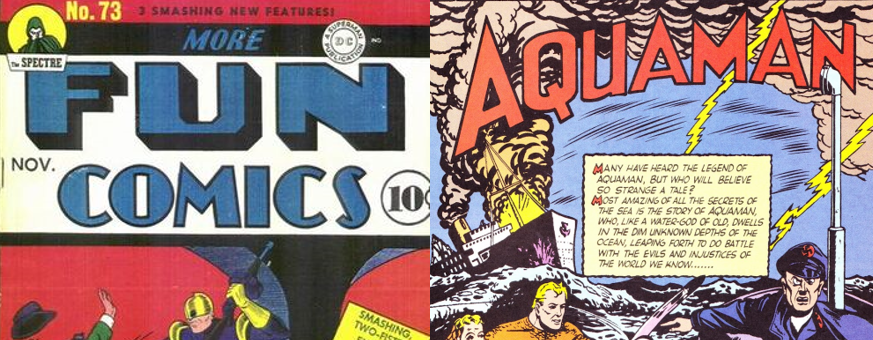
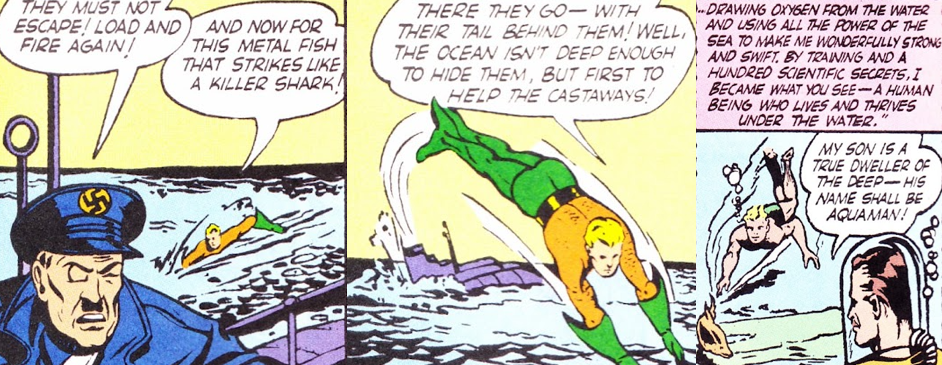

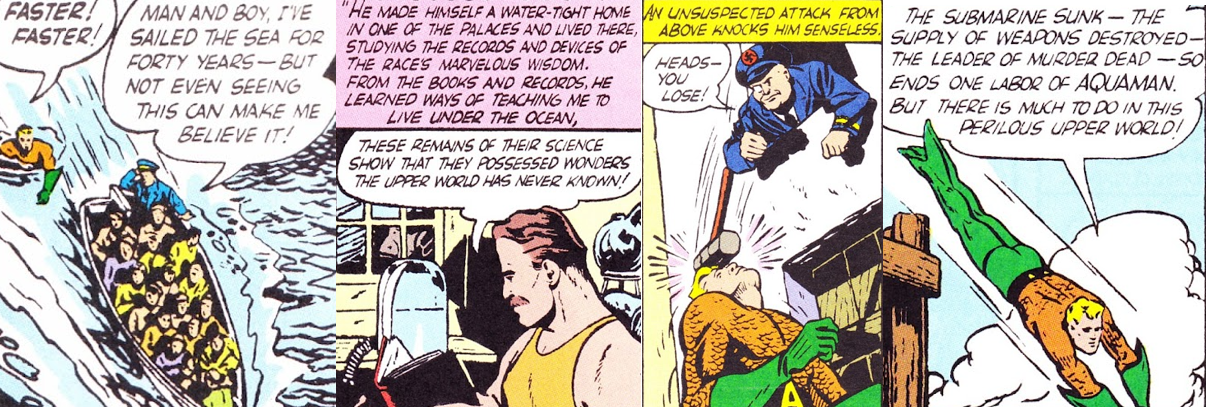


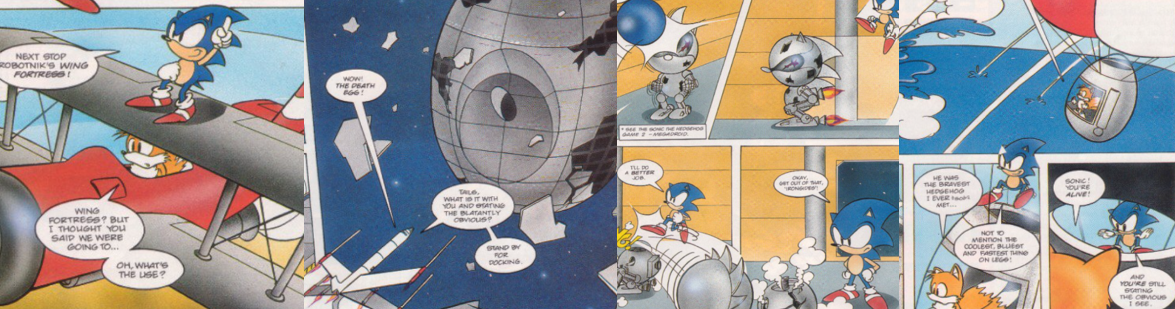

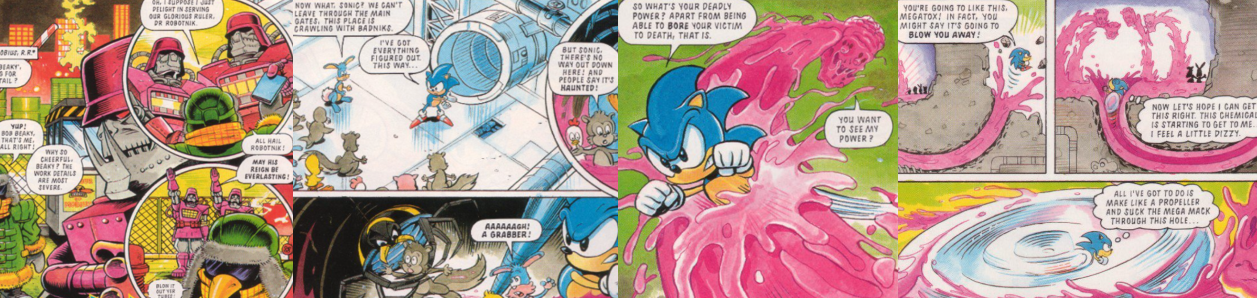

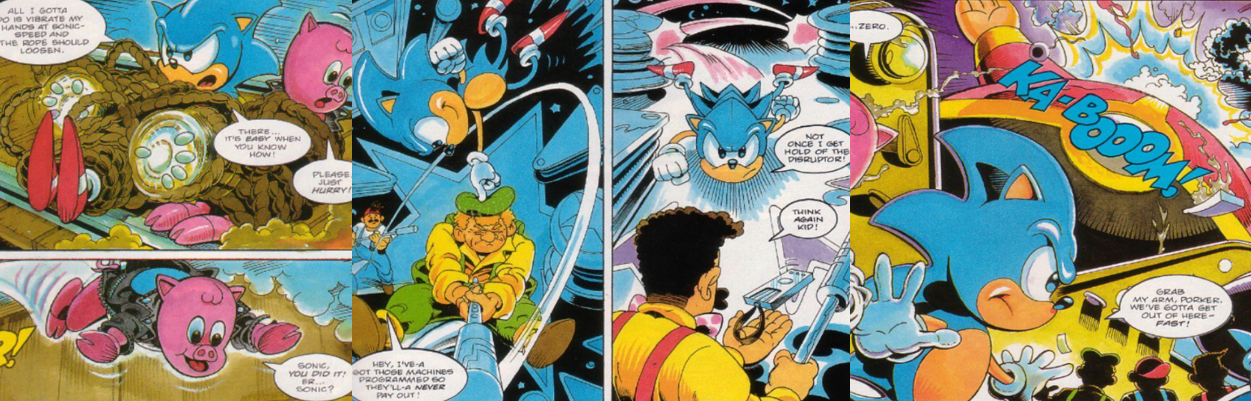
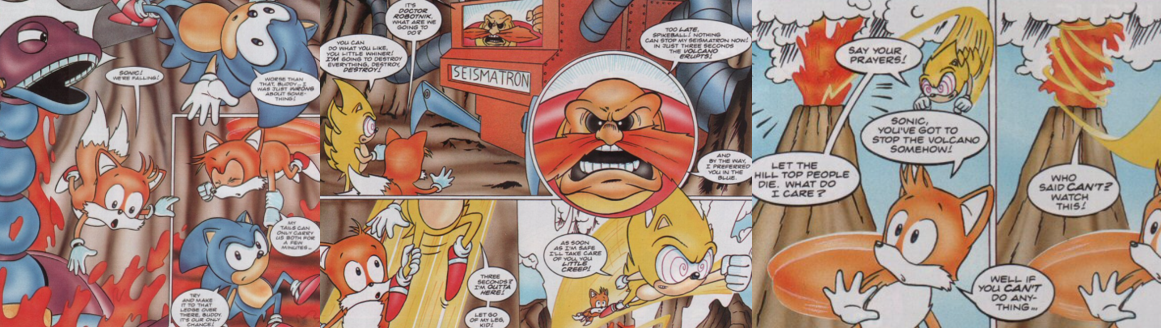
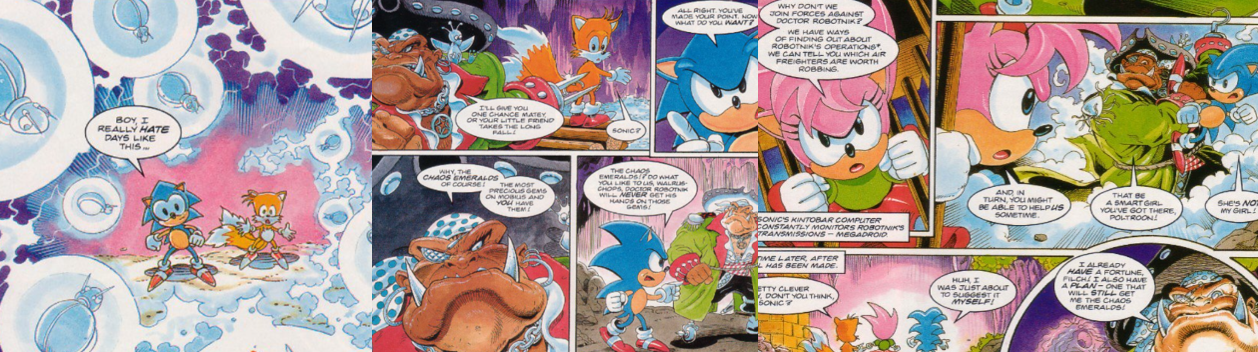


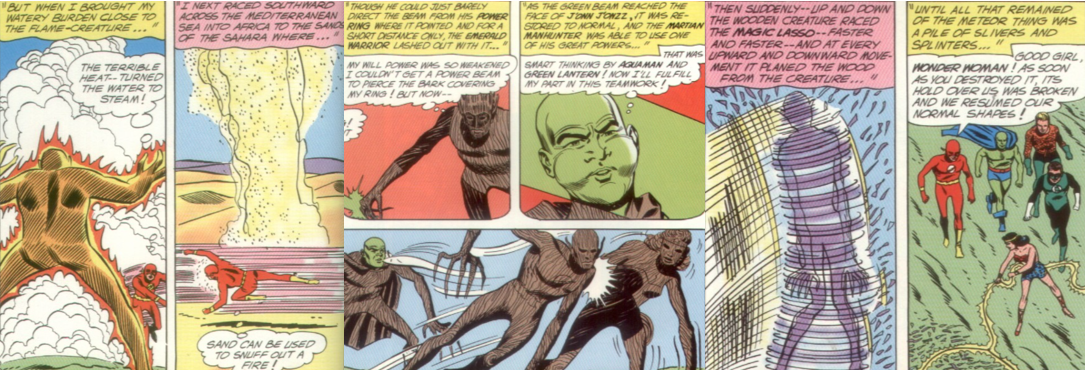

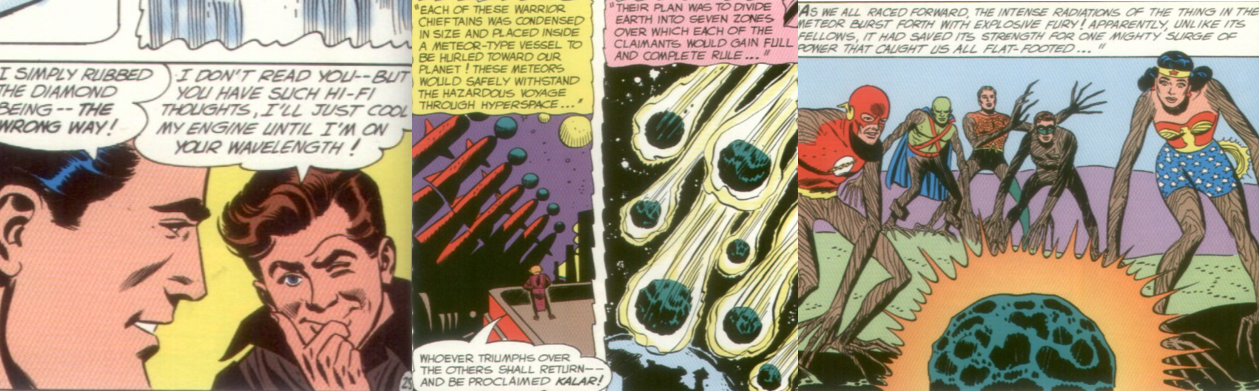

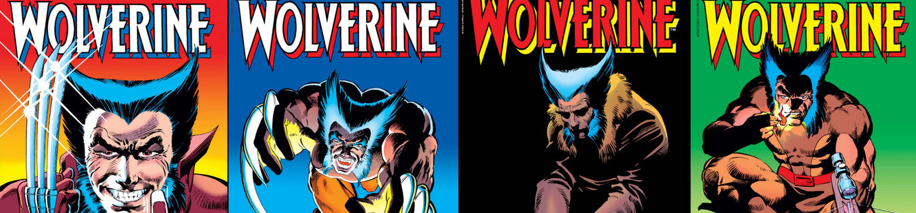
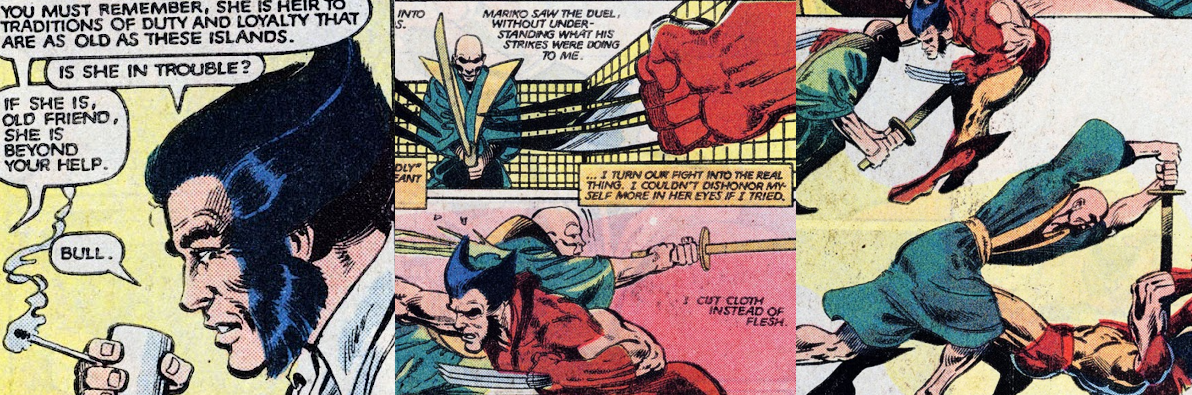
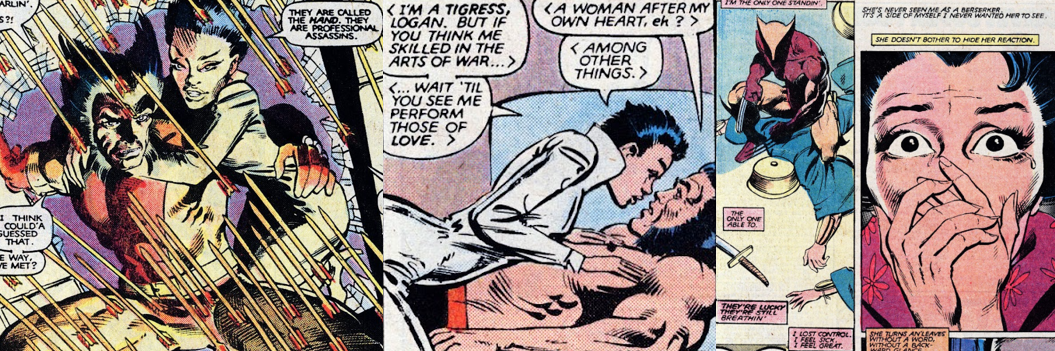


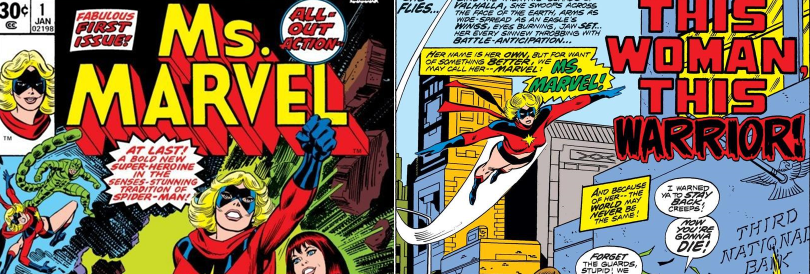
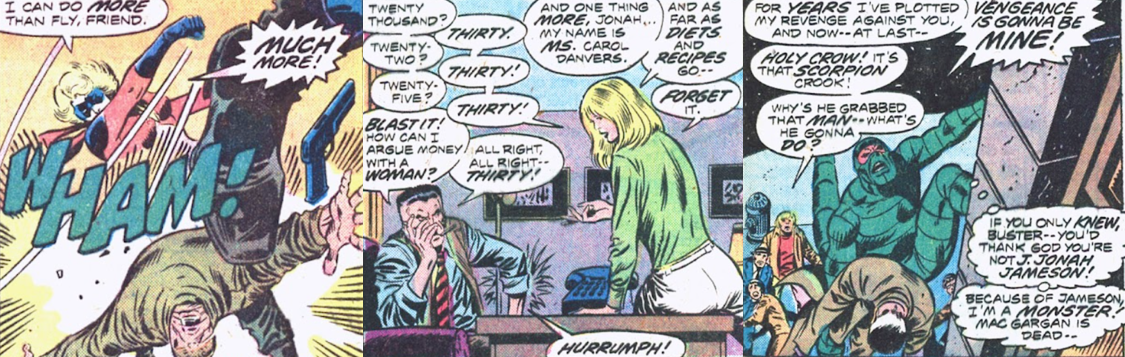
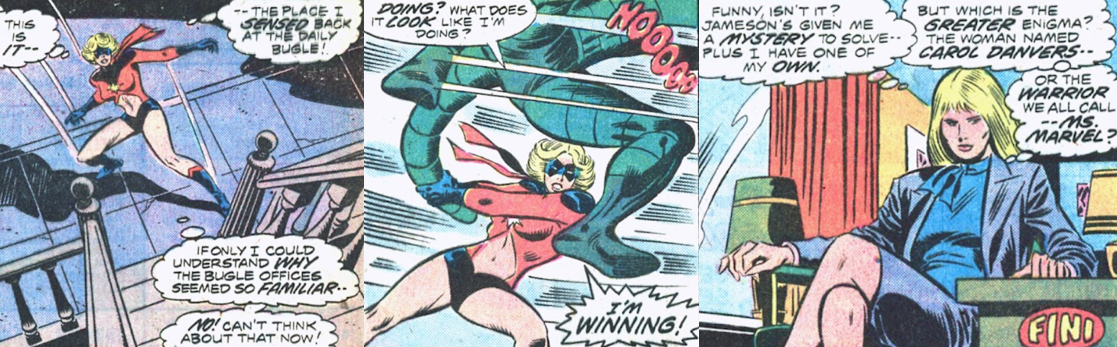
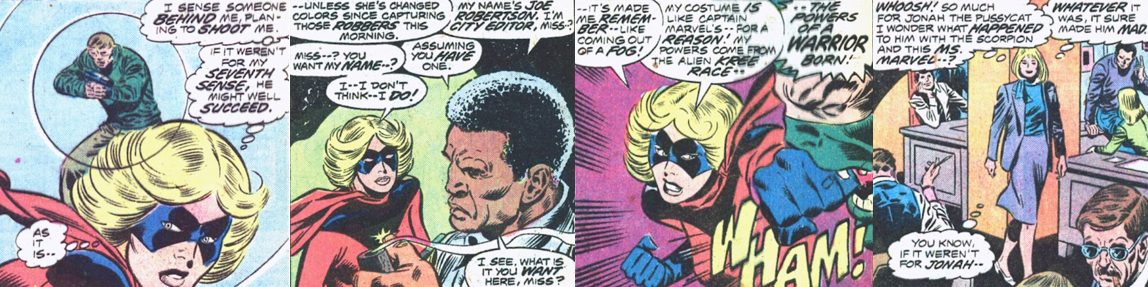

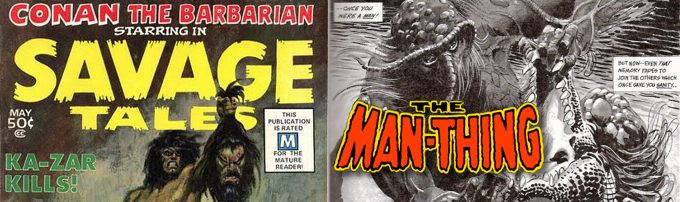
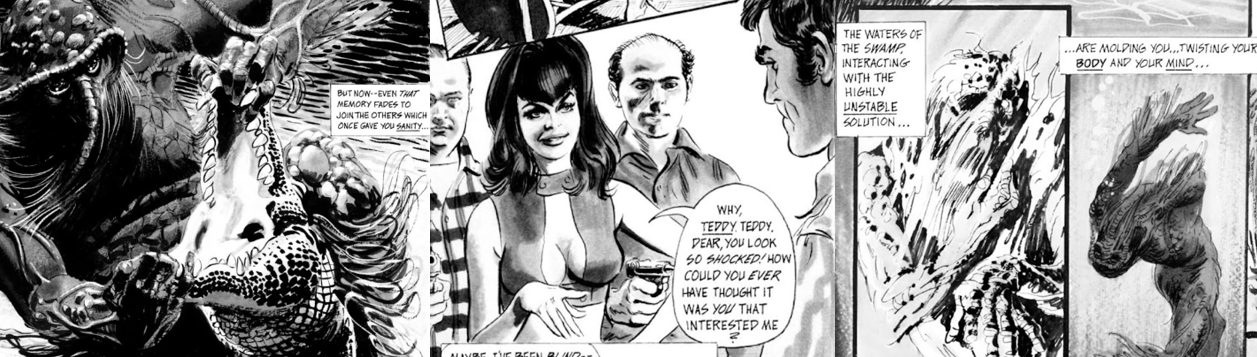
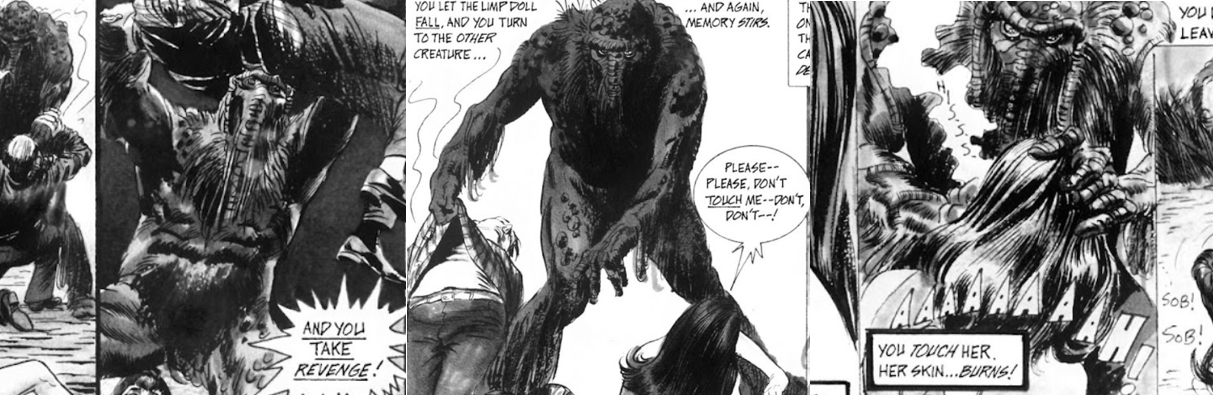
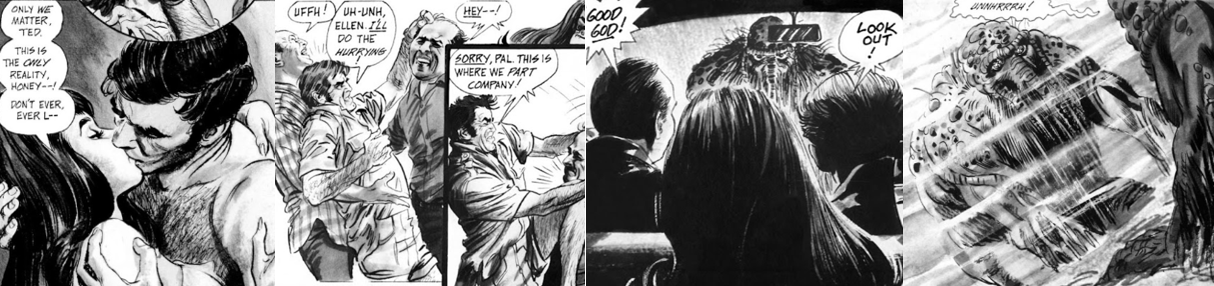

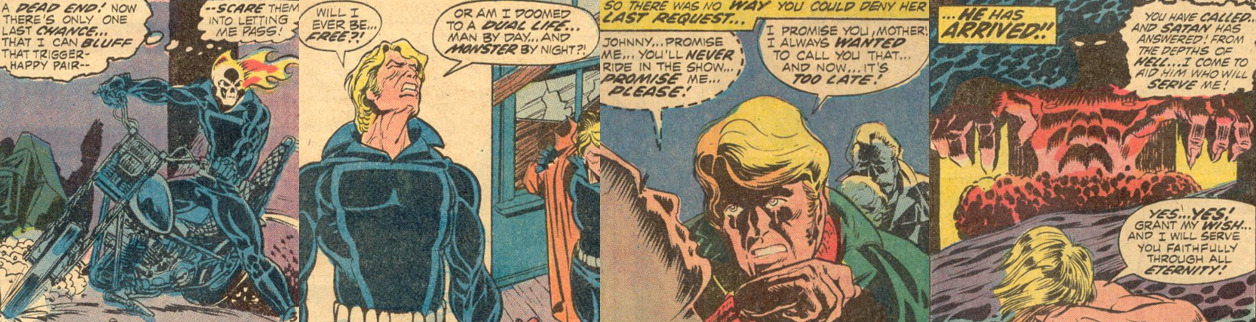
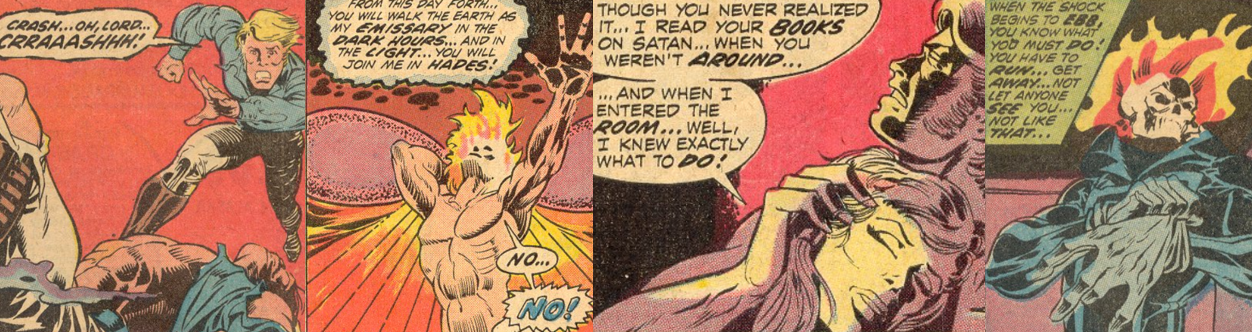
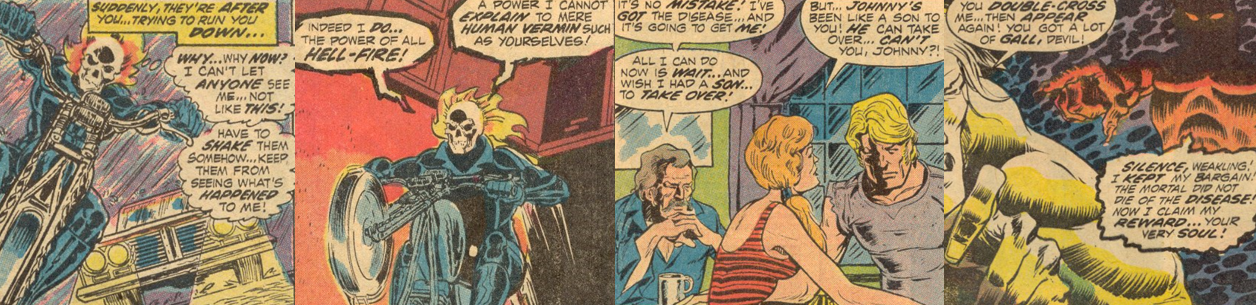

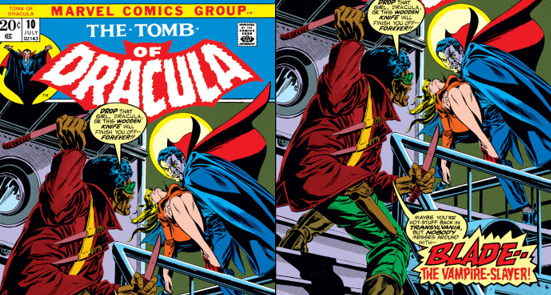
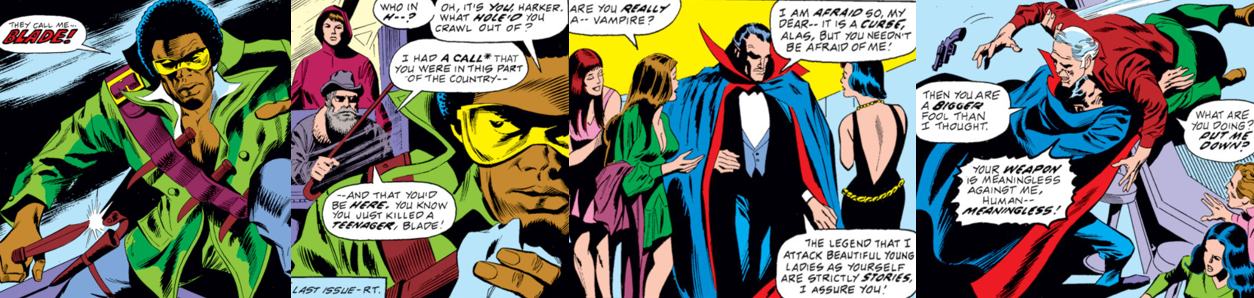
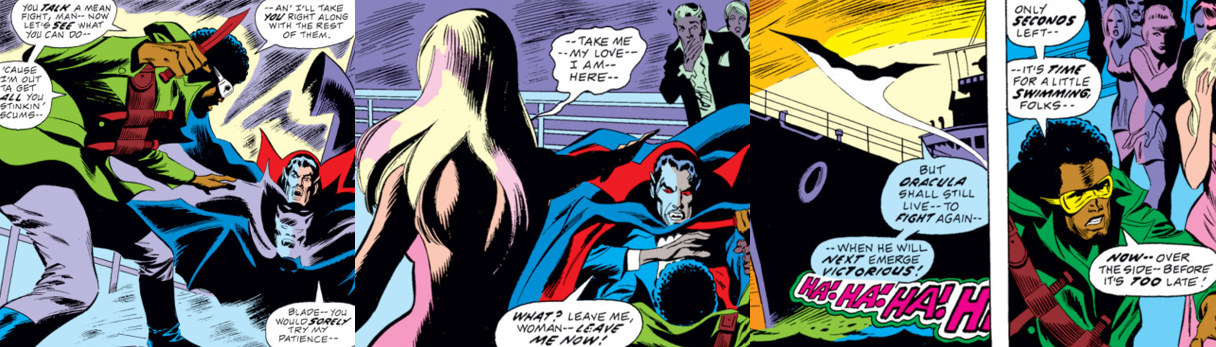
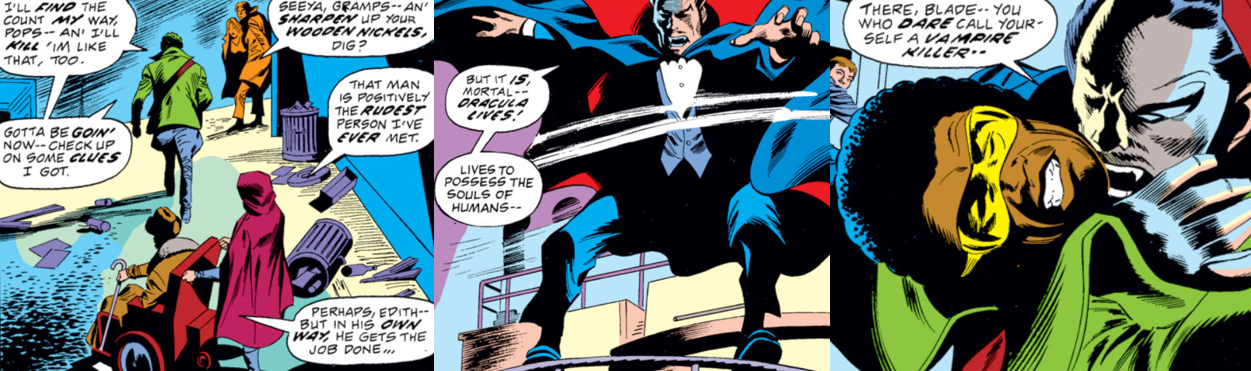


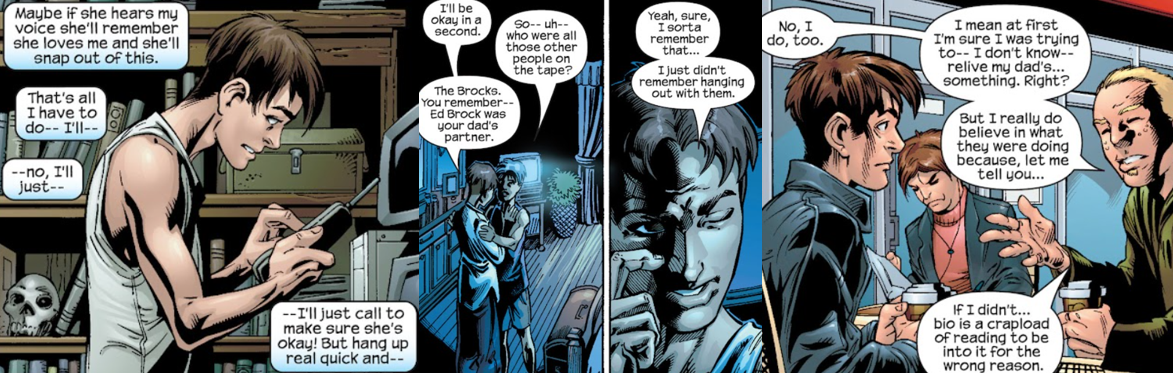


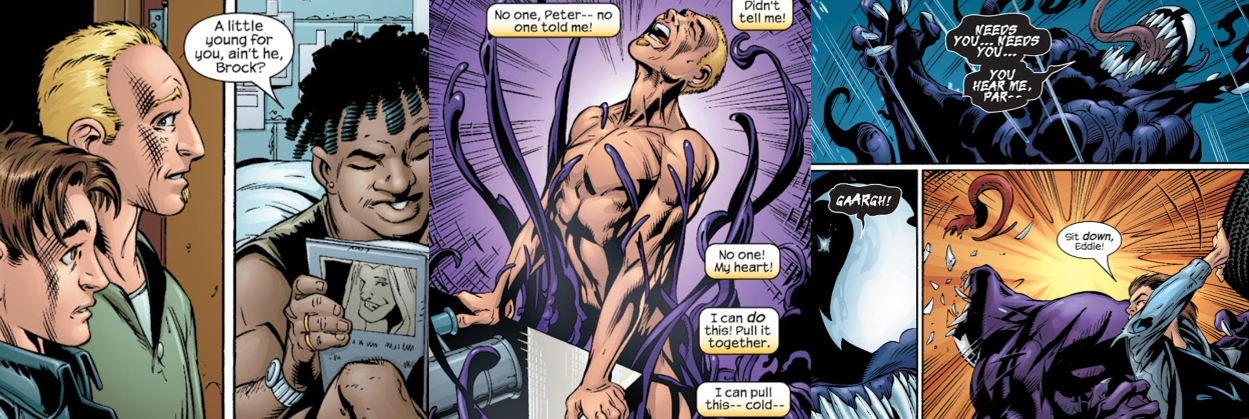


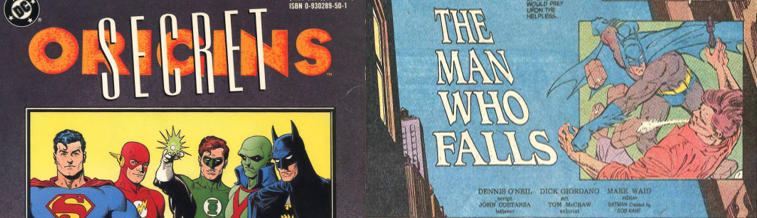

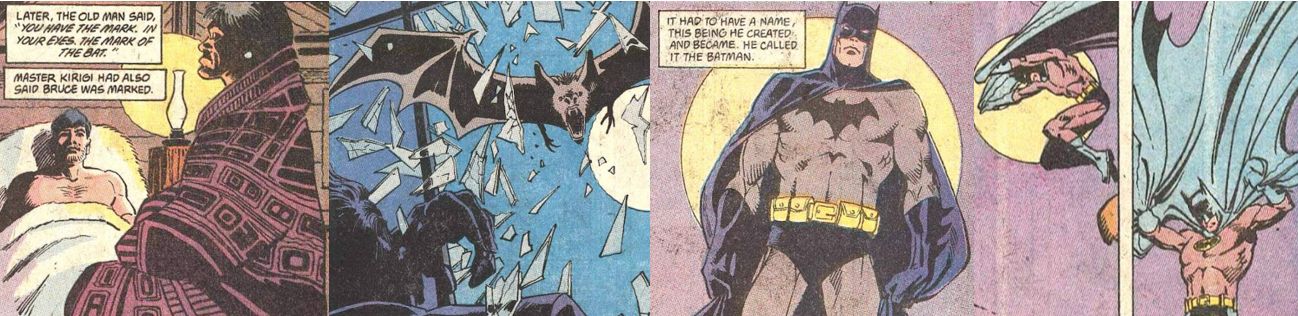
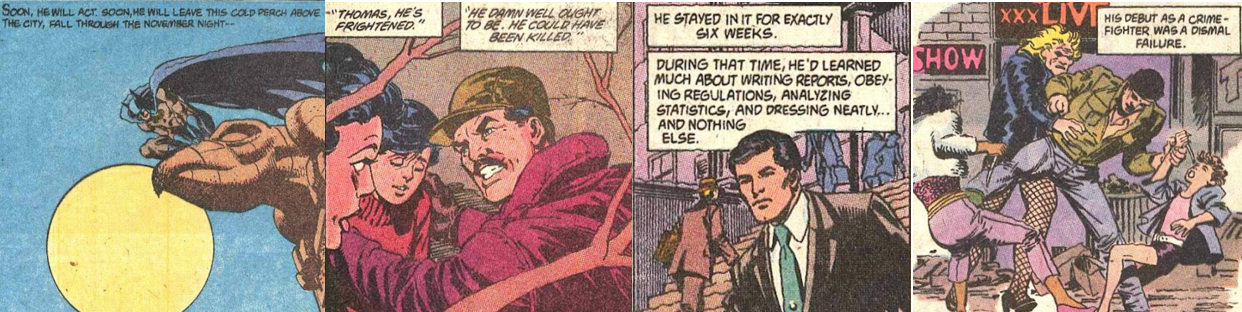

 Dr. K's Waiting Room
You must be logged in to post a comment.