Movie Night: Iron Man 2

Released: 7 May 2010
Director: Jon Favreau
Distributor:
Paramount Pictures
Budget:
$170 to 200 million
Stars:
Robert Downey Jr., Mickey Rourke, Sam Rockwell, Don Cheadle, Gwyneth Paltrow, Scarlett Johansson, and Samuel L. Jackson

The Plot:
After publicly outing himself as Iron Man, Tony Stark (Downey Jr.) arrogantly refuses to hand his technology over to the United States government. Suffering from palladium poisoning, Stark is also targeted by Ivan Vanko (Rourke) who, bankrolled by Stark’s rival Justin Hammer (Rockwell), builds his own Arc Reactor to pursue a vendetta against Stark’s family.

The Background:
Although the production of Iron Man (Favreau, 2008) and the casting of troubled actor Robert Downey Jr. was a huge risk for fledgling studio Marvel Studios, it ultimately paid off dividends. Development of a sequel began immediately after the first film’s release; actor/director Jon Favreau always envisioned the film as the first in a trilogy and chose to skip over some of the source material’s more fantastical elements and draw inspiration from the iconic “Demon in a Bottle” arc (Michelinie, et al, 1979). A big focus of Iron Man 2 was on setting up the larger Marvel Cinematic Universe (MCU), which caused some friction between Favreau and the film’s producers; compounding matters was the recasting of Terrence Howard with Don Cheadle and the cutting of many of Rourke’s scenes. This came to be reflected in the film’s critical response but, despite this, Iron Man 2 was still incredibly successful and made over $620 million at the box office.

The Review:
Iron Man 2 sees Tony Stark more renowned than ever; his admission to being the superhero Iron Man has made him even more of a beloved celebrity and he relishes in the unparalleled freedom his technology has provided to him. Stark uses his increased celebrity status to help bring more eyes to his Stark Expo, which was originally dreamed up by his father, Howard (John Slattery), as a place for the world’s greatest scientific minds too pool their resources.

Tony’s characteristic bravado masks his debilitating sickness.

Stark, however, faces pressure from the United States government, particularly Senator Stern (Garry Shandling), to hand over his Iron Man technology so that it can be taken out of Stark’s irresponsible hands. Though Stark easily shoots down Stern’s demands and retains the same egotistical arrogance that was such a big part of his public life in Iron Man, it’s immediately clear that this is all an elaborate façade. Not only is Stark still struggling with unresolved issues with his father and living up to Howard’s vast legacy, he’s also being slowly poisoned by the Arc Reactor imbedded in his chest, which is flooding his bloodstream with palladium. Burning through his Arc Reactors faster and faster every day, and running out of options, Stark grows more and more impulsive and reckless; while this starts off rather innocently, with him promoting Virginia “Pepper” Potts (Paltrow) to CEO of Star Industries, he soon makes a very public display of himself when he gets drunk while wearing his armour.

Ivan is adept at Arc Reactor tech and has a personal vendetta against the Stark family.

Stark’s primary physical threat in the film is Ivan Vanko, a variation of the comic book Anton Vanko (who was known as both Whiplash and Crimson Dynamo), a hardened Russian technician whose father, Anton (Yevgeni Lazarev), worked with Stark’s father on the Arc Reactor that powers Stark’s heart and armour. Having watched his father die penniless and forgotten, Ivan vows revenge against Stark for stealing all of the credit to the technology and, in scenes that directly parallel Stark’s forging of his Mark I armour, builds his own Arc Reactor and a limited exoskeleton. While Stark primarily fights using projectiles and Repulsor Rays, Ivan favours Repulsor-charged whips that can cut through steel and concrete. Though shown to be just as ingenious and versatile as Stark when it comes to building armours and weapons, Ivan is so focused on humbling Stark in front of the world and driven to near madness by his vendetta that, initially, he forgoes protecting himself (especially his head) and, while he strikes a very public and aggressive first blow against Stark, his campaign is quickly cut short by Stark’s superior technology.
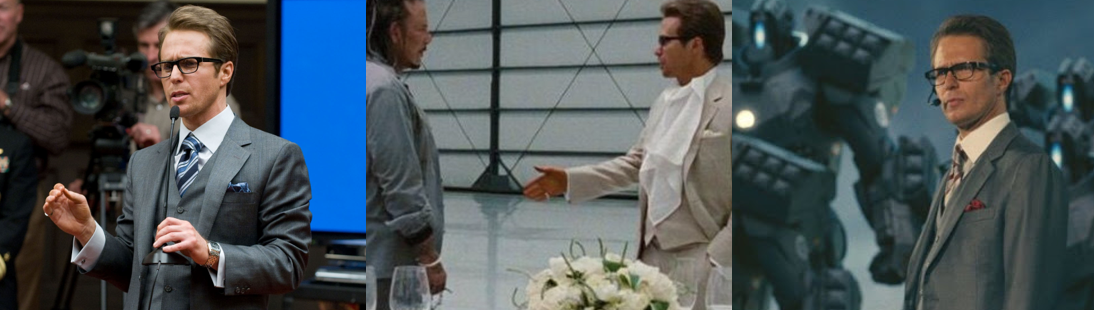
Hammer is so determined to out-do Stark that he forms an alliance with Ivan.

Ivan finds an ally, however, in Stark’s business rival, Justin Hammer. Hammer, who is constantly one step behind Stark in every way, is another mirror of Stark; he’s just as condescending and self-righteous as Stark and enjoys the limelight as much as his rival but is perfectly willing to take any advantage and underhanded tactic he can to get a leg up on Stark. To this end, he liberates Ivan from imprisonment and puts him to work constructing an army of mechanical drones, with which he hopes to make Iron Man obsolete. However, Ivan has little interest in Hammer’s ambitions or money; as long as he has his beloved cockatoo and the resources to destroy Stark, Ivan is prepared to cause as much death and destruction as he possible can to enact his revenge.
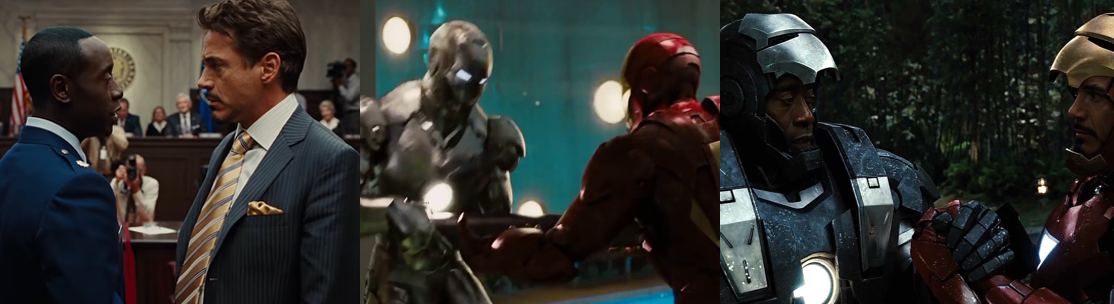
Rhodey has a new face, a shiny suit of armour of his own, and a far bigger role this time around.

As before, Stark isn’t alone in his fights against these enemies; however, James “Rhodey” Rhodes (Cheadle), now promoted to a Lieutenant Colonel, identifies that there is a potential threat in third parties attempting to replicate Stark’s technology and, though he stands by Stark and wishes to officially involve Iron Man in the existing military structure, he is forced to oppose his friend when Stark begins to succumb to both his palladium poisoning and one-too-many cocktails. Personally, the switch to Cheadle was nothing but a benefit from my point of view; he’s far better suited to the role and much more believable as a straight-laced military man while still sharing a fun brotherly chemistry with Stark and he has come to own the role in a way that Terrance Howard could only dream of. While it is a bit odd that Rhodey would deem himself more worthy to wear the armour than Stark, and how adept he is at wearing it despite the fact that it seems like he’s never worn it before, he emerges the victor from their scuffle and commandeers the Mark II armour for himself. Bringing it under the jurisdiction of the American government, and being outfitted with Hammer’s technology, Rhodey takes on the identity of War Machine and is fully prepared to lead Ivan’s automated drones into battle for the good ol’ U. S. of A only to find that he has been outfitted with useless weapons and susceptible to Ivan’s control.
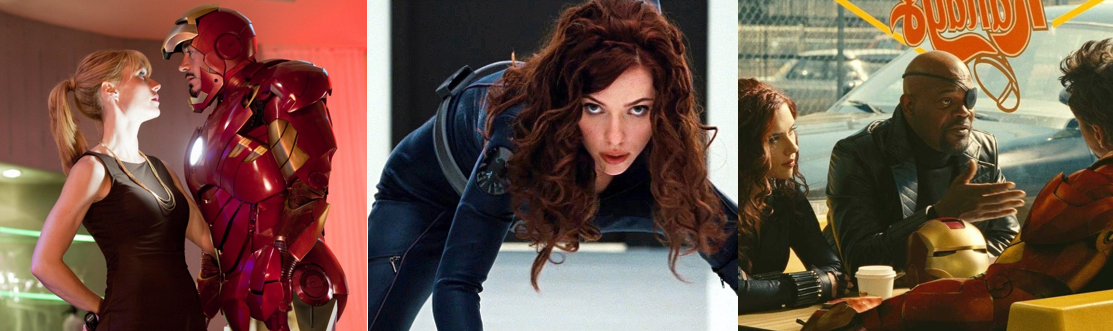
Allies old and new assist Stark as S.H.I.E.L.D. continues to monitor his activities.

Though driven to exasperation by Stark’s continued antics and eccentricities, Pepper takes her role as CEO very seriously and begins to make real headway in turning Stark Industries around. Facing the cold reality that he could die, the budding romance between her and Stark blossoms over the course of the film despite Stark’s eye being caught by Natalie Rushman (Johansson). Initially appearing to be little more than a notary and Pepper’s very capable assistant, Rushman turns out to be Natasha Romanoff/Black Widow, sent by Strategic Homeland Intervention, Enforcement and Logistics Division (S.H.I.E.L.D.) director Nick Fury (Jackson) to assess Stark’s for the Avenger Initiative. This leads to some kick-ass fight scenes where Romanoff’s acrobatic versatility is on full display and serves as an alluring introduction to this mysterious character and also ties into the greater MCU by having Fury be so invested in Stark’s suitability.

The Nitty-Gritty:
Like any good sequel worth its time, Iron Man 2 is bigger (and, in many ways, better) than the first film. Without having to spend copious amounts of its runtime establishing Stark’s character and journey towards becoming Iron Man, the film can jump right into the action and picks up about a year after the end of the last movie. While many lamented how much world-building and sequel/spin-off bait was put into the film, I loved it and didn’t feel like the inclusion of Black Widow and Fury or Agent Coulson’s (Clark Gregg) allusions to other superheroic events got in the way of the story at all. If anything, they helped build my anticipation for seeing more from the MCU and the then-upcoming Avengers crossover and I’ve always considered Iron Man 2 to be a far stronger sequel than the third film in the series. As in the last film, Tony’s journey and growth as a character is a central aspect of the film; clearly still haunted by his experiences in the cave and desperate to hide how critical his condition has become, Stark is, seemingly, more reckless and egocentric than ever. However, this is all merely a front to hide his fear at his impending demise and to cover up the insecurities instilled in him by his father’s harsh upbringing.
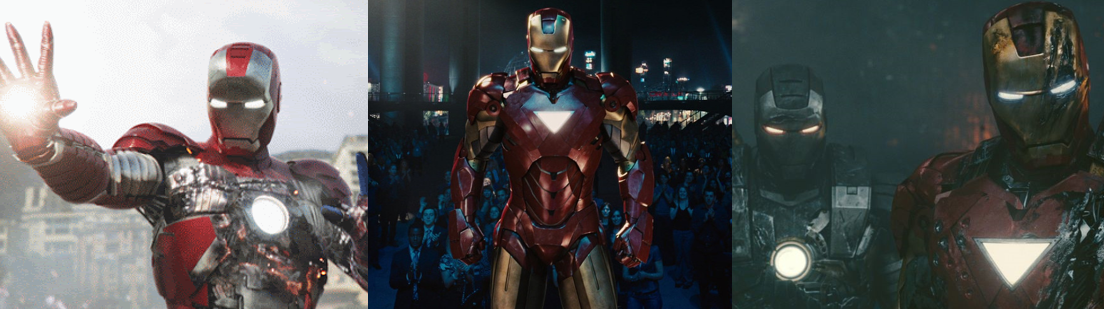
Iron Man 2 features some of my favourite armours, with the Silver Centurion being a personal highlight.

In the end, though, thanks to Fury, Star sees that Howard did have his best interests at heart in his own way. Indeed, thanks to Howard’s designs for the Stark Expo, Stark discovers the key to his survival and is able (quite ridiculously, I’ll admit) to cure himself by creating a “new element”, which ends the threat of palladium poisoning. In service of outdoing its predecessor as much as possible, Iron Man 2 features a new array of armours and toys for Stark to use; my favourite of these is the Silver Centurion armour, which Stark dons via a suitcase just like in the 1990s cartoon I used to enjoy on a regular basis. While the red and gold armour is very similar to the one from the first film, there are subtle changes and improvements and the special effects are just as good at rendering Iron Man’s actions as before. Add to that an absolutely fantastic adaptation of War Machine, one of my all-time favourite armours from the comics, and Iron Man 2 does a fantastic job of stepping things up a few notches and laying the foundation for the big MCU crossovers that would follow.
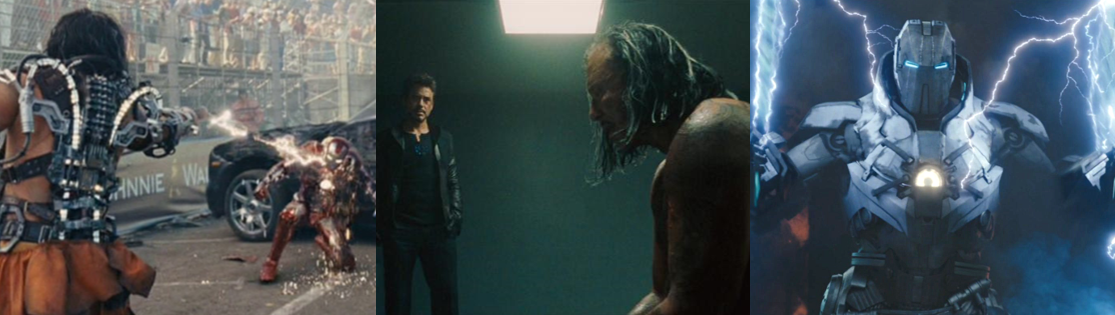
Ivan’s conviction, rage, and genius make him a formidable opponent and dark mirror of Stark.

In comparison, Ivan Vanko’s armour is, initially, much more improvised and yet he’s no less capable than his rival. Ivan’s exoskeleton is more than capable of withstanding a head-on car crash and Iron Man’s blasts and his electrified whips are surprisingly effective at damaging Stark’s armour and draining his power. Thanks to Hammer’s resources, Ivan is able to construct a far more menacing and formidable suit of armour for himself for the finale; while this does, admittedly, greatly resemble the finale of the first film, which pitted Stark against a hulking grey counterpart, Ivan stands out just enough thanks to being backed up by Hammer’s drones and still incorporating those same whipping tentacles into the design. Mickey Rourke is an actor who has always been a bit before my time but this film was released right around the time of his big comeback and I have to say he regularly smashed every role he had around this time. His performance here is muted and subdued but threatening; he can say more with a glare and a grunt than many actors can with pages of dialogue and he makes an immediate visual impression with all his tattoos and imposing physique. Hammer, by comparison, is Stark’s business and intellectual opposite and, while Rockwell is no Jeff Bridges and Hammer is visually nothing like his comic book counterpart, Rockwell plays the role of a seedy mirror of Stark to perfection (which is only fitting given that he was considered for the role of Stark in Iron Man). However, Hammer’s ambition to crush and overtake Stark in business and his enthusiasm for Ivan’s genius quickly lead him to getting in over his head and he ends up watching helplessly as his drones are hijacked by Ivan and I am greatly anticipating the character’s eventual return to the wider MCU since he ends the film in jail rather than dead. Speaking of endings, Iron Man 2 concludes with Tony in a much better place, physically and mentally, thanks to having solved his palladium poisoning and officially hooking up with Pepper, but is deemed unfit to be a part of the Avengers due to his many personality defects. Instead, Fury positions Stark as a liaison to help build the team, which is looking in good stead when Coulson leaves to investigate a mysterious hammer in New Mexico.

The Summary:
I often see a lot of people online, especially on my social medias, bad-mouthing Iron Man 2 and, even now, I really don’t understand why; the first film was fantastic, almost lightning in a bottle, but the sequel is a pretty damn decent follow-up. Sure, you can argue that it’s awfully convenient that Fury just dropped the key to Stark’s survival into his lap but I just saw this as world-building and setting the stage for a greater purpose. None of it takes away from Stark’s growth as a character, or his character arc in this film which, we now know, was all part of a much bigger and longer arc of redemption. Facing a different but no less challenging odds and delivering a taste of the extent to Stark’s imagination when it comes to his armours, Iron Man 2 is an intense story of Stark facing the ghosts of his past and setting himself on the path to a greater future while also effectively sowing the seeds for the rest of MCU’s first phase of movies in an entertaining and action-packed spectacle that I feel deserves more credit than it gets.

My Rating:

Rating: 4 out of 5.

Great Stuff

What are your thoughts on Iron Man 2? Do you think it deserves the hate it gets or, like me, were you a fan of how it built upon the themes and action of the first film? What did you think to the sub-plot of Tony being slowly poisoned and the solution to that problem? Did you enjoy the introduction of Black Widow and the hints towards the larger MCU? What did you think to the film’s villains, specifically Rourke and Rockwell’s performances, and Rhodey’s promotion to War Machine? Which of the film’s armours was your favourite and why? What are some of your favourite Iron Man characters or stories? Where does Iron Man rank in your hierarchy of comic book characters? Are you doing anything to commemorate Iron Man’s debut appearance and, if so, what is it? Feel free to drop a comment down below and be sure to check back in next week for the final part of Iron Man Month!

March Drabble Challenge: Spigot

Horror PromptsGillian Church is hosting another horror drabble challenge: 31 prompts for 31 creepy tales throughout March. This time, we can decide on the length of the piece but I’m sticking to the 100-word default.

Can you do it?

The Prompt:
Spigot

The Submission:
Ted whistled as he pulled up his vegetables, soaking up the warm sun and enjoying the music that drifted across the garden from the radio. Having been out there all morning, he stretched with a groan and headed inside, stopping to wash his hands before making a snack. As his rough hand clasped the spigot, he noticed an odd discolouration around the faucet, but chalked it up to limescale. It wasn’t until later, when chunks of bloody meat were spewing from his lips and his flesh turned to rotten ash that he began to suspect it was something far worse.


What did you think to the prompt for today’s drabble challenge? Did you submit anything for it? Have you ever written any flash fiction before? I’d love to know what you think to my snippets and writing prompts, so feel free to sign up and let me know what you think below or leave a comment on my Instagram page. You can also follow Gillian Church to take part in her Weekly Writing Prompt challenge.

March Drabble Challenge: Purity

Horror PromptsGillian Church is hosting another horror drabble challenge: 31 prompts for 31 creepy tales throughout March. This time, we can decide on the length of the piece but I’m sticking to the 100-word default.

Can you do it?

The Prompt:
Purity

The Submission:
He watched her from across the aisle, admiring the purity of her form. Her hair was a shining cascade of red, her skin peachy smooth, her eyes gleaming with joy. She greeted every customer with a beaming smile, and tackled every task with an enthusiasm that made his heart ache. He switched his shifts just so he could watch her, and followed her home each day, always keeping his distance. He watched, unseen, through her window as she cooked and danced, and her gasp of surprise when he laid his hands on her sent a chill racing up his spine…


What did you think to the prompt for today’s drabble challenge? Did you submit anything for it? Have you ever written any flash fiction before? I’d love to know what you think to my snippets and writing prompts, so feel free to sign up and let me know what you think below or leave a comment on my Instagram page. You can also follow Gillian Church to take part in her Weekly Writing Prompt challenge.

Back Issues: Batman: Year One

Story Titles: “Chapter One: Who I Am – How I Come to Be”, “Chapter Two: War Is Declared”, “Chapter Three: Black Dawn”, and “Chapter Four: Friend in Need”
Published: February 1987 to May 1987
Writer: Frank Miller
Artist: David Mazzucchelli

The Background:
Capitalising on the success of Clark Kent/Superman’s debut, artist Bob Kane drew up a design for a new masked crimefighter, the “Bat-Man”. Thanks to the tireless and long-suppressed work of artist Bill Finger, the Bat-Man was transformed into the figure who would become a mainstream cultural icon. Over the many years since his debut, however, Batman underwent significant changes and alterations to his character and supporting cast; he gained a kid sidekick to appear more appealing to younger readers and was transformed into a much softer, more fantastical character. Indeed, although writers like Dennis O’Neil helped to rectify this in the 1970s, it’s safe to say that Batman’s image had been tainted somewhat by the glorious camp (and incredibly popular) 1960s television show. After wiping their continuity mostly clean in the Crisis on Infinite Earths (Wolfman, et al, 1985 to 1986), DC Comics sought to retell the origins of many of their most popular characters, with Batman being chief among them. Following his mainstream success with his work on Daredevil, writer and artist Frank Miller signed a contract with DC Comics that led not only to his seminal Batman: The Dark Knight Returns (Miller, et al, 1986) but also a revamped origin for the Dark Knight. Assured he would be given full creative control, Miller expanded upon Batman’s original story to craft one of the most lauded and well-regarded Batman stories that would go on to influence numerous Batman films, stories, and interpretations for years to come.

The Review:
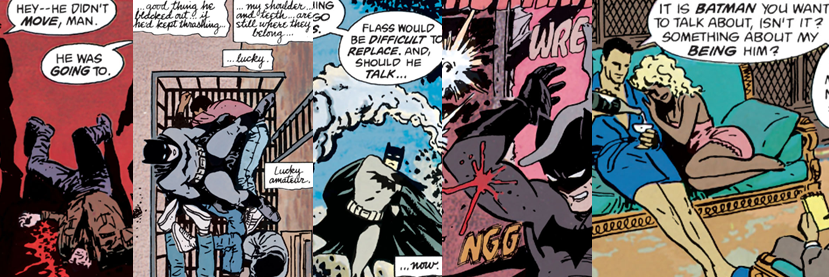
Batman: Year One is as much a story about James “Jim” Gordon as it is about Bruce Wayne’s first appearance as the Batman. The story is split between the two men and their separate narratives, with each having their own distinct text boxes, perspectives, and experiences within Gotham City. This helps to show the parallels between the two and how they are both driven to extremes due to the city’s bleak, depressing, and corrupt nature and we see their differing perspectives right off the bat (no pun intended) with their respective arrivals in the city in January. Lieutenant Gordon, who has just transferred to Gotham and whose wife Barbara (not that Barbara) is currently pregnant with their first child, laments the state of the city, which he experiences first-hand by mistakenly arriving by train. Twenty-five-year-old Bruce, however, thinks the exact opposite; he wishes that he’d arrived by train to “see the enemy” rather than by air, where the city almost looks civilised. While Bruce is mobbed by reporters desperate for the story of his twelve year absence from Gotham, Gordon is met at the train station by the hulking Detective Arnold Flass, who assures him that “cops got it made in Gotham”.

Both Bruce and Gordon struggle with the harsh nature of Gotham City.

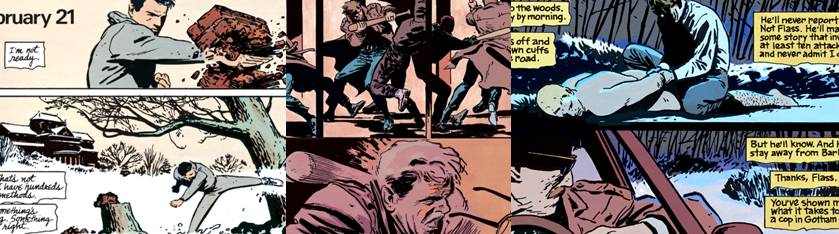
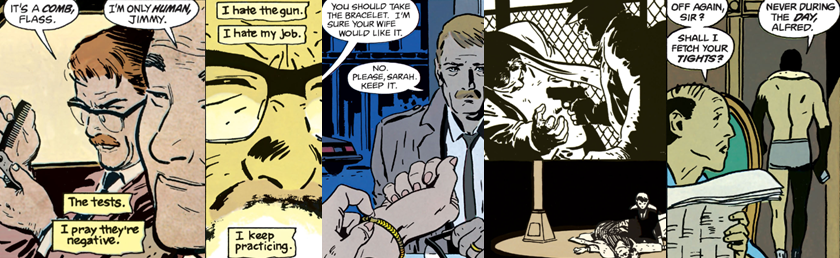
While Gordon grits his teeth through his first meeting with the detestable Commissioner Gillian Loeb, Bruce returns to his familial home, Wayne Manor, and his faithful butler, Alfred Pennyworth. Bruce spends the next month or so mentally preparing himself for the task ahead of him; physically, he’s well-trained and highly capable, able to smash through bricks and topple a tree with a single kick, but he feels something is missing for his plans for Gotham. Gordon, however, is immediately introduced to the ugly side of Gotham’s police force as Flass randomly assaults a group of youths for no good reason at all. Gordon keeps his opinions to himself but takes care to study Flass’ movements and physical capabilities for later, but soon finds himself under suspicion as Flass disagrees with his morals. Having brought this to Loeb’s attention, Flass is given permission to put a beating on Gordon in an effort to teach him how important it is to “fit in” in Gotham. Although Gordon has a military background, it has, in his words, “been a while” and, while he puts up a good fight, he takes a bit of a beating from a few masked assailants wielding baseball bats. Riled up, Gordon heads over to Flass’ favourite bar and runs his drunk-ass off the road. Tossing his gun aside, Gordon offers Flass a baseball bat as a “handicap” and sets about taking the big man to school. Beaten and left naked and cuffed in the snow, Gordon feels confident that he has taught Flass not to mess with him again.

Bruce’s first night goes pretty bad, leading to him assuming a frightening persona.

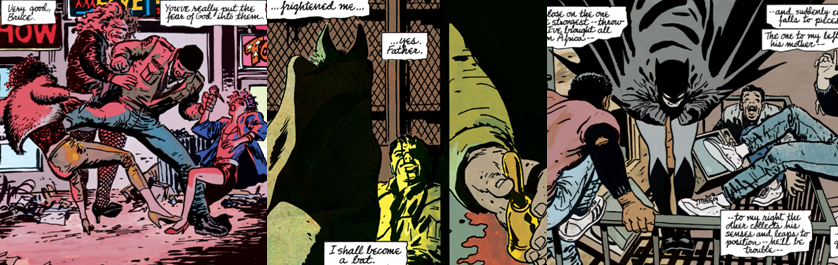
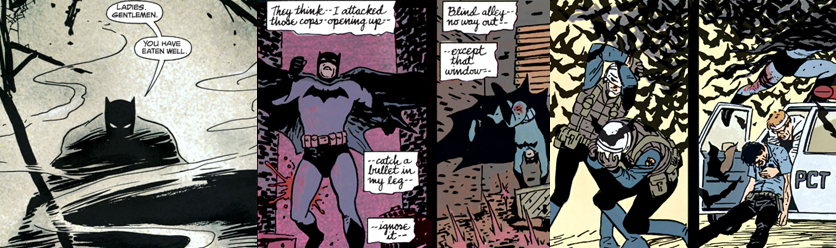
Coincidentally enough, this occurs on the very first night that Bruce attempts to strike back at the city’s criminal underworld; disguising his identity with some make-up and a fake scar, he goes out looking for trouble in the Red Light District and ends up taking a beating of his own. Stabbed in the leg, mauled by a cat-like prostitute, and shot by some of Gotham’s finest, Bruce manages to escape police custody and, with his last ounce of strength, stumble back to Wayne Manor. Bleeding out, he contemplates his failures and begs his deceased father, Doctor Thomas Wayne, for guidance on how to do better and to strike fear into the hearts of criminals. Tormented at having witnessed the brutal and random deaths of his parents as a small boy, he resolves to let himself die unless he can find the answer and, at that moment, a gigantic bat crashes through the window of his study. Just like that, Bruce has his answer and vows to “become a bat”. By April, Gordon has built up something of a reputation as a soft touch, which brings him into direct opposition with Sergeant Branden of Special Weapons and Tactics (S.W.A.T.) and the support of the press (which makes reprimanding him extremely difficult for Loeb). Gordon’s mounting aggravation and depression at bringing his wife and pregnant child to such a cesspit is interrupted by reports of a “giant bat” in the city as, across town, the Batman makes his dramatic first appearance. Thanks to his fearsome appearance and an animalistic growl, Batman is able to frighten a group of thieves a little too well as one of them topples over the edge of the balcony they’re on. So determined is Batman to keep the perp from falling to his death that he puts himself at risk to save the guy’s life and only manages to come out of it relatively unscathed due to his adaptability, strength, sheer for of will, and (as he chastises himself) a great deal of luck.

Batman threatens the city’s mobsters but runs afoul of the trigger-happy police.

To ensure that the criminals and corrupt know that they are living on borrowed time, Batman makes a dramatic show of himself at a dinner function hosted by noted mob boss Carmine “The Roman” Falcone and attended by corrupt commission Loeb. News of the Batman, of course, reaches the Gotham police department; Flass is just one of the officers to have encountered the vigilante, who is widely regarded as a horrific, winged demon. Ordered by Loeb to bring Batman in, Gordon’s efforts are met with failure; staged muggings go without incident and Falcone is left humiliated in his own chambers, and not just because of Batman’s wily prowess as Assistant District Attorney Harvey Dent has entered into a secret alliance with the Dark Knight. Batman and Gordon’s paths finally cross when the two both risk their lives to save a homeless woman from being run down by a truck. Despite Batman’s heroic actions, Gordon orders his men to take the vigilante alive; however, Batman receives a bullet to the leg and is quickly left trapped and wounded thanks to Branden laying waste to the building he’s hiding in. The spreading fires destroy Batman’s utility belt and leave him with only his wits and ninja training to survive, which are more than enough to pick off the S.W.A.T. team one by one despite his leg wound. Cornered and running out of tricks, however, Batman is barely able to avoid another round of gunfire but manages to elude capture by attracting a flock of bats all the way from Wayne Manor that cover his escape, leave many of the cops and bystanders in hospital, and go a long way to adding to the Batman’s dramatic mystique.

Gordon’s efforts to uncover Batman’s identity lead him into a passionate affair.

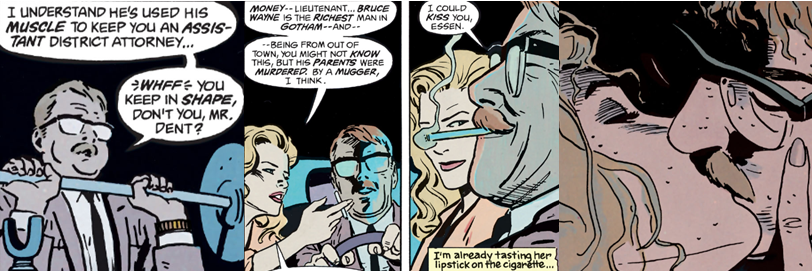
Humiliated by this incident, Gordon increases his efforts in trying to decipher the Batman’s true identity. Initially suspicious of Dent, it is Detective Sarah Essen who nudges his attentions towards Bruce Wayne because of his wealth and traumatic childhood. Over the course of the last few months and pages, the two have grown extremely close since Gordon is spending more and more time at work and trying to shield Barbara from the atrocities in Gotham. This leads to a passionate affair between the two that Gordon immediately hates himself for; his guilt is matched only by his confusion regarding Batman, who is clearly taking the law into his own hands and yet may very well be the most righteous and incorruptible person in the city. Bruce, however, is able to throw Gordon’s suspicions off by playing up the role of a wealthy, bored socialite but, after Batman’s efforts see Flass incarcerated for taking part in a massive drug operation, Loeb threatens to expose the Lieutenant’s affair to his wife.

Bruce saves Gordon’s son and gains a valuable ally in the process.

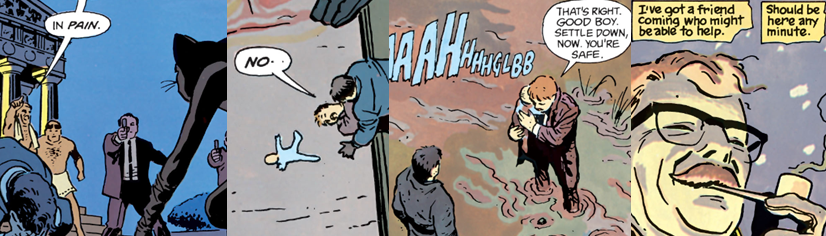
Although he already ended the affair, Gordon decides to admit to his wrongdoings to his wife in order to begin repairing his marriage (something also aided by the birth of their son, James Junior) and to dispel any leverage the corrupt have over him. Batman’s world, however, becomes a little more complicated when the prostitute he countered on his first night, Selina Kyle, decides to craft a costumed identity of her own and begins targeting Falcone’s operation as Catwoman. After Catwoman scars his face, Falcone (who believes that the two are in cahoots) orders his men to kidnap James Jnr. Gordon arrives too late to save his son but is able to keep Barbara from harm; however, he also shoots and wounds Bruce (who is disguised in a motorcycle jacket and helmet) in the process. The two of them chase after Falcone’s goon and a fight breaks out on the bridge; overpowered by the thug, Gordon is helpless to keep his baby boy from falling to the cold, shallow water below. Luckily, Bruce dives after the boy and saves him, earning Gordon’s respect and gratitude. In the aftermath, Loeb is forced to resign after Flass spills the beans on all his dirty dealings and Sarah moves away to New York. As for Gordon, he and Barbara agree to attend marriage counselling, he is in line for a promotion to Captain, and he has found himself a friend to help tackle a manic named “The Joker” who has poisoned the city’s reservoir.

The Summary:
Of all the Batman stories crafted by Frank Miller, Batman: Year One is still my favourite. It’s a gritty, bleak, grounded reinterpretation of Batman’s origin and first year in Gotham City and paints him as a regular man (albeit one well trained and with more wealth than you or I) who isn’t yet the hyper-prepared, experienced vigilante with a network of allies and resources. The artwork is simple but gorgeous, with everything taking on a wash of waterpaint-like noir that emphasises deep shadows and harsh lights and has the majority of the story taking place in the dank, depressing darkness of night. One of the main reasons I dislike The Dark Knight Returns (and other Batman stories by Miller) is the dialogue (and the artwork). Miller has a very…shall we say “distinctive” way of having characters talk and likes to kind of just spit words and odd statements at the reader. For the most part, Year One is relatively light on these “Miller-isms” but they do still show up here and there (mostly when Batman is eluding or attacking people). Thankfully, Alfred’s trademark dry wit makes up for this and seeing Bruce act like an complete cad to throw off Gordon’s suspicions was absolutely fantastic.

Year One is focused much more on Gordon’s perspective of the city and its vigilante.

It’s interesting that Batman: Year One is such an effective Batman story considering it’s much more of a Jim Gordon story. We learn very little about Bruce, his background, or his training and, instead, focus more on Gordon and his struggles to adjust to and cope with life in the city. Everything we learn about Gotham and the state of its police force comes from Gordon, a flawed man who has made mistakes and is trying to hold onto his morals but struggles in the face of near-endless corruption and his own temptations towards Sarah. Bruce’s tragic origin is recounted very briefly and much of his training and motivation is delivered through exposition or his thought boxes, which take on a cursive slant that can be difficult to make out at times. Still, it provides a fascinating glimpse into Bruce’s early struggles to find the means by which to fight crime in the city and the preparation that goes into his various traps and assuming the guise of the Batman. At its core, Batman: Year One is a story of struggle and trust; both Gordon and Bruce struggle to find their place in Gotham and figure out how to conduct themselves and their mission in a city that is constantly fighting back against them and both of them feel alone in this endeavour. It isn’t until their paths cross and they see how selfless the other is that they both begin to consider changing their position; while guys like Branden just want to shoot Batman dead no questions asked, Gordon would prefer to see him brought in alive to get to the root of his mystery and Bruce realises that he needs the good-natured  lieutenant onside if he is ever to be effective as Batman and avoid getting shot on a nightly basis.

As it’s Batman’s first year, he’s a far more inexperienced and flawed character than usual.

This comes to a head in the finale where, rather than Batman saving Gordon’s son, it is Bruce in a questionable disguise. Indeed, the artwork and dialogue makes it intentionally vague as to whether or not Gordon truly recognises his boy’s saviour or not and, in the end, he decides it doesn’t matter who the Batman is as he has learned to think of him as a friend in a lawless city. As a tale of Batman’s earliest days in action, it’s hard to get much better than Year One. Personally, I love Batman stories that show him to be vulnerable and flawed and we definitely see a lot of that here as he’s constantly being stabbed and shot and hurt and forced into tight corners. This is a Batman who is lacking many of the bells and whistles of his later career; there’s not really a Batcave, no Bat-Signal or Batmobile, and a limited array of Bat-themed gadgets, all of which means that Batman has to use his wits and adaptability a lot more than his fancy high-tech toys which, again, I also find incredibly appealing. The portrayal of Batman’s influence is equally great; most treat the idea of a giant bat-garbed vigilante as ridiculous until they come face-to-face with him and then they are scared witless and this goes a long way to painting the Batman as this urban myth amongst the just and unjust alike.

My Rating:

Rating: 5 out of 5.

Fantastic

Have you ever read Batman: Year One? What did you think of Frank Miller’s reinvention of Batman? Are you a fan of Miller’s work, especially on Batman? What did you think to Year One’s focus on Jim Gordon and the depiction of a Batman without all his bells and whistles? What was your first experience of Batman and how are you celebrating his debut this month? Whatever your thoughts, sign up to drop them below and be sure to check in next Saturday for my review of Batman’s newest big-screen outing!

March Drabble Challenge: Rigor Mortis

Horror PromptsGillian Church is hosting another horror drabble challenge: 31 prompts for 31 creepy tales throughout March. This time, we can decide on the length of the piece but I’m sticking to the 100-word default.

Can you do it?

The Prompt:
Rigor Mortis

The Submission:
Gordon led the SWAT team into the apartment. As they fanned out, he tentatively entered the rancid master bedroom. The curtains were drawn, the windows taped over, and the room was filled with flies. They buzzed around a partially mummified corpse strapped to the bed; rigor mortis had long since passed by this poor soul, who was little more than a contorted, dismembered skeleton silently screaming at the ceiling.

A floorboard creaked and Gordon whirled around, a heartbeat too late to stop the hulking man pouncing on him, duct tape in hand, a gleeful smile plastered to his leathery lips.


What did you think to the prompt for today’s drabble challenge? Did you submit anything for it? Have you ever written any flash fiction before? I’d love to know what you think to my snippets and writing prompts, so feel free to sign up and let me know what you think below or leave a comment on my Instagram page. You can also follow Gillian Church to take part in her Weekly Writing Prompt challenge.

March Drabble Challenge: Saliva

Horror PromptsGillian Church is hosting another horror drabble challenge: 31 prompts for 31 creepy tales throughout March. This time, we can decide on the length of the piece but I’m sticking to the 100-word default.

Can you do it?

The Prompt:
Saliva

The Submission:
Debby jammed the iron pole between her and the ravenous creature trying to clamp his sharp fangs on her neck. His blood red eyes glared malicious and he spat obscenities, furiously swiping at her. Screaming, she rolled aside to avoid being split open, and lost her weapon. She scrambled to her feet, slipping on the wet stone ground, and felt the vampire’s vice-like grip clamp around her ankle. He dragged her across the ground, baring his shining fangs, and loomed over her, his rabid saliva dropping into her teary eyes. Debby whispered a prayer as the vampire began to feed.


What did you think to the prompt for today’s drabble challenge? Did you submit anything for it? Have you ever written any flash fiction before? I’d love to know what you think to my snippets and writing prompts, so feel free to sign up and let me know what you think below or leave a comment on my Instagram page. You can also follow Gillian Church to take part in her Weekly Writing Prompt challenge.

March Drabble Challenge: Luck

Horror PromptsGillian Church is hosting another horror drabble challenge: 31 prompts for 31 creepy tales throughout March. This time, we can decide on the length of the piece but I’m sticking to the 100-word default.

Can you do it?

The Prompt:
Luck

The Submission:
When she’d first found the book, Rachel couldn’t believe her luck.

Finally, after decades of searching, she’d found that most ancient of tomes. Her hands shook as she turned the parchment-like pages, reading aloud the lost incantations that would bestow her the power she needed to avenge herself.

From the shadows of the room crept forth an unspeakable demon; red slits for eyes and clawed talons for hands. Instead of granting her wishes, it wrenched her soul from her body, consuming it, and took her form for its own with glee. Perusing the book, the demon couldn’t believe its luck.


What did you think to the prompt for today’s drabble challenge? Did you submit anything for it? Have you ever written any flash fiction before? I’d love to know what you think to my snippets and writing prompts, so feel free to sign up and let me know what you think below or leave a comment on my Instagram page. You can also follow Gillian Church to take part in her Weekly Writing Prompt challenge.

Mini Game Corner [Mario Month]: Super Mario Land 2: 6 Golden Coins (Nintendo 3DS)


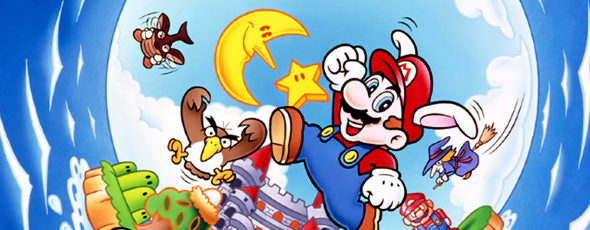
So, for no better reason than “Mar.10” resembling Mario’s name, March 10th is widely regarded as being “Mario Day”, a day to celebrate Nintendo’s portly plumber, an overalls-wearing mascot who literally changed the videogame industry forever and shaped the home console market of the nineties. To commemorate Mario Day this year, March is once again “Mario Month” and I am spending every Thursday of this month celebrating everyone’s favourite Koopa-flattening plumber.


Released: 29 September 2011
Originally Released: 21 October 1992
Original Developer: Nintendo R&D1
Also Available For: Game Boy

A Brief Background:
After Super Mario Land (ibid, 1989), a launch title for Nintendo’s influential Game Boy handheld console, sold over 18 million copies, and given the rising success of the Super Mario franchise, a sequel was all-but-inevitable. Spearheaded once again by Gunpei Yokoi, the man behind the Game Boy, development of the sequel began in November 1991 and was eventually geared towards capturing the same feel and tone as Super Mario World (Nintendo EAD, 1990). Super Mario Land 2: 6 Golden Coins continued the trend of the Mario Land sub-series of introducing new antagonists into the franchise with the creation of my favourite Mario character, Wario. Mario’s evil doppelgänger was created by director Hiroji Kiyotake and born out of the development team’s disdain for working on a franchise they didn’t help create; nevertheless, Wario not only subsequently took over the Mario Land series and became a popular character in his own right but Super Mario Land 2: 6 Golden Coins was released to rave reviews, sold over 11 million copies, is largely considered one of the best Game Boy titles, and was eventually released on the Nintendo 3DS Virtual Console, which is the version I’ll be looking at today.

The Review:
Super Mario Land 2: 6 Golden Coins is a 2D, sidescrolling action/platformer; rather than the linear format of the previous title, the sequel incorporates a world map similar to the ones seen in Super Mario Bros. 3 (ibid, 1988) and Super Mario World and allows players to pick and choose the stages they challenge once they get past the opening tutorial level. While Super Mario Land was an extremely basic and simplistic title, Super Mario Land 2 looks and feels much more like its later 8- and 16-bit counterparts thanks to much bigger, far more detailed graphics, an overworld map, and has far more to do and see throughout the game (the game is so much bigger than its predecessor that it includes a battery back-up save feature, allowing you to have three different save files at once). Functionally, though, Mario controls exactly the same; players can run by holding B, jump with A, and perform a spinning jump by holding down on the directional pad (D-pad) while jumping, which allows Mario to smash or pop goodies out of blocks when standing on top of them. Mario is a little more slippery this time around but it’s nowhere near as bad as in Super Mario Bros. (ibid, 1983) and he has just enough weight to him to make him crisp and responsive. As you should expect from a Mario title, Mario can grab a Super Mushroom to become Super Mario; this allows him to take a hit without dying, destroy certain blocks, and perform the spin jump. You can also grab an “M” bag to earn more Coins and a Star to become invincible; while you can still die from bottomless pits and certain hazards, defeating five enemies in a row (and every one thereafter) will also award you with an extra life in this form.

Gameplay is mixed up with some quirky mechanics sprinkled throughout.

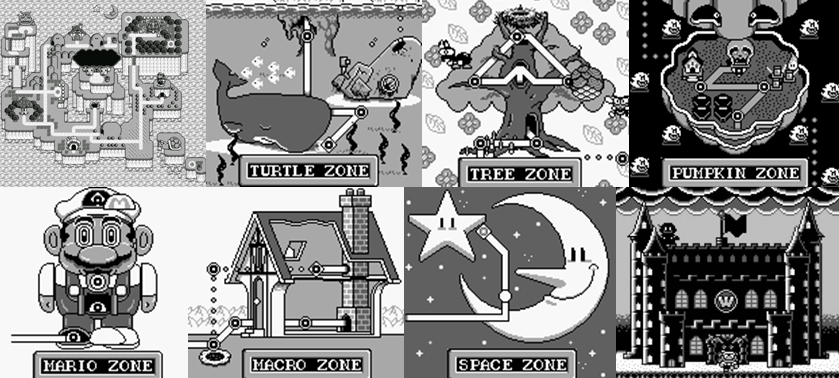
While he no longer has his cool little vehicles from the last game, Mario does get some cool power-ups this time around: the bouncy Superball is gone, replaced with the traditional Fire Flower (which, honestly, is the power-up you should favour at every opportunity) and Mario can now grab a Carrot to become Bunny Mario. This gives him bunny ears and allows you to float through the air by rapidly tapping A, though Mario descends slowly over time so it’s best to get a good run up or jump from a high ledge. Sadly, there are no vehicles to pilot this time around so players must rapidly tap A to swim when under water rather than piloting a submarine. You won’t have to try too hard to find and accumulate extra lives, though, as you can earn them by collecting Hearts (found in blocks and/or won in bonus stages), defeating 100 enemies (helpfully tracked in the game’s heads-up display (HUD)), or defeating five enemies in a row while invincible. Of course, you’ll have to contend with a time limit and many bottomless pits along the way but you can hit bells part-way through stages to create a checkpoint in case the worst happens. For the most part, the game controls and plays like a traditional Mario title; this means you’ll be doing a lot of jumping, travelling through pipes, and hopping on enemy’s heads. Gameplay is mixed up a bit, though, by frequent instances of water (though mostly in the Turtle Zone), forcing you to jump across platforms above an endless void (particularly seen in Tree Zone, which also has you using sticky sap to avoid spikes and pits), or navigate disappearing/reappearing blocks in Pumpkin Zone. You’ll also ride on a fair amount of moving platforms or cross vast chasms in bubbles but probably the most unique Zone is Space Zone, which features both an autoscrolling section, a unique sprite for Mario, and much lighter gravity that allows you to jump far higher and stay in the air indefinitely by holding down A.

Super Mario Land 2 is much bigger and better than its predecessor.

Super Mario Land 2 is divided into six stages, now called “Zones”, each of which has at least one “Special Area” that can be accessed by finding a hidden exit within one of the Zone’s stages. You’ll also be able to visit a couple of different courses and areas from the overworld to grab a healthy supply of Coins, stock up on power-ups or extra lives, and access other Zones. Zones can be tackled in any order but, since some have more stages and are more difficult than others, you might want to plan out your gameplay accordingly and tackle some of the shorter, easier stages first. After clearing each of the six Zones, you’ll acquire one of the titular Golden Coins; get all six and you can enter the game’s final area, which is devoid of enemies but full of traps and tricky obstacles and leads directly to the final confrontation with Wario. Compared to its predecessor, Super Mario Land 2 is a quantum leap forward in terms of graphics and presentation; it’s still a basic title (it is a Game Boy game, after all) but sprites and backgrounds are so much bigger, far more detailed, and world’s beyond the simplistic aesthetic of the first game. It’s actually mind boggling to me how much of an improvement the game is in such a short space of time; the first game was like a super scaled down version of Super Mario Bros. and it worked for what it was but this is like a small-scale version of Super Mario Bros. 3 or Super Mario World, featuring far more stages, much more variety, and is far bigger, allowing players to pick and choose the order of the Zones and how they play, with many of the mechanics and features of this game bleeding over into Wario’s spin-offs.

The graphics are much bigger and more detailed, with variety and fun being the order of the day.

While Super Mario Land 2 doesn’t really feature a scoring system, Coins still serve a purpose in that Mario can use them in certain areas of the overworld to buy extra lives and power-ups. If you exit each stage using the upper exit, you’ll get to play either a claw machine or a circuit mini game that can also net you these same rewards, allowing you to earn many extra lives very quickly. Unlike the previous game, though, there’s no harder game mode to be unlocked; once you’ve beaten the game, all that’s left to do is reload your save file to find any hidden exists and areas you’ve missed or start the game over from the beginning again. When playing the 3DS version of the game, you can, of course, make liberal use of the save state feature to make the game an absolute breeze, which is always  a helpful and appreciated feature. Bigger sprites means bigger hit boxes, which can be an issue, and the game does noticeably slow down when there are a lot of sprites onscreen at once (which isn’t something I can say for the first game) but I can forgive that for the sheer amount of detail and variety on offer. In Super Mario Land, background details were sparse and limited but, here, each Zone feels big, unique, and full of quirky little gimmicks and elements. Turtle Zone sees you exploring a submarine before venturing into the belly of a giant whale, for example, while Macro Zone has you travelling through a house from the garden to the inside and up to the bedroom/library all while shrunk down to a size that makes everyday household objects seem far bigger. Pumpkin Zone also stands out, being the now-traditional haunted house/Boo stage of the game and featuring a lot of clever lighting and graphical details. Even the overworld is bustling with life; you see a dark, ominous storm cloud over Wario’s Castle (and Wario himself pacing along the rooftop), the water surrounding the land constantly shifts, and Mario can even get literally sucked into some of the Zones. The game’s music is also much improved, featuring a catchy main theme, unique tunes for the Zones and boss battles, and just being much more memorable and lively compared to its predecessor.

Some bosses require a little more strategy to take them down.

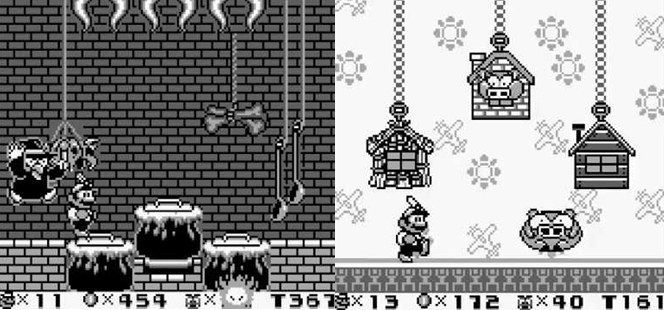
Super Mario Land 2 also features a wide assortment of enemies, including (as you might expect) the return of several series staples such as Goombas (who also come in a winged variant), Boos, Koopa Troopas (whose shells you can now use to smash blocks and defeat enemies like in the main games), Piranha Plants, Bullet Bills, and Cheep Cheeps. You’ll also encounter some new enemies, some more interesting than others: Antotto is literally just an ant, for example, but Bomubomu is a pig that fires cannonballs at you! Some of the game’s most unique enemies appear in Mario Zone and Pumpkin Zone, including J-son (whose oddly familiar hockey mask has a knife sticking out of it!), a clown-faced Jack-in-the-Box, and Kurokyura the Vampire (who throws bats (or “Minikyura” at you). You’ll also encounter a weird cow/fish hybrid in Tree Zone, an indestructible, boxing-glove-wearing shark in Turtle Zone, and giant, fireball-spewing piranha status in Wario’s Castle. Six Zones means, of course, that Mario has to defeat six bosses to retrieve the six Golden Coins and confront Wario. While there is no “instant kill” switch as seen in the previous game, none of these bosses really pose that much of a threat as long as you are packing the Fire Flower, which makes most of them an absolute joke. The first boss I fought was Turtle Zone’s Pako, a giant octopus that spits its smaller, invulnerable offspring (“Poko”) out at you as it swims across the arena. Despite taking place underwater, which limits your mobility, you can simply spam fireballs at it or bounce on its bulbous head three times without too much difficulty. Next, I took on Tree Zone’s Big Bird, which you battle in its nest at the top of the tree. As its sole method of attack is to swoop down at you, this one is also easily cheesed with the Fire Flower but it’s equally pretty simple to just jump on its head. I then fought the Witch in the final area of the Pumpkin Zone; this boss can actually be quite tricky as the Witch teleports about the screen throwing fireballs at you, which can ignite under her cauldrons and send you up into the spikes in the ceiling. I found the best strategy was to stay in the middle of the screen and spam fireballs but you can easily anticipate where she’s going to teleport in so you can jump on her head.

Wario pulls out all the stops for the game’s final, three phase boss battle.

In Mario Zone, you’ll battle the Three Little Pigs, who come at you one at a time using rolling and bouncing attacks. I can’t say too much about this one as I just tossed fireballs at them relentlessly and bounced on their heads to beat them in seconds but I can’t imagine them causing you too much trouble. Macro Zone has you battling a Sewer Rat that darts in and out from pipes and clambers all over the walls and ceilings of the arena to drop down on you; this one can be tricky because of how fast the boss is but, again, the Fire Flower will make short work of it. Finally, in Space Zone, I took on a familiar face as Tatanga, the final boss of the first game, returns for a rematch. As this battle takes place in the low gravity of the Moon, it can be tricky to dodge between Tatanga’s two energy bolts, each of which has a different attack pattern, and his tendency to stay on the top corners of the screen makes using your fireballs much more difficult. Thankfully, he also tries to dive bomb you, leaving him wide open for attack, and he’s far weaker than in the last game, going down in just three hits like every other boss in the game. Similarly, the final battle against Wario is a much grander and elaborate fair than the final boss of Super Mario Land; as if running the gauntlet of Wario’s many traps and hazards and battling multiple floating Wario faces wasn’t enough, Wario (here a much bigger, monstrous figure than usually depicted) has three phases to his boss battle. In the first, he charges and stomps around the throne room trying to squash you and causing crystal balls to fall from the ceiling. Next, he grabs a Carrot to become Bunny Wario and takes refuge at the top of the screen before dropping down onto you and, finally, he becomes Fire Wario and launches fireballs at you while also jumping at you. While you have to take on all three phases one after the other, you can grab power-ups between each one and, again, Wario is defeated in three hits each time so, while this is easily the longest and most involved boss battle in the game, it’s no mean feat.

The Summary:
Super Mario Land 2: 6 Golden Coins is a fantastic little game; it never fails to impress me how much bigger and better it is compared to its predecessor, which looks like a Game & Watch title in comparison. Super Mario Land 2 is much more like the later 8-bit Mario titles in its detail, variety, and scope, making for a game that takes up much more of your time and is thus far more enjoyable on those long car journeys. Everything from the sprites, backgrounds, and music has been brought up a notch and the game is really showing the power and potential of the Game Boy to emulate its bigger, home console counterparts. Add to that the fact that Super Mario Land 2 was one of the first Game Boy titles I owned and that it introduced my favourite Mario character, Wario, and you have a game that not only holds up really well as a solid Mario/Game Boy title but also a game that is very close to my heart. I’ve always had more affinity and appreciation from Mario’s handheld adventures and Super Mario Land 2 is largely to thank for that.

My Rating:

Rating: 4 out of 5.

Great Stuff

Did you ever play Super Mario Land 2: 6 Golden Coins on the old Game Boy brick? How do you feel it compares to the original and other Mario titles from the time? Are you a fan of Wario and would you like to see him return to prominence in the franchise? What are some of your memories/experiences with the Game Boy? Whatever your thoughts on the Game Boy and Mario’s handheld adventures, feel free to leave a comment below.

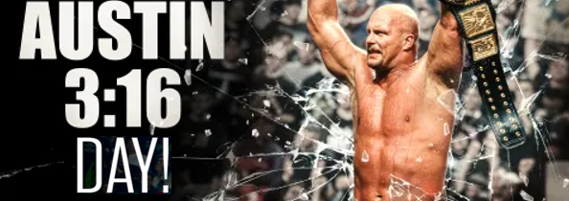
Wrestling Recap [3:16 Day]: HBK vs. Austin (WrestleMania XIV)


“Talk about your psalms, talk about “John 3:16”…Austin 3:16 says I just whupped your ass!”

With those immortal words, spoken by the legendary pro wrestler “Stone Cold” Steve Austin after winning the King of the Ring tournament on 23 June 1996, a momentous wrestling career was about to unfold before our eyes that would see everyone’s favourite beer-swigging, finger-gesturing anti-hero become not just an industry icon but a mainstream icon as well. Here’s to yah, Steve!


The Date: 29 March 1998
The Venue: FleetCenter; Boston, Massachusetts
The Commentary: Jim “J.R.” Ross and Jerry “The King” Lawler
The Referee: Mike Chioda, with “Iron” Mike Tyson as the special enforcer
The Stakes: Main event singles match for the WWF Championship

The Build-Up:
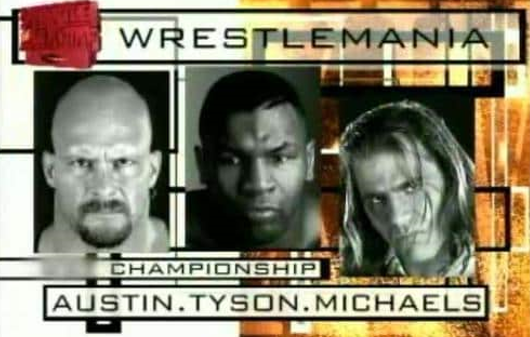
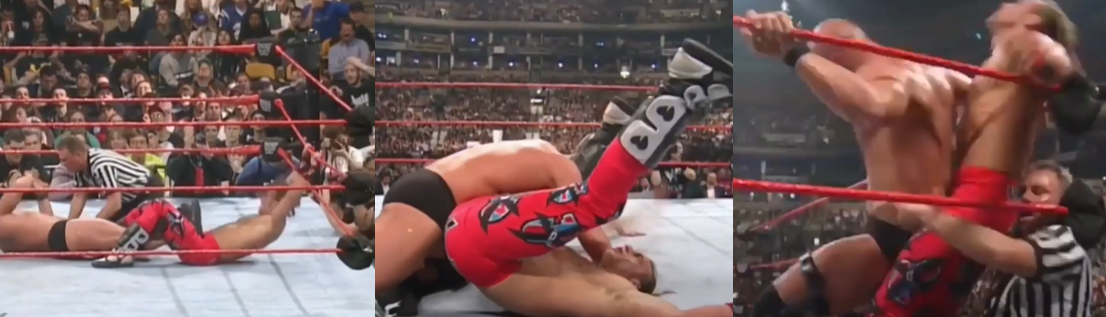
As any self-respecting wrestling fan will tell you, the World Wrestling Federation (WWF) was clawing back to prominence in 1999. After being beaten in the weekly ratings by World Championship Wrestling’s (WCW) Monday Nitro in the weekly television ratings for nearly two years, the WWF’s “Attitude Era” kept fans glued to the product, many of whom were deeply invested in the rivalry between the loud-mouthed, anti-authority “Stone Cold” Steve Austin and WWF Chairman Vince McMahon. Another crucial factor in getting eyes back on McMahon’s product was the outrageous antics of D-Generation X, a group of wrestlers led by then-current champion, the “Heartbreak Kid” Shawn Michaels, who wielded incredible backstage influence and whose members were often involved in some of the WWF’s most controversial storylines. After the infamous “Montreal Screwjob” saw Bret “The Hitman” Hart part ways with the WWF, McMahon appeared on television more frequently as the evil “Mr. McMahon” and frequently clashed with Austin’s rebellious ways. Hot off a feud with The Rock over the Intercontinental Championship, and despite McMahon’s efforts, Austin won a shot at the big belt, and a slot in the main event of WrestleMania XIV (also billed as WrestleMania X-raided) by winning the Royal Rumble event. He further raised the ire of the chairman when he publicly insulted legendary boxer Mike Tyson on an episode of Raw Is War, though the deck appeared to be stacked against Austin as Tyson revealed himself to be in league with D-Generation X. There was also a great deal of behind the scenes drama surrounding this match as, at the time, Shawn had a bit of a reputation for being unprofessional and, despite nursing a legitimate back injury that would scupper his career for some time, there was some doubt as to whether he would actually lay down for Austin as planned, to the point where the Undertaker was prepared to take matters into his own hands if necessary.

The Match:
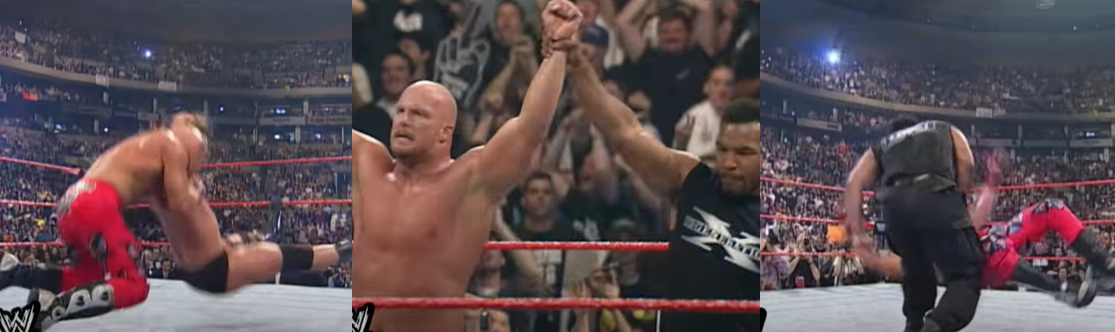
Fans today would probably hate the promo package for this match as the majority of it was focused entirely on “The Baddest Man on the Planet” but Mike Tyson was a massive get back then and really helped to put more eyes on the product. The package emphasises not only that Tyson is an absolute bad-ass but that he is D-X through-and-through and Austin barely features at all in it which, considering he was white-hot at this time, I can only assume is all part of the larger story of McMahon not wanting to put any spotlight on Austin and his rebellious ways. Tyson, garbed in a D-X shirt, is the first out and clearly seems to be enjoying his involvement with the product, which is always good. The crowd is, however, largely apathetic towards Tyson, especially once they catch a glimpse of Austin prowling around backstage, to say nothing of when his iconic glass shatters and he enters. After performing his signature rope taunt, Austin immediately gets all up in Tyson’s face, establishing right away that he isn’t afraid of or intimidated by Iron Mike. Shawn Michaels, “the greatest champion of all time” according to J.R., then makes a grandiose entrance; accompanied by some chump named Triple H (who was the WWF European Champion at the time) and Chyna and played to the ring by the Chris Warren D-X band, he expertly played the role of the cocky, arrogant heel by dancing about and wearing the smuggest grin on his face. And why not? Not only did he have the muscle in his corner, Tyson was also in his pocket so he had every advantage in the world except for the unanimous crowd support that Austin received. Tyson makes his presence known from the moment the bell rings by nonchalantly swiping at Austin’s ankles as he (as in Austin) is pacing the ring. When HBK hops about and taunts Austin, Austin gives him the traditional two-finger salute but HBK’s game plan, early on, is to wind Austin up into a frenzy by ducking and jiving away from him.

A great deal of the match involves the two brawling on the outside.

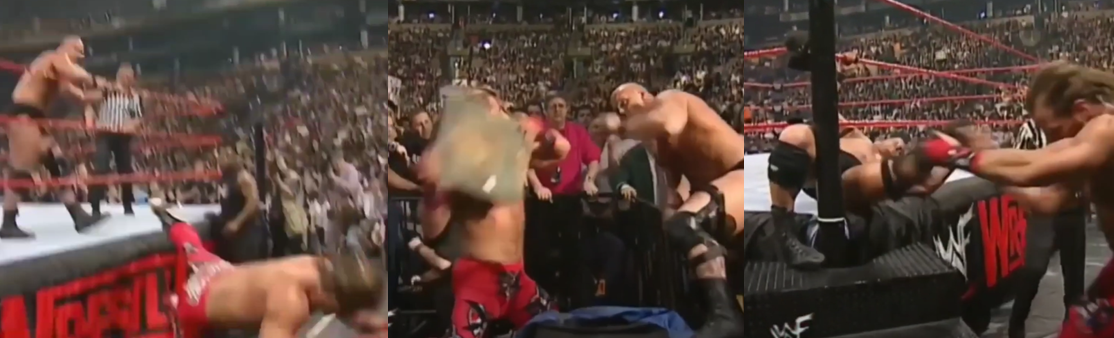
Austin, however, puts a stop to that by throwing some punches in the corner, yanking down Shawn’s tights to expose his ass (much to the delight of the crowd), and finally tossing him out of the ring and into his D-X buddies. When Austin follows to press his attack, he is assaulted by Triple H and tossed into the metal barricade. For his efforts, referee Mike Chioda has Shawn’s running buddies ejected from ringside. All of this was still enough for HBK to gain the advantage and a ringside brawl ensues that sees Shawn slam Austin with the band’s equipment and toss him into a dumpster but, the moment they get back into the ring, Austin regains control by countering HBK’s driving axe-handle and whipping the WWF Champion into a corner for Shawn’s signature flip spot. Austin starts to work on Shawn’s arm with a series of stomps; he shuts down Shawn’s speedy offense by dumping him into the ropes but, though he takes a dive to the outside and onto the table, HBK is still wily enough to avoid being hit with the Stone Cold Stunner. Austin presses his advantage, putting a beating on Shawn and going for a series of pins before wearing Shawn down with a headlock. Seems a bit early into the match for a rest hold but, considering Shawn’s injury and the bumps he’s already taken, it’s perhaps not surprising. HBK counters out of the hold and is finally able to gain some momentum by enduring a beating and walloping Austin in the face with the ring bell, which the referee conveniently misses.

The pace is a bit all over the place, possibly because of Shawn’s injury, making for quite a dull match.

Back in the ring, HBK starts working over Austin’s head despite clearing struggling with the pain of his back injury; more uninspired and slow-paced holds and moves follow before Austin springs back to life, tackles HBK, and tosses him outside again! HBK recovers and starts smacking Austin’s left leg and knee off the ring post and the steel steps, as though the match needs to slow down any more, and continues the assault when he gets back in the ring to put Austin’s leg through the wringer for a bit. Austin surprises HBK with a kick up the ass and a roll-up but this isn’t modern-day WWE so Shawn easily kicks out and continues to wear down Austin’s leg using stomps and the ring ropes. When Austin rolls to the outside for a reprieve, Shawn hits him with a baseball slide and Tyson hefts Austin back into the ring so that HBK can lock in the Figure Four Leglock. Despite HBK grabbing the ropes for additional leverage, Austin refuses to tap out and successfully reverses the hold and buy himself some breathing time. Austin almost catches HBK with a pin off a catapult into the corner and then Shawn transitions into a sleeper hold; in his desperation to get out of the hold, Mike Chioda gets squashed in the corner and taken out of the match.

Austin captures his first World Championship thanks to Tyson revealing his true colours.

The match’s pace finally picks up a bit as Austin hammers on HBK, does his Mudhole Stomp in the corner, and fires back with a flurry of offense. Shawn desperately knocks Austin down with his flying forearm/kip up spot and then clambers up to the top rope for his big elbow drop. After landing the move, Shawn begins tuning up the band for the knockout shot but, when he flies in with Sweet Chin Music, Austin ducks it, and goes for the Stunner! Shawn counters out of it, goes for the Superkick again but Austin catches his foot, spins him around, and hits the Stunner! Tyson then slides into the ring and counts a quick three count to give Austin the WWF Championship in a very sudden end to a fairly lacklustre match. Afterwards, Tyson reveals that he was an Austin 3:16 fan all along, a point he emphasises by laying HBK out with a big right hand and then leaving the ring with the new champion.

The Aftermath:
WrestleMania XIV was a monumental night in WWF history; not only was this the first of six WWF Championship runs for Austin, it was also the night that the WWF “scratch logo” became the new logo of the company; the “winged eagle” world championship belt was also replaced with a new design the following night, and Shawn Michaels took a four-year hiatus to recover from his injuries and get his shit together (which, in turn, saw Triple H succeed him as the leader of D-Generation X and truly begin his own ascent to the main event scene). Of course, the most prominent thing to come out of this event was Austin/McMahon feud; for the next five months or so, McMahon did everything he could to try and get the belt off Austin by either screwing him out of it or throwing challengers and obstacles his way. This led to the creation of the Corporation stable, Mankind’s transformation into Dude Love, the debut of Kane, and a series of successful title defences on Austin’s behalf before he was finally forced to vacate the belt when he was pinned by both the Undertaker and Kane. Austin and McMahon also got into a series of verbal and physical altercations, including a steel cage match at St. Valentine’s Day Massacre and the war between the two helped the WWF to overtake the competition and establish themselves as the hottest game in town. Sadly, Austin’s white-hot run came to a premature end when he was written off television to get neck surgery and, while he did reappear in the company some time later, it was clear that his career was winding down thanks to fatigue and mounting injuries.

My Rating:

Rating: 3 out of 5.

Pretty Good

What did you think to the contest between Shawn Michaels and Steve Austin at WrestleMania XIV? How would you rate it compared to their other bouts and which of their feuds, matches, and moments is your favourite? Were you a fan of HBK, D-X, and Tyson? How are you celebrating 3:16 Day this year, what are some of your favourite matches and moments from Austin’s illustrious career, and what dream match would you have liked to see him involved in? Whatever your thoughts, drop a comment below and let me know what you think about “Stone Cold” Steve Austin.

Weekly Writing Prompt: 16/03/2022

Gillian Church posts Writing Prompts every week on her Horror Prompts Instagram account and I like to take part with a few snippets and pieces of flash fiction.

The Prompt:
Honey, come quick! I found something in the garden…

The Submission:
Sarah stomped out across the patio, angrily wiping her hands on the bottom of her apron, as Stan stood in the middle of the veg patch, his shovel long forgotten.

“Fuckin’ what?!” she spat. “I’m in th’ middla dinner…!”

“Shut yer bollocks and just look!”

Sarah rolled her eyes and glared at the soggy, dirt-ridden ground. “Dirt,” she scowled. “You brought me out here for dirt?”

“Don’t be so wet!” Stan growled, “Look there!”

Exasperated, Sarah followed Stan’s dirty finger and saw a strange, pulsating mass writhing in the dirt. “What the…?”

“I dunno!” Stan cried. “I just dug it up.”

Sarah reached out and the thought better of it. she grabbed Stan’s shovel and tentatively poked at the throbbing, slimy mass, which rippled with a shiver.

“D’yah think…” the words died in Sarah’s mouth as the slimy ball lashed out, whipping up the length of the shovel with a number of slug-like tentacles.

Sarah screamed and tossed the shovel aside just as the tentacles clenched around it, snapping it in two. Stan moved to urge her away and one of them snaked around his ankle, corroding the skin, and he tumbled to his knees in pain.

“Git up! Gitthefuckup!” Sarah bellowed, tugging on Stan’s arm as the slimy mass began to crawl up his calf, eating away his flesh as it went.


What did you think to this week’s writing prompt? Did you submit anything for it? Have you ever written any flash fiction before? I’d love to know what you think to my snippets and writing prompts, so feel free to sign up and let me know what you think below or leave a comment on my Instagram page. You can also follow Gillian Church and Horror Prompts to take part in the Weekly Writing Prompt challenge.