Game Corner: Sonic Adventure (Xbox 360)

GameCorner
SonicAdventureLogo

The year was 1998 and the videogame industry was deep into the newest phase in the Console Wars. Nintendo and SEGA had left behind two-dimensional gameplay and were focusing entirely on polygons and 3D, while Sony provided some surprising competition in the arena with its PlayStation console. In 1996, Super Mario 64 (Nintendo EAD) was released, marking the 3D debut of Nintendo’s portly plumber. With its tight, responsive controls, bright, vivid colours, exciting soundtrack and simple, yet increasingly challenging, gameplay, Super Mario 64 was largely regarded as a successful evolution from 2D to 3D gameplay for Nintendo’s mascot. Meanwhile, Nintendo’s once-high-and-mighty rival, SEGA, was…struggling a bit. Their ill-fated 32X and SEGA Saturn hadn’t exactly set the world on fire and their superspeedy mascot, Sonic the Hedgehog, while still a popular cultural icon, hadn’t been featured in a main series videogame for a long time, finding himself relegated to spin-offs, cancelled titles, cameos, and odd-ball experimental titles.

Super Mario 64 was Mario’s successful foray into 3D.

Determined to reignite Sonic’s success, SEGA set to work crafting a title that would not only compete with Super Mario 64 but also draw gamers away from their competition and firmly towards their powerful new Dreamcast console. In order to facilitate this, Sonic Team decided to craft a title that would mix multiple gameplay styles, completely redesign Sonic and his friends and enemies, and unite Sonic’s formally-competing continuity to softly reboot their once-blockbuster franchise. Given that I wasn’t afforded the luxury of owning every games console back in the day, I opted to jump ship from SEGA to the Nintendo 64 and, as a result, I first played Sonic Adventure when Sonic Adventure DX: Director’s Cut was released for the GameCube in 2003. This means that I didn’t play the game until after playing Sonic Adventure 2: Battle (Sonic Team USA, 2002), an upgraded expansion of Sonic Adventure’s sequel, also on the GameCube. Picking a favourite between the two is difficult as the controls, graphics, voice acting and lip-synching, and gameplay mechanics were vastly improved in Sonic Adventure 2 (ibid, 2001), which also introduced Shadow the Hedgehog to the series, but Sonic Adventure had a lot more gameplay variety, a slightly more interesting story, and had a lot more additional content in its updated ports. Eventually, these GameCube ports were further ported to the PC and these versions then came to PlayStation 3 and Xbox 360. As this latter version was recently on sale on Xbox Arcade, I once again bought Sonic Adventure (though I was too cheap to buy the DX: Director’s Cut add-on) and blasted through it so let’s see if it’s still as good as I remember it.
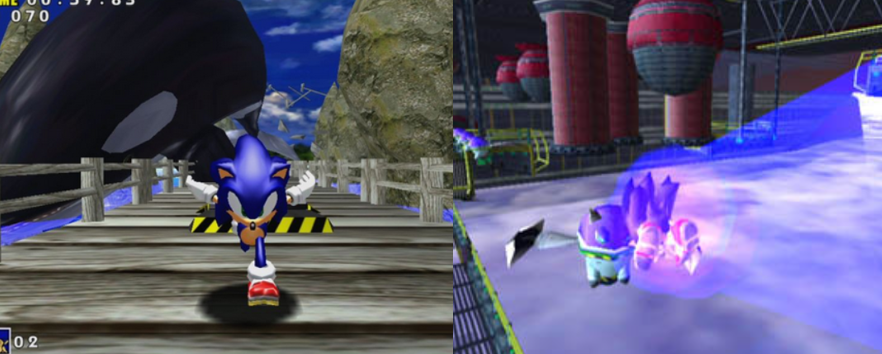
Sonic’s speed and Homing Attack allowed him to easily traverse and target enemies in his new 3D environment.

Sonic Adventure (Sonic Team, 1998) saw players take on the role of Sonic the Hedgehog in his first fully 3D adventure. Arriving in Station Square after a long absence, Sonic encounters the mysterious aquatic lifeform Chaos causing…well, chaos…and soon uncovers a plot by his old nemesis, Dr. Eggman, to gather the legendary Chaos Emeralds and use them to empower Chaos to destroy Station Square. Teaming up with friends old and new, Sonic races to keep the Chaos Emeralds out of Eggman’s hands and stop his plans before it’s too late. Right away, Sonic Adventure wipes the slate clean for the Sonic series. Not only is Sonic a fully-realised 3D character, he’s now taller, edgier, portrayed by Ryan Drummond as a heroic thrill-seeker, and living alongside humans in a vaguely-Earth-like setting rather than hailing from an alien world populated entirely by anthropomorphic characters. Rather than speeding through 2D environments, Sonic navigates 3D stages with the camera placed behind him but, to make traversing these new stages easier, Sonic Team implemented what has now become one of the most contentious additions to Sonic’s arsenal, the Homing Attack. Nowadays, gamers take the Homing Attack for granted as it has been tweaked to hold our hands through its auto-lock-on and targeting reticule but, back in the day, it was an innovative gameplay mechanic that boosted Sonic towards the nearest enemy, spring, power-up pod, or simply blindly in the direction he is facing. It wasn’t a vastly over-powered move but, like Z-Targeting in The Legend of Zelda: Ocarina of Time (Nintendo EAD, 1998), was an essential mechanic to blasting Sonic through his sprawling, engaging zones. As in his previous 2D outings, Sonic also has the iconic Spin Dash, which can boost him along with an almost-game-breaking speed or be held down and charged up for one big boost. He can also acquire a few upgrades that allow him to perform the Light Speed Dash; like the Homing Attack, this is now an iconic staple of Sonic’s 3D arsenal but, here, it’s a bit clunky as Sonic must charge up a Spin Dash and then release the button to speed along a set of Golden Rings. This was vastly improved in Sonic Adventure 2 to the format we are now used to, where the Light Speed Dash is assigned to a single button.
SonicAdventureVariety.PNG
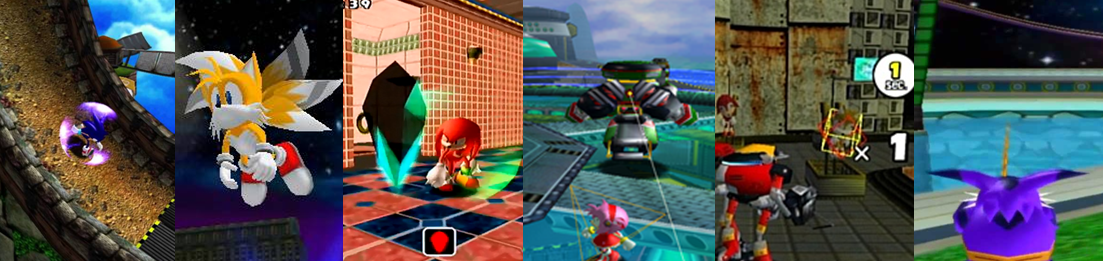
Running, flying, hunting, stealth, shooting, fishing…Sonic Adventure has it all!

For gamers more used to Sonic’s most recent titles, Sonic Adventure may seem a bit of a shock as it also includes a whole host of additional characters to play as. Miles “Tails” Prower must race, usually against Sonic, to reach a goal first, using his twin tails to fly and attack enemies; Knuckles the Echidna must glide, climb, and dig through stages to find fragments of the Master Emerald; and Amy Rose has to use her Piko-Piko Hammer to evade the invincible ZERO. Sonic Adventure also introduced gunplay to the Sonic series for the first time by allowing players to blast through stages as the tragic robot E-102γ (or simply “Gamma”) and one of the most divisive characters of the entire franchise, Big the Cat, a massive, slow-witted cat who has to fish for his elusive friend, Froggy.

Waste hours of your life raising the perfect Chao but don’t forget to take on Perfect Chaos!

Once players have cleared each character’s story from start to finish, they unlock once final chapter where everone comes together to power Sonic up into Super Sonic so that he can end the threat of Chaos’ ultimate form, Perfect Chaos. This started a trend in the 3D Sonic games where players would unlock one final story where they play as Super Sonic, something that is still often seen in modern Sonic titles, which have only recently begun allowing players to play as Super Sonic outside of the Last Story. In addition to these story modes, Sonic Adventure also features the Chao Garden. As Sonic and his friends destroy enemies, they can rescue a variety of little animals that can be taken to three Chao Gardens found in the game’s three Adventure Fields. In here, players can hatch and raise Chao, tiny little versions of Chaos, and power them up with these small animals, buy them food and accessories in the Black Market, and then race and battle against other Chao in the Chao Games. Chao’s stats (run, fly, swim, power, and stamina) will increase (or decrease) with each animal they interact with and the Chao will take on different characteristics and colours as they level-up, eventually evolving into stronger bipedal forms. The Chao Garden is a nice little distraction and an extra incentive to play but I can’t say that I really miss it from modern Sonic games; it’d work as a mobile app, or something like that, though. Story and narrative are a massive part of Sonic Adventure; previously, there was a massive divide between the Sonic narrative in Japan to that seen in the United States and Europe. While Sonic always lived on Earth in Japan and fought against Dr. Eggman, in the U.S. and Europe, he lived on Mobius and battled Dr. Ivo Robotnik; Knuckles lived alone on Angel Island in Japan but was isolated on the Floating Island elsewhere, and there were a few inconsistencies regarding the amount and appearance of the Chaos Emeralds as well.

SonicAdventureEggman.PNG
This was the first time many gamers became aware of the “Eggman” name.

With Sonic Adventure, though, Sonic Team sought to consolidate all these inconsistencies into one brand image for their super-fast mascot. “Eggman” is used by Sonic and his friends as an insult to their egg-shaped adversary, who refers to himself numerous times as Dr. Robotnik; Sonic and his anthropomorphic counterparts are right at home alongside humans, and the previous games are used as a vague basis for the character’s back stories (Amy specifically remembers the events of Sonic the Hedgehog CD (SEGA, 1993), for example) but, at its core, Sonic Adventure, with its anime-inspired aesthetic, serves as a soft reboot for the franchise that would act as a clean slate for the series going forwards. Unfortunately, this didn’t last very long. All-too-soon, Sonic’s narrative began to get more and more convoluted and the idea of one unified worldwide version of Sonic was tainted by further drastic changes to Sonic’s aesthetic, the addition of Classic Sonic and the production of Sonic Boom (Various, 2014 to 2018). Long-time fans of the series struggled a bit with Sonic’s dramatic redesign; fans literally argued themselves into a frenzy over the fact that Sonic now has green eyes, for God’s sake, and debates continue to rage to this very day regarding what is the best design for Sonic.

SonicAdventureBig.PNG
I actually really like Big and found his gameplay simple fun…

While I actually really enjoy each of the character’s stories and gameplay styles, fans also reacted badly to many of Sonic Adventure’s gameplay mechanics. The speed and excitement of Sonic’s gameplay continued into Sonic Adventure 2 and eventually evolved into the sole gameplay style we see in modern Sonic titles, but Tails’ and Amy’s formulas were abandoned entirely by the sequel, with only the shooting and treasure hunting mechanics lasting to Sonic Adventure 2. But it was Big the Cat who suffered the most, with fans seemingly unified in their hatred of his slow movement and fishing gameplay. I, however, really like Big; his stages are short and simple, his gameplay inoffensive and easy to master, and it’s a breeze to cheese his additional missions. Honestly, if I had to pick a character I disliked out of all of those on offer here, it would be Amy, as she’s a bit awkward to control at times (thanks in no small part to Sonic Adventure’s dodgy, jerky camera) but, having said that, her stages are still pretty short and easy to get through and I would much rather than three great characters and stories and three average ones than one single gameplay style. Sonic Adventure was also hampered a bit by its camera, as mentioned, and control schemes; these would be refined in Sonic Adventure 2 but, here, everything is lacking a little bit of polish. It isn’t the glitch-filled, game-breaking end of the world a lot of Sonic fans will scream at you that it is but it can cause some unnecessary deaths at times. The game’s voice acting and lip-synching are also still a source of derision but, honestly, I really don’t care; all the characters sound great, and very appropriate, and, while the lines aren’t always great and their delivery can be hit and miss, that was just how voice acting was back in those days and, for me, it just adds to the quirky charm of the videogame.

SonicAdventureTails.PNG
To say that Tails has regressed in recent years is a bit of an understatement…

Sonic Adventure is also packing quite a bit of content. Alongside the Chao Garden, there’s also the option to replay each character’s stage a couple more times to earn additional Sonic Emblems (which can be found hidden in the Adventure Fields or are awarded after finishing stages and story modes); players can earn further Emblems in the Trial Mode, by finishing sub-games, and by winning Chao events. In the DX: Director’s Cut expansion, there’s also a Mission Mode that tasks players with fulfilling certain objectives for even more Emblems; once you earn all 180, you’ll unlock the ability to play as Metal Sonic in Sonic’s stages. While a simple reskin, this is a fantastic addition to the game and I would honestly love to see Sonic Team do more reskins like this in Sonic titles as it’s so easy to do and just helps add a bit more incentive to play and a little variety. That is what I love the most about Sonic Adventure: the variety; each character experiences events from a different perspective, meaning you might watch the same cutscene two or more times but the dialogue and camera angles will be different depending on who you are playing as. Also, if you get tired of blasting through stages at break-neck speed with Sonic, you can take in the gorgeous visuals at a slower pace with Knuckles or Big or just go in all guns blazing with Gamma. There’s a lot to do, lots of little hidden secrets and Easter Eggs to find, and I always want to play a little more, do a little more, and explore areas with each of the six characters.

Sonic Adventure certainly wasn’t lacking in gameplay variety.

It is honestly very disappointing to me that SEGA slowly began to shift away from Sonic’s extended cast and focus solely on Sonic’s gameplay. In Sonic Adventure, Tails and Amy both learn to be independent characters who aren’t simply one-dimensional bit players in need of rescue. Now, though, you’re lucky to even see Amy in a cutscene in a Sonic game and it seems to take a massive, concentrated effort of willpower for Sonic Team to allow players to play as Tails, to say nothing of poor old Knuckles! Sonic Adventure isn’t entirely to blame for that but the game is a bittersweet experience to play as it’s so much fun and has so much potential but some of its best parts (character variety, the semi-open world, and the level-up system) were omitted entirely in Sonic Adventure 2 and SEGA have never really been able to make a Sonic title that feels as immersive as Sonic Adventure. Sonic the Hedgehog (Sonic Team, 2006) tried to emulate the same feel and expansive nature of Sonic Adventure, but it lacked the gameplay variety and was littered with bugs and issues that made it more of a poor imitation; Sonic Unleashed (ibid, 2008) was perhaps the closest to succeed at emulating Sonic Adventure’s style but, rather than try to expand and refine upon this to reintroduce more of the concepts and mechanics of Sonic Adventure, SEGA and Sonic Team chose to release wildly inconsistent Sonic titles and bog their franchise down with multiple competing iterations of their mascot rather than continue with one unified version of their most popular brand.
SonicAdventureEnd
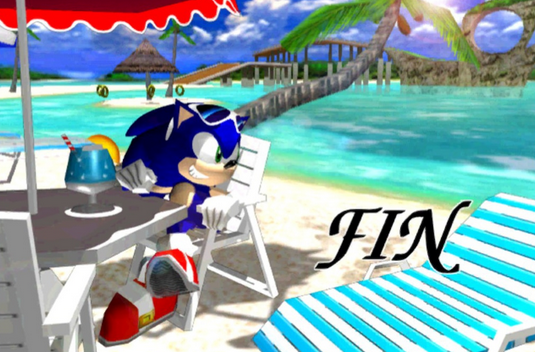
It has its flaws but Sonic Adventure is still great fun to play.

This is a real shame but, for me, does not diminish the impact or enjoyment of Sonic Adventure. Sonic Adventure 2 might be technically better in a lot of ways, but there’s something about racing through Station Square, exploring the Mystic Ruins, taking down the Egg Carrier, exploring the history of Sonic’s world, and battling Chaos’s various forms that I find extremely enjoyable. I like that the redesigns of Sonic, Tails, Knuckles, Amy, and Eggman all look cool and that the playable characters have distinct gameplay styles; I like the aesthetics of the game and its world and the new characters, who are both fun to play as and surprisingly complex; I like that the game is simple but also challenging at times, that the bosses are big and have a lot of variety, that the soundtrack is a mixture of styles (from cool skater rock to nostalgic tunes to mechanical synthesis), and that Eggman is a competent threat and not just some bumbling buffoon. For me, Sonic Adventure was a fantastic way to reintroduce Sonic to a new generation of gamers and a great starting point for a whole new series of Sonic titles; SEGA and Sonic Team may have fumbled the ball at capitalising on some of the game’s great ideas but it doesn’t change the fact that Sonic Adventure is a fun title to invest a few hours on and that it succeeds far more that it fails, no matter what the toxic Sonic fan community might have you believe.

My Rating:

Rating: 5 out of 5.

Fantastic

Movie Night: Rambo: Last Blood

RamboLogo.PNG

Released: September 2019
Director: Adrian Grunberg
Distributor: Lionsgate
Budget: $50 million
Stars: Sylvester Stallone, Yvette Monreal, Paz Vega, Sergio Peris-Mencheta, and Óscar Jaenada

The Plot:
Eleven years after finally returning to America, Vietnam veteran John Rambo (Stallone) has devoted his life to his adopted daughter, Gabriela (Monreal). However, when Gabriela is kidnapped by human traffickers while in Mexico, Rambo must take up arms once more to bring her home.

The Background:
Unquestionably, Rambo is one of cinema’s all-time iconic action heroes; introduced in First Blood (Kotcheff, 1982) as a psychologically damaged soldier, the character has evolved into a hulking war machine to a disillusioned old man, all while carrying a haunting presence as he struggles to run from, or confront, his inner demons. The poorly-titled Rambo (Stallone, 2008) seemed to tie the franchise up nicely, with Rambo massacring basically the entire Burmese army and then finally returning home after a lifetime of war, drifting, and toiling away from the United States. However, Stallone appears to be in the middle of a kind of renaissance (or, perhaps, undergoing a farewell tour) as he revisits and retires his iconic characters and, as a result, we now have one more chapter in the life of old man Rambo.

The Review:
Going into Rambo: Last Blood, I was expecting something that was more like the (comparative) subtlety of First Blood mixed with the gritty, bloody violence of Rambo and, while that is generally the case, it also feels as though Stallone saw some modern action/thrillers like Taken (Morel, 2008) and the John Wick (Stahelski, 2014 to present) films and said: “What if that…but with Rambo?”

RamboFamily
Rambo has found peace with his family…but nothing lasts forever…

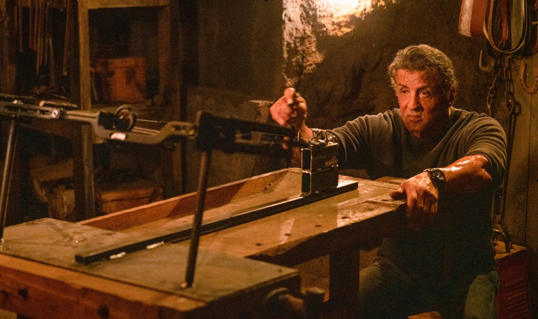
As a result, Rambo: Last Blood is, stylistically, a very different film to its predecessors and Rambo is, overall, a very different character. Having bonded with Gabriela and being close to her grandmother, Maria (Adriana Barraza), Rambo is at peace in a way he never has been in the past as he’s finally back with his family and away from conflict. However, Rambo has also filled his time with building an immense network on caves beneath his father’s ranch, which makes for an impressive and bloody finale to the movie, and is swallowing pills of some description to help curb his post-traumatic stress.

RamboMexico.PNG
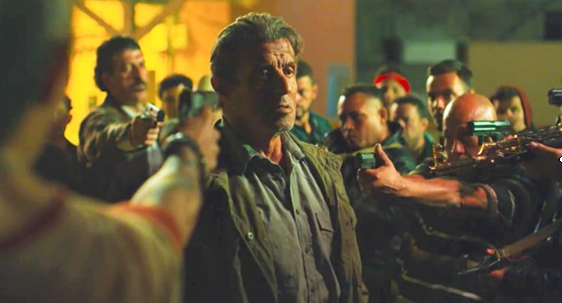
Rambo’s mortality is a central theme throughout Last Blood…

However, when Gabriela takes off to Mexico to find her estranged father and doesn’t return, Rambo immediately jumps into his truck and heads down there without a second’s thought to find her and bring her home. Quickly locating the Martinez Brothers, Hugo and Victor (Peris-Mencheta and Jaenada, respectively), Rambo is viciously attacked and has his face scarred by the brothers and their gang of human traffickers. Nursed back to health by journalist Carmen Delgado (Vega), who also has a personal vendetta against the Martinez Brothers, Rambo soon finds himself preparing for war once more, this time to fight for his family first and foremost.

RamboTraps.PNG
Rambo prepares a series of gruesome traps for his victims…

Rambo: Last Blood is, honestly, a bit of a mish-mash of ideas; it ends with a fantastically brutal sequence where Rambo hunts down his prey one by one and murders them in unique and brutal ways, and there’s some intense scenes of him prowling the streets of Mexico chasing down leads and roughing people up for information, and there’s a heart and a tragedy at its core that are reminiscent of other Rambo movies. Yet, throughout it all, I couldn’t help but ask why this movie was deemed necessary; Rambo’s story was largely concluded in Rambo and this extended epilogue, of sorts, only serves to emphasise that this character will never be free from conflict and never be able to truly lay down his guns, which is a sombre and depressing post-script for a character that has, more so than many other action heroes, earned a rest from war.

The Nitty-Gritty:
So, I mentioned Taken above and this is perhaps the most fitting analogy as this film is basically Taken but with Rambo and with one other crucial, gut-punch of a twist…Rambo’s adopted daughter, Gabriela, succumbs to her wounds and drug intake and dies shortly after being rescued by her uncle. This leaves Rambo obsessed with bloody revenge, which he soon obtains when he brutally decapitates Victor off-screen and lures Hugo (alongside a whole slew of nameless, faceless cannon fodder) to his heavily-booby-trapped ranch in order to blow their fuckin’ heads off and literally pull Hugo’s heart from his chest.

RamboHaunting
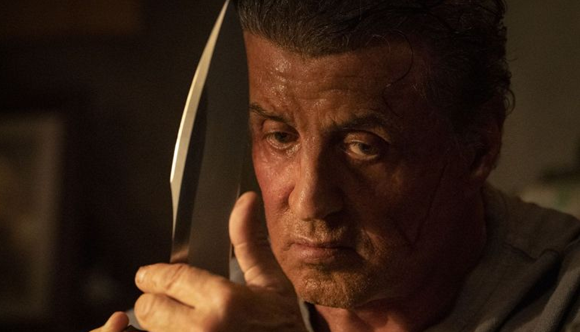
Rambo is still struggling with his inner demons.

This over-the-top action and killing is a delicious coda to the film but, during the conflict, Rambo suffers a few gun shot wounds which threatened to leave him dead but, instead, he simply reflects on his fate in a rocking chair and then (literally) rides off into the sunset. So, at the end of Rambo, it seemed like Rambo was going to finally go home and leave war behind and reconnect with his father. Here, though, his father is nowhere to be seen (and, presumably, long dead) and Rambo suddenly, randomly, has an estranged brother (who’s a complete asshole), a gorgeous young niece/stepdaughter, and a Maria, all of whom help to humanise and settle Rambo’s demons. But, now, with Gabriela dead, Maria gone, and his childhood home decimated, Rambo is left as a drifter once again, riding off into an uncertain future.

RamboBow.PNG
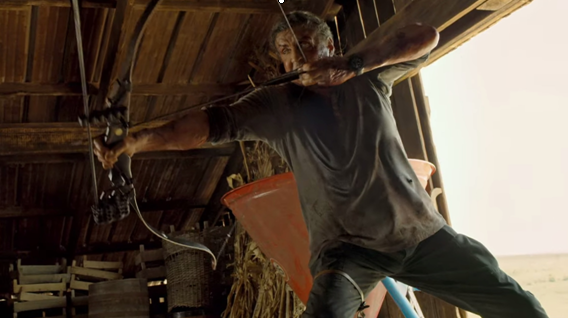
Rambo is still a crack shot with a bow and arrow!

Personally, I feel like Gabriela should have survived, perhaps been left in a coma, and Rambo should he satiated this thirst for vengeance but perished in the process, having died fighting for something worthwhile for a change (basically, recreating the end of Logan (Mangold, 2017)…but with Rambo!) Instead, Rambo is left with literally no family to fall back on and no clear end to his story, which may set up for a future instalment later down the line but, in a way, kind of ruins the somewhat-happy ending that Rambo suggested for the character.

The Summary:
Rambo: Last Blood has a few flaws, mainly in trying to justify why it even exists, but it is undeniably a thrill to see the character back onscreen and just as brutal as ever; age may have caused Rambo to become more methodical but it has done nothing to dull his edge or his pit-bull-like fighting spirit, which is as strong as ever. Its just a bit of a shame that he’s been placed in a movie that isn’t really offering the character much more growth or offering anything new to the action/thriller genre, relying more on nostalgia and gruesome violence to prop up its unoriginal narrative.

My Rating:

Rating: 2 out of 5.

Could Be Better

Talking Movies: It: Chapter Two

Talking Movies

It2Title.PNG

Released: September 2019
Director: Andy Muschietti
Distributor: Warner Brothers Pictures
Budget: $60 to 79 million
Stars: James McAvoy, Isaiah Mustafa, James Ransone, Jessica Chastain, Bill Hader, Jay Ryan, Andy Bean, and Bill Skarsgård

The Plot:
Twenty-seven years after facing and defeating Pennywise the Dancing Clown (Skarsgård), the Losers’ Club are called back to Derry to face the terror of It once again but, in order to overcome their greatest fears, they must first remember their past and rekindle their friendship.

The Background:
It: Chapter Two is, obviously the sequel (or second part) to the hugely-successful It (Muschietti, 2017), which retroactively retitled itself It: Chapter One just before the credits rolled. Given the length and structure of Stephen King’s original 1986 novel, it only made sense to split the story into two parts (which was all-but-inevitable when Chapter One raked in over $700 million against a $35 million budget), and everyone involved has clearly gone to great lengths to secure some big and talented names to help bolster Chapter Two even further.

The Review:
Chapter Two picks up twenty-seven years after the conclusion of Chapter One; a grown-up Mike Hanlon (Mustafa), who has stayed in Derry the entire time and become somewhat obsessed with watching for signs of Pennywise and haunted by his memories of the first movie, is forced to call his old friends up when It awakens and begins not only abducting, dismembering, and eating children but also calls out to the Losers to settle their score.

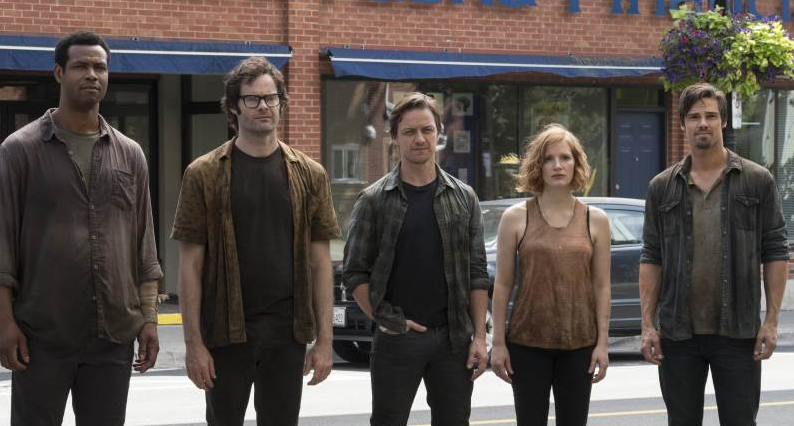
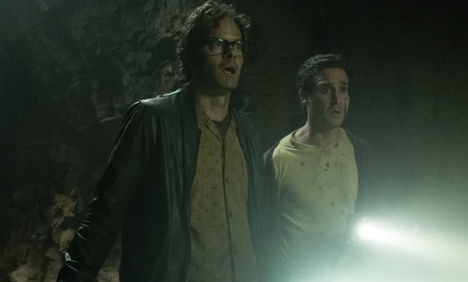
It2Losers
It: Chapter Two certainly excels with its casting.

Unfortunately for Mike, the Losers are all grown-up, successful adults with no memories of Derry, Pennywise, or their friendship; Bill (McAvoy) is a successful writer who overcame his stutter in favour of struggling with writing good endings to his books, Beverley (Chastain) has become a successful fashion designer who is trapped in an abusive marriage, Ben (Ryan) is now a fit and healthy architect, Eddie (Ransone) works as a risk assessor, has traded a fat mother for a fat wife, and fell back into his dependence on medicines and his inhaler, Richie (Hader) has become a stand-up comedian, and Stan (Bean)…well, it’s not said in the film what he does, but he’s grown up too. However, Mike’s phone call is enough to reignite the Loser’s memories (for better and worse) and compel them to return to Derry in record time to get caught up and piece together their memories, and their friendship, to perform an ancient ritual that Mike believes will destroy Pennywise once and for all.

It2Horror
It: Chapter Two definitely ups the gore and horror.

As I may have mentioned in my review of Chapter One, It is, unquestionably, my favourite novel of all time; King builds his characters so well that I can’t help but feel for each of them and, as I have grown older, my connection to the themes of It (friendship, childhood, adulthood) has only grown stronger. While I enjoyed Stephen King’s It (Wallace, 199) and Tim Curry’s rampant portrayal of Pennywise, I always felt like It needed another shake of the stick, one free form the restrictions of a made-for-television miniseries. While Chapter One altered some elements of King’s novel (changing the time period, adding new scares, altering some of the motivations and so forth), I didn’t really mind this and the movie didn’t disappoint in showcasing how malevolent and psychotic Pennywise can be.

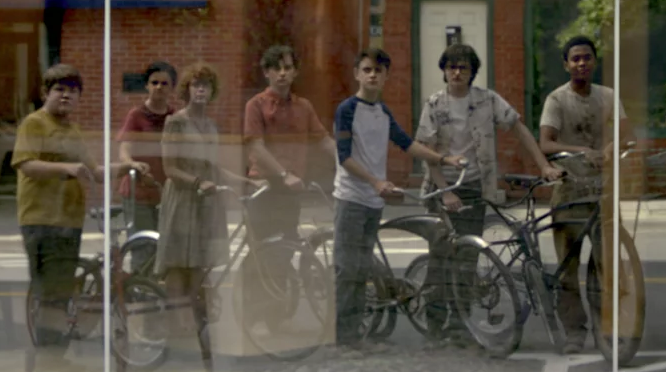
It2Kids
The kids make a much welcome return thanks to flashbacks.

Chapter Two, however, faces the same problem as the 1990 miniseries (and one also present in the book) in that it must now live and die on the strength of the adult version of the Loser’s Club. Given that Chapter One pulled a lot of its presentation and inspiration from Stranger Things (Various, 2016 to present) and the fact that the kids were so good in their roles, this is a tall order but the cast of Chapter Two largely fulfils this by bringing in some great talent for the adult roles.

It2RichieEddie.PNG
Richie and Eddie’s banter keeps the film lively and energetic.

Hader and Ransone especially stand out; their foul-mouthed banter and close friendship adds a lot of heart and levity to the film, while McAvoy and Chastain bring the emotional weight and acting nuance. Mustafa portrays Mike far from the wise mentor figure he assumed in the 1990 miniseries and instead pulls more from the fatigued, terrified obsession that Mike struggles with in the book. Unfortunately, there once again isn’t too much for Ben or Stan to do this time around; Ryan is serviceable in the role but, where child-Ben (Jeremy Ray Taylor) assumed Mike’s role of historian and exposition in Chapter One, adult-Ben is mainly there as a mediator and to rediscover his love for Beverley. Once again, Skarsgård steals the show as Pennywise; unlike Curry’s madcap performance, Skarsgård is a creepy, legitimately terrifying force who loves to mess with Its prey before It feeds. Chapter Two feeds (pun intended) Pennywise a far greater body count as he chomps down on adults and children alike, literally biting the heads of Its prey in a shockingly gruesome display. Skarsgård also gets a one-up on Curry in that the finale thankfully does not lose his visage or presence, allowing the final confrontation between Pennywise and the Losers to be far more entertaining while still staying true to the source material.

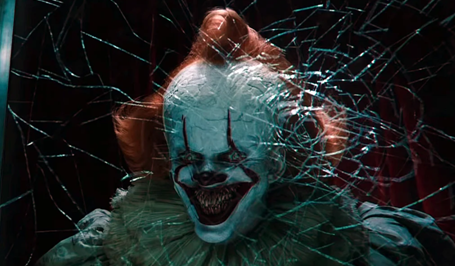
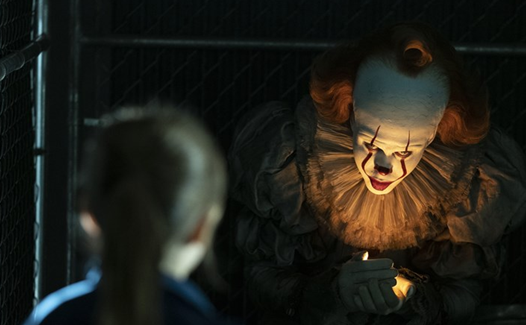
It2Pennywise
Skarsgård remains a truly creepy Pennywise. 

Despite upping the gore and creepy visuals, the bulk of Chapter Two’s scares again rely on jump scares, which is fine as they’re generally well done and Pennywise is a very charismatic presence, but the film does struggle with its pacing at bit. For example, Mike rings the Losers and they all arrive literally moments later with little issue. This does happen in the book and the miniseries but it stuck out to me as a little rushed as the film then slows down a bit so we can get truncated snippets of their lives. A couple of examples of this are Bev making very short work of her husband when he attacks her, with little to none of the catharsis given in the book to this moment, and Ben summing up his weight loss in one line, which is very disappointing considering how hard John Ritter fought to include an abridged version of Ben’s weight-loss story in the miniseries. However, I think some of these pacing issues will be absolved if you watch both parts back-to-back as one big movie (or, even better, they release a supercut version), that way you won’t lose any momentum as you’ll be familiar with all the characters. Also, when the film includes the original child actors, it makes the wise decision to include new scenes, storylines, and scares that pull more material from the book so it never really feels like its treading over the same ground or telling us things we already know.

The Nitty-Gritty:
Fundamentally, Chapter Two follows many of the same beats as the book and the miniseries but there are some interesting wrinkles; one of the biggest is the idea that Richie is actually in love with Eddie and has been harbouring an unspoken homosexual love for him this entire time, which I never even thought of or picked up on when I read the book. Another is Mike managing to escape the attack by the aged Henry Bowers (Teach Grant) with only a flesh wound, allowing him to not only participate in the final battle but finish up his character arc when his desperate belief in the Ritual of Chüd faisl to destroy Pennywise and Mike is revealed to be severely traumatised by his childhood nightmare. A big spoiler for anyone who hasn’t read the book is that Stan never makes it back to Derry, opting to slit his wrists instead. In the book and miniseries, he leaves a chilling message scrawled on his bathroom tiles (simply the word “It”), which is a genuinely spine-tingling moment; here, it’s a brief blink-and-you’ll-miss-it inclusion and, rather than killing himself because he was unable to face his fears and knew that pennywise was due to reproduce, Stan instead kills himself so that his fear won’t hold back the Losers and will galvanise them. This is given a heroic air in the film, which helps keep Stan a part of the group, but it’s never really presented as a motivation for the Losers sticking around to face Pennywise again.

Eddie also ends up dead in the finale; honestly, I thought that Mike was going to die (either in his place or as well), given his presence in the end, but Mike survives and Eddie gets impaled by one of It’s Spider-legs. This comes after Eddie has overcome Bowers and found the strength to strike what appears to be a fatal blow to the Spider and, before he dies, Eddie allows the Losers to realise that they can defeat It by disowning their fear of It and reducing It to a weak form, allowing Eddie to die a hero. This is a small issue, however; the new It movies seem to favour an oversimplification of It’s desire to inspire fear in Its prey. In the book, It likes Its prey to be scared because it improves the taste of the flesh and It delights in tormenting Its victims but, in these films, the Losers are able to defeat It by standing up to It and rejecting their fear of It, reducing It to little more than a blubbing baby. This was a factor in the book, miniseries, and Chapter One but, generally, Pennywise is enraged at the Losers hurting It and making It experience fear, rather than being powered by fear. It’s not a massive issue, as it’s a perfectly acceptable adaptation of Pennywise, but, as I say, it is a bit simplified. Similarly, Chapter Two seems to prefer the idea that It is actually an extraterrestrial lifeform that crashed to ancient Derry on a meteor, rather than an unspeakable eldritch horror; It’s true from is still living light but, rather than a Lovecraftian mass of orange lights that defy life, Chapter Two realises this form as three spinning orbs. Again, a fine way to show it and to hint at there being more to It, but a bit of an oversimplification.

Finally, one thing I feel would have helped with the film’s pacing is just omitting Henry Bowers completely. Henry (Nicholas Hamilton) took an unquestionably fatal tumble in Chapter One and his inclusion, while true enough to the book, is diluted so much that it would have been probably a lot better and easier to say Henry died and have It take the form of a zombified Bowers to attack Eddie. The time spent with Henry, brief though it may be, could then have been put into showing the adult Losers’ lives a bit more prior to returning to Derry. A big plot point for Bill is that everyone loves his books but hates the endings he writes; this is not-so-subtly based on real-life criticisms of a lot of King’s work, especially It. I, however, was always happy with the idea that It is best translated as a giant Spider; it worked as a metaphor and the ending always hit me hard as the Losers sacrifice so much to end Pennywsie’s threat and it’s a real poignant reflection of what it’s like to grow up and forget (or grow apart from) the friends that were once so important to you. Chapter Two, however, actually improved on the ending in a way that I found heart-warming in that, unlike in the book and miniseries, the Losers don’t lose their memories of each other after defeating Pennywise. Them losing Stan and Eddie and their memories after working so hard to remember everything always broke my heart so this really made me happy. Stephen King’s gratuitous cameo could have been shorter, though…like, he has a lot of lines and a lot of time was spent on indulging him.

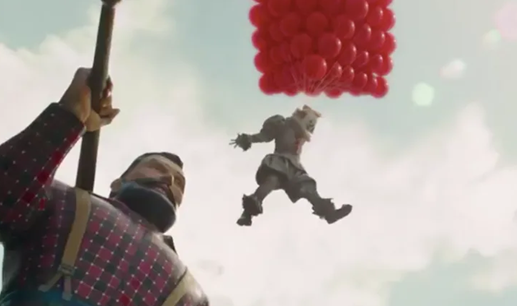
It2Bunyan

The Summary:
While not as good as It: Chapter One, It: Chapter Two is still a solid horror movie; there’s plenty of creepy moments, gore, and a surprising amount of humour here that’s sure to appeal to fans of the first movie. Allowances have to be made for the characters we became attached to now being grown up and the cast does a great job stepping into the shoes of their younger counterparts; the cast is scarily fitting, which really helps to adjust to this narrative shift. While some of the plot points are a bit weaker and the ending may be disappointing to some, as a massive fan of the book I was very satisfied and just as touched by the ending, especially some of the tweaks they made that, in my opinion, actually improved it.

My Rating:

Rating: 4 out of 5.

Great Stuff

The Teamos Connection

The Teamos Connection is a collection of stories I wrote over the course of many years revolving around a malevolent biological research facility that doubles as the largest and most profitable supermarket retailer in the United Kingdom.

Each story in the collection is laced with dark comedy, macabre imagery, and controversial content and is available to buy from Amazon using the below links.

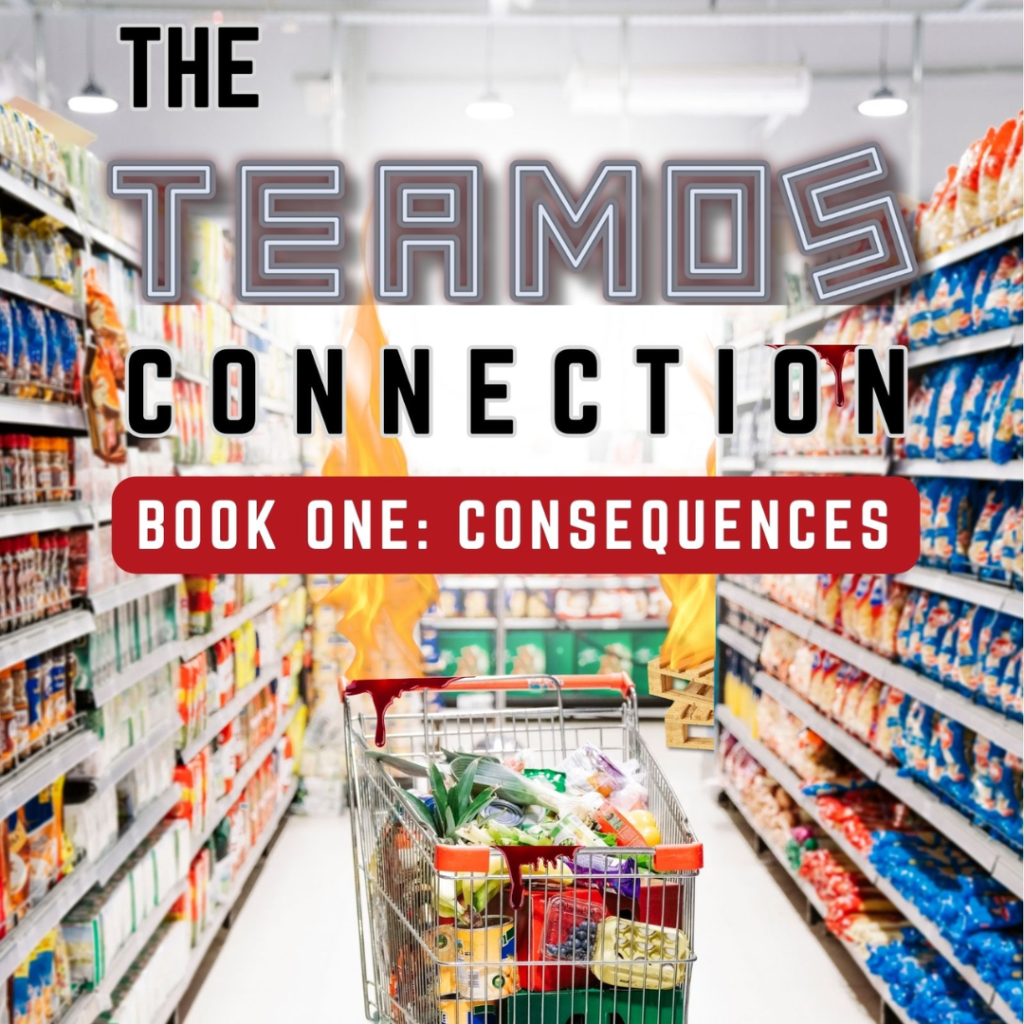
Book One: Consequences
For Barry Reese, Teamos cost him his livelihood, family, and sanity, and left his oldest daughter, Sophie, desperate for answers. Now, Sophie has returned home to continue her father’s work, unaware that a cold, calculating new manager is determined to avenge the damage caused by her father.
Buy on Amazon

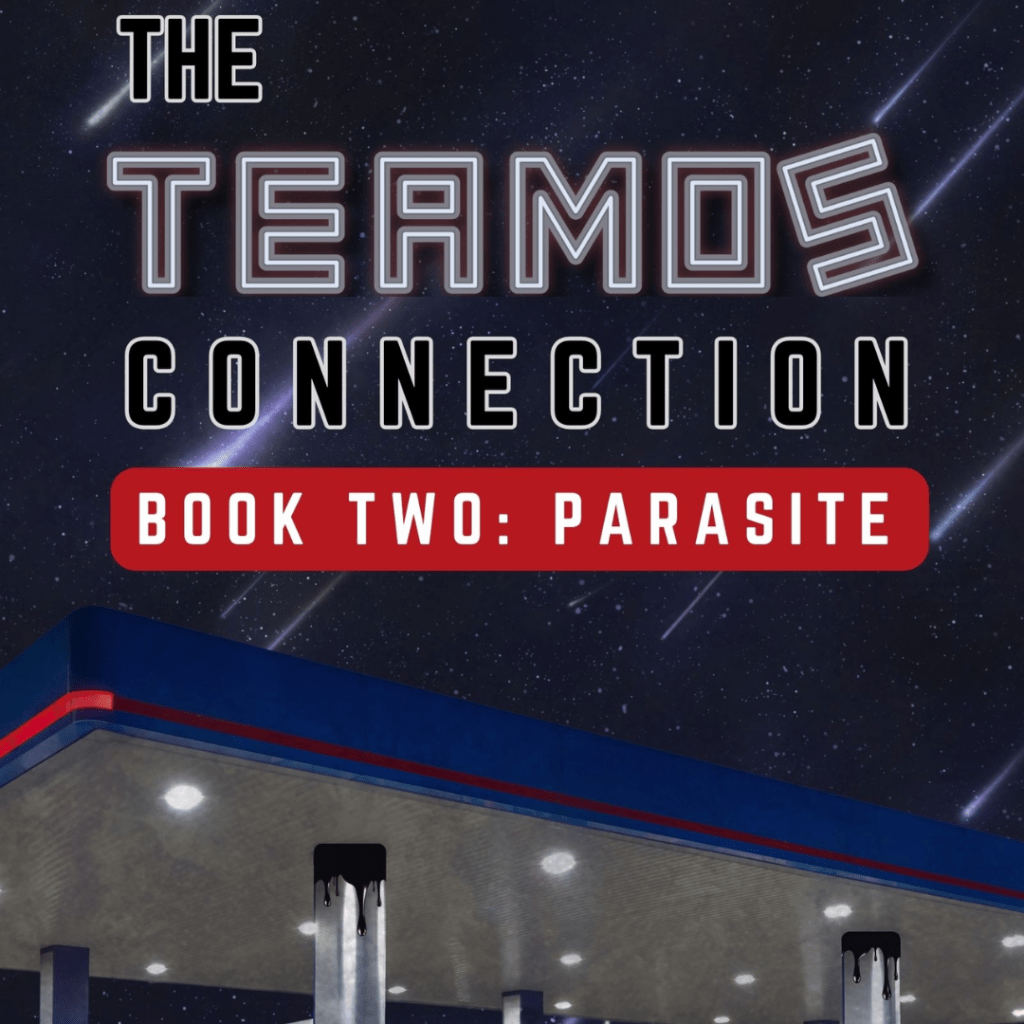
Book Two: Parasite
Bored by their mundane jobs at their local Teamos petrol station, Wayne Grace and Eddie Conner fill their time mocking their supervisor, flaunting company policy, and bombarding customers with an irritated sarcasm. However, their ordinary lives are turned upside down when an amorphous alien organism arrives to fulfil its one purpose: to consume!
Buy on Amazon

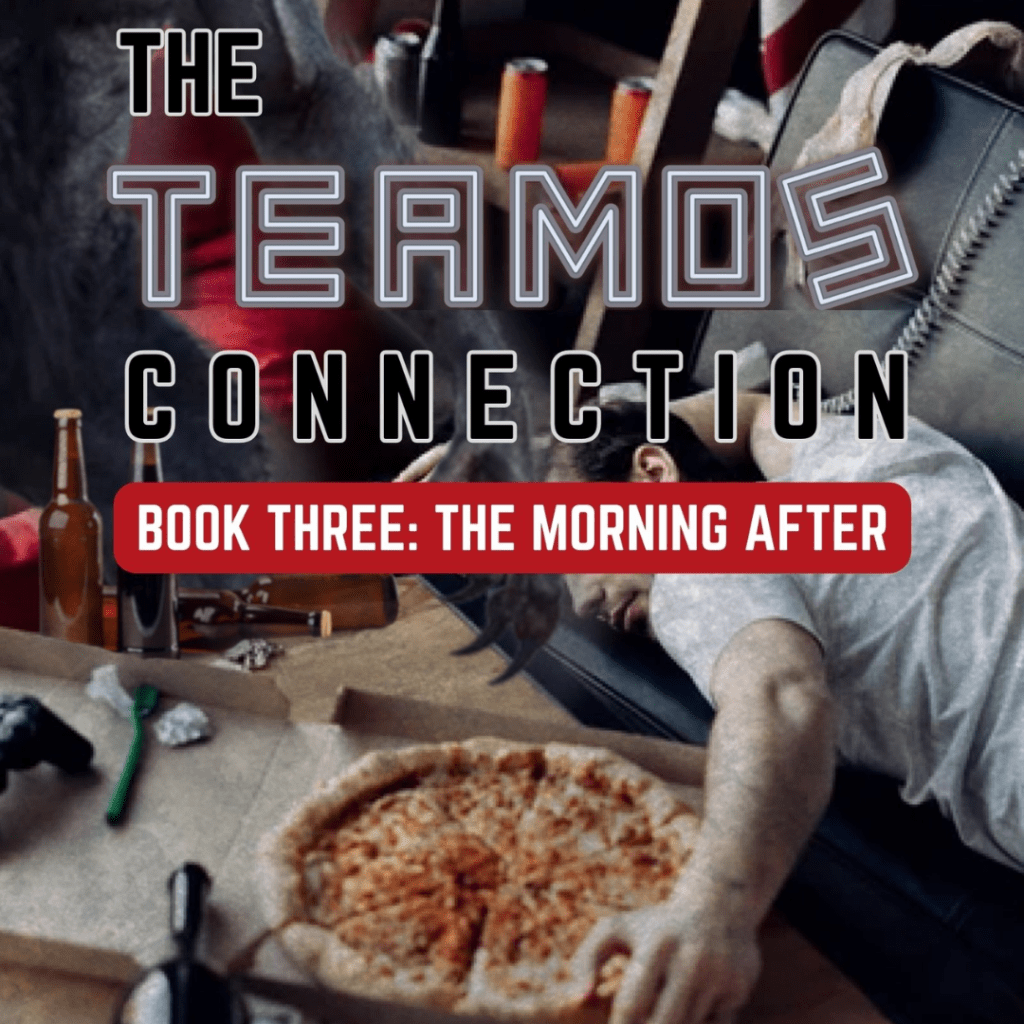
Book Three: The Morning After
For student Gavin Jackson, Teamos is simply the local supermarket where his best friend and roommate, Craig Cooper, works a menial job. Tonight, Gavin hopes to finally make a move on the girl upstairs but the revels take a gruesome turn for the worst after the unexpected arrival of a ravenous beast that tears through the student dwelling with a voracious appetite!
Buy on Amazon

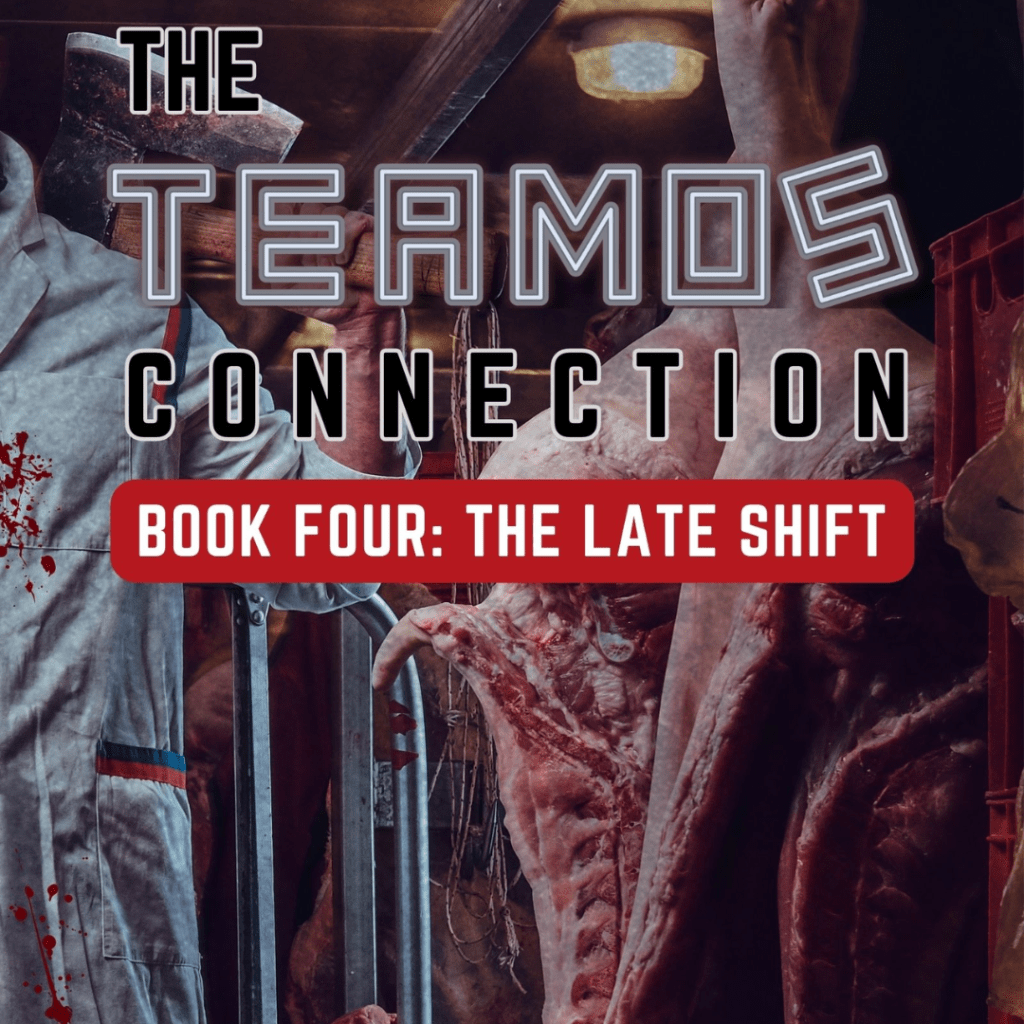
Book Four: The Late Shift
Simon Forrester has the unenviable task of supervising the nightshift at a large Teamos supermarket as the Team Deputy. However, when a mysterious delivery arrives and Forrester undergoes a dramatic, painful, and horrifying transformation, he witnesses the horrific truth beneath Teamos with his own eyes…
Buy on Amazon

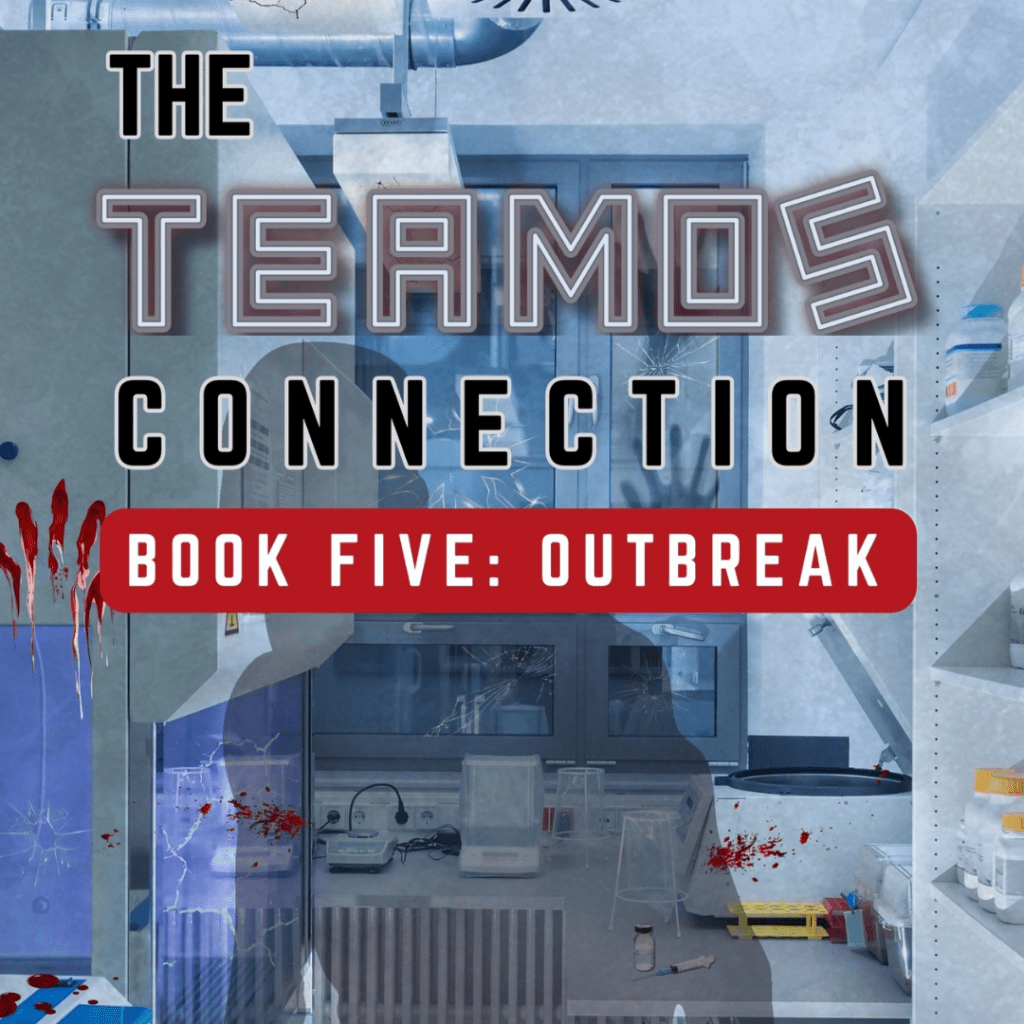
Book Five: Outbreak
In a Teamos Biodevelopment lab, a team of scientists find themselves under siege when a hoard of flesh-eating undead run rampant, forcing them to attempt to fight back with their latest test subject.
Buy on Amazon

Book Six: Loose Ends
Michelle Reese’s life was turned upside down when Teamos cost her father his livelihood and sanity. Already at rock bottom, her downward spiral is exacerbated when her estranged sister dies and Michelle’s is suddenly abducted by the mysterious Claude and forced to journey towards Teamos Headquarters and the settling of a lifelong grudge!
Buy on Amazon

The Complete Collection
Available as paperback and e-Book, The Teamos Connection: The Complete Collection collects all six of these short stories alongside two additional tales, Personal Best and The Stranger which further flesh out the mythos of the Teamos Connection.
Buy on Amazon

The Complete Collection: Deluxe Edition
Available only in hardback, Deluxe Edition of The Teamos Connection: The Complete Collection includes everything from the paperback version alongside an exclusive seventh story and bonus materials!
Coming Soon