Upon the release of Pokémon: Blue Version and Pokémon: Red Version(Game Freak, 1996), a new craze swept through playgrounds. An entire generation grew up with Pokémon, as clever marketing saw it become a massively lucrative and popular multimedia powerhouse. Accordingly, February 27th is recognised as “National Pokémon Day”, which I expanded to an entire month of Pokémon this February, which is even more fitting given that February 6th is the day that Mew gave birth to my favourite Pokémon, Mewtwo!
Released: 10 May 2019 Director: Rob Letterman Distributor: Warner Bros. Pictures Budget: $150 million Stars: Justice Smith, Ryan Reynolds, Kathryn Newton, Bill Nighy, Suki Waterhouse, Ken Watanabe, and Rina Hoshino/Kotaro Watanabe
The Plot: When his ace detective father goes missing, Tim Goodman (Smith) reluctantly teams up with his Pikachu partner (Reynolds) and aspiring report Lucy Stevens (Newton) to unravel the mystery.
The Review: Pokémon: DetectivePikachu takes place in Ryme City, a bustling, neon-drenched metropolis billed as a utopia for humans and Pokémon alike to live and work together in harmony. The city was built by billionaire tycoon and Pokémon advocate Howard Clifford (Nighy), a disabled visionary who poured his heart and soul into protecting Pokémon and fostering positive relations between them and humans. Much of this is related to the audience during Tim’s train ride to the city and in a format not unlike the “Welcome to the World of Pokémon” introductions included in many of the animated features, and is a fun way to show how Ryme City sets itself apart from other regions and locations. There, Pokémon battling is banned and people are discouraged from having PokéBalls. The relationship between humans and Pokémon is supposed to be more symbiotic and mutually beneficial, though that doesn’t stop everyone Tim meets asking where his “partner Pokémon” is. We’ve seen similar cities to this in the videogames and anime; indeed, the idea of humans working alongside Pokémon has been present since the first games. However, it’s presentation in this decidedly Blade Runner (Scott, 1982) inspired environment is not just to stuff in a load of Pokémon cameos but also to acclimatise viewers to the idea that, in this world, Pokémon are real and integrated into society. Still, the world of Pokémon: DetectivePikachu should be instantly recognisable to series fans and the film thankfully doesn’t bog down its run time with heavy handed exposition into its mechanics. This may be somewhat alienating to newcomers but it’s pretty clear from the title and the presentation who this film is aimed at, and I appreciate that it embraces the concept and plays it straight. It also has some tenuous ties to both the anime and the videogames: Mewtwo is said to have “escaped form the Kanto region” twenty years ago and Pikachu tearfully sings the anime’s original infectious theme song at one point, meaning the film can easily be seen as an extension of one or the other (or both, if you like). Layman viewers are tossed a bone in the main character, Tim, who is noticeably distinct from every other character he meets in that he doesn’t have a Pokémon partner and seemingly has no interest in the creatures.
Distraught Tim reluctantly partners with Pikachu to investigate his father’s death.
Again, this isn’t something new; the animated features often include characters either wary of or disinterested in Pokémon. Tim was an avid Pokémon fan as a kid; young Tim (Max Fincham) followed and participated in battles, collected the cards, and lived the Pokémon life. However, that all changed when his mother died; this drove a wedge between him and his father, who threw himself into work with the Ryme City Police Department, leaving Tim to be raised by his grandmother (Josette Simon) and grow up resenting both his father and the Pokémon he preferred to spend time with. Rather than growing up to be a Pokémon Trainer, Tim takes up a tedious job in insurance and has no interest in partnering with a Pokémon but ends up lumbered with his father’s cheeky Pikachu partner when he travels to Ryme City following his dad’s sudden death. Tim’s clearly shaken by his father’s demise and wrestling with conflicting emotions. He struggles to express himself when meeting with Harry’s friend, Lieutenant Hideo Yoshida (Watanabe), who relates that Harry always loved his son. This is little comfort to Tim, who’s clearly rattled at being denied the chance to get some closure and just wants to get home as quickly as possible. The deerstalker-garbed Pikachu completely upends that, however, since Tim can strangely understand the pint-sized detective. Tim initially reacts to this with shock and horror, believing he’s either going mad or has been adversely affected by a mysterious purple gas he discovers in Harry’s apartment. Even when he accepts that no one can understand Pikachu but him, Tim is reluctant to assist the Pokémon in figuring out what happened to his partner. Believing he lacks the same detective skills and expertise as his father, Tim repeatedly shuns Pikachu, who latches onto him out of desperation since he’s suffering from amnesia but feels it “in his jellies” that there’s more to Harry’s death than the media and the police want to admit. Pikachu’s insistence is infectious, and Tim reluctantly agrees to help with his investigation, aiding Pikachu by talking to humans for information while Pikachu interrogations Ryme City’s Pokémon. Though he’s uncomfortable carrying Pikachu on his shoulder and indulging his hairbrained theories, Tim proves a great asset when they question Harry’s informant, a Mr. Mime, leading to a hilarious moment where Tim threatens (through pantomime) to light the Pokémon on fire!
Aspiring journalist Lucy helps Tim and their investigation leads them to Clifford Howard.
Tim also provides Pikachu with the strongest lead in their muddled case when he’s accosted by aspiring reporter Lucy Stevens and her Psyduck (Michael Haigney). Struggling as an unpaid intern repeatedly ignored and chastised by her peers, Lucy is desperate to break a big story and senses that something’s amiss about Harry’s death. This is primarily because she has acquired several vials of the purple gas Harry was investigating, a strange substance known as “R” that temporarily drives any Pokémon that inhale it into a blind rage. Though he claims otherwise, Tim is clearly smitten by Lucy (and, honestly, I don’t blame him) and, while he doesn’t tell her the truth about Pikachu, he does review her notes and work with her to figure out what’s going on. Pikachu tries to help Tim flirt with and grow closer to Lucy, but despairs when Tim proves to be awkward around her and lack game. However, Lucy doesn’t seem to mind and finds the troubled young man charming, even when he’s stumbling over his words or making a fool of himself. While Yoshida believes Harry perished in a car crash, Clifford’s advanced holographic technology shows the detective survived and that both Mewtwo and Pikachu were at the scene, compounding the mystery further by naming his resentful son, Roger (Chris Geere), as the one behind the R. Thanks to Lucy’s digging, Tim learns of an abandoned research facility where Mewtwo was held against its will and harvested to synthesise R, and all signs point to the genetically engineered Pokémon turning its wrath on its captors and, by extension, Harry, who was contracted to capture it. Though this is clearly the big break Lucy has been looking for, she never abandons Tim in favour of getting her scoop like some fictional journalists. Indeed, they remain united throughout the film, working together to help each other, though Lucy continues to run into obstacles when she desperately tries to warn Ryme City’s inhabitants about the R gas in the final act.
Though suffering from amnesia, Pikachu is determined to solve the mystery of Harry’s disappearance.
Since he isn’t a detective, Tim’s at a loss about how to investigate his father’s death and even more helpless at uncovering proof that Harry survived. Thankfully, Pikachu is more than capable of carrying the bulk of the detective work. Though he’s suffering from amnesia, he’s no less determined to root through newspaper clippings, articles, photographs, and unturn any stone to find some kind of connection. Fuelled by caffeine and an insatiable lust for solving a good mystery, Pikachu tackles the investigation with gusto, chattering a mile a minute and standing up to any challenge. This bites him in the ass when he and Tim infiltrate an illegal underground Pokémon battle run by Sebastian (Omar Chaparro) and Pikachu’s forced to battle a voracious Charizard to get information from Sebastian, a sequence that showcases Tim has retained knowledge of Pokémon battles, but the amnesia has caused Pikachu to forget how to fight! Pikachu’s stunned to see he was at the scene of the crash and heartbroken when the Pokémon Comprehensive Laboratory (RCL) footage suggests that he betrayed Harry and led to his death/disappearance by freeing Mewtwo. Tim, Pikachu, Lucy, and Psyduck’s desperate escape from RCL sees them eluding not just a contingent of Greninja but also nearly crushed to death by giant Torterra masquerading as a forest, further results of the RCL’s horrific Pokémon experiments. Pikachu is gravely injured during the escape, which deeply upsets Tim. Despite him shunning Pikachu, and all Pokémon, he comes to connect with the adorable pint-sized detective and is devastated at losing him, both because he considers him a friend and partner and also because he’s the last link to a father he never knew. Luckily for them, some local Bulbasaur guide them to Mewtwo, who heals Pikachu and adds a touch more exposition to what really happened before being ensnared by Roger’s drones. However, this brief glimpse leaves Pikachu despondent and he wanders off, believing he’s a danger to everyone, only to stumble upon the crash site and realise it was the Greninja who attacked Harry’s car, not Mewtwo, and rush to help Tim confront the true mastermind behind the film’s events.
The Nitty-Gritty: Given the movie’s title, it should be no surprise that Pokémon: DetectivePikachu is primarily a mystery story. There’s the obvious mystery surrounding Harry’s unexpected death, which evolves into a mystery about whether he survived or not, what happened to him after the fact, and what role Mewtwo and the Cliffords played in it all. Pikachu, Tim, and Lucy are united in investigating this conundrum, which intersects with all their lives: Lucy’s been investigating the R gas, which was found in Harry’s apartment and produced at RCL, with each step piecing more of the puzzle together for them. Along the way, they’re hounded by numerous obstacles: first, the R gas turns some Aipom rabid, showcasing how dangerous the gas can be, then Tim and Pikachu have to survive a battle with a similarly enraged Charizard, and finally they face persecution from Roger and his minions as they seek to recover Mewtwo and cover up their tracks. All the while, they’re shadowed by Clifford’s mysterious and unnerving bodyguard Ms. Norman (Suki Waterhouse), who turns out to be a Ditto in disguise, and forced to flee from every confrontation since Pikachu cannot remember how to fight and Psyduck’s powers are too unpredictable to be reliable. This means Pokémon: DetectivePikachu doesn’t have many traditional Pokémon battles or mechanics, a fact only exacerbated by Ryme City outlawing battles. Indeed, Sebastian’s arena is the closest thing we get to seeing Pokémon battles; the rest of the time, the characters are fending off or running from Pokémon driven into a frenzy by R. It’s an unusual approach but it seems to serve the narrative well. This isn’t the traditional story of an aspiring Pokémon Trainer earning badges and overcoming a nefarious team of criminals. It’s a young man desperately trying to figure out what happened to his estranged father in a colourful and chaotic world where Pokémon of all shapes and sizes exist.
Many Pokémon are brought to life but the effects often suffer as a result.
The idea of doing a live-action Pokémon movie had been doing the rounds for some time and many aspiring digital artists had tried to show how the concept would work on the likes of Deviantart, with these efforts being pretty close to the final result. Pokémon: DetectivePikachu is stuffed with all kinds of Pokémon, from Machamp and Snubble working with the police department, to firefighting Squirtles and various Flying-Type Pokémon soaring through the skies of Ryme City. Charmanders walk the streets, Jiggypuff (Rachael Lillis) sings karaoke, Greninja hunt our protagonists, and gigantic Torterra shift the very landscape and it’s all taken entirely in stride. There’s literally nothing unusual about these creatures wandering around as they like and the integration of Pokémon into human society is fun to see, though the CGI can be questionable at times. It’s obvious that most of the work went into bringing Pikachu to life; he’s the most detailed, expressive, and nuanced of all the film’s Pokémon. Everything from his little red cheeks, his glassy and vivid eyes, and the tufts of fur on his body are beautifully brought to life, and he interacts seamlessly with Tim at all times. The same isn’t true of most other Pokémon, unfortunately. While Gengar looks great rendered as a gaseous, leering spirit, Charizard, Machamp, and even Psyduck appear a bit too cartoony. This is largely because the filmmakers stick very closely to the Pokémon’s original designs, which is commendable and definitely brings them to life, but results in them sticking out against the more realistic backgrounds. It’s a bit like Who Framed Roger Rabbit (Zemeckis, 1988) but, whereas it made sense for the Toons to appear as living cartoons, it doesn’t quite work for these supposedly real creatures to appear so fake. I definitely think it works for the most part and I’m impressed that Pokémon: DetectivePikachu includes so many Pokémon and integrates them so well, but I do wonder if the effects might’ve been better served by focusing on a handful of Pokémon. Like, maybe if Ryme City were a little different and Pokémon are largely banned and Clifford was trying to change that, so you’d only see a few different types of Pokémon, freeing the animators to make them look as good as possible. It’s a minor thing, but a noticeable one, for sure.
Tim stops Clifford’s mad plot and Mewtwo finally reunites him with his father.
Sadly for me, the Pokémon who suffers the most from this is Mewtwo. Appearing sleek and eel-like, it lacks the armoured, menacing appearance it usually exudes, though it’s no less threatening in its actions. Once again captured and experimented on, Mewtwo flies into a rage and destroys its facility, but is unable to save Harry from the Greninja attack. However, his loyal Pikachu offered to house Harry’s consciousness until Tim could be brought to Mewtwo to reunite Harry with his recuperated body. These revelations all come after it’s revealed that Clifford’s Ditto has been posing as Roger all along (or, at least, for much of the film) and that Clifford was behind everything. Interestingly, Clifford’s goal isn’t world domination or power; it’s to transfer his consciousness out of his crippled body and into the most powerful Pokémon of all. Successfully possessing Mewtwo’s body, Clifford unleashes the R gas throughout Ryme City using a balloon parade, turning all Pokémon feral and leaving them susceptible to his Psychic powers. Again, this isn’t to control them, but rather to use Mewtwo’s hitherto-unknown ability to merge a human’s consciousness with a Pokémon to literally unite the two species in a forced harmony and allow humanity to “evolve” into a better form. While the mismatched Pikachu battles Mewtwo atop the balloons, having rediscovered his Electric-based attacks, Tim fends off Ms. Susan, who assumes various forms (including an unsettling masquerade of Lucy) and removes Clifford’s control device from his prone body, breaking his connection to Mewtwo. Sadly, Lucy isn’t much help during all this as she’s infused with her Psyduck while trying to get the panicked civilians to safety, but she’s charged by the real Roger to break the story after Mewtwo restores everyone to normal. This includes Pikachu and Harry, who returns to full health as Ryan Reynolds and is delighted when Tim decides to stick around and build bridges with his estranged father.
The Summary: Pokémon: DetectivePikachu has a lot going for it. I really liked the design of Ryme City, how it mixed old and new technologies and East and West in its makeup and echoed the tech-noir design of Blade Runner to be both sleek and futuristic but also grimy and dangerous at the same time. I quite liked Tim’s character and his arc; it’s nothing especially ground-breaking but I think Justice Smith did a great job with the character’s emotions and charming awkwardness. I loved Kathryn Newton; she’s super cute and I liked that they didn’t have her simply be obsessed with her career and screw Tim over for her big break, though she does get a bit shafted in the finale. Ryan Reynolds was also great as the wise-cracking, coffee-obsessed Pikachu. Pikachu is as adorable as ever but given a fun edge through his snarky demeanour and obsession with cracking the case and figuring out what happened to his memories and his partner. It was a bit of a shame to not follow a more traditional Pokémon story and characters, but I think it works well for Pokémon’s first live-action outing. I feel the movie appealed to both long-term fans and newcomers by choosing this format and it help make the presence of these cartoonish creatures more acceptable by focusing on them as just an everyday part of life. Sadly, the effects can be a bit hit and miss; like I said, I think the filmmakers overreached a little by featuring a few too many Pokémon and the CGI does suffer at times as a result. Pokémon: DetectivePikachu also struggles a bit with its pacing; it seems to drag a little in the middle, making exciting sequences seem lifeless in the process, and I wonder if this could’ve been prevented by having Lucy be a Pokémon Trainer and thus injecting some traditional battles to keep the pace up. Still, it’s a fun and heart-warming film that appeals to kids and has some fun content for adults (mostly in Ryan Reynolds’ depiction of Pikachu), and it’s worth it just to see Bill Nighy go on a maniacal rant while possessing Mewtwo’s body!
My Rating:
⭐⭐⭐⭐
Rating: 4 out of 5.
Great Stuff
Did you enjoy Pokémon: DetectivePikachu? What did you think to the depiction of Pokémon in a live-action aesthetic? Did you like the mystery surrounding Harry and Tim’s depiction as reluctant partner to Pikachu? What did you think to Ryan Reynolds’ portrayal of Pikachu? Were you disappointed that there weren’t more traditional Pokémon battles? What did you think to the CGI and was your favourite Pokémon included here? How are you celebrating National Pokémon Day this year? Whatever your thoughts, drop them in the comments below and be sure to check out my other Pokémon content.
Upon the release of Pokémon: Blue Version and Pokémon: Red Version(Game Freak, 1996), a new craze swept through playgrounds across the world. Entire generations have grown up with Pokémon as clever marketing saw Nintendo’s newest franchise become a massively lucrative and popular multimedia powerhouse that endures to this day. Accordingly, February 27th is now internationally recognised as “National Pokémon Day”, which I’m expanding to an entire month of Pokémon every Tuesday in February.
Released: 7 July 2001 Director: Kunihiko Yuyama Distributor: Toho Budget: Unknown Stars: Veronica Taylor, Dan Green, Tara Sands, Kazuko Sugiyama, Rachael Lillis, Eric Stuart, and Masahiko Tanaka
The Plot: After being transported through time by the legendary Pokémon Celebi (Sugiyama), young Sammy (Sands) teams up with Pokémon Trainer Ash Ketchum (Taylor) and his friends to defend the spritely Pokémon from the nefarious Iron-Masked Marauder (Green), who seeks to enslave Celebi with a Dark Ball.
The Background: Pokémon (Nintendo/Creatures/Game Freak, 1995 to present) became an instant phenomenon once it came over from Japan: it dominated playgrounds as kids played the videogames, collected the trading cards, and tuned in to the still-ongoing anime series (1997 to present). So successful was this multimedia marketing strategy that it led to the aptly-titled Pokémon: The First Movie: Mewtwo Strikes Back (Yuyama, 1998), a box office success that started a slew of feature films that expanded upon the anime and promoted the newest Pokémon videogames, especially the franchise’s most powerful and elusive creatures. Despite earning less than the first film, Pokémon the Movie 2000: The Power of One(ibid, 1999) still made over $130 million against a $30 million budget; however, while Pokémon 3: The Movie: Spell of the Unown (ibid, 2000) had a far smaller budget, its $68.5 million box office made it the least successful Pokémon movie. Miramax took over the international distribution and released the fourth movie straight to video rather than in cinemas, one that followed a similar formula to is predecessors, and successors, by featuring a Pokémon almost elusive as Mew at the time due to only being legitimately available through a special event. Unfortunately for the super cute sprite, Pokémon4Ever was met with largely negative reviews that criticised its pacing and execution. Despite this, its limited theatrical run saw it make around $40.8 million and Pokémon movies continued to be produced over the years, with Celebi making a feature-film return in 2010.
The Review: Like many kids who played Pokémon back in the day, I was enamoured at the prospect of Legendary Pokémon, rare, incredibly elusive creatures who often represented the elements. Back in the first and second generation of Pokémon, none were more scarce than Mew, the 151st Pokémon that couldn’t be legitimately obtained in the original games outside of Japan. Rumours and hearsay regarding Mew persisted and, for me, it was this mystery as much as Pokémon’s irresistible popularity that made the first movie such a big hit at the time. When it came time for my favourite games in the series to be released, I was all over the marketing and anticipating the next batch of Legendary Pokémon; while I don’t recall anywhere near as many rumours revolving around Celebi, the time travelling pixie was equally elusive for the longest time. It wouldn’t be until the second generation games were remade and made available on the Nintendo 3DS’s Virtual Console that Celebi became legitimately available and you’d be lucky to pick one of them up in one of Nintendo’s giveaway events. However, while there was still enough intrigue surrounding Celebi and Pokémon, I distinctly remember that I started to lose touch with the franchise around the time that Pokémon 4Ever was released; the third movie lacked compared to its predecessors, I was moving on to other interests, and, for a while, I was just a bit burned out from the franchise at the time, so this is definitely about when my fandom towards Pokémon became much more casual.
Ash and friends befriend a time-displaced boy and help protect an injured Celebi.
Pokémon 4Ever is the first of the Pokémon movies to begin with a helpful introduction; for any clueless parents watching or uninitiated kids, former Pewter City Gym Leader and Pokémon Breeder Brock (Stuart) delivers an opening monologue that establishes the world and Ash’s dreams of becoming a Pokémon master. As is often the case, Ash is so distracted by his unending desire to prove himself in battle that he almost misses his ferry to Arborville, a town built out of treehouses deep within a dense forest in the Johto region. On the way, they spot a Suicune (Tanaka) on the riverbank and perplexed by this unusual Pokémon, Ash calls his friend and mentor Professor Samuel Oak (Stuart Zagnit). Professor Oak identifies it as a Legendary Pokémon who “personifies the North Wind” and is capable of personifying water, something he offhandedly claims to have first-hand knowledge of. Excited at the prospect of encountering more rare Pokémon nearby, Ash naturally runs head-first into the forest and comes across Sammy, a time-displaced boy who’s jumped ahead forty years thanks to a panic-stricken Celebi. Despite an initial misunderstanding due to his confusion, Sammy quickly befriends Ash and his friends and eagerly joins them in seeking out Celebi and the renowned “Lake of Life”, though he lacks Ash’s adeptness for physical exertion. A Pokémon enthusiast who sketches wild Pokémon, Sammy bravely shields the Celebi and forms a bond with it not unlike the one between Ash and his long-time partner, Pikachu (Ikue Ōtani), fighting alongside both with his own Pokémon that pop from archaic PokéBalls.
The carefree Celebi is corrupted by a Dark Ball and only Suicune can help defend the forest!
First seen being pursued through the forest by a selfish hunter (Stuart), the fairy-like Celebi is one of a species of extremely rare Pokémon that is regarded as the “Voice of the Forest”. Like almost every Legendary Pokémon featured in the movies, Celebi is a Psychic-Type Pokémon but, in a change of pace, can’t telepathically communicate with its newfound friends and it’s barely able to defend itself with psychic barriers and vines. Instead, Celebi uses its unique time travel ability when in extreme distress, which transports it and quiet, unassuming Sammy, to the present day. Injured and weak, Celebi depends on the assistance of others to protect it, which the protagonists and wild Pokémon are only too happy to do. Once restored to full health, Celebi exhibits a joyful, childlike playfulness, heals Misty’s (Lillis) briefly-injured ankles and takes Ash and Sammy on a flight over the forest. Unfortunately, Celebi undergoes a dramatic change of character when captured and corrupted by one of the Iron-Masked Marauder’s “Dark Balls”; its powers are amplified and turned against the forest it so coveted, turning it into another of the evil-doer’s mindless slaves and encasing it within a “big twig monster”. Luckily, nature has a more proactive defender nearby to help out; Suicune, sensing the danger, spirits Ash, Sammy, and Pikachu to safety and bests the Iron-Masked Marauder’s Tyranitar (Unknown), though even Suicune’s power fails against Celebi’s monstrous form and it takes a desperate plea from Ash and Sammy to bring Celebi to its senses. As much as I like Suicune, I can’t help but be disappointed that the three Legendary Beasts were split up between movies and specials; Entei, Suicune, and Raikou wouldn’t appear together in a film until 2010 (ironically reuniting Suicune with Celebi, although they were all different versions of these Pokémon) but Suicune fares slightly better than Entei as it’s at least closer to its actual in-game depiction.
The Iron-Masked Marauder seeks to corrupt Celebi’s power and twist it to his own destructive whims.
Naturally, Ash and his friends are pursued by Jessie (Lillie), James (Stuart), and Meowth (Maddie Blaustein) of Team Rocket, who are instantly undone first when Jessie gets a leg cramp and then when they crash to the ground after delivering their motto. Although Sammy is concerned for their welfare, the others simply ignore them with barely a glance, severely diminishing what little threat they might’ve had in favour of the new villain, the reprehensible Iron-Masked Marauder. Although also allied with Team Rocket, this mysterious and egotistical foe has his own ambitions to overthrow Giovanni (Ed Paul) using Celebi’s time travelling powers. The Iron-Masked Marauder uses his custom-made Dark Balls to capture Pokémon and bend them to his will, favouring powerful Pokémon like Tyranitar that he turns “evil” and far more dangerous. Selfish, vindictive, and craving destruction, the Iron-Masked Marauder is about as one-dimensional a villain as you could ask for, lacking a true name and any motivation beyond power for the sake of power. Unlike Team Rocket, whose ambitious contraptions always fail them, the Iron-Masked Marauder helms a gigantic mechanical, spider-like walker and is so infamous and fearsome that Team Rocket are instantly besotted after witnessing his power. Bolstered by their newfound alliance, Team Rocket brazenly confront their enemies, backed up by the Iron-Masked Marauder’s formidable technology, which he uses to easily capture and corrupt Celebi and devastate the natural landscape. However, even Jessie, James, and Meowth are horrified when the dark Celebi twists the forest into a lumbering, kaiju-esque monstrosity and goes on a rampage, with the Iron-Masked Marauder at the helm and Jessie trapped within.
The Nitty-Gritty: While there are often themes regarding the power and misuse of nature in Pokémon, often with the titular creatures at the forefront of these issues, they’re particularly prevalent in Pokémon 4Ever. This wouldn’t be the first or last time we’d see a diminutive, innocent Pokémon used for evil or a natural landscape plundered by a ruthless villain, but it’s all the more potent here since Celebi effectively “speaks” for nature itself, and represents its carefree spirit with its cheery demeanour. Thus, while it futilely lashes out with vines to protect itself, Celebi is by far the weakest and most vulnerable of the Legendary Pokémon seen so far; it’s entirely dependent on anonymity, the kindness of others, and the healing power of the Lake of Life, meaning it’s easily overwhelmed by the Iron-Masked Marauder’s Tyranitar. Paradoxically, Celebi is also one of the most powerful Legendary Pokémon because it can travel through time. This aspect is only really a small part of the movie, featuring as a local legend, Celebi’s signature ability, and a means to displace Sammy from time. However, this also introduces an interesting wrinkle in that this version of the movie explicitly reveals that Sammy is a young Professor Oak, suggesting Professor Oak favoured Ash because of the friendship they built as children and that his PokéDex came from his love of drawing the Pokémon he encountered as a boy. Most of Pokémon4Ever takes place in a dense forest that is home to a shrine and the fabled Lake of Life, a healing water where Celebi is said to flourish. CGI is used to give the forest depth and speed to make Celebi’s flying more exciting, but the film is undeniably more like a longer episode of the anime with a greater budget and lacks the cinematic punch seen in the first two movies, despite some attempts to establish atmosphere with waterfalls and a dense fog.
Celebi is revived, the Marauder is defeated, and the forest is saved through the power of teamwork.
While CGI works for the various battles, sweeping scenes, and background elements of the movie, it falls completely short when bringing the corrupted Celebi’s forest-dragon form to life. A swirling mess of twigs and branches, this ugly monstrosity looks more like a heap of hideous wet autumnal grass than anything remotely intimidating, no matter how many mouth lasers it spits out. Due to its more whimsical nature, Pokémon 4Ever is surprisingly light on battles; much of the film is focused on Ash, Sammy, and Celebi’s friendship, so Misty and their newfound friends have little to do but offer support, though Brock does have his Onix (Unknown) help Suicune deal with Tyranitar. Consequently, battles are very brief due to the Iron-Masked Marauder’s corrupted Pokémon being so much more powerful and requiring either a bit of thought or a greater power to topple. Despite this, the forest is badly ravaged; although Ash and Sammy bring Celebi to its senses, the effort of it destroying its draconian body proves fatal and the Lake of Life is unable to revive it due to the damage caused by the battle. Luckily (and conveniently), Suicune is on hand to purify the lake, restoring it to full vitality and, after a brief period of doubt (Ash trying to force feed the shrivelled Celebi berries is particularly heart-breaking), Celebi as well. Following a victory lap with its kin, Celebi repays the favour when he plummets to the ground after dispatching the vengeful Iron-Masked Marauder, who’s left dishevelled, unmasked, and helpless to the mercy of the locals and wild Pokémon. With the forest restored, Suicune impassively departs and a grateful Celebi transports Sammy back to the past following a heartfelt farewell to his new friends. Although Ash is happy to see his friend returned home, he can’t help be sad but, when he shares the news of his adventure with Professor Oak, we learn that his promise to see Sammy again came true as the boy grew up to become his wise and friendly mentor.
The Summary: I’ve made no secret about my love for the second generation of Pokémon; the Johto games remain my favourite in the entire franchise and a huge reason for that is both the simplicity of Pokémon and its popularity at the time. However, as much as I enjoy these games and this time in the franchise, even I have to admit that the Johto movies suffered from the law of diminishing returns; rather than getting bigger and more grandiose, the third and fourth movies opted for smaller, more interpersonal tales, which is fine but I wonder if children really watch Pokémon for this sort of content. Celebi is cute, for sure, and it makes a change to see a Legendary Pokémon onscreen that isn’t a rampaging powerhouse, but there’s not a lot of substance to Pokémon 4Ever to really keep me engaged. I appreciate the attempt to tell a more whimsical and carefree story, one that makes you re-evaluate Ash’s relationship with Professor Oak, but I can’t help but be disappointed with the execution. Perhaps if it had been done a little differently, like having the Iron-Masked Marauder commanding corrupted versions of the Legendary Beasts and Ash teaming up with Ho-Oh instead (or alongside Celebi). I think what fundamentally lets Pokémon4Ever down is the lack of cinematic punch; as much as I love the soundtrack from Mewtwo Strikes Back, it’s a little cheap to recycle elements of its score, the opening titles are lazy and boring, and the lack of exciting battles or visually interesting CGI makes this easily one of the most forgettable Pokémon movies. There are no lessons on offer here that kids couldn’t learn from better animated movies or the Pokémon anime, which taught the same lessons about friendship and respecting nature and freedom on a regular basis, and even the allure of the elusive Celebi can’t save this one from being a disappointment.
My Rating:
⭐⭐
Rating: 2 out of 5.
Could Be Better
Did you enjoy Pokémon 4Ever? What did you think to the choice to craft a more low-key, whimsical story? Did you like the depiction of Celebi and the friendship between it, Ash, and Sammy? What did you think to the Iron-Masked Marauder as the main antagonist and his corruption of other Pokémon? Were you disappointed that the Legendary Beasts were split up across the movies and specials? Which Pokémon game, generation, and creature is your favourite and why? How did you celebrate National Pokémon Day this year? Whatever your thoughts, drop them in the comments below or on my social media and be sure to check out my other Pokémon content.
Upon the release of Pokémon: Blue Version and Pokémon: Red Version(Game Freak, 1996), a new craze swept through playgrounds across the world. Entire generations grew up with Pokémonas clever marketing saw Nintendo’s newest franchise become a massively lucrative and popular multimedia powerhouse that endures to this day. Accordingly, February 27th is now internationally recognised as “National Pokémon Day”, which I’m expanding to an entire month of Pokémon every Tuesday in February, which is even more fitting given that February 6th is the day that Mew successfully gave birth to my favourite Pokémon, Mewtwo!
Released: 13 July 2013 Director: Kunihiko Yuyama Distributor: Toho Budget: Unknown Stars: Sarah Natochenny, Miriam Pultro, Scottie Ray, Samia Mounts, Eileen Stevens, Jason Griffith, and Ikue Ōtani
The Plot: Ash Ketchum (Natochenny) and his friends arrive in Pokémon Hills, where a Red Genesect (Ray) and its brethren seek to forcibly make their home. This attracts the attention of the Unovan Mewtwo (Pultro), who seeks not only to challenge the Genesect’s power but to shield them from the abuse of their human creators.
The Background: It would be foolish to deny how influential Pokémon (Nintendo/Creatures/Game Freak, 1995 to present) has become ever since the first games were released. The success of the game is only ever half the story when it comes to Pokémon, however; the franchise has dominated a wide variety of media over the years, thanks in no small part to the still-ongoing anime series (1997 to present). Following the financial success of the aptly-titled Pokémon: The First Movie: Mewtwo Strikes Back(Yuyama, 1998), animated feature-length productions became commonplace for the franchise, with fifteen released by 2013 and the last three focused on promoting the fifth generation of the videogames. Reportedly, Genesect and the Legend Awakened drew inspiration from New York City for its setting but the main story surrounding the film was its inclusion of Mewtwo. While this isn’t surprising considering Mewtwo is one of franchise’s most popular characters, what made this different was that this version of the character was entirely new due to legal issues and therefore more recognisably female. Debuting at number two at the Japanese box office and going on to become the tenth highest-grossing film of the year in Japan, Genesect and the Legend Awakened received mostly mixed reviews; some praised for its darker tone and cinematic scope while others criticised the inclusion of a new Mewtwo and largely derivative plot.
The Review: By the time of Genesect and the Legend Awakened, the anime was firmly entrenched in the Unova region and Ash and his faithful friend Pikachu (Ōtani) were traveling alongside Iris (Stevens), a Gym Leader specialising in Dragon-Type Pokémon and accompanied by Axew (Kayzie Rogers), and Cilan (Griffith), another of the region’s Gym Leaders who favoured Grass-Types. My experience with these seasons of the anime is almost entirely limited to the feature films that were released around this time, though the dynamic between the three really isn’t all the different from what was seen between Ash and his other travelling companions; they function as his moral support and guidance, but there are some interesting distinctions, such as Iris being a bit of a wild child and Cilan being very loquacious. The three find themselves in New Tork City, a bustling island metropolis that features a grand park right in the middle (a “Central Park”, if you will), Pokémon Hills, in which various Pokémon roam freely beneath a special dome and where Ash encounters the mysterious, armoured insectoid Pokémon known as Genesect (Stevens). Immediately intrigued by the strange creature, Ash is blown away when it showcases the ability to switch between a bipedal form and a super-fast, aerodynamic form that’s perfect for flying (and sky-surfing), and further stunned when it exhibits the ability to talk using telepathy. Ash and his friends are moved by the lost Genesect’s plight; it’s desperate to return “home” and Ash is determined to help it, only to incur the wrath of its overprotective patriarch, the Red Genesect, who regards all humans as a threat.
Ash and his friends are astounded by the Genesect and the sudden appearance of an all-new Mewtwo.
Luckily, Mewtwo is on hand to defend them, but its priority is safeguarding Pokémon rather than humans; although Ash briefly expresses familiarity with Mewtwo, he mentions nothing of his previous encounters with it and the two are strangers to each other, largely because this isn’t the same Mewtwo he’s met before. While Mewtwo focuses on helping the Genesect and defending the local Pokémon, Ash and the others are also assisted by a concerned Sableye (Bill Rogers) that’s driven from Pokémon Hills by the Genesect’s aggressive invasion, and befriend the friendly, childlike Genesect they first encounter. This friendly Genesect opposes Mewtwo’s belief that all the Genesect crave destruction and simply wants to go home, where its beloved Panna Lotus flowers bloom, a desire shared by its brethren and which makes them susceptible to the Red Genesect’s destructive whims. As ever, Ash is shadowed by Jessie (Michele Knotz), James (Carter Cathcart), and Meowth (ibid) of Team Rocket and meet a new friend, Eric (Jake Paque), a park ranger who oversees Pokémon Hills and brought and ancient Panna Lotus flowers there from Absentia Natural Park, an achievement he’s very proud of given the rarity of the flowers. Naturally, Eric primarily delivers exposition regarding the city and its famous Pokémon reserve and realises that the Genesect’s invasive nest poses a significant threat to the city as it directly siphons its power supply and he proves instrumental in restoring power to the city while the genetic Pokémon engage in a furious battle. Team Rocket’s desire to kidnap Pikachu gives way to a plot to capture the Genesect, and Mewtwo, not to curry favour with their boss but to realise their own ambitions for power. Of course, they’re easily dispatched by the Genesect, once again reducing them to a throwaway gag that has little impact on the plot. Similarly, there’s not much for Iris or Cilan to do here; when they are useful and bring a bunch of wild Pokémon to help quell the Genesect’s attack, they quickly realise that the brutal fight is misguided as the Genesect simply want to live in peace and are largely being forced to attack by the red-hued leader.
Mewtwo is compelled to help the Genesect, but the Red Genesect is determined to enforce its will.
One of the things I absolutely loved about Mewtwo Strikes Back was the sense of mystery and foreboding surrounding Mewtwo (Philip Bartlett). The entire opening sequence was devoted to its tragic origins and painting it as a destructive and slighted Pokémon, and from there it was kept shrouded in shadow and mystery before its big reveal. Much of that is tossed out of the window here; Mewtwo is the first character we see onscreen, blasting through the skies over the Unova region, and she is presented as being sociable with local Pokémon and enjoying testing her limits by freely assuming her Mega Mewtwo Y form. Although Pokémon are rarely identified by their gender in the anime (even Pikachu is generally just called “it”), I feel comfortable describing this Mewtwo as a female since her voice is clearly female and her Mega Mewtwo Y form clearly evokes female anatomy, all of which demonstrates that this is an entirely different character from the one we knew before even commenting on her more carefree nature. In comparison, the Red Genesect and its brethren emerge from dark clouds and cross through frigid mountains, indicating that they don’t enjoy the same freedoms as Mewtwo. The Red Genesect is clearly positioned as the group’s leader; unlike its regular purple variants, it is forceful, commanding, and confident, exuding a maternal protectiveness over its kin and is fully capable of bending the other Genesect to its will when they hesitate to follow its commands. While all the Genesect see others, especially humans as a threat, they’re largely timid and childlike; the Red Genesect, however, is aggressive and forceful, attacking Mewtwo even after she helped its kin and leading the Genesect in an all-out assault against Pokémon Hills in order to build their nest.
The Nitty-Gritty: The visual inspirations of New York City are undeniable in Genesect and the Legend Awakened; it’s normal for Pokémon to base its regions and towns on real places but the influence is so strong here that New Tork City may as well be the famed City That Never Sleeps. Not only is it a lively megalopolis with a central reservation for wild Pokémon, its skyline is dominated by skyscrapers, sirens are everywhere, it’s lit up at night with hustle and bustle, and humans and Pokémon work together to maintain the city. One thing I will say about the Pokémon movies is that their presentation definitely improved as the years went on; the blend between traditional animation and CGI is far less jarring than before and used to great effect whenever the Genesect and Mewtwo engage in battle or multiple Pokémon fill the screen. The Genesect are very unnerving Pokémon; they’re very rigid and almost robotic, but also capable of unleashing powerful elemental attacks with their different “Drives” and transforming into a faster form at will. Their childlike demeanour and blank expressions are also quite unsettling, making the Red Genesect’s domineering personality all the more unnerving as it barks orders and forces its kin to assert themselves even when they have no desire to.
Inexplicably, we have a new, female Mewtwo who distracts from the enjoyable moments.
So, it’s clear from the moment we first meet this Mewtwo that she’s different from the last one; this Mewtwo enjoys testing her powers, especially her Mega Evolution, even going so far as to breach the upper atmosphere to go beyond her limits. Like its more recognisably male counterpart, this Mewtwo was created by a group of scientists using Mew’s genetic material; however, she endured horrendous torture at the hands of her creators, seemingly destroying them in a bid for freedom and finding acceptance and friendship with Unova’s wild Pokémon rather than being driven to destroy humanity. Thus, just as the male Mewtwo wished to liberate Pokémon from human control and fought valiantly to keep its clones safe from persecution, this Mewtwo is very protective of Pokémon. She doesn’t hesitate to swoop in and carry the Genesect to safety when they’re threatened by an avalanche or to shield others from the Genesect; however, while she has no love for humans, she’s far less aggressive towards them and simply chooses to ignore them rather than directly target them. Mewtwo feels a kinship with the Genesect due to their similar backgrounds; like her, the Genesect were genetically recreated against their will after Team Plasma extracted their DNA from fossils. The comparisons don’t end there; just as Mewtwo was scientifically augmented to have incredible psychic powers, the Genesect were outfitted with powerful laser cannons, and they too also went on a destructive rampage soon after being awakened and have been searching for their place in the world ever since. Mewtwo’s first instinct is to help them but, when the Red Genesect proves hell-bent on destruction, she stands against them purely to protect the native Pokémon. Even now, I find the decision to introduce an all-new Mewtwo incredibly bizarre; I get that there were legal issues, but I feel like a more creative solution could’ve been found, or maybe just excise Mewtwo from the script altogether as it’s really weird that another Mewtwo was created by the exact same methods and resulted in an almost identical character; maybe if she had been shiny or spent the entire time in her Mega Evolution form it would’ve helped but, as is, it’s very confusing and distracting from everything else happening in the film.
After a selfless sacrifice and a vicious battle, the Red Genesect finally ceases its relentless attack.
Since Mewtwo so strongly associates with the Genesect’s plight, she’s eager to help them but is met with aggression at every turn from the Red Genesect, which refuses to listen to reason and forces Mewtwo to battle it in the heart of the city in an action-packed fight that resembles a kaiju battle! Mewtwo’s Mega Evolution gives her the speed and power she needs to match the Red Genesect’s unrelenting assault; she shields herself from its energy beams, vanishes in the blink of an eye, and moves so fast that time slows around her. Once again, Ash is compelled to throw himself in the line of fire to shield innocents from the Genesect’s relentless attack, only this time it’s the friendly Genesect that takes the hit, sacrificing itself to save its new friend. This only compels the Red Genesect to redouble its attack, however, which Mewtwo is more than willing to match; using her Mega Evolution, she takes on the Red Genesect and three remaining kin all by herself, easily dodging and countering their attacks with her blinding speed. Unfortunately, the city’s power supply is damaged during the fracas and the nest goes up in flames, trapping and threatening all within. Thankfully, the downed Genesect is revived by the sight of its beloved flowers and fights to put out the flames alongside the other Pokémon, saving the other Genesect and proving to them that they need not fear the world. Blinded by rage, the Red Genesect refuses to back down and even opens fire on its brethren; frustrated by the creature’s stubbornness, Mewtwo pushes herself beyond her limits to force the Red Genesect into the upper atmosphere, where they both finally realise that their lives have more meaning than pure destruction and that even anomalies such as them can coexist in the world. Moved by the sight of a world without boundaries, the Red Genesect finally relents, and the other Genesect work alongside the other Pokémon to save the two as they plummet to the ground on re-entry. Thanks to Ash’s friendship and help, Mewtwo relaxes her prejudices against humanity and, in the aftermath, the protagonists help their newfound friends construct a new nest in Absentia Natural Park, where the Panna Lotus flowers are plentiful, finally allowing them to build the home they’ve longed for since their resurrection.
The Summary: Genesect and the Legend Awakened is definitely one of the poignant Pokémon movies; generally, the films teach similar messages about acceptance and friendship and equality but, by retreading some of the same ground that we saw in Mewtwo Strikes Back, the film touches upon some of the more mature themes regarding identity and acceptance that made that first movie so memorable. As is often the case, there isn’t much for Ash’s supporting cast to do here, but there’s a decent enough reason for that; the plot is firmly focused on the dynamic and parallels between Mewtwo and the Genesect, especially the hyper-aggressive Red Genesect, which embodies all of the destructive prejudices of Mewtwo’s male counterpart and cares for nothing other than the survival of itself and its kin. This parallel works well in the film, since Mewtwo may not care for humans but she absolutely cares for the safety of Pokémon, and results in some explosive action sequences as we finally see Mewtwo unleashing her true power, but it’s hard to really be that invested since this isn’t the same Mewtwo we’ve come to know. I wish I could say that the movie is able to overcome this but, while it is entertaining in its own right, it just sticks out like a sore thumb; had this been the same Mewtwo, the juxtaposition of one genetically-engineered Pokémon opposing another, one that has learned to set aside hatred and violence, with a less morally inclined counterpart would’ve landed so much better. Ash could also have been more invested in Mewtwo’s battle, rather than simply helping out because he’s such a friendly kid, and Mewtwo’s story could’ve come full circle in a satisfying way. Instead, I just can’t help but keep asking why there’s another Mewtwo, how she can possibly be so similar to the other one, or wondering where the male Mewtwo is or if it even exists! If you’re able to set all this aside then this is a pretty decent Pokémon feature, one that delivers an important message, but personally I can’t really get past this decision and it makes the film more of an anomaly than anything else.
My Rating:
⭐⭐⭐
Rating: 3 out of 5.
Pretty Good
What did you think of Pokémonthe Movie: Genesect and the Legend Awakened? Were you put off by the bizarre inclusion of a new version of Mewtwo or did her Mega Evolution make up for this? What did you think to the Genesect and their plight, specifically the Red Genesect’s vendetta? Were you disappointed that the supporting cast didn’t have much to do or did the visual spectacle distract from this? How are you celebrating Mewtwo’s birthday this year? Whatever you think about Genesect and the Legend Awakened, Mewtwo, and Pokémon in general, leave your thoughts in the comments below or leave a reply on my social media.
Upon the release of Pokémon: Blue Version and Pokémon: Red Version(Game Freak, 1996), a new craze swept through playgrounds across the world. An entire generation grew up either playing Pokémon, watching the anime, playing the trading card game, and watching the feature-lengthmovies as clever marketing and a co-ordinated release and multimedia strategy saw Nintendo’s newest franchise become not just a successful videogame franchise but a massively lucrative and popular multimedia powerhouse that endures to this day. Accordingly, February 27th is now internationally recognised as “National Pokémon Day”, which I’m expanding to an entire month of Pokémon every Tuesday in February.
Released: 26 January 2018 Originally Released: 14 December 2000 Developer: Nintendo Original Developer: Game Freak Also Available For: GameBoy Color
The Background: I’ve talked before not just about Pokémonbut also about how Pokémon: Gold Version and Pokémon: Silver Version (Game Freak, 1999) are my favourite games in the franchise. Thanks to the success of not just the first Generation of Pokémon videogames but also an aggressive multimedia strategy, Pokémon became an instant cultural phenomenon across the world, and yet the developers originally intended for Pokémon: Gold and Silver to be the final entries in the series. The sequels immediately sought to improve upon the gameplay, graphics, and mechanics of the first games; developed exclusively for the GameBoy Color, the game would feature a greater colour palette, backwards compatibility withthe previous games, a real-time internal clock, and one-hundred new Pokémon to collect and battle (in addition to two new Types, Dark and Steel). Although many of these Pokémon were dropped, or significantly redesigned, during the game’s development, Nintendo offered the otherwise-inaccessible Celebi as a promotional extra and Pokémon: Gold and Silver were highly anticipated by me, personally, thanks to the new Pokémon cropping up in the animeand movies.
Anticipation was high for all-new Pokémon videogames thanks to the anime and the franchise’s popularity.
This Generation stands out for me for including things like a day/night cycle, breeding, and including the entire region of Kanto as post-game content and, like Pokémon: Blue and Red, Pokémon: Gold and Silver were not only highly praised at the time but also soon followed by a third entry, Pokémon: Crystal. While essentially the same game, Pokémon: Crystal was a trend-setter for the franchise, allowing players to choose the gender of their avatar, including partially animated battle sprites, featuring a whole additional side-story revolving around Suicune and the Unown, and debuting the ever-popular Battle Tower for players to further test their mettle. Again, thanks to Pokémon’s popularity and including additional elements as an incentive for a further purchase, Pokémon: Crystal was well received upon release and has been noted as one of the bestPokémon games. Many elements from Pokémon: Crystal became series staples in subsequent releases, and featured prominently in the Gold and Silver remakes, and the game was later released on the 3DS Virtual Console with the Celebi event included as standard.
The Plot: The time has come to receive your first Pokémon from Professor Elm and challenge the Gym Leaders and Pokémon of the Johto region. However, your journey is disrupted by your mysterious rival, who stole one of Professor Elm’s Pokémon, and the villainous Team Rocket, who seek to return the group to their former glory. Things are further complicated when you cross paths with Eusine, who has made it his life gal to earn the respect of the legendary beast Suicune.
Gameplay: As I said, I regard the second generation of Pokémon games as my favourite in the franchise; I remember going out of my way to get Pokémon: Blue when it first came out, and then snapping up Pokémon Yellow Version: Special Pikachu Edition (ibid, 1998) simply because of how popular the franchise was, and me and my friends were so eager for new Pokémon games that we readily downloaded barely-translated ROMs of Gold and Silver just to experience them. I had Pokémon: Silver back in the day, but always wanted Pokémon: Gold and never had the chance to play Pokémon: Crystal as I was firmly into collecting for the Game Boy Advance by then, so I jumped at the chance to get it before the 3DS Virtual Console shut down for good simply because of how much I enjoyed Pokémon: Silver and Pokémon: HeartGold (ibid, 2009). Essentially, Pokémon: Crystal is the same Pokémon you know and love: the game is a top-down role-playing game (RPG) in which players get to first pick their gender, name their avatar, select from three starter Pokémon, and embark on a journey to raise a well-balanced team, challenge the Johto Gym Leaders, and take on the Pokémon League. As was the style at the time, Pokémon: Crystal isn’t prone to holding your hand; you can talk to non-playable characters (NPCs) for clues, tips, lore, and some instructions but you’re mostly left to your own devices, though the game often bars your progress behind impassable objects like trees, bodies of water, or battling trainers that can only be bypassed by defeating Gym Leaders or acquiring Hidden Machines (HMs). As before, Pokémon: Crystal utilises an extremely simple control scheme that lets you organise your party, equip and use items, and save your progress or alter settings quickly and easily, and the user interface is vastly improved over the last games, with your pack now divided into pockets for key items PokéBalls, and healing items and even lets you set an item to the ‘Select’ button for quick use.
Pick your Pokémonand head out into Johto to tackle a whole new crop of Trainers and challenges.
As ever, gameplay is divided into exploring the overworld and one-on-one battles against wild or trainer-owned Pokémon. On the overworld, you’ll chat to NPCs with A, activate switches and pressure pads, and pick up items; if you walk into grass, caves, or surf on water, you’ll soon encounter a wild Pokémon, which switches the game to a battle screen where you and your opponent take turns to inflict damage or status effects on each other, or use in-battle items to heal or relieve status effects or try and capture the Pokémon. You can also run from wild Pokémon (as long as you’re a higher level), but not from a Trainer battle, and many wild Pokémon can also now flee from battle, which can make capturing them trickier. Pokémon battles are dictated by a “Type” system that’s basically a version of Rock/Paper/Scissors; Water-Type Pokémon inflict greater damage against Fire-Type Pokémon, for example, while Grass-Types trump Water and are weak to Fire. There are now seventeen different Types of Pokémon in the game, with Dark- and Steel-Types adding an extra dimension to battle as the previously all-powerful Psychic-Type Pokémon now have a formidable weakness in Dark-Type Pokémon and moves. While some moves, like Bite, have changed Type to align with this new system, it’s all pretty simple to figure out thanks to battle text informing you when moves are “Super effective” or “Not very effective” and external factors like your location, wild Pokémon names, and their colouring and appearance cluing you in on the best attack strategy. If you’re fishing in the sea, for example, and hook a Qwilfish (which is blue, clearly identified as a fish), it’s pretty obvious that you need to use a Grass- and Electric-Type to inflict maximum damage. At the beginning, you can pick between three different Pokémon, a Fire-, Grass-, or Water-Type, and I recommend keeping them in your party and five to ten levels higher than the rest of your team simply because they are your first Pokémon. You can choose to give this Pokémon, and any others you catch (but not ones you acquire via trading) a nickname to personalise them, and you’ll you can swap around your Pokémon’s moves at any time either in-battle or from the pause menu, or swap or release them from the PCs found in Pokémon Centers.
Level-up to become stronger, and make use of the game’s new evolution methods to discover new Pokémon.
To ease you into the game, early wild Pokémon and Pokémon Trainers are all at low-levels and you’re usually always at an advantage because your Pokémon have higher stats. Winning Pokémon battles will award your Pokémon with experience points (EXP); earn enough, and your Pokémon will level-up, which will increase their Hit Points (HP), Attack, Defence, Speed, and Special stats (now split into Special Attack and Special Defense) and thus make them more powerful. One of the best quality of life improvements in Pokémon: Crystal is the addition of an in-battle EXP progress bar so you can easily keep track of your Pokémon’s progress, and you can swap out Pokémon in battles to share EXP and level them up faster, which you’ll want to do as it’s helpful (though not necessarily necessary by any means) to have a diverse team with decent Type coverage. Don’t level-up too fast, though, as your Pokémon will disobey you if they’re too high a level and you don’t have the appropriate Gym Badge. I like to circumvent this by grinding between Gym battles; by keeping my main Pokémon five to ten levels stronger, but a few levels below the level cap, it can ensure that I’m always stronger enough for the next battle, though I did notice that I was spending more time grinding between Gyms than in my Pokémon: Yellow playthrough. Pokémon will learn new moves from levelling-up, or from Technical Machines (TMs), and it’s recommended to give your Pokémon moves that play to their strengths (if they have a high Attack stat, for example, you don’t really want to have moves that are all Special Attacks) and go against their Type (teaching Poison-Type moves to Grass-Type Pokémon, for example) so they have greater Type coverage in battle. In addition to the untrackable Effort Value (EV) points (earned by consecutively battling certain Pokémon, so defeating a bunch of Hoothoot in a row will boost your HP stat by one point), Pokémon: Crystal also introduces a hidden “Happiness” stat. the more you travel with, use, and care for your Pokémon, the happier it will become; you can boost this stat by grooming them and feeding them Vitamins (which also boost individual stats) or equipping them with certain items in order to max out their Happiness and trigger their evolution.
You can shrug off status effects with Berries, and new HMs offer more exploration options.
As before, battles and gameplay are as hard as you make them; if you don’t bother levelling-up a diverse team, then battles will eventually become harder to win. You can avoid a Trainer battle by staying out of the sight line of Trainers, but I recommend battling every Trainer you come up against to strengthen your team and earn PokéDollars, and some Trainers will even give you their phone number and call you with tips or for a rematch. Trainers are much more capable this time around; not only do they have all the same options as you when it comes to swapping and healing their Pokémon, but they also don’t have to worry about running out of Power Points (PP). Pokémon can still only know four moves at a time, so you’ll have to either replace an existing move to learn a new one or visit the Move Deleter to do this outside of levelling-up or to forget HM moves, and each move has a certain number of PP. When you’re all out, you can’t use that move anymore and will eventually either have to use “struggle” (which inflicts recoil damage to you), replenish PP with a Berry or Elixir, or restore your Pokémon at a Pokémon Center. If you’re not careful in battle, your Pokémon will end up “fainting” when their HP is drained and, if all your Pokémon faint, you’ll “white out”, lose some money, and respawn at the last Pokémon Center you visited. As before, you also need to be wary of status effects, which can cause Pokémon to flinch (basically miss a turn), become confused (often resulting in them hurting themselves), miss their attacks, fall sleep or become paralysed or poisoned (which also drains HP when on the overworld), burned, or frozen. While some attacks and items will also boost your stats and your chance at inflicting greater damage with a “Critical Hit”, Pokémon: Crystal features far more moves that power up and negate certain Types, like Sunny Day and Rain Dance buffing Fire- and Water-Types, respectively. You can undo these status effects using certain items, and can have your Pokémon hold Berries that they’ll automatically eat when inflicted with a status effect or at low HP or PP to help them shake off these debilitating effects.
New mechanics and quality of life improvements make the game much more fun to play.
Victory in Trainer battles earns you PokéDollars to spend in PokéMarts and at vending machines on healing items, hold items, Vitamins, single-use power-ups, and other useful gear to help you in battle or with raising your Pokémon. Items and Pokémon can be stored in PCs when required (you can still only have six Pokémon at a time, so any additional Pokémon are automatically transferred to your PC) but you can choose to have your mother save some money for you, which will award you with extra items and toys to furnish your bedroom with. Although you still only get one save file, you can manually save your progress at any time on the overworld and I recommend saving frequently, and especially before Gym Leader battles or encounters with Legendary Pokémon so you can reset if you make a mistake. Just like before, you need to defeat eight Gym Leaders to earn their badges and challenge the Pokémon League while also working on completing Professor Oak’s PokéDex by capturing Pokémon. The PokéDex has also received an upgrade, making searching for and viewing Pokémon much easier, but you’ll still only be able to fully complete it by trading with Gold, Silver, and even the Generation One games using the “Time Machine” function and by evolving Pokémon through battle, raising their Happiness, using special stones, or by trading (often now with them holding a special item). You can manually cancel some evolutions, and even have Pokémon hold an Everstone to suppress their evolution, which is sometimes recommended as Pokémon learn moves faster in their weaker forms and some moves can only be learned prior to evolution. Another new feature in this game is breeding; each Pokémon is either male, female, or gender neutral and you can leave two Pokémon at the Day Care to be raised outside of battle or, if they’re compatible, breed either a pre-evolution like Pichu and Igglybuff or a slightly stronger version of an existing Pokémon with moves they wouldn’t normally learn. When Pokémon breed, you’re given an egg; these eggs will hatch after you’ve taken a certain number of steps or cycled a certain distance, and breeding can be a great way or filling up the PokéDex quickly alongside regular battling, though you won’t be able to breed Legendary Pokémon and some take longer to produce an egg than others.
Of all the side quests, the one involving Suicune is the most prominent.
A Pokémon’s gender is clearly visible next to their name in battle, and a further quality of life feature is that you’ll see a little PokéBall next to a wild Pokémon’s name to indicate that you’ve caught it, and the game is littered with similar helpful additions mainly tied to your PokéGear. This device houses your map, phone, and a radio which lets you listen to shows offering tips or music that will either wake up Pokémon or put them to sleep and allow you to track the mysterious goings-on at the Runs of Alph. Here, you’ll investigate strange symbols and encounter the useless Unown, though there are slide puzzles to play here and twenty-four different variations of this Pokémon to find and record for a nearby scientist. Your progress is again restricted by trees, water, and dark caves, but now you also have to content with waterfalls and whirlpools. You can again get past these obstacles with HMs, which again double as faster ways of traversing the map: Fly, for example, lets you fly to any Pokémon Center on the map, but you can also use Dig to quickly exit caves (especially useful when you’re out of Escape Ropes), Teleport to warp to exits, and acquire a bicycle (but, sadly, not a skateboard) to dramatically increase up your movement speed. Many of the same minor puzzles return from the last game, meaning you’ll be pressing switches or pushing boulders or using teleport pads to get around, though you’ll also encounter slippery ice, a strange plant that can only be moved using a special water bottle, and numerous instances where the local Gym Leader is either busy with another task or won’t battle you until you’ve complete a side quest. These primarily involve the returning Team Rocket, who have been cutting the tails off Slowpoke, take over the radio tower, and steal vital components from the Kanto power plant. When team Rocket is in town, you’ll need to clear them all out to make the Gym and other areas accessible, but you’re also hounded by your rival, a red-haired boy who stole a Pokémon from Professor Elm and is obsessed with power. Other side quests include searching for a Farfetch’d in Ilex Forest, competing in a bug-catching contest, fetching medicine for a sick Ampharos, feeding Berries to a poorly Miltank, exploring Dragon’s Den, and capturing a strange Gyarados at the Lake of Rage. This will most likely by your introduction to “Shiny” Pokémon, extremely rare palette swaps of Pokémon that occasionally appear in battle. Perhaps the most prominent side quest here involves the Legendary Beasts, specifically Suicune; the three beasts are released into the wild early into the game but, while you’ll randomly encounter Entei and Raikou while wandering around and be left tearing your hair out as they constantly flee from battle, you’ll come across Eusine in his search for Suicune as you journey around Johto and eventually be able to tackle the elusive beats one-on-one to add it to your collection.
Graphics and Sound: Obviously, Pokémon: Crystal is still going to be noticeably limited compared to later games in the series, but the improvements between this game and not just the first generation but even Gold and Silver are pretty impressive. I never thought of the Game Boy Color as being an especially powerful device compared to the original Game Boy, but this game is huge compared to the first games, with a vibrant colour palette that is far more detailed than what we saw in the first games. Towns and routes are much more visually interesting, with grass and trees and plants swaying and bobbing as you explore, the town and route names popping up onscreen, and a distinctly Japanese aesthetic to the far more impressive interiors of buildings. All of the sprites have been given a complete makeover, meaning overworld sprites and battle sprites are far more diverse and detailed; there are new Trainer classes available in the game, new animations for the PokéBalls, and not only a bunch of new moves added to the game but much more interesting and visually exciting attack animations, with more frames and colours being utilised to really make the most of the Game Boy Color’s capabilities. Although you can’t have a Pokémon follow you around like in Pokémon: Yellow, Pokémon now have little animation frames when they appear onscreen, sparkle when they’re Shiny, and even their menu and HM sprites have been overhauled to make them more distinctive.
It’s amazing how much better Pokémon looks, sounds, and plays on the Game Boy Color hardware.
While Johto’s towns and areas aren’t really all that different from Kanto’s, and are probably a little less visually diverse than I’d like, there’s still some fun locations to explore here. Goldenrod City has a Game Corner and a large PokéMart like Celedon City, but also an underground passage, a radio tower, an ice cave, and the Magnet Train which can allow swift access to and from Johto to Kanto; structures like Bellsprout Tower, Burnt Tower, and Tin Tower are not only great places to train ut also key to catching the game’s Legendary Pokémon; and you can even explore a lighthouse (which is full of holes to fall down) and the entirety of Kanto! Perhaps the biggest new feature in this generation was the inclusion of a day/night cycle; at the start of the game, you set the date and time and, as day turns to night, the palette changes accordingly and this even affects the evolution and appearance of some Pokémon. Different NPCs and events will also happen on certain days, and noting the date and time is essential for completing the PokéDex and acquiring certain items. Although the game is bolstered by some jaunty, memorable little chip tunes and Pokémon cries are much improved, the sound is still a bit of a weak spot here; you can tune into different radio channels to change the music though, which is fun. While your pack is far easier to navigate, its capacity is still limited, but storing and retrieving items is much easier this time around, as is rearranging the order of items in your pack, and you can interact with far more on the overworld: Berry plants, Pokémon blocking your path, and even certain trees can all be interacted with to pick-up items or trigger a battle, and you can again use the Itemfinder to seek out hidden items. Like in Pokémon: Yellow, Pokémon: Crystal features an all-new intro sequence, this one focusing on Suicune and the Unown, and you can even choose to play as a girl if you like (though this has no impact on the gameplay other than changing your sprite).
Enemies and Bosses: In your quest to conquer the Pokémon League, you’ll battle a wide variety of Pokémon both in the field and in use by various Pokémon Trainers. Wild and Trainer Pokémon begin at low levels, generally between three and six, but get progressively stronger as you advance to new areas and when you’re called for a rematch, which will help you to grow stronger on a rising curve. Your ability to weaken these Pokémon for capture or defeat them is directly tied to your Pokémon’s current level and moves; if your Pokémon is weak and only knows moves like Bubble and Leer or bring an Electric-Type into a forest or a Bug-Type into a cave you’ll struggle to advance. The same applies to Pokémon Trainers; they start off using one or two weak Pokémon like Sentret and Spinarak but eventually use more formidable and evolved Pokémon. They’ll also withdraw them, heal them, or buff them with items and, while you can exploit the enemy A.I. at times, Pokémon Trainers tend to use moves that have a Type advantage over your current Pokémon. Pokémon: Crystal introduces new moves that can prolong or frustrate battles as well; Protect will render your next attack useless, Spikes will damage any Pokémon you send into battle, and some moves, like Dynamic Punch, not only hit hard but also inflict confusion on their victim. Still, with enough grinding and a diverse team, you can easily overcome every opponent you face; simply take some time between Gym battles to level-up, develop specific stats if that’s your jam, and bringing your team as close to the level cap as possible, utilising moves that are super effective and sharing EXP wherever possible, and you can easily trample over the opposition once you’ve gotten past the uphill battle at the start of the game.
Team Rocket are back and you’re hounded by an arrogant rival with a superiority complex.
After being absent for a few years, Team Rocket has come back but they’re far less of a threat than in the first generation; these nefarious individuals are easily identified by their black attire and caps and will impede your progress until you’ve cleared them out of towns, towers, and buildings. When exploring their hidden base in Mahogany Town, you’ll be constantly beset by the gang when you walk in front of security cameras, though Pokémon League Champion Lance is on hand to help you out by healing your team. When you encounter them in the radio tower, you’ll have to battle a Rocket Executive posing as the tower’s director, and they’ve been cutting off Slowpoke tails to sell them earlier in the game, but Team Rocket’s grunts really aren’t much of a threat and tend to stick to common Pokémon like Rattata, Muk, and Zubat. In comparison, your rival is much more malicious than Blue from the last game; this guy (often dubbed “Silver”) is not just rude, arrogant, and obsessed with training only the most powerful Pokémon, but also a conceited bully, pushing you away and past you and refusing to help fend off Team Rocket since it doesn’t suit his goals. Unfortunately, the rivalry between you isn’t as big of a factor as in the last game; the rival pops up at various points throughout the game, but it’s easy to forget he even exists and he doesn’t even end up being the Pokémon League Champion, which is a shame as it would’ve been easy to have him be the mastermind behind Team Rocket’s return and maybe tie him into the Ruins of Alph and Suicune sub-plots. Your rival will steal whatever starter Pokémon has a Type advantage against yours (in my case, he took Chikorita) but eventually expands his team to include Sneasel, Golbat, Magneton, Alakazam, and Gengar to give him good Type coverage across the board. However, a diverse and high-levelled team can easily send him packing in every encounter; in my playthrough, I barely even needed to swap my Pokémon out between each round thanks to teaching my Feraligatr Bite, Ice Punch, Surf, and Dynamic Punch and going into every encounter at least ten levels higher than him, making him a visually interesting but hardly challenging successor to Blue.
You’ll occasionally need to complete some side quests or solve a puzzle to battle the Gym Leaders.
A whole new world to live in means eight all-new towns and eight new Gym Leaders to battle, each specialising in a specific Pokémon Type and often (but, oddly, not always) protected by a number of protégés and some light puzzles, such as a maze, obscured path, or the pushing of boulders. Other times, Gyms will be empty, locked, or otherwise barred and you’ll need to complete a side quest to gain entry. While you don’t have to fight the Gym Leader’s minions, I recommend it so you don’t miss out on some EXP and cash, and it’s again recommended to have a diverse team on hand (though you can often helpfully find wild Pokémon nearby that can counteract the Gym’s specialty). Your first challenge is Falkner, who uses Flying-Type Pokémon; as long as you don’t have a Grass-Type on hand and, honestly, why would you?) this isn’t anything to worry about and you can improve your chances by taking a slight detour and catching a Ground-Type Phanpy. Bugsy is a walk in the park if you have a Fire-Type, though I felt the pinch against his Scyther’s Fury Cutter since I opted for Totodile instead of my usual Cyndaquil. Most players run into a brick wall when faced with Whitney and her Miltank, which can deal increasingly more devastating damage with its Rollout attack, but I honestly had no trouble besting it was a Level 28 Croconaw using Bite and Ice Punch (though a Fighting-Type Pokémon or moves are your best bet against her). Neither Morty or Chuck are much of a challenge either since you can take both out with Psychic-, Dark-, and Electric-Type moves, while Fire- and Water-Types are your best bet at taking out Jamsine’s Steelix. Electric- and Fire-Types will also allow you to make short work of Pryce’s Ice-Type Pokémon (indeed, the hardest thing about him is skidding about on the icy floor of his Gym) and, while Clair’s Dragon-Types can be intimidating and easily paralyse you, they’ll also fall pretty quickly if you have Ice-Type Pokémon or moves on hand. Defeating each Gym Leader awards you a badge that increases the game’s level cap, powers up certain stats, and allows you to use HMs outside of battle to reach new areas, and also awards you some useful TMs, like Dynamic Punch and Shadow Ball, but take care after defeating Whitney as you won’t immediately earn her badge and must talk to one of her underlings to convince her to hand it over.
The best of the best await at the Pokémon League…unless you’re levels ahead of them…
Once all of the Gym Leaders are defeated, you’re ready to take on the Pokémon League. To reach the League, you need to use your HMs to navigate through Tohjo Falls and the cavernous Victory Road, where you’ll battle your rival once more and encounter some high-level Pokémon to help push your levels higher. You’ll want to make use of the makeshift Pokémon Center and PokéMart right before the Elite Four to heal up and maybe stock up on restorative items since you again need to battle all four Trainers, and the champion, consecutively to become the champ. Each of the Elite Four has a full team of Pokémon, with a general speciality in mind but also Type coverage to keep you on your toes; your first challenge is Will, who uses Psychic-Type Pokémon but, thankfully, these are dual-Types so you can use Dark-, Ghost-, Electric-, and Fire-Type moves to easily cut through his Pokémon, though you could be caught off-guard by confusion or freezing if you’re not careful. Next up is Koga, upgraded from a Gym Leader to one of the Elite Four and still rocking the Poison-Types, making him easy pickings for your Ground- and Flying-Type attacks. The only member of Elite Four to return from the first generation is, ironically, one of the weakest of that game, Bruno. Though he’s got a bigger, more diverse team, he’s still a Fighting-Type specialist so you can easily best him with Psychic-Type moves. These are slightly negated against Karen, however, since she has Dark-Types on hand but, again, her Pokémon are dual-Types so you can balance things out with Fire- and Water-Type Pokémon. Your final challenge is against Lance, the Dragon-Type expert who’s now the Pokémon League Champion. Lance is easily the toughest Trainer battle so far…on paper, at least…since he has three Dragonites and even fan favourite Charizard on his team. However, but this point my Feraligatr was way overpowered and I managed to sweep his whole team using Bite, Surf, and Ice Punch without any issue. Toppling the Elite Four sees you and your team again entered into the Hall of Fame and declared Pokémon League Champion; you can battle the Elite Four again and again to earn more cash and level-up your team, but you’ll find challenge enough awaiting you in the post-League content.
Some of Kanto’s Gyms have undergone a bit of a reshuffle, with Blue installed as your final opponent.
Becoming the Pokémon League Champion earns you a ticket to board the S.S. Aqua and travel to Kanto, where you can not only explore the entirety of the region from the first game, battling new Pokémon Trainers with higher-level Pokémon, but also take on the eight Kanto Gym Leaders once more! Because you start in Vermillion City, the order you battle the Gym Leaders is mixed up; some are missing their puzzles and protégés as well, and all have bigger, more diverse teams and, though you’ll earn their Badges and they’ll be added to your total, you can’t view these on your Trainer Card and only two of them will award you TMs after you beat them. First up is Lieutenant Surge, now rocking two Electrode and an Electabuzz alongside his signature Raichu, but he was nothing compared to my overpowered Donphan. I got a bit mixed up and fought Misty next, which you can only do after fighting past the Nugget Trainers and interrupting her date; while her Water-Type Pokémon don’t stand much of a chance against a good Electric-Type Pokémon, this won’t help you against her Quagsire so maybe switch to a Grass-Type instead. I battled Erika next, who can be frustrating with her tendency to use Full restore, cast Sunny Day, and her ability to drain HP from your Pokémon, but at this point my Feraligatr’s Ice Punch and Suicune’s Aurora Beam were more than enough to topple her. Koga’s daughter, Janine, now resides in Fuschia City’s Gym but she uses Poison-Types just like her dad so you can get past her in much the same way you did him, and Brock and Sabrina are similarly easily taken out using Water- and Dark-Types, respectively. Since Cinnabar Island was wrecked by a volcanic eruption, you won’t find much of anything there except a Pokémon Center and Blue, the Viridian City Gym Leader, who directs you to the similarly barren Seafoam Islands to battle Blaine. Neither Blaine nor Blue have any underlings to worry about and, while Blue’s team is as diverse and powerful as ever, yours should be more than up to the task of matching him blow for blow and recapturing the Kanto Gym Badges.
As if Red wasn’t tough enough, the Legendary Beasts will flee from battle and the new Birds take a lot of Balls to snag!
With these in your possession, Professor Oak allows you access to Mount Silver and the game’s most taxing challenge of all: a battle against Red, the protagonist from the first game, who’s well-rounded team not only has great Type coverage but is also in the high-seventies (with his Pikachu being the highest-level Pokémon you’ll face in the game at a whopping Level 81). While battling Red is tough in and of itself, it’s made all the more difficult by the fact that you need all the GMs to even reach him, meaning you’re at a severe disadvantage since you’re either down a couple of Pokémon to make room for a HM slave or have had to substitute better moves for HMs. Aside from red, there are some one of a kind Pokémon to find in the wild, too: Sudowoodo block your paths and need triggering with the Squirtbottle, you’ll need to tune into Kanto’s radio stations to awaken the Snorlax blocking your path, a Shiny Gyarados waits in the Lake of Rage, and you’ll encounter a wild Lapras in Union Cave’s basement every Friday. Although Kanto’s Legendary Pokémon are entirely absent (the power plant is now up and running, Seafoam Islands is a simple cave, Victory Road has been rearranged, and Cerulean Cave is inaccessible), Johto’s are literally out and about to find. Entei and Raikou will randomly appear in different areas of Johto, fleeing immediately (or using Roar to scare your Pokémon off) and forcing you to use the PokéDex to track them down and use moves like Spider Web and Mean Look just to have a chance at catching them, damage and status attacks you inflict will carry over even if they flee, however, but these two are still a massive headache to get a hold of and Pokémon: Crystal makes things unnecessarily difficult by forcing you to have caught all three Legendary Beasts to even spawn an encounter with Legendary Bird, Ho-Oh, atop Tin Tower. Conversely, one of my favourite Pokémon, Lugia, can only be fought at Whirl Islands after reaching Pewter City and acquiring the Silver Wing, and all of these Legendary Pokémon (and some wild Pokémon) can be a chore to catch unless you inflict sleep or paralyse and whittle them down to a slither of health as they just love to break out of PokéBalls and, unlike the last games, where you obviously used the instant-catch Master Ball on Mewtwo, it can be tough to decide which Pokémon to use your Master Ball on here (though I’d recommend Ho-Oh).
Power-Ups and Bonuses: Both Johto and Kanto are littered with pick-ups to be found, gifted from NPCs, or bought from PokéMarts. All the same healing and restorative items from the last games return, such was Potions, Revives, Awakenings, and Antidotes, though you can now find various Berries that have the same function and can be held and automatically used by Pokémon in battle. As you progress, PokéMarts will start to sell more advanced items, like Hyper Potions, Max Revive, Escape Ropes, PokéDolls to help you flee battles, and likes of X-Attack for a one-time stat boost. Vitamins and evolutionary stones a far harder to find on the overworld, but can be bought from Goldenrod and Celadon City’s Department Stores and are great for raising individual stats and quickly evolving Pokémon, and you’ll also find Nuggets to sell for cash (and sell most items you find) and key items like the Itemfinder, EXP All, and various rods. Another new addition to the game are held items that give your Pokémon certain boosts and buffs; Quick Claw can make them move faster, fr example, while Amulet Coin will double the cash you earn and Leftovers will see them restore a little bit of health between every move. Many of these will increase the power of certain Types, such as Charcoal powering-up Fire-Types, and some are even needed to be held for Pokémon to evolve.
There are more items than ever before, and even your radio can help you out in a pinch.
As ever, you’ll need a steady supply of PokéBalls if you want to catch ‘em all; these again come in three purchasable types (regular PokéBalls, slightly better Great Balls, and even better Ultra Balls), with the Master Ball being a one-of-a-kind, never-fail PokéBall that is best saved for a Legendary Pokémon. You can also find Acorns in trees and, when you give these to Kurt in Azalea Town, he’ll turn them into one of seven new PokéBalls after a day of waiting: Level Balls make catching lower level Pokémon easier, Friend Balls increase a Pokémon’s Happiness stat faster, Lure Balls make it easier to catch Pokémon encounter while fishing, Moon Balls make it easier to catch Pokémon that evolve using a Moon Stone, Heavy Balls are best used against heavier Pokémon, Fast Balls can be useful against Pokémon like Entei and Raikou who like to flee from battle, and Love Balls increase your chances of catching Pokémon of the opposite gender to your own. Like last time, TMs can only be used once, while HMs can only be unlearned using the Move Deleter, and different Pokémon level-up, breed, and hatch at different speeds and at different times of the day; some don’t learn useful moves for some time, others don’t learn any decent moves at all (I’m looking at you, Unown!) or moves that boost their stats, which is useless to me as I prefer to fill my move slots with offensive moves. Some Pokémon also don’t evolve at all, which can lower the incentive on using them as you don’t see as much progression when battling with them, while other Pokémon have abilities like Sweet Scent that can attract wild Pokémon, and you can also have Pokémon hold various mails to send messages to other Trainers you trade with.
Additional Features: Although Generation two added one-hundred extra Pokémon to the original 151, “only” 223 are actually obtainable within the base Pokémon: Crystal game so you’ll need to trade with Gold, Silver, Red, Blue, and/or Yellow in order to complete the PokéDex and fulfil Professor Oak’s life dream and earn yourself a nifty little certificate for you efforts. A lot of your post-game time and energy will be spent catching, raising, trading, and breeding Pokémon to fulfil this objective, and the day/night cycle and new additions to the gameplay mean you are given far more options to evolve and acquire Pokémon. As mentioned, you can store a limited number of phone numbers on your PokéGear and battle Trainers again when they call you, or travel to Viridian City and make use of the Trainer House to battle either a random challenger or the last human player you fought against, which remains a fun addition, and battles and trades such as this are a great way to extend the life of the game and motivate you to getting your team up to the maximum level. Also, you’ll be spending a lot of time in the Game Corners trying to buy or earn the coins necessary to get those elusive Pokémon and traipsing around Johto trying to lure out the Legendary Beasts, but this generation of Pokémon remains my favourite for its unmatched post-Elite Four content.
Travel to Kanto in the post-game, tackle the Battle Tower, and spawn in a Celebi to catch!
As mentioned, you get to travel to Kanto after becoming the Pokémon League Champion! This, effectively, doubles the timespan of the game but, while Kanto is now populated with much tougher Trainers than before, your team should be more than capable of winning the day. Still, I’ve always loved this feature, and Kanto is notably different, too; towns, caves, and routes have been switched about, new Pokémon are included, and certain areas are either inaccessible or altered, which really shows the flow of time since the last games. You can talk to Red’s mother in Pallet Town, where you find out he took off and hasn’t been seen in years, get the power plant back up and running so you can hop on the Magnet Train, and pay a visit to the new radio tower in Lavender Town, which replaces the haunted Pokémon Tower. Viridian Forest is now gone, as is Cerulean Cave, and Mount Moon is much shorter than before, but I loved seeing Blue installed as the Viridian Gym Leader and just being able to explore this region again and really wish that subsequent Pokémon games had done something similar. Pokémon: Crystal is also notable for being the first game to include the Battle Tower; located just off the coast off Olivine City, this facility lets you battle other Trainers and awards you Vitamins for consecutive victories. Though never really something I’ve enjoyed, the Battle Tower is a fun extra inclusion, and even offers level and Pokémon restrictions to keep you from using Legendary Pokémon. Best of all, though, is that the 3DS version of the game includes the GS Ball event, meaning you can place the GS Ball in a shrine at Ilex Forest to spawn the elusive Celebi and finally, legitimately, catch the little blighter!
The Summary: I’ll be the first to admit that, when it comes to the second generation of Pokémon games, I’m extremely biased when it comes to these games. For me, this was when Pokémon was at its peak of popularity; we were so desperate to play these new games and so captivated by the new Pokémon and mechanics, and while I’ve enjoyed Pokémon games since these, none of them have quite been able to recapture the magic of Johto. Consequently, it was an absolutely joy to finally play through Pokémon: Crystal; the game is such a massive step up from its predecessors, improving and refining basically everything from the first game and adding much-needed quality of life mechanics like the EXP bar, better item and Pokémon management, and vivid, impressively detailed graphics for such a basic handheld system. The new features offered in this generation were also fantastic; the day/night cycle was a fun little inclusion, one I missed from the Game Boy Advance titles, and adding breeding really helped to speed up PokéDex completion as you could raising Pokémon traditionally whilst also getting in the steps to hatch and egg and get Pokémon to breed all at the same time. Adding the ability to rebattle previous Trainers was great too, though the constant interruptions from phone calls does get annoying; while I love the aesthetic, detail, and colour of the game, I have to admit that Johto doesn’t really stand out all that much and is basically like a reskin of Kanto for the most part, but Pokémon: Crystal adds a few extra bells and whistles to compensate for that. Animating the Pokémon, for starters, really helps to make the game feel much more alive, as do all the additional attacks and battle animations that help the game feel faster, more action-packed, and less like a Tiger Electronics LCD game like in the first generation. Being able to play as a girl was a nice inclusion, as was the attempt to expand on the Legendary Beasts by giving Suicune a larger role, but ultimately these aspects and the rival system weren’t as prominent as they could’ve been. Thankfully, the new Pokémon more than make up for this, with some of my all-time favourites being found in Johto (Ampahros, Lugia, Houndoom, Typhlosion, and Marill, to name a handful), and I loved seeing how the world has changed since the last game. Of course, this is best seen in the still-unmatched post-game content; letting you travel to, explore, and challenge Kanto once more was an ingenious idea and makes the game feel so much bigger than even some of the Nintendo DS titles, which generally settled for the Battle Frontier and little else. Add to that the tough-as-nails battle against Red, the ability to trade to the previous generation, and the addition of Celebi to the game and you have what very well may be the definitive version of classic Pokémon for me.
My Rating:
⭐⭐⭐⭐⭐
Rating: 5 out of 5.
Fantastic
Are you a fan of Pokémon: Crystal Version:? How do you think it compares to the original gamesand which of the second generation titles was your favourite? What did you think to the new mechanics introduced here, like breeding, genders, and the day/night cycle? Did you struggle against Whitney and her Miltank? What did you think to the rival? Did you enjoy getting to revisit Kanto and did you ever capture Entei and Raikou? Which of the Pokémon games, and titular monsters, is your favourite? How are you planning to celebrate National Pokémon Day this year? Whatever your thoughts on Pokémon, sign up to leave them below or drop your comments on my social media and be sure to check in next week for more Pokémon content!
Upon the release of Pokémon: Blue Version and Pokémon: Red Version (Game Freak, 1996), a new craze swept through playgrounds across the world. An entire generation grew up either playing Pokémon, watching the anime, playing the trading card game, and watching the feature-lengthmovies as clever marketing and a co-ordinated release and multimedia strategy saw Nintendo’s newest franchise become not just a successful videogame franchise but a massively lucrative and popular multimedia powerhouse that endures to this day. Accordingly, February 27th is now internationally recognised as “National Pokémon Day”, which I’m expanding to an entire month of Pokémon every Tuesday in February.
Released: 27 February 2016 Originally Released: 12 September 1998 Developer: Nintendo Original Developer: Game Freak Also Available For: Game Boy
The Background: Although I’ve talked about Pokémonquite a bit in the past, a review of one of the classic titles is long overdue. Initially developed as Capsule Monsters, Pokémon was the brainchild of game designer Satoshi Tajiri, who spent his childhood collecting insects and sought to make a videogame around the same subject, one that emphasised exploration and collecting rather than needless violence. It was the legendary Shigeru Miyamoto who suggested producing two GameBoy cartridges to realise Tajiri’s dream of allowing players to trade and battle using the system’s Link Cables. Artist and long-time friend of Tajiri Ken Sugimori spearheaded the designs of the titular Pokémon alongside a handful of others (including Atsuko Nishida) than ten people who conceived the various designs for all 151 Pokémon, and the original Pocket Monsters: Red and Green proved an immediate hit in their native Japan and were soon followed by a third version, Pocket Monsters: Blue, which included upgraded sprites, alternative dialogue, and other gameplay tweaks. This was the version of the game that served as the basis for Pokémon: Blue and Red, which became an instant cultural phenomenon upon release in the West.
Just as Pokémon: Yellow was influenced by the anime, so too did it impact later Pokémon videogames.
For its international release, Pokémon was accompanied by an aggressive multimedia marketing strategy and ancillary merchandise; much of this revolved around franchise mascot Pikachu, who was at the forefront of the still-ongoing anime series, which served as the perfect accompaniment to the videogames. So popular was Pikachu, and the anime, that a fourth version of the game was produced to capitalise on both; Pokémon: Yellow Version not only featured all-new battle sprites and gameplay mechanics, but also contained characters, references, and alterations based on the anime. The game was made to coincide with the franchise’s first feature-length adventure, was the last Game Boy title released for the system outside of Japan, and became the fastest-selling handheld game of all time upon release. Because it was essentially the same highly praised videogame as before, Pokémon: Yellow Version was highly praised; while some questioned its release and viability considering all-new Pokémon games were set to be released, critics noted that the game offered just enough to keep fans and newcomers happy. Pokémon: Yellow Version was pretty influential; the gameplay mechanic of having a Pokémon following the player’s avatar around would return in later titles, the game received amanga adaptation, and it was eventually released on the 3DS Virtual Console with the ability to communicate with the then-current Pokémon titles.
The Plot: The time has come for you and your childhood rival to receive your very own Pokémon from Professor Oak, However, you arrival too late and are lumbered with a disobedient Pikachu to accompany you as you challenge the eight Kanto Gym Leaders in a bid to become a Pokémon Master. Your journey is also fraught with danger as the vindictive Team Rocket seeks to steal Pokémon for their own nefarious ends, to say nothing of having genetically created the most powerful Pokémon of all!
Gameplay: Just like its predecessors, Pokémon Yellow Version: Special Pikachu Edition is a top-down role-playing game (RPG) in which players are introduced to the wonderful world of Pokémon by the kindly, if forgetful, Professor Oak. After naming your avatar and your rival, you’re charged with heading out into the Kanto region, exploring fields, caves, and buildings in search of Pokémon, powerful native creatures that are used to trade, raise, and battle with other Pokémon Trainers. If you’ve played Pokémon: Red, Blue, or even Green before, you’ll be immediately familiar with the concept but, even though it lacks the influx of hand-holding and mandatory tutorials of the modern games, Pokémon: Yellow does a good job of introducing you to the context and mechanics of the game and then sending you on your way to figure things out for yourself or find clues by chatting to the many non-playable characters (NPCs) scattered throughout Kanto. Since it released on the Game Boy, Pokémon: Yellow has a very simply two-button control system and user interface; I say “simple” for this latter aspect as it’s both easy to navigate and incredibly restrictive. You can open your bag to view your inventory from the pause screen, and your items will be listed in the order you picked them up; you can shuffle them about using the ‘Select’ button but your inventory is limited, so you’ll need to deposit some items on your PC to make room. Your PC inventory is similarly arranged; everything’s in a list here and there’s no onscreen text to tell you what items do, so it can be a little tricky to navigate and figure things out at times. Gameplay is divided into two distinct modes: exploring towns and other areas, and battling Pokémon. In the former, you wander around on a four-way grid, chatting to NPCs with A, activating switches, and picking up items; if you enter grass, you’re very likely going to trigger an encounter with a wild Pokémon, who also spontaneously attack in caves and when traversing the sea. When this happens, the game switches to a battle screen in which you and your opponent take turns to inflict damage or status effects on each other, or use in-battle items to heal or relieve status effects or try and capture the Pokémon. You also have the option to run, however if the opposing Pokémon is at a higher level than yours or you’re in a Trainer battle this option is either limited or completely restricted.
A diverse team with wide Type coverage is key to besting your opposition and growing stronger.
Pokémon battles operate using a “Type” system that is, essentially, a version of Rock/Paper/Scissors; Water-Type Pokémon will be more effective against Fire-Type Pokémon, for example, while Grass-Types trump Water and are weak to Fire. There are fifteen different Types of Pokémon in the game and each has different capabilities against the other; Normal-Type Pokémon moves won’t have any effect against Ghost-Types and will barely touch Rock-Types, for example. It’s a pretty simple system to figure out and battle text will always tell you if moves are “Super effective” or “Not very effective” so you can figure out the best course of attack; location, Pokémon names, and their colouring and appearance can also clue you in on the best attack strategy, too. So, if you’re in a cave and encounter a Zubat, you’ll probably want to use an Electric- or Rock-Type attack to inflict maximum damage and if the opposing Pokémon is blue or encountered at sea, it’s mostly likely a Water-Type. Unlike in the previous games, you’re forced to start your journey with a Pikachu, one who refuses to stay in its PokéBall and who follows you around on the overworld. You can interact with Pikachu at any time and the game stresses treating it well so that it shows more affection towards you, though unlike in the modern games this has no real in-game benefits and you can just as easily deposit it in a PC and never use it. Having Pikachu is an issue in the early game as your first real challenge is Rock-Type Pokémon Gym Leader Brock, so you’ll need to explore the nearby towns and fields to catch a Fighting- or Grass-Type Pokémon to actually stand a chance against his Pokémon, but the game has a pretty consistent difficulty curve. Early wild Pokémon and Pokémon Trainers are all low-level Pokémon with limited moves, and you’re generally always at an advantage as your Pokémon usually always have higher stats. Pokémon battles will award you with experience points (EXP); earn enough, and your Pokémon will level-up, which will increase their Hit Points (HP), Attack, Defence, Speed, and Special stats and thus make them more powerful and more capable in battle. Unlike in later games, there’s no onscreen indication of your EXP progress unless you manually head into the menu screen, which can make levelling-up a bit of a chore.
Be mindful of the nearest Pokémon center as you’ll need them to heal from battles and status effects.
While you can get pretty far with just one or two powerful Pokémon, it’s recommended that you have a diverse team with decent Type coverage in their moves; many Pokémon can learn moves either from levelling-up or from Technical Machines (TMs) that are of a different Type, so you can have a Water-Type Pokémon bust out Ice- or Psychic-Type moves, which can make them more useful in battles, and you can both swap out your Pokémon to share the EXP gained from battles and earn hidden Effort Value (EV) points by consecutively battling certain Pokémon (so, for example, if you battle a bunch of Geodude in a row, you’ll gain an extra boost to your Defence when you level-up) and you can also find (or purchase, for an extortionate price) Vitamins that will boost individual stats. While it’s important to consider things like this in battle, and the moveset of your diverse team, it’s not always that necessary and is only as complicated as you make it; I usually settle for my starter Pokémon being about ten levels higher than my other Pokémon, then train up the rest in teams of two (usually Water/Fire, Electric/Psychic, and a wild card) to have a consistently strong team. If you walk in front of another Pokémon Trainer, they’ll initiate an inescapable battle with you; in a Trainer battle, you can’t run or catch the opposing Pokémon, and trainers have all the same options as you while not being limited by Power Points (PP). This means that they can swap out their Pokémon, heal or buff them, and they can attack without fear of running out of PP; each move has a different amount of PP, from five to thirty, which dictates how often you can use that move. When you run out of PP, you can’t use that attack anymore until you replenish it with an Elixir or restore your Pokémon at a Pokémon Center; if all your PP is drained, your only option is to “struggle”, which inflicts some serious recoil damage, so it’s wise to use your best moves sparingly. In battle, Pokémon will take damage; when their HP is drained, they’ll faint and need to be revived with a Revive or for free at a Pokémon Center but, if all of your Pokémon faint, you’ll “black out”, lose some money, and respawn at the last Pokémon Center you visited. You also need to be wary of status effects, however; some Pokémon attacks will cause you to flinch (essentially miss a turn) or become confused (which can cause your Pokémon to hurt themselves) and, in this version of the game, have a tendency to miss entirely or land “critical hits” for extra damage, but Pokémon can also be put to sleep, paralysed, poisoned, frozen, and burned, all of which will either drain your HP or leave you vulnerable to attack. You can undo these status effects using certain items, but even if you emerge victorious your Pokémon will still steadily lose health on the overworld if poisoned, so you’ll either need to keep your inventory well stocked or be mindful of the nearest Pokémon Center.
Level-up your Pokémon to evolve them, give them nicknames, or store them in Bill’s PC system.
Winning Trainer battles also nets you PokéDollars, which you can spent in PokéMarts and at vending machines on healing items and other useful gear to help you out in battle or in raising your Pokémon. Items and Pokémon are stored in PCs when you run out of room (you can only have six Pokémon at a time, so any additional Pokémon are automatically transferred to your PC, though you’ll need to heal them if you choose to use them) and the game allows you to manually save your progress at any time (though you only get one save file to use). I recommend saving frequently, and especially before Gym Leader battles or encounters with Legendary Pokémon as this allows you to reset the game on the off-chance that you’re defeated, thus sparing you from losing money. You’re given two primary goals in the game: Battle the eight Gym Leaders to earn their badges and challenge the Pokémon League and complete Professor Oak’s PokéDex, which you do by capturing every Pokémon in the game. When you encounter a Pokémon, its basic data is stored in this encyclopaedia so you can see where it appears on the overworld; you can then hunt it down and catch it and either try to capture its next form or “evolve” it by levelling-up, using special stones, or trading it. The majority of Pokémon will evolve into at least one extra form through levelling-up, which will add their new form’s data to the PokéDex and make them stronger; you can cancel evolution at any time by pressing B and this is sometimes recommended as Pokémon learn moves faster in their weaker forms and some moves can only be learned prior to evolution. Similarly, each Pokémon can only know four moves at a time; when it grows strong enough to learn a new move, you can choose to either replace an existing move or not learn the new one, but you’ll need to visit the Move Deleter to do this outside of levelling-up or to forget Hidden Machine (HM) moves. When you capture a Pokémon, you’re given the option of nicknaming it; again, this doesn’t really do anything beyond personalising them to your Trainer and your characters are limited, but it’s a nice touch for making your team unique.
Side quests, some basic puzzles, and some fun little mini games are on offer to spice things up.
Navigation in Pokémon: Yellow is pretty simple; you can get a town map early on (or view them in Pokémon Centers) that shows you the different towns, locations, and “Routes” you can travel, but your progress is constantly restricted by trees, bodies of water, dark caves, and patches of grass. You can climb ladders to reach different levels of caves, hop over ledges for shortcuts, and get past these obstacles with HMs but you’ll progressively earn more convenient ways to travel across the map. Pokémon like Abra can Teleport you back to the last Pokémon Center you visited, Escape Ropes will allow you to quickly exit any areas you’re in, you’ll acquire a bike that dramatically speeds up your movement speed, and you’ll eventually be able to fly and surf to quickly get around the overworld. Some areas will require some rudimentary puzzle solving, generally involving pressing switches (either hidden ones or by pushing boulders onto them) to open doors, teleporting using special pads, or spinning around in maze-like environments. You’ll also be given some fetch quests to complete that will open up new areas and gift you items, need to acquire keys and tickets to open doors or access locations, and be able to trade (or buy…) with NPCs to acquire new Pokémon. Trading can also be done in Pokémon Centers, which allows you to trade Pokémon with a friend (or battle them, if you like) to get Pokémon that aren’t in the game or evolve certain Pokémon, like Haunter/Gengar. Traded Pokémon level-up faster then regular Pokémon, though you can’t change their nicknames and they’ll always have the Trainer ID of their original Trainer. You also need to be mindful of levelling-up too quickly; if you’re Pokémon is too high a level, and you don’t have the appropriate Badge, they may disobey you by ignoring your commands or loafing around. In addition to the slot machines available to play in the Celadon City Game Corner and the Safari Zone in Fuchsia City (which gives you a time limit to catch rare Pokémonby baiting or angering them), Pokémon: Yellow also adds printer functionality for the Game Boy Printer and a cute little mini game that lets you net points by pulling of mad tricks with your surfing Pikachu!
Graphics and Sound: Since it released on the original Game Boy, Pokémon: Yellow is pretty limited in terms of its graphics and visual presentation compared to later games in the series, but I think these early Pokémon games still did a really good job of making the most of their limited hardware. While most of the towns don’t really look that different, they vary in size and colour palette and all have a unique music track associated with them; some have larger buildings like the Celadon City Department Store, a science museum, and the haunted Pokémon Tower, while others are flanked by caves, bodies of water, or are literally islands in the middle of the ocean. Towns all contain a number of houses with NPCs to talk to, some of whom will give you hints, items, or side quests to progress further; Routes are sometimes blocked by trees or a sleeping Snorlax, and you’ll find fun elements to interact with, like a Super Nintendo Entertainment Systems (SNES) in your bedroom, Mr. Psychic, and Copycat. Routes are generally littered with Pokémon Trainers, grass, and items to find but some items are hidden from view; you can tap A to pick these up at random but an Itemfinder will help by emitting a beep whenever a hidden item is nearby, and HMs like Cut and Flash will make short work of trees, grass, and dark caves to help you progress.
Though essentially the same game, Pokémon: Yellow is bolstered by a new colour palette and new additions.
Sprites are all pretty adorable as well; while many NPCs all look the same, they have a lot of personality in the things they say and all have an appreciation or some kind of advice to give regarding Pokémon. Your avatar is clearly recognisable despite the limited graphics and colour palette, and you’ll always be able to spot your rival, Gym Leaders, and agents of team Rocket thanks to their unique sprites and accompanying themes. In Pokémon: Yellow, Pikachu is your constant companion, waddling around behind you on the overworld and spitting out a grainy, but ambitious, cry of “Pika!” when thrown into battle. Pikachu has unique entrance and exit animations in battle since it doesn’t use a PokéBall, but otherwise battles remain largely the same; limited animation frames are used to convey the impact of moves on Pokémon and the moves themselves are represented by the screen shaking, flashing lights, and partially animated sprite work that is largely reused over and over. You can actually turn battle animations off in the settings, which speeds the game up a bit, but takes away some of the fun in my opinion; still, the frame rate can struggle a bit at times both in and out of battle, and you’ll find the Pokémon cries are a little distorted because of the hardware. Pokémon: Yellow completely overhauls the in-battle sprites of the Pokémon and adds in numerous influences from the anime in the form of additional NPCs who gift you new Pokémon, Chansey’s being in Pokémon Centers, and Jesse and James of Team Rocket fame, which helps add a little visual flair to the game but I really don’t care for many of the new battle sprite designs. Finally, all of the jaunty, memorable tunes are here to enjoy in all their chip-tune glory, and the game features a brand new intro video and theme tune as well.
Enemies and Bosses: As you journey around Kanto, you’ll encounter a variety of wild Pokémon out in the field and in use by a number of different Pokémon Trainers. Wild Pokémon start off at a low level, usually between three and six, and stay at that level in each area; a level four Caterpie you encountered in Viridian Forest will stay level four when you return in the post-game, but wild Pokémon levels increase as you journey to new areas, meaning you’ll face progressively tougher opposition as you go on, which will help you to grow stronger on a rising curve. Your ability to weaken these Pokémon for capture or defeat them entirely is directly tied to your current level and the moves you know; if your Pokémon are under-levelled, you’ll face a tough time even with the Type advantage, but if you bring a Normal-Type into a cave or a Fire-Type to the sea then you may struggle even if you’re at a higher level. This is true of the Pokémon Trainers you encounter; while they start off pretty simple and use weak Pokémon like Rattata and Pidgey, they eventually use more formidable and evolved Pokémon and also have more on hand. They’ll also withdraw them, heal them, or buff them with items and, while the enemy A.I. can be janky and easily exploitable at times, Pokémon Trainers tend to use moves that have a Type advantage over your current Pokémon. Still, with the right training regime and a diverse team, you can easily overcome every opponent you face; simply take some time between Gym battles to level-up, maybe focus on developing certain stats, and bringing your team as close to the level cap as possible, utilising moves that are super effective and sharing EXP wherever you can, and you can easily trample over the opposition once you’ve gotten past the uphill battle at the start of the game.
As if Team Rocket wasn’t bad enough, your asshole rival constantly pops up to challenge you.
Your most persistent foes in the game are the nefarious Team Rocket; easily identifiable by their black attire and caps, this gang of Poké-nappers have taken over buildings and even entire towns in a bid to steal Pokémon for their own evil uses or to acquire technology like the Silph Scope and Master Ball. For the most part, Team Rocket grunts aren’t much different from other Pokémon Trainers you encounter and are actually fairly predictable as they stick to common Pokémon like Zubat and Ekans, but you’ll also have to battle the duo of Jesse and James a few times throughout the story as these buffoons have been added in as sub-boss battles in key areas of the game. Like their anime counterparts, Jesse and James use Koffing/Weezing, Ekans/Arbok, and Meowth in battle and even spout their famous catchphrase, though they’re basically just another grunt to fight past rather than being pivotal to the plot. Another recurring obstacle is your rival; this arrogant and rude little git will pop up at the worst times, challenging you to a battle to prove his superiority over you and changing up his team as the game progresses to show how he’s tried to amass the most powerful Pokémon team possible. Unlike in the previous games, your rival starts off with an Eevee, which he eventually evolves into either Flareon, Jolteon, or Vaporeon (in my case, it was Flareon), and your rival will be both the first Pokémon Trainer you battle and the last as he eventually manages to become the Pokémon League Champion in keeping with his annoying ability to always stay one step ahead of you. While your rival can be a tricky customer, a diverse and high-levelled team can easily fend him off; in my game, he ended up with a team of Sandslash, Alakazam, Exeggutor, Cloyster, Magneton, and Flareon so it’s simply a case of shuffling your team so that your Water-Type goes out first and then swapping out your Pokémon between each knock out so you can hit a super effective move or have a better chance to resisting his attacks. Probably his biggest advantage is speed, as he often has Pokémon that have higher Speed stats, his Type coverage, and his eventually use of Potions and buffs to keep his team going strong but you can overcome him at every turn if you just take the time to do some grinding.
Eight Gyms await you, some with puzzles to solve beforehand, but they’re easily bested with grinding.
In your quest to challenge the Elite Four, you’ll need to travel to at least eight different towns and battle the eight Kanto Gym Leaders. Each Gym Leader specialises in a specific Pokémon Type and is protected by a number of protégés, but some Gyms even include little puzzles that you have to solve. You’ll need to investigate the bins in Lieutenant Surge’s Gym to lower the electrical barrier protecting up, navigate an invisible maze in Koga’s Gym, take an optional quiz in Blane’s Gym, and travel along spinning pads in Giovanni’s Gym. Other times, Gyms will be closed, locked, or otherwise barred and you’ll need to go on a short (or long, in the case of the last Gym) side quest to gain access but, once inside, you can often choose to avoid fighting the minions if you don’t feel like it (but I don’t recommend this as you’ll miss out on some EXP and cash). Since each Gym specialises in a Pokémon Type, the game pushes you to have a diverse team on hand, but you can often find helpful Pokémon in the wild nearby that can counteract the Gym’s specialty. Things start off relatively easily; as long as you can grab a Mankey, you can easily take out Brock, and your Pikachu will absolutely trounce Misty, but things can get difficult when fighting Lt. Surge and his Raichu…unless you’ve been grinding or snagged a Diglett from the nearby cave. By the time you reach Koga, you should be powerful and varied enough to easily overcome every subsequent Gym, though he and Erika can cause issues by inflicting status effects with their Poison- and Grass-Type Pokémon. Blaine can also be tough because of his powerful Arcanine, but you can easily overpower him with a Water-Type if you’ve been training one for a while. Giovanni, the leader of team Rocket who you battle prior to tackling him in his Gym, is heralded as Kanto’s most powerful Gym Leader but, while he has some intimidating Pokémon on hand, his focus on Ground-Type moves means a Water- or Flying-Type can significantly neuter this threat (especially if you snagged Articuno earlier).
The Elite Four are a tough prospect, but bested with smart training, item use, and a diverse team.
Defeating the Gym Leaders nets you not just a big cash payout and their Gym badge, but also a TM that allows you to teach their favourite move to one of your team. You’ll need every one of these Gym Badges, and most of the HMs, to navigate through Victory Road, a cave full of high-level Pokémon (and a great place to level-up your team) that stands as your final challenge before the Elite Four, the most formidable Pokémon Trainers in all of Kanto but, before you can reach them. Thankfully, there’s a makeshift Pokémon Center and PokéMart right before the Elite Four, so you can heal up and buy some restorative items before tackling them, and you’ll probably need these as you have to face all four Trainers in a row, and the champion, without any healing breaks in between, so you’re left with your team and the items you have on you. Lorelei and Bruno don’t really pose much of a problem; focusing on Water- and Ice-Type and Fighting-Type Pokémon respectively, you’re in a great position to overwhelm them with your Pikachu, which should be about level sixty by this point, and an Ice- or Psychic-Type Pokémon like Kadabra or Poliwrath. Agatha is a bit of a hurdle, however; specialising in Ghost-Type Pokémon, her Gengar’s love to confuse you, put you to sleep, and drain your health with their moves, so again it’s helpful to have a strong Psychic-Type Pokémon on you. Lance is probably the most unique challenge in the whole game as he utilises Dragon-Type Pokémon, a Type that you really don’t encounter anywhere else in the game except in the safari Zone. Sporting powerful moves like Thunderbolt, Hyper Beam, Ice Beam, and Dragon Rage, his Dragonairs and Dragonite can be tough to get past unless you have Ice- or Dragon-Type Pokémon or moves of your own, which you definitely will if you snagged Articuno our taught Ice Beam to someone on your team. After you topple the,, and the champion, Professor Oak registers you and your team in the Hall of Champions and you can review this, and any subsequent victories, from your PC after the credits roll.
Four powerful, Legendary Pokémon await you in the game’s toughest areas.
Although you’re given a multitude of opportunities to catch the wild Pokémon encountered in the game, some are much rarer than others. In Mount Moon and the Fighting Dojo, you’ll be given the opportunity to pick from one of two Pokémon (with the former being fossilised and needing to be restored on Cinnabar Island), immediately meaning that you won’t be able to acquire the other without trading. You can win (or buy) Game Coins to purchase rare Pokémon in Celadon City, encounter unique Pokémon like Kangaskhan and Dratini in the Safari Zone, and, while you’ll battle an enraged Marowak, the only way to acquire one is to evolve a Cubone. Similarly, you’ll have just two chances to capture a Snorlax as the bulbous Pokémon block your path in two places, but you’ll only get one chance to catch the three Legendary birds, Articuno, Moltres, and Zapdos. These powerful elemental birds are found in Seafoam Islands, Victory Road, and the Power Plant, respectively, and you absolutely need to save before battling them as they won’t appear again if you knock them out and save after. You’ll also need a hefty supply of PokéBalls, Pokémon moves that inflict paralysis, freezing, or sleep, and a whole lot of luck and patience as the game’s annoying tendency to have balls “miss” can make these battles needlessly frustrating. When trying to catch the bird son this play through, I continuously ran out of Ultra Balls or kept knocking the birds out, but then random managed to catch each within five throws of a weaker Great Ball, so go figure. After besting the Elite Four, Cerulean Cave will open up; this cavernous area is a great place to level-up and find some new items, but is also home to the most powerful Pokémon in the entire game, Mewtwo. This genetically-engineered, Psychic-Type Pokémon can deliver massive damage with Psychic and even heal itself with recover but, while it’s entirely possible to capture it using status effects and Ultra Balls, it’s much easier to simply toss the never-miss, one-throw capture Master Ball at it and add it to your team to wipe out all subsequent challenges.
Power-Ups and Bonuses: As you explore the wide land of Kanto, you’ll find plenty of pick-ups strewn around, be gifted them from NPCs, or will be able to buy a variety of items from PokéMarts. These include healing items like Potions, Super Potions, and Hyper Potions, restorative items like Revive and Max Revive, and status-healing items like Awakening and Antidote. These are relatively commonplace, though are not widely available across the region; the PokéMart in Pewter City will forever sell the basic PokéBalls and Potions, while only the more expensive items are available in Celadon City and at Victory Road. Other items can also be acquired that can aid you in battle; PokéDolls can help you flee from battle, the likes of X-Defend will boost your stats for that battle, and you can snag a PokéFlute that lets you wake up sleeping Pokémon without having to constantly buy Awakenings. Vitamins and evolutionary stones are far harder to find on the overworld, but can be bought from Celadon City’s Department Store and are great for raising individual stats and quickly evolving Pokémon to their more powerful forms, and you can also fend of random encounters with repels, find Nuggets to sell for cash (and sell most items you find), a Coin Case to play slot machines, and key items like the Itemfinder and EXP All if you capture enough Pokémon to appease Professor Oak’s aide.
Buy, find, or acquire items to boost your abilities, progress the story, and learn new moves.
One of the most common items you’ll need are PokéBalls; these come in three purchasable types (regular PokéBalls, slightly better Great Balls, and even better Ultra Balls) and you’ll need a lot of them to complete your PokéDex, especially as they often miss when tossed at their target. The Master Ball is a one-of-a-kind, never-fail PokéBall that is best saved for Mewtwo, and you’ll also need to plan out exactly how you want to use your TMs as these can only be used once. Some can be bought for Game Coins, but mostly you get one use and that’s it; conversely, HMs can be used multiple times but you’ll need to visit the Move Deleter to unlearn them. As you level-up, your Pokémon will learn new moves, with their most powerful moves becoming available if you put the effort into raising them. Some are harder to evolve than others as they level-up slower or don’t learn decent moves for some time, others mainly learn moves that boost their speed, attack, or defence, which doesn’t help me as I prefer to fill my move slots with attacking moves. Some Pokémon also don’t evolve at all, which can lower the incentive on using them as you don’t see as much progression when using them.
Additional Features: Of the 151 Pokémon available in this generation, 137 are available to catch or own in Pokémon: Yellow either by evolving or trading in-game. As you play, you can consult with Professor Oak on your progress and he’ll offer feedback and tips for where to catch new Pokémon, and you’ll need the three fishing rods and the HMs to find all the Pokémon available in the game. Even if you catch or evolve everything available, you’ll still need to trade with a copy of Pokémon: Red and/or Blue to complete the PokéDex; although you unfortunately still have no legitimate way to acquire the elusive Mew, you don’t need it to complete the PokéDex and will be gifted with high praise from Professor Oak and even a certificate from the game’s developers. While many of the areas you visit are mandatory, some are optional; you can explore caves to find new Pokémon and shortcuts, bring water to checkpoint guards to make travelling a lot easier, and tackle the Fighting Dojo to earn either Hitmonchan or Hitmonlee. Although there’s no way to battle any of the Pokémon Trainers or Gym Leaders again after you’ve beaten them, the aforementioned Seafoam Islands, Victory Road, and the Power Plant all include diverging paths that lead to one of the Legendary Birds, and you can challenge the Elite Four and the champion over and over again to level your team up to the maximum level and earn big cash to spend in the Game Corner and snag those rare Pokémon and items. You can revisit the Safari Zone as often as you can afford the entry fee and search about for the rare Pokémon found there, and pull off a few glitches to both allow these Pokémon to appear in the overworld and duplicate your items (though you risk corrupting your save file if you do this). Post-game content is primarily focused on completing the PokéDex and travelling to the Cerulean Cave to capture Mewtwo; otherwise, you’ll probably be spending most of your time grinding, capturing, or trading and battling with other players using the online functionality.
The Summary: It’s been a long time since I played the first generation of Pokémon and it is a little jarring returning to a simpler time before many of the gameplay mechanics and quality of life improvements that were introduced in subsequent games. The core gameplay is still there, and it’s just as simple to get to grips with the mechanics once you get going, but there’s no denying that things are much slower and more aggravating in Pokémon Yellow Version: Special Pikachu Edition. The lack on an in-battle EXP bar, the messy organisation of the PCs and inventory, and not being able to keep track of the Pokémon you’ve caught outside of viewing the PokéDex make things a bit tedious as you’re constantly going back and forth and scrolling between menus (you even need to manually activate HMs rather than the option simply appearing when you press A near objects). Battles are made incredibly frustrating due to the janky A.I. that sees critical hits, confused attacks, missed moves and missed PokéBalls dragging things down, and many of the new artwork for the Pokémon really is incredibly ugly. On the plus side, though, this remains a timeless gaming experience; everything you loved about the first generation of Pokémon is here, plus a little more thanks to the influences from the anime: while it’s annoying that you can’t evolve your Pikachu, it’s cute having it following you around and saying its name and playing the surfing mini game, and I loved seeing Jess and James pop up as opponents (I just wish they had played a bigger role in the narrative). Pokémon Yellow Version: Special Pikachu Edition is certainly the definitive game of the first generation, allowing you to acquire all three of the Kanto starters and offering a variety of Pokémon previously exclusive to its predecessors and even including new layouts for some areas. While subsequent sequels quickly made these first games irrelevant by improving every aspect of the presentation and gameplay, there’s still a lovely hit of nostalgia to be found here and Pokémon Yellow Version: Special Pikachu Edition remains as entertaining now, despite its flaws, as it was back in the day.
My Rating:
⭐⭐⭐
Rating: 3 out of 5.
Pretty Good
Did you enjoy Pokémon Yellow Version: Special Pikachu Edition? How do you think it compares to the original games, and which of the first generation titles was your favourite? Did you enjoy having Pikachu as your partner or did you just leave it in a box? Which of the Gym Leaders did you struggle against? Did you nickname your Pokémon and who made it into your final team? Did you ever complete the PokéDex? Which of the Pokémon games, and titular monsters, is your favourite? How are you planning to celebrate National Pokémon Day this year? Whatever your thoughts on Pokémon, sign up to leave them below or drop your comments on my social media and be sure to check in next week for more Pokémon content!
Upon the release of Pokémon: Blue Version and Pokémon: Red Version(Game Freak, 1996), a new craze swept through playgrounds across the world. Entire generations have grown up with Pokémon as clever marketing saw Nintendo’s newest franchise become a massively lucrative and popular multimedia powerhouse that endures to this day. Accordingly, February 27th is now internationally recognised as “National Pokémon Day”, which I’m expanding to an entire month of Pokémon every Tuesday in February, which is even more fitting given that February 6 is the day that Mew successfully gave birth to my favourite Pokémon, Mewtwo!
Released: 29 April 2006 Director: Kunihiko Yuyama and Masamitsu Hidaka Distributor: Shogakukan Productions / Pokémon USA, Inc. Budget: Unknown Stars: Sarah Natochenny, Bill Rogers, Michele Knotz, Jamie Peacock, Billy Regan, Katsuyuki Konishi, and Ikue Ōtani
The Plot: Ash Ketchum (Natochenny) and his friends are invited to the mansion of Doctor Yung (Regan), a Pokémon scientist who has developed a machine to create holographic mirage Pokémon. However, he is kidnapped by the mysterious “Mirage Master” who wishes to use the system to produce Pokémon with absolutely no weaknesses, and it’s up to Ash and friends to preserve the natural balance of the Pokémon world.
The Background: I’ve discussed in detail before about how influential Pokémon (Nintendo/Creatures/Game Freak, 1995 to present) was when it was first released, though the videogames were only one part of the multimedia franchise as kids became engrossed in every piece of Pokémon merchandise available, including the still-ongoing anime series (1997 to present). Accordingly, the aptly-titled Pokémon: The First Movie: Mewtwo Strikes Back (Yuyama, 1998) proved to be a massive financial success despite the many changes made in the translation process. With Mewtwo being one of Pokémon’s most popular characters, and considering the movie’s success, it was perhaps inevitable that Mewtwo became the focal point of the anime’s tenth anniversary special, which chief director Kunihiko Yuyama aimed to be a celebration of the evolution of Pokémon over the last ten years. Premiering on Kids’ WB and made widely available as a DVD extra, the one-hour special received crticism for replacing the long-running English language voice cast and is generally regard as the worst Pokémon special ever made.
The Review: The tenth anniversary special opens with Ash, Pikachu (Ōtani), May (Knotz) and her little brother Max (Peacock), and former Pewter City gym leader Brock (Rogers) travelling through a forest in Ash’s home region of Kanto. Ash is feeling particularly smug because he has received an invitation from Dr. Yung to test his “amazing Pokémon training skills” against the doctor’s new battle system, and the group quickly arrived at Dr. Yung’s laboratory, which is housed within an elaborate castle known as the Mirage Mansion. There, Ash is surprised to find that his mentor and neighbour, Professor Samuel Oak (Billy Beach), and his old travelling companion and former Cerulean City gym leader, Misty (Knotz), have also been invited to attend; Ash is disappointed to find that his invitation wasn’t unique and that Dr. Yung has been passing his compliments out to other notably Pokémon trainers. Their mysterious host soon arrives, and the group do that blood annoying thing where they waste time introducing themselves to him, as though anyone really needs such an introduction, but it’s notable that Dr. Yung and Professor Oak are already familiar with each and have a previous professional relationship.
Ash and his friends are excited at pitting their skills against Dr. Yung’s Mirage Pokémon.
Ever the eager beaver, Ash asks to see the doctor’s vaulted new battle system and the group are stunned to find that the entire floor of the Mirage Mansion has been converted into a “mirage field”. Using this holographic technology, Dr. Yung is able to conjure up a variety of Pokémon based on their Pokémon data; Dr. Yung’s Mirage Pokémon are realistic down to the smallest detail, save for an obvious glow, and Dr. Yung is extremely proud of having perfected his technology, which is even capable of recreating extinct and Legendary Pokémon in order to better understand their capabilities. Naturally, Ash immediately volunteers to pit his skills against these Mirage Pokémon, but Misty overrules him on the basis of chivalry. Misty and Dr. Yung engage in a simple, one-on-one, knockout battle that pits his Mirage Aggron (Unknown) against Misty’s Staryu (Shin-ichiro Miki). This is another of those horrible mismatches that could only take place in the anime; seriously I have no idea why Misty, a former gym leader, wouldn’t send her Starmie (Ōtani) out against an Aggron, and we’ll never know if Staryu’s more powerful and competent form would have stood a better chance against the Mirage Aggron. Still, the point of the battle is to showcase not only how powerful and fast Dr. Yung’s Mirage Pokémon are, but also that he’s fully capable of programming them to use any movies he wishes; in this case, the Mirage Aggron was given an additional edge because it was able to use Bullet Seed and Thunder Wave, two moves that are super effective against Water-types like Staryu.
While Team Rocket are no threat, Mirage Master is a heinous villain who cares little for Pokémon.
Despite this, Ash remains as excited as ever (if not more excited) to pit his Pikachu against the Mirage Aggron, but their battle is interrupted before it can begin when the Mirage System is suddenly hijacked by the malevolent Mirage Master, who turns Dr. Yung’s Mirage Pokémon against the heroes. Unfortunately for the mysterious, masked villain, all of the heroes are able to escape from the Mirage Mansion by running away, leaving only Professor Oak behind, and the Mirage Pokémon are unable to leave the confines of the mansion due to the limitations of the Mirage System. The Mirage Master holds Professor Oak hostage deep within Dr. Yung’s laboratory and demands to know the access password for the professor’s laboratory database so that the masked villain can put Oak’s research towards creating better, and even more powerful Mirage Pokémon that will be super effective against all types of Pokémon. Professor Oak is disgusted at the villain’s disrespect for the strengths, weaknesses, and individuality that comes from natural Pokémon. Determined to rescue Professor Oak, the heroes decide to split up: May and Max watch over the Mirage Mansion, Brock goes to contact Officer Jenny (Peacock) for help, and Ash, Pikachu, and Misty sneak into the Mirage Mansion using their Water-type Pokémon. As if the Mirage Pokémon wasn’t bad enough, Ash and Misty soon bump into regular buffoons and would-be Poké-nappers Jessie (Knotz), James (Billy Beach), and wise-cracking Meowth (ibid) of Team Rocket have followed our heroes to the Mirage Mansion with designs to finally get their hands on Ash’s Pikachu. However, their goals immediately shift to stealing or repurposing Dr. Yung’s technology for their own nefarious ends to create powerful Pokémon for themselves, win the favour of their boss, and become rich either through using or selling the Mirage System. However, Team Rocket are hopelessly outmatched by the Mirage Pokémon and quickly sent packing before they can influence the plot in any meaningful way, and Ash and Misty are separated while battling Mirage Pokémon. Cut off from his friends, Ash is assisted by a Mirage Mew (Satomi Koorogi), a gentle Mirage Pokémon and the victim of constant attacks and ridicule from the Mirage Master, who considers it a “flawed specimen”. Mirage Mew leads Ash to where Professor Oak and Pikachu are being held captive, but he’s too late to stop the Mirage Master from forcibly downloading data of all the Legendary Pokémon Pikachu has encountered from its memories.
Thanks to having access to near-unlimited power, the Mirage Mewtwo proves to be a ruthless foe.
Horrified at Pikachu’s suffering, Oak reluctantly gives over his password, allowing the Mirage Master to hijack every Pokémon database around the world and giving birth to his ultimate Mirage Pokémon: Mirage Mewtwo (Katsuyuki Konishi). Rather than being the same Pokémon Ash encountered before, Mirage Mewtwo is an all-powerful creation of the Mirage System, one incapable of telepathic communication but boasting every Pokémon attack available. Not only is the Mirage Master revealed to be Dr. Yung in disguise and out for revenge after his research was disregarded due to his immoral attitude towards Pokémon, he also extends the Mirage System outside of the Mirage Mansion using a series of missiles and recreates Mirage versions of Entei, Articuno, Zapdos, and Moltres. Naturally, the heroes’ Pokémon are no match for the Mirage Legendary Pokémon, much less Mirage Mewtwo; not only can it destroy other Mirage Pokémon in a single attack, it makes short work of even Professor Oak’s Dragonite (Unknown) by unleashing powerful attacks such as Flamethrower and Hyper Beam. Mirage Mew comes to their aid, shielding them from Mirage Mewtwo’s attack, but is ultimately overwhelmed and disintegrated by Mirage Mewtwo’s attack. Dr. Yung then downloads all of the Mirage Pokémon data into his Mirage Mewtwo, causing tumorous lumps to pop up all over its body and a range of powerful attacks to be unleashed all at once. Right as Mirage Mewtwo is poised to finish off the heroes, Mirage Mew remerges from the Mirage System (and within Mirage Mewtwo’s body) and exerts its control over Mirage Mewtwo, holding it in place so that Pikachu can destroy it with a Volt Tackle. Sadly, Mirage Mew is also destroyed along with its malevolent counterpart, and the entire Mirage System; Dr. Yung refuses to surrender, however, and disappears into the flaming rubble and explosions of his Mirage Mansion and is presumed to have perished alongside his research. In the aftermath, Ash and his friends thank the efforts of the Mirage Mew and condemn Dr. Yung’s immoral nature, before resolving to continue on their journeys.
The Nitty-Gritty: One thing I’ll give The Master of Mirage Pokémon is that it sure doesn’t waste any time; the opening title sequence is painfully short, even shorter than the one in a regular Pokémon episode, and the credits play over the group’s arrival at the Mirage Mansion. There’s also little to no real build-up and no big Pokémon battle sequence to open the special; it simply begins with Ash re-reading Dr. Yung’s letter for the umpteenth time and then boom, they’re at the Mirage Mansion right away. Being that it’s only an hour long, this is necessary to get us to the main plot of the Mirage Pokémon as quickly as possible, but it’s not as if the special is full of non-stop action, returning faces, or Legendary Pokémon from there. In fact, it actually slows down for quite a chunk and more time is spent showcasing the Mirage Aggron than any of the more powerful, popular, and alluring creations Dr. Yung brings forth. It was great seeing Misty make a comeback and briefly revisiting her friendly rivalry with Ash, but you could have easily taken her out of the special and it wouldn’t have made any difference at all. May, Max, and Brock were all notably side-lined as well, acting as mere support characters going through their usual motions rather than actually having an impact on the plot, and as a celebration of the first ten years of Pokémon ends up falling a little flat as it just doesn’t do enough with the potential of its premise.
A fun enough, poignant special that sadly doesn’t realise the full potential of its premise.
There’s a great deal of anticipation surrounding the reveal of Dr. Yung’s ultimate Mirage Pokémon, which of course turns out to by Mirage Mewtwo and ultimately ends up falling very flat because, by the time Mirage Mewtwo finally shows up, the special is almost over and we don’t really get to see much from it. To make matters worse, Dr. Yung is awestruck at the amount of Legendary Pokémon contained within Pikachu’s memory and yet he doesn’t create Mirage versions of Pokémon like Lugia; instead, he limits himself to the Legendary Birds and Entei, who mostly just stand around and overpower the heroes’ Pokémon before they are absorbed into Mirage Mewtwo (something that didn’t really need to happen as Mirage Mewtwo could already utilise all of their attacks and abilities, and more). This means that the one time we get to see Mewtwo and the Legendary Birds onscreen in an actual episode amounts to a whole lot of nothing, and we don’t get to see Lugia, Latias, and Latios flying alongside the Legendary Birds or Ho-Oh or anything. Instead, the focus is all on Mirage Mewtwo being this dominating holographic Pokémon, which is certainly is, but without the morality and personality of the original Mewtwo, it’s little more than just a mindless beast or machine to put the heroes in peril. Things are even more confused by the fact that Mirage Mew inexplicably exhibits an independent personality; there’s an attempt to explain that this is because even Dr. Yung can’t destroy the natural spirit of Pokémon and that Mew is an aberration compared to the other Mirage Pokémon, but this doesn’t really hold up under close scrutiny. Indeed, if any Mirage Pokémon were to break free from Dr. Yung’s control, I’d expect it to be Mewtwo, and I wonder if the story might have been better serviced by Mirage Mewtwo going berserk and Dr. Yung being forced to team up with the heroes and turn the Legendary Mirage Pokémon against it in order to shut it down and realise the error of his ways.
The Summary: I don’t think that I would agree that The Mastermind of Mirage Pokémon is necessarily the worst Pokémon special I’ve ever seen, or even the worst product to come out of the anime, but it can’t be denied that it is quite disappointing. I am a big fan of Mew, Mewtwo, and the other Legendary Pokémon and I love seeing them crop up in the anime, specials, and movies, but a major gripe I have about their appearances is that they have to count for something. Here, they really don’t count for anything; Dr. Yung observes footage of some of the other Pokémon movies through Pikachu’s memories, reminding us of better times and more accurate representations of these creatures, and makes a big production of showcasing his Mirage Mewtwo and condemning his Mirage Mew, but simply having versions of these creatures appear onscreen doesn’t necessarily equate to them actually being meaningful or interesting. It’s great seeing Mirage Mewtwo busting out all these wacky attacks and overwhelming the heroes, and it was suitably heart-breaking to witness the Mirage Mew sacrifice itself to destroy its ruthless counterpart, but there was so much more potential to be had here. Why not merge the Legendary Birds into one being? Why not team Mirage Mewtwo with a Mirage Lugia? Why not have Mirage Mewtwo break free and go on a rampage and see it battle against Mirage versions of the other Legendary Pokémon? None of that happens, and it results in The Mastermind of Mirage Pokémon playing things very safe and dull, and only saving itself from a one-star rating because of the nostalgia surrounding the tenth anniversary and the Pokémon anime and the fact that I am a sucker for Mewtwo and the Legendary Pokémon, even when they barely do anything remotely interesting or entertaining.
My Rating:
⭐⭐
Rating: 2 out of 5.
Could Be Better
What did you think of Pokémon: The Mastermind of Mirage Pokémon? Did you enjoy seeing Mewtwo in action again or did you feel the feature was a missed opportunity to do more with the character? What did you think to Dr. Yung and the concept of Mirage Pokémon? Did you enjoy seeing Misty make a return and the cameos from the other Legendary Pokémon? How are you celebrating Mewtwo’s birthday this year? Whatever you think about Pokémon: The Mastermind of Mirage Pokémon, Mewtwo, and Pokémon in general, sign up to leave your thoughts in the comments below or leave a reply on my social media.
Released: 30 December 2000 Director: Kunihiko Yuyama and Masamitsu Hidaka Distributor: Warner Bros. Home Video Budget: Unknown Stars: Veronica Taylor, Dan Green, Rachael Lillis, Eric Stuart, Kerry Williams, Ikue Ōtani, Maddie Blaustein, and Ed Paul
The Plot: Having erased all traces of its origins and settled in a remote area of the Johto region, Mewtwo (Green) lives in peace with its fellow clones. However, when its creator, Giovanni (Paul), discovers its location, it’s up to Ash Ketchum (Taylor) and his friends to once again defend the troubled Psychic Pokémon and the mysterious healing properties of Mount Quena.
The Background: I’ve talked at length about the incredible influence Pokémon (Nintendo/Creatures/Game Freak, 1995 to present) had when it was first released and, indeed, the videogames were only a part of the brands appeal as kids became engrossed in every piece of Pokémon merchandise available, including the still-ongoing anime series (1997 to present). The brand reached a fever pitch with the release of the aptly-titled Pokémon: The First Movie: Mewtwo Strikes Back (Yuyama, 1998), which (perhaps unsurprisingly) proved to be a massive financial success despite the many changes made in the translation process. With Mewtwo being one of the franchise’s most popular characters, and considering Mewtwo Strikes Back’s success, it’s also perhaps unsurprising that Mewtwo received an hour-long special to tie up some loose ends from the first film. Released direct to video overseas, Mewtwo Returns was notable for including the “Uncut Story of Mewtwo’s Origin”, which was cut from the first film, and for attracting generally underwhelming reviews.
The Review: Mewtwo Returns begins with Mewtwo providing a recap of its origins and the events of Mewtwo Strikes Back, which establishes its character, the events of that film, and that it wiped the events of all characters present on its island at the film’s conclusion. Unfortunately, Mewtwo neglected to expand the reach of its mindwipe further afield and, as a result, Giovanni not only still remembers Mewtwo but has been actively hunting it ever since it escaped from him. Giovanni’s aide, 009/Domino (Williams), earns her master’s favour when she shows him satellite imagery of Mewtwo hiding out in a remote area of the Johto region. There, Mewtwo lives alongside the clones it produced in the first movie; although having learned a valuable lesson about the sanctity of all life, human and Pokémon alike, Mewtwo continues to question not just its place in the world but the place of its fellow Pokémon. Believing that they are outcasts, it firmly believes that they must live in secret if they are ever to live in peace and questions how it can judge concepts such as “beauty” given that it is a product of science.
After Pikachu is captured by Team Rocket, Ash and friends stumble upon Mewtwo’s sanctuary.
Coincidentally, as always, Ash, Brock (Stuart), Misty (Lillis), and Pikachu (Ōtani) just happen to be passing through that region of Johto on their way to Purity Canyon, a sight known for its refreshing and reinvigorating properties and tumultuous weather. Rushing to catch the last bus up the mountain pass (which allows for a funny gag where Brock uses his frying pain as a “drying pan”), the three catch the eye of their constant pursuers, Jesse (Lillis), James (Stuart), and Meowth (Green) of Team Rocket. After missing the bus and being kept from proceeding because of the weather, the three protagonists take shelter with Luna Carson (Amy Birnbaum), who blows their minds with how refreshing and delicious the water from Purity Canyon is (although, amusingly, Ash is unimpressed). In lieu of the bus (and since Misty is afraid of the Bug-type Pokémon the clear waters attract), the three plan to climb up Mt. Quena to proceed and, despite Luna’s reservations, they are only spurred to go through with the plan after being told of Clarity Lake and the specially-adapted Pokémon that live on the mountaintop. They’re unable to immediately proceed, however, thanks to the sudden arrival of naturalist Cullen Calix (Scottie Ray) and his assistant, Domino (the same Domino from Team Rocket who is in disguise); Luna is disheartened to hear that Cullen plans to investigate the lake’s regenerative properties, as this would potentially ruin the natural environment, but Team Rocket strike and kidnap Pikachu with an electricity-absorbing cable before any of this can come to pass. In their attempt to rescue Pikachu, the group are buffeted about by the violent storms and end up at Clarity Lake; Mewtwo is shocked to cross paths with them all again but, rather than being welcoming, demands that they all leave the area. Interestingly, although the clones appear to wish to rejoin the wider world, clone-Pikachu’s first instinct is to oppose Pikachu and force it out. While this would seem to align with Mewtwo’s overall wish for solitude, Mewtwo directly intercedes and prevents them from battling since they’ve already proven themselves to be equals, and everyone (especially Team Rocket) are confused by the presence of Mewtwo and its clones since they have no memory of the events of the first movie.
Mewtwo’s decision to submit to Giovanni to protect its clones almost costs it its life.
When Giovanni and his forces arrive, Mewtwo believes it’s better to simply flee Clarity Lake rather than engage in battle; clone-Pikachu rallies many of the clones in its absence (resulting in a ludicrous scene where Team Rocket, the protagonists, and all of their Pokémon are locked up in a cell) to go to war and Mewtwo struggles to reconcile its desire to protect them with the clones’ wish to be free. Thankfully, Giovanni’s arrival and subsequent attack against them galvanises not only Mewtwo’s resolve and its relationship with its clones but also forges an unlikely alliance between Team Rocket and the protagonists to fend off Giovanni and defend Clarity Lake. Although Mewtwo doesn’t wish to fight, clone-Pikachu and many of the other clones are only too eager to go to all-out war to defend their home, and their right to a peace existence. Clone-Pikachu, especially, believes that it is unfair for them to be forced to live like shadows when there’s a whole wide world out there and, since many of the other clones agree with this, a divide is created between them and Mewtwo since it simply wishes to be left and alone and they wish to be equals in the world. Mewtwo is adamant that they remain hidden so that they can live peacefully and, even in the face of Giovanni’s invasion, refuses to fight, a decision which very nearly costs it its life.
The Nitty-Gritty: It’s come up a few times but not only is Mewtwo my favourite Pokémon but Johto is my favourite Pokémon region so Mewtwo Returns automatically gets a bonus point or two from me before it even begins. Add to that the fact the film reuses the excellent musical score from the English dub of Mewtwo Strikes Back and I’m in my element. While the animation and presentation isn’t quite up to the same high-quality standards as the movie, for obvious reasons, Mewtwo Returns is still a cut above most regular episodes of the anime thanks to featuring music from the first movie and Mewtwo’s presence. Mewtwo’s demeanour is very similar to that from Mewtwo Strikes Back; although it is no longer actively seeking conflict, it steadfastly goes to extreme lengths to protect itself and its clones. The clones of Pikachu and Meowth question why Mewtwo went to the effort of saving a bus load of humans from a potential fatal crash off the cliff, believing that it felt compassion for the passengers, but Mewtwo reasonably asserts that it was simply trying to avoid more humans coming to the area and potentially disturbing their peace. Mewtwo feels as though it, and they, do not belong or deserve to belong anywhere in the world, despite clone-Meowth asserting that all creatures see the same moon and are thus equal.
Domino is a capable and pivotal member of Team Rocket and instrumental in Giovanni’s plan.
Unlike Jesse, James, and Meowth, Domino is portrayed as a capable and conniving member of Team Rocket; not only does she identify Mewtwo’s location, she successful fools all of the characters with her disguise as Cullen’s assistant and she commands the Team Rocket Combat Unit, a feat that Jesse, James, and Meowth are incredibly impressed by. Her reputation as the “Black Tulip” and authority make her a pivotal agent of Team Rocket; she’s embarrassed by the trio’s slapstick antics, is instrumental in Giovanni’s campaign against Mewtwo, and is absolutely reprehensible in her capture of the clones using her electricity-spitting tulips. It’s refreshing to see Giovanni playing such an integral role as the overall antagonist; a scheming, manipulative mastermind, Giovanni wields incredible power from behind the Team Rocket Combat Unit. He’s easily able to disable the clone Pokémon with red energy bolts, briefly capture them in special Team Rocket-branded PokéBalls, and is even able to force Mewtwo into submission by threatening the safety (and lives, in a surprising inclusion) of its clone Pokémon and the sanctity of Clarity Lake. Giovanni’s machinery threatens to bend Mewtwo to Giovanni’s will and almost kills it but, thanks to the intervention of a horde of Bug-type Pokémon (who show up to oppose the ridiculously fast construction of Giovanni’s base and his polluting of the lake) and the protagonists, and the restorative properties of Purity Lake, Mewtwo is saved from brainwashing and death and returns full force to enact its revenge.
Revitalised by the water, Mewtwo defends his home and roams the world by moonlight.
In the end, Brock and Misty join forces with the clones and Bug-type Pokémon to cover Ash as he takes Mewtwo to safety; in the process, Mewtwo learns additional lessons about self-sacrifice and a being’s uniqueness. After recovering in the lake, Mewtwo sees a vision of Mew (Kōichi Yamadera) and finally realises that it is just as “real” as any other creature since the water’s properties have the same effect on it as they would any other creature. Using its incredible psychic powers, Mewtwo instantly puts an end to the conflict by transporting the entire lake underground and out of sight; it also erases the memories of Giovanni, Domino, and their forces but, at the insistence of the main characters, spares the others from the same treatment this time around so that they can remain friends and to ensure the legacy of its clone Pokémon. Having learned to embrace its identity and no longer ashamed of its past, Mewtwo allows its clones to go and find their rightful place in the world while it wanders alone (and wearing a bad-ass anime scarf) and always by moonlight.
The film also finally explores Mewtwo’s tragic origin.
Of course, it doesn’t end there as “The Uncut Story of Mewtwo’s Origin” is also included on the disc; this short prelude to Mewtwo Strikes Back follows Doctor Fuji (Jay Goede) and his team on an expedition to a dense jungle. Since the expedition is funded by Giovanni, Fuji has no choice but to create an all-powerful clone of Mew using a “fossil” recovered from some ancient ruins in order to learn the secret of restoring life. Fuji’s efforts result in the creation not only of a young Mewtwo (Stuart) but also clones of Bulbasaur (Tara Sands), Charmander (Michael Haigney), and Squirtle (Stuart). Communicating via telepathy as they sleep, Mewtwo, Bulbasaurtwo, Charmandertwo, and Squirtletwo meet Ambertwo (Williams), a young girl who was once Fuji’s daughter and who he is trying to resurrect through his cloning experiments. Obsessed with his desire to see Amber smile, and live, once again, Fuji is desperate to create a clone strong enough to survive the process so that he can recreate life; through Ambertwo, Mewtwo and the others experience a few of the basic beauties of life (the sun, wind, passage of time, and the moon) but, all too soon, the clones begin to degrade. Charmandertwo, Squirtletwo, and Bulbasaurtwo all disintegrate before their eyes; Mewtwo’s confusion turns to despair as the only friend it’s eve known turns to sparkling dust right in front of it as Ambertwo dies. Left alone and heartbroken, Mewtwo has only its tears (which Ambertwo says contain “life”). When its emotions threaten to destroy the lab, Fuji has no choice but to wipe its memories to subdue it and, in the empty void of its mind, Mewtwo is left with only its confusion and vague memories of feelings it doesn’t understand.
The Summary: Pokémon: Mewtwo Returns is a brisk and entertaining enough watch; clocking in at just over an hour, it’s obviously not going to measure up to the efforts of its feature-length cousins but it’s decent enough for fans of Mewtwo Strikes Back. By addressing the loose ends from the first movie, Mewtwo Returns allows us to see what happened to Mewtwo and its clones after they flew off to an uncertain future and, while it’s hardly full of action or a showcase of Mewtwo’s destructive potential, it’s a heart-warming enough tale about identity and our place in the world. The anime’s focus on having Mewtwo be this introspective character who questions its identity and right to exist is fascinating, in many ways, though it has to be said that maybe many of the character’s other aspects were downplayed in service of this goal. Sadly, the next time Mewtwo appeared it would be in a decidedly different form and we never followed up on its moonlight journey but, as a coda to Mewtwo Strikes Back, Mewtwo Returns is inoffensive enough. The fact that the DVD also contains Mewtwo’s heartbreakingly tragic origin story only adds to the film’s appeal and, were both of these to be included in re-releases of Mewtwo Strikes Back, you’d basically be left with the complete package for Mewtwo’s story in the anime. As it is, I guess it’s worth seeking out if you’re a die-hard Mewtwo and Pokémon fan but it’s not as accessible as other Pokémon media and probably not really worth going out of your way to get your hands on.
My Rating:
⭐⭐
Rating: 2 out of 5.
Could Be Better
What did you think of Pokémon: Mewtwo Returns? Did you enjoy seeing Mewtwo in action again or did you feel the feature was a missed opportunity to do more with the character? What did you think to Domino and Giovanni taking a more active role as a villain in the feature? How are you celebrating Mewtwo’s birthday this year? Whatever you think about Pokémon: Mewtwo Returns, Mewtwo, and Pokémon in general, leave your thoughts in the comments below.
Air Date: 2 October 2013 WorldwideNetwork: Pokémon TV Original Network: TV Tokyo Stars: Bryce Papenbrook, Lucien Dodge, Jamieson Price, Kirk Thornton, and Kyle Hebert
The Background: The brainchild of executive director Satoshi Tajiri, Pokémon began life as Capsule Monsters (later changed to Pocket Monsters and rebranded as Pokémon for the games’ worldwide release), a role-playing game inspired by Tajiri’s childhood days wandering through forests and collecting bugs. Thanks largely to the decision to produce two versions of the game, each with different Pokémon to collect and encouraging gamers to battle and trade with their friends to catch every Pokémon, the games sold very well in Japan and were soon localised for a worldwide audience. Fearing that American audiences would struggle to connect with the game’s cute concepts and creatures, Nintendo apparently spent well over $50 million localising, rebranding, and marketing the games for their international release. It turns out, however, that Nintendo were wrong to doubt Pokémon’s appeal; still, when Pokémon: Blue Version and Pokémon: RedVersion released in 1998, they were accompanied by an anime, a trading card game, and more advertisements and media coverage than you could shake a stick it. Of course, history shows us that this aggressive strategy paid off; Blue and Red sold over 30 million copies worldwide, birthing one of Nintendo’s most popular and enduring videogame franchises ever, and the anime continues to air to this day, with feature-lengthmovies and television specials being regularly produced.
Thanks to a co-ordinated marketing campaign, Pokémon dominated an entire generation.
In short, Pokémon was not just some short-lived fad of one generation but a multimedia blockbuster franchise that has spanned multiple generations and shows no signs of stopping. By 2013, there were over 720 Pokémon to be found, battled, and traded in comparison to the 150 regularly-obtainable Pokémon of the original videogames. The anime was well into its sixteenth season, having aired over 780 episodes, the sixteenth feature-length movie had just been released, the excellent ongoing Pokémon Adventures manga (Various, 1997 to present) was entering its eleventh chapter, and Pokémon was celebrating its fifteenth anniversary that year. This was also the year that Production I.G, Xebec, and OLM, Inc. produced a ninety-minute animated special, split into four parts, which retold the events of the original games in a way that was more faithful to the source material than the regular, ongoing anime. First broadcast on TV Tokyo ten days before the release of Pokémon X and Pokémon Y (Game Freak, 2013), the episodes were dubbed into English with a new voice cast and made available both on home media (in some countries) and to watch on various online platforms, including Pokémon TV.
The Plot: Red (Papenbrook) and his childhood friend and rival, Blue (Dodge), have been chosen to select their first Pokémon from Professor Oak (Hebert). Tasked with completing Oak’s lifelong dream of capturing and recording data on all Pokémon, they set out into the region of Kanto, battling both Gym Leaders and the nefarious Team Rocket in a quest to not only capture every Pokémon but also become Pokémon League Champion.
The Review: Pokémon: Origins is split into four parts, “File 1: Red” (Kawasaki, 2013), “File 2: Cubone” (Kuroda, ibid), “File 3: Giovanni (Takahashi, ibid), and “File 4: Charizard” (Tomiyasu, ibid). The animation style is quite different to that of the existing Pokémon series; for one thing, Origins looks much more professionally rendered and of a higher quality than even some of the Pokémon feature films. For another, many episodes feature music inspired directly from the videogames, with the classic Pokémon battle theme playing during Pokémon battles and the iconic, creepy Lavender Town theme playing when the story reaches the haunted Pokémon Tower. Of course, the anime did feature remixed versions of some recognisable Pokémon themes but nowhere to the degree of Origins; Origins also opens and closes each episode with a game save/load screen and includes dialogue boxes ripped right from the videogame.
Origins includes many aspects and mechanics from the videogames.
This closer fidelity to the source material brings Origins more in-line with Pokémon Adventures, which recreated many of the gameplay mechanics of the videogames with a surprising amount of detail and loyalty compared to the anime but also took the source material a bit more seriously as well, featuring blood, much higher stakes, and even Pokémon dying. While Origins doesn’t go fully down this path, it does go out of its way to stay closer to the source material than the anime: Red receives Technical Machines (TMs) and Hidden Machines (HMs) in the form of floppy discs, just like in the game; Pokémon battles (while generally much faster and glossed over thanks to Origins’ short runtime) are much more intense and closer to how they go down in the games (there’s no bullshit strategies like sprinkling water on an Onix to make it weak to electric attacks); and many of the items (such as the PokéFlute, the fishing rods, and the Silph Scope) from the videogame make an appearance, albeit a brief one.
Sadly, Origins glosses over many of the game’s important battles and plot points.
Something that lets Origins down, though, is the brevity of its narrative and the way it devotes the focus of each of its four episodes. “File 1: Red” begins in standard fashion, with Red and Blue beginning their Pokémon journey, establishing their rivalry (which is much friendlier than portrayed in the games or the early days of the anime), and Red learning the basics of Pokémon battling and capturing from Brock (Johnny Yong Bosch). However, from “File 2: Cubone”, each subsequent episode begins, and includes, a recap and a montage of sorts that glosses over what I consider to be some very important story beats: Red tells us about, and we briefly see, how he defeats the majority of the Gym Leaders (we only see him battle two in full throughout the course of the series), acquires the aforementioned fishing rods, captures the majority of his Pokémon (again, we only really see him capture a handful in any kind of detail), the evolution of his Charmander (Shin’ichirō Miki), and even his battles against the Elite Four and, most egregious of all, some of his most important encounters with the villainous Team Rocket.
Red and Blue begrudingly team up but Team Rocket are easily defeated despite their reputation.
Obviously, there are only four episodes of this mini series so the story cannot cover everything from the videogames but, for me, glossing over Red’s first meeting with Team Rocket and his eventual vendetta against them is a bit of a mistake. Take “File 2: Cubone”, for example; sure, it features Team Rocket having overtaken the Pokémon Tower, but it’s far more concerned with the trauma the group caused Cubone (Cristina Vee) and the ghost that haunts the tower. Red and Blue begrudgingly team up to solve both problems but Team Rocket is easily defeated first off-screen by Blue and then with a ridiculous amount of ease by Red, who successfully scares them off after defeating one of their Pokémon. Considering how the townsfolk were so afraid of Team Rocket’s power and threat earlier in this episode, this is more than a little disappointing and I would have preferred to see Red’s journey through Mt. Moon and his battle against Lieutenant Surge to help properly establish Team Rocket’s threat in this world. On the plus side, at least the group isn’t portrayed as largely ineffectual bunch of goofballs and Red takes his opposition to their plot a lot more seriously than Ash Ketchum (Veronica Taylor/Sarah Natochenny).
Although he stumbles in the first episode, Red quickly becomes a competent and capable trainer.
When comparing Red to Ash, it’s like comparing night to day or apples to oranges. There are some similarities but these are generally due to the fact that both characters are based on the avatar from the games and therefore follow the same path the player forges in the source material. While both are big Pokémon fans and excited to become Pokémon trainers and both start out knowing very little about the actual mechanics of Pokémon battling, capturing, and the scope of their journey, it takes Red a bit more time to learn that a close bond with his Pokémon is required to grow stronger and succeed in battle. While Brock does help to teach him these lessons, Red’s bond with Charmander is nowhere near as intense as Ash’s with Pikachu (Ikue Ōtani) yet he quickly becomes a far more competent trainer than Ash; in a surprising amount of restraint, Pikachu only appears in a brief cameo and, to separate Red from Ash even more, Red not only uses a far more competent Electric-Type Pokémon in Jolteon (Unknown) but only captures a Pikachu after he has become the Pokémon League Champion! Granted, most of this is implied, seen in montages, or takes place between episodes but Red captures way more Pokémon (mainly because he’s much more committed to completing the PokéDex than Ash), easily defeats pretty much every trainer and Gym Leader he comes up against, and has a far more well-balanced and well-trained team than Ash has ever had. Hell, Red even ends up with Articuno (ibid) in his squad and, generally speaking, has much more in common with his counterpart from Pokémon Adventures, who was also a far more competent and capable trainer compared to Ash.
Blue is humbled in defeat, realising Red’s bond with his Pokémonhas made him superior.
One thing that helps separate Origins from the anime is the relationship between Red and Blue; in the games, and the anime, these two had a largely antagonistic relationship throughout the story until facing off in the Pokémon League. Here, though, while Blue is arrogant and a blowhard and determined to complete the PokéDex before Red and become a more powerful and capable trainer than him (he picks Squirtle (ibid) not because it matches his name but specifically because it will give him the type advantage over Red’s Charmander), he and Red have a much more friendly rivalry than one based on actual animosity. Blue sees himself as Red’s superior and seems to both be motivated to beat Red to the punch wherever possible and happy to walk away from confronting the likes of Team Rocket when it doesn’t suit him but the two are generally more about ribbing on each other and winding each other up about their progress and abilities than actually hating each other. Sadly, though, because of the brevity of the mini series, Red and Blue only battle head to head twice in this story; the first time, Red is soundly defeated as his strategy of mindlessly attacking without having properly developed trust and partnership with his Charmander prove his downfall. Brock specifically uses Blue as an example of a trainer who has established this bond and it is from both of them that Red learns to put his love and trust into his Pokémon, which are treated as his beloved partners and allies rather than mere tools. However, when they face-off again in “File 4: Charizard”, the tables have turned; though Blue has already become the Pokémon League Champion, he falls to Red despite having amassed a team powerful and diverse enough to conquer any and all opponents not because of his lack of strength but because he had failed to maintain the bonds of trust and friendship between himself and his partners. Humbled by his defeat, Blue nevertheless congratulates Red on his victory and accomplishments and the two retain a friendly rivalry for the final episode of the anime, one based on Blue’s desire to one-up Red at any opportunity while still acknowledging his skill and capability.
Battling with Red awakens a passion that Giovanni had long forgotten.
Despite much of Origins being reduced to quick montages, there is still a strong sense of Red’s capability throughout the anime; after learning valuable lessons from Blue and Brock, Red goes from strength to strength, easily defeating other trainers and Gym Leaders even when he has a massive type disadvantage. Not counting that initial battle against Blue, Red only runs into two roadblocks throughout his journey, the first being his showdown against Giovanni (Price). Though Red’s first meeting with the Team Rocket boss is glossed over in a recap, his battle against him for the Earth Badge is a significant part of the aptly-named “File 3: Giovanni”. The strength of Giovanni’s Rhyhorn (Unknown) alone is enough to wipe out all of Red’s team even when Red has the type advantage but Red’s determination and passion for both battling and towards his Pokémon awakens something in Giovanni he had long forgotten. Exhilarated by the thrill of the battle (even though it’s ridiculously one-sided in his favour for the majority of the time), Giovanni is impressed, humbled, and even grateful to have been defeated by such a zealous trainer. So touched is Giovanni that he disbands Team Rocket and wishes Red well on the remainder of his journey, urging Red to follow the path that he (Giovanni) strayed from long ago and pledging to carve a new path for himself going forward.
Mewtwo represents Red’s final, and greatest, challenge.
The second obstacle Red encounters is hinted at in “File 2: Cubone” and forms the central focus of “File 4: Charizard” and it is, of course, Mewtwo (ibid). Mewtwo’s threat is immediately established by how badly, and easily, it overwhelms Blue, leaving him badly injured and putting the wind up the usually arrogant trainer. Nevertheless, motivated by the desire to finally complete Oak’s PokéDex, Red heads to Cerulean Cave to confront the creature, which is still a genetic copy of the mythical Pokémon Mew (Christine Marie Cabanos) but, unlike in the anime and manga, it never speaks or communicates in any way other than brutal, aggressive battle. Far from the nuanced, tortured character in other media, Mewtwo is portrayed more as simply an extremely powerful Pokémon to be captured like any other, which is much more in-line with its position in the games as a “super boss” of sorts rather than a pivotal plot point. However, even Red is unable to match Mewtwo’s monstrous power; luckily, though, he was gifted two Mega Stones by the mysterious Mr. Fuji (Kirk Thornton) in “File 2: Cubone” and, even more helpfully, they just so happen to react to the close bond between Red and Charizard (Shin’ichirō Miki) and allow Charizard to mega evolve into Mega Charizard X (did I mention that Origins came out around the same time as Pokémon X and Y?) This is enough of a power boost to allow Red to overwhelm Mewtwo faster than it can react and capture it with a ridiculous amount of ease; seriously, Red throws two Ultra Balls and captures Mewtwo with the second, which is some serious bullshit when you think about how many damn balls it can take to snag Mewtwo in the games. I would have liked to see Red use a Master Ball but, sadly, he never acquires one in Origins as it’s merely an unfinished prototype in this story.
Origins ends with Red eager to find morePokémon, starting with the mythical Mew.
Regardless, Red is successful and captures all 150 Pokémon but his mission is far from over as, while celebrating with Oak and Blue, he remembers that Mewtwo was created from Mew and rushes out a bundle of excitement and anticipation at the prospect of encountering and capturing still more Pokémon. It’s here, and in Red’s steadfast determination in battle, that we see the closest links between Red and Ash: both are stubborn in battle and endlessly excited about capturing and finding new Pokémon. However, Red ends Origins a far more accomplished and experienced trainer; he’s the Pokémon League Champion, for one thing, and now has numerous Legendary and incredibly powerful Pokémon in his possession. In this regard, Origins ends exactly as a standard game of Blue or Red would end, with the character having numerous Pokémon at their disposal and ridiculously overpowered. While Ash does also grow and become more accomplished as a trainer, this takes…what? A hundred episodes? Two hundred? And even then he still makes rookie mistakes; no such foibles befall Red but, to be fair, much of his growth as a trainer and a character is implied, rushed through in montages, or takes place between episodes and relies heavily on the viewer’s familiarity with the videogames to fill in the blanks whereas the anime is able to use many (many) episodes to show Ash’s numerous lessons and growth.
The Summary: Pokémon: Origins is an extremely enjoyable, gorgeously-animated anime; everything from the character designs, Pokémon battles, and sounds is fantastic to look at and closely reminiscent of the source material. Unlike the anime (and a lot of Pokémon media), Pokémon do not constantly speak their names and instead have more realistic, animal sounds like in the games; Japanese text is also left unaltered, which is refreshing, and while many elements, mechanics, and important plot points from the games are glossed over, at least they’re actually included here rather than either being ignored or significantly altered. As much as I enjoy the anime (specifically the films because of their focus on Legendary Pokémon), it can be grating at times to follow a character as annoying and unreliable as Ash and, because of that, Red is a breath of fresh air. Like his manga counterpart, Red is competent, brave, and determined; he starts out as a rookie, knowing very little about the basics and nuances of Pokémon battling, and quickly matures to the point where he can defeat Gym Leaders with ease, single-handedly brings down Team Rocket (something Ash is still struggling to do), and not only captures Legendary Pokémon but casually uses them as part of his team just like the player would. His fidelity to the player’s character and journey is commendable; he learns the same lessons that the player does throughout the game while still being his own distinct character separate from the player’s avatar, Ash, and even his manga counterpart.
Origins‘s fidelity is impressive, though it rushes through many usually-important plot points.
It’s this fidelity to the source material that elevates Pokémon: Origins and makes up the majority of its appeal; the anime strayed too far from the gameplay mechanics and spirit of the games for my taste, as much as I enjoy it, so it’s refreshing to see such a well-crafted and well-animated series tell a very similar story to the anime but in a way that is so much closer to the source material. The only thing that lets Pokémon: Origins down is the brevity of its narrative; limiting its story to just four episodes means so much of the game’s story gets glossed over and the focus can be a bit skewed at times. While, at its core, it focuses on Red’s journey and his mission to complete the PokéDex and his ongoing rivalry with Blue and Team Rocket, I can’t help but feel like this would have benefitted from being more like ten episodes to spend a bit more time on Team Rocket, Red’s battles against the Kanto Gym Leaders, and, specifically, his battles against the Elite Four.
My Rating:
⭐⭐⭐⭐
Rating: 4 out of 5.
Great Stuff
What did you think about Pokémon: Origins? How do you think it holds up when compared to the anime and numerous feature films? Did you enjoy how faithful it was to the source material or do you feel that it was weighed down by focusing on fidelity over telling a more unique story? Do you agree that certain parts were rushed or were you happy with the story it told? Which character, or Pokémon, is your favourite and why? How did you capture Mewtwo when you first played Pokémon? Whatever you think, do please leave a comment below and join me next Saturday for National Pokémon Day!
Released: July 1998 Director: Kunihiko Yuyama Distributor: Toho Budget: $5 million Stars: Veronica Taylor, Philip Bartlett, Rachael Lillis, Eric Stuart, Madeleine Blaustein, Ikue Ohtani, and Kouichi Yamadera
The Plot: Cloned from the genetic material of the rarest Pokémon of all, Mew (Yamadera), and enraged at its mistreatment at the hands of humans, the Psychic Pokémon Mewtwo (Bartlett) lures Ash Ketchum (Taylor) and his friends to its island to witness its plan to enact revenge against all humanity.
The Background: So, by now, you’re well aware of Pokémon (Nintendo/Creatures/Game Freak, 1995 to present), a role-playing videogame in which you capture, raise, and battle little monsters and which dominated playgrounds and friendships in the late nineties. After rushing out to purchase Pokémon: Blue Version or Pokémon: Red Version, kids soon became engrossed in every piece of Pokémon merchandise there was, and that included the still-ongoing Pokémon (1997 to present) anime series. Though somewhat removed from its videogame source material, the anime was popular enough to warrant the release of a feature-length animated movie that revolved around one of the most powerful and popular Pokémon, Mewtwo, and its ever-elusive biological counterpart, Mew. Mewtwo represented the ultimate challenge in the original videogames; capturing it meant you had easily the strongest Pokémon the game had to offer and the creature was seemingly tailor-made for the game’s Master Ball, which captured any Pokémon without fail. In comparison, Mew wasn’t actually available in the original videogames outside of Japan, resulting in a slew of wild theories on how to capture it and kids either breaking their games with glitches or buying a Game Genie to get their hands on the mysterious little critter. For me, Pokémon: The First Movie has never been matched by other Pokémon movies in terms of its spectacle and hype. This was peak Pokémon, when the games and anime were at their most popular for my generation (matched only by the release of the follow-up titles), and the appeal of Mewtwo and mystery surrounding Mew was at the forefront of my mind and the minds of my friends and peers. Best of all, hints and glimpses of Mewtwo had been peppered throughout the anime: Giovanni (Ted Lewis) had used it in a battle against Ash’s rival, Gary Oak (James Carter Cathcart), and we’d seen it escape from Giovanni’s headquarters in explosive fashion. Never again would the anime so explicitly tie into one of the movies and the hype for Pokémon: The First Movie was palpable as a result.
The Review: Pokémon: The First Movie opens with Mewtwo questioning its memories, its identity, and the reason for its creation. These issues haunt Mewtwo throughout the film and are the reason for its rage against, and hatred of, humanity; cloned from a single cell of the mythical Pokémon Mew, Mewtwo is tormented by visions from a life it doesn’t remember and feelings it can’t reconcile. Add to that its “awesome Psychic powers” and Mewtwo doesn’t waste any time in breaking out of its containment tube and demanding answers from the Team Rocket scientists that created it. Incensed at the their lack of care for its feeling or condition, Mewtwo flies into a rage, destroying the lab and killing everyone within. This opening sequence effectively sets the tone for what is to follow; although the film is rated U for everybody, it’s a far darker and more sombre affair than the usually fun-loving anime series thanks, largely, to the changes made to Mewtwo’s motivations by producer Norman Grossfeld. This involved cutting an entire opening sequence which made Mewtwo a far more sympathetic figure and changing the Pokémon from a more ambiguous and tragic figure and into one that is clearly evil and motivated by anger.
Mewtwo’s hatred for humanity makes it an aggressive and dangerous foe.
However, this doesn’t make it any less a tragic figure; Mewtwo suffers nothing but abuse and betrayal in its short life and its outrage is completely understandable. Determined to take revenge against the human world, Mewtwo organises a Pokémon tournament on its island; after winning a Pokémon battle against a random trainer (in unbelievable fashion), Ash, Brock (Stuart), and Misty (Lillis) are invited to attend but soon find themselves opposed by a sudden storm. This world-covering tempest is actually a result of Mewtwo; in the dub, Mewtwo causes a storm that threatens all life on Earth rather than to simply cloak its island and, while debating how to brave the storm, Ash and his friends hear a story that is also exclusive to the dub. They are told of a time long ago when a storm wiped out countless lives; so heartbroken by the devastation, the surviving Pokémon’s tears “somehow restored the lives lost in the storm”. Though it obviously has many holes, this ridiculous premise actually works to help justify what happens at the end of the film and simplifies the film’s events for the younger viewers that made up the majority of its audience. Regardless, Ash and his friends manage to reach Mewtwo’s island thanks not only to their Pokémon (despite them being described as being “too weak” to brave the storm) and, partially, to assistance from their long-time enemies from Team Rocket, Jessie (Lillis), James (Stuart), and Meowth (Blaustein), all of whom largely fulfil their usual roles as comic relief.
Mewtwo plans to replace life with its genetically superior clones.
Once they reach the island and encounter Mewtwo, Ash immediately opposes Mewtwo’s plot to wipe the planet clean of all life, human and Pokémon alike, and replace it with its genetically superior clone Pokémon. What follows is an inevitable conflict between the naturally born and trained Pokémon of the trainers present and Mewtwo’s clones and a debate about the merits of fighting and the difference between nature and nurture. Now, obviously, the dub makes these aspects so on the nose and in your face that you’d be hard-pressed to miss them; the characters literally have an entire conversation in the middle of a no holds barred fight between the clones and the originals where they simply repeat “fighting is wrong” over and over. As a kid, this was a frustrating experience as those who didn’t understand Pokémon or who thought it was stupid would criticise this moment as all Pokémon ever seem to do is fight but I would argue that there is a clear difference in the games, anime, and in this movie and its subsequent sequels between battling for sport and in the name of friendly competition and fighting to the death.
Both Pikachu and Meowth refuse to fight their clones.
No one exemplifies the refusal to take part in such a pointless fight more than Pikachu (Ohtani); seeing it pointedly refuse to fight its clone and getting smacked around as a result was utterly heartbreaking but it serves to drive the point home extremely well. Even Team Rocket come to realise the pointlessness of such conflict, with Meowth also refusing to fight its clone and musing that individuals have more in common than they might think. Of course, all this surprising character growth and development is then rendered completely mute when Mewtwo wipes all of their memories, meaning that the only one who really learns a lesson is Mewtwo but, given that it was hell-bent on destroying all life on Earth, I guess that’s preferable. Even after all this time, and despite some of its flaws, Pokémon: The First Movie is still a great film for me. Of all the Pokémon movies released, this, in my opinion, is still the best one; nostalgia obviously plays a large part in this but, while I enjoyed some of the later movies, none of them had quite the same appeal as this one. It introduced a few new Pokémon from the upcoming sequel games, showcased my favourite Pokémon (Mewtwo), and brought Mew into the spotlight for the first time. It’s telling that every single Pokémon movie that has followed has featured either a Psychic Pokémon or a Pokémon capable of speech/communicating and that they often have similar themes of an evil or misguided, stupidly powerful Pokémon having to be quelled. Pokémon: The First Movie did it first, and best, in my opinion, though.
The Nitty-Gritty: I mentioned just now that the film has some flaws and, yeah, it would be ignorant not to address them. Compared to later movies in the series, Pokémon: The First Movie isn’t quite as crisp or as smoothly animated; indeed, the animation is clearly a step up from the regular anime but far from the gorgeously slick rendering of later films. While you could argue that the producers really didn’t need to replace certain aspects with computer-generated images (doors, some camera movements and effects and the like), I didn’t actually mind this; sure, it sticks out a bit but it’s harmless enough.
The dub changes Mewtwo’s motivations but it’s still a complex character.
Of course, the changes made to the script, specifically Mewtwo’s origin and motivations, irked many people but it was never really an issue for me; sure, I’d like to see it either redubbed or subtitled in the original Japanese format but I grew up with the dubbed anime and this version of the movie. It’s all I’ve ever known and I’ve always been happy with it despite how unapologetically the script hammers home its obvious themes. It is a bit weird, though, how the script makes a few errors in identifying Pokémon; it makes an ironic sense that lifetime bunglers like Team Rocket would mistake Sandshrew for Sandslash (even though they look very different) but it is a bit odd that a trainer would misidentify his own Pokémon. Mistakes like these are surprising but hardly a deal-breaker; it smacks of laziness and a lack of quality control but hardly derails the movie.
Mewtwo and Mew clash in a test of will and power.
Frankly, they could have screwed the names of all the Pokémon and I still would have been happy just to see the long-awaited fight between Mewtwo and Mew. Apparently evenly matched in terms of raw power, their fight disappointingly descends into them simply ramming into each other’s protective shields but it’s nonetheless quite brutal and exciting. It’s even quite surprising how vicious Mew is; it is portrayed the entire movie as this mischievous little pixie but, when push comes to shove, is more than happy to trade energy blasts with its monstrous counterpart and fight to prove its point.
Still a heartbreaking moment all these years later…
This, of course, brings me to one of the most heartbreaking moments you could experience as a kid; Ash, desperate to stop the fighting, leaps between the two and is inexplicably turned to stone. The moment is shocking (even for me…and I’ve never been that big a fan of Ash) but quickly becomes absolutely heartwrenching when Pikachu, confused and in despair, tries to rouse its master with little pushes and shock after shock. The fighting stops; friend and foe alike gaze in disbelief as Pikachu fails to awaken Ash and bursts into tears of grief. It’s absolutely heartbreaking even now just seeing Pikachu in such a desperate state. Luckily, that “tears of life” story pays off and the collective tears of all the Pokémon restore Ash but I never expected the movie to have this sudden, abrupt turn into the feels and it still gets me to this day. Pokémon: The First Movie was a rousing success, earning over $170 million at the box office and kick-starting a slew of movies to follow. The producers circled back around to Mewtwo a couple of times after this, first in the direct-to-DVD sequel, Pokémon: Mewtwo Returns (Sonoda, 2000), which answered a few lingering questions from this film, and then Mewtwo and Mew also appeared in Pokémon: The Mastermind of Mirage(Yuyama and Fujita, 2006). Mewtwo also featured in Pokémon the Movie: Genesect and the Legend Awakened (Yuyama, 2013), though that film inexplicably and quite ridiculously featured an entirely different Mewtwo, and Pokémon: The First Movie was remade entirely in CGI in 2019 around about in time for the first film’s twentieth anniversary and, of course, who else but Mewtwo would feature as the principal antagonist in Pokémon: Detective Pikachu (Letterman, 2019), a film that explicitly referenced Pokémon: The First Movie when discussing Mewtwo’s origins.
The Summary: Never doubt the power of nostalgia; it can make even the crappiest polygonal graphics seem timeless and the most outlandish movies memorable. I still like Pokémon but I don’t really play the games anymore and am nowhere near as invested in the franchise as I was when Pokémon: The First Movie came out; I would scour magazines and comic books for glimpses of the film and the mysterious new Pokémon we knew nothing about and went out of my way to get a bootleg VHS of the movie just so I could watch it and see my favourite Pokémon in action. I admit that nostalgia plays a large part in my affection for Pokémon: The First Movie but it is still a really solid entry in the Pokémon movie series and a decent animated feature in its own right. It’s not as action-packed as the later entries and nowhere near as well animated or scripted but the hype was real and seeing Mewtwo and Mew go at it in this classic will never got old. It got me then and it still gets me now.
My Rating:
⭐⭐⭐⭐⭐
Rating: 5 out of 5.
Fantastic
What did you think of Pokémon: The First Movie? Where does it rank for you compared to the other Pokémon films? Do you think it still holds up to this day or do you think it’s seen better days? How are you celebrating Mewtwo’s birthday this year? Whatever you think about Pokémon: The First Movie, Mewtwo, and Pokémon in general, leave your thoughts in the comments below
Released: July 2019 Director: Kunihiko Yuyama and Motonori Sakakibara Distributor: Toho Budget: $27 million Stars: Sarah Natochenny, Michele Knotz, Bill Rogers, Ikue Ōtani, James Carter Cathcart, Michele Knotz, Dan Green, and Kōichi Yamadera
The Plot: Cloned from the genetic material of the rarest Pokémon of all, Mew (Yamadera), and enraged at his mistreatment at the hands of humans, the Psychic Pokémon Mewtwo (Green) lures Ash Ketchum (Natochenny) and his friends to its island to witness its plan to enact revenge against all humanity.
The Background: No doubt you are familiar with Pokémon (Nintendo/Creatures/Game Freak, 1995 to present), a role-playing videogame for Nintendo’s Game Boy and handheld consoles that, with no exaggeration, took the world by storm back in the late nineties. Everyone who was anyone rushed out to buy a copy of Pokémon: Blue Version or Pokémon: Red Version (ibid) back when they first released and, before long, kids everywhere were hooked on the seemingly never-ending stream of multimedia merchandise released by Nintendo. Chief amongst these was the still-ongoing Pokémon (1997 to present) anime series which, while somewhat removed from its videogame source material, nonetheless enthralled kids everywhere and, perhaps inevitably, led to the production of a feature-length animated movie, Pokémon the First Movie: Mewtwo Strikes Back(Yuyama, 1998). Then, for whatever reason, the decision was made, in the midst of a soft reboot to the Pokémon film series and anime alike, to remake this iconic movie entirely through the use of computer-generated imagery (CGI), resulting in this modern twist on what is, in my opinion, still the best Pokémon movie ever made thanks, largely, to the power of nostalgia.
The Review: Basically, Evolution is exactly the same story as its predecessor but with a few noticeable changes; the most obvious is, of course, the CGI animation but other things, such as dialogue changes, narrative changes, and changes to the music, all help to freshen up the original movie. The opening scenes are largely the same (but, once again, the film skips the prologue that sees Mewtwo make friends with other clones who heartbreakingly die right before his eyes) as Mewtwo is cloned from a single cell of Mew and, unimpressed with the motivations behind his creation, destroys the facility in which it was created and kills all the scientists who birthed it.
Mewtwo swears revemge against humanity.
Summarily manipulated by Giovanni (Ted Lewis), the evil leader of Team Rocket and the mastermind behind its creation, Mewtwo’s rage against humanity leads it to organise a Pokémon tournament in order to build an army of clone Pokémon to “strike back” against the world that treated him so badly. In the middle of their journey through Kanto, Ash, Brock (Rogers), Misty (Knotz), and Pikachu (Ōtani) receive an invitation to Mewtwo’s island and, after braving a storm it created, immediately take umbrage to Mewtwo’s twisted world view and rally a group of trainers, their Pokémon, and even their long-time enemies from Team Rocket, Jesse (Knotz), James (Cathcart), and Meowth (ibid), in opposing Mewtwo’s plans.
Ash vehemently opposes Mewtwo’s plans.
Let me state first of all that, unapologetically, I absolutely love Pokémon the First Movie; I still remember going out of my way to purchase a bootleg VHS tape of the film back in the day before finally getting a legitimate copy from a car boot sale. As much as I’ve enjoyed subsequent Pokémon movies, nothing beats the nostalgia of revisiting the original film. It may have some flaws, largely based around the numerous changes made when dubbing the film into English that made Mewtwo far less sympathetic, but I will defend it to this day simply because it came right at the peak of Pokémon’s popularity for me; Pokémon: Gold Version and Pokémon: Silver Version (Game Freak, 1999) were due to be released around that time and the hype was real concerning brand new Pokémon, to say nothing of finally seeing Mewtwo in all its glory (it had been teased in several episodes of the anime prior to the movie’s release), much less going head-to-head with Mew, which was the most elusive of game secrets at the time due to their being no legitimate way to catch it outside of Japan.
The Nitty-Gritty: Thankfully, Evolution doesn’t really alter that much from the original film, meaning that the only thing you’re really missing out on is the gorgeous anime aesthetic from the original. The CGI looks good on the Pokémon but the human models look a little…off, like they’re made of plastic, which gets a bit distracting at times.
A lot of the battles have been improved and expanded upon.
Additionally, there were a few odd choices made here; dialogue is altered significantly, to the point where it feels much closer to the original Japanese dialogue (if that makes sense) but then, about halfway through, the dialogue changes and is almost exactly the same as in the original film (Mewtwo’s closing monologue, for example, is pretty much word-for-word). There’s also the criminal decision to supplant the original dub score with a new one (those who preferred the Japanese score will likely be thankful for this, however) and completely remove Blessid Union of Souls’ ‘Brother My Brother’ from the epic final clash.
Ash’s sacrifice still hits in the feels…
One change I did appreciate, however, was the complete remove of the “tears of life” sub-plot; in the original, Ash and the others are fed a nonsense story about Pokémon tears being able to restore the dead to life, which was completely missing from the original Japanese version. While this did bring a lot more context to Ash’s resurrection in the film’s climax, it never sat well with me in the original as it always felt wedged in there.
Evolution features some welcome alterations to the original.
Similarly, Mewtwo’s mechanical suit gets on hell of a bad-ass upgrade, Team Rocket’s amusingly ridiculous disguise as Viking sailors, of all things, is removed completely (and for the better), and minor niggles like Pokémon being referred to incorrectly have been addressed. There are also some improvements made through this remake, as well; the ambiguity surrounding Mewtwo’s motivations that was explicit in the original Japanese release is far more prevalent here than in the original dub, for one thing. Some of the battles also receive a makeover, such as Ash’s initial battle during the iconic Pokémon theme song and the battles between the cloned start Pokémon and their biological counterparts.
The Summary: In the end, Pokémon: Mewtwo Strikes Back – Evolution is a nice little update to a childhood favourite; it adds in a lot of subtle story beats that were missing, beefs up some of the battles and content, and adds a fresh coat of paint to a classic. Yet, at the same time, it feels incredibly redundant; beyond the CGI overhaul and a few of these alterations, there’s not much new happening here and, considering the fact that the Pokémon movies are completely removed from the anime, it feels a bit weird to have this suddenly released upon us. A big factor into my final score comes down to my unconditional love for the original movie but even I kind of feel like much of the same could have been accomplished by releasing a high-definition, digitally remastered version of the original movie with all of the cut content restored alongside the recording of a new dub and the option to watch in the original Japanese.
My Rating:
⭐⭐⭐⭐
Rating: 4 out of 5.
Great Stuff
What did you think of Pokémon: Mewtwo Strikes Back – Evolution? Do you think it is a good tribute to Pokémon the First Movie: Mewtwo Strikes Back or do you, perhaps, not share my fondness for that movie? Whatever the case, feel free to share your Pokémon thoughts and memories in the comments.


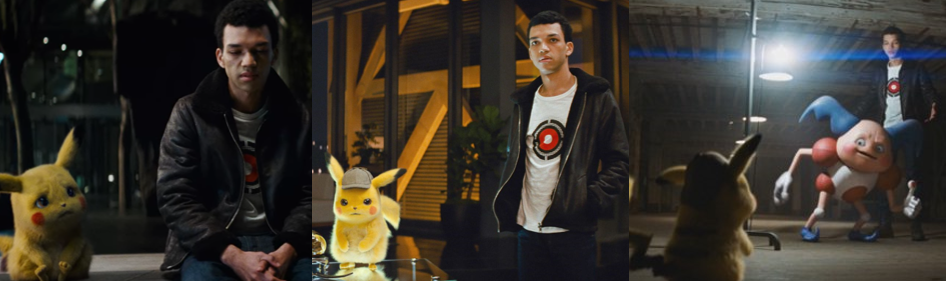
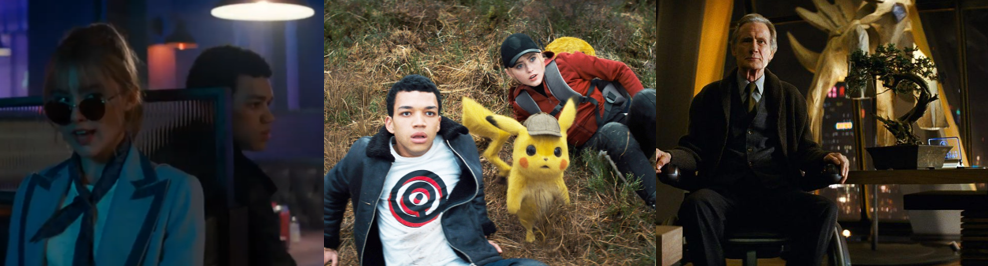
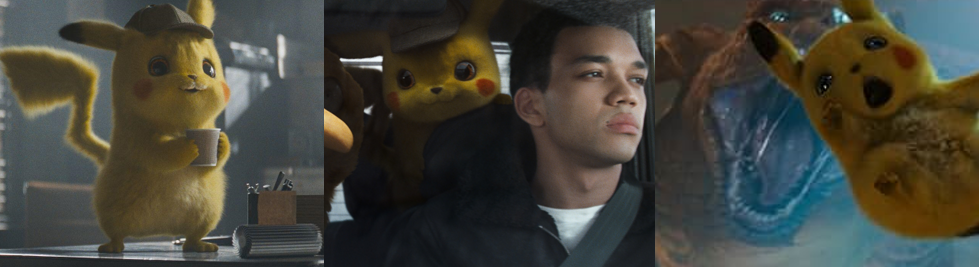
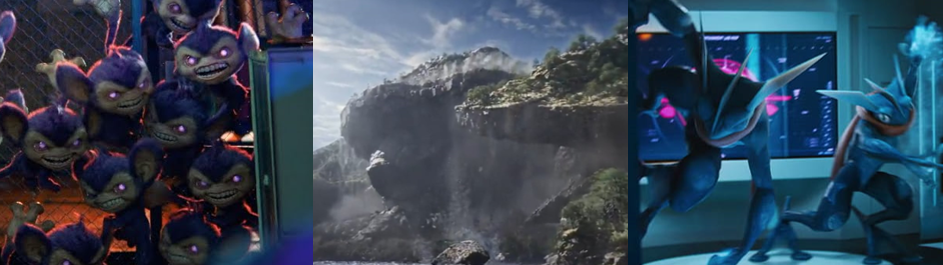
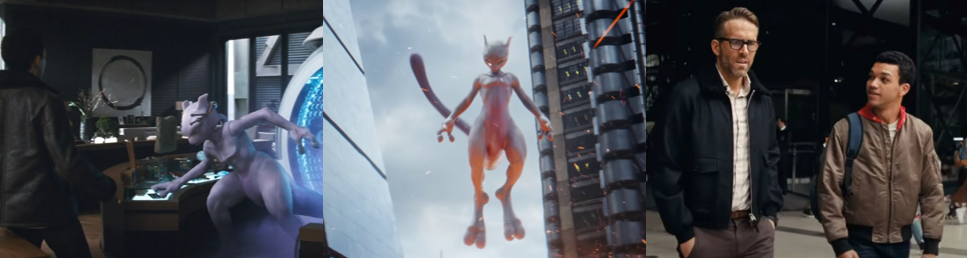


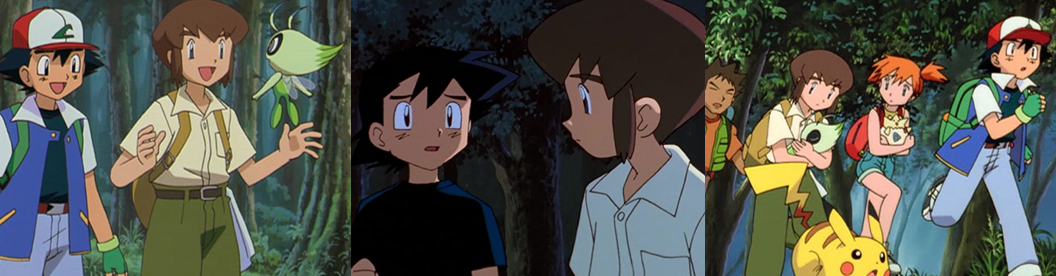

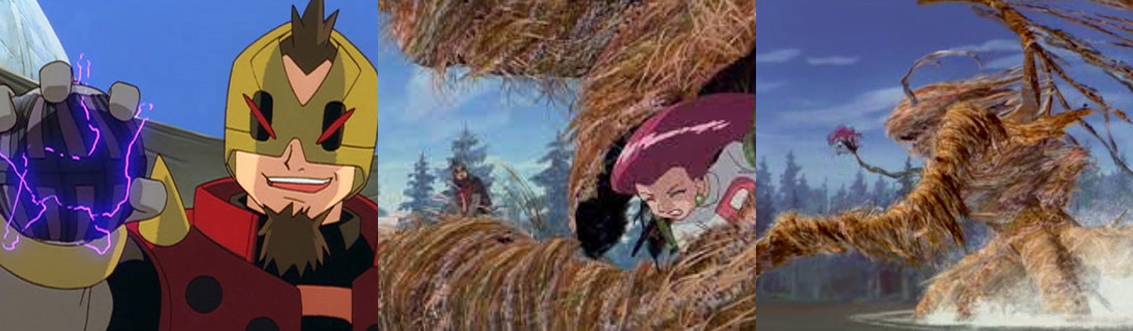





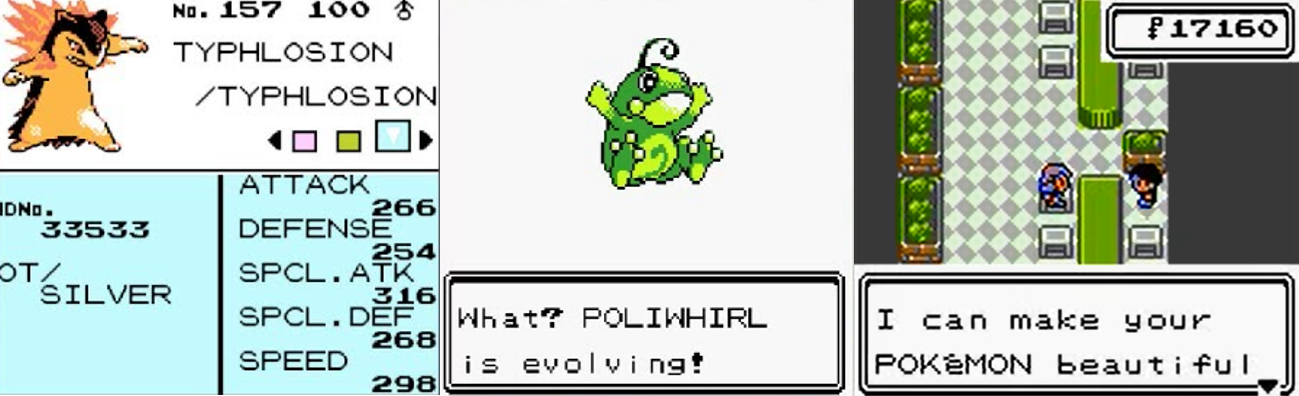
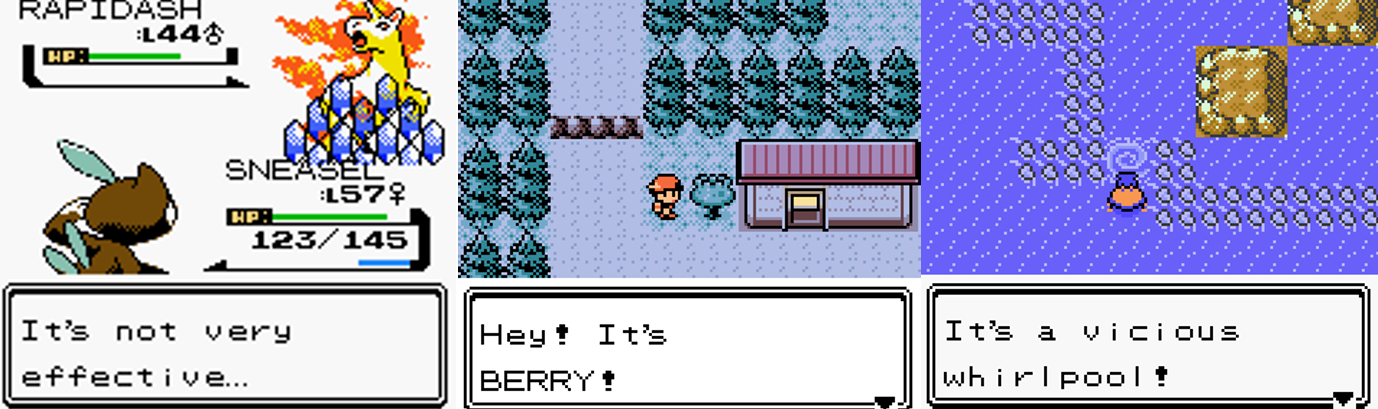
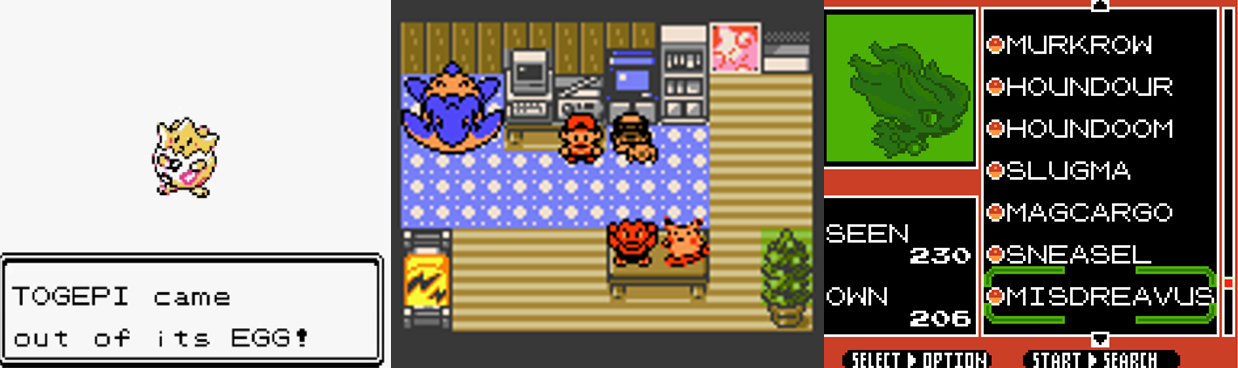
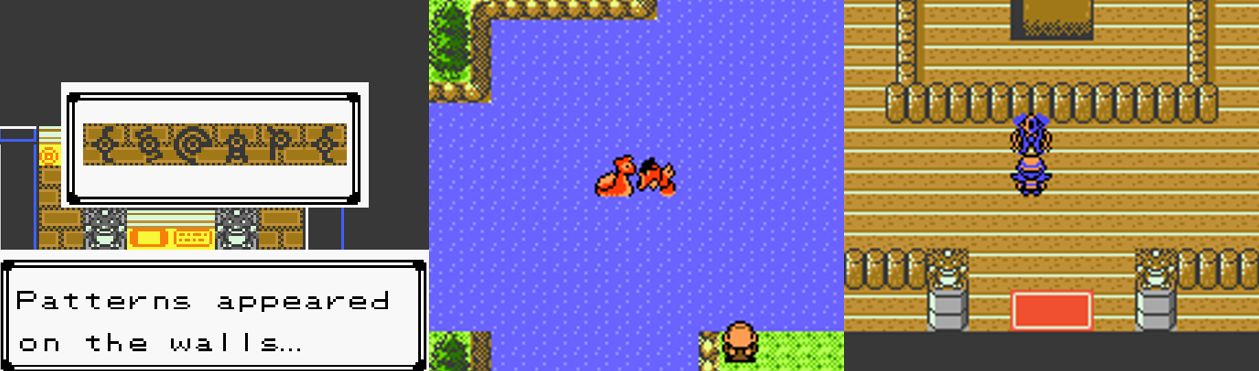


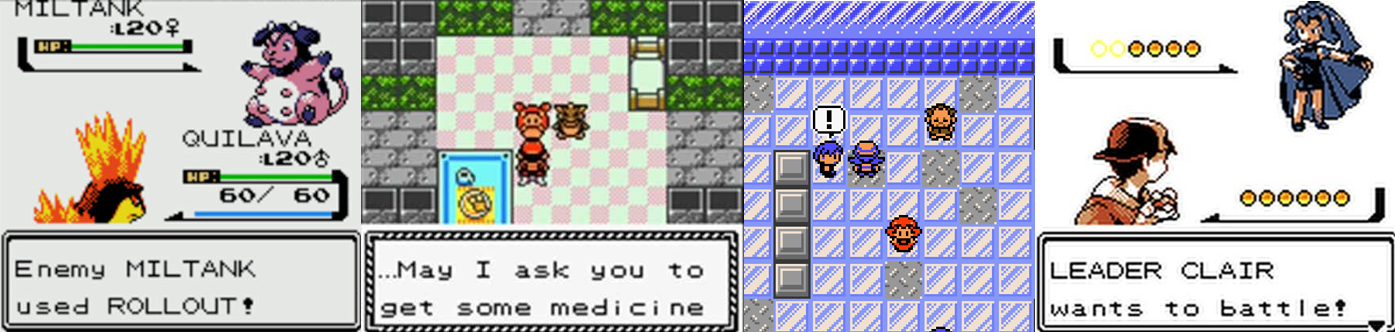

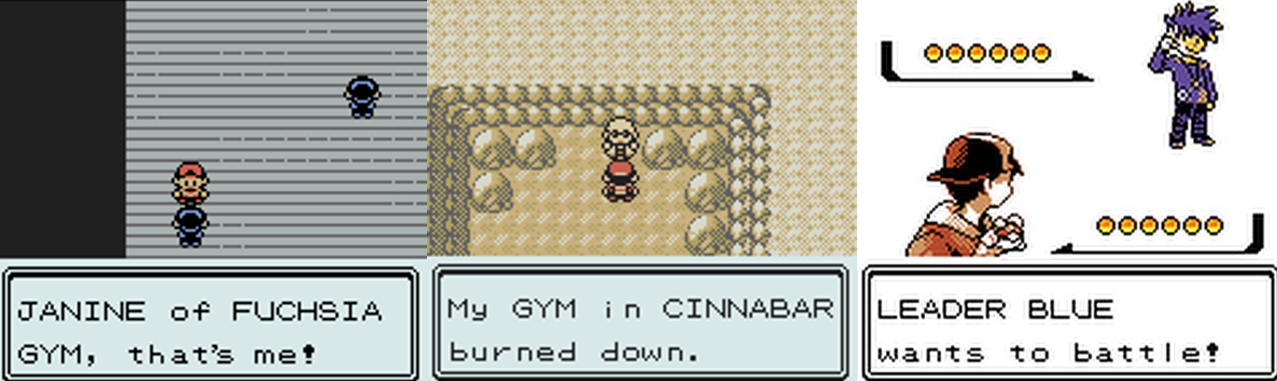
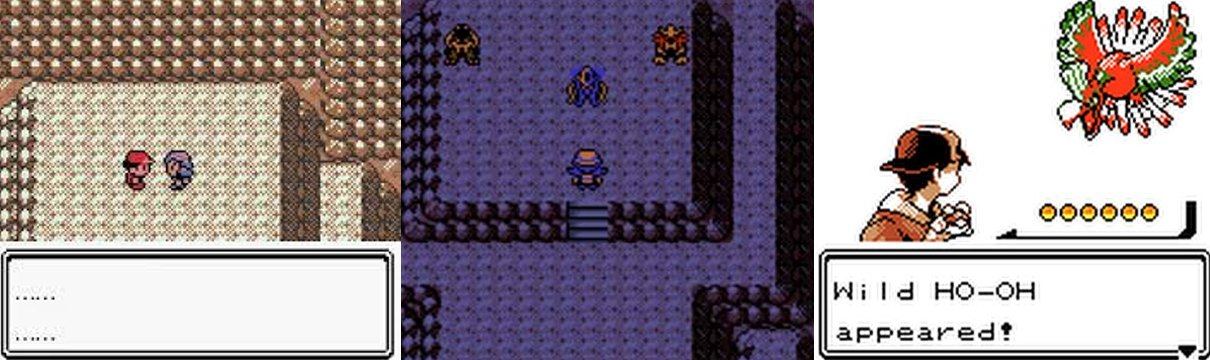
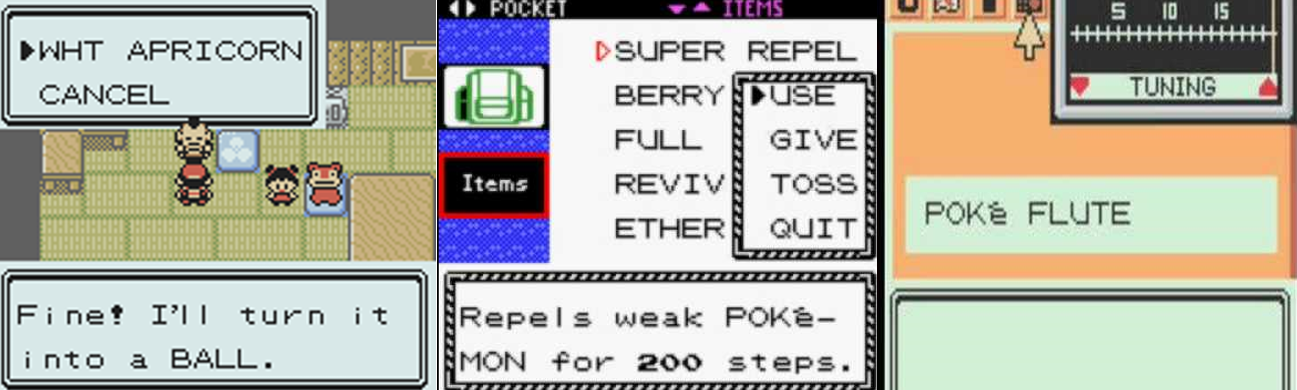


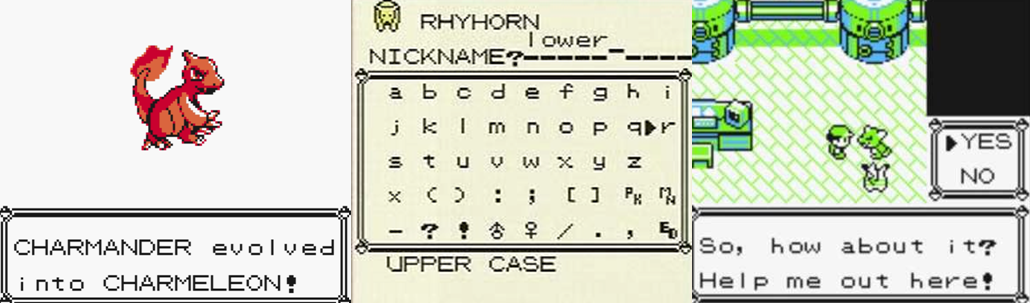




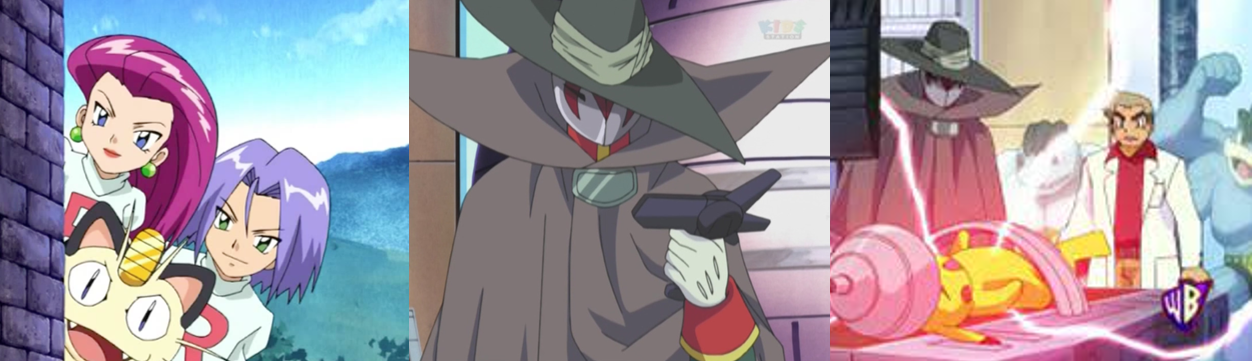
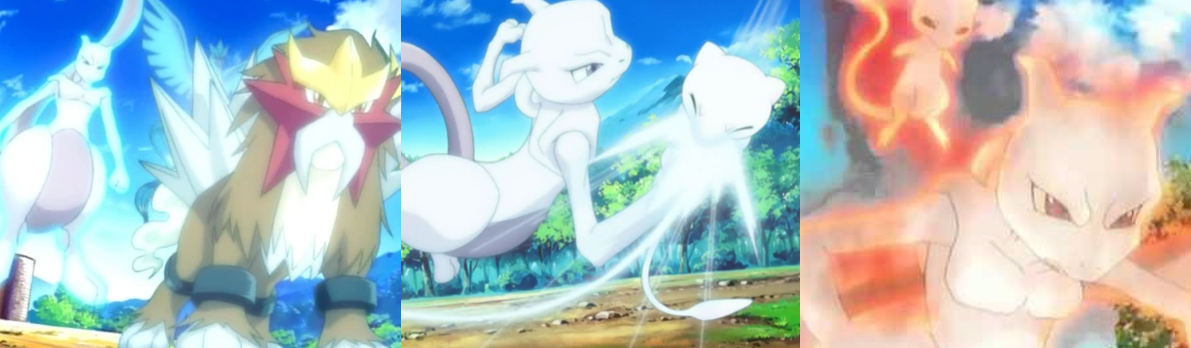











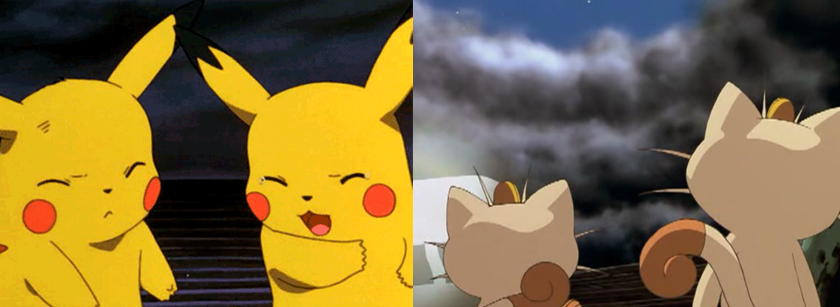
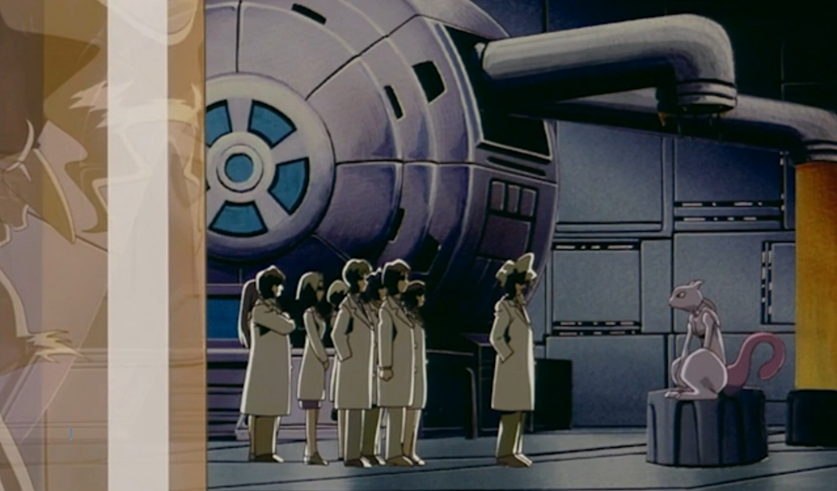

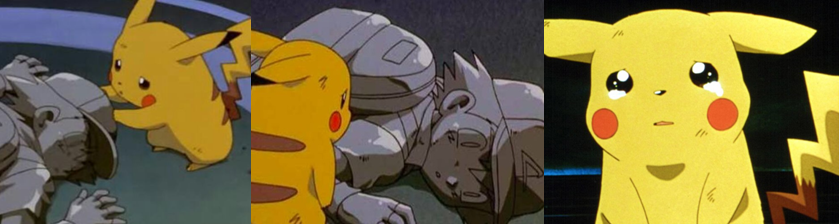


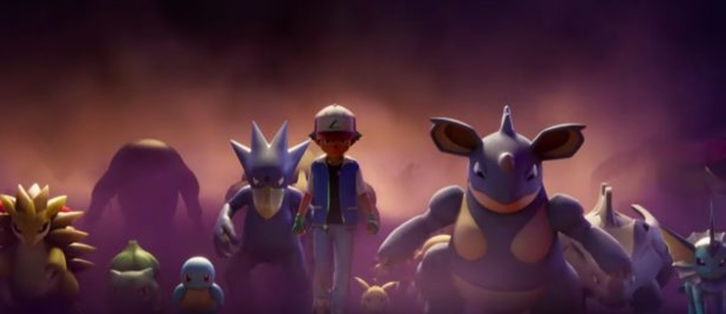
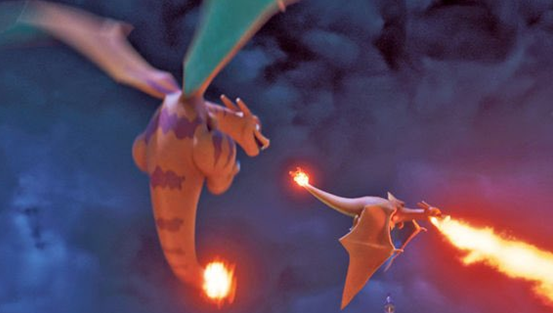


 Dr. K's Waiting Room
You must be logged in to post a comment.