Released: 27 January 2014 Director: Jaume Collet-Serra Distributor: Universal Pictures / StudioCanal Budget:$28 to 50 million Stars: Liam Neeson, Julianne Moore, Scoot McNairy, Corey Stoll, Nate Parker, and Jason Butler Harner
The Plot: United States Air Marshal Bill Marks (Neeson) must set aside his personal demons to save a transatlantic hijacked by vengeful terrorists seeking recompense for the September 11 attacks.
The Background: Taken(Morel, 2008) was a surprising critical and financial success that was not only followed by two largely substandard sequels and a short-lived prequel television series, but also reinvigorated Liam Neeson’s career by recasting him as an aging action hero. As if inspiring a slew of similarly-themed movies wasn’t enough, Taken also saw Neeson star in a bunch of similarly low-budget ventures in a bid to recapture the magic of that movie. One of these was the action/thriller Unknown (Collet-Serra, 2011), which teamed Neeson with Spanish-American horror director Jaume Collet-Serra for the first time and which also resulted in notablesuccess. Thus, Neeson was eager to reprise their working relationship with Non-Stop, a thriller that tied into very real fear about flying and acts of terrorism against the United States after the tragic and horrendous events of 9/11. Working closely with the same Special Forces trainers who work with real Air Marshals, Neeson sought to make the action as gritty and realistic as possible, resulting in some minor injuries for the eager actor. Meanwhile, Collet-Serra relished the challenge of filming on a single, enclosed set, though the script was heavily reworked to capture the vibe of fear and mistrust he wished to evoke. Despite garnering a mixed reaction from critics, Non-Stop proved a decent box office success and Neeson’s performance was praised, despite the film’s more ridiculous moments. Although there was talk of a sequel, nothing has materialised yet. Still, since today is Liam Neeson’s birthday, this seems like a good excuse to revisit it.
The Review: Non-Stop follows a routine day in the life of morose Air Marshal Bill Marks, a man haunted by his past and who has isolated himself from his peers, friends, and family, preferring a good smoke and a glass or two of whiskey over socialising or confronting his issues. As if still grieving for his young daughter, who tragically died of leukaemia when she was five, and the break-up of his marriage wasn’t bad enough, Marks is irritated that he must board a transatlantic flight to London and stay in the United Kingdom for three days. This leads to a heated call to his supervisor and Marks being especially grouchy and dismissive of his fellow passengers, such as computer whiz Zack White (Parker), the overly chatty Tom Bowen (McNairy), and even his fellow Air Marshal, the condescending Jack Hammond (Anson Mount). In fact, just about the only people Marks isn’t rude towards are Becca (Quinn McColgan), a young girl travelling alone to meet her father, Nancy (Michelle Dockery), a flight attended with whom Marks is already familiar (enough that she brings him a bottle of water when he orders a gin and tonic), and fellow passenger Jen Summers (Moore), who comforts Marks when he shows distress and displeasure as the plane takes off. I can relate to that; flying is an awful experience and it’s comforting knowing a guy as seasoned in air travel as Bill Marks still gets anxious during take-off. Marks eases his anxiety with a ribbon from his daughter, a keepsake from her vast collection of “magic” ribbons that he desperately clutches to remember her and to help with the transition. He also makes sure to regularly visit the toilet and have a cheeky smoke, blocking the vents with some duct tape, and stays in contact with the plane’s pilots, Captain David McMillan (Linus Roache) and co-pilot Kyle Rice (Harner), to ensure the flight is relaxed and smooth. Though he engages with Jen, Marks mostly just wants to be left alone and limits his interactions, though even he can’t help but be hyper aware of his surroundings and attentive to those around him, watching with envy as young couples smooch, brushing past Zack when he holds up the checking in line, and generally keeping a profile to blend in as an ordinary passenger.
Gruff Marks faces a race against time to locate a terrorist on a transatlantic flight.
Marks is therefore annoyed and disturbed when he suddenly receives a series of vague threats on his fancy little phone that demand a hefty ransom to be paid in exchange for the lives on the plane. Since Marks is working from a secure, Federal line, he initially suspects Hammond of playing a prank on him and angrily confronts him, only to be brushed off as paranoid and the victim of an elaborate hoax. However, Marks takes the threat very seriously and, with just twenty minutes to identify who’s behind the texts before a passenger is killed, recruits Nancy and Jen to watch the security monitors and identify potential suspects. As Marks texts the unknown number, with the messages cleverly popping up onscreen for our benefit, he’s shocked when Hammond appears to be a suspect and angrily confronts him in the cramped toilet. When the crooked Air Marshal first tries to bribe Marks and then frantically fights him, Marks has no choice but to break Hammond’s neck to keep the plane from being compromised by an errant gunshot. After finding a stash of cocaine in Hammond’s briefcase, Marks alerts the Transport Security Administration (TSA), only for Agent Marenick (Shea Whigham) to reveal that Marks is their chief suspect not only after his threatening call to his supervisor but by the hijacker’s account number being listed in Marks’ name. Thus, Marks receives no support from Marenick, who orders him to stand down and begins negotiating with him as though he’s a terrorist, even ordering Captain McMillan to relieve Marks of his badge and gun. Undeterred, Marks takes Hammond’s firearm and continues his surreptitious investigation, eventually fingering Bowen after he reveals he was paid to engage with Marks at the airport. Although Agent Marenick insists that Bowen is clean, Marks manhandles and detains him before the shocked passengers, raising the suspicions of New York cop Austin Reilly (Stoll) and even alienating Jen when she asks too many questions. When Captain McMillan is suddenly and fatally poisoned and Marks’ next suspect also suddenly dies from anaphylactic shock, the situation worsens when video footage from the passengers paints Marks as a paranoid, dangerous man with nothing to lose who’s accosting passengers, searching them at gunpoint and under the guise of some higher authority, while plotting to bring the plane down as some kind of statement.
Marks’ erratic behaviour raises suspicion amongst the passengers and crew.
Considering how paranoid and terrified September 11 left the United States, in particular, the passengers, led by Reilly, grow increasingly concerned and incensed, especially when Marks forces them into one cabin and searches his chief suspects, coming up empty handed each time. Thanks to Jen chatting to Zack, Marks finds a potential solution with a computer virus, only for it to lead to bankruptcy attorney Charles Wheeler (Frank Deal) who, as mentioned, is killed by a poisoned dart. Investigating this leads Marks to briefly suspect Jen, who convinces him of her innocence by sharing how she nearly died and is facing a sudden death from a heart condition, and Marks loses Kyle’s support when Royal Air Force (RAF) jets force the plane to redirect to Iceland due to the perceived threat. After discovering a time bomb in Hammond’s briefcase, Marks desperately prepares for the worst-case scenario and is suddenly jumped by the terrified passengers, who are determined to overwhelm their apparent hijacker and keep from being killed like the unfortunate souls in 9/11. However, an unexpected assist from the bound and scared Bowen sees Marks released and he delivers an emotional tirade to the plane, admitting his flaws and insisting that he’s trying to save them, regardless of the damage to his reputation, winning them over and seeing even Reilly and Zack help pack the briefcase bomb against the rear-end of the plane to reduce the damage from the inevitably explosion. Marks is equally aided by Doctor Fahim Nasir (Omar Metwally), who faces racial profiling from the other passengers, especially when he’s let into the cockpit to attend to Captain McMillan, and faces an uphill battle first keeping the situation quiet and under control and then dealing with the accusations about his chequered past.
The Nitty-Gritty: This paranoia and fear is palpable in Non-Stop, one of many post-9/11 movies that dealt with the fallout from that horrific event and the way the world changed as a result. Following the hijacking of those planes, Air Marshals became more prominent and were charged with identifying and subduing potential risks, though the capability and suitability of such agents is specifically being questioned by the hijackers in this film. Marks is the perfect candidate to be put to the test given his violent past, unpredictable nature, and withdrawn personality, which paint him as an unstable individual, something not helped by his gruff attitude and demanding nature. Almost everything he says and does is easily taken out of context when filmed by the passengers and in his conversations with Agent Marenick, despite Marks insisting he’ll surrender himself once they land and demanding that the plane be lowered to even out the pressure once the bomb explodes. As someone who abhors air travel, I appreciated Non-Stop’s depiction of flying, especially the traumatising take-off, the buffeting of turbulence, and the concern whenever there’s a technical glitch. I loved that Marks hates flying and is deeply uncomfortable while taking off and when in the air, and the use of such claustrophobic and restrictive sets. Marks is a big dude and seems to struggle in such a confined space, which leads to some thrilling and impactful close quarters combat that’s very visceral and raw. It was very tense seeing everyone packed like sardines in a can, and watching Marks desperately try to spot the perpetrator and constantly being restricted by the environment. It also doesn’t help that the few allies he has grow frustrated with his stern demeanour and suspicious behaviour, with the pilots and cabin crew gradually losing faith in him until it’s revealed he really is on their side and that there’s a very real threat that requires everyone to chip in to defend against. This leads to an inspirational moment of co-operation as prejudices and paranoia are set aside and everyone works together to lower the risk faced to them all, even with the threat of being shot down looming from the jet fighters.
Marks wins over the crew and saves the plane, despite a rough landing!
After learning that video footage of his wild actions has gone viral, Marks demands to review the video and sees that Bowen slipped an incriminating phone to Wheeler while being detained. This makes Marks realise all-too late that he had the right guy all along. This grievous error leads to Reilly being held hostage and then injured by a gunshot, and Marks attacked by Zack, who’s revealed to be Bowen’s partner. Bowen, who was left traumatised when the September 11 attacks not only revealed the failings of the air security system but also killed his father, signed up to fight against those who perpetrated the attacks, only to return home and find things were no different and had actually gotten worse since Air Marshals are so unpredictable. Bowen aimed to frame Marks and force the United States to tighten their air security laws, thus preventing further attacks and ensuring the safety of innocents, and convinced Zack to help him with the promise of a big payoff for them and other veterans, though Bowen is fully prepared to go down with the plane. This gives Marks the chance to try and convince Zack to help by disarming the bomb, leading Bowen to wound his partner with a gunshot, though a sudden descent from Rice allows Marks to overpower and dramatically kill the misguided Bowen. When Zack attacks with a knife, Marks delivers an awesome retort and fights him with nothing but his grizzled bare hands and an oxygen mask, a conflict that ends when Marks shoves Zack into the path of the bomb’s explosion. With the plane being torn apart from g-force, Rice struggles to maintain control and execute a messy landing, one that sees part of the plane torn off and Marks and Jen desperately dragging Becca to safety. In the end, the plane grinds to a halt and the shellshocked passengers quickly disembark, with the media now labelled Marks a hero and even Agent Marenick giving him his props. Marks also earns the gratitude of the injured Reilly and emotional Becca, before presumably leaving to spark up a relationship with Jen and keep hold of the hansom money now sitting in that bank account.
The Summary: Given how poorly received the Taken sequels were, I’ve long said that I wished Liam Neeson’s character, Bryan Mills, had been placed in other thrilling scenarios, with each film in the franchise having a different title and a handful of shared characters, not unlike the Dirty Harry series (Various, 1971 to 1988). Therefore, I’ve always felt one of the biggest disappointments about Non-Stop is that it wasn’t a substitute for Taken 2 (Megaton, 2012), with the premise being rewritten to place Mills in this situation. As much as I enjoy the movie, I feel this would’ve made it a lot more interesting and engaging, though the role of Bill Marks does give Neeson a chance to showcase his range. Unlike Mills, Marks is a dejected and haunted man, a self-confessed alcoholic who’s isolated himself since he was (understandably) too afraid to watch his little girl suffer and die. He’s a gruff, grizzled man who makes demands without thinking and is so determined to safeguard lives that he doesn’t care if he gets branded as a terrorist and a hijacker. This costs him valuable time and the trust of the passengers and crew, making his uphill battle even harder since he bullies his way through the situation, desperate to resolve it as quickly as possible, and ends up having to win over the justifiably unnerved passengers to make progress. Non-Stop does a great job of capturing the nervousness of air travel following 9/11 and the fear of those around us. This leads to racial prejudice as even Marks is suspected because he’s of Irish descent, and plays right into Bowen’s hands since he believes the system is fundamentally flawed and requires a dramatic example to change it. Non-Stop is much more of a thriller than an action piece, with Marks constantly against the clock and desperately trying to find his man, though the brief spurts of action are very engaging thanks to the claustrophobic sets and the setting limiting gun fire. Liam Neeson carried the film with his intense, cantankerous performance but he’s supported by some decent character actors, such as Corey Stoll and Nate Parker. I can’t say that Non-Stop is a film I put on all the time and I wouldn’t necessarily rank it that highly in Liam Neeson’s filmography, but it’s an under-rated action/thriller that definitely holds its own, and I imagine it especially hits the mark for those affected by 9/11 or who are still afraid to fly!
My Rating:
⭐⭐⭐
Rating: 3 out of 5.
Pretty Good
Did you enjoy Non-Stop? What did you think to Liam Neeson’s performance as a more tortured soul? Would you have preferred to see it reworked into a Taken sequel or do you think it works as a standalone piece? What did you think to tense game of cat and mouse and Marks’ struggle to find his man? Did you find the close-quarters setting suitably unnerving? How did 9/11 impact you and what are your thoughts on Air Marshals? How are you celebrating Liam Neeson’s birthday and what is your favourite Liam Neeson film? Whatever your thoughts, feel free to leave them below, support me on Ko-Fi, and check out my reviews of other Liam Neeson films on the site.
Released: 11 June 2010 Director: Joe Carnahan Distributor: 20th Century Fox Budget:$100 to 110 million Stars: Liam Neeson, Bradley Cooper, Quinton “Rampage” Jackson, Sharlto Copley, Jessica Biel, Brian Bloom, and Patrick Wilson
The Plot: Colonel John “Hannibal” Smith (Neeson) and his crack Alpha Team (or “A-Team”) – narcissistic Lieutenant Templeton “Face” Peck (Cooper), former Army Ranger Sergeant Bosco “B.A.” Baracus (Jackson), and unstable pilot Captain H.M. “Howling Mad” Murdock (Copley) – are dishonourably discharged and imprisoned after being framed for murder. After escaping from their prisons and reuniting, these highly adaptable and skilled soldiers must uncover a plot by a corrupt CIA operate and clear their names in the process.
The Background: Between 1983 and 1987, viewers were treated to the exploits of the A-Team, soldiers of fortune created by writers and producers Stephen J. Cannell and Frank Lupo as a spiritual successor to other action-packed television shows, but with Mr. T as a selling point. To the surprise of many, The A-Team proved a big hit and bolstered Mr. T’s career, and development of a feature film began as early as the 1990s. After a proposed Ice Cube-helmed production fell through in 2008, the film finally got underway with Liam Neeson and MMA fighter Rampage Jackson attached to star. Stars Bradley Cooper and Sharlto Copley rode in to the premiere on a real Army tank, but The A-Team was met with middling reviews and an unimpressive $177.2 million box office. With critics and even the cast of the TV series attacking the film’s incomprehensible plot and mindless action sequences, a proposed sequel was unceremoniously cancelled, but I’ve always had a soft spot for it and figured today was a good excuse to revisit it since it’s Liam Neeson’s birthday!
The Review: Since I grew up in the nineties, I never actually got to watch The A-Team as a kid. The show’s initial broadcast was right around the time I was just a little baby, and I don’t remember seeing too many re-runs on television, so I wasn’t as aware of it as other shows from that time, like Knight Rider (1982 to 1986) and Quantum Leap (1989 to 1993) since re-runs and broadcasts of those shows were much more accessible. However, I knew of the show, its distinctive theme music and opening narration, and the mainstream iconography of star Mr. T but, even now, my primary experience of the franchise is through this movie. The film begins with an extended opening and action sequence that brings the titular team together and establishes some of their defining character traits. Hannibal begins in cuffs and mercilessly beaten and threatened by corrupt Mexican Federal officers, who mock his lack of foresight and underestimate his tenacity. Easily freeing himself and cuffing two attack dogs, the seasoned Colonel sparks up a trademark cigar and heads out to rescue Face, who’s facing a slow and painful death at the hands of the vengeful General Javier Tuco (Yul Vazquez). Along the way, providence strikes as Hannibal crosses paths with B.A., a dishonourably discharged Army Ranger who first aids him in rescuing Face and then proves instrumental in helping them liberate their pilot, Murdock, from an Army hospital for a daring escape back to American soil. This opening tells us that Hannibal always has a plan and is highly adaptable, Face is impulsive and often doesn’t understand his commander’s plans, B.A. is a tough-ass brute who hates flying, and that Murdock is absolutely out of his mind…and that these four comprise an almost superhuman Army unit when teamed together.
When his team is framed, Hannibal uses all his resources to fight to prove their innocence.
Thus, when the film jumps ahead to eight years, the A-Team has become well-established and well-respected. Essentially a dysfunctional family dynamic (with Hannibal as the patriarch and the others as his unruly “children”), they share the banter of siblings, chastising Murdock’s unpredictable nature but also finding it amusing when off-mission. While stationed in Iraq under the command of Hannibal’s old friend, General Russell Morrison (Gerald McRaney), Hannibal is approached by Central Intelligence Agency (CIA) Special Activities Division operative Vance Burress (Wilson), who operates under the codename “Lynch”, and offered a mission to recover United States treasury plates and over $1 billion from Iraqi insurgents. Though Defence Criminal Investigative Service Captain Charissa Sosa (Biel) tries to warn them off, Hannibal personally insists that they take point over glorified mercenaries Brock Pike (Bloom) and his private security firm, Black Forest, convincing Morrison to approve an elaborate black ops mission into Baghdad. It’s tough to think of a more competent and honourable leader than Hannibal; even after his team is framed for the theft of the plates, Hannibal tries to shoulder responsibility for the unsanctioned mission, but his men are so loyal that they refuse to be tried separately and thus all receive the same punishment. Experience has taught Hannibal to distrust the likes of Lynch and his CIA cronies due to their clandestine nature and he also doesn’t approve of the likes of Pike and Black Forest. Instead, Hannibal believes in the Army, specifically the Ranger division, since they have their boots on the ground and are doing all the fighting (and the dying) in the name of national security. A well-respected and decorated veteran, there’s little Hannibal hasn’t seen and done and he’s been in enough wars to know the value of planning; he meticulously plots out every detail of every engagement and follows the plan to the letter, even having backup plans prepared for the worst case scenario, so he is astonished and appalled when Morrison’s mission goes awry and the country he fought to protect turns against him so readily. Yet, even when dishonourably discharged and incarcerated, Hannibal is always thinking and planning; through his outside contacts and resources, he acquires better intel on Pike’s Arab backer than even Lynch and his entire motivation for throwing in with Lynch is predicated on the assurance that he and his team receive full pardons and their freedom.
Face strives to live up to Hannibal’s example while Murdock regularly throws caution to the wind.
While Hannibal is clearly the brains of the group, Face is his charming, charismatic protégé; a fast talker and notorious womaniser, Face is mainly defined by his carefree nature, immaculate good looks, and snarky sense of humour even in the face of his own execution. However, while Face’s arrogance and wise-ass nature border on the insane at times, it’s clearly depicted as a façade; deep down, Face is wracked by insecurity since he admires Hannibal so much and aspires to follow his example but worries that he’s not good enough to formulate plans as intricately as his mentor. Face’s impulsive nature raises Hannibal’s ire, primarily because Hannibal knows his protégé has the potential to be better and because the Colonel places such emphasis on preparation and planning. Face’s womanising ways are also depicted as both an asset and a weakness; it allows him to seduce and charm his way through missions but caused him unexpected pain it comes to his relationship with Sosa, the one woman he ever considered getting serious with before she got scared off by the prospect. Now immune to his charms, Sosa has a contentious relationship with Face, one exacerbated after his actions cause her to be demoted to Lieutenant. While Sosa is determined to track down the A-Team, she’s equally driven to identify and expose the conceited Lynch, who degrades her (and all women, it seems) and tracks her progress to mitigate her interference. Because of this, Face is forced to go off-mission to protect her from Pike and plead his innocence as part of Hannibal’s elaborate plan. She begrudgingly aids Face and the others to expose Lynch and redeem herself in the eyes of her peers and Face sees this as an opportunity to reconnect with her, which opens his eyes to his potential as a leader rather than simply being the point man. If there’s a word to summarise Murdock, it’s definitely “insane”. Whether he’s mentally unstable or simply having a good time is up for debate, but his skills as a pilot are not. Thanks to some physics-defying CGI and bonkers scenarios, Murdock pulls off some crazy stunts in anything from a helicopter to a tank and his unpredictable flying skills are so outrageous that they cause B.A. to develop a fear of flying and often place his team in more danger due to Murdock’s suicidal nature.
While Murdock is on point, B.A. is hampered by a pacifist angle and Rampage’s inferior acting ability.
Despite his lunacy, Hannibal believes wholeheartedly in Murdock’s abilities and inspires him to fully commit to the A-Team and their mission, and Murdock is deceptively smart. He easily fools hospital orderlies, press staff, and even border patrol with his uncanny way with languages and assumed personas. While Murdock’s erratic nature makes him a dangerous asset, one just as likely to set his friends on fire for a laugh as he is to rescue them from tight situations, he’s an unparalleled pilot and more than willing to risk his life for the cause, something demonstrated to the fullest when he willingly takes a bullet to the head in the finale. As far as I can tell, the character most different from his television counterpart is B.A.; initially a brave and aggressive former Ranger forged in airborne combat, B.A. is hampered by a crippling fear of flying thanks to Murdock’s insane aerial manoeuvres and becomes a pacifist while in prison. While Rampage certainly looks the part, being a large, tough dude with a bad-ass mohawk and acquitting himself well in his few fight scenes thanks to his MMA background, he’s easily the weakest of the cast. I can’t help but think Ving Rhames or Michael Clarke Duncan would’ve been much better choices for the role as Rampage just doesn’t have the acting chops to stand alongside his peers. B.A. is an extremely loyal and prideful character; he adores his sadly underutilised GMC Vandura but is fully committed to Hannibal’s cause during his time with the A-Team. However, incarceration brought B.A. a clarity he had never known and, by the time he’s freed by his former teammates, he’s reached a state of enlightenment that means he’s willing to help but refuses to kill, thereby robbing B.A. of many of his defining characteristics. B.A. offers a different type of comic relief compared to the blunt Hannibal, slick Face, and madcap Murdock; his street-based slang and attitude makes him an expressive and amusing figure and it is funny seeing him being subdued and coerced into getting back in the air, but the film strangely decides to base much of B.A.’s comedic appeal around his newfound pacifism.
Lynch and Pike’s efforts to acquire the plates require Hannibal’s meticulous planning to stop.
The A-Team crafts a narrative that paints regular soldiers as daring men and women who risk their lives for the greater good; any authority figures or shady government types who appear on-base rather than in the thick of it are treated with suspicion and hostility, which extends to both Lynch and Pike. Both Morrison and Hannibal note that Lynch is simply another expendable government stooge who’s not to be trusted, and Hannibal has nothing but contempt for Pike and his mercenaries, who he sees as a “frat boys with guns”. Hannibal and the others are distraught when Morrison is killed before their eyes and Pike is seen destroying the plates and the money, but these threats are waylaid when the A-Team and arrested and dishonourably discharged for violating their orders since Morrison is unable to corroborate their story. The A-Team’s subsequent focus is on avenging themselves against Pike and clearing their names and they are again forced to make a deal with Lynch to facilitate this when Pike tries to sell the plates to an Arab backer. A smug, arrogant pen-pusher, Lynch has no code of honour and no military experience; he’s a man of secrets and subterfuge who operates behind the scenes. Although he agrees to clear their names, he leaves the specifics of Hannibal’s escape to him and can’t be seen to be directly involved with their mission, making him as much of a liability as Sosa, who makes it her mission to track down the A-Team and bring them back in since she’s convinced that they’re in league with Pike. Lynch’s sole motivation is to acquire the plates for the benefit of the CIA, but he secretly plotted with Pike to steal the plates for himself and was double-crossed by the mercenary and never had any intention of honouring his deals with Hannibal. Unlike Lynch, and despite Hannibal’s disrespect, Pike is well trained and capable; he might take shortcuts and be a glorified mercenary, but he knows how to uncuff himself, handle various firearms, and how to approach a combat situation. Thus, while Lynch panics when in conflict and is heavily reliant upon others, Pike is perfectly happy to wield a rocket launcher and get his hands dirty with some gunplay.
The Nitty-Gritty: Perhaps unsurprisingly, The A-Team is distinctly pro-military. If you’re in the Army or a Ranger then I’d imagine you’d get a lot more out of the film (or maybe not, I can’t speak to the accuracy of the Army’s depiction) but the message is pretty clear: soldiers are to be celebrated and mercenaries like Black Forest and government stooges are not to be trusted. Hannibal’s reputation is so strong he’s able to talk his way onto an Army plane despite being dishonourably discharged and his men follow him out of a deep sense of loyalty, which really sells the bond these men have forged through combat and adversity. For the most part, The A-Team delivers some exhilarating, PG-13 action; there’s a lot of bullets and explosions and stunts but it seems that the filmmakers originally wanted to be a little more risqué. Twice the film uses an “Adios Mike Foxtrot” gag that gets interrupted by big boom-booms and even B.A.’s “Bullshit” is drowned out by a slamming gavel, neither of which are particularly clever methods of censorship and make me wish the lines had been re-dubbed to something more acceptable for the film’s rating. Long-term fans of the TV show may also be somewhat disappointed that the entire film is essentially an origin story and to set up for the status quo of show, where the team were soldiers of fortune rather than simply trying to prove their innocence.
The action is massively over the top, but that doesn’t mean it isn’t fun!
Still, the action is loud, bombastic, and frenetic; it largely harkens back to the 1980’s action films of old, but with a modern flair such as quick cuts and wonky CGI in places. Things kick off well with B.A. slamming his van into fools and Hannibal single-handedly cutting down Tuco’s forces while Face rolls around in flaming tyres. This is followed by a fun, if over the top, aerial escape that sees Murdock avoiding heatseeking missiles by purposely stalling a helicopter in mid-flight and B.A. clinging on for dear life against an obvious blue screen as the crazed pilot fights to restart the chopper and fly the team to their reinforcements across the border. From there, we’re treated to a montage as the team enacts Hannibal’s outrageous plan to steal the plates, which involves Face and Murdock posing as South African reporters to steal cameras and press passes, B.A. constructing a powerful magnet to fit into a camera, and the liberation of batteries and resources from Black Forest to cobble together the kit they need to intercept the convoy carrying the plates. Thanks to Hannibal’s meticulous nature, the plan goes off without a hitch but ends with them being double-crossed and dishonourably discharged; with six months to plan an escape, Hannibal fakes his own death (with a specially poisoned cigar that almost sees him roasted alive), liberates Face from his comfortable prison cell, retrieves B.A. from a prison bus, and literally busts Murdock out of a mental hospital. This leads to easily the most ridiculous (but no less entertaining) sequences of the film where the team are forced to escape from their plane in a tank! Plummeting in freefall, Face engages in a dogfight with some drones before Hannibal directs Murdock to fire some carefully aimed shots that, thanks to a complete disregard for physics, slows their descent and lands them safely in a lake. Thanks to his intel, Hannibal pinpoints an opportunity to reacquire the missing plates; this involves a daring skyscraper heist that sees the Arab tossed out a window and his parachute being snagged in mid-air by Murdock’s chopper and a zip-line gunfight between B.A. and Pike that requires Hannibal’s intervention since B.A. refuses to take a life.
With Morrisons’s deception revealed, it’s up to Face to plan the team’s payback against Lynch.
Still, the mission succeeds and Hannibal’s worst suspicions are realised when the Arab is unmasked as a disillusioned and embittered General Morrison in disguise, having faked his death to screw Lynch out of the plates alongside Pike. Fully aware of this, Lynch offers Hannibal his freedom in exchange for killing Morrison, but it’s merely another deception to stall him while he calls in an airstrike on their location. Although Morrison is killed in the attack and Lynch frees Pike from Sosa’s custody to help recover the plates, Hannibal lets Face take point on concocting a double-cross. Knowing that Lynch is listening to Sosa’s phone, the two arrange to hand over Morrison and the plates in return for their pardons, planning to distract and intimidate Lynch using theatricality and Murdock doubling for Morrison, his head hidden and protected by a heavily armoured helmet. This plan brings all the character’s individual personalities and arcs together: Hannibal places his faith in his young protégé, Face steps up with a plan of his own and overcomes his insecurities, B.A. realises that he needs to fight to have his freedom (which culminates in him crushing Pike’s neck to protect Face), and Murdock gets his closest “near-death experience” yet. While the finale is hampered somewhat by some dodgy CGI on the shipping containers, some frantic editing, and chaotic explosions, it’s suitably thrilling and goes exactly to plan. Lynch is completely thrown off by all the theatrics, forcing Pike to take charge with a rocket launcher. With no choice but to get his boots on the ground, Lynch proves relatively competent with his martial arts but is thrown off when “Morrison” stirs to life and ends up exposed and in the custody of another Lynch (Jon Hamm). Despite Sosa’s protestations, the A-Team are also arrested for escaping federal custody; however, a key slipped to Face through a kiss from the re-promoted Sosa allows the team to immediately escape and begin new lives as soldiers of fortune.
The Summary: I feel like The A-Team doesn’t get talked about a whole lot; it came out at a time when the action stars of the 1980s were returning to cinema screens and team-based, explosive action films were as prominent as smaller scale, intense-action thrillers and the first entries of the Marvel Cinematic Universe, so it’s easy to see how it would’ve slipped under the radar a bit. This is a shame as it’s a pretty enjoyable action romp; the cast (with the exception of Rampage) are all solid and have a lot of chemistry, with a snarky wit laced throughout the script and characters like the smarmy Lynch and arrogant Pike. Even though I don’t rate Rampage as highly as his co-stars, I enjoyed the titular team’s interactions and chemistry; I believe they’re firm friends, almost like family, and it’s fun seeing them bounce off each other. The A-Team really shines in its use of elaborate plans and amusing, enjoyable montages; I like seeing the team use various flimsy disguises, sleight of hand, and subterfuge as much as when they perform death-defying stunts and it’s very engaging seeing Hannibal’s meticulous plans come together. Unfortunately, it is a little too over the top at times; the CGI and ridiculous sequences like the “tank flying” and Murdock’s piloting are almost cartoonish even for a bombastic action movie, but it’s all in good fun and I think it comes together quite nicely in the end. I wonder how long-time fans of the TV series reacted to the film but, as a lover of many of these actors and the action genre, there’s more than enough here to keep me coming back for more. It’s a shame we didn’t get to see a sequel that was maybe more in-line with the show, but that doesn’t diminish the appeal of The A-Team and I’d say it’s definitely worth a re-watch if you’ve previously disregarded it.
My Rating:
⭐⭐⭐
Rating: 3 out of 5.
Pretty Good
Did you enjoy The A-Team? Were you a fan of the TV show and, if so, how do you feel the film holds up compared to it? Which of the team was your favourite and what did you think to the cast, specifically Rampage? Did you enjoy the over the top action sequences or was it a little too much for you? Would you have liked to see a sequel or a revival of The A-Team? How are you celebrating Liam Neeson’s birthday and what is your favourite Liam Neeson film? Whatever your thoughts, feel free leave them below or drop a comment on my social media and check out my reviews of other Liam Neeson films across the site.
In the decades since his first dramatic appearance in the pages of Detective Comics, Bruce Wayne/Batman has become a mainstream, worldwide, pop culture icon. The brainchild of writer Bob Kane, Batman was brought to life by artist Bill Finger and has been a popular staple of DC Comics and countless movies, videogames, and cartoons over the years. “Batman Day” fell on 16 September this year and I figured this was a perfect excuse to spend every Saturday celebrating comic’s grim and broody vigilante.
Released: 14 June 2005 Developer: Eurocom Also Available For: Game Boy Advance, GameCube, and Xbox
The Background: There was a time when it every cinema releasehad to be accompanied by a videogame adaptation; big-budget movies were generally always accompanied by a hastily createdvideogame tie-in that often failed to capture the spirit of their source material. A popular staple of DC Comics since his debut, Batman has appeared in numerous videogames, with his first pixelated adventure being an isometric adventure game released in 1986. Over the years, Batman has been in more than a few duds but achieved critical and commercial success with Rocksteady’s Arkham franchise (ibid/Various, 2009 to present). Before that, though, Batman came to numerous platforms in this tie-in to Batman Begins(Nolan, 2005), Christopher Nolan’s dark and gritty exploration of the character’s origin. This version of the game was developed by Eurocom and published by EA Games, featured many of the film’s actors reprising their roles, and had a heavy emphasis on stealth-based gameplay. In a precursor to the Arkham games, Batman could stalk and intimidate his foes to unnerve them, utilise fighting styles and finishing moves pulled directly from the movie, and had access to a wide variety of gadgets to subdue foes and solve puzzles. The game also featured a counter system to its combat, saw Batman to interrogate foes for information, and allowed Batman to blast through the Gotham streets in the tank-like Tumbler. All of these aspects would later be refined in the Arkham games and, perhaps as a result of being rushed to coincide with the release of the film, Batman Begins was met with generally average reviews; critics praised the voice work, combat, and fidelity to the source material while also criticising it for being a short, unsatisfying, and cheap cash grab designed solely to leech off the success of the source material.
The Plot: After his beloved parents were murdered before his eyes when he was a child, wealthy philanthropist Bruce Wayne travelled the world training to turn fear against the corrupt and unjust as “The Batman”. However, his skills are put to the test when Gotham City is threatened not only by organised crime, but also a biological attack orchestrated by a prominent figure from his training days.
Gameplay: Batman Begins is a third-person action/adventure game with a primary focus on combat but which also includes rudimentary puzzles and a janky stealth mechanic. You’re placed into the gravelly-voiced cape and cowl of the Batman as presented in the movie, dropped into a variety of often claustrophobic and restrictive environments within Gotham City, and given context-sensitive access to a handful of the Batman’s gadgets to take out a gaggle of nameless, faceless thugs, corrupt cops, and progress through levels. The game has three difficulty settings (Easy, Normal, and “Challenging”) but is pretty tough even on the easiest setting thanks to an unreliable camera and some clunky controls. The Batman has a few combat options available to him: Square allows you to punch and Triangle lets you kick and you can string these together into slow, awkward combos to attack enemies. Unfortunately, the Batman moves and fights like he’s underwater most of the time, making for some sluggish combat; R2 allows you to block (and roll away from, or more often into, attacks when used in conjunction with the left stick) and you will sometimes get a prompt to press Square to counter attacks. Although enemies can block your attacks, you can break their guard with Circle and, when their health has been sufficiently whittled down, you can press Circle for a “Final Attack” to knock them out for good. When surrounded by enemies, you can use Circle to kick them all flying to give yourself room to breathe and you can even hit jumping attacks using X and Square or Triangle.
Pummel foes to take them out as stealthy as a ninja using Batman’s limited repetoire.
Batman can perform a hop and a double jump and will hang from ledges or slink around narrow platforms when against a wall; he can take cover, crouching to avoid enemies, but it can be strangely difficult to avoid snapping to cover when you don’t need to. Tapping R1 tosses his patented Batarangs but these are used to interact with switches, cut cables, drop ladders and other handholds, and general open up new ways to stun enemies or progress through levels rather than being offensively as in later Batman videogames. You’ll also acquire a few limited weapons, like gas bombs and flashbangs, and gadgets to hack into terminals, which you can cycle through with the directional pad and activate with L1, and Batman can also use his grapple in certain situations to zip up out of sight. Pressing L3 drops Batman into a crouch that helps him to sneak up on enemies to take them down, and stealth can often be as important as direct combat as Batman gets absolutely annihilated by gunfire. As such, you’ll want to avoid search lights and make use of your limited, but somewhat useful, radar system to see where enemies are and which direction they’re facing. Often, you’ll need to interact with the environment in some way to scare armed foes into dropping their guns; this might mean dropping pipes, collapsing statues and walkways, and causing explosions but it’s absolutely necessary to take guns out of the equation. As you do this and take enemies out, the remainder will become increasingly terrified, making them easier to beat and take out with Circle. Some enemies need to be interrogated for more information; you can grab them with Square and are prompted to hit Square multiple times to get the information you want, usually a door code or a key, before finishing them off with Circle.
Blast through the streets in the Tumbler or tackle the same puzzles over and over.
Batman can make use of vents to sneak around, climb up chain link walls, and clamber across pipes and wires to reach new areas; eventually, you’ll also be able to make use of his cape to glide short distances and, in many cases, you can simply avoid or go around enemies rather than being forced to take them all out. There are a lot of doors in Batman Begins; you’ll forever be opening doors, activating switches to get into elevators, and finding ways of accessing new doors, sometimes by use of a lockpicking mini game (which never gets any harder or changes in any way) or by entering codes that you must get from enemies (you can’t access the keypad until you interrogate them, so a walkthrough and your memory are no good here). A couple of times, the tedious gameplay is broken up by racing sections where you control the Tumbler and barrel through the city streets smashing enemy vehicles off the road like in the Burnoutgames (Criterion Games/EA UK, 2001 to 2018). Here, you use Square to brake and reverse, hold X to accelerate, press Circle to jump (something I never actually found a use for…), change your perspective with Triangle and look behind with L1, and hold R1 to boost when the gauge is full. L2 fires the Tumbler’s weapons, but these are only used once to bring down a truck and you have to wait for them to charge up and lock on, but the worst thing about these sections are the time limits and the armour system. As you collide with oncoming traffic, walls, or obstacles, the Tumbler’s armour is depleted; there’s no way to refill it and, once it’s gone, the mission ends and you need to restart from the last checkpoint…with the armour returned to the state it was in at that time, meaning it’s very easy to struggle with the last sections of these parts if you’re in a state where one hit will cause your death!
The game can get quite tedious and aggravating through its repetitive gameplay.
Generally, there’s not a whole hell of a lot to Batman Begins but, while the idea and concept of a good game is here, the execution falls flat in a lot of places. Batman is incredibly fragile, his health being drained through combat, gunfire, and falling into the void, and it can only be replenished by using medical kits found sporadically throughout the environments. Checkpoints are plentiful, thankfully, but you must manually save each one if you want to continue from that point after quitting the game, which is just atrocious programming. Overall, Batman is very stiff and clunky; the camera tries to make combat more dynamic by sweeping into an almost 2.5D perspective and automatically targeting enemies, but it can be difficult to land hits and fighting enemies just isn’t as satisfying as it could be. The general gameplay isn’t much better, with levels dragging on and on and on (you spend so much time in Arkham Asylum!) and looking very bland and lifeless thanks to the game’s muddy visuals, and you’ll be doing the same puzzles over and over. Sure, sometimes you need to sneak around enemies entirely; other times, you need to hack into cranes or magnets to progress; one time, you have to find and use an explosive canister to collapse a water tower and hack into security cameras to highlight laser traps and boobytrapped floor tiles. Sometimes, the room is filled with smoke or toxic gas and you need to break a window to keep from suffocating; other times, you’ll interact with the environment to find hidden passageways and keys, and you can sometimes lure enemies out to separate them and sweep them from a higher vantage point but it’s all very rinse and repeat and the game suffers from a stuttering performance, frustratingly repetitive mechanics, and enemies who will riddle you with bullets if they catch so much as a glimpse at you!
Graphics and Sound: I mentioned the game’s muddy graphics earlier and it’s true; the game is washed in a coppery, muddy filter that looks especially ugly. Batman isn’t exactly known for his bright colours and such, but this game definitely needed to think a little further outside the box than stale grey and brown aesthetics. It’s hard to really knock that, though, as the game actually does a pretty good job of emulating the visual style of Christopher Nolan’s film, but it makes already drab and boring environments all the more tedious to go through. Environments are largely taken from the movie and include Arkham Asylum (whose exterior takes more inspiration from the gothic trappings of the comics books), sewers, the snow swept mountains where Bruce trained with the League of Shadows, and even a recreation of the burning Wayne Manor. This was probably my favourite level of the game as it expanded this sequence with ninjas for you to fight, robbed you of Batman’s cape and attire, and saw you avoiding the fires to rescue Lucius Fox and Alfred Pennyworth from the blaze. When in Arkham Asylum, you’ll not only sneak past guards and chase after Doctor Jonathan Crane/The Scarecrow to rescue Rachel Dawes, but also have to get past the corrupt cops who surround the place, meaning you have to make use of pipes, gantries, and fire escapes to avoid being shot at.
Though muddy and ugly, the game does a good job of recreating the look of the movie.
When Rā’s al Ghūl attacks the city, there’s a pretty good, if all-too-brief, level where you’re gliding and clambering about underneath one of the Gotham bridges and then running along the monorail tracks to intercept his train, and I was actually impressed with the second Tumbler sequence, which sees you blasting through the streets of Gotham and out to the rural areas to get Rachel to safety. Naturally, as it’s a PlayStation 2 title, the in-game graphics are a bit sketchy at times; Batman looks pretty good, though his cape often suffers from clipping issues, but the enemies are all recycled character models that fail to make an impression. Cutscenes not rendered with the in-game graphics are comprised of a series of disjointed clips from the movie (I suspect actually more from the trailers and TV spots) to deliver a truncated version of the film’s plot. This is disappointing, and incredibly lazy, but the game is bolstered by all of the film’s cast (except Gary Oldman) returning to voice their characters. Hearing Christian Bale and Michael Caine converse over the radio as Batman and Alfred is a lot of fun, and the dialogue offers Bale some opportunities to be a little more loquacious, and their presence helps to elevate the game by the tiniest sliver. Sadly, the same can’t be said about the soundtrack, which utilises an uninspired soundalike to Hans Zimmer and James Newton Howard’s movie score, though I did enjoy the banter and enemy chatter that litters the game, especially when you’re terrifying your foes.
Enemies and Bosses: The Batman has a disappointingly limited pool of baddies to pummel in this drab tie-in game; after the first mission, you’ll basically have encountered every enemy in the game as the only thing that really changes is their appearance. You’ve got thugs, cops, and ninjas who attack using their fists, can block your attacks, and wield weapons such as knives, crowbars, and swords, none of which really factor all that much into the combat. You can sometimes face a few enemies at once but never more than about five, really, and some will simply run away or cower in fear at your presence. The most troublesome enemies are those armed with guns as they can cut you to ribbons in seconds; you need to isolate and disarm these enemies using the Fear system, which often involves simply crouching out of sight and sneaking up behind them as much as it does electrifying floors and such. You can make use of Batman’s fibreoptic cable to see through doors and get an idea of the layout of armed foes but be careful as enemies often come through doors and have very itchy trigger fingers!
The lack of bosses and enemy variety really drags the game’s minor appeal right down.
Unlike many videogame tie-ins, Batman Begins opts not to expand on the film’s story with additional comic book villains or act as a prequel, midquel, or sequel and instead adheres strictly to a truncated version of the movie’s plot. The result is a game not only padded by ridiculously long and repetitive levels, but a serious lack of boss battles and the disappointing absence of any villains not featured in the film. While Carmine Falcone and the Scarecrow are primary targets of the Batman’s crusade, you never get to fight them; instead, you have to take out Falcone’s goons and then commandeer a giant magnet to suspend his car in mid-air over the docks and you simply chase down the Scarecrow so that Rachel cane taser him in a cutscene. The first thing you’ll encounter that even resembles a boss is the truck you eventually have to bring down with the Tumbler’s missiles and this is more a timed challenge than a one-on-one fight and you won’t even encounter bigger, tougher enemies or anything like that. Victor Zsasz/Mister Zsasz crops up a few times but, rather than being a boss, he is simply another glorified thug and you never even fight him. You do have to contend with Arkham’s crazed inmates, who have been driven into a frenzy by the Scarecrow’s fear gas, but they’re really not any different from any other enemy besides wearing straightjackets. In the later stages of the game, you’ll have to face off against Rā’s al Ghūl a couple of times; first, he sets fire to Wayne Manor and sends waves of his ninjas at you before you fight him in an unwinnable battle, then you face him again on the pretty fun speeding train section. He escapes the initial fight and then returns with a sword and is accompanied by ninjas but fighting Rā’s is no different to fighting any other foe; he’s even susceptible to your gas bombs and such, so it’s a pretty anticlimactic way to end an already unimpressive game.
Power-Ups and Bonuses: There’s really not the much on offer here. Unlike other Batman games, the Batman’s arsenal is quite limited in Batman Begins; you can toss Batarangs and use his grapnel gun but only when the game says you can and never against enemies or in attack combos. The only way to use his gas bombs and flashbangs and other gadgets is to find and open military crates and these gadgets really don’t add all that much to the combat experience; I mostly relied on Circle to take foes down quickly. Batman can also use his Electro-Hack device to hack certain consoles, requiring you to align four rows of zeros in a short and annoying mini game, and a similar device to hack security cameras by mashing Circle to reveal laser traps and such. I guess it makes sense that Batman isn’t overloaded with gadgets as he wasn’t in the film or at this time in his crimefighting career, but it’s pretty poor to see how few of his toys and abilities you have access to.
Additional Features: As mentioned, there are two other difficulty settings you can attempt; the game comes with six save slots so you can easily have multiple save files if you want but, after you clear the game, there’s no level select so you have to start all over from the beginning. There’s also a disappointing lack of collectibles in the game…in fact, there aren’t any at all! There are no comic books or statues or gadgets to collect to unlock stuff here; instead, you unlock stuff simply by completing the game and its individual missions and you don’t even have to play on the harder difficulty settings to unlock everything. Once you beat the game, you’ll unlock three additional Batsuits, which is quite cool, and will have unlocked character models and bios to view in the interactable “Gallery of Fear” (of course modelled after Arkham Asylum). There are also interviews, trailers, and movie footage to watch and you can replay the Tumbler sections in full or in a time attack mode if you can stand the weird armour mechanic.
The Summary: It’s fascinating playing Batman Begins after experiencing the Arkham series; the basic, fundamental mechanics that would be so masterfully refined in the Arkham games are here but nowhere near as enjoyable and very much limited by the hardware and time crunch that no doubt dogged this game’s development. I can see how Batman Begins might have impressed at the time; with the combat and gameplay options available, this was easily the most faithful videogame rendition of Batman seen by that point, but it can’t be denied that your options are painfully limited and the game suffers from all the same pratfalls as the very worst of videogame tie-ins. A terrible camera, clunky controls, and needlessly long and bland levels are only the tip of the iceberg; there are no collectibles, no level-up system, no incentive to play through again and very little motivation to play through at all thanks to the sluggish combat and frankly appalling save system that can cost you an entire level’s worth of progress if you don’t manually save. While the game is bolstered by the voice cast and does a pretty good job of creating the aesthetic of Nolan’s film, it’s hampered by a serious lack of visual variety, too few and too frustrating Tumbler sections, and an inexcusable lack of boss encounters. The Fear system was a lot of fun, and it was interesting finding new ways to use the environment to terrify and disarm enemies, but it also led to some of the game’s more annoying sections as there’s little margin for error if you’re spotted. In the end, this game stumbled so the Arkham series could run and you’re better off skipping this in favour of Rcoksteady’s far more refined videogames which truly captured what it meant to be the Batman.
My Rating:
⭐⭐
Rating: 2 out of 5.
Could Be Better
What did you think to the videogame tie-in to Batman Begins? Were you a fan of the Fear system and the combat and stealth options available to you or did you find the gameplay mechanics needlessly frustrating? What did you think to its recreation of the movie’s plot and aesthetics? Which of Batman’s gadgets and the game’s missions was your favourite ? Were you put off by the lack of boss battles? What did you think to the Tumbler sections? How did you celebrate Batman Day this year and what is your favourite Batman videogame? Whatever your thoughts on Batman Begins, or Batman in general, please leave a comment below and stick around for more Batman and comic book content in the future!
In the decades since his first dramatic appearance in the pages of Detective Comics, Bruce Wayne/Batman has become a mainstream, worldwide, pop culture icon. The brainchild of writer Bob Kane, Batman was brought to life by artist Bill Finger and has been a popular staple of DC Comics and countless movies, videogames, and cartoons over the years. “Batman Day” fell on 16 September this year and I figured this was a perfect excuse to spend every Saturday celebrating comic’s grim and broody vigilante.
Released: 15 June 2005 Director: Christopher Nolan Distributor: Warner Bros. Pictures Budget: $150 million Stars: Christian Bale, Liam Neeson, Katie Holmes, Cillian Murphy, Gary Oldman, Tom Wilkinson, Michael Caine, and Morgan Freeman
The Plot: As a child, young Bruce Wayne (Gus Lewis) developed a crippling fear of bats and witnessed his beloved parents murdered before his eyes in a random street mugging. Carrying his guilt and anger into adulthood, Bruce (Bale) travels the world to learn the tools to turn fear against the corrupt and unjust. Upon returning to Gotham City, Bruce poses as a wealthy playboy by day and takes to the city’s corrupt and desolate streets by night as “The Batman”, but finds his crusade marred when the ghosts of his past threaten the city he loves so dearly.
The Background: In the eighties, DC Comics subjected Batman to a long period of alteration after he had been transformed from a ruthless vigilante into a colourful, camp, family friendly figure in the the sixties. This change directly influenced Batman’s return to the big screen, wherein noted auteur Tim Burton transformed “Mr. Mom” Michael Keaton into a brooding, tortured vigilante. Batman (Burton, 1989) was a huge success but parents and McDonald’s weren’t too thrilled by the disturbing sequel, which led to Joel Schumacher dramatically reinventing the franchise into two lighter, camper movies that resulted in a dismal box office, scathingcriticalreception, and effectively killed the franchise for some time. During that time, Warner Bros. desperately attempted to get a new movie off the ground but things didn’t get moving until they brought in visionary writer/director Christopher Nolan to helm a dark, gritty reboot. Working alongside writer David S. Goyer, Nolan sought to explore the origins and psychological motivation behind the character within a grounded, realistic context, and the two were heavily influenced by notable Batman stories like “The Man Who Falls”(O’Neil, et al, 1989) and Batman: Year One (Miller, et al, 1987). To achieve his goal, Nolan emphasised Bruce’s relationship and fear of bats, altering his origin and shedding some light on a vague aspect of the Dark Knight’s years in training to turn his fear against criminals.
After Batman & Robin bombed, Nolan crafted a grim and gritty reboot.
Numerous actors were considered for the title role before Nolan cast noted method actor Christian Bale, who packed on 220lbs of muscle following a dramatic weight loss for The Machinist (Anderson, 2004), eventually trimming down to 190lbs and training in Wing Chun Kung Fu to present the most physically capable Batman yet. Cillian Murphy, who lost out on the lead role, was cast as Doctor Jonathan Crane/The Scarecrow and purposely downplayed the character’s more theatrical comic book appearance to focus on his obsession with mind manipulation. The film also marked a turning point in superhero movies with serious actors like Morgan Freeman, Gary Oldman, Michael Caine, and Liam Neeson lending a dramatic credibility to the production. This was further bolstered by Nolan’s remarkable attention to detail, practical sets and effects, and infusing Batman’s gadgets with a real-world believability. The new Batmobile, dubbed “The Tumbler”, was designed and built by production designer Nathan Crowley; the final vehicle could reach speeds of 100 miles per hour and had an actual jet engine fixed to the rear. The new Batsuit was created by costumer designer Lindy Hemming and made from molded cream latex sections and finished off with a cape inspired by parachute nylon and a cowl that gave Bale a better range of head movement. Upon release, Batman Begins was a massive success; with a worldwide gross of over $373 million, the film became the seventh-highest-grossing film of 2005 in the United States and was accompanied by an incredibly popular critical reception. Reviews praised the film’s portrayal of Bruce’s motivations, the dark tone, and focus on story and psychology rather than special effects; however, while Bale’s performance in the duel role was praised, the romantic sub-plot and fight sequences drew some criticism. Still, the critical and commercial success was more than enough to kick-start a whole new Batman franchise; the film was accompanied by a videogame tie-in, an animated spin-off, and one of the most celebrated Batman movies ever made a few years later.
The Review: Interestingly enough, considering all the hatred Batman & Robin gets, I actually remember thinking it was the best Batman movie ever when I first saw it as a kid. I don’t really remember why, but I suspect it was a combination of factors: It was the first Batman movie I saw at the cinema, it was big and loud and colourful, it had new villains and Dick Grayson/Robin (Chris O’Donnell) in it, and there was a lot of hype surrounding it so it was kind of exciting as a young lad. Obviously, however, it was an absolute dumpster fire from start to finish and made the grave mistake of harkening back to an era of Batman many fans would rather forget. So, to say that my anticipation was high for the far darker, more serious Batman Begins would be an understatement. Terrible title aside, I was captivated by the trailers, which presented a far more suitable atmosphere and take on my favourite DC Comics character, and I remember being so enamoured by the cast (these were big-time, serious, high-quality actors, after all!) that I went out of my way to familiarise myself with Christian Bale’s previous body of work, discovering some of my favourite movies in the process and instantly becoming a fan of his commitment and work ethic. Batman Begins immediately separates itself from its predecessors (and many other superhero films from the time) by forgoing a traditional title sequence and daring to tackle the source material with a grounded, realistic take that would set the standard for many superhero films to come.
Haunted by his traumatic childhood, Bruce embarks on a worldwide quest to study the criminal mind.
More than any other Batman film before or since, Batman Begins delves deeply into Bruce’s psychology, motivations, and training. When we first meet Bruce, he’s a prisoner in a squalid Bhutan hellhole where he’s forced to fight just to eat the slop they serve. Thankfully, he’s more than capable of fending off larger (and multiple) opponents with a brutal and precise (if frenetically shot) fighting style that leaves his attackers injured and humbled (but, crucially, alive). Tormented by nightmares of bats, Bruce is haunted by memories of his childhood, which are related through clever flashbacks to keep the first hour or so of the movie constantly switching between the adult, rage-filled Bruce and his younger self (played by both Gus Lewis and Bale with a slightly different haircut). As a boy, young Bruce fell down a well on the Wayne Estate and was attacked by a swarm of bats and left traumatised by a crippling fear of them, despite the best efforts of his beloved father, Doctor Thomas Wayne (Linus Roache), to help him recognise that the bats were simply acting out of fear. Sadly, Bruce’s terror is so bad that he urges his parents to leave a performance of Arrigo Boito’s Mefistofele (an opera filled with bats), leaving him distraught by survivor’s guilt when they are shot by desperate mugger Joe Chill (Richard Brake). Heartbroken at the loss of his wealthy, loving parents, Bruce is left in the care of doting butler Alfred Pennyworth (Caine) and, as he grows, his guilt turns to anger and a burning desire for revenge, and a resentment towards his great family name. As a young adult, Bruce finally gets the chance at revenge when Chill agrees to testify against powerful crime boss Carmine Falcone (Wilkinson) in exchange for early parole; however, as Bruce moves to shoot Chill, the mugger is gunned down by one of Falcone’s agents, robbing him of the pleasure of taking the man’s life while also allowing him to watch Chill die.
Though a catalyst for his life-changing journey, there’s little chemistry between Rachel and Bruce.
It’s only due to the intervention of his childhood friend and love interest, assistant district attorney Rachel Dawes (Holmes), that Bruce realises how selfish and misguided he’s been. In an awkward scene, she repeatedly slaps him and tells him his father would be ashamed of him wallowing in his own pain while Gotham descends into desperation and anarchy. The slum-like “Narrows”, especially, have become a breeding ground for thugs like Joe Chill, and mobsters like Falcone are able to stay virtually untouchable thanks to them corrupting the police department and judicial system. She emphasises that his parents put their wealth to good use, providing jobs and a cheap city-wide transportation system and desperately trying to counteract the rise in crime, and that his desire to kill one lowly mugger just to make himself feel better sickens her. Stunned by Rachel’s outburst, and finding no solace in Chill’s death, Bruce attempts to confront Falcone and finds that the mobster is not only unimpressed but connected enough to do anything, even shoot someone as well-know as Bruce dead, without any repercussions. This drives Bruce to throw away his gun in a fit of disgust and hop on the next boat out of Gotham to travel the world, without any of his resources or finances, on a mission to not only train his body in multiple martial arts but also to understand the criminal mind. When he returns seven years later, Gotham has only gotten worse; despite this, Rachel is still fighting an endless sea of corruption but is disappointed to see that her close friend is more concerned with buying sports cars, dating supermodels, and throwing his wealth around on selfish endeavours than trying to fix the city. Although reinvigorated by the intervention of the mysterious Batman, who finally gives her means to take down Falcone, Rachel is fascinated by the masked vigilante and stunned to find that it’s Bruce beneath the mask, finally putting his anger and skill to the greater good.
Rā’s is determined to destroy Gotham in order to eradicate its cesspool of crime and corruption.
Bruce accomplishes this thanks to the tutelage of the enigmatic Ducard (Neeson), the head trainer of the League of Shadows, a shadowy organisation of ninjas and highly trained mercenaries who have battled crime and corruption for generations. Recruited by Ducard while wallowing in prison, Bruce is subjected to a highly powerful toxic that brings his worst fears to life and, through physical and mental training, learns to confront his worst fear and master it, to turn his rage and guilt into a powerful force that can be used to fight criminals rather than consume him. A wise and driven tutor, Ducard comes to see Bruce as his greatest student and spends seven years honing him into the perfect instrument through which his master, Rā’s al Ghūl (Ken Watanabe), can stamp out the injustice that has infested Gotham by destroying the city as they have done to countless corrupt civilisations in the past. Unfortunately for the two, Bruce maintains an unfaltering moral belief in the sanctity of life and judicial system, and therefore adamantly refuses to become their executioner. His rejection of the League’s murderous ways leads to the temple going up in flames and Rā’s being killed in the chaos, though Bruce saves Ducard’s life and finally returns to Gotham to begin his mission to save the city using the lessons he learned from the League. However, it turns out that Ducard was the true mastermind behind the League (a revelation that falls a little flat since Neeson looks exactly like Rā’s al Ghūl anyway); through the use of his decoy and theatricality, he has been able to fabricate the notion that “Rā’s al Ghū” is a supernatural, immortal force and thus catches Bruce completely off-guard when he gate-crashes his birthday party with his goons, burns Wayne Manor to the ground, and prepares to destroy the city not through economics or all-out invasion but through perverting an experimental Wayne Enterprises microwave emitter. Far from a colourful, insane villain, Rā’s al Ghūl is a measured, manipulative, and eloquent man driven by tragedy and with an innate desire to stamp out crime by any means necessary. This includes executing petty criminals and murders, deposing entire governmental bodies, and destroying cities that have become mired in corruption, and his mastery of numerous martial arts, willingness to take lives, and to go to any lengths to achieve his goals places him as Batman’s dark opposite.
Bruce is provided moral, tech, and field support from his allies who all want to see Gotham cleaned up.
Upon returning to Gotham, Bruce quickly establishes himself as a carefree playboy; he feigns interest in his family’s company only to gain access to the Research and Development department, where former board member Lucius Fox (Freeman) immediately deduces that his employer’s many requests for armoured outfits, lightweight fabrics, and prototype gadgets is for more than just spelunking. Quite how Fox is able to guess that Bruce is secretly cobbling together a vigilante persona for himself is beyond me, and it’s never said out loud so Fox can have plausible deniability, but it’s a good job that he is aware of it as it gives Bruce access to everything he needs to craft a horrifying symbol to strike terror into the hearts of criminals everywhere. His inspiration for this is his own dread, the bat, and he soon makes an immediate impression upon both Falcone and jaded, but incorruptible, Sergeant Jim Gordon (Oldman) when he leaves Falcone beaten and tied to a searchlight. While police commissioner Gillian B. Loeb (Colin McFarlane) is appalled at vigilante running around on his streets, Gordon is intrigued by the Batman and their interests soon align not only because Gordon showed Bruce compassion as a child but also because he’s one of the few honest cops in the city and is therefore vital to Batman’s goal of usurping the organised crime that is choking the life from the city. Though weary from the corruption within the police department, Gordon believes that Batman is trying to help and his tip-off about his amoral partner, Detective Arnold Flass (Mark Boone Jnr.), is a vital clue to uncovering Dr. Crane’s designs for the city. Gordon’s gut instinct about the mysterious vigilante leads to him directly aiding the Batman on at least two occasions, with the first being when he helps get the fear-addled Rachel to safety during a breakout at Arkham Asylum in scenes directly inspired by Batman: Year One, before being the only cop brave enough to enter the chaotic Narrows during the finale. Although Alfred despairs over Bruce’s recklessness and for throwing all his time and effort into his monstrous persona, he nevertheless willingly assists the driven orphan in building his Batsuit and reconfiguring a vast cavern beneath Wayne Manor into a suitable headquarters. These three allies are thus instrumental not just in Bruce becoming Batman, but in guiding his quest to become an incorruptible symbol into fruition. Alfred’s loyalty, Fox’s tech, and Gordon’s field support all allow Bruce to find an outlet for his pain and to not only fight crime but also save the city from descending into total chaos from Rā’s al Ghūl’s plot.
With Falcone deposed, Dr. Crane is free to indulge himself as the horrifying Scarecrow.
This scheme is only made possible thanks to the research and assistance of Dr. Crane, the slimy and vindictive chief administrator at Arkham Asylum. Thanks to being on Falcone’s payroll, Dr. Crane is well compensated for his expert testimonies, which have helped Falcone’s thugs escape extended jail sentences on the grounds that they’re mentally unstable. However, Dr. Crane actually has a more powerful and influential employer, Rā’s al Ghūl himself, who has been funding his research into the League’s psychotropic drug. This aligned perfectly with Dr. Crane’s fascination of the mind’s power over the body, how fear and intense emotions can override logic and reason and drive people to do incredible (and insane) things, and allowed him to not only weaponise the drug, but lace Gotham’s water supply with it and turn it into a fear-inducing gas he can blast in people’s faces from a wrist-mounted device. With his subject induced into a panic, they’re left helpless as Dr. Crane dons a tattered burlap mask and terrorises even the most hardened individuals (from Falcone to Batman) as “The Scarecrow”. Cillian Murphy excels in this role, exuding a disquieting menace and slick, unsettling demeanour; his condescending public face slips as he delights in torturing others as the Scarecrow but, while his fear toxin effectively drives all of the Narrows into a violent frenzy, he remains a purely psychologic threat rather than a physical one and, rather than Batman taking him down, he’s dispatched by a taser to the face from Rachel. Unfortunately, Batman doesn’t actually target the kind of street thugs who killed his parents; instead, he immediately targets Falcone to disrupt the stranglehold organised crime has on Gotham, and his mission is to clean up the streets and bring hope to the people not by picking off random punks but by tackling the source of the problem, free from the red tape and corruption and diplomacy that has swamped the city. Since this corruption has seeped into the police department, Batman also faces opposition from Gotham’s cops; with him barrelling around the city streets (and across rooftops!) in his supped-up tank, he attracts the police’s undue attention and is labelled by Loeb as a public menace, though by the end of the film has established himself as a heroic figure rather than just a symbol of terror, especially to the downtrodden citizens.
The Nitty-Gritty: If there’s a drawback to Batman Begins, it’s the score. Don’t get me wrong, I eventually came to really enjoy Hans Zimmer and James Newton Howard’s work on Nolan’s films, and the score definitely established a dark, brooding mood to the rebooted Batman but, much like how Clark Kent/Superman is forever associated with John Williams’ iconic theme, it’s hard to watch a Batman movie without Danny Elfman’s absolutely perfect work. Still, this is a minor issue, and the score is soon embedded in your brain and getting you pumped for Batman’s big chase through the city or pulling at your heart strings when young Bruce is breaking down in tears in Alfred’s arms. The amount of time the movie spends with Bruce’s childhood, and his training, goes a long way to actually making this feel like a Batman movie. As good as its predecessors were, the previous Batman films all felt like Batman was more of a supporting player in his own movie as his villains took centre stage, but that absolutely isn’t the case here. While the death of the Waynes has been done to death at this point, the sudden brutality of it and the impact it has on young Bruce is absolutely tragic here. You can see how this carefree, curious little boy was rendered a terrified, hollow shell of himself and his fear and guilt twist into a burning desire for revenge as he grows. Seeing Bruce willing to kill Chill to try and heal that wound is a powerful scene, one that forever cements not just his refusal to use guns but also his unwillingness to kill, and he actively goes out of his way to save lives wherever possible (though there is some collateral damage along the way, and he does bend this rule for the finale, which clouds this philosophy somewhat).
While I’m a fan of the realistic slant, and Batman looks fearsome, I didn’t care for the tank-like Tumbler.
In terms of visual presentation and atmosphere, this was the best Batman and Gotham City had looked for quite some time. Eschewing the horrific gothic claustrophobia and bright, neon excess of the previous films, Batman Begins opts for a dank, gritty urban landscape that is comprised of numerous different layers. From the more respectable courthouse and upper-class areas to the seedy, dishevelled streets of the Narrows, Gotham feels like a living, breathing, physical space that packs its inhabitants in close quarters and breeds tension and anarchy through harsh living conditions from its poorest civilians. The wealthy and the corrupt live in far greater luxury, with Wayne Enterprise’s establishments and stately home being the most impressive and opulent, and the film is bolstered by a tangible realism, with minimal CGI employed throughout. This approach is best seen in the Batsuit; while the suit can look a bit grey and puffy in promotional pictures, it’s perfectly lit in the film to give Batman a menacing, fearsome look, especially when seeped in shadows or he’s hunched over railings. There’s a particularly stunning panoramic shot of him standing atop a towering structure, watching over the city, and the range of movement offered by the suit is worlds beyond anything we’d seen from the more obviously moulded rubber suits. While I prefer the texture and appearance of a leathery cape, the fabric one works extremely well, especially when draped over the suit and when electrified to allow Batman to effortlessly glide through the Gotham skies. While this Batman relied a little too heavily on his gliding for my liking, this does make for some dynamic shots and he utilises a gas-powered grapnel gun that looks and feels very realistic. It’s great seeing Bruce and Alfred tinkering away in the Batcave, making bat-shaped shurikens, spraying his gear, and testing out his equipment, which helps to show that Bruce isn’t entirely dependent on Fox. However, as fantastic as the Tumbler is, I’m still not really a fan; the Batmobile should be sleek, elegant, and terrifying, not a literal mini tank capable of blasting through solid concrete, ploughing through cars like they were cardboard, or flying across rooftops in the exact opposite of stealth. Alfred’s right; it’s a wonder no-one was killed, and it never fails to amuse me that the Tumbler’s idea of “stealth” is to simply turn all its lights off.
Bale is the quintessential Batman for me, expertly balancing Bruce’s different personas.
A serious point of contention in Nolan’s Batman movies, but especially this one, was the depiction of combat. Nolan does narrative pacing and introspective character development extremely well, but it’s clear that he’s not much of a fight choreographer. Batman’s first appearance is frenetic and obscured, full of rushed jump cuts and incoherent action, which actually works when you view the scene from the perspective of his terrified foes but this leeway can’t be afforded to other fight scenes in the film, which are filmed a little too close quarters for my liking and don’t really show off the brutal efficiency of Batman’s power and skill. On the plus side, Bale makes for a fantastic Batman; even now, he is the best embodiment of the complex duality of the character and he perfectly balances Bruce’s three metaphorical masks (public carefree playboy, private stoic trauma victim, and the intensity that is Batman) with subtle changes to his demeanour, body language, and voice. Bale’s Bat-voice has also caused some debate, but it’s pretty spot on here; his Batman speaks with a growling whisper, which escalates into a gravelly bark when he’s intimidating foes, but it works best when he’s not taxing his vocal chords to their limits. More than any actor before him, Bale also captures the physicality of Batman; he’s tall, well-built, and incredibly believable as a toned, highly trained individual capable of downing terrified mobsters with a sharp strike to the face and absolutely lives the role in a way the his predecessors could only dream of. It’s a shame, then, that he’s lumbered with such a disappointing love interest. Katie Holmes is cute but there’s just no chemistry between her and Bale, despite their best efforts. It doesn’t help that Rachel’s an entirely original character, but she’s so dull and uninspiring that it’s hard to really care when she’s in danger. Holmes does a commendable job of selling Rachel’s utter panic after she’s gassed by Scarecrow, but Bale carries this sequence with his intense desperation to get Rachel to safety and administer a serum to counteract the fear toxin. There’s a quiet moment between Batman and Rachel in the Batcave where he reassures her and keeps up his stoic façade, only to slip his cowl off after she passes out that hints towards what could’ve been a loving relationship between the two but, as I say, Holmes just isn’t capable of pulling it off and Nolan made the right decision to recast her with the far more capable Maggie Gyllenhaal in the sequel. Still, the scene prior to this, and one earlier in the film where Scarecrow blasted fear gas in Batman’s face really showcases what the fear toxin is capable of. The victim is so manic with uncontrollable terror that the world warps and twists into a nightmarish hellscape around them, to say nothing of how Batman appears to those affected! Rendered a salivating, monstrous man-bat, it’s no surprise that Dr. Crane is driven half out of his mind when subjected to his own toxin.
With Gordon’s help, Batman condemns Rā’s to death and they forge a partnership to clean up Gotham.
This leads me to talking about the microwave emitter, probably the most comic book-y element in the film (well…beyond the psycho dressed as a bat, of course). This machine vaporises a city’s water supply, which effectively allows Rā’s al Ghūl to cover most of the city (and all of the Narrows) in Scarecrow’s fear toxin. Would this actually vaporise the water in the human body? Did nobody boil water in all the time Dr. Crane was lacing the water supply? Well, maybe, but I don’t think it’s too much to ask to suspend your disbelief regarding this plot point, though I do have to admit that the frantic statements of Gotham’s panicked public servants was a step too far during the Tumbler chase and the climatic finale. So, as mentioned, Ducard is revealed to be the true Rā’s al Ghūl; he delivers an ominous threat to Bruce at his birthday party, forcing Bruce to ingeniously (and amusingly) feign being drunk and insult his guests so they won’t be harmed, and loads the microwave emitter onto Dr. Wayne’s train to quickly reduce all the water along the path to Wayne Tower into a panic-inducing fear gas. Inoculated against the gas, and with Fox working on mass producing the serum to counter its effects, Batman goes to confront his former mentor. Thanks to Gordon, who uses the Tumbler to scupper the train in another amusing little sub-plot, the train is derailed before it can vaporise the entire city’s water supply, but the Narrows descend into all-out chaos as a result of the gas. Before the train crashes in dramatic fashion thanks to some highly detailed miniatures, Batman chooses to confront Rā’s al Ghūl face-to-face on the out of control transport. Despite Rā’s al Ghūl trying to slow him down with his pawns and taunting him with his inability to “mind [his] surroundings” or take lives, Batman is finally able to best his one-time friend thanks to the advantages offered by his Batsuit. Unable to stop the train (and never actually planning on doing so), Batman is in prime position to end Rā’s al Ghūl’s life but, rather than kill him, he simply refuses to save him and glides to safety right before it goes up in flames, taking the draconian despot with it. Considering Bruce made such a show about not wanting to kill anyone, this does seem contradictory; surely refusing to save a life and leaving a man to die is the same as killing them, after all? I do think it might’ve worked a little better if Batman had tried to save Rā’s al Ghūl and his foe had instead stabbed him, or kicked him away, only to find out too late that Batman had jammed the controls and he was doomed to die. In any case, Gotham is saved (for the most part); Bruce resolves to rebuild Wayne Manor and takes full control of his family business, placing Fox in charge of the company’s day-to-day running, in a bid to aid the city’s redevelopment and underprivileged just as his father did before him. Although Bruce indicated his true identity to Rachel, she asserts that they can’t be together since “Bruce Wayne” is now a mask assumed by his true persona, Batman, symbol of fear and hope to the city. However, although he refuses to accept any thanks for his help, Batman ends the film having established a working relationship with the newly promoted Lieutenant Gordon, who calls for his input using a specially-made signal atop police headquarters regarding a theatrical villain who may require their future attention…
The Summary: I kind of feel like a lot of people have forgotten how good Batman Begins was (and still is) since the sequel was such a massive hit and pretty much overshadowed the first film in Nolan’s trilogy, and that’s a shame as it really is a top-notch Batman movie. This was the dark, gritty, serious take on the character that long-term Batman fans so desperately needed; it treated the source material with the utmost respect and translated it into a realistic setting to offer a deep dive into Bruce Wayne’s tragedy, psychology, and motivations behind donning the iconic Batsuit. Bolstered by some superb actors and performances, Batman Begins showed that superhero films weren’t just for kids and that celebrated actors could be brought in to elevate the genre into a whole new stratosphere. Christian Bale was, and remains for me, the quintessential Batman; be absolutely embodied every aspect of the character I enjoy, from his physical commitment to the role to his expert portrayal of Bruce’s different, complex personalities and tumultuous emotions, and he’s let down only by his leading lady and some poorly shot fight sequences. Still, even Katie Holmes’ awkward performance and the mundane action scenes don’t detract from the broody, melancholic atmosphere Nolan so expertly crafted. His focus on realism and delivering a layered character study on the World’s Greatest Detective was the shot in the arm Batman really needed at this time, and I loved that the film dared to focus on less mainstream villains like the Scarecrow and Rā’s al Ghūl and to show a new side to Batman’s origin and early years. Sure, The Dark Knight (Nolan, 2008) took everything that worked here (and some of the things that didn’t) and improved and expanded upon them to craft one of the finest superhero movies we’ve ever seen, but don’t let that cloud how awesome Batman Begins was as a subdued, gritty, engaging action thriller that sheds new light on Batman and introduces audiences to one of the best onscreen portrayals of the character ever seen.
My Rating:
⭐⭐⭐⭐
Rating: 4 out of 5.
Great Stuff
Did you enjoy Batman Begins? How do you feel it holds up compared to its sequels and other Batman movies? Did you enjoy Christian Bale’s performance and the inclusion of such acting heavy weights as Liam Neeson and Michael Caine? What did you think to Nolan’s realistic take on Batman, his fight scenes, and his suit? Were you a fan of the Tumbler, and what did you think to the romance between Bruce and Rachel? What’s your opinion on Rā’s al Ghūl’s ultimate fate and what do you think to Batman’s No-Kill rule? How did you celebrate Batman Day this year and what is your favourite Batman movie? Whatever your thoughts on Batman Begins, or Batman in general, share them below or leave a comment on my social media.
This review has been supported by Chiara Cooper. If you’d like to support the site, you can do so at my Ko-Fi page.
Released: 30 February 2009 Director: Pierre Morel Distributor: 20th Century Fox Budget: $25 million Stars: Liam Neeson, Maggie Grace, Arben Bajraktaraj, Olivier Rabourdin, Gérard Watkins, and Famke Janssen
The Plot: Former CIA operative Bryan Mills (Neeson) employs his unique set of skills to track down his teenage daughter, Kim (Grace), after she is kidnapped by Albanian human traffickers while vacationing in France.
The Background: Taken began life as the brainchild of filmmakers Luc Besson and Pierre Morel, who had previously collaborated on District 13 (Morel, 2004). Besson pitched the film’s premise to Morel over dinner one night and, after the film was financed and Liam Neeson was cast, Morel jumped at the chance to direct. After Jeff Bridges dropped out of the starring role, Neeson enthusiastically accepted; though he initially expected Taken to be released straight to video, the actor relished the opportunity to take on a more gritty, physically demanding role and his no-nonsense efficiency as Bryan Mills would garner him significant praise. Considering its low budget, Taken proved to be a surprise hit upon release; it received the second highest Super Bowl weekend at the time on its opening weekend and went on to gross nearly $230 million at the box office. Taken largely impressed with critics, who praised the hard-hitting action and thrilling plot, though some criticised it for being somewhat mindless and the Albanian government began a tourism campaign to counteract the film’s negative portrayal of their country. Still, the film’s incredible box office success saw the release of not only two sequels (which failed to live up to the standards of this original film) but also a short-lived prequel television series, and I’m always happy to revisit it and today seems like the perfect opportunity since it’s Liam Neeson’s birthday!
The Review: Taken is the story of Bryan Mills, a former Green Beret who worked for the CIA as a “Preventor”; we never learn from the film exactly what this means but it’s pretty obvious that he was some kind of black ops specialist, proactively targeting and eliminating threats to national security before they can develop, or tackling them when they do. Though getting on a bit in years, Bryan hasn’t retired from his line of work due to age; instead, he walked away from his violent and secretive job in order to be closer to his teenage daughter, Kim, since his work meant that he missed out on much of her childhood despite his best efforts to be as present as possible. His former lifestyle caused much tension between him and his with, Lenore Mills-St John (Janssen), leading to their divorce and her subsequent remarriage to wealthy business tycoon Stuart St John (Xander Berkeley). A meticulous and fastidious man by nature, Bryan leaves absolutely nothing to chance; he studied and examined a karaoke machine for some time before finally deciding it was the right machine to get his daughter for her birthday to help encourage her dreams of being a pop star, used his former connections to do a thorough background check on Stuart and keep tabs on his business deals in order to ensure that his family was in the safest environment possible, and even tackles the wrapping of gifts with a military precision. A man of strict routine, Bryan doesn’t just believe in being prepared: he lives for it, and applies this philosophy to everything in life, from cooking to keeping his appointments and even the work he does on the side with his former colleagues, Sam Gilroy (Leland Orser), Mark Casey (Jon Gries), and Bernie Harris (David Warshofsky).
Bryan has left behind his violent, secretive former life to reconnect with his daughter.
Although very much retired from his old life, Sam and the others keep in touch with Bryan and they regularly socialise; though Bryan has no wish to talk about the old days and instead focus on rebuilding his relationship with Kim, he is coerced into signing up for a security detail for pop star Sheerah (Holly Valance) to try and help open doors for Kim. Despite Leone resenting Bryan for his absence over the years, he actually has a very close relationship with his daughter; she’s genuinely excited to see him whenever they meet and they have a bond over her dream of wanting to be a singer, something Lenore believes she’s grown out of. Their relationship isn’t as developed as it could be, however, since Kim is clueless about the specifics of Bryan’s former job, is too young to really appreciate what he’s sacrificed to be closer to her, and Lenore’s influence is also clearly a factor, too. Clearly wanting to keep Bryan at arm’s length, Lenore does everything possible to downplay Bryan’s involvement in her life, from trying to keep him from personally gifting his birthday present, to refusing to allow Kim to sleep over at his place, and to supervising their meetings. Unable to compete with Stuart’s excess of wealth, which threatens to turn Kim into a spoiled brat, Bryan nevertheless believes that he finally has a golden ticket to ensuring Kim’s love and gratitude after he defends Sheerah and she repays him by giving the name of her vocalist and manager. Unfortunately, Kim’s passion has shifted towards wanting to take a trip to Paris with her friend, Amanda (Katie Cassidy), something Bryan is initially extremely hesitant to sign off on since he’s not only fiercely protective of his daughter but is only too aware of the dangers posed by the outside world. After a roasting from Lenore, and a great deal of preparation, Bryan eventually agrees to let her go on the proviso that she call him the moment she lands and keep him well informed of her movements and travel plans, which is the best compromise he can reach beyond actually accompanying her. Although he’s clearly apprehensive about the idea of Kim going out into the world essentially by herself and without supervision, he goes along with it in order to keep her happy but is quickly proven to be right when Kim and Amanda are targeted at the airport by Peter (Nicolas Giraud), a mark for an Albanian sex trafficking ring.
Bryan employs his unique stills to track down Kim, whatever the cost.
Bryan’s initial frustration at learning the Kim has lied about her trip (they were actually going to be following U2 around Europe) is replaced by a stoic combination of fear and anger when he listens, first-hand, as the Albanians break into Amanda’s apartment and kidnap them both. Bryan’s nature and training kick in immediately, however; fully aware that Kim is going to be taken by her abductors, he orders her to describe them in as much detail as possible and delivers an ominous threat to her attackers that has since become one of cinema’s most iconic lines. Bryan wastes no time in confronting Lenore and Stuart for more information, using their resources to fly to Paris, and enlisting Sam and the others to provide the horrifying details behind the Albanian sex traffickers who are prominent in France and Europe. Known for targeting naïve teenager girls, the group abducts them, addicts them to heroin, and sells them as sex workers; although Sam is able to identify one of the abductors as mobster Marko Hoxha (Bajraktaraj), he also tells Bryan he statistically only has ninety-six hours before Kim is lost forever, though this is more than enough to set Bryan to work on his brutal investigation. After Peter is left dead as a result of Bryan’s questioning, Bryan turns to old friend and former French intelligence agent Jean-Claude Pitrel (Rabourdin), who points him towards a known Albanian red-light district but strongly advises against causing a mess in France. Having long since left active field work, Pitrel is more concerned about keeping his cushty desk job than tackling organised criminals, a mistake that leaves Bryan with no choice but to violently confront him in his house when he uncovers evidence of corruption in the French police department. Bryan’s investigation sees him making ample use of his time to study his tape recording and go over his notes, posing as an unassuming man and employing a local translator to track the Albanians to a construction yard, where he finds both Kim’s jacket and many of their victims being dosed up on drugs. This leads him to Marko, whom he confronts after appropriating Pitrel’s name and rank; although he’s too late to help Amanda, his subsequent torture of Marko leads him to a sex slave auction behind held by the affluent Patrice Saint-Clair (Watkins) and bringing the action and tension of the film to a dramatic climax as Bryan single-handedly infiltrates the auction and the private yacht of sheikh Raman (Nabil Massad) in order to rescue Kim.
The Nitty-Gritty: Considering the entire plot of the movie is focused on Bryan’s desperate quest to rescue his daughter, it should be no surprise that family is a prominent theme in Taken. Bryan and Lenore have a frosty relationship after years of what she sees as neglect since he spent most of Kim’s life choosing his job over his family; Bryan and Stuart also struggle to be civil since he (as in Bryan ) is disgusted by their affluent lifestyle and naivety about the dangers of the real world. Bryan is, however, absolutely devoted to Kim, encouraging her dreams, and trying to build his relationship with her. No matter where he was or what he was doing, he always came home for her birthday; he takes pictures of her for his scrap book, and walked away from his job (which he clearly loves) to focus on her. This fatherly devotion is perhaps Bryan’s most poignant and relatable characteristic; he uses all of his resources to quickly get a lead on her and follow her to Paris and continually stays one step ahead of the local police thanks to his unique set of skills. He repeatedly shuns Pitrel’s requests that he obey the local laws and goes to any lengths, routinely torturing and killing men, to work his way towards Kim. His paternal devotion is so strong that he cares for a victim of the sex traffickers (Héléna Soubeyrand) as a proxy to Kim, is clearly devastated to find Amanda dead of a drug overdose, and repeatedly puts himself in harm’s way, going lengthy periods without sleep and taking on multiple armed opponents at once, to rescue his beloved daughter.
The film’s action is brutal and efficient, with Bryan employing a variety of methods to subdue his enemies.
In this manner, Taken is a very different film for Liam Neeson, one that greatly emphasises the mental and physical intensity of his character. Bryan is an extremely driven and focused man with a keen attention to detail; having travelled all over the world and dealt with the very worst of humanity, he is not only well versed in the ugly side of life but also somewhat jaded by it. Once Kim is kidnapped, however, he snaps immediately into action and uses every resource available to track her down, putting the local police to shame since they turn a blind eye to such atrocities. Bryan is an incredibly resourceful and attentive individual; able to operate without sleep for days and instantly reacting to danger with a quick, efficient brutality, he wastes no motion in being fancy with his blows and instead strikes his opponents in tender spots such as the throat and the ribs in order to incapacitate them. Bryan isn’t some roided up action hero who heads into situations all guns blazing; he meticulously plans and prepares for every confrontation, usually adopting an unassuming guise in order to catch his opponent’s off-guard and is rarely taken by surprise. He’s easily able to outwit Pitrel’s attempts to monitor and contain him, mercilessly beats and guns down multiple opponents with a slick effectiveness, and ends fist fights almost as soon as they begin with a targeted, military precision. This results in some of the most brutal and exciting fight scenes in modern action cinema; while Taken lacks the overly choregraphed pizzazz of other action films, it more than makes up for it with quick, intense scenes of Bryan chopping guys in the neck, dislocating and breaking limbs, and overpowering them with his unmatched efficiency. And, for those who prefer more traditional action, some intense car chases and more explosive moments are peppered throughout, alongside a particularly harrowing scene where Bryan tortures Marko using electrical cables.
Bryan launches a one-man crusade to bust up the sex trafficking ring and rescue his daughter.
Honestly, this was such a breath of fresh air back when I first watched it and, even now, it’s still a blast to watch through. More of an intense action thriller rather than a traditional action film, Taken is full of memorable moments, such as Bryan’s iconic “I will find you” speech, the brutality of its fight scenes, and even amusing moments such as him posing as Pitrel while confronting Marko and his cohorts. Despite his inexhaustible determination, Bryan grows increasingly fatigued and desperate as the film progresses since he’s fully aware that he’s running out of time and stumbled into a plot that’s far more complicated than thugs selling girls for money. Infiltrating Saint-Clair’s luxurious establishment by posing as a waiter, Bryan learns that the girls are being displayed and sold as little more than meat for the unscrupulous and wealthy. Even when knocked out and strung up by Saint-Clair, Bryan proves more than resourceful and is able to fight his way out of his predicament, leading to a frantic last-minute rush to chase down Kim before she’s spirited off on Raman’s yacht. While still maintaining his brutal efficiency and methodical approach, Bryan is noticeably more vulnerable in the finale, where he receives quite a beating and even a few gunshot wounds as he tackles Raman’s bodyguards. Regardless of his fatigue and the pain of his injuries, Bryan remains an unrivalled force of nature here, dispatching the henchmen and even putting Raman down with a well-timed headshot when the sheikh holds Kim hostage at knifepoint. In the aftermath, no criminal proceedings are brought against Bryan, potentially because of Pitrel’s complicity in the events of the film, and his relationship with Kim (and Lenore and Stuart) is noticeably stronger as a result of his obsessive and thorough nature and violent skills ensuring her safety.
The Summary: I absolutely love this film; I’ve always been a big fan of Liam Neeson but this really helped to make him a household name and not only marked a career resurgence for the actor but also kickstarted a sub-genre of action/thrillers that focused on older, highly skilled individuals putting their retired talents to good use against overwhelming odds. The depiction of a highly resourceful and dangerous individual putting his skills to work on a deeply personal endeavour is both thrilling and emotionally harrowing; Bryan is a fastidious and devoted father who employs a whole range of skills and means to track down his daughter, shaming the French police in his efficiency and ruthlessly working his way up the food chain chasing leads down to get one step closer to Kim. While not a flashy or overly choregraphed action film, Taken is an intense thriller whose fight, chase, and gunfight scenes are brutal, efficient, and right to the point, all of which help to characterise Bryan as a nigh-unstoppable force of nature. Yet, he’s also vulnerable and flawed; not only is he just a father trying to rebuild a relationship with his daughter, but he’s far from bulletproof and thus makes use of every resource at his disposal, even if it means breaking the law and torturing his victims to get closer to his goal. It’s a shame that the sequels didn’t quite live up to the standard set by this first film, but that doesn’t diminish how good Taken was, and still is, and it makes for an intense experience with every revisit.
My Rating:
⭐⭐⭐⭐
Rating: 4 out of 5.
Great Stuff
Did you enjoy Taken? Were you impressed with Liam Neeson’s foray into a more action-orientated role? What did you think to the central plot about sex traffickers? Did you find the film’s brutality and intensity enjoyable? What lengths would you go to to rescue someone you love? Were you a fan of the sequels and the TV show? How are you celebrating Liam Neeson’s birthday and what is your favourite Liam Neeson film? Whatever your thoughts, feel free to leave them below or drop a comment on my social media.
Released: 27 January 2012 Director: Joe Carnahan Distributor: Open Road Films Budget: $25 million Stars: Liam Neeson, Frank Grillo, Dallas Roberts, Dermot Mulroney, and Nonso Anozie
The Plot: Following a devastating plane crash, suicidal marksman John Otway (Neeson) finds himself stranded in the desolate Alaskan wilderness alongside a handful of survivors. Battling mortal injuries and merciless weather, the survivors find themselves hunted and hounded by a pack of wild, ravenous wolves and in a race against time (and nature) to find safety.
The Background: The Grey was based on the short story Ghost Walker by Ian MacKenzie Jeffers, who also co-wrote the screenplay, and reunited director Joe Carnahan with his A-Team (ibid, 2010) star Liam Neeson. Neeson, who was still enjoying a career resurgence after the success of Taken(Morel, 2008), replaced his A-Team co-star Bradley Cooper in the main role. The gruelling shoot, which drew controversy after it was revealed that the cast got to eat actual wolf meat during filming and for furthering the negative depiction of wolves in popular media, gave Neeson the opportunity to channel his grief over the death of his wife into his performance. Still, the film’s worldwide box office gross of just over $80 million made it a modest success and it earned mostly positive reviews despite its unrelating nature. Personally, I found it to be a poignant and surprisingly tragic story of survival and the harsh reality of nature and I’ll take any excuse to revisit it and today seems like the perfect opportunity given that it’s Liam Neeson’s birthday.
The Review: Our main character, John Ottway is a haunted man; stuck in a job at the farthest corner of the world, he feels he belongs isolated from the larger world and surrounded by assholes and ex-cons. A sombre, stoic man whose narration sporadically accompanies the film’s bleak and sparse score, he actively avoids others wherever possible and torments himself with memories of his beloved dead wife, Ana (Anne Openshaw), whom he longs to have back in his life. Although he plays a pivotal role in protecting the workers of the oil refinery from ravenous wolves with his expert marksmanship, so great is his anguish that he is fully prepared to kill himself at the start of the film. Despite being literally at the end of his rope and admitting to being scared shitless, Ottway’s survival instinct kicks into full effect after surviving the plane crash; although he has no wish to be a leader, and despite believing that he no longer has anything useful to offer the world, Ottway doesn’t hesitate to help and rally the injured survivors in pooling their few resources and hiking their way through the wilderness.
Ottway begins the film in a dark place before having to lead the survivors of a plane crash.
The plane crash is depicted as a sudden and violent event that perfectly encapsulates why I hate flying; while I find it difficult to believe that anyone, much less a handful of people, would be capable of surviving such an impact, the film does a great job of showing Ottway’s adaptability in his foresight to prepare himself for the crash and we immediately see the fallout from the devastating accident. Bodies and wreckage are strewn everywhere and Ottway immediately shows his pragmatic, realistic approach to the situation when he levels with the trapped Duke Chavis (Adrian Hein) that his injuries are fatal. The ragtag survivors are forced to rally together despite suffering from shock and the extreme cold (and, most probably, a few concussions); it’s not long before injuries and wolves begin to pick off the weaker members, however, or before the affable Jackson Burke (Anozie) succumbs to the hypoxia he has been hiding from his comrades.
While the others defer to Ottway, Diaz challenges him before being humbled into co-operation.
While the other survivors – Dwayne Hernandez (Ben Bray), Todd Flannery (Joe Anderson), Pete Hendrick (Roberts), and Jerome Talget (Mulroney) – defer to Ottway’s knowledge of the area and its wildlife, John Diaz (Grillo) frequently challenges Ottway’s leadership and decisions. An abrasive and antagonistic pessimist, Diaz doesn’t appreciate Ottway’s authority and constantly mocks Ottway’s decisions (or lack thereof); he finds it laughable that Ottway goes out of his way to collect the wallets of the dead for their families, refuses to help the group in scavenging for supplies, and frequently boasts of his ability to survive without Ottway’s assistance. However, for all his fire and bluster, the simple truth is that he is as strung out and scared to death as the rest of them. Overwhelmed by the desperation of their situation, Diaz almost comes to blows with Ottway before he is attacked by a wolf; after focusing his aggression and panic on brutally slaughtering and beheading the creature, Diaz’s demeanour changes to one of humble co-operation and he ultimately proves himself to be a valuable ally and brave-hearted survivor.
The survivors are stalked and set upon by a pack of ravenous wolves.
It isn’t long before the group has their first encounter with one of the many wild and ravenous wolves that populate the area; one attacks Ottway after he interrupts it chowing down on a corpse and, as the group struggles to find their way and set aside their differences, a pack of wolves constantly stalks them from the shadows and the thick, impenetrable woods like an ominous supernatural force. Armed with a wealth of knowledge of the wolves’ behavioural and territorial nature, Ottway desperately tries to keep the group alive as the wolves test them with infrequent attacks and seemingly taunt them with howls and growls from the darkness. As the survivors have trespassed into the wolves’ territory (and are, it turns out, walking right towards and through their den), they are unusually aggressive and bold; intelligent enough not to swarm the group, even with their greater numbers, the wolves bide their time and pick off the weakest and the stragglers one at a time as the film, assuring that the tension and dread escalates to the film’s dramatic climax.
The Nitty-Gritty: Set in the bleak, barren mountains of Alaska, the environment of The Grey is just as ominous and harsh and as much of an antagonist as the wolves; the survivors are relentlessly besieged by bitter winds, knee-deep snow, harsh blizzards, and below-freezing temperatures that cause them nothing but pain and further tumult within their already highly-strung group. Even in the film’s few daytime scenes, the feeling of helplessness and isolation is palpable and, at every turn, the environment worsens their situation: they have few opportunities for cover and safety, even fewer options in terms of food (the group relishes the chance to cook and eat a wolf in order to intimidate their stalkers), and are often gravely and fatally injured or obstructed by the threes, canyons, and ice-cold rivers that surround them
Every obstacle extracts a price as the unforgiving environment whittles the group down.
Survival is, of course, a key theme in the film and is emphasised through Ottway’s persistent reflection on a short poem written by his father that speaks of a man’s final push into “the fray” and the “last good fight [he’ll] ever know”. Although the plane crash was devastating, the group are able to salvage some fuel for fires and Ottway is able to cobble together some crude weaponry for them to defend themselves with, much to Diaz’s initial chagrin. Thanks to their few resources, the group are just barely able to limp along and find ways to overcome the obstacles they face but, every time they do (whether it’s a wolf or a part of the environment), it extracts a price: each hurdle sees at least one man either injured or horribly killed until the group is whittled down to just three survivors left fatigued and disheartened. A few scenes that stand out for their intensity are the moment where the guys are left with no choice but to scramble across a precarious rope from a cliff edge into the trees below in order to find a river that could lead them to safety (which leaves Talget critically injured and at the mercy of the wolves), Diaz’s decision to ultimately give up fighting and succumb to the ravages of nature (a poignant and utterly heart-breaking scene where he gives Ottway a heartfelt thank you for getting them so far), and the absolutely brutal and abrupt drowning of Hendrick after making the first aforementioned jump into the trees.
Ottway goes from suicidal to ready to fight for his life as he makes a desperate last stand.
In a nutshell, The Grey is the ultimate depiction of man versus nature; out in the barren wilds, the group cannot depend on anyone or anything but themselves and this is beautifully emphasised in the bleak atheism that permeates the film. To stave off the terror and despair of their situation, the group share stories of their loved ones: Ottway encourages this as it gives the guys something to fight for when their backs are against the wall and he believes not in God but in the stark reality that he is faced with. The wolves are depicted as monstrous, unrelenting extensions of the environment, often appearing as little more than a blurry mess of fur and teeth or simply the pinpricks of their eyes glistening in the darkness. With all the other men dead, Ottway finds himself stranded in the middle of the den with nothing but a bag full of wallets; after sombrely buring the wallets, Ottway first challenges God to intervene and then rejects Him entirely in a powerfully relatable scene before preparing himself for a fight to the death with the Alpha wolf. I can fully understand people being disappointed that the film abruptly cuts to the credits and leaves us with a brief, ambiguous post-credits scene rather than depicting a full-on, bloody brawl between Ottway and the Alpha but I feel this sudden end is just as powerful and effective. By this point, Ottway has overcome so much hardship and pain, seen so many good and brave men die in their attempts to beat nature, and is faced with the startling realisation that he had been leading them in the wrong direction the entire time that he has absolutely nothing left to fight for but himself. Seeing Ottway strap broken bottles and a knife to his hands and prepare to fight to his last breath is a stark contrast to where we find Ottway at the start of the film, where he was all-but-ready to put a bullet in his head and makes for an impactful and memorable end to a powerful and intense film.
The Summary: Like many, I’m sure, I was sold on The Grey on my fondness for Liam Neeson and the idea of seeing him having a fist fight with a wolf. What I got was one of the most uncompromisingly bleak and brutal tales of survival against the ravages of nature that I have ever seen. A dismal and startling mediation on the harsh and cruel nature of the wilderness, The Grey may not do much for the depiction of wolves but it never fails to have an impact on me for the way it portrays them as savage, almost demonic arms of nature itself. Bolstered by some understated performances, to say nothing of Neeson’s grim but dogged Ottway, The Grey remains an intense and deeply affecting experience for me; the lack of catharsis in a definitive ending only punctuates what is a harrowing tale of survival and the fortitude of man’s willingness to do anything to overcome the odds. Even if we ultimately fail, in those moments we find the best of ourselves, the ability to set aside grievances, pull together what few resources we have, and make a definitive, if ultimately futile, stand in the effort to stay alive.
My Rating:
⭐⭐⭐⭐
Rating: 4 out of 5.
Great Stuff
Are you a fan of The Grey? What did you think to its portrayal of wolves as viscous, ravenous predators? Like me, do you enjoy the film’s bleak tone and the themes of survival and man against nature? How does the film affect you, emotionally, spiritually, or otherwise? What did you think to Liam Neeson’s performance and Diaz’s character development? Do you think you would be able to survive under the same harsh conditions seen in the film? How are you celebrating Liam Neeson’s birthday and what is your favourite Liam Neeson film? Whatever your thoughts, feel free to leave a comment below and let me know what you think.
Being a dad in a movie is tough; often, dads are portrayed as slovenly, uncaring, even abusive individuals who care more about drinking beer, watching football, cheating on their spouses, or work than their kids. It’s a bit of a cliché at this point and also quite a bum rap, to be honest, and often seems like a case of lazy writing to have the dad be the cause of all the problems and negativity in a child’s life in a film.
10FTW: Badass Movie Dads
I suppose it makes sense, in a way; many movies involve a story about a child, son, or daughter standing up to adversity or challenging, even confronting, their neglectful parents to say nothing of the myriad of stories out there of fathers more concerned with work than the well-being of their child. Still, good movie dads do exist, even while being flawed characters in their own right, and so, seeing as today is Father’s Day, I’m going to run through ten that I consider to be amongst the most bad-ass of all movie dads…
10 Steven Freeling – Poltergeist (Hooper, 1982)
If I’m being completely honest, Poltergeist is more the story of a bad-ass mother as, throughout the film, it is Diane (JoBeth Williams) who eventually steps up after the demonic force inhabiting their house kidnaps her daughter, Carol Anne (Heather O’Rourke). Diane is the one who first feels and alerts her family to the presence in their house, she’s also far more emotionally stable despite her exhaustion and grief, and of course there’s the fact that she leaps into the “other side” to rescue Carol Anne and then has to suffer through a veritable horror show as their house is torn inside and out. Yet Steven (Craig T. Nelson) is the ever-reliable rock of the household; a bit of a goofball and perhaps (even by his own admission) too soft on his kids, he is the one who contacts a group of parapsychologists to assist them (despite his scepticism) and let’s not forget that Diane and Carol Anne never would have made it to back to the real world had Steven not been holding their literal lifeline. Despite his will weakening, Steven steps up even more in the sequel, Poltergeist II: The Other Side (Gibson, 1989), even landing what appears to be a killing blow to the malevolent Reverend Henry Kane (Julian Beck) who has been terrorising them, but, while reliability is an admirable quality, he takes the lowest spot for largely just being a supporting player (and for him and Diane sending Carol Anne away out of fear by the third film).
9 Frank – 28 Days Later (Boyle, 2002)
Here’s a shocking revelation for you: I’m not actually that big a fan of 28 Days Later. It starts off with such promise and with all those eerie shots of London but it’s a slow, plodding, miserable little film and the only thing I really like about it is that it made zombies faster, more aggressive, and ferocious as, for me, it otherwise wastes its potential. Still, amidst all of this we have Frank (Brendan Gleeson), a former cab driver and one of the few survivors of the infection. Initially hostile and a largely grouchy character, to say the least, Frank’s sole concern (beyond survival) is the safety of his daughter, Hannah (Megan Burns) but he soon bonds with Jim (Cillian Murphy) and Selena (Naomie Harris). Sadly, though, Frank can’t place much higher as, despite his capability as a father and a combatant, he grows complacent; in a world where the highly contagious Rage plague has turned the majority of the population into ravenous, zombie-like creatures, characters must constantly be on their guard and, for a split second, Frank lowers his. However, even while the Rage quickly overwhelms his body, his first thought is to warn Hannah back for her own safety before he is summarily put down.
8 Rick O’Connell – The Mummy Returns (Sommers, 2001)
I miss Brendan Fraser; whatever happened to him? Arguably best known for his appearances in the Mummy trilogy (ibid/Cohen, 1999 to 2008), in which he portrayed a quick-witted and capable Indiana Jones-style adventurer, Fraser’s Rick O’Connell undergoes an interesting character arc throughout the trilogy, beginning as a disillusioned soldier and transforming from a reluctant hero motivated only by his libido to a doting father and content family man who was happy to put his adventuring days behind him. In The Mummy Returns, Rick is mortified when Imhotep’s (Arnold Vosloo) minions kidnap his smart-alecky little git of a son, Alex (Freddie Boath), and relentlessly uses every resource at his command to track Imhotep across the globe to rescue his son. Encouraging of the boy’s mischievous nature, one could argue that Alex only gets himself into a position to be kidnapped thanks to his father’s influence and their relationship has soured somewhat by the start of the third movie but that doesn’t take away from the fact that Rick travels across the world braving sea, air, and all manner of mummified atrocities to rescue his boy. When his beloved Evelyn (Rachel Weisz) is temporarily killed, we see a heartbreaking vulnerability to Rick’s usual bravado and his first action is to shield Alex from watching his mother suffer and die. Fuelled by rage and vengeance, he then takes on a now-mortal Imhotep in a fist-fight and rapidly accepts his destiny as a Medjai to deliver a killing blow to the monstrous Scorpion King (The Rock) to not only avenge his fallen wife but also as payback for putting his son in danger.
7 John McClane – Die Hard 4.0 (Wiseman, 2007)
In my experience, Die Hard 4.0 (also known by the far better title, Live Free or Die Hard) is generally not as highly regarded as its predecessors and I will always take issue with this; sure, it’s massively over the top and essentially turns the wise-cracking John McClane (Bruce Willis) into a superhero but that doesn’t make it bad. For me, it’s easily in the top three of the Die Hard films (Various, 1988 to 2013) thanks to Willis’ portrayal of McClane as weary, out of touch, and hiding a lot of his emotions behind a snarky attitude and grouchy demeanour. Now, to be fair, McClane doesn’t start the film as the greatest father; his daughter, Lucy (the always appealing Mary Elizabeth Winstead) is initially hostile towards him, refusing to call him “Dad” and preferring to take her mother’s last name. However, when she is kidnapped by Thomas Gabriel (Timothy Olyphant) as payback for McClane interfering in his “fire sale”, McClane doesn’t hesitate to throw himself into danger to rescue her, accumulating numerous injuries, enduring shots from a F-35B Lightning II, and even shooting himself in the shoulder at point-blank range to kill Gabriel. When taken by Gabriel, Lucy not only fights back at every opportunity but knows full well that her father will stop at nothing to rescue her, defiantly taking his last name and ultimately reconciling with him after seeing the lengths he would go to for her safety.
6 Darren McCord – Sudden Death (Hyams, 1995)
I feel like people don’t talk about Sudden Death enough; sure, it’s just “Die Hard on a boat” but it’s pretty decent for the most part, even with Jean-Claude Van Damme’s characteristically awkward acting and line delivery. McCord is very much like McClane, being a normal, average fire-fighter-turned-fire-inspector who has the odds against him. Though he’s much less cynical and grouchy compared to McClane, he is tormented by his failure to save a young girl from a house fire and has an extremely strained relationship with his ex wife. Similar to McClane, McCord’s relationship with his kids is a little shaky at the start of the film; Emily (Whittni Wright) views him with a heroic awe, believing him to still be a fire-fighter, while Tyler (Ross Malinger) is slightly more antagonistic and resentful. Still, he does obediently stay in his seat even as the hockey arena falls into chaos around him and Emily bravely stands up to terrorist Joshua Foss (Powers Boothe) after she is kidnapped, never faltering in her belief that her father will come to rescue her. For his part, McCord is slightly irresponsible as he leaves his young kids alone at the hockey game but more than makes up for it by taking it upon himself to disarm as many of Foss’s bombs as he can and take out the terrorists with little more than his wits, ingenuity, and some impressive kicks.
5 Damon Macready / Big Daddy – Kick-Ass (Vaughn, 2010)
Although his look and the specifics of his motivations were wildly different from his comic book counterpart, Nicolas Cage really stole the show for this awesome adaptation of the comic book of the same name (Mark Millar, John Romita Jr, et al, 2008 to 2014). Channelling the spirit of Adam West while wearing a particularly Tim Burton-esque “Bat-Suit”, Cage channelled his usual manic energy into a far more nuanced, complex performance that showed Macready to be both slightly unhinged and eerily logical. To be fair, you could argue that Macready is a pretty awful father since he pulled his daughter, Mindy (Chloë Grace Moretz) out of school and trained her to be his crimefighting partner, Hit-Girl, causing her to be more interested in elaborate knives and skewering criminals than…whatever it is pre-teen girls are into these days. However, you’d be forgetting the fact that Macready is tough but fair on Mindy, always encouraging her and pushing her to test her limits. Thanks to his training, she’s fully capable of taking out entire rooms full of armed men with ease; not only that, he also does cool stuff like purchase a whole bunch of weapons, toys, and even a jetpack. When’s the last time your dad bought you a jet pack!? Plus, there’s the fact that he continues to encourage and help his daughter even while burning to death before her eyes.
4 Harry Tasker – True Lies (Cameron, 1994)
Arnold Schwarzenegger has a bit of an iffy record when it comes to portraying dads, as we’ll see; sometimes he’s the career-obsessed type, other times he’s the overly protective type. In True Lies, he lies to his wife, Helen (Jamie Lee Curtis) and daughter, Dana (Eliza Dushku), on a daily basis to keep his true identity as a secret agent just that: a secret. As a result, and because she’s in that moody teenage phase of her life, his relationship with Dana is somewhat strained at the start of the film in that she sees him as dull and unreliable, unappreciative of the token gifts he brings her, casually stealing from his partner, Albert Gibson (Tom Arnold), and running off with her boyfriend or to her room to escape from him. However, like her mother, Dana’s entire perception of Harry is changed after she is kidnapped by terrorist Salim Abu Aziz (Art Malik) and it is her unassuming father who comes to her rescue…in a Harrier Jump Jet, no less! What makes Harry a bad-ass dad is that, when the chips are down, he drops all pretenses and shows his family exactly what he is capable of, gunning down countless terrorists and flying through city airspace just to rescue his daughter and shouldering the burden of keeping his true life from them in order to protect them. Once the secret is out, though, his relationships with both alter dramatically and they become a much more stable, contented, and united family.
3 Cameron Poe – Con Air (West, 1997)
Aaah, yes, Con Air; a ridiculously over-the-top action film, to be sure, featuring Nicolas Cage not only with an absolutely gorgeous head of hair and henched up to the nines but also sporting possibly the worst Southern draw I’ve ever heard outside of The Fast and the Furious: Tokyo Drift (Morgan, 2006). Still, as ridiculous as Cage sounds (and as ludicrous as it is that his character, a decorated Army Ranger, would be sent to prison for ten years for what amounted to a clear case of self defense, at best, and manslaughter, at worst), the film is full of equally bombastic action and performances, with John Malkovich, especially, stealing the show (and, presumably, all that scenery he chewed) as the malicious Cyrus “The Virus” Grissom. Poe stands out from the other dads on this list as he doesn’t actually meet his daughter, Casey (Landry Allbright), until the film’s conclusion; however, through his numerous correspondences with Casey, he encourages her to stay in school and listen to her mother and builds the best, loving relationship he can given his position. His entire motivation throughout the film is to get back to his daughter and, while he’s tempted to simply let things play out in order to meet that goal, his morals won’t let him stand idly by and he fights through overwhelming odds and explosions galore to not only finally meet Casey but also to teach her valuable lessons about paying for your sins and standing up against injustice.
So, I said early that Schwarzenegger has a bit of an iffy reputation as a movie dad. Well, Commando, in addition to being, perhaps, the quintessential action movie of the eighties, also showcases Arnie as one of the most devoted and bad-ass dads ever put to film. A retired Colonel, Matrix (a gloriously ridiculous name if there ever was one) is perfectly content to have put down his guns and to live peacefully amidst nature with his young daughter, Jenny (Alyssa Milano). However, when Matrix’s past (or, more specifically, the fantastically sadistic Bennett (Vernon Wells)) catches up with him and Jenny is taken as a hostage, Matrix has only around twelve hours to track Bennett down to recover his daughter. Like Poe, Matrix’s entire motivation is geared towards rescuing Jenny but, while Poe (and many of the dads on this list), must use subterfuge to meet this end, Matrix instead literally moves Heaven and Earth to find Jenny, violently dispatching of all of Bennett’s henchmen and literally walking right into a camp full of seemingly-endless, fully armed soldiers, mowing them down with such reckless abandon that he barely needs to aim or reload. Witty, determined, and possessing a razor-sharp focus, Matrix is a veritable one-man army, capable of besting anyone who stands in his way, and yet still vulnerable and human enough to be injured when dramatically appropriate and fully prepared to go to any lengths to rescue her since, as he puts it: “All that matters to [him] now is Jenny”.
I mean, honestly, could it really be any other dad? Who else but Bryan Mills (Liam Neeson) could make the top of a list like this? Like a lot of the other dads I’ve talked about, Mills is a devoted father who has left behind a violent life to focus on building a relationship with his daughter (Kim (Maggie Grace), in this instance) despite having a frosty relationship with his ex-wife, Lenore Mills-St John (Famke Janssen). Having lost his marriage, and many years of bonding with Kim, due to his work as a “preventer” for the government, Mills is a loyal, if somewhat overprotective, father who just wants to be there for Kim and to encourage her dreams of being a singer. However, when she is taken by Albanian sex traffickers, Mills puts his unique set of skills to good use; like Matrix, his entire motivation revolves around finding his daughter but Mills has even less to go on and yet, within twenty-four hours, manages to track down enough of a lead to bring him within arm’s reach of Kim’s location. Along the way, Mills dispatches anyone who opposes him with a cold, calculating efficiency; age, clearly, hasn’t dwindled his skills or resources and, for the most part, he’s still able to function at peak efficiency with very little sleep or food. Of all the dad’s on this list, Mills is the most determined and competent; every movement is premeditated, meticulously thought through, and executed with alarming proficiency and yet Mills is still humble and vulnerable enough to show real pain, fatigue, and to deliver Kim back into the arms of her mother and stepfather.
Do you agree with my list? Perhaps you have another favourite movie dad who you think should have made the cut; if so, who is it and who are some of your favourite (or least favourite) movie dads? What are you doing this year for Father’s Day? Do you have any particularly fond memories of your dad? If so, feel free to share them, and any other comments, below.
Released: 24 August 1990 Director: Sam Raimi Distributor: Universal Pictures Budget: $14 million Stars: Liam Neeson, Larry Drake, Frances McDormand, and Colin Friels
The Plot: When Doctor Peyton Westlake (Neeson) is left horrifically scarred and burned by mob boss Robert G. Durant (Drake), he uses his advanced (but fallible) synthetic skin and his augmented strength to take revenge upon those responsible while also struggling with his now volatile emotions and sense of humanity.
The Background: Long before he took the reigns of Sony’s Spider-Man franchise (Raimi, 2002 to 2007), and after making a name for himself with his Evil Dead splatter-horror films (ibid, 1984 to 1992), Sami Raimi had shown an interest in developing an a comic book adaptation. After failed to secure the rights to characters such as Batman and the Shadow, Raimi decided to create his own crime-fighting character, drawing heavy inspiration from classic Universal Monsters films and the likes of The Phantom of the Opera (Leroux, 1910) and The Elephant Man (Lynch, 1980). Working alongside his brother Ivan, his producing partner Robert Tapert, and Chuck Pfarrer, Raimi crafted a story that was much an exploration of the soul as it was a gruesome superhero production. After the studio opposed Raimi’s wish to cast his friend and long-time collaborator Bruce Campbell in the title role, he cast Liam Neeson, believing the actor would be able to convey the nuance of the character’s turmoil despite the film’s extensive make-up effects, which were the genius work of Tony Gardner. Darkman is one of my personal favourite movies and I’m delighted to see that it received a decent amount of praise upon release. The film only made $48.8 million at the box office but is often regarded as a culthit, spawning two direct-to-view sequels (without Neeson’s involvement) and a number of comic book spin-offs. Honestly, I’ll take any excuse to talk about this hidden gem of a film and today seems like the perfect opportunity given that it’s Liam Neeson’s birthday.
The Review: The first thing to note about this film is Danny Elfman’s fantastic, operatic score; bombastic, dark, and gothic, Elfman really captured the atmosphere Raimi was going for with this film and it works on many levels to sell it as a brooding tale of a twisted, tragic man turned superhero and as a monster film. The second thing the film does right off the bat is introduce one of the most under-rated and ominous performances ever put to film and that is Larry Drake as mob boss Robert G. Durant.
Durant is a commanding, menacing presence who exudes authority in every scene.
Drake, then best known for his role on L.A. Law (1986 to 1994), brings a sophisticated menace to the role and steals every seen he’s in with a simple, noticeable presence. Stoic and professional, Durant is an eloquent, intelligent, cold, and calculating individual who carries himself with a quiet confidence; when he walks into the room, he fully believes that he is the most powerful man present and is completely confidant that, no matter the odds, he is in complete control of every situation. This, largely, turns out to be true as he easily and calmly takes out several of Eddie Black’s (Jessie Lawrence Ferguson) men not just with the surprise firepower of his henchmen but also with a few well-placed shots of his gun. Durant’s signature is, of course, the cigar cutter which he uses to slice the fingers off his victims; Durant collects these in a special case, touching them up with reverence to really highlight how sick and sadistic this character is.
Westlake is brutally attacked and left a scarred shell of his former self.
When we’re first introduced to Peyton Westlake, he’s a relatively normal, everyday man and a simple scientist struggling to crack the secret of stability in his synthetic skin. Garbed in a nerdy cardigan, Peyton is passionate and committed to his work but not to the point of distraction; although bothered by his inability to get his synthetic skin cells to last longer then ninety-nine minutes, he still has time for his girlfriend, Julie Hastings (McDormand), and dotes on her wherever possible. The two have a fun, easy relationship but Peyton wants more and is heartbroken when Julie appears to turn down his marriage proposal; for all his intelligence and obvious scientific ability, Peyton is a very relatable, somewhat awkward man who is instantly likeable. It’s thus even more random and tragic when Peyton’s laboratory is attacked by Durant and his henchmen. This is a gruelling sequence in which Peyton is beaten, partially electrocuted, bludgeoned, dipped into acid, and forced to watch Durant’s favourite, Rick (Theodore Raimi), shoot his assistant in the head before his eyes. Despite the fact that he should have died in the ensuring explosion, Peyton clings to life but is irrevocably changed inside and out; unable to feel physical sensations and prone to extreme anger, Peyton is forced to live the life of a vagrant and desperately attempt to perfect his skin so that he can reclaim his former life. When his anger gets the best of him, he turns his attentions just as much, if not more so, to using his synthetic skin to take revenge on those responsible for his horrific appearance.
Though she seems a strong-willed character, Julie becomes little more than a damsel in distress.
If there’s a weak link in the film, it’s got to be Julie; Frances McDormand is a decent enough actress but she’s not that appealing as a woman or a character. Like Peyton, she’s just a normal person with a normal life trying to make the most of it and I can respect that they didn’t cast some knock-out bimbo or an overly made up woman and went for the more realistic look but, still, she never really grabbed me as an particularly alluring character. While she shows a lot of conviction in her morals and is even willing to accept Peyton in his altered condition, she ultimately becomes little more than a damsel in distress who Peyton, as Darkman, must fight to save, which diminishes her otherwise strong character somewhat. Like any good mob boss, Durant is not alone in his organisation and is joined by a handful of one-dimensional but somewhat memorable minions: there’s the aforementioned Rick, a young man who appears to be Durant’s protégé and whom Durant seems more than friendly with; the large, bald-headed Pauly (Nicholas Worth); Rudy Guzman (Rafael H. Robledo) the superstitious Mexican; and the deranged Smiley (Dan Bell). He also has another henchmen, Skip (Danny Hicks), but he disappears after the opening of the film. We don’t really learn anything about these guys except that they’re a bunch of sadistic bastards who follow Durant’s orders to the letter and take immense pleasure in the suffering and killing of others but they exist primarily to cause Peyton’s unenviable position and then fall victim to his machinations and brutal revenge.
Strack lacks any of the threat or nuance of Durant and makes for a disappointing final villain.
To be honest, you could also make the case that Durant is somewhat one-dimensional since we learn very little about him except that he is quick to anger when offended and more than willing to kill anyone, even his own men, if they fail him, offend him, or anger him. Despite this, he’s a far more charismatic and appealing antagonist than his employer, Louis Strack Jr (Friels), who is a slimy, corporate weasel of a villain. Though Durant is always well-dressed, he’s basically a thug in a suit; Strack, by contrast, is the typical suit-wearing puppeteer and, while he does claw back some personality in the finale where he’s revealed to be maniacal and possibly insane, he’s still a shadow of Durant’s aura and if there’s one failing of the film it’s that it ends with a final battle against Strack rather than Durant.
Peyton, left with nothing but the tattered remains of his former life, turns to premeditated revenge.
The bulk of the film revolves around following Peyton as he attempts to put back together the tattered remains of his life and concoct his elaborate plan for revenge; this means that we witness first-hand the degradation of his sanity and humanity as he struggles to keep his volatile emotions under control and to hold on to the last vestiges of his humanity. Too monstrous to return to Julie as he is, this means throwing himself into the perfection of his skin; Peyton becomes obsessed with this process and driven to fits of rage at the skin’s inability to survive prolonged exposure to the light, driving him towards a vicious revenge as a creature of the night. This transformation is both emotional and physical as we see Peyton struggling to maintain his composure when masquerading as himself and, as the film progresses, his tattered appearance degrades, revealing more and more glimpses of his true self until he is left to confront Strack with his gruesome visage on show for all to see.
The Nitty-Gritty: Darkman is quite the ridiculous concept, to be fair; you need to suspend your disbelief quite a bit to accept that a man would not only survive such an attack but also be able to function for any length of time with burns and injuries as grisly as Peyton’s are depicted in the film. It’s also an extremely over the top affair in many ways; Darkman was, and still is, the best “comic book” movie not actually based on a pre-existing comic book and it shows, with elaborate action sequences, cliché henchmen, and favouring style and spectacle more than logic. Still, with that being said, it’s an extremely enjoyable film because of all those elements; it’s dark, brooding, operatic, and bombastic when it needs to be, with much of the film revolving around the exploration of this simple scientist transforming before our eyes into an unrelenting monster of a man, a killer of killers who wants desperately to return to the life he once had despite the fact that he would never be able to even if he perfected his skin due to being changed emotionally as well as physically.
Unable to feel pain and despondent, Darkman is prone to violent outbursts.
This is seen at numerous points throughout the film but perhaps the best scene at showcasing just how tumultuous Peyton’s emotions and rage have become is his “Dancing freak!” outburst. Frustrated and despondent at his inability to crack the ninety-nine minute barrier, Peyton goes on a half-crazed rant about his condition and begins trashing his lab, ranting and raving before the unimpressed eyes of the cat he adopted by proxy. It’s a gut wrenching scene, one which ends with Peyton catching sight of his horrendous visage in a puddle and collapsing in despair to his knees, desperately attempting to calm himself with his rational mind. As fantastic as Neeson is at conveying this transformation, it’s Larry Drake who steals the show here; articulate and intimidating, Durant exudes authority and control and commands respect whenever he is onscreen. You get the sense that, in all his years, Durant has never failed and that his operation runs like clockwork so, once Peyton begins interfering in his business, he takes it extremely personally and as an affront to his reputation and position. Unlike Strack, and many film villains, Durant isn’t afraid to get his hands dirty or to avoid being up close and personal for the more violent aspects of his day-to-day; thus, when he learns that Peyton has survived as Darkman, he personally leads his men on an assault on the former doctor’s makeshift laboratory and attempts to kill his foe using a grenade launcher! In the end, Durant meets a horrific and satisfying end when Darkman causes the helicopter he is riding in to crash head-first into a bridge; Darkman revels in the death of his tormentor and there’s a real sense of poetic justice to the scene…it’s just a shame that it wasn’t the finale of the movie and that the sequel inexplicably depicts Durant as having survived this explosive end with minimal injuries.
While he initially laments what he has become, Darkman comes to revel in his brutal actions.
Unlike many of his more heroic, masked peers, Darkman isn’t afraid to kill those responsible for his shattered life and monstrous condition; he doesn’t take killing lightly and, at first, wallows in despair at the monster he has become but, over time, comes to revel in the deaths of his victims with a haunting, dramatic laugh reminiscent of the Shadow’s. And…why not? Peyton’s suffering is great and endless, his injuries ghastly and irreversible, and his victims more than deserve the fate he metes out to them. Darkman is the story of an ordinary man pushed as close to the edge as possible and, for a vigilante such as he, there is no room for compromise or mercy; he assumes the identities of many of Durant’s men (including Durant in an entertaining scene) and brings about the downfall of his organisation through manipulation, deception, and violence. It’s a little convenient, you might say, that Peyton is able to so closely mimic the voices of those he impersonates but, to be fair, we do see him practising this skill relentlessly and, while impersonating others, he keeps conversation to a minimum and we also see Peyton padding himself out to impersonate his more stoutly victims, which helps to sell this convenient element of the film. A central crux of the film is the ninety-nine minute time limit Peyton is forced to work around whenever he is out in the daylight; this means that there’s a constant sense of tension as Peyton is always on the clock, which drives him to bouts of mania and aggression as his skin gets closer and closer to disintegrating, and nowhere is this exhibited more explicitly or amusingly than in the iconic “Take the fucking elephant!” scene. While this scene is worth it for the memes alone, it’s also an astounding piece of acting from Neeson as Peyton desperately tries to keep his anger in control and fails, bit by bit, as the scene progresses, the camera skewing and twisting like his fractured psyche and resulting in a brutal explosion of rage and vindictiveness on Peyton’s part. As if to emphasise his true, inner self breaking through, his façade begins to immediately disintegrate in this moment, revealing to Julie that he isn’t the man he’s been pretending to be and, perhaps, never will be again.
The film does a superb job of showing the gruesome extent of Darkman’s injuries.
Of course, the most impressive aspect of Darkman is its truly gruesome special effects; thanks to Durant’s attack and the ensuing explosion, Peyton has been horrifically burned, with practically the entirety of his body covered in monstrous burns that expose his bones and tendons. The only part of his skin that remains unblemished is a small section of the left side of his face, which remains the last window into his failing humanity. Peyton’s scarring is genuinely terrifying and ghastly to behold, with him resembling little more than a chargrilled skeleton once the full extent of his injuries is revealed, and I remain astounded at how good the make-up effects are as Neeson disappears beneath the full-face prosthetics. Of course, there’s no way he’d be anywhere near as articulate as he is without his lips and the damage to his vocal chords but, again, we see him struggling to talk after he escapes from the hospital so the film does make an attempt to address this and, sure, his constantly-weeping wounds and exposed nerves, muscles, tendons, and skeleton would undoubtedly be a festering ground for crippling and fatal infection. Sadly, not all of the film’s effects are as good as the make-up; there are some pretty poorly-done greenscreen shots and effects compositions that definitely stand out but, thankfully, they are few and far between and also add to the film’s pulp origins and Raimi’s trademark campy filmmaking methods but…God damn the practical effects are absolutely top notch. Best of all, as I mentioned, there are numerous stages to the effects, with Darkman favouring bandages like Doctor Jack Griffin/The Invisible Man (Claude Rains) that degrade and reveal different aspects of his mutilation as the film goes on and it remains astounding to me that the effects can be this impressive and so massively downgraded in the straight-to-video sequels where Neeson’s replacement, Arnold Vosloo, was clearing wearing a far less impressive mask effect.
The Summary: Darkman is an elaborate pulp adventure with some massively over the top performances at times but, having said that, it’s an enjoyable romp because of it. Many of the performances are somewhat campy and exaggerated, making even the most one-dimensional henchmen memorable and entertaining as a result, but, while it dabbles in camp and simplistic pulp at times, it also has one other foot firmly rooted in the dark, gothic horror of the classic Universal Monsters films that really helps to give the film its unique edge. This is, of course, bolstered by Drake’s scene-stealing performance as the film’s villain, Neeson’s affecting, complex turn as the titular character, and Darkman’s impressive practical effects and make-up. Just that alone is worth the price of admission as it really shows how realistic and horrific even the most unlikely, monstrous burns can be but Darkman’s position as a monster of a man, granted augmented strength at the cost of his emotional stability and visual appeal, work in conjunction with his unique ability to impersonate others and really help make him stand out amongst other dark, brooding anti-heroes. While the film was an original idea not based on any one existing work, it truly evolved into an entity all its own through Raimi’s exceptional adaptation of many tried-and-tested influences, birthing a new kind of superhero who, honestly and ironically, deserves much more time in the spotlight.
My Rating:
⭐⭐⭐⭐
Rating: 4 out of 5.
Great Stuff
Have you ever seen Darkman? If so, what did you think of it? Did you enjoy the film as an over the top romp or were you, perhaps, unable to reconcile the film’s more elaborate stretches of logic and realism? What did you think to the performances of Neeson and Drake and the film’s ghastly make-up effects? Have you seen the sequels or read any of the Darkman comics? Would you like to see the character get more spotlight or do you think the concept works better as a cult favourite? How are you celebrating Liam Neeson’s birthday and what is your favourite Liam Neeson film? Whatever your thoughts, feel free to leave a comment below and let me know what you think.



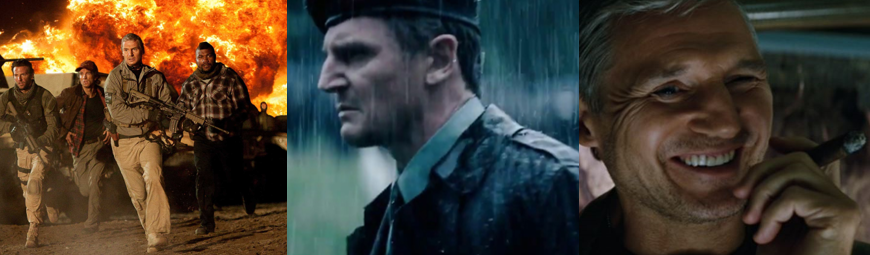
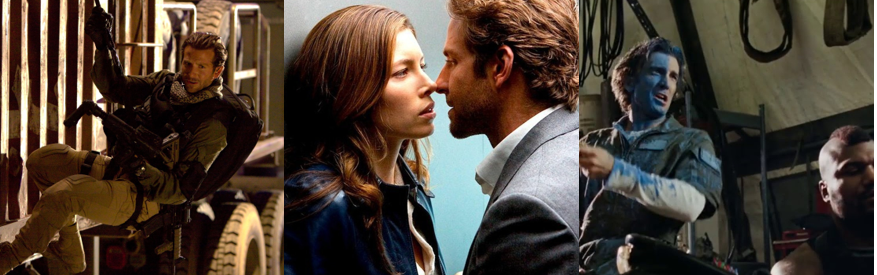
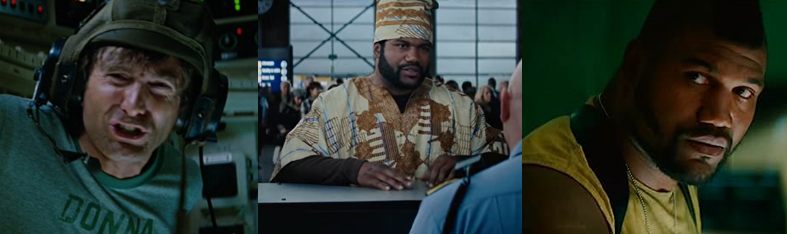
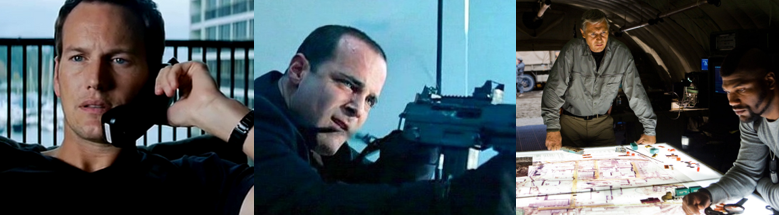
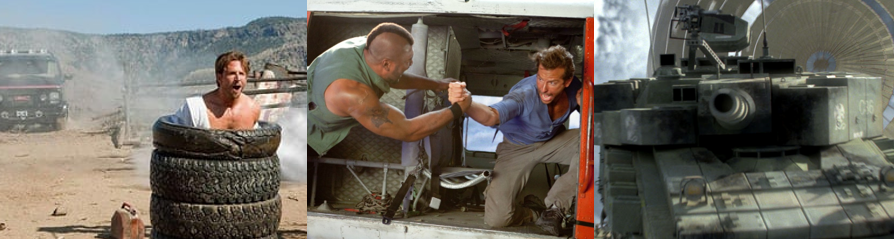
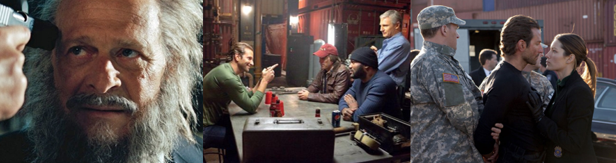




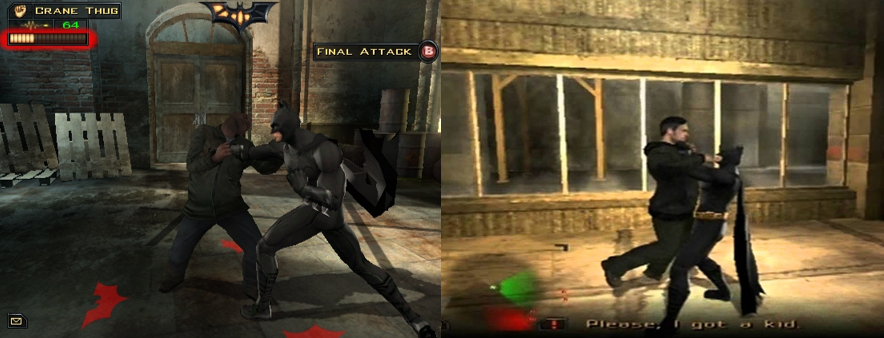
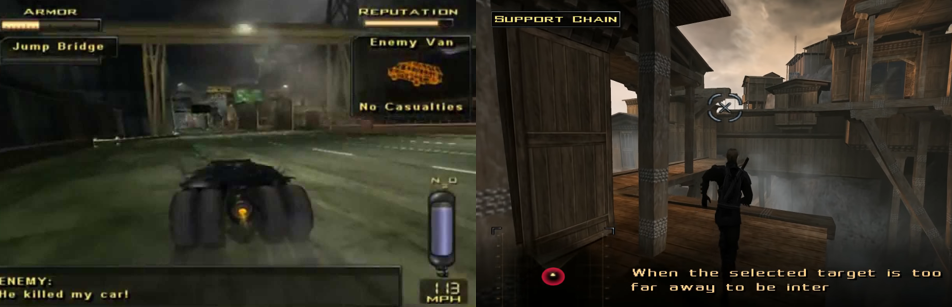

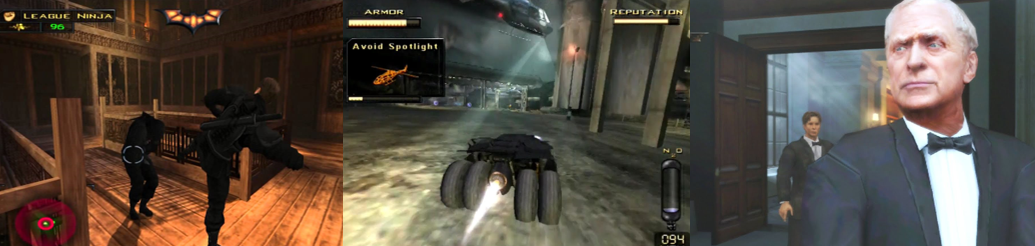



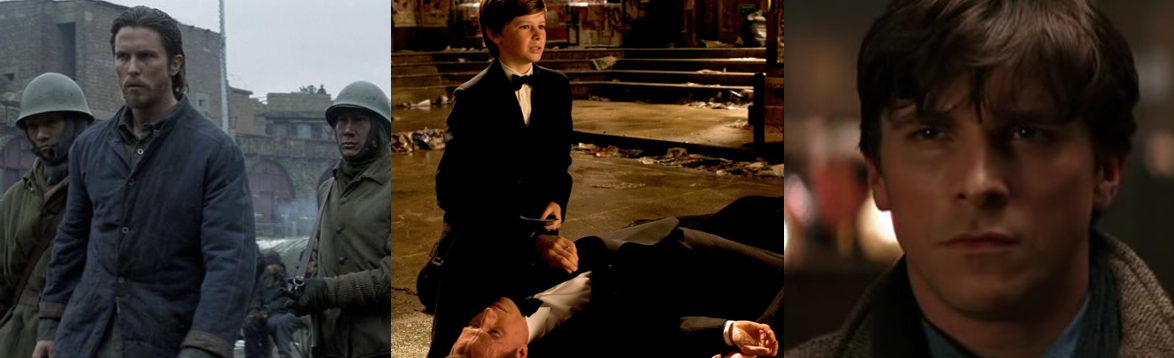


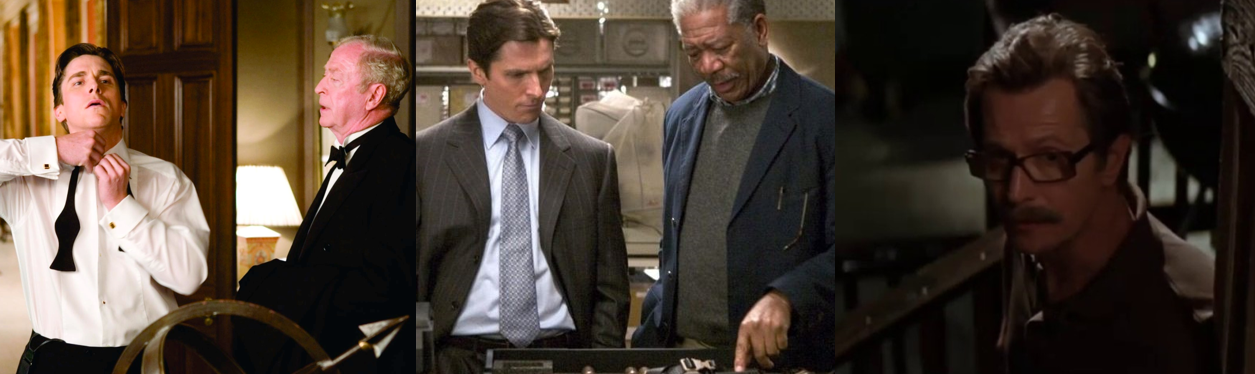

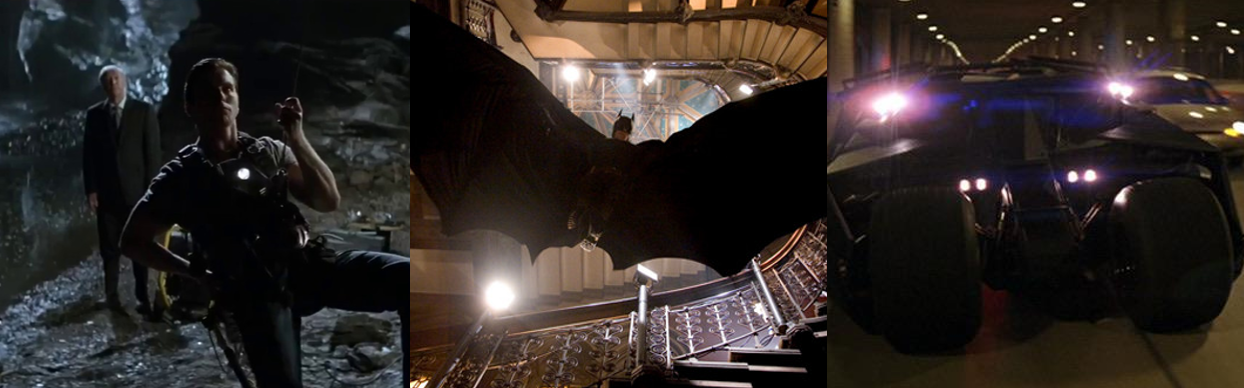
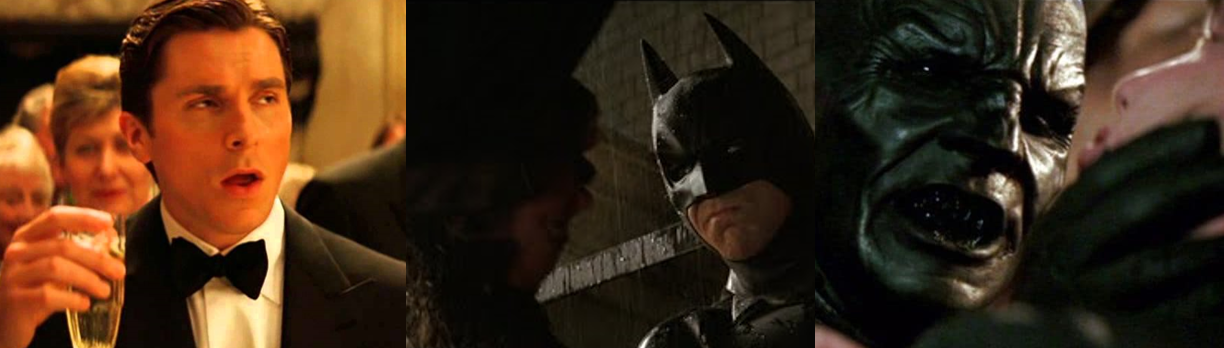
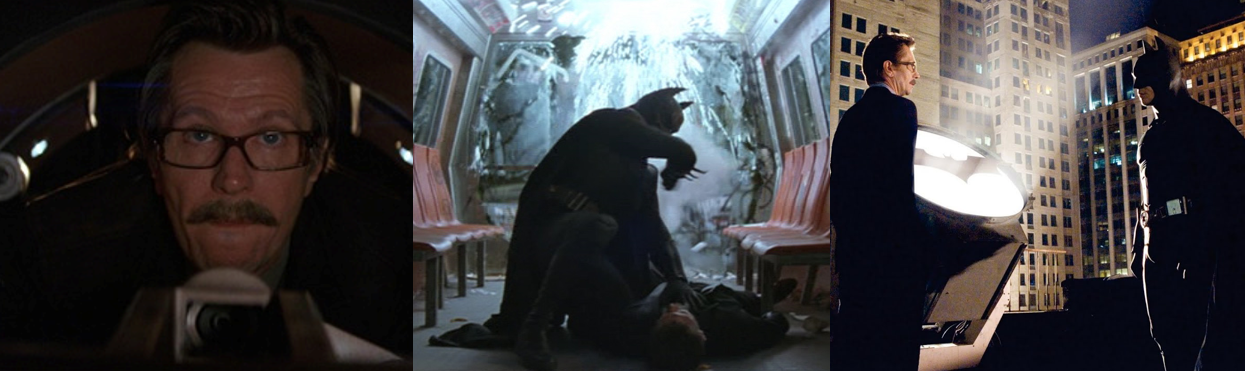



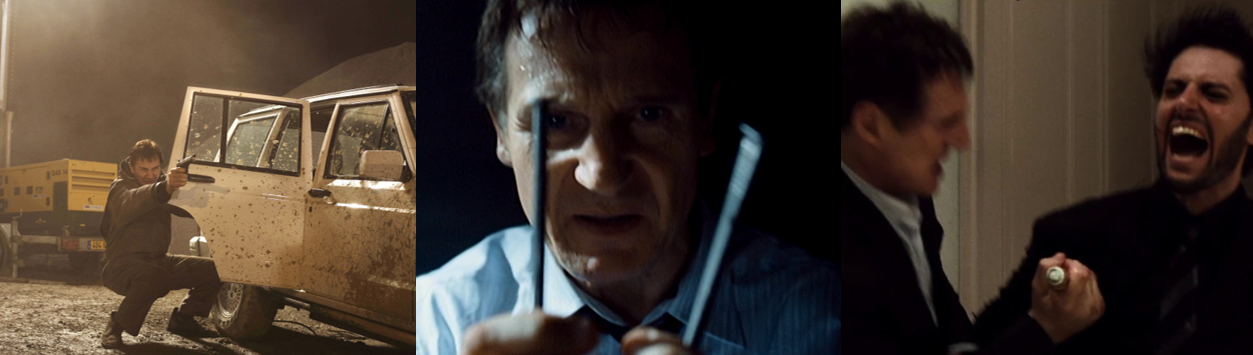
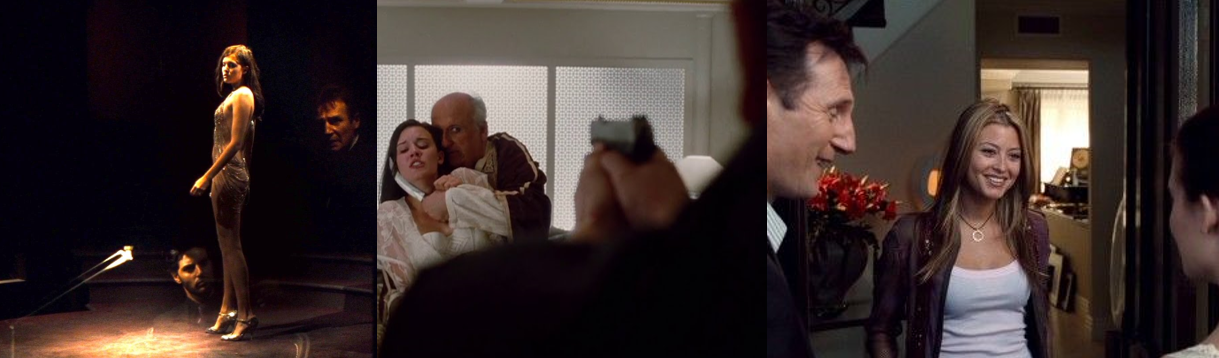




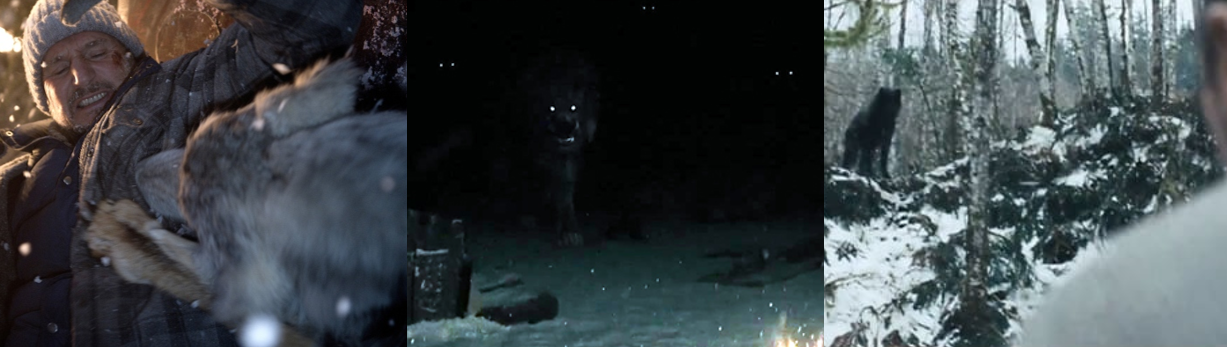








 Dr. K's Waiting Room
You must be logged in to post a comment.