Released: March 2012 Originally Released: November 1994 Developer: M2 Original Developer: Aspect Also Available For: Game Gear, Gamecube, and PlayStation 2
The Background: A lot of people forget that, alongside Sonic the Hedgehog’s iconic and much-lauded Mega Drive titles, SEGA also released a fair few Sonic videogames for their 8-bit consoles. The 8-bit versions of Sonic the Hedgehog(Ancient, 1991) and Sonic the Hedgehog 2 (Aspect, 1992) differed considerably from the 16-bit counterparts, featuring entirely different Zones, gameplay gimmicks, and features. While Sonic 2 had almost nothing in common with its bigger, better brother, Sonic the Hedgehog Chaos (ibid, 1993) represented Aspect’s first real attempt at a completely original Sonic title. Released in Japan as Sonic & Tails, Sonic Chaos was a major step up from the first 8-bit Sonic, featuring a playable version of Miles “Tails” Prower, bigger and better graphics, and many other upgrades that left its 8-bit predecessors in the dust. After SEGA switched their focus entirely to the Mega Drive, Triple Trouble and all subsequent 8-bit Sonic titles were released exclusively on the Game Gear.
The Plot: The diabolical Doctor Eggman scatters the Chaos Emeralds across the world but secures one for himself and tricks Sonic’s friendly rival, Knuckles the Echidna, into tracking the remaining gems. However, Nack the Weasel (known as Fang the Sniper in Japan) is hording the Emeralds inside the Special Stages, resulting in Sonic and Tails facing all three in their quest to recover the Chaos Emeralds.
Gameplay: Like its predecessors, Triple Trouble is a sidescrolling, 2D platformer based on speed. Of all the 8-bit Sonic titles, this is easily the biggest and the fastest; players can choose to play as either Sonic or Tails and journey through the game’s six Zones and each plays a little differently.
Run or fly through Zones as Sonic or Tailsand tackle a variety of Special Stages.
Both characters can run, jump, and spin as normal and enter a Spindash by pressing down and A; pressing up and A as Sonic allows him to perform the Strike Dash, a version of the Peel-Out, to blast ahead at full speed. Tails, however, flies instead of performing a Strike Dash and, unlike in Sonic Chaos, Tails can actually access the Special Stages and collect the Chaos Emeralds. Speaking of which, like all 8-bit Sonic titles, Triple Trouble features a unique way of accessing the Special Stages; players must first collect fifty Golden Rings, locate and smash open a Chaos Emerald monitor, then enter the sparkling warp to challenge Nack for a Chaos Emerald. Like Sonic Chaos, each Special Stage offers a different challenge, including bouncing around collecting Rings, piloting the Tornado bi-plane, or navigating a maze.
Nack acts like a tough guy but is really a pushover.
At the end of each Special Stage, they then battle against Nack, who shows up sporadically throughout Triple Trouble to cause Sonic or Tails headaches, similar to Knuckles in Sonic 3. Despite his cool and unique character design, Nack is more a buffoon and an annoyance than an actual challenge, however. Triple Trouble’s Zones borrow heavily from other Sonic titles and yet still manage to stay relatively unique; Tidal Plant Zone has more than a passing resemblance to Sonic the Hedgehog CD(ibid, 1993)’s Tidal Tempest, for example, and Atomic Destroyer Zone is like a combination of Sonic & Knuckles’(SEGA Technical Institute, 1994) Death Egg Zone and 8-bit Sonic 2’s Scrambled Egg Zone thanks to its abundance of maze-like tubes. Oddly, Triple Trouble features a large number, and dependence upon, springs; the first Zone, Great Turquoise Zone, is chock full of them (they’re on the trees, the ground, and even the Badniks!) and one of the main things you’ll find yourself doing when playing Triple Trouble is bouncing around on springs and other bouncy hazards, fighting with the stiff controls to get Sonic or Tails back on track. Being that it’s an 8-bit title, Triple Trouble lacks some of the polish of its 16-bit counterparts but, saying that, its 8-bit predecessors felt a bit easier to handle. Here, Sonic jutters along, refusing to change direction mid-air, and feels sluggish and weighed down, making precise platforming difficult. This is a bit of an issue when trying to explore Zones for those elusive Chaos Emerald monitors and when tackling the Special Stages but, for a simple pick-up-and-play title, isn’t a major handicap, especially as there’s not much in the way of bottomless pits or cheap deaths.
Graphics and Sound: As mentioned before, Triple Trouble is probably the best looking 8-bit Sonic title. The sprites are large and full of character and the Zones and environments are bright and lively. Of all the 8-bit Sonic titles, this comes the closest to matching its 16-bit counterparts, particularly by evoking the same sense of fun and adventure found in Sonic 3.
You may recognise Triple Trouble‘s aesthetic.
What lets the game down, however, is the sound. As it was originally developed for the Game Gear, sounds are muddy and distorted, as though they’re playing underwater. The game’s music is catchy enough and fits perfectly but collecting Rings or smashing Badniks lacks the usual oomph I expect from a Sonic title.
Enemies and Bosses: Triple Trouble features the usual mechanised enemies we’ve all come to expect from a Sonic title, especially one from his heyday; Badniks range from robotic snails with springs on their shells to exploding penguins. Most are easily destroyed by simply spinning into them but there’s a fair few Badniks here that cannot be destroyed, which prove especially annoying when you run face-first into them and then stutter down to a lower level thanks to the game’s janky knock-back feature.
Bosses aren’t lacking in variety, although Dr. Eggman ends up being a bit of a pushover.
Like in the 8-bit Sonic 2 and Sonic Chaos, bosses consist, for the most part, of giant Badniks (such as a giant flying turtles and a bomb-spewing, rocket-powered penguin). However, Sonic and Tails also have to battle Knuckles, who fires bombs and rockets from a cute little vehicle, Nack (who bounces around in a funky spring-loaded contraption), Metal Sonic (in a variation of the iconic battle from Sonic CD), and, of course, Doctor Eggman. Sonic or Tails won’t battle Eggman until the game’s finale, however. This boss battle has three stages but there isn’t much to it; you simply ram his machine until it explodes and transitions to the next phase and, in the final stage (which is eerily reminiscent of the final bosses from the first two 8-bit Sonic titles), you dodge some lightning and smash him as he cycles around a tube.
Power-Ups and Bonuses: Like all Sonic titles, Sonic and Tails can smash monitors to aid their progress; they can get an extra ten Rings, a speed boost from the Power Sneakers, an invincibility, hit a checkpoint, or gain extra lives as standard but can also access some additional items.
Triple Trouble has some fun, unique power-ups, including Tails’s cute little submarine!
There’s a snowboard that lets Sonic cut through the Robotnik Winter Zone with ease, Propeller Shoes that allow him to navigate underwater, Rocket Shoes to allow him to burn through the sky, and a Pogo Spring because…there aren’t enough springs in the game already. These last two popped up in Sonic Chaos as well but it’s nice to see them return here and it’s a welcome change to the usual shield power-ups. Sonic doesn’t get all the toys, though, as Tails can jump into the Sea Fox to navigate through Tidal Plant Zone without the need for air bubbles. Since he doesn’t need to Rocket Shoes, he can also grab the Hyper Heli-Tails to increase the duration of his flying ability. Additionally, players won’t lose all of their Rings when hit; instead, they’ll only lose thirty Rings, which makes playing through Triple Trouble much easier compared to the first to 8-bit Sonic titles where Sonic couldn’t even collect the Rings he lost.
Additional Features: There isn’t much else in Triple Trouble; obviously, as with the majority of Sonic titles, the ultimate goal is to collect all of the Chaos Emeralds to receive the game’s best ending but this doesn’t offer any reward other than not being told to “Try again”. There’s no Super Sonic here, no two player mode, and you cannot unlock Knuckles or anything like that. It’s a very simple, one-player experience with the minimum of effort being asked of you. The Virtual Console version, however, offers a few extra features; you can create a save point (which is quite handy if you need to stop playing but you only get one save), change the aspect ratio of the display, and fiddle about with a few other minor settings but that’s about it. For such an ambitious 8-bit Sonic title, it remains as bare bones as all 8-bit Sonic videogames were back in the day.
The Summary: Sonic the Hedgehog: Triple Trouble is decent enough, for the most part; Zones are bright, vibrant, and easy to blast through, Sonic has never looked better in 8-bit, and there’s a decent amount of variety and challenge on offer. However, for as much as Triple Trouble outpaces its 8-bit predecessors, it’s still an 8-bit title; the controls are clunky and unresponsive, the knock-back from damage is a pain in the ass, and sound effects are distorted. Similar to the Game Gear version of Sonic 2, the screen is zoomed in quite a bit as well, which means you’re never quite sure what you’re running into. Overall, I enjoyed the game; it was probably the best 8-bit Sonic game of the bunch, but it’s still far from perfect. I loved Nack and how he was worked into the game, even if he was, technically, just a rip off of Knuckles, and it’s a shame that he hasn’t been brought back in a similarly high profile role. Honestly, I’d love to see this game get a proper, Sonic Mania (PagodaWest Games/Headcannon, 2017) style remake (alongside, or as part of, it’s other 8-bit brothers) but it seems like SEGA and Sonic Team and happy to let their 8-bit/handheld Sonic titles fade into obscurity, which is a shame really.
My Rating:
⭐⭐⭐
Rating: 3 out of 5.
Pretty Good
What were your experiences with Triple Trouble? Do you also long for Nack’s return to the franchise? What did you think of Sonic’s other 8-bit outings? Drop a line in the comments to let me know.
This month is all about the Resident Evil 3 remake (Capcom, 2020) and, as such, I’m taking a look back at the official Resident Evil comic released by WildStorm back in 1998 to 1999. The five-issue Resident Evil: The Official Comic Magazine mostly filled in events between, during, and after Resident Evil (ibid, 1996) and Resident Evil 2(ibid, 1998) to flesh out the Resident Evil lore outside of the videogames.
Issue two, released in June 1998, features only three stories compared to the four of issue one but has more pages devoted to each one). From this issue, the comics also start to use the God-awful American variant of the classic Resident Evil title font, most likely as this issue is more focused on events surrounding the second videogame.
Issue two includes an adaptation of Resident Evil 2.
Another major change is that this issue actually includes a straight-up adaptation of Resident Evil 2, including dialogue lifted straight from the videogame. Whereas the closest issue one got was a recap on the first game, “A New Chapter of Evil” (Adams, et al) details pretty much the entirety of Leon S. Kennedy and Claire Redfield’s stories, picking up with them being separated on the streets of Raccoon City and following both on their journey through the Raccoon City police station and the Umbrella facility beneath the city streets.
Leon’s story gets some fair representation here.
As in the game, the story jumps back and forth between the two but, ostensibly, the plot remains the same just without any Lickers: Leon makes it to the police station, where he meets and is eventually attacked by Marvin. After catching up with Claire, he bumps into Ada Wong and is shot by Annette Birkin after having a run-in with a G monster. Patched up by Ada, Leon dispatches of a giant mutated alligator and they descend into the Umbrella facility. Ada betrays Leon and falls to her death while trying to steal the G-Virus, leaving him with little time to escape the facility.
And that’s seriously all for Mr.X…
As all this is going on, Claire (who begins the story packing a lot more heat than her videogame counterpart) has an extremely brief and uneventful run-in with Mr. X. seriously, she takes him out with just “five rounds”, off panel, and he never appears again. It’s like the writers only played snippets of Claire’s story.
“G” goes down like a bitch every time.
Anyway, Claire meets Annette’s daughter, Sherry, and they witness the corrupt Police Chief Irons be killed by Sherry’s father, William, who has mutated into “G”. Claire dispatches “G” (once again with laughable ease) and comforts Sherry after her mother is killed. They hook back up with Leon and, after finally doing away with “G”’s final form, they escape the facility just as it self-destructs.
“G” infects the animals in the city zoo.
As an adaptation of Resident Evil 2, “A New Chapter of Evil” is both extensive and rushed; loads of Claire’s story is skipped entirely, with Mr. X practically being a non-player, and the threat posed by “G” is almost completely non-existent as the characters defeat it while barely breaking a sweat. Hell, it takes Leon more effort to kill the alligator than “G”! Yet, as a quick run through of the game’s major story events, this is serviceable enough, though it feels as though the issue would have benefitted greatly from devoting its entire page count to their adaptation rather than twenty-odd pages. “Mutant Menagerie” (Oprisko, et al) briefly shows how Birkin was driven to infect himself with the G-Virus after being gunned down for his research samples. Mutating into “G”, all he can think of is to infect as many hosts as possible, which leads him to the Raccoon City Zoo.
Patrick is successful…or so it seems!
This is bad news for the on-shift security guard Patrick Brady, who soon finds himself fighting to survive with limited ammunition and resources against infected tigers, pandas, snakes, apes, and prairie dogs. After he realises that he’s all alone, he fights through the zoo and its infected creatures to overload the zoo’s power generator and keep the animals from escaping. Though seemingly successful, he passes out from fatigue while one last prairie dog looms in for a snack.
A zoo was similarly infected in Outbreak: File #2.
This story does a pretty good job of relating the desperation that accompanies Resident Evil videogames; Patrick doesn’t have a lot at his disposal and is up against the odds, much like the player often is. He also is forced to battle through hordes of enemies to reach an elaborate objective, which is pretty much par for the course of all Resident Evil titles. Interestingly enough, one of the scenarios in Resident Evil Outbreak: File #2 (Capcom, 2004) saw characters dealing with a wide variety of infected creatures at the Racoon City zoo, though I would be surprised if that game took any inspiration from this particular story.
This issue really downplays the threat of the Tyant to an absurd degree.
The final story, “Lock Down” (Oprisko, et al) follows Barry Burton about a week after the events of Resident Evil; traumatised by what he experienced, Barry opts to visit a psychiatrist but, wouldn’t you know it, the building is suddenly infested with zombies! Swiping an access key, Barry is handed a map and instructions by a dying guard and is forced to battle his way through not only zombies but a Tyrant in order to piece together a bomb that will destroy the building. Funnily enough, Barry struggles more with giant mutant cockroaches than the Tyrant and he is able to leap to safety as the building explodes.
All he’s missing is an Item Box…
If the first story was an adaptation of Resident Evil 2’s plot, the second adapted the survival/horror gameplay, this last story goes all-in with representing the arduous side missions and tasks players must complete while battling mutated creatures and monsters. Barry must search the building using a map to find the three bomb parts, even blasting a zombie apart to get a key to open a locker for one piece, and then assemble the bomb before escaping to safety.
This comic fleshed out Barry’s character before the games did.
It’s interesting how the first issue was basically an anthology comic of side stories and companion pieces to the first two Resident Evil videogames and it isn’t until the second that WildStorm produced a more traditional adaptation of the source material. That being said, while “Lock Down” does wonders for fleshing out Barry’s personality (he has a snarky, gritty action-hero attitude that wouldn’t really be seen for some time), the clear standout of this issue is “A New Chapter of Evil”. A lot of this is due to my personal bias for Resident Evil 2 but I feel it’s a stronger statement to feature an adaptation of the videogame alongside smaller side stories rather than just filling the pages with recaps or interludes.
My Rating:
⭐⭐⭐⭐
Rating: 4 out of 5.
Great Stuff
Did you ever read the Resident Evil comics published by WildStorm? Would you be interested in the series receiving a reprint as the collection is currently out of print? Do you have a favourite piece of ancillary Resident Evil media? Drop a comment below and come back next Tuesday for my rundown of issue three.
One of the great things about adaptations, and adaptation studies, is that they both:
“[continue] to expand and become more inclusive […] it is increasingly difficult to determine a cohesive theory that accounts for the division between adaptation and other intertextual modes: allusions, plagiarisms, remakes, sequels, homages, mash-ups, appropriations, and the list goes on” (Dicecco, 2015: 161)
This quote sums up perfectly what makes adaptation studies so interesting; adaptations can be anything and are restricted only by the scope of your imagination and your commitment to researching the links between media.
While researching the theories of Nico Dicecco (and his contemporaries) during my PhD, I chose to focus on the adaptation of videogames into movies, television shows, cartoons, and comic books. This was primarily because it’s a lot easier to talk about media that is adapted into film and there hadn’t really been any serious research into videogame adaptations at that time. I’ve previously talked about how my studies into the Sonic the Hedgehog (Sonic Team/Various, 1991 to present) franchise revealed that Sonic the Hedgehog Spinball (Polygames/SEGA Technical Institute, 1993) heavily influenced multiple Sonic adaptations over the years but there has been another Sonic videogame that has made multiple jumps to other media.
Today, I’m once again returning to one of my favourite Sonic videogames, Sonic Adventure (Sonic Team, 1998), Sonic’s first real foray into 3D gameplay and a title that focused on multiple characters and gameplay mechanics, a far deeper narrative than the franchise had experienced in a videogame before, and functioned as both a consolidation of Sonic’s competing iterations and a “soft reboot” for the franchise, due its use of “slight changes to be made without having to completely scrap the franchise and start over” (Bancroft, 2015).
I can’t praise this game’s variety enough!
Coming after a long absence from a main series Sonic title (and at a time when SEGA were almost haemorrhaging money thanks to failures like the Mega-CD and SEGA 32X), Sonic Adventure became “the best-selling Dreamcast game of all time, with almost two and a half million copies sold”. (Pétronille and Audureau, 2012: 70). It reinvigorated the Sonic franchise in a way that I think has been forgotten over time; while the game may have had its flaws, it successfully revitalised Sonic and led to a string of successful sequels and follow-ups. While these weren’t enough to curb SEGA’s financial woes, the success and impact of Sonic Adventure led to a shift in Sonic’s gameplay, narrative, and aesthetic direction; rather than racing along a 2D plane, players now ran along at break-neck speeds in fully 3D environments that were designed more like rollercoasters. Sonic was now “Taller, slimmer and somehow spikier”, his friendliness replaced with “an anime-style cool” (Jones, et al, 2011: 31), and his narrative was far darker and more mature than his bright, psychedelic 2D titles. Perhaps the most significant impact of Sonic Adventure came through Sonic Team eventually stripping away all other playstyles to focus purely on Sonic’s speed, an aspect that largely led to the development of the Boost-orientated gameplay of modern Sonic titles.
Surely this can’t be a coincidence?
One thing to note before I delve into the main focus of this article is how the adaptation process appears to have worked both ways with Sonic Adventure. Many elements from Sonic the Hedgehog: The Movie(Ikegami, 1996) are recognisable in Sonic Adventure, such as Tails’ workshop on South Island, the appearance of cities and structures that mirror those of our world, and a lot of Doctor Robotnik’s (Edwin Neal) personality and technology. For me, the Sonic OVA is clearly a precursor to Sonic Adventure’s attempt to leave behind Mobius and show him as an adventure-seeking teenager in a world not too dissimilar to our own (though I still pray for the day when his characterisation matches the snarky attitude of his OVA counterpart). Sonic Adventure didn’t just impact Sonic’s videogames, however; by 1999, Archie’s Sonic the Hedgehog comic books had developed into a continuation of the fan favourite Sonic the Hedgehog (1993 to 1995, more commonly referred to as “SatAM”) cartoon, infusing characters and events from the videogames into its narrative. With this in mind (and, possibly, in keeping with SEGA’s desire to create a homogeneous version of Sonic), it was inevitable that Sonic Adventure would feature in these comics before long.
Robo-Robotnik soon replaced his organic counterpart as “the Eggman”.
Sonic Adventures’ influence began slowly but, in keeping with the increasingly-convoluted narrative of the comics at the time, was complex to the nth degree. First, the Archie team crafted an elaborate story to explain why Sonic now looked like his Sonic Adventure counterpart: ‘Retro Activity’ (Bollers, et al, 1999) not only showed how Sonic transformed from his pudgy, classic look to this edgier aesthetic by racing against a destructive energy beam so fast that he cycled through his various Super forms, but it told this story backwards! If you thought that was bad, though, the lengths they went to to explain Robotnik’s transformation into his Sonic Adventure counterpart, Doctor Eggman, were even worse! So, in ‘Endgame, Part 4: For Whom the Bell Tolls’ (ibid, 1998), Sonic finally destroyed Robotnik forever in a fight to the death involving his latest doomsday weapon, the Ultimate Annihilator. However, it is dramatically revealed in ‘I Am the Eggman!’ (ibid, 1999) that Robotnik has returned…in the form of his fully-robotic, alternate-universe counterpart, Robo-Robotnik. Though seemingly destroyed in that story, the issue ends with Robo-Robotnik downloading his consciousness into a body that is identical to his Sonic Adventure design; “Eggman” (for a long time “The Eggman”) would quickly become a derogatory nickname used to describe Robotnik until the madness was smoothed over by massive continuity changes much later down the line. The Sonic Adventure tie-in officially began with ‘The Discovery: A Sonic Adventure Tie-In’ (ibid), in which Sonic and the Knothole Freedom Fighters first learn about the “hidden city of the ancients”. Robotnik also learns of an ancient beast known as “Perfect Chaos” hidden within not the Master Emerald (…as that was where Mammoth Mogul was imprisoned) but the “Black Emerald”. Unearthing the Black Emerald in the Mysterious Cat Country, Robotnik discovers that it is severely depowered and promptly leads and assault on Floating Island to smash the Master Emerald in order to repower the Black Emerald.
Two issues in and I’ve already lost the plot!
After being denied the chance to accompany the Freedom Fighters, Amy Rose uses the magical “Ring of Acorns” wish herself into a more mature body in the follow-up story, ‘If Wishes Were Acorns’ (ibid), one that (you guessed it) is identical to her Sonic Adventure appearance. The Freedom Fighters then travel to the hidden city, which is located beneath an island (that is an almost exact replica of the OVA’s South Island) and accessed via a Mystic Ruins mine cart. A back-up story, ‘Swallowing Trouble’ (Penders, et al, 1999), introduces Archie’s readers to Big the Cat; his peaceful existence is disrupted when Froggy (who articulates through thought bubbles) swallows a piece of Chaos, grows a tail, and is promptly kidnapped by E-102γ (also known simply as “Gamma”). In the next issue, ‘City of Dreams’ (Bollers, et al, 1999) shows Sonic and friends exploring the hidden city, which is Station Square from the videogame and populated entirely by humans (who are different from “Overlanders”, the mostly-extinct human-like species that once waged war on Mobius), and sustained by an “artificial environment” (…that includes a sky, apparently).
Things pick up with this Sonic’s battle against Chaos 0.
While they end the story making good progress in establishing diplomatic relations with the humans, the two back-up stories show Robotnik sending his E-series robots out to find more Master Emerald fragments to empower Chaos and Amy rescuing an injured bird from ZERO. Interestingly, while Archie bent over backwards to explain the characters new look, they simply have Amy’s Piko-Piko Hammer appear out of thin air with no explanation; even she is shocked to see it! Things finally pick up in the next issue’s ‘Night of Chaos!’ (ibid), which recreates (with amazing fidelity) the first encounter and battle between Sonic and Chaos 0. The back-up stories introduce Tikal to the story, as she relates to Knuckles her history (meeting and befriending Chaos and the destruction of her tribe when her father, Pachamac, tried to forcibly take the seven Chaos Emeralds from its shrine), how Robotnik finalised Chaos’ 0 form by infusing it with Froggy, and recreates the beginning of Gamma’s story by showing it pass a training drill and release Amy and her bird friend (here clearly identified as a Flicky) after overcoming its programming and gaining a modicum of sentience.
Archie recreated Perfect Chaos’ birth in stunning detail.
Archie followed this up with a 48-page ‘Super Sonic Special’ that rapidly told Sonic Adventure’s familiar story beats: Sonic, Miles “Tails” Prower, and Knuckles battle Chaos 2 and 4 after Robotnik feeds it shards of the Master Emerald; Big, Sonic, Tails, and Knuckles end up on the Egg Carrier; there’s a tussle with Gamma (where Amy spares it from destruction) and they fight Chaos 6, destroying the Egg Carrier in the process. The adaptation continues in the next regular issue; in here, Knuckles discovers “the Eggman” unconscious in the Mystic Ruins and Chaos, still alive, blasts through the land as a tornado, absorbing the six Super Emeralds, and transforms into Perfect Chaos, flooding Station Square (and attaching itself to the Power Siphon that control’s the city’s environment) exactly as it does in the opening and Super Sonic story of Sonic Adventure. Perfect Chaos destroys the Egg Carrier then, after learning a bit more from Tikal, Sonic uses the Emerald’s to transform into Super Sonic and engage Perfect Chaos. It’s around about at this point that the story stops creating its own dialogue and starts lifting lines directly from Sonic Adventure but, considering the quality of Archie’s writing back then, I would necessarily say that this is a bad thing. The story finally comes to a conclusion in issue 84’s ‘Perfect Chaos’ (Penders, et al, 1999), in which Super Sonic struggles to subdue Perfect Chaos while Knuckles overcomes his fear of water and uses his immense strength to restart the city’s power generator (tapping into his latent Emerald powers for the first time, which would later significantly change his appearance and powers). This, coupled with Super Sonic’s attack, is enough to revert Perfect Chaos back to Chaos 0. At peace once more, Chaos and Tikal return “to the Zone [where they] belong” and the threat is finally ended (…once again glossing over the untold death and destruction in Station Square).
Archie lore was dense enough before they wedged in Sonic Adventure.
Archie’s Sonic Adventure adaptation is one of the few times they actually crafted a long-running narrative out of a videogame story; normally, they just produced one-shots or sort stories that briefly (and very loosely and awkwardly) spliced the game’s story into their own convoluted narrative. The incorporation of Sonic Adventure’s narrative was especially difficult given that several key elements had to be changed due to them clashing with Archie’s lore; Chaos’ origin and imprisonment, for one, and the weird way they introduced Station Square for another, to say nothing of how the entire Echidna backstory struggled to fit in with the messed up narrative crafted by the notorious Ken Penders. Nevertheless, this was, perhaps, the closest Archie Comics got to a straight-up, beat-by-beat adaptation of a videogame; they made it easier on themselves in the future by generally just adapting the opening portions of a game and leaving a dialogue box that said something like “Play the game to find out the rest” and then vaguely referring to the game’s events in subsequent stories. Here, though, we got lines from the game, locations, notable boss battles, and hit almost every story beat from the game no matter how at odds it was with the world Archie had created for their version of Sonic.
Chaos cripples with its fear aura and alters Sonic’s look.
Over here in the United Kingdom, Fleetway’s Sonic the Comic (1993 to 2002, referred to as “StC”) was a little late to the party with their Sonic Adventure adaptation; like Archie, Fleetway had established their own, separate lore for Sonic and his friends, one that “felt” closer to the videogames but was still distinctly separate from it. Previously, their adaptations of Sonic videogames had tended to be multi-part stories that took the game’s characters and the vague outline of its plot and applied them to their unique narrative and Sonic Adventure was no different. The arc began in issue 175’s ‘The Coming of Chaos!’ (Kitching , et al, 2000), in which Sonic and his friends race out to confront StC’s version of Chaos 0 in Metropolis City Zone. This battle, which is a truncated version of the first boss fight with Chaos 0, showcases that StC’s Chaos exudes an aura that cripples its foes with feelings of utter dread. Headstrong and arrogant as always, Sonic attacks Chaos head-on regardless and manages to fend it off but is left with glowing green eyes and jagged spikes. In the following issue, it is revealed that Robotnik’s assistant, Grimer, unleashed Chaos in the hopes of destroying Sonic and his friends and shaking Robotnik out of the slump he had found himself in after multiple defeats. However, Robotnik reveals that Chaos is truly uncontrollable and that, by setting it free, Grimer has “doomed the entire planet”.
Defeating Chaos extracts a heavy price.
Meanwhile, Sonic’s tech buddy Porker Lewis arrives; he’s (somehow) discovered that it’s made up of Chaos energy and has whipped up a device to defeat it but Sonic, already weakened from his earlier tussle with the creature, is unable to fight through its fear-inducing aura to complete the process. Luckily, Johnny Lightfoot steps in to lend a hand but, while he succeeds and Chaos is seemingly defeated, he dies in the process! Yep, a kids comic actually killed off a beloved, long-time character and not just any kids comic, a Sonic comic! Up until this point, death had largely been a stranger to StC’s stories; characters were used as batteries for Robotnik’s Badniks or turned to stone, or trapped for all eternity (…for a while), but they had never died before! StC hammered home that Johnny was actually, really, 100% dead in the following issue, where the guilt and shame of having recklessly led his friends into danger causes Sonic to quit the entire thing. However, Chaos reappears the Floating Island’s Emerald Chamber, now able to talk and state its intentions: it claims ownership of the Chaos Emeralds and desires to absorb their power. Knuckles is left with no choice but the jettison the Emeralds in the following story, ‘Splash-Down!’ (ibid), which causes the Floating Island to crash and sink into the sea. There’s an interesting wrinkle here where Knuckles, despondent at his actions, resigns himself to facing the same fate as his ancestral home and has to be coerced by Amy (and a good knock on the head) to avoid killing himself.
Tikal raised new questions about StC-Knuckles…
Also in this story, rather than going through a whole complicated mess involving robotic counterparts and body swapping, Robotnik simply…puts on a jacket so he resembles his Sonic Adventure design. I find this doubly amusing and ironic considering the lengths StC went to to show Robotnik transforming from his classic design to his Adventures of Sonic the Hedgehog (1993) look. Oh, and Sonic just…comes back at the end of the story, ready to jump into the fray once more. In the next issue’s story, ‘Out of Time!’ (Kitching, et al, 2000), Porker continues to obsess over Sonic’s green eyes and the Chaos energy he apparently absorbed from battling Chaos. This turns out to be a pretty big deal as Sonic is the only one who can see Tikal when she suddenly appears and promptly zaps him 8,000 years into the past. This (and the subsequent issue) is also where StC loops Sonic Adventure’s lore into their own narrative regarding Knuckles’ past; we learn not only that Knuckles existed in the distant past (a plot thread that wouldn’t be resolved until StC was continued online) but also that the extra-dimensional Drakon Empire (who had previously attempted to invade Mobius) were involved in Chaos’ origin. After defeating a Drakon Prosecutor, revealing the heavily-armoured warriors to be mutated fish in armoured shells, Sonic chats with Tikal’s father, “Pochacamac”, who reveals that the Echidnas stole the seven Chaos Emeralds (and the Master Emerald) from the Drakon Empire after they invaded the Echidna’s sacred Emerald Mines and infused the gems with their patented Chaos energy.
StC gave Chaos a completely new origin.
During a battle with Drakon Prosecutors in which a stray energy blasts hits the Emeralds and causes their powers to surge out of control, the Drakon Sonic had previously defeated is released from its prison and fuses with the Emeralds to transform into Chaos. Sonic attempts to get revenge for Johnny in the following issue but is transported back to the future in order to weaken Chaos enough for past Knuckles to do…something to imprison Chaos. Sonic returns to the present just as Chaos arrives at Robotnik’s mountaintop fortress, where Robotnik gathered the Chaos Emeralds in order to lure it in…though he does this merely to have a front row seat to the end of not only Sonic and his friends, but the entire world. All hope seems lost in ‘Perfect Chaos!’ (ibid) when Chaos absorbs the power of the Chaos Emeralds and transforms into Perfect Chaos (which actually more closely resembles Chaos 6) until a severely weakened and dying Super Sonic arrives. How, I gave Archie flack for how complicated some of their stories were so I guess it’s only fair to deviate here to explain this a bit. In StC, Sonic absorbed a huge amount of Chaos energy a long time ago; this lay dormant in him for years and, whenever under extreme stress or driven to severe rage, he would transform into Super Sonic. StC Super Sonic was an uncontrollable, rage-filled, super-powered demon with maniacal eyes who could shoot energy blasts, fly at incredible speeds, and was all-but-invulnerable. However, Sonic’s friends eventually found a way to separate Super Sonic from him and imprisoned the demon within a time dilation of sorts. Super Sonic did eventually escape but the effort drained his power so much that he eventually lost his memory and became a confused, but harmless, individual.
Chaos, and Super Sonic, are both defeated, ending both the story and StC.
Sonic’s fears regarding his demonic counterpart are realised in the finale of the Sonic Adventure arc, ‘Point of no Return!’ (ibid), in which Super successfully drains Perfect Chaos of all its energy and regresses it back to a harmless Drakon fish. The Chaos energy returns Super’s memories and powers and he attacks everyone, intending to kill them all, and begins to drain the life energy out of Sonic. However, Super’s friend, Ebony, uses her magical powers to fuse Super and Sonic back into one being again. Grimer quits Robotnik’s employ, disgusted at his lackadaisical attitude to what looked to be the end of the world, and the story ends with Sonic and his friends triumphant. Sadly, the Sonic Adventure arc would be the last time StC ran original Sonic stories in their comics; for a while, the comics had consistently largely of reprints of old stories, even though the writers could have done what Archie did and used the extra pages to tell back-up tales to expand the story rather than rushing through everything in the main Sonic strips.
StC didn’t really give these guys anything to do in this arc…
Compared to the Archie adaptation, StC’s interpretation of Sonic Adventure is not only rushed but has some pretty weak connections to its source material. The characters never visit any of the locations from the game, Chaos is significantly different (though, in some ways, better; its “fear aura” was a nice inclusion with a lot of potential), Big is reduced to a throwaway, one panel cameo, Gamma doesn’t appear at all, and neither Tails or Amy have anything near the significance of the roles they played in the game. While Knuckles plays a vital part, he’s far more hands-off than in Archie (and the videogame), and Robotnik barely features at all (though this does make sense considering where the character was, mentally, at the time). If Fleetway had been able to use every page of their issues to tell this story, it probably would have landed much better; while I don’t doubt that they still would have sought to slot Sonic Adventure’s canon into their own as best as they could, at least e could have seen a five page back-up story featuring Knuckles, or Big, or anyone. Instead, it’s a very poor effort; StC did a pretty good job of telling stories heavily influenced by the videogames in the past but, by the point, the comic was on its last legs so I guess we were lucky to get anything.
Sonic X weaved the game’s story into its lore and mixed it up a bit.
Chaos would go on to sporadically appear in Archie Comics as it continued on, even when the license switched over to IDW Publishing, but it also notably appeared in Sonic X (2003 to 2006) when the anime did its own six-part adaptation of Sonic Adventure. Before I get into that, though, I just want to briefly mention Sonic Underground (1999), the oft-lambasted follow-up to SatAM that, for all its faults, at least featured Knuckles (Brian Drummond). There’s a couple of points in the series where characters refer to “Chaos” as being the destructor of Mobius and, in ‘New Echidna in Town’ (Boreal, et al, 1999) Chaos Energy transforms Dingo (Peter Wilds) into a mindless beast, Chaos Dingo, who takes on a malleable form. While this link to Sonic Adventure is tenuous at best (made all the more so by Sonic Underground’s dramatic departure from all Sonic lore), it’s still an interesting connection to make. Despite looking fantastic due to its anime aesthetic, Sonic X was a bit of a disappointment when it first started for a variety of reasons: Sonic (Jason Griffith) is largely lethargic, preferring to spend his days taking naps or smelling flowers, and all of his iconic friends are pushed to the side to make way for Chris Thorndyke (Michael Sinterniklaas) and a host of other human characters forced into the show when Sonic and the others are transported from their world to Earth. However, for me at least, things started to pick up near the end of the first season and with the episode ‘Pure Chaos’ (Kamegaki, 2004), which kick-started the Sonic Adventure saga with Froggy swallowing a Chaos Emerald, Dr. Eggman (Mike Pollock) launching the Egg Carrier, and Sonic and Knuckles (Dan Green) battling Chaos 1 and 2. Straight away, Sonic X is ahead of the curve simply by including Big in a role more suited to his videogame story and, like Archie, the series sticks quite close to the source material.
Sonic X featured almost all of Sonic Adventure‘s bosses.
The adaptation continued in the following episode, ‘A Chaotic Day’ (Kamegaki, 2004), which focuses a bit more on Knuckles’ side of the story, detailing how Chaos broke out of the Master Emerald and his search for its shards, which also brings him into contact with Tikal (Rebecca Honig). Sonic and Tails (Amy Palant) then battle both Chaos 4 at Eggman (in the Egg Hornet) at the Mystic Ruins (in what is a pretty faithful adaptation of the same boss battles from Sonic Adventure) before pursing Eggman to his Egg Carrier. They crash, as in the game, and Amy (Lisa Ortiz) and Cheese the Rabbit (Rebecca Honig) are attacked by ZERO, who kidnaps Amy and the birdie, Lily (Sayaka Aoki). Amy and Gamma’s (Andrew Rannells) stories are the primary focus for the next episode, ‘A Robot Rebels’ (Kamegaki, 2004), in which Gamma kidnaps Froggy right after Chris helps Big to rescue him and he subsequently frees Amy after suffering a bit of a short circuit at the sight of Lily just like in the videogame. Similarly, Amy convinces Sonic to spare Gamma and Knuckles recovers the last piece of the Master Emerald in the following episode, and, though Eggman successfully uses Froggy’s tail and Chaos Emerald to transform Chaos into Chaos 6, Sonic and Knuckles (randomly sporting his Shovel Claws) defeat it. The episode ends with the finale of Tails’ story, in which Eggman launches a missile at Station Square and he must gather his courage and self-sufficiency in order to disarm it (though he doesn’t battle the Egg Walker).
Gamma’s tear-jerking story is told from start to finish.
‘Revenge of the Robot’ (ibid) primarily wraps up Sonic and Gamma’s stories from the game: Gamma travels through the locations of Sonic Adventure deactivating its robotic brethren and freeing the Flicky’s trapped within (which is considerably easier than in the videogame) and eventually destroys itself and its older “brother”, E-101β “Kai” (Andrew Rannells) to reunite with its Flicky family. While Sonic does go on to defeat Eggman and his Egg Viper, Chaos obtains all seven Chaos Emeralds, transforms into Perfect Chaos, and floods Station Square in the final episode of the saga, ‘Flood Fight’ (Kamegaki, 2004). Up until this point, Chris’s involvement (and the involvement of his extended family and friends) was largely painless and unobtrusive. The changes this, however, as the destruction brought upon Station Square has a significant impact on the lives of Sonic’s new human friends and, wouldn’t you know it, it is Chris who supplies with the last Chaos Emerald he needs to transform into Super Sonic. Unlike in the videogame and the Archie Comics adaptation, Super Sonic defeats Perfect Chaos with hardly any issue at all in Sonic X; while Perfect Chaos had never looked bigger or badder, resembling more a water-based version of Biollante, and packs some serious firepower, it is defeated and reverted back in Chaos 0 with very little effort. To be fair, though, Sonic X’s Super Sonic was always far more powerful than his other incarnations, being more of a God-mode than a power-up. Still, Chaos is defeated and returns to the Master Emerald with Tikal, at peace once more. Station Square is left in ruins and, while the anime also glosses over the death and destruction the flood must have caused, subsequent episodes dealt with (or, at least, referenced) the restoration process.
Sonic X told the entire game’s story, giving everyone their due.
Like the other adaptations of Sonic Adventure discussed here, Sonic X incorporates the game’s narrative into its own unique lore but, in a twist, includes characters like Cream and Rouge the Bat (Kathleen Delaney) who debuted after Sonic Adventure. However, even these videogame characters have smaller roles than Chris and his cohorts; given that Chris was obsessed with following Sonic everywhere and putting himself in danger, this isn’t too surprising but, honestly, their inclusion and involvement is no more or less, better or worse, than those of the Archie and StC extended cast. However, Sonic X’s Sonic Adventure saga is easily the closest, most faithful adaptation of the source material of these three; Archie Comics came close bit their impenetrable lore meant that too many compromises had to be made. Both comic adaptations focused more on Chaos than other bosses and events, but Sonic X includes almost everything from the videogame, giving plenty of time to each of the game’s six characters and adapting their stories with a high degree of fidelity. It even streamlined and improved the story in many ways, such as having characters team up against Chaos’s various forms and improving the appearance of Perfect Chaos.
Sonic Adventure told a complex, interweaving Sonic story for the first time.
Sonic Adventure has been a rich source of adaptation, second only to Sonic Spinball. Aside from the more direct adaptations I’ve talked about here, stages, bosses, and narrative themes from the game cropped up in many subsequent Sonic titles. Unlike Sonic Spinball, I feel like this is probably because of the game’s story; this was the first time Sonic and his friends and enemies had a real voice in the videogames and the first time Sonic Team tried to tell a deep, overarching story. Add to that the influence that Sonic Adventure’s gameplay and aesthetic choices had on Sonic’s canon and future release and it’s not hard to see why. The only thing that hampered each of these adaptations was their attempts to shoe-horn the videogame narrative into their existing lore, rather than using the general story and themes of the game and threading it through in a more natural way. While Archie Comics and StC had good reasons for this, Sonic X had every opportunity right from the beginning of its run to properly prepare and lay the groundwork for its eventual videogame adaptations and, instead, it was happy to waste time focusing on Chris, his idiotic behaviour, and having Sonic be this bland, lethargic goody-too-shoes rather than a snarky, hyperactive adventurer.
Which of these three Sonic Adventure adaptations was your favourite? How did you find Archie’s writing at the time? Do you remember Sonic the Comic? What were your thoughts on Sonic X and Chris? Drop a line below and stick around for more articles in the future.
Released: April 2020 Originally Released: September 1999 Developer: Capcom Original Developer: Capcom Also Available For: PC and PlayStation 4
The Background: I’ve touched upon this before but, back in 1999, Capcom were on a bit of a roll with their survival/horror franchise, Resident Evil (Various, 1996 to present). Under pressure to develop multiple Resident Evil spin-offs and sequels, Capcom ending up dividing their production team into two: one would work on a title exclusive to SEGA’s Dreamcast while another would work on Resident Evil 3: Nemesis. Although Nemesis bore a sequential number, it was, for all intents and purposes, more of an extension of Resident Evil 2 (Capcom, 1998); it ran on the same engine, reused a lot of the same locations, and its story ran concurrently with Capcom’s fantastic sequel. The game was noticeably shorter than its predecessor but bolstered by a whole slew of new control mechanics, crafting options, and the presence of the hulking Nemesis, a massive bio-organic weapon (BOW) that would relentlessly chase protagonist Jill Valentine through the zombie-infested streets of Racoon City. Pretty much immediately after the release of the Resident Evil 2(Capcom R&D Division 1, 2019) remake, fans cried out for the same treatment to be afforded to Nemesis. It turned out that they were pestering Capcom for a game that had been in development for about three years. Utilising the same RE Engine as its predecessor to realise its characters and gore in glorious high definition, Resident Evil 3 sought to present this fan favourite sequel with a whole new coat of paint.
The Plot: In the midst of a zombie outbreak in the town of Raccoon City, former Special Tactics and Rescue Service (S.T.A.R.S.) member and survivor of a similar outbreak, Jill Valentine, finds herself relentlessly pursued by Umbrella’s newest BOW, the Nemesis, as she desperately tries to escape the chaos alongside Umbrella Biohazard Countermeasure Service (U.B.C.S.) mercenary Carlos Oliveira.
Gameplay: Ostensibly, Resident Evil 3 plays pretty much exactly as its predecessor but with a few more bells and whistles. The first thing you’ll notice when choosing the play the game’s single-player story is that you only have one option available; unlike Resident Evil 2, which offered the chance to play the story from the perspective of either Leon S. Kennedy or Claire Redfield, Resident Evil 3 places you squarely into the shoes of Jill Valentine and the spotlight pretty much stays on her throughout the game’s story. Although you begin the game in a first-person perspective, this is only a fleeting addition and, instead, many of Resident Evil 2’s gameplay mechanics take precedence; you can place times into magical Item Boxes, save at Typewriters, and combine gunpowder and herbs together to craft more ammo and better healing items. Gunpowder is far more plentiful here than in its predecessor and, while a lot of the same (or similar) weapons return, there’s some new additions and upgrades here (the grenade launcher, for example, fires the traditional grenade, fire, and acid rounds once again and can thankfully fire more than one shot at a time).
Quick-time events are peppered throughout the game.
While the game is far more action-orientated than its predecessor, there’s still a few of the classic Resident Evil puzzles here that’ll have you collecting jewels, picking locks, and adjusting control panels to power up or unlock new areas. Unlike the previous game, there’s a few cheeky quick-time events (QTEs) sprinkled in here for good measure (thankfully nothing to the extent of other Resident Evil titles) that will see you pressing A and holding R1 to start and drive a car at Nemesis or holding the control stick to push levers or escape Nemesis’s tentacles.
You’ll need to master the quick step to avoid damage.
Jill controls exactly the same as Leon or Claire…for the most part. When attacked by zombies or other BOWs, you can perform a side-step by pressing R1. If performed correctly, Jill will roll out of harm’s way, time will slow down, and you’ll be afforded the chance to deliver a critical shot to the enemy’s weak spot. In order to master Resident Evil 3, especially on its higher difficulty settings, it’s basically mandatory that you get good at this dodging mechanic but I can’t say that it’s that easy. I struggled to pull off a perfect dodge at the best of times and found the mechanic to be more clunky than useful. When Jill is attacked, you’ll be prompted to mash the A button. You might be inclined to think that this is a welcome return of the shake-off mechanic from previous Resident Evil titles (and which was sorely missing from Resident Evil 2, where you were guaranteed to get hurt if you were grabbed) but you’d be wrong. Instead, mashing the A button simply lessens the damage the attack does to you rather than allowing you to shake the enemy off. If you think you can use a defensive item to escape the enemy’s clutches you’ll also be disappointed as, while all those items return in this game, you can no longer jam a grenade down a zombie’s throat, though you can blow up groups of zombies using explosive barrells or stun them by shooting electrical boxes.
Resident Evil 3 is far more action-orientated.
This was a major loss for me as these items were incredibly helpful at escaping damage and dispatching enemies in one go but there’s a good reason these have been omitted: Resident Evil 3 is far more action-orientated than its predecessor. This was true of the original game as well but, whereas that title was hampered by the franchise’s signature “tank” controls, Resident Evil 3’s vastly improved control scheme and increased focus on ammo, crafting, and engaging enemies in combat makes it far easier to take the fight to your shambling enemies rather than having to decide been fight or flight. Speaking of which, one feature that was unique to Nemesis was the ability to pick between battling the Nemesis or running from the fight. If you chose to battle it, you’d be rewarded with some upgrades for your weapons and health capacity but you’d be in for a tough fight as Nemesis didn’t go down easily. Resident Evil 3 does away with these options, meaning that, when Nemesis appears, you either dodge past it and run for your life or attack it to stun it (possibly earning yourself an upgrade or two as you go).
Nemesis can enter one save room…
Similar to Mr. X in Resident Evil 2, Nemesis pursues Jill with relentless abandon; it smashes other zombies out of the way, crosses distances in the blink of an eye, bludgeons Jill with powerful swings and slams, and grabs her with its annoying tentacles. Many reviewers and previews stressed that Nemesis would even follow you into save rooms but this isn’t actually true; it can enter one save room if you choose to run back that way but, as you’re more likely to engage with Nemesis or run away from it, it’s not likely you’ll see this in play so you can save without fear.
Carlos revisits some familiar locations…
At a couple of key moments during the game, you’ll switch to playing as Carlos, who plays a little differently to Jill. He has access to different weapons (like an assault rifle), delivers a massive punch to enemies when performing a perfect dodge (similar to Jake Muller), and explores different areas (most notably a truncated version of the police station from Resident Evil 2). Given that Nemesis was much (much) shorter than its predecessor, I was really hoping that Capcom would expand upon the story in the remake by having a separate scenario where players play as Carlos all the way through but, alas, they’ve stuck to the formula of the original game, meaning that you swap to Carlos for a brief period but will be sticking with Jill for the majority of the game. This is disappointing as, like many reviewers have noted, Resident Evil 3 is a much shorter experience than its predecessor. Considering that you have to finish Resident Evil 2 in under three hours to unlock the best weapons and perks, though, having a game that clocks in at around three to five hours (depending on how good you are) doesn’t seem that bad in retrospect. However, it can’t be denied that the game is noticeably shorter; it seems Capcom were banking on Resident Evil: Resistance, an asymmetrical-multiplayer game included with Resident Evil 3, extending the life-span of the game but, while Resistance is an interesting inclusion, dodgy connection issues and my personal lack of interest in online multiplayer make this a questionable choice.
Graphics and Sound: When I reviewed Resident Evil 2, I said that “graphically, the game has no equal right now” and those same, high-quality graphics return here. Resident Evil 3 makes fantastic use of lighting, swamping areas in a moody, unsettlingly darkness that is only lit by Jill or Carlos’ little torch or flickering lights. Resident Evil 3 is far more open than its predecessor; now, you’ll explore the streets of Raccoon City as it descends into chaos around you, entering wrecked pharmacies, restoring power to a spider-infested power plant, and breaking into a toy shop, among other things. Each area is rendered in fantastic detail and Raccoon City has never looked better; areas from the previous game are back in their full glory as well and expanded upon in a natural way. You might be blocked off from exploring the entirety of Resident Evil 2’s locations but seeing where certain previously-blocked alleyways lead or noticing familiar locations is always a thrill.
Just watch those brains splatter everywhere!
The graphics extend to the game’s enemies as well; zombies have never been gorier than in these remakes. You can blast their limbs off and expose their tendons and skulls with well-placed shots and will marvel at how truly grotesque Umbrella’s BOWs can be thanks to the game’s realistic graphics engine, which makes characters (and viscera) look more real and stomach-churning than ever. Having said that though, there were a couple of times when the graphics went a little janky; generally, when picking off zombies from a distance in larger areas, I found the enemy models were jerky and of low quality (though this did remind me of the original PlayStation titles). Of all the Resident Evil titles, I’ve played Nemesis the least so I’m not massively familiar with its soundtrack but, like in Resident Evil 2, the game opts for ominous, subdued melodies as you explore your surroundings and ramps up the tension whenever enemies (especially Nemesis) are onscreen. Seriously, when that bastard is hot on your heels with a rocket launcher, a lot of the adrenaline you’ll feel is thanks to his foreboding theme.
Enemies and Bosses: If you’ve played a Resident Evil title before, you’ll be familiar with a lot of the enemies here; some of the zombies are exactly the same as those encountered in the Resident Evil 2 remake and the annoying zombie dogs are also pretty much identical (though, thankfully, far less prevalent here). There’s some now variants, given the game’s new settings but, for the most part, you’ll be battling or dodging the same neck-munching monstrosities as before; as in the last remake, zombies can take loads of damage before they’ll go down for good. Many times, you’ll think a zombie is finally dead only to find it clambering up your leg moments later.
Some disgusting new enemies lurk around the corner…
There are some new enemies here, though; the Tremors (Underwood, 1990) inspired worm enemy from the original game is gone, replaced with the bipedal Hunter γ, a grotesque, slimy frog-like thing that will eat Jill whole if she gets too close. Notorious by their absence in Resident Evil 2, spider-like enemies crop up at that Raccoon City power plant where they slash at Jill with their spiked legs or infect her with a parasite that will, eventually, burst out of her in gory fashion. You’ll also encounter Pale Heads, naked zombies with regenerative capabilities that are best put down with acid rounds, the returning Lickers and Hunters (which dodge your fire, can rip out your throat in one swipe, and must have their protective shell blasted open before they can be put down), and Nemesis-infected zombies. These are regular zombies with big, stupid-looking globs on their heads; these globs slash at the player with tentacles and can only be destroyed when they open up and expose their glowing eye.
Nemesis eventually becomes a massive, acid-spitting monstrosity.
Throughout the game, you’ll also encounter the Nemesis; like Mr. X, Nemesis is a massive bullet sponge and capable of dealing tremendous damage, meaning it’s usually better to run from these battles (running is generally mandatory as well). Nemesis can be put down, however; if you manage to dodge its attacks and blast its power core, it will eventually drop to one knee stunned, which will give you a chance to run for it. As you battle Nemesis, it will mutate into bigger, more animalistic and uncontrollable forms; these must be fought in a series of boss battles that range from blasting a fuel tank on the monster’s back, to shooting it down from a clock tower, to powering up a gigantic rail gun to finally put Nemesis down for good. As much as I like Nemesis, part of me was always disappointed that it eventually degenerates into yet another massive glob of tentacles, glowing weak points, and sharp spikes but there’s no denying that Nemesis and its various forms greatly benefit from the fresh coat of paint this remake offers (even if its individual encounters are notably reduced).
Power-Ups and Bonuses: As you play and explore your surroundings, you’ll pick up new weapons. Jill begins with a standard handgun but soon acquires a shotgun, a grenade launcher, and a magnum; Carlos, however, starts with a handgun and an assault rifle and doesn’t get to pick up any other additional weapons. Unlike in the original, where Nemesis dropped an upgrade almost every time you put it down, here you’ll only get a couple of upgrades from defeating the creature. Other weapon upgrades can be found in safes or in other areas, allowing you to add sights, grips, and other benefits to your weapons. As you play, you’ll earn points; the better you perform, and the more of the game’s challenges you complete, the more points you’ll earn. Many of these challenges are tied to the game’s Achievements and are story based but many others are purely to unlock new concept art and models; you’ll be awarded points for killing a certain amount of enemies with certain weapons (and overall), finishing the game on higher difficulty settings, and more.
Spend your points in the Shop to get extra content.
Once you clear the game, you’ll unlock the Shop, where you can spend these points on new weapons (including a heated knife and infinite rocket launcher), a new costume for Jill, and other bonus perks like coins that regenerate your health over time or increase your strength and defence. Clearing the game on higher difficulties will also unlock other, even harder difficulty settings (Nightmare and Inferno), which will make the game more challenging and lead to more points being earned.
Additional Features: As many of the game’s unlockables are tied to the Shop, there is far less on offer here than in other Resident Evil titles. There’s no New Game+, no alternative story mode, and no additional costumes beyond the one in the Shop and the pre-order bonuses. Many of the perks and items from the Shop will make your next playthrough easier but there’s a distinct lack of replay value here as there’s not much incentive to play again as all you’ll get are Achievements. Nemesis never included side stories like Resident Evil 2 but it did include the “Mercenaries” mode; both of these are absent here as Capcom instead put all the replay incentive into Resistance. In this mode, you’ll play online with four other plays either as a Survivor or a Mastermind. The Survivors must…survive…in typical Resident Evil fashion (collecting items and ammo, solving puzzles, and battling enemies) while the Mastermind tries to obstruct and kill the Survivors from behind a security camera.
Hinder other players as the Mastermind.
I played a couple of games in each mode and found the game an interesting novelty but it’s not really my thing. For one thing, I had a lot of network and connectivity issues; two games just ended entirely and, more often than not, I kept getting warped, stuck, or glitched into the environment. I had a similar experience with the game’s obvious inspiration, Friday the 13th: The Game (IllFonic/Black Tower Studios, 2017) but, overall, I found that title to be far more stable and enjoyable. A lot of my experience with Resistance may have been tainted by my poor connection while playing and my general dislike of online games so I’m sure people who enjoy such games will find plenty to like about this additional title.
The Summary: Resident Evil 3 is a fantastic companion piece to Resident Evil 2; its predecessor was always more of an extension of Resident Evil 2, kind of like an extended piece of downloadable content (DLC), and this remake doesn’t really do much to change that. When the Resident Evil 2 remake came out, I was hoping that Capcom would merge Nemesis with the game so that, after clearing it, you’d unlock Jill and Carlos’s story and play through their side of the events as I really didn’t think Nemesis had enough content to justify a full-blown remake without massively expanding upon its narrative and gameplay. Unfortunately, this didn’t happen and it really should and could have given that Resident Evil 3 was developed pretty much alongside and immediately after Resident Evil 2 and I would have been happy to wait another year to play a combined Resident Evil 2 and 3 remake. Instead, Resident Evil 3 offers an all-too-brief, action-heavy gameplay experience that, while enjoyable to play and absolutely stunning to look at, just can’t hold up to the depth and variety of Resident Evil 2. Regrettably, it looks as though Capcom won’t be offering anywhere near the level of DLC for this game that they did for Resident Evil 2, meaning that it’s probably best if you wait for this to go on sale before picking it up.
My Rating:
⭐⭐
Rating: 2 out of 5.
Could Be Better
Did you pick up the Resident Evil 3 remake? What did you think of it? Do you agree that it was a bit lacking compared to Resident Evil 2? What are your thoughts on the original game? Which of the classic Resident Evils is your favourite? Leave a comment below and be sure to check out my ongoing review of the WildStorm Resident Evil comics for the remainder of this month.
Released: 1994 Originally Released: 1992 Developer: Arena Entertainment / Probe Development / Midway Original Developer: Midway Also Available For: Arcade, Mega Drive, Mega-CD, Game Gear, Game Boy, Super Nintendo Entertainment System (SNES), PC, Amiga, PlayStation 2, PlayStation Portable, PlayStation 3, Xbox, Xbox 360
A Brief Background: You’ve all heard of Mortal Kombat, right? The violent fighting game series that revolutionarily used digitised sprites instead of traditional 2D sprite art and was filled with all kinds of controversial violence and blood? These days, the blood and brutal Fatalities the series is known for don’t cause nearly as much outrage as they did back in the day but, in the early-nineties, parents and organisations alike were fuming at the levels of violenceMortal Kombat depicted. As you might expect, this meant that Mortal Kombat was massively successful; kids finally turned away from Street Fighter II: The World Warrior(Capcom, 1991) and wasted their hard-earned pocket money trying to tear their opponent’s spines from their bloodied bodies. Given its level of popularity, Mortal Kombat received numerous ports to home consoles; the Mega Drive version reigned supreme thanks to SEGA including the game’s trademark blood and Fatalities (albeit after a code was entered), while Nintendo lagged behind with heavily edited “Finishing Moves” and substituting blood for “sweat”. While the Mega Drive version is sluggish and hasn’t really aged very well, it’s got nothing on this Master System port!
First Impressions: After slotting Mortal Kombat into the Master System, you’re treated with a long diatribe about “codes”, which was the developer’s sneaky way of telling you that you need to enter a code to enable blood in the game. I skipped this, however, and, as always, selected Sub-Zero to take on the game’s arcade ladder. The first thing you’ll notice is that Kano is missing from the game’s roster; the second thing you’ll notice is how absolutely God-awful the game’s graphics are! I grew up playing the Amiga version of Mortal Kombat but, mostly, was playing either Mortal Kombat 3(Midway, 1995) on PC or Mega Drive (except for that odd period were I happened to have a copy of Mortal Kombat II (Acclaim Entertainment/Probe Development, 1994) for the Master System) so maybe I was a little spoiled but…my God, the graphics here are terrible! The downgrade to 8-bit has left the already-questionable digitised sprites looking blocky and blurry. Sprites seem to float or merge with the foreground and background, and so many frames of animation have been lost that there seems to be a delay in every button press!
Backgrounds are okay and everyone has their special moves…but still…
It’s not all bad, though; the backgrounds are okay, for the most part, those there’s a noticeable lack of stages here. Each character also has their signature moves but, thanks to the Master System’s two button setup, I couldn’t throw even one Ice Ball for the life of me. None of this changes the fact that the game plays like absolute garbage, though. One of the things I love about Mortal Kombat (especially the early titles) is how the game is easy to pick up and play and gets deeper the more you master its controls; unlike Street Fighter II and its sequels and spin-offs, you don’t have to stress yourself with worrying about “frame cancels” or whatever. Every Mortal Kombat character basically plays the same, with only their special abilities separating them, meaning it comes down to how good you are at getting through the opponent’s offense and landing your own.
My Progression: In this version of Mortal Kombat, you can technically wipe the floor with the computer without any real problem; if you select the “Easy” difficulty, you can pretty much trounce every opponent with just flying kicks, rapid punches, and leg sweeps no matter how much better they are at throwing their projectiles at you. The issue is, though, that you have to battle against some really dodgy hit detection and slow-down; it’s like the game is taxing the Master System to its very limit, as you’ll slowly stutter through the air and punch through the opponent more often than not.
At first, it’s not too difficult to get the win, especially on “Easy”.
When I fired the game up to have a quick playthrough, I selected the “Easy” difficulty, picked Sub-Zero (because…obviously…!), and played through the arcade ladder. I managed to get all the way to the Mirror Match without losing more than one round (Rayden turned out to be a cheap spam-artist) and was promptly, soundly defeated by my doppelgänger. Truthfully, I’m not too bothered about this as the one thing I always hated about Mortal Kombat was those damn annoying Endurance Matches, where you have to take on two opponents with two health bars while you only get one. That probably wouldn’t be so bad but you need to fight your way through three of these bloody things before you can take on Goro and, eventually, the game’s final boss, Shang Tsung.
Honestly, the original Mortal Kombat has not aged well at all. The only version worth anyone’s time is the arcade version, and even that is slow and graphically sub-par to its later sequels. This 8-bit port of the game is a joke from top to bottom; it’s literally the poor man’s version of Mortal Kombat, made for those kids unfortunate enough to not be able to upgrade to the Mega Drive, and should be avoided at all costs. Am I being too harsh on the Master System port of Mortal Kombat? Which was your favourite version or sequel to Mortal Kombat? Do you have any fond memories of wasting your childhood away in arcades trying to set your opponent on fire? Write a comment below and let me know.
Released: October 2018 Developer: Traveller’s Tales Also Available For: PlayStation 4, Nintendo Switch, and PC
The Background: You’ve heard of Lego, right? Those little Danish plastic blocks that you can slot together to build all kinds of shit and make you wish you were dead when you step on them? Well, some time ago (around 2014), they started producing playsets based on DC Comics characters. After the release of Lego Star Wars: The Video Game (Traveller’s Tales, 2005) laid the groundwork for what would become numerous licensed Lego videogames, Traveller’s Tales released Lego Batman: The Videogame (ibid, 2008), the first in a series of Lego-themed videogames based on DC Comics characters. Lego DC Super-Villains came hot on the heels of The Lego Batman Movie (McKay, 2017) and was a spin-off of its immediate predecessor, Lego Batman 3: Beyond Gotham (Traveller’s Tales, 2014). While the gameplay and narrative may have expanded beyond simple pantomiming in enclosed environments to fully-voiced open worlds, the core blueprint of building increasingly ridiculous Lego constructs in a DC-themed world remained unchanged.
The Plot: When the evil Justice Syndicate arrive from Earth-3, pose as superheroes, and promptly dispose of the Justice League, the super-villains of the DC Universe must join forces with a mysterious new villain in order to expose the Syndicate as frauds and reclaim their place as the world’s number one villains.
Gameplay: If you’ve ever played a Lego videogame before, you’ve played them all; gameplay is ridiculously simple and yet fun, with the games designed to be accessible to younger players and emphasising pick-up-and-play, co-operative gameplay, and simple, easy to master mechanics. The first thing you’ll do is design your own Lego supervillain from a range of available heads, costumes, and powers, which you’ll unlock more of as you play through the game’s story mode and find hidden Gold and Red Bricks. Once you have your Rookie, you’ll adventure with some of DC’s most notorious super-villains (including Harley Quinn, Lex Luthor, and Black Adam) across some of DC’s most recognisable locations (from Slaughter Swamp, to Metropolis, to the fire-pits of Apokolips).
Learn new abilities as you play through the story mode.
Gameplay couldn’t be simpler; you can attack enemies with combos, ranged weapons, energy blasts, and crowd-clearing ground pounds, or fly and flip across the skies of the game’s various open worlds, amongst many other attributes. The Rookie’s abilities can be customised as you play and his ability to absorb and learn new powers is a crucial part of the game’s amusing story mode.
There are many secrets to find in the game’s many locations.
Considering the Lego videogame formula hasn’t changed since their first Lego Star Wars videogame, there’s a lot to see and do here; every time you complete a chapter of the story mode, you unlock it for use in Free Play mode. As each environment has many hidden secrets that can only be uncovered by using characters and abilities not initially available in the story mode, this encourages a great deal of exploration and replayability if you want to find everything and earn all of the Achievements. Combat and gameplay are simple enough, and the game’s puzzles aren’t generally much to worry about; Lego DC Super-Villains’ challenge comes in the multitude of secrets hidden in the game’s multiple overworlds and individual chapters and in the vast amount of side missions on offer. You’ll be tasked with photographing goons, destroying certain objects, or collecting certain items, all to either obtain another hidden brick or unlock an extra playable character in the game’s already stacked roster.
You’ll need to build all manner of Lego toys to progress.
A crucial aspect of any Lego videogame is smashing everything in your path, collecting Lego studs, and building, building, building. Holding down B near a cluster of Lego pieces will see your character piece together all manner of Lego constructs, from weapons, to computer terminals, vehicles, and even the Flash’s Cosmic Treadmill, all of which will spew out yet more Lego studs, open up new areas, or allow you to progress further.
Everyone is represented, from the iconic to the obscure.
Collecting studs is vital to your progression; although you have a heart-based life system, you can return to the game as many times as you like after dying as long as you have enough studs. However, as they’re scattered across every inch of the Lego DC world, you’ll never be running short of these, and enemies will often drop hearts upon their defeat. Studs can also be used to purchase new characters and vehicles, both of which are essential to earning some of the game’s Achievements.
Graphics and Sound: A key aspect of all of Lego’s multimedia ventures is just how well they recreate the feeling of playing with actual Lego toys; everything in their movies, animated shorts, and videogames has some basis in reality and is either based on, or available as, an existing Lego playset.
You’ll visit some of DC’s most iconic locations.
To that end, all of the characters look and act exactly as a Lego toy would; they’re made of shiny, stiff plastic and it always feels as though you’ve just dropped a bucket of your Lego out on the floor and started playing with them. Iconic DC locales are lovingly crafted out of the iconic bricks to the point where you’re smashing your way through a dark and stormy Gotham City that evokes exactly the same sense of gloomy dread as anything produced by Rocksteady.
You’ll recognise a lot of the voices in Lego DC Super-Villains.
While early Lego videogames based on movie properties utilised the soundtrack and vocal performances of their source materials, Lego DC Super-Villains favours a largely original score and goes all-in with the quality of its voice actors. You’ve got the likes of Kevin Conroy, Clancy Brown, and Michael Ironside reprising their roles from various DC cartoons and animated movies alongside John Barrowman, Zachary Levi, and Brandon Routh voicing their respective characters from DC’s live-action television shows and movies.
Enemies and Bosses: As you journey to expose the Justice Syndicate, you’ll naturally face opposition from local law enforcement and rival goons before squaring off with members of the Justice Syndicate and the Justice League.
You’ll eventually take on Darkseid in an epic encounter!
As a result, you’ll inevitably end up in battle against the likes of Ultraman, Mazahs, Owlman, Johnny Quick, and Superwoman but you’ll also fight against Solivar, Doomsday, and the titanic New God Darkseid. Each boss battle has a unique twist, forcing you to use different abilities to break through their defences and chip away at their health.
Bosses are grandiose, but simple, affairs.
In many instances, bosses will use the environment to their advantage (such as Sea-King, who attacks with a giant octopus) or send waves of goons against you. Luckily, however, you can utilise different abilities to uncover building bricks around these environments to construct weapons and other Lego that will turn the tide in your favour.
Power-Ups and Bonuses: As you play Lego DC Super-Villains, you’ll find Gold and Red Bricks, hidden Batman-branded Minikits, and various graffiti points. Each of these, and the collecting of studs, will unlock and allow you to purchase a treasure trove of in-game modifiers which will double your stud bonus, detect secrets, enable one-hit kills, and even flash up the Batman (1966 to 1968) “Pow!” sound effects.
Some characters drastically change form to reach new areas.
Additionally, every Lego character has their own unique weapon and playstyle; some, like Clayface, can increase or decrease in size to smash through obstacles or fit through vents; others, like Livewire, can charge electrical conduits with their electricity powers. The likes of the Joker and Scarecrow can collect special items to brew up fear gas or laughing gas, respectively, while also commanding goons found in each level to form bridges or activate switches. Similarly, there are some characters, like Tigress, who can dig up hidden treasures or use their acrobatic abilities to jump across rooftops. While it would be wrong to say that no two characters play the same, as there are many who share recognisable traits, playing as Superman is a markedly different experience to playing as Chang Tzu. Add on to that the Rookie’s ability to learn and combine these different abilities and you have a lot of different options available to you to progress through the game’s story and side quests.
Additional Features: Once you clear the game’s substantial story mode, which will see you take command of various different DC villains across multiple locations, you unlock five bonus levels that are narrated by Lobo and located around Apokolips. These extra missions allow you to play as the various members of the Justice League as they battle their way to freedom out of Darkseid’s hellish homeworld. There’s also a fair amount of downloadable content on offer that adds characters and levels based on DC films like Shazam! (Sandberg, 2019) and Aquaman (Wan, 2018) and DC’s live-action shows, like Arrow (2012 to 2020) and The Flash (2014 to present), among others.
The Summary: I’ve always enjoyed the simple pleasure of the Lego videogames; they’re not exactly taxing to play through and are easy to slip right back into after years away as the fundamental basics have remained unchanged since 2005. Not only are they harmless fun to play, they’re also pretty funny; Traveller’s Tales have put a lot of work into the game’s story and dialogue and much of the game’s humour comes from genuinely funny jokes, gags, one-liners, Easter eggs, and sight-gags. Saying that, though, Lego DC Super-Villains is best played with a friend so you can easily smash your way through the story mode and side quests and uncover every hidden trinket on offer. As a solo experience, it’s serviceable enough but these are games built to be enjoyed with a friend or, more ideally, a younger sibling or a child (preferably yours…) as the challenge on offer is tailor made for a younger audience. There’s a lot to like, here, though, especially if you’re a fan of DC Comics or their animated endeavours.
My Rating:
⭐⭐
Rating: 2 out of 5.
Could Be Better
What did you think about Lego DC Super-Villains? Are you a fan of the Lego videogames or do you find the formula to be wearing a bit thin by now? Feel free to leave a comment and give me your thoughts and feedback.
To continue to milk the release of the Resident Evil 3remake (Capcom, 2020), I figured I’d spend the next few weeks taking a look back at the official comic book magazine released by WildStorm between 1998 and 1999.
Resident Evil: The Official Comic Magazine ran for five issues and mostly featured stories that filled in events between, during, and after Resident Evil (ibid, 1996) and Resident Evil 2 (ibid, 1998). Many of these stories and events, and the characterisations of familiar Resident Evil characters, may have since been rendered non-canon by subsequent sequels and reboots but, nevertheless, these comics do a great job of fleshing out the Resident Evil lore outside of the videogames.
Wesker is assigned to investigate some strange murders.
Issue one released in March 1998 and featured cover art by the always-fantastic Jim Lee and four full-length stories. The first, “S.T.A.R.S. Files” (Adams, et al), is a minor prelude to Resident Evil in which Albert Wesker is charged by his mysterious superior officer to form two teams to investigate a series of murders in Raccoon City.
Wesker gives a rundown on his recruits…
Wesker compiles a report (how very Resident Evil) in which he runs down each member of the Bravo team and his Alpha team, their abilities, a bit of their backstory, and how much of a threat they pose. He talks about his willingness to blackmail Barry Burton into being his second-in-command, criticises both Rebecca Chambers and Brad Vickers, and gives a little bit of background to Chris Redfield and Jill Valentine. The story ends with the Bravo team heading out to Raccoon Forest and Wesker promising that the team won’t find out anything. Obviously, this story was written long before Resident Evil Zero (Capcom, 2002), so the Bravo team exists simply to be written off but this story, while brief, does provide some insight into Wesker’s motivations and mindset at a time when he was still a one-note, clichéd villain rather than a superpowered mastermind.
John created many of Resident Evil‘s iconic BOWs.
The second story, “Who Are These Guys?” (Adams, et al), sheds a bit of light into how all of those files and notes you pick up in Resident Evil titles are created by showing the story, and degeneration, of Ada Wong’s boyfriend, here called John Fay. It turns out that John was the scientist responsible for experimenting with the Tyrant-Virus (T-Virus) on animals, such as dogs and sharks, thus creating some of Resident Evil’s most memorable bio-organic weapons (BOWs).
John succumbs to the T-Virus and becomes just another zombie.
In the course of his research, and the story, John contracts the T-Virus and begins degenerating into a zombie; he just about manages to scrawl out passwords and codes for Ada before being blown to pieces by Jill. This was an interesting story, fleshing out a character I don’t think we’ve ever seen in the videogames and visually detailing the degenerative process the T-Virus has on a human. It’s quite fun to see how John’s note was written out, and how all he amounts to is being just another zombie to be dispatched during the game.
This story recaps the events of the first game.
“Dangerous Secrets” (Oprisko, et al) mixes things up a bit by telling a story about the survivors of Resident Evil as it literally takes place two days after the end of the game. The story is, basically, a recap of the events of the first game, recreating the team’s first encounter with a zombie, the infected crows, the fight against Yawn and Enrico’s assassination, their battles with the Hunters, Wesker’s betrayal and death, and the destruction of both the Tyrant and the mansion itself.
It’s all a matter of perspective…
Tying in with the previous story a little bit, “Dangerous Secrets” also shows the characters actually using the files and notes they found in the mansion and Umbrella’s laboratory to their advantage to piece together what happened, how the T-Virus was created, and what it does to those infected. There’s also a really amusing part where Chris and Rebecca both reference how Jill was captured and imprisoned in a cell but Jill remembers the events slightly differently, believing that it was Chris that was imprisoned. This is a great reference to the contradictory story parts the player encounters when playing Resident Evil and good way of pasting over those continuity errors before the production of the Resident Evil remake (Capcom Production Studio 4, 2002) and other sequels; the idea being that each scenario is as valid as the other as it’s simply from that character’s perspective (it’s also slightly implied, through Jill’s thought bubble, that Chris is intentionally lying because he’s ashamed of being captured).
The story acts a bridge between the first two games.
This story is also where Barry’s betrayal is revealed to Chris, explaining in detail how Wesker threatened Barry’s family to get him to go along with his plot to release the Tyrant. The story comes to an end with Chris planning on investigating Umbrella further and Leon S. Kennedy arriving in Raccoon City, effectively bridging the gap between Resident Evil and Resident Evil 2 and (although unintentionally) Resident Evil – Code: Veronica (ibid, 2000).
Ada confronts Birkin, anaware they’re being spied on…
Speaking of Resident Evil 2, the comic’s final story, “Raccoon City – R.I.P.” (Adams, Oprisko, et al), details Ada’s arrival in Racoon City to confront William Birkin (who looks a little…different to how he appears in Resident Evil 2) just as the first zombies begin to crop up around the city (which is a bit of a continuity error as zombies weren’t supposed to appear until after Birkin is killed).
Gun Shop Kendo gets a brief cameo…
Their conversation is overheard by an unidentified third party, who then visits a bar that is promptly trashed by zombies. He heads to Gun Shop Kendo to grab a shotgun before being attacked by a zombie at a petrol station, which explodes in the fracas, killing him and his attackers.
Sadly, Leon wouldn’t duel-wield for some time…
A trucker witnesses the explosion and is immediately set upon by zombies, who are taken out by a duel-wielding Leon, thus filling in a few blanks between Resident Evil and Resident Evil 2. Despite casting a bit more focus on Ada and her characterisation and detailing how quickly the T-Virus spread to Raccoon City, “Raccoon City – R.I.P.” is easily the weakest of this issue’s four stories; it’s got a lot more continuity errors, puts far less emphasis on recognisable characters, and the art isn’t as good.
Mikami talks about some original character concepts.
Issue one also features a really insightful interview with Resident Evil producer Shinji Mikami, who details some of the production and design influences on the game and series, directly referencing the impact Night of the Living Dead (Romero, 1968) had on the game’s production. He also talks about how the version of Resident Evil released in the United States is actually harder than the Japanese version so that they could make more money of repeated game rentals (remember when those were a thing?) and some cut characters, including an original version of Barry who more resembles Arnold Schwarzenegger. In the end, this is a decent first issue; it’s more of an anthology and companion piece to the videogames rather than a by the numbers adaptation, with only “Dangerous Secrets” directly reinterpreting the videogame into comic book form. However, it has to be said that this story is easily the best this issue has to offer as it features all the characters and events you remember from the first game recreated with some stunning (and gory) art by Carlos D’Anda.
My Rating:
⭐⭐⭐⭐
Rating: 4 out of 5.
Great Stuff
Did you ever read the Resident Evil comics published by WildStorm? Would you be interested in the series receiving a reprint as the collection is currently out of print? Do you have a favourite piece of ancillary Resident Evil media? Drop a comment below and come back next Tuesday for my rundown of issue two.
Released: February 2019 Originally Released: February 2000 Developer: Capcom Production Studio 4 Also Available For: Dreamcast, PlayStation 2, GameCube, PlayStation 3, and Xbox One
The Background: After redefining the survival/horror genre with Resident Evil (Capcom, 1996), Capcom were under pressure to release ports of their popular franchise onto consoles other than Sony’s PlayStation. Unable to get a port of Resident Evil 2(ibid, 1998) for SEGA’s ill-fated Dreamcast off the ground, and with Sony claiming first-dibs on Resident Evil’s next numbered sequel, producer Shinji Mikami opted to develop two concurrent Resident Evil sequels. While Resident Evil 3: Nemesis (ibid, 1999) continued the story of Jill Valentine and was, largely, simply a side-story to Resident Evil 2, Resident Evil – Code: Veronica reunited Claire Redfield with her brother, Chris, and utilised the superior processing power of the Dreamcast to diverge what was quickly become a stale narrative formula into a more global story.
The Plot: Three months after escaping the destruction of Raccoon City, Claire Redfield is captured and imprisoned on Rockfort Island while attempting to reunite with her brother, Chris. After an outbreak of the Tyrant-Virus (T-Virus), Claire soon finds herself teaming up with a fellow inmate, Steve Burnside, and once again battling through hoards of zombies and the malevolent Umbrella Corporation’s Bio-Organic Weapons (BOWs) in a desperate attempt to survive.
Gameplay: Code: Veronica features exactly the same survival/horror gameplay as its predecessors; players once again utilise “tank controls” to navigate Claire, Steve, and Chris through a number of environments but, like in Nemesis, players can now pull back on the analogue stick while pressing A to perform a quick 180-degree turn, which makes dodging BOWs and attacks far easier.
Item management is key to your survival.
As is the tried-and-true Resident Evil formula, players must pick up files and notes to flesh out the game’s story and earn hints as well as collect and combine weapons, ammunition, key items, and healing times (herbs and first-aid sprays) in order to progress. It is crucial to your survival to be constantly aware of your environment and your resources as running out of ammo or herbs can be the difference between life and death. Players can store their items in Item Boxes, which are generally located in safe areas where players can restock and save their progress using an Ink Ribbon and a typewriter. You’ll need to make frequent use of these rooms in order to tackle the game’s puzzles, which can be as simple as moving crates and as complex as risking your life to crush a glass sphere under a massive weighted block.
You’ll get to play as this asshole a couple of times…
Unlike the first two Resident Evil’s, but almost exactly as in Nemesis, Code: Veronica sees players jump between different playable characters as they progress through the story. You begin as Claire trying to escape the zombie outbreak on Rockfort Island but also take control of the irritating Steve at one point, before switching to Chris about halfway through the game. Like in previous games, each have different skills that help them progress (Claire has a lock pick, for example) and players can choose to help out their sibling by clearing areas of enemies or leaving weapons or items behind for them to acquire.
Graphics and Sound: Unlike its predecessors, Code: Veronica ditches the classic pre-rendered backgrounds for three-dimensional environments that are rendered in real-time; this means that, while there are still some examples of fixed-camera angles, Code: Veronica features the most dynamic and cinematic camera the series had ever seen at that point. This works fantastically with the game’s incorporation of new, foreign locations for its story; while many of the game’s environments will be familiar to Resident Evil veterans (mansions, underground facilities, sewers and the like), you’ll also travel to the frozen wastelands of Antarctica and visit some gothic-inspired locales, though the “HD” makeover isn’t anywhere near as extensive as it has been in recent Resident Evil renovations.
Claire is suddenly a bullet-time bad-ass…
Thanks to the power of the Dreamcast, Code: Veronica not only features a much higher level of detail in character models, faces, and zombie details but also steps up the game’s use of CG cutscenes, which specifically portray Claire in a far more capable and tougher light than she appeared in Resident Evil 2. Just as Leon S. Kennedy jumped from a relatively competent rookie street cop in Resident Evil 2 to a martial arts superspy in Resident Evil 4 (Capcom Production Studio 4, 2005) with little in-game explanation, Claire is suddenly dodging bullets (from a helicopter, no less!) and performing grandiose, bullet-time actions. The game also features a foreboding soundtrack that echoes those of its predecessors; a lot of the time, areas are devoid of music, meaning all you can hear is the shuffle of rotting feet, the moaning of zombies, or the ominous growling of some unspeakable mutation. Subtle, soothing tunes let you know when you’re in a safe area and the dramatic score kicks in as monsters attack and dies down once they’re defeated, which is all standard fair for these early Resident Evil titles.
Enemies and Bosses: Code: Veronica features a lot of the standard enemies you’ve come to expect from a Resident Evil title; you’ll mainly encounter rotting, bloody zombies who shuffle about, claw along the floor, or burst through windows in their droves. There’s possibly the most variety in the zombies’ appearance here, though, as there’s reanimated corpses from a cemetery, naked zombies in a sauna, zombies with little worker hats, vomiting zombies, frozen zombies, and even zombies with glowing eyes like Albert Wesker. Speaking of which, Code: Veronica inexplicably returned Wesker to the series after he was skewered into ribbons of bloody flesh in the first Resident Evil; while you don’t get to fight Wesker here, he is heavily involved in the game’s plot, which revolves around Alfred and Alexia Ashford developing a new T-Virus strain.
I’m seeing a few similarities here…
The T-Veronica Virus offers a variety of additional BOWs for players to contend with; some will be familiar, like the deadly Hunters and giant spiders, and others are new, like the Tremors (Underwood, 1990) inspired Gulp Worm and Code: Veronica’s most persistent new enemy, the Bandersnatch, which can grab you from afar with its stretchy, clawed arms and will leap and haul tiself around the environment to get at you.
Good luck hitting this fucking thing!
You’ll also battle some messed up, multi-formed bosses that owe more than a small debt to John Carpenter’s The Thing (Carpenter, 1982); there’s a particularly gruelling close-quarters fight with a Tyrant in a plane, the blind, spider-limbed Nosferatu (who can swipe you right off a helipad and must be awkwardly shot at with a sniper rifle during a blizzard), Steve’s transformation into a hulking, axe-wielding frog-like creature that can only be ran from, and Alexia’s mutation from an insectile creature that flings flaming blood at you, bulges out into a grotesque, bug-spewing monstrosity, and finally ends up as a dragonfly-like annoyance that will take not only your best weapons (usually the Magnum) but also the unwieldy Linear Launcher to defeat.
Power-Ups and Bonuses: In true Resident Evil fashion, you can find additional and more powerful weapons as you play and explore your environments; both Chris and Claire can obtain an assault rifle, dual-wield submachine guns, the go-to fan favourite shotgun, and a grenade launcher with four different types of ammo while also being able to upgrade their base pistol to a burst fire mode or improve its power, respectively.
Additional Features: Players can unlock a couple of bonuses through gameplay. Completing the game unlocks “Battle Mode”, a time attack survival mode where you must battle hordes of enemies with infinite ammo and lets you pick between third- and first-person perspectives. You can unlock not only Steve but also Wesker for use in this mode and, as you might expect, finishing the game with an S-rank unlocks an infinite rocket launcher for your use. There’s also a handful of Achievements you can attain but, as this was originally an Xbox 360 title, they’re mostly tied to gameplay progression rather than Easter eggs or obscure actions on the player’s part.
The Summary: Resident Evil – Code: Veronica X is about as classic a Resident Evil title as you can get; it hits all of the beats you would expect from Capcom’s survival/horror franchise while also expanding its scope beyond the confines of Raccoon City for the first time. Narratively, this is also where the series begins to kind of fall of a cliff as the plot suddenly becomes far more dense, layered, and convoluted and shifts towards a focus on Wesker’s evil ambitions and away from a faceless corporation’s machinations. Yet, for as good as it is, Code: Veronica doesn’t really offer anything new; despite the benefits offered by the Dreamcast, the game is firmly entrapped in the gameplay mechanics and restrictions of the series, meaning that it’s more a case of the same-old, same-old rather than offering the fresh take on the series we’d see in Resident Evil 4. However, for those (like me) who were disappointed with the brevity of Resident Evil 3: Nemesis and like jumping back into a traditional survival/horror title, there’s enough here to sustain your interest and engagement, though you’ll most likely soon forget the experience once you jump to one of its successor titles.
My Rating:
⭐⭐
Rating: 2 out of 5.
Could Be Better
What are your thoughts on Resident Evil – Code: Veronica X? Did you play the original Dreamcast title or, like me, discover it through one of its many ports? Would you like to see an HD remaster of this title as well or do you think that it’s best left as it is? Sound off in the comments and come back for more Resident Evil content coming soon.
Superheroes may dominate television screens these days, but it all started back in the seventies. Long before the Marvel Cinematic Universe (MCU) took cinemas by storm and drummed up enough cash to sink a small cruise liner, Marvel Comics had ventured into live-action adaptations of their comics books by licensing their properties to studios like CBS and Universal Television. This produced the iconic Incredible Hulk (1977 to 1982) television show that firmly entrenched the Green Goliath in the cultural consciousness and produced tropes that became synonymous with the character for years to come.
You wouldn’t like him when he’s angry…
However, The Incredible Hulk wasn’t the only live-action adaptation of a Marvel Comics property to be produced in the seventies; in fact, there were so many productions (or, at least, so many Marvel characters) around this time that a version of the MCU can be seen to have existed long before Iron Man(Favreau, 2008) graced cinema screens. So, today, I’m going to take a quick look back at some of these productions and have a chat about the MCU we very nearly saw come together back in the days of Pink Floyd, frayed jeans, and mullets…
As I mentioned, The Incredible Hulk kicked all of this off; starring Bill Bixby as Dr. David Bruce Banner, the show depicted a scientist recklessly experimenting on himself with gamma radiation in a bid to unlock the hidden strength and potential of the human body. When he absorbs too much gamma radiation, moments of stress and anger cause him to transform into the green, bestial Hulk (Lou Ferrigno), a creature of limited intelligence, immense rage, and incredible strength.
McGee relentlessly hounded Banner.
Believed dead at the Hulk’s hands, Banner is forced to wander around the country in search of a cure, helping those in need with both his intelligence and the strength of the Hulk when pushed too far, all while being relentlessly pursued by reporter Jack McGee (Jack Colvin). The show was famous for coining the phrase: “Don’t make me angry. You wouldn’t like me when I’m angry”, which has since become so synonymous with the character that it has appeared in most Hulk adaptations. Equally popular was both Bixby’s portrayal of Banner as a wandering nomad, desperate to cure himself of his alter ego and return to normal life, and Ferrigno’s portrayal of the Hulk (a role that Arnold Schwarzenegger auditioned for and that originally went to mammoth actor Richard Kiel).
Ferrigno always had a place in Hulk adaptations.
Ferrigno has since become so associated with his role as the Hulk that he went on to not only voice the character in the animated Incredible Hulk (1996 to 1997) television series but also collaborated with Mark Ruffalo in voicing the Hulk in the MCU and cameoed in both Hulk(Lee, 2003) and The Incredible Hulk(Leterrier, 2008), a movie that was heavily influenced by the ‘70s television show. If there’s any downside to the show, and Ferrigno’s performance, it’s that they both popularised the notion that the Hulk is a feral, growling creature rather than a semi-to-impressively articulate individual. While Stan Lee himself may have signed off on this at the time (“I had the Hulk talking like this: “Hulk crush! Hulk get him!” […] that would have sounded so silly if he spoke that way in a television show” (Lee, quoted in Greenberg, 2014: 19 to 26)), I feel this was more a case of Lee signing off on anything for the licensing revenue. This portrayal even carried over into the MCU, where the Hulk was capable of rudimentary speech (one or two growling lines here and there) but did not properly articulate until Thor: Ragnarok (Waititi, 2017); to compare, Bradley Cooper was snarking up cinema screens as Rocket Raccoon in Guardians of the Galaxy(Gunn, 2014) before Hulk was allowed to properly talk.
The Incredible Hulk returned with a bang.
In any case, The Incredible Hulk ran for eighty episodes before finally coming to an end on 12 May 1982. Banner’s adventures, however, continued in the made-for-television film The Incredible Hulk Returns(Corea, 1988). While the TV show shied away from including any Marvel characters aside from Banner and the Hulk, much less his fellow Marvel cohorts, The Incredible Hulk Returns featured two of the most unlikely inclusions you could imagine given the show’s relatively rounded approach to its source material. After successfully suppressing the Hulk for two years, Banner’s idyllic life is turned upside down when an old student of his, Donald Blake (Steve Levitt), seeks him out. Right as Banner is on the cusp of finalising a potential cure in the Gamma Transponder machine, Blake reveals that he discovered an enchanted hammer in Norway that, upon his command, releases the mighty immortal warrior Thor (Eric Kramer) from Valhalla.
I honestly can’t tell the difference…
When Thor upsets Banner, he briefly battles with the Hulk and damages Banner’s the Gamma Transponder, but the two (three, I guess) are forced to work together to stop criminals from stealing Banner’s research and harming his life interest, Dr. Margaret Shaw (Lee Purcell). In the end, while Shaw is rescued, Banner is forced to destroy a vital component to the Gamma Transponder and, with the Hulk’s presence catching McGee’s attention, promptly returns to the road to seek out a new cure for himself. When I was a kid, I never got the chance to watch The Incredible Hulk, so one of my first exposures to it was with The Incredible Hulk Returns, which I found to be hugely enjoyable largely because of the thrill of seeing the Hulk in live-action and the banter between Blake and Thor. Rather than transforming into Thor, as in the comics, Blake instead brings Thor forth with the hammer and is charged with guiding him in life and in the fulfilment of a number of heroic deeds so he can take his place at Odin’s side in Valhalla. It’s absolutely mental, especially as a continuation of the TV show, but Kramer is so much fun as the loud-mouthy, arrogant, meat-headed Thor that you can’t help but smile when he’s onscreen, especially when he’s drinking and fighting in a bar or battling with (and alongside) the Hulk.
Banner forms a kinship with Daredevil.
I said I never really watched the show but, in truth, my first ever exposure to the Bixby and Ferrigno team was the follow-up movie, The Trial of the Incredible Hulk (Bixby, 1989), in which Banner, now a desolate soul who’s lost all hope, wanders into a city and, after disrupting a mugging on an underground train, is wrongfully imprisoned. As luck would have it, his appointed attorney is none other than Matt Murdock (Rex Smith), a blind lawyer who also patrols the streets at night as the black-clad vigilante Daredevil. Murdock is pursuing evidence against Wilson Fisk (John Rhys-Davies), an entrepreneur whom Murdock (rightfully) believes is a dangerous crime boss. While Banner is content to stay safely locked up in jail, the idea of being put on trial causes him to Hulk out and, eventually, team up with Murdock/Daredevil in bringing Fisk to justice.
John Rhys-Davies was great as Fisk.
The Trial of the Incredible Hulk is notable for a couple of reasons; it features Stan Lee’s first-ever live-action cameo in a Marvel production, it heavily adapts elements of Frank Miller’s iconic run on the Daredevil comics, and the titular trial only actually takes place in a nightmare Banner has while imprisoned. Nevertheless, Rhys-Davies is exceptional as Fisk; he’s never referred to as the Kingpin onscreen but that doesn’t stop him being a cool, calculating puppet master of a villain; his eventual escape (in a God-damn rocket ship!) is a loose end that was never tied up as the final TV movie, The Death of the Incredible Hulk(Bixby, 1990), chose to bring an end to the Incredible Hulk series and did not feature any additional Marvel characters.
Hammond was a decent Peter Parker…and he had a great stunt double.
Hulk wasn’t the only one to get his own live-action TV show though; after the feature-length pilot, Spider-Man(Swackhamer, 1977), proved popular, Marvel’s web-head got his own thirteen episode series in the form of The Amazing Spider-Man (1977 to 1979). In addition, episodes of the show were edited (“cobbled”, is probably a better word) together into two made-for-television movies, Spider-Man Strikes Back (Statlof, 1978) and Spider-Man: The Dragon’s Challenge (ibid, 1981), both of which (along with the pilot) are the only exposure to this show I’ve had. The Amazing Spider-Man starred Nicholas Hammond as Peter Parker (with the show’s stunt co-ordinator, Fred Waugh, taking the role of Spider-Man, which was pretty obvious given their wildly contrasting size and builds) and, if you thought that this show took more from the source material than The Incredible Hulk then you’re going to be woefully disappointed.
I mean…they did the best the could…
Jonah Jameson (played by both David White and Robert F. Simon) featured quite prominently but Robbie Robertson (Hilly Hicks) and Peter’s Aunt May (Jeff Donnell) only appeared in the pilot episode and, though Spidey tussled with hypnotists, terrorists, and gangs, he never once butted heads with any of his colourful rogues gallery. Spidey (and Parker) also initially ran afoul of Police Captain Barbera (played with gruff, loveable glee by Michael Pataki), but this character was sadly dropped for the show’s second season. The Amazing Spider-Man was an ambitious project, especially for the seventies; Spider-Man is a character who requires a lot of effects and stunt work to pull off correctly and is arguably far more dependent on modern computer effects than the likes of even the Hulk. As a result, while the show featured an incredibly faithful recreation of Spidey’s origin, costume, and web shooters and did its best to portray Spidey’s wall-crawling and web-slinging through wires, pulleys, and other camera tricks, the show always came across as being far more absurd than its Universal counterpart.
For whatever reason, Doctor Strange got a movie too.
There was more to come from Universal Television, however, as they also produced a Dr. Strange (DeGuere, 1978) made-for-television movie that featured Peter Hooten in the title role (I guess Tom Selleck was unavailable…) and Jessica Walter as Morgan Le Fay. This one’s especially obscure and many have probably never heard of or seen it; it actually got a DVD re-release in 2016, coincidentally around the same time as Doctor Strange (Derrickson, 2016) was released in cinemas. Interestingly, Stephen Strange is portrayed as a psychiatrist rather than a physician and stumbles into his destiny as the Sorcerer Supreme when Le Fay possesses one of his patients, Clea Lake (Eddie Benton). The movie also featured other recognisable faces from the source material, such as Wong (Clyde Kusatsu) and the Ancient One (Michael Ansara), which is already a bit of a leg up on the Hulk and Spider-Man outings. What scuppered Dr. Strange, though, was, again, the fact that it was produced at a time when special effects simply were not up to the task of doing the character justice. It also didn’t help that the film was criticised for being overly long and boring and lacking any real urgency. In all honesty, there really isn’t much to see here that’s worth you rushing out to watch except the novelty of seeing a C-list character like Strange get a live-action movie well before his time.
Yeah, I don’t think K.I.T.T. had anything to worry about…
CBS also had one another Marvel character to offer the seventies; Captain America (Holcomb, 1979) brought the star-spangled Avenger to life on television screens and…dear Lord, is this a sight to behold! Reb Brown starred as Steve Rogers, a former marine-turned-artist living in the present day whose patriotic father was known as “Captain America”. After he’s nearly killed by an attempt on his life, he’s inexplicably chosen to be administered with the super-serum F.L.A.G. (Full Latent Ability Gain), which turns him into a superhuman. He then decks himself out in a horrendous version of the Captain America costume and takes to the streets on a modified super-cycle so massively over-the-top with gadgets and features than even K.I.T.T. would blush! Luckily, by the end and the sequel, Captain America II: Death Too Soon (Nagy, 1979), Rogers adopts a more faithful version of the costume and uses his abilities to oppose the plans of General Miguel (inexplicably played by Christopher Lee!), who desires to create a dangerous chemical. I’m actually far more familiar with the equally-lambasted Captain America (Pyun, 1990), which is still a guilt pleasure of mine. Nevertheless, both films were released on DVD and, while Dr. Strange was lost to the mists of time and obscurity, these films appear to have at least partially influenced the MCU as Cap (Chris Evans) does favour a motorcycle (but, to be fair, so did the comics Cap…).
I would’ve watched a show with either of these two in.
Both The Incredible Hulk Returns and The Trial of the Incredible Hulk introduced Thor and Daredevil with the intention of setting them up for spin-off shows of their own but, for a variety of reasons, this never came to be and that’s a bit of a shame. Smith is no Charlie Cox but, while his Murdock was quite dull and boring, he gave a pretty good turn as Daredevil and it would probably have been easier and far cheaper to produce a Daredevil TV show than a Hulk or even Thor one. Similarly, I love the portrayal of Thor in Trial; sure, he doesn’t look or act anything like his Marvel Comics counterpart, but it could have been pretty fun to see him tossing fools around, getting into bar fights, and learning lessons in humility on an episodic basis. One thing that is equally unfortunate about all this is that the inclusion of Thor and Daredevil really took a lot of the focus off of Banner and the Hulk; sure, in the show, he was often a supporting player in a bigger story and other character’s lives, but these movies devoted so much of their runtime to pushing and establishing their new characters that it’s easy to forget that Banner and Hulk are even in them. The Death of the Incredible Hulk rectified this, but at the cost of killing both characters off in what was, while emotional (as a child, anyway), probably the lamest way imaginable.
All these guys co-existed at about the same time…
Unfortunately, there hasn’t been much love shown to The Amazing Spider-Man over the years; it’s never been released on home media outside of a few VHS tapes and, while Hammond appears to have been the basis for Parker’s design in the Spider-Man (1994 to 1998) animated series, he’s never returned to the character or the franchise again, not even for a quick cameo or a voice role (though I’m hoping the sequel to Spider-Man: Into the Spider-Verse (Persichetti, Ramsey, and Rothman, 2018) will rectify that). Interestingly enough, there were apparently talks in 1984 to produce a movie that would see Spider-Man cross paths with Banner and the Hulk, with Spidey even donning the black costume during the film. There were, apparently, also talks of an additional made-for-television Hulk movie, The Revenge of the Incredible Hulk, which would have seen Banner (somehow) revived and forced to recreate the accident that turned him into the Hulk (or be reborn as the Hulk with Banner’s intellect, depending on what you read) but neither of these ideas ever came to fruition and were ultimately halted when Bixby sadly died in 1993.
Magic linked these shows together, however tenuously.
However, none of this changes the fact that, sometime around 1978 to 1979, there were all these Marvel characters running around on television screens at about the same time, all produced by two studios and, in some cases, airing on the same networks. What this effectively means, then, is that it’s easy to imagine an alternative world where negotiations never broke down and the shows and movies proved popular enough for Spider-Man to crossover with the Hulk and, by extension, interact with Thor and Daredevil. So, what if…? What if there were a threat so big, so far beyond petty street crooks and one-note villains that these heroes would be forced to band together? Dr. Strange was heavily steeping in magic and mysticism, which was already (however unfitting) be proven to be a part of The Incredible Hulk’s world; hell, even The Amazing Spider-Man dabbled in the paranormal at times.
It’s easy to image these guys existing in the same place and time.
Perhaps the threat would involve Fisk waging a war against Daredevil and all costumed heroes? The city is never named in The Incredible Hulk Returns but it could easily be New York City, the same New York City that Spider-Man swings around in. Perhaps this would be a chance to do a supervillain team-up, of sorts, between Fisk and Le Fay or to introduce other classic Marvel villains, such as Loki and the Red Skull. I would have loved to have worked Nick Fury (David Hasselhoff) into this imaginary Marvel team-up but it’s difficult to do that seeing as Bixby died in 1993 and Nick Fury: Agent of S.H.I.E.L.D. (Hardy, 1998) didn’t release until 1998 but what if…? What if Bixby hadn’t suffered from cancer, or had beaten the disease and Banner had been resurrected in The Revenge of the Incredible Hulk? Perhaps we would have seen a version of the Professor Hulk or Grey Hulk personas, one that merged the brawn and the strength together, and Fury could have banded these heroes together to fight a common enemy.
Spidey and Daredevil often work well together.
Personally, though, I would have preferred to see Banner and Hulk as they were portrayed in the television series; Bixby would have been the veteran actor who held this team up together and I would have limited his Hulk outs to two or three occurrences. Have him be the team’s moral compass, the hesitant advisor who learns to reconcile with his enraged alter ego through working with the other heroes. Murdock, as the older of the two, could have also acted as a kind of mentor to Spider-Man as the two are often portrayed as friends in the comics and have a lot in common with their “everyman” approach to super heroism. While the effects would not have allowed us to properly see the two swing across the New York rooftops, I think they could have cobbled together enough to produce some semi-decent, maybe even slightly acrobatic, fight scenes between the two.
These guys are worlds apart.
You’d obviously think that Captain America would be the natural leader of this group but, remember, this isn’t the war-tested superhero we all know and love and I am not proposing an Avengers movie; Brown’s Cap is more of a secret agent, an enhanced super soldier who hasn’t nearly a fraction of the combat experience that Cap is usually known for. Because of that, I’d imagine him as the public face of the group and (in the absence of S.H.I.E.LD.), a source of the group’s intelligence resources. Perhaps Cap prefers to work alone and he has to learn to work with a group, rather than tackling everything head-on.
Thor still had a lot to learn about humility.
Instead, I’d have Doctor Strange be the de facto leader of the team by virtue of his age and power as the Sorcerer Supreme. His arc, perhaps, would have revolved around him needing to shift his focus from the bigger picture to factoring in the smaller issues that his peers face on a daily basis, effectively making himself both a public figure of the superhero community and improving his interpersonal skills. And then there’s Thor (and Blake, of course); Thor would be the group’s hot-headed jock, the guy who runs in, hammer swinging, trying to fix every problem with brute strength. This team up would be the perfect opportunity to teach Thor proper humility, to accept that he must work alongside mortals and lead by example rather than being a blundering buffoon. While he learned some of this in The Incredible Hulk Returns, it was clear that there was more to tell with his story and, perhaps, this team up and his learning of humility would be the final heroic act that would earn him his place in Valhalla, allowing Blake to, however sorrowfully, begin his life anew.
In the end, for as hokey and cringe-worthy as a lot of these seventies Marvel shows were, it does disappoint me that we never got, at least, to see Spider-Man, Hulk, and Banner crossover onscreen. There was a lot to like about each of these, from the impressively realised costumes to the heart-felt emotion, to even the woeful action scenes and I would honestly have loved to see all of these characters come together to battle a common enemy. What do you think about Marvel’s television show and movies from the seventies? Do you have fond memories of The Incredible Hulk? Do you also wish that The Amazing Spider-Man would get a release on DVD? Perhaps you hated the monotony and ridiculousness of these shows. Whatever your opinion, leave a comment below and get in touch.
Released: May 2015 Developer: CD Projekt Red Also Available For: PlayStation 4, PC, and Nintendo Switch
A Brief Background: So, I’d heard of The Witcher III: Wild Hunt for a while now; my Twitter feed was full of praise for the game for some time and, even now, it crops up as being a really good, immersive combat/role-playing experience. Similarly, I’ve heard nothing but praise for the Netflix series, The Witcher (2019 to present), particularly for its portrayal of main character Geralt of Rivia (Henry Cavill), its violence, and its sex scenes. Given that I’m currently in lockdown due to the fact that the world has gone mad, I’ve started watching The Witcher and, while I’m only about six episodes in, I’ve liked what I’ve seen so far. With all that in mind, and at the urging of many of my peers, I decided to download The Witcher III: Wild Hunt as it’s currently on Xbox Game Pass. However, because I have a massive backlog at the moment and still have work to do at home, I can’t devote my entire focus to the game so I’m just going to briefly talk though my initial impressions of the game and leave it up to you guys to decide if I should make the time to continue playing.
First Impressions: One of the reasons I hesitated to play The Witcher III: Wild Hunt sooner was simply that fact that I hadn’t played the previous games, am not familiar with The Witcher (Sapkowski, 1993 to 2013) series of fantasy novels, and I don’t really have the time to immerse myself fully into a layered role-playing experience. I should stress that I have only played about an hour or so of the game, and was skipping through the impressively-realised cutscenes in order to get straight to the gameplay but, from what I pieced together Geralt is a mutated monster-hunter, a Witcher, who is on a quest to located his adopted daughter, Ciri. From what I experienced, it seems the narrative jumps from a time in Geralt’s past (which acts as a convenient tutorial for the game’s mechanics) and a more tumultuous time in the present, where Geralt is far more cold and stoic.
The Witcher III has some impressive aesthetics, and Geralt certainly has a lot of options in combat.
Geralt can use his enhanced senses to scan his environment and interact with other characters and objects, this is necessary to find loot and other useful items that can be used to heal Geralt or crafted in what I am assuming is quite a layered crafting system. Combat is a simple, yet surprisingly complex affair; Geralt can target an enemy and attack with his sword using light and strong swipes. He can block and, with successful timing, parry incoming attacks and also use both throwing weapons (like bombs) and a range of magic (known as Signs) to protect himself or attack his enemies. Soon after completing the tutorial (which involved a bit of free-running around a town, where I accidentally leapt off too high a ledge and died…), you skip ahead in time and take control of a more seasoned Geralt, who is accompanied by his fellow Witcher, Vesemir. This is where you learn how to control Geralt’s horse, Roach, which looks to be your primary mode of transport, and battle monsters that roam the world map on your way to the first town, White Orchard, where you can visit a shop to sell and purchase items, take on various side quests, and interact with other characters using the game’s intricate dialogue wheel.
My Progression: As I said, I only played for about an hour and, even then, I was rushing a bit as I was pushed for time. I literally made it to White Orchard, popped into a tavern, saved my game, and had to stop playing. However, even in that brief bit of time, it is clear how large and sprawling the scope of The Witcher III: Wild Hunt is; not only do you have multiple options to pick from when talking to other characters, but there are many side quests and additional concerns that crop up as you pursue the main story mode and also a lot to occupy yourself with in terms of crafting and item management. One thing I did like was the non-playable characters will react differently to you whether your sword is sheathed or not; during the tutorial, it was a sign that I wanted to spar and, in White Orchard, townsfolk would flee as I slaughtered their chickens and cows. Clearly, there’s a lot to get to grips with in The Witcher III: Wild Hunt and it’s not really a videogame geared towards a casual player or a quick run-through, as I did here. I’ve hardly scratched the surface of what the game has to offer and I’m already intimidated and, considering I have quite a backlog to work through, I’m not sure that I’ll be returning to Geralt’s adventures any time soon.
What do you think of The Witcher III: Wild Hunt, and The Witcher series? Would you recommend putting the hours into mastering everything this game has to offer or do you feel that it was a bit over-rated? Whatever you think let me know in the comments.

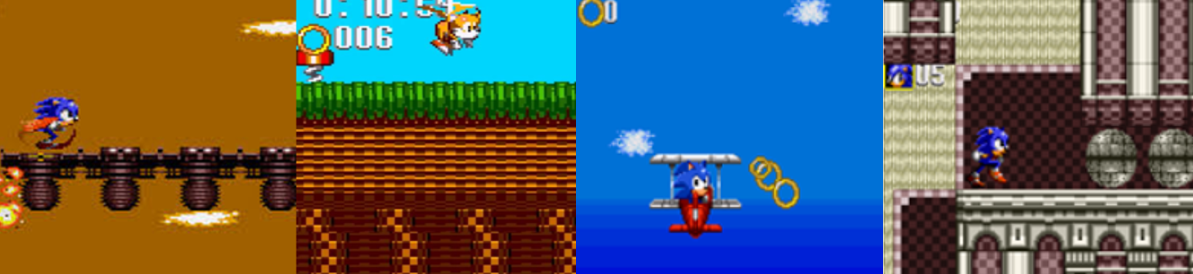
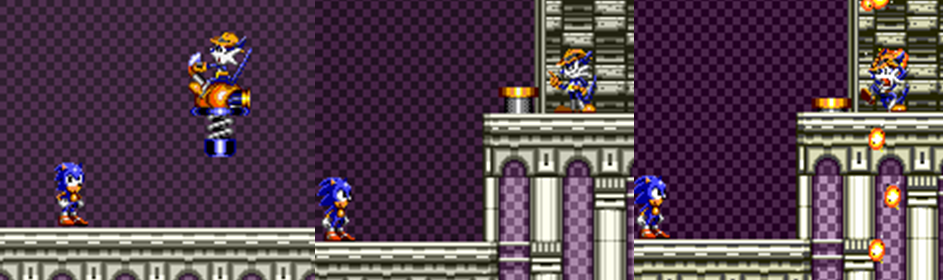
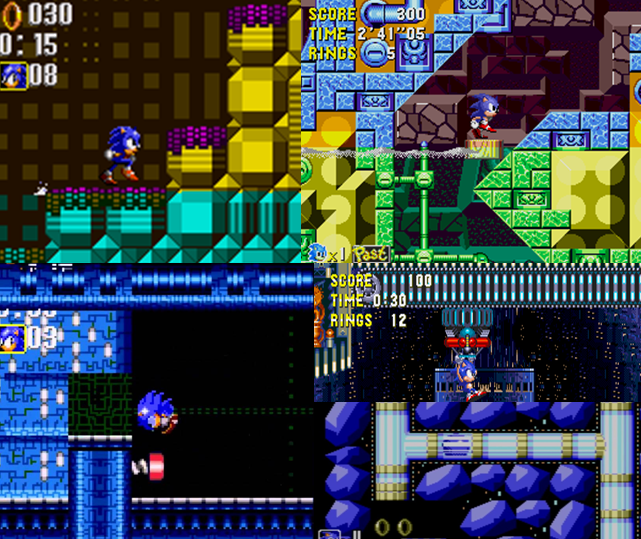
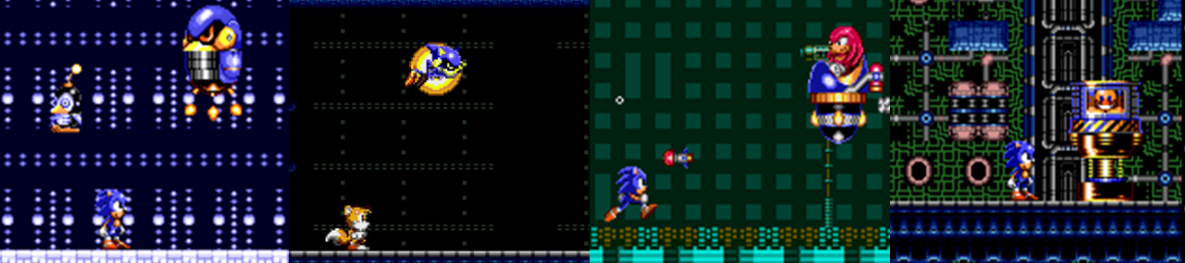
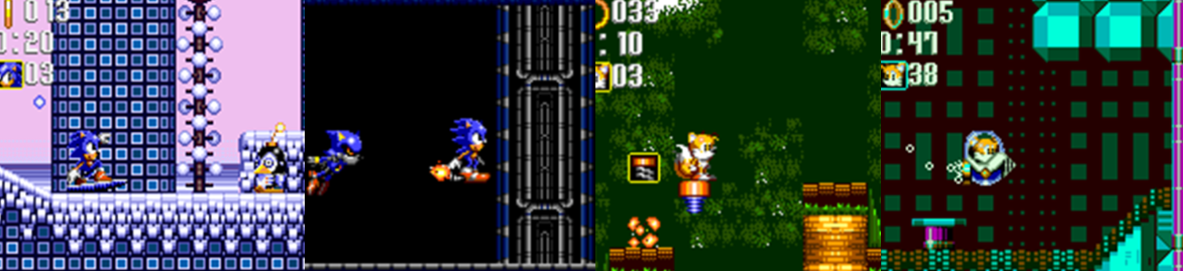




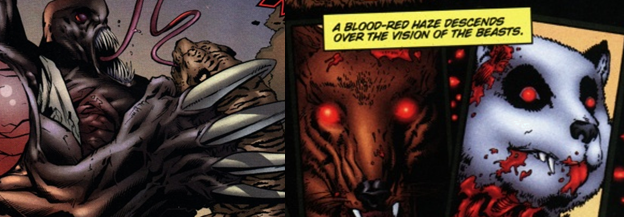
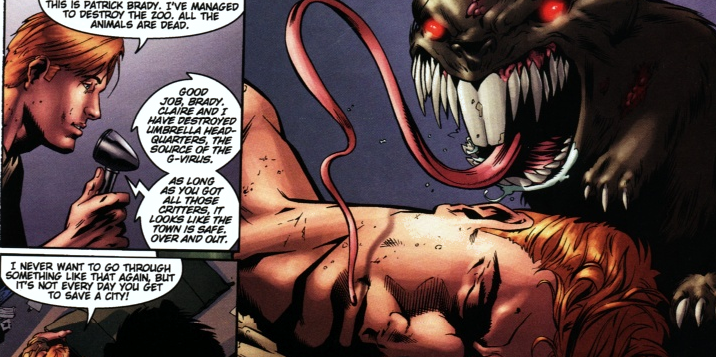


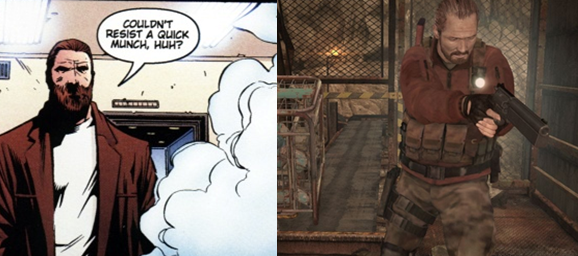



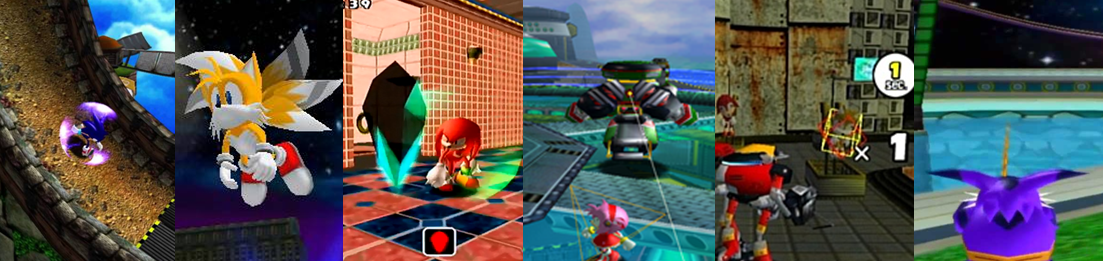


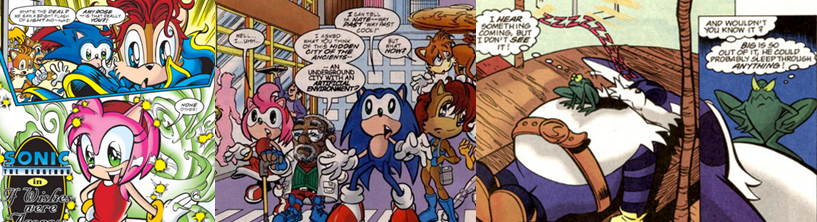


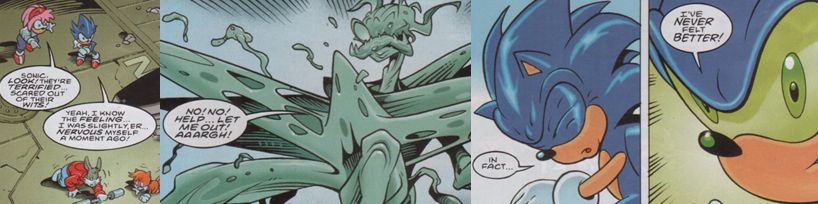


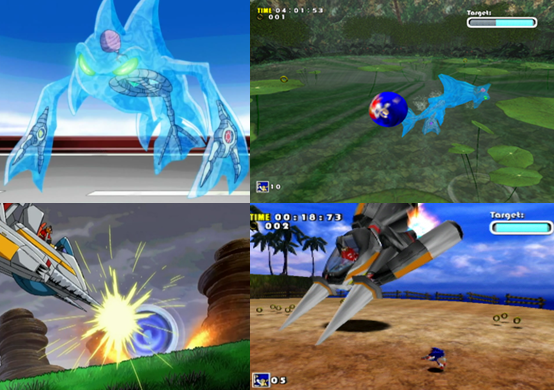
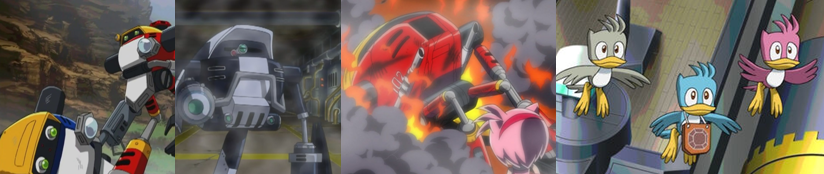


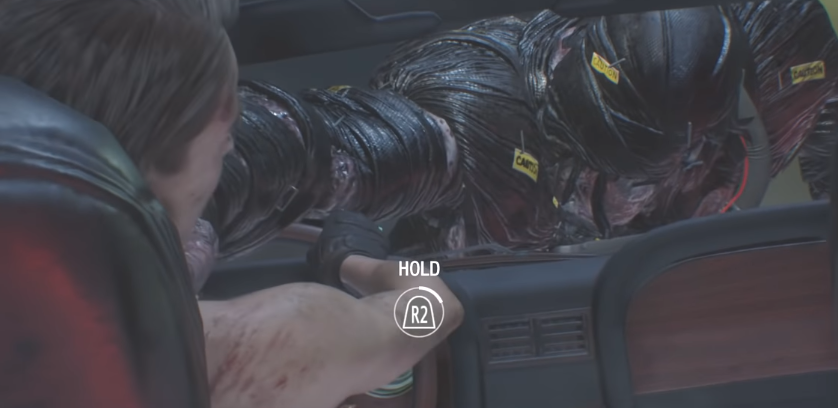
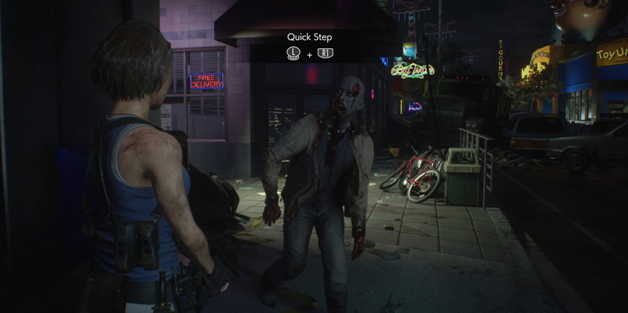


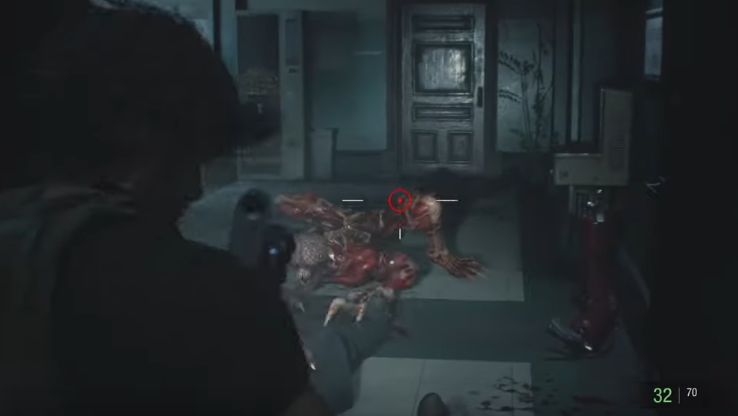


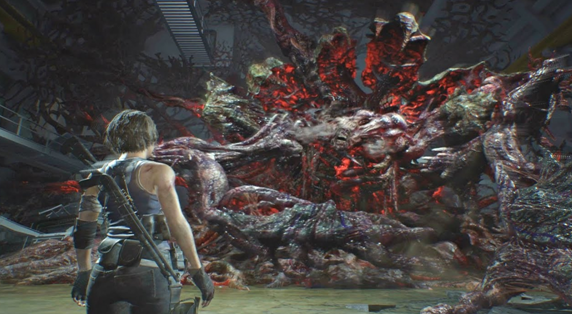
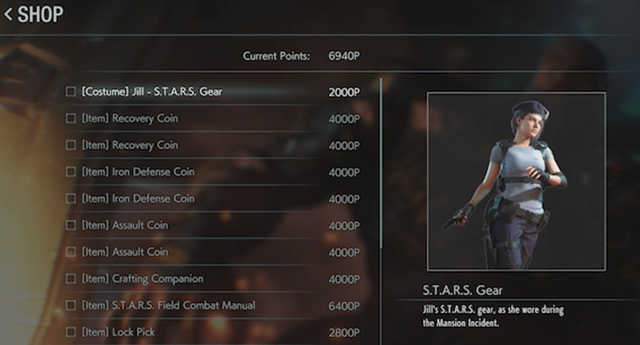


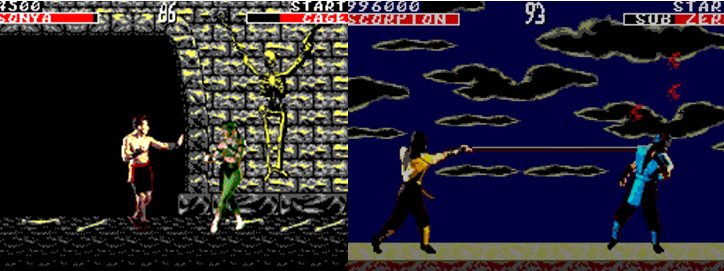



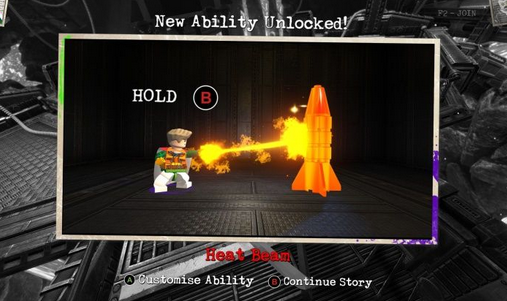
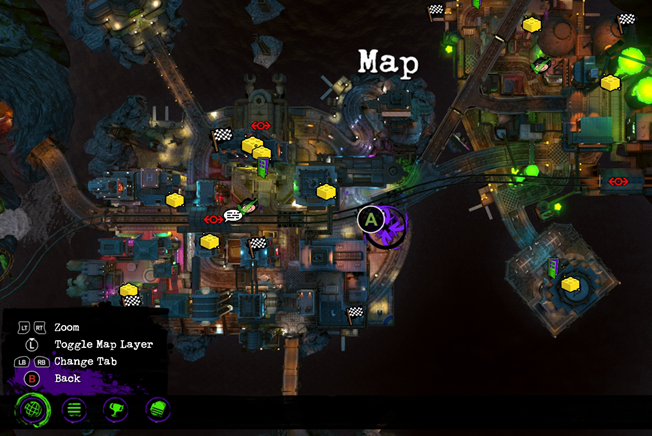
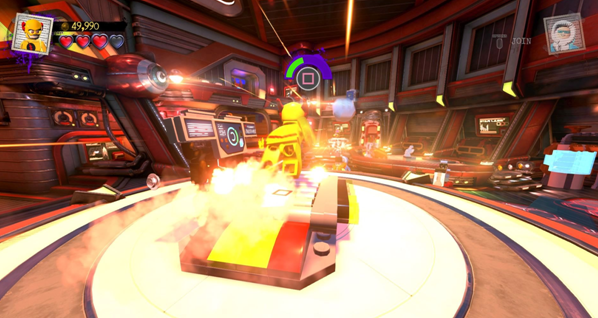


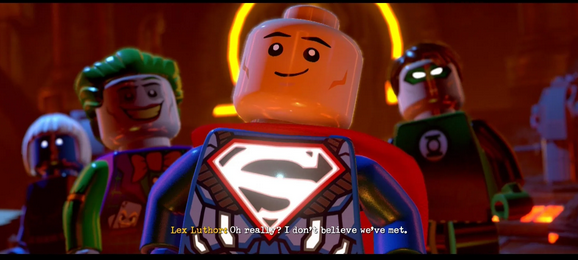
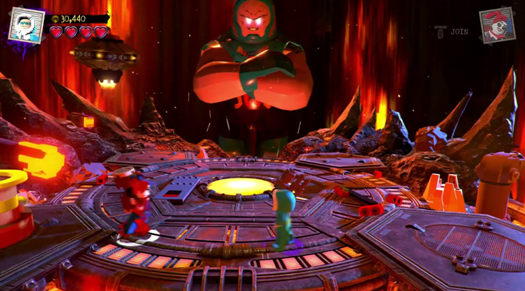

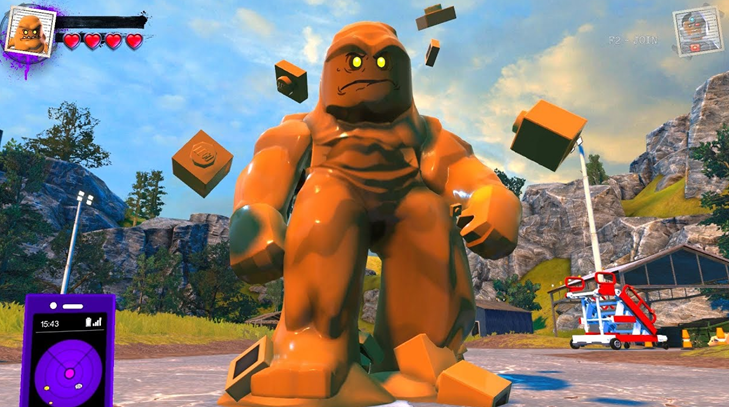
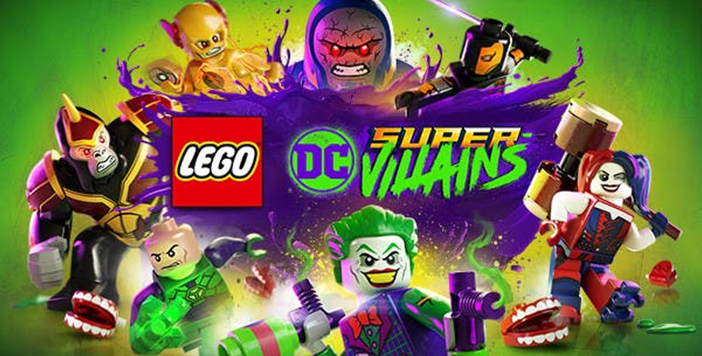


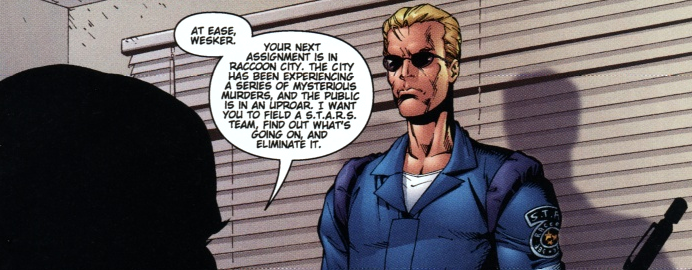


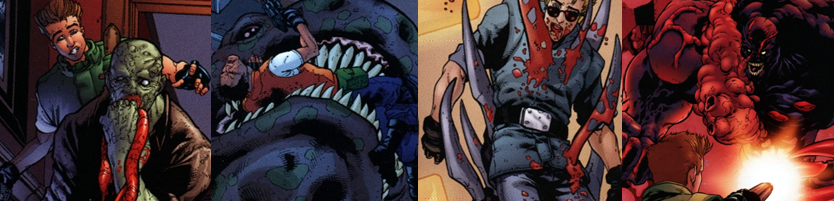

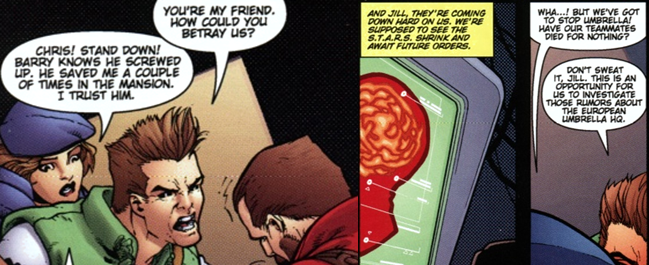
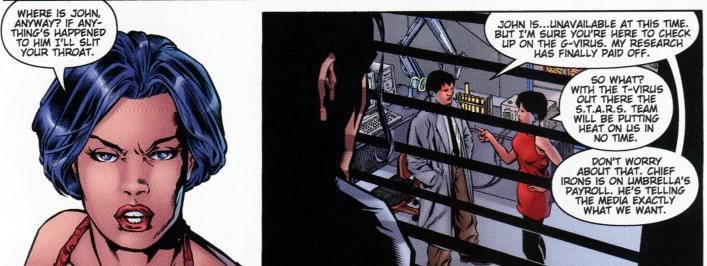
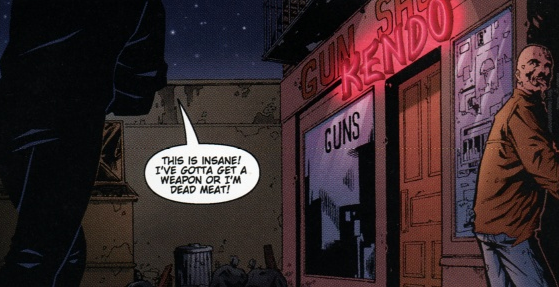
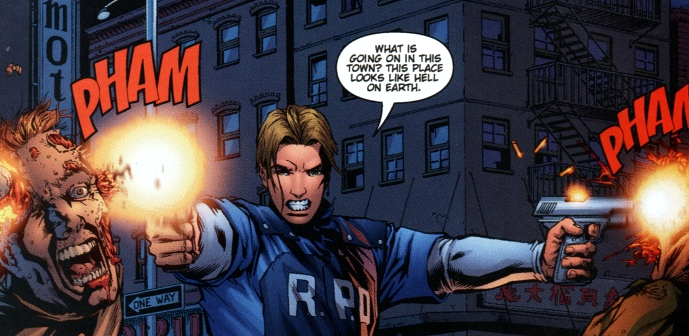



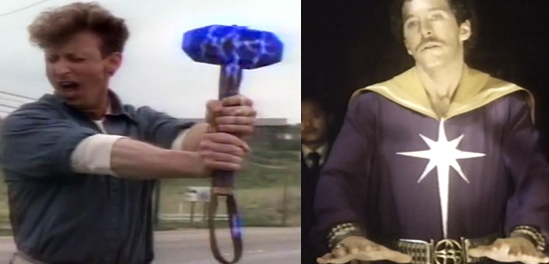
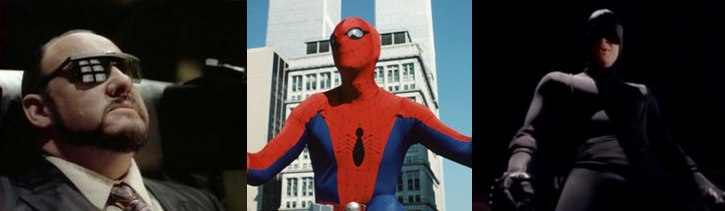
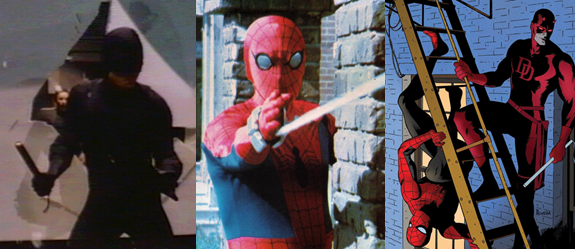
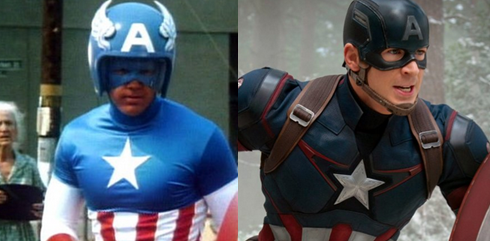




 Dr. K's Waiting Room
You must be logged in to post a comment.