With Resident Evil VII: Biohazard (Capcom, 2017), I’ve finally reached the end of the big pile of Resident Evil ibid, 1996 to present) titles I got for Christmas. I was making decent progress in the game but kept getting distracted with life, work, and other games but, now that I’ve finally finished one of the most lauded Resident Evil titles ever made, the question is: does the game live up to the hype? After the absolute, balls-to-the-wall action-heavy approach they turned the franchise into in Resident Evil 6 (ibid, 2012), Capcom decided to answer their critics and bring the survival-horror aspects of Resident Evil back to the series but with a twist: this time, it’s in first-person!
Not gonna lie but I struggle with first-person perspective…
This was a bit of a hurdle for me right off the bat as, traditionally, I don’t really get on too well with first-person videogames, primarily because I don’t like being attacked from behind and I find them to be uncomfortable to play at times. Like, I enjoy the dread and constant tension the perspective offers here and in other, similar games but, when you’re just trying to have a bit of a casual play, it can be draining to be constantly on edge and first-person perspective can hamper controls, combat, and camera angles at times.
The charming Baker family invite you to dinner…
However, Resident Evil VII: Biohazard utilises its new perspective to great effect as players take on the role of Ethan Winters; unlike other Resident Evil protagonists, Ethan’s just…a guy…nothing special. He’s been drawn to an abandoned house in search of his wife, Mia, who has apparently taken a bit of a turn for the worst. After he’s attacked and has his hand cut off, Ethan is left at the mercy of the mental Baker family, a bunch of messed up back-water hillbillies who make the Texas Chain Saw Massacre’s (Hooper, 1974) family look normal. With his hand reattached by staples (…just go with it) and forced to cobble together items to survive and find a way out of the booby-trapped house, Ethan is relentlessly pursued by Jack Baker, who smashes through walls and attacks without mercy, repeatedly coming back from severe trauma and injury to torment you again and again as he absorbs blows, shrugs off bullets, and your supplies dwindle away to nothing.
The Molded are viscious buggers, far from your typical zombie fodder!
As Ethan progresses, solving puzzles, battling the bullet-sponge monstrosities known as the “Molded”, and exploring the Baker’s estate, he comes across Zoe Baker, who offers to help cure Mia by developing a serum to combat the infection that has warped her family. The source of the infection turns out to be a young girl, Eveline, who can control the minds of others, and Ethan is eventually forced to battle her in her monstrous final form. Resident Evil VII: Biohazard is unlike every other Resident Evil title before it. Sure, some tropes remain (Item Boxes, herbs, having to manually save (though using a cassette player rather than a typewriter), limited supplies, and a claustrophobic atmosphere) but, aside from some brief last minute (literally the very last minute) references to the previous titles, this looks and plays like an entirely different game. It’s a shocking departure, even more so than when the series switched to an over-the-shoulder, slightly more action-orientated approach in Resident Evil 4 (Capcom Production Studio 4, 2005); it seems that, every time Capcom wants to spice up their survival-horror franchise, a dramatic shift into another genre generally does the trick as long as there’s some restraint placed on the player to emphasise the survival aspects.
Things get very large and very ugly by Resident Evil VII‘s end…
Resident Evil VII: Biohazard definitely emphasises this aspect as supplies are criminally low; it’s not really enough to have a herb anymore as it’s far more beneficial to also pick up some Chem Fluid to restore more health (as in other recent Resident Evil titles, this can be done with the touch of a button). This extends to ammo as well, as Ethan can combine different objects to create more, or new, ammo combinations. However, there’s never enough to truly feel comfortable in combat; the Molded take multiple shots (even from a good, old fashioned shotgun blast), forcing you to think strategically about when to fight, when to flee, and how to plan your route around enemies when a swarm turns up. Resident Evil VII: Biohazard’s bosses have quite a bit of variety; you start off desperately battling to survive as Jack Baker relentlessly attacks you with an axe or a chainsaw, progress to blasting a giant, slimy creature with the traditional giant red eyes, and end up blasting an enormous, pissed off woman right in the face. The first-person perspective makes these boss battles particularly intense as it doesn’t lend itself to the game’s limited combat; it’s tough to see where a boss is when its scurrying around you, even tougher to get a good shot off, and tricky to pull off sudden, quick-time event-like moments when you’re busy trying to get your vision lined up.
Trust nothing when it comes to Lucas’ escape rooms…
Once you’re made it through the main campaign, you can take on a variety of additional modes. Not A Hero follows series staple Chris Redfield (once again completely redesigned and working for the now-benevolent Umbrella Corporation) as he battles through the game’s last area to (what else!) a secret laboratory while End of Zoe follows Joe Baker, a slightly more hinged member of the Baker family who uses his apparently-superhuman strength to smash apart Molded and find a cure for Zoe. You can also race against the clock and blast the Molded to feed Jack in Jack’s 55th Birthday, face death again and again in the impossibly-difficult Ethan Must Die, and take on a few other similar survival modes. Despite its dramatically new approach, Resident Evil VII: Biohazard feels a lot like the original Resident Evil in many ways, mainly in its atmosphere and aesthetics. Like the original title, doors are arbitrarily locked by themed keys, Ethan must solve puzzles to open new areas (or to escape death traps set-up by Lucas Baker that more than resemble the Saw (Various, 2004 to present) films), and combat is an intense, strategic action.
You’re never short on horror in Resident Evil VII.
It was an interesting experiment by Capcom to use the restrictive first-person perspective to enforce the survival-horror aspect in a new, exciting way; it’s not exactly unique, as there’s lots of first-person games that take a similar approach, but it definitely worked to shift the franchise back towards survival-horror. Having played this before and after Resident Evil 2 (Capcom R&D Division 1, 2019), it’s clear that Capcom took a lot of the lessons they learned in developing Resident Evil VII: Biohazard and applied them to their remake. While I doubt that Capcom would ever use them in a full game again, I actually wouldn’t be averse to seeing first-person sequences return in future Resident Evil titles (maybe as side quests similar to the videotape flashbacks seen in this game); however, the important thing here is that the tense, atmospheric horror is retained and, given how well Capcom did in applying this atmosphere to Resident Evil 2, we should hopefully be in for some gory, engaging, terrifying Resident Evil titles once more thanks, largely, to Resident Evil VII: Biohazard.
I’m going to kick this off with a revelation: I’ve never actually played a Tomb Raider (Core Design/Eidos Interactive/Square Enix, 1996 to present) videogame from start to finish. As I’ve alluded to in the past, I didn’t have the luxury of being able to afford every videogame console as a kid so I picked the Nintendo 64 while others were playing PlayStation; I did play the original Tomb Raider (Core Design/Eidos Interactive, 1996) for about twenty minutes (and wasn’t massively impressed by its controls, sparse environments, or graphics) and I think I have either Tomb Raider: Legend (Crystal Dynamics/Eidos Interactive, 2006) or Tomb Raider: Underworld (ibid, 2008) downloaded on my PlayStation 3 but I instantly lost interest in it moments after first playing it. However, when my friend gifted me Tomb Raider: Definitive Edition (Crystal Dynamics/Square Enix, 2014) for the Xbox One, I was intrigued not just because I felt I had skipped an important franchise in videogame history but also because I had heard good things about it and that it played similar to the Batman: Arkham (Rocksteady Studios/WB Games Montréal/Warner Bros. Interactive Entertainment, 2009 to 2015) franchise (I guess the Assassin’s’ Creed (Ubisoft, 2007 to 2018) series is a better comparison but I haven’t played them either…).
Lara’s lost and alone in the wilderness…
Tomb Raider is, if you couldn’t guess from the title, a complete reboot of the franchise in which Lara Croft (and her fellow explorers) journeys to Yamatai, a lost island off the coast of Japan, to find evidence of the mythical Sun Queen, Himiko. Unfortunately, Yamatai is protected by violent supernatural storms, which sinks Lara’s ship and separates the survivors across the island. Isolated and hunted by the island natives, Lara is forced to adapt to her surroundings to find food, shelter, and warmth and then take up arms against the violent Solarii Brotherhood, who wish to make a sacrifice to the Sun Queen. Gameplay takes the form of a third-person perspective as players guide Lara throughout her diverse and varied environments; initially, Lara is relatively incapable and struggles to get through the jungles, cliffs, and shanty towns dotted around the island but, once she obtains a pickaxe and a make-shift bow, she soon becomes an accomplished rock climber, forager, and survivor.
Lara overcomes her aversion to killing pretty quickly…
Lara is forced to fashion a bow and arrows in order to hunt wildlife for food (though this is merely a plot mechanic; Lara’s health automatically regenerates when she finds cover or avoids damage) but a huge dramatic moment is made of the first time she picks up and fires a gun in self defence. Shaken by the ordeal of having to kill to survive, you’ll soon find yourself blasting fools in the face with a shotgun and stabbing guys through the neck with arrows without mercy. Lara is able to explore her environments to find various helpful items to improve her progress: salvage and weapon parts can be used to upgrade and enhance her weapons, completing various trials and performing certain objectives and actions will award Lara experience points that she can spend on upgrades to improve her hunting and survival skills, and she can find various treasures and documents scattered across the island to unlock Achievements.
There are tombs to raid but they’re more of a distraction.
There are also some hidden tombs to be found, which reap greater treasures and experience points; you’ll get a notification when one is near and they’re usually easily identified by nearby markings and drawings. Each tomb tests Lara’s abilities with a few simple puzzles, which involve lighting things, jumping across gaps, and manipulating the environment with her various tools. While they are a fun diversion they are just that, a diversion, and the game’s title is actually somewhat misleading as the actual raiding of tomb’s is not even secondary to the game’s plot; it’s a side-mission, one barely given any prominence or relevance at all. Instead, the game pushes the plot revolving around the Sun Queen; when one of Lara’s ship-mates is captured by the Solarii, Lara has to go and rescue her to stop her being possessed by Himiko’s spirit and bring and end to the storms that prevent anyone from leaving the island. She faces betrayal and further trials along the way but, by the time you reach the final area of the game, you’ll be more than levelled up and ready to face the waves of enemies that come at you.
Lara’s “instincts” give her the edge over her enemies.
Like Batman, Lara is able to use her “instincts” to scan her environment for treasures, intractable objects, and locate enemies that she can combat in a variety of ways: the bow is good for stealth but Lara can also sneak up on enemies for stealth kills. She only has access to one gun throughout the game until the very end, when she acquires a second and ends up as the battle-hardened, experienced hunter/survivor we know as Lara Croft, but this can be upgraded into a rapid fire Magnum. She also obtains a shotgun and an assault rifle (which can somehow also be upgraded into a grenade launcher…) to mow down enemies and use her pickaxe for melee attacks and instant kills. Enemies are reasonably varied; some will attack with machetes and dynamite, others use assault rifles, while bigger enemies are shielded by Samurai armour, meaning Lara must dodge their attacks to strike from behind. This is facilitated via quick-time events, which also appear at various moments when Lara must run to escape flooding areas, collapsing areas, or her many (many) tumbles down hills and cliffs. It was a little difficult getting the timing right for a lot of these quick-time events as the button doesn’t appear onscreen right away but you soon get the hang of it and will be dodging enemies and blasting them with a clip full of bullets before long.
Quick-time events help keep things engaging.
Lara is also adept at jumping, climbing, and swinging; she can leap pretty far and climb up roped surfaces, jump from rock face to rock face with her pickaxe, and even end up shooting roped arrows to ride her pickaxe down to new areas. Jumping across rocks can be tricky due to the camera angle being just slightly off but, as long as you press X and time it right, you can make most jumps without any issues. You can bring up the map at any time to see what goodies you’re missing in each area; every area of the island has a bunch of stuff to find that will help you out and unlock Achievements. Lara can also make camp at various points; this will save the game, allows her to fast travel around the map (how, exactly, is never explained…). Upgrade her abilities and weapons, and write in her journal like a geek. You can also switch her outfit here, though none of them are that great to be honest and there’s no option for her classic green vest and hot pants outfit.
Yeah…I won’t be unlocking her any time soon…
Tomb Raider also comes with a multi-player component, though I’m not entirely sure why. In it, players can select one of the many characters featured in the story mode (though, ironically, Lara can only be unlocked after you level-up enough) and take part in deathmatches, rescuing survivors, or retrieving batteries whilst being hunted. As with all online modes, I found this to be chaotic and confusing; I was constantly picked off with frustrating ease, barely ever saw who was killing me, and contributed very little to the match but this is more due to me not really liking online deathmatches and I’m sure if you’re actually good at these modes then there’s enjoyment to be had here. The entire point of this game appears to be to bring Lara to rock bottom and build her up; some of this is dampened by a lot of her ship-mates constantly telling her that she “can do this” because she “is a Croft”, as though having that last name automatically means she can scale a cliff side and kill a God…but she can, and she does, after enduring some harsh trials and learning to do whatever it takes to survive. Along the way, she becomes comfortable with killing to stay alive and looting treasure for her own benefit and, by the end, is noted to have changed a lot and committed to the life of a scavenger and survivor rather than a simple naïve explorer.
Lara’s experience shapes her into the character we all know.
This makes Tomb Raider quite an engaging experience; you really feel like you are becoming this survivor as you learn new tactics and figure out the best ways of clearing out rooms of enemies and solving puzzles. Every area teaches you something new, introduces new elements, and asks you to adapt and, by the time you’re done and you’re back-tracking to other locations to find stuff you missed, no obstacle will be too great for your fully-upgraded weapons and abilities. Overall, I enjoyed Tomb Raider; it wasn’t necessarily difficult to play through and complete and getting all the upgrades was pretty easy, with only a bit of back-tracking required at the end of the game. There is some replayability in the multiplayer and in the challenges you’ll find in each area but no real post-game story or additional modes that require a further playthrough. Nevertheless, for the first Tomb Raider game I’ve ever played from start to finish, this was a great experience, though I suspect this is largely due to the tight, polished gameplay of this particular title compared t its predecessors.
So there’s been a bit of a delay in my playing and completing of the Xbox One Resident Evil (Capcom, 1996 to present) titles due to life and the release of Resident Evil 2 (Capcom R&D Division 1, 2019) but I finally played through and completed Resident Evil 6 (Capcom, 2012). Resident Evil 6 is the culmination of the more action-orientated approach the series took from Resident Evil 4 (Capcom Production Studio 4, 2005); while Leon S. Kennedy went solo in that title and played babysitter to the otherwise-useless Ashley Graham, players were forced to constantly play in co-op, either with a friend or with a questionable AI, in Resident Evil 5(Capcom, 2009), a title which also upped the action-centric focus of the franchise.
Chris and Leon get into a bit of a dick-measuring contest…
Resident Evil 6 continues down this route but expands upon it in numerous ways; the most obvious is the amount of playable characters available. Players can choose from four campaign modes, three of which follow the same mechanic of the Resident Evil: Revelations(ibid, 2012; 2015) games and lumber classic Resident Evil characters with a new companion. Players can pick between playing as Leon and Helena Harper of the Secret Service agent, Chris Redfield and BSAA grunt Piers Nivans, Albert Wesker’s son, Jake Muller, who teams up with the returning Sherry Birkin, now a member of the Division of Security Operations, or go it (mostly) alone as Ada Wong. Each character has their own narrative to follow and, as you play through each campaign, you will visit the same locations as other characters, though sometimes at different times, encounter some of the same enemies, and interact with the other character’s stories at various points. This results in perhaps the most complex and connected Resident Evil story ever; you’ll play a lot of the story events out of order so it’s only by playing through each campaign will you truly get a sense of what’s going down.
Things go to hell when another virus is unleashed…
Essentially, though, it’s the same Resident Evil storyline you’re familiar with only with everything ramped up to eleven and taken to the extreme; a terrorist group known as Neo-Umbrella, apparently under the direction of Ada, develops a brand new virus, the C-virus, and unleashes it at various locations across the globe, causing people to turn into zombies, grotesque mutations, or enter a chrysalis and become these weird, insect-like creatures. Each of the characters pursues different goals in service of ending this threat: Leon and Helena find themselves framed for the murder of the President (who had become a zombie) by Neo-Umbrella affiliate (and National Security Advisor) Derek Simmons and fight to reveal Simmons’ role in the whole conspiracy; Chris and Piers relentlessly pursue Ada after she wiped out their platoon; Jake finds himself recruited by Sherry to bring down Neo-Umbrella because he happens to be carrying the anti-virus to the C-Virus in his blood and they are pursed by Neo-Umbrella’s Usantank; and Ada sneaks around aiding the other characters at various points, obtaining data and information, and uncovering the origins of her imposter.
It’s quite the twisting narrative, to be sure. To differentiate each campaign, the characters all receive slightly different HUDs, weapons, and melee attacks; Leon can duel wield pistols, for example, while Jake can switch to an unarmed mode to pummel enemies. Every character can use melee attacks, however, to stun enemies and set them up for instant kill moves or knock downs but these all drain a stamina meter that can only be filled by standing still. Disappointingly, and somewhat strangely, Jake has this meter and I didn’t really notice it refilling faster than any other characters; I kind of expected Wesker’s son, who is portrayed as this tough, semi-superhuman badass, to have an unlimited stamina meter, especially as he has less weapons to begin with. Another slightly annoying aspect of the weaponry is that the knife is back to being an equippable weapon, so you can’t shoot enemies and then switch to slashing and stabbing with a simple shoulder button press like in Resident Evil 4 and 5, which seems like a step backwards to me.
The HUDs look different but the gameplay is mostly identical.
Also a step backwards is the inventory interface; while other Resident Evil titles favour a grid-like system that clearly displays all your items and weapons, Resident Evil 6 opts for a linear interface that makes selecting a weapon far more time consuming, switching to a sub-weapon (like a grenade) feel very rushed, and forces you to combine herbs into pills and then store them in a pill case. While this means you can recover health at the push of a button, the entire interface makes it very difficult to juggle your inventory; I was playing for most of Leon’s story before I realised that the inventory isn’t unlimited, which it appeared to be, so you have to be constantly reloading every weapon and combining those herbs, which gets especially complicated when your pill case can only hold so much. All this serves to slow the gameplay down quite a bit, at points, or make combat very stressful as you’ll be desperately scrolling through the inventory to select a different weapon or combine your herbs so you can heal. This is also quite complicated and time consuming as, when you press the button to eat a herb pill, your characters will enter into a short animation where they pop the pill out and swallow it and you’ll only regain health once this animation is complete; I was killed quite a few times during this animation, which was very frustrating. Also frustrating is that pressing the button only restores one block of health; you’ll need to press it multiple times to recover enough health to actually have an impact on your gameplay.
Your partner is actually quite useful for taking out enemies.
Luckily, your partner is always on hand to aid you in these times of crisis; while you can’t swap and change items like in Resident Evil 5, the partner AI will still come over and help you if you get knocked down and are near death and their ammo appears to be unlimited, which can be useful in tough battles. What isn’t useful, though, is how unbelievably weak all of the characters are; it’ll only take a few bites from a zombie to sap all of your health to one measly block; enemy gunfire and attacks also have a really annoying habit of knocking you to the floor, forcing you to crawl around on your back trying to unload a shot and get to safety. The enemies are quite varied, which is nice; you’ll get the usual zombies, of course, but some of the weirder mutations, similar to those seen in the Revelations games, have deadly weaponry merged into their anatomy, like a particularly nasty chainsaw-armed asshole. Similar to Revelations 2, though, a lot of the intermediate and advanced enemies have seemingly unblockable one-shot kill attacks (I say “seemingly” as it may depend on how much health you have; if you have more than one block, you might be able to fight back in a quick-time event), which is made more annoying by the unskippable and overly long death scenes that accompany these enemies.
Resident Evil 6 loves a good quick-time event…
There are some new enemy variations at work here, too; there’s one enemy that will burst from its chrysalis as a swarm of insects, which is one of the more annoying and tougher enemies as you have to either chuck an incendiary grenade at it or wait until the big bug appears and hope you can kill it before the smaller bugs swarm over you and drain all your health. Comparatively, the boss battles are much less of an annoyance; they are long and consist of multiple stages and elements, but they generally boil down to a simple tactic of keeping your distance, shooting at the big glowing eyes/boils/similar weak spots, and let your partner do a lot of the shooting. Unfortunately, the enemies all tend to be bullet sponges; in Resident Evil 5, I found I could blast away with reckless abandon and there would always be more than enough ammo to find to keep going but Resident Evil 6 really cuts down on the resources. While I appreciate this as a fan of the classic Resident Evil videogames, it does kind of run contrary to the game’s heavily action-orientated approach; how are you expected to blast through hoards of enemies when your ammo drains away like nothing and the drop-rate is so low? Resident Evil 6 tries to compensate for this not only with the aforementioned melee attacks, which can be useful for conserving your ammo, knocking down enemies, and landing an instant kill, but also in its overabundant use of quick-time events (QTEs). Literally anything could be a QTE in this game; while I don’t recall too many happening in cutscenes like in Resident Evil 4, there are plenty at work in the videogame proper here. Grabbed by an enemy? Waggle the control stick! Being chased by a boss on a mine cart? You better press X and A together to duck under those low-hanging planks of wood! Tackled by a bigger enemy or brought another boss to its knees? Better hit that A, X, or R-trigger and then mash away at X to pummel them! It’s kind of fun in some cases, like when Leon is desperately trying to pilot a helicopter through China, but it’s a lot more fun to do a similar mission with Ada, where she can fire the helicopter’s weaponry.
A story this big and complex needs a lot of cutscenes…apparently…
Resident Evil 6 also really loves its cutscenes; you’ll sit and watch a cutscene filled with some suitably-dramatic tension or an impossible situation and then maybe take two steps forwards and another cutscene will happen. Similarly, you’ll be tasked with defeating a boss and struggling to take aim with the game’s janky sniper rifle controls and then suddenly a cutscene will interrupt you and you’ll realise that you wasted your ammo on the first couple of stages of the battle as all you really need to do is trigger the cutscene and survive to the final stage of the fight. Don’t get me wrong, I found the story interesting and complicated but it got very annoying to be constantly interrupted with the explosive arrival or return of a massive enemy or another twist in the tale. Also, call me crazy, but I don’t see the gameplay benefit of forcing me to walk sl-low-ly from one point to a door just to trigger another cutscene; just show Chris entering the building in the damn FMV! As in Resident Evil 4 and 5, Resident Evil 6 features numerous autosave points and adopts a chapter-based structure; each character’s story is split into five chapters and each chapter is maybe the length of two of Resident Evil 5’s, making casual play a bit more of a chore this time around. At the end of each chapter, you’ll get a medal based on how well you performed, maybe earn a dog tag (which can be customised and used as your gamer profile banner, I assume), and will be able to use the points you earn to buy new skills to equip. Again, though, this is a limited system; unlike previous Resident Evil titles, you can’t upgrade, improve, or buy new weapons between chapters and can only assign three skills at a time.
There’s a lot of online modes in Resident Evil 6.
There are bunch of skill slots available, though, and you can switch between them in-game, but being able to equip only three at a time does make the entire skill tree a bit pointless. I would have much preferred being able to upgrade certain things, like weapon accuracy or melee effectiveness, for each character rather than being forced to equip better ammo pick-ups or infinite ammo as a skill. Like many of the other Resident Evil titles of this era, there are some additional modes available; the “Mercenaries” mode returns, where players to survive as long as possible against waves of enemies across the game’s various maps. In “Onslaught” mode, two players battle against waves of enemies while “Predator” pits up to six players against the Ustanak and “Survivors” is more of a classic death match set-up. I’ve only really played a bit of the Mercenaries mode as I have no desire to be depressingly owned by twelve-year-olds over the internet but I can’t say any of these extra modes hold much appeal for me. Unlike other Resident Evil titles, there aren’t really many incentives for completing the single-player campaign. You’ll get an extra scene at the end of everyone’s credit rolls, unlock New Game+ to play with the weapons and items you’ve previously acquired, and eventually unlock the ability to equip infinite ammo for various weapons but there are no additional costumes to unlock except for in the online modes. There are Serpent tokens hidden throughout each location that you can shatter to unlock concept art and the like, and you can play through each campaign again as the partner character, if you really want to play as Sherry again, and there are obviously a lot of Achievements to unlock, but I really missed unlocking extra costumes and weapons after a playthrough. I heard a lot of crap about Resident Evil 6 but I didn’t really believe it; I figured I would be happy to be playing as Leon once again and returning to his Resident Evil 4 style of gameplay but, ironically, Leon plays very differently to how he did in that game. Instead, every character feels and plays like they’re from Resident Evil 5; much more tactile, combat-focused, and relying on a bunch of over-the-top, QTE-heavy melee attacks to dispatch enemies. I was a bit confused, to be honest, as I figured Resident Evil 6 was going to mash together the Resident Evil 4 and 5 playstyle, the more first-person-shooter approach taken by Resident Evil: Operation Raccoon City(Slant Six Games/Capcom, 2012), and an entirely new, melee-centric playstyle.
Don’t even get me started on this fucking thing!
This seemed like the perfect time to mash together the older, more popular style of gameplay with Capcom’s newer, faster, FPS approach but…that’s not what has happened here. Instead, every character is essentially exactly the same, which doesn’t offer a lot in the way of variety; obviously, the Resident Evil characters were never that different in the original titles but that was more due to hardware limitations. Resident Evil 6 can’t really use that excuse, though, and really should have tried to make the characters more distinct in the way they play. In the end, I did enjoy Resident Evil 6 but it was much more of a slog to get through than any of the other titles; as annoying as I found the Revelations games, at least their chapters and missions were short and could be played in a casual burst. Here, everything is an annoyance; you’ll constantly be sent flying, knocked to the floor, run out of ammo and resources, wrestle with QTEs, die a lot, and probably get sick of seeing the same boss enemies crop up again and again and again. I found it much more enjoyable to focus on one campaign at a time and leave a little gap between starting the next campaign, which is a bit of a shame as I didn’t feel as fatigued playing through the campaigns in the previous games.
I had a plan. It was a simple plan. I would buy up all the videogames I hadn’t yet played for Xbox One at a rate of about one a month, complete them, maybe review them, and get as many Achievements as possible, all so that I could justify buying Resident Evil 2 (Capcom R&D Division 1, 2019) on release day. As you have gathered, that plan got a bit side-tracked as I ended up with every single Resident Evil title for Xbox One; though I managed to get through four of these (I didn’t actually do a review of Resident Evil 4(Capcom Production Studio 4, 2005)…my bad), I’ve had to put the last two on the back-burner to play this highly anticipated game. And it really was highly anticipated, especially by me. Resident Evil 2 (Capcom/Rockstar San Diego/Factor 5, 1999) was my gateway into the franchise; an essential purchase during my Nintendo 64 days and I used to waste entire weekends blasting through the different story modes as quickly as possible thanks to the infinite health and ammo cheats made available in the N64 version. I had an equally enjoyable time with the GameCube remake of Resident Evil (Capcom, 2002) and segued into playing the titles without the aid of cheats but the question remained as to whether I would actually be any good at the Resident Evil 2 remake without infinite health, ammo, and factoring in the new graphics, layout, and over-the-shoulder perspective.
Safe to say these two have had better days…
Resident Evil 2’s story is largely unchanged from the original; rookie cop Leon S. Kennedy and college student Claire Redfield arrive in Racoon City just as the entire population is turned into zombies due to exposure to the Umbrella Corporation’s new G-Virus. Taking shelter in the police station, both characters are pursed by a hulking Tyrant variant (“Mr. X”), encounter a constantly mutating creature (“G”), and run into various other characters as they try to survive the horror and escape the city with their lives. First of all, as you may have heard, read, or seen, Resident Evil 2 is an incredibly gorgeous creation; graphically, the game has no equal right now and the characters, environments, and creatures of the franchise have never been more realistic and frightening. The game’s use of light is fantastic; there’s hardly any areas of the game fully lit, so Leon and Claire are dependant on their torch to scan their environment for resources and enemies.
Tension is high as you explore your envionment.
This makes simply exploring rudimentary areas incredibly tense in a way that is so beyond the original game’s fixed camera angles; this tension is expanded further through the winding, claustrophobic nature of the environments. The police station has very few open areas and those it does have are either poorly lit or eventually become hazardous when Mr. X comes plodding along; the cell area, sewers, and laboratory are all equally closed in, meaning that you’re never quite sure what will be waiting around the next corner. Resident Evil 2 is a fantastic return to form when it comes to item management and conservation of resources; fresh off of three of the more modern titles, the sudden return to having very little in the way of ammo and health was jarring. Leon and Claire have a very limited inventory, so you’ll want to make use of the magic Item Boxes and multiple pouches to expand your inventory wherever possible. You should also take every opportunity to combine herbs and gunpowder for additional ammo as you’ll definitely need it in the game’s later stages. Because of this, you can’t just run around blasting zombies like fish in a barrel; the game actively discourages this as these zombies are built to last! A headshot may, if you’re very lucky, result in a one-hit kill but, nine times out of ten, you can empty an entire clip into a zombie’s head and it’ll still get up and keep coming for more. Discretion is definitely the better part of valour in Resident Evil 2 but you’ll be forced to make some tough choices when Mr. X starts chasing you through pitch-black corridors filled with zombies or Lickers!
Don’t even try fighting this guy; just run, quickly!
Fortunately, there are other methods at your disposal; you can board up windows to stop zombies breaking into the station and counterattack any enemy with a knife, flash grenade, or hand grenade. These can also be used as regular weapons but the knife won’t last forever, so you can’t just go stabbing away without a care in the world. None of these weapons have a hope of killing Mr. X, though; unlike in the original game, he can only be momentarily stunned and will pursue you, even through doors, until you manage to give him the run-around.
Use your wits to out-manuevure “G” and blast his weak spot!
You’ll also encounter a few boss battles, mainly against different forms of “G”; in the more modern games, these may have included quick-time events or button mashing sequences but, here, you are forced to go old school, dodging his attacks and waiting for the right moment to shoot his massive eyeball. It’s an exhilarating return to form as you’ll only have yourself to blame for not conserving your ammo or stocking up on healing items. Other boss battles, such as the one against the giant alligator and when you face “G” in the sewer, require you to set traps to win the day to help mix things up, while disgusting G-Virus monsters take the place of the giant spiders and appear as tougher enemies in the sewers.
A myriad of puzzles will test your skills.
Also returning from the original game, but greatly expanded upon here, are the classic Resident Evil puzzles; as a former museum, the police station is full of weird shit, items, and mysteries that you’ll have to find, solve, and piece together in order to progress. One thing that is a bit odd is that, unlike every single Resident Evil title ever, you do not automatically discard items or keys once they’re no longer needed; instead, you have to do this manually, which is the only negative thing I have to say about the game and it’s purely because this has never been necessary in the past, but it’s an extremely minor complaint really. Navigation is pretty easy thanks to the map screen, which clearly shows you rooms you’ve been in, doors that are locked, and other points of interest, though it doesn’t hold your hand like some of the later titles and you’ll be required to use your brain and remember the layouts pretty well to get around obstacles or Mr. X and reach new areas. There’s a lot of variety at work in the game; at certain points, you’ll switch to playing as either the mysterious Ada or the adorable Sherry, both of whom play very differently to each other, not to mention Leon and Clear. Completing the game also unlocks variant costumes (including classic attires) and the “Second Run” mode, which tells the story from a different perspective, swaps around a lot of the item locations, and features different boss battles. Completing the game on each of these playthroughs is essential to battling the true final boss and seeing the game’s true ending; it’ll also unlock the “Fourth Survivor” mode, where you take an Umbrella commando through an infested police station, and the “Tofu Survivor” mode (…where you play as a piece of tofu) makes a welcome return.
If you want the best, you’ll have to be at your best!
You can also unlock in-game models, concept art, Achievements, and even infinite weapons if you dare take on some of the game’s more challenging options. Resident Evil 2 has three difficulty settings: Assisted (aim assist, weaker enemies, health recovers a little bit), Standard (no aim assist, no health regeneration, normal-strength enemies), and Hardcore (no aim assist, no health regeneration, tougher enemies, Ink Ribbons are needed to save at Typewriters, no auto-save points…basically the classic Resident Evil formula, meaning all of us old school gamers must be Hardcore by default!). To get the best weapons and reap the best rewards, you’ll be required to beat the game under a strict time limit on Hardcore mode but, with trial and error (or a handy online guide), you will find that the game can be beaten in under three hours. However, this doesn’t make Resident Evil 2 any less desirable to play; the tension and atmosphere alone are worth the price of admission as the game finally returns the franchise to its survival-horror roots. Newer gamers may struggle with this; enemies don’t drop gold or resources, you can’t punch boulders, and there’s very little hand-holding throughout the game. Either you stay sharp and be smart with your resources and pick your battles, or you get injured, waste your ammo, and die in short order, just like in classic Resident Evil tradition. Resident Evil 2 is nothing less than a masterpiece, from the graphical quality of the game to its gore, soundtrack, and the amazing job it does staying faithful to the original title, and the time period it was made, while still bringing everything a quantum leap forward using modern gameplay mechanics and capabilities. The game is a solid five-star effort and I can only hope that, going forward, Capcom leans more towards this formula for future Resident Evil titles and away from their more action-orientated approaches.
Continuing my ongoing slog through a backlog of Resident Evil titles, I recently played through, and completed the main campaign of, Resident Evil: Revelations 2 (Capcom, 2015) on Xbox One. After struggling a bit with some aspects of the first game, I had hoped to be more comfortable going into Revelations 2 but Capcom made a few changes that make this title almost unrecognisable from its predecessor. Firstly, unlike its predecessor, Revelations 2 was released for main consoles right from the start, rather than being a HD port of a Nintendo 3DS game. However, rather than being a complete package, this title was released in episodes, presumably to encourage players to become immersed in its storyline; whether this actually worked or not is beyond me as I played the Xbox One version, which contains the entire game on one disc.
Never has a skill tree been more unnecessary…
Revelations 2 brings Barry Burton and Claire Redfield back to the franchise; like the first game, each is lumbered with a new character who acts as their partner as they fight to escape from an island that is crawling with infected monstrosities. Claire, partnered with Barry’s daughter Moira, attempts to find her way off the island while Barry, teaming up with Natalia, a young girl suffering from amnesia, arrives at the island some six months later in search of his daughter. Like many of the Resident Evil titles released around this time, Revelations 2 plays from a third-person, over-the-shoulder perspective; as in its predecessor, players have complete freedom of movement, can shoot and reload while moving, and can use healing items at the touch of a button. Well, not quite a touch; this time, players must hold down the R trigger to use these items rather than simply pressing one button. This mechanic is directly tied into the game’s unnecessary and largely pointless skill tree; completing each of the game’s chapters and meeting certain objectives earns the player with BP, which can be spent upgrading certain skills, such as how long it takes to use a herb, how effective they are, and other actions tied in to combat and the player’s partner.
Natalia will point at enemies…it’s super useful…
Unlike in Resident Evil: Revelations (ibid, 2012), players can switch between the two team-mates and even play the game with a friend in co-op mode. Unfortunately, whether you’re partnered with Moira or with Natalia, you’ll find the partners to be next to useless. Neither of them can use firearms; Moira can blind and stun enemies with a torch and bash them with a crowbar while Natalia can sneak around unnoticed and throw bricks at zombies. One of the things I disliked about the first game was the “Genesis” device that forced me to constantly scan enemies and the environment for resources. A similar function exists here, unfortunately, as players can only find hidden items with Moira’s torch or Natalia’s convenient “sixth sense”, which means that you’ll have to jump back and forth between your two characters to find everything in each area. While the first game featured some unique enemy designs tied directly to its water-based environment, Revelations 2 opts for the more traditional zombie-like enemies and mutated creatures favoured by the series after Resident Evil 4(Capcom Production Studio 4, 2005). The major difference here, though, is that these creatures appear to be made of sponge; they will soak up your bullets and still keep coming and some of the larger and more violent enemies may require other tactics to get around.
Seriously, fuck this fucking thing!
Barry, for example, can sneak up on enemies and dispatch them in one move but the Glasp, for example, is invisible, requiring players to switch to Natalia and point out and target the creature so Barry can kill it, which is extremely frustrating when involved in combat. In fact, too many of the game’s enemies have instant kill moves; the reoccurring and extremely annoying bullet-sponge first encountered in the junkyard will have you tearing your hair out as you struggle to hit its weak point and avoid its insta-kill move. Once again, players can use Part Boxes to upgrade their weapons; the game’s extensive (and yet restrictive) crafting system also allows players to craft explosive bottles and helpful items to stop bleeding and wipe away gunk, two new status effects that really add to the game’s frustrations. Personally, I found myself loading tourniquets, wipes, and healing items on the partner character, who will automatically use them when you get stuck in a bind.
This bitch has plans, man…lots of plans!
The game’s narrative is pretty engaging; across four chapters, you’ll attempt to escape from a dire situation and uncover the fate of the characters. In true Resident Evil fashion, though, the plot is far from simple; while it doesn’t jump around as many different places and points in time as its predecessor, it can still be confusing trying to figure out what the mysterious Overseer is up to and uncover the mystery behind the island. On top of that, the game has two potential endings depending on how you deal with the now-traditional “huge tentacle mutating creature” boss battle. This (and the different medals available in each chapter, hidden emblems, and the Achievements) may entice players to revisit chapters from the story once again but, honestly, each chapter is so long that playing casually is not as easy as it was in the first game. Revelations 2 also features a couple of other game modes; Raid Mode returns, this time as a kind of virtual reality simulation that allows players to play as some classic Resident Evil characters in settings that closely resemble those of older games and battle swarms of enemies. Additional side stories also flesh out the main campaign; “Little Miss” sees players control Natalia and her dark doppelganger, sneaking past monsters in an effort to find her bear, while “The Struggle” sees Moira having to hunt animals to survive and clear previous areas of enemies to stay alive.
This bastard alone is enough to convince me to put this game down.
I wasn’t massively blown away by Resident Evil: Revelations; it was a bit awkward in places, the story was all over the place, and the enemies were way too aggressive and annoying. A lot of this is the same here; for everything Revelations 2 does better (graphically the game is superior and the locations are a lot easier to navigate; the story is arguably more engaging as well, if a lot more confusing), it also suffers from some of the same drawbacks as well as some all new ones. Forcing players to switch to their partner, who is as good as dead against many of the game’s monstrous enemies, just to solve puzzles, find items, and get through areas is tedious and annoying; the chapters are also too long, making repeated playthroughs a bit of a slog, and any game that makes a regular mid-level boss more difficult than the final boss is one that irks me, especially when this enemy constantly keeps showing back up and can easily one-shot you no matter how well you’re playing.
For me, the Console Wars extended well past the 16-bit era of videogaming. Unlike a lot of my friends, I did not have the income to justify doubling down so, while they were all off playing PlayStation and PlayStation 2 while alsoa playing Nintendo 64, I stuck with the Nintendo 64 and GameCube since SEGA were no longer in the business of making consoles. As previously detailed, this means that I didn’t have much exposure to Resident Evil (Capcom, 1996 to present) apart from the Nintendo 64 port of Resident Evil 2 (ibid/Rockstar San Diego/Factor 5, 1999). Although I enjoyed the GameCube remake (Capcom, 2002) and Resident Evil Zero (ibid), I yearned for the chance to take up arms as Leon S. Kennedy once again. Resident Evil 4(Capcom Production Studio 4, 2005) changed that while simultaneously changing the franchise significantly. Slowly, as Capcom released more and more titles with newer control schemes and gameplay mechanics, Resident Evil shifted away from being a survival-horror series, where supplies were limited and caution was the preferred choice, and became far more action-orientated. Resident Evil 4 laid the groundwork for this, moving the camera behind Leon’s shoulder and allowing full 360-degree movement, and changed the franchise’s focus away from zombies and the machinations of Umbrella and more towards parasites and mutations.
Gone are the days of collecting medieval-themed keys.
Staying the course, Resident Evil 5 (Capcom, 2009) took these aspects and ramped them up to eleven. Returning Chris Redfield to the series, Resident Evil 5 dropped players into a complex plot revolving around Albert Wesker’s attempts to destroy the human race with the Oroburos virus. Teamed with Sheva Alomar, Chris finds himself on a path towards not just saving the human race but also of vengeance; prior to the game’s events, Redfield’s partner, Jill Valentine, was presumed dead at Wesker’s hands and Chris, having bulked up to stand a better chance against Wesker’s superhuman abilities, is determined to have his revenge.
Think of Sheva as a walking Item Box…
Unlike Leon, who was lumbered with protecting and rescuing Ashley Graham in Resident Evil 4, Chris and Sheva operate as a unit. Two players (or one with the CPU) can progress side-by-side throughout the main campaign; Chris and Sheva each have their own limited inventory slots meaning that, with no Item Boxes present in the game, trading and combining items is essential to survival, similar to the partner system of Resident Evil Zero. Ideally, you’ll want to play Resident Evil 5 with a friend as the CPU is extremely basic; your partner will shoot at enemies, pass you ammo, and heal or resuscitate you when necessary but is just as likely to be found stuck behind objects or running against a wall. They also seem incapable of using any weapon other than the one assigned to the top of their inventory, meaning you’ll probably end up using them as a walking, talking storage system.
Use your hard-earned gold to buy and upgrade weapons.
Supplies are plentiful, however, even more so than in Resident Evil 4; dispatched enemies will often drop herbs, ammo, gold, or other trinkets while breakable pots, chests, and other objects will yield similar provisions. Other treasures can also be located throughout the story and can be sold at the end of each chapter to purchase new weapons; while it is sad to see the Merchant absent from the title, this does make inventory management a lot simpler and easier. In terms of gameplay, the control scheme of Resident Evil 4 remains intact here, with some additions; at certain points, the player must command their partner to pull levers, open doors, or otherwise assist with various, simple puzzles. Quick-time events still pepper certain cutscenes, meaning you have to remain on your toes the entire time whilst playing, which adds a nice level of spice and interaction to otherwise passive gameplay moments.
It’s safe to say that Wesker’s lacking calm in this entry.
The enemies in Resident Evil 5 are many, varied, and plentiful; the first mission alone sees Chris and Sheva swarmed with a seemingly endless horde of Majini and the number of enemies onscreen at any one time is easily double that seen in its predecessor. Beyond the regular zombie-like enemies, players will also face the hulking Executioner, spear and shield wielding foes, the return of the Lickers and chainsaw Majinis, and even a gigantic troll-like creature. The ultimate confrontation comes against Wesker, who faces the player at first largely unarmed except for his superhuman abilities and, ultimately, in a mutated form that closely resembles that of a Tyrant. Beyond the main campaign, players can also take part in the Mercenaries mode (where they must eliminate as many enemies as possible within a strict time limit) and a Versus mode (where players take part in online battles as part of one of two factions) . The story is further fleshed out in two DLC campaigns, ‘Lost in Nightmares’ and ‘Desperate Escape’, which sees players once again back in control of Jill Valentine.
Resident Evil 5 is very enjoyable when playing with a friend.
When I first played Resident Evil 5, I remember being quite underwhelmed and disappointed; I had enjoyed Resident Evil 4 quite a lot, despite the hindrance of Ashley’s dead-weight, and it felt as though something had been lost in trying to do more and more. I don’t really mind the added emphasis on action or co-op as it makes the game a breeze to play; checkpoints and autosave locations are plentiful, meaning you can get a good feel of how to progress past more difficult sections and the freedom of movement is unparalleled. Since playing the HD remake on Xbox One, though, I have found that the title is a lot more fun and interesting than I previously believed. Admittedly, a great deal of my enjoyment has come from playing online co-op with a friend of mine but, even when playing alone, I have found myself returning to the game’s campaign, earning Achievements, stocking up my inventory, and earning more BP to spend on costumes, figurines, and upgrades for my weapons.
Relish the opportunity to wipe that smug smirk off Wesker’s face.
All-in-all, Resident Evil 5 is a great action-horror title; it is not the classic Resident Evil formula but, should you wish to play a game that is, there are plenty of previous titles that are readily accessible. I think the game may have gotten a bad reputation back in the day for straying so far from the survival-horror genre but, now, with the benefit of hindsight and subsequent titles, I can appreciate the faster pace of the title and Capcom’s attempts to keep the franchise relevant in a difficult market.
How powerful is nostalgia? That is the question Yooka-Laylee (Playtonic Games/Team17, 2017) poses. The spiritual successor to one of the greatest 3D platrformers/collect-a-thons ever, and one of my personal favourite videogames, Banjo-Kazooie(Rare, 1998), Yooka-Laylee once again throws players into a vibrant world full of colourful, squawking characters but, released some twenty years after Banjo’s heyday, is it enough to satisfy modern gamers? Obviously, this is a question many have debated and answered long before I got around to playing Yooka-Laylee and, if you listen to those opinions, you’ll largely hear a sense of apathy, disappointment, and frustrating with some of Yooka-Laylee’s design choices and gameplay mechanics. It amuses me, however, to imagine the same people who criticised Yooka-Laylee’s gameplay are probably some of the same people who were disappointed that Banjo-Kazooie: Nuts & Bolts (ibid, 2008) was just a kart-constructor and not a fully-fledged 3D platformer. But then, as I’ve always said, you can’t please everyone. Luckily, my needs are far simpler: all I wanted was a throwback to all the things I loved about the Banjo games on modern consoles and, in that sense, Yooka-Laylee delivered.
Yooka and Laylee must search high and low for their missing Pagies.
Rather than the classic bird and bird duo of yesteryear, Yooka-Laylee sees players taking control of the titular Yooka (a green lizard capable of rolling, attacking with his tail, and spitting fire, ice, and grenades) and Laylee (a purple bat who allows a degree of flight and whose sonar highlights secrets and acts as a protective shield) who must fight against the minions of the nefarious Capital B, who plans to use a magical book to take control of the world. Yooka and Laylee happen to be in possession of the book and, when its pages are scattered across various worlds, they take it upon themselves to journey far and wide to collect the missing Pagies and put an end to Capital B’s plans. The world of Yooka-Laylee is both familiar and new; boosted by the power of modern consoles, Yooka and Laylee are able to traverse diverse worlds that are tall, deep, and wide, with numerous side quests, hidden treasures, and additional content that keeps them busy. Worlds are accessed from the game’s central hub, Hivory Towers: Yooka and Laylee can jump into Grand Tomes and enter any of the game’s five worlds, each with a familiar theme (ice, space, casino, etc).
Yooka-Laylee‘s worlds have many hidden secrets.
Once they have collected a certain number of Pagies, players have the option of using some of their Pagies to expand each world, opening up new areas and, in some cases, adding entirely new sections to existing worlds where more collectables can be found. In order to reach Capital B, players have to collect a set number of Pagies but, in order to complete the game fully, players must find all 145 Pagies, each of which is protected by either a boss battle, a puzzle of some sorts, mandatory on-rails kart sections, races, and retro-style arcade games. Players can also find and collect various other objects; Quills can be collected to purchase new moves from Trowzer, a shady sales-snake (and finding all 1010 is necessary to obtaining every Pagie), Power Extenders extend your power meter and allow you to use the duos abilities for longer, butterflies can be eaten to restore health and your power meter and there are Health Extenders to get an extra hit point, and five hidden pieces of pirate treasure are also hidden within each world.
You can purchase new moves and abilities.
To assist with their exploring and collecting, players can access a wide variety of moves upon their purchase. Eventually, players will be able to fly, turn invisible, absorb the properties of beehives to access new areas (eating fire-flies to light dark areas, for example), and even encase themselves in a bubble to walk underwater. Completing certain objective will also allow players to assign one of Vendi’s tonics, which all grant the duo certain buffs (such as an extra hit point, a faster regenerating power meter, or removing damage from falls).
A variety of wacky transformations are at your disposal.
Furthermore, Dr. Puzz can be found in each world and will transform Yooka and Laylee into a variety of other forms, similar to Mumbo-Jumbo in Banjo-Kazooie. Players can become a plant, a snowplough, a helicopter, a swarm of piranha, and an adorable little pirate ship; each transformation allows players to solve puzzles and earn new Pagies as well as access other areas of their respective world. Yooka and Laylee also have to contend with a boss battle in each world, each more ridiculous than the last (they range from a giant ice block and a lovesick, anthropomorphic asteroid). While most of these aren’t particularly difficult and can be bested with a combination of skill, memorisation, and having enough health and power, some can be quite tricky and frustrating, with the final boss battle in particular proving quite the headache. Similar to the final confrontations with Gruntilda in the Banjo games, Capital B takes numerous forms and requires the uses of all of Yooka and Laylee’s skills to win the day.
Even Shovel Knight shows up. How indy is that!?
One of the criticisms I heard about this game long before finally getting it was that the worlds are perhaps too large and too sparsely populated and, in truth, it feels like there could have been ten very distinct worlds instead of five that are extended further and basically force the player to remain in each one for extended periods of time with little reprieve. However, each world is alive with gorgeous, colourful characters and locations; they stretch far up, deep down, and right across and each one has so much to see, do, and explore. The downside to this is that there is so much ground to cover and so many areas and sub areas in each world that it can be difficult to know where to go, where things are, and how to proceed. This is a good thing, in that the game doesn’t hand-hold the player, but it does make finding the game’s many collectables (especially those damn Quills) very difficult and frustrating, especially when you have searched every square inch numerous times. However, each world has a lot packed into it and their own unique theme; players will find themselves completing a variety of mini games in capital Cashino, for instance, in exchange for coins that can be further exchanged for Pagies but, in Moodymaze Marsh, have to traverse a murky swamp filled with spiked plants.
Seriously, screw this guy and his damn kart sections!
Playing Yooka-Laylee is, mostly, a breeze; Pagies can be found and collected without too much difficulty but, if you want to get everything in the game, you’re going to have to endure some frustrating sections. Kartos, the anthropomorphic kart, can be found in each world and beating one of his increasingly-difficult on-rails kart sections is mandatory for earning all Pagies. Similarly, Rextro the Dinosaur’s arcade-style mini games must be beaten twice to earn two Pagies; these are nice, fun distractions but can be annoying to have to play due to the controls, janky hit boxes, and equally-janky controls. It’s nothing you can’t get through with time and patience, though, and adds some variety, if nothing else.
There’s lots to see, do, and collect. What more could you want?
Honestly, it annoys me that Yooka-Laylee wasn’t more praised upon its release. Sure, there could be a lot more available in the game, but for a crowd-funded, independently-produced title, it has a lot going for it and is more than a worthy successor to Banjo-Kazooie. I would love to see the Platronics guys get folded back in to Rare and a true Banjo-Kazooie sequel be produced but, until then, Yooka-Laylee scratches that particular itch quite nicely with its large worlds, gorgeous visuals, fun gameplay, biting wit, and some brilliant new tunes from Grant Kirkhope. In the end, nostalgia was powerful indeed, certainly enough for me to have a great time with this fun little throwback to an era sadly neglected in modern day videogames.
Despite my affinity for the Resident Evil (Capcom, 1996 to present) franchise, my love for the series actually began with the Nintendo 64 port of Resident Evil 2 (ibid/Rockstar San Diego/Factor 5, 1999) because, as a kid, I was too poor to ever own a PlayStation and hedged my bets on the N64 instead. While this means I had to retroactively catch up with the original title and was forced to play catch-up ever since with each subsequent release, I have attempted to keep the series at the forefront of my videogame library. However, considering I prefer to stick to the main series titles, Resident Evil: Revelations (Capcom, 2012) passed me by. Originally released for the Nintendo 3DS, a HD port of the title was released for Xbox One in 2013 and, fresh off of Christmas, a copy of this version recently landed in my lap. Set between Resident Evil 4 (Capcom Production Studio 4, 2005) and Resident Evil 5(Capcom, 2009), Revelations took main series stars Jill Valentine and Chris Redfield, saddled them with new partners, and dropped them in the deepest of shits on two cruise ships.
Revelations jumps back and forth between many characters.
The story, in true Resident Evil fashion, is both complex and simple: a viral outbreak has occurred on the Queen Zenobia and Jill and Parker Luciani have been sent in to investigate and find Chris and his partner, Jessica Sherawat. Things quickly become far more complicated when the terrorist organisation Veltro seemingly re-emerges, monsters and mutations stalk the corridors and extravagant interiors of the Zenobia, and twists, turns, and betrayals start to take shape. Additionally, the story jumps between three teams of two characters (the two already mentioned and a couple of BSAA hot-heads conducting a further investigation) and various different time points; players will take Jill through the Zenobia at one moment, before flashing back to events prior to the game’s story and taking control of Parker, before jumping into Chris’s shoes at another end of the ship. It all gets very confusing and annoying, especially when you’re trying to put the narrative in some kind of order, but I appreciated the variety in characters, who all play slightly different and have different missions, weapons, and enemies to encounter. Revelations adopts the over-the-shoulder, action-orientated approach popularised by Resident Evil 4 and yet still returns the series to its claustrophobic, atmospheric roots through the effective use of narrow hallways and the isolation offered by the ships being adrift in the middle of the ocean. Therefore, weapons, ammo, and health are in plentiful supply (especially by Resident Evil standards) but you still can’t go in all guns blazing.
Revelations’ enemies are as unique as they are dangerous.
The Queen Zenobia is swarming with monsters the likes of which have never been seen before in Resident Evil; as with all titles after Resident Evil 4, Revelations moves away from the traditional shambling zombies and more towards mutations and monstrosities. Given the naval setting of the videogame, Revelations sees players battling against weird aquatic creatures that sprout tentacles at a moment’s notice or throw spear-like claws at you, bulbous atrocities with fuckin’ buzzsaws for hands, and even a gigantic, mutated octopus.
The scanning mechanic was quite obtrusive.
The enemy design is very unique and makes for far more formidable monsters to fight to the point where even bog-standard enemies will soak up your bullets like a sponge. Luckily, players are equipped with a device called the “Genesis” which allows them to scan enemies and the environment to locate hidden items and build up a percentage score; once this hits 100%, you are awarded with a health item. Unfortunately, this device is cumbersome and you cannot attack while using it; I assume it worked a lot better with the 3DS’ touch-pad capabilities but, on the Xbox One, it reminded me of the scanning mechanics that I remember dragging down Ghostbusters: The Video Game (Terminal Reality, 2009). On the plus side, though, player control has never been better or more fluid; in Revelations, players can move and shoot (or reload) at the same time and healing items can be used at the push of a button without equipping them from a menu screen (in fact, I hardly ever had a need for the menu at all!), making combat much faster, easier, and fluid. The map is pretty poor, especially compared to the one in Resident Evil 5, and it’s pretty easy to get lost on the ship’s many floors and increasingly grandiose locations but, to be fair, that is part of the charm of a Resident Evil title.
Whoever designed these swimming sections needs to be shot!
There are also a couple of fun on-rails sections where players use Gatling Guns to blast at giant tentacles and even bigger bosses. One new feature I did not enjoy, however, were the sections that force you to endure the game’s terrible swimming mechanics. I can only assume that this was originally something players controlled with the 3DS’ gyroscopic feature, which would have made it even more nauseating and difficult to control. Revelations’ single player campaign is broken down into numerous chapters and acts, making the game very easy to pick up and play in short bursts; I often find Resident Evil titles very intense and absorbing and have to play them in long sessions but Revelations was a lot less stressful in this regard and you can play as much or as little as you like. The better you do in each chapter, the more points and rewards you will receive; these can be used in the game’s Raid Mode, which is a pretty nifty little feature similar to the Mercenaries mode of previous Resident Evil videogames.
Raid Mode offers a variety of bite-sized challenges.
In Raid Mode, players can pick a character (usually one of the main story protagonists), assign them weapons, buffs, and items, and take on a series of short missions based on the single player levels. Although these missions will be much shorter, they can be quite tough; players encounter enemies of varying levels (the higher the level, the tougher the enemies are), far less items (and no access to the Genesis device as far as I have seen), and are also encouraged to finish each mission in a decent time while also shooting at tokens for bonus points.
The sea provides some gigantic bosses to battle!
Overall, Revelations was a pretty good time; it was a blast to see some classic Resident Evil characters and enemies recreated and the story, while over-the-top even by Resident Evil standards, was tolerable and entertaining. It’s fun to blast through the main story mode and take on these new, unique enemies even if a lot of them are frustrating and annoying, especially when you’re low on ammo and can’t be bothered to waste time scanning with the Genesis to get more health. While I found myself getting lost quite a lot due to the poor map and would rather bite a limb off than ever take Jill swimming again, I otherwise really enjoyed the more action-orientated combat and the tense, claustrophobic atmosphere afforded by the game’s narrative and setting.
In many ways, this review is very redundant; by this point, I’m sure that everyone has heard everything there is to say about Alien: Isolation (Creative Assembly/SEGA, 2014). The title has been heaped with praise and accolades and, since it’s been out for a while now, there’s been plenty of reviews and opinions out there in the world so I guess this would now qualify as a retro review?
Whatever you do, don’t let that bastard see you!
Anyway, Alien: Isolation does a lot of firsts for the Alien franchise (Various, 1979 to present); like many standard Alien-branded videogames, Alien: Isolation adopts a first-person perspective and, rather than controlling a marine or series protagonist Ellen Ripley (Sigourney Weaver), the player is put in control of Ripley’s daughter, Amanda. Also, not only does Alien: Isolation take place fifteen years after Alienand therefore closely resemble Alien’s low-tech, seventies-sci-fi aesthetic, it also emphasises survival over combat.
It’s a nice touch to feature Ripley’s daughter.
As I said, the player takes control of Amanda Ripley, who has grown up most of her life wondering what happened to her mother, who went missing fifteen years prior when all contact was lost with the Nostromo. When the Nostromo’s flight recorder is recovered, Amanda heads to Sevastopol, a massive space station in orbit around a gas giant, to investigate and find closure. However, a few catastrophes have befallen Sevastopol; many of the systems are offline or busted, the synthetic Working Joes are malfunctioning and attacking humans on sight, and an all-too-familiar alien organism is loose on the station and picking off the few human survivors. Quickly, Amanda is left alone (isolated, you might say) and with only her wits and a few resources to survive the ordeal and make it to safety.
Even saving the game is ripped straight from the movie!
Like Ridley Scott’s original classic, Alien: Isolation is all about atmosphere; sampling the movie’s look, feel, and soundtrack, the player is immersed in an unnerving silence or the ominous sense of hidden dread. A lot of the time, nothing especially engaging is really happening; you’re simply investigating, collecting items and gear, and making your way towards various objectives. Soon, though, Amanda encounters armed humans, who are liable to shoot you on sight or if they feel threatened, and the malfunctioning Working Joes, who make a bee-line for Amanda and attempt to choke or pound the life out of her. This is the player’s first taste of Alien: Isolation’s purposely-limited combat system; Amanda can pick up a pistol (but there is very limited ammunition and its not very effective against the androids), hit enemies with a wrench, or craft other useful items (pipe bombs, EMP mines, etc) to help take out or disable her opponents.
These bastards don’t go down without a fight!
However, most forms of attack will make a lot of noise, potentially attracting more enemies, and all of them are very hit-and-miss. Try and beat a Working Joe to death with a wrench, for example, and you’re gonna have a bad time; shoot a human and you better make sure to aim for the head and you have to consider whether it’s worth wasting your extremely limited ammo. Therefore, it is far more beneficial to distract enemies with a flare or a noisemaker and slowly creep past, using a vent if available, rather than engage in direct combat. This is quite a creative approach as not only does it make every encounter feel like a real struggle for survival and make the player carefully weigh their chances and inventory, but it also prepares you for your first and subsequent encounters with the Alien. Once the Xenomorph makes its grand debut, you’ll be relying more on your motion tracker and the various lockers and cover mechanics to hide because the Alien is completely invulnerable to harm.
Once the Alien appears, get used to this view!
The Alien also has its own independent artificial intelligence, meaning that, while it does follow certain traits, it acts differently each time to encounter it and appears to learn the more you engage with it. In the early going, it will stalk around trying to sniff you out and give up pretty soon and is easily chased away by a burst of flamethrower but, nearer the end of the story mode, it will stick around for quite a while and shrug off the flamethrower’s blasts. You can use flares and noisemakers to distract the Alien and lure it towards your human enemies, and it is very satisfying to watch/hear the Xenomorph slaughter a bunch of people and clear the way for you, but you must remain hidden or else it’s liable to sneak up behind you.
Fuck about and you’ll get this a lot, too!
Additionally, as you progress further, you have to make your way past or battle Working Joes while the Alien is nearby. Any noise made by running or attacking, or from your other enemies, will instantly alert the Alien, drawing it out from a vent or other area. You may find, as I did, that you spend agonising minutes hiding in a locker, holding your breath, and sporadically checking the motion tracker, only to have to dart right back into hiding despite the coast appearing to be clear. Using the motion tracker also attracts attention if enemies are nearby and it doesn’t make a distinction between floors; so, if the Alien is above you, you get a blip and waste a lot of time in hiding but, if you venture out, it’s likely to drop down on your ass from above without warning.
Crafting items is essential to your survival.
In addition to picking up pre-made weaponry and tools, Amanda can collect various bits and pieces to craft items; blueprints will allow the player to create more effective items but you can’t afford to waste any of them. Pipe bombs, for example, are extremely effective at scaring off the Alien or blowing up the androids, but they have a high craft cost; Molotov cocktails will also scare off the Alien and burn most other enemies but are also likely to explode in your face if you throw them too close. Crafting is quite fun and really puts you on edge; Amanda relies on crafting to create medkits and, when you don’t have enough gear to create one when you really need it, it can be extremely tense.
The difficulty really ramps up once you reach the nest!
One of the best aspects of Alien: Isolation is how well it re-enacts the look and feel of Alien; the attention to detail in the locations is amazing and everything looks exactly like it did in Alien. There’s even a great part where you flashback to LV-426 and investigate the crashed Engineer ship, which is recreated in astonishing detail. Later, when you venture into the Alien’s nest, the game wisely draws inspiration from Aliens (Cameron, 1986) and the latter parts of Alien to recreate the slimy, biomechanical look associated with Xenomorph lairs. The game also hints at the presence of an Alien Queen somewhere in the station’s reactor and/or the idea of “eggmorphing” from a deleted scene from Alien. This, accompanied by the fantastic use of Alien’s unnerving soundtrack, really makes the player feel absorbed in the narrative. However, this is almost to the videogame’s detriment; Alien: Isolation is a draining, occasionally frustrating experience. Every encounter is tense and a struggle; every time your motion tracker beeps, you’ll be on edge and scratting around to craft necessary items of find a suitable hiding place; and every time you think you’ve reached a mission objective, a door or path will be blocked and you’ll be redirected elsewhere or have to either hack or cut through doors, clamber up ladders while the room explodes around you, or space walk while the station disintegrates. As someone who grows increasingly paranoid when my resources are low, the path ahead is fraught with danger, and no save points are nearby, this as a constant source of frustration for me but even I have to admire how completely it immersed me into the experience.
The shit really hits the fan by the end!
In the end, all the praise that has been heaped upon Alien: Isolation is completely worth it. You’ll be constantly on edge when the Alien is about, and probably die more than once, but this is easily one of the best attempts at recreating the look and feel of a movie while still logically and smartly continuing the narrative in a dead zone between movies. Parts of the game are annoying, tedious, or repetitive but it all adds towards the atmosphere of the situation; Amanda is at her wit’s end and with very little resources or chances of survival, so obviously the game shouldn’t be a cake-walk, and there’s nothing like the cathartic feeling of reaching a save point or, even better, flushing that Xenomorph bastard out into space!
As may already be evident, I have a long-standing preference for the WCW and WWF videogames released by AKI/THQ back in my youth; however, another WWF videogame series I have been particularly fond of and spent many hours and days of my childhood playing has been the WWF SmackDown! series released by THQ and Yuke’s on Sony’s PlayStation in 2000. Eventually, this series evolved into the WWE SmackDown! Vs. Raw franchise, which was released on multiple consoles between 2004 and 2010. I believe I came into this series with WWE SmackDown! vs. Raw 2008 Featuring ECW (Yuke’s/Amaze Entertainment/THQ, 2007) and bowed out with WWE SmackDown! vs. Raw 2011 (Yuke’s/THQ, 2010) as, by this point, it was pretty clear to me that I was simply purchasing the same videogame every year with additional wrestlers, some new match types, and minor improvements to the graphics and gameplay. As a result, I decided to buy a new title every two years or so and, after enjoying WWE ’13 (ibid, 2012) and deciding that WWE 2K15 (Yuke’s/Visual Concepts/2K Sports, 2014) was far too stripped back on features to justify the price tag, I settled on getting WWE 2K14 (ibid, 2013) and biding my time.
WWE’s videogames eventually aped the yearly formula of the FIFA series.
As a result, I have not bought or played a new videogame in 2K Sports’ WWE 2K series for about four years now, and with good reason; as the series made the jump to the Xbox One and PlayStation 4, reviews and feedback ranged from resoundingly negative to mediocre displeasure as 2K Sports apparently removed many expected gameplay mechanics and features in what was nothing less than a blatant attempt to sell features seen in previous PlayStation 3-era titles as being “new”. Despite the additions of never-before-seen superstars such as Sting, AJ Styles, and Samoa Joe, I decided to wait it out until the release of WWE 2K18 (ibid, 2017) to give the series a chance to iron out these kinks and to create an ironic sense of symmetry given that the last title I played was WWE 2K14. As such, it took me a little while to become accustomed to WWE 2K18’s control scheme; previously, these titles allowed you the option of controlling your wrestler with the directional-pad (or “D-pad”) and taunting with the analogue stick, which is my preferred control scheme given how it mirrors that of the AKI/THQ titles.
WWE 2K18 loves these little wheels of death!
However, WWE 2K18 does not allow you to change the control scheme, meaning that I was forced to control my wrestler with the left analogue stick and taunt using the D-pad which, for an old school player like myself who dislikes change, took some getting used to. One of the other main reasons I prefer D-pad control is that I find it easier to direct and aim my opponent during running attacks or Irish whips; I find the analogue stick makes such aiming harder as the stick is more sensitive. WWE 2K18 also features some new mini games which replace the ones I had grown accustomed to in WWE 2K14; when being pinned, for example, you now have to press X on a little wheel rather than stopping a little bar that bounces back and forth. This is actually a lot trickier than it sounds as it seems the videogame is set up to make kicking out of pins harder than before to, I guess, allow for more “realistic” matches. Additionally, there is no longer the “Breaking Point” submission system; instead, there’s either a tricky mini game involving the analogue stick or you must mash one of the four action buttons when they appear onscreen. I went with the button mashing option but have found that winning a match by submission is not as easy as it used to be, potentially because you can no longer select a match to be either quicker, normal, or epic; this, and the improved attribute system, means that you are forced to work for your submission victory.
Suffer enough damage and you’ll roll from the ring to take a break.
Other gameplay changes can be seen in multi-man match; now, when you or another player receives enough damage, they automatically roll out of the ring and you must mash buttons to fill up a bar and re-enter the match. It sounds good on paper and, again, appears to be tooled towards making matches more “realistic” but I found it more annoying than anything else as you could end up stuck on the outside and lose the match. This mechanic carries over into ladder/TLC matches as well, making them considerably more frustrating than usual as you incur far more damage much faster in these matches so you’ll spend a lot of time mashing buttons to get back into the matches. Also, in ladder/TLC matches, you no longer pull down the belt of briefcase using the right analogue stick; instead, you have to play a little mini game where you must fill up segments of a circle by rotating a ball into a small hole using the right analogue stick. It’s fun but quite distracting; I found myself concentrating more on the mini game than the match and, if you get interrupted with only a couple (or, even worse, one) segments left to fill, you are almost guaranteed to lose the match as the next wrestler to play the mini game will probably complete the circle while you’re busy mashing buttons to get back into the match.
Multi-man TLC matches are still the worst.
The Royal Rumble match is also noticeably different and, technically, more difficult; rather than hitting buttons in a quick-time event as in WWE 2K14, you now have to mash a button when trying to eliminate an opponent. Honestly, I’ve played a couple of these matches and never once eliminated anyone using the button-mashing mini game no matter what their health and stamina. I found the best way to eliminate wrestlers was the tried-and-true Royal Rumble finisher, clotheslining them out of the ring or countering a run attack, or by exploiting a glitch where, if you whip the opponent onto the apron and quickly punch them repeatedly, they simply fall from the ring.
I struggled to legitimately eliminate anyone in the Royal Rumble…
As I always found ladder, TLC, and Royal Rumble matches tedious any way, these gameplay changes don’t bother me that much; you are not forced to play these matches and, on the whole, I would just avoid them. Some good changes have been made to tables matches, though; every time you hit your opponent with or into a table, it fills up a break meter and, once it’s full, you can smash the opponent through it using some new and expanded options. 2K Sports have also introduced a carry system, similar to the one from WWE SmackDown! vs. Raw 2007 (Yuke’s/THQ, 2006), which allows you to smash your opponent off the ropes, turnbuckles, apron, and other objects. They’ve also brought back in-crowd fighting, to a degree, allowing you to smash your opponent through (or hit them over) the barricade at ringside or toss them from the stage area to fight in little areas near the crowd.
Universe mode is back, bigger and better than ever.
Although create-a-story and create-a-finisher are no longer options, WWE 2K18 is still full to the brim with creation options. I honestly spent maybe five days or so setting everything up the way I wanted it and creating wrestlers, entrances, victories, shows, and teams in the expanded Universe mode. As before, Universe mode allows you to create a show, place wrestlers and championships on the show, and then create monthly pay-per-view events for that show. I like to recreate the product as closely as possible so I created a Raw, SmackDown! Live, and NXT brand (with 205 Live and Main Event as minor shows) and, for all the Legends and duplicate wrestlers, a WCW Monday Nitro brand (with some crossover between them all). You can create more than one Universe at a time but I prefer to have it all in one place rather than jumping backwards and forwards all the time; I then moved every pay-per-view event to their correct calendar month and also created some additional pay-per-vews for my NXT and Nitro brands; this is extremely in-depth, allowing you to choose from a whole bunch of preset or created arenas (with scene transitions, an array of screen filters, a bunch of different referees, and more).
There are loads of colour and customisation options.
You can still create your own championship belts as well, if that’s your thing; given how many old school belts are in the videogame, I don’t tend to do much with this, though. Instead, my focus was on the massively deep create-a-wrestler mode; created wrestlers look more realistic than ever before and you can choose from a whole bunch of options, from wrinkles to scars, facial and body hair, eye colour, veins, muscle definition, and even how much body oil your created wrestler has! There are also a whole load of attire options, including blank attires that you can customise as you desire and also pre-set attires worn by the featured roster; you can change not only the colour of these attires but also the material type, which allows shirts and jeans and the like to be leather, take on a metallic hue, or even glow in the dark! Finally, there are far more options for names for your created wrestler this year and the in-game commentary team will refer to your created wrestler by these throughout their matches.
Apparently you can put a price on greatness.
Although there are many WWE and superstar-related images available to you in this mode, there are noticeably less options for body tattoos this years, unfortunately. This is where the Community Creations option will come into play; you are able to upload images to the 2K Sports website and transfer them into the videogame, meaning you can search in the WWE 2K18 for a whole bunch of professionally-designed images, logos, and tattoos to apply to your created wrestler. You can also download created wrestlers created by others to account for those wrestlers omitted from this years roster, though you are limited to twenty downloads a day and cannot download created wrestlers that feature aspects from wrestlers you’ve yet to unlock or purchase. Speaking of which, WWE 2K18 features an in-ring store mode, as is the norm for this series now. As you play matches, you are awarded virtual currency based on how many stars your match scored; the more stars you get through move variety, countering, and such, the more currency you earn. You can then spend this in the store to unlock Legends, and additional arenas and championships and, make no mistake, this is the only way to unlock this extra content. Previously, in WWE 2K14 at least, you could unlock new wrestlers by playing the 30 Years of WrestleMania mode but, here, you can only do this by purchasing them.
You can do this by playing any match in any mode and, also, through the MyPlayer mode, which is the career mode of the videogame. You have to create a wrestler, using far more limited tools and options, and work your way through training and wrestling on NXT before being called up to the main roster. You can make some limited decisions to decide whether you are a Company Man (a heel) or a Fan Favourite (a face). In my playthrough, I was initially called up to Raw and forced to lose a bunch of matches, so I jumped to SmackDown! Live, where I won the United States Championship, Money in the Bank ladder match, and Royal Rumble match and am currently feuding with Triple H and the Authority on the path towards the WWE Championship. Along the way, you can partake in side quests to earn rewards (new moves, attire, and currency), make a signature t-shirt to earn some extra cash, and perform in-ring promos and run-ins.
You’ll need to pay to get the most out of MyPlayer mode.
Overall, this mode is quite enjoyable but, honestly, it’s a poor substitute for a Road to WrestleMania-type of mode. There are a lot of load times and some noticeable frame drops; you are also forced to walk/run from the garage to the producer and back every single week, which begs the question why they bothered putting in the free-roaming backstage area at all rather than just have a set-up similar to the PlayStation 3-era titles where you had a locker room with a phone and just did everything through text. There are some inconsistencies; I was regularly teaming with Sami Zayn then, randomly and with no explanation, my partner suddenly became Fandango. I was also once asked by Tius O’Neil to attack Primo Colón one week but, when I couldn’t find him, ended up attacking Kassius Ohno. There are also a lot of times when you do more promos than matches, when the match objectives aren’t completely clear (the Money in the Bank match springs to mind), and when your matches end due to interference more often than not but, these issues aside, it’s a pretty decent mode, though I found it more enjoyable and profitable to play Universe mode more than anything.
It’s interesting that the load times for the MyPlayer mode are so atrocious as, normally, they’re not that bad; matches in Universe mode load much faster than in WWE 2K14. I learned from some of my mistakes in WWE 2K14 and don’t have nearly as many custom arenas or created wrestlers, which may help with this, and also towards limiting crashes. WWE 2K14 would crash all the time, usually after a match but sometimes before one, and it was very frustrating. I have had a few crashes in WWE 2K18 but, as the matches and the videogame loads up a lot faster, it’s not as annoying. One bug that is annoying is, when downloading a created wrestler, attached logos and images will sometimes not download, meaning you’re left having to either find them separately or with an incomplete created wrestler/attire.
I haven’t played WWE 2K18 online yet, mainly because I don’t have Xbox Gold or whatever you need to do that but also because online players are trolling, move-spamming sons of bitches; also, the learning curve for timing reversals and having competitive but enjoyable matches that I actually won was quite steep. Sometimes, you’ll have a match and be in complete control and all the opponent has to do is a couple of moves and you can’t recover, then you get hit with one finisher and its over. A good feature, though, is that miss-matched opponents (like Braun Strowman against Kalisto) often trigger a squash match, where you gain full momentum and a finisher after your first hit and win the match in seconds for a decent payday.
All the Sting you could ever want!
The roster in WWE 2K18 is as deep as you could want; there are some noticeable omissions from NXT but, otherwise, everyone you could want and more is in the videogame alongside some decent and surprising Legends. Hulk Hogan and Yokozuna are gone but Vader and the Big Boss Man are back; there are some crazy instances of numerous duplicates, such as five (five!) versions of Sting and separating Finn Balor and his Demon King attire (though the Demon King does still act as an alternative attire to regular Balor) but, mostly, there’s some good inclusions this year. The soundtrack, apparently “curated” by the Rock, is mostly miss rather than hit, with the only decent track being a radio edit version of Disturbed’s Down With the Sickness, though a similarly-edited version of Limp Bizkit’s Rollin’ is used as the entrance theme for Undertaker ’00 despite this particular version of Undertaker’s biker gimmick actually being more associated with You’re Gonna Pay. The in-game commentary is all-new, at least for me anyway, including the three-man team of Michael Cole, Corey Graves, and Byron Saxton; mostly, it is far better than what I experienced in WWE 2K14 but there still times when they refer to women as “guys”, talk inanely about things not even relevant to the match in progress, or ask each other questions that are never answered.
Graphically, WWE 2K18 is very impressive.
Overall, WWE 2K18 is a challenging and enjoyable affair; Universe mode is bigger and more expansive than ever, with shorter load times and significantly less crashes and glitches (so far), and the star rating system does make it feel as though each match is important and worth something. MyPlayer suffers a bit (though admittedly this may also be because I don’t want to waste my virtual currency upgrading the MyPlayer character unless I absolutely have to as I want to unlock the Legends) but is, otherwise, fun enough for what it is. I would have also liked to have seen, at least, Showcase matches similar to previous titles or themed around a wrestler (this year’s pre-order bonus, Kurt Angle, for example, or Shawn Michaels, or even the cover star, Seth Rollins) to assist with the unlocking of extra content. Creation options are deep and versatile; you can waste hours and even days crafting the perfect created wrestler (I know I did!) or downloading extra attires and wrestlers to fill out the already impressive roster. I am glad that I waited for 2K Sports to add in many of the features they previously omitted and refine their current-generation gameplay engine as it seems to have paid off; matches are far more realistic and challenging than in WWE 2K14, where I could win with a minimum of effort, which is good once you’re used to the control scheme and what is expected of you, if admittedly somewhat detrimental to those who just want to pick it up and play a quick match without any obligation to simulating a real-life WWE match. Based on my experience with this title, I will probably wait until WWE 2K20 for my next entry into the series as I would never recommend anyone buys these titles on a yearly basis but, if like me, you’ve been away from the series for a while, I would definitely recommend picking this one up.


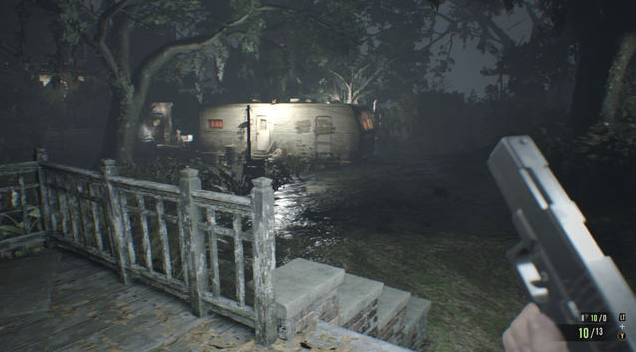


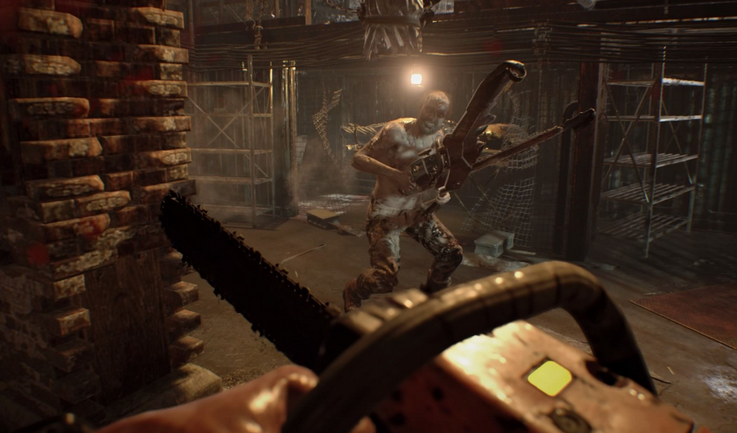


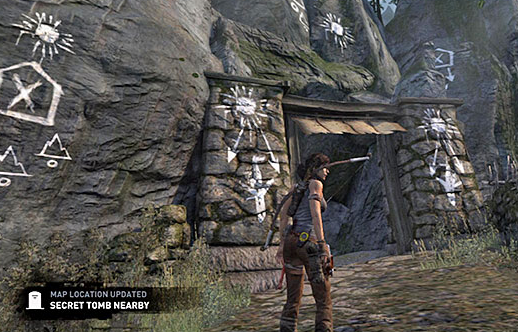



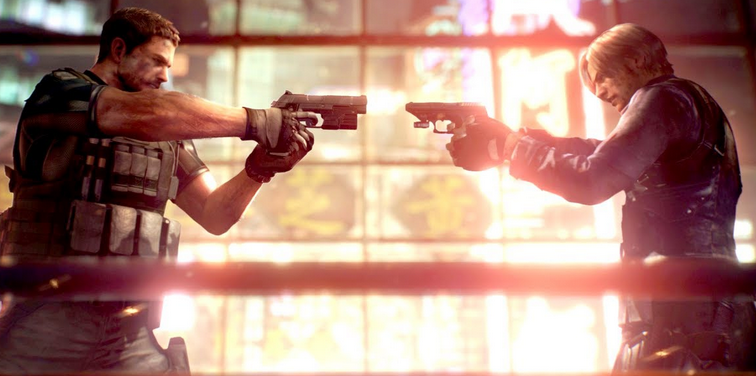
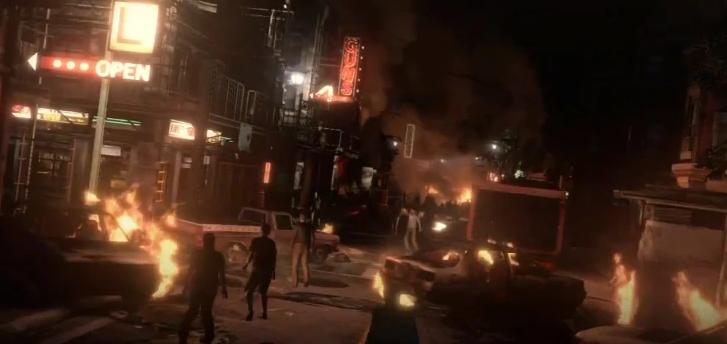
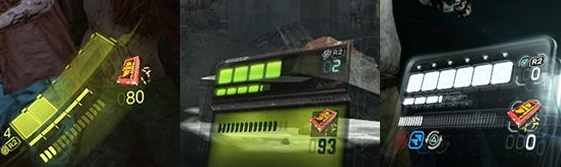
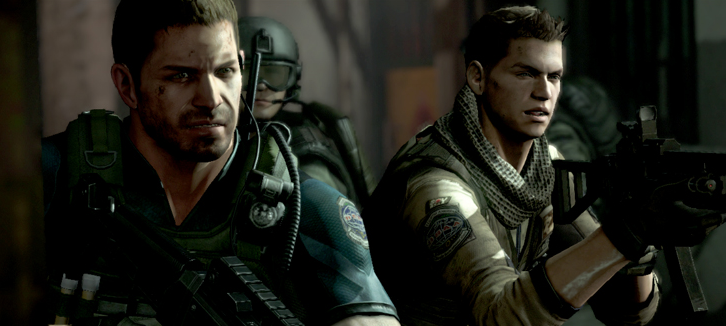

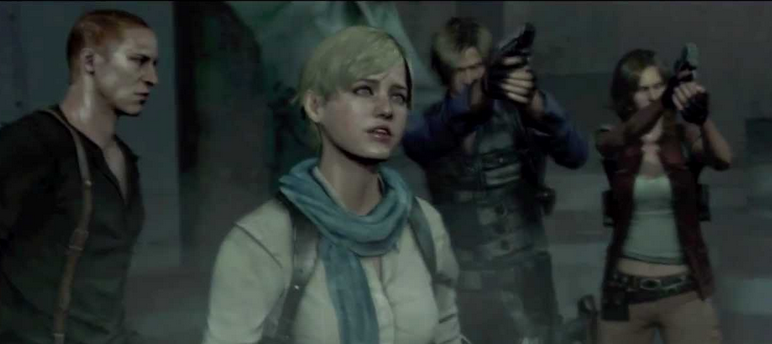
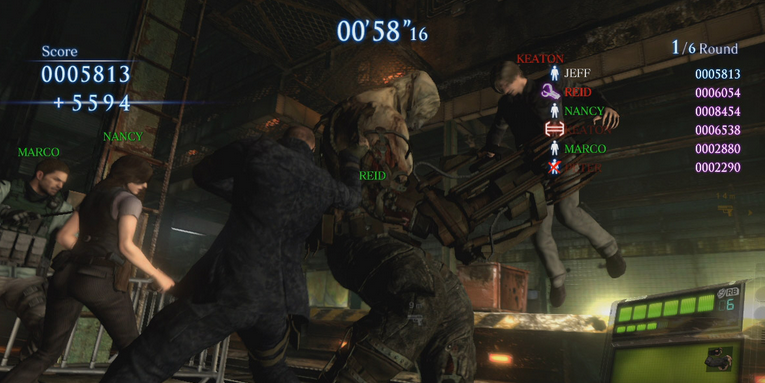



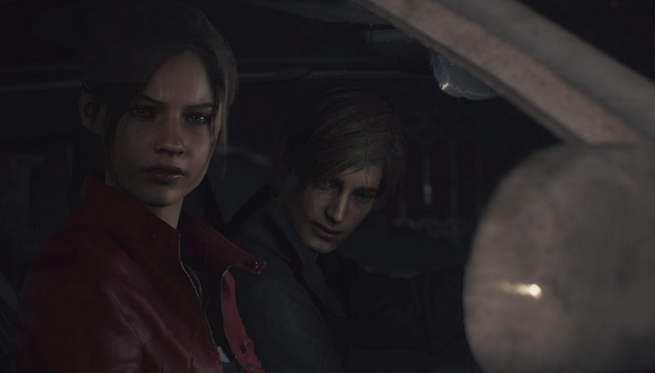
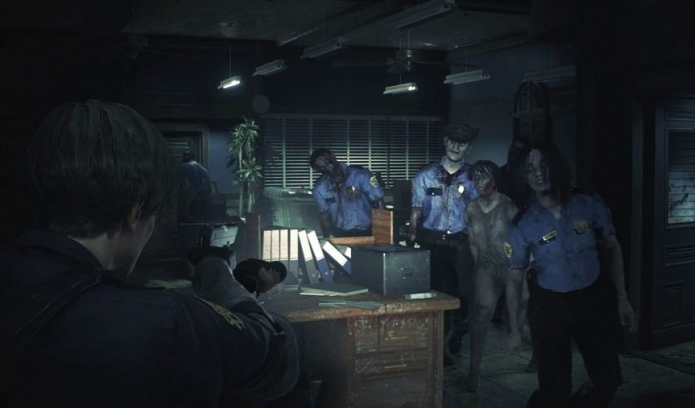
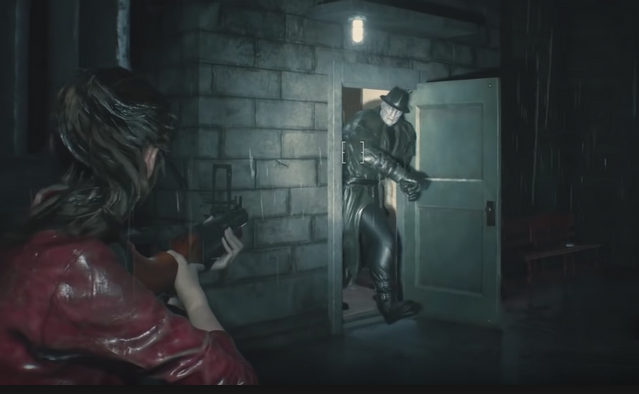
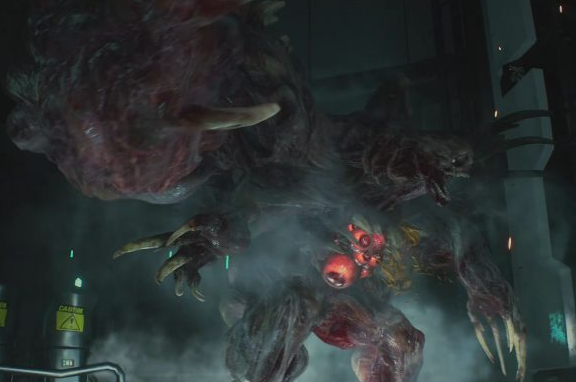
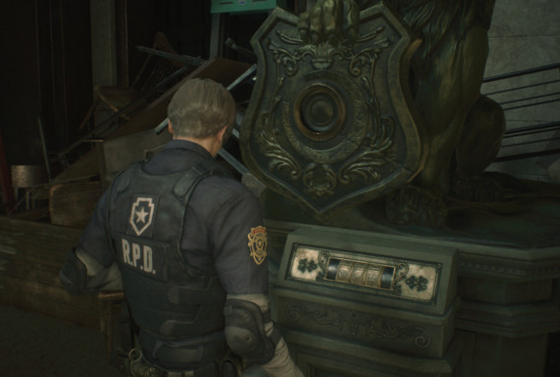
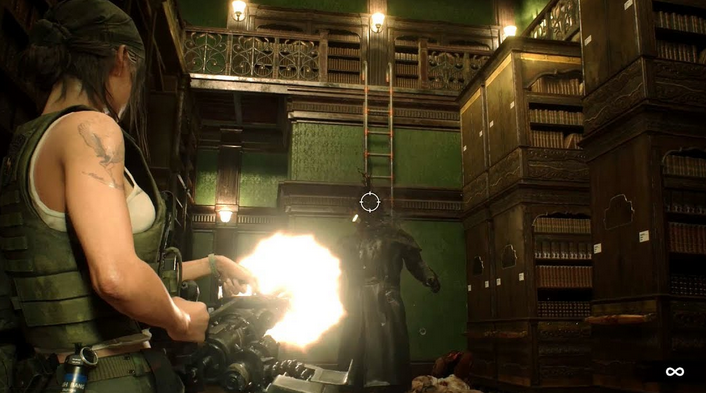




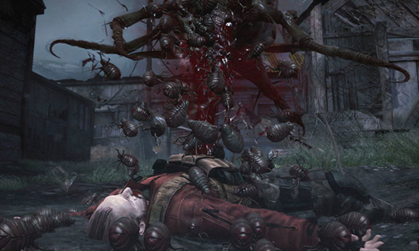



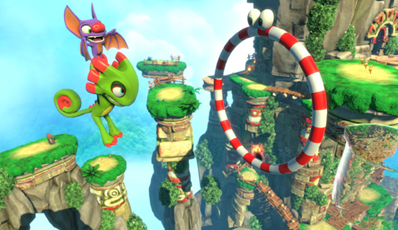
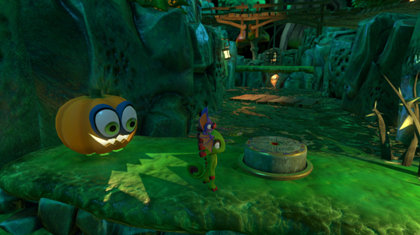
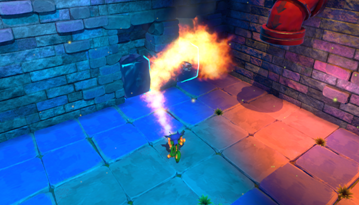

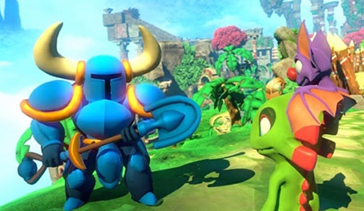
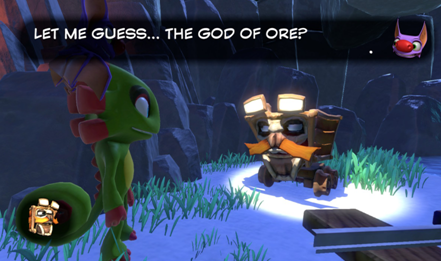
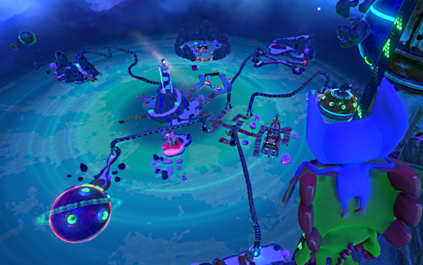


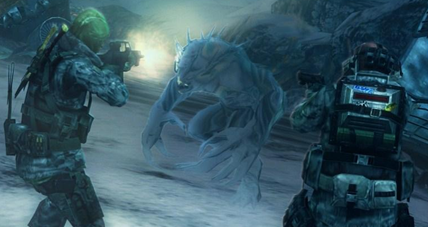
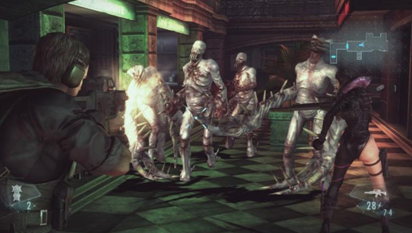
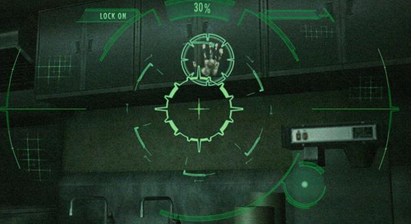
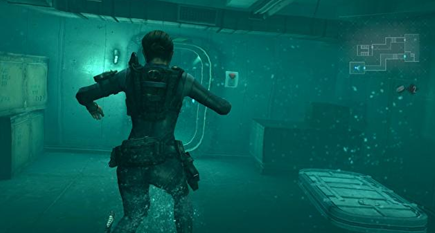
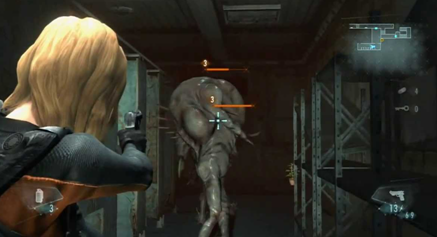
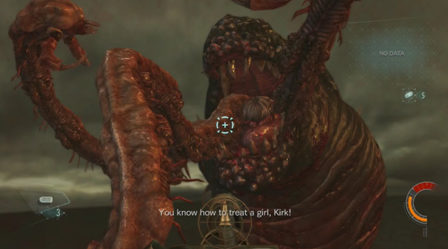


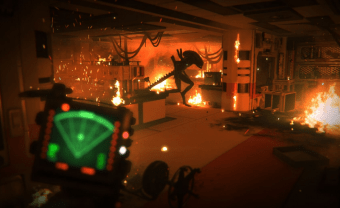
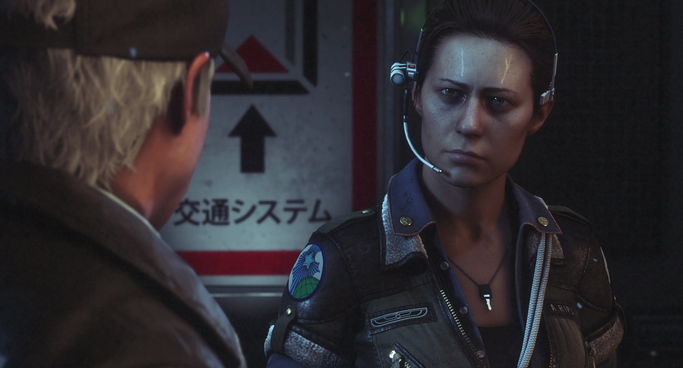
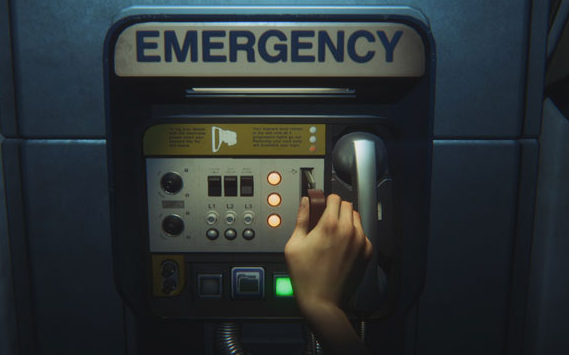
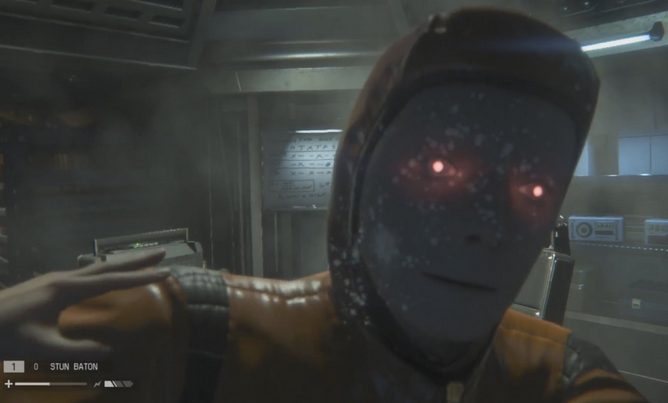
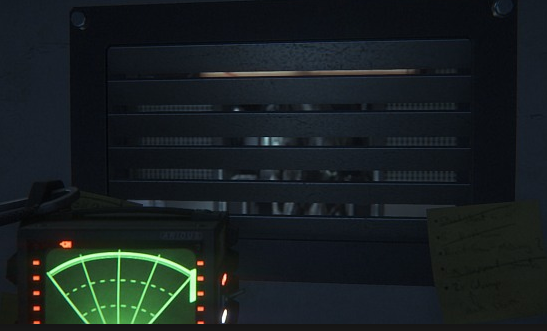
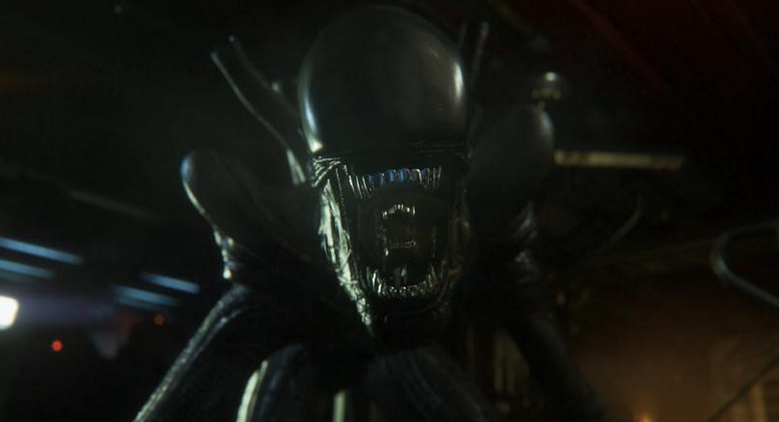
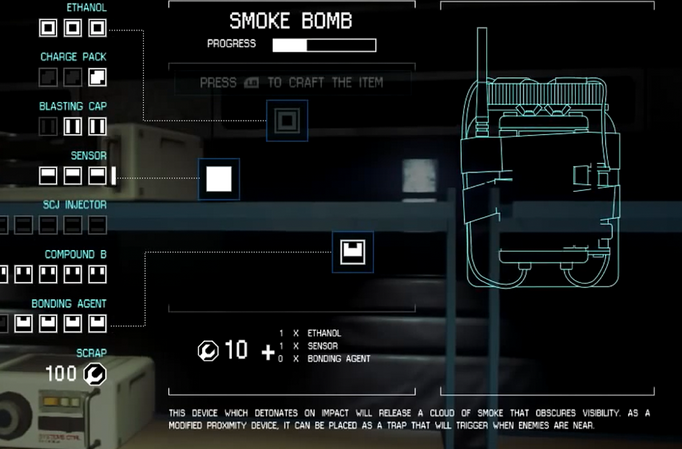
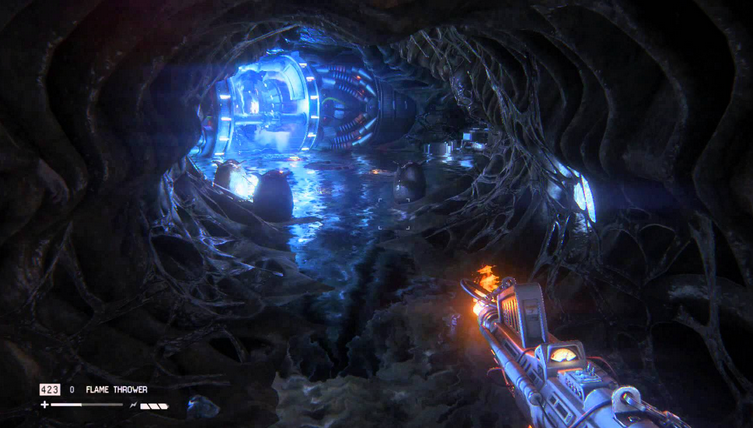




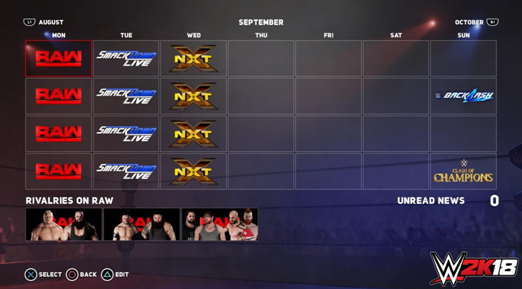
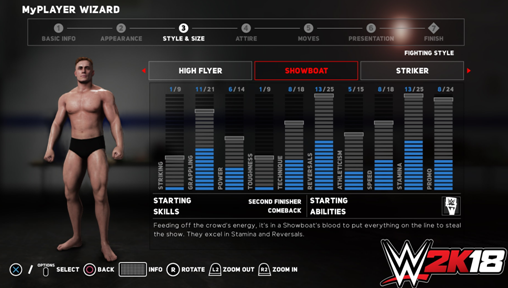




You must be logged in to post a comment.