Released: July 2019 Director: Jon Watts Distributor: Sony Pictures Releasing Budget: $160 million Stars: Tom Holland, Jake Gyllenhaal, Zendaya, Jacob Batalon, Samuel L. Jackson, and Jon Favreau
The Plot: Following Avengers: Endgame(Russo Brothers, 2019), Peter Parker/Spider-Man (Holland) is struggling with the death of his friend, mentor, and father-figure, Iron Man/Tony Stark (Robert Downey, Jnr). However, he is once again forced to choose between living his life as a normal high school student and saving the world when he is recruited by Nick Fury (Jackson) to battle monstrous elemental creatures alongside the charismatic Quentin Beck/Mysterio (Gyllenhaal).
The Background: Spider-Man: Homecoming(Watts, 2017) fleshed out Spider-Man’s role in the Marvel Cinematic Universe as a quirky, inexperienced-but-enthusiastic young superhero who longed to be an Avenger but, eventually, learned to keep his feet on the ground as a friendly neighbourhood Spider-Man. However, after his excursion into outer space and his efforts in standing against Thanos (Josh Bolin), it’s safe to say that a lot of things have changed for Spider-Man. As the first MCU movie post-Endgame, Far From Home serves not only as the final movie in Marvel’s third phase of movies but also the first step in an uncertain future for the MCU, where, seemingly, anything can happen.
The Review: Spider-Man: Far From Home is, once again, a high school comedy first with a high-octane superhero film threaded through it; as a result, the film’s primary focus is on comedy and awkward moments, particularly involving Peter and his attempts to express his feelings for MJ (Zedanya) and his ongoing friendship with Ned Leeds (Batalon). While it could be argued that the MCU’s increasing focus on comedy undermines some of the more dramatic moments in their bigger, more cosmic-focused movies, it’s perfectly at home in a Spider-Man film as the character has always been about his snarky sense of humour.
At its core, Far From Home is a high school comedy first.
That’s not to say that Far From Home doesn’t have its fair share of impressive action sequences, though. As in Homecoming, Marvel have taken one of Spidey’s lesser foes and not only cast a spectacular actor in the role but also improved the character by leaps and bounds by casting him as a potential replacement for Iron Man. Mysterio, who is decked out in a fantastically realised version of the character’s classic costume, is at the heart of the film’s action sequences as he goes toe-to-toe with the gigantic Elementals, creatures made of earth, wind, fire, and water that threaten to destroy entire cities. Additionally, Beck acts as a mentor and confidante to Peter, offering advice and understanding at a time when he is struggling with his identity and responsibility.
The Elementals threaten to destroy entire cities!
Seeking a brief hiatus from his duties as Spider-Man and the pressure of living up to Iron Man’s legacy, Peter jumps at the chance to go on a trip to Europe with his class. However, soon after landing, he is approached by Nick Fury and reluctantly recruited to help battle the Elementals. This brings the MCU Spidey much closer to his classic comic book portrayal as he is now forced to constantly choose between his desires and dreams and living a normal life and using his powers to do good while also struggling with the idea that he cannot live up to Stark’s expectations.
The Nitty-Gritty: The moment I saw that Mysterio was the villain in this movie, I knew that he would turn out to be the bad guy; I mean, we all did, right? Beck claims to be from a parallel world, confirming a multiverse in the MCU, and appears to be a charismatic, confident, and well-honed superhero in his own right. Beck ticks every box for Fury and, especially, Peter, who is struggling to assume the role of Iron Man, and Peter is only too happy to hand over control of Stark’s A.I. to Beck…only for Beck to reveal his true nature as a complete and utter fraud.
Peter is still reeling from Stark’s death.
A former Stark employee, Beck created the virtual reality technology we previously saw Stark showcase in Captain America: Civil War (Russo Brothers, 2016) and grew embittered when he was fired by Stark. Feeling used and undervalued, he teamed up with other resentful Stark employees to use drones and virtual reality tech to create a superhero so universally loved that he would not only become an Avenger but also get his hands on Stark’s limitless technology.
Only the MCU could take something as lame as this and make it awesome.
As I said, I knew this twist would come but even I was starting to get fooled by the character, so great is Gyllenhaal’s performance; Beck not only defends and befriends Peter, he seems to have all the motivation and experience necessary to be a trusted and reliable hero. Once the turn is revealed, though, the character’s darker side starts to come through wonderfully, making for some fantastically nightmarish fight scenes. This is where the idea to use a lame villain like Mysterio is totally justified as the best part about using Mysterio is the potentially limitless visuals his illusion-tech offers, and Far From Home definitely delivered on that front. So far, I am really happy with the portrayal of Spider-Man’s villains in the MCU; if they can make his lesser villains this interesting and dangerous, imagine what they will do with his heavy-hitters!
Who will be the next Iron Man…?
As per the trailer, it is revealed that MJ has figured out that Peter is Spider-Man; MJ is featured pretty strongly before this but actually has something to do and plays a small role in the finale once she reveals this knowledge. This also culminates in Peter and MJ officially hooking up, though the film’s first post credits scene may put some strain on that relationship going forward. So, with his illusions revealed and Spider-Man wading through an army of drones, Mysterio takes a stray bullet and dies, self-righteous to the end. Fury has accepted Spider-Man and given him props, Peter is finally with MJ, and everything seems to be tied up in a nice little bow…and then J.K. Simmons returns as J. Jonah Jameson to reveal that Beck used doctored footage to frame Spider-Man for his death and the drone attacks and to reveal Peter’s true identity to the world! It was amazing to see Simmons back in the role, though I am curious to see another actor’s take on Jameson, but the revelation of Spidey’s identity will no doubt cause him some serious issues in future Spider-Man movies.
The Summary: Spider-Man: Far From Home is a rollercoaster ride of action, comedy, and heart as Peter struggles with his relationships, the expectations placed upon him, and some potentially world-ending situations. Gyllenhaal shines as Beck and raises Mysterio’s profile wonderfully, providing a perfect substitute for Iron Man in Spidey’s life, and the dialogue, action scenes, and tone of the film are an exhilarating ride that takes everything that was good in Spider-Man: Homecoming and dials it up to eleven while still laying some interesting foundations for the future of the MCU.
Released: June 2019 Director: Simon Kinberg Distributor: Walt Disney Studios Motion Pictures Budget: $200 million Stars: James McAvoy, Sophie Turner, Jessica Chastain, Tye Sheridan, Nicholas Hoult, Michael Fassbender, and Jennifer Lawrence
Plot: Ten years after the events of X-Men: Apocalypse(Singer, 2016), the X-Men have become celebrated superheroes. After answering a distress call from NASA, Jean Grey (Turner) is exposed to cosmic energies that send her powers rampant. With their teammate confused, conflicted, and being corrupted, the X-Men find their loyalties and friendships tested as they race to keep Jean from harming others with her newfound powers.
Background: The X-Men franchise (Various, 2000 to present) has had a tumultuous history in recent years; after X-Men (Singer, 2000) helped audiences to take superheroes films seriously and popularise the genre as a money-making endeavour, the series has taken a bit of a downturn since 20th Century Fox decided to produce a series of films stupidly marketed as prequels that were actually soft reboots that have done nothing but screw up the franchise’s continuity and timeline with each instalment. X-Men: Apocalypse is largely regarded as being a disappointment, despite making a load of money at the box office, and, in the years since its release, 20th Century Fox has been acquired by Disney, meaning that the X-Men will soon be integrated into the Marvel Cinematic Universe in some way, shape, or form. However, X-Men: Dark Phoenix, was already in production before this purchase, meaning that this is the last gasp for this franchise in its current form.
The Review: Considering that Disney will one day bring the X-Men into the MCU, Dark Phoenix seems largely redundant; the timeline and continuity of the films, and this franchise, is too messed up to sustain itself much less be integrated into the MCU without a complete recast and reboot, meaning that it really doesn’t matter how good, or bad, this film is, what it does, or how it ends. As a result, there’s a distinct lack of agency and investment when watching Dark Phoenix and all you can really hope for is that it does a better job of adapting the much-lauded Dark Phoenix Saga (Claremont, Bryne, et al, 1976 to 1977) than X-Men: The Last Stand(Ratner, 2006). The answer is that it does, in some ways, and doesn’t in other ways; for example, making the Phoenix a dark, suppressed aspect of Jean Grey’s (Famke Janssen) personality was actually a much neater, relatable way of realising the character in the grounded, semi-realistic context of the first X-Men movies. Dark Phoenix, however, uses the space element by having Jean bombarded with a destructive cosmic force that simply enhances her powers to dangerous levels.
Vuk seeks to obtain or control to Phoenix Force.
If this is more comic accurate then I guess that’s fine but Dark Phoenix also introduces a bunch of shapeshifting aliens, the D’Bari, who come to Earth seeking to obtain or control the cosmic force. Their primary agent, Vuk (Chastain), manages to help twist Jean against her team mates to facilitate her turn into the titular Dark Phoenix but there’s something off-putting about aliens suddenly and so awkwardly being thrust into this franchise that I found a little jarring. I think the D’Bari could have just as easily been a radical group of Mutants who see Jean as their saviour or they could even been replaced completely by Erik Lehnsherr/Magneto (Fassbender) and his Brotherhood of Mutants, similar to how Magneto (Ian McKellen) helped to corrupt Jean in The Last Stand.
The X-Men are decked out in matching, comic-accurate costumes.
There are some other questionable choices at work here as well; for example, at the end of X-Men: Apocalypse, the X-Men were decked out in some very swanky, mid-nineties comics-accurate costumes that they have promptly ditched in favour of uniform suits to help emphasise that they are a team to the media and society, while these are also comic accurate, it’s a shame we never got to see Scott Summers/Cyclops (Sheridan) rocking that outfit from the end of X-Men: Apocalypse. Also, Professor Charles Xavier (McAvoy) undergoes a bit of an odd character twist in this movie; despite apparently reuniting with Moira McTaggert (Rose Byrne) in X-Men: Apocalypse, Moira is nowhere to be seen and, instead, Xavier is basking in the adulation of the media and the relationship he has with the US government (which includes a hot line directly to the Oval Office and public commendations from the President (Brian d’Arcy James)). This changes Xavier’s entire motivations from the preservation of Mutantkind and the protection of humanity to an ego trip and skews his entire drive to forming the X-Men into wanting fame and respect, which is very jarring and out of character. At the same time, Xavier is also portrayed as being less than noble due to tampering with Jean’s mind, which raises the ire of Hank McCoy/Beast (Hoult) so much that he brands Xavier a monster and joins forces with Magneto. Yet, Xavier’s tampering is nowhere near the level seen in The Last Stand and you would think that one of his closest friends and allies, who stuck with him through addiction and the deaths of their team mates, would see that he was just trying to protect Jean.
Grief forges some unlikely alliances.
Instead, both Hank and Jean turn to Magneto in their time of need, which is a very odd way to push the character into the plot. Magneto has formed a community of Mutants of the island of Genosha and has no desire to be involved in the outside world any more. Personally, I am glad that Dark Phoenix is the end of this series of movies as I am so sick of seeing each of these films jump forward another ten years and find yet another preposterous way of neutering Magneto; at the end of X-Men: First Class(Singer, 2011), Magneto had evolved into a fully-costumed version of the character who was actively recruiting Mutants for his Brotherhood and seeking to attack humanity but, in X-Men: Days of Future Past (ibid, 2014) he was in jail and portrayed as an anti-hero who was trying to protect Mutants until the end when he became a fully-costumed version of the character seeking to attack humanity. Then, in X-Men: Apocalypse, he inexplicably had a family and had retired from his “war” until he became a fully-costumed version of the character seeking to attack humanity…and then redeemed himself at the end and now, once again, he’s back to simply being another dark shade of grey in a film largely comprised of characters who are struggling between good and evil. As for the other X-Men, Sheridan actually has a decent amount to do as Cyclops but every quickly takes a backseat as Xavier leads the X-Men into battle to try and save Jean. He, like Kurt Wagner/Nightcrawler (Kodi Smit-McPhee) and Ororo Munroe/Storm (Alexandra Shipp) simply follows Xavier’s leads and orders without question and each of them are simply…there…because they are X-Men.
Sophie Turner is absolutely stunning…
Cyclops gets a bit more to do given that he’s emotionally and physically involved with Jean but, once again, this adaptation of the Dark Phoenix Saga is less about Scott and Jean’s relationship than it really should be. Luckily, as I mentioned before, Sophie Turner is absolutely gorgeous; she portrays Jean’s conflict and emotion very well, seems to relish the opportunity to do more and showcase more range, and is absolutely stunning. I live for the day when she and Amber Heard can be onscreen together; I may actually die! Given that the main plot of the movie revolves around Jean struggling with her increasingly out of control powers, X-Men: Dark Phoenix is more about characters and deconstruction their relationships than it is about action sequences. Jean’s powers and abilities increase and become more destructive as the film goes on, which makes her a real threat to the other characters, and there is a pretty good action scene that takes place on a train but the film is more about the emotional rollercoaster of Jean’s turn and struggle with her morality. Unfortunately, given that we know that this is the last film for this interpretations of these characters, it’s difficult to care about that, especially as Jean was only introduced in the last X-Men movie and it’s hard to be that invested in her sudden emotional struggle when she’s not a very well fleshed out character. Hell, we’ve followed Xavier, Magneto, Beast, and Raven Darkhölme/Mystique (Lawrence) this whole time and it’s hard to really be that invested in them as they undergo exactly the same character arcs in each movie, never age despite being in their sixties at this point, and have some questionable character arcs in this movie that basically make them either bland (in the case of Mystique), completely different (Xavier), or one-note (Magneto) despite strong performances by McAvoy and Fassbender.
The Nitty-Gritty: If you’ve watched the trailers for this movie, you may have guessed that Jean kills Mystique in this film and, honestly, I could not be happier about that. I am not a fan of Jennifer Lawrence and her performance as Mystique leaves a lot to be desired, especially in this film, where she basically sleepwalks through every scene she’s in. I really don’t like Mystique being the field leader of the X-Men and every line she says is so stilted and forced that it’s a pain to watch. Luckily, though, she tried to appeal to Jean’s good nature and, unable to control her new powers, jeans blasts her away and impales her on some debris, finally ridding us of the character once and for all.
Once again, we’re forced to question Xavier’s morality.
I mean, obviously that completely destroys the timeline, but the X-Men timeline is completely fucked at this point anyway. Peter Maximoff/Quicksilver (Evan Peters) is back and now part of the X-Men team but, as always, he’s basically there for one slow-motion action sequence before he is blasted by Jean and hospitalised for the entire movie until the epilogue because, as always, his super-speed would allow him to end things to quickly and, rather than try and use the character in a decent way or tie up the lingering plot thread regarding his parentage, lazy writing took precedence and he was relegated to little more than a cameo. As mentioned, Xavier tampers with Jean’s mind a bit in this movie; this time, he blocks out traumatic memories of when she caused her parents’ car to flip and accidentally killed her mother. The cosmic forces causes some of these memories tor eturn and she flips out, turning against Xavier almost instantly despite the truth being that her father was afraid of her and Xavier took her in to raise as his own in a protected environment, which you would think she would know simply by virtue of being….raised by Xavier in a protected environment. Instead, Beast, grieving for Mystique, rages at Xavier for his actions, Jean tries to kill him, and Magneto treats Xavier as the “real bad guy” simply because he tried to spare a young girl from relieving a traumatic memory.
A cosmic force corrupts Jean’s powers.
Jean going to Genosha is such a weird scene; she has no reason to really go there and asking Magneto how he stopped killing is a pretty flimsy reason to go. She’s literally there just so the X-Men cane find out where she is and also go and all get captured by the government; it would have made much more sense to have Magneto take Vuk’s place and offer Jean sanctuary, only to turn on her in the same way once he realised/found out that she killed Mystique. Beast teaming up with Magneto was equally weird, given their history, but I guess makes a bit of sense given that he knows Magneto will want Jean dead after she killed Mystique, though the X-Men turned on and fought against each other pretty quickly and easily when you think about it. Similar to The Last Stand, the actual Dark Phoenix stuff ends up being quite lacklustre and rushed; again, since we haven’t really been following Jean’s story for that long, it’s hard to be that invested in her turn to the dark side. I really think these movies would have benefitted from being complete, obvious reboots set entirely in the mid-sixties to late-seventies rather than bouncing forward ten years each time to desperately try and chase the first X-Men movie despite obviously not being a precursor to the film any more. In the end, Jean comes to her senses and sacrifices herself to destroy Vuk, which seems like a hollow sacrifice and a move made simply because the Dark Phoenix Saga always ends with Jean dying. This also screws up the timeline as we already saw Jean alive and well in the Good Future at the end of X-Men: Days of Future Past but, again, nobody cares about continuity in these movies anyway.
The Summary: X-Men: Dark Phoenix is…okay. It’s not the worst X-Men movie ever made but, as a final swansong for these characters and this cast, it’s very mediocre and feels more like a by-the-numbers sequel rather than a conclusive finale. It was better than I thought it would be but far from the epic saga the source material deserves, and that’s coming from someone who views the Dark Phoenix Saga as an overrated story that didn’t need another adaptation.
Released: April 2019 Director: Anthony Russo and Joe Russo Distributor: Walt Disney Studios Motion Pictures Budget: $356 million Stars: Robert Downey Jr., Chris Evans, Mark Ruffalo, Chris Hemsworth, Scarlett Johansson, Jeremy Renner, Don Cheadle, Paul Rudd, Karen Gillan, Bradley Cooper, and Josh Brolin
The Plot: Three weeks after the Mad Titan, Thanos (Brolin), acquired the six Infinity Stones and snapped his fingers, the Avengers are desperate to set the world right after watching their friends (and half the universe’s population) disintegrate from reality. When Tony Stark/Iron Man (Downey Jr.) and Nebula (Gillan) return to Earth and Scott Lang/Ant-Man (Rudd) returns from the Quantum Realm, the Avengers pull together every resource available to bring Thanos to justice.
The Review: Avengers: Infinity War was certainly a hell of an experience. Even I wasn’t sure if it would actually go through with Thanos snapping his fingers, and the emotional fallout from that bleak, dramatic ending had everyone reeling and speculation running rampant about how this would be resolved. I was under the impression that this would come through an exploration of Doctor Stephen Strange’s (Benedict Cumberbatch) willingness to give up the Time Stone. I was expecting we’d see him lead a team of heroes trapped within the Soul Dimension (an aspect that isn’t explored or even raised here) in tandem with the heroes spared by the Snap (or “Blip” as it would later be termed). When the first rumours of time travel appeared, speculation only increased as fans scrambled to explain why this would be necessary, but Endgame establishes early on that Thanos’s second act after achieving his goal was to destroy the Infinity Stones to ensure his victory. Ultimately, I was quite satisfied with the narrative Endgame provided. I always thought that it was fitting that the original six Avengers were spared erasure to help bring things full circle, but I’m still surprised that the film not only jumped ahead five years to show a world devastated by change and loss but that the MCU chose not to undo this. It probably would’ve cleared up a lot of issues and constant explanations and references to the Blip if Endgame had seen Doctor Bruce Banner/The Hulk (Ruffalo) use the Infinity Gauntlet to wind time back, restored the lives lost but also keeping the lives gained in the process. Or if Tony had perhaps willingly sacrificed his young daughter, Morgan (Lexi Rabe), for the sake of the entire universe. But I think it definitely indicated a massive change in the status quo of the MCU…even if things got back to normally pretty quickly, all things considered.
Haunted by defeat, Tony’s priorities shift towards safeguarding his daughter by any means necessary.
Endgame immediately explores the devastating fallout of the Avengers’ defeat and foreshadows its dramatic and emotional finale by finding Tony drift in space alongside Nebula. Although she’s still stoic and aggressive, it’s clear Nebula is deeply affected by the loss of her sister, Gamora (Zoe Saldaña), and her reluctant adopted family, the Guardians of the Galaxy. While Nebula naturally bottles these feelings up, Tony sees his end coming. Realistic and ready to die after being worn down by his survivor’s guilt and desperate need to defend the Earth at all costs, he records a farewell message to Virginia “Pepper” Potts (Gwyneth Paltrow) and prepares to meet his end….only for them to be rescued and returned to Earth by Captain Carol Danvers/Captain Marvel (Brie Larson). However, returning to Earth brings little solace for Tony; deeply traumatised at witnessing his protégé, Peter Parker/Spider-Man (Tom Holland), disintegrate before his eyes (to say nothing of his other teammates and the crushing weight of defeat), Tony lashes out at former ally Captain Steve Rogers/Captain America (Evans) and refuses to join the expedition to confront Thanos, having lost the will to fight. Not that it would’ve made much difference given that Thanos guarantees his actions cannot be undone, but Tony instead chooses to focus on his family. In the five year gap, he has a daughter and settles down with Pepper, his priorities shifting from the lives of everyone else to the lives of his family. Thus, when Cap, Scott, and Natasha Romanoff/Black Widow (Johansson) come calling looking for Tony’s scientific input on their bonkers “time heist” idea, Tony initially scoffs at the suggestion, though he has let go of his animosity towards Steve in the interim. Still, ever the scientist, Tony can’t help but be intrigued and, upon running a few simulations based on Scott’s Quantum Realm data, quickly devises a means to navigate the dimensional vortex and effectively allow travel through time and space. Realising that they now have a very real shot at regaining the Infinity Stones and undoing Thanos’s devastating actions, Tony agrees to re-form the Avengers and don his iconic armour once more but on the very specific proviso that Morgan’s safety and existence is ensured. It’s a dramatic culmination of Tony’s character arc; he went from a selfish, womanising arms manufacturer to a snarky, egotistical superhero, to risking losing everything to safeguard the Earth from otherworldly threats, to literally sacrificing himself to not only bring back those lost, but ensure his daughter grows up in a world that hasn’t been crippled by loss.
Cap’s fighting spirit galvanises the team and sees him standing against incredible odds.
While Tony falls into despair and then devotes himself to his family to cope with the tragedy, Cap is initially adamant to make Thanos pay for his actions. When Carol and Rocket Racoon (Cooper) pinpoint Thanos’s location, Cap’s first thought is, appropriately, to avenge their losses. Unfortunately, Cap’s forced to face a heavy reality: there’s no way to undo what’s happened so, instead, he devotes himself to offering counselling and trying to help everyday folk pick up the pieces of their lives. With most of the world’s governments apparently gone, Natasha and the remnants of the Avengers apparently still fight to maintain order across the world, but there’s a clear sense that they’re just desperately holding on to what little they have left. However, Scott offers them hope through a clunky form of time travel. Despite outlandish science being outside his wheelhouse, Cap eagerly reassembles the Avengers and galvanises them to travel back to key moments in their past to reacquire the Infinity Stones and set things right. Steve teams with Tony, Scott, and Banner and revisits the battle for New York. Although Banner convinces the Ancient One (Tilda Swinton) to lend them the Time Stone, they’re unable to secure the Space Stone when Loki Laufeyson (Tom Hiddleston) steals it, forcing Cap and Tony to pay a further visit to 1970 to restock on Pym Particles and reacquire the Space Stone. Here, not only does Tony finally reconcile with his father, Howard Stark (John Slattery), in an amusing and poignant way, but Cap finally lays eyes on his old flame, Peggy Carter (Hayley Atwell) for the first time in a hundred years. Cap is devastated when the team returns to find Natasha was lost in the pursuit of the Soul Stone, but continues to soldier on with the plan, focusing solely on the restoration of the world. Despite this being far from a traditional fight, Cap stands against nature – and time – itself, betting everything on the slim chance that they can succeed. Although clearly burdened by defeat, he continues fighting and encourages everyone around him to do the same no matter how bleak the odds. This is, of course, explicitly demonstrated in the climactic finale. When the younger Thanos violently attacks the Avengers and lays waste to his allies, Cap grits his teeth and stands tall in in the face of what appears to be an inevitable end and his faith is rewarded not only in the dramatic arrival of his much-needed backup and proving himself worthy to wield Mjölnir, but in finally walking away from the fight and have a life of his own.
Hulk is smart now, while Thor has succumbed to self-despair and desperately seeks redemption.
Two characters fundamentally altered between Infinity War and Endgame are the Hulk and Thor Odinson (Hemsworth). While I do agree that it’s a shame we never get to see Banner and the Hulk finally reconcile their differences and come together as one united entity (a “Smart Hulk”, if you will) and I definitely would’ve preferred to see this in the finale of Infinity War as originally intended (though tweaked with the united Banner/Hulk being portrayed as grey), I’m satisfied with the explanation we got and both film are already so stuffed with characters and plots that it could have bogged things down. Now a far calmer and intelligent being, the Hulk sees his brutish ways as “gratuitous” and instead puts his mind to work trying to figure out time travel in Tony’s absence. He’s primarily here as exposition and a bit of comedy relief but I liked how everyone just accepted his new normal, that he proved pivotal in reversing the Blip by being the only one strong and capable enough to handle the destructive power of the Infinity Stones (retroactively suggesting that the Hulk was fated to exist for that very reason), and he’s a key factor in convincing Thor to rejoin the Avengers. No one shoulders the burden of failure more than Thor; this once proud and arrogant warrior is reduced to a depressed, out of shape, drunken king of New Asgard all because he failed to land a killing blow on Thanos. Even decapitating Thanos brings him little catharsis as it changes nothing, and Thor clearly struggles with both survivor’s guilt and costing the lives of untold billions. He sees the time heist at a shot at redemption, a personal mission to prove that he’s still worthy of being the Mighty Thor, but is largely seen as a hinderance since he’s so wracked by grief and guilt that he struggles to keep his emotions in check. It’s only after a pep talk from his beloved mother, Frigga (Rene Russo), and the knowledge that he can still wield Mjölnir, that bolsters his self-worth, though Thor is so desperate to undo his mistake that he practically begs to bring everyone back with Tony’s gauntlet, despite the fact that the effort would probably kill him. Ultimately, Thor’s redemption comes in the most fitting way: on the battlefield. I liked how Thor doesn’t snap back to being a super-buff warrior in the finale; I think it was important to show that he was still carrying the burden of his failures even as he cut down foes with both Mjölnir and Stormbreaker, and there’s a definite sense that he rediscovers himself in battle with Thanos and through the loyal support of his friends and allies.
Each of the Avengers has an emotional and personal stake in the desperate time heist.
Although they either didn’t get too much to do or missed out entirely on the events of Infinity War, Endgame allows fellow Avengers Natasha, Ant-Man, Clint Barton/Hawkeye (Renner), and Colonel James “Rhodey” Rhodes/War Machine (Cheadle) play key roles in the time heist. Indeed, without Scott (and that one-in-a-billion rat), the Avengers would never have reacquired the Infinity Stones since it was only his knowledge and insight into the Quantum Realm that allowed Tony to crack time travel. Scott continues to be in awe of working alongside his idols, but even his chirpy demeanour is tested by the Blip. He arrives in a world where millions have perished and his daughter, Cassie (Emma Fuhrmann), is now a teenager but he remains as optimistic as ever about their chances of success, even if you can tell that he’s clinging to hope as desperately as the others. The same can’t be said of Hawkeye; after witnessing his wife and children disintegrate before his eyes, Barton spends the next five years going on a killing spree, murdering crime bosses and those he deems unworthy of being spared with a cold-blooded precision as “Ronin”. Although he’s clearly scarred by his losses, his loyalty to Natasha sees him join the time heist in a last-ditch effort to restore the world, but his character has been given an obvious edge. Now sporting a frankly ridiculous mohawk and an array of tattoos, Hawkeye is more than willing to sacrifice his life for the Soul Stone when directed by the enigmatic Johann Schmidt/The Red Skull/The Stonekeeper (Ross Marquand). What follows is a test of the two’s loyalty and friendship and a desperate and emotional battle to save the other while restoring countless lives. The two literally fight to give up their lives for the Soul Stone, willing to die for their friends and family, but ultimately Barton is left carrying the burden of Natasha’s selfless sacrifice and finding a way to live with his dark deeds. Rhodey finds himself teamed up with Nebula; as reliant upon his armour as she is on her cybernetics, the two find some surprising common ground and working with the Avengers definitely helps to soften both her and Rocket and make them more open to co-operation. Their jaunt to retrieve the Power Stone from Peter Quill/Star-Lord (Chris Pratt) has dire consequences, however, when a past version of Thanos is alerted to their presence. This not only sees Nebula face off against her less morally inclined past self and brings a past version of Gamora into the main timeline, but sees Thanos renew his campaign for the Infinity Stones using knowledge of the future!
Despite being killed, Thanos comes across time to plague the heroes once again.
Indeed, Endgame is largely unique among MCU films in that the battle is already lost at the start and the heroes are mostly fighting against intangible foes: grief, loss, guilt, and time being chief among them. While Carol leads them in confronting Thanos at the start, he’s no longer a threat and doesn’t even try to fight them. Injured from his actions and content with his victory, he simply mocks their attempts at revenge and meets his end victorious. While in New York, Cap, Scott, Banner, and Tony are mainly tasked with avoiding their past selves in true Back to the Future Part II(Zemeckis, 1989) fashion, though Cap does have a brief scuffle with his past self that sees even him exasperated by his can-do attitude. The Stonekeeper could be classified as a threat but he’s simply a messenger for the Soul Stone; the real threat comes from having to sacrifice a loved one to acquire the Stone, similar to the Ancient One’s warnings that the Avengers must return the Infinity Stones or risk the destruction and collapse of other, alternate timelines. However, when that past version of Thanos learns of his fate and orders the evil version of Nebula to travel to the future, the Avengers’ compound decimated by Thanos’s ship, Sanctuary II, the return of his monstrous army and his “children”, the Black Order, and Thanos himself back on Earth with victory within his grasp. I’ve seen it suggested that there’s less emotional catharsis in seeing the Avengers battle this version of Thanos since he technically isn’t the one who wronged them, but I don’t think this really matters all that much. There’s little difference between the two Titans except one died knowing he had achieved his goal and the other was determined to expedite his goal after learning of his victory. Perhaps because of this foresight, Thanos is far more aggressive and less honourable than his counterpart. Rather than offering to spare those he respects or aiming to wipe out half of life so that people can learn to appreciate what they have, Thanos now aims to completely rewrite history in his image. To that end, this Thanos takes to the battlefield in a way his counterpart avoided. Garbed in gleaming armour and wielding a massive double-bladed sword, Thanos is positioned as the ultimate threat, regardless of which timeline he’s from, since the Avengers know full well how destructive he is. Indeed, Thanos’ threat truly shines in the finale, where he not only goes toe-to-toe with Cap, Iron Man, and Thor but also shows his wiles and raw strength by matching blows with Captain Marvel, fuelled the entire time by his obsession for victory and unrivalled power.
The Nitty-Gritty: As mentioned, grief, loss, and time are key themes in Avengers: Endgame. While the film doesn’t linger or go into massive amounts of depth exploring how the Blip has affected the world, it effectively conveys the desolation and loss through some eerily silent aerial shots, Cassie’s overgrown and dishevelled neighbourhood, the monument erected to those lost, and through the way each character deals with their failure. At the time, it definitely shook things up to jump ahead to a world left in ruins by Thanos, and even though even I will admit that the potential of this was largely undone and sadly played for laughs in subsequent films, it really works in the context of this movie to hammer home just how devastated everyone is, which in turn drives their mission to defy the laws of physics and set things right. Endgame makes sure to lay the rules for time travel out as plainly as possible. Thanks to Scott and Tony, characters can navigate the Quantum Realm and travel to the past using Pym Particles, but anything they do in the past will not change the present because time isn’t a straight line, but a multiverse of different pathways. Yet, removing the Infinity Stones will cause the collapse of those branches, meaning the Avengers have a moral obligation to return them when they’re done. Like most time travel stories, it’s not perfect and has some holes in it but I think it works to sell the idea that you can’t just go back in time and kill Thanos to set things right. Banner very emphatically explains that time just doesn’t work that way and it’s a great way to place importance of the “main” timeline and add some additional tension to the heist since they risk other timelines while saving theirs.
Endgame explores new levels of these characters and then goes all-out with an action-packed finale.
In many ways, Endgame is a far more grounded, subdued character study compared to Infinity War. Thus, bombastic, action-packed scenes give way to exploring the emotional fallout from the Blip and how each character has been changed by their defeat. That isn’t to say that action and big CGI sequences aren’t here, though; it’s just more a fight for redemption and against those intangibles I mentioned than against a singular foe, for the most part. You would never know it but the Avengers’ time suits are all entirely CGI; their stark white and uniformity unites the team in a way we haven’t seen before and allows them to safely navigate the chaotic Quantum Realm and avoid being physically altered by the timestream like Scott is during Banner’s test run. While in the past, the team revisit the Battle of New York, now expanded to show that the Ancient One and the Sanctum Santorum were also fending off the Chitari and what happened after the Avengers defeated Loki, where Cap uses his knowledge of Hydra’s infiltration of the Strategic Homeland Intervention, Enforcement and Logistics Division (S.H.I.E.L.D.) to his advantage. This, and their later trip to 1970, allows for some fun cameos from Alexander Pierce (Robert Redford), Brock Rumlow (Frank Grillo), and even a de-aged Doctor Henry “Hank” Pym/Ant-Man (Michael Douglas), complete with retro helmet. The rest of the time heist is spent revisiting key moments from previous MCU films, recreating and reframing certain events from a new perspective, before the massive climactic battle at the end. One thing I enjoyed about the time heists, and the film in general, was seeing characters like Rocket and Nebula interact with the Avengers and become part of the team. In the spirit of pooling all available resources, Natasha directs a joint effort of every remaining superhero to try and maintain order, but her focus is squarely on the Earth. The rest of the universe is dealt with by Captain Marvel, who sadly misses out on joining the time heist but more than makes up for it with her dramatic entrance during the finale. Since she’s the most powerful hero in MCU, she easily wipes out Sanctuary II and ploughs through the aliens before going one-on-one with the Mad Titan himself. Although a bit arrogant in her abilities, Carol more than backs this up with her incredible power. Indeed, it’s shown that she probably could’ve wrestled the Infinity Gauntlet from Thanos had he not had the wherewithal to use the Stone’s individual powers to fend her off, meaning that even Captain Marvel’s might required the support of her teammates to wrestle the gauntlet from the Mad Titan.
Cap’s resolve is bolstered by the emotional and dramatic return of his restored allies.
The remnants of the Avengers come together with a simple goal: to retrieve the Infinity Stones from the past, insert them into a nanotech gauntlet, and undo the Snap with a snap of their fingers. Although Thor pleads to perform this, the Hulk is the only one capable of surviving the act, and the film really sells the reveal of his success as a strange anti-climatic event…at first. Cap, Iron Man, and Thor are too busy fighting for their lives against Thanos and his army to focus on much else. Each one has a personal and emotional stake in the battle and each one falls to Thanos’s power, regardless of how hard they fight. Thor, especially, leaps head-first into the bout and ends up at the mercy of Thanos, desperately calling to Mjölnir…only for the hammer to fly into Cap’s waiting hand! Seeing Cap wield Mjölnir and attack Thanos with renewed vigour drew a rare cheer from the audience when I saw Endgame and is easily one of the most memorable moments in the entire MCU, but it’s quickly followed by one of the most emotional. Left as the last man standing and ready to go down fighting, Cap is suddenly stopped when he hears his friend, Sam Wilson/The Falcon (Anthony Mackie) in his ear. Relief and emotion sweep through Cap as he beholds a series of magic portals. Through them step his allies, friends, and teammates old and new, restored and ready to fight. It’s a sweeping, cinematic, incredibly powerful sequence jam-packed with cameos, from the Ravagers to Howard the Duck (Seth Green), and little moments, like Scott reuniting with Hope van Dyne/The Wasp (Evangeline Lilly), Wanda Maximoff (Elizabeth Olsen) angrily confronting and nearly killing Thanos, Star-Lord’s ill-fated reunion with Gamora, Tony unashamedly embracing Spider-Man, and a fun scene where the various female heroes of the MCU come together to clear a path for Captain Marvel. This climatic battle is an absolute wet dream for any Marvel fan. It’s the literal culmination of a ten-year journey for the MCU and I always spot different things each time I watch it, but the entire battle is made even sweeter by Cap finally uttering that rallying war cry: “Avengers Assemble!” While I would argue that we definitely should’ve heard this before this moment, this doesn’t take away from how powerful that moment was or just how amazing it was (and still is) to hear it and see all the MCU’s heroes battling alongside each other.
Tony’s sacrifice defeats Thanos and clears the path for a new generation of heroes.
Despite all these heroes, and Captain Marvel’s last second save, Thanos proves true to his word; no matter what’s thrown at him, he seizes the gauntlet and appears to be truly “inevitable”. However, just as he’s about to snap his fingers again, Iron Man leaps in for one last attack and steals the Stones away from Thanos! His body wracked with cosmic energy, struggling to contain the immense power, Stark utters his famous line once more – “I am Iron Man!” – and obliterates Thanos’s army with a snap of his fingers. Thanos, startled to see his army disintegrate around him, can only watch on and slump down with quiet defeat, accepting his end as nobly as possible. Sadly, this victory is bittersweet as the effort fries Tony’s body and mind and leaves him a babbling, near-lifeless wreck. Peter, Rhodey, and Pepper gather around him to say their goodbyes and Pepper tearfully gives him permission to finally rest, and death finally catches up to Tony amidst his friends and family. While I would’ve loved to see the scene where his comrades all take a knee kept in the film, the emotional weight of Tony’s sombre funeral delivers as strong a message. Everyone that was close to him gathers in quiet gratitude and respect to honour his sacrifice and take comfort in each other, and it’s a hell of a way to close the book on the character that kickstarted the emotional rollercoaster that is the MCU. Of course, it doesn’t end there; as the heroes go their separate ways and prepare for their next steps, Cap steps back into the Quantum Realm to make good on Banner’s promise to return the Infinity Stones. After sharing a heartfelt farewell to his old friend, James Buchanan “Bucky” Barnes/The Winter Soldier (Sebastian Stan), it initially seems like Steve has gotten lost in the timestream. However, Bucky and Sam spot a old man (Evans/ Patrick Gorman) sitting nearby who’s revealed to be Cap, age finally having caught up with him, who chose to take a leaf out of Tony’s book and settle down with Peggy. He gifts his shield and Captain America identity to Sam and reflects happily on his life, finally at peace with the world. While there’s a lot of debate and disagreement about the specifics of this, I really don’t care. Whether Cap lived in an alternate time or the main timeline, it makes no difference and the entire point was to finally give him some peace and happiness, which I think is conveyed beautifully, and to pass the torch to a new generation of heroes.
The Summary: It’s amazing to think how massive Avengers Assemble was and how incredibly the MCU built upon it with Avengers: Infinity War. It’s so rare to see a film franchise have such longevity and build such intrigue for its next entry, but the buzz surrounding Avengers: Endgame was so real that I was practically frothing at the mouth to see how the story would be wrapped up. Rather than going bigger and more explosive, Avengers: Endgame focuses on the original six Avengers and the remnants of their group and explores new depths to their characters. Each is affected by their defeat in different ways and embodies that failure in ways that make them so much more vulnerable and relatable. I loved how they all came together, united in grief and in their determination to put things right, “whatever it takes”, and how the time heist gave us fresh new interactions between them. Sure, time travel is a bit of a cliché solution and some of its aspects are a bit wonky under close supervision, but I’m okay with that as the purpose was to celebrate what came before and sow the seeds for the MCU’s future, which was set to be very different based on the new status quo established here. Honestly, Avengers: Endgame is worth a watch for the emotional and action-packed finale alone. Even now, it never fails to give me goosebumps and bring a tear to my eye since it’s such a fantastic culmination of everything that came before and a satisfying, if bittersweet, end to these beloved characters. Avengers: Endgame could have easily collapsed under its own narrative, the weight of expectation, and the high standards set by its predecessor and the MCU in general. Instead, with a poignant heart at its core, riveting action, and some genuinely moving moments amidst its big action set pieces, Avengers: Endgame is a fantastic endnote for the first ten/eleven years of Marvel movies.
My Rating:
⭐⭐⭐⭐⭐
Rating: 5 out of 5.
Fantastic
What did you think to Avengers: Endgame? Were you satisfied with how it wrapped up the ending of Infinity War or would you have liked to see it take a different direction? What did you think to the five-year time jump and the way this was handled in subsequent films? Did you like the depiction of time travel here? What was your reaction when those portals opened, when Cap picked up Mjölnir, and to Tony’s dramatic death? Have you been happy with the MCU film we’ve seen since Endgame or do you think it peaked here? What are some of your favourite Avengers stories, characters, and villains? Whatever your thoughts about Avengers: Endgame, and the Avengers in general, leave a comment below or on my social media and be sure to check out my other Marvel content across the site.
Released: October 2018 Director: Ruben Fleischer Distributor: Sony Pictures Releasing Budget: $100 million Stars: Tom Hardy, Michelle Williams, and Riz Ahmed
The Plot: Disgraced reporter Eddie Brock (Hardy) is bonded with a psychotic symbiotic alien lifeform and becomes a superhuman anti-hero forced to choose between protecting the innocent and enacting revenge.
The Background: A Venom spin-off had been in the works since Spider-Man 3 (Raimi, 2007), if you can believe that. Sony, once a studio capable of making good decisions and responsible for kicking off the modern superhero crazy with Sami Raimi’s first two Spider-Man movies (2002; 2004), have been determined to produce a Venom movie, even after the character was unceremoniously killed off in Spider-Man 3, and when the Amazing Spider-Man (Webb, 2012; 2014) series was ended prematurely, and now, when the rights to Spider-Man are shared with Marvel Studios. This means that, while Sony can produce spin-offs of Spider-Man characters like Venom, it doesn’t look like they can actually include Tom Holland’sversion of the web-head. This has created some confusion, even amongst the two studios, with some at Sony stating that Venom exists adjacent to the Marvel Cinematic Universe and others proclaiming that it is a standalone story, and still others claiming that it’s both! Seemingly inspired by the success of R-rated, violent superheroes like Wade Wilson/Deadpool and Logan/Wolverine, Sony fast-tracked Venom and brought the production back to life, even managing to snag Tom Hardy in the process. Unfortunately, it seems that, at the last minute, someone at Sony lost their balls and, rather than a violent R-rated affair, Venom is more a watered down, studio-friendly version of the character in order to sell more tickets.
The Review: Venom takes inspiration from three prominent arcs of the character’s self-titled series: Lethal Protector (Michelinie, 1993), Separation Anxiety (Mackie, 1994-1995), and Planet of the Symbiotes (Michelinie, 1995), whilst also taking some inspiration from the character’s origins and portrayal in the Ultimate Spider-Man (Bendis, 2000). This means that Venom is quite a talkative, violent character who isn’t necessarily interested in saving lives but is also driven to punishing only those who do wrong by others, which should result in an interesting and layered character and, instead, produces a fun, if kind of dumb, action movies that could have been really violent but was hampered by studio interference.
Hardy really captures the duality of Eddie and the symbiote.
Therefore, Venom is an interesting beast; the film lives and dies by the strength and versatility of its star and Tom Hardy is brilliant as a likeable, downtrodden underdog who is trying to do what’s right but is tempted by the power offered by the symbiote to strike back at those who have wronged him. Hardy pulls double duty in this film, playing both Eddie Brock and voicing the alien symbiote, and is portrayed as a loser who screws up his life and blames others for it.
Here’s an eccentric in a suit. He’s a bad guy.
Unfortunately, the same praise can’t really be said for some of Hardy’s co-stars. Carlton Drake (Ahmed) is every wacky evil corporate villain you’ve seen on film before and, while I didn’t exactly hate him or dislike his performance, I am personally just tired of seeing guys in suits being evil for no real reason. Rounding things out are Anne Weying (Williams), Eddie’s former fiancée who is serviceable enough but sure drops Eddie’s ass pretty quickly after he screws up an important interview. One person who did stand out for me was Dr. Dora Skirth (Jenny Slate), who was super cute and spunky and had a nice little character arc going on. I almost wish that Eddie had started the film with nothing and developed a romance with her rather than trying to find ways to repair his relationship with Anne as Dora had a lot more potential in her.
The symbiote offers Brock the power…but at a price.
Effects wise…well, Venom by its very nature requires substantial special effects and CGI to create the brain-eating anti-hero and it definitely seems like the studio put all of the money into making Venom look as good as possible and, honestly, Venom does look fantastic when he’s on screen. The problem is he’s just not on screen enough; a lot of the runtime is focused more on Eddie as a character and slowly developing his rapport with the symbiote and discovering what it can do, which is great as we really didn’t get to spend enough time with Brock (Topher Grace) in Spider-Man 3 but, as a massive fan of the character, I just wanted to see more Venom in my Venom movie. Other effects, though, are a bit hit and miss; in its non-bonded form, the symbiote is little more than writhing, liquid-like goo that honestly looked a bit dodgy. The effects used in Spider-Man 3 actually looked better and made the symbiote appear more vicious and dangerous; similarly, I wasn’t a fan of how the symbiote formed tentacles and appendages from seemingly nowhere with no ill effect on people’s clothes or skin. In the comics, the symbiote’s mimic clothing and cling and tug at skin like sticky webbing (an effect also nailed in Spider-Man 3) but none of that happens here; it’s seemingly just generated without any noticeable issues. Instead, Venom focuses on the duality between Brock and Venom, with the symbiote constantly talking and expressing itself to Eddie and threatening to devour his organs or takeover his body completely. This is a smart move, as it means we get a much more accurate version of Venom than anything seen before, but the symbiote’s motivations and behaviour is questionable at times, almost as much as those of Drake, and no amount of character work or amazing effects can change that some of those aspects are jarring and glaring flaws.
The Nitty-Gritty: The Life Foundation obtains the symbiotes and hopes to use them to save humanity from extinction (which is kind of daft but okay, I guess); Eddie stumbles upon their plot and becomes bonded with the symbiote, which helpfully doesn’t kill him in the same way that others were killed from exposure. In an odd addition, the symbiote refers to itself as “Venom” right from the start, which is normally a name the two create to describe their union, and it is driven by hunger for living flesh and the desire to destroy humanity. However, it has a complete change of heart after being bonded to Eddie and decides to protect humankind instead because it randomly decides that it likes life on Earth. Drake, meanwhile, also bonds with another symbiote to become Riot, who wants to bring the rest of their kind to Earth to take the whole show over.
When he’s actually on screen, Venom looks fantastic!
A lot of fans will probably be annoyed at the decision to include Riot, who is a forgettable footnote in Venom’s character history compared to someone like Carnage, and is simply a return to the tired old formula of a villain who is exactly like the hero but eeeeevil! Riot even looks almost exactly like Venom in the right (or wrong, I guess) lighting, though he is separated by a distinct colour scheme and the ability to form different weapons. Carnage would have been a better choice by far but the neutered rating means that Sony would never have done the character justice. Cletus Kasady (Woody Harrelson) appears in a mid-credits scene, promising to unleash “carnage” when he escapes from prison, which is great as it might mean that the studio finds their balls and does a really violent sequel but it’s weird because the scene is so random and out of nowhere and so obviously put in for fan service. I would have preferred to see Brock chasing Kasady for an interview throughout the movie as his big break and stumble upon the Life Foundation’s plot that way, maybe have Cletus be a captive of theirs. But, still, if they get a sequel and if they go full on with the violence, I look forward to seeing Carnage unleashed in full the next go around.
The Summary: Venom is loud and fun and full of potential but doesn’t exactly do anything new or even that exciting. Tom Hardy is great and Venom looks amazing, but the rest of the film kind of crumbles around them and the inclusion of Spider-Man would not have helped to stop that from happening, I love Venom and I wanted this movie to be great but, in the end, it only turned out to be just okay. Here’s hoping for an extended, bloodier cut on DVD and a more violent sequel if it makes enough green.
Marvel Studios took one of their biggest gambles in producing Ant-Man(Reed, 2015), given that the character is far more obscure than his other Marvel counterparts in the Marvel Cinematic Universe. Yet, seemingly against the odds, Ant-Man surprised by momentarily shifting the tone of the MCU away from world- or galaxy-ending threats and back down to Earth for an amusing heist adventure. Now, in the wake of the cataclysmic events of Avengers: Infinity War (The Russo Brothers, 2018), Marvel is at it again. However, while Ant-Man and the Wasp (Reed, 2018) does scale back to stakes and focus of the MCU, it also expands upon the nature and potential of the Quantum Realm, perhaps in service of future films in the franchise.
Scott has been under house arrest since Civil War.
Ant-Man and the Wasp takes place about two years after the events of Captain America: Civil War(The Russo Brothers, 2016) and sees Scott Lang (Paul Rudd) three days away from being released from house arrest after violating the Sokovia Accords. While Scott has used the time to set up a security and surveillance company with his friend Luis (Michael Peña) and bond with his daughter Cassie (Abby Ryder Fortson), he has last all contact with Hank Pym (Michael Douglas) and Hope van Dyne (Evangeline Lilly) as they were less-than-impressed with Scott’s actions and have been on the run ever since. However, when Scott has a dream/vision of his time in the Quantum Realm, he reaches out to Hank and is promptly abducted by Hope. Taken to Hank’s laboratory (which he can shrink to the size of a carry-case), Scott learns that he may hold the key to finding and rescuing Hank’s wife, Janet (Michelle Pfeiffer).
It’s all about the car chases this time.
Hank is reluctantly forced to coerce Scott into helping Hope acquire a vital component to their Quantum Tunnel from Sonny Burch (Walton Goggins), an act that draws the attention of the mysterious assassin Ghost (Hannah John-Kamen). Very quickly, Hank, Hope, and Scott are in a race against time to evade Burch, the FBI (led by Jimmy Woo (Randall Park)), and Ghost and complete the machine before Janet is forever lost to the Quantum Realm. I went into this thinking we would be getting a much faster paced, more action-packed story now that the origin and exploration of Ant-Man’s powers had been sufficiently delivered in Ant-Man but, surprisingly, Ant-Man and the Wasp is as much about the notion of family as it is its action. While nothing quite tops the small-scale battles on Thomas the Tank Engine railroad tracks or inside purses, there is a decent level of car-based action as Scott and Hope shrink and grow Hot Wheels cars to evade their pursuers and the fight sequences involving Ghost are pretty exciting.
Ghost continues Marvel’s attempts to have more layered villains.
Speaking of, rather than being a simple dark counterpart to Scott or Hank like Darren Cross (Corey Stoll) was, Ghost is a pretty unique and sympathetic character. Constantly fading in and out of reality thanks to exposure from the Quantum Realm, she blames Hank for her affliction and the death of her parents. It also helps that she’s pretty bad-ass, which helps showcase Hope’s ability to kick ass as the Wasp.
Anything Scott can do, Hope can do better.
In many ways, actually, Ant-Man and the Wasp is more about Hope than any other character; she finally receives her suit, which comes with all sorts of nifty gadgets and tech not included in Scott’s, and is clearly a far better and more effective superhero than Scott. Her passion and desire to be reunited with her mother are evident throughout but she also retains a compassion for others (mainly Scott and her father) that keeps her grounded.
Happy to see Giant-Man make a comeback.
As for Scott, he’s everything he was before, and that’s not a bad thing. Paul Rudd perfectly portrays the everyman who is swept up into things largely beyond him and his ignorance to the technobabble and subpar fighting ability are offset by his charm, wit, and ability to think on his feet. Scott is also all about making up for letting down Hank and Hope by not involving them in the airport skirmish from Civil War and, refreshingly, his daughter and family are all perfectly happy for him to continue to be Ant-Man, rather than giving him shit for his actions.
Laurence Fishburne jumps to the MCU but is Bill Foster all that he seems?
Rounding out the cast are Michael Douglas and, in a new addition, Laurence Fishburne as Bill Foster. Foster and Pym have a strained relationship after a falling out and Pym’s efforts to discredit Foster’s work, which all helps cast Hank as a man who has some demons in his past. Driven to rescue Janet, Hank will seemingly go to any lengths to atone for what he sees as his greatest failing. Once again, Marvel Studios employ some impressive de-aging effects to Douglas (and Pfeiffer) to shed more light on the Pym’s troubled past as a married couple and part-time spies. In the end, Ant-Man and the Wasp is probably about on-par with its predecessor; it isn’t necessarily worlds better but it’s by no means a step back. As before, it’s a great way to catch your breath after the exhaustive events of Infinity War and, if the mid-credits scene is anything to go by, a vital entry for future films in the MCU.
My Rating:
⭐⭐⭐
Rating: 3 out of 5.
Pretty Good
Recommended: Of course, and not just for MCU fans. Rudd’s charisma and the general premise make this a great recommendation for everyone. Best moment: The triumphant return of Giant-Man and the fight sequences involving Ghost. Worst moment: The side-plot of Scott’s damaged belt, which causes him to by stuck at different sizes, grew thin very quickly for me. It just seemed weird for Hank to create a new, presumably better suit but have the most vital component be janky.
It may seem difficult to believe but there was once a time when Marvel Comics were in a bit of a bind. On top of having lost some of their top talent in the early nineties, a slump in the comic book industry forced Marvel to file for bankruptcy in 1996. Although they avoided going out of business completely (largely due to being purchased by Toy Biz) and launched all new Marvel titles, like the Marvel Knights imprint, the comics industry wasn’t what it once was and, in an effort to diversify and reap greater rewards from their vast library of characters, Marvel began selling the film rights to their properties to film studios. 20th Century Fox purchased the film rights in 1994 and, after a tumultuous development period that saw various scripts and ideas rejected, released X-Men in 2000. Directed by Bryan Singer, X-Men catapulted the titular Mutant team to mainstream success, kicking off one of Fox’s most successful and longest-running franchises. With ten films released over the last seventeen years, the X-Men franchise became such a success that it seemed like Marvel would never be able to regain the rights to their characters in the same way they had with Daredevil and Doctor Strange. Even after the unprecedented deal was stuck between Marvel Studios and Sony Pictures to allow Spider-Man to finally feature in the Marvel Cinematic Universe (MCU), it seemed like Mutants would forever be apart from the most successful cinematic universe ever conceived.
Despite their flaws, you cannot fault the success of Fox’s X-Men films.
Enter the House of Mouse. In 2009, a time when Marvel Studios had already established itself as an unquestionably successful movie-making juggernaut, Disney stepped in and acquired Marvel Entertainment, which included both the comics and the films. Backed by Disney’s already vast media conglomerate, Marvel was able to bypass the entire issue of working out some sort of deal with 20th Century Fox when, in December 2017, Disney simply acquired the film studio’s parent company, 21st Century Fox, and thus opened the door for the X-Men to become part of the MCU. There’s a pretty large problem with this, though. Having been going strong since the release of Iron Man (Favreau, 2008), the MCU has established an entire world and history that is entirely independent of that seen in the X-Men film series. Unlike characters like the Fantastic Four (also (and, for me, more excitingly) acquired in the Disney/Fox deal), integrating the X-Men into the MCU is far from a simple premise.
If Coulson says there’s no Mutants then he must be right…right?
For starters, it seems like it would be impossible to simply say that the X-Men films have occurred within the MCU; not only has there never been any mention of the world-changing events depicted in films like X-Men: First Class (Singer, 2011) but Mutants seemingly do not exist within the MCU at all. Instead, we have what are referred to as “Gifted” individuals, who are born with superpowers, or “Enhanced” individuals who are bestowed superpowers by some outside force. I know that the MCU doesn’t really acknowledge or cross over with their television properties, but there was also a line in an episode of Marvel’s Agents of S.H.I.E.L.D. (Various, 2013 to present) in which Agent Coulson (Clark Gregg) specifically states that there has never been a legitimate clairvoyant ever discovered which, at the time, seemed like a pretty blatant dig at Fox’s X-Men films.
Rewriting history just seems a bit…lazy, surely?
Plus, you know, there’s the fact that Quicksilver has appeared in both the MCU and the X-Men franchises thanks to some decidedly odd small print in the rights for the character during the initial deal. Considering the universe-changing implications of Thanos (Josh Brolin) unifying the six Infinity Stones in the upcoming Avengers: Infinity War(Russo Brothers, 2018), it seems like the two movie universes colliding and merging is a very real possibility at this point. However, I feel like this would be needlessly complicated. Honestly, the purchase of Fox by Disney couldn’t have come at a worse time; X-Men: Dark Phoenix(Kinberg, 2018), Deadpool 2(Leitch, 2018), and The New Mutants (Boone, 2019) are all due to be released very soon; Legion (Various, 2017 to present) and The Gifted (ibid, 2017 to present) are both still running on television (though they have very little to do with each other or the X-Men films); not to mention the five or six other X-Men spin-offs apparently in the works. On top of that, for all their flaws, Singer’s would-be-prequel series of films (and the previous movies in the franchise) feature some of the best casting choices for popular X-Men characters.
Like it or not, we may need a new Wolverine.
Hugh Jackman recently retired from the role of Wolverine/Logan (although part of me always suspected he was retiring from playing the role full-time and would be open for cameos and short scenes, especially if offered enough cash) but has previously voiced his desire to team up with the Avengers. Michael Fassbender and James McAvoy are both great actors that are still young and virile enough to believably portray middle-aged versions of Professor X and Magneto, and other actors, like the delectable Sophie Turner and Evan Peters, are hot young fits for playing younger versions of Jean Grey and Quicksilver, respectively. To be clear, I’m not really writing this to list a bunch of fanboy recasting but, to me, it seems like the best and simplest course of action would be to allow X-Men: Dark Phoenix to conclude the original X-Men films and retool Deadpool 3 and The New Mutants to retroactively fit into the larger MCU. After all, they sneakily snuck a S.H.I.E.L.D. Helicarrier into Deadpool (Miller, 2016) and the very nature of Deadpool’s (Ryan Reynolds) metahumour allows for him to more easily slide into the MCU with wry commentary. I would then begin to lay the seeds of the X-Men and Mutantkind being revealed within the MCU over the rest of Marvel’s 2018 film releases but not launch a new movie until 2019 and 2020.
Let’s kick things off with a new title, shall we?
First things first, Marvel’s X-Men movie needs to separate itself from Fox’s series and the best way to do this is by expanding the title in a classic and timeless way, so I would encourage The Uncanny X-Men as the title of the first movie. Next, I would suggest that Mutants have always been a part of the MCU but Professor Xavier has used his incredible psychic powers to block their presence from the world. Some have suggested that Quicksilver (Aaron Taylor-Johnson) and Wanda Maximoff/Scarlet Witch (Elizabeth Olson) should retroactively be reclassified as Mutants and I am open to that; perhaps, after the fallout of Infinity War, the presence of Mutants and Wanda’s true heritage is revealed and Wanda could be our window into the world of Mutants as she seeks to discover her true origins.
How awesome would Mark Strong or Colin Salmon be as Xavier?
The main idea I had in mind, though, was to take inspiration from Spider-Man: Homecoming(Watts, 2017) and, more specifically (as much as I hate to say it), the Harry Potter film series (Various, 2001 to 2011) and depict the X-Men as being young teenagers at Xavier’s school. Their presence shielded from the outside world by Xavier, the film would be a fantasy adventure following the classic five X-Men (Cyclops, Jean, Iceman, Beast, and Angel) as they learn to deal with their powers, their longing to join the outside world, and their teen angst and issues. I have no real suggestions for casting of the X-Men or the kids but, as much as I like McAvoy and Fassbender, I wouldn’t mind seeing someone like Mark Strong or even Colin Salmon as Charles Xavier. Both are old enough to bring some longevity to the role and can play the wise, overly protective mentor to perfection.
And who better than Bean or Brosnan for Magneto?
I see Magneto filling a role very similar to Snape (Alan Rickman); he’d be Xavier’s confidante and closest friend, running the school alongside him, but their attitudes and ideologies would be as different as we’ve come to expect from the characters. I’d like to see them clash over the presence of superheroes and the threat it poses to Mutantkind and have Magento slowly, over the course of the film, plan to splinter away from Xavier’s teachings with five of his own students (Toad, the Blob, Mystique, Avalanche, and Pyro), who would all be bullies towards, or otherwise compliment and contrast with, the protagonists. As far as casting Magneto, maybe get Sean Bean or Pierce Brosnan in because these guys need to be in a major superhero role sometime soon. Also, I would rather they didn’t make Magneto a Holocaust survivor since I find it increasingly difficult to believe that age and time wouldn’t have already killed him. Instead, have his father or grandfather have been the one to suffer during the Holocaust and have him carry those teachings but not have witnessed them first-hand.
Mr. Sinister is a must and it’d be quite the coup to get Liam Neeson in to play him!
Okay, so let’s talk villains. I don’t really want to see a repetition of what we’ve already gotten; ideally, I’d like to see Magneto slowly rise into a villainous role over the course of the film and not become a full-blown Mutant extremist until the second or even third X-Men movie, after which he can transition into an MCU-level threat like Loki (Tom Hiddleston) did. At the same time, I would love to see Apocalypse be the ultimate threat for the X-Men but it’s possibly too soon after the character’s lacklustre portrayal in X-Men: Apocalypse (Singer, 2016), so let’s buy him some time and bring in someone we’ve never seen before: Mister Sinister. Sinister, perhaps accompanied by the Hellfire Club, should play a similar role to Sebastian Shaw (Kevin Bacon) in X-Men: First Class in that he is a publically-known Mutant extremist who is aggressively striking against humanity. His radical methods only fuel Magneto’s own desires for Mutant supremacy and he could use his telepathic abilities to infiltrate Xavier’s school and help turn some of them to his way of thinking. Indeed, I would suggest that Xavier doesn’t want his students to ever go out into the world as superheroes and actively discourages such thinking, meaning that Cyclops and the others would recognise or uncover Sinister’s plot and rebel against their mentor, suiting up as X-Men to combat Sinister and his minions and, through their actions, announce the presence of heroic Mutants to the world and begrudgingly change Xavier’s mind. I would’ve loved to see a quirky actor like Jeff Goldblum in the role but, seeing as he already portrayed the Grandmaster, maybe Marvel should try and rope in Liam Neeson for the role?
Stark Industries’ Sentinel Program in full force?
I know what you’re thinking, though, “what about Wolverine?” and you’re right, Wolverine should have a place in Marvel’s X-Men movies but not until the sequel. I would take inspiration from the All-New, All-Different X-Men story from 1975 and have Sinister take his revenge by having his newest henchmen (Wolverine, Gambit, Rogue, Psycloke, and Sabretooth) kidnap Iceman, Beast, Angel, and Jean Grey and disable Xavier in such a way that Magneto is forced to spearhead an aggressive recruitment drive that adds Colossus, Storm, Nightcrawler, and Banshee (or Shadowcat) to the team. In addition to having to whip the rookies into shape and struggle with being a leader, Cyclops would continue to face in-school opposition from Magneto’s Brotherhood after Magneto goes a bit Dolores Umbridge (Imelda Staunton) on the school to enforce his world view. In the midst of their attempt to rescue their team mates, the X-Men would discover that Sinister is using genetic engineering and science to boost his powers, thereby bringing his new acolytes under his control. The X-Men would free them in their rescue attempt, leading to Wolverine and Sabretooth realising they’re hated rivals and the X-Men’s ranks being bolstered by rescuing Sinister’s prisoners. I have no idea who to cast as the new Wolverine but I would also prefer him not to officially join the team or attend the school; instead, Wolverine should wander the MCU so he can fight the Hulk (Mark Ruffalo) and Sabretooth, and maybe get a solo movie where go goes up against Omega Red and/or teams up with Deadpool.
Marvel should use this opportunity to do the X-Men’s outfits justice.
After the events of the second movie make it clear that Magneto’s intentions are far from noble, he would be a full-blown villain for the third X-Men movie, leading his Brotherhood and actively opposing the X-Men. The MCU’s opinion of Mutants as a race to be feared and hated would be directly attributed to the actions of Sinister (whom Magneto should kill in a display of power to take his place as the X-Men’s primary threat) and Magneto, which would result in the Sentinels (which could be derived from Stark technology) being deployed to end the Mutant threat once and for all. A climactic battle between the X-Men, Brotherhood, and Sentinels could result in Jean transforming into Phoenix to end the conflict and the X-Men relocating to Genosha. Or, given the involvement of Sinister in this hypothetical new trilogy, Magneto could be bumped to the primary threat in the second movie and the third would involve Apocalypse’s resurrection. As for the X-Men’s costumes, I would take inspiration from Ultimate X-Men and the X-Men: Evolution (2000 to 2003) animated series (fitting considering that Evolution was very school-based, just as I’d like to see these new films be) to produce outfits that are functional and realistic but also with that comic book tint that the MCU is known for in their outfits.
It’s not an ideal situation as it’s a shame to have to completely recast all of the X-Men characters but it’s surely easier and simpler than attempting to use time travel or the Infinity Stones to rewrite history and integrate the existing X-Men films into the MCU. Integrating the Fantastic Four is so much easier; you just have them return from being lost in the Negative Zone for, like, twenty years or something but the X-Men are so vast and the implications of their presence so game-changing that it would be difficult and, frankly, a little insulting to either just wedge them into existing continuity or debut Mutants as a new thing kicked off from the Infinity War fallout. But to say that Mutants have always existed but their presence has been hidden by Xavier and the government (Weapon X, for example) and are now being exposed? That seems a much more fitting way to recast and reboot the X-Men franchise. The only real issue is that Disney obviously spent a lot of money acquired Fox so will they be able to wait to capitalise on that purchase? Can they afford to take their time and introduce the X-Men in a smart and logical way or will they be forced to swamp the MCU with X-Men and Wolverine movies in order to profit from the purchase? Time will tell but, until then, I’ll continue to live out my Colin Salmon vs. Pierce Brosnan fancasting.
With the reveal at San Diego Comic-Con that Tom Holland’s Spider-Man will be donning the Marvel Cinematic Universe equivalent of the Iron Spider costume in Avengers: Infinity War (Russo and Russo, 2018), there’s no better time for everyone and their mother to weigh in on their favourite Spider-Man costumes. So, with that in mind, here are my top ten Spider-Man costumes (I would have asked my mother for her choices too but I’m not sure she even knows Spider-Man had more than one costume).
10 Scarlet Spider (Web of Spider-Man #118)
Kicking things off with a bit of a cheat as Peter Parker isn’t really famous for sporting these simple duds. Instead, his clone, Ben Reilly, took up the webs after five years as a wandering hermit and fought crime as the Scarlet Spider, favouring a torn hooded top and skin-tight red spandex that has become the go-to look for whenever cinematic or animated incarnations of Spider-Man need a prototype or homemade version of the classic costume.
9 The Amazing Bag Man (The Amazing Spider-Man #258)
Next up is a short lived gag outfit that Peter was forced to adopt after the Fantastic Four revealed that his nifty black costume was actually a living alien symbiote. Slipping into one of Johnny “Human Torch” Storm’s old costumes and placing a simple paper bag over his head, this outfit was only supposed to get Peter from the Baxter Building and back home without giving away his secret identity and yet nearly garnered more public appreciation than his red-and-blue outfit ever did.
8 The Superior Spider-Man (The Superior Spider-Man #14)
We’re veering deep into comics territory here. Okay, so, Doctor Otto Octavius/Doctor Octopus managed to switch his mind with Peter’s and took over his life and identity, vowing to be a “superior” version of Spider-Man. Soon, he took on a ruthless attitude towards crime and switched to a far more aggressive and deadly version of Spidey’s classic duds. Ironically, Otto actually won over not only the city but also long-time Spider-Man hater J. Jonah Jameson during his tenure as a more ruthless incarnation of the web-slinger.
7 Captain Universe (Spectacular Spider-Man #158)
What’s better than a superior version of Spider-Man? A Spider-Man imbued with the cosmic powers of Captain Universe, of course! Gifted with the extra-dimensional Uni-Power, Spider-Man became a cosmic-level superhero, capable of emitting energy blasts and defending the entire universe….however, he lost all his abilities to destroy the Tri-Sentinel, which seems a bit of a waste to me (it’s not like he was facing Onslaught or anything!)
6 Spider-Man Noir (Spider-Man Noir #1)
Scaling things down for a second is the Spider-Man from the alternate reality known as Earth-90214, the “Noir-verse”. This Spider-Man, operating during the Great Depression of the 1920s and 1930s, takes on a classic noir detective appearance, sporting aviator goggles, a black trenchcoat, and wielding firearms.
5 Future Foundation (FF #1)
Following the death of Johnny Storm/The Human Torch (well, it turned out that he didn’t really die but he appeared to be dead at the time and for a while), the Fantastic Four re-organised themselves as the Future Foundation and, as per Johnny’s request, Spider-Man finally joined the team. Though he initially rocked up sporting the classic Fantastic Four costume, he was later outfitted with this nifty white-and-black number that, despite closely resembling the appearance of Anti-Venom, was made up of unstable molecules which allowed it to stay nice and clean and also switch between a number of other appearances, including a black-and-white “stealth mode”.
4 The Iron Spider (The Amazing Spider-Man #529)
In the build up to Civil War (Millar, McNiven, et al, 2006-2007), Tony Stark/Iron Man became something of a mentor to Peter. As part of that, Stark built Peter a customised version of his Iron Man armour; this red-and-gold exoskeleton greatly amplified and added to Spider-Man’s already-impressive abilities: three mechanical spider-like arms could instantly sprout from his back, he could glide with ease throughout the city, and his lenses offered numerous sight-enhanced options, amongst others.
3 The Sensational Spider-Man (The Sensational Spider-Man #0)
Dipping back into one of Spider-Man’s more controversial periods, the seemingly never-ending Clone Saga, this is the awesome costume that Ben Reilly wore during his tenure as Spider-Man. Bold and striking, this version separates itself from the original by sporting a large spider motif in the middle and Reilly’s bulkier, more powerful web-shooters around the wrists. In the alternate reality known as Earth-982, Peter’s daughter May “Mayday” Parker also wore this outfit to fight crime as Spider-Girl.
2 Spider-Man 2099 (The Amazing Spider-Man #365)
In the possible future reality known as Earth-928, geneticist Miguel O’Hara alters his own DNA to bestow himself with spider-like abilities. Garbing himself in a mask and bodysuit he wore for the Day of the Dead festival, Miguel becomes an all-new version of Spider-Man. Miguel’s costume is comprised of Unstable Molecule fabric, which allows him some resistance to energy-based weapons and attacks and renders it practically indestructible, and anti-gravity technology allows Miguel to fly at will (just like a real spider!)
1 Symbiote Spider-Man (The Amazing Spider #252)
Finally, the inevitable and obvious choice for number one. We started simple with the Scarlet Spider costume and it’s only fitting to end just as simply; the black suit was a visually and striking departure from Spider-Man’s usual costume, which had changed very little since its debut up to this point. Closely resembling the costume of Julia “Spider-Woman” Carpenter, this costume was all-black and sported a brilliant white spider logo and piercing white eyes. However, as would later be revealed, the costume was anything but simple as it turned out to be an alien symbiote looking to permanently bond with Peter. After he rid himself of it, he would later be tormented and haunted by the suit for years to come when it bonded with Eddie Brock to become and maniacal Venom, proving that some of the most iconic villains can have the most obscure and unassuming of origins.

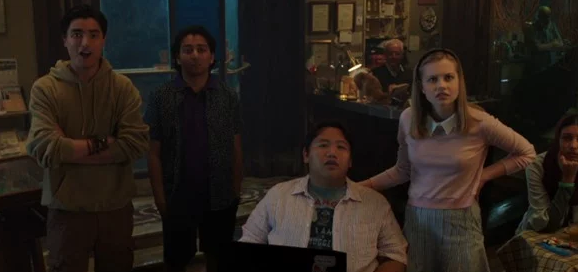
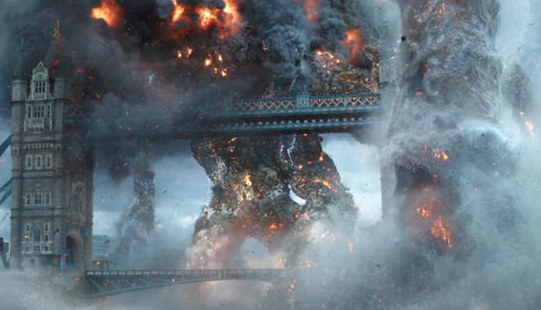
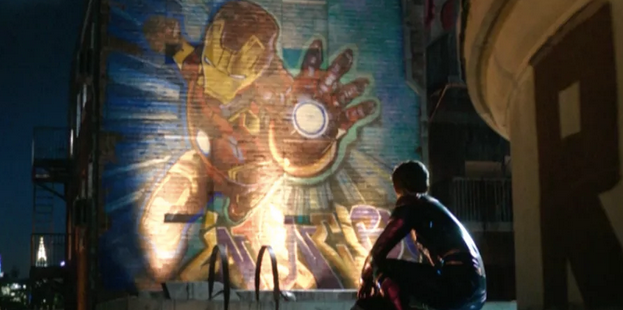
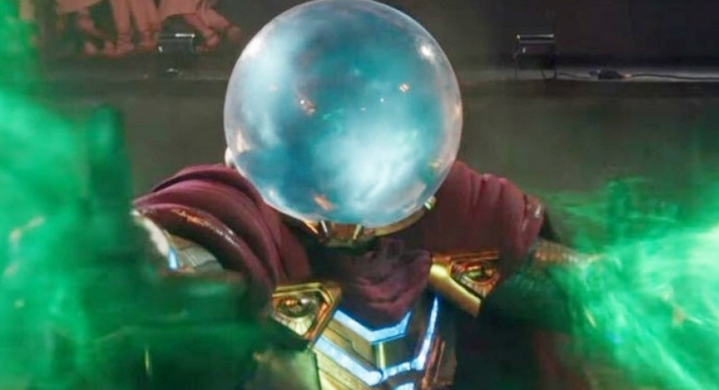
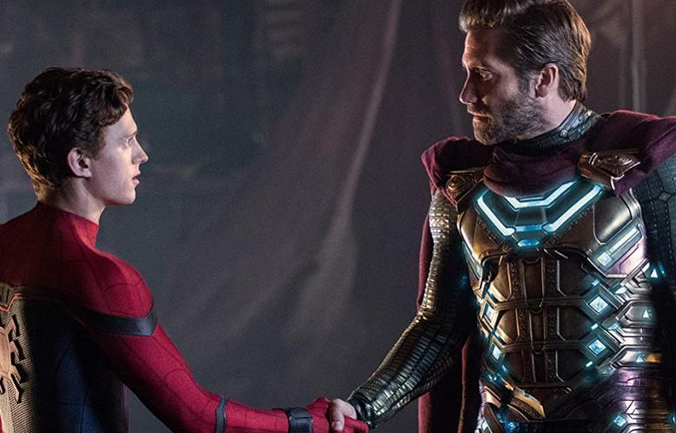



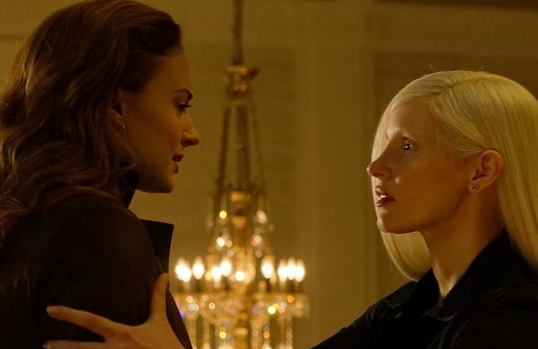
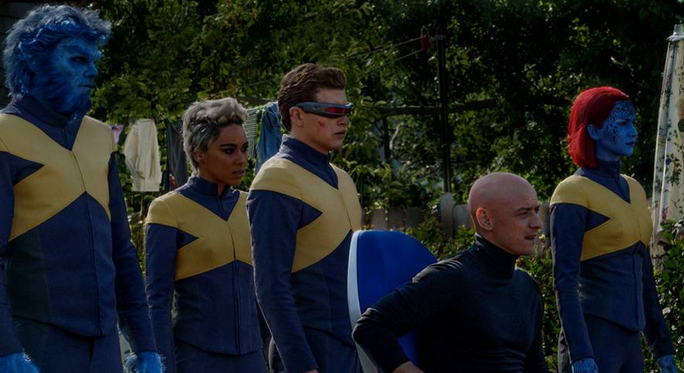
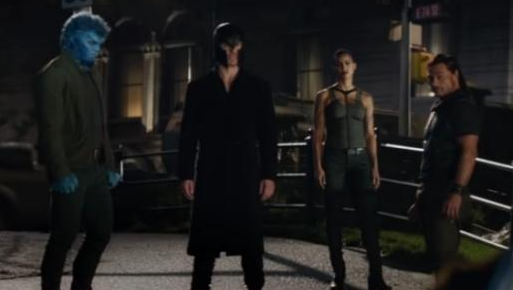
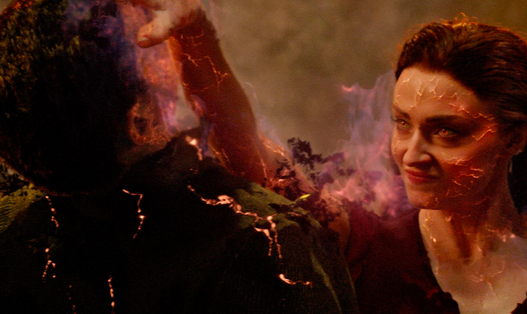
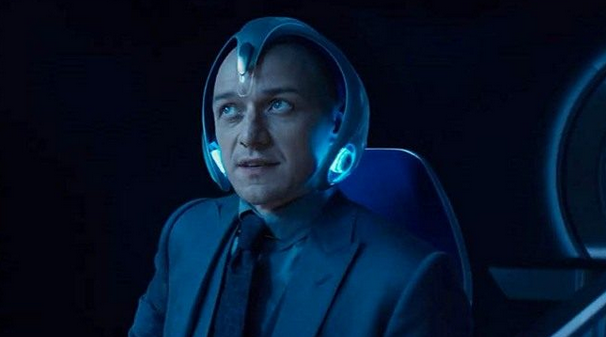
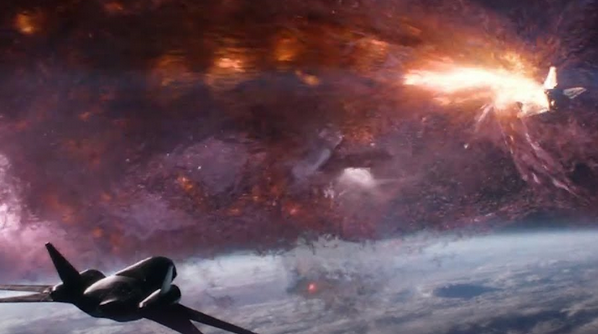


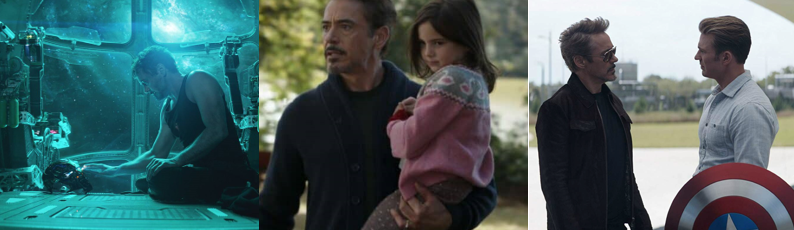
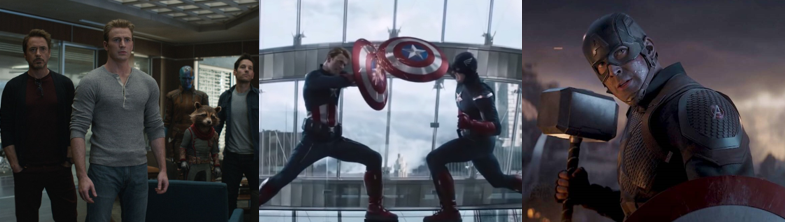
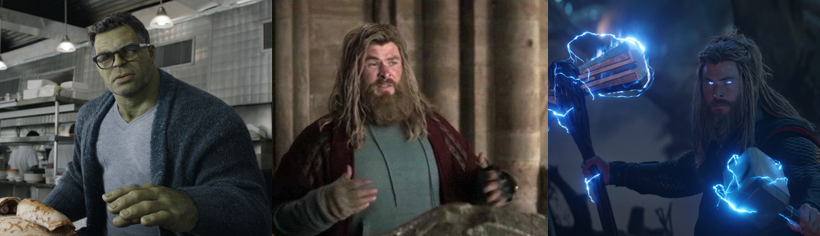
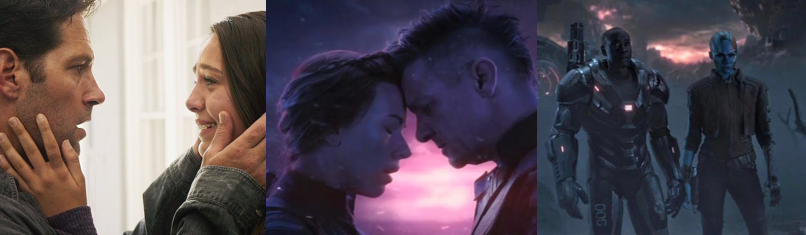
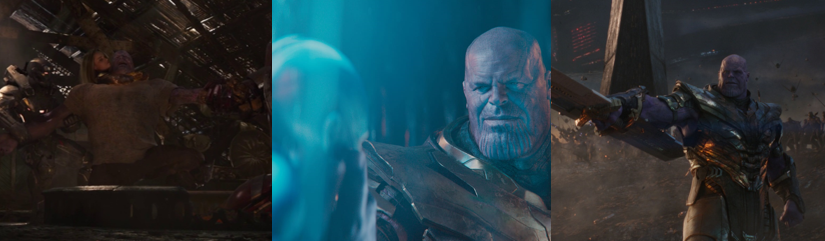
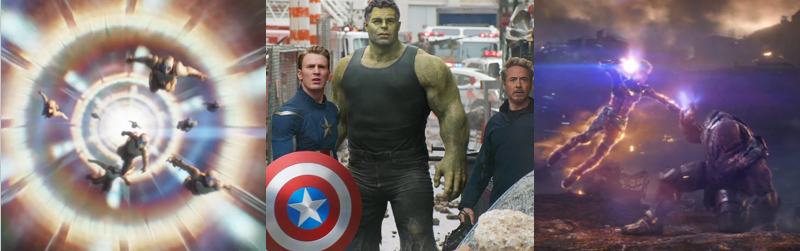
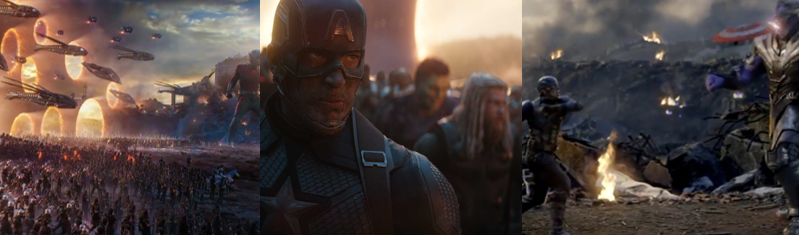





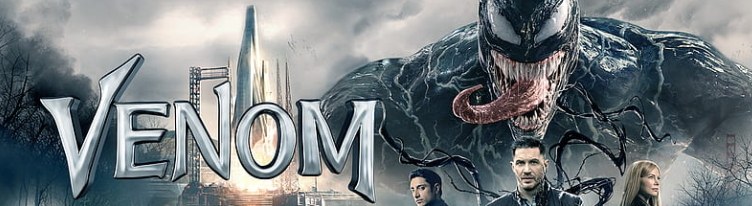


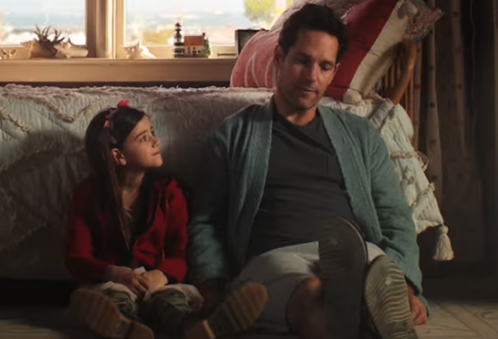
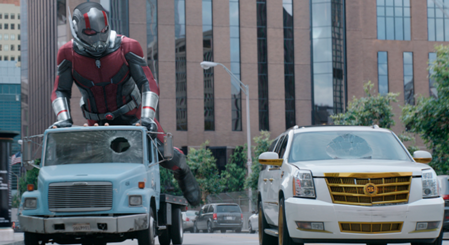
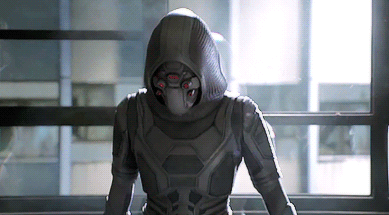
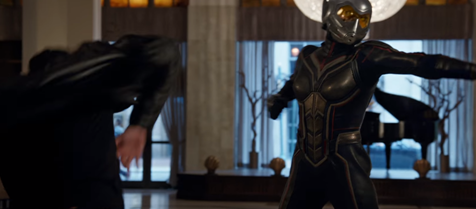
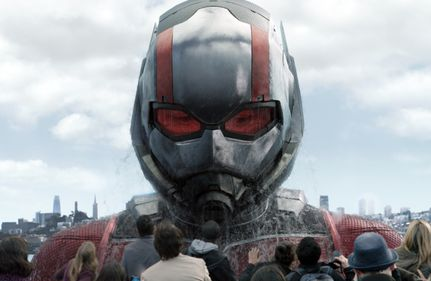
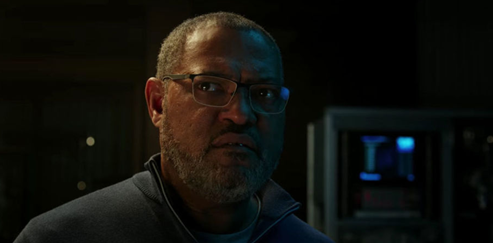



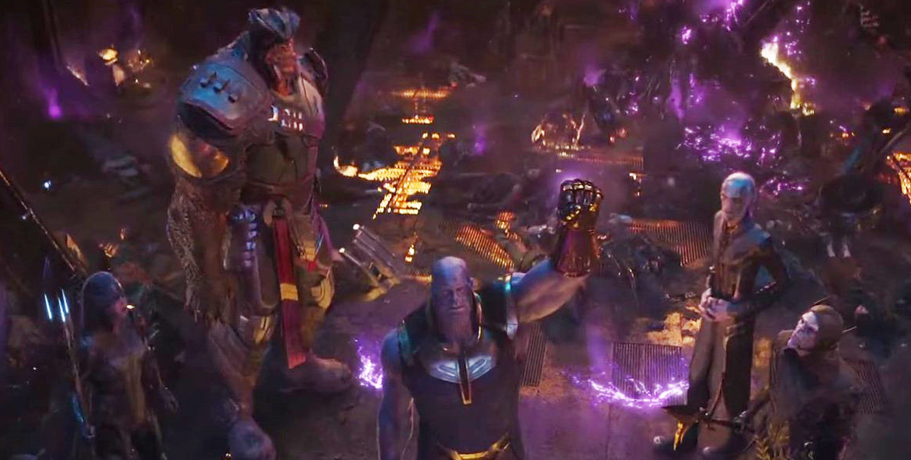
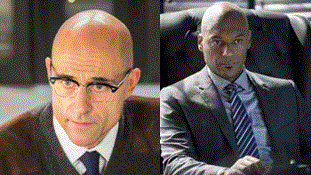


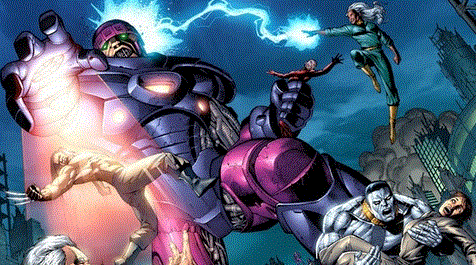
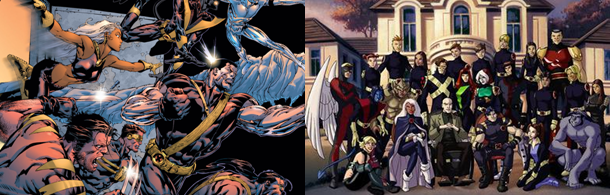


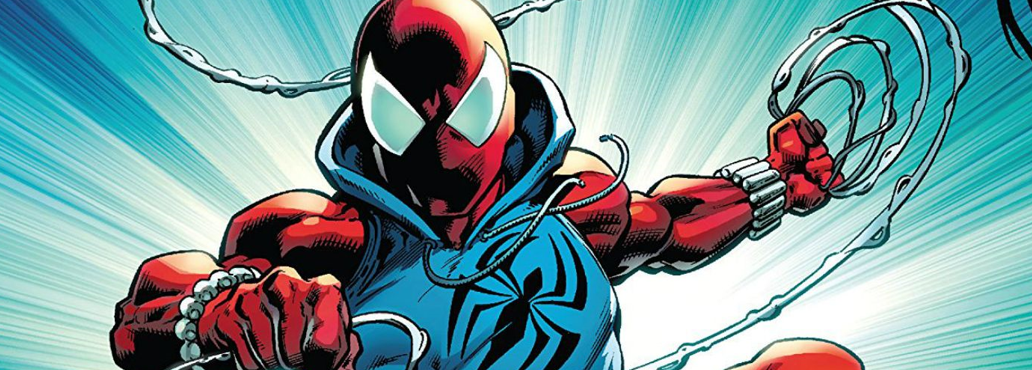

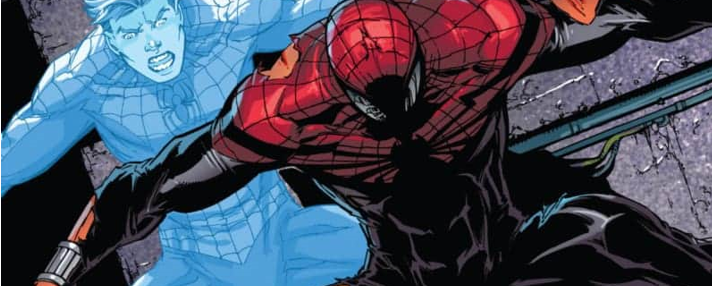
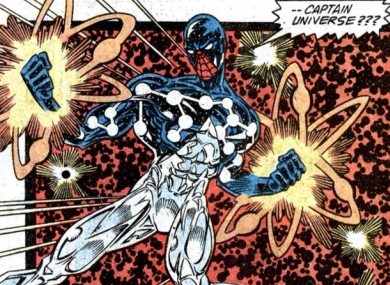
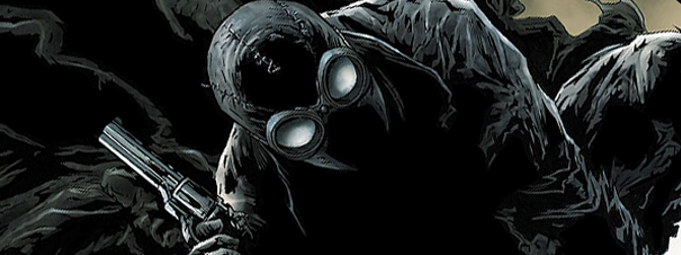
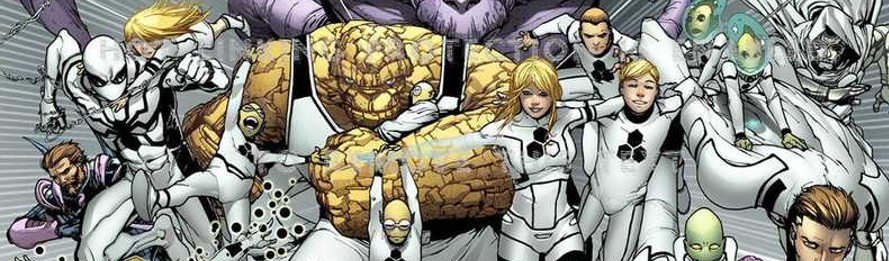
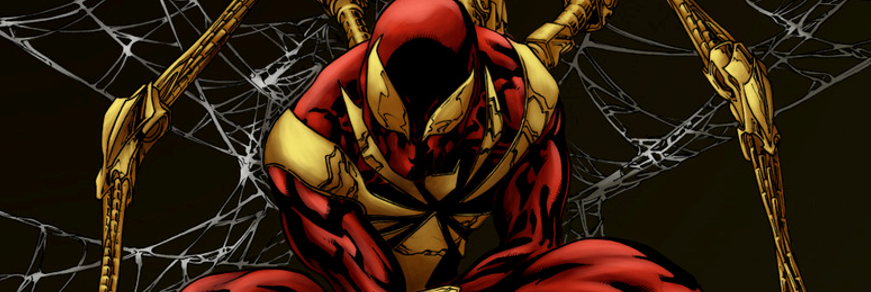
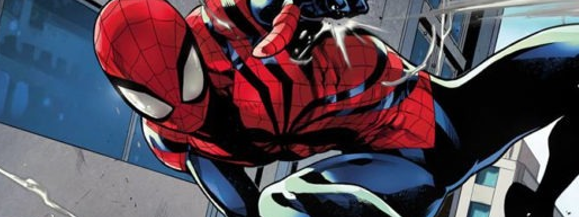

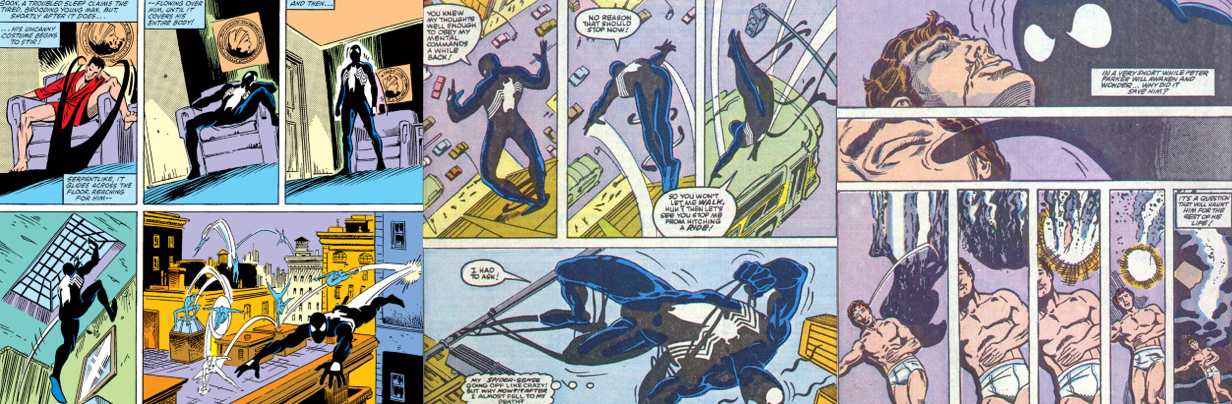

 Dr. K's Waiting Room
You must be logged in to post a comment.