Released: 10 July 2015 Director: Corin Hardy Distributor: Entertainment One Budget: Unknown Stars: Joseph Mawle, Bojana Novakovic, Michael McElhatton, and Michael Smiley
The Plot: British conservationist Adam Hitchens (Mawle) has moved to a remote Irish village with his wife, Claire (Novakovic), and baby boy Finn. However, despite the cold and aggressive warnings of local villagers like Colm Donnelly (McElhatton), Adam continually ventures into a dense and feared forest, discovering both a strange fungal infection and a number of demonic creatures intent on stealing their baby.
The Background: Written alongside co-producer Felipe Marino, The Hallow is the creation of English director Corin Hardy, who wished to pay tribute to, and touch upon, numerous elements of the horror genre (from body horrors to creature features) to create a dark fairytale that was inspired by the darker elements of Irish fiction and lore. Produced on a limited budget, and favouring traditional, practical effects over an abundance of computer-generated effects, The Hallow premiered at the 2015 Sundance Film Festival and garnered quite a positive reception for its dark atmosphere and impressive creature effects.
The Review: The Hallow is like a love letter to a bygone era of horror cinema in that it uses a shoe-string budget wisely, utilising dark, moody lighting, creepy, dilapidated sets and forests, and a generally foreboding sense of dread to build tension and leave the audience hankering for answers. Focusing on only two characters (and their little boy) helps to keep the film from getting too bloated with unnecessary characters who exist purely to be killed; indeed, The Hallow’s body count and gore factor are both quite low as the film is more about trying to figure out exactly what it is out in those decrepit woods that is causing such horrific events to happen. The locals view the woods with dread and fear, believing a supernatural force dwells within that takes great offense to disturbance of its natural habitat and strikes back with a wicked vengeance, stealing children in the dead of night.
Atmosphere and dread are key aspects of The Hallow‘s terror.
While all the locals share this sentiment, none exemplify it more than the closest thing the film has to a human antagonist, Colm, whose daughter was a victim of the woods and the entity that dwells within (known in local folklore as the titular Hallow). As such, Colm, exhibits a paranoid, aggressive demeanour around Adam and Claire, entering their house and walking onto their property in a threatening manner in an attempt to warn them off but never quite explaining what it is that has him so deathly afraid until it is too late. Adam and Claire as surprisingly unremarkable characters, however this isn’t actually meant as a criticism; the whole point of these two is that they are perfectly normal individuals who are menaced by an increasingly malevolent series of events. At first, they believe it’s the work of the locals but they soon find that the Hallow is just as incensed by their presence and that their lives are in genuine danger.
The Hallow’s influence strikes both subtley and with malicious intent.
Their relationship is relatively stable throughout all of this; despite having made a big life change and moving from the bustling streets of London and into the middle of nowhere, they’re still very much a team and clearly still enamoured by each other. The events of the film test their sanity and relationship, however, when the malicious fungus of the forest begins to spread not only through their house but also through Adam in the form of a particularly cringe-inducing attack. As Adam’s behaviour becomes more erratic and his body horrifically mutates from the fungus’ influence, Claire comes to fear him as much as the demonic faerie-like creatures that make up the Hallow; through it all, her primary concern is the welfare of Finn, the Hitchens’ helpless little baby who becomes the target of the Hallow’s wrath. To that end, she runs head-first into the dangers of the woods without a second’s hesitation to retrieve the boy and is genuinely torn between her love for Adam and her devotion to her baby when the increasingly-infected Adam suggests that Finn has been replaced with a Hallow-born changeling.
The Hallow‘s practical creature effects are used sparingly and to great impact.
The horror of The Hallow is in taking a perfectly normal couple in an isolated, rural environment surrounded by superstitions and hostility and bombarding them with increasingly supernatural and horrific events. The idea here is that this could happen anywhere as foreboding, ominous woods and forests are scattered all over the United Kingdom’s more rustic landscapes and myths and tales of local folklore and horrors still permeate to this day, forming the basis of many popular fairytales and nursery rhymes. As a result, the horror is more of a creepy, unsettling vibe; jump scares are used sparingly and to great effect and the creature effects are effectively hidden through clever lighting and camera tricks. When the Hallow do appear onscreen, they look gruesome and realistic as a result of the film’s practical approach and, even better, while competing theories of their origins are presented (one a more supernatural perspective and the other more scientific), no concrete explanation of their origins, motivations, or nature is really given, meaning they are all the more terrifying for their mystery as much as their ruthlessness.
The Nitty-Gritty: Like any good, classic horror film, much of The Hallow’s action and horror takes place in the unsettling dead of night; light harms these creatures, so they only emerge when it is dark and constantly stick to the shadows, meaning we rarely get a good look at them in the film’s early going. Though Adam is able to fire up a generator, this is only a temporary solution and the Hallow are smart enough to cut their lights and means of communication (not that it would do much good as the locals are too afraid and too prejudiced against the outsiders to offer much in the way of support).
Body horror is a large part of The Hallow‘s terror.
Infected by the fungus quite early into the Hallow’s move against his family, much of the second act of the film revolves around Adam struggling against the fungus’ influence to fight off the Hallow and keep his wife and child safe. This becomes increasingly difficult as the fungus warps his mind and senses as much as his body, making him more aggressive, paranoid, and animalistic as its effects spread. These manifest themselves in a variety of gruesome ways, from warping his eye and causing disgusting tendrils to emerge from his body to having him see his son as a horrific creature rather than a bawling baby.
The Hallow are vicious, territorial little creaturesthat are the subject of local folklore.
As the damage to his body intensifies, Adam eventually succumbs to the fungus and is able to walk freely among the Hallow in a bid to find his real son; on the cusp of being completely taken over, he appears to become the film’s true antagonistic force (especially when he lights a scythe on fire and begins a relentless pursuit of Claire and Finn) but ultimately sacrifices his humanity and his life to rescue his son and expose the Hallow’s deception. The main selling point of The Hallow, like any good creature feature, is, of course, the titular creatures; strange, malformed goblin-like monstrosities, the Hallow were once human (possibly all once human children) who were infected by the malevolent fungus that dwells within the woods and, over time, horrifically transformed into twisted, cannibalistic monsters who can only exist in darkness and ferociously lash out at any who desecrate their land. Thanks to their abhorrence to sunlight (and to iron) and habit of stealing children, the Hallow are viewed as a very real superstition by the locals, something that is left largely uncertain by the film’s ambiguous approach, all of which helps to increase the horror of the Hallow through the fact that they are both plausible and also unquantifiable.
The Summary: The Hallow is a very intense, atmospheric piece of horror; what little budget the film had has clearly been put to good use, allowing the plot to focus only on a handful of characters to ensure the best performances. Rife with feelings of escalating dread and isolation, the film is just as much about sickening body horror as it is its terrifying creatures, striking a good balance between superstition and the supernatural and a more tangible, recognisable threat. One of the best aspects of the film is how it doesn’t concern itself with being pretentious or overly artsy; instead, its focus is on atmosphere and terror, using its malicious little creatures sparingly and to great effect to punctuate its subtle horrors.
My Rating:
⭐⭐⭐
Rating: 3 out of 5.
Pretty Good
Have you ever seen The Hallow? If so, what did you think of it? What are some of your favourite low budget horror titles? Can you think of any other fairytales or bits of folklore that would make (or have made) for terrifying horror films? What are some of your favourite films (or instances) of body horror or featuring malicious little creatures? No matter what you think or what examples you have, feel free to write a comment below.
Released: 25 January 2008 Director: Sylvester Stallone Distributor: Lionsgate and the Weinstein Company Budget: $50 million Stars: Sylvester Stallone, Julie Benz, Paul Schulze, Graham McTavish, and Maung Maung Khin
The Plot: Twenty years after the events of the third film. Vietnam War veteran John J. Rambo (Stallone) has retired from the civilised world and is working as a snake catcher and boat driver in Thailand. However, when missionaries who hired Rambo’s services are taken hostage by the sadistic forces of Major Pa Tee Tint (Khin), Rambo reluctantly tags along with a group of mercenaries on a desperate rescue mission.
The Background: After Rambo III (MacDonald, 1988) underperformed at the box office, the Rambo franchise lay dormant for the better part of two decades as star and creative force Stallone struggled to find a good excuse to revisit the character. After being inspired by the atrocities in Burma, Stallone was initially reluctant to direct the film himself but became excited when he decided to direct it from Rambo’s skewed perspective. The confusingly-titled movie’s unimpressive $113.2 million box office was accompanied by mixed reviews that criticised the excessive violence while praising the long-awaited return of the beloved character. Undeterred, Stallone began work on a follow-up soon after Rambo’s release that, after numerous revisions and alterations, was pretty much universally lambasted by even the character’s original creator when it eventually released.
The Review: One of the complaints I had about Rambo III was that it really didn’t spent much time at all exploring Rambo’s newfound life away from war; we got the briefest glimpse at his time in Thailand but we never got to see in any real detail how he had adjusted to this life or what his mindset was. Rambo, to its credit, does not make the same mistake; when we re-join Rambo, now much older and more stoic and jaded than ever, he’s still in Thailand but now working as a snake catcher and offering boat trips. We follow him throughout a typical day, witnessing him applying his unique survival skills in a far more practical way as he catches fish with his trademark bow and rounds up snakes with an experienced efficiency.
Rambo has turned his back on the outside world and has no interest in reconnecting to society.
In Rambo III, Colonel Samuel Sam Trautman (Richard Crenna, sadly missing from this film due to his untimely death) all but accused Rambo of hiding and denying himself in Thailand and, while that may have been true, it’s far more prevalent here. When missionary Michael Burnett (Schulze) attempts to hire Rambo’s boat, Rambo vehemently and aggressively turns him down; fully aware of the atrocities occurring in Burma, he bluntly recommends that the missionaries avoid the area entirely and return home unless they plan to bring weapons and it’s pretty clear from his dismissive “Fuck the world” that he’s largely turned his back on the outside world.
The missionaries grossly underestimate the cruelty of Tint and his army.
Full of optimism and blind faith, the missionaries attempt to bring medical aid, religion, and serenity to the troubled villagers but grossly underestimate the cruelty and violence of Burma, especially Tint and his army. When the Burmese attack the village with mortars and gunfire, villagers are literally blown to shreds by the explosions, kids are shot, and limbs are hacked off mercilessly and the missionaries, woefully unequipped and overwhelmed by the violence, are summarily taken captive. It’s a brutal, unrelenting show of force and viciousness and far beyond anything seen in the previous films; indeed, it’s as though Rambo’s version of the world has come to life before our eyes and the missionaries are left petrified prisoners of war at the limited mercy of Tint and his army.
Tint is easily the cruellest and most sadistic of all of the franchise’s villains.
The cruelty of Tint and the Burmese junta army is a significant part of the film and is, literally, the first thing we see; Tint has his soldiers force villagers to cross a swamp-like river filled with mines and guns down any that survive the trip purely for his own amusement. Similarly, he orders his men to pillage the villages, taking their sons and forcing them into joining his army, taking their women to be sex slaves, and threatening to destroy the villages if they try to retaliate or aid the Karen rebels. Of all the villains and villainous forces seen in the Rambo films, Tint and the Burmese are easily the worst and most despicable since we not only see the aftermath of their actions but actually see them exercising their sadistic will in full force not just on the innocent villages but also on the missionaries.
In the end, Rambo can’t fightwhat’s in his blood and gears up to join the rescue mission.
Still haunted by his life experiences, Rambo has returned to his belief that “nothing ever changes” but, despite his bitter and cynical attitude, he is talked into helping the missionaries by Michael’s fiancée, Sarah Miller (Benz), and even refuses to accept any payment based entirely on her plea to the dim recesses of his humanity. Later, after dropping the missionaries off, we see that Rambo is still tormented by nightmares of his experiences and the events of the previous films, and Trautman’s words regarding his true nature and coming “full circle”. Unlike the previous films, Rambo isn’t alone this time around; although he disapproves of the idea of mercenaries, he’s unable to deny that “war is in [his] blood” and agrees to not only ferry them on a rescue mission but also to tag along despite the objections of Lewis (McTavish).
Only a couple of the mercenaries get a chance to stand out but they’re all fully capable soldiers.
Of all the mercenaries, it’s Lewis who is the most outspoken and aggressive; frustrated at the idealism of the missionaries and taking an instant dislike to the country and Rambo, Lewis is a tough, overly-macho, and outspoken asshole who’s only really in it for the money. He’s the most prominent of the group, though School Boy (Matthew Marsden) attempts to keep the peace and acts as the group’s sniper, Reese/Tombstone (Jake La Botz) acts as the explosive expert, and En-Joo (Tim Kang) also manage to stand out amongst the volatile group. For all their equipment and vigour, they are left stunned by Rambo’s prowess at killing and guerrilla tactics; having drastically underestimated him as merely the “boat man”, they are suitably convinced to allow him to tag along after seeing his proficiency with a bow.
The Nitty-Gritty: Rambo is like an amalgamation of the previous three movies as it is dominated by the bleak cruelty of the first film, features a similar gritty approach to its violence as the second film, and concludes with an over the top bloodbath that surpasses even the ludicrous third film. Like its predecessors, Rambo builds towards its action and violence over time but does a much better job of exploring Rambo’s psyche than the last two films; older, world-weary, and bitter, Rambo is a blunt, pragmatic, and realistic instrument who hasn’t lost any of his skill and efficiency over the years. Well versed in the harsh nature of the world, especially Burma, he isn’t afraid to gun down pirates when negotiations fail and his knowledge of guerrilla warfare and the area gives him the edge over the younger mercenaries.
Rambo impresses with his unquenchable aggression and proficiency with a bow.
The presence of a diverse team of combatants allows for much more variety in the film’s action sequences, though guerrilla tactics are still very much the order of the day thanks to Tint’s superior forces. No doubt due to Stallone’s advancing age and sharing double duties as director and star, sharing the action amongst his younger companions also allows the film to stand out from its predecessors, which were largely focused on one man waging war against insurmountable odds. Rambo’s experience and unique set of skills are still able to shine through, though, since he uses both (in co-ordination with his knowledge of the country) to lead a successful rescue of the missionaries under cover of darkness using little more than stealth, grit, and determination.
With the mercenaries held by Tint, Rambo leaps into action using a huge machine gun.
Interestingly, the added numbers also end up being a hindrance for Rambo as, while they offer backup and cover fire and play their part in the rescue, many of them are summarily captured by Tint’s soldiers. While Rambo was captured in the previous films, he largely only had to worry about getting himself out of danger but, this time, he has to consider the lives of many people and, as a result, is somewhat handicapped in a way he might not have been had in gone in to rescue the missionaries alone. Indeed, Rambo proves the advantages of his age and experience as he completely avoids capture this time around and is able to take on Tint’s entire army with only Sarah, School Boy, and a massive machine gun at his disposal!
Tint meets a fittingly gruesome end at Rambo’s hands.
While Tint is a reprehensible antagonist, he doesn’t actually pose a physical threat to Rambo or the mercs; instead, Tint’s threat comes from the fact that he has an entire army of loyal, equally sadistic soldiers at his beck and call and, protected by these numbers, he feels free to exercise his will and indulge his every desire, however despicable and cruel those may be. His preference to watch or to mercilessly beat his captives means that, rather than facing off with Rambo in hand-to-hand combat, Tint directs his forces to do his fighting for him, leading to countless Burmese soldiers being cut to ribbons by Rambo (who has mounted a massive machine gun) and his allies. When the Karen rebels also join the fight, Tint sees defeat at hand and decides to save his own hide and, for his cowardice, is summarily disembowelled by Rambo, putting an end to his reign of tyranny.
Contrary to the usual anti-war sentiment, Rambo‘s message is that violence is always the answer!
Of course, one of the most notable things about Rambo is its depiction of absolutely brutal and gratuitous violence and gore. Rather than being slowed by age, Rambo appears to be more dangerous and lethal than ever as he is now able to rip a man’s throat out with his bare hands and the film is littered with similarly gruesome imagery: heads and limbs are blown and cut off, kids are shown with their legs missing, Tint’s pigs feast on human flesh, Lewis ends up with his leg shredded into little more than meat and bone by an errant mine (but loses none of his aggressive defiance despite the agonising pain), and Rambo detonates a dormant bomb with the impact of a small nuclear explosion! This all culminates in the finale, where Rambo literally guns down hundreds of men with his machine gun, reducing them to dismembered corpses. Even Michael, pushed to his very limits by the violence he has seen and abuse he has suffered, ends up going against his morals and beats a man to death with a rock and, in the end, the message seems to be that uncompromising, brutal violence truly does solve the world’s problems rather than messages of peace and blind optimism.
The Summary: Rambo is an uncompromisingly brutal and bleak piece of cinema with a rather grim and ghastly message; the previous Rambo films basically came down to the simple and enduring premise that war is Hell but, in Rambo, war is the solution rather than the problem. While the missionaries wish the spread a message of peace, their mission would have ended with death and rape had Rambo not been on hand to execute the pirates and, were it not for the intervention of Rambo and the mercenaries, all of the missionaries would doubtless have ended up tortured and beheaded. The violent excess in Rambo compared to even Rambo III is impressive in its gratuity and yet, while Rambo’s methods and perspective on the world turn out to be true and the only productive solution to the conflict, there’s a definite sense that such violence is wholly abhorrent and only necessary because of the way the world is at times. I like the concept of Rambo being this lone wolf who gets sucked into greater conflicts and brings his unique skills and point of view to different scenarios, and the finale of him finally returning home to his father (which, I feel, is a far more fitting end than the shit-storm of the fifth movie), but I feel the decidedly anti-war message that was prevalent in the first film and felt throughout its sequels has been lost somewhat in the indulgence of excess though, if you look hard enough, traces of it are still there behind all the gratuitous and entertaining violence.
My Rating:
⭐⭐⭐
Rating: 3 out of 5.
Pretty Good
What did you think to Rambo? How do you feel it holds up, especially compared to the previous films? Were you as confused by the film’s title as I was or did you appreciate the simplicity of it? What did you think to Rambo’s characterisation in the film and his motivation for helping the missionaries? Were you a fan of the gratuitous violence on display in the film and what was your interpretation of it all, in the end? Do you think that this works better as a finale for the character or were you excited to see more from Rambo? Which Rambo film is your favourite? Whatever your thoughts, drop a comment below and click here for my review of the fifth film.
Released: 15 May 2017 Director: Patty Jenkins Distributor: Warner Bros. Pictures Budget: $120 to 150 million Stars: Gal Gadot, Chris Pine, Danny Huston, Elena Anaya, Connie Nielsen, Lucy Davis, and David Thewlis
The Plot: Before taking the mantle of Wonder Woman, Princess Diana of Themyscira (Gadot) was an Amazonian warrior raised in seclusion on an island paradise. However, when American pilot Steve Trevor (Pine) crashes on their shores and brings awareness of a worldwide conflict, Diana finds herself compelled to leave her home and take up arms in a bid to destroy the God she believes is responsible.
The Review: Wonder Woman begins in the present day, between the end of Batman v Superman and the start of Justice League(Whedon/Snyder, 2017), and is framed by Diana’s narration concerning her past after having a photograph of her time in the First World War sent back to her by Bruce Wayne (Ben Affleck). From there, the film flashes back over a hundred years into the past and to the secluded island paradise of Themyscira where we see a young Diana (Lilly Aspell), emulating the ways of her warrior sisters and yearning to begin her training as a warrior. Diana’s mother, Queen Hippolyta (Nielsen) is vehemently against Diana becoming a fighter; instead she wishes that Diana would be better served learning the ways of peace and tolerance. To emphasise the foils of war and conflict, she tells Diana a harrowing story of Zeus’s son, the warmongering Areas, influencing the hearts and minds of man into bloodshed and his subsequent slaughter of the Greek pantheon. After defeating Ares, Zeus created Themyscira with his dying breath to shield them from the outside world so that their natural ways of peace and love could prosper far away from the easily manipulated ravages of Man.
Diana’s curiosity at Steve’s presence turns to rage when German forces kill her aunt.
Hippolyta also shows Diana the ancient sword, Godkiller, a weapon only the fiercest of Amazons could hope to wield. Despite her mother’s wishes, the young Diana (Emily Carey) is inspired by the stories of battle and glory and secretly trains with her aunt Antiope (Robin Wright) in the ways of the warrior. Antiope is finally able to convince Hippolyta to train Diana “harder than any Amazon before her” to make her powerful enough to stand against Ares when he inevitably finds her. However, while Diana (now played by the gorgeous Gadot) becomes a fierce warrior thanks to this rigorous training, her powers (mainly tied to her magical gauntlets) make her unpredictable and dangerous. It is while lamenting these issues that Diana rescues Steve Trevor after his plane crash-lands in the waters around Themyscira; this action not only brings a man onto the hidden island for the first time since its creation (which is of immediate curiosity and interest to Diana) but also the greater worldwide conflict currently gripping the globe as German forces invade Themyscira in pursuit of Steve. Although the Amazonians fend off and defeat the invaders, they suffer heavy losses thanks to the German artillery and, in the battle, Diana’s beloved aunt Antiope is killed. It’s a great scene to showcase the warrior ways of the Amazons and their incredible prowess with swords, bows and arrows, and to give Diana a personal reason to leave the island and get involved in the War, while also showcasing that, as powerful and skilled as the Amazons and even Diana are, they are not invulnerable.
Diana is puzzled by “man’s world” and the film’s comedy comes from her being an outsider.
Angered at Steve’s presence and the invasion of men, Hippolyta interrogates him using the magical Lasso of Hestia, which compels him to reveal the truth; in the process, and despite attempting to resist, he reveals that he is a spy for the Allied Forces who discovered a plot by General Erich Ludendorff (Huston) to develop a potent and deadly new strain of mustard gas using the research of the disfigured Doctor Isabel Maru/Doctor Poison (Anaya). This story not only establishes the film’s two main antagonist but also Steve’s conviction and bravery as he goes against his orders to steal Maru’s notebook to warn the Allies of Maru’s weapons. Convinced that this World War is the product of Ares’ return, Diana defies her mother’s wishes once more and arms herself with the Godkiller sword, ceremonial armour, and the magical lasso to accompany Steve back to London. This gives the film a chance to be a bit more playful as Diana is a fish out of water in the modern world; confused and intrigued by men, their society and their ways, she’s puzzled by the simplest of things (watches, ice creams, consumerism, romance, vehicles, revolving doors, and the like) and her interactions with Etta Candy (Davis) really give Gadot a chance to shine and add some depth and personality to Diana’s character. She’s a character of great love, curiosity, and conviction but also naivety; even on Themyscira she is something of an outsider, believing fully in the Amazons’ destiny to defend the world from evil and stop Areas, and her character development includes not just becoming wiser in the world of man but also in the ways of her own world and she is forced to learn, the hard way, that the world’s conflicts are far more complicated than the machinations of one singular being, even a God like Ares.
Steve Trevor has seen a lot in his time and is focused on the big picture.
Steve is similarly intrigued by Diana; obviously, he has a near-instant attraction to her (and, truth be told, she to him) and marvels at her island and her convictions but, as charming and charismatic as he is, he is also somewhat world-weary. Having witnessed first-hand the atrocities of war and the folly of man, he believes that all people are capable of unspeakable acts out of their pure nature rather than the influence of a supernatural being, which is a harsh lesson he is forced to teach Diana. Similarly, Diana is disturbed by Steve’s focus on the big picture and adherence to staying on mission, which leaves innocents suffering the cost of the war, but his reasons are perfectly valid and believable: the War is horrendous and brutal and his focus cannot be on saving every single person, only trying to stop the most direct threat and he remains a likable and appealing character thanks to Pine’s fantastic charisma and onscreen chemistry with Gadot and, even in the face of Diana’s amazing abilities he is able to hold his own as a soldier and a hero.
Lundendorff and Maru are real threats butwar-time politics are also an obstacle.
Similarly, Huston is as captivating as always in the role of Ludendorff, a brutal German general who enforces his will through strict corporal punishment and high expectations. Thanks to Mau’s potions and elixirs, he is granted a degree of superhuman strength and heightened aggression and Maru herself is a sadistic and hideously alluring villain whose experiments with chemistry produce a gas capable not just of choking the life out of those exposed to it but also eating through protective gear like gas masks. As real and credible as their combined threat is, however, it is the politics of war and society that prove the greatest hurdle in the early going as Sir Patrick Morgan (Thewlis) and others in the upper echelon are more concerned with agreeing an armistice with the Germans than proactively moving against them. Interestingly, the German forces are depicted as desperate, running low on resources, and on the verge of agreeing to the armistice and, disgusted by their weakness and unable to simply give up on the conflict, Ludendorff assassinates them in order to strike his decisive blow against the Allies. This leads to Steve recruiting a rag-tag team of misfits to head to the Front Line and take out Ludendorff’s chemical facilities; despite them being a little rough around the edges, his group is made up of some colourful characters: Sameer (Saïd Taghmaoui), a smooth-talking French spy; Charlie (Ewen Bremner), an expert sharpshooter with a drinking problem and traumatised by his experiences in war; and the Native American smuggler Chief Napi (Eugene Brave Rock), who initially refuses to take sides in the War given everything his people lost colonisers. With these allies, and surreptitious assistance from Morgan, they are able to reach the Western Front for one of the film’s breakout sequences: with the Allies pinned down by gunfire, Diana boldly steps into No Man’s Land to deflect the gunfire and take the enemy trench and, in the process, not only liberate a village from the Germans but also share an intimate moment with Steve.
The Nitty-Gritty: One of the most memorable aspects of Wonder Woman’s debut in Batman v Superman was her stirring orchestral theme, which her solo movie beautifully expands upon to turn it from a bad-ass battle theme into a rousing, heroic melody that punctuates Diana’s evolution as a character and her actions throughout the film. Given the film’s period setting, there is also a great deal of commentary on the role of women in society at the time; Diana is confused and insulted by man’s opinions and treatment of women, having grown up in a warrior society where woman are strong and independent, and brings (through her words but also simply by her appearance and actions) these principals to the wider world long before they really became a talking point.
Costume design is on point and Gadot looks breathtaking as Wonder Woman.
Wonder Woman shines in its visual aesthetic and costume design; Themyscira is a beautiful environment and full of interesting little elements and a rich lore that is only hinted at in the film. This is, however, largely for the best as Wonder Woman is more focused on the greater conflict of the First World War, meaning it is full of period-accurate costumes, technology, and bleak depictions of the folly and futility of warfare. Amongst these drab and depressing elements, and against the smoke-filled hustle and bustle of London, Diana stands out wonderfully in her amazingly realised and faithful costume. Wonder Woman’s outfit is often one of contention but the DCEU version of the character brought her classic look to screen in the best way possible by infusing it with realistic elements of Greek armour and it’s honestly one of the best and most accurate comic book costumes ever made.
Diana is obsessed with killing Ares to “free” men from his evil and distraught to learn the truth.
The film’s themes of warfare and suffering are potent thanks to its setting; while there are obvious comparisons to be made to Captain America: The First Avenger(Johnston, 2011), Wonder Woman is a very different film to that one and these comparisons are superficial, at best. Instead the focus is on Diana trying to acclimatise to man’s world and her total dedication to ending Ares’ threat; initially, she believes that Ares has taken Ludendorff’s form in order to spread chaos and devastation and is horrified to learn that her mother and Steve were both accurate in how easily men can be corrupted by their own evils and destructive impulses. This by itself would have made for a striking theme about the inherent evil that we are all capable of but, of course, Wonder Woman is a blockbuster superhero film that needs to end with Diana realising her destiny as the “Godkiller” and battling Ares (revealed to have been Morgan all along). As exciting and thrilling as this conclusion is, since it finally allows Diana the chance to showcase the full extent of her powers, it is kind of a shame that Ares is a vague and ominous threat for the majority of the film rather than actually being a tangible antagonist for us to learn about. In fact, we learn very little about Ludendorff or Maru, who are both criminally underused despite giving really good performances. However, it does serve the overall message of the film and the harsh lesson that Diana is forced to learn about human nature; when Ares finally reveals himself to Diana, it is at her lowest moment and he tempts her into joining his cause and destroying humanity but Diana’s convictions to her cause remain steadfast and are further emboldened when Steve comes to exemplify man’s capacity for good by sacrificing himself to end Maru’s threat just as Diana kills Ares once and for all.
The Summary: Honestly, I didn’t expect to like Wonder Woman as much as I did; I like the character and enjoy her involvement in team-up comics but have never been a massive Wonder Woman fan but the film won me over with its fantastically realised themes of war, and, sacrifice. The First World War setting was an inspired choice and really gave Diana a chance to see first-hand the atrocities of man and the complexities of human nature. Obviously, both her world and Steve’s world came to be true to a degree, with Ares ultimately revealed to have been influenced the human antagonists and inspiring the tools necessary for war, and this merging of these two separate worlds was wonderfully realised in the characterisations of Steve and Diana and their growing relationship over the course of the film. While I would have preferred Ares to be a more tangible threat throughout the film rather than a surprise twist at the end, I cannot fault the movie for its direction, cinematography, or presentation; there’s just as much heart and humour at work in the film alongside some stunningly realised action sequences that portray Wonder Woman as both beautiful and formidable and Gadot does an impressive job of giving some real depth and tragedy to Diana’s character that help to inform her portrayal and overall character arc in Batman v Superman and subsequent DCEU films.
My Rating:
⭐⭐⭐⭐
Rating: 4 out of 5.
Great Stuff
What did you think to Wonder Woman? Do you feel it deserved all the praise that it got? What did you think to Gal Gadot and Chris Pine’s performances, the characterisations of Diana and Steve, and their relationship? Did you enjoy the themes at work in the film and the “fish out of water” aspects? Did you see the Ares reveal coming and would you have preferred that the antagonists got a bit more time to shine or were you satisfied with the film overall? What are some of your favourite Wonder Woman stories, characters, and moments? How are you celebrating Wonder Woman Day tomorrow? Whatever your thoughts on Wonder Woman, leave a comment below and check out my review of the sequel.
Released: 25 May 1988 Director: Peter MacDonald Distributor: TriStar Pictures Budget: $58 to 63 million Stars: Sylvester Stallone, Richard Crenna, Kurtwood Smith, Marc de Jonge, and Spiros Focas
The Plot: Three years after the previous film, events in Vietnam, former United States Army Special Forces soldier John J. Rambo (Stallone) has settled in a Thai monastery. Finally content, he refuses to assist his former commander, Colonel Sam Trautman (Crenna), in assisting Mujahideen tribes in Afghanistan against Soviet forces. However, after Trautman is captured, Rambo immediately agrees to undertake a solo rescue on the condition that he will be disavowed in the event of capture or death.
The Background: The impressive box office success of First Blood (Kotcheff, 1982) led to the even more financially successfulRambo: First Blood Part II (Cosmatos, 1985), which transformed the character from a tormented Vietnam veteran and into an explosive, one-man army of an action star. This time around, Stallone was even more hands-on with the production of the film as he not only helped write the script but also hired Russell Mulcahy as the direct…and then promptly dismissed him after creative differences. Sadly, this time around, Rambo III was a box office disappointment after grossing just $89 million (which, while slightly more than First Blood, was a massive drop compared to the sequel). Although Rambo III was also met with mixed reviews, it was the most violent action film ever made at the time and its ludicrous body count was only surpassed by its eventual follow-up.
The Review: Having witnessed first-hand the treatment and abuse he receives in his home country, and having extracted a measure of revenge upon Vietnam for his experiences during the war, Rambo is, understandably, quite disillusioned and reluctant to be a part of “normal” society and has, instead, retreated to Thailand. Here, he desperately attempts to reconcile his two sides (the side that wants peace and the side that craves conflict) by helping to reconstruct and repair a Thai monastery and earning money for the monks by participating in brutal underground fights.
Despite seeing how badly war affected Rambo, Trautman encourages him back into the fight.
Tired of war and content with his newfound life, Rambo is dismissive and uninterested when Trautman and United States field officer Robert Griggs (Smith) arrive with a new mission for him. This is in stark contrast to the previous film, where Rambo signed up to Trautman’s mission (though somewhat begrudgingly) in order to rescue prisoners of war from the same torture he endured and face his demons in familiar surroundings. It’s also a far cry from Rambo’s emotional breakdown at the end of First Blood, where he defiantly declared that “Nothing is over!”; now, he declares that his war is over and that he’s finally at peace. Trautman, however, sees through his claims and believes that Rambo is hiding and denying his true self; it’s an interesting exchange based on their experiences in the previous films, where Trautman was sympathetic towards Rambo’s plight and claimed to have “made” him. Now, his argument is that Rambo was always this way and he (as in Trautman) simply pointed him in the direction of the enemy and, rather than trying to talk Rambo out of fighting, he actively encourages him to “come full circle” and be the soldier that has brought him so much pain and suffering.
Trautman is captured and tortured by Soviet terrorists.
However, Rambo refuses and, honestly, after everything we’ve seen from him, I can’t say that I blame him. But, without Rambo by his side, Trautman is captured by Soviet forces. When Griggs informs Rambo of this, Rambo immediately volunteers to go in, alone and off the books; this time around, at least, Rambo is told upfront that the government will deny any official knowledge of the mission and leave him to be tortured and killed so there’s no subterfuge or deception regarding this mission. Rambo’s motivation for volunteering is based purely out of the loyalty and respect he still feels for Trautman and his mission takes him to Afghanistan and in conflict with the Soviet forces, led by Colonel Alexei Zaysen (Marc de Jonge) and Sergeant Kourov (Randy Raney).
Zaysen and Kourov have different approaches that make them a significant threat.
Zaysen is largely similar to Lieutenant Colonel Sergei T. Podovsky (Steven Berkoff) from the last film; enigmatic and threatening, he attempts to intimidate Trautman with his eloquence. Trautman, however, is defiant and contemptuous towards Zaysen and his unwinnable war against the rebellious Mujahideen even while enduring ruthless torture at the hands of Zaysen and Kourov. Zaysen is very much the cool, calculating commander who only gets involved with the dirty work when his prisoners are held at his (or Kourov’s) mercy but grows increasingly frustrated by Rambo’s interference and disruption while Kourov is the more sadistic and brutal of the two and acts as Zaysen’s muscle.
Rambo’s greatest allies are, again, his grit, adaptability, and unmatched skills in warfare .
Thanks to the presence of the Mujahideen, Rambo is, again, not entirely alone in his campaign but, intimidated by the Soviet’s power and numbers, the tribe are reluctant to help Rambo beyond informing him of the general layout of the Soviet base. Indeed, for his initial assault on the base, Rambo is joined only by his guide, Masoud (Focas), and a young Mujahideen boy, Hamid (Doudi Shoua); the two join him against his wishes and it is through their inexperience that we get so see how cagey Rambo is, as he spots traps they don’t. Once again, Rambo’s greatest advantage for most of the film is his stealth, which allows him to enter the base undetected (by hiding up in the rafters and clinging on the bottom of a tank!), acquire weapons, and plant a number of explosive charges throughout the base to deal significant damage.
The Nitty-Gritty: Similar to the second film, Rambo III wastes little time in reacquainting viewers with Rambo and his newfound life but, again, builds towards its more explosive and action-packed moments. A great deal of time is spent dwelling in the Mujahideen village and watching as Rambo learns their ways and customs; apparently, Rambo has the time to waste talking with Masoud and Hamid and participating in the tribe’s odd (and, if we’re honest, quite cruel) idea of sport rather than formulating a reasonable plan of attack and, as a result, it’s no surprise when the village is suddenly attacked and destroyed by the Soviet’s attack helicopters. As a means to further add to Rambo’s motivation, this isn’t quite as effective as the brief romance from the last film; he’s gained a greater appreciation for the simple life and the ways of the innocent, for sure, but this attack mainly exists to explicitly show how persecuted the Mujahideen are and as an excuse to add to the film’s incredibly-high body count.
Rambo has transformed into a full-blown, mindless action hero for his third outing.
Once the killing starts in earnest, Rambo III almost descends into a parody of the high-octane action films of the time; casting aside all attempts at stealth and subterfuge, explosions and gunfire fill the screen as Rambo wages his largely one-man war and the Soviet forces being blown all over the place and running head-first into a hail of bullets while Rambo stands completely still and out in the open. The firefights actually remind me a lot of Commando (Lester, 1985) in that way and you can’t tell me that the ridiculous conclusion of that film, where musclebound hero John Matrix (Arnold Schwarzenegger) literally mows down hundreds of miscellaneous bad guys in very much the same way, wasn’t an influence on Rambo III’s absurd action scenes.
When teamed up with Trautman, Rambo is suddenly dropping quips and one-liners!
Nowhere is this more explicit than in Rambo’s brutal fist-fight with Kourov; a mute mountain of a man, Kourov poses a significant physical challenge for Rambo and results in the most visceral and brutal fight scene of the film as Rambo manages to not only knock Kourov down a pit with an impressive spinning kick but also breaks his neck and blows him up with a grenade! To top this elaborate death, Rambo III ends with an explosive and ludicrous showdown with Zaysen; with Zaysen piloting a gunship and Rambo at the controls of a tank, Rambo III ends with one of the more unique vehicular firefights I can recall and yet, as a massive fan of Commando and mindless action, I’m okay with this. Seeing Rambo completely unhinged and gunning down or blowing up countless bad guys is very thrilling and it’s even more exhilarating to see him and Trautman finally in the thick of it together. Previously, Trautman was little more than Rambo’s friend and publicist and, while he said that he had been in the midst of all the horrors of Vietnam in First Blood, we only saw Rambo’s time as a victim or torture or out in the field so it’s nice (well…not “nice” but refreshing, maybe?) to see Trautman getting his hands dirty rather than being safely out of harm’s way. Even more surprising is the banter between the two when they’re out in the field; Rambo had a few little quips here and there in the second film but he’s full of little snarky comments this time around which, while amusing and help to cement the unique bond between these two, do feel a little out of character for the normally tormented and focused Rambo.
The Summary: In a lot of ways, Rambo III is very similar to Rambo: First Blood Part II but lacking even the small amount of nuance and subtext that film had compared to the first. Everything has been dialled up to eleven this time around, transforming Rambo from a haunted, persecuted veteran and into another snarky action hero. With more explosions, more bullets, and a far greater body count that the previous film, Rambo III is almost a parody of the second film and it definitely feels as though Stallone was trying to compete against other over the top action films of the time. As a fan of the genre, I’m okay with this as mindless, explosive action and gun fights are always fun but it can’t be denied that something has been lost in emphasising these aspects. Although Trautman accuses Rambo of denying his true self by hiding in Thailand, it’s pretty obvious that Rambo is much more at peace at the start of the film and perfectly happy to have left behind his war and put his skills to use in building, rather than destroying, while indulging his more animalistic sides in stick fighting. In a lot of ways, it makes very little sense for Trautman to even want to deny Rambo the peace he’s found and I can’t help but feel like the film might have landed a little better if Trautman had never visited Rambo to ask for his help and we’d spent a little more time getting an idea of Rambo’s mentality so it meant a little more when he found out that his friend was in trouble.
My Rating:
⭐⭐⭐
Rating: 3 out of 5.
Pretty Good
Are you a fan of Rambo III? How do you feel it holds up today, especially compared to the first two films and the sequels? Were you disappointed that the film emphasised violence and action more than its predecessors or were you a fan of its glorious excess and action tropes? What did you think to Trautman’s extended role? Would you have liked to see more of Rambo’s new life to make his decision to return to war more meaningful? Which Rambo film is your favourite? Whatever you think, feel free to leave a comment below and be sure to check out my other Rambo reviews.
Released: 22 September 2016 Director: Steven Kostanski and Jeremy Gillespie Distributor: D Films Budget: $82,510 (minimum) Stars: Aaron Poole, Kathleen Munroe, Daniel Fathers, Mik Byskov, and Kenneth Welsh
The Plot: Deputy Sheriff Daniel Carter (Poole) brings an injured man to a hospital to treatment and is soon trapped inside by a hooded group of psychopaths. When Vincent (Fathers) and Simon (Byskov) violently enter the building looking to kill Carter’s patient, the few occupants find themselves under threat from horrific creatures that dwell within the hospital’s dark catacombs and tangled up in a doctor’s twisted desire for immortality.
The Background: I don’t quite recall exactly how The Void came to my attention; it was probably including on one of WhatCulture’s many lists that I routinely watch on YouTube in an attempt to discover new avenues of horror or science-fiction that may have otherwise passed me by. Regardless, The Void was crowdfunded by directors Steven Kostanski and Jeremy Gillespie after the latter was inspired by overhearing fellow director Guillermo del Toro’s desire to see a fresh filmic take on the works of H. P. Lovecraft. Having amassed a small budget to cover the cost of their creature effects, and following a difficult shoot, the low-budget production made its debut at Fantastic Fest on 22 September 2016, its Canadian premiere at the Toronto After Dark Film Festival in the following October, and, while a limited release only saw it make just under $150,000 at the box office, the film received strongreviews for its gruesome practical effects and bleak tone.
The Review: I went into The Void with few expectations and little to go on other than that it seemed to be a low budget horror affair in the vein of the likes of H. P. Lovecraft and came out it if relatively surprised. It wasn’t what I expected it to be (the misleading box art and posters, which hint towards an otherworldly beast of some kind, didn’t help) but once I got over that and caught on to the film’s basic premise and brand of mindfuckary it proved to be a decent enough experience. Is it perfect? Of course not, but then few films ever really are. When it comes to low budget horror, though, I am satisfied as long as the acting isn’t too corny, the film isn’t full of shaky cam and piss-poor lighting, and that it uses what resources it has well. Thankfully, The Void ticks all these boxes since it’s not filmed as a found footage movie and isn’t full of annoying handheld camera movements and it makes effective use of lighting and darkness to create just enough tension and horror rather than bathing the film in a sea of black.
Carter is a decent enough protagonist and is something of a flawed, but relatable, hero.
As for the acting…well, it’s serviceable enough. It’s hard to expect much from a cast of unknowns (well, they’re unknown to me, at least, with the exception of Ellen Wong) but the handful of actors we do have do a decent enough job at conveying enough emotion and personality to help drive the plot forward, Aaron Poole makes for a pretty believable and relatable everyman; he’s constantly living in the shadow of his hero cop father, tormented by the loss of his child, and constantly on the back foot despite his best efforts to calm the situation and take charge. While he does appear somewhat ineffectual and comical at times (it seems he’s getting attacked and/or knocked out every five minutes in the film’s first half), this largely serves to make his character more human and vulnerable; Carter isn’t some flawless action hero, he’s just a regular cop in an extraordinary and terrifying satiation who is trying to do his best and I think that comes across quite well.
Allison is a competent and capable character in her own right.
Supporting Carter are his ex-wife, Allison Fraser (Munroe), and a handful on staff at the hospital who are largely just innocent bystanders and/or cannon fodder for the film’s gruesome monsters. Like Carter, Allison is a relatable and likeable enough character; clearly she still has feelings for her ex and they have unresolved issues after their child’s still-birth and she is oftentimes exasperated by his stubbornness and the loose ends they have yet to tie up but she is surprisingly cool under pressure and proactive, rushing off to get pain relief for the pregnant Maggie (Grace Munro) despite the danger and trying to calm tensions as the rise.
There might be more to Vincent but he remains a hard-ass regardless.
Opposing Carter and his fellow victims are not just a group of nameless, faceless hooded figures with knives but also Vincent and Simon, two hot-headed and potentially dangerous individuals who burst into the hospital to kill James (Evan Stern) because of a previous run-in with him and the aforementioned hooded assailants. Though Simon was injured and cannot talk, he grows to become the more humane and level-headed of the two but, honestly, I gravitated a bit more towards Vincent as the film’s reluctant hero. He never truly fulfils this role, however, remaining a loud-mouthed, confrontational, self-absorbed asshole for the majority of his screen time even as he’s sacrificing himself to give Simon a chance to escape. Such aggressive anti-heroes are commonplace in life-or-death situations seen in horror films but, while Vincent does begrudgingly agree to help Carter, he never quite steps into the role of a true hero, which is a shame but, at the same time, has a certain realistic undercurrent to it.
The Void goes out of its way to keep things as vague and horrific as possible.
The film’s premise is pretty simple but is made far more complex by The Void’s commitment to keeping things as vague and unexplained as possible. Even when Dr. Richard Powell (Welsh) is revealed to be responsible for the carnage that has unfolded and is expositing his motivations, it’s all very cryptic and vague and left largely up to the viewer to interpret. Ultimately, it doesn’t really matter; it’s one of those situations where the horrific and impossible has happened and the film’s characters, like us, just have to deal with it as best as they can. They are besieged by maniacal hooded figures, betrayal and mistrust, an ever-warping reality, and some truly ghastly looking creatures and, in the end, the primary concern becomes one of survival rather than exposition.
The Nitty-Gritty: As I said, I went into The Void expecting a slightly different movie; I imagined it to revolve more around characters drawn into some ancient and demonic cult who wish to conjure some grotesque creature from beyond out world but, instead, it’s kind of a siege move as our protagonists are trapped inside of a hospital and unable to escape, left at the mercy of the creatures that prowl its dank catacombs. The majority of The Void’s budget was apparently spent on developing the film’s practical creature effects and it really pays off; there are no computer-generated monstrosities here, just good, old-fashioned rubber and latex and large, man-made fiends that are disgusting to look at and terrifying in their design. What’s better is that The Void’s monsters vary; the first one we see is this weird, tentacle-spewing, almost insect-like human/monster hybrid but Powell’s experiments have birthed all kinds of abominations, from chewed up torsos to zombie-like corpses.
Powell returns to life in a decaying, monstrous, undead form.
After suffering a fatal stab wound, Powell dies but, thanks to his experimentations with what is presumed to be the occult or some kind of similar, ancient dark magic, he returns to life undead and changed, determined to use the techniques he learned from the titular Void to bring his deceased daughter’s soul back to life. In his undead form, Powell is far more than a bloodied, unfeeling zombie; he mutilates his own flesh and skin but remains articulate, intelligent, and focused the entire time, offering the survivors their deepest desires if they but willingly join his cause. However, while being united with dead loved ones or gaining the power of immortality may be tempting, Powell’s methods are…questionable, at best, and their results are macabre to say the least. First of all, those he experiments on are violently torn apart and transformed into grotesque monstrosities that live only to devour human flesh with their tentacles. Thus, when he offers to restore Allison’s unborn child, she is exploded into a vine-like eldritch nightmare than Carter is forced to put out of its misery with an axe and, when he successfully brings his own daughter back to life, it is as a hulking, bestial affront to life than crushes skulls beneath its weight.
The Void excels once its horrific creatures rampage throughout the hospital.
In the end, The Void leaves the viewer with more questions than answers; it’s never made clear how Powell discovered the dark other realm he draws his power from, or quite what it is he found in there. There is simply the terrifying suggestion that there is more to the world, the reality, that we know and that death can lead to a monstrous rebirth in the right circumstances. Carter, dying from a fatal stab wound and determined to ensure that Powell’s threat is forever destroyed, doesn’t hesitate to tackle the insane doctor into the unknowable Void, sacrificing himself to close the demonic realm off from ours and leaving it up to the viewer to interpret just what all those triangles and nightmarish imagery means.
The Summary: The Void was a suitably thought-provoking and disgusting little mind-fuck of a movie. Its premise is pretty simple and cliché, to a degree, but elevated by the quality of its practical effects and the more obscure elements it pulls from the work of writers like H. P. Lovecraft. In a world where CGI largely dominates, it’s refreshing to see more traditional methods being used for creature and special effects; it gives The Void far more appeal for its imagery and monsters alone, though these aren’t necessarily enough to elevate the entire movie up to where it potentially wishes to be. In the end, it’s a decent enough horror film that picks and chooses some of the more macabre and obscure elements of horror fiction that succeeds at being both repulsive with its gore and creature effects and at keeping the audience guessing about what is really going on but it can’t be denied that there are better movies out there that achieved the same goal in much more satisfying ways.
My Rating:
⭐⭐⭐
Rating: 3 out of 5.
Pretty Good
Have you ever seen The Void? If so, what did you think of it? Did you appreciate the film’s practical creature effects or do you think the film was aiming a little too high and overreaching a bit in its scope? Do you have a favourite monster/horror film? If so, what is it and why? Can you think of any other horror films that evoke the work of H. P. Lovecraft? Whatever your thoughts, feel free to leave a comment below.
Released: 30 September 2021 Director: Cary Joji Fukunaga Distributor: United Artists Releasing / Universal Pictures Budget: $250 to 301 million Stars: Daniel Craig, Rami Malek, Léa Seydoux, Lashana Lynch, Ben Whishaw, Ralph Fiennes, Jeffrey Wright, and Christoph Waltz
The Plot: Five years after the capture of Ernst Stavro Blofeld (Waltz), super spy James Bond/007 (Craig) has retired from active service to be with his love, Doctor Madeleine Swan (Seydoux). However, when he his old friend Felix Leiter (Wright) asks him to investigate a missing scientist, Bond is brought violently back into the world of betrayal and terrorism when he is pitted against terrorist Lyutsifer Safin (Malek).
The Review: No Time to Die kicks off with one of the most longest, if not the longest, pre-title sequences in any James Bond film that basically serves a number of purposes; first, we get to see a flashback to Madeline’s childhood where, as a young girl (Coline Defaud), witnessed her mother being brutally gunned down by Safin, a psychotic killer with a bit of a limb and sporting an unsettling Noh mask. Safin’s motivation here is actually somewhat relatable as Madeline’s father, Mister White (Jesper Christensen), killed Safin’s entire family as part of a Spectre assassination. Although Madeline and Bond have retired to Italy to be together, leaving behind Bond’s tumultuous life, but are still haunted by the ghosts of their respective pasts; Madeline promises to reveal this part of her past to Bond after he makes peace with his former love, Vesper Lynd (Eva Green), and in process unwittingly sets Bond’s paranoid into overdrive as he is summarily attacked by Spectre agents, led by Primo/Cyclops (Dali Benssalah), and he separates himself from Madeline to both keep her safe and because he feels he can’t trust her. The film then jumps to five years later, Bond has set himself up in Jamaica and is so far off the grid that MI6 has assumed that he has died. However, when Spectre agents kidnap scientist Valdo Obruchev (David Dencik) to weaponise the devastating “Heracles” virus that MI6 chief, Gareth Mallory/M (Fiennes) developed off the books to specifically target and eliminate individuals while negating collateral damage, both MI6 and the Central Intelligence Agency (CIA) are understandably perturbed at the implications of this virus being in the wrong hands. When M discovers that his darkest secret has been dug up for the world to see, he becomes very cagey and snippy with his employees Eve Moneypenny (Naomie Harris), Q (Wishaw), and Bill Tanner (Rory Kinnear) and demands that Obruchev and his research be retrieved as quickly and surreptitiously as possible. Bond is begrudgingly brought into the investigation by CIA operative Felix Leiter, whom he embraces as an old friend; having been absent from the last two Bond movies, it’s great to see Felix make a comeback, if only briefly, and it’s just one of many heartwarming moments in the film that help humanise Bond, with Bond even referring to Felix as his brother at one point.
Bond is drawn back into espionage after appearing to be betrayed, only to find he’s been replaced.
Bond doesn’t truly return to his former, violent life until he crosses paths with Nomi (Lynch), a no-nonsense, militaristic agent who, in case you couldn’t guess, has replaced Bond as the new 007. The two initially have a frosty relationship, with Nomi brushing off Bond’s advice and experience and basically continuing on her mission with little regard for Bond’s presence. While Bond played it fast and loose with the rules and regulations, Nomi is all business and follows her orders without questions, making for a less glamorous but strikingly efficient spy, but her heckles are raised when M ends up reinstating Bond as an active 00 agent following a tense and heated confrontation between the two. The more they work together, however, a mutual respect develops between the two, to the point where Nomi requests that Bond regain his 007 number (his actual new 00 number is never revealed), and any concerns that Nomi is being setup to replace James Bond in future films are largely dashed as she never takes the spotlight away from Bond and she largely exists as a competent support character for Bond. Bond has a number of other allies helping him both officially and unofficially; when Bond agrees to help Felix, he is partnered with the lovely and excitable Paloma (Ana de Armas), a CIA agent on her first assignment who’s more than capable of kicking ass even while in a very revealing silk dress. Paloma helps Bond infiltrate a mass gathering of Spectre agents, which is revealed to be a trap setup by Blofeld to kill bond using Heracles, however all of Spectre end up being killed instead when Obruchev reprograms the nanobots to target the Spectre agents, which was a bit of an anti-climatic end to one of Bond’s most notorious and iconic evil organisations. After arguing with M over Heracles, Bond works independently to find out more information about the virus and concludes that he needs to gain access to Blofeld; to do this, he asks Moneypenny and Q for help, and they’re able to help him hack into a bionic eye used my Primo to reveal crucial information that gets Bond reinstated at MI6. Q actually plays a surprisingly big role in the film as he’s out in the field on more than one occasion and even communicates with Bond and Nomi through their earpieces in the finale, which is something I’ve never seen in a Bond film before. It does lead to an amusing moment where Q prepares to walk Bond through a complex procedure to open up the blast doors and allow Safin’s base to be bombarded with a missile assault and Bond simply frantically presses every button and pulls every lever.
Safin makes an immediate impression before becoming a bit of a cliché, fanatical villain.
The main villain of the film, Safin, is largely absent for much of the film and left as this mysterious, unknown third party. Instead, most of the film’s early going is focused on the remnants of Spectre, which Blofeld is secretly controlling while being locked up and isolated in prison. He’s been able to do this because he’s been diagnosed as clinically insane and spends his days muttering and mumbling in his cell and refuses to talk to anyone except his psychiatrist, Madeline. This leads to an awkward reunion between Bond and Madeline, and a tense reunion between Bond and his adopted brother; Blofeld delights in taunting Bond and having outwitted him, and the irony that the two now have a common enemy as Safin is specifically targeting Spectre agents and Blofeld himself to get his revenge. Unfortunately, we don’t really get to see too much of Blofeld here, and I continue to be unimpressed with Waltz’s performance as the character, which just a little too quirky and unhinged for my tastes considering how refined the character usually is. Safin picks up some of the slack in this regard, appearing to echo classic bond villains such as Doctor Julius No (Joseph Wiseman), Karl Stromberg (Curt Jürgens), and Hugo Drax (Michael Lonsdale) in his soft-spoken, unsettling menace and sporting a disturbing skin condition. Safin is motivated to kill all of Spectre after they caused the death of his family, but his plot shifts to worldwide mass murderer after he acquires Heracles, which escalates his favoured method of using plants for a variety of nefarious purposes into reshaping the world into his own image. When he’s first introduced, Safin is clad in a white snowsuit and wearing an expressionless mask, resulting in a twisted visage as he hunts down the young Madeline, and the entire sequence is framed like a slasher horror film; however, when Safin finally returns later in the film, he’s set aside his mask and is just another disquieting, unhinged Bond villain in a suit with delusions of grandeur.
The Nitty-Gritty: One of the most highly anticipated traditions of any James Bond film is the title sequence, in which the chosen song for the film plays over images of scantily-clad women, guns, and other obscure imagery tangentially related to the film. No Time to Die not only brings back the iconic gun barrel sequence (which also gets a call-back later in the film when Bond shoots an assailant down a curved tunnel) but the title sequence even recalls the very first title sequence of the series by bringing back the multiple circular dots that blared at the screen in the opening of Dr. No (Young, 1962), before descending into the usual iconography of guns firing and images of the main actors looking morose. It’s a pretty decent title sequence but for one crucial element; the title song itself, “No Time to Die”, by Billie Eilish. Now, admittedly, I am not a fan of Eilish; I find her music grating, depressing, and uninspiring, but I went into this willing to set aside these prejudices (after all, I’m not fan of Adele or Sam Smith and their Bond themes were pretty good) and remained unimpressed. I just don’t think the song really works; it never properly kicks into a higher gear and just sets a bleak, miserable tone for that the film doesn’t really reflect. The song really should have been a celebration of Bond’s life and emphasised this being the end of an era, and instead just conveys the same dullness of your average gloomy Billie Eilish song. Thankfully, some of these themes of it being a celebration of all things Bond and the end of Craig’s time as the character are revisited throughout the film; Louis Armstrong’s “We Have all the Time in the World” plays in the beginning and ending of the film, which is a nice (if unexpected) call-back to On her Majesty’s Secret Service (Hunt, 1969), and even had me half-expecting to see Madeline gunned down by one of Blofeld’s agents as she and Bond are racing through Italy.
Armed with his most iconic gadgets and teamed with beautiful allies, Bond is as effective as ever.
Additionally, Bond drives his iconic Aston Martin DB5, which is outfitted with all of the classic gadgets of old, and there’s even a touching tribute to Judi Dench and Bernard Lee as portraits of them adorn the walls of MI6. I actually really love the call-backs to classic Bond aesthetics that finally got reintroduced to the series in Skyfall, such as the door to M’s office (and the office itself) while still keeping things grounded in the current times with modern technology. We even get a spin on Bond’s classic watch gadget as Q furnishes him with a watch capable of emitting a short-range, high-frequency electromagnetic pulse that pays off beautifully in offing Primo (but is apparently unable to affect the nanobots coursing through Bond’s bloodstream, which is where I expected the gadget to really come into play). As mentioned, the film’s opening is starkly different to those of other Bond films not just for its length but also for the way its short, which mirrors a slasher horror film, with Safin even appearing and being portrayed as an unsettling masked home invader. Safin’s casual brutality is mirrored in Bond’s ruthlessness; both characters are completely at ease with killing (even executing) others in the line of duty, and Safin even proposes that the two are more alike that they may seem at first glance. Interestingly, the idea that Bond has “lost a step” due to his advancing age, injuries, and being out of action for so long is largely cast aside here; it could have been revisited once he meets and works alongside Nomi but, instead Bond is running, fighting, and chasing down bad guys with very few signs of having slowed down. If anything, Bond’s more effective and brutal than ever; he’s easily able to evade Primo and his mercenaries by leaping from a bridge with only a precarious wire for support, races across Italy on a motorcycle, has a series of brutal fistfights that continue to highlight Craig’s Bond’s adaptability when brawling, and the film is punctuated by a number of car chases against both jeeps and a helicopter to help keep things exhilarating. Yes, it’s a long film, even for a Bond movie, but all Bond movies are quite long and it never really felt like it was dragging all that much; I could see a few scenes and even characters being trimmed and maybe cutting back on some of the sweeping establishing shots, but overall I was quite satisfied with the length of the film and the amount of action packed in between its slower, more poignant moments.
Blofeld manipulates events from his prison cell before being unceremoniously offed by Safin.
Many Bond films become so iconic because of their villains, and as ever there’s a number of bad guys bumping around in No Time to Die; Primo stands out for his bulging bionic eye, but is mainly just Spectre’s main henchman and gets very little to do beyond cropping up to cause Bond headaches throughout the film. Bond’s focus shifts towards tracking down CIA operative Logan Ash (Billy Magnussen) after he proves to be a double-agent working for Spectre; Nash, a nervous and overly enthusiastic agent, plays a pivotal role in the film’s early going when his betrayal leads to the tragic death of Felix and it’s incredibly cathartic seeing Bond brutally brush the slimy little weasel under a jeep. Obruchev is the living McGuffin of the film, being a slightly neurotic Russian scientist who at first seems to be reluctantly assisting Spectre and Safin and soon turns out to enjoy his work on the nanobots a little too much, meaning he more than deserves his gruesome dip into an acid bath at Nomi’s hands. And then there’s Blofeld, the ultimate puppet master of the film who continues to torment his stepbrother even while locked up; their interaction is a bevy of emotions, with Bond flipping between eccentricity and seething rage, leading to him choking Blofeld while spitting “Die, Blofeld!” Although Bond pulls back at the last minute, and gets berated by Tanner for losing control of his emotions, Blofeld is revealed to have died thanks to Bond unknowingly being exposed to nanobots specifically programmed to kill the Spectre head honcho, which was a death as anticlimactic as it was predictable (we see Madeline spraying herself with Safin’s nanobots, and Bond grab her wrist, prior to Bond choking Blofeld). Safin’s plot involves the use of Heracles, a vast array of nanobots that can be set to kill specific targets by programming them with DNA; once they’re inside your body, they’re there for ever and will pass from host to host until they reach their intended target, and Safin even has Obruchev modify them to kill the bloodline of the target as well. M’s direct involvement in this project casts an ugly shade of grey on the character, leading him into conflict with Bond and driving him to use every resource available, even at the expense of keeping the Prime Minister out of the loop and the world on the brink of war, just to eradicate Heracles once and for all. Safin’s jump from wanting revenge against Spectre to destroying most of the world’s population is quite the leap, but he is fully prepared to do this and has more than enough resources to pull it off; how he has these resources isn’t really explained (I guess he appropriated them from Spectre?) but he does sport a suitably ominous repurposes World War Two base as his headquarters and apparently has a background in using poisonous and otherwise toxic plants in his research. This only bolsters his nanobot technology and, while he is far from a physical threat to Bond, actually ends up making him Bond’s most formidable adversary ever as he’s able to infect Bond with nanobots that make his touch lethal to Madeline, effectively destroying any hope he could have of a normal life with her in the process.
To ensure the safety of his love, his child, and the world, Bond makes the ultimate sacrifice.
The movie may not have time to die, but the characters certainly do! As mentioned, Felix is the first to go in an emotionally charged scene that sees Bond desperately trying to haul his friend’s injured body to safety and then being forced to watch him die right in front of his eyes after he succumbs to Nash’s gunshot. Much of his immediate motivation revolves around wanting to avenge and honour Felix’s death, though I do think it might have had even more impact if Felix had joined Bond and Paloma on their mission (or even, dare I say it, replaced Paloma entirely) just so we could have seen the two interacting a little bit more and working together in the field. Blofeld also lives to die another day as, despite Bond’s best efforts to ensure that he has a long and unhappy existence rotting away in prison, Safin succeeds in offing the Spectre head through his proxies. I wasn’t exactly blown away by Waltz’s performance in the role, but I do have a fondness for the character’s iconography and impact on the franchise, so it was a bit disappointing to see him brought in as a Doctor Hannibal Lecter-type (Anthony Hopkins) character only to be killed off in anticlimactic fashion. Finally, believe it or not, No Time to Die actually has the balls to kill off the iconic superspy! All throughout the movie, Bond experiences and cheats death at every turn (he survives at least two explosions at close range with minimal damage beyond impaired hearing) and has been assumed dead for at least five years, but No Time to Die finds the character in a position where he’s finally achieved a sense of happiness that he had been searching for since the days of Casino Royale. However, his past haunts him so much that he immediately believes that Madeline has betrayed him, which costs him valuable time with her, and the two quickly rekindle their romance once they reunite, but, more crucially, means he misses out on experiencing fatherhood as he finds Madeline has sired his child, Mathilde (Lisa-Dorah Sonnet). While she’s initially stated to not be his, it’s pretty obvious that she is, even to Bond, and he makes it a priority to rescue her, and Madeline, from Safin after he and Nomi infiltrate his base to shut down his operation. While successful, Bond is injured by multiple gunshots and drawn into a physical altercation with Safin, which sees him brutally snap the terrorist’s arm but being infected with nanobots that will kill Madeline and Mathilde if he touches them. After executing Safin, Bond is forced to stay behind on the island and open the blast doors so that the military’s missile strike will destroy the facility, bidding a heartfelt farewell to Madeline before being killed in the bombardment. In the aftermath, his life and sacrifice are toasted by M, Nomi, Q, and Moneypenny while Madeline prepares to regale her daughter with stories of her father. I kind of suspected that this might happen given the trailers and Craig’s desire to step away from the role, but also thought that the character would simply fake his death to finally retire from his violent life and be succeeded by Nomi, but the film actually went all-in with finishing off the character in perhaps the most dramatic way possible that hit with an impact I honestly wasn’t expecting.
The Summary: No Time to Die is another strong effort in the Daniel Craig-era of James Bond movies; since his Bond films have all largely been sequential, it’s definitely advisable to be somewhat familiar with his previous outings as the character since the entire film is framed as a celebration of Bond’s life and career and a swansong not just to Craig but the character itself. Never before has a James Bond film positioned the renowned superspy in such an uncharacteristic position where he is largely retired from active service and focused entirely on living a normal life as the world passes him by, and his return to action seems to reinvigorate not just the character but those around him as well, with many of his allies excited to be working alongside him once again. Safin starts off as a strong and visually intriguing character, before descending into cliché Bond villainy and plotting to destroy the world for tenuous reasons, and Blofeld’s big return may be largely squandered but these issues are largely secondary compared to the continued character study into Bond’s emotional journey. Craig’s Bond is probably to most developed and complex of all the Bonds since we’ve witnessed his tumultuous and tragic evolution into an impassive spy and his struggle to reconcile his duty with his desire to lay down his guns, and all of this culminates in his stunned discovery that he has a child out their in a world and something more tangible worth fighting, and dying, for. The execution of Bond’s ultimate end may not land well for some; yes, it’s overly dramatic and reminded me of the overblown farewells modern-day Doctor Who actors give when they leave the role, and leaves a lot of questions regarding the series going forward. Will they recast and reboot again, or will they try and continue the story in this world with Nomi as the new 007? It’s hard to tell, and the film may end up being overshadowed by being “the one where Bond dies”, but I felt that it was an emotional and poignant journey and end for the character, and that the film was a strong and enjoyable outing throughout, and I’m excited to see where the series goes next if they do recast.
My Rating:
⭐⭐⭐⭐
Rating: 4 out of 5.
Great Stuff
Have you seen No Time to Die? If so, what did you think to it and where would you rank it against other James Bond films, especially Daniel Craig’s earlier efforts? What did you think to Safin, his characterisation and his plot, and Blofeld’s brief return? Were you impressed by Nomi and would you like to see her get her own solo film as 007 going forward? Which of the character’s deaths was the most surprising and memorable for you and what did you think to the decision to kill Bond off? Are you pissed off that I spoiled the entire film rather than dancing around the plot? What is your favourite James Bond film and who would you like to see cast in the role someday? Whatever you thought about No Time to Die, sign up to leave a comment below or leave a response on my social media.
To celebrate the release of Dr. No (Young, 1962), the first film in the long-running series of James Bond movies (Various, 1962 to present), October 5th is officially recognised as “Global James Bond Day”. Today, this franchise stands as the longest-running franchise ever and the character is one of the most recognised and popular movie icons of all time.
Released: 17 November 1995 Director: Martin Campbell Distributor: MGM/UA Distribution Co. and United International Pictures Budget: $60 million Stars: Pierce Brosnan, Sean Bean, Izabella Scorupco, Famke Janssen, Alan Cumming, and Judi Dench
The Plot: In the midst of an administrative shake-up at MI6, renowned super spy James Bond/007 (Brosnan) in drawn into a confrontation with a rogue 00 agent who plans to use a satellite weapon known as “GoldenEye” to cause a global financial meltdown.
The Background: James Bond, Agent 007 of MI6, was created by writer Ian Fleming in 1953 and was heavily based upon his time and experiences as a navy intelligence officer. Following a very strange, comedic adaptation of his works, James Bond was popularised by Sean Connery’s immortal and iconic portrayal of the character, which kick-started an unparalleled cinematic franchise. However, in the late-eighties/early-nineties, the franchise had stalled somewhat. Plans for a third picture for then-current Bond Timothy Dalton fell through thanks to legal issues and, by the time production of the seventeenth Bond film was ready to begin, Dalton had resigned from the role since he couldn’t commit to multiple films. Of course, every generation has their James Bond and, as a result, Pierce Brosnan was finally cast in the role and became the Bond for my generation. The character, and the film’s story (the first not adapted or inspired by from an existing Fleming text), was also updated to then-modern times and largely disregarded the previous films long before franchise reboots were really a well-known trope of cinema. With a worldwide gross of over $350 million, GoldenEye was a phenomenal box office success and effectively revitalised what had been a dormant franchise. GoldenEye was also a a critical hit and impressed with its contemporary sensibilities. Of course, while the film is still fondly remembered, it had a lasting impact thanks to the Nintendo 64 videogame adaptation, GoldenEye 007 (Rare, 1997), which is largely regarded as one of the best videogame adaptations, if not one of the greatest videogames, of all time.
The Review: Unlike a lot of Bond movies, GoldenEye’s cold open actually plays into the films larger plot. The movie begins nine years ago with Bond and his partner and friend, Alec Trevelyan/006 (Bean), infiltrating a facility in Russia. This establishes, first and foremost, their unique relationship, which is base don a lot of witty banter and sayings, and Bond’s hatred of Colonel Arkady Grigorovich Ourumov (Gottfried John) after Ourumov executes 006 in cold blood. It’s a thrilling opening sequence, shot in such a way as to slowly acclimatise us to this new Bond (we only see Brosnan’s face after he has infiltrated the facility, building up tension to the reveal of the new actor) and to show that he’s just as bold, witty, and adaptable as ever as he’s able to commandeer a motorcycle and a plane and even pull himself out of what is obviously a deadly free fall.
Bond’s methods and attitude may be seen as antiquated but they’re no less effective.
When we pick up with Bond nine years later, MI6 is in the midst of an administrative shake-up. The new M (Dench) is a woman and is generally perceived by Bond and some of his co-workers (specifically Bill Tanner (Michael Kitchen), M’s chief of staff) to be unfit for the job due to her predication for statistical analysis rather than Bond’s more traditional, proactive methods of action. Their relationship is frosty, at best, and openly explored in a candid discussion between the two in which M confronts Bond over his judgements and isn’t afraid to tell him exactly what she thinks of him. To M, Bond is a “relic of the Cold War” whose methods are out-dated and borderline dangerous in the modern age of espionage. However, by airing their grievances to each other, they develop a mutual respect and admiration in which Bond appreciates M’s candour and M puts her trust in Bond to do what he does best and investigate the GoldenEye satellite. Indeed, Bond’s methods are a significant plot point in the film. H seduces the girl sent to psychologically evaluate him due to his lack of interest in MI6 protocol and his tendency to shoot first, ask questions later, and bulldoze into any situation, wrecking vehicles in the process, is frequently chastised by Natalya Simonova (Scorupco). Indeed, even for KPG figureheads like Valentin Zukovsky (Robbie Coltrane) criticise Bond for continuing to live in the past and work for MI6. Yet, as you might expect, Bond’s unique approach to his work, despite him continually being a “sexist, misogynist dinosaur” gets results and, despite his critics, he is capable of subterfuge and investigatory techniques as well, as seen in his investigation into the Tiger Helicopter and Xenia Onatopp’s (Janssen) links to the Janus Syndicate, all of which are based on his instincts but turn out to be valid lines of enquiry.
While not a typical Bond Girl, Natalya shines through her intelligence and headstrong nature.
During Bond’s investigation of the devastation at Severnaya, he inevitably crosses path with Natalya, a programmer from the Severnaya facility who witnessed Ourumov and Xenia killing all of her co-workers, firing the weapon, and stealing the GoldenEye firing key for the remaining satellite. Unlike a lot of Bond Girls, Natalya is just a regular and, comparatively, unremarkable young woman. She’s basically a civilian, one who is scared out of her wits during the attack and continuously disgusted with the killing. She also questions Bond’s motives and his cold, clinical approach to his work and, as a result, provides a brief glimpse into his more vulnerable, human side. However, while she is somewhat lacking in fortitude and is held hostage a bit too often for my liking, Natalya is an extremely capable and intelligent Bond Girl: she is headstrong, ordering Bond about at various points and forcing him to take her along on his mission. Her technical ability is directly responsible for tracking the location of Janus; and, thanks to her experience with the satellite, she’s able to reprogram and reposition it even despite the snide remarks regarding her ability by her former colleague, the lewd and reprehensible Grishenko (Cumming).
Xenia and Ourumov represent the Janus Syndicate and are sadistic killers.
Of course, Natalya isn’t the only Bond Girl in the film. Xenia is quite a unique femme fatal for Bond; shrewd, alluring, and intelligent, she’s no mere henchwoman and is, instead, a highly sexually charged and dangerous adversary capable of seducing men into bed and crushing their ribs with her powerful thighs. She’s also a sadist who revels in the thrill of killing, literally getting off on it at various points throughout the film, and is more than a match for Bond as an intellectual and physical opponent. The Janus Syndicate is rounded out by Ourumov himself; a traitor to his own country, Ourumov aspires of being the next “iron man of Russia” and is an abrasive, egotistical man. However, while he seems slightly unhinged at the best of times and is a pivotal antagonist in many ways, Ourumov is reduced to little more than a henchman for Janus who uses his military rank and position to acquire the GoldenEye access codes.
Bond’s former friend and partner turns out to be a traitor looking for vengeance for his people.
As for the headman of the Janus Syndicate, the film goes out of its way to paint the arms dealer and terrorist as a mysterious and enigmatic figure who hasn’t been seen and about whom very little is known except for the fact that he’s a “Lienz Cossack”. Of course, it turns out to be Alec Trevelyan, who faked his death but has been left horribly scarred on one side of his face after being caught in the explosion at the facility. After witnessing the cruel treatment of his people and the deaths of his family after the British betrayed them following the Second World War, Alec has been scheming for years to take revenge for this betrayal, beginning with infiltrating MI6 and culminating in a plan to destroy the British economy. Of course, Bond isn’t exactly without a degree of support during his mission. As always, Q (Desmond Llewelyn) is on hand to talk Bond through his new gadgets (nothing massively fancy; a belt that fires a high tension wire and an exploding pen, though Q Branch is full of fun little gags and mishaps in the background) and share some banter with him. Rather than being supported out in the field by long-standing Bond ally Felix Leiter (Various), Brosnan’s Bond is aided by Jack Wade (Joe Don Baker), who is a far more jaded and pragmatic CIA operative, and is able to convince Valentin to lead him to Janus by “[appealing to] his wallet”.
The Nitty-Gritty: If there’s a downside to GoldenEye, especially for long-time James Bond fans, it’s probably the lack of any real car-based shenanigans. Bond never gets to use any of the gadgets and gizmos Q briefs him on in his fancy new BMW and, aside from the opening car chase against Xenia, there’s no real traditional car chases or car-based action. I don’t really mind this, though, to be honest as I’m not really a car guy and my enjoyment of a film isn’t predicate don the presence of a car chase.
Bond’s mission is a lot more grounded than usual but no less global in its scope.
Plus, GoldenEye more than makes up for it was Bond’s exhilarating and highly amusing jaunt through St. Petersburg in a tank! Following a thrilling escape from the archives, Bond is forced to commandeer a Russian T-54/T-55 tank to pursue Ourumov (who has taken Natalya hostage) through the streets of St. Petersberg. It’s very much a “Bond Moment” but, like much of the film, isn’t quite as over the top as some of Roger Moore’s antics (though I’m fairly certain one man can’t drive a tank in the way that Bond does) and culminates in Bond successfully bringing Janus’ armoured train base to a halt with a single shell. In true Bond tradition, GoldenEye’s plot takes Bond all over the world; Bond’s mission takes him to Monte Carlo, Russia, and Cuba, with all three destinations being starkly contrasted to each other (he spends the majority of his time in Monte Carlo in a casino, St. Petersberg is portrayed as a cold (if architecturally beautiful) country still recovering from the Cold War, and Cuba is a lush, luminous jungle). Similarly, GoldenEye is full of practical stunts and effects, from model shots used during the destruction of the Severnaya base and the raising of Janus’s antenna cradle to actual tanks, trains, and other vehicles all being involved in explosive sequences that lend a real credibility and gravitas to Bond’s otherwise extravagant actions. In fact, the only effects scenes that are a bit questionable are Bond’s dive into the plane at the start of the film and the shot of Boris’s flash-frozen form when he meets his fitting end.
Xenia’s aggression, physicality, and thighs of steel make her a formidable opponent for Bond.
Action is paced out wonderfully, though, with plenty of shoot-outs and a fights taking place to spice things up and Bond even escaping from an impossible death trap within a helicopter. While I still don’t get why that random deckhand attacked Bond on the frigate, the towel gag afterwards always makes me laugh, and the many confrontations between Bond and Xenia are a particular highlight. Thanks to his misogynistic nature, Bond has no compunction about fighting a woman, though Xenia’s physicality and aggression is enough to put him on the back foot; in the end, he’s able to bring her to a fitting end by causing her to be crushed to death against a tree.
Janus was probably Bond’s most personal villain yet due to his close relationship with 007.
Though Bond drops a characteristically witty quip regarding this, and many of the other events in the film, GoldenEye is one of the more personal missions for Bond. Taking his name from the two-faced Roman God, and having worked alongside 007 for years, Janus is a cold, calculating, and deeply personal villain for Bond. Thanks to his background as a Lienz Cossack, Janus has a propensity for deception, betrayal, and lies and it’s clear that Bond is deeply affected by Alec’s treachery even as he tries to compartmentalise his feelings on the matter. Alec is, effectively, Bond’s dark reflection and he knows exactly how to hurt him, which buttons to press, and how to counteract his methods, immediately taking his watch, defusing his mines, and fully aware that Bond’s Achilles’ Heel is his affection for women. All of this culminates in a fittingly brutal and visceral final fight between the two as they match each other blow for blow and shot to shot (Alec even taunts Bond with the claim that he (as in Alec) was “always better”) during their climatic chase/fight across the antenna cradle. Ever since he revealed his identity to Bond, Janus continually questions Bond’s unwavering loyalty to the mission and his country rather than his friend and, in the end, Bond emphatically drops his old comrade-in-arms to his death not for England but out of personal vindication for himself.
The Summary: GoldenEye was the first Bond film I ever watched all the way through and that is solely because of my enjoyment of the videogame adaptation. I had been aware of Bond before GoldenEye but never been that interested in the franchise but GoldenEye changed all that with its slick, stylish, and entertaining presentation and story. Brosnan was the Bond of my generation and, even now, I consider him to be one of the best; charming, sophisticated, and extremely witty, his Bond was like an amalgamation of all of his predecessors as he had the same charisma and wit as Moore but could also be gritty and rugged like Connery and Dalton (…he was also a man, like George Lazenby). The subtext of Bond being an antiquated resource whose time has long since passed is interesting and is used to juxtapose Bond’s unique, somewhat blunt approach to his work against more modern, technologically orientated times. Sadly, this plot point didn’t really appear in Brosnan’s subsequent Bond films but it did crop up again in later Daniel Craig movies and is an intriguing inclusion since it shows that, while all the technology and resources of the modern age are useful, nothing beats the good, old-fashioned, hands-on approach. GoldenEye excels through its polished presentation, memorable theme song and score, and some tremendous performances all around; Sean bean makes for an equally charismatic and vicious antagonist, one far more personal than the majority of Bond’s previous villains, who serves as a dark reflection of Bond since he was his friend, partner, and is fully aware of all of MI6’s training and protocols to make him more than a match for 007. Action and stunts are far more subdued this time around, which helps to ground the film and reintroduce Bond as a more serious and realistic character and franchise while still being over-the-top and fun throughout. Endlessly quotable and entertaining from start to finish, GoldenEye remains one of my favourite Bond films (possibly my absolutely favourite) and was a fantastic return to prominence for the character and the franchise.
My Rating:
⭐⭐⭐⭐⭐
Rating: 5 out of 5.
Fantastic
Are you a fan of GoldenEye? Where does it rank against the other James Bond films for you? What did you think to Pierce Brosnan’s debut and portrayal of the character? Did you like the casting of Judi Dench as M and the subtext regarding Bond’s outdated ways and attitudes? What did you think to Sean Bean’s inclusion as the villain and his inevitable death? Did you ever play the videogame and, if so, how do you think it works as an adaptation of the film? Which Bond actor, film, story, villain, or moment is your favourite? How are you celebrating Global James Bond Day today? Whatever you think about GoldenEye, or James Bond in general, feel free to leave a comment down below.
Released: 7 September 2019 Director: Richard Stanley Distributor: RLJE Films Budget: $6 to 12 million Stars: Nicolas Cage, Joely Richardson, Madeleine Arthur, Brendan Meyer, Julian Hilliard, and Elliot Knight
The Plot: Nathan Gardner (Cage) and his family have moved out to his late father’s farm following his wife Theresa’s (Richardson) mastectomy. Their simple life of raising alpacas is interrupted when a strange alien meteorite lands in their garden and a strange, unquantifiable and seemingly intelligent and malevolent living colour begins to infect and infest the local wildlife, the animals, and the Gardner family in increasingly strange and horrific ways.
The Background: Being a big fan of horror, fantasy, and Stephen King’s, it’s perhaps almost inevitable that, at some point in my admittedly-limited scope of reading, I would have heard of the works of H. P. Lovecraft. Born in 1890, Howard Phillips Lovecraft is perhaps one of horror/fantasy fiction’s most surreal and complex writers; known for conjuring nightmarish imagery and madness-inducing concepts and creatures, Lovecraft created an interconnected set of works that delved into the deepest, darkest fears of the human psyche and posited the idea that humanity is a mere speak in the grand scheme of the cosmos. In 1927, Lovecraft penned “The Colour Out of Space”, a story which he hoped would buck the trend for traditional, humanoid depictions of alien life forms. Interestingly, despite the immense mainstream success of his more notable stories, like “The Call of Cthulhu” (Lovecraft, 1926), Lovecraft considered “The Colour Out of Space” to be his favourite work and the story saw a number of adaptations over the years before director Richard Stanley began putting together this modern-day adaptation. Though planned as the first in a trilogy of films based on Lovecraft’s works, the film’s limited release and near-minuscule box office may scarper those plans despite it receiving generally positive reviews.
The Review: If there’s one thing that might put the general audience off of viewing Color Out of Space (beyond the Americanised title), it’s the inclusion of Nicolas Cage in the lead role. Far from the blockbuster action hero he was in the nineties, Cage has somewhat reinvented himself in recent years, taking on more experimental and outlandish roles in productions with a fraction of the budget and release he is known for. Indeed, his reputation in Hollywood has become almost farcical as he brings a manic, unpredictable energy to each role he plays so you’re never really quite sure of what to expect when he shows up in a film.
Cage makes for a surprisingly relatable, ordinary man affected by an extraordinary event.
It’s fitting, then, that Cage is cast in a film based on a Lovecraftian tale; Lovecraft was notorious for conjuring up unspeakable entities that would turn the minds of us insignificant humans to a fine paste so it’s actually surprisingly remarkable foresight on the filmmakers’ part to cast the infamously kooky Cage in the lead role of Nathan Gardener. At the beginning of the film, Gardener is your typical everyman; a doting and devoted husband and father, he’s just trying to eek out a living on his father’s old farm and to return his family to some sort of normalcy after his wife’s battle with cancer. Cage brings a quiet, subdued energy to this portion of the role; you can tell he still deeply loves and cares for his wife and kids and is struggling to keep things together after all they’ve been through but he is. Nevertheless, a relatable and vulnerable character whom you buy as just a regular Dad trying to do what’s best.
Cage can always be relied upon to bring the crazy to any film he is cast in.
Things immediately take a turn into the bizarre and the surreal when the mysterious meteorite crashes into their garden; though Nathan isn’t the first to truly feel the effects of the alien Colour, he is the first to react to it, smelling a pungent stench that no others can before slowly being transformed and twisted by the influence of the titular Colour. Before long, he’s spouting all kinds of weird nonsense, exploding into unpredictable and even violent outbursts, and clearly becoming possessed by this unquantifiable alien influence to the point where he almost becomes a kind of avatar for the Colour and the closest thing the film has to a tangible antagonist.
Theresa is horrifically influenced by the presence of the Colour.
Of course, it’s not just the Nic Cage show; Joely Richardson plays his wife, Theresa, a relatively normal, everyday woman who is just trying to get back on track with her work, family, and sense of self confidence after her battle with cancer. She is, unfortunately, the first of the family to really feel the influence of the Colour, slipping into a zombie-like stupor and accidentally slicing off two of her fingers. As the Colour’s influence grows, her conversations and interactions with Nathan and the kids become increasingly disjointed and erratic but, through it all, her primary concern is for the welfare of her children (which, as I’ll discuss in a bit, turns out to be her downfall).
I really enjoyed, and believed, the chemistry between Benny and Lavinia.
As for the Gardener’s kids, Color Out of Space features some pretty decent casting; Lavinia (Arthur) is the couple’s only daughter, a Wiccan who is just on the cusp of growing old and rebellious enough to resent her family but is still devoted enough to truly care for her younger brother, Jack (Hilliard) and have a pretty believable friendly rivalry with her older brother, Benny (Meyer). Benny is depicted as a bit of an absent-minded stoner and the young muscle of the family as he’s constantly being roped into helping his father with the farm’s course and his outrageous alpacas but, despite annoyance and apathy being etched onto his face, he never once complains or throws a tantrum over this; as with all of the Gardener’s, family unity remains at the heart of these characters, however rocky that ground might have become before the film begins. And then there’s Jack, a cute and naïve sort of kid who has a natural curiosity and a fitting child-like whimsy about him. While his older siblings comment on the Colour’s influence but don’t truly succumb to it (with the eventual exception of Lavinia), Jack is the first one to really acknowledge the Colour’s alien presence, seemingly hearing and seeing it and attempting to communicate with it. Sadly, his affection for the Colour (which he views as a kind of imaginary friend) leads him to nothing but a heartbreakingly gruesome fate thanks the Colour’s apparent malevolence (or, perhaps, naivety).
The Nitty-Gritty: One of the things that often proves so difficult for filmmakers when it comes to adapting the works of Lovecraft is just how obscure and indescribable his many horrific creations are; perhaps, of all of Lovecraft’s monsters, the Colour is the most “unfilmable” since the written word is far better at positing a living, alien Colour that is beyond human comprehension. Film is, obviously, an inherently visual medium so a colour must be shown onscreen and I feel that the filmmaker’s realised the Colour in perhaps the best way they possibly could. Rather than a traditional alien beast, the Colour is just that; a twisted, distorted sentient spectrum of light that is at once beautiful and horrific, blinding and awe-inspiring, resembling a flash of pure light one moment and then a vortex of extraterrestrial intent the next. For the most part, the Colour is realised in an unsettling hue of purple, magenta, and pink surrounded by a clear distortion of physical reality; when it emerges from the Gardener’s well, it almost resembles a tentacled monstrosity but it is wisely never really given a true, quantifiable physical form.
Theresa and Jack suffer a horrific fate due to the Colour’s touch…
Instead, the Colour acts through the things it influences, whether that is water, plants, or animals. It affects and distorts time and space, making moments drag out or flash past in an instant, causing characters to experience aggressive mood swings and events to seemingly happen at random and with no explanation. At first, the Colour’s influence is subtle, induced trance-like states, sending the Gardener’s animals into a frenzy, and making Lavinia sick when she drinks the tainted water but, all too soon, its influence begins to take on a more malicious note. When the Colour directly interacts with other creatures, it distorts and mutates them in gruesome ways; the Gardener’s alpacas end up fused together into a squealing, nightmarish beast like something from the imagination of David Cronenberg or John Carpenter. Described as “just a colour…but it burns”, it’s as tough the Colour were attempting to figure out the life forms it has found itself living with and, since it is unable to recognise them, transforms them and the surrounding area into forms it is more accustomed to. This is directly speculated upon by another of the Colour’s victims, Ezra (Tommy Chong), who is left a hollowed out dusk that decays into fragments of sizzling colour when he is discovered.
Lavinia offers a glimpse of the nightmare hellscape the Colour calls home…
Yet it is Theresa and Jack who arguably suffer the most due to the Colour’s influence; in trying to shield Jack from the Colour, Theresa and her young son become enveloped by its light and the result is a mutilated, agonisingly disgusting amalgamation of the two that, thankfully, is masterfully never lingered on for more than a few seconds at a time. While Nathan affords his beloved alpacas a mercifully swift death, the Colour’s influence drives him mad with distraction, allowing the Jack/Theresa creature to mutate into a ghastly spider-like….thing that attacks Lavinia in a monstrous fury before finally being put out of its misery. In the end, after the Colour has claimed her entire family, Lavinia falls back on her Wiccan ways, drawing solace from her copy of the Necronomicon and attempting to cast a series of spells and prayers to shield herself and her family, this leads to her self-mutilating herself in a vain attempt to ward off the Colour but she too becomes possessed by its influence, affording us a glimpse of the nightmarishly indescribable world that the Colour originated from before it blasts its way back to the space between waking worlds, taking the Gardener’s, their farm, and most of the surrounding area with it and leaving behind a sole survivor, Ward Phillips (Knight), a visiting Hydrologist who tries to help the family and ends up traumatised by the horrific events he bares witness to.
The Summary: I’ve read my way through my fair share of Lovecraft’s tales and, of them, “The Colour Out of Space” was indeed one of the stronger stories. Though Lovecraft’s writing can be, at times, impenetrable and obtuse, “The Colour Out of Space” told a relatively simple tale of a normal, everyday family coming onto contact with a force of nature far beyond that of human comprehension and I have to say that Color Out of Space does a commendable job of not only bringing Lovecraft’s story to life but also expanding upon it with influence form his other works. With stellar, believable performances from top to bottom and some truly incredible special effects work (both on the Colour itself and the monstrosities it creates), Color Out of Space is quite the psychological thrill-ride with plenty of gory and gruesome moments to satiate more impatient audience members. It’s one of those films that truly leaves you questioning what is beyond our world, offering little in the way of explanations for the events that unfold, and dropping normal, everyday, relatable characters into an extraordinary and terrifying situation that has a suitably bleak and thought-provoking conclusion.
My Rating:
⭐⭐⭐⭐
Rating: 4 out of 5.
Great Stuff
What did you think to Color Out of Space? Did you appreciate the film’s subtle, nuance, mounting dread and atmosphere or was it, perhaps, too surreal and slow for you? Have you read the original short story, or any Lovecraft for that matter? What did you think to how the film realised the Colour and do you think it could have been done better or differently? Which Lovecraft story is your favourite and why? What other Lovecraft works would you like to see get a big-screen adaptation? Whatever your thoughts, feel free to leave a comment below.
Released: 22 October 1982 Director: Ted Kotcheff Distributor: Orion Pictures Budget: $15 million Stars: Sylvester Stallone, Brian Dennehy, Jack Starrett, Bill McKinney, and Richard Crenna
The Plot: After returning to the United States from the Vietnam War, former United States Army Special Forces soldier John J. Rambo (Stallone) faces not adulation, admiration, or a hero’s welcome but, rather, persecution and abuse at the hands of small-town sheriff William Teasle (Dennehy). Driven into the woods and suffering from post-traumatic stress and nightmarish memories of his time as a prisoner of war, Rambo wages a one-man war against his tormentors using only his unparalleled survival skills and finely-tune guerrilla tactics.
The Background: First Blood is an adaptation of a novel by the same name, which was written by David Morrell and published in 1972. Influenced by Rogue Male(Household, 1939) and horrific stories of the Vietnam War told by his students, Morrell’s book was well-received upon release but the subsequent movie adaptation languished in development hell for ten years. Production began in earnest when Sylvester Stallone signed on to the project; Stallone, who was a proven box office commodity after the success of the first three Rocky films (Various, 1976 to 1982) also wrote around seven different versions of the film’s script but, while an ending was filmed that reflected the bleak conclusion of the novel and Rambo’s death, it was ultimately cut at the agreement of Stallone and Kotcheff. Interestingly, upon release, First Blood was met with mixed reviews, although the actors’ performances were highly praised (with Stallone’s being notably well-received). Regardless, First Blood more than made up for this with its frankly staggering $125.2 million box office and contemporary reviews not only regard the film much more favourably but First Blood is widely regarded as one of the best films of 1982 and one of the most enduring and influential movies of its genre.
The Review: When we’re first introduced to Rambo, he’s little more than a vagrant wandering across the country in a bid to reunite with an old war buddy. Literally carrying his entire life over his shoulder, he’s a simple man just trying to reconnect with a world that has largely passed him by. Sadly, however, his attempts are largely in vain; his friend, Delmar Barry, has died after exposure to Agent Orange and it’s clear that Rambo is basically a stranger in his own country.
Teasle immediately takes a dislike to Rambo based on his rugged appearance alone.
However, this is made undeniably explicit when Rambo crosses paths with Sheriff Teasle, who immediately pegs him as a troublemaking drifter on sight alone. Teasle’s judgement of Rambo boils down to little more than his own personal bias and animosity, no matter how hard he tries to justify himself. I’m sure the ironically-named town of Hope is a nice, quiet little town and that Teasle is proud of the tight ship he runs but his persecution of Rambo is completely unfounded and unnecessarily aggressive. Of course, things only escalate after Rambo is arrested on paper thin charges of vagrancy and carrying a concealed weapon; while being processed, Rambo runs afoul of Teasle’s equally-despicable Deputy Sergeant Arthur Galt (Starrett) and suffers nightmarish flashbacks to his time as a prisoner of war. And, honestly, who can blame him after the disgraceful treatment he receives at Galt’s hands; Galt wallops Rambo with his nightstick, orders him to be hosed down and holds him in an unorthodox choke with that same nightstick but he goes too far when he attempts to have Rambo shaved with a straight razor.
Rambo carries both the physical and mental scars of his time as a P.O.W.
Triggered into a maniacal rage, Rambo easily takes out Teasle’s men with his bare hands and flees into the nearby woods. Earlier, Galt had described Rambo as a wild animal and his initial outburst and escape through town certainly support that; Rambo is an animalistic force of brute strength and unbridled rage, all brought on by flashbacks to his torture. Covered in scars and clearly still haunted by his experiences in Vietnam, Rambo is a force to be reckoned with and the police department vastly underestimate his capabilities. This comes to a head in their ensuing attempts to hunt him down; Teasle spares no expense in tracking Rambo down, pursuing him deep into the woods (and destroying his patrol car in the process), bringing in the dogs, calling in the helicopter for air support, and even drafting in the National Guard for support (who come packing a rocket launcher, no less!) It’s a monumental effort just to capture one man who, so far, is guilty of very little other than walking into town and being forced to relive the worst experiences of his life. Teasle’s obsession completely blinds him to Rambo’s obvious threat even after he is told of Rambo’s unmatched capabilities by Colonel Sam Trautman (Crenna) and directly leads to the accidental death of Galt after he takes this obsession to another level and ends up falling to his death as a result.
Rambo incapacitates his oppressors and pursuers through strictly non-lethal means.
This is, of course, a significant element of First Blood that separates it from the subsequent sequels. Rambo isn’t some ruthless killing machine here; instead, he’s a tortured, desperate man pushed to the edge by ignorant and abusive bigots but, despite his unbridled rage and brute savagery, Rambo doesn’t directly kill anyone in his debut film. Indeed, Rambo goes to great lengths to ensure that his pursuers are incapacitated non-lethally, setting elaborate traps and falling back on his extensive and peerless survival training. The result is actually far more impressive as it emphasises Rambo’s skill, ability, and restraint and he’s clearly deeply affected by Galt’s death. He just wanted to be left alone and would have harmlessly passed through town without incident but, when backed against the wall, easily disables Teasle’s men, and gives him every opportunity to “let it go” but is just pushed further and further until he has no other option than to wage a one-man war against the entire town…all with non-lethal force.
The Nitty-Gritty: First Blood is a deeply moving and bleak representation of the animosity and persecution many Vietnam veterans, and other war heroes, faced back then (and, I’m sure, even now); Rambo did absolutely nothing wrong but was set off by Teasle’s victimisation and Galt’s antagonism. Indeed, the only one of Teasle’s men to actually speak out against their treatment and vendetta against Rambo is the young deputy Mitch Rogers (David Caruso), the one voice of reason in Teasle’s department who begrudgingly follows his orders despite realising the very real threat Rambo poses.
Teasle is unimpressed with Trautman’s warnings of Rambo’s incredible skills.
Of course, Rambo’s history and true danger are related to an unimpressed Teasle by Trautman; Trautman, who takes full responsibility for Rambo’s training, regards Rambo as the literal best of the best, a man trained to survive in the wild with very little resources and who actually thrives under such circumstances. He urges, practically pleads with, Teasle to simply let Rambo slip away, fully confidant that he’ll surrender willingly if allowed to pass on (which is seen to be true when Rambo tries, and fails, to surrender following Galt’s death) but Teasle adamantly refuses to believe that one man can outwit his entire show of force even after everything he’s already seen. Sadly, Trautman’s attempts to quell Rambo’s anger also fall on deaf ears as, by the time he is able to contact him, Rambo has fully committed himself to the fight against Teasle and is basically reliving the war out in the woods.
Rambo’s unique survival skills make him a formidable warrior out in the wilds.
Teasle’s obsessive vendetta against Rambo is only fuelled after Gart’s death and he absolutely refuses to be dissuaded from his crusade no matter how many horror stories Trautman tells him. While Teasle’s humanity is practically non-existent, he does exhibit a bit more than just bigotry and hatred after it appears that Rambo has died; feeling cheated out of his victory, he nonetheless attempts to apologise for his abrasive actions to Trautman. However, it turns out that Trautman’s warnings were all based on irrefutable fact and we clearly see how adaptable and skilled Rambo is; he quickly retrieves his knife, acquires a police radio and other weapons from Teasle’s men, and is able to fashion all kinds of traps using just the woods alone never mind when he commandeers and army supply truck and rolls into town for the explosive finale.
In the end, Rambo breaks down in tears at the torture and abuse he has suffered and surrenders.
In the end, Rambo’s downfall comes not from Teasle or the hundreds of guns pointing his way but from his own traumatic experiences; while his time in Vietnam affords him unprecedented survival skills and allows him to live off the land and overcome superior forces with little more than his wits, it also scarred him both literally and figuratively. Everything he experiences in Hope is a reminder of his time in the war: the straight razor reminds him of his torture, he’s basically reliving his time in the jungles of Vietnam out in the woods, and he is basically attacking an enemy encampment when he storms the town in the end. With Teasle at his mercy, Rambo finally breaks down in despair at the loss of his entire team and the horrors he witnessed in Vietnam; the only one who understands him is Trautman, who validates Rambo’s heart-breaking monologue about the trauma and disrespect he has experienced both in and outside of the Untied States and the film concludes with Teasle injured, but alive, and Rambo surrendering himself to his old mentor and overwhelmed by the atrocities he has had to commit and suffer through.
The Summary: First Blood is an intense and moving experience; essentially a glorified manhunt for the majority of its runtime, it tells the story of a highly trained and skilled soldier pushed to the edge by abusive and cruel cops and forced to both relive, and live with, the horrors and atrocities he faced in combat. Hounded at every turn and judged for his appearance as much as his status as a former soldier, Rambo receives only persecution and abuse rather than admiration or respect and, in the end, his tormentors pay for their mistreatment not with their lives but with their pride. Despite the insurmountable odds against him, Rambo succeeds through sheer grit and determination and is the original one-man army and yet, despite all of this, all he wanted was a little respect and to be left alone. Indeed, so tormented by his experiences is Rambo, and so tired of conflict and killing, that he refuses to kill any of his tormentors even when he has every chance (and right) to do so, making First Blood a haunting action/thriller. A thinking man’s action film, First Blood is a stark reminder of the horrors of war and the foul treatment they received back in the day, as though it was their fault that they were forced to fight and kill for their country; it’s very different to the bombastic and over the top, action-packed sequels that followed it and so might not be for everyone but it remains a sobering and impact film in its own right.
My Rating:
⭐⭐⭐⭐
Rating: 4 out of 5.
Great Stuff
Are you a fan of First Blood? Did you watch it back when it was first released and, if so, how did you find it in the context of the time? How do you feel it holds up today, especially compared to the sequels, and were you disappointed that the sequels veered more towards action and death than introspective commentary on the horrors of war? What did you think to Rambo’s survival skills and Teasle’s baseless persecution and obsession with him? Do you think the film should have ended in the same way as the book and with the cut scene of Rambo dying? Which of the Rambo films is your favourite? Whatever you think, comment below and let me know and check out my review of the sequel.
In the decades since his first dramatic appearance in the pages of Detective Comics, Bruce Wayne/Batman has become a mainstream, worldwide, pop culture icon. The brainchild of writer Bob Kane, Batman was brought to life by artist Bill Finger and has been a popular staple of DC Comics and countless movies, videogames, and cartoons over the years. Although “Batman Day” was a few days ago, any day is a perfect excuse to celebrate comic’s grim and broody vigilante.
Released: 23 June 1989 Director: Tim Burton Distributor: Warner Bros. Pictures Budget: $34 million Stars: Michael Keaton, Jack Nicholson, Kim Basinger, Robert Wuhl, and Michael Gough
The Plot: Criminals of Gotham City are terrified by the armour-clad vigilante, the “Batman” (Keaton), secretly wealthy loner Bruce Wayne. Wayne’s vendetta against crime is confused when he falls for intrepid reporter Vicki Vale (Basinger) and mobster Jack Napier (Nicholson) transformers into the hideous Joker and begins terrorising Gotham with tainted beauty products.
The Background: By the end of the eighties, Batman had undergone a long period of reinvention to transform him from a colourful, camp, family friendly figure and into a more serious, darker character. A lot of this can, of course, be attributed to the works of Frank Miller, which fully embraced the darker aspects of the character and it was this version of the character that producers Benjamin Melniker and Michael E. Uslan wanted to bring to life after they purchased the film rights to the character from DC Comics. The script underwent numerous drafts before Sam Hamm was brought in by director Tim Burton to produce the final screenplay. Burton, despite not being much of a comic book aficionado, related to the duality of the Bruce/Batman dynamic and the dark, gothic undertones of the character and was hired off the back of the financial success of Pee-wee’s Big Adventure (Burton, 1985) andBeetlejuice(ibid, 1988). While Jack Nicholson was the top choice for the Joker, Burton ultimately cast Keaton in the title role (despite many of Hollywood’s leading men being considered) after directing him in the aforementioned Beetlejuice and considering him perfect for his (as in Burton’s) subdued, haunted, “Everyman” interpretation. The casting of “Mr. Mom” caused much controversy at the time, as did chaotic script rewrites during filming. Despite all this, Batman was a tremendous critical and commercial success; “Batmania” swept the nation, resulting in a mammoth gross of over $411 million and, despite some criticisms concerning its dark tone and Batman’s lack of screen time, Batman was met with largely favourable reviews, kick-starting a slew of sequels and forever setting the bar for live-action adaptations of the character going forward.
The Review: Batman begins by immediately establishing its tone as a far darker take on the character thanks, largely, to Danny Elfman’s fantastic and unparalleled Batman theme; bombastic, operatic, and tinged with a gothic undertone, Elfman’s Batman theme was as much a part of Batman as the suit or the cinematography. There’s no messing about with Batman having to “earn” his theme or building towards some kind of heroic crescendo; it simply blasts at you alongside the film’s title to literally scream “Batman”. Following this, we’re introduced to Gotham City, a dark, dreary, and grimy city that has a timeless quality thanks to its mixed of thirties, fifties, and eighties clothing and architecture. The city is almost a character unto itself with its gothic trappings, dingy back alleyways, and looming, ominous presence that is only made more threatening by the abundance of street crime.
Batman has a reputation as an urban myth amongst the street thugs of Gotham City.
Thankfully, we’re quickly introduced to the titular vigilante but, while Batman makes an impression by slowly dropping into frame and then dispatching two thugs with ease and efficiency, what really adds to his mystique is horror stories of his presence that literally has criminals in fear of “The Bat”. Batman then adds to his mystique by taking two shots directly to the chest and rising again and threatening one of the thugs to spread the word about his presence. It’s a powerful, incredibly effectively introduction to the character, who speaks with a low, threatening whisper and is seen to actually strike fear into the hearts of the city’s criminals rather than simply targeting organised crime. This is something I feel is key to Batman’s character; he was, after all, born out of a random act of violence so it bothers me when it gets unduly distracted by corruption or supervillains. Indeed, Gotham’s biggest crime boss, Carl Grissom (Jack Palance), and his “number one guy” Jack Napier are more concerned with district attorney Harvey Dent (Billy Dee Williams) than they are with the Batman. Having operated for six months and earned a reputation as an urban vigilante, Batman is, instead, the dread of criminals everywhere, the ire of policemen like Lieutenant Max Eckhardt (William Hootkins) and Police Commissioner Jim Gordon (Pat Hingle), and the obsession of Gotham Globe reporter Alexander Knox (Wuhl). That’s not to say that corruption isn’t rife in Gotham, however, as Eckhardt is on Grissom’s take, and the city is slowly crumbling under Grissom’s influence and the state of their economy.
Vicki becomes besotted with Bruce but ends up little more than a damsel in distress.
Batman is also a fascination of news photographer Vicki Vale, who specifically comes to Gotham after reading Knox’s stories and “likes bats” (which is a…little weird, to be honest). Intrigued by Bruce upon first meeting him, she agrees to meet with him on a date (which is amusing in its awkwardness, with Bruce’s confusion at the dining room a particular highlight) and ends up in bed with him. She is then greatly perturbed when Bruce fails to show any interest in her or return her calls, slowly becoming as interested obsessed with Bruce as Knox is with Batman; she senses that the opulence of luxury doesn’t seem to fit with Bruce’s demeanour and is shocked to discover the trauma he experienced as a child. While an emotional catalyst and an interesting enough character in her own right, Vicki very quickly becomes little more than a screaming damsel-in-distress; the Joker becomes infatuated with her, turning his rivalry with Batman into more of a love triangle than a violent battle of wills and ideals, and Batman’s final confrontation with the Joker is as much about rescuing her as it is about revenge. It’s telling that Bruce Wayne doesn’t actually appear in the film until after Batman and Napier have been introduced; Bruce, a wealthy bachelor, is not as prominent a figure as you may expect. While he hosts a fundraiser at Wayne Manor, he’s like a ghost in his own home and is known more for his affluent wealth than his physical appearance (while I can understand Vicki not knowing who he is since she’s new in town, Knox doesn’t recognise him either). An awkward, distracted individual, he seems uncomfortable in his own skin but this may be because he’s (shock-of-shocks!) secretly the Batman! With cameras secretly hidden all over his mansion, Bruce monitors his guests from the cavernous Batcave and seems far more comfortable hiding behind the grim visage of the Batman. Haunted by his parents’ deaths and driven by an obsession to use his pain for good, Bruce has crafted a ferocious persona to dispense justice but is losing his grip on his humanity in the process.
Sadistic mobster Jack Napier is a turned into a maniacal lunatic by an acid bath.
Napier, who has a reputation for being a “nutball” even before he takes an acid bath, is Grissom’s right-hand man; egotistical and self-absorbed, Napier is so arrogant that he’s even sleeping with Grissom’s moll, Alicia (Jerry Hall), on the side and considers himself untouchable. Unfortunately for him, this isn’t the case as he is set up by Grissom and supposed to be killed by the police while cleaning out Axis Chemicals; while he gets a measure of payback by shooting Eckhardt in cold blood, he ends up taking a bullet to the face thanks to his shot ricocheting off Batman’s gauntlet and then plunging into an acid pit despite Batman’s best efforts. Although he survives the dip, he is horrifically scarred and mutilated by the injury, and the acid, which breaks his already fractured psyche and gives birth to a colourful, maniacal supervillain: The Joker! Sporting a wicked permanent smile and clearly off his rocker, the Joker is a flamboyant, sadistic villain who quickly executes his former boss and assumes control of his operation. Though initially a glorified gangster with a flair for the comedic, the Joker quickly becomes a charismatic and dangerous threat to the city when he plots to taint beauty supplies with the same concoction that transformed him. Obsessed with art, he believes himself to be a living work of art and wishes to turn all of Gotham into a pale-faced, permanently-smiling pile of bodies but quickly becomes jealous of Batman for stealing all of the headlines and “[getting] all of [his] press”. As random and weird as all this seems, it’s very similar to a lot of the Joker’s madcap plots from the comics and eventually culminates in him riding an elaborate parade through the city while his “Smilex” gas covers those in attendance.
Batman and his gear all look bad-ass, if incredibly impractical.
You might have noticed that I haven’t spoken about Batman all that much and there’s a reason for that; Nicholson’s energetic charisma and scene-stealing performance dominates the majority of the film, with scenes such as when he fries a mob boss with his lethal joy buzzer and executes another with a poison pen being notable highlights. Still, when Batman does appear, he immediately takes control of the screen; dressed head to toe in black armour, Batman cuts an intimidating (if restrictive) figure. However, while it is noticeable that Keaton cannot turn his head, the film does a commendable job of hiding the limitations of the suit and it is always perfectly shot, seeped in darkness and shadow and always shown in the most dynamic way possible. While Batman’s fight scenes are a bit clunky and awkward, he has a bevvy of gadgets at his disposal, the most impressive of which is his sleek, powerful Batmobile. Rather than a sports car or a tank, this is an aerodynamic and intimidating vehicle which bursts through the city streets with a burst of flame and sports such optional extras as machine guns and an impenetrable shield. However, if the Batmobile is, somehow, too blasé for you, Batman also pilots the Batwing for the finale! This, as you might expect, results in some very impressive and detailed model shots and miniatures as Batman glides gracefully through the dark night skies…only to be promptly shot down by the Joker’s comically oversized pistol!
The Nitty-Gritty: While Batman remains a very impressive and engaging take on the character, it does over emphasise his “Everyman” qualities a little too much. There’s no suggestion that Bruce spent any time travelling the world or training to be the peak of human mental and physical perfection; instead, it seems like Bruce spent all his time, effort, and money in building his suit, cave, and many Bat-gadgets. Still, while the lack of any real physical presence on Bruce’s part is a little disappointing, he makes up for it with his intelligence; a common part of the character that is often downplayed is his status as the world’s greatest detective and, while this isn’t massively emphasised in Batman, it does get some exposure in Bruce’s ability to figure out how the Joker is poisoning the city. It’s easy to forget that Batman features some fantastic actors; Jack Palance was a big name in the eighties and, while his role is small, he’s perfectly cast as a cantankerous mob boss and it’s great to see Billy Dee Williams but he hardly factors into the film at all and it’s a real shame that he got shafted in the sequels as he’s a charismatic and magnetic presence even in his brief screen time. Similarly, Commissioner Gordon is barely in the film but Pat Hingle plays the character with a gruff weariness that helps him to stand out in his few scenes. The upside to this, though, is the exploration of Bruce’s psyche through Vicki’s investigation; while Batman doesn’t go into massive amounts of detail in exploring why Bruce does what he does, there’s enough here to give a sense of the character’s obsession and trauma and the film is more concerned with portraying Batman as an urban myth (which I absolutely love as I feel this is how the character should be portrayed most of the time) and his eventual acceptance as an ally of the city and its police department.
Batman’s suit might be restrictive but it looks absolutely amazing and cuts an imposing silhouette.
Bruce also makes up for his unimpressive physique and stature with a focused intensity; it’s all about the eyes with Keaton and he exudes a tortured demeanour, especially in private, where he lapses into a brooding countenance and pushes away all other distractions in favour of focusing purely on his investigation into the Joker. This is a version of Bruce Wayne who categorically needs the suit to become Batman; even now, the Batsuit is impressive and remains one of my favourites for the way it manages to balance being anatomically correct, somewhat impractical, and intimidating all at the same time. Yes, Keaton is a bit clumsy and awkward at times but, as I said, the film makes every effort to hide the suit’s limitations and it works fantastically; Keaton looks threatening and absolutely bad-ass in the suit and it played a large part in throwing off Batman’s reputation as a camp and colourful superhero.
Alfred’s concern for Bruce’s well-being sees him subtlety attempt to deter Bruce’s crusade.
Perhaps the most interesting aspect of this portrayal of Batman, though, is how unhinged the character appears to be; Vicki even tells Batman that many believe him to be as dangerous and psychotic as the Joker and Bruce definitely seems to be on the razor’s edge of sanity throughout the film. This is best seen in one of my favourite scenes in the film, which is the confrontation between Bruce and the Joker in Vicki’s apartment; here, Bruce’s façade slips noticeably, outrageously, and he flies into a maniac rage as he threatens the Joker. It’s intense and massively over the top and punctuated by the Joker’s ridiculous admonition: “Never rub another man’s rhubarb!” Bruce’s mental stability is of particular concern to his long-serving butler and father figure, Alfred Pennyworth (Gough), who dotes on Bruce like a grandfather and supports his endeavours but is continuously seen to be concerned for Bruce’s welfare and encourages him to leave his double life behind and settle down with Vicki, whom he sees as a positive influence on Bruce’s life and demeanour. This is explicitly stated at least twice in the film (once when Bruce is laboriously going over Napier’s criminal file and later when Alfred voices his wish to not have to grieve for Bruce as he does for his parents) and is precisely the reason why Alfred later allows Vicki into the Batcave. Unlike so many people, I never had a problem with this plot point as it makes perfect sense; Alfred wants Bruce to settle down, live a normal life, and to abandon his crusade and, when Bruce flounders in admitting his double life to Vicki, Alfred intercedes and forces him to reconcile his two lives.
The decision to tie the Joker to Batman’s origin has somewhat tarnished the film.
Of course, the real star of the show here is Jack Nicholson as the Joker; clearly revelling in the role, Nicholson looks to be having the time of his life and his Joker, despite being middle-aged and lacking the slim figure of his comic book counterpart. As colourful and iconic as his portrayal may be, however, it’s forever tarnished by the decision to have Napier be the man responsible for killing Bruce’s parents. As a kid, I didn’t really mind this all that much as this event hadn’t really been a major part of any of the Batman stories I’d read at the time and, even now, it doesn’t really enrage me that much and I can see why the change was made. It’s a quick and easy way to add a little more animosity to the Joker and Batman’s relationship and, without it, the love triangle aspect of the film would have been far more noticeable but I can’t say I’m a massive fan of the change, or the decision to give the Joker a name. Sadly, subsequent films learned very little from Batman’s few mistakes, with Spider-Man 3 (Raimi, 2007) making a similar bizarre retcon and Joker (Phillips, 2019) crafting an entire new alter ego for the character.
The Summary: Batman remains an iconic and enduring film, for me at least; nostalgia plays a big part in this, of course, but I still maintain that this is one of the best adaptations of the character ever made. Keaton was fantastic in the title role and I had absolutely no problem with his Batman killing; he’s hardly a serial killer and subdues criminals far more often than killing them and, considering the Joker’s role in the death of his parents, it makes sense that he’d go out of his way to kill the Joker. It’s harder to explain the death of that random Joker thug in the bell tower but, as I’ve stressed on numerous occasions, Batman’s line of work is violent and dangerous and collateral damage is to be expected. With a fantastic and memorable soundtrack and absolutely spectacular sense of visual style, Batman is definitely more style over substance but there is a lot of nuance to the film; as a deconstruction of this version of the character, it works really well and Burton definitely explores the dark, tortured, lonely aspects of Bruce’s character in his own unique way. His interpretation of the character may be a little skewed but the spirit of Batman’s character is masterfully evoked and Batman definitely set the standard not just for subsequent adaptations of the character but for all superhero films by proving that superhero movies could be dark, serious adaptations while still being over the top, comedic, and entertaining.
My Rating:
⭐⭐⭐⭐⭐
Rating: 5 out of 5.
Fantastic
What are your thoughts on Batman? How does it hold up for you today and where would you rank it against other Batman movies? What did you think to Michael Keaton’s portrayal of the character? Do you think he managed to embody Batman’s brooding nature or were you put off by his unimpressive physique? Were you a fan of Jack Nicholson’s turn as the Joker? What did you think to the reveal that he was responsible for the Wayne’s deaths and Alfred’s decision to let Vicki into the Batcave? Were you a fan of the Batsuit, the Batmobile, and the film’s visual style or do you think Burton maybe missed the point of Batman? How did you celebrate Batman Day and what are some of your favourite stories, characters, moments, and adaptations of the character’s long history? Whatever you think, share your comments down below.


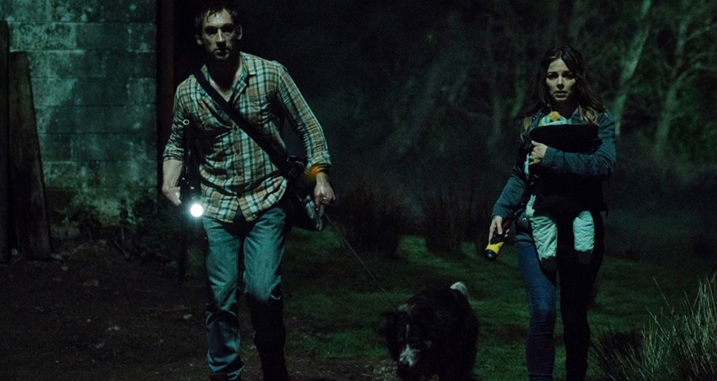
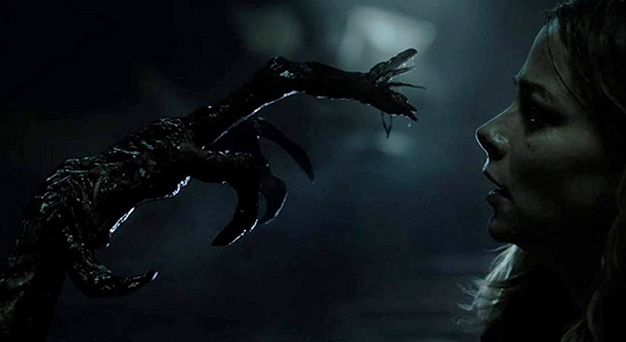
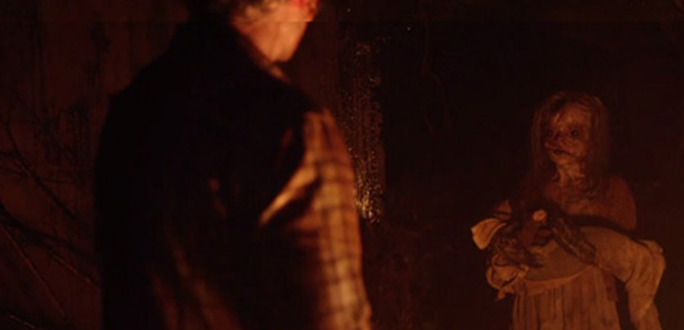
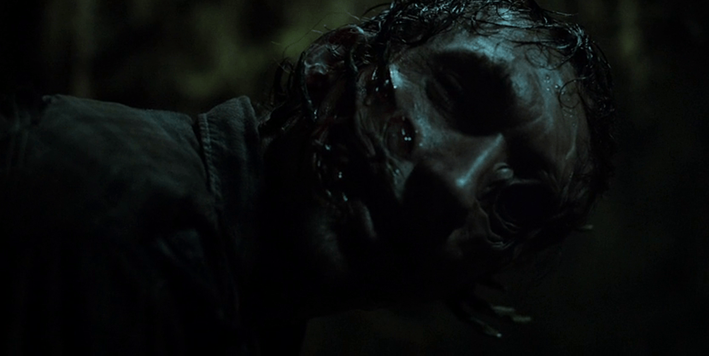
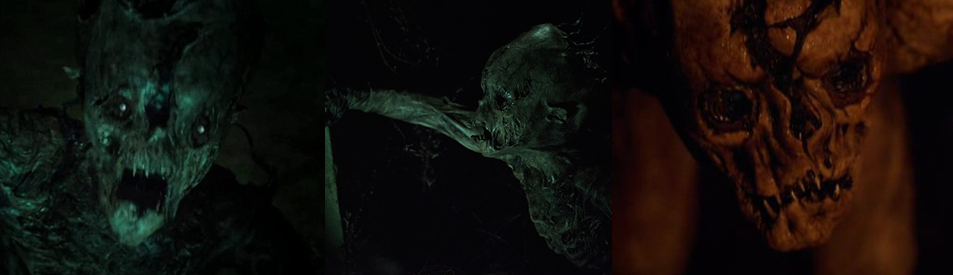
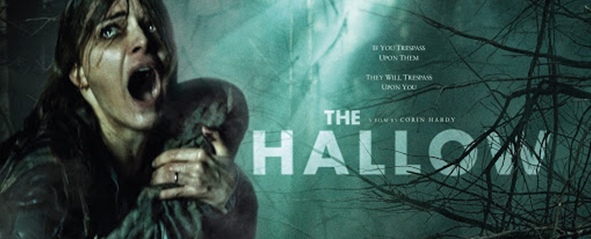


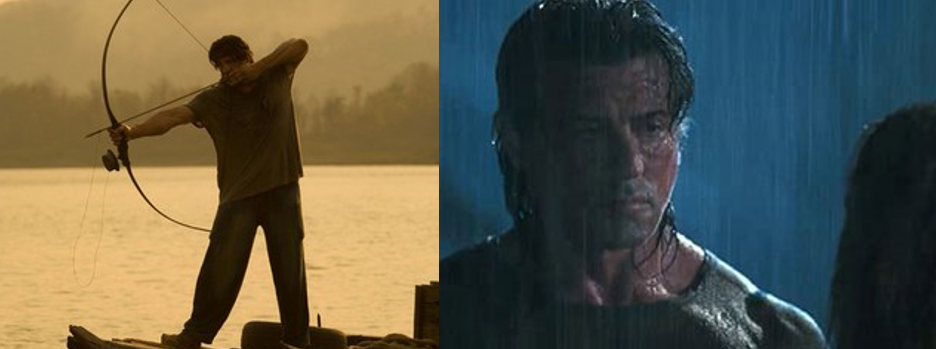
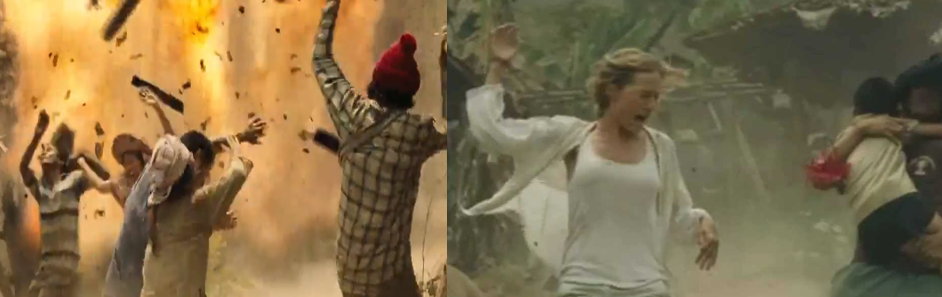
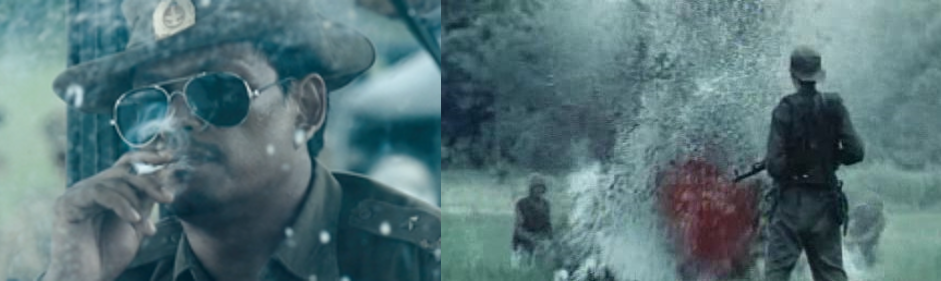
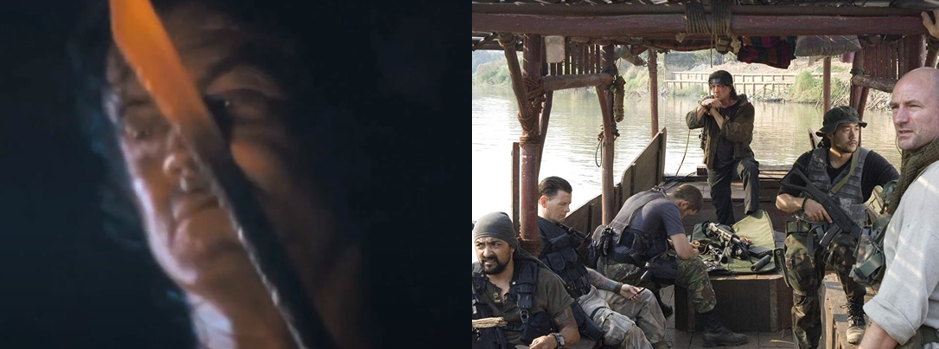
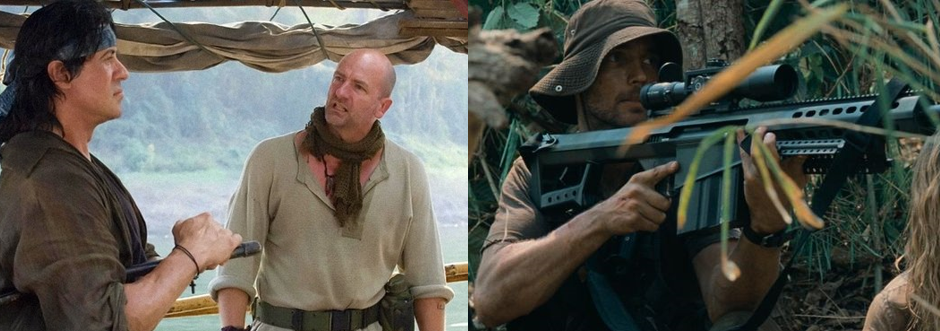
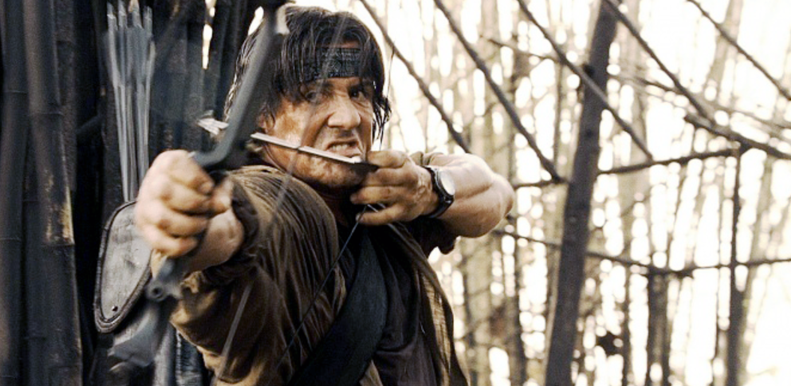
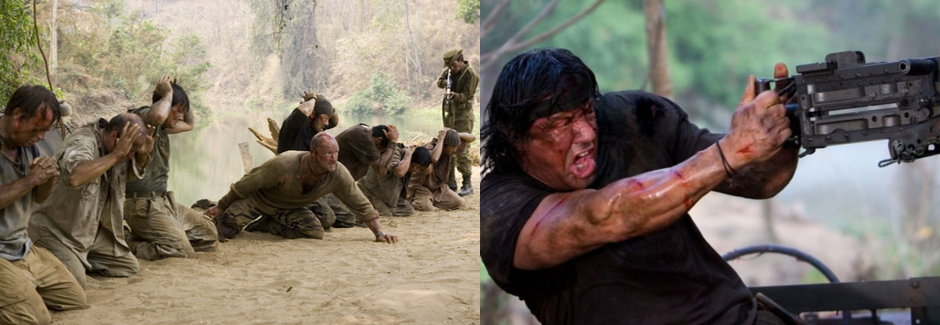
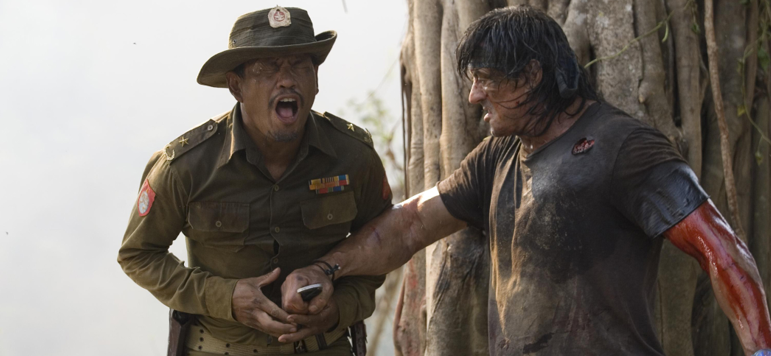
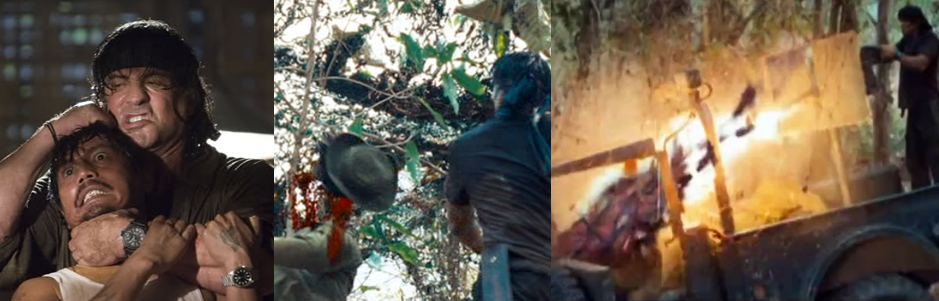



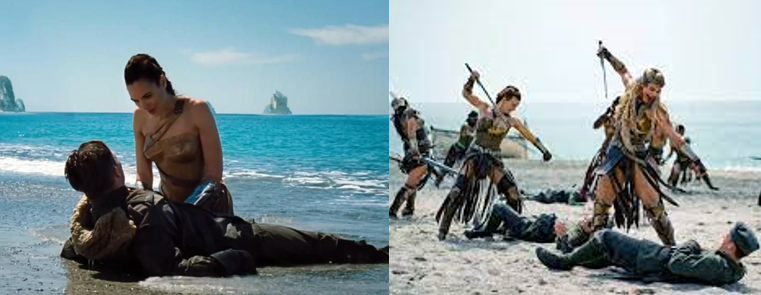
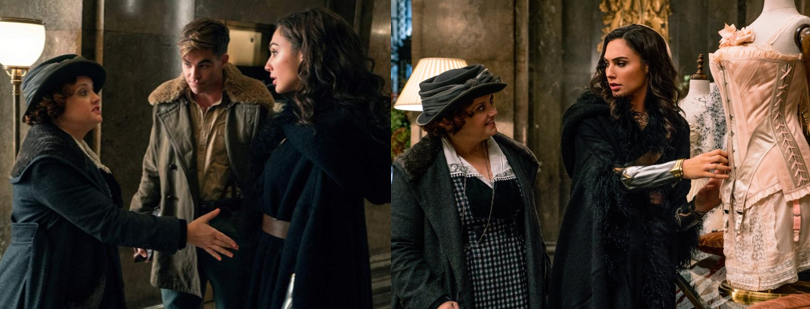
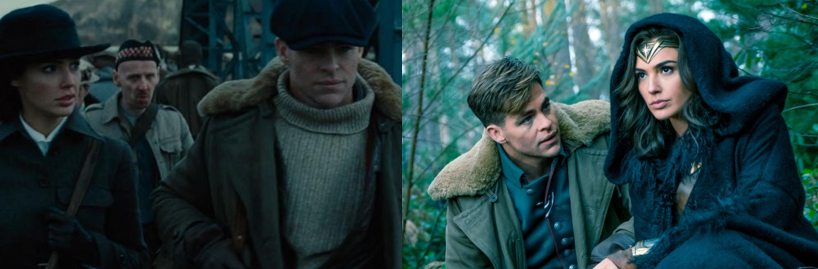

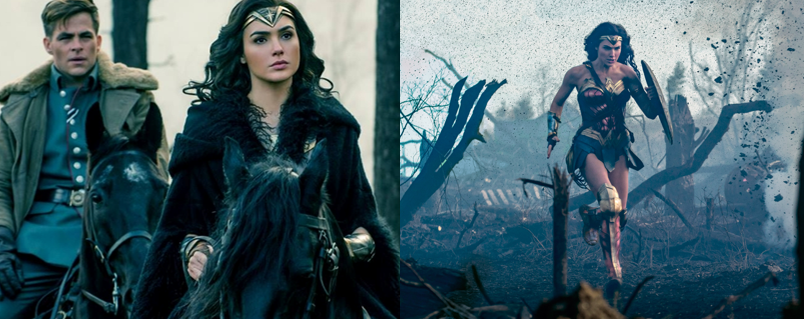
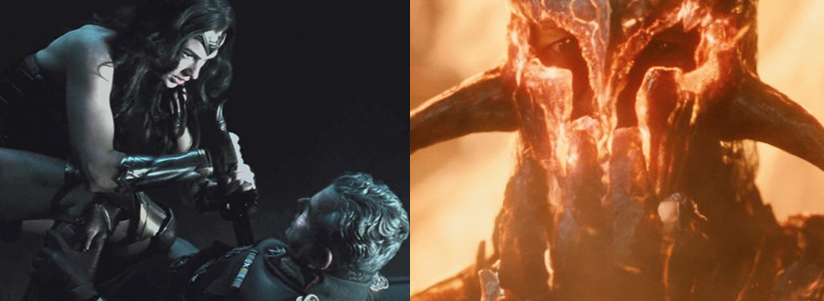



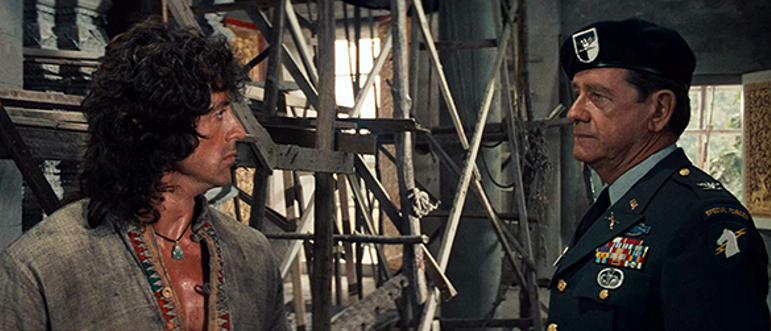
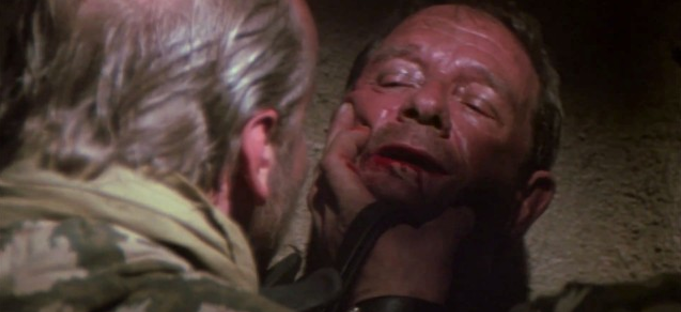
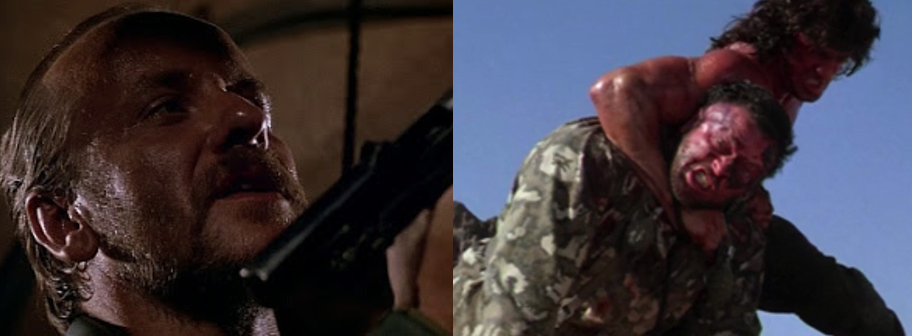
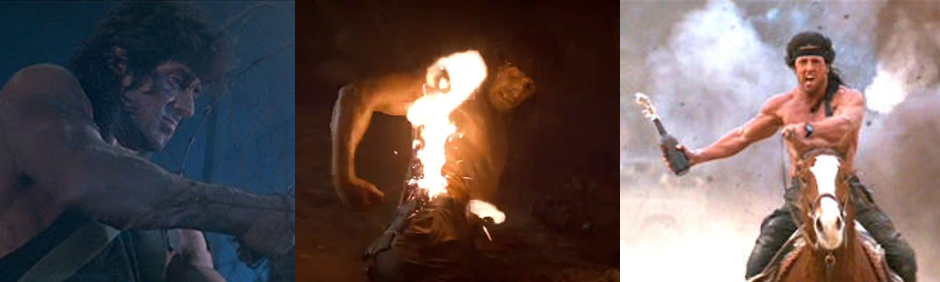
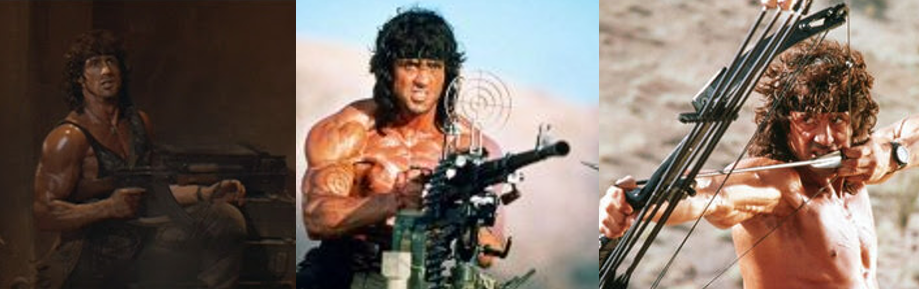
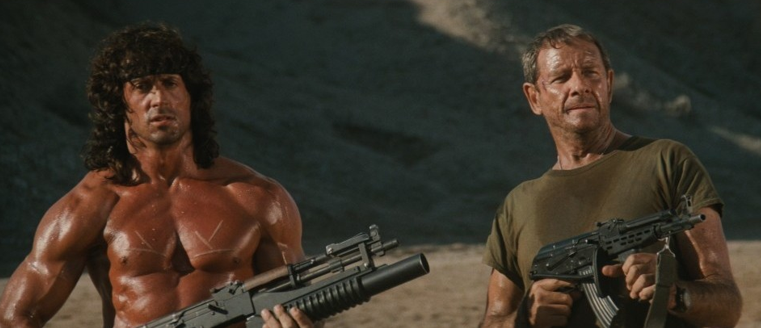




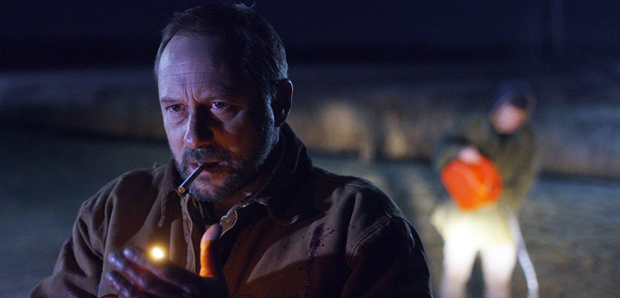
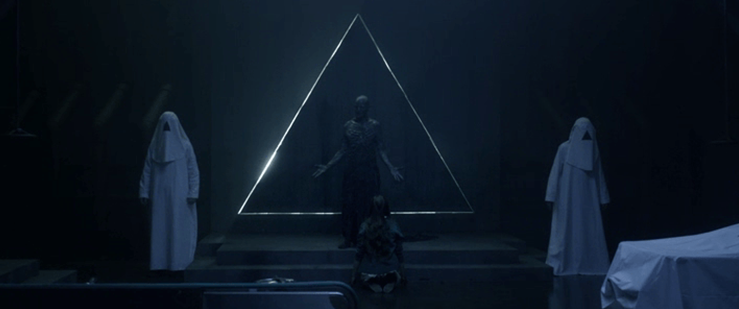

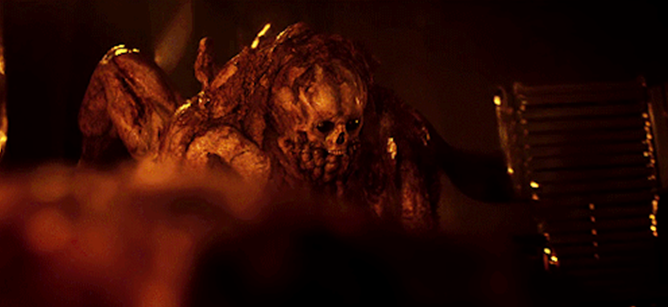



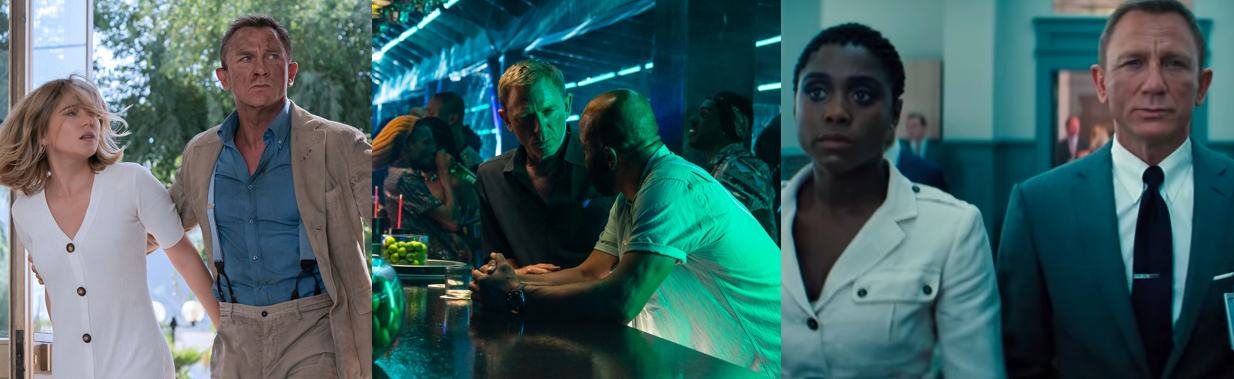
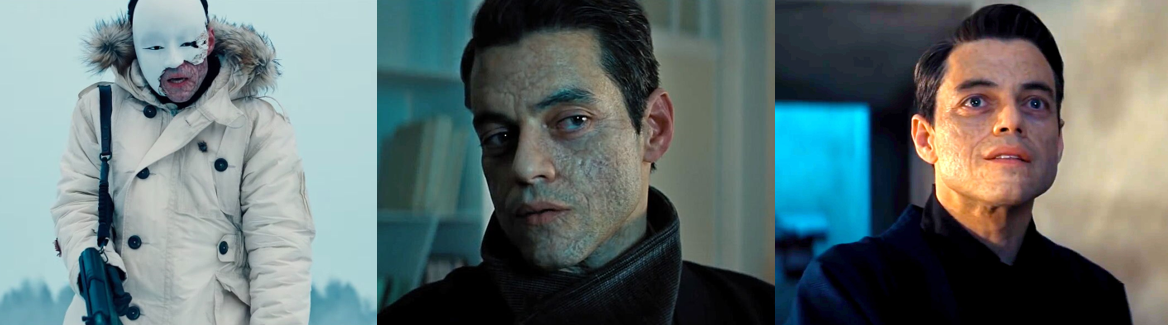
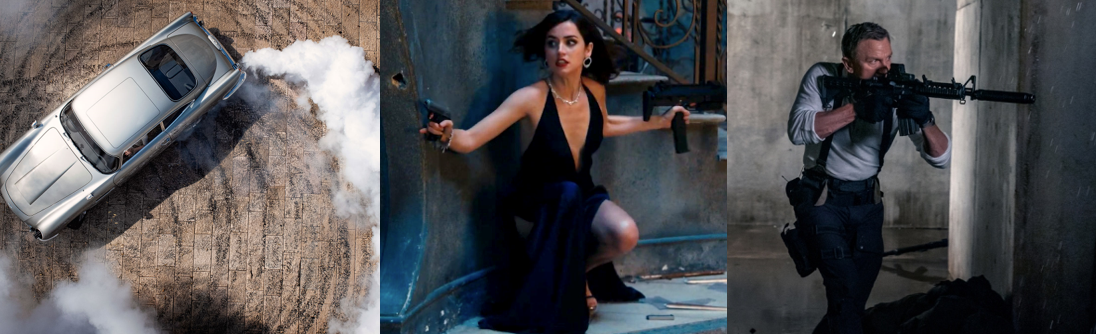
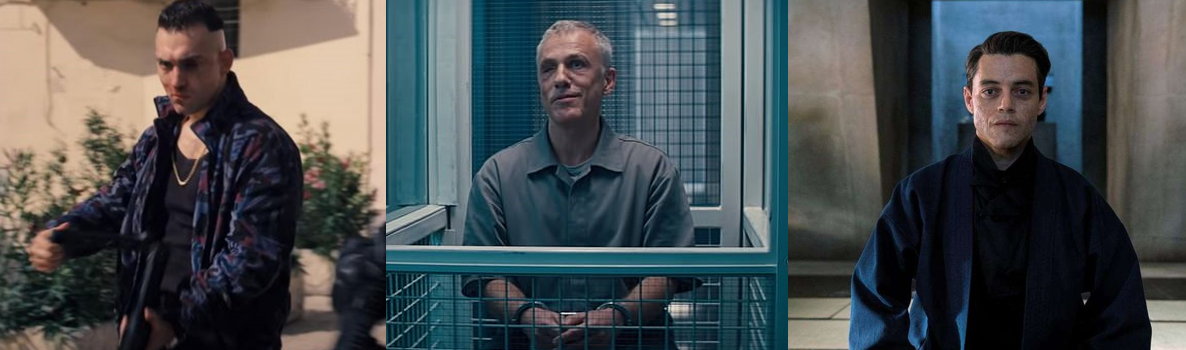
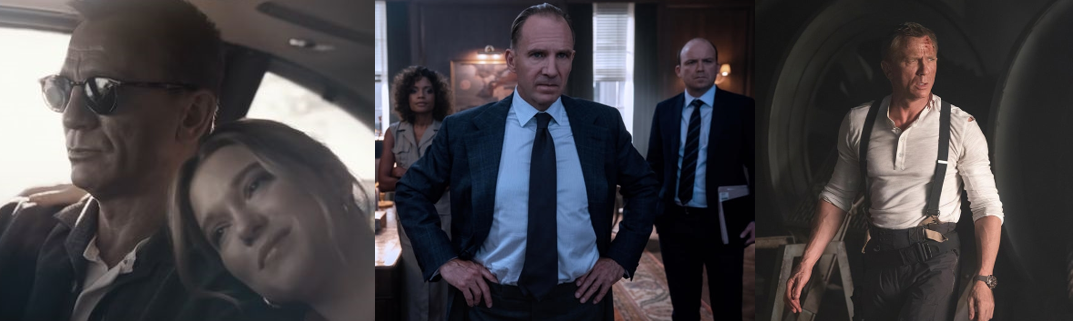




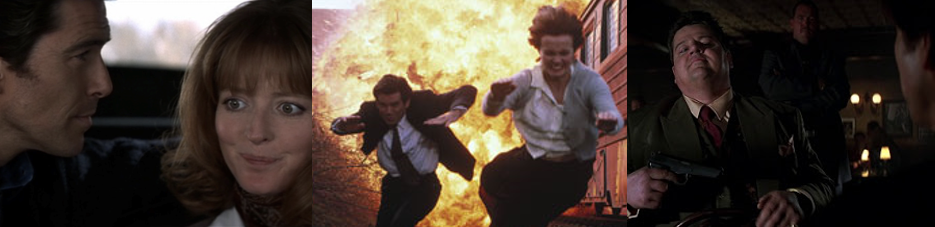
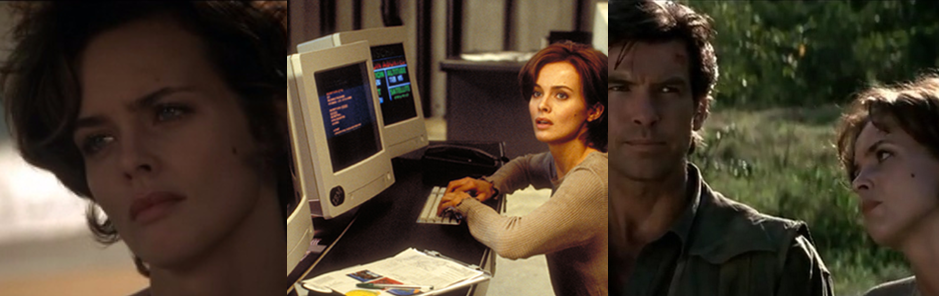
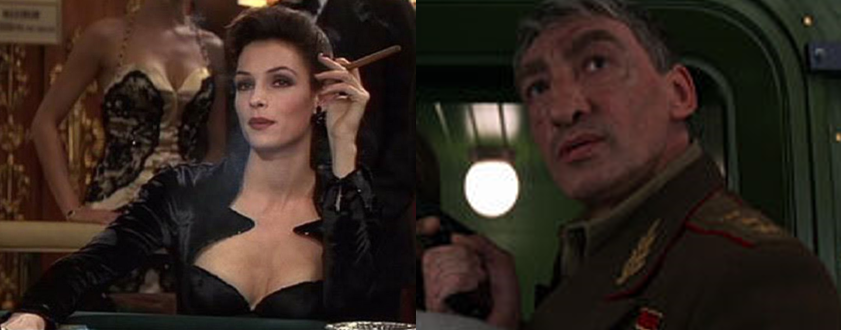
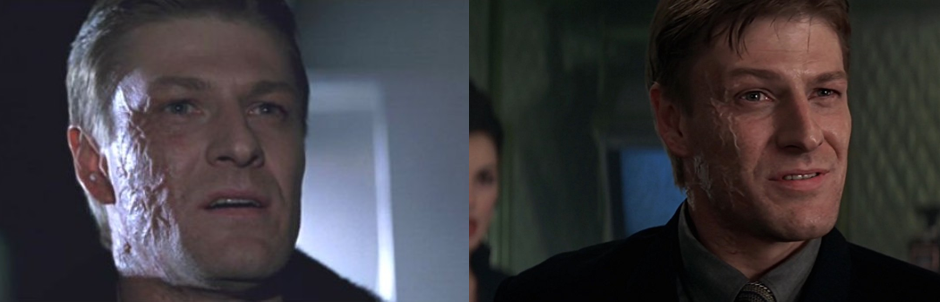
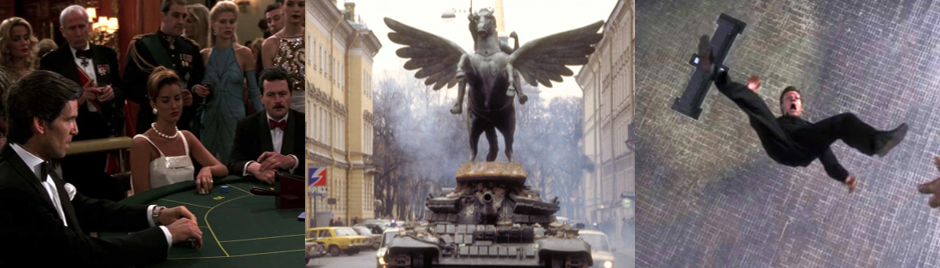

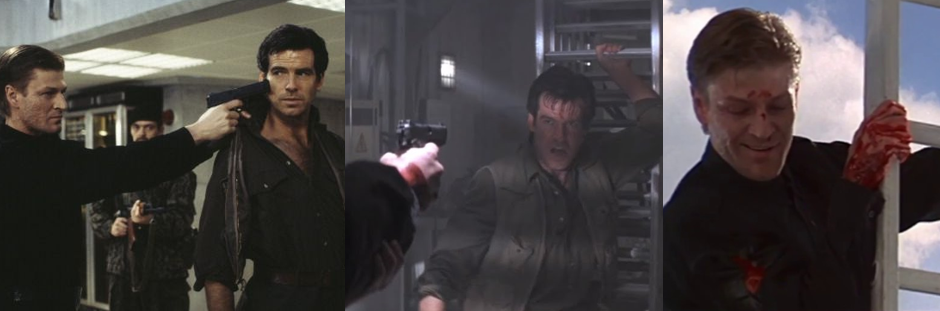





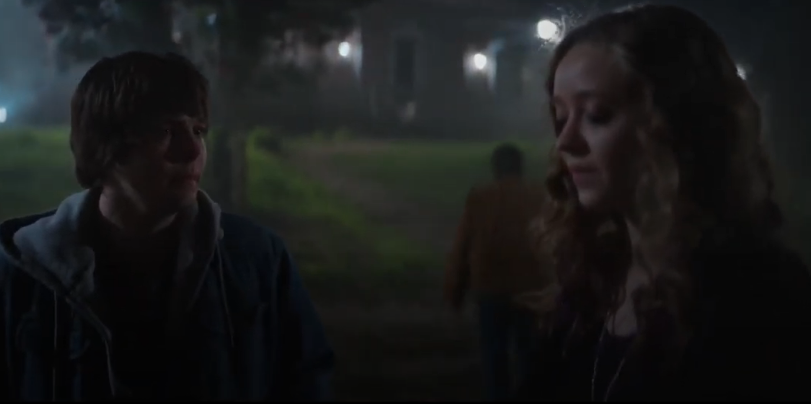
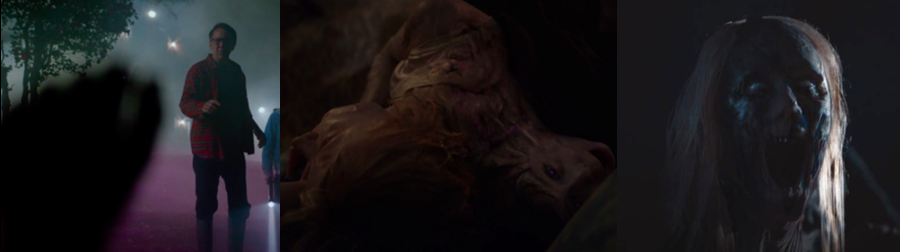
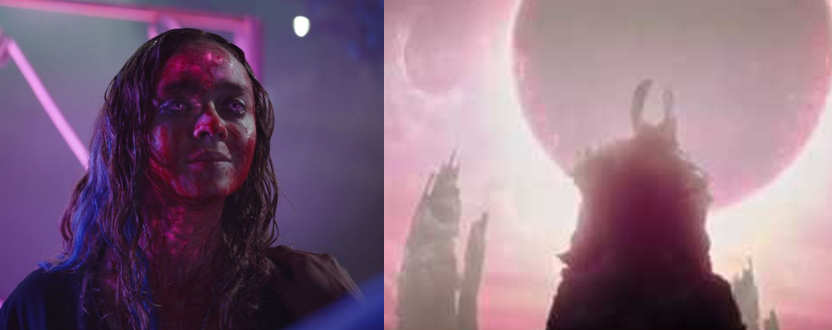



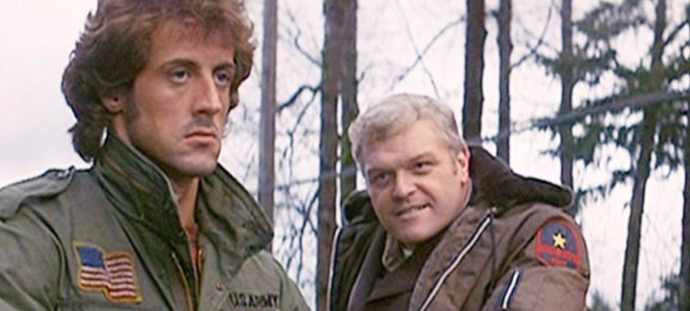
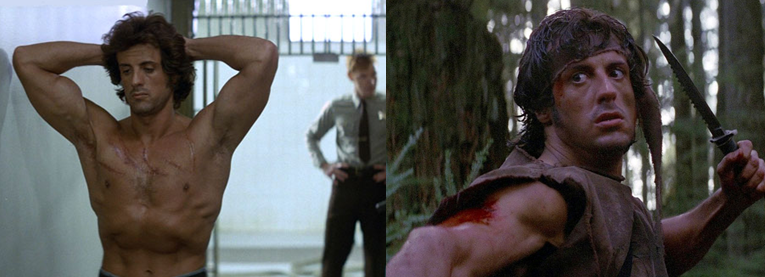
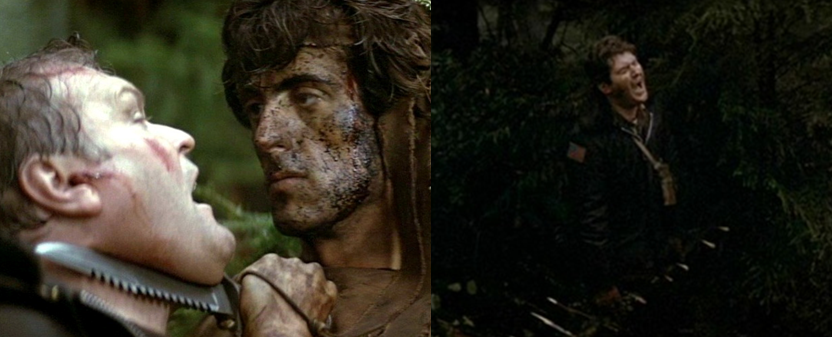
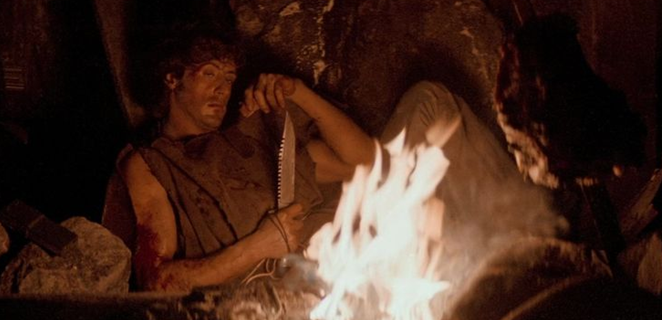
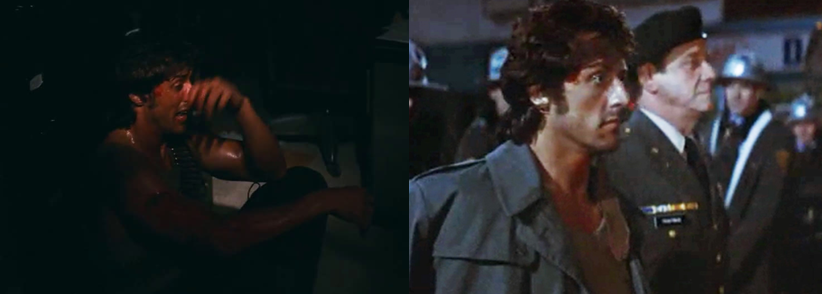





 Dr. K's Waiting Room
You must be logged in to post a comment.