Story Title: “The Riddler” Published: 23 August 1948 (cover-dated October 1948) Writer: Bill Finger Artist: Dick Sprang
The Background: After Clark Kent/Superman proved to be a massive success in their Action Comics title, National Comics Publications wanted more superheroes under their banner and charged Bob Kane with creating a new masked crimefighter. Thanks to the long-suppressed influence of artist Bill Finger, Bob Kane’s concept of a “Bat-Man” not only became one of DC Comics’ most popular characters but also a mainstream cultural icon. Over the years, the Batman has matched wits against many colourful supervillains, with some of his most memorable challenging his reputation as the world’s greatest detective, and perhaps none have tested his intelligence more than Edward Nashton, a.k.a. Edward Nygma, a.k.a. The Riddler. Another creation of Bill Finger (alongside artist Dick Sprang), the Riddler has confounded Batman for over eighty years and has earned a reputation as one of the Dark Knight’s most devious and intelligent enemies. Brought to life with delicious relish by the late, great Frank Gorshin, the Riddler has played an integral role in Batman adaptations for years, overwhelming players with riddles and collectibles, seeking to suck the brain waves out of Gotham City, provoking anarchy as a twisted serial killer, and being at the forefront of some of Batman’s greatest stories.
The Review: Our story begins by giving us some backstory on Bruce Wayne/Batman and Dick Grayson/Robin’s newest confounding criminal as we flash back to the youth of the Riddler, known here as Edward Nygma and shown to be a conniving little creep even as a schoolboy. When his teacher sets the class an assignment to complete a jigsaw puzzle to win a prize, Nygma cheats by taking a picture of the completed puzzle using his “flash camera” and continuously humiliates his class mates by challenging them to solve puzzles and using slight of hand and other underhanded tricks to showcase his supposed skill. As he grows into adulthood, Nygma becomes an accomplished con man, fooling and cheating the general public out of their money as “E. Nygma – The Puzzle King”, but grows bored of the lack of challenge his cheating ways bring him. He becomes so sure of his genius and talent with puzzles that he decides to test his abilities against not just the police, but the Batman himself, donning a garish question mark-themed costume and taking the name of the Riddler for the first time.
The Riddler bamboozles Batman and Robin with his deceitful riddles.
The Riddler’s first heinous act is to commandeer a massive advertising billboard that features a crossword theme and challenge Batman and Robin to learn a clue regarding his planned crime. Within two panels, Batman and Robin decipher the solution to the Riddler’s crossword and accordingly head to the Basin Street Banquet. However, when they blunder in hoping to apprehend the crook, they find the city’s upper class safe and sound and are stunned to learn that the Riddler tricked them with word play and actually flooded a nearby bank (“bank-wet”). The Riddler floods the bank’s underground vaults using a water main and robs the bank after easily figuring out the combination to the vault, and is safely washed away to safety using the sewers. Bamboozled by the Riddler, Batman is doubly determined to nail his newest adversary, who delivers a massive jigsaw puzzle to Police Commissioner Jim Gordon at police headquarters. Batman has the police transport the giant jigsaw to the football stadium and directs them, via loudspeaker and microphone, in solving it to determine that the Riddler plans to target the Eyrie nightclub atop a skyscraper. The Dynamic Duo head to the Eyrie later that night, and Batman sends Robin in alone, where the Boy Wonder is left to see Gotham’s socialites party away with no sign of the Riddler.
Batman comes up with an inspired solution to escape the Riddler’s death trap.
It turns out that the Riddler actually meant that he was planning to rob the home of Harrison Eagle, a millionaire collector, but this time Batman is smart enough to figure this out and interrupt the Riddler…though he is momentarily stunned by the Riddler’s gas bomb and the puzzle master is able to slip away as Batman is forced to break apart an elaborate steel rod trap before Harrison Eagle suffocates to death. Riding high on his momentum, the Riddler’s next conundrum is a little more direct and dangerous to the general public as he sends a truck careening through the streets carrying a massive corncob and a devious riddle: “Why is corn hard to escape from?” Luckily, Batman and Robin are on hand to halt the out of control vehicle with the Batmobile, and Batman deduces that the solution is “maize”; or, more specifically, the big glass “maze” at the Pleasure Pier amusement park. Despite arriving in time to spot the Riddler fleeing into the glass maze, having robbed the park, the Dynamic Duo find themselves trapped in the translucent labyrinth and left at the mercy of the Riddler, who has planted a bomb in the maze that is set to go off in half an hour! Although the glass is shatter-proof, Batman marks their route using the “diamonds on [his] badge” but, when they reach the exit, they find it closed up and the Riddler watching them as time ticks down. Batman comes up with the unlikely ingenious plan to pile up rolls of carpet against the glass panel and set it alight; the heat expands the glass just enough for Batman to force the pane open, but the Dynamic Duo are left with no time to apprehend the villain as they have to dive for cover to avoid perishing in the Riddler’s explosion. Trapped on the edge of the pier, the Riddler is flown into the sea, cursing his failure, and leaves behind only a question mark where he landed and the lingering riddle of whether he drowned or escaped to bewilder the Dark Knight another day.
The Summary: I was pleased to find that the Riddler’s conundrums weren’t as simple as they first appeared; Batman and even Robin easily decipher the Riddler’s clues, only to be fooled by the master of puzzles thanks to wordplay and deceit, as is his speciality. Thanks to his devious ways, the Riddler is able to make fools out of the Dynamic Duo and get away with bags full of loot, and his victories only spiral his superiority complex into overdrive. Crucially, however, it’s important to note that the Riddler eludes capture, and Batman, at every turn; even when Batman is upon him, Nygma slips away using a smoke bomb and endangering an innocent man’s life. The Riddler constantly stays one step ahead, and traps the Dynamic Duo within the glass maze, and is only undone because his hubris demands that he lord it over his adversaries. However, even in defeat, he remains ultimately victorious as he eludes capture, imprisonment, and consequences for his crimes, and is even afforded the luxury of being assumed dead so he can carry out more elaborate crimes at a later date.
A colourful tale, and villain, that is as ridiculous in its execution as you’d expect from the time.
“The Riddler” is certainly a colourful and whimsical debut for one of Batman’s most notorious and clever adversaries; Edward Nygma is presented as an arrogant and deceptive little creep who cheats and uses underhanded tactics to bamboozle others with his supposed genius when, in actuality, he’s just a liar and a con man. Having cheated his way to victory countless times over the years, his narcissism is exacerbated by an inflated sense of accomplishment to the point where he’s no longer satisfied with duping the general masses and wishes to pit his “skills” against the Gotham police and the ultimate challenge: The Batman. Ultimately, “The Riddler” is a wholly ridiculous but fun little tale from Batman’s Golden Era, one that is more about presenting a quick, colourful tale that taxes Batman in a new way with a bombastic new villain, but I can’t say it’s the most memorable or influential story of Batman’s early years. It’s fun seeing the absurd means that the Riddler delivers his puzzles, and to see him outwit Batman on technicalities and semantics, and the bizarre ways that Batman gets out of his predicaments during this time is always amusing, but there are definitely better Batman stories from this era – and Riddler tales – to find.
My Rating:
⭐⭐
Rating: 2 out of 5.
Could Be Better
Have you ever read “The Riddler”? What did you think of the Riddler’s debut and the puzzles he threw Batman’s way? Did you correctly solve the Riddler’s conundrums or were you also outwitted by his deceptive ways? What are some of your favourite Riddler stories? Which interpretation of the Riddler, whether animated, pixelated, or live-action, is your favourite? Whatever you think about the Riddler, sign up to share your thoughts below or leave comment on my social media, and be sure to check back in next Saturday for more Batman content!
Story Title: Technically untitled, but commonly known as “The Cat” Published: March 1940 Writer: Bill Finger Artist: Bob Kane
The Background: Following the huge success of Clark Kent/Superman, National Comics Publications set Bob Kane to work creating another masked crimefighter to add to their repertoire. Thanks to the long-suppressed influence of artist Bill Finger, the “Bat-Man” soon became not only one of DC Comics’ most popular characters but also a mainstream cultural icon. In the years that followed, the Batman matched wits against numerous costumed supervillains, but none more alluring or enticing that Selina Kyle/Catwoman. Debuting in Batman’s first solo comic book, Kane and Finger collaborated on the creation of a femme fatale who would add some sex appeal for their readers; originally calling herself “The Cat”, Catwoman began life as a beguiling and wily burglar and jewel thief whose inspirations were actresses like Jean Harlow and Hedy Lemarr. Following this inauspicious debut, Catwoman would go on to be a constant thorn in Batman’s side; their on-again-off-again relationship has been explored in both mainstream and non-canon stories and the character is often cited as one of his greatest adversaries and a powerful feminist icon in her own right. Naturally, Catwoman has featured in many of the Dark Knight’s forays into videogames, cartoons, and live-action, and even starred in her own dreadful standalone feature film before being brought to life in a far more comic-accurate portrayal in The Batman(Reeves, 2022).
The Review: Our story opens to find a luxurious yacht, the Dolphin, out on stormy seas, where Dick Grayson/Robin is currently working undercover. We learn that, some days prior, wealthy philanthropist Bruce Wayne spotted in the newspaper that Martha Travers arranged for a select group of guests to join her on a yacht party and get a glimpse of her ludicrously expensive emerald necklace. Bruce has a hunch that this will attract every crook in town; however, since he has a prior engagement, he requests that his ward take point on this investigation, something Dick is only too eager to sign up for.
Dick discovers plenty of suspects willing to steal from wealthy Martha Travers.
Thanks to Bruce’s connections, Dick is easily placed onboard the Dolphin as an unassuming young steward and sets to work eavesdropping on Martha’s conversations for any hint of any potential threat to her. However, he overhears nothing more suspicious than the affluent lady’s “favourite nephew”, Denny, introducing her to the wizened and hobbled Mrs. Pegg, but one of the other stewards shares a titbit that Denny is little more than a shameless moocher who’s no better than all the other guests and constantly leeching off Martha’s vast fortune and generosity. Later, Dick overhears a heated argument between Martha and her brother, Roger, where she vehemently refuses to lend him the money he desperately needs to pay off his stock losses and he makes a thinly veiled threat against her as a result. Dick’s suspicions are raised even further when he spots a letter from the mysterious “Cat” in which the villain is colluding to steal the necklace and, sure enough, the Cat makes good on their threat and Martha is devastated to find that her necklace has been stolen from her room!
The Batman has Robin teach the thugs, and younger readers, a lesson about relying on guns.
While Denny and the other guests console her, the cost guard quite conveniently come aboard to help, but are quickly revealed to be heavily armed gangsters looking to hijack the boat and steal the necklace for themselves. Although Martha convinces the captain to offer no resistance, she is driven to laughter at the demands and the crooks are stunned to find that the Cat has beaten them to their prize! Believing that the necklace must have been swiped by one of the guests, the gangsters begin accosting the passengers and Dick finally leaps into action, tackling and fighting the goons before diving into the water and shedding his guise to switch to his Robin persona. The crooks speed away from the Dolphin with their loot but are quickly apprehend by the Batman, who has finally showed up after the trail on his other case ran cold. Oddly, Batman decides to teach the thugs a lesson in humility by disarming them and having Robin pummel all four of them at once in a fourth-wall-breaking moment designed, I guess, to teach any young readers that armed criminals are all cowards deep down.
Batman unmasks the Cat, but is so captivated by her beauty that he allows her to slip away!
Anyway, Robin catches Batman up to speed and the Dark Knight immediately suspects that Denny is in league with the Cat, but has his own suspicions about who amongst the guests is the enigmatic Cat. He exposes the true culprit by making a splash at Martha’s costume party, handing over the stolen jewels and spotting that the elderly Mrs. Pegg is quite spritely (and shapely) for an old woman when she races off at the sound of a fire alarm. Mrs. Pegg tries to make a run for it but is collared by Robin and dramatically revealed to be a beautiful young woman in disguise. Batman then wallops Denny when he tries to take the necklace at gunpoint, but turns down the Cat’s proposal that the two of them join forces as partners in crime. However, when the Cat leaps overboard while being transported back to dry land, Batman makes no attempt to stop her and even gets in Robin’s way when the Boy Wonder tries to pursue her. Robin is less than impressed by how smitten Batman was with the Cat, and the issue ends with the Dark Knight musing over the beautiful thief’s captivating eyes.
The Summary: Well, this was certainly a short and whimsical tale full of the same ridiculous conveniences and elements you’d expect from a Golden Age Batman tale. I’ll never not be amused by the sight of Bruce Wayne sucking on a pipe, or the odd, corny inclusions in tales from this era. Just the fact that the story wastes so many panels on having Robin beat up unarmed thugs is incredible in so many ways; I get that the idea is to show that, deep down, bullies and criminals are cowards who hide behind guns but the message also seems to be “Hey kids, don’t be afraid to get into a dust up with adults as long as they’re not packing heat!” The Robin fan in me enjoyed how big a role the Boy Wonder played in this story, going undercover and building a healthy list of suspects and even being very hands-on with the crime busting and apprehension of the Cat. Unfortunately, his efforts are completely overshadowed by the Batman; after hearing all of Robin’s evidence, he immediately pegs the culprit as “Mrs. Pegg” despite the fact that other passengers actually seemed much more viable, and his explanation for figuring our Mrs. Pegg’s true identity is paper thin, to say the least.
While an alluring femme fatale, the Cat lacks everything that makes her later incarnations so iconic.
If you’re a big Catwoman fan, this probably isn’t the best issue for showcasing her character; we never learn anything about the Cat beyond the fact that she takes a perverse thrill in conning the wealthy out of their prized jewels, and we don’t even learn her real name. Additionally, she’s not technically Catwoman here either; she has no cat-themed accessories and is far from the sultry femme fatale she would come to be known as. Instead, this is a Catwoman at the very beginning of her career, one who relies on disguises and subterfuge rather than claws and agility. One thing that is very familiar about her, though, is the mutual attraction between her and Batman; she practically throws herself at him, impressed but his strength and charisma, and he is so captivated by her that he actively breaks his own code to let her go free. It’s pretty clear that the Cat would be inspired by Batman’s iconography to take on her more theatrical appearance in later stories, but in her debut she’s just another wily, self-serving swindler who presents a mystery for Batman to solve with his uncanny deductive abilities. The Cat is able to stand out from Batman’s other rogues by being an alluring, beautiful woman but I’d argue that seeing Batman so lovesick by her beauty actually makes him seem like a bit of a fool by the end, and I much prefer the more playful, physical back-and-forth the two would build up in subsequent meetings.
My Rating:
⭐⭐
Rating: 2 out of 5.
Could Be Better
Have you ever read “The Cat”? What did you think to Catwoman’s debut story and the mystery of her true identity? Did you guess who was behind the theft or were you surprised when Batman fingered Mrs. Pegg? What are some of your favourite Catwoman stories? Which interpretation of Catwoman, whether animated, pixelated, or live-action, is your favourite? Whatever you think about the Catwoman, sign up to share your thoughts below or leave comment on my social media, and be sure to check back in next Saturday for more Batman content!
Story Title: “In the Claws of Doctor Robotnik” Published: October 1994 Writer: Smoldo Artist: Mister B
The Background: It didn’t take long at all for SEGA’s supersonic mascot to achieve an unprecedented level of mainstream success; Sonic basically single-handedly allowed SEGA to usurp Nintendo’s position at the top of the videogame industry and the company almost immediately set about capitalising on the Blue Blur’s popularity with a slew of videogames and merchandise such as cartoons and comic books. While the most notable Sonic comic books were the long-running series published first by Archie Comics and then by IDW and the United Kingdom’s Sonic the Comic (StC), there have been a number of lesser known Sonic books, comics, and mangareleased over the years but one of the most intriguing for me has always been the two Sonic Adventurescomics published only in France by Sirène in 1994 to promote the release of Sonic the Hedgehog 3 & Knuckles (SEGA Technical Institute, 1994). The series only ran for two issues, with one being the full-length comic book I’m talking about today and the other being more of a character/game guide to Sonic 3. As a lifelong fan of the Astérix series (Various, 1959 to present), I was immediately drawn to the expressive and vibrant art style of “Dans Les Griffes De Robotnik” but what really makes this comic stand out is how obscure it is. I’ve never been able to find a copy only but, thankfully, a fan translation by Sonknuck and Manic Man is readily available to read online. Like a lot of Sonic media outside of Japan at the time, Sonic Adventures pulls much of its lore from the now defunct Mobius and Doctor Ovi Kintobor storyline, depicts Doctor Eggman (or “Robotnik” as he was widely known then) as his Adventures of Sonic the Hedgehog (1993 to 1996) counterpart, and features an interesting twist on Sonic 3 & Knuckles’ story that omits Knuckles the Echidna altogether, includes Amy Rose, and actually has some similarities to later narrative elements introduced in Sonic Adventure(Sonic Team, 1998).
The Review: “In the Claws of Doctor Robotnik” begins in the skies of Mobius, specifically on board Doctor Robotnik’s airship. Robotnik, whose design is ripped directly from Adventures of Sonic the Hedgehog, basks in his victory and own magnificence when his Penguinators present him with Sonic bound in chains. Although initially musing on why Sonic was doing wandering about the “Marble Temple” on Angel Island, he is driven into a rage when Sonic taunts him by briefly referring to Robotnik’s origin as the kindly Professor Kintobor.
Sonic makes a desperate escape from Robotnik’s air ship.
Robotnik’s mood lightens once more, however, when the Penginators present him with a bag full of Chaos Emeralds (which Sonic had been carrying on him) and the mad scientist boastfully proclaims himself to be the “king of the world!” Robotnik’s victory is extremely short-lived, though; Sonic breaks free on his chains, punches the Chaos Emeralds from Robotnik’s grasp, and leaps out of the airship to plummet back to the planet alongside the legendary gems. Luckily, Sonic had spotted his friend, Miles “Tails” Prower, skulking about outside the ship and the two-tailed fox is able to save Sonic just in the nick of time.
After fending off the local wildlife, Sonic and Tails retreat from Robotnik’s all-out attack.
The two land in an “unexplored [region]” of Mobius; although Robotnik immediately leads his Badniks down in pursuit, Sonic’s primary concern is shaking himself loose from the jaws of ordinary piranhas using the same technique players used in Hydrocity Zone. Unlike his videogame counterpart (but similar to Sonic’s depictions in cartoons at the time), Sonic has no problem swimming once he shakes off the critters but he and Tails are soon forced to make a desperate retreat when Robotnik and his Badniks bombard the area with fire (similar to Angel Island Zone; Robotnik’s craft even somewhat resembles his contraption from the finale of that Zone).
Sonic and Tails are swept away to an ancient city populated by savage echidnas!
With RhinoBots literally raining down around them (on cute little parachutes, no less), Sonic and Tails are driven down a waterfall (Tails having, apparently, forgotten how to fly despite flying in the panels leading up to this plummet). Luckily for them, they find a cache of Golden Rings at the bottom of the river; Sonic, however, decides that discretion is the better part of valour and allows the river to carry them away from danger rather than use the Rings for a power boost. Instead, though, the river leads to another waterfall and the two are dumped into a hidden echidna society that bares a resemblance to the one seen in Sonic Adventurethat is too uncanny to just be a coincidence. The echidna “savages” (whom Sonic describes as being “fools [that] are descents of Mobius’ first race” and all of which look exactly like Knuckles despite him being entirely absent from the story) attack the two with spears in an attempt to kill them, leading to Sonic destroying their wooden boats with his patented Spin Attack and a “knuckle sandwich”.
Robotnik holds the feisty Amy hostage while Sonic and Tails are condemned to death by Princess Alucion.
Meanwhile, Robotnik has captured Amy Rose (whose hair, much like in StC, has been erroneously stylised into a high sweep because of that one piece of Sonic the Hedgehog CD(SEGA, 1993) artwork) and plans to use her as leverage against Sonic. While Amy was characterised as a meek, lovesick damsel in distress in Sonic CD, here she’s a snarky, defiant tomboy who openly mocks Robotnik at every opportunity. Back at the ruins, the echidnas have captured Sonic and Tails (mainly because the two are more used to smashing robots and didn’t want to hurt the savages). They are taken to Princess Alucion, the ruler of the echidna tribe, who has the long-lost Grey Emerald imbedded in her crown. Alucion showcases the grandeur of “the antique city of the first people” and then prepares to push them down a tube so that they can be roasted alive inside a volcano that somewhat resembles the one from Lava Reef Zone.
Once again, Robotnik seems to have claimed total victory in the finale.
Fortunately, Robotnik attacks at exactly the right moment; Sonic and Tails dive down the tube, taking Alucion with them, to avoid Robotnik’s missile attack and, while the mad doctor believes them to be dead, Sonic revels in the twisting, turning slide that carries them to their doom. When a Penguinator shows Robotnik that his prey has survived, he moves to intercept them and, in to process, kidnaps Princess Alucion. Tails saves Sonic from a dip in molten lava (again, right at the last second) and, despite the obvious trap, rushes to save Amy when she is flown past tied up to a bunch of Jawz Badniks. Amy berates Sonic’s plan, since the two are left suspended over the volcano, and Robotnik swoops in to cut the rope and send them plunging to the burning crater (taking a picture for prosperity).
After clearing the Special Stage, Sonic assumes a powered-up form to battle Robotnik.
When Robotnik moves to retrieve the Grey Emerald from Alucion, she bites him and dives after Sonic and Amy while Tails is left wailing in despair and vows that everyone will know of their bravery and courage. His lamentations are premature, however, as the volcano is home to a Big Ring, which transports Sonic and Amy to a Blue Sphere Special Stage. Thanks to his super speed, Sonic easily bests the challenge and Alucion praises his achievement and awards him with the seven “magical emeralds, the golden armour, and the power to be transported wherever [he] wants”. While Tails is regaling their friends in Green Hill Zone with the tale of Sonic’s end, Sonic and Amy miraculously materialise before them. Tails is elated to see his friends and awestruck to see Sonic transformed by the “golden armour” into a glowing, super-powered form and the comic ends with Super Sonic promising the Robotnik’s problems are just starting.
The Summary: “In the Claws of Doctor Robotnik” is one of the best of Sonic’s obscure comic tales; similar to Sonic the Hedgehog Story Comic (Unknown, 1991), the comic is full of some truly gorgeous artwork that reminds me of the Astérix comics and contains many of the gameplay mechanics and hazards from the source material. While Sonic is sporting his much-maligned Mohawk design, I seriously cannot get enough to the artwork here; characters are cartoony and exaggerated, similar to in Adventures of Sonic the Hedgehog, but also full of snark and attitude, exactly like Sonic should be.
The comic is full of humour but also suffers a bit from the translation.
Of course, being that it’s a fan translation, there are some oddities to be found in the comic; referring to Super Sonic as the “golden armour” sticks out the most but there are a number of odd grammatical errors and inclusions to be found as well. Still, Sonknuck does a pretty good job at adapting the original French text for an English-speaking audience and the story is peppered with all kinds of quirky comedy and phrases; Sonic loves to exclaim “Darn and blast!” and there’s some amusing sayings such as “I haven’t seen the movie” and “No need to send me post cards!” Other translations don’t land quite so well, however, and I would love to see this comic officially translated and released some time.
A fun piece of obscure Sonic media with some excellent artwork and humour.
Still, “In the Claws of Doctor Robotnik” is a lot of fun; it appears to read like this quirky amalgamation of the Western Sonic lore and as a prelude to Sonic 3 & Knuckles, though obviously the Mobius story doesn’t really align with that presented in the videogames. The imagery used, though, is fascinating; it’s amazing how closely the echidna civilisation seen in Sonic Adventure resembles what we see in the comic and it was fun seeing mechanics from the videogames crop up. Obscurity and nostalgia also play a large part in my appreciation for “In the Claws of Doctor Robotnik” but that doesn’t change the fact that you should try and seek this one out online and give it a read sometime.
My Rating:
⭐⭐⭐⭐⭐
Rating: 5 out of 5.
Fantastic
Have you ever read “In the Claws of Doctor Robotnik”? If so, what did you think of it? Haveyou read the original French comic and, if so, how does this translation measure up? Did you enjoy the art style and quirky humour in the comic or do you prefer the Archie and IDW comics? What did you think to the original characters and would you like to see this comically officially translated and more widely available some day? How are you celebrating the anniversary of Sonic 3’s release today? Whatever your thoughts, please feel free to share them and your memories of Sonic 3 & Knuckles below.
January sees the celebration of two notable dates in science-fiction history, with January 2 christened “National Science Fiction Day” to coincide with the birth date of the world renowned sci-fi writer Isaac Asimov, and HAL 9000, the sophisticated artificial intelligence of Arthur C. Clarke’s seminal 2001: A Space Odyssey (1968), being created on 12 January. Accordingly, I’ve been spending every Sunday of January celebrating sci-fi in all its forms.
Story Title: “The Origin of the Silver Surfer!” Published: August 1968 Writer: Stan Lee Artist: John Buscema
The Background: In 1961, comic readers everywhere were introduced to Marvel’s “First Family” of superheroes, the Fantastic Four. Doctor Reed Richards/Mister Fantastic, Susan Storm/The Invisible Girl, Johnny Storm/The Human Torch, and Ben Grimm/The Thing were characterised as a dysfunctional, but loving, family of superpowered scientists and adventurers and their creation was not only the first collaboration between the legendary Stan Lee and Jack Kirby but also the beginning of the unique “Marvel Method” of writer and artist collaboration. In 1966, the team faced their greatest challenge yet when they faced the God-like Galactus, who came to Earth looking to devourer it and satiate his unending hunger for worlds. When Kirby turned in his artwork for the story, he included a brand-new character that had not been part of his previous discussions with Lee; Kirby crafted a herald for the all-mighty being and, tired of drawing spaceships, had this silvery being ride a surfboard instead. Though initially hesitant, Lee ran with the idea and, following the conclusion of the Galactus arc, the Silver Surfer received his own self-titled series in 1968 that, while short-lived, was one of Lee’s favourites to work on. Since then, the Silver Surfer has appeared consistently within Marvel Comics; he’s been a part of the Defenders, joined and fought against his old master numerous times, and featured not only in the Fantastic Four’s animated and live-action adaptations but also received his own self-titled cartoon that ran for thirteen episodes in 1998.
The Review: When he was introduced in the pages of The Fantastic Four, the Silver Surfer was a mysterious and enigmatic cosmic entity about whom we learn very little; he was painted as Galactus’ obedient herald and servant, wielded vast and ill-defined cosmic powers, and was compelled to defy his master’s intentions to consume the Earth after a desperate plea from Alicia Masters. Having grown to care for the fate of the human race, if primarily out of pity, the price for the Silver Surfer’s defiance was to be forever (well, obviously not forever as nothing in comics is ever “forever”) banished to Earth by his master and, accordingly, The Silver Surfer #1 finds the cosmic entity still bound to the world he chose to save.
The conflict he encounters on Earth leads the troubled Silver Surfer to recall his own home world.
In the opening pages, the Silver Surfer immediately acts to save the life of Colonel Jameson, whose space capsule crash-lands in the ocean depths. Of course, for the Sentinel of the Spaceways, things such as water, air, and metal are of little concern and the Silver Surfer is easily able to dive beneath the ocean and rescue the Colonel. Despite returning the astronaut to a military vehicle, the Silver Surfer finds himself hounded by fighter jets and, similarly, as he streaks across the skies of the planet he now calls home, the Surfer is attacked by missiles and encounters only discord and war. Lamenting the foolishness of men that would seek to harm the lush and fertile world that has captured his heart and imagination, the Silver Surfer is compelled to recall his own home world, a planet far across the galaxy called Zenn-La which, unlike the Earth, had long ago eradicated war, crime, and disease after ten thousand centuries of conflict. Back then, the Silver Surfer was known as Norrin Radd and was simply a man who, though he lived in a virtual nirvana, was left despondent that his people and world no longer had any drive or ambition to achieve anything new. Having inherited the peace and advanced technology of their forefathers, Zenn-La’s inhabitants are largely happy to indulge in the luxuries and benefits of these; they have lost the spirit of adventure and seem content to simply allow technology to fulfil tasks they would have once sweated over.
Memories of his distant and recent past haunt the Silver Surfer and cause him much strife.
Restless and eager to understand why only he seems to find their utopia so stagnating, Norrin reviews the history of his world through advanced virtual reality and discovers that an age of enlightenment put an end to all conflict and that his people ventured far out into the universe before eventually settling on staying put on their home world. Back in the present, the Silver Surfer comments that the Earth is at a similar crossroads between destroying themselves through war and being united in a common cause; even while being randomly attacked by savage yetis, the Silver Surfer laments the innate sense of distrust and fear that touches the hearts of men and turns even beasts such as those (and Doctor Bruce Banner/The Hulk, whom the Silver Surfer once hoped would be an ally as they have both been unfairly ostracised by humanity) into hate-filled barbarians. Similarly the Silver Surfer recalls how Doctor Victor Von Doom/Doctor Doom easily duped him and briefly stole the mysterious “Power Cosmic” from him, an event that caused the Silver Surfer to never again trust another human lest their selfish and manipulative nature get the better of him.
Rejecting his society’s complacency, and despair, Norrin heads out to confront their invader.
Stumbling upon the ruins of an ancient civilisation now forever lost to the ravages of time and the elements, the troubled Silver Surfer is again haunted by his lost world, and his beloved Shalla Bal. Despite Shalla’s plea that he turn his focus back to the wonders offered by Zenn-La, Norrin finds himself alone in a world where indulgence is the norm, knowledge is simply gifted rather than earned, and the citizens want for nothing. However, Norrin’s lamentations and concerns for the stagnation of his people are interrupted when a gigantic spacecraft breaches the planet’s “nuclear defences” and the people are warned to prepare for an invasion; while Shalla weeps at the prospect of war, especially as Zenn-La has no space fleet or weapons to speak of, Norrin practically relishes the idea of such an event forcing his complacent people into action. With the people giving in to panic, Zenn-La’s computer system decrees only one course of action: the deployment of the “Weapon Supreme”, a solution that literally rips the neighbouring planetoids from their orbits and hurls them at the orbiting craft with such force that it devastates the entire infrastructure of Zenn-La. This devastating solution is ultimately futile, however, as the invading probe simply slipped into the fourth dimension to avoid being damaged and, having decimated their world and with no hope left, the entire planet gives in to despair. All, save for Norrin Rad who, fuelled by the spirits of his ancestors, urges the remnants of Zenn-La’s scientific community to craft him a ship so that he can commune with the craft as he refuses to lose hope.
To spare his world, Norrin volunteers to become Galactus’ herald and is reborn as the Silver Surfer!
Drawn within the mighty spherical craft, Norrin is overwhelmed by his insignificance next to the craft’s size and technology and is then driven to his knees by a blast from the ship’s owner and operator, all-mighty Galactus! Though he has no desire to, and takes no pleasure in, destroying Norrin’s people, the World Devourer is adamant that his quest cannot be assuaged as he is compelled to feed his unending hunger lest he be consumed by it. Harbouring no malice or ill-will, Galactus compares his mission to that of a man casually stepping on an ant hill and states that it simply is, but Norrin pleads with him to spare Zenn-La and instead feed upon a world devoid of sentient life. When Galactus laments that he has not the time to seek out such a world since even he is but one being, Norrin offers to become the World Devourer’s herald, to seek out lifeless worlds in order to appease Galactus’ hunger, and gladly sacrifices his personal well-being in order to be transformed by the all-mighty’s vast cosmic powers. Reborn as the Silver Surfer, Norrin is rendered immune to the ravages of space and gifted his trademark board with which he can swiftly travel the stars to seek out ne worlds for Galactus to consume. Thrilled to have a lifetime of adventure and exploration amongst the stars finally within his grasp, Norrin bids an emotional farewell to his beloved and departs Zenn-La fully committed to serve his new master, alone and haunted by Shalla’s face in every star and sun he comes across. The Silver Surfer finds his pain eased as he successfully spares worlds teeming with sentiment life from Galactus’ ravages but had no choice but to lead his master to Earth as the gnawing hunger grew unbearable for the God-like being. And it is there that his story ends, with Galactus stoically removing his herald’s ability to travel amongst the stars and the man once known as Norrin Rad left exiled to another world he hoped to spare from destruction.
The Summary: “The Origin of the Silver Surfer!” is indicative of many of Marvel’s tales from back in the day; featuring a number of references, flashbacks, and cameos, the story is as much a recap of the Silver Surfer’s prior appearances as it is an exploration of his beginnings. Crucially, though, it’s not just the Silver Surfer’s unconquerable cosmic powers that separate him from other Marvel superheroes; the character is perhaps the most loquacious of Stan Lee’s comics characters (matched only by the verbose Dr. Doom) and probably the second most conflicted character he’s created next to Peter Parker/Spider-Man. But, whereas Dr. Doom boasts only of himself and his needs and Peter laments such day-to-day problems as money and relationships, the Silver Surfer’s concerns are with being denied access to the vast cosmic skies and observing the sheer animosity that threatens to consume his adopted world.
Norrin is one of the most loquacious and complex characters in Marvel’s line-up.
The Silver Surfer’s previous life as Norrin Rad was hardly a carefree existence either; while the inhabitants of Zenn-La were perfectly content to life stagnated lives where they wanted for nothing and had sacrificed ambition and advancement for peace and tranquillity, Norrin finds himself concerned for the long-term welfare and overall development of their society since they no longer need to apply themselves to do or achieve anything. Everything around them was left to them by previous generations; knowledge is simply downloaded directly into their brains and all of the thinking and decisions are made by advanced computer systems and a puppet government. Where once Zenn-La had fought tooth and nail for survival and reached out beyond the universe, now they were content to simply indulge their whims and life lives free from the burden of struggle or failure. Amongst the entire planet, only Norrin feels as though the world has lost its way and should strive for more and thus it is only he who has the temerity to face their would-be conqueror head on.
Galactus, though destructive, does not delight in his need to feast on worlds.
As is generally always the case, Galactus is presented as a force of nature; something unconquerable and inexorable and a force beyond any in the known universe, and certainly beyond the peaceful people of Zenn-La. Ironically, it isn’t Galactus that leaves Zenn-La in ruins but the people themselves as they decimate their world by tearing small planets out of their very orbit, making them, for all their enlightenment, no better than the World Devourer himself. Indeed, while Galactus doesn’t act out of any malice or emotion, the same can’t be said for Zenn-La’s people, who first react in violent fear and panic and then give in to despair entirely; Galactus takes no pleasure in his destructive existence but must consume worlds to survive and even he is willing to listen to reason. Galactus makes Norrin his herald not because he is won over by his desperate plea but simply because it makes logical sense for him to have a herald out there finding new worlds for him to consume and to spare lives from his nature because, while Galactus does consume inhabited worlds, it’s only because he is forced to by his great hunger.
Delving into the Silver Surfer’s past adds much more emotional depth to his decision to aid Earth.
In the end, this was a poignant and fascinated story; the Silver Surfer makes for one of the most emotionally complex and layered characters in all of Marveldom, especially in his earliest appearances where he is both captivated by the Earth and saddened by our propensity towards destruction and violence. Seeing Norrin Rad as a man dissatisfied with utopia and craving the thrill of scientific and societal advancement was an interesting twist and witnessing him sacrificing his very being and all he knows in order to spare his people only adds further context to the Silver Surfer’s somewhat abrupt decision to aid humanity in his debut arc. The comic is beautifully rendered by John Buscema, who perfectly evoked the grandeur of Jack Kirby’s artwork to deliver wondrous and imaginative technology and surroundings, to say nothing of his awesome rendition of the towering Galactus, who fittingly appears both fearsome and God-like in his regality. While I haven’t actually read a great deal of the Silver Surfer and can understand people having trouble connecting with him due to his near-limitless powers, I’ve always had a bit of a soft spot for the Sentinel of the Spaceways, especially his early appearances where he was exiled to Earth, and found this to be a captivating glimpse into his unique backstory.
My Rating:
⭐⭐⭐⭐
Rating: 4 out of 5.
Great Stuff
Have you ever read Silver Surfer #1? If so, what did you think to the title character’s origin story? What did you think to Zenn-La and Norrin Rad’s troubles with his society? What did you think to Norrin Rad’s sacrifice to save his people? What are your thoughts on Galactus, his motivations and his characterisation? Are you a fan of the Silver Surfer? If so, what is it about him you like and, if not, why is that? Who would you like to see portray the Silver Surfer in the Marvel Cinematic Universe? Whatever you think about the Silver Surfer, leave a comment below and thanks for joining me for Sci-Fi Sunday.
To celebrate the release of Justice League (Snyder/Whedon, 2017), DC Comics named November 18 “Justice League Day”. Sadly, this clashes with another pop culture holiday but, setting aside all the drama surrounding that movie, this still provides a perfect excuse to dedication some time to talking about DC’s premier superhero team, which set the standard for super teams in comics by bringing together DC’s most powerful heroes.
Story Title: “Starro the Conqueror!” Published: 29 December 1959 (cover-dated March 1960) Writer: Gardner Fox Artist: Mike Sekowsky
The Background: All Star Comics (1940/1941), brought together eight superheroes from a number of different publishers for the first time as the Justice Society of America (JSA). This not only heralded the birth of the first ever superhero team in comics but also allowed readers to see their favourite characters interacting all for the same price as reading any one comic. The JSA’s roster expanded and changed over the years but the team underwent their most significant change when, in the late 1950s, then-editor Julius Schwartz asked writer Gardner Fox to reintroduce and rebrand the team as the Justice League of America (JLA) to capitalise on the popularity of the American Football League and Major League Baseball’s National League. Though the team debuted in The Brave and the Bold #28, a title famous for featuring team-ups between various fictional and superheroic characters, the team’s actual origin wasn’t revealed until the ninth issue of their self-titled series, which became one of DC Comic’s best-selling titles. As with the JSA and other super teams, the JLA’s roster has changed over the years and many splinter groups and spin-offs have been introduced but perhaps there is no more iconic line-up than the JLA’s original roster that was comprised of DC’s heavy-hitters: Clark Kent/Superman, Bruce Wayne/Batman, Diana Prince/Wonder Woman, Hal Jordan/Green Lantern, Arthur Curry/Aquaman, Barry Allan/The Flash, and J’onn J’onzz (referred to here as “John Jones”)/Martian Manhunter.
The Review: “Starro the Conqueror!” begins with the odd choice to not detail the first time these superheroes joined forces and, instead, starts off with the seven heroes already having agreed to come together in times of crisis (they each have a signalling device to summon the others). I kind of like this on the one hand as it suggests that DC’s top superheroes already set aside their differences for the greater good without any real fuss and it helps speed things up but, on the other hand, it feels a bit out of place to not detail the first meeting of these heroes. Anyway, the first member of the team to become aware of an impending threat is Aquaman who, thanks to information provided to him by a puffer fish, is learns of the arrival of the gigantic extraterrestrial starfish known as Starro.
Aquaman’s summons is answered by some of DC’s greatest superheroes.
This monstrous being has travelled across the depths of space to Earth with one goal in mind: conquest. To that end, Starro…somehow…transforms three of Earth’s starfish into replicas of itself and spreads them across the world to begin its mad scheme. Aquaman’s summons are immediately picked up and answered by Wonder Woman (who is in the middle of an awkward conversation with her beau, Steve Trevor, regarding marriage), Green Lantern (who, as Hal Jordan, was in the middle of a test flight), the Flash (who quickly disperses of a potentially life-threatening tornado), and the Martian Manhunter (who was simply about to start his vacation…). Each of these introductory panels immediately gives the reader and idea of what each character is capable of: Aquaman can breath underwater and talk to fish, Wonder Woman has an invisible jet, Green Lantern’s ring allows him to perform virtually any task, the Flash is super fast, and the Martian Manhunter can shape-shift. Aquaman’s signal also reaches Superman and Batman but the two are unable to respond right away since Superman is busy taking care of a potentially dangerous meteor shower and Batman is in the middle of stopping a crime spree. You might think that Superman would have spotted Starro’s arrival from space but he was dealing with a great deal of meteors (it’s also entirely possible that Starro caused the meteor shower specifically to distract Superman) and I guess it’s in character for Batman to prioritise Gotham City’s safety over a JLA summons (though a JLA-level peril is surely more threatening for Gotham than a crime spree…)
Green Lantern is able to defeat the Starro duplicate with relative ease.
Regardless, the five heroes meet at the “modernistically outfitted cavern” that serves as the JLA’s headquarters. Having been informed of Starro’s threat and where it intends to strike, the Flash, as the JLA’s chairman, orders the team to split up and it is at this point that the story diverges from the team-based format and instead switches to cover each individual mission. The first sees Green Lantern battling one of Starro’s deputies in the skies above Rocky Mountain National Park; Hal arrives in time to see the gigantic creature but is too late to stop it from attacking a passing air force jet-bomber and relieving it of its payload: nothing less than an atom bomb! Green Lantern is able to save the aircraft when it goes into a deadly freefall but is unable to keep the Starro duplicate from detonating the atom bomb! Thankfully, Hal’s energy shield protects him from the blast and he watches in horror as the creature absorbs the energy released from the bomb. Hal pursues and is nearly blasted from the sky by a scorching beam fired from the creature’s tentacle. However, Green Lantern is easily able to avoid the creature’s thrashing limbs and attacks and reduce it down to a regular starfish by scoring a direct hit on its massive eye.
Starro’s duplicate falls before the might of Wonder Woman and the Martian Manhunter.
Next, the story switches to “Science City” where Wonder Woman and Martian Manhunter (why Diana has to team up with another hero is beyond me…) find another of Starro’s deputies abducting the “Hall of Science”, where the greatest scientific minds of the United States are gathered. The creature intends to bring the scientists into the upper atmosphere so it can absorb their brainpower and knowledge; Wonder Woman attempts to use her magical lasso to prise the creature’s tentacles from the building but ends up being yanked off of her invisible jet and onto the Hall of Science thanks to the giant starfish’s incredible strength. Meanwhile, J’onn uses his super-breath to bombard the creature with fragments of the meteors Superman is destroying and uses the same technique to cause a torrential rainfall when flames from the building threaten his life. Starro’s deputy then attempts to destroy them both by firing bolts of nuclear energy their way but Wonder Woman is, of course, able to deflect them with her magical bracelets and J’onn shields himself using the building’s conveniently lead-lined roof. Diana then whips her lasso around her jet and uses the momentum to forcibly drag the building out of the sky. The effort of battling both heroes at once soon takes its toll on the creature, which plummets from the sky and begins to revert back into a regular starfish.
The Flash makes short work of the final Starro duplicate.
When then join the Flash as he confronts another of Starro’s deputies at Happy Harbour; this part of the story is easily the worst simply because it introduces one of the most annoying and aggravating characters ever conceived: the JLA’s “mascot”, Snapper Carr. Snapper is a hip, super cool teenager with the annoying habit of constantly snapping his fingers all the God-damn time who is shocking to find his family, and the entire town, enthralled by Starro’s trance. For whatever reason (possibly due to being high, judging by the way he speaks!), Snapper is immune to Starro’s influence so he needs to be saved from certain death by the Flash. Despite Starro’s best efforts to vaporise the Scarlet Speedster, the Flash (literally) runs rings around the creature and ultimately defeats it when it tries to hide in the sea. In the process, the townsfolk are freed from their trance and Snapper’s family are able to tell Flash where they were ordered by the creature to head to: Turkey Hollow.
The JLA defeat Starro with ridiculous ease and make Snapper an honorary member!
The final part of the story sees the team reunite to take on the real Starro at Turkey Hollow; despite the defeat of its deputies, Starro remains confident since it was still able to absorb the power of that atomic bomb, the knowledge of Earth’s scientists, and…whatever it is the townsfolk of Happy Harbour contributed to its mind (local Earth knowledge, I guess?) Starro plans to use all that it has learned to force humanity into destroying the world with nuclear weapons and then use the influx of nuclear energy would then allow it to conquer other worlds across the universe. When the JLA arrive, Starro immediately puts its abilities to good use by reading Hal’s mind and turning itself yellow to render itself immune to his power ring but the Flash notices that Starro’s awesome energy ray has absolutely no effect on Snapper (who he, of course, brought along for the ride!) Flash orders Wonder Woman and the Martian Manhunter to distract Starro while Hal uses his power ring as a spectroscope to discover that Snapper is covered in lime from when he was mowing the lawn earlier. Apparently, lime is deadly to starfish so Hal dumps a whole bunch of it onto Starro to weaken it. Martian Manhunter then uses his super-breath to blow a load of calcium oxide (which is, apparently, also lime) onto the creature and thus imprison it within an unbreakable shell of lime. With Starro’s threat ended, Superman and Batman return just in time to see the Flash making Snapper an honorary member of the JLA and…boy, do they look thrilled to be there!
The Summary: I don’t mind telling you that I am a bit disappointed by “Starro the Conqueror!”; the story started pretty strong but fell off a cliff pretty quickly at the end, becoming little more than a science class rather than a big old fight between Earth’s greatest heroes and an alien menace. I suppose it speaks to the intelligence of the JLA (specifically Barry) to come up with a way to outwit, rather than outfight, the creature and the sudden introduction of lime as the might Starro’s one weakness is arguably no less lame than fire being J’onn’s weakness and yellow being Hal’s and there is a lot of action prior to the finale but still…the entire point of the comic is to see these heroes joining forces and we don’t really get that.
Aquaman is unfairly side-lined and does nothing except alert the JLA to Starro’s presence.
You might be wondering where the hell Aquaman was during this story; despite appearing to be a pivotal member of the team in the early panels, Arthur is little more than an early warning system to alert the team to Starro’s threat. Hell, when Barry is divvying out the JLA’s individual missions, Aquaman doesn’t even get to fight one of the creatures as he’s sent back to the ocean to watch out for any more of the duplicates and, when he does return to the story for the finale, he does absolutely nothing. It’s pretty sad considering the JLA were light on power with Superman out of the equation and when you consider that Arthur might have actually been really useful at Happy Harbour so could have easily teamed up with the Flash for that mission…but then we might never have gotten Snapper-fuckin’-Carr now, would we!?
Hal and J’onn are severely underutilised, with their powers reduced to the bare minimum.
Honestly, Snapper could have been dropped entirely from the story; he’s only there so the teenager readers can act like they’re fighting alongside their favourite heroes, after all, and it’s legitimately sad that he’s more important to the story than Aquaman! Seriously, drop Snapper, have Aquaman and the Flash go to Happy Harbour, and have Arthur get covered in lime while battling the creature in the water and reveal the key to Starro’s defeat. Seems like a pretty simple solution to me. Similarly, it’s pretty disappointing that Superman and Batman don’t play any part in the story at all. I can understand why as Superman’s power alone would probably be able to end Starro’s threat but it’s a bit of a let down that they don’t even join the team for the big climactic battle. Instead, we’re left with the likes of the Martian Manhunter, who is probably just as powerful as Superman if not more so and yet is reduced to simply puffing away with his super-breath. Similarly, Hal’s potential and power is also significantly reduced; his ring allows him to do virtually anything but, in the end, all he really uses it for is to fly about, rescue a falling plane, and zap at Starro with energy blasts.
Starro seems like a threatening villain but end sup being a massive disappointment.
Still, at least Wonder Woman gets a lot to do; she basically does all the work in her team-up with J’onn which, again, makes me question why she has to have a partner and no one else does. The implication may be that it’s because she’s a woman but she’s easily the most dependable and capable superheroine I’ve seen all year; she doesn’t even get bound or anything, which is refreshing. The Flash also gets far more chances to show off his abilities and competence; beyond his super speed allowing him to easily best one of Starro’s duplicates, Barry is portrayed as a decisive team leader and his intelligence is what ultimately wins the day over brute strength. Overall, Starro is just another in a long line of potentially dangerous foes that really don’t amount to a whole hell of a lot. It openly admits that its plot to conquer Earth is the first time it’s ever tried anything like that, exposing its naivety and inexperience in world conquest and battle. Its scheme seems pretty good to start with as it creates duplicates of itself and absorbs power and knowledge but it fails to really do anything with this beyond making itself yellow; it could have spewed flames at J’onn, bound Wonder Woman’s wrists, subjected Aquaman to intense heat, or slowed the Flash down with quicksand but it never does any of that. For all the power and knowledge it has, Starro ends up just being a giant alien punching bag that, arguably, the Flash alone could have defeated and, because of that, it’s simply a piss-poor excuse to see all these heroes band together and even then they spend the majority of the story working separately!
My Rating:
⭐⭐
Rating: 2 out of 5.
Could Be Better
What did you think to the JLA’s debut appearance? Were you happy to see five out of the seven joining forces for the first time or would you have liked to see all seven of them getting in on the action? What did you think of Starro as the principal villain and the introduction of Snapper Carr? Which era or incarnation of the JLA is your favourite and what are some of your favourite JLA stories? Who would you like to see in the JLA some day? How are you celebrating Justice League Day this year? Whatever your thoughts on the JLA, feel free to leave a comment below.
In November 1961, Marvel Comics readers witnessed four intrepid explorers be forever changed by mysterious cosmic rays. Marvel’s “First Family” of superheroes were the first of many colourful superheroes for Marvel Comics and are more than deserving of some attention today.
Story Title: The Fantastic Four! Published: November 1961 Writer: Stan Lee Artist: Jack Kirby
The Background: The story of the creation of the Fantastic Four is a little…contested, to say the least. The popular notion is that Marvel Comics big cheese, Martin Goodman, wanted then-editor Stan Lee to create a team of superheroes in response to DC Comics’ Justice League of America. Creatively unsatisfied with the comics industry, Lee sought to use the opportunity to create stories and characters that were appealing to him and drafted a quick synopsis of his idea for a dysfunctional family of superheroes for the legendary Jack Kirby to provide the artwork for, thus creating the “Marvel Method” of writer/artist collaboration. Kirby, however, disputed this story and claimed to have come up with the idea, which was extremely similar to a similar concept he had developed for DC, the Challengers of the Unknown. Regardless, the two are credited as co-creators of Marvel’s First Family, a team that, even today, is unique in that it is comprised of a family dynamic that, for all their intelligence and abilities, is just as likely to come to blows with each other as with their enemies. This dynamic allowed the team (comprised of Doctor Reed Richards/Mister Fantastic, Susan Storm/The Invisible Girl, and her brother Johnny, the Human Torch (not to be confused with he android of the same name from the 1940s/1950s), and Ben Grimm/The Thing) to juxtapose their wacky adventures with a very real and relatable humanity. The team also stood out from other superheroes of that era since they didn’t hide their identities behind masks or from the public, were revered with a celebrity status, and didn’t even acquire their iconic outfits until the third issue of their series, which went on to introduce characters and concepts that would forever alter Marvel Comics in the decades that followed.
The Review: “The Fantastic Four!” beings in medias res with a dramatic flare shot into the skies of Central City (courtesy of a mysterious, shadowy figure, the leader of the Fantastic Four) call out for the titular team. Upon seeing the signal, Susan Storm responds immediately by turning herself invisible and preparing to introduce the world to the Invisible Girl, shocking pedestrians and a taxi driver with her transparent nature.
Sue and Ben cause some disruption in answering Reed’s summons…
Elewhere in the city, a large, bulky man in a trenchcoat is attempting, unsuccessfully, to shop for clothing that will fit his broad dimensions. When the store attendant reacts to the signal for the Fantastic Four, the man discards his restrictive clothing, revealing himself to be a monstrous, rock-like man-monster! His appearance causing panic and fear, the creature escapes from police gunfire by ripping a manhole out of the street and fleeing through the sewers beneath the city, being mistaken for a Martian in the process. Finally, a young man named Johnny is busy getting his beloved car fixed up when, upon seeing the signal, he suddenly bursts into flames and blasts off into the sky in response! The presence of an unknown object flying through the city results in the Mayor alerting the National Guard and fighter jets being called into action. Despite the flaming Johnny’s pleas for the planes to pull back, he inadvertently reduces the jets to slag with his intense heat and is left at the mercy of a nuclear missile!
Despite Ben’s objections, the team easily get to their rocket and blast off into space.
Luckily, a fourth individual steps in to dispose of the missile before it can explode and kill Johnny (…and the entire city); he then rescues Johnny who, exhausted from the physical exertion, has lost his flame and in free fall. This fourth individual is able to accomplish all of this by use of super stretchy, elastic limbs and is, of course, Reed, the very same man who summoned these fantastic individuals in the first place. With the team united, the comic then flashes back to tell us who these people are and how they can do the extraordinary things we see. It seems their leader, Reed, was once a scientist working for the government and researching “cosmic rays” and planned to fly a ship into space to further his studies. His friend and colleague, Ben, initially refuses to pilot the ship since he believes that Reed hasn’t properly prepared for the potentially fatal effects of the cosmic rays but Sue (Reed’s fiancée) convinces him (more like manipulates him) into joining the expedition after believing him to be a coward who would allow “the Commies” to beat them to the task. Although it’s made somewhat obvious that Reed is the brains behind the research and Ben is the pilot, it’s not entirely clear why they bring Sue and her brother along; Sue simply insists on coming since she’s betrothed to Reed and Johnny, similarly, insists on going simply because his sister is. The race to beat the Commies is apparently so close that the group cannot wait any longer, or for official clearance; they simply race to the launch site, sneak past the one guard, and are able to take off completely under their own power.
The cosmic rays cause the team to undergo startling physical changes.
Though the ship performs perfectly, Ben’s worst fears are quickly realised when the ship is bombarded by cosmic rays that easily penetrate the ship’s shielding. Initially, there is no physical pain as the rays are “simply” comically charged radioactive rays of light but, all too soon, the four begin to feel the full transformative effects of the radiation. Despite being debilitated by the pain and physical mutations they are undergoing, the team’s ship is able to return safely to Earth thanks to its automatic pilot. Upon emerging from the ship, the team are shaken…but alive, with Sue lamenting the loss of Reed’s years of research and Ben still bitter at Reed not taking the proper precautions and endangering them all. While Ben’s fears become reality as Sue suddenly, briefly fades from sight, they are realised all too horribly when he transforms into a super strong, rock skinned…thing! Furious with Reed’s attitude, the Thing rips up a tree and tries to make him pay for his actions but Reed shocks everyone by abruptly displaying his powers of elasticity, which easily allows him to avoid Ben’s wild swings and ties him up in a mess of rubbery limbs. Panicked at the events unfolding before his eyes, Johnny unexpectedly bursts into flame but, unlike the others, he is elated to find this not only doesn’t harm him but gives him the ability to fly through the air.
The Fantastic Four are quickly separated after arriving on the mythical Monster Isle.
Taking stock of their predicament, Reed begins to make a speech about how the four must use their newfound powers fort he benefit of mankind but Ben, despite his grouchy demeanour, cuts him off and voices that conclusion as though it is the most natural recourse for powers such as theirs. The four then put their hands in, giving themselves their colorful code-names and dubbing themselves the Fantastic Four. The story returns to present day in the next part, “The Fantastic Four Meet the Mole Man!” where Reed reveals that he called the team together because of a series of gigantic holes that have swallowed up atomic plants across the world. At that very moment, Reed’s fancy radar machine picks up another cave-in happening right at that moment over in French Africa. The cause of the destruction is revealed to be a gigantic subterranean beast not too dissimilar to the Creature from the Black Lagoon, which might seem incredible but it’s nothing compared to the fact that Reed pin-points the source of the events to a land known as “Monster Isle” that, despite Ben’s claims of the island being a myth, they immediately fly to as though it’s a well-known tourist destination! Monster Isle, as you might be able to guess, is home to a wide variety of enormous monsters that, despite the powers and versatility of the Fantastic Four, cause the team to become separated.
The Moleman explains his unremarkable origin.
The third part of the story, “The Moleman’s Secret!” sees Ben and Sue, still trapped on the surface, come face to face with an huge rock-like creature; being a man of rock himself, the Thing steps in to defeat the creature with ridiculous ease thanks to his superhuman strength. Johnny and Reed, however, find themselves captives of the Moleman (or “Mole Man”, the story freely alternates between the two names/spellings), the master of Monster Isle, in his enigmatic abode beneath the island’s surface. Like any good supervillain worthy of his salt, the Moleman regales his captives with his origin story: it seems he was once a very odd looking hunchback of a man who was routinely mocked and turned away by society despite his qualifications because of his grotesque appearance. Bitter and dejected, he head out into the icy wilderness in search of solitude and found himself on the mythical Monster Isle; however, whilst exploring a cavern, he was…somehow…blinded by a terrible fall towards the center of the Earth but, despite this handicap, he…somehow…was able to not only tame the wild beasts that roamed the island but also build a magnificent empire for himself deep underground.
Ben and Sue arrive to rescue their team mates but are met by the Moleman’s massive creature!
Thanks to the strange “adhesive suits” the Moleman has forced Reed and Johnny into, the villain, clearly driven to insanity, easily beasts them in combat and reveals his mad plot to destroy every atomic plant in the world and then rise up alongside his monsters to destroy the surface world! Though Ben and Sue arrive (and Johnny and Reed are able to get out of their suits by simply burning through them or…taking them off, raising the question as to what the bloody point of them was in the first place), they are too late to keep the Moleman from summoning the most deadly of his creatures, the same one that we saw attacking the power plant in French Africa earlier in the story. Interestingly, despite the elaborate cover art, the Fantastic Four don’t even try to fight this gargantuan creature; instead, Johnny simply distracts it so that Reed can capture the Moleman and the team simply escape through the caverns beneath the island. Even a horde of underground gargoyles aren’t able to impede their progress as Johnny simply causes a rockslide to keep them at bay and the Fantastic Four escape the island safely…but without the Moleman! Yes, in the confusion, Reed decided to leave the villain behind since they had effectively sealed off his empire and, as they escape, the entire island explodes, apparently trapping the Moleman and his beasts underground forever. And…that’s kind of it as the issue ends in a pretty anti-climatic fashion.
The Summary: Wow…so, once again, another debut issue just kind of falls of a cliff right at the end. It pains me to say it as I have a real soft spot for the Fantastic Four but, outside of the team’s origin story and diverse powers, The Fantastic Four #1 is a pretty terrible comic. I thought it was quite unique to introduce the team individually and already possessing their powers and to flash back to their origin as it’s not often you see that in comics but the comic wastes so much time showing what the team can do that it rushes through other equally important things, such as what motivated them to go into space in the first place and, of course, the ending. These introductory sequences provide the absolute bare minimum of exposition into the character of each team member: Sue is first seen having tea with a “society friend” and is both polite towards others and support of her fiancée…perhaps blindly so. Ben has legitimate concerns regarding the trip ones that Reed fails to heed and Sue dismisses; the way she manipulates Ben into joining the expedition seems really out of character and, even worse, when Ben turns out to be right Reed doesn’t even offer an apology! Instead, he takes offense to Ben’s “insults and complaining”, as though Ben were simply mocking Reed and moaning about a long car journey! The poor bastard almost died and now he’s a rock monster but all Reed cares about is that Ben has been a grouch the entire time! Johnny is basically a shell of his former self; sure, we see he likes cars and enjoys the power and freedom of being the Human Torch but that’s pretty much all we know about him.
Sue may as well be invisible the entire time since she really contributes nothing to the team.
The story kind of makes up for this by having him be one of the two most useful members of the team (the other being the Thing, whose strength gets them out of a bind numerous times), which puts him in a little higher standing than Reed or Sue. Reed basically spends most of his time rescuing the others, which is fine, or making decisions for the team’s actions; I’m not entirely sure, or convinced, of what makes him qualified to be their leader since the last time he lead them anywhere he almost got them killed! Sadly, there’s no sense of grief or guilt on Reed’s part or of the genius intellect that would come to define his character; he’s simply the older, pipe smoking man so he’s the leader by default. Still, the so-called Mr. Fantastic still gets more to do than the Invisible Girl; although she is spared the condescending, sexist attitudes that were prevalent towards women in comics at that time (for this issue, at least), Sue is still basically useless. She uses her invisibility to get through some crowded streets simply to test them out and that’s pretty much it as they (and she) really don’t factor into the finale at all. I’m sure that the intention was to have her be the “heart” of the team but…she really isn’t. She’s supportive of Reed, yes, but if hadn’t have been then maybe they would have been spared their fate and, beyond that, she’s just kind of…there to say stuff now and then. The only plus side is that she doesn’t get captured and need to be rescued but, honestly, I think I would have preferred that!
The Moleman’s threat is severely diminished by his ridiculously flawed plan for world conquest.
The biggest let down, really, is that the cover promises a big battle between the team with the giant creature in the middle of the city but this never happens! The creature hardly appears and, when it does, they don’t even fight it; they just…get away as easily as you could like. What is the point of having a team of superpowered individuals if you’re not even going to show them using their abilities in battle? Sure, they do showcase a lot of the diverse nature of their abilities when on the surface of Monster Isle but we don’t really get to see them working together as a team, which is one of the Fantastic Four’s biggest unique aspects. Similarly, the Moleman is a pretty poor villain; his motivations are paper thin and the ease with which he and his monstrous creatures are defeated is pretty pathetic, with Reed not even bothering to keep the villain captive when they escape. He could have easily had his monsters rampage across the globe using those emergence holes but, instead, he chose to target atomic power plants rather than military bases or major cities because, as we all know, when you plan to conquer the world with a bunch of horrific monsters, it’s the power plants that are the greatest cause for concern!
My Rating:
⭐
Rating: 1 out of 5.
Terrible
Were you a fan of The Fantastic Four #1? Do you feel I have committed the ultimate sacrilege by being unimpressed with the team’s debut story or do you agree that the Fantastic Four greatly benefitted from the input of other writers and artists over the years? Which of the four team members is your favourite and why? What did you think to the Moleman and who is your favourite Fantastic Four villain? Who would you like to see form a new version of the Fantastic Four and what are some of your favourite stories involving the team? How are you celebrating the debut of Marvel’s First Family this month? Whatever you think about the Fantastic Four, go ahead and leave a comment down below and let me know your opinions.
Story Title: “And Now…The Wolverine!” Published: November 1974 Writer: Len Wein Artist: Herb Trimpe
The Background: In 1974, Roy Thomas, then editor-in-chief at Marvel Comics, called upon writer Len Wein to introduce readers to the first Canadian superhero; a short, feisty character named “Wolverine” who would be as scrappy and fearsome as his namesake. Though it was the legendary John Romita Sr who sketched up the original design for Wolverine and thought up his now-iconic retractable claws, it was artist Herb Trimbe who finalised the character’s design. In what would become a staple for the character for many years, Wolverine’s past and true identity was initially kept a mystery; however, despite claims for years that Wolverine was to be a mutated wolverine cub, Wein insisted that this was never the plan and that Wolverine was always intended to be a Mutant. Of course, nowadays, James Howlett (better known as “Logan”) has been established as one of Marvel’s most popular characters but back in 1974, Wolverine was simply meant to be another in a long line of one-off characters to spice up an existing title. The character actually made his first, brief appearance at the conclusion of The Incredible Hulk #180 in a one panel cameo after being ordered by the Canadian military to put a stop to a raging battle that is taking place in the forests of Quebec, Canada between Doctor Bruce Banner/The Hulk and Paul Cartier/The Wendigo.
The Review: “And Now…The Wolverine!” hits the ground running right from the first panel and doesn’t waste any time with copious flashbacks to the previous issue; we get a lovely one sentence recap of the Hulk’s origin at the top of the first page (which was the style at the time), a few dialogue boxes to give us context as to the place and what’s happening, and then jump right into the action…and rightfully so considering that the battle between the Hulk and the Wendigo was so fierce and destructive in the last issue that the Canadian military had to call in the mysterious “Weapon X” (which, of course, turned out to be “The World’s First and Greatest Canadian Super-Hero!”, Wolverine).
Wolverine attacks both the Hulk and the Wendigo without fear or hesitation.
A small, muscular figure in a skin tight yellow outfit, Wolverine makes an instant first impression not just for his striking appearance (not very many superheroes wore yellow back then and his cat-like mask and gleaming metal claws make him instantly unique) but also for leaping head-first into battle with two of Marvel’s most physically daunting creations. Despite being dwarfed by his opponents, Wolverine strikes without fear or intimidation, using his incredible speed and agility to compensate for the two’s superior strength. As mentioned above, Wolverine’s exact origin is largely a mystery but he does boast that his retractable claws are made of “diamond-hard Adamantium”. So dangerous are Wolverine’s claws and so vicious is his attack that he wounds the Wendigo and begins to not just hold is own but actually dominate their battle. Hulk, confused by Wolverine’s appearance and temperament, decides that if Wolverine (or “Little Man” as he calls him) is attacking the Wendigo, whom the Hulk sees as an enemy, then he (Wolverine) must be his (Hulk’s) friend so he jumps in to join the fight against the Wendigo, galvanised at the idea of fighting side-by-side with an ally. Wolverine takes advantage of the distraction and unnecessary assistance and, between the two of them, they are able to fell the Wendigo.
The Hulk is enraged when the Wolverine seemingly turns against him.
Wolverine delivers what appears to be a killing blow to the beast (which is quickly revealed to have only subdued the creature since the Wendigo is functionally immortal) but the Hulk’s momentary victory and elation turns to his trademark fury when Wolverine immediately lashes at him now that the Wendigo has been defeated. Enraged at the betrayal, the Hulk attacks mindlessly, earning Wolverine’s respect and frustration since the Green Goliath refuses to fall and only gets stronger and more enraged as the battle continues. While the fight is going on, Georges Baptiste and Marie Carter (who was the one who originally lured the Hulk to Quebec) take advantage of the situation to bring the Wendigo’s unconscious form to safety. It turns out that the Wendigo curse has overtaken Marie’s brother, Paul, and that she intends to use “the black arts” to transfer it from him and into the Hulk, much to Georges’ horror. To facilitate this, she evokes the “Spell of Subjugation” to render both Wolverine and the Hulk unconscious. However, Georges’ objections to Marie’s intentions are exacerbated when the two watch in stunned awe as the Hulk, now calmed, reverts back into the unconscious form of Bruce Banner. Georges leaves in protest at the idea of cursing an already cursed man to a fate even worse than that he already suffers with but Marie is determined to see her plan through out of the desperate need to see her brother returned to normal.
The Hulk delivers a decisive blow to the Wolverine, ending their fight as the clear victor.
After binding Wolverine with chains, she attempts to drag Banner’s unconscious form to the Wendigo and, in the process, triggers his transformation back into the Hulk. Hulk, equally furious at having been betrayed by Marie (or “Animal-Girl”), is stayed from turning his rage on her only by the sight of Wolverine’s prone and helpless body. Wolverine, however, suddenly and dramatically breaks free from his bindings and their battle begins anew. Marie uses the distraction to slip away but utters a heart-wrenching scream when she comes face-to-face with the Wendigo; this diverts the attention of the two combatants for a split second, which is more than enough for the Hulk to deliver a sudden, powerful blow to Wolverine’s head that finally puts him down for good. Marie’s horror at the Wendigo’s appearance turns to elation and then dismay when she realises that Georges has taken the curse upon himself, thus returning her brother to normal, out of his love for her. With the last of his humanity slipping away, Georges, now the Wendigo, retreats into the forest, leaving Marie a wreck of emotion. The Hulk, despite his rage and simple nature, comes across her and, in a moment of compassion, comforts her, the two of them briefly bound together in their tumultuous emotion.
The Summary: “And Now…The Wolverine!” is a heavily action-packed story; the entire issue is just a long fight between the Hulk, the Wendigo, and the Wolverine and it’s pretty great, to be honest. I’ve read a few Hulk stories from the seventies and it seems like most of them revolved around the idea of the Green Goliath fleeing from human persecution, befriending or being manipulated by someone, and then lashing out in a rage at that person betraying him and a lot of that is packed into this story since the Hulk believes both “Little Man” and “Animal-Girl” have betrayed his trust. It’s a simple formula made all the more unique with the debut of the Wolverine; we learn next to nothing about this character but he makes an immediate impact because of his actions rather than his words. It’s easy to say now, with the benefit of hindsight and Wolverine’s immense popularity, but Wolverine really does may a dynamic first impression; he jumps right into a battle with the Hulk, probably the most indomitable of Marvel’s heroes, and the nigh-immortal Wendigo without hesitation and is more than capable of holding his own against the two, instantly making him a force to be reckoned with. Of course, Wolverine isn’t quite the character we know him as today; he never says “Bub” and his speech is a bit more eloquent than it would later be written, for one thing, but we do learn that he is a Mutant and that he was specially trained and crafted by the Canadian government and military to be their most savage warrior. Furthermore, while it’s not revealed that his skeleton is also coated in Adamantium and there is no mention of his heightened sense or healing factor, Wolverine is keen enough to partially sense the Hulk’s final blow to save himself from being killed.
The Hulk is much more child-like and quick to anger when he feels he’s been betrayed!
This was a common theme back in Wolverine’s earliest appearances; dialogue, thought balloons, and narration boxes often emphasised that Wolverine was in danger of serious injury or even death, which can be a little jarring since we’ve seen him completely regenerate from being reduced to a skeleton. Oh, also, if you’ve always wanted to know what Wolverine is “the best at”, the answer is right here in this story as he says: “Moving is the best thing I do!” I’ve mentioned a couple of times hits year how the Hulk was originally a far more articulate and intelligent creature rather than a mindless beast; by the seventies, it seems, the Hulk’s intelligence and vocabulary had degraded somewhat. Hulk is far more irritable at this time, with the temperament of a child; he wishes only to be left alone and is disgusted by “Puny humans” but also revels in combat, loudly proclaiming “Hulk is the strongest one there is!” at every opportunity. At the same time, though, he only fights when he is provoked or enraged and is desperately seeking a friend, usually a monster such as he, to connect with. As I alluded to, this basically never happens and every potential friend he encounters either turns against him, turns out to be a villain, or dies, leaving him in a constant state between rage and anguish. Unfortunately, there’s literally nothing for his human alter ego to do in this issue but, since the fight is the centrepiece of the story, I can’t imagine what Banner would have really been able to bring to the narrative and I like that the writers had Hulk ultimately defeat Wolverine in combat rather than the fight abruptly ending because he turned back into Banner.
The side plot exists to give us a break in the action but the main appeal is the fighting!
As for the Wendigo…well, I’ve never been a massive fan of that character. He’s a bit basic and doesn’t have much going for him besides the tragic nature of the curse; generally, he’s more animalistic and feral than even the Hulk, which is an obvious juxtaposition for the Hulk’s unadulterated rage (and, in this case, Wolverine’s primal savagery) and again it’s another of those ways of showing how truly cursed the Hulk is as at least the Wendigo curse can be passed on to another. If there’s anything that lets this issue down, though, it’s the side plot of Marie and Georges; it’s not as annoying as some side plots in other stories I’ve read but I doubt anyone is reading this issue to see Marie and Peter reunited! We’re here for Hulk vs. Wolverine and that is always going to be the more entertaining aspect of the story.
My Rating:
⭐⭐⭐⭐
Rating: 4 out of 5.
Great Stuff
What are your thoughts on “And Now…The Wolverine!” and Wolverine’s impressive debut? Did you read the previous issue and, if so, were you intrigued to find out who this “Weapon X” was? What did you think to Wolverine’s depiction and characterisation here? Were you impressed that he held up so well against the Hulk and the Wendigo or was he just another one in a number of one-off characters? Do you like the Wendigo and the curse associated with the character? Which era/incarnation of the Hulk is your favourite? How are you celebrating Wolverine’s debut this month? Whatever you think about this issue, or Wolverine in general, leave a comment below and be sure to check in next Sunday for more Wolverine content!
Story Title: “Inertia”, “Pain”, “Fear”, “Irony”, and “Despair” Published:January 1989; February 1989 to May 1989 Writer/Artist:James O’Barr (as “J. O’Barr”)
The Background: The Crow began life as a comic book published by Caliber Comics in 1989, with the title character’s first appearance being a short prequel tale, “Inertia”, which was published in Caliber Presents #1 (January 1989). The comic book was the creation of writer and artist James O’Barr as a way of coping with the pain and loss he felt after losing his fiancée to a drunk driver. Although it took O’Barr nearly ten years to find a publisher, The Crow became an underground success thanks to its bleak tone, striking black and white artistic style, and emotional narrative. Wildly regarded as one of the most unique and poignant tales in the industry, the comic book achieved even greater mainstream success with the release of a suitably bleak1994 feature film adaptation. Although The Crow (Proyas, 1994) was a cult hit, its sequels were disappointingly lacklustre; nevertheless, the original comic remains a highly regarded masterpiece and was succeeded by a number of spin-offs and subsequent stories.
The Review: I first became aware of The Crow in very much the same way as I’m sure a lot of people did: by watching the first movie, which immediately captivated me and made me curious enough to seek out the original comic book. The story begins in the grimy, dangerous streets of Detroit, where gangs and crime and vice run rampant; the first thing we see is small-time thug Jones Transfer, a muscle-bound skinhead desperate for a fix of cocaine and having just swiped a Toshiba cassette player. His exhilaration turns to horror, and then anger, when a large, shadowy figure draped in a long black trench coat and with a face painted into the image of irony (a perpetually smiling clown-like face that is decidedly at odds with his generally more stoic and column appearance). Completely unfazed by Jones’s switchblade, even after it’s stabbed into his shoulder, the clown-faced mystery man demands to know the whereabouts of another local thug, T-Bird, and his cronies (Tom Tom, Top Dollar, Fun Boy, and Tin Tin). Jones is terrified to see the ghostly figure remove the switchblade, lap blood from the blade, and reveal that he tortured Jones’s friend and associate, Shelby the Giant, by clipping off his fingers one by one until he gave up everything he knew. Convinced, and desperate to save his own miserable life, Jones reveals that where each of the ghost-man’s targets can be found throughout the city, and is left alive to tell the thugs that he (as in, the painted-up vigilante) is coming for them.
Tormented by his fragmented memories, the Crow executes his first victim.
When the story proper begins, both the art and the presentation has shifted somewhat; text boxes allow us into the mind of the ghost-faced vigilante, now identified as “The Crow”, who stalks through the murky city streets and broods in an abandoned house outside of the city, constantly reliving the memory of a girl being attacked, though he cannot remember the exact specifics. All he can think about are the names of those responsible, and we transition over to find one of them Tin Tin, testing out a gun on a hapless pedestrian. He guns down the seller, and the little punk who arranged the sale, caring only about sending a message to Top Dollar’s would-be competition and little for the innocent woman’s cat, Gabriel, who would be left homeless as a result of his actions. Thankfully, we don’t have to wait long for Tin Tin to pay for his reprehensible nature as the Crow immediately confronts him down a dark alley; showing no fear and completely no-selling an errant shot to the head, the Crow downs Tin Tim with a bullet to the wrist and, after bombarding Tin Tin with nonsensical religious statements, triggers his victims memory by detailing his part in attacked a man and a girl on a cold October night. Although Tin Tin begs for his life, pinning the blame entirely on T-Bird and the drugs they were on, the Crow, wracked with fragmented memories of happier times, shows no mercy and blows the asshole’s head clean off.
The Crow wastes no time in dispatching the top player in town.
The Crow ties a shotgun shell into his hair to indicate that the first of his victims has fallen, and Tin Tin’s death causes some concern amongst his shit-kicking associates; Top Dollar, the self-styled head honcho of the neighbourhood, is unconcerned, however. He doesn’t give two shits what the street punks think about it, or that Tin Tin got killed, and vehemently asserts that he owns the dope, the neighbourhood, and that “[his] word is the law!” Top Dollar is quickly convinced to give a shit, however, when the Crow gate-crashes the meeting and guns down everyone there. Some of the punks are sporting bulletproof vests, but the Crow is as unfazed by this as he is by their wild bullets, which strike him and draw blood but do not drop him, and simply executes them with a shot to the head while preaching a sermon on their evil ways. In the end, only Top Dollar is left; he attempts to barter for his life with money and drugs, but the Crow ignores him and simply stoically tells his story of a man, a woman, and a 1971 Plymouth on a rainy night. the second Top Dollar admits to remembering what the Crow is talking about amidst his angered ranting, the Crow executes him with two shots to the head. That’s right, in the original comic book, the Crow went pretty much directly to the top of the pecking order and then worked his way down, rather than working his way up the chain of command in the gang responsible for his suffering, showing him to be slightly more efficient and direct than his filmic counterpart.
The Crow retrieves Shelly’s engagement ring and catches the attention of the local cops.
Those that were concerned about Gabriel’s welfare can rejoice as the Crow takes the fluffy white cat in brings her (Gabriel is initially thought to be a boy but is later revealed to be a girl, and pregnant to boot) back to their old home, where he presents the cat as a gift to his lost love. This triggers a cute flashback to when the fresh-faced, unscarred and far less tortured Crow (then known as Eric) proposed to his beautiful girlfriend Shelly, during a playful bout of painting their home. Later, as Christmas closes in, Gabriel triggers another memory of when Eric surprised Shelly with the news that he had secured the house for them, leading to the Crow lamenting that the cat “[makes him] smile too much”. The Crow then arms himself with a samurai sword and heads out to confront Tom Tom, beheading his punk-ass friend Skank before taunting the gun-toting thug with the iconic gag about Jesus Christ being “put up for the night” at a hotel. Shrouded in darkness, Tom Tom has no chance to land a shot quickly has his legs literally taken out from under him with one swipe of the Crow’s sword. Bleeding out, and suffering from shock, Tom Tom seems mildly repentant for his part in Eric and Shelly’s murder and tells the Crow where he can find Shelly’s engagement ring. This leads the Crow to Gideon Resale, a pawn shop in a seedier part of town, where he calmly confronts the grouchy owner, stabbing him through the hand and forcing him to hand over a box full of rings. After locating Shelly’s ring and taking it for himself, the Crow executes Gideon, loads himself up with armaments from his shop, and sets it ablaze using a makeshift kerosene bomb. Young police officer Albrect attempts to interrupt the Crow, but is suitably intimidated by the vigilante’s stoic demeanour and conviction, bringing the Crow to the attention of the police for the first time. Based on Albrect’s description of the Crow, Sergeant Hook figures out that he’s Eric returned from the grave pretty much right away since, as we later find out, he visited Eric in hospital after he was attacked and offered his condolences. Hook was shocked when Eric utters his dying words: “The crow said don’t look!!” and is later less than impressed to find that the Crow has left him the pregnant, flea-ridden Gabriel to look after.
The Crow wades through Fun Boy’s goons and grants him a merciful death for his honesty and help.
On his way to confront Fun Boy, Crow comes across a young girl, Sherri, whose mother is one of the punk’s concubines. Feeling a connection with the girl’s innocence, the Crow gifts her with Shelly’s engagement ring, much to the girl’s emotional appreciation, and promises to return her mother to her. Later, before bringing his vengeance to an end, the Crow bids a heartfelt farewell to Sherri and promises her that things in her life will one day get better, or at the very least she will find serenity in the afterlife. Barging in on Fun Boy and Sherri’s mother in bed, the Crow demands that she leave and compels her to do better by her daughter with the memorable “Mother is the name for God” line, before getting into it with Fun Boy. Unlike his film counterpart, who was a wacked out junkie, the comic book Fun Boy is far more defiant and integral to the plot; he talks snark to the Crow and agrees to gather the rest of the gang together in a bar for a big gun fight. After intimidating the hugs with his loquaciousness, the Crow dispatches them in a blood-soaked battle that sees him burying an axe in one guy’s neck and gunning them all down with two pistols without missing a single shot, all while shrugging off any bullets that happen to hit or graze him until only Fun Boy is left. Unlike his associates, he doesn’t beg or plead or even repent for his actions; instead, he owns his reprehensible actions and even admits to perpetrating even worse acts against his fellow man. Tired of all the killing and vengeance, the Crow demands that Fun Boy go and get T-Bird so that they can finish this where it all started, at the side of a road outside of town where Eric and Shelly were tortured and killed. In return for Fun Boy’s assistance, the Crow promises him a quick, clean death, but makes no such promises for T-Bird, the man who pulled the trigger on himself and his lover.
Eric and Shelly are brutally murdered by a gang of coked up assholes.
After following the Crow’s vicious and bloody path of vengeance throughout the story and being treated to brief flashbacks and memories of Eric and Shelly’s lives together, the final chapter shows us exactly what happened to the two on that fateful night. After proposing to Shelly, Eric takes her on a night out to celebrate but, on their way home, their car suddenly breaks down. As Eric is attempting to fix it, T-Bird and his cronies, completely off their heads on cocaine, alcohol, and other drugs, randomly happen to drive past them and, spotting Shelly, decide to circle back and harass them. Eric has Shelly lock herself in the car and attempts to reason with the gang and, for his efforts, is violently shot in the bac of the head by T-Bird. The bullet blows part of his skull off (giving him the scar over his nose and the one glazed over eye we’ve seen him sport throughout the book as the Crow) but doesn’t actually kill him. Even when T-Bird follows this up with a second, direct shot that briefly sets Eric’s hair on fire, Eric still doesn’t die; instead, he’s left helpless and paralysed on the cold, wet road and forced to watch as Shelly is beaten and raped by the gang before being killed by T-Bird. As Eric lies there, mortally wounded and barely clinging to life, he is berated by a vision of the crow, who begs him not to look and urges him to give up the mortal coil so that he can have his revenge.
The Crow destroys T-Bird’s crew and finally completes his mission of revenge.
After burning his house down and leaving Albrect a note to look after Sherri, the Crow heads to the final showdown at a dilapidated house in the city after Fun Boy was unable to convince T-Bird and the others of the Crow’s threat. Still, the Crow remains true to his word and allows the junkie to kill himself with a lethal dose of morphine, before pumping a dose of the drug directly into his heart, killing a number of T-Bird’s cronies (with the exception of Two-Tone, whom he allows to live), and finally confronting T-Bird himself by stowing away in the back seat of his car. The Crow endures a bombardment of bullets from T-Bird’s gang before brutalising them with his superior strength and turning their weapons against each other, butchering them all in violent fashion and even walking away from a bullet shot through his neck at point-blank range. Terrified by the Crow’s manic violence, T-Bird races away in his blood-soaked and ends up crashing at the exact location where he killed Eric and Shelly; suffering from two broken legs, T-Bird remains defiant to the end and the comic cuts away as the Crow approaches his helpless foe with nothing more than a hammer in hand. The story ends with the Crow resting at a cemetery, having succeeded in avenging himself and his lover, and allowing himself to be spirited back to the afterlife by memories of himself and Shelly as the crow lies overhead.
The Summary: Each chapter of the story is preceded by a quotation or a short poem that sets up the theme of the chapter, and the entire book, be it “Pain” or “Night”. Flashbacks to Eric’s journey to the afterlife, or his far happier life, are rendered in a far different visual style; these are beautiful, soft paintings rather than harsh pen strokes of black and white and, from the very first interlude, set the tragic tone for the entire story. “Shattered in the Head” appears to show Eric in a dream-like memory of riding a train but is, in actuality, a representation of his journey to the afterlife; he sees a beautiful white horse get tangled up in barbed wire, suffering in agony as it bleeds to death, which is an obvious parallel to how Shelly died. Just like in that instance, Eric was helpless to do anything to help and powerless to do anything but look on in horror, something which the Crow admonishes him for as the skeletal train conductor as for his ticket (an obvious representation of the Grim Reaper or, more specifically, Charon, with the train being an interpretation of the ferry he uses to take souls to the realm of the dead). Another interlude shows the Crow performing Kata-like dances while brooding over pictures of his former life and being tormented by memories of Shelly’s dead; we also see that the Crow regularly engages in self-harm, cutting and scarring his arms and wrapping them up in black tape in an attempt to either commit suicide and return to his love or feel something, anything, other than his eternal emotional torment.
Eric is guided by a snarky, supernatural crow that keeps him focused on his violent mission.
Unlike in the film, only Eric can see the crow; it advises him here and there throughout his mission but noticeably disappears between panels, indicating that it’s much more of a supernatural entity. It also has far less play then in the film; there, it was a mysterious guide and commonly seen at Eric’s side but, here, it appears sporadically and directly communicates with him, chastising him for constantly tormenting himself with memories of his past and distracting himself from his vengeance. In one of the interludes, the Crow chastises Eric for losing himself to the throes of passion with Shelly in what appears to be the closest representation of his paradise, before the conductor (now dressed as a Skull Cowboy) violently shoots Shelly in the head and forces him out of his heaven. In another, the crow scolds Eric for juicing up on Fun Boy’s drugs and reliving sexual memories of him and Sherry; while the crow is overly blunt and direct, it’s clear that it cares about Eric, his feelings, and his need for revenge and just wants to keep Eric on track rather than constantly dwelling on the past. After Eric is shot and left for dead, the crow immediately appears before him and its first advice is to turn away from the horrors being performed by his killers; it tries to comfort him by telling him that it wasn’t his fault and then chastises him for clinging to life, eager to give Eric the power to avenge himself on his killers.
The Crow is a tortured, tragic, invincible figure who is the embodiment of vengeance and fury.
The Crow’s mission is fuelled by rage and a lingering sense for brutal justice; there’s very little “heroic” about the Crow in that he’s acting solely to appease his need for vengeance rather than for the benefit of others. However, he remains a tortured and vulnerable character; he has no desire to hurt Albrect or those who aren’t on his list and shows a great deal of love for Sherri. At the heart of his motivation is, of course, Shelly; he curses a God who would allow someone as beautiful and innocent as Shelly to be molested and murdered in such a violent fashion, and who would allow him to suffer so badly by association, and regards the scum he guns down and brutalises as being little more than vermin deserving of punishment. Eloquent and largely impassive, the Crow is prone to bouts of intense rage and emotion when avenging himself; thanks to being undead, he has nothing to fear and willingly walks into gunfire and knives without hesitation. Although the comic doesn’t actually go into detail in explaining exactly what Eric has become, how he was resurrected, or the extent of his powers, it’s largely inconsequential to the story; all you need to know is that he is retribution personified on what he sees as a Holy mission to purge the city of undesirable sinners. The Crow remains a powerful, intense, and brutal tale of revenge and love; it’s far from a traditional comic book story and is more akin to a Gothic mediation on loss and chaotic emotion, and is bolstered by some great use of shadows and pen work. The black-and-white art style makes the story as beautiful as it is violent and it remains a passionate, tragic story to this day; it’s made even more enjoyable for fans of the movie as the film directly lifted entire scenes and dialogue from the original comics and perfectly captured, and expanded upon, the atmosphere of this dark, gritty story that I would definitely recommend everyone check out.
My Rating:
⭐⭐⭐⭐⭐
Rating: 5 out of 5.
Fantastic
Have you ever read The Crow? What did you think to the story, artwork, and the narrative structure? How did you feel about Eric and Shelly’s plight, their love story, and their deaths as the motivation for the Crow’s mission? What did you think to the Crow; did his loquacious nature annoy you or did you find him intimidating and compelling, and do you think he was overpowered? Were you a fan of the interludes, poetry, and symbolism employed throughout the comic? Which of The Crow’s follow-ups was your favourite and how were you introduced to the franchise? How are you celebrating Devil’s Night tonight? Whatever you think about The Crow, leave a comment on my social media or sign up to reply down below.
Issue One Story Title: “One if by Land, Two if by Space…” Published: May 2009 Writer: Ricardo Sanchez Artists: Kevin Sharpe, Jim Clark, et al
Issue Two Story Title: “Dirty Jobs” Published: June 2009 Writer: Ricardo Sanchez Artists: Kevin Sharpe, Gabe Eltaed, and Randy Mayor
Issue Three Story Titles: “If You Meet the Zombie on the Road…” and “Holiday Sugarman: Special Operations Agent” Published: January 2010 Writer: Ricardo Sanchez Artist: Jheremy Rapaak
Issue Four Story Titles: “Ich Bin Ein Schlechtes Genie…” and “Mina Gere: Special Operations Agent” Published: May 2010 Writer: Ricardo Sanchez Artist: Jheremy Rapaak; Al Barrionuevo
Issue Five Story Title: “The Bio-Weapons of Urador” Published: July 2010 Writer: Ricardo Sanchez Artist: Jheremy Rapaak
Issue Six Story Title: “Schafft Chaos Und Lasst Die Kriegshunde Los” Published: February 2011 Writer: Ricardo Sanchez Artist: Jheremy Rapaak
The Background: As I’ve detailed previously, WildStorm comics first published a five issue anthology series based on the first two Resident Evil videogames (Capcom, 1996; 1998). Resident Evil: The Official Comic Magazine featured stories and characters, both primary and secondary, from the videogames and fleshed out the lore surrounding the Raccoon City outbreak and the malevolent Umbrella Corporation’s experiments with the Tyrant Virus (T-Virus) and the Golgotha Virus (G-Virus). While many of these events have since been rendered non-canon, WildStorm also went to the trouble of creating a number of original characters, who were revived for a subsequent four-issue series, Resident Evil: Fire and Ice, published between 2000 and 2001. This series focused on thehitherto-unknown Special Tactics and Rescue Service (S.T.A.R.S.) Charlie team and was, honestly, pretty terrible compared to WildStorm’s previous efforts. With Resident Evil 5(ibid, 2009) having been released earlier in the year, WildStorm returned to the franchise with another six-issue series, simply titled Resident Evil, that featured an entirely new creative team and was marketed as a prequel to Resident Evil 5 despite its events also being rendered non-canon almost immediately.
The Review: Our story begins exactly where you would expect a Resident Evil story to start…in space. Thanks to some expository text boxes, we discover that the President of the United States has been made aware of some illegal bio-organic weapons (B.O.W.) research being conducted onboard the Joint Nations space station, so he authorises a shuttle to be sent up to investigate. The investigation is assisted by rookie agent Mina Gere of the Bioterrorism Security Assessment Alliance (B.S.A.A.) who, after arriving on the space station, discovers no response from the crew and that the station has suffered a non-lethal hydrogen leak. Much of Mina’s backstory is later revealed through a two-page backup story that details that she was arrested for hacking into the Federal Bureau of Investigation’s (F.B.I.) most wanted and added her school principal’s name to the last as an April Fool’s joke. After choosing to enlist rather than go to prison, she excelled during her training with the Marines and as part of an experimental space combat unit, all of which made her an ideal candidate to join the B.S.A.A.
Of course the story begins in space, just like every classic Resident Evil story.
Her deployment to the space station is her first official B.S.A.A. assignment and she immediately lives up to her reputation by dispatching a Licker with her “shotgun pistol” that fires special “flechette loads” to keep her from accidentally depressurising the space station with an errant shot. Investigating the space station further, Mina confirms that the space station has suffered an outbreak of the T-Virus after they conducted experiments by exposing “Cnidaria” samples to the virus and that they launched satellites containing a G-Virus sample down to Earth before the station went offline. The danger to her is still very present, however, as not only do zombies roam the station but a monstrous, tentacled creature is also looming within, absorbing everything it touches, being completely immune to her gunfire, and Mina postulates that the creatures (and the virus) will evolve and mutate further thanks to the lack of gravity. This, apparently, rules out sucking the creatures into space so Mina fights her way past the zombies and escapes into space (and the safety of the space shuttle) after setting the space station to explode.
Maybe if Holiday spent less time quoting philosophy he wouldn’t have lost his team…
The story also follows the B.S.A.A. Alpha Team, lead by Holiday Sugarman (a Barry Burton lookalike of sorts with an annoying penchant for quoting the literary greats and historical figures) who are dispatched to the hostile territory of Grezbekistan to contain a B.O.W. outbreak caused by one of these satellites. When the team are suddenly over-run with what appear to be Las Plagas, Holiday has no choice but to kill his own team after they are eviscerated by the creatures. This leaves him alone against the rampant creatures and hunted by a larger alpha who more closely resembles Doctor William Birkin’s “G” form. Holiday conveniently stumbles upon a weapon cache when trying to outrun the creatures which, even more conveniently, also includes a rocket launcher that allows him to hurt the “G” creature. Figuring out that all of the lesser B.O.W.s feel the pain of the Alpha, Holiday leaps in and stabs it repeatedly in its exposed brain with his trusty knife and causes all of his pursuers to die as a result. As his evacuation team flies in to retrieve him, he ensures that the mission wasn’t in vain by busting out a flamethrower and destroying all traces of the infected in the area.
While neither are happy about their partnership, it’s clear that they both need each other’s expertise.
Holiday doesn’t get much time to rest on his laurels, though, as he’s told that Giesel Industries made the satellite and is ordered to head to Übelandia, partner with Mina, and investigate further. Holiday is unimpressed with the assignment, believing it’s a waste of his time and is even more perturbed at the nothing of partnering with a “little [girl] who [has] no business in the field”. In Übelandia, Mina and her partner, Cruz, find a lone survivor, a terrified young girl, in a village on the way to Fritz Giesel’s estate and are summarily attacked by a hoard of zombies. Luckily, though, the three manage to fight their way to a jeep and escape without injury rather than trying to fight them all off but Mina’s insult at being assigned a partner after how capably she performed without one on the space station quickly takes a back seat in terms of priorities when the little girl suddenly attacks Cruz, biting him on the arm before she’s executed by Mina. This incident is used by her commanding officer, Espinoza, to emphasise how Mina is inexperienced and that partnering with Holiday, despite his rough and pig-headed demeanour, will help her to gain valuable experience. On his way to rendezvous with Mina, Holiday’s internal monologue reveals that much of his demeanour comes from the death of his daughter, Summer, who has many similarities to Mina. The exact specifics of his backstory are further elaborated on in a short, two-page backup story, which reveals that he gave up his former life as a teacher to become something of a mercenary before settling down with his wife and daughter in Raccoon City. The zombie outbreak took their lives and saw him return to action as a member of the B.S.A.A.; angered that men like Giesel caused the death of his daughter, Holiday made a vow to bring all of those responsible to justice.
Despite some obstacles and disagreements, the two reach Giesel’s estate and meet his supposed nephew.
Upon the two meeting, they immediately air their grievances at being partnered with a “greenie” and a “babysitter”, respectively, but the two are able to fill in the gaps in each other’s knowledge (Mina has intel on the local area, the unrest between Übelandia and Urador, and the use of viral agents in the region and Holiday has more combat and field experience, not to mention being more seasoned overall). When their jeep is suddenly ambushed by zombies, Holiday thins out much of the infected heard by blowing up the vehicle with a grenade launcher (or, more specifically, a “tank buster” that fires a “depleted uranium armor piercing casing with a high-energy explosive core on a short delay”). Impressed by the weapon, Holiday quickly switches to plan B when Mina’s request for an air evacuation is denied and the group salvage what they can and prepare to make their way on foot instead. Upon reaching Giesel’s estate, Holiday and Mina disagree on how to get past Giesel’s massive armoured doors; Holiday wants to blow them with C4 but Mina manages to talk their way in more peacefully by stating their intentions to Giesel’s nephew, Neurmann (or “Neu” for short). Neu takes the team on a tour throughout his uncle’s elaborate estate, which more than resembles the Spencer Mansion from the first game and the various estates from Resident Evil 4(Capcom Production Studio 4, 2005). Impressing with his eccentric demeanour, Neu leads the team into Giesel’s greenhouse where they are attacked by mutated plants, zombies, and infected apes, much to Neu’s giddy pleasure.
Although suffering heavy losses from B.O.W.s, Mina takes out the Tyrant using a knife and a grenade.
While a number of their team are skewered and dismembered by the plant or ripped to shreds by the apes, Holiday and Mina manage to lead themselves and the few survivors to safety and, under Holiday’s supervision, immediately set about setting up a narrow kill zone to fight their way out using the remainder of their resources in clever combination with the supplies in the surrounding environment. This plan works but, again, Neu is more excited by their victory than troubled since he also has a Tyrant (the Ubersoldat prototype) at his command! Holiday’s improvised “fertiliser bomb” only causes the Tyrant to mutate into a more monstrous form but Mina proves her worth and her ingenuity by having the team distract the creature with gunfire so she can slice it open and blow it apart with a grenade. Still undeterred by these events, Neu watches the team through a series of monitors and prepares to send more B.O.W.s their way. Still, despite being beset by more infected apes and even Hunters, the team are able to shoot their way to Neu’s control room…only to helplessly watch he fly away to safety on a biplane. Thanks to Mina’s hacking skills, though, the team are able to locate a B.O.W. manufacturing depot that is, of course, hidden beneath a Ziggurat pyramid in Urador and that the local villages were attacked by B.O.W.s as a demonstration for the local fascist dictator, Del Valle. As the entire area has been overrun with zombies and B.O.W.s, Espinoza is unable to spare a helicopter or any backup for Holiday and his team but authorises them to pursue Neu by any means necessary.
While Holiday struggles against Giesel, Mina and the others place explosives while fending off B.O.W.s.
While searching for more intel, Mina discovers that Neu has used T-Virus-based gene therapy to enhance his “metabolic function [and increase his] regenerative capabilities” and that Neu is Fritz Giesel but enhanced and restored to the prime of his life. The team take what they can salvage and head out on an armour-plated truck to rendezvous with a supply drop; along the way, Mina explains that the B.O.W.s have been fitted with an explosive charge to execute them if they ever become a threat to their masters. Loading up with heavy ordinance, the team begin a co-ordinate attack strategy on the pyramid (which is guarded by Hunters and Cerberuses) and manage to sneak in using a combination of sniper rifles and stealth. Inside, the team splits up; Holiday follows Del Valle in a bid to get to Giesel and Mina leads the rest of the team in planting explosive charges throughout the facility, which greatly resembles the hi-tech laboratories and facilitates from Resident Evil 5. Holiday is surprised by Giesel, who sets his Überhund B.O.W.s (basically albino Cerberuses that don’t appear to be much of a threat compared to the Hunters or Tyrants) against his team while he personally deals with Holiday. Absorbing bullets like they were nothing and exhibiting superhuman strength, Giesel easily overwhelms Holiday and has him at his mercy while Mina and the others place the remainder of their charges (ensuring that the finale as the trademark final countdown that accompanies basically all Resident Evil videogames) and fend off the Überhund.
Thanks to his enhancements and mutations, Giesel keeps coming but is finally defeated by Holiday.
Although Holiday is able to incapacitate and then execute Giesel using an “infrasonic weapon” that causes his organs to explode from the inside out, Mina discovers that Giesel planted B.O.W.s all across Übelandia and rigged them to remotely activate if the facility were destroyed. While Holiday guards the door, Mina works to disable the “No Go” signal before the explosives detonate; while the two are injured in the explosion, she is successfully able to cause the implants to detonate rather than activate, stopping the B.O.W.s from being unleashed across the country. However, Giesel suddenly returns, now mutated into a “G”-like Tyrant and attacks Holiday; although he shrugs off their bullets and instantly regenerates from even a shotgun blast to the head, he is finally put down for good when Holiday uses his trusty knife to slice his head off. In the aftermath, while Mina recovers from her concussion, Holiday reveals that the documents they recovered from the facility show that Neu was a clone of Giesel and that the real Giesel is not only alive and well but publically absolved of any involvement in the events of the story. However, it’s not a total loss; Del Valle was summarily executed by the Uradorian military and the entire experience sees Holiday and Mina forge a strong bond, partnership, and friendship.
The Summary: If there’s one area where Resident Evil excels, especially compared to Fire and Ice, it’s in the artwork; the art is much more in line with WildStorm’s first Resident Evil comic book series, with Holiday featuring a bulky build similar to Chris Redfield’s from Resident Evil 5 and Mina (and the other females) being very curvy and sexy but still bad-ass in their demeanour and ability, like Claire Redfield and Jill Valentine. Sadly, zombies and other B.O.W.s don’t benefit from the comic’s otherwise impressive art style as they take a backseat in the narrative. When zombies, Las Plagas, and other B.O.W.s do show up in a mindless hoard to be gunned and knifed down while ripping chunks of flesh from their prey, which is where the art fails to properly do them justice. When the more monstrous B.O.W.s like the Lickers, Hunters, and Tyrants appear, however, they are used sparingly and with dramatic effect but are still reduced to slightly tougher cannon fodder like in WildStorm’s other efforts. I’ve never really understood this; you’d think in a comic released to coincide with the more action-orientated Resident Evil 5 that the B.O.W.s would make more of an impact or be a bit more formidable but it really doesn’t take much for Holiday or Mina to survive a Tyrant’s attack and put them down using heavy weapons or even just their knives and grenades.
Holiday and Mina might be one-note characters but at least they have names and some personality.
The story is also a little weak; it’s great that it focuses on Mina and Holiday but, even with their little backup stories, they’re largely one-note characters given a bit more personality through their frosty relationship but even this is largely put to one side as the two work together to reach the same goal. They are surrounded by numerous other characters, very few of which are named; even those that avoid being eaten or killed and actually play a more pivotal role in the story largely go unnamed and are just there to provide backup or be killed. Again, I find it very odd that these comics always leans towards a squad as the games generally only focus on two or maybe four characters in a survival situation and I think this story might have benefitted more from Mina and Holiday being the lone survivors after their team is wiped out at Giesel’s hands in, say, issue two. Speaking of Giesel, he’s this really elaborate, over the top German, a mad scientist type whose motivations are geared more towards his own self-interests (and amusement) and lust for power and superiority rather than anything else. He’s kind of an amalgamation of Birkin and Albert Wesker but, for all his eccentricities, is a shadow of those more iconic villains; for one thing, he’s dispatched stupidly easily, even in his Tyrant form, and he wastes time gloating and toying wit his prey rather than actually being a significant threat. One thing that is really underdeveloped is that he seems to have a vendetta against Holiday, specifically, but it’s not really shown why; sure, Holiday is actively hunting him and opposing him but so is Mina and the rest of their team but Giesel remains fixated on Holiday alone.
It’s bloody and action-packed but still doesn’t do much with the license and misses the mark at times.
In the end, it was a pretty good story; way better than Fire and Ice and more coherent than the anthology format seen in Resident Evil: The Official Comic Magazine but let down byfocusing a little bit too much on trying to inject some life and personality into these characters rather than some good, old-fashioned gory zombie action. A resident Evil comic seems like it’d be really easy to do; you tell stories of ordinary people trying (and, possibly, failing) to survive against zombies and B.O.W.s or follow iconic characters as they clear out a facility and battle one or two super tough B.O.W.s that require a bit more than a few bullets or one shot to put down, or maybe even follow ordinary Umbrella scientists as they experiment on animals and humans. And, yet, WildStorm’s efforts always seem to miss the mark just a little bit; it’s not quite horror, it’s not quite action, it’s not quite a mystery, it’s not quite a battle for survival, and it does very little to really add to the lore of the Resident Evil mythos. This particular comic actually doesn’t do that bad a job of expanding upon the world seen in Resident Evil 5, which is dramatically different to that seen in the first game, but I think maybe tying into that game with a story involving Chris, Jill, and Wesker and the development of the viral outbreak seen in that game might have been better and more enjoyable.
My Rating:
⭐⭐⭐
Rating: 3 out of 5.
Pretty Good
Did you ever read Resident Evil? If so, what did you think to it and how do you feel it holds up compared to WildStorm’s other Resident Evil comics? What did you think to the new characters and villains introduced in this story? Did you like the art work and the use of B.O.W.s or do you think the comic could have emphasised these elements, and others from the videogames, a bit better? What is your favourite piece of Resident Evil media apart from the videogames and do you think a Resident Evil comic book could work in a different format? Whatever you think, feel free to leave a comment below.
In September 1961, DC Comics published a little story called “Flash of Two Worlds” (Fox, et al), a landmark story that featured in The Flash #123 and brought together two generations of the Flash: the Golden Age Jay Garrick and the Silver Age Barry Allen. In the process, DC Comics created the concept of the multiverse, the idea that DC Comics continuity was comprised of an infinite number of parallel universes that allowed any and all stories and characters to exist and, more importantly, interact and I’ve been celebrating this ground-breaking concept every Sunday of September!
Story Title: “The Battle of the Century!” (Includes four chapters: “A Dual of Titans”, “When Heroes Clash!”, “The Call of Battle!”, and “The Doomsday Decision”) Published: March 1976 Writer: Gerry Conway Artists: Ross Andru and Dick Giordano
The Background: Despite the fact that the two companies were both producing colourful, superpowered costumed heroes in a cut-throat industry, relations between DC Comics and Marvel Comics have been surprisingly collaborative and amicable over the years (they’ve certainly been more civil with each other than many of the toxic “fans” I see arguing on social media every day…) Sure, there’s been lawsuits and underhanded tactics from both companies, but not only were the legendary Stan Lee and the disreputable sham Bob Kane actually good friends but the two companies both borrowed from and inspired each other and they’ve even collaborated on numerous joint publications in the past. The idea of pitting Clark Kent/Superman against Peter Parker/Spider-Man was first suggested by author and literary agent David Obst, who pitched the idea to Marvel Comics publisher Stan Lee and DC Comics editorial director Carmine Infantino as a live-action feature film. Writer Gerry Conway and artist Ross Andru, two of the few who had worked on both characters in the past, were brought in to bring the concept to life, which was treated as more of a fantasy tale (despite the fact that DC had introduced the concept of the “Multiverse” over a decade previously). The comic, which generally sells for quite a high price these days, wouldn’t be the last time Superman and Spider-Man (or DC and Marvel, for that matter) crossed paths as the two would collaborate on a number of inter-company crossovers during the eighties and nineties.
The Review: Our story begins with just another normal, boring day in Metropolis as a gigantic mechanical construct is tearing its way through the city. Even Superman laments the frequency of such events but is unable to see who is controlling the robot thanks to it being lined with lead and is equally unable to stop it thanks to its incredible strength, an “inertia ray”, and gravity beams being emitted from its mechanical feet that crush Superman with “ten times the gravity of Krypton”. All of this means that Superman is smashed through the nearby buildings (which are, we later learn, conveniently empty despite the fact that the robot is rampaging through downtown Metropolis with reckless abandon and Superman even has to save innocent civilians from falling debris) and is unable to keep the robot from stealing a computer console from Scientific and Technological Advanced Research Laboratories (S.T.A.R. Labs). Indeed, Superman is so distracted with trying to retrieve this from the robot’s head that he completely misses that the mastermind directing the machine’s attack was none other than Lex Luthor himself!
Superman tracks Luthor down, gets his ass kicked again, and rescues Luthor from certain death.
Superman returns to his civilian life as Clark Kent, reporter for the Daily Planet (owned by Galaxy Communications at the time), who avoids one of Steve Lombard’s mean and unprofessional pranks thanks to his super powers, gets chewed out by his boss, Morgan Edge, for not covering the attack (quite why Edge chooses to target Clark over Lois Lane or Lombard is beyond me), and realises from watching the footage back that he can track the robot’s obvious trail of destruction and gigantic footprints to Metropolis Bay There, beneath the water, he immediately discovers (and is attacked by) a walking undersea laboratory. Inside the lab, Superman confronts Luthor and after trying, and failing, to convince him to renounce his evil ways and rekindle heir former friendship, is attacked by a series of high-intensity laser beams. Though he’s able to dart through them, one blasts him into his eyes and, thanks to essentially being red sun radiation (which weakens Superman), dazes him and causes him to wreck Luthor’s lab. Luthor manages to spirit away the programming circuit he stole from S.T.A.R. Labs but ends up being apprehended by Superman after almost drowning to death.
Spider-Man almost immediately tracks Doc Ock down and puts him out for the count for the cops.
The story then switches to New York City right as Spider-Man is swinging in to take care of a handful of crooks who are in the middle of robbing the Metropolitan Museum. Of course Spidey easily trounces the crooks with his spider-powers but things quickly escalate when the mastermind behind the plan, Doctor Otto Octavius/Doctor Octopus, suddenly attacks with his mechanical limbs and, thanks to the element of surprise (and a good old whack to the back of the head), is able to temporarily knock Spider-Man unconscious and escape in his ridiculous looking “Flying Octopus” craft with boxes and boxes of loot. After fleeing from the police (who naturally assume Spider-Man to have been involved in the robbery), Spidey (as Peter Parker, obviously) presents the photographs of the entire event to his boss, J. Jonah Jameson, but earns the cantankerous editor’s wrath when Jameson prints the shots unseen and is left with nothing but a blurry, instinct picture on page one of his newspaper, the Daily Bugle. When his spider-sense suddenly alerts him to a passing blimp overhead, Peter ditches Mary Jane Watson and heads off to investigate as Spider-Man only to discover (after having to think on the fly thanks to his web fluid having run dry) that the blimp was disguising Doc Ock and his flying machine. The ensuing fight wrecks the blimp, causing it (and them) to crash into the Central Park reservoir and, with one swift punch to the jaw, Spidey successfully apprehends Doc Ock and heads off to try and smooth things over with Mary Jane.
Mere hours after being locked in an escape proof prison, Luthor escapes and takes Doc Ock with him.
As luck (or fate, or simple plot convenience) would have it, both Lex Luthor and Doc Ock end up being shipped off to “Federal Maximum-X Security Penitentiary Number One, the most “escape proof” prison in the world” out in New Mexico and the two immediately bond over their respective losses and enemies and agree to join forces upon escape. Though Doc Ock is sceptical of their chances, Luthor quickly uses a number of small, high-tech devices hidden under a layer of fake skin to disrupt the prison’s security cameras and guards and allow Doc Ock to regain control of his mechanical limbs and literally carry them both to safety within just a few hours of Luthor’s arrival, The story proper begins with Clark, Lois, and other members of the Daily Planet staff attending the world news conference in New York; as you might expect, Peter is also there and, after being berated by Jameson, snaps at his boss and quits his job, shocking (but also impressing) Mary Jane with his sudden outburst. Meanwhile, Clark is stunned to hear that Edge doesn’t want him covering the news conference and, again, alludes to his temptation to replace Clark with a more well-known newscaster. Frustrated that Clark is happy to roll over and allow himself to be forced out of the “biggest story of his career”, Lois storms off in anger at his cowardice and her inability to truly hate him since he’s so charming and likeable. In true Lois Lane fashion, she risks her life climbing up a scaffold to get some better pictures (because Jimmy Olsen couldn’t make the trip, apparently) and nearly falls to her death when she’s saved by Peter. They bond over their respective professional accomplishments, much to Mary Jane’s displeasure, but Peter is left flabbergasted when Superman suddenly swoops in and seemingly vaporises them both right before his eyes!
When reason doesn’t work, Superman nearly kills Spider-Man before the web-slinger calms down.
Clark also witnesses this event and is equally stunned and changes to Superman to investigate while Peter frantically switches to Spider-Man using the staircase (because, in a cute moment, the convention doesn’t have traditional phone booths). The two superheroes instantly run into each other in the skies above the building and come to blows (Superman having assumed, as many often do, that Spidey is connected to his doppelgänger). Although Superman immediately begins to be the voice of reason, Luthor and Doc Ock (who were behind the fake Superman; Luthor’s even still wearing the costume and has the lifelike mask nearby!) decide to escalate their conflict by surreptitiously blasting Spider-Man with red sun radiation to power him up for the fight. Thanks to the red sun radiation, his anger at being pushed around, and believing the Superman has captured or killed the woman he loves, Spider-Man attacks relentlessly; his strength knocks Superman off balance and his fury causes him to stubbornly refuse to listen to reason, all of which makes Superman mad enough to throw a killing blow at Spidey’s head. At the very last second, Superman is able to pull his punch but the resulting “wind-blast” sends Spider-Man flying through buildings and across the city. Disgusted at having nearly killed a man, Superman tries one more time to get Spidey to listen to reason and, when the red sun radiation wears off and amusingly leads to Spidey simply hurting his fists on Superman’s steel-hard body, Spider-Man finally relents. After comparing notes, they quickly bury their issues and agree to work together to uncover the truth about what happened but the proof of the pudding is clear: Spider-Man dominated the fight between the two and had Superman reeling throughout.
Lex Luthor and Doc Ock appropriate the Injustice Gang’s satellite to hold the world to ransom.
Following the “energy residue” of the imposter to the Penn Central railroad yard, Superman shows that he hasn’t quite shaken off the dickish ways of his sixties incarnation by allowing Spider-Man to go in first and run a gauntlet of traps and hazards before he (as in Superman) just ploughs right in there and they both confront the combined might and intelligence of Luthor and Doc Ock. Revealing that Lois and Mary Jane have simply been taken captive to lure the two heroes into a trap, the villains quickly vanish, having been mere projections all along (which you’d think Superman and Spider-Man would be able to register with their enhanced sense but apparently not…), and nearly manage to kill Spidey with a booby trapped computer console before Superman intervenes. Superman then rebuilds the wrecked computer at super speed and down to the smallest detail, apparently somehow managing to repair and restore the destroyed files that would have been on it in the process, which leads the two to Mount Kilimanjaro. There, a local nomadic Masai tribe lead them to another of Luthor’s secret bases. After battling and defeating a superpowered tribesman (who also wields a sword charged with red sun radiation), the two discover that Luthor and Doc Ock have headed to the upper atmosphere and the abandoned satellite headquarters of the Injustice Gang. There, Lois and Mary Jane are held hostage and are privy to the supervillains’ mad scheme: using the programming circuit he stole from S.T.A.R. Labs, Luthor is able to disrupt and hijack Comlab (a massive, missile-like communications tower in orbit) and cause it to fire a “high-intensity laser probe” into the Earth’s atmosphere and hold the world to ransom or face untold death and destruction from the violent storms the laser causes.
Thanks to Spidey, Otto turns on Luthor, Superman stops a deadly tidal wave, and the heroes triumph.
Superman and Spider-Man (piloting a shuttle of his own with surprising efficiency) head up to stop them but are immediately overwhelmed by Luthor’s lasers and captured. Although they catch their foes off-guard by feigning helplessness, Superman and Spider-Man are thrown off balance when Luthor suddenly shuts off the satellite’s artificial gravity (quite how this would affect Superman is beyond me…), which allows the villains to topple the costumed heroes with a humiliating ease. Quickly recovering, the two turn the tide when Superman is able to get close enough to Doc Ock to…remove his glasses! Distracted by recovering his comrade’s glasses, Luthor is unable to defend himself against Spider-Man, and Spidey is able to turn Doc Ock against Luthor by appealing to his greed because, after all, what use is money if Luthor plans to decimate the world? Although this is enough to disable to destructive laser and cause the two villains to come to blows, Superman must still take care of a gigantic tidal wave that threatens to engulf the entire United States! Of course, Superman is able to dispel the wave by flying at it at super speed and, with the villains subdued and the threat ended, Superman and Spider-Man part as allies and return to their respective lives, with both men able to win over (and back) their employers with their exclusive insight into this one of a kind team up.
The Summary: I grew up reading Superman, Batman, and Spider-Man stories from the 1970s so, for me, Superman vs. The Amazing Spider-Man feels like a very familiar and nostalgic little tale. The artwork and characterisations are representative of this era; both the main characters and their villains pop out nicely, with Luthor being more of the scheming supervillain rather than a manipulative businessman. While Spider-Man is just as troubled by his angst and anxieties and spouts the usual quips and puns that were “hip” at the time, Superman is far from an unstoppable demigod while still having one foot in the ridiculously overpowered nature of his Golden Age counterpart. If you’re a fan of Lois and Mary Jane then this isn’t the comic for you; the two barely factor into the plot at all and, arguably, could have been excised completely and the villains’ scheme would have carried on largely unchanged. Similarly, characters like Jameson, Morgan, and Lombard are mainly just there for comic relief or to flesh out and contrast the normal, everyday lives of our two heroes. This is a bit of a missed opportunity, in many ways, as we’re denied a meeting between Jameson and Clark’s usual boss, Perry White, or even a sub-plot where Lois and Mary Jane have to work together to either escape or help stop the villains. Maybe if the story hadn’t suddenly veered off to waste time on the Marais tribe or wasted pages recapping the origins and powers of the heroes and villains we could have seen more of these interactions or had Spider-Man visit Metropolis.
The fight between Superman and Spider-Man, brief as it is, is the main appeal of the comic.
Still, the comic is called Superman vs. The Amazing Spider-Man and we definitely do get that; the two fight for about twelve pages and it’s a fairly evenly matched affair thanks to Spidey being supped-up by Luthor’s special red sun ray. Superman, ever the Boy Scout, spends most of the fight reeling from Spidey’s surprising strength and trying to calm the web-slinger down and, every time he tries to fight back, Spider-Man is right there to shut him down and press the attack. In fact, Superman only throws one punch in the entire fight but it’s enough to send Spidey flying with “the force of a compact hurricane”. Interestingly, there’s a lot of subtext that can be gleaned from this bout; Spidey, representing Marvel Comics, is the young, hot-tempered upstart who hits first and asks questions later and Superman, representing DC Comics, is the older, more level-headed veteran who seeks to resolve conflict peacefully but will strike back if pushed too far. Naturally, the two pool their respective talents far more than they clash and, after resolving their issues, never come to blows or conflict again. I suppose it’s nice that there wasn’t a lame excuse for them to fight again, like hypnotism or whatever, but the actual inciting incident is pretty paper thin (even though he saw “Superman” vaporise Mary Jane and Lois, Peter knows Superman by reputation so you’d think he’d hesitate to suddenly think he’d gone rogue) and I would have liked to see a bit more of how their different approaches to situations clash. We only really got to see this once when they reached the rail yard and it seemed petty and mean on Superman’s part to send Spidey in alone when he (again, as in Superman) could just burst in there without issue. It’s a good job that the clash and interactions between the two heroes pays off as the supervillain team up is a bit lacklustre; Doc Ock is reduced to a mere common criminal and a henchman here, having no real agency and playing very little role in the story other than giving Luthor someone to talk and boast to and acting as Luthor’s muscle. It’s a shame as Doc Ock is one of Spidey’s most devious, intelligent, and imposing villains but he may as well not be in the story at all since everything (from the prison escape, to framing Superman, to the red sun ray, and the orbiting satellite/laser plot) is Luthor’s plan and Lex may as well have teamed up with Flint Marko/The Sandman for all the use Octavius’s arms and demented genius were.
Sadly, the potential of this team is never realised as Doc Ock is reduced to being Luthor’s henchman.
As a result, Luthor comes out of this looking like a scheming, diabolical madman who is happy to threaten and kill millions for a measly ten billion dollars; his genius allows him to create all kinds of fantastic technology and even duplicate red sun radiation to weaken Superman but, in the end, he’s undone because Spidey was able to manipulate Octavius to turn against him. Overall, it’s a decent enough story; well drawn and full of big, action-packed panels when the two heroes clash and take on their foes but the main appeal of Superman vs. The Amazing Spider-Man is, unsurprisingly, in seeing two of Marvel’s premier superheroes butting heads and joining forces. In that regard, the story works but just barely; it reads like a typical, run of the mill Superman story from the time just with a guest appearance by Spider-Man and some of his supporting characters. When the Marvel characters do appear, they’re written exactly as you’d expect from that era as well and no one side really looks better or dominates the other…unless you look at the subtext at work. Superman and Spider-Man appear to be evenly matched in their fight but Spider-Man is clearly the aggressor; Luthor outshines Doc Ock at every turn, relegating him to being a mere henchman, so I guess everything just about evens out on both sides but I can’t help but feel like the story was lacking a little. It would have been nice to see Spidey in Metropolis, more interactions between the two in and out of costume, and the two having to deal with their counterpart’s villains in a more interesting way than flailing around on a space station but there’s an appeal to Superman vs. The Amazing Spider-Man, if only because of the comic’s rarity and the chance to see these two heroes, and worlds, collide for a change so it’s probably worth seeking out for the sheer spectacle of it if nothing else.
My Rating:
⭐⭐⭐
Rating: 3 out of 5.
Pretty Good
Have you ever read Superman vs. The Amazing Spider-Man? If so, what did you think to it? Do you own a copy of the original comic or do you remember reading it when it was first published? Were you also disappointed that the comic didn’t make better use of its concept, supporting characters, and villains or were you happy with the story we got? Which of the two heroes, and publishers, was/is your preference? Do you enjoy all comic books and superheroes equally or are you one of those toxic fans who actively hates other characters and companies? Would you like to see DC and Marvel collaborate again in the future and, if so, what stories would you like to see? Whatever your thoughts on Superman vs. The Amazing Spider-Man, and comic book crossovers of this kind, drop a comment down below and check out my other multiverse reviews.
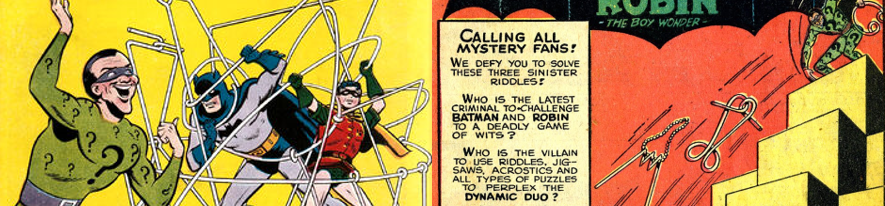
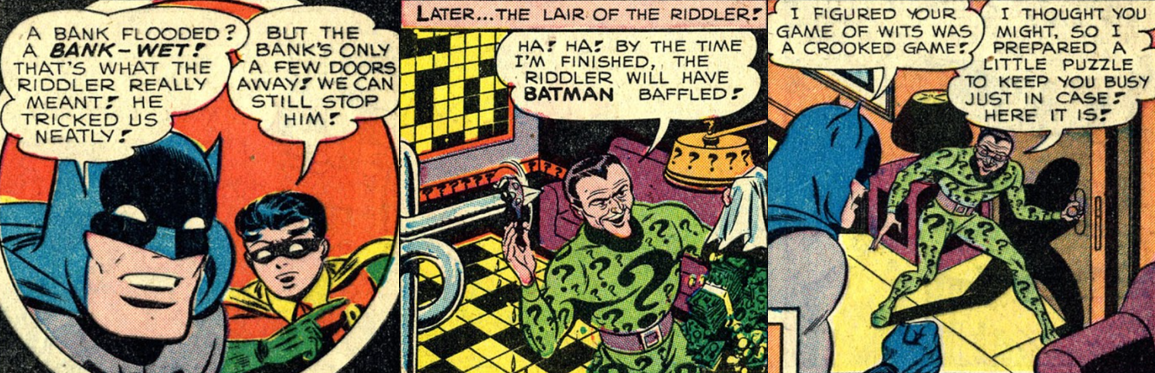
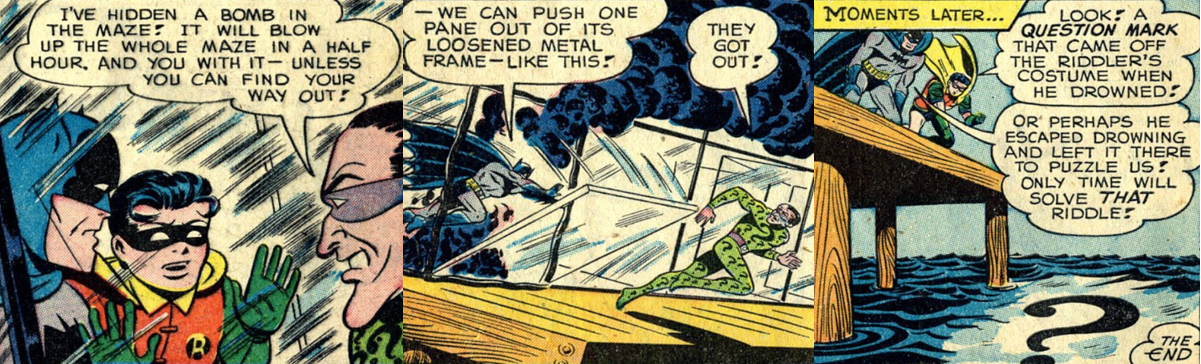
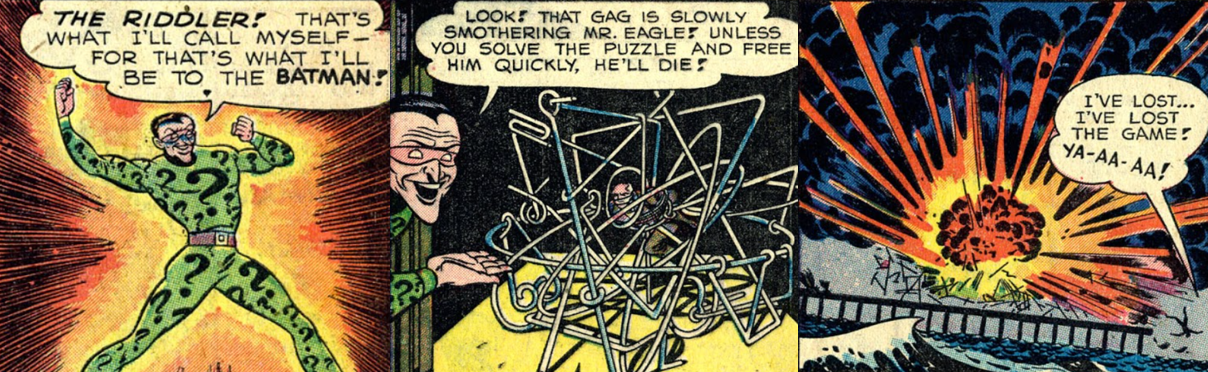


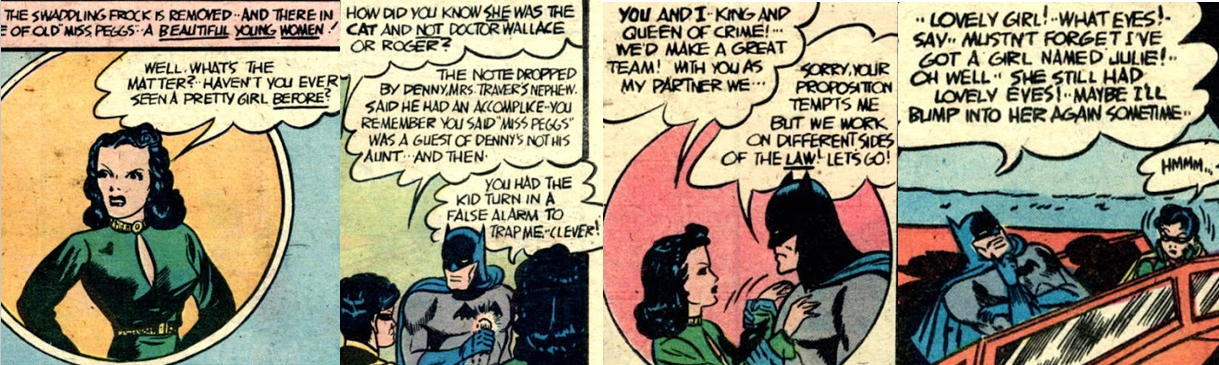




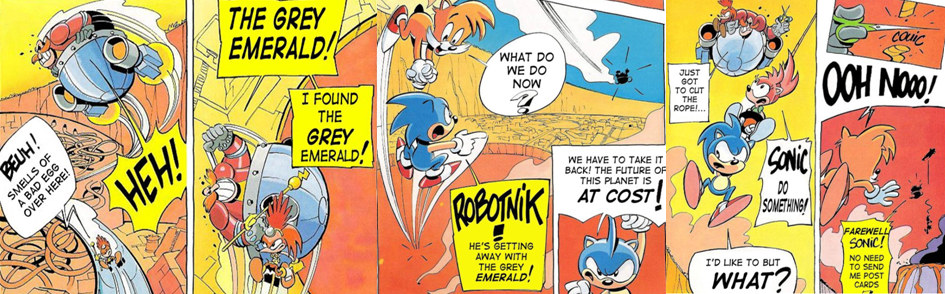


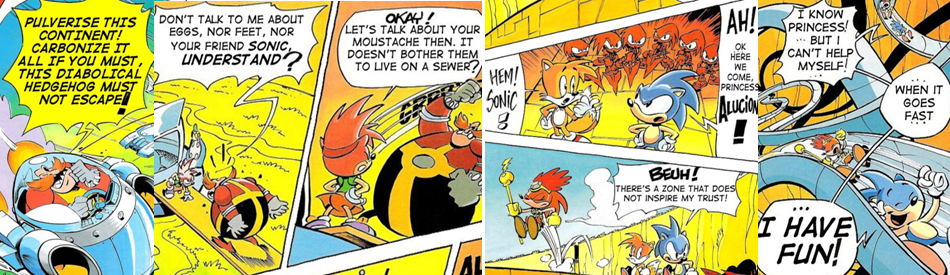


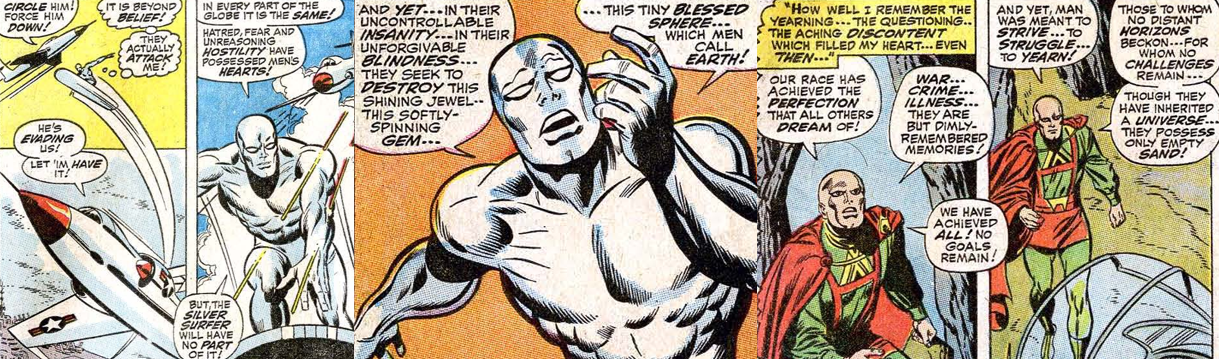
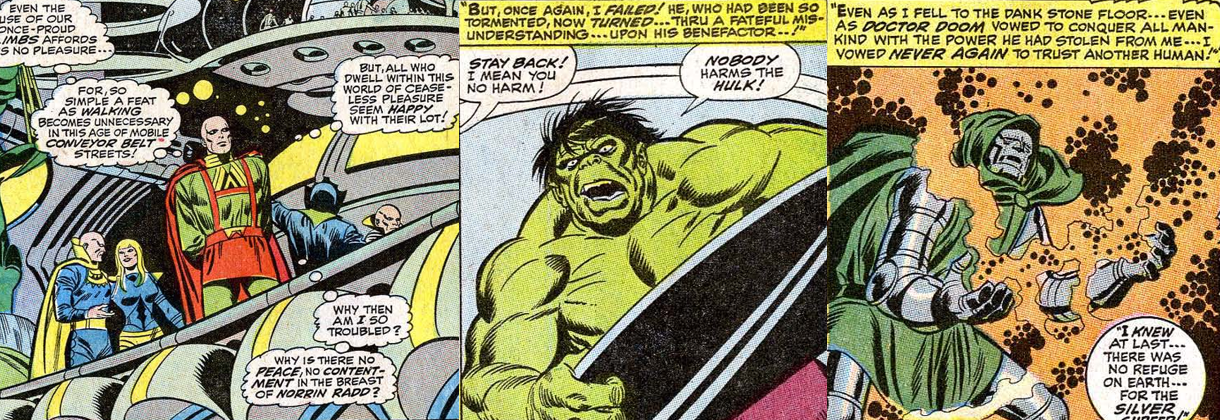
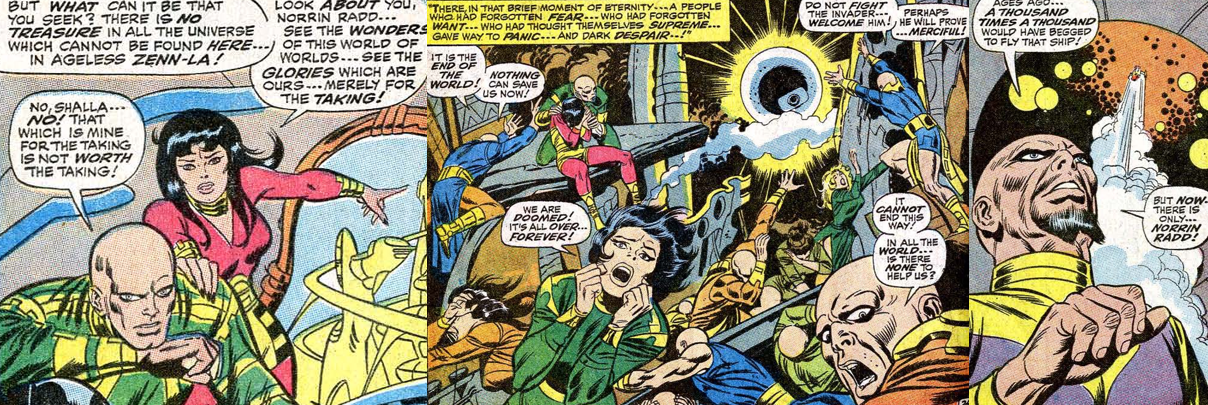
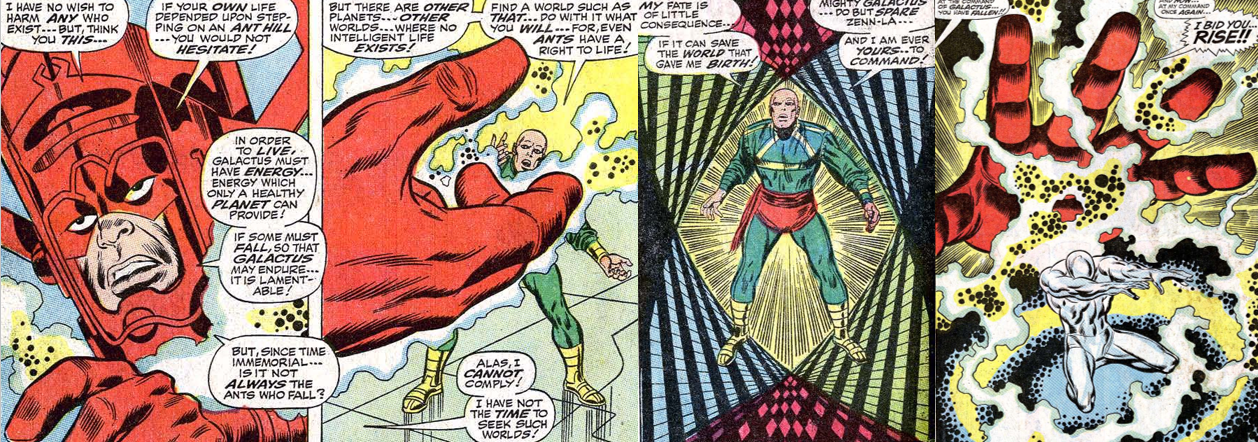
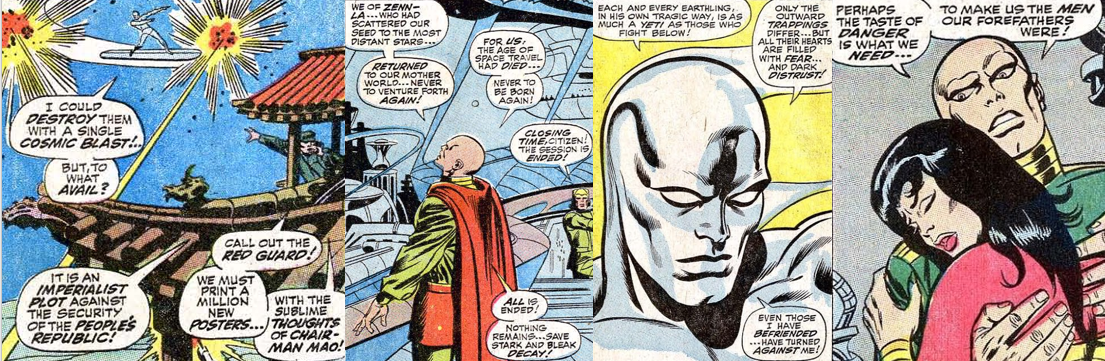
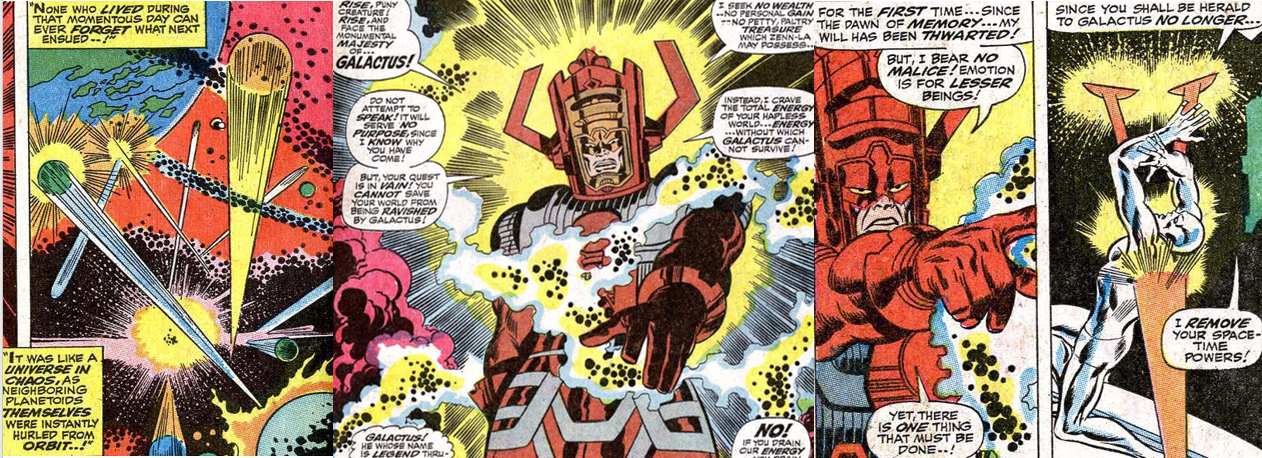
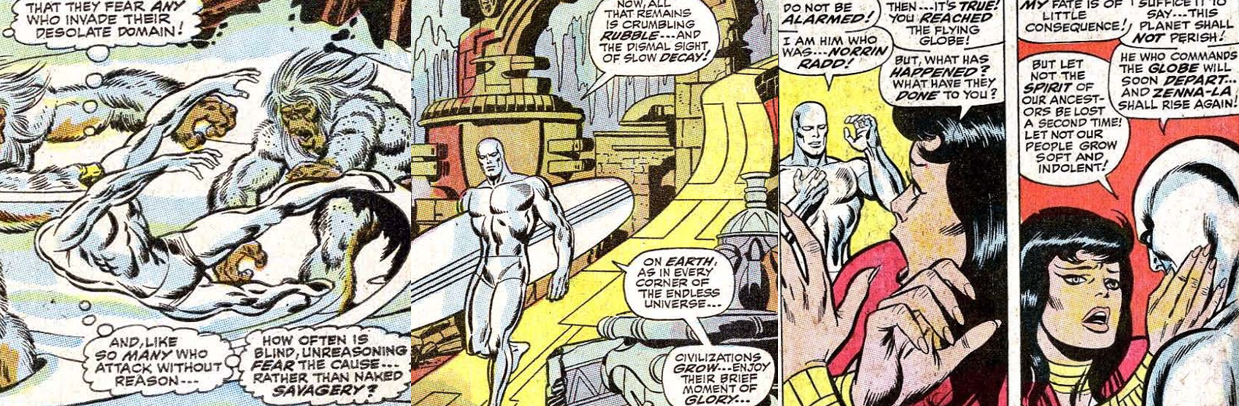


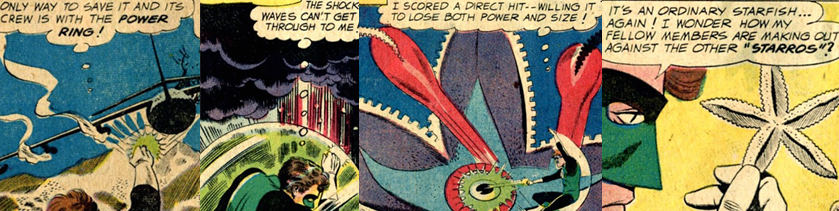
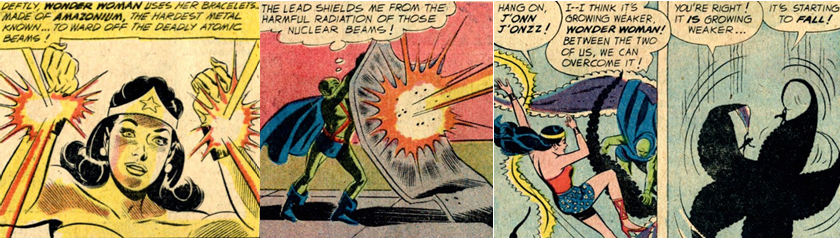
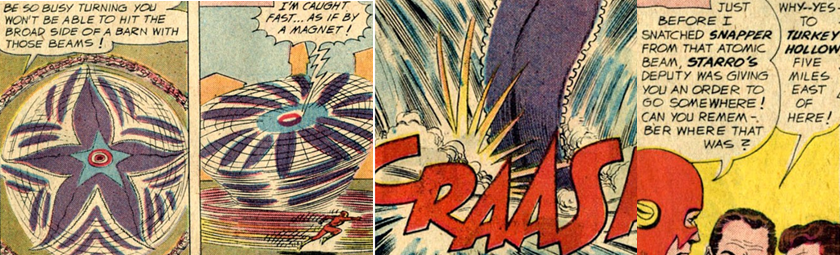
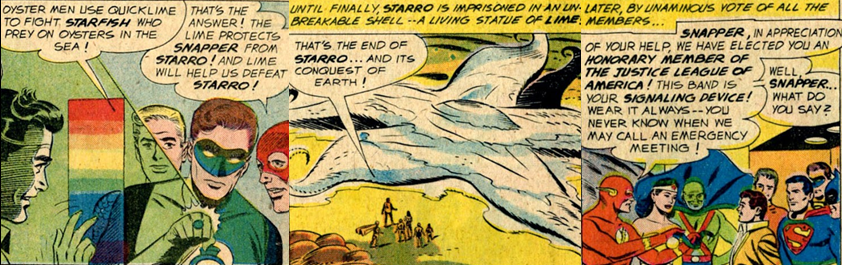
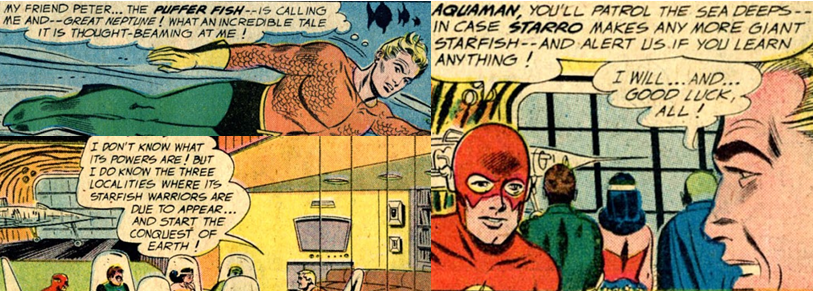
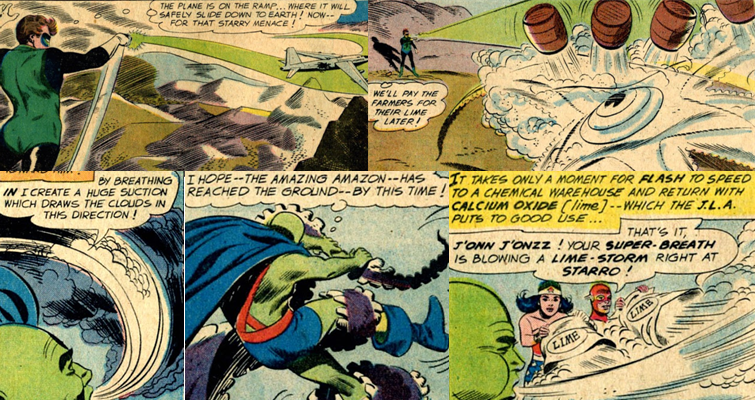
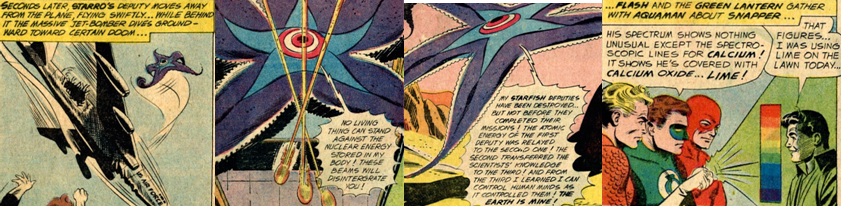

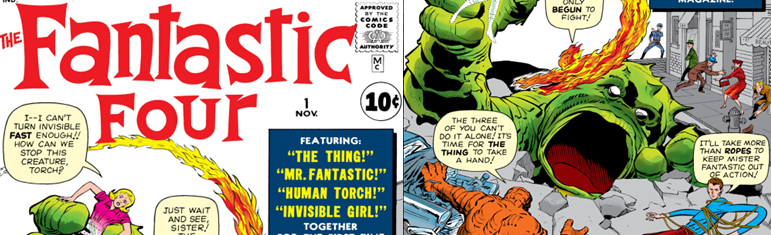
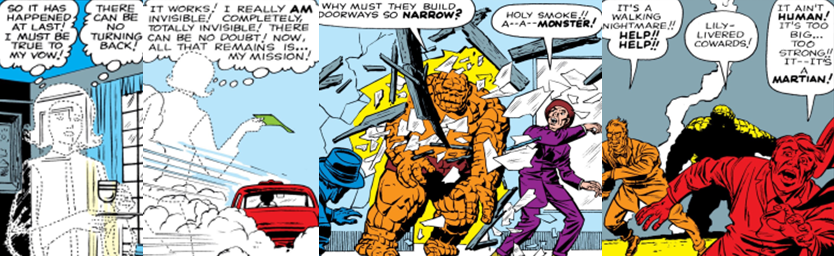
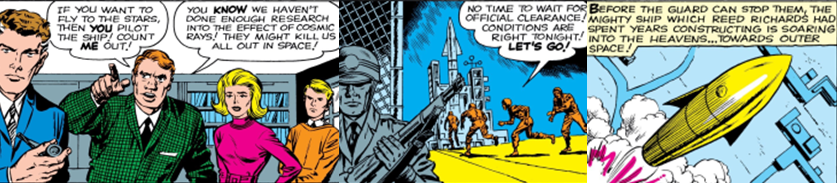
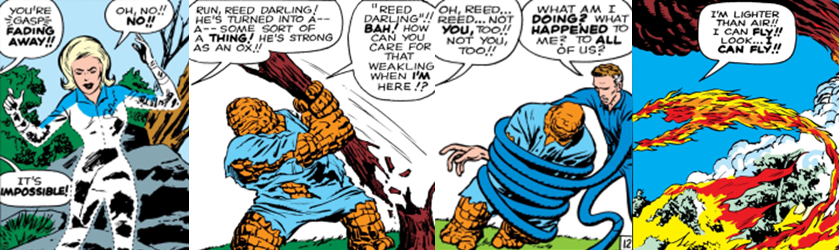
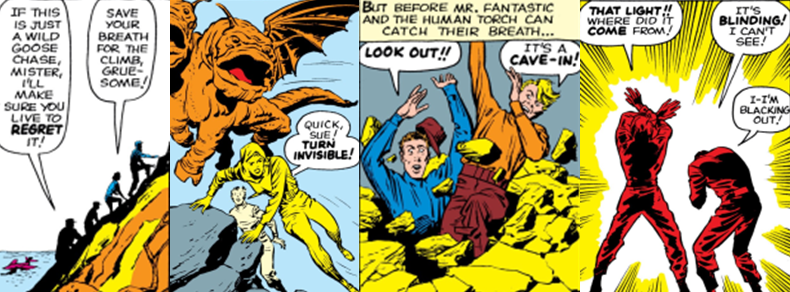
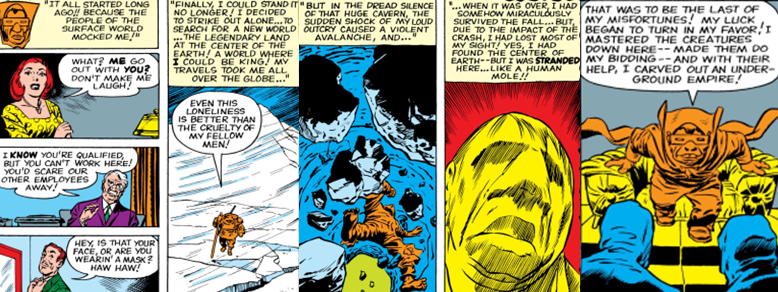
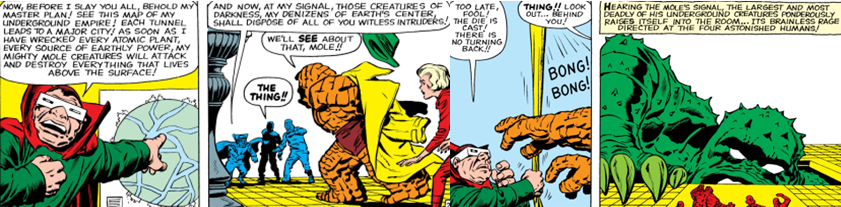
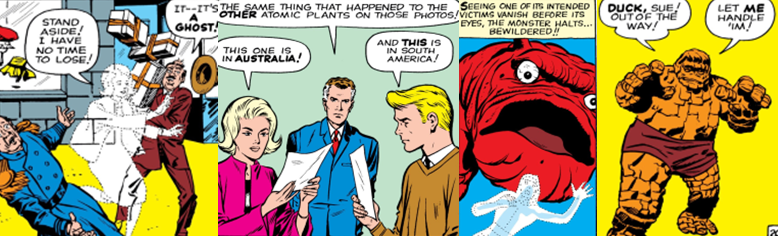
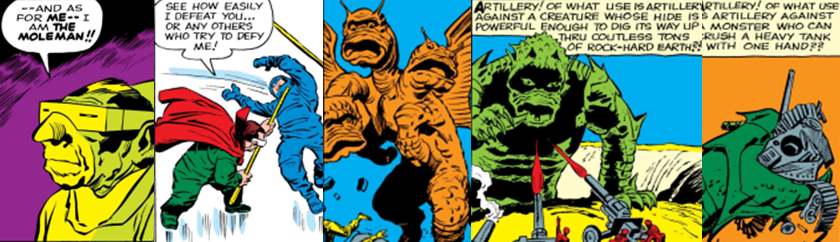

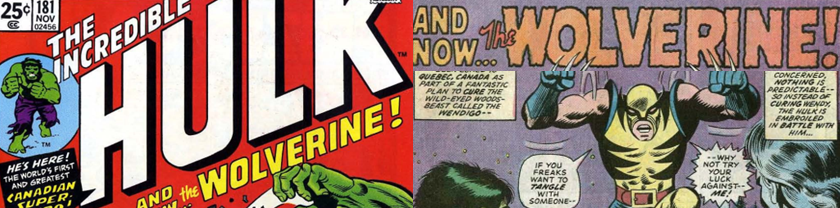
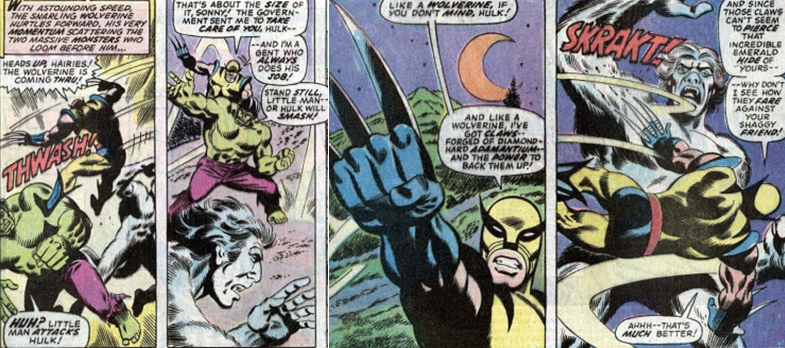
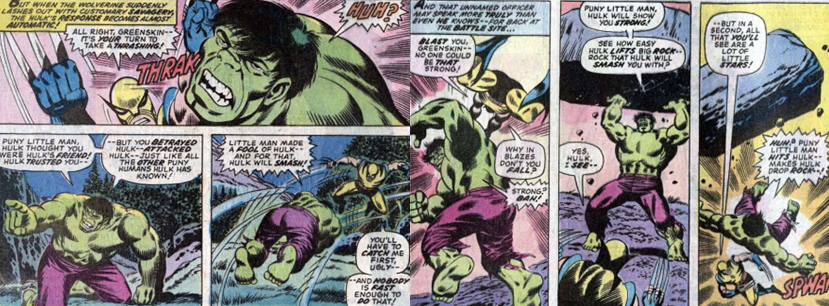
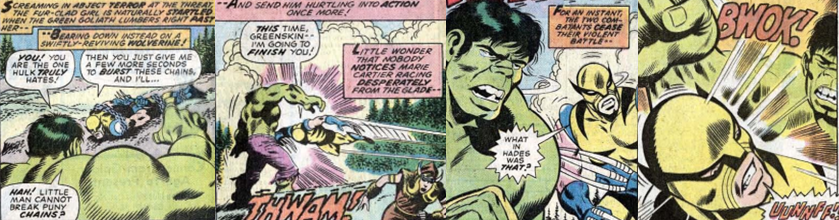
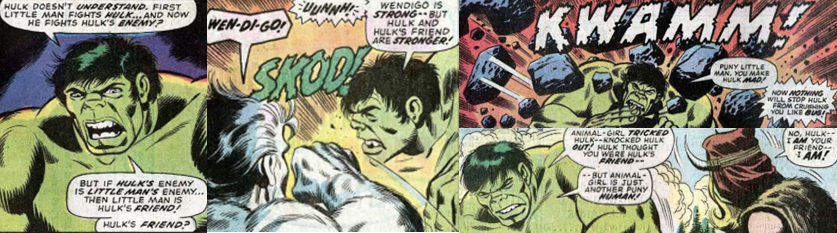
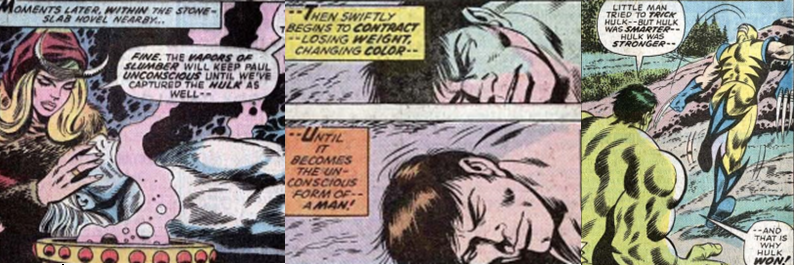








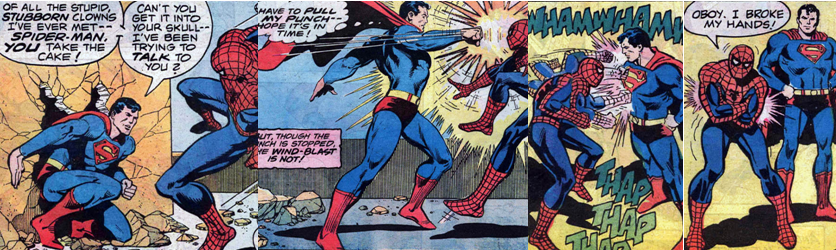
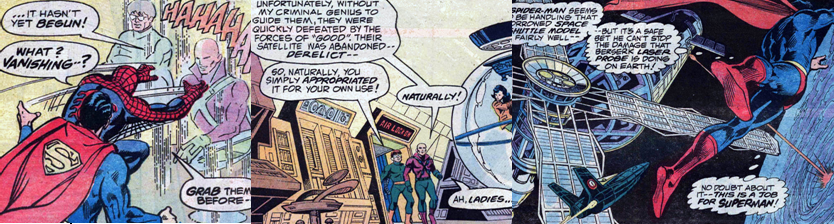
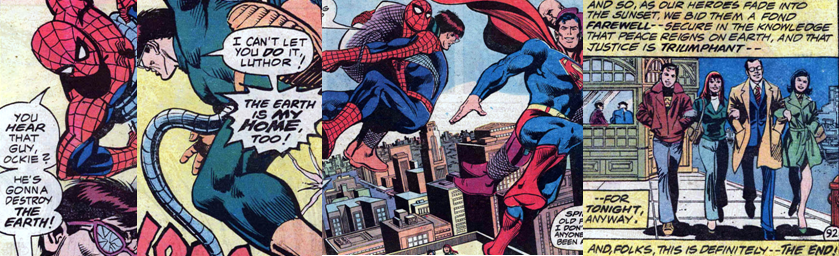
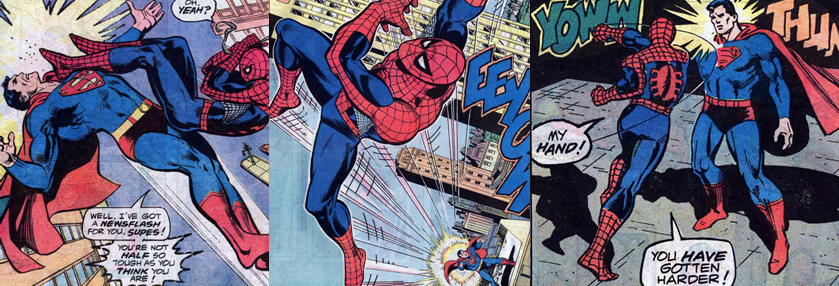
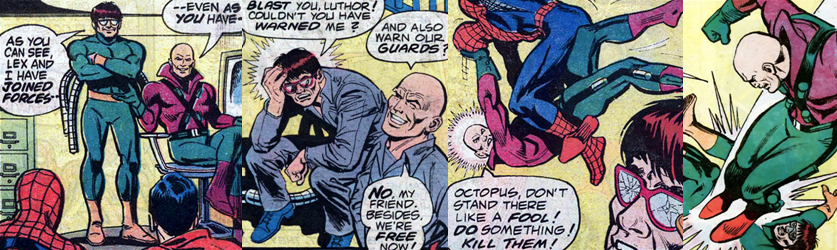


You must be logged in to post a comment.