Well, here we are; it’s been a long few weeks but we’ve finally reached the last issue of Teenage Mutant Ninja Turtles: Color Classics Volume One (Eastman, Laird, et al, 2018). This full-colour volume collects the first seven issues of Kevin Eastman and Peter Laird’s initial run of Teenage Mutant Ninja Turtles (TMNT) comics, plus two one-shot issues featuring Raphael and Michelangelo (here referred to as “Michaelangelo”). Unlike the family-friendly TMNT that took childhoods by storm through the cartoons and action figures, these turtles are darker, far more serious, all dress in red, and routinely cut down their foes while also getting bloodied and battered up. These initial comics books introduced many TMNT staples and plot points that would be heavily featured in the first two live-action movies, Teenage Mutant Ninja Turtles (Barron, 1990) and Teenage Mutant Ninja Turtles II: The Secret of the Ooze (Pressman, 1991), as well as inspiring many episodes of the cartoons that followed. We’ve seen the TMNT confront and kill the Shredder, the dishonourable ninja behind the death of their master Splinter’s master, battle Baxter Stockman’s robotic Mousers, befriend and turn to April O’Neil when Splinter goes missing, and be teleported across space by the T.C.R.I.’s (alien brains inside robotic bodies) and battle the dinosaur-like Triceratons! We’ve also seen Raphael form a begrudging alliance with Casey Jones, a violent and sadistic masked vigilante, Mike deliver some Christmas cheer, and now, finally, it looks like the TMNT are finally on their way back to the familiar sights and sounds of New York City.
The TMNT arrive with some uninvited guests…
Speaking of which, issue seven opens up outside the T.C.R.I. building where the police and national guard have arrived and established a perimeter on account of the massive, suspicious beam of energy that had struck the building like a bolt of lighting from the sky. This is, of course, the Transmat Device finally beaming the TMNT back home; the T.C.R.I.’s stand ready to stun the turtles (since the last time they met, the TMNT attacked them in a frenzy after discovering Splinter being held in their facility) but are shocked to see that they didn’t just bring the TMNT back to New York…they also brought the TMNT’s new ally, Professor Honeycutt, and a whole bunch of angry Triceratons!
While the T.C.R.I.’s try to stun the Triceratons, the TMNT just straight-up kill them!
Though weakened and unacclimatised the Earth’s atmosphere, the Triceratons know a Transmat Device when they see one and immediately attack the T.C.R.I.’s to seize it. Caught in the middle, the TMNT join the fray and attack both groups; although the T.C.R.I.’s take care to try and stun the aliens rather than out-right kill them, true to form the TMNT have no such qualms about fatally wounding the Triceratons during the fight. With the Triceratons either dead or stunned, the TMNT are finally reunited with their master and father-figure, Splinter, and finally allow the benevolent T.C.R.I.’s to explain themselves rather than flying in all guns blazing. It’s been a long road but the TMNT are at last reunited with their mentor and it’s very satisfying to see this reunion get a nice full-page depiction.
The aliens explain their part in the TMNT’s origin.
After April arrives at the T.C.R.I. building and quickly leaves as she feels unable to help, learning that the military is preparing to force their way into the building to find out exactly what is going on, Splinter recaps the events of his escape from the Mousers and being cared for by at T.C.R.I. This leads to the T.C.R.I.’s explaining an extended version of the TMNT’s origin from issue one; it turned out that, twenty years ago, about a hundred of the aliens crash-landed on Earth during a peaceful scientific expedition; only a third of them survived the crash and, with no way of getting or contacting home, they assumed the guise of normal, everyday civilians and slowly accumulated the wealth and capital to purchase the T.C.R.I. building and begin constructing a Transmat Device to get back to their home world. During the construction of this device, they had to transport technology and salvage from their crashed ship and, during one of these runs, the fated canister of ooze fell from their truck and gave birth to the TMNT as we know them today. So, after all that, the TMNT are literally the by-product of alien technology; who would have ever thought that would be a thing…
The TMNT finally return home.
Unfortunately, all the fighting in the building has damaged some of the aliens’ systems and, to make matters worse, the military have finally forced their way in. The T.C.R.I.’s send their automated defences to subdue the soldiers but, when they realise the machines aren’t deadly, the military bust out the heavy ordinance to force their way further into the facility. Thanks to the assistance of Professor Honeycutt, the Transmat Device is repaired but, with the soldiers seconds away from breeching the Transmat room, the TMNT and Splinter are forced to follow the aliens into the beam to parts unknown once more. Back in April’s apartment, it is revealed on a news report that the T.C.R.I. building was destroyed in the aftermath to ensure that the aliens’ technology didn’t fall into the wrong hands. Though she laments the fate of her strange new friends, April is overjoyed when the TMNT and Splinter materialise in her bathroom, finally back home once more.
The Krang-like aliens are more benevolent than their appearance suggests.
And that’s a wrap for the TMNT’s first seven issues. Honestly, the concept started off strong with a ridiculous parody of the likes of Frank Miller and then went truly off the rails by introducing mad scientists, killer robots, and aliens all within the first four issues! It’s absolutely bonkers but it absolutely works and, best of all, this issue is full of the TMNT action I’ve come to love about these early issues; the TMNT get down and dirty with the Triceratons once more, cutting and stabbing them to death in the melee and once again carry the wounds of such a battle, which is always a mind-boggling sight to see after how watered down the TMNT would become in the subsequent cartoons. Speaking of which, it is equally still just as strange to see the brain-like aliens act so benevolently considering how much of a constant threat Krang was to the TMNT over the years. The T.C.R.I.’s aren’t given much of an explanation or even a true species name in these issues and all we really know about them is that they came to Earth with apparently-nonviolent intentions and were stranded there for twenty years; they never try to harm or kill anyone, even when their robotic shells are being blasted to smithereens, and, right when you think they’re going to abandon or betray the TMNT at the issue’s end, they stay true to their word and return the TMNT back home with the fully-recovered Splinter.
These aren’t the TMNT you knew from the cartoons!
Honestly, I am regretting that it’s taken me this long to properly get into these original interpretations of the TMNT. I knew of their darker, more violent original incarnation and remember reading at least the first two issues in an original printing but, once the Color Classics books were released, I knew that this would be the best time to finally explore these first few issues and see what the TMNT were originally all about. Will I get another volume and continue the story, or perhaps take a stab at the much-lauded IDW series? Well, probably not as I like to buy the physical books and I only have so much space but, after reading this first volume, I have to admit that I am very tempted to make room for some more TMNT action and seeing how Eastman and Laird developed these iconic characters into fully-fleshed out personalities.
My Rating:
⭐⭐⭐
Rating: 3 out of 5.
Pretty Good
What are your thoughts on the original, more violent versions of the TMNT? Did you read this first issue when it first came out or, like me, did you discover it after the TMNT took the world by storm? What did you think about the original versions of Shredder, the Foot Clan, Baxter and the Mousers, Casey Jones, and April? Have you read the Color Classics books? If so, what did you think? Do you, perhaps, prefer the IDW comics? What is your favourite piece of TMNT merchandise? Whatever your thoughts and memories of the TMNT, feel free to leave a comment below and, if you’d like to see me bring back Turtle Tuesday or cover other TMNT media, please let me know.
Released: May 2019 Originally Released: September 1986 Developer: Konami Digital Entertainment/Konami Industry Co. Ltd Original Developer: Konami Also Available For: Amiga, Arcade, C64, Family Computer Disk System (Famicom), Game Boy Advance, Mobile, MS-DOS, Nintendo 3DS, Nintendo Entertainment System (NES), Nintendo Switch, Nintendo Wii, Nintendo Wii U, PC, and PlayStation 4
The Background: Castlevania (known as “Akumajō Dracula”) is notorious for its reputation as not just inspiring an entire sub-genre of videogame (the “Metroidvania” genre) but also its punishing difficulty. Back when Castlevania was first released for the NES, videogames (especially those on Nintendo’s ground-breaking platform) were built to last. As many gamers simply rented titles, and videogames were still heavily influenced by the pay-to-pay formula of the arcades, it wasn’t conducive for home console titles to be easy to complete and few titles exemplify that mentality more than Castlevania and its sequels. Given that I grew up mostly playing SEGA consoles, my experience with Castlevania has been understandably limited; I tried to change that with Castlevania (Konami Computer Entertainment Kobe, 1999) on the Nintendo 64…but that was shit. Bloodstained: Curse of the Moon (Inti Creates, 2018) was such a fun experience that I jumped at the chance to play through one of Castlevania’s most celebrated titles, Castlevania: Symphony of the Night(Konami Computer Entertainment Tokyo, 1997) which, in turn, led me to playing through its spiritual successor, Bloodstained: Ritual of the Night (ArtPlay, 2019). Though I have also finished Super Castlevania IV (Konami, 1991) on the Super Nintendo Entertainment System Classic Edition, I leapt at the opportunity to buy the Castlevania Anniversary Collection for Xbox One and play through these classic titles and see if I can conquer their notorious difficulty.
The Plot: With the immortal vampire Count Dracula threatening the entire land, Simon Belmont, the latest in a lineage of legendary vampire hunters, takes up the feared whip of his ancestors, the Vampire Killer, and journeys into Dracula’s castle to end this threat.
Gameplay: Castlevania is a sidescrolling action/platformer in which players control the vampire killer Simon Belmont. Being an 8-bit title released in the early days of the NES, Simon is a bit of a slog to control; he’s stocky, heavy, and very awkward. Simon does okay when walking in a straight line but isn’t so great at jumping or changing direction on the fly, which can make for some tricky jumps.
Attack with Simon’s whip or sub-weapons.
Simon attacks Dracula’s minions with his whip, the Vampire Killer; Simon can attack standing up, while ducking, and while jumping but can only attack in the direction he’s facing, which can make hitting flying and more active enemies very difficult. Luckily, Simon can also acquire a number of different sub-weapons, which can make it easier to attack the more awkward enemies or to attack from a distance. Speaking of which, while you’ll collect a whole bunch of hearts during the game, these won’t refill your health. I’ve never understood why the developers decided to have the hearts essentially be the ammo for your sub-weapon rather than health as it goes against every piece of videogame logic I know. Instead, you’ll have to break open walls and blocks to find food, which will replenish your health. Simon also starts the game with three lives and can earn more through earning enough points; once all your lives are spent, though, you do get unlimited continues so it’s not a complete loss.
Watch out for the knock-back; it’s a real bitch!
As you journey through Dracula’s castle, you’ll battle not only a whole slew of gothic-inspired enemies but also the clock; each of the game’s eighteen stages carries a time limit. If you don’t manage to reach and defeat the boss before the timer counts down, you’ll lose a life. You’ll also have to deal with the game’s finicky controls and devastating knock-back, which can easily send you careening down a bottomless pit, into water, or simply to the previous screen. Either way, it’s usually instant death for Simon. You’ll also have to climb a number of stairs during the game and, while Simon can defend himself on the stairs, he can also walk right through them and fall down them, which means certain death. As a result, it’s not really advisable to barge in all guns blazing; enemies all have a specific pattern that you must learn, and exploit, to defeat them. Many times, it might be easier to simply dodge the enemies with a well-timed jump, duck, or simply walking past them as they swoop by; whatever it takes to reach the boss with as much health and ammo as possible.
Graphics and Sound: Being that it’s an 8-bit title on the NES, Castlevania obviously looks rather pixelated and dated by today’s standards. There aren’t many frames of animation used in the game and, yet, there’s a surprising level of detail. Though limited by the NES’s colour palette, sprites still manage to pop out from the surprisingly-detailed backgrounds; rendered in a reddy/browny hue, Simon always sticks out compared to his surroundings and enemies, making it easy to see where he is. Some enemies can blend in a bit, as they’re mostly black or red against black or red backgrounds, but they’re easily recognisable once they start their attack patterns.
Castlevania‘s backgrounds are surprisingly detailed.
Considering the majority of the game takes place in a castle, the game’s environments are quite varied; Simon journeys through standard brick-and-mortar gothic architecture, across the outskirts of the castle’s rooftops, and through the grimy dungeons and flooded tunnels of the castle. Each levels is punctuated by some of the most iconic videogame themes ever realised; Castlevania introduced gamers the world over to such catchy tunes as “Vampire Killer” and “Nothing To Lose”, which would become staples of the series. There’s also some unobtrusive in-game sound effects, too; Simon’s whip makes a satisfying “Whoosh!” as you swing it, you always know when you’ve picked up items, and there’s even an indication of when you’ve landed a successful hit on a enemy or boss.
Enemies and Bosses: Dracula’s castle is chock full of all manner of gothic and supernatural enemies, many of which have since become cliché, especially in NES titles. You’ll encounter zombies, ravens, skeletons, and mermen and most of these bog-standard enemies are simple enough to get by or take out but the game soon starts placing them in awkward locations, having them throw projectiles at you, and also has them respawn when you go off-screen. Things really begin to ramp up once you encounter the Medusa Heads; these float around the screen in a predictable arc but seem never-ending, and are at their most deadly whenever Simon is climbing stairs. Personally, I had the most trouble with the hunchbacks, who randomly just hop all over the place and are a pain in the ass. Axe-throwing knights and fireball-spitting dragons also add to the game’s challenge, particularly in one notorious corridor that has three knights and a near-endless slew of Medusa Heads.
The Grim Reaper is a pain in the ass and actually tougher than the dreaded Count Dracula!
The gothic influences continue with the game’s bosses; you’ll battle a giant bat, the Medusa Queen, two Mummies, Frankenstein’s Monster (with the hunchback-like Igor), and the Grim Reaper himself. While most of these aren’t too much of a challenge with the right sub-weapon (generally the Holy Water), the Grim Reaper was probably the most frustrating experience of the game thanks to his sporadic attack pattern and constant spawning of scythes. Eventually, though, you’ll do battle with Dracula himself in a two stage final battle. Dracula initially attacks by teleporting around his tomb and firing a spread of projectiles at you and, while Simon can destroy these with his weapons, Dracula can only be damaged by hitting his head and he has a nasty tendency to warp right into your path. After defeating Dracula’s first form, he’ll transform into a demonic, gargoyle-like bestial form. While he deals heavy damage in this form, he’s actually a lot easier to whittle down, especially if you have the Holy Cross Boomerang sub-weapon; once again, Dracula can only be damaged by hitting his head, so it’s best to run underneath him as he leaps at you, toss the Boomerang and also attack with your whip to damage Dracula and dispel his fireballs. Overall, the difficulty spike in the bosses is noticeable once your reach Frankenstein’s Monster but inescapable when you battle the Grim Reaper; how players managed to trump that asshole with no save states is beyond me.
Power-Ups and Bonuses: As mentioned, you can upgrade the Vampire Killer to increase the damage it deals but you can also pick up items to increase how many of your sub-weapons you can throw. These are pretty much essential to defeating the game’s tougher bosses, especially Dracula, as it allows you to spam the more effective sub-weapons rather than relying on the whip. There are a number of different sub-weapons available in the game, each with their pros and cons: the axe travels in an arc, for example, allowing you to better hit flying enemies and the knife allows you to attack from a safe distance. The stopwatch can briefly freeze all onscreen enemies, but this isn’t really that helpful when you’re surrounded by enemies or battling certain bosses, and the Rosary will eliminate all onscreen enemies. Perhaps the most useful weapons are the Holy Water, which stuns enemies and deals successive damage, and the Boomerang, which flies back to Simon and thus deals twice the damage.
Additional Features: Once you complete the game and sit through the laughably-bad credits, you’ll automatically return to stage one with all of your upgrades, score, and remaining lives. However, you’re now playing in Hard Mode! Hard Mode places different enemies in different places and ramps up the difficulty significantly as enemies move faster and do more damage. If you’re playing the version featured in the Xbox One Castlevania Anniversary Collection, as I did, you can earn an Achievement for completing the game and can even cheese it using save states; this may be frowned upon by some but there’s nothing stopping me (or you) not using this feature if you wish. There are also a number of frames and display options, though they can’t do much to improve upon the original’s pixelated goodness.
The Summary: In the end, Castlevania more than lives up to its reputation; even using save states, the game is a tough experience as you can only hold one sub-weapon at a time and having the wrong one at the wrong time can make bosses and certain sections near impossible and the time limit means that you can’t dawdle too much waiting for an opening. Yet, the game is fun; the challenge comes from learning enemy attack patterns, attacking every block and candlestick holder looking for health, upgrades, and hearts, and a bit of trial and error in getting past some of the game’s tougher sections. With the exception of the Grim Reaper boss battle, which I found a tedious and frustrating experience, and a few annoying times where the game crashed on me, I enjoyed myself from the beginning to the end and am glad that I finally got the chance to play Castlevania.
My Rating:
⭐⭐⭐⭐
Rating: 4 out of 5.
Great Stuff
Did you play Castlevania back in the day? Which of the titles in the series do you consider to be the best, worst, hardest, or easiest? What did you think to the Castlevania Anniversary Collection? Do you agree with the tactic of manipulating save states to win at games? Whatever you think, drop a comment below and check out my other Castlevania reviews.
When I bought first Color Classics (2018) volume of the original Teenage Mutant Ninja Turtles comics, I went in a little bit blind. I knew that Kevin Eastman and Peter Laird’s original versions of Teenage Mutant Ninja Turtles (TMNT) were far darker and more violent characters and I knew that they killed the Shredder in their first issue and went on to both befriend April O’Neil and battle Baxter Stockman and his robotic Mousers, but I never expected that the TMNT would be beamed into the far reaches of space within the first seven issues! Since issue three, the TMNT have been searching for their missing mentor and father-figure, Splinter. Their search took them to the mysterious T.C.R.I. building and saw them teleported to the alien city of Peblak, where they befriended the “Fugitoid”, Professor Honeycutt (a humanoid scientist’s consciousness trapped within a robotic body) and were hounded by the forces of General Blanque. After Honeycutt, the only one capable of constructing a Transmat Device and returning them home, was kidnapped by the dinosaur-like Triceratons, the TMNT gave chase and ended up choking to death in the cargo hold as the Triceraton ship docked with their technologically-enhanced asteroid base.
The TMNT are held captive as collateral.
Issue six picks up right where issue five left off, with Honeycutt being brought to the command deck to witness the awesome sight of the Triceraton homeworlds, a whole series of asteroids all hollowed out and filled with space-faring technology and domed cities. While Honeycutt is taken to meet with the Triceraton’s leader, Prime Leader Zanramon, the Triceratons stumble upon the TMNT in the cargo hold. They’re sat in deep mediation, presumably to lower their heartbeats and control their breathing and make the most of the limited oxygen; however, it also leaves them helpless, allowing Zanramon to hold them captive in his attempt to force Honeycutt to construct a Transmat Device to aid their wars.
The TMNT engage in a brutal fight to the death!
However, despite the threat to his new friends, Honeycutt remains resolute in his decision not to construct a Transmat Device for any reason as the threat to life is just too great, even if it means the TMNT will die. The story then jumps back to Earth to check in on April, who is beside herself with worry as the TMNT and Splinter have been missing for some time now. A news report reveals that the national guard have been called in to investigate some strange goings-on at the T.C.R.I. building, which does very little alleviate her fears and worries. Back at the Triceraton homeworld, the TMNT are forced to enter the Triceraton arena in a fight to the death. Luckily, the TMNT have been provided with oxygen kits to allow them to breathe and they’ve been allowed to keep hold of their weapons and, even better, the wrist injury that had slowed “Michaelangelo” down over the last few issues is no longer a problem, meaning that the TMNT are able to battle at full force, inflicting bloody, fatal wounds to their Triceraton opponents.
Backed into a corner, the TMNT are suddenly bathed in a familiar light…
Spotting Honeycutt in the Prime Leader’s executive box, the TMNT hatch a plan to hijack a floating platform and attack the Prime Leader and his guard. The battle is swift and the TMNT rescue Honeycutt and take Zanramon hostage, forcing him to guarantee them safe passage to his personal ship. Once again arming themselves with laser rifles, the TMNT engage in a shoot-out right as they reach the docks and Zanramon is killed in the crossfire (by his own troops, no less). Pinned down, the TMNT beat a hasty retreat to a nearby elevator only to find it full of yet more Triceratons. However, right as they are about to be gunned down, the TMNT, Honeycutt, and a handful of the Triceratons are bathed in a familiar light and disappear from sight… This is first TMNT issue I’ve looked at since beginning Turtle Tuesday that doesn’t really focus on the titular mutant turtles for the majority of its pages. Instead, we’re shown and told the specifics of the Triceraton society and spend the first half of the story with Honeycutt being threatened and April being reduced to a helpless wreck.
When the TMNT get to fighting, the issue really picks up.
Things finally pick up once the arena battle begins, in which the TMNT return to their violent, bloody glory, slicing up the Triceratons, cracking their skulls, and skewing them in their life-or-death battle. It’s always great to see the TMNT cutting up their opponents with reckless abandon and this continues as soon as they get their hands on those laser rifles and start gunning down Triceratons without hesitation. None of them really get much of a chance to stand out in this frantic setting, however, and all we really garner from this issue is that the TMNT are increasingly desperate to get back to New York.]
My Rating:
⭐⭐
Rating: 2 out of 5.
Could Be Better
What do you think of the Triceratons as a TMNT enemy? Would you have preferred to see this issue spend more time with the TMNT or did you enjoy seeing Eastman and Laird expand the scope of their off-the-wall comic book series? Did you know that T.C.R.I. actually stood for “Techno-Cosmic Research Institute” and do you agree that this is a ridiculous name? What is your favourite arena-based fight in comics, videogames, or movies? Whatever your thoughts, drop them in the comics below and come back next Tuesday to see where the TMNT end up this time!
When I talked about Raphael: Teenage Mutant Ninja Turtle, I mentioned that, of all the Teenage Mutant Ninja Turtles (TMNT) as originally conceived by of Kevin Eastman and Peter Laird, Raphael has stood out the most in terms of personality. Given that all of the TMNT look and sound the same and are only really separated by their individual weapons, it stands out even more when one of them shows a bit more personality in these early issues. But, while Raphael has stood out the most, each of the TMNT has showed glimpses of their individual personalities…except for “Michaelangelo”. Up until now, “Michaelangelo” has simply been a ninja turtle; it took him fives issues to exude anything even resembling a personality and even then it wasn’t anything that impressive. We’ve seen him able to hold his own when sparring with Raphael, and even best his brother in combat, receive an injury when battling the Foot Clan and having to deal with the handicap of this injury, and he was possibly (most likely) the turtle who got drunk on one alien alcoholic beverage. Apart from that, he may as well not really be there; Leonardo has been the voice of reason and given the TMNT direction, Donatello has offered technical and scientific expertise (though basic), and Raphael has been depicted as an emotional hot-head who struggles with his temper but “Michaelangelo” has just been…there…
Mike takes the time to have some fun in New York at Christmas.
So it is slightly surprising to me that, of all the TMNT, it was Mike who received his own one-shot comic; as the only of his brothers to receive a one-shot at this point was Raphael, this seems to imply that Mike was just as strong a stand out, breakout, character as his temperamental brother but, honestly, I haven’t seen any evidence in this early issues to make a case for that. If anything, it feels like Leonardo should have gotten the one-shot treatment over Mike but, here we are. Michaelangelo: Teenage Mutant Ninja Turtle takes place before the TMNT were transported across space but after Splinter turned up missing; the TMNT are still staying at April O’Neil’s apartment and, wouldn’t you know it, it’s Christmas time in New York City and “Michaelangelo” is out exploring the city in the middle of a picturesque, stereotypical snow-covered Big Apple. Though he laments that he probably wouldn’t be able to take up ice skating, he jumps at the chance to try “sliding”, enjoying being out and amongst his fellow New Yorkers.
Mike stumbles upon a robbery taking place.
Rather than heading home, Mike decides to head to the shops to do some Christmas shopping but comes across a lost cat; taking a liking to the freezing kitty, Mike tucks him into his big winter coat and takes the cat with him to a nearby town store. Enamoured by the large array of toys and games on offer, Mike heads inside and, whilst playing, names his newfound friend “Klunk”; however, Klunk gets spooked by the toys and runs off to the toy shop’s warehouse. Following, Mike comes across a gang of masked individuals taking a truck full of this season’s most-popular toy (“L’il Orphan Aliens™”), which is due to be donated to a local orphanage. The thieves, however, knock out the driver and intend to steal the truck and sell the toys to make a profit so Mike, naturally, gives chase.
Mike busts up the thieves and retrieves the truck.
Grabbing hold of a loose light chord, Mike is dragged through the streets as the truck speeds away; after securing Klunk instead the truck, Mike makes short work of a couple of the goons but loses the truck when the driver speeds away. Desperate to get Klunk back and finish the job, Mike takes a chance on the driver driving erratically and without any real purpose and, luckily, catches up to the truck and takes out the driver by smashing through the front and driver’s side window. Mike plans to drive the truck back to the store but attracts the attention of New York’s finest, who have been on the lookout for the stolen vehicle, and Mike is forced to smash his way past the cops and an armed barricade. Ditching the truck down a nearby alley, Mike doesn’t want to just leave it for the cops to impound and, instead, opts to head back to his brothers at April’s apartment.
The TMNT deliver the toys to the orphange for a feel-good moment.
Mike (randomly called “Michelangelo” for the first time, though this correct spelling of his name wouldn’t stick for some time) doesn’t have to try too hard to convince the rest of the TMNT to help him out and, together, they take April’s van down to where Mike ditched the truck, load it up with the L’il Orphan Aliens™, and deliver the toys to the orphanage while dressed as Santa Claus and his helpful little elves. Compared to Raphael: Teenage Mutant Ninja Turtle, Michaelangelo: Teenage Mutant Ninja Turtle is every schmaltzy, feel-good Christmas story you’ve come to expect from comic books. Literally the only thing this one-shot contributes is that it finally shines a light on “Michaelangelo” and allows him to stand out from his brothers. As realised in this story, Mike is like a wide-eyed kid; he enjoys being out in the city, especially amongst the snow and at Christmas time, and delights in playing with and being around all the toys and games. This contrasts quite severely with what little personality he has shown thus far as he’s seen to be relatively stoic, focused, and adept at martial arts rather than the laid back, pizza-loving surfer dude he would later become. Otherwise, there’s not really much else on offer here and it doesn’t really add much to the current ongoing arc of the TMNT struggling with the loss of their mentor and father-figure, Splinter. It’s nice to see Mike’s personality fleshed out a bit but, similar to Raphael’s one-shot, it’s not as though these developments are actually translated to the subsequent issues that I’ll be looking at for Turtle Tuesday. As a one-shot, feel-good Christmas tale it’s decent enough but I always feel like such stories are a bit of waste of time as I’d much rather get to the action or the character development more than celebrate the “true meaning of Christmas”.
My Rating:
⭐⭐
Rating: 2 out of 5.
Could Be Better
What did you think about this one-shot TMNT comic? Do you think Mike deserved his own spin-off or would you have preferred to see a different character get that honour? What do you think about schmaltzy Christmas tales in comics, cartoons, or movies? Whatever you think about this issue, or the TMNT in general, feel free to leave a comment below and come back next week as the TMNT continue to fight their way through alien goons and return home.
Released: 4 October 2019 (Hey! That’s my birthday!) Originally Released: 16 June 2009 Developer: Saber Interactive Original Developer: Terminal Reality / Red Fly Studio Also Available For: Nintendo DS, Nintendo Switch, Nintendo Wii, PC, PlayStation 2, PlayStation 3, PlayStation 4, PlayStation Portable, and Xbox 360
The Background: Ghostbusters, as a franchise, has always had a bit of a chaotic history; the original Ghostbusters (Reitman, 1984) went through numerous rewrites and changes of concept to get the project off the ground, the under-rated sequel, Ghostbusters II (ibid, 1989), failed to match the critical or financial success of its predecessor and has been largely (unfairly) written off by cast, crew, and fans, and the difficulties stars and writers Dan Aykroyd and Harold Ramis had in getting a long-awaited third film into development eventually led to an all-female reboot in 2016, whose scathing reception finally led to an official continuation being green lit for release at some point next year. Personally, I blame a lot of this on star Bill Murray; Aykroyd and Ramis fought to produce a true third film for years, turning in all kinds of different scripts and concepts, only for Murray to balk at every suggestion and hold production back. Somewhere in that void, though, Atari announced that they were working on a new Ghostbusters videogame, one that would revisit a lot of the undeveloped ideas for the unproduced Ghostbusters III and even, after some back and forth with Murray (obviously), managed to reunite the four main characters of the movies for what is largely considered to be the third Ghostbusters movie…but in videogame form! I first played Ghostbusters: The Video Game on the PlayStation 3 and remembered enjoying it for its fidelity to the original movies; having the four main cast members back, featuring the same locations, music, and aesthetics, all gave the game a sheen of quality largely missing from other similar videogame tie-ins. Yet, for whatever reason, I got rid of the game shortly after completing it and always regretted that decision so, when the remastered version was announced for Xbox One, I jumped at the chance to revisit the game and try to figure out what it was that kept me from keeping the game in my library the first go around.
The Plot: Some time after the events of Ghostbusters II, the Ghostbusters are universally lauded and have an official contract with New York City to conduct their business. However, when a supernatural energy pulse emanates from the Gozer exhibit at the Museum of Natural History, ghosts begin to increase in frequency and, alongside a new recruit, the titular Ghostbusters find themselves facing off Ivo Shandor, who seeks to merge the Ghostworld with the real world.
Gameplay: Ghostbusters: The Video Game: Remastered is a third-person shooter, of sorts, in which the player takes control of an unnamed new Ghostbusters (generally referred to simply as “Rookie” or some variation). The Rookie is given the…honour?…of lugging around the Ghostbusters’ new experimental tech, doing all the team’s heavy lifting, and generally being sent in to investigate disturbances first to reduce the risks faced by the team. As you might expect, given the nature of the franchise, your primary goal is to use the Ghostbusters’ patented Proton Pack to fire a stream of nuclear-charged protonic energy at various ghosts, whittling their health down until they are ready to be trapped in a small mechanical box. When ensnaring a ghost, you have to keep an eye on the steadily rising bar on your Proton Pack; if you simply hold down the R trigger with reckless abandon, your Proton Pack will overheat and you’ll be left vulnerable while you wait for it to recharge. Therefore, it’s advisable to press the R button to vent the pack and keep your Proton Stream going strong; basically, it’s like a reload function in a shooter. Once the ghost is worn down and in your Proton Stream, you can slam it to weaken it further or force it into a trap but you need to be careful that you don’t cross your stream with those of the other Ghostbusters as you’ll get blown on your ass. Once you successfully trap the ghost, you’ll earn in-game currency that is used to buy new upgrades for your Proton Pack to make catching and trapping ghosts slightly easier. I say “slightly” because the main issue with trapping ghosts is that the game doesn’t have an auto-lock on or any kind of lock-on feature, basically meaning your Proton Stream goes flying all over the place and can be extremely difficult to aim and keep trained on a ghost, especially as the fly around the game’s locations.
You’ll have to dip in and out of both views to scan everything.
When you’re not trapping ghosts, you’re tasked with exploring your surroundings, many of which are extremely faithful recreations from the first Ghostbusters movie. You can do this in third-person mode, where you’re able to sprint and blast at a whole host of destructible items, or switch to a first-person mode, equipping both the Psychokinetic Energy Meter (P.K.E. Meter) and the Ecto Goggles in the process. In this mode, you’ll scan your environment; when the P.K.E. Meter turns red, a ghost is nearby and you can hold the R trigger to scan it and learn its weaknesses to aid you. When the meter turns blue, it means you’re close to one of the game’s many Cursed Artefacts, which can be collected to add bonus items to the Ghostbusters’ firehouse and earn you a couple of Achievements. This mode is very similar to the forced first-person perspective of Resident Evil: Revelations (Capcom, 2012) or the detective vision from the Batman: Arkham series (Various, 2009 to present) in that, since it’s your only real indication of where you need to go thanks to the game lacking a traditional map, you’ll be spending a great deal of your time either in scan mode or flipping in and out of it to scan every ghost you encounter. Personally, I feel the developers could have incorporated the P.K.E. Meter function into the game’s heads-up display, placing it in the bottom left corner and having it light up whenever something of interest was near so that you spend more of your time in third-person mode but, once you’ve scanned everything you need to scan and know where you need to go, you’ll probably not be switching to this mode in future playthroughs.
Keep an eye on your health gauge and be sure to revive your team mates!
The Rookie is portrayed as fairly clumsy in the game’s charming cutscenes but, in-game, he’s generally quite competent; his health is measured on the side of the Proton Pack and, whenever you start to take too much damage, the screen will flash and turn red, so it’s best to use the B button to awkwardly hop out of harm’s way or find some cover until your health replenishes. If you or any of your Ghostbuster allies take too much damage, you’ll need to be revived or revive them yourself, respectively; if you’re all incapacitated, the mission is failed and you’ll have to reload your last checkpoint. There are a couple of drawbacks to this: one quite crucial one is the your character can sometimes be incapacitated in just one or two hits, leaving you at the mercy of your computer-controlled allies, and another is that there is never an onscreen indicator of when the game is auto-saving so, when you die, you could be sent all the way back to the start of the mission or you could be sent back to right outside the last door you entered. It’s also doubly frustrating that the game has such long loading screens; considering this version is supposed to be optimised for the Xbox One, I don’t expect to be sitting there for a minute or two while the game struggles to load up my last checkpoint. When you’re not busting ghosts, exploring your environment, or scanning your surroundings, you’re tasked with solving a few rudimentary puzzles. Generally, these are as simple as crossing a room and activating a switch but, often, some kind of obstruction will require the use of your Proton Pack and other attachments to clear the way, such as moving an electrified wire out of water, clearing slime or vines, activating a winch, or yanking open doors with your slime tether.
Obtuse puzzles break up the game’s action.
The game can be a bit obtuse with telling you exactly what you need to do, though; there’s a part in the sewer where you need to clear out the black slime so you can proceed further and there’s literally nothing to tell you to use your slime tether on the weights next to the gate. Later, when on Shandor’s Island, I was faced with a locked door; Egon Spengler (Ramis) helpfully said something like “Do what I do!” but all he was doing was standing still. I am not ashamed to admit that it took me a good couple of minutes to spot the seemingly-obvious stairs that led down to the hedge maze, and the solution to this puzzle, below. The main appeal of Ghostbusters: The Video Game: Remastered is that it is chock full of attention to detail, little Easter Eggs, and call-backs to all the best and most beloved moments of the first movie. For me, though, this is a double-edged sword as, while the game clearly acknowledges and takes place after the second movie, everything about the game is geared towards it being more of a Ghostbusters 1.5 or a “real” Ghostbusters II as the characters are all modelled after their appearances in the first movie (despite looking different in the second), the music is all ripped straight from the first movie’s fantastic soundtrack, and very little of the game revolves around any of the fallout of the second movie beyond the inclusion of slime. It almost feels like the developers should have simply had the opening mission of the game be a flashback to the events of the first movie and then just presented the rest of the game as taking place between the two films or in place of the second as, while the game’s narrative just about line up, it’s clearly more geared towards paying homage to the first, more popular movie.
Graphics and Sound: Ghostbusters: The Video Game: Remastered is a bit of a mixed bag: on the one hand, the game’s locations, ghosts, bosses, and in-game models look amazing but, on the other, the game’s pre-rendered cutscenes (and even those that use the in-game models) leave a lot to be desired. In its first mission, the game takes the team back to the Sedgewick Hotel from the first movie, which is recreated in stunning detail. Here, you’ll explore these familiar surroundings and then engage in an extremely faithful recreation of the Ghostbusters’ first encounter with Slimer before heading out into Times Square, making your way up a building, and battling the reborn Stay Puft Marshmallow Man. Another mission takes you make to the New York Public Library to settle up with the Librarian Ghost from the first film and, between missions, you’ll get to freely wander around the Ghostbusters’ firehouse. All of these familiar locations are recreated in meticulous detail, ripped straight from the first movie, and really make it feel as though you are playing a true Ghostbusters videogame.
The game’s locations become suitably horrific and grandiose.
The game then expands upon its locations considerably, transporting the team to the Lovecraftian Ghostworld, where spirits and spectres roam freely, a nightmarish version of Central Park, dilapidated cemeteries, a suitably Gothic and haunted island, and even a hellish version of the ghost dimension. While many of these locations are quite linear (you can explore but, more often than not, you’ll just run into a dead end), they are full of little details, lighting effects, and Easter Eggs to find and things to do. Almost everything is destructible, for one thing, and you can interact with certain elements (water fountains, the exhibits in the museum, and others), though, at the same time, environments can feel a little bland and restrictive. The in-game models are pretty much spot-on, though, especially for the ghosts and the Ghostbusters themselves. Despite the faithful recreation of the returning actors, though, the models can end up looking a little bit like action figures; they’re a bit stiff, their eyes tend to get washed out or swallowed up by their faces, and the cutscenes are often a little out of synch.
There’s a stark contrast between the pre-rendered cutscenes and the in-game ones.
There’s also a marked difference in quality between the pre-rendered cutscenes and the in-game cutscenes, which is to be expected but, again, I expect more from a remastered version of a videogame. The game’s soundtrack, though, is fantastic; every track is a familiar tune (or heavily based upon tracks) from the first movie (again, no love for the sequel in this regard), which only adds to the immersive experience. The four main actors return to voice their characters and it is amazing to hear them all bantering and bouncing off of one another in true Ghostbusters fashion. It’s just a shame, then, that the game includes this weird glitch where the in-game audio and spoken dialogue will cut out when you wander too far from the group; this kind of makes sense as you’ve moved out of earshot but it can also happen if you stand still and simply rotate the camera and, most embarrassingly of all, often happens mid-way through an in-game cutscene. I also couldn’t help but notice that Bill Murray’s reading of some of his lines felt far less natural as he over- or under-emphasised certain words and generally came across as a complete inept moron, even more so than his character, Peter Venkman, is generally portrayed.
Enemies and Bosses: Given that you’re placed in the shoes of a rookie Ghostbuster, you’ll be spending the majority of your time tracking down and busting ghosts of all shapes and sizes. Your first mission is to recapture Slimer but, from there, you’ll also hunt down all kinds of other spooks, all of them rendered in the same semi-translucent style presented in the movies. Sometimes, you’ll also have to contend with possessed items, such as candlesticks, coffins, and tombstones, which will spring to life and scurry after you and are immune to your traditional Proton Stream.
Ghosts and other enemies come in many different forms.
These minions can’t be trapped and must be dealt with using the other attachments you get to your Proton Pack, meaning they’re far more annoying as enemies as they’ll swarm around you, throwing projectiles your way, and generally keep respawning until you seal off the portal that birthed them. Some ghosts also have the ability to possess nearby non-playable characters or even your fellow Ghostbusters, meaning you’ll have to hose them down with your Mood Slime before you can capture the offending ghosts. Others bring massive statues and suits of armour to life or transform the environment to suit their needs but one thing most of them have in common is that you’ll need to switch to different attachments to whittle them down and they are slippery devils that force you to run around in circles getting pummelled by projectiles and attacks, constantly reviving your teammates or being.
Mr. Stay Puft is a joke compared to some of the enemies you’ll have to contend with!
Easily one of the worst enemies in the entire game are the kamikaze cherubs you encounter late into the graveyard mission; these little bastards not only shoot at you with flaming arrows, they also fly at you head-first and explode, dealing massive damage. If that wasn’t enough, you also have to contend with a never-ending slew of possessed gravestones, Ray Stantz being all but useless as a partner character, and the fact that the only way to clear this area is to slam or slime tether the cherubs into a gate. This kind of frustration really brings Ghostbusters: The Video Game: Remastered down; it’s just so inconsistent as one minute you’ll be having a whale of a time busting ghosts and, the next, you’ll be beaten to a pulp in seconds over and over and forced to sit through those long-ass loading screens. This inconsistency is translated into the game’s boss battles as well; after making short work of Slimer and a ghostly fisherman, you’ll do battle with the Stay Puft Marshmallow Man and, honestly, the little Marshmallow Minions he spawns throughout the preceding mission are more of a threat than he is! You simply hang from a tether, clear away his minions, and then zap him in the face enough times to turn him into marshmallow mush once more.
Azetlor is easily the game’s toughest boss!
The next mission sees you settling the score with the Librarian Ghost, who surrounds herself with a shield to drag the fight out a bit but is nothing compared to Azetlor! This demonic entity is comprised of books and is initially protected by its mask, which you must shoot your Mood Slime at for what feels like an eternity. Once the mask is finally removed, you’ll probably fail the mission almost immediately as Azetlor makes mincemeat out of you and your team mates. Apparently, you’re supposed to dodge into the portals scattered throughout the arena to avoid Azetlor’s attacks and ignore reviving the other Ghostbusters but this never worked for me as, when you enter a portal, you exit it with the controls slightly janky so if you press up on the analogue stick you just jump back through the portal again! Seriously, the boss battle was the most annoying and challenging boss in the entire game, including the game’s final bosses!
The game’s other bosses can be a drag but aren’t exactly challenging.
Later, you’ll have to chase the Spider Witch around her lair; after dealing enough damage to her, she disappears and you have to desperately follow your P.K.E. Meter to find her before she replenishes too much of her health, making this battle more of a chore than anything. You’ll also encounter a giant Sloar chained up in a dungeon-like sewer, which you must bait into attacking you so you can damage the glowing weak spot on its head. When you reach the finale of the game, you’ll battle against Ivo Shandor himself in a two-stage boss battle. In the first, he has possessed the New York City Mayor and is protecting himself with a green energy shield. You’ll be constantly reviving your team mates as they are either pummelled into submission by the skulls that home in on them (and you) or instantly incapacitated by Shandor’s whirlwinds but, if you blast away at Shandor’s shield with your Mason Collider, he’ll activate four nearby pillars to regenerate his health. Blast each of these in turn and the battle will end, making the most difficult part about this boss simply having enough Ghostbusters alive to see the mission through.
Shandor’s final form looks more impressive than it actually is.
Shandor then assumes a far more demonic form, that of the “Architect”, an enormous Satanic being that forcibly drags you all back to the Ghostworld in a final encounter that is laughably easy compared to some of the bosses and enemies you’ve battled up until that point. Seriously, I had to revive my team mates the least in this battle and never once had to be revived; you simply keep your distance, blasting at Shandor with Boson Darts and, when he moves to the centre of the arena to regenerate, blow up the pillars. Wash, rinse, repeat, and he’s done in no time at all.
Power-Ups and Bonuses: As you progress through the story, you’ll be gifted with additions to your base Proton Pack; you start out with the basic Proton Stream, which can whittle away a ghost’s health, ensnare them, and slam them to help trap them, but soon gain access to additional components. The first are the Boson Darts, highly concentrated bursts of protonic energy that are great for clearing out large swarms of enemies and dealing heavy damage, though you can only use them a couple of times before your Proton Pack overheats. Next, you get equipped with the Dark Matter Generator, which allows you to blast at enemies with a shotgun-like Shock Blast or freeze ghosts in place with the Stasis Stream, both of which can be handy for crowd control and giving you time to regenerate health. After this, you’ll get access to the Slime Blower, a smaller, heavily modified version of the ones seen in Ghostbusters II. This allows you to clear caustic black slime from the environment, reduces certain enemies to mush, and allows you to attach slime tethers to objects and ghosts. Unfortunately, the lack of a lock-on feature makes using the slime tether in this latter fashion more frustrating than helpful and it is, by far, the feature I used the least. Finally, you upgrade to the Composite Particle System, which allows you to use the Mason Collider for a rapid-fire function similar to a machine gun. You can also use the Overload Pulse to have your shots home in on a specific target, both of which can be useful for rapidly wearing down ghosts for the capture. While you never get to drive the Ecto-1b (that honour is, awkwardly, generally left to Winston Zeddemore (Ernie Hudson), my second favourite Ghostbuster after Ray), it does feature a few times in the story mode and is, at one point, equipped with the Super Slammer Trap that allows you to instantly trap ghosts once they’re lured over to the car. Otherwise, you’ll be using your own trap to grab the ghoulies and earn cash to spend on upgrading each of the features of your Proton Pack to reduce overheating, speed up the trapping process, and other improvements that marginally improve the experience.
Additional Features: As you progress, you’ll unlock each story chapter to replay on one of the game’s three different difficulty settings. This is crucial to revisiting areas and finding any Artefacts you missed, scanning and recording every ghost in the game, and earning all of the game’s Achievements. While you can replay from each mission’s checkpoints, the upgrades you’ve purchased don’t carry over and you can’t take features like the Slime Blower back to the first mission, for example, somewhat limiting the game’s replayability. You’ll also unlock the game’s cutscenes to view in the game’s “Extras” menu but that’s pretty much it; you don’t unlock any additional characters or costumes, there’s no post-game content, and even the multiplayer aspect from the original version has been excised from this remaster! Apparently, all of these features (and more) were apparently planned for the game and a multiplayer component was supposed to be released shortly after the remaster’s launch but, as of this writing, it’s not happened.
The Summary: Soon into playing Ghostbusters: The Video Game: Remastered, I suspected what it was that kept me from keeping the game in my PlayStation 3 library back in the day. While it looks and sounds fantastic and really feels like an authentic Ghostbusters experience, the game is just so damn inconsistent; it looks great and can be really fun to play, running smoothly and featuring some great vocal work from everyone involved who isn’t Bill Murray but then wham! Suddenly you’re faced with an obtuse puzzle, lost in maze-like corridors, or battling enemies and bosses than can one-shot you and your team with cheap, difficult to avoid attacks. Honestly, it really stinks that the developers couldn’t at least release the game with couch co-op; the game begs for it, seeing as you’re running around with the other Ghostbusters the entire time, so a split screen multiplayer would have only increased the game’s appeal. Plus, not adding anything new to the game for this remaster is a real disappointment; the only thing that’s been changed is that the graphics have a bit more polish and that’s it. We could have gotten new skins or costumes, maybe even some extra Achievements or gameplay modes but, instead, we’re left with a slightly better looking version of the base game that really doesn’t deserve being bought at full price. It’s great to see all the guys back together and to experience a version of what Aykroyd and the late, great Ramis had planned for Ghostbusters III but, as a complete package, Ghostbusters: The Video Game: Remastered fails far more than it succeeds and is recommended only really for hardcore Ghostbusters fans.
My Rating:
⭐⭐⭐
Rating: 3 out of 5.
Pretty Good
What did you think of Ghostbusters: The Video Game: Remastered? Did you play the original version; if so, which console did you play it for and how do you think this remaster holds up compared to the original? Which Ghostbuster is your favourite? Which Ghostbusters videogame do you have fond, or bad, memories of? Do you think I am being too harsh on Bill Murray? Are you looking forward to the new Ghostbusters movie? Whatever you think about Ghostbusters, drop a comment below.
These last few weeks, I’ve been going back over Kevin Eastman and Peter Laird’s Teenage Mutant Ninja Turtles original comics every Tuesday for “Turtle Tuesday”. In the last issue, the Teenage Mutant Ninja Turtles (TMNT) finally found their lost master, Splinter, being held in suspended animation in the mysterious T.C.R.I. building. However, in their haste to jump into battle with the T.C.R.I. inhabitants (sentient brains inside robotic endoskeletons), the TMNT were caught in a teleportation beam and vanished from sight. Issue five continues right where the last issue left off, with the TMNT materialising in an unknown place, surrounded by gun-wielding soldiers and accompanied by a cute little alien robot.
The TMNT find themselves lost on a strange, alien planet.
Fighting their way to freedom, the TMNT soon discover that they’re not in New York City anymore; instead, their in the futuristic city of Peblak, an alien city on an alien world inhabited by all kinds of…aliens. Their new companion, Honeycutt, recognises the device that transported the TMNT to be very similar to a theoretical machine he had in mind, the Transmat device, however the TMNT’s hopes of Honeycutt being able to transport them home are quickly dashed when Honeycutt reveals his long and convoluted origin.
Honeycutt had no interest in his inventions being used for warfare.
It turns out that Honeycutt was once a human scientist working on the Transmat Device for the government; however, as they wanted to use it as a means of warfare, he abandoned the project to focus on his Mentawave Helmet, a device capable of boosting the wearer’s capacity for telepathy and telekinesis. However, while answering a distress call from his worker robot, Sal, Honeycutt was struck by a freak bolt of lighting while wearing the helmet and tangled up in some wires with Sal. When he awoke, he found his human body was destroyed and that the Mentawave Helmet had, somehow, transferred his consciousness into Sal’s body. General Blanque, whose soldiers the TMNT fought in the opening panel, discovered Honeycutt’s charred remains and blamed it on Sal, declaring him a Fugitoid, ordering him to be hunted down and destroy. A really out of place and tacked on aside at the bottom of the page, however, reveals that Blanque knew about what had really happened (…somehow) and actually wanted to capture Honeycutt to abuse his Transmat technology.
The TMNT are attacked by Blanque’s troops while scoping out a nearby bar.
Either way, the TMNT and Honeycutt decide to work together to get off-world and escape Blanque’s forces; however, while scoping out a nearby bar for a pilot or a means to escape the planet, they are attacked by Blanque’s forces once more. Despite being slightly intoxicated by the alien alcohol, the TMNT manage to hold their own thanks to acquiring the soldier’s laser rifles. Just as all hope seems lost, the bar is attacked by a group of Triceratons, massive aliens that resemble bipedal Triceratops dinosaurs. The Triceratons capture Honeycutt and the TMNT give chase, resulting in a chase scene through the skies of the city using flying cars. Still reeling from the affects of the alcohol, and being unfamiliar with the alien craft’s controls, the TMNT are soon knocked from the sky by the superior Triceratons and, feeling the pressure of the events they’ve had to endure, Donatello briefly freaks out.
As the ship docks, the TMNT are left choking to death in the cargo hold…!
Luckily, some of Blanque’s soldiers fly overhead and the TMNT follow them to a massive shoot out between Blanque’s forces and the Triceratons; arming themselves with some laser pistols, the TMNT fight their way onto the Triceraton ship, gunning down anyone and anything that gets in their way. Before they can properly search the ship for Honeycutt, it takes off and leaves the atmosphere far behind. Honeycutt is taken to converse with the Triceraton commander, who attempts to woo the former scientist into developing a Transmat Device for them rather than General Blanque. However, as the Triceraton ship prepares to dock with their base (a massive, technologically-converted asteroid), the TMNT suddenly realise that they are slowly asphyxiating in the cargo hold as the oxygen levels begin to drop…
It didn’t take long for the TMNT to be battling aliens and robots on an alien world!
Man, we’ve come a long way from the first issue…it’s only issue five and we’ve already seen the TMNT fight rat-eating robots, battle aliens inside robotic bodies, teleport across the galaxy, be trapped on an alien world, and now they’re choking to death, lost in space! Suddenly, the idea of teenage mutant ninja turtles fighting a dishonourable ninja in razor-sharp armour doesn’t seem so far-fetched! It’s honestly commendable how quickly Eastman and Laird decided to just go balls-deep with their already ridiculous premise; it would have been so easy to keep the TMNT grounded in New York and on Earth, fighting ninjas or thugs or being typical superheroes but, instead, they had them going up against aliens within no time at all.
In a change of pace, Donatello freaks out following all the crazy stuff they’ve endured.
Equally impressive is that the injury “Michaelangelo” sustained to his wrist in the last issue continues to be a factor in this issue…at least, it is at the beginning of the issue. Add to that and Mikey actually shows slightly more personality this time around; he’s actually the first to leap into action against Blanque’s forces (rather than, say, Raphael) and it appears as though he’s the turtle who gets drunk in the bar (though, to be fair, it’s hard to say since all the turtles look the same). Additionally, Donatello stands out a little more in this issue, pulling faces to distract Blanque’s forces so Leonardo can impale them on daggers, piloting the flying car they use to chase after the Triceratons, and freaking out when they get knocked from the sky. The TMNT have been noticeably struggling since Splinter went missing back in issue three but the only one who has really lost his cool over their situation so far has been Raphael so it’s a nice change of pace to see one of the other turtles give in to the stress of the pitfalls they’ve had to go through in the space of a few nights.
My Rating:
⭐⭐⭐
Rating: 3 out of 5.
Pretty Good
What did you think of this issue? Do you think it was maybe to soon in the TMNT’s life to shave them thrown into space and battling dinosaur-like aliens or do you enjoy the wacky, off-the-wall nature of the TMNT comics and concept? Now that we’re a few issues in, which of the TMNT do you like the most from these original issues? Whatever your thoughts about the TMNT, drop a comment below and come back for next week’s instalment of Turtle Tuesday in which Mikey takes the spotlight for his own one-shot issue.
Released: 10 June 2011 Developer: 3D Realms Also Available For: PC, PlayStation 3, Xbox One (Backwards Compatible)
The Background: Man, I was a big, big fan of Duke Nukem 3D (ibid, 1996) back in the day; I spent hours playing deathmatches on PC at a friend’s house and, so great was my love for the alien-blasting, ultra-macho first-person shooter (FPS) that I even bought the Nintendo 64 version in order to continue the carnage at home. Given that I didn’t really have a decent PC back then, I never really experienced Doom(id Software, 1993) and I got ribbed to hell and back for owning Quake 64 (ibid/Midway Games, 1998), Duke Nukem 3D basically was my exposure to the FPS genre…at least until GoldenEye 007(Rare, 1997) dominated the majority of my social life. So suffice it to say that I was eagerly awaiting the next instalment of the Duke’s ass-kicking series; yet, as we all know, Duke Nukem Forever had a…tumultuous history, to say the least.
Duke Nukem Forever had a long and troubled development period.
Originally announced in 1997 and targeting a release between then and 1998, the game was constantly delayed and reworked as the staff and developers came and went, jumped from game engine to game engine, and constantly found themselves lagging behind more recent FPS games and shooters like Doom 3 (id Software, 2004), Halo: Combat Evolved (Bungie, 2001), and Gears of War (Epic Games, 2006). Rather than simply going back to Duke Nukem 3D, staying the course, and releasing an FPS title that harkened back to that classic style of gameplay, the developers scrambled to compete with modern shooters, cramming Duke Nukem Forever with a multitude of unnecessary additional gameplay mechanics and, ironically, rushing the game out to a release some fourteen years after its first announcement. Upon release, Duke Nukem Forever was pretty much universally lambasted; I originally, very briefly, played the demo version for PlayStation 3 and wasn’t exactly impressed and soon forgot about it once Duke Nukem 3D: Megaton Edition (3D Realms, 2015) was released. Recently, however, I picked the game up (dirt cheap, obviously) and decided to rush through it to nab some easy Achievements and I would be remiss if I didn’t share my thoughts on the game as a whole.
The Plot: Twelve years after the events of Duke Nukem 3D, Duke Nukem has become a worldwide icon and celebrity and, against the wishes of the President of the United States, returns to action when the rebuilt Cycloid Emperor leads an alien invasion upon the Earth in an attempt to extract a modicum of revenge against the Duke.
Gameplay: Ostensibly, Duke Nukem Forever is a first-person shooter that once again casts the player in the massive boots of Duke Nukem, a heavily-muscular, one-liner-spewing archetypal 1980s/1990s action hero modelled after the likes of Arnold Schwarzenegger, Bruce Campbell, and Bruce Willis. Duke is a throwback to a far less politically correct time in the world, and in gaming, when games regularly featured an abundance of violence, tits, abusive and coarse language, and toilet humour…and, as a kid back ten, I loved it! Duke was the best parts of all your favourite action heroes rolled into one: charismatic, sharp-witted, and an all-action hero. Not for everyone, of course, and he probably doesn’t fly in today’s social and political climate, but I’ll always have a soft spot for this big, roided-up bastard. Duke Nukem Forever starts off relatively promising as Duke recreates the ending of Duke Nukem 3D, allowing players to once again equip the Devastator (a rapid-firing rocket launcher) and blast the Cycloid Emperor to smithereens in a football stadium. The moment this is revealed to simply be a game within a game, Duke Nukem Forever begins its slow decline into mediocrity; the aliens are back, as is Duke’s trademark wit but, unfortunately, he didn’t exactly bring along his A-game for this instalment.
Blood and gore is plentiful thanks to Duke’s ability to execute his alien foes.
Initially, Duke is forced to make use of his fists but he soon acquires a firearm and this is one of the game’s first disappointments; unlike in the previous game, Duke can only hold two weapons at a time so, when you come across another weapon, you’re forced to drop one if you want to switch to it. With a press of the B button, you can execute a melee attack to save ammunition and you can also acquire trip mines and pipe bombs to blow aliens to pieces but it’s honestly quite boring to only be holding two weapons at any one time. Luckily, when you come up against tougher enemies or bosses, the game usually leaves a fitting weapon and an infinitely-replenishing ammo crate nearby so you usually always have the right weapon for the right situation but it’s still a bit of a needless handicap. Thankfully, you can use your weapons to blow limbs off of the alien scum you’ll come up against and there’s plenty of blood and gore splattering all over the game’s otherwise bland environments. Additionally, you’ll often find enemies collapsing to their knees and leaving themselves a prime target for Duke to “execute” them with a stiff uppercut, which is a nice little touch.
Interact with your environment to boost your maximum health.
Unlike in the last game, Duke’s health is represented by an “Ego” bar; the bar drains as Duke takes damage but will automatically refill when Duke escapes from incoming fire, as is the style in many shooters these days. You can duck or hide behind cover scattered throughout the environment but most of these are highly destructible so you won’t be hiding behind pillars for too long before you’re forced to come out all guns blazing. Executing aliens will instantly fill your Ego bar and you can extend its length by interacting with certain parts of the environment and defeating bosses. These intractable elements are a fun distraction fitting of Duke Nukem; you can drink beer, eat chocolate bars, admire your reflection, play arcade and pub games, take a piss, and interact with strippers. All of these, and more, will reward you with an Ego boost so you can take more damage but, even with an extended Ego bar, you’ll still find Duke far more fragile than in previous games; get caught in a crossfire or run head-first into the game’s more formidable enemies and you’ll find your health drained in seconds, forcing you to sit through a good two minutes of load screens as the game struggles to reload your last checkpoint.
Duke Nukem Forever‘s environments can be varied but are split up by long load times.
These loading times really drag the game down; the game’s missions see you exploring a variety of locations and environments, ranging from alien nests clearing inspired by the Alien (Various, 1979 to present) franchise to stretches of desert and alien-infested cities. These maps are broken up into sections and, when you clear one, the game fades out to a loading screen to load up the next map; then, when you die, you have to sit through another round of loading screens, which makes dying far more frustrating than it needs to be as it takes forever (pun intended) to jump back into the action and try different tactics.
Duke spends too long being shrunk down or needlessly jumping to small platforms.
You’ll also find yourself shrunken down to a tiny form, as in Duke Nukem 3D but, while the platforming sections were brief and cursory in that game, the shrunken sections extended in Duke Nukem Forever. Entire sections of missions will see you reduced to the size of a mouse, which is a exasperating experience and, if you’re really lucky, you’ll find yourself faced with the prospect of being tiny and jumping across platforms above an electrified floor that will kill you in seconds. This is not my idea of fun; it’s more like torture as these sections drag on and on with seemingly no end. At various times, you’ll also hop into a monster truck or a radio-controlled car and take part in some of the most janky driving sections I’ve ever experienced. Duke barrels ahead at full-speed, using rocket-powered jumps to clear gaps and flattening enemies beneath the massive tyres of his truck…that is until you happen to collide with the environment. It doesn’t take much to get Duke stuck against buildings and other obstacles, forcing you to try and back up and go around the obstruction in a wide arc, and just clipping walls and objects can send Duke spinning end over end, either ejecting you from the vehicle or forcing you to flip it around to carry on.
The auto-firing sections can be a lot of fun.
Luckily, the auto-firing sections are a lot more fun; quite often, you can jump behind a gun turret and blast away at enemies, bosses, and enemy ships. You can’t hold the trigger down for too long, though, as the turret with overheat but it’s still quite enjoyable to gun down waves of enemies and blow them to pieces by targeting explosive barrels. Duke can also grab and throw a multitude of objects at his enemies (including barrels (normal and explosive), rats, turds, weights, and priceless vases); all of these, and others can help stem the tide against your enemies and you’re often encouraged to make use of the environment to keep your enemies at bay.
Puzzles and mazes dog you at every turn.
Also helpful is the fact that Duke spends very little time underwater this time around; the final mission of the game is where you’ll find yourself submerged for large periods of time, forced to find air bubbles to replenish your oxygen supply before you drown and struggling to blast the aliens that join you in the dark depths. Unfortunately, though, Duke Nukem Forever not only lacks a map (even a basic wireframe map would have been helpful!), it also has a large number of puzzles scattered throughout its locations. In Duke Nukem 3D, the most you really had to contend with was flipping certain switches or finding coloured keys to progress further but, here, you’ll be jamming large fans with tool boxes, driving forklifts, ripping open doors, and desperately trying to navigate the maze-like environments without a map or a clear indication where you’re supposed to go or what you’re meant to do.
Graphics and Sound: Considering its troublesome development history, Duke Nukem Forever doesn’t actually look that bad; weapons and enemies are rendered in big, bombastic glory and environments are generally quite detailed and large in scope (even though the maps are split into separately-loading sections). The game also runs relatively well; it can stutter at times, generally when large numbers of enemies are on screen or the game is preparing to load into the next section, but it was smooth sailing, for the most part.
The game’s graphics hold up quite well…when they’re not trying to render human characters.
Where the game fails, however, is in the rendering of its human characters, who all look like lifeless plastic toys. I guess this is actually quite fitting as the game (and the Duke Nukem franchise) is literally akin to a boy smashing his best toys into one another and it’s not unexpected considering the time the game was created and the troubles the developers went through just to produce the title. Duke Nukem Forever doesn’t feature any cutscenes or cinematics; all of the story (such as it is) is told using the in-game engine while the game loads up the next wave of enemies, boss battle, or section to play through. The game is also punctuated by a fitting heavy metal, hard rocking soundtrack that remixes many of the classic tunes from Duke Nukem 3D and adds to the fast-paced, hard hitting action of the game’s inconsistent high points.
Enemies and Bosses: Duke Nukem Forever brings pretty much every enemy from Duke Nukem 3D back in all their disgusting glory and gives them a nice gloss of paint, updating their designs for a more modern audience, Duke will battle the likes of teleporting, jetpack-wearing alien scum, shotgun-toting Pigcops, and missile-firing Enforcers, each of which takes the time to reload their weapons, can toss pipe bombs at Duke’s head when he’s out of firing range, and include a melee attack for close quarters combat. Duke will also come up against alien eggs, which spew face-hugging Pregnators, and other smaller enemies that are best crushed under Duke’s mighty boot. Easily the game’s most annoying enemy, though, are the Octabrains; these floating, octopus-like aliens hover around your head sucking up items and spitting them back at you and can blast Duke when an energy shot that will kill him in one or two hits. To make matters worse, these bastards also suck up your missiles and pipe bombs, meaning its best to detonate a pipe bomb right as the aliens swallow them and pepper them with the Ripper.
Duke Nukem Forever‘s bosses are large and require some heavy artillery to put down.
Duke will also come up against some familiar bosses during his adventure; the rocket-spewing Battlelord goes on a rampage on top of the Hoover Dam, the Octaking slowly destroys the small platform you’re standing on as it tries to fry your brains, and the Enforcer poses a significant threat when Duke is shrunk to a small size. Each of the game’s bosses are gigantic, with different phases and attack patterns, and a high point of the game’s action; as bosses are only damaged by explosives and turrets, you’ll generally have to employ different strategies to taking them down while also having to fend off swarms of regular enemies at the same time.
The Alien Queen is easily the game’s most annoying boss.
Easily the game’s most annoying boss battle is against the three-tittied Alien Queen; this bitch shields herself with her huge arms, forcing you to toss pipe bombs at bouncy pads to get her to lower her guard so you can blast her with rockets. This alone is an annoying aspect of this boss battle but it’s made even more maddening as the Queen not only blasts you on your ass, slams into you with its claws, and spits Pregnators onto the field, she also protects itself with Octobrains for her final stage, which can reduce your health to nothing in seconds. Additionally, if you take too long to initiate the quick-time events needed to humiliate and finish off this boss (and others), she’ll regenerate a portion of her health and the battle will continue on until you get it right.
The Cycloid Emperor looks more threatening than it actually is.
The game’s big bad is, of course, the Cycloid Emperor; in the recreation of the finale of Duke Nukem 3D, all you really have to do is strafe circles around the Emperor, blasting away at it with rockets until it goes down and, while this strategy continues to work wonders in the game’s final battle, it’s made far more tiresome by the presence of regular enemies on the field. You’ll need to kill these to grab the RPG, Enforcer Gun, Devastator, and pipe bombs in order to damage the Emperor but, compared to some of the game’s previous bosses, this gigantic monstrosity looks far more threatening than it actually is.
Power-Ups and Bonuses: Duke has access to a small, but effective, variety of familiar weaponry in Duke Nukem Forever; he can use his fists to pound enemies into bloody mush, grab a simple pistol, or load up with a shotgun. As the shotgun takes time to reload, you might want to grab the Ripper to cut through enemies with a spray of bullets, though you’ll run the clip out quite quickly, or the Railgun to blow enemies away in one targeted hit. You can also grab the RPG, Enforcer Gun, and Devastator to fire rockets at enemies; these are best saved for bosses, as they’re the only weapons besides turrets that’ll do any damage, but you’ll find aiming and directing these weapons troublesome, at best.
All of Duke’s signature weapons make a welcome return.
You can also grab a Shrink Ray and a Freeze Ray to reduce enemies in size or encase them in ice, respectively, leaving them wide open for an execution, and even acquire alien lasers from down Assault Troopers to mix things up a bit. Duke can also acquire a few helpful items to tip the balance in his favour; he can see in the dark with his trademark night vision sunglasses, distract enemies with a hologram of himself, swallow some steroid pills to go on a super-powered melee rampage, and drink beer to increase his resistance to injury. Unfortunately, however, you can’t use a jetpack this time around (at least, not in the single player story), and Duke Nukem Forever also, inexplicably, mixes up its FPS gameplay with a variety of different playstyles. The first, and most frustrating, is the abundance of platforming sections in the game; Duke could jump and fly around levels in Duke Nukem 3D but Duke Nukem Forever takes the piss with the platforming sometimes, asking players to awkwardly jump to small platforms or pipes and navigate narrow platforms with the game’s janky, slippery controls.
Additional Features: Honestly, there’s not a lot on offer in the base game of Duke Nukem Forever; you can play the game on four different difficulty modes for an increased challenge and revisit each chapter to find any Ego boosts or secrets you missed in order to earn every Achievement in the game but, beyond that, there’s not much reason to go back to the game. Once you complete it (on “Let’s Rock” at the very least), you’ll gain access to some additional options that let you turn on helpful cheats like invincibility and infinite ammo; however, you won’t earn any Achievements with these activated, which renders them largely pointless.
Sadly, the game’s controls make these mini games more of a chore than anything else.
At one point in the game, you visit a strip club and are tasked with tracking down some popcorn, a vibrator, and a condom for a stripper; this little side quest also gives you the option of playing a few mini games, including a pinball machine, air hockey, whack-a-mole, mini basketball, and pool. While you’ll get an Ego boost for winning at each of these and there are even some Achievements tied to some of them, the game’s controls don’t really make playing these mini games fun or interesting in any way. Just potting all the balls on the pool table took me about half an hour as there’s no way to judge the power, direction, or spin of your shot and, while I was able to win at air hockey, the janky, floaty, slippery controls mean winning seven to nothing and earning that coveted Achievement is more likely to see you tearing your damn hair out than anything else.
Duke Nukem Forever includes multiplayer and even some DLC.
There is a multiplayer component included with the game but my Xbox Live subscription has lapsed so I never explored the options available here. Considering how poorly the game was received, and sold, there is also some downloadable content (DLC) on offer for the game that adds extra modes, Avatar costumes, additional multiplayer maps and modes, and a whole new mission to the single-player campaign. Unfortunately, this DLC costs more than I played for the base game and that, in addition to how dreadful my experience with Duke Nukem Forever was, means I won’t be shelling out to play this DLC any time soon.
The Summary: There’s a word to describe Duke Nukem Forever and that word is: disappointment. Honestly, though, it’s nowhere near as bad as reviews and word of mouth had me believe; the basic aspects that made Duke Nukem 3D are still there and, when the game is focused on mowing down alien scumbags and indulging in is crude, crass sense of humour, it really excels and you get the faint glimmer that the game could have lived up to the hype of its predecessor.
This image sums up how it feels to hold Duke Nukem Forever…
Unfortunately, it’s just too bogged down with unnecessarily long and difficult platforming and driving sections, annoying puzzles, and frustratingly long loading times. Limiting Duke’s arsenal also hurts the game as you’re constantly having to drop weapons and switch to different ones; enemies are way too tough at times as well, soaking up entire clips and blasting your health to shreds as you frantically try to reload or find tenuous cover, and the levels are largely bland, uninspired, or too cliché to really stand out. It’s a shame because there is clearly a lot of potential in Duke Nukem Forever’s concept and, had it released in more like the early-to-mid-2000s and been more like Doom 3 than this hodgepodge of disconnected ideas, it might have actually been really good rather than just disappointingly mediocre.
My Rating:
⭐
Rating: 1 out of 5.
Terrible
What did you think about Duke Nukem Forever? Do you think it fails to lives up to its hype or did you find it to be an inoffensive distraction? What do you think of Duke Nukem as a character, especially in our current political and social climate? Do you think he’s a relic from the past or is there room for his brand of humour and action in today’s world? Would you like to see a new Duke Nukem game or do you think it’s best to pull the plug on this once-fruitful FPS franchise? What is your favourite FPS game? Whatever you think, drop a comment below.
I’ve recently been going back through the first few issues of Kevin Eastman and Peter Laird’s Teenage Mutant Ninja Turtles comics every Tuesday, hence the term “Turtle Tuesday” for the next few weeks. Eastman and Laird’s original versions of the Teenage Mutant Ninja Turtles (TMNT) are far darker and more serious than their later, more comedic and family-friendly interpretations; they all wear the same red bandanas, use their weapons to slice and even kill their opponents, and usually come out of most battles all bloody and cut up. After avenging the death of their master Splinter’s master in the first issue, the TMNT returned home from fighting Baxter Stockman and his robotic Mousers to find their lair ransacked and Splinter missing, presumed injured or dead. With nowhere else to go, the TMNT have moved in with their human ally, April O’Neil, while they regroup and try to come up with a plan of action.
The TMNT don’t hesitate to kill the Foot during their fight.
Issue four kicks off with the TMNT taking to the rooftops of New York City at night for some exercise and to clear their heads; it’s been a week since Splinter went missing and tensions are still high but no mention is made of Raphael’s solo adventures (as covered last week) or his encounter with Casey Jones. Catching a breather on a rooftop, the TMNT are randomly attacked by the venge-seeking Foot Clan; in the bloody, violent battle, Foot are thrown from the roof to their deaths and beaten (presumably to death) by the TMNT’s weapons.
Mike is injured by the Foot, driving Raphael into a rage.
Raphael takes a spill off the roof, crashing through the window of a nearby civilian apartment and once again exposing himself to a family of New Yorkers, and summarily murders one of the Foot when he injures “Michaelangelo”’s wrist. I guess the Foot are still indiscriminately worthy of capital punishment, despite Raphael’s lectures to Casey about dishing out capital punishment in Raphael: Teenage Mutant Ninja Turtle. With the Foot defeated, the TMNT suddenly realise that they are right across the street from the T.C.R.I. building. Yeah, apparently, the TMNT never spotted this giant, glass-and-steel building with “T.C.R.I.” emblazoned upon it in giant letters. Go figure. Anyway, with the sun rising, they head back to April’s and recap her (and the reader) on the specifics of their origins to explain the significance of T.C.R.I. to them (the company name is stamped on the canister that contained the mutagenic ooze responsible for the TMNT’s existence).
Splinter is alive but held in suspended animation.
Curious about T.C.R.I. and their origins, the TMNT choose to suspend their search for Splinter and check out the T.C.R.I. building; April offers to help but, as their actions are illegal, the TMNT convince her to stay behind. With no visible entrances, the TMNT head up to a nearby rooftop and cross over to the T.C.R.I. building using a rope; Donatello then borrows the old “place a photograph in front of the camera” trick to allow them to slip past the security cameras and enter the building. Exploring their surroundings, they find the building has a strange layout (such as a reception area three floors from ground level) and pick up a mysterious security card that features some strange, alien writing on it. Eventually, after randomly trying a bunch of doors, they use the card to access a chamber and find Splinter being held in captivity. Enraged, and believing their father-figure to be dead, Raphael wants to trash the entire place but is stopped by Donatello, who reveals that Splinter is alive but held in suspended animation and that trashing the room could kill their master.
The TMNT are too emotionally unstable to see that the T.C.R.I.’s aren’t a real threat.
The TMNT are suddenly confronted by Splinter’s captors; alien, sentient brains stuck inside robotic endoskeletons. On edge and understandably upset, the TMNT don’t stop to think or listen to reason; instead, they attack full force but are forced to beat a hasty retreat due to the robots’ sheer numbers, dexterity, and sheer firepower (though they don’t seem to twig that their enemies are blasting them with stun rays). Fleeing to another room with a huge piece of machinery in it, the TMNT prepare to make their last stand, confidant that the odds are in their favour as their foes don’t want to risk damaging the “translocation device”. However, while trying to cause a distraction so his brothers can escape, Mike’s injured wrist gives out on him and causes him to destroy the machine’s control panel and, in a flash of light, the TMNT suddenly vanish from sight. This issue continues the ongoing story arc revolving around Splinter’s disappearance and the impact this has on the TMNT. We already saw how deeply it has affected Raphael (he got a whole one-shot comic to explore his rage at the loss of his master) but, here, it’s clearly affected each of the TMNT as they don’t even hesitate to fly at the cybernetic T.C.R.I.’s at full force. Clearly, seeing their father-figure held in captivity is skewing the TMNT’s usual stoic focus and, in their rage, it causes them to be caught in the translocation machine’s teleportation beam.
Mike’s injury actually factors into the plot.
Eastman and Laird continue to keep the truth about the T.C.R.I.’s under wraps; we really don’t know anything about them except that they are aliens, scientifically curious, and have no intention on actually hurting or killing the TMNT or Splinter. It’s difficult to consolidate this in retrospect considering that these creatures served as the basis for the one of the TMNT’s most enduring villains, Krang, but, in their initial appearance, they more like scientists than anything else. I also liked that Mikey’s injury actually factored into the issue’s plot; so many times in comics, characters will be injured and get patched up and it’s either never addressed again or disappears between panels but, here, it’s directly responsible for the TMNT’s trip to parts unknown. If you missed Raphael’s one-shot, this issue also reinforces his friendship with Mike but, while Donatello’s knowledge of machines factors into the TMNT’s exploration of the T.C.R.I. building, I’m still waiting for “Michaelangelo” to actually stand out from his brothers in some way other than the unique weapon he wields.
My Rating:
⭐⭐⭐
Rating: 3 out of 5.
Pretty Good
What did you think about the T.C.R.I. aliens? Do you still find it jarring to see the TMNT getting cut and hurt or are you getting used to it now that we’re a few issues in? Do you think the TMNT were right to leave April behind or should they have brought her along, or called on Casey for help? Feel free to share your thoughts on the TMNT below and pop back for next week’s instalment of Turtle Tuesday in which the TMNT are left stranded on an alien spaceship!



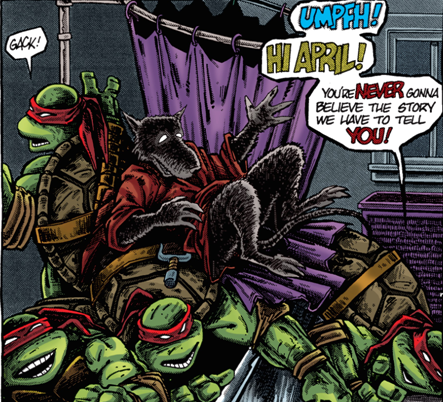
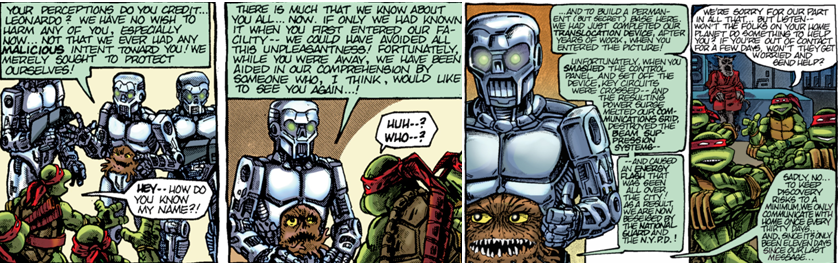



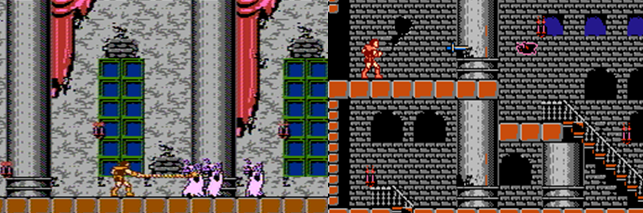
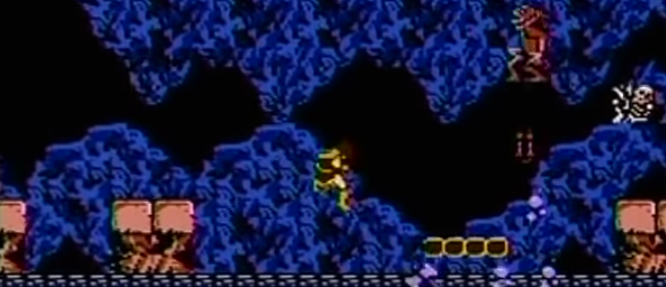

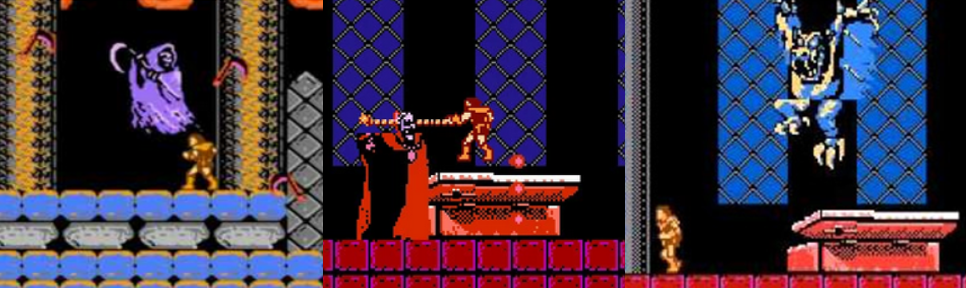

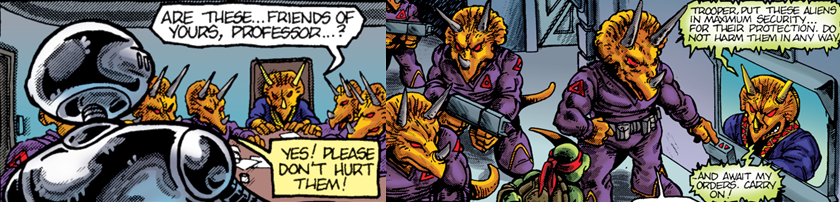


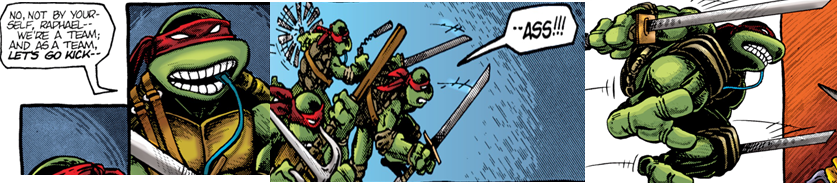

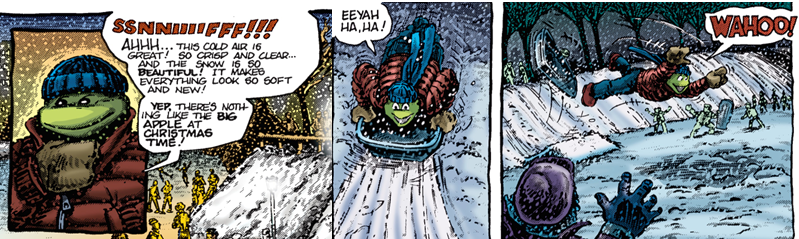
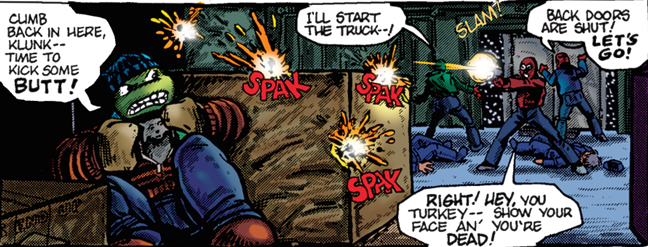
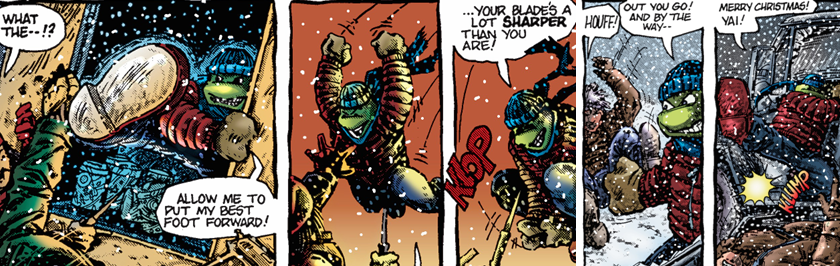
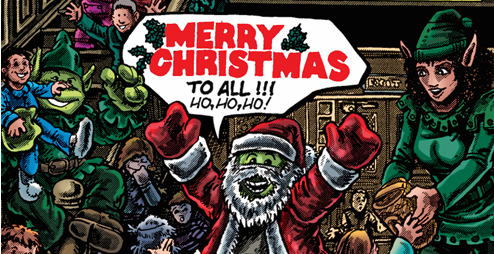


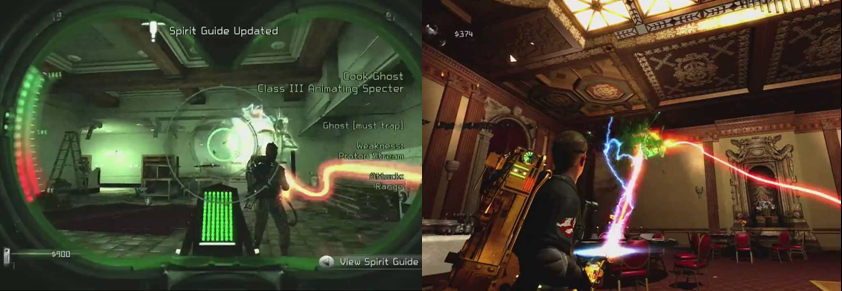
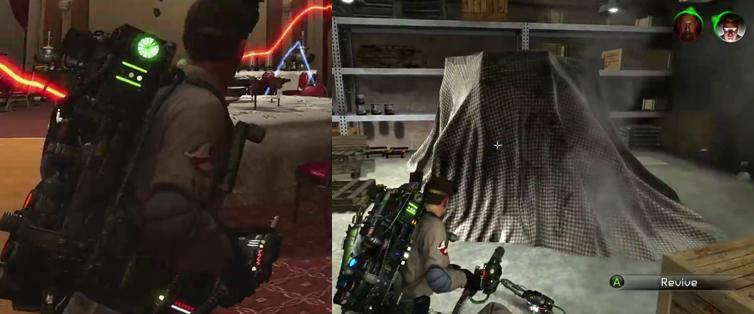
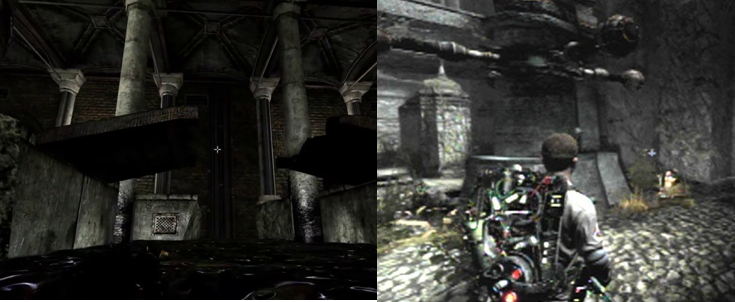
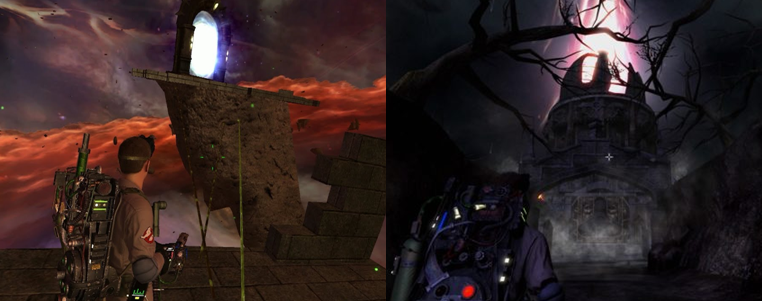
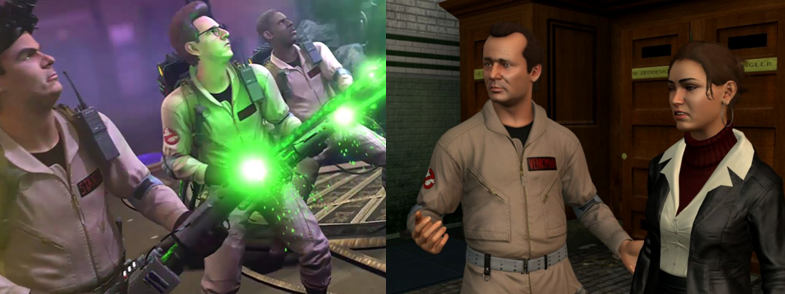
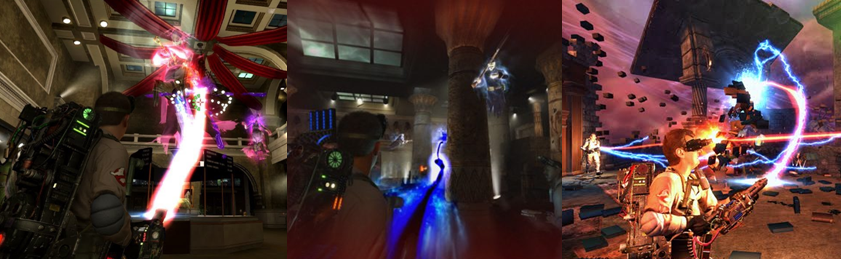
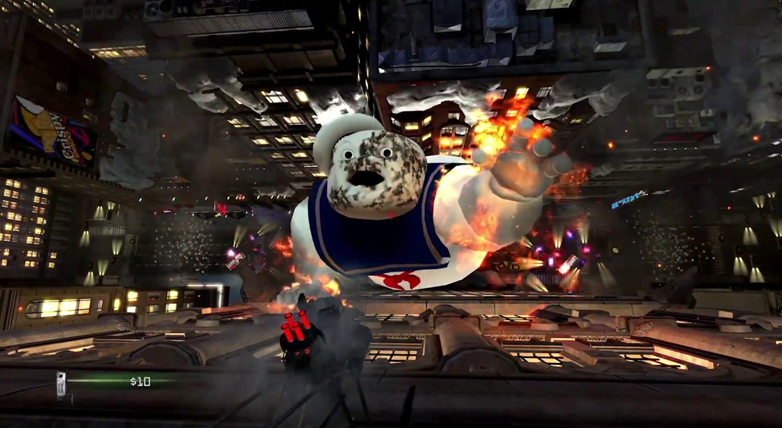
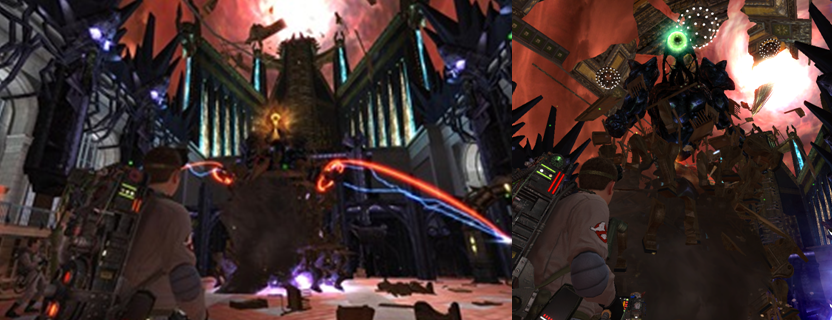
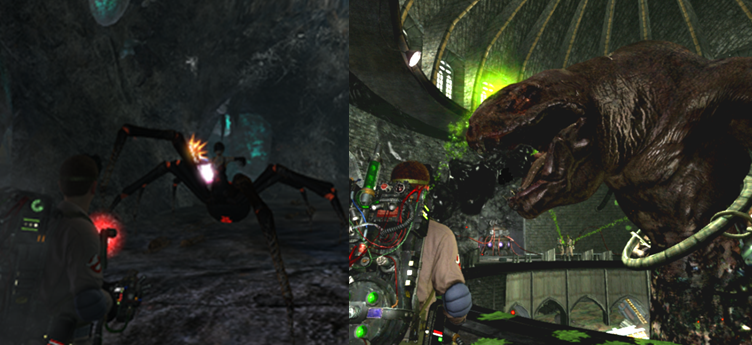
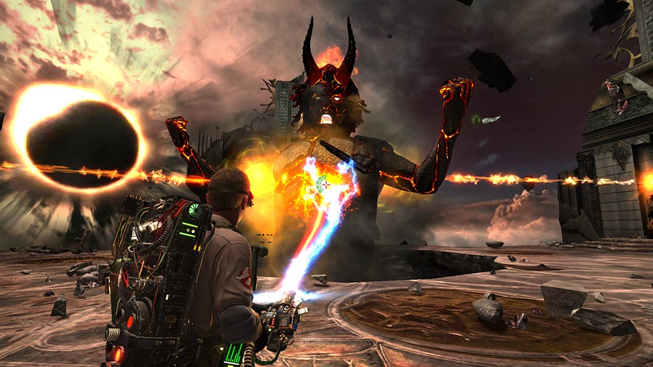

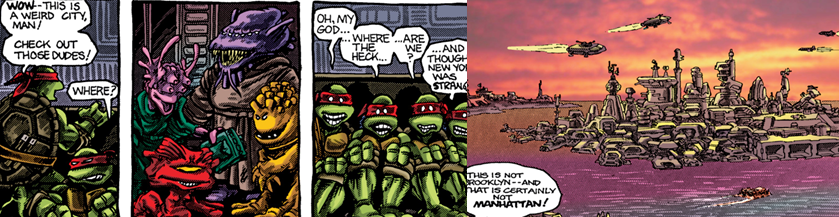
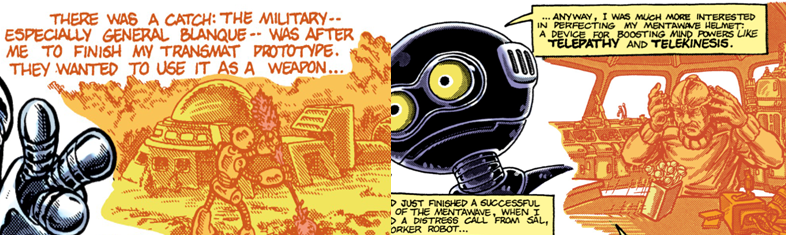
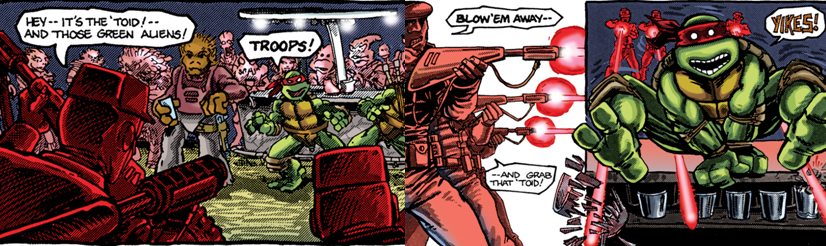
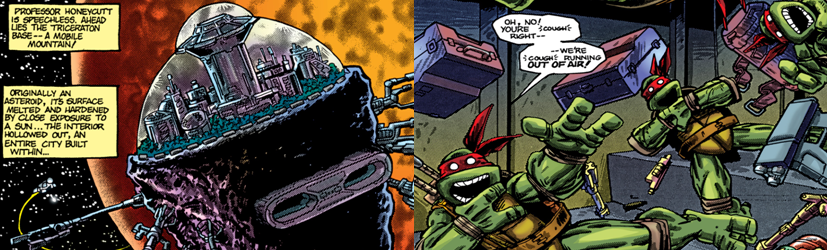




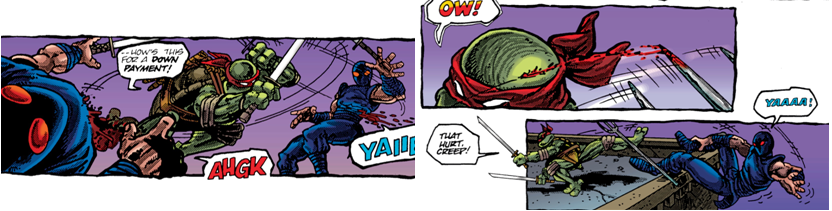

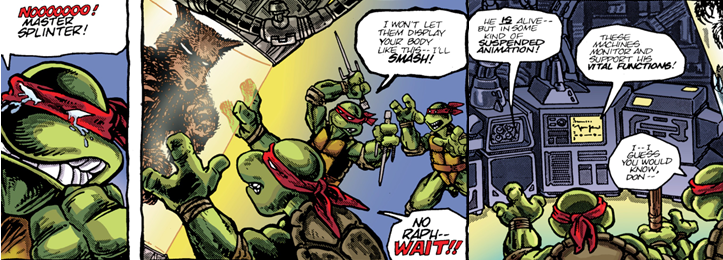
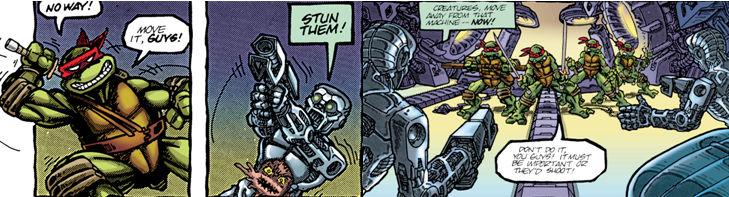
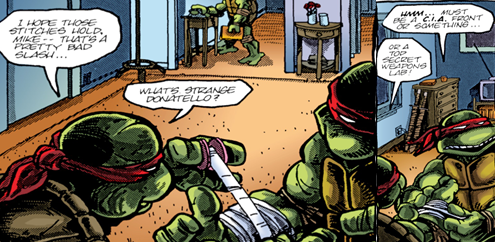

 Dr. K's Waiting Room
You must be logged in to post a comment.